This Anker 3-in-1 MagSafe charging stand has never been cheaper

The Anker 3-in-1 Cube MagSafe charging stand is on sale at Amazon for $113. This matches a record low price for the charging accessory and is 25 percent off. That’s still a large chunk of change for a charger, so let’s take a look at what you actually get

First of all, this model comes with everything you need to get started. It ships with the stand itself, a power cable and a 30W charging brick. Some versions of this accessory don’t come with the cable or brick, requiring a separate purchase. It’s also MagSafe compatible and has spots to charge an iPhone, Apple Watch and AirPods all at the same time.

The device folds down to a compact cube when it’s not being used and is designed so that the iPhone’s viewing angle can be adjusted while charging, which allows for both landscape or portrait mode. Once folded, it’s easy to just pop this thing in a pocket or bag so you can have access to 15W high-speed charging on the go.

It’s tough to fully recommend any charger that’s above $100, especially when there’s an endless array of cheap-as-dirt devices out there. However, I’ve tried a good baker’s dozen of those off-brand chargers and, as they say, “you get what you pay for.” Anker makes good stuff and its gadgets are regularly featured in our lists of the best chargers and power banks. If you’re sick of constantly replacing $20 chargers, this might be a good time to splurge.

Follow @EngadgetDeals on Twitter and subscribe to the Engadget Deals newsletter for the latest tech deals and buying advice.

This article originally appeared on Engadget at https://www.engadget.com/this-anker-3-in-1-magsafe-charging-stand-has-never-been-cheaper-152256126.html?src=rss
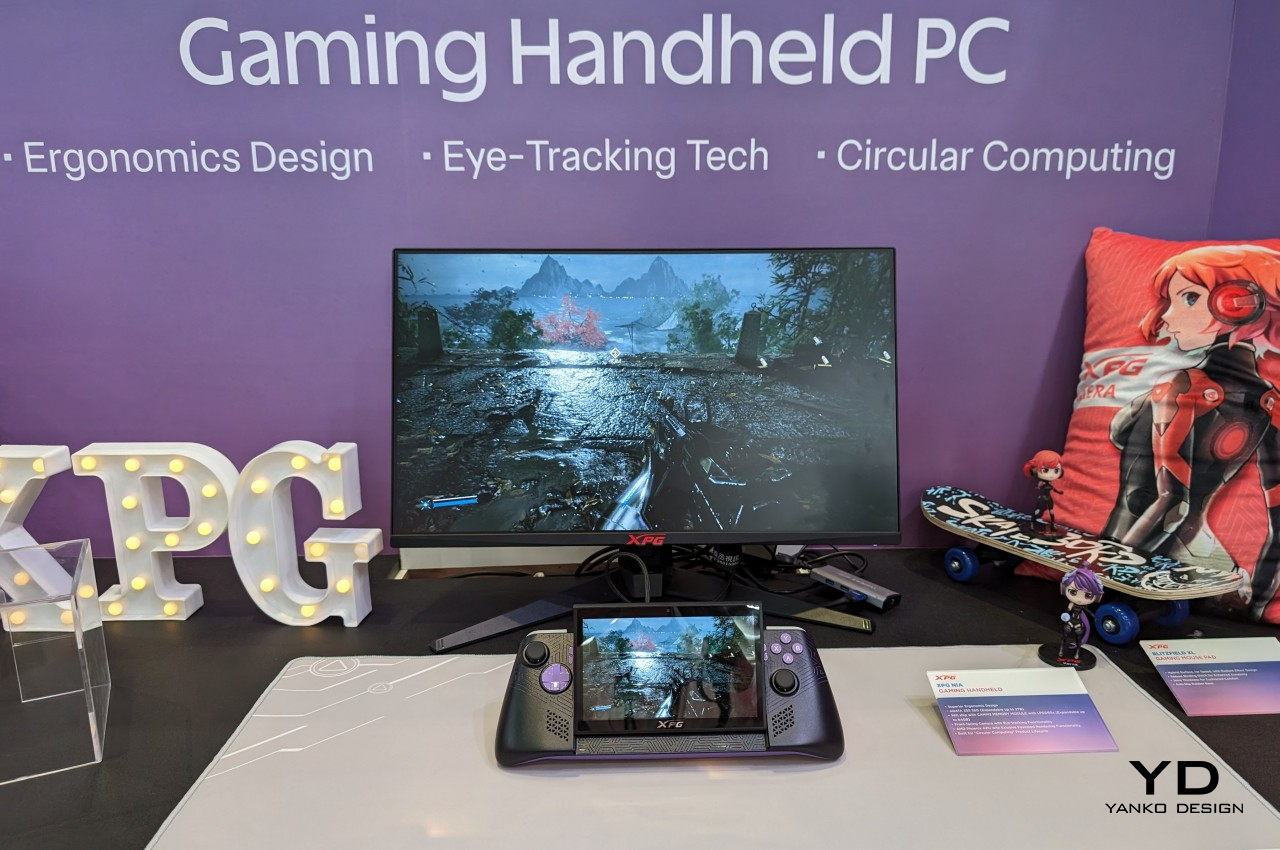
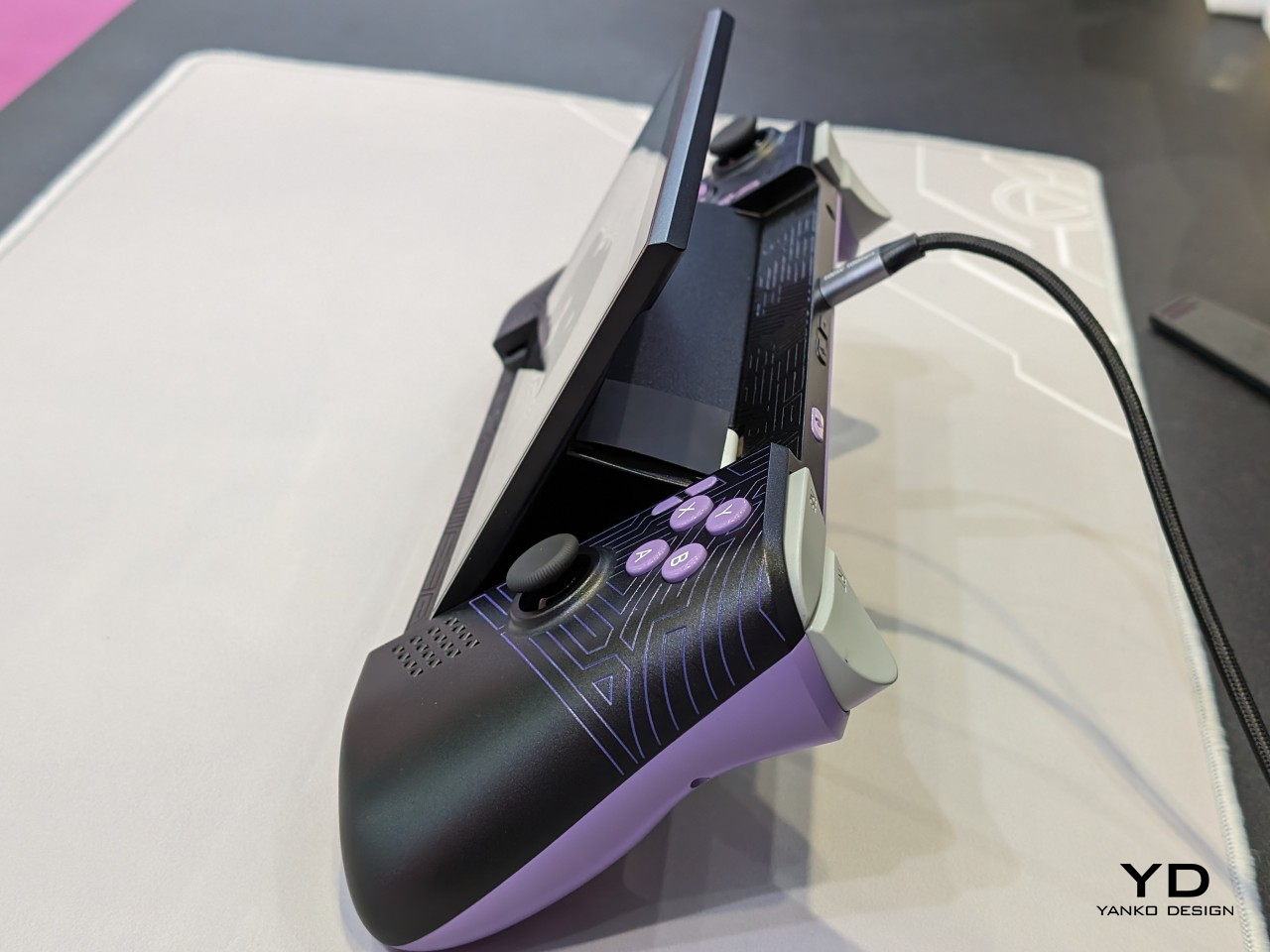
ADATA XPG Nia handheld gaming PC brings a bit of ergonomics and sustainability

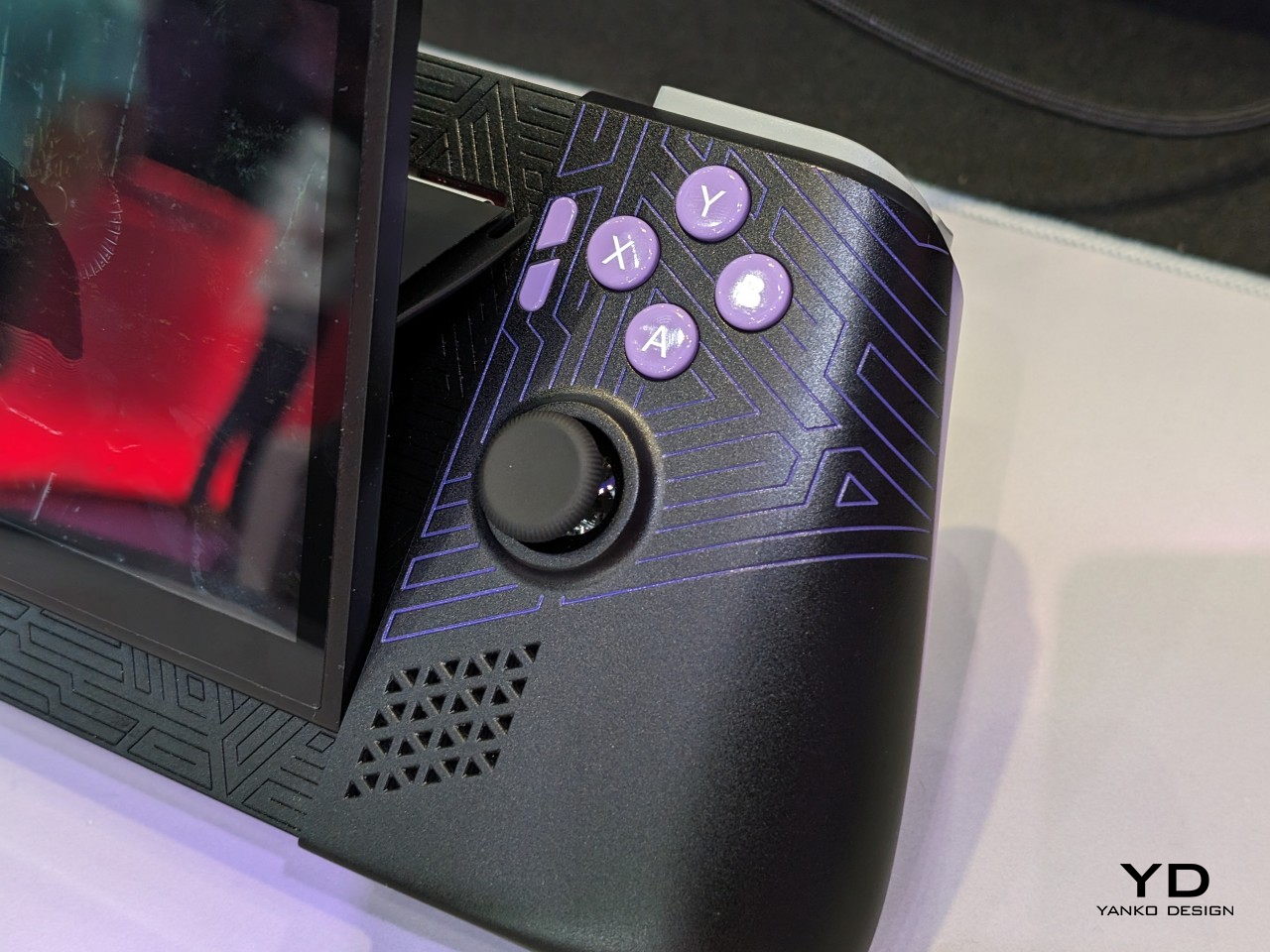
Although they have existed for a long time now, it seems that handheld PCs are finally taking root in the market. These mobile gaming devices are becoming more numerous, including a few from well-known manufacturers as well as a bit more obscure brands. That, unfortunately, also means that some designs are getting all too common, even if there’s still plenty of room for experimentation and innovation. At Computex 2024, we’re seeing some of these bold designs that are trying to challenge the status quo and one of them comes from an unlikely name yet could also be bringing some much-needed improvements to handheld gaming computers.

Designer: ADATA XPG

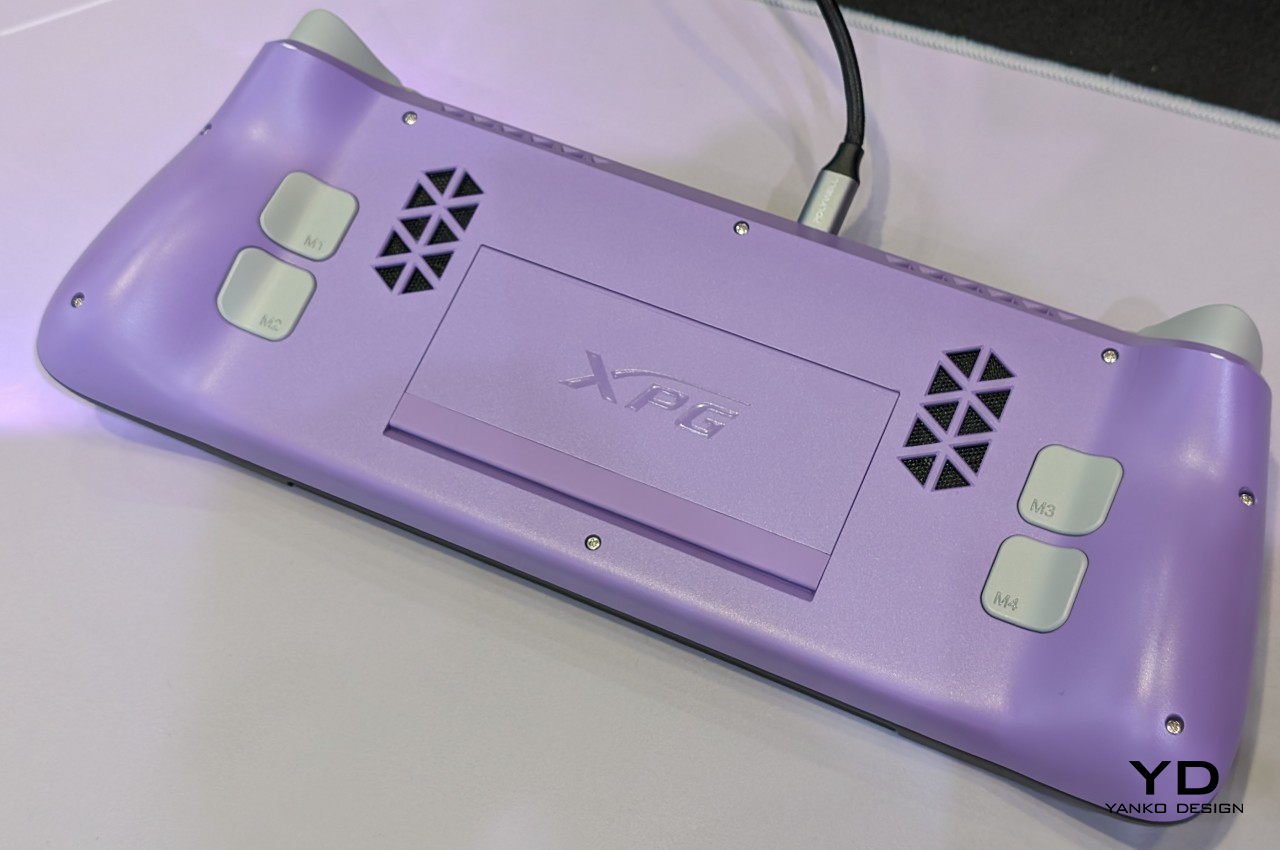
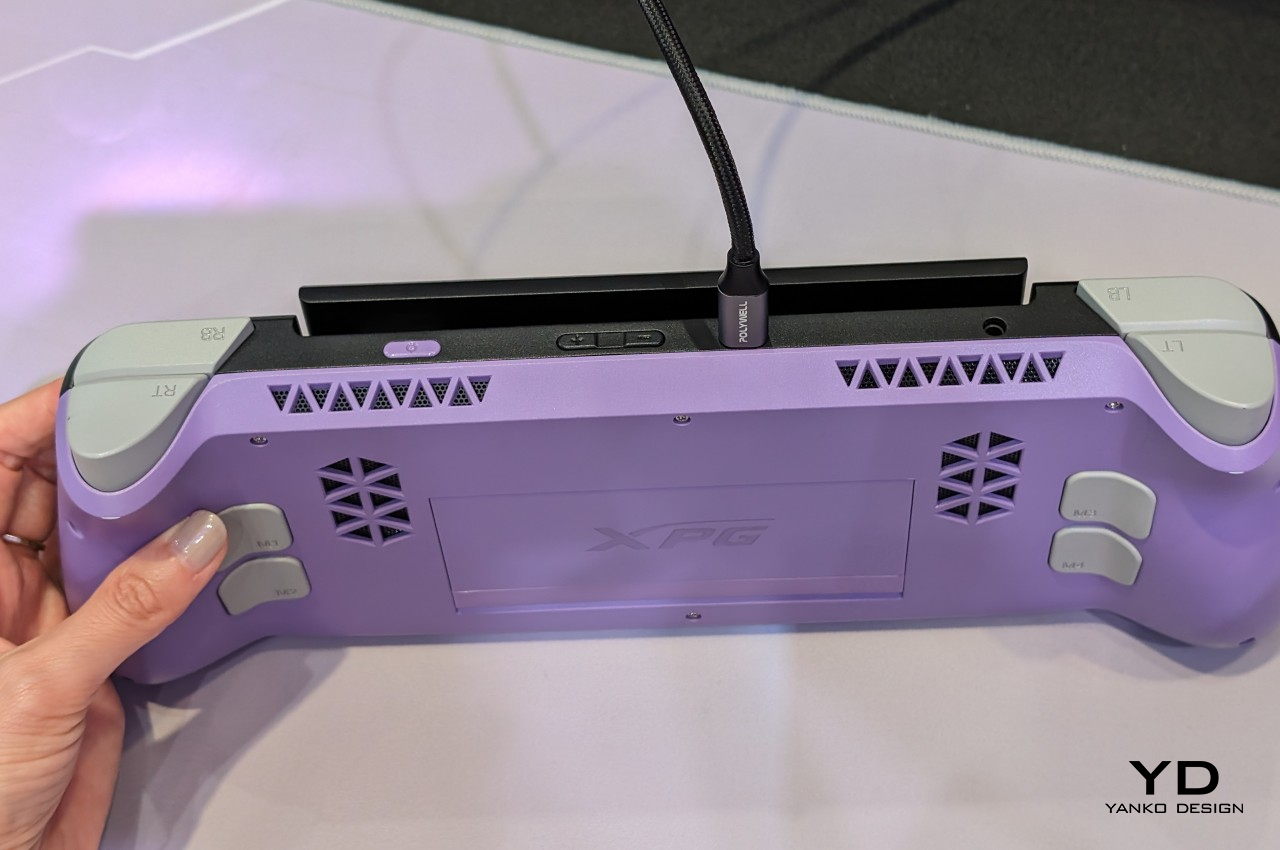
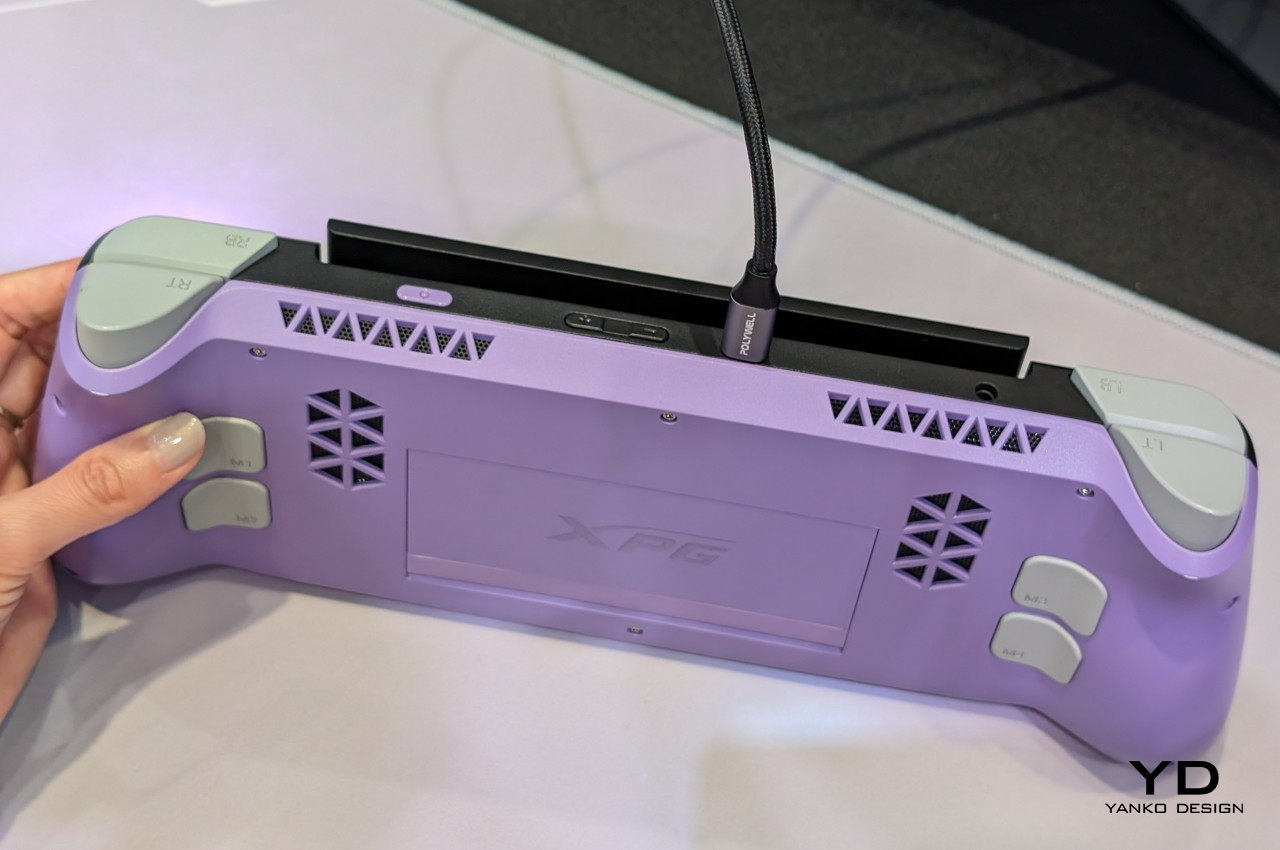
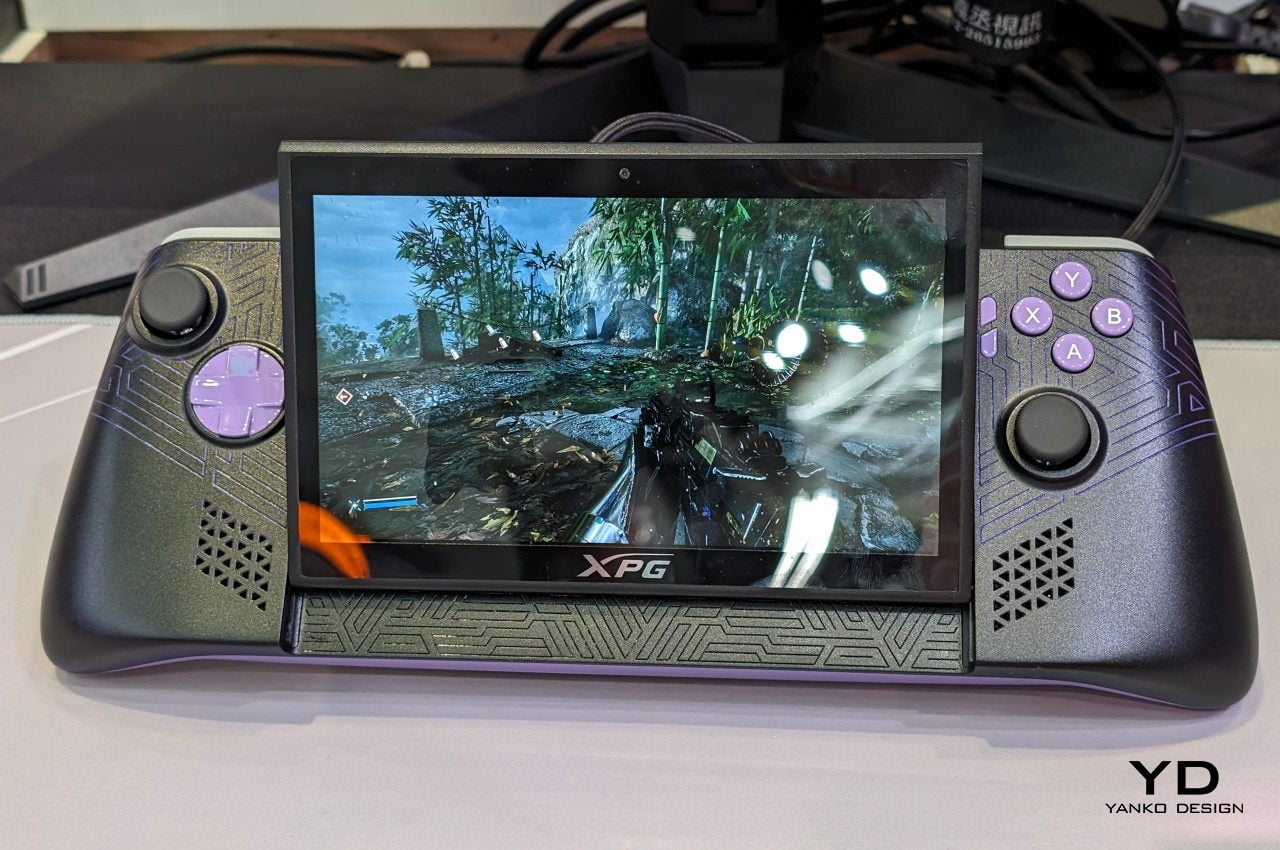
Handheld PCs are pretty much miniature laptops and they even use some of the same hardware but with weaker cooling solutions. That practically means you’re stuck with the specs you got when you bought the device, though there might be options to upgrade the storage and only that. Many laptops these days, however, also have upgradable RAM, and ADATA, a brand better known for its data storage solutions, is bringing that to the handheld PC market with the XPG Nia.

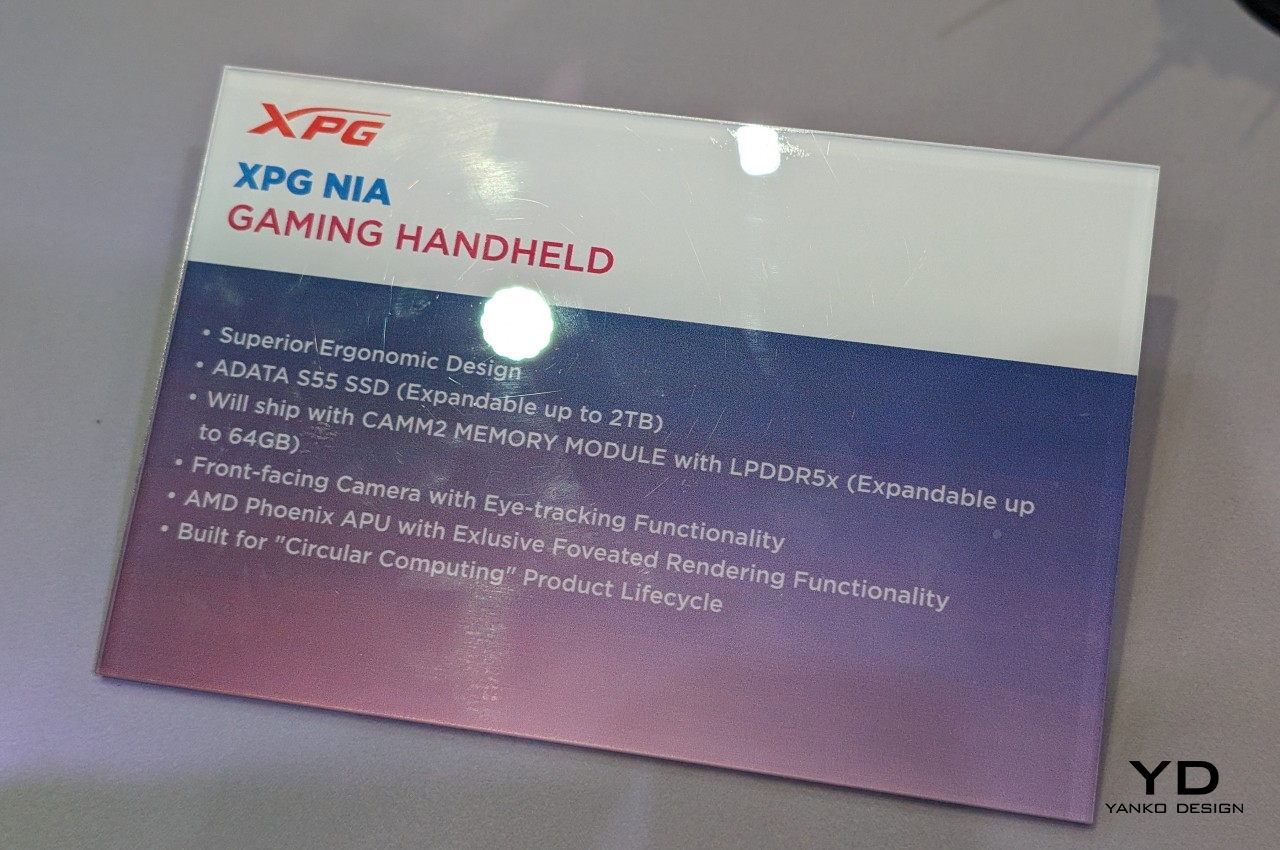
This feat is being attributed to the equally new LPCAMM2 memory module which, unlike most RAM on handhelds and some laptops, isn’t soldered to the motherboard. This makes memory upgradable in theory, though how easy it will be still remains to be seen. The XPG Nia also features upgradable storage courtesy of a more standard M.2 2230 SSD slot. This might sound like minor improvements since the capability has been around in laptops for many years, but it goes a long way in making handhelds last longer and be more sustainable in their own small way.

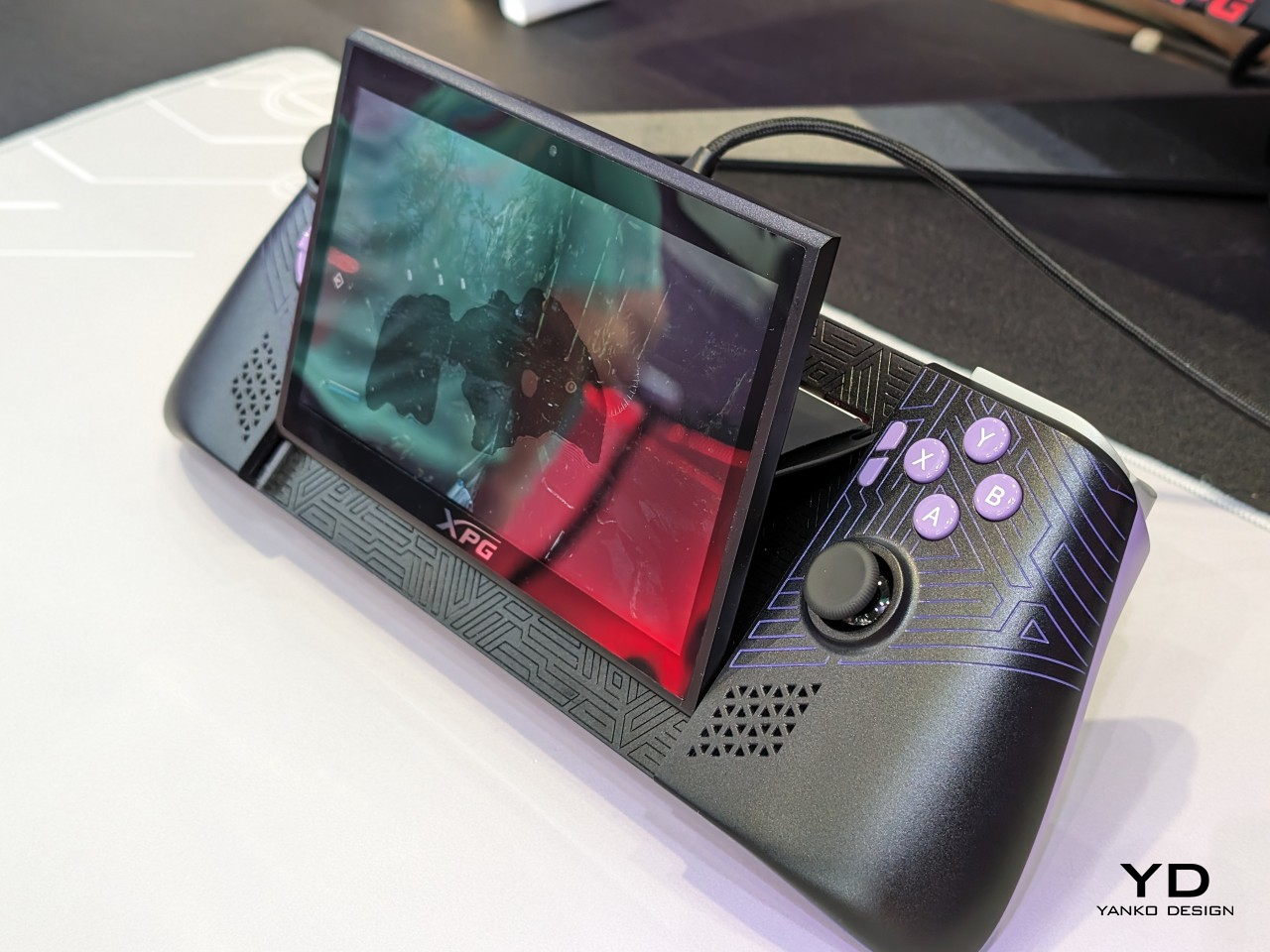
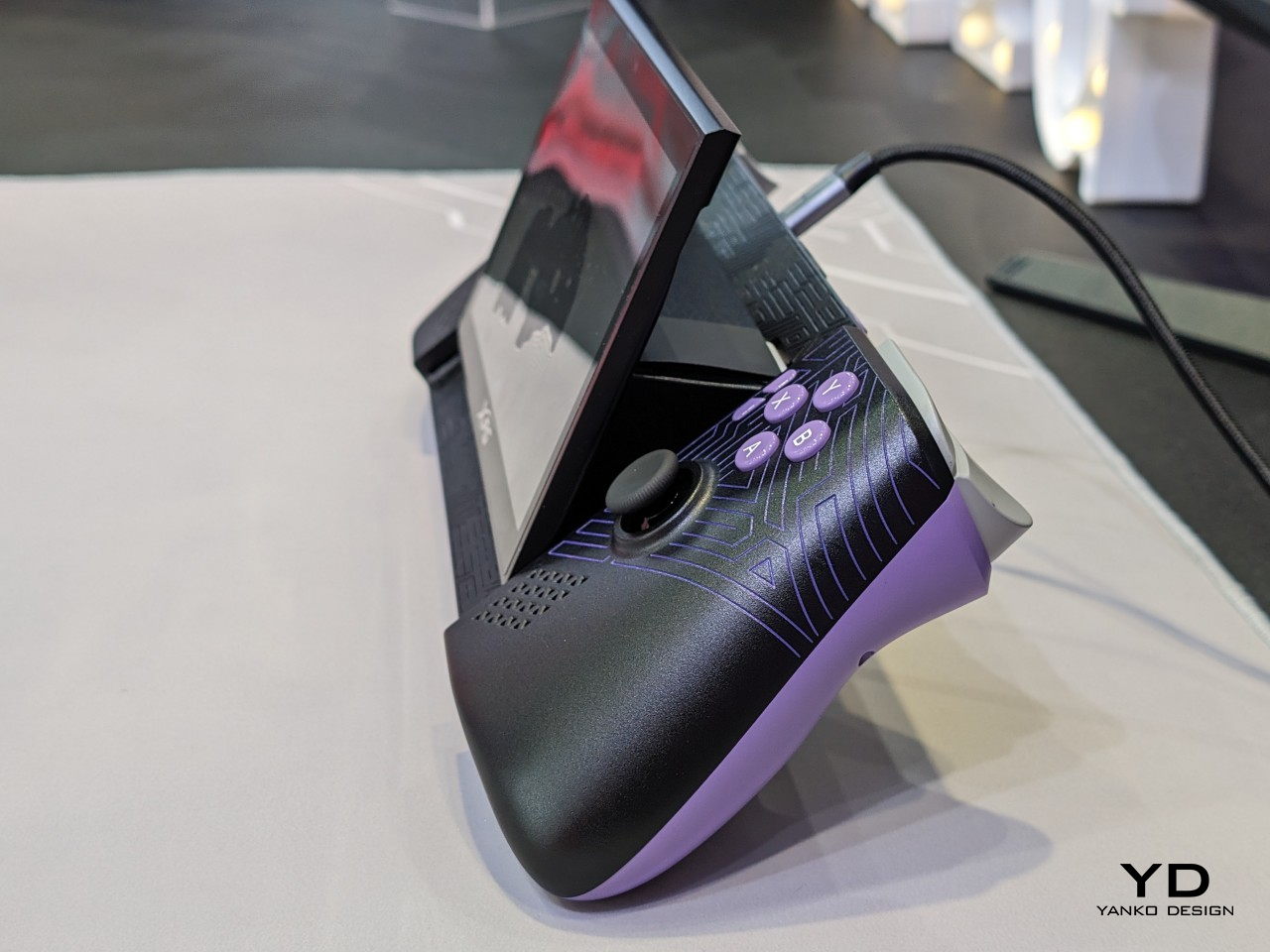
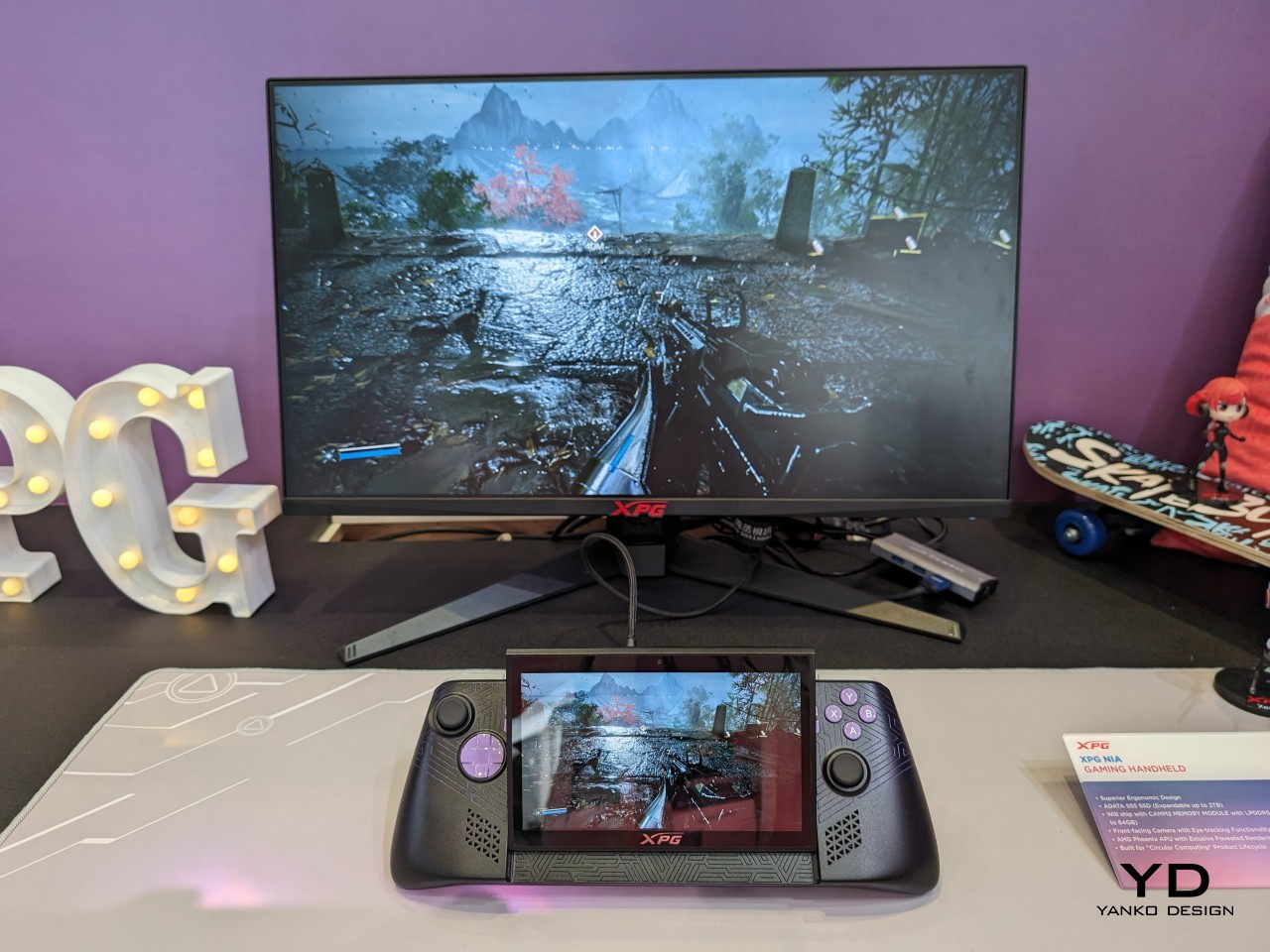
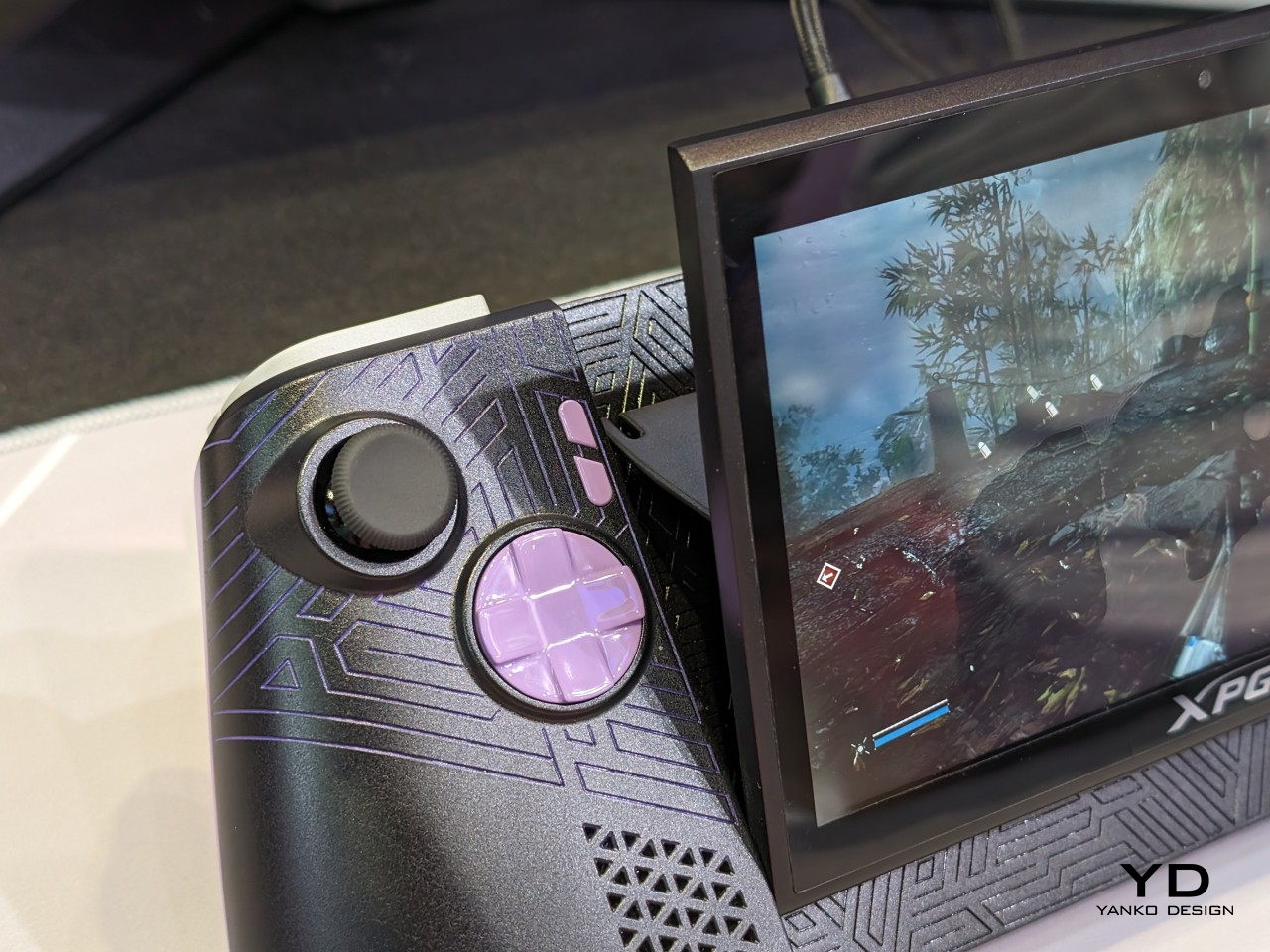
That isn’t the only novelty that the ADATA XPG Nia is bringing to the table, however. The handheld has a tilting screen that you can adjust to your comfort, and it has a built-in kickstand that lets you put the device down on a table without requiring a separate stand or dock. And unlike the majority of handheld gaming PCs, it has a front-facing camera that can be used for eye-tracking and, possibly, video chat among gamers. Again small details, but ones that significantly improve the usability and ergonomics of a device that still hasn’t cemented its place in the market.

As admirable as these improvements might be, the big drawback to the ADATA XPG Nia is that it’s not a product you can buy, at least not any time soon. What was shown at Computex was just a prototype, and the earliest ETA for the handheld PC is 2025. That leaves not only a lot of room for the brand to change or even backtrack on these features, it also gives its competitors the opportunity to steal the limelight even before the XPG Nia has a chance to get out the door.

The post ADATA XPG Nia handheld gaming PC brings a bit of ergonomics and sustainability first appeared on Yanko Design.

Both Octopath Traveler games are now on Xbox Game Pass

Microsoft has revealed the first wave of Game Pass additions for June, and they include two titles that suddenly joined the lineup today. Octopath Traveler and its sequel are now available on the service across cloud, console and PC.

When Octopath Traveler 2 debuted last year, Xbox was the only major platform it was missing from. Square Enix said last September that the HD-2D RPG would come to Xbox consoles in "early 2024." For what it's worth, the original game took nearly three years to hit Xbox after its 2018 debut on Nintendo Switch — and it only just arrived on PS4 and PS5.

Elsewhere, the Dead Space-esque The Callisto Protocol (from Dead Space co-creator Glen Schofield and his team at Striking Distance Studios) arrives on Game Pass on cloud, console and PC on June 13. Still Wakes The Deep, a narrative horror game from The Chinese Room will join the lineup in all three formats on June 18.

Other titles hitting Game Pass in the early part of June are Cthulhu-inspired tabletop RPG Depersonalization (coming to PC Game Pass) and WWI first-person shooter Isonzo (cloud, console and PC). Both will arrive on June 13.

Several games are leaving Game Pass this month as well. Bramble: The Mountain King, High on Life, Rune Factory 4 Special, Spacelines from the Far Out and The Bookwalker are all departing on June 15.

We're about to learn about several more titles that are bound for Game Pass in the coming months and years too. Microsoft will reveal more details about its upcoming slate at the Xbox Games Showcase, which takes place on June 9 as part of Summer Game Fest. We could, for instance, hear about Microsoft's plans for rolling out more Activision Blizzard games on the subscription service.

This article originally appeared on Engadget at https://www.engadget.com/both-octopath-traveler-games-are-now-on-xbox-game-pass-150222800.html?src=rss
Starship survives reentry to splash down in the Indian Ocean after successful fourth flight test

SpaceX’s Starship just soared through a series of critical milestones in its development, surviving reentry through Earth’s atmosphere and demonstrating a landing burn for the first time, before splashing down in the Indian Ocean. Starship lifted off from the company’s Texas Starbase at around 8:50AM ET for its fourth flight test, which focused on demonstrating the reusability of the massive spacecraft and the Super Heavy booster.

A few minutes after launch, Super Heavy separated from Starship and successfully performed a controlled descent to splash down in the Gulf of Mexico as planned. Starship continued flying for about an hour, starting its reentry a little after the 45 minute mark. Live views from an onboard camera made for a nailbiting final few minutes — at an altitude of about 33 miles above Earth, one of the ship’s flaps started to burn off. Then the camera cracked, obscuring the view so little more than flashes of light from plasma could be seen. 

A flap on Starship is seen separating from the ship and burning

But the ship managed to stay intact enough to keep sending data all the way through the moment of its landing burn. SpaceX confirmed splashdown just before 10:00AM ET. The test marks a major success for SpaceX as it works to develop Starship as a transportation system that could carry humans to the moon and Mars.

This article originally appeared on Engadget at https://www.engadget.com/starship-survives-reentry-to-splash-down-in-the-indian-ocean-after-successful-fourth-flight-test-142912013.html?src=rss

Craste uses crop residue to create tree-free packaging

As someone who manages ecommerce stores and is also a frequent consumer of products from various online stores, I see a lot of waste when it comes to packaging. There are a lot of single-use plastics lying around our office and my house that I often feel guilty about contributing to all that waste. While we still try to re-use what we can, I do hope that there will be better packaging solutions that can be adapted by the general public.

Designer: Craste

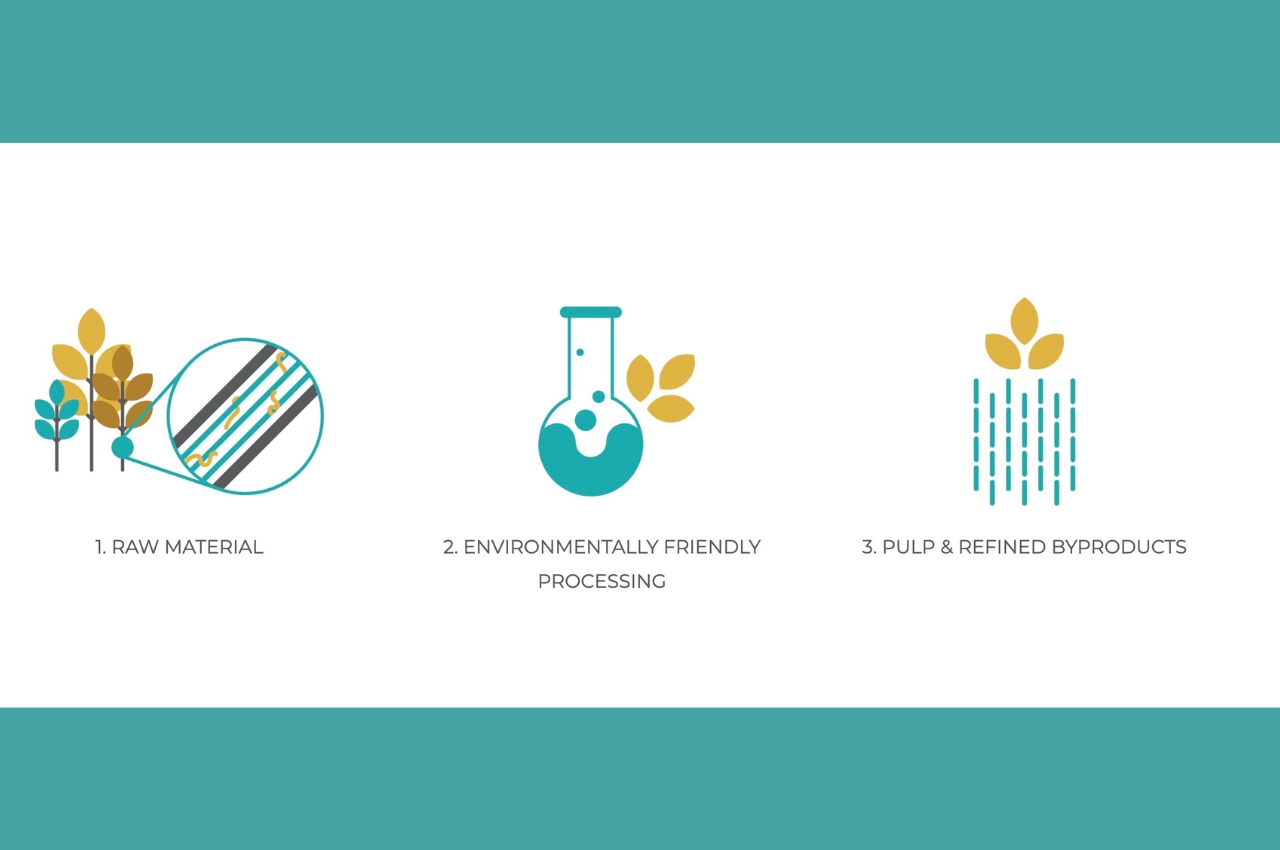
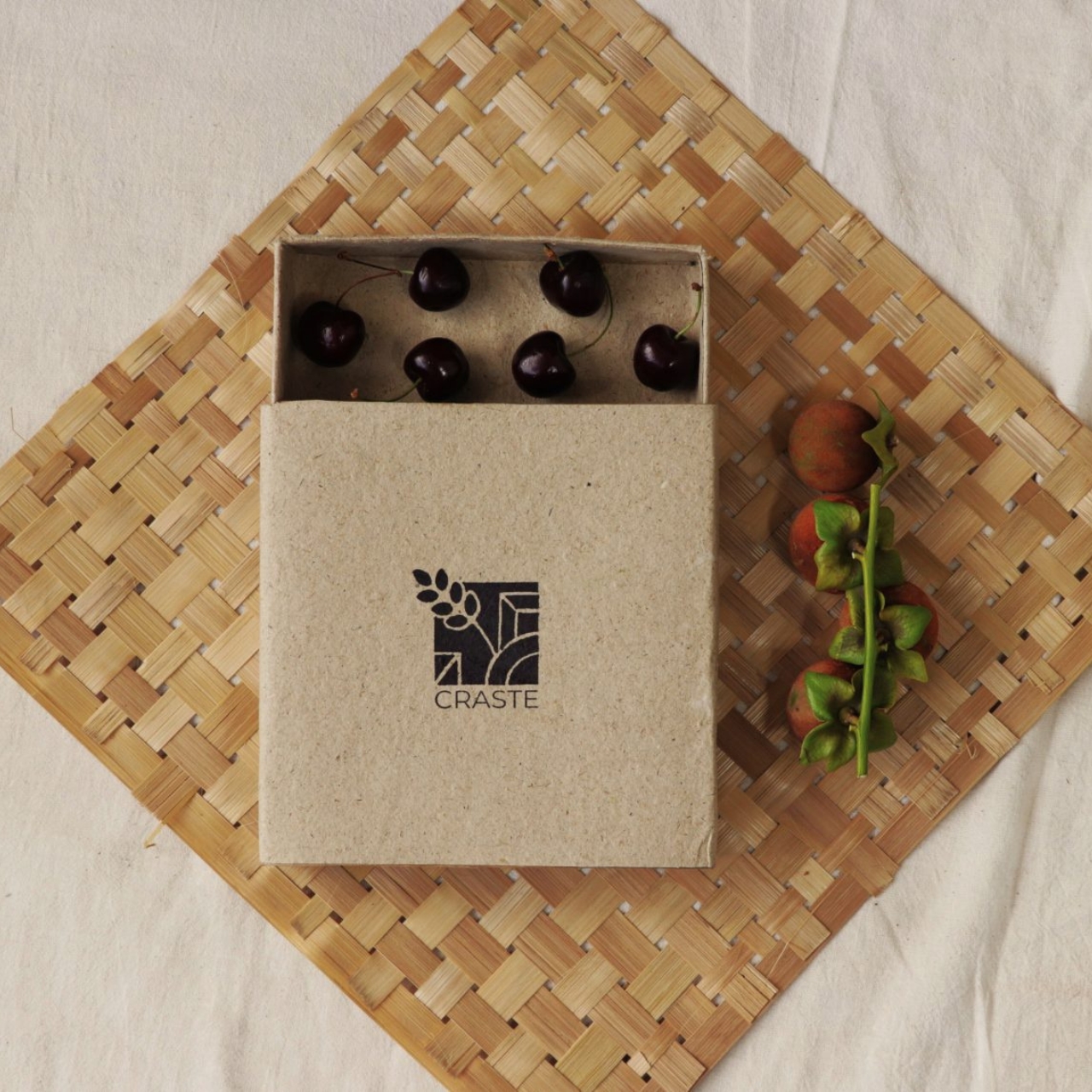
Craste is a company based in India that is the country’s first 100% tree-free packaging solution. Since the country produces 500 million tonnes of crop residue every year which contributes to 150 million tonnes of carbon dioxide released in the atmosphere, they thought of using crop waste to create eco-friendly packaging. They collected crop residue from the farmers and then convert it to tree-free pulp through a circular fiber technology (whose patent is still pending). This process uses less water consumption and Zero Level Discharge from the unit.

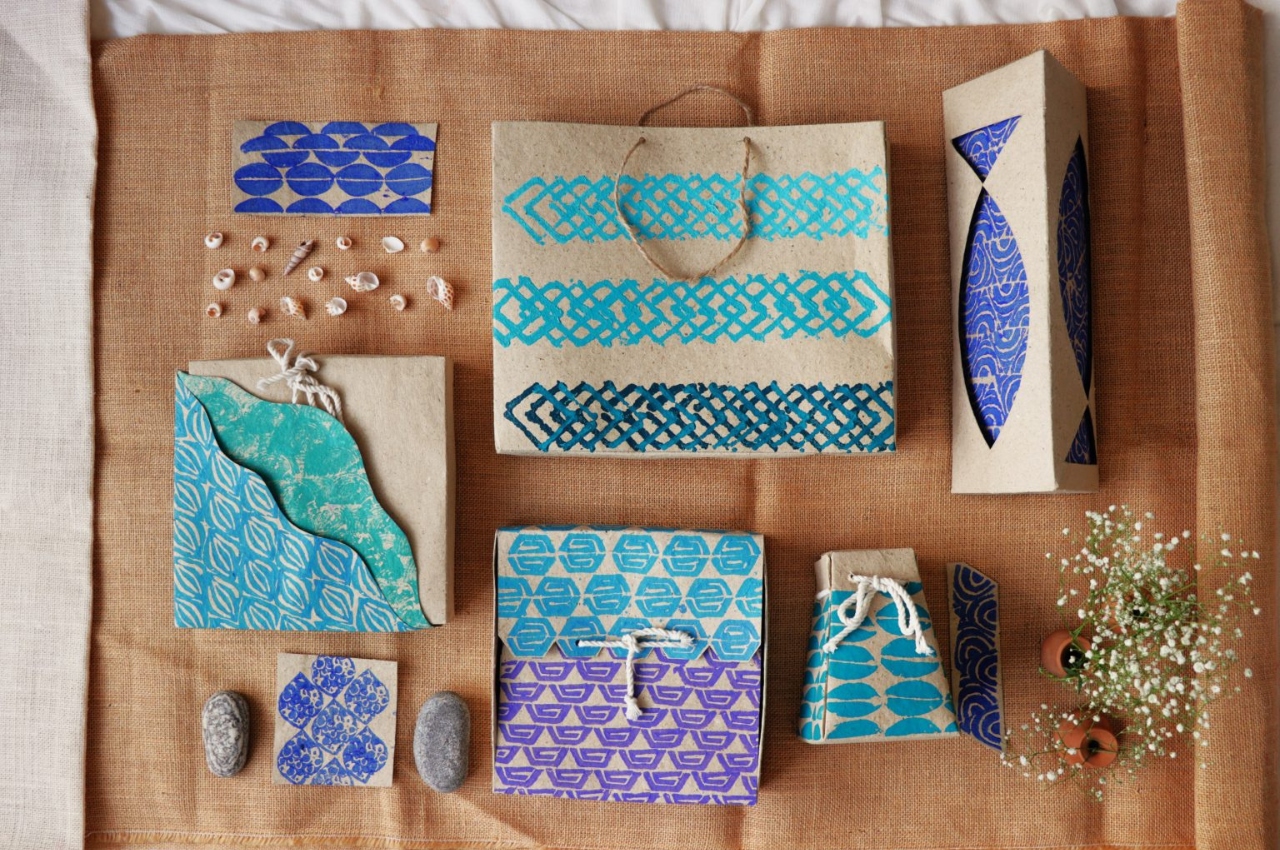
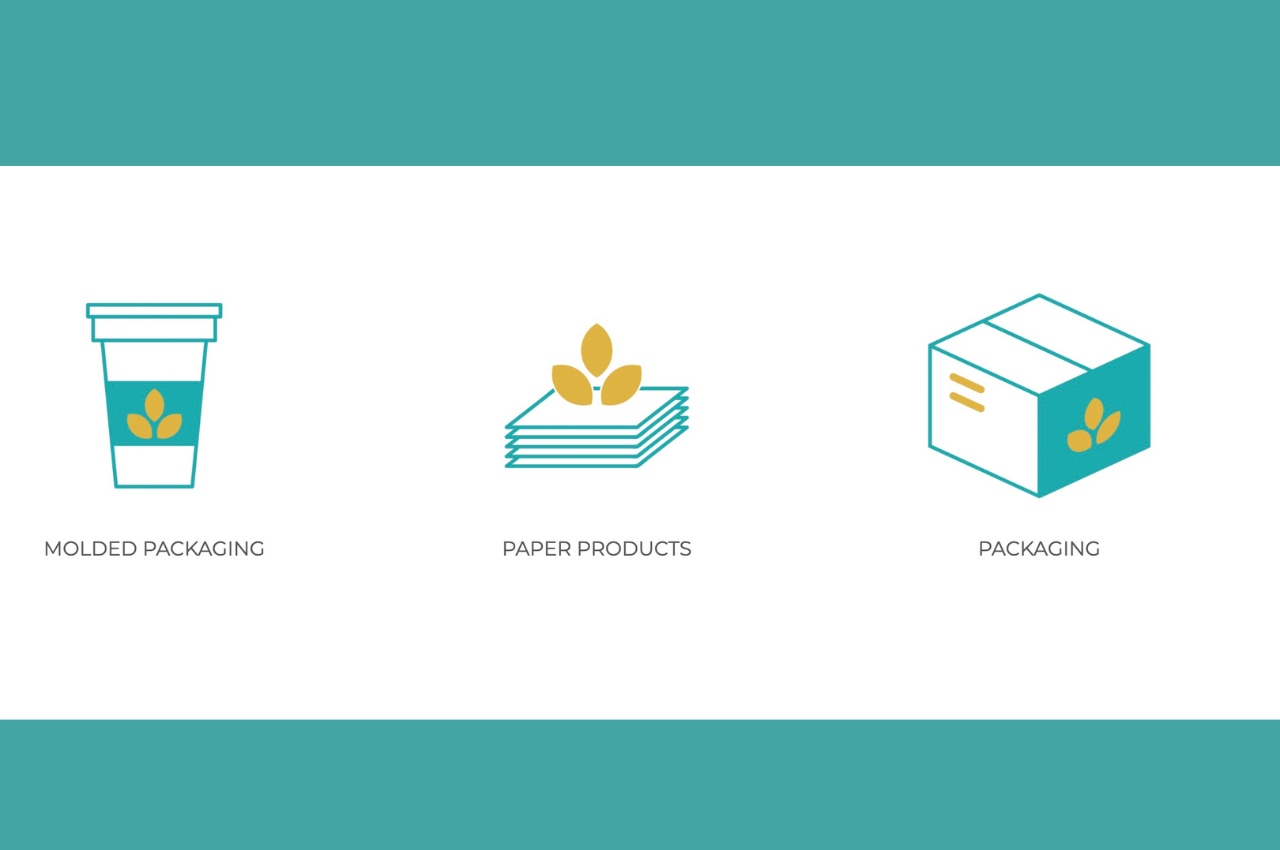
The pulp is then turned to high-quality paper that can be used for different kinds of packaging like boxes, paper bags, envelopes, etc. The packaging created is also food-grade so it’s safe for food products. It is also strong but flexible that it can retain the form and shape of the packaging it is turned into. They also aim to create “highly durable, environmentally friendly, cost-effective, wood-equivalent crop residue derived straw panel board with a formaldehyde-free adhesive”.

One issue with alternative packaging of course is the cost. Things like single-use plastic, bubble wrap, and the likes are pretty cheap and the more eco-friendly options are more expensive. Hopefully if companies like Craste can create more sustainable packaging for brands, we’ll be able to have better packaging consumption in the next few years.

The post Craste uses crop residue to create tree-free packaging first appeared on Yanko Design.

New Alfa Romeo Junior EV Starts at £33,895

Alfa Romeo Junior

The recent unveiling of the Alfa Romeo Junior EV marks a significant step forward for the renowned Italian automaker as it embraces the future of electric mobility. This compact and sporty vehicle seamlessly blends Alfa Romeo’s signature style, performance, and innovation, offering a driving experience that is both thrilling and environmentally conscious. With a choice […]

The post New Alfa Romeo Junior EV Starts at £33,895 appeared first on Geeky Gadgets.

Humane is said to be seeking a $1 billion buyout after only 10,000 orders of its terrible AI Pin

It emerged recently that Humane was trying to sell itself for as much as $1 billion after its confuddling, expensive and ultimately pretty useless AI Pin flopped. A New York Times report that dropped on Thursday shed a little more light on the company's sales figures and, like the wearable AI assistant itself, the details are not good.

By early April, around the time that many devastating reviews of the AI Pin were published, Humane is said to have received around 10,000 orders for the device. That's a far cry from the 100,000 it was hoping to ship this year, and about 9,000 more than I thought it might get. It's hard to think it picked up many more orders beyond those initial 10,000 after critics slaughtered the AI Pin.

At a price of $700 (plus a mandatory $24 per month for 4G service), that puts Humane's initial revenue at a maximum of about $7.24 million, not accounting for canceled orders. And yet Humane wants a buyer for north of $1 billion after taking a swing and missing so hard it practically knocked out the umpire.

HP is reportedly one of the companies that Humane was in talks with over a potential sale, with discussions starting only a week or so after the reviews came out. Any buyer that does take the opportunity to snap up Humane's business and tech might be picking up somewhat of a poisoned chalice. Not least because the company this week urged its marks customers to stop using the AI Pin's charging case over a possible “fire safety risk.”

This article originally appeared on Engadget at https://www.engadget.com/humane-is-said-to-be-seeking-a-1-billion-buyout-after-only-10000-orders-of-its-terrible-ai-pin-134147878.html?src=rss

Google’s NotebookLM gets Gemini 1.5 and extra tools

Google first launched NotebookLM, its AI-powered research tool, in summer 2023 and now the company is expanding its capabilities and access. In a new blog post, Google announced that NotebookLM is officially running on Gemini 1.5 Pro, an upgrade from the original Gemini Pro model that brings a host of new features. The research and writing assistant has also expanded to over 200 countries and territories. 

NoteBookLM works differently than many other AI-powered tools in that it only takes from the resources you provide, rather than a plethora of general knowledge. The research assistant has always accepted files such as transcripts, research notes and corporate documents from Google Docs or in PDF format, but now you can also upload Google Slides and web URLs. 

Other new features include letting you ask questions about images, charts and diagrams, along with including images in citations as further supporting evidence. Then there's a boost to inline citations, which now bring you directly to the supporting passages so you can confirm the AI knows what it's talking about. Plus there's Notebook Guide, which will convert your sources into clear formats like FAQs and briefing docs. 

This article originally appeared on Engadget at https://www.engadget.com/googles-notebooklm-gets-gemini-15-and-extra-tools-133054595.html?src=rss

ASUS Project DALI concept slaps a color E Ink display on the back of laptops

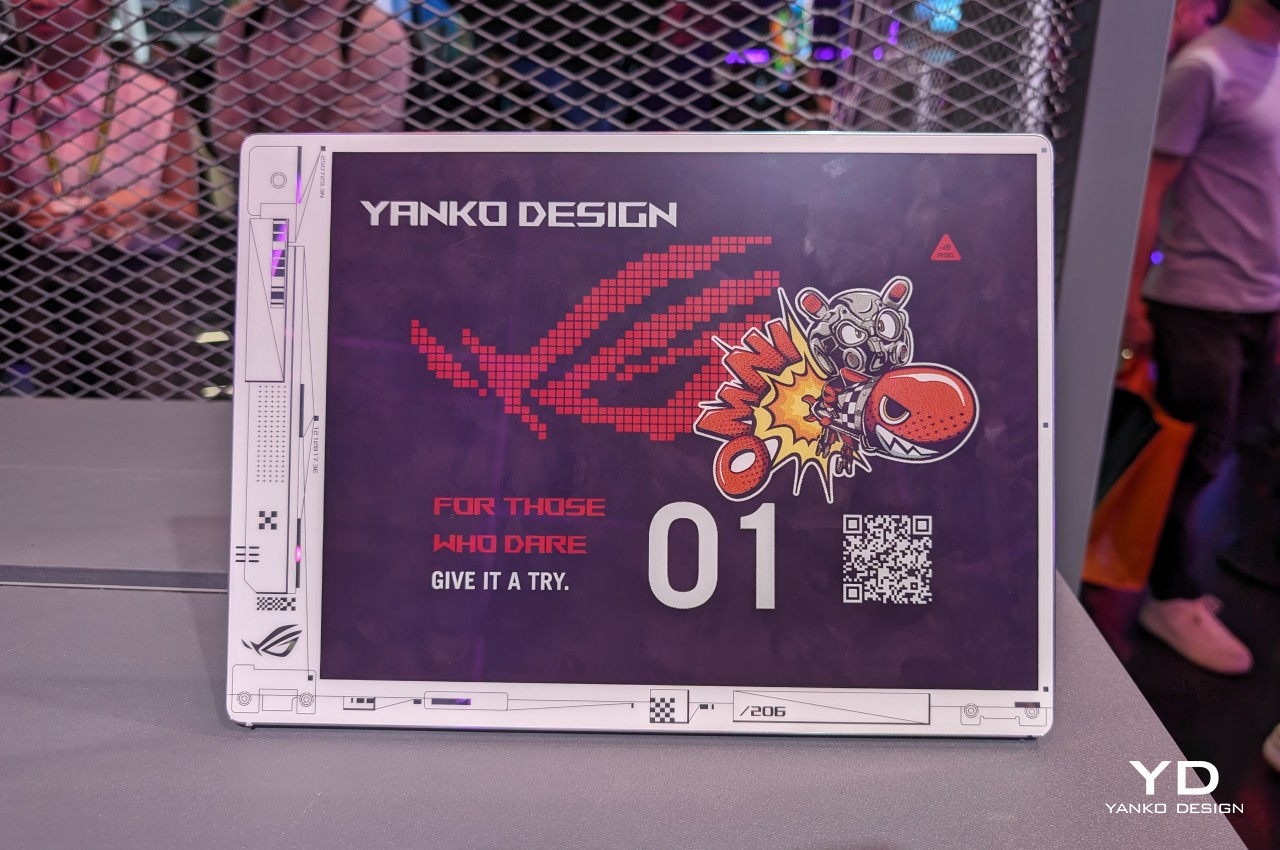
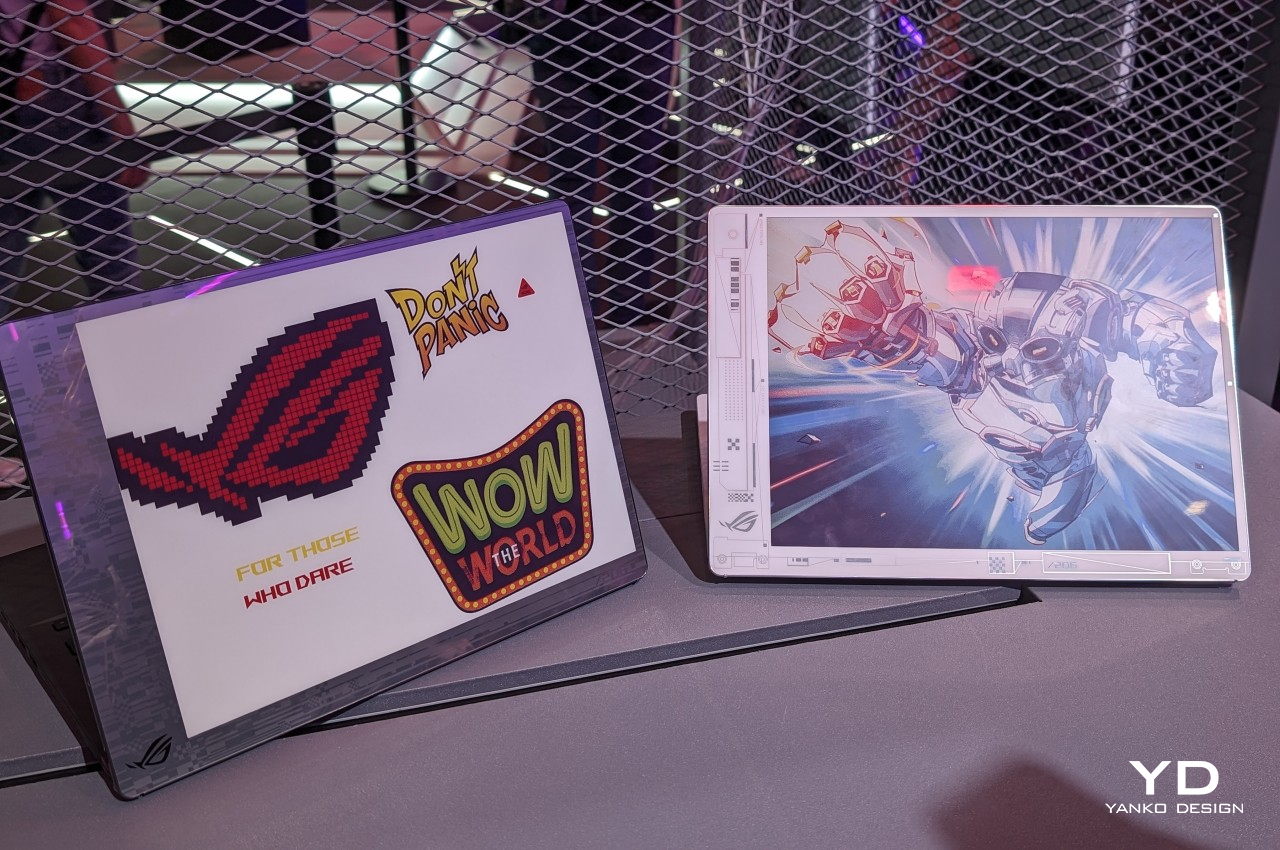
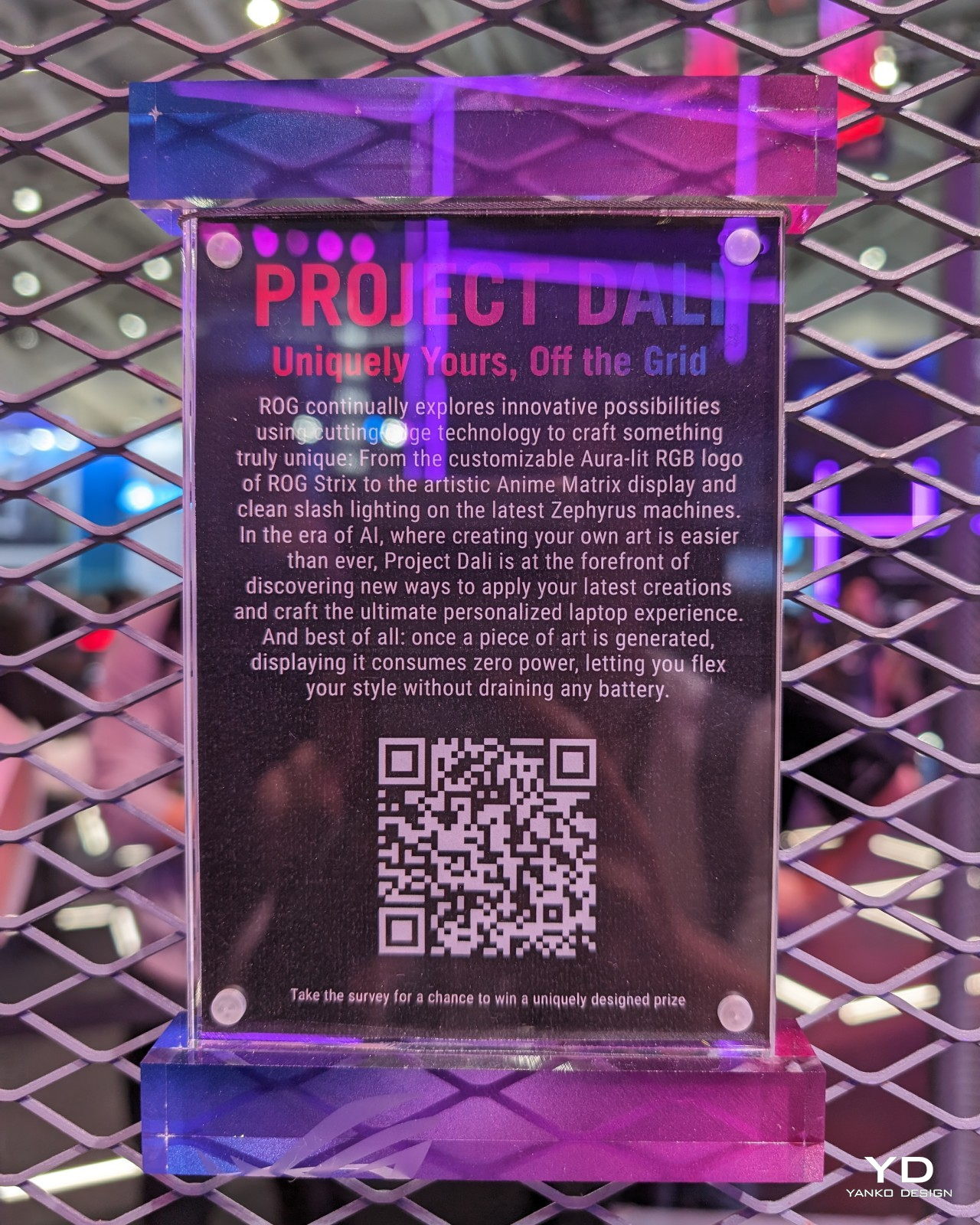
As much as laptop makers wax philosophical about the power of their hardware and the beauty of their screens, what most people will probably admire the most about their products will be the laptop covers. Like with smartphones, this is the most visible part of a laptop and, therefore, also the most expressive. You can almost tell a lot about the laptop owner from the design and stickers they have on their laptops or, conversely, from the lack of any embellishment. Unfortunately, there hasn’t been any easy way to cater to the varied tastes of laptop owners, at least until now. At Computex 2024, ASUS is showing off one of its latest concept designs that lets owners change the design of their laptop covers with a press of a key, and it won’t cost either power or money to keep changing it on a whim.

Designer: ASUS

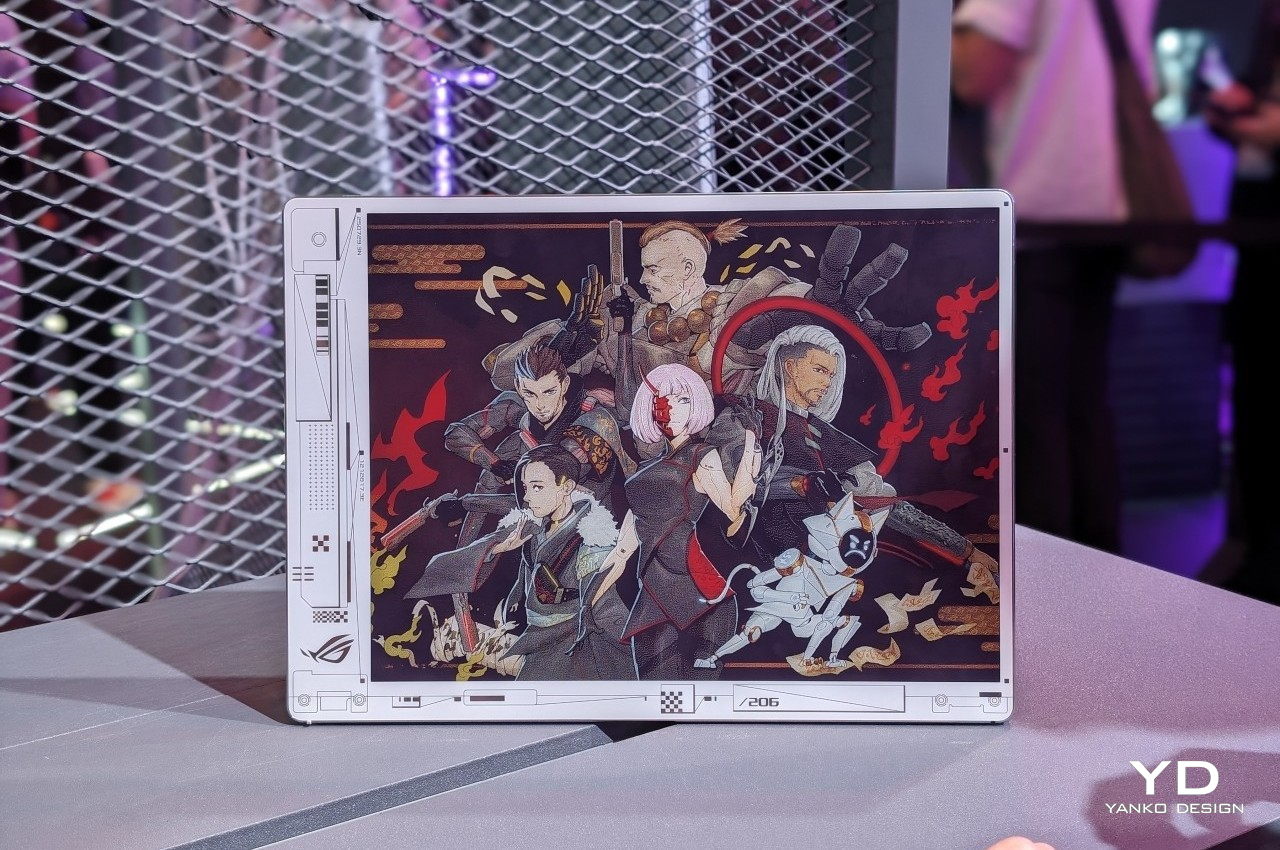
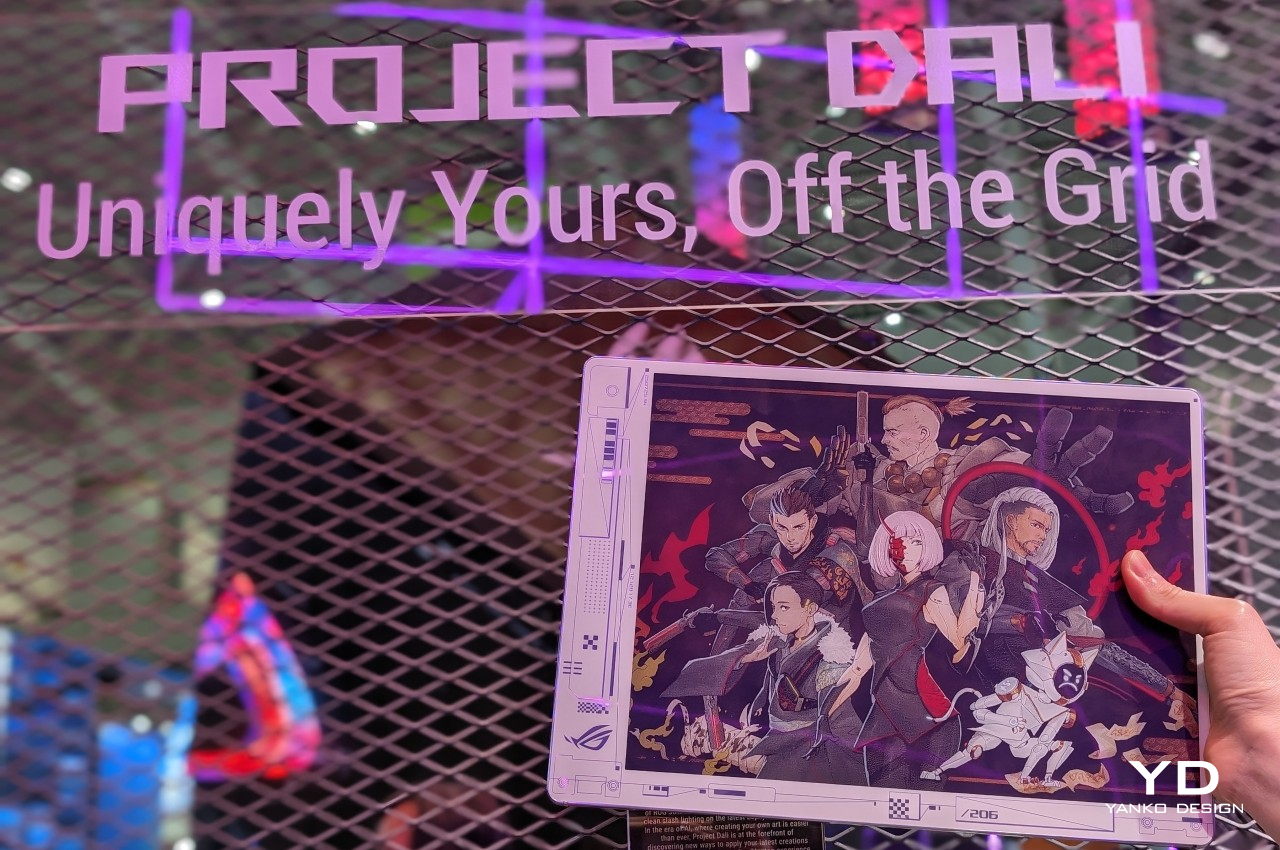
You could, in theory, put a second LCD screen on the back of your laptop for a dazzling display of images or even captivating videos, but that would put a drain on your laptop’s battery, especially if you need to keep that cover display visible even when the laptop is closed and shut down. As with any problem involving power-hungry LCDs and OLEDs, the solution is using ePaper Display or EPD, like E Ink’s popular panels for eBook Readers. And wouldn’t you know it, E Ink has the perfect technology for that, and ASUS is slapping it on its Project DALI laptop concept to make laptops more personal without having to stick anything to it.

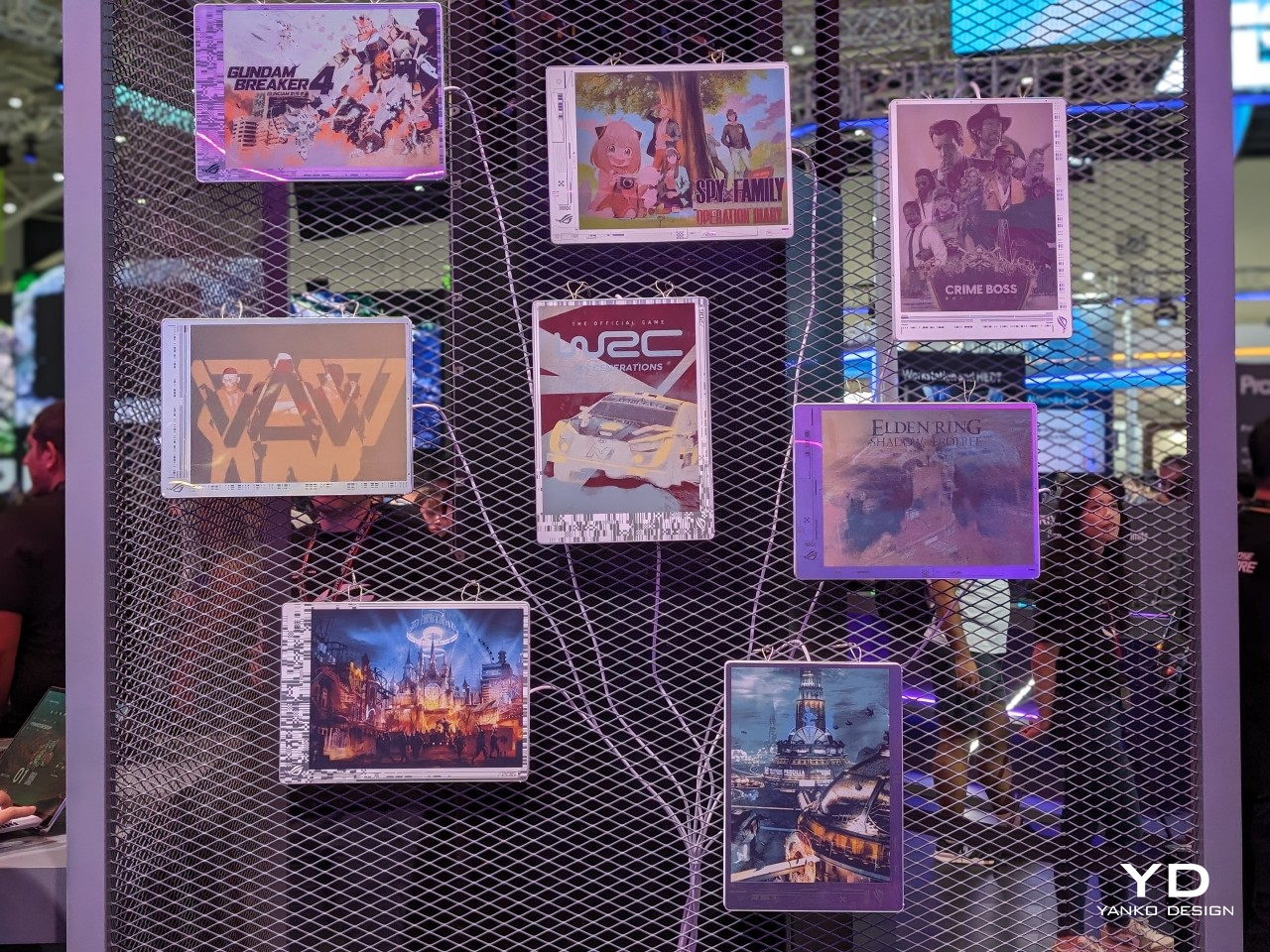
Although it’s primarily being used for signage installations, the E Ink Spectra 6 brings a touch of color to the eye-friendly and battery-conservative E Ink screen. It’s not going to match the vibrant colors of even the crudest LCD, but it has one very important advantage. Once you change the image displayed on it, it will no longer consume any power and can display that image for a long, long time. In other words, it’s perfect for a semi-permanent display that doesn’t change much, something like what the back of your laptop could have.

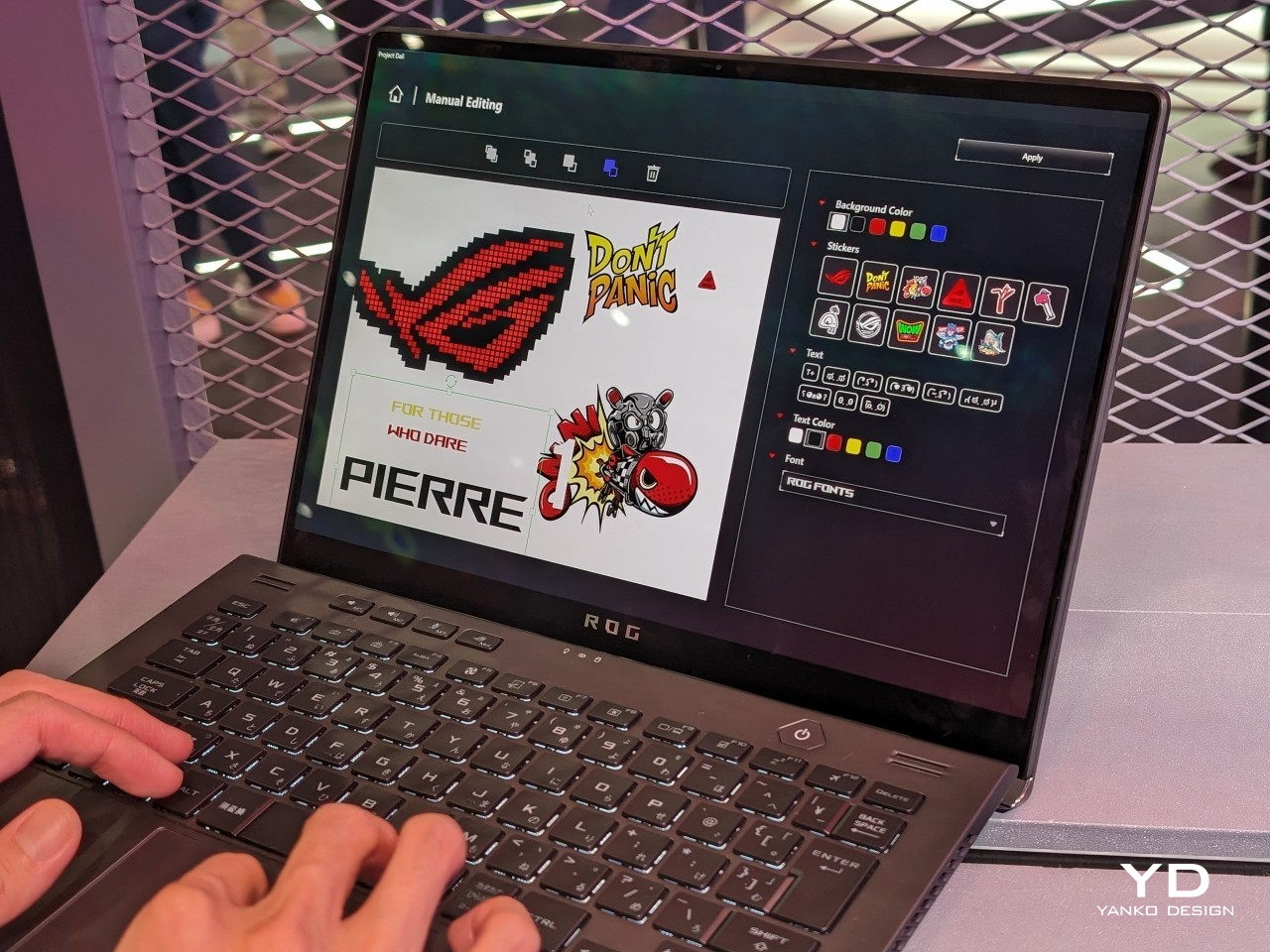
Project DALI puts this technology to offer an unprecedented level of personalization to laptop owners, something you can’t even imagine doing with stickers or skins. With ASUS’s special software, you can either select from a few preset designs or make your own, allowing you to express your tastes, interests, and personality the way you want it. Best of all, you can change it any time you want, and it will only cost you a bit of time and effort, not money from buying new stickers or energy from cleaning off those pesky adhesive residues.

ASUS Project DALI is hardly the first to put an E Ink display on the back of a laptop, as Lenovo also demonstrated a similar idea back in January at CES 2024. DALI, however, uses a newer Spectra 6 technology with higher color DPI, though the number of supported hues is, of course, still limited. Unfortunately, there is still no word on whether Project DALI will become an official ASUS product, but it’s bound to win plenty of fans once it does.

The post ASUS Project DALI concept slaps a color E Ink display on the back of laptops first appeared on Yanko Design.