Oh no, I think I want an iPad Pro now

The iPad Pro has always struck me as a baffling device. It's significantly more expensive than the (very capable!) iPad and iPad Air. iPadOS still isn’t a great environment for multitasking. And Apple hasn't yet justified why, exactly, you'd want a super-powerful tablet in the first place (simplified versions of Final Cut Pro and Audition aren't enough!). If you're trying to get serious work done, you're better off buying a slightly used last-gen MacBook Pro, instead of shelling out $1,000 or more on a souped-up tablet.

And yet, something about this year's iPad Pros compels me.

Apple Magic Keyboard
Apple

Taken individually, most of the tablet's new features seem inessential. It's the first device with Apple's M4 chip, which has vastly better AI performance than its earlier M-series hardware. It has a "tandem" OLED display, which stacks two OLED panels together for better performance. And both the 11-inch and 13-inch iPad Pros are incredibly thin and light (the latter model is the slimmest device Apple has ever made, measuring 5.1mm).

But when you wrap all of those advancements together and pair them up with a redesigned, MacBook-like Magic Keyboard, the iPad Pro M4 is starting to look more and more like the ultra-light computer of my dreams. A super-powerful machine that's easy to take anywhere, with a gorgeous screen for binging TV shows and a capable keyboard for writing on the go. Maybe I'm just charmed by the side profile of the iPad Pro with the Magic Keyboard, which looks like it could have been designed by Syd Mead in the '90s, imagining how laptops could be transformed in a few decades.

iPad Pro M4 with Magic Keyboard

I'll admit, the new iPad Pro looks very similar to the 2022 model. But, as the kids say, it just hits differently now. This year’s iPad Pro is thinner than I ever thought possible, and the revamped Magic Keyboard solves most of the problems I've had with earlier versions, thanks to its aluminum top cover, function keys and larger touchpad.

Part of the appeal, for me at least, is that Apple has also taken the idea of a tablet PC a step further than Microsoft's Surface tablets. While those devices can function as genuine PCs and run full Windows apps, Microsoft hasn't improved its keyboard covers or overall design in years. If you want to hold a Surface on your lap, you'll still have a kickstand digging into your legs and a pretty flimsy typing experience. The iPad Pro M4, on the other hand, now more closely resembles an actual laptop.

Now I realize part of this gadget lust comes from covering Apple's recent launch event. I've been thinking far too much about iPads over the past few days, and it's taken a toll. You could potentially get a laptop-like PC experience from either the entry-level iPad or iPad Air when paired together with a keyboard case. But, then again, I’ve already bought a 10th-gen iPad with Logitech’s Slim Folio keyboard and I don’t actually use it much for typing. It’s fine for jotting down something short like emails, but the unsatisfying keys makes it tough to get into a writing flow.

I'd also feel better about jumping on the iPad Pro bandwagon once iPadOS becomes an even better platform for multi-tasking. Stage Manager is a start, but it's a bit clunky and hard to navigate. Sure, Apple is constrained by what's possible on smaller displays, but I could imagine iPads (along with iPhones and Macs) becoming far more functional once the company starts rolling out its rumored local AI models.

What if Siri could accurately note down your shopping list, pull in prices from local stores and share it with your friends. What if it could automatically edit your vacation videos to post on Instagram? Now imagine you could do those things without losing focus from the email on your screen, or your company’s Slack channel. Multitasking doesn't necessarily need to involve jumping between several apps. With AI enhancements down the line, we could potentially complete complex tasks with natural language, and our devices could better anticipate what we actually need.

iPad Pro 2024
Apple

Price is another obvious problem facing the iPad Pro. It has always been expensive, but Apple is really pushing the boundaries of acceptability with these new models. Both the 11-inch and 13-inch tablets are $200 more than before, starting at $999 and $1,299 respectively. While it's nice to see them come with 256GB of storage by default (up from 128GB), creative professionals will probably want to spend another $200 to get 512GB.

If you want the full 10-core CPU power of the M4 chip, though, you'd have to shell out for at least 1TB of storage, which makes the 11-inch iPad Pro $1,599. Want nano-textured glass for additional glare reduction? That's another $100. Oh, and don't forget the Magic Keyboard! That's $299 or $349 more, depending on the size. If you actually wanted to spec out the iPad Pro like a laptop, it's easy to hit a price near $2,000.

Alternatively, you could just get a $1,299 MacBook Air, or $1,599 14-inch MacBook Pro. Maybe add another $200 to get 16GB of RAM. At least with those machines, you've got larger screens, excellent keyboards, the full desktop power of macOS and more than a single port for connectivity. If you really want an iPad Pro experience, you could always keep an eye out for used or refurbished 2022 models, which come with the very capable M2 chip.

Given just how expensive it is, I likely won't be buying a new iPad Pro anytime soon. But the desire is certainly there, sitting somewhere deep within me, ready to take over my cognitive functions the minute these tablets get cheaper.

This article originally appeared on Engadget at https://www.engadget.com/oh-no-i-think-i-want-an-ipad-pro-now-170041331.html?src=rss
Nintendo just revealed a NES speedrunning collection inspired by an ultra-rare 1990 cartridge

Speedrunning video games is a time-honored tradition, and this is especially true when it comes to retro titles. Nintendo is getting in on the trend with a fairly bizarre forthcoming Switch game called Nintendo World Championships: NES Edition, which drops on July 18. It’s all about speedrunning through the classics, like Legend of Zelda, Metroid and Super Mario Bros., among others.

This comes in the form of 150 speedrunning challenges pulled from 13 NES games, which seems mightily familiar to those cool NES Remix releases from the Wii U era. There will be global online leaderboards, to give it a tournament feel, and local 8 player co-op. The game will also include an automatic rewind feature, letting people try and try until they get it right.

If the name Nintendo World Championships sounds familiar, that’s because it's taken from the company’s semi-regular esports tournament. This has been the company’s branding for in-person competitions since 1990, when Nintendo visited 29 cities throughout the country. That first national tournament also spawned an ultra-rare NES cartridge with minigames based on Super Mario Bros., Tetris and Rad Racer. Only a few hundred were made and they currently sell on eBay for, no joke, $175,000. The last time we covered this cartridge, it was selling for $5,000 to $10,000. Retro-flation is real, ya’ll.

Pre-orders for the digital version are available right now on the eShop, but there is a physical edition coming. This version will include 13 art cards, five pins and a physical game cart. It’ll also include a gold commemorative NES cartridge, though it's sadly nonfunctional. Come on Nintendo! Make that thing functional so I can sell it for $175,000 in 30 years. The digital version of Nintendo World Championships: NES Edition costs $30 and the deluxe physical pack costs $60.

This article originally appeared on Engadget at https://www.engadget.com/nintendo-just-revealed-a-nes-speedrunning-collection-inspired-by-an-ultra-rare-1990-cartridge-164607841.html?src=rss

The Google Pixel Watch 2 has never been cheaper

Amazon has the Google Pixel Watch 2 on sale for $70 off. The Wear OS 4-powered smartwatch arrived last fall with a new stress-tracking feature, slightly longer battery life and a better heart sensor, as Google’s flagship wearable inches closer to rivals Apple and Samsung. Its current $330 sale price is a record low.

The Pixel Watch 2 works with Android phones, so you’ll want to sit this deal out if you use an iPhone and don’t plan on switching. But those with the right setup get a sleek device with a round (1.2-inch) screen. The watch’s 41mm case (one size only) is lighter than its predecessor, thanks to its recycled aluminum material. It also has an IP68 water and dust resistance, meaning it has dust protection and can withstand half an hour of submersion in 1.5 meters of water.

This latest model includes a stress-tracking feature that uses the watch’s continuous electrodermal activity (cEDA) sensor to track changes in your skin’s electrical activity. “This new sensor can point to possible signs of stress using a machine learning algorithm that incorporates heart rate, heart rate variability and skin temperature,” Google explains. “When the algorithm picks up on physical indicators of positive and negative stress, including excitement, the Body Response feature will send you a notification.”

Fitness tracking is likely one of the main reasons to buy a wearable like this, and Engadget’s Cherlynn Low found the watch’s Fitbit integration performed very well in our full review. “I’ve been wearing the Pixel Watch 2 alongside the Apple Watch Series 9 to all my workouts this week, and they generally showed similar results,” she wrote when the smartwatch arrived last fall. It includes automatic workout start and stop prompts in case you forget to set up or end a session.

The Pixel Watch 2’s $330 sale price is for the LTE version of the Pixel Watch 2, so once you set it up with your wireless carrier, it can stay connected without needing you to keep your phone nearby. If you prefer the Wi-Fi-only version, it’s available for $300, which is $50 off its usual price.

Follow @EngadgetDeals on Twitter and subscribe to the Engadget Deals newsletter for the latest tech deals and buying advice.

This article originally appeared on Engadget at https://www.engadget.com/the-google-pixel-watch-2-has-never-been-cheaper-162729942.html?src=rss

Foldable iPhone Needs to Happen: 5 Reasons Why Foldable Phones are Here to Stay

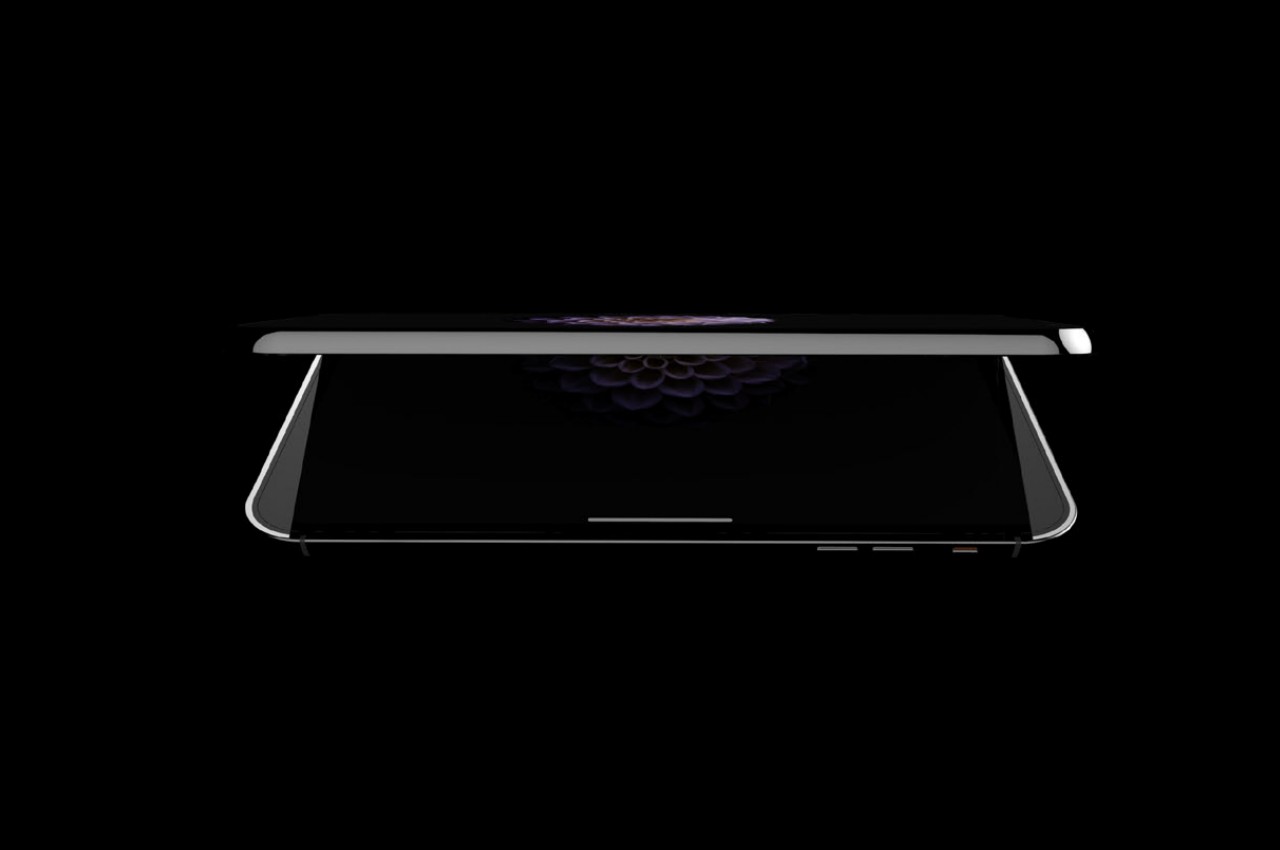
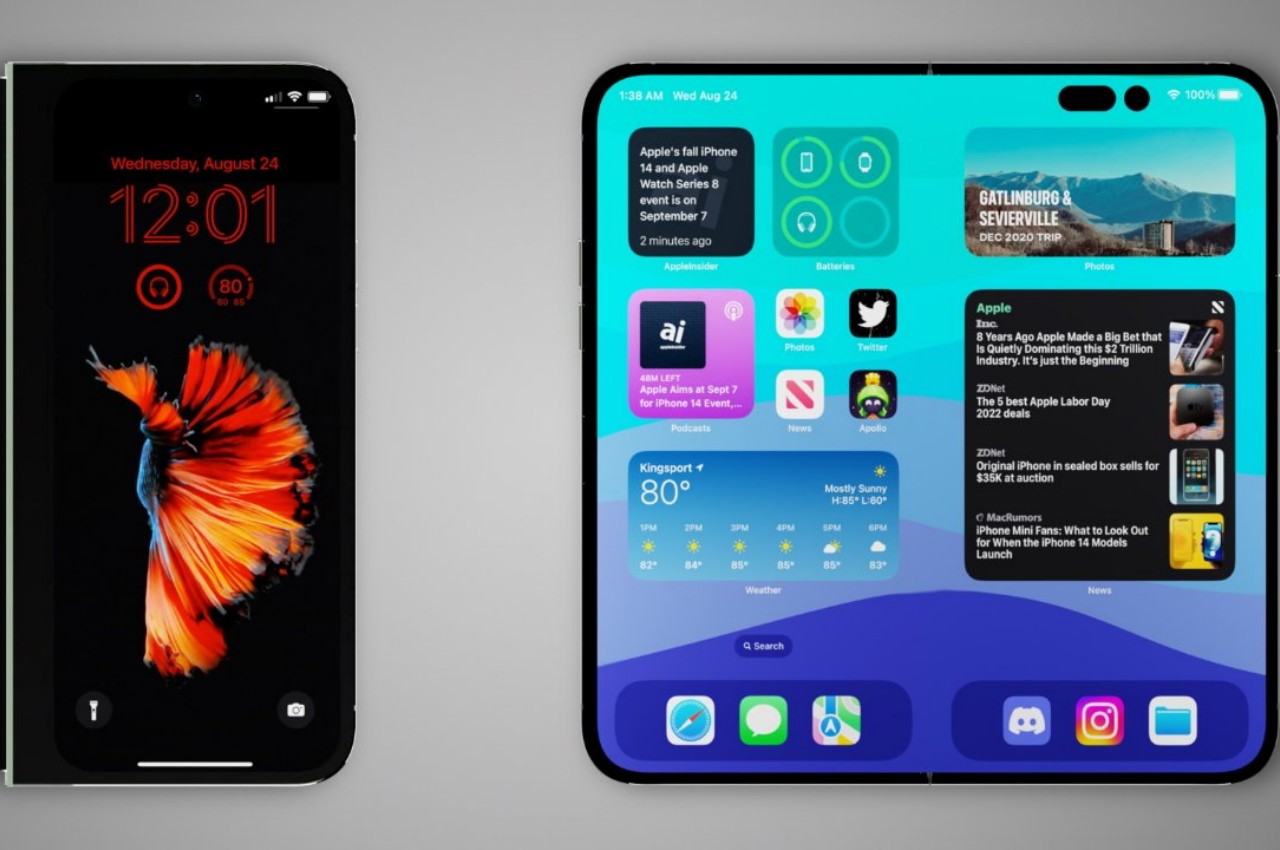
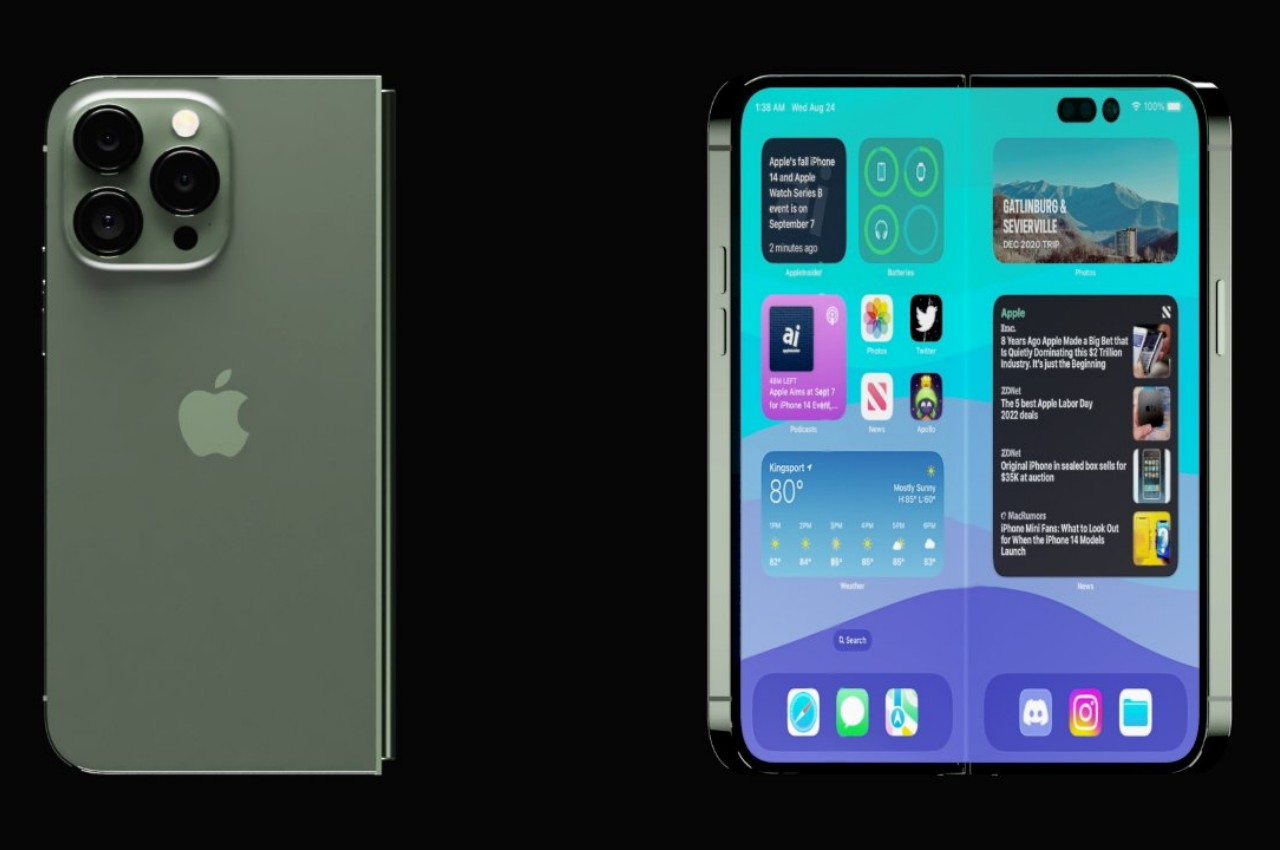
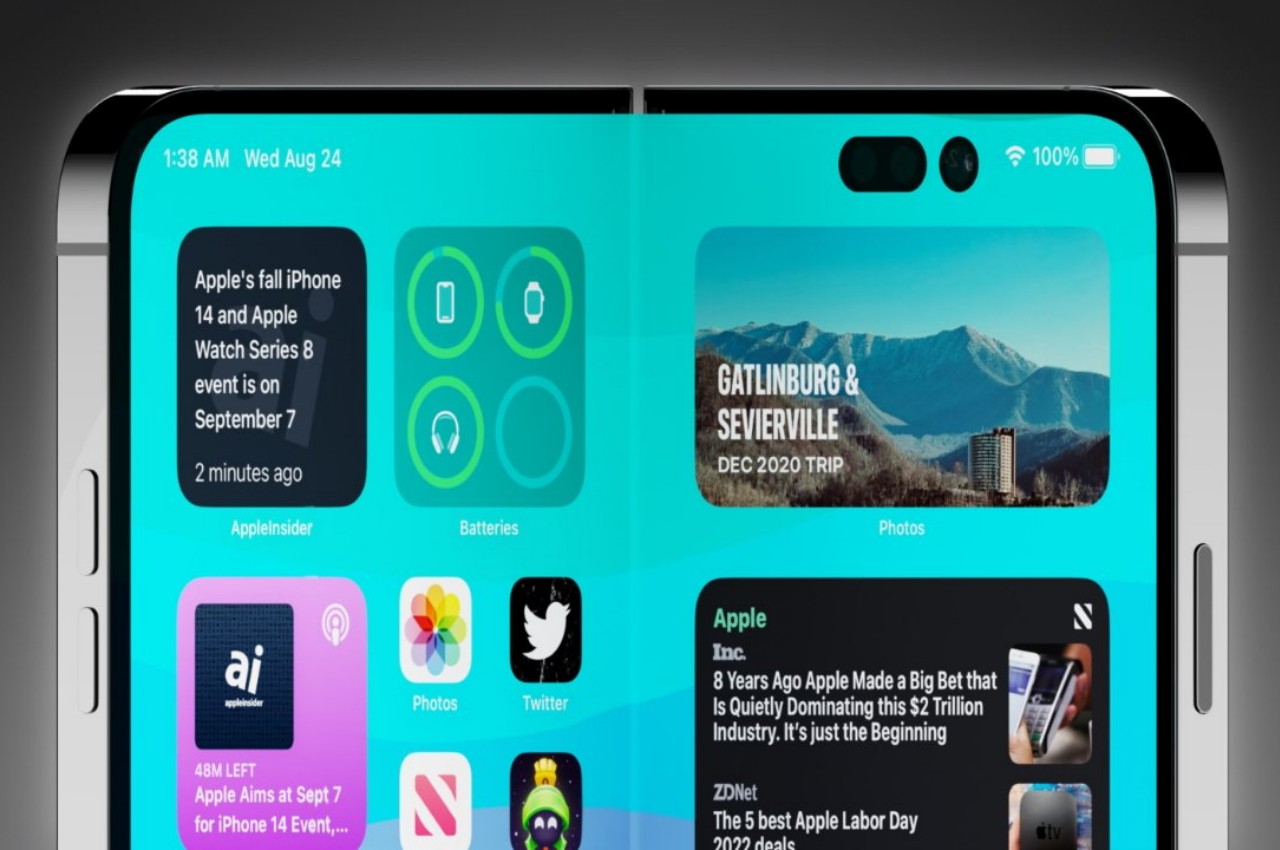
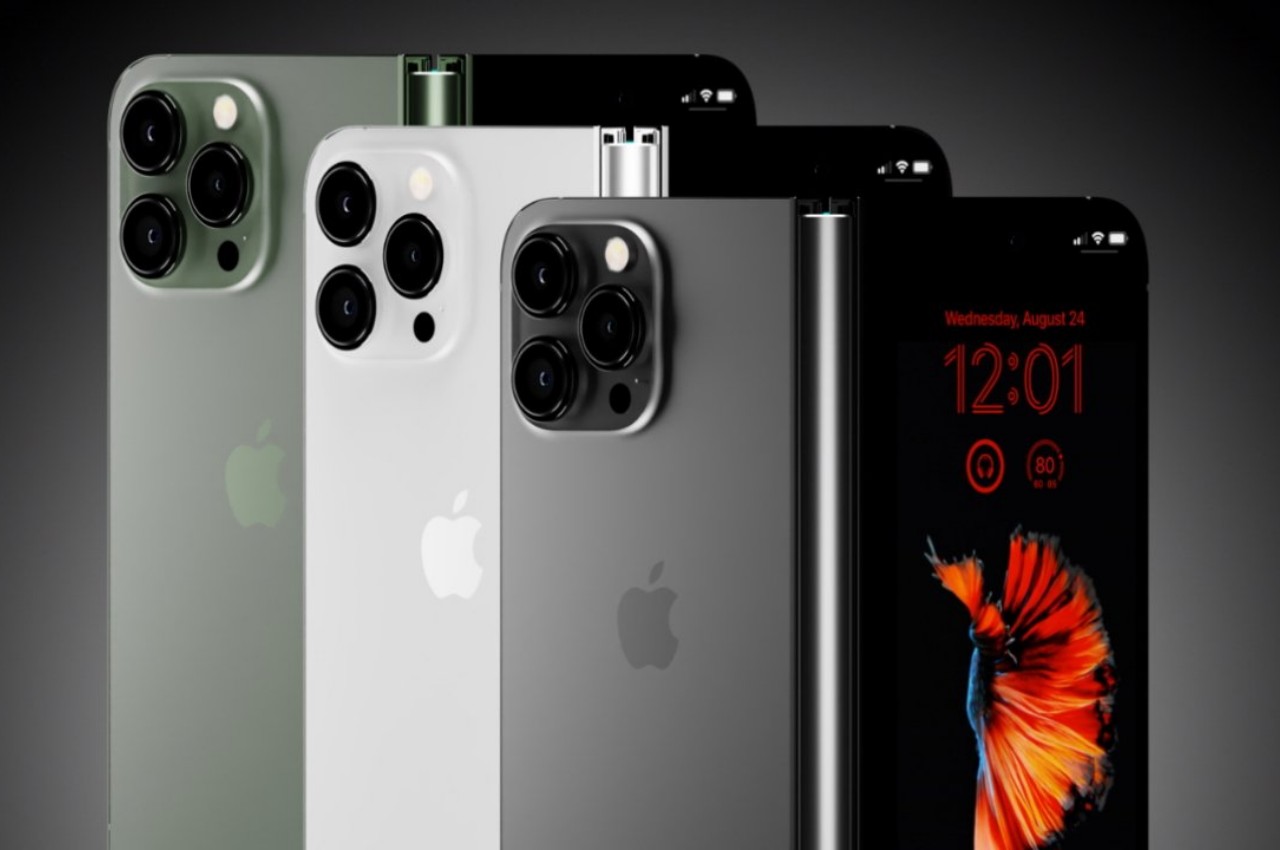
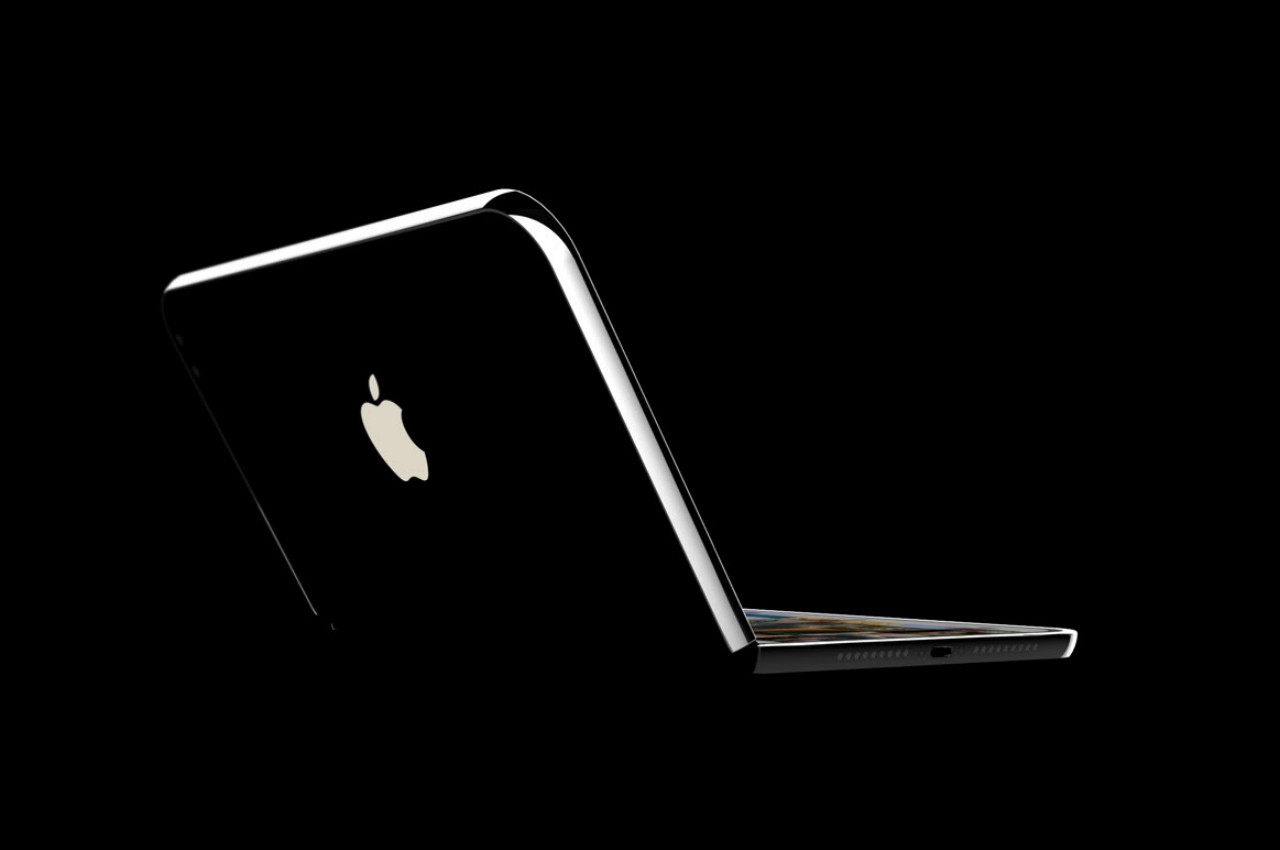
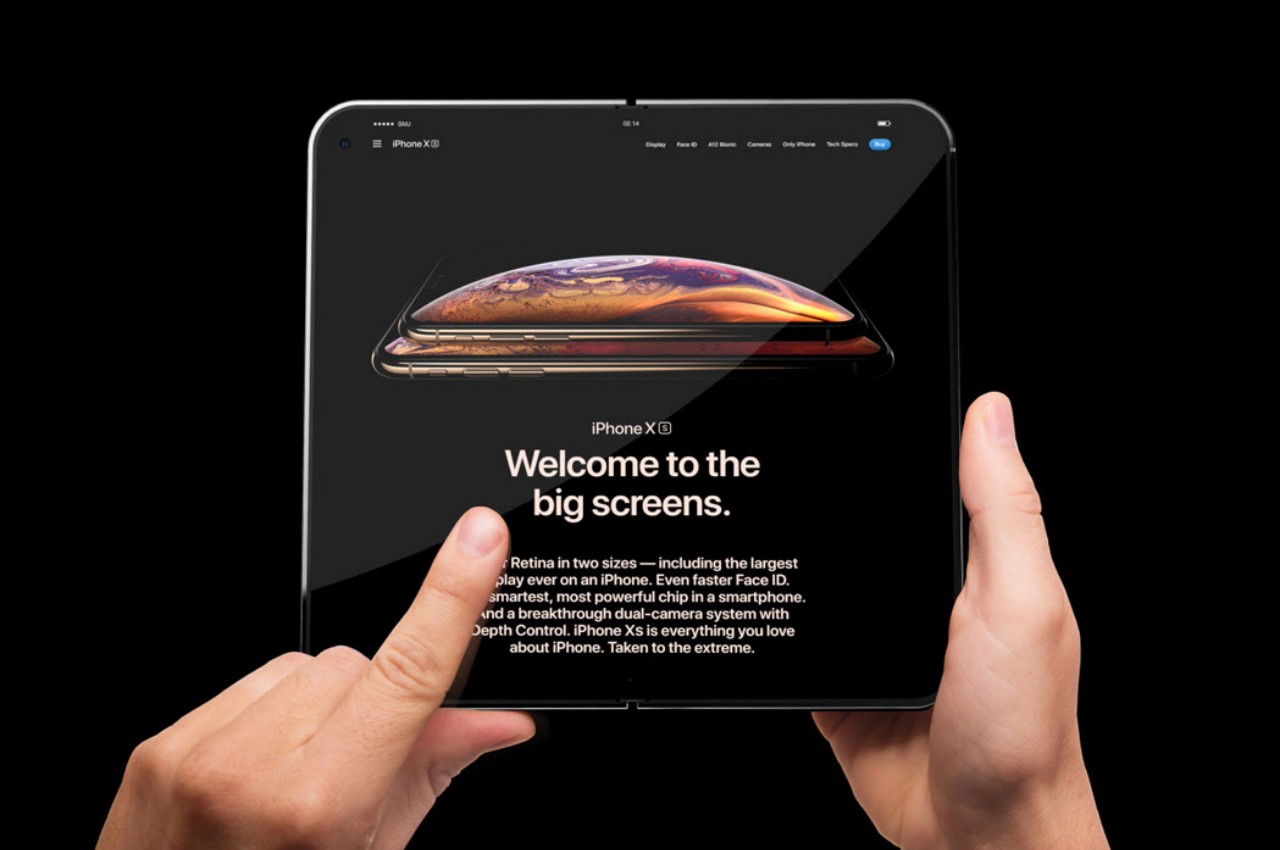
Apple just announced what might be the biggest upgrade to the iPad line since the iPad Pro was introduced in 2015. In addition to switching to an OLED panel, with all the benefits that it entails, as well as gaining a new Apple Pencil Pro, the new iPad Pro is possibly one of if not the thinnest tablets in the market, especially for its 13-inch size. But while Apple’s new tablets are definitely worthy of attention, the company’s fans are still holding their breath for a foldable iPhone. Rumors claim that could be coming in two years, but it could also be canned at the last minute, just like the AirPower wireless charging mat if the design and performance don’t meet the meticulous company’s standards. Then again, some probably consider foldable devices as a passing fad, but that couldn’t be farther from the truth. Apple should launch a foldable phone sooner rather than later because these devices aren’t going away, and here are the reasons why.

Designer: Semin Jun

1. Content is Still King

Chances are, you’re using your phone less for calls and more for content, which does include activities like instant messaging and chatting. The screen is the most important part of the device because it is the part that we see and use the most. Content is the primary reason for having a smartphone, whether it’s for consuming content or sometimes even creating it, so any technology that lets people enjoy more content or gives them more ways to enjoy content is always a winner. Is it any wonder, then, why phablets or phones with large screens are now the norm, despite how much Apple ridiculed its size at first?

Foldable devices solve this in two ways. Large foldable phones in the style of the Google Pixel Fold offer an experience similar to a mini iPad mini that you can still shove in your pocket and use as a regular phone to some extent. In theory, it delivers the best of both worlds, with a screen that can contain as much content as possible while still in a portable format.

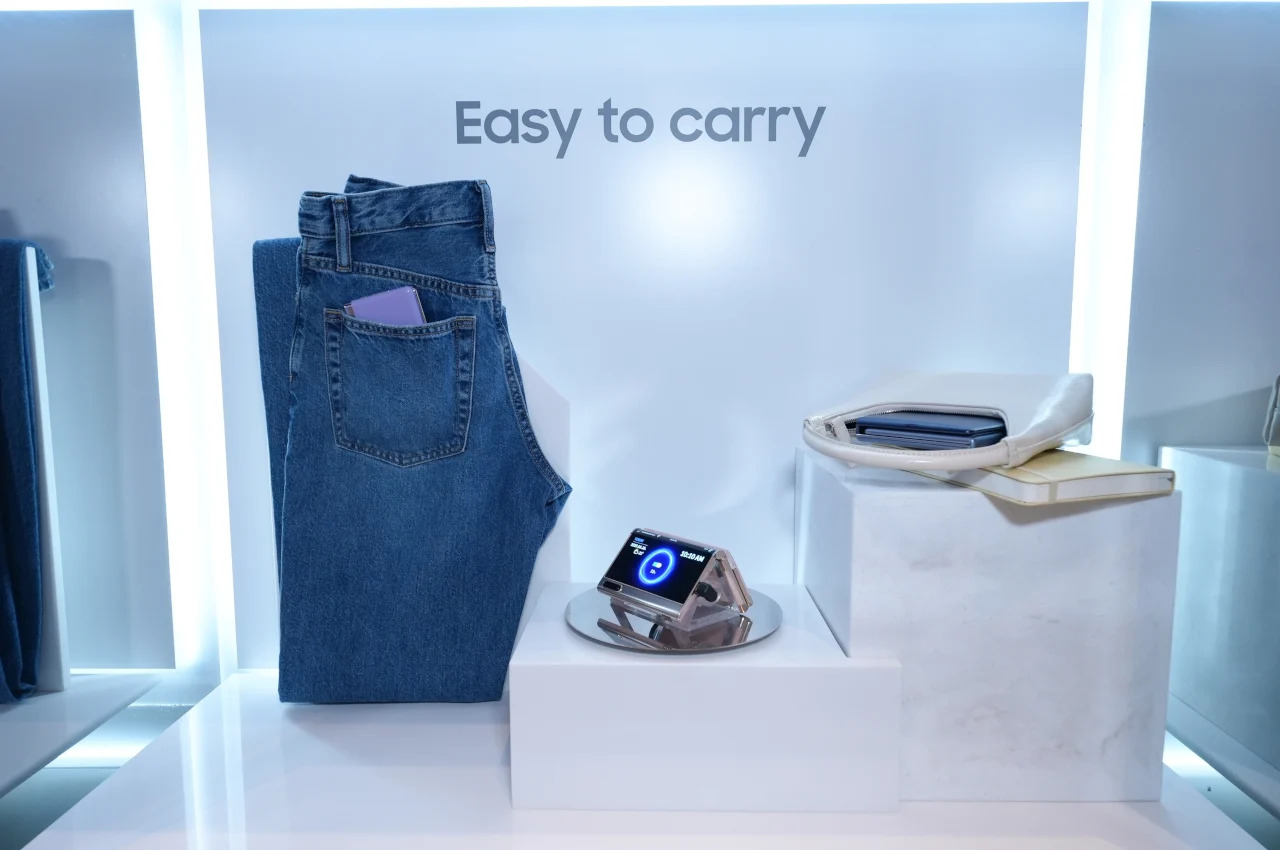
Conversely, clamshell-style foldables like the Samsung Galaxy Z Flip series strike the problem from the opposite end. It provides a screen experience that’s exactly like a normal large phone but lets you conveniently cram the device in very small purses and pockets. It still prizes the role of content but delivers it in a design that doesn’t get in your way because of its size.

2. Falling Prices

One of the reasons why people avoid foldable phones and why they see them as luxurious fads is because of their rather mind-blowing prices. Yes, it’s expected that novel technologies and designs would cost more at the start, but foldable phones have been around for almost half a decade now, and yet most still cost a premium flagship and a half. Fortunately, things are changing for the better, even if slowly.

Designer: nubia

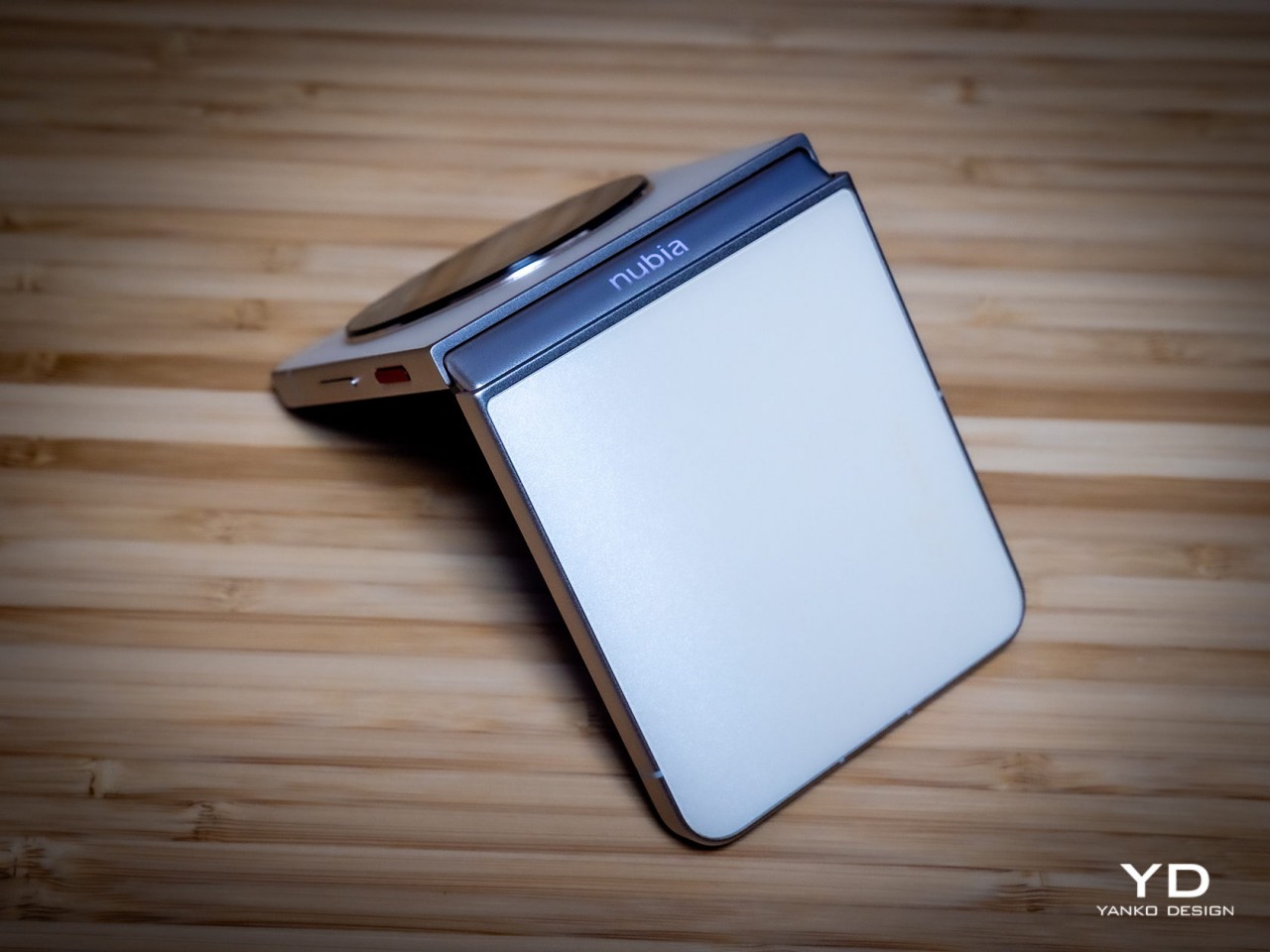
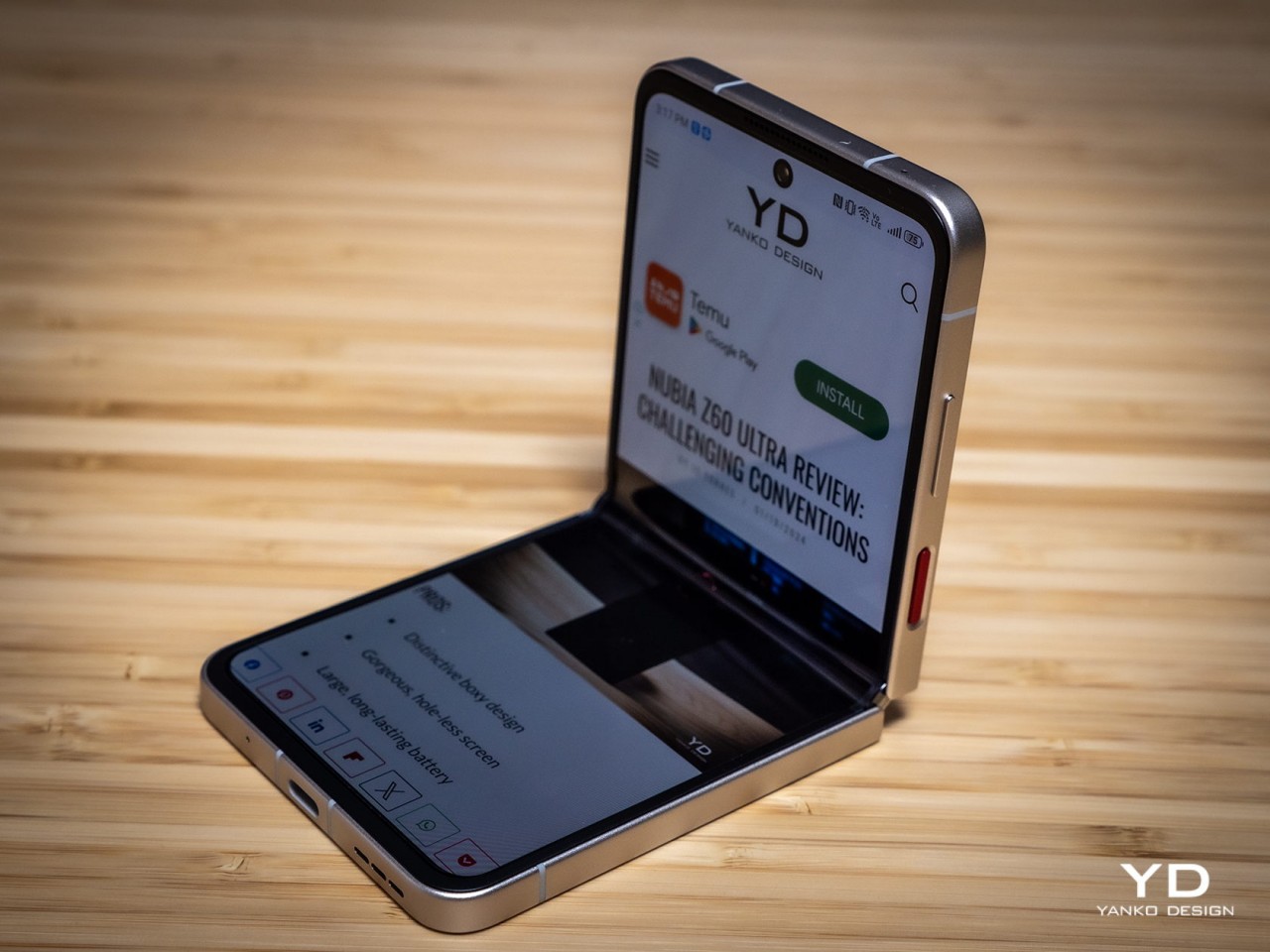
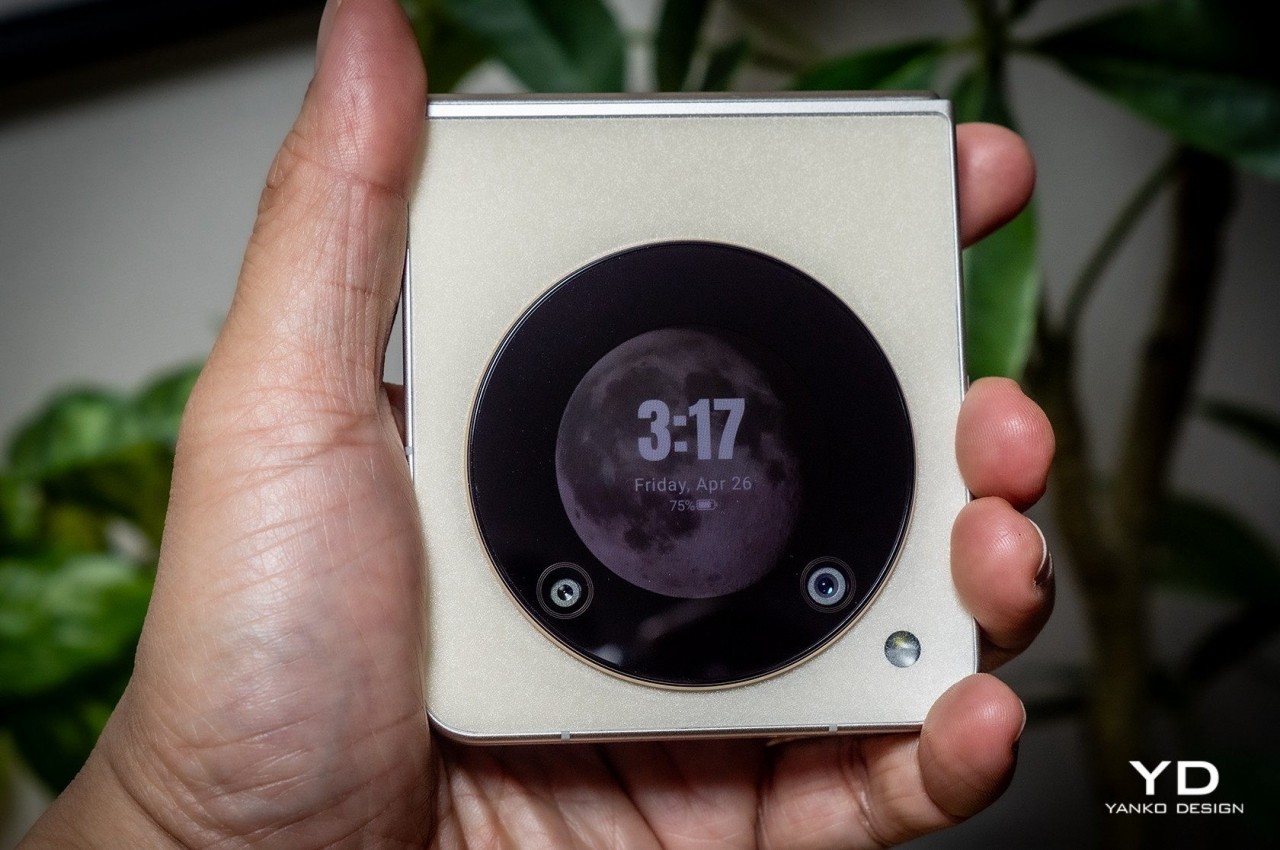
As the technologies and components become more common, the cost of their production will start to decrease as well. Given that there’s still plenty of room for newer designs that will involve more costs, high-end foldable phones won’t be going away any time soon. At the same time, however, that still leaves the door wide open for options on the lower rung of the price ladder. The new nubia Flip 5G, for example, is currently the most affordable among the relatively cheaper clamshell foldables. Sure, it does cut corners in a few aspects, but that is also proof that you can have “mid-tier” foldable phones in this market.

There’s definitely a great deal of interest in a cheaper book-style foldable, and that might be coming this year if not from Samsung then from its growing number of rivals. Admittedly, it might take another year before more affordable foldables become more common, but it’s something that will happen sooner rather than later.

3. Design Refinement

Even after five years, the foldable phone design is still relatively young. Given how it strays so far from normal phones, it’s not surprising that perfection still feels so far away. In other words, there’s still much to be done, and smartphone makers continue to push the boundaries, refusing to settle for the status quo. In a way, it’s a matter of pride for these brands, as well as refusing to admit defeat after investing so heavily in foldable designs.

Images courtesy of AppleInsider

Foldable phones are getting thinner to the point that a folded phone no longer feels like you have two regular phones stacked together. At the same time, others are cramming more powerful and larger cameras into these ultra-thin devices, trying to get them on the same playing field as any other flagship model. While standard smartphone designs seem to have settled down after many tumultuous years, things are just heating up for foldables. There’s still a lot to be explored, and we’re far from reaching the peak.

4. Stylish Trendsetters

Smartphones have graduated from being technological products that only tech-savvy people can truly appreciate to lifestyle items that reflect the owner’s design tastes and personal preferences. Smartphone expressiveness is becoming an important factor in how people choose devices these days, from the design of the cameras to the overall style of the phone itself. That’s part of the reason why “flip” foldable phones are reported to be outselling their larger cousins, precisely because they bring back that classy image of flip phones from decades ago.

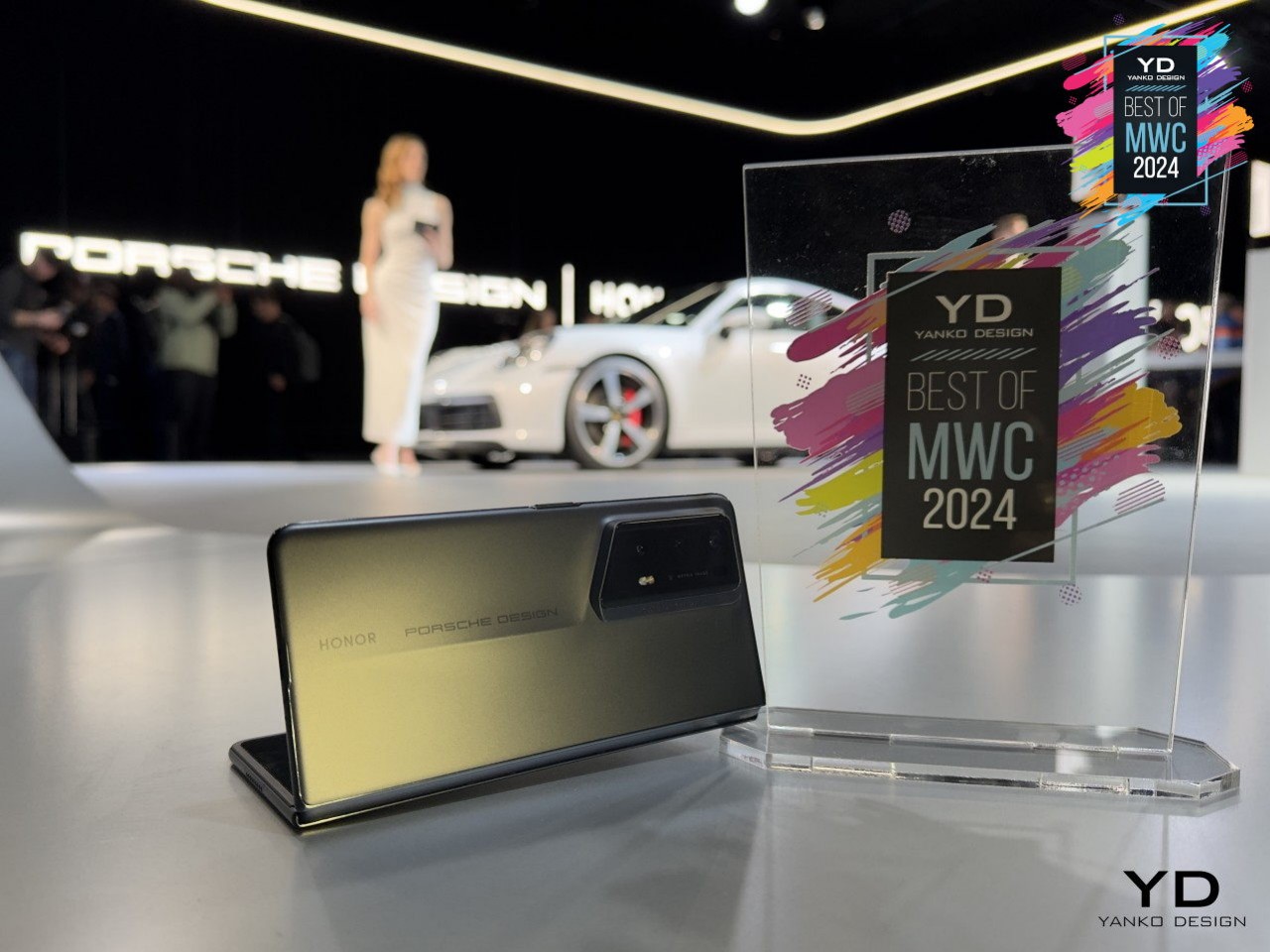
Designer: Honor

Yes, you can dress up your regular phone slab as much as you want, but the way you open and close a foldable phone is going to be fashionable for quite a while. And you can also dress them up as much as you want, and may even offer more customization options and creativity with the styles of cases and accessories used. Everything you can do on standard phones, you can also do with foldables but with more pizzazz and a “wow!” factor.

There’s also the aspect of offering more customization options inside as well. The foldable screen is a bigger canvas you can play on, and some external Cover Screens can get creative with their designs as well. It’s a new playground for designers and creative users who want to truly make their smartphones an extension of themselves.

5. Innovation Has Just Begun

Foldable phones are just the start, however, because they are the most accessible and easiest to comprehend. Once the idea of foldable screens has become cemented in people’s minds, it will be easier to introduce newer designs that can provide even better solutions. The current foldable designs are far from perfect, but they’re paving the way for future foldable devices.

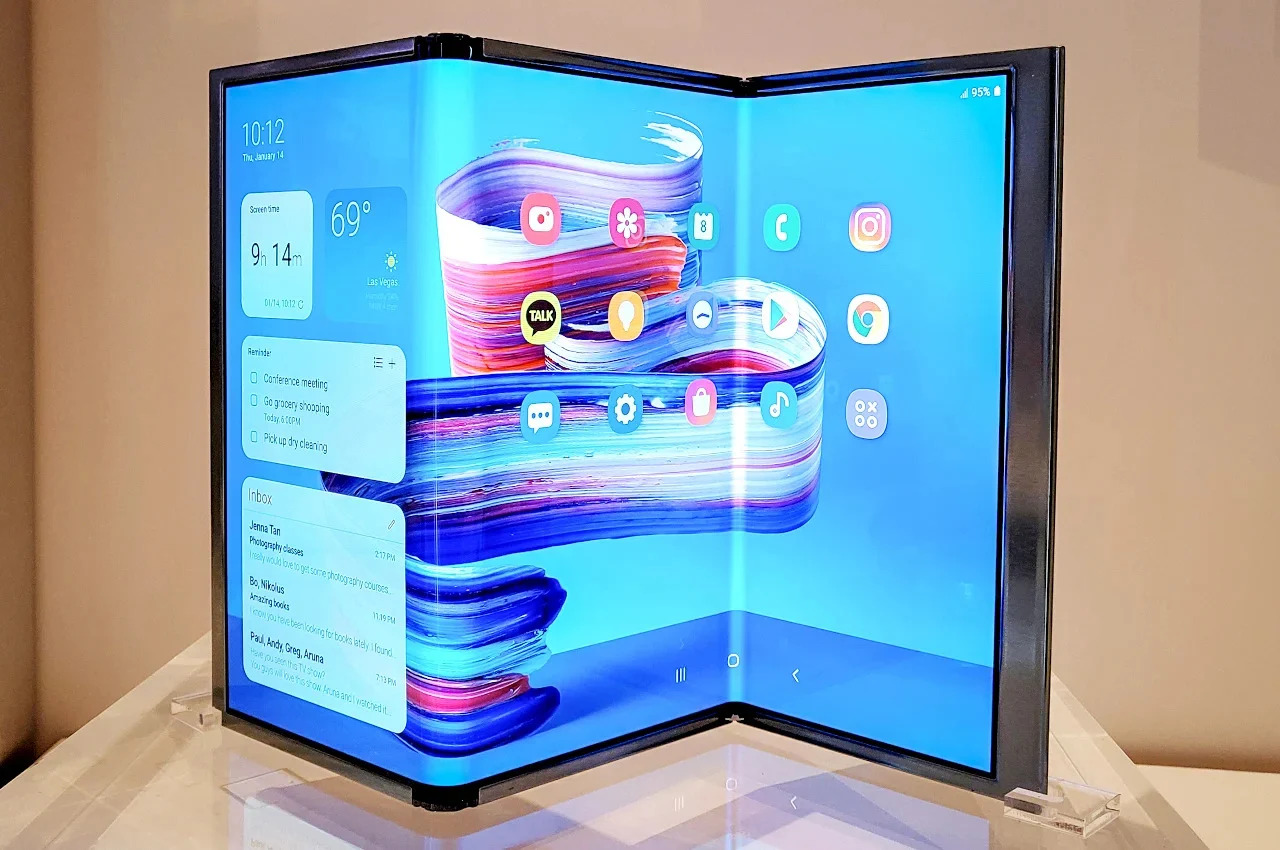
Designer: Samsung

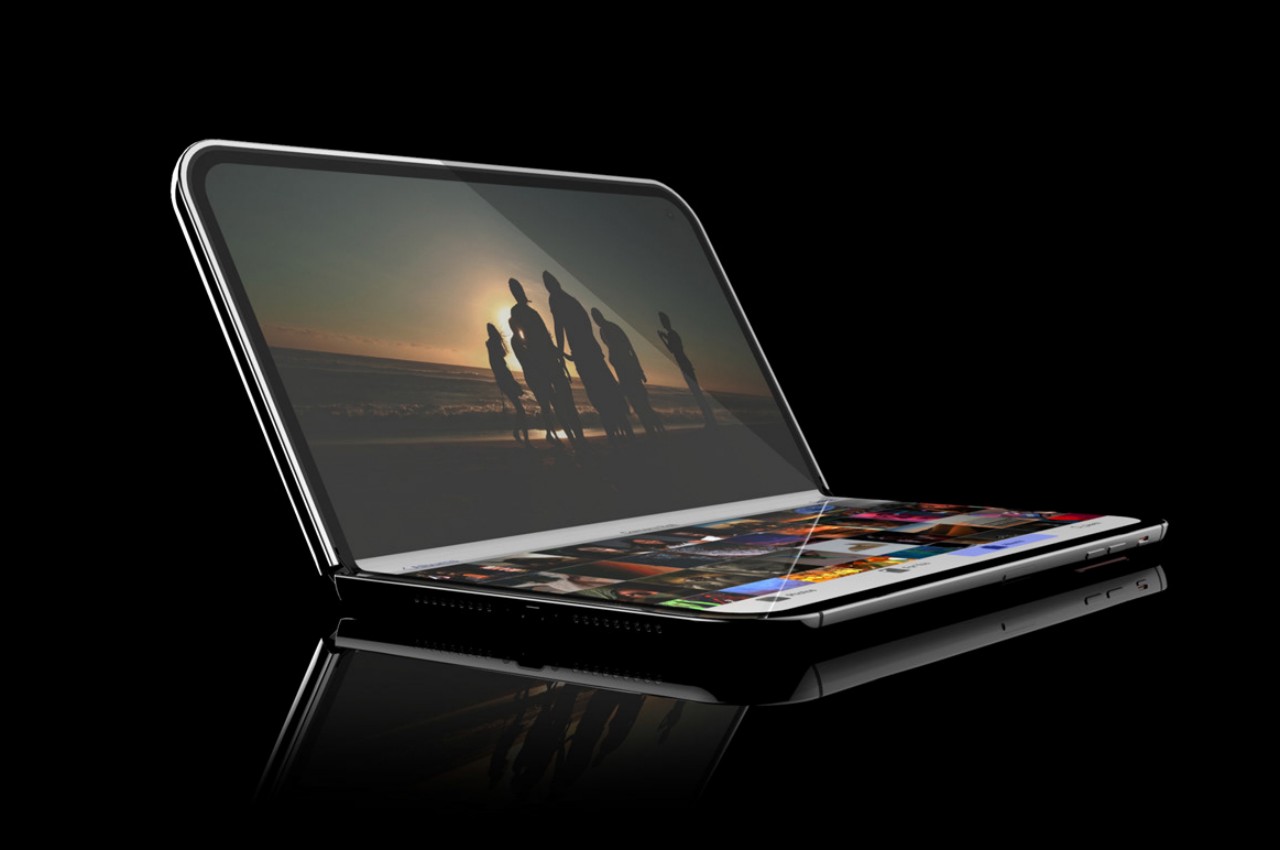
We’re already seeing that in the PC market with the introduction of foldable laptops, but we don’t need to go that far for proof. Samsung has already shown off working prototypes of tri-fold devices that turn the phone into a larger, and more conventional tablet design. We’ll see other foldable technologies unfold (no pun intended) in the future as well, including a phone that folds both ways. And don’t forget those rollable screens that offer an alternative answer to the same screen size problem.

Apple is rumored to unveil a foldable laptop next year, with a foldable iPhone following in 2026. Honestly, the order should probably be reversed, given how MacBook owners are more meticulous about how new designs affect functionality, sometimes negatively. Either way, Apple really needs to jump on this train soon, not just because it’s trending but because it can have a significant impact in driving innovation in this space forward by leaps and bounds.

The post Foldable iPhone Needs to Happen: 5 Reasons Why Foldable Phones are Here to Stay first appeared on Yanko Design.

Paramount+ with Showtime annual subscriptions are half off right now

Paramount+ with Showtime annual subscriptions are half off right now, bringing the yearly cost down to $60 down from $120. You have to pay for the year up front, which is never fun, but the offer is available to both new and returning subscribers. That’s not a bad deal, considering you get content from two streaming services that have joined in a blessed union to become one.

Paramount+ is home to all things Star Trek, yet that particular bonus seems to be shrinking all of the time. It’s also home to the surprisingly funny Sonic-adjacent Knuckles TV show, which has a crazy fight scene featuring the 80-year-old, yet still iconic, Stockard Channing. Other notable releases on the streamer include the dad-approved Tulsa King, Jeremy Renner’s Mayor of Kingstown and that Halo adaptation that people compare unfavorably to Fallout. It's one of our favorite streaming services, even if Halo isn't quite up to snuff. 

Showtime has been around for decades and has a diverse lineup of shows, like Yellowjackets, Billions, Dexter, House of Lies and the list goes on and on. It’s also home to Twin Peaks: The Return, my favorite show of the 2010s. The Chi just returned, which is a big deal to fans, and Ewan McGregor’s A Gentleman in Moscow looks decent. It’s Showtime. You know the deal.

This offer ends on July 14, so you have plenty of time to think about if you want to revisit Shameless or check out that Frasier reboot. Just remember to cancel once the year is up, as the subscription will auto-renew at the full price of the plan.

Follow @EngadgetDeals on Twitter and subscribe to the Engadget Deals newsletter for the latest tech deals and buying advice.

This article originally appeared on Engadget at https://www.engadget.com/paramount-with-showtime-annual-subscriptions-are-half-off-right-now-151032749.html?src=rss

FTX plans to refund defrauded customers with interest

FTX has filed a plan with a bankruptcy court to pay back creditors who held cryptocurrency at the embattled exchange. The vast majority of customers are set to get their money back with interest, though they (and the debtors) missed out on major gains in the crypto market since FTX’s dramatic collapse in November 2022 — the price of Bitcoin has more than tripled since then.

FTX aims to fully pay back non-governmental creditors based on the value of their claims as determined by the bankruptcy court. That means 98 percent of creditors (those who have up to $50,000 in claims) will get 118 percent of the amount of their allowed claims. Other creditors will get their money back, plus what FTX describes as billions of dollars in compensation “for the time value of their investments.”

Government creditors are in line for payouts with a nine percent interest rate. The Internal Revenue Service and Department of Justice are among the stakeholders with which FTX has agreed settlements.

The company suggests that, if its plan of reorganization is rubber stamped, it would be able to resolve disputes with private and government stakeholders “without costly and protracted litigation.” All told, FTX says that it will be able to distribute between $14.5 billion and $16.3 billion in cash.

But, you may be wondering, where exactly is all this money coming from? After all, when FTX filed for Chapter 11 bankruptcy protection 17 months ago, it held just 0.1 percent of the Bitcoin and 1.2 percent of the Ethereum that its customers thought it had.

FTX said it was able to monetize “an extraordinarily diverse collection of assets, most of which were proprietary investments held by the Alamedaor FTX Ventures businesses, or litigation claims.” As TechCrunch reports, the assets that FTX CEO John J. Ray III and his team tracked down included around $8 billion in real estate, political donations and venture capital investments.

The company filed the updated plan of reorganization just a few weeks after co-founder and former CEO Sam Bankman-Fried (aka SBF) was sentenced to 25 years in prison. He was found guilty in November of charges including wire fraud and conspiracy to commit money laundering.

This article originally appeared on Engadget at https://www.engadget.com/ftx-plans-to-refund-defrauded-customers-with-interest-143555536.html?src=rss

Apple’s M4 iPad Pro vs M2 iPad Air: Which One Should You Buy

M4 iPad Pro

When it comes to selecting a new tablet, Apple offers two advanced options that cater to distinct user needs and budgets: the M4 iPad Pro and the M2 iPad Air. Both devices feature innovative technology that enhances performance, connectivity, and user experience. This comprehensive guide will delve into the specifics of each model to assist […]

The post Apple’s M4 iPad Pro vs M2 iPad Air: Which One Should You Buy appeared first on Geeky Gadgets.

Pick up the 9th-gen iPad with two years of AppleCare+ for only $298

Apple has lots of new products on the way and is officially discontinuing its ninth-generation iPad. But, before the curtain falls on this reliable device, you can pick it up for a steal. Our favorite budget iPad for comes with two years of AppleCare+ and is down to $298 from $398 — a 25 percent discount. This deal is for the 64GB model with Wi-Fi in either Silver or Space Gray. 

If you're looking for a more affordable entry point into the world of iPads or want to grab one as a gift then the ninth-gen model gives you a solid balance of quality and cost. We gave it an 86 in our review when it first debuted in 2021 thanks to updates like True Tone technology and color changing based on ambient light. It also has a 12-MP front camera, Apple's A13 Bionic chip and up to 10 hours of battery life while in use. 

If you're looking for a more advanced iPad then check out everything we know about the new iPad Pro and iPad Air that Apple just announced. They will be available on May 15, but you can pre-order them now. 

Follow @EngadgetDeals on Twitter and subscribe to the Engadget Deals newsletter for the latest tech deals and buying advice.

This article originally appeared on Engadget at https://www.engadget.com/pick-up-the-9th-gen-ipad-with-two-years-of-applecare-for-only-298-140951353.html?src=rss

What’s happens inside a dishwasher? This unique transparent dishwasher reveals all

what happens inside the dishwasher

Have you ever wondered how your dishwasher manages to clean your dishes so effectively? This common household appliance features advanced technology and design, optimizing resource use while ensuring your dishes emerge spotless. To better understand the inner workings of modern dishwashers, a unique transparent model made from sturdy Plexiglas has been created by GopherDope. This […]

The post What’s happens inside a dishwasher? This unique transparent dishwasher reveals all appeared first on Geeky Gadgets.

Google Pixel 8A Smartphone Launched

Google Pixel 8a

The Google Pixel 8A has emerged as a game-changer in the mid-range smartphone market, seamlessly blending affordability with a host of advanced features. At the heart of this device lies the Google Tensor G3 chip, which endows the Pixel 8A with powerful AI capabilities inherited from its high-end counterparts, the Pixel 8 and Pixel 8 […]

The post Google Pixel 8A Smartphone Launched appeared first on Geeky Gadgets.