MVRDV Built a Mountain in the Middle of Rotterdam

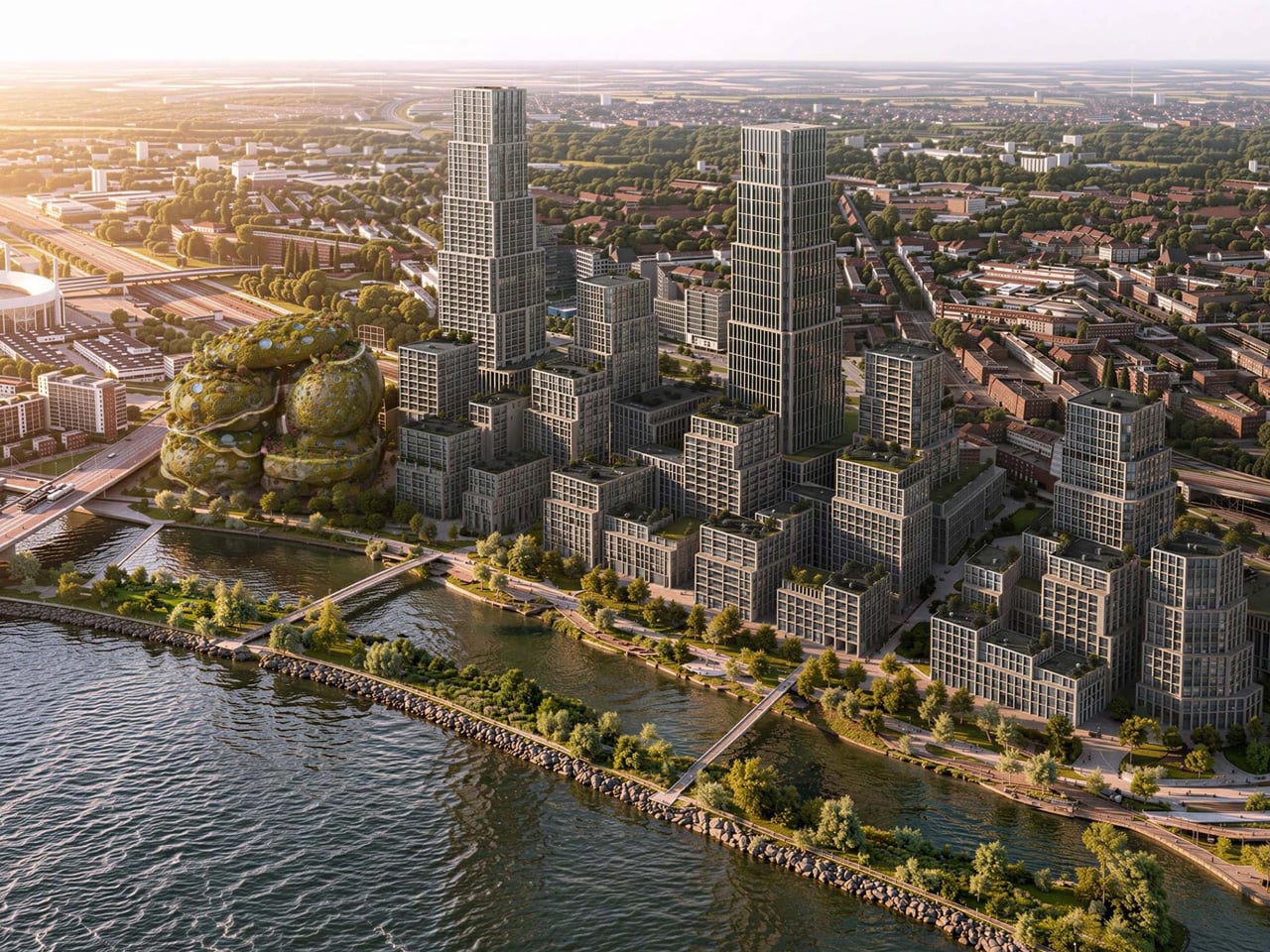
What does a building look like when it’s designed for birds, insects, and plants just as much as people? According to MVRDV, it looks like a mountain that grew out of the Maas riverbank — rough, porous, and unapologetically massive.

Rotterdam ROCKS! is MVRDV’s winning entry in Shift’s international design competition, which called for proposals for a “new world wonder” capable of motivating people to act on the climate and biodiversity crises. The €240 million project beat out a formidable shortlist that included Heatherwick Studio, Mecanoo, Office for Political Innovation, and Ecosistema Urbano. The jury — which included Zaha Hadid Foundation director Aric Chen and UNS founder Ben van Berkel — called the proposal “remarkably bold.”

Designer: MVRDV

That’s an understatement. The design takes the form of seven giant stacked rocks arranged into two towers on the south bank of the Maas, in Rotterdam’s emerging Waterkant district. The district itself is slated to deliver over 3,500 homes alongside schools, offices, and a new train station — Rotterdam ROCKS! is meant to be its cultural heartbeat.

At 30,000 square metres, the building is organized around two internal circulation routes and a series of cave-like exhibition spaces carved into the rock forms. A third route wraps the exterior of the structure, leading visitors through an immersive area called The Elysium before arriving at a viewing terrace overlooking the city. Below that, the program includes a 200-room hotel, a conference centre, a food court, and event spaces — essentially a vertical neighborhood compressed into a geological fiction.
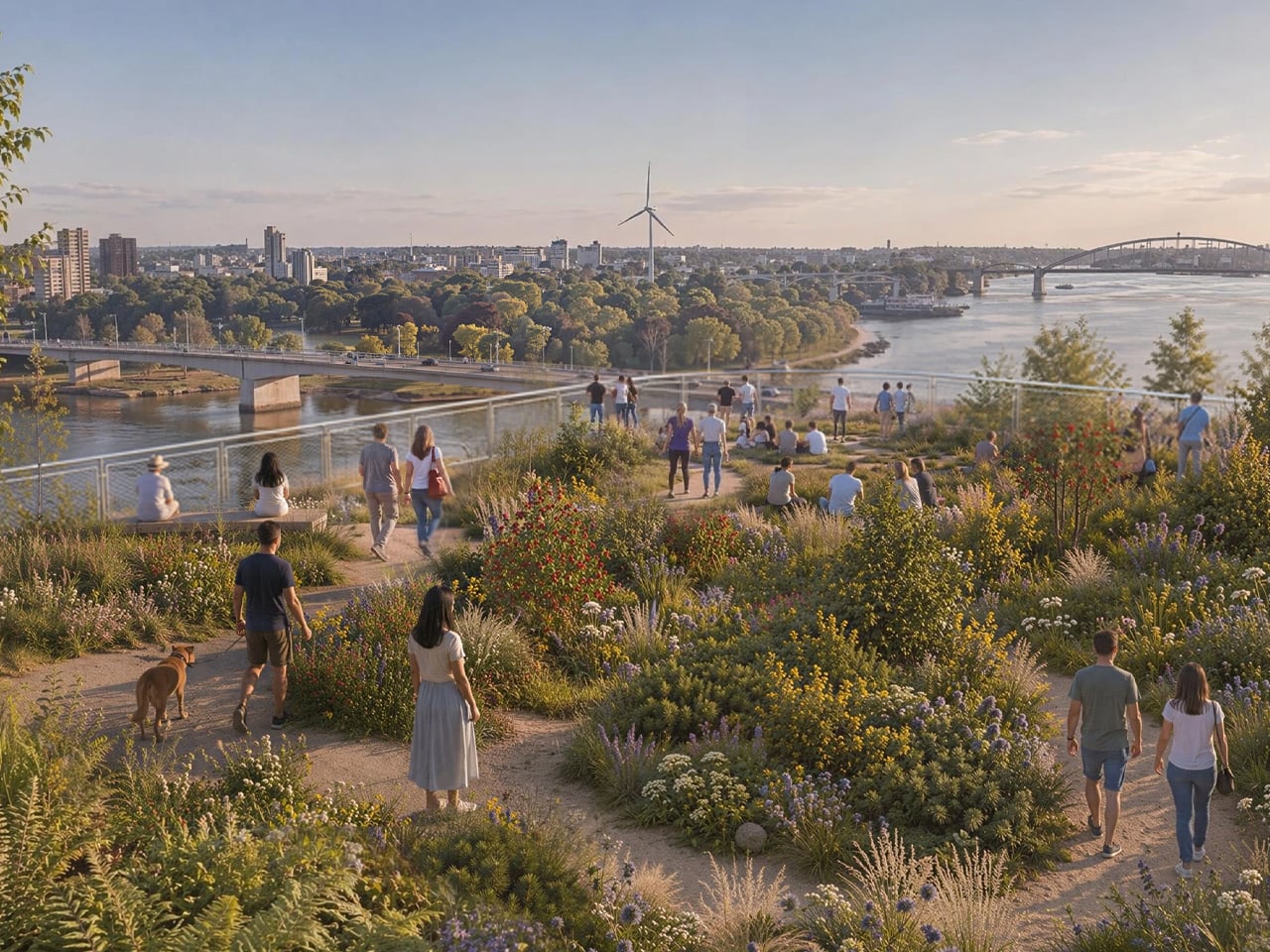
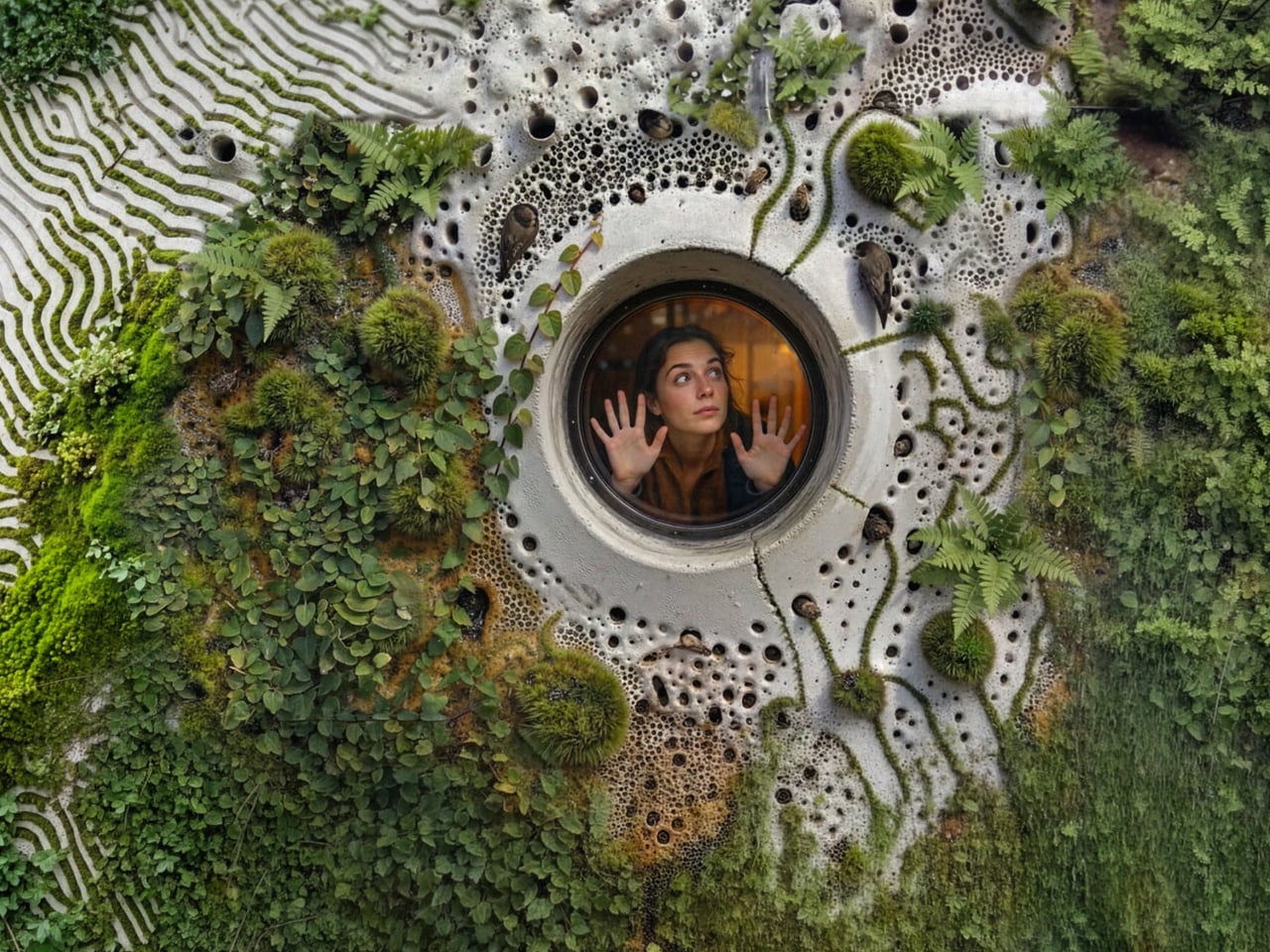
The facade is designed to be genuinely alive. Pockets built into the exterior hold soil, water, plants, and nesting habitats for birds and urban wildlife. MVRDV has said the building will “showcase the latest innovations in low-carbon construction,” though specific materials have yet to be disclosed. Founding partner Winy Maas described the design logic directly: “We need to reduce carbon dioxide emissions and to create inclusive spaces for people, trees, plants, for water, air, and for animal habitats, balancing the need for new built space with new landscapes to compensate our ecological impact.”

The project is the first-ever Shift Embassy — a new typology conceived by the social enterprise as a permanent physical institution for ecological and societal change. Shift is targeting a 2032 launch, which gives the design time to move through further development and public consultation. Rotterdam already has the Markthal, De Rotterdam, and the Cube Houses. It’s building a reputation for architecture that refuses to be quiet. Rotterdam ROCKS! might be its loudest statement yet.

The post MVRDV Built a Mountain in the Middle of Rotterdam first appeared on Yanko Design.
BRABUS’ first luxury catamaran gives you superyacht comfort with the thrill of a performance boat

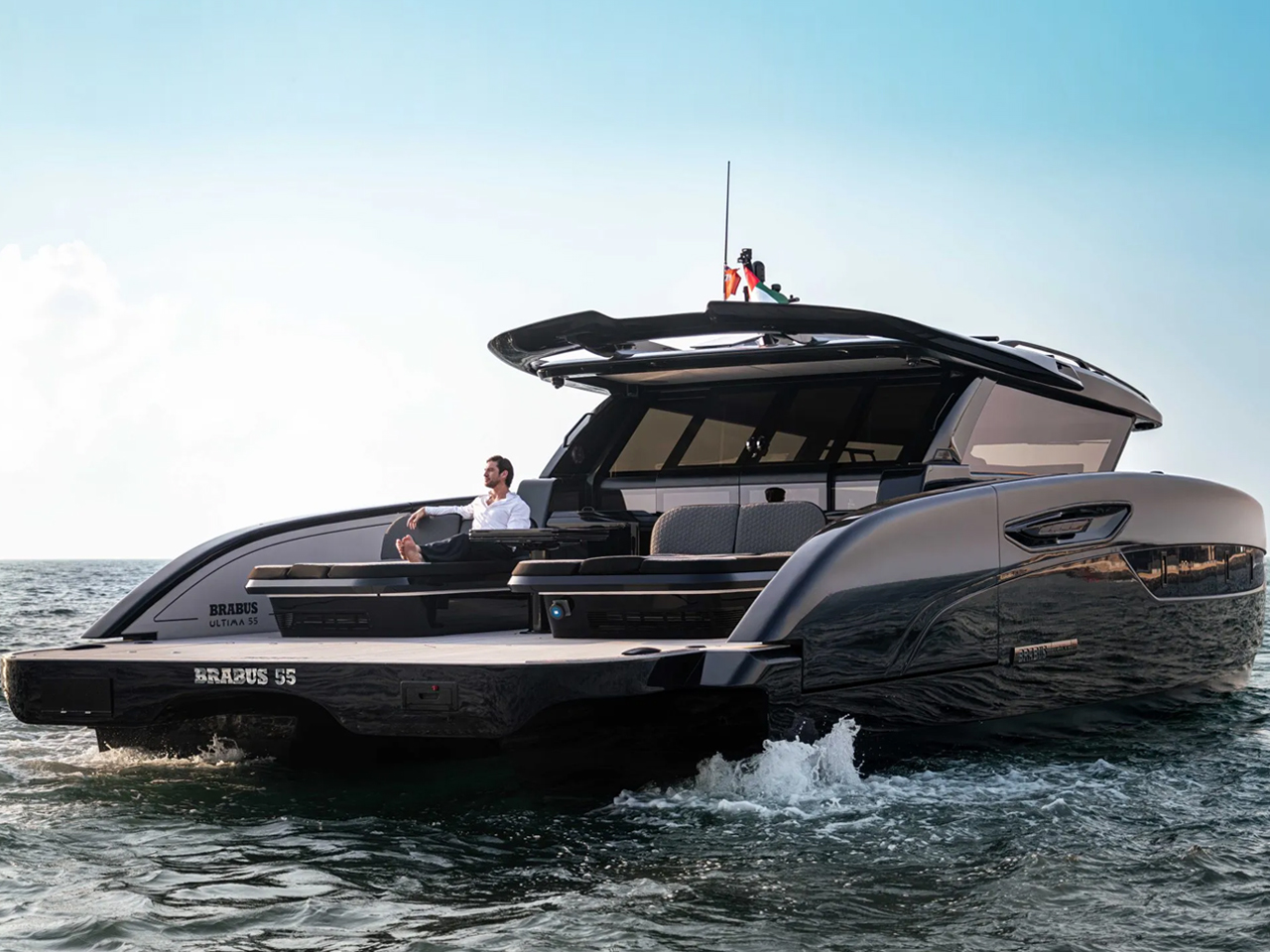
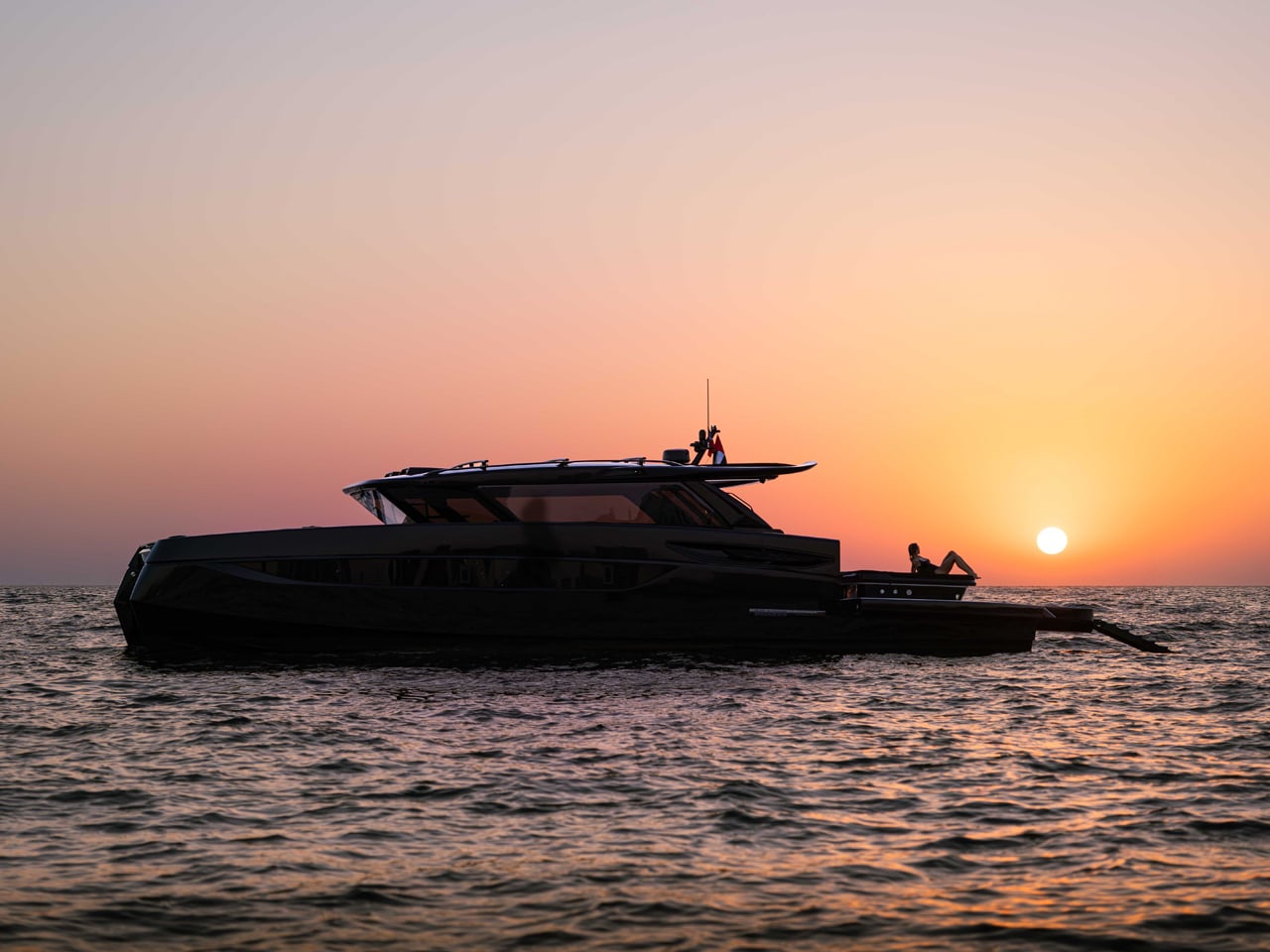
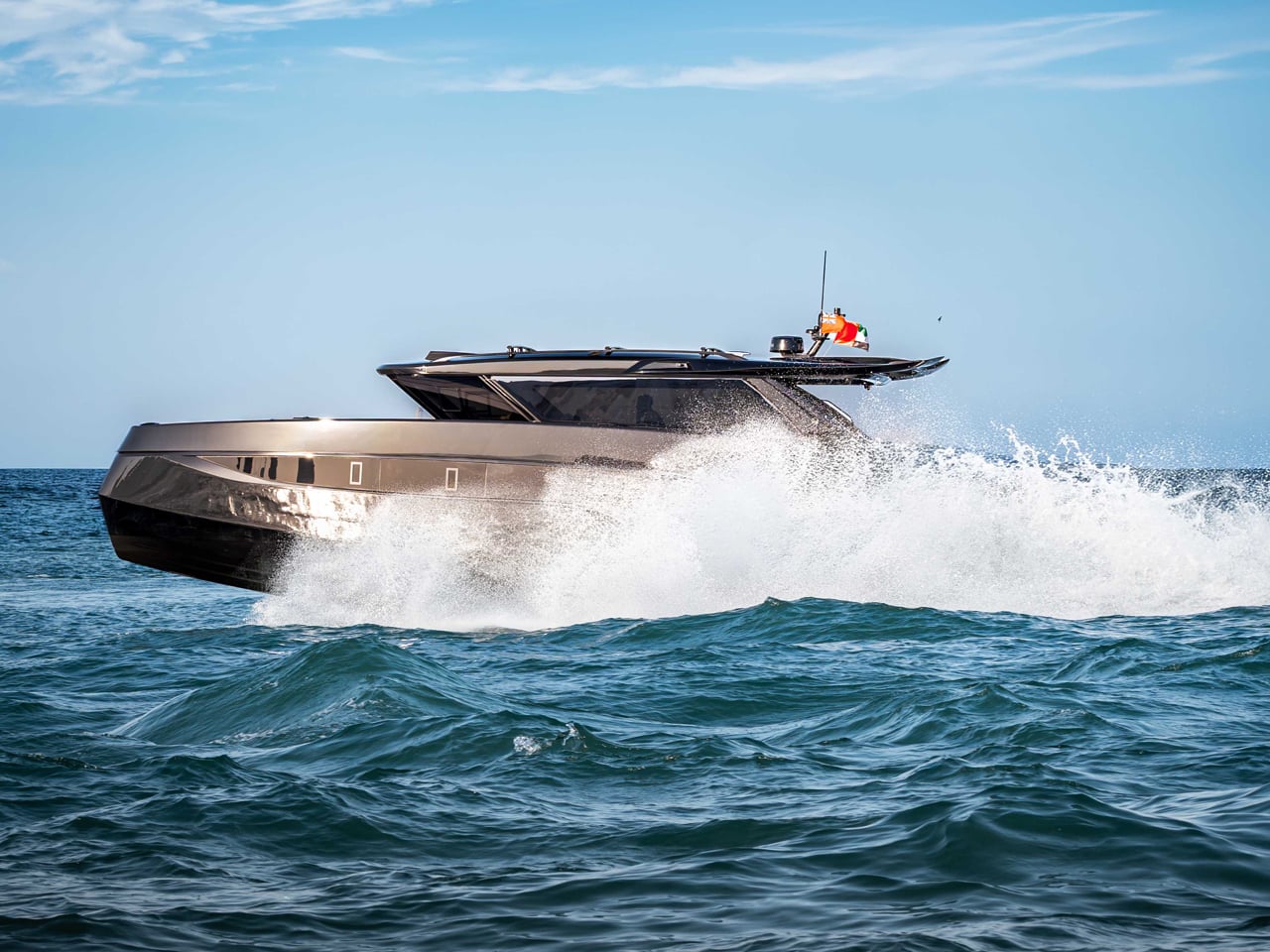
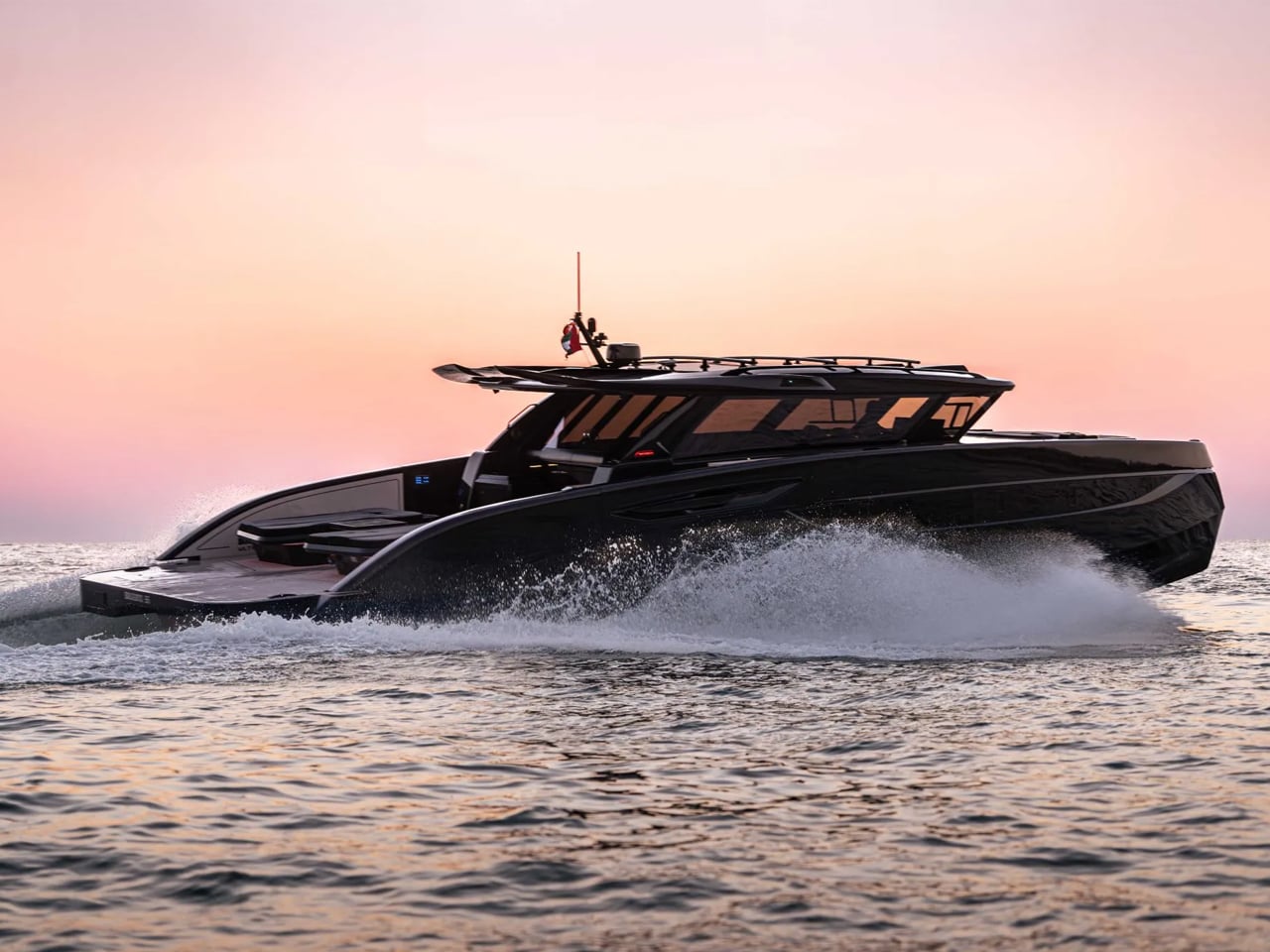
For decades, BRABUS has built its reputation by transforming high-performance Mercedes-Benz vehicles into machines that are as bold in appearance as they are in capability. Carbon fiber, aggressive styling, and immense power have long defined the German tuner’s identity on the road. Now, that same philosophy has found a new home on the water. Partnering with luxury catamaran specialist Sunreef Yachts, BRABUS has unveiled the ULTIMA 55, a vessel that translates its signature design language into a sleek, high-performance yacht without losing sight of comfort or craftsmanship.

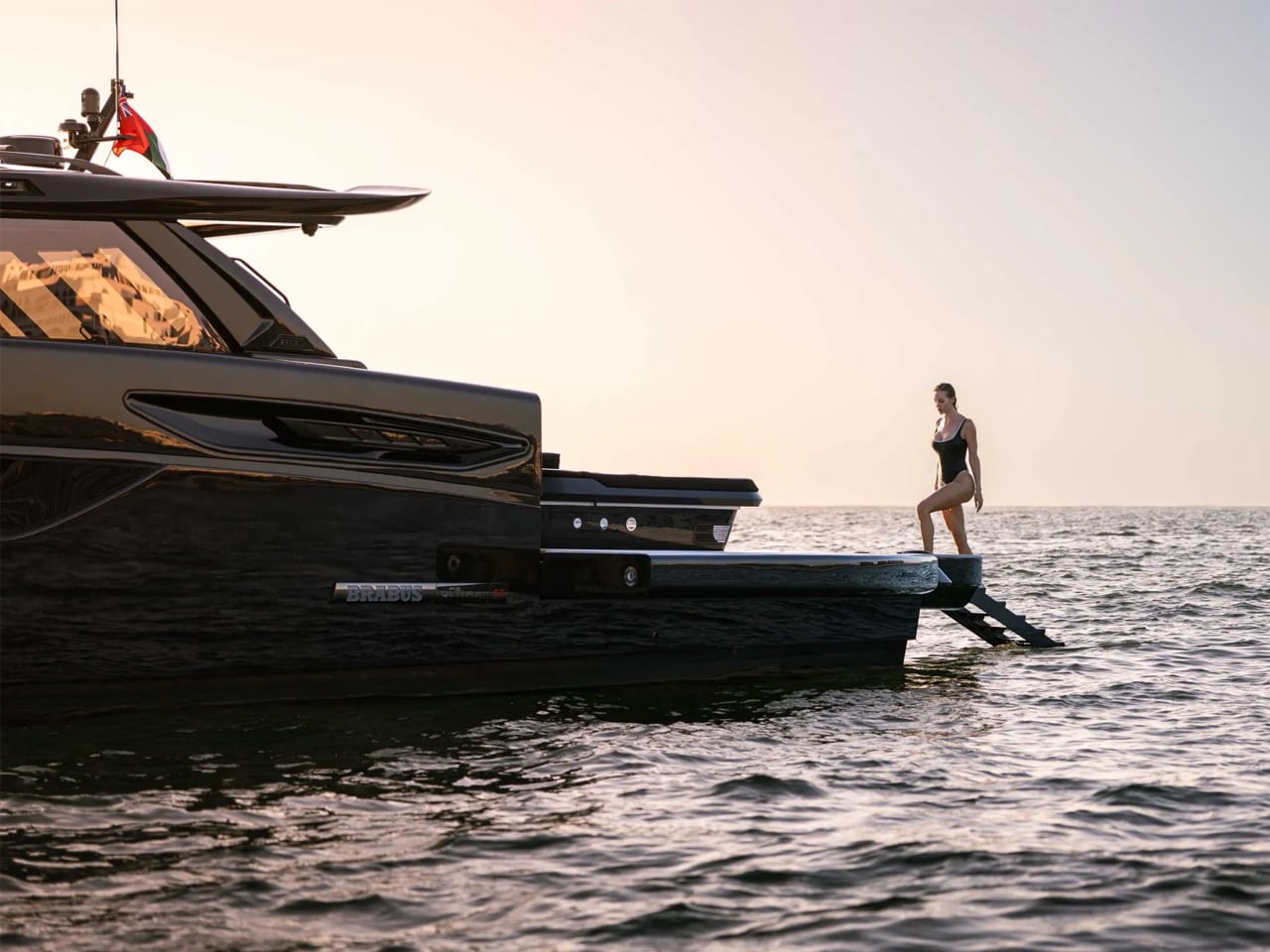
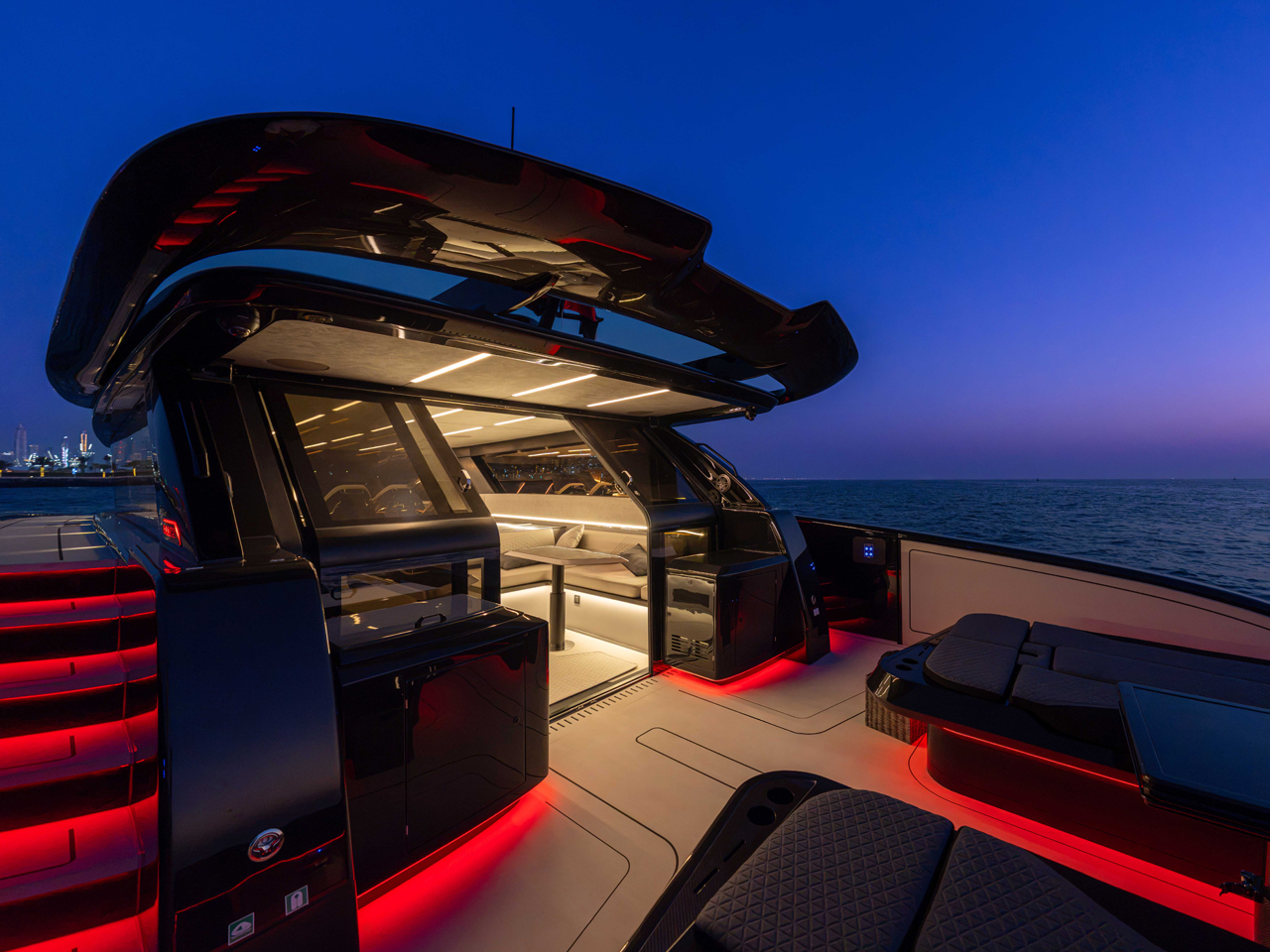
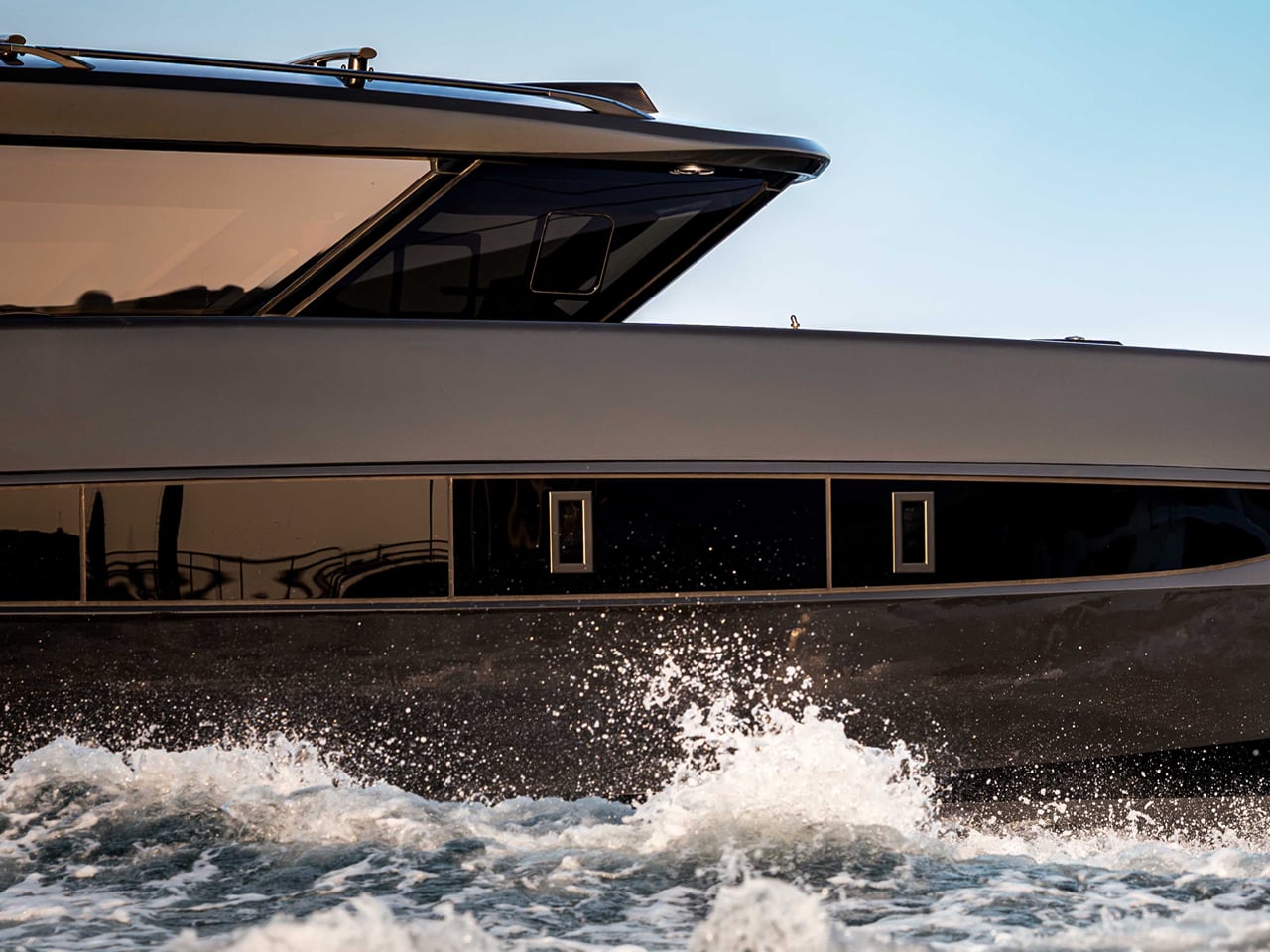
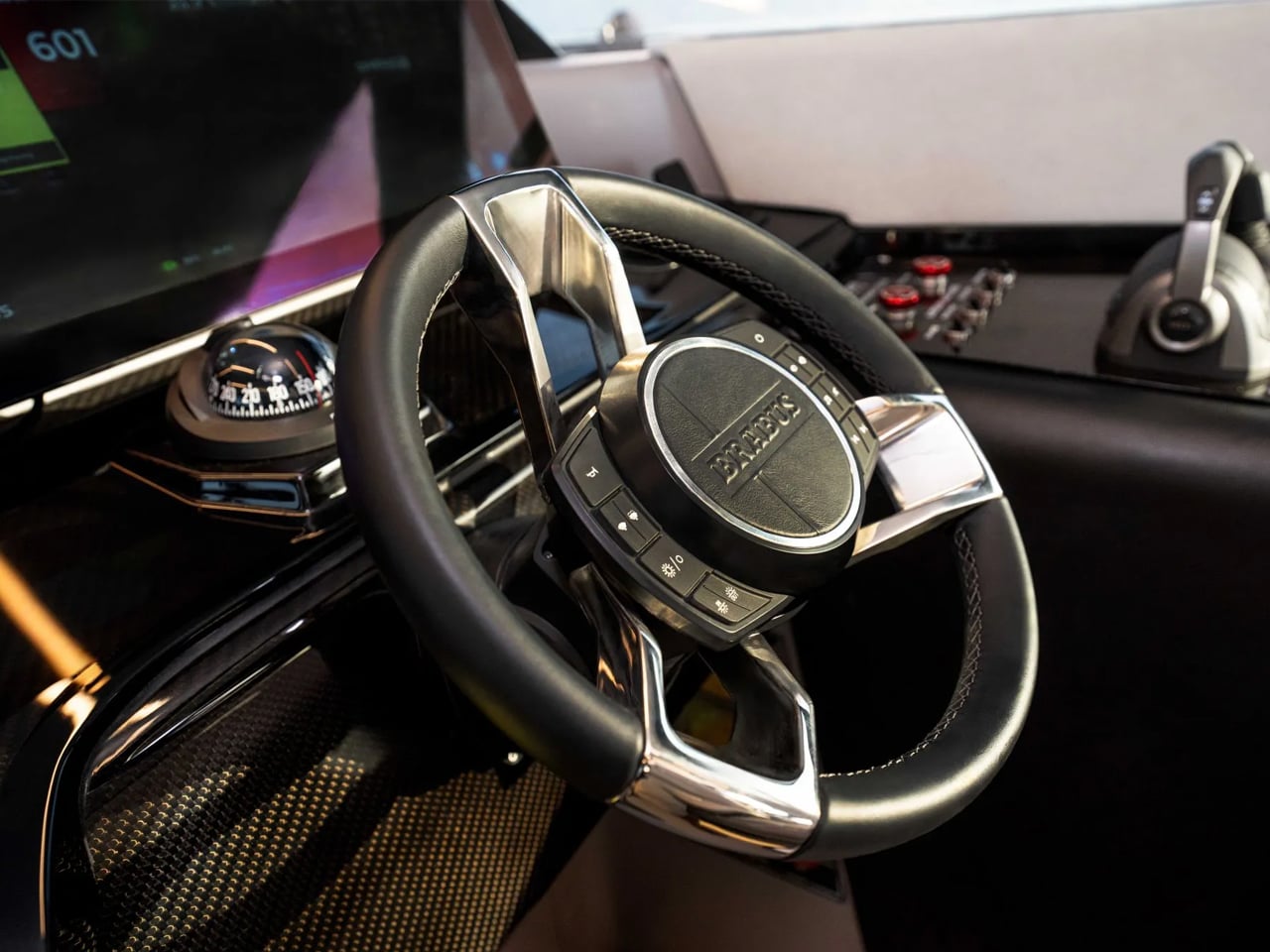
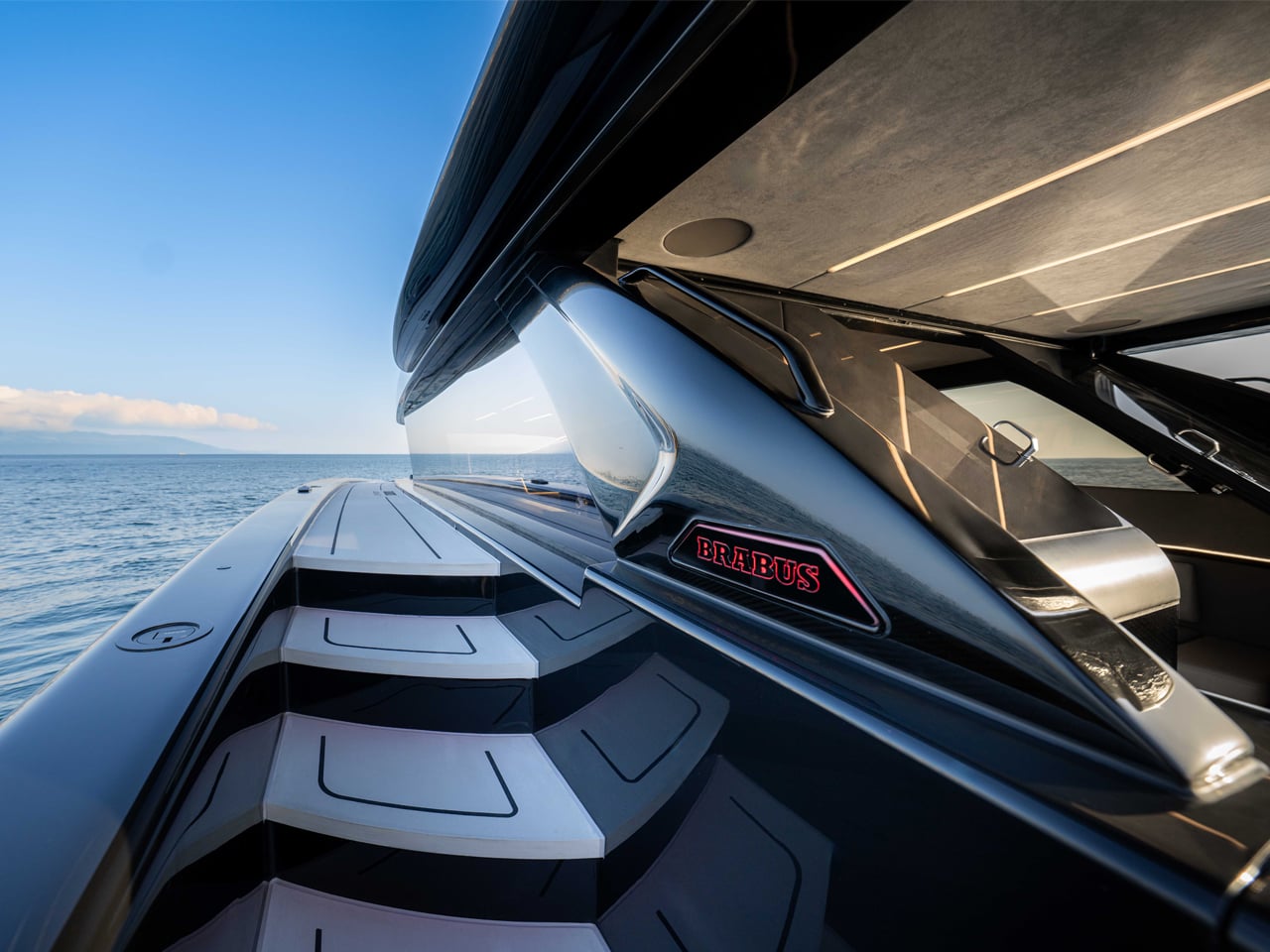
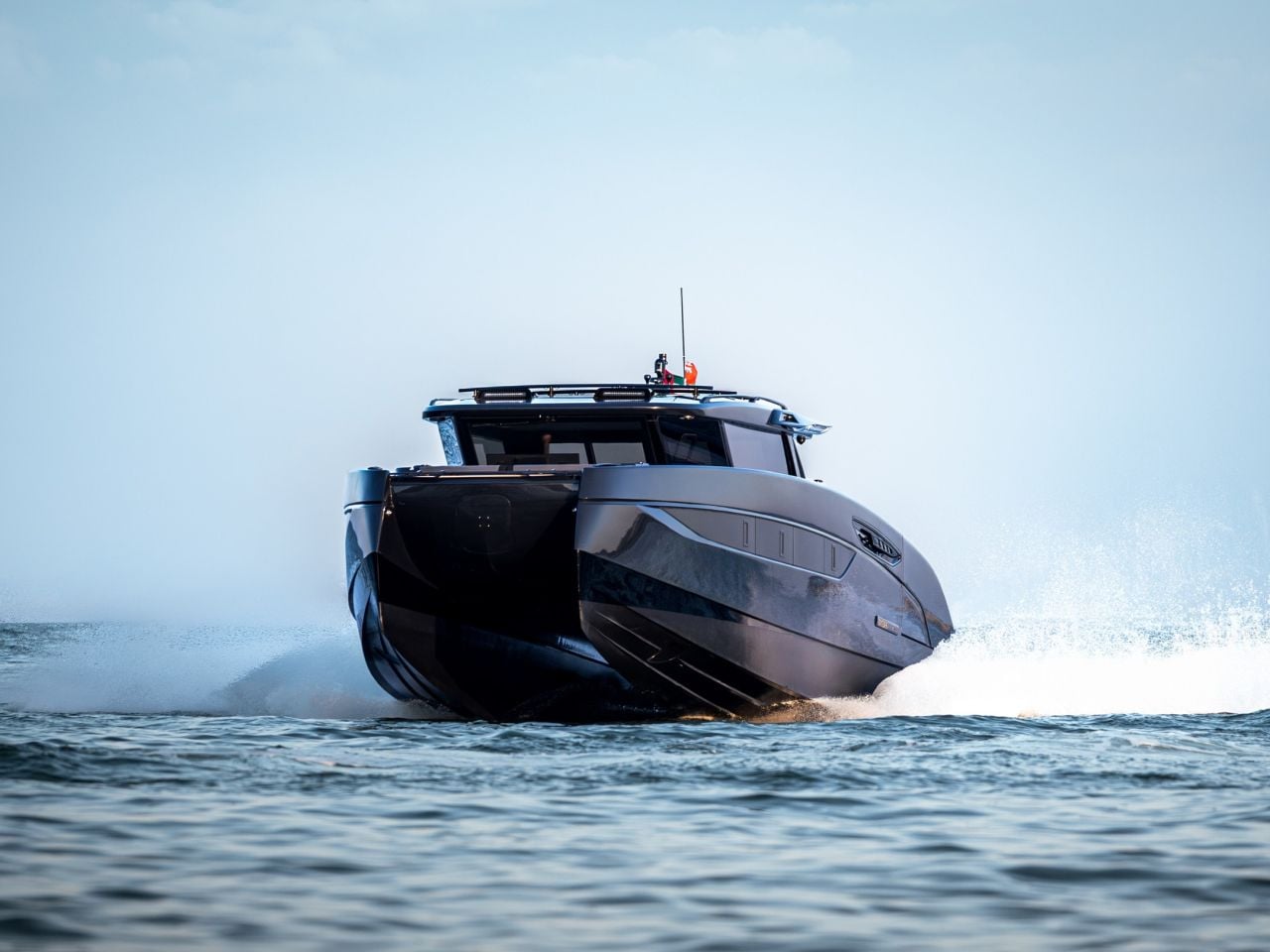
BRABUS has worked closely with Sunreef to reinterpret the ULTIMA 55 platform through its own design lens. The result is a 55-foot power catamaran that carries the unmistakable BRABUS DNA, from exposed carbon-fiber elements and illuminated branding to a monochromatic exterior that feels more like a supercar than a conventional yacht. Every detail, including the custom air vents, sculpted aerodynamic accents, and LED-integrated hardtop, reinforces the brand’s familiar obsession with performance and precision.

Designer: BRABUS and Sunreef Yachts

ULTIMA 55 also challenges the perception that catamarans are designed primarily for leisurely cruising. Powered by twin 725-horsepower six-cylinder engines, it is capable of exceeding 40 knots while maintaining the stability that multihull yachts are known for. A hydrofoil system further enhances the experience by reducing drag and lifting the hulls higher above the water; resulting in improved efficiency, smoother handling, and a more composed ride at speed. It is a combination that allows the yacht to deliver sports-boat excitement without sacrificing long-distance comfort.

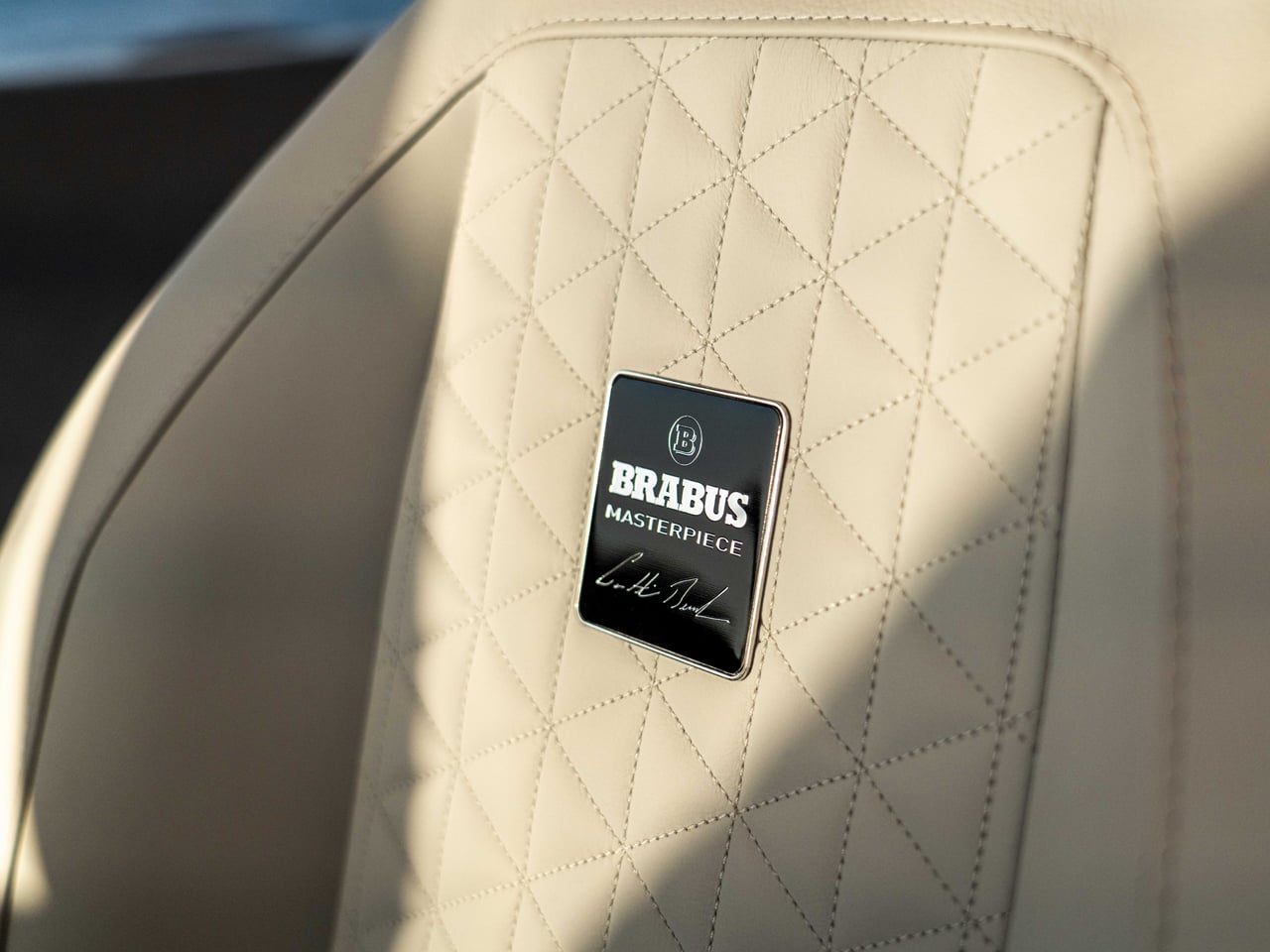
Built with a 16.8-meter hull and a beam of 7.5 meters, the BRABUS ULTIMA 55 offers the generous proportions expected from a luxury catamaran while retaining a streamlined, performance-oriented profile. Buyers can tailor the yacht with a range of BRABUS Masterpiece interior themes, premium upholstery, and exterior color combinations to suit their preferences. The yacht also incorporates advanced navigation and onboard systems designed for extended cruising without compromising everyday usability.

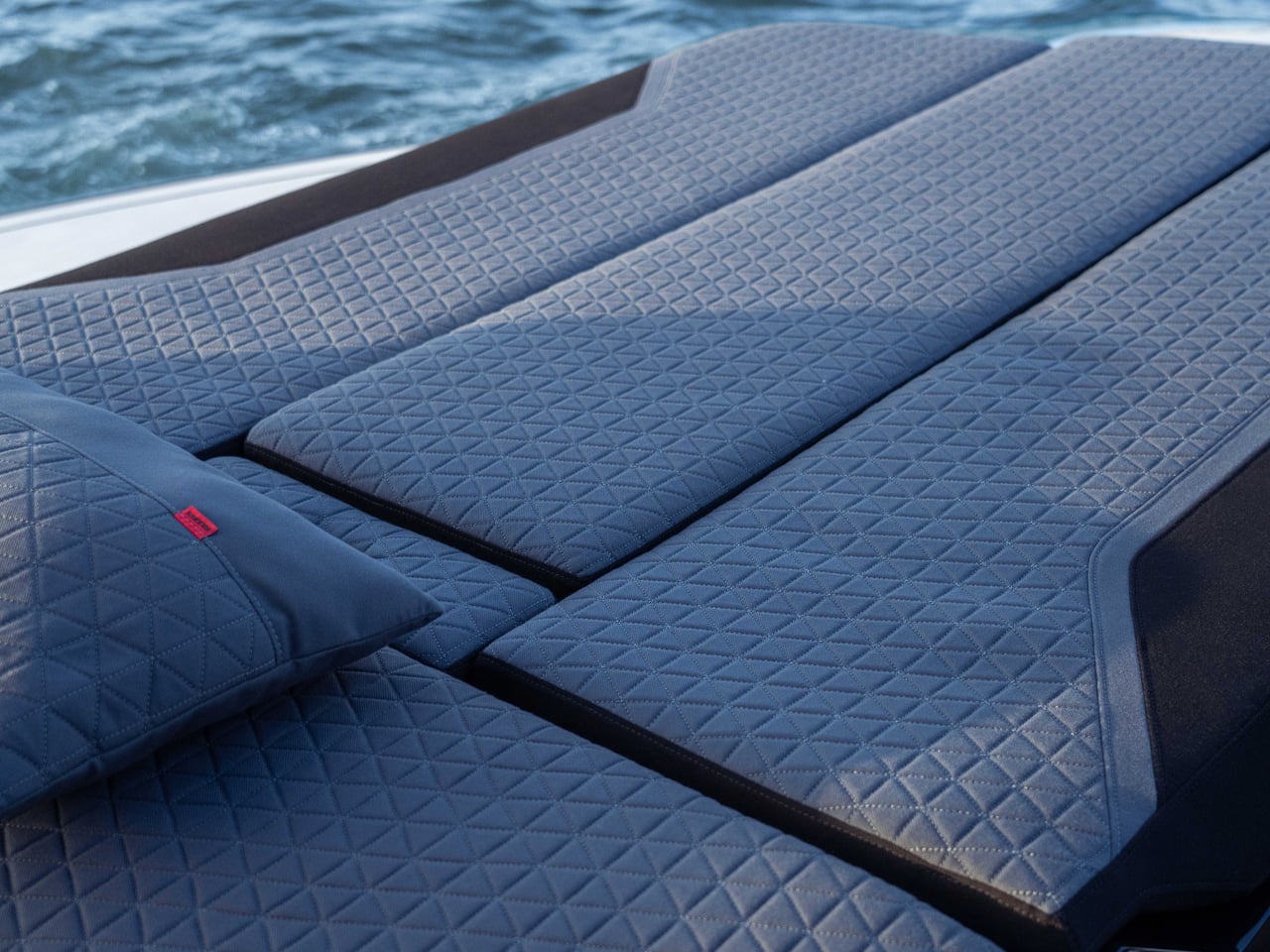
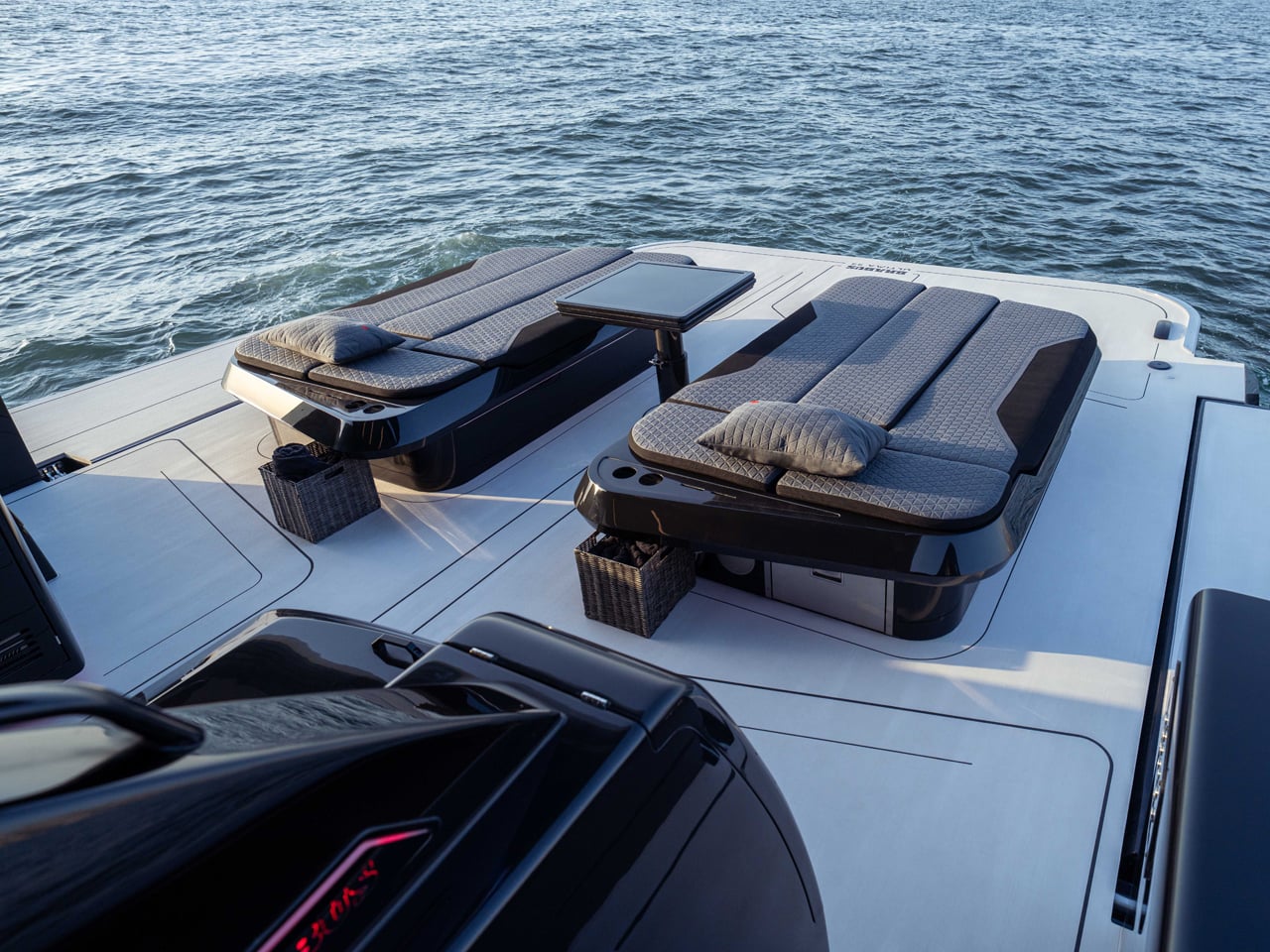
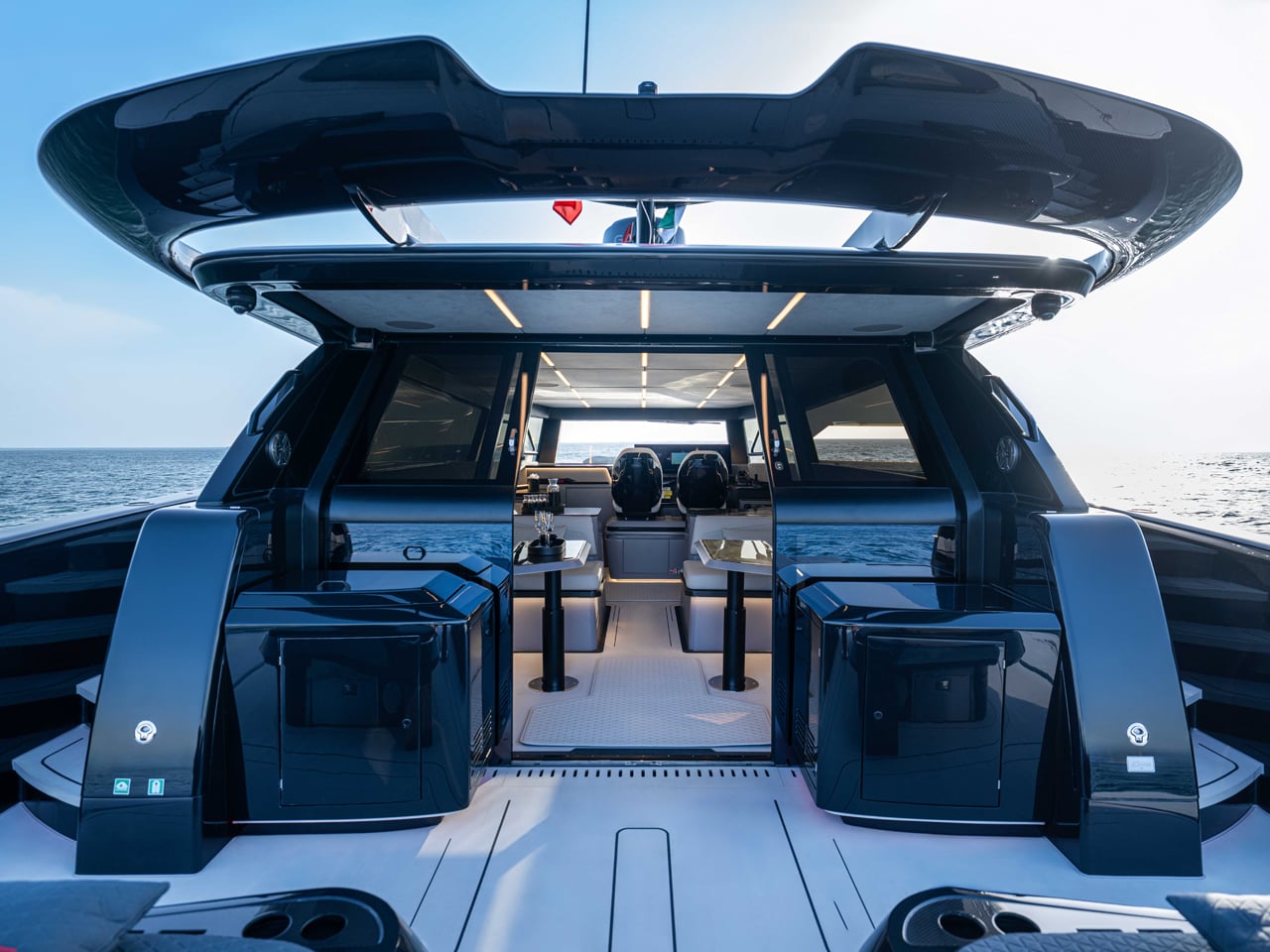
The exterior is designed to encourage life outdoors, with spaces that adapt effortlessly throughout the day. Fold-down side terraces expand the deck when anchored, creating additional room for lounging by the water. Convertible sunpads, a retractable carbon-fiber dining table, a wet bar, and an electric barbecue turn the aft deck into an inviting social space, while an additional sun lounge at the bow offers a quieter place to relax. The flexible layout makes the yacht equally suited for entertaining guests or enjoying a peaceful escape at sea.

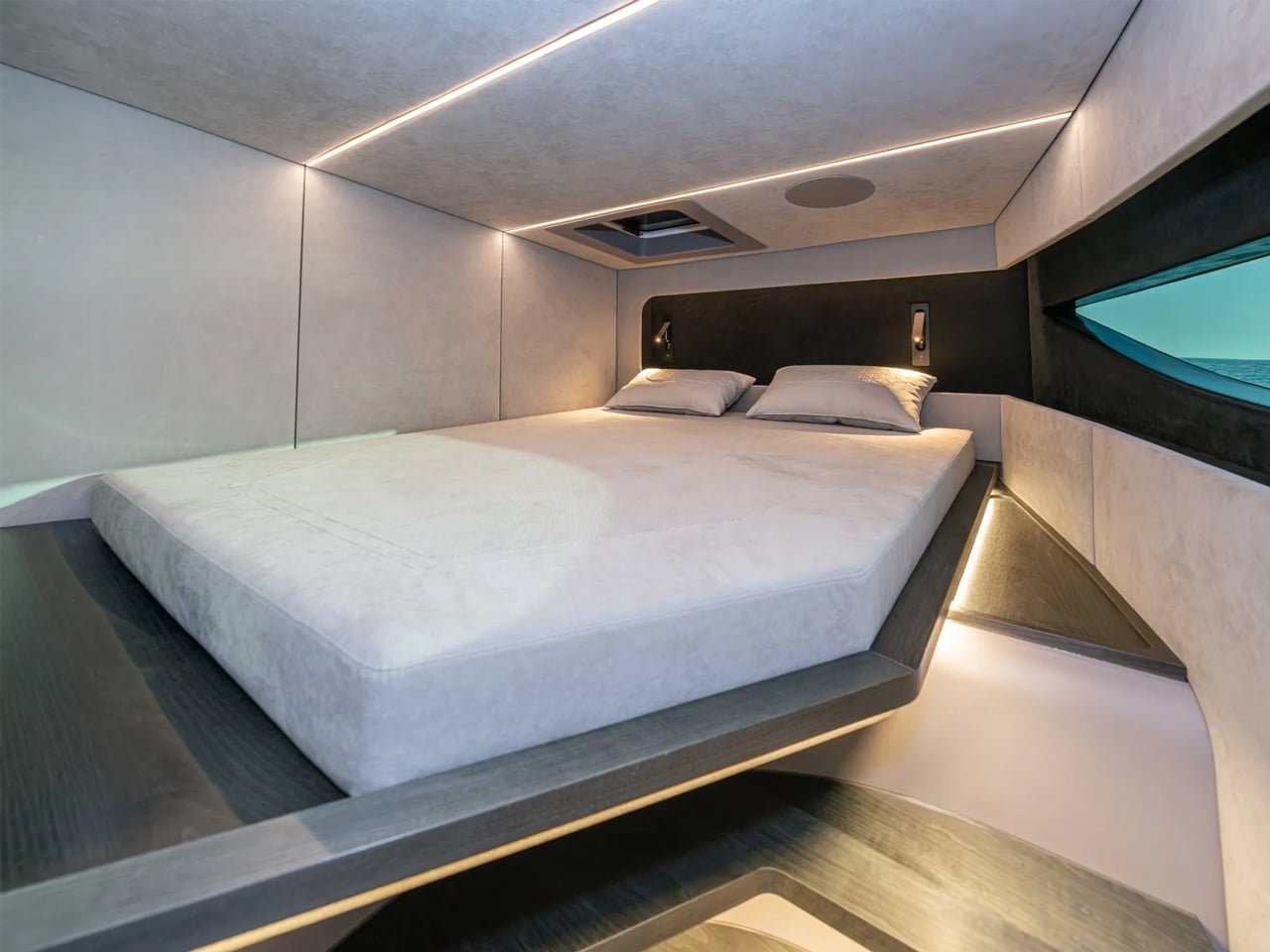
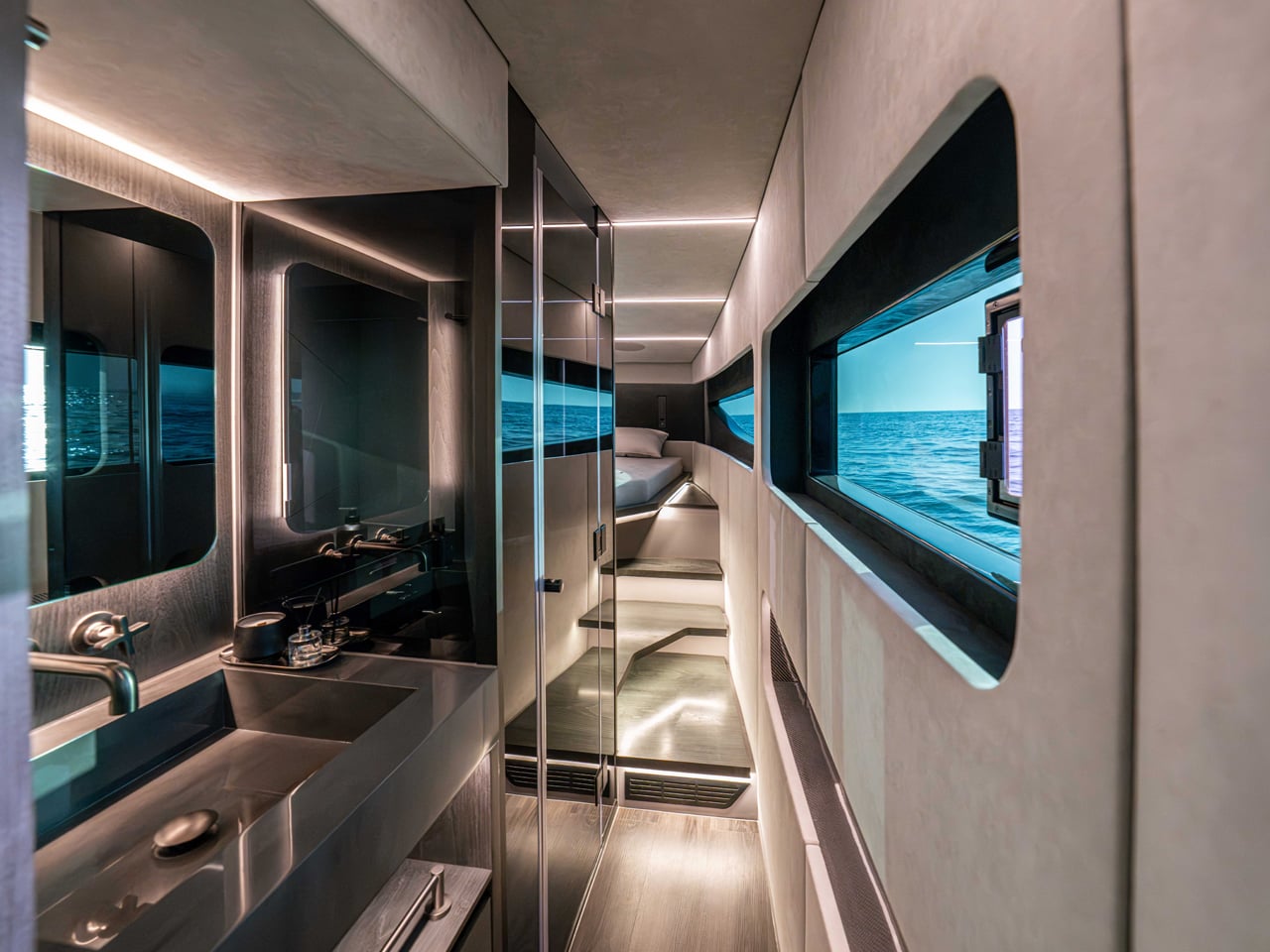
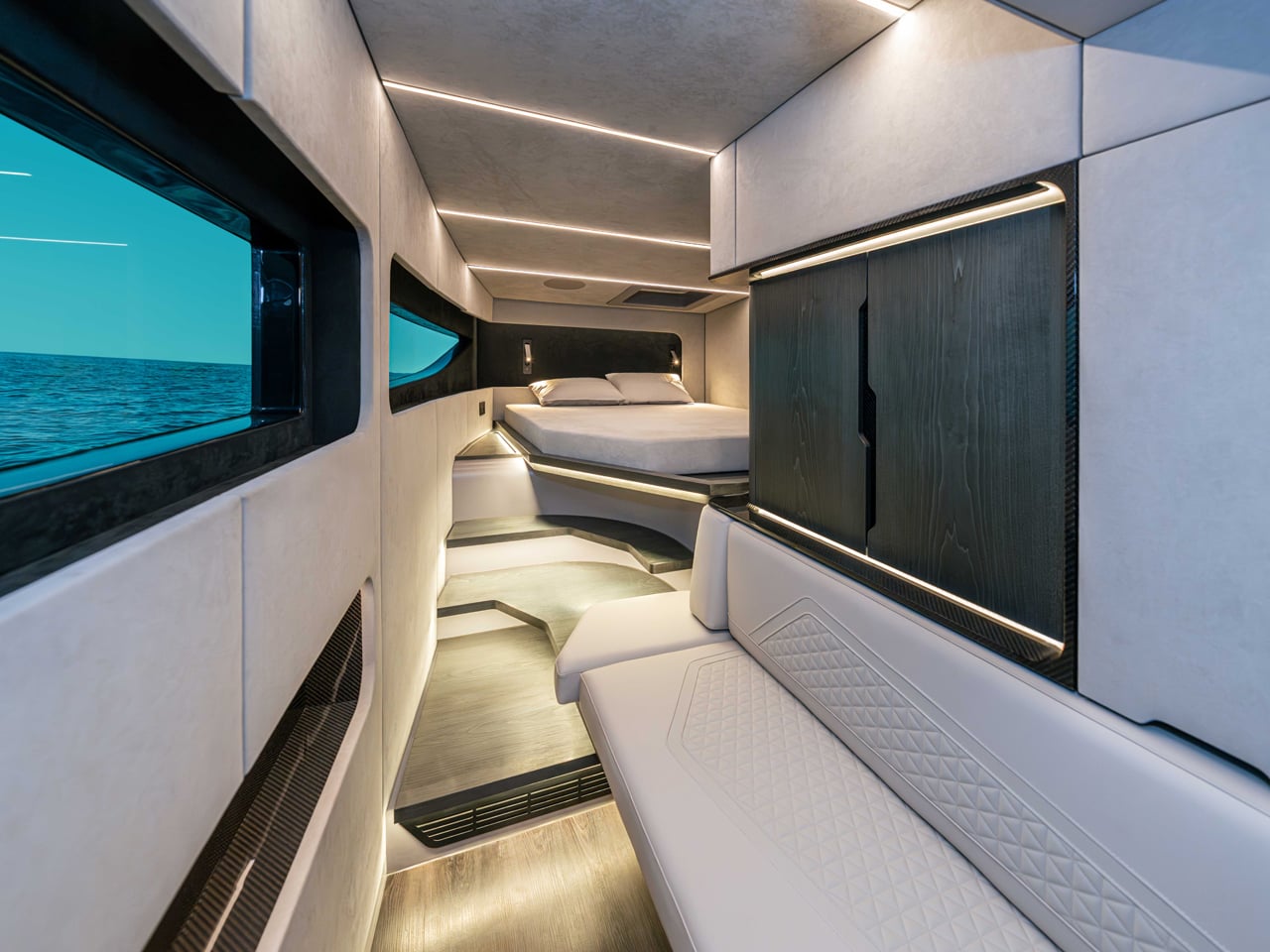
Inside, the atmosphere shifts from sporty to sophisticated. Floor-to-ceiling glazing floods the interior with natural light, highlighting premium wood finishes, carbon-fiber accents, and carefully curated materials that echo BRABUS’ automotive cabins. Owners can choose between a two-cabin configuration with a spacious master suite and VIP cabin or a three-cabin layout that accommodates up to six guests. Both options include dedicated crew quarters, ensuring the yacht balances luxury with practical functionality for extended cruising.

While BRABUS and Sunreef have not disclosed a base price, the ULTIMA 55 is positioned as an ultra-exclusive offering aimed at discerning owners looking for a bespoke blend of performance, design, and luxury, with deliveries expected to be handled through Sunreef Yachts’ global network.

The post BRABUS’ first luxury catamaran gives you superyacht comfort with the thrill of a performance boat first appeared on Yanko Design.
Most Laptops Seal the Battery In, Dynabook’s New One Lets You Swap It

AI on laptops has created a new kind of battery problem. The promise of on-device AI processing, where the work stays local rather than routing through a cloud server, is genuinely useful for anyone handling sensitive data. But running a neural processing unit alongside everything else a laptop already juggles accelerates battery wear in ways that weren’t as much of a concern three years ago. The battery that comes with a new laptop today degrades faster than the hardware around it.

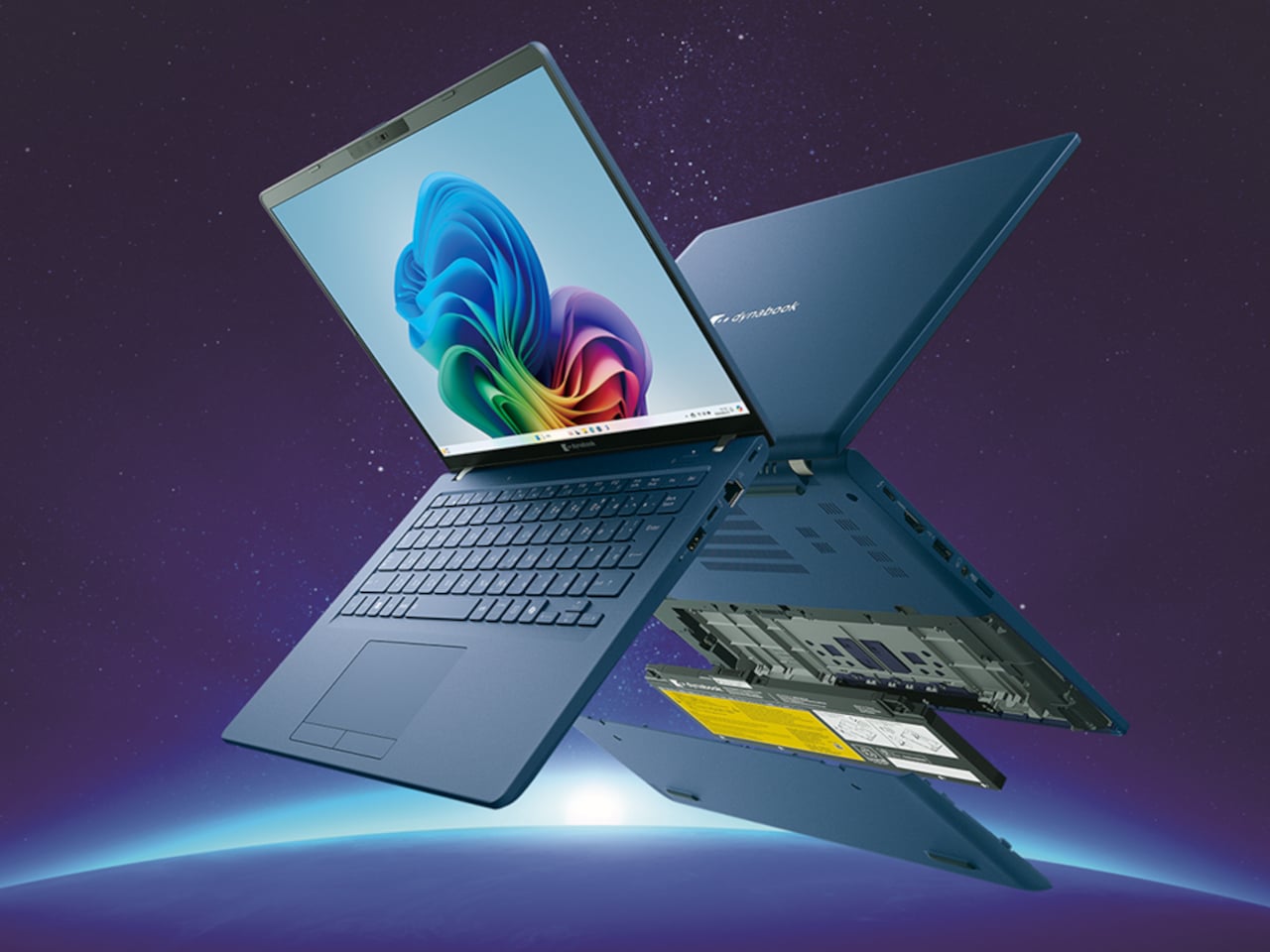
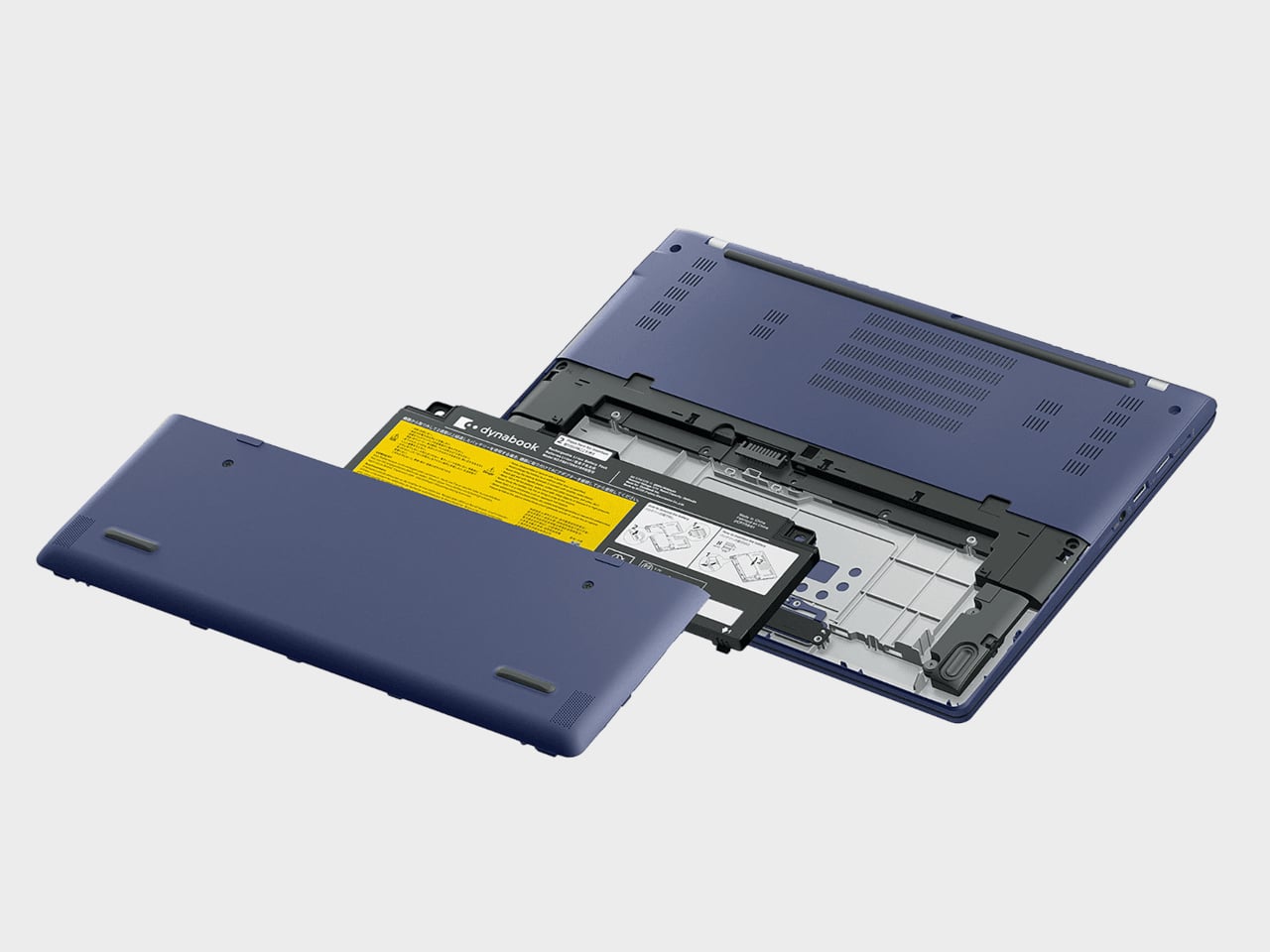
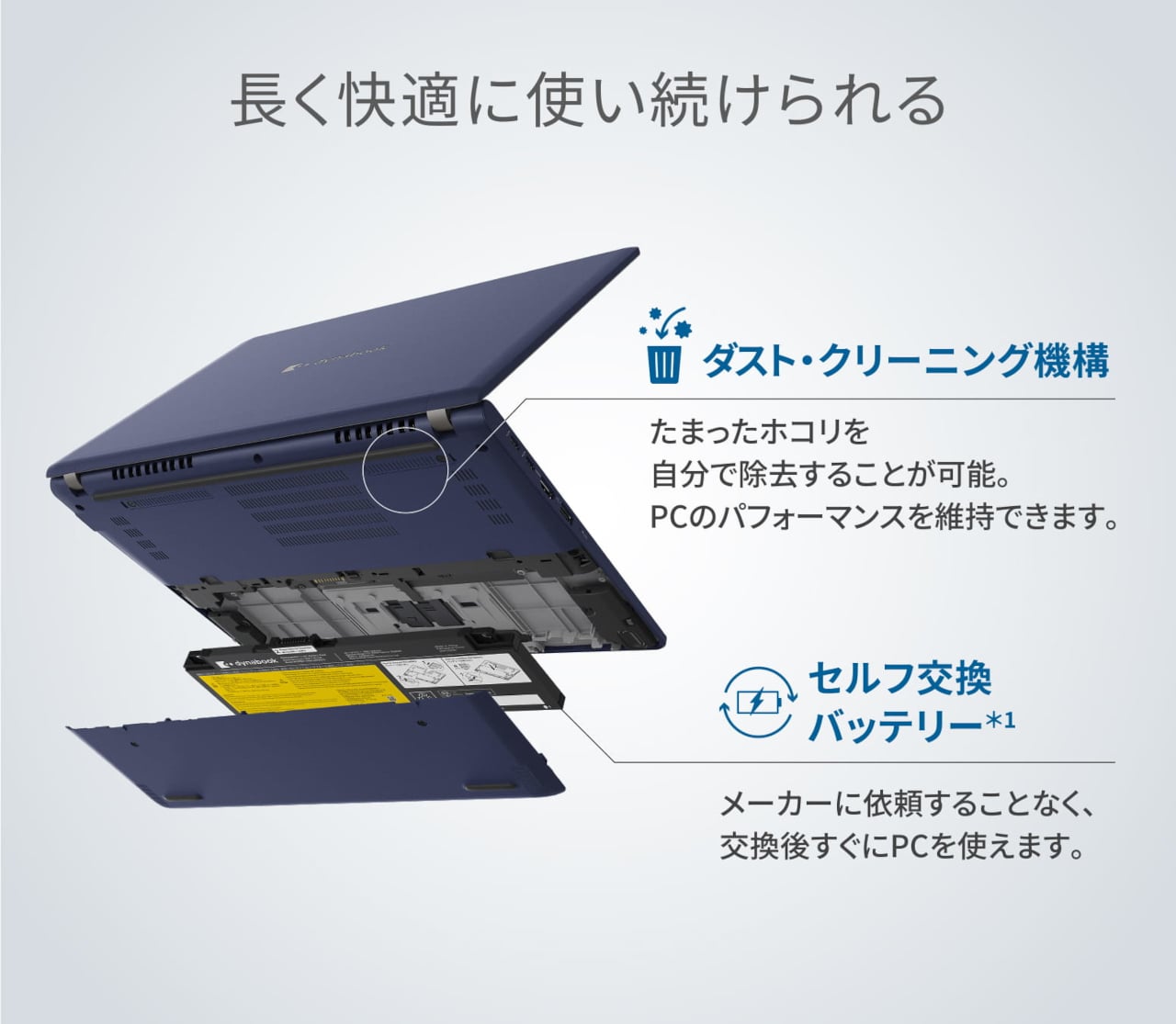
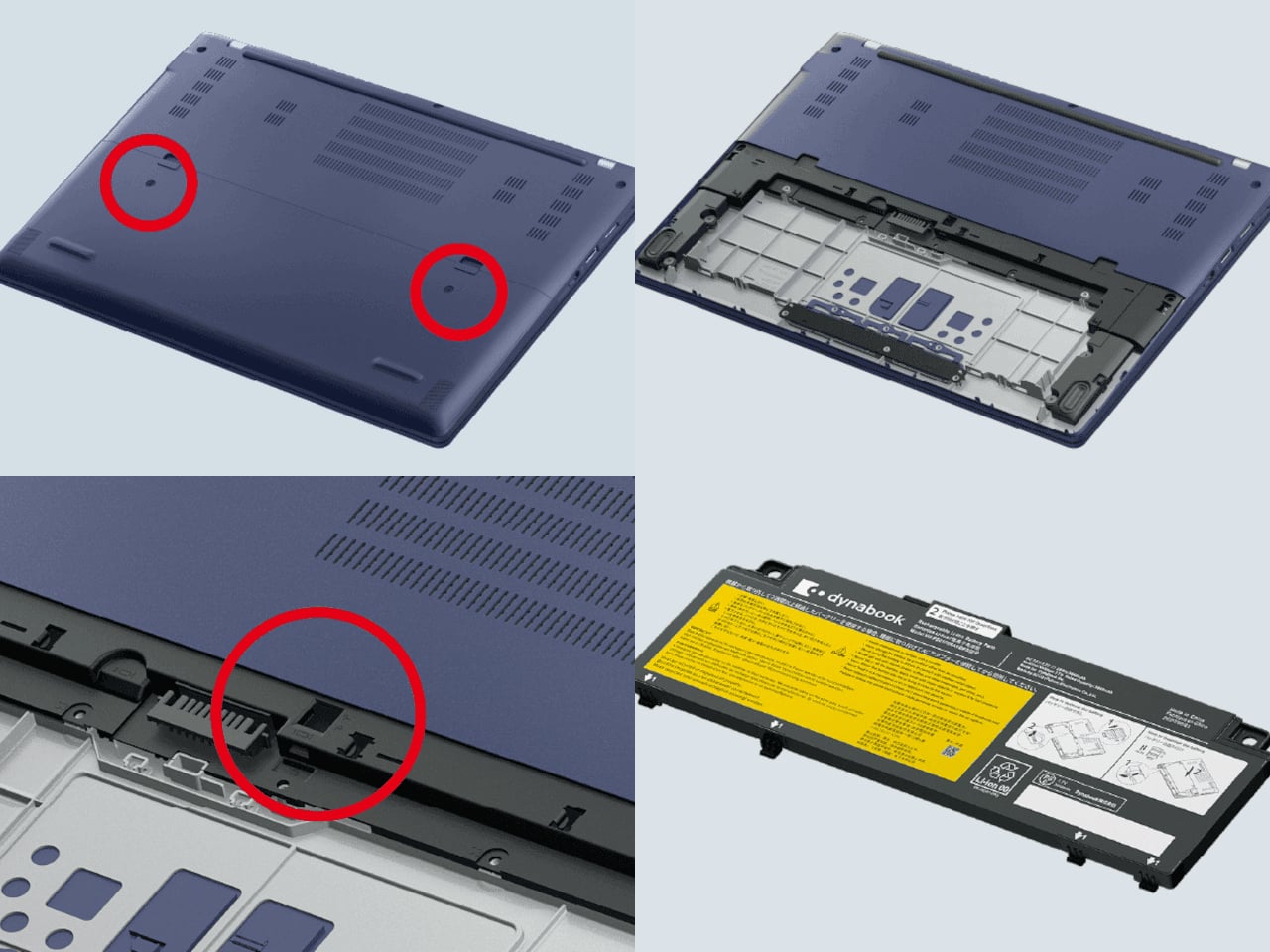
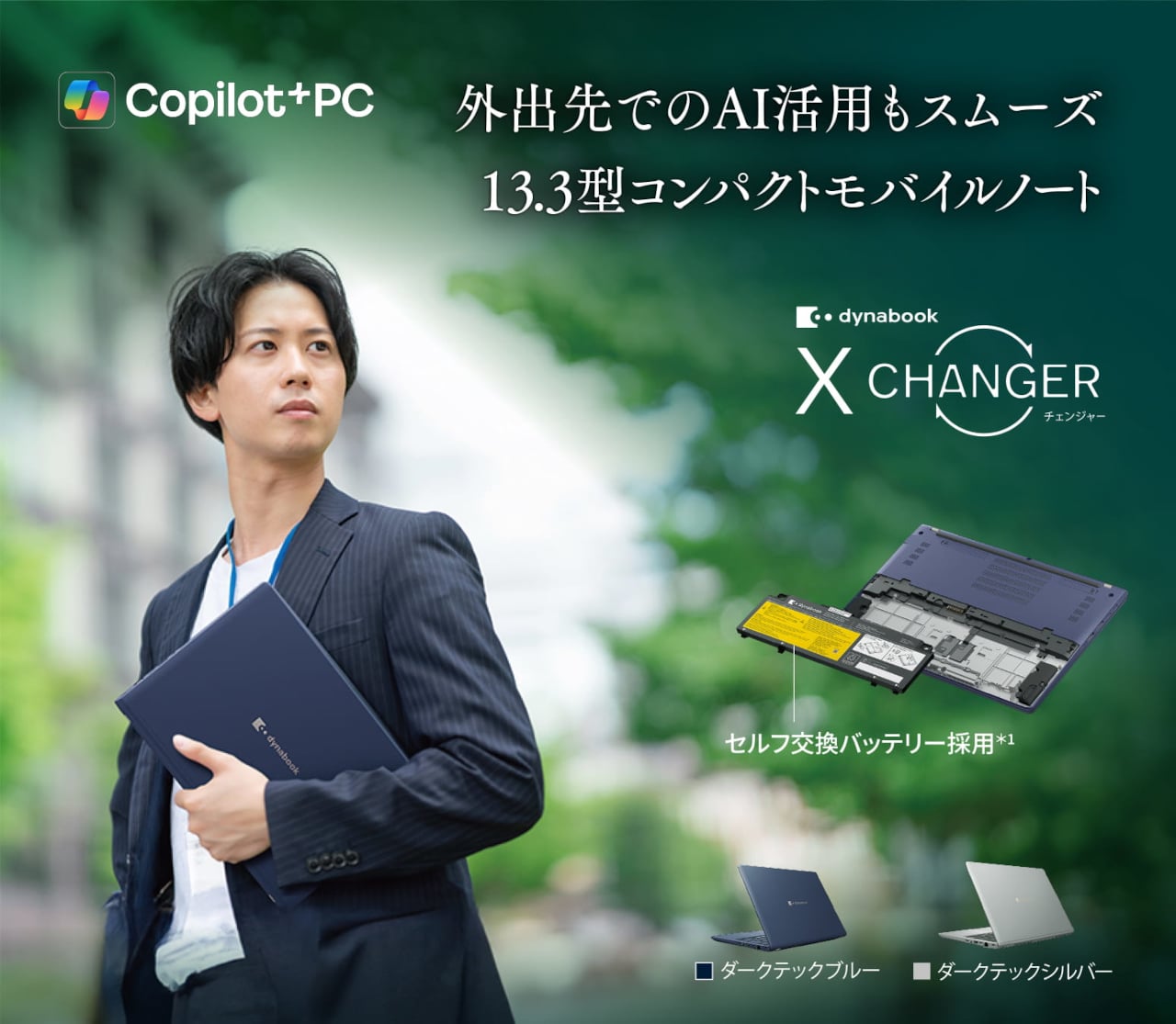
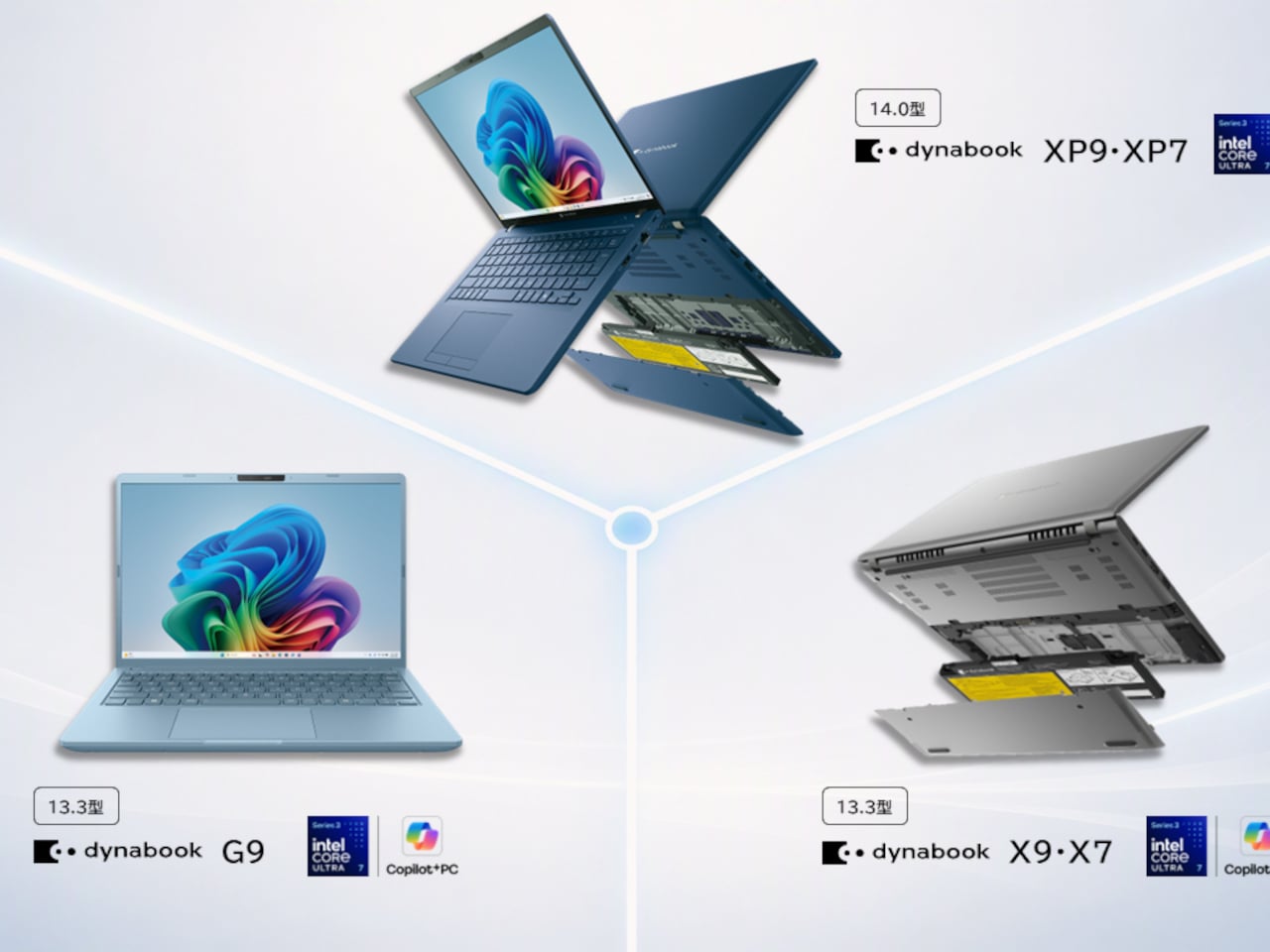
Most manufacturers solve this by designing the battery to be inaccessible. The result is that when a battery eventually loses capacity, it’s either a service center visit or a new laptop. Dynabook’s 2026 fall and winter lineup takes a different position by making the battery user-replaceable in two of its Panther Lake models, the 14-inch XP9/XP7 and the 13.3-inch X9/X7. A sliding panel lets owners swap it themselves without tools or a technician.

Designer: Dynabook

The reasoning is spelled out plainly in the press release: heavy AI use accelerates battery degradation, and forcing users to choose between repair costs and a full replacement creates unnecessary financial pressure and waste. A replacement battery sold separately as an optional accessory means the rest of the hardware, which is still perfectly functional, gets to stay in use longer. It’s a longevity argument that happens to line up with right-to-repair expectations at the same time.

The XP9/XP7, a 14-inch Copilot+ PC, comes in at 999 g, while the X9/X7 at 13.3 inches checks in at 948 g. Both run Intel’s Core Ultra Series 3 Panther Lake processors. The X9/X7 claims up to 17 hours of video playback and up to 32.5 hours at idle, which is a considerable buffer for a machine that doubles as an on-device AI workstation. Both models pass MIL-STD-810H military-grade durability testing.

Connectivity is genuinely comprehensive for an ultra-light design. Thunderbolt 4 and USB 3.2 Gen 1 Type-A ports sit on both sides of the chassis, alongside HDMI output, a LAN port, and a microSD card slot. That’s a full professional port layout without a dongle in sight, which matters for anyone who has spent time hunting for the right adapter in a conference room. Dolby Atmos handles audio on both models.

The on-device AI processing is the capability that sits behind the user-replaceable battery feature in a practical sense. Running local AI keeps private and sensitive data from leaving the machine, which the press release frames as a concrete advantage over cloud-dependent workflows. The AI privacy assist feature also detects attempts to view the screen from unintended angles, adding a physical layer to what would otherwise be a software-only privacy story.

For those who want the same 13.3-inch form factor at the lowest possible weight, the G9 comes in at 899 g with the same Panther Lake processor and MIL-STD-810H certification. It doesn’t include the user-replaceable battery design, but it undercuts the X9/X7’s weight by nearly 50 g, which matters when the laptop travels daily. All models launched in Japan on August 7, with no global availability confirmed yet.

The post Most Laptops Seal the Battery In, Dynabook’s New One Lets You Swap It first appeared on Yanko Design.