Love Hultén brick-inspired sound sculpture uses a bonsai tree to create sounds

With the prevalence of electronic devices like smartphones and smart speakers, you might think that sound and music can only come from these objects. Of course, they are more medium than source, and there are plenty of things that generate audible audio waves even without the help of man-made contraptions. Nature, for example, has plenty of mystifying sounds that almost border on being musical, but there are also hidden ways that natural objects can produce sounds with a little help from technology. Using biological data and a bit of scientific creativity, one can even hear the “music” that plants make, such as this rather unique “sound sculpture” that makes a small bonsai tree sing its heart out in alien-like tones.

Designer: Love Hultén

To be clear, plants don’t make music, no matter how enchanting that concept might be. What artists, musicians, and designers are doing is to gather the subtle electrical signals generated by chemical changes in plants and interpret them as a series of tones generated by a MIDI (Musical Instrument Digital Interface) device that hardly resembles a pleasing harmony. That said, even that straightforward process is enough to capture one’s curiosity and inspire a sense of wonder, even if it won’t win any music awards.

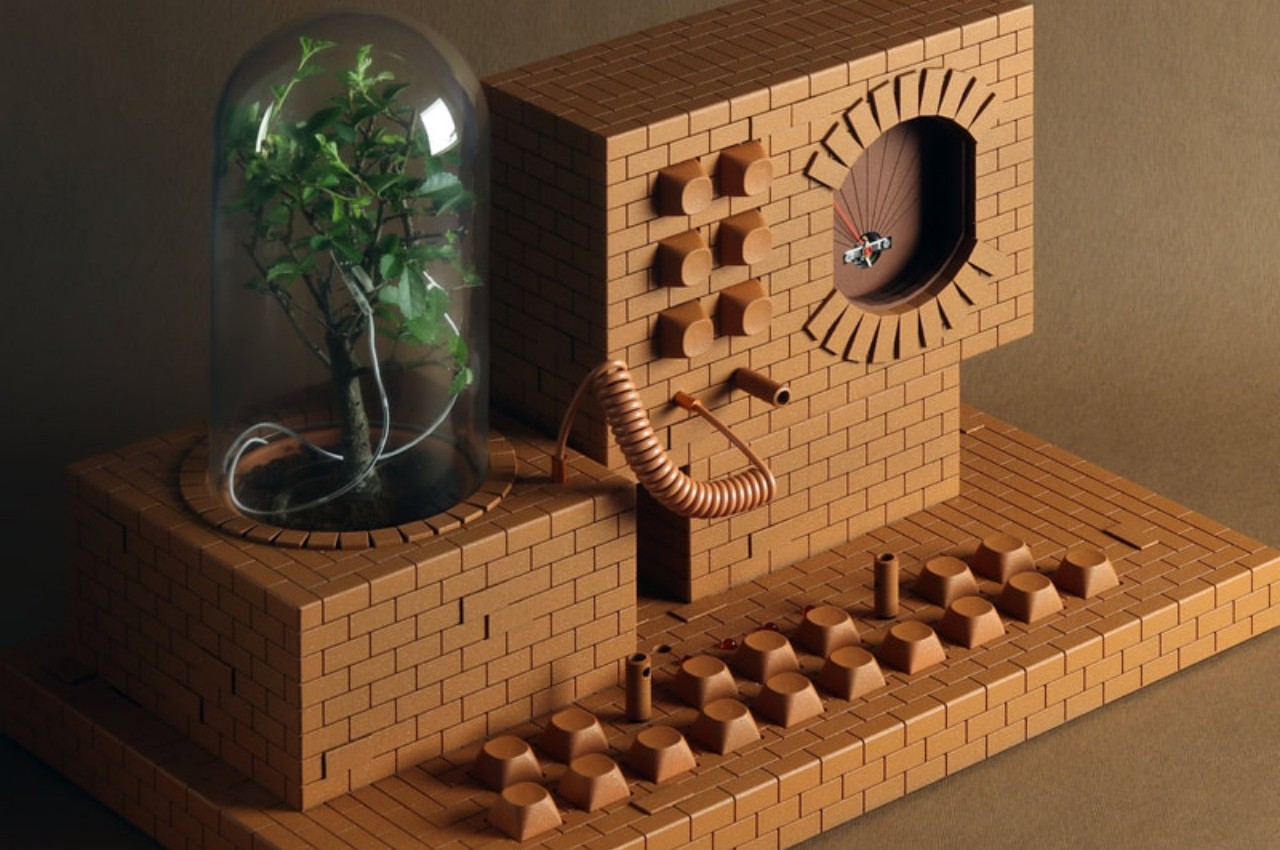
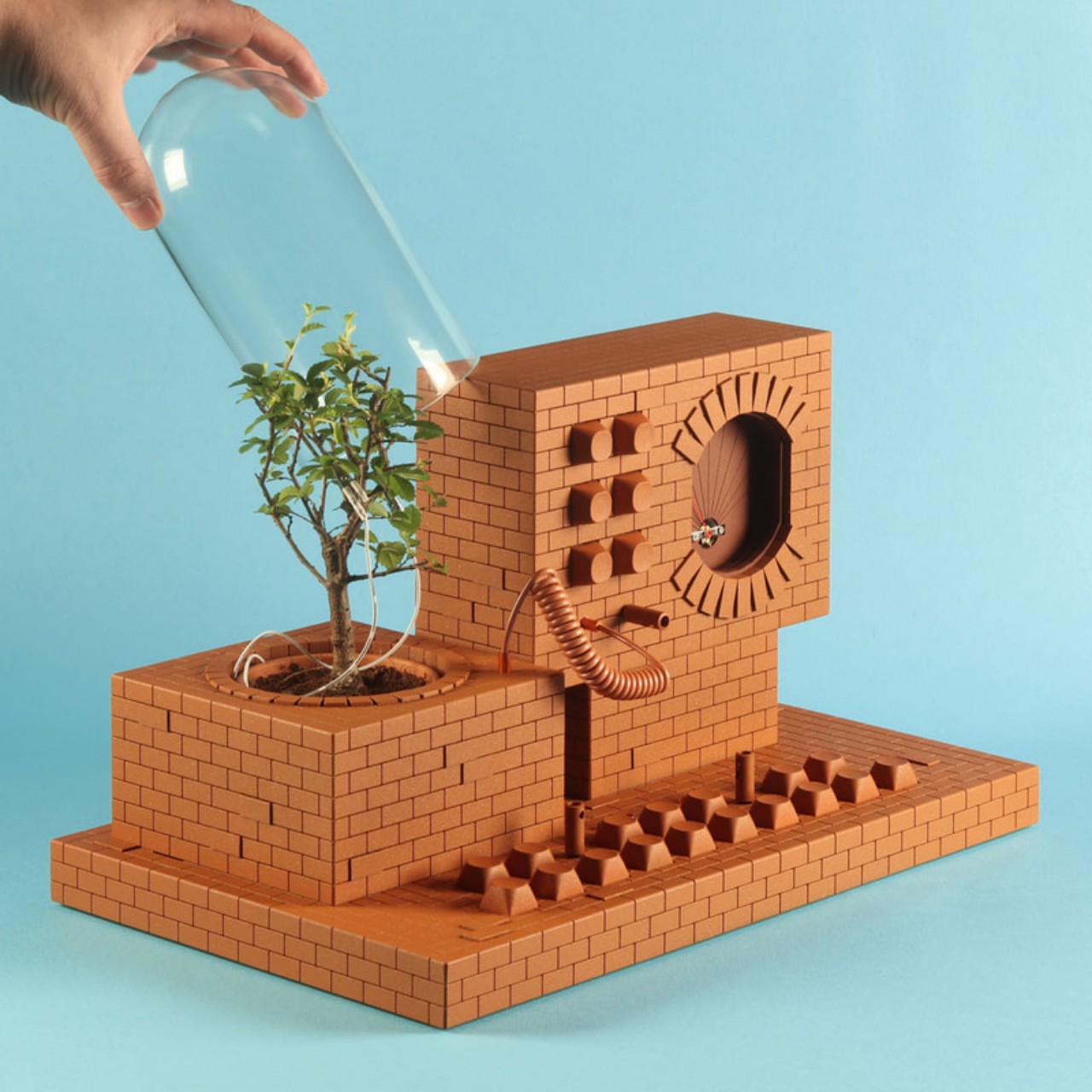
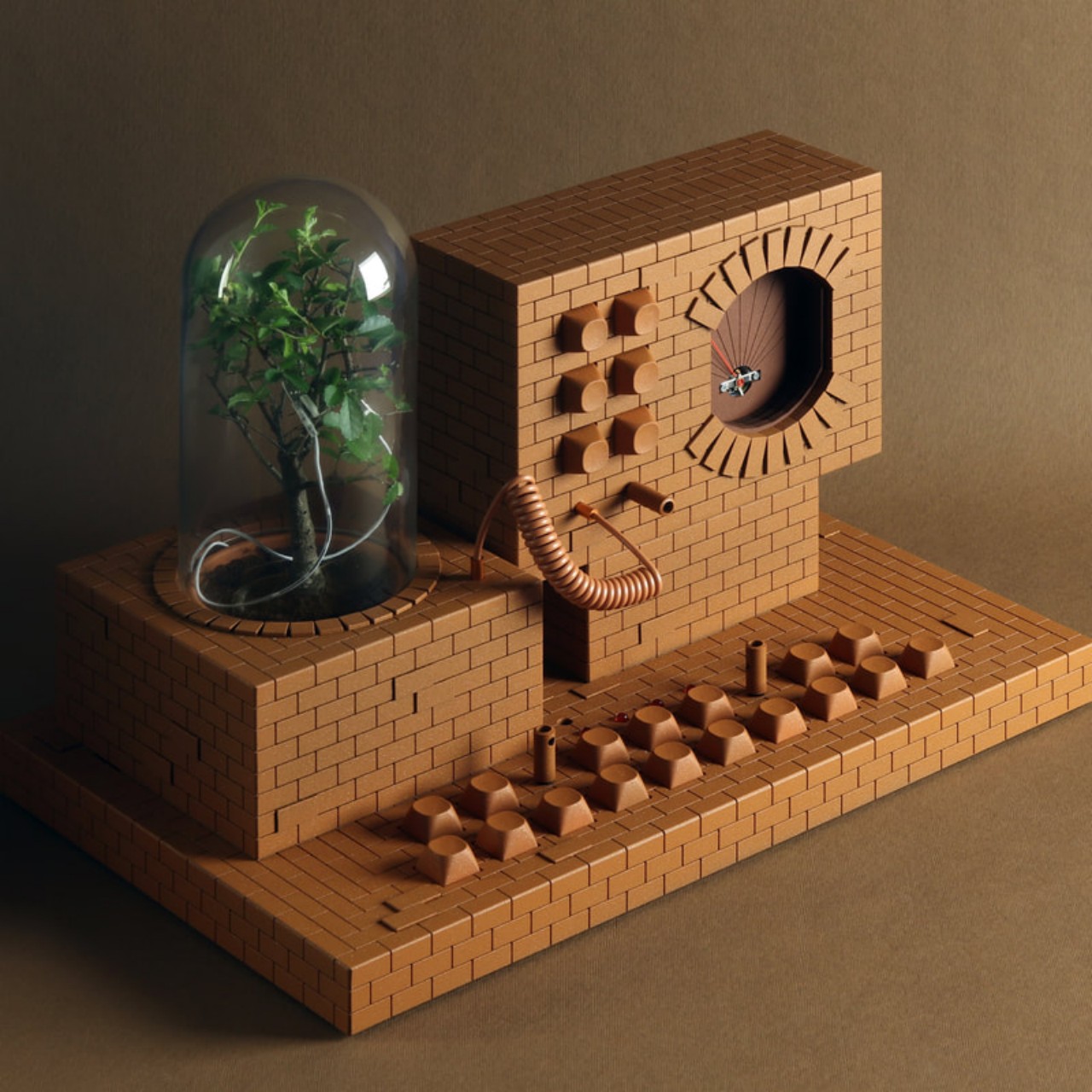
Tegel is one such artistic exploration in the translation of biological signals into audible sounds utilizing the popular bonsai tree. The choice of plant is almost poetic, given how this family of diminutive plants is often associated with meditation, calmness, and Zen. Ironically, the tones and beeps that are produced by this sound sculpture are hardly relaxing and are more like EDM for parties.

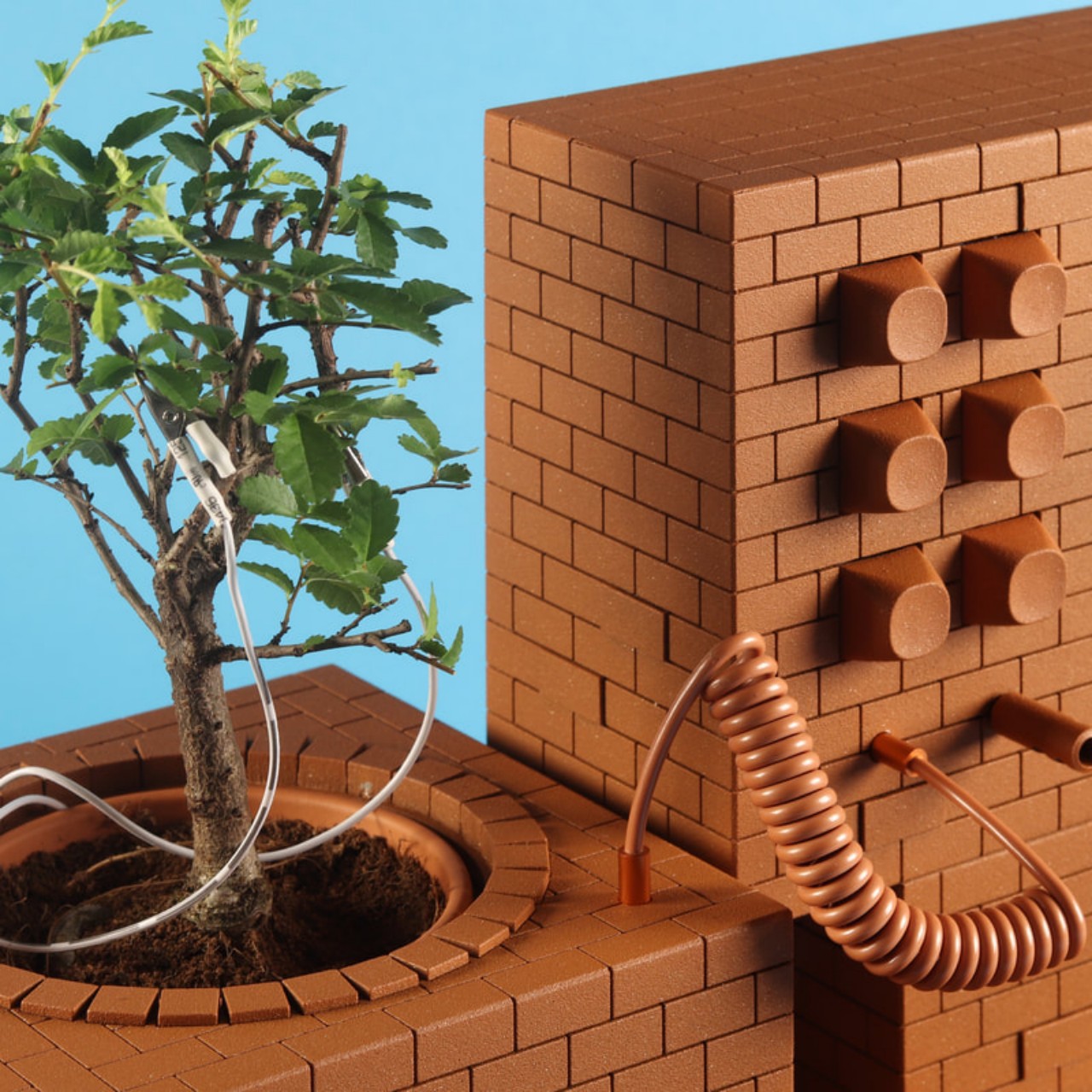
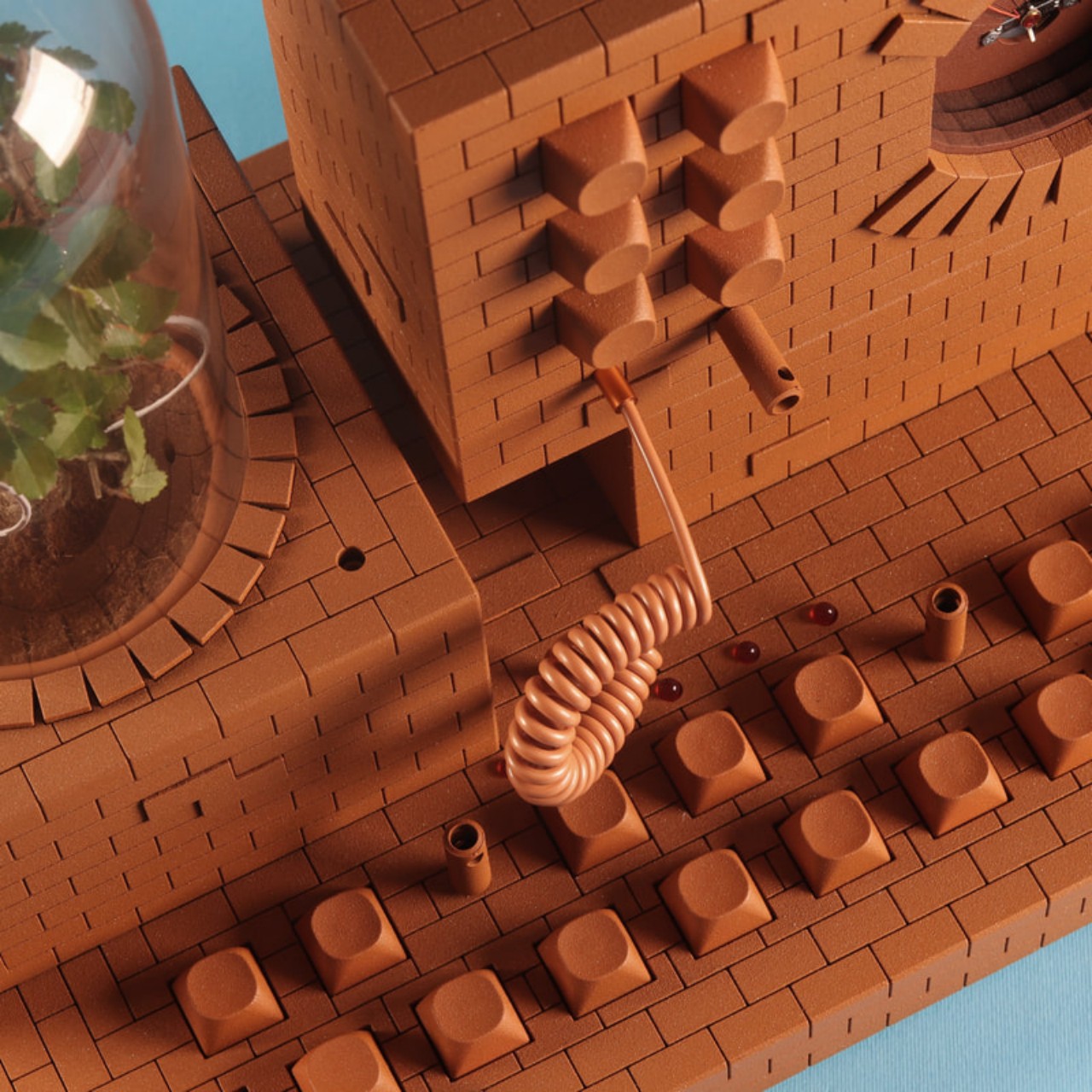
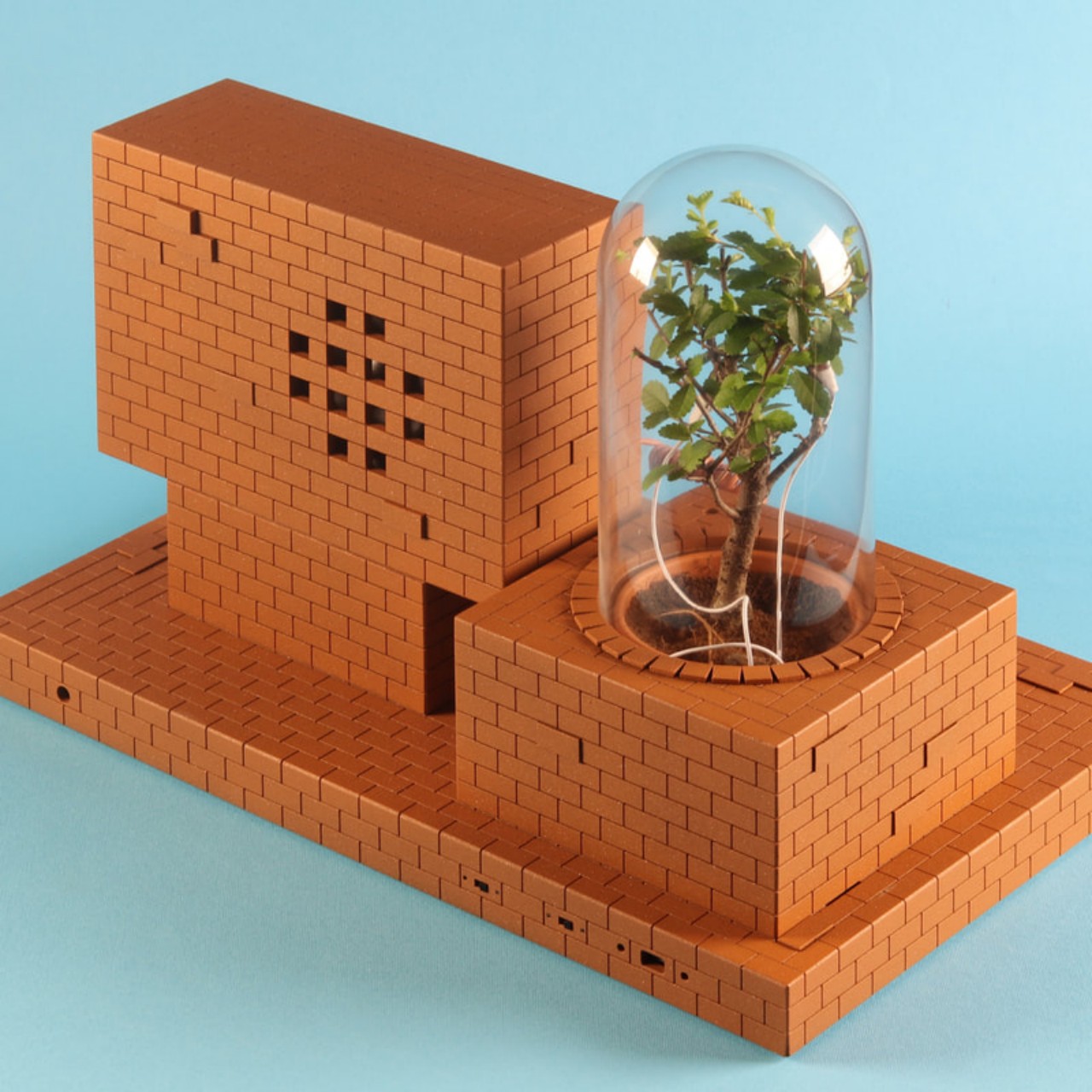
The small tree is housed inside a tall glass dome and is connected to an audio synthesizer via wires clipped onto its leaves. The plant acts more like a series of resistors rather than an actual sound source, and the sound sculpture incorporates dials to fine-tune the sound that comes out of it. There’s even a MIDI keyboard so that the user can add their own input to the mix.

What makes Tegel really special isn’t the process but the form that it comes in. Love Hultén has created quite a few of these contraptions that transform biodata into sound, but those really look the part of machines. In contrast, this sound sculpture is as much art as it is technology, inspired by the brick creations of Danish sculptor Per Kirkeby. It makes the bonsai tree a part of a miniaturized brick garden, creating a visual contrast of organic life and man-made structures working together to produce something akin to a miracle, that of pulling music out of a silent tree.

The post Love Hultén brick-inspired sound sculpture uses a bonsai tree to create sounds first appeared on Yanko Design.
Sculptural wall lamps bring an otherworldly aura inspired by sunflowers

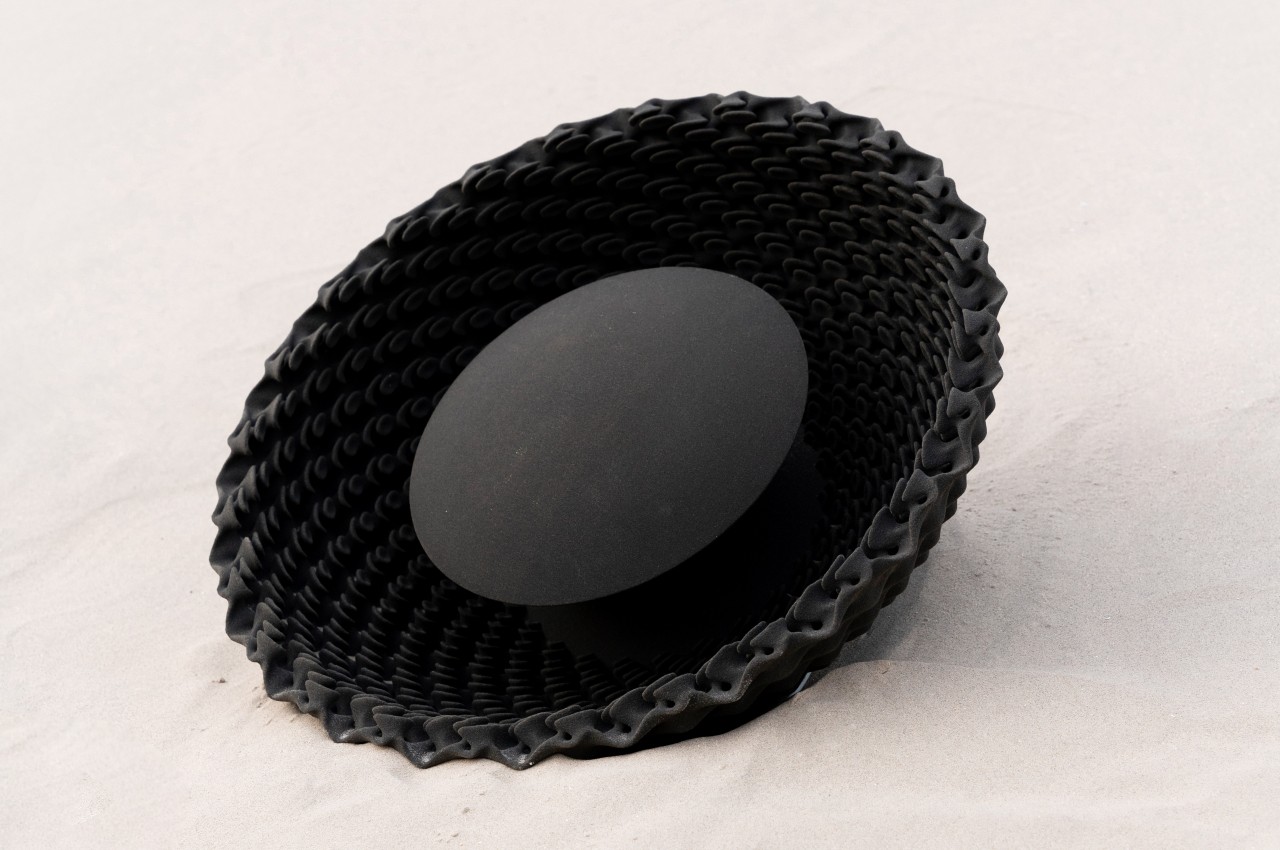
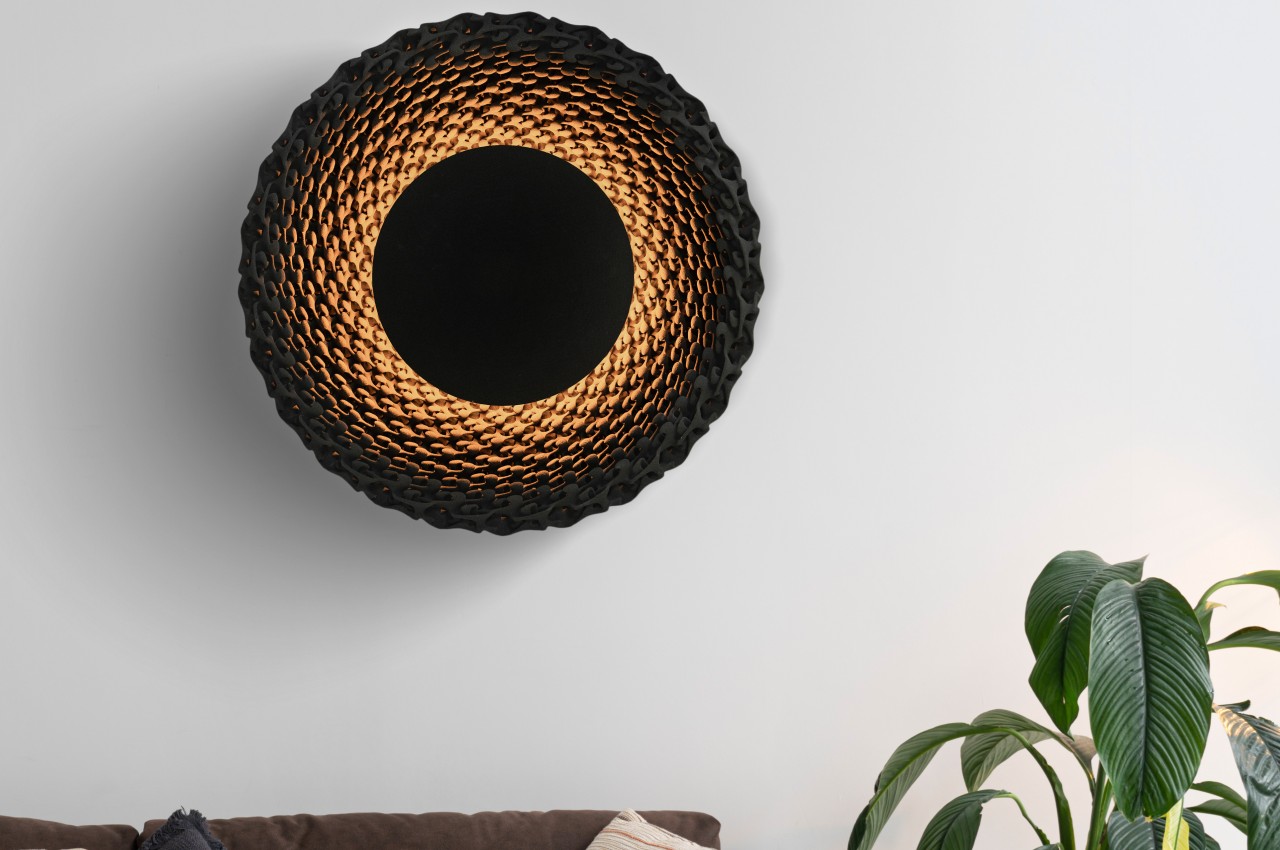
A lot of designs these days take their cue from nature, perhaps the greatest designer that ever existed. Some simply use natural forms as their starting point while others imitate them almost completely. Yet there are also others who try to interpret organic shapes in a different way, resulting in a design that is both familiar yet almost alien. This wall lighting, for example, takes inspiration from the tiny disk flowers inside a beautiful sunflower, but the play of light and shadows gives it an almost hypnotic appearance, whether the lamp is actually on or not.

Designer: Rollo Bryant

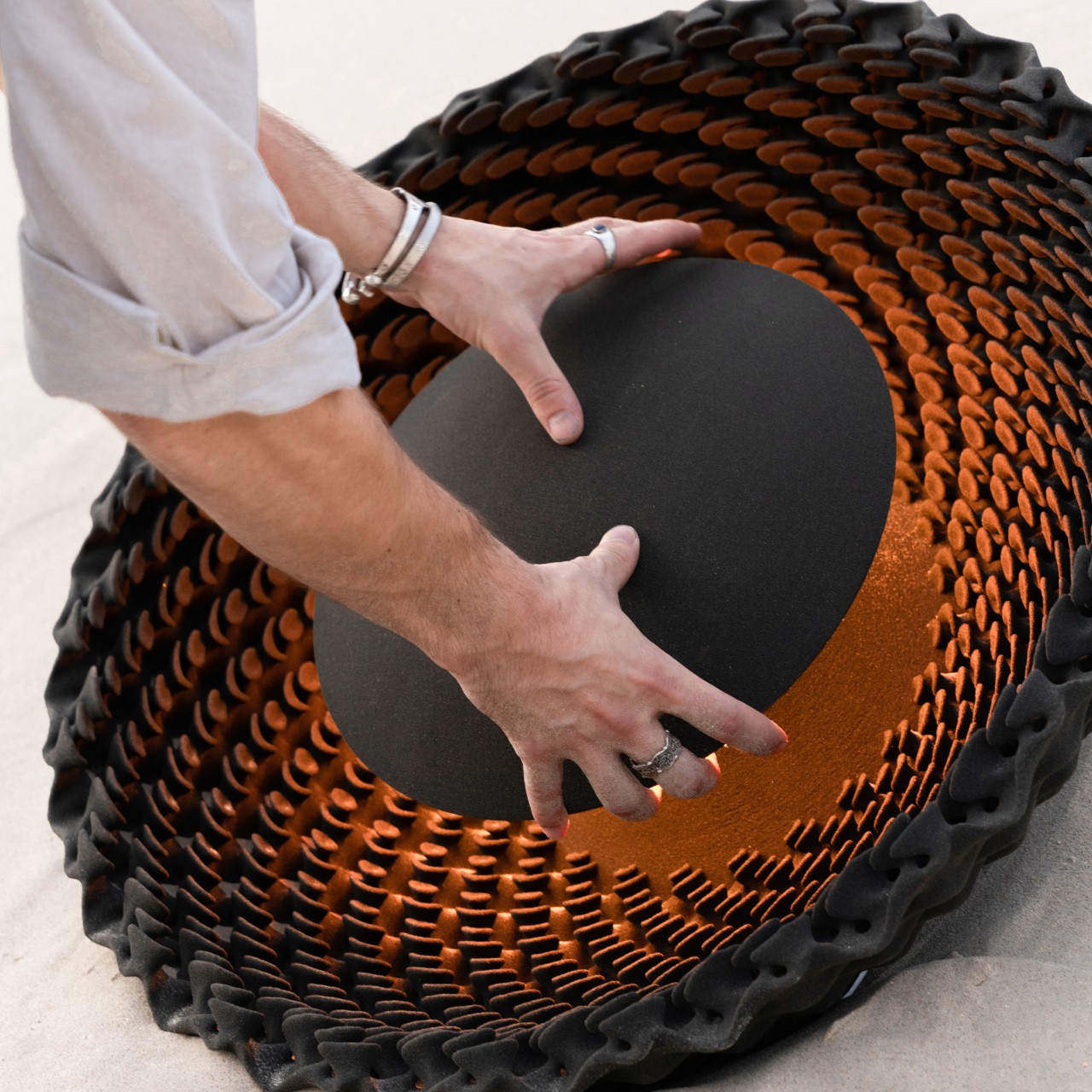
It’s probably not common knowledge, but the flower that most people “see” when looking at a sunflower is actually a flower head that’s made up of a bunch of tiny flowers called disk florets. It’s a rather unique arrangement that becomes even more enchanting when you learn about it, giving the sunflower an otherworldly character. That’s the kind of character that the Aureole collection of wall-mounted lighting tries to embody, not just in its appearance but also in the material used to create its mesmerizing form.

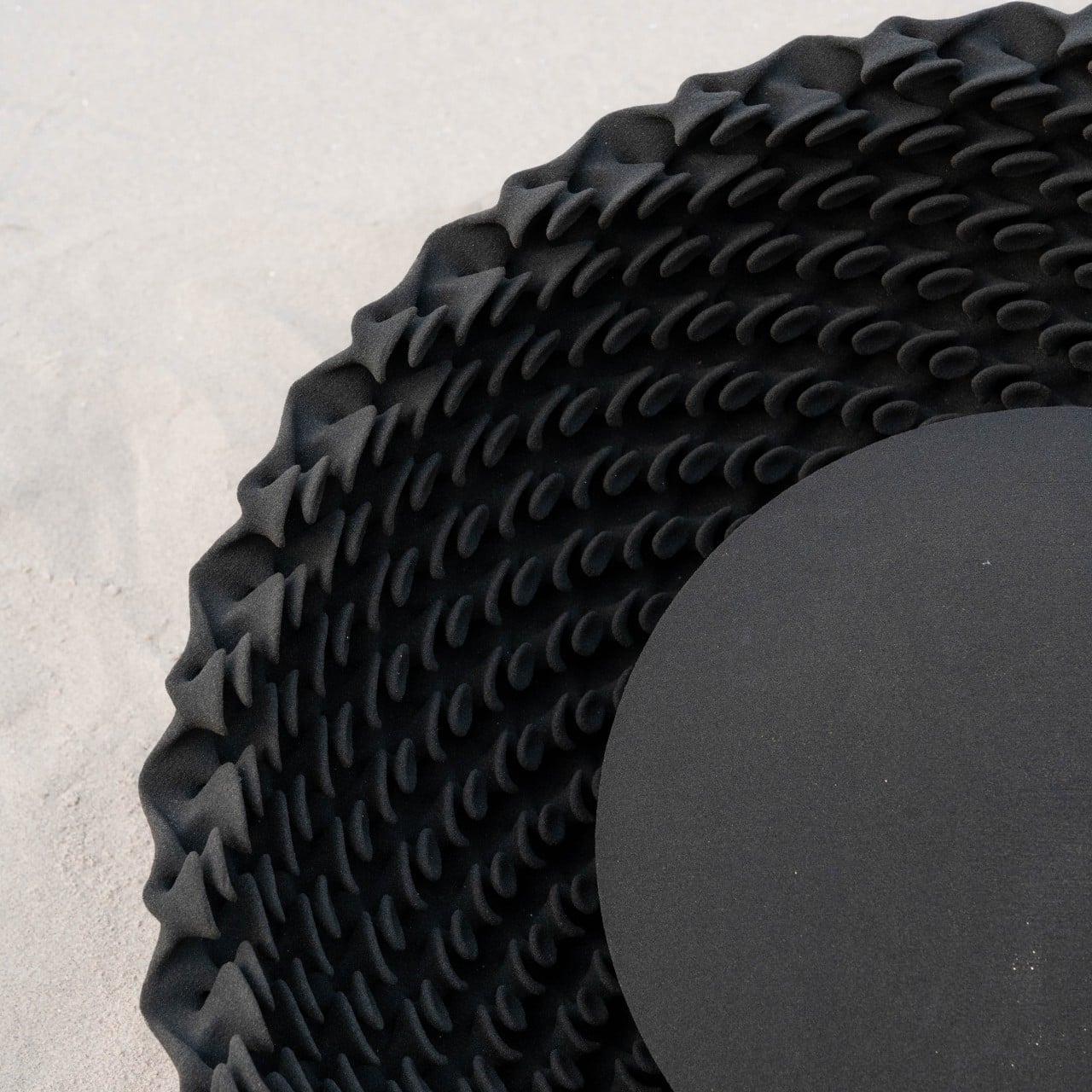
The lamps use quartz sand for its main body, a material that’s often used for moulds that are then used to create other objects. In Aureole, however, the sand is the final product instead, and its production pushes the envelope of both what the material can be used for as well as the 3D printing technology employed for creating the complex structures of the lamp’s shape.

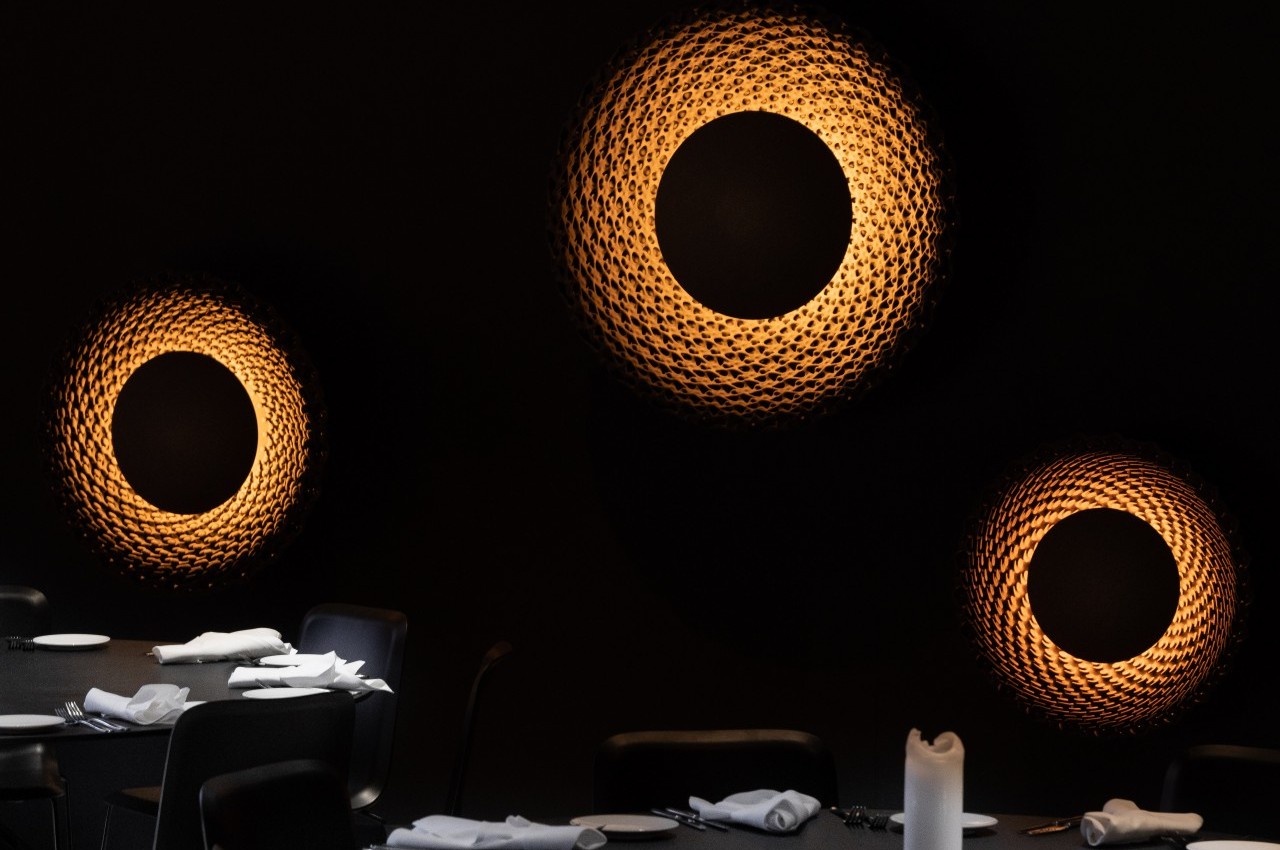
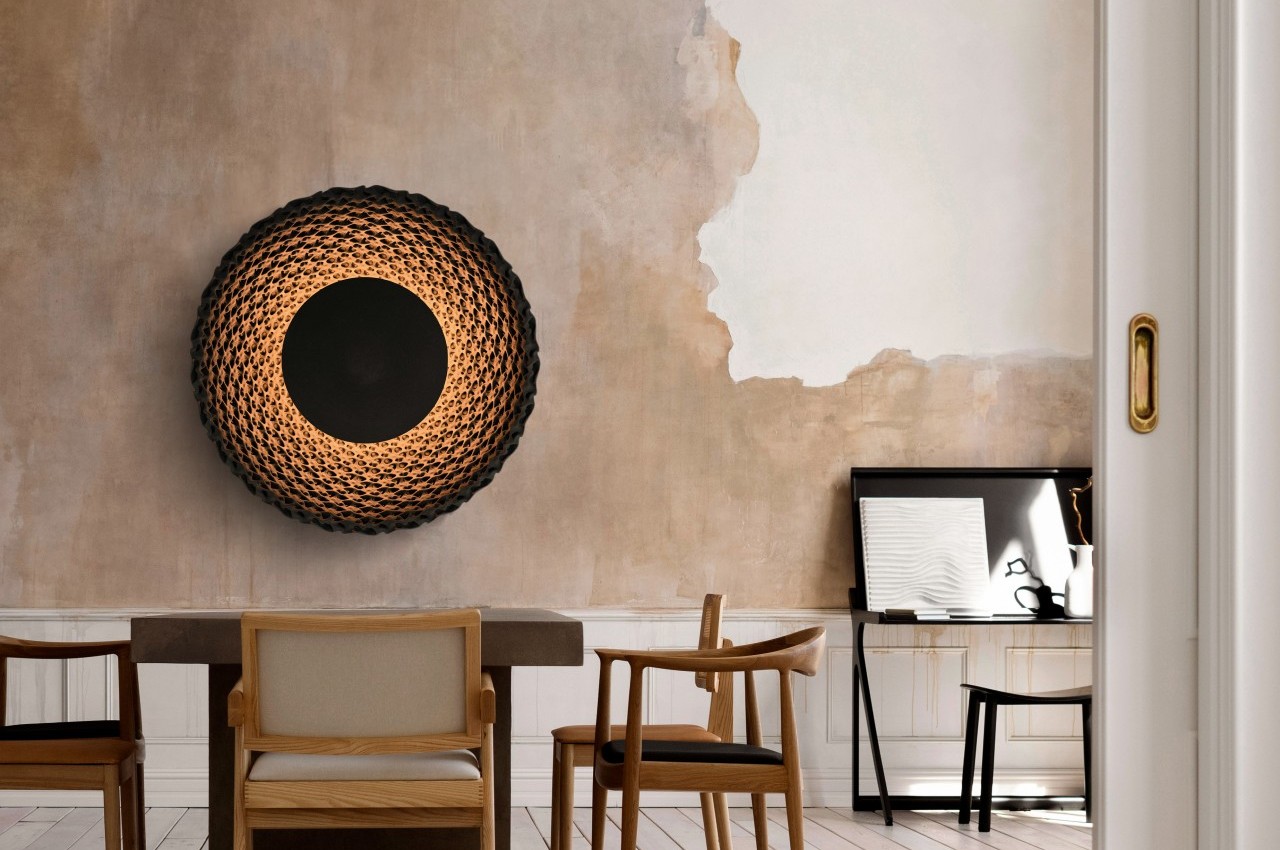
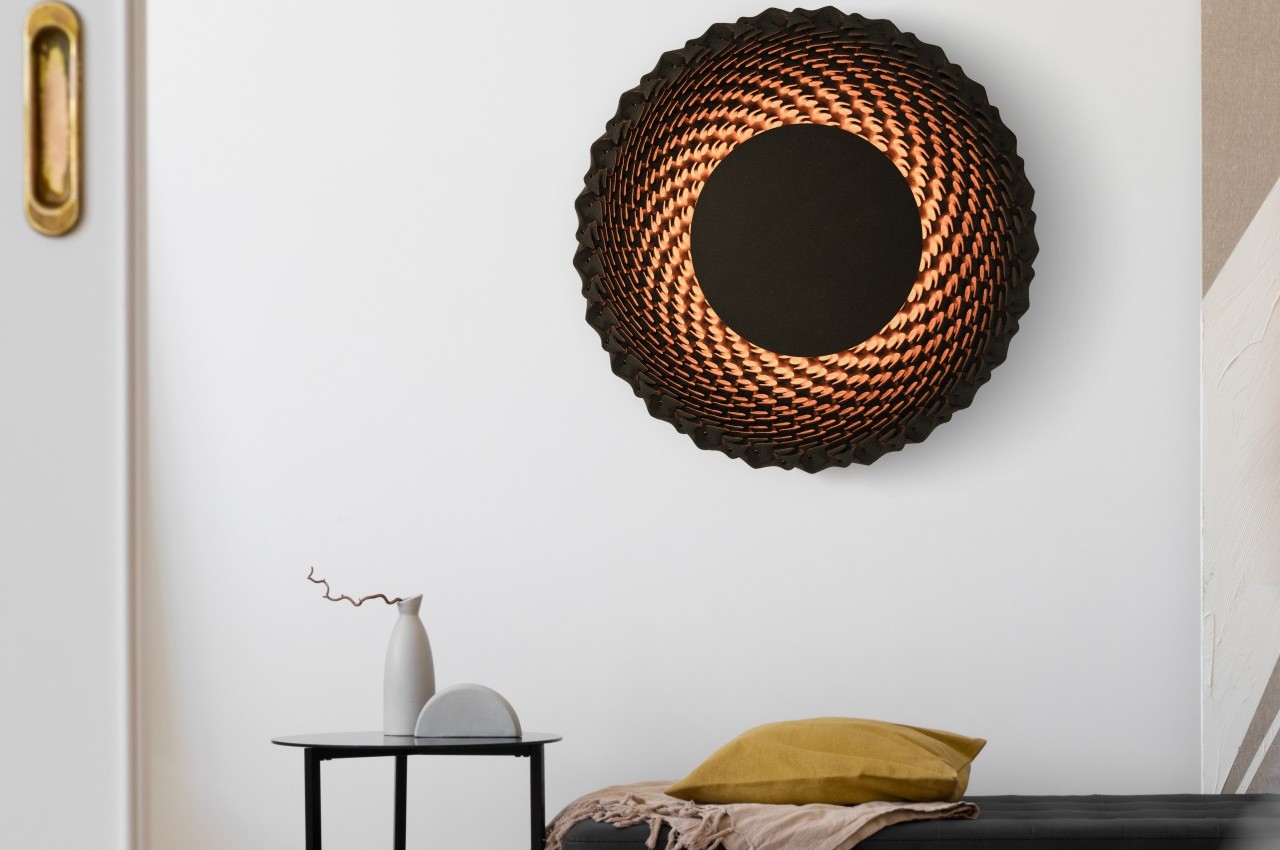
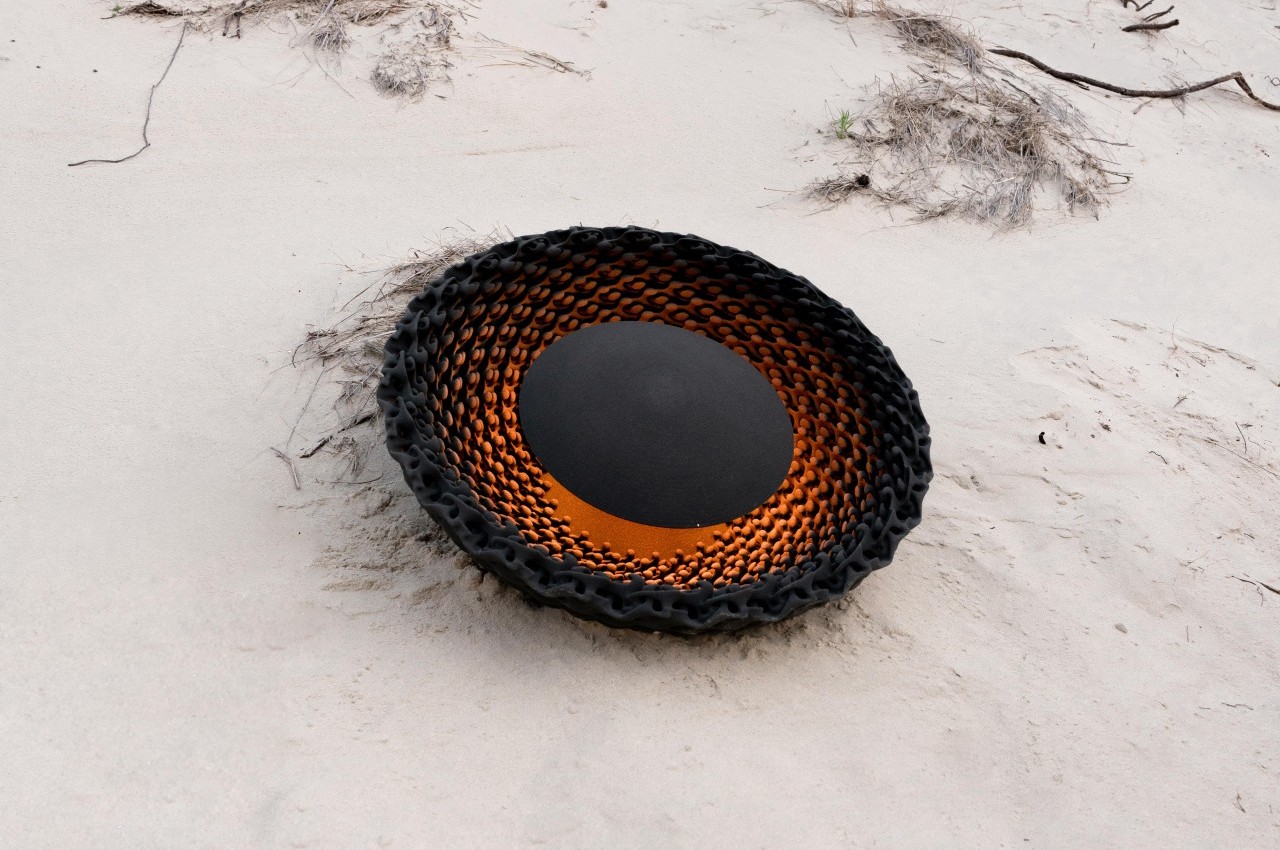
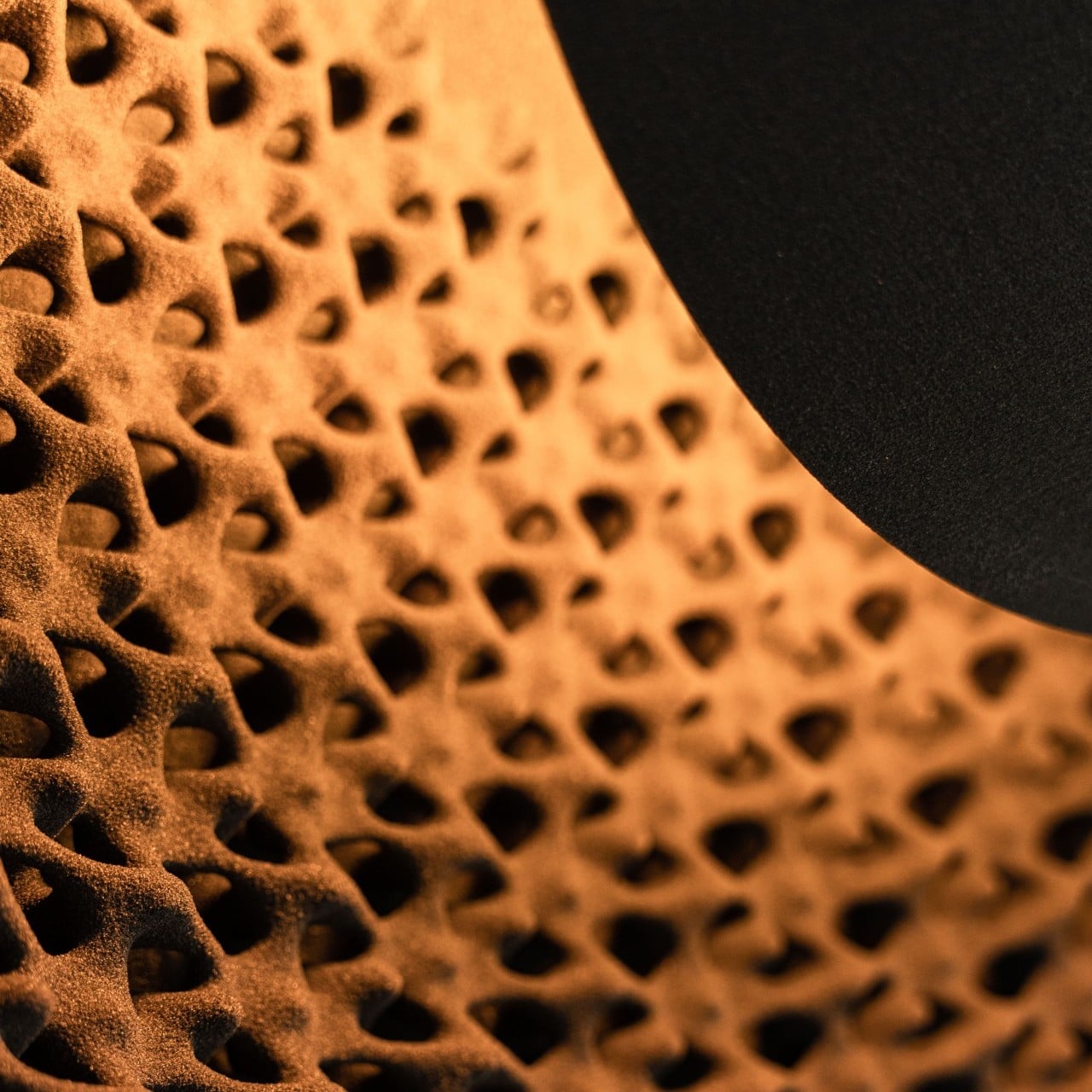
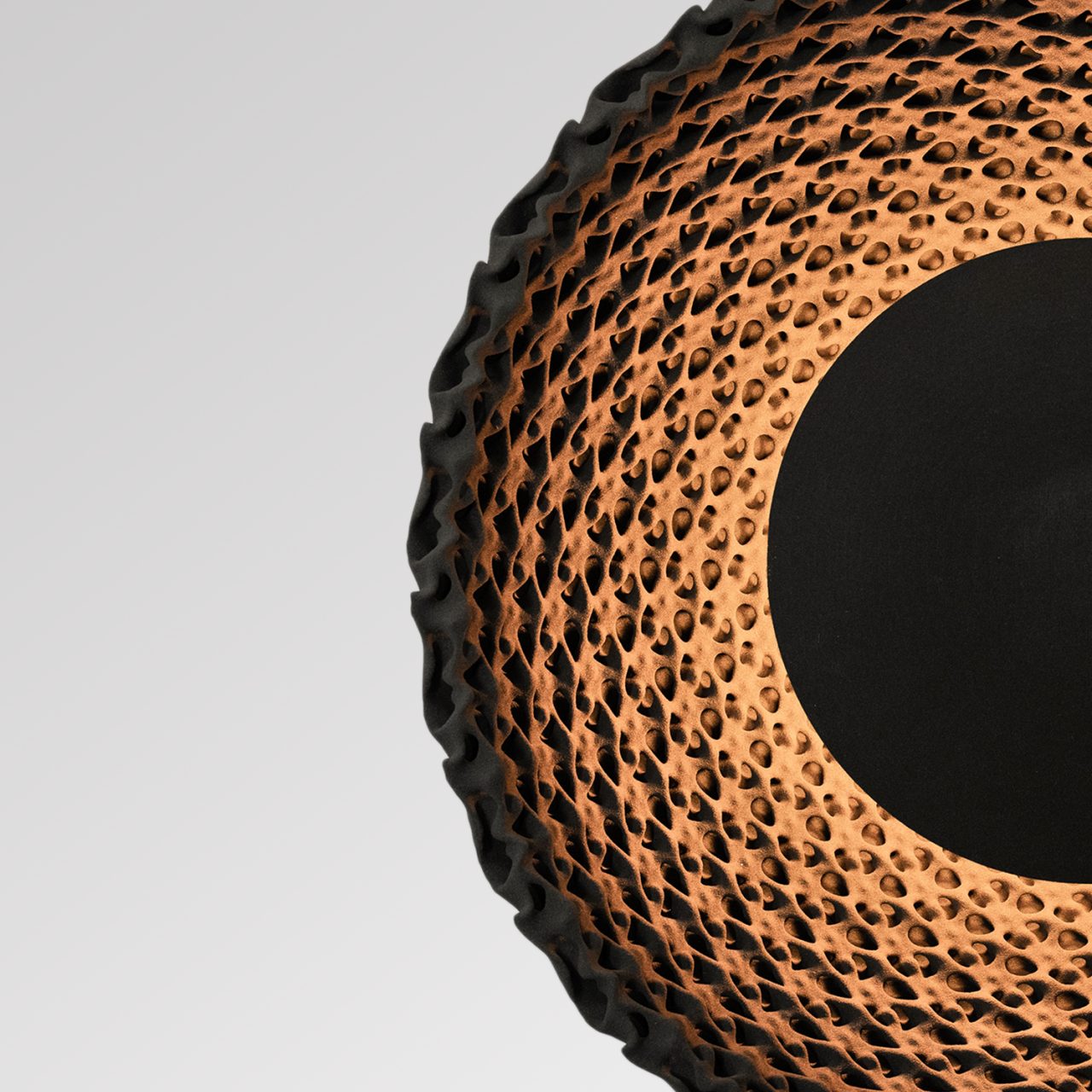
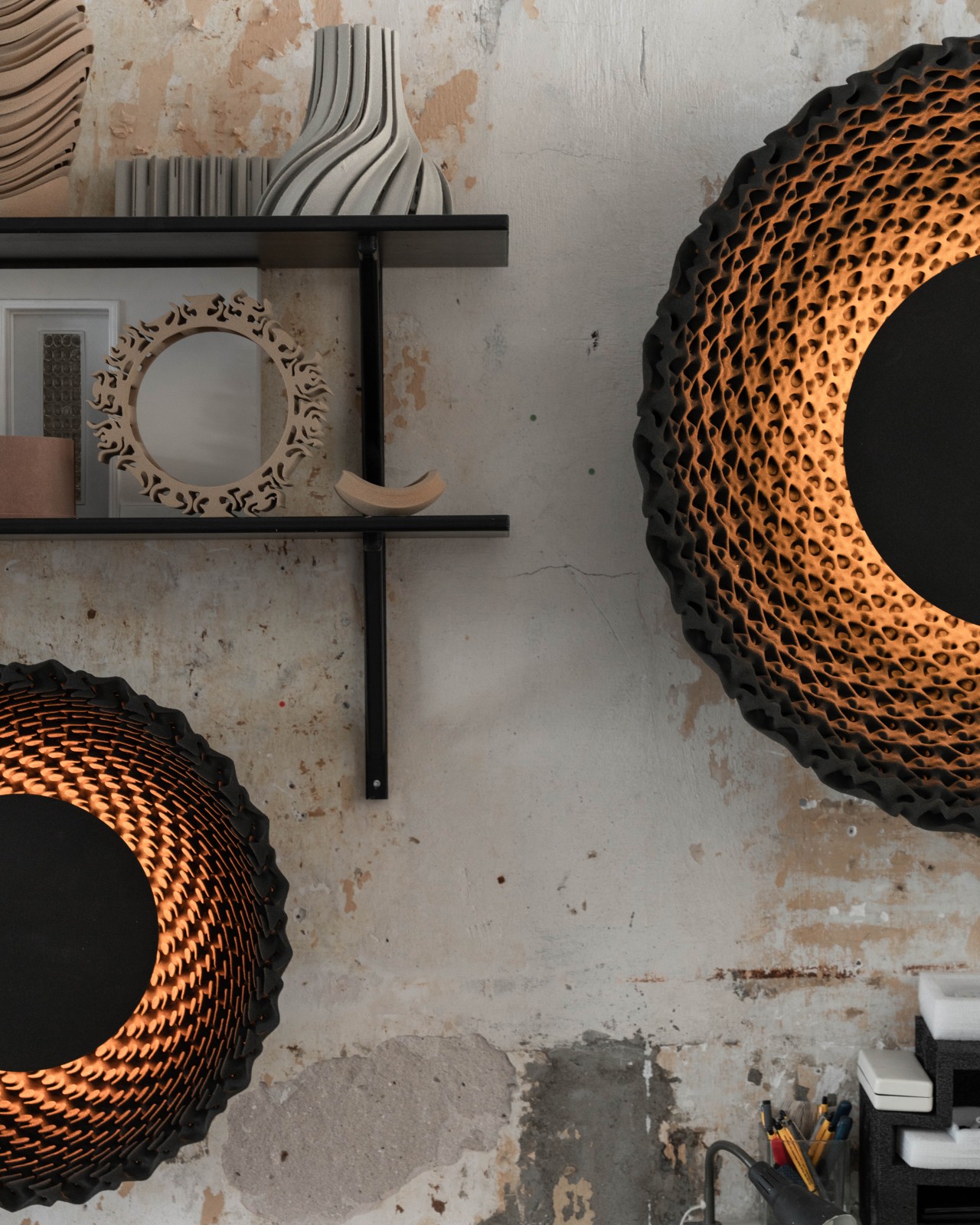
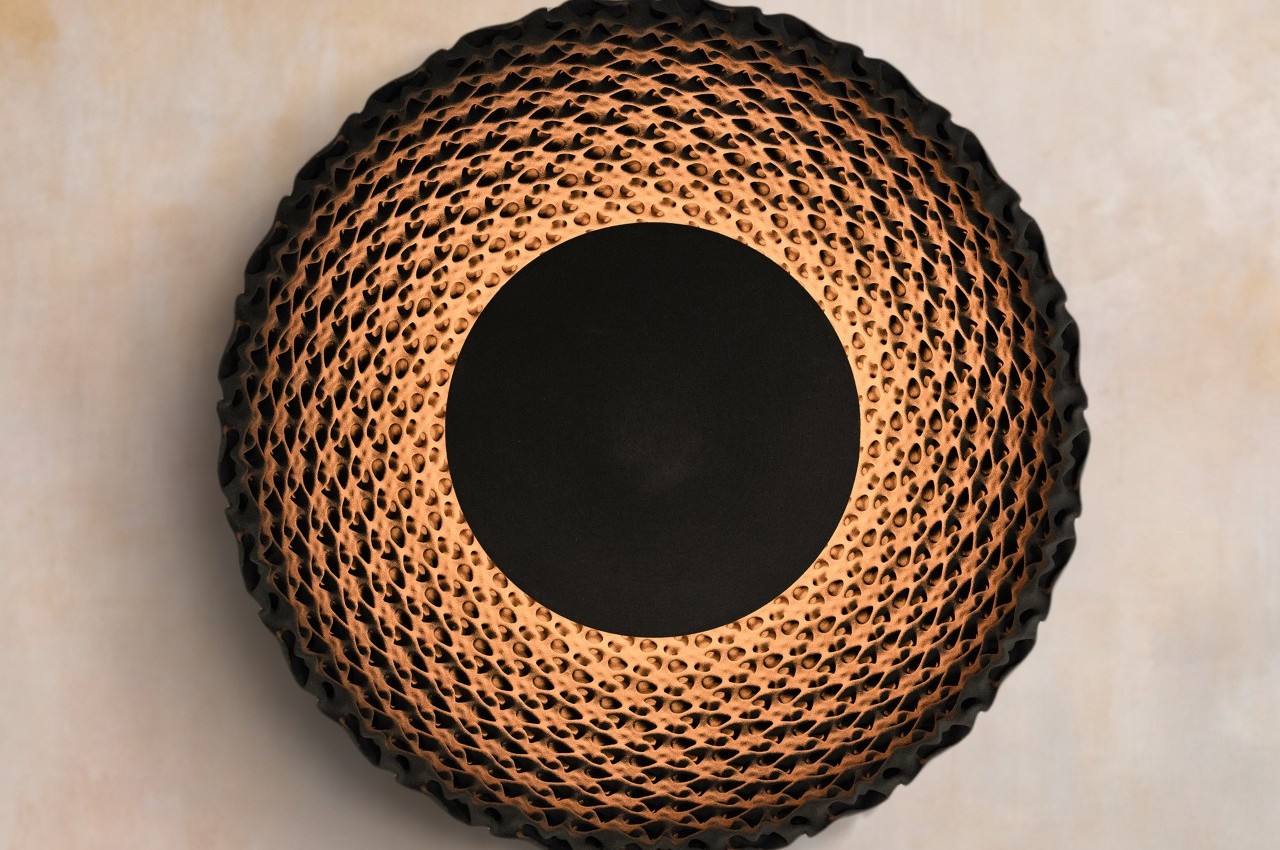
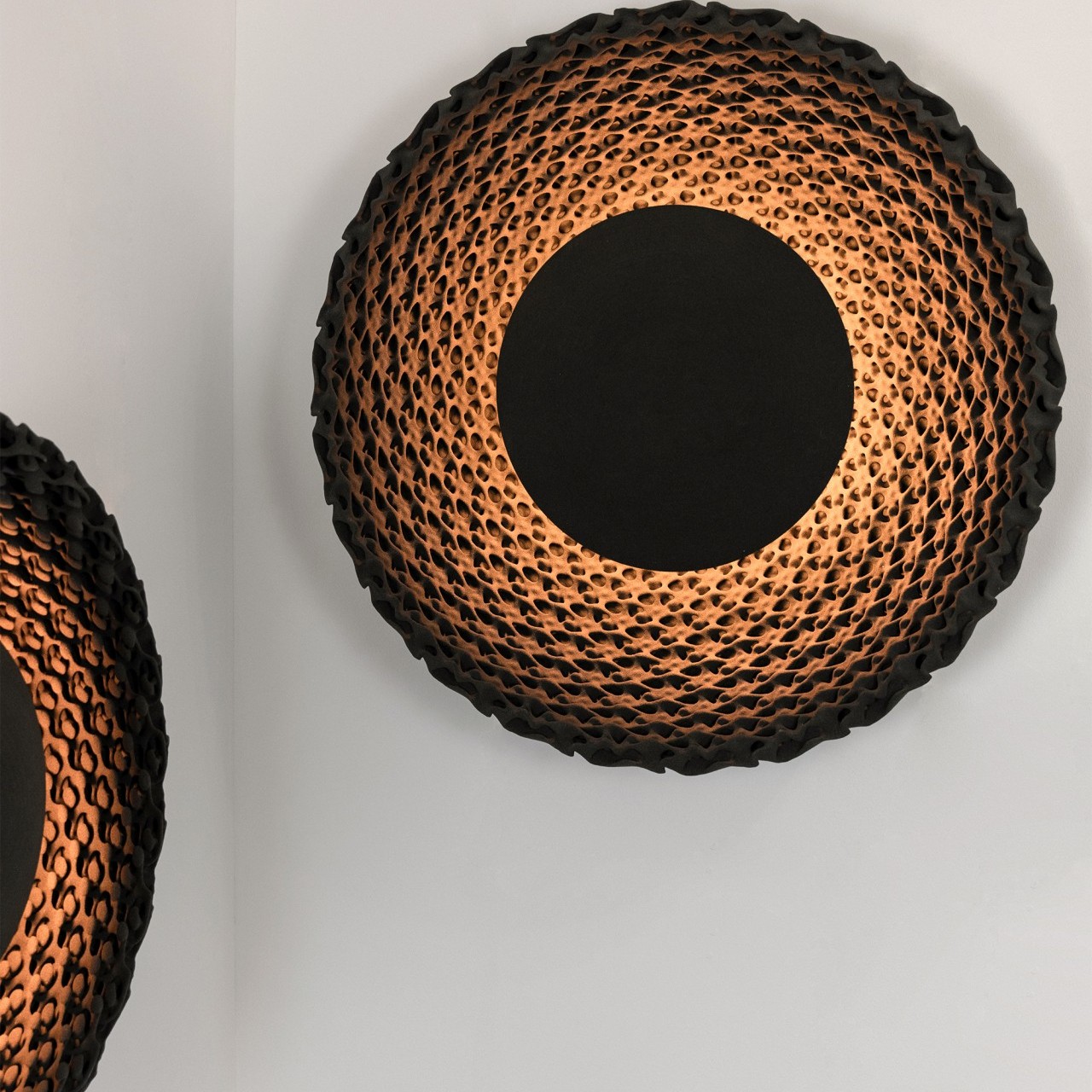
That shape is almost like a maze of intersecting curves or an array of raised bits swirling around the center, trying to recreate the appearance of those disk florets without being too literal. They only suggest the general shape of the sunflower head but still leave plenty of room for artistic interpretation. Closer inspection reveals a more intricate network of lines and curves, almost like the structures that bees and ants leave behind in their hives and homes. While completely natural in inspiration, it almost gives the lamp an alien-like vibe as well.

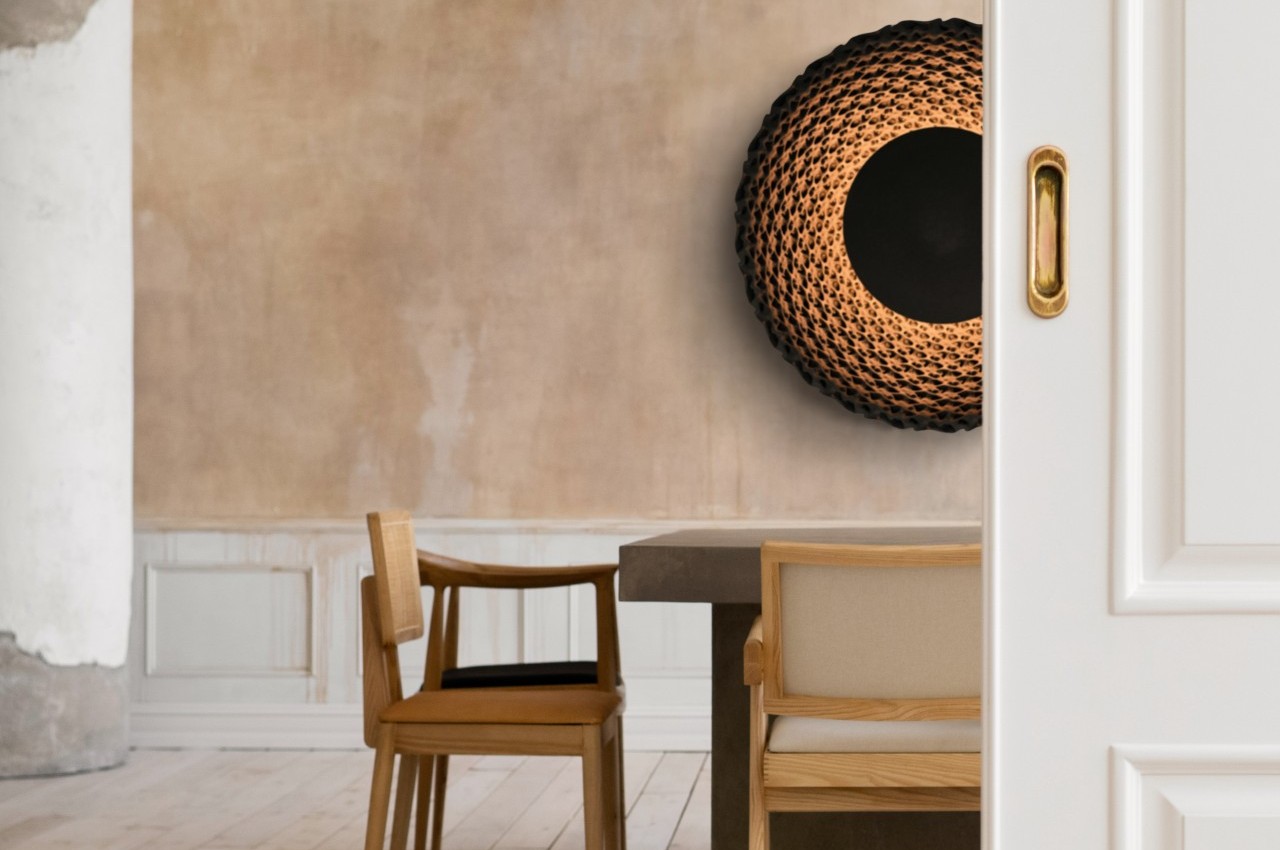
Once the light shines from beneath an opaque black disc in the center, the wall-mounting lighting takes on a completely different personality, ethereal and mesmerizing. Thanks to those complex 3D structures, the light casts shadows in unique and intricate ways, creating an eerie atmosphere that seems to lock your eyes in a swirling spiral of yellow and black contrasts. Because the light is coming from behind the disc, there is also an element of mystery to the aesthetic, as if watching a solar eclipse corona burst into a dizzying pattern. Either way, the Aureole wall lamps definitely captivate people’s minds and imagination, a true conversation starter in any setting.

The post Sculptural wall lamps bring an otherworldly aura inspired by sunflowers first appeared on Yanko Design.
This bird-shaped USB flash drive concept pays homage to the data carriers of yesterday

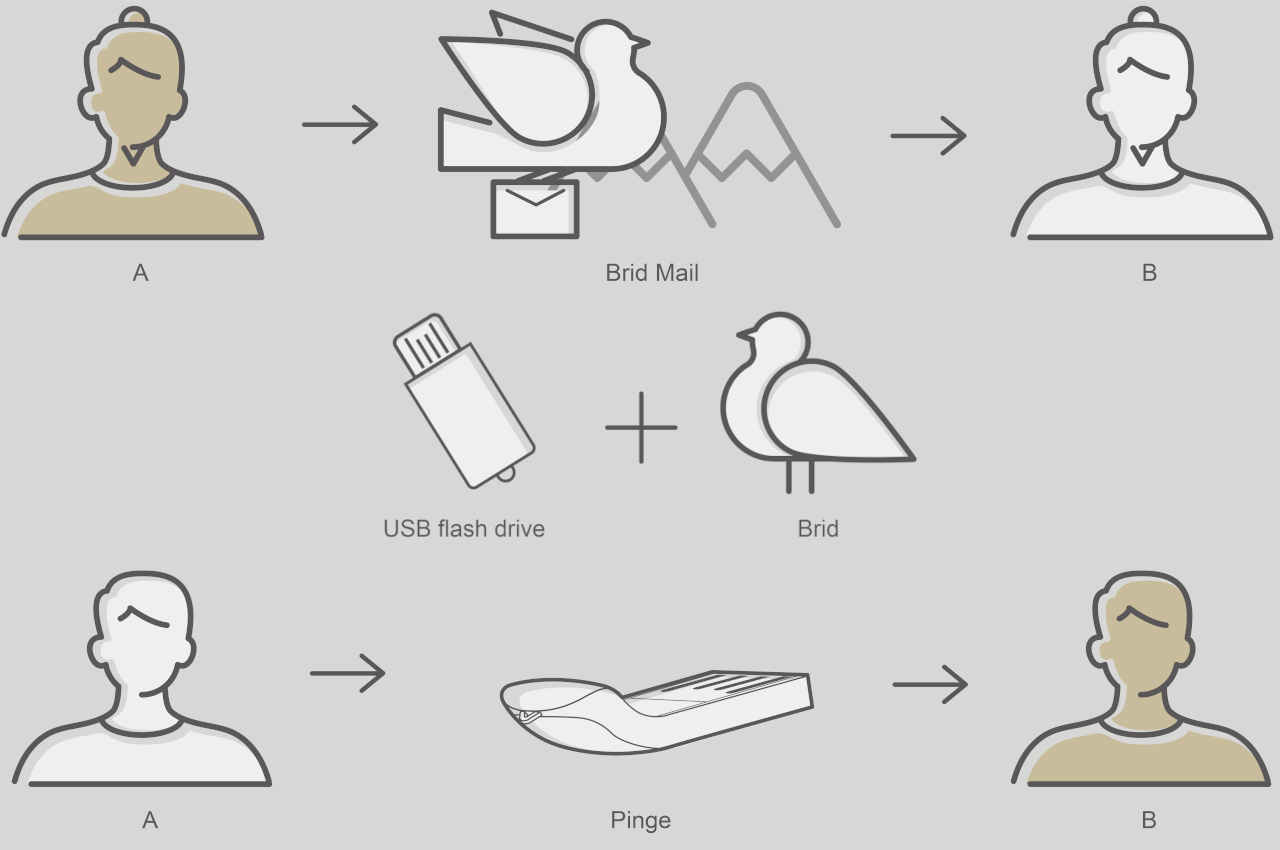
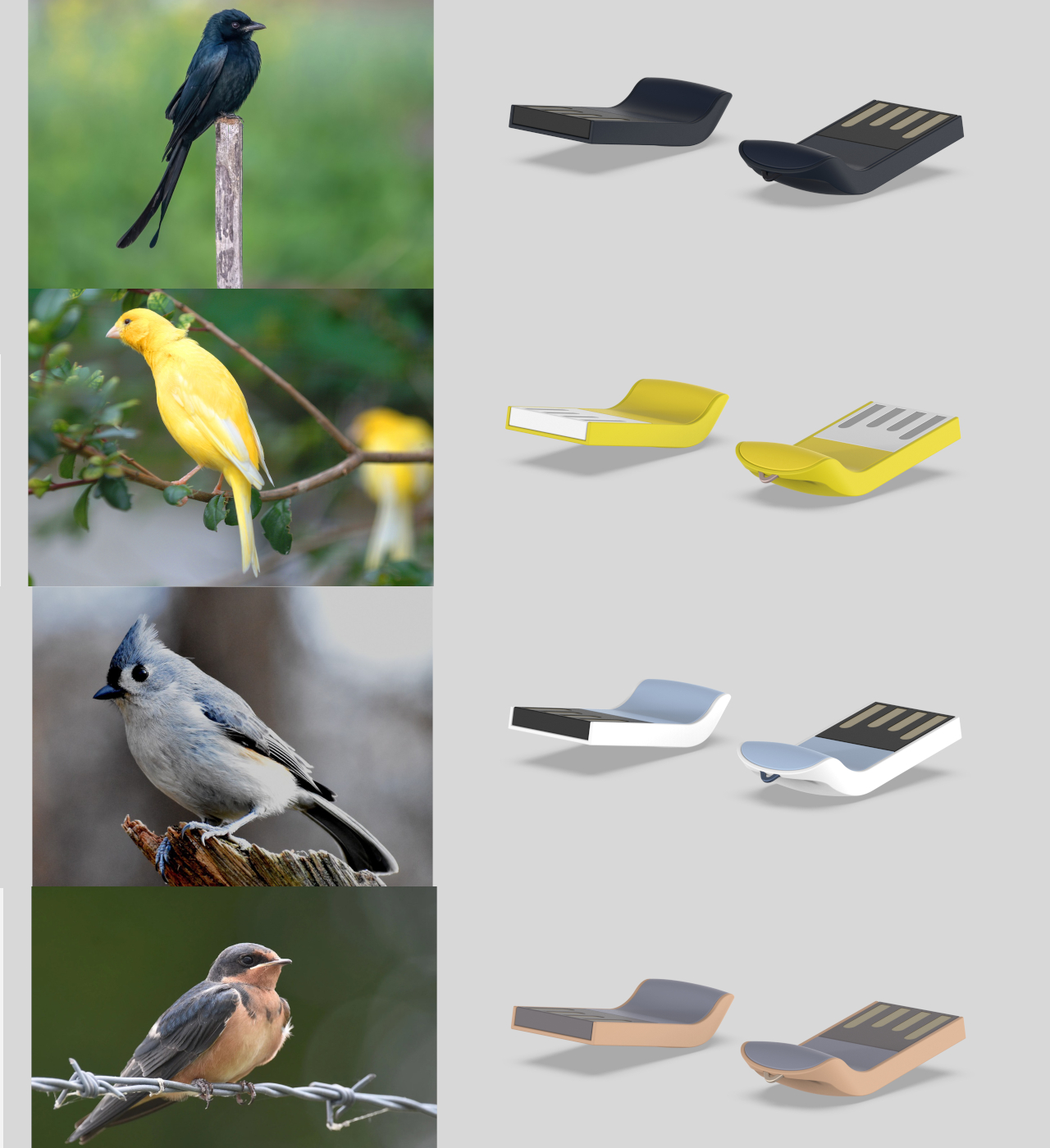
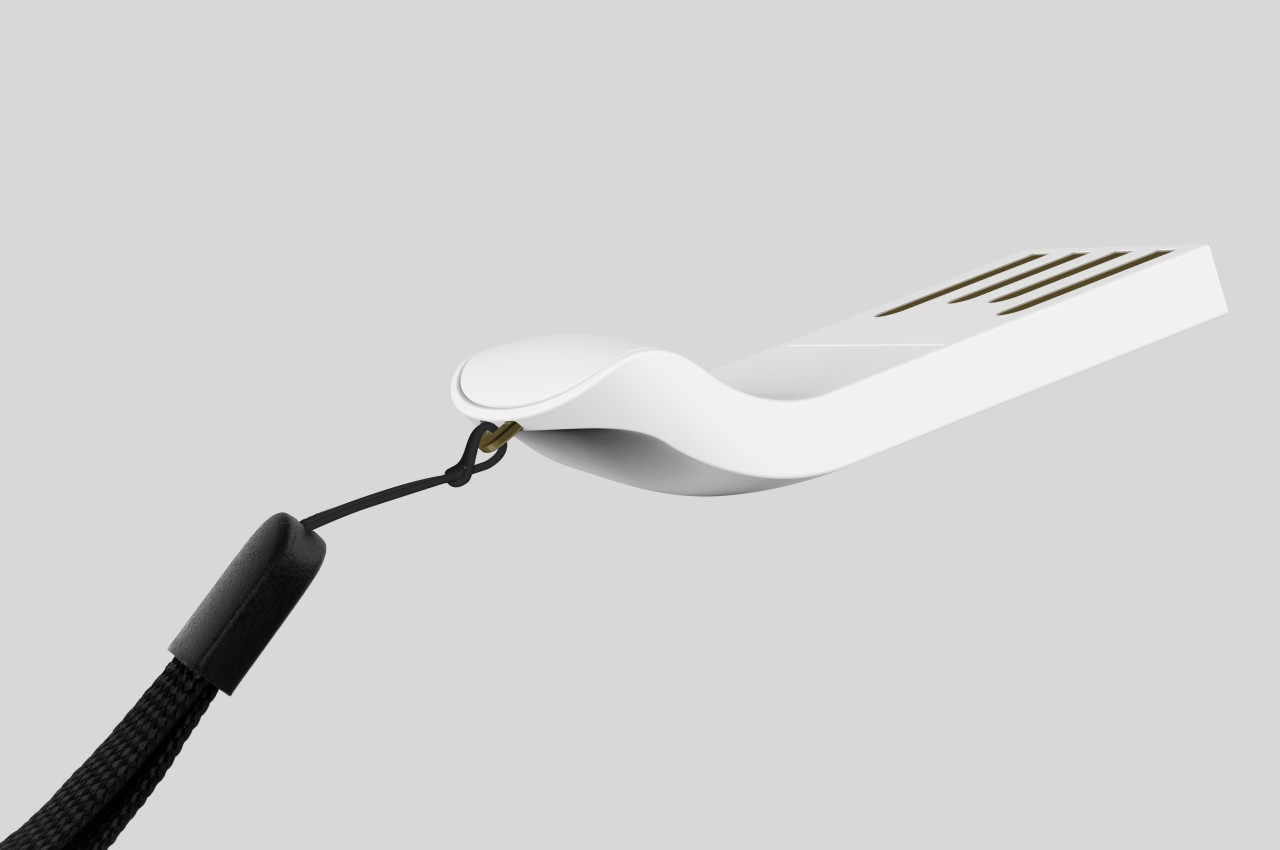
Owls sending mail might be pure fiction, but there was a time when birds were indeed used to send messages across distances. Taking advantage of their natural homing instincts, pigeons were used to send messages in the fastest way possible when using humans on horseback was too dangerous for various reasons. Of course, all that is ancient (or medieval) history by now, but the image of a mail-carrying bird has forever been etched into our minds. Some might even use that association to brand certain services that simply ferry bits and bytes of data from one device to another. That’s the inspiration behind this rather charming USB thumb stick concept, though its seemingly whimsical design carries some important practical implications as well.

Designer: SHS Shih

Even in this day and age of the cloud, it’s sometimes still more efficient, not to mention more secure, to store your files on a small USB flash drive. You have instant access to your data, as long as you can plug it into your device, and only those who can actually hold the flash drive in their hands can actually use it. Over the course of the years, the technology behind this gadget has moved forward by leaps and bounds and it’s now possible to see a 1TB flash drive, even if few can actually afford it.

未命名的作品

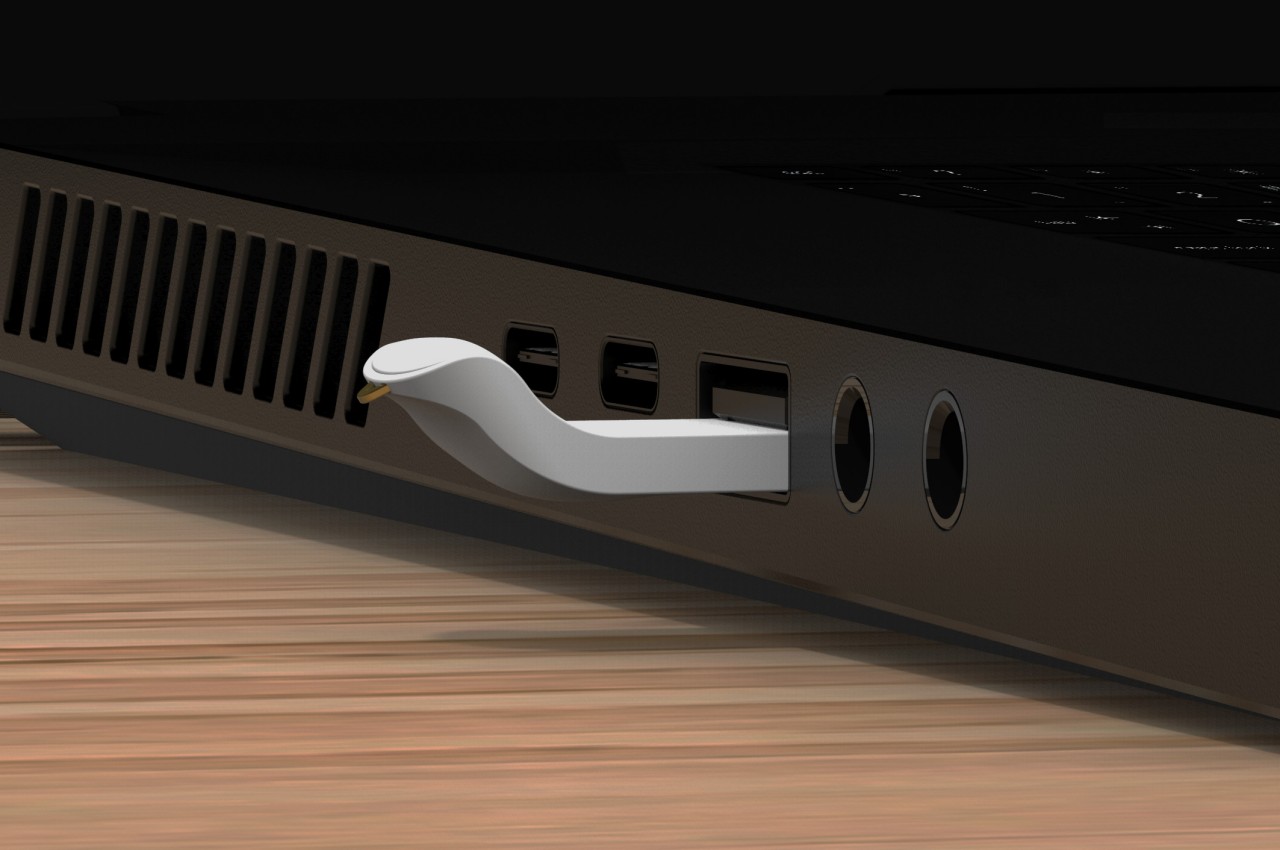
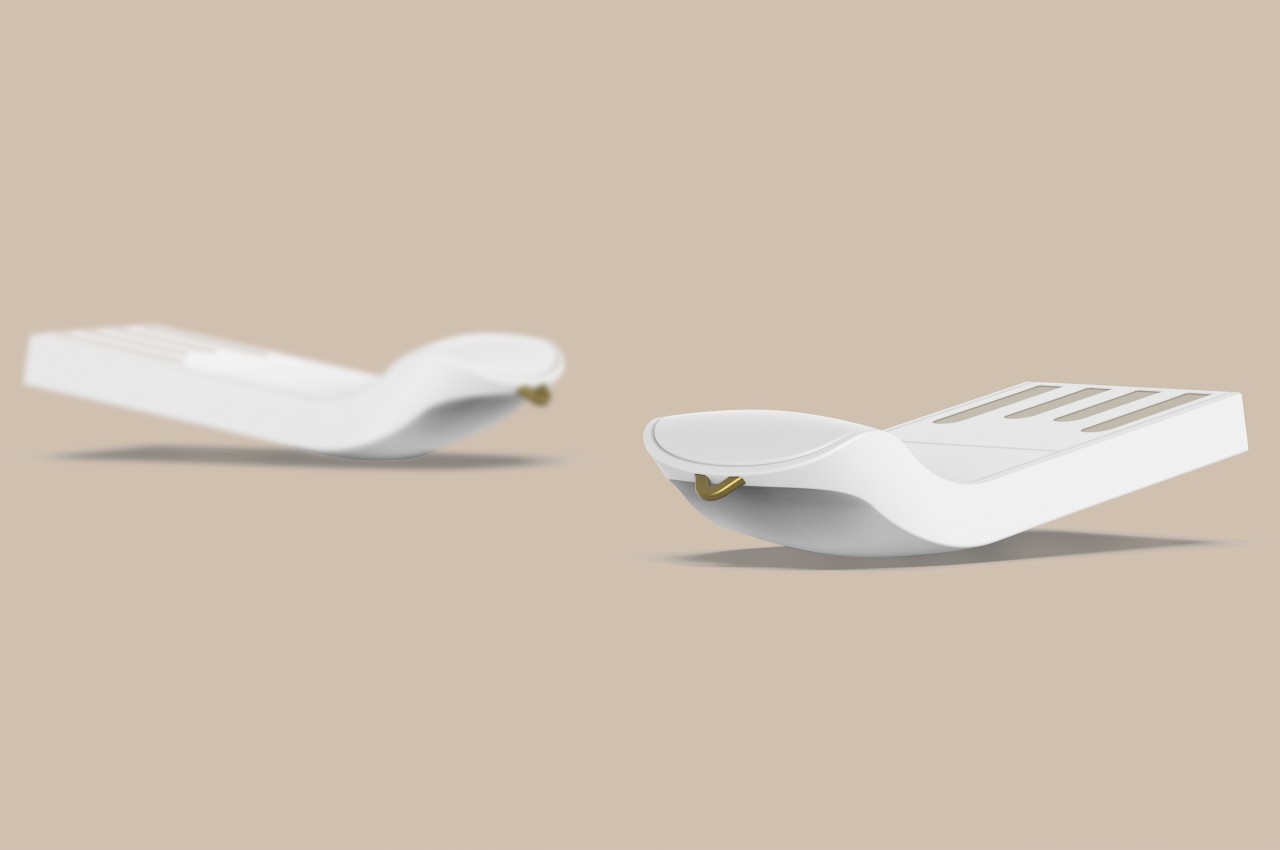
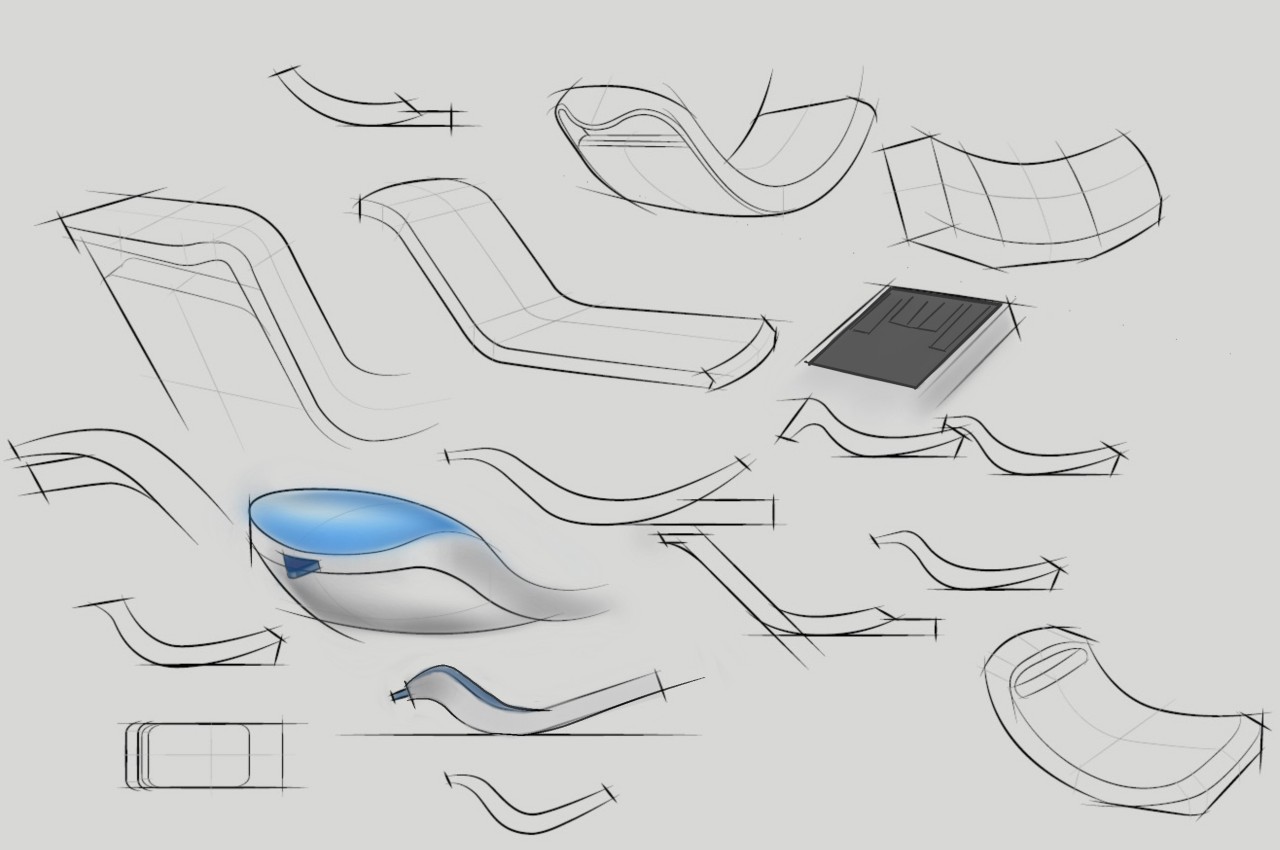
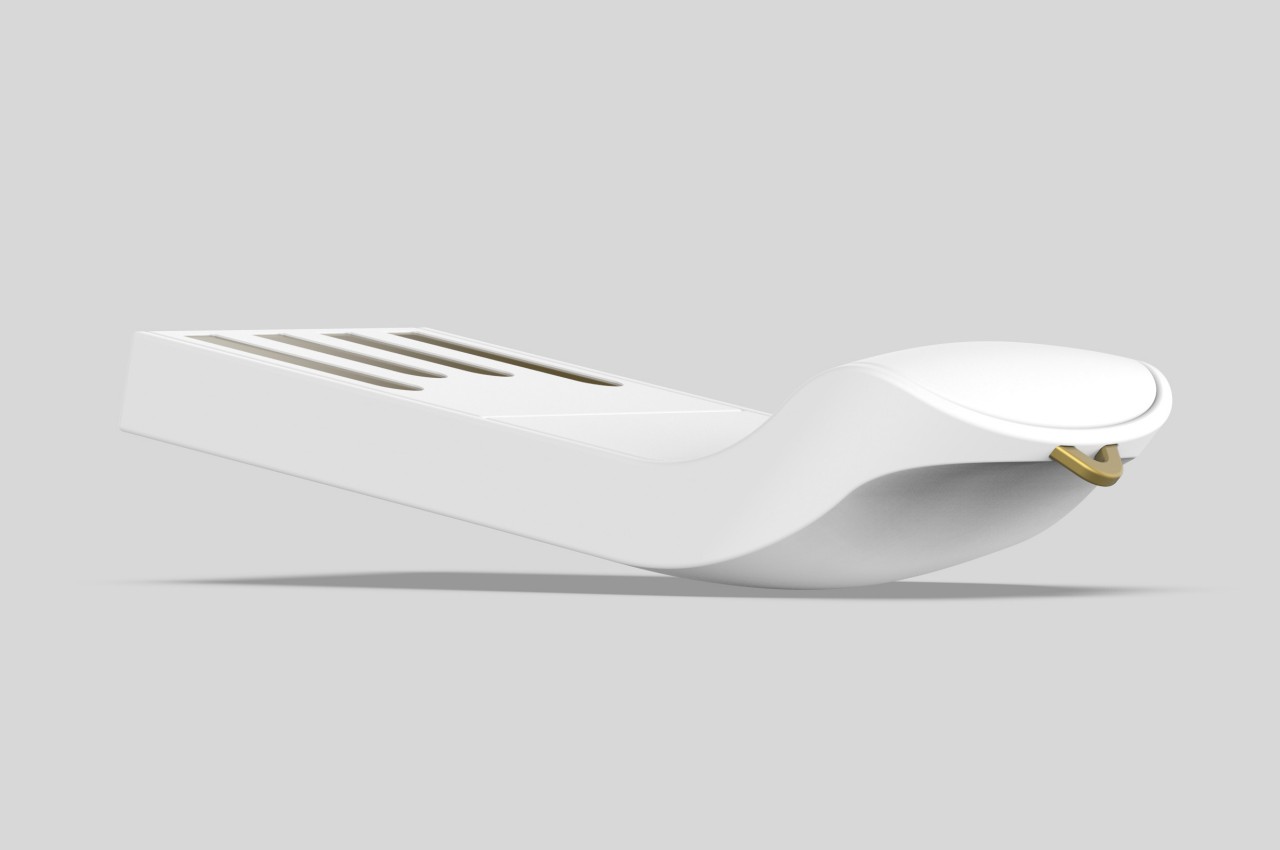
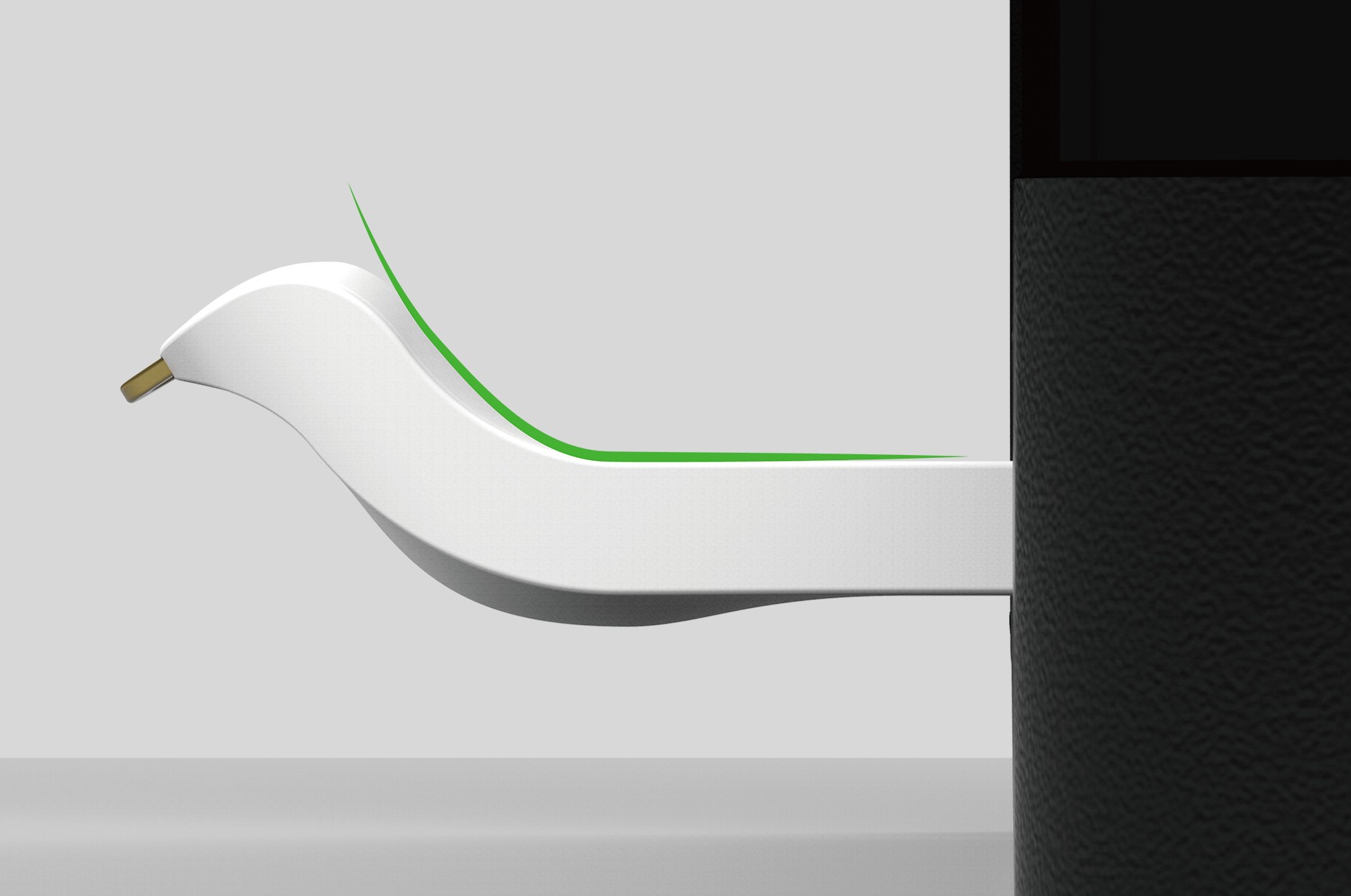
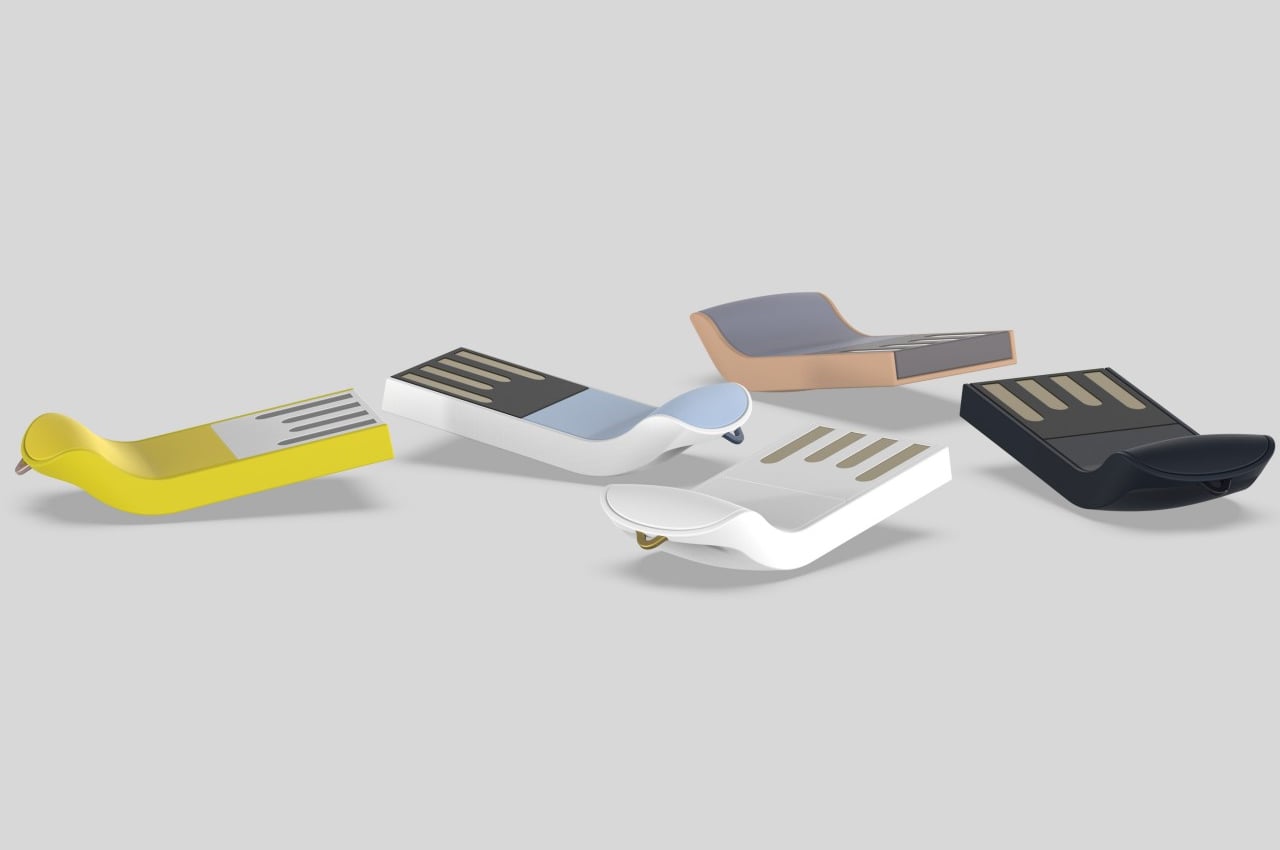
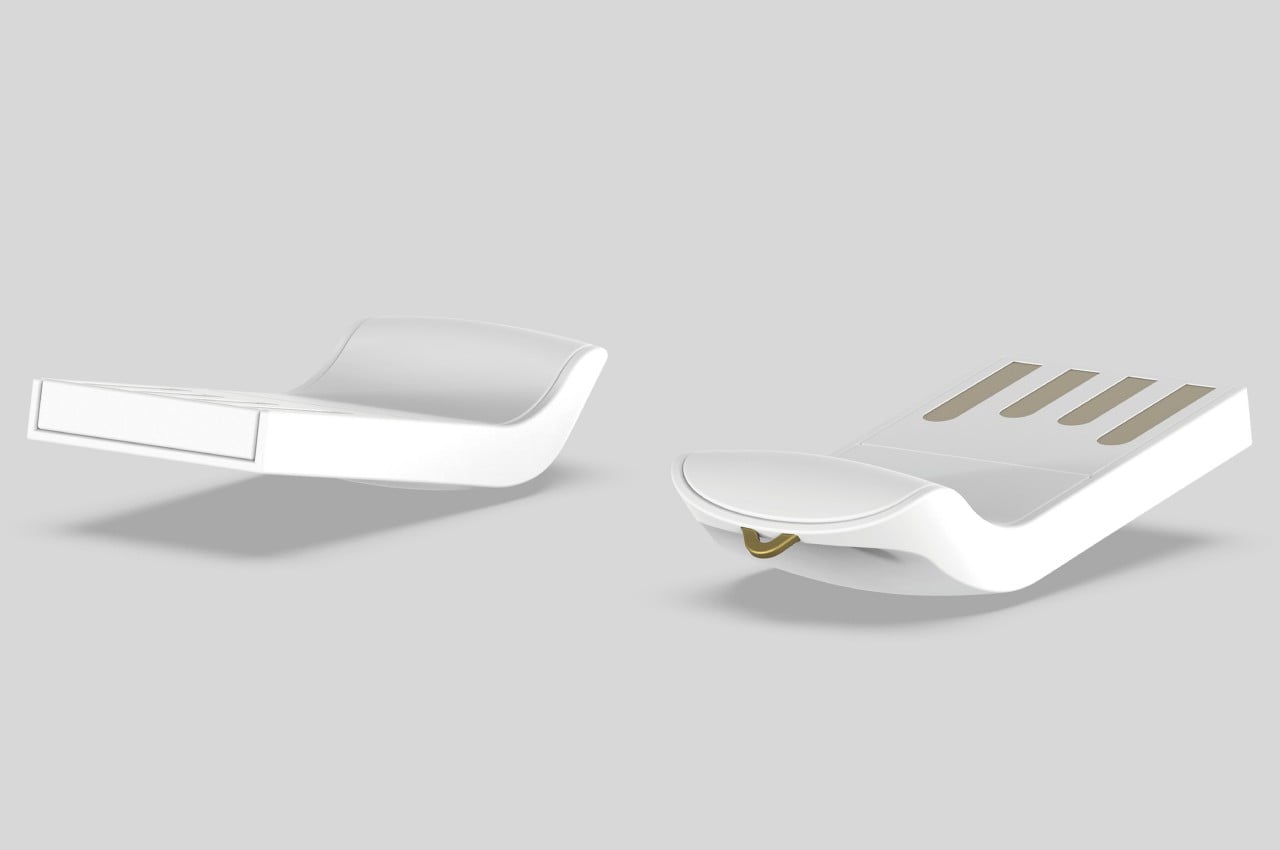
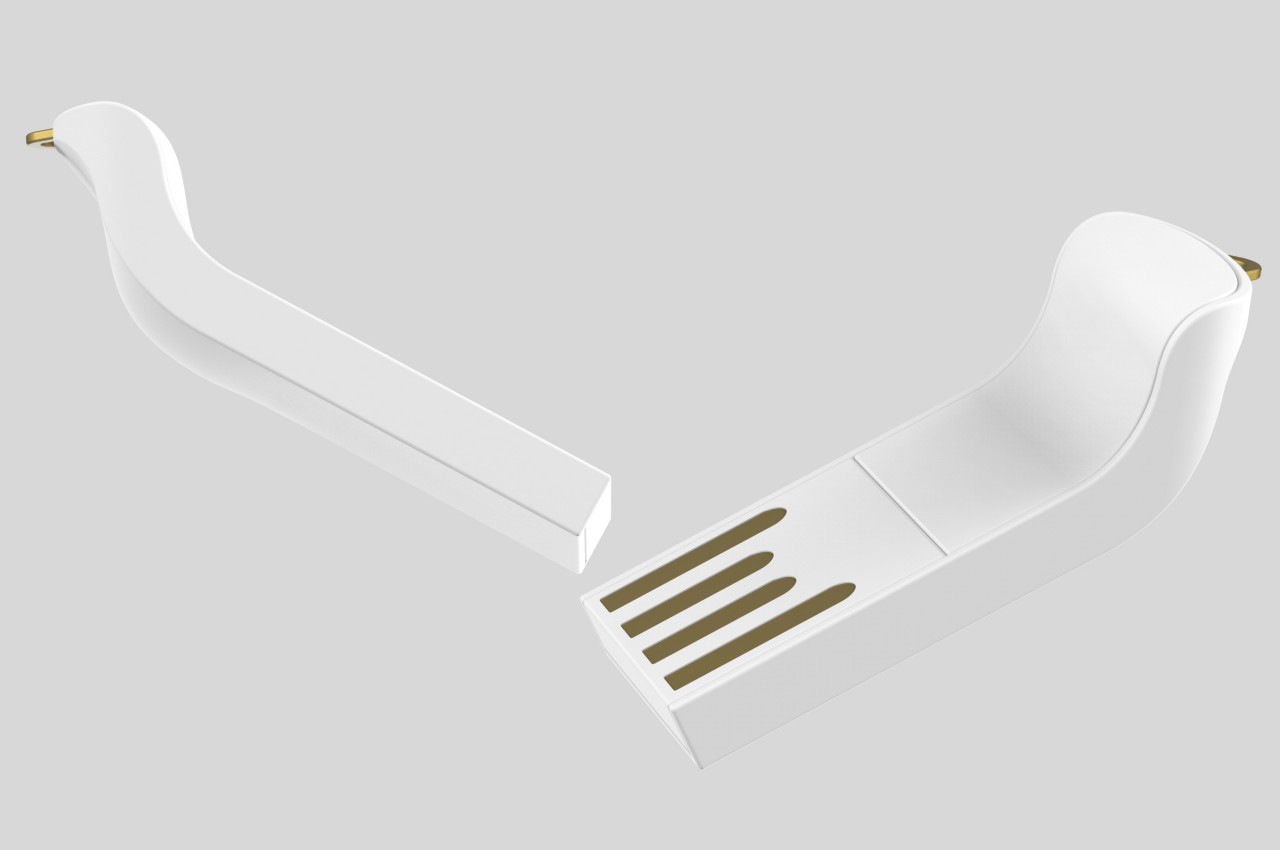
These advancements open up flash drives to more interesting designs, like this Pinge “bird-style” design concept. Right off the bat, you will notice that it isn’t your usual flash drive, even if you can’t immediately make out that it’s supposed to resemble a bird. Instead of staying flat as almost all flash drives do, its end curves upward, forming the bird’s neck and head. A small golden triangle protruding from that end forms the beak, but it also has the added function of being a pendant or lanyard hole. As you might have guessed, the actual USB interface is the bird’s tail, which is perfect considering the alternating white and gold lines resemble feathers, with some stretch of the imagination.

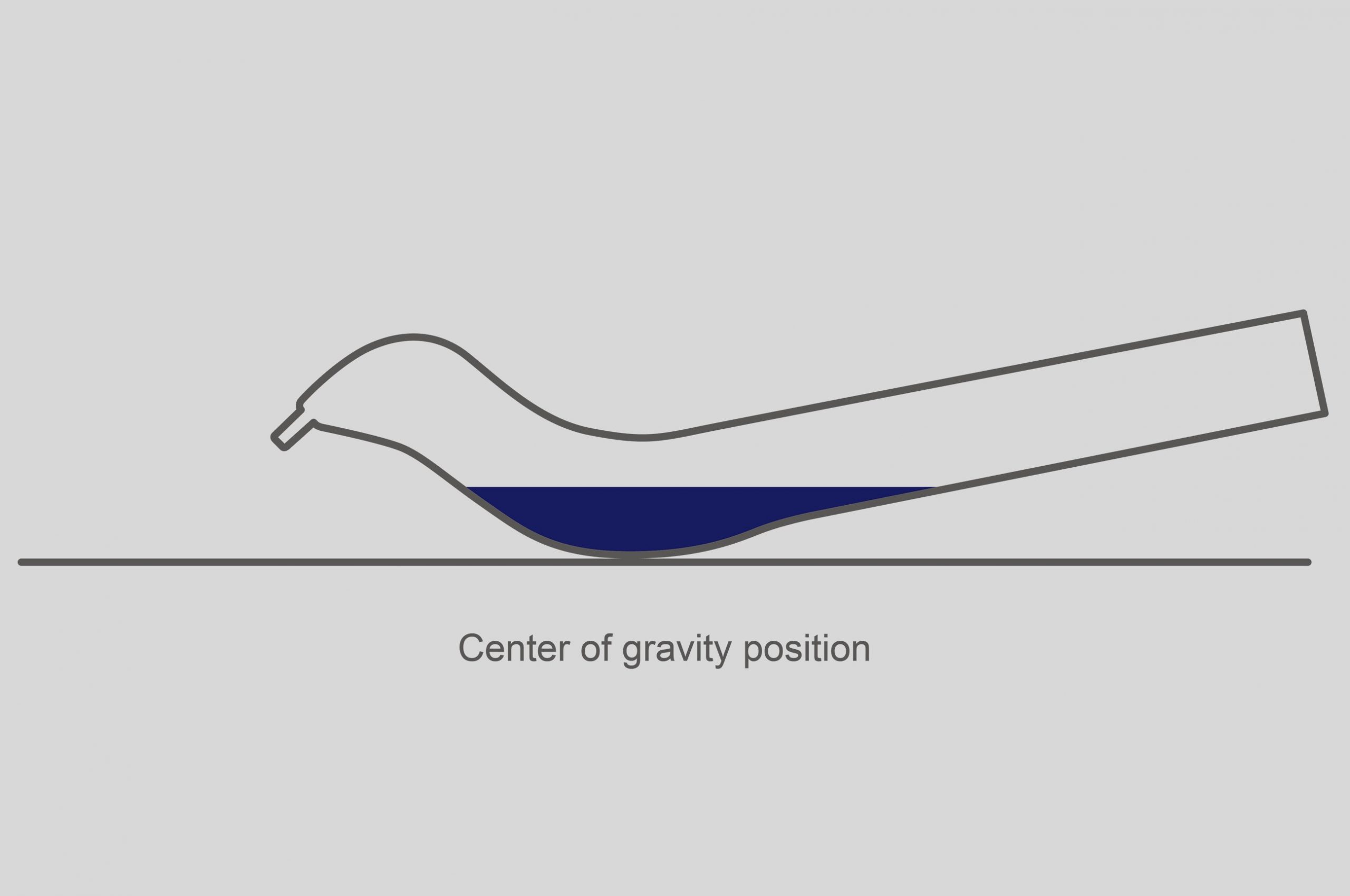
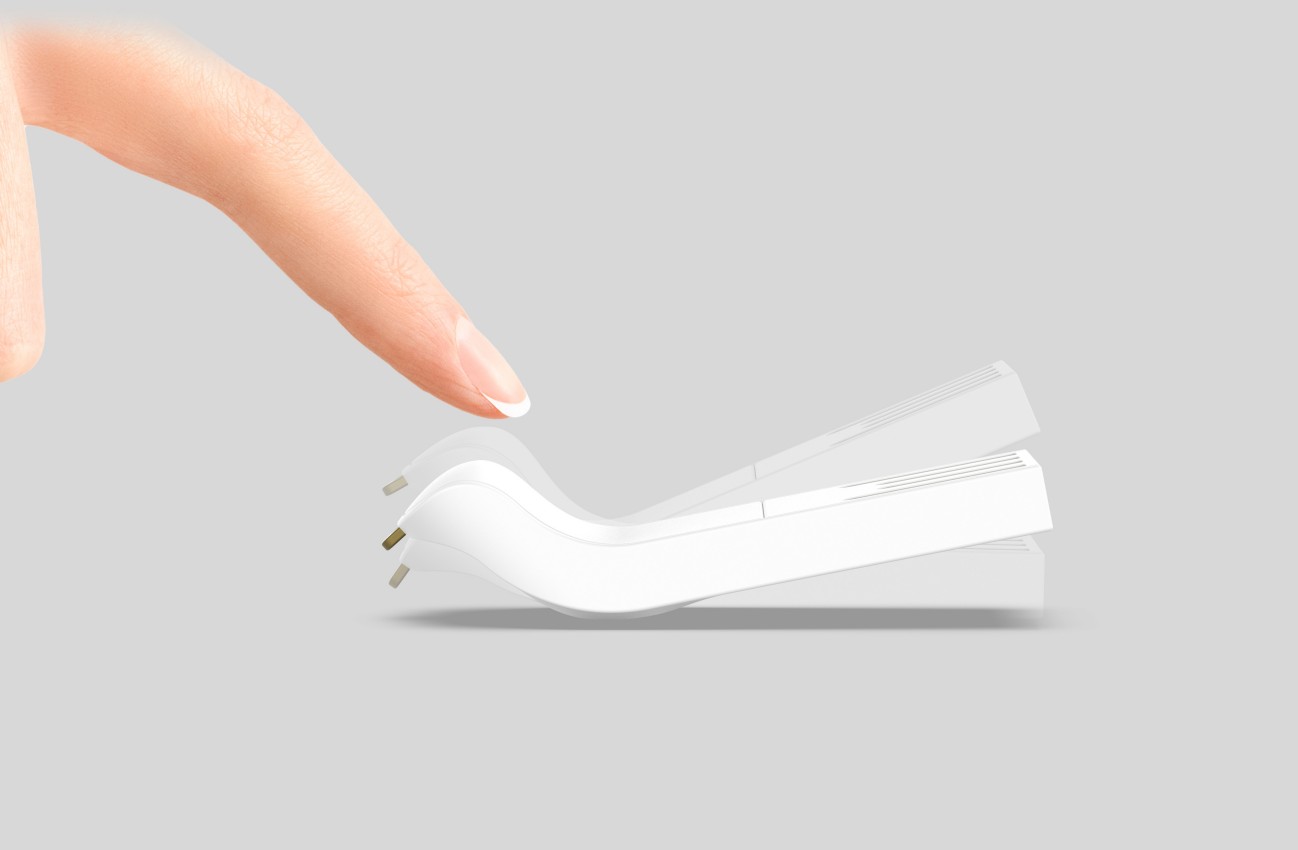
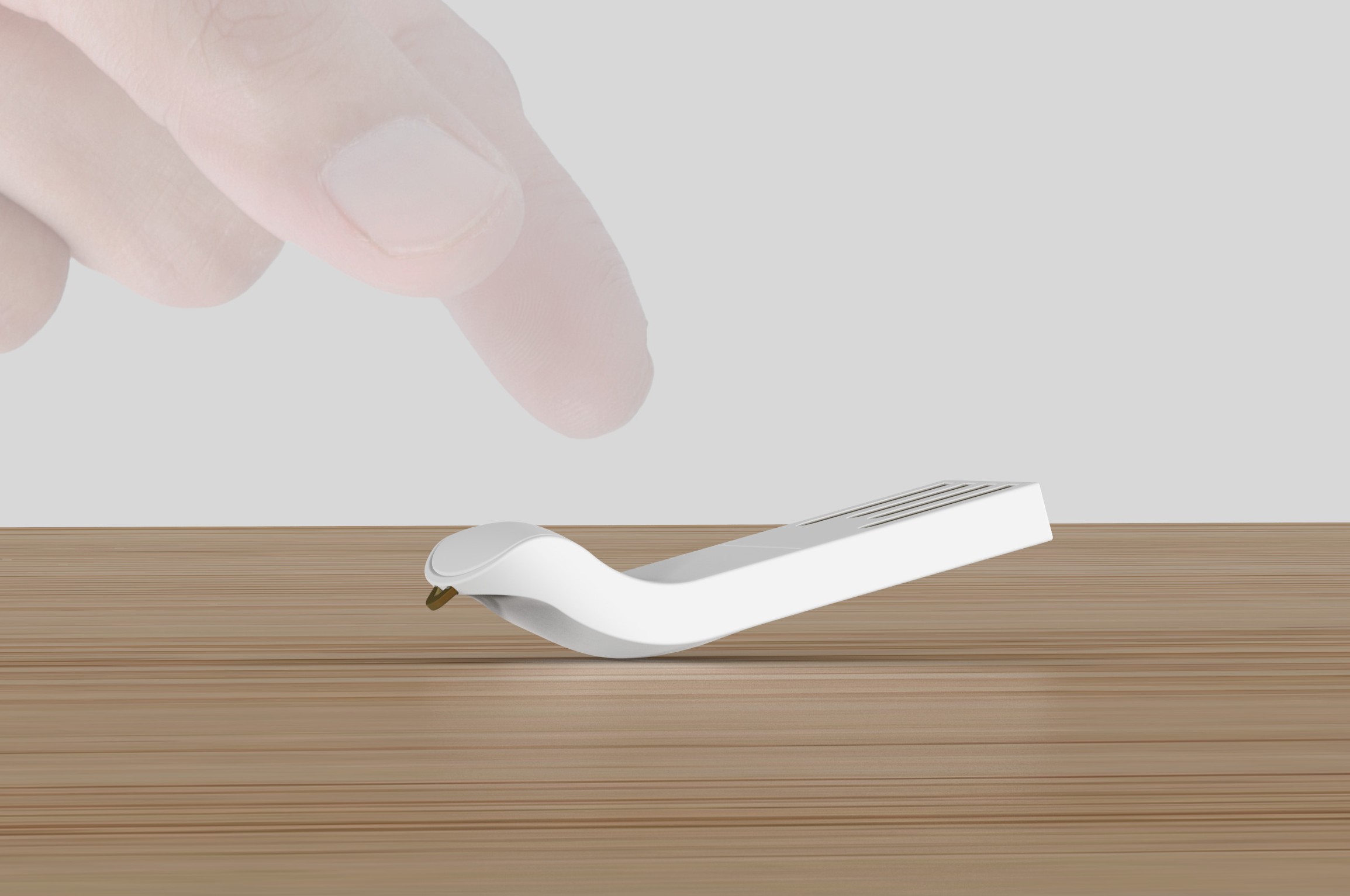
As unconventional as the design might be, it has merits that go beyond its eye-catching shape. The upward curve makes it easy to pick up the flash drive, and it gives your fingers something firm to hold onto when pulling it out from a computer. Curiously, putting Pinge down on a flat surface makes it rest on that curved portion thanks to a shifted center of gravity. That means that no matter how much you tip or rock the flash drive, it will always return to that stable position. Coincidentally, that makes Pinge a potential desk fidget toy.

1

Of course, there are drawbacks to such a non-flat design, like how the bird’s “head” might snag on things more easily or how it would take up more room in an accessory pouch. It might also make the flash drive more prone to breaking if something heavy was dropped on it or if it was sandwiched between too hard surfaces. It’s still an interesting design experiment, especially considering how most flash drive designs focus solely on functionality without paying attention to aesthetics. It doesn’t have to be the case, and it requires a bit of outside-the-box thinking to come up with interesting designs that don’t sacrifice functionality in return.

The post This bird-shaped USB flash drive concept pays homage to the data carriers of yesterday first appeared on Yanko Design.
Quirky shapes make this modular table set a fun yet functional addition to your space

Tables primarily serve a functional purpose, providing a horizontal surface to place things. Considering the space they occupy, it’s only fair that they should also have some aesthetic value, adding to the ambiance of a room instead of sticking out like a sore thumb. Unfortunately, not all designs balance form and function equally, with one aspect getting a heavier focus than the other. Some might be extremely beautiful but have little room for use as an actual table, while others try to get too smart with features at the expense of a pleasing appearance. Fortunately, we have plenty of inspiration around us to help shape our designs, and this family of odd-looking tables takes a few pages from Mother Nature’s book to create pieces that offer both practical utility as well as visual interest, bringing any living space to life.
Designer: Superlife

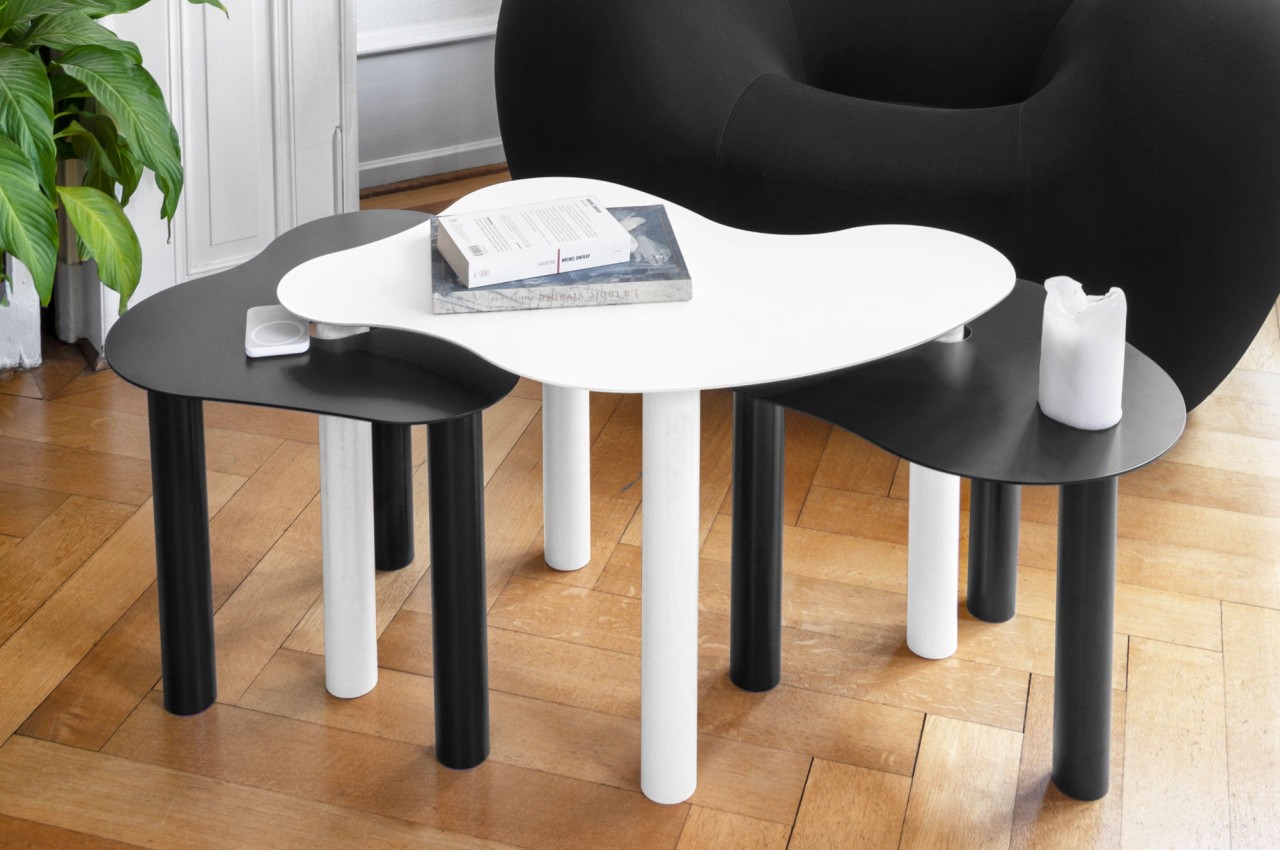
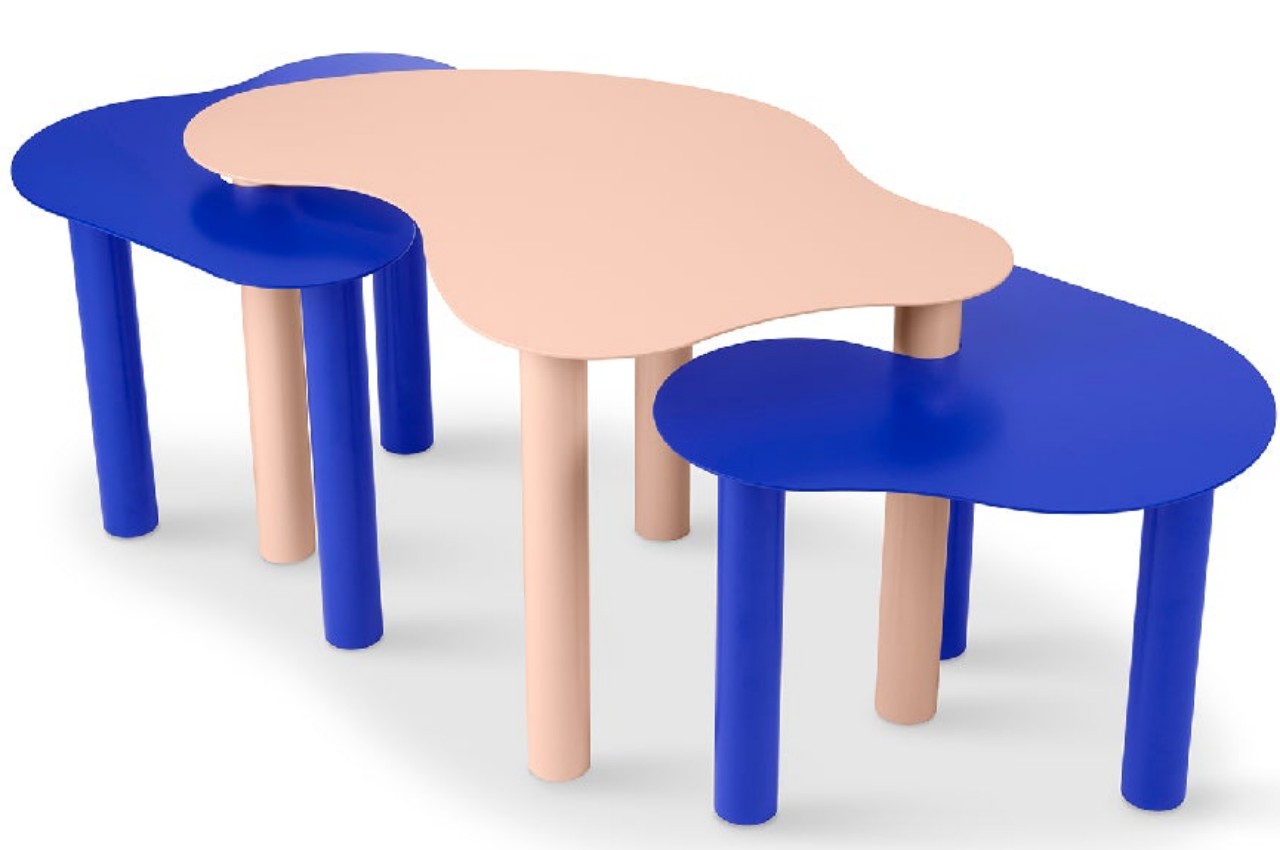
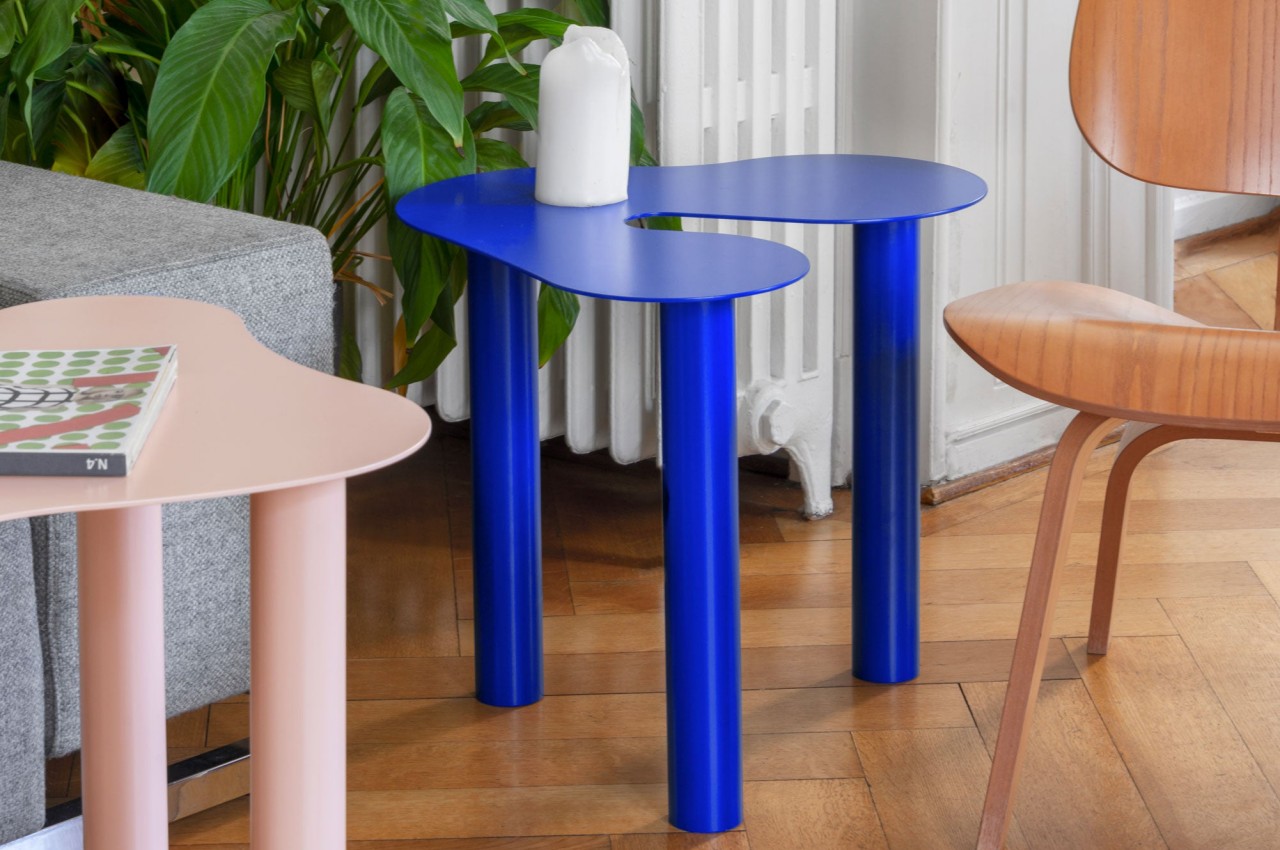
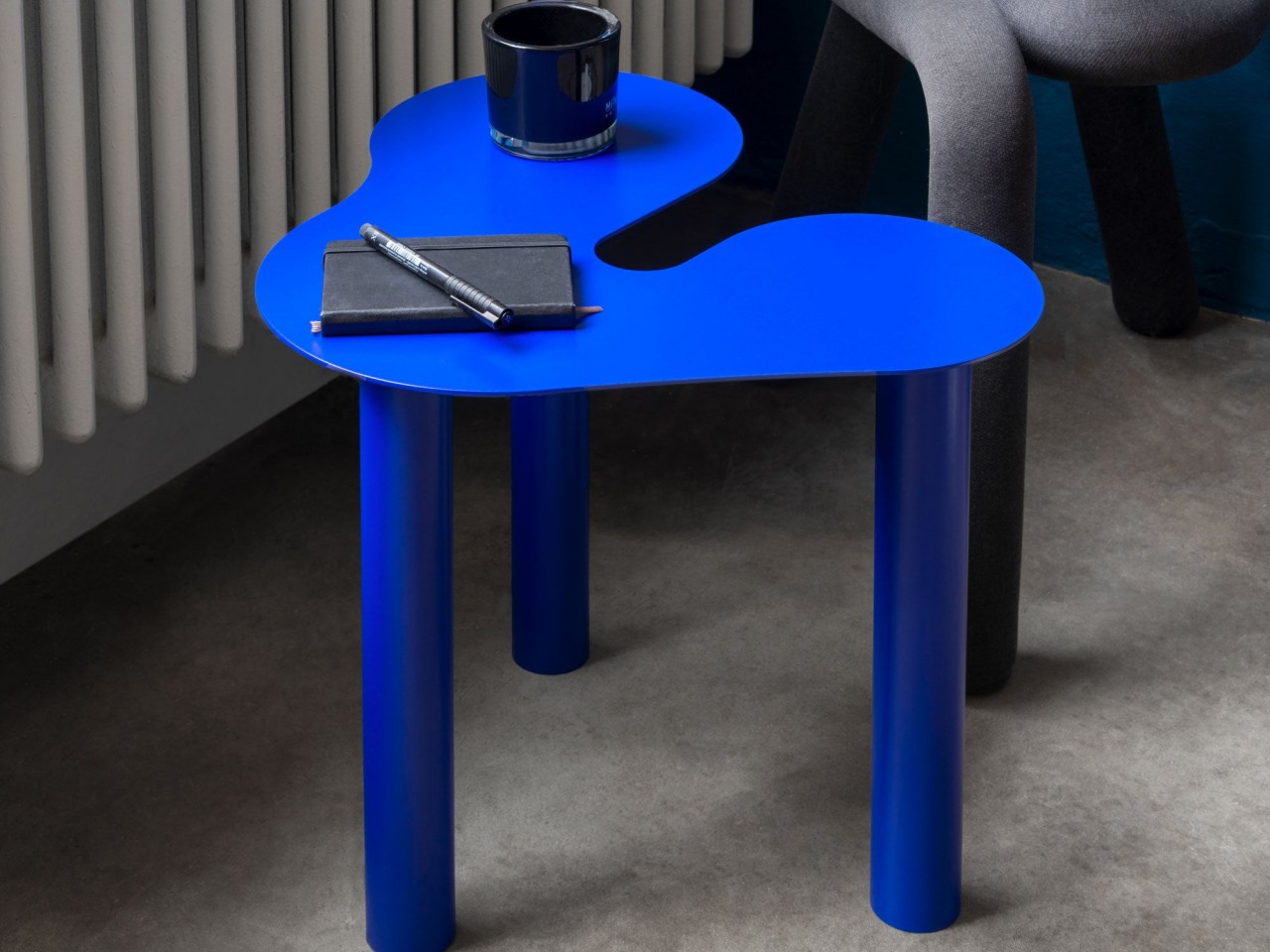
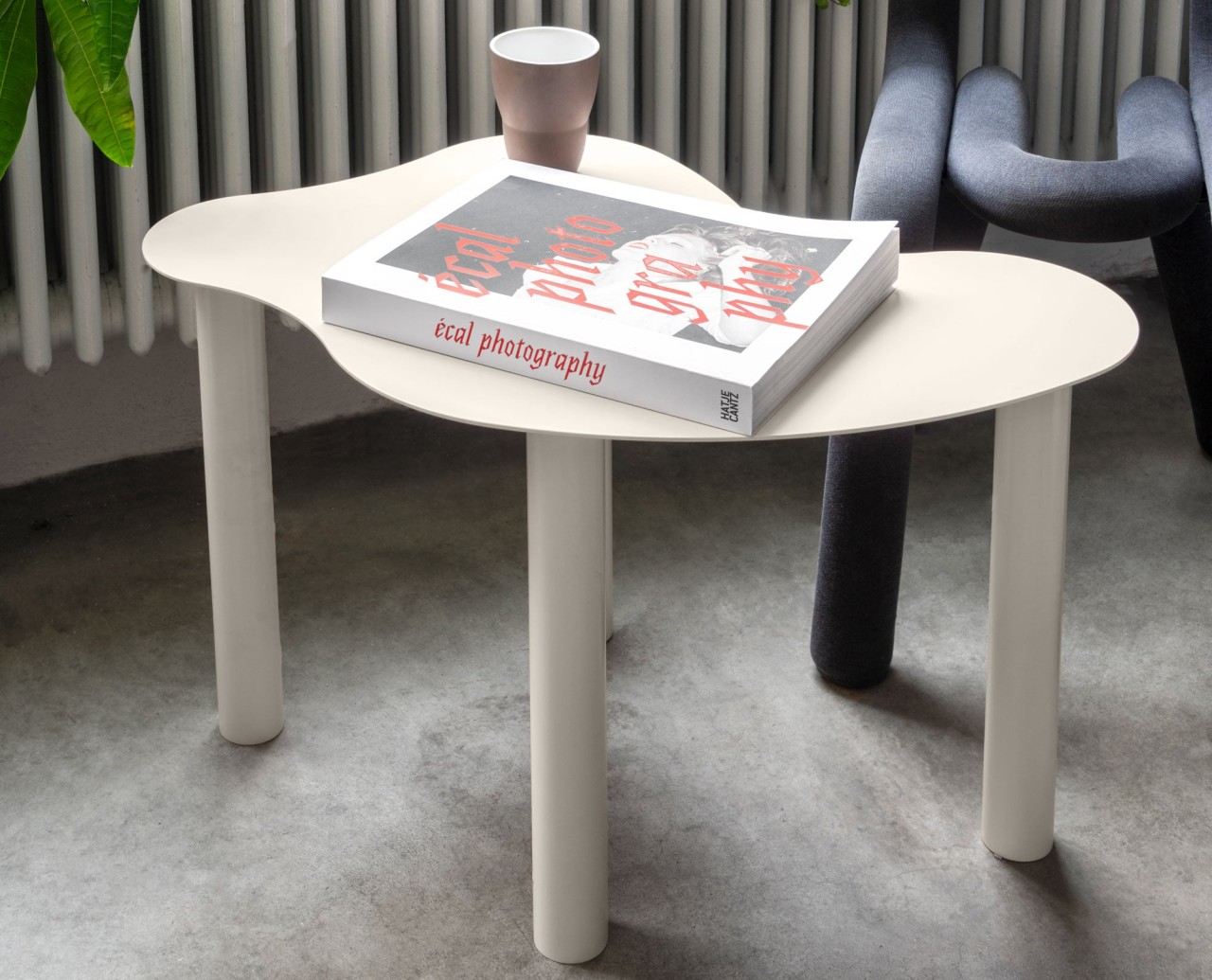
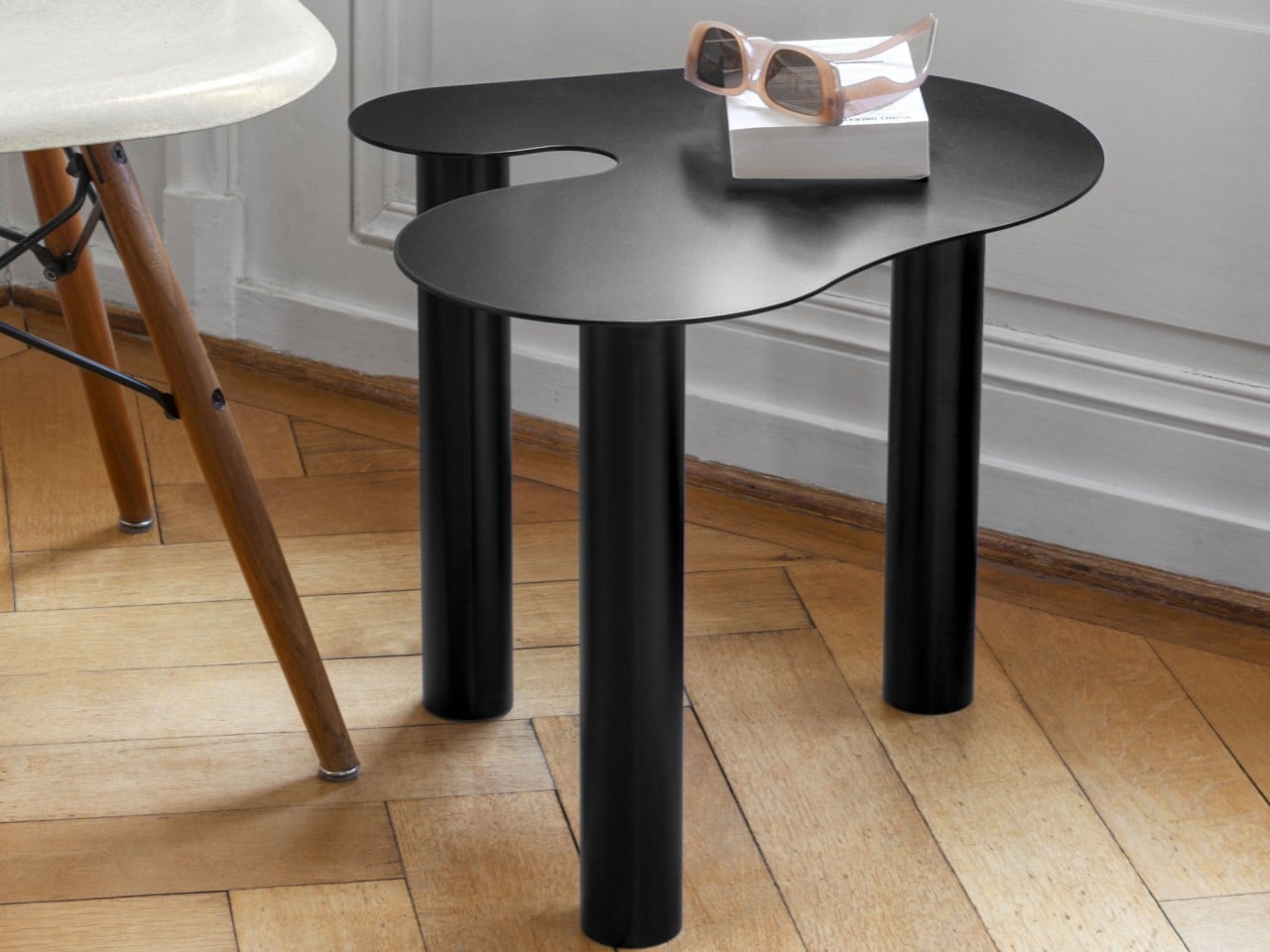
Most tabletops come in conventional shapes such as rectangles, squares, circles, or ellipses. These, after all, are the most space-efficient shapes around, maximizing the area that you can use to lay down objects like laptops, books, or cups. They’re probably also the most mundane shapes you’ve ever laid eyes on, and they are totally dependent on the rest of the table’s composition or materials to pique your interest. The Flow family of tables bucks that trend and presents a table that almost looks impractical but is actually quite flexible in its functionality, so it shouldn’t be a surprise that it pulls off this feat by learning from organic things designed by nature itself.

As the name somewhat implies, these tables are inspired by naturally occurring bodies of water. Whether they’re puddles or lakes, water doesn’t appear as a perfect circle or rectangle, not unless you put them in artificial containers. The amorphous and almost random shape that water comes in evokes a sense of fluidity, even while at rest. It’s almost the perfect metaphor for tables that become centers of activity even as they act as resting places for your stuff.

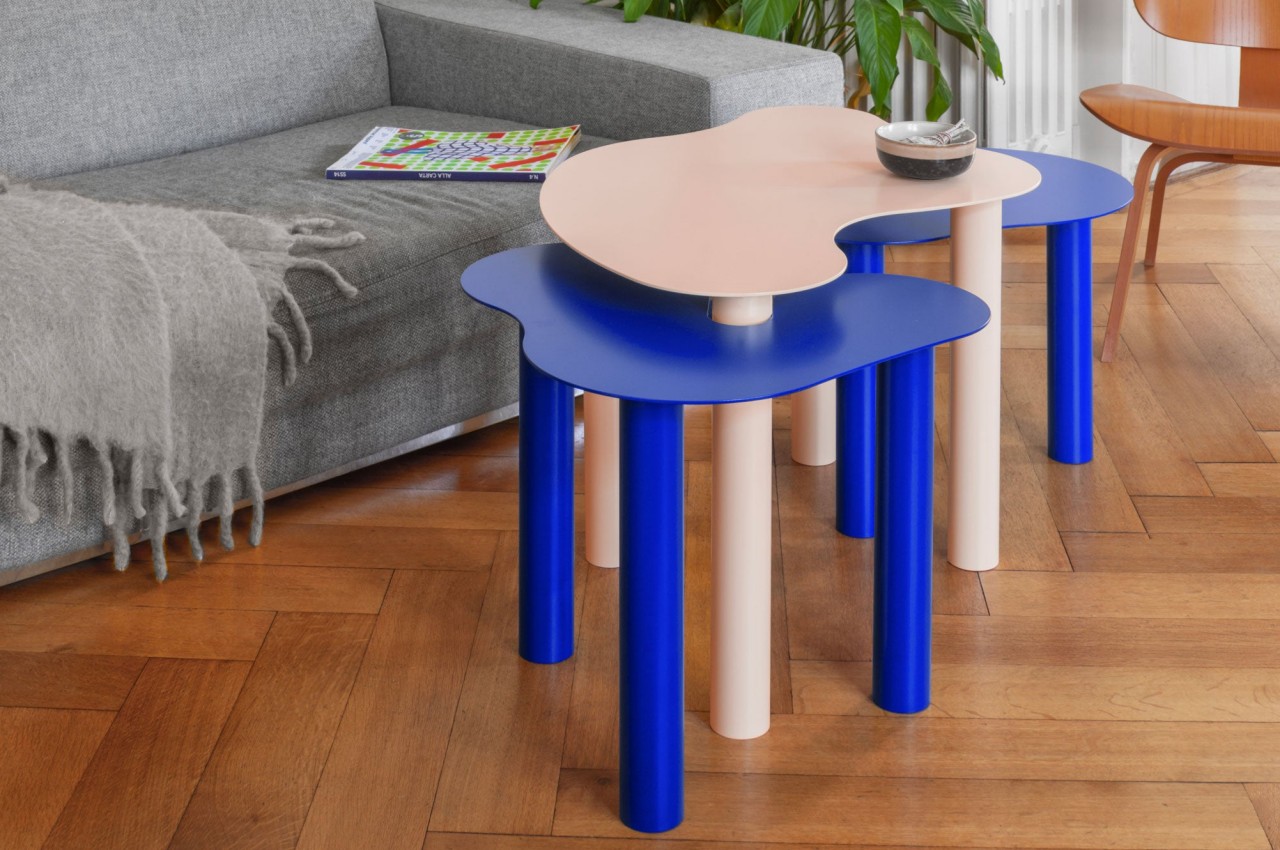
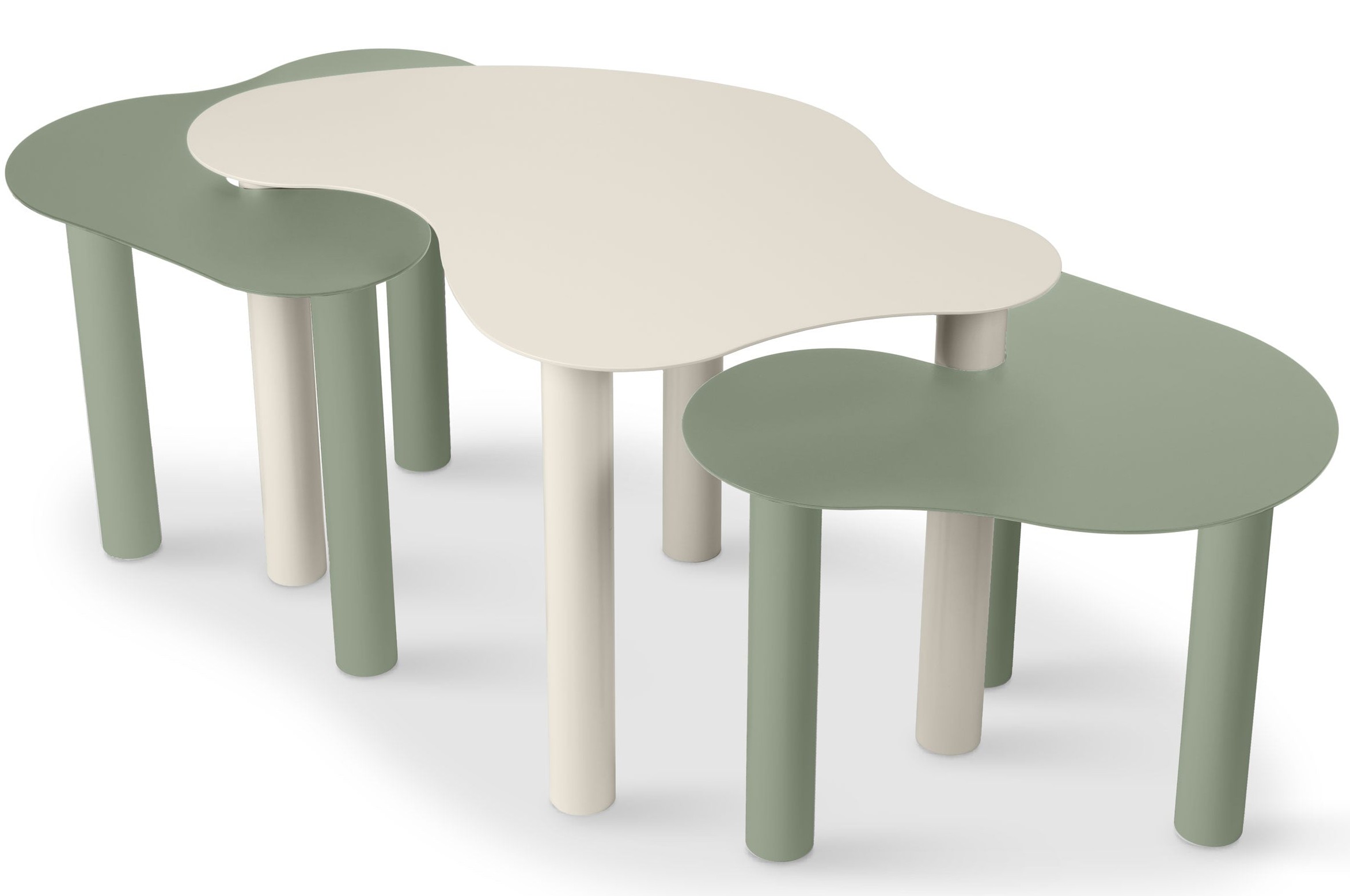
Flow, however, is also inspired by cells that take similarly undefined shapes. Each table in the collection also has different heights to add to its unique character. And just like cells, these distinct pieces can function independently or merge into one to provide a larger canvas to arrange objects. The dynamic shapes of the tables might even inspire you to inject some life into your room, just like how cells are the building blocks of organic life.

Whether alone or connected, the fluid shapes of the Flow tables create an interesting ambiance that is both lively and calm, just like water. The tables are both pieces of structural art as well as flexible furniture that provide a bold visual impact, blending form and function in harmony just as things in nature usually do.

The post Quirky shapes make this modular table set a fun yet functional addition to your space first appeared on Yanko Design.