This Tiny 1TB SanDisk Drive Solved My Biggest MacBook Storage Problem

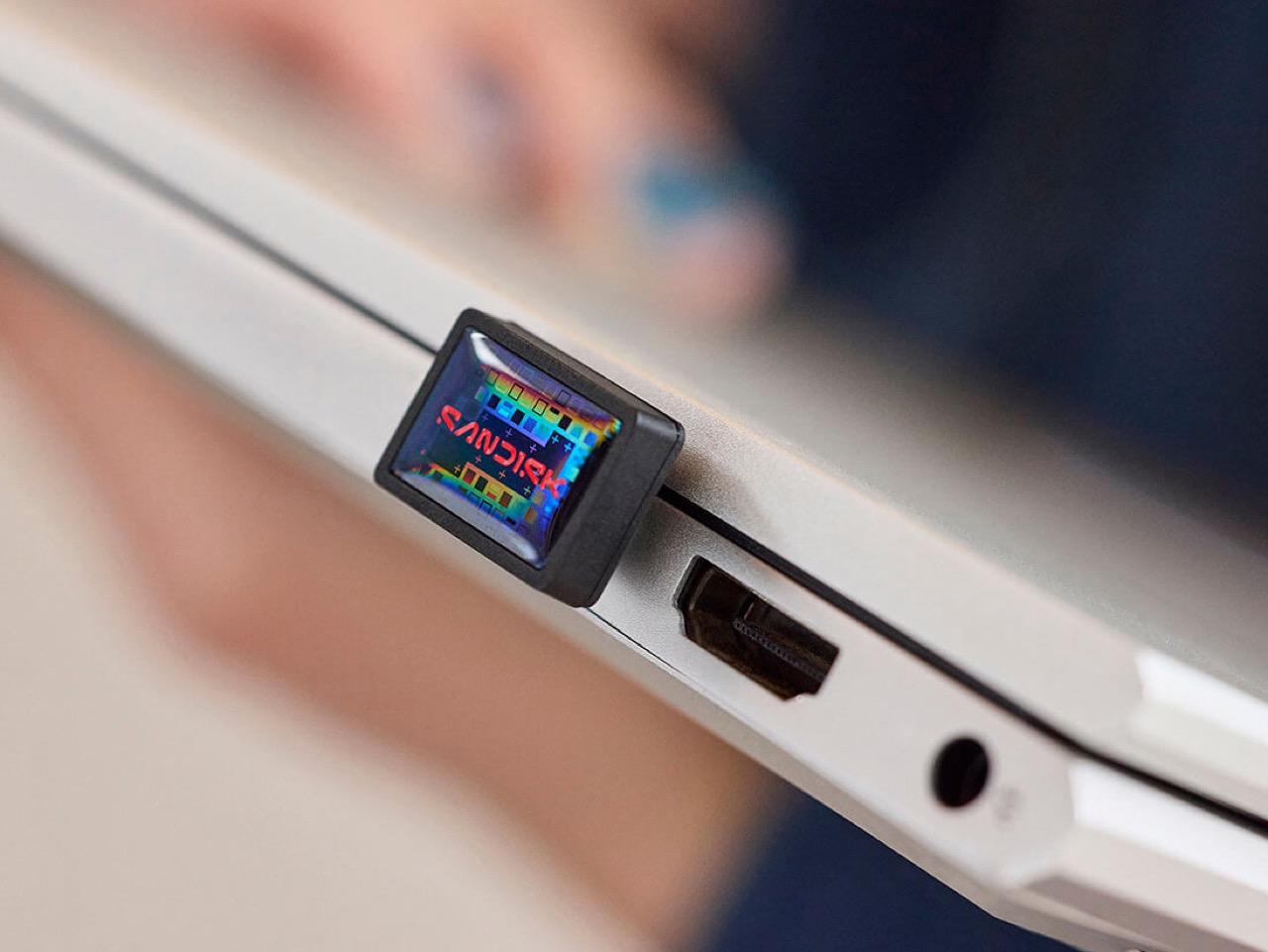
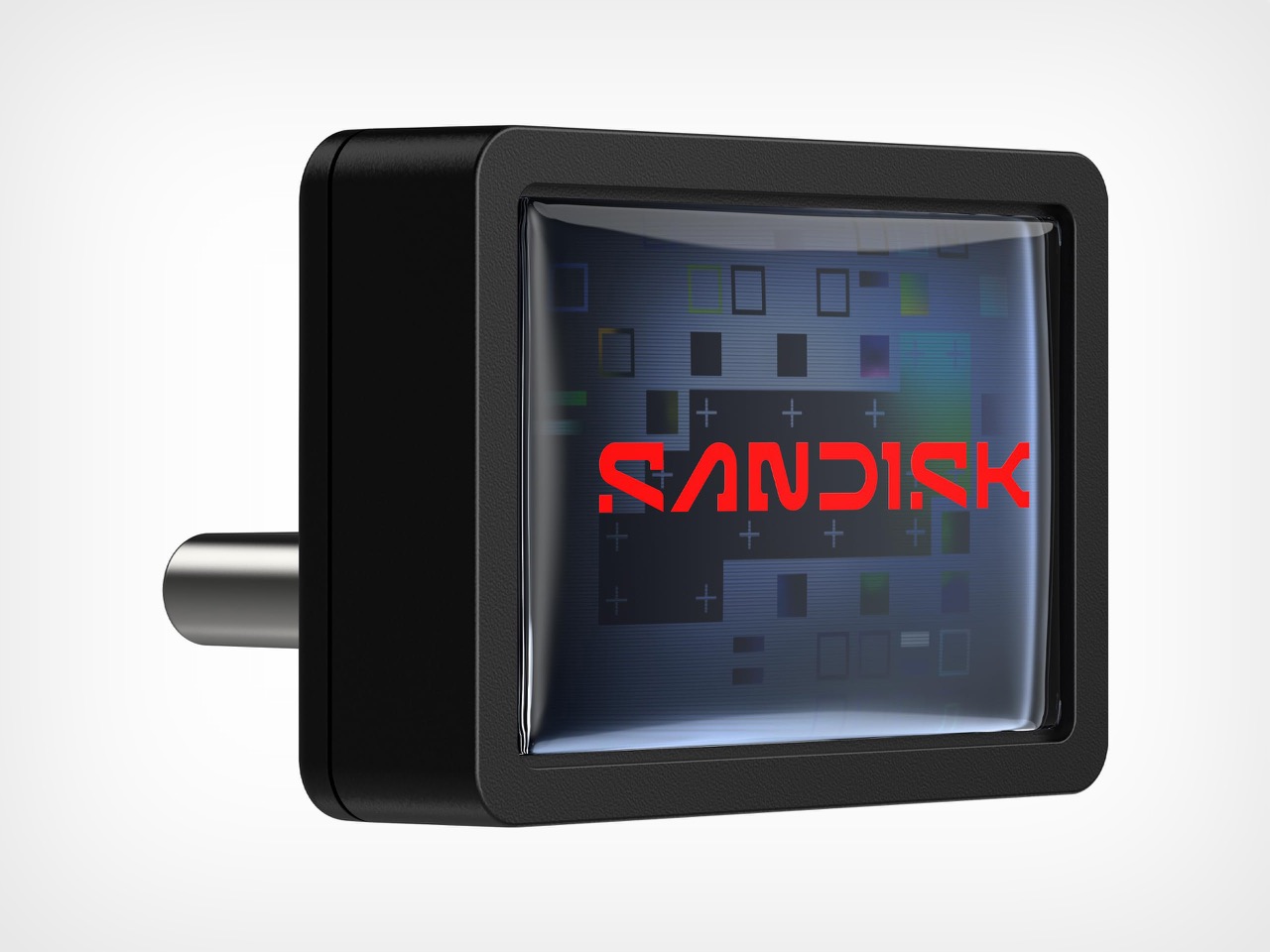
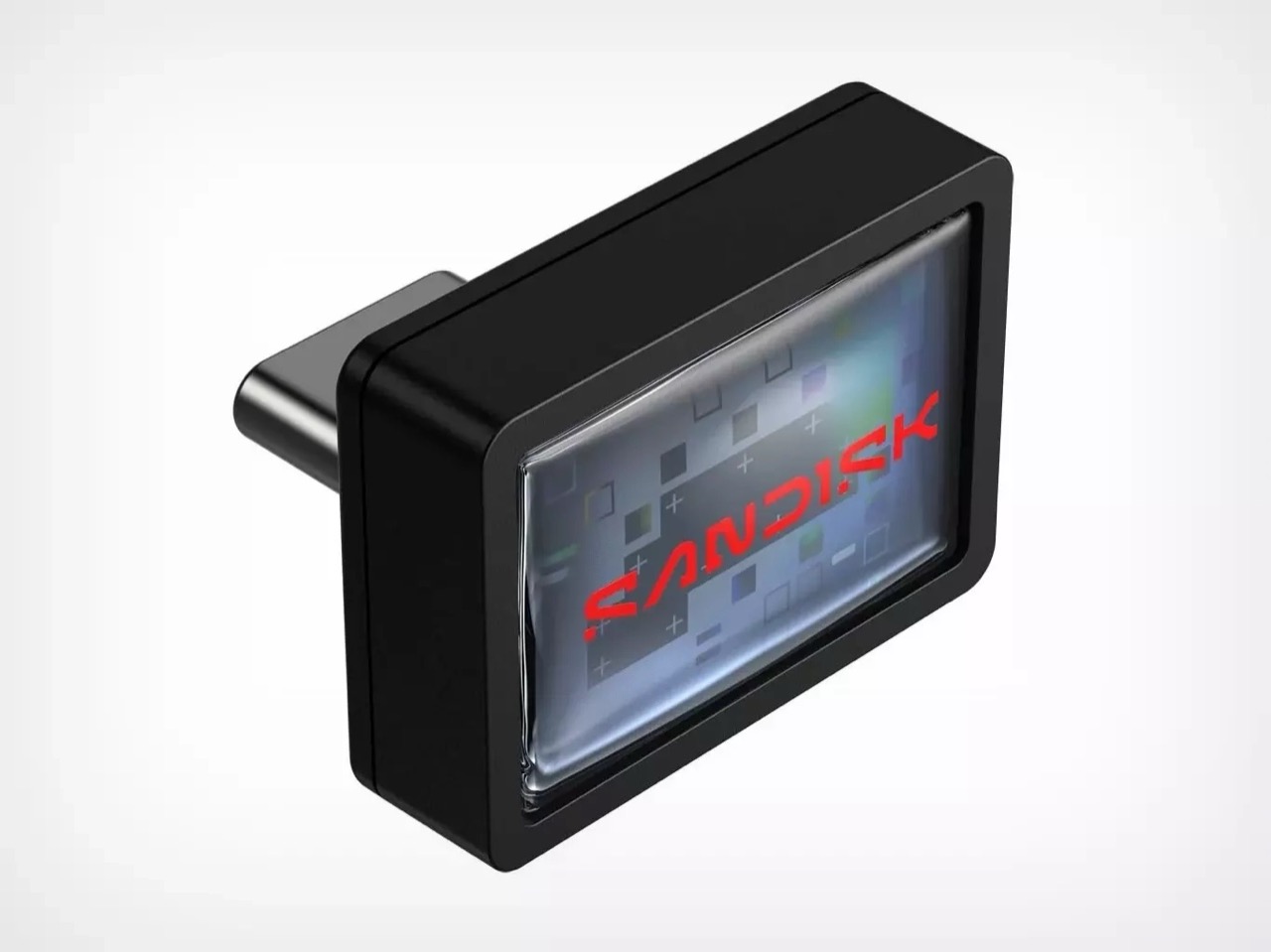
Imagine doubling, or even quadrupling, your laptop’s storage without opening the chassis, voiding a warranty, or so much as busting out a screwdriver. That’s the promise of SanDisk’s Extreme Fit USB-C. Plug it in, and it all but disappears, silently transforming your laptop, tablet, or car into a storage powerhouse. For anyone who’s hit the dreaded “disk full” warning, this tiny drive is a compelling solution, a simple fix for the sin of buying a laptop with too little built-in storage. It’s the kind of gadget that feels like it was designed out of pure necessity in an era of soldered-down SSDs.

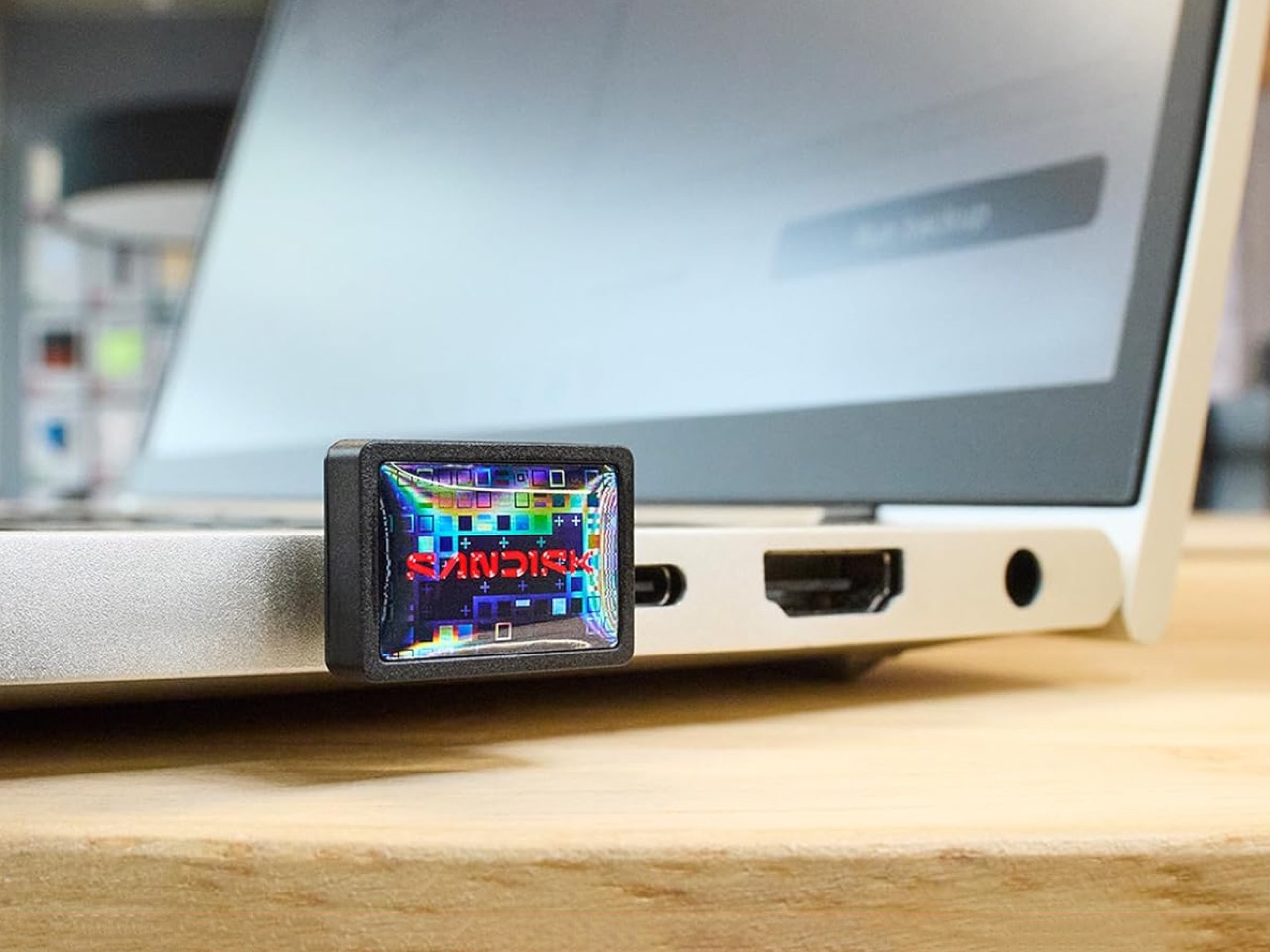
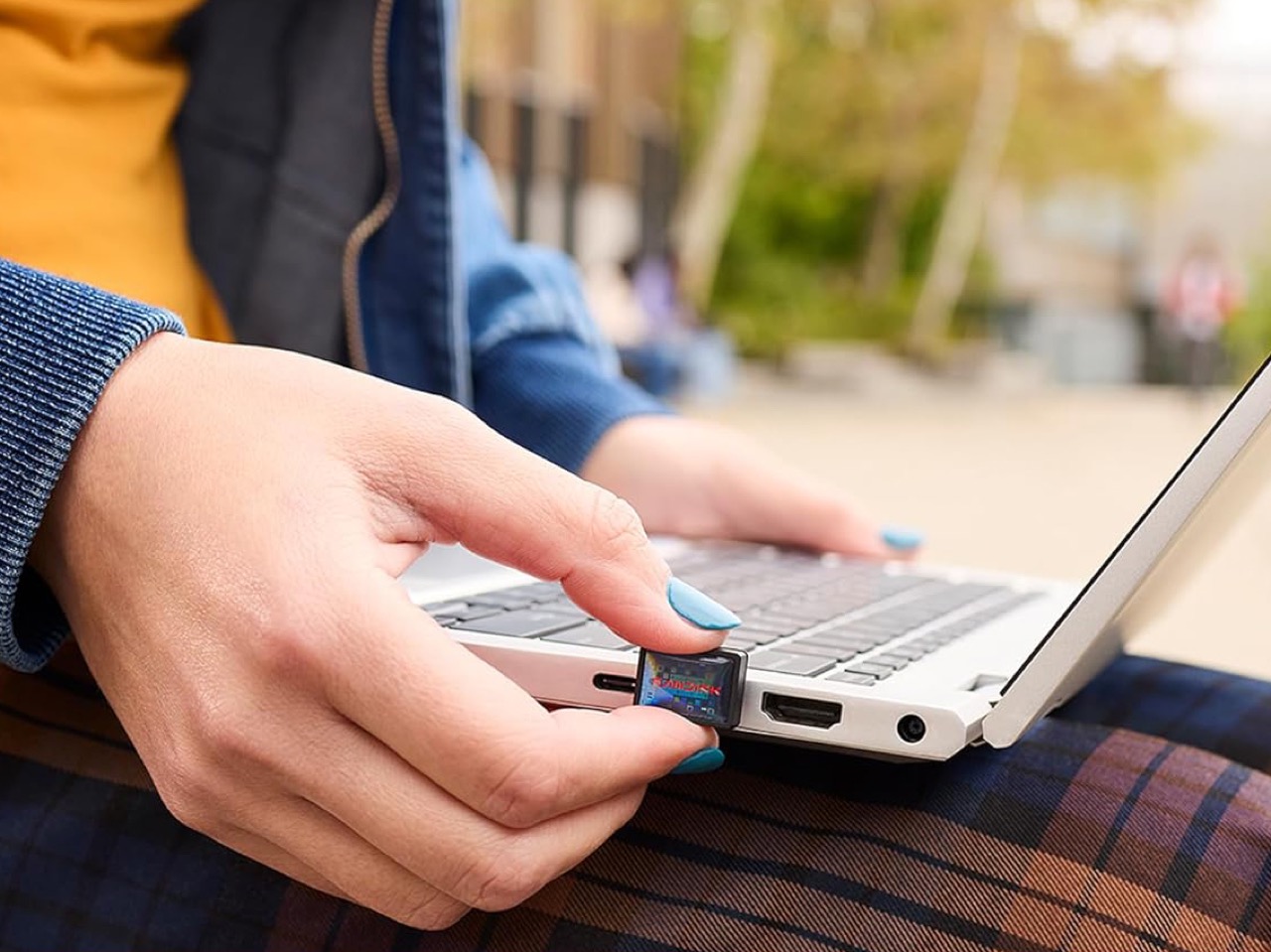
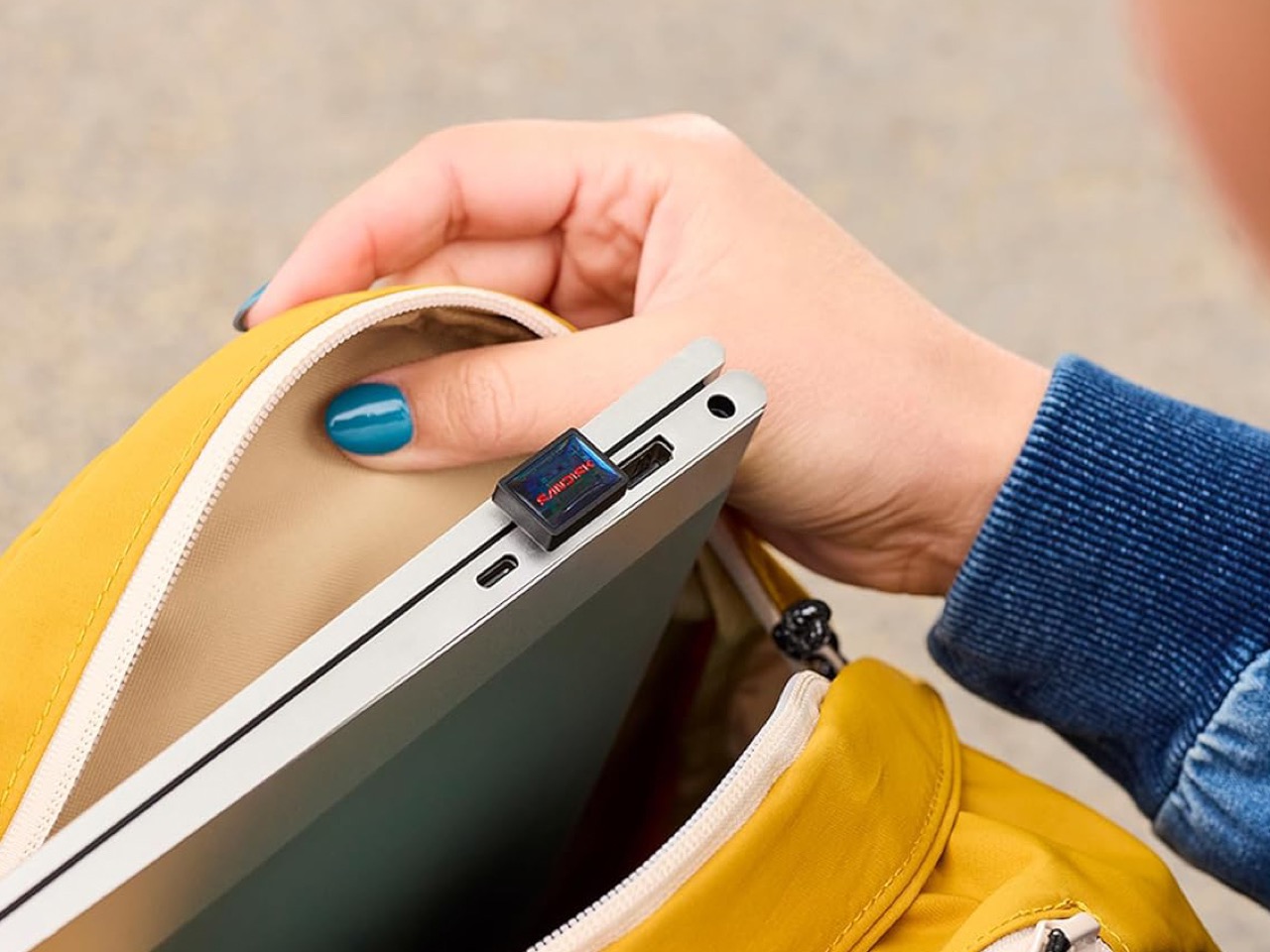
The appeal is almost entirely in the name: “Fit.” This new USB-C model continues the legacy of its predecessors by being so comically small that once you plug it in, you can genuinely forget it’s there. The entire proposition hinges on its physical footprint, or lack thereof. You can slide a laptop into a tight sleeve without the drive catching or creating a pressure point on the screen. It turns the USB-C port from a temporary data gateway into a semi-permanent expansion slot. This is a fairly clear admission that sometimes, cloud storage isn’t the answer, and a dangling external SSD is just another piece of gear to carry and potentially break.

Designer: SanDisk

Click Here to Buy Now

The Extreme Fit comes in 4 sizes, a puny 128GB, a 256GB, a reasonable 512GB, and finally the big boss, a 1TB variant (all the exact same size). But let’s be clear about what this is, and what it is not. This is a capacity play, not a performance one. SanDisk claims read speeds of up to 400MB/s, and while that’s respectable for a drive this size, it’s a far cry from what you’d get from a proper external SSD, let alone your internal drive. For context, a decent portable SSD like Samsung’s T7 will hit speeds over 1,000MB/s, and your laptop’s internal NVMe drive likely operates anywhere from 3,000 to 7,000MB/s. So, no, you will not be editing 4K video directly from this thing. Its tiny chassis also means it will almost certainly throttle under sustained load, a basic law of thermal dynamics.

So, the ideal use case is specific. This is the drive for your permanent media library, your collection of documents, or as a secondary backup target that just lives in your machine. It’s for the user who bought a 256GB MacBook Air and now regrets it. You offload the large, infrequently accessed files to the Extreme Fit and free up your precious internal storage for applications and active projects. It’s a set-it-and-forget-it solution for static data. If your workflow involves constantly moving gigabytes of data back and forth, you should look elsewhere. The convenience of its form factor is paid for with a performance compromise.

The Extreme Fit is a fairly calculated bet from SanDisk. They know that for a large number of users, the pain point is not transfer speed, but the sheer inconvenience of external storage. By creating a drive that effectively merges with the device it’s plugged into, they have solved a real-world usability problem. It’s a clever piece of engineering that knows its limitations and leans into its strengths. For the right kind of user, the one who prioritizes capacity and invisibility over raw throughput, this drive is an elegant and incredibly practical fix.

Click Here to Buy Now

The post This Tiny 1TB SanDisk Drive Solved My Biggest MacBook Storage Problem first appeared on Yanko Design.
This bird-shaped USB flash drive concept pays homage to the data carriers of yesterday

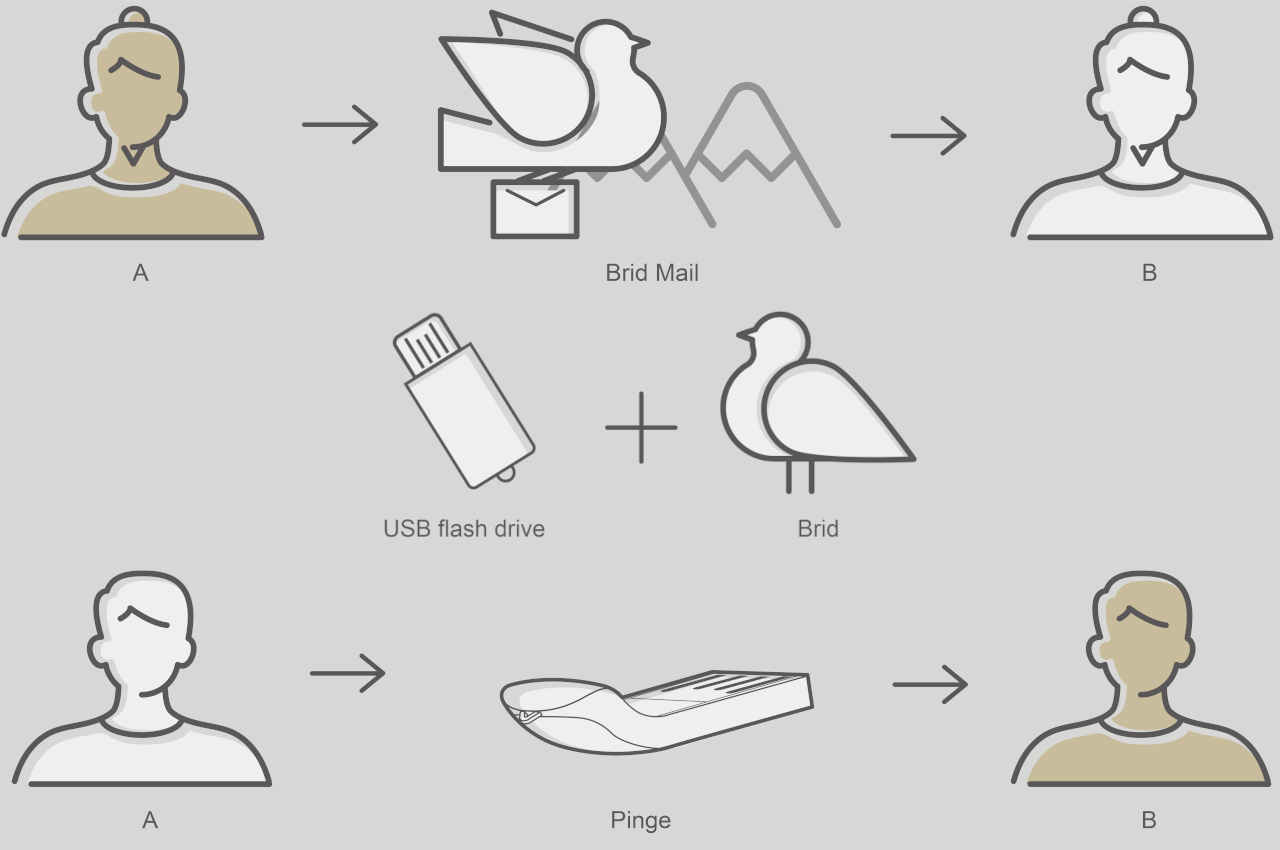
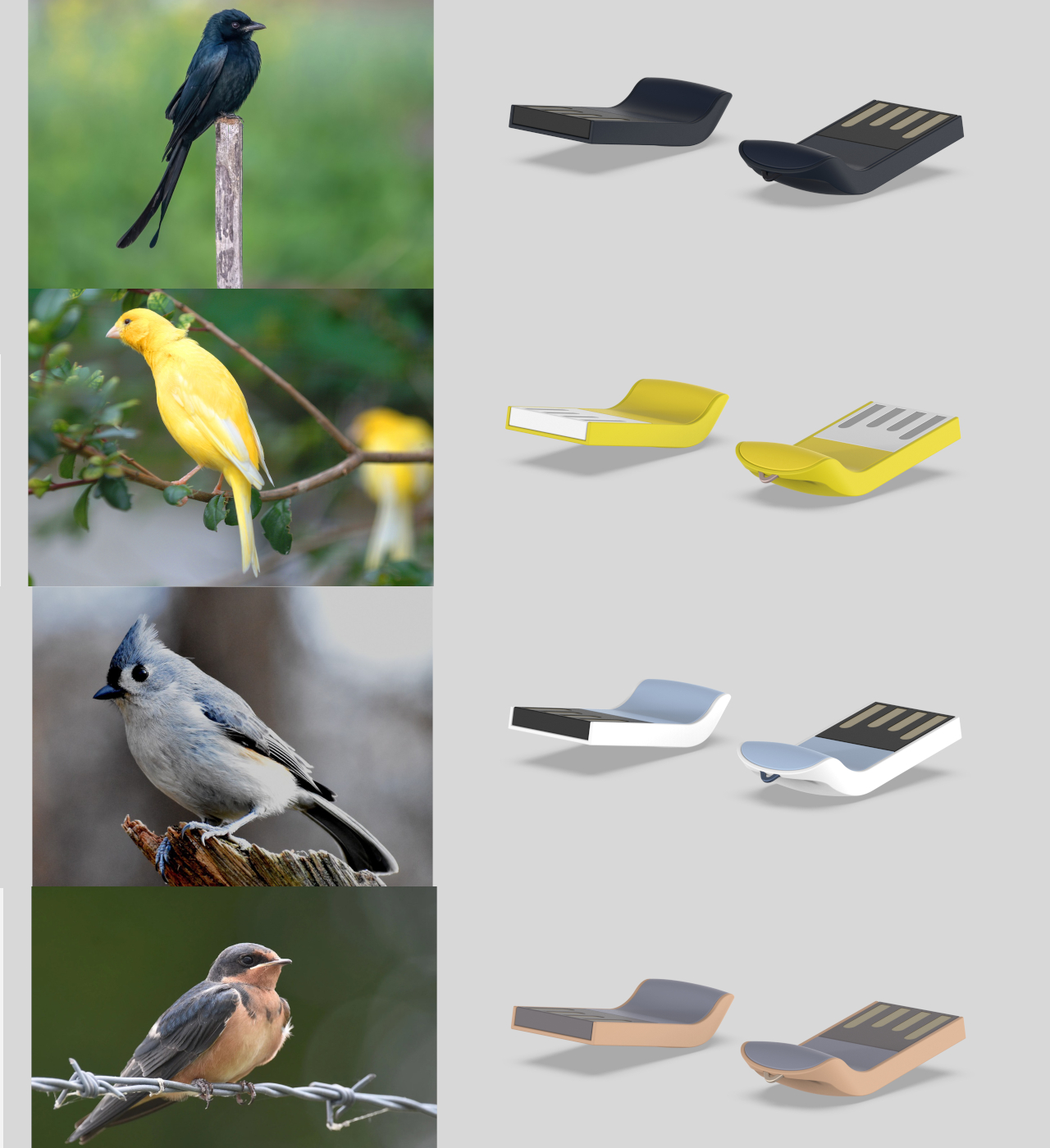
Owls sending mail might be pure fiction, but there was a time when birds were indeed used to send messages across distances. Taking advantage of their natural homing instincts, pigeons were used to send messages in the fastest way possible when using humans on horseback was too dangerous for various reasons. Of course, all that is ancient (or medieval) history by now, but the image of a mail-carrying bird has forever been etched into our minds. Some might even use that association to brand certain services that simply ferry bits and bytes of data from one device to another. That’s the inspiration behind this rather charming USB thumb stick concept, though its seemingly whimsical design carries some important practical implications as well.

Designer: SHS Shih

Even in this day and age of the cloud, it’s sometimes still more efficient, not to mention more secure, to store your files on a small USB flash drive. You have instant access to your data, as long as you can plug it into your device, and only those who can actually hold the flash drive in their hands can actually use it. Over the course of the years, the technology behind this gadget has moved forward by leaps and bounds and it’s now possible to see a 1TB flash drive, even if few can actually afford it.

未命名的作品

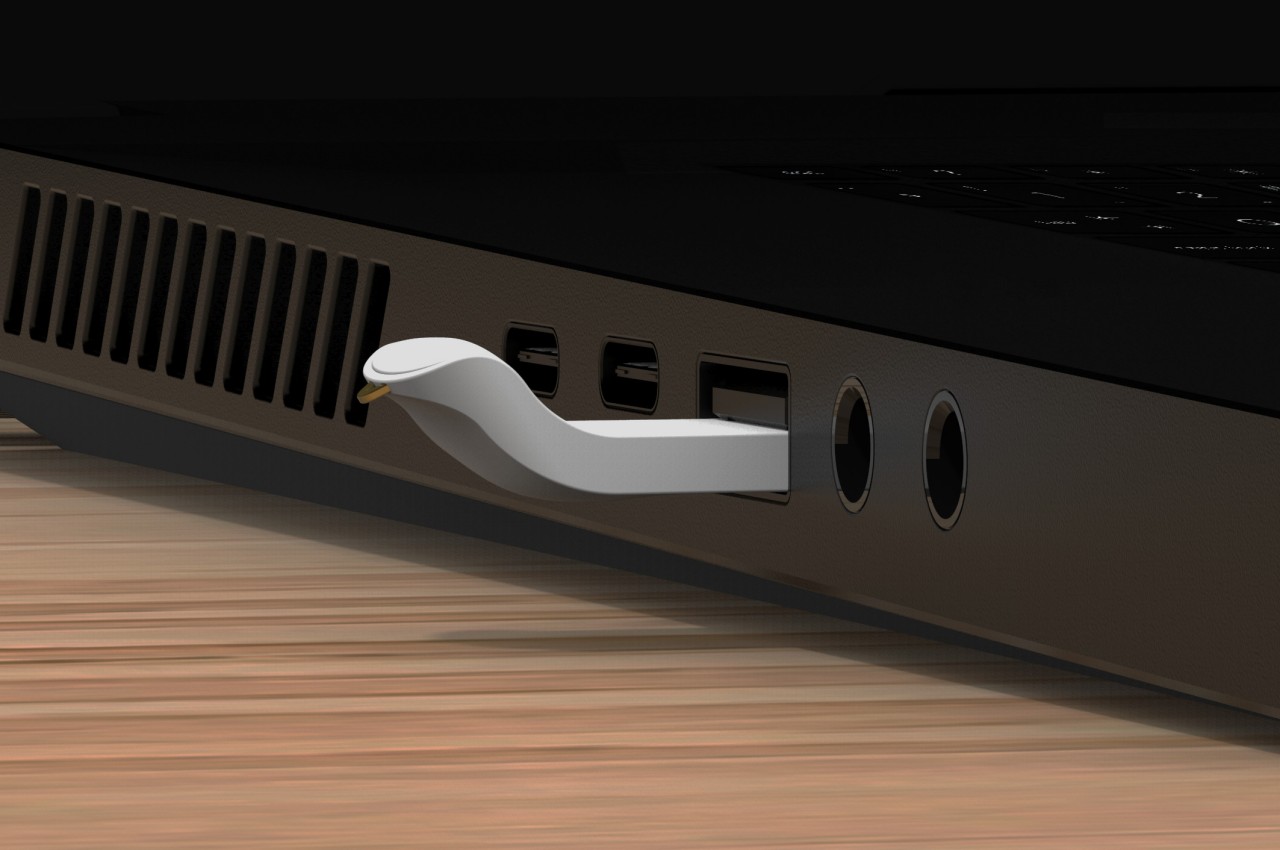
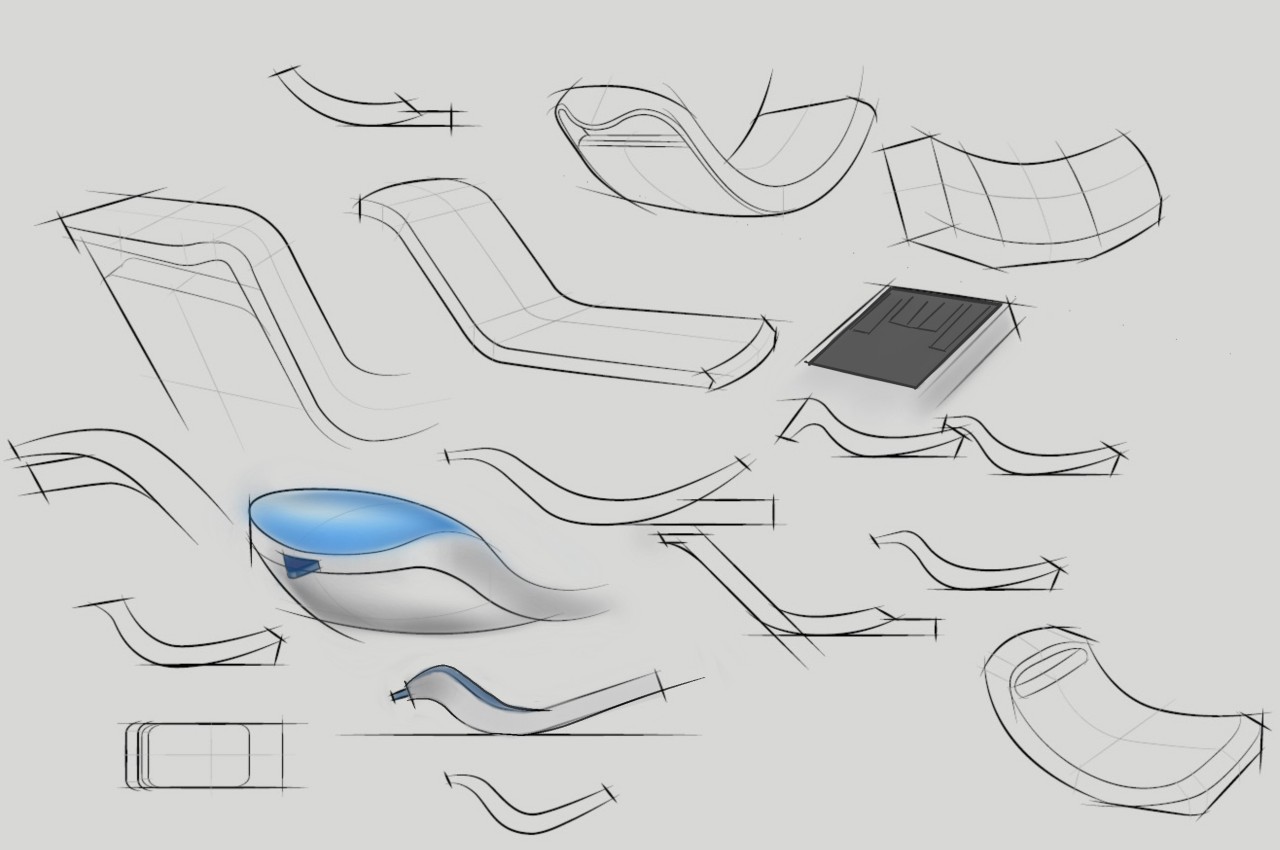
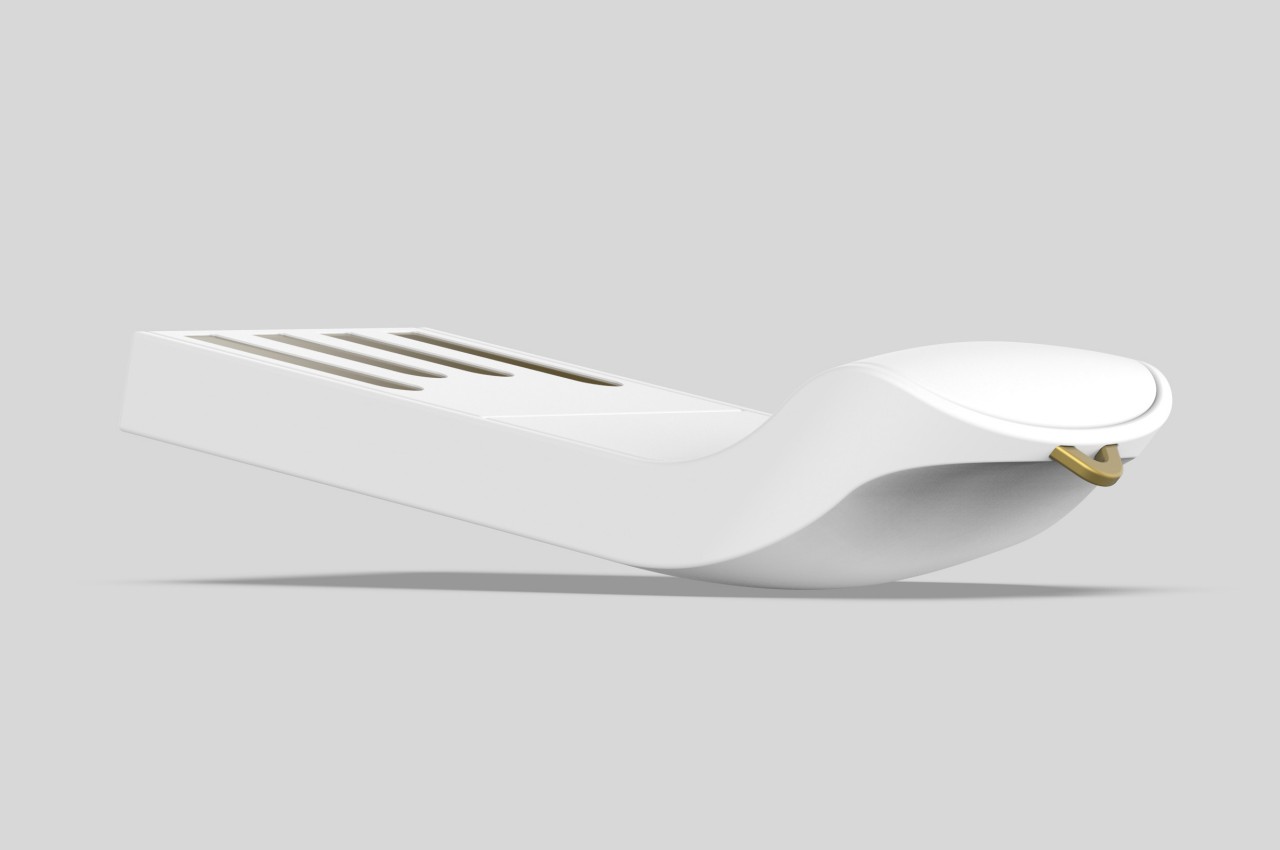
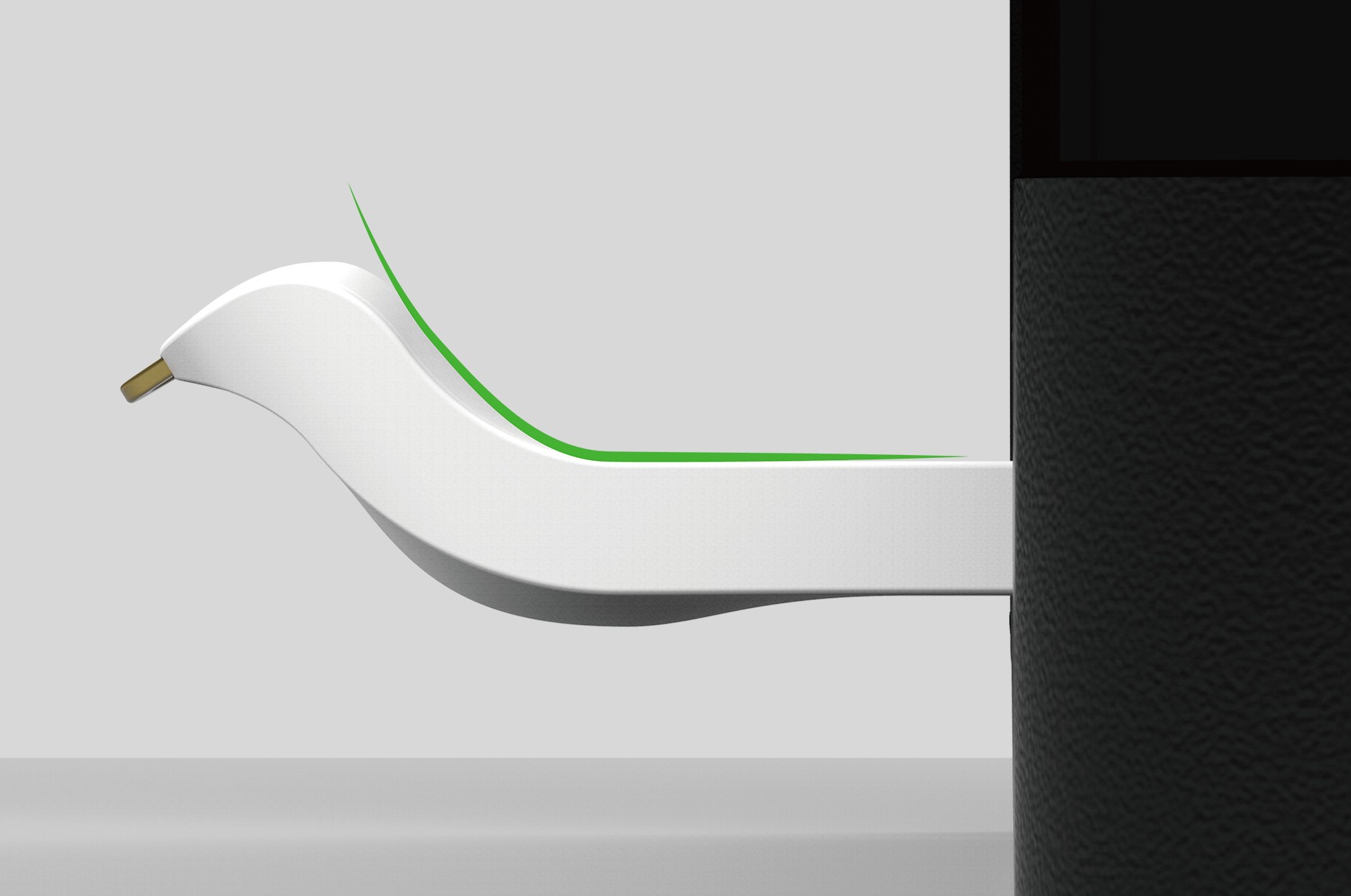
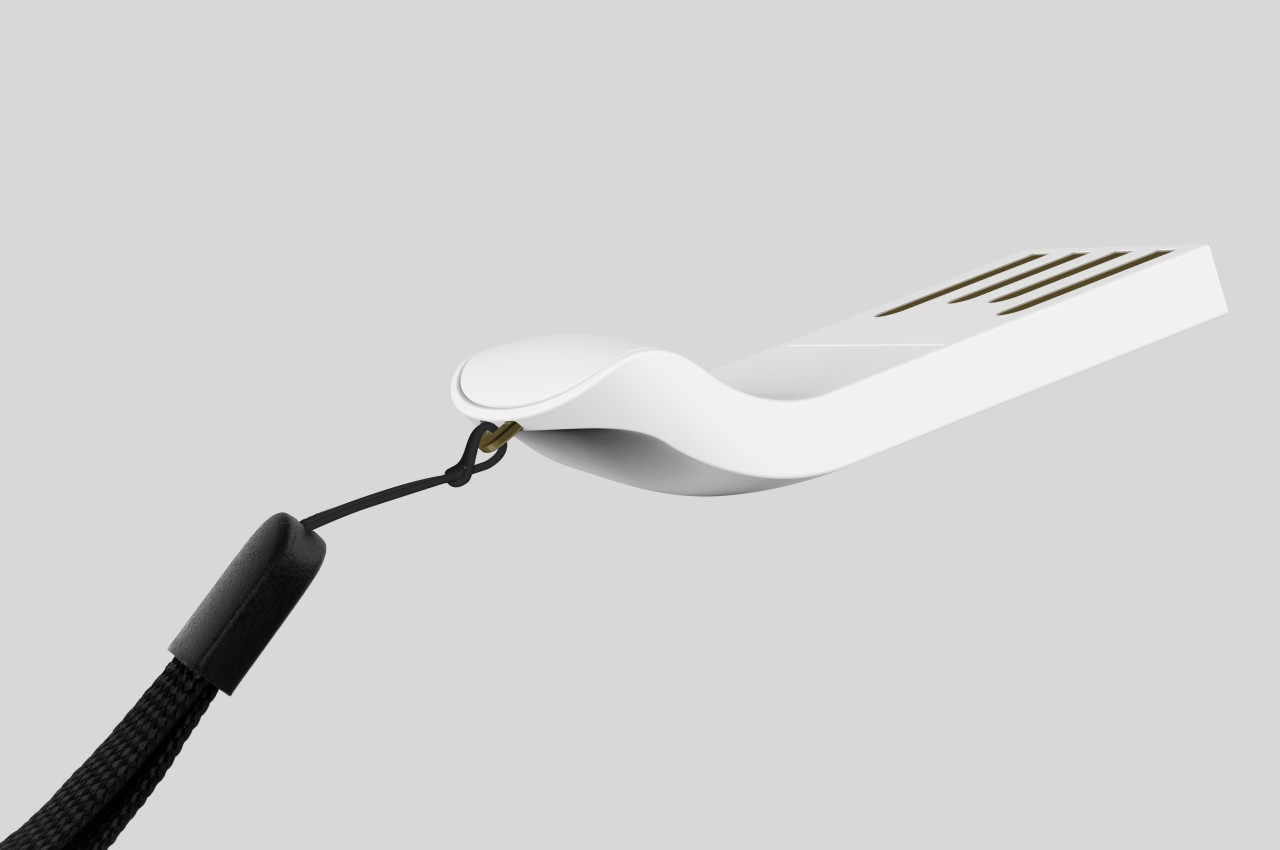
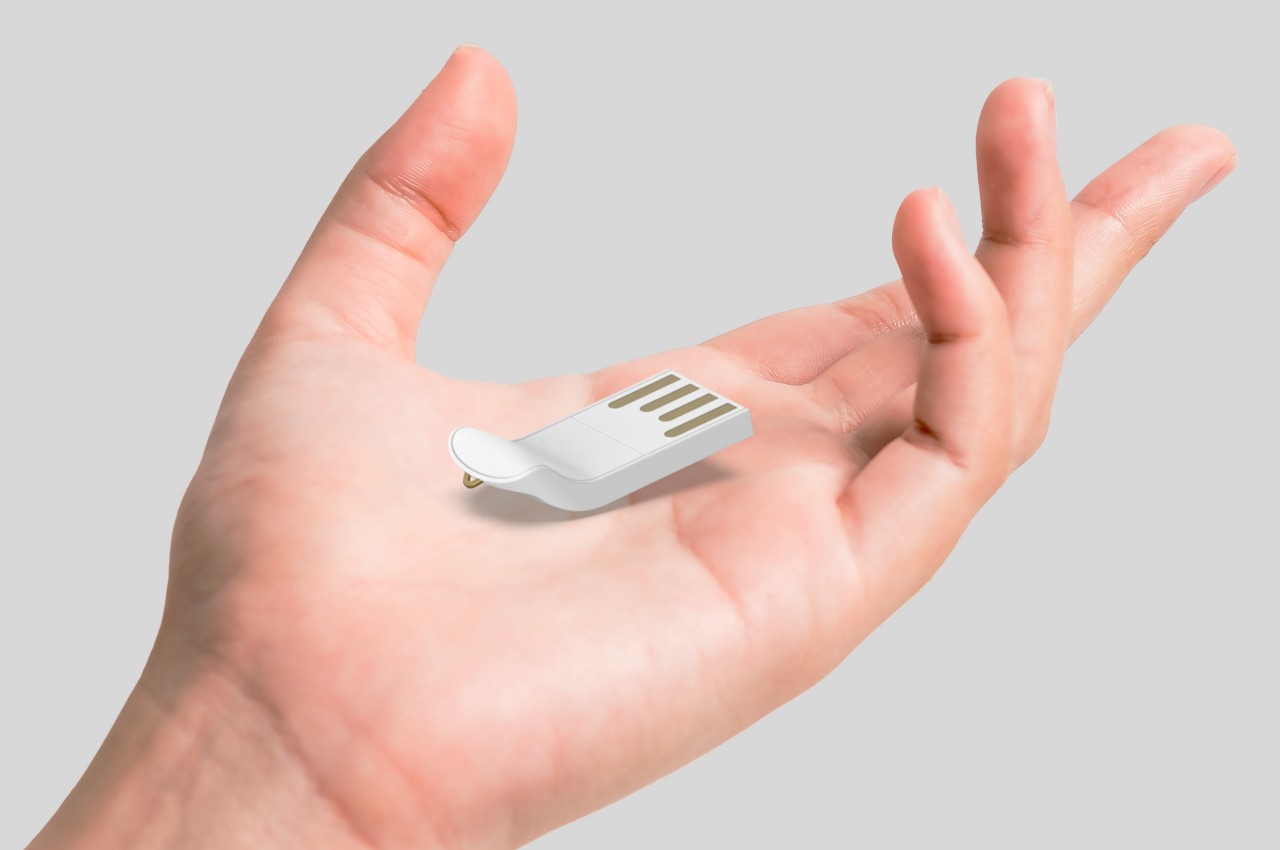
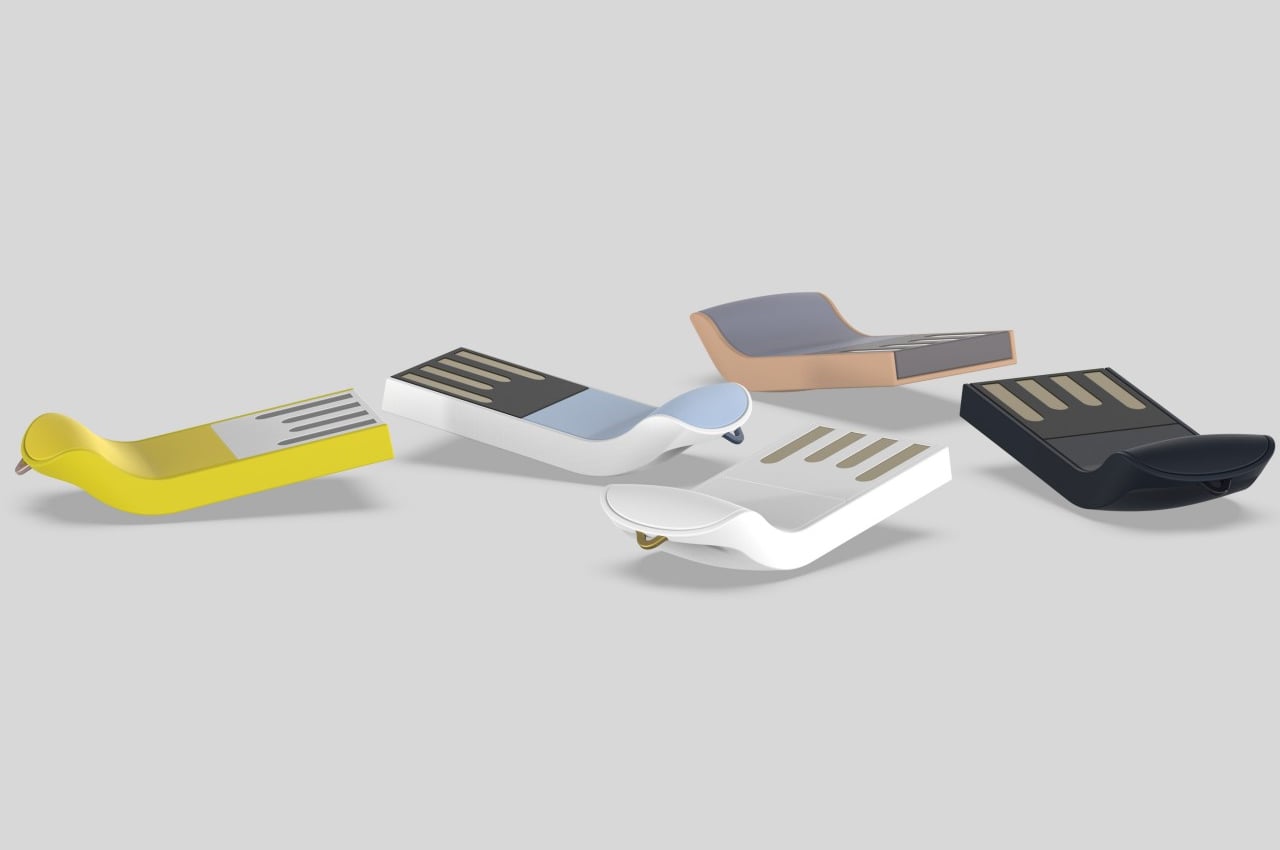
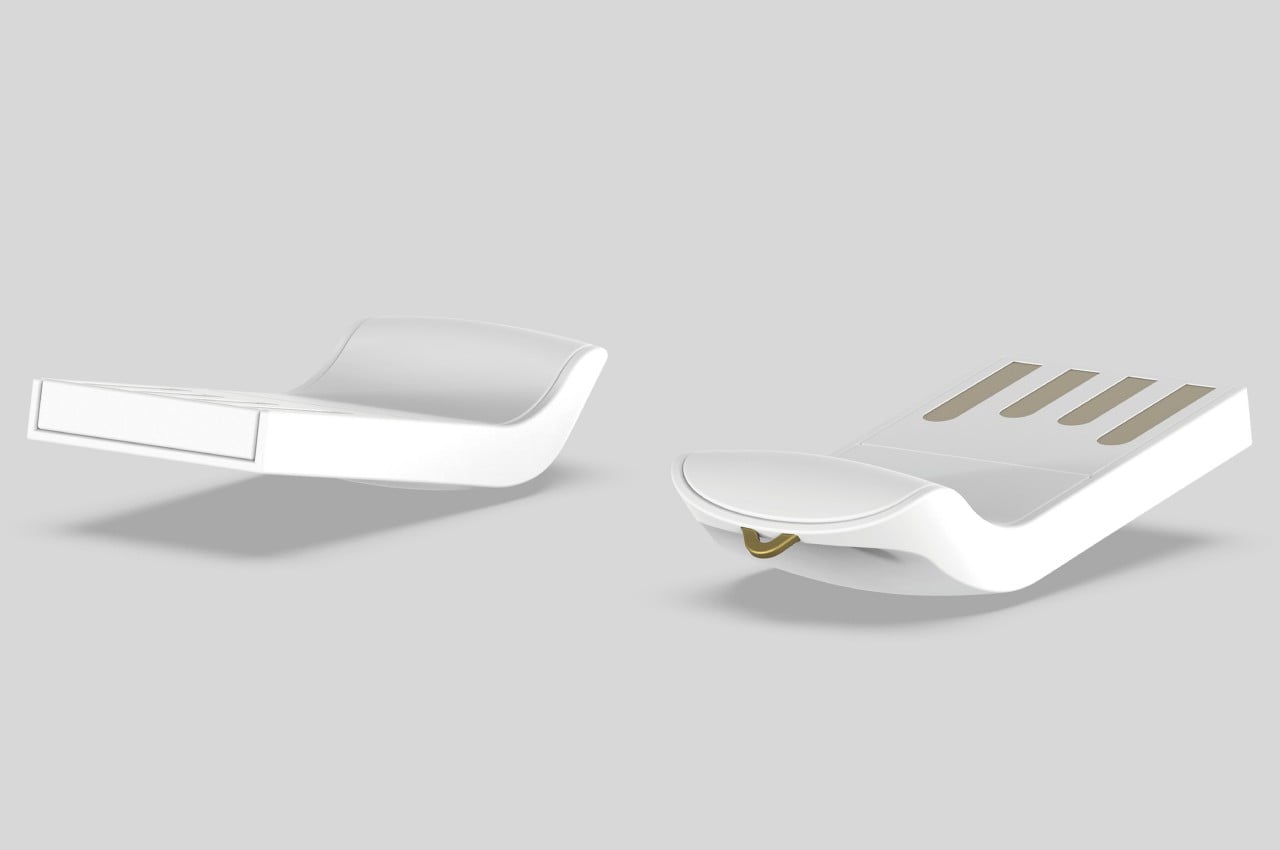
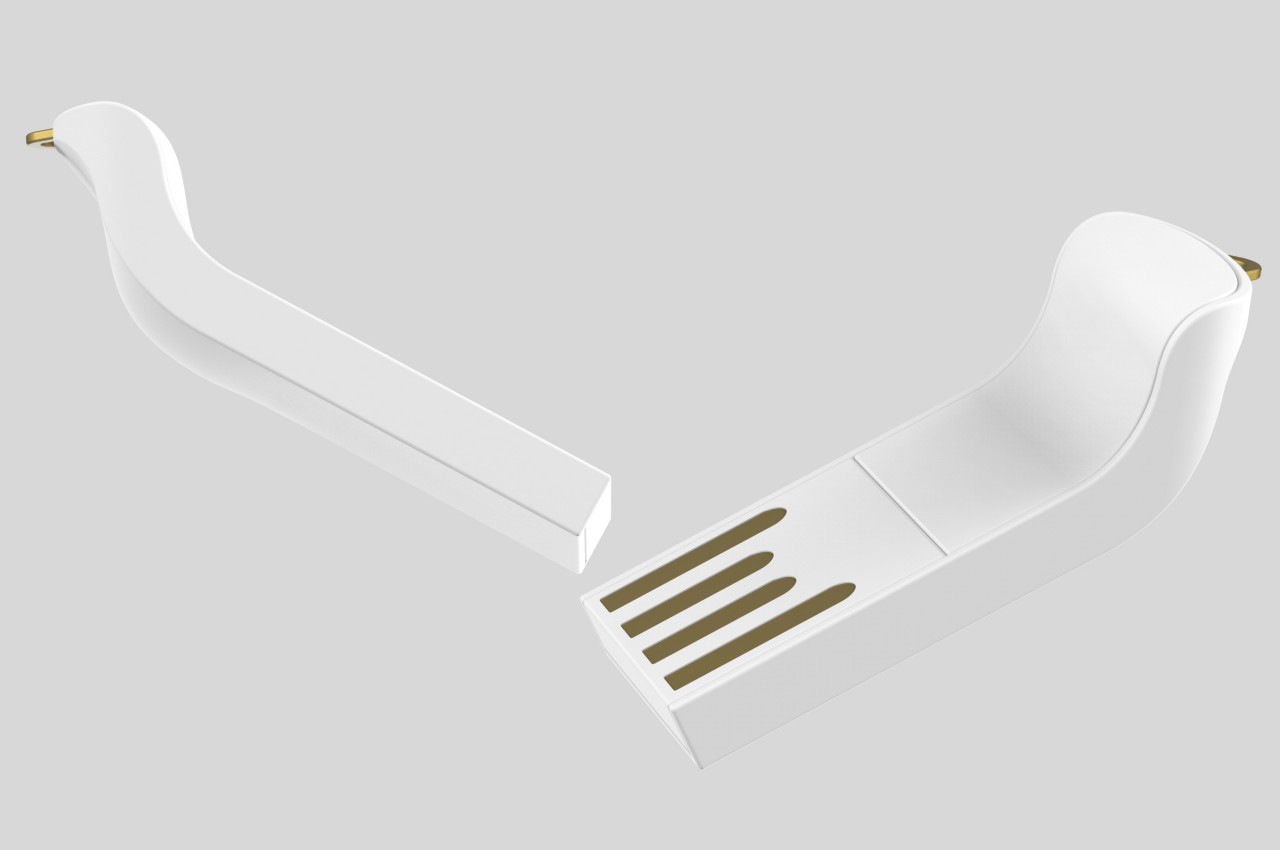
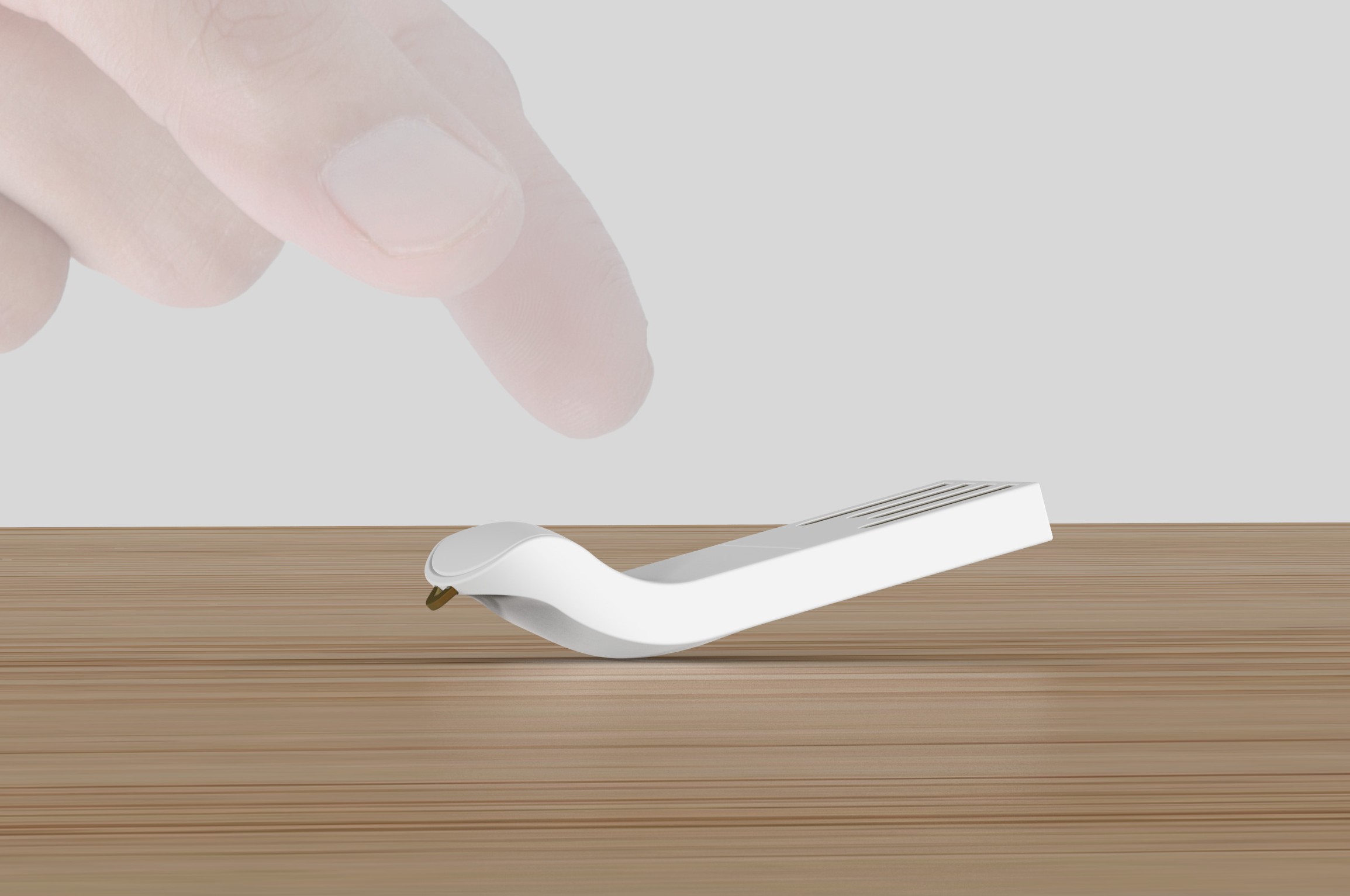
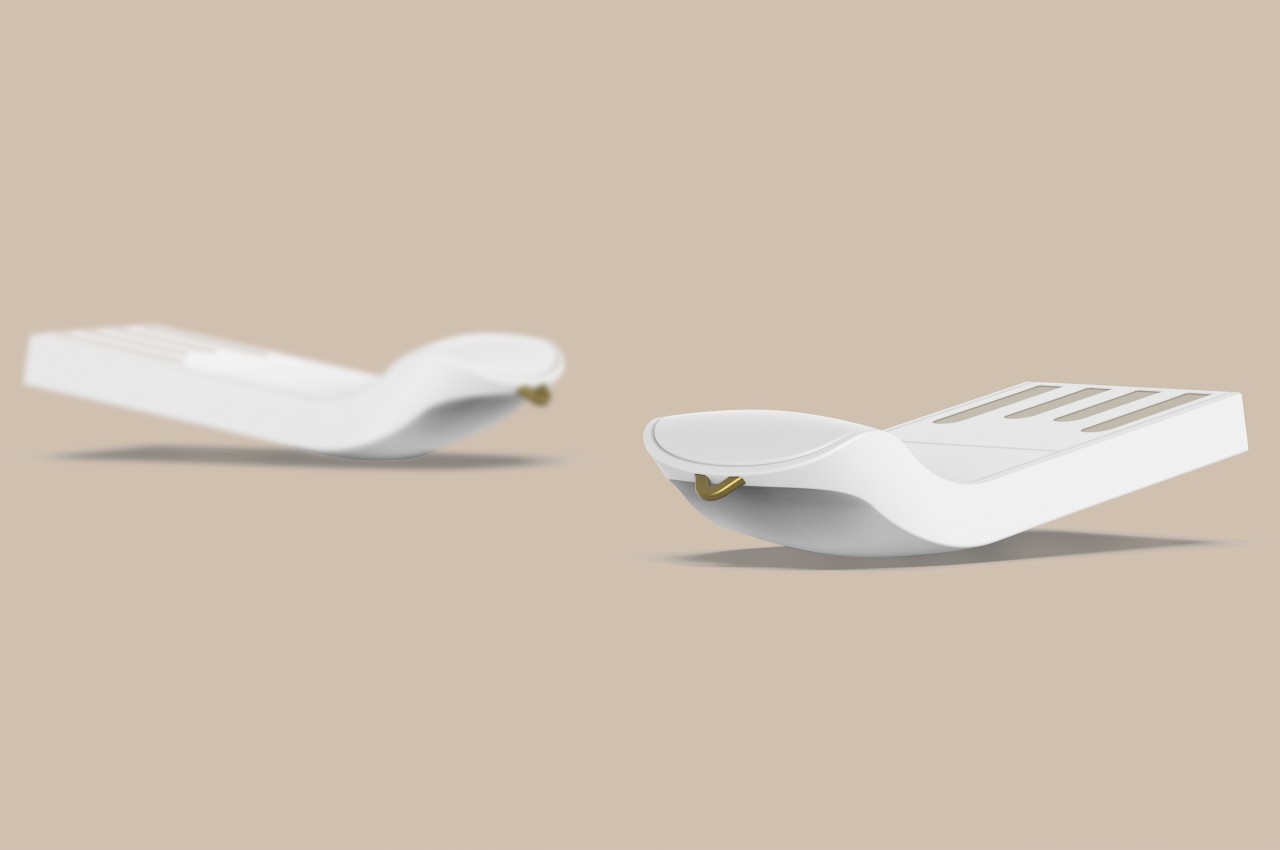
These advancements open up flash drives to more interesting designs, like this Pinge “bird-style” design concept. Right off the bat, you will notice that it isn’t your usual flash drive, even if you can’t immediately make out that it’s supposed to resemble a bird. Instead of staying flat as almost all flash drives do, its end curves upward, forming the bird’s neck and head. A small golden triangle protruding from that end forms the beak, but it also has the added function of being a pendant or lanyard hole. As you might have guessed, the actual USB interface is the bird’s tail, which is perfect considering the alternating white and gold lines resemble feathers, with some stretch of the imagination.

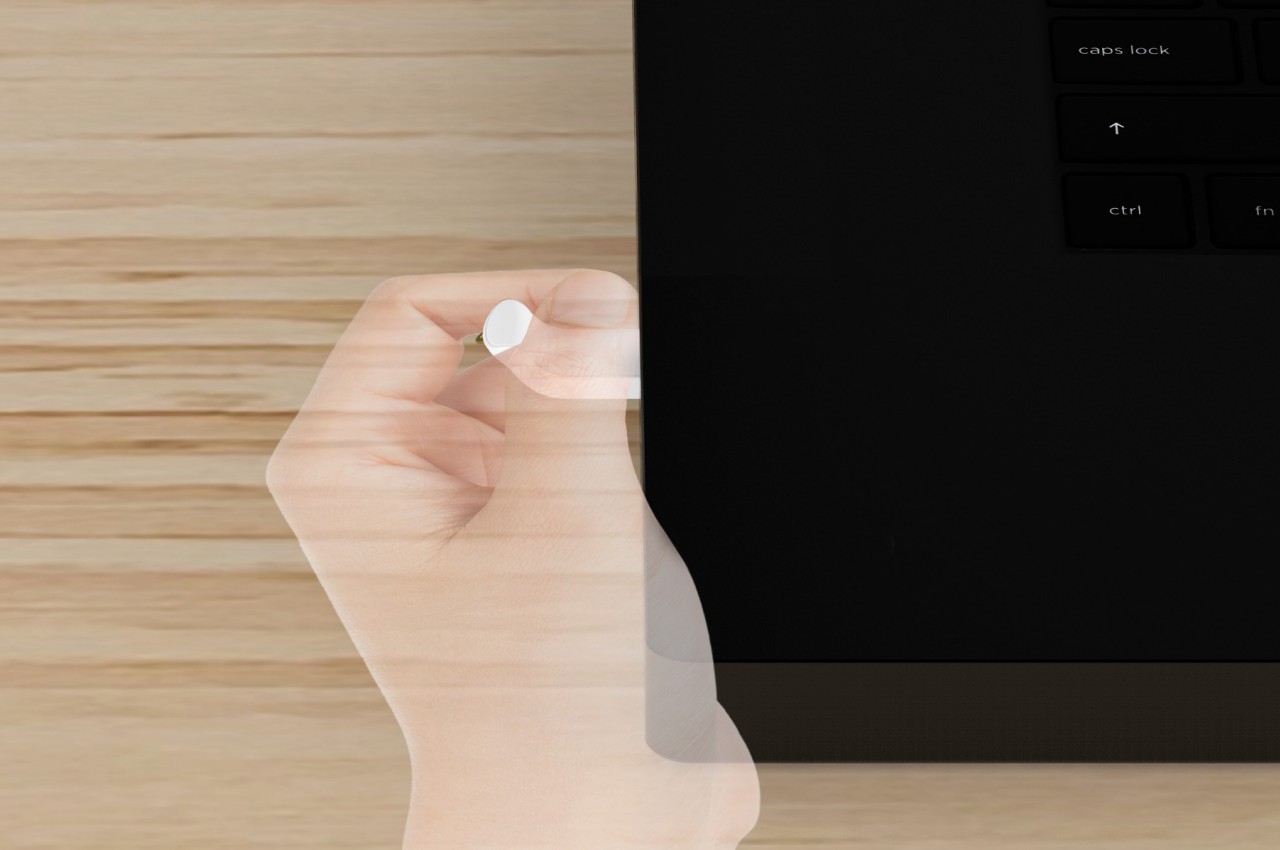
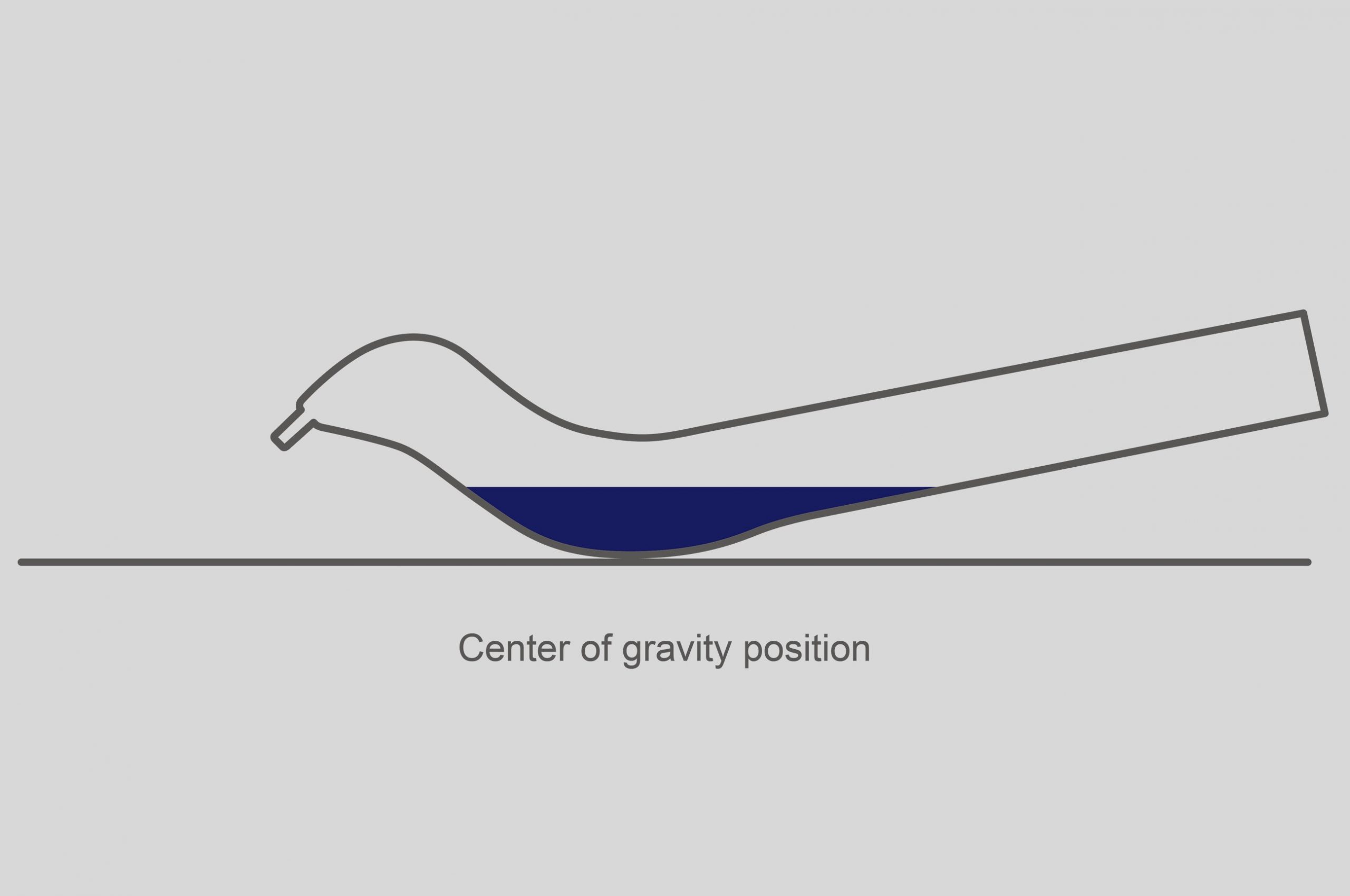
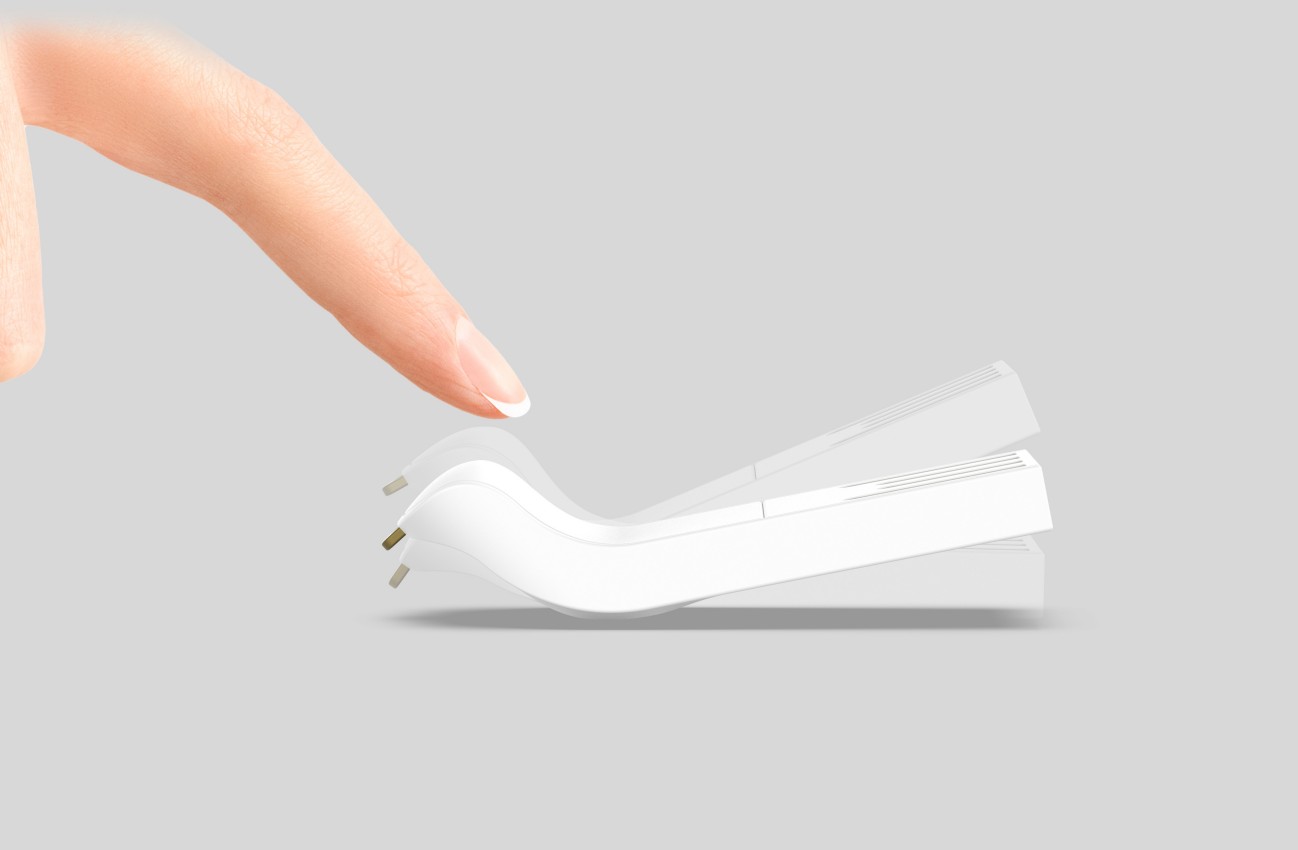
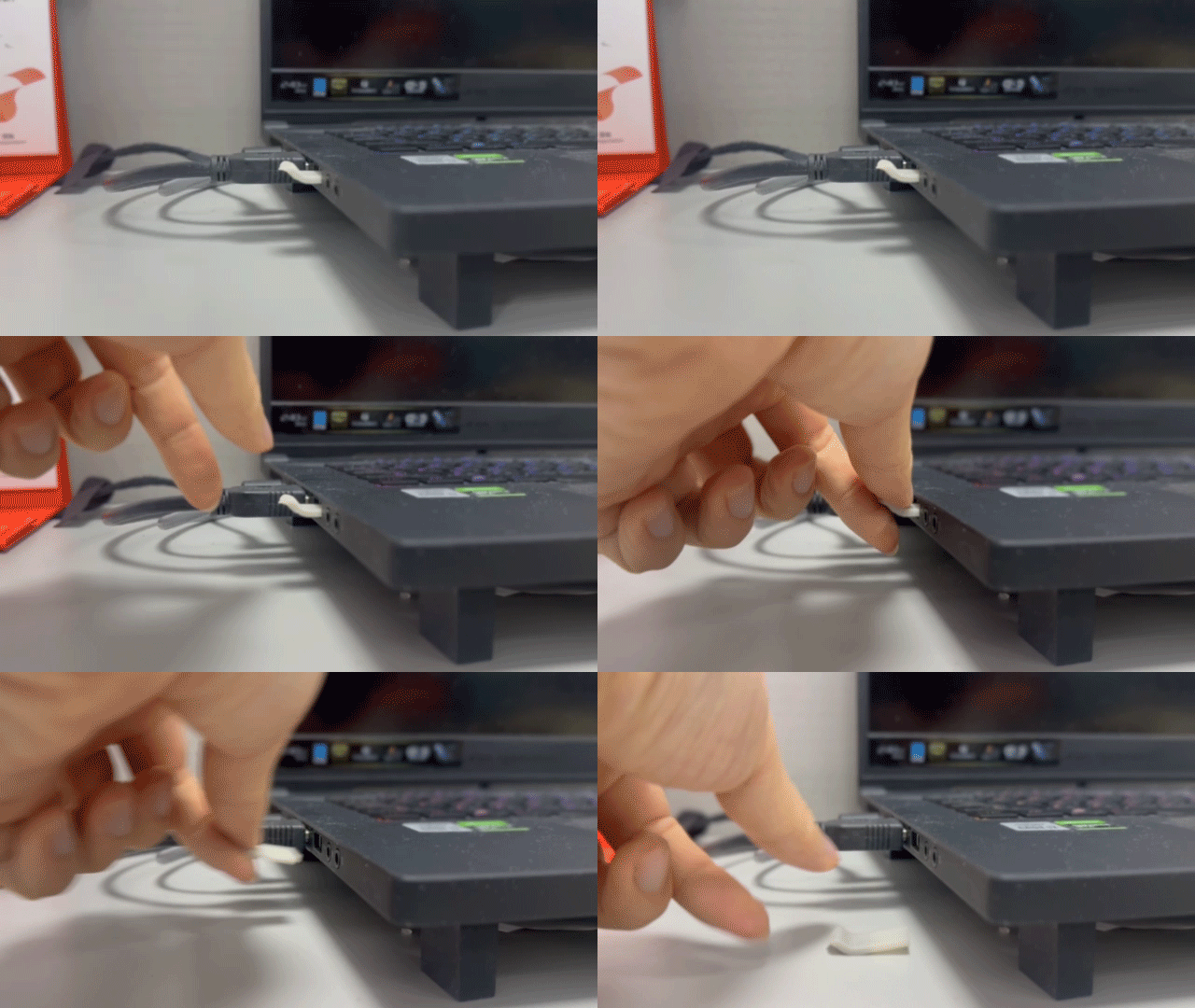
As unconventional as the design might be, it has merits that go beyond its eye-catching shape. The upward curve makes it easy to pick up the flash drive, and it gives your fingers something firm to hold onto when pulling it out from a computer. Curiously, putting Pinge down on a flat surface makes it rest on that curved portion thanks to a shifted center of gravity. That means that no matter how much you tip or rock the flash drive, it will always return to that stable position. Coincidentally, that makes Pinge a potential desk fidget toy.

1

Of course, there are drawbacks to such a non-flat design, like how the bird’s “head” might snag on things more easily or how it would take up more room in an accessory pouch. It might also make the flash drive more prone to breaking if something heavy was dropped on it or if it was sandwiched between too hard surfaces. It’s still an interesting design experiment, especially considering how most flash drive designs focus solely on functionality without paying attention to aesthetics. It doesn’t have to be the case, and it requires a bit of outside-the-box thinking to come up with interesting designs that don’t sacrifice functionality in return.

The post This bird-shaped USB flash drive concept pays homage to the data carriers of yesterday first appeared on Yanko Design.

USB flash drive made from eco-friendly materials will become your time capsule

A lot of people are so attached to their smartphones because of all the memories associated with it. They keep them around, sometimes when they’re not even working anymore. There are also those who change their mobile devices pretty often. Both these kinds of people are contributing in one way or another to electronic trash that are not always that easy to dispose of or to recycle. The past years we’ve seen a lot of projects and products that aim to solve this growing problem of electronic waste.

Designer: Eunsu Lee

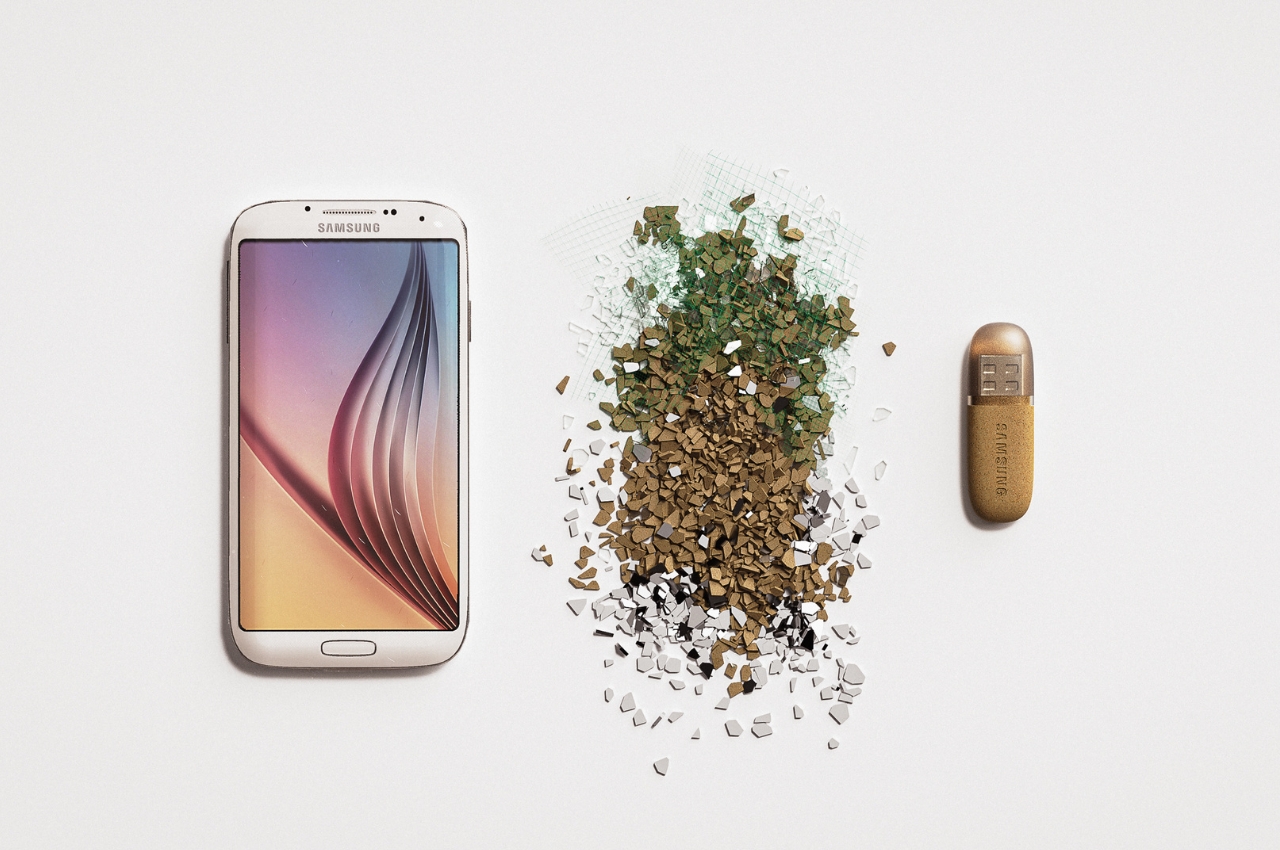
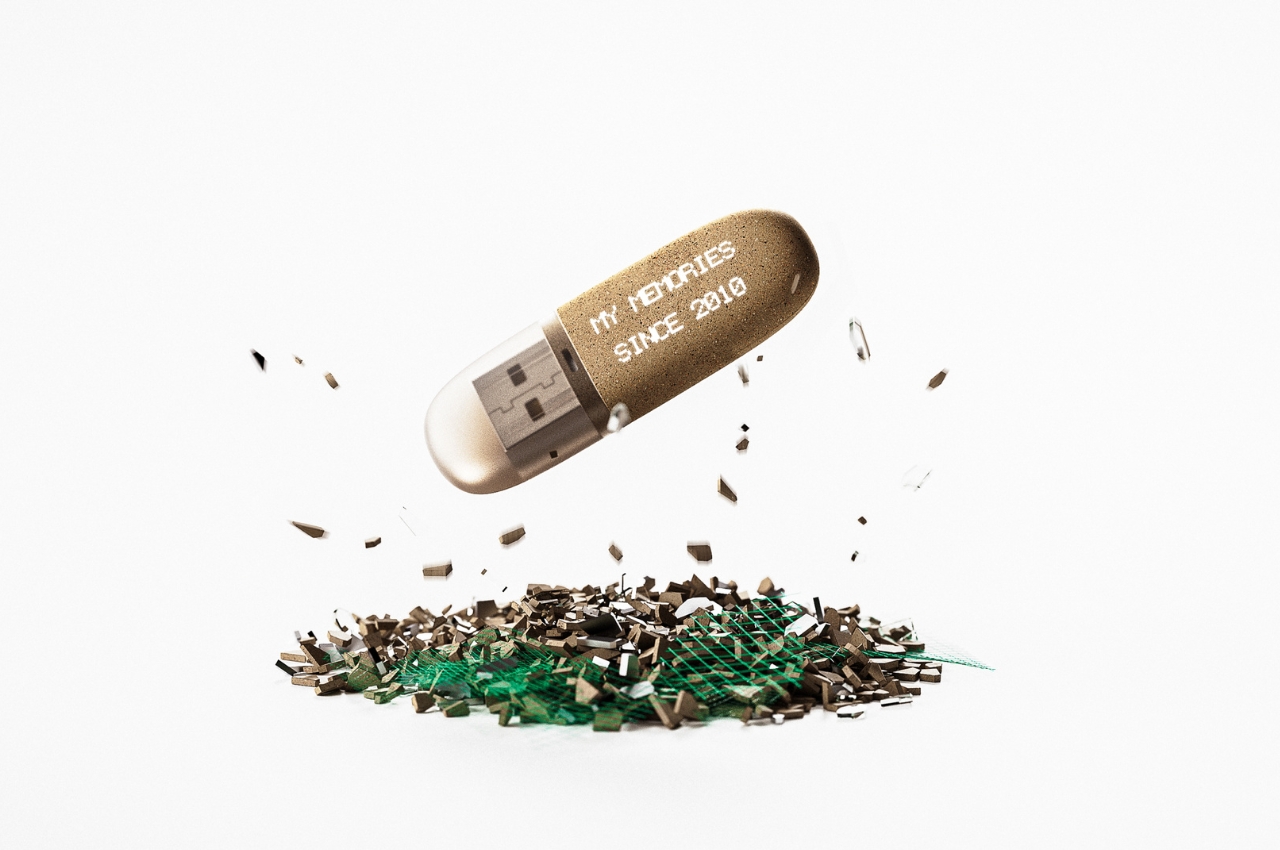
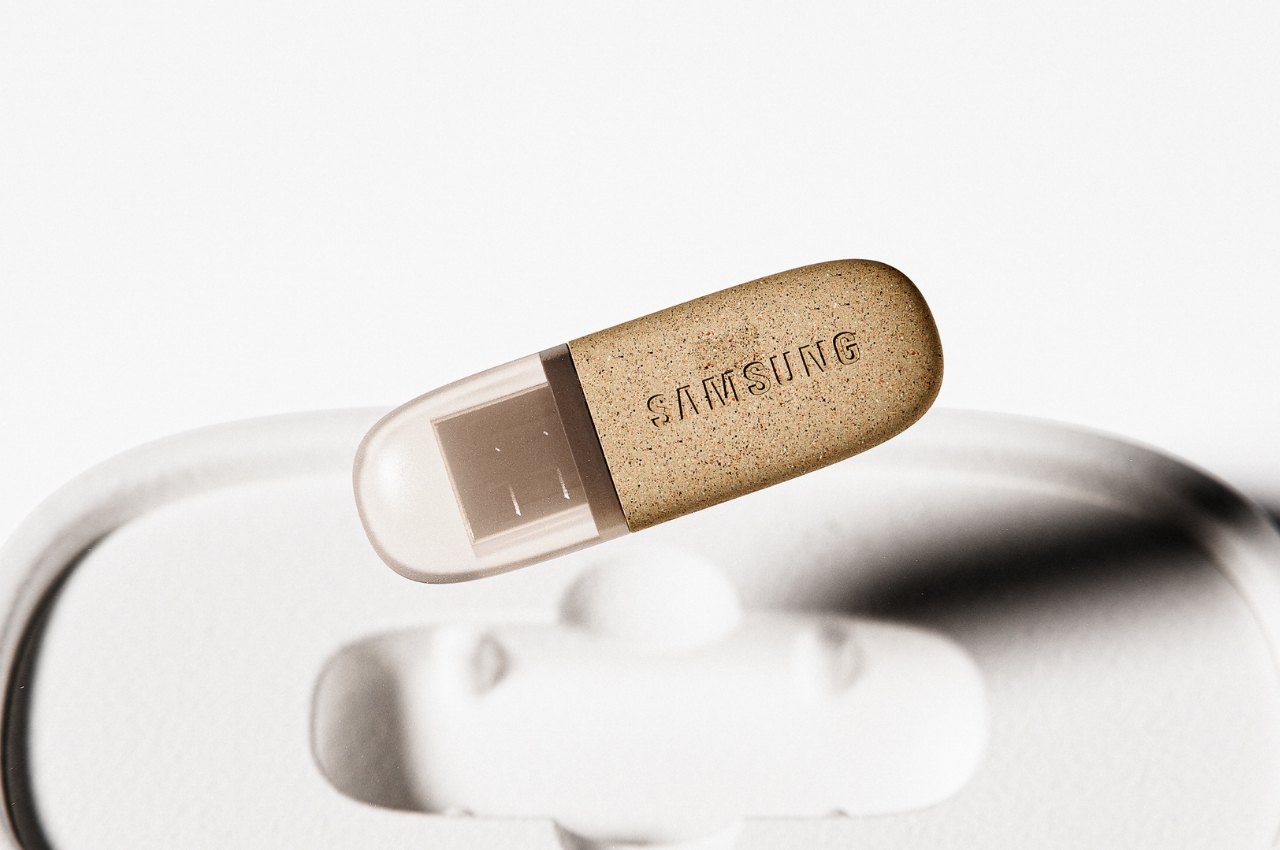
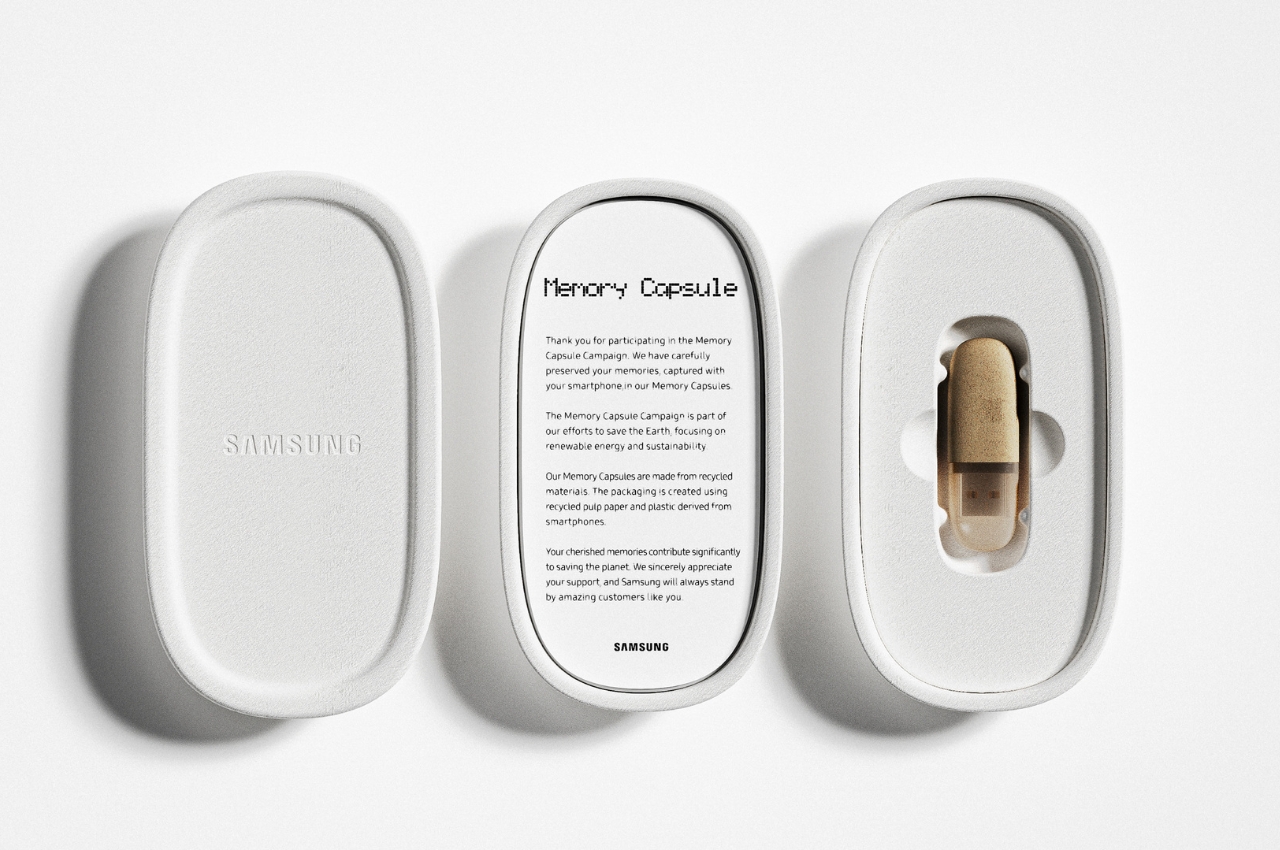
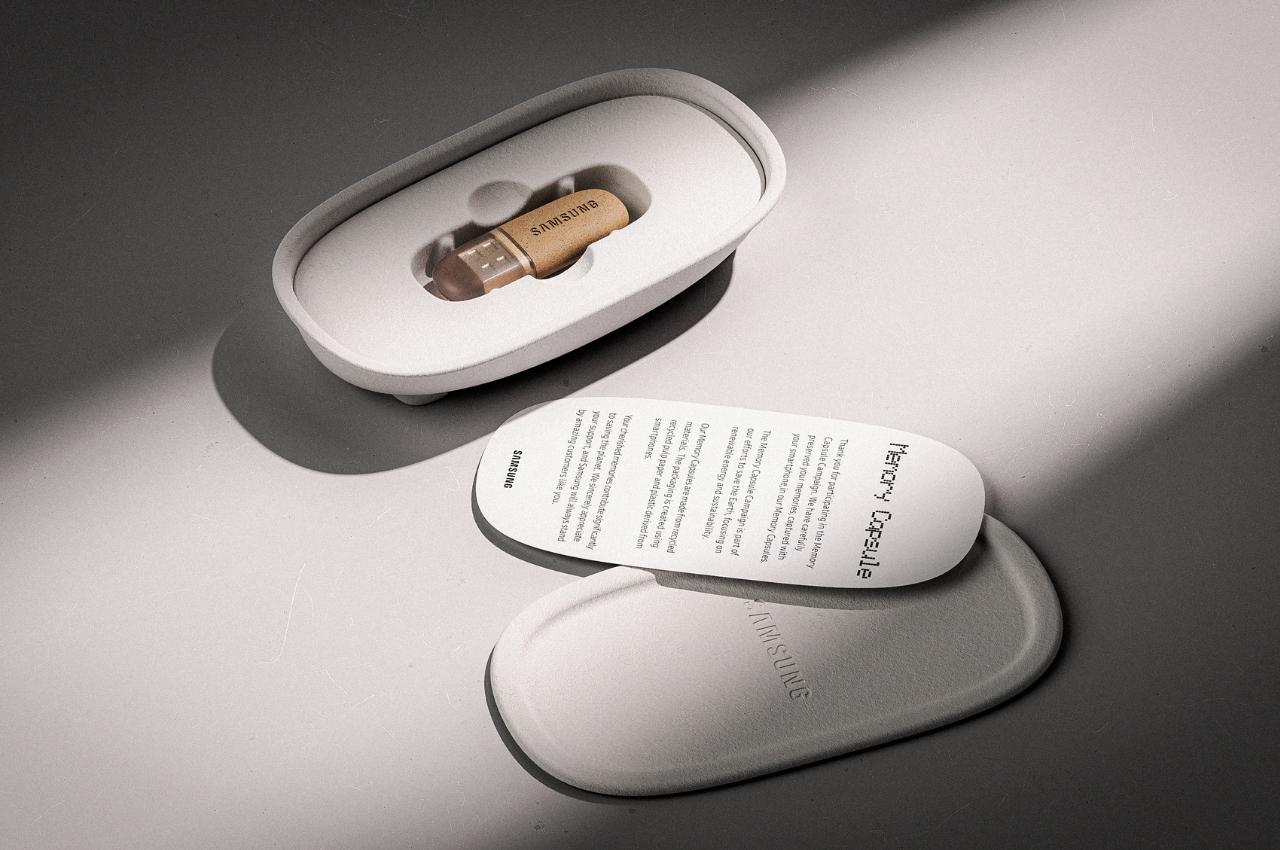
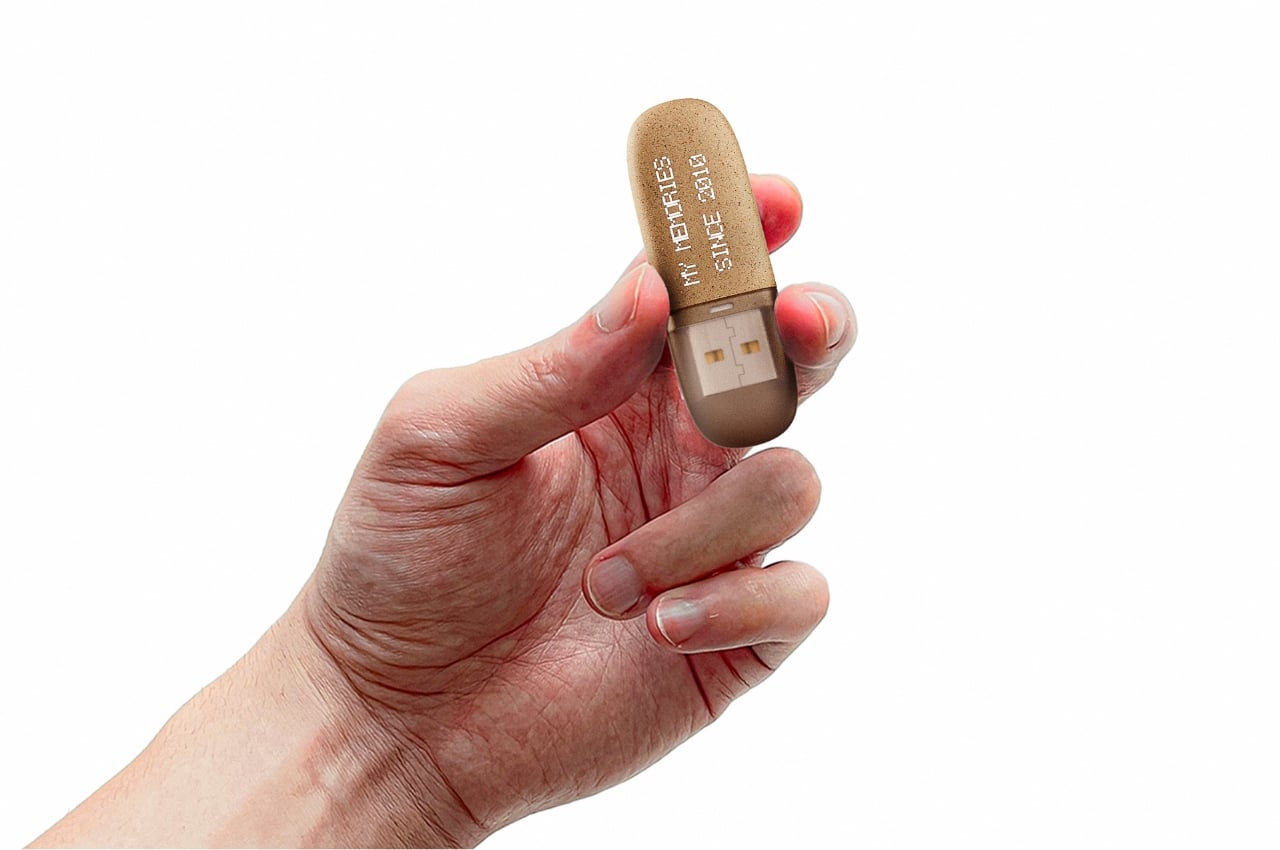
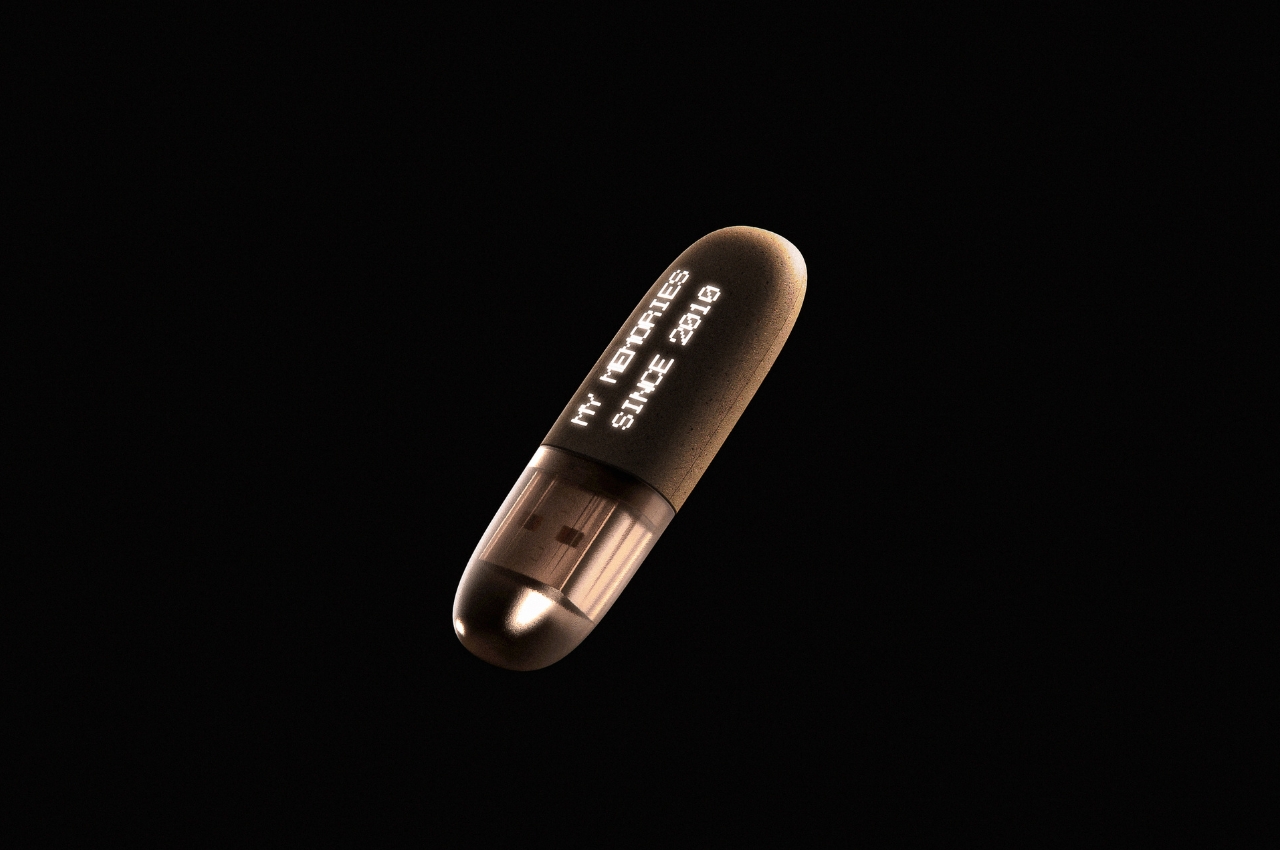
The Memory Capsule is a concept created for a design challenge with Samsung. On the surface, it looks like just your regular USB flash drive. But if you look deeper into how it is made and the reasoning behind the concept, then you’ll understand why it is not that typical and why it’s called that. First of all, it is made from eco-friendly materials and most of it comes from old electronic devices. The packaging itself uses recycled pulp while the body of the flash drive comes from metals and plastics recycled from actual smartphones. The cap of the thumb drive is made from recycled polycarbonate that comes from fishing nets that are thrown away.

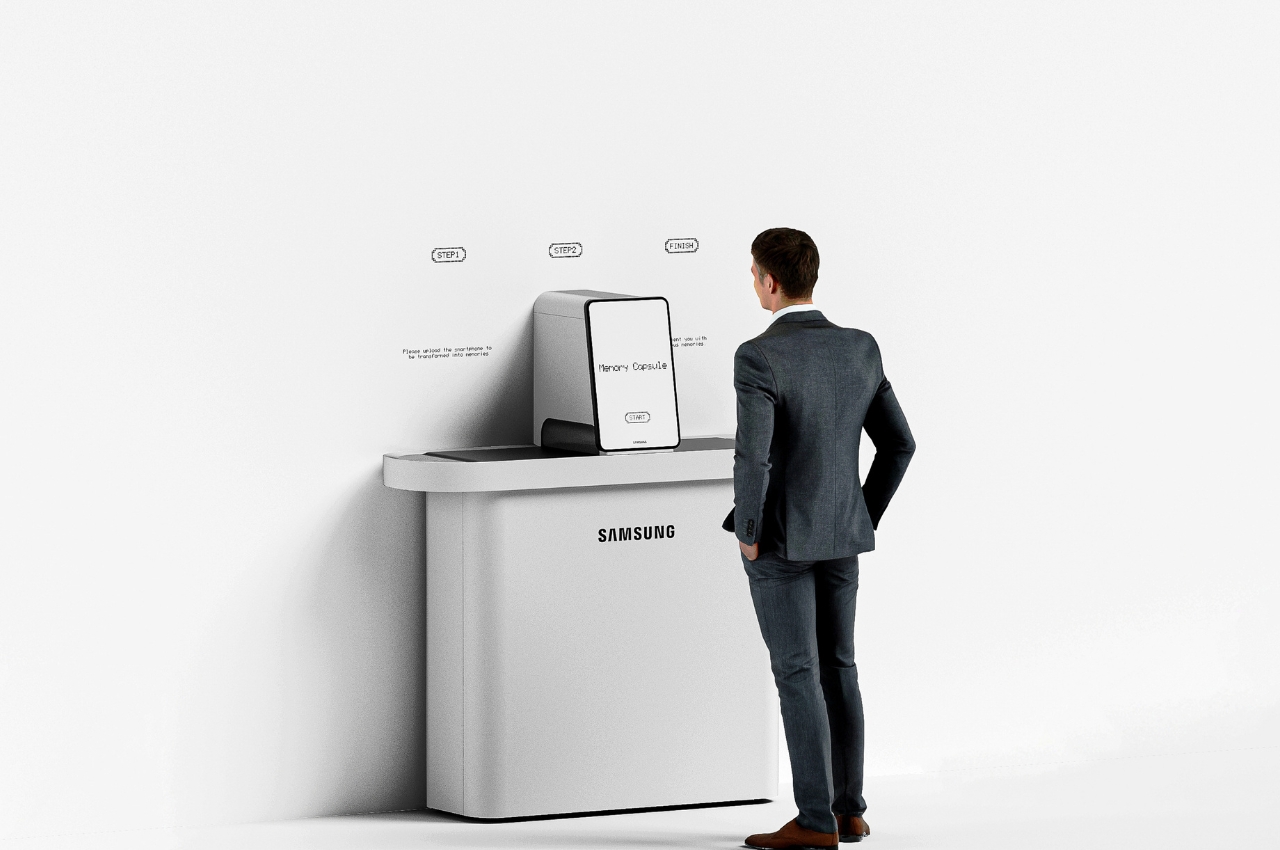
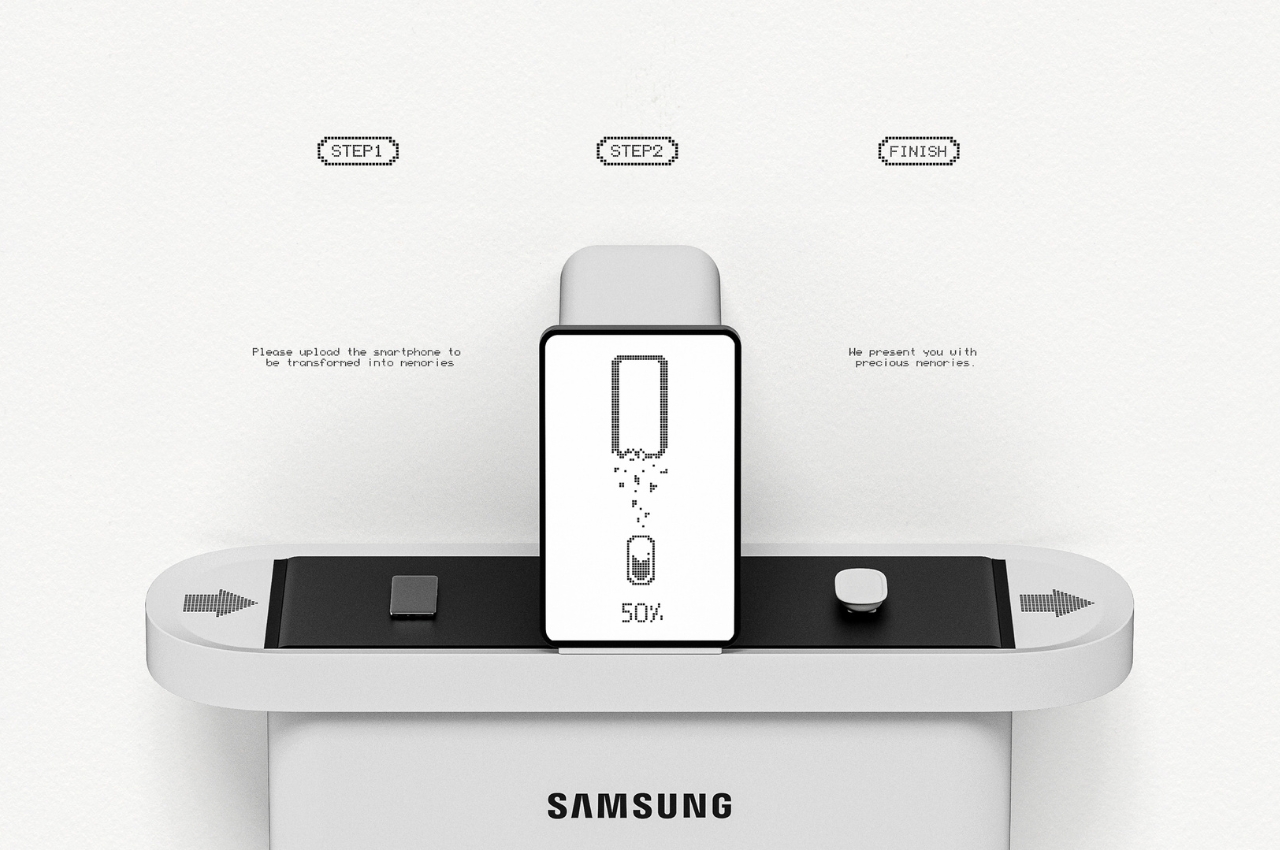
It even has an LED display that will mark the date of the data that you are saving from the discarded smartphone. You will be able to get the Memory Capsule from a kiosk where you will also surrender your old smartphone and save the “memories” that are from that device. Once you’ve backed up all your files from the smartphone onto the kiosk, then you’ll be presented with the flash drive that contains all of it. It’s unsure if the data will be saved in the kiosk itself but hopefully they’ll take into consideration data protection.

It’s something pretty simple but the campaign behind it is the more important part of the device. This is to encourage people to get rid of their old devices in a more upcyclable and recyclable way while also retaining the precious memories from the device. And of course, the fact that it will be made from eco-friendly maerials is a big consideration.

The post USB flash drive made from eco-friendly materials will become your time capsule first appeared on Yanko Design.