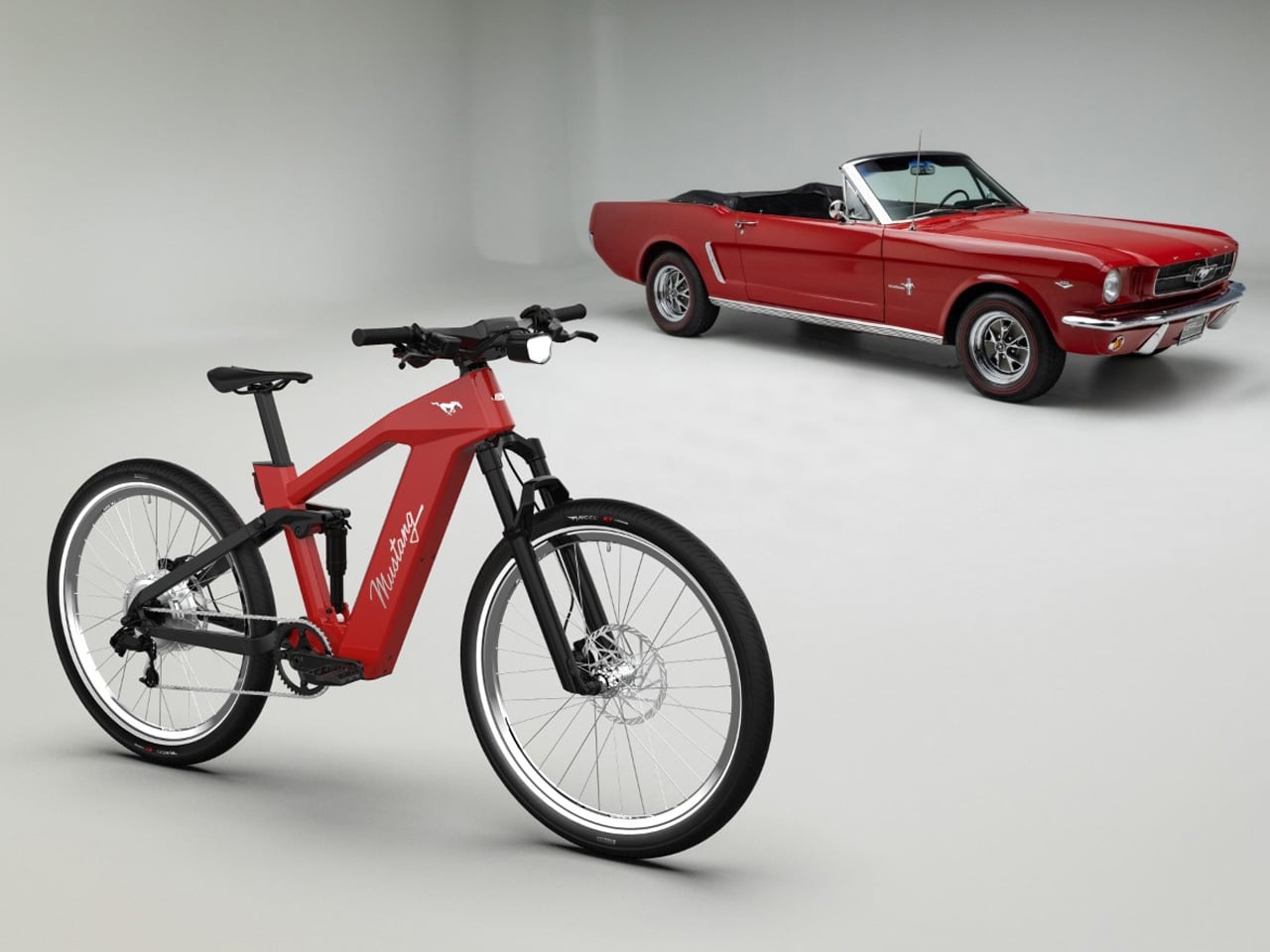
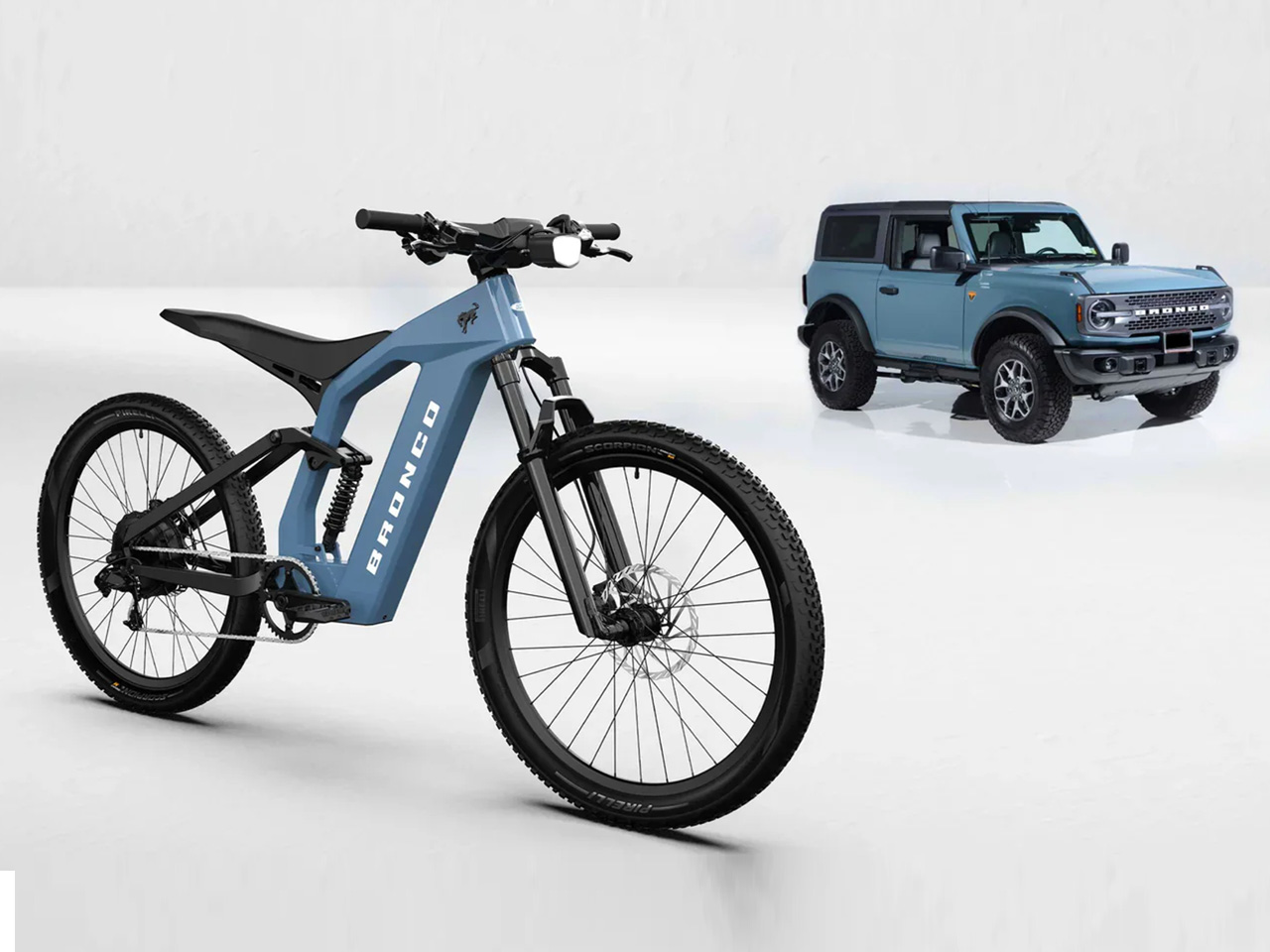
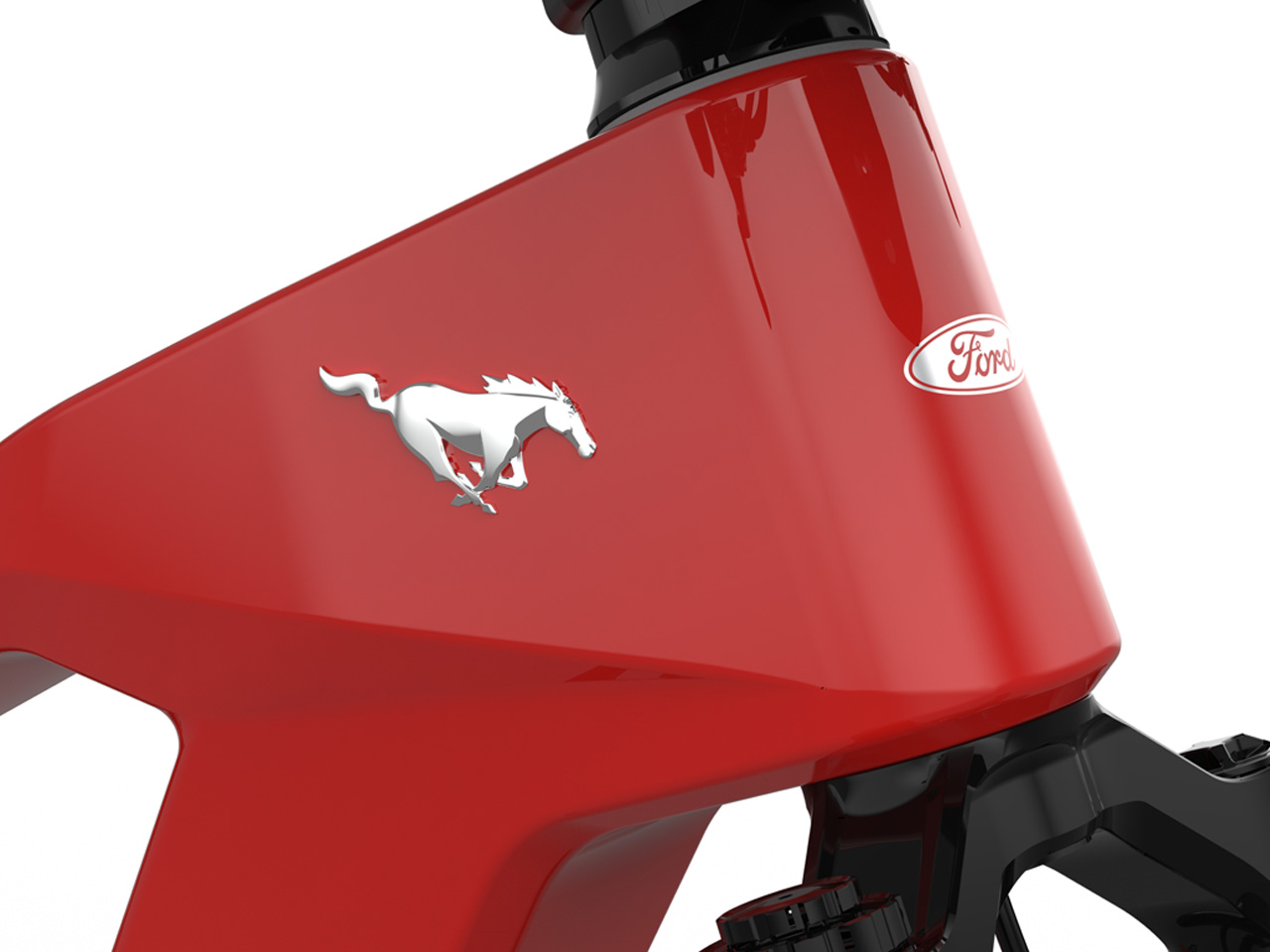
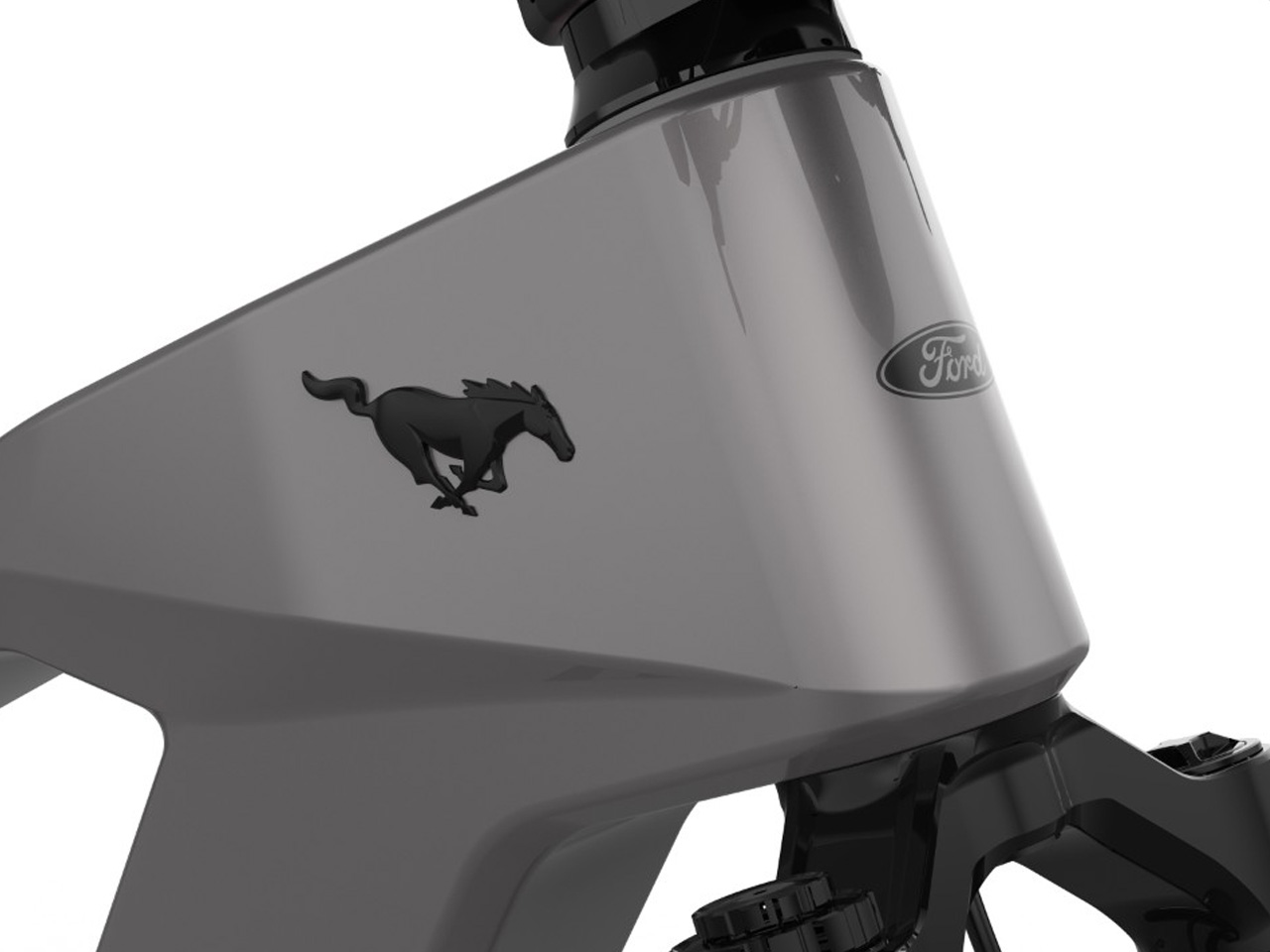
Bronco and Mustang are Ford’s acclaimed models that have redefined the performance car industry. Now the US-based automotive giant wants to ride the e-bike wave just like Jeep, Porsche and GM have done. They’ve collaborated with bike company N Plus to create two e-bikes inspired by the legendary models.
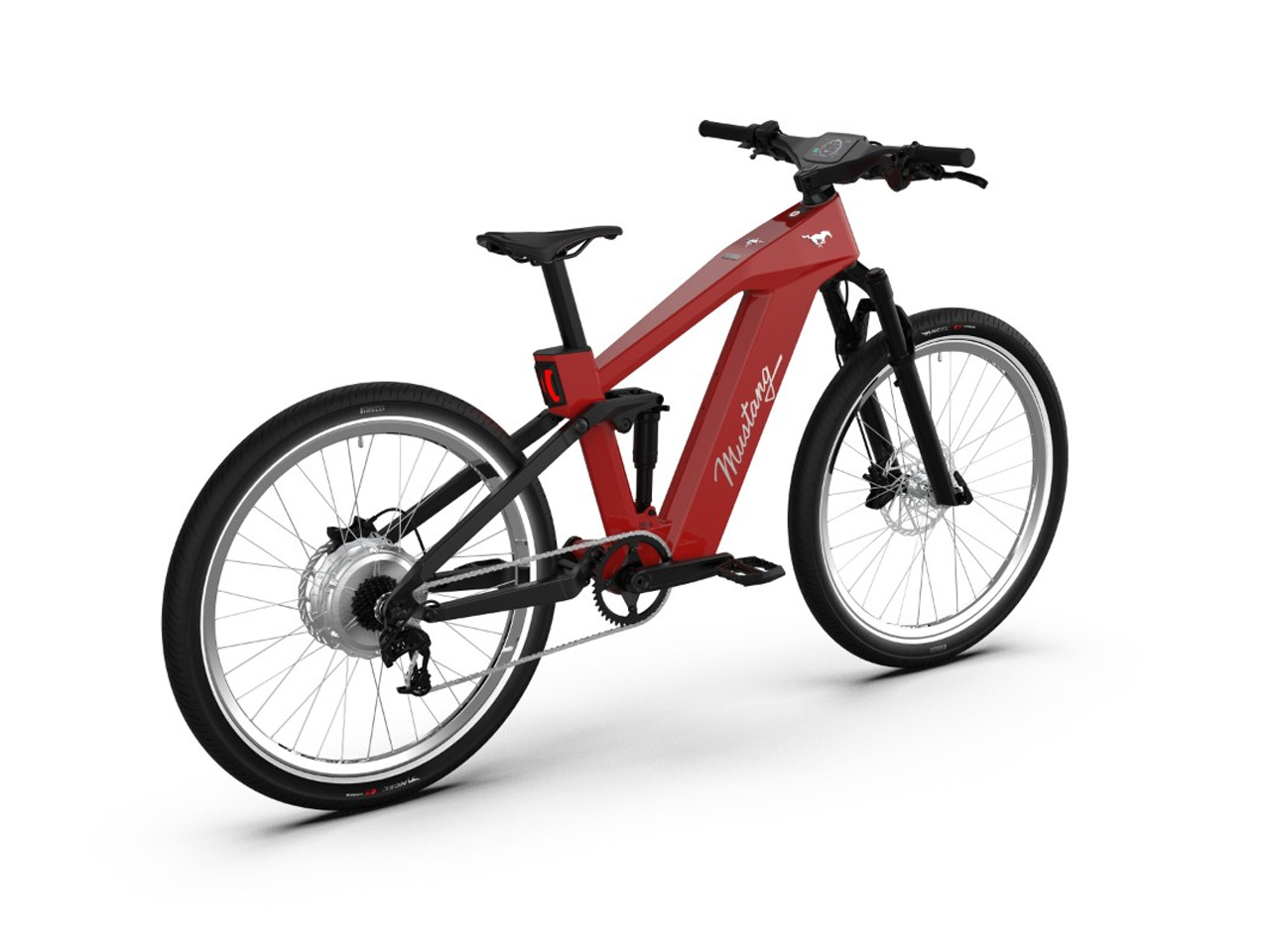
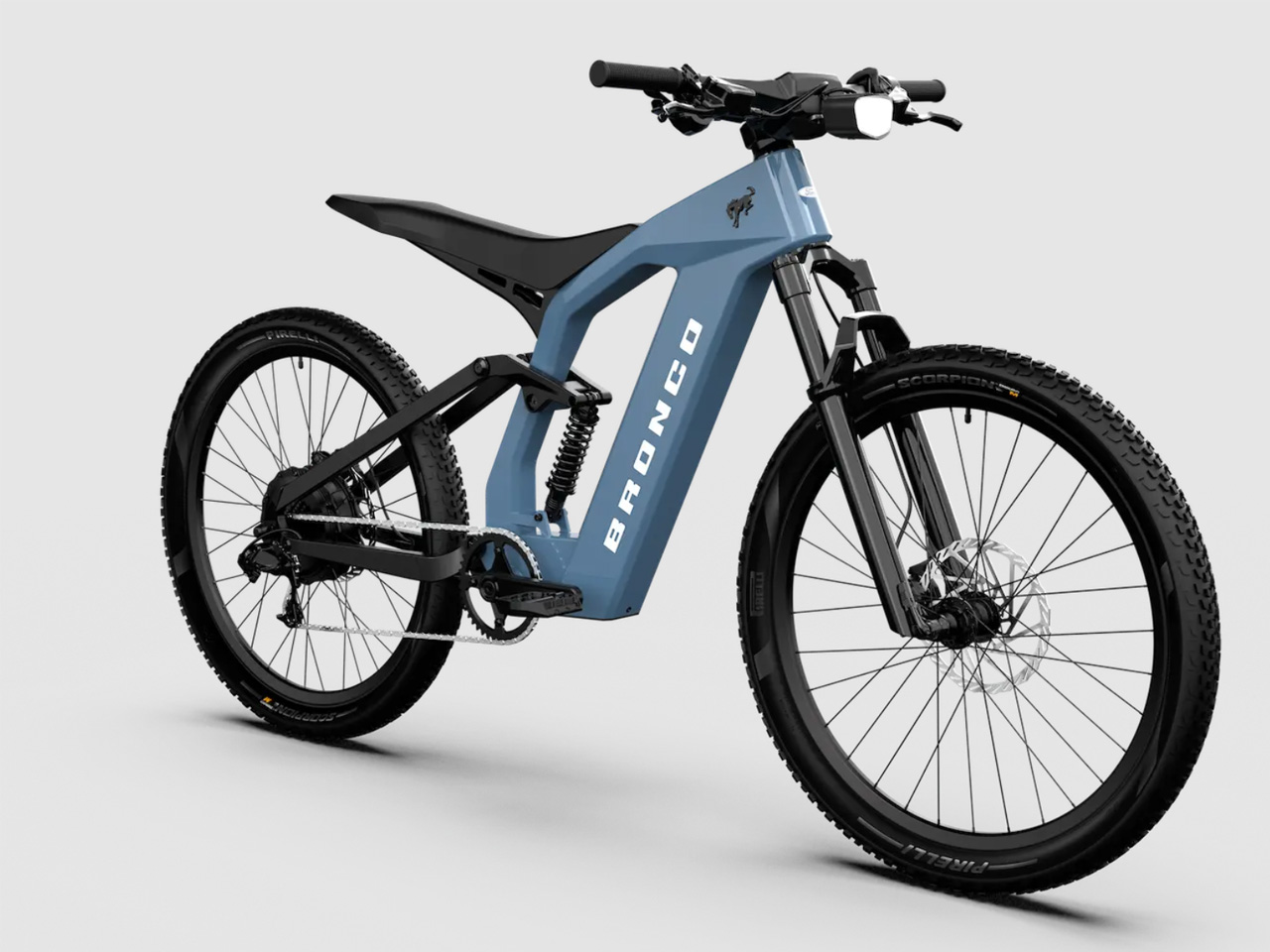
The high-performance two-wheelers not only carry the aesthetical legacy of the Bronco and Mustang but also deliver with their high-performance hardware. The Bronco version has an off-roading character while the Mustang one has the pure muscle to beat any other e-bike in a drag race.
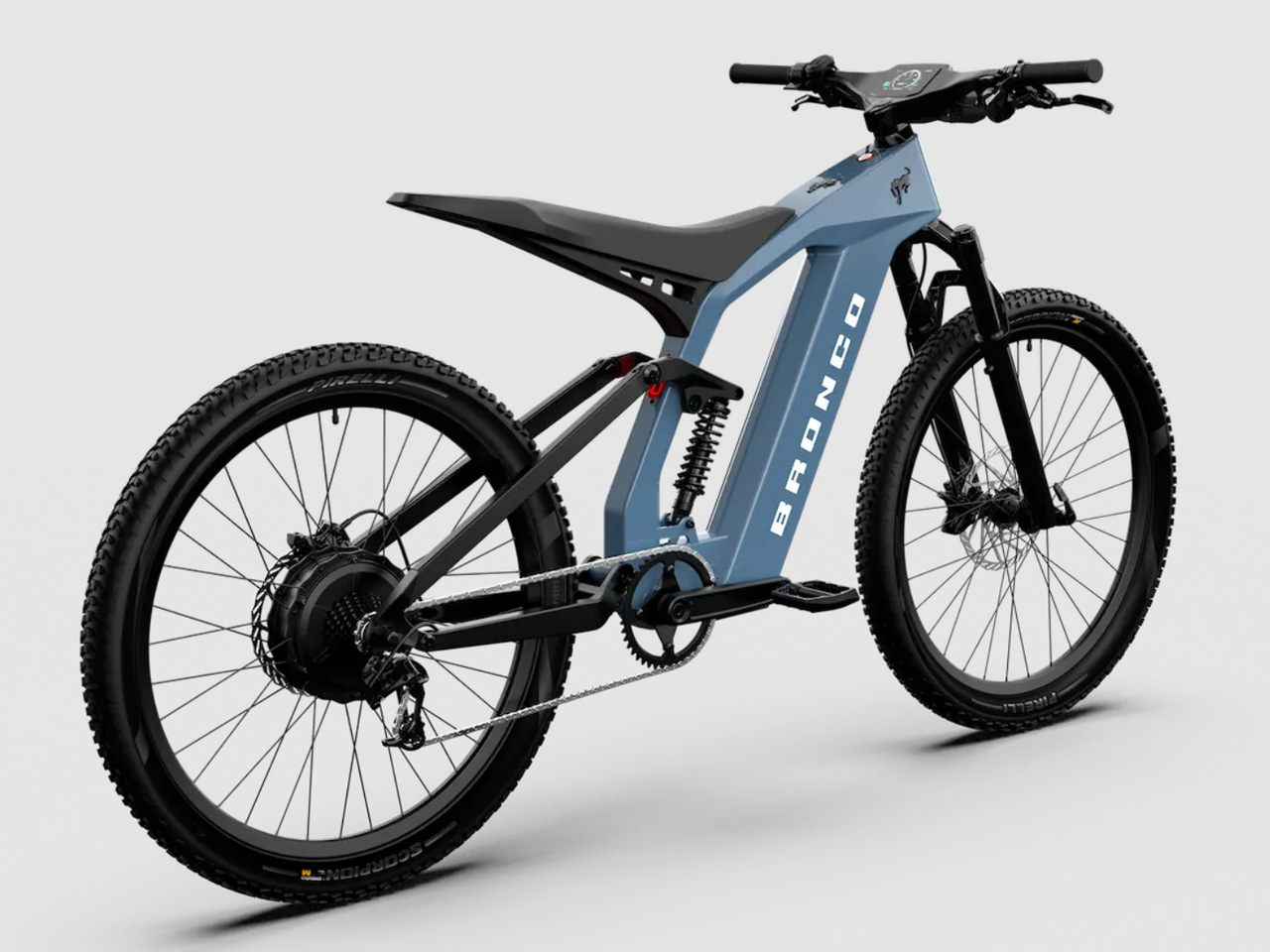
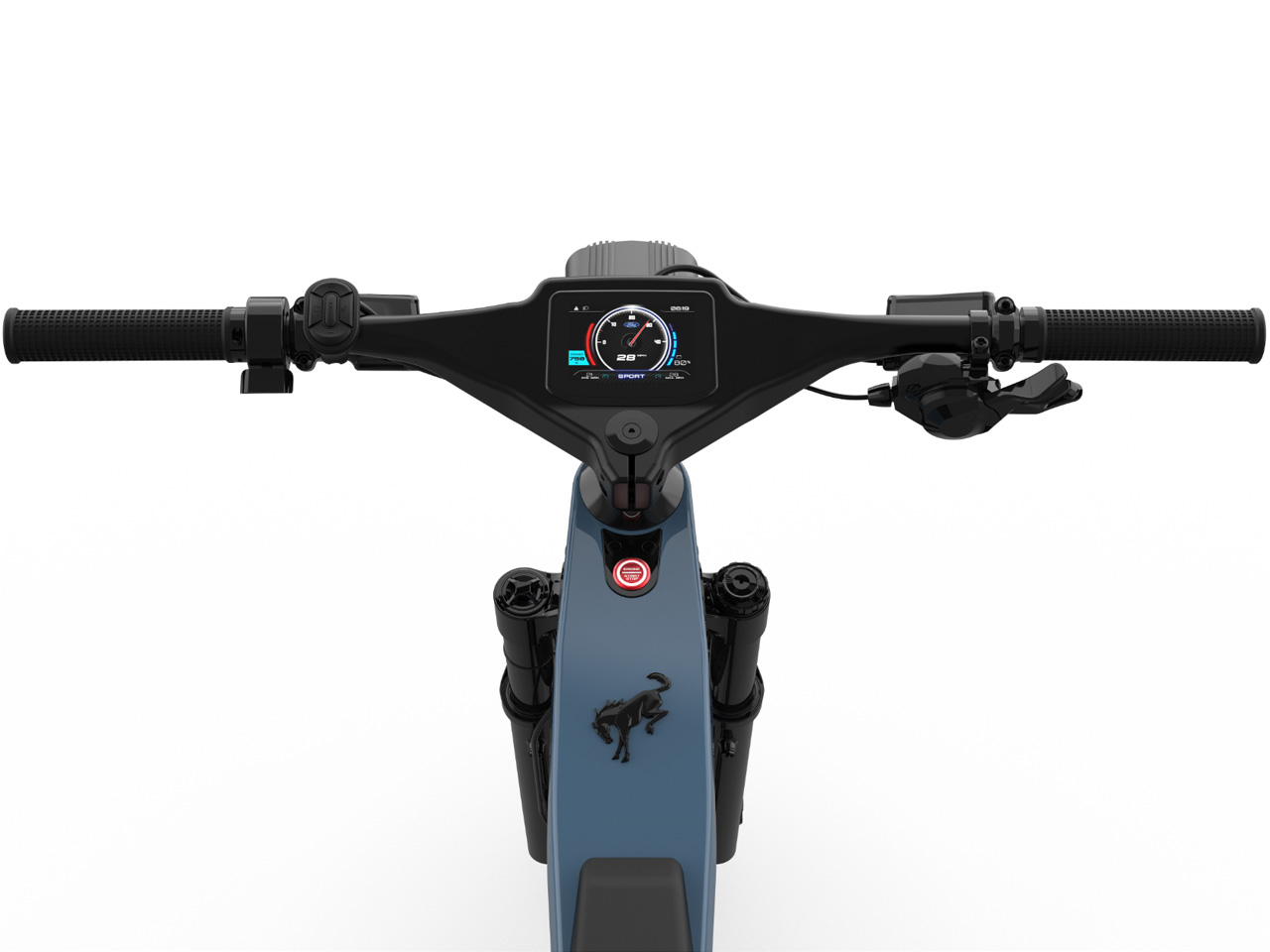
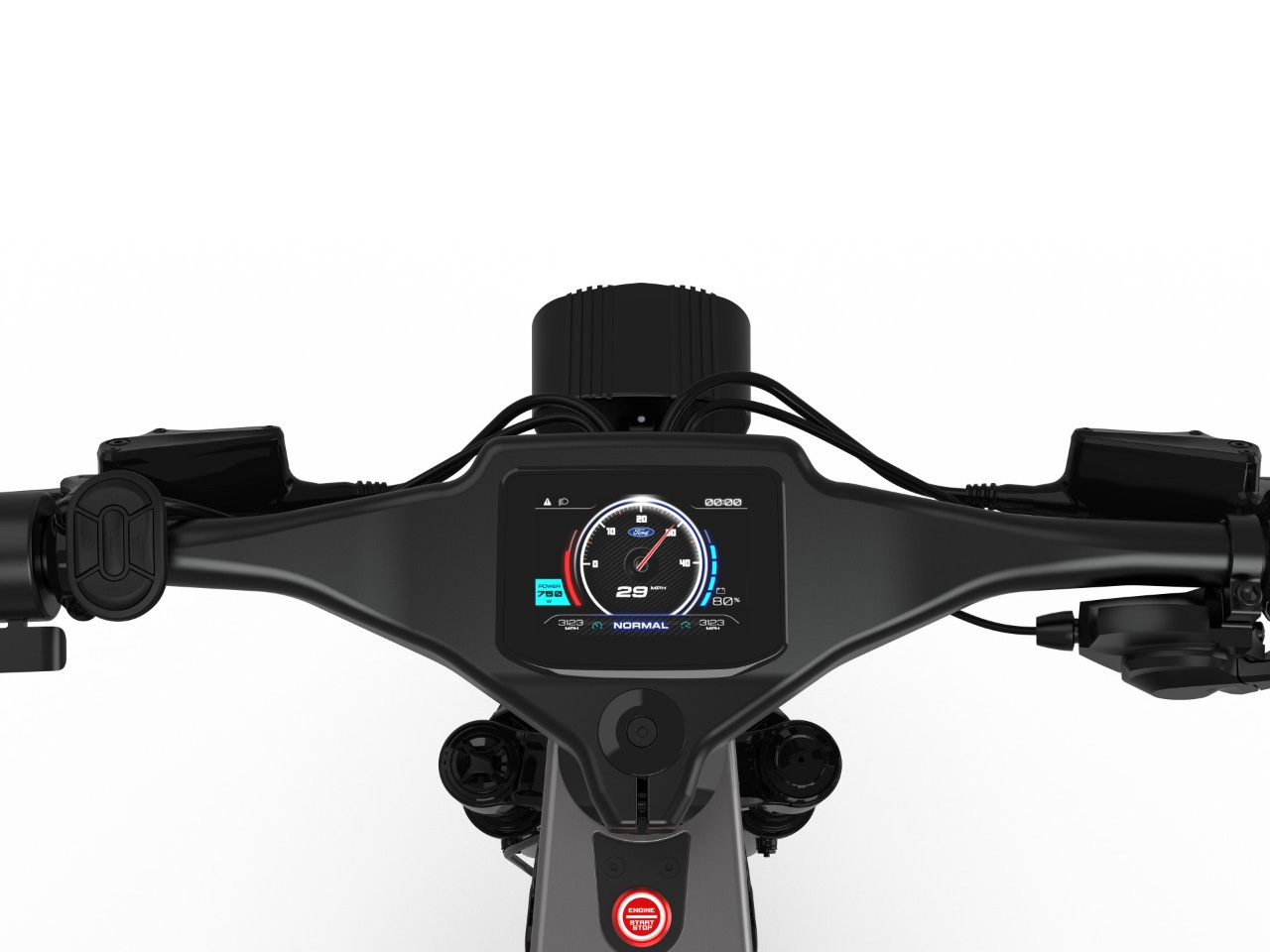
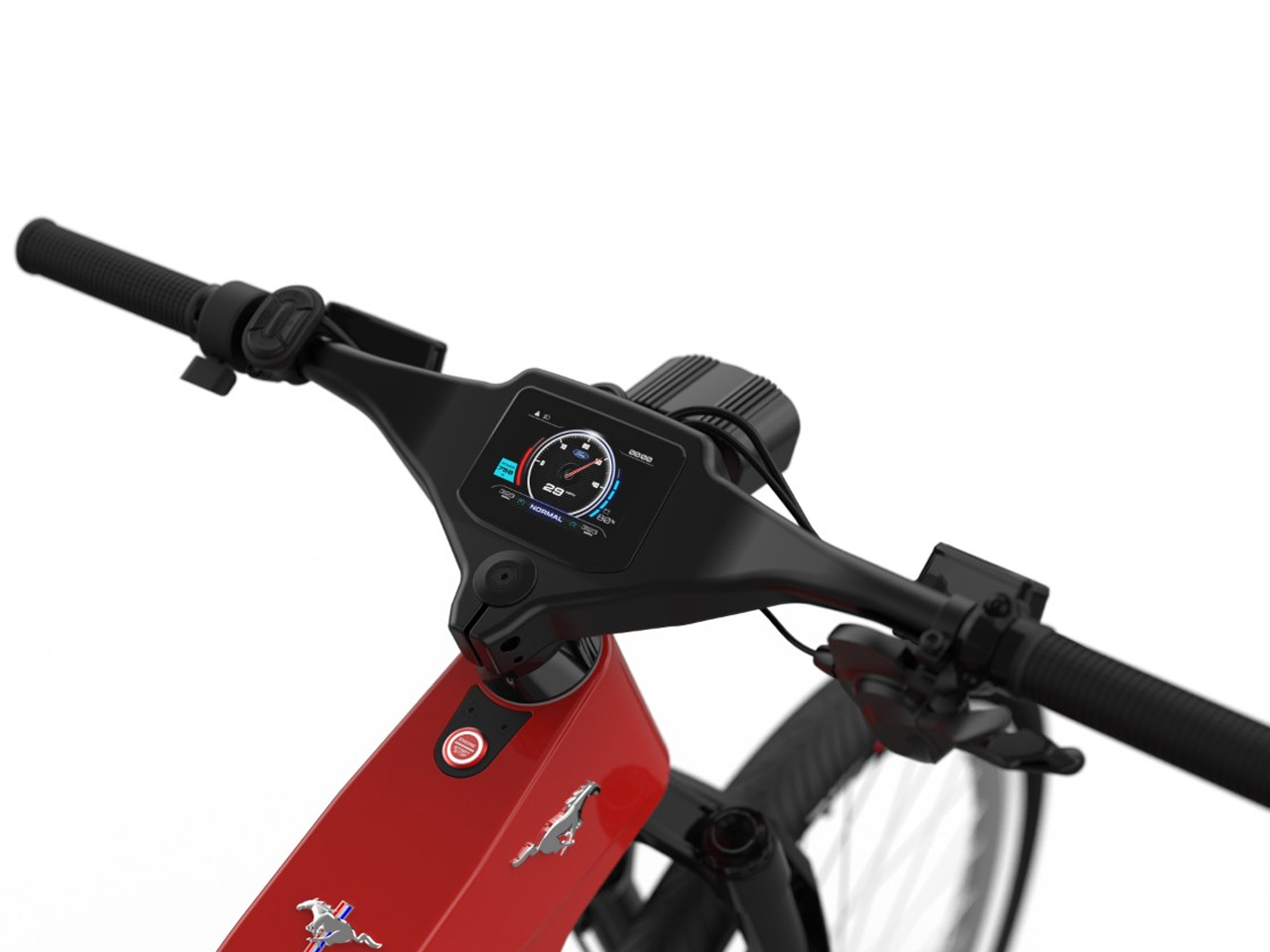
According to Tyler Hill, Ford’s global brand licensing manager, “These new e-bikes will allow more people to experience the adventurous spirit of a Bronco and the exhilaration of a Mustang from the moment they grip the handlebar.” That’s evident from the specifications of the two models. Both these variants will have four-piston hydraulic brakes and a center-aligned colored LCD panel to display vital information including speed, battery life and range.
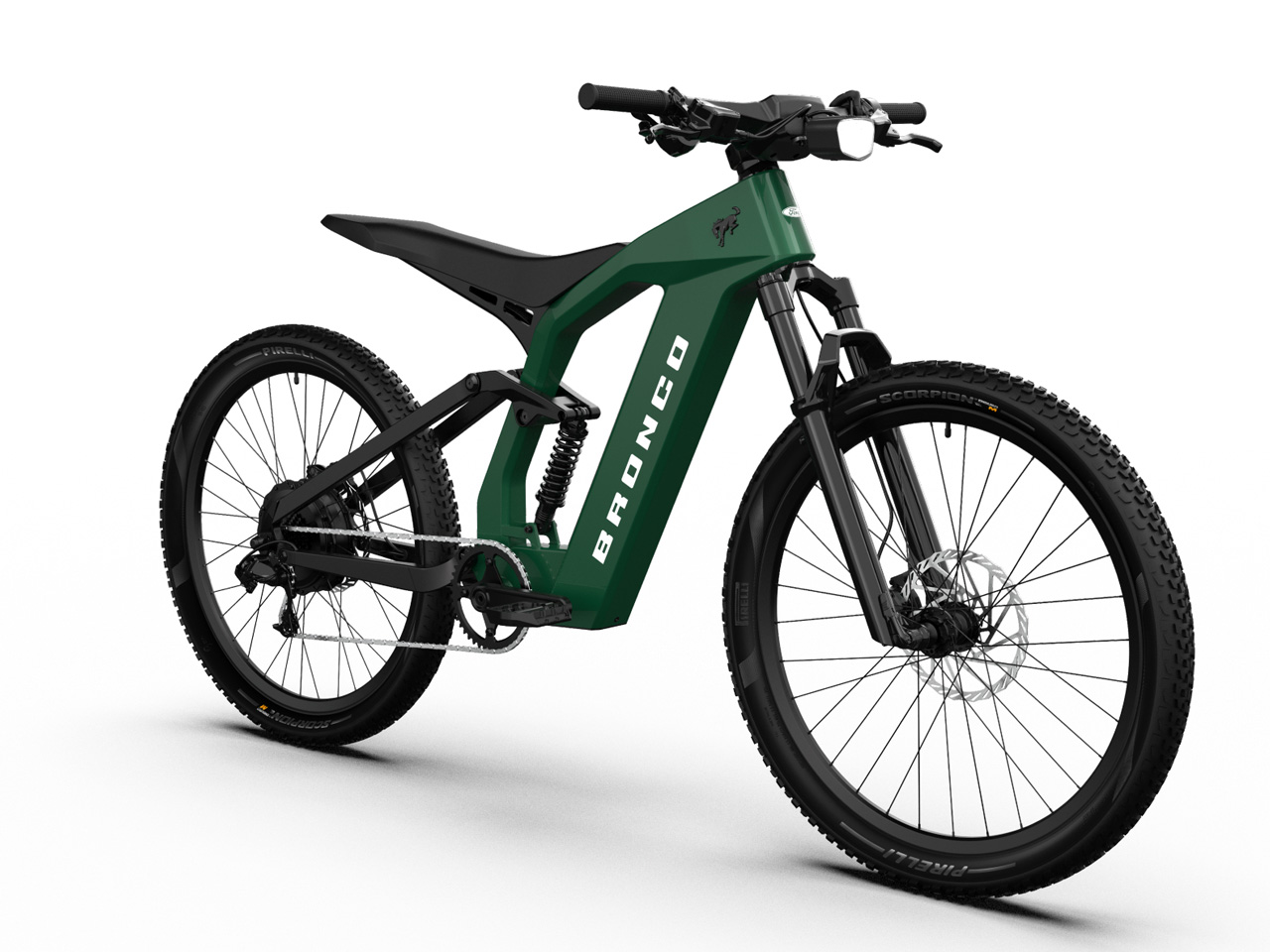
The Bronco e-bike gets a 750W hub motor for superior torque of 85 Nm to conquer steep hills and a dual-suspension system to counter the punishment of the rugged terrain. Ford calls this G.O.A.T (Goes Over Any Type of Terrain). This e-bike with a motorcycle-styled comfortable saddle is rated as Class 3 as it can hit top speeds of 28 mph. The battery range is promised at 60 miles on a single charge, and it can be topped in 3.5 hours. This one will ride on Pirelli Scorpion Enduro M hardwall 27.5 x 2.6-inch tires for better grip and traction out of tight corners.
The sporty Mustang e-bike will further come in two variants with specifications more or less same as the beefier Bronco variant. One will be a standard model and the other a limited-edition Mustang 60th Anniversary Edition for purists. Both versions will get the Pirelli Angel GT semi-slick tires. The seat is going to be more conventional and you will instantly like the Mustang-style triple-bar tail light.
Coming from the house of Ford, these celebrated models will have a steep starting price of $4,500 for the Bronco’s Area 51 blue model and $4,000 for the Mustang Carbonized Gray Metallic version. Buyers can also choose from 10 custom paint color options that’ll add $390 to the cost. The e-bikes can be pre-ordered right away from the company’s website. Deliveries are expected to commence later this year.
Car Week 2024 is just around the corner, and we at Yanko Design couldn’t be more thrilled about it! As guests of Rolex, I can’t begin to express how excited I am to attend the prestigious Pebble Beach Concours d’Elegance this year. I’m eagerly anticipating the festivities, ready to immerse myself in the world of automotive excellence and share all the excitement with you.
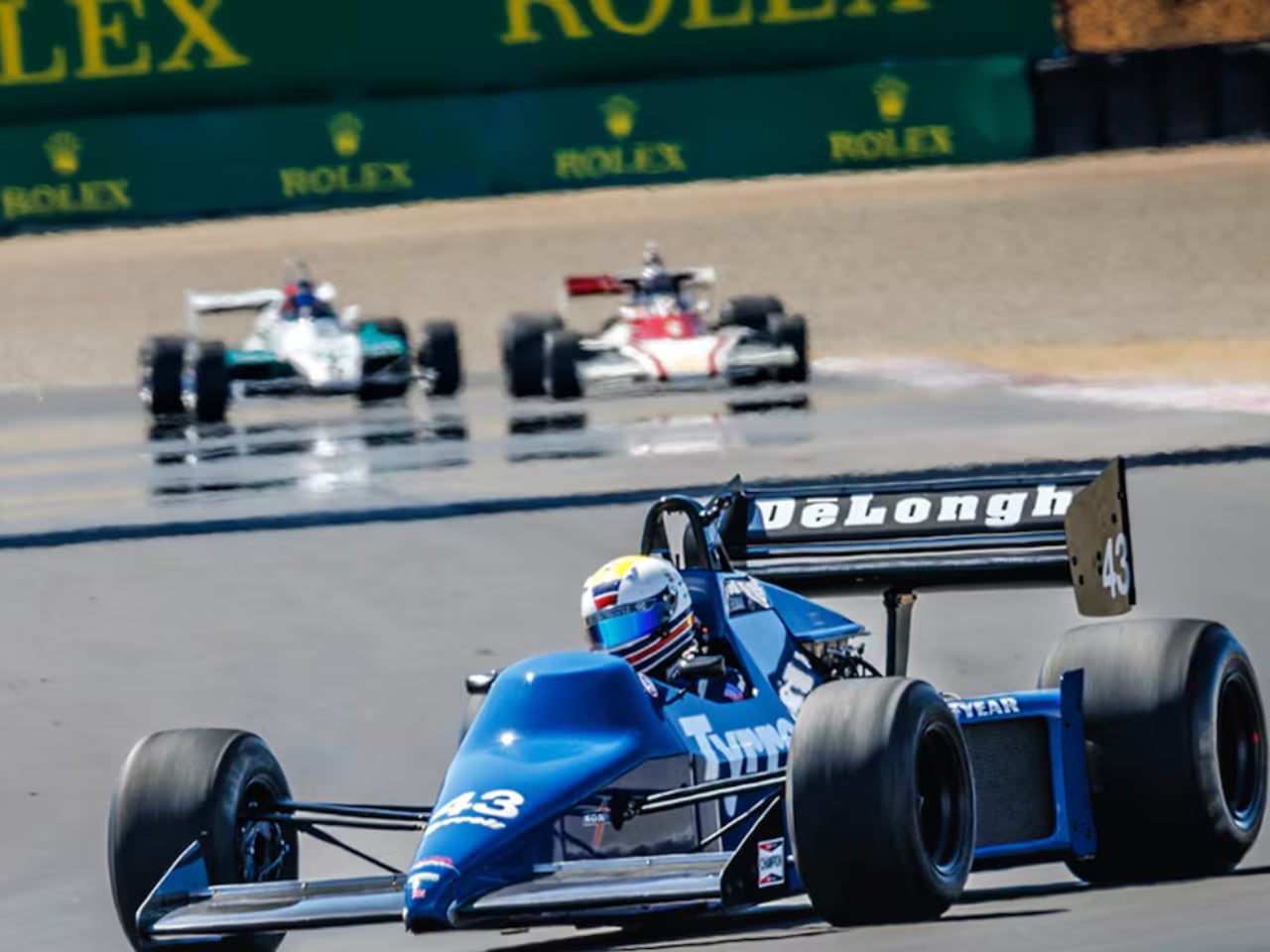
This year’s Pebble Beach Concours d’Elegance promises a week filled with elegance, engineering marvels, and a rich history of motoring. The festivities begin with the Rolex Monterey Motorsports Reunion from August 14 to 17, where over 400 meticulously restored cars will take to the iconic WeatherTech Raceway Laguna Seca. This event, celebrating its 50th anniversary, is a reunion of racing legends and the machines that drove them to victory. Established in 1974, it started with just 66 entries, and now, each vehicle receives a coveted acceptance letter affirming its prestigious heritage.
ROLEX TESTIMONEE JENSON BUTTON BEHIND THE WHEEL OF HIS 1952 JAGUAR C-TYPE
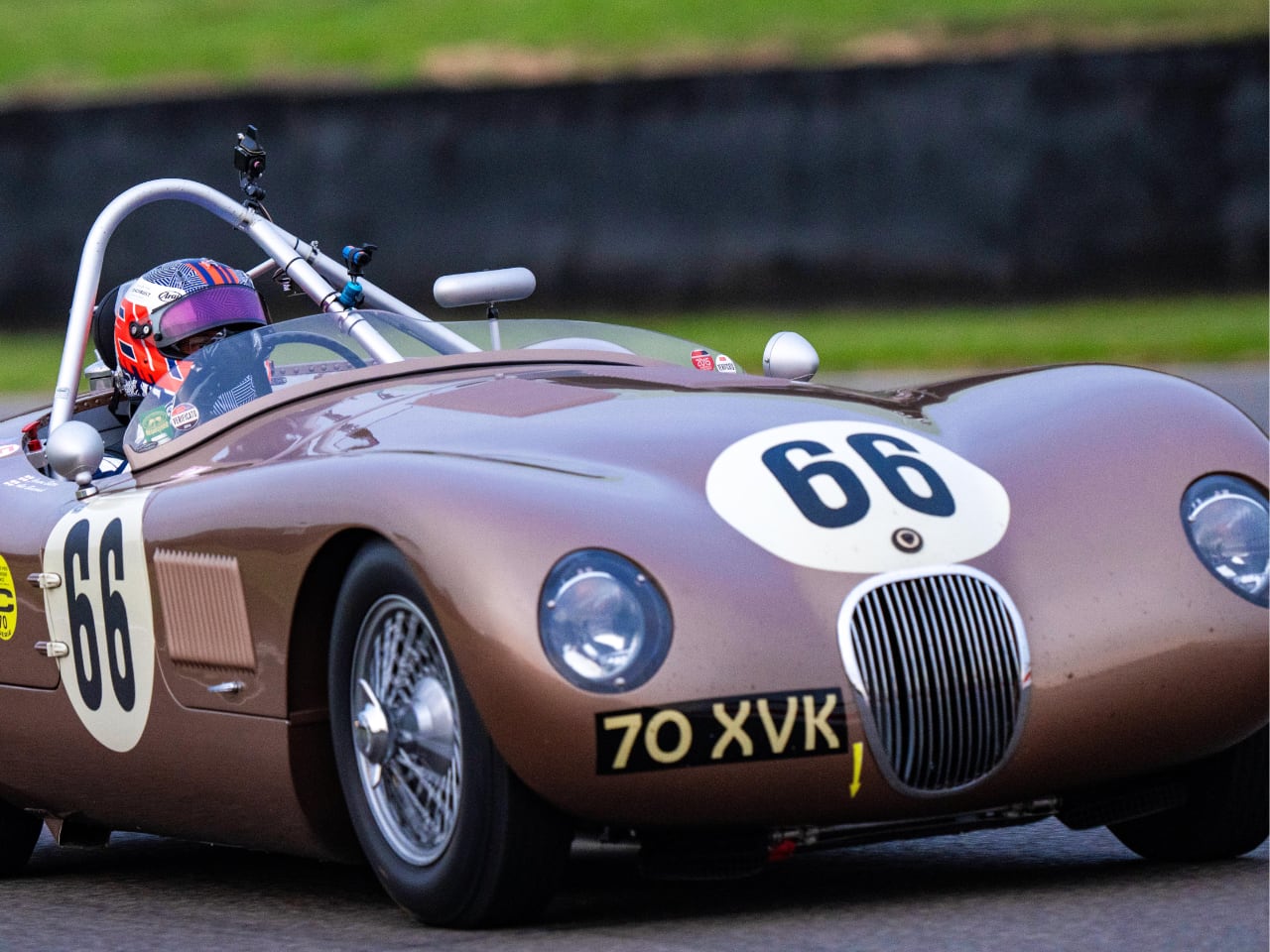
I’m looking forward to watching Jenson Button, the 2009 FIA Formula 1 Drivers’ World Champion, take to the track at the Rolex Monterey Motorsports Reunion, driving his 1952 Jaguar C-Type. This classic car, renowned for its historical significance and elegance, is believed to have been previously owned by the legendary racer Juan Manuel Fangio. Button shares his enthusiasm for the Laguna Seca circuit, which is celebrated for its demanding corkscrew corner and dramatic elevation changes, which promise an exhilarating driving experience.
On August 15, the Pebble Beach Tour d’Elegance presented by Rolex will captivate us with its rolling museum of historic vehicles. This event, a prelude to the Concours, takes us on a journey through the scenic 17-mile Drive, offering a first glimpse of the cars that will be judged on Sunday. The tour celebrates meticulous restoration and showcases the craftsmanship of preserving these automotive treasures.
A MISTY MORNING DURING THE PEBBLE BEACH TOUR D’ELEGANCE PRESENTED BY ROLEX
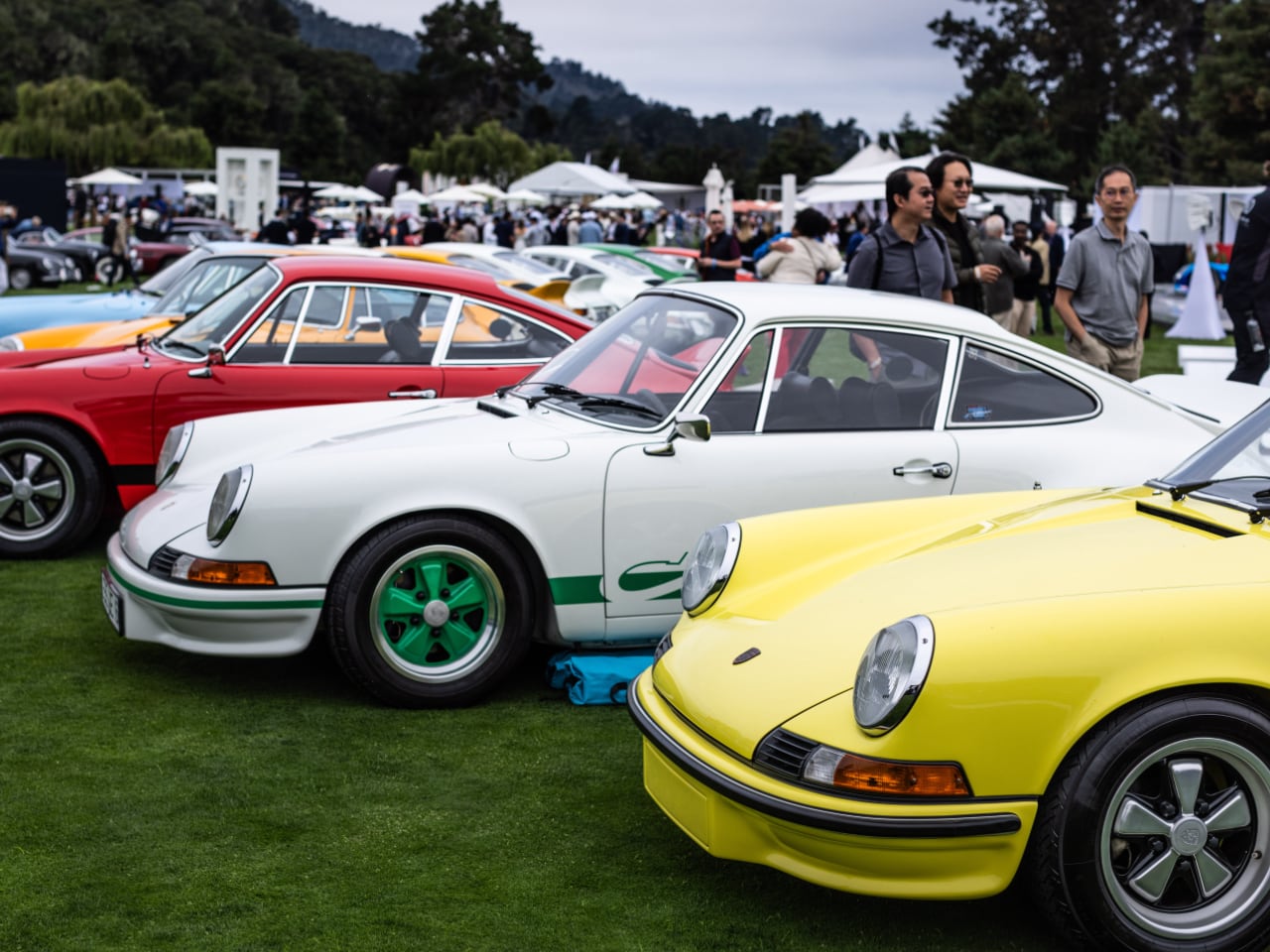
The Quail, A Motorsports Gathering, is set for August 16 and is a highlight of the week. Here, we’ll witness a blend of vintage and modern engineering brilliance as esteemed manufacturers unveil their visionary models. This year’s gathering commemorates significant milestones for several marques, including the centennial of British icon MG, the 30th anniversary of Swedish innovator Koenigsegg Automotive, and the 50th anniversary of the Porsche 911 Turbo (930). As the event concludes, class winners and the overall Rolex Best of Show will be welcomed into the Rolex Circle of Champions.
CLASSIC PORSCHE MODELS AT THE QUAIL, A MOTORSPORTS GATHERING IN 2023
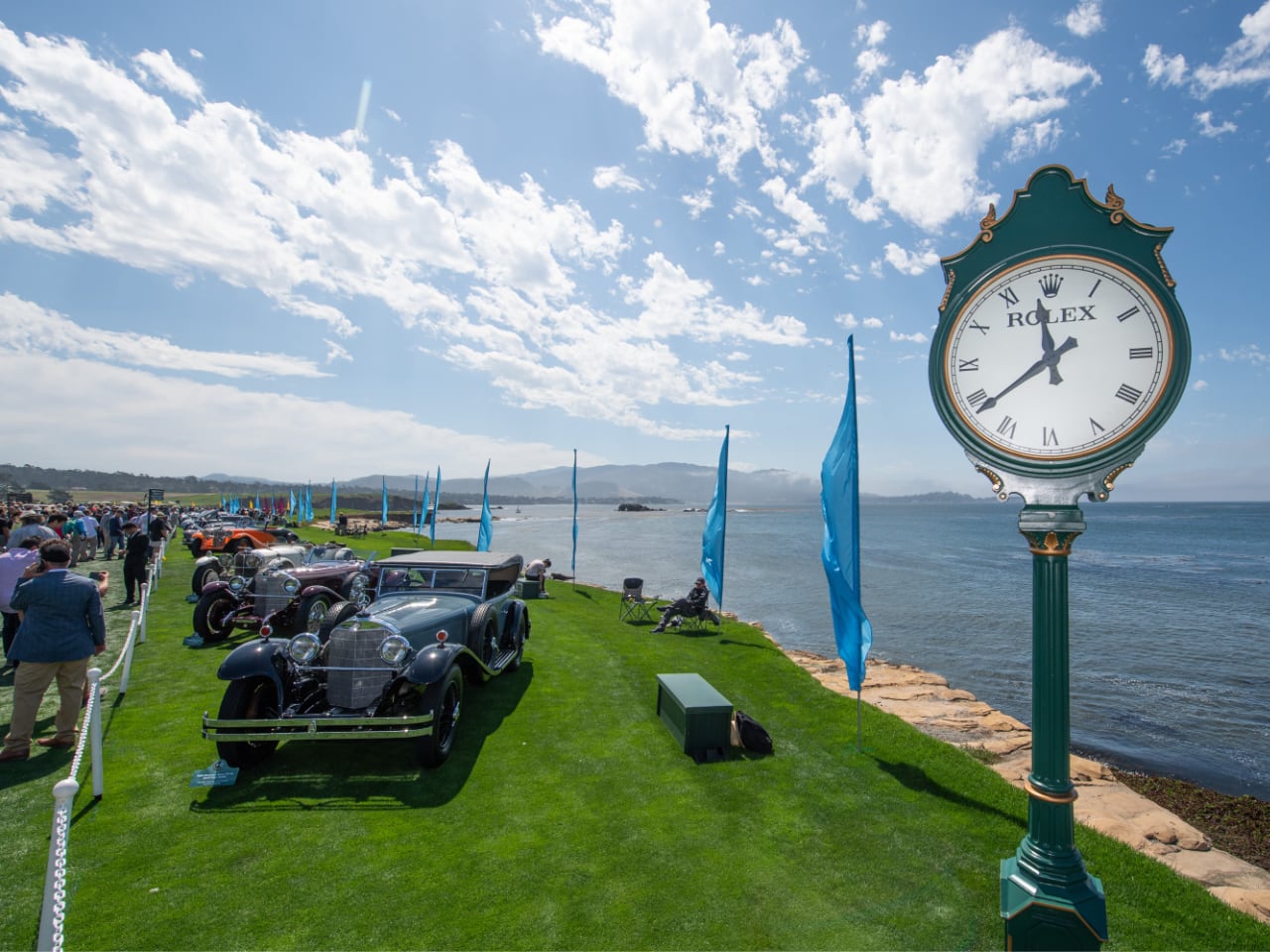
The grand finale at the Pebble Beach Concours d’Elegance takes place on August 18. This 73rd edition will feature an array of pristine historic automobiles from 1898 to 2023. The event explores the Italian heritage of Maserati and Pietro Frua, celebrates the 125th birthday of the iconic Packard marque, and admires the GT racing legends of the 1990s, along with contemporary wedge-shaped concept cars. Set against Pebble Beach Golf Links® stunning backdrop, this event celebrates timeless beauty and automotive excellence.
VINTAGE AUTOMOBILES ON DISPLAY AT THE PEBBLE BEACH GOLF LINKS
The journey through Car Week also highlights Rolex’s long-standing connection to motorsport, which dates back to Sir Malcolm Campbell’s World Land Speed Record successes in the 1930s. Rolex’s involvement in motor racing has grown over the decades, extending to revered endurance events like the Rolex 24 At Daytona and the 24 Hours of Le Mans. Their support of classic automotive events, including the Pebble Beach Concours d’Elegance®, The Quail, and the Rolex Monterey Motorsports Reunion, underscores their commitment to preserving and celebrating the heritage of motoring.
We’re excited to share our experiences, stories, and insights from this year’s Pebble Beach Concours d’Elegance with you. Stay tuned for our heartfelt report as we bring you the magic and allure of Car Week 2024 straight from the heart of the festivities!
In the month of July, we’ve seen an incredible and exciting downpour at automotive designs Yanko Design. Each vehicle was innovative, bringing to us something we had never seen or experienced before. From killer speed to dashing good looks, to impenetrable safety standards, every automotive we featured at YD broke some design barrier for us, and hopefully, they did the same for you as well. Hence, we’ve curated a collection of automotive designs that we feel were the best of the lot. Each of these amazing automobiles is mercilessly pushing the boundaries of the automotive industry. Automotive enthusiasts will be itching to get their hands on them, and take them for a spin on the streets!
1. Garage 54’s SUV With Springs
YouTuber Garage54 built an intriguing automotive design that conducted an interesting experiment. He outfitted the car with wheels of springs, instead of the typical rubber treads. His intention was that the car would travel on off-road trails and snowy roads without any issues. The experiment did fail, since metal isnt an excellent alternative, and the springs were welded to the tires. However, the experiment was an incredible starting point for an innovative theory.
2. Platypus Craft Prototype
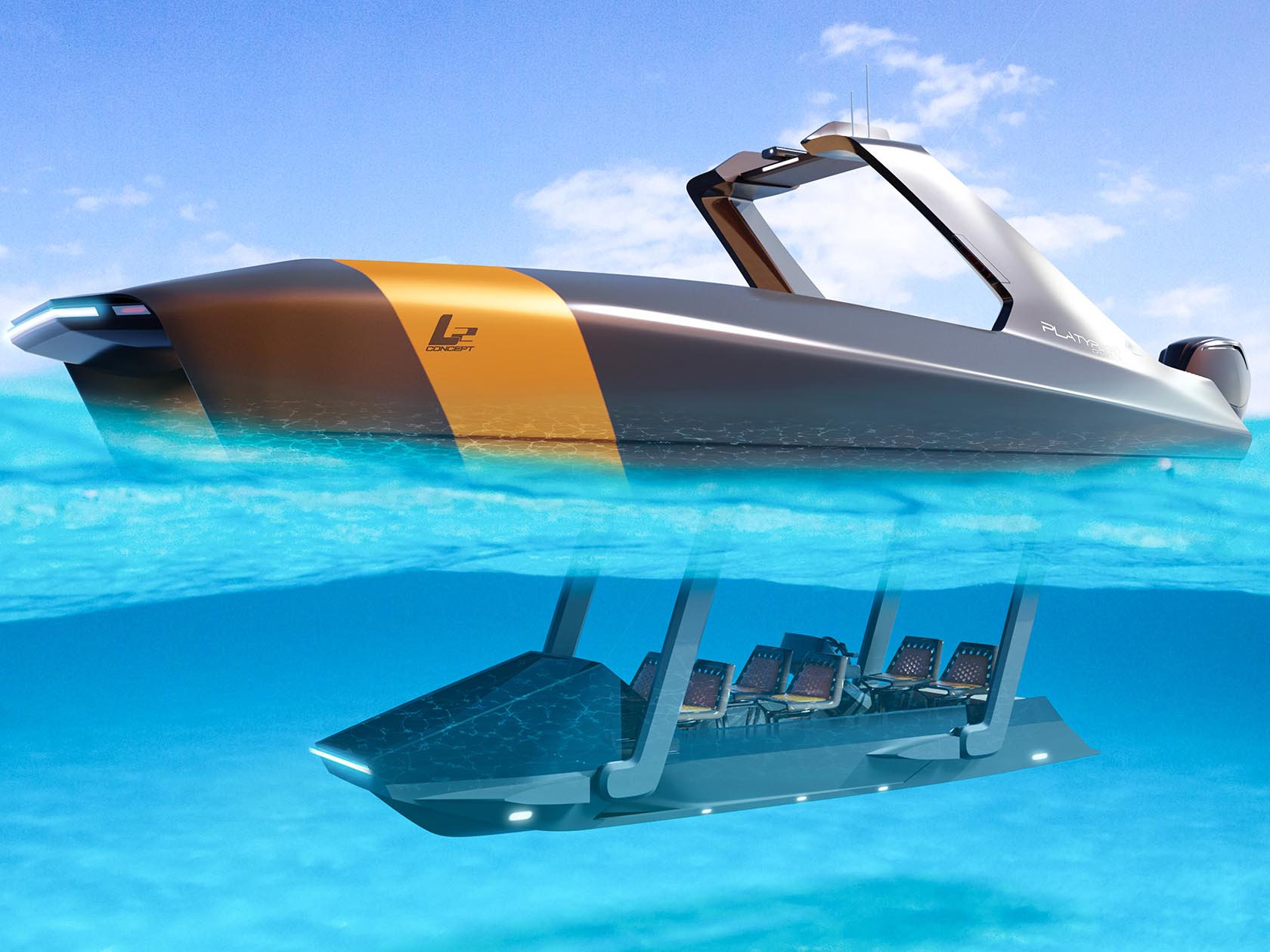
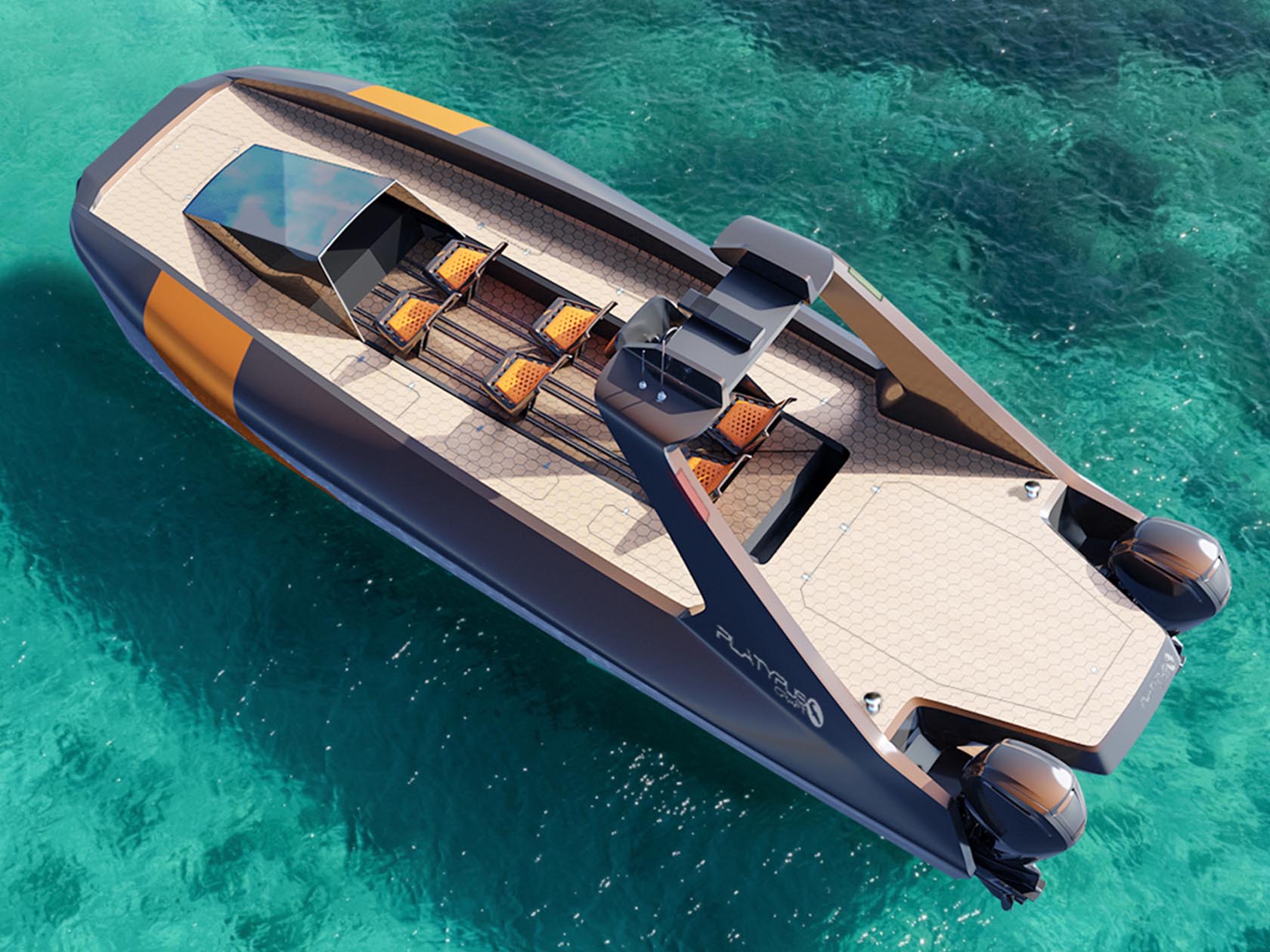
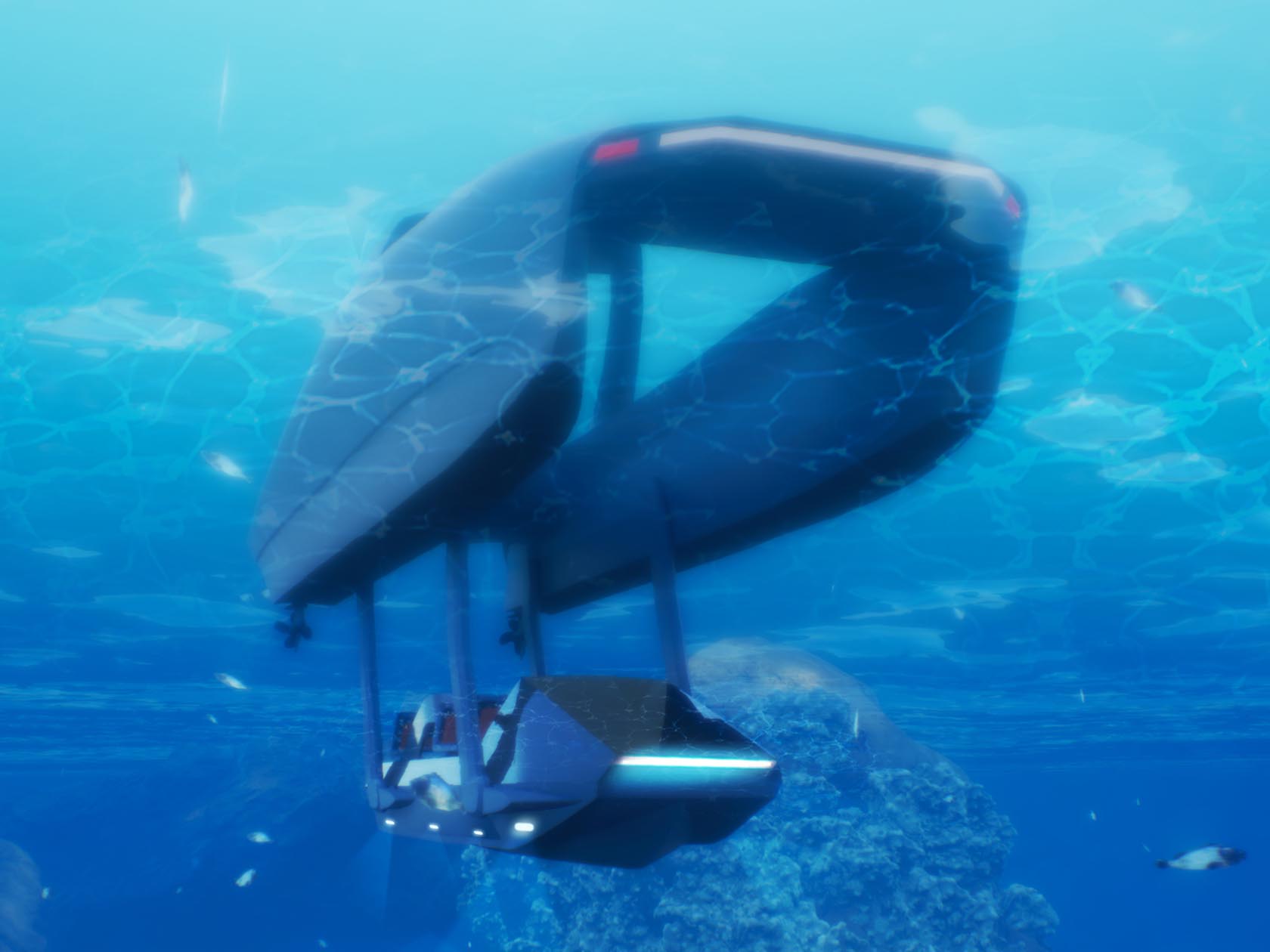
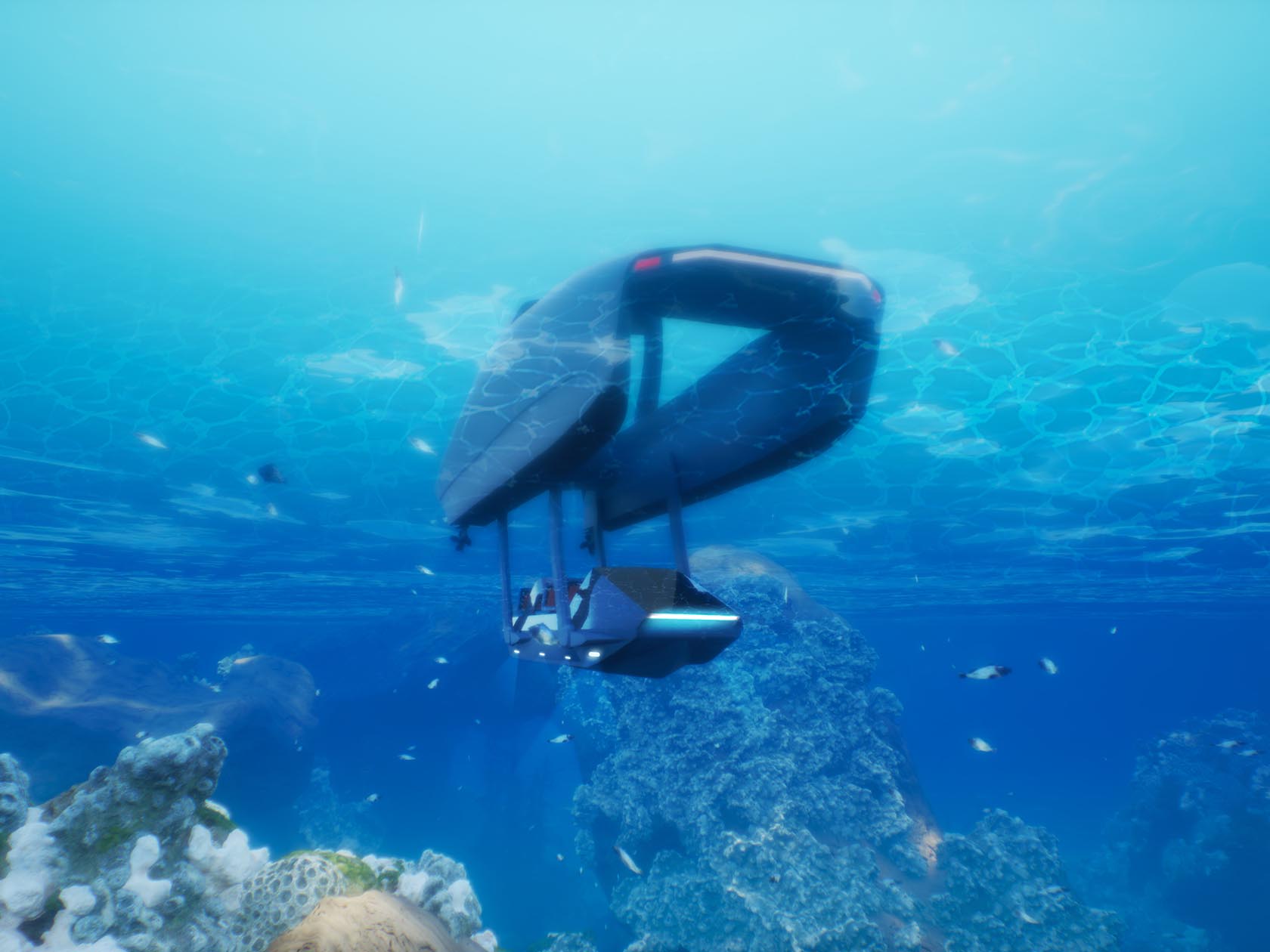
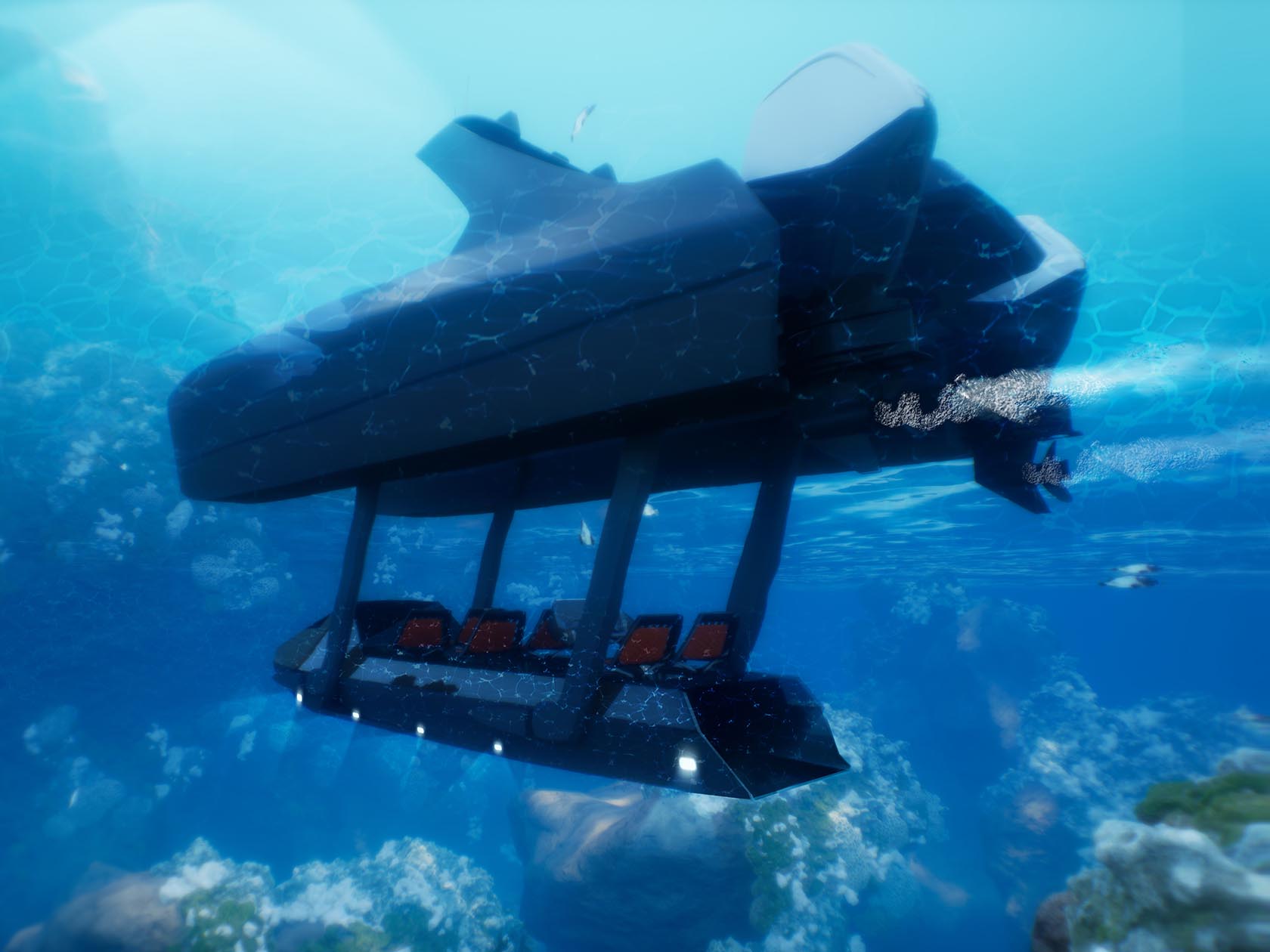
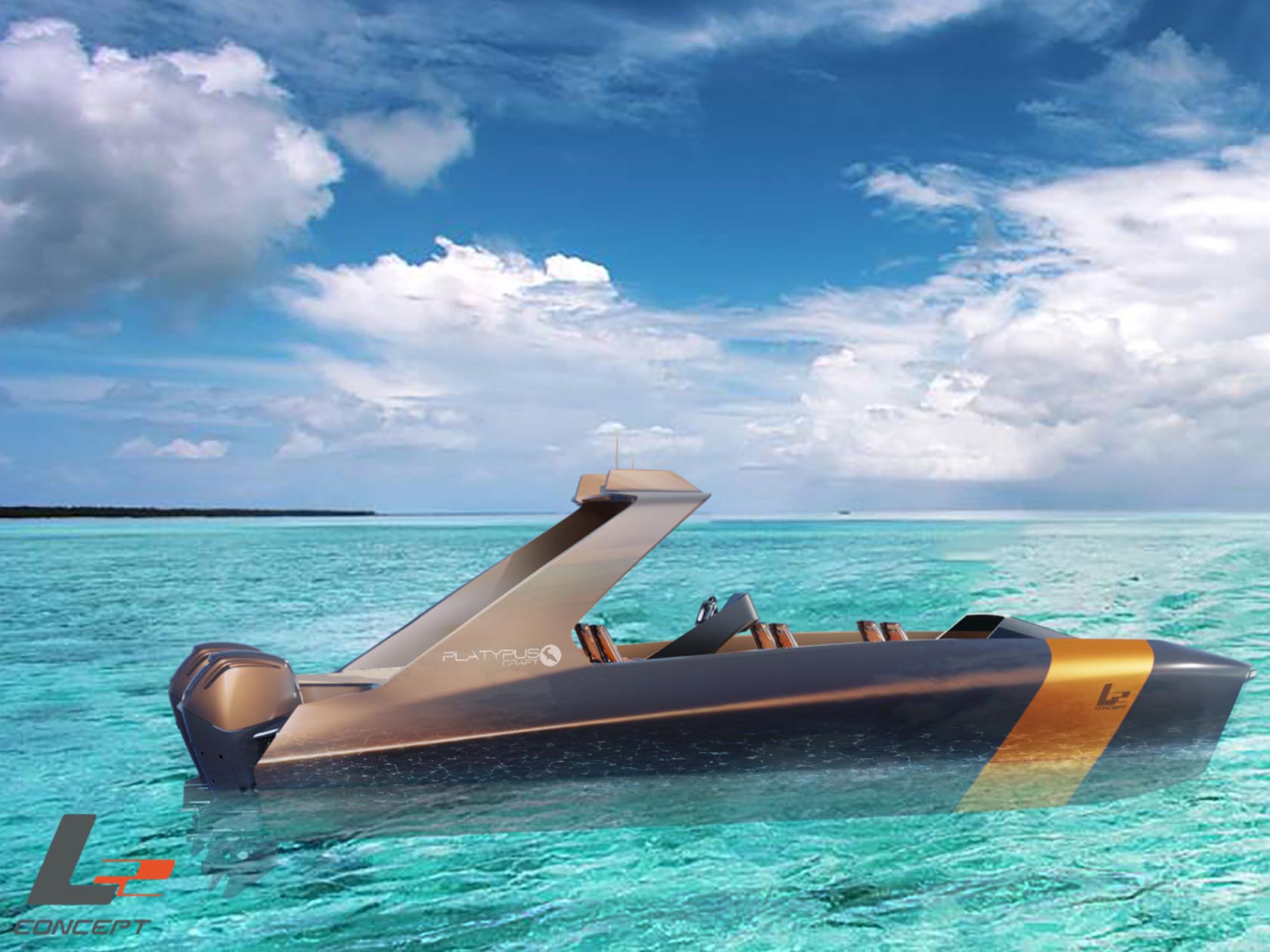
Designed by François-Alexandre Bertrand, the Platypus Craft prototype is a semi-submersible vessel for safe and feasible underwater exploration. The zero-emission craft draws inspiration from the amphibious Playptus mammal, and from the naming convention, it is quite evident, that they are trying to break the notion that water adventure activities and environmental responsibility are difficult to co-exist.
3. Volkswagen ID. GTI.
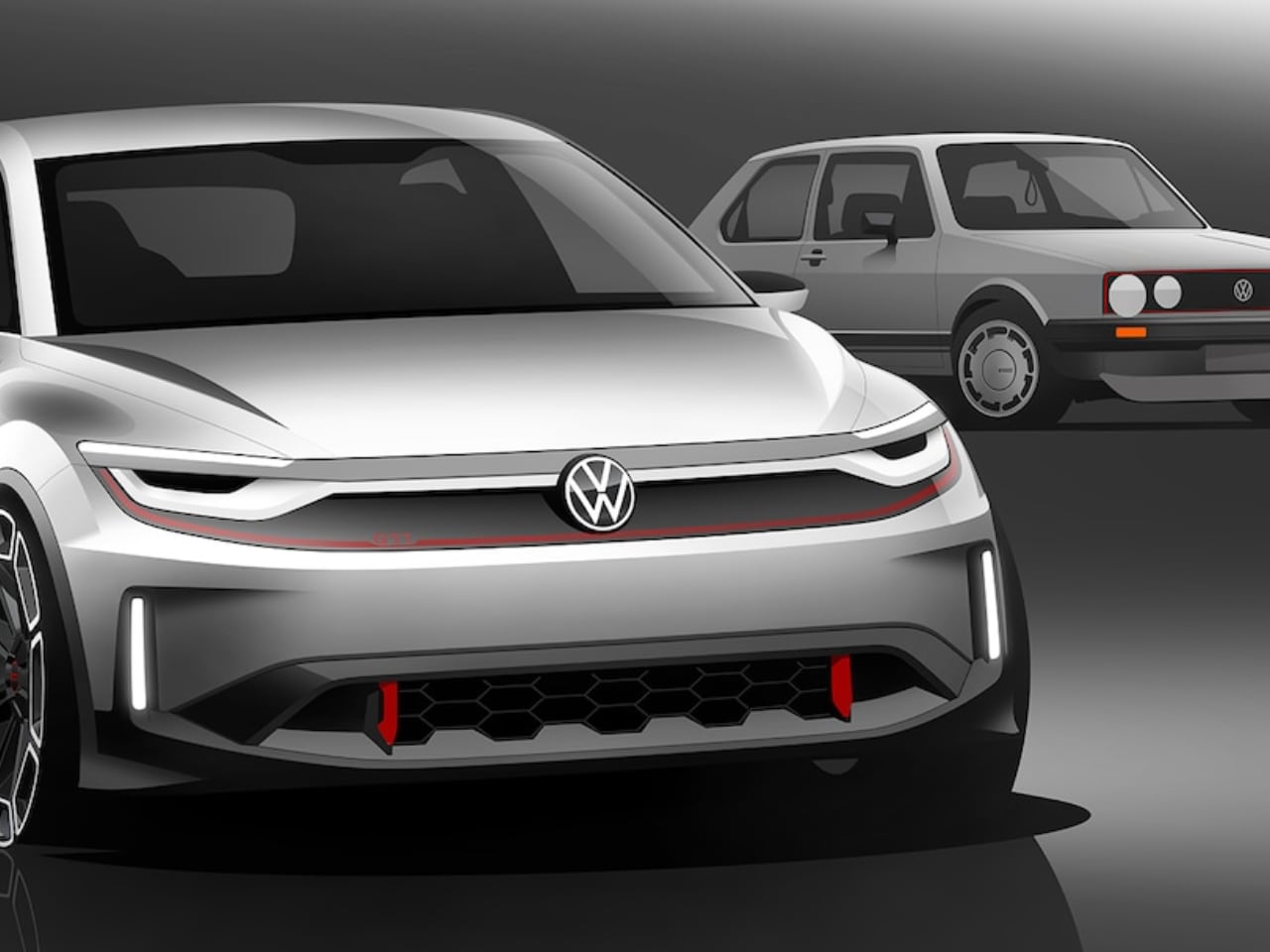
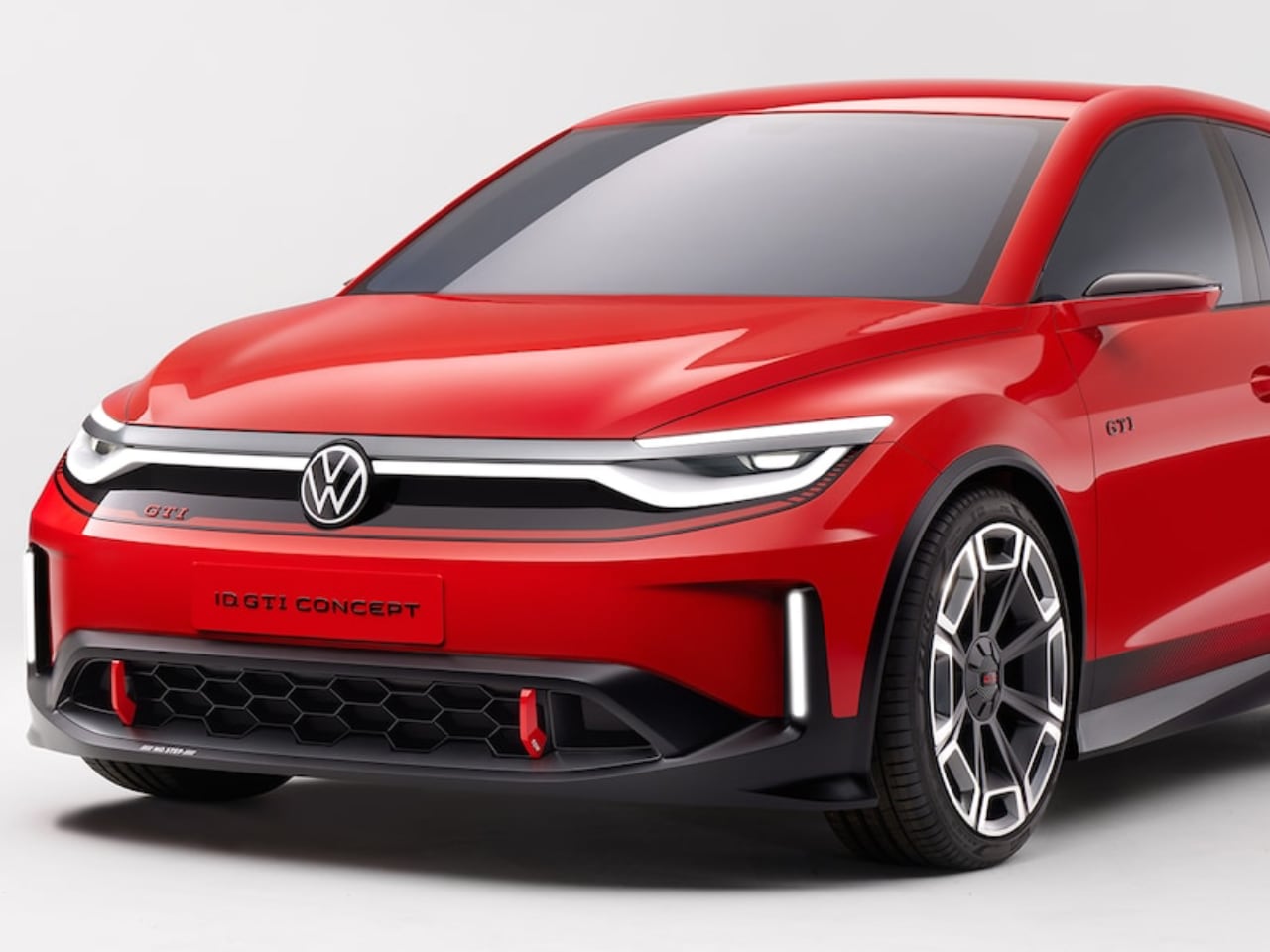
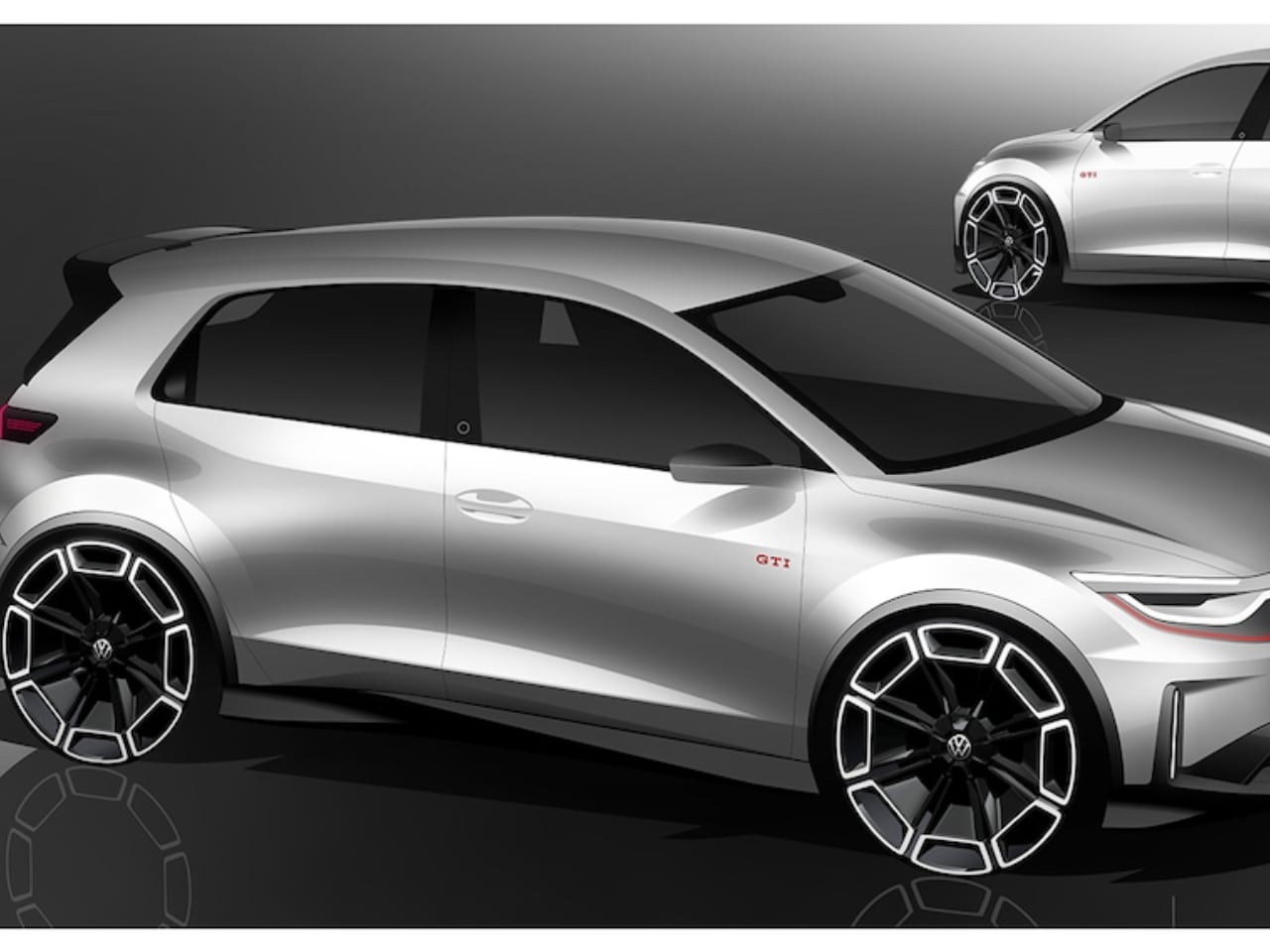
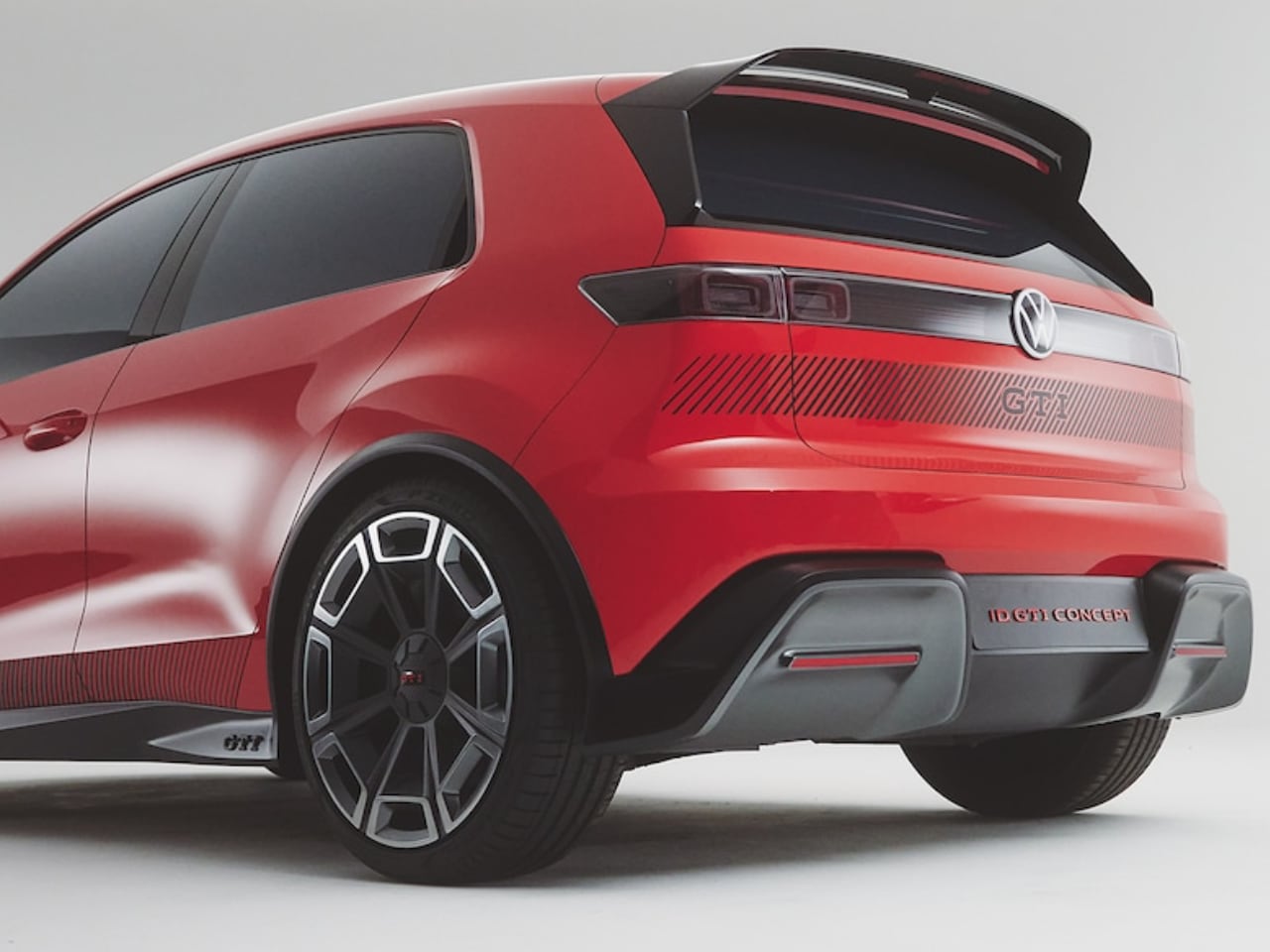
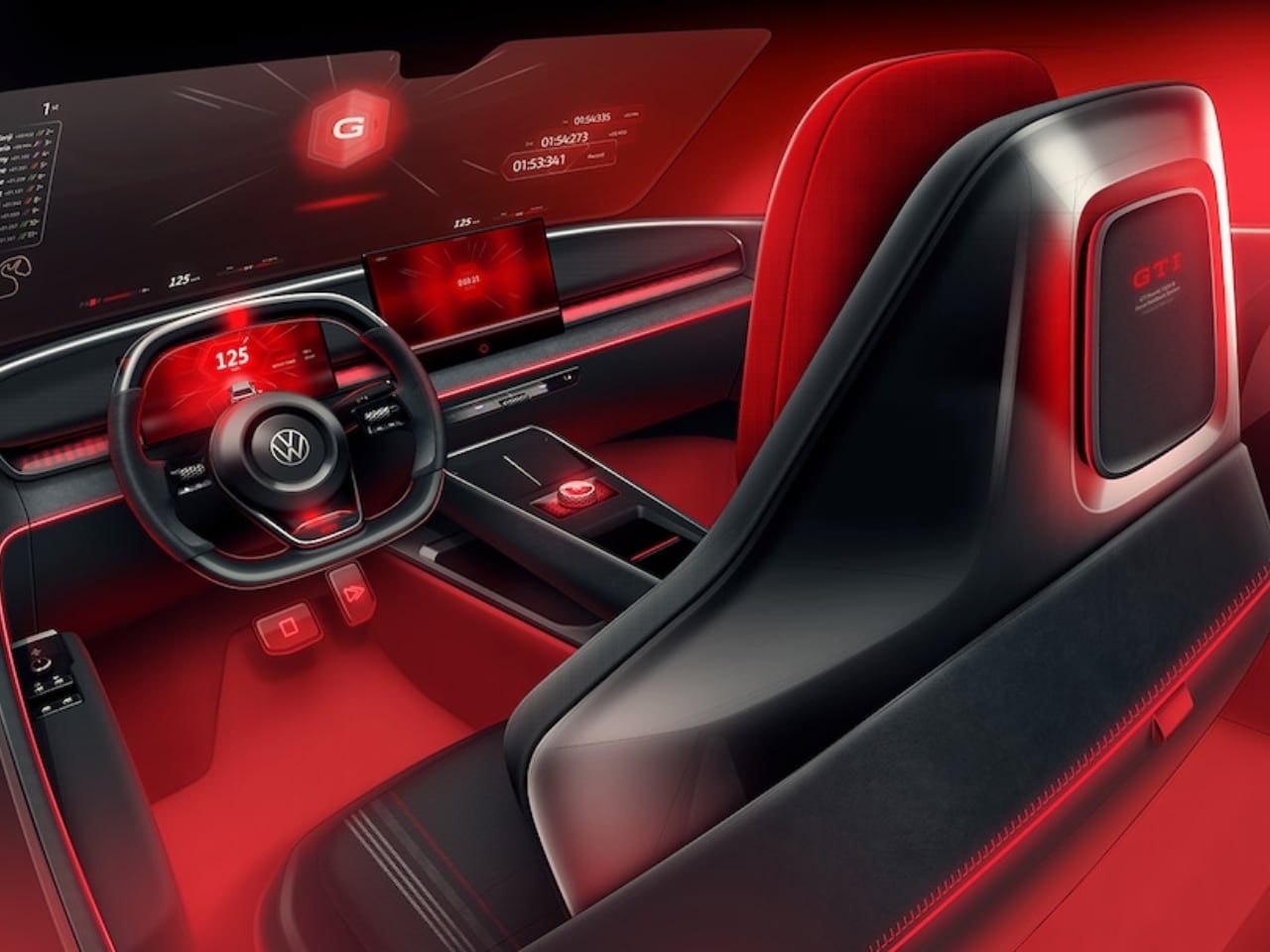
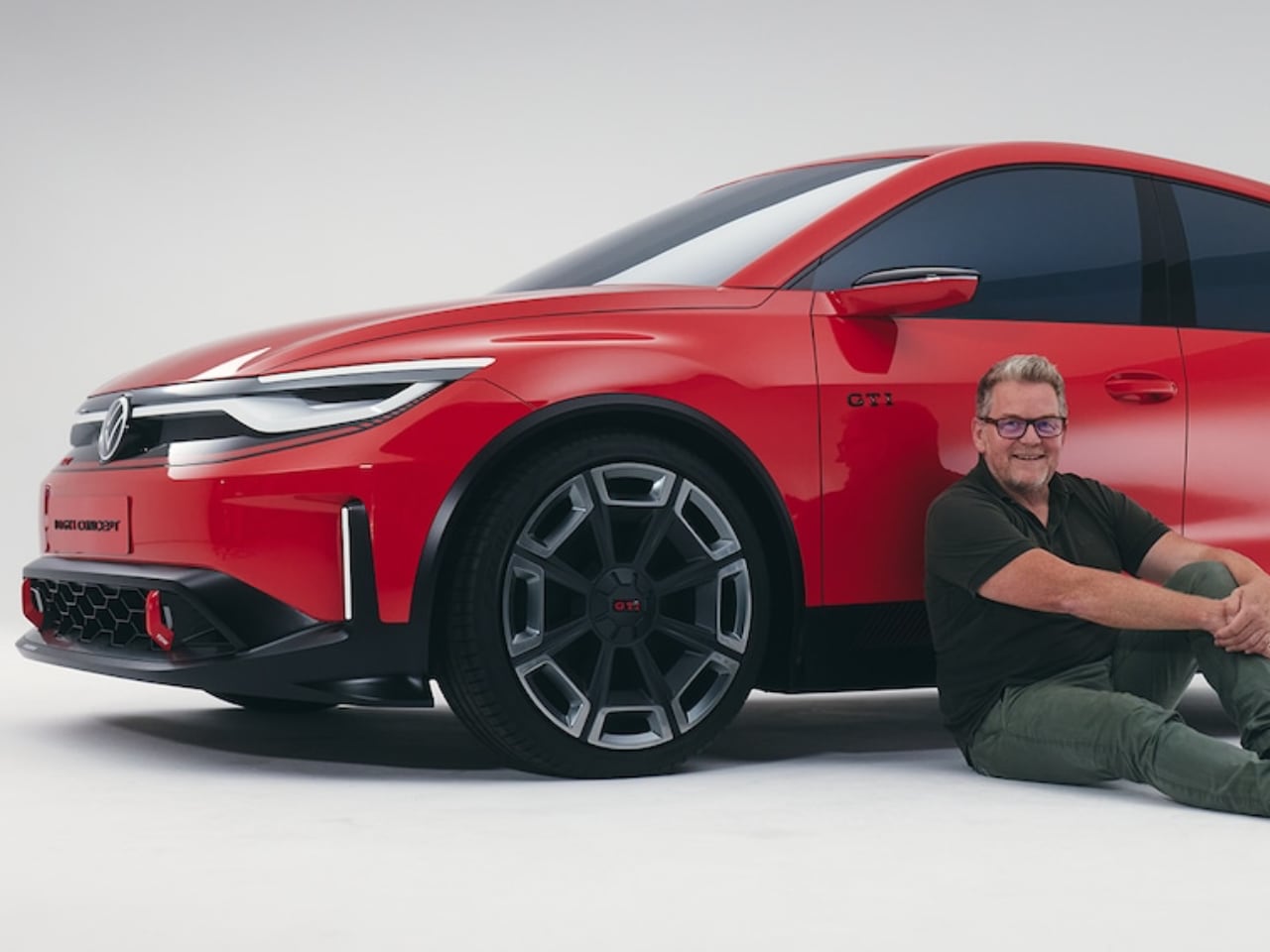
The Volkswagen GTI is now moving into the electric age with the new ID. GTI. This serves as a major change for Volkswagen, and it merges GTI’s legacy with electric power. It functions as a fresh take on a classic favorite, merging the wonderful spirit of the original GTI with its latest electric technology. There are a couple of refreshing key design elements, which showcased the model’s transformation into a modern electric vehicle.
4. Baxley Moto
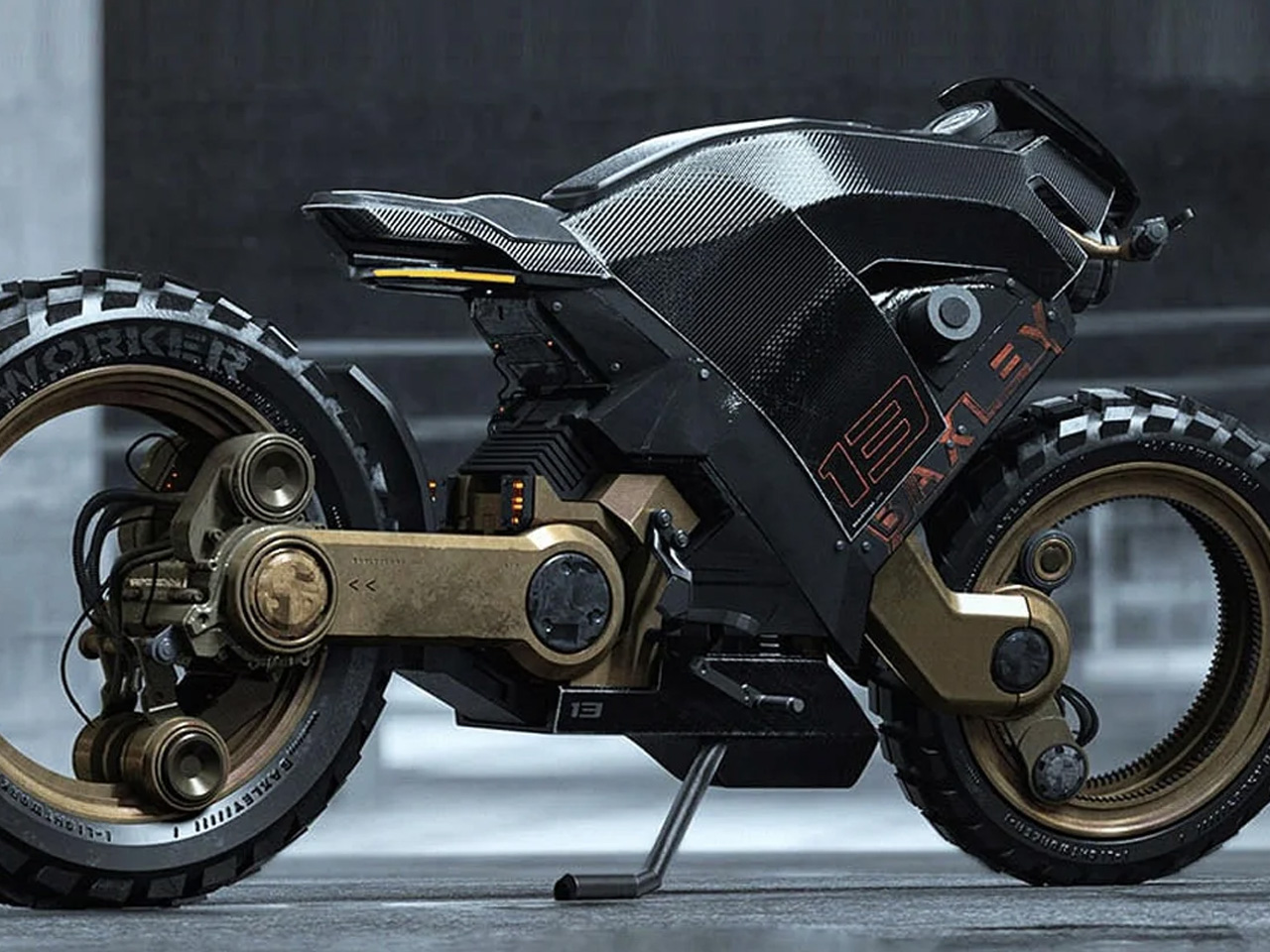
Dubbed the Baxley Moto, this futuristic electric motorbike is designed by Shane Baxley, and it features a menacing street-legal aesthetic, accentuated by spokeless wheels. The bike has a hunched-forward riding position, as well as a suspended tail section, protruding slides, and treaded wires, forming a jaw-dropping ride for adventure seekers who enjoy challenging rides on dirt trails. It also has a balance to it and doesn’t feature an edgy or contoured look.
5. Owlet ONE
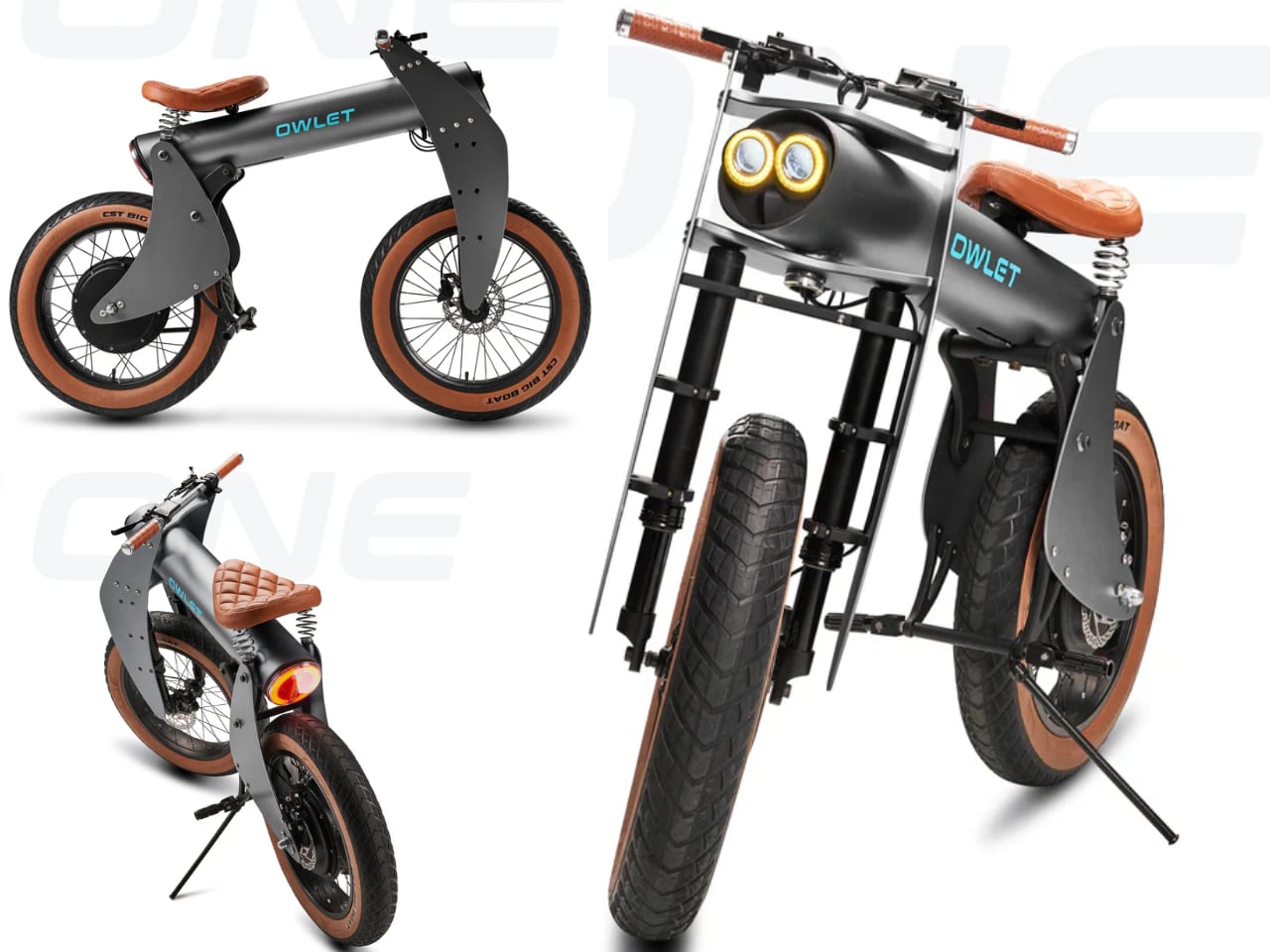
Called the Owlet ONE, this bike is designed to be an effortless blend of minimalism and functionality. It offers a modern yet nostalgic riding experience and is made from high-quality, matte-finished aluminum. The bike features a robust frame, and offers excellent durability, while also maintaining a clean and streamlined look. It features a cylindrical central frame, which accommodates the battery and essential components.
6. Gocycle CXI Family Cargo Bicycle
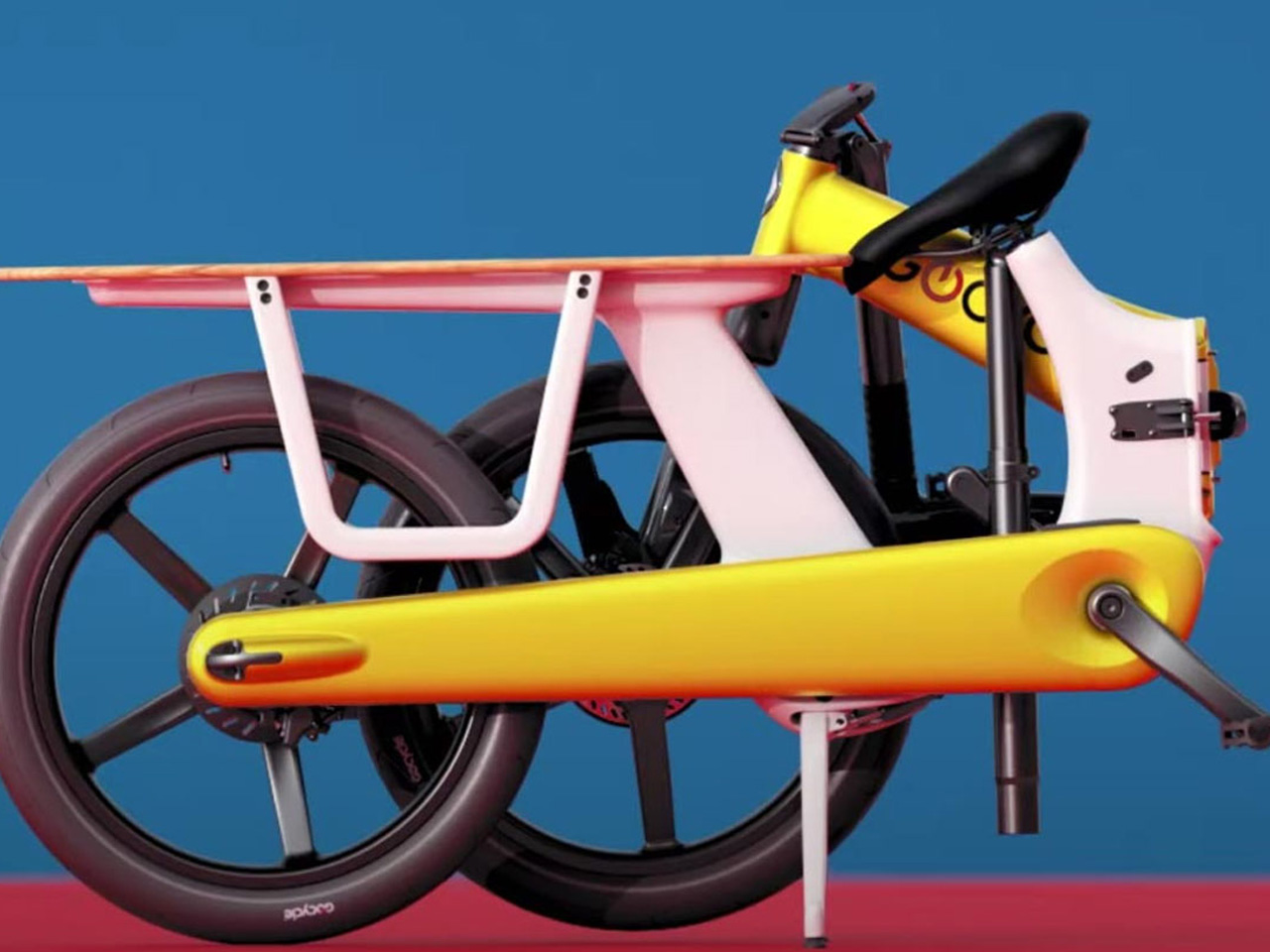
Gocycle has taken their electric bikes to a whole another level with their lightweight Gocycle CXI Family Cargo Bicycle. The bicycle is lightweight and portable, and an excellent option for those who don’t prefer cumbersome cargo bikes. The CXi lineup includes two e-bikes – the CXi and CX+. They’re both more or less the same, except that the last one has a FloFit Handlebar.
7. CE 02 eParkourer Ride
The BMW Motorrad Austria has combined forces with the design studio VAGABUND to build a custom CE 02 eParkourer ride. It is an electric bike with an appealing futuristic vibe and a pretty alluring retro flair that is great for the Gen-Z and the millennials as well. Unlike the typical electric scooters, this ride offers a sneak peek of where two-wheelers’ future could be moving. It features an integrated BT speaker, a hidden umbrella, and a strapped skateboard grip tape.
8. Honda HP-X Concept
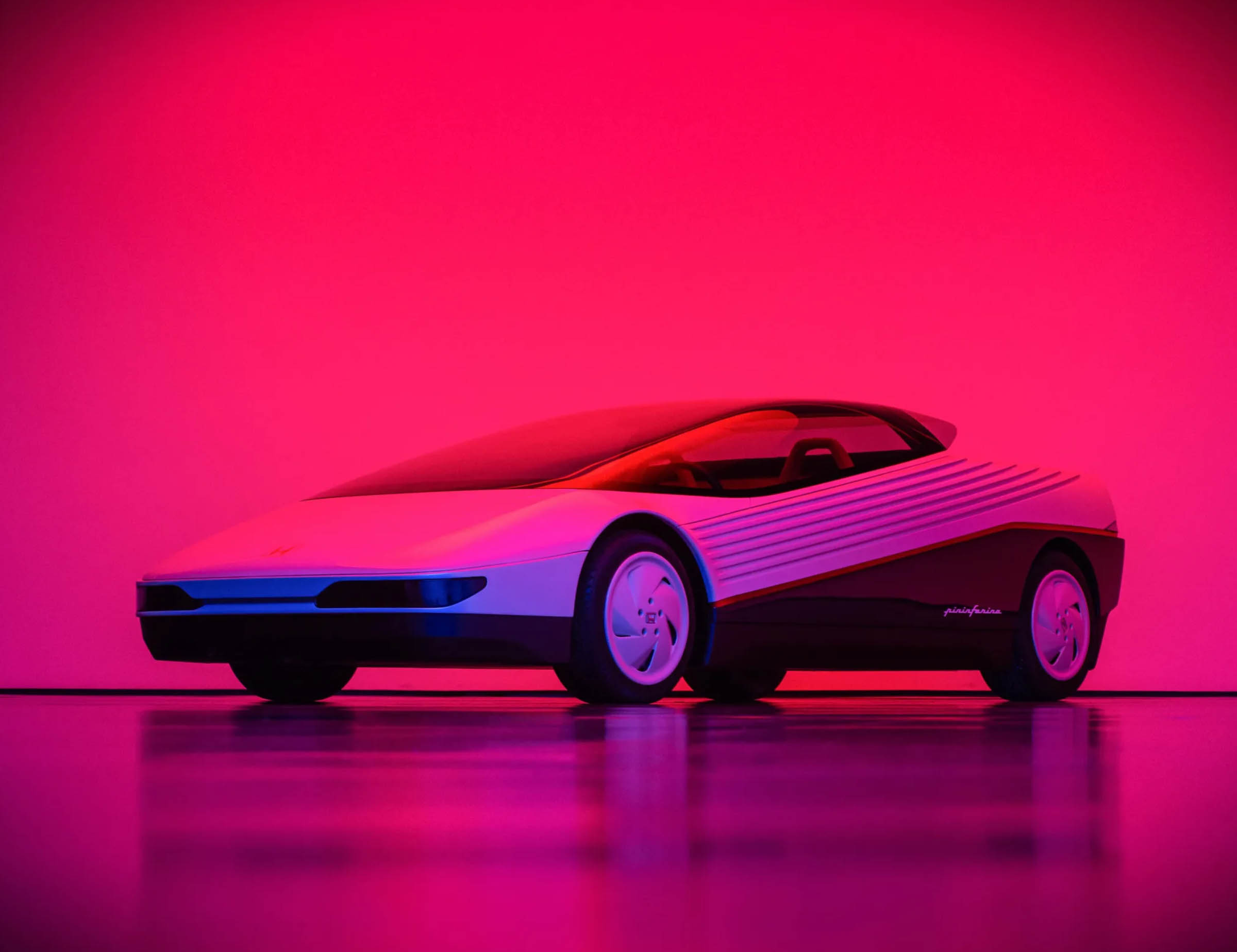
The Honda HP-X Concept was unveiled five decades ago and is now debuting again at the North American Auto Show. It is a mid-engine supercar and features a sharp wedge profile. It will be showcased at the Pebble Beach event and will feature a jet-engine-inspired cockpit, and a Knight Rider-like advanced tech. It is restored by the two brands and will compete with other models for the“Wedge-Shaped Concept Cars and Prototypes” class at the 73rd Annual event on August 18, 2024.
9. Ducati Panigale V4
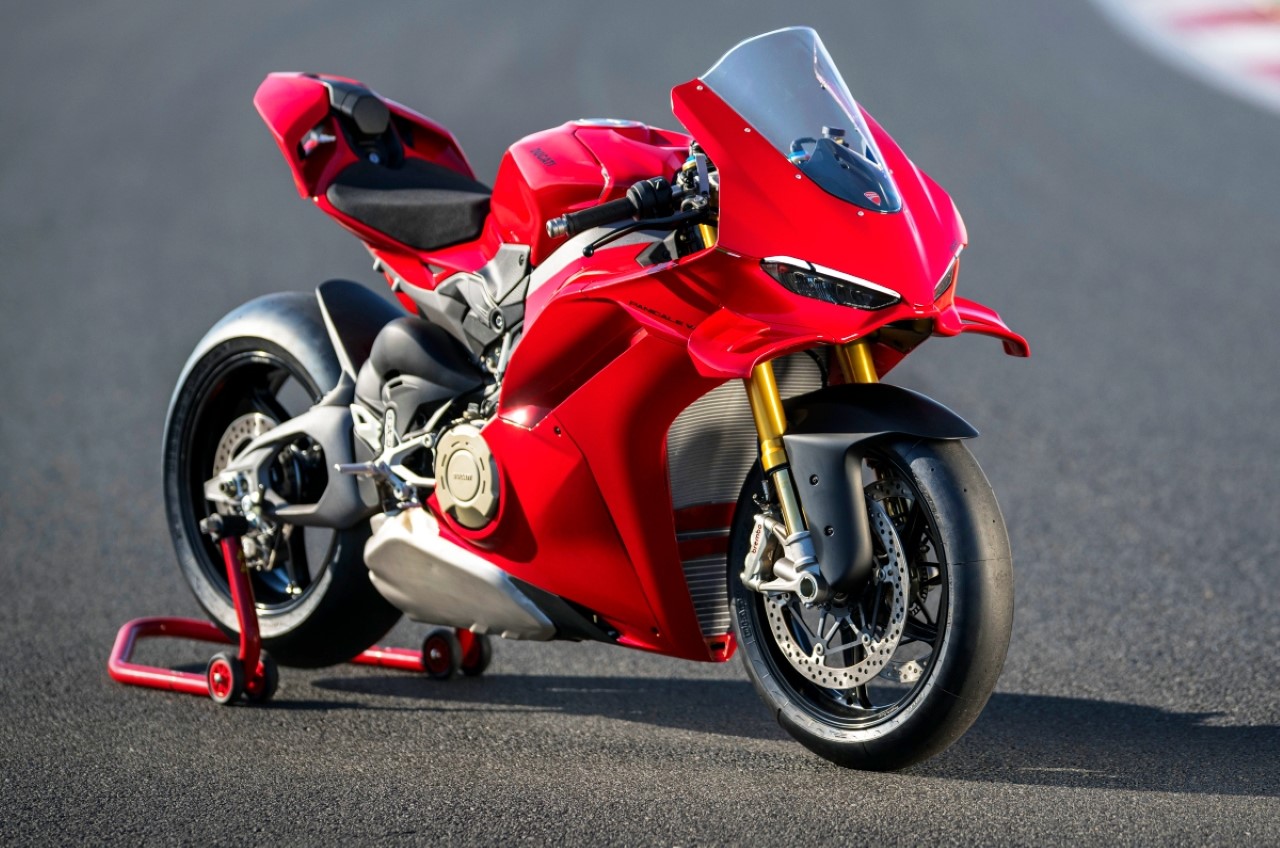
Named the Ducati Panigale V4, the all-new bike features a sharp design and a performance edge that nears perfection. It is a seventh-generation evolution and is equipped with a 916-inspired headlight, and integrated winglets that signify the MotoGP heritage. The redesigned bodywork features a lighter double-sided swingarm which replaces the signature single-sided unit, leading to a weight reduction.
10. Audi A6 e-tron
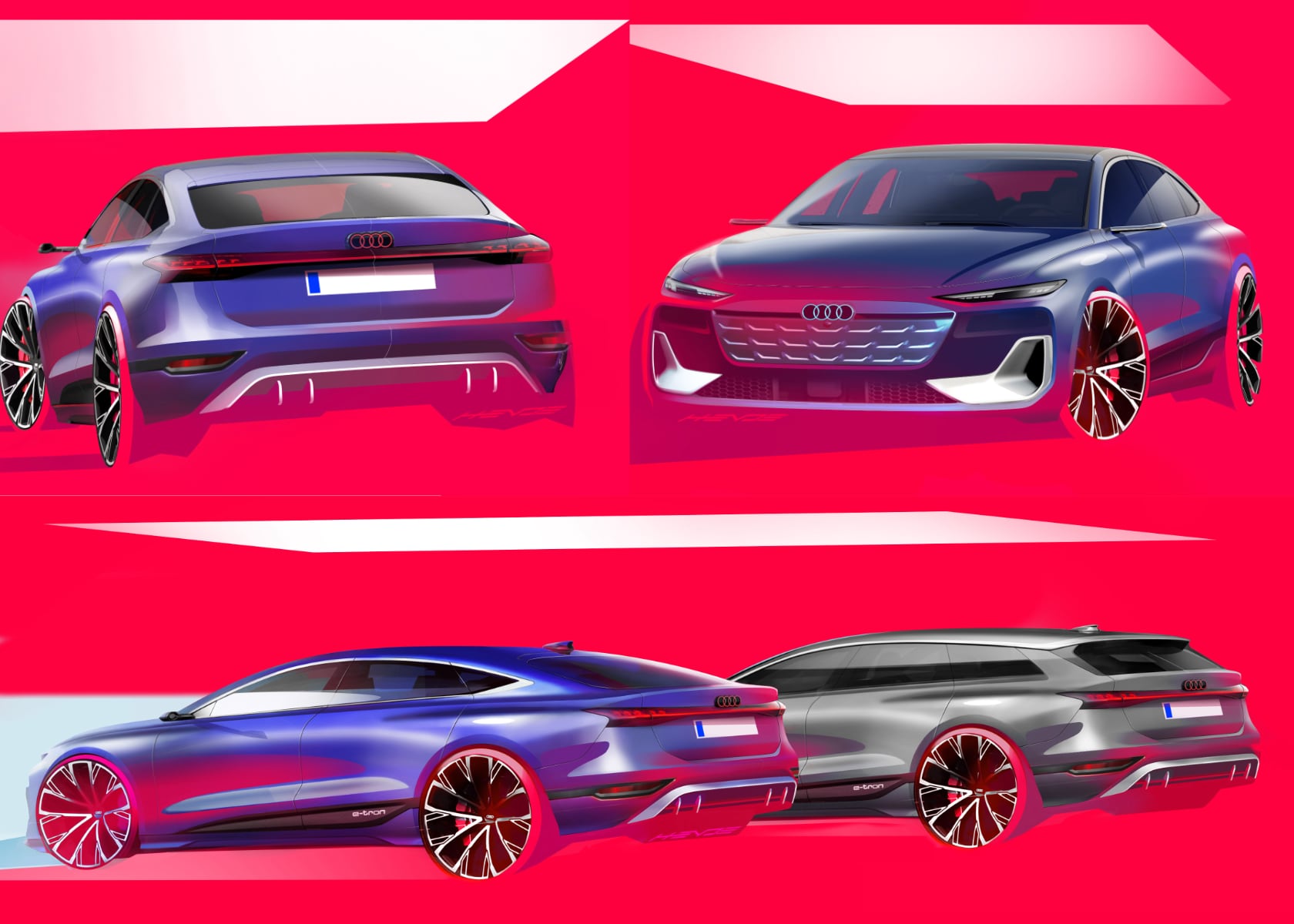
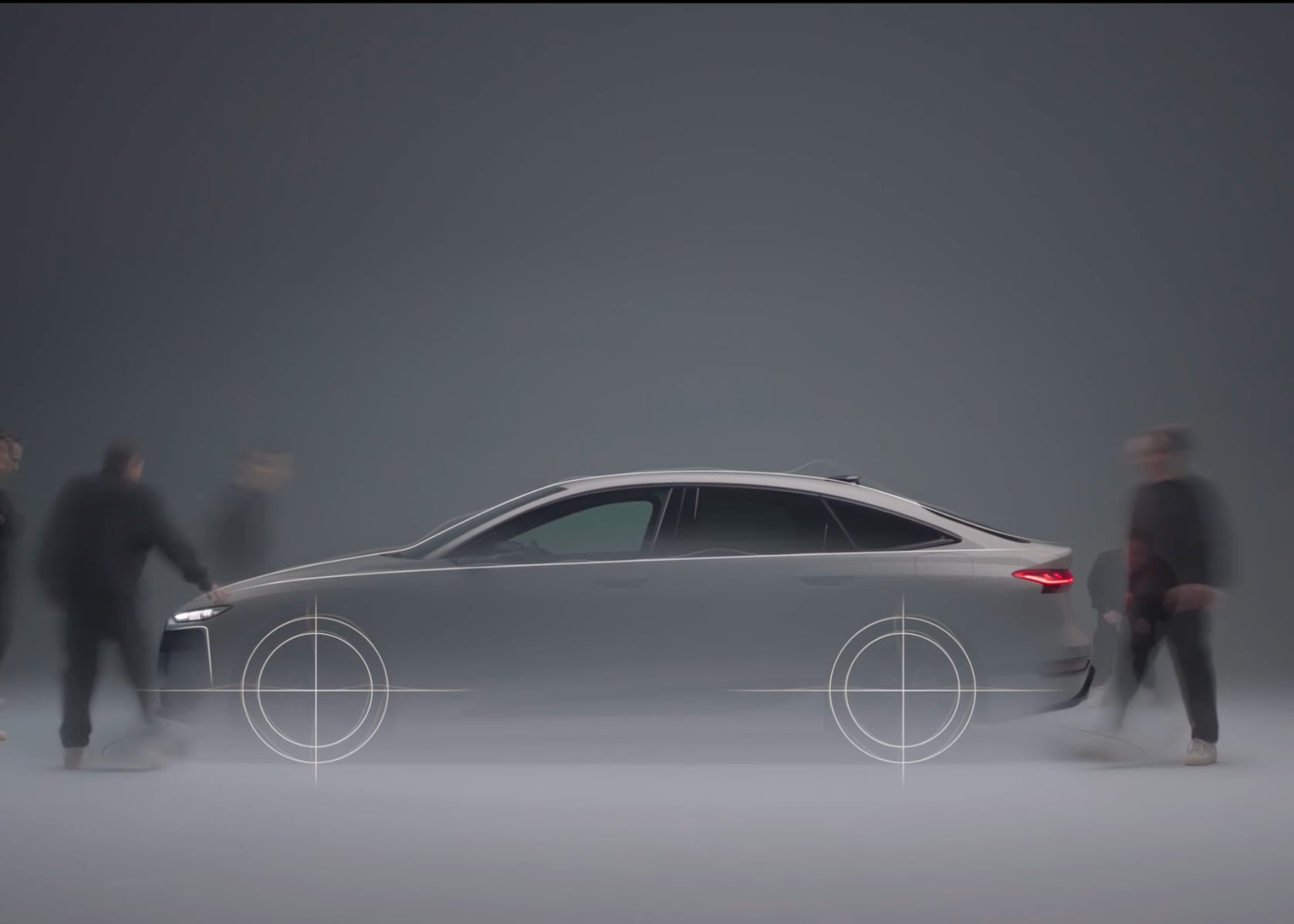
Called the Audi A6 e-tron, this automotive merges advanced tech with striking aesthetics. The exterior and interior of the car feature Audi’s commitment to innovation and precision. It is marked with clean and sophisticated lines, and it merges functionality with an impressive and bold visual presence. This vehicle is making a truly impressive entry into the electric vehicle market.
The Titan submersible implosion was a grim reminder of the serious dangers involved in deep-sea expeditions and explorations for eco-tourism. While some might argue that it is way better than exploration on the sea surface, there’s got to be a better and safer way to experience the wonders of the underwater world in person.
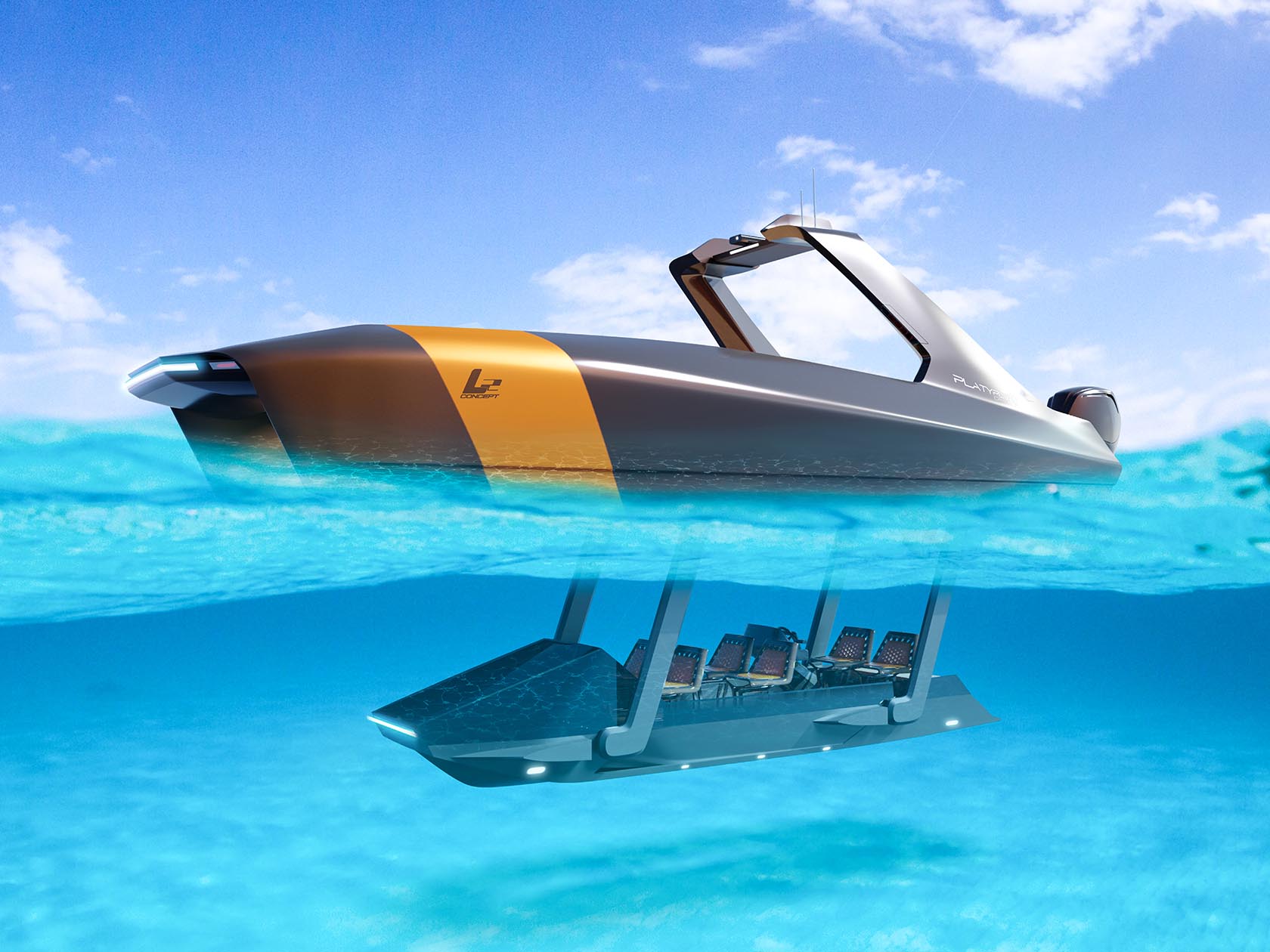
François-Alexandre Bertrand has a solution in the form of Platypus Craft prototype, a semi-submersible vessel for safe and feasible underwater exploration. This is in line with breaking the notion that water adventure activities and environmental responsibility are hard to coexist. Clear from the naming convention, the zero-emission craft is inspired by the amphibious Playptus mammal.
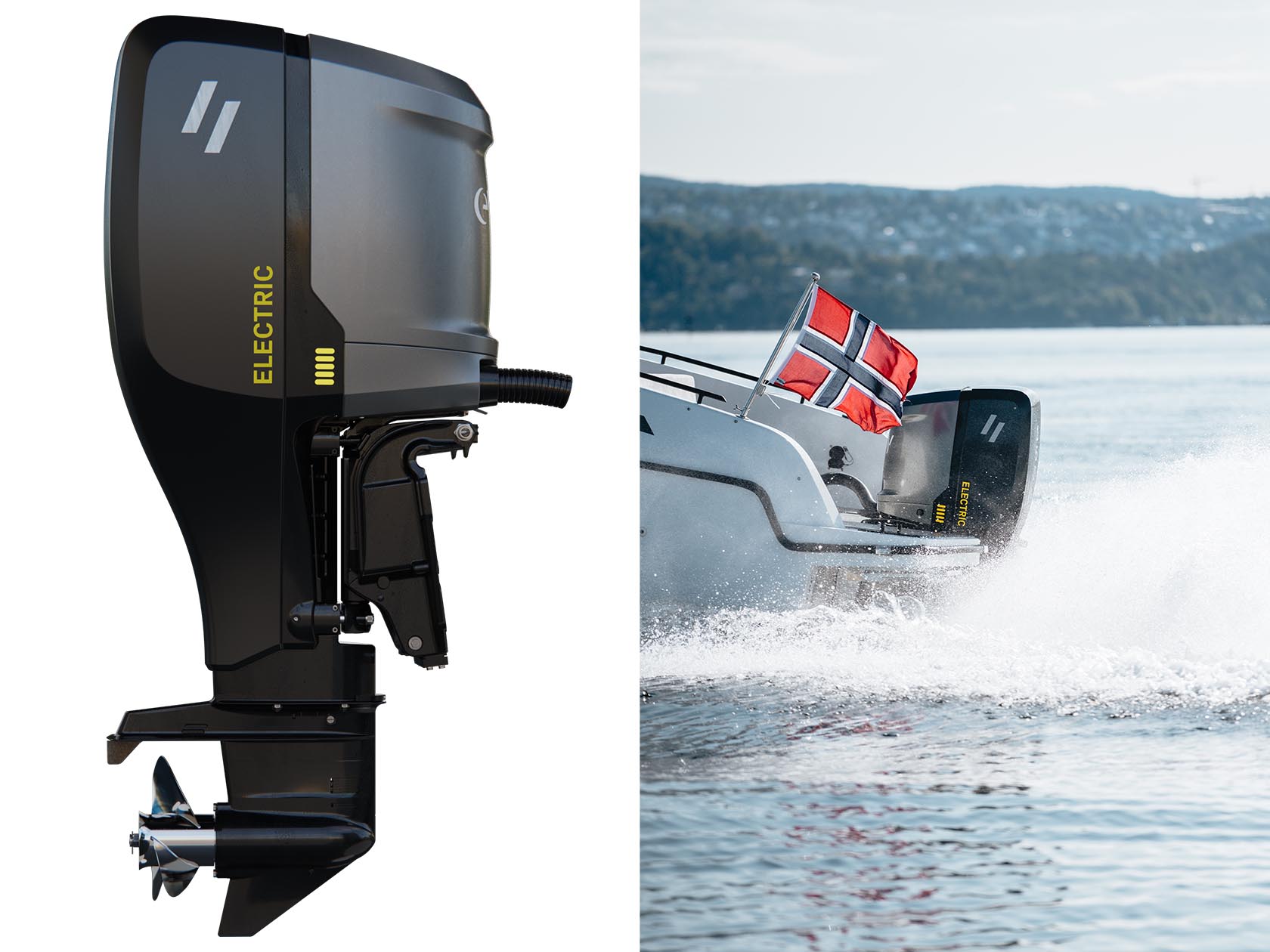
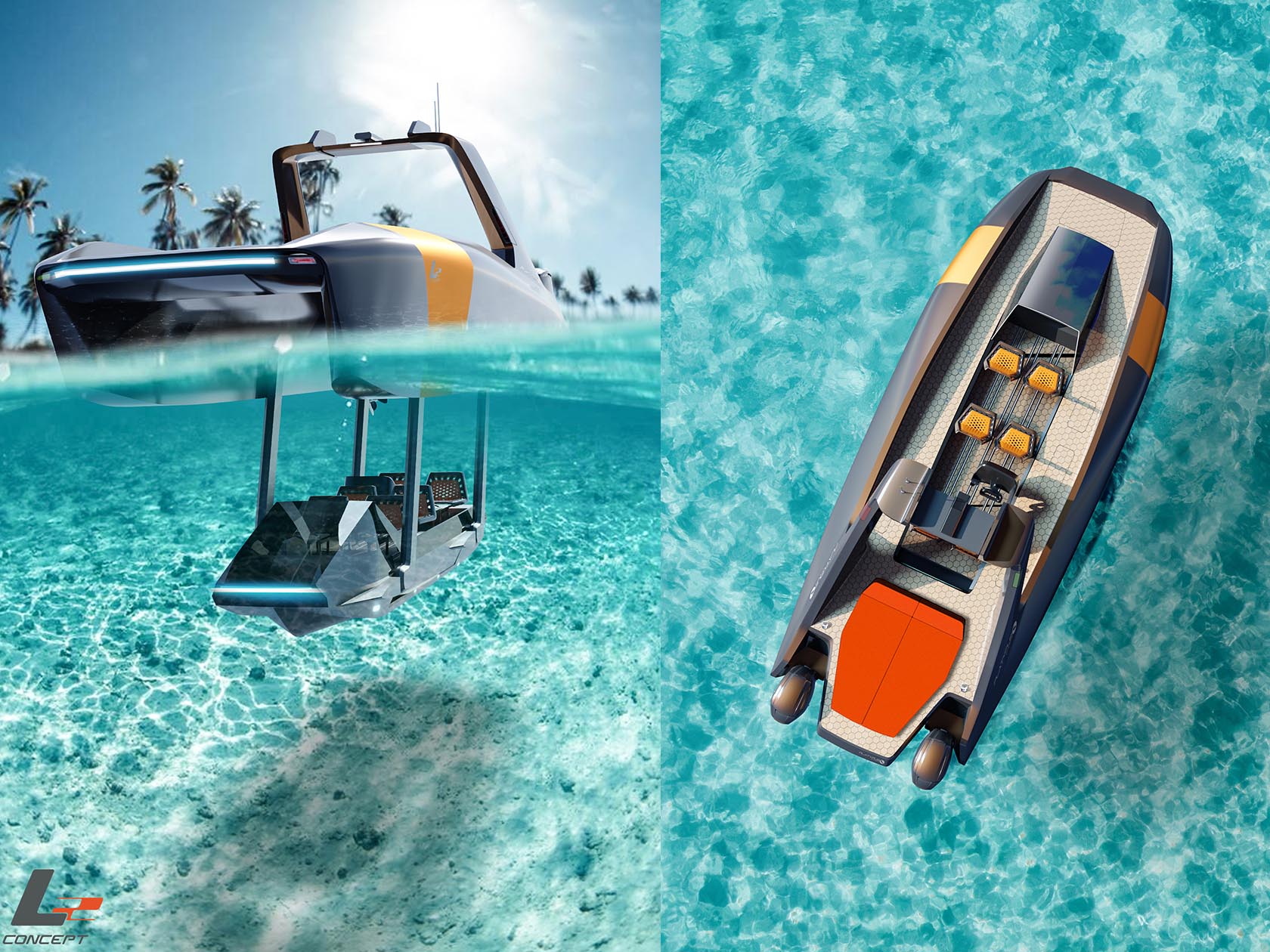
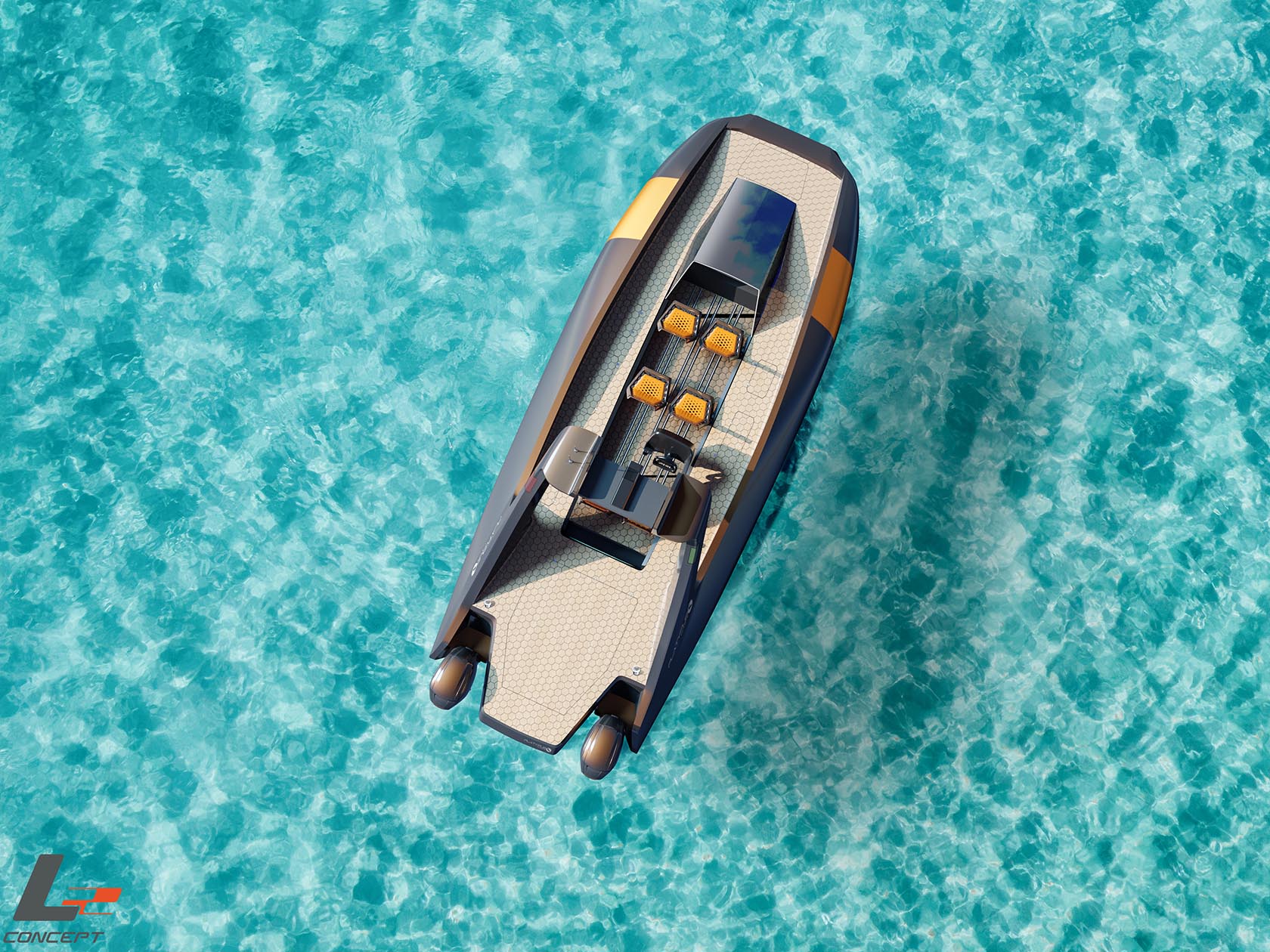
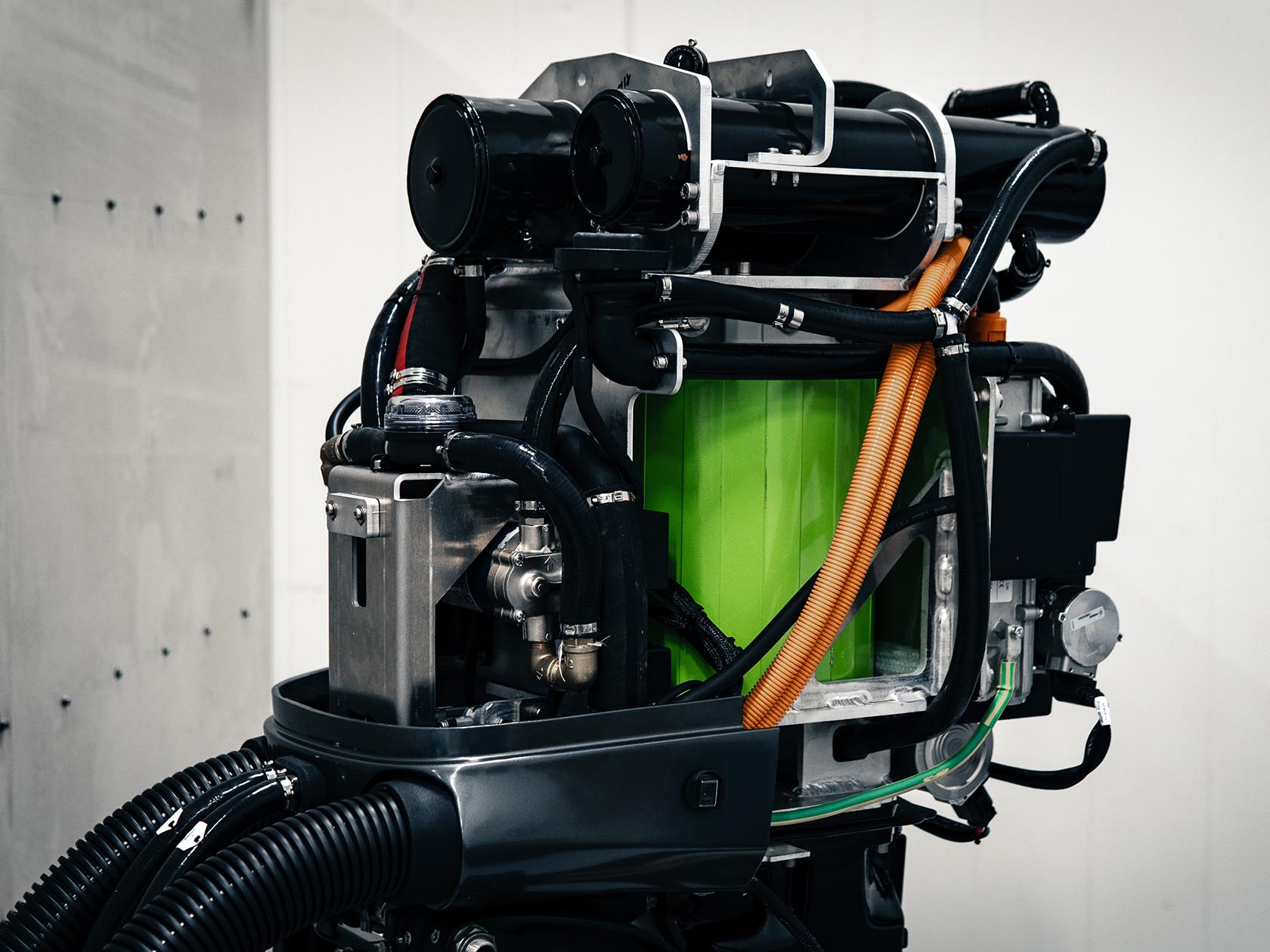
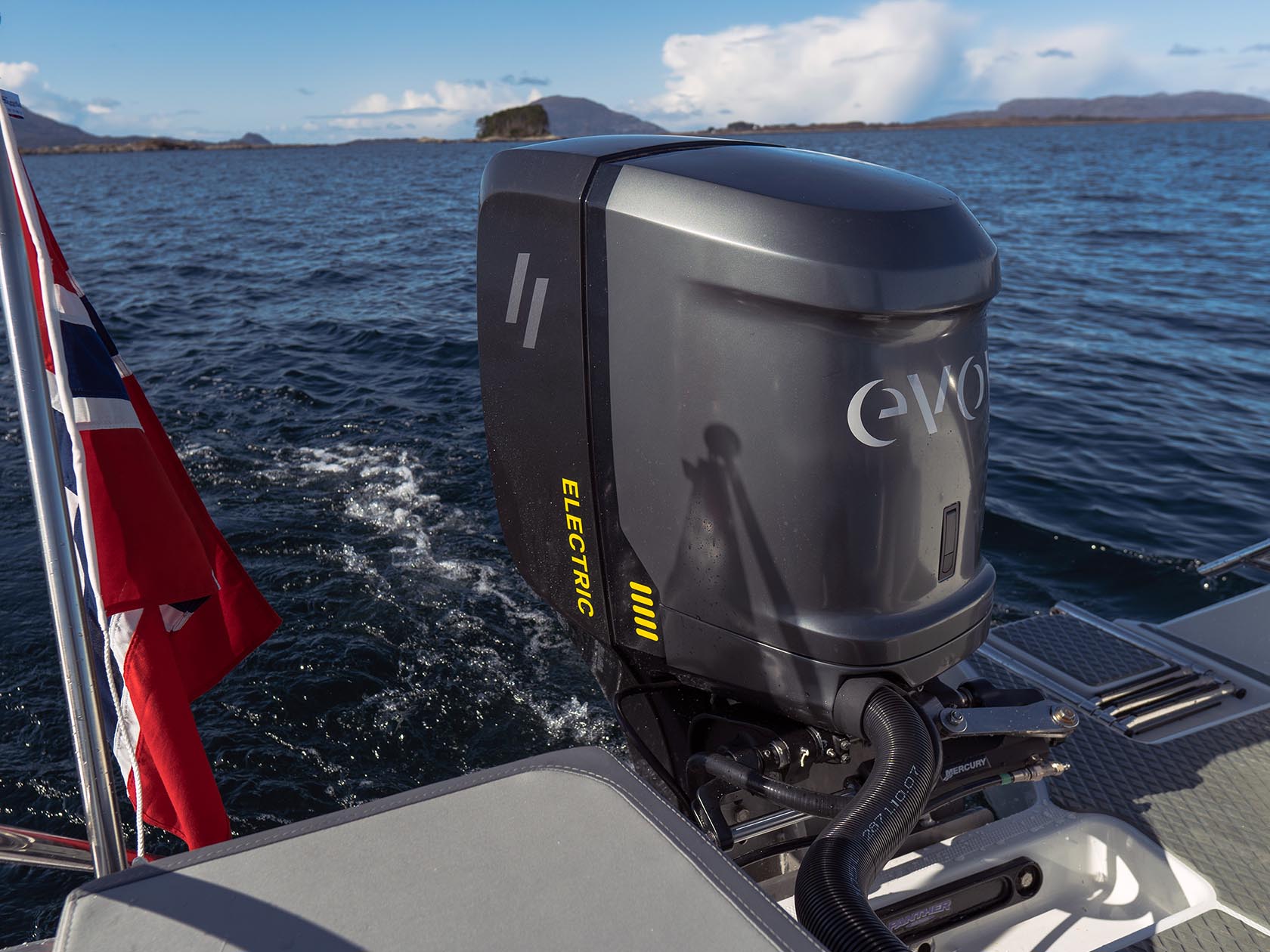
The five-seater watercraft is developed in partnership with Evoy who have developed the high-output electric motors for the vessel. Platypus Craft has some cool trickery up its sleeve for underwater exploration. The seating platform can be lowered down completely to submerge the riders safely for a whole new experience. It comes with an array of safety equipment like retractable air hoses connected to an onboard compressor.
This dual configuration has many benefits, including multi-functionality and fewer chances of harming the marine ecosystem. One can use it for riding the waters for scenic trips or more intense underwater explorations within the safety norms.
The watercraft gets twin Evoy Outboard Breeze 120+ electric motors mated to a 63KW twin battery pack. This makes the vessel having a catamaran hull design, reach a top speed of 25 knots and have a cruising speed of 15 knots when riding the surface. When submerged underwater, Platypus Craft prototype’s speed is reduced to a comfortable 3 to 5 knots for unobstructed views of the marine life. In the submerged mode, the craft can cover an impressive distance of 30 to 80 nautical miles.
Initially, the maker is going to release the Platypus Yacht Edition in 2025, fueling a new era of submersible explorations sans the inherent dangers of deep-sea explorations. The watercraft will be the first ever commercially available submersible to feature Evoy’s electric motor system that comes with zero-emission promise and also eliminates the typical fuel slicks and bilge water problems with non-electric versions.
This Mobile Monday, we’re taking a look at how the Volkswagen GTI is moving into the electric era with the new ID. GTI. This marks a big change for Volkswagen, as it combines the GTI’s beloved legacy with electric power. The ID. GTI brings a fresh take on a classic favorite, capturing the spirit of the original GTI while incorporating the latest electric technology.
Designer: Volkswagen
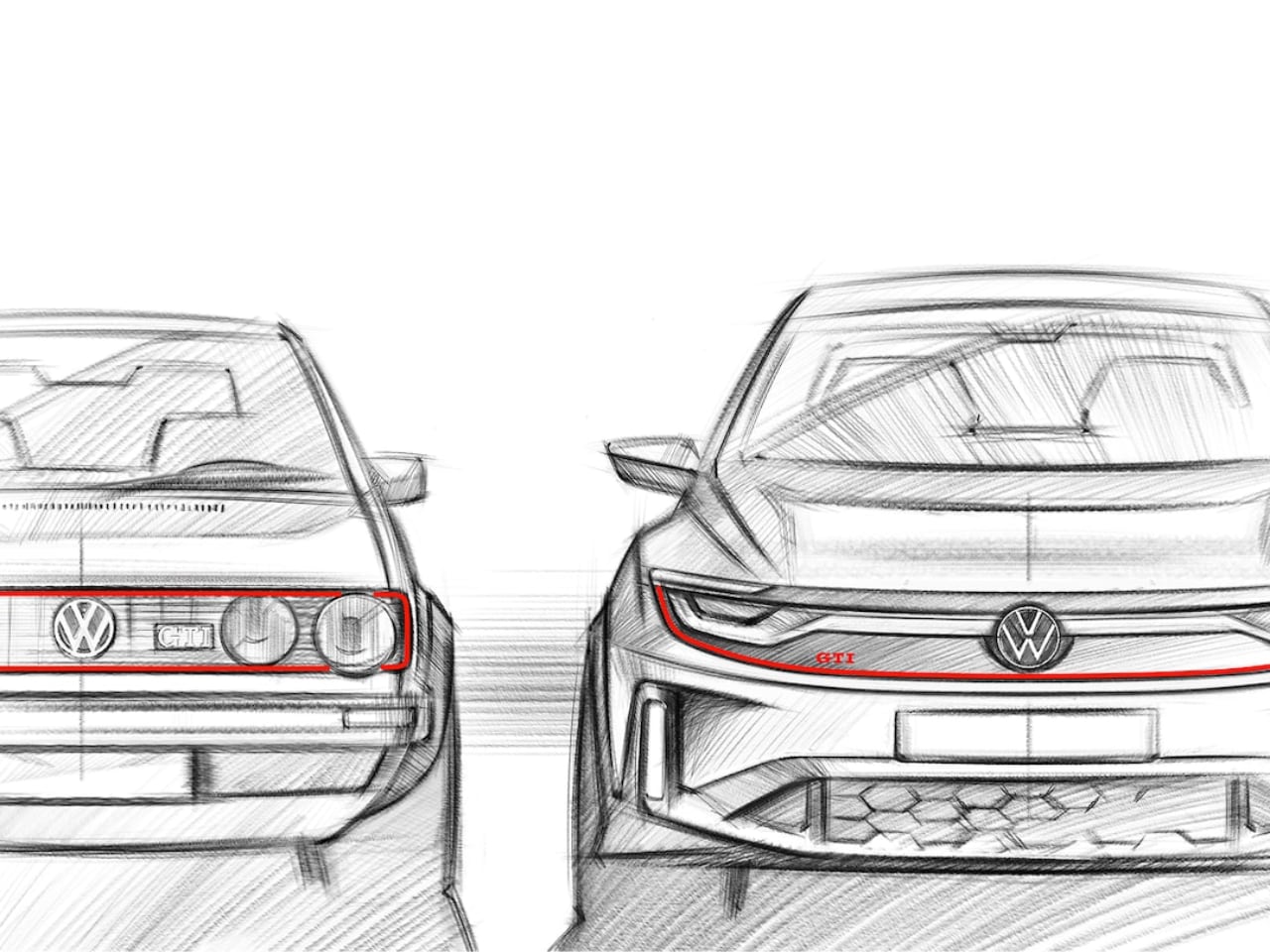
When comparing the sketches of the new and old Volkswagen ID GTI EV, several key design elements stand out. These elements showcase the model’s transformation into a modern electric vehicle while still retaining iconic features that pay homage to its heritage. The new design adopts current trends like minimalist aesthetics and integrated technology features yet retains enough classic elements to be recognizable as a GTI. This approach caters to long-time fans while appealing to new customers looking for a modern, eco-friendly vehicle.
Design Evolution:
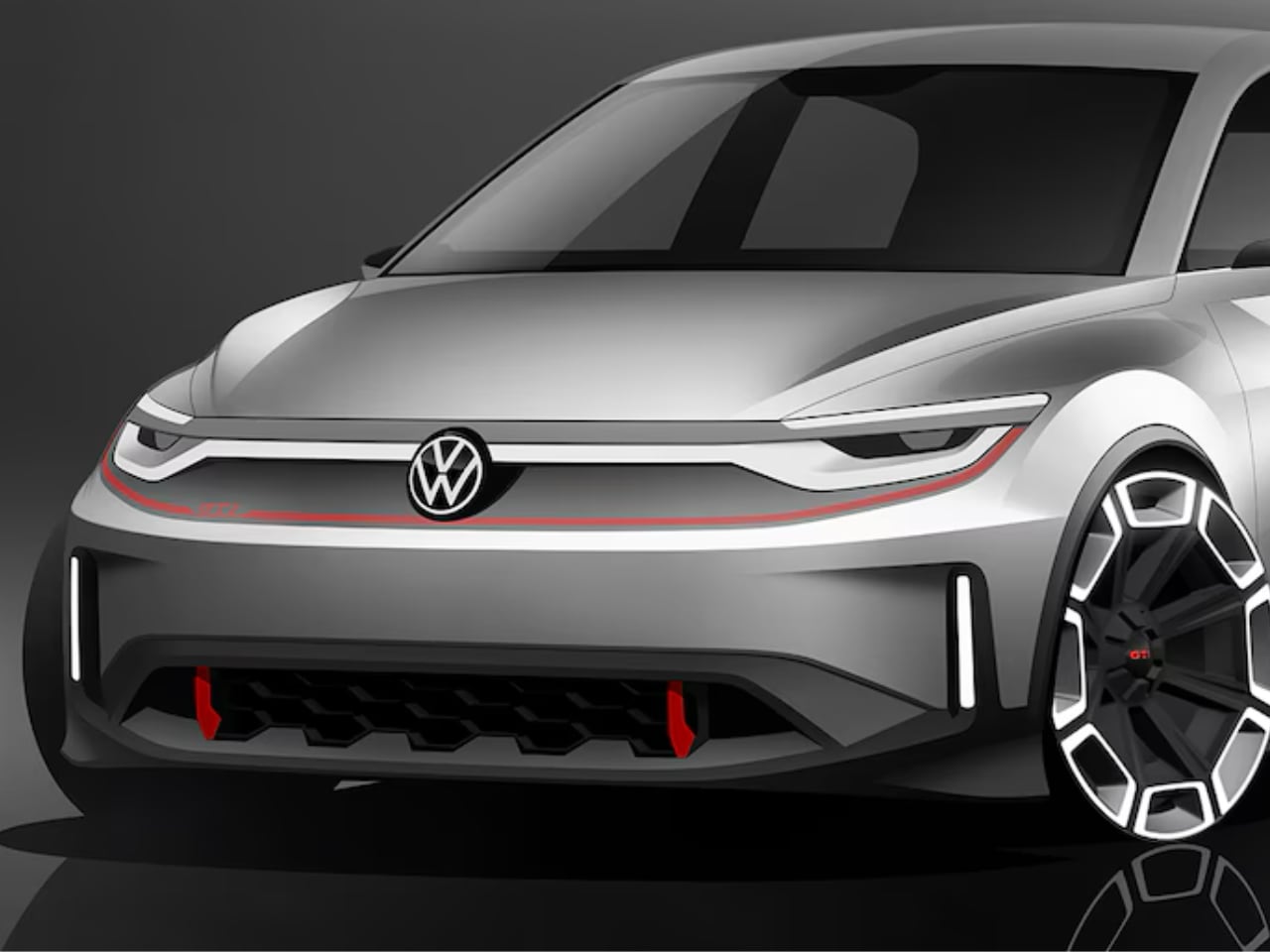
Front Fascia: The traditional GTI is known for its straightforward, functional design with a simple grille and prominent GTI badge. Classic round headlights reinforce its sporty yet retro appeal. In contrast, the electric ID GTI showcases a much sleeker front end. The grille is minimized to reflect the reduced cooling requirements of electric vehicles and integrates seamlessly into the headlights, creating a futuristic look. The GTI badge remains prominent, placed on a narrow light strip that connects the headlights, enhancing its modern appeal.
Headlights: The old model features the classic round headlights that have been symbolic of the GTI models, emphasizing an iconic and functional design. The new model adopts angular LED headlights that stretch across the width of the car, complementing the electric aesthetic. This updates its appearance and likely improves illumination efficiency, a nod to both form and function in modern vehicle design.
Body Lines: Older GTI models sport more pronounced, sharper body lines, giving the car a more aggressive stance typical of hot hatches. In contrast, smooth, flowing body lines dominate the new model, suggesting a design optimized for aerodynamics, which is crucial for improving the efficiency of electric vehicles. The smoother silhouette helps reduce drag and increase range, aligning with the needs of an EV.
Rear Design: Traditional tail lights and a clear, simple rear bumper design echo the utilitarian, performance-focused ethos of past GTIs. The new model features a futuristic approach with a full-width light bar at the rear, a popular trend in modern vehicle design. This distinguishes it as a contemporary model and enhances visibility for following vehicles.
The overall design philosophy of the ID. GTI reflects Volkswagen’s focus on merging the GTI’s rich heritage with the future of electric mobility. The vehicle respects its roots yet is boldly forward-looking, encapsulating the essence of what a modern hot hatch should be in the era of electric vehicles.
Performance is a key area where the ID. GTI aims to shine. Volkswagen enhances the driving experience with an upgraded suspension and chassis, promising to surpass the capabilities of its gasoline predecessors. According to Thomas Schäfer, a top executive at Volkswagen, the ID. GTI will offer an even more exciting driving experience than current models, aiming to provide not just speed but a truly engaging ride. A unique feature of the ID. GTI is the “GTI e-sound,” which simulates the traditional engine roar through speakers, preserving the emotional appeal of the GTI’s driving experience despite the absence of a conventional engine. This feature is designed to maintain the visceral thrill associated with GTI driving, even as the car transitions to electric power.
Andreas Mindt Head of Volkswagen Design
Volkswagen aims to deliver an exciting and dynamic driving experience with the new ID. GTI. This version merges the speed and handling that GTI enthusiasts love with innovative electric features. By combining tradition with cutting-edge technology, Volkswagen ensures that the excitement and quality associated with the GTI name continue to thrive in today’s rapidly changing automotive world.
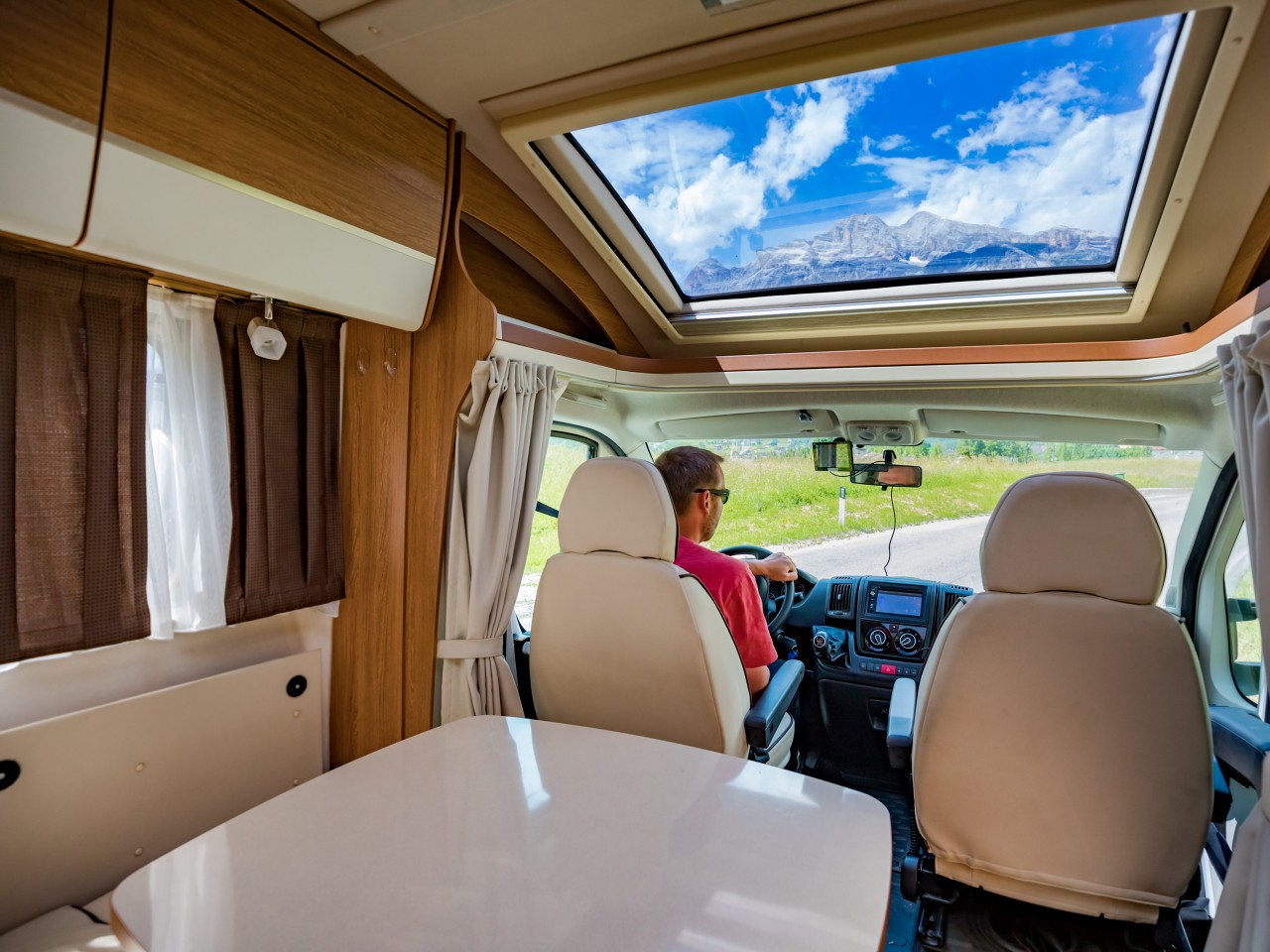
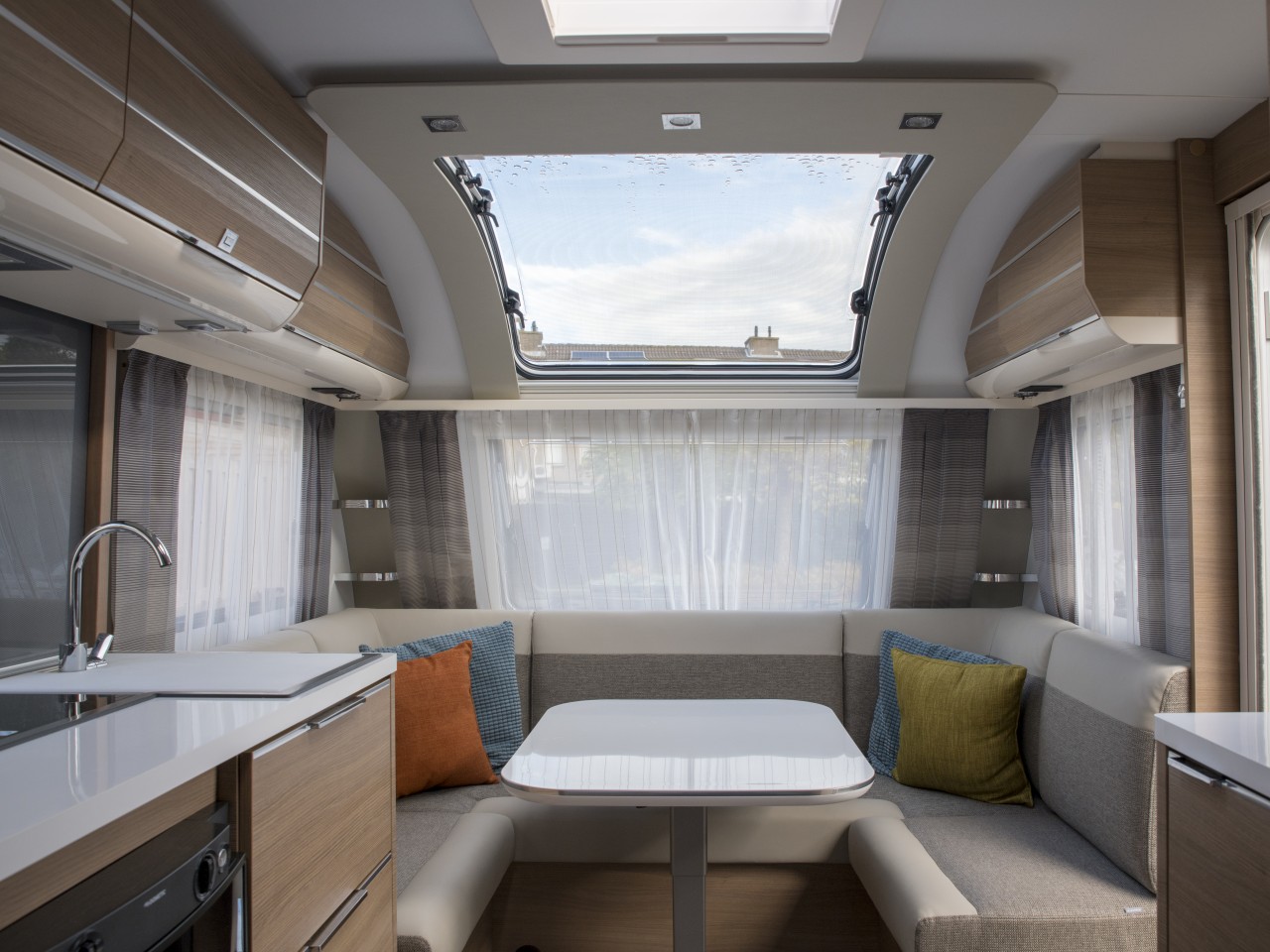
Caravans, also termed travel trailers or RVs, are increasingly popular for their blend of comfort and style while exploring the world. These compact mobile homes offer the comforts of home while journeying to various destinations. A notable feature of owning a caravan is the ability to personalize the interior to match individual preferences and needs. Simple changes in decor ideas can help achieve your desired look by adjusting or adding elements like upholstery, window treatments, carpets, rugs, shower curtains, bedding, planters, foliage, art, buntings, and other decorative items.
When choosing interior color schemes for your caravan, prioritize hues that create a sense of spaciousness and maintain longevity. Begin with a neutral base palette, allowing room for color accents through bedding, upholstery, and accessories. Consider earthy tones like blues, greys, greens, and whites, alongside pastel shades, with beige, cream, or your preferred neutrals seamlessly complementing wood paneling and visually expanding your space. Whether renovating an older caravan or adding personalized touches to a new one, here are some ideas to kickstart your design journey.
Since a caravan comes with limited square footage, it’s important to make the most of every available inch. Therefore, it is important to opt for furniture items that serve multiple functions like a sofa bed can serve as seating during the day and easily convert into a bed at night. This not only optimizes space but also fosters a feeling of openness within the caravan, especially during daytime travel. Opting for a foldable table offers the flexibility of tucking it away when not needed, thereby liberating precious floor space. Consider seeking a table that can be mounted on the wall or ceiling for additional space-saving benefits. Modular furniture provides versatility to rearrange according to your requirements. Look for pieces that can be stacked or nested when not in use, enabling efficient space utilization and ensuring ample room for movement.
Storage is often a challenge when embarking on caravan trips, particularly during long journeys or in winter. With so many essentials to carry, space is always at a premium. In smaller caravans, it’s essential to invest in ingenious storage solutions. Consider utilizing under-bed storage boxes, over-door organizers, furniture with ample drawers, and hanging shelves. Make the most of every nook and cranny, including the space beneath seats and in the corners of the caravan.
3. Add Texture
Adding textured accents such as cushions, throws, and rugs is a simple yet effective method to elevate the appearance of a small caravan. These elements contribute warmth and personality to the interior. Furthermore, incorporating wall art can further enhance the aesthetic appeal of the space.
4. Coastal Influences
For coastal and beach enthusiasts, choose a caravan with nautical-inspired interiors and color schemes. Utilize white as the main color to keep the space fresh and airy, essential in small areas. Incorporate various shades of blue for a relaxing coastal feel, and opt for natural materials like wood furniture, decor accessories, and rattan baskets to maintain this style. Consider adding blue and white stripes, reminiscent of classic ship decor, to enhance the nautical theme.
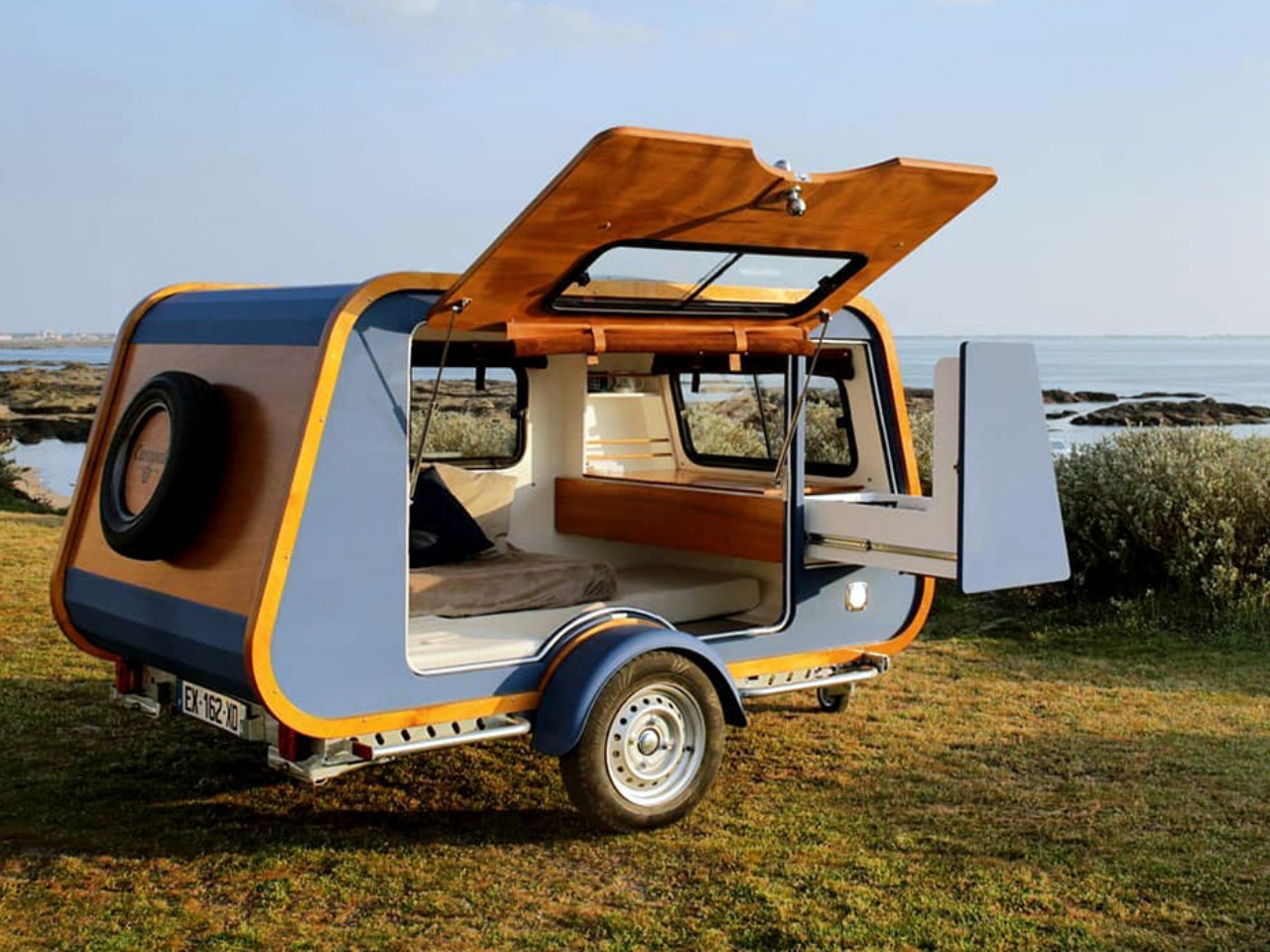
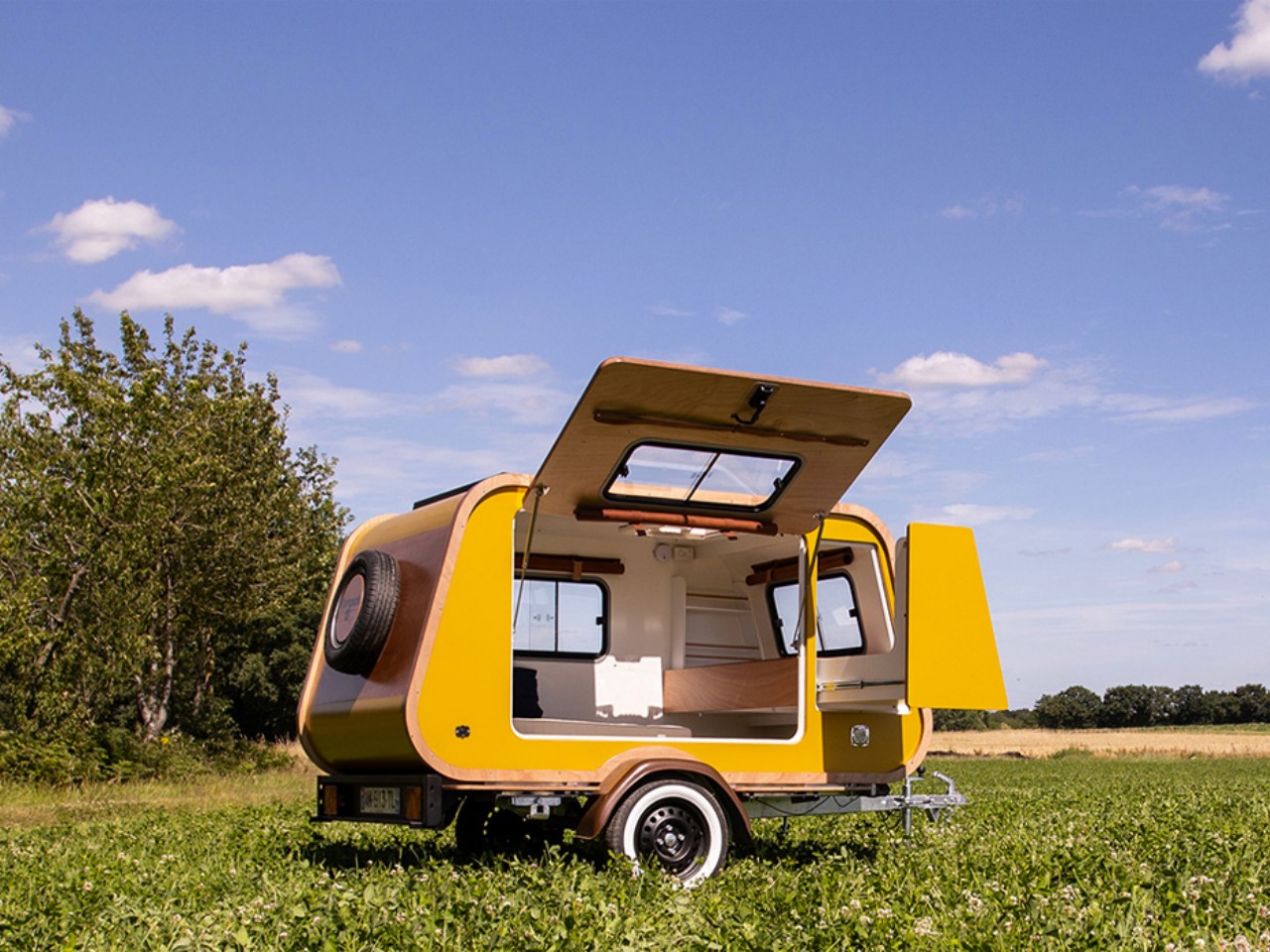
As luxury camping vehicles like teardrop caravans become increasingly popular, La Carapate from French manufacturer Carapate distinguishes itself with its innovative design. Sporting a trapezoidal shape and a unique flap door for shade and convenient access, it stands out in the market. Drawing inspiration from nautical themes, its blue and yellow color scheme captures the essence of maritime adventure. With eco-friendly features like a solar panel, La Carapate embodies sustainability and responsible travel. Its panoramic views and compact living space make it an appealing choice for camping enthusiasts seeking a connection with nature and alternative accommodation. Explore its hidden features, such as skylights and USB ports, for an unforgettable camping experience.
5. Rustic Vibes
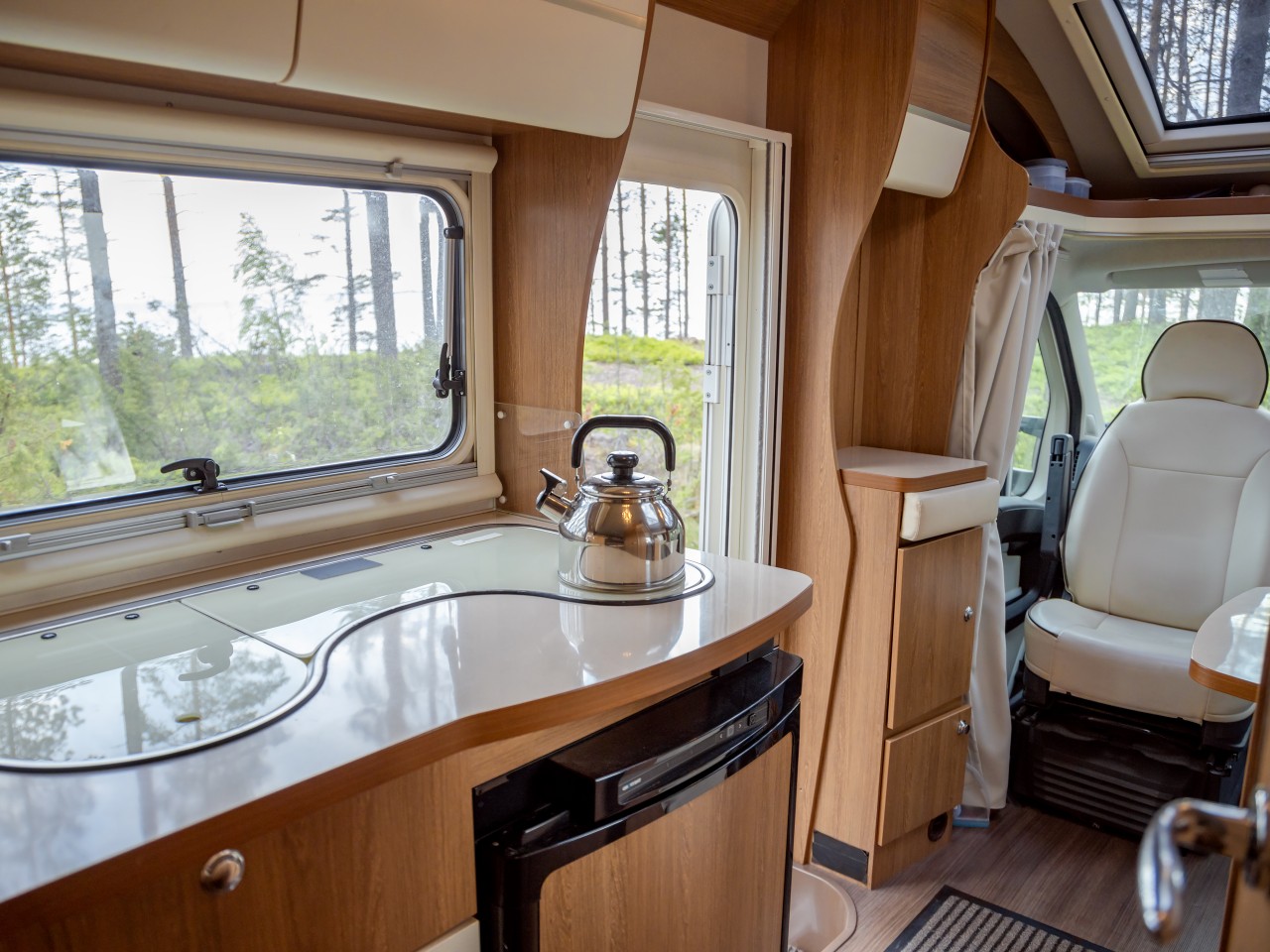
Achieve a transitional style in your compact caravan by blending modern and rustic elements for a relaxed yet stylish interior. Opt for neutral tones like white or cream for the internal walls, and incorporate cream blinds for added texture. Keep decor accessories predominantly neutral, and integrate natural materials such as rattan lights, baskets, trays, and wooden furniture pieces for an organic touch.
Considering that the caravan will be utilized for exploring natural environments, why not incorporate natural materials into the interior decor? Embracing these materials, such as wood, rustic basins, wood flooring, and breathable fabrics, can enhance the renovation, creating a connection to the surrounding natural landscapes.
7. Bohemian Vibes
The Bohemian style complements the freedom and flexibility of small caravan living. With its adaptable nature, it easily suits most caravan spaces, focusing on a neutral color scheme with hints of green from foliage and natural browns from materials like seagrass and rattan. This achievable and timeless interior design starts with updating the cushions in the dining area, setting the tone for the entire caravan space.
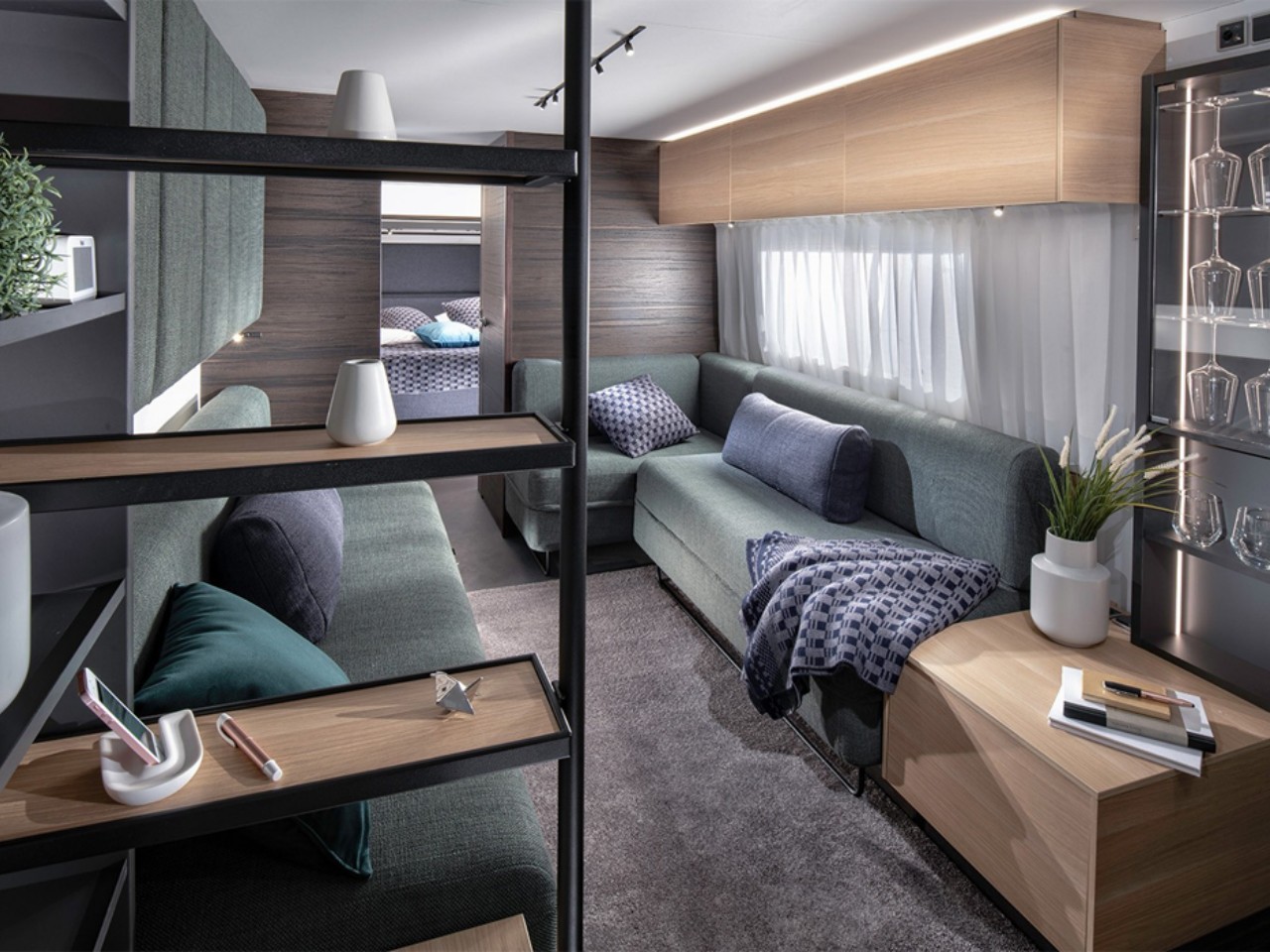
Hobby’s Maxia caravan blends Scandinavian design with hygge living, offering a luxurious city apartment on wheels. Its exterior retains a traditional look with rounded edges and panoramic windows for expansive views. Inside, a focus on simplicity and comfort characterizes the layout, with an L-shaped kitchen featuring modern amenities and a versatile U-shaped sofa doubling as a dining area and bed. The open floor plan ensures ample living space, with a private sleeping area towards the back and smart appliances like Truma Combi heater/water heater and Hobby Connect touchscreen controls enhancing the experience. It’s a stylish and functional retreat for on-the-go travelers.
9. Introduce a Home Office
In the post-pandemic era, there’s a notable rise in camper and trailer demand, offering enhanced adventure experiences and cozy sleeping quarters. These vehicles not only provide ample space for gear but also feature full kitchens, bringing the comforts of home to natural settings. For professionals craving personal space amidst scenic landscapes, these mobile accommodations offer an escape from monotony, making work-life balance more attainable.
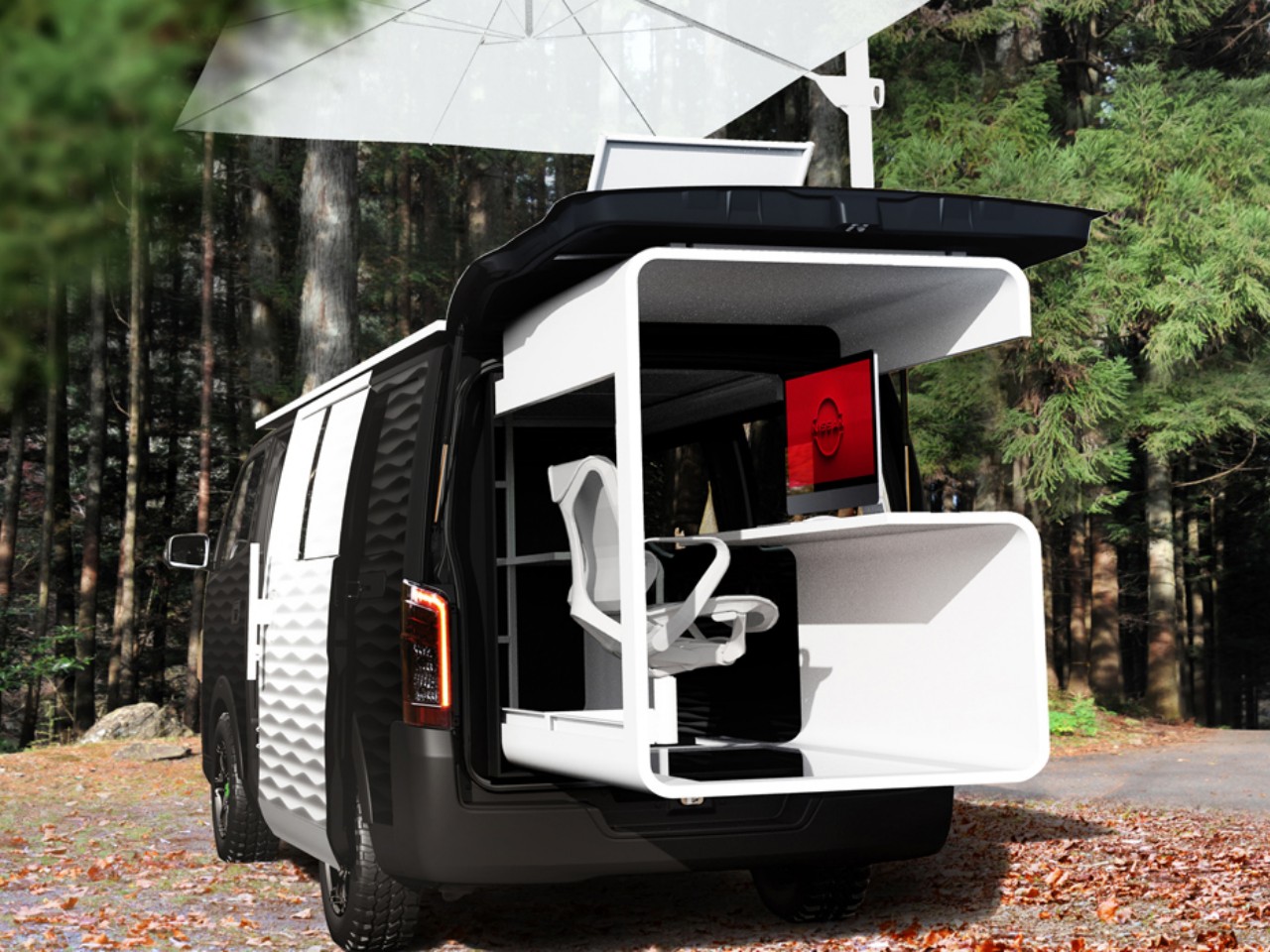
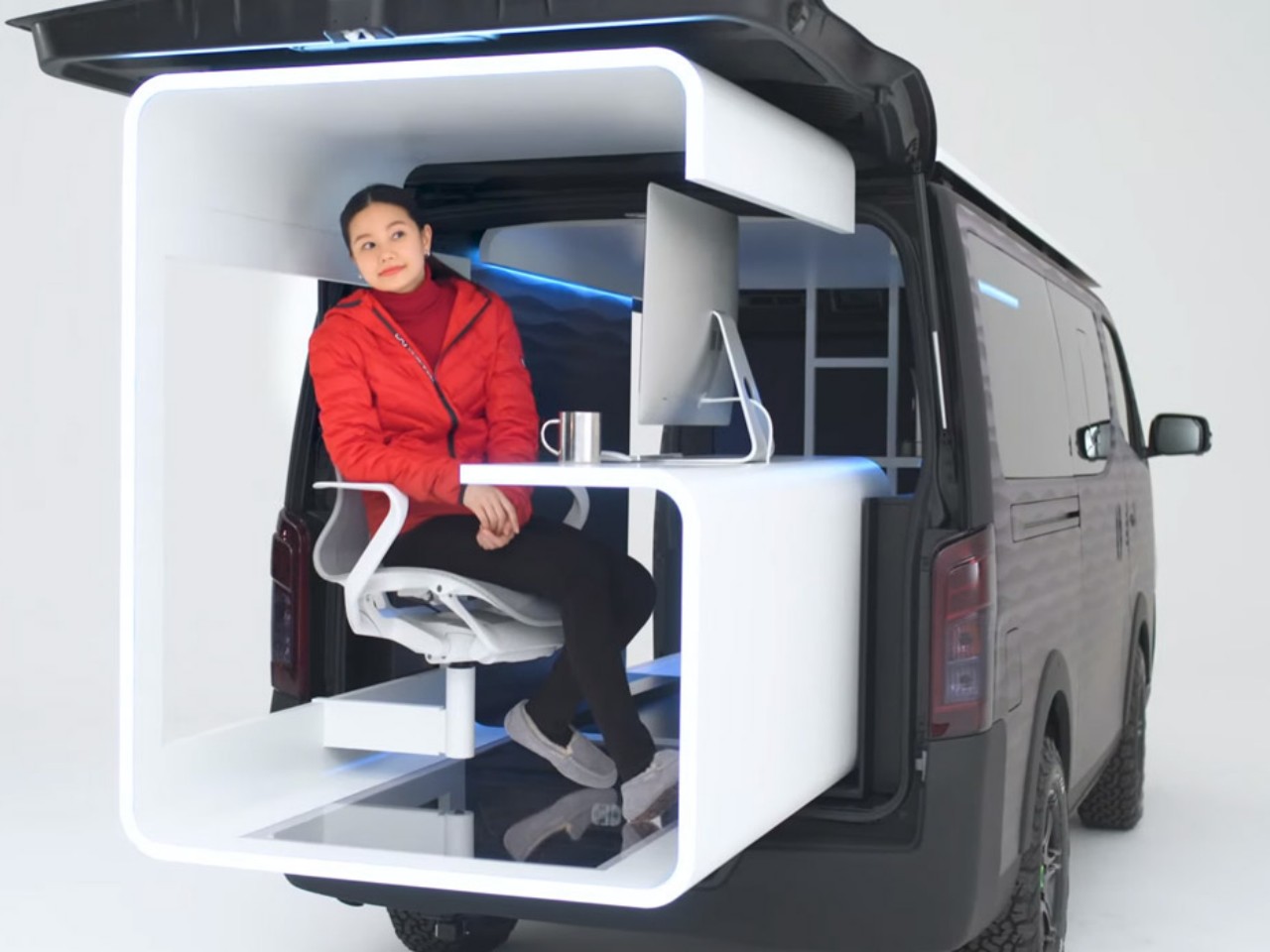
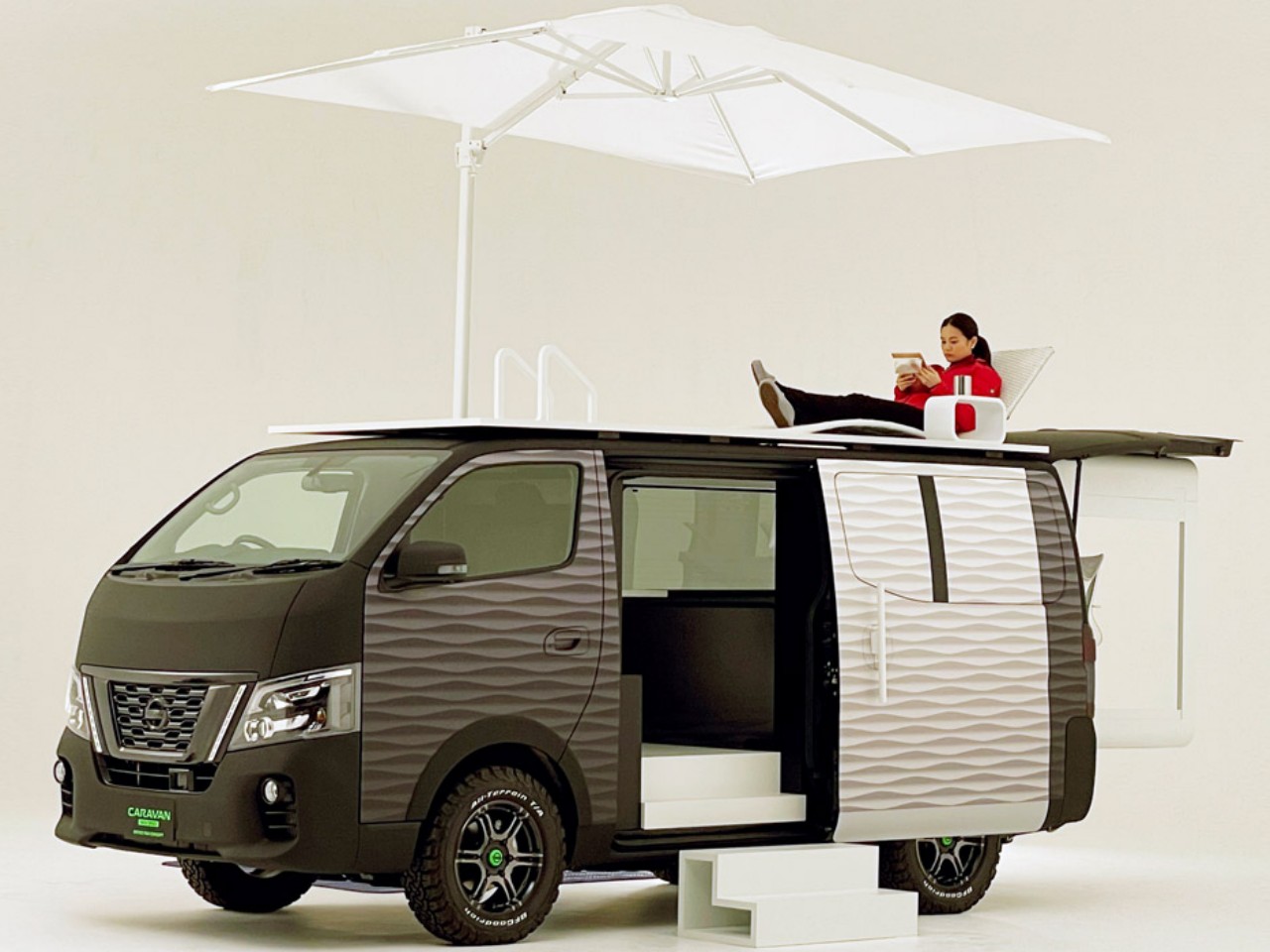
The Nissan NV350 Caravan Office Pod Concept revolutionizes remote work by offering a mobile office in scenic locales. Controlled via smartphone, it extends outdoors with one-touch retractable motion, electric shades, and UV antibacterial lighting for hygiene. Featuring a Herman Miller Cosm chair on a polycarbonate floor and adjustable ambient lighting, it prioritizes ergonomic comfort. A rooftop deck provides a luxurious retreat, accessible from inside the vehicle for personal solitude. Unveiled at the Virtual Auto Salon 2021, this caravan exemplifies the future of electric vehicles, offering innovative opportunities for remote work while inspiring creativity in nature.
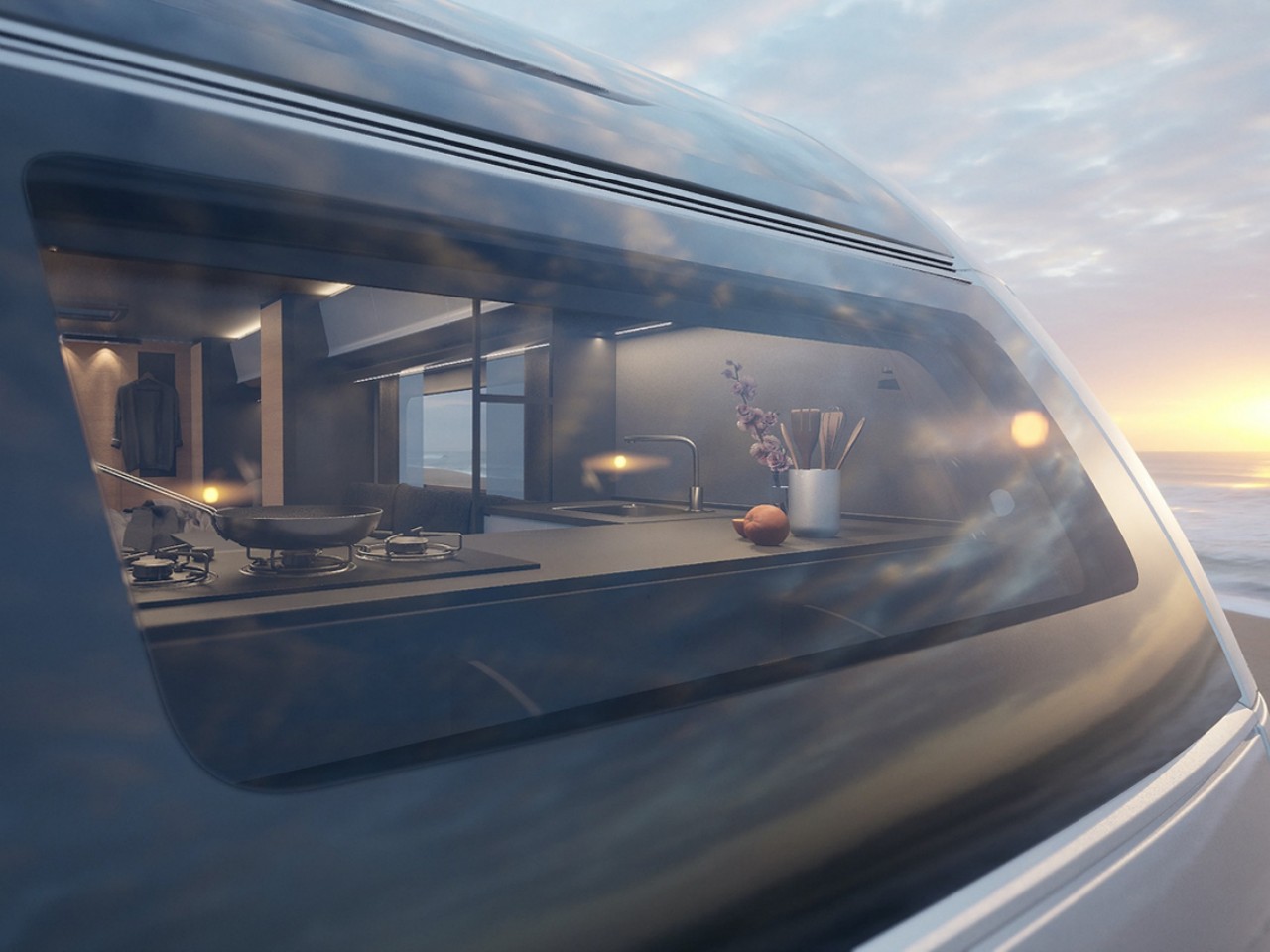
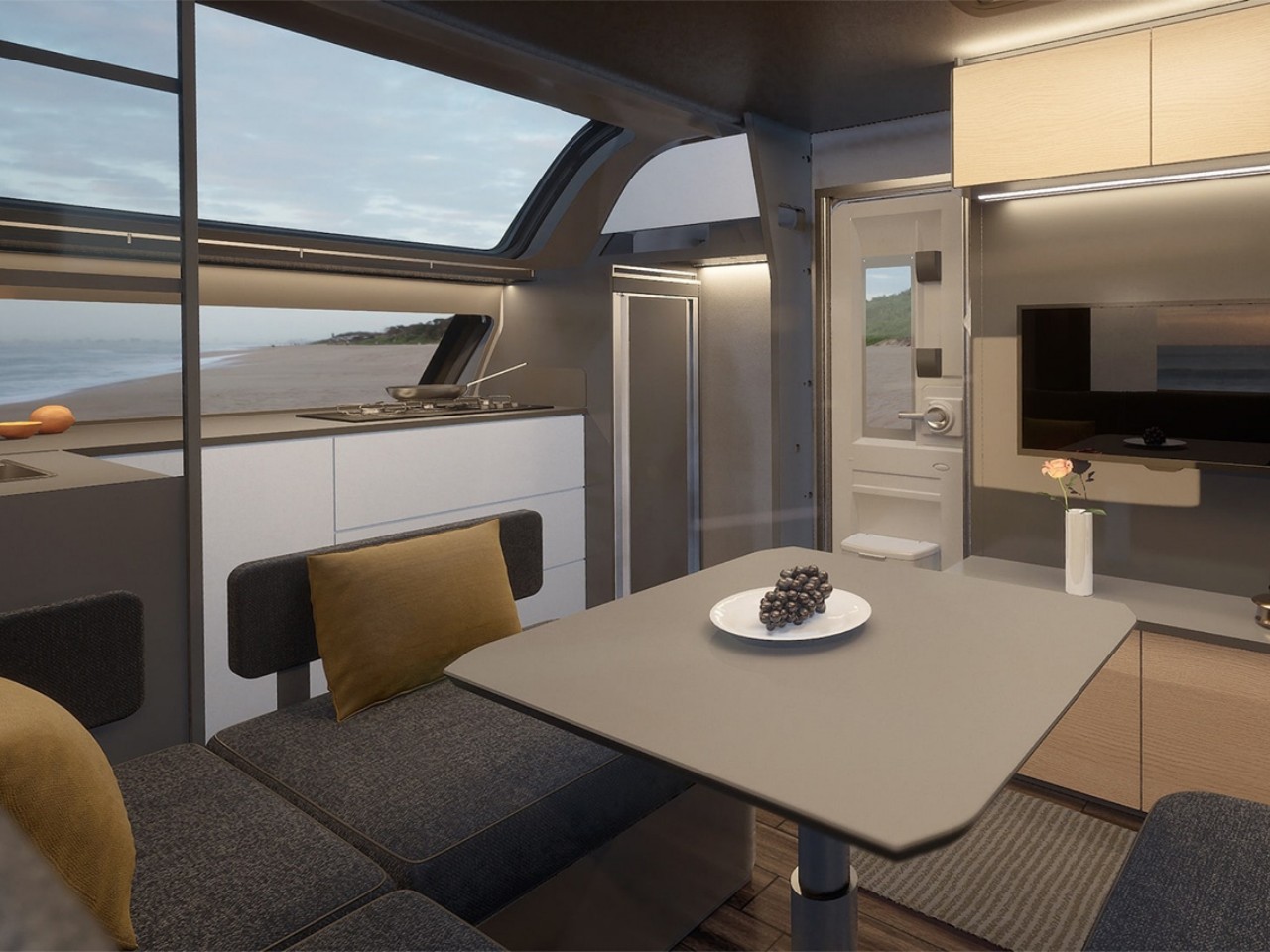
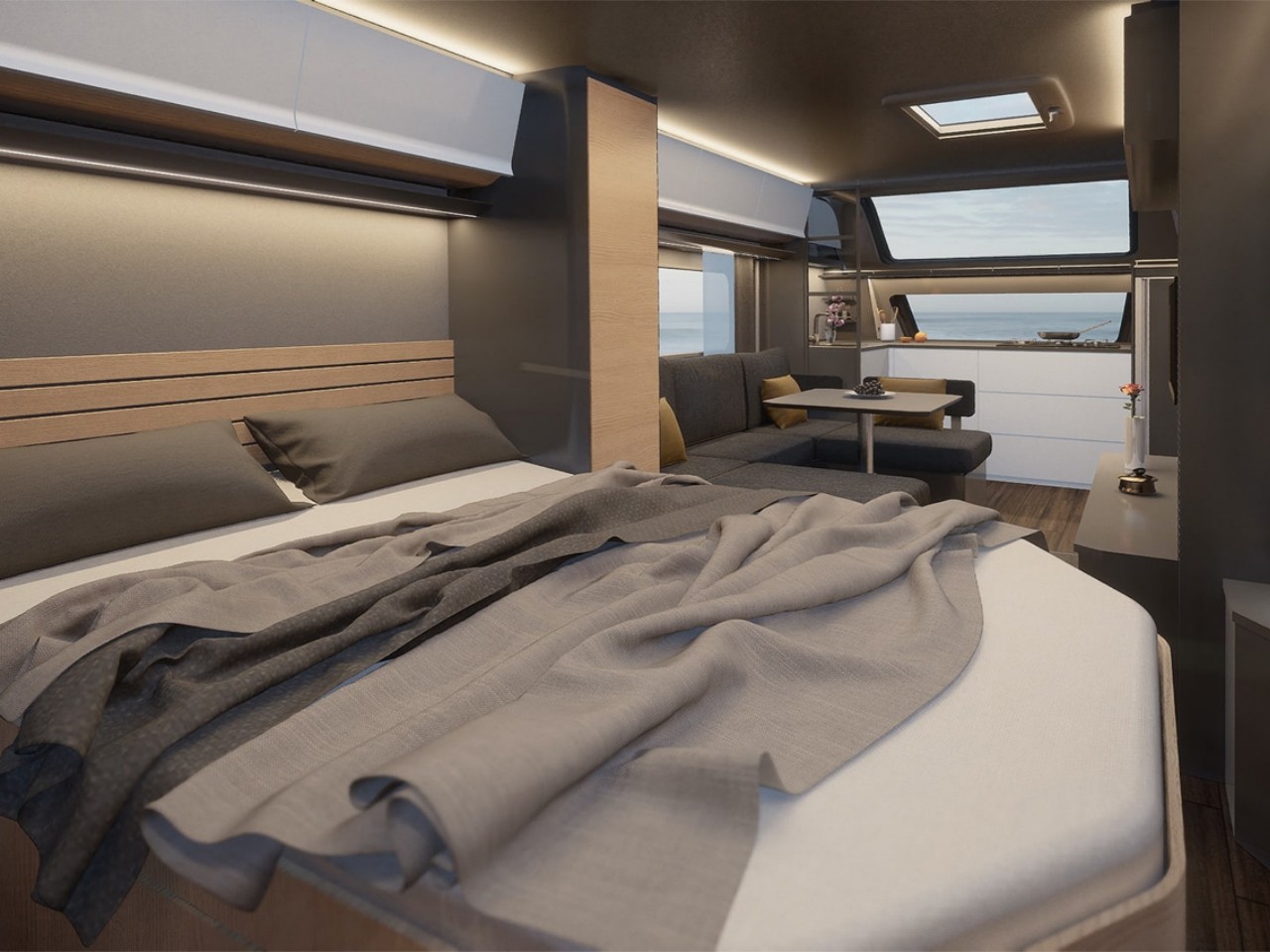
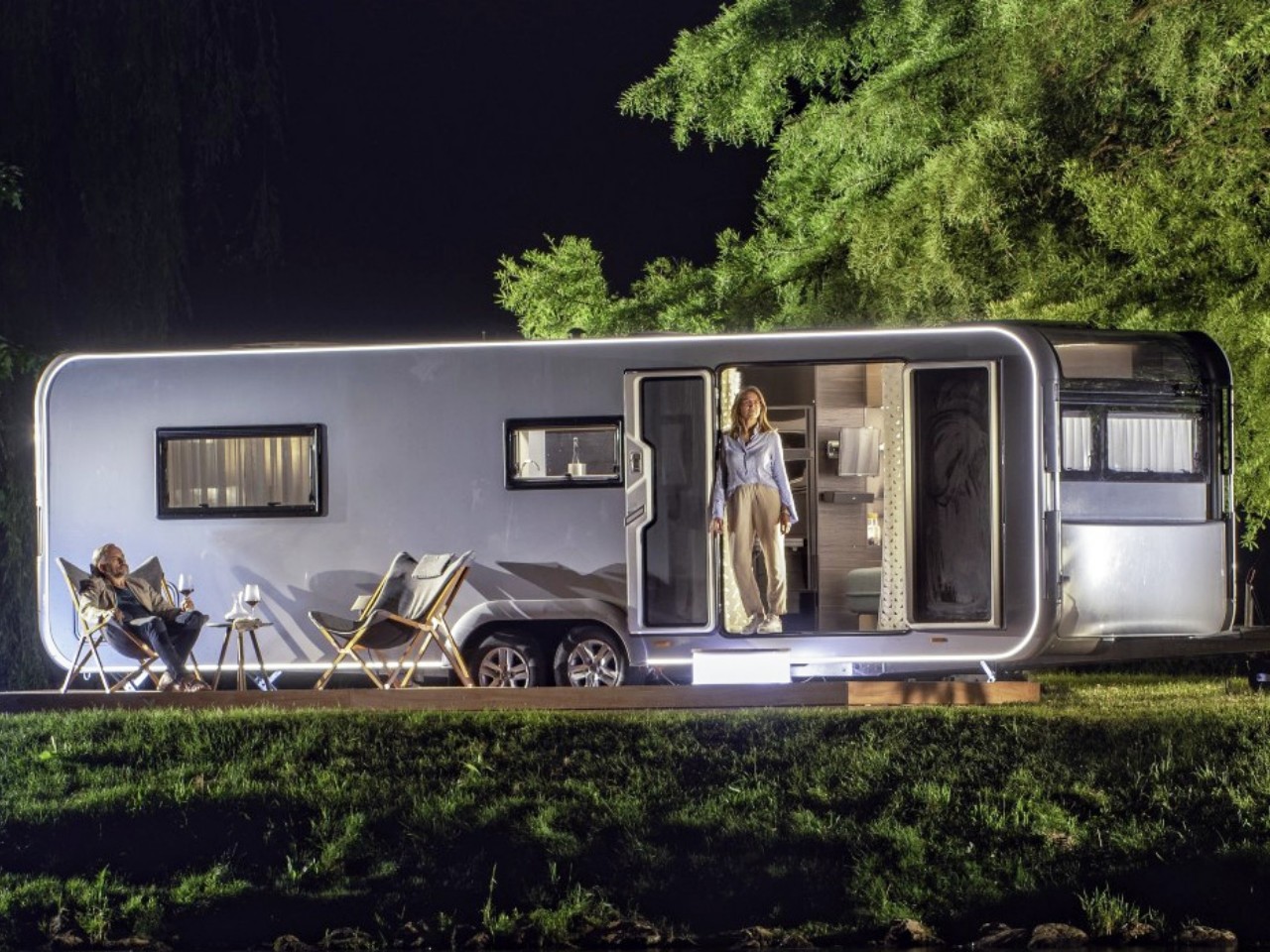
Adria’s new Astella caravan epitomizes luxury mobile living reminiscent of 1950s airline opulence, akin to Pan Am, catering to travelers in pursuit of ever-changing dream vacations. Crafted as an inspired, deluxe rendition of the traditional holiday home on wheels, Astella embodies luxury through simplicity. Its open floor layout exudes sophistication with clean lines, amplifying the spacious interior housing living, kitchen, bathroom, and bedroom spaces. Astella seamlessly integrates indoor and outdoor living with panoramic glass doors, while its aerospace-grade exterior boasts a sleek glazed steel finish for efficient airflow during towing, promising a luxurious yet functional travel experience.
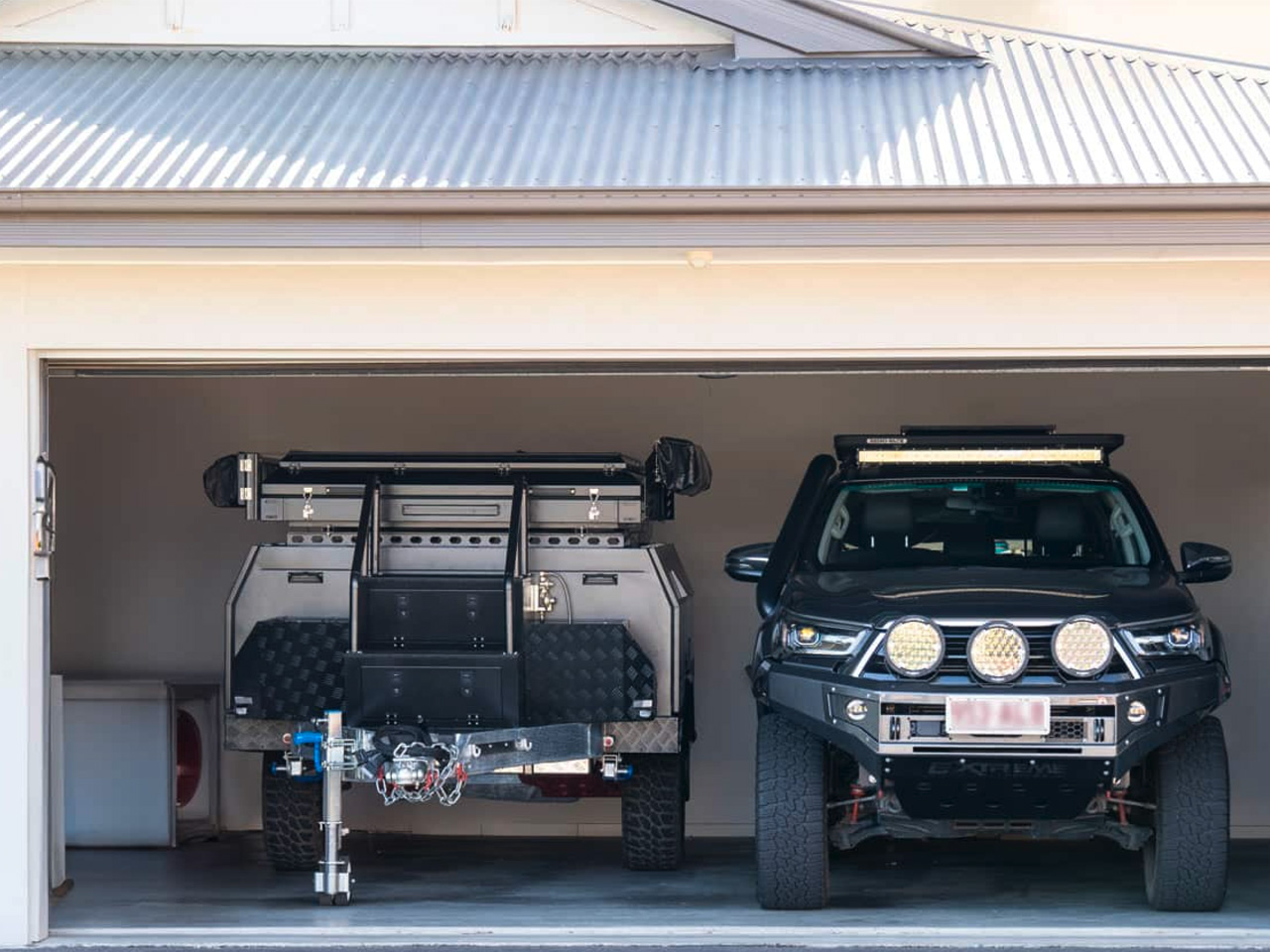
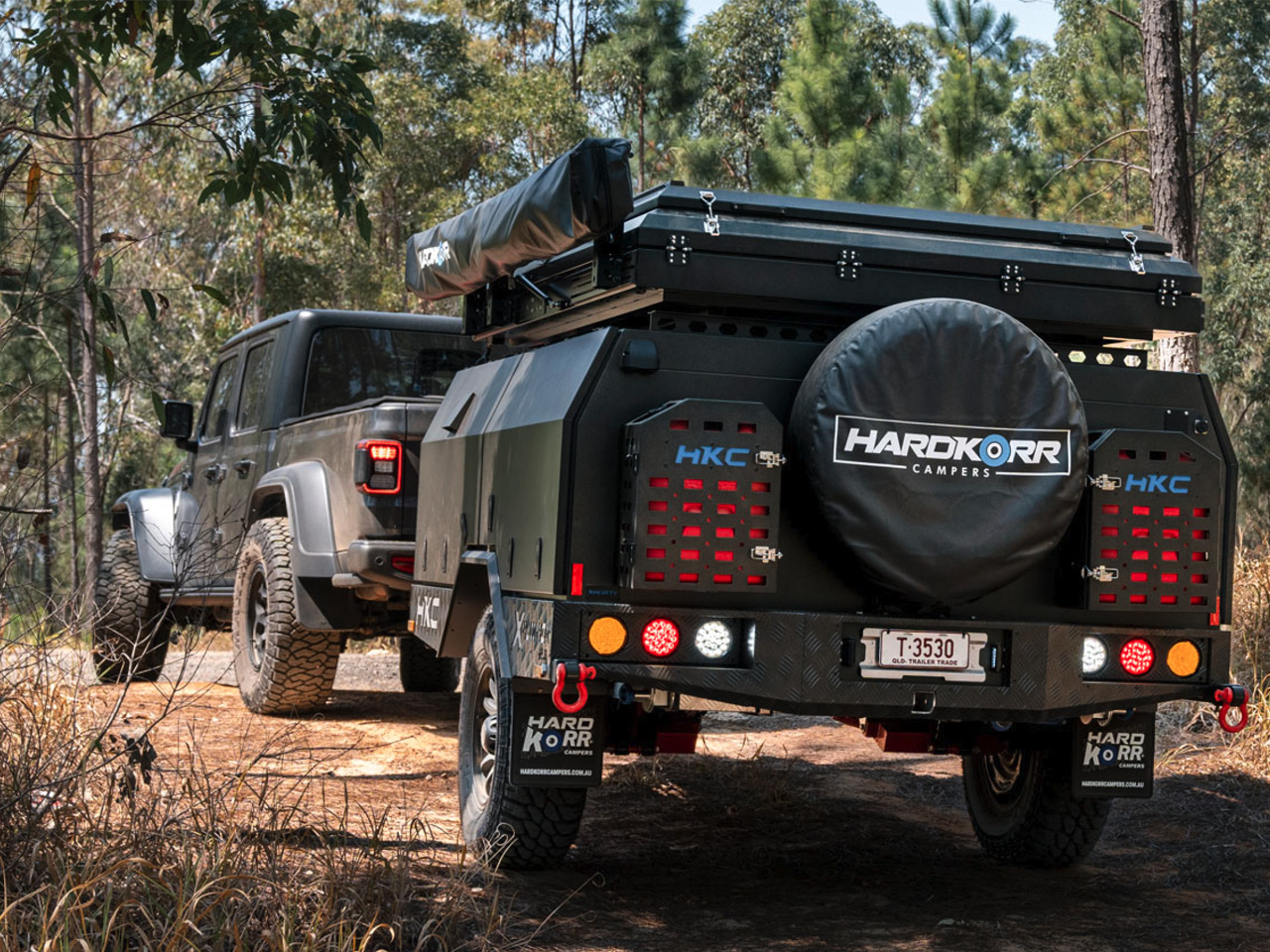
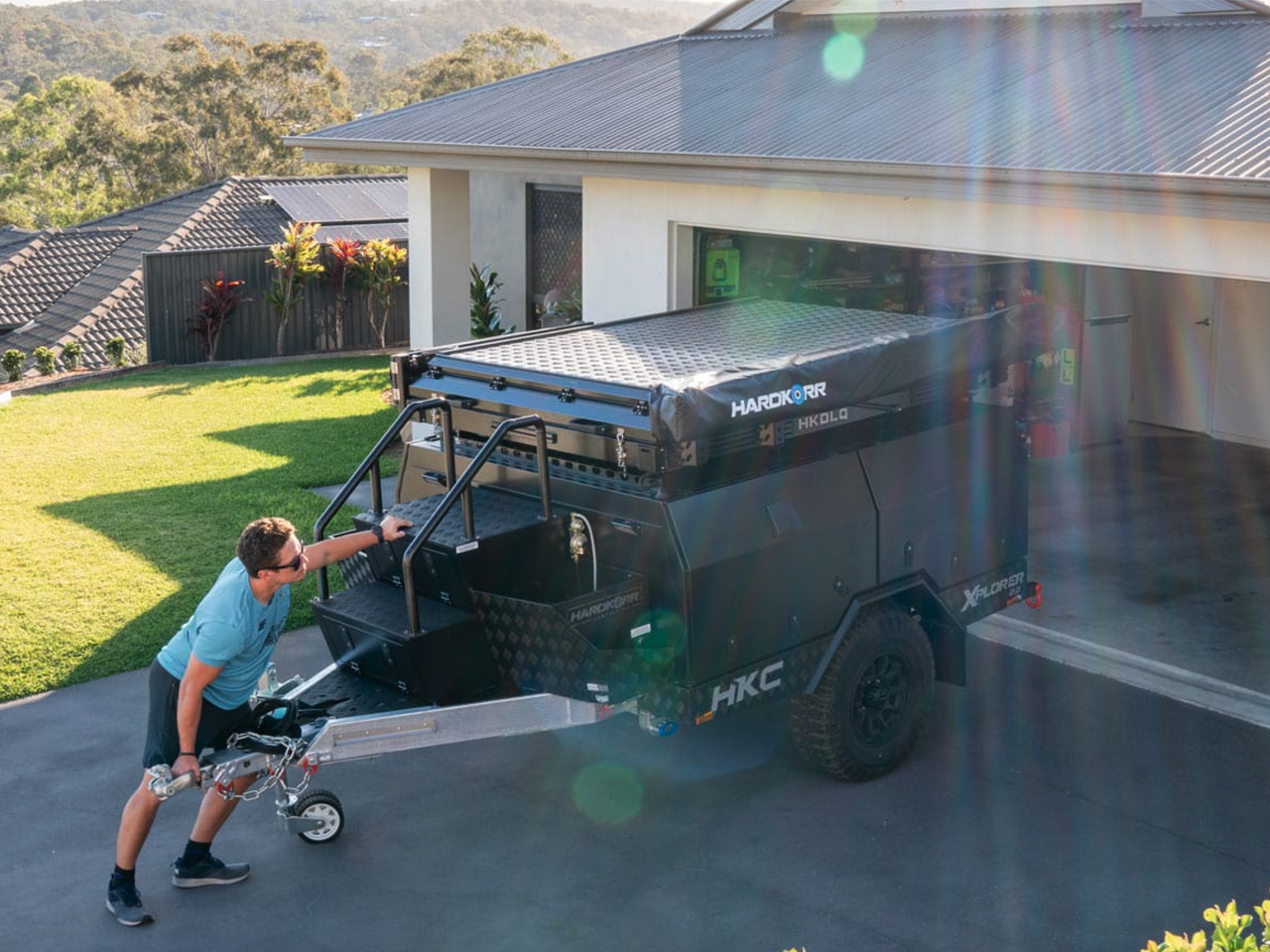
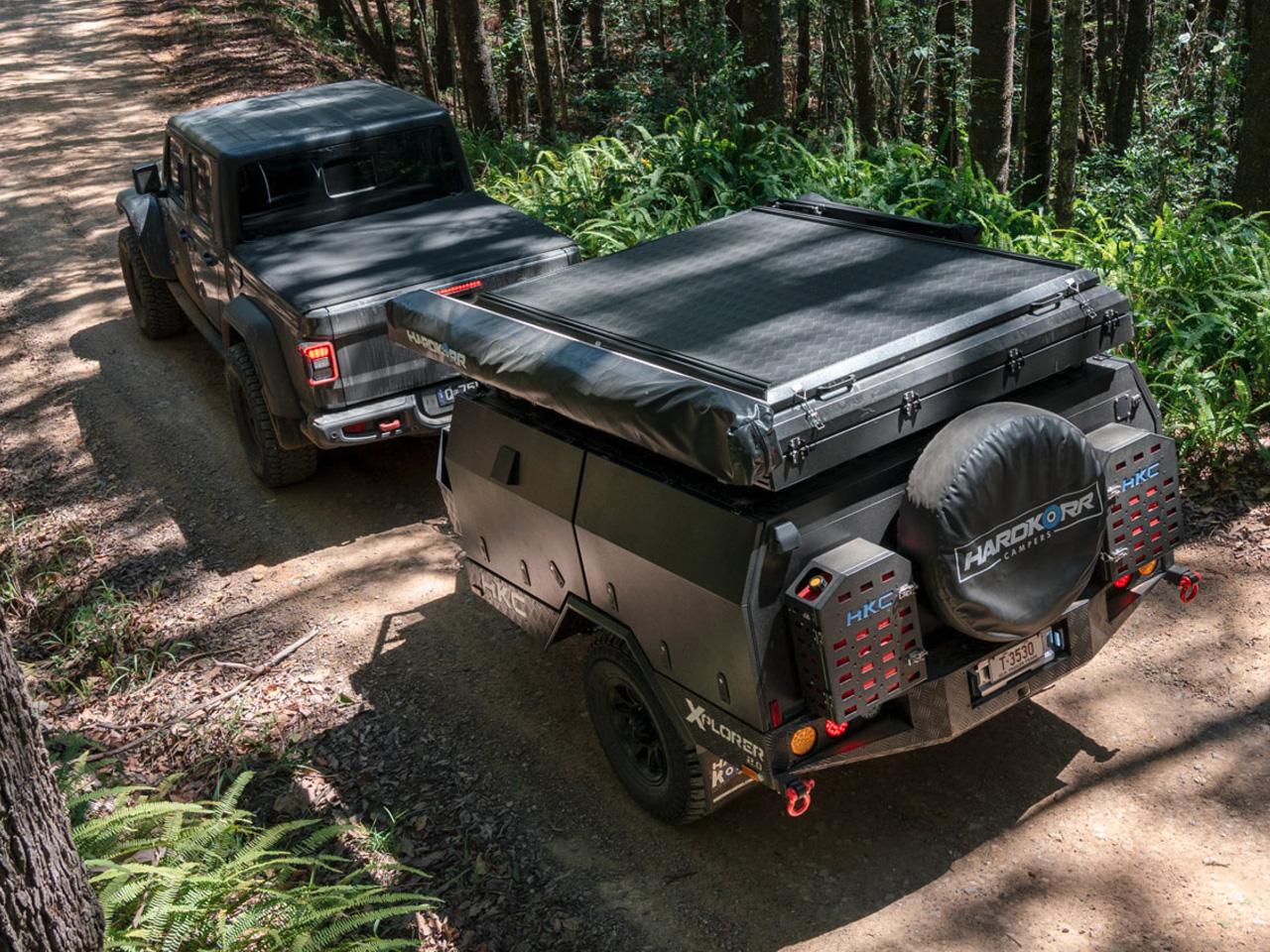
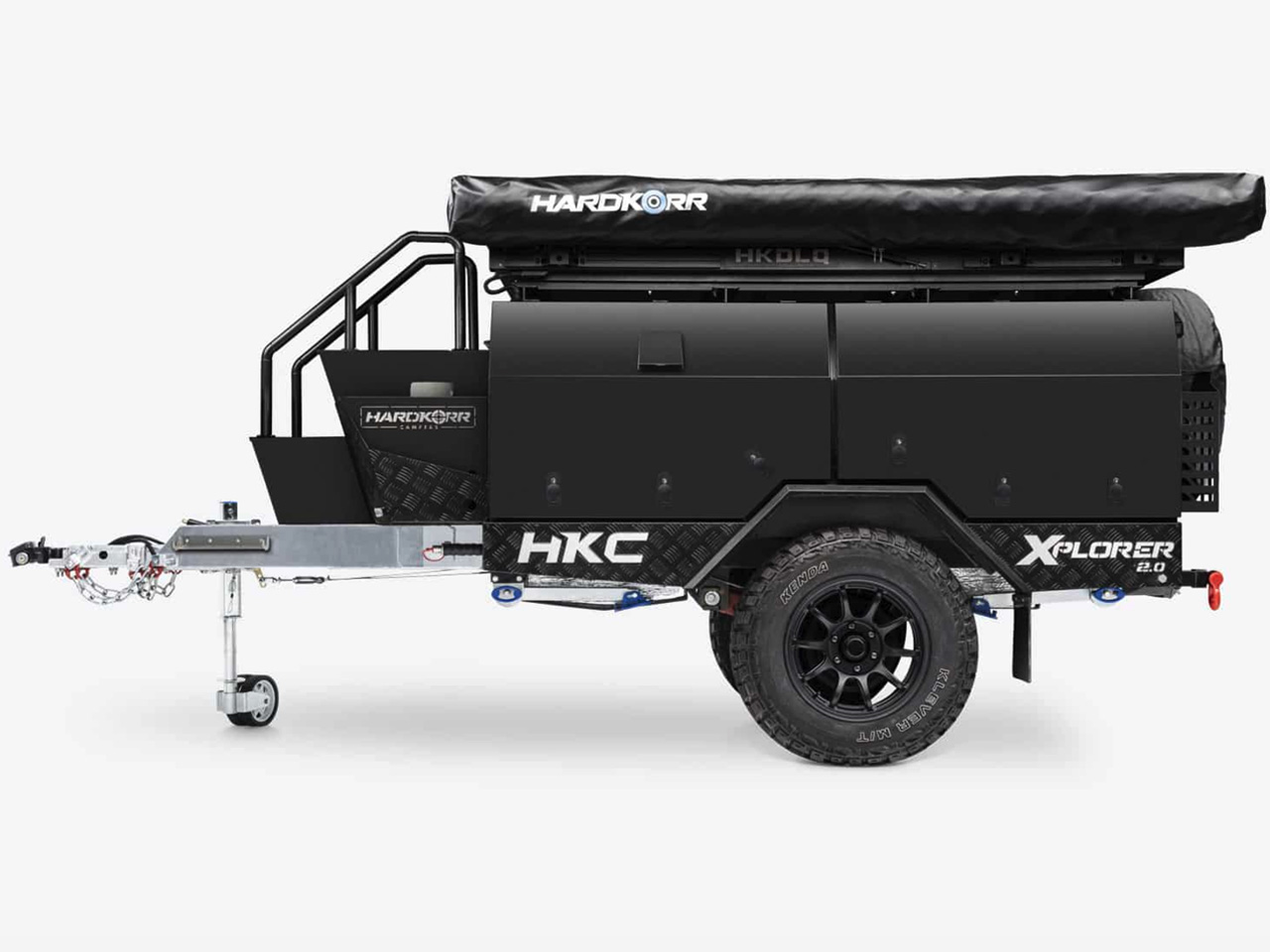
It’s an adventurous world full of competition to the brim. When every camping trailer manufacturer is distinguishing itself from the pack by expanding the living space for the better of the occupants; HardKorr, a company from Australia, known for its Xplorer trailer, is trimming the height of the famous model so that its little brother can fit comfortably within a standard size garage of a typical Aussie home.
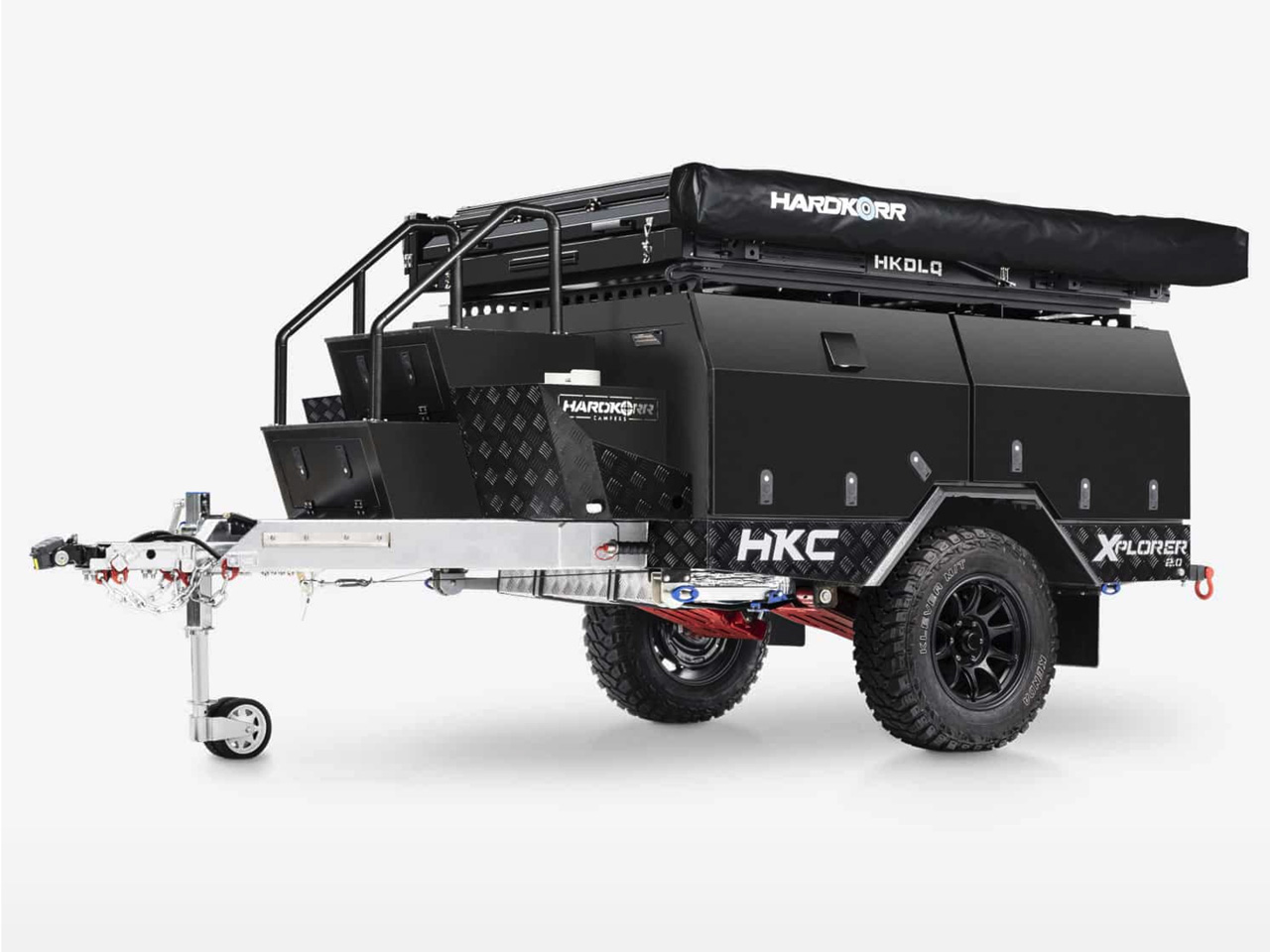
Fascinatingly, that’s not just the brightest aspect of the Xplorer 2.0, happily called the ‘Shorty.’ Shorty is designed – with all the features and skills of the OG – to allow you to live comfortably in the outdoors for weeks and months with your family, without compromising the comfort and living space, and return home to stow the trailer conveniently in your city apartment garage until it’s required the next time.
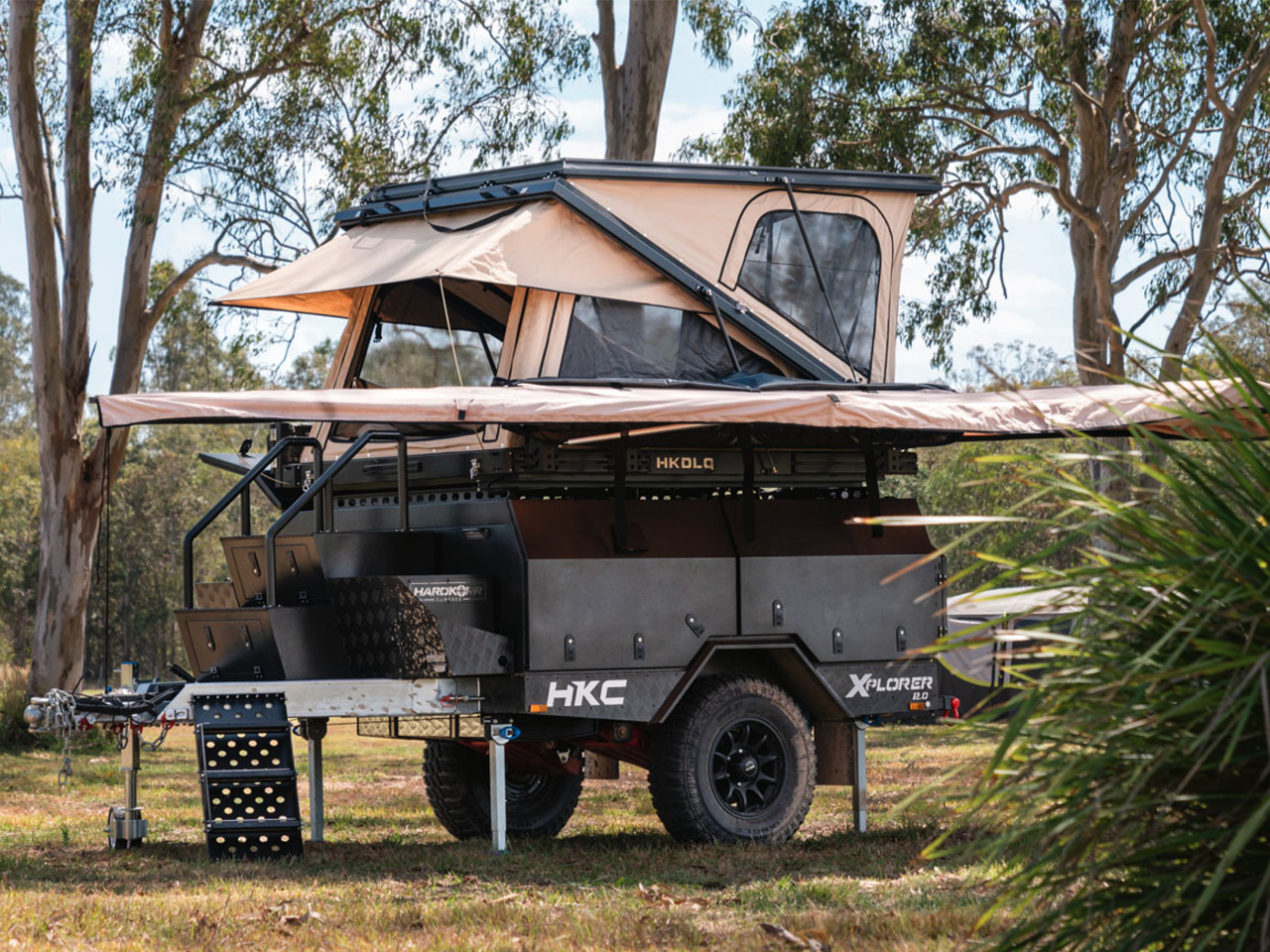
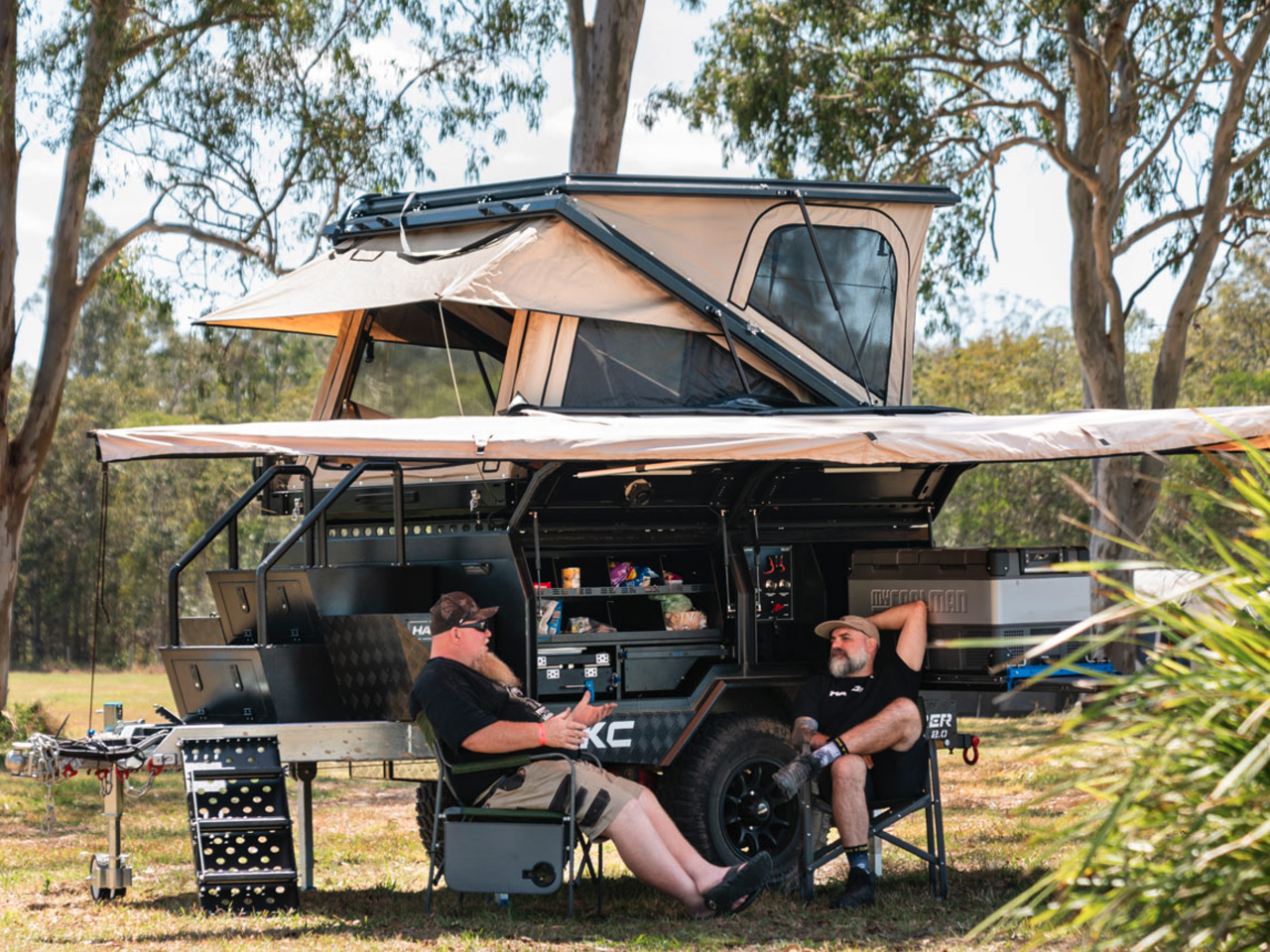
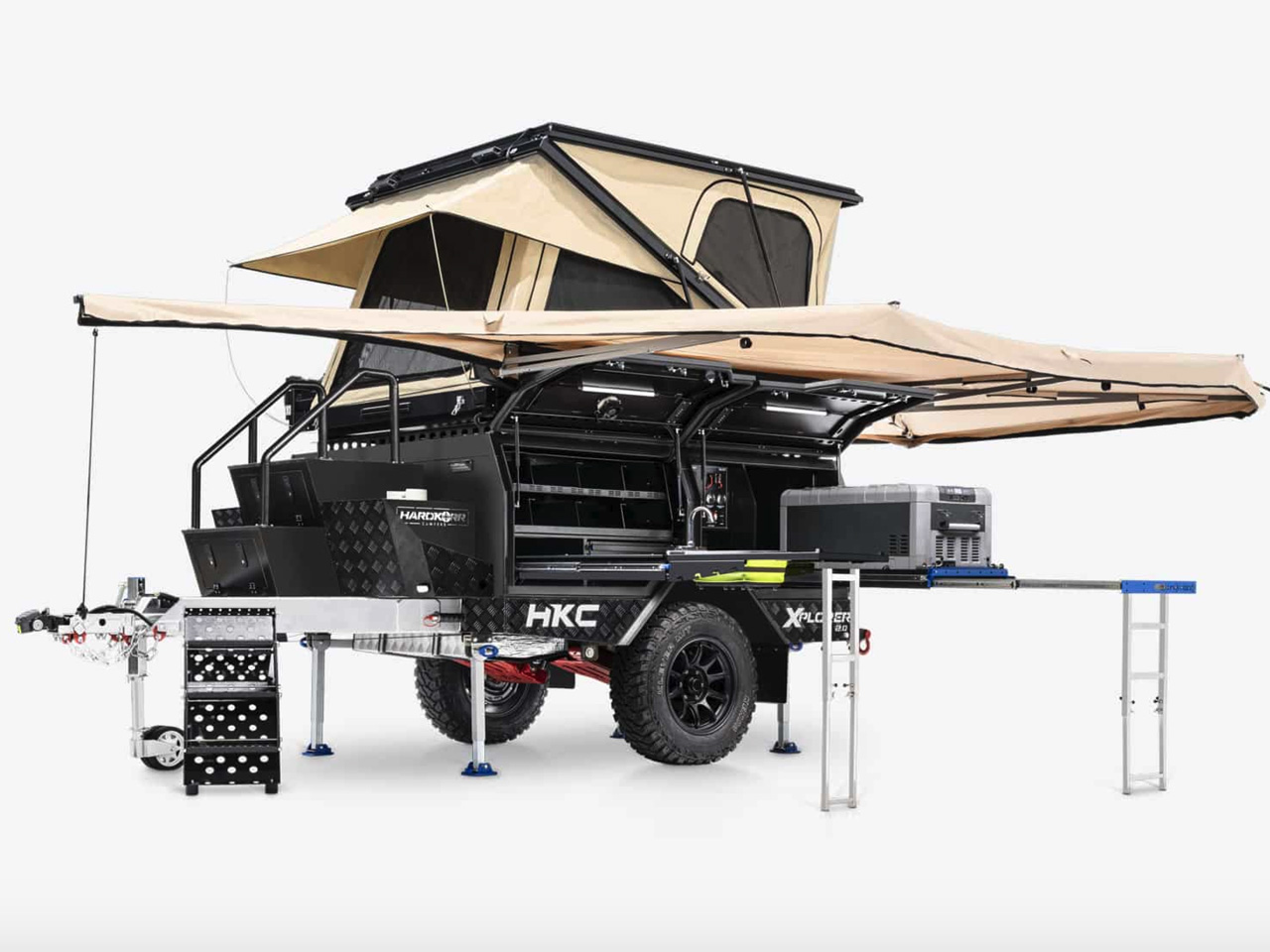
Of course, Xplorer 2.0 is one of the few garage-compatible trailers down under. It is also one of the very few with an integrated staircase to the rooftop tent. This feature makes it a rooftop camper trailer that’s easily accessible by kids and pets you may have along on your journey. And since the Shorty is not all too small, it gives you enough living space under the awnings and a sizable kitchen area for your culinary escapades on-the-go.
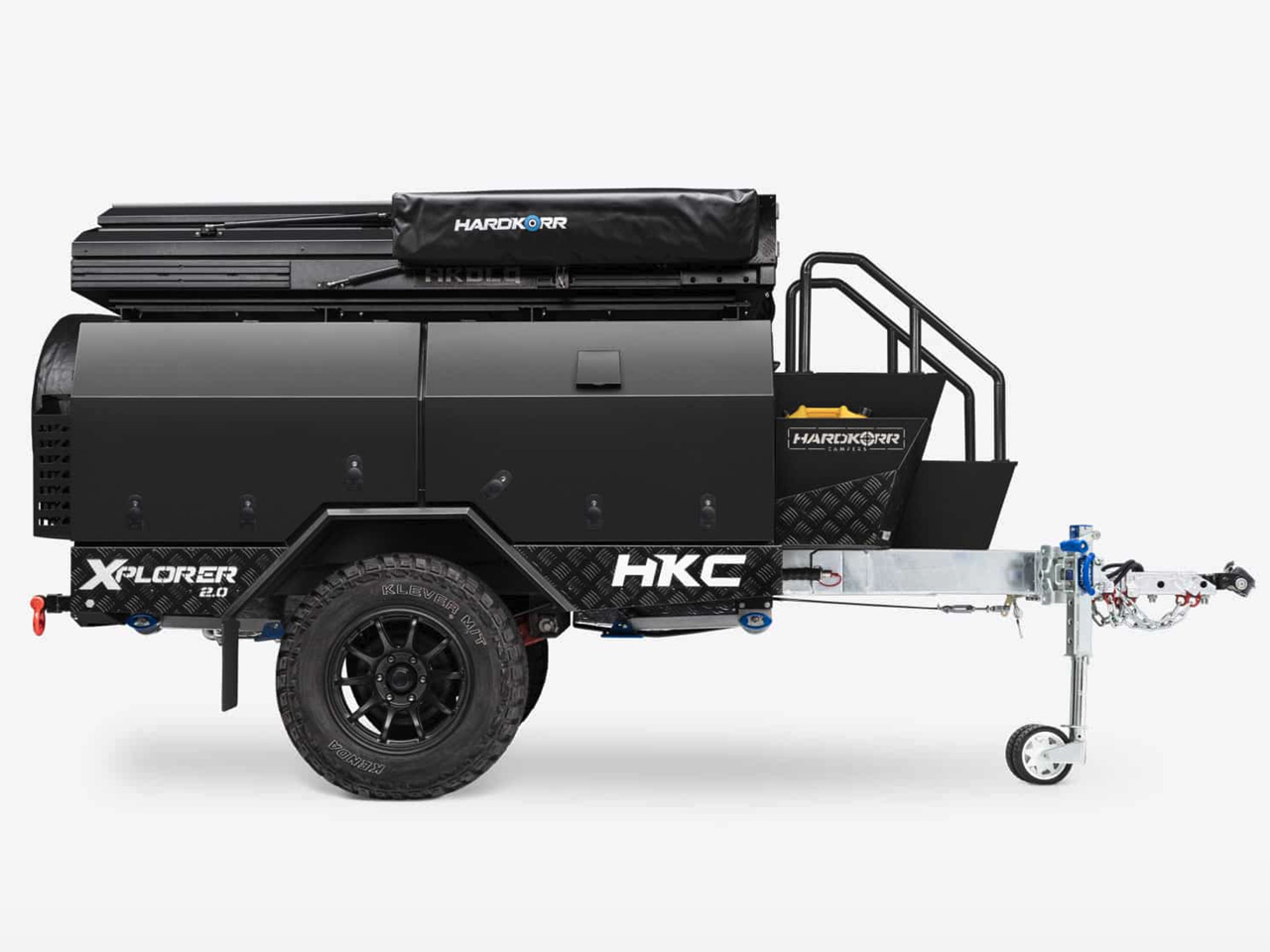
To that accord, the Xplorer ‘Shorty’ 2.0 has a slide-out outdoor kitchen complete with a two-burner stove, a large prep area, and a removable sink. Just behind is the slide-out 96-l fridge with another pull-out tray just underneath it, which creates an additional prep space. On the opposite side of the trailer are two separate hatches for carrying batteries and gear, and above that is a drop-down privacy tent that can be used when taking a shower. The shower here is attached to the kitchen sink and draws water from the instant water heater.
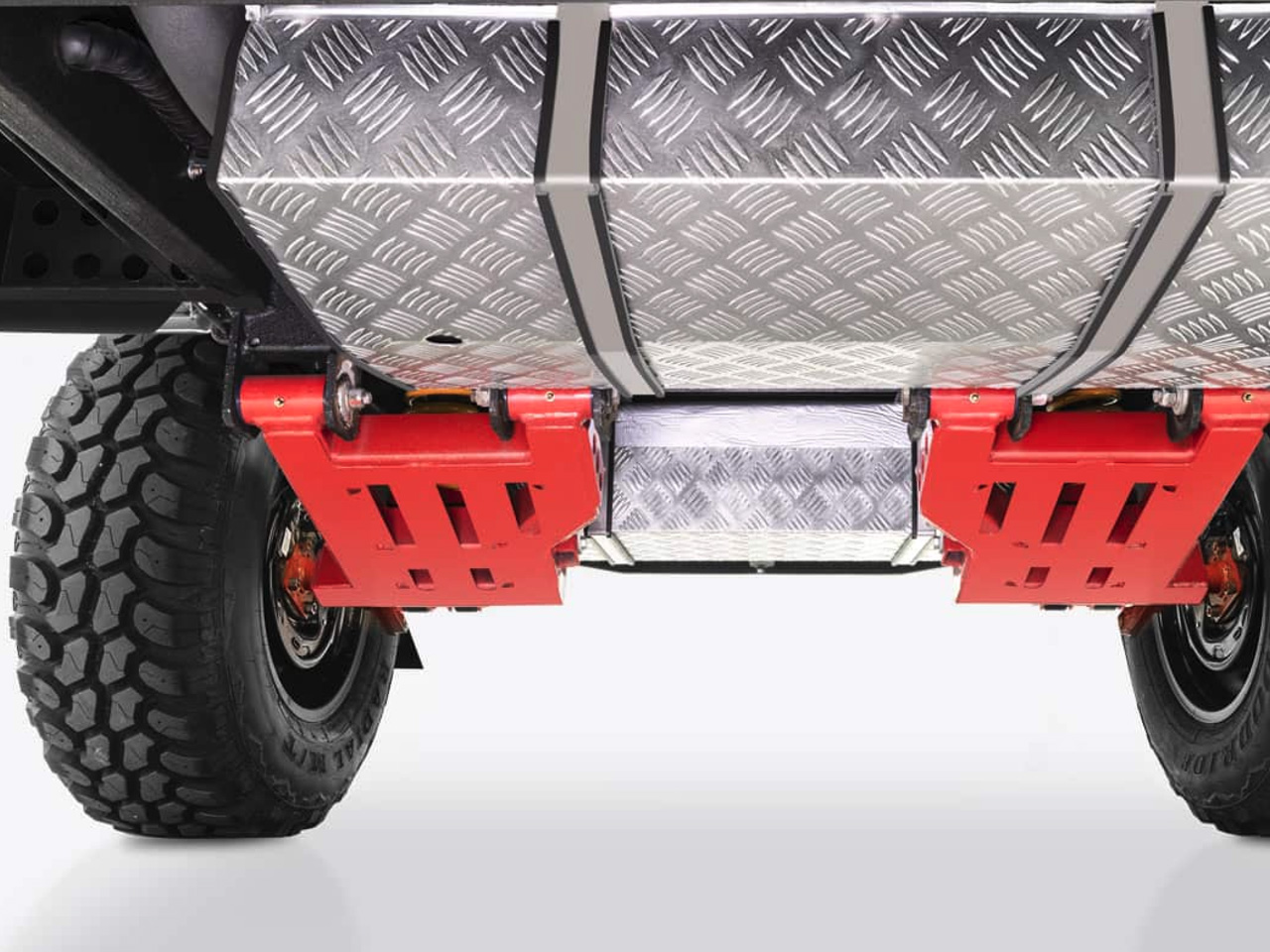
Comprising a lightweight aluminum body, the new Xplorer 2.0 is conveniently towable with any offroad-capable vehicle. It can set up in under five minutes and pack back in almost the same time. On the roof, you have a spacious queen-sized tent, and the trailer itself is loaded with plenty of storage sections, combining to give you upward of 3,450-l of storage space. While the integrated staircase makes it easy for everyone to get up into the bed, the robust off-road suspension, galvanized chassis, and all-terrain tires allow the Xplorer camper trailer to easily handle tough terrains and off-road journeys you want to make by yourself or with your family. These can be extended adventures in the Shorty that comes with a 170W solar panel and 2,000W inverter taking care of the power needs. Retailing for about $24,000 (AUD 35,990), the camper trailer is worth the contention more so as it may be available in the US as well.
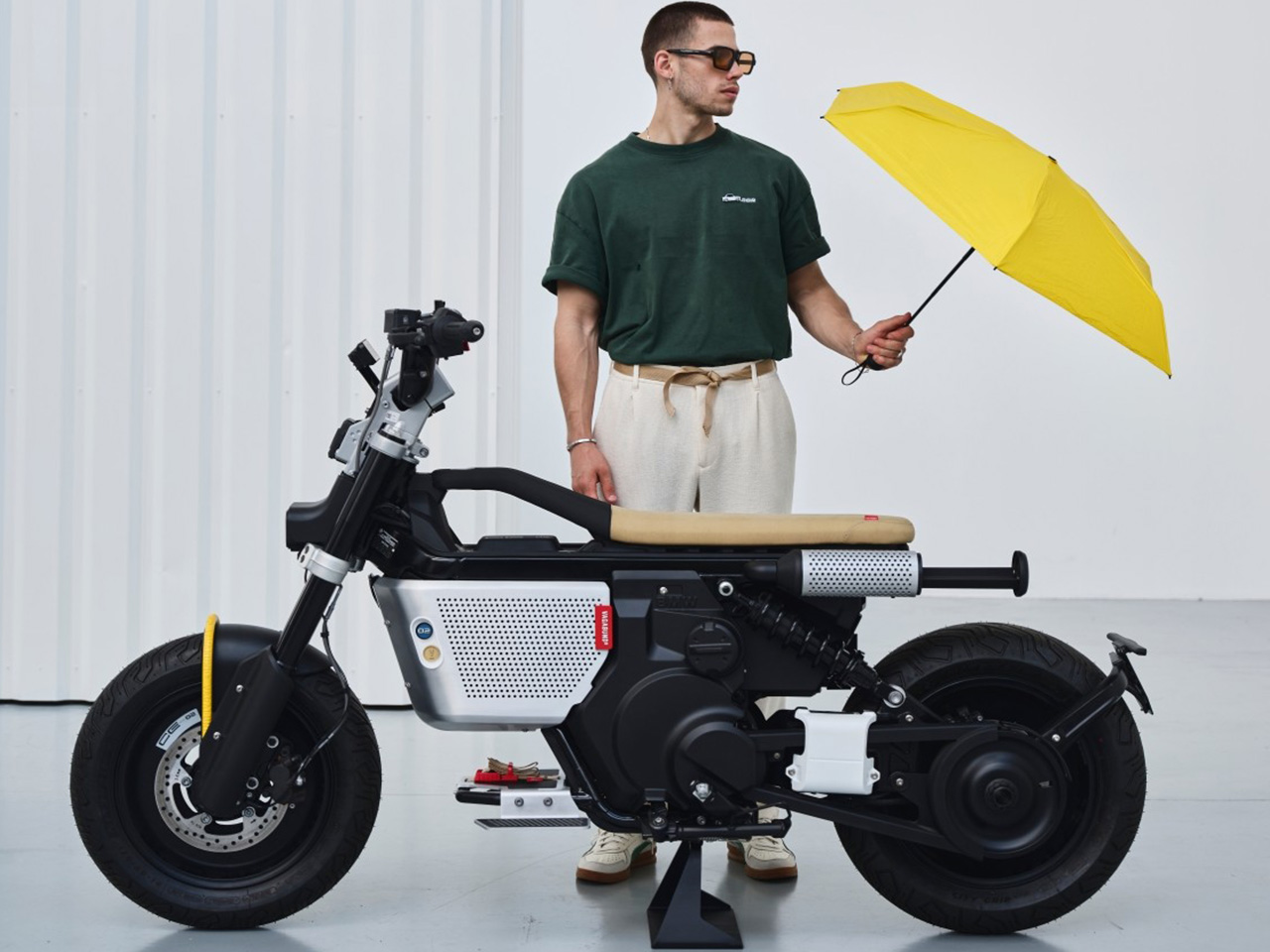
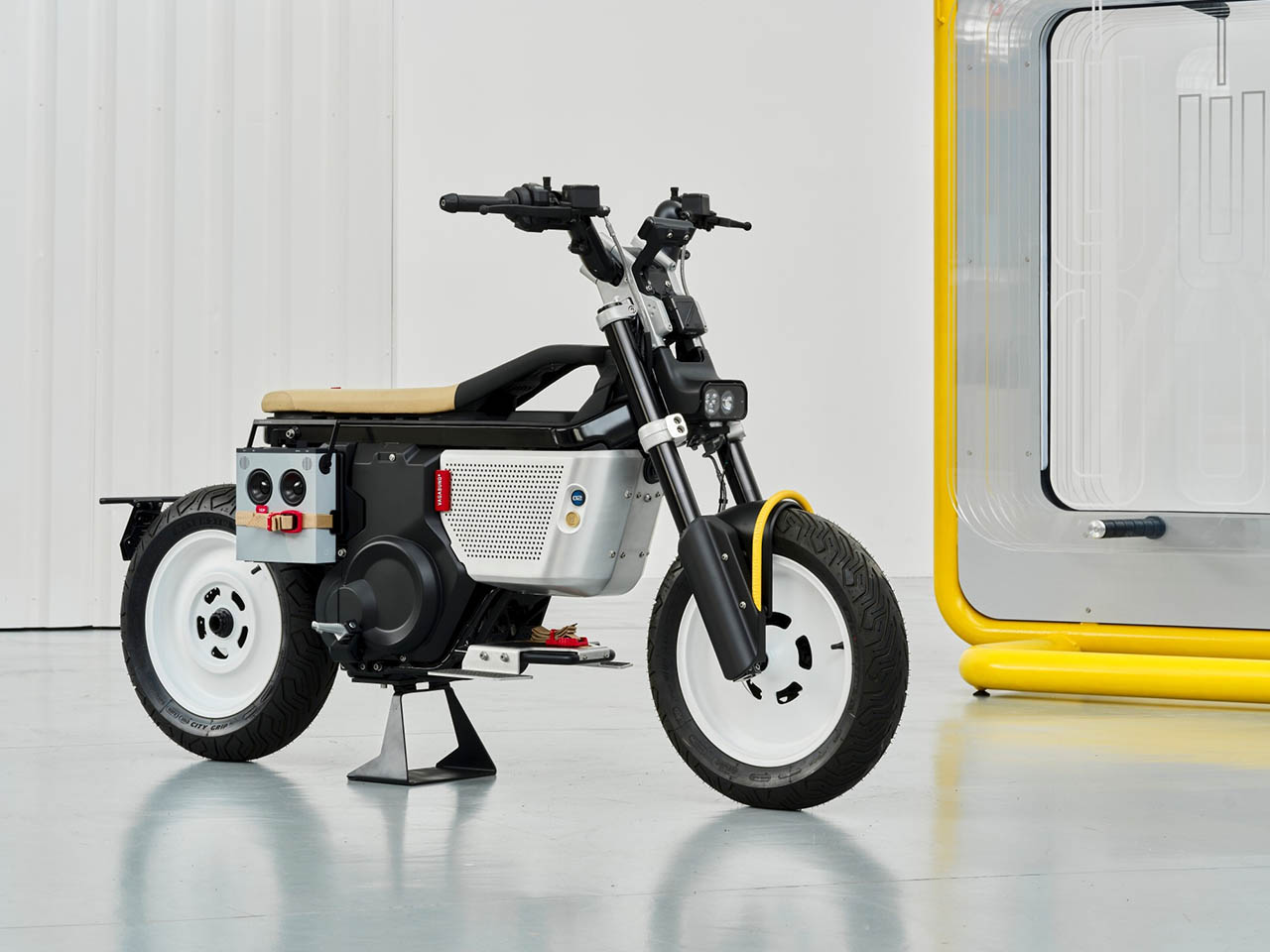
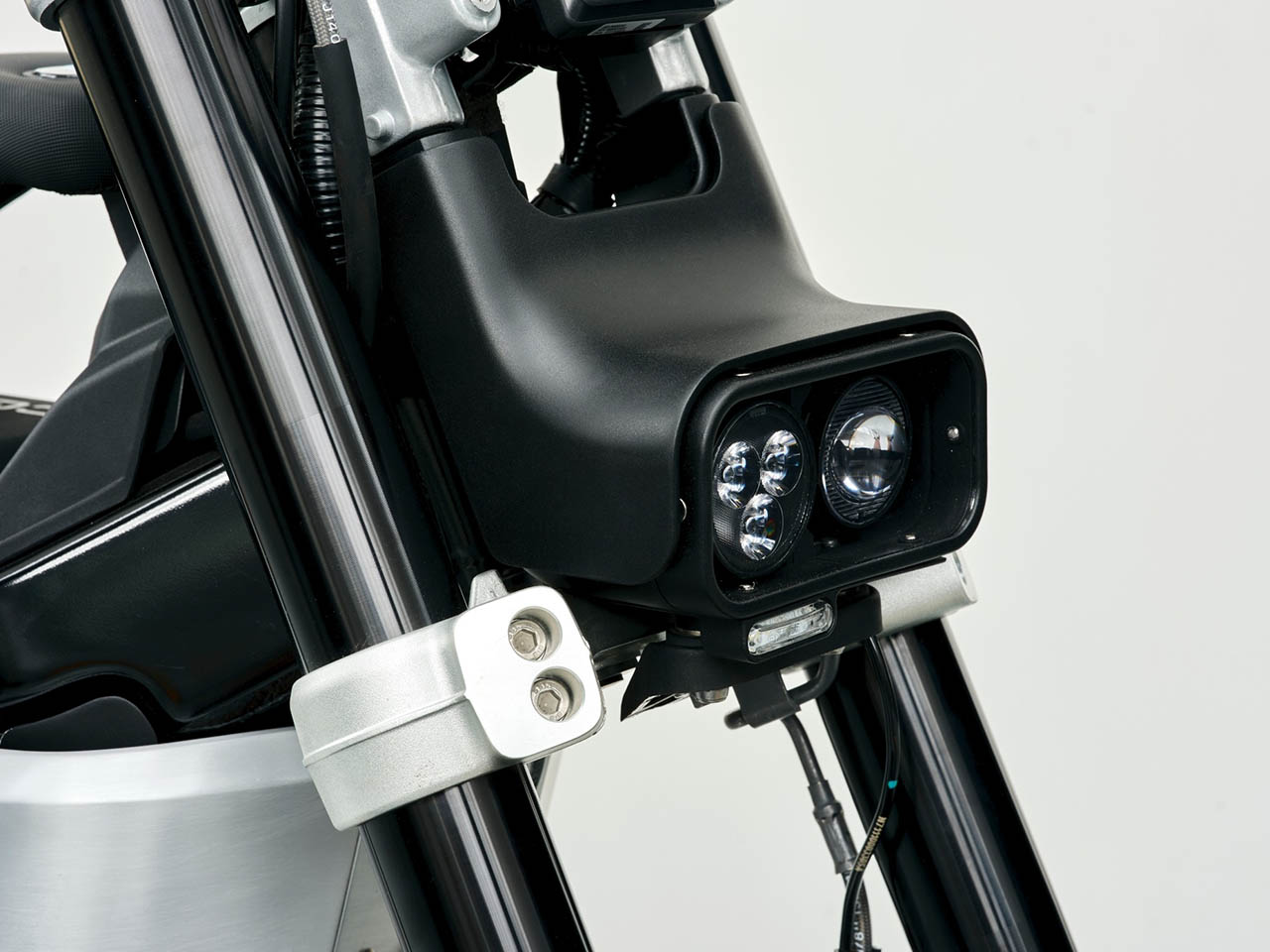
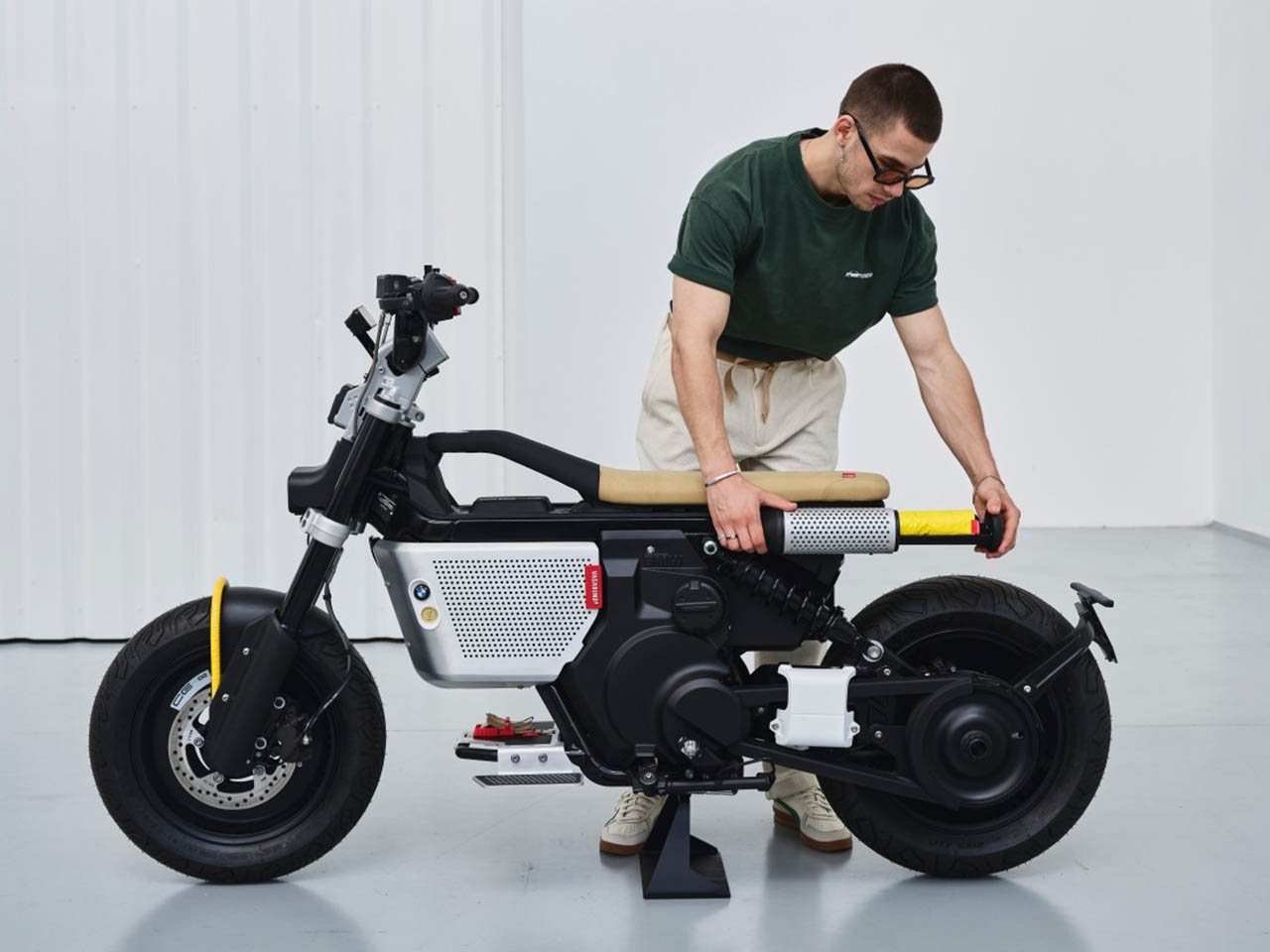
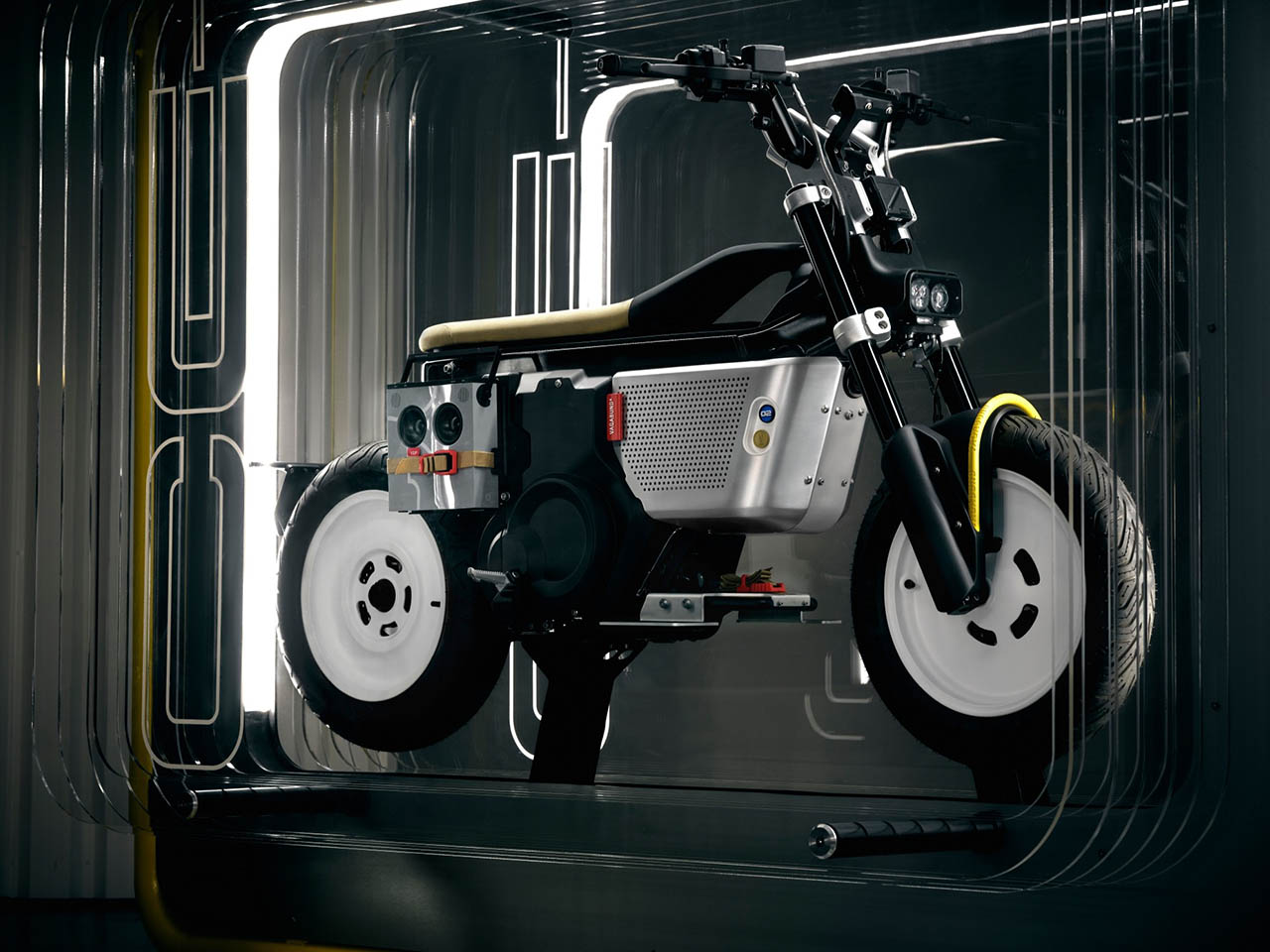
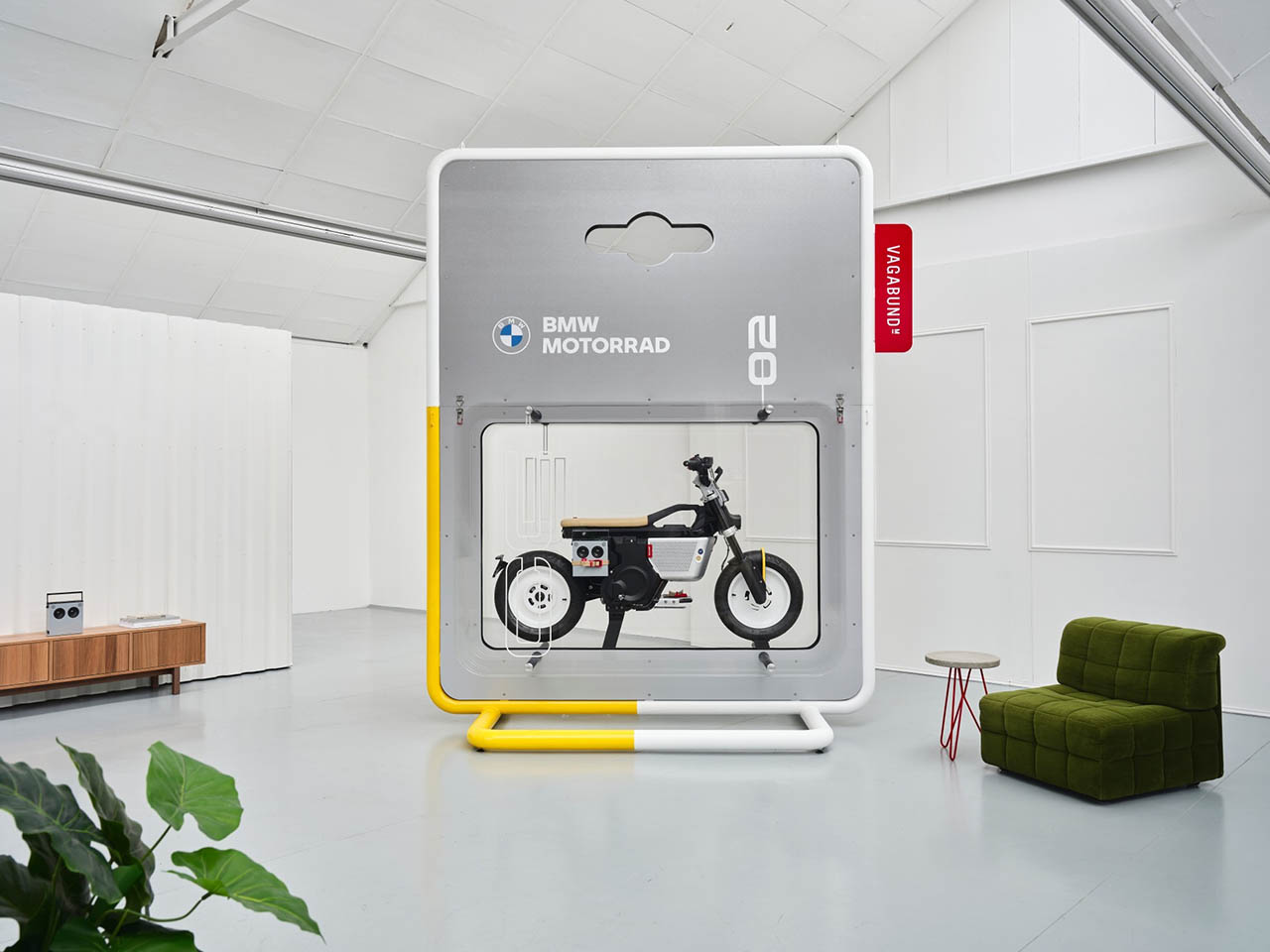
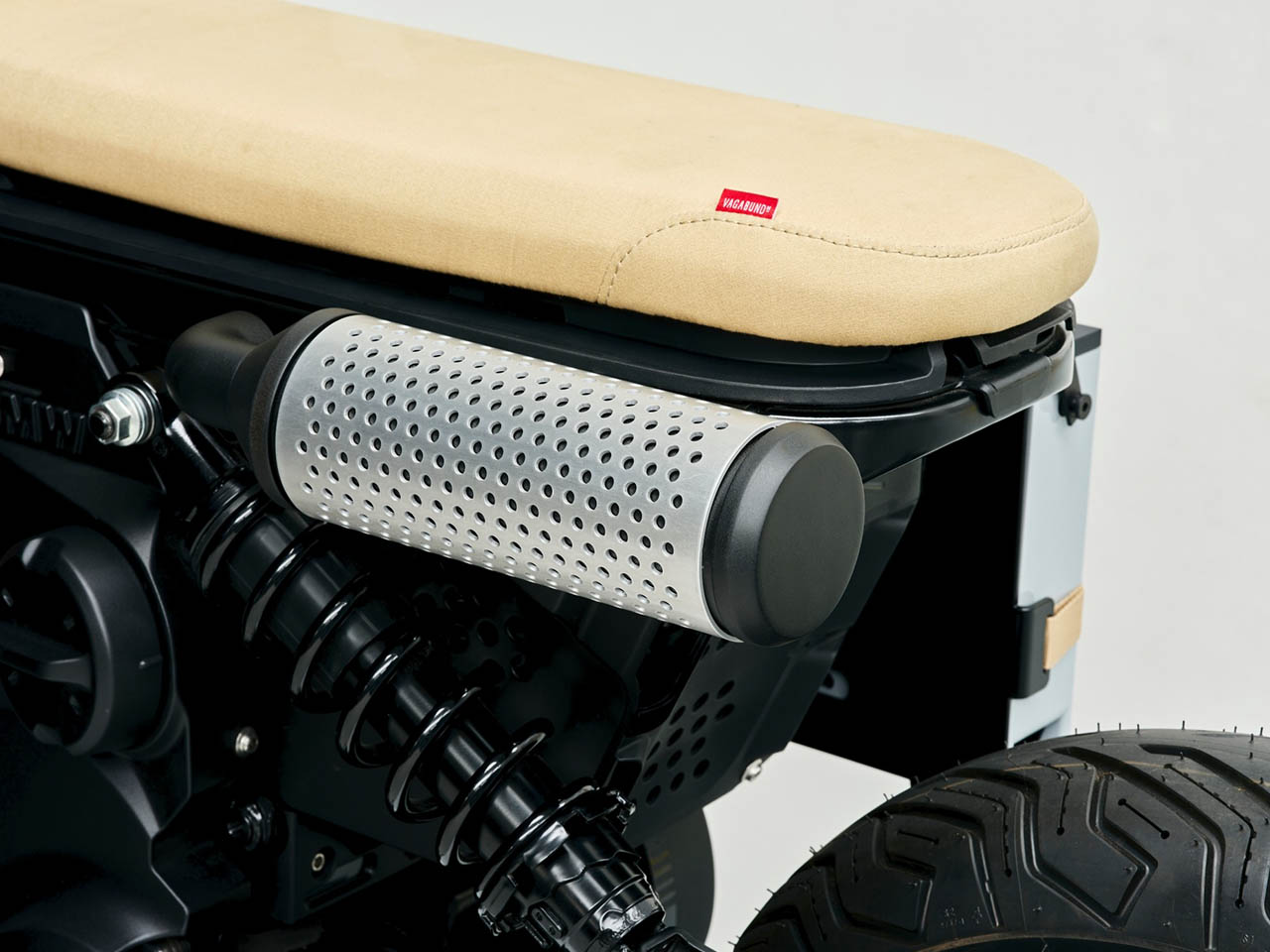
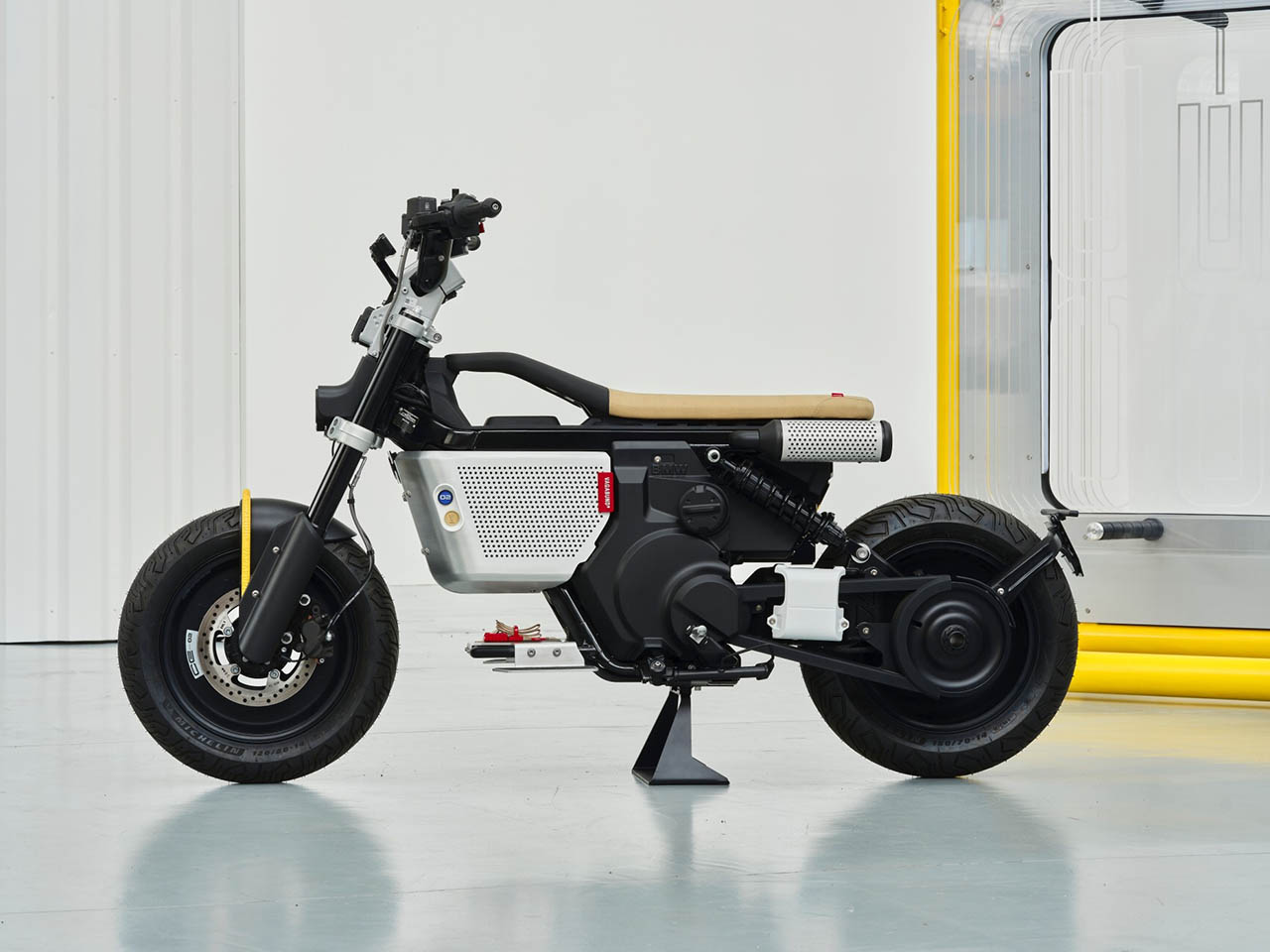
BMW Motorrad Austria has joined forces with design studio VAGABUND to create a custom CE 02 eParkourer ride. The electric bike has a futuristic vibe and retro flair that’ll appeal to Gen-Z and millennials too.
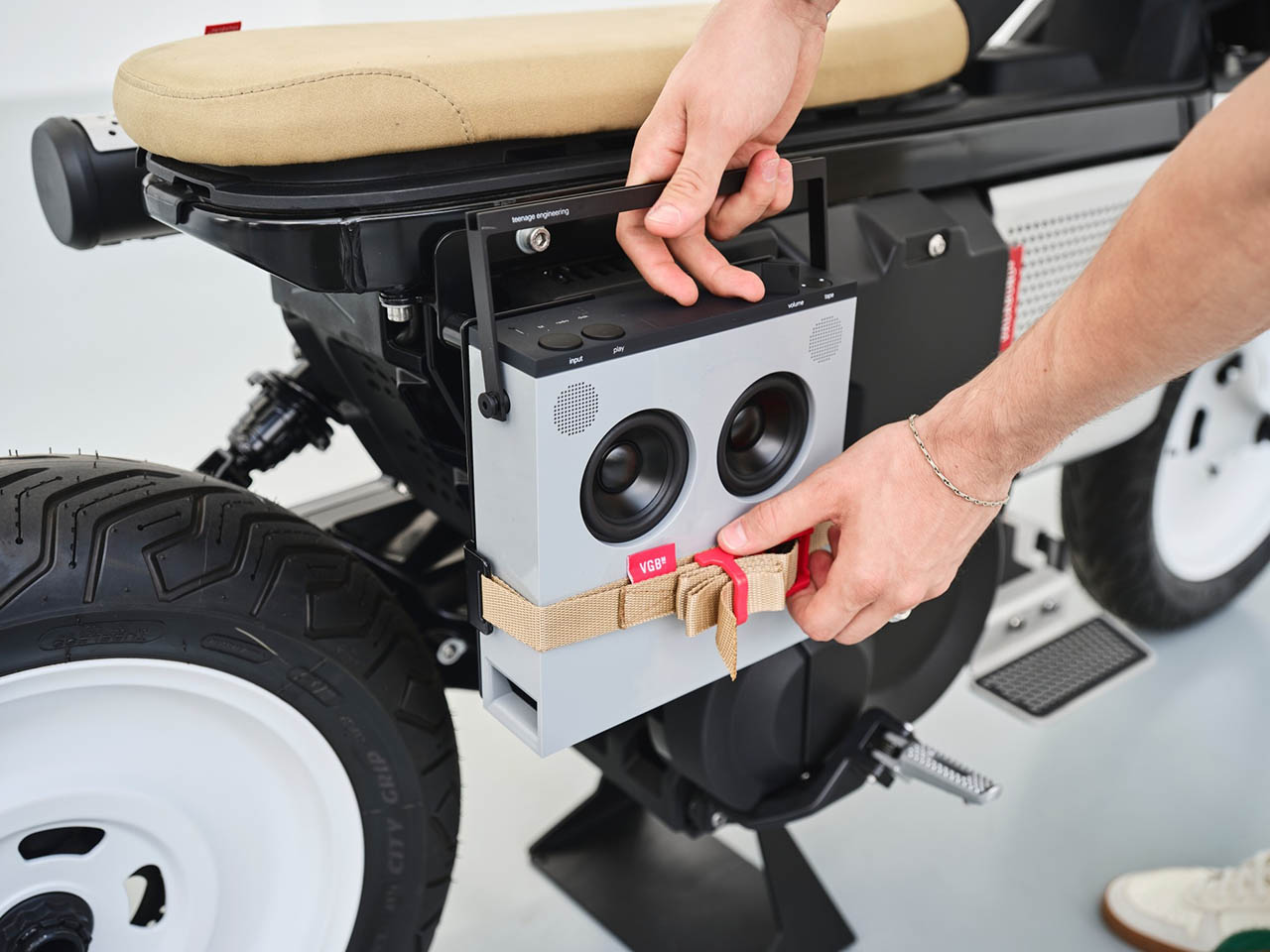
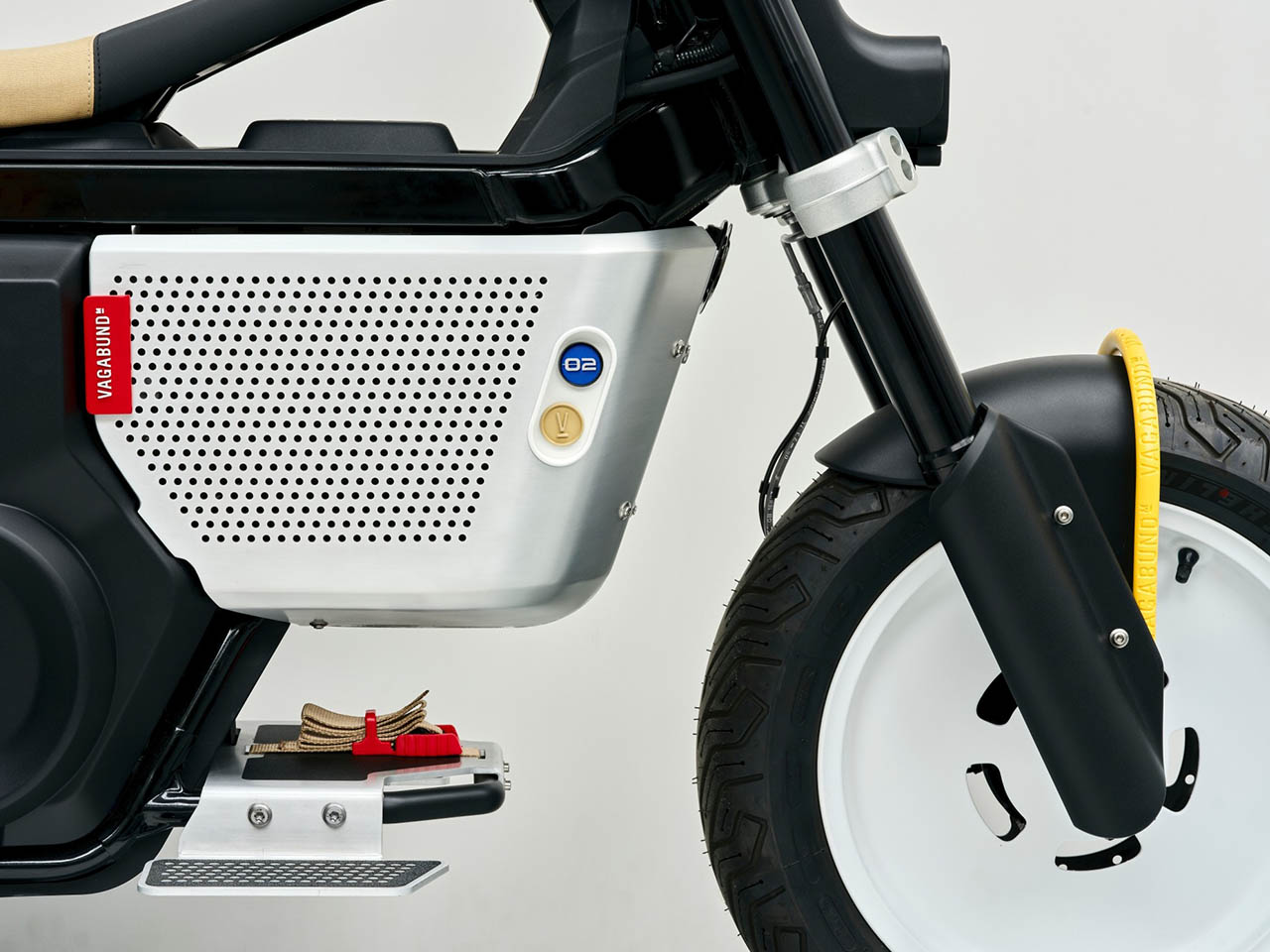
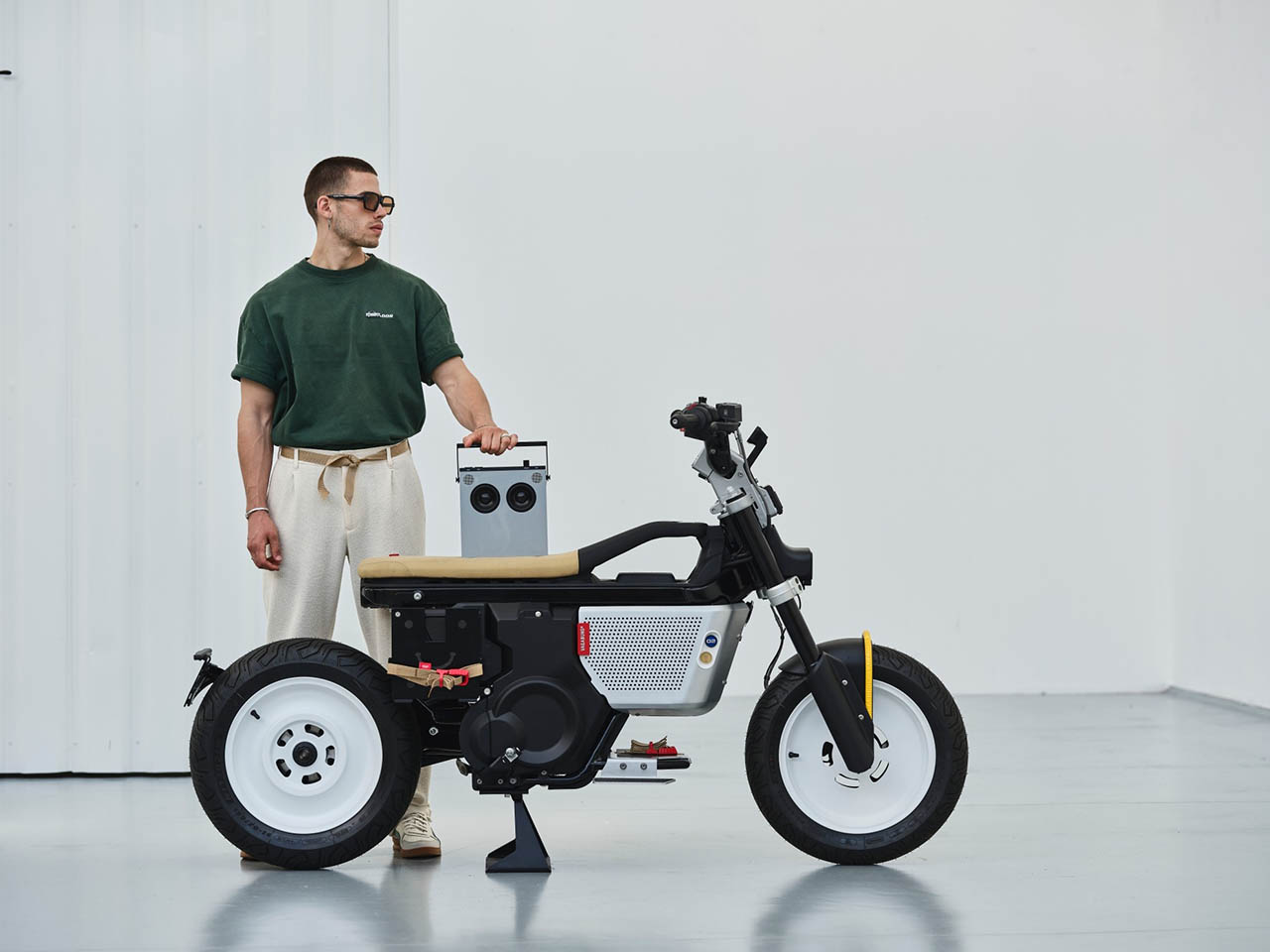
Unlike other electric scooters, this one-off ride gives a sneak peek of where the future of two-wheelers is headed. That’s because it has an integrated BT speaker, hidden umbrella and a strapped skateboard grip tape for all your city riding needs.
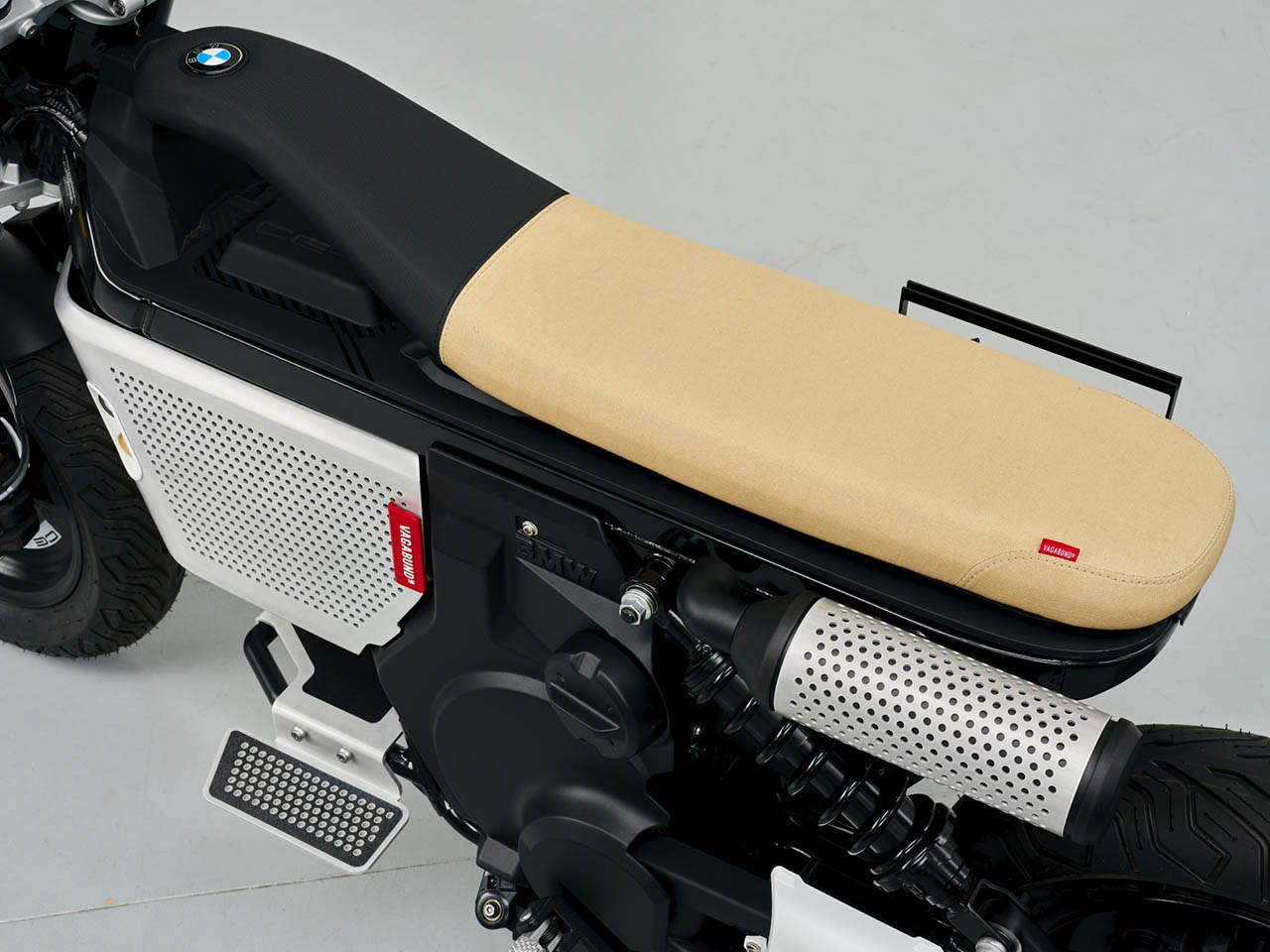
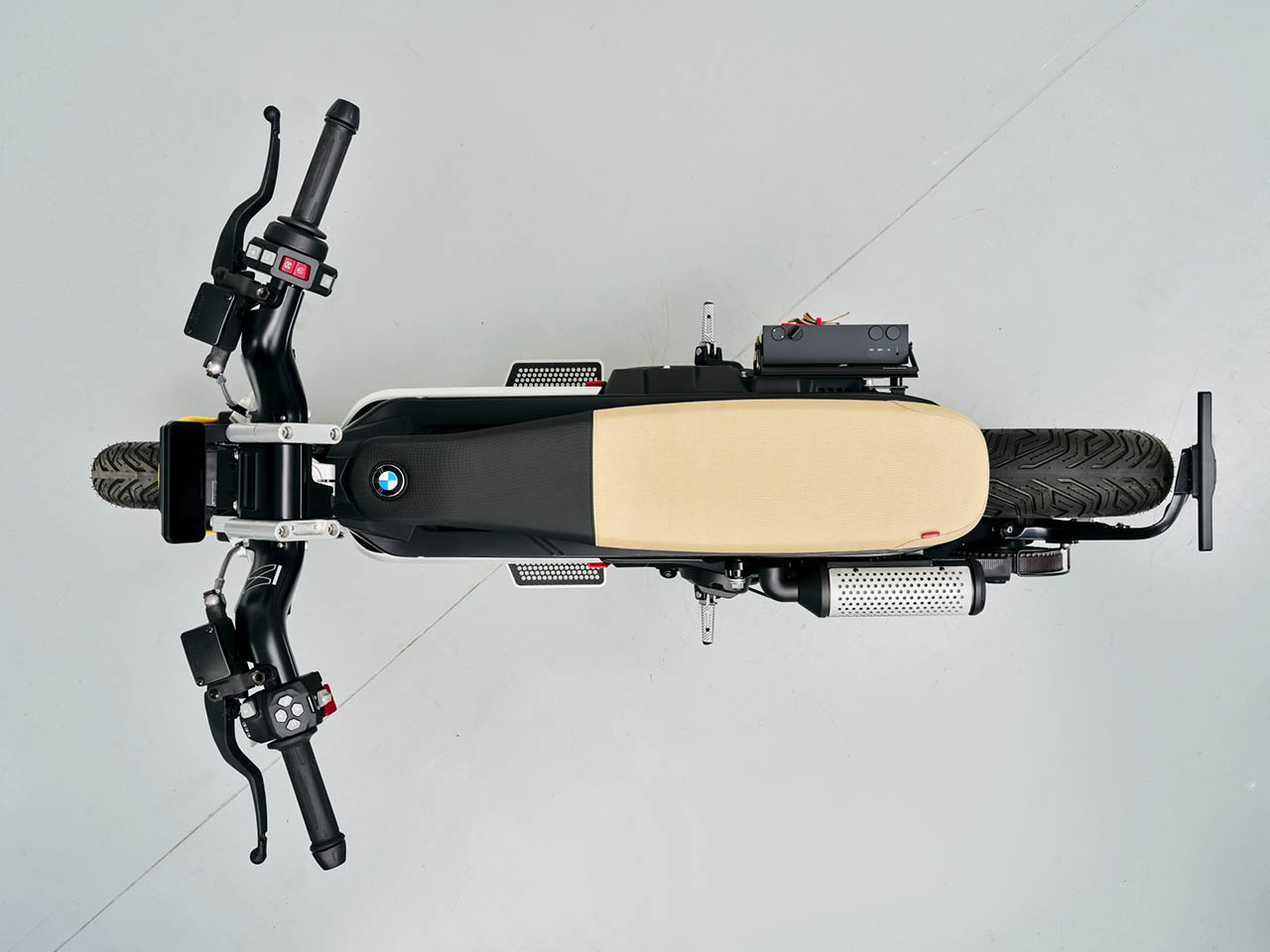
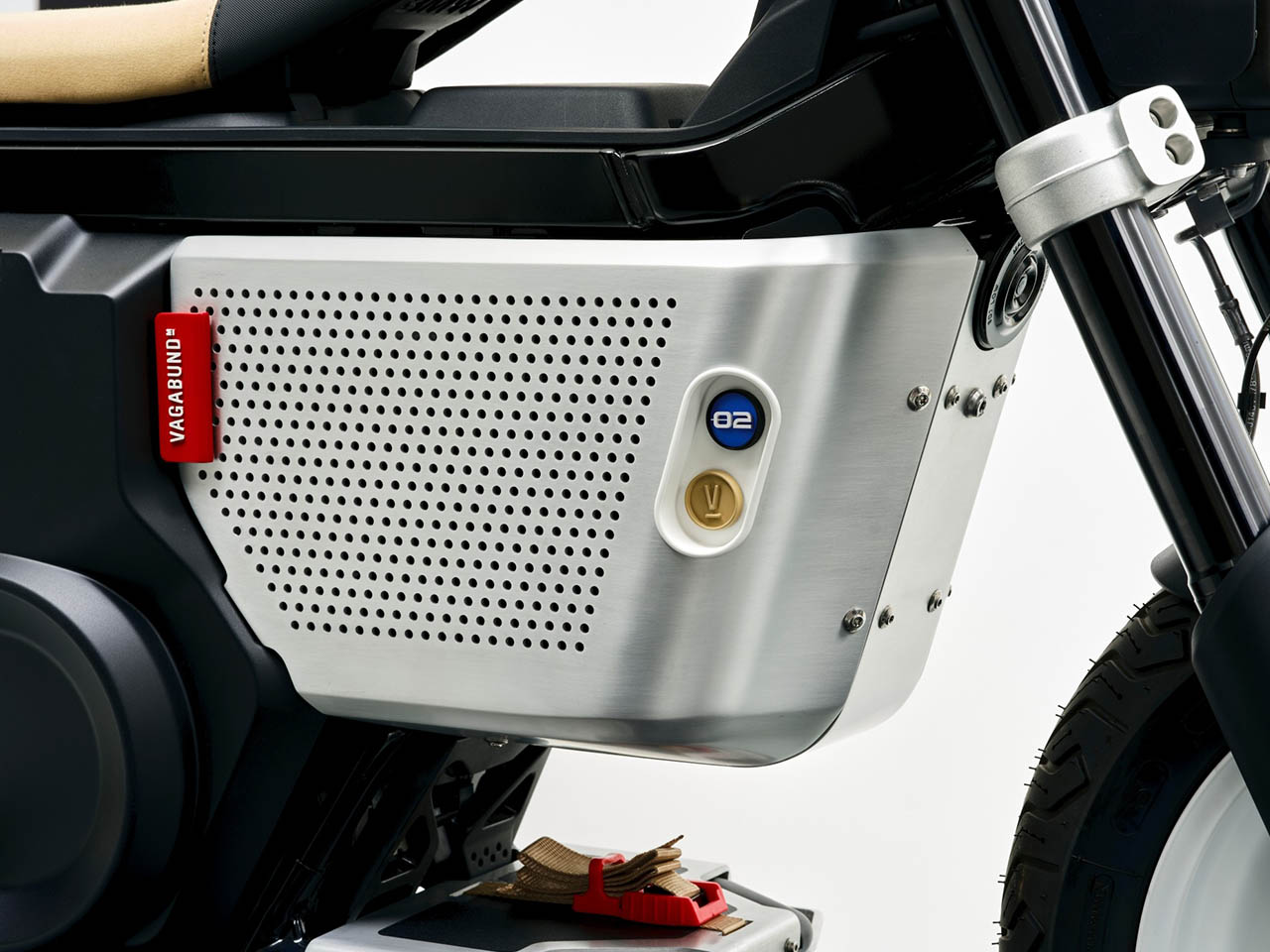
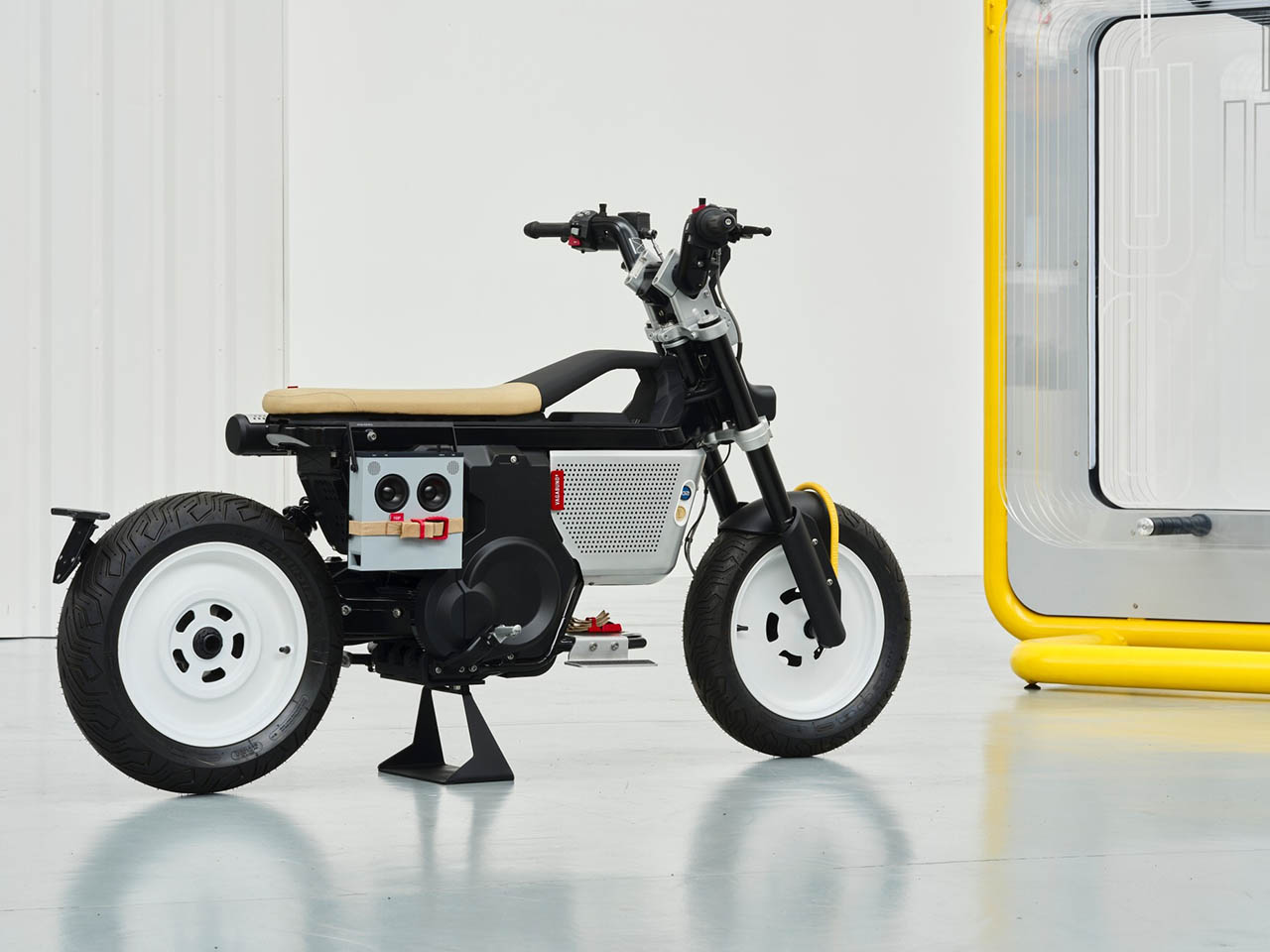
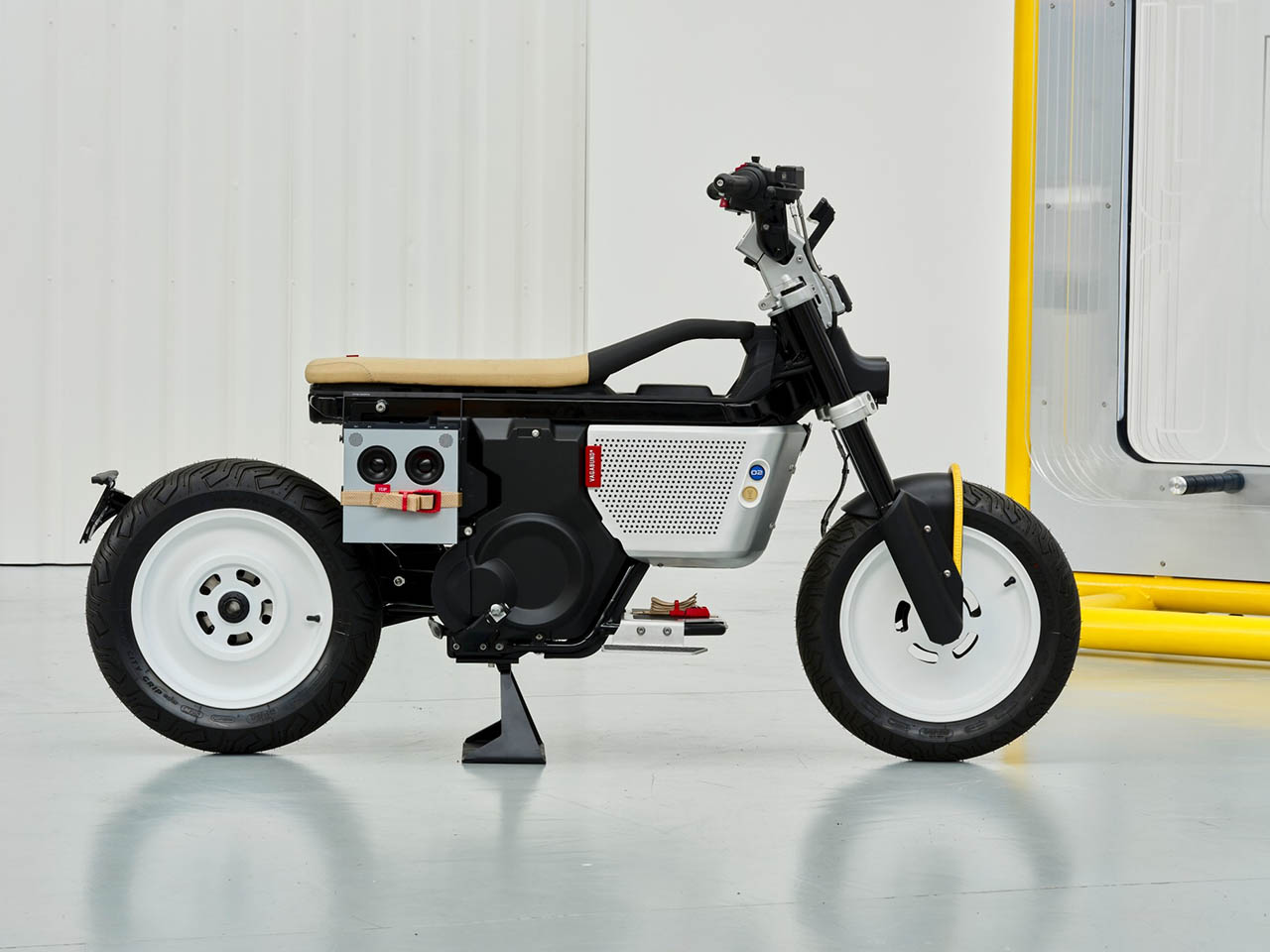
The urban commuter will spark interest in electric bikes that can otherwise have the style and feature-rich element missing. It has a two-tone look which goes perfectly with the needs of the modern crowd. Coming on to the BMW CE 02 bike, it tops at a speed of 59 mph and we expect this special version to have the same 48-volt electric motor and drivetrain. It churns out a peak output of 11 kW and offers a range of 55 miles on a single charge. This bike differs in visual appeal as it has a bit more spark with the contrasted white accents. This white influence is carried onto the half-white wheels.
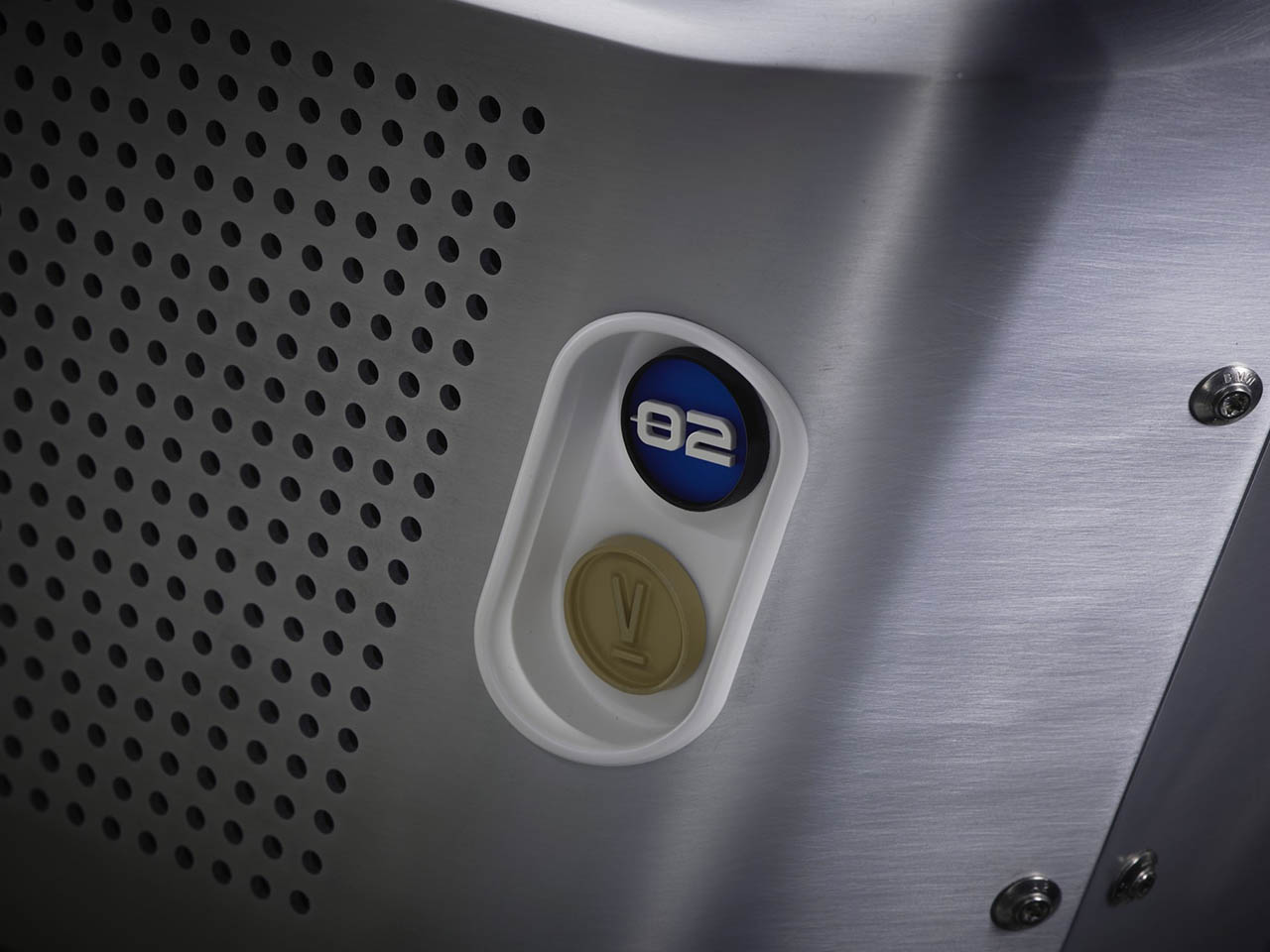
What makes this electric scooter distinct is the integrated OB-4 Magic Radio by Teenage Engineering and a running board with skateboard grip tape. That cool exhaust that you see is for aesthetics, as well as storing a foldable umbrella for the untimely downpour. All these added elements resonate well with the retro-futuristic vibe of the EV. Mixed with the white and black tones is the lively tan of the saddle.
BMW Motorrad has not detailed a lot about the CE 02 x Vagabund edition, however, it is ultra-exclusive simply because of the $549 TE speaker that has a minimalistic theme.
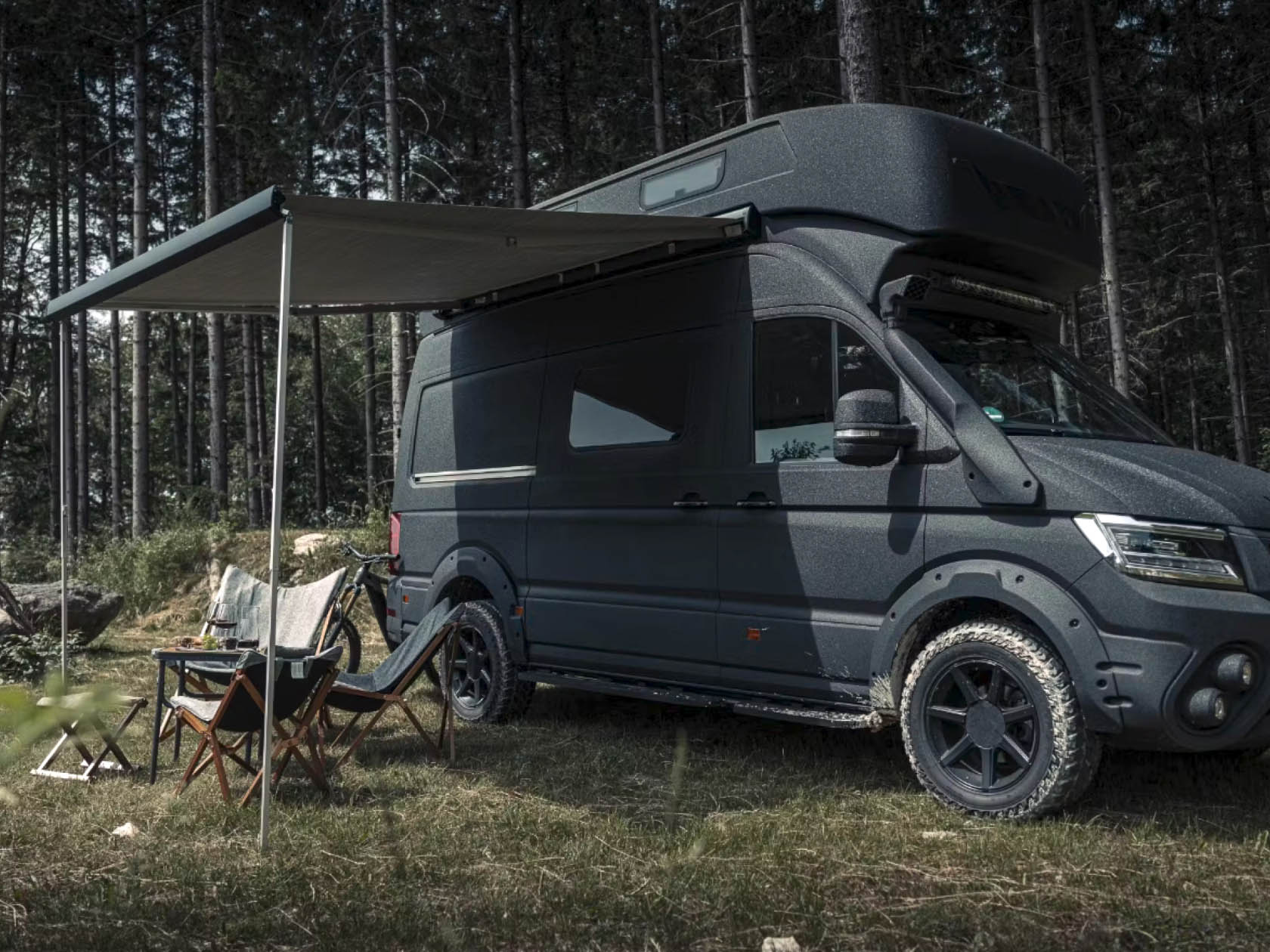
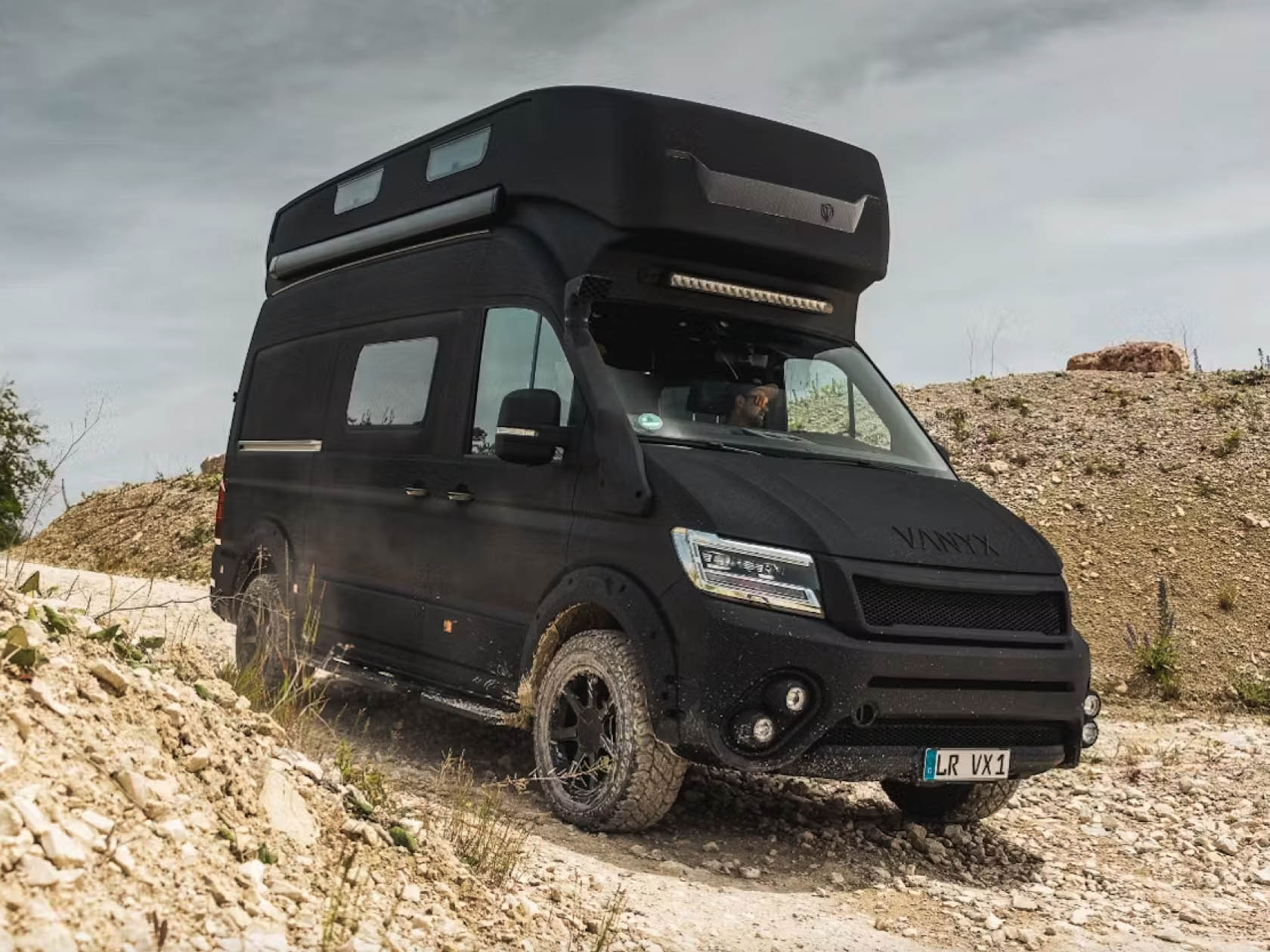
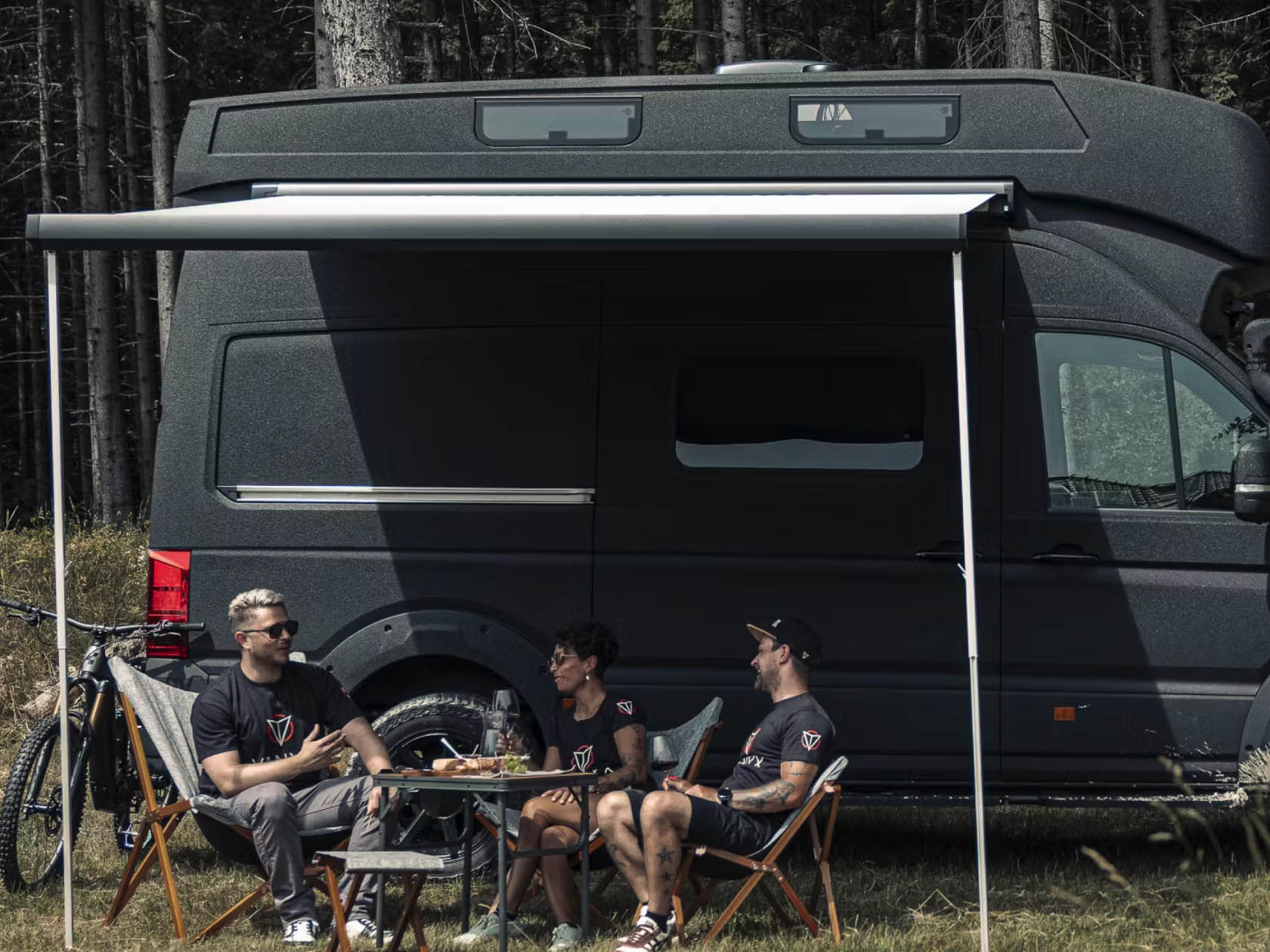
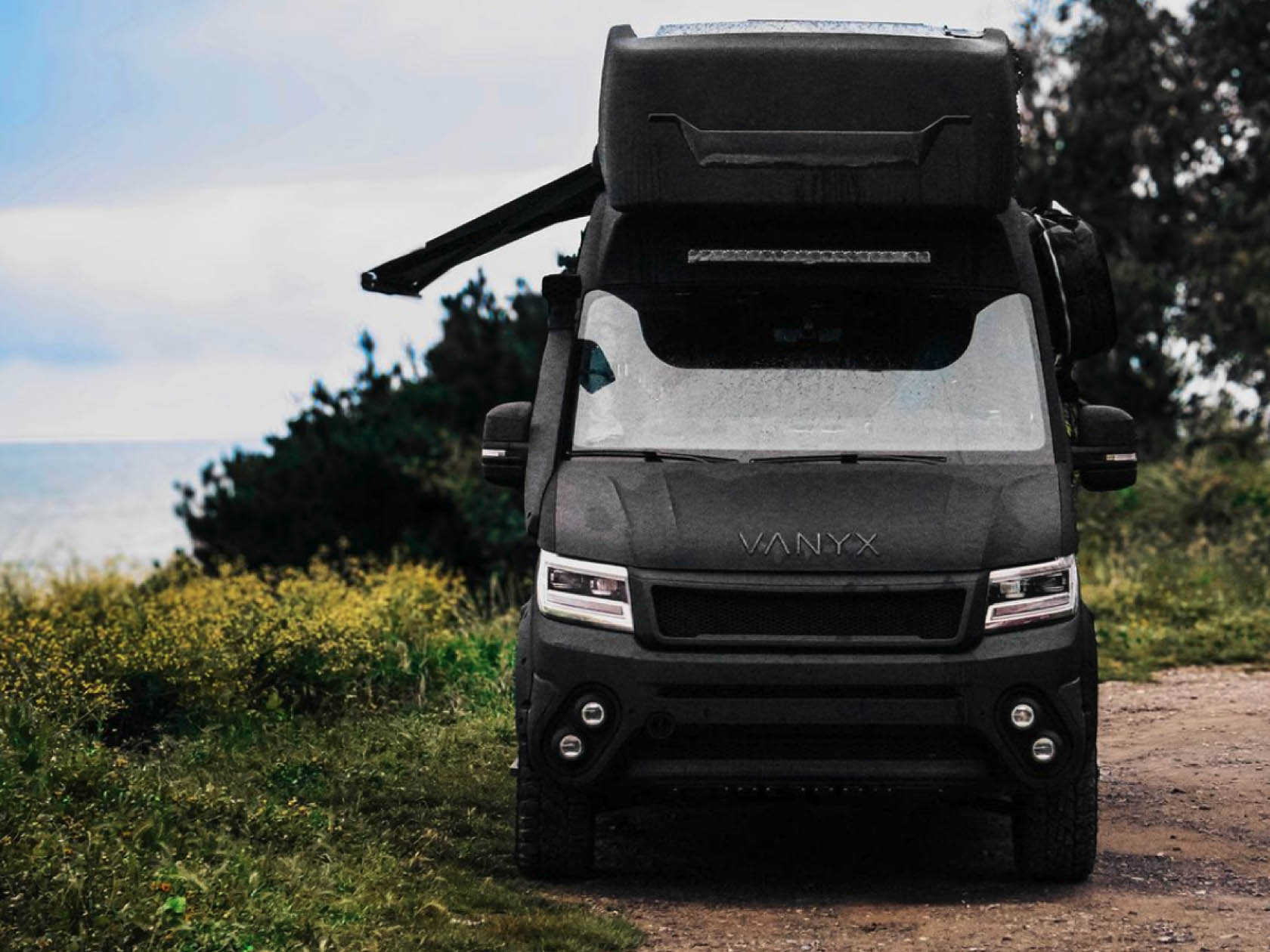
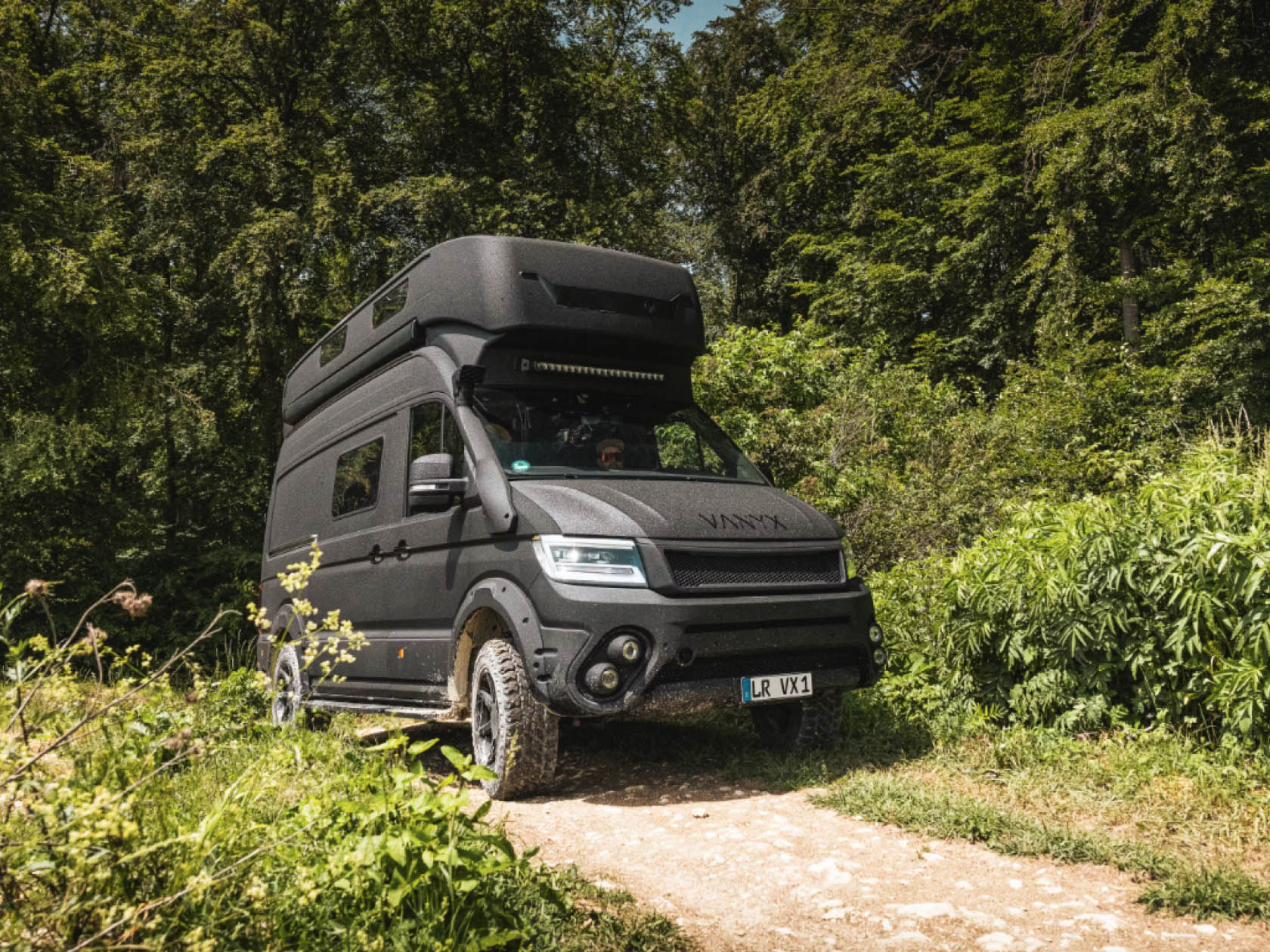
We have been through various iterations of 4×4 off-roading camper vans that adventurers swear by. Yet there is scope for new entrants, not so much because of the market demand, but because of the scope for innovation, which companies try and explore at every given opportunity. The latest in the league is the Vanyx 4×4 off-roader which distinguishes itself with its robust yet lightweight construction, ensuring top-notch performance on any terrain.
Conceived for long-term travelers, the camper allows you to immerse yourself in nature’s beauty while keeping safe and self-sufficient for weeks on the trot. It is therefore designed with the idea of eliminating the reliance on diesel and maximizing self-sufficiency in electricity and water.
Loosely termed as “A Game-Changer in Camper Vans,” the Vanyx could revolutionize the camper van market with its carbon fiber “Luxury Edition,” of which only 99 units will be produced. Its exclusivity is not in the limited nature, but the ingenious split separate floors design that puts sleeping and living areas on different levels.
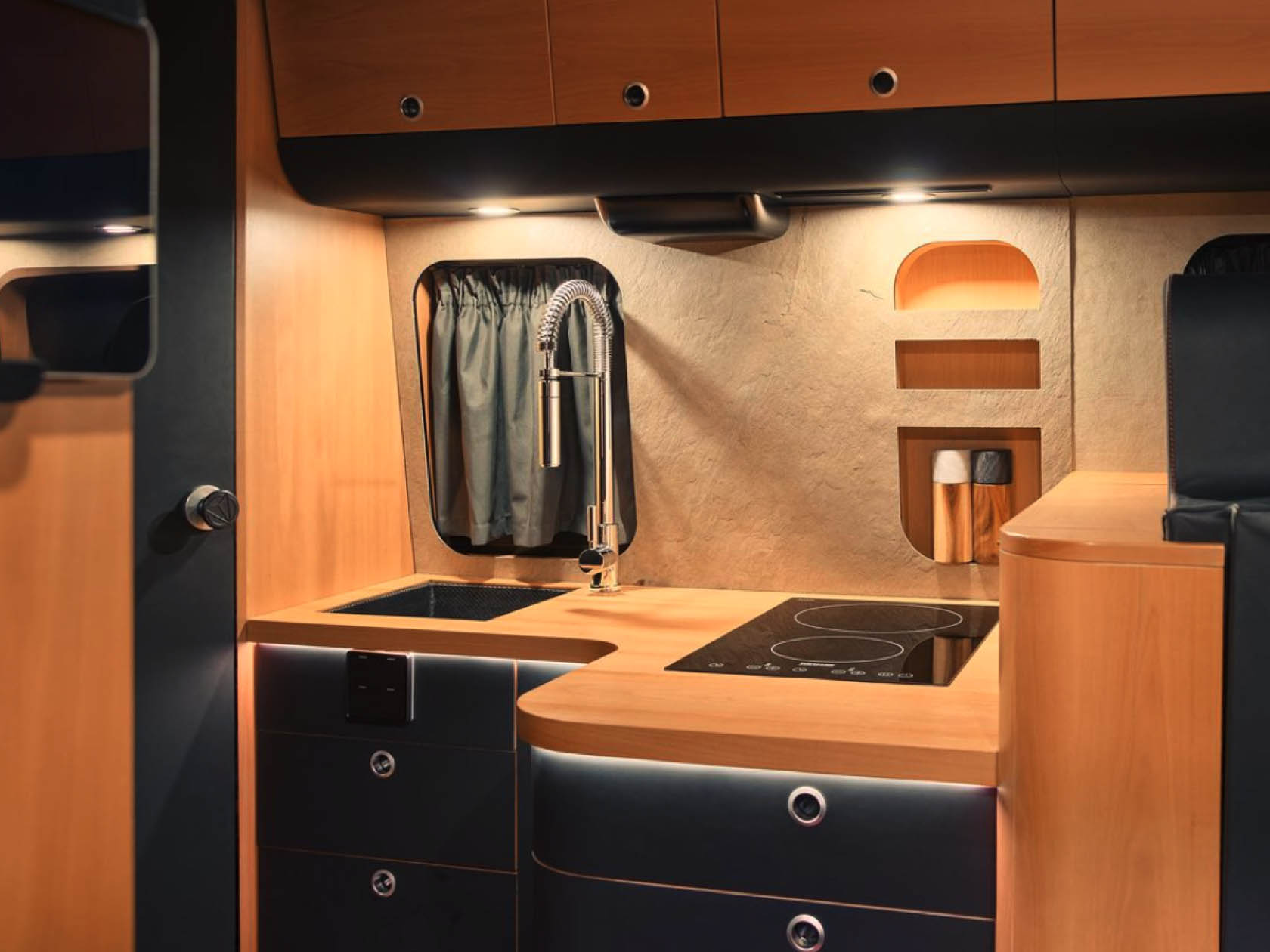
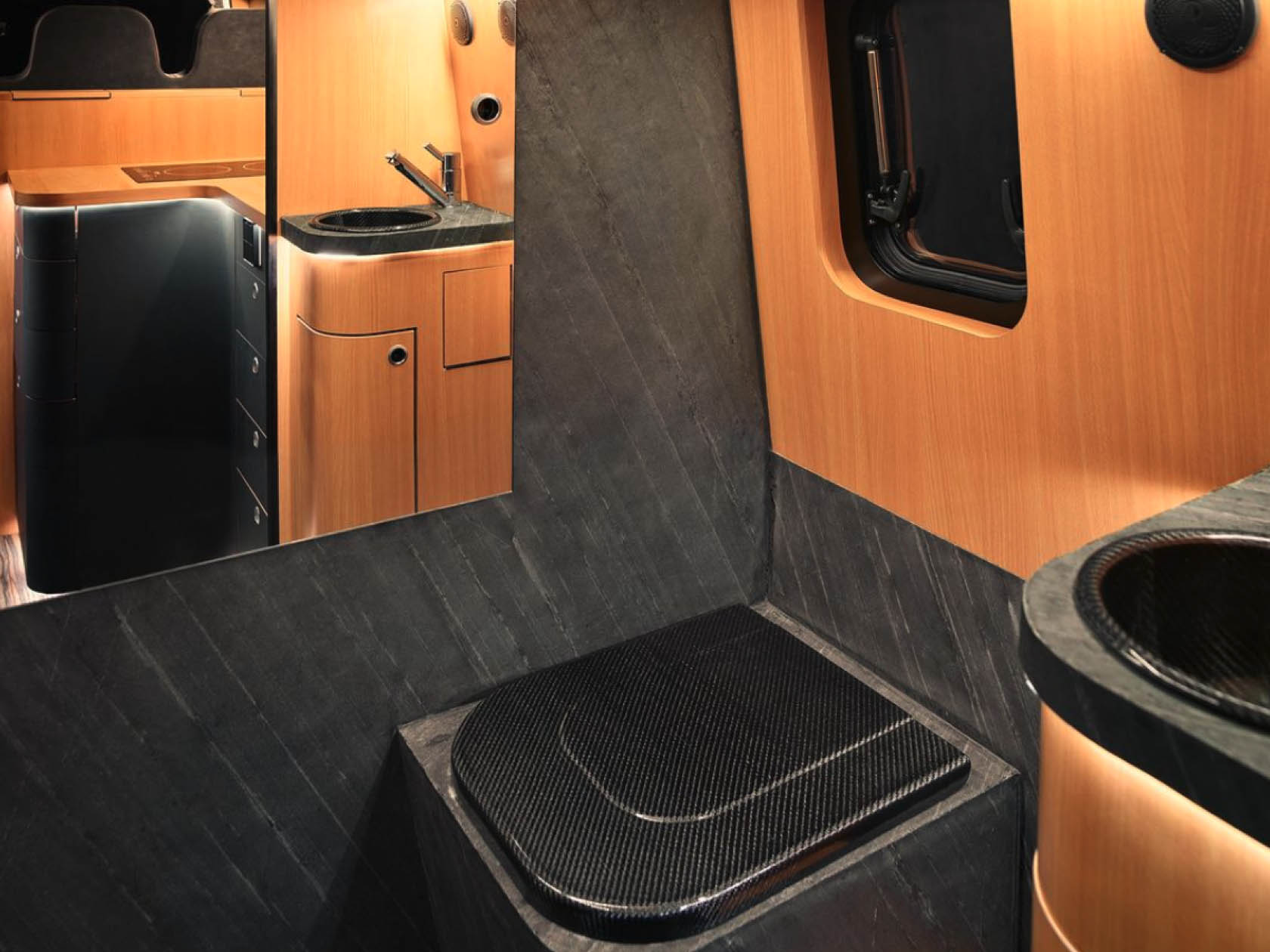
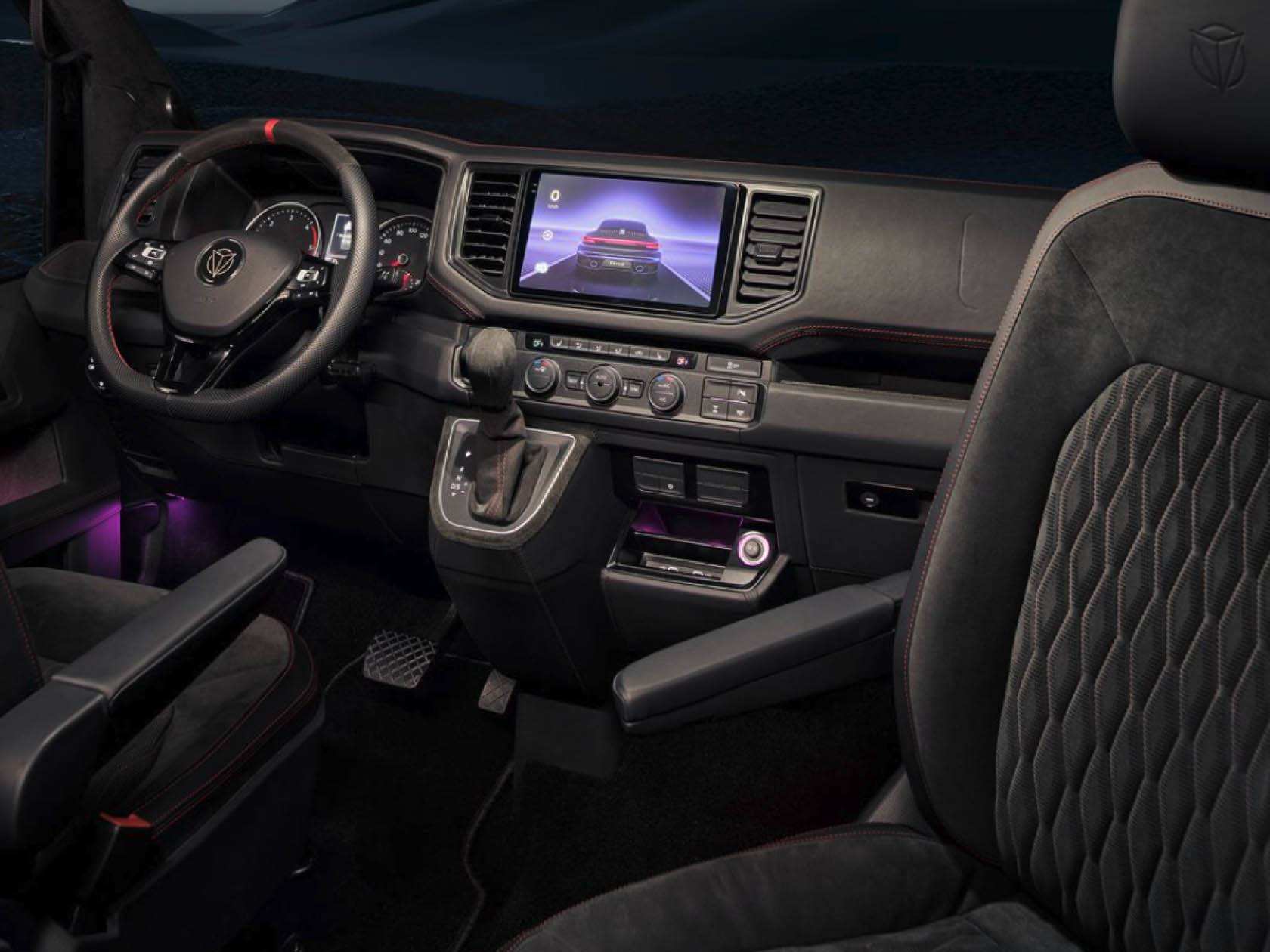
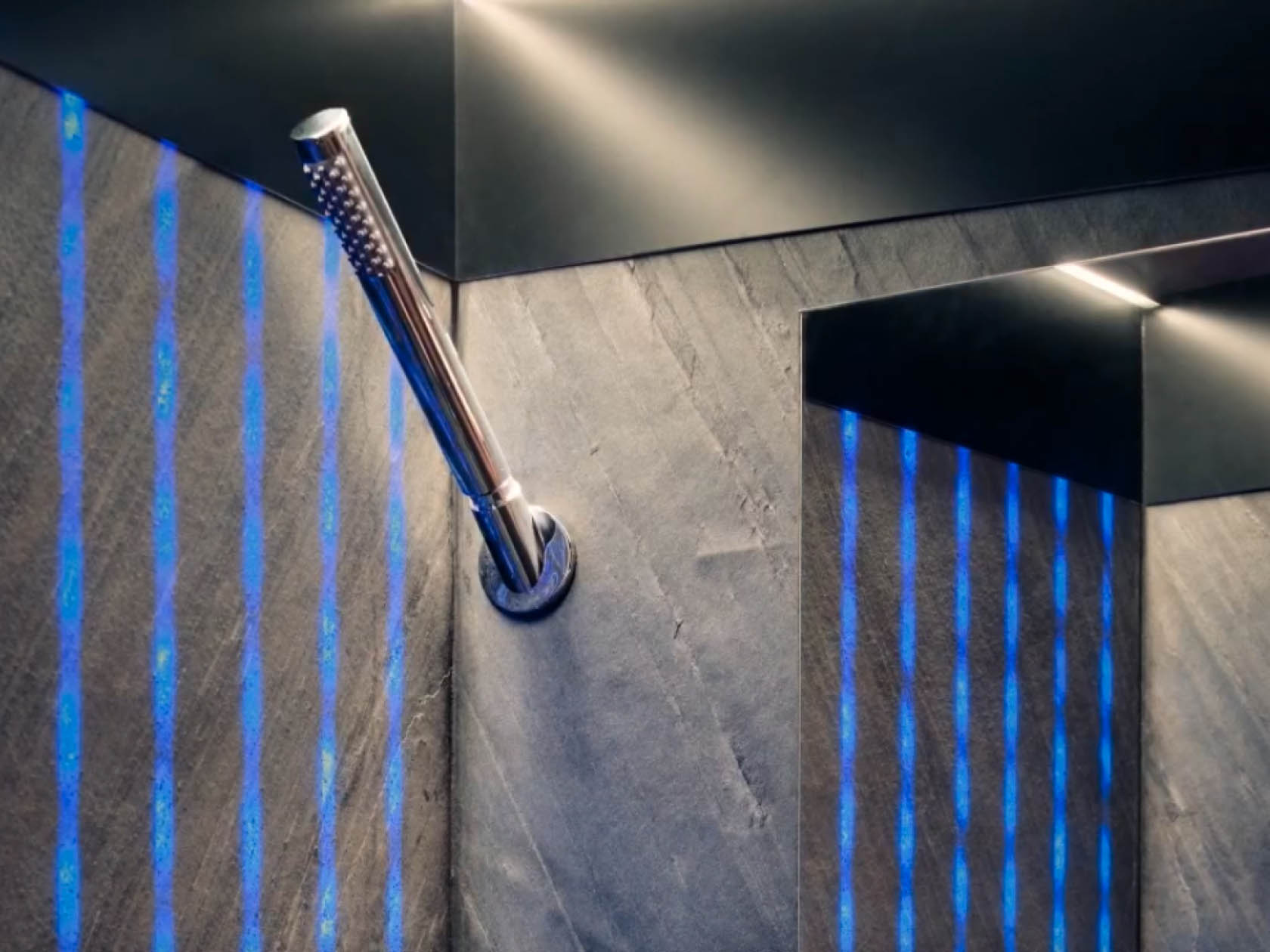
This German-built all-wheel-drive van home is packed with sufficient features and impresses especially with spaciousness and comfort on both levels. It allows occupants to explore and live autonomously and sustainably for extended days on the treks off the road. The motorhome comes with the option to choose from three distinct interior styles, comprising wood finish, stone surfaces, leather colors and even different mattress options.
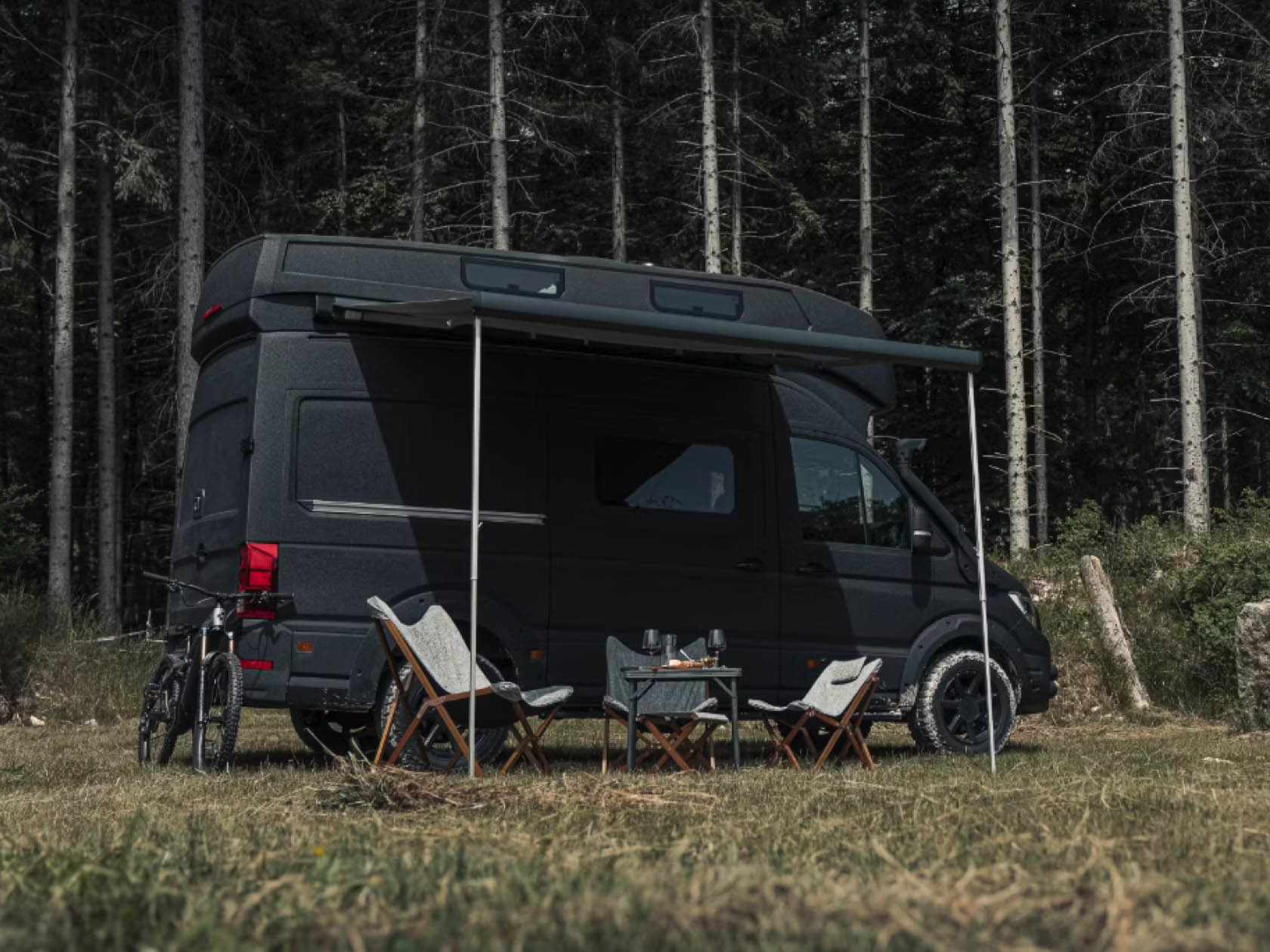
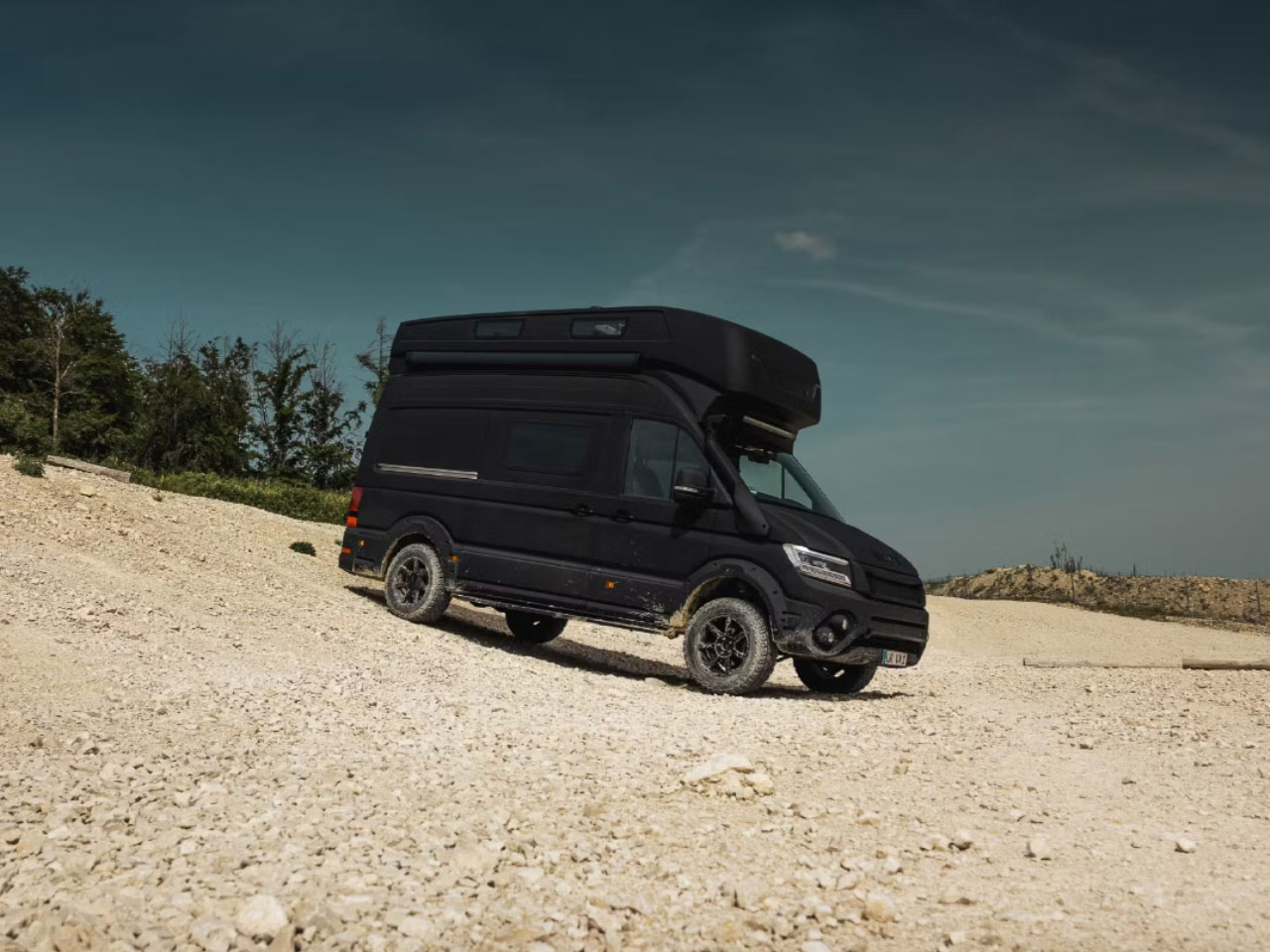
A standout luxury feature is the specially developed underfloor heating. It is coupled with stationary air conditioning, ensuring a comfortable temperature inside the camping van no matter how the elements are behaving outdoors. On the outside, the Vanyx camper van is made to be durable. It features Line X protective coating and is equipped with LED light bar, a snorkel and an electric outdoor awning to stretch the living space further out when need be. For off-roading efficiency the van is provided with automatically leveling full-air suspension, that lifts for up to 15 cm ground clearance, 18-inch forged alloy wheels, and all-terrain tires.
On it inside, on the bed level of the van, you have a living area comprising an L-kitchen kitchen, a bathroom complete with a dry toilet and shower, and a dinette section. On the front is the elaborate cockpit. The sleeping area is sectioned in the high roof, the roof is made from carbon fiber and is designed to accommodate (by splitting in the middle) two double beds of which one is shorter and the other is a standard queen size. The space may seem crampy but the room height is comfortable enough to give you a nice cozy sleep under the starry sky. The off-roading experience in a camper van is incomplete if the ride doesn’t ensure off-grid living. Besides the mentioned conveniences like the complete kitchen and dry toilet; the Vanyx comes with a 1200 Ah LiFePo4 lithium battery, 800W solar panels, and a 700-l fresh water tank. Starting at around a million-dollar mark, the high-luxury camper also includes a 6 kW diesel heater.
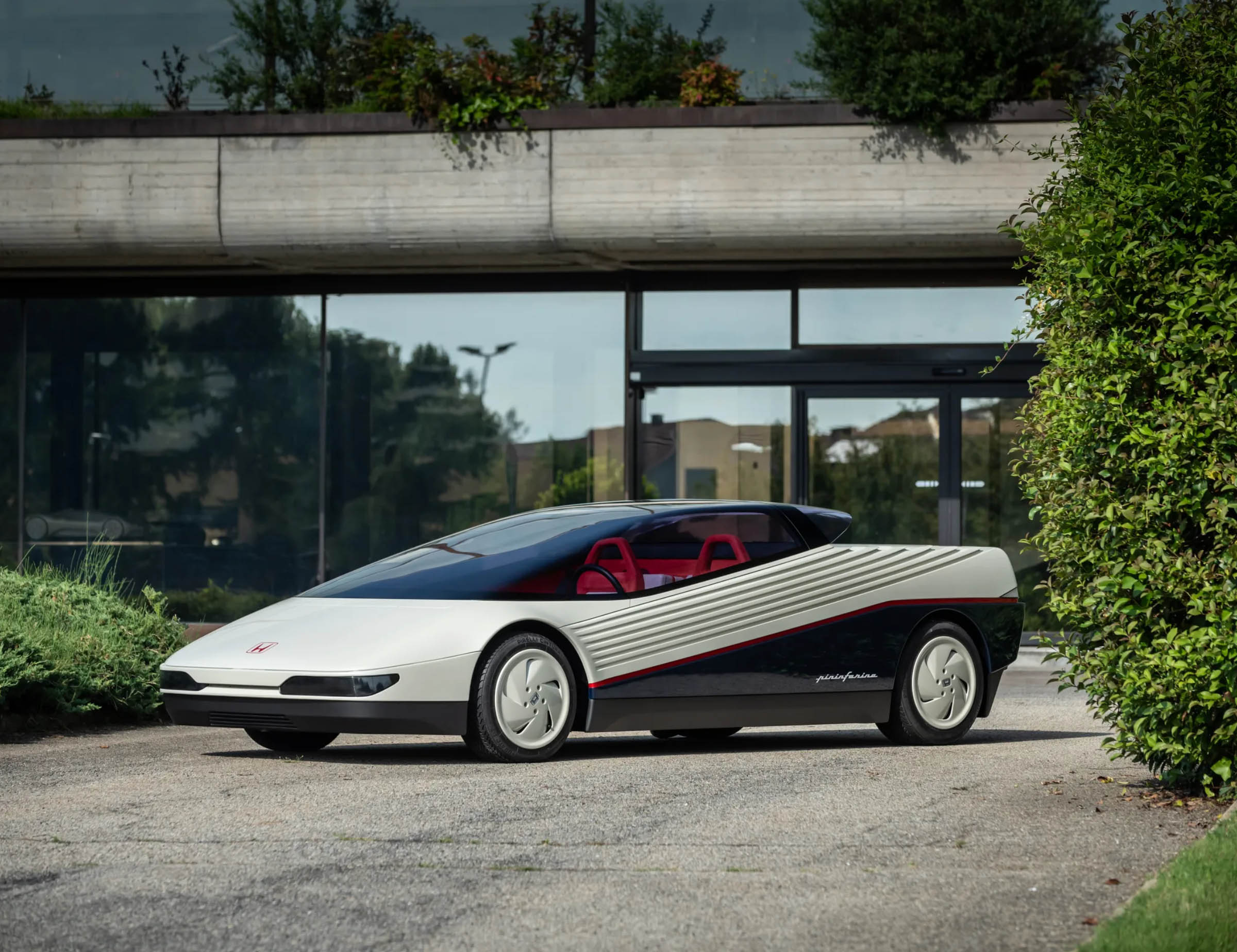
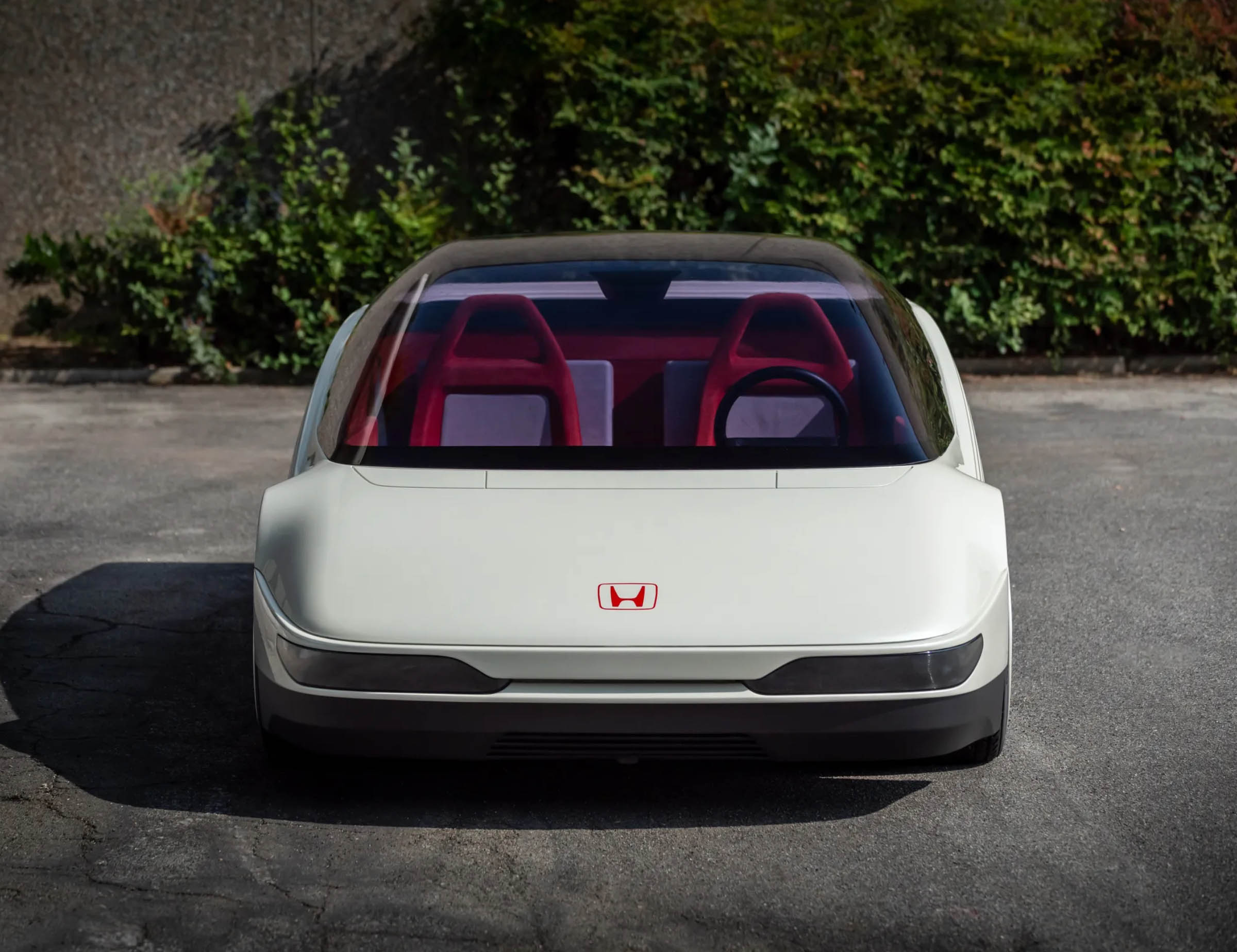
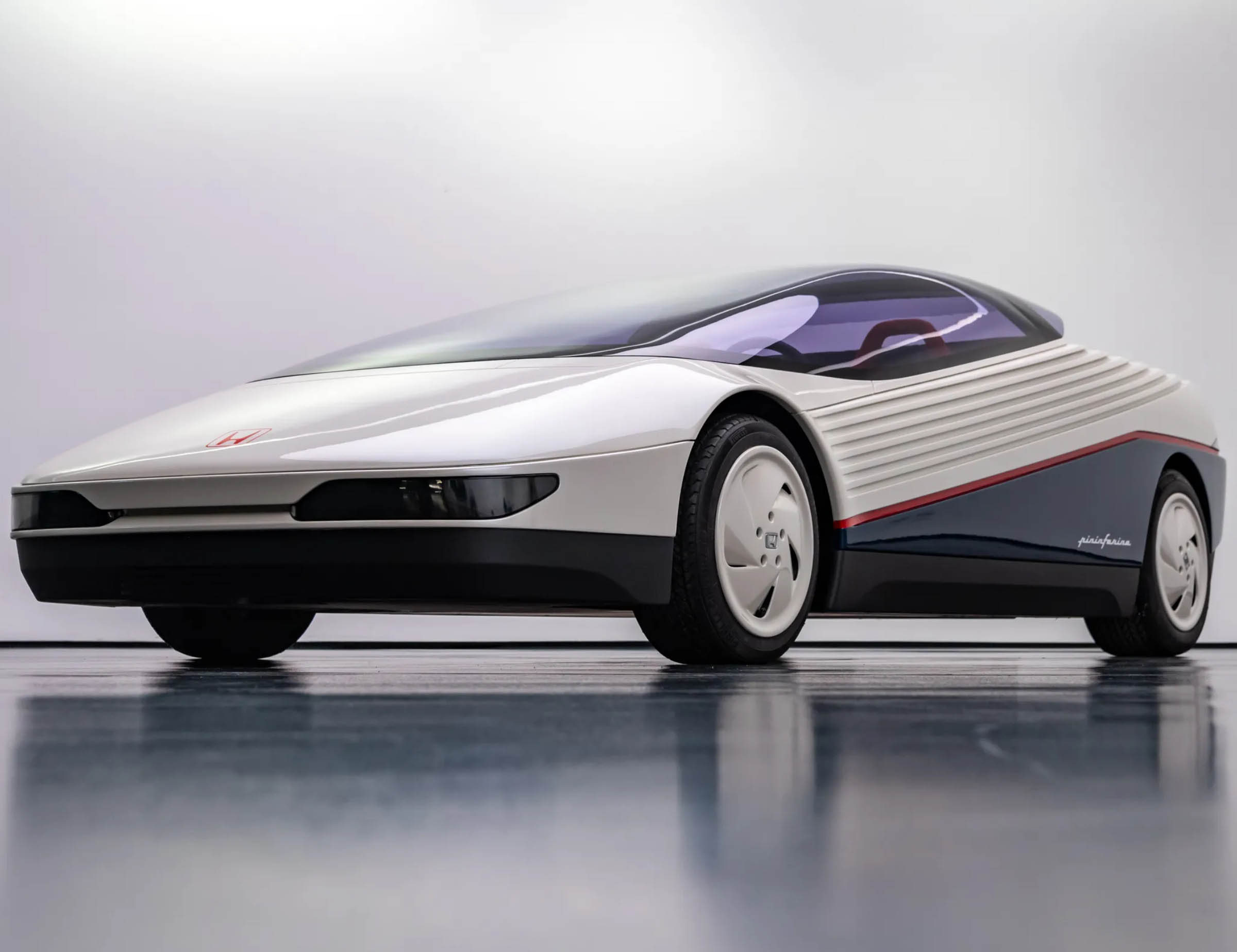
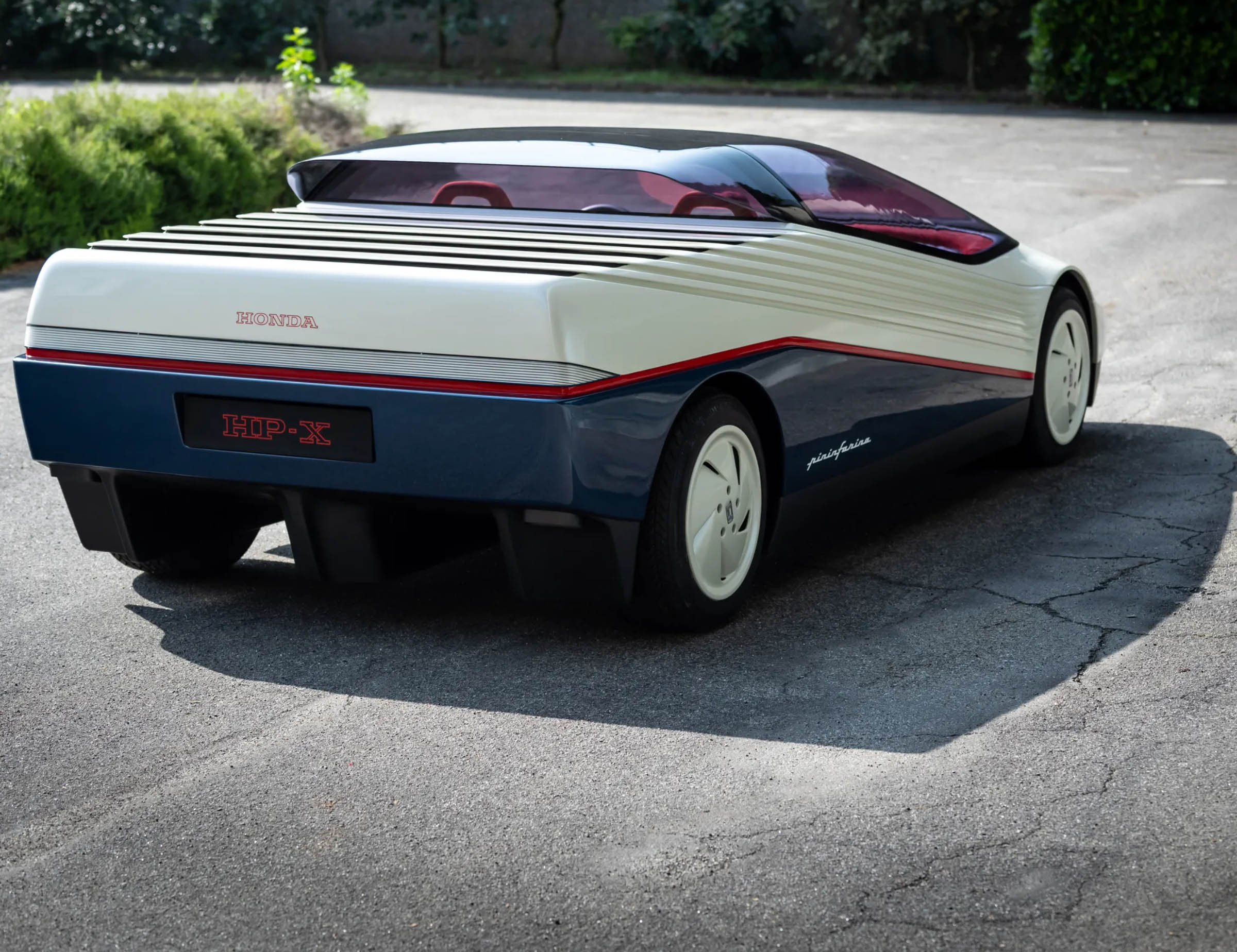
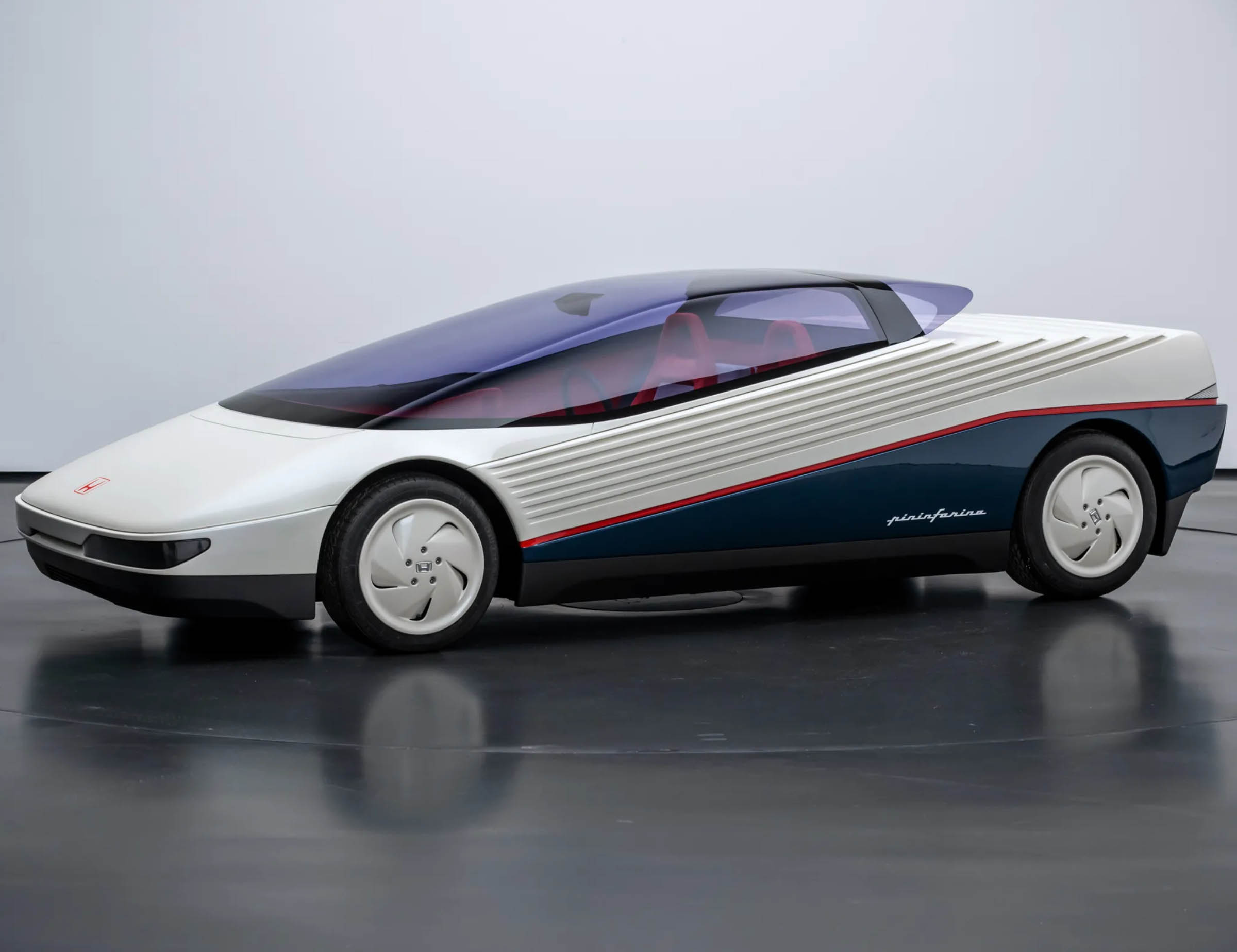
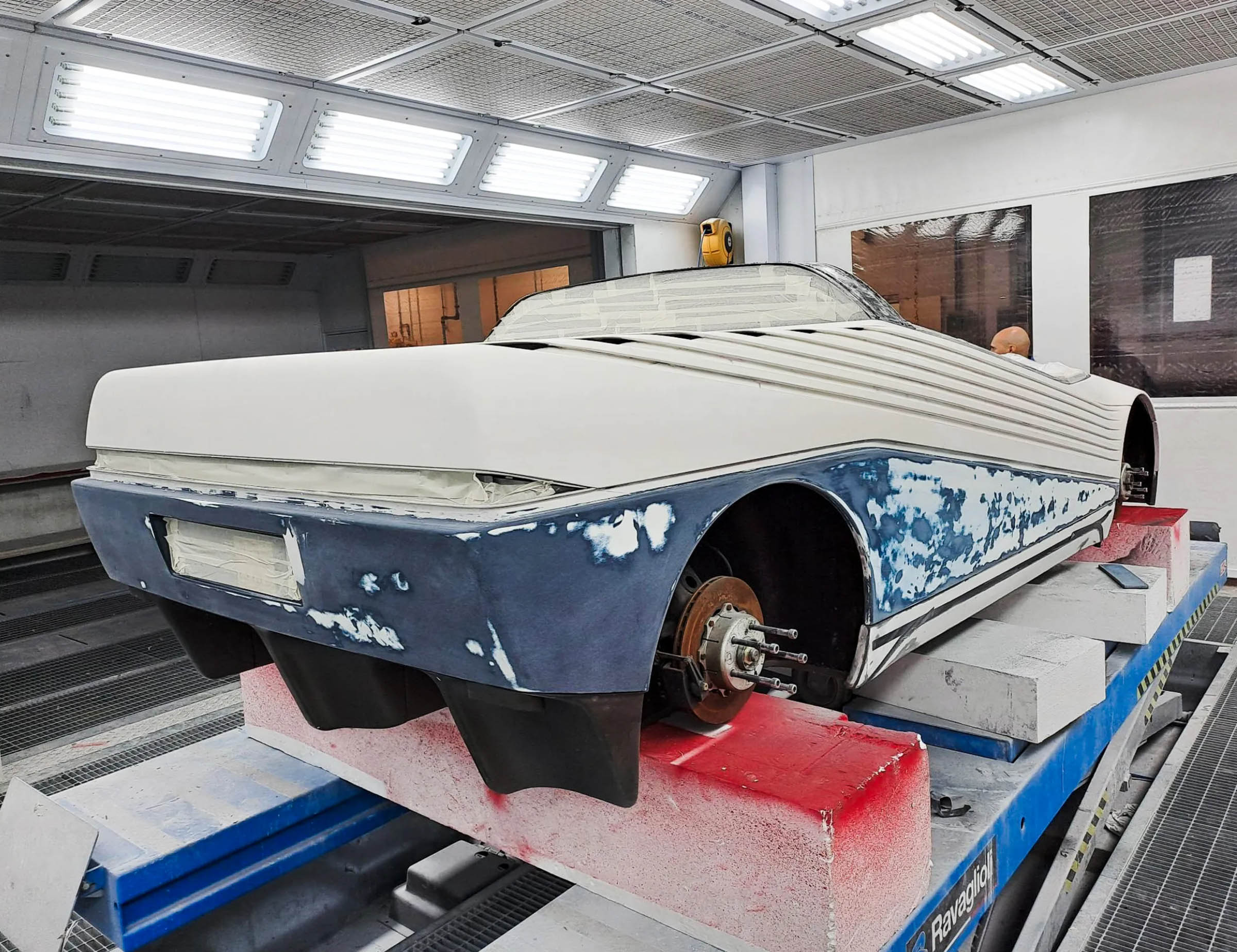
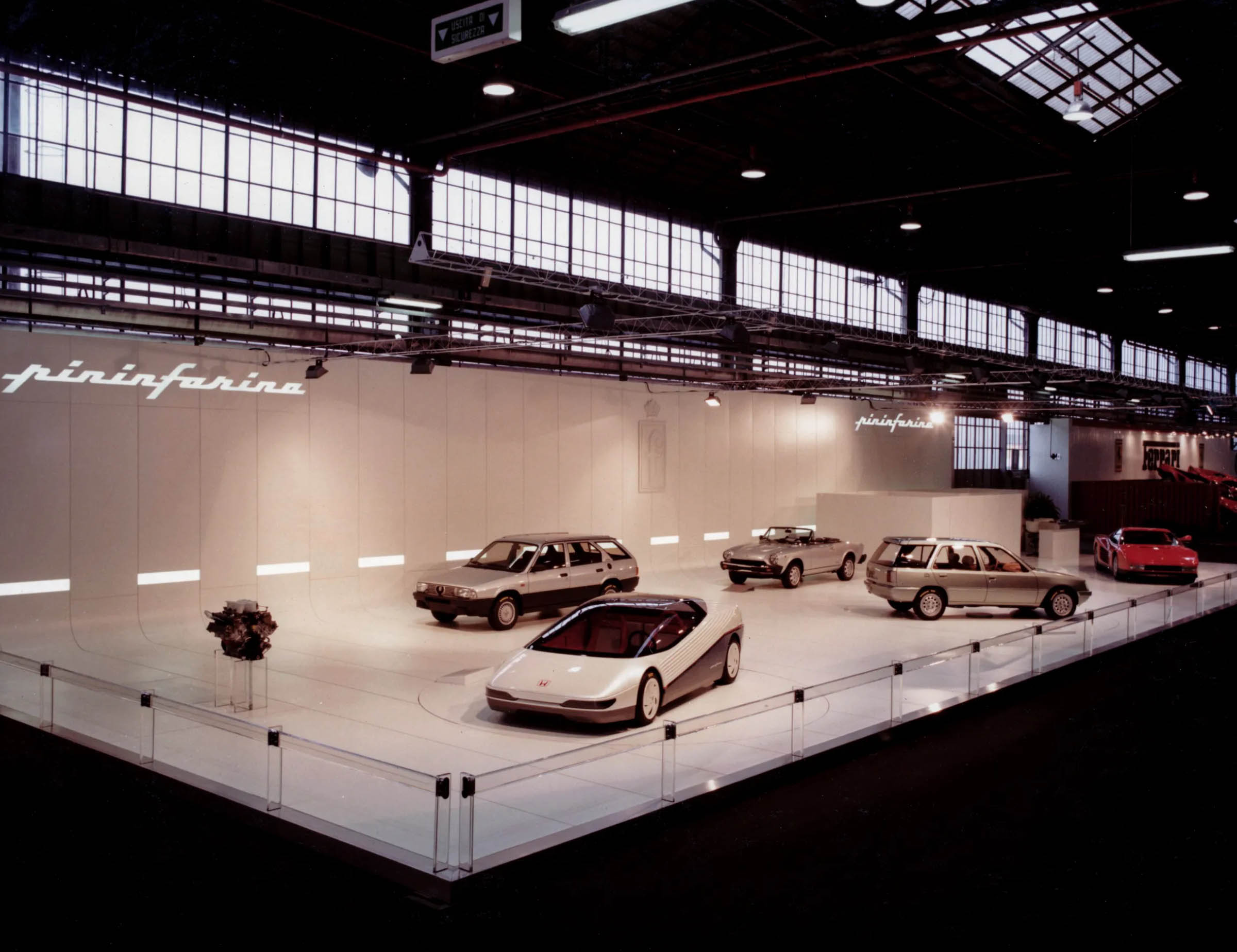
This year’s Pebble Beach Concours d’Elegance will have a head turner in the shape of a classic supercar resurrected to showcase the vision of the future back in the 80s. The Honda HP-X Concept unveiled five decades ago at the 1984 Turin Auto Show is going to debut again at the North American Auto Show.
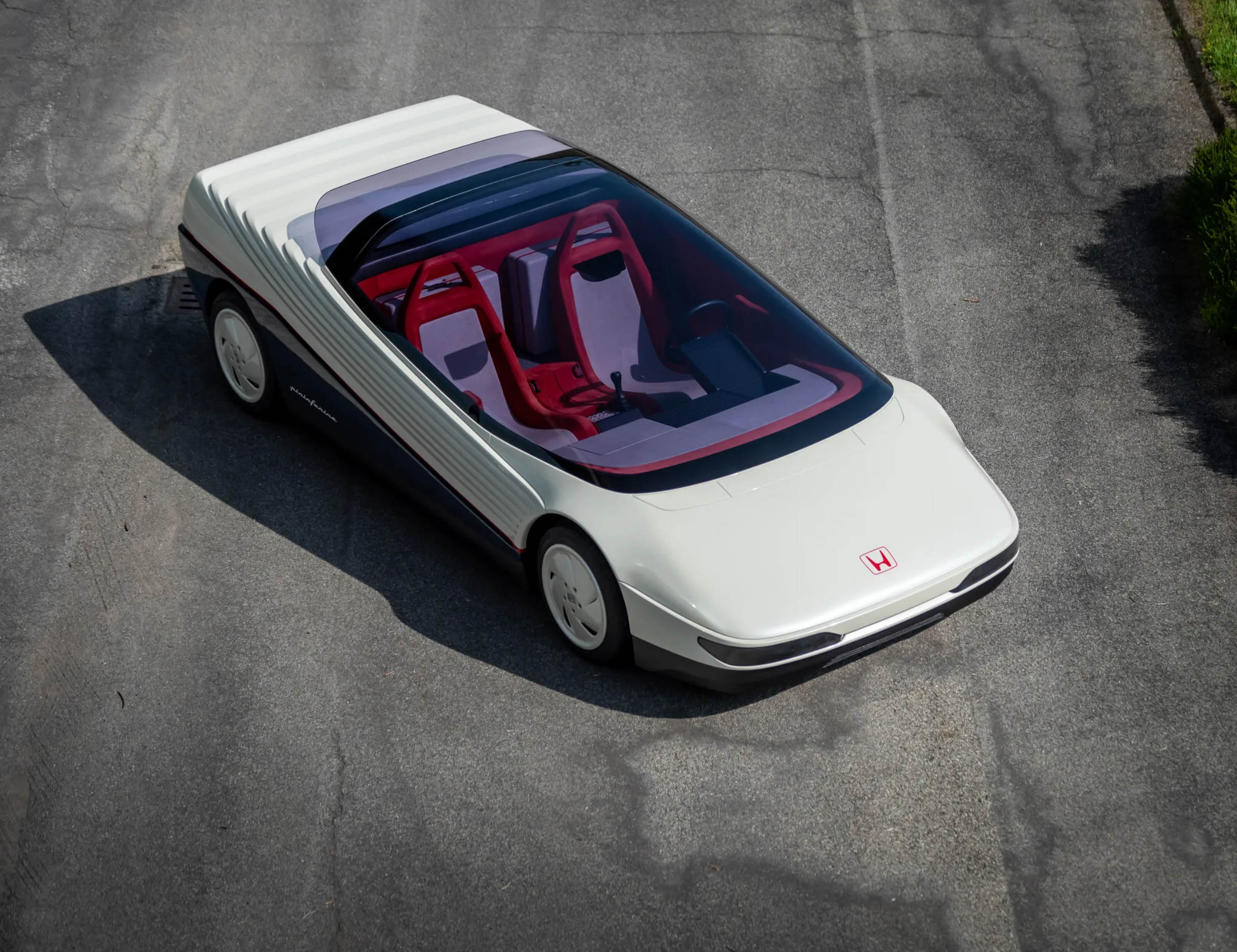
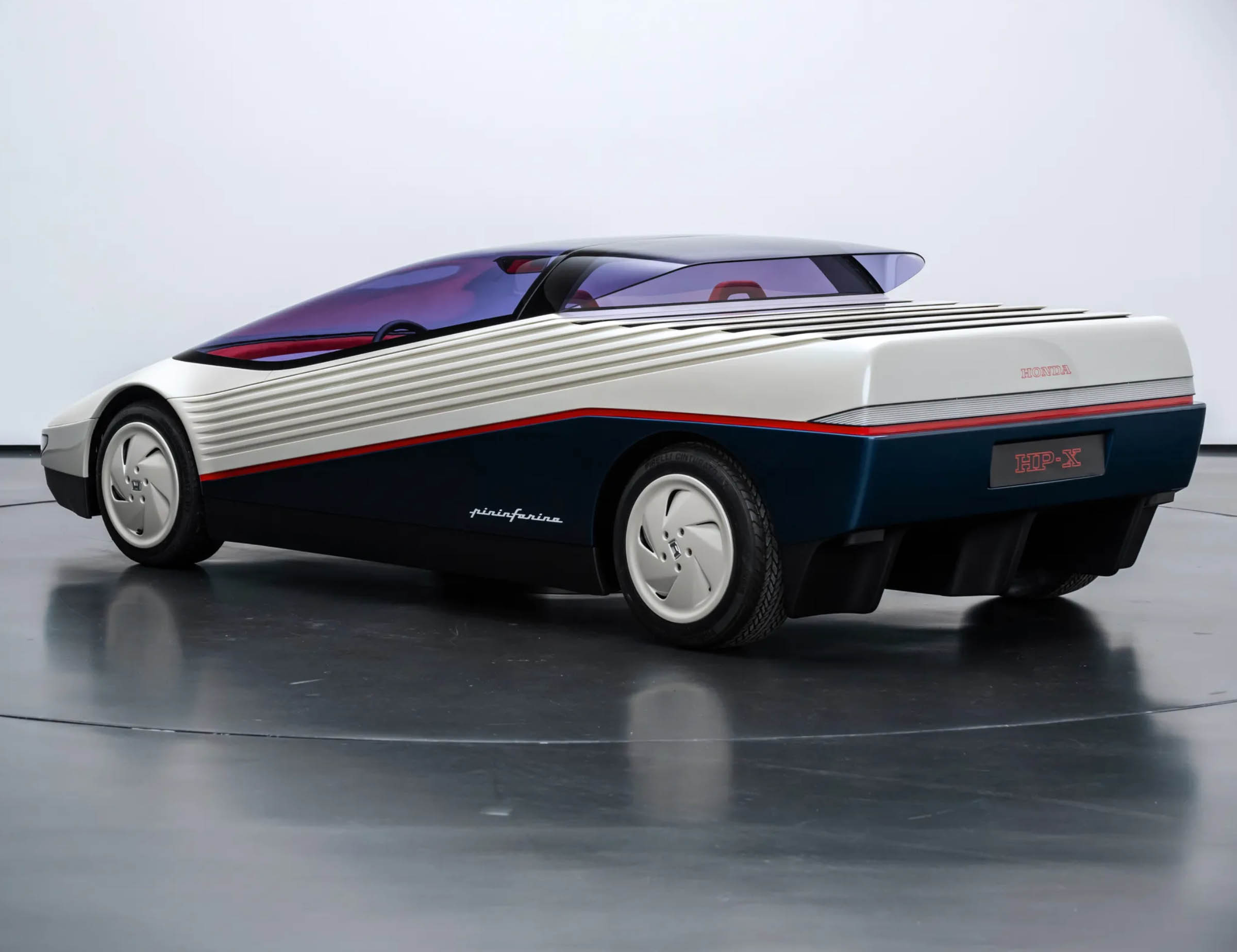
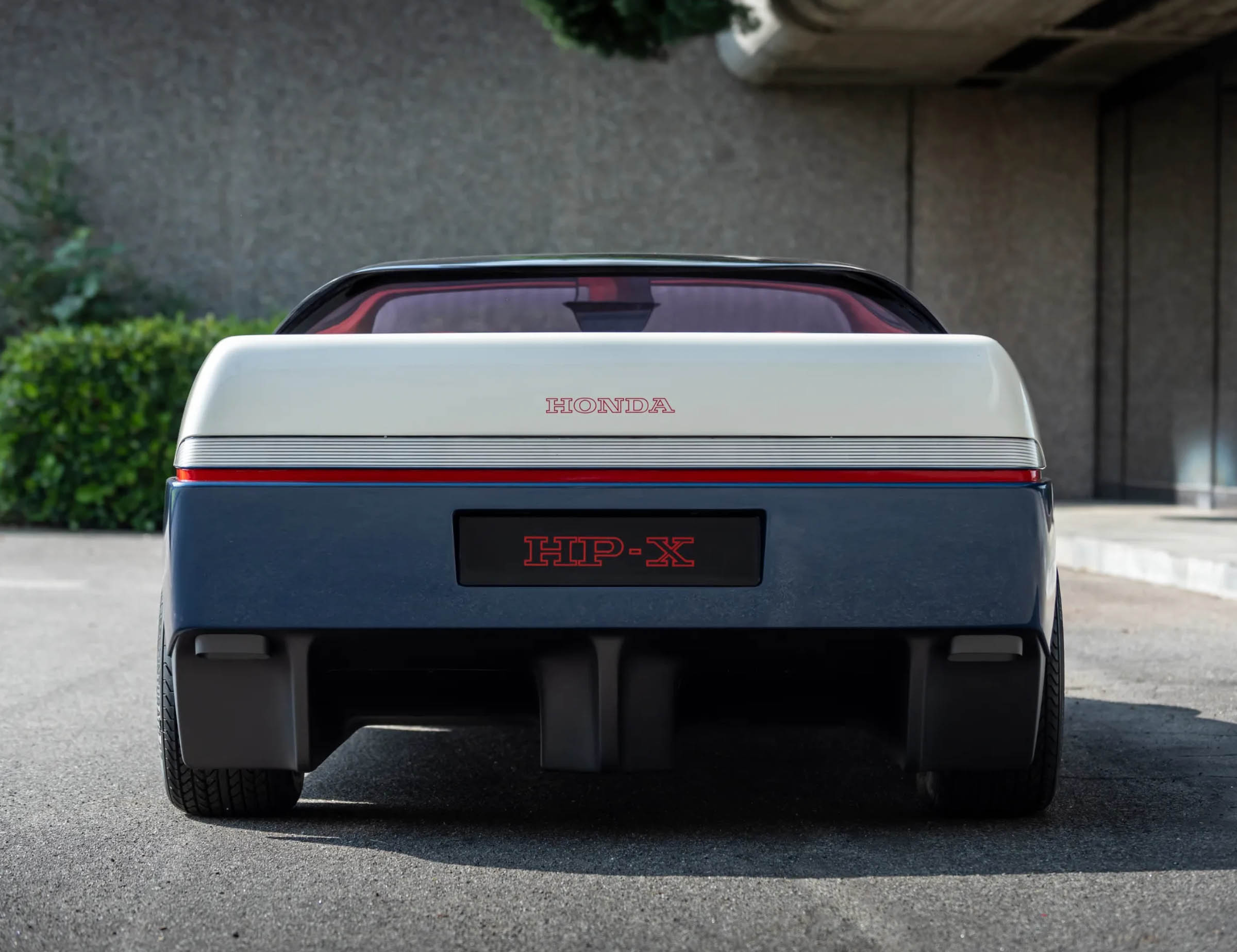
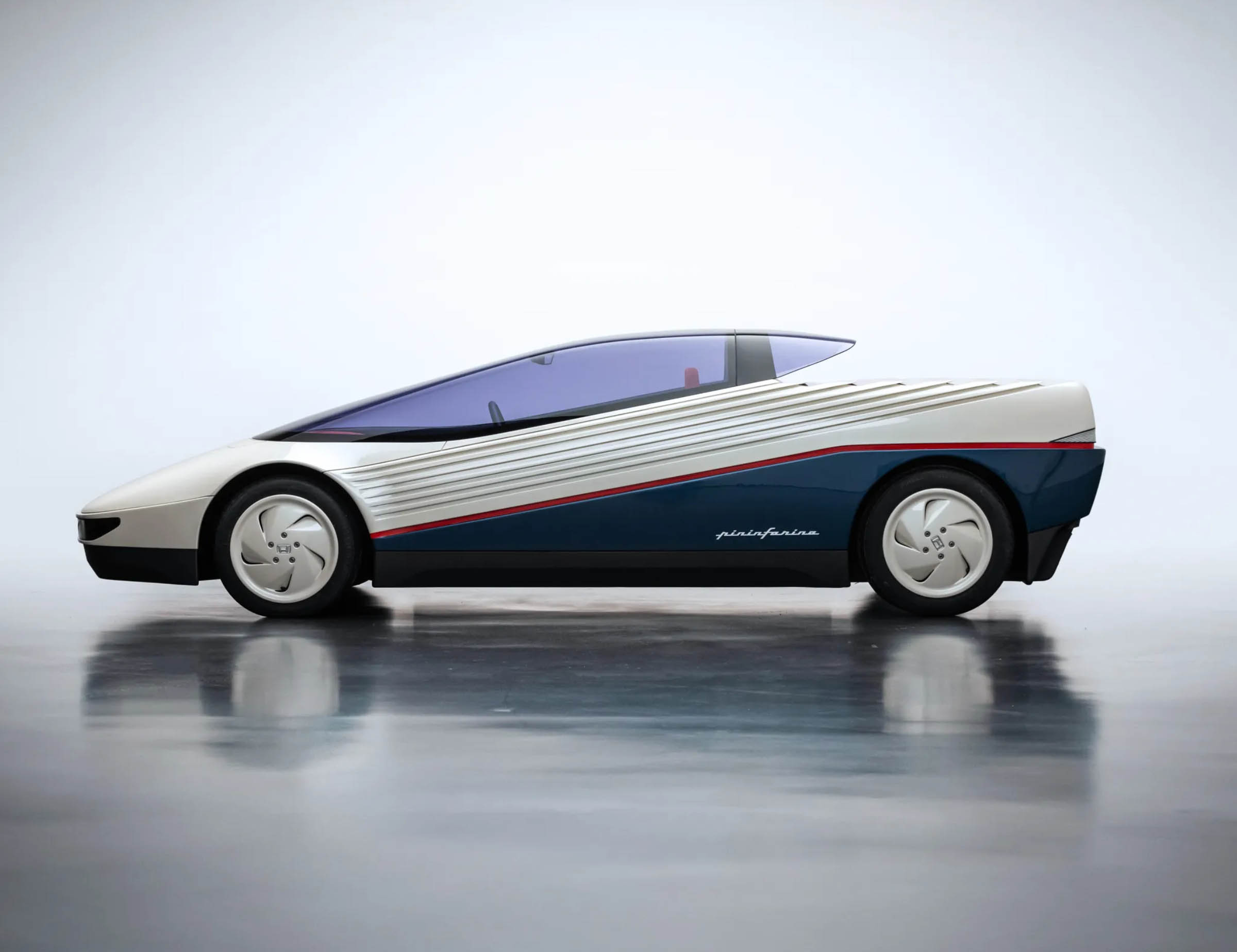
The mid-engine supercar was designed by Iconic Italian design firm Pininfarina and was marked by its sharp wedge profile. The concept immediately caught attention for its jet-engine-inspired cockpit and Knight Rider-like advanced tech. This will be the first time in more than 50 years that a Japanese vehicle will be showcased at the Pebble Beach event. The prized car restored by the two brands will take on other competing models for the “Wedge-Shaped Concept Cars and Prototypes” class at the 73rd Annual event on August 18, 2024.
According to Dave Marek, Acura design executive and honorary Pebble Beach Concours judge, HP-X was more than just a concept as it inspired the design and engineering of future cars like the Acura NSX. Even after so many years, the car is a living proof of Honda and Pinnifarina’s innovative spirit. Felix Kilbertus, Pininfarina’s chief creative officer rightly stated that the vehicle had a major influence on “subsequent Honda models and the broader automotive landscape is undeniable.”
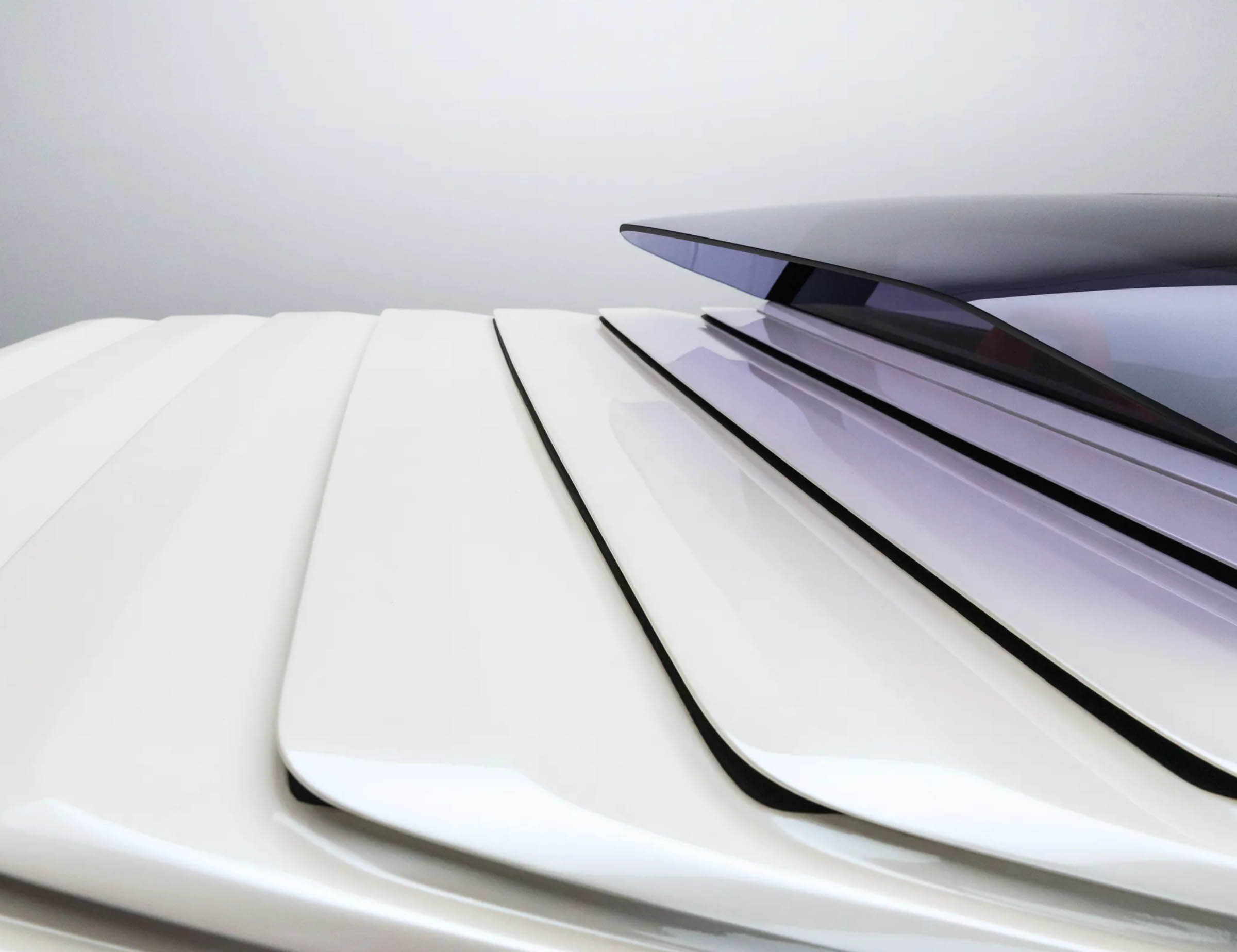
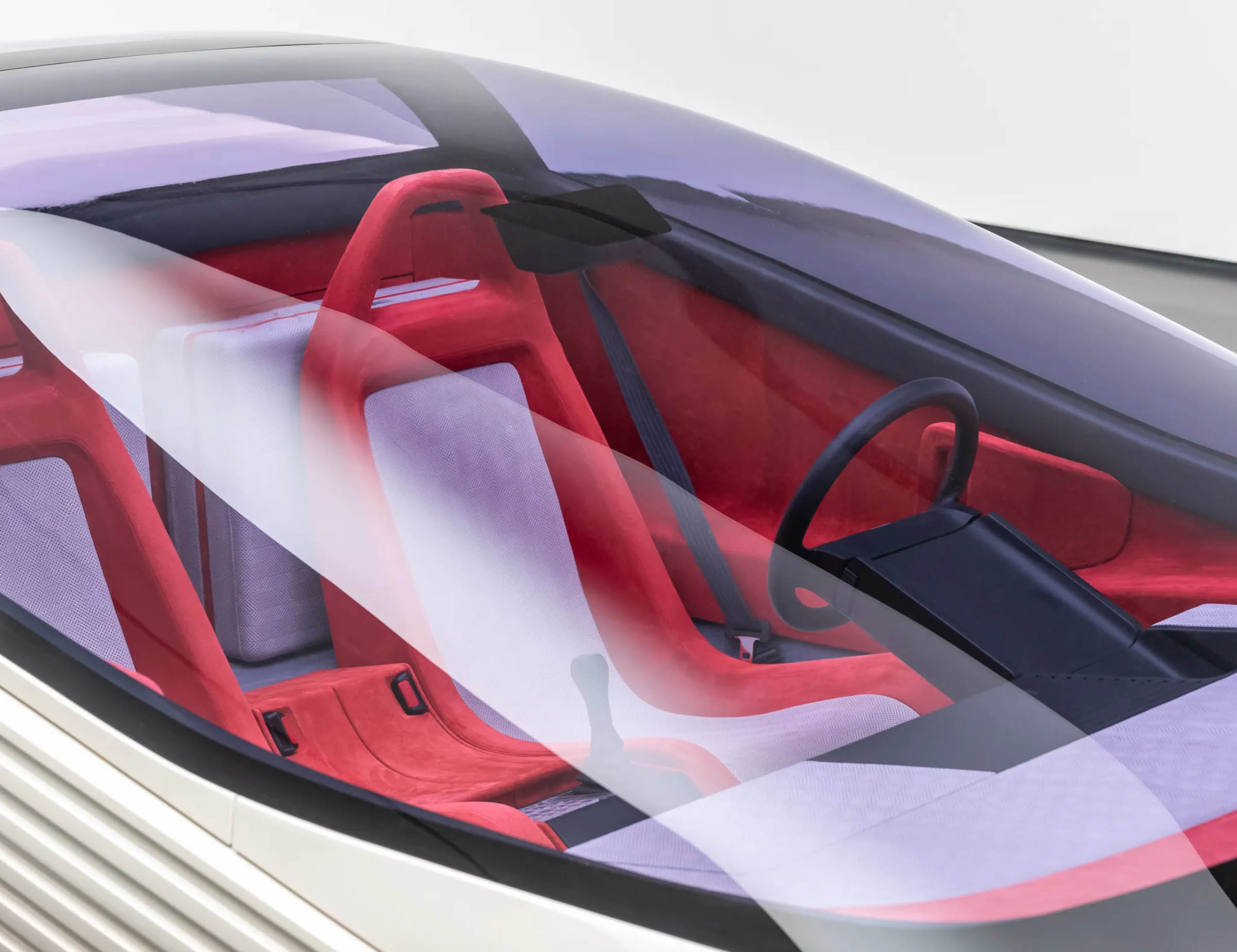
The mid-mounted 2.0L DOHC 24-valve V6 engine car has a fighter jet-like entry (yes no doors, not even scissor ones) into the cockpit as the Perspex canopy comes off. It also aids in aerodynamics and doubles as an air brake. HP-X was far ahead of its time with a lightweight body crafted out of carbon fiber, Kevlar and honeycomb paneling. All these materials were rare at that time and of course, cost an exorbitant amount.
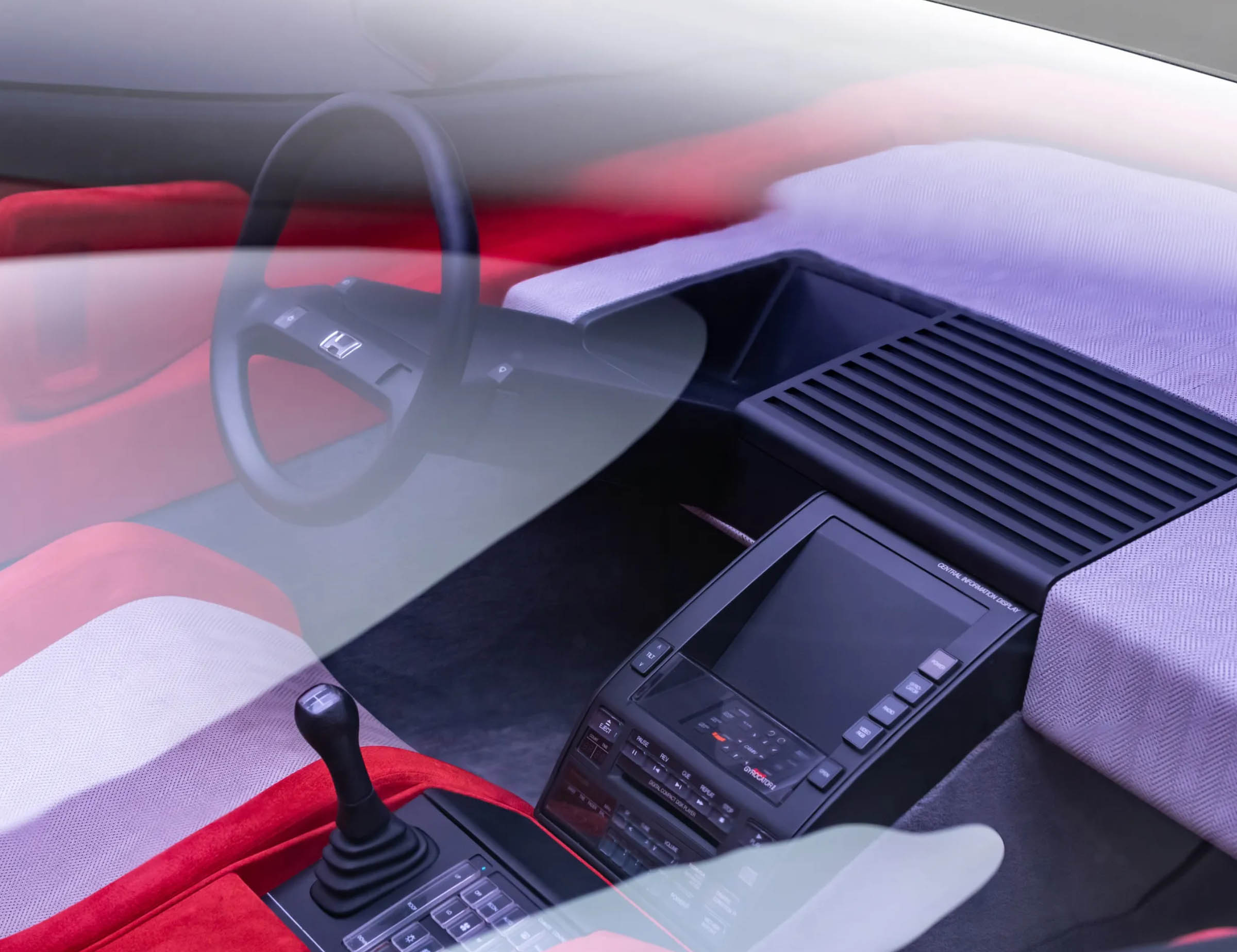
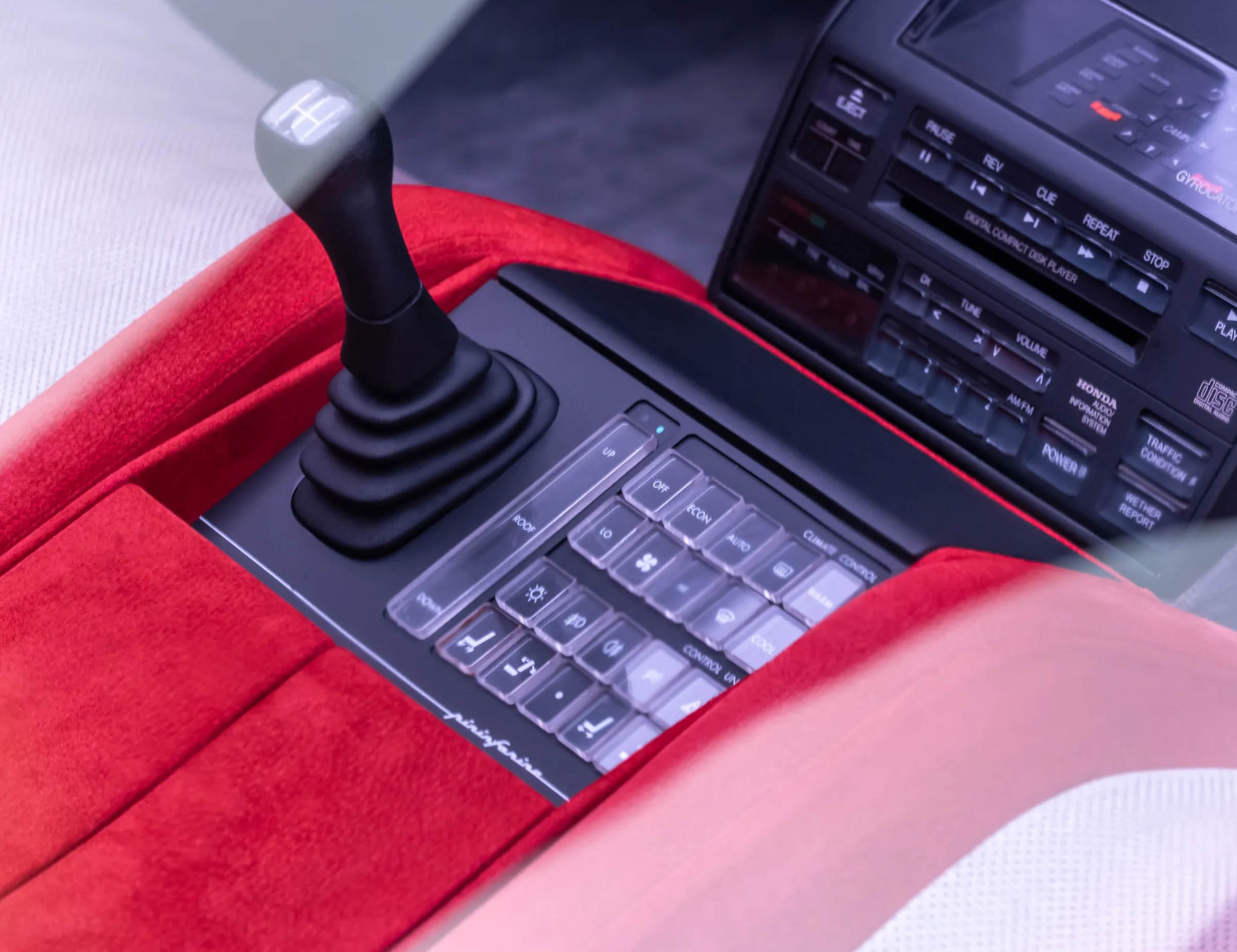
This restored version retains the two-tone white and navy blue paint job with red accents. The cockpit has a nostalgic red and white suede interior, along with a button-dominated center stack console. Functionality and comfort take precedence as the car had an in-house developed Electronic Drive Support System, for real-time telemetry data, GPS navigation and adaptability to road conditions.