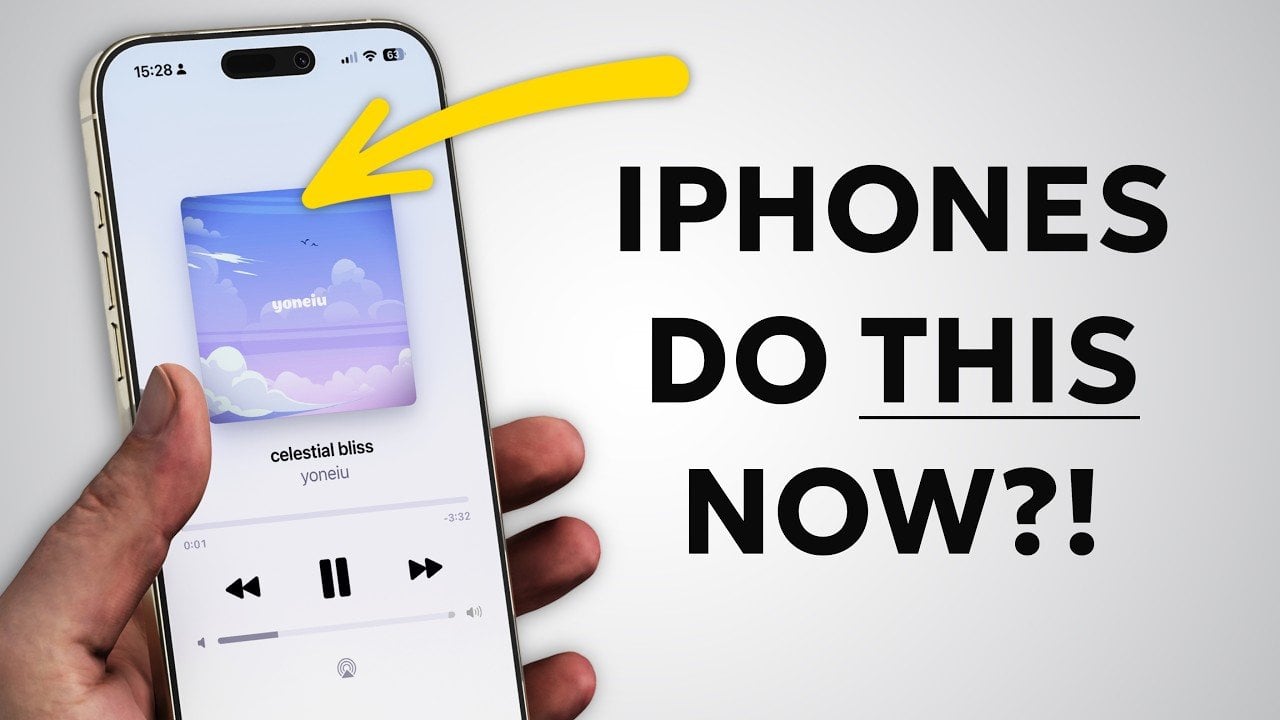
Your iPhone is more than just a communication device; it’s a versatile tool equipped with features that can simplify your life, boost productivity, and enhance convenience. While many of its capabilities are widely recognized, there are several lesser-known features that can significantly improve your daily experience. Here are ten tools you might not have explored […]
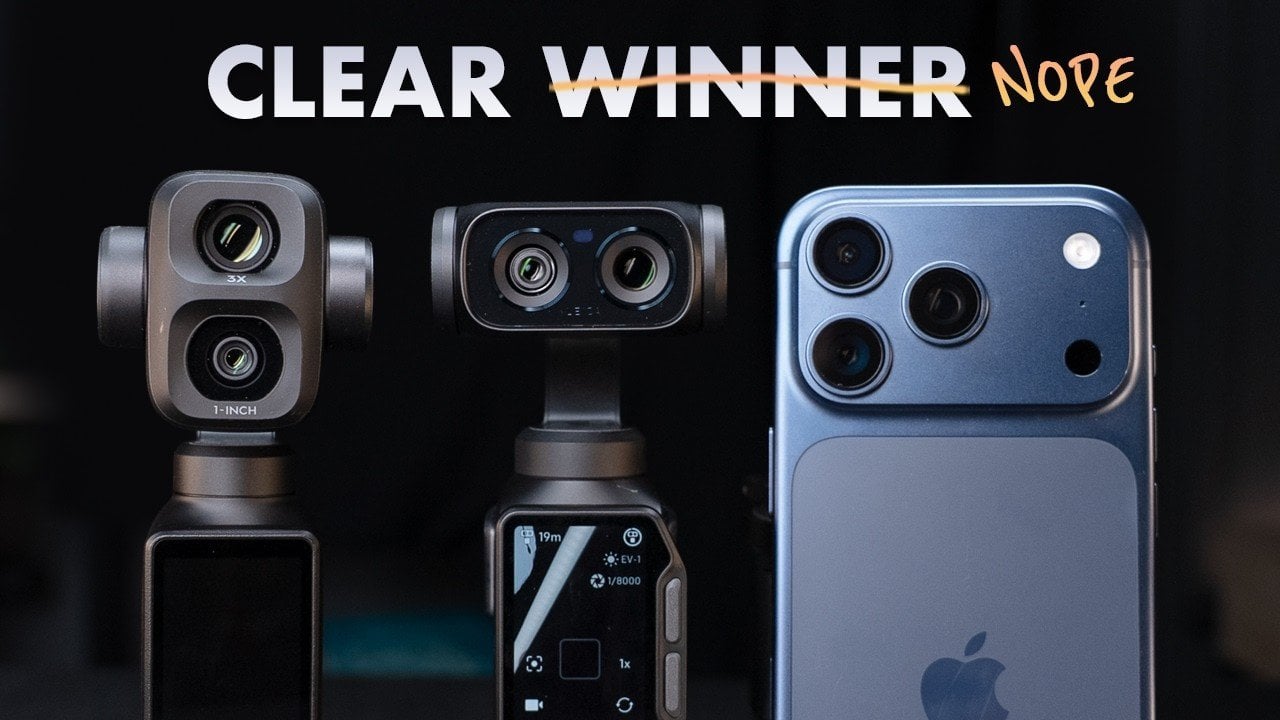
When it comes to choosing between the Osmo Pocket 4P, Luna Ultra and iPhone 17 Pro, understanding their distinct strengths is key to making the right decision. The Film Alliance breaks down how these devices cater to different creative needs, from the Osmo Pocket 4P’s standout 17 stops of dynamic range with DLOG 2 for […]
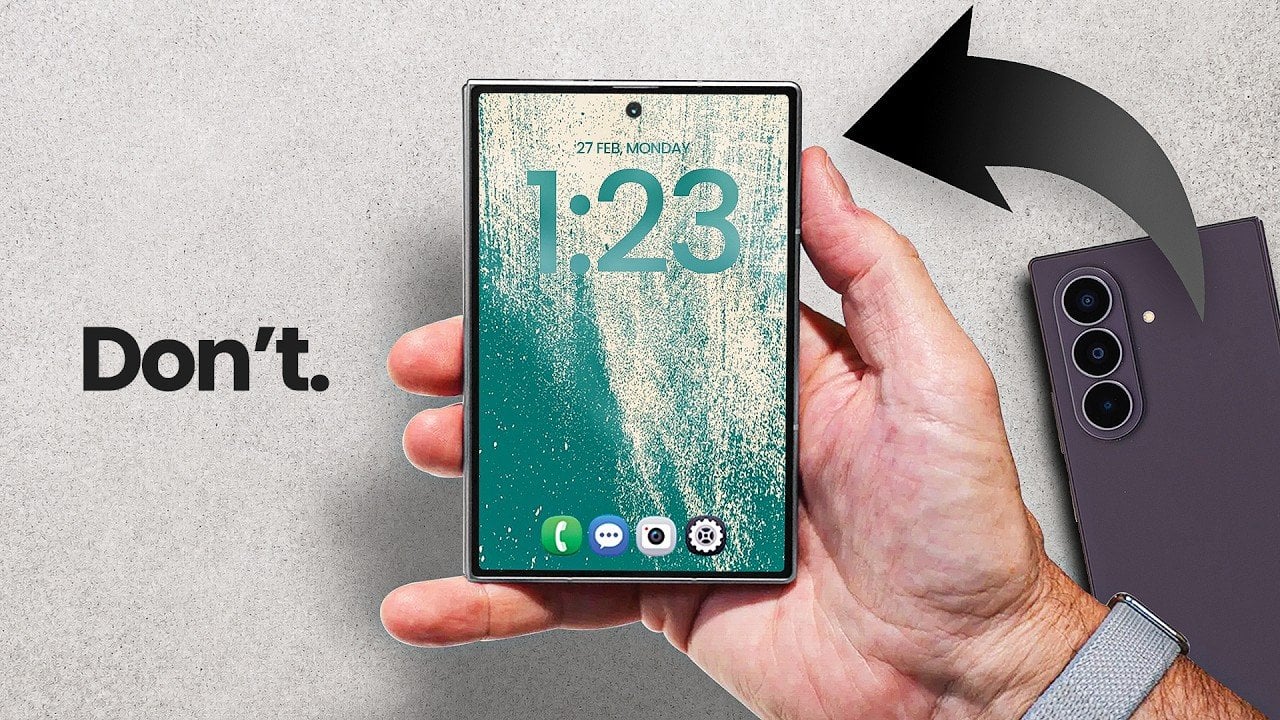
Choosing between the Samsung Galaxy Z Fold 8 and the Z Fold 8 Ultra can be a difficult decision, as both models represent the pinnacle of foldable smartphone technology. While the Z Fold 8 Ultra offers a larger display and a higher-resolution camera, the standard Z Fold 8 stands out for its practicality, usability, and […]
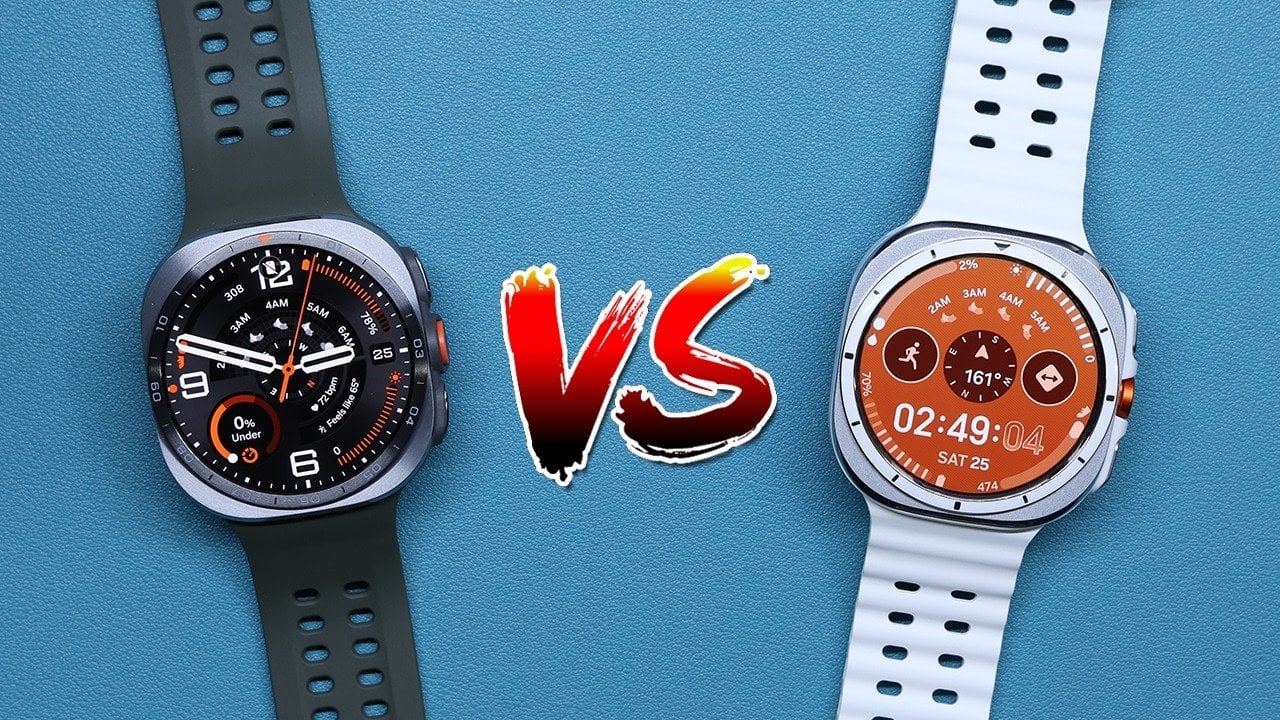
The Samsung Galaxy Watch Ultra 2 builds upon the solid foundation of the Ultra 1, introducing significant advancements in display technology, battery performance, and specialized features. While both models share a durable design and core functionality, the Ultra 2 is tailored for users seeking innovative capabilities, such as diving certification and enhanced health tracking. Below […]
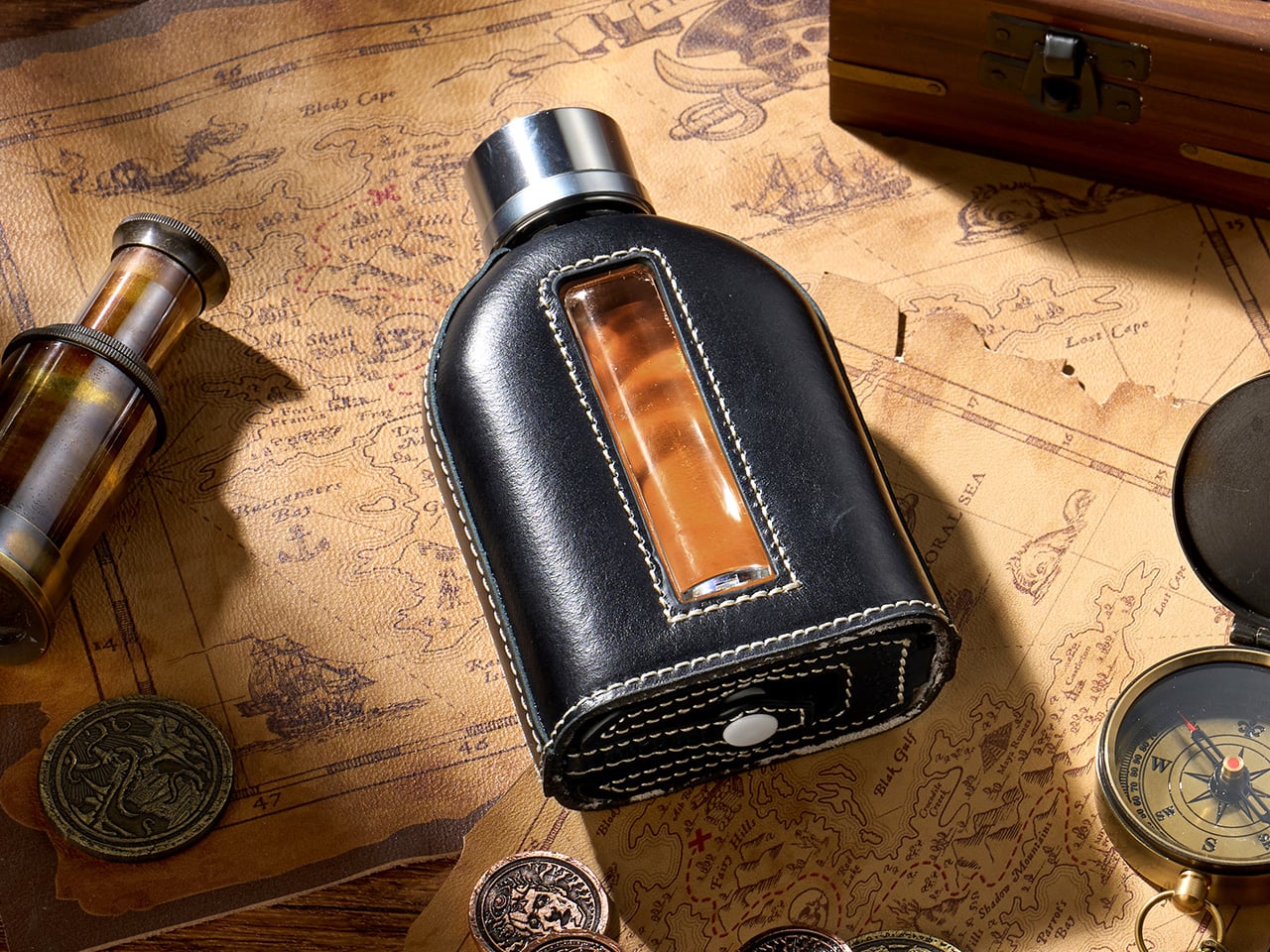
The spirits world has spent decades perfecting what goes inside the bottle. The vessel that carries those spirits once you leave home has received considerably less attention. BARKUTAN, a Hong Kong-registered brand with Italian design roots, spent 19 months asking why that gap exists, and the glass hip flask it produced is essentially its answer. The core is lead-free glass, the same material distillers trust to preserve aroma and flavor integrity, wrapped in a removable top-grain leather sleeve that covers every surface of the bottle in a 360-degree embrace.
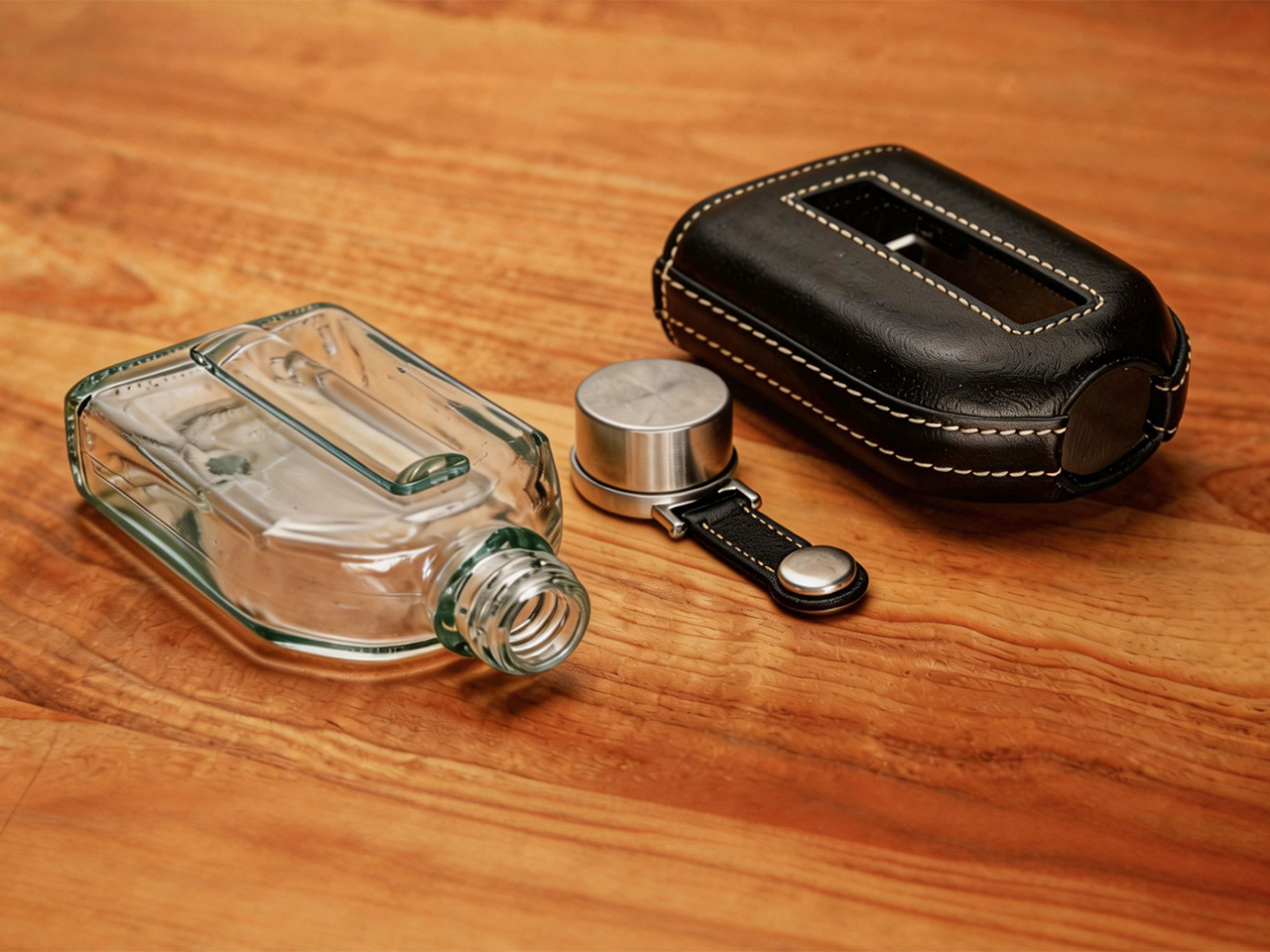
What separates this from leather-wrapped glass flasks already on the market comes down to how the sleeve attaches. Existing options either glue the leather to the glass permanently, meaning a cracked bottle wastes the whole product, or they use a removable sleeve that only wraps part of the flask. The BARKUTAN design wraps the glass completely and still allows the sleeve to be pulled off entirely, a combination the brand holds a premium patent on. Two capacities are available, 100ml and 210ml, in six leather colors.
At the heart of the BARKUTAN flask is a simple, powerful idea: your drink should taste like your drink. That metallic tang that often comes with a traditional flask is an accepted flaw, but it’s a flaw nonetheless. Using glass as the container material eliminates that issue entirely. Glass is neutral, it’s clean, and it respects the complex profile of a fine beverage. It’s the reason premium drinks are bottled in glass in the first place, so extending that logic to a portable vessel just feels like common sense that’s been a long time coming.
The design details show an obsessive level of thought. A beautiful, convex lens-style window is cut into the leather, letting you check the fill level at a glance. It’s a practical touch that also looks fantastic, sort of like a porthole into your own personal supply. The cap system is equally clever. It uses a combination of cork and silicone liners to create a genuinely leak-proof seal, because no one wants a damp pocket. The cap itself is connected to the flask with a custom snap-button tether, a feature common on metal flasks but rarely seen on glass ones, solving the age-old problem of fumbling with a loose cap outdoors. They even integrated a tiny label slot into the tether, so you can tell your different concoctions apart.
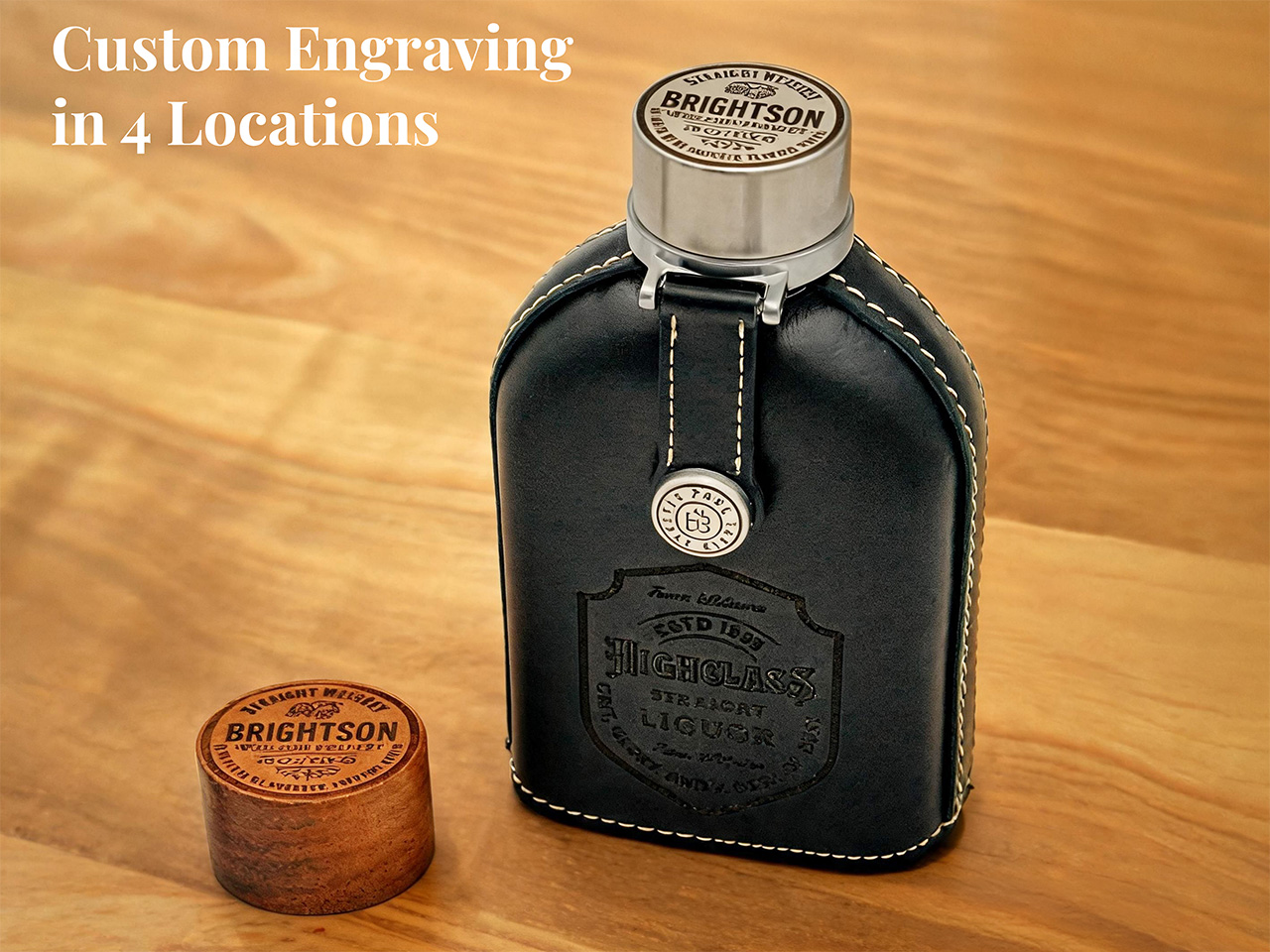
While it’s a great personal accessory, the BARKUTAN really shines as a gift. A flask is a classic choice for groomsmen, graduates, or any special occasion, but the personalization options here take it to another level. Unlike most brands that might offer a simple text engraving, BARKUTAN lets you customize up to four different areas: the leather sleeve, the stainless steel cap, the wooden cap, and even the cap tether’s snap button. With over 300 free templates to choose from, you can add names, dates, or custom emblems to create something truly personal. It already arrives in a premium gift box, so it’s ready to impress right out of the mail.
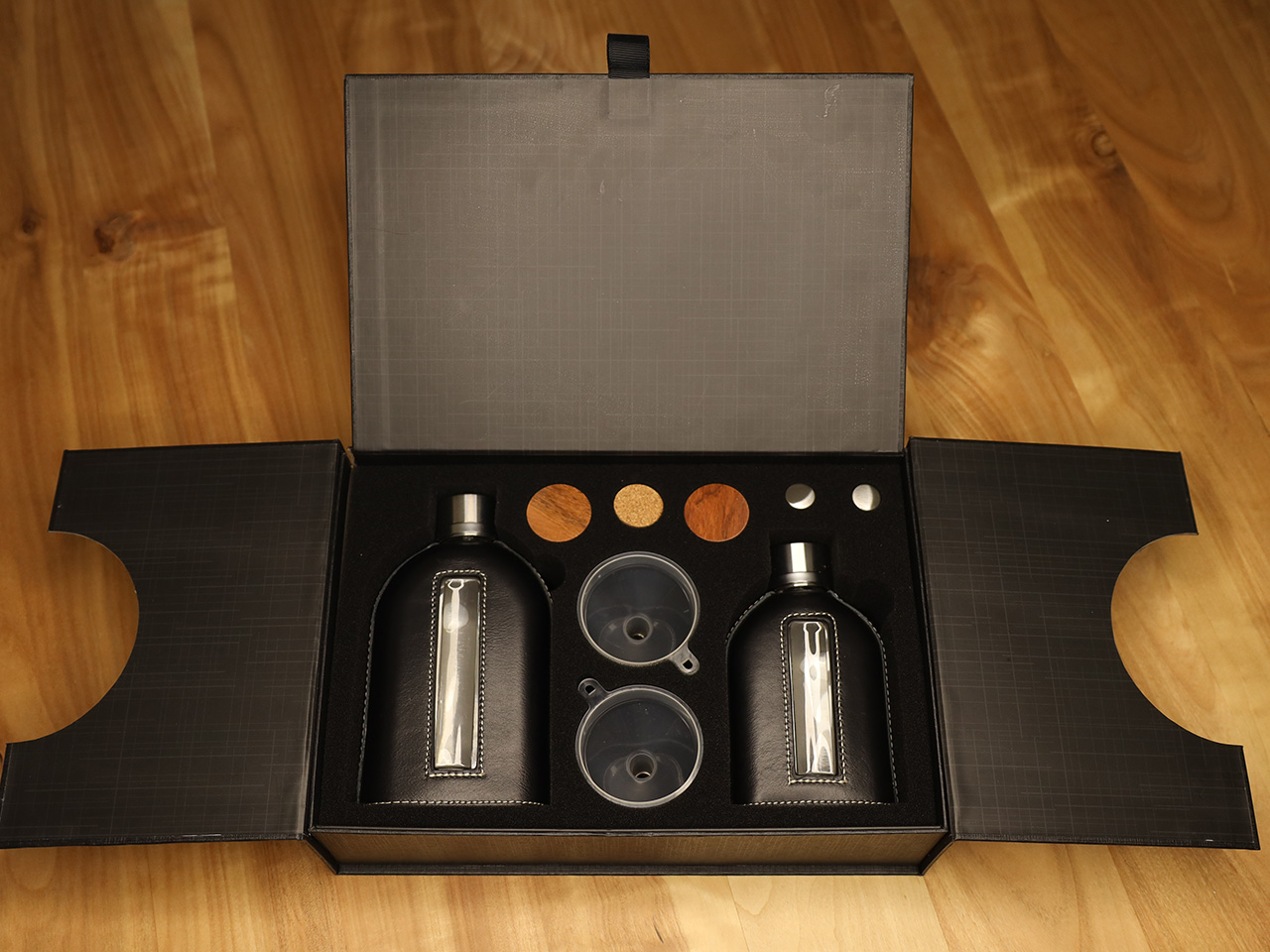
A great gift is also one that lasts, and this flask is designed for the long haul. The removability of the 360-degree leather sleeve is the main event. It provides full protection, but if the unthinkable happens and you drop it at just the wrong angle, the gift isn’t ruined. You just slide the sleeve off and pop in a new glass insert; every BARKUTAN even ships with a spare. This transforms the flask from a disposable item into a buy-it-for-life piece of gear. That spare wooden cap, full cleaning kit, and extra liners are all part of the package, making it a complete experience from day one.
BARKUTAN is offering the flask in two sizes. There’s a pocket-friendly 100ml version that’s TSA-compliant for your carry-on, perfect for a single responsible serving. Then there’s the larger 210ml flask for longer trips, bigger gatherings, or for those who just have a bit more of a habit to satisfy. Both sizes are available on Kickstarter with Early Bird pricing starting at $109 for the 100ml flask and $125 for the 210ml. You can grab a set with both sizes for $209. The top-grain leather sleeves come in six classic colors: Black, Brown, Dark Brown, Navy Blue, Olive Green, and a rich Cherry Red. The flasks come with a 1-year warranty and lifetime support, which, for a vessel built to be repaired instead of replaced, seems just about right.
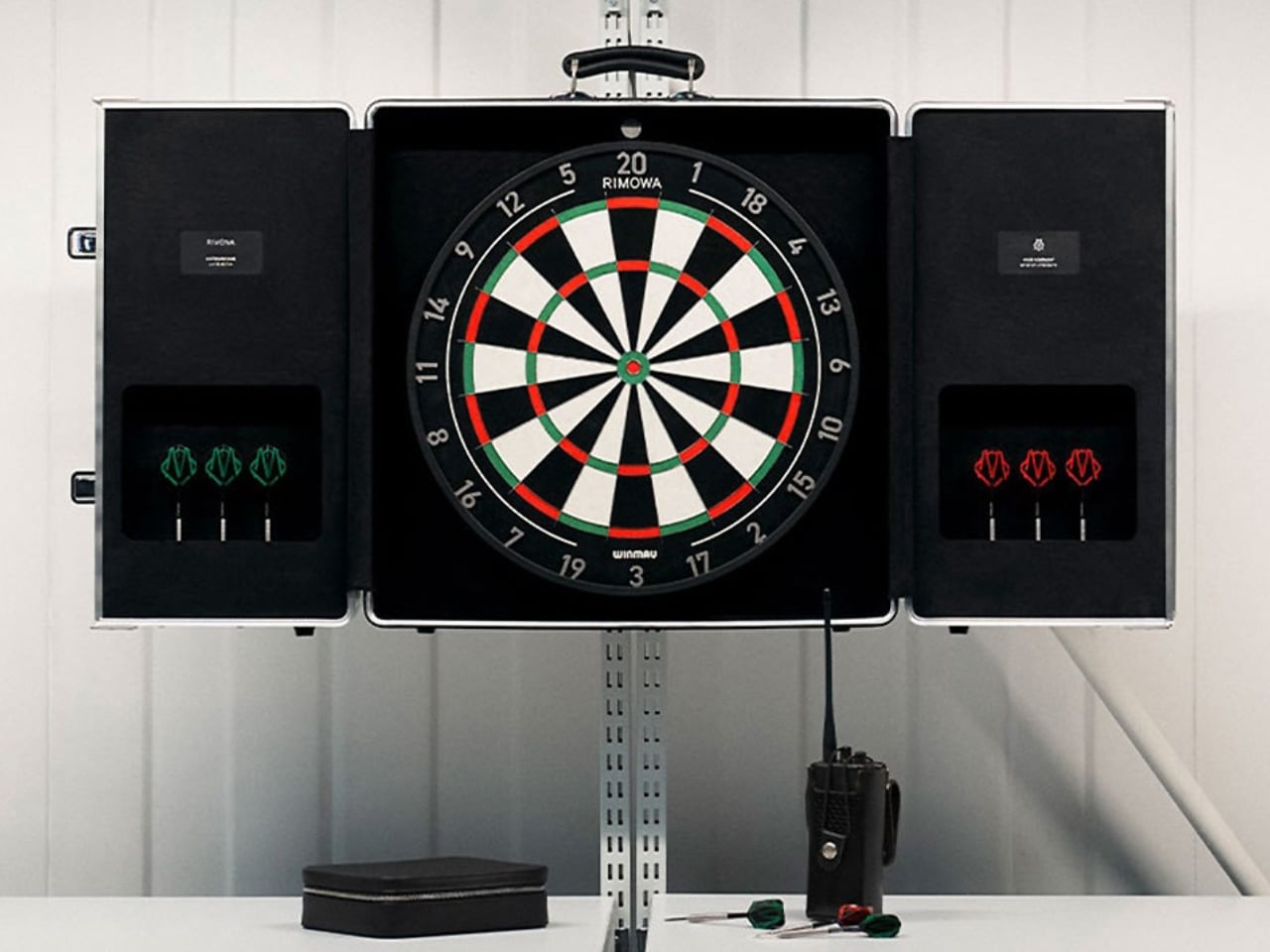
Rimowa did not need to make a dartboard case. That much is obvious. The German luggage brand has spent decades building an identity around precision-engineered aluminium travel cases, the kind that earn airport sideways glances and the occasional “nice case.” A dartboard cabinet was not on anyone’s 2026 bingo card. And yet, here we are.
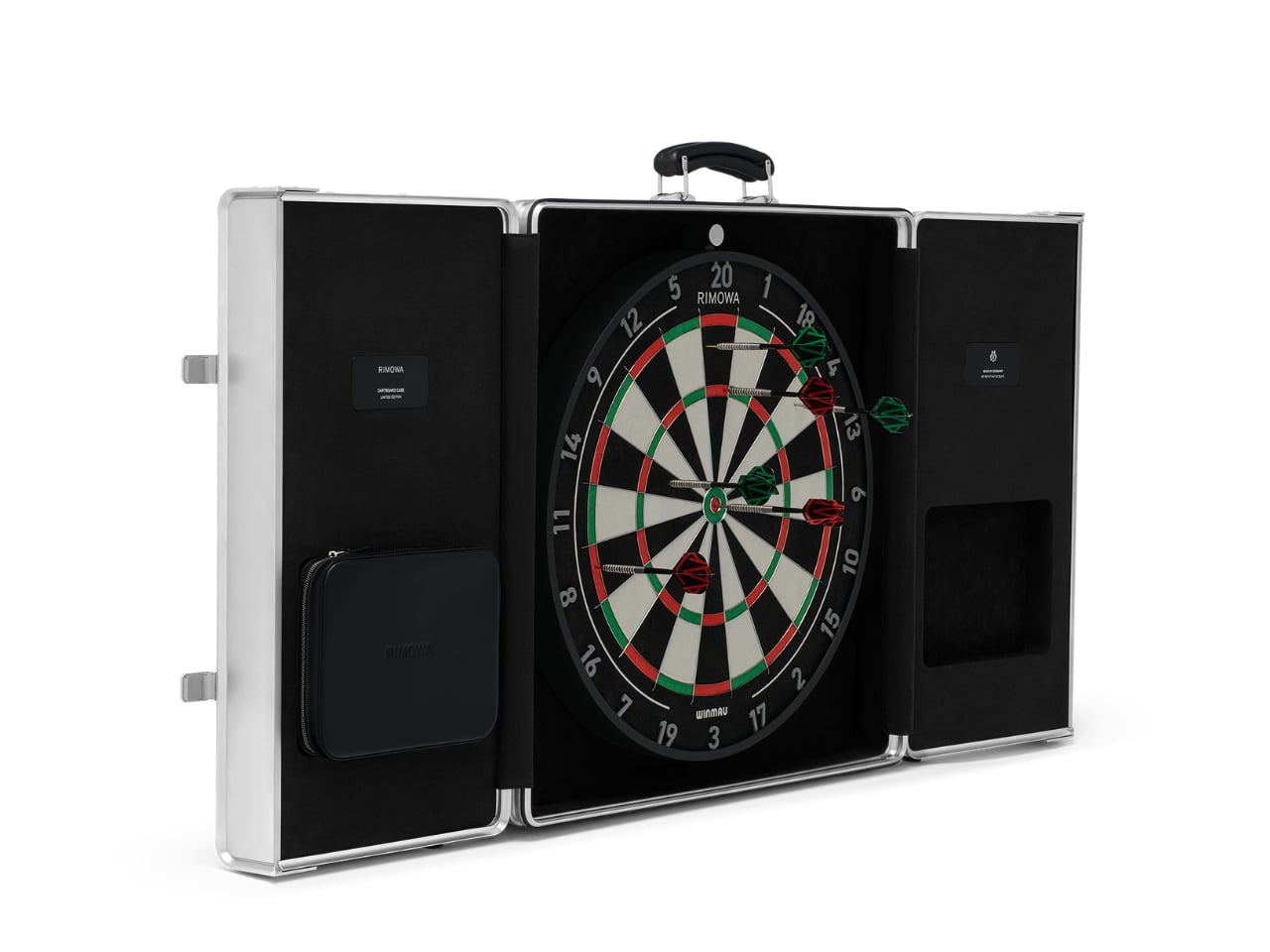
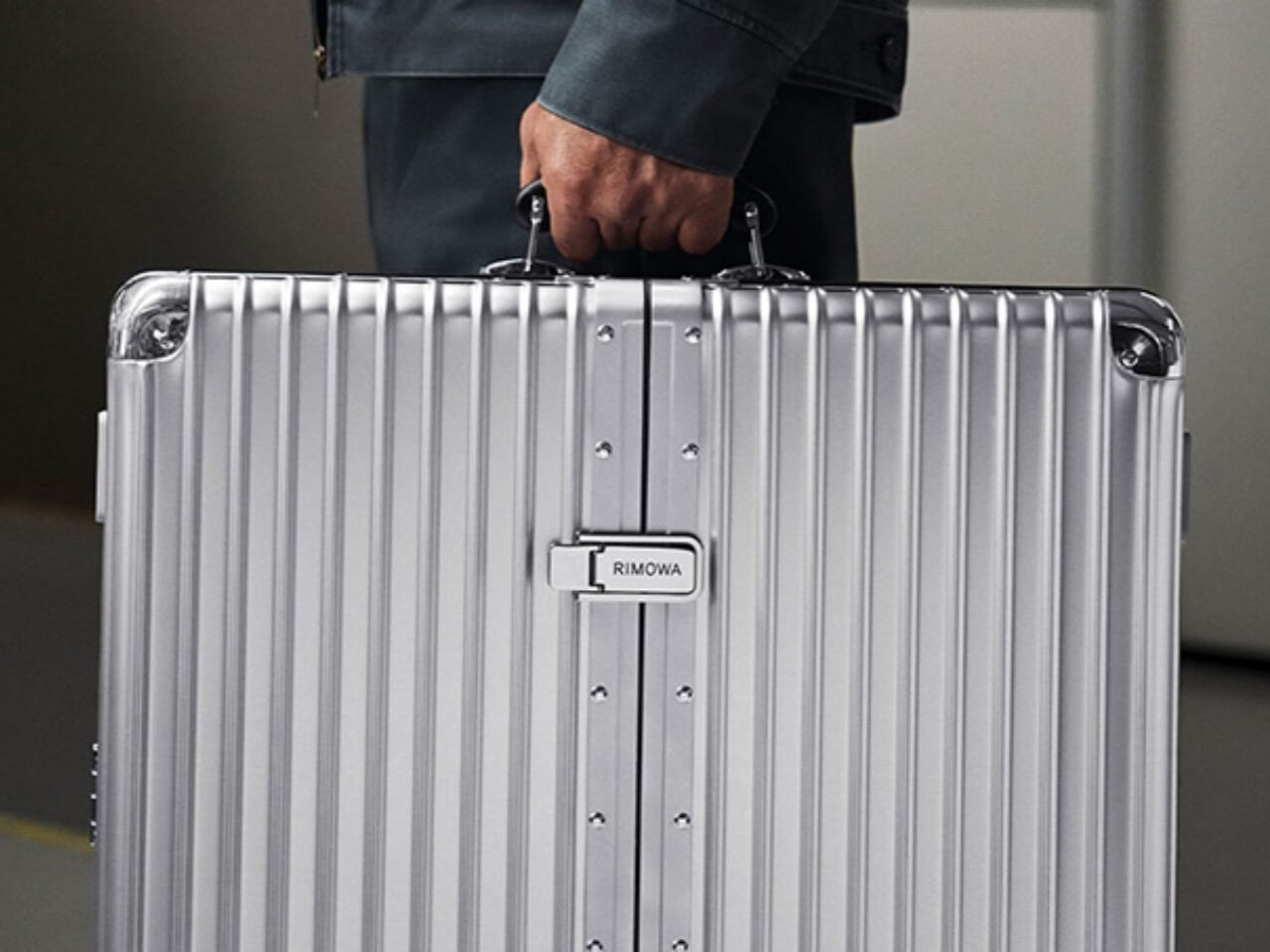
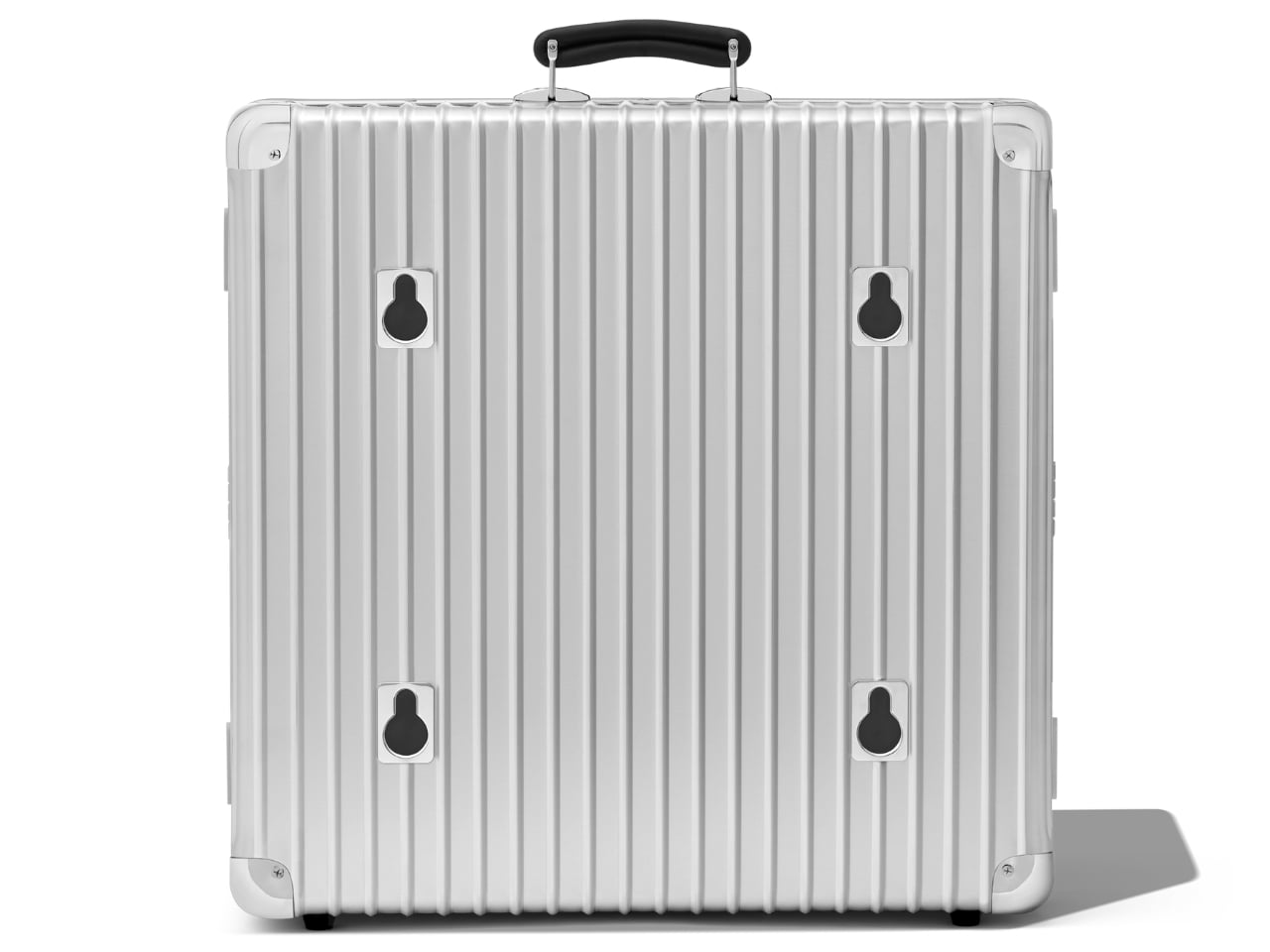
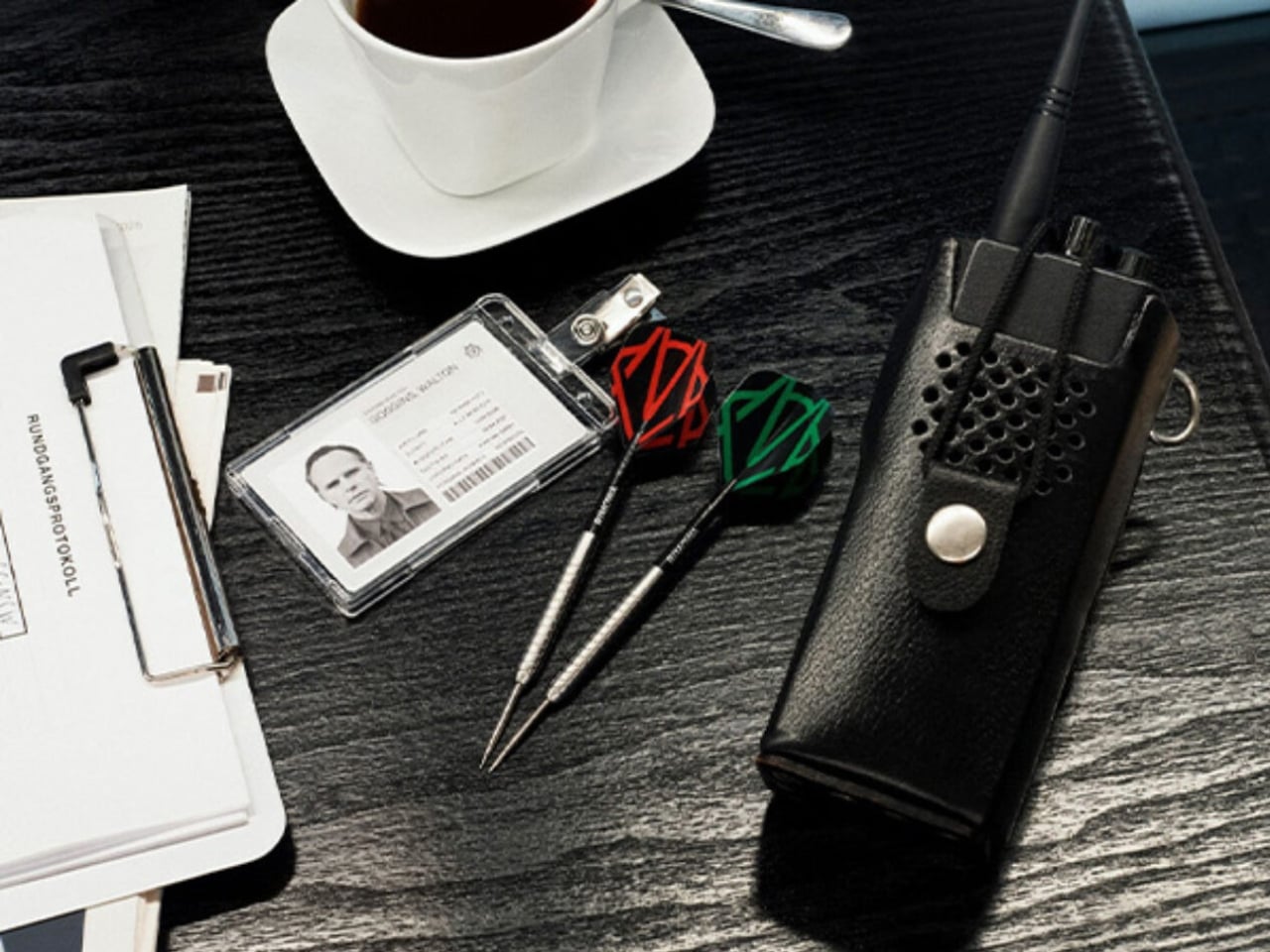
The RIMOWA Dartboard Case in Silver is exactly what it sounds like: a wall-mounted dart cabinet built in collaboration with professional dartboard maker Winmau, encased in Rimowa’s signature anodized grooved aluminium, complete with custom latch locks, plane-engraved rivets, and a classic black leather handle. Inside sits a custom Winmau Blade X board, which happens to be the official dartboard of the PDC, and two sets of professional-grade darts. It looks like someone took a classic pub cabinet and ran it through a very expensive German design studio. Which is, apparently, exactly what happened. The price? Around $6,300. Limited edition. Available from July 30 at select Rimowa stores worldwide.
Before the inevitable eye-rolling begins, it is worth sitting with what Rimowa has actually done here. Darts is a sport with a real public image problem in the luxury space. It lives in pubs, in basement rec rooms, and on television specials that tend to run alongside beer commercials. It is beloved, genuinely, by millions of people, but it does not typically share shelf space with luxury goods at this price point. Rimowa walked right into that tension and, rather than trying to “elevate” the sport in some condescending way, they treated it with the same seriousness they would apply to a carry-on. That distinction matters.
The Winmau Blade X is not a novelty prop. It is the most advanced dartboard Winmau has ever made, engineered specifically for the PDC’s elite professional circuit, with 13% longer scoring segments and a premium layered hardwood backboard designed to minimize bounce-outs. Pairing that level of performance hardware with Rimowa’s aluminium craftsmanship is not a gimmick. It is a genuine meeting of two serious makers operating at the top of their respective fields.
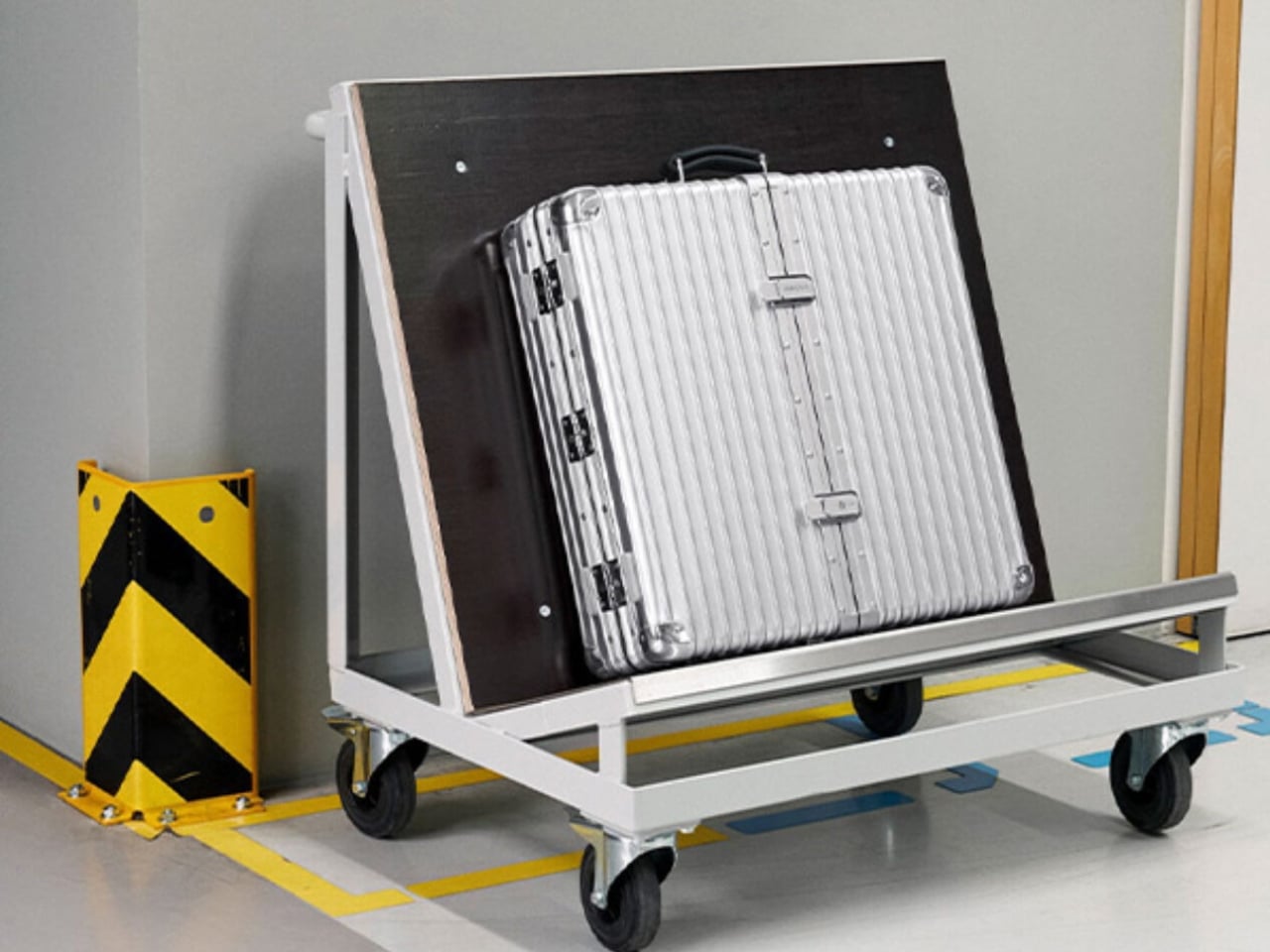
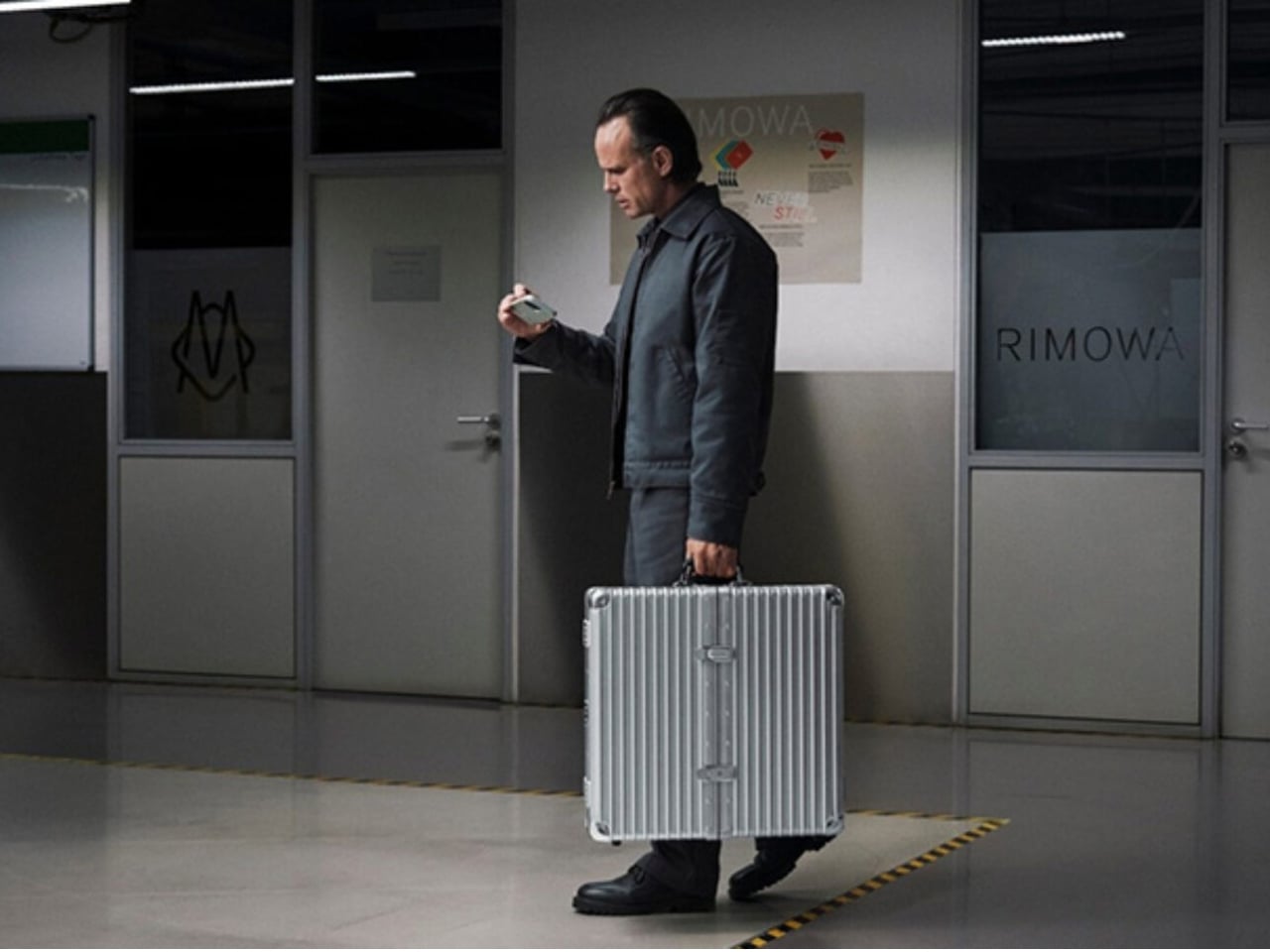
The campaign starring actor Walton Goggins leans into the absurdity just enough. Set inside the Rimowa factory in Cologne, Goggins wanders the factory floor, distracted by the pressure of watching his favorite football team play, and stumbles onto the dartboard case. He starts throwing darts, as if a bullseye might somehow influence the match. It is a sharp, funny piece of brand filmmaking, and it works because it does not take itself too seriously, which is the exact right energy for a product that costs more than most people’s first car payment.
What makes the design compelling is how little had to change. Rimowa’s grooved aluminium aesthetic translates almost naturally into a wall cabinet format. The co-branded double-door construction, the custom latch hardware, the leather handle, it all feels like a luggage piece that simply chose a different destination. That continuity is harder to achieve than it looks, and it is the reason the object does not feel like a brand collaboration manufactured purely for press attention.
Is anyone actually going to play darts with this? Probably yes, and probably in a very nice home bar. Is it also, without question, a collector’s object that will live mostly on walls rather than in rotation? Also yes. Luxury design has always occupied that strange dual space between function and art object, and the Rimowa Dartboard Case is comfortable in both. You can play a real game on it. You can also just stare at it.
At $6,300, Rimowa is clearly not pitching this to the after-work league player. But for the design-obsessed, the darts enthusiast with money to spend, or the collector who has simply run out of interesting things to put on the wall, it makes a strange and compelling case for itself. Sometimes the things that do not need to exist are the most interesting ones.
Going off-grid used to mean a specific kind of bargain. You traded reliability for freedom, comfort for silence, and convenience for open space. That trade felt reasonable for a long weekend and increasingly difficult to justify for anything longer. The gear didn’t match the ambition. People who wanted to live this way, genuinely and for extended periods, were left assembling systems that weren’t built to work together and hoping the result held.
In 2026, that bargain no longer applies. A small number of products have quietly redefined what off-grid living can actually look like, and none of them ask you to accept a trade you’d regret by the third day. The five here represent a complete kit. From the base you sleep in to the water you drink to the wrist you wear when your phone goes silent, this is how you leave the grid and mean it.
1. Aboard T4 Electric Travel Trailer
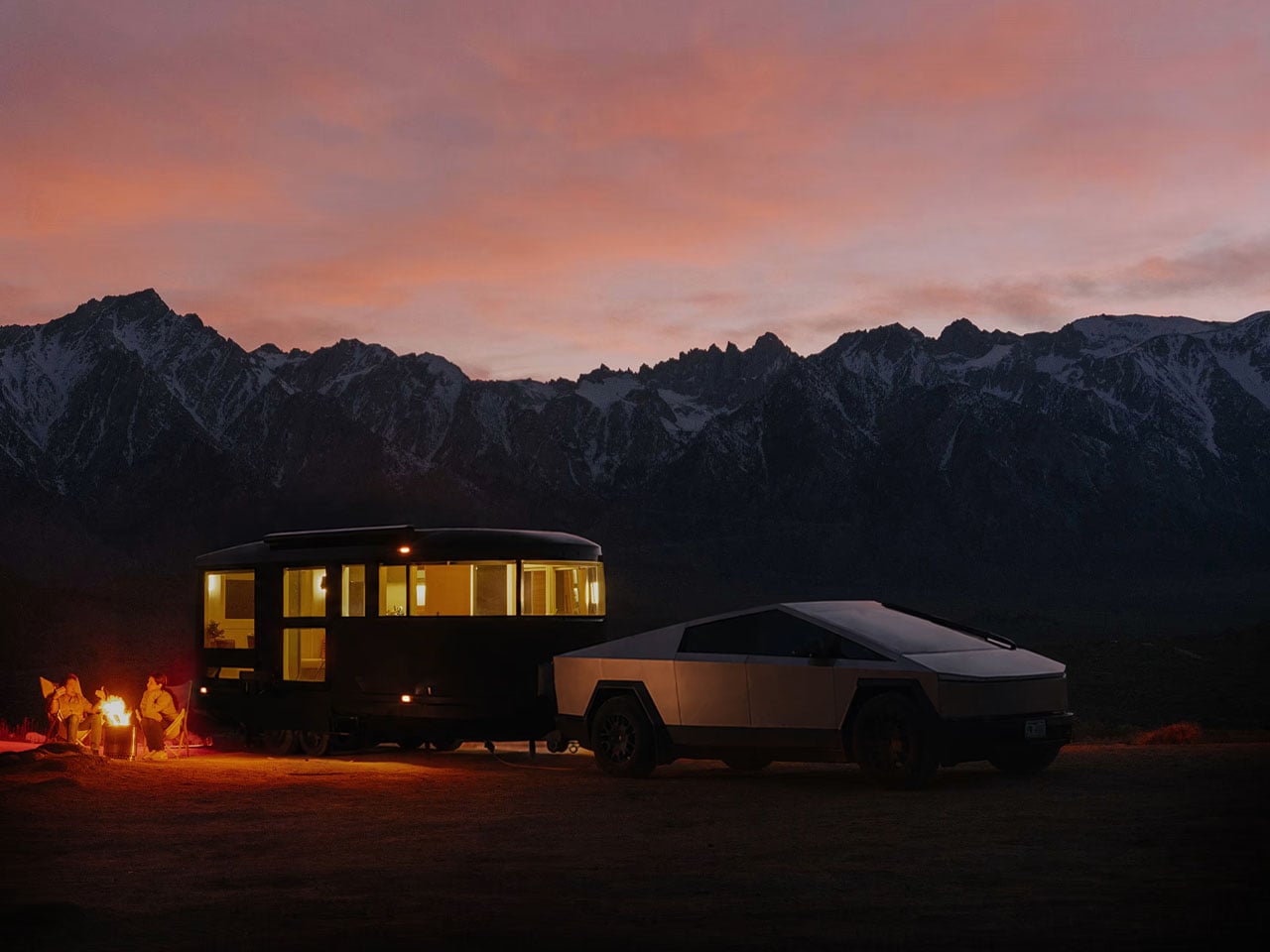
The Aboard T4 is the most capable piece of mobile living infrastructure available at a consumer level. Developed by California-based Aboard RV, it is a 24-foot self-propelled travel trailer built around a hybrid electric drivetrain with more than 200kWh of onboard power. A 41kWh LFP battery handles the daily load. At the same time, a 60kW range-extending generator recharges in under 30 minutes, stretching off-grid capability well beyond a long weekend without requiring any active energy management on your part.
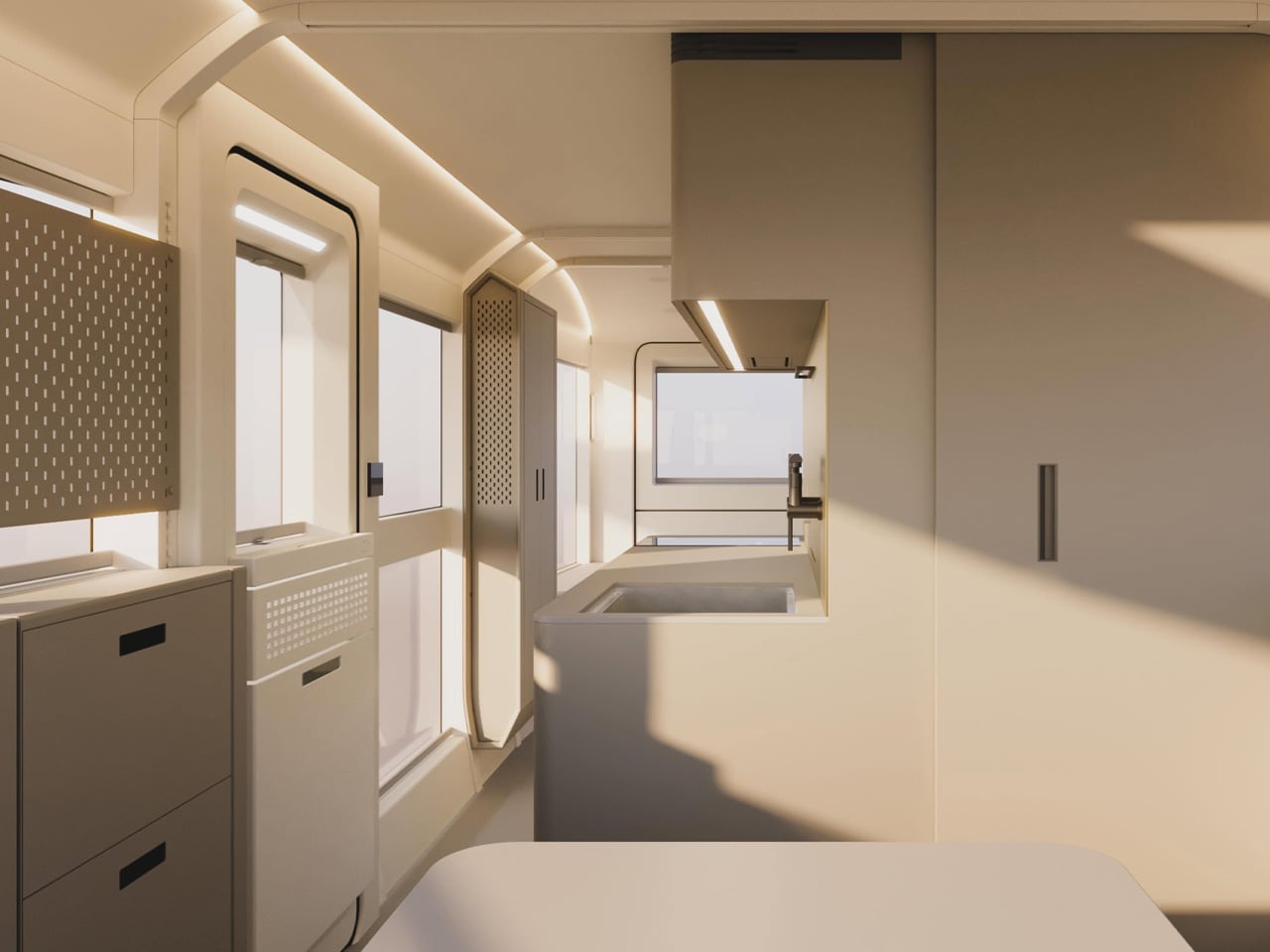
What separates the T4 from anything else in its category is how completely it covers the stack of problems extended off-grid living creates. A 52-gallon fresh water tank, a 35-gallon grey water tank, and a 30-gallon black water tank manage water independently. An induction cooktop, refrigerator, and microwave give the kitchen real function. Two convertible lounges sleep four, a bathroom doubles as a mudroom with two separate entries, and 270-degree panoramic glazing brings the landscape into the interior without asking you to step outside to see it.
What we like
200kWh+ onboard power with a range-extending generator that recharges in under 30 minutes
Fully integrated three-tank water system handles fresh supply and waste without any external hookup
What we dislike
$80,000 starting price places this well outside casual off-grid use
No confirmed release date, with reservations open now via a $100 fully refundable deposit
2. Airflow 8-Panel Fire Pit
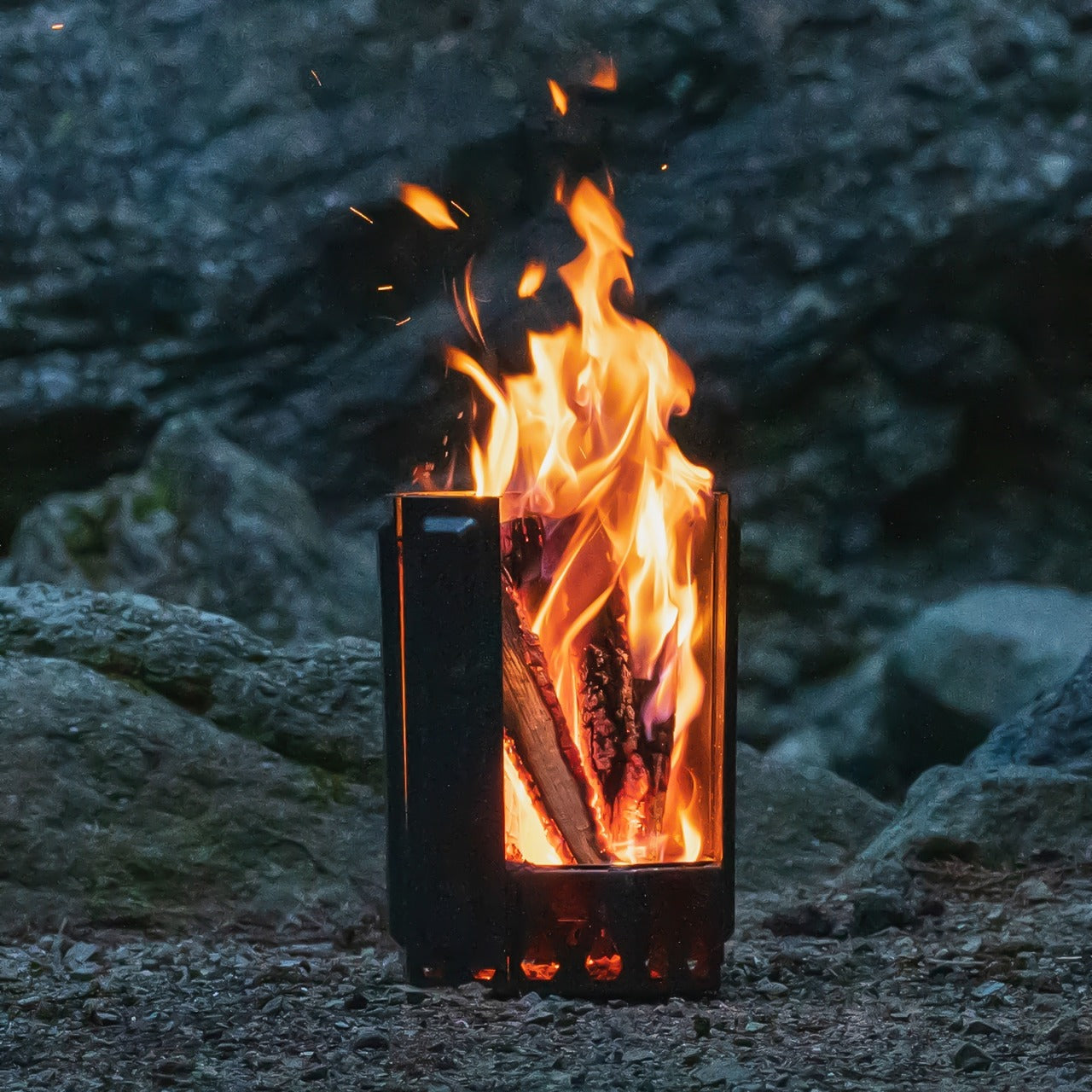
A fire at the end of a day off-grid is not optional. It is the thing the day builds toward. The Airflow 8-Panel Fire Pit from Sanyo Works takes that seriously. Holes at the base of each panel channel primary airflow upward through double-walled cavities, triggering a secondary burn that produces a cleaner and more efficient fire than a conventional ring. The result is minimal smoke and a flame that sustains itself with less wood, which means you sit closer and stay out longer.
The eight removable panels give you control that fixed fire pits never offer. Opening or closing sections adjusts how the combustion chamber breathes, letting you dial intensity up or down without constant attention. Sanyo Works brings deep metal processing expertise to this design, and the precision of the airflow mechanics reflects that background in every use rather than in any surface flourish. For a product in a category full of objects that warp and degrade after a season, the Airflow is built to earn its place as permanent kit rather than a single-summer purchase.
Secondary combustion system produces minimal smoke for a noticeably cleaner and more efficient burn
Adjustable 8-panel design gives real control over fire intensity without constant management
What we dislike
Eight individual panels mean more components to account for when packing down at the end of a trip
Wood-only combustion with no gas compatibility
3. GoSun Flow Solar Water Purifier
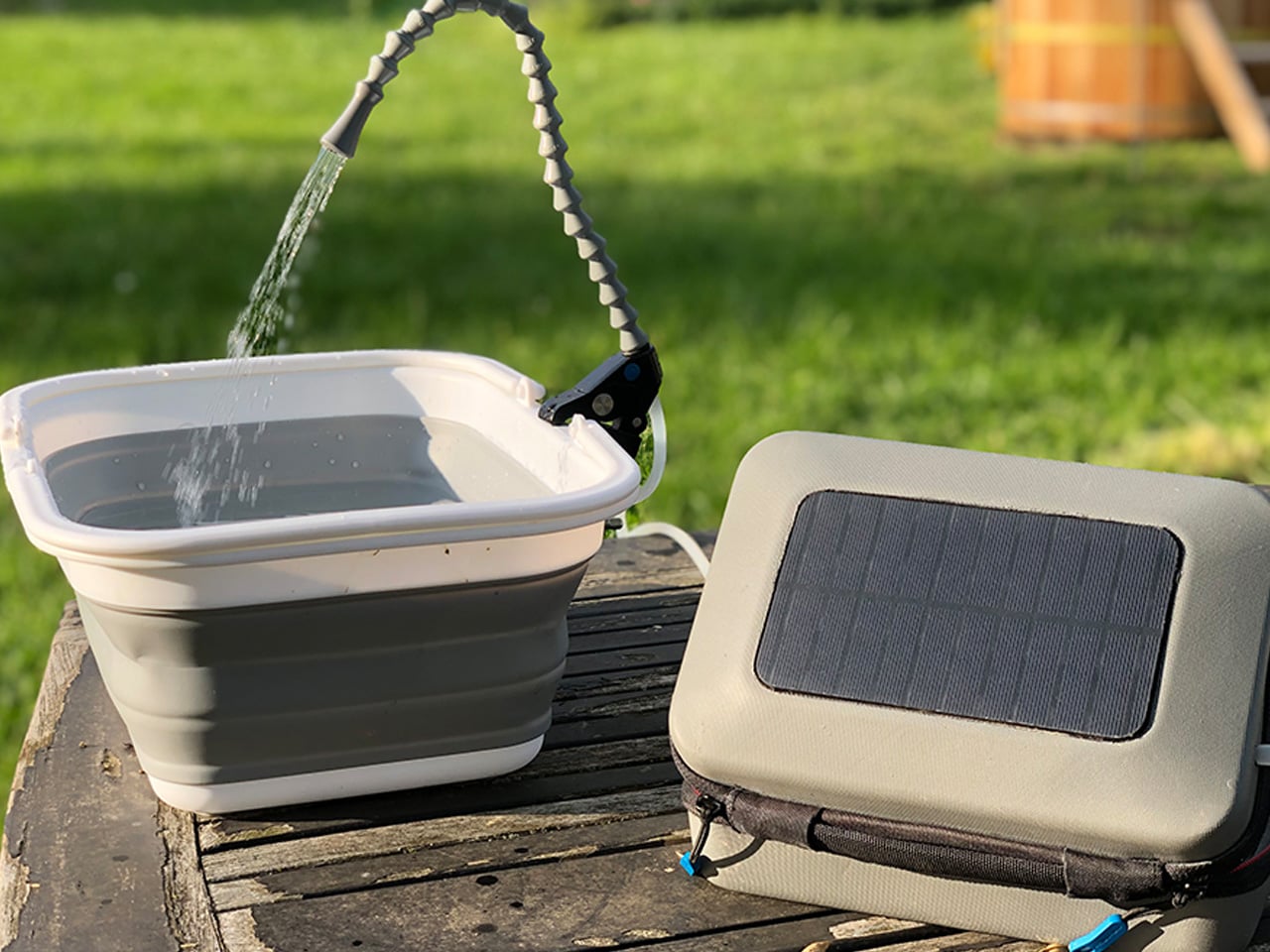
The T4 carries 52 gallons of fresh water, which handles the first stretch of serious off-grid living without a second thought. Extended stays ask for more. The GoSun Flow is a solar-powered water purifier and pump that compresses into a backpack and turns any freshwater source into potable water at one liter per minute, eliminating 99.99 percent of pathogens through a three-stage filtration system. A flexible faucet clamps to branches, tables, or tailgates, turning a stream bank or a riverside clearing into a fully functioning water station.
The detail that changes the conversation entirely is the solar-heated shower. After the integrated solar panel charges the pump’s power bank, the GoSun Flow delivers warm water from whatever source you fed it. On a multi-day off-grid stay, that is not a comfort feature. It is the difference between feeling like you chose this life and merely tolerating it. The filter manages up to 1,000 liters before replacement, USB power covers days when solar input is limited, and the entire system packs back into the bag you arrived with.
What we like
Three-stage filtration eliminates 99.99% of pathogens at one litre per minute from virtually any freshwater source
Solar-heated shower capability from a system compact enough to carry in a standard backpack
What we dislike
Cannot process saltwater, which limits utility at coastal campsites
Multiple components mean more parts to track and potentially leave behind in the field
4. Blackout Beam Tactical Flashlight
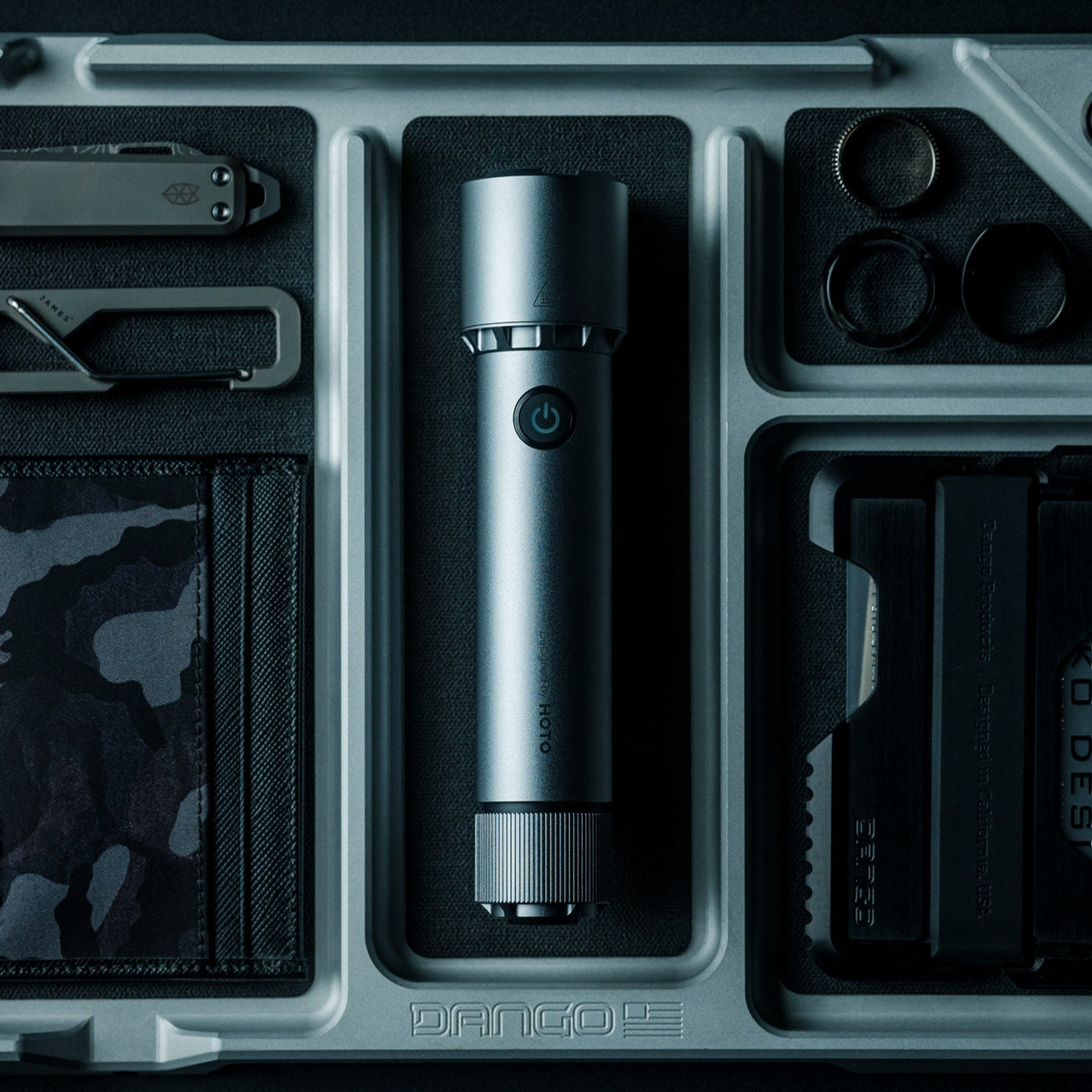
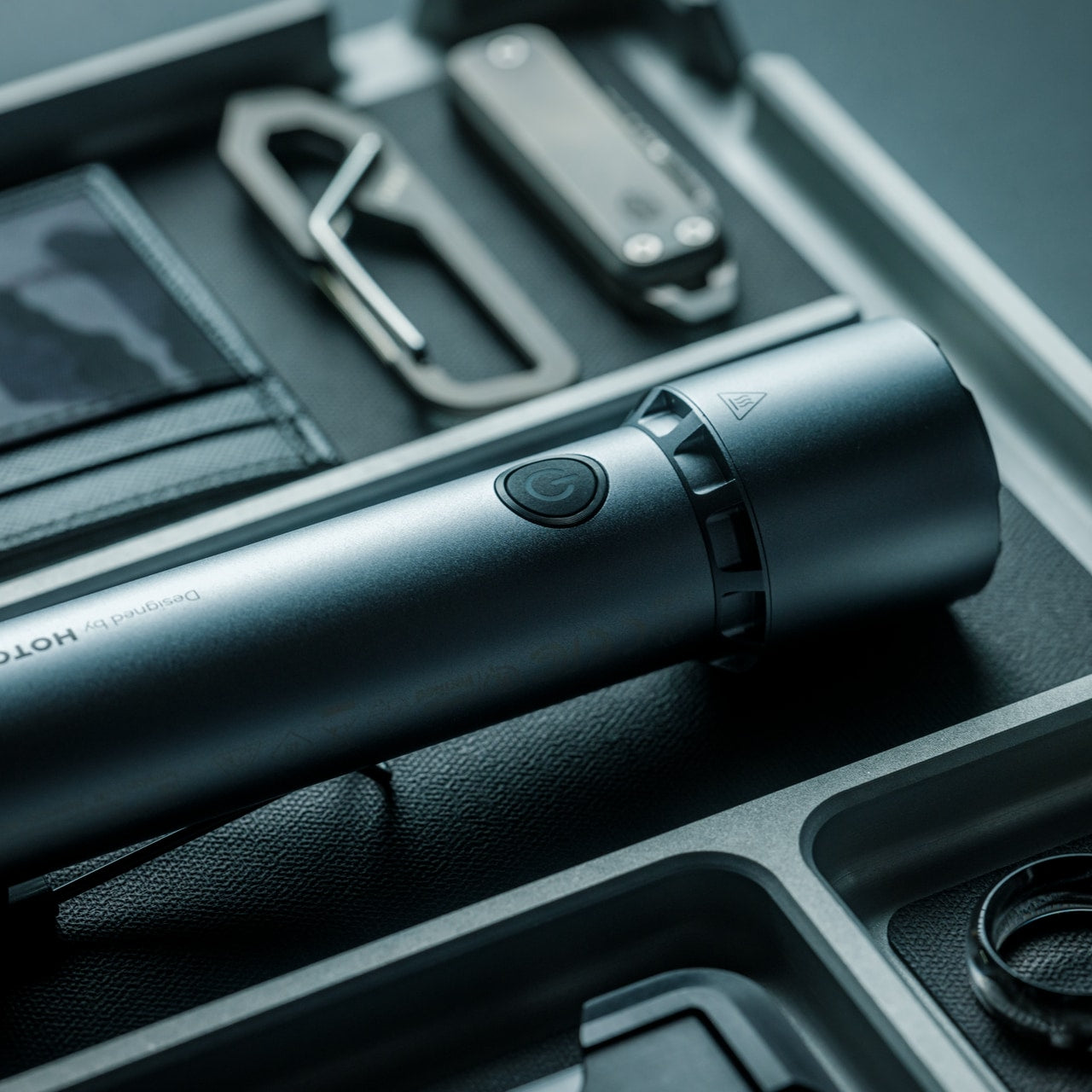
Darkness at a remote campsite is a different quality of dark than anything urban life prepares you for. The Blackout Beam handles that gap with 2,300 lumens of output, a 300-meter beam throw, and a 0.2-second response time that puts light in your hand before your eyes have finished adjusting to reaching for it. The aluminum body carries an IP68 rating for complete water and dust resistance. In a wildlife encounter, a navigation situation after sundown, or a power failure inside the T4, the speed of that response matters more than the lumen count.
What separates the Blackout Beam from a high-output flashlight you’d pick up at a hardware store is the combination of instant response and a design language that earns daily carry well before any emergency arrives. It fits cleanly in a jacket pocket, sits without drama on a surface inside the T4’s interior, and reads as a considered object rather than declared emergency equipment. Off-grid gear that actually gets packed is gear that doesn’t announce its purpose before it’s needed. The Blackout Beam earns that carry without making any demands.
2,300-lumen output with a 300-meter beam reach and 0.2-second response built for real outdoor conditions
IP68-rated aluminum body handles water, dust, and impact without any concession to portability
What we dislike
Maximum lumen output draws battery faster during extended use
Tactical aesthetic doesn’t integrate seamlessly into every EDC or interior setup
5. O-Boy Satellite Smartwatch
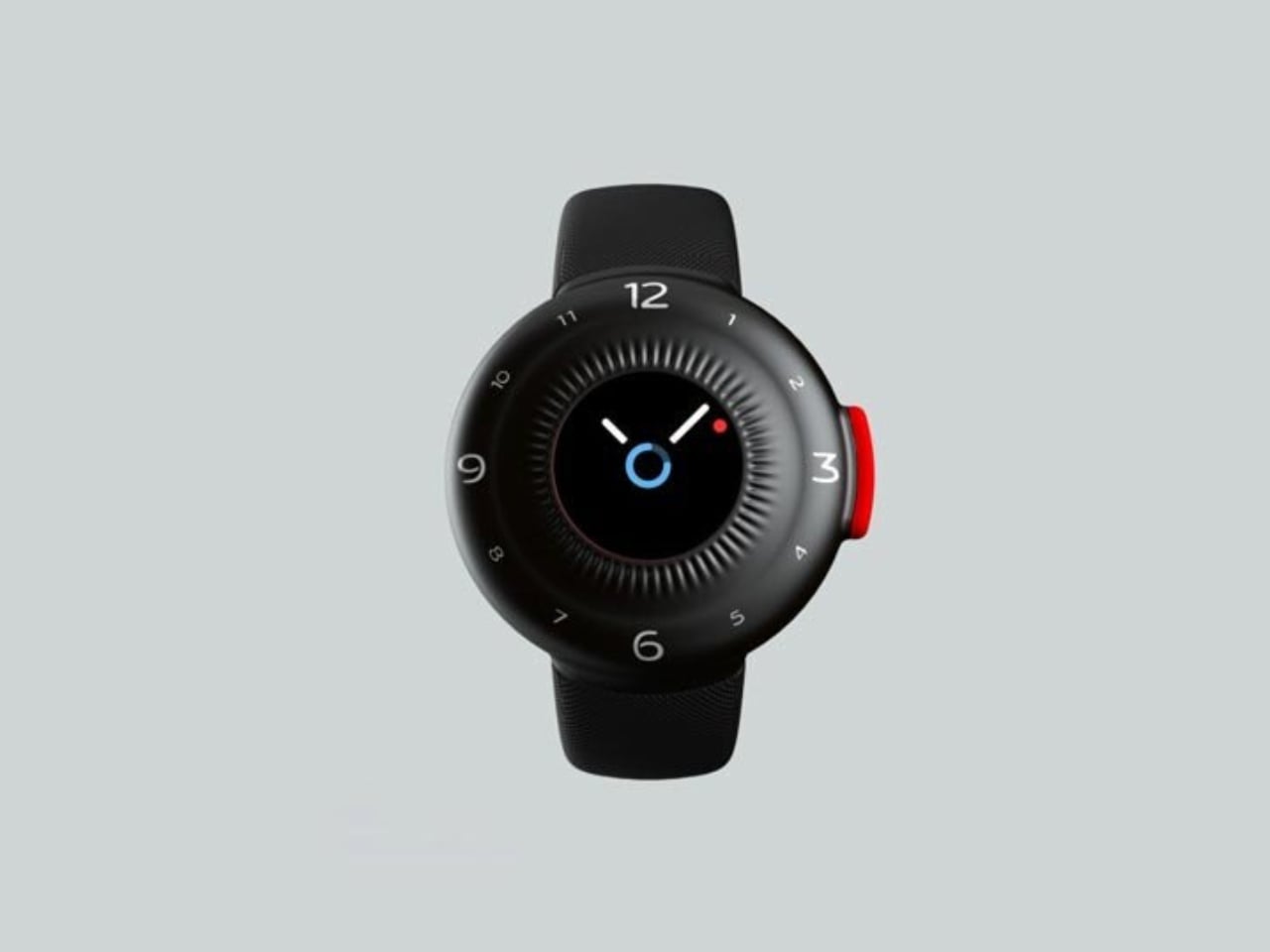
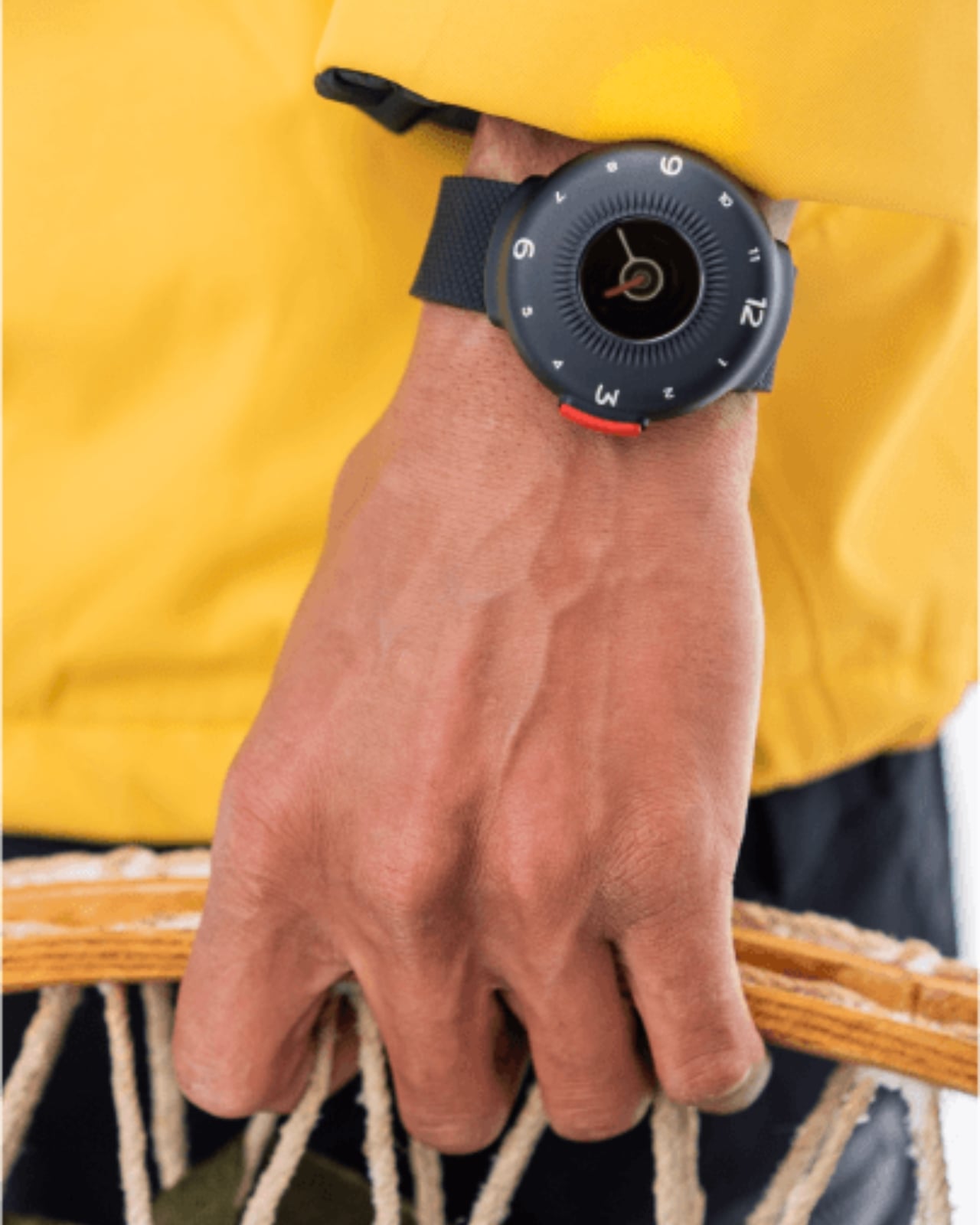
Everything else on this list extends how long you can stay off-grid and how well you live while you’re there. The O-Boy addresses the one scenario none of the others touch. Developed by Brussels-based studio Futurewave, it is a satellite-connected smartwatch built for environments where mobile networks simply do not reach. In those places- mountains, open water, remote work sites- it transmits an emergency alert directly via satellite regardless of what infrastructure exists beneath your feet. No carrier plan covers this. O-Boy does.
What Futurewave got right beyond the technology is the design brief. O-Boy does not read as tactical or survival-coded. It does not look like something that belongs exclusively to alpinists or emergency response professionals. It looks like something a person who spends real time in remote environments would wear on an ordinary day, which is the only design decision that makes its safety layer genuinely accessible. The people who most need satellite-backed coverage are not always those who identify with extreme sport. O-Boy is built for anyone who travels further than their phone can follow them.
What we like
Satellite connectivity transmits emergency alerts from locations with zero mobile network coverage
Utilitarian design reads as wearable well beyond strictly tactical or adventure-specific contexts
What we dislike
Satellite communication functionality typically requires an ongoing subscription service
Smartwatch form factor means battery management becomes a daily consideration in the field
The Grid Was Always Optional
These five cover the full range of what off-grid living actually asks of you. The T4 provides the foundation. The GoSun Flow extends it to wherever fresh water runs. The Airflow firepit anchors the evening. The Blackout Beam handles the dark. The O-Boy covers the distance your phone cannot. Each product solves a specific problem this life has always created, with enough design intelligence that the solution feels like an upgrade rather than a workaround.
That is the shift that defines where off-grid living stands in 2026. The gear has finally caught up to the ambition. Staying further out, for longer, without giving anything meaningful up is no longer a matter of tolerance or planning around known deficiencies. It is a matter of choosing the right five things. The grid was always optional. These are the five that make leaving it feel like the obvious call.
French artist Céleste Boursier-Mougenot is widely known for uncovering the musical potential of objects and materials that were never intended to function as instruments. Rather than composing music in a conventional sense, he creates situations in which sound emerges through movement, interaction, chance, and the surrounding environment. His exhibition points de suspension, presented at Frac Normandie in Caen as part of the Normandie Impressionniste Festival, extends this approach across the cloister and galleries of a former seventeenth-century convent.
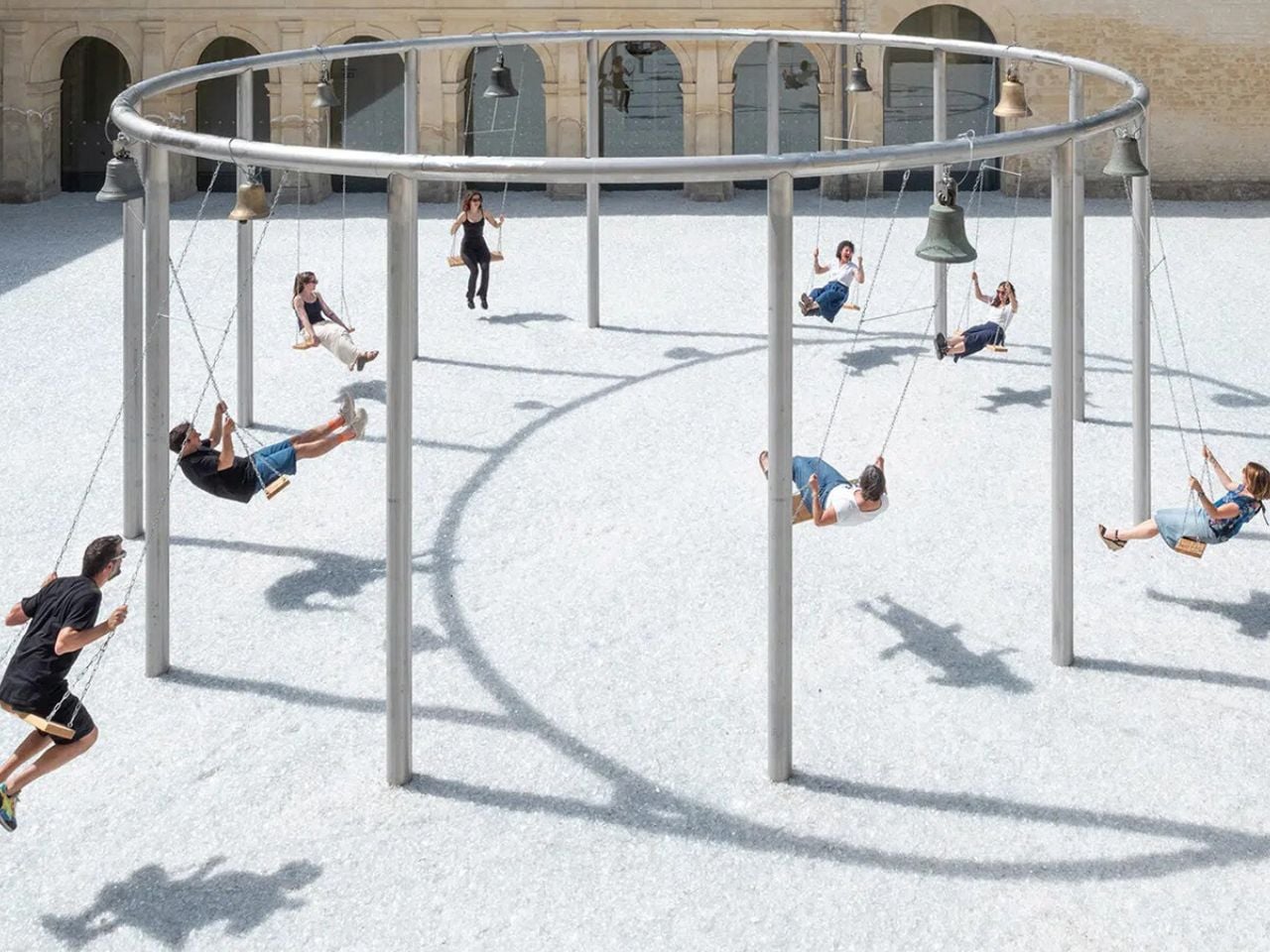
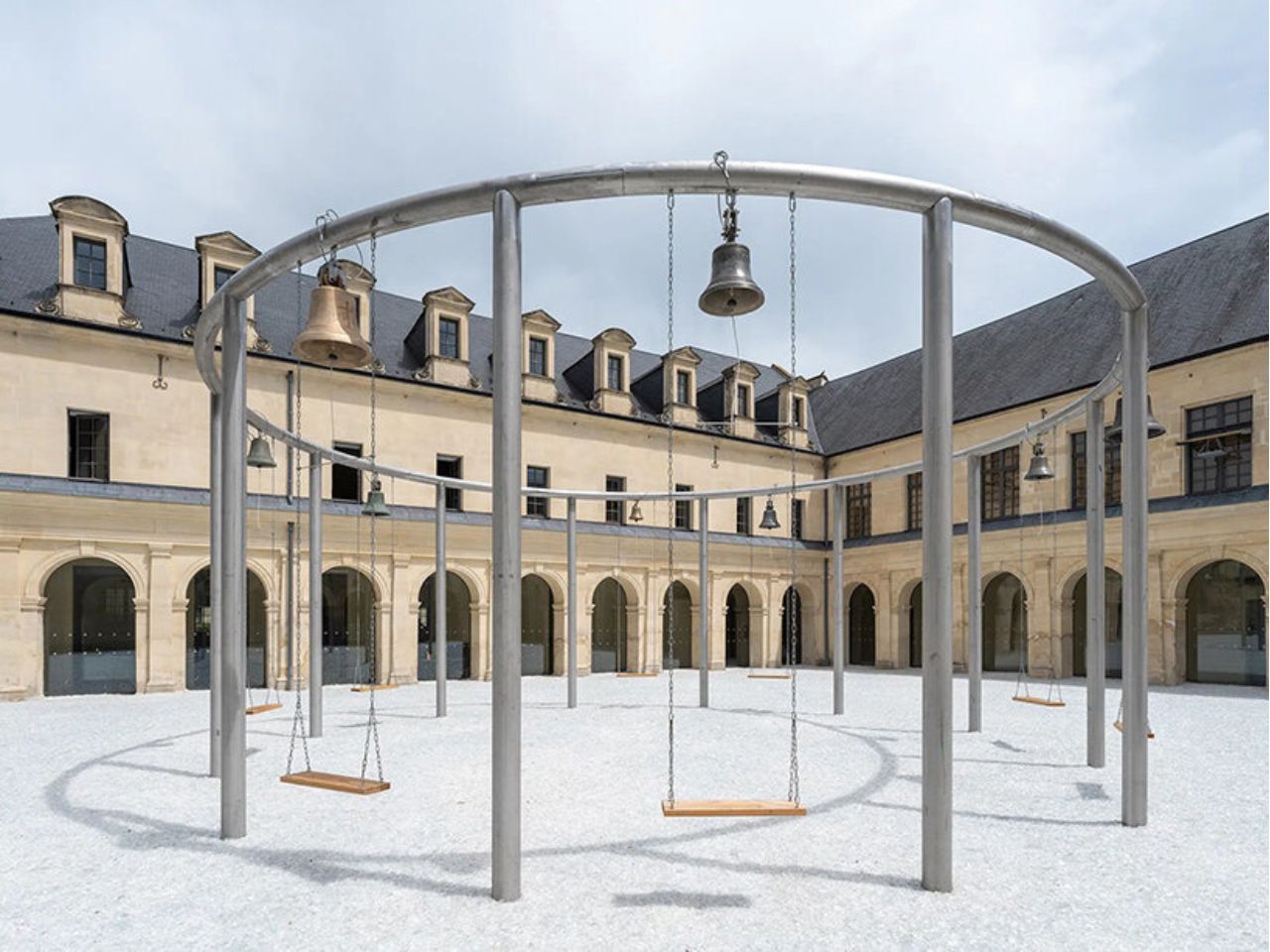
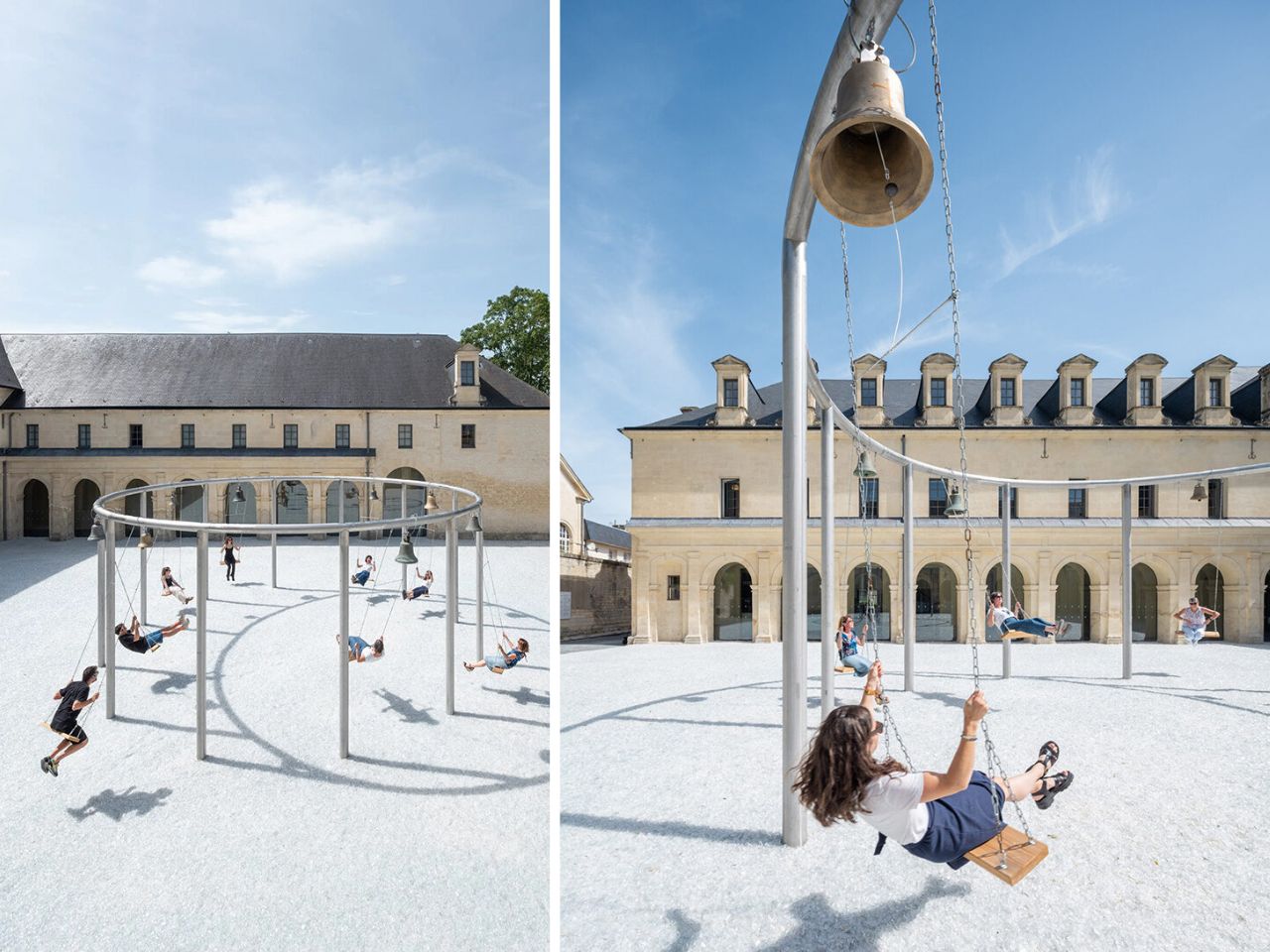
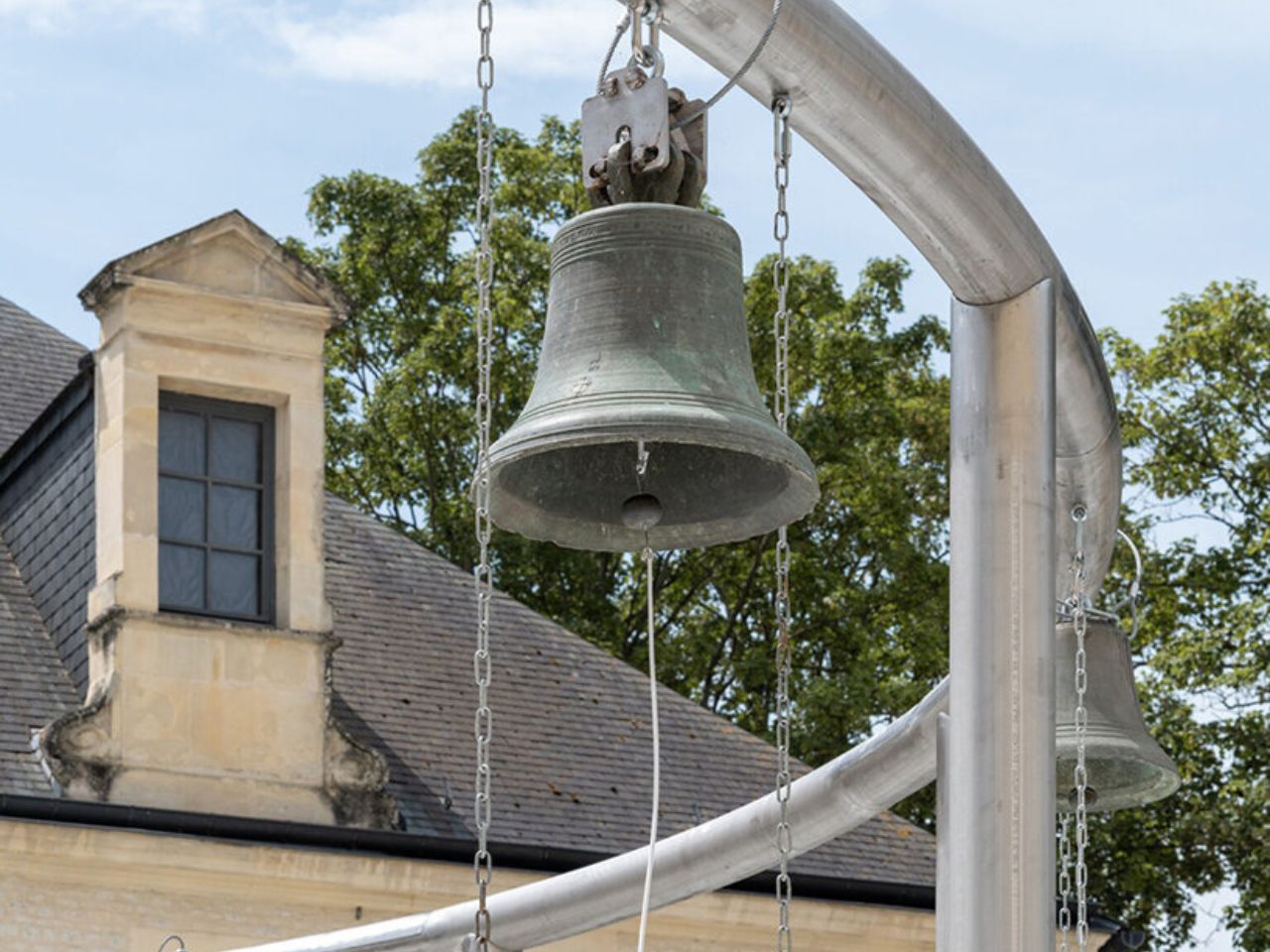
At the center of the courtyard is envolée, a playable musical installation made from swings and antique church bells. A circular steel structure, reminiscent of the bandstands that once animated public gardens, supports eight wooden swings. Above each one hangs a bronze bell of a different size, allowing every swing to produce its own distinct tone when set in motion.
Visitors are invited to sit, push away from the ground, and activate the installation through the familiar movement of swinging. As the wooden seats rise and fall, the bells respond with changing rhythms and overlapping tones. No two performances can be repeated precisely. The resulting composition depends on how many people participate, how quickly they move, and whether their rhythms align or interrupt one another.
Boursier-Mougenot does not prescribe a melody for the group to perform. Instead, he designs the conditions from which a collective composition can emerge. The work only becomes fully active through the gestures of its participants, temporarily transforming strangers into performers. Individual actions accumulate into a shared sonic environment, allowing visitors to influence one another without needing to speak or coordinate deliberately.
The swing itself introduces another cultural and emotional layer to the installation. Appearing across civilizations as an object of ritual and recreation, it has been associated with ancient Egypt, seasonal festivities, springtime renewal, and the ornamental gardens of seventeenth-century France. It has also been understood as an object marking transitions between childhood and adulthood.
Within envolée, this nostalgic object is reframed as a device for reconsidering how bodies inhabit a public space. Swinging no longer belongs exclusively to childhood. It becomes a method of synchronizing movement, sound, attention, and proximity. The participant is simultaneously a listener, a performer, and an active component within the installation.
Extending beneath the structure is plage, a 900-square-meter field of crushed glass. Its shimmering surface resembles a crystalline body of water, reflecting the architecture, changing light, and movements of the visitors above it. The material produces an intentionally ambiguous landscape: dry yet apparently fluid, solid yet visually unstable. The courtyard of the former convent is consequently transformed into a glittering garden or an abstract lake, where the church bells form an evolving open-air score.
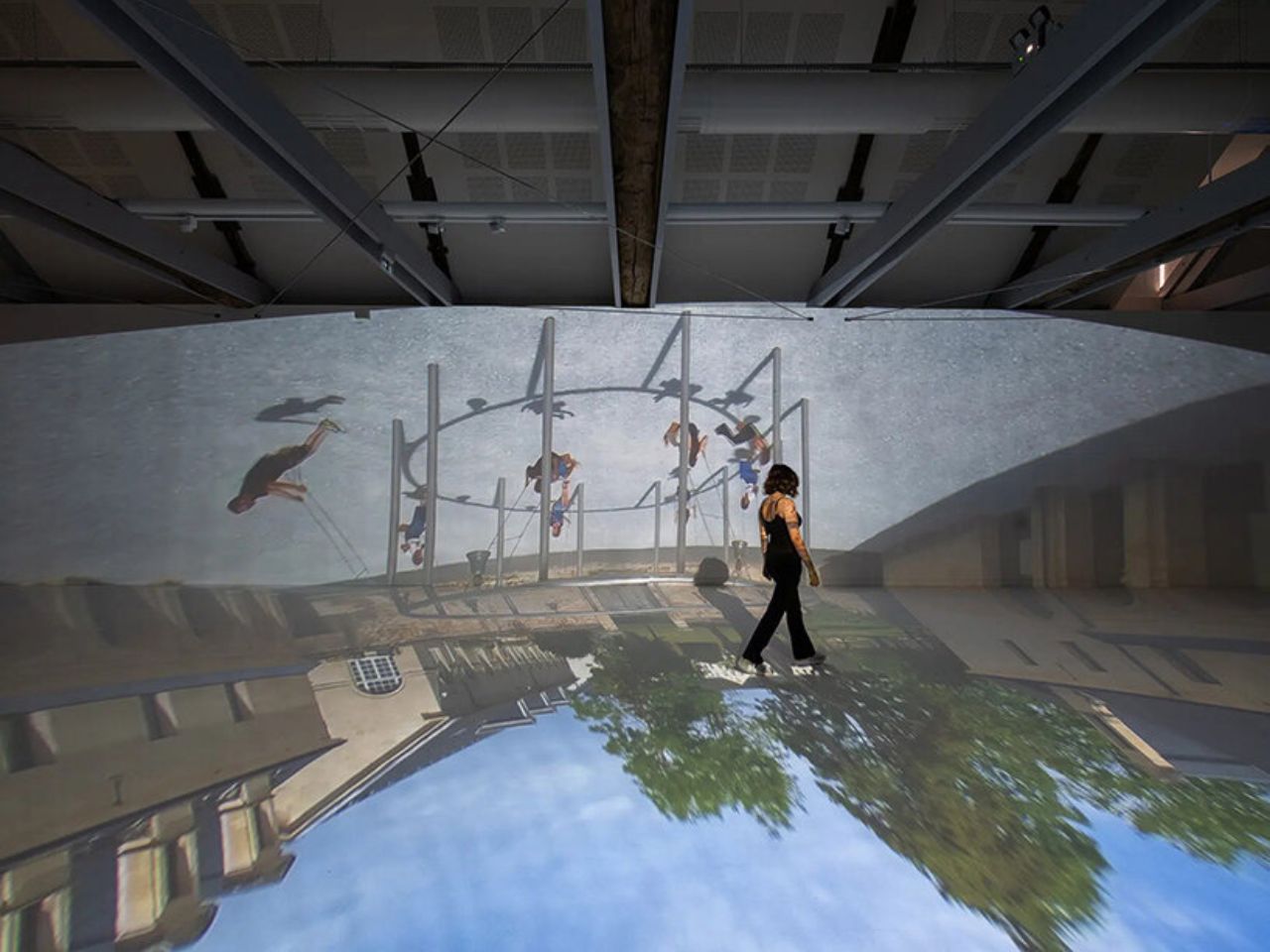
The experience continues inside the galleries with cameraobscura. Here, Boursier-Mougenot enlarges the optical principle of the camera obscura to the scale of an exhibition room. The exterior courtyard and its moving installation are projected upside down across the interior space, creating an immersive, inverted landscape. Suspended swings encourage visitors to pause beneath this reversed horizon, observing the world outside from an unfamiliar perspective.
The ringing bells remain audible indoors, connecting the projected image with the actions taking place outside. Sound shapes the perception of the moving image, while the projected movement gives visual form to the composition being created in the courtyard. Seeing and listening can no longer be understood as separate experiences. Instead, the two installations operate together, collapsing the boundaries between image, sound, architecture, and bodily movement.
Throughout his practice, Boursier-Mougenot draws resonance from ordinary materials and situations. At Frac Normandie, however, the instrument expands beyond the swings and bells to include the convent’s architecture, the reflective glass landscape, the changing light, and the people who temporarily occupy the site.
Points de suspension does more than ask visitors to interact with an artwork. It proposes another way of inhabiting public space—one that values curiosity, play, unplanned encounters, and collective attention. Through a simple act of swinging, visitors are encouraged to remain in the space a little longer, listen to those around them, and participate in a composition that belongs to no single person.