Most shelves are either heavy, hard to move between rooms, or destined to clash with your evolving style as tastes change over time and seasons shift. For anyone who loves to rearrange their space frequently, collect new objects, or simply keep things fresh with seasonal updates, traditional furniture just doesn’t keep up with the pace of modern life and changing interior preferences that come with growth and discovery.
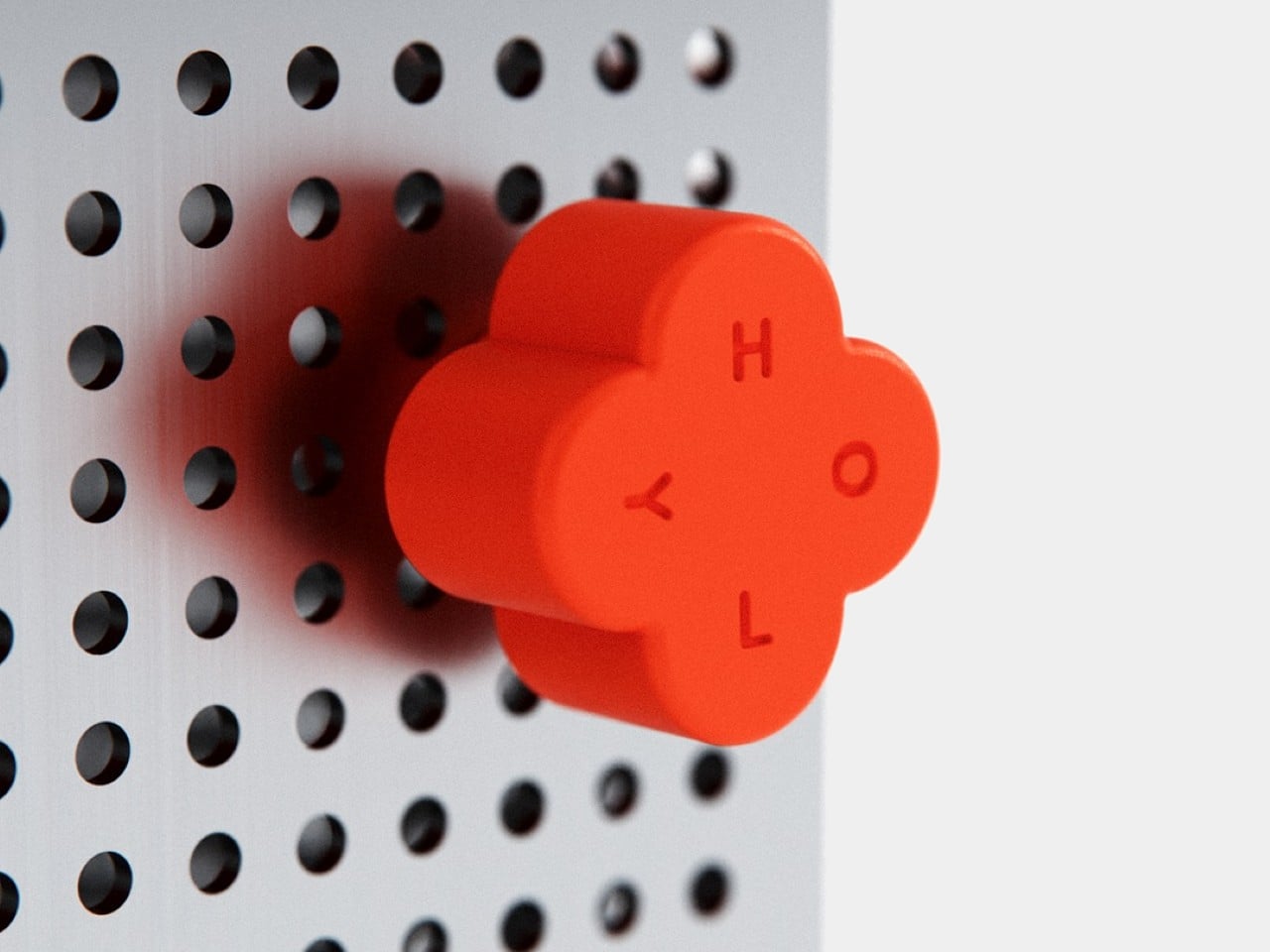
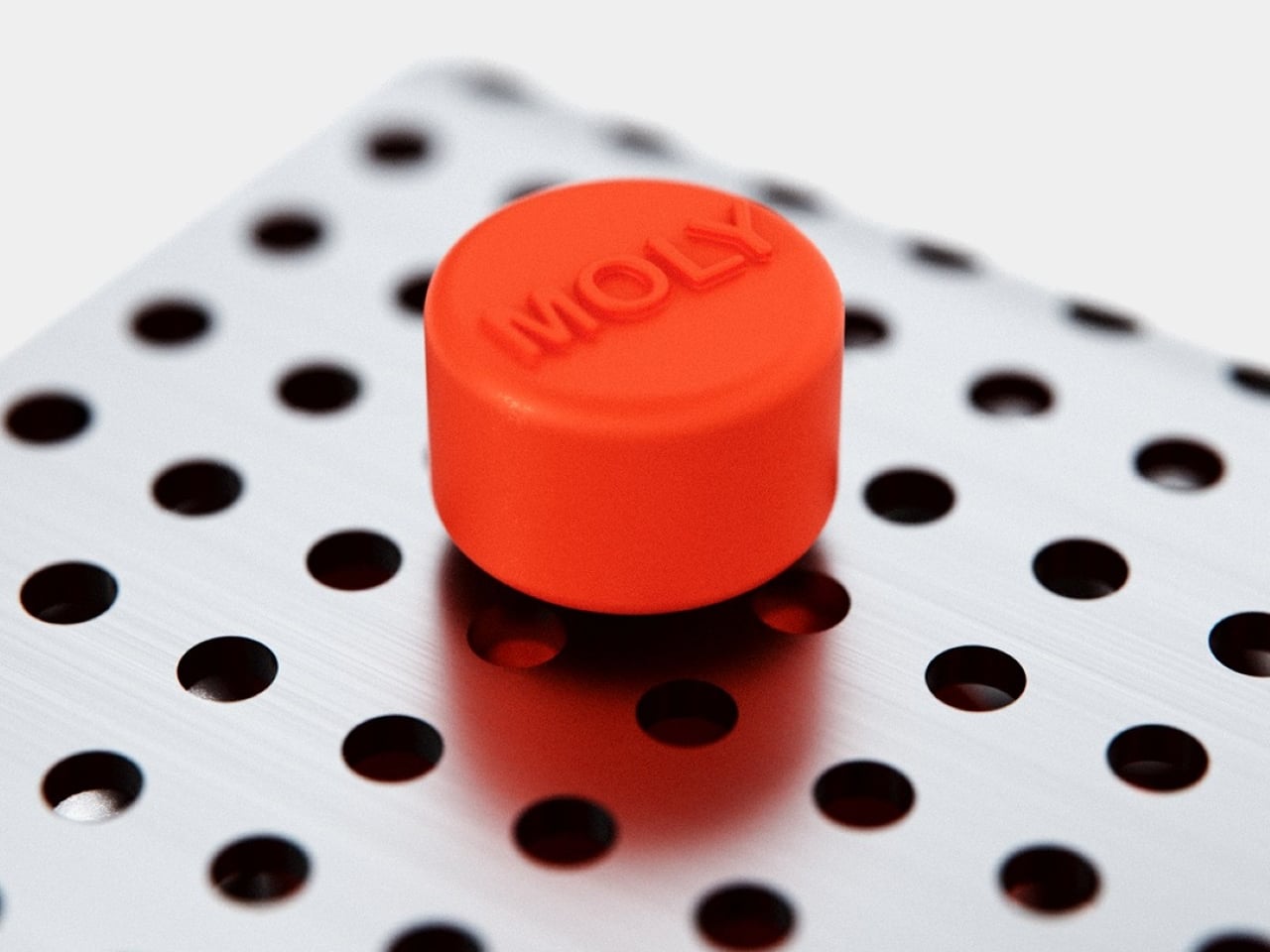
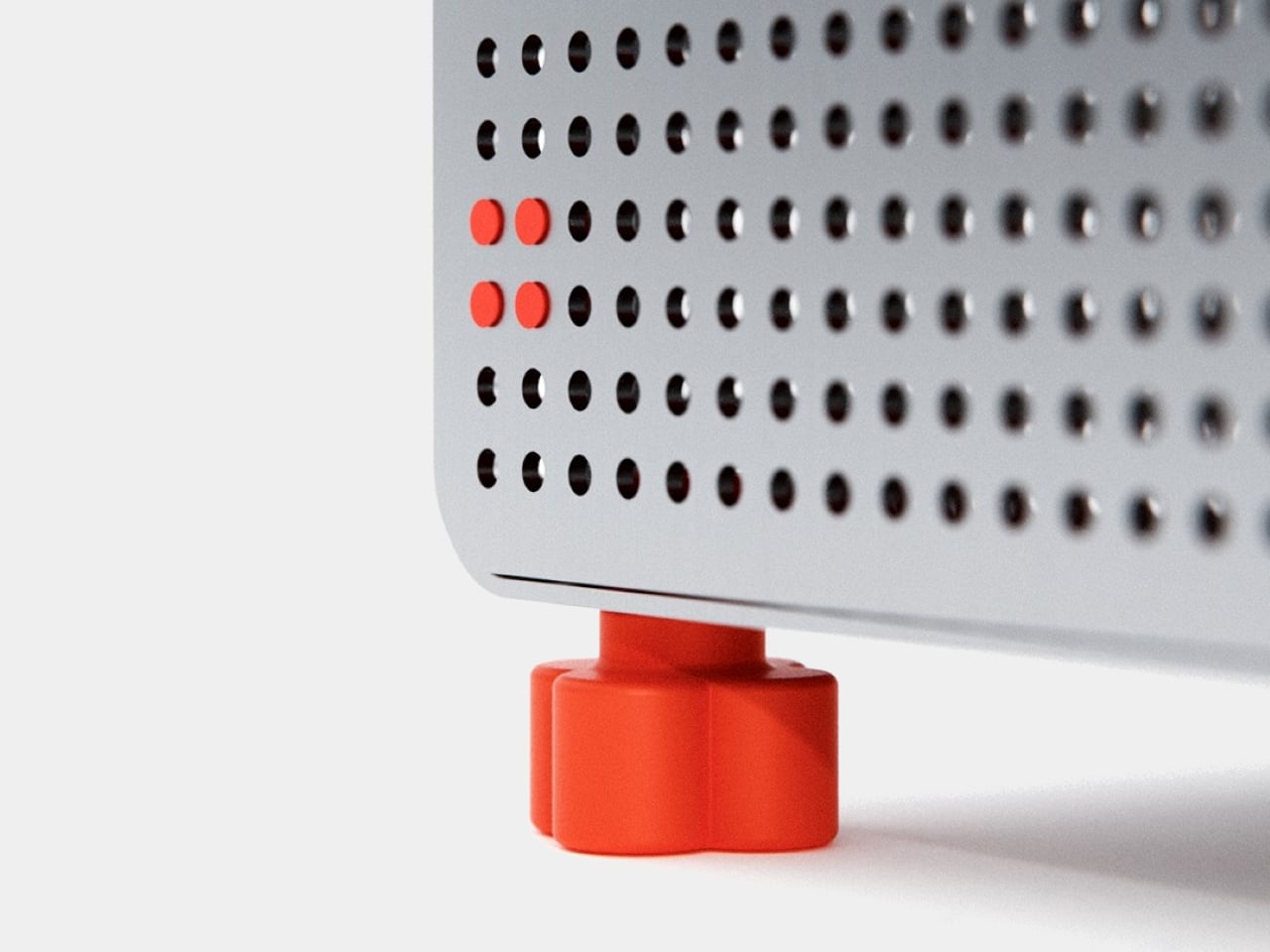
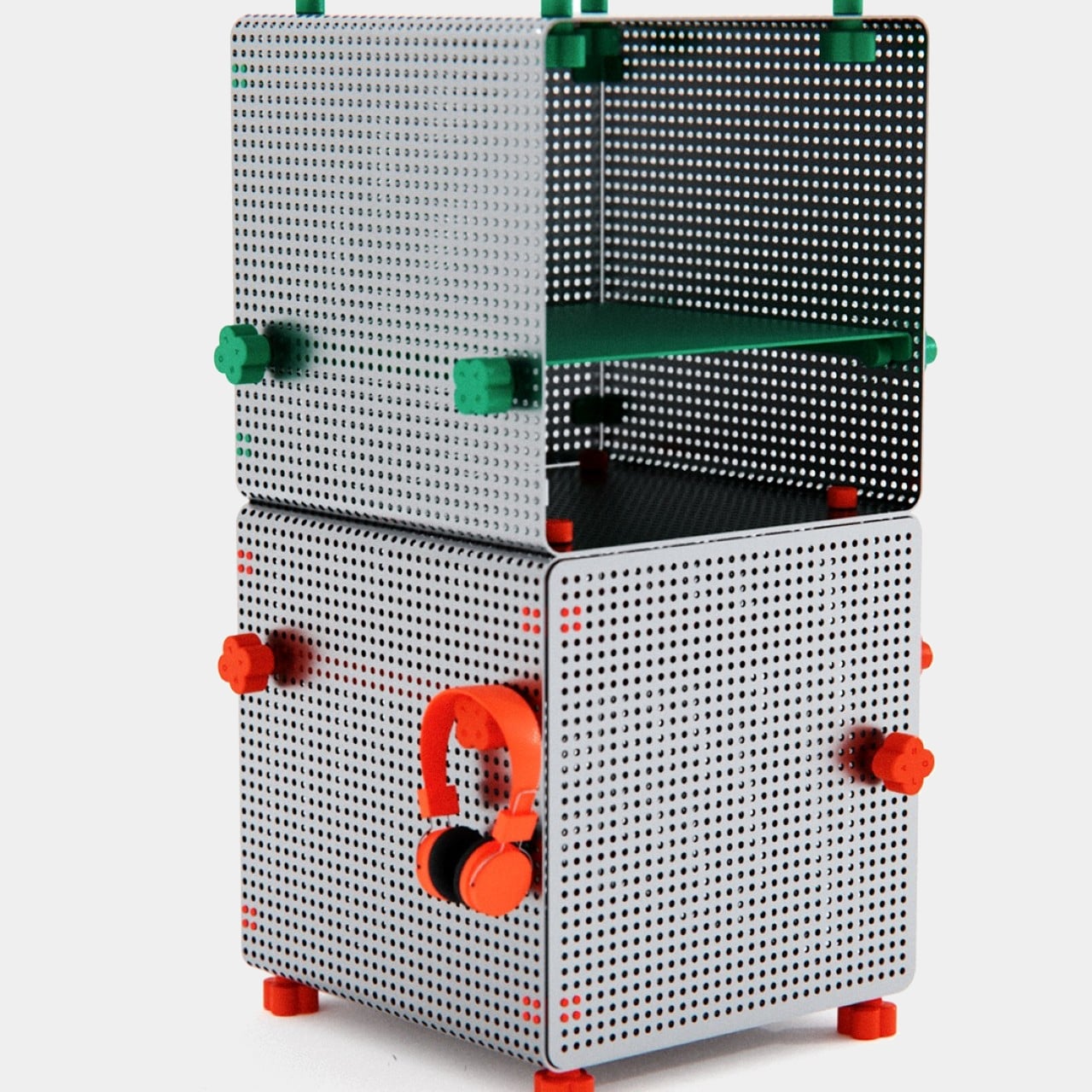
The Plastic Marble Display Shelf, from DLS World Official and WOULD YOU LOVE Seoul, offers a different approach to home storage and display needs. Made from upcycled Tyvek byproducts and designed to be as flexible as LEGO blocks for intuitive assembly, it’s a shelf that adapts to your life, not the other way around. The system’s modularity and material innovation make it stand out from conventional shelving solutions.
The secret is plastic marble, an upcycled material with swirling, marble-like patterns and a glossy, watery finish that catches light beautifully throughout the day. Each panel is visually unique, with colors and translucency that play with ambient and natural light to create a sculptural presence in any room. Unlike printed laminates or vinyl wraps, the marble effect is a natural result of the upcycling process itself.
The material gives the shelf a premium look while keeping it lightweight and genuinely eco-friendly throughout its lifecycle from production to disposal. The translucent quality and depth add visual interest that changes depending on viewing angle and lighting conditions throughout the day. What would otherwise be industrial waste becomes something you’ll actually want to display prominently in living rooms, bedrooms, or creative studios.
The shelf’s concise clip joint system means you can assemble, disassemble, or reconfigure the entire structure in minutes without any tools or adhesives required whatsoever. Stack modules vertically for a traditional bookshelf, build a wide display for collectibles, or create a custom asymmetrical shape for your specific space. The panels and joints are made from a single material, simplifying future recycling efforts when the shelf reaches end of life.
When you want a change in layout or need to move to a new space entirely, just unclip sections and rebuild in different configurations. The flexibility encourages experimentation with arrangements throughout seasons or as your collection of books, plants, and objects grows. The modular nature means you can start small and add modules over time as your needs and budget evolve.
Whether you’re displaying books, plants, art prints, or collectibles, the Plastic Marble Display Shelf adapts to your specific needs and aesthetic preferences without limitations. Its clean lines and minimalist silhouette blend with posters, photos, and objects to create curated gallery walls. The system’s flexibility makes it perfect for small apartments, creative studios, or retail spaces where storage needs to grow and change frequently.
By transforming Tyvek byproducts into a desirable, durable material with a distinctive visual character that rivals traditional materials, the shelf redefines what upcycled plastic can be beyond basic function. The design discovers new value in discarded materials while offering genuine beauty and practical flexibility for modern living spaces that demand both sustainability and style without compromise or apology.
Like De Stijl once deconstructed form and space into elemental purity, Color Roller reimagines that legacy through motion and transparency. Using the three primary colors, red, yellow, and blue, this experimental furniture collection plays with the relationship between geometry, light, and interaction. When made transparent, these primary hues transcend their boundaries, merging into endless new shades through layering and rotation. The result is not just furniture, but an evolving chromatic sculpture that invites users to participate in the reconstruction of their environment.
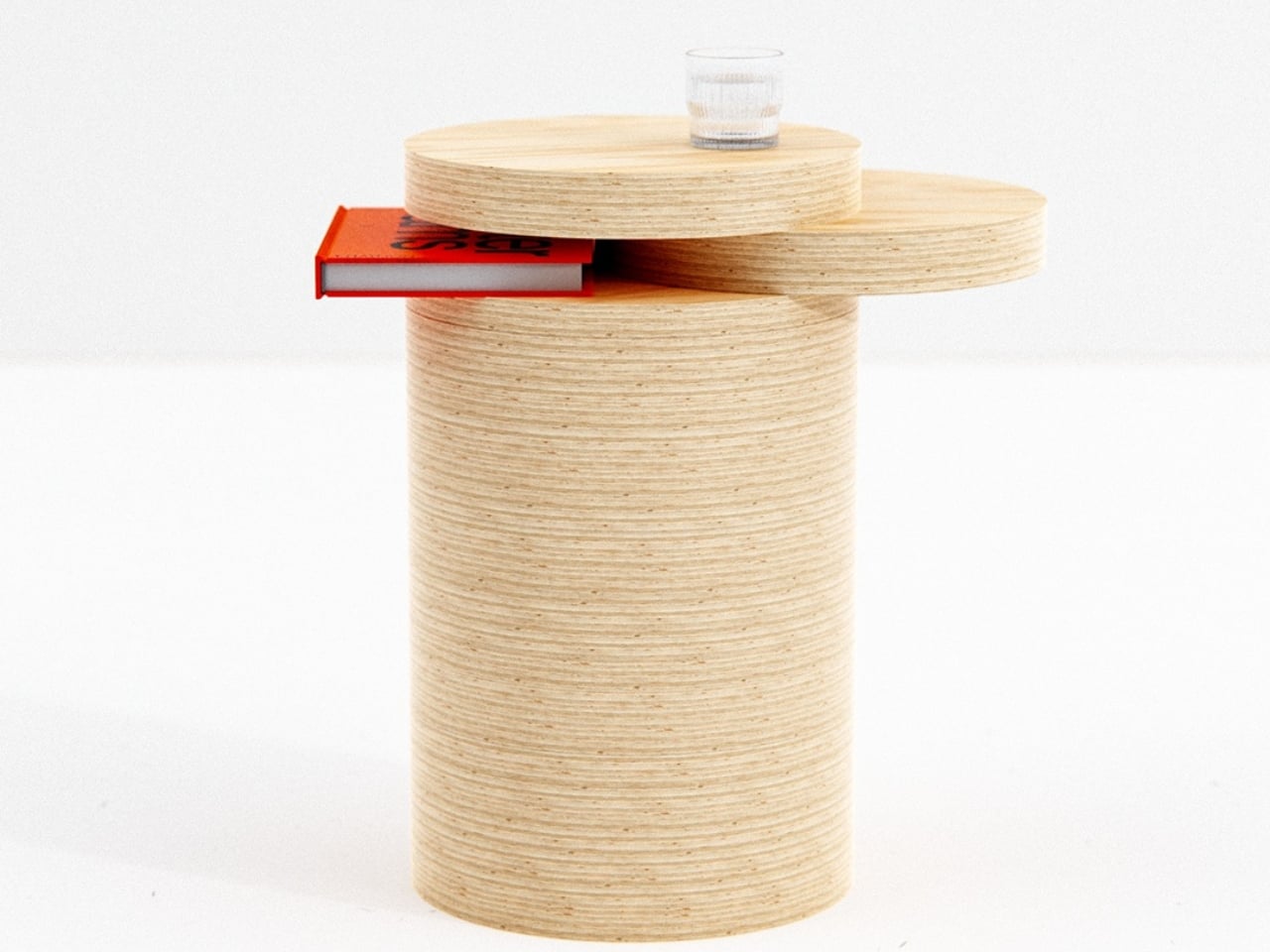
At its core, Color Roller explores how color and form can coexist as active agents in spatial design. Each of the three components, a hexagonal chair, rectangular table, and triangular floor lamp, embodies a minimalist geometry while sharing a dynamic logic of rolling and transformation. Made entirely from transparent acrylic panels that intersect in pairs, these forms create a vivid and flexible composition of color. Depending on light direction and intensity, the furniture transforms, casting overlapping shadows and gradients that turn interiors into interactive canvases.
Designer: Chuheng He
The unique property of Color Roller lies in its capacity to change color combinations through rolling and rearrangement. By simply flipping or rotating the pieces, users can recompose the palette of their space. This transforms the act of furnishing into an act of play and authorship, where each arrangement reflects personal taste, emotion, and atmosphere. The design embraces De Stijl’s philosophy of modularity and freedom, yet it translates those ideas into a tactile, participatory experience.
From a technical standpoint, Color Roller is realized through colored acrylic thermoforming and adhesive bonding. The production process required precise experimentation to ensure both structural integrity and optical clarity. The research began with 1:5 scale models exploring the overlapping behavior of panels under various lighting conditions. Later, 1:1 prototypes were constructed to test materials, weight-bearing capacities, and balance. The hexagonal chair, in particular, underwent extensive trials with acrylic, wood, and aluminum to find a structure that was both light and strong. After iterative testing, the design was optimized, retaining its ethereal appearance while ensuring durability through minimal adhesive use and refined jointing.
The greatest challenge lay in reconciling aesthetics with performance. Early versions of the acrylic chair, though solid and stable, appeared too heavy, compromising the design’s intended transparency. Through reduction and structural optimization, the final outcome achieved both visual lightness and functional strength.
Ultimately, Color Roller aims at being an experiment in perception and participation. By letting color and geometry dance through light, it invites users to rediscover the poetry of everyday space. Each movement reveals a new intersection, a new hue, and a new perspective, transforming ordinary interiors into living expressions of form and color.
There’s something deeply satisfying about furniture that refuses to play by the rules. You know the kind I’m talking about: pieces that make you stop mid-scroll and think, “Wait, is that even real?” The Arnardo Desk by Paddy Pike Studio is exactly that kind of design unicorn, and honestly, I’m not sure whether to sit at it or frame it on a museum wall.
At first glance, this desk looks like someone melted the future and poured it into a mold. The high-polish metallic finish catches light like liquid mercury, creating reflections that shift and distort depending on where you’re standing. It’s the kind of visual trickery that keeps you staring, trying to figure out where one curve ends and another begins. The whole thing reads like a single continuous surface, even though it’s clearly a complex piece of engineering.
What makes the Arnardo Desk so compelling is how it balances sculpture with function. This isn’t just a pretty object meant to gather dust in a collector’s home (though it would certainly earn its keep there). The design integrates storage drawers seamlessly into those bulbous, almost pod-like pedestals. These aren’t slapped-on afterthoughts either. The drawer fronts follow the same flowing lines as the rest of the piece, maintaining that unbroken visual rhythm that makes the desk feel like it was grown rather than built.
The form itself is wonderfully ambiguous. From certain angles, it almost looks biological, like some kind of metallic organism frozen mid-movement. From others, it channels retro-futurism vibes, the kind of aesthetic you’d expect in a 1960s vision of what the year 2000 would look like. And depending on the light, it can read as sleek and minimal or dramatically sculptural. That versatility is part of its magic.
Paddy Pike Studio has clearly spent time thinking about how people interact with their workspace. The curved desktop surface isn’t just a stylistic choice. It creates distinct zones without the need for physical dividers. You can imagine spreading out projects across that generous surface, using the natural flow of the form to organize your work. The height and proportions suggest careful consideration of ergonomics, even as the overall aesthetic screams art installation.
What’s particularly interesting is how this piece positions itself in the current design landscape. We’re living through a moment where maximalism is having a serious comeback, where bold statement pieces are replacing the stark minimalism that dominated the 2010s. The Arnardo Desk fits perfectly into this shift. It’s unapologetically dramatic, refuses to blend into the background, and makes a space feel intentional rather than default.
The material choice matters here too. That mirror-like metallic finish isn’t just about looks (though it certainly delivers on visual impact). It’s a callback to the Space Age furniture of designers like Eero Aarnio and Joe Colombo, who experimented with then-novel plastics and metals to create pieces that felt radically different from traditional wood furniture. Pike is working in that same experimental tradition, pushing against our expectations of what a desk should look like.
There’s also something delightfully impractical about this desk, and I mean that as the highest compliment. In a world obsessed with optimization and efficiency, where every object needs to justify its existence through maximum utility, the Arnardo Desk dares to be extra. It takes up space. It demands attention. It makes you rethink your entire room just to give it the stage it deserves. That kind of boldness feels refreshing.
Of course, this is collectible design, which means it exists in that fascinating space between art and furniture. It’s fully functional, but it’s also limited and clearly positioned as an investment piece for serious collectors. That doesn’t make it less relevant to the rest of us, though. Pieces like this push the conversation forward. They remind us that furniture doesn’t have to be boring, that our everyday objects can inspire genuine emotion and spark conversations.
There’s something quietly revolutionary happening in the world of everyday objects, and it starts with something as humble as where you put your umbrella. Arihant Israni and Anoushka Braganza have created InBetween, a piece that challenges our assumptions about what functional design can be. It’s not just a place to stash wet umbrellas. It’s a whole vibe.
Let’s be honest: most umbrella stands are afterthoughts. They’re plastic cylinders hiding in corners, collecting dust and forgotten receipts. But what if that neglected corner could hold something beautiful? What if the act of coming home on a rainy day could feel a little more intentional, a little more like a ritual worth noticing?
Designers: Arihant Israni and Anoushka Braganza
That’s where InBetween comes in. The design is built around flowing loops that curve and connect, creating this continuous rhythm that feels almost hypnotic. It’s sculptural in a way that makes you stop and look twice. The loops aren’t just aesthetic choices, they’re functional, too, each one cradling an umbrella while creating negative space that gives the whole piece a sense of movement. Even when it’s sitting still, it feels alive.
The designers say the form is inspired by the idea of transitions, those moments between leaving and arriving, between chaos and calm. And honestly? You can see it. There’s something about the way the curves flow into each other that captures that feeling of moving through your day, of pausing to shake off the rain before stepping into your space. It’s design that understands that our homes aren’t just backdrops. They’re where we reset, where we breathe.
Now let’s talk about the base, because this is where things get really interesting. It’s made from Diatomaceous Earth, which sounds incredibly science-y but is actually just fossilized algae. And here’s the genius part: it’s naturally porous and absorbent, which means it soaks up all that rainwater dripping off your umbrella without you having to do anything. No puddles, no mess, no gross waterlogged mats that smell like mildew after a week. The material is also antimicrobial, so it resists mold and odor naturally. It dries fast, stays clean, and if it ever needs refreshing, you just give it a light wipe or a gentle sanding. That’s it. In a world where everything seems to require constant maintenance and upkeep, there’s something deeply satisfying about a product that just works quietly in the background.
But beyond the practical magic, there’s a conceptual layer here that makes InBetween feel special. The base becomes this mediator between outside and inside, between the storm you just walked through and the calm you’re entering. It’s material intelligence meeting emotional design, and it works on both levels.
Visually, the stand fits into almost any space. The minimalist aesthetic and organic geometry mean it doesn’t scream for attention, but it definitely holds its own. Whether you’re living in a sleek modern apartment, a cozy studio, or something in between (pun intended), it adapts. The deep, muted burgundy tones in the images give it warmth without being loud. It’s the kind of piece that elevates a space just by existing in it.
What really gets me about InBetween is how it reframes something we barely think about. We’re so used to design being about big statements, about the couch or the coffee table or the art on the wall. But what about all the little moments? What about the act of setting down your umbrella when you get home, shaking off the rain, taking a breath before you move further into your day? InBetween turns that mundane gesture into something worth noticing. It’s a reminder that thoughtful design doesn’t have to be loud or expensive or complicated. Sometimes it’s just about paying attention to the details, about understanding that every object in our lives has the potential to be more than just functional.
In a culture obsessed with productivity and optimization, there’s something radical about slowing down enough to appreciate the poetry of an umbrella stand. InBetween proves that even the most ordinary objects can become opportunities for beauty, mindfulness, and a little bit of wonder. And honestly? We could all use more of that.
There’s that saying that all work and no play makes people dull, but work environments rarely encourage the two to mix in the same space. Unless, of course, you’re actually working in an industry that makes games, toys, and sports equipment. Even then, however, those would probably still be considered “work, and the line that divides work and play still exists.
But what if the very same office space could become your playground during lunch break? And what if you didn’t have to move the furniture out of the way to do that? That’s sort of the magic offered by this unique office furniture collection design by skaters for skaters, transforming an already dynamic open floor plan office into a field for exercise and play when you need to get the creative juices flowing again.
Designer: Zenga Bros
Traditional wisdom dictates that work life and personal life should be kept separate but balanced, but younger generations have found ways to blend the two together and still be productive. That’s easier when your passion and hobby are actually part of your work, like when you’re a couple of designers who happen to love skateboarding as well. Skate Break is the result of that convergence, transforming one space into another without breaking too much of a sweat.
Just like a hi-tech showroom or a sci-fi transforming room, Skate Break’s furniture stands as honest-to-goodness functional office equipment one moment and skate ramps the next. As long as you have ample room between these pieces of furniture, you don’t even have to move them out of the way and bring them back in after you’re done. It’s not instantaneous, of course, but it sure beats having to constantly move things around whenever you want to switch from one mode to another.
There’s definitely some ingenious design involved, like a boardroom table that can be taken apart to become a pyramid ramp and a grind ledge. The standing desk uses a lever system to reveal a hidden ramp on which to skate. Don’t worry, the large computer screen is protected by transparent plexiglass, so you can confidently skate up and down over it.
The oversized Lamp Ramp is probably one of the more striking pieces, composed of what looks like a gigantic flower-shaped fanning shade and an arched stand. When a pin and the counterweight dumbbell are removed, the shade moves down until it touches the floor, creating a small volcano ramp and rainbow rail.
Skating inside the office might not be the smartest decision, especially if you don’t have protective gear available. It’s still a fun idea to turn an office into a playground and back again, seamlessly shifting gears as the need or desire arises. And as many companies with high creative output have proven, such a lifestyle can actually be beneficial to both employees and employers, as long as they don’t get into accidents.
3D-printed furniture is still not as common as regular furniture but we’re seeing a lot of movement when it comes to designs and concepts. Aside from the fact that it’s easy to adapt this in actual production, it can also be sustainable and eventually impactful. Most of these 3D-printing concepts try to create something that’s recyclable or made from recycled materials therefore making it more sustainable than regular furniture.
Designer: Ethan Solodukhin
The Revo Chair Concept, with Revo meaning “revolutionary”, is a collection of 3D-printed furniture and is powered by the PlastiVista Atelier program. The program actually encourages homes, schools, and communities to donate their plastic waste and those that can be used for 3D printing converted into filament. The collection includes the Revo Chair and the Stoool (yes that’s not a typo). They are made from 100% recycled plastic.
The Revo Chair uses a single-piece design and it can serve as both an actual chair but when used with a different orientation, it can also serve as storage. The photos show it’s a box-like storage although it’s not really shown how it can be turned into that although the surfaces can be something you can place objects on. The Stoool meanwhile just serves as a seat with its compact surface, although you can probably also use it as a side table if you want to.
The renders of these chairs reminds me of those small, plastic phone holders that you can get for cheap. The question of course for these 3D-printed chairs would be if they are durable enough and comfortable enough for people to sit in for a long period of time.
Tables come in a wide variety of designs ranging from the basic flat surface on a stand to elaborate sculptural objects. There is also a spectrum of colors and materials, like wood, plastic, metal, or glass. Given their permanent functions, you’re often forced to choose one of these permutations upon purchase and be stuck with them forever.
Fortunately, there are some creative ways to get around that with a simple play of color and materials. These cylindrical side tables might look simple in their forms, but their playful colors give life to the room. Putting one inside the other, however, creates an almost magical appearance that also looks good enough to lick, though we definitely don’t recommend it, no matter how tempting it might seem.
In terms of function, the Candy Tables collection is pretty basic. It comes in two variations – a solid cylindrical side table and a slightly larger hollow cylinder with an open bottom. They can be used independently, leaving you with two tables, but they can also be nested inside each other if you need to save space.
The magic happens through their colors, using a simple principle we all learn in grade school art class. Mixing two colors together creates a third color, depending on the ratio. In this case, the taller cylinder made of glass lets the metallic table inside show just a little of its color, mixing the two to create a visual effect that almost looks like hard candy.
The collection is available in six smaller metal tables and six larger glass cylinders. You can mix and match them, provided you have more than one pair, to create different combinations as the need arises. Or you can also just nest tables with the same hues to really highlight the color. It still looks pretty either way.
Candy Tables combines simple shapes and color theory to create a very pleasing and interesting aesthetic. The design also cleverly offers the benefit of having two tables or a single one, depending on the need and situation. More importantly, the lively design brings joy into any space, be it residential or commercial, completely transforming the room without complicated and sophisticated gimmicks.
The realm of wooden furniture design has witnessed a resurgence of creativity, with designers pushing the boundaries of traditional forms to create pieces that are not only functional but also visually captivating. We have curated a collection of ten innovative wooden furniture designs, each with its unique story, craftsmanship, and purpose. From multifunctional shoe racks to modular bookshelves, these pieces are a testament to the enduring allure of wood as a medium for artistic expression and practical utility.
These innovative wooden furniture designs showcase the limitless possibilities of combining functionality with artistic expression. Each piece offers a unique perspective on the role of furniture in our lives, challenging traditional norms and inviting users to engage with their surroundings in new and exciting ways.
1. Flow Wall Desk
The Flow Wall Desk is one of my favorite wooden furniture designs out there. Not only does it showcase a brilliant usage of wood, but it also features a fascinating space-saving form. It is a unique and creatively designed desk that combines functionality with visual appeal. The desk is a nifty wall-mounted design that folds and unfolds, depending on your need or requirement for the desk. When you unfold the desk, it converts into a neat workspace.
When unfolded it resembles a “spiraling caterpillar”, amping up its aesthetic appeal. When folded, the desk resembles a piece of geometric artwork, ensuring it doesn’t look like a boring old piece of furniture. The desk showcases clean lines, geometric shapes, and meticulous attention to detail.
Why is it noteworthy?
The desk is made from wood, thereby sealing the deal on its eco-friendly nature. Its unique design ensures it will occupy minimum space in your home, which is a boon, especially if you have space constraints. Even though it doesn’t take up much space, it does provide quite a bit of functionality.
The versatility of this solution is what makes it a best seller – especially in an era where the offices are calling workers back to office – the Flow Desk can be just folded and kept away until needed. The Flow Wall Desk is the perfect culmination of functionality, practicality, aesthetics, and craftsmanship, making for a wonderful addition to your modern home.
What we like
Blessed with a flatpack form that can be folded and unfolded when needed.
Not just functional, but also a decorative and aesthetic piece.
What we dislike
Folding and unfolding the desk whenever you need to use it means you don’t have access to a constant setup.
2. Vista Coffee Table
Named the Vista coffee table, this mesmerizing furniture piece is a lovely tribute to the natural beauty of the Rock of Gibraltar. It is crafted from layers of rosewood panels, showcasing stunning detailing. The design mimics the topographic contours of the iconic mountain, forming a visually striking piece. It features a layered assembly held together by wooden sticks, which creates visible gaps.
These gaps add an artistic flair to the table, which is heightened by the unique construction. The innovative form factor of the table captures the essence of the geological formation, while also functioning as a metaphor for the complex and intricate connection between nature and human creativity.
Why is it noteworthy?
The coffee table’s topographic design is the true showstopper. It converts a simple furniture design into a work of art. Rosewood panels have been integrated which add a hint of luxury, while the visible gaps between layers demonstrate an interplay of light and shadow.
Besides being a functional piece, the table invites guests to discuss the beauty of natural landscapes, and the craftsmanship behind the furniture design. It also allows you to play with it, using each level to showcase a unique souvenir or a part of your art collection, right in your living room.
What we like
Unique topographic design serves as a conversation piece.
Made from high-quality rosewood for durability and elegance.
What we dislike
Gaps between layers could trap dust and require frequent cleaning.
3. Carpentopod Table
Say hello to the Carpentopod Coffee Table. It is a mesmerizing and fascinating fusion of craftsmanship and technology. It is equipped with 12 legs which mimic the movement of multi-legged creatures. The table draws inspiration from Theo Jansen’s Strandbeest mechanism and is a true marvel of engineering and design.
It is made from laminated bamboo, and the intricate leg linkages have been CNC-machined for precision and accuracy. This creates a semi-automated table that can move across a table. The Carpentopod table is a fry cry from the traditional tables out there, it provides a dynamic and interactive experience for users.
Why is it noteworthy?
What makes the Carpentopod super unique is that it can move, which converts it from a static piece of furniture into an engaging and interesting machine. It is blessed with an innovative design that blurs the line between art and utility. It is a fine specimen of how traditional woodworking can be combined with modern tech.
Bamboo is used which elevates the table’s visual aesthetic, while also cementing it as a sustainable design. In a world full of AI and tech innovations, the Carpentopod gives us a chance to cherish the analog designs that continue to wow us.
What we like
Innovative design combines art, engineering, and functionality.
Constructed from sustainable bamboo for eco-friendly appeal.
What we dislike
Movement feature may not be suitable for all household environments.
4. Tokyo Shoe Rack
Named the Tokyo shoe rack, this multifunctional piece is inspired by traditional Japanese architecture. It is designed by Joao Teixeira and it serves beyond a shoe rack. It is designed to mimic the elegance and beauty of torii gates. The design serves as a bench and tray, providing a lovely blend of form and function.
It features a minimal and detailed aesthetic which is created through the use of bent plywood. It functions as a sophisticated yet simple design that can fit perfectly into any modern home. It features a cushioned top for seating and a tray for storing small items. It would make an excellent addition to entryways or hallways.
Why is it noteworthy?
The Tokyo shoe rack features a clever design that merges three functions in one nifty and sleek package. Bent plywood adds some structural integrity to the rack, while also adding elegance to the overall design. The versatility makes it an excellent addition to any space, providing seating, storage, and display options in an aesthetic and compact form.
Add some culture to your space without compromising on space or functionality. It is timeless and adaptable to various interior styles, wherever you go.
What we like
The multifunctional design offers seating, storage, and display.
Minimalist aesthetic complements various interior styles.
What we dislike
May require significant space due to its length.
5. Marumarushikaku Bookshelf
Called the Marumarushikaku Bookshelf, this furniture design is a modular masterpiece inspired by the vision of Japanese composer Ryuichi Sakamoto. It was created by More Trees and Kengo Kuma, and it signifies a beautiful harmony between nature and design. It is made up of rectangular and round wooden boards.
The piece can be customized by users making it a functional storage solution, as well as a decorative art piece. It is built using locally sourced materials which showcases a dedication to sustainability and craftsmanship. The furniture design features a unique form with intricate detailing.
Why is it noteworthy?
The Marumarushikaku Bookshelf features an impressive modularity and artistic design. You can rearrange the boards, thereby creating multiple possibilities for personalization, allowing the bookshelf to adapt to the user’s needs, requirements, and aesthetic taste.
Minimal and functional, the design features flexibility, which is elevated by its striking appeal, making it a valuable and versatile addition to any home. It can store books, plants, and other decorative items or just leave it empty to make it an interesting talking point.
What we like
Combines functionality with artistic appeal.
Made from locally sourced materials for sustainable design.
What we dislike
Space-consuming and bulky design.
Features unusual aesthetics that may not complement all interior styles.
6. SNILD Walking Cane
Called the SNILD walking cane, this design is truly a revolutionary one. Since it redefines the concept of mobility aids, while also serving as a furniture piece, it is made from a single piece of solid ash wood, and it can be converted into a compact and nifty stool with one simple twist. It features an elegant form with curved edges and sloping sides.
The cane provides visual appeal and functional support, making it a versatile product. It includes a leather seat, and rubber feet to offer comfort and stability, making it an essential companion for those who often find themselves on the go. Whenever you need a seat, you can convert the cane into a stool.
Why is it noteworthy?
The walking cane is a unique and fresh change from the conventional perceptions of walking aids. It is a stylish, modern, and practical solution for those needing mobility support. At the same time, it can be converted into an impressive wooden stool, offering users a convenient seating option.
Easy to use in any situation, the multi-functional nature of this design makes it a must have for every elderly adult. It is made using ash wood and leather, which promise comfort and durability. The design has a sleek form factor, distinguishing it from typical canes on the market.
What we like
Dual functionality as a cane and stool offers convenience and versatility.
Elegant design enhances aesthetic appeal.
What we dislike
Limited weight capacity as a stool, may not accommodate all users.
7. KURVE Chair
Named the KURVE furniture collection, this range is a minimalist’s dream, while amping up on functionality. It uses curved shapes to build functional storage space within its designs. It includes a throne-like chair and a couch, both built from a single sheet of layered wood. The KURVE Chair includes a curved, backless box as a base, with a hollow nook for storing items.
The KURVE couch deepens this concept further, by integrating a central console and additional storage space beneath the seating area. This unique and fascinating use of curves saves space, but also adds a certain one-of-a-kind element to the furniture.
Why is it noteworthy?
KURVE is blessed with the ability to create storage solutions by simply using curves. No complex mechanisms have been adopted. It features a seamless design that is produced by bending plywood, resulting in a sleek, modern, and pleasing appearance. This collection’s ability to provide functional storage while maintaining a minimalist aesthetic makes it a versatile addition to any contemporary home.
The KURVE collection exemplifies the potential of minimalist design to maximize utility and style. Using the collection also becomes and easy way to set up a unique aesthetic of your living space.
What we like
Innovative use of curves for integrated storage.
Minimalist design complements modern interiors.
What we dislike
Limited storage capacity may not suit all needs.
8. Eclipse
Called Eclipse, this wooden chair is a captivating furniture piece that merges the creative use of rattan with an unconventional design. The chair’s base and seat build an open box, which is wrapped with strips of rattan. Two vertical circles arch over the use, forming a visually striking silhouette.
These circles frame the person seated but also create the feeling of being embraced by the open sky. The open design and subtle rattan wrapping work together to build a peaceful, inviting, and calm environment. This makes the Eclipse chair a unique and functional addition to any living space.
Why is it noteworthy?
The Eclipse features a form that is both functional and symbolic. It uses geometric elements to form a sense of openness and serenity. Since the chair uses rattan, this adds a natural touch, while the circular arches serve as aesthetic and structural components.
The Eclipse’s unique design challenges traditional chair forms, providing a new perspective on seating that focuses on a connection with the surrounding environment. In a world looking for to create that perfect Instagram-worthy shot, this sculptural seating style is a great way to infuse that wow moment in any space.
What we like
Unique geometric design with a symbolic touch.
The use of rattan adds a natural and organic feel.
What we dislike
Open sides may not provide adequate support for all users.
The design may not suit all interior aesthetics.
9. Stilk Side Table
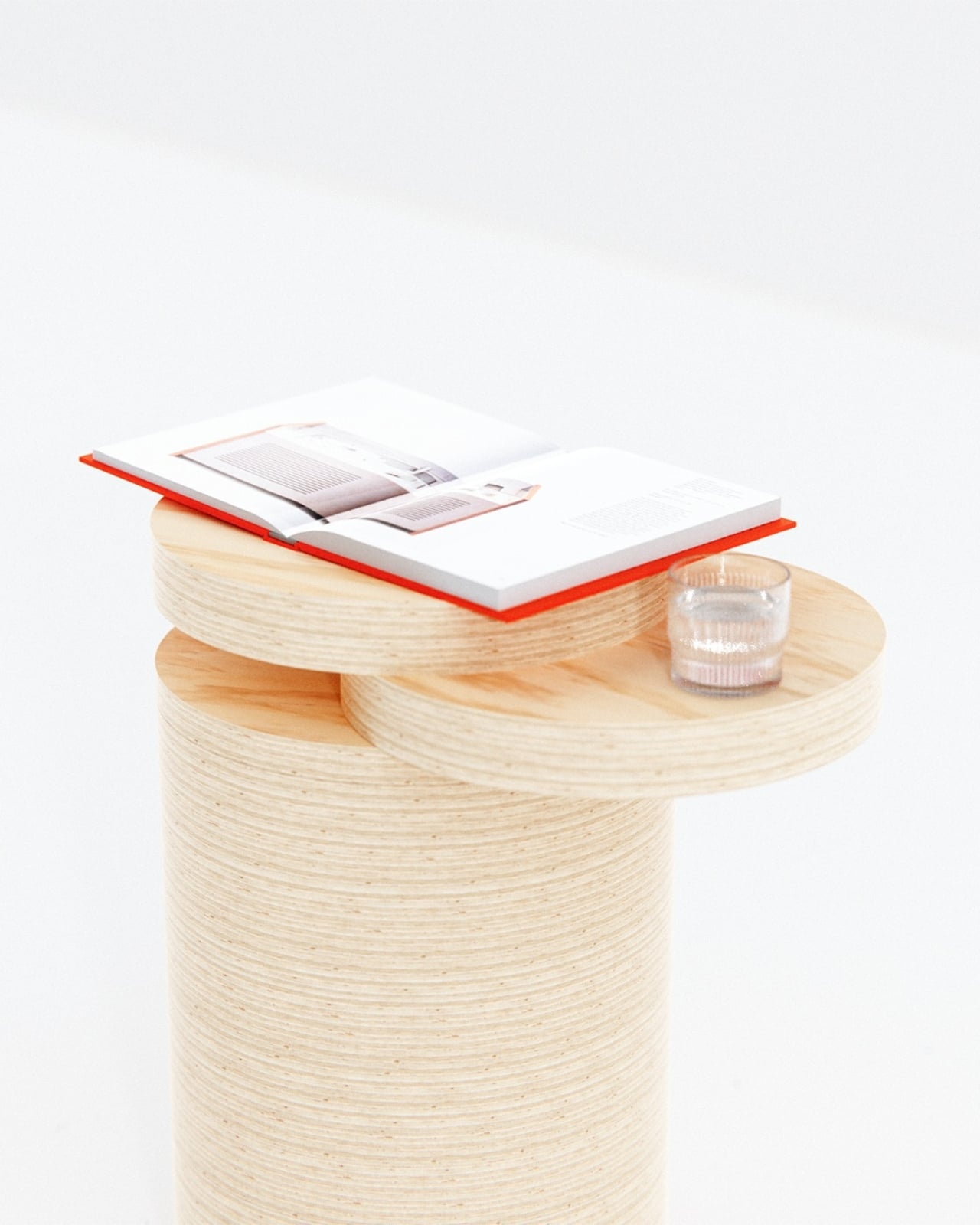
Named the Stilk Side Table, this unique table design defies conventional design with a gravity-defying structure. It is made entirely from wood, and the table top rests on a thin monolith positioned off-center. This is balanced by a pile of wooden discs on one side. The tabletop’s edge is folded a bit, which creates an impressive hovering.
The Stilk Side Table is a simple yet clever design that includes a secret height-adjustment feature, enabling users to choose from three different heights by repositioning a small wooden rod. It showcases an innovative form that is unlike others on the market.
Why is it noteworthy?
Stilk’s design challenges the traditional notions of balance and stability. It serves as a visually intriguing piece that also doubles up as a functional table. Counterweights and a folded edge were utilized to display the potential of wood to form innovative and surprising forms.
Stilk exemplifies the fusion of simplicity and ingenuity in modern furniture design. This table’s adjustable height adds versatility, making it suitable for various uses and spaces.
What we like
Unique design with a hovering illusion.
Adjustable height for versatile use.
What we dislike
The off-center design may not suit all preferences.
Limited surface area for larger items.
10. Chair23D
Designed by Gustav Düsing, the Space-Frame series brings childhood 3D wooden puzzles to life. The intricate furniture pieces are made using Baltic Birch plywood, to form visually detailed and yet functional pieces. The Chair23D draws inspiration from iconic lobby chairs like the Barcelona Chair.
It features a complex structure assembled without any screws or adhesives. It replicates the human skeleton, offering stability and functionality while representing a dedication to sustainability. Since it has a flat-pack design, this reduces shipping costs and the impact on the environment.
Why is it noteworthy?
The Space-Frame series is a wonderful testament to innovative design and sustainable design practices. It doesn’t use any binding materials, and the different pieces provide a unique assembly experience and visually appealing appearance.
The use of Baltic Birch plywood highlights the importance of renewable resources, while the flat-pack design aligns with eco-friendly principles. Geometric, edgy and fun, this chair is surely an attention-stealer.
The realm of wooden furniture design has witnessed a resurgence of creativity, with designers pushing the boundaries of traditional forms to create pieces that are not only functional but also visually captivating. We have curated a collection of ten innovative wooden furniture designs, each with its unique story, craftsmanship, and purpose. From multifunctional shoe racks to modular bookshelves, these pieces are a testament to the enduring allure of wood as a medium for artistic expression and practical utility.
These innovative wooden furniture designs showcase the limitless possibilities of combining functionality with artistic expression. Each piece offers a unique perspective on the role of furniture in our lives, challenging traditional norms and inviting users to engage with their surroundings in new and exciting ways.
1. Flow Wall Desk
The Flow Wall Desk is one of my favorite wooden furniture designs out there. Not only does it showcase a brilliant usage of wood, but it also features a fascinating space-saving form. It is a unique and creatively designed desk that combines functionality with visual appeal. The desk is a nifty wall-mounted design that folds and unfolds, depending on your need or requirement for the desk. When you unfold the desk, it converts into a neat workspace.
When unfolded it resembles a “spiraling caterpillar”, amping up its aesthetic appeal. When folded, the desk resembles a piece of geometric artwork, ensuring it doesn’t look like a boring old piece of furniture. The desk showcases clean lines, geometric shapes, and meticulous attention to detail.
Why is it noteworthy?
The desk is made from wood, thereby sealing the deal on its eco-friendly nature. Its unique design ensures it will occupy minimum space in your home, which is a boon, especially if you have space constraints. Even though it doesn’t take up much space, it does provide quite a bit of functionality.
The versatility of this solution is what makes it a best seller – especially in an era where the offices are calling workers back to office – the Flow Desk can be just folded and kept away until needed. The Flow Wall Desk is the perfect culmination of functionality, practicality, aesthetics, and craftsmanship, making for a wonderful addition to your modern home.
What we like
Blessed with a flatpack form that can be folded and unfolded when needed.
Not just functional, but also a decorative and aesthetic piece.
What we dislike
Folding and unfolding the desk whenever you need to use it means you don’t have access to a constant setup.
2. Vista Coffee Table
Named the Vista coffee table, this mesmerizing furniture piece is a lovely tribute to the natural beauty of the Rock of Gibraltar. It is crafted from layers of rosewood panels, showcasing stunning detailing. The design mimics the topographic contours of the iconic mountain, forming a visually striking piece. It features a layered assembly held together by wooden sticks, which creates visible gaps.
These gaps add an artistic flair to the table, which is heightened by the unique construction. The innovative form factor of the table captures the essence of the geological formation, while also functioning as a metaphor for the complex and intricate connection between nature and human creativity.
Why is it noteworthy?
The coffee table’s topographic design is the true showstopper. It converts a simple furniture design into a work of art. Rosewood panels have been integrated which add a hint of luxury, while the visible gaps between layers demonstrate an interplay of light and shadow.
Besides being a functional piece, the table invites guests to discuss the beauty of natural landscapes, and the craftsmanship behind the furniture design. It also allows you to play with it, using each level to showcase a unique souvenir or a part of your art collection, right in your living room.
What we like
Unique topographic design serves as a conversation piece.
Made from high-quality rosewood for durability and elegance.
What we dislike
Gaps between layers could trap dust and require frequent cleaning.
3. Carpentopod Table
Say hello to the Carpentopod Coffee Table. It is a mesmerizing and fascinating fusion of craftsmanship and technology. It is equipped with 12 legs which mimic the movement of multi-legged creatures. The table draws inspiration from Theo Jansen’s Strandbeest mechanism and is a true marvel of engineering and design.
It is made from laminated bamboo, and the intricate leg linkages have been CNC-machined for precision and accuracy. This creates a semi-automated table that can move across a table. The Carpentopod table is a fry cry from the traditional tables out there, it provides a dynamic and interactive experience for users.
Why is it noteworthy?
What makes the Carpentopod super unique is that it can move, which converts it from a static piece of furniture into an engaging and interesting machine. It is blessed with an innovative design that blurs the line between art and utility. It is a fine specimen of how traditional woodworking can be combined with modern tech.
Bamboo is used which elevates the table’s visual aesthetic, while also cementing it as a sustainable design. In a world full of AI and tech innovations, the Carpentopod gives us a chance to cherish the analog designs that continue to wow us.
What we like
Innovative design combines art, engineering, and functionality.
Constructed from sustainable bamboo for eco-friendly appeal.
What we dislike
Movement feature may not be suitable for all household environments.
4. Tokyo Shoe Rack
Named the Tokyo shoe rack, this multifunctional piece is inspired by traditional Japanese architecture. It is designed by Joao Teixeira and it serves beyond a shoe rack. It is designed to mimic the elegance and beauty of torii gates. The design serves as a bench and tray, providing a lovely blend of form and function.
It features a minimal and detailed aesthetic which is created through the use of bent plywood. It functions as a sophisticated yet simple design that can fit perfectly into any modern home. It features a cushioned top for seating and a tray for storing small items. It would make an excellent addition to entryways or hallways.
Why is it noteworthy?
The Tokyo shoe rack features a clever design that merges three functions in one nifty and sleek package. Bent plywood adds some structural integrity to the rack, while also adding elegance to the overall design. The versatility makes it an excellent addition to any space, providing seating, storage, and display options in an aesthetic and compact form.
Add some culture to your space without compromising on space or functionality. It is timeless and adaptable to various interior styles, wherever you go.
What we like
The multifunctional design offers seating, storage, and display.
Minimalist aesthetic complements various interior styles.
What we dislike
May require significant space due to its length.
5. Marumarushikaku Bookshelf
Called the Marumarushikaku Bookshelf, this furniture design is a modular masterpiece inspired by the vision of Japanese composer Ryuichi Sakamoto. It was created by More Trees and Kengo Kuma, and it signifies a beautiful harmony between nature and design. It is made up of rectangular and round wooden boards.
The piece can be customized by users making it a functional storage solution, as well as a decorative art piece. It is built using locally sourced materials which showcases a dedication to sustainability and craftsmanship. The furniture design features a unique form with intricate detailing.
Why is it noteworthy?
The Marumarushikaku Bookshelf features an impressive modularity and artistic design. You can rearrange the boards, thereby creating multiple possibilities for personalization, allowing the bookshelf to adapt to the user’s needs, requirements, and aesthetic taste.
Minimal and functional, the design features flexibility, which is elevated by its striking appeal, making it a valuable and versatile addition to any home. It can store books, plants, and other decorative items or just leave it empty to make it an interesting talking point.
What we like
Combines functionality with artistic appeal.
Made from locally sourced materials for sustainable design.
What we dislike
Space-consuming and bulky design.
Features unusual aesthetics that may not complement all interior styles.
6. SNILD Walking Cane
Called the SNILD walking cane, this design is truly a revolutionary one. Since it redefines the concept of mobility aids, while also serving as a furniture piece, it is made from a single piece of solid ash wood, and it can be converted into a compact and nifty stool with one simple twist. It features an elegant form with curved edges and sloping sides.
The cane provides visual appeal and functional support, making it a versatile product. It includes a leather seat, and rubber feet to offer comfort and stability, making it an essential companion for those who often find themselves on the go. Whenever you need a seat, you can convert the cane into a stool.
Why is it noteworthy?
The walking cane is a unique and fresh change from the conventional perceptions of walking aids. It is a stylish, modern, and practical solution for those needing mobility support. At the same time, it can be converted into an impressive wooden stool, offering users a convenient seating option.
Easy to use in any situation, the multi-functional nature of this design makes it a must have for every elderly adult. It is made using ash wood and leather, which promise comfort and durability. The design has a sleek form factor, distinguishing it from typical canes on the market.
What we like
Dual functionality as a cane and stool offers convenience and versatility.
Elegant design enhances aesthetic appeal.
What we dislike
Limited weight capacity as a stool, may not accommodate all users.
7. KURVE Chair
Named the KURVE furniture collection, this range is a minimalist’s dream, while amping up on functionality. It uses curved shapes to build functional storage space within its designs. It includes a throne-like chair and a couch, both built from a single sheet of layered wood. The KURVE Chair includes a curved, backless box as a base, with a hollow nook for storing items.
The KURVE couch deepens this concept further, by integrating a central console and additional storage space beneath the seating area. This unique and fascinating use of curves saves space, but also adds a certain one-of-a-kind element to the furniture.
Why is it noteworthy?
KURVE is blessed with the ability to create storage solutions by simply using curves. No complex mechanisms have been adopted. It features a seamless design that is produced by bending plywood, resulting in a sleek, modern, and pleasing appearance. This collection’s ability to provide functional storage while maintaining a minimalist aesthetic makes it a versatile addition to any contemporary home.
The KURVE collection exemplifies the potential of minimalist design to maximize utility and style. Using the collection also becomes and easy way to set up a unique aesthetic of your living space.
What we like
Innovative use of curves for integrated storage.
Minimalist design complements modern interiors.
What we dislike
Limited storage capacity may not suit all needs.
8. Eclipse
Called Eclipse, this wooden chair is a captivating furniture piece that merges the creative use of rattan with an unconventional design. The chair’s base and seat build an open box, which is wrapped with strips of rattan. Two vertical circles arch over the use, forming a visually striking silhouette.
These circles frame the person seated but also create the feeling of being embraced by the open sky. The open design and subtle rattan wrapping work together to build a peaceful, inviting, and calm environment. This makes the Eclipse chair a unique and functional addition to any living space.
Why is it noteworthy?
The Eclipse features a form that is both functional and symbolic. It uses geometric elements to form a sense of openness and serenity. Since the chair uses rattan, this adds a natural touch, while the circular arches serve as aesthetic and structural components.
The Eclipse’s unique design challenges traditional chair forms, providing a new perspective on seating that focuses on a connection with the surrounding environment. In a world looking for to create that perfect Instagram-worthy shot, this sculptural seating style is a great way to infuse that wow moment in any space.
What we like
Unique geometric design with a symbolic touch.
The use of rattan adds a natural and organic feel.
What we dislike
Open sides may not provide adequate support for all users.
The design may not suit all interior aesthetics.
9. Stilk Side Table
Named the Stilk Side Table, this unique table design defies conventional design with a gravity-defying structure. It is made entirely from wood, and the table top rests on a thin monolith positioned off-center. This is balanced by a pile of wooden discs on one side. The tabletop’s edge is folded a bit, which creates an impressive hovering.
The Stilk Side Table is a simple yet clever design that includes a secret height-adjustment feature, enabling users to choose from three different heights by repositioning a small wooden rod. It showcases an innovative form that is unlike others on the market.
Why is it noteworthy?
Stilk’s design challenges the traditional notions of balance and stability. It serves as a visually intriguing piece that also doubles up as a functional table. Counterweights and a folded edge were utilized to display the potential of wood to form innovative and surprising forms.
Stilk exemplifies the fusion of simplicity and ingenuity in modern furniture design. This table’s adjustable height adds versatility, making it suitable for various uses and spaces.
What we like
Unique design with a hovering illusion.
Adjustable height for versatile use.
What we dislike
The off-center design may not suit all preferences.
Limited surface area for larger items.
10. Chair23D
Designed by Gustav Düsing, the Space-Frame series brings childhood 3D wooden puzzles to life. The intricate furniture pieces are made using Baltic Birch plywood, to form visually detailed and yet functional pieces. The Chair23D draws inspiration from iconic lobby chairs like the Barcelona Chair.
It features a complex structure assembled without any screws or adhesives. It replicates the human skeleton, offering stability and functionality while representing a dedication to sustainability. Since it has a flat-pack design, this reduces shipping costs and the impact on the environment.
Why is it noteworthy?
The Space-Frame series is a wonderful testament to innovative design and sustainable design practices. It doesn’t use any binding materials, and the different pieces provide a unique assembly experience and visually appealing appearance.
The use of Baltic Birch plywood highlights the importance of renewable resources, while the flat-pack design aligns with eco-friendly principles. Geometric, edgy and fun, this chair is surely an attention-stealer.
Coffee tables these days aren’t just places to put down books and drinks. They’re often the center of a room, specifically a living room, both in location and in design. They do more than just add visual interest in a space but, in many homes, also reflect the owner’s tastes and sometimes their aspirations.
That’s especially true if you get the opportunity to design your own coffee table or get someone to do it for you. This wood and glass design, for example, tries to capture feelings of welcoming warmth as well as structural strength. And what better way to represent those ideas than by putting the semblance of a glorious mountain right in the center of your living room.
The Rock of Gibraltar is a majestic sight that inspires awe not just with its height but with its distinctive shape as well. It’s almost like a ship resting in the ocean and a testament to the Earth’s geological history. It isn’t as imposing as other mountains, making it the perfect fit for a coffee table design.
The Vista coffee table, however, doesn’t simply mold or carve the shape of the mountain. It instead assembles layers of rosewood panels cut to the rough shape of the Rock of Gibraltar. The layers are held together by a few sticks of wood, creating very visible gaps in between each step.
The resulting aesthetic is similar to those cardboard topographic maps some students are told to make for their science projects. It’s almost like an artistic representation of a geographic form, leaving just enough details for our minds to fill in the gaps. At the same time, this layered design is like a metaphor for the natural formation of the mountain itself, built up layer by layer over hundreds if not thousands of years.
The Vista coffee table tries to combine the lofty image of mountains with the grounding materials of wood. It’s definitely a conversation starter among guests seeing it for the first time, or even between friends revisiting memories of the table’s arrival. Perhaps an unintended feature of the design is the gaps that can be used to hold or hide objects, almost like the man-made structures that have been built around the mountain, also a metaphor for the clutter that humans create around nature.