The Samsung Galaxy Z Flip 8 is the latest iteration in Samsung’s foldable smartphone series, offering a refined design, enhanced performance, and extended software support. However, whether it’s worth upgrading depends on your current device. For Z Flip 7 users, the improvements may feel incremental, while Z Flip 5 and 6 owners might find the […]
Scanners haven’t changed much in how they occupy a workspace. A flatbed sits in the middle and claims that real estate whether it’s in use or not. Overhead models are more flexible, but they still tend to take up a fixed spot in any setup. For anyone working from a compact home office or shared studio, that trade-off rarely gets a proper answer.
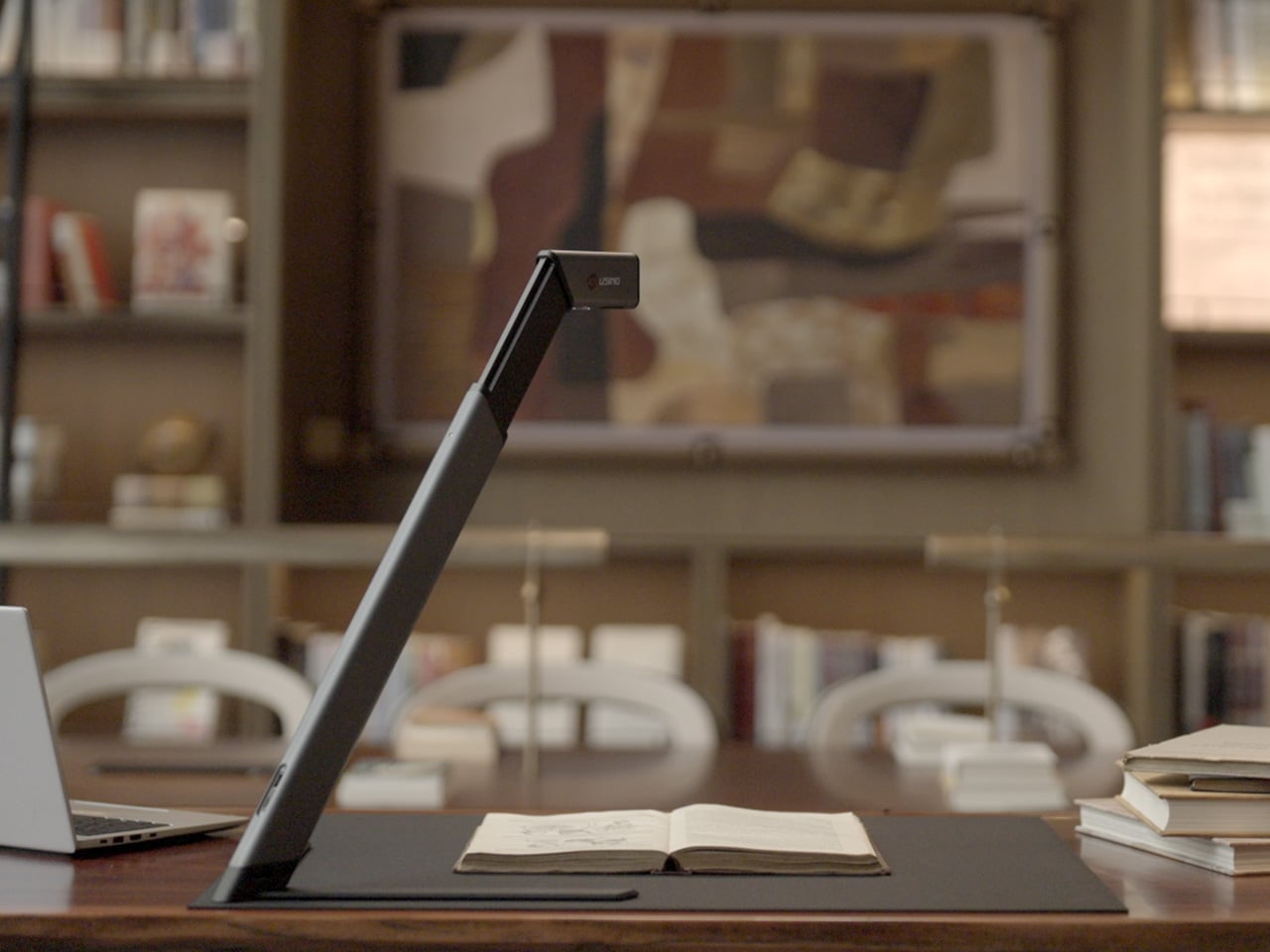
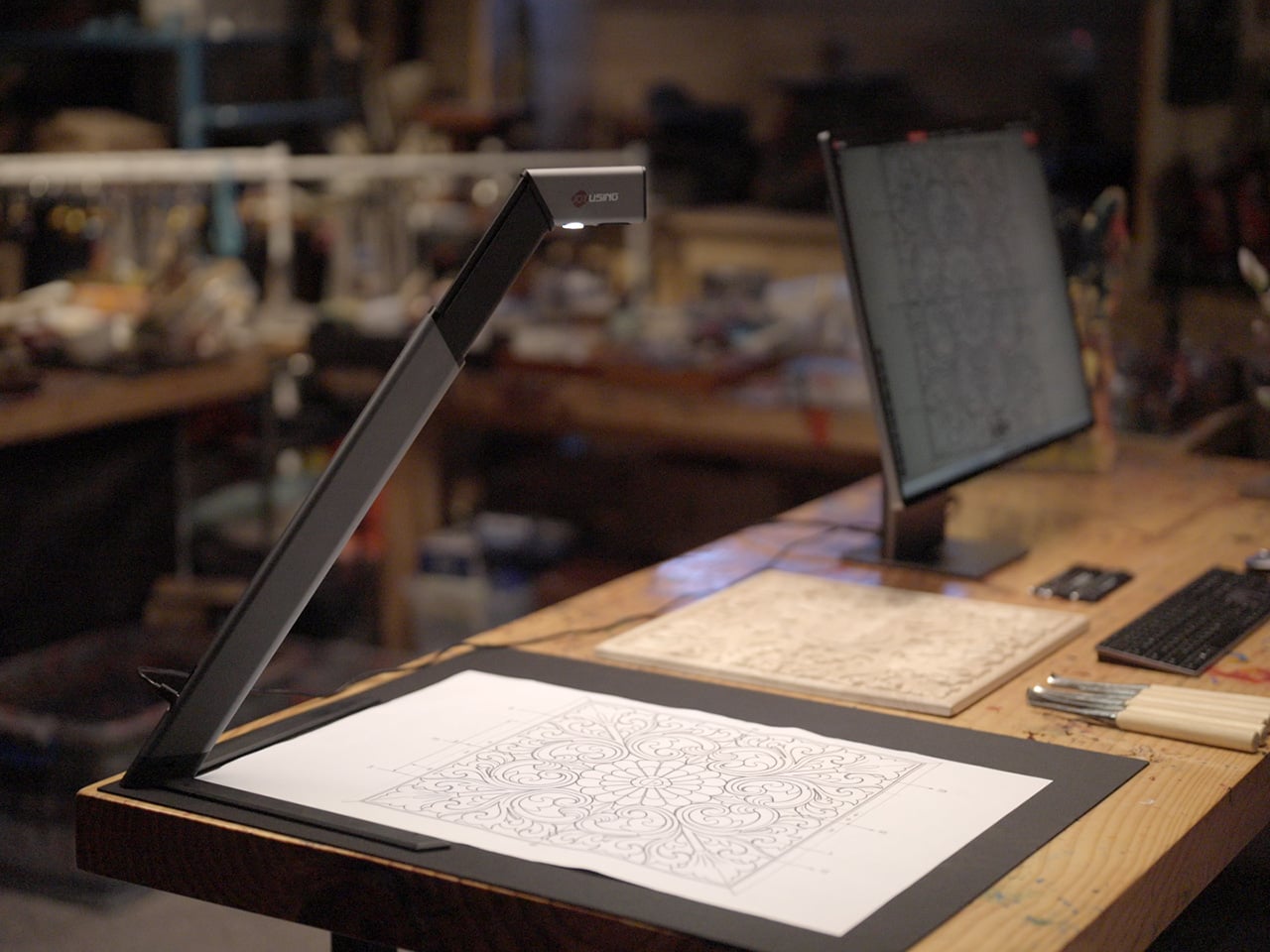
Joyusing’s ScanMax 320 approaches the problem from a different angle, quite literally. Rather than occupying the center of a workspace, it’s built to sit at the edge of a desk, positioned in the corner while its arm reaches overhead. It handles documents, books, artwork, and large-format materials up to A2 size, without taking over the surface it’s meant to serve.
Folded down, the ScanMax 320 measures 355mm x 68mm x 51mm, slim enough to slip into the included carrying bag and move between rooms without any effort. It runs entirely on USB-C power, so getting started means plugging in a single cable. There’s no proprietary adapter to hunt down, no driver installation ritual, and nothing complicated to deal with before the first scan. You can directly use the ScanMax 320 as a live presenter camera, and scanning as well as other advanced features simply require the free Joyusing Scanner intelligence software.
The shooting area extends to a full A2, or 594mm x 420mm, with a 32-megapixel sensor capturing at up to 380 DPI. That covers blueprints, double-page book spreads, large technical drawings, and oversized artwork in a single pass. An intelligent auto-switching system detects whether the material is A2 or A3 and adjusts accordingly, so there’s no manual input needed between sessions.
Overhead scanners tend to have a lighting problem, particularly near edges or when capturing materials that aren’t perfectly flat. The ScanMax 320 uses a rectangular illumination system shaped to match the scanning area, distributing light evenly and keeping shadows from washing out fine detail near the sides. Three brightness levels, at 30%, 70%, and 100%, are accessible with a single touch for quick adjustments in different environments.
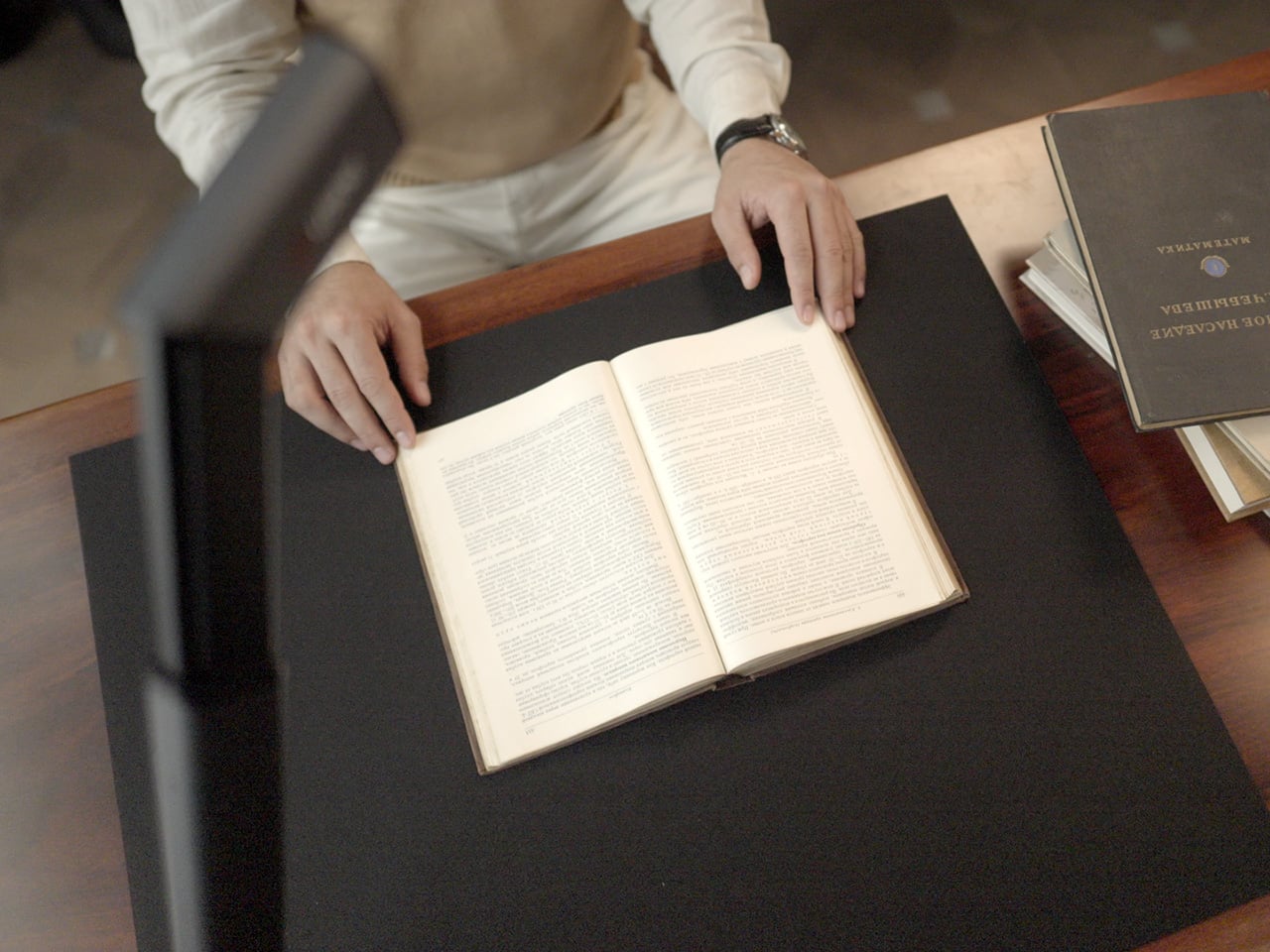
Book scanning is where overhead devices tend to earn their keep, and also where they tend to frustrate. Pages curve at the spine, fingers get in the way, and binding shadows creep in from the edges. The ScanMax 320’s software handles most of this automatically, applying auto-flattening, finger removal, de-skewing, and shadow removal without manual adjustment. Book mode, paired with the included finger cots, keeps pages steady for continuous capture.
Once everything is captured, the software’s OCR engine converts printed text into editable, searchable files, with support for 180 languages and export options including Word, PDF, and TXT. A page of Japanese text, a technical report, or a multilingual research paper can go from physical to fully searchable in seconds, turning raw captures into documents you can actually search, copy, and share.
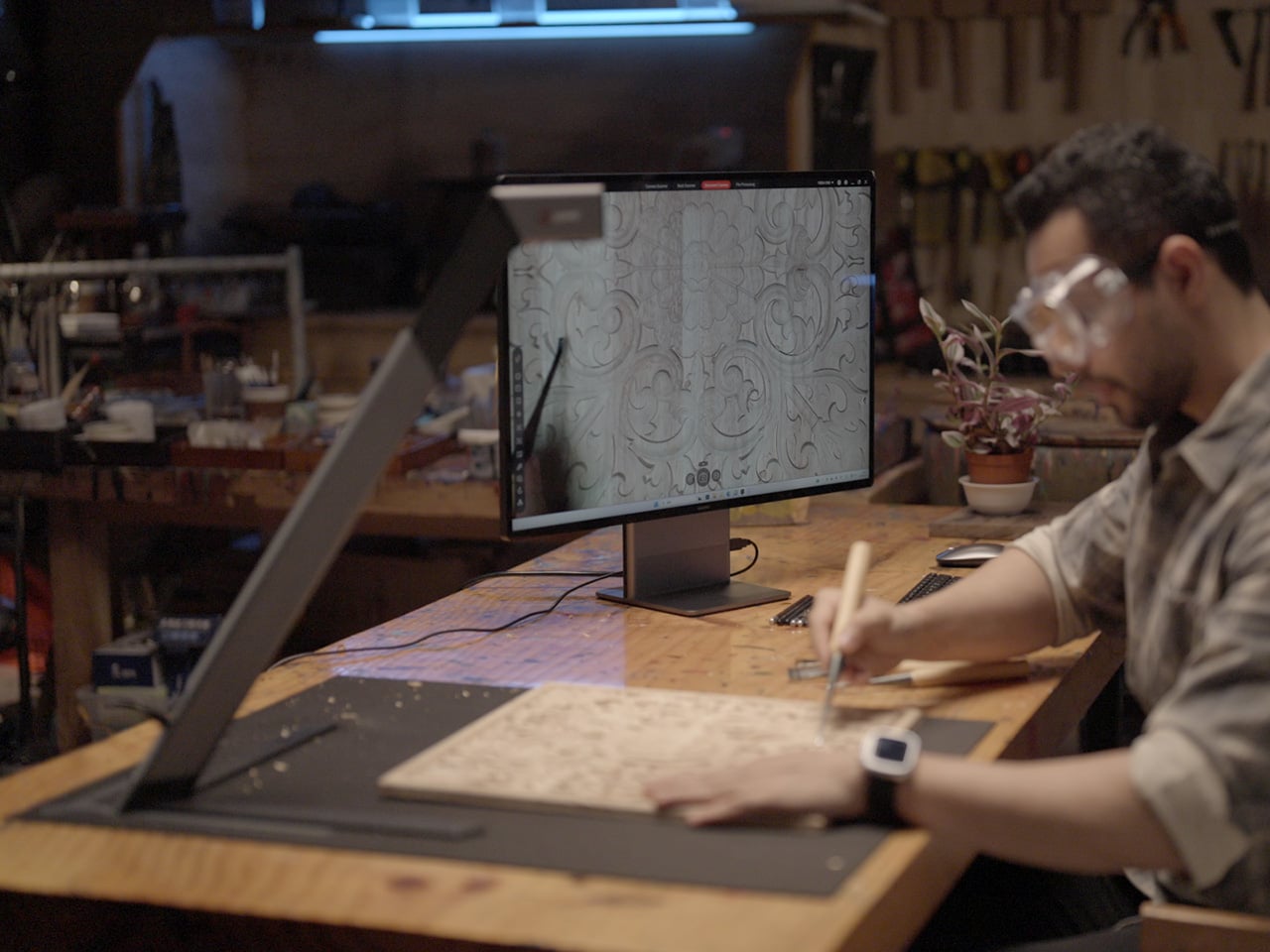
What’s less obvious about the ScanMax 320, and arguably more interesting, is that it also functions as a live visual presenter. Point it at a printed page, a hand-drawn sketch, or a physical object, and the feed goes live to whatever screen or projector it’s connected to. For a teacher going through annotated notes or a designer reviewing a layout with a client, that extra mode earns its place quickly.
Software compatibility covers Windows, macOS, and several Linux distributions including CentOS, Ubuntu, and Debian, though macOS users will find some features limited compared to the Windows version. Everything connects over USB-C, keeping the setup free of dongles and extra cables. Built-in annotation tools allow for direct markup of scanned content, which makes it easier to prepare materials before presenting or sharing them.
There’s something refreshingly considered about a scanner built to work with your desk rather than on top of it. The ScanMax 320 doesn’t ask you to clear space or rearrange anything. It folds, parks at the edge, and gets on with the job. Whether you’re archiving a collection, digitizing a sketchbook, or presenting something in a meeting, the fact that it stays in its corner is, in itself, the point.
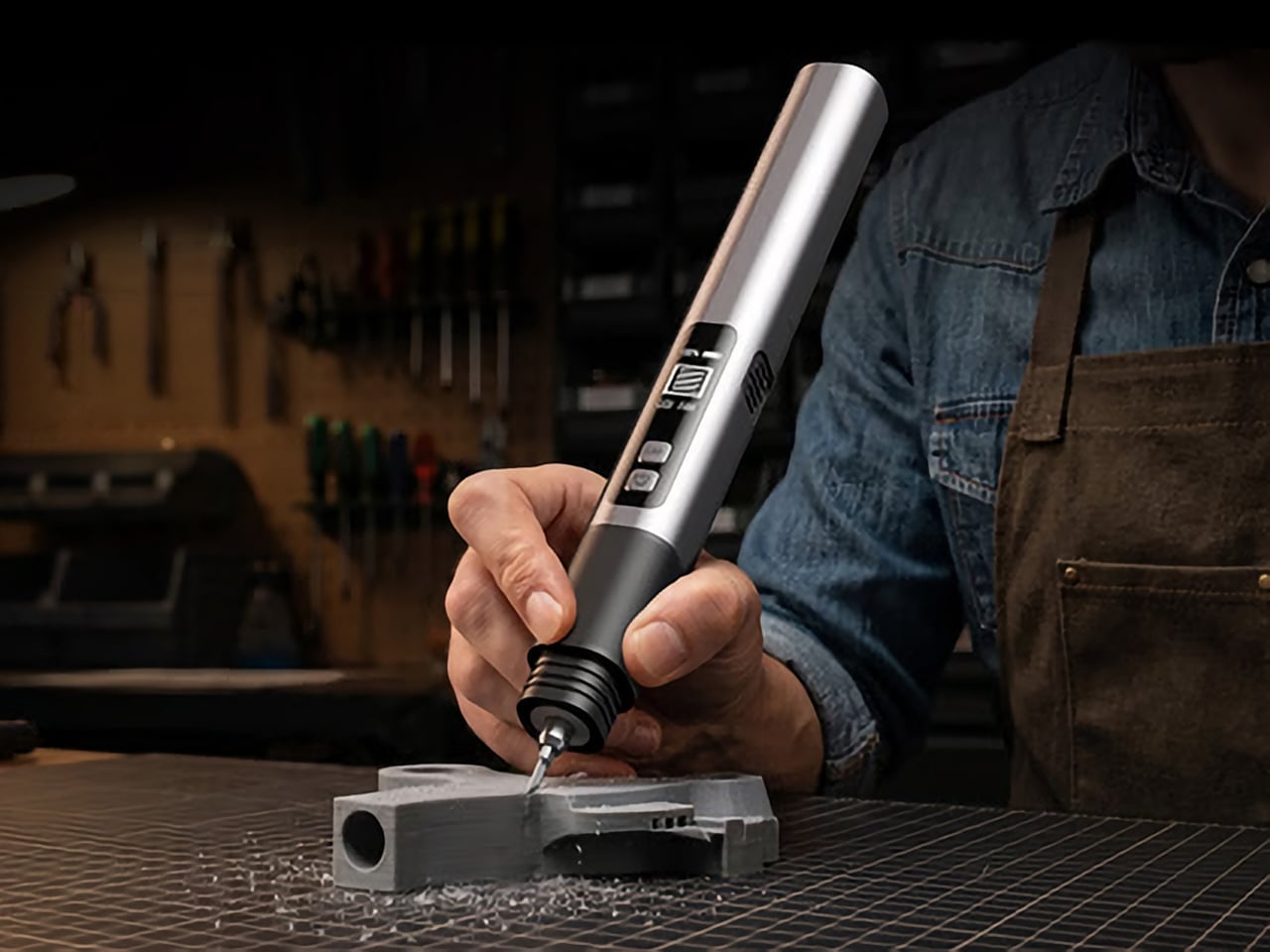
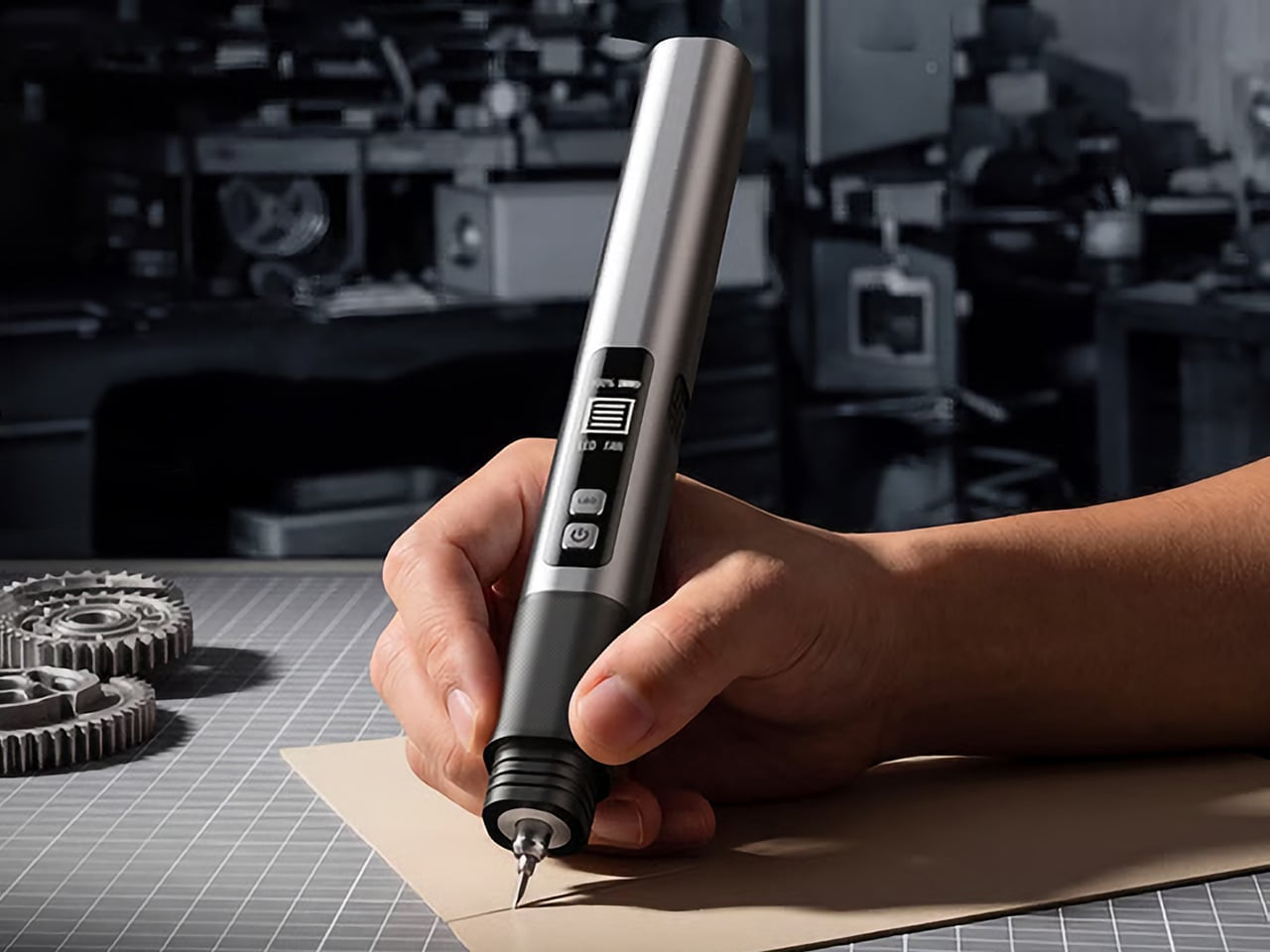
Ultrasonic cutters have been a genuine revelation for makers. Running at 40,000 vibrations per second, the blade doesn’t force its way through material; it glides, leaving clean, precise edges on foam, leather, plastic, and 3D-printed parts. The SonicMax Slice 10 takes that concept further by going completely cordless and, more importantly, addressing the one frustration that has followed every similar tool: heat.
The appeal of cutting without cords is obvious. What’s less appealing is when the tool becomes too hot to hold, forcing a break every five to 10 minutes. That kind of heat doesn’t just affect the experience; it affects the output, too. Plastic melts unevenly, detailed prints deform at the edges, and cuts that were supposed to be clean end up looking anything but.
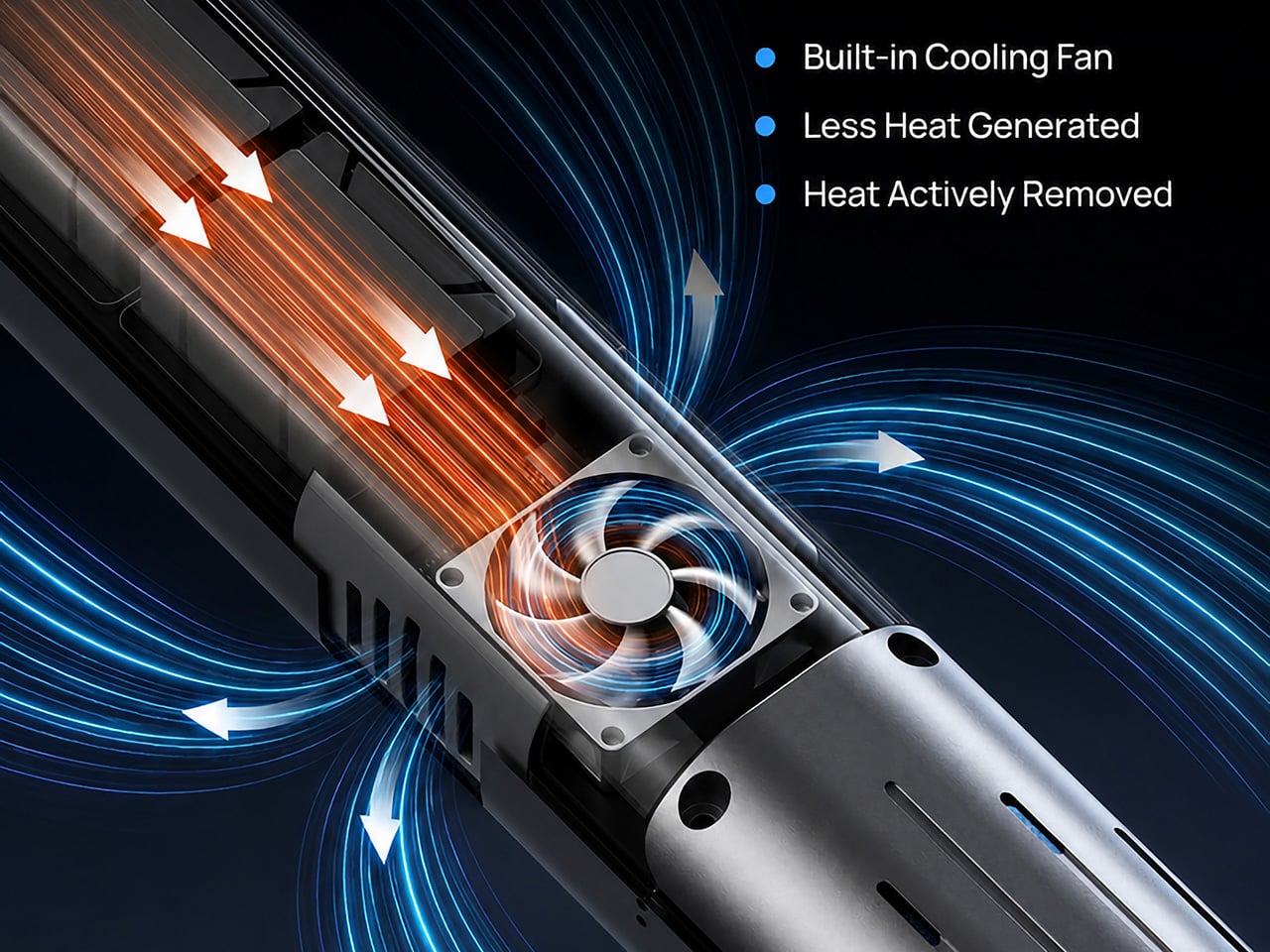
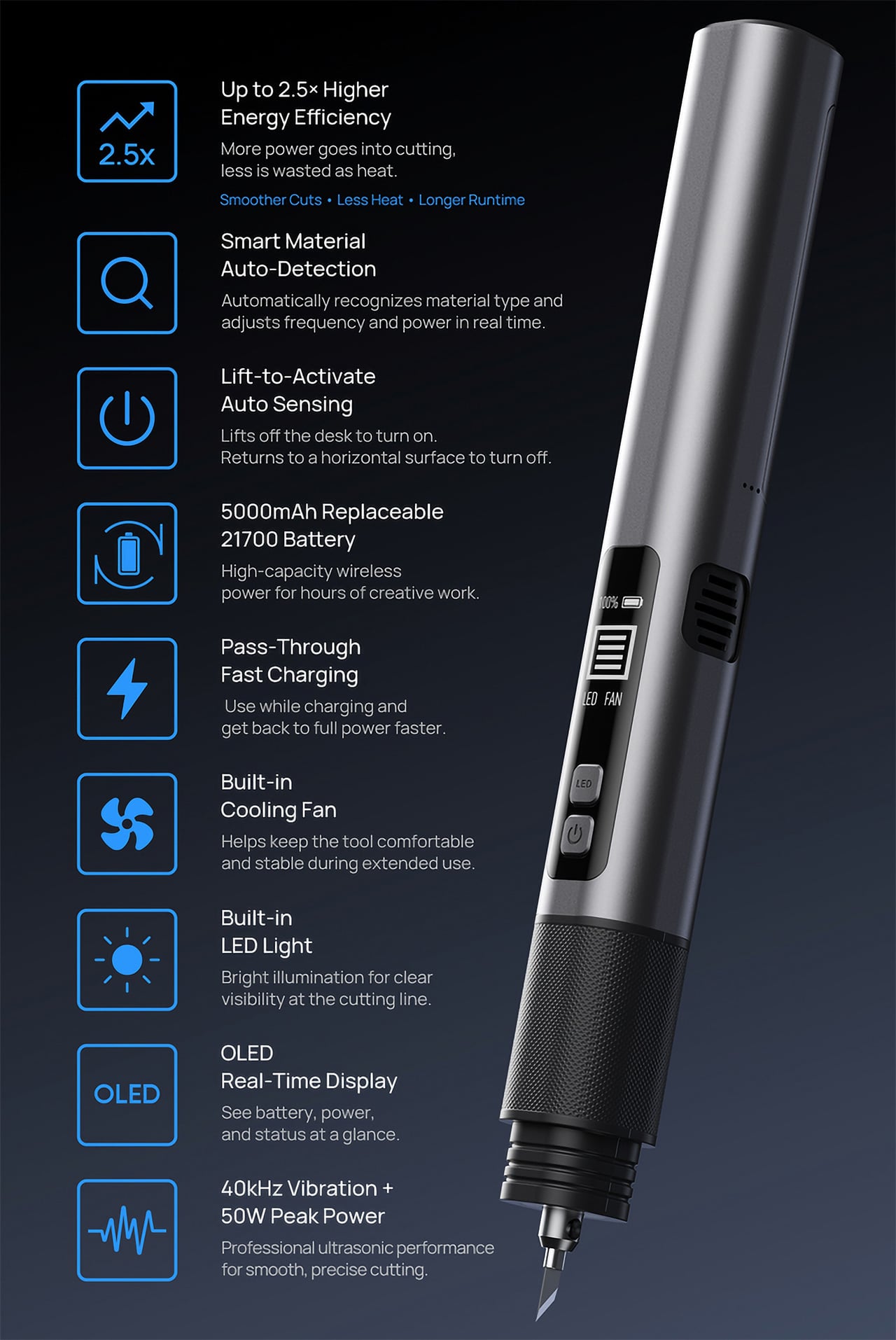
SonicMax addressed this with a redesigned transducer that, according to the company, achieves a quality factor, or Q value, of over 500, compared to around 200 for typical designs. The higher that number, the more energy goes into cutting rather than radiating as heat. It doesn’t make for a flashy headline, but it makes a tangible difference in how long you can actually work without stopping.
The Slice 10 also adjusts in real time as it cuts. Rather than operating at a fixed power level, the system reads resistance from the material and changes its output power and vibration frequency accordingly. This means that whether you’re cutting through a soft piece of EVA foam or pushing through a thicker section of a 3D-printed model, the tool is constantly self-correcting to keep the cut smooth and consistent.
That combination shows up quickly in a working session. Support removal on a detailed 3D print comes out clean instead of tearing. Leather cuts without compression or fraying. Foam and plastic sheet separate with sharp, neat edges. For anyone doing post-processing work on resin or FDM prints, building cosplay armor, or finishing scale models, the improvement is fairly immediate and fairly obvious.
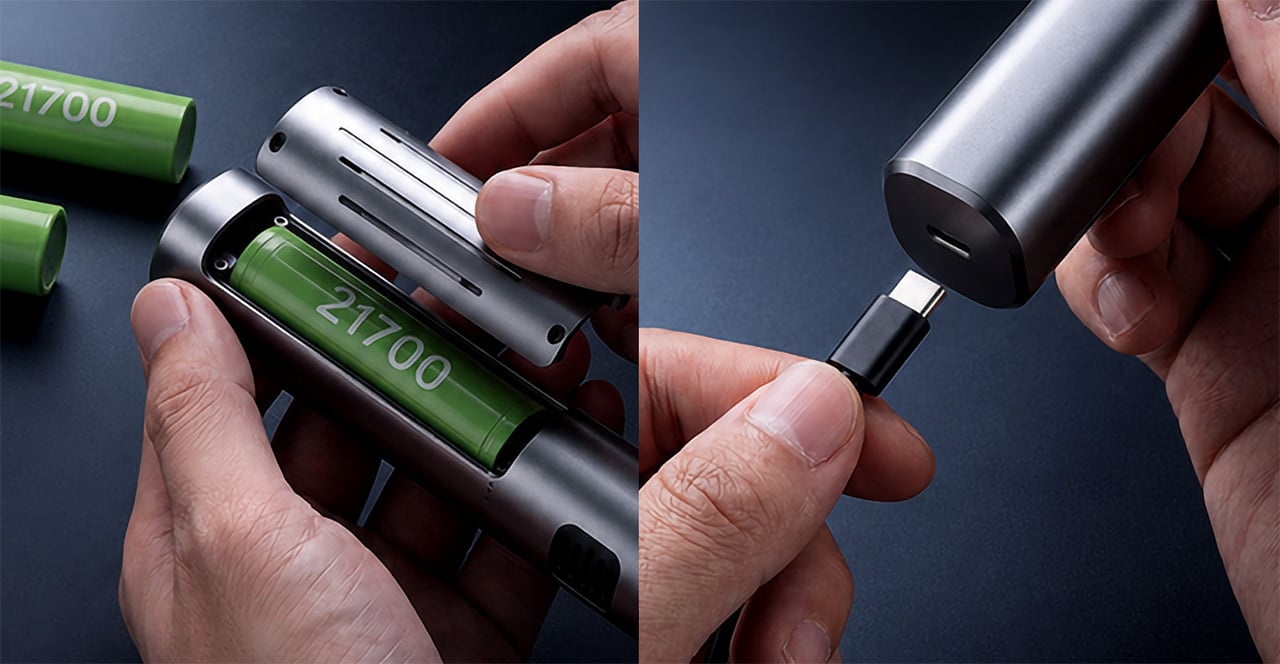
The cordless experience is backed by a 5,000mAh 21700 lithium-ion battery that SonicMax says can deliver up to four hours of cutting on a single charge. What’s more practical, though, is that the cell is user-replaceable. Standard 21700 format means you can carry a spare and swap it out in seconds if needed, essentially extending a session indefinitely without waiting for anything to charge.
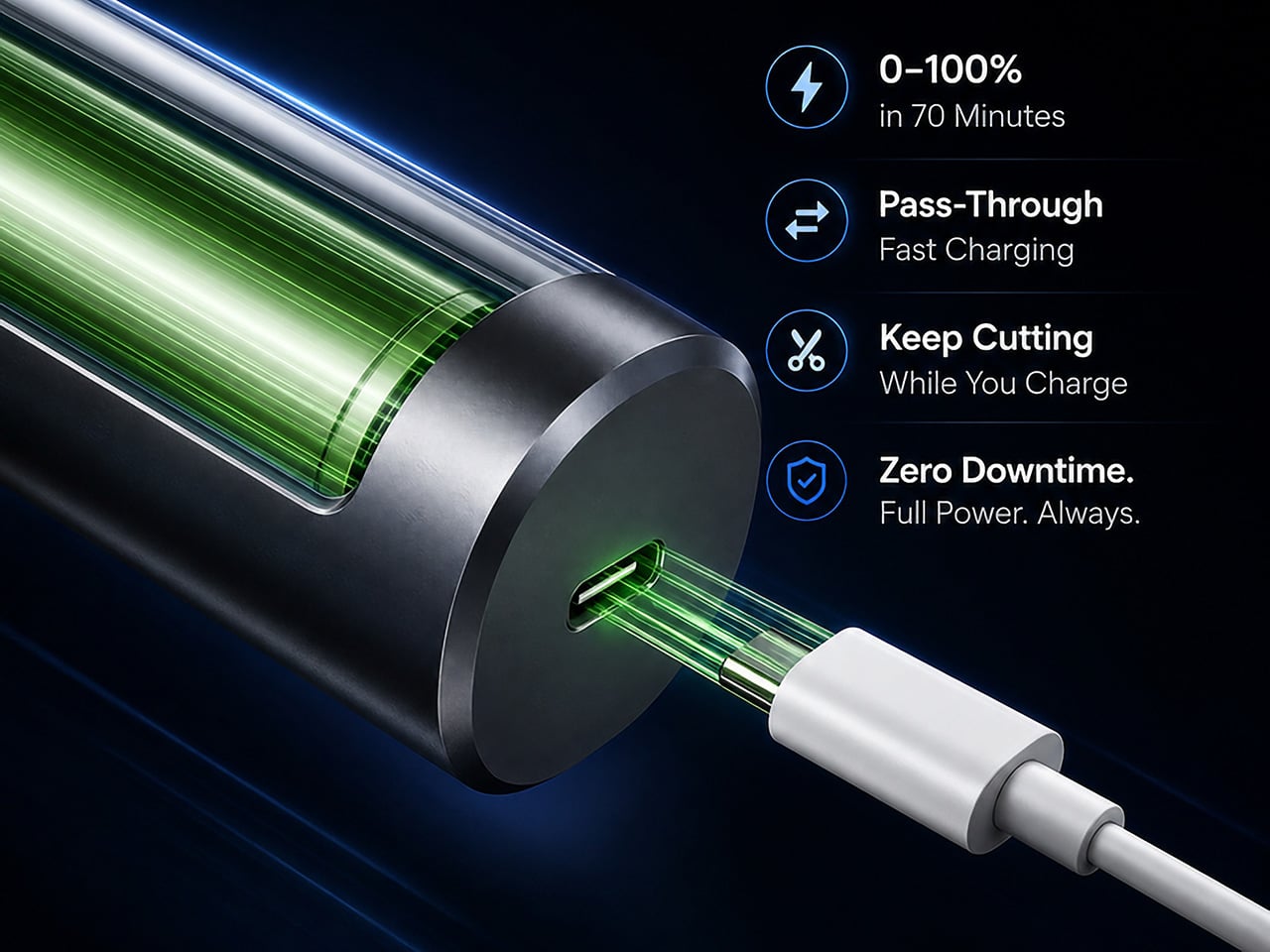
For those who’d rather stay plugged in, the Slice 10 supports pass-through charging via USB-C, so you can keep cutting while the battery tops up. A full charge from zero takes roughly 70 minutes, supported by 18W of fast charging. It’s the kind of flexibility that accounts for the reality of a busy workshop, where stopping to wait for a tool to charge isn’t really an option.
Keeping temperatures down is a two-part approach. The redesigned transducer generates less waste heat by design, and a built-in active cooling fan moves whatever heat builds up away from the blade area. There’s also a lift-to-activate sensor that powers the tool on when picked up and shuts it off when set down, quietly helping with both battery life and heat management throughout the session.
Rounding things out is an OLED display showing live battery level, output power, and tool status, so you’re never guessing how much runtime you have left. A built-in LED light illuminates the cut line, especially useful for intricate detail work on small model parts. Overheat protection activates at 80°C motherboard temperature, and the tool shuts itself down after five minutes of idle time.
At 236g and 260.5mm long, it’s light and slim enough for extended use without fatigue. Each unit ships with 10 spare blades, a hex wrench, a blade retaining block, four fastening screws, a dual USB-C cable, and a user manual. SonicMax has built this as a system where thermal management, adaptive control, and battery flexibility serve one consistent goal: more time cutting.
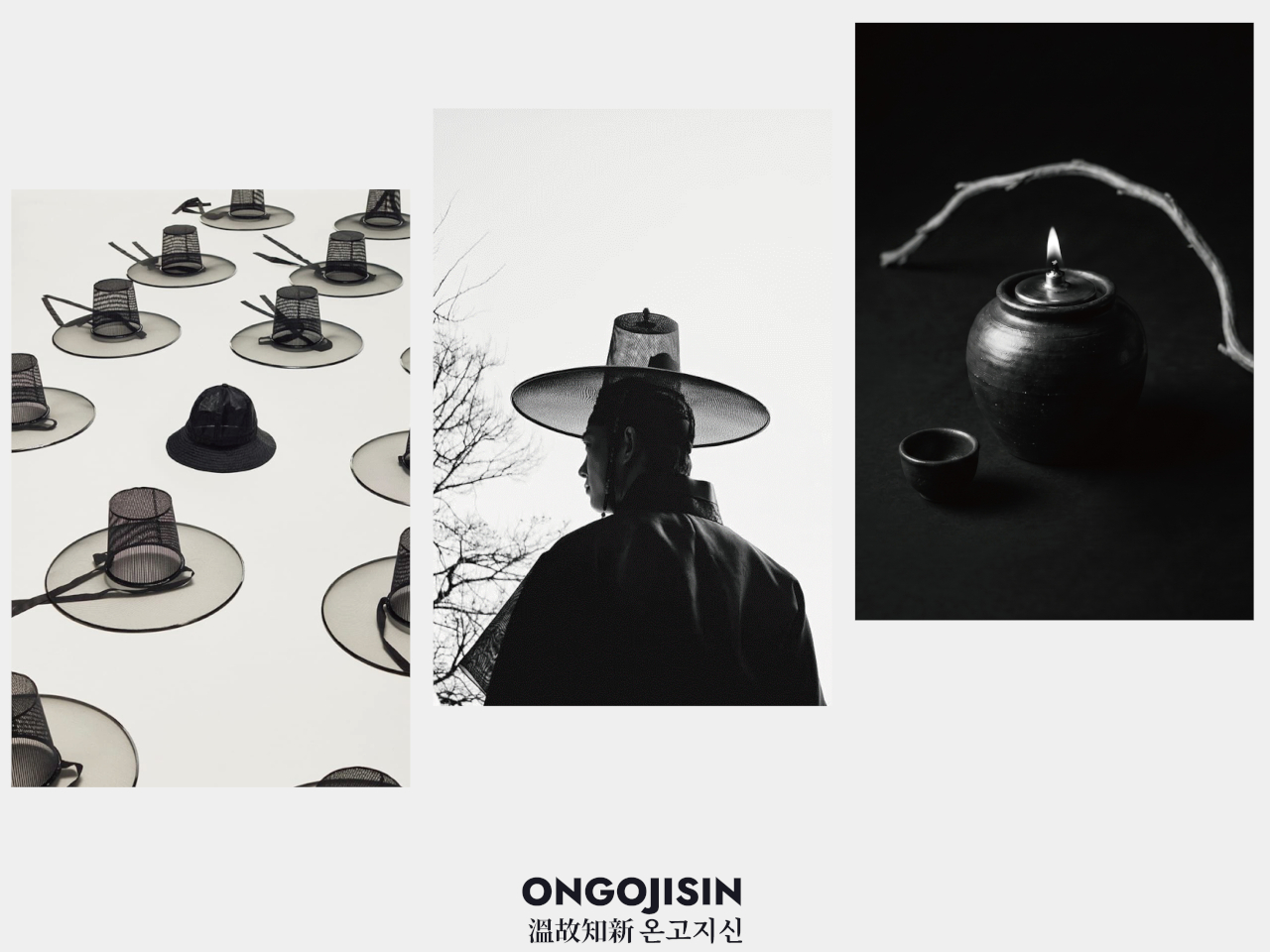
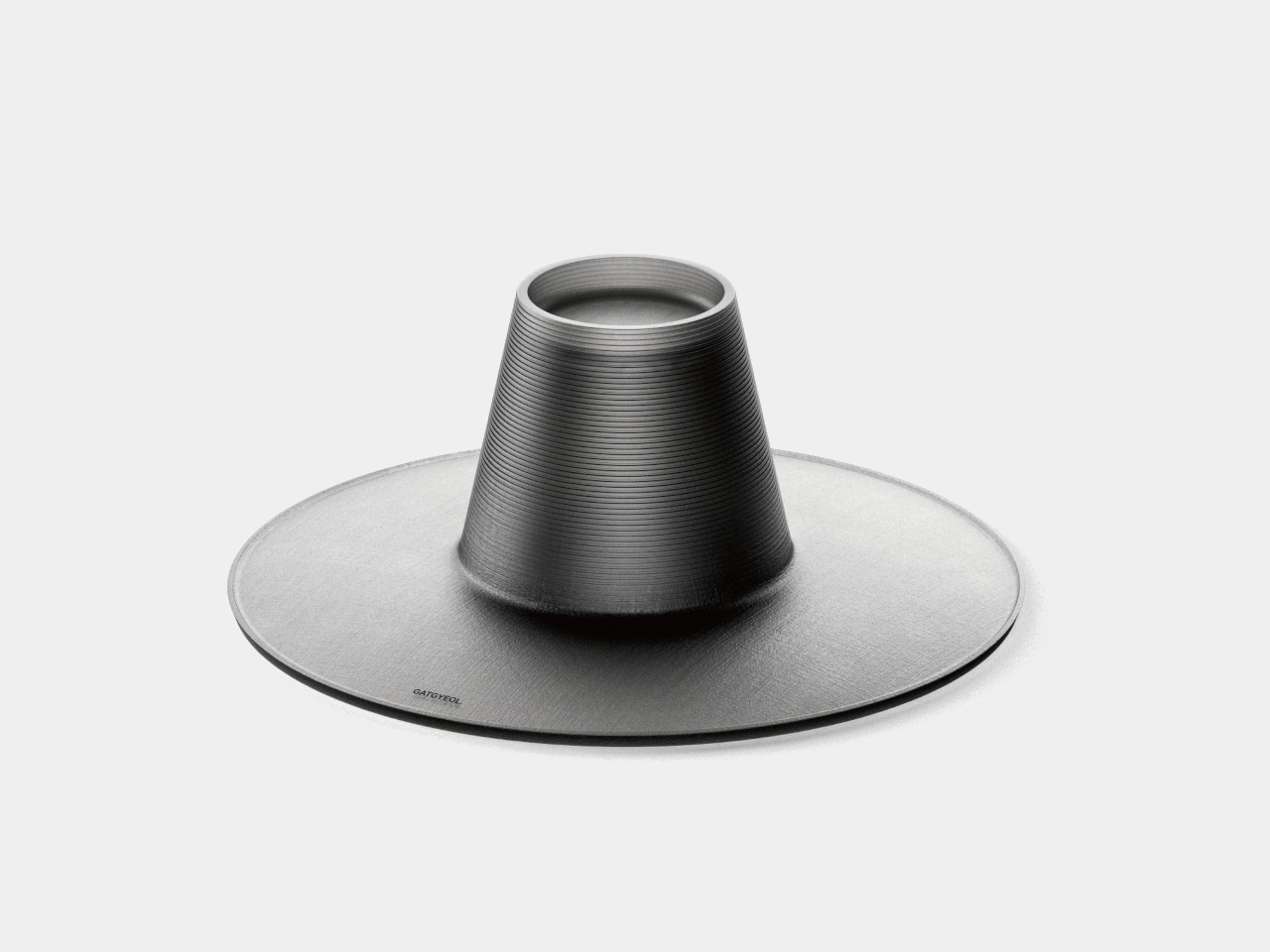
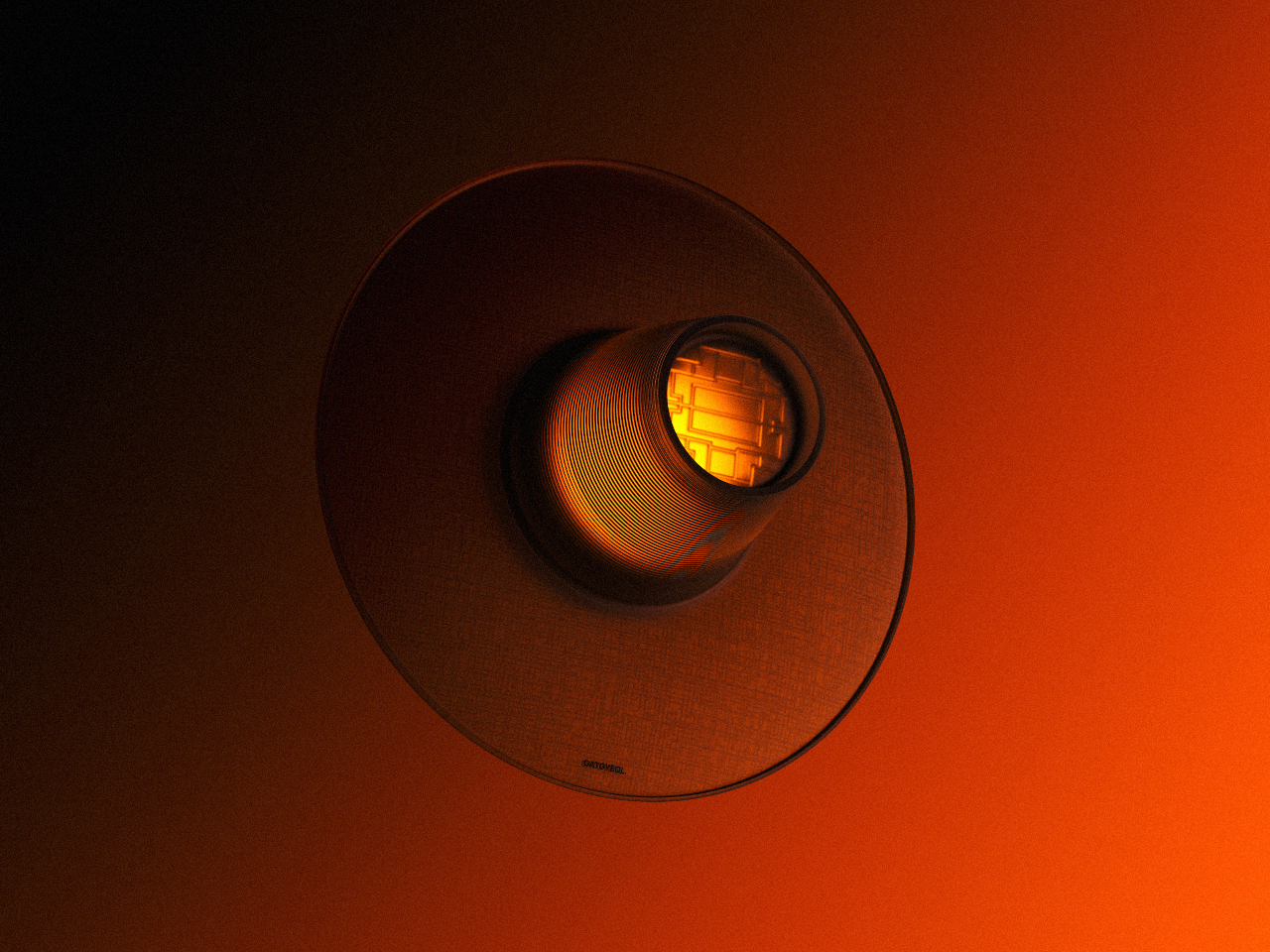
The gat is one of the more distinctive objects in Korean material culture. Woven from horsehair and bamboo and worn by scholars and noblemen during the Joseon Dynasty, it communicates social standing through form alone. Its silhouette, a tall cylindrical crown on a flat, wide brim, is immediately recognizable. What that shape might become in a different time is a question the GAT lamp was designed to answer.
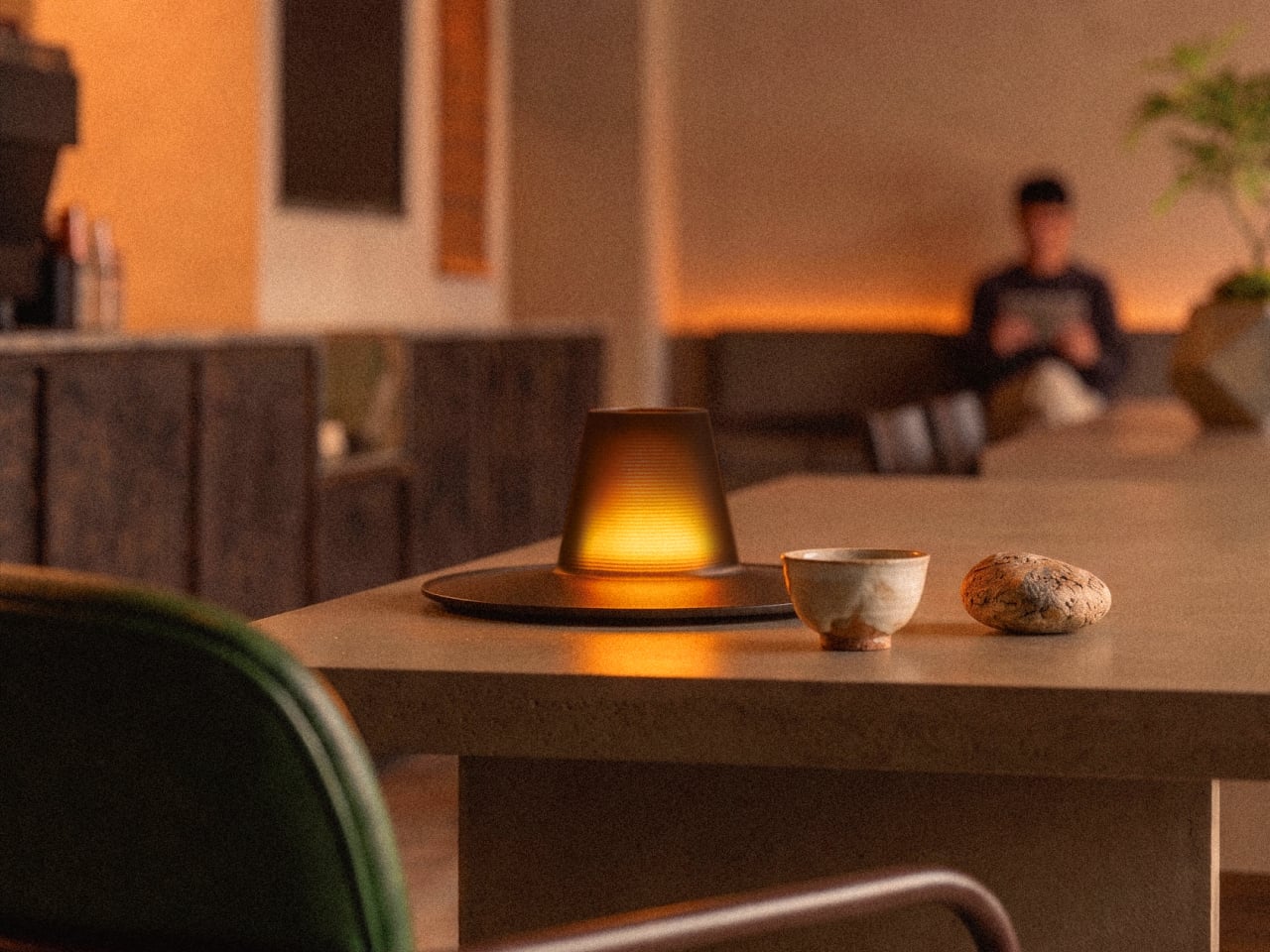
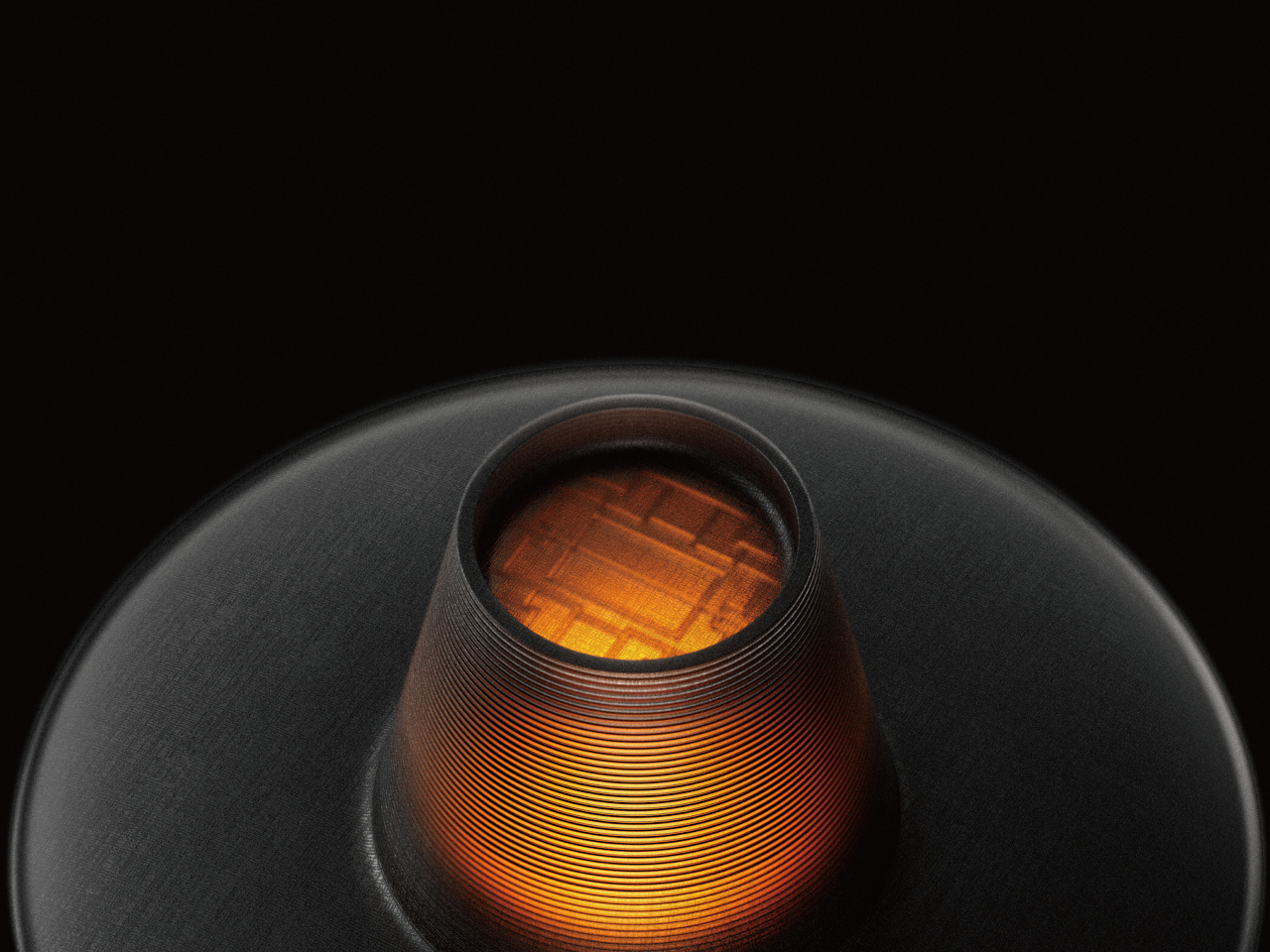
The lamp takes its name and form from the gat, guided by the concept of Ongojisin, a Confucian idea about discovering new value through tradition rather than reproducing it. The central body replicates the gat’s tall crown, covered in fine horizontal ridging that echoes the woven texture of traditional horsehair. The broad disc below re-creates the brim as a gently expanding, dish-like volume.
Ongojisin is usually translated as “warming the old to know the new.” The product title treats that not as a passive historical sentiment but as an active design instruction. Rather than styling a lamp to look vaguely traditional, the GAT takes the gat’s actual structure and recomposes it into a functioning lighting object, keeping every proportion and surface detail connected to a specific precedent.
The interior of the crown carries a lattice pattern drawn from traditional Korean window screens, invisible in ordinary light. Switched on, warm amber filters through the ribbed surface much as it once moved through hanji paper, producing the same quality of diffused, indirect glow that gave candlelit rooms their particular atmosphere. Off, the lamp holds its form as a sculptural object without needing to perform.
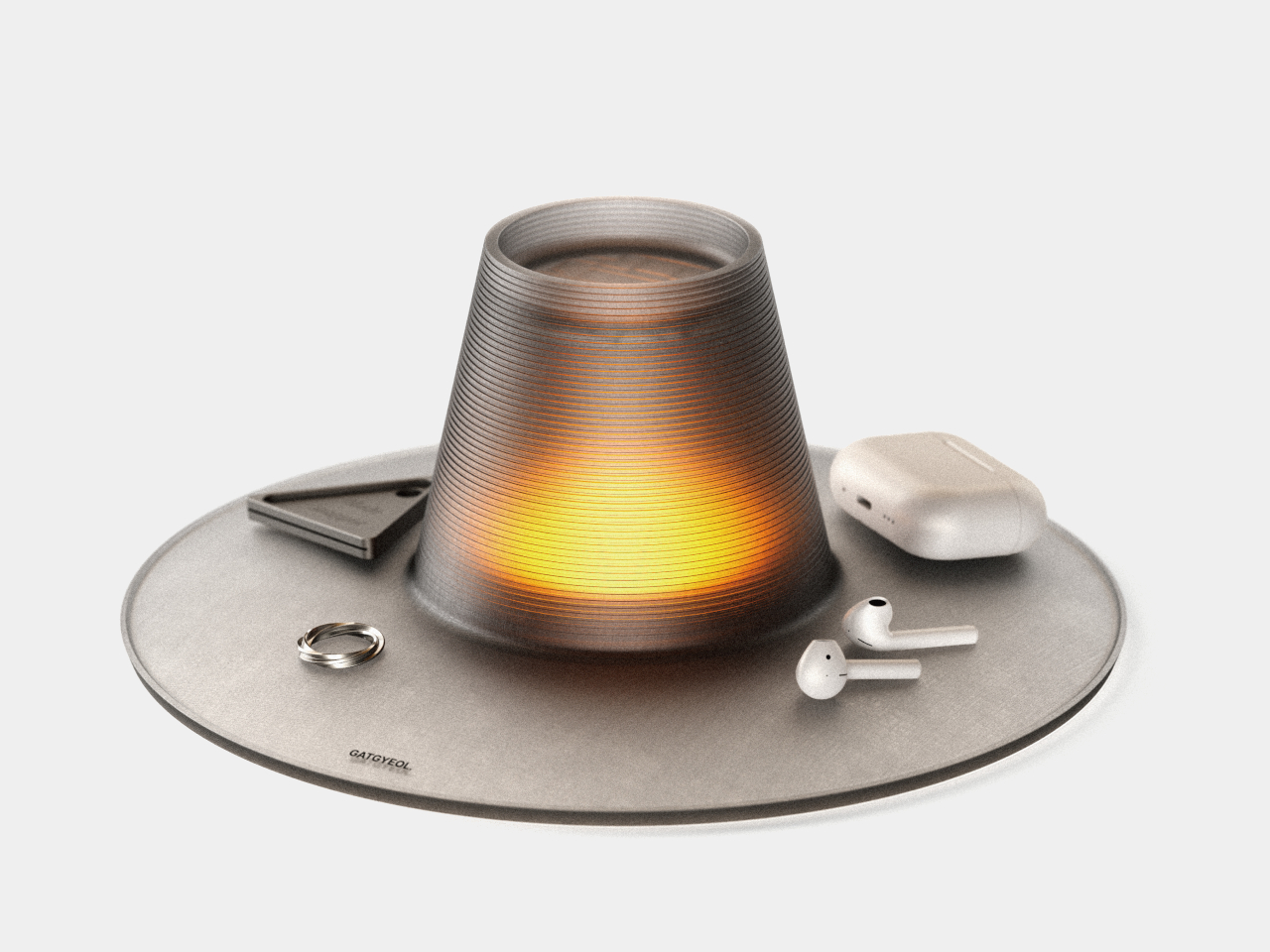
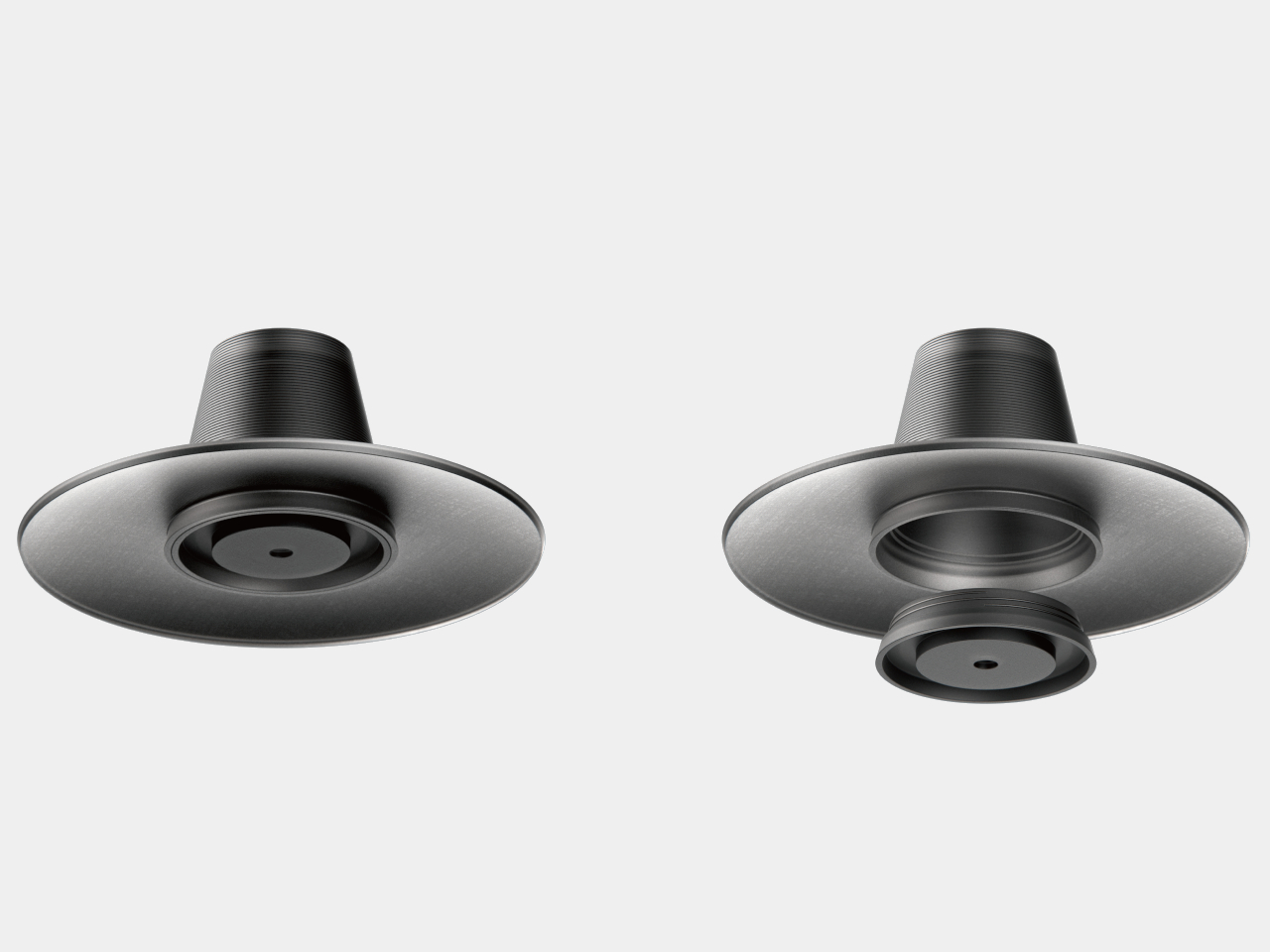
The wide disc does more than anchor the form. It serves as a tray, holding rings, earbuds, and whatever accumulates beside a lamp. Combining lighting with surface storage in a single object is uncommon in its category, and the gat’s broad brim is a natural vessel for it. An object worn historically to signal status is repurposed to hold what you put down at the end of the day.
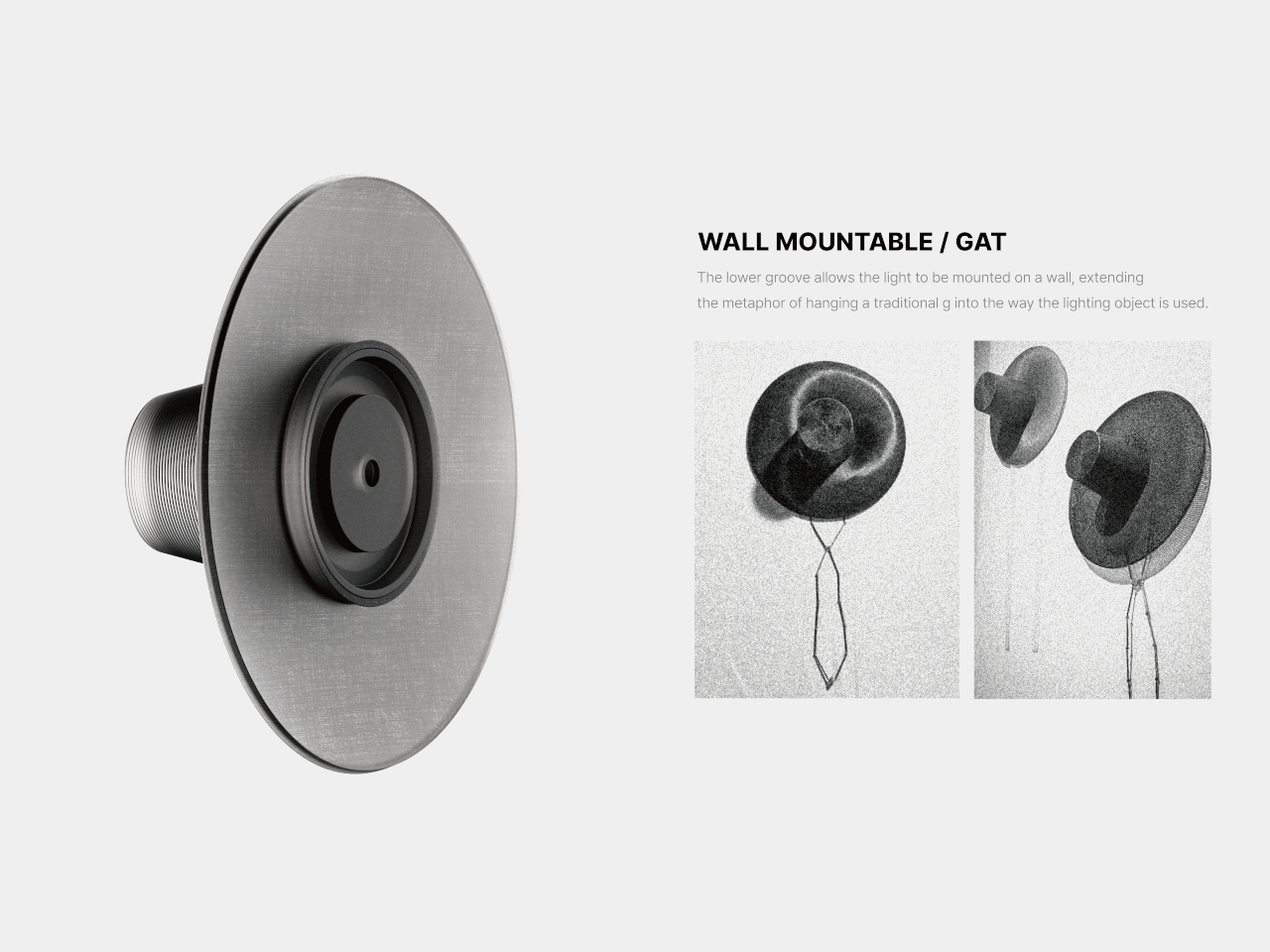
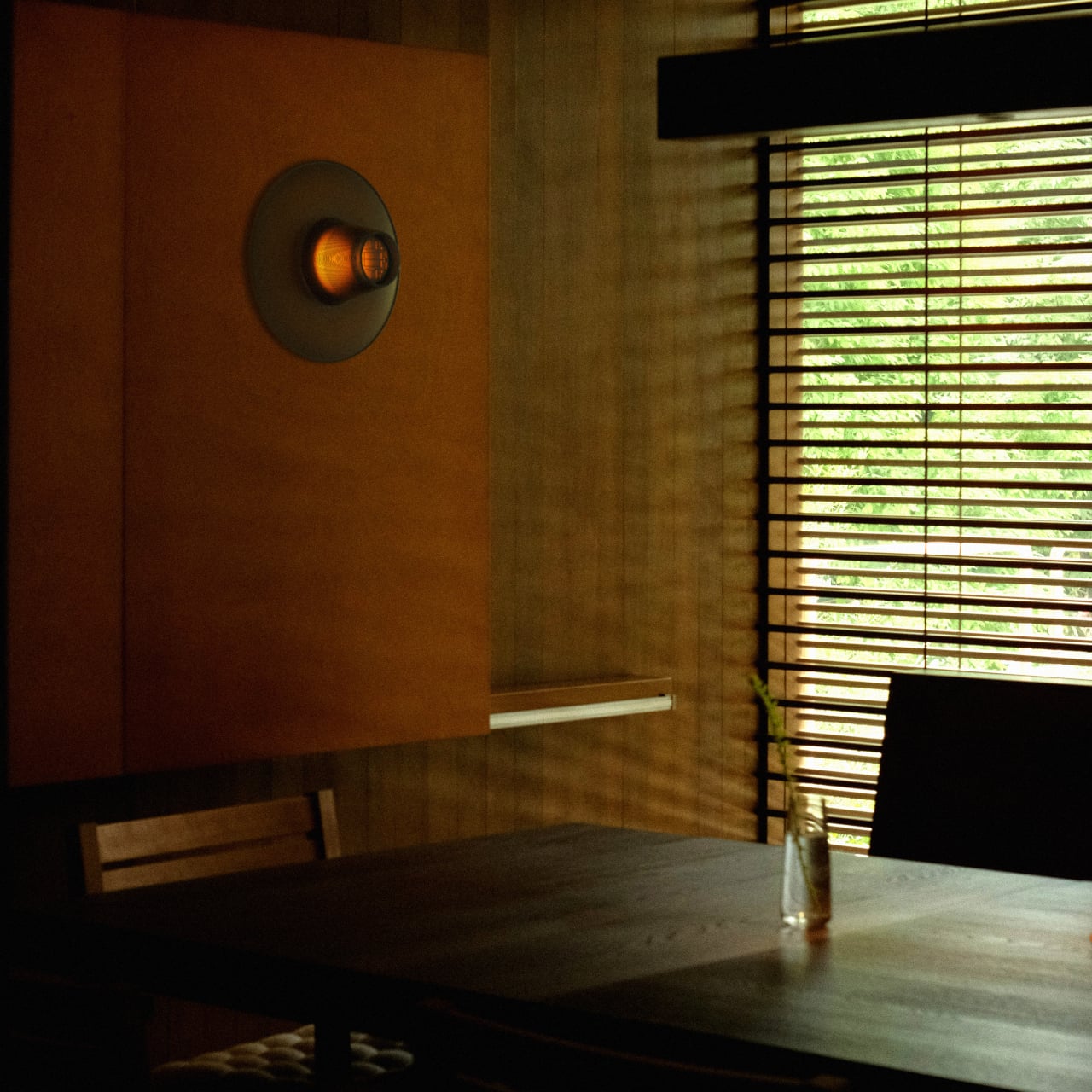
A groove on the underside allows the lamp to mount on a wall. A gat hung on a wall is a familiar image in traditional Korean households; the mounted lamp reproduces that image exactly but as a functioning light. The object becomes what the mounted gat always was: something that signals presence and considered taste in a room without requiring any explanation from its owner.
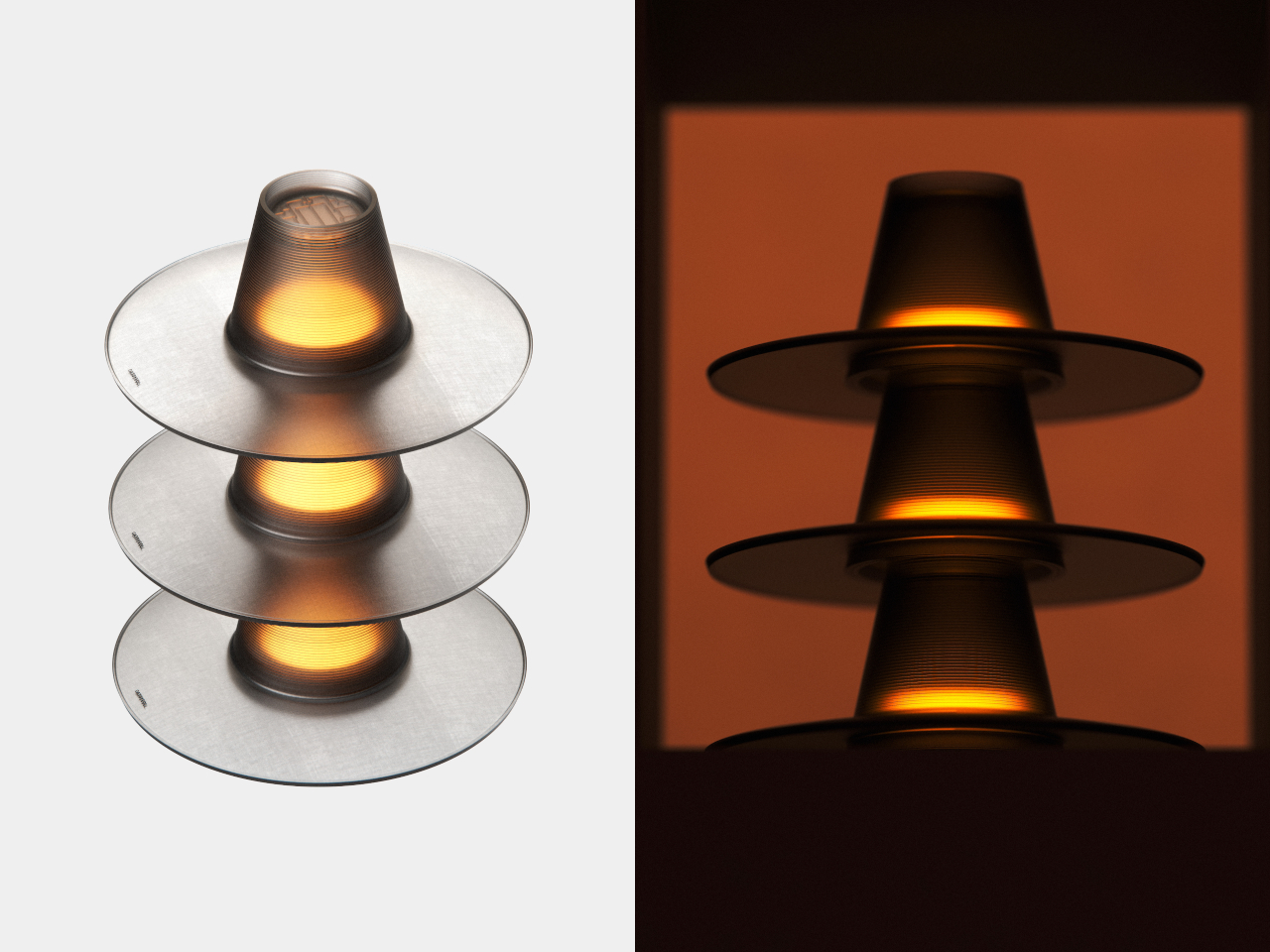
The lighting module attaches by twisting into place, mirroring how a traditional gat settled on the head: placed, rotated, secured. Multiple units can be stacked together. At no point does the design lose sight of the original. The horizontal ridging, the lattice pattern inside, the brim that becomes a tray, the groove that becomes a wall hook; each element traces back to the form it came from.
A gat was historically placed over a lamp to diffuse its flame; the hat and the light were always paired. The name for what covers a flame and the name for what sits on the head are the same word. The GAT lamp closes that loop, making the act of wearing light not a metaphor but the actual, literal function of the object.
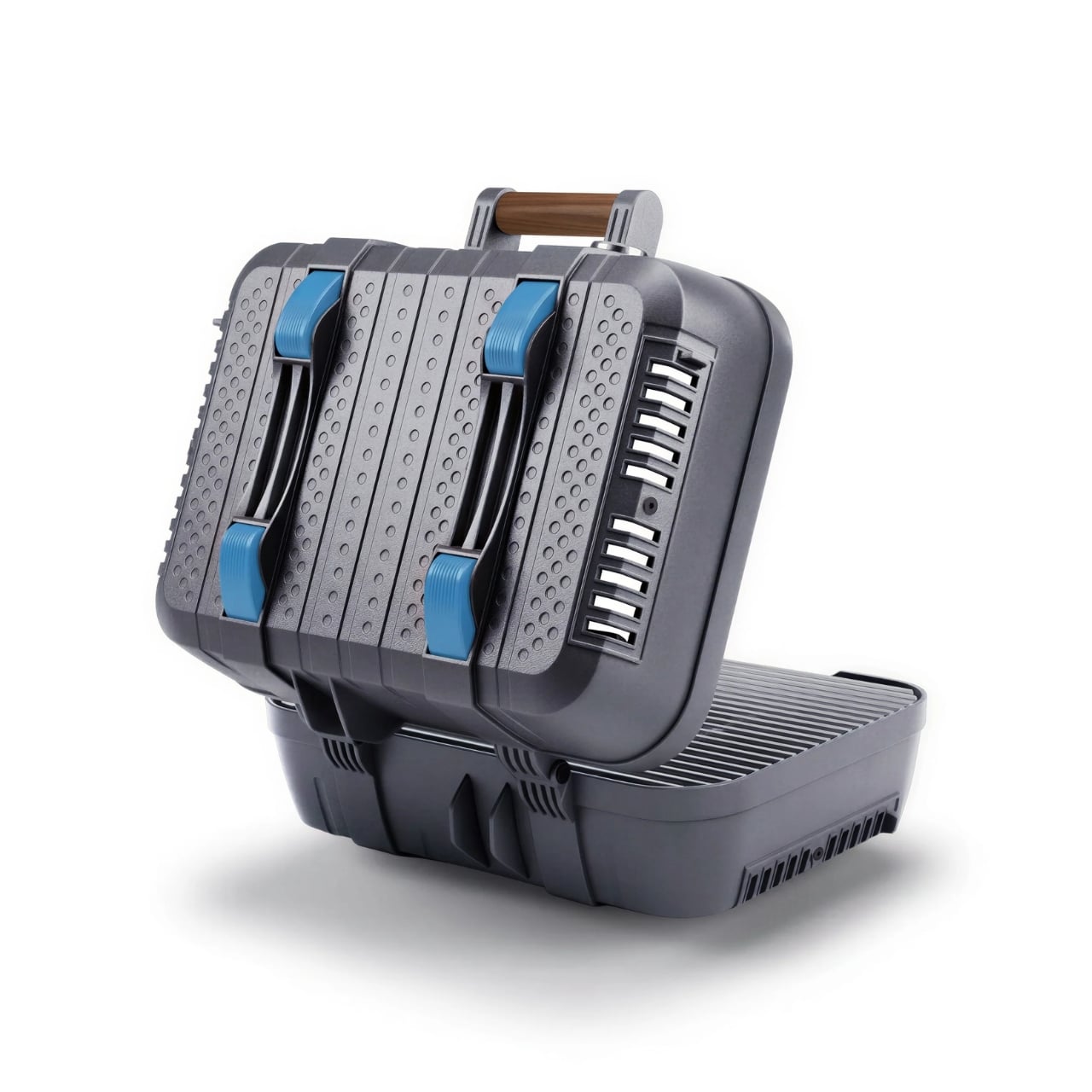
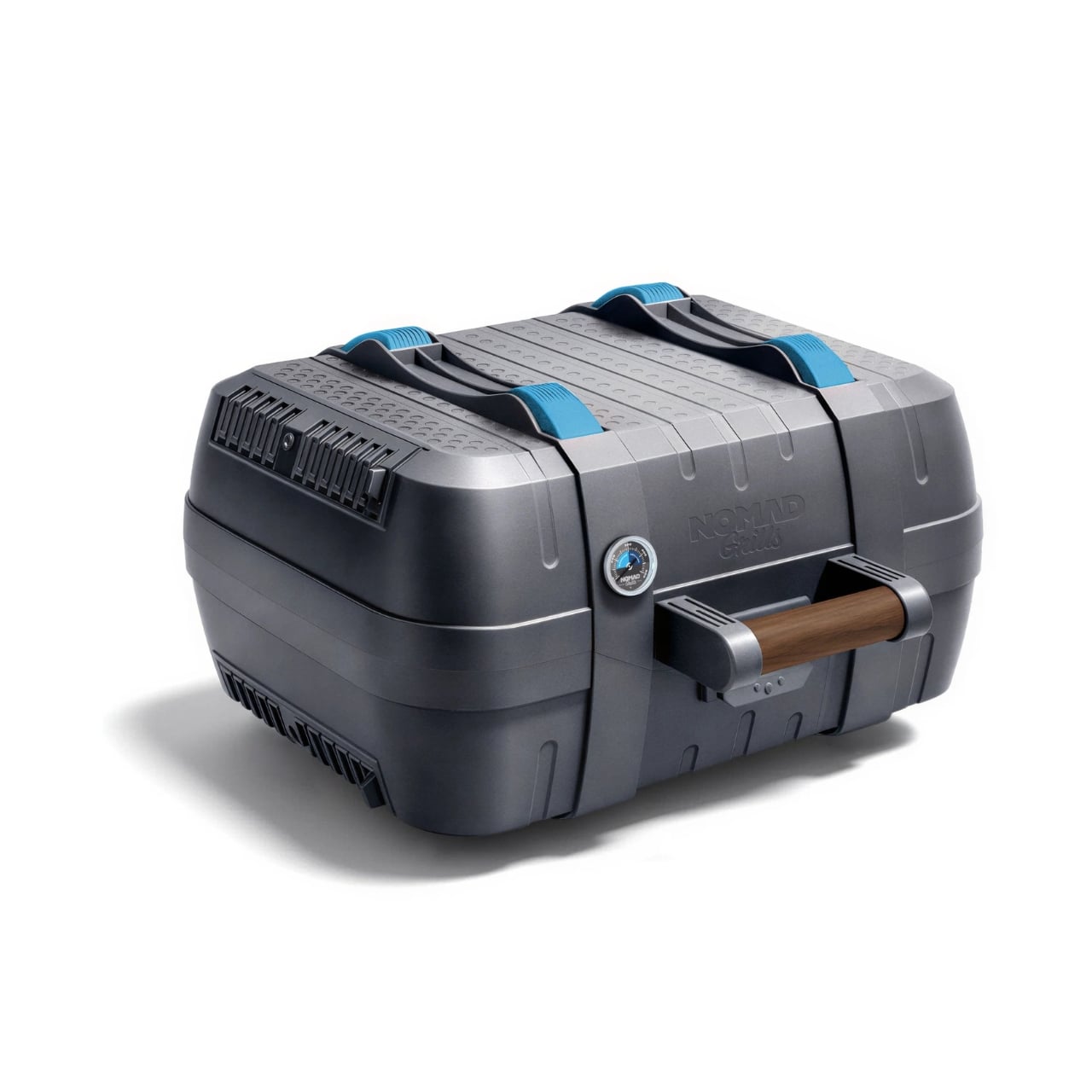
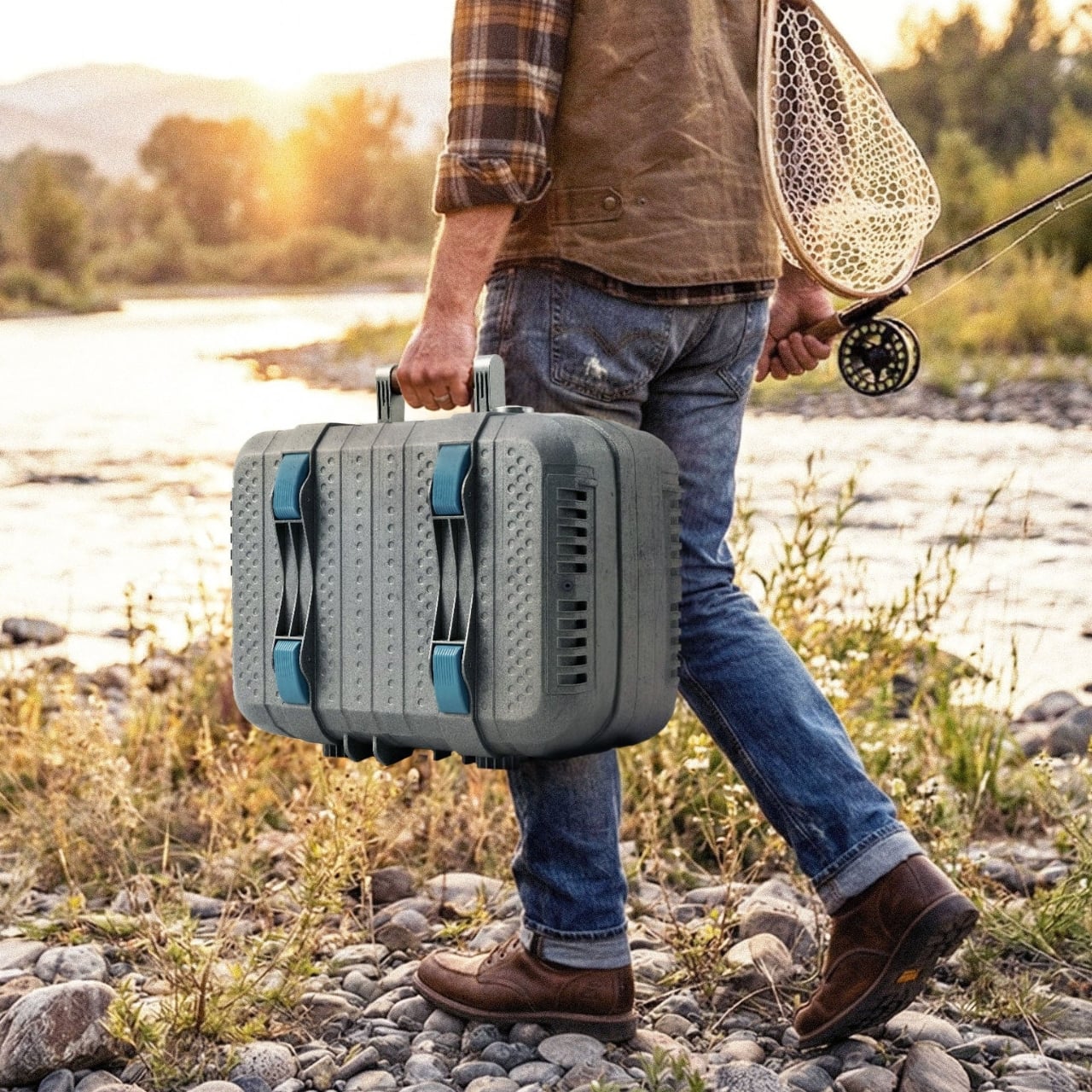
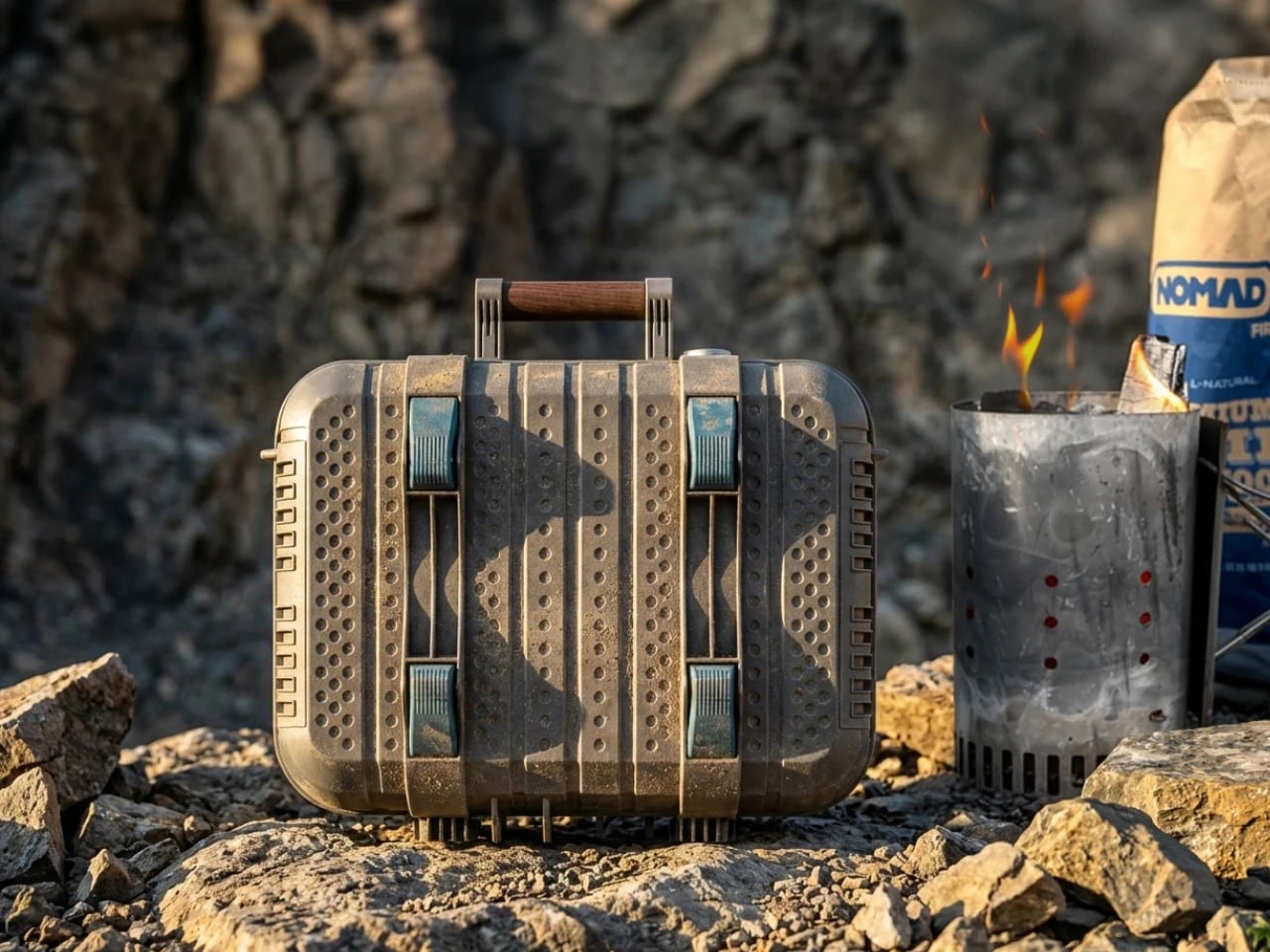
If you’ve ever stared down a bulky kettle grill and thought there has to be a better way, Nomad seems to have been listening. Their newest release, the Rodeo Grill & Smoker, looks less like something you’d find at a backyard cookout and more like something a very cool architect would carry through an airport. It’s a full-size charcoal grill and smoker folded into a suitcase footprint, and it’s hard not to be a little captivated by it.
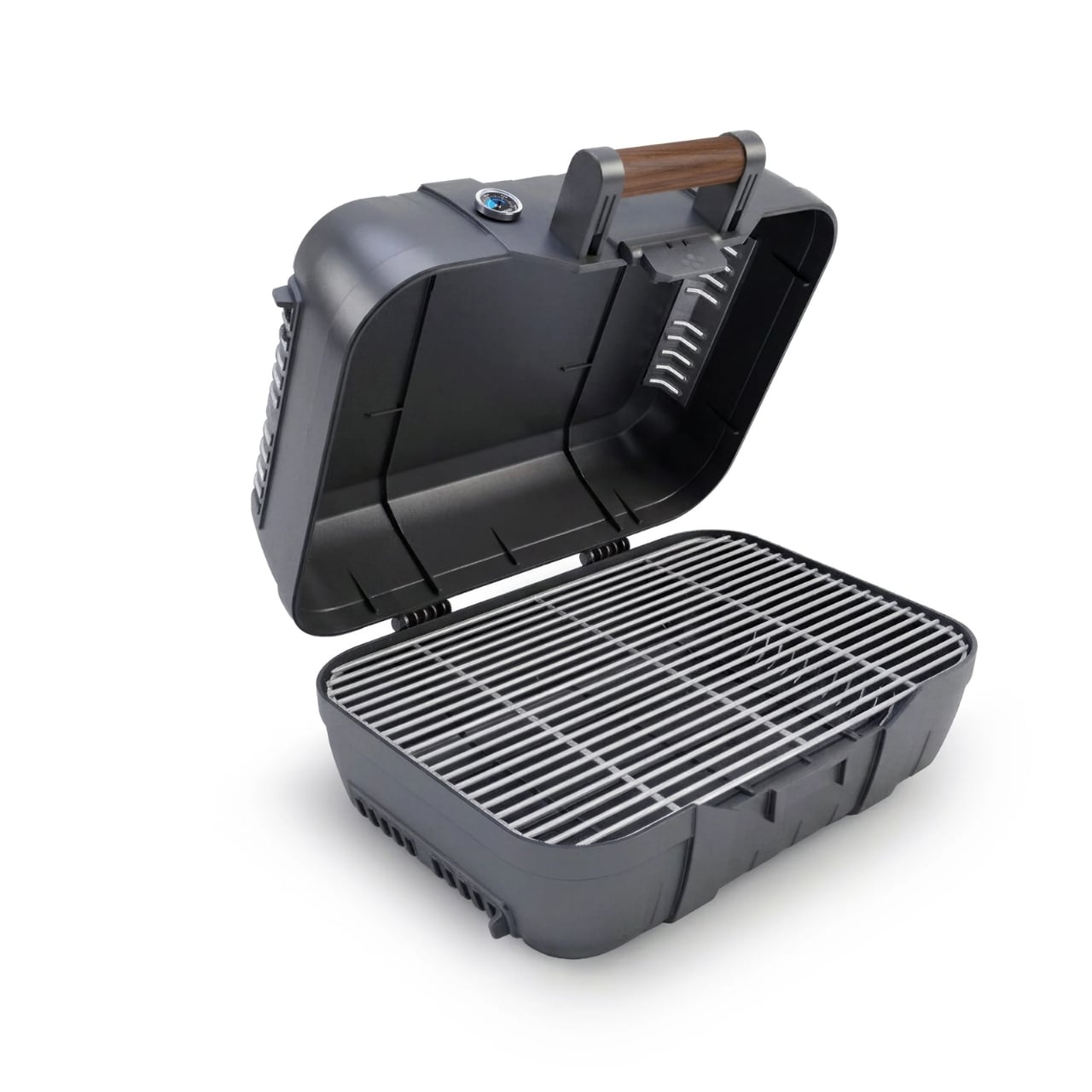
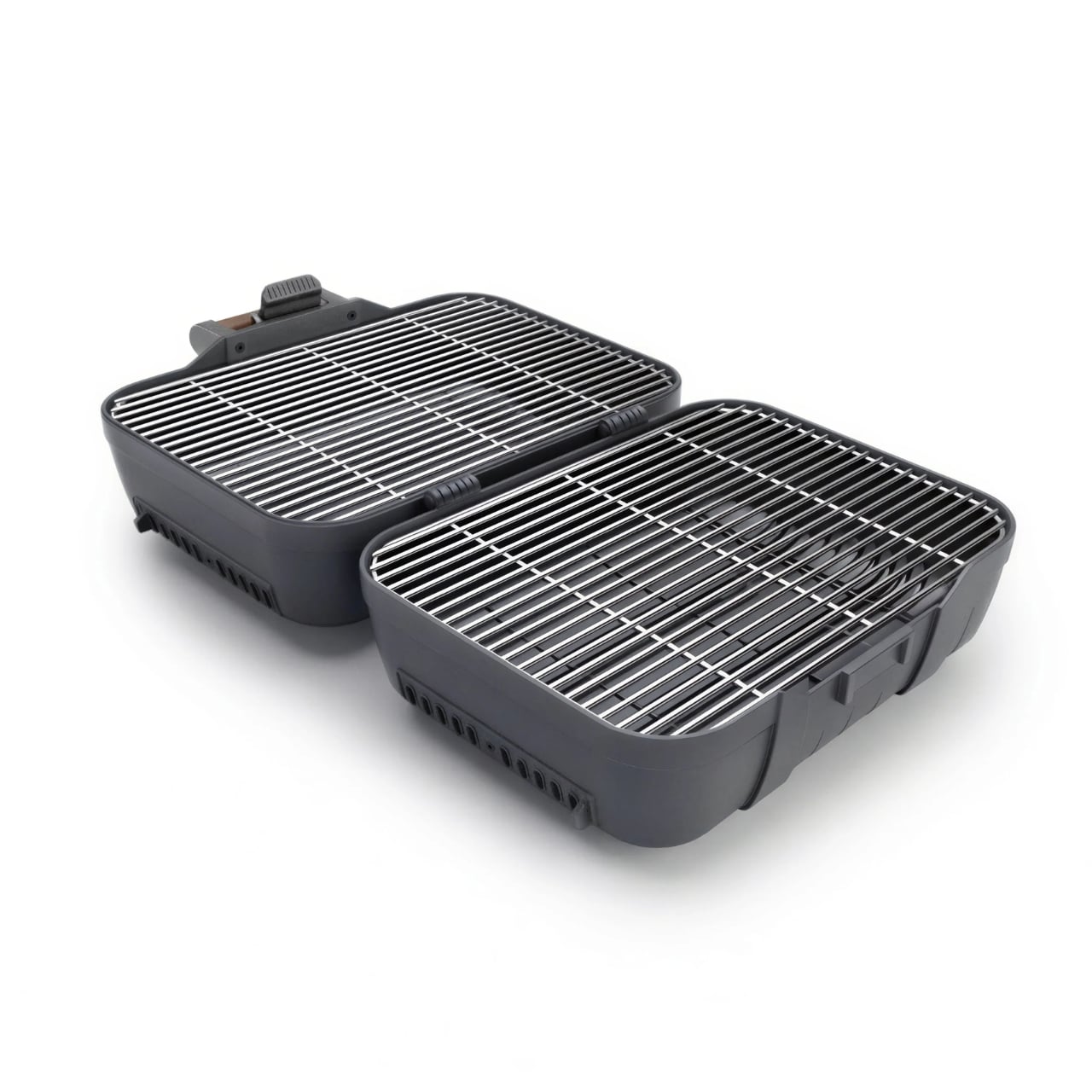
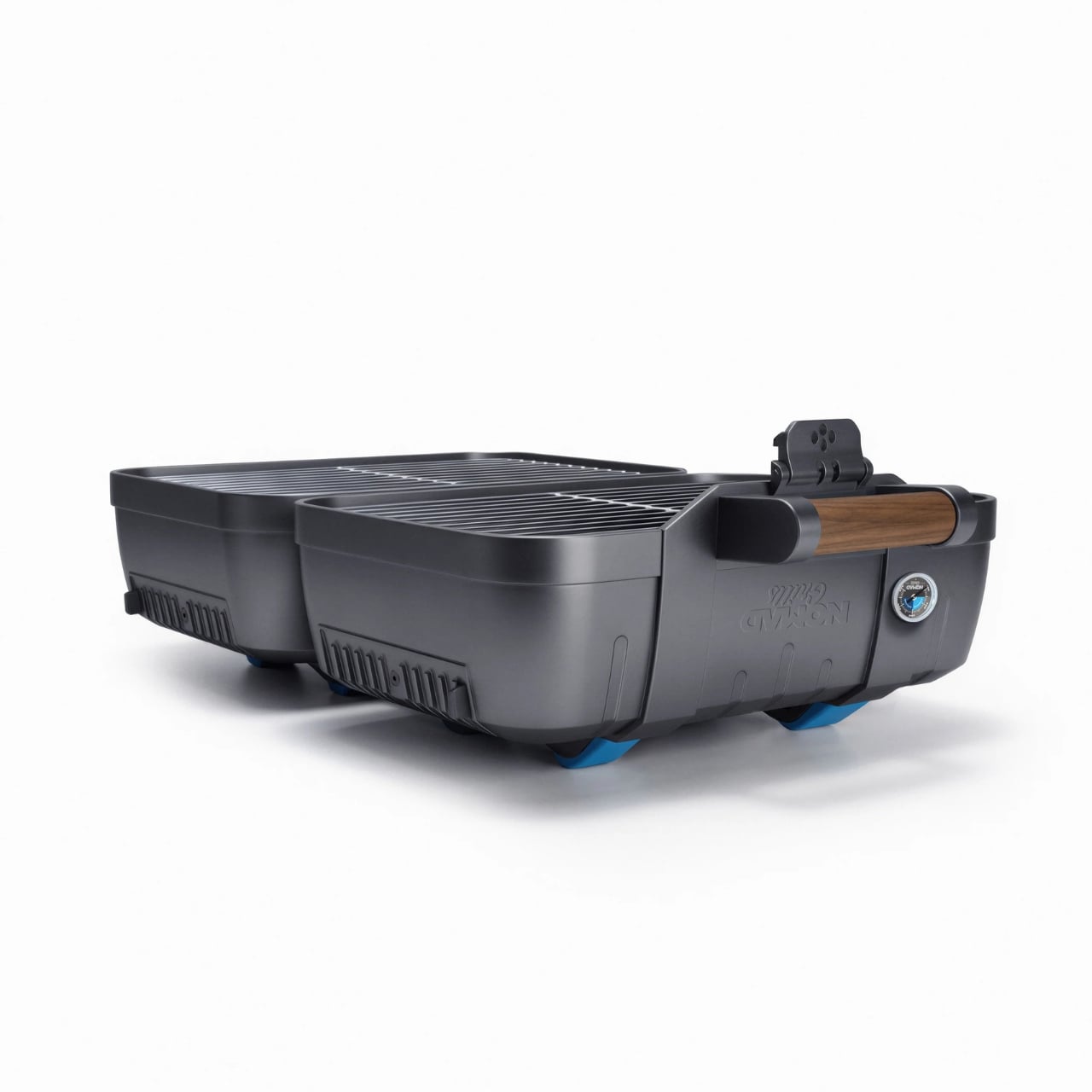
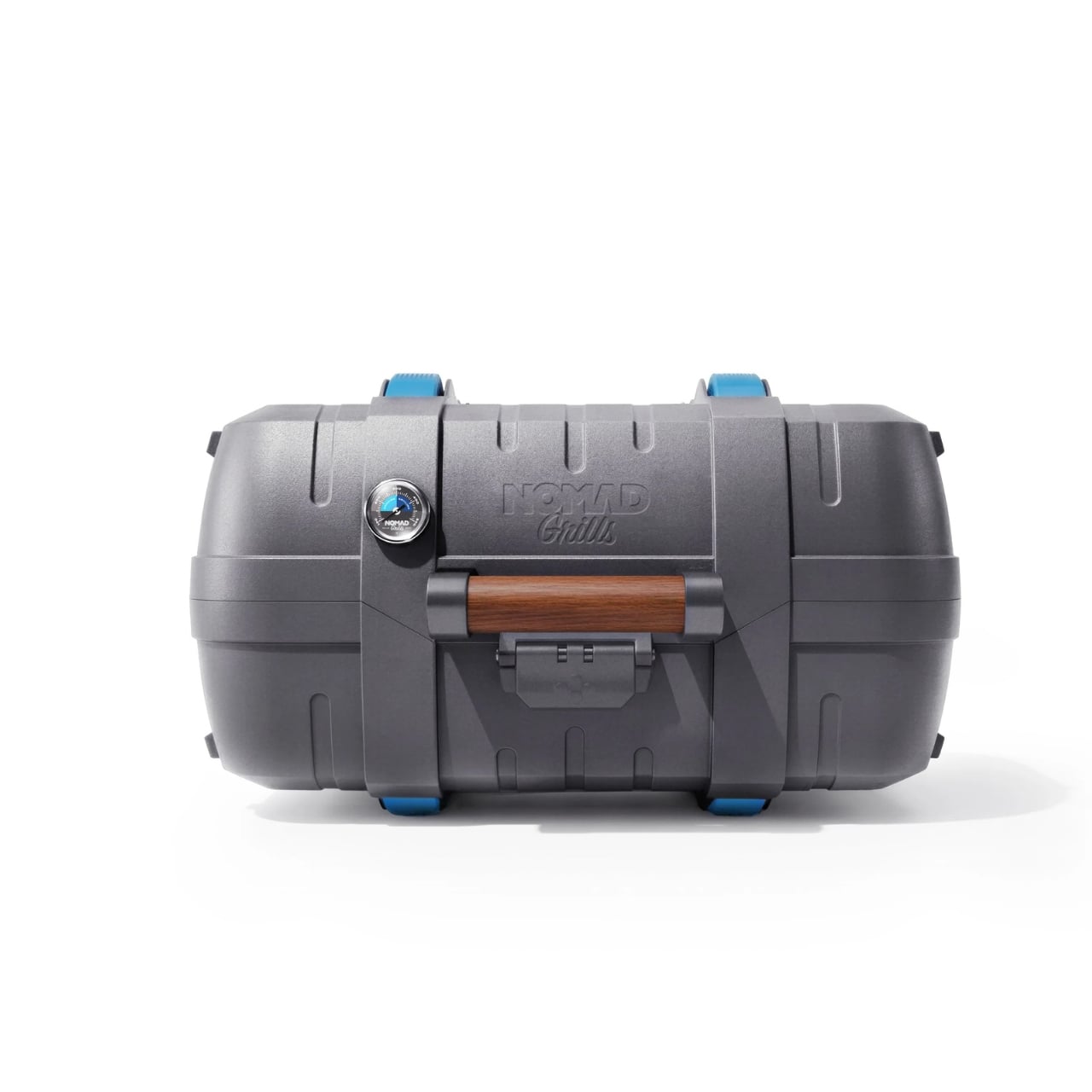
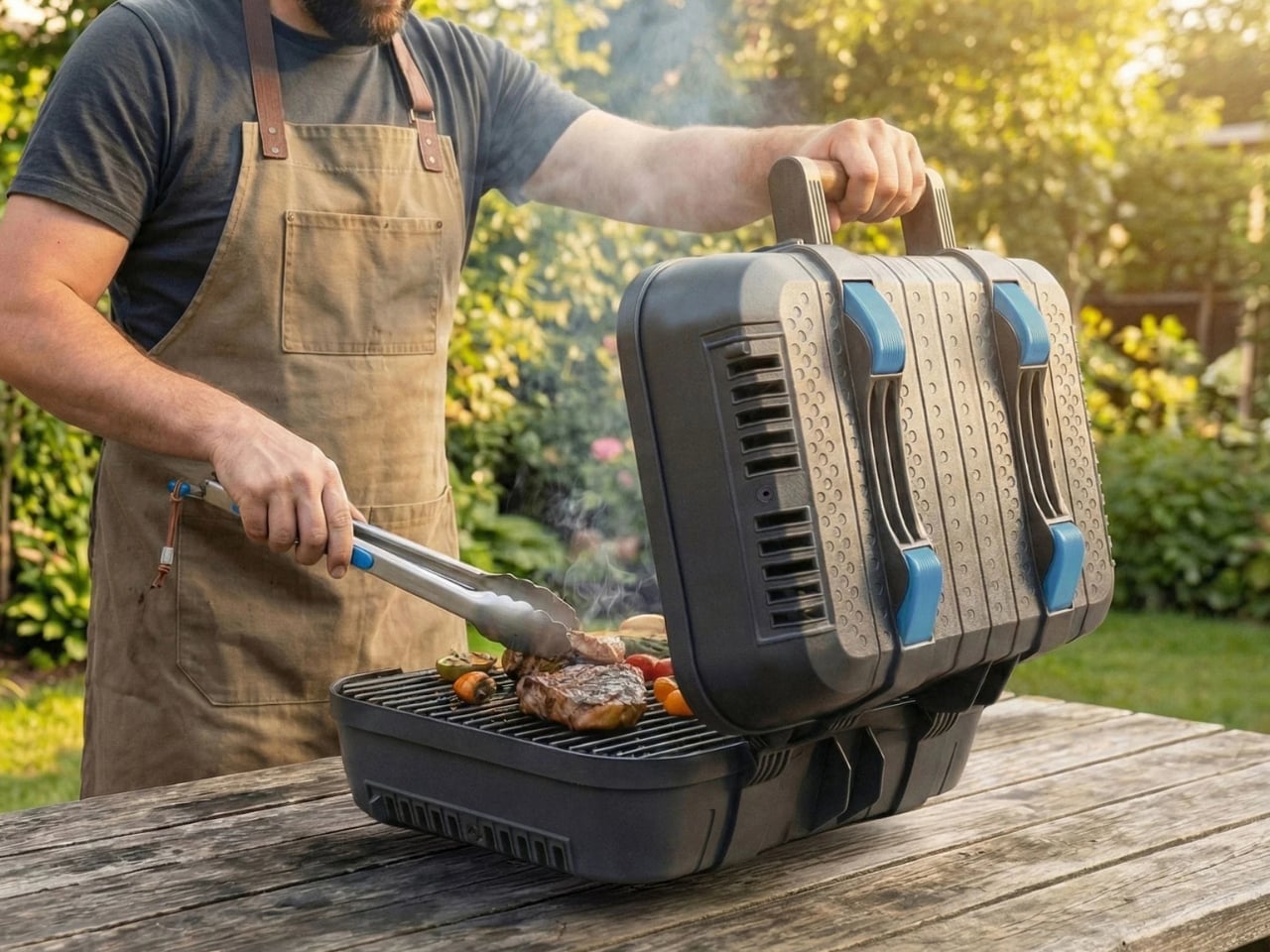
The design concept isn’t new for Nomad. The brand has been making suitcase-style charcoal grills for a while now, but the Rodeo is their most evolved and refined version yet. It’s built from unibody cast aluminum, weighs 22 pounds in its single-grate configuration, and opens up to deliver over 500 square inches of cooking space. That’s enough room for 36 burgers or two full racks of ribs, which is not a small number for something you can carry one-handed. The dual-grate setup is the main unlock here: run both grates for a big cookout, or drop to a single grate for a lighter everyday session at 250-plus square inches. One grill, two configurations. It’s a genuinely smart bit of engineering that doesn’t ask you to overthink it.
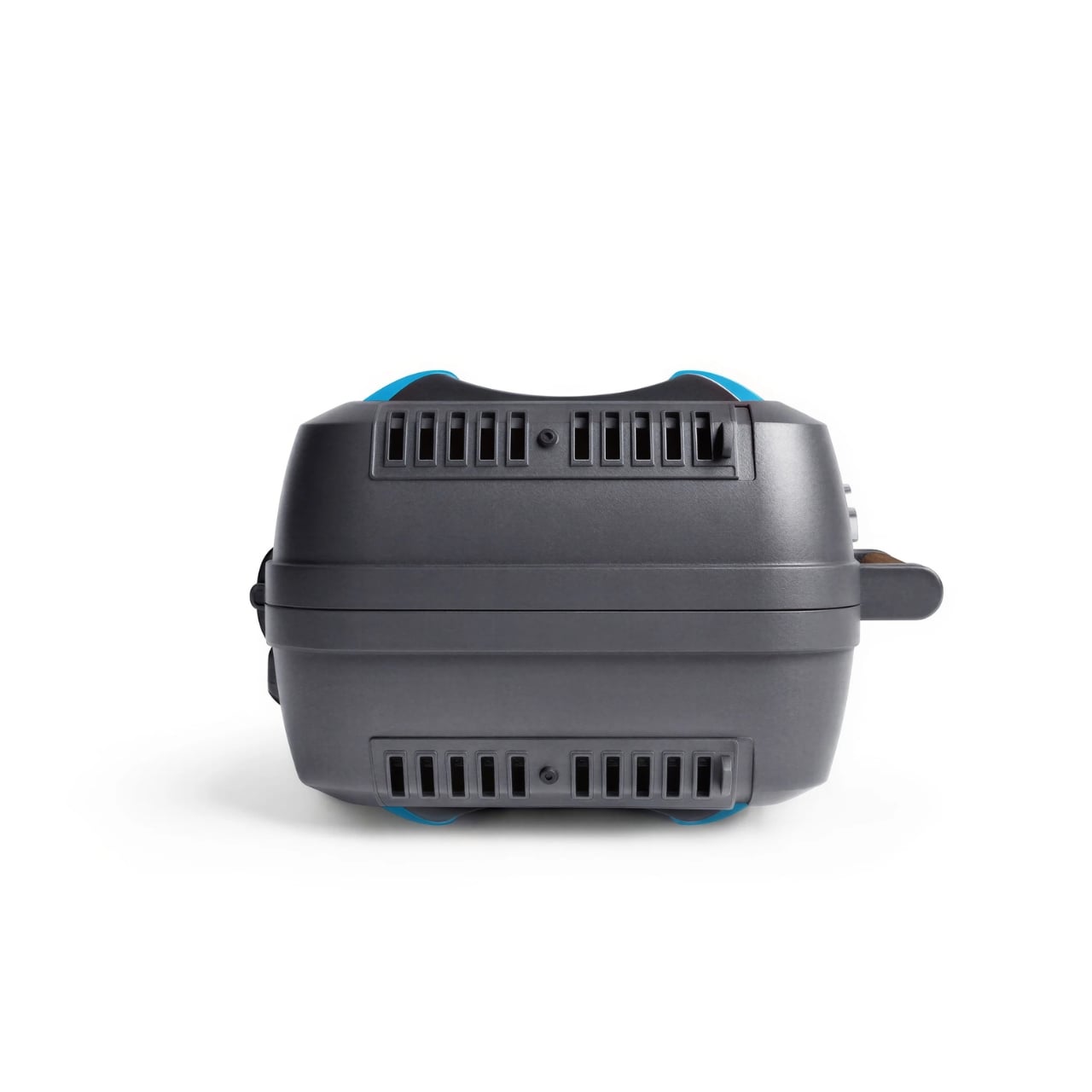
Nomad didn’t try to reinvent charcoal cooking with the Rodeo, and I genuinely respect that decision. No Bluetooth thermometer, no companion app, no subscription service hovering in the background. Just charcoal, fire, and flavor, which is a philosophy that’s been working for thousands of years. A built-in analog thermometer lets you monitor temperature without lifting the lid, and four side vents give you precise airflow control whether you’re going hot and fast for a sear or dialing it way down for a long, slow smoke. These are the details that actually matter when you’re cooking something that deserves your full attention.
The material choice also deserves some credit. Cast aluminum handles heat and weather better than the lightweight steel you often find in portable grills. The cooking grates are heavy-gauge stainless steel, and the finish is rated for extreme temperatures, meaning you’re not going to find peeling paint after a season of use. There’s also a solid walnut handle on the exterior, which is a small touch but the kind of small touch that tells you something about a brand’s priorities. Someone made a decision about that handle. It didn’t have to be walnut.
Nomad makes the Rodeo in limited production runs, which is either a deliberate scarcity strategy or simply a reflection of the realities of manufacturing something domestically. Either way, it’s made in the USA, priced at $399, and the first two drops have already sold out. Drop 3 is currently available for preorder with shipping expected in October 2026. The limited-run model does create a certain urgency around it, which works in their favor whether that’s the intention or not.
The $399 price point sits in an interesting spot. It’s not cheap, but for a grill built with this level of material quality and this much design intention, it doesn’t feel unreasonable. The original Nomad Grill & Smoker has nearly 2,400 customer reviews and a 4.9-star average, which is the kind of track record that makes a higher-end purchase feel a lot less risky. The Rodeo builds directly on that lineage with a more integrated design, better heat control, and more cooking space, so the upgrade argument is pretty clear.
Outdoor cooking culture has always had a gear obsession, and the Rodeo fits neatly into that conversation. But it also works just as well for people who simply want to grill well without hauling around equipment that takes up half a garage. It’s portable without being a compromise, and it’s designed well enough that you’d actually want to leave it out on a patio. That combination is rarer than it sounds, and it’s why the Rodeo feels like more than just another portable grill.
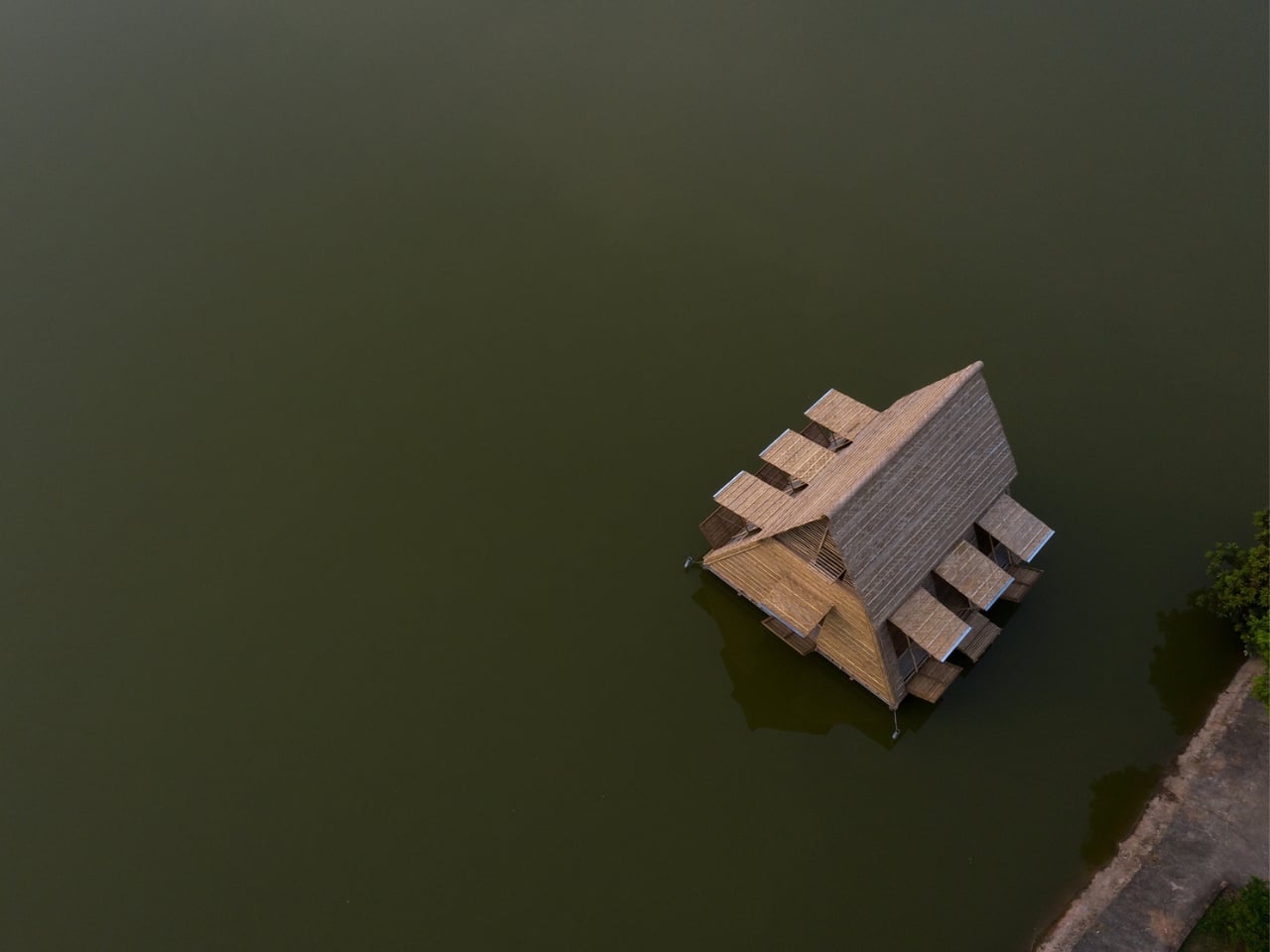
The Mekong Delta has always lived by the rhythms of water. Its rivers rise and fall with the seasons, and the people who call this region home have spent generations learning to move with it rather than against it. But what happens when the water stops being seasonal and starts being permanent? That question sits at the heart of one of the most quietly radical housing concepts to come out of Southeast Asia in recent years: the Floating Bamboo House by Hanoi-based H&P Architects.
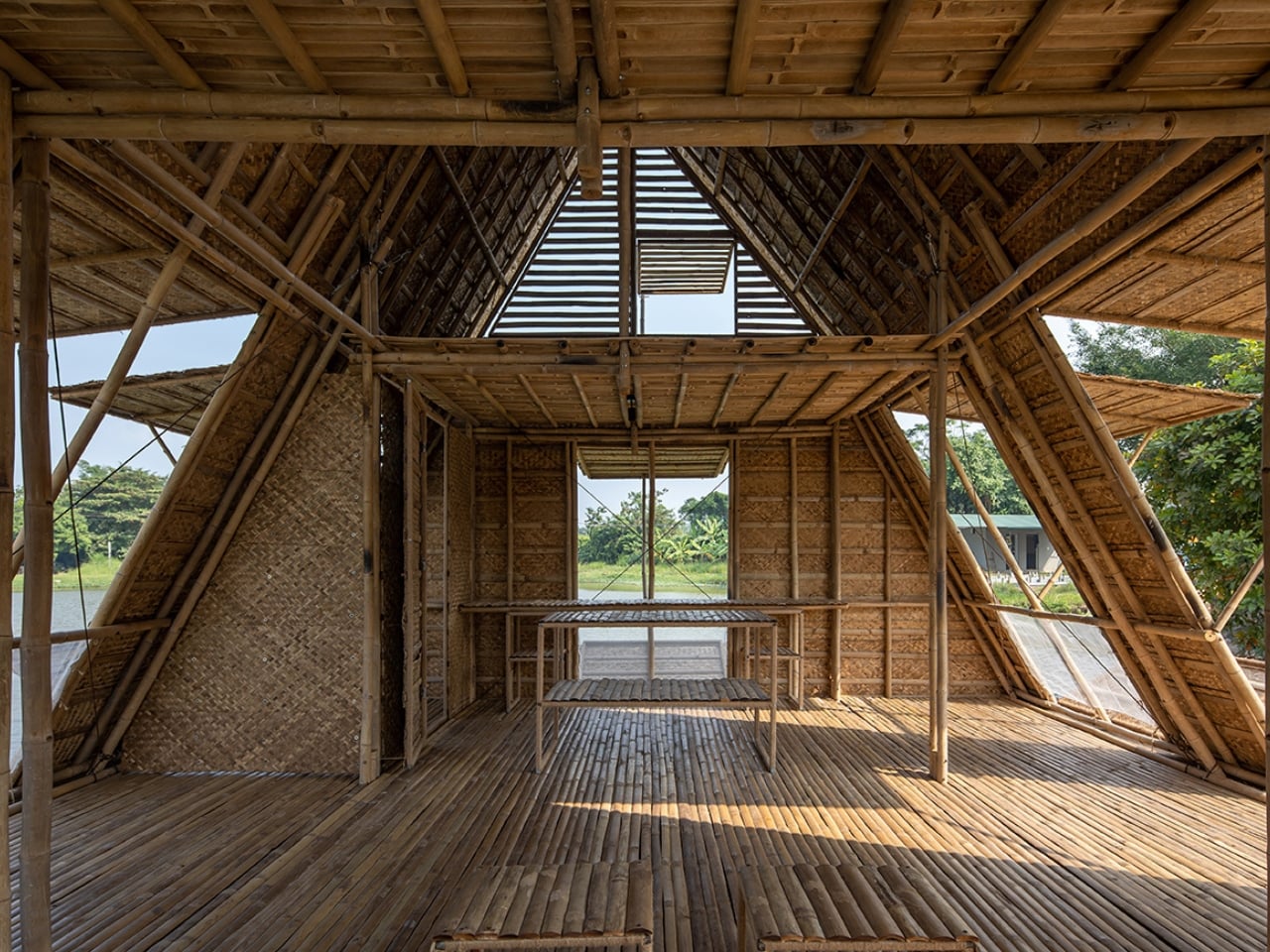
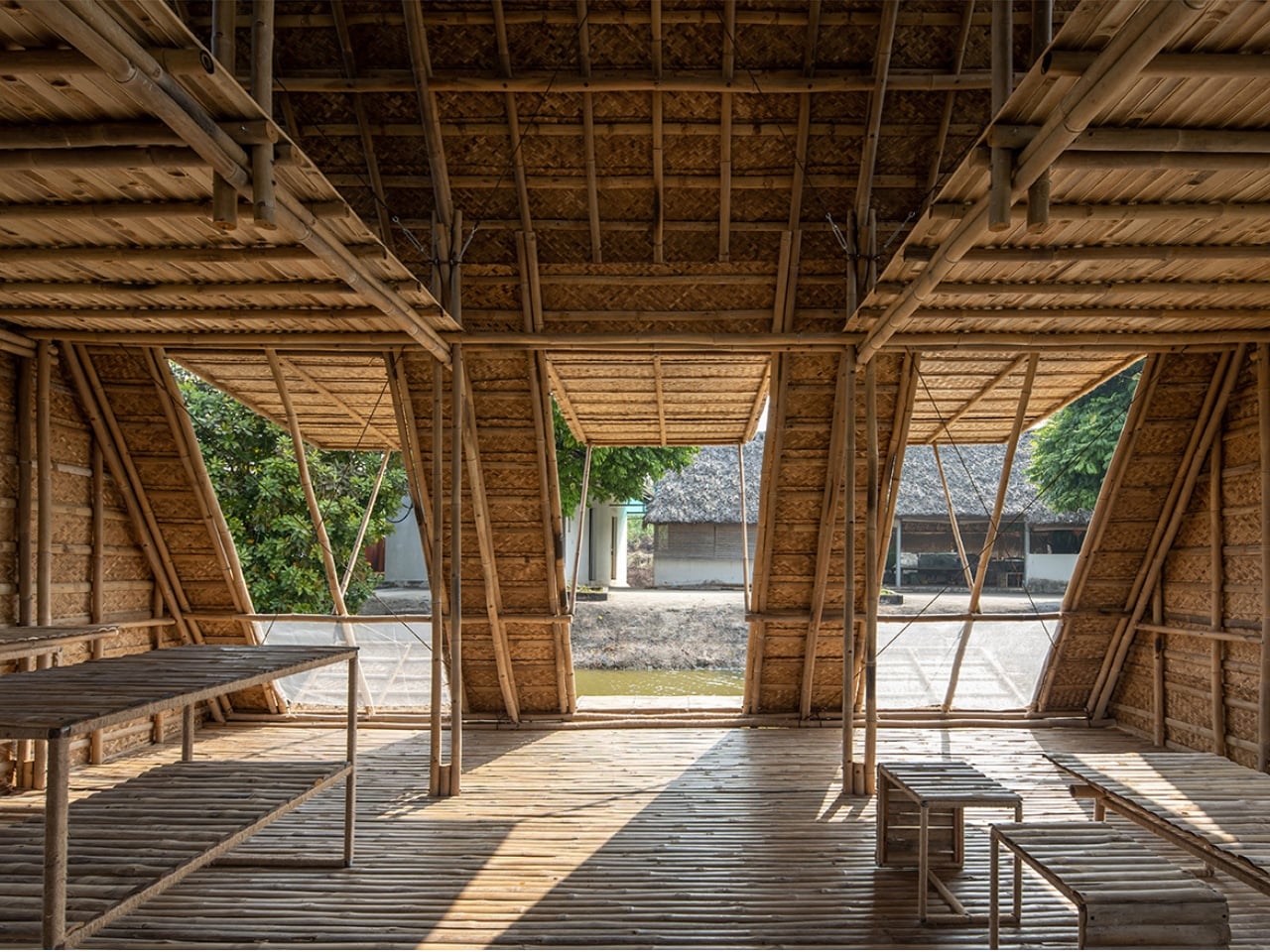
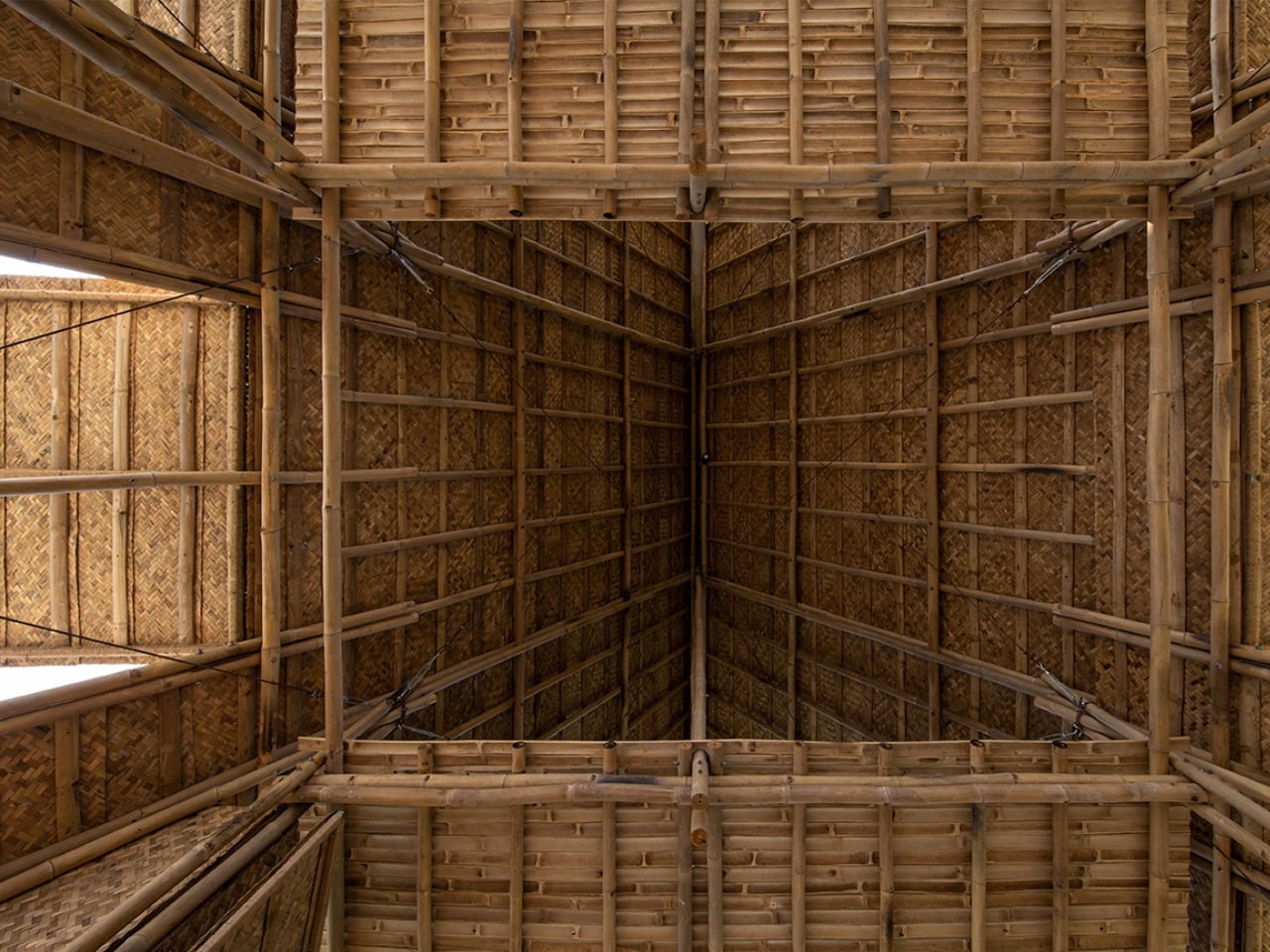
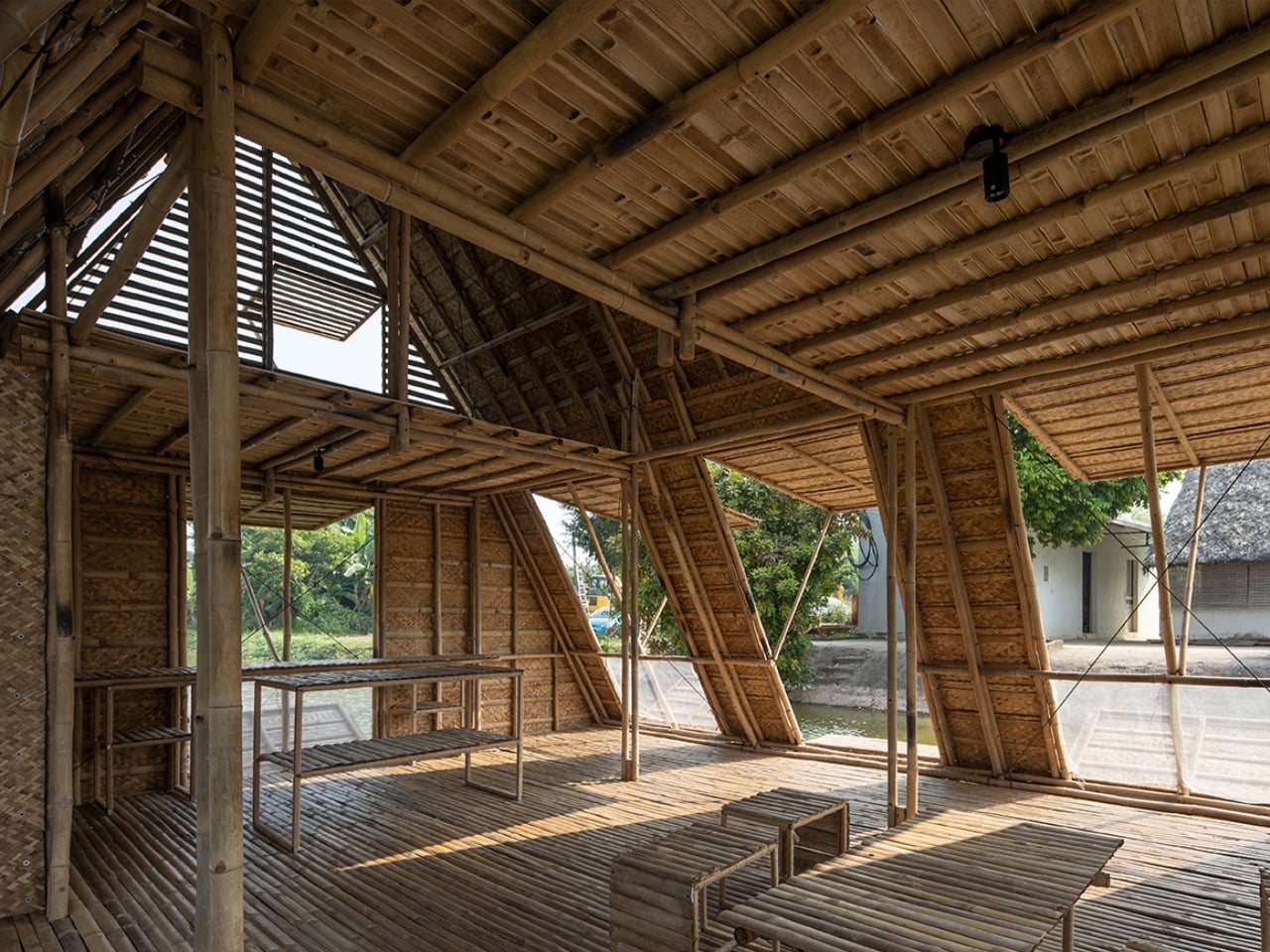
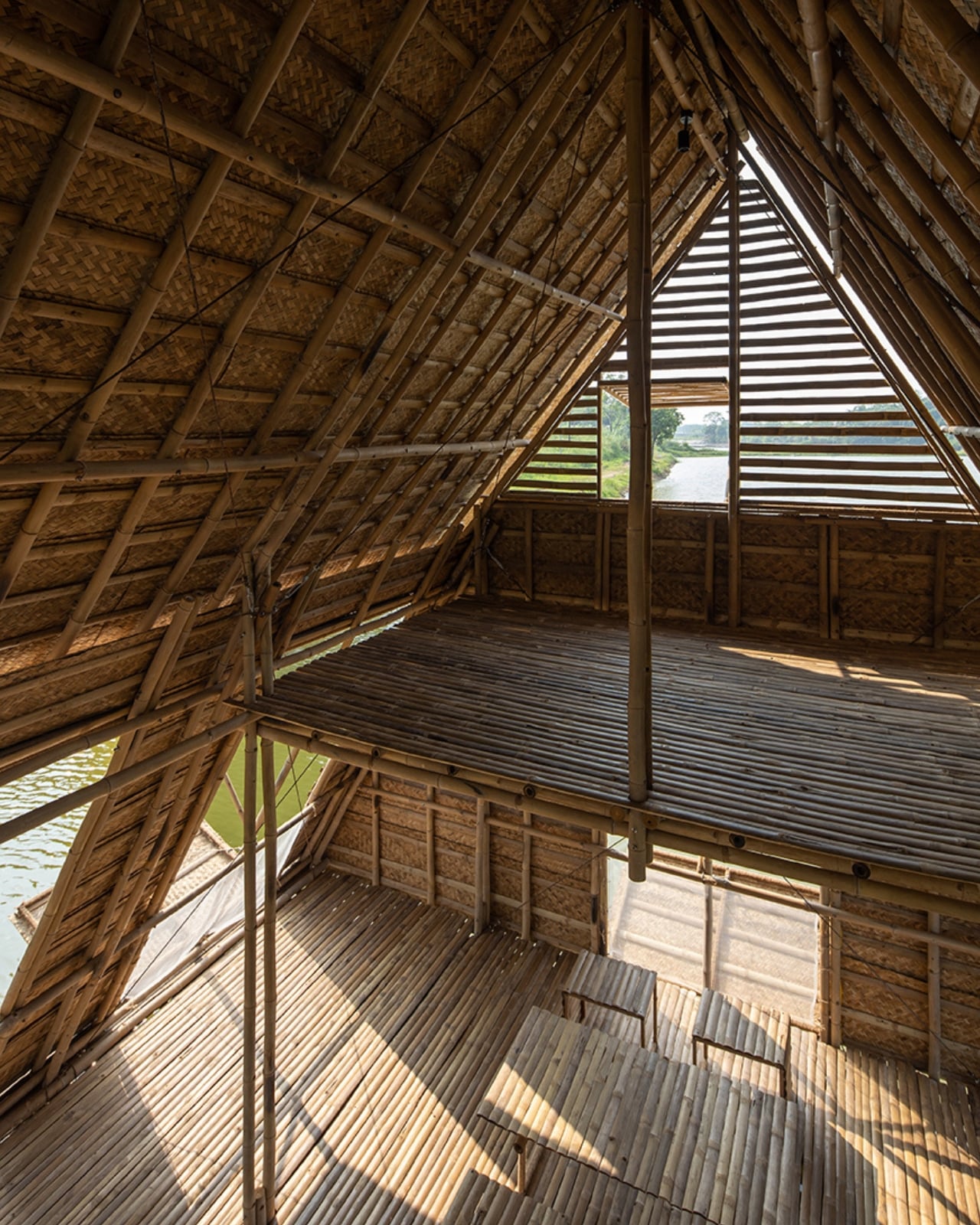
The project, also known as Nhà tre nổi, started as a prototype for Vietnamese communities whose lives and livelihoods are tied to the river. The structure is a three-compartment home built from solid-cored bamboo, with pieces ranging from three to six meters in length, joined with latches and ties rather than industrial fasteners. Beneath the floor, a system of plastic drums keeps the whole thing afloat. It sounds almost too simple, which is exactly why it works.
The exterior and interior are covered in lightweight materials: compacted bamboo sheets, leaves, perforated iron, and bamboo panels. Doors and panels open and close in ways that reinforce the structure during bad weather, and when skies are clear, the same openings let the house breathe. Two prototypes have been built so far, both in Hanoi province. Neither of them looks like a compromise.
What makes this project feel culturally grounded rather than just architecturally clever is how it draws from Vietnam’s own building history. The open interior mirrors the Rông house, a communal structure used by ethnic minority groups in Vietnam’s Central Highlands, and the Đình pavilion, a longstanding civic gathering space. When the second-floor panels are removed, the home can transform into a classroom, a library, or a meeting hall. The house doesn’t just shelter people. It creates the possibility of community.
It also scales. H&P Architects envision multiple FB Houses eventually forming floating neighborhoods, connected by playing grounds, vegetable-growing rafts, and fish-raising areas. This is not a niche design experiment meant for a magazine spread. It is a serious proposal for how people can continue living with dignity in places the climate is actively reshaping.
Vietnam is one of the countries most exposed to sea-level rise. A predicted one-meter increase would flood nearly half of the Mekong Delta and affect somewhere between 20 and 30 million people. That context reframes everything about this project. Bamboo becomes not just a material choice but a statement about what resilience actually looks like at the scale of everyday life.
I keep coming back to the fact that the most compelling design work right now isn’t coming from luxury firms building dramatic icons for wealthy cities. It’s coming from architects willing to work with local knowledge, accessible materials, and real constraints. H&P Architects didn’t design a vacation house that happens to float. They designed a home that a low-income family can build and maintain, that connects to the land it came from, and that has enough cultural intelligence to feel like it belongs there.
The Floating Bamboo House isn’t trying to be photogenic. But it is. The studio’s own description of the finished structures as “like flowers amidst floating waters” is one of those rare phrases that makes you pause because it actually earns its poetry.
If the broader design world is paying attention, and I think it should be, projects like this are worth more than admiration. They are worth studying, funding, and scaling. The climate conversation in design tends to get stuck on materials certifications and carbon metrics. What H&P Architects is offering is something harder to quantify: a model of living that bends rather than breaks, that takes its cues from the place and the people it was made for, and that treats resilience not as an aesthetic but as a form of care.