Modular mixed reality goggles aim for a fusion of fitness and fashion

Smart eyewear is back in fashion, especially thanks to Apple finally announcing the Vision Pro. Although its design pretty much still falls under the “headset” category, the ultimate goal of many of these wearables is to be as inconspicuous are regular spectacles or sunglasses as possible. Easier said than done, of course, especially when you need to cram plenty of electronics in such a small space. There are advancements in that area, of course, to the point that it might be possible to fit almost all the necessary components on or near the lenses. That kind of technology will open the doors to a wider variety of wearable designs, including one where you can swap frames to be as sporty or as classy as you need your mixed reality eyewear to be.

Designers: Ben Melvin, Jo Barnard, Dan Lloyd, Harry Mason (Morrama)

There are actually quite a number of designs for smart eyewear, depending on how complicated they need to be. Some include more complex computers and the usual design involves a headband that you wear around your head. Others simply mirror the screen from your phone or computer, so they can just look like overgrown sunglasses. But if you can settle for something even simpler, you might be able to condense everything around the lenses so that the frame is really just a frame, one that you can even replace more easily than with prescription glasses.

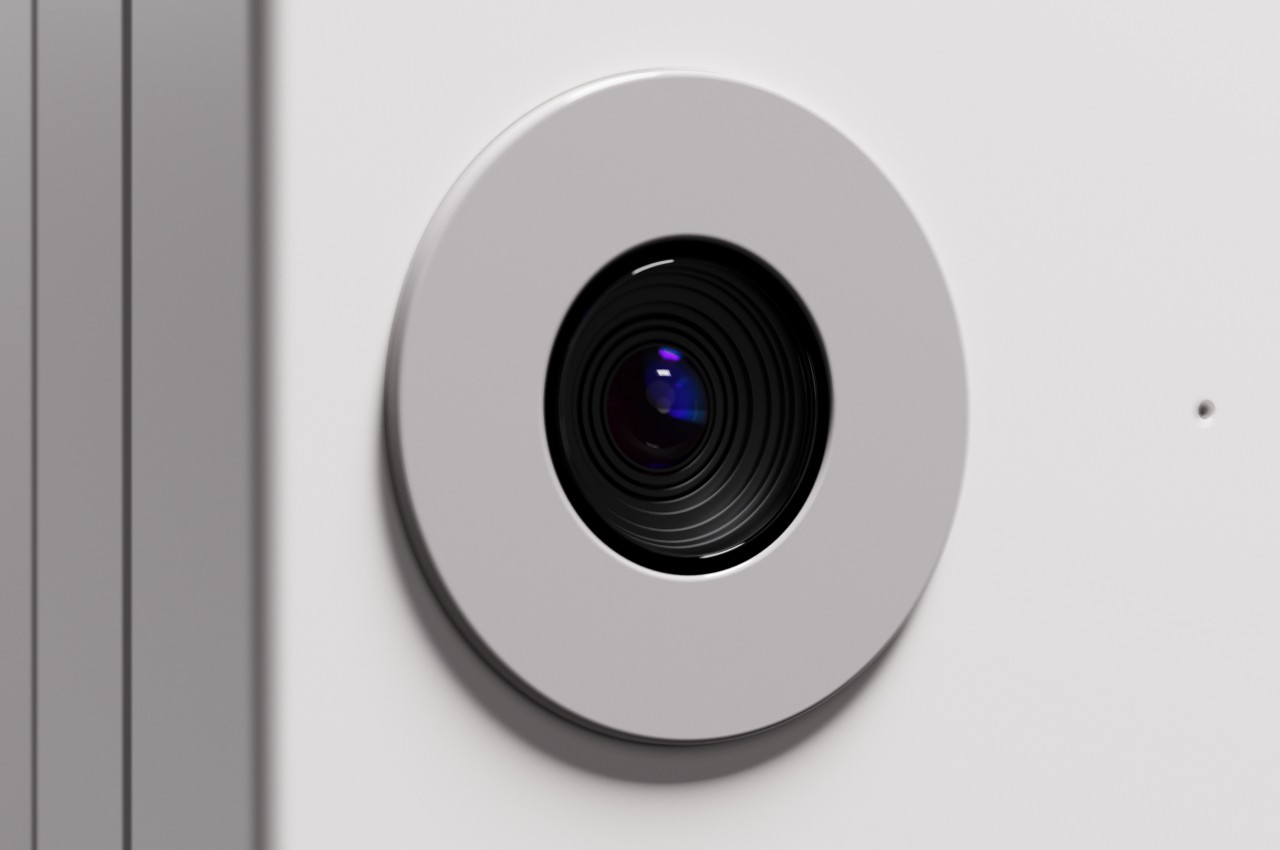
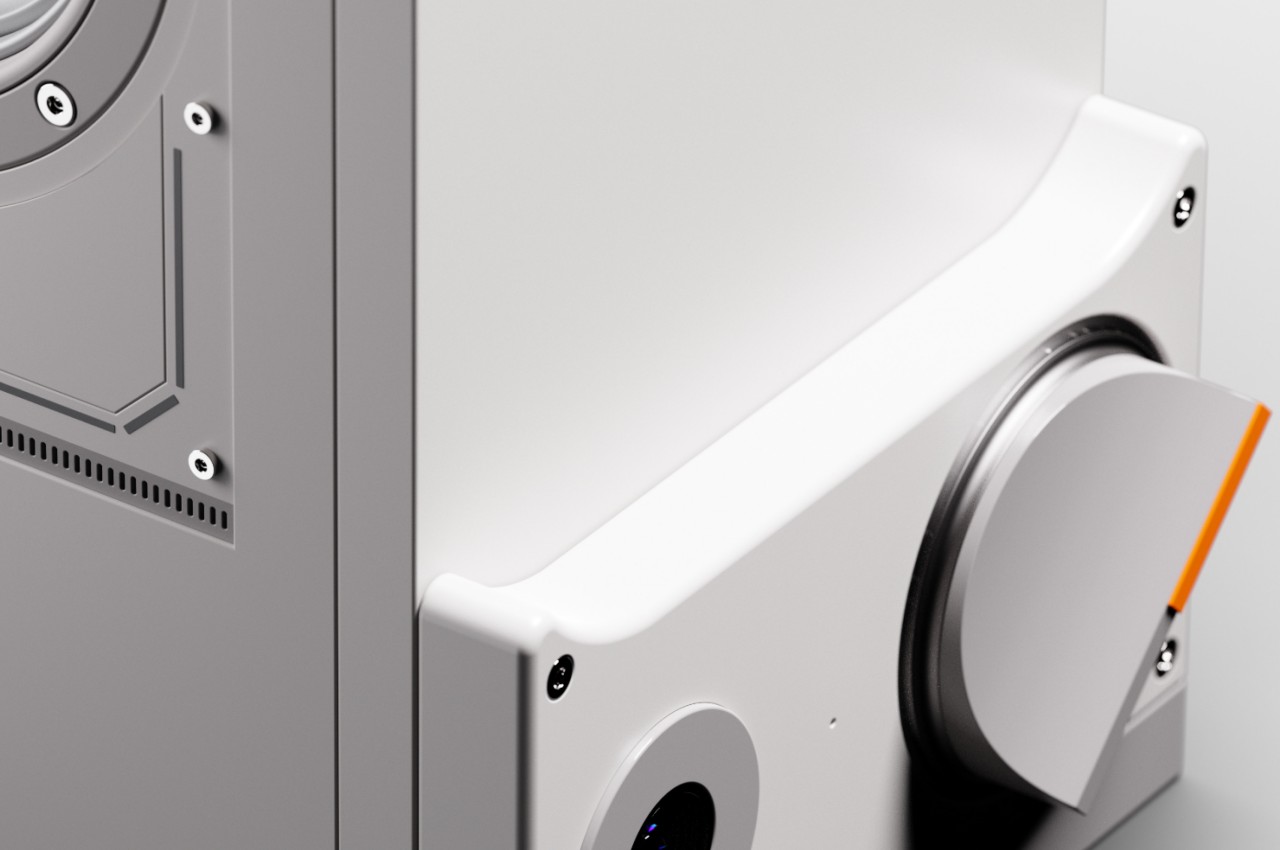
Morrama Issé is a concept for mixed reality eyewear that takes advantage of such a design by making the lenses and the frame two connected but independent pieces. The lenses are not your average pair and look more like sports visors. The rim of the visor is quite thick which is where all the electronics will be hidden. In other words, the visor can function on its own without the frame, and the frame only provides the structure that will hold the visor up on the wearer’s face.

This means that the frames are interchangeable, letting the wearer choose the style of the frame depending on where they want to wear the mixed reality goggles. These can be rugged or elegant, at least as elegant as possible considering the rather thick frame required to support the weight of the visor part. More importantly, however, the frames can be made using more sustainable and recyclable materials since this part usually has a shorter lifespan.

The Morrama Issé design is no Minority Report or Tony Stark, and you will still look conspicuous if you will be wearing such eyewear in public. Of course, the primary use case for the wearable will be for fitness, where the goggles will provide the relevant biometrics and information that people need when training or exercising. It’s pretty much the same data that your smartwatch would show, except it will always be within your field of vision. Not everyone will find the aesthetic that pleasing, but Issé’s innovation is how it is able to envision a more modular approach to designing mixed reality eyewear, especially with a bent towards more sustainable options.

The post Modular mixed reality goggles aim for a fusion of fitness and fashion first appeared on Yanko Design.
Meditation timer concept looks hi-tech and probably too distracting

Although there are definitely a number of naysayers, meditation practices have become quite popular these days in response to the deafening busyness of the world around us. There’s no shortage of services, strategies, and gizmos advertised to help get into that state of calm, but you don’t really need most of those just to meditate. At the very least, all you need is a timer which every smartphone today has. Unfortunately, those smartphones are just too tempting once you place them in your hand, and some opt to have a standalone timer instead. This gadget concept tries to offer such a simple functionality, though with some bells and whistles that, ironically, could prove to be a source of distraction themselves.

Designer: Liudmila Andreeva

Truth be told, some people do need some prompts or guidance to get into that meditative state, which is what guided meditation apps and services try to offer. But once they get used to the process, those aids just become distracting and defeat the purpose. By that stage, all you really need is something that will cue you when it’s time to start and when you need to end the meditation. While any old timer, digital or otherwise, will suffice, why not design something that really takes that utility to the next level?

That might be the impetus behind Decima, a timer designed specifically just for meditation. Like any timer, you get to set the duration of the time and the interval of the reminders. Unlike analog timers, however, you have the ability to set the bell tones, volume, and brightness of the display. And yes, it even has a guided mode if that’s how you like to do things.

The Decima Timer concept offers these functions through easy-to-use buttons on the sides and top of the device. An LCD display on the front shows the time as well as other useful information, like the current mode or setting you’re in. LED lighting shining through the front grille adds a nice accent that makes the device look visually interesting or even mesmerizing.

Of course, your smartphone has the same features, but having a dedicated timing device saves you from the tempting distractions of your phone’s screen. That said, Decima itself might prove to be a distraction because of the multitude of buttons and settings you can play around with. The appearance of the device, while quite attractive, can also cause your eyes and mind to wander away from your meditation, defeating the purpose of what the timer is meant to accomplish.

The post Meditation timer concept looks hi-tech and probably too distracting first appeared on Yanko Design.
Futuristic Bluetooth speaker concept is inspired by electric cars

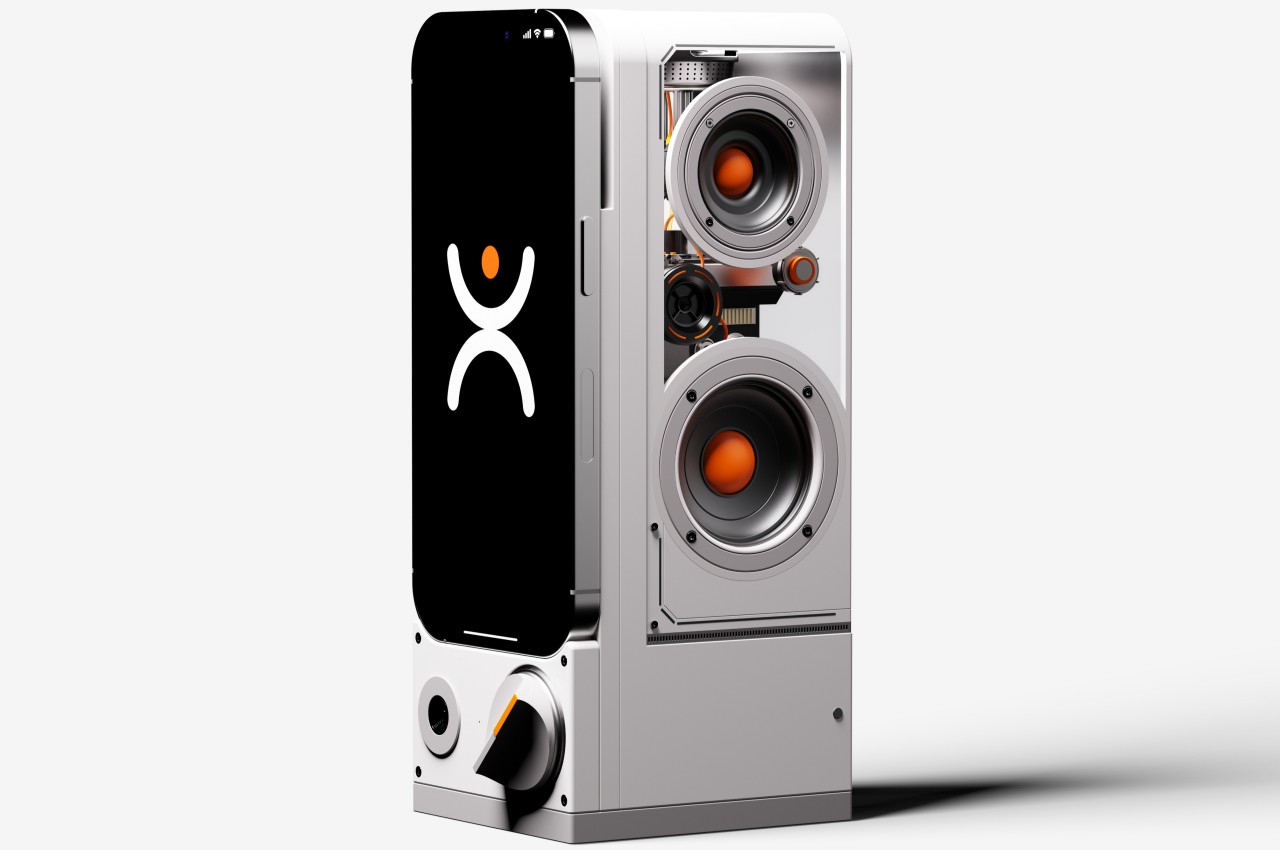
Bluetooth speakers are a dime a dozen these days, but the majority of them share one particular trait. They’re designed with aesthetics to fit inside the house, sometimes looking like elegant pieces of interior decoration even. There’s nothing wrong with that, of course, but they do imply or even explicitly state that these speakers should not be taken out of the house. There will always be times when you wish you could bring your trusty wireless speaker along with you, but at the same time don’t want to take out what looks like a military weapon out of your bag or car. This Bluetooth speaker aims to strike a balance between durability and bold design, and it does so by taking a few pages out of an electric vehicle’s design book.

Designer: Billy Ernst

Electric vehicles or EVs are touted to be the cars of the future, mostly because of their more eco-friendly mode of operation and advanced electronics, but there are some EV makers that take that identity beyond just internal components. Rivian’s adventure vehicles, for example, employ a combination of angular and muscular elements, sharp lines, bold proportions, and distinctive lighting that make the EVs look like TRON vehicles come to life. It’s no wonder, then, that the RIFT Bluetooth speaker concept gives off that same futuristic vibe, demonstrating a design that looks great not just outdoors but indoors as well.

Unlike regular speakers, RIFT comes in an oval ring shape that leaves its middle completely hollow. With the speaker mesh that wraps around the exterior surface, it almost looks like the tread of a tank. Although it comes in different colors, the options are limited to earthy tones that match the EV maker’s own selection, including Glacier White, Rivian Blue, Compass Yellow, and Midnight Black. The LED lighting on the rim serves as a unique accent that brings a sci-fi aesthetic while also providing functionality as a battery level and pairing indicator.

There aren’t too many details in the design that distract from the overall appearance. There are only four control buttons for power, volume, and pairing, and they’re mostly hidden from view on the inner surface of the loop. The more visible button on the top serves both as pause/play control as well as branding. Other than these, the entire body of the speaker is one unbroken ring, giving it a unified and bold appearance while also evoking a sense of stability and reliability.

Given the shape of the speaker, there might be some concerns about the direction that the sound will travel because of the positioning of the speakers. There’s also mention of any dust and water resistance that is a must-have for any adventurous pieces of electronic equipment. Of course, these are just implementation details that wouldn’t really affect the core concept of a bold and daring speaker that can accompany you on your adventures, even if that means just staying at home.

The post Futuristic Bluetooth speaker concept is inspired by electric cars first appeared on Yanko Design.
Device concept lets you monitor and lessen personal carbon footprint

If you’re conscious about how we’ve been treating Mother Earth the past few years, decades, centuries, measuring carbon emissions is something that you’ve probably looked into. There are a lot of tips out there on how you can keep track of your own carbon footprint and how you can slowly lessen it. It may sometimes require a huge lifestyle change and we also need a visible tool to help us do this and see how we can help our environment recover.

Designer: YeEun Kim

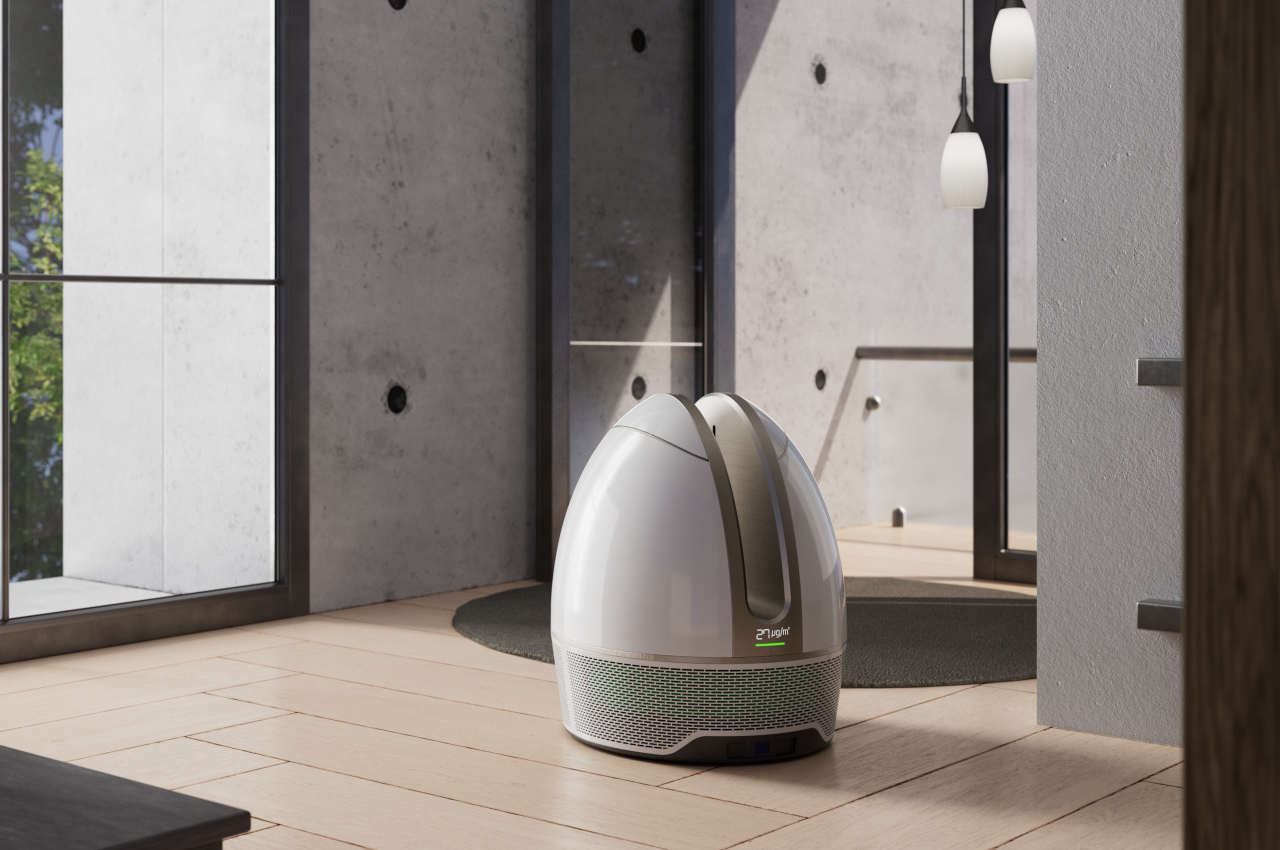
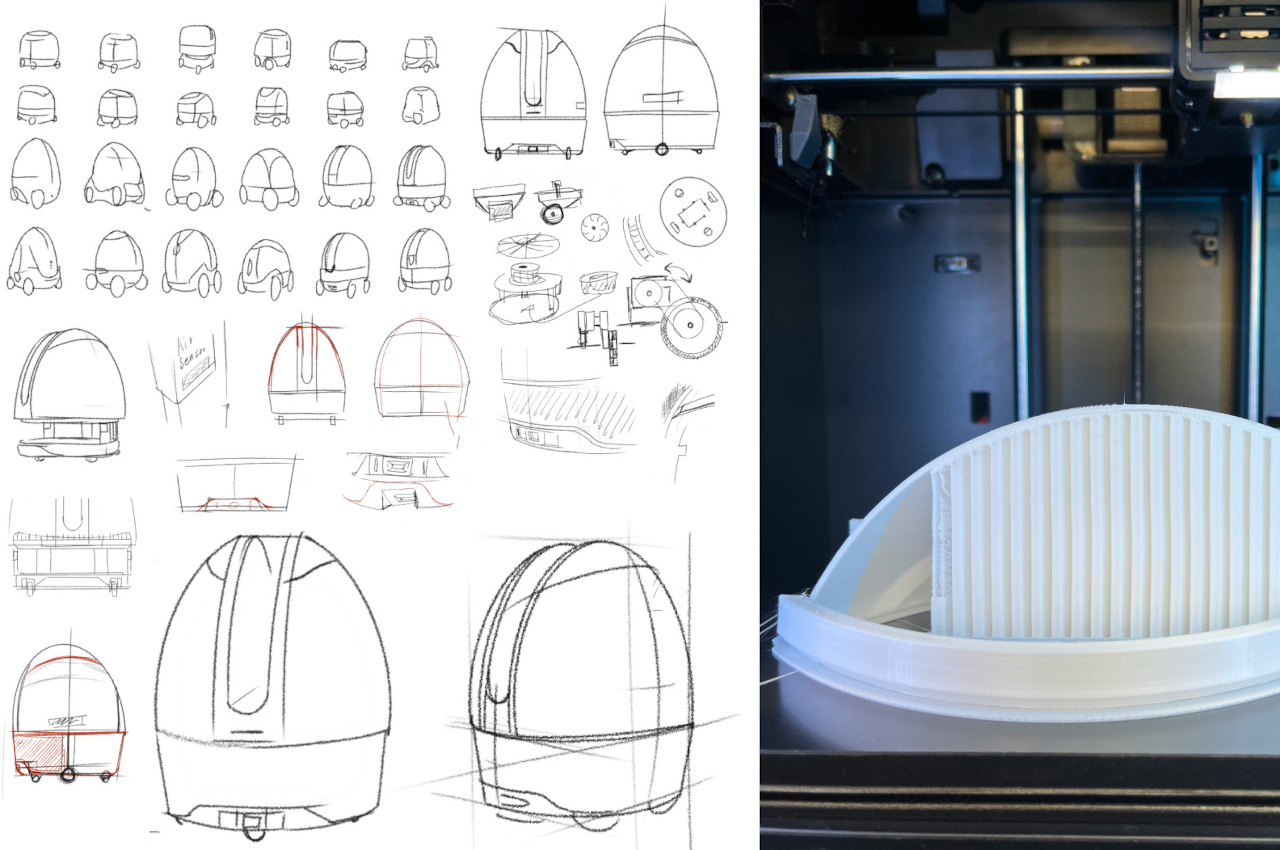
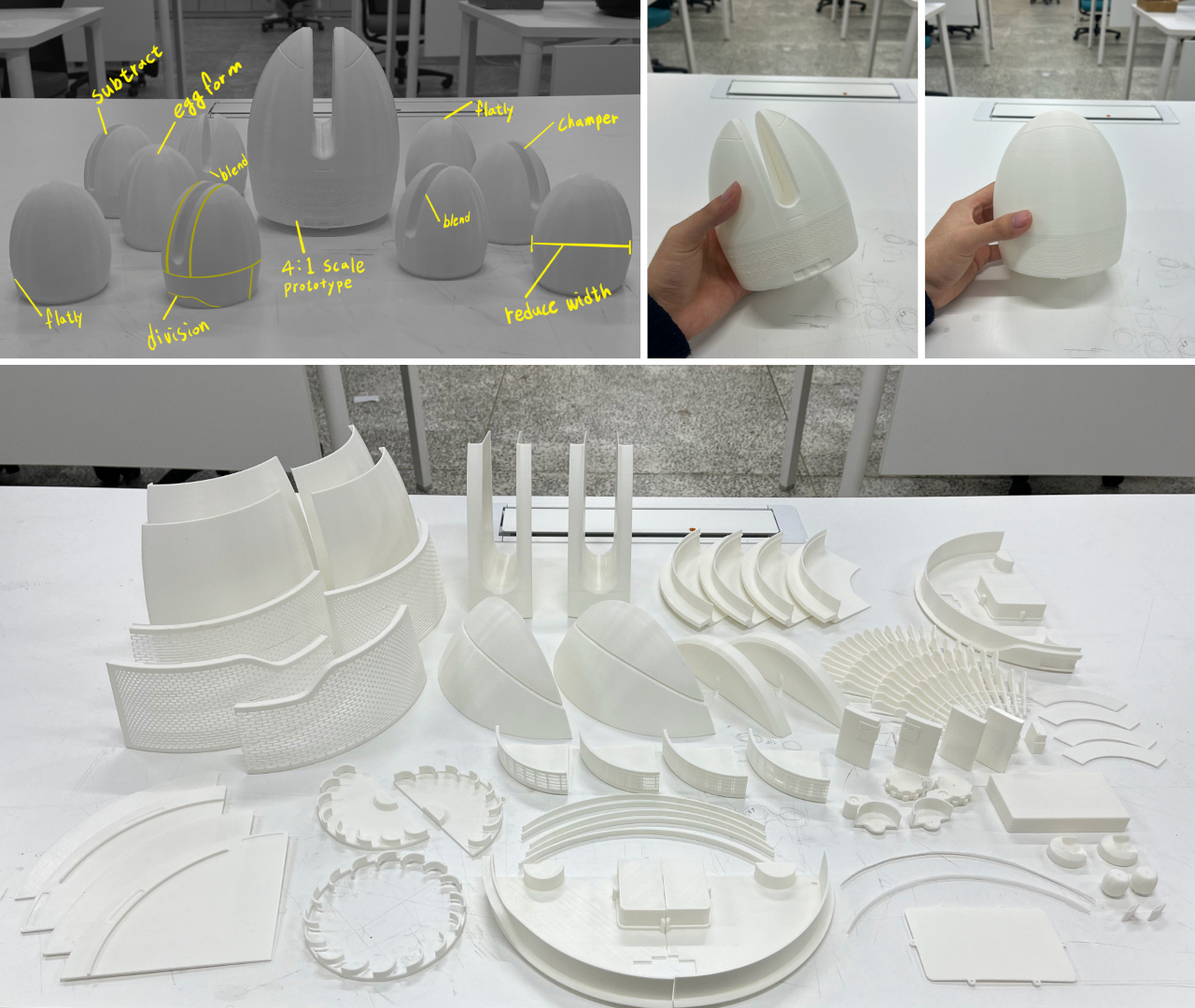
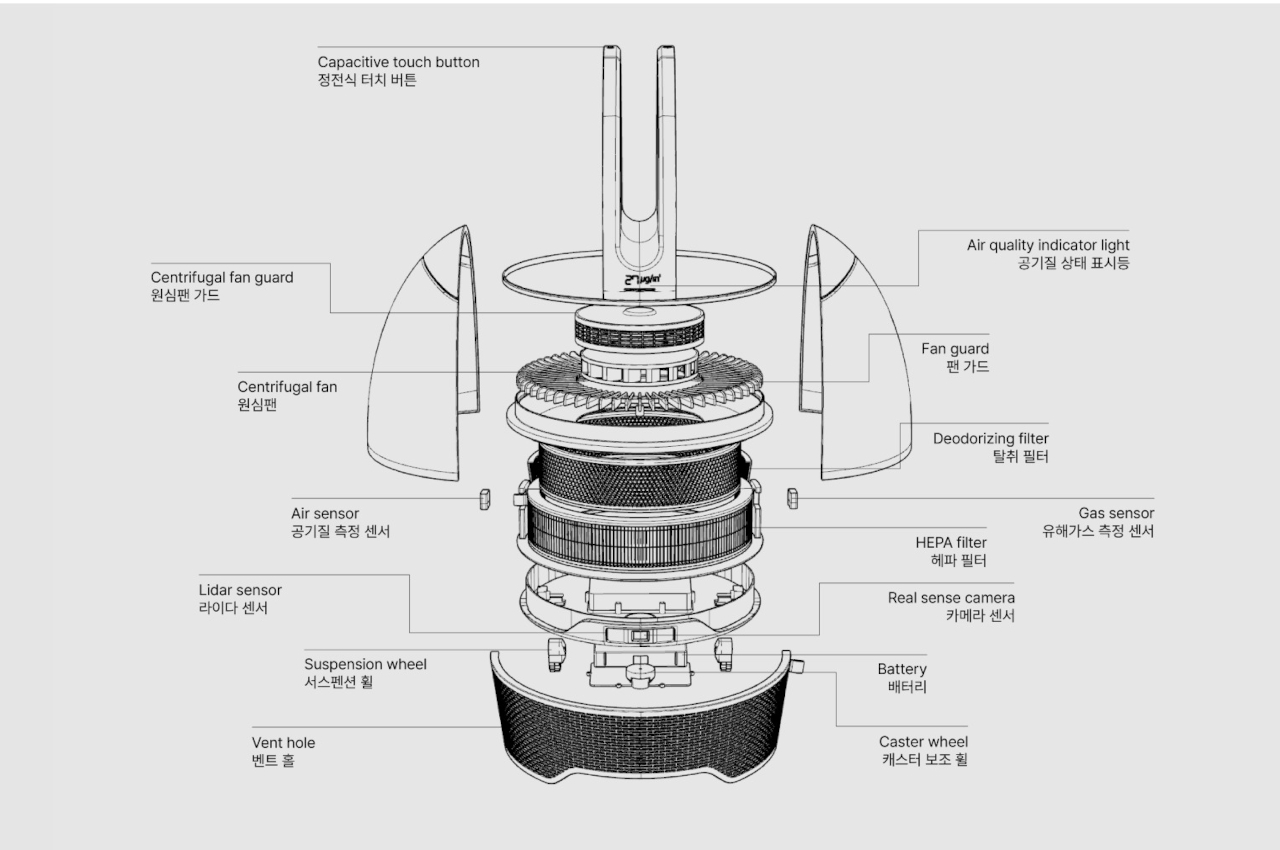
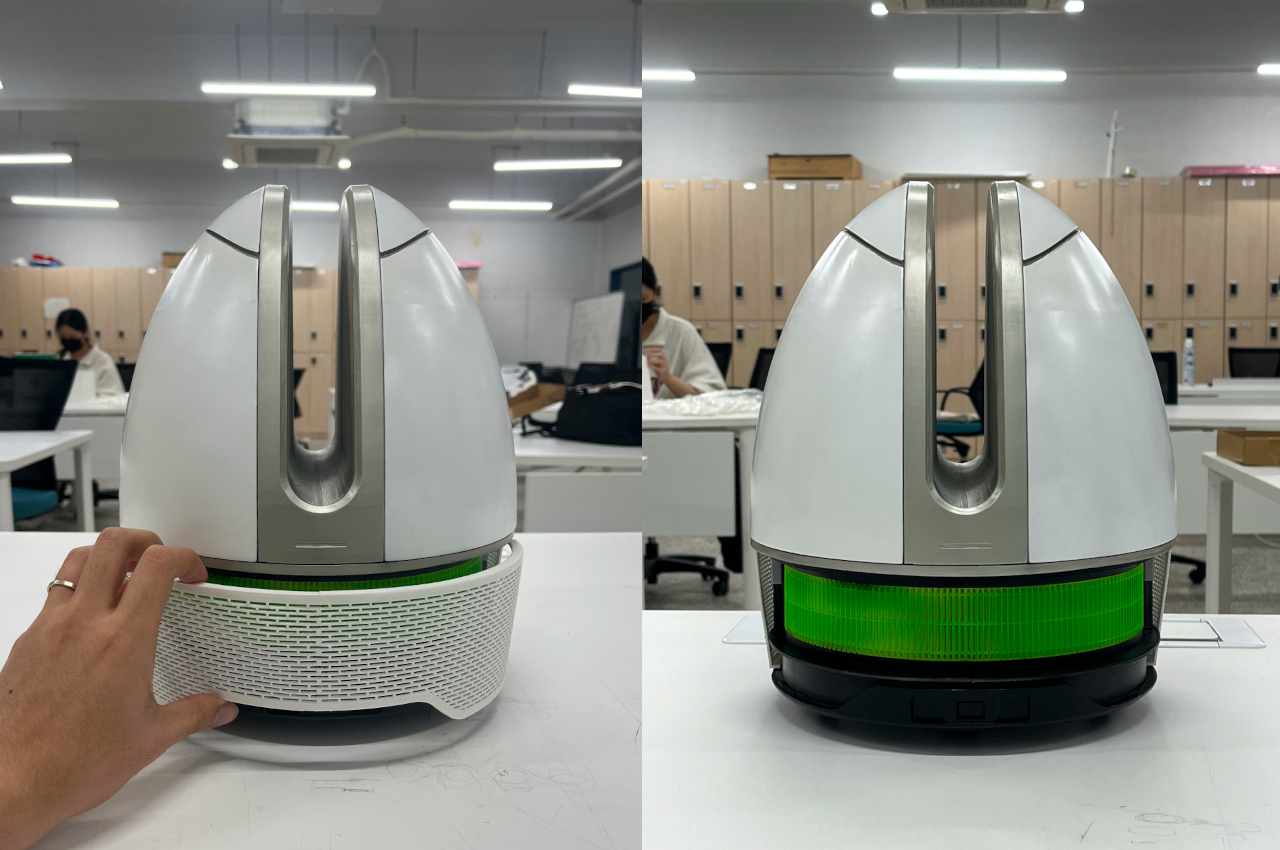
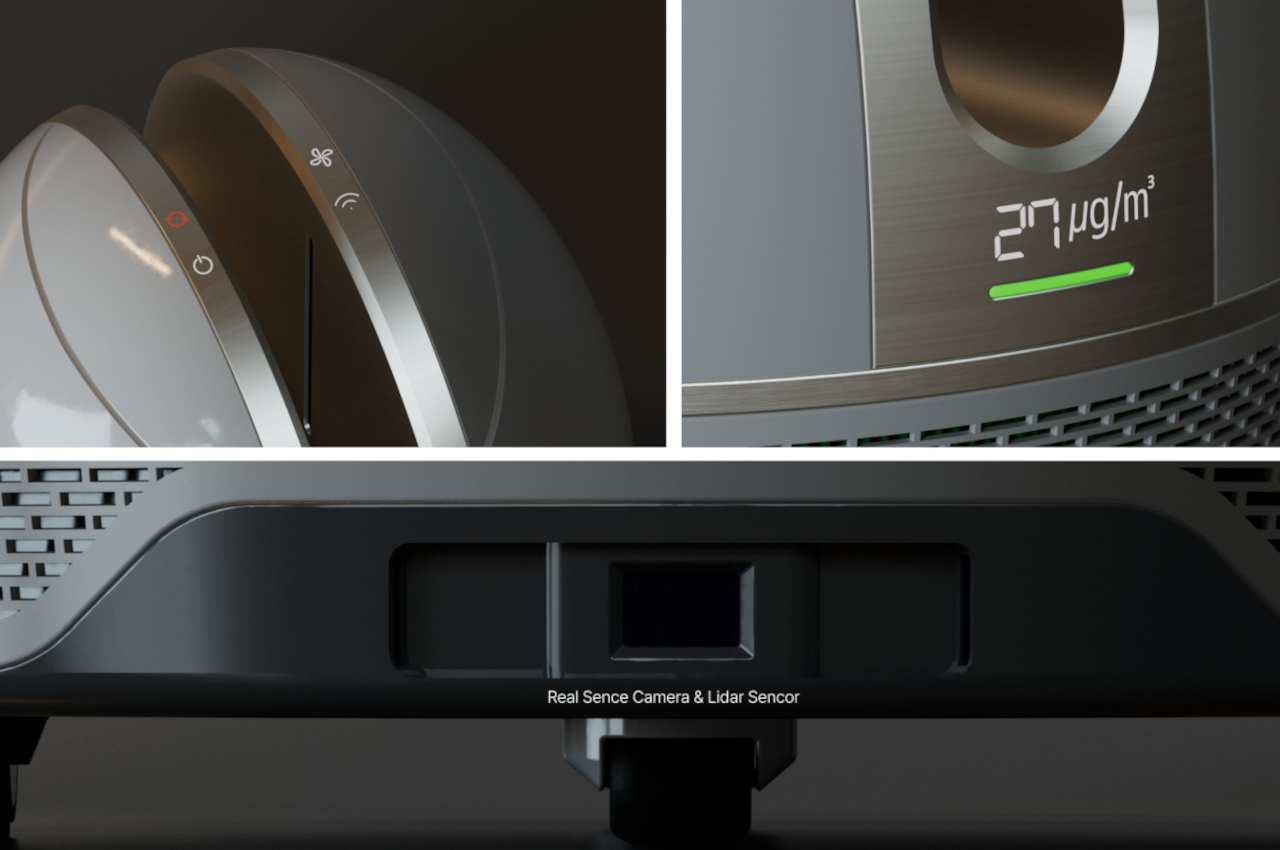
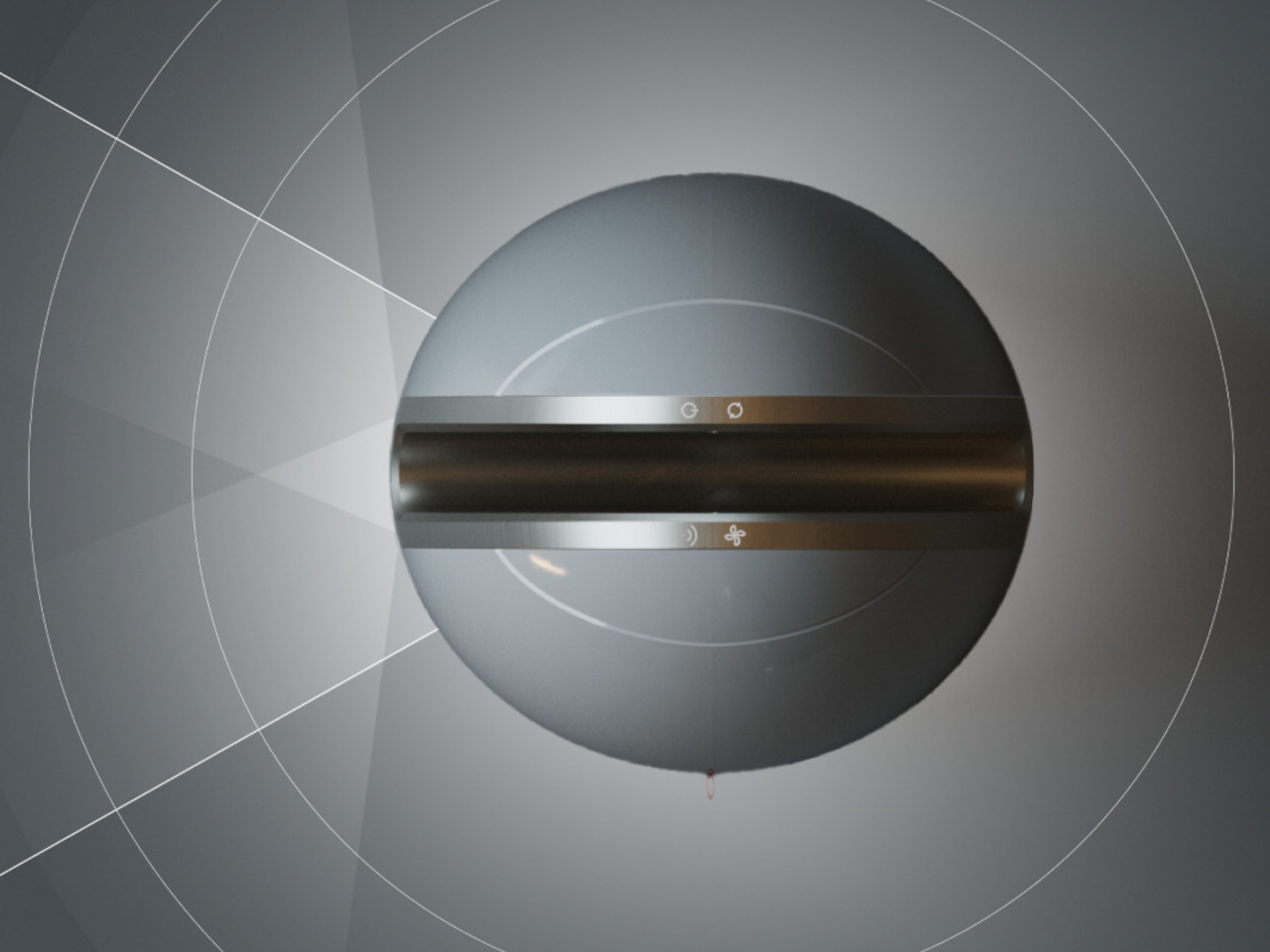
The Toad House is a device that looks like a cross between an air purifier and a smart speaker but is actually something you can use to monitor how much carbon emission you’re using when you’re at home and make the necessary adjustments. It is inspired by a Korean children’s song that talks about building a new house from an old one which can be a metaphor in how we can repurpose wasted energy.

The product description can be a bit vague on how the device can actually measure your carbon emissions but it says the interface at the top of the house is where you can check how much you’re already using. This is probably connected to the app on your smartphone where you set targets and also see the values of the various appliances and gadgets in your house. It also says that the wasted power from your devices can be stored and then used for wireless charging later on.

This is still a concept for now but if it eventually becomes a product, it would be interesting to see if a gadget like this can really affect how you use energy. Eventually, there can also be studies if it indeed lessens carbon emissions when you have a visual reminder of how much you’re using and leaving in your environment. Probably what’s needed now though is more education on how people can measure their carbon footprints, at least in their personal use.

The post Device concept lets you monitor and lessen personal carbon footprint first appeared on Yanko Design.
This cute desk gadget concept gets you into a meditative state in a more fun way

Though there are still some who have a negative or incorrect opinion of it, meditation has become a much-recommended tool to fight off stress, anxiety, depression, and other negative mental states that, in turn, affect our health or productivity. There is even a growing business of meditation assistance services that help guide people toward a calmer state, often daily or maybe even more times in a day. Given the way these tidbits of meditation aids come in digital format, they’re often delivered through smartphones, which is a bit ironic considering these devices are often the cause of stress and distractions. Having a dedicated meditation device might sound overkill, but this rather interesting companion makes that a bit more worthwhile by showing you an adorable face to go along with your mood or the mood that you’re aiming for.

Designer: Pascal Grangier

Meditation services like Headspace and Calm are able to reach a large number of subscribers by offering their content through smartphones. It’s a very practical and convenient strategy that lets you get into a calmer head space anytime, anywhere. The drawback is that you might be tempted or distracted by the very smartphone you’re using to meditate, defeating the purpose of the exercise entirely.

The Headspace Companion is a design concept for a device that leads you into that same state in a more detached yet also more visually appealing way. It’s basically a toy-like device that stands on small feet, almost like a clock. But instead of a clock face, you get an actual digital face themed like clouds, the sun, veggies or fruits, and other objects you might not immediately associate with meditation. The style of both the device and the faces are cartoonish and almost comical, enough to bring a smile to your face every time you look at it.

1

The idea is for these faces to reflect your mental state, either based on your mood (probably taken from health sensors or services connected to the device) or just how much time has elapsed since your last meditation. The faces can be gloomy or even angry, while clouds can become darker as time passes. Once you start meditation, however, the character’s face, mood, and colors lighten up as well, reflecting what should be your mental state after the process. Just like on the app, you can set how much time you want to devote to meditation using a wooden wheel timer on its side.

Admittedly, the concept leaves a lot of the technical implementation up to the imagination, since it seems to focus mostly on the visual experience more than anything else. It’s still a rather interesting meditation device that almost literally gives a face to your emotions, a visualization that might even help some people face their problems and watch the same calm reflected on their own faces.

The post This cute desk gadget concept gets you into a meditative state in a more fun way first appeared on Yanko Design.
Nissan Hyper Adventure concept lets you have an eco-friendly outdoor trip

If you’re the type to go on adventurous trips but would also like to take care of the carbon footprint that you leave behind, you are lucky to live in an era where brands are also intentional about the products that they create. Having environment friendly products are now the norm if you want to score points with Mother Earth and with the eco-conscious market. The latest vehicle concept that Nissan unveiled seems to fit into this category.

Designer: Nissan

The Nissan Hyper Adventure is the second concept in the Electronic Vehicle category that they have announced and is specifically designed for those who want to go on eco-friendly outdoor adventures. The renders show a futuristic design for a vehicle that can survive going through a snowy mountain or the rainy trail in a rainforest. It is designed with the e-4ORCE all-wheel-control system so you can get to your destination safely. It also looks pretty spacious inside so you can drive comfortably and even use the vehicle as your shelter if you feel like going “camping” or sleeping outdoors.

The vehicle has a glass that integrates the roof and side windows as well as the flush surface of the back. It also has crampons or snow traction gears on the wheels and bumpers so it can drive through snowy areas. It also has a wide field of view since the instrument panel is connected to the bottom of the windshield. There is enough cargo space for things like tents, skis, and can even fit a kayak. The rear bench seat can be rotated 180 degrees so you can sit facing outside and it even has automatic extendable and retractable steps.

The Nissan Hyper Adventure comes with a large-capacity battery that can also become an energy source. It should be able to power the gadgets and equipment that you’ll use on your outdoor adventure. It also uses the V2X (vehicle-to-everything) capability so it can even power a house. It’s an interesting concept but we’ll have to wait if it becomes an actual vehicle.

The post Nissan Hyper Adventure concept lets you have an eco-friendly outdoor trip first appeared on Yanko Design.
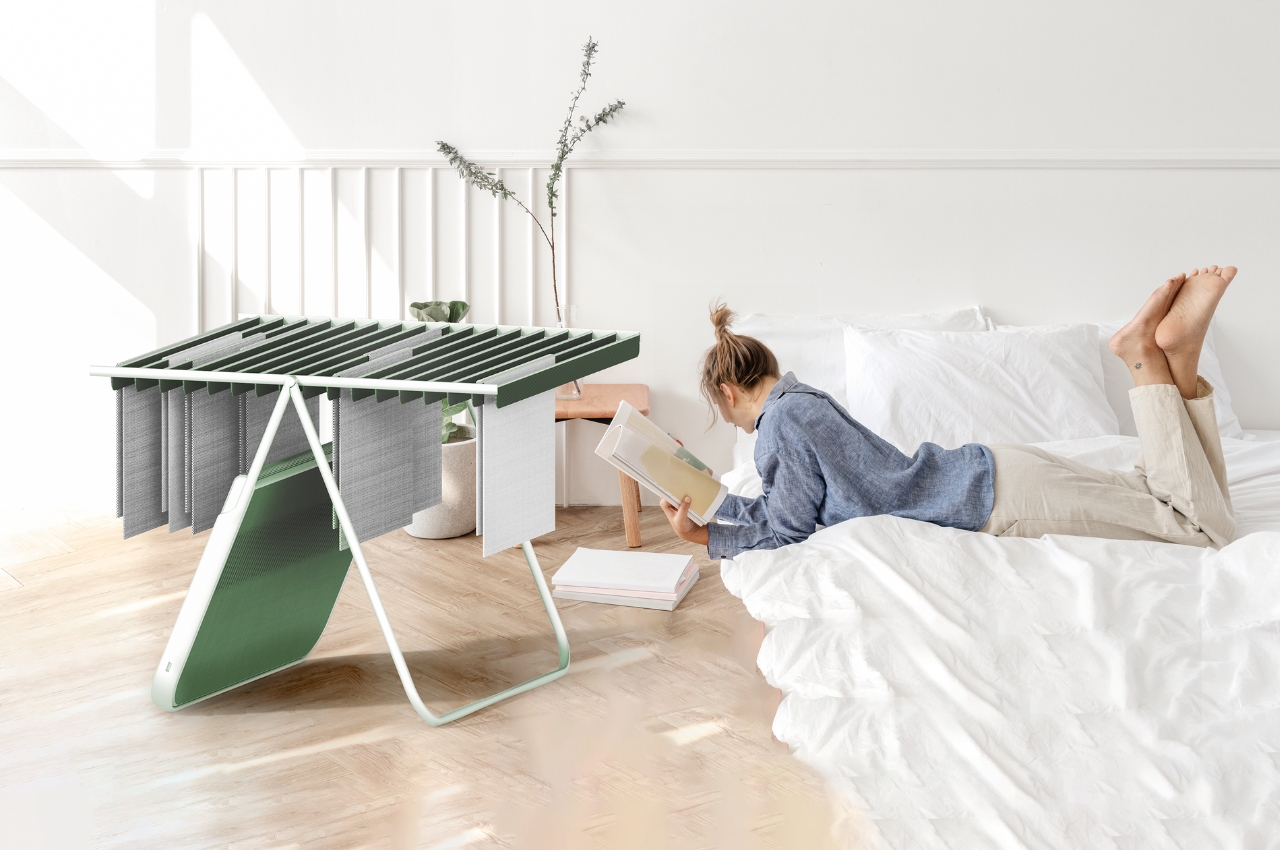
Circular desk concept has an interesting way of measuring the time you spend on it

A lot of people feel that there aren’t enough hours in a day without realizing how much time they might be spending or even wasting on unimportant activities. Keeping track of how you spend your time is often one of the first pieces of advice that productivity gurus give because they often reveal how much free time we actually have if we schedule our actions wisely. There is no shortage of time-tracking and logging apps today, but these digital tools are sometimes easily dismissed or ignored because they’re too convenient. This rather unusual table, however, makes the passage of time a bit more visible and tangible, allowing people to have a more personal relationship with the time they invest in work, projects, and other activities.

Designer: Yunseo Jung

Right off the bat, the Time Table already strikes an interesting visual. Unlike the majority of desks and tables, it’s made almost completely out of circles, from the tabletop to the built-in lamp to the rods that make for its legs and structure. One side of the table shows that leg, but the other side has an arc that functions like a privacy shield. There is also a matching circular tool to complete the set, though such a design isn’t actually novel to this kind of furniture.

While a circular table isn’t exactly rare, the attached “sub table” is. It’s a smaller circular tray affixed to the exposed leg of the table, but that’s not what makes it unique. This sub-table actually moves up and down, changing its elevation as time passes before returning to its base state at the lowest point. Think of it as a time, like a reverse hourglass, that slowly demonstrates the movement of time in a very visual manner.

The basic idea of the Time Table is to let the person sitting in front of it measure, log, and be aware of how much time they’re spending there. You might place some tools related to your work there or anything else that you’ll be able to notice in the corner of your eye. It offers a visual and tangible experience in counting down time without being monotonous like watching seconds tick by. Admittedly, it might also be a bit distracting, which could also be the point of instilling awareness of your time.

Novel as the concept might be, there are also a few issues with the Time Table’s design. The position of the elements, for example, might not be ergonomic or comfortable, with the lamp at a fixed spot and the privacy shield at the side potentially blocking leg movement. Given its design, there seems to also be little room for changing the height of the table, which could be too low or too high for some people. The moving sub-table as a time tracker is definitely an interesting idea, but it could probably be implemented in a different way that doesn’t negatively affect the rest of the table’s functionality.

The post Circular desk concept has an interesting way of measuring the time you spend on it first appeared on Yanko Design.
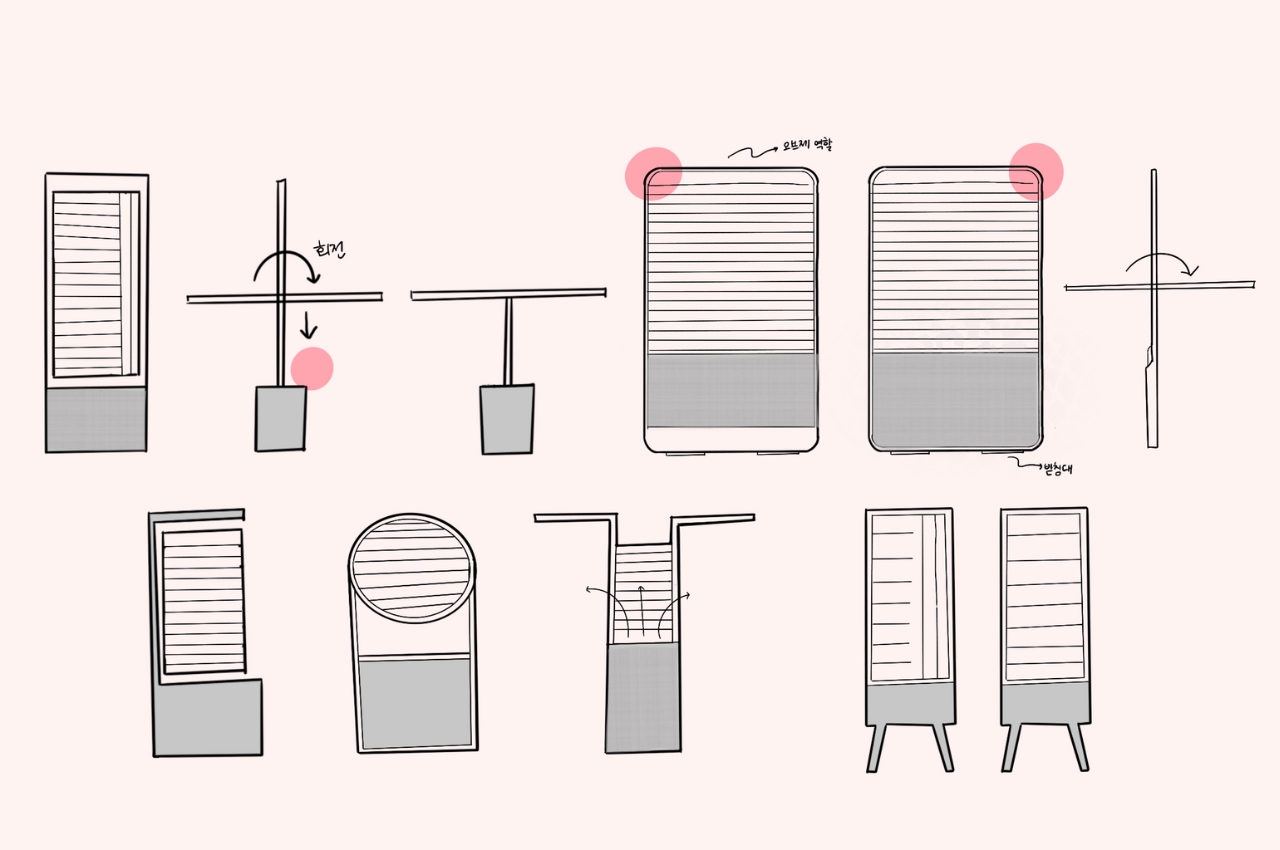
This bird-shaped USB flash drive concept pays homage to the data carriers of yesterday

Owls sending mail might be pure fiction, but there was a time when birds were indeed used to send messages across distances. Taking advantage of their natural homing instincts, pigeons were used to send messages in the fastest way possible when using humans on horseback was too dangerous for various reasons. Of course, all that is ancient (or medieval) history by now, but the image of a mail-carrying bird has forever been etched into our minds. Some might even use that association to brand certain services that simply ferry bits and bytes of data from one device to another. That’s the inspiration behind this rather charming USB thumb stick concept, though its seemingly whimsical design carries some important practical implications as well.

Designer: SHS Shih

Even in this day and age of the cloud, it’s sometimes still more efficient, not to mention more secure, to store your files on a small USB flash drive. You have instant access to your data, as long as you can plug it into your device, and only those who can actually hold the flash drive in their hands can actually use it. Over the course of the years, the technology behind this gadget has moved forward by leaps and bounds and it’s now possible to see a 1TB flash drive, even if few can actually afford it.

未命名的作品

These advancements open up flash drives to more interesting designs, like this Pinge “bird-style” design concept. Right off the bat, you will notice that it isn’t your usual flash drive, even if you can’t immediately make out that it’s supposed to resemble a bird. Instead of staying flat as almost all flash drives do, its end curves upward, forming the bird’s neck and head. A small golden triangle protruding from that end forms the beak, but it also has the added function of being a pendant or lanyard hole. As you might have guessed, the actual USB interface is the bird’s tail, which is perfect considering the alternating white and gold lines resemble feathers, with some stretch of the imagination.

As unconventional as the design might be, it has merits that go beyond its eye-catching shape. The upward curve makes it easy to pick up the flash drive, and it gives your fingers something firm to hold onto when pulling it out from a computer. Curiously, putting Pinge down on a flat surface makes it rest on that curved portion thanks to a shifted center of gravity. That means that no matter how much you tip or rock the flash drive, it will always return to that stable position. Coincidentally, that makes Pinge a potential desk fidget toy.

1

Of course, there are drawbacks to such a non-flat design, like how the bird’s “head” might snag on things more easily or how it would take up more room in an accessory pouch. It might also make the flash drive more prone to breaking if something heavy was dropped on it or if it was sandwiched between too hard surfaces. It’s still an interesting design experiment, especially considering how most flash drive designs focus solely on functionality without paying attention to aesthetics. It doesn’t have to be the case, and it requires a bit of outside-the-box thinking to come up with interesting designs that don’t sacrifice functionality in return.

The post This bird-shaped USB flash drive concept pays homage to the data carriers of yesterday first appeared on Yanko Design.
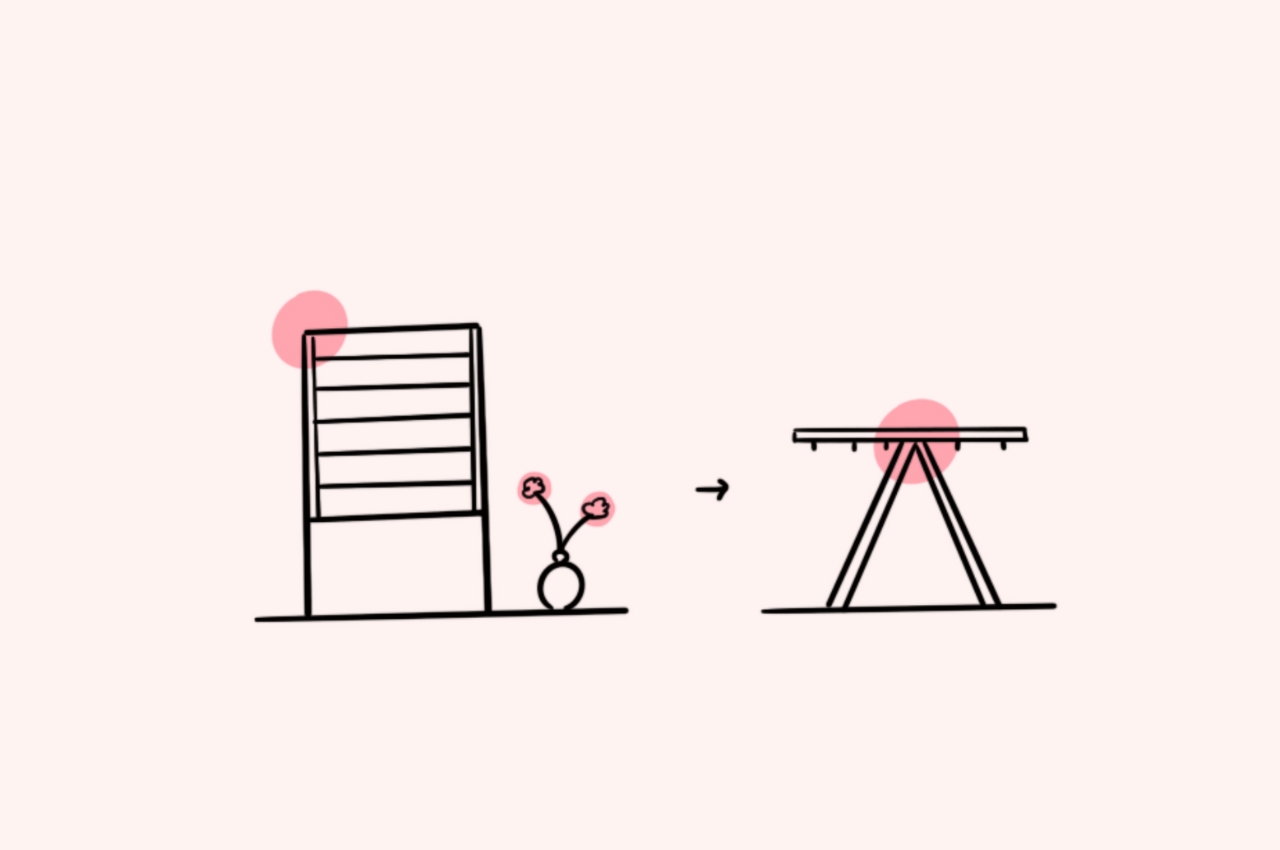
Red glass house on top of catamaran gives you an amazing aquatic view

If I had the money and the means to have a semi-permanent home on the seas, I probably would want to have a yacht where I can bring my loved ones too whenever they would want to just get away from the concrete jungle and chill. Alas, that will probably remain a dream but that doesn’t mean I cannot daydream through these concepts and designs that show what life on water can look like.

Designer: Jacopo Leoni

The Cube Houseboat is a concept for a floating luxury house that is inspired by the Modernist movement and Swiss-French designer Le Corbusier. The red glass house is made from a fusion of alloy and reinforced glass built on top of an aluminum catamaran. The main star is something called the Fly Deck which is a single, superstructure deck that can be accessed through external stairs. You’ll be able to get a good view of the surrounding waters as well as a custom pool. Inside the main bedroom, there is also a Commercial Jacuzzi in case you need somewhere to relax even more.

The Semi Hulls that is located just below the main deck is where you’ll be able to see the machinery spaces, tanks, and chain lockers. In other words, you’ll get all the functional stuff in that section of the boat. And in case you have your other “sea toys” on board, they’ll be housed in the stern area for easy access in case you need to play. The Bow Area is for mooring and the entire boathouse has two propellers for propulsion and they’re powered by a diesel engine.

While it’s considered to be a red glass house, it can also be changed to a different color if red is not your vibe. The glass house on top of a catamaran seems a pretty minimalist but luxurious space to stay in when you just want to relax on top of water and enjoy the view surrounded by aquatic life. This is actually the third vessel concept that the Leoni Design Workshop has come up with for the Beyond Horizons: A Voyage through Yacht Design event.

The post Red glass house on top of catamaran gives you an amazing aquatic view first appeared on Yanko Design.
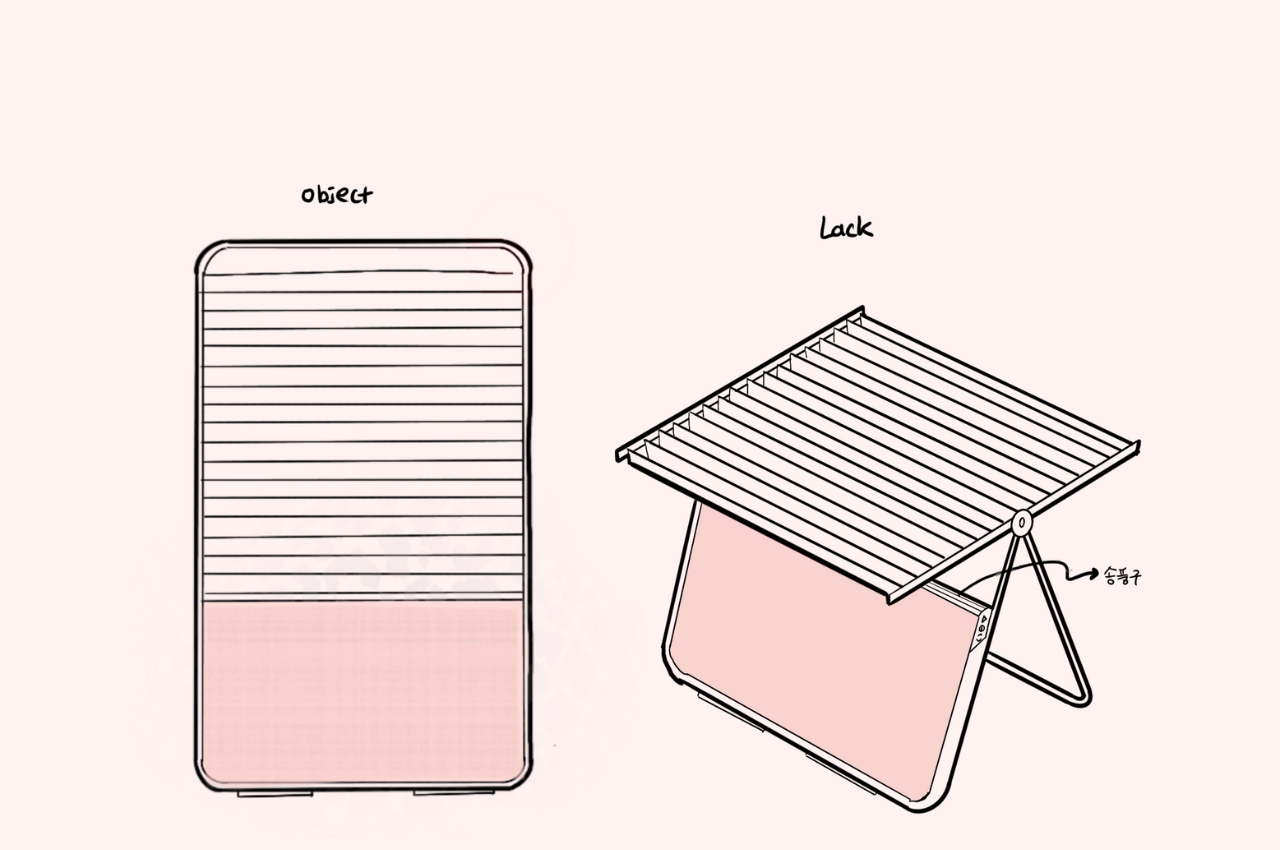
Hourglass goes digital with concept for classic sandtimer

One of my fondest childhood memories is playing games with friends and families using an hourglass sandtimer to count down the minutes. Games like Boggle and Taboo were made all the more fun because you could see the seconds slipping by before it’s your turn and your opponents are running out of time. But when our phones became smarter, we of course turned to these digital devices to count the seconds down and the alarm blaring causes us a different kind of anxiety or joy.

Designer: Fabio Verdelli and Anna Lazzaron

There are those who would prefer to use a timer that doesn’t have any of the other distractions that a smartphone would have, like messages, notifications, calls, and even that pesky alarm tone. A device that can bridge the analog idea of an hourglass and the digital convenience of a timer is found in this product concept called Passatempo, a smart hourglass. It is able to retain the elegant design of the hourglass sand timer but this time, it is able to add a digital concept to it that makes it more elegant.

1

There isn’t really much of a description to it but based on the product renders, it doesn’t seem to use actual sand like in the traditional timers. It is still enclosed in a glass structure and the cone shape is still there and you can see the seconds or minutes passing by as it transfers from one cone to another. This time though you will be able to set how long it needs to “pour” through an app. You can use it to set a timer for when you’re cooking or to give you a visual idea of when it’s time for an appointment or you can use it for board games as well.

Of course the most convenient way really to set alarms and timers is on your smartwatch or smartphone. But if you want something a bit unusual or something that looks pretty elegant or just something that kind of looks analog, then the Passatempo may be something you’ll be interested in.
The post Hourglass goes digital with concept for classic sandtimer first appeared on Yanko Design.