Maserati MC20 Dakar Edition is an adventurous Italian supercar challenging the Lambo Huracan Sterrato

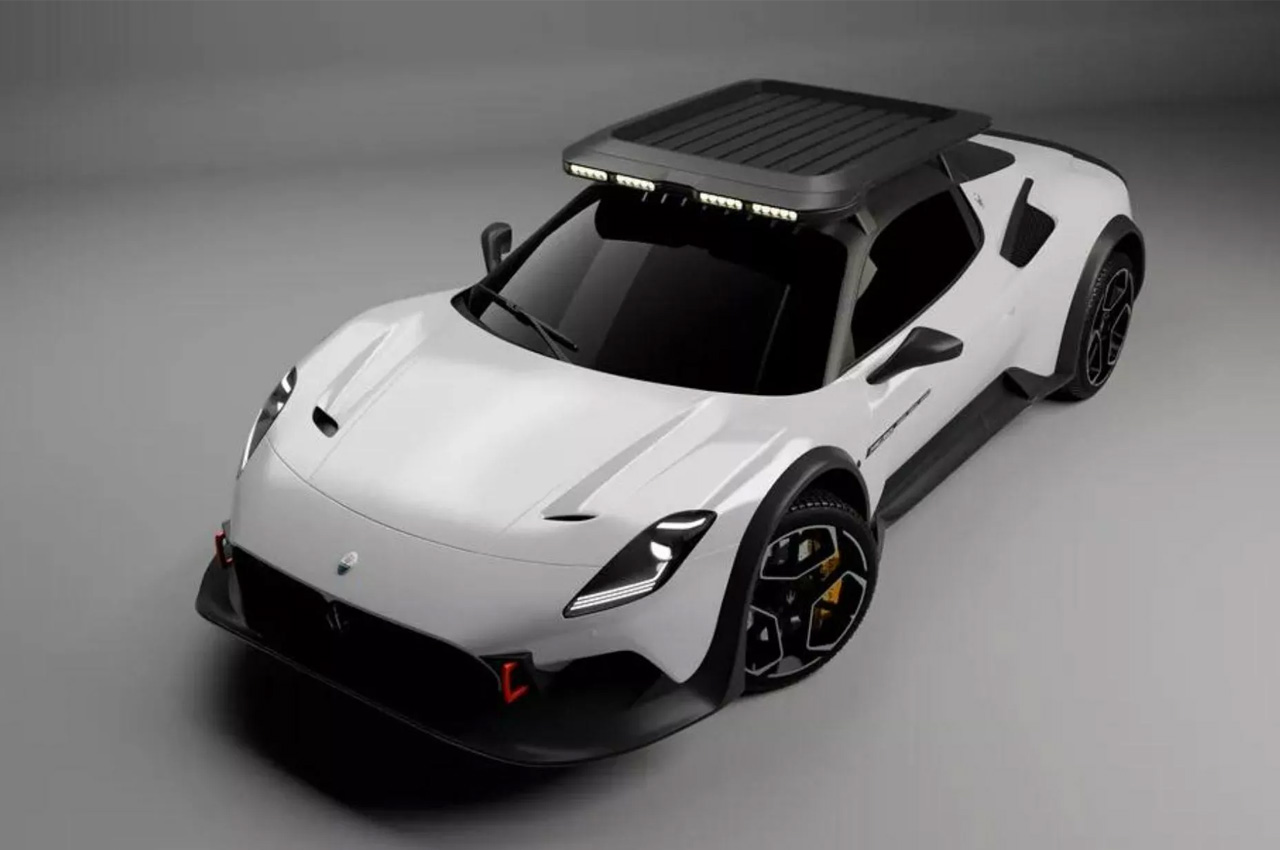
Carmakers like Lamborghini and Porsche have made the bold move to test the viability of an all-terrain supercar with the Huracan Sterrato and 911 Dakar respectively. Interestingly, one imaginative designer has derived inspiration from such builds to come up with a concept Maserati MC20 Dakar Edition to conquer any terrain an off-roader would fancy. While one would argue that the Maserati Grecale and Levante SUVs already have a presence in the market for off-roading, this concept increases the stakes a level higher.

Destined to be a mid-engined supercar, the MC Dakar Edition rides on lifted suspension and gripper tires with additions like a pair of gripper hooks and a bespoke roof rack with front-facing lights. This fun project gives high weightage to fun and style over performance, so the conceptualizer doesn’t propose any upgrades to the mid-mounted twin-turbo V6 engine capable of generating 538 lb-ft of torque.

Designer: spdesignsest
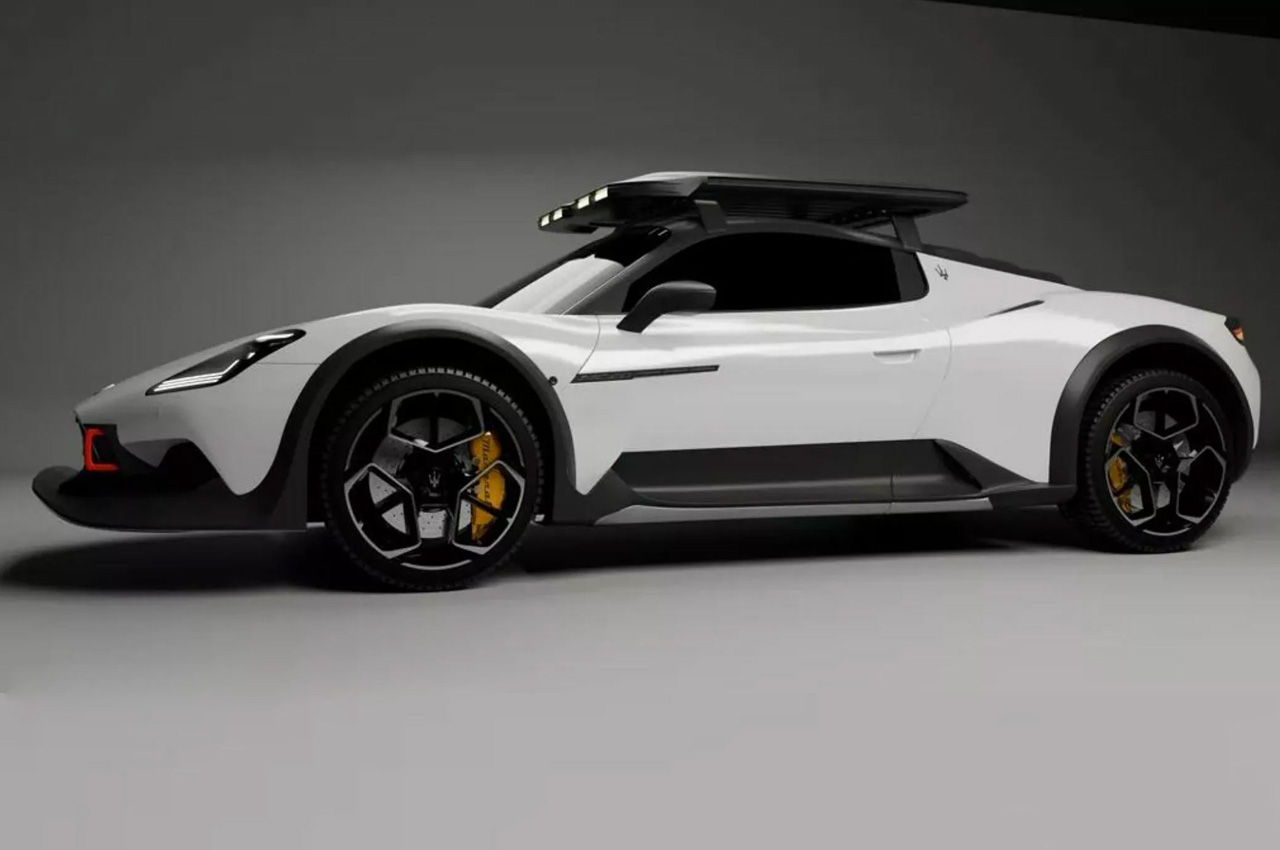
Keeping in mind this build is a Dakar edition, so the off-road modifications will disturb the aerodynamics and add to the overall weight. This will directly impact the top speed and acceleration. But if this supercar is off-roading for most of its clocked miles, it won’t matter. Continuing with the off-roading character of the vehicle, there are satin-finish aluminum skid plates on the rear and bumper extensions for a beefier profile. No doubt this concept would look dapper compared to the modified MC20.


We are not counting on the probability of this concept making it to real life as the designer works for 7 Design House which is a tuning company that has already weaved their magic on the Maserati MC20 Coupe and Cielo for visual enhancements. If potential owners like the idea of a Maserati turned into a Dakar Edition version, we could have a real version too in the future.


 

The post Maserati MC20 Dakar Edition is an adventurous Italian supercar challenging the Lambo Huracan Sterrato first appeared on Yanko Design.
This Helicopter Is So Easy To Control, A Toddler Could Probably Operate It

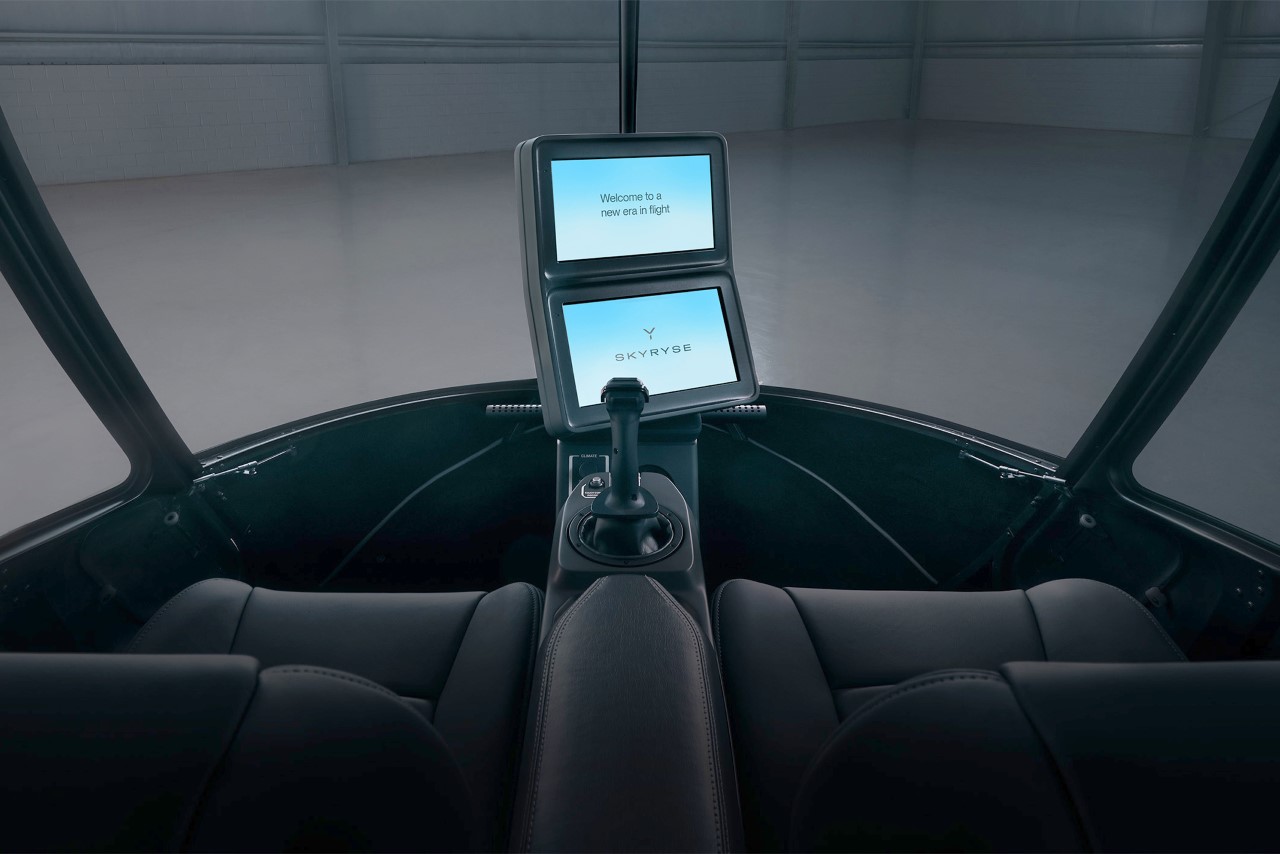
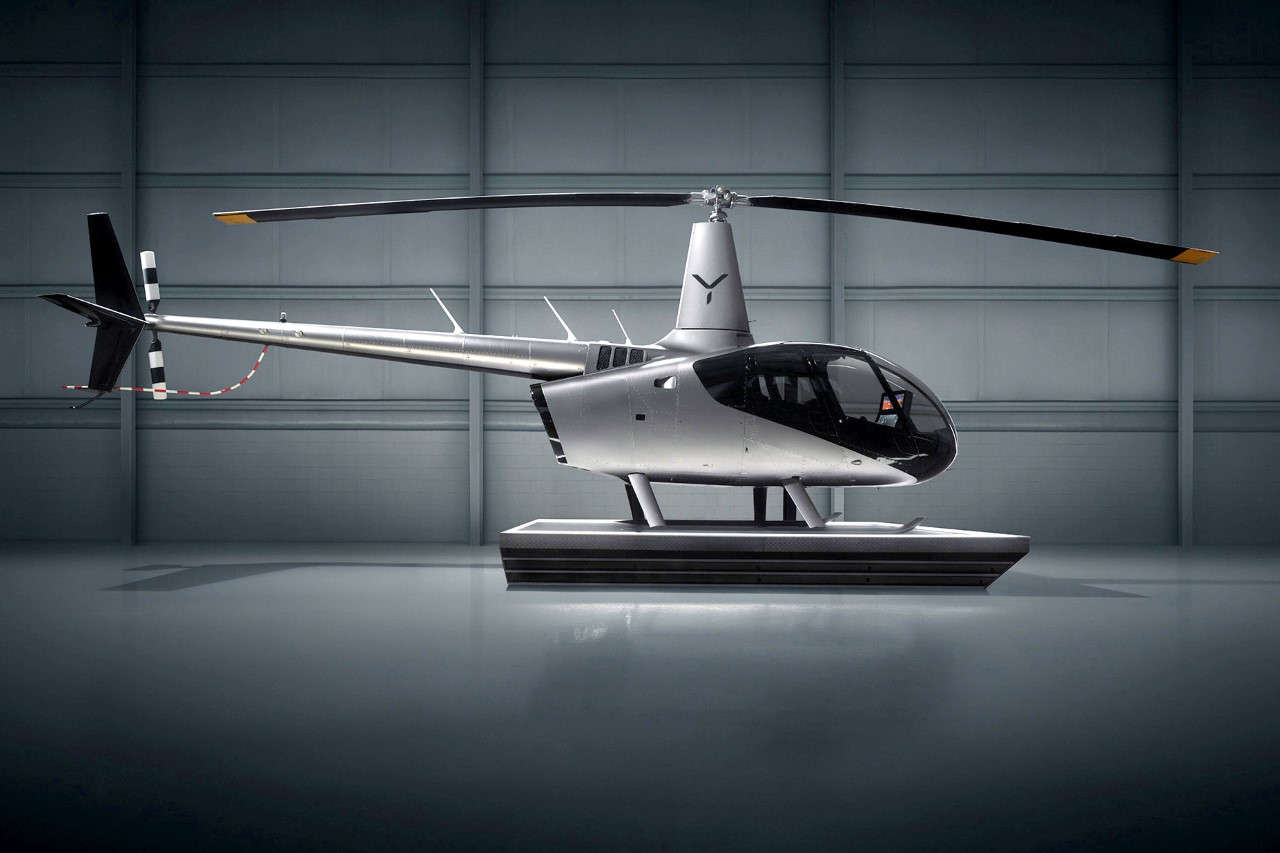
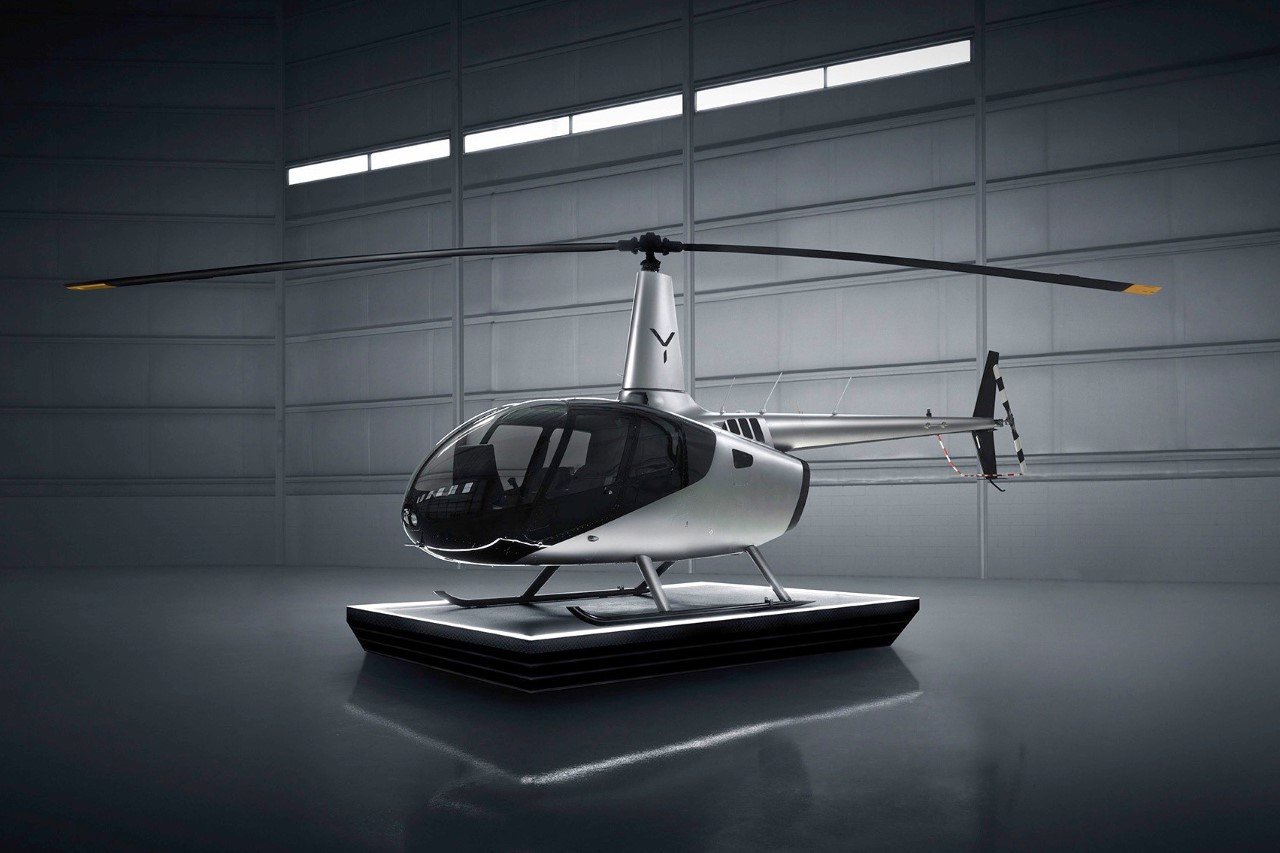
With just one joystick and two touchscreen panels, the Skyryse One is making helicopters more autonomous, intuitive, and safe.

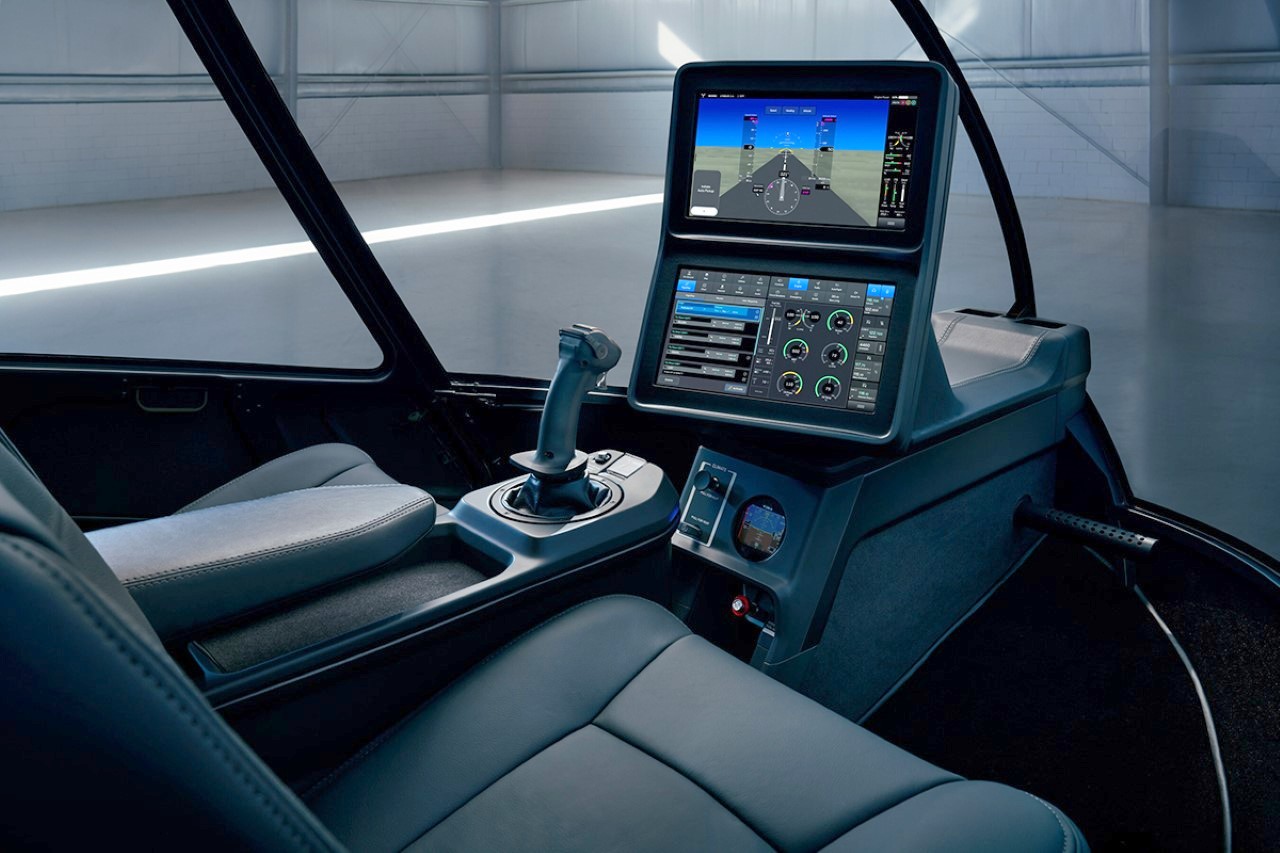
Helicopters, like pretty much any airborne vehicle, are notoriously difficult to operate. You’ve got controls in front of you, beside you, sometimes even above you – it’s no wonder you need a license with hundreds of hours of training to be able to professionally pilot one. While understandably, you’d expect helicopter pilots to go through rigorous training before being certified to operate a hunk of metal through the sky, there’s really no need for control panels and dashboards to be as complicated as they are. Founded in 2016, Skyryse has been working to simplify how helicopters are operated. Distinct from traditional helicopters, the Skyryse One eschews conventional controls like the cyclic stick, collective lever, throttle, and anti-torque pedals for a simplified control scheme centered around a single stick and a touchscreen interface. This design philosophy is built around Skyryse’s proprietary SkyOS system, which aims to enhance safety by streamlining operations and automating critical functions such as takeoff, hovering, and in the event of system failures, autorotation and landing. The company’s first-ever helicopter, the Skyryse One, puts this new control panel front and center. In fact the company claims it’s so easy to learn, you need just 20 hours of practice before taking to the skies.

Designer: Skyryse

Eschewing the traditional, mechanically complex controls found in helicopters, Skyryse introduces a fly-by-wire system controlled by a single four-axis control stick and two touch screens. This system, powered by Skyryse’s proprietary SkyOS, brings an unprecedented level of simplicity and safety to aviation​​​. Fly-by-wire, a technology where electronic systems replace mechanical ones, is not new to aviation but applying it to helicopters in such a simplified manner certainly is. The SkyOS enhances this system by continuously analyzing pilot input, environmental conditions, aircraft status, and flight parameters, ensuring the aircraft remains within a safe flight envelope​​​.

One of the most groundbreaking features of the Skyryse One is its fully automated autorotation capability. In traditional helicopters, autorotation is a complex emergency maneuver required when the engine fails, demanding immediate and precise actions from the pilot. The Skyryse One, through SkyOS, automates this process, significantly reducing the pilot’s workload and making emergency landings safer​​​.

Moreover, features like auto-pickup and set-down, swipe-to-start, and hover assist simplify operations that previously required intricate control and coordination. The inherent stability feature of the Skyryse One means that at any point, the pilot can release the controls, with the aircraft immediately activating autonomous protocols to maintain safe flying parameters.

Skyryse is making the dream of piloting more accessible. Despite its advanced technology, flying the Skyryse One only requires a standard helicopter Private Pilot License. For those already licensed for airplanes, transitioning to the Skyryse One involves just an additional 20 hours of flight training. This approach could significantly expand the helicopter pilot community by lowering the entry barrier to flying​.

As revolutionary as it is, the Skyryse One comes with a hefty price tag of $1.8 million. However, for aviation enthusiasts and professionals looking for the cutting edge of safety and simplicity, the investment might well be worth it. The company has started accepting a $2,500 deposit for reservations, with deliveries expected to begin following airworthiness certification​​​.

The post This Helicopter Is So Easy To Control, A Toddler Could Probably Operate It first appeared on Yanko Design.

Camper van with space-saving indoor shower and Starlink internet is designed for extended days on road

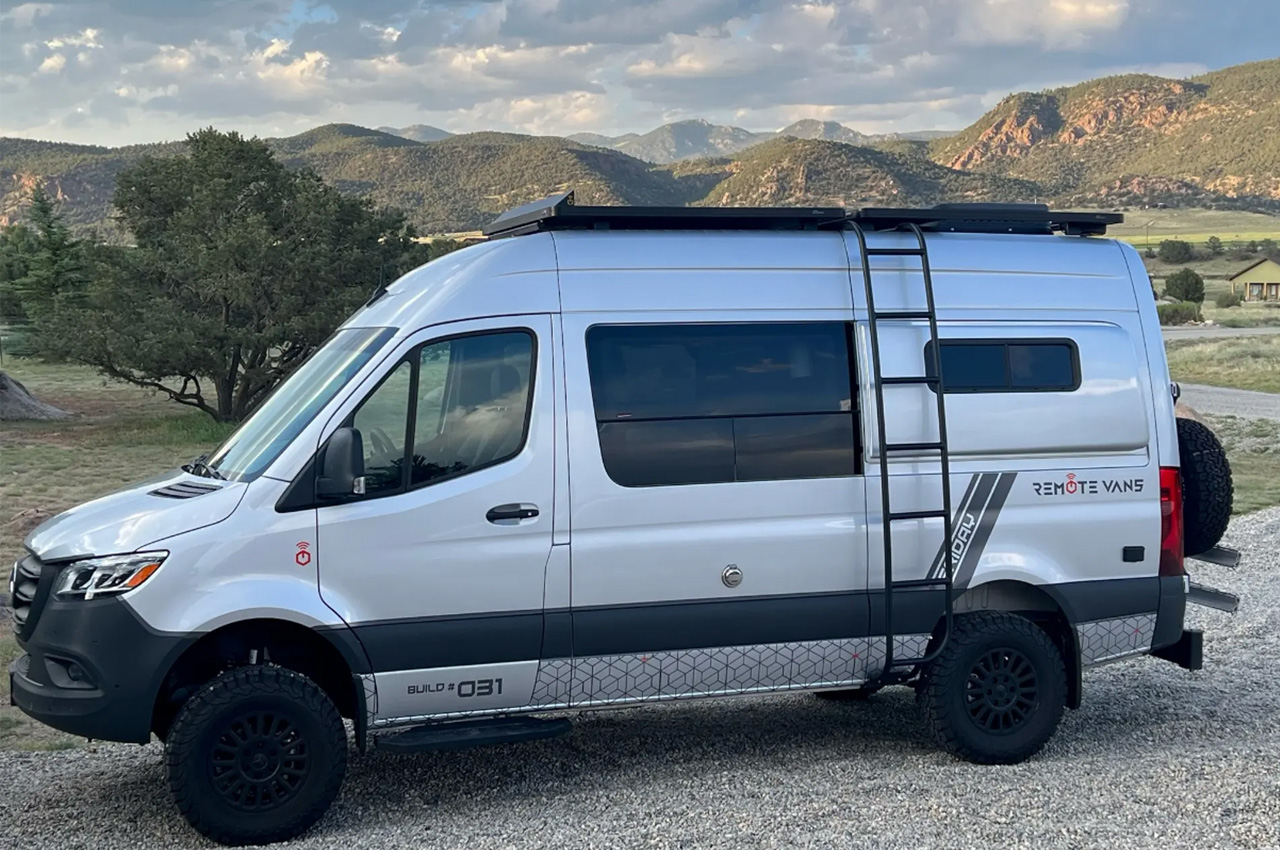
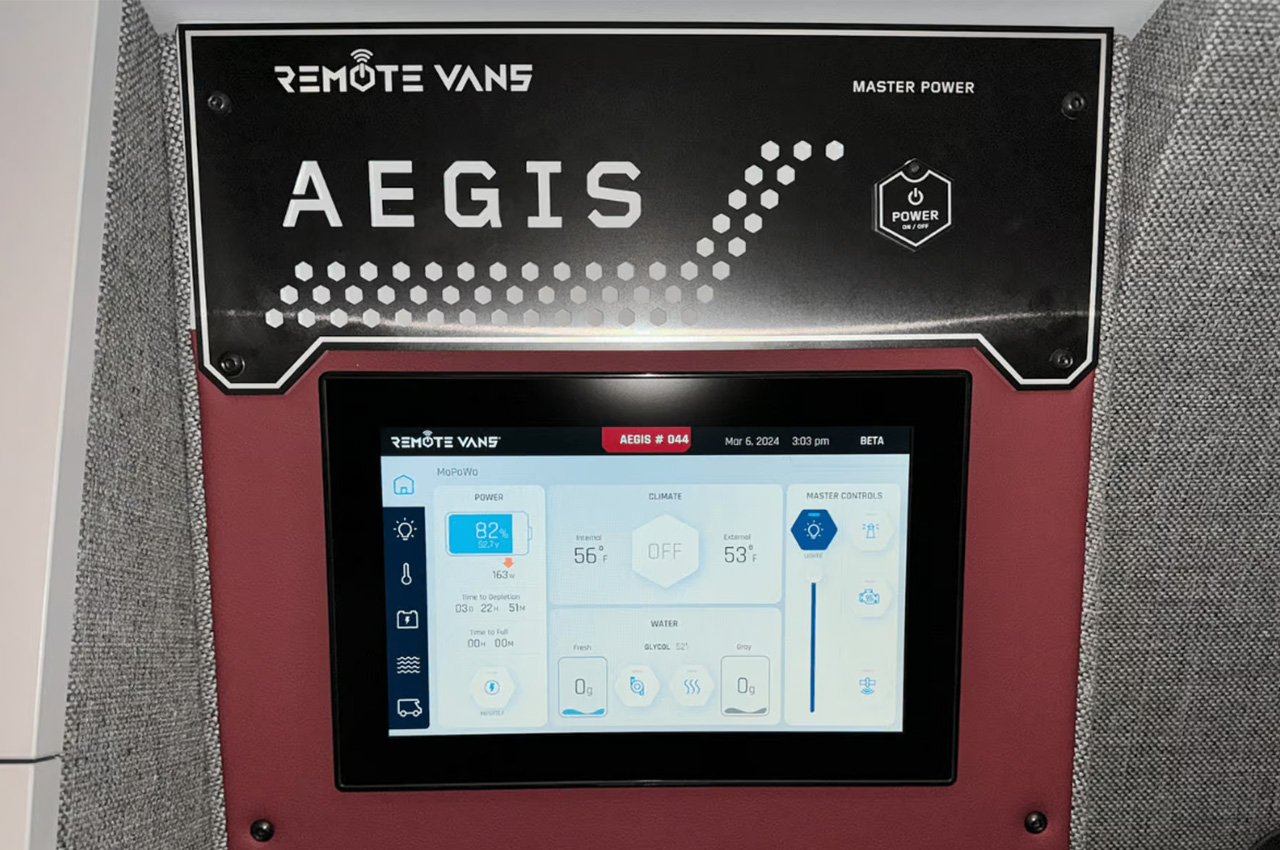
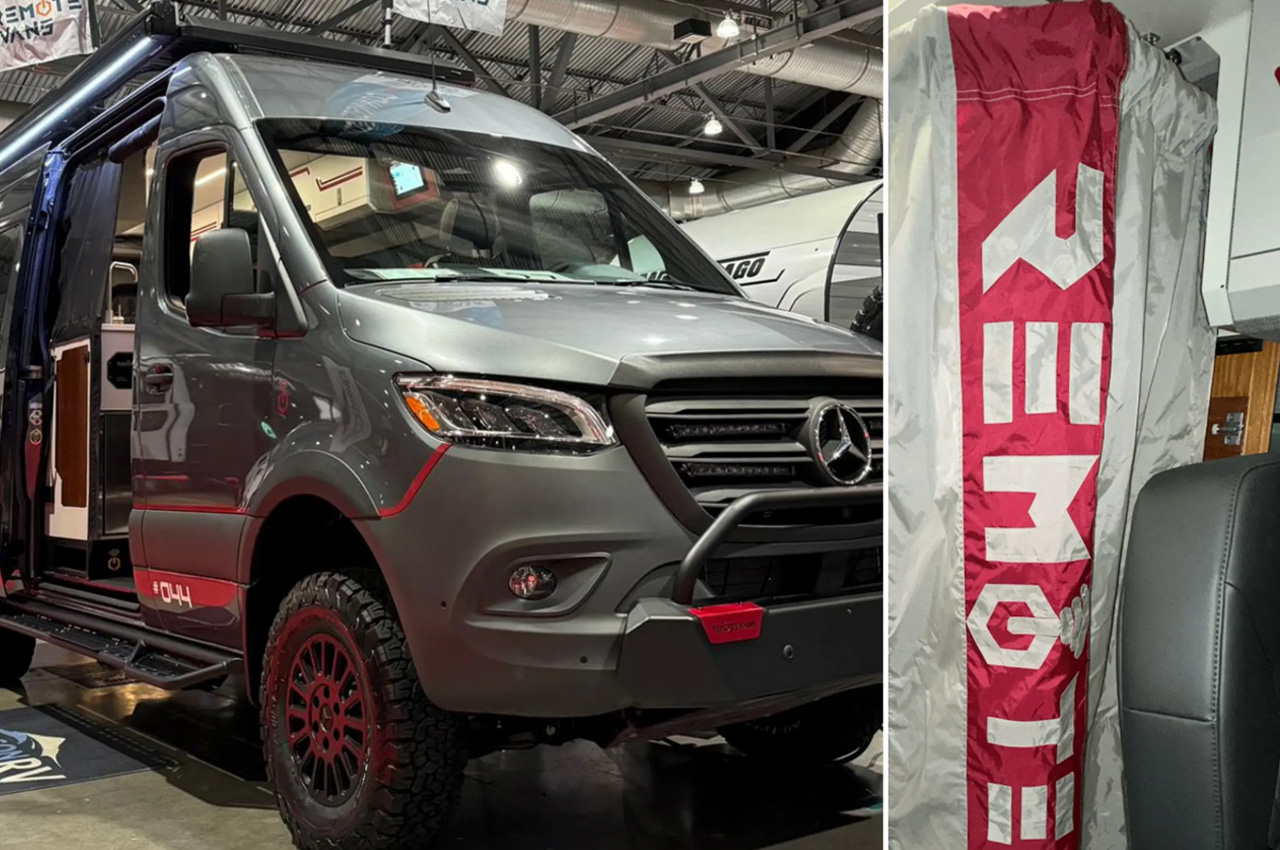
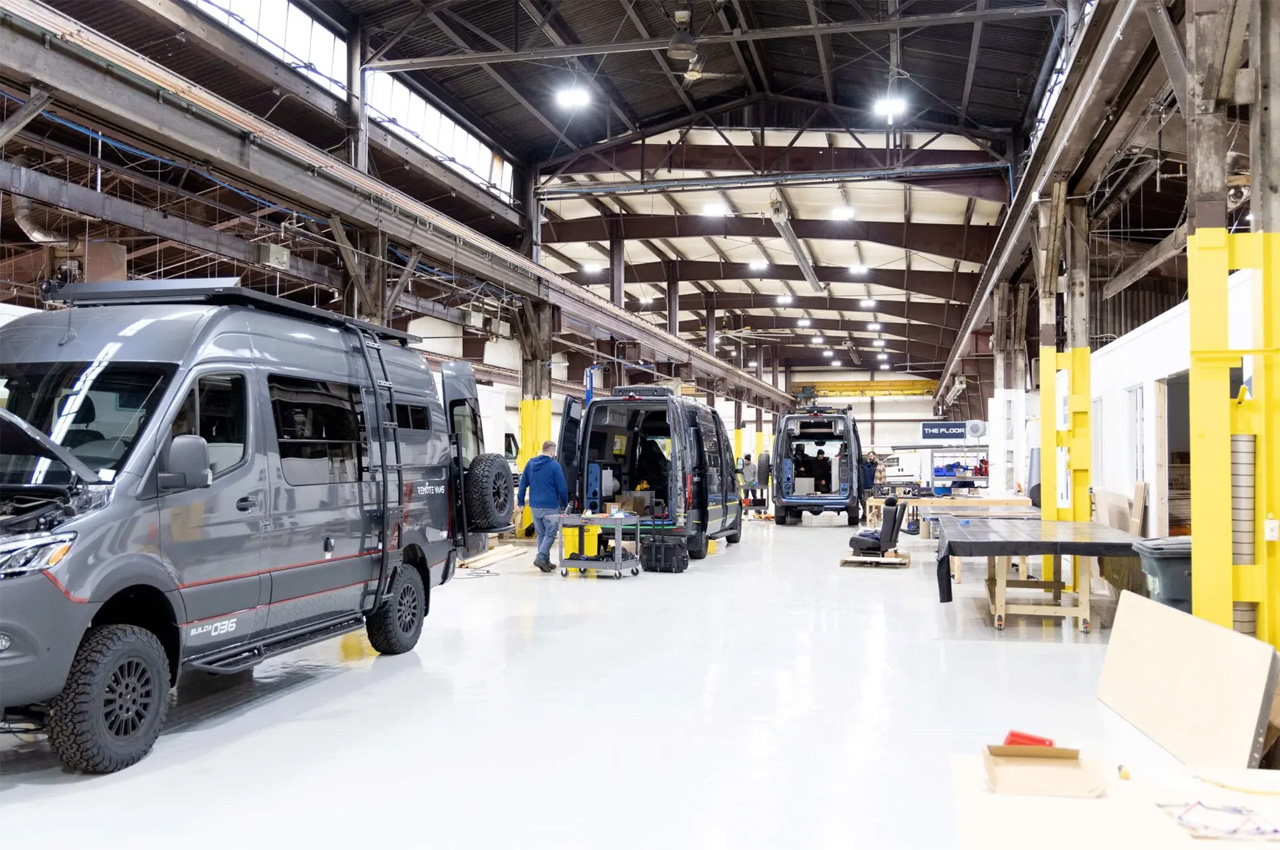
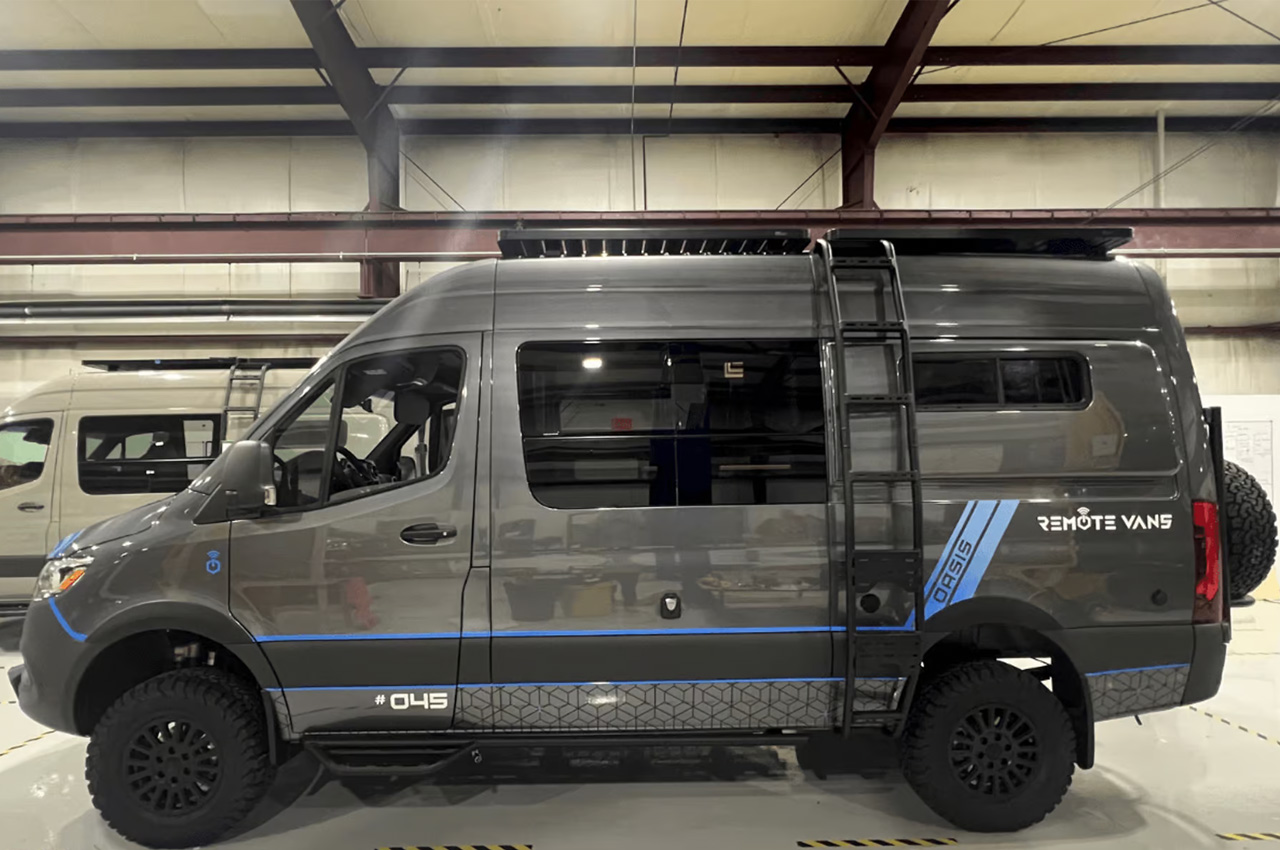
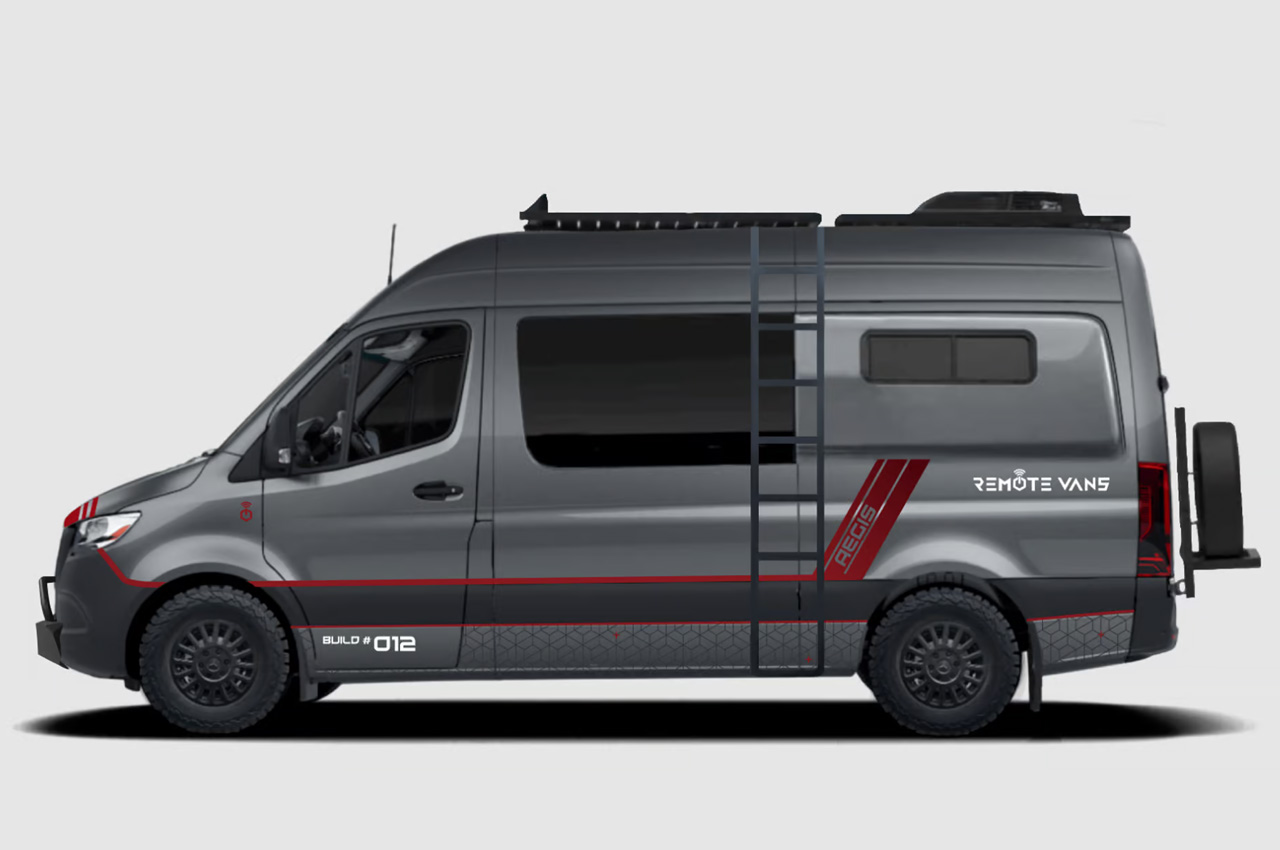
Living, Working, and Traveling have a new definition in 2024. Once, all three were separate entities; where you lived wasn’t where you worked, or where you worked you didn’t travel. But with trailers and camper vans, the entire definition is altering. Now, where you live is where you work, and where you work is where you travel. Based out of Cincinnati, Remote Vans has been making this transformation come real since 2021 and it’s reached a new high in 2024 with three new models—Friday, Oasis and Aegis.

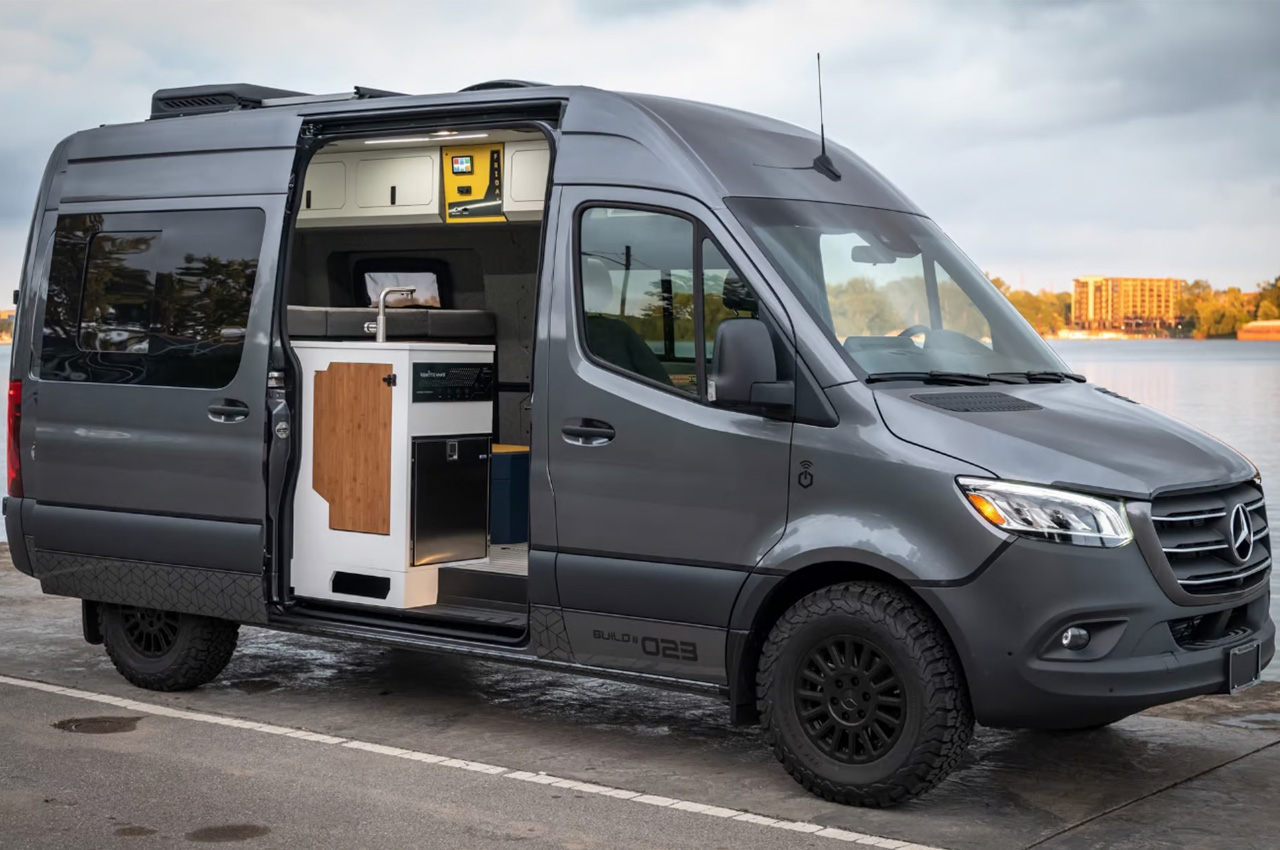
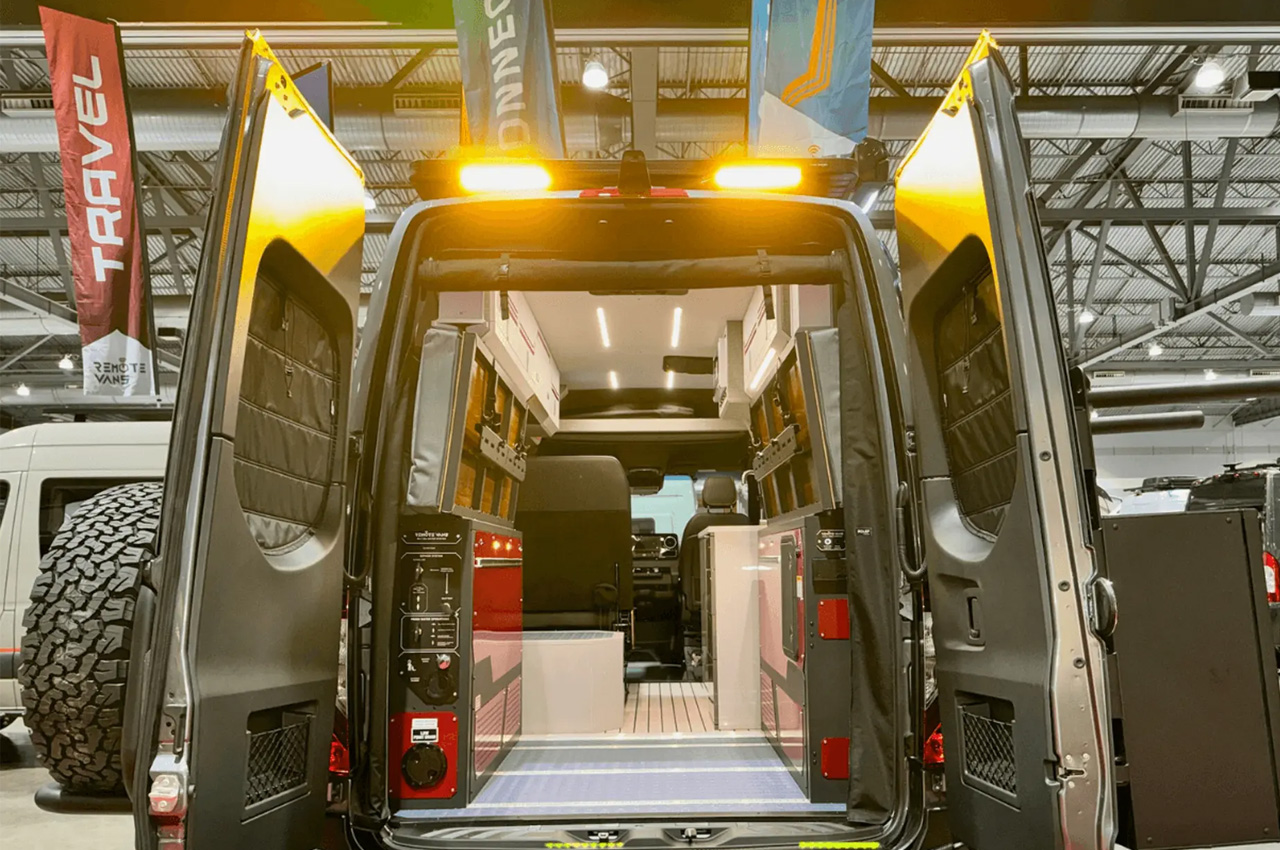
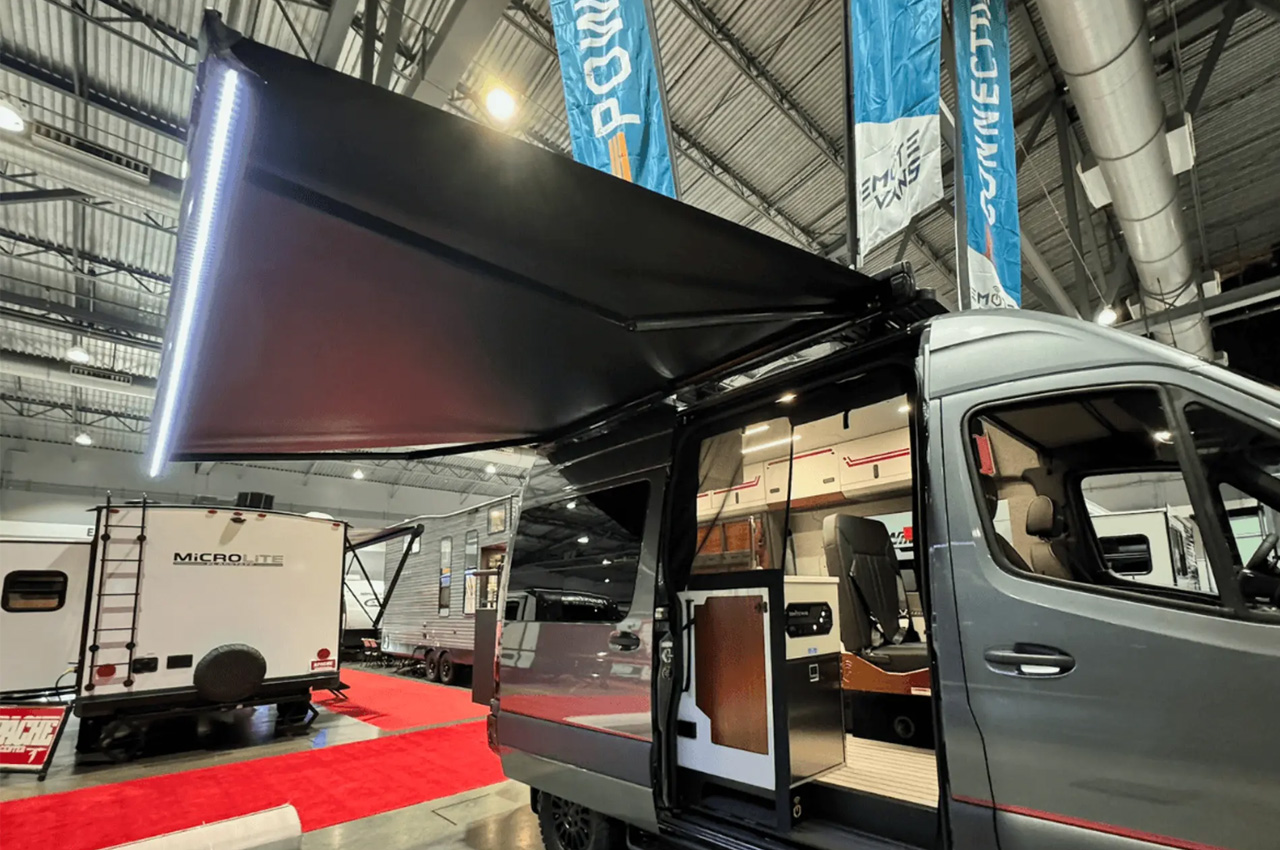
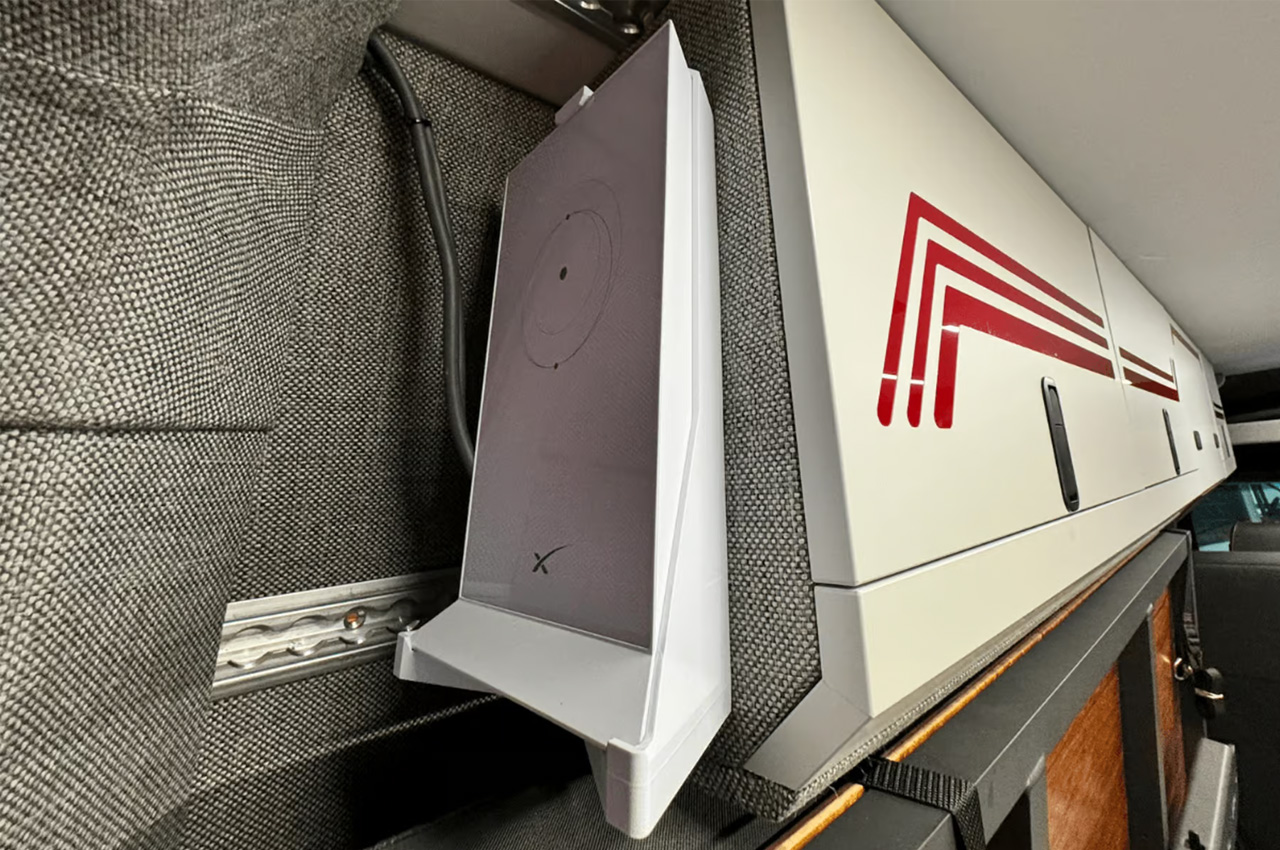
The three Remote Vans variants are built on Mercedes Sprinter chassis with “power, comfort and connectivity” at the forefront. Born at the company’s new 30,000-square-foot production facility, all of the Friday, Oasis and Aegis are designed and fabricated in the factory except for slight metalwork carried out by a local vendor. While power comes from the Sprinter, comfort is ensured by the Remote Vans’ experience in Class B motorhomes, and connectivity is provided with Starlink high-speed internet. All of it is powered by a massive power bank, which can either juice up electrically or using a 190 watts solar panels.

Designer: Remote Vans

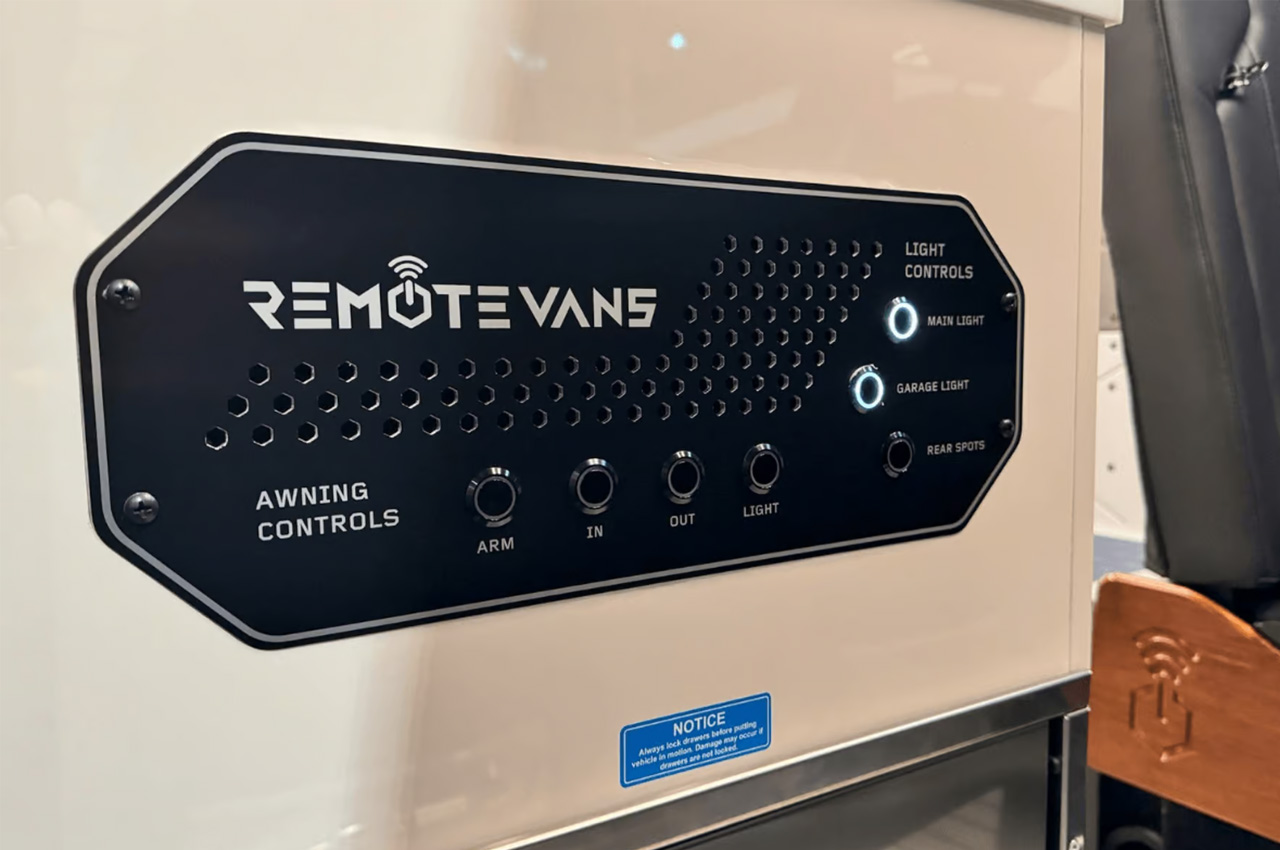
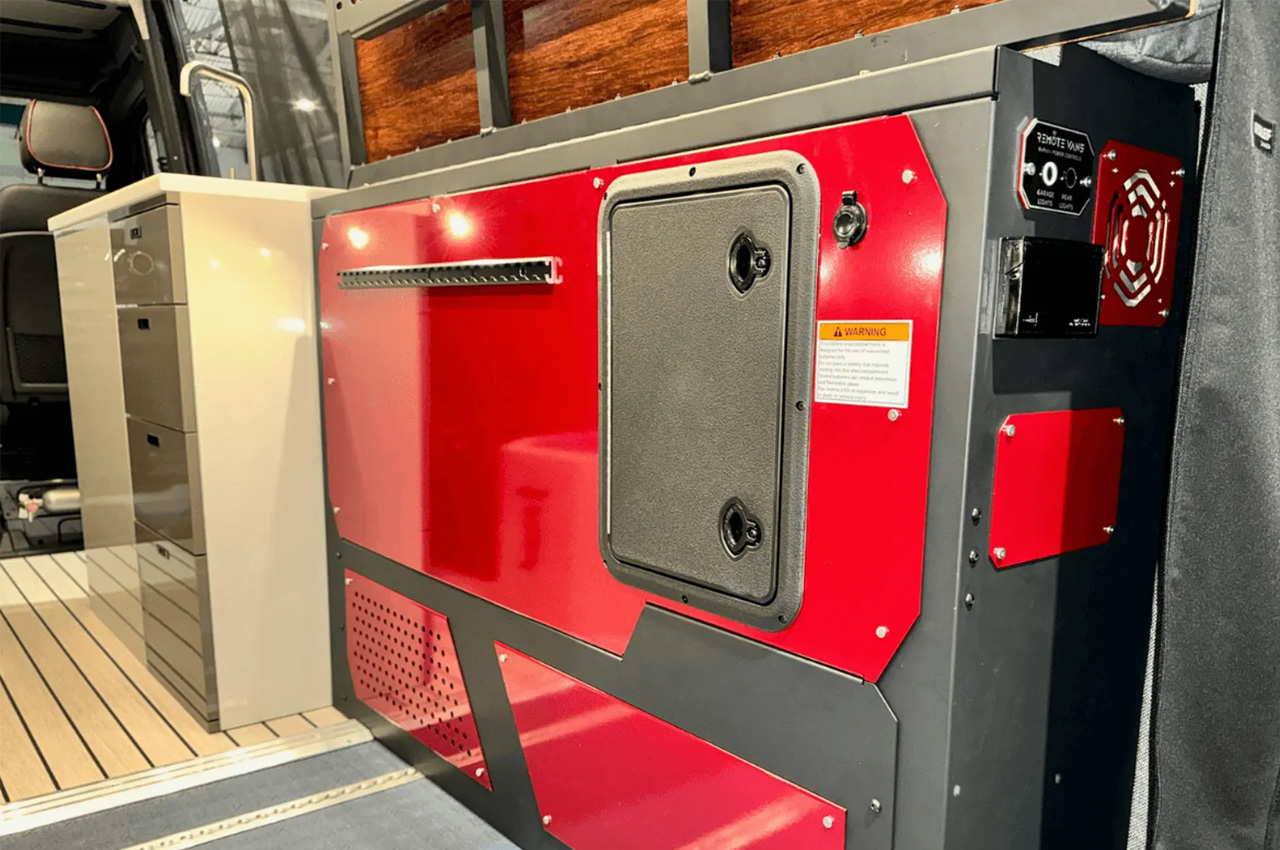
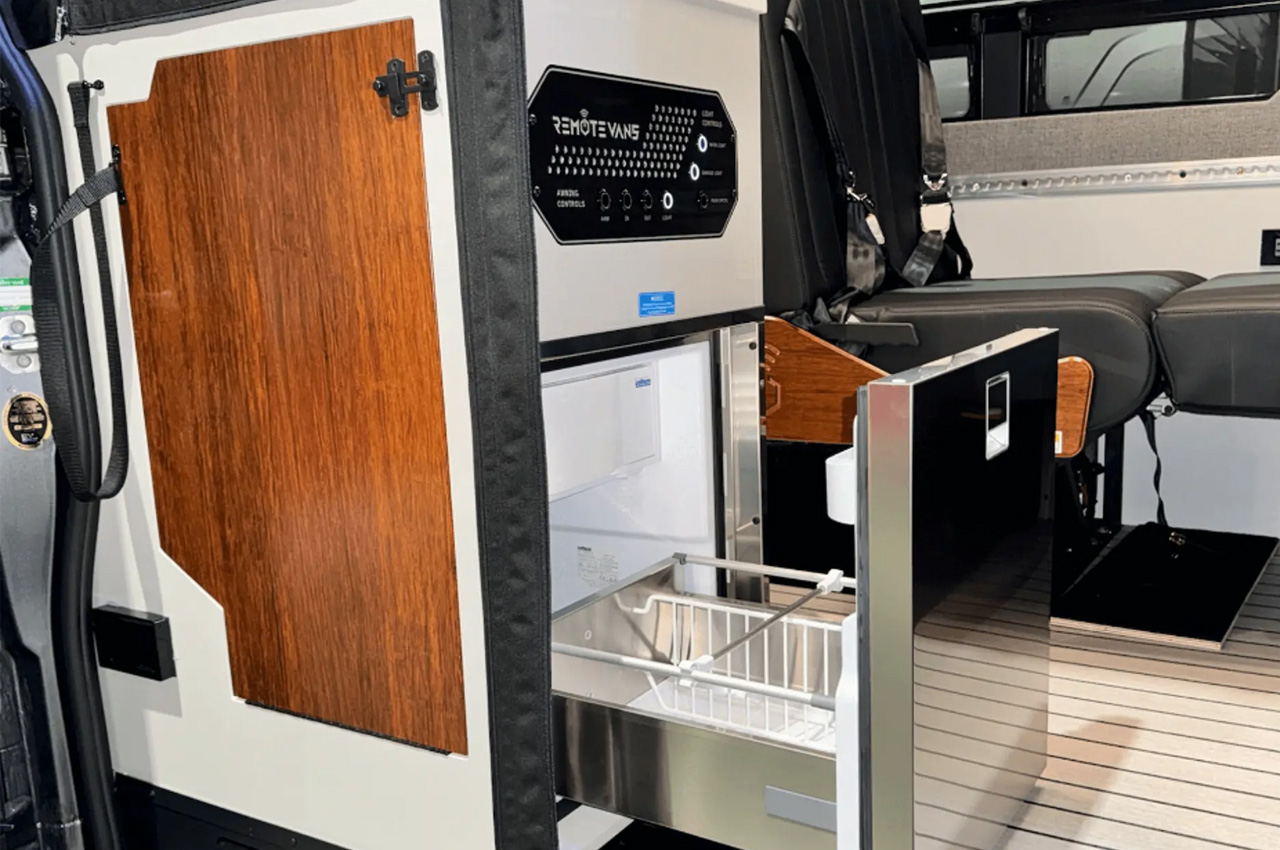
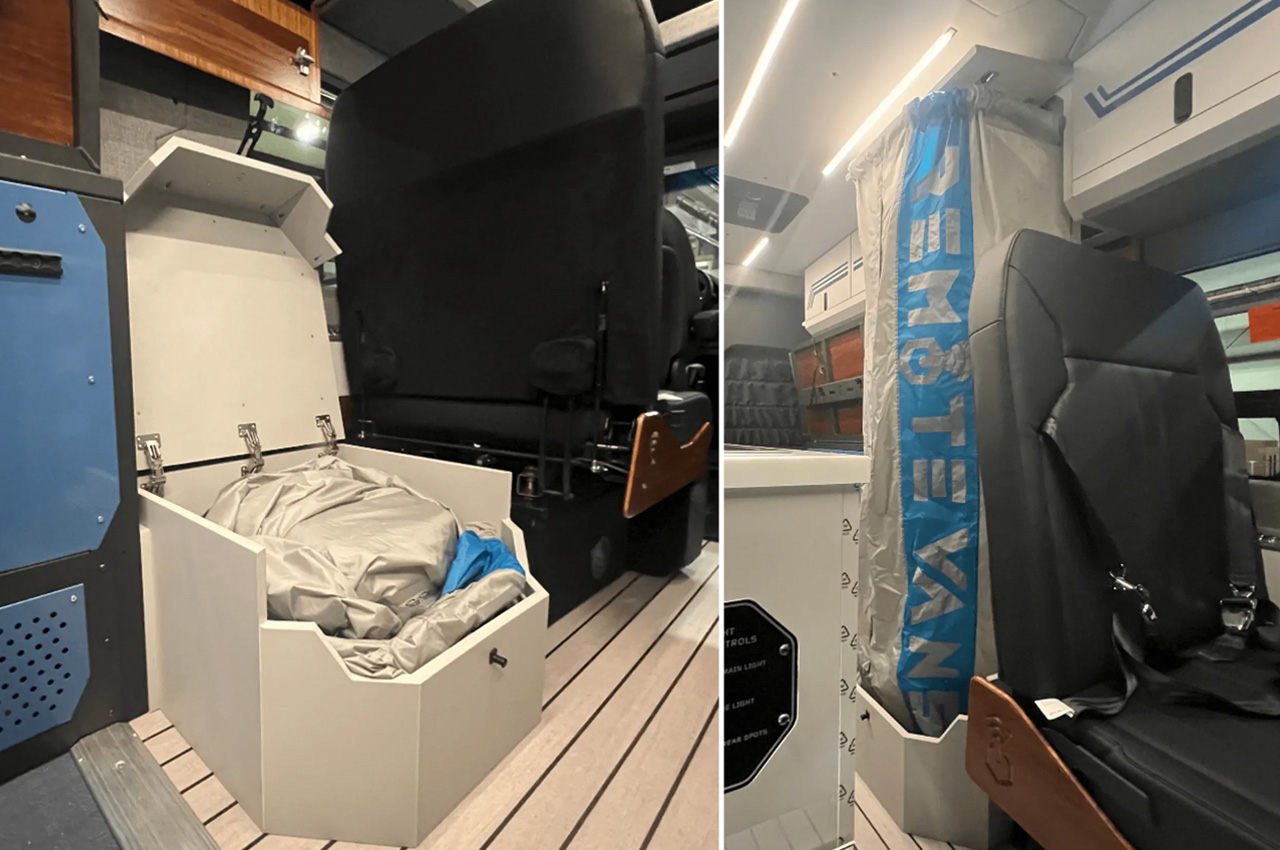
Remote Vans is making inroads in the RV market now with some customized features that should put it in a different league from its competitors. For instance, the new Friday, Oasis and Aegis arrive with a company-built shower pan (recirculating and collapsible shower system), freshwater tank and other befitting features like Espar hydronic water and air heating system to make camping for extended time fun in them.

The new power bank – comprising a 16.8-kWh 51-V Lithionics battery and a 3,000W inverter – onboard these Remote Vans models comes with 60 percent more storage than in the previous models. It takes care of the power needs of an efficient 48-volt air conditioner that can run for days on portable energy. All three variants with features onboard are ideal for both small and grand expeditions but the base model Friday lacks some premium features like a suspension kit, long-range fuel tanks, and an option for additional solar panels that Oasis and Aegis do.

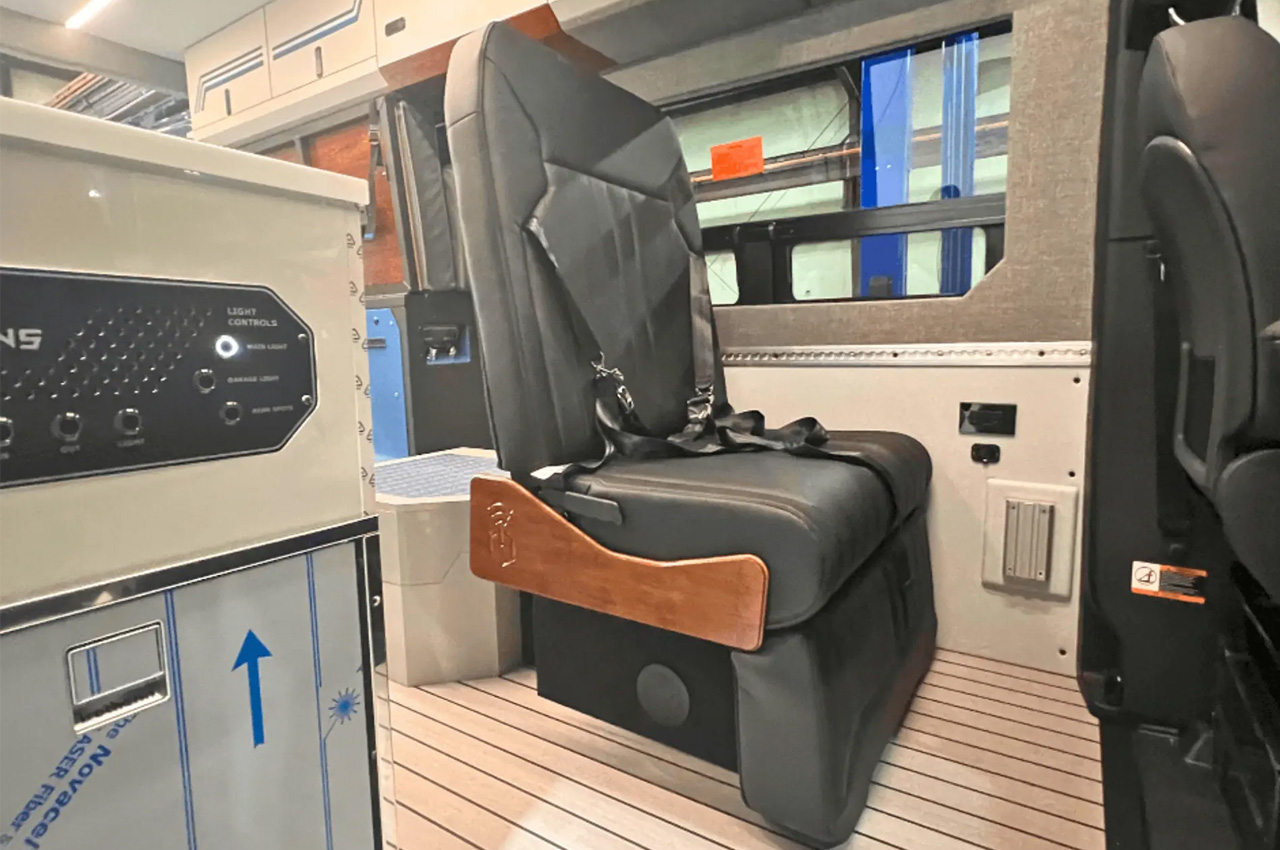
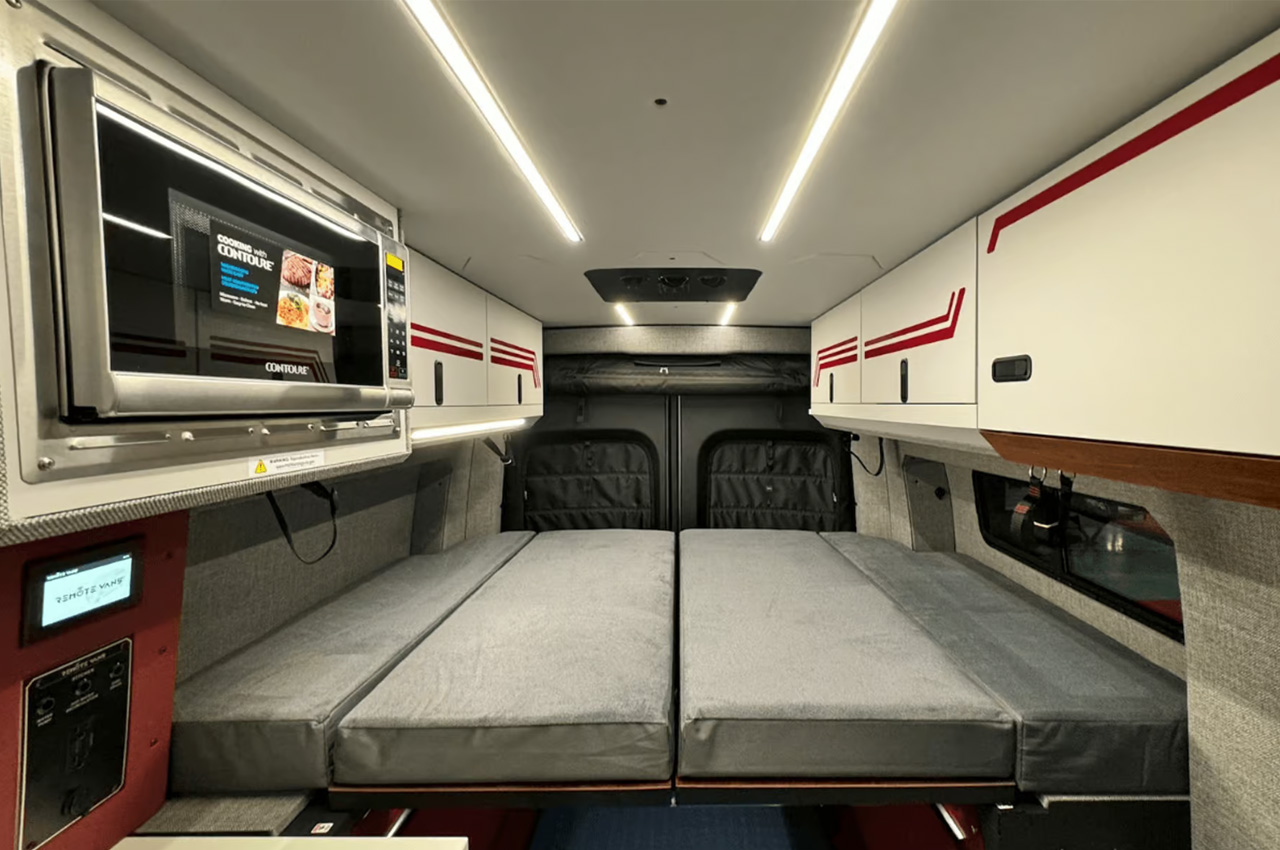
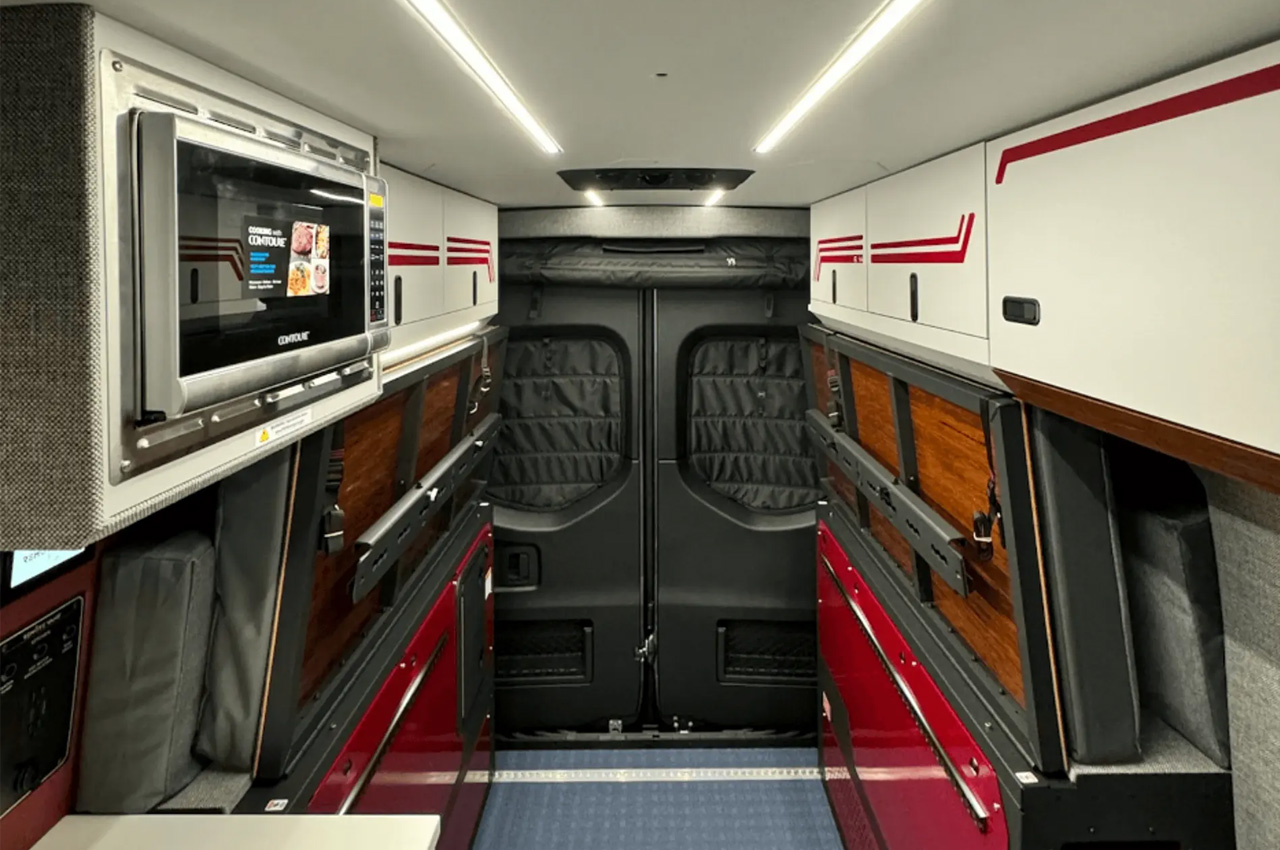
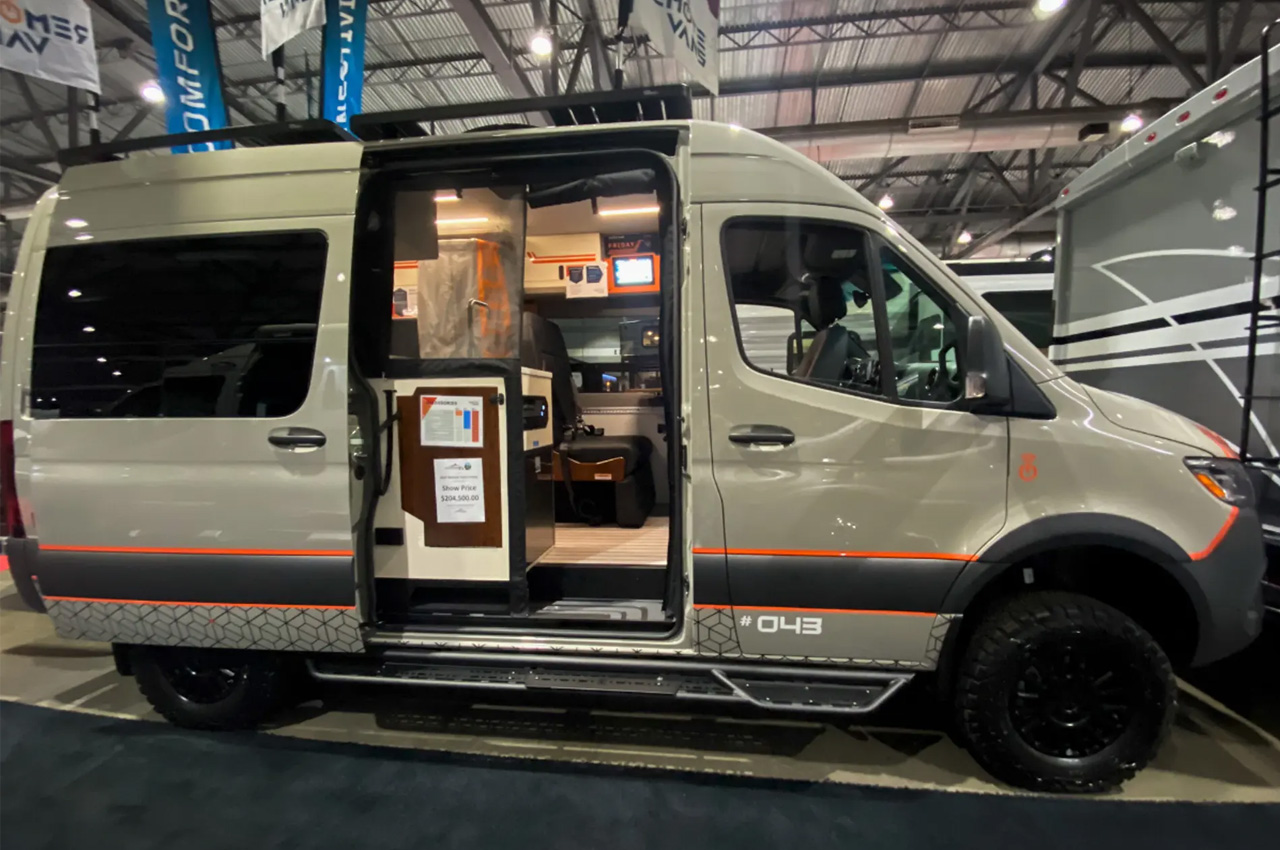
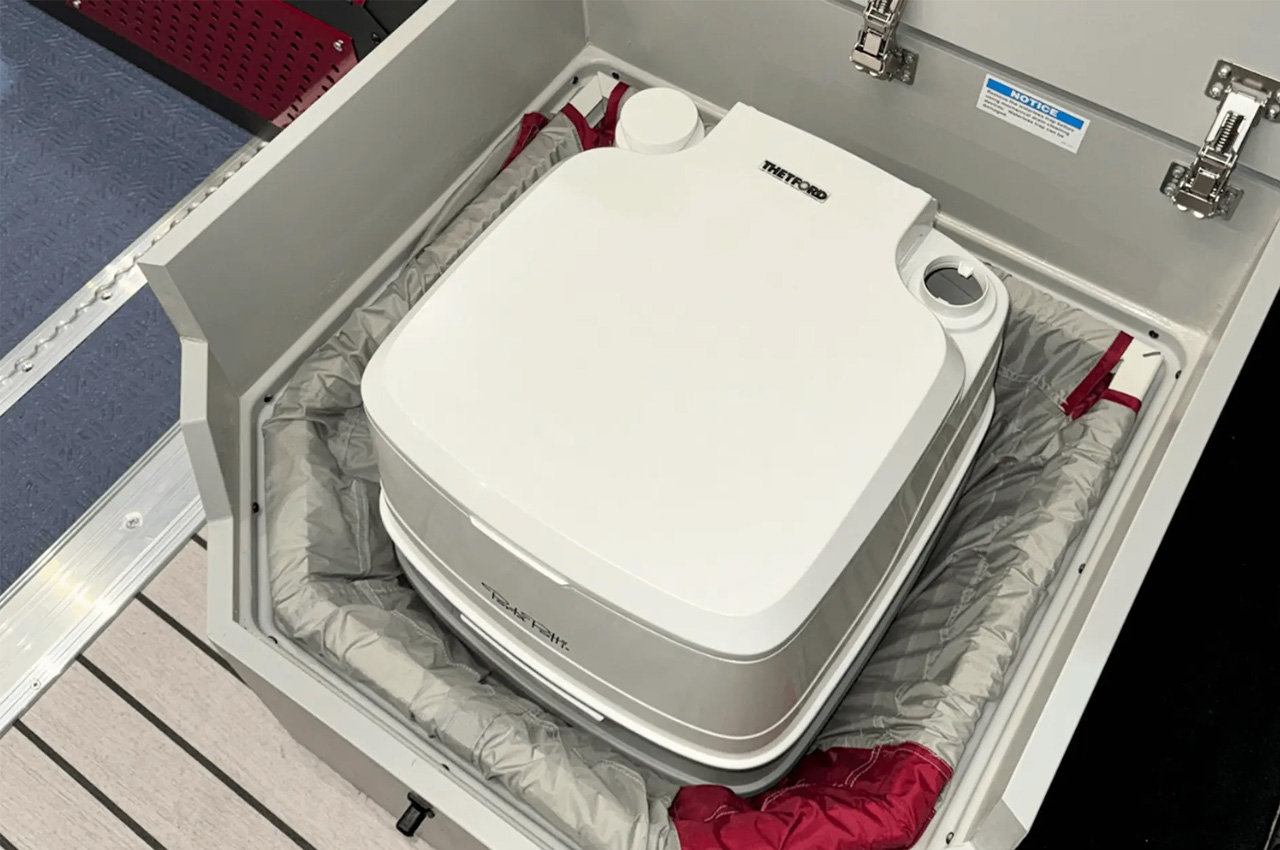
Friday, starting at $205,000 and includes a kitchen, queen bed, 90-degree swing seat, internal shower, portable toilet, roof rack, and awning. On the entry, you have a comfortable and warm living space, saturated with a legless bed, a scratch-proof kitchen, an overhead shelf, and lightweight upper cabinets. The kitchen comprising a countertop, induction cooktop, microwave, minimalist drawers, sink, and fridge is easily accessible from inside or outside of the van.

The queen-size Bascule Bed is designed to folds-up during the day to provide 17.4 sqft of unobstructed garage space beneath when required, while the interesting swivel seats and fold-out swivel table make possible multiple, remote workstation setups or dining possibilities on the go. The base essentials of the Friday remain the same for Oasis and Aegis, while some additional features spike up the price for the latter two camper vans.

The post Camper van with space-saving indoor shower and Starlink internet is designed for extended days on road first appeared on Yanko Design.
Legendary Italian designer Marcello Gandini known for Lamborghini and Lancia Stratos Zero dies aged 85

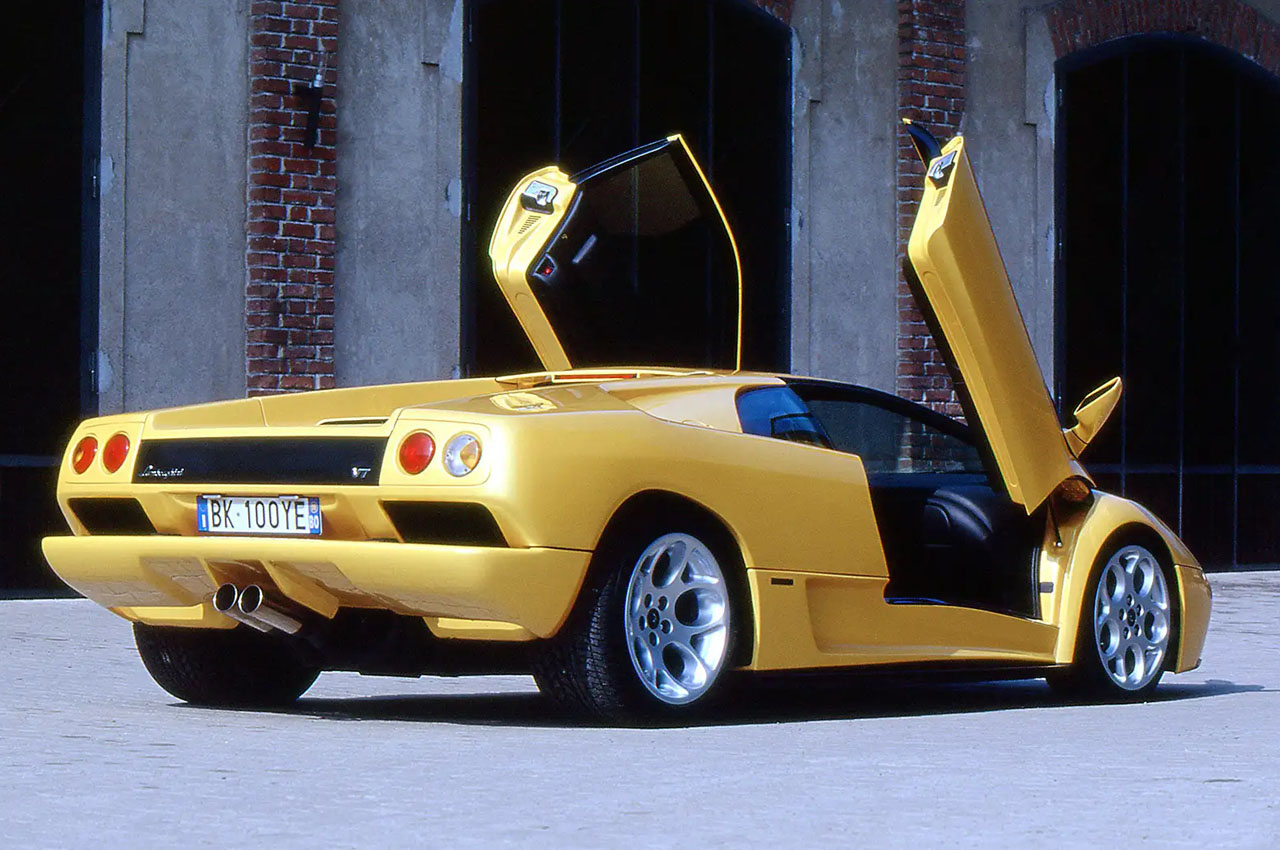
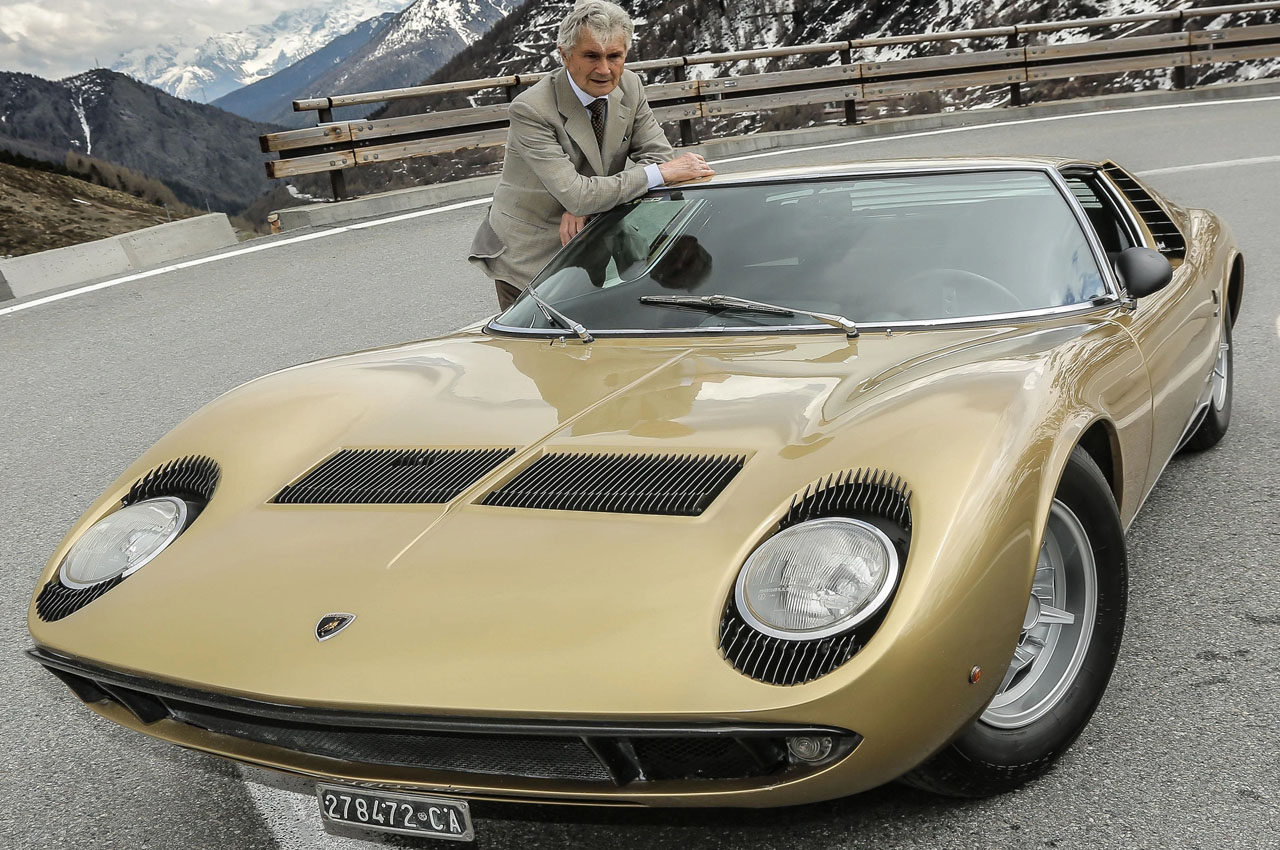
Sowing the seed of Italian craftsmanship in car design will always be attributed to Marcello Gandini. Unfortunately, the legend passed away at the age of 85, leaving us with his iconic works including Lamborghini Countach and BMW Garmisch. He was the creative head behind the idea of incorporating the iconic scissor door and several other design innovations that were ahead of time.

Marcello’s cars have timeless appeal given they adorned the walls of automotive enthusiasts all over the world. Born in Turin, Italy, he worked as an interior designer and once was even rejected by Nuccio Bertone’s lead designer Giorgetto Giugiaro who himself had names like BMW M1, Maserati Ghibli and Lotus Esprit S1 under his design portfolio. Eventually, when Giugiaro moved on to Ghia in 1965, Gandini was hired by Bertone.

Designer: Marcello Gandini

This started an exciting journey that eventually led to designs like the Lamborghini LP500 prototype (earlier known as Countach), the Lancia Stratos Zero concept and the Alfa Romeo Monteral. During his 14-year stint at Bertone, he completed over 100 projects, most of which are deemed the classics in automotive design. His signature styles including the scissor doors and wedge-shaped outlines, even today capture everyone’s imagination. After leaving Bertone, Gandini started a new company with his wife Claudia. During this time he worked out of the box to design mass production cars for names like Polo, BMW and Renault.

He even worked with Tata Motors in the year 2017 to bring to life the TaMo Racemo sportscar concept. Gandini also helped design the Volkswagen Polo, second-generation Renault 5 and Citroen BX. In the latter half of his glorious career, he experimented with non-automotive projects like the Angel helicopter, an expansive house in Corsica and noticeable industrial and furniture design spaces.

The legendary designer died aged 85 all of a sudden in the Rivoli municipality of Turin on Monday which was a shock for the design community. His funeral chapel was held on Thursday from 3:00 P.M. to 7:00 P.M., and Friday from 10:00 A.M. to 12:00 P.M. local time. The funeral will extend to Saturday to allow fans and the design community to pay homage.

The post Legendary Italian designer Marcello Gandini known for Lamborghini and Lancia Stratos Zero dies aged 85 first appeared on Yanko Design.
Light, comfortable, and overly versatile Dropy teardrop trailer has compact foldout kitchen

Teardrop trailers have, arguably, taken the camping world by storm. The industry is flooded with small, mini, and micro trailers with their customization options to fit user desires and requirements. Offering extreme overlanding comfort with a sleeping area and functional galley kitchen in the rear, these lightweight trailers in addition to being exciting and fun are also comfortable and glamorous.

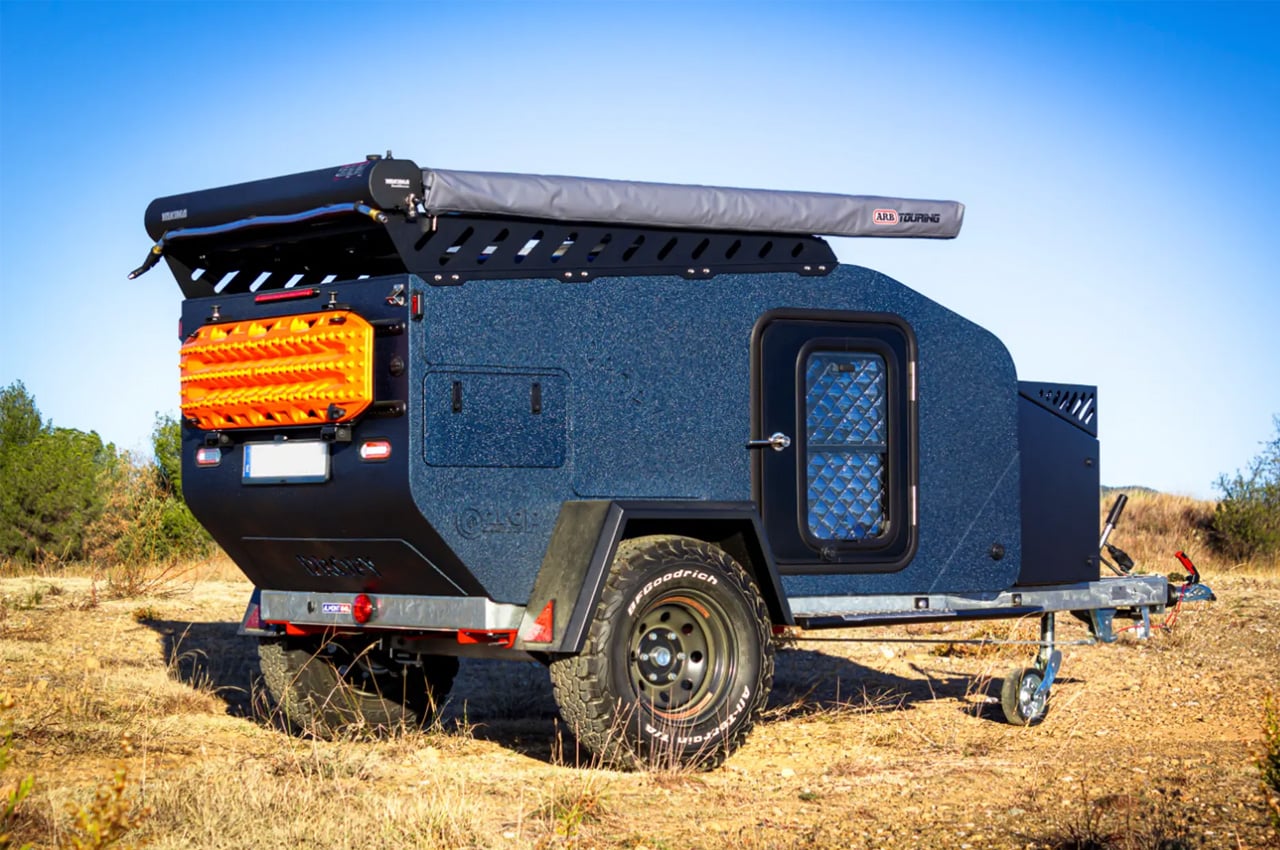
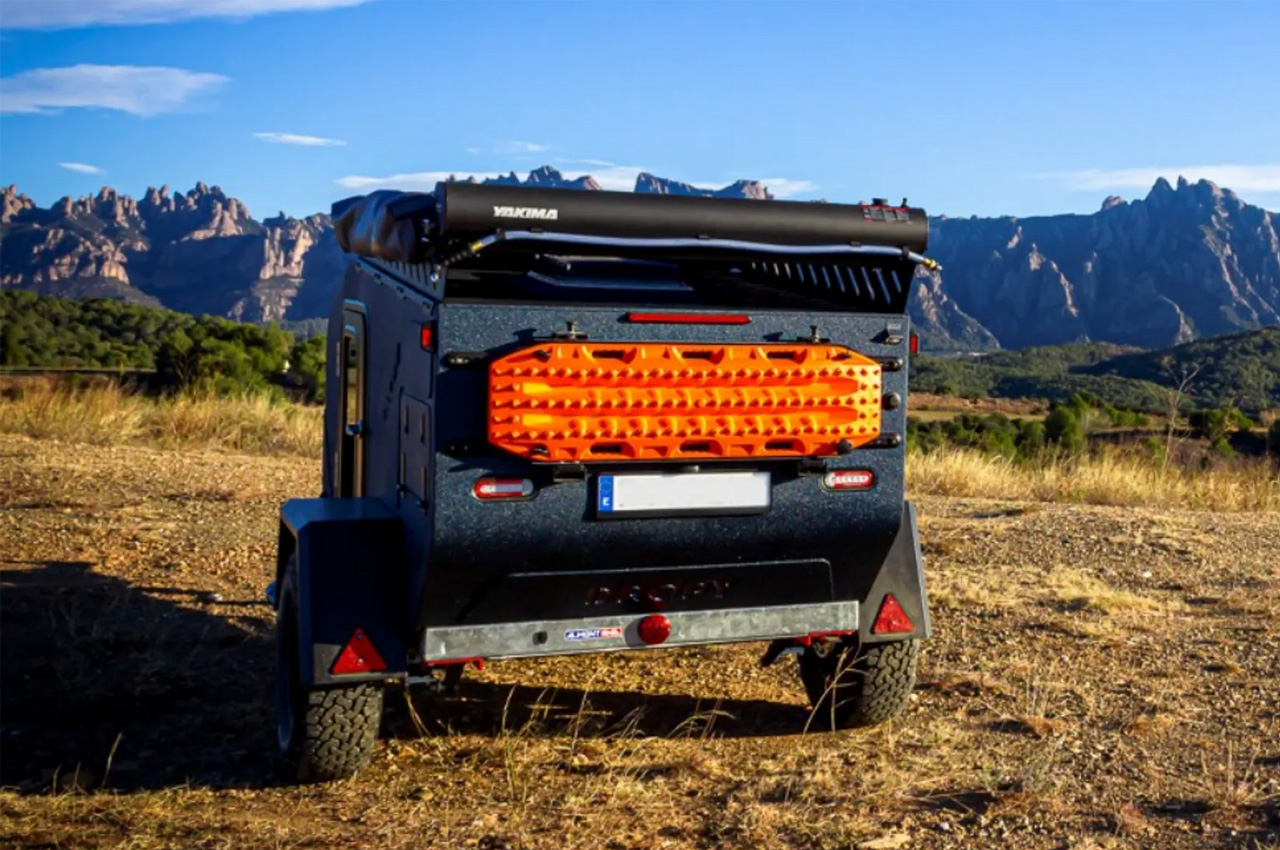
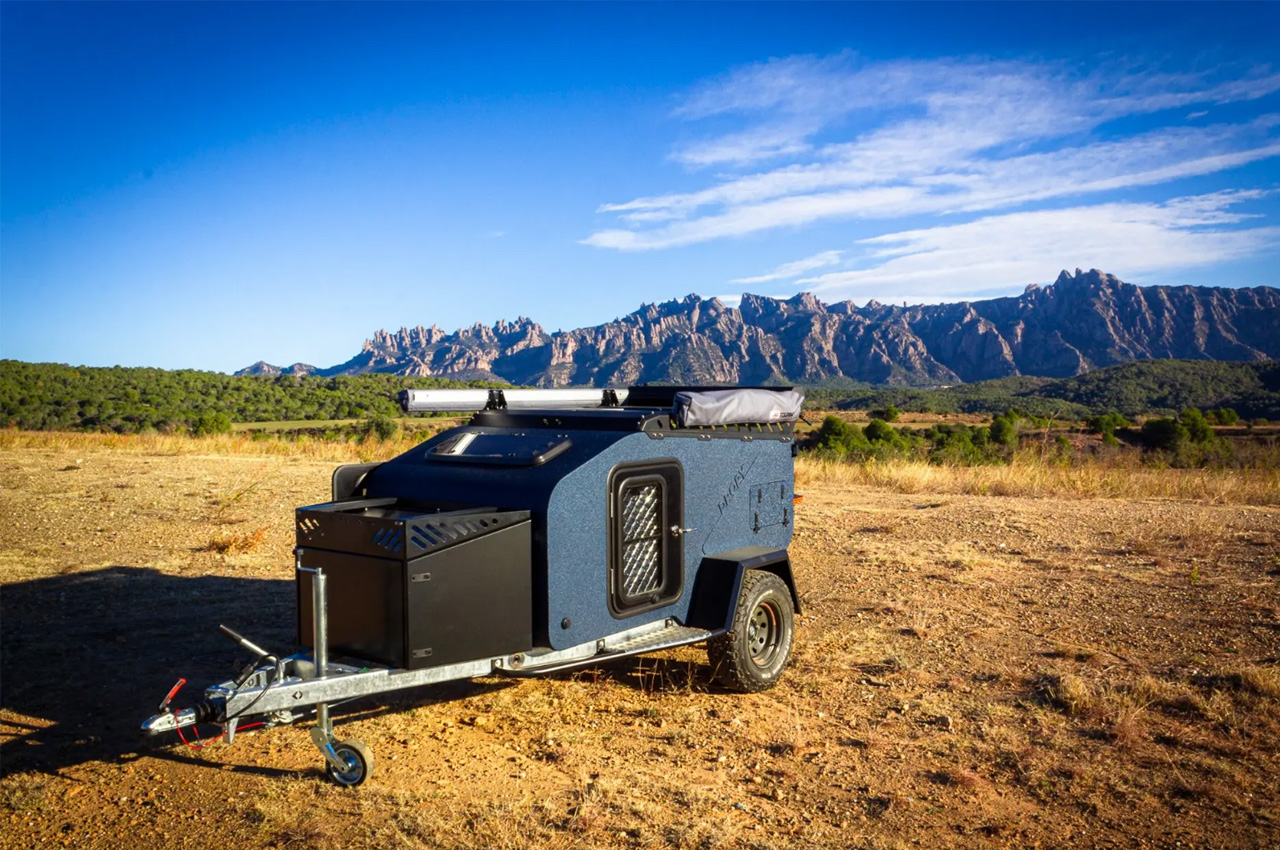
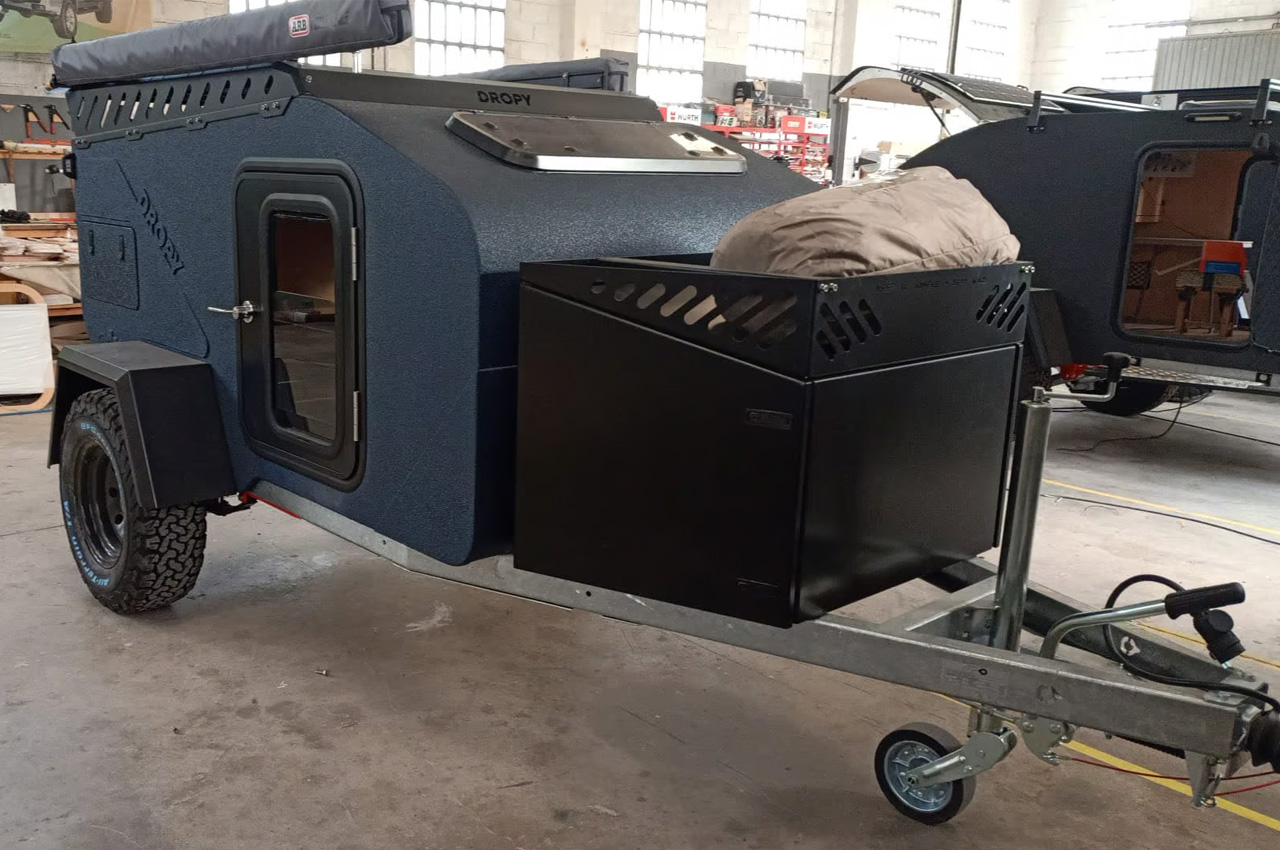
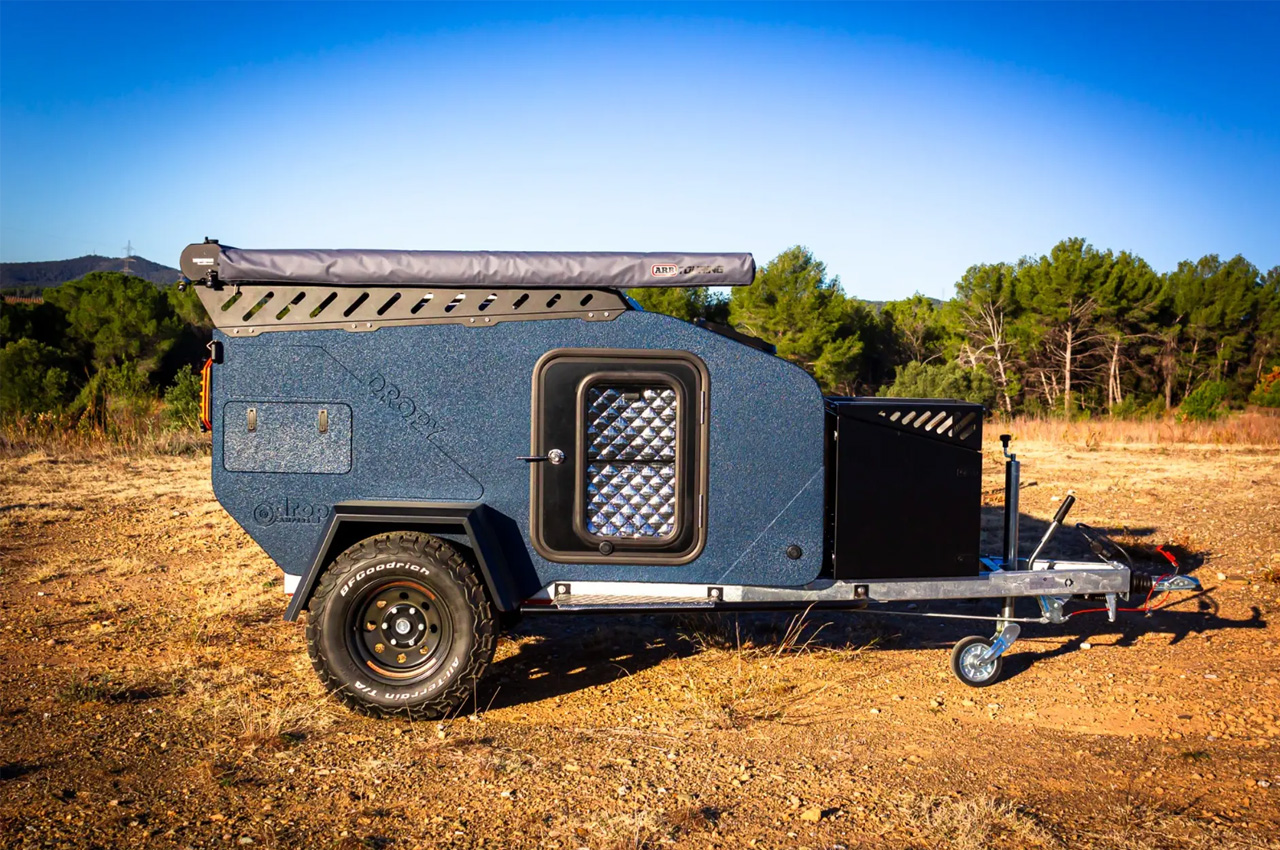
Following the lead arrives Dropy, a light, compact, comfortable and overly versatile teardrop trailer designed and developed by Barcelona-based Drop Campers. While on the exterior, the squared-off Dropy is just an ordinary trailer, it reveals some exciting new ways to keep it simple with an interesting layout.

Designer: Drop Campers

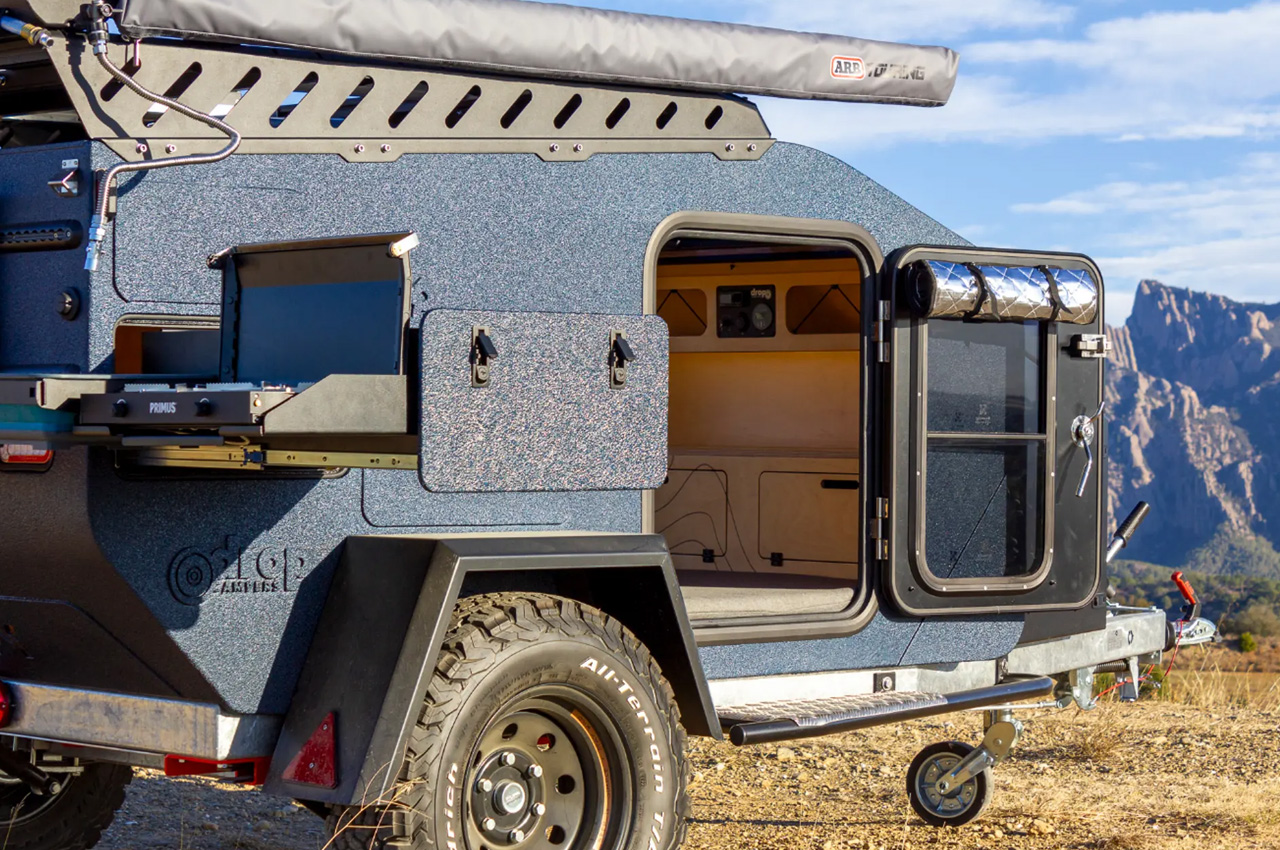
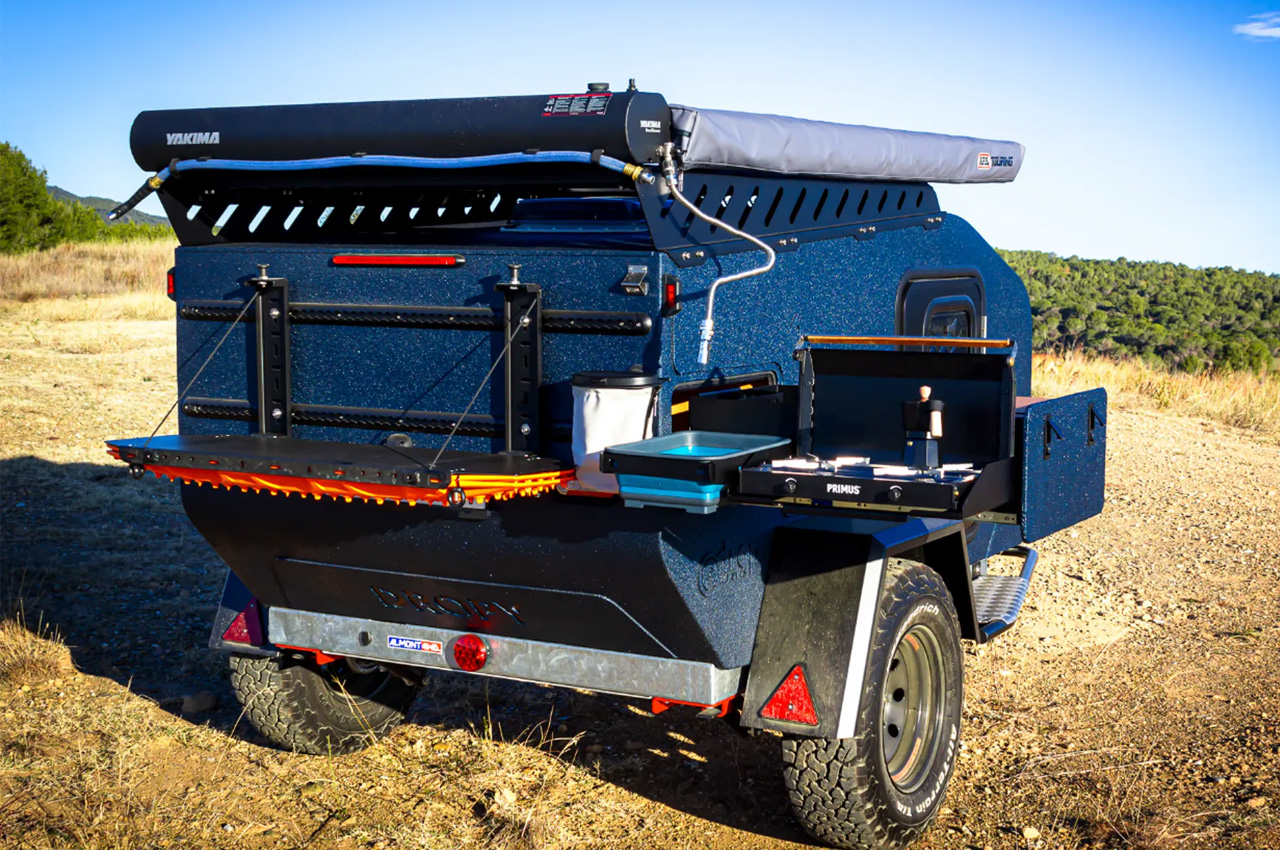
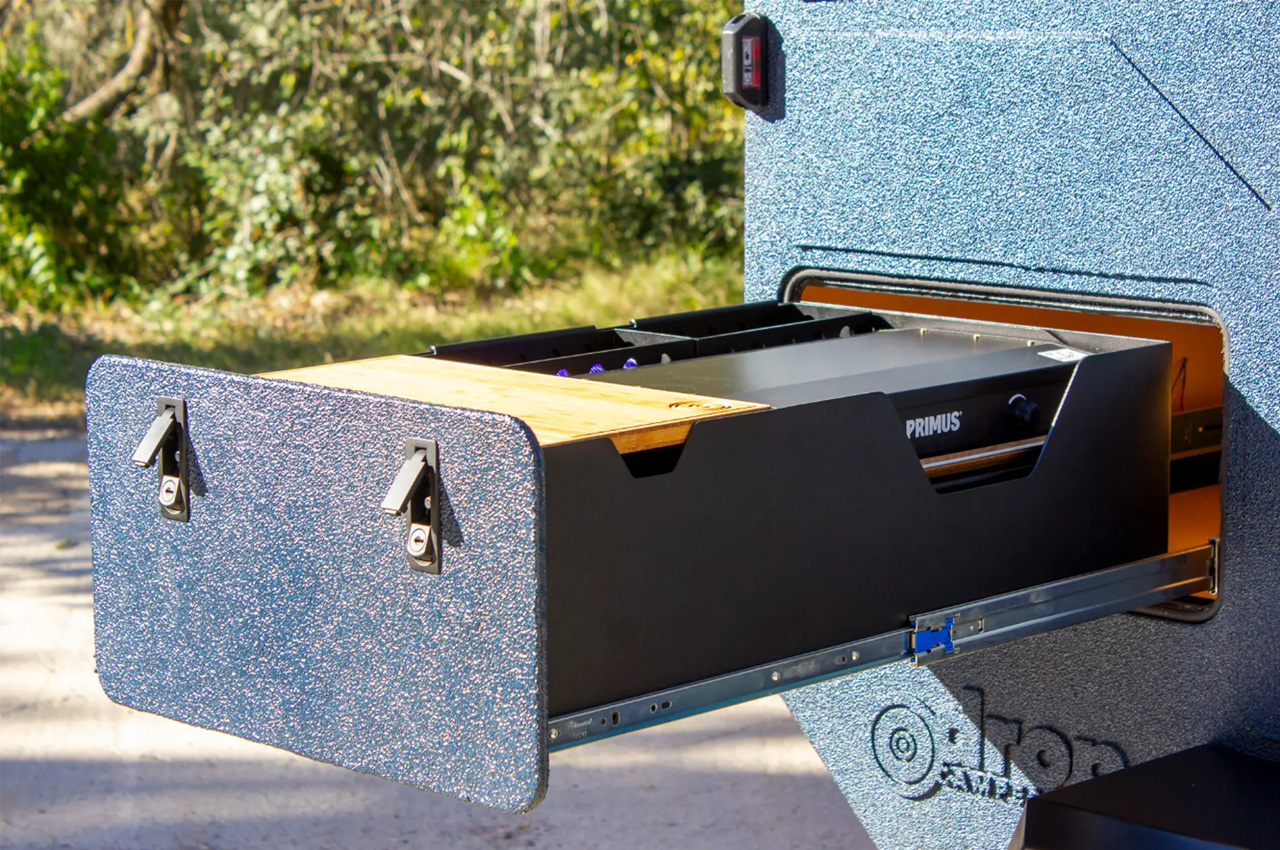
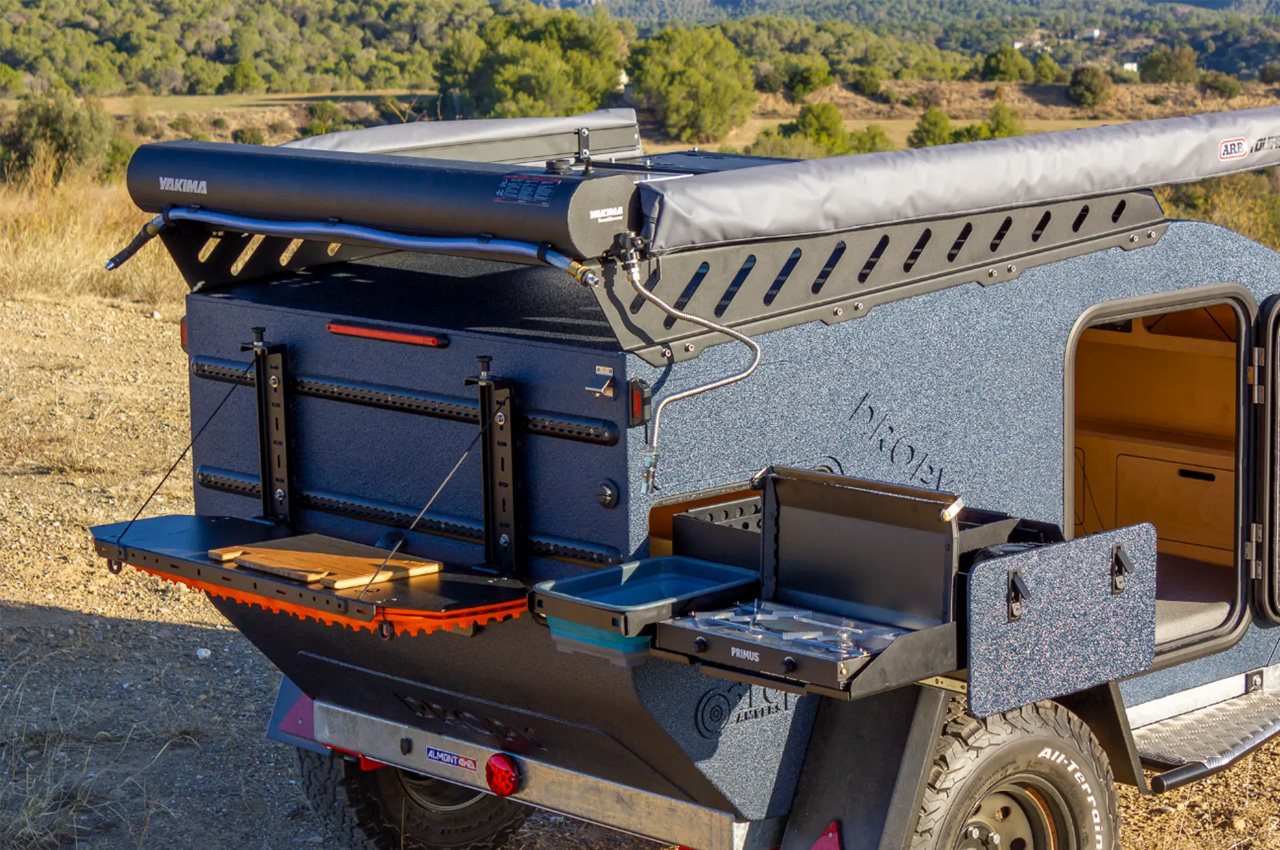
The variation of the Dropy lies in its kitchen, which basically comprises a fold-down traction board at the back alongside a small slide-out to hold a petite stove. This interesting convertible makeover, which is starkly compact in comparison with the rear galley kitchen, leaves more room in the sleeping quarter for the inhabitants to explore. The folding table can double as a work desk or a casual table when you want to just sit and relax outside of your camping trailer.

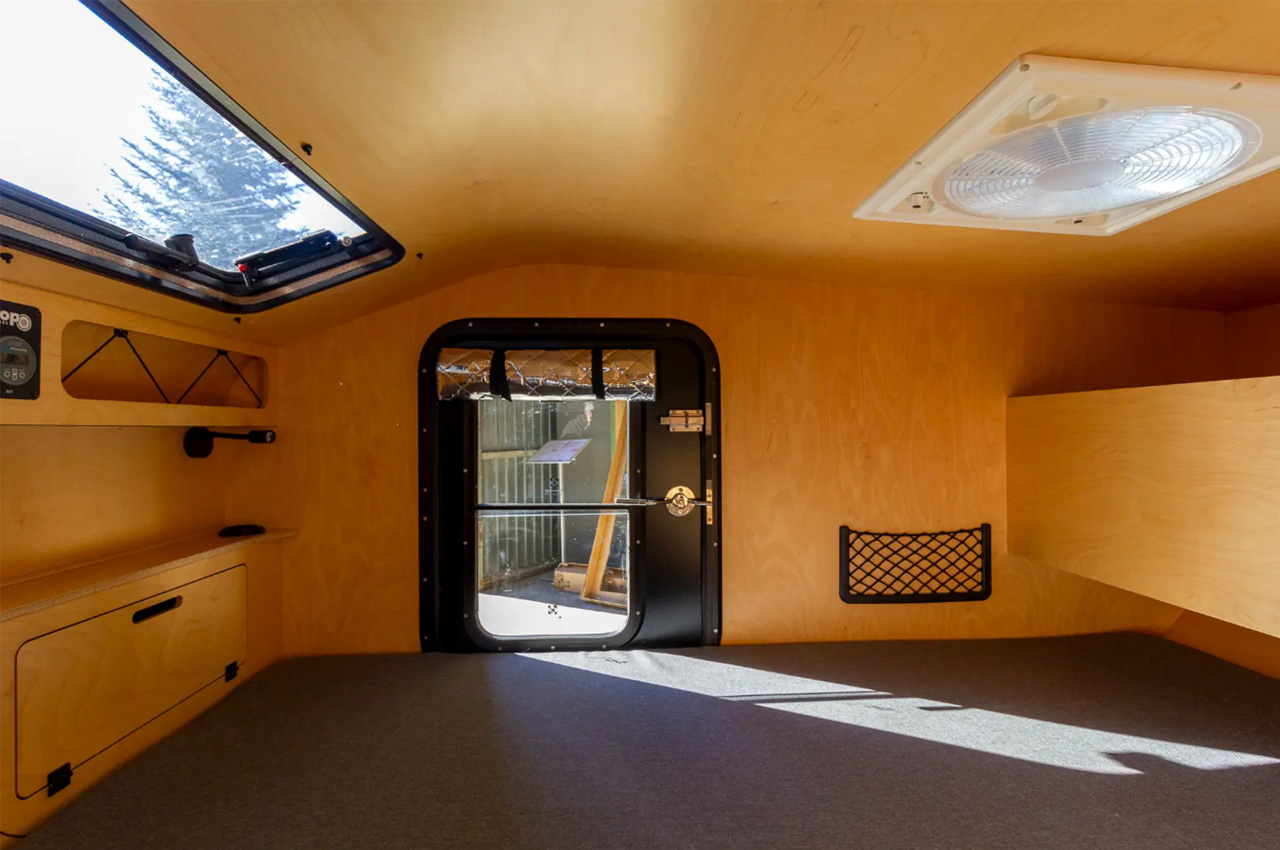
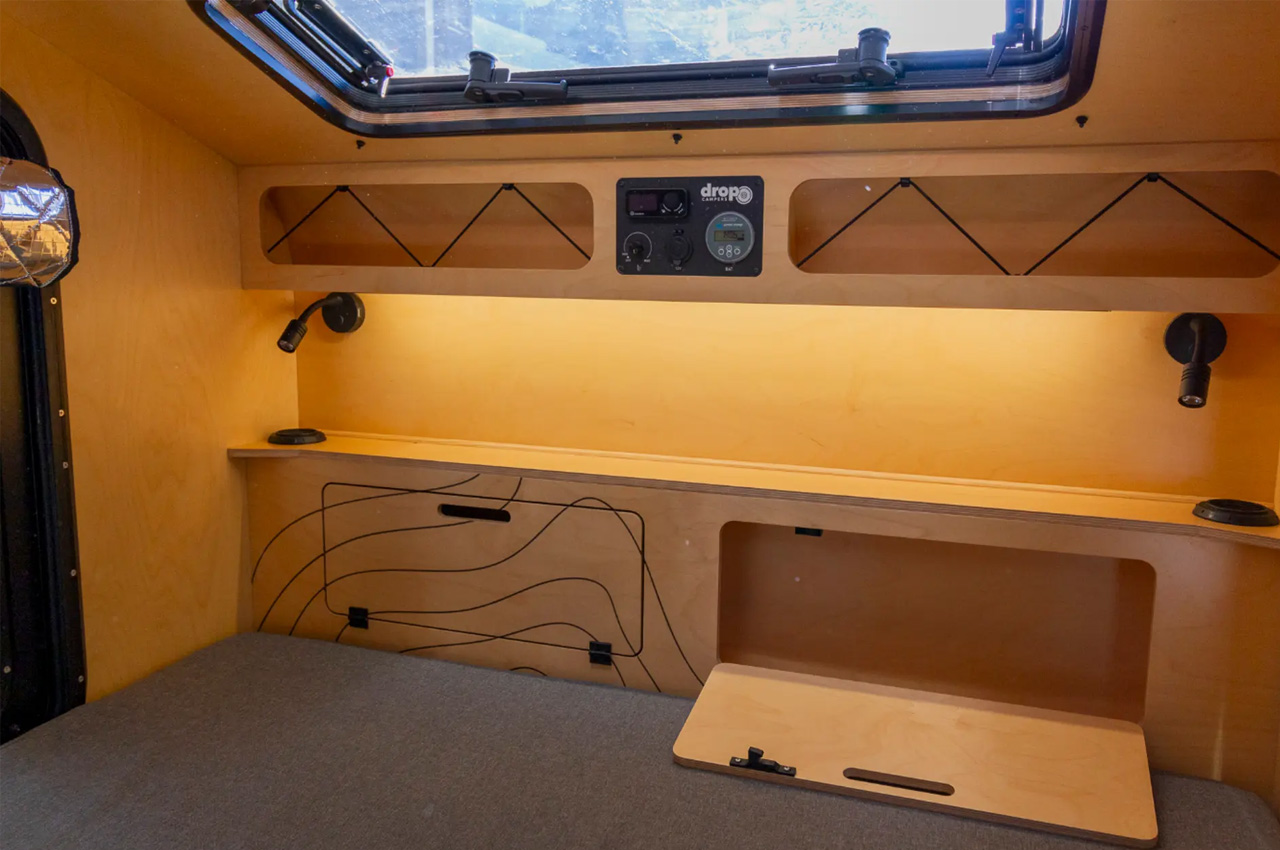
Always ready for what you throw at it, the Dropy has been designed to travel on tar, gravel, and unbeaten trails without much fuss courtesy of its welded galvanized steel chassis comprising a torsion bar axle and choice of leaf spring or independent suspension. Within its aluminum composite, birch body, black Line-X cabin, insulated with Kaiflex closed-cell rubber, you can experience an unforgettable living space featuring a double mattress, overhead cabinets, and some drawers and shelves for storage.

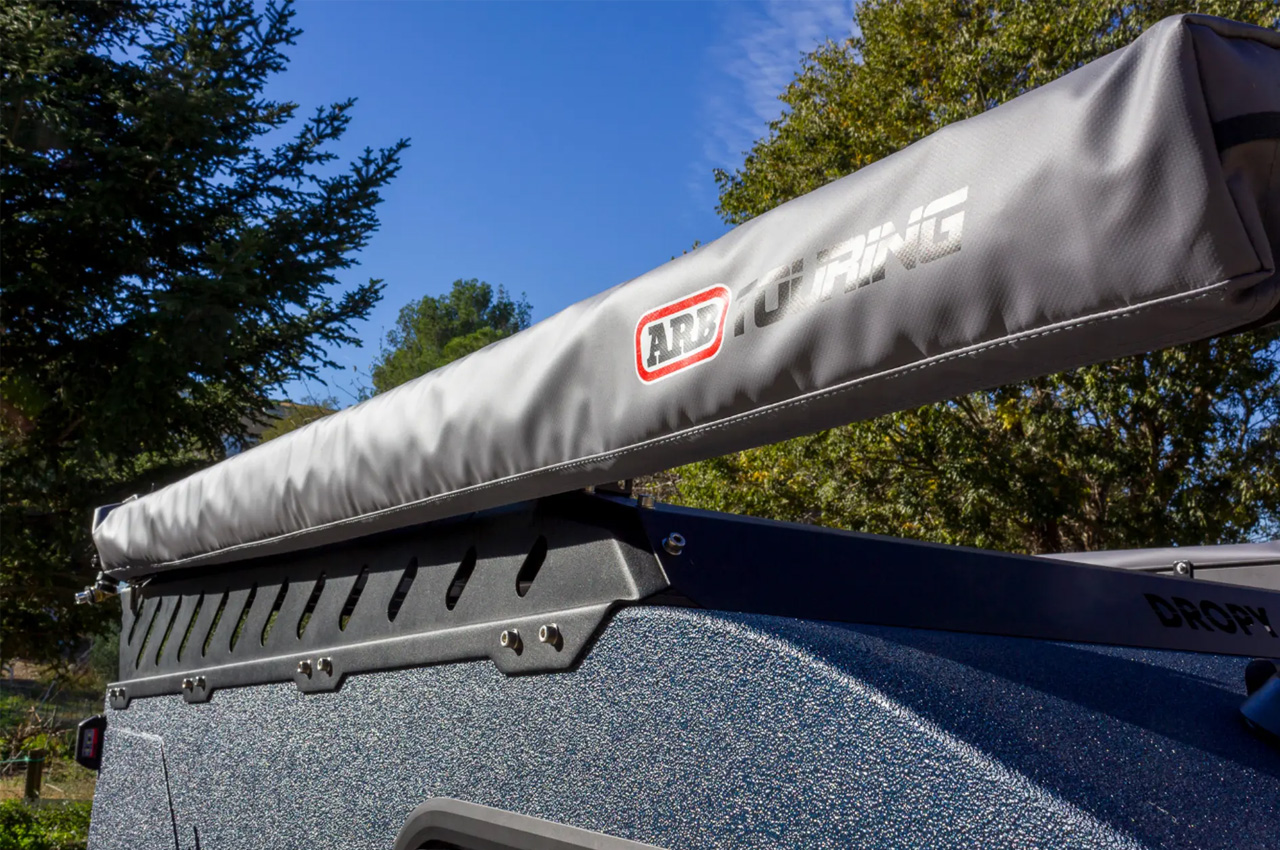
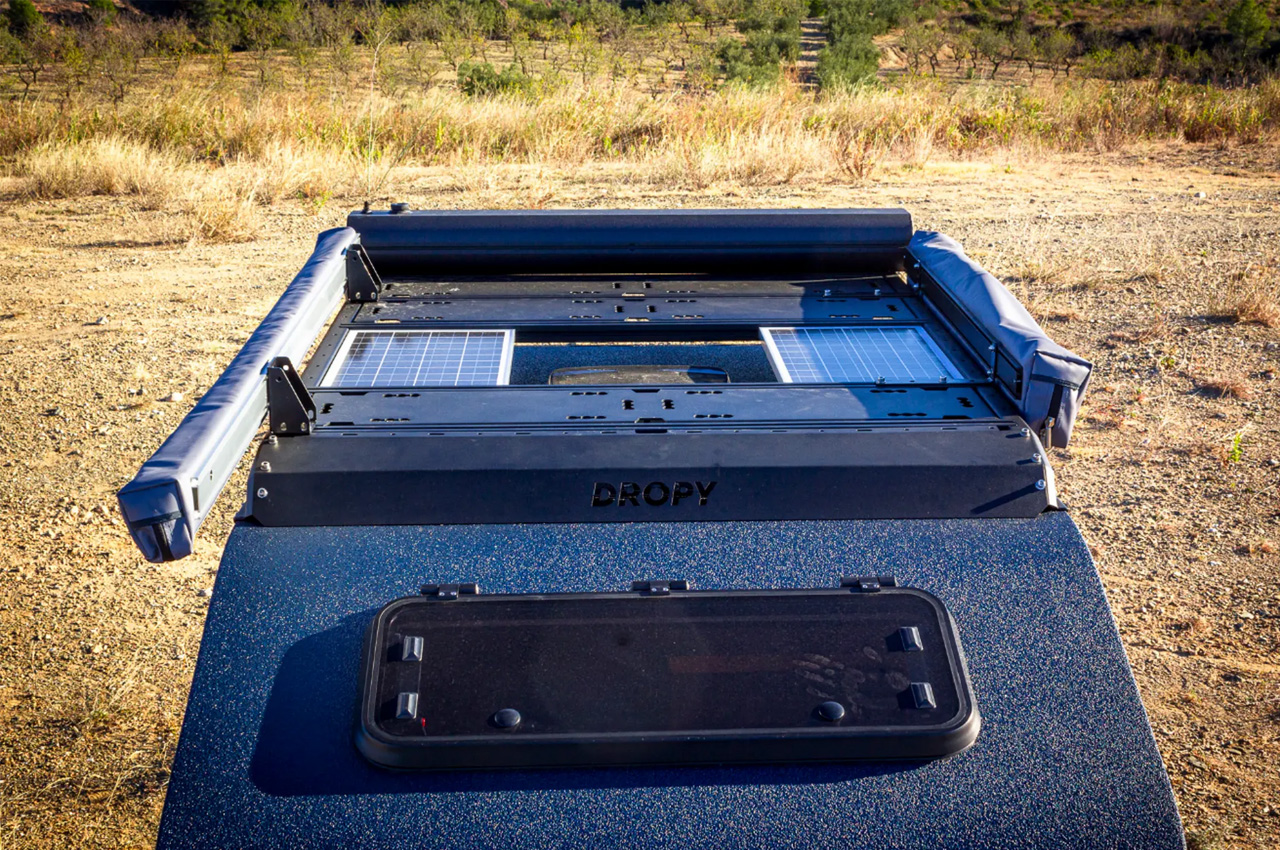
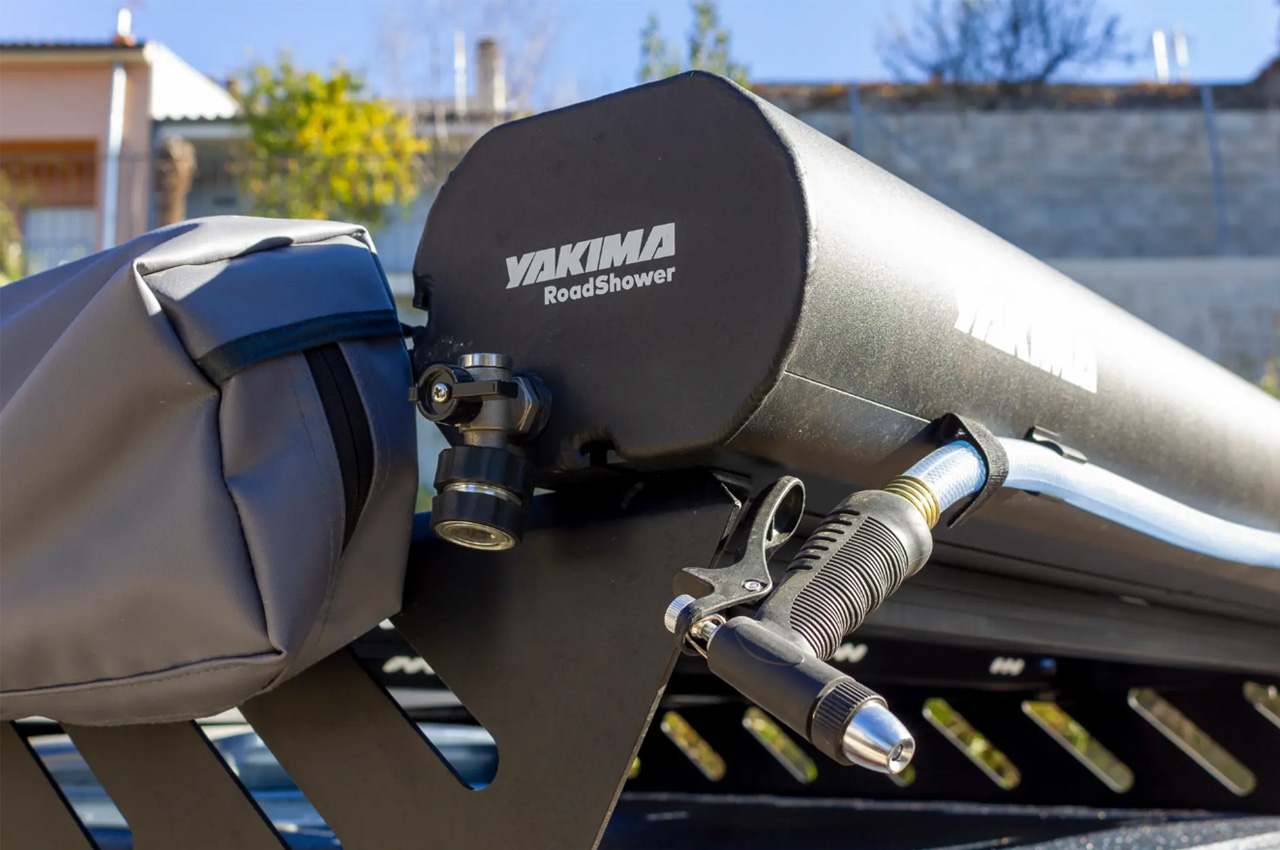
The interior of the Dropy trailer is well-lit with a skylight, and boat side doors with sliding windows. The camper is more of a shell otherwise starting at €21,500 (approximately $23,500). It is the la carte options that scale up the price and the utility of the Dropy. To that accord, Drop Campers offers a range of options depending on the Crossover (all-road), SUV (all-terrain), or Offroad variant you go for. This includes the choice of 110W rooftop solar panels, lithium battery, hot air heating system, outdoor water tank with road shower, refrigerator, Primus 2-burner gas stove, indoor hanging hammock for kids or pets, bike rack for 2 bicycles, ski and surfboard carriers, side-mounted dresser and outdoor bathroom/toilet, and more.

The post Light, comfortable, and overly versatile Dropy teardrop trailer has compact foldout kitchen first appeared on Yanko Design.
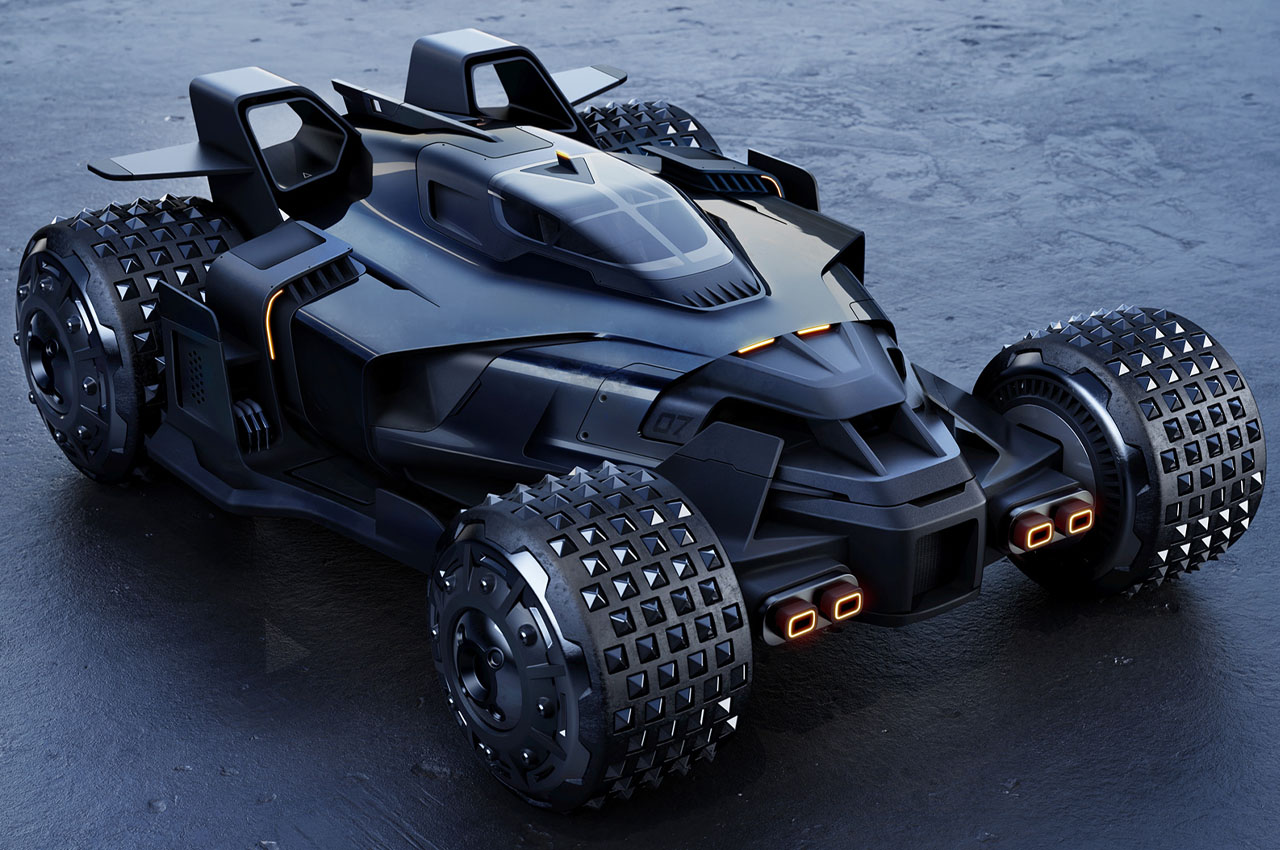
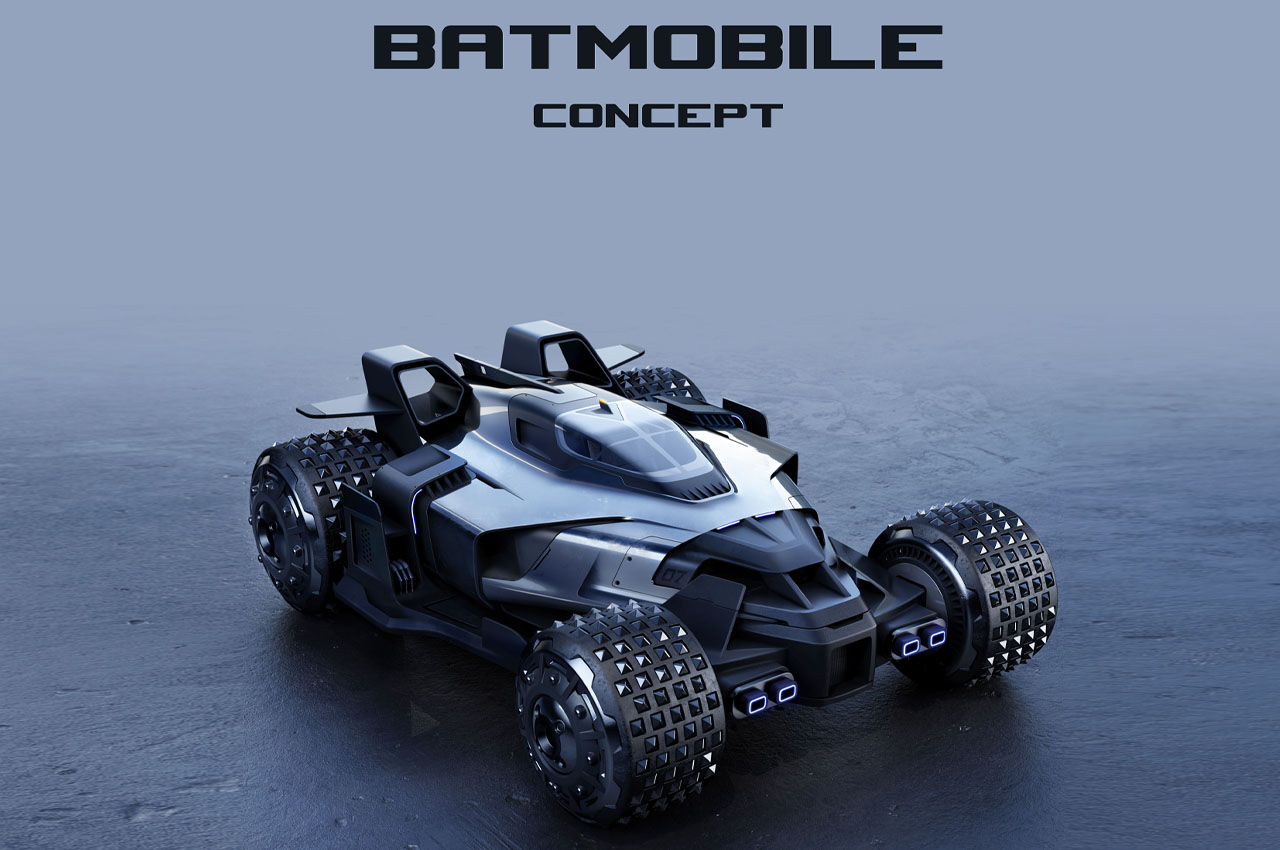
This ultra-futuristic Batmobile inspired by motorsports is fit for the Batman 2 flick slated for 2025 release

The Batmobile, as a symbol of power, stealth, and ingenuity has captivated audiences for generations with its dynamic presence in the DC Comics universe. Beyond the pages of comic books and the screens, the crime-fighting accomplice has inspired real-world automotive designers to push the boundaries of creativity and innovation. From its humble beginnings as a stylized car in the 1940s to its latest incarnation in the movies, the Dark Knight’s legendary ride has undergone numerous adaptations, each reflecting the technological advancements and design trends of its respective era.

While many of these interpretations remain confined to the realm of fiction, some have transcended into reality, sparking imaginations and fueling the dreams of automotive enthusiasts and designers alike. This concept design is no different as it lands straight out from a realm of the future for Gotham’s vigilante to take charge of the streets!

Designer: Frédéric LE SCIELLOUR

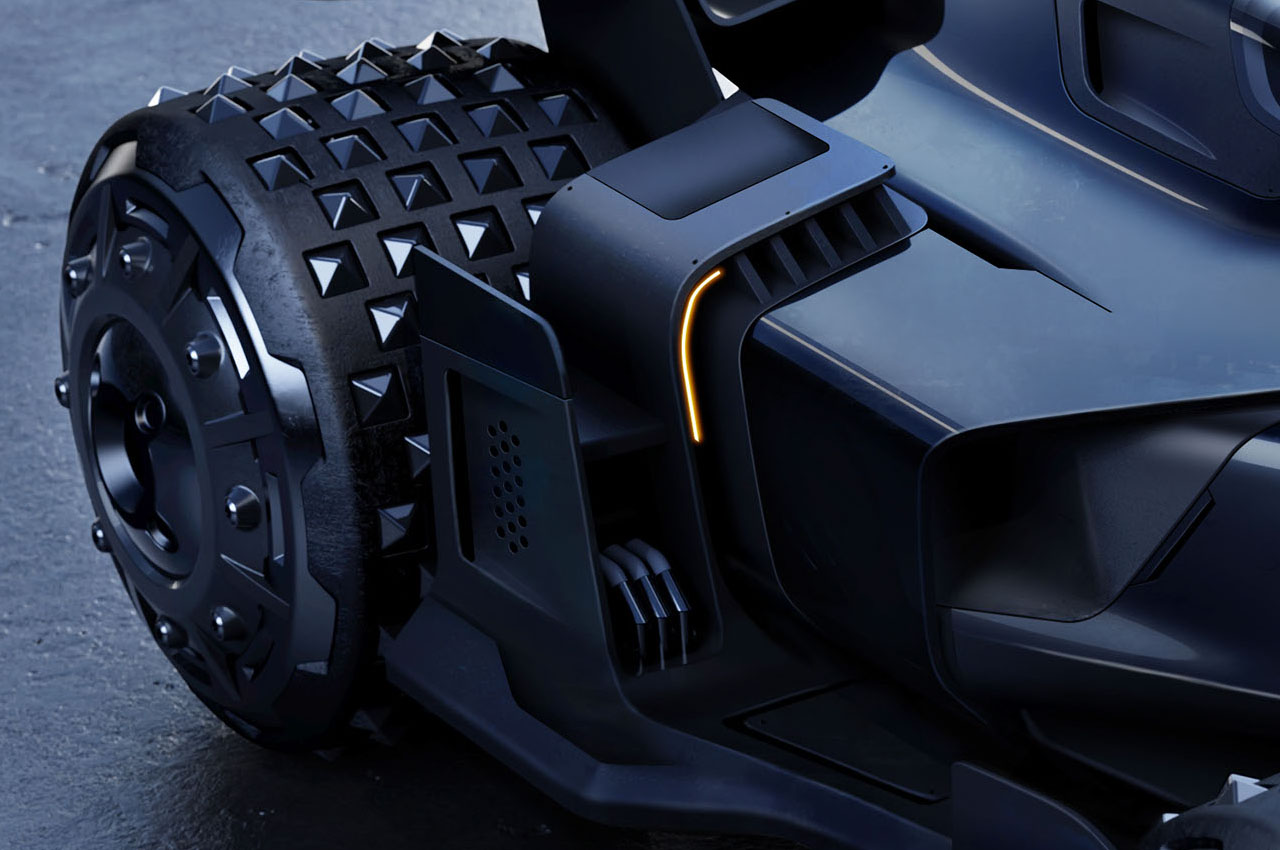
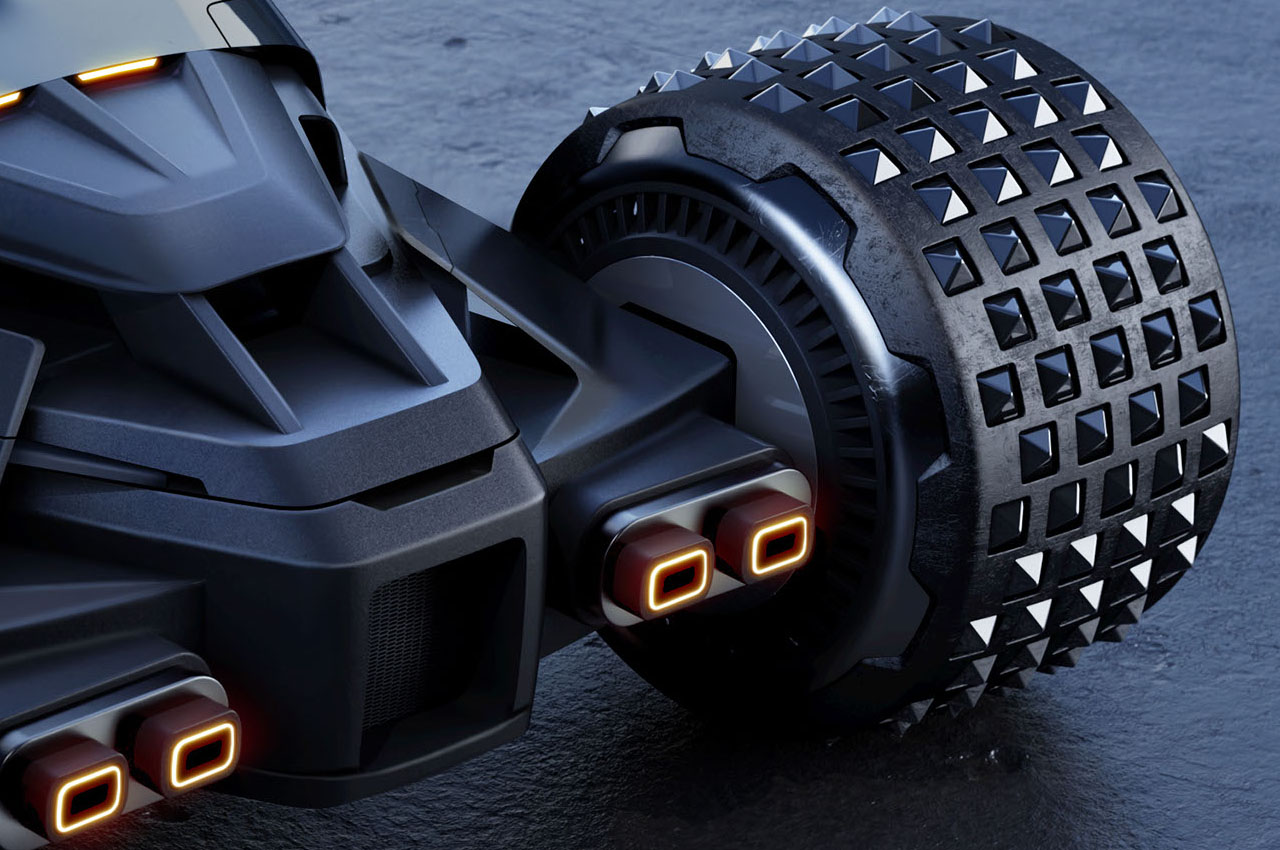
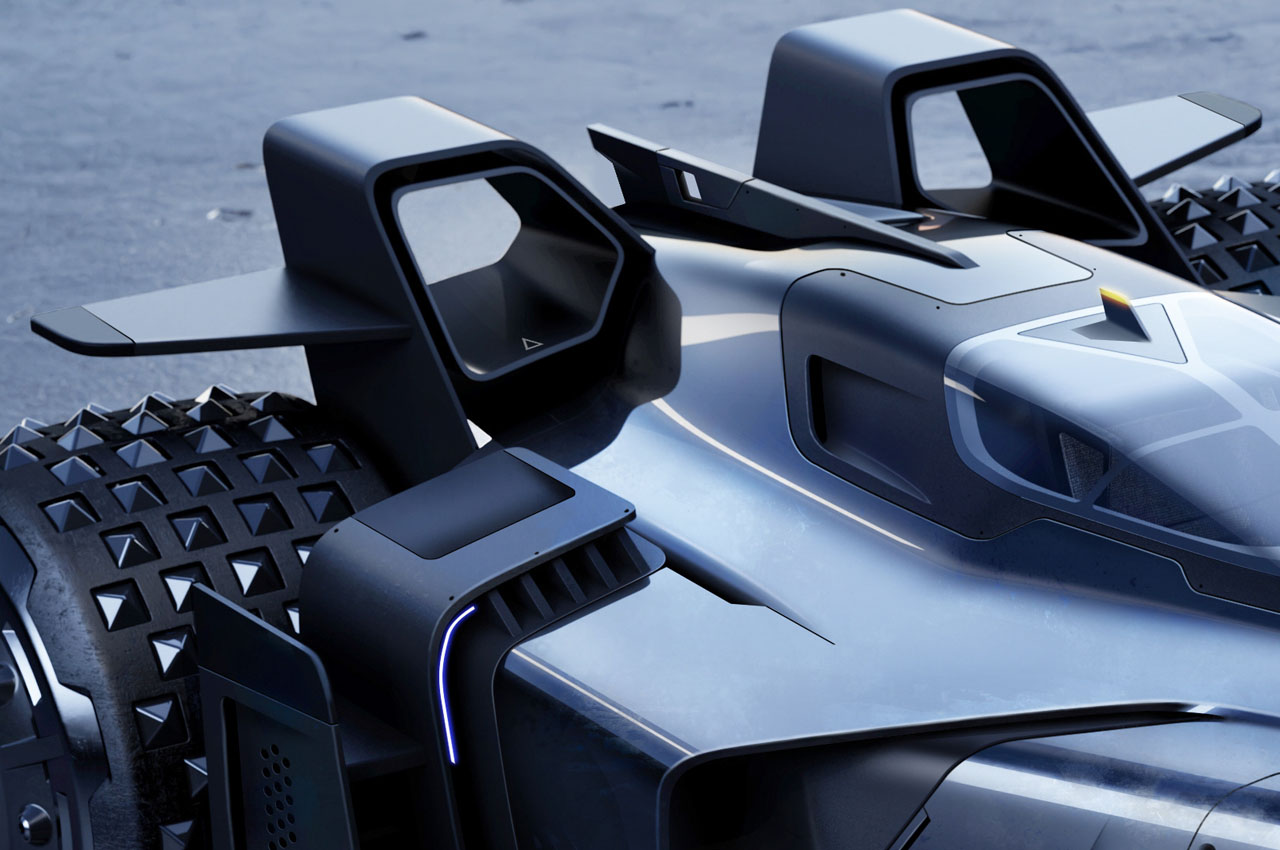
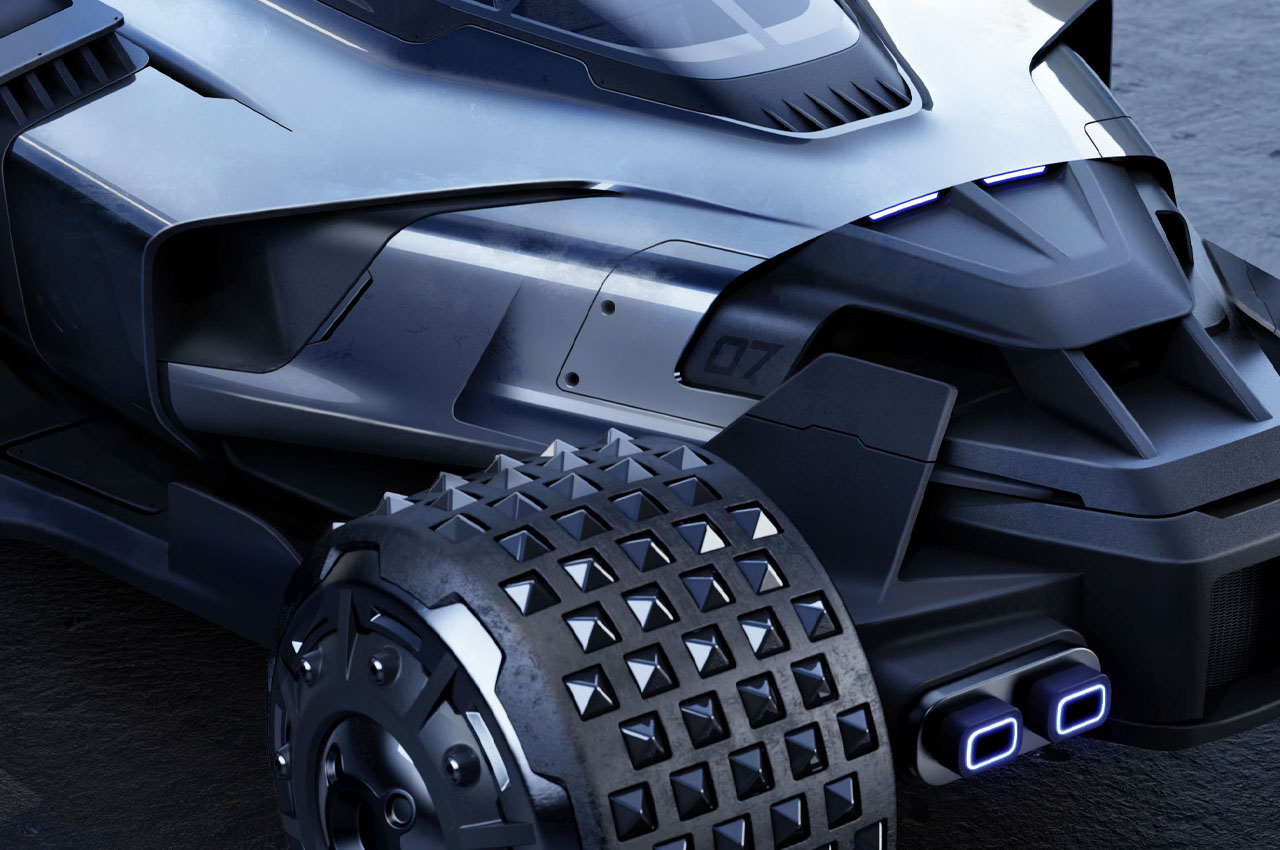
The humungous size of this crime-fighting machine can be gauged from the minuscule size of the driving seat. Top it off with those spiked-up wheels for maximum grip even in the most inhospitable terrain or inclement weather conditions. You can even deem this vehicle fit for a universe where Batman and the junkies of Mad Max collide. For sure it is built for high-speed chases in the city and the outer bounds with equal dexterity. The low-slung riding position and the wide tires ensure maximum grip aided by those metal spikes. The uniquely shaped rear wing seems inspired by the Formula-1 cars of the current generation to increase the downforce. This Batmobile looks fit for a circuit racing world with its motorsports-inspired shape.

To beep up the intimidation quotient while maintaining a modern look, the Batmobile gets small red LED headlights and fog lamps up front. The overall glossy bodywork is contrasted by the matte titanium grey finish that looks gorgeous.

The post This ultra-futuristic Batmobile inspired by motorsports is fit for the Batman 2 flick slated for 2025 release first appeared on Yanko Design.
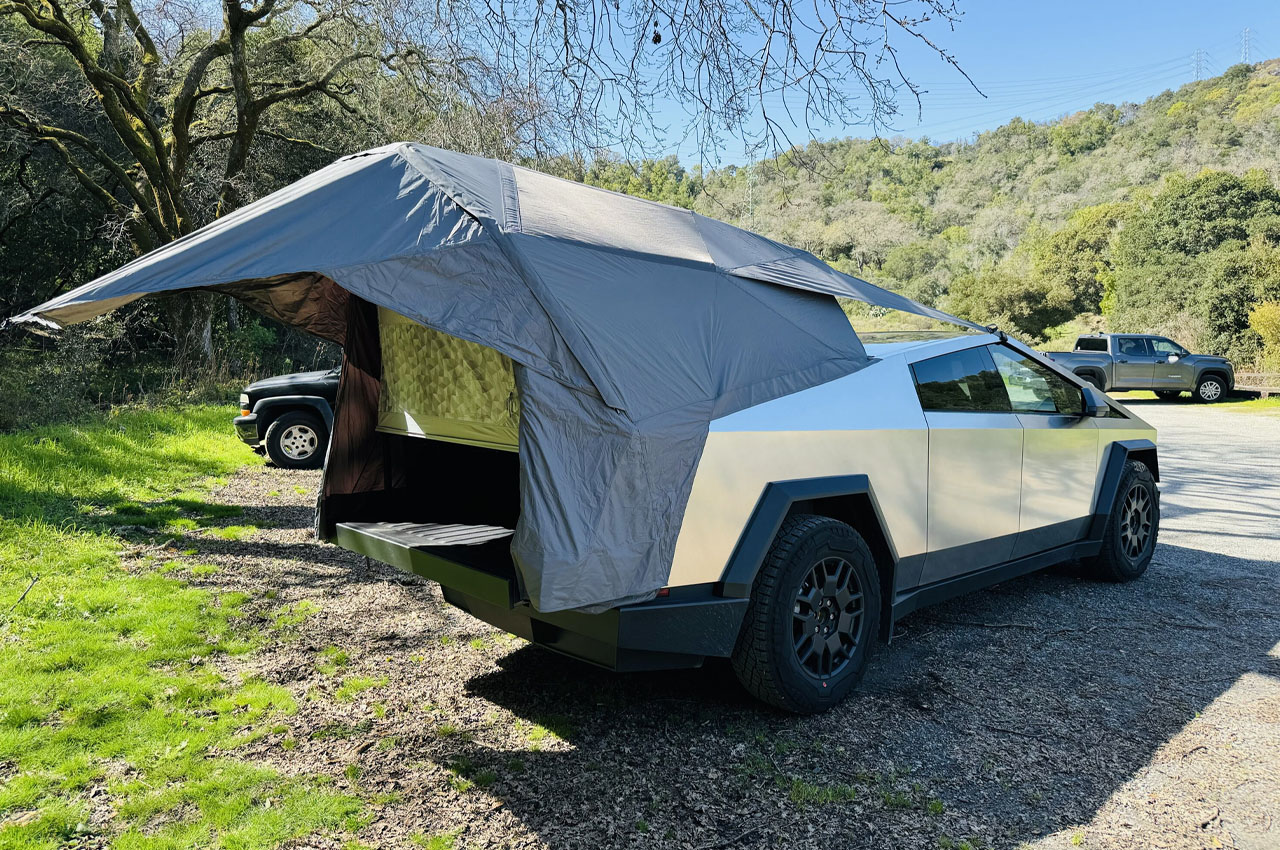
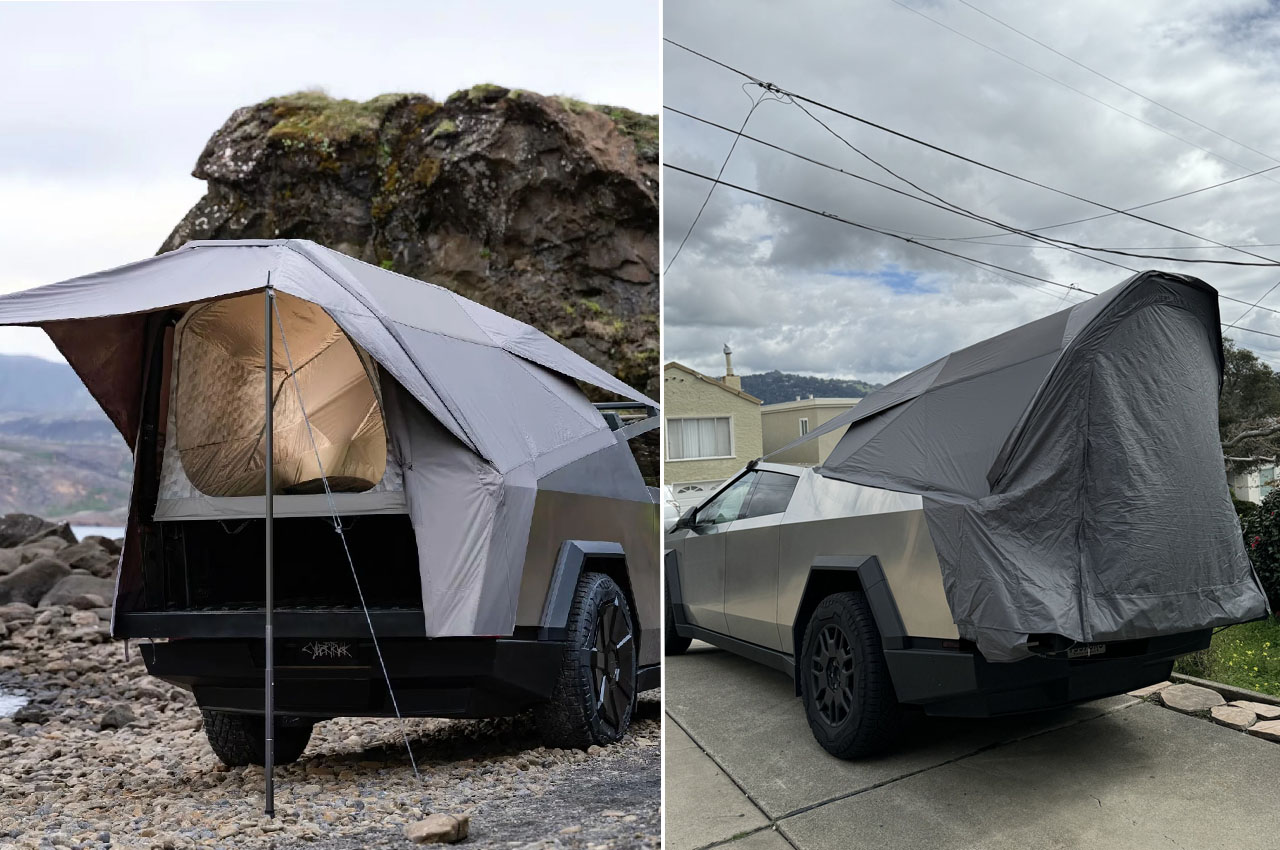
$3,000 Cybertruck Basecamp Tent is an unpolished homeless encampment missing key features

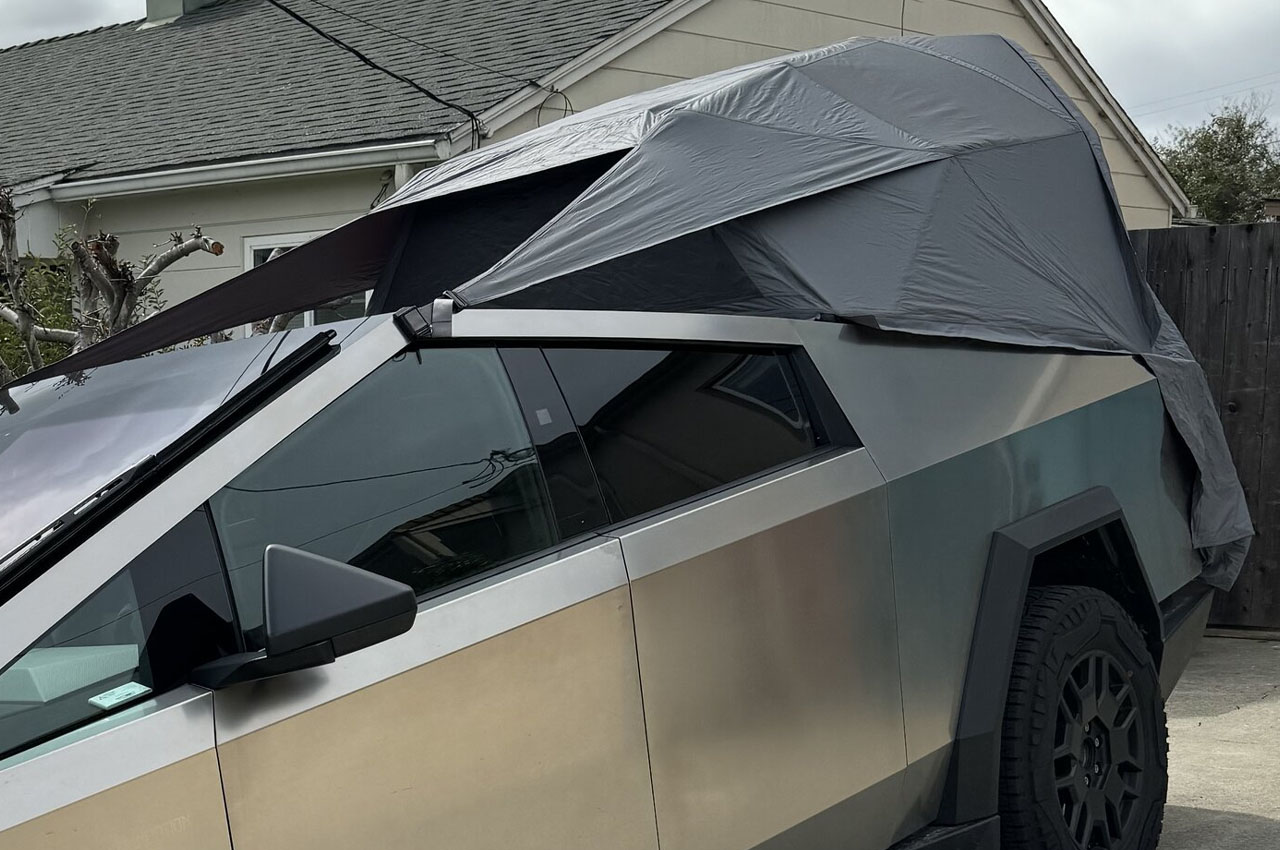
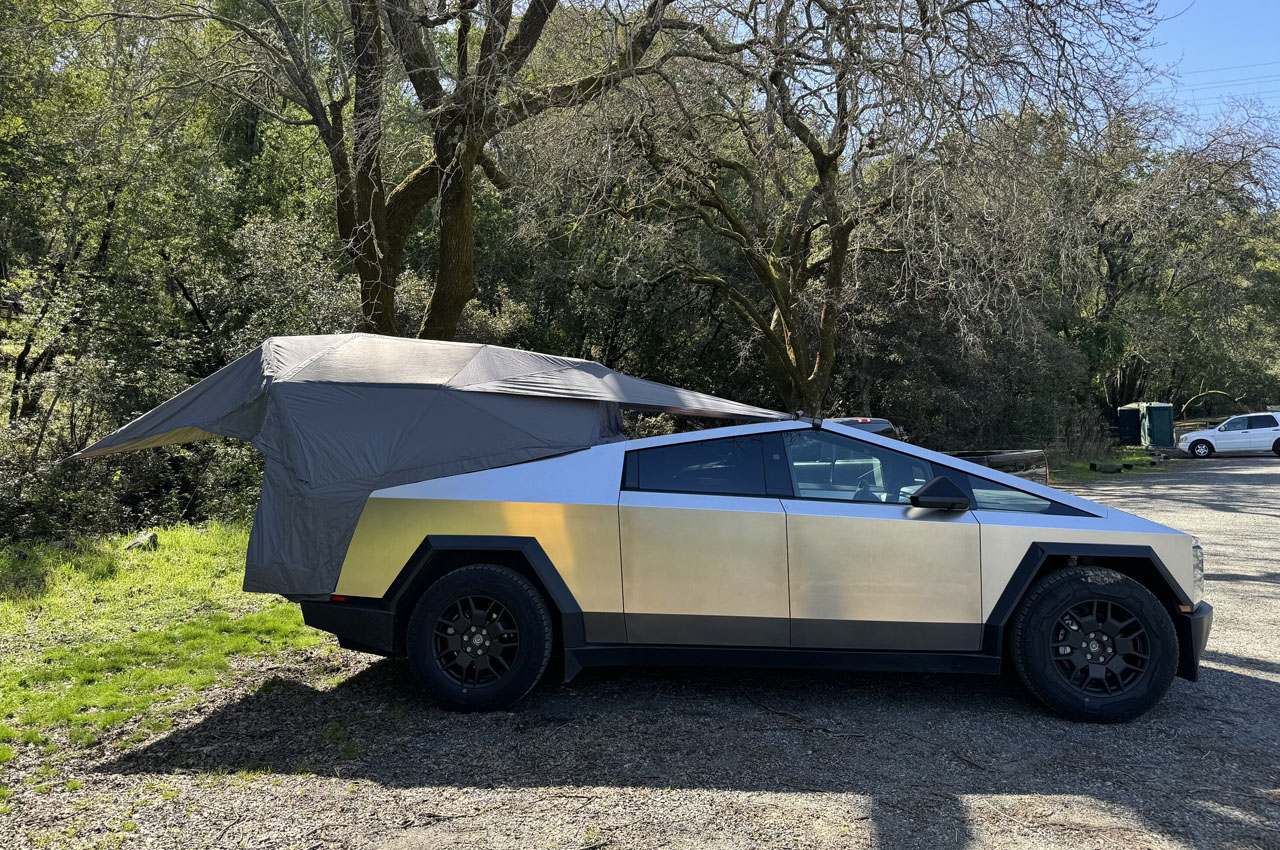
Before the release of the Cybertruck (for eager buyers), Tesla was developing an official accessory with Heimplanet to satiate the needs of adventure junkies. Known as the Cybertruck Basecamp Tent, the sleek and stylish add-on would turn the electric truck into a sporty off-grid camping vehicle for nature lovers.

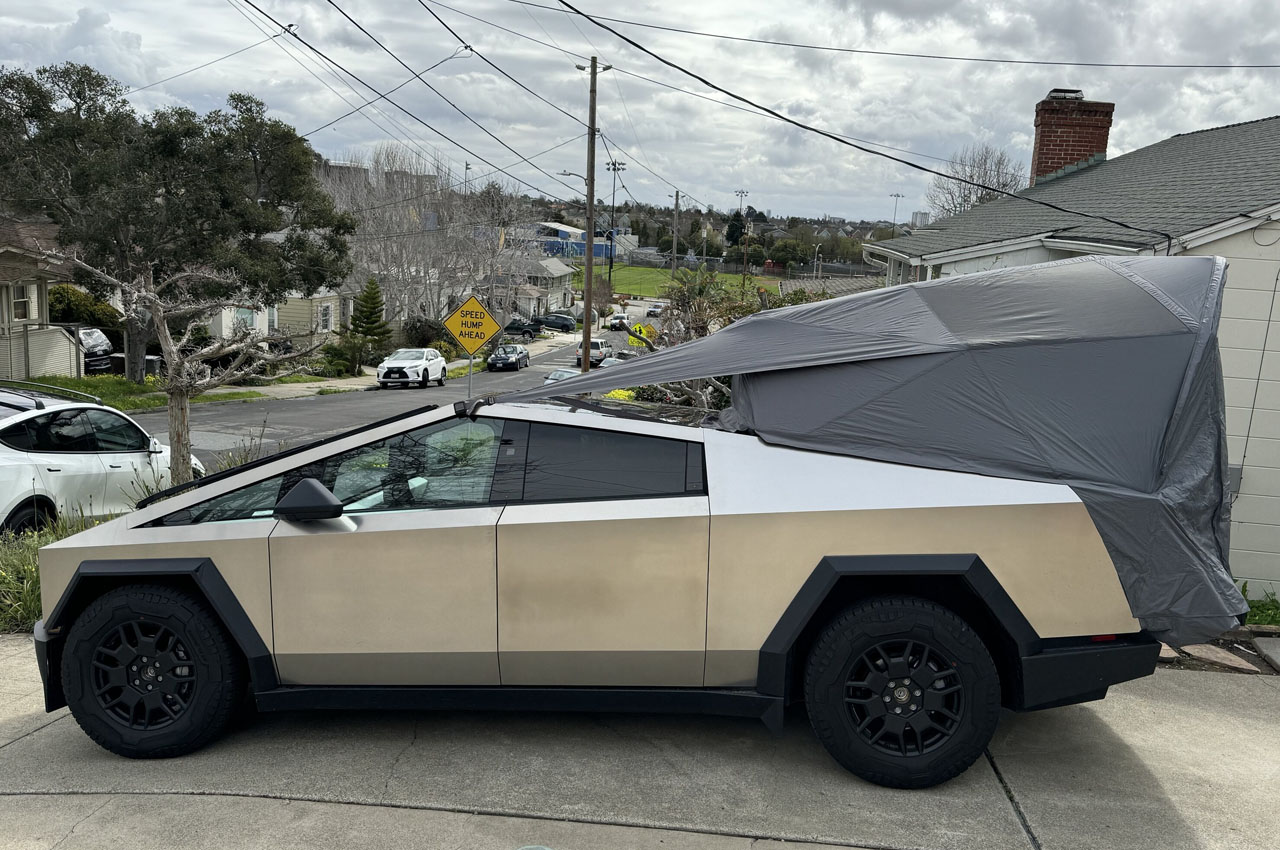
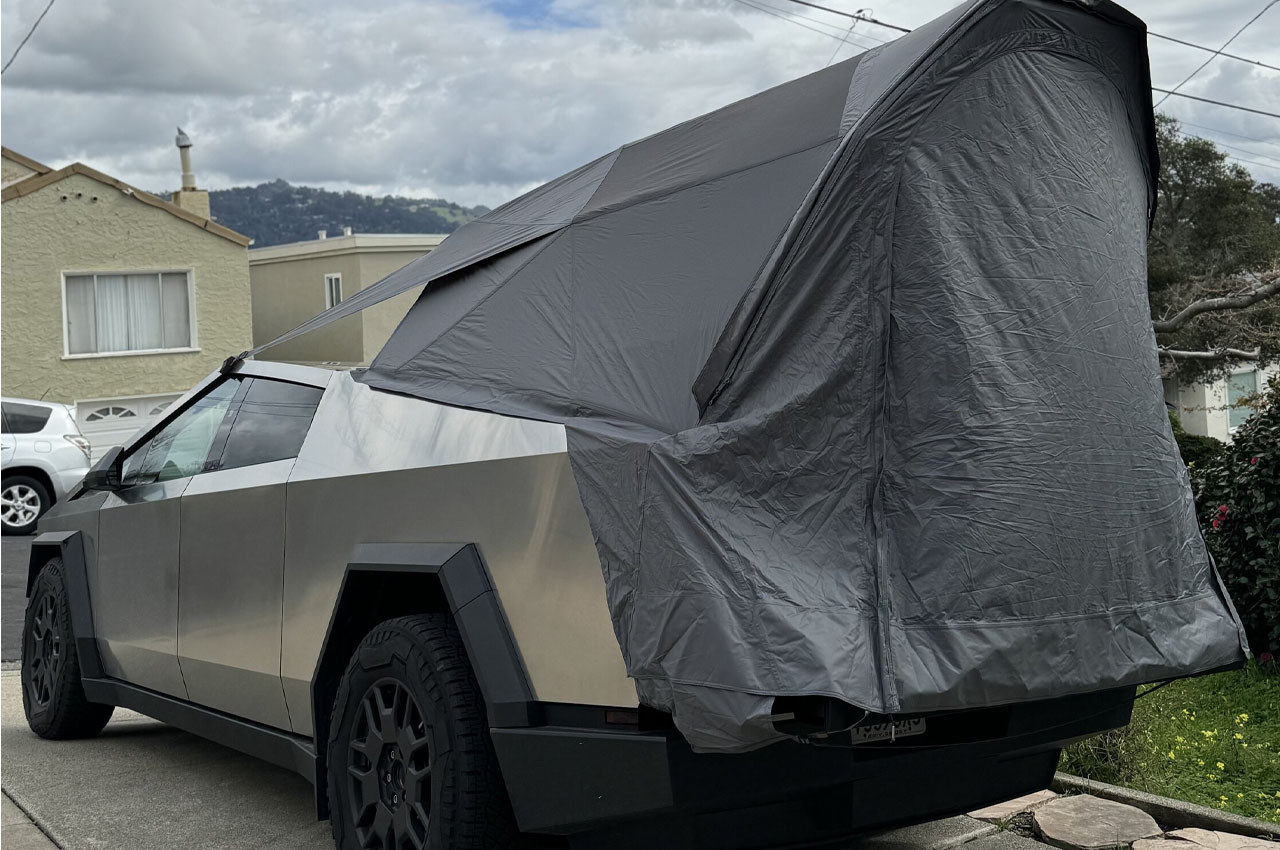
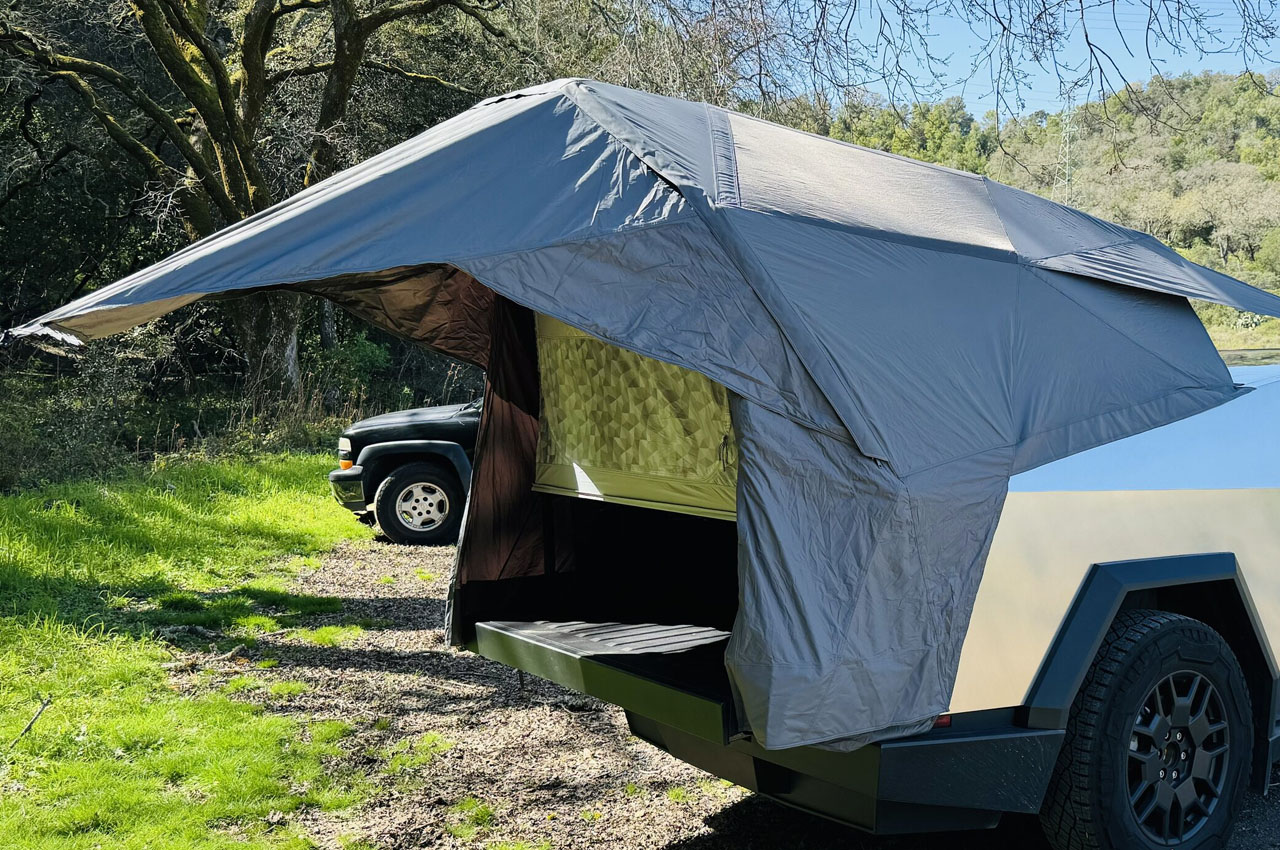
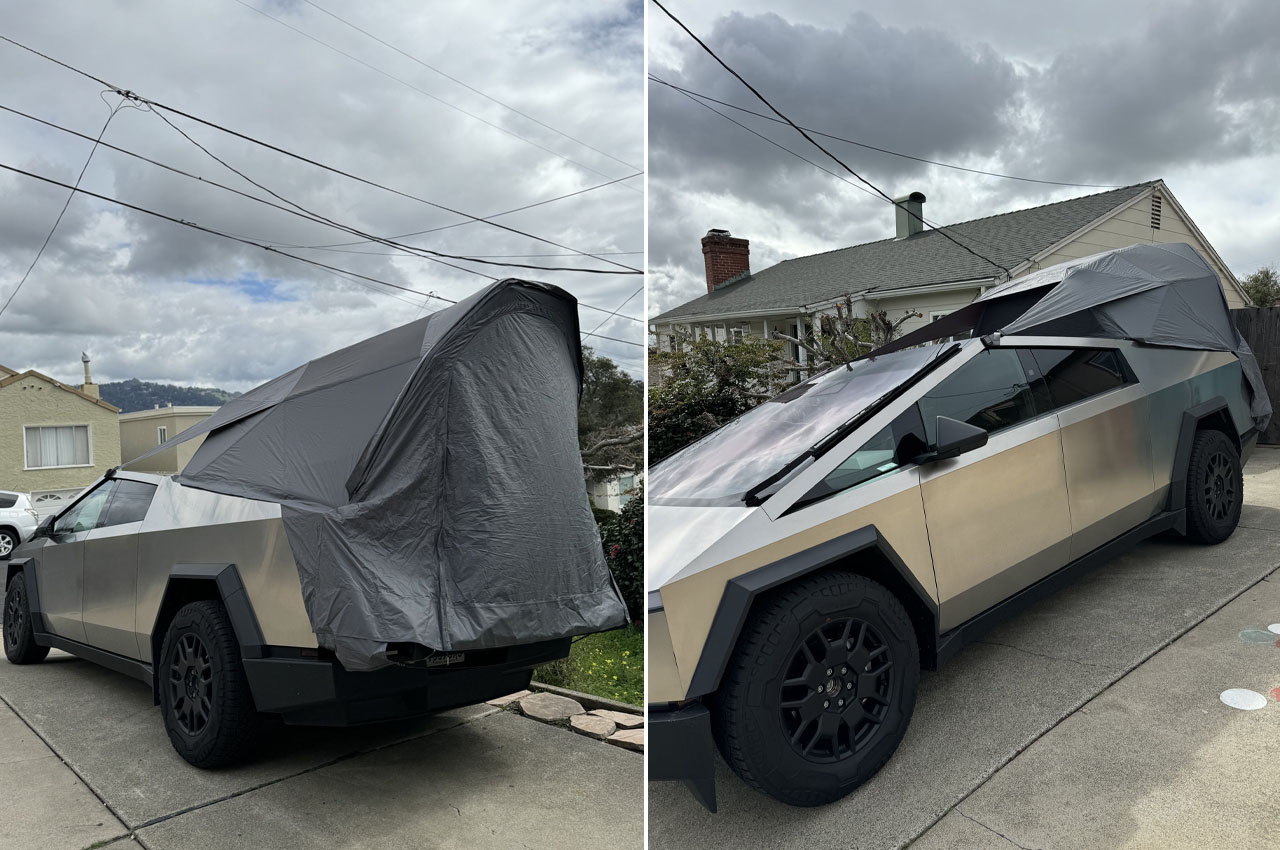
The accessory has finally shipped for people who pre-booked and unfortunately, it looks nothing like the version promised in the 2019 renders and prototype. Just like the Cybertruck’s overblown bubble hype, the Basecamp Tent for the truck bed looks like a gray blob of unfinished and shabby product that’s more like a homeless encampment.

Designer: Tesla

There are a lot of strings attached when we consider the ease of installation as Tesla recommends owners bring the thing to the service center for initial installation of the brackets. Ideally, that should not be the case as one should be able to seamlessly install it on his/her own. A user on the CybertruckOwnersClub forum says that “forcefully popping out the Aeroflap” just feels like a less-than-premium experience. Removing or reinstalling the Aeroflap compromises the waterproofing at the front of the vault. Also, the plastic pieces/clips hooked from the Aeroflap are susceptible to breaking with repeated use.

Strangely the manual lists down the “Tent Mode” – supposed to self-level on a sloped surface – which apparently doesn’t exist right now. So, should we expect some kind of update or add-on fix it? The second-hearted approach in launching this product is evident from the small little gripes. On a positive note, the Roof Peak clips are easy to locate and attach to the roof, as they fit along the triangle section of the truck’s window. This helps maintain the structural integrity of the tent, and once everything is in place, inflate the tent to set up the base for the night. Another advantage is the space under the stowed basecamp to store essentials. Not to mention the lightweight aesthetics and the use of premium materials.

If the price had been reasonable, my perspective would have been different about all the shortcomings in features and the overall design. But shelling out $3,000 for this unfinished accessory that’s a handful while installing and uninstalling, is not at all justified!


The post $3,000 Cybertruck Basecamp Tent is an unpolished homeless encampment missing key features first appeared on Yanko Design.
This Electric Delivery Scooter’s base-mounted batteries can be automatically changed by robots

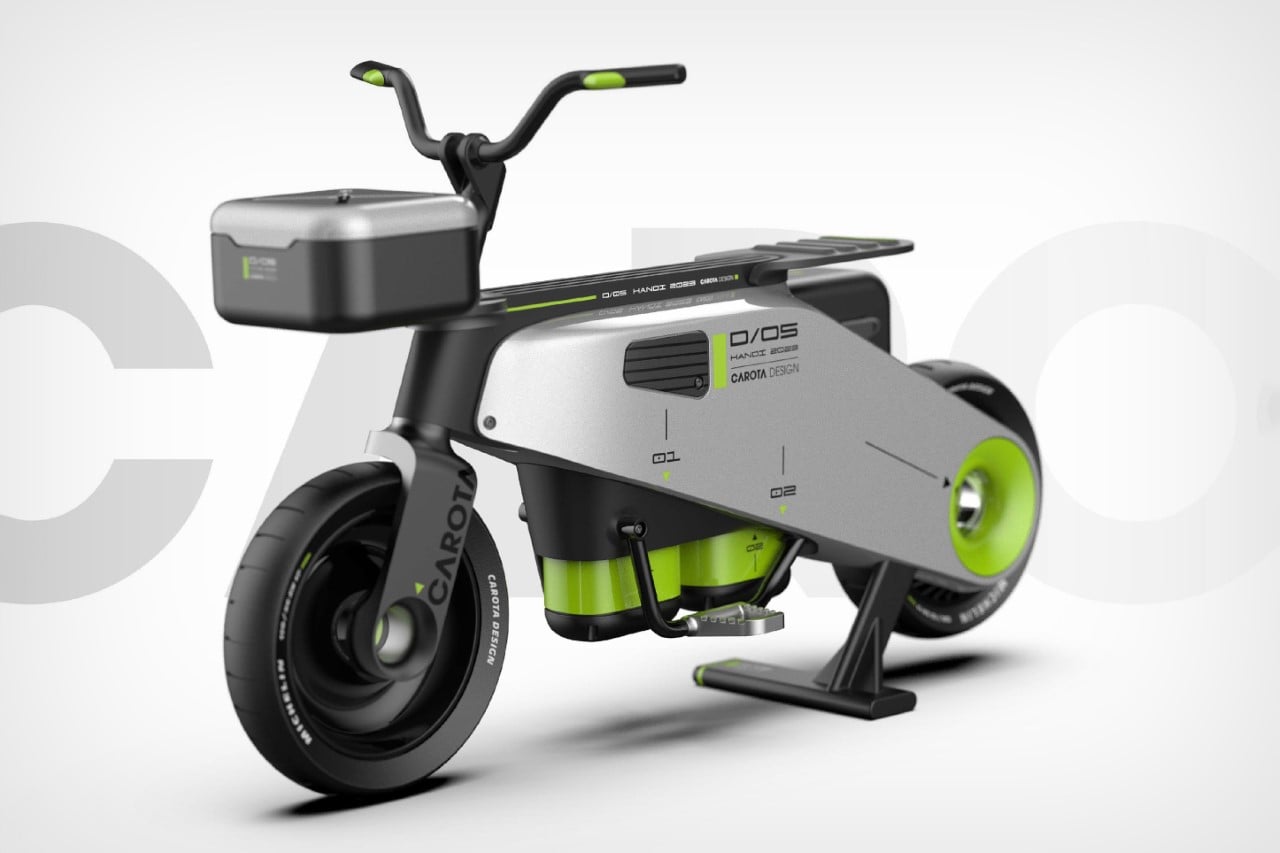
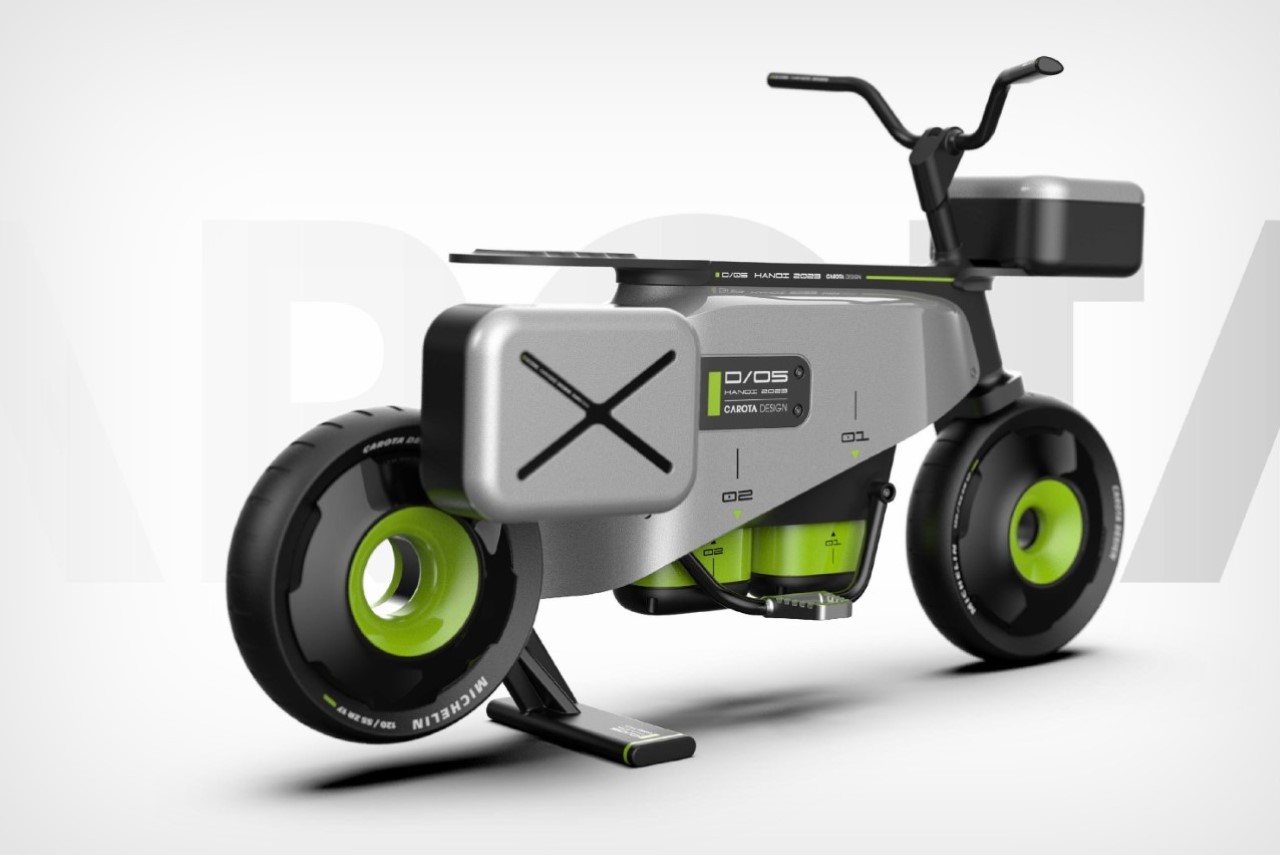
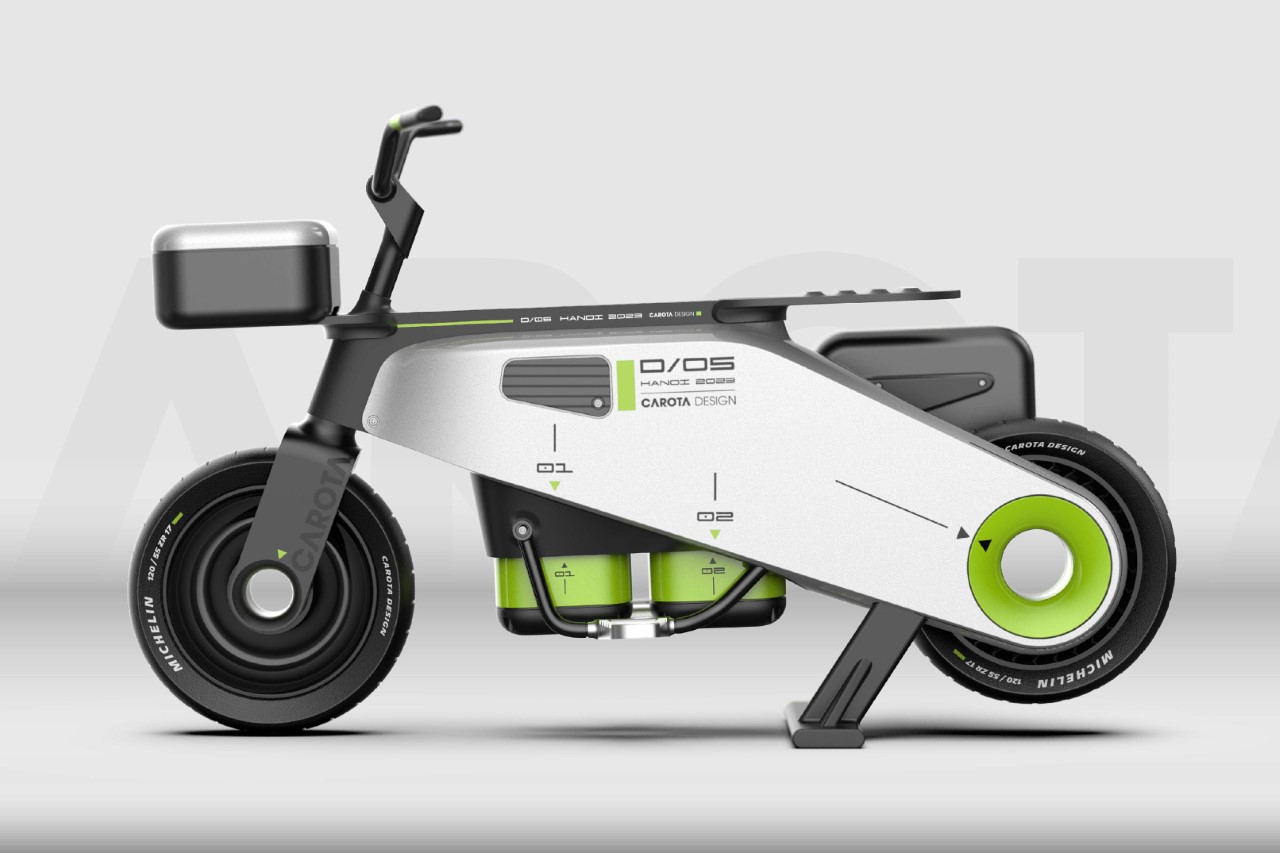
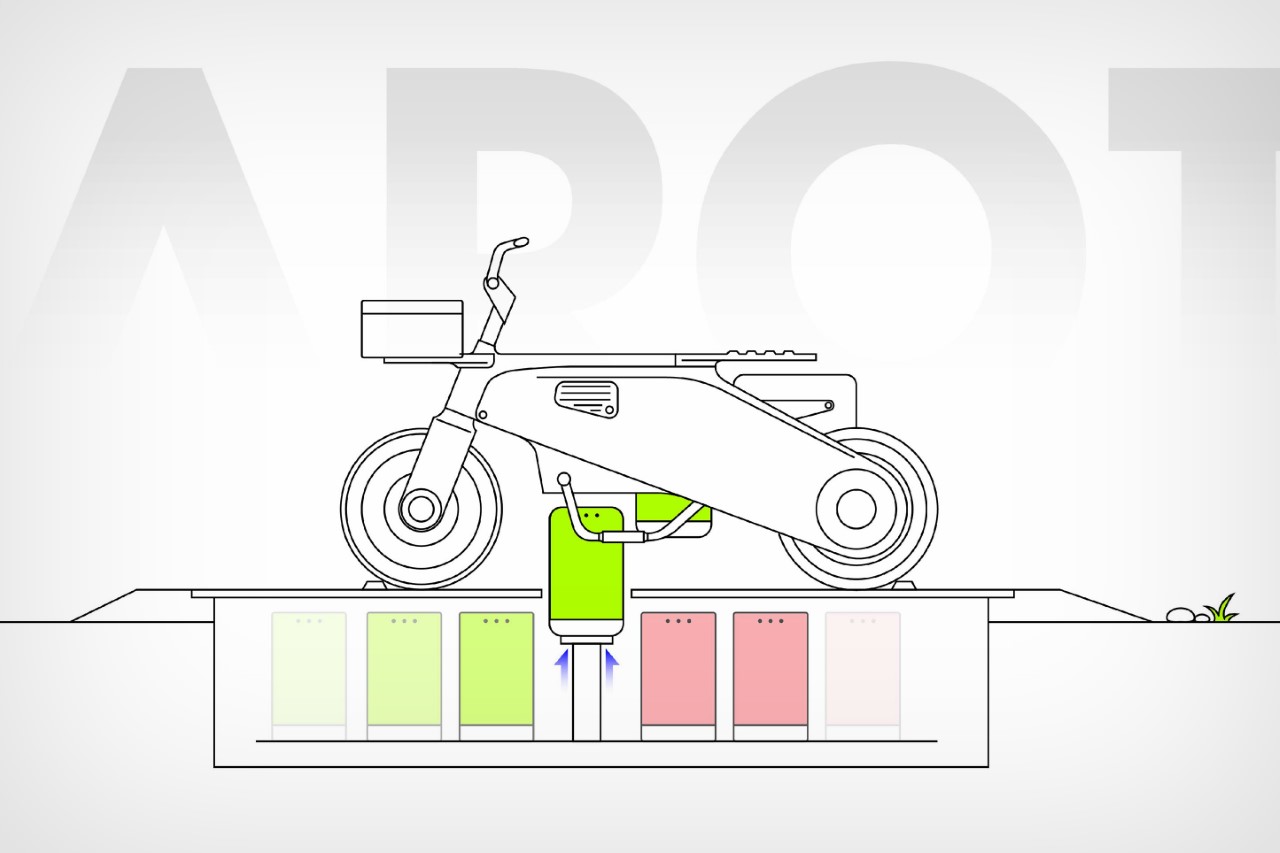
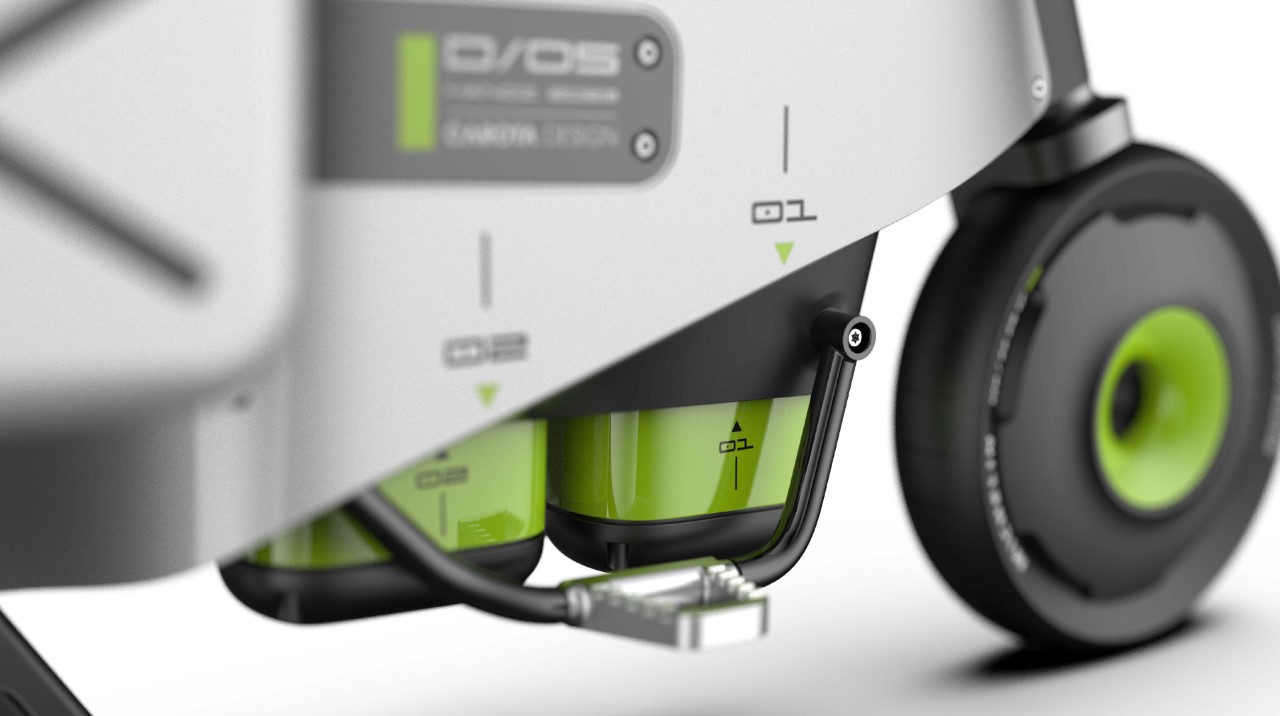
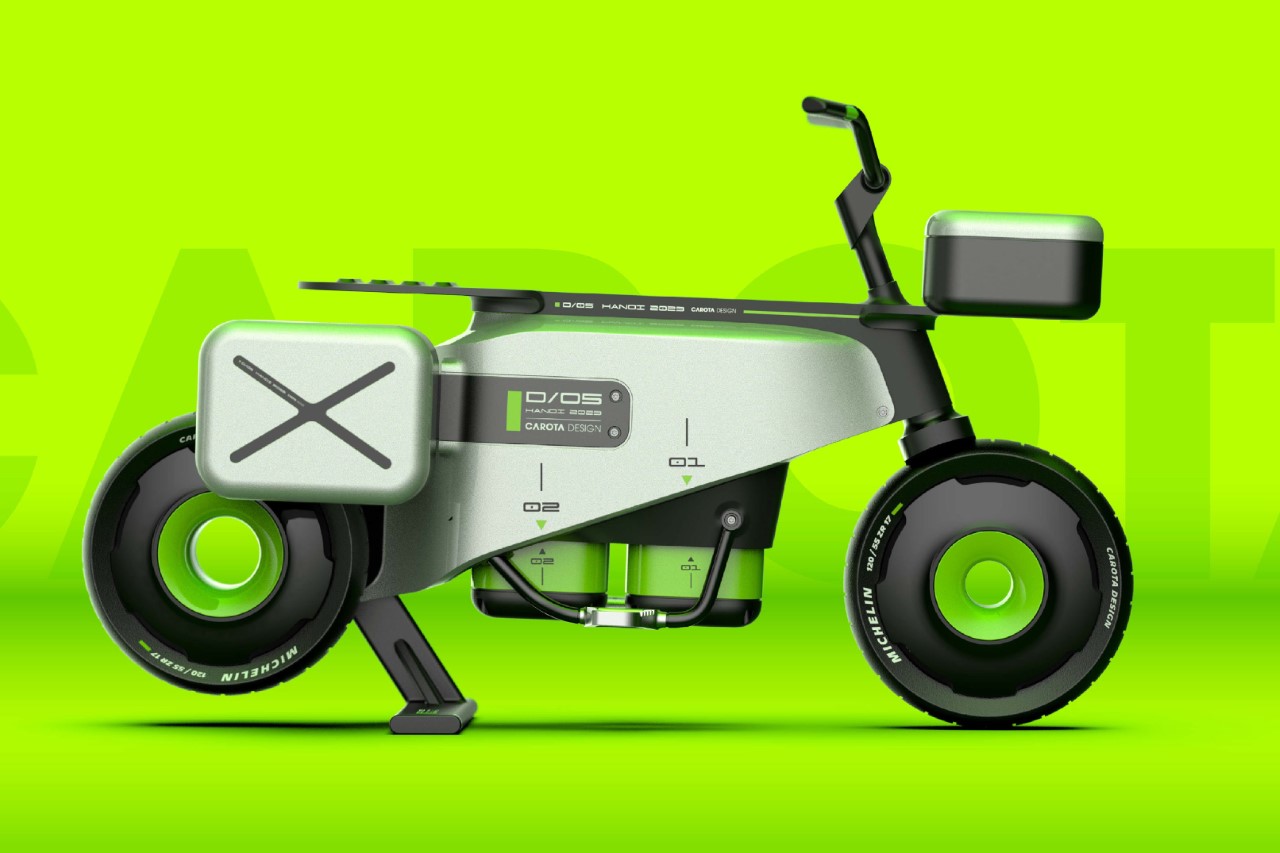
Electric vehicles are increasingly becoming preferred over gas-driven vehicles, but that doesn’t take away from the fact that EVs still have two psychological barriers they need to overcome – range anxiety, and long charging periods. Even with supercharging networks, you still need to wait multiple minutes to boost your batteries as compared to a gas station where you’ve filled your tank in probably under a minute. Electric cars and bikes are still working around trying to find a more tenable solution, but Hanoi-based Carota Design has a clever alternative. The D05 Electric Delivery Scooter concept comes with batteries located in the bottom, but what’s interesting is that they’re only detachable from the bottom too (you can’t lift them out through the top). As a result, the D05 also comes with a unique servicing platform that automatically detaches and replaces battery packs. All you need to do is drive onto the platform and park your electric scooter and an automated setup in the platform takes over the rest, detaching your old battery and inputting a new one, quite like a factory line. The process takes under a minute, is much safer than having humans remove and replace batteries, and is virtually theft and tamper-proof too, since you’d have to tip the entire scooter over onto its side if you wanted to manually take the battery out yourself. Sure, it’s just a concept for the time-being, but even on paper, it completely checks out.

Designer: Carota Design

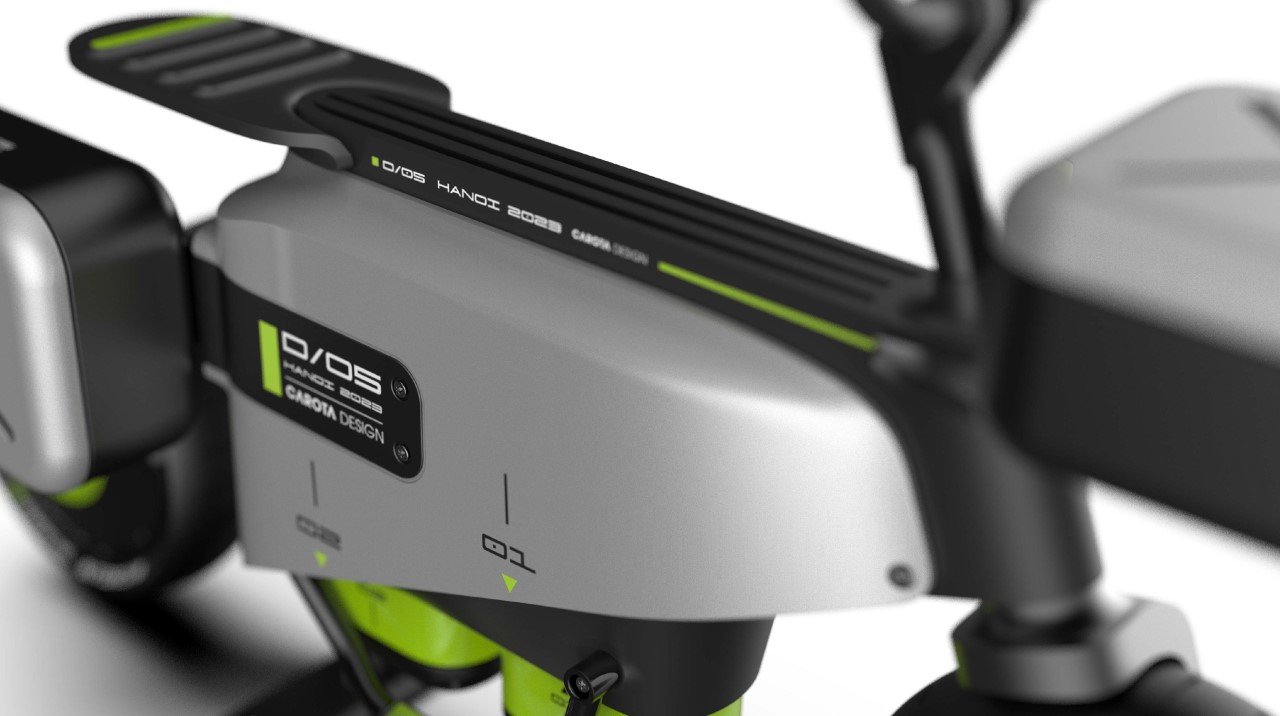
The e-scooter has a rather utilitarian design, given its function. Made for last-mile commutes for deliveries, the scooter adopts a blockish form factor, highlighting its inner components and the two storage areas (one on the front, and one on the side). The D05 seats just one, has a low-hanging form factor that’s made further stable by the base-mounted heavy Li-ion batteries, and even though it’s fairly utilitarian, comes with a rather slick design featuring an interplay between silver and black parts, a clever use of lime green giving the e-scooter a splash of color, and hubless wheels that contribute to the D05’s future-forward design.

The battery-changing platform is pretty simple schematically, but does require a fair bit of technical expertise. The scooter needs to be parked perfectly on the platform for the arm to extend outwards, grab the old battery, disengage it, and replace it with a new battery. It’s rather similar to Tesla’s self-plugging charging snake from nearly a decade ago (2015 to be precise) but doesn’t require to be that calibrated. The battery modules move upwards and downwards, and one single platform can store as many as 7 battery packs (as per the schematic shown above), or even more if you detail it further. The process takes roughly a minute, quite like changing batteries on a TV remote, and once your new batteries are in, the scooter is ready to go.

That being said, having a replaceable battery system, no matter how convenient, does have its concerns. For starters, you need to produce MANY more batteries than EVs, since your battery network will have to account for availability, shortages, etc. That itself is a strain on the environment, but more so, the consumer faces a unique problem too – you don’t know whether the new, charged battery being put in your EV has 100% battery health. The freshly charged battery being added to your e-scooter at the charging platform could be 5-10 years old and therefore offer less range than a brand-new one. Moreover, older batteries could offer vulnerabilities, making the overall system slightly unsafe if they’re not monitored and taken out of circulation. In the broader scheme of things, having a charging network makes more sense because you can simply plug your e-scooter into any power outlet to be on the safe side instead of swapping out your batteries. Hopefully, EV companies could design a hybrid system of charging and battery replacement, making the adoption of EVs much smoother. Older batteries could eventually be recycled too, reducing strain on the environment in the longer run.

The post This Electric Delivery Scooter’s base-mounted batteries can be automatically changed by robots first appeared on Yanko Design.
Apple Car is dead but AI reimagines what the ambitious venture could have been

After dumping billions of dollars into the idea of an Apple Car, the Cupertino giant has officially scrapped the electric car project. So why are we ranting about it now? That’s because new details have surfaced about the inside stories of how the project was never the real deal from the beginning.

Some inside poking from Bloomberg’s Mark Gurman has unearthed interesting details about the highly anticipated four-wheeled car that could have been anything from a hatchback or sedan to an SUV or performance sports car. In the report by the trusted Apple tipster, there were some interesting revelations about the ambitious project that lingered on for a decade and finally laid to rest last week.

Designer: Karissa Bell (Engadget)

According to Gurman, the idea pool was divided majorly into two think tanks – ones who wanted less autonomy and others who vouched for a fully autonomous version without any human intervention.  The second option was chosen and that was the real problem on practical grounds. They were confident of breaking the code for a full self-driving vehicle and eventually, it turned out to be a challenge that was more difficult than anticipated. Some of these decisions were taken in the early phase of the 2014s when the reality was not clear and ambitions were high. Of course with Tesla also on the horizon of gaining traction, it was motivation for the Apple Car team to break the code.

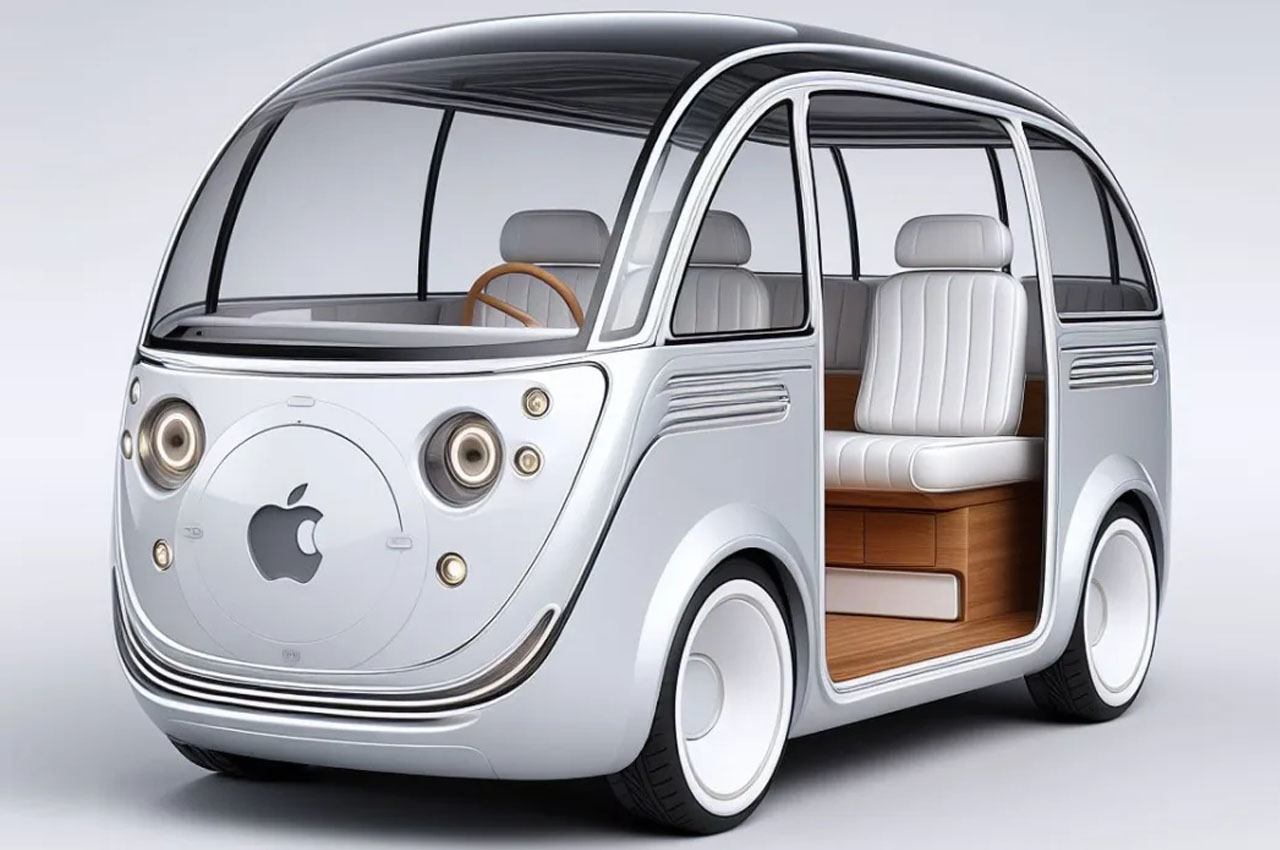
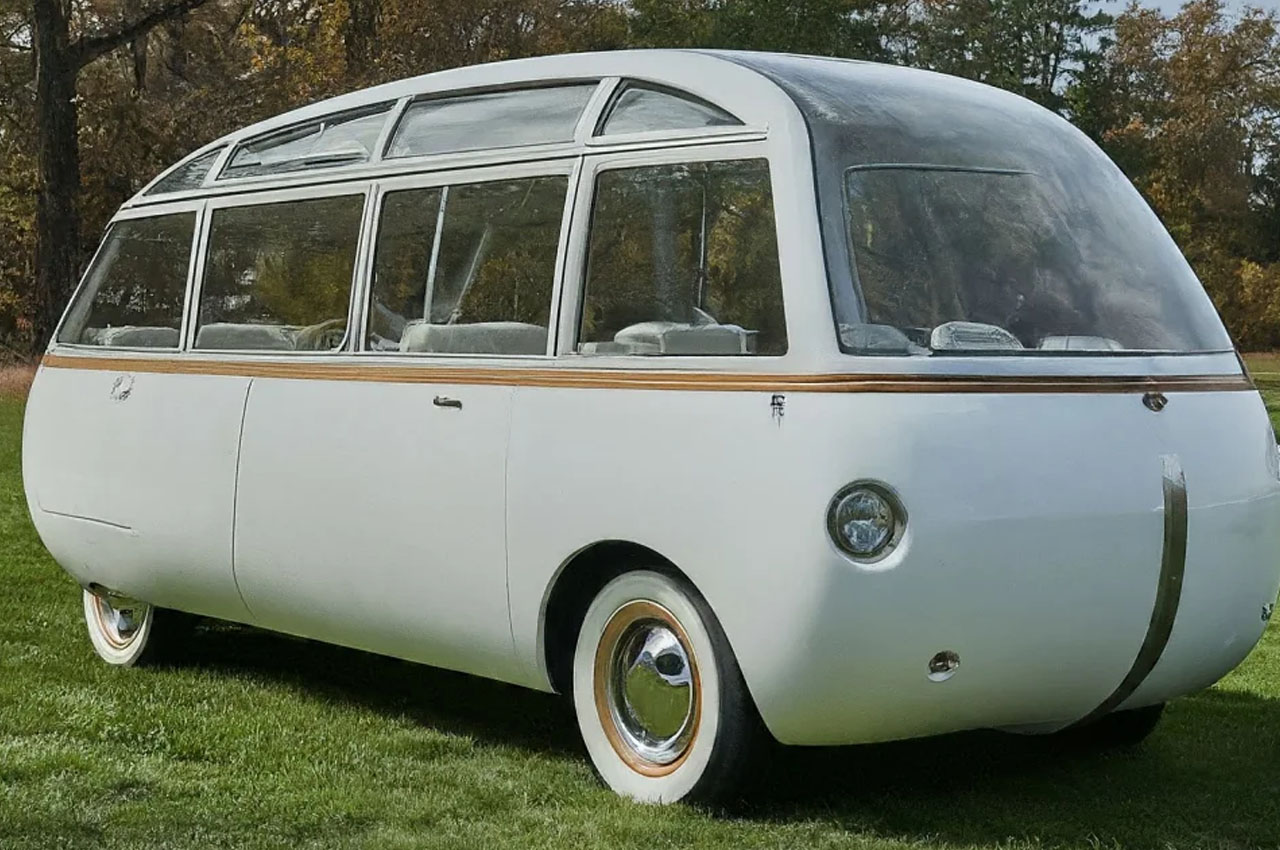
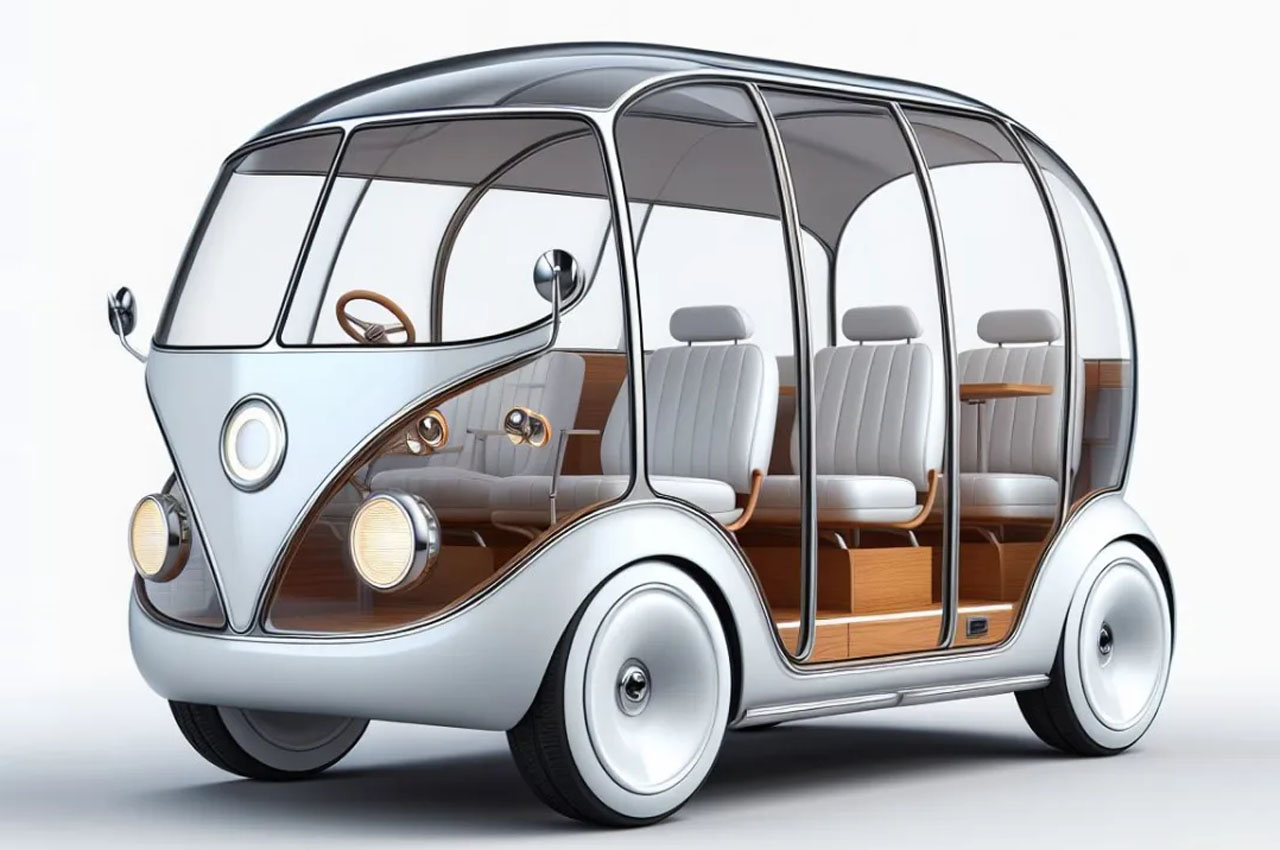
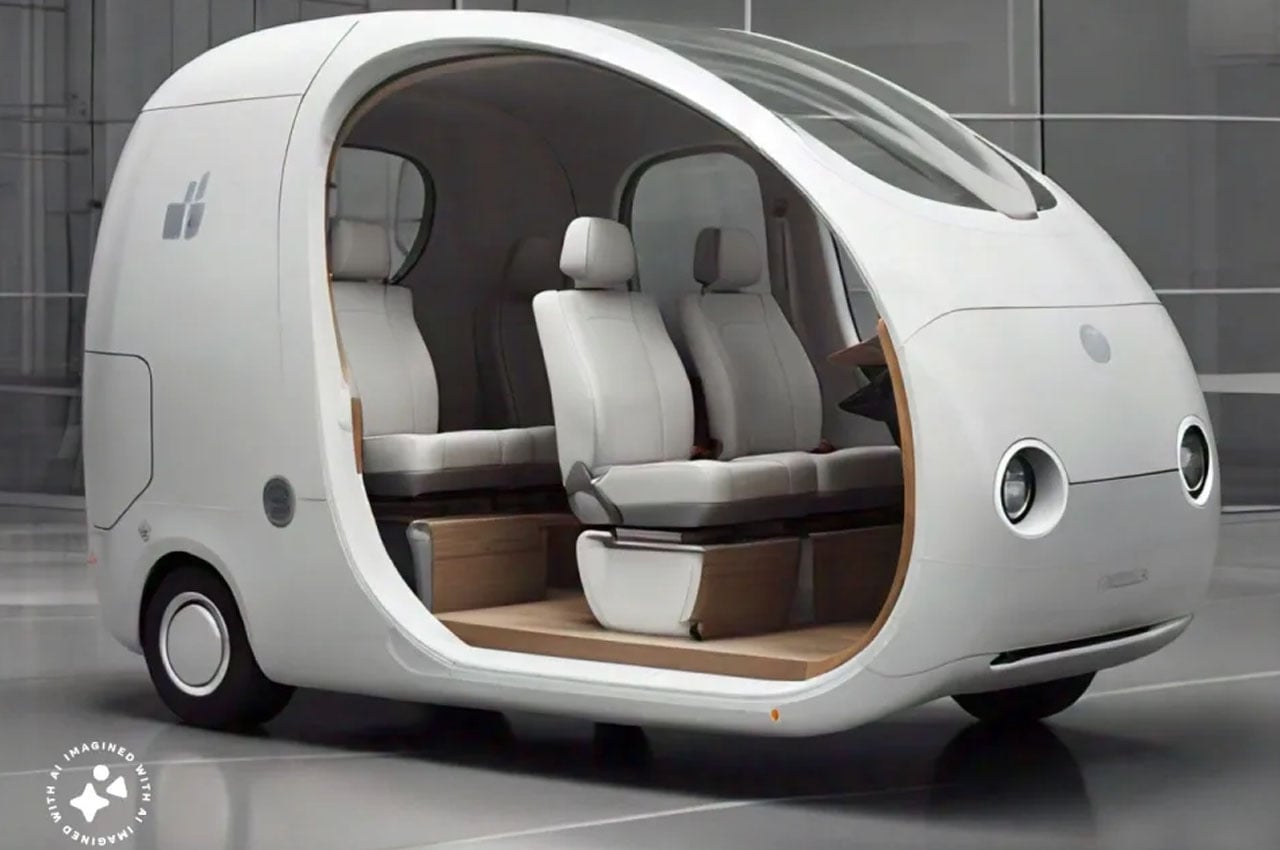
Time trickled through and when the Cupertino giant realized the idea was not feasible, it was too late. That said, now the monkey is off the back, we can enjoy some of the details that lie deep in the trenches of the initial design files. Yes, these mock-ups were referred to by the core team but we’ll never get hands on those secret documents since Apple is ultra-proactive when it comes to security. The next best thing is to put in as many details as possible in an AI tool (Meta AI to be precise) and come up with these cute Apple Car designs that Engadget found enchanting.

The post Apple Car is dead but AI reimagines what the ambitious venture could have been first appeared on Yanko Design.
Renault reinvents mobility with electric rides to take on the elements of nature

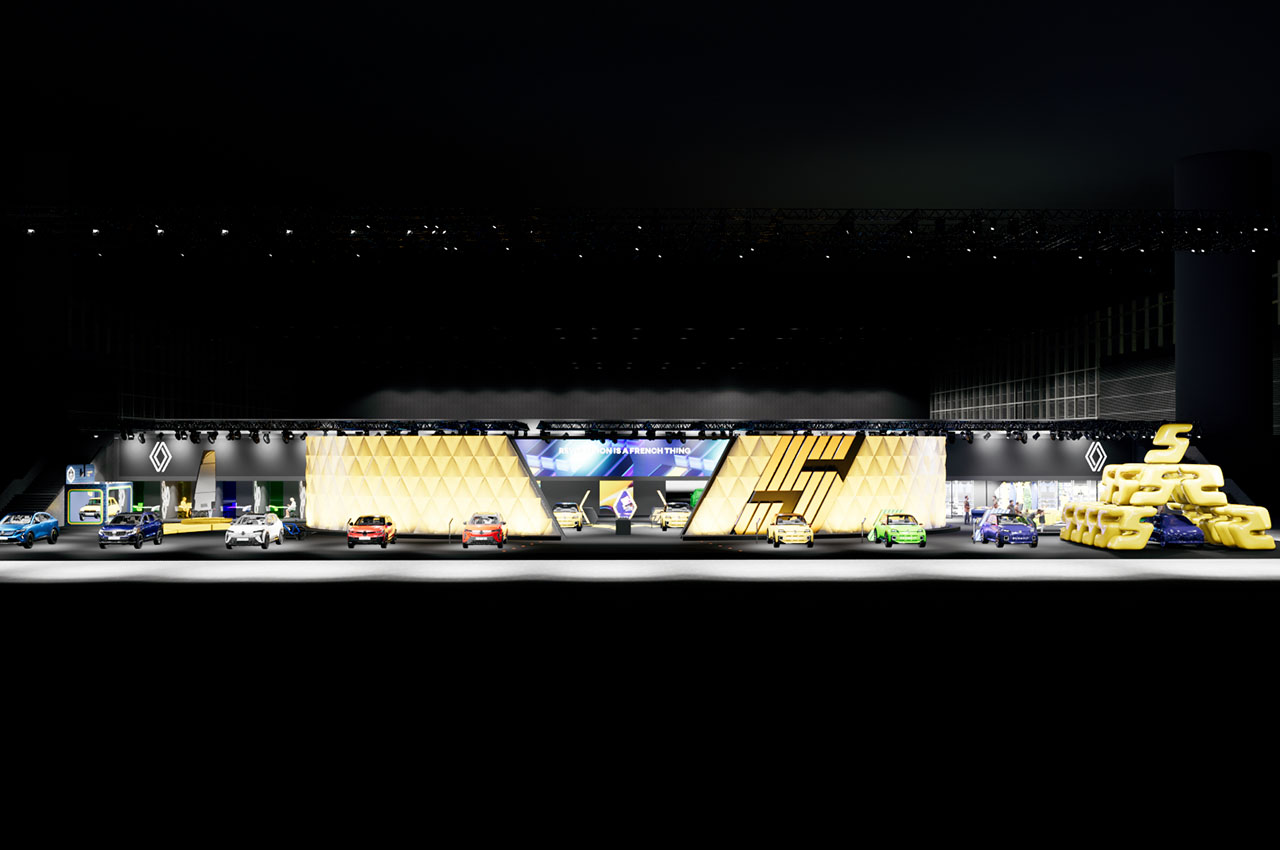
A showcase of the automotive geniuses for tomorrow, the Geneva International Motor Show 2024, saw some fascinating automobile innovations. Amid them, drenched in eye-piercing yellow theme, was Renault’s collaborative project carried out in association with reckoned French startups in the mobility sector.

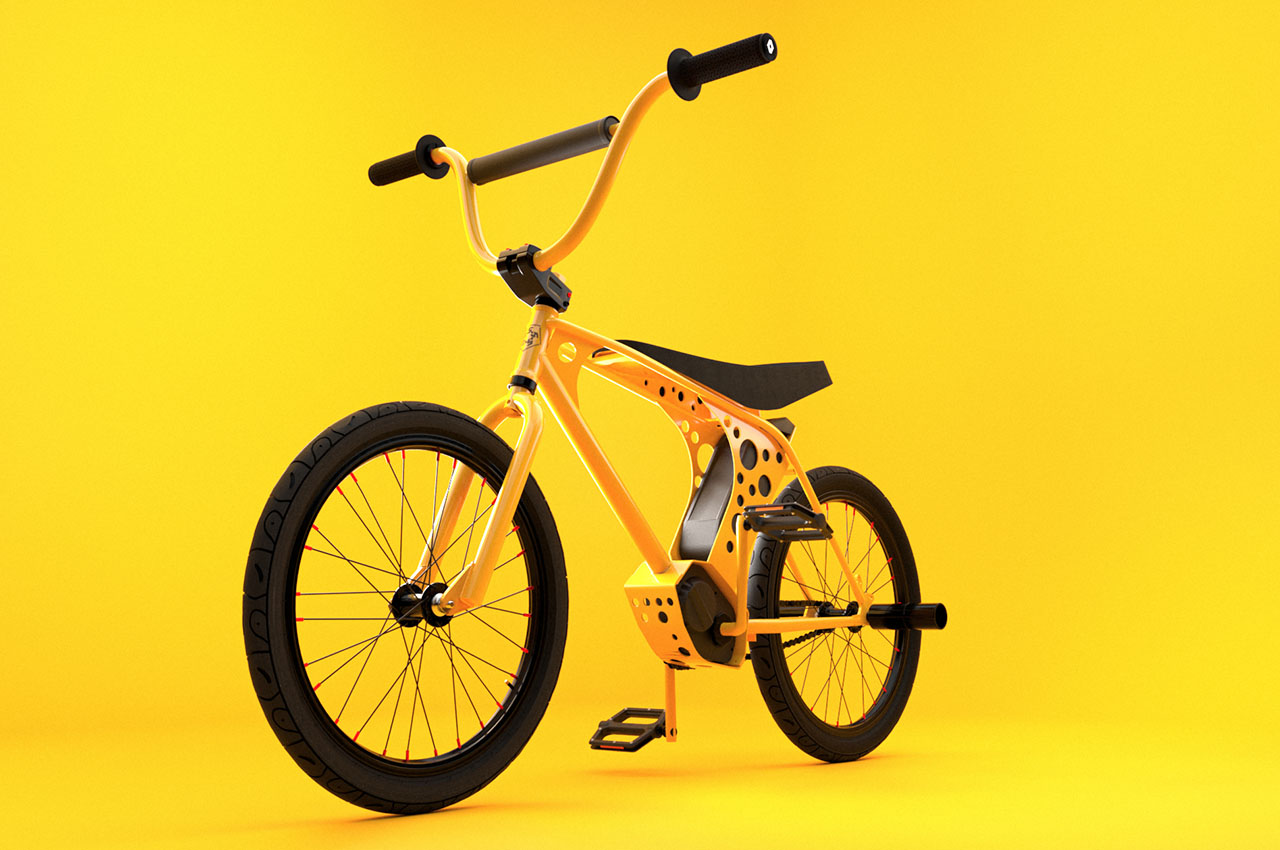
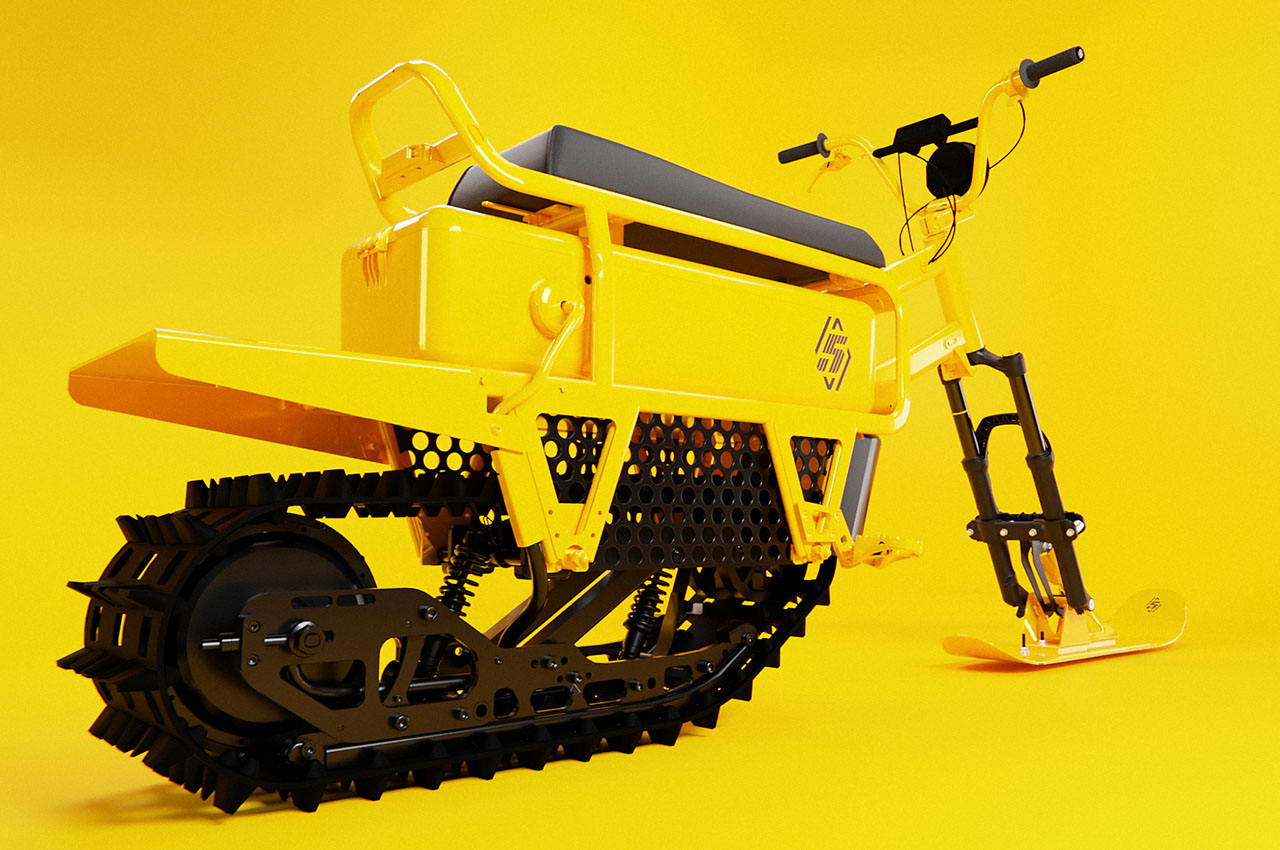
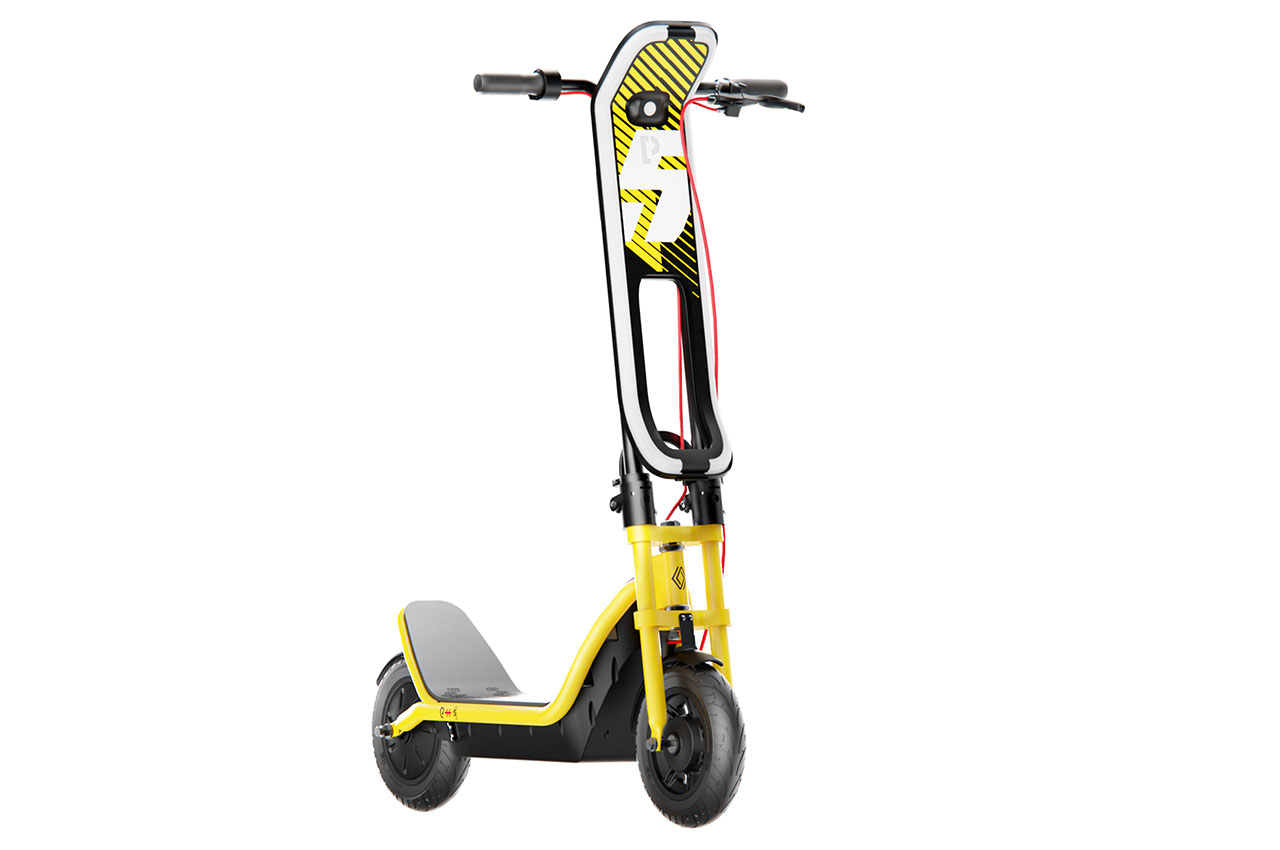
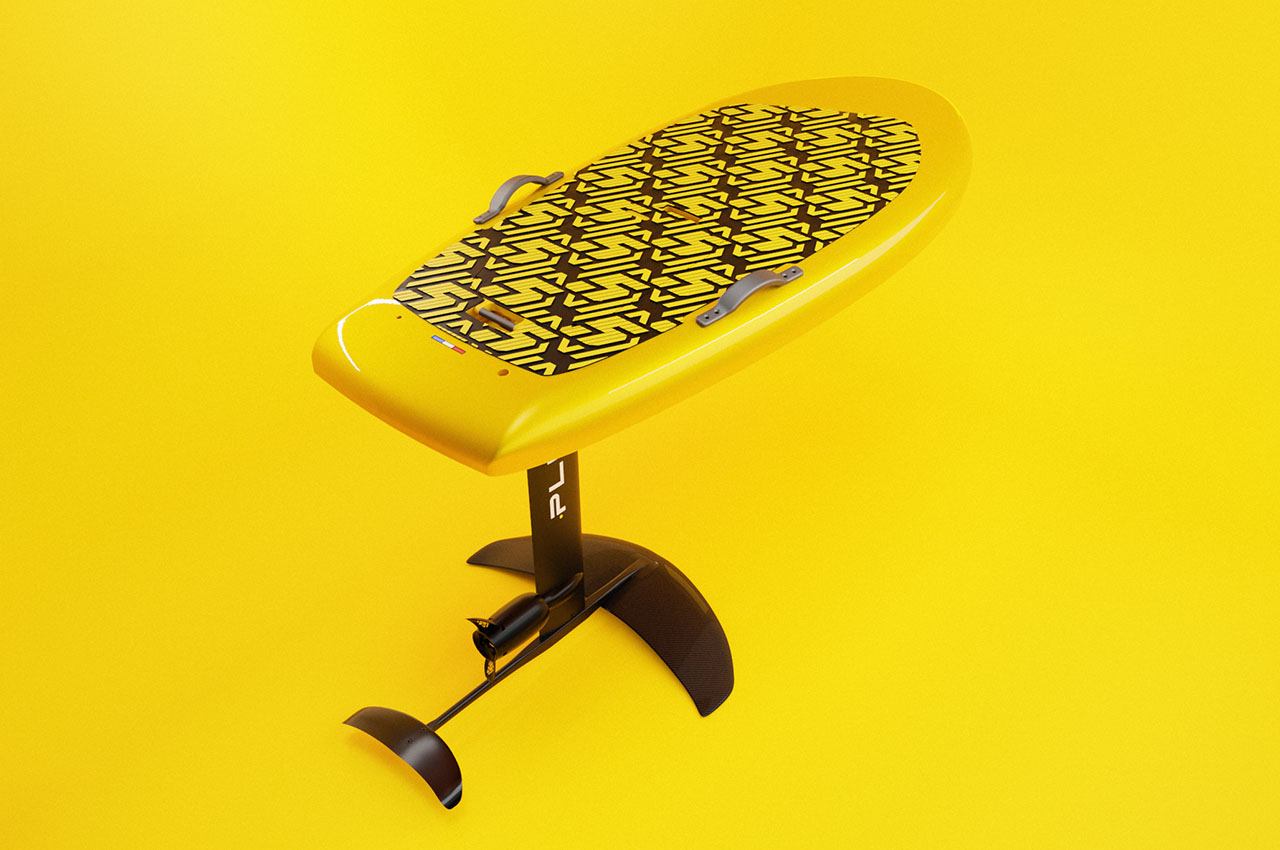
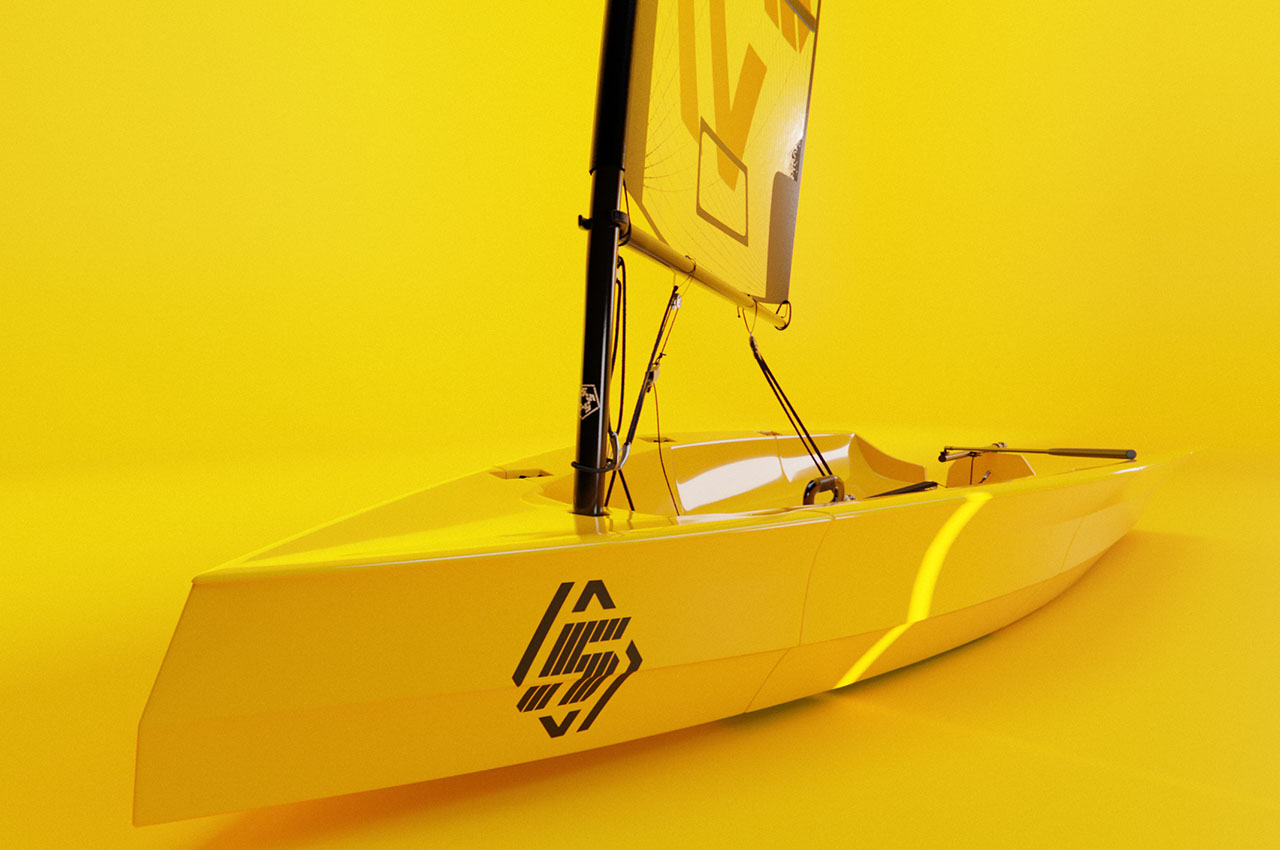
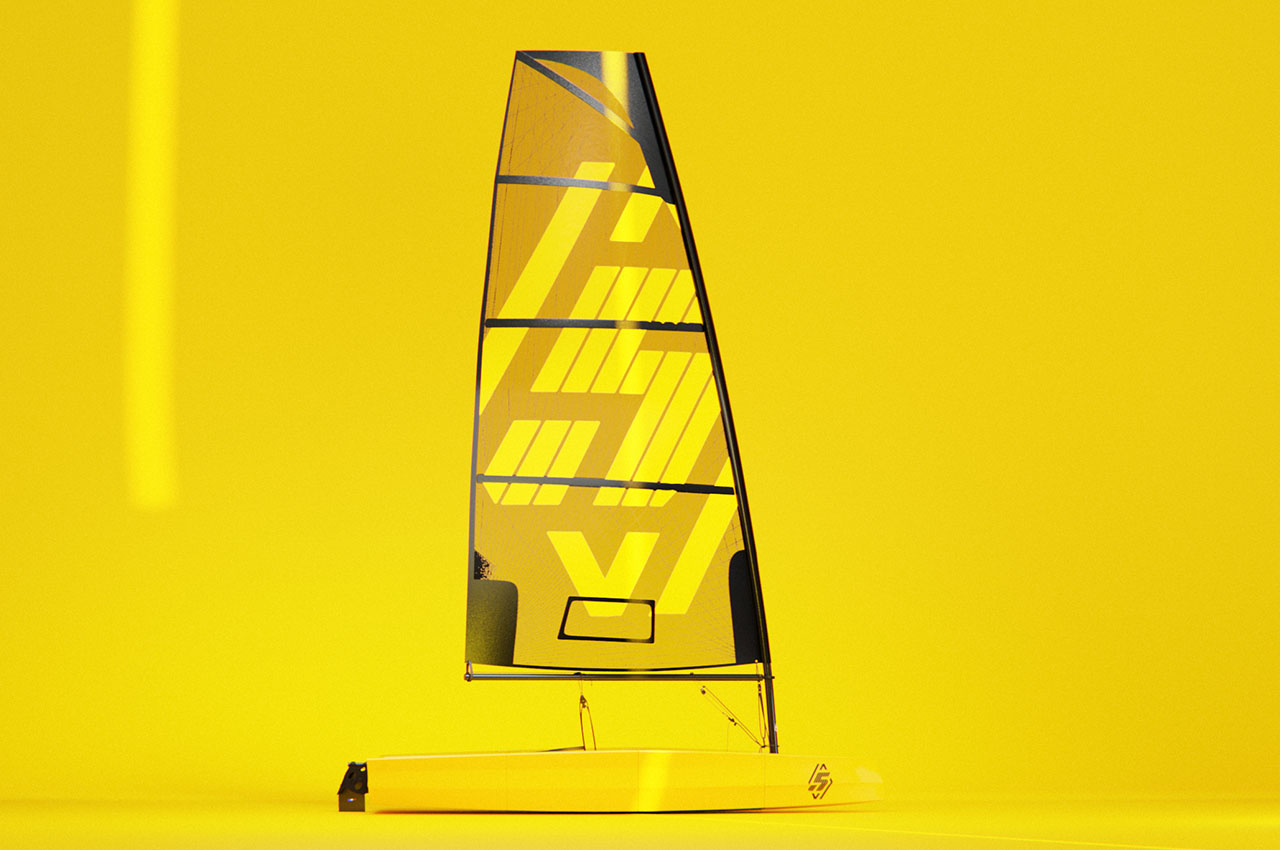
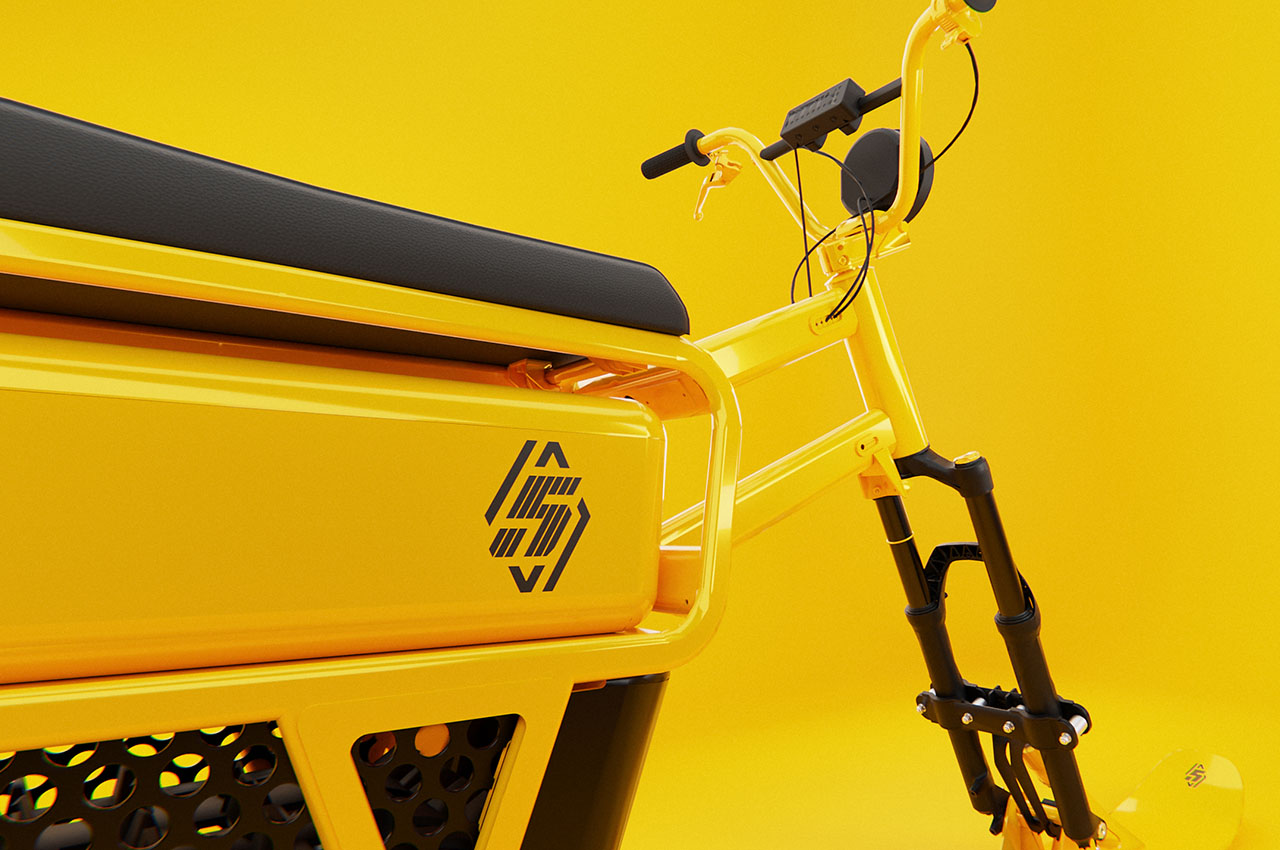
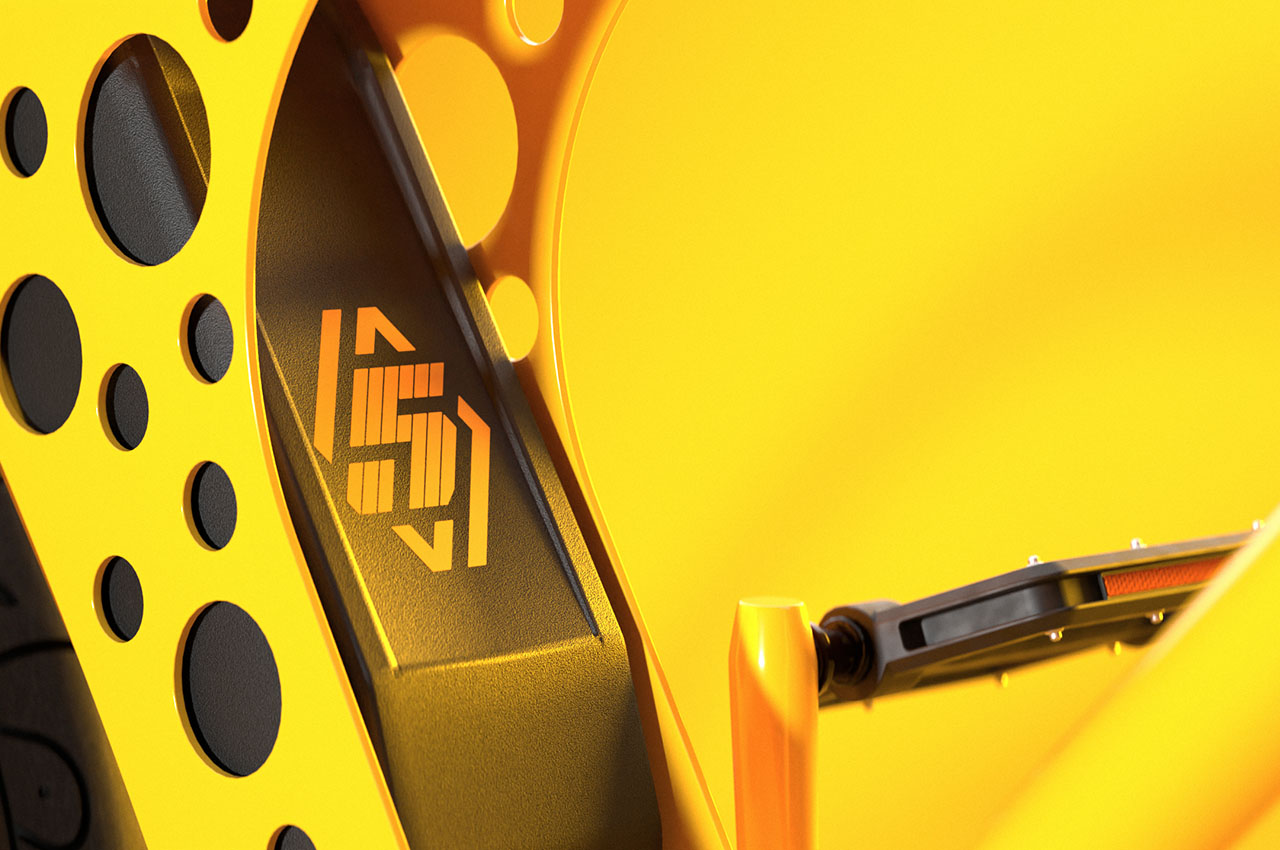
Titled the Renault 5 Movements, it is a series of electric vehicles comprising a bicycle motocross, foldable sailboat, sea bike, snow bike, and a surfboard with an electric hydrofoil. This impressive and diverse range of Renault options is a nod to the elements of nature: earth, water, air, and snow, and is an integral part of the company’s 100 percent electric revolution.

Designer: Renault

For the earth, the R5 Evol BMX is an all-electric bicycle motocross designed in association with Olivier Le Quellec. The bike is powered by a 500W motor that can take you cruising at 45km/h. It is designed to combine “dynamism and performance,” which makes it a perfect option for urban commuting and living the bike thrill off the tar.

Taking to the water, Renault has a fantastic foldable sailboat designed with Antoine Simon. Dubbed the Reverso, the versatile and compact boat features a stable, rigid hull. With a payload capacity of 180 kg, this sailboat – that is apt to take a family for an outing – has a folding design. It can be disassembled into four separate floating sections for the convenience of transportation.
Following on is Renault and Flavien Neyertz’s Searacer. This electric sea bike developed for water sports, comes ready with a high-density motor that can give this electric jet ski-style a boost of up to 77km/h. The motor offers a two-hour range, which should appeal to pros and beginners alike. If the bike is not your type, Renault also has the Plume surfboard by Etienne Mombereau for you. Weighing 3kg, this surfboard with electric hydrofoil is designed to take you on water adventures at speeds of up to 35 km with 1.5 hours of run-time.
If your fancy is not satiated by the regular land and water rides, Renault has come up with an electric snowbike called the Moonbike designed by Nicolas Muron. Its chain and belt-free design comprises a track and a front ski that can help the Moonbike achieve top speeds of up to 40km/h. That should be a good speed for treading the snow paths with 3 hours of assured ride time. Whatever your choice, Renault 5 Movements has a ride for you. The information on pricing and any possible availability is in oblivion for now.

The post Renault reinvents mobility with electric rides to take on the elements of nature first appeared on Yanko Design.