Governors Point is the Ultimate Eco-Luxury Escape You’ll Wish You Lived In

Governors Point, an exclusive residential enclave, sits on a pristine 125-acre peninsula in Washington’s Salish Sea. Envisioned by acclaimed architect Omer Arbel, this unique community offers an exquisite mix of luxury living and deep respect for the environment. The development features 16 custom waterfront homes that blend seamlessly into the surrounding landscape. Each home is crafted to celebrate the raw beauty of the area, ensuring it complements rather than overpowers the natural setting.

Designer: Omer Arbel

Image credit: Governors Point

Governors Point’s history adds depth to its current form. Originally, the site was slated for over 300 homes and multiple marinas, but a transformative partnership between design entrepreneur Randy Bishop and the Whatcom Land Trust shifted its destiny. Their focus was on conservation, turning Governors Point into a haven for both residents and nature.

Exterior Design: Blending With Nature

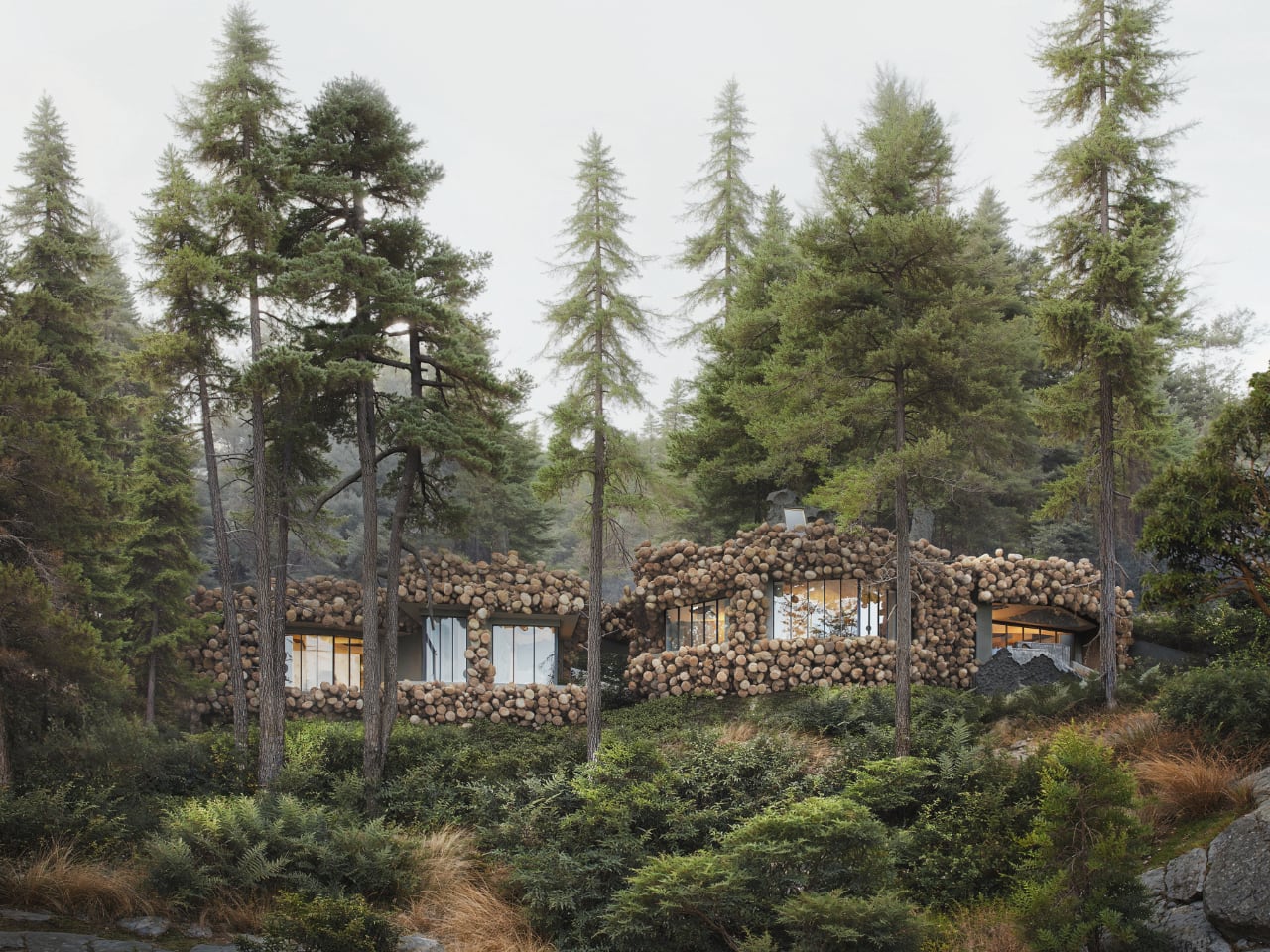
The exterior of each home at Governors Point reflects Omer Arbel’s innovative approach to merging architecture with nature. The homes are placed strategically along the peninsula, with some landward facades partially buried to reduce their visual presence and make them part of the landscape.
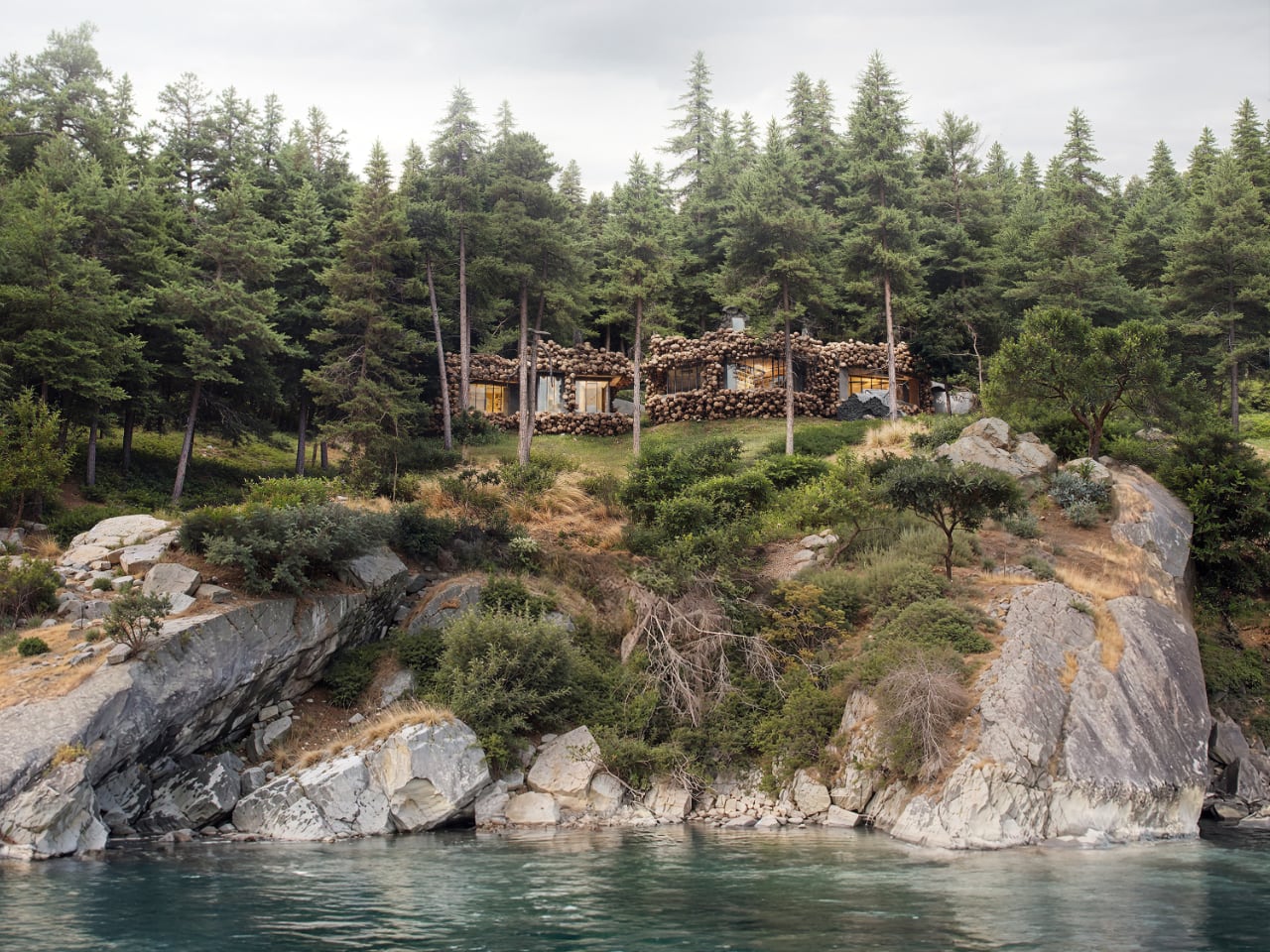
Image credit: Governors Point

On the west-facing side, a “cloudlike” exterior skin made from cedar burl offcuts adds a striking visual feature. These cedar pieces, described as “boulder-shaped modules,” are mounted on metal standoffs and gently sway, creating a kinetic effect. Over time, moss and lichens will grow on these surfaces, adding a living, evolving element to the design.

Roofs are designed to allow the forest to grow over them, making the homes seem like natural extensions of the landscape. This design choice also offers energy efficiency, as the forest provides natural insulation.
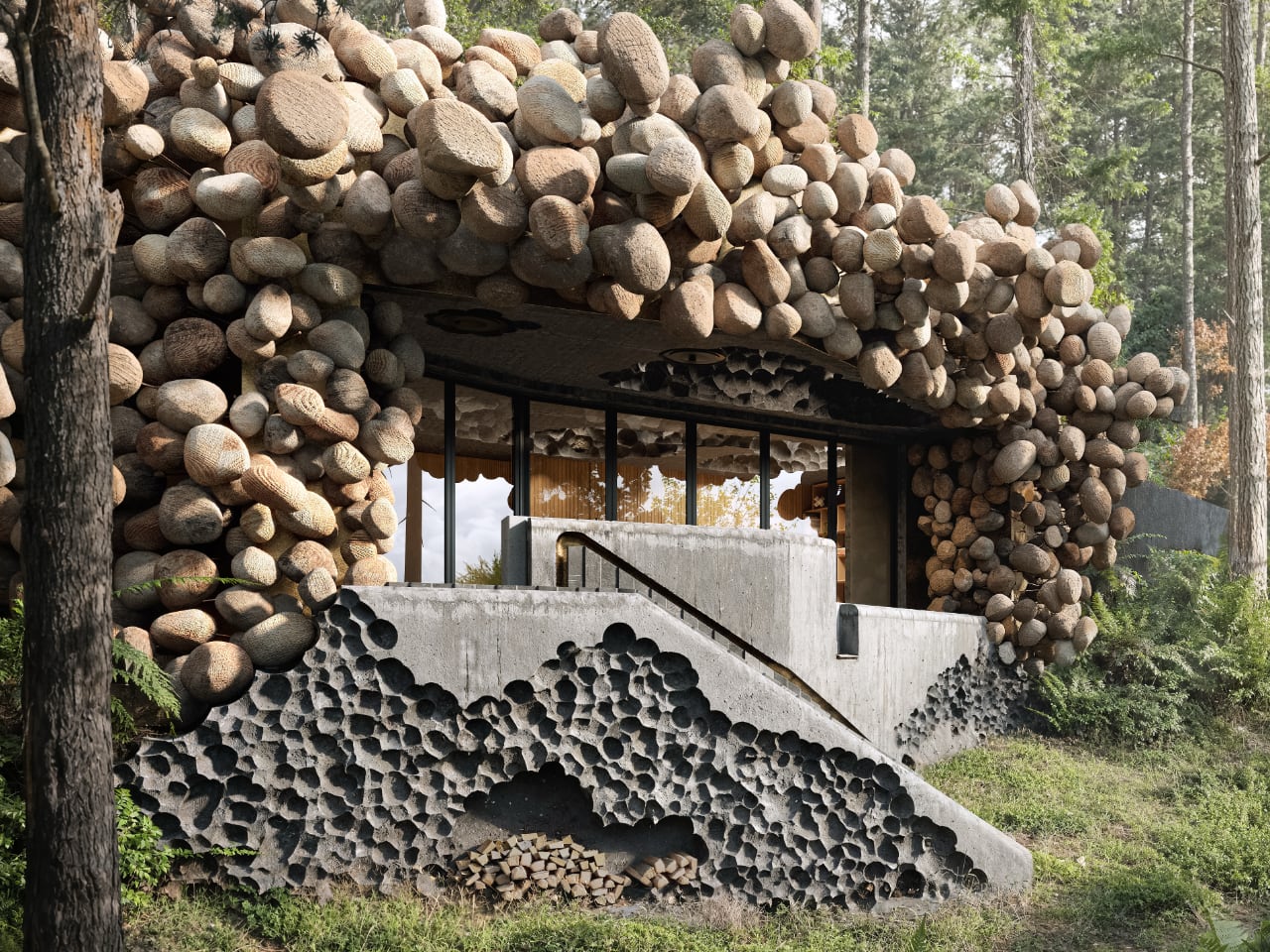
Paths leading to the homes are discreet, guiding residents through nature in a way that contrasts the enclosed feeling of the homes—often opening up dramatically to views over the cliffs. These paths are set between retaining walls, enhancing the contrast between entering underground spaces and emerging to cliff-edge views. Landscaping is restricted to just 3,000 square feet per 1.5-acre lot, ensuring that most of the natural flora is preserved. This careful planning maintains the native beauty of Governors Point, keeping ecological integrity at the forefront.
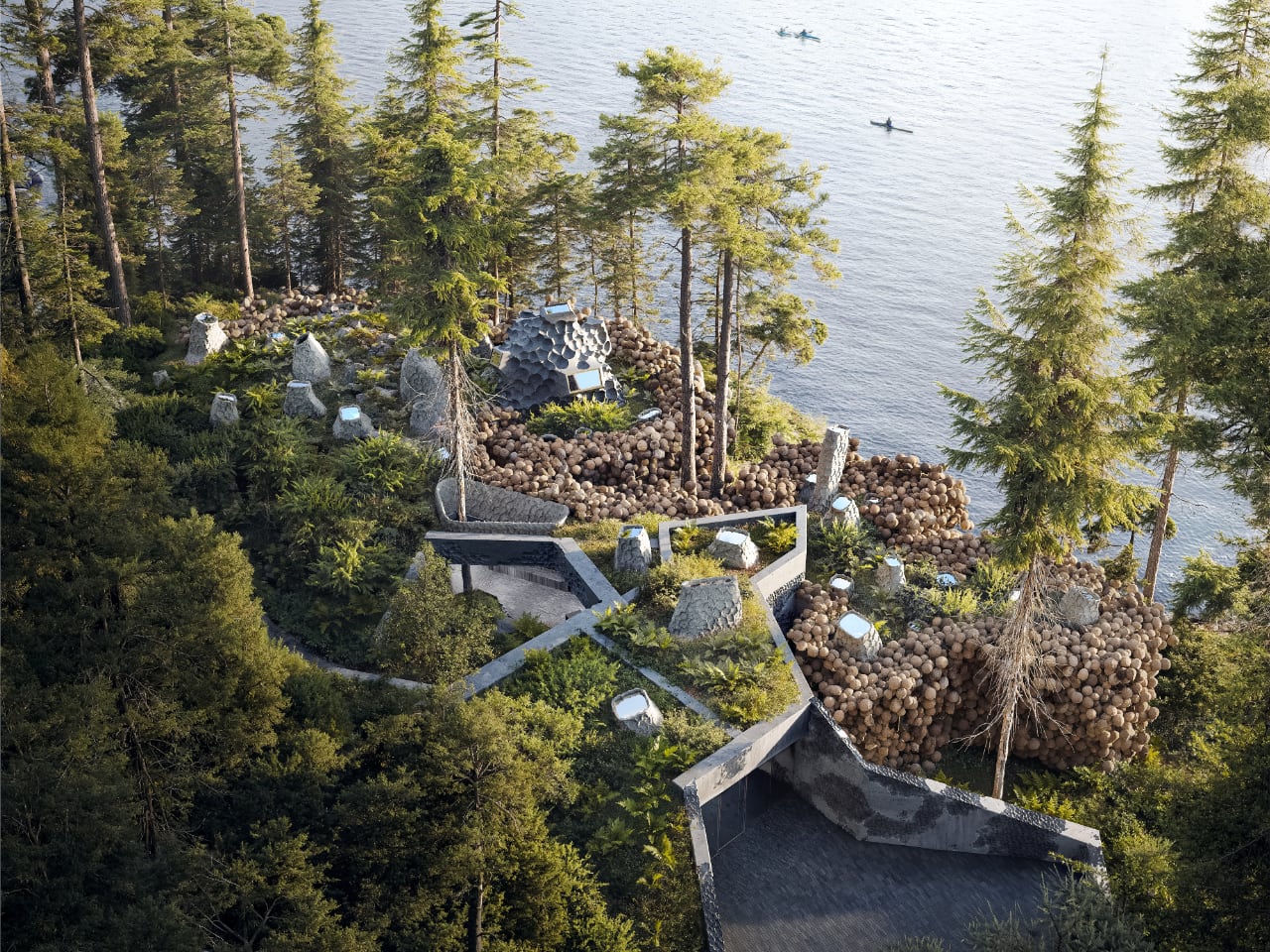
Image credit: Governors Point

The design also respects the existing kayak route along the shoreline, ensuring that the natural recreational pathways remain unobstructed and inviting for kayakers.

Interior Design: Seamless Flow Indoors and Out

The interior of each Governors Point home reflects Arbel’s commitment to creating harmony between luxury and nature. The homes are capped at 2,900 square feet, maintaining a modest size that fits within the environment.

Expansive floor-to-ceiling windows bring in sweeping views of the Salish Sea and San Juan Islands, flooding rooms with natural light. These windows create a seamless connection between the indoor and outdoor spaces, making the landscape a natural part of the home’s interior.
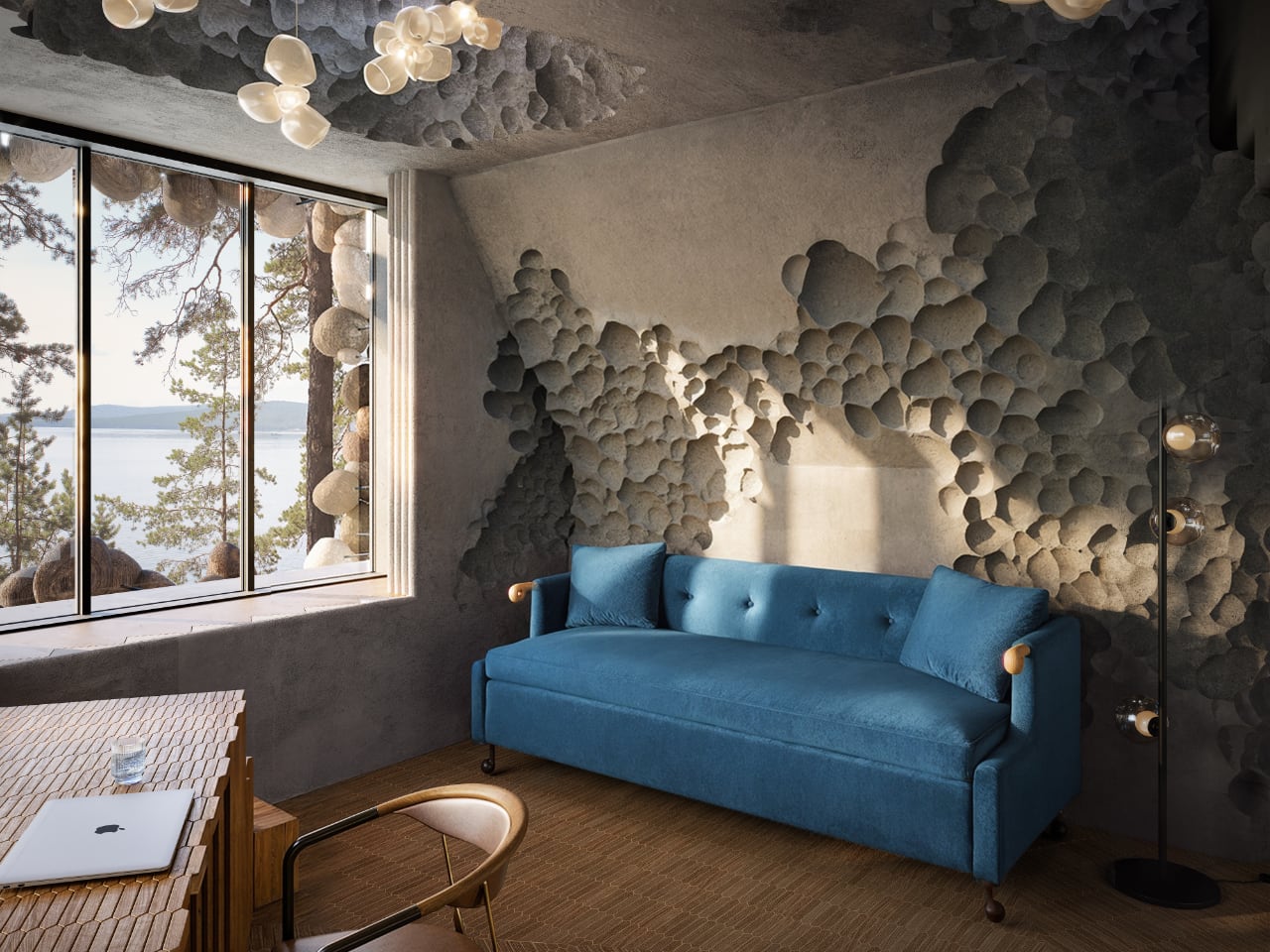
The living room design beautifully showcases this philosophy, featuring woven leather chairs and a low-profile marble coffee table. The living area opens directly to the outdoors, framed by boulder-like modules connecting the home to the natural world. The use of earthy tones and tactile fabrics throughout the living room maintains a sense of warmth and cohesion, while built-in shelves add functionality without overwhelming the space.

The materials used throughout the homes, like locally sourced wood and stone, add warmth and texture, while low-VOC paints and reclaimed wood floors keep the building process eco-friendly.

Fixtures from Arbel’s design firm, Bocci, are featured throughout, including custom glass pendants that bring a unique glow to the rooms. The collaboration between Omer Arbel and Bocci goes back nearly two decades, allowing Bocci’s luxurious finishes to integrate seamlessly into Arbel’s architectural projects. Skylights and open floor plans ensure that natural light fills every corner, enhancing the spaciousness while connecting each room to the outdoors.
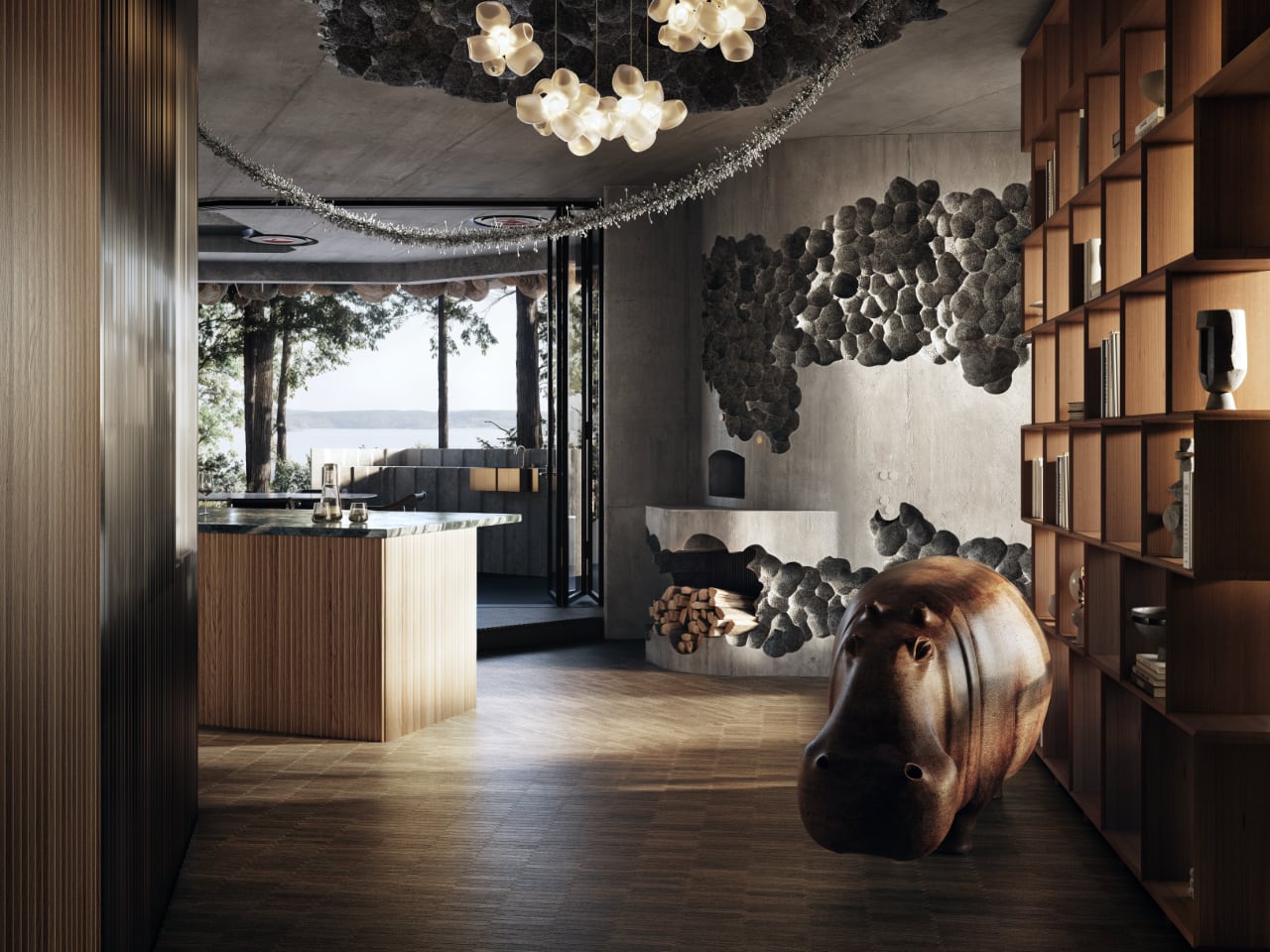
Image credit: Governors Point

In the kitchen, an elegant concrete finish defines the space, with natural textures continuing to enhance the connection between indoor and outdoor environments. This description is based on conceptual design elements rather than a confirmed source from the images or documents provided. Large windows frame views of the sea, while the design focuses on subtle built-in features, such as hidden storage and a minimalist aesthetic, ensuring the kitchen is functional and stylish.

The Parametric Approach: Architecture With Variation

Omer Arbel takes a parametric design approach at Governors Point—meaning the homes are crafted within a set of guidelines that allow for natural variations. Each home follows core principles but adapts to the specific conditions of its location.
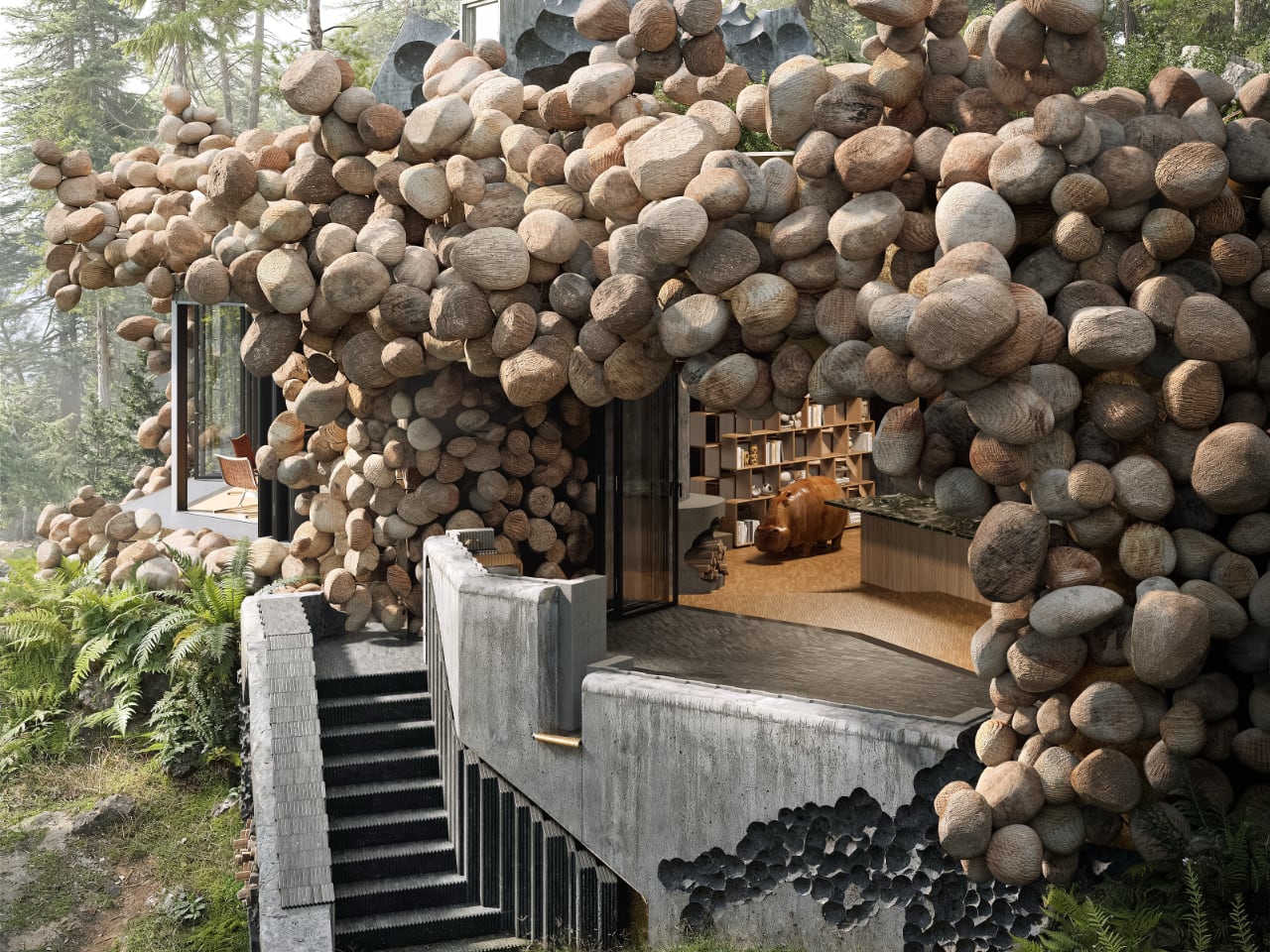
Image credit: Governors Point

For example, cedar burl offcuts on the west-facing facades are arranged within set parameters but come together in unique compositions. This gives every home its personality while maintaining a consistent architectural language across the community.

Arbel’s process involves setting constraints and letting materials and site-specific factors guide the final design. This approach allows the architecture to adapt to the environment, making each home a reflection of its surroundings.

It turns construction into a creative, evolving process that celebrates unpredictability and uniqueness. Arbel also extends this parametric philosophy to interior fixtures, using materials like copper and glass to adapt to the living spaces’ flow.
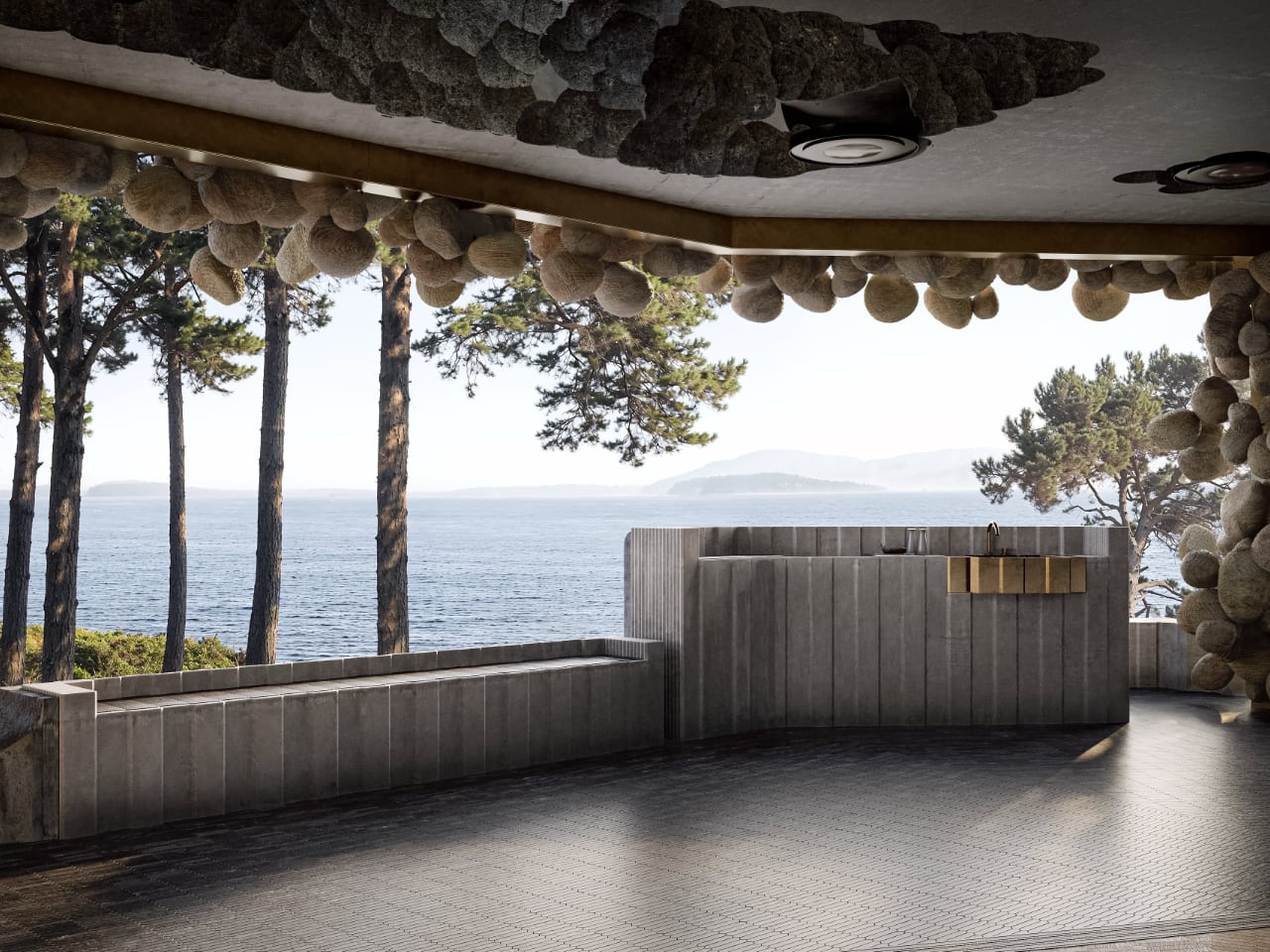
Image credit: Governors Point

The master bedroom continues the organic design language with a feature wall that mimics the boulder-shaped modules seen outside. The furniture, including the bed and integrated shelving, balances the ruggedness of natural materials and refined craftsmanship. Custom Bocci lighting adds a sculptural quality, casting soft light that enhances the serene atmosphere.
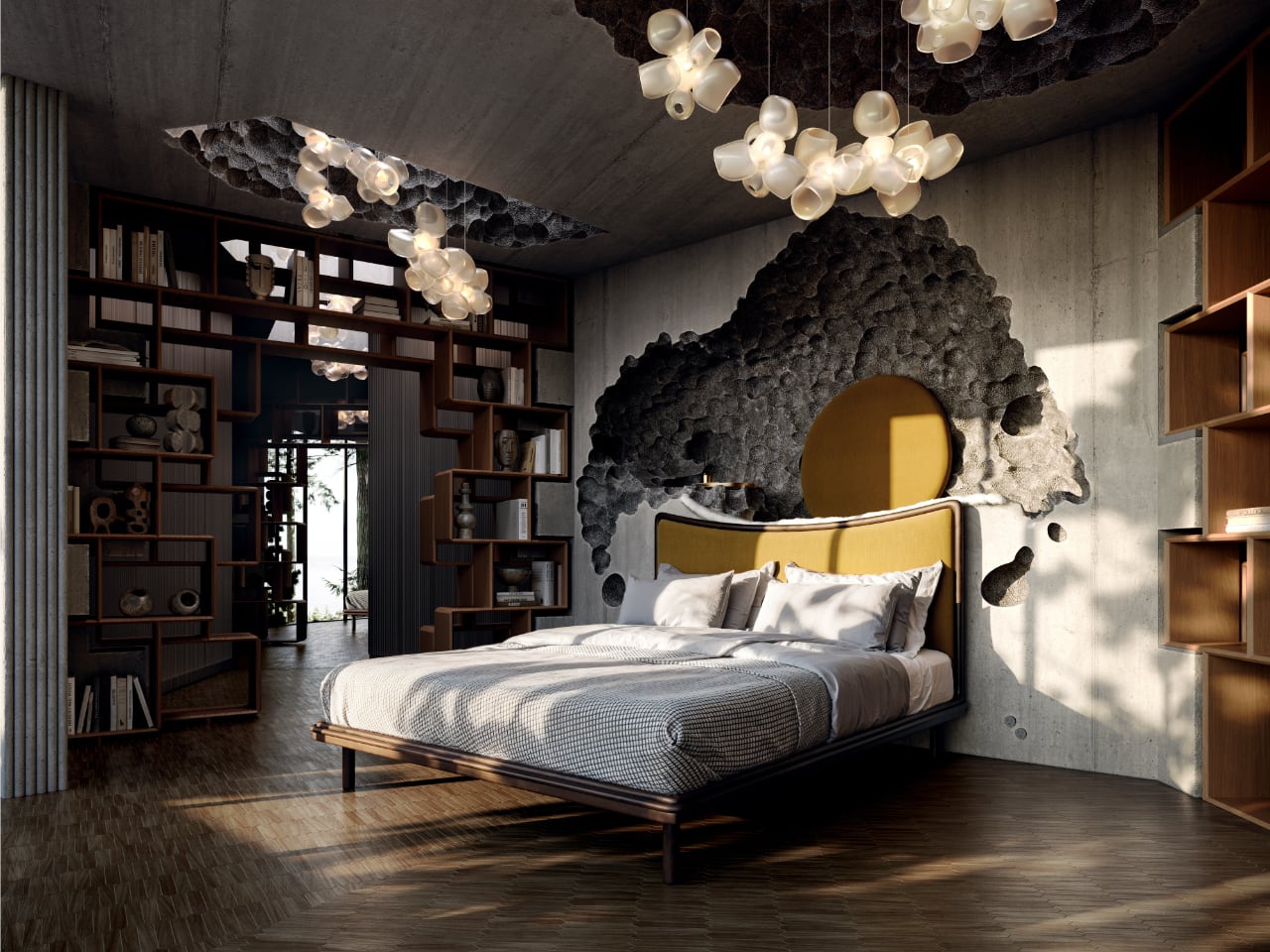
Image credit: Governors Point

A Commitment to Sustainability

Governors Point is a model of sustainable architecture, with 98 of the 125 acres set aside as a nature reserve managed by the Whatcom Land Trust. This area features a 2.5-mile public access loop trail, allowing residents and visitors to explore the peninsula’s stunning natural beauty, including access to beaches and viewpoints on both sides.
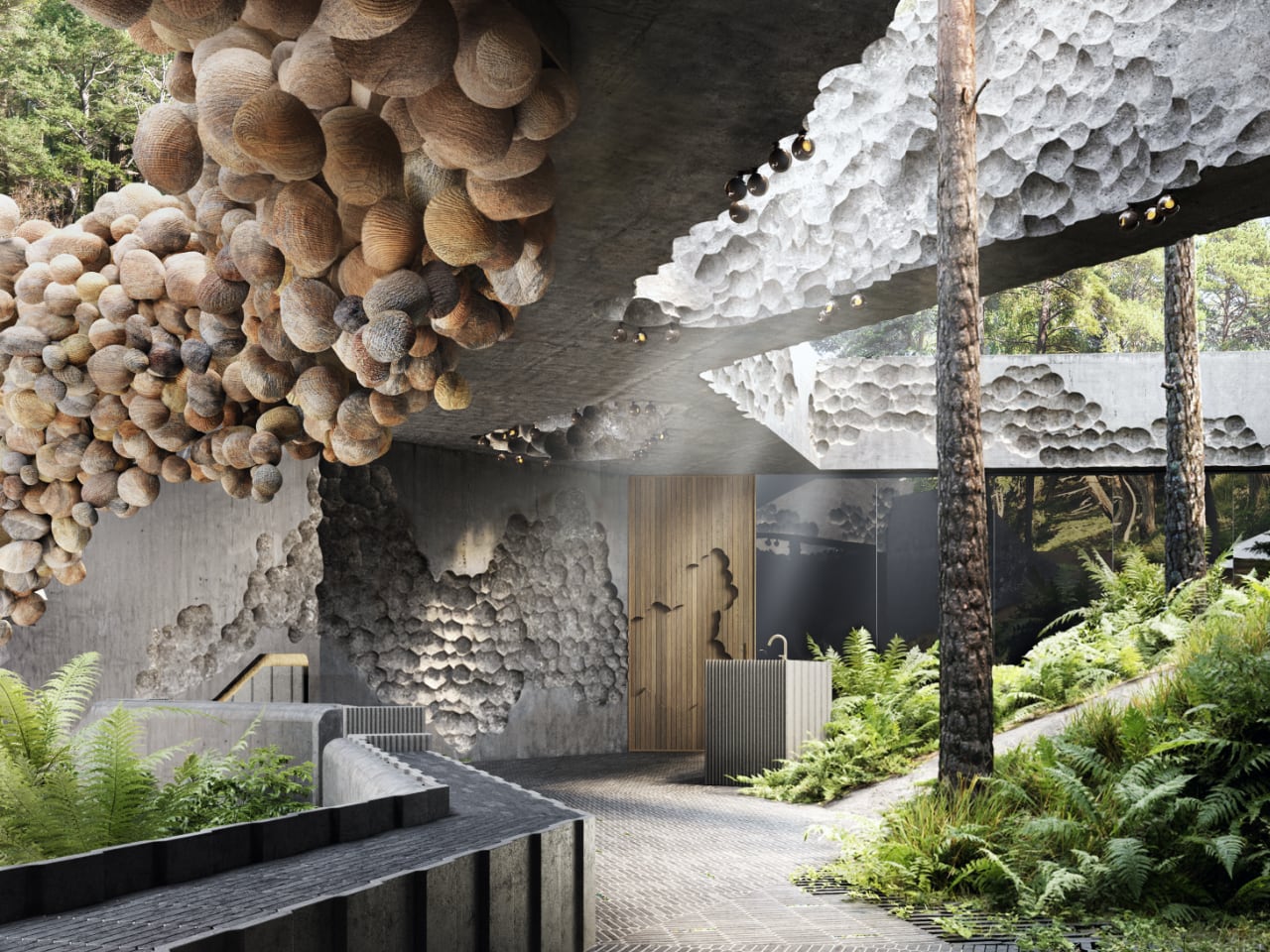
Image credit: Governors Point

Keeping most of the land as a nature reserve helps protect local ecosystems, balancing development and conservation.

Each residence is capped at 2,900 square feet, with an additional 1,100 square feet allowed for garages or outbuildings. By limiting the size of the homes and restricting manicured landscaping, the development ensures that the natural surroundings remain untouched as much as possible.

Using sustainable materials, such as repurposed cedar burl offcuts for exterior cladding, reduces waste and promotes regional resource efficiency. Governors Point also bans using pesticides and harmful chemicals, protecting the local flora and fauna.
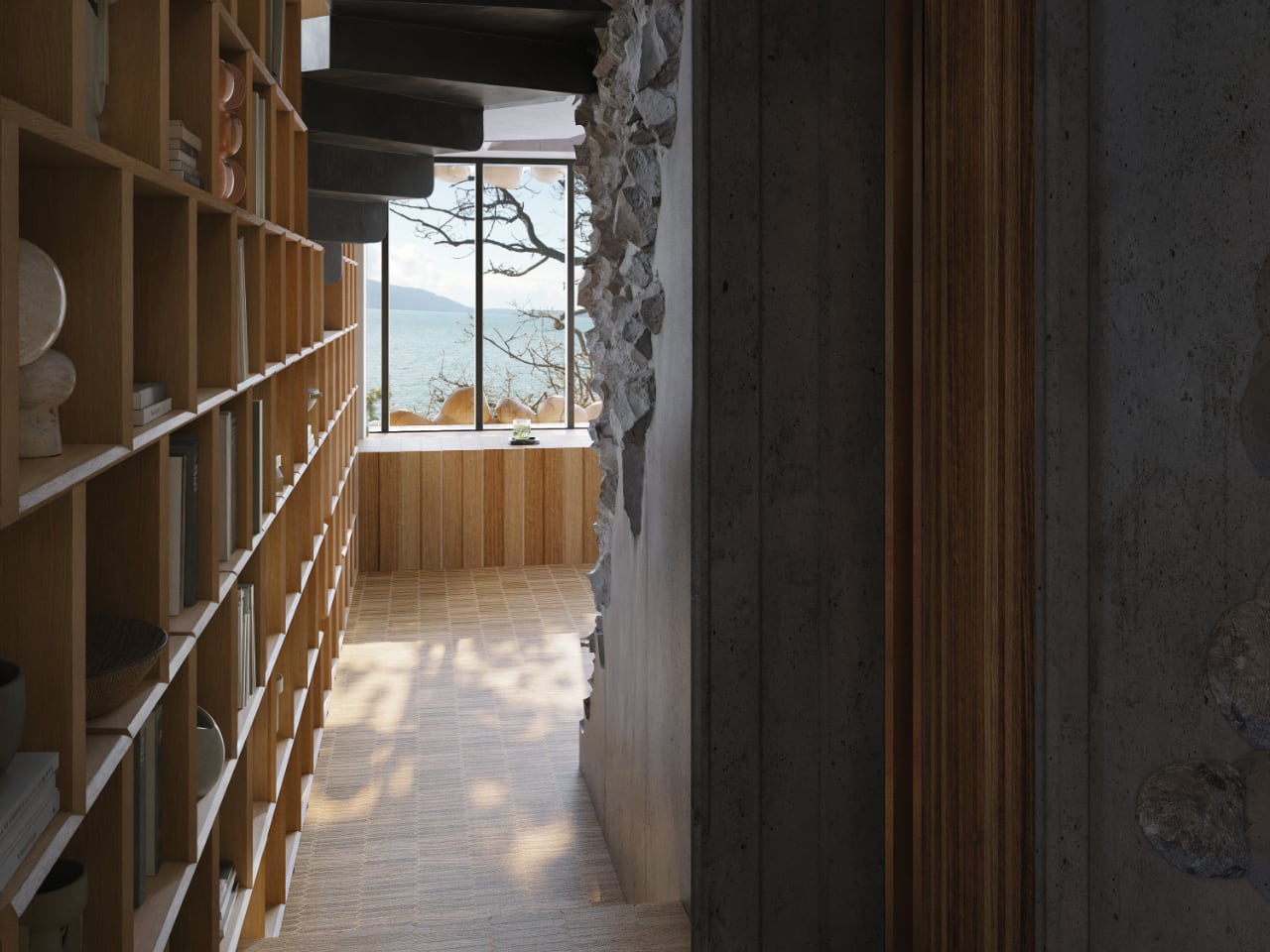
Image credit: Governors Point

Energy efficiency is key in architectural planning, with large windows designed to optimize passive solar heating while offering stunning views. The project maintains a low-density footprint by limiting the development to only 16 homes on the 27 developed acres, reducing habitat disruption and preserving wildlife corridors.

The design blends the homes into the landscape with natural features like buried facades and forest-covered roofs, setting a new standard for eco-conscious luxury.

The post Governors Point is the Ultimate Eco-Luxury Escape You’ll Wish You Lived In first appeared on Yanko Design.
This Tiny Home Has A Compact & Manageable Size While Accommodating Six People With Ease

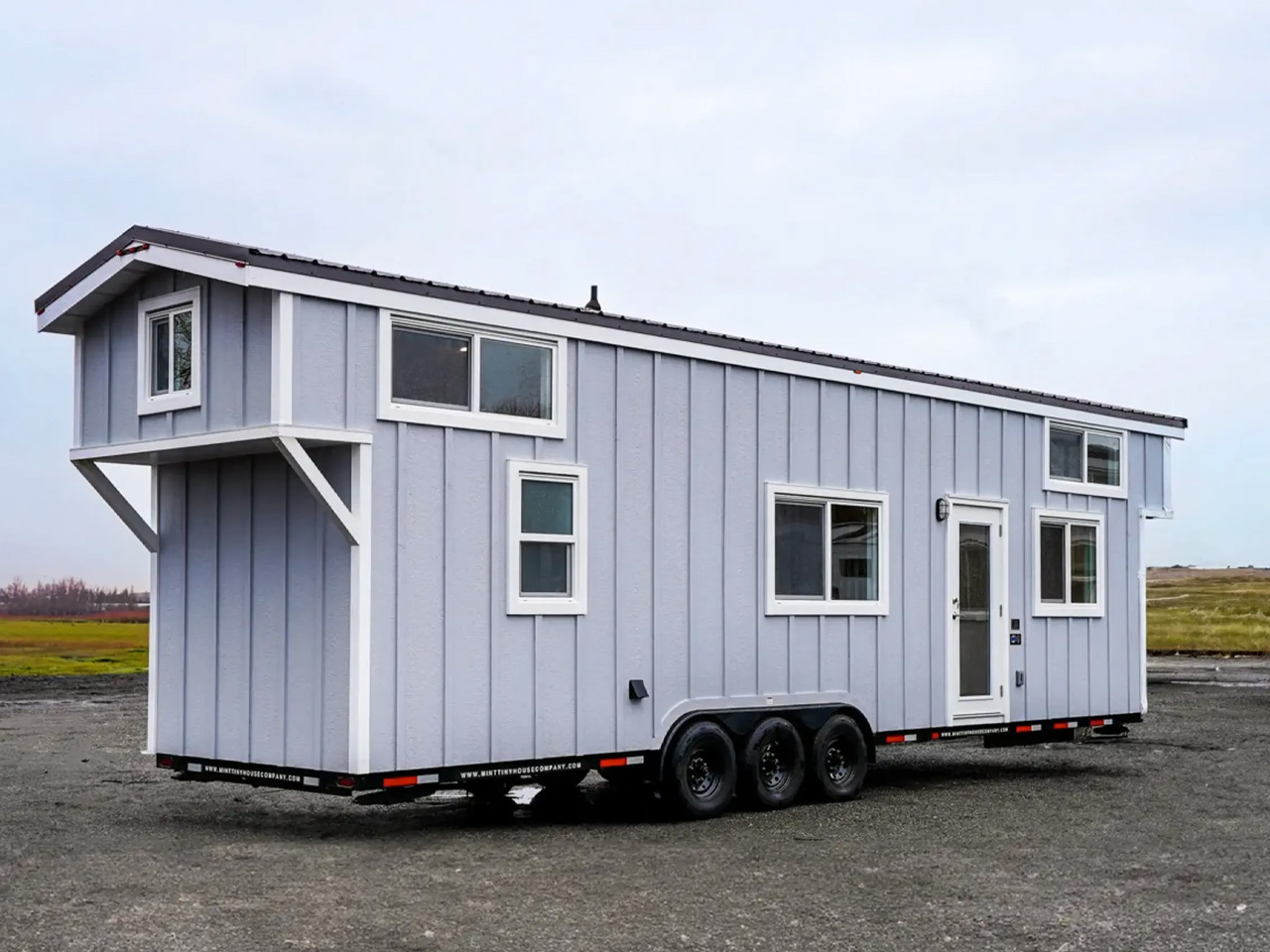
Mint Tiny House Company is usually known for its large tiny home models, but with the Loft Ruby Edition, they’ve created a home with a compact and manageable size. Despite being on the smaller side, the home can easily sleep up to six people. The home is based on a triple-axle trailer, and it features a length of 34 feet, which is the typical size of tiny homes in North America. The home features a finishing in board and batten engineered wood siding, and is accentuated by a metal roof. Generous glazing ensures that natural light streams into the home throughout the day. The interior of the home occupies around 386 sq ft, most of which is populated by an open living area that contains the living room, kitchen, and dining area.

Designer: Mint Tiny House Company

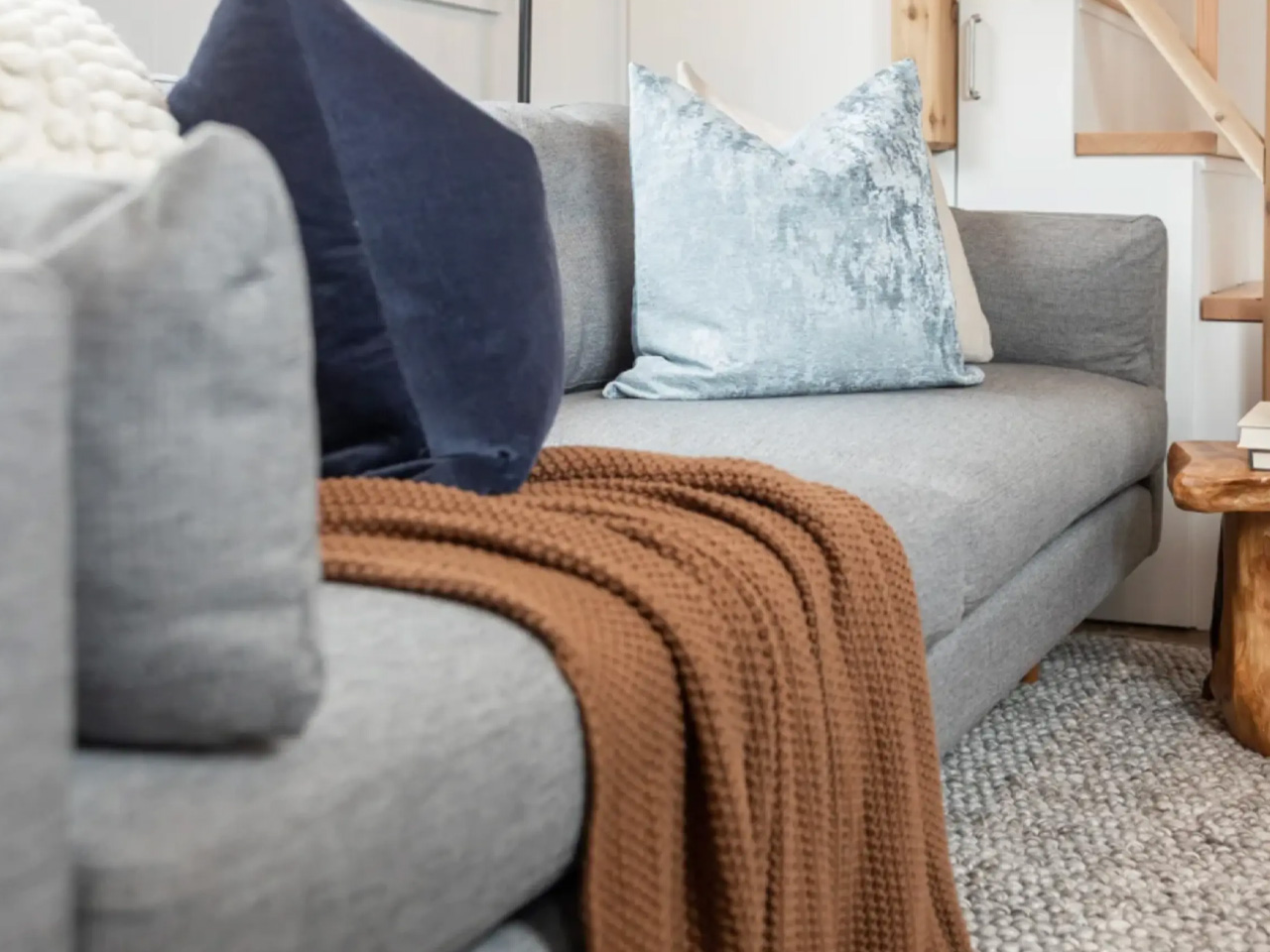
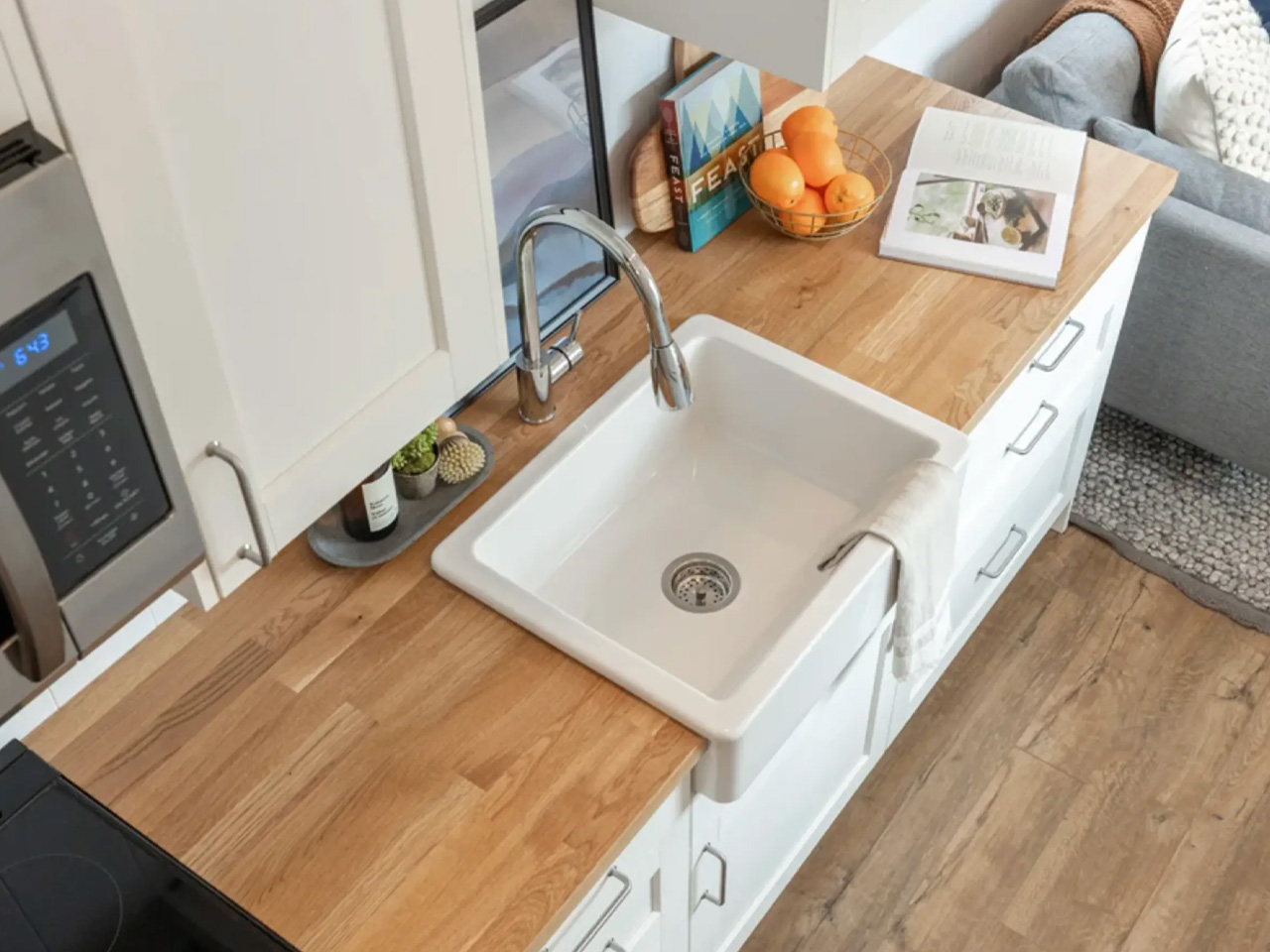
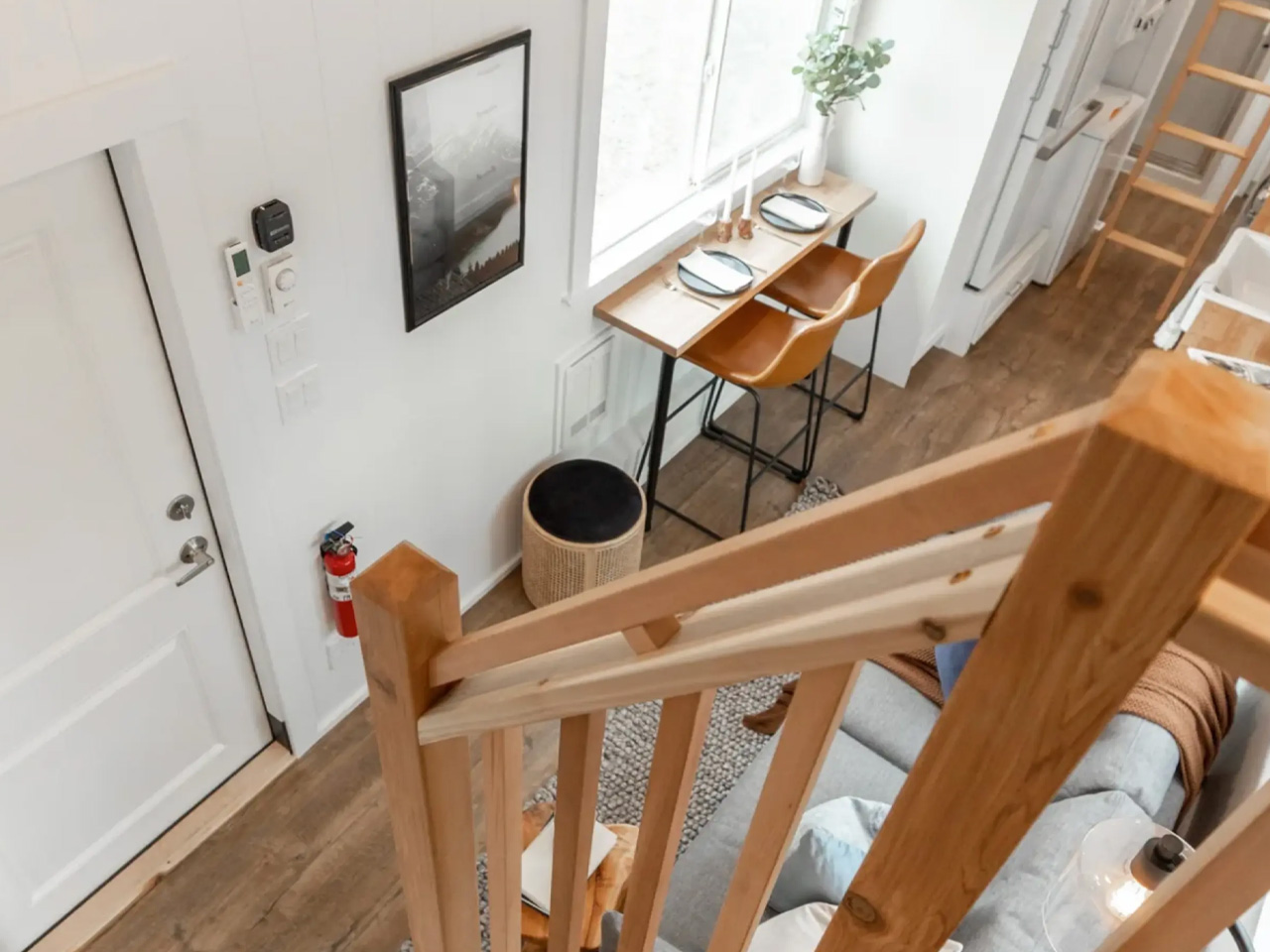
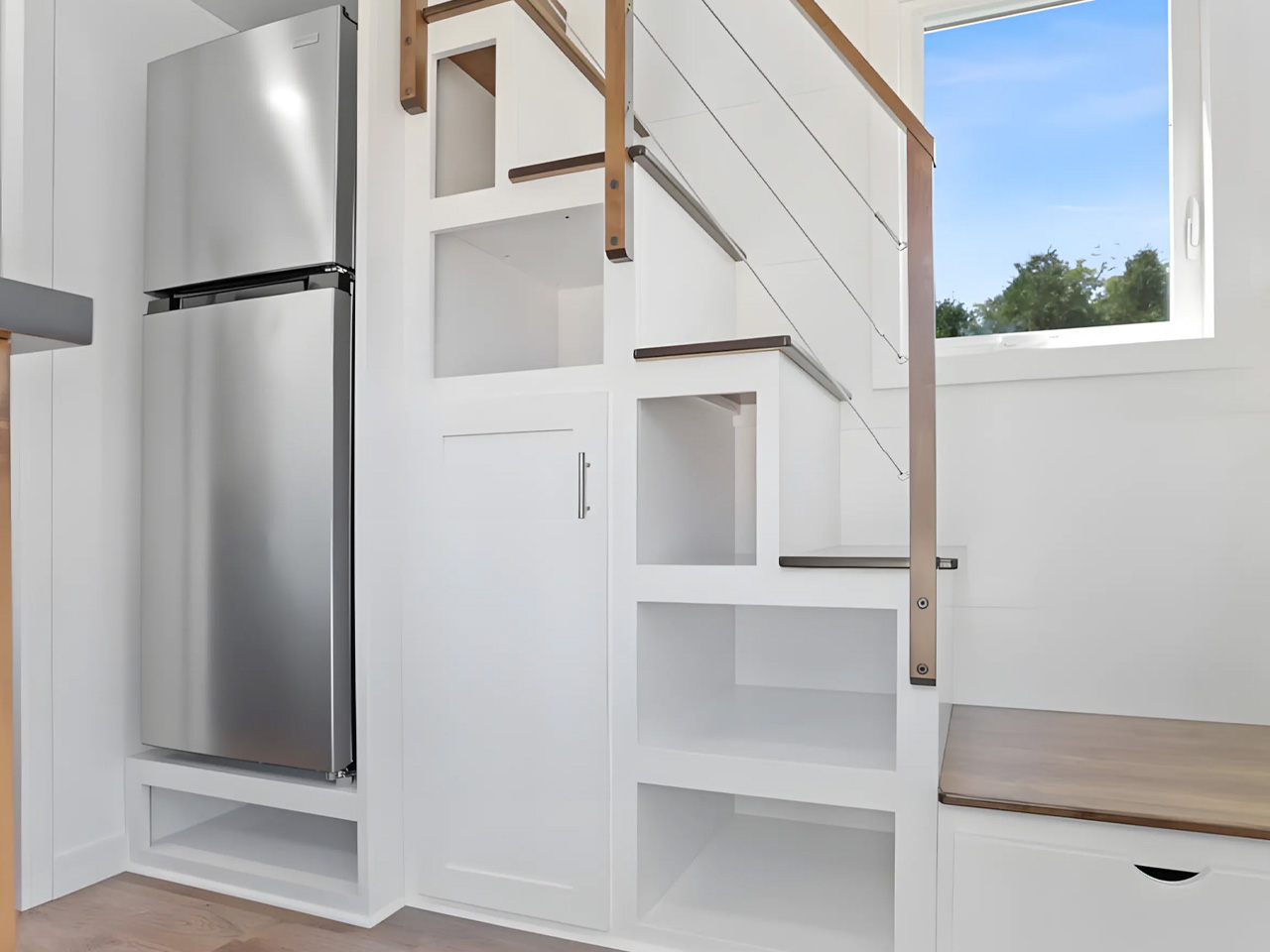
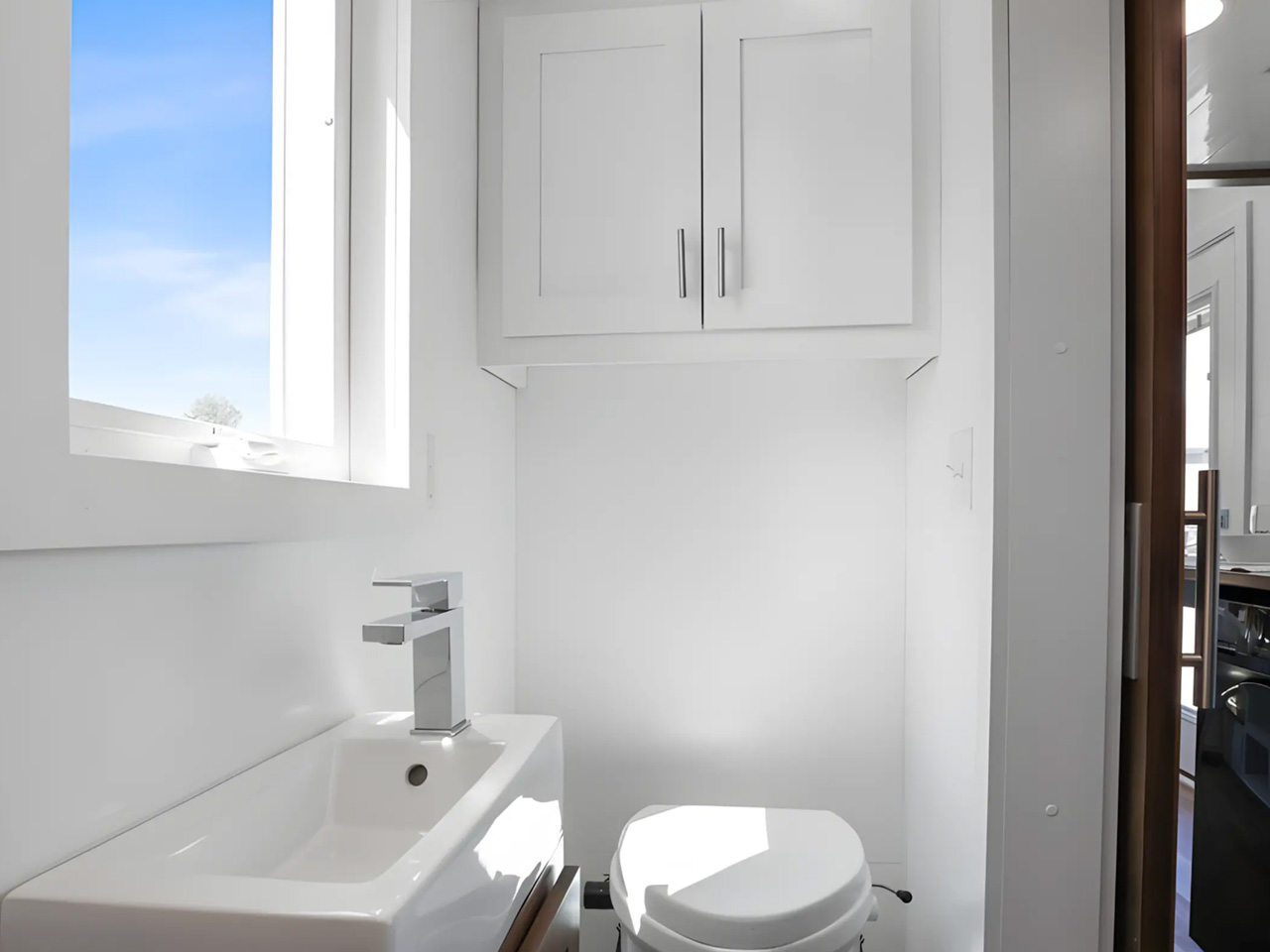
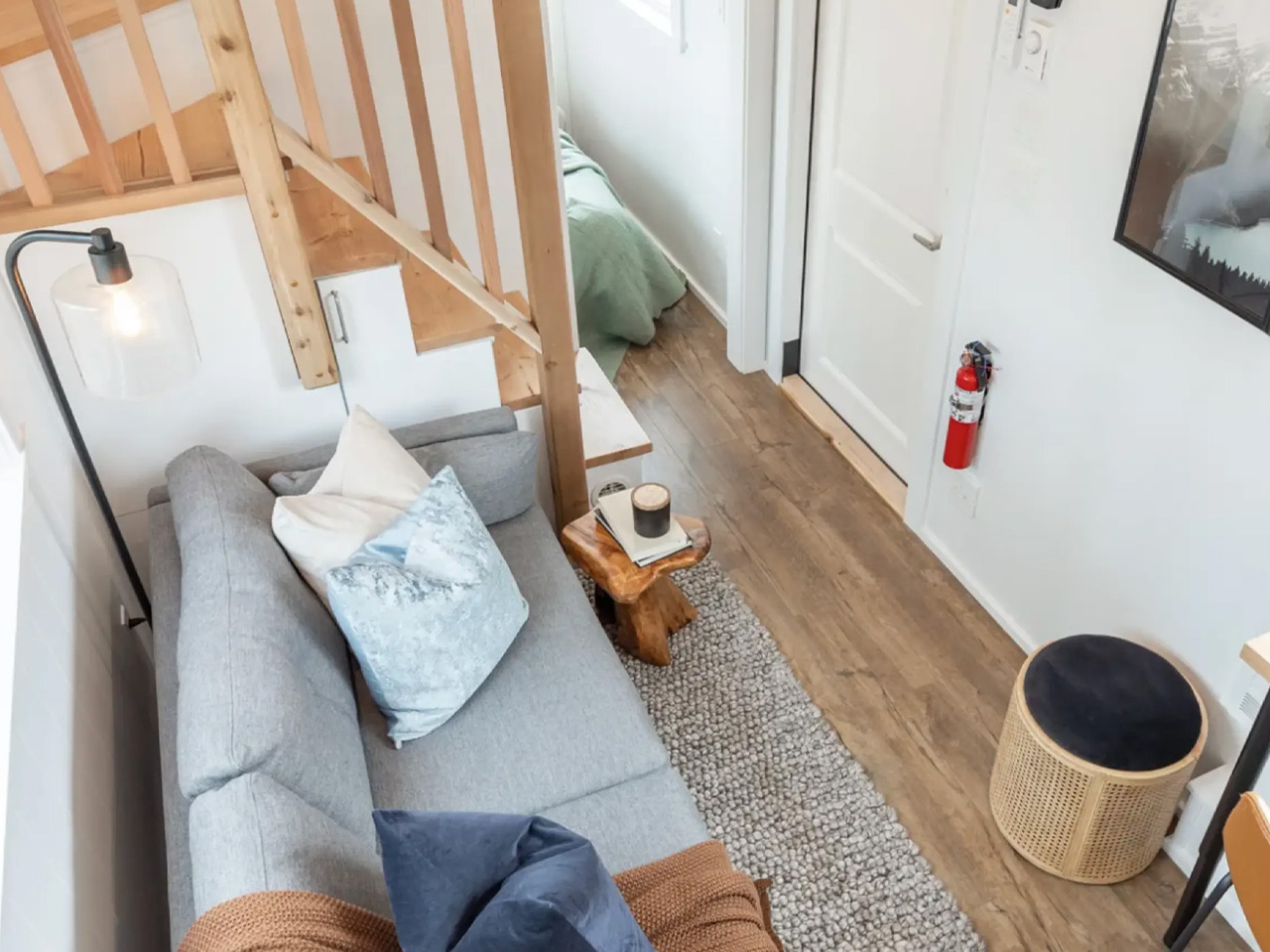
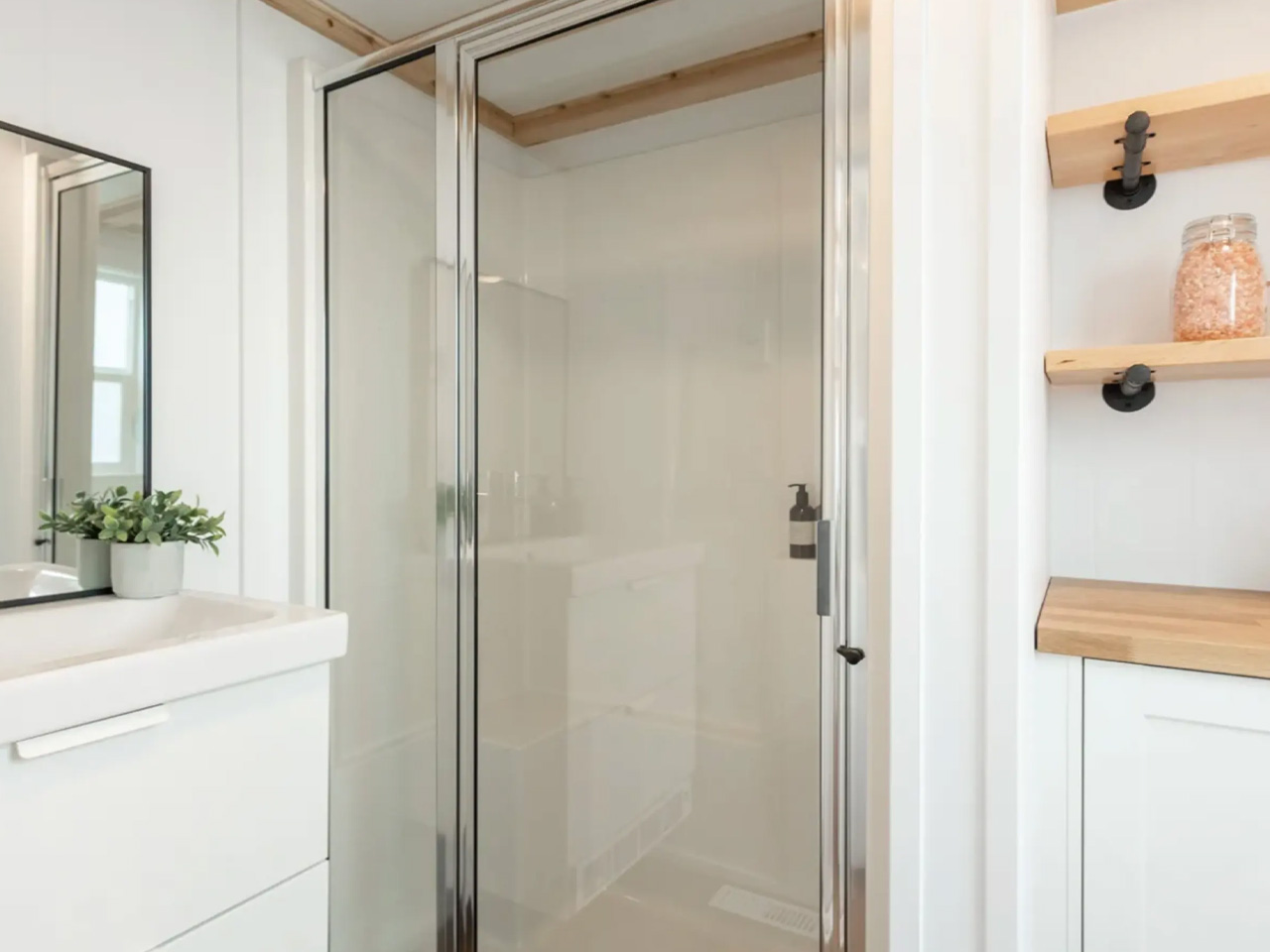
The living room is quite small yet cozy, and it includes a sofa, a small coffee table, and a wall-mounted TV. Storage has been integrated into the staircase, which is a nifty feature. The kitchen is closely located, and it includes a farmhouse-style sink with a three-burner propane-powered stove, an oven, a fridge/freezer, a microwave, a washer/dryer, plenty of cabinetry, and a big pantry area. You can enter the bathroom via a sliding door from the kitchen, and it is quite spacious for a tiny home. It includes a flushing toilet, a vanity sink, a large shower with a built-in seat, and some storage as well.

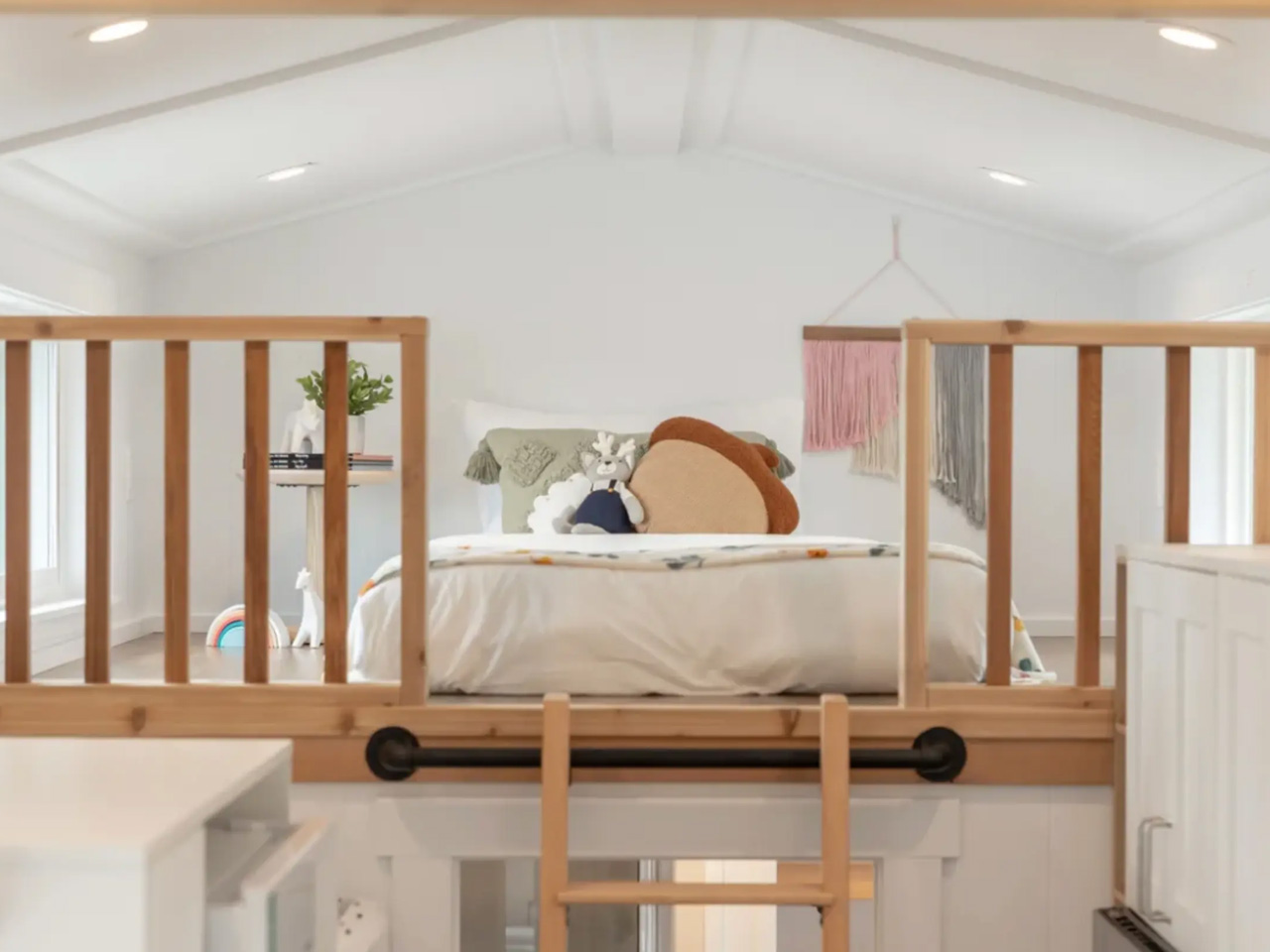
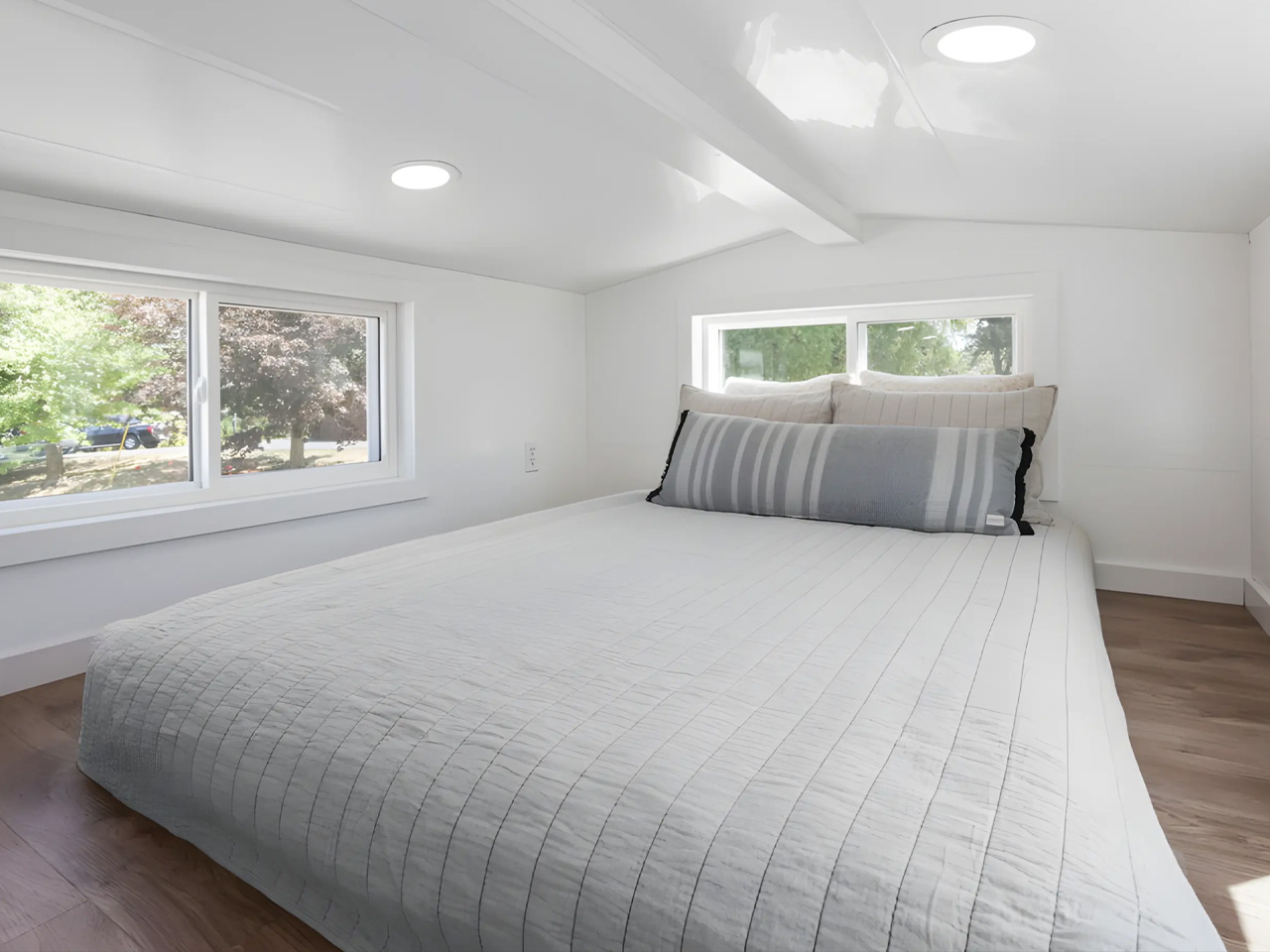
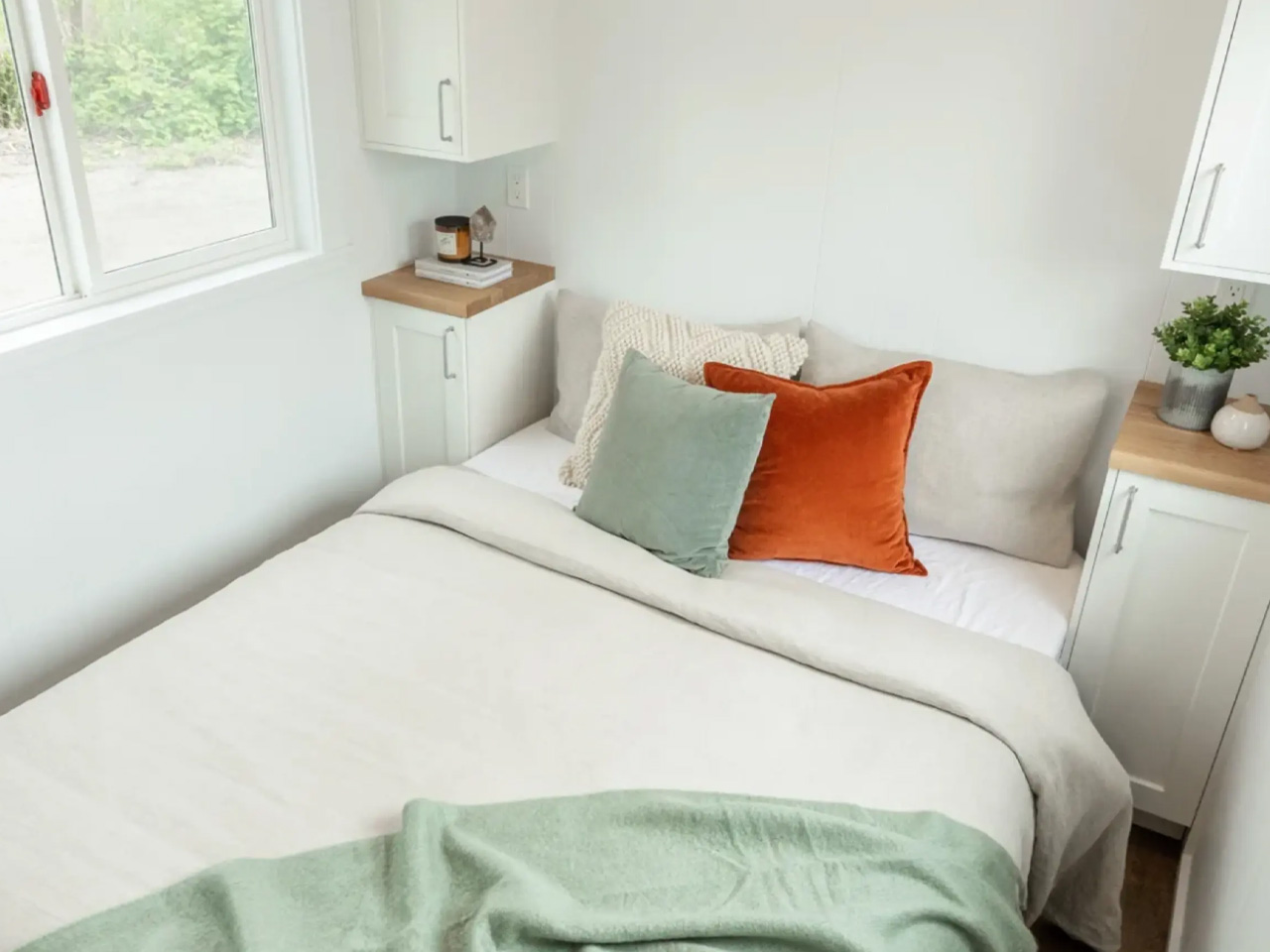
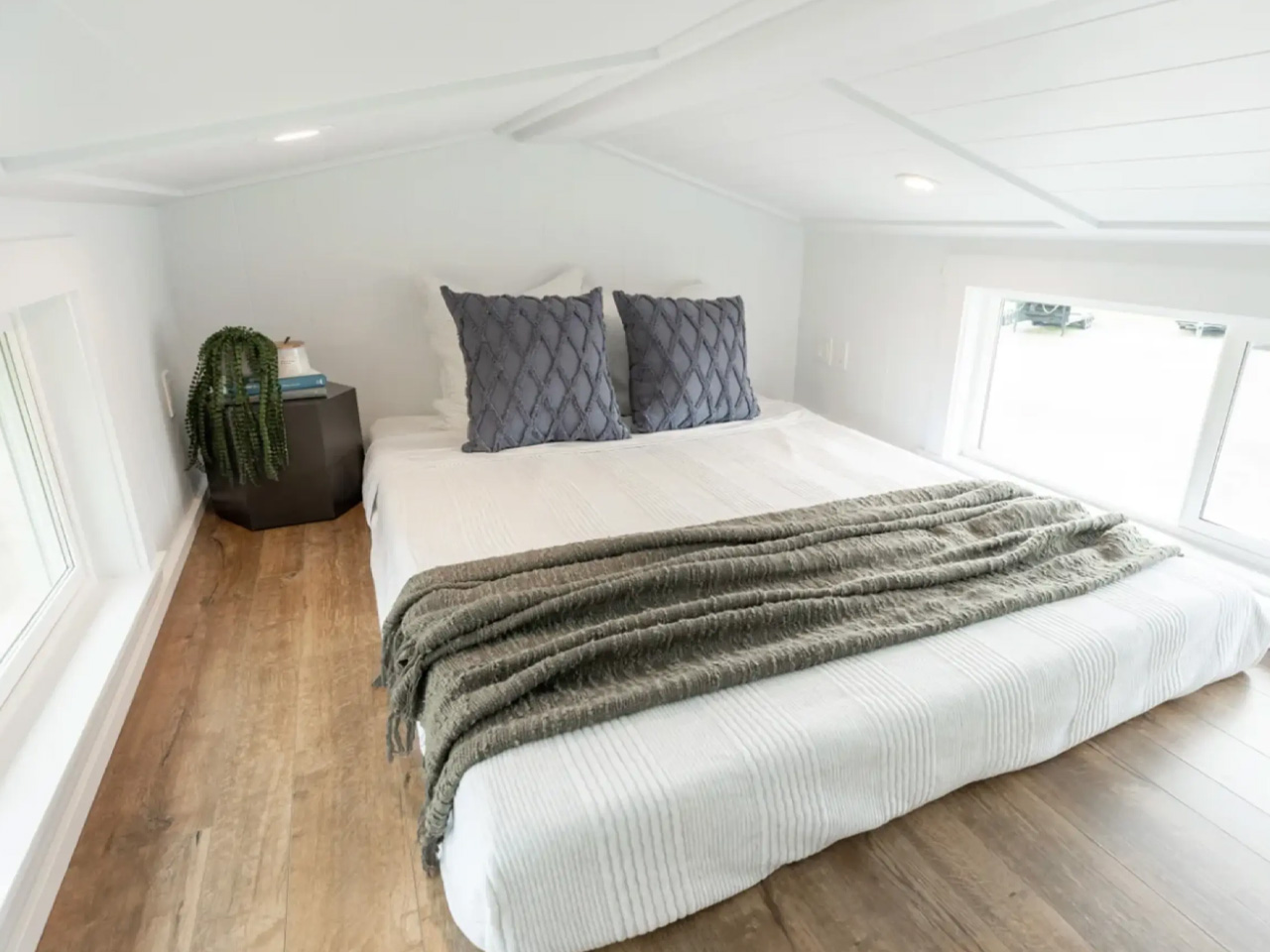
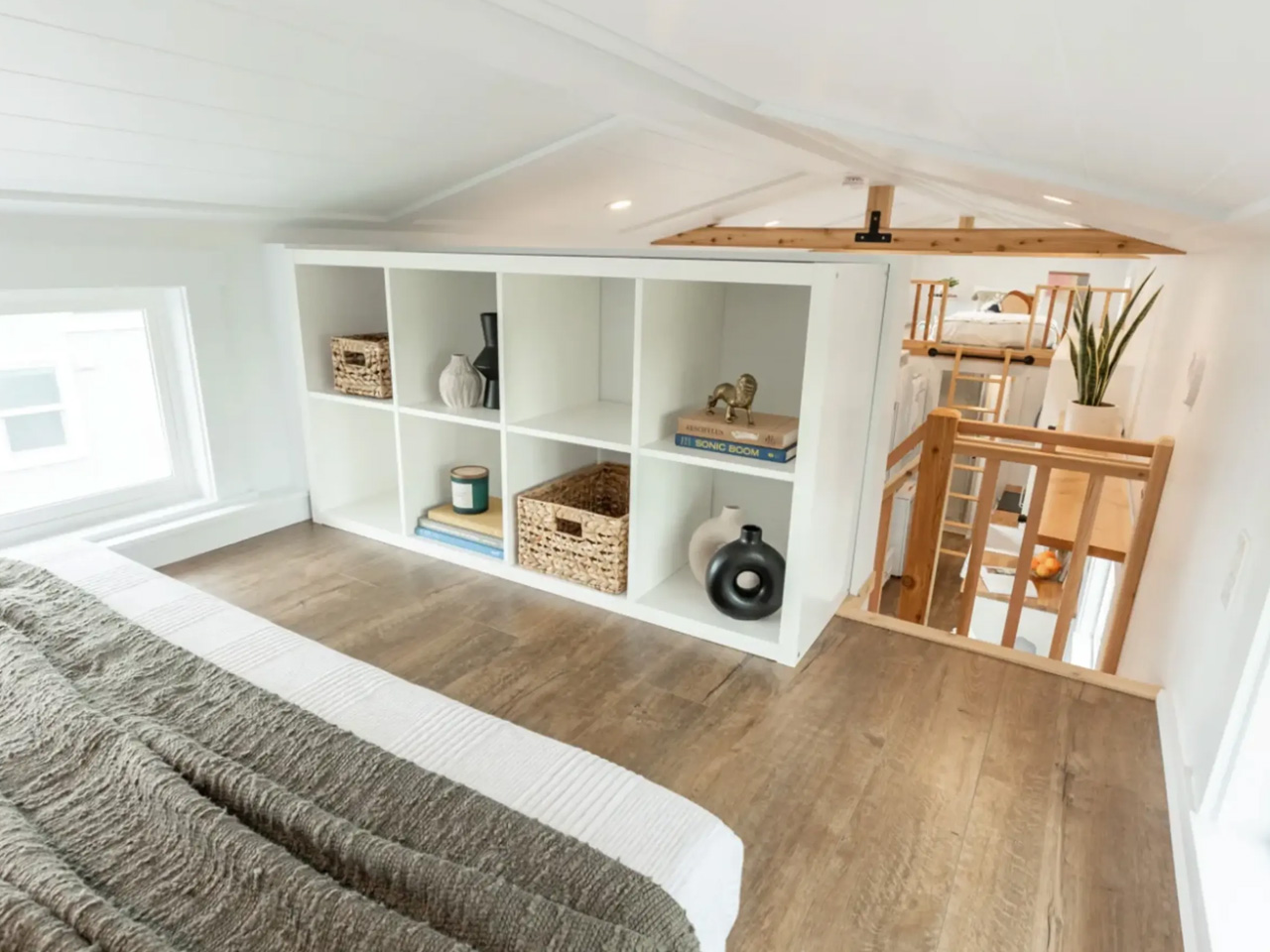
The Loft Ruby Edition includes three bedrooms. The master bedroom is located on the ground floor and can accommodate a queen-sized bed, and built-in storage space. There is also plenty of headroom to stand straight. The storage space integrated into the staircase is also accessible from this room. Two bedrooms are located upstairs, they are loft-based rooms with low ceilings. One bedroom is placed above the bathroom and can be reached via a removable ladder that can be stowed away when not in use. It can accommodate a pair of double beds, or a queen or king-sized bed. The second bedroom can be accessed through the storage-integrated staircase, and this space includes a large storage unit. The home is available for sale and priced at US$108,000.

The post This Tiny Home Has A Compact & Manageable Size While Accommodating Six People With Ease first appeared on Yanko Design.
10 Best Architectural Designs Of September

September brought a whole range of innovative designs from the architectural world. These designs challenged conventions and pushed the boundaries of creativity. We had the pleasure of covering some unique and special projects that boast impressive aesthetics, cutting-edge technology, and eco-friendly practices. We’ve curated a collection of the 10 best architectural designs we came across in September. This architectural structure showcases different approaches adopted by architects to solve modern problems, designing contemporary homes that offer comfortable and functional living spaces. These exemplary designs will inspire you – irrespective if you’re a designer yourself, or an admirer of unique buildings.

1. Shenzhen-Zhongshan Link

Named the Shenzhen-Zhongshan Link, China opened this new cross-sea tunnel a few months ago. It is a one-of-a-kind cross-sea tunnel and bridge system in Guangdong Province. It broke 10 world records and was designed to help people get around the Pearl River Estuary – one of the most densely populated places in the world.

Why is it noteworthy?

The link covers around 15 miles and will connect the two cities it has been named after. It isn’t just one whole bridge; it also consists of an underwater tunnel in the middle and different bridges connecting every island to the city. It has eight lanes that allow speeds up to 100km/h, reducing a two-hour drive to half an hour.

What we like

  • Equipped with innovative safety features such as novel firefighting and smoke exhaust systems
  • Fourteen robots patrol the entire panel

What we dislike

  • The construction of a cross-sea tunnel and bridge system does tend to disrupt marine life and affect the water quality

2. Nestron’s Tiny Homes

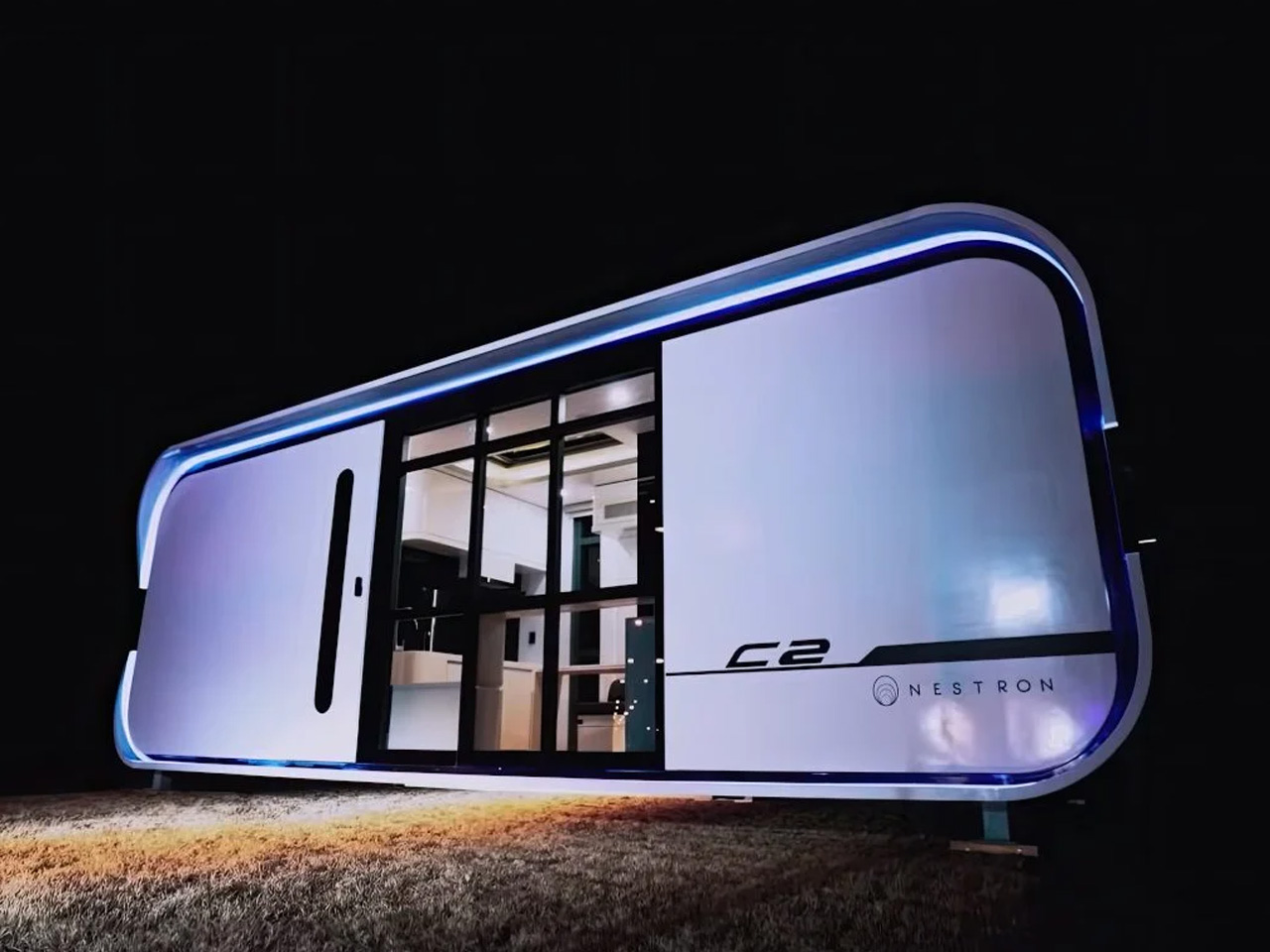
Designed by Nestron, these tiny homes are sleek and futuristic. They have an attractive and customizable prefab design, and the collection contains the Cube One (C1), Cube Two (C2), and Cube Two X (C2X). These cost between $42.2k to $126.6k. You can select the configuration at Nestron’s online showroom.

Why is it noteworthy?

The homes have solar electricity, heating, and a fully equipped bathroom with a smart toilet. The interiors can be customized, making them a great fit for sci-fi fans who want their own homes.

What we like

  • The entire process is handled by Nestron
  • The homes are built from recyclable materials

What we dislike

  • The tiny homes arent well-suited for big families

3. The Casuarina

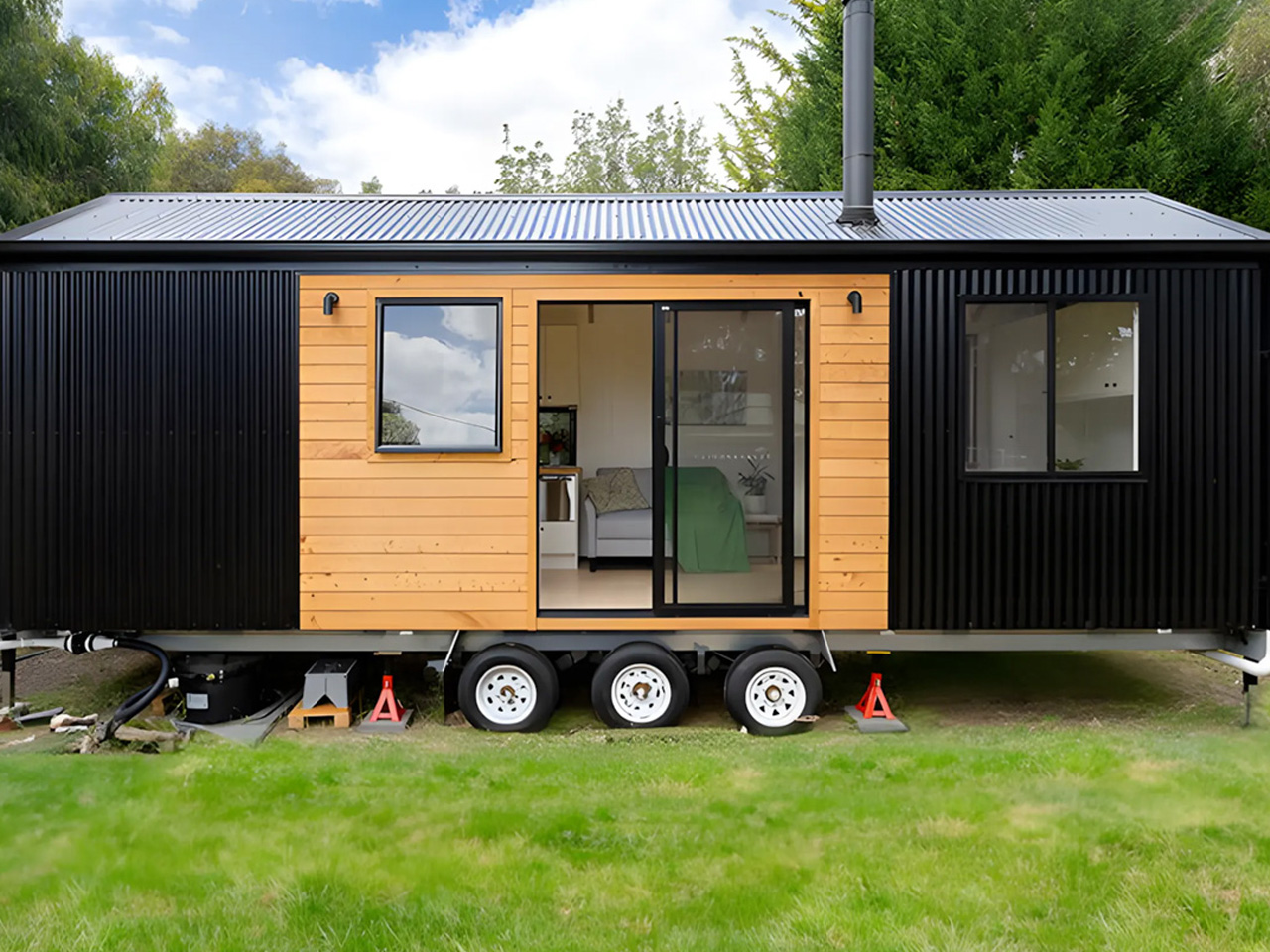
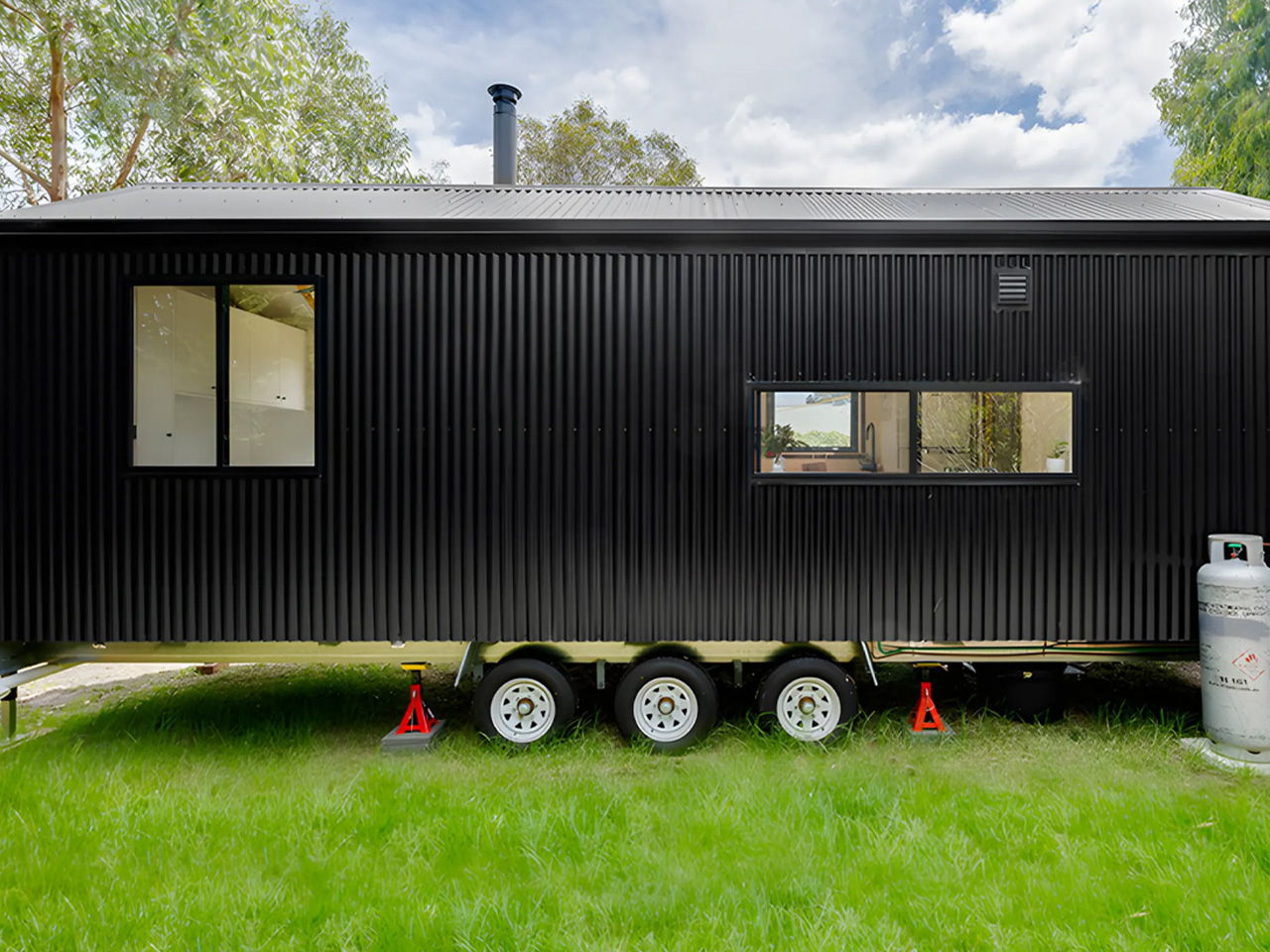
Designed by Evergreen Homes Australia, the Casaurina doesn’t include any stairs! This tiny home is designed and arranged on one level, functioning as a comfortable home for two people, and some guests. It has a length of 8.4 m and is based on a triple-axle trailer. It is an excellent option for people who don’t want a tiny home with ladders or stairs.

Why is it noteworthy?

It has a black metal exterior, complemented by timber accenting. The inside of the home is pretty airy and free-lowing with a simple layout that maximizes space well. The bedroom is situated on the ground floor, making it quite easy to access, unlike the typical loft-style bedrooms found in tiny homes.

What we like

  • Eliminates stairs, making it an easily accessible and inclusive space
  • It can be paired with solar panels, if you want to go off-the-grid

What we dislike

  • Since it has a single-floor layout, the home can feel cramped or stuffy for people who need more living and storage spaces

4. Jaumur Marina

Announced by Neom, this new marina for superyachts is called Jaumur, and it is an enormous space with a luxurious community placed around it. Billionaires will be able to park their expensive superyachts below an “aerofoil” shelter, and it looks like an arrow pointing towards the desert from above.

Why is it noteworthy?

The marina can hold 300 superyachts, and it measures around 492 feet in length. Most of the big yachts will be able to fit with ease, although some of the smaller ones may not be able to. The main attraction is the marina, but Jaumur will also include around 500 apartments, 700 luxury villas amped with waterfront access, and a private mooring for small boats and yachts.

What we like

  • Will include a lot of green, providing a natural respite from the concrete
  • Will feature an international boarding school, and a deep-sea research center

What we dislike

  • Construction of the marina can affect local marine ecosystems and pollution from boating activity and infrastructure

5. Freedom Tiny Home

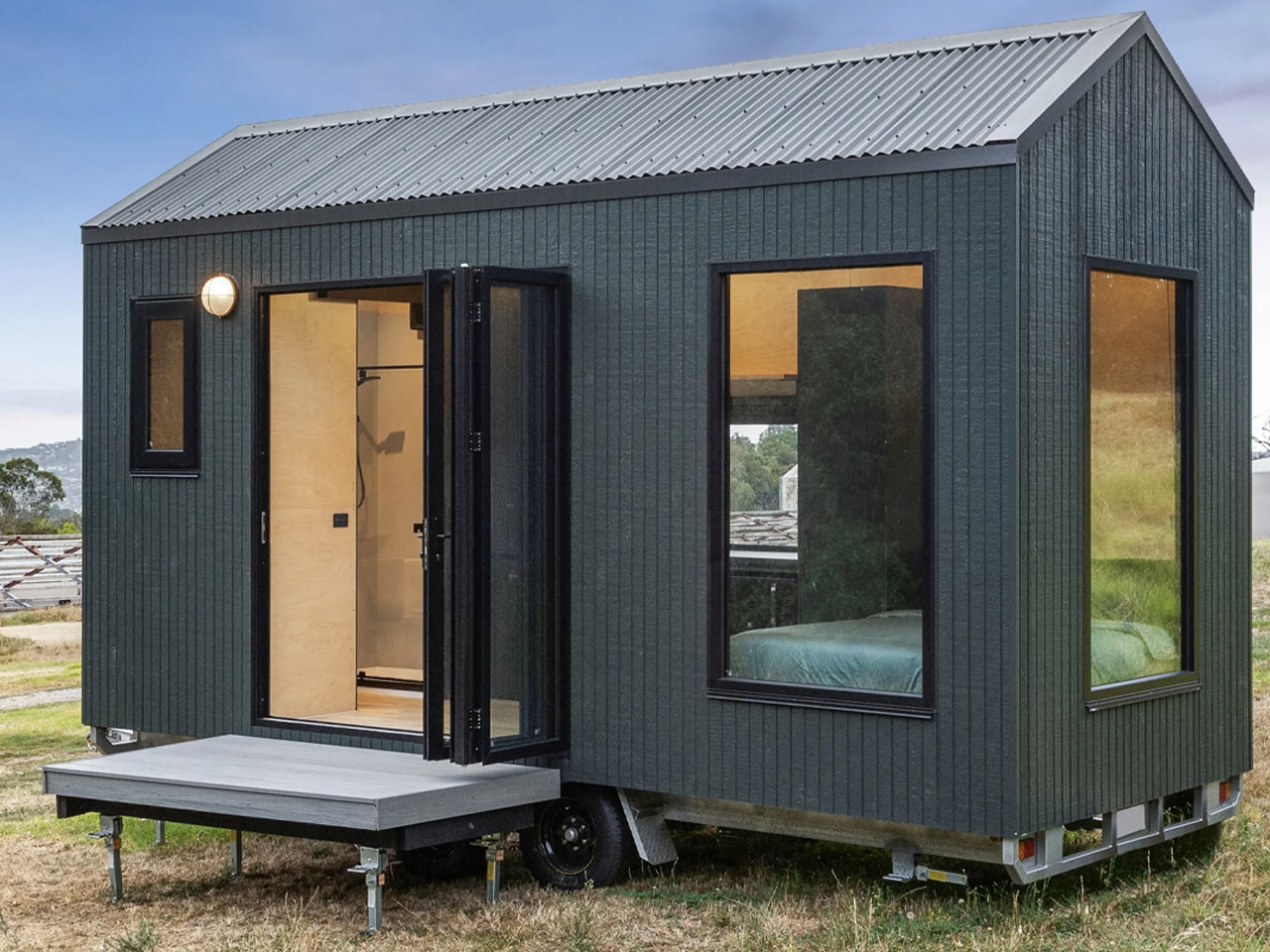
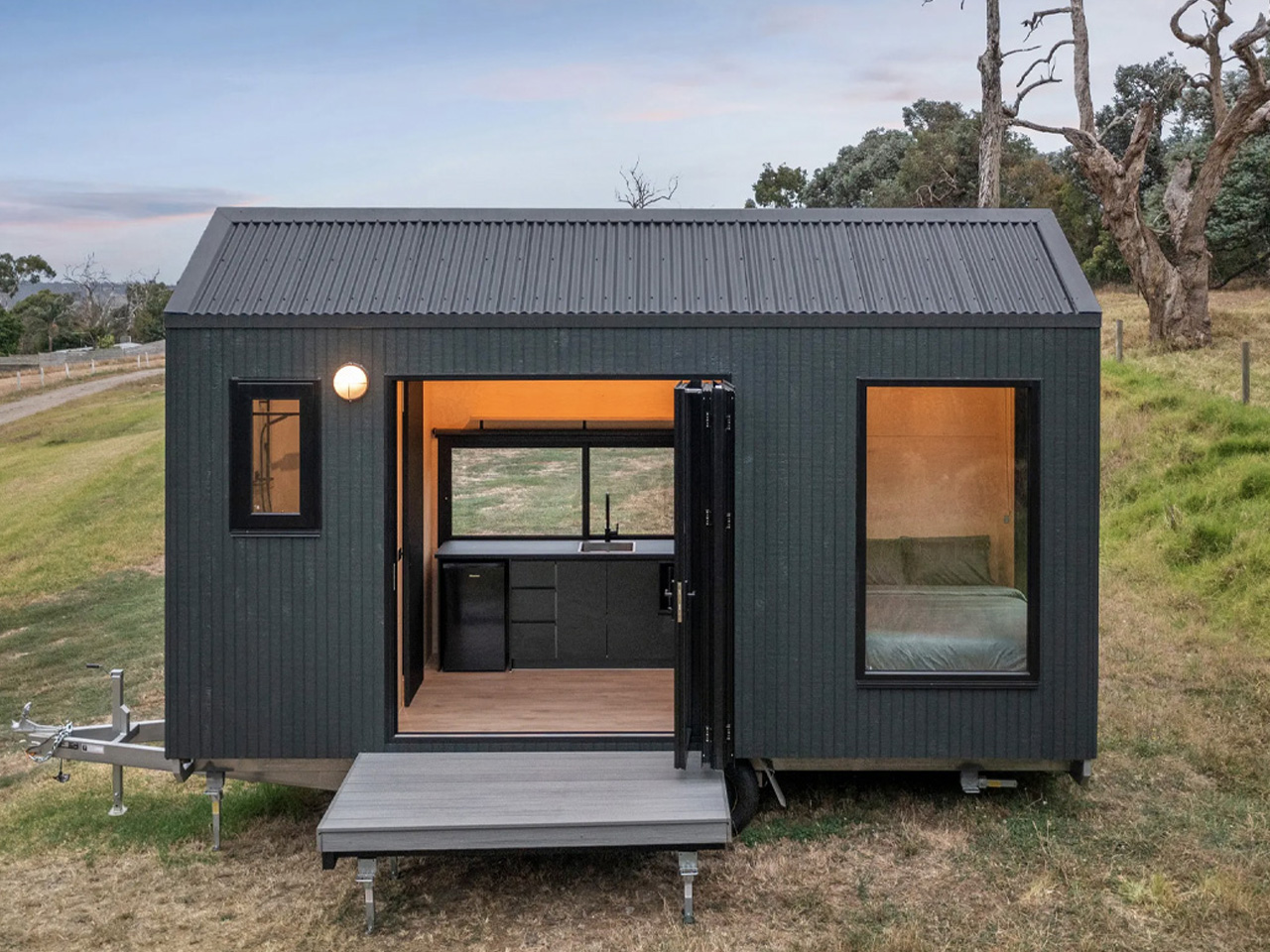
Named the Freedom Tiny Home, this compact little house features an open interior layout, with all rooms placed on one level. The tiny home focuses on the simplicity of micro-homes, doubling down on their minimalist nature, to create something that is even more stripped-down.

Why is it noteworthy?

For those who want a truly simple and subtle life, the Freedom Tiny Home is an excellent option. It was designed by Australia’s Lusk Tiny Home, and it has plenty of generous glazing, minimal finishing birch plywood or tongue, and groove paneling. The home is a good pick for those who travel frequently, and or someone who wants to truly adopt the off-the-grid and micro-living lifestyle.

What we like

  • Equipped with airy free-flowing spaces with a high ceiling

What we dislike

  • Not a good choice for families

6. Pego

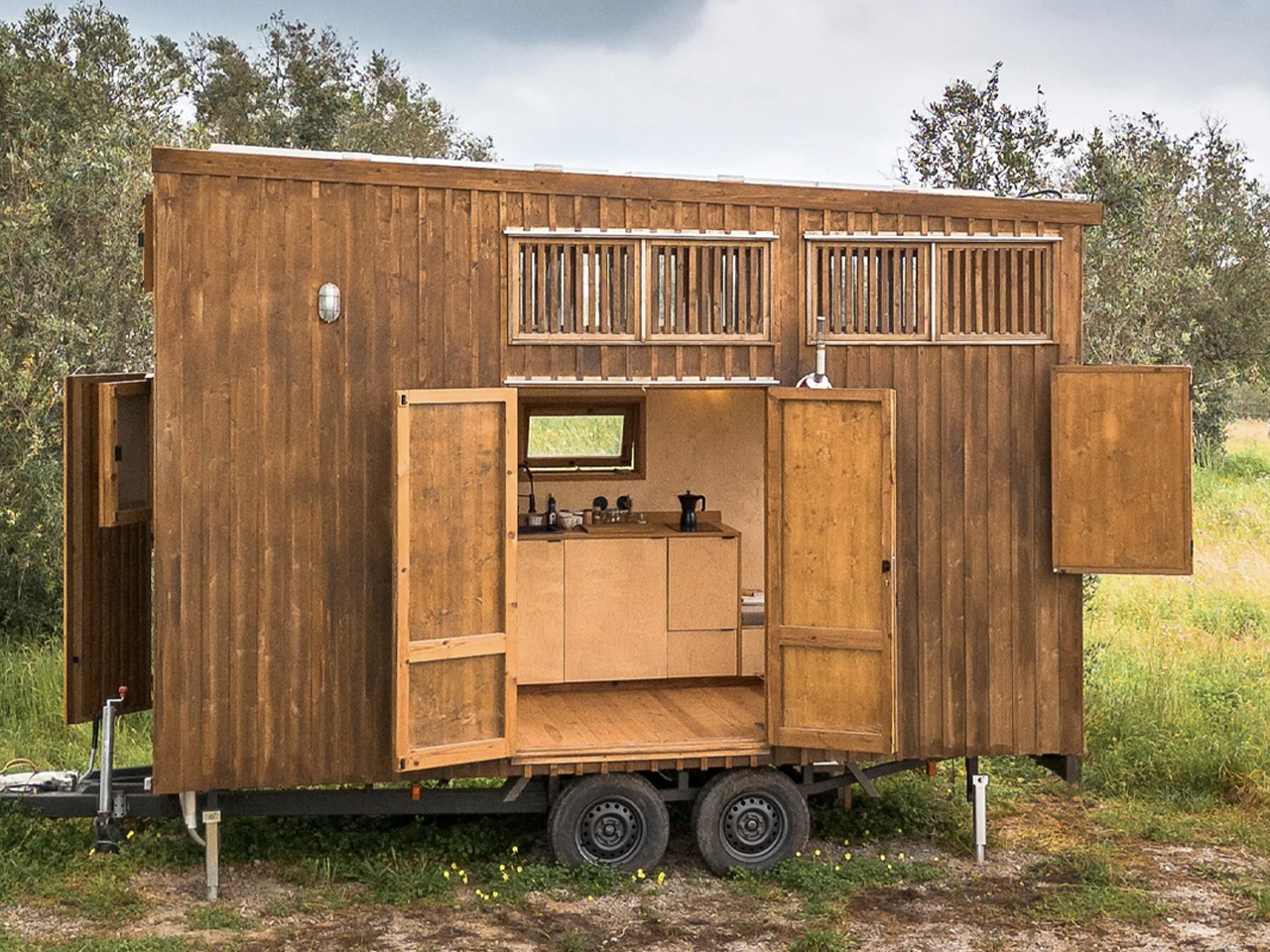
Dubbed the Pego, this tiny home will support you on all your adventures in the great outdoors. It is supported by a solar panel setup and is quite compact. But despite its small size, it is packed with functionality and great features.

Why is it noteworthy?

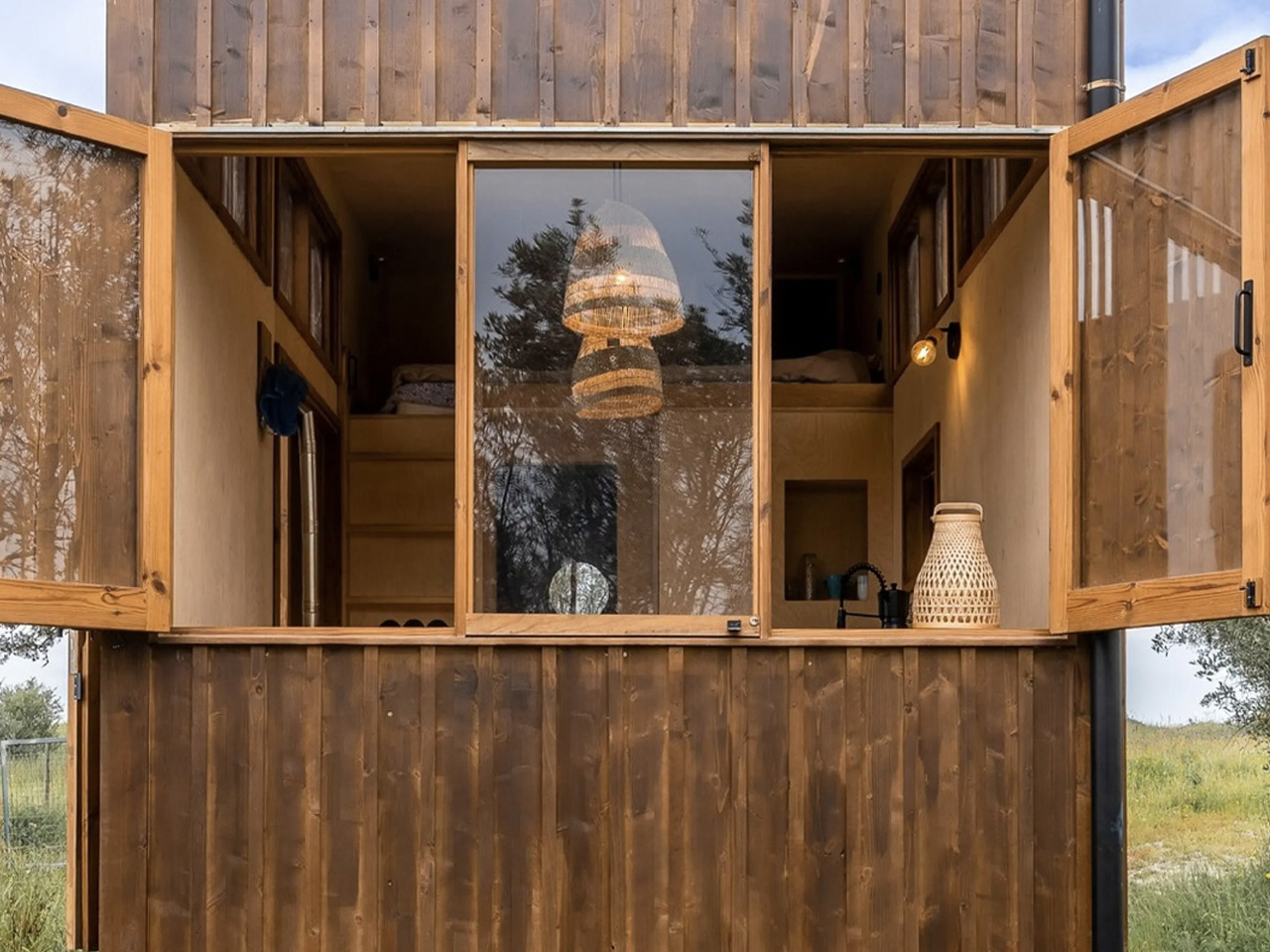
The Pego features a finish in wood, and the shutters on the windows have been expertly crafted. The house is always powered by solar panels, irrespective of where you park it. It also includes a standard RV-style hookup.

What we like

  • Equipped with a mini wood-burning stove, much like the ones you use while camping in a tent

What we dislike

  • The house is pretty small by European tiny home standards

7. Fàng Sōng

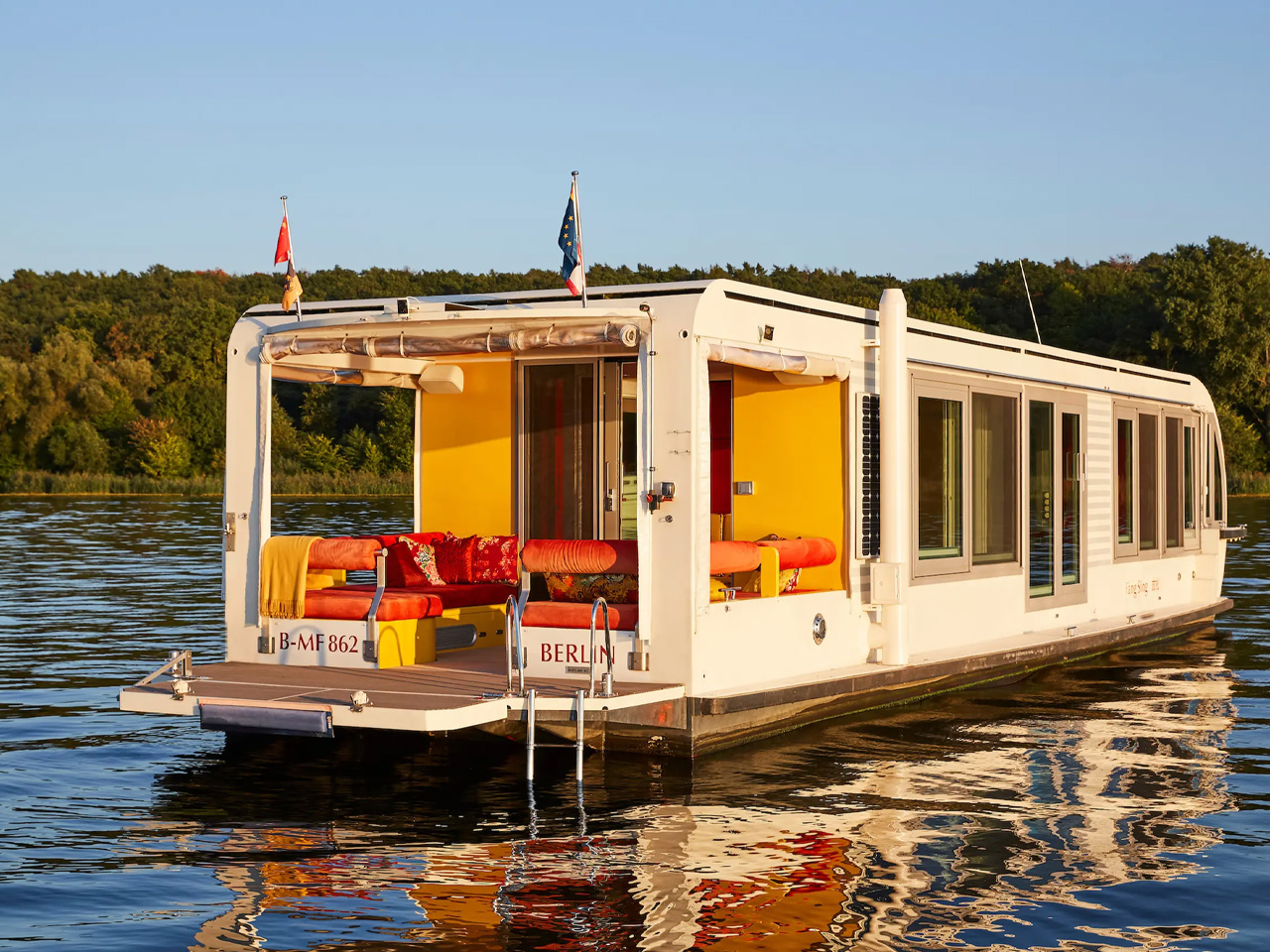
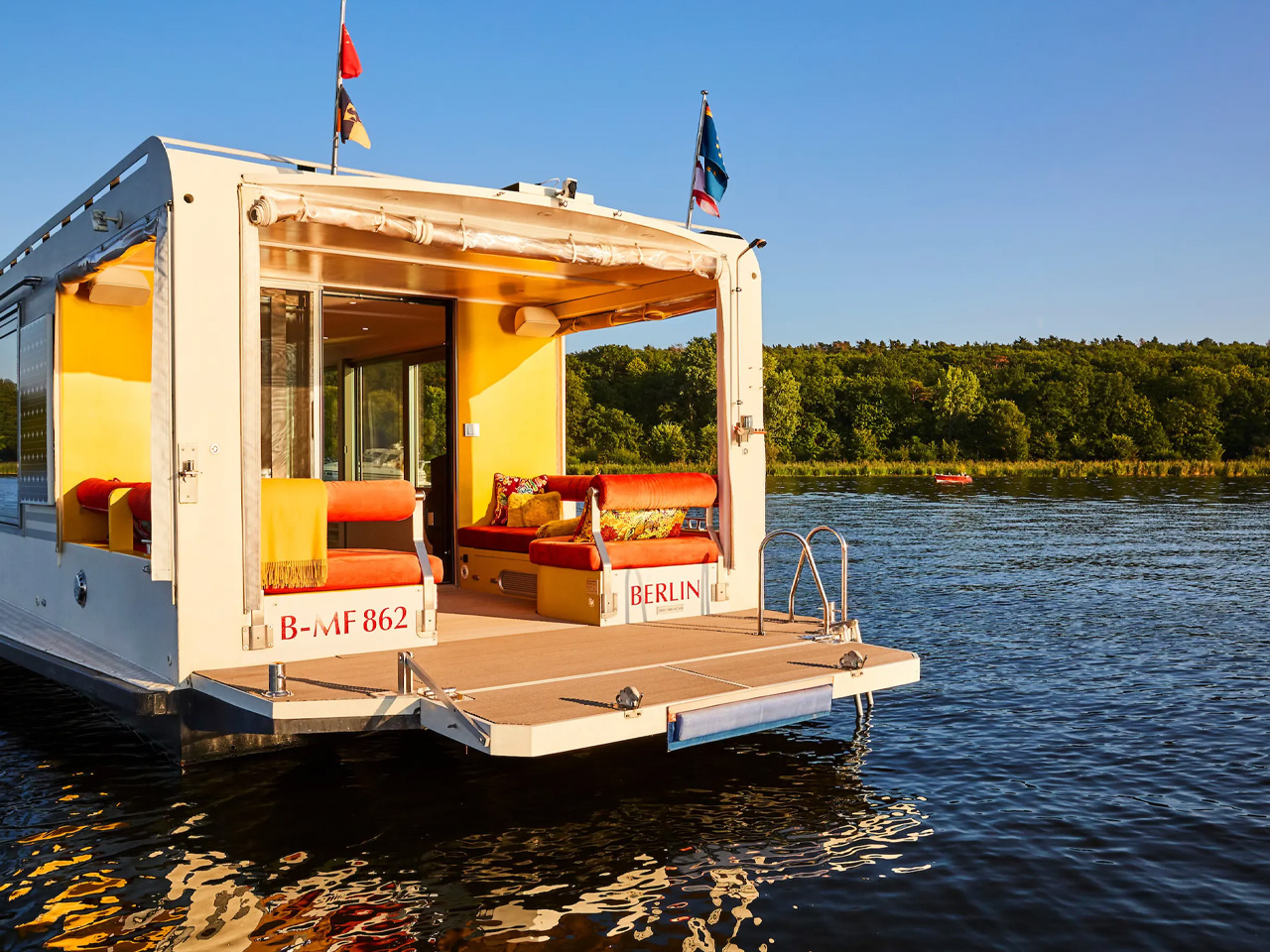
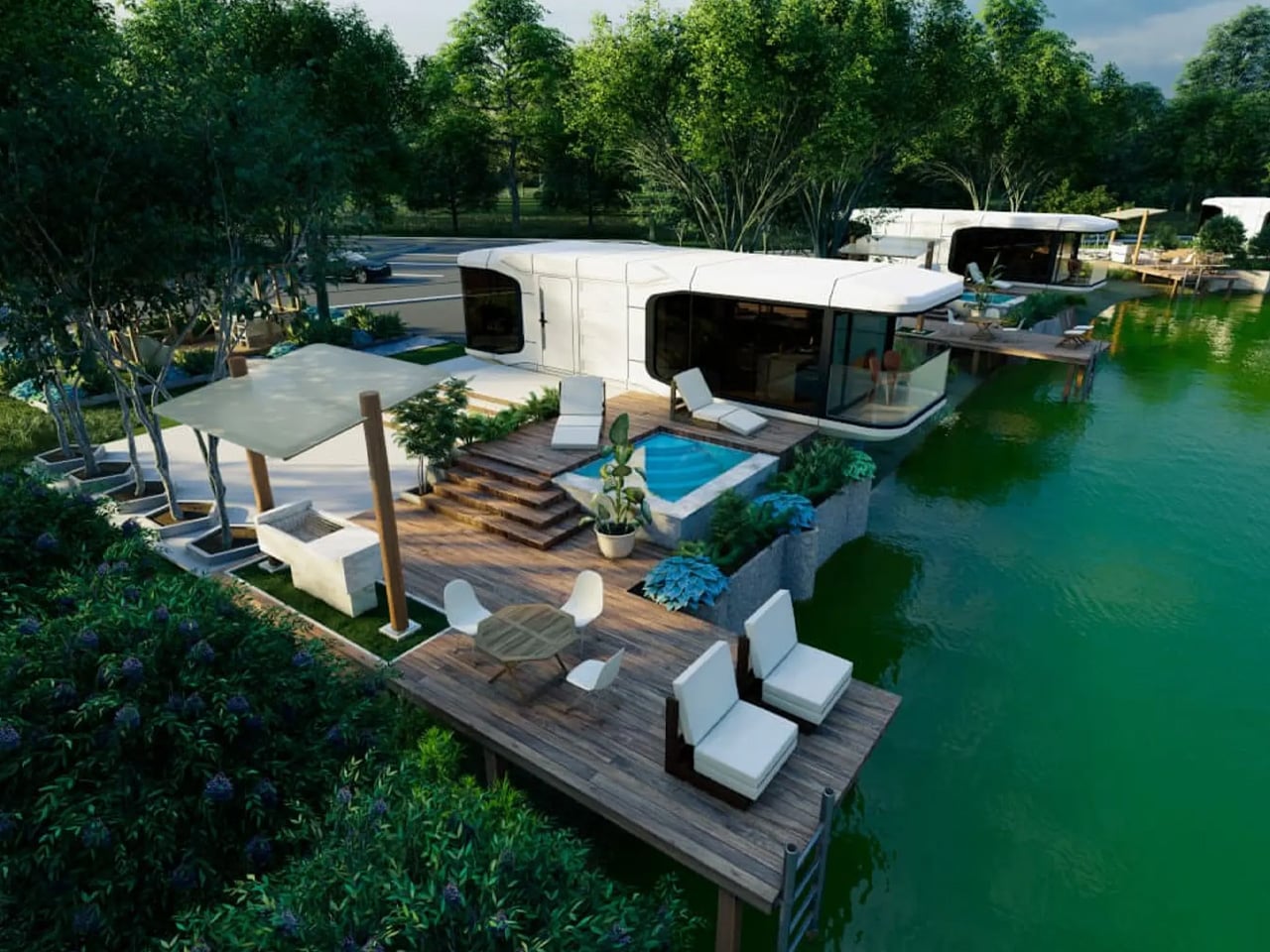
Named the Fàng Sōng, this unique houseboat is created by Crossboundaries, and powered by a solar panel setup. It is blessed with a clever space-saving interior and was created so that the owners can live near the coast, making the most of a calm and tranquil life on the water. The house is tiny but comfortable to live and work in.

Why is it noteworthy?

The houseboat’s interior is spacious, occupying almost 667 sq ft on one floor. It floats above the water and has plenty of generous glazing which is operable. Light streams into the home all day, supporting ventilation and creating a living environment that is open and welcoming.

What we like

  • Has a cozy terrace area with seating
  • Powered by solar energy

What we dislike

  • We are unsure of the capacity of the solar panels, and whether they are sufficient to meet different living requirements

8. MGA’s Timber Skyscraper

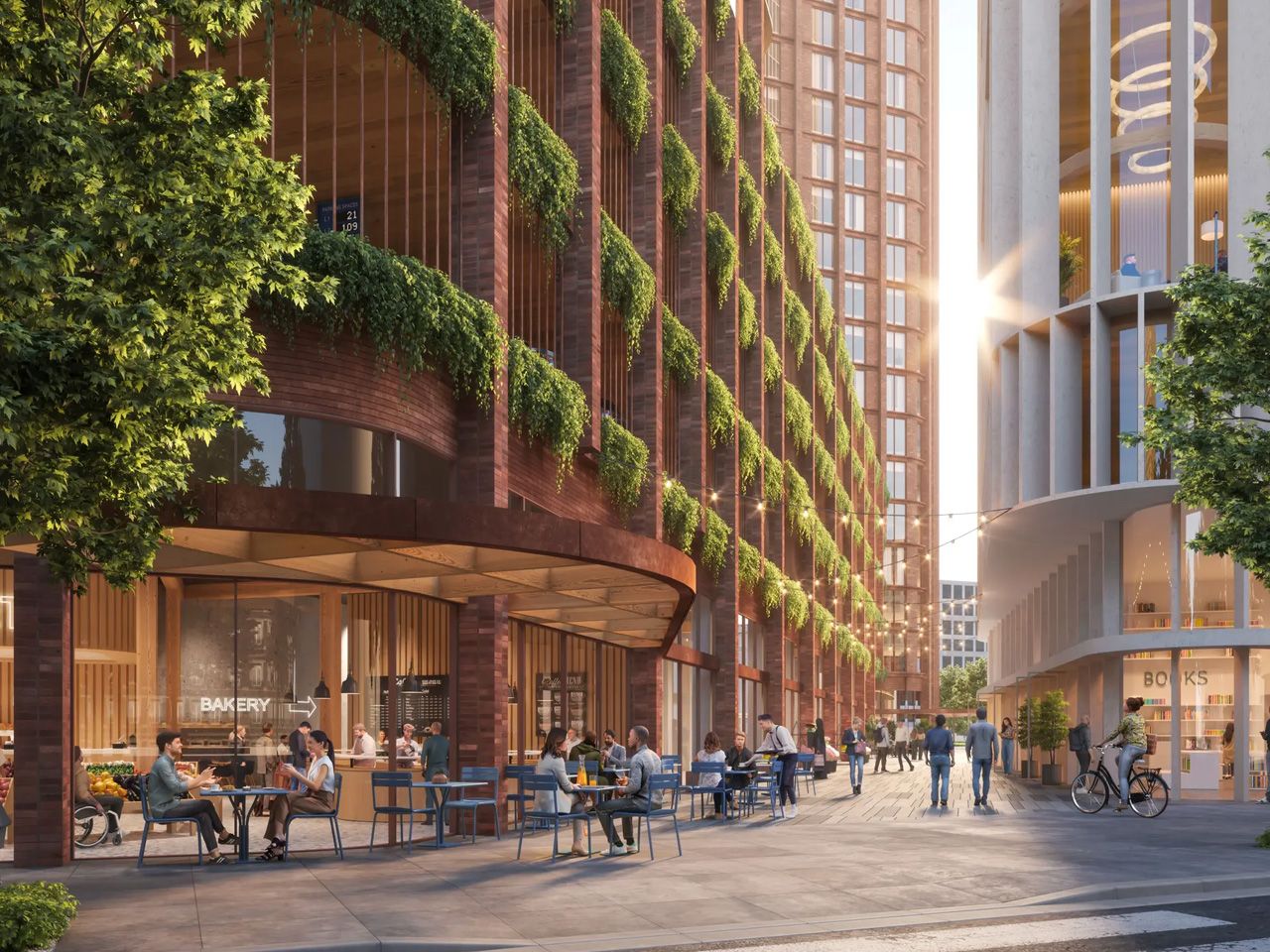
Micheal Green Architecture designed the world’s tallest timber skyscraper in Milwaukee, Wisconsin. The project is currently unnamed and is MGA’s newest creation. It is designed to push boundaries in the field of timber-based architecture. It will include 55 floors and will be equipped with multiple terrace areas and loads of greenery.

Why is it noteworthy?

The property will include around 750 residential units, 190,000 square feet [roughly 17,600 sq m] of office space, 40,000 square feet [3,700 sq m] of retail space, 300 hotel rooms, parking spaces, and vibrant public plazas and walkways.

What we like

  • Integrates greenery into the structure

What we dislike

  • We are unsure of the long-term durability of timber in different weather conditions

9. Sakura Tiny Home

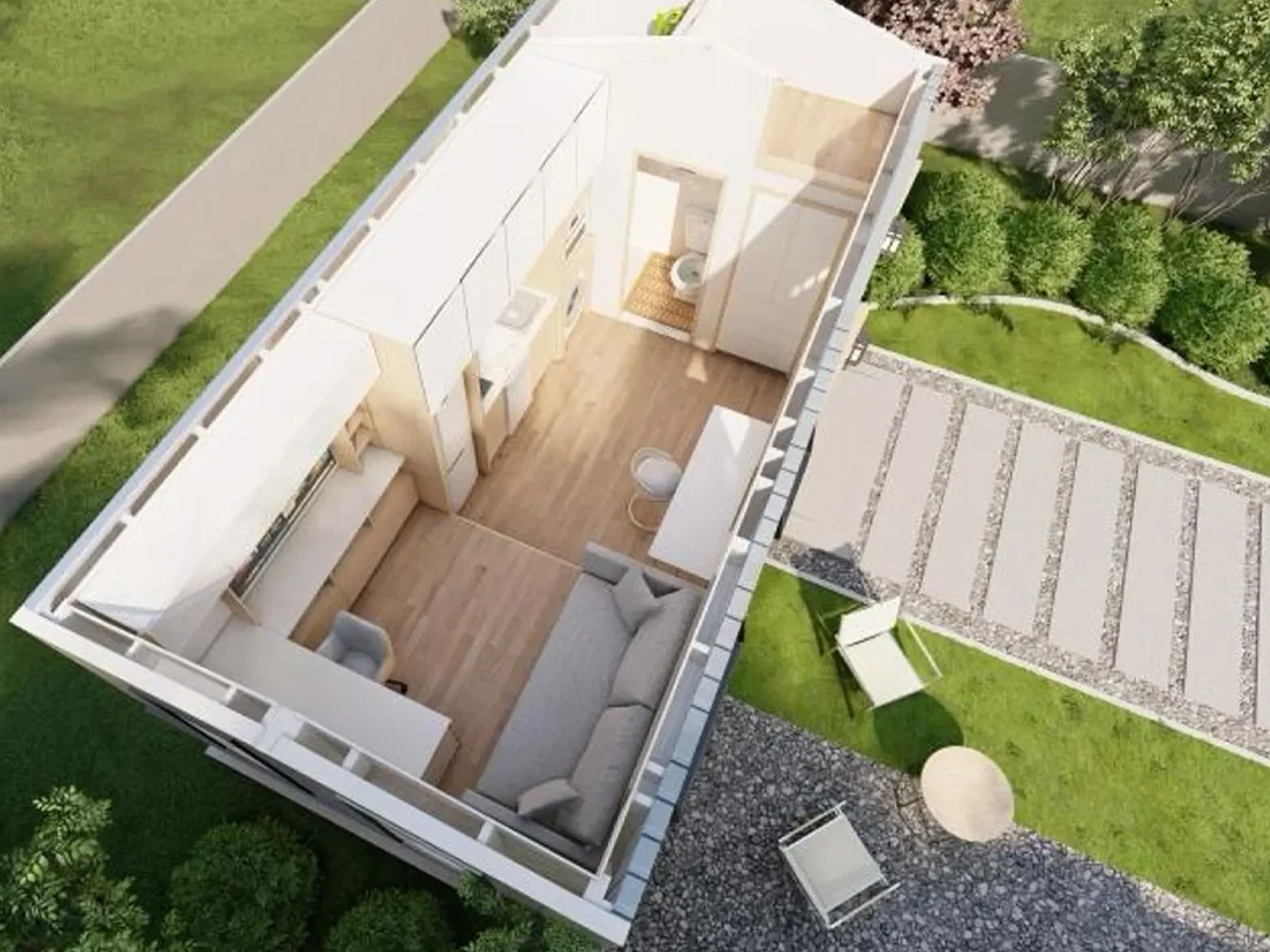
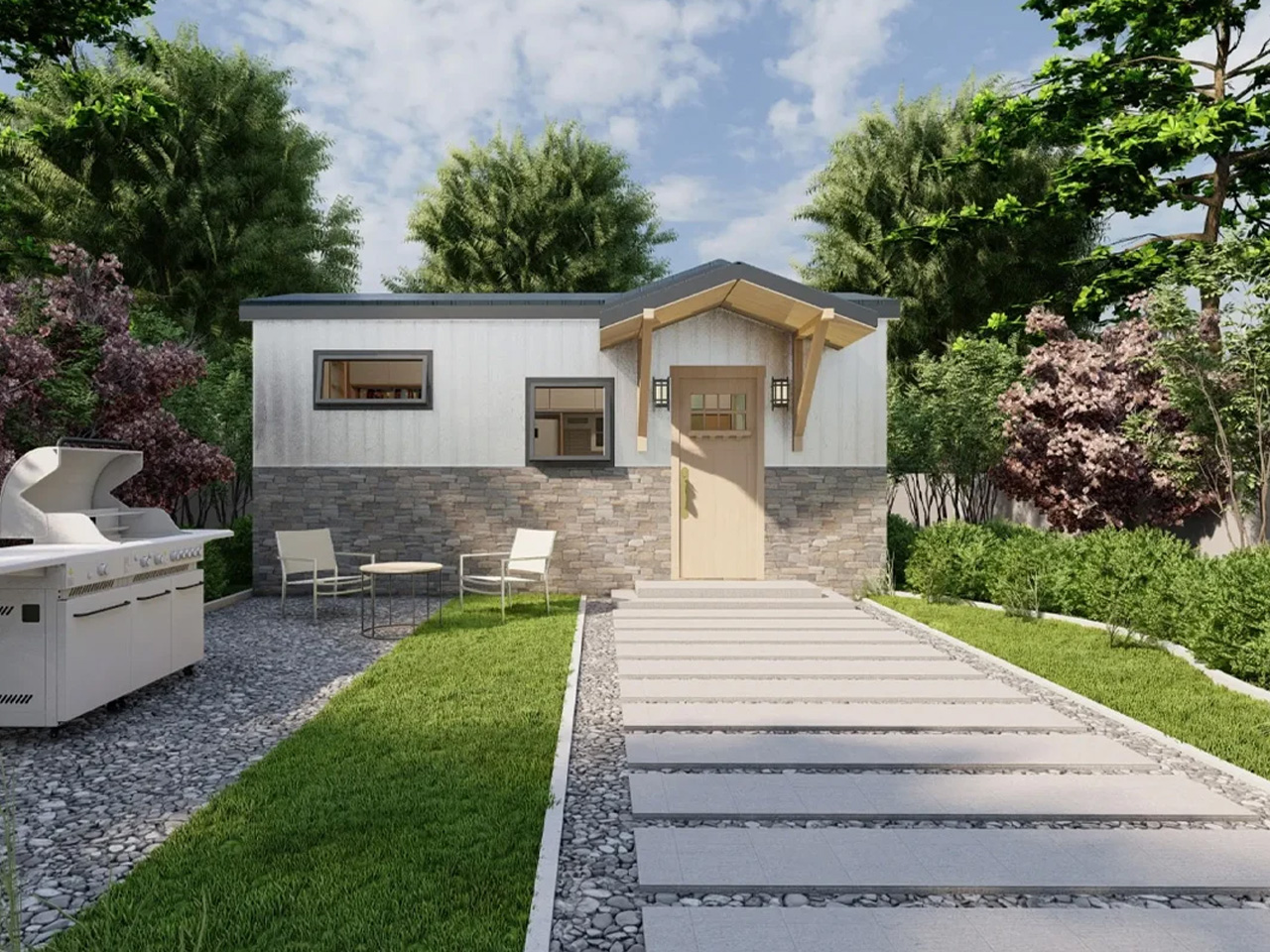
Say hello to the Sakura tiny house – a home amped with an innovative space-saving interior. Designed by Acorn Tiny Homes, the house includes a transforming bedroom and kitchen. It isn’t equipped with wheels and is a true game changer when compared to typical tiny homes today.

Why is it noteworthy?

The Sakura tiny home is breaking ground in the tiny home arena, by taking this popular housing style to a whole new and upgraded version. It is inspired by popular Japanese design trends, which can be even witnessed in its name.

What we like

  • Draws inspiration from Japanese design philosophy
  • Designed to be a flexible multi-purpose space

What we dislike

  • It can only accommodate two residents and two guests

10. Browny

Dubbed Browny, this adorable tiny house is versatile, functioning as a home office, guest bedroom, or exercise area. All these amenities have been fit into a length of 6 meters, but the home is still quite comfortable.

Why is it noteworthy?

The Browny is supported by a double-axle trailer, and it has a finish of red cedar. This red cedar is complemented by aluminum accenting and a roof. It has a healthy amount of glazing, which allows maximum natural light inside the home.

What we like

  • Includes multiple amenities in a small space
  • Equipped with integrated storage space

What we dislike

  • The home doesn’t include a proper kitchen and bathroom, which can be inconvenient for users

The post 10 Best Architectural Designs Of September first appeared on Yanko Design.
Compact Little Home Makes Up For Limited Footprint With A Flexible Swiss Army Knife-Style Living Room

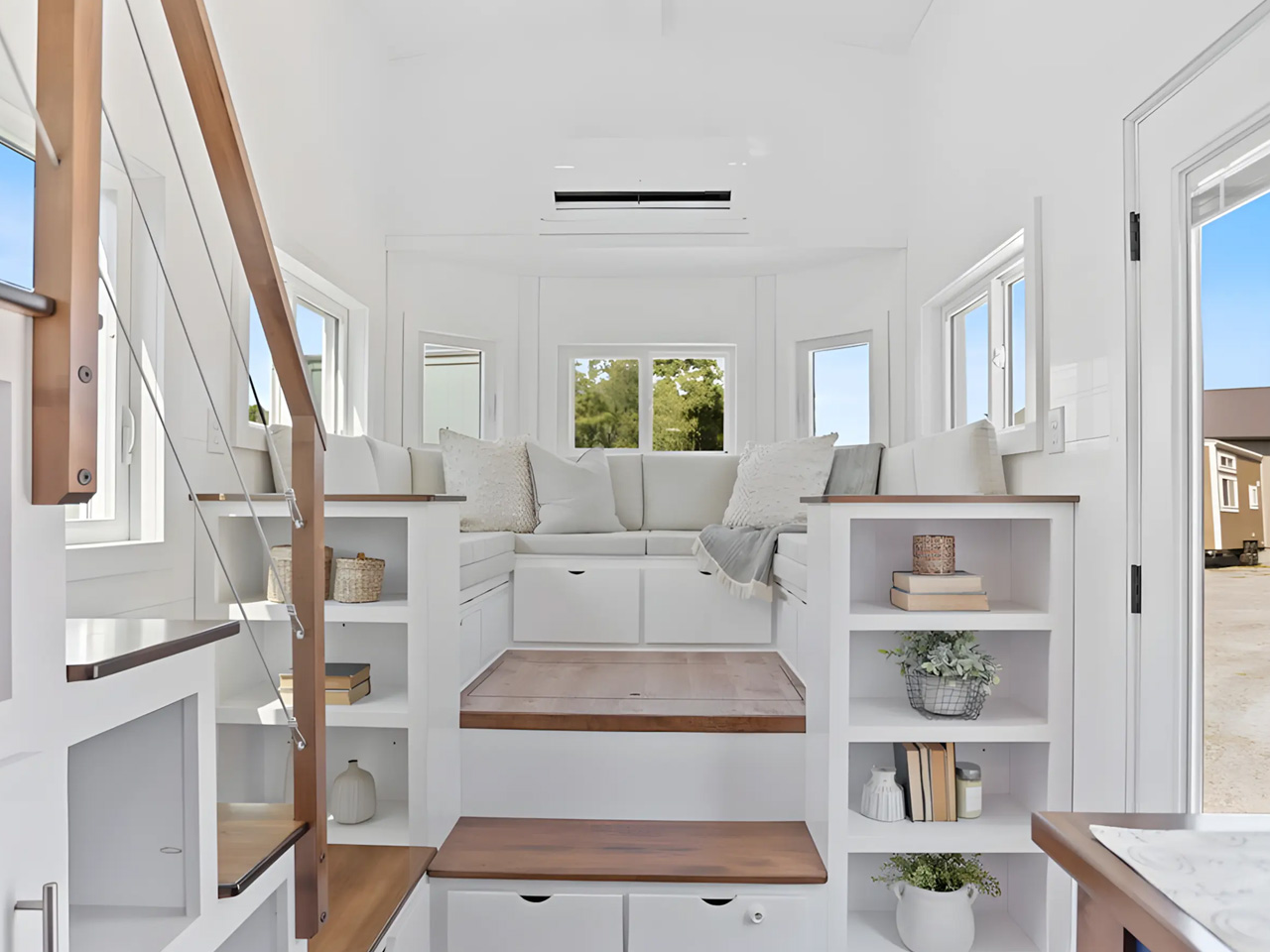
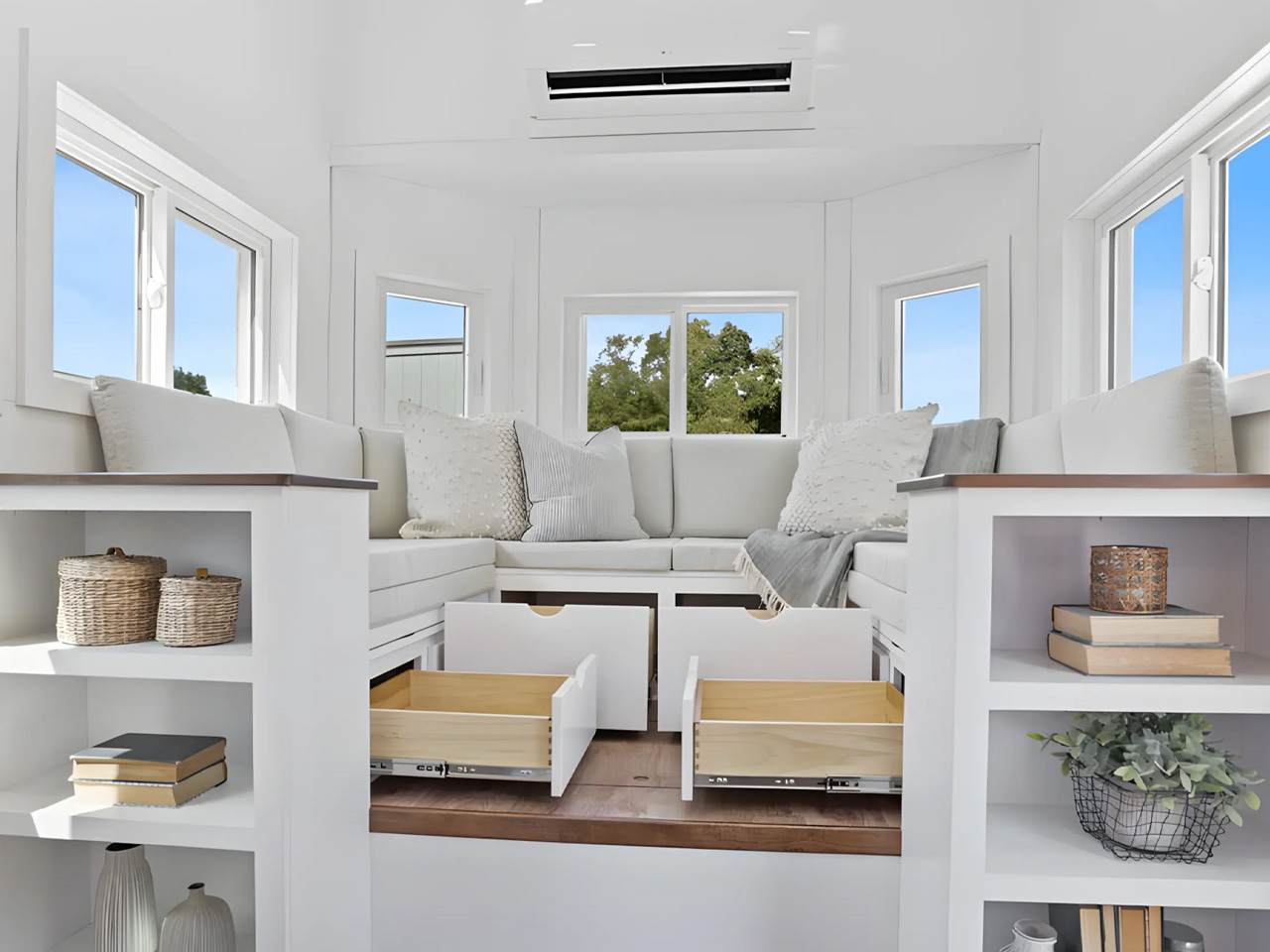
Modern Tiny Living recently designed the Cerceaux tiny home, and it packs a punch with its unique storage-packed interior, and an impressive “Swiss Army Knife” living room. It features a length of 20 feet, but its innovative and flexible layout truly makes it stand apart. It is based on a double-axle trailer and features a finish in engineered wood. The wood finishing is topped by a steel roof, and complemented by an exterior storage box. It is designed to be a good home for the weekend, but may not be a great full-time residence since it has a compact footprint.

Designer: Modern Tiny Living


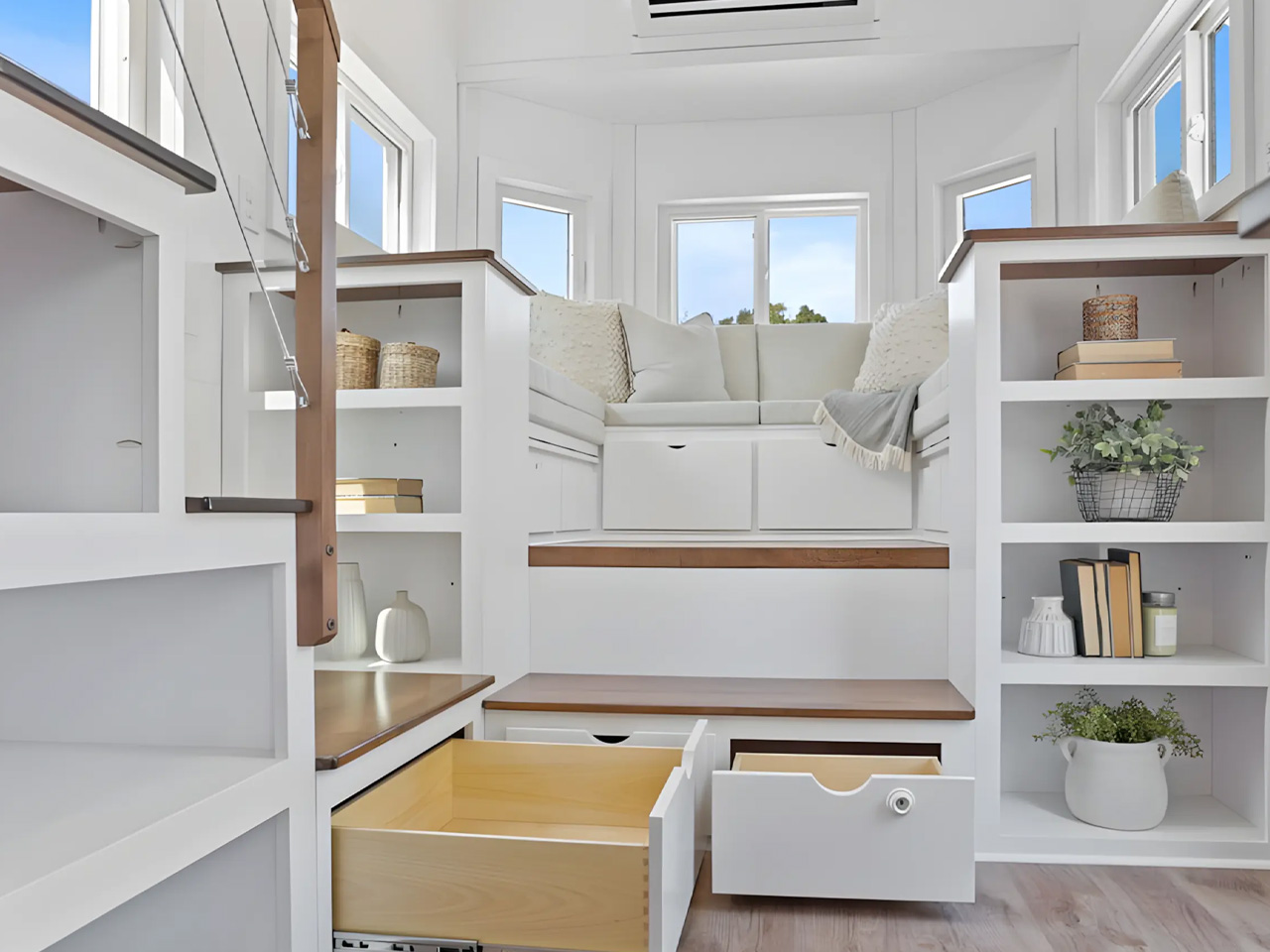
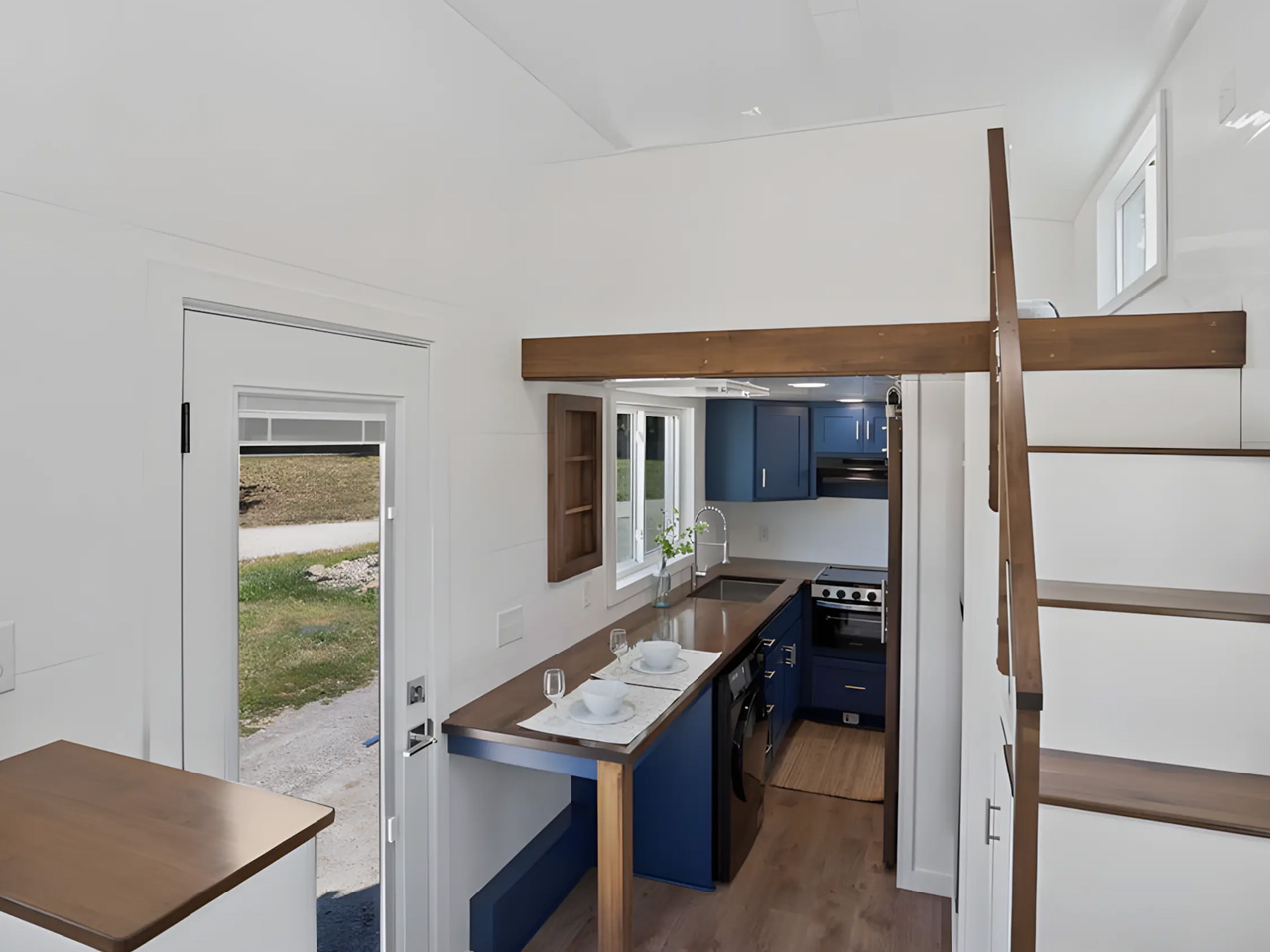
As you enter the home, you are welcomed by a living area or the ‘MTL Social Area’. This section is raised and can seat around six people, in a U shape. It also contains generous glazing, ensuring the space is quite light-filled. Since this space is raised, it includes a load of storage areas, such as pull-out drawers and bookshelves. The sofa can be converted into a bed for the guests if they decide to sleep over. The kitchen is located nearby, and it contains a breakfast bar for two people, a propane-powered four-burner cooktop with an electric oven, a steel sink, a washer/dryer, and a fridge/freezer. It is also equipped with loads of cabinetry, and in-ceiling drop-down cabinets which are suitable for spices. The bathroom is located next to the kitchen and can be entered via a sliding barn-style door. The bathroom is pretty small, and it includes a composting toilet, shower, and sink.

The Cerceaux tiny home only contains one bedroom, which can be accessed through a storage-integrated staircase. This bedroom is much like the bedrooms typically seen in tiny homes. It features a loft-like style, and a low ceiling, as well as a double bed, and space for more storage. The home is powered by a roof-based solar panel and battery setup, making it an excellent fit for some off-the-gird adventures. At the moment, we aren’t aware of the tiny home’s pricing.

The post Compact Little Home Makes Up For Limited Footprint With A Flexible Swiss Army Knife-Style Living Room first appeared on Yanko Design.
The World’s Best Tall Building 2024 Awarded To Luxury Hotel In Singapore With Themed Green Terraces

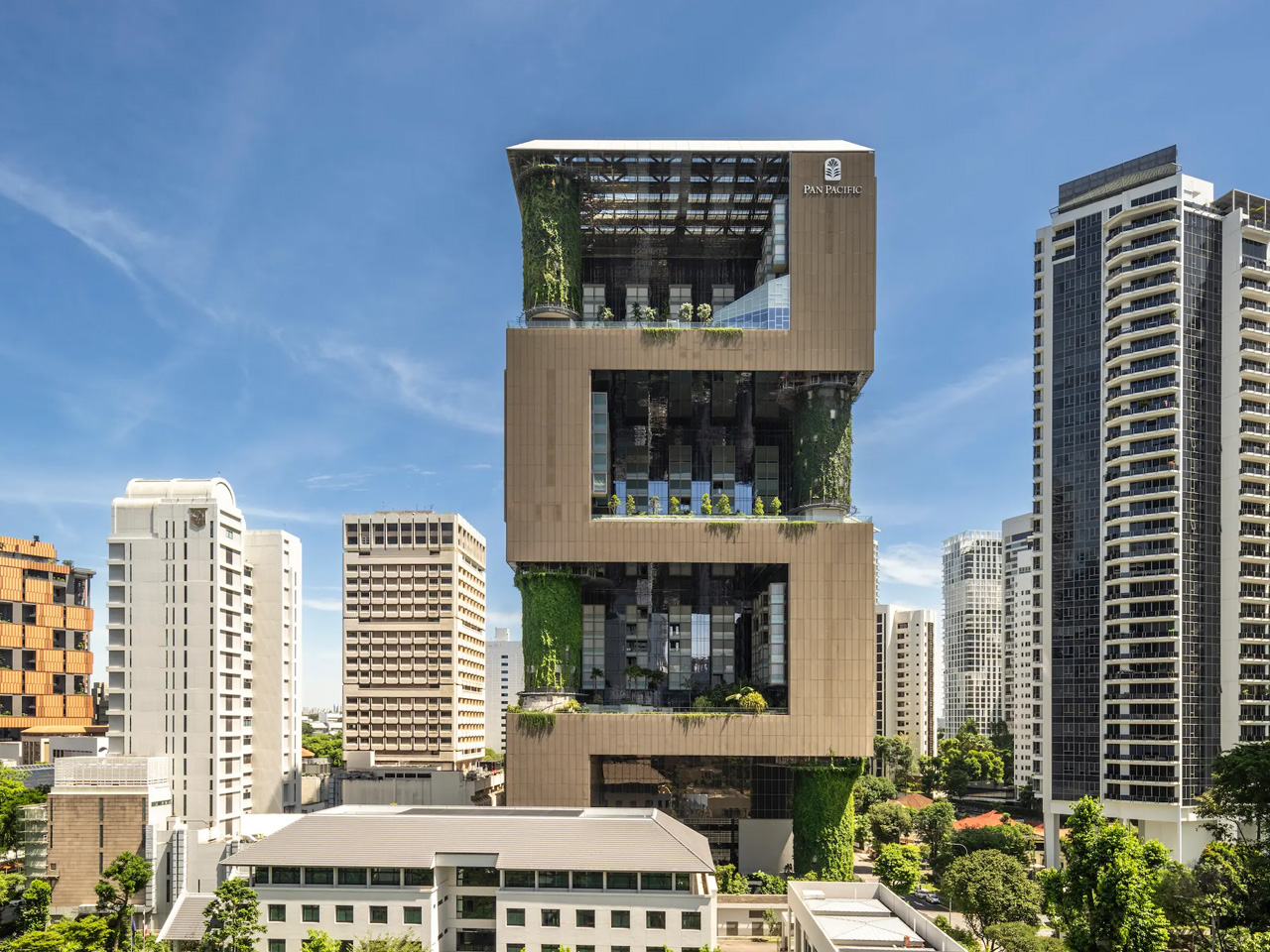
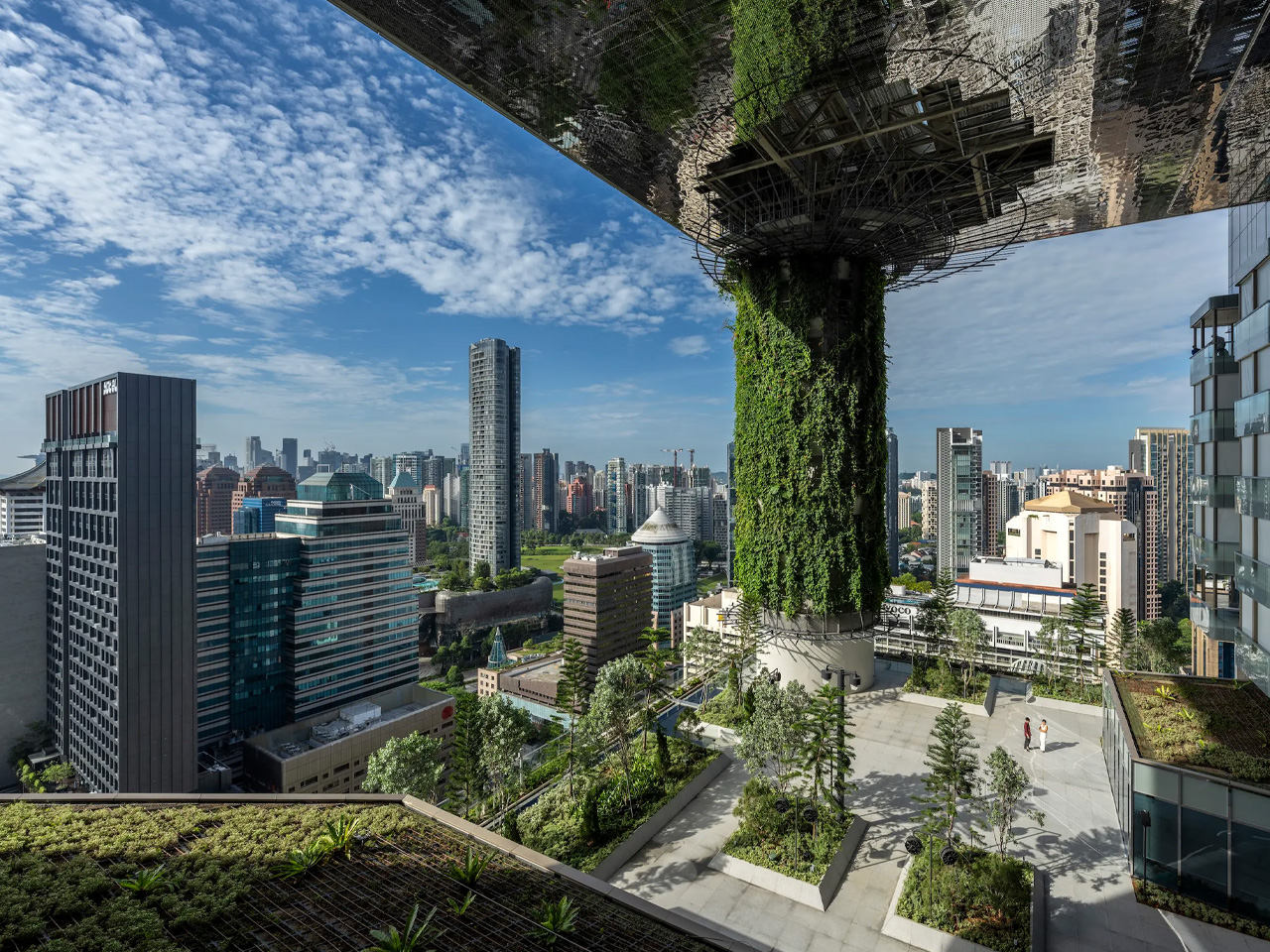
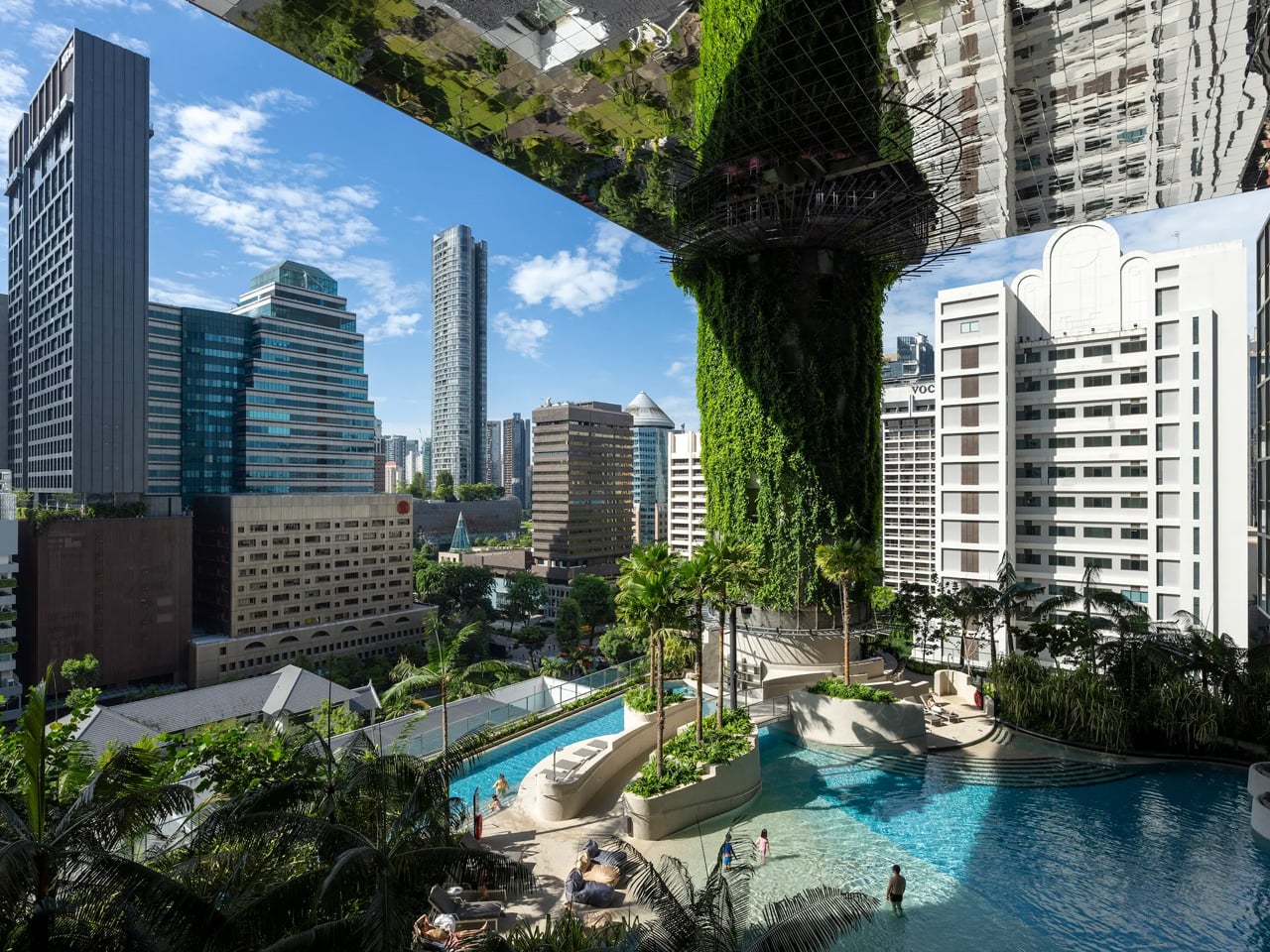
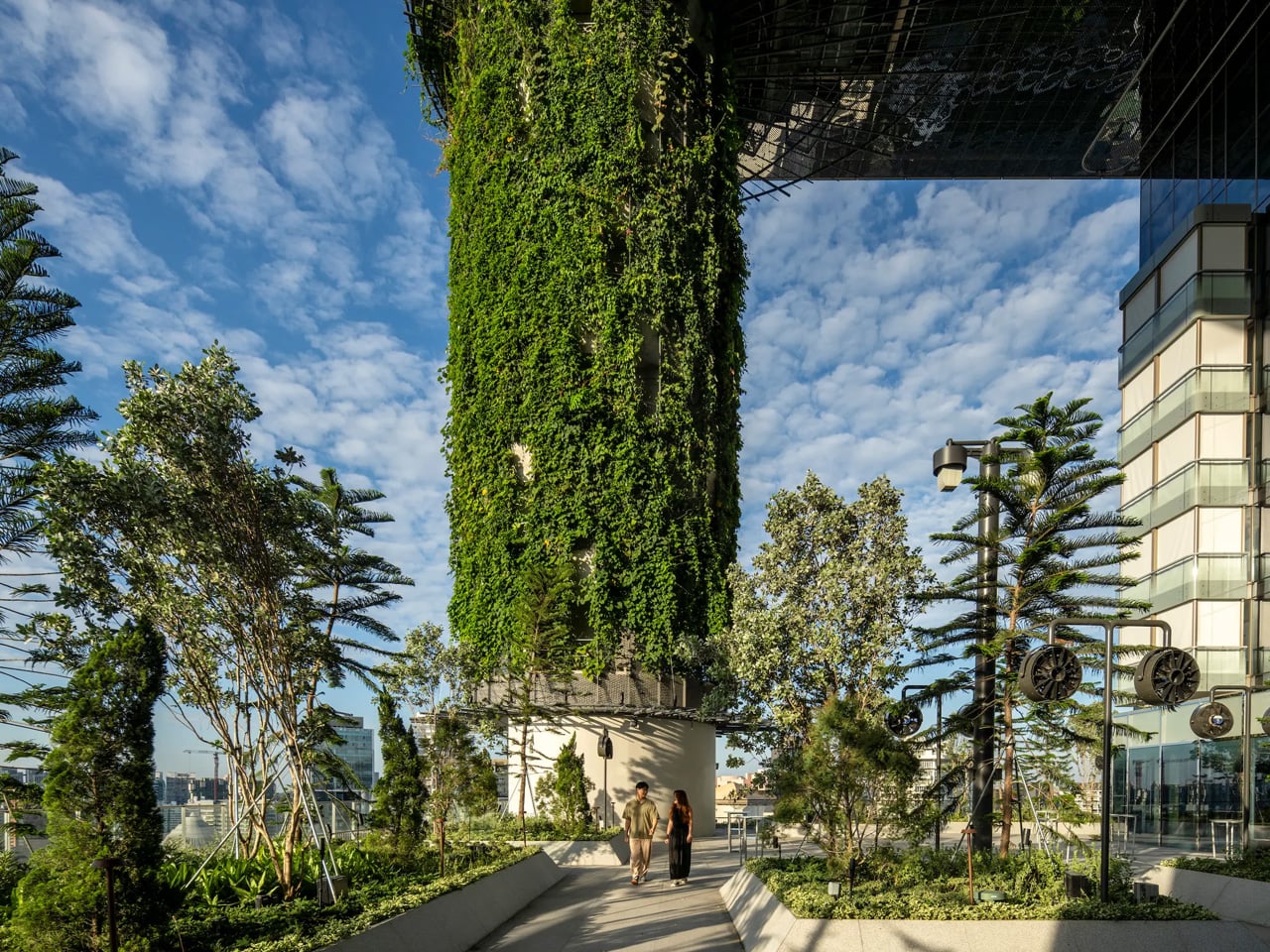
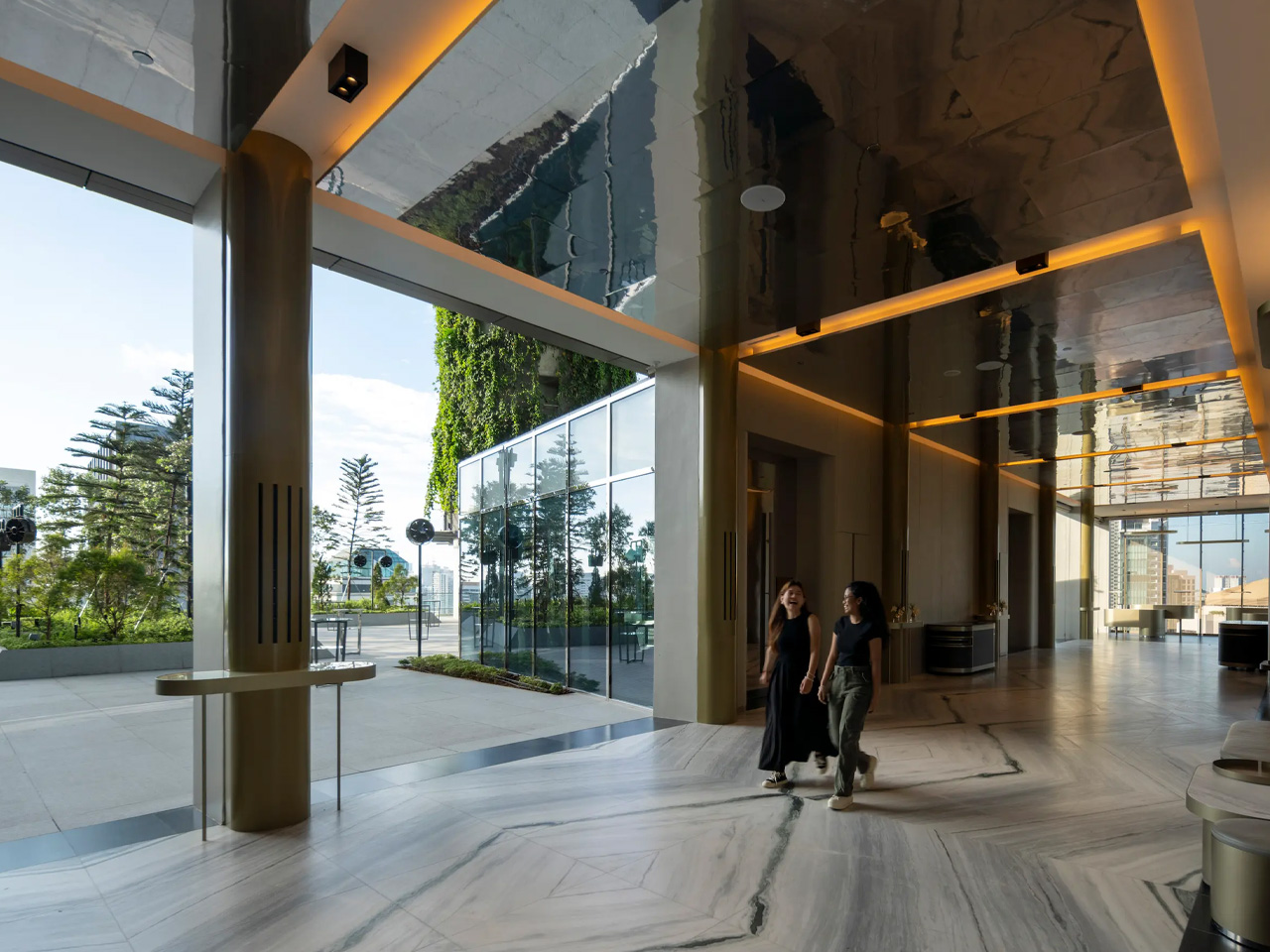
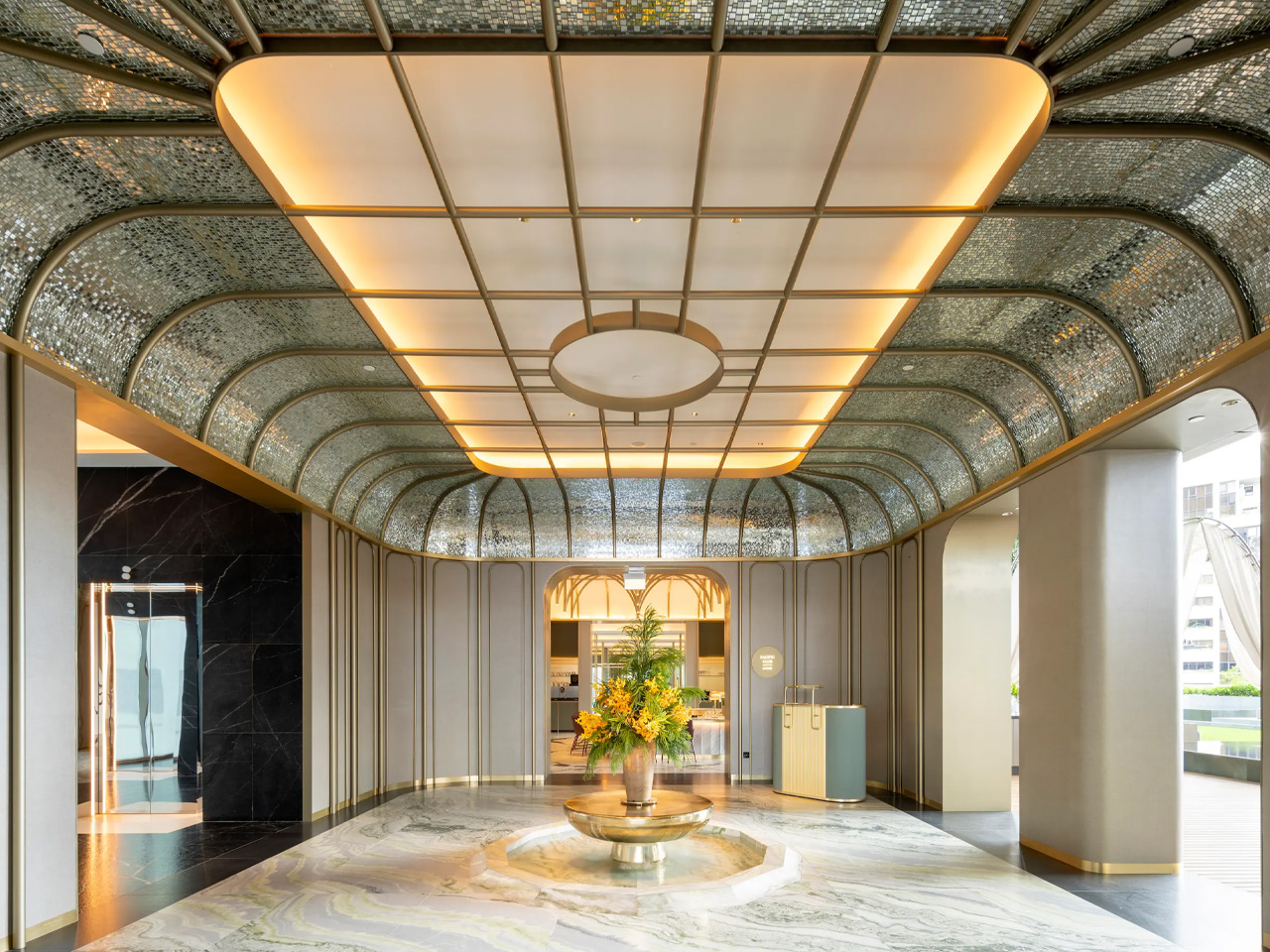
Designed by WOHA, the Pan Pacific Orchard is located in Singapore, and was recently named the Best Tall Building Worldwide for 2024. The title was bestowed by the Council on Tall Buildings and Urban Habitat (CTBUH), which is the leading authority on skyscrapers. The structure’s “hotel in nature” concept won it the award, since the design includes a lot of greenery, creating a cool ambiance in tropical Singapore. The Pan Pacific Orchard has a height of 461 feet and a rectangular form. It is equipped with 35 floors and 347 rooms. The front-facing facade showcases massive open-air terraces, which have been populated with plants and trees.

Designer: WOHA

Each terrace has its unique theme and name. The Forest Terrace on the ground floor features a lovely cascading water plaza and many trees. While, the Beach Terrace includes a beautiful oasis with a lagoon, tall palm groves, and a sandy beachfront. The Garden Terrace is farther up and accommodates the bar and lounge, as well as a lush manicured garden with planter beds and reflection pools. The Cloud Terrace is the highest and includes an events plaza, ballroom, planters, reflection pools, and a function room. The various terrace spaces ar connected with the inside of the hotel, allowing light and ventilation to touch the interiors, creating a comfortable environment in tropical Singapore.

“The project departs from conventional tower designs by carving out large open-air atria that not only reduce the building’s environmental footprint but also foster interaction between nature, the city, and its many diverse communities,” said CTBUH. “Its semi-outdoor tropical climate reduces reliance on mechanical cooling systems, while its 45 percent external to 55 percent internal surface area ratio optimizes energy efficiency. These features align with Singapore’s broader sustainability goals and reflect a global push to lower the environmental impact of dense urban environments.”

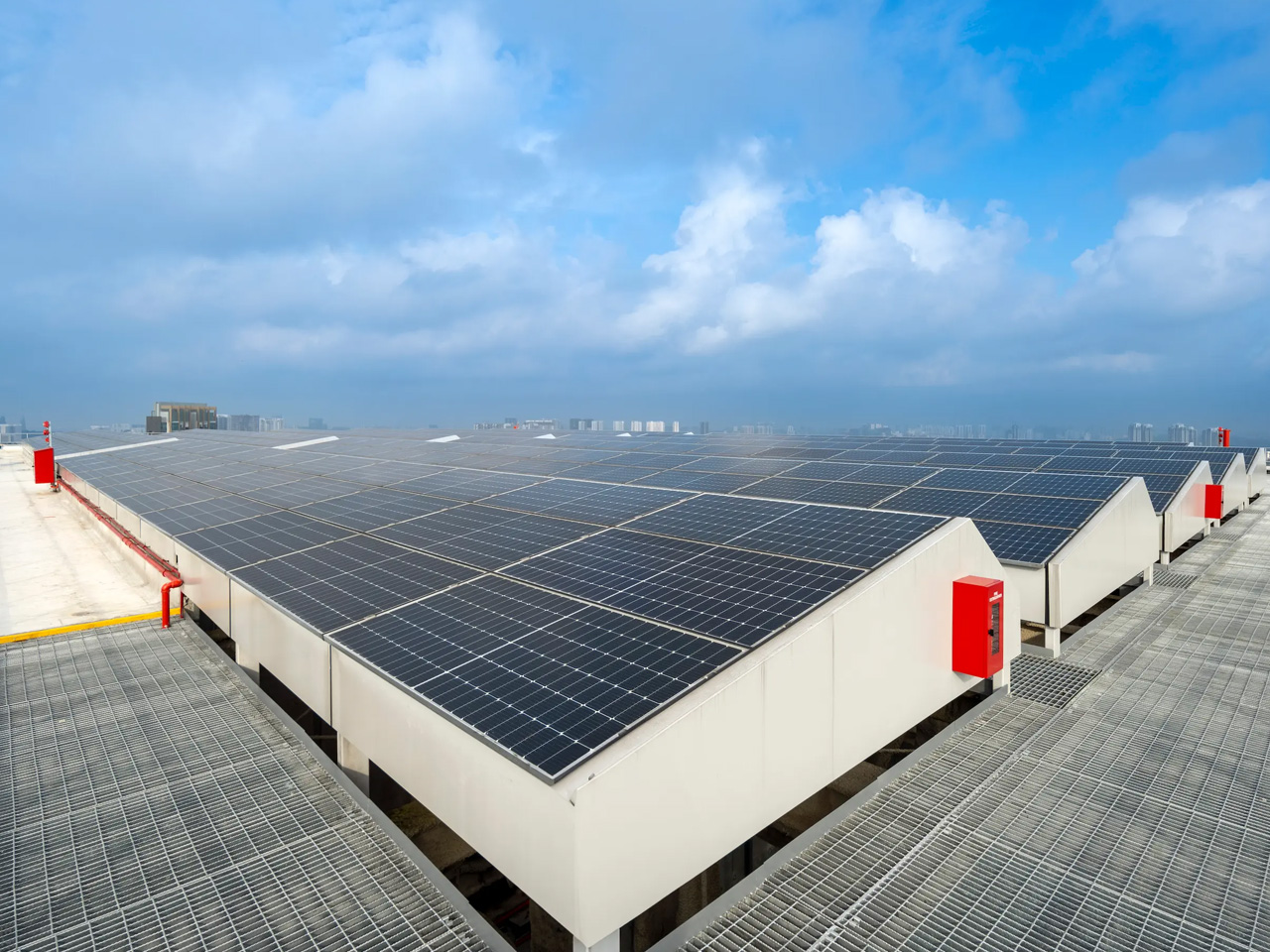
The Pan Pacific Orchard focuses heavily on greenery, nature, and vegetation. It also features solar panels, which reduces the reliance on the grid. It also has facilities for rainwater collection, and food waste is also processed on the property. The skyscraper also won CTBUH’s Best Tall Building 100 – 199 meters Category Award and the Space Within Category Award.

The post The World’s Best Tall Building 2024 Awarded To Luxury Hotel In Singapore With Themed Green Terraces first appeared on Yanko Design.
This Futuristic Tiny Home Is Smart, Eco-Friendly And Blessed With Panoramic Views

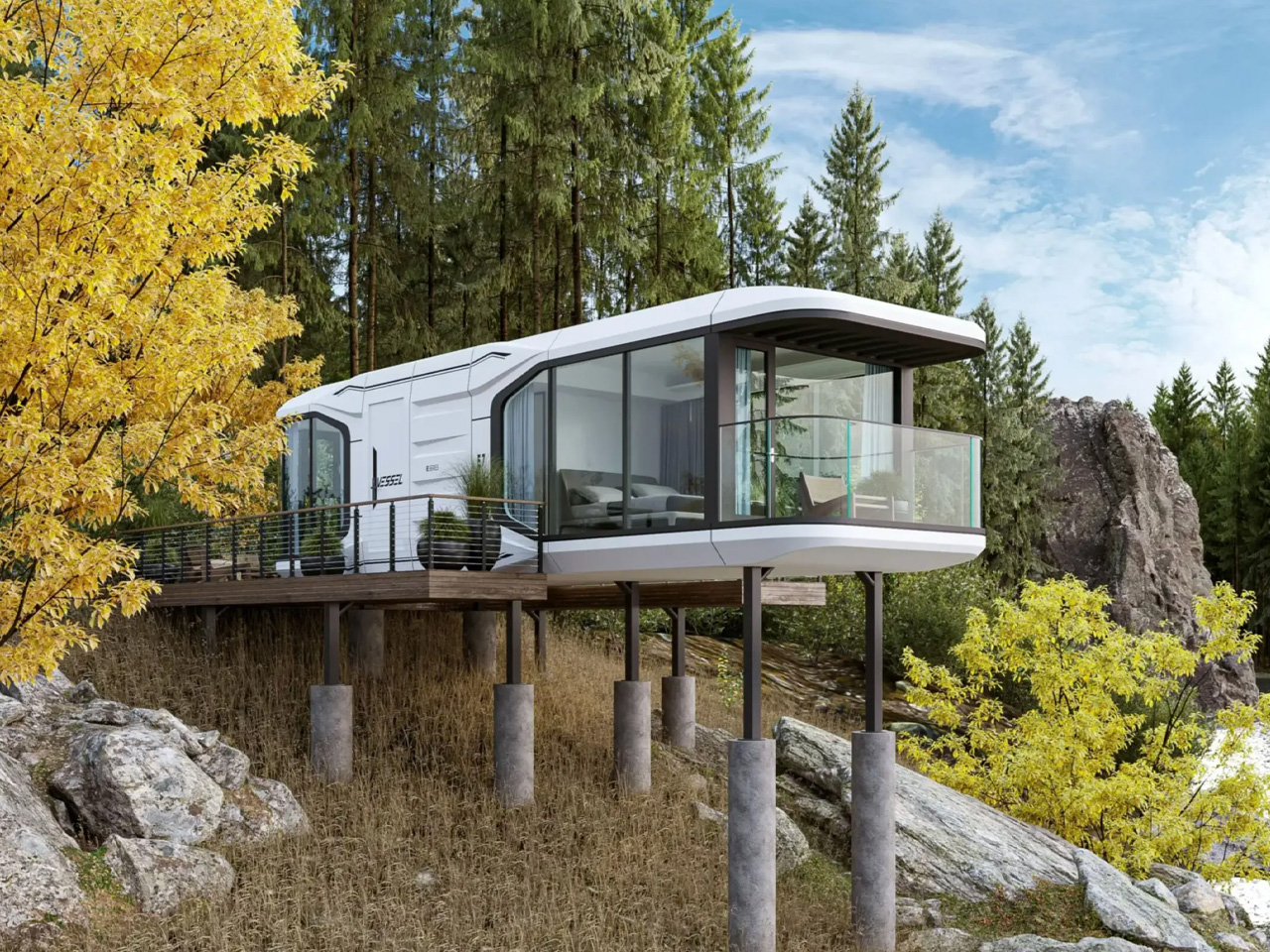
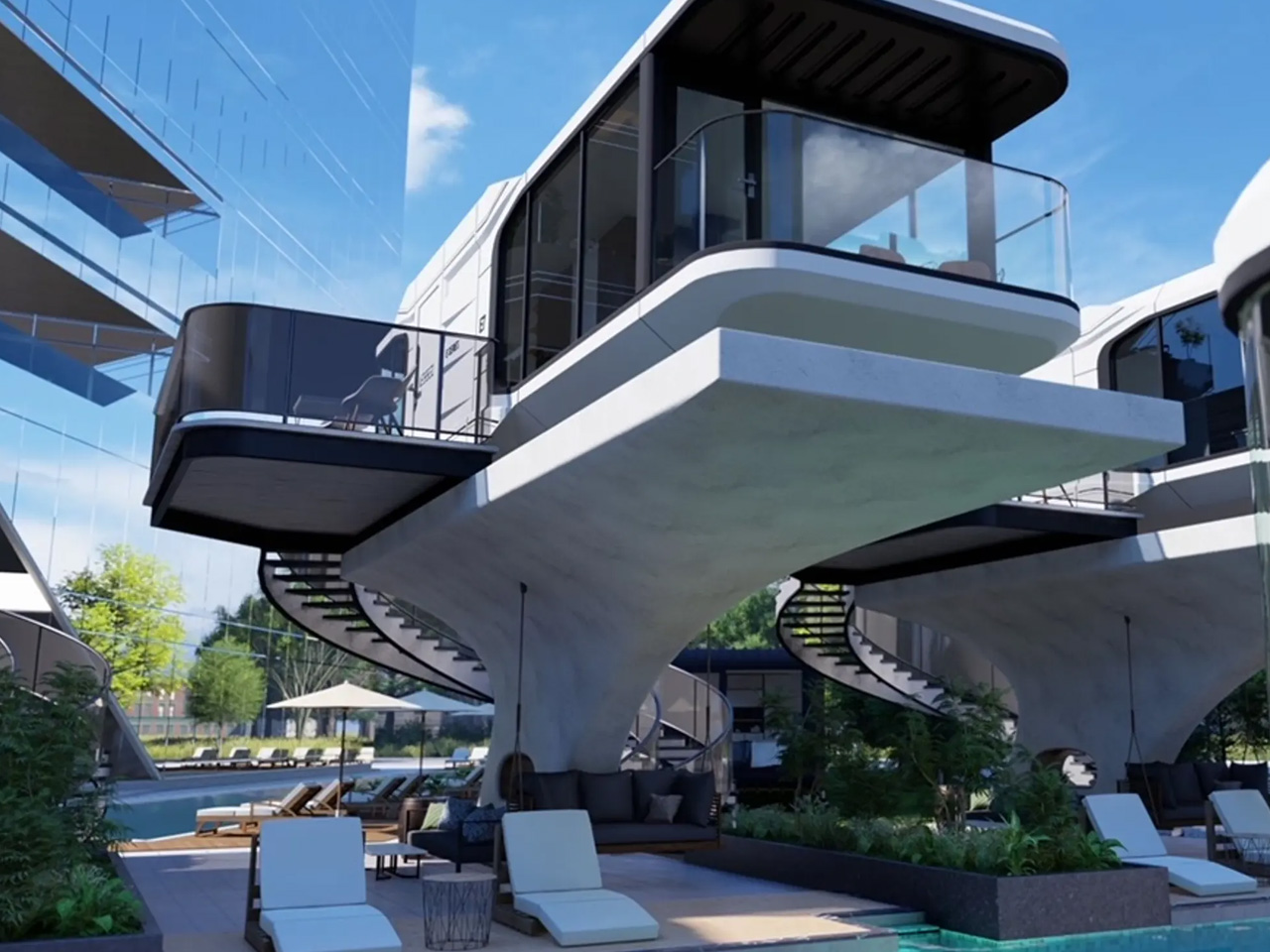
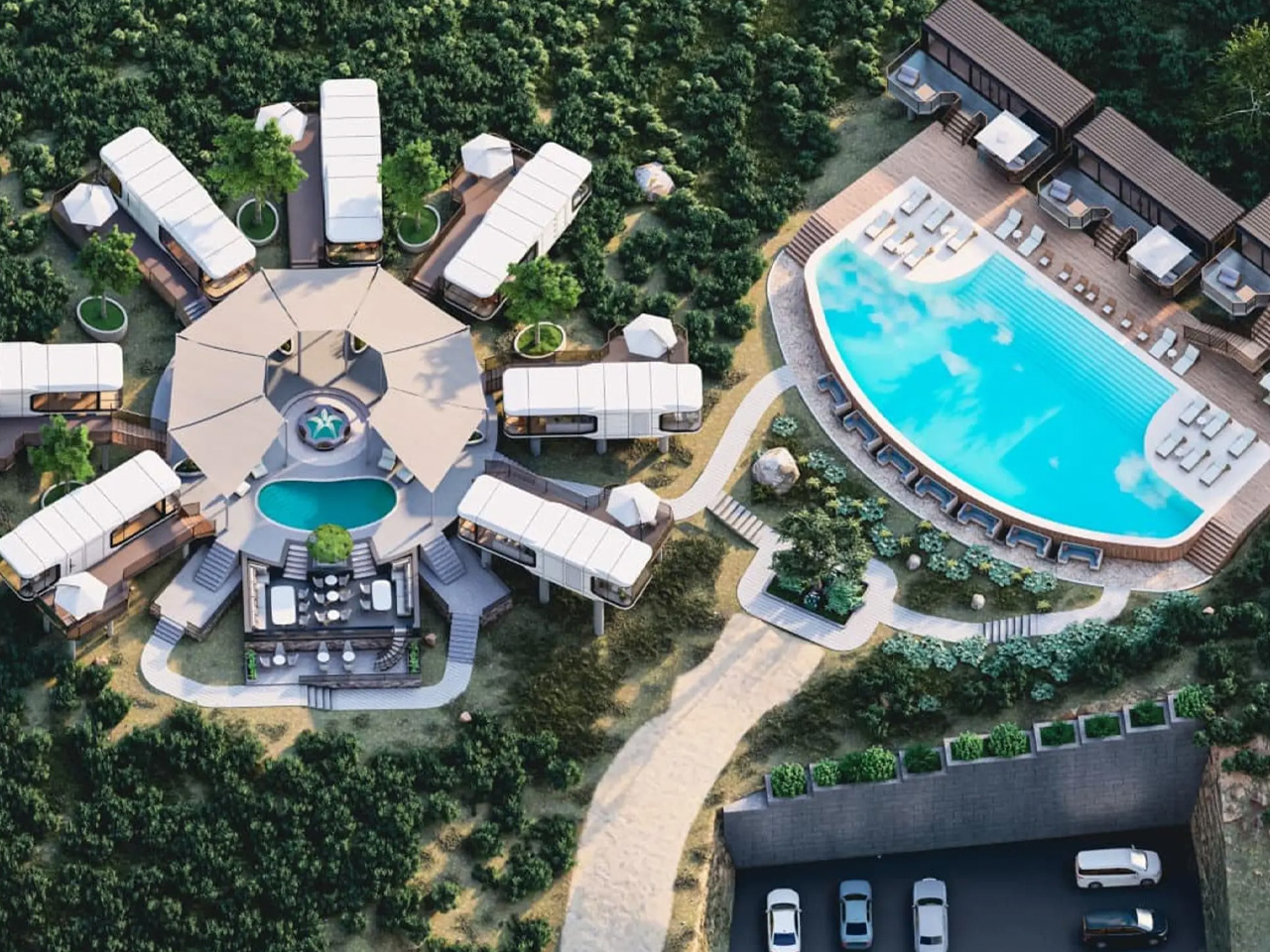
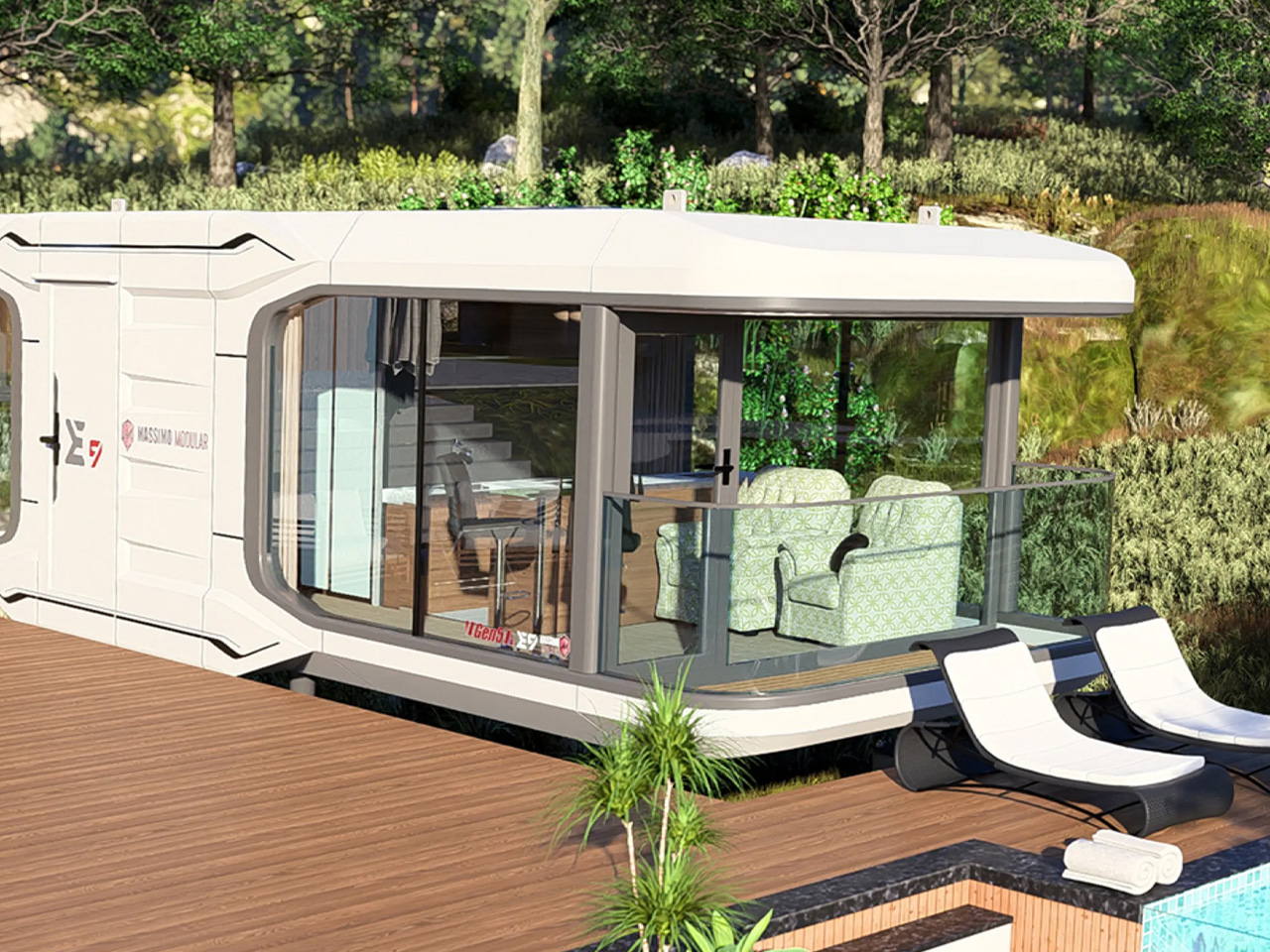
Named the E9 tiny home, ,this eco-friendly smart home is designed by Massimo Modular and can be tucked away anywhere in just two hours. It is unlike your conventional tiny homes since it has a rather futuristic vibe and an innovative see-through aesthetic. The home is a far cry from the traditional little homes we usually see, as it looks right out of a science fiction movie. The home occupies 409 square feet, in a 37.7 -ft-long by 10.8 ft-wide footprint. It is 10.5 ft tall and ensures no one feels cramped or stuffy in the home, no matter how tall they are.

Designer: Massimo Modular

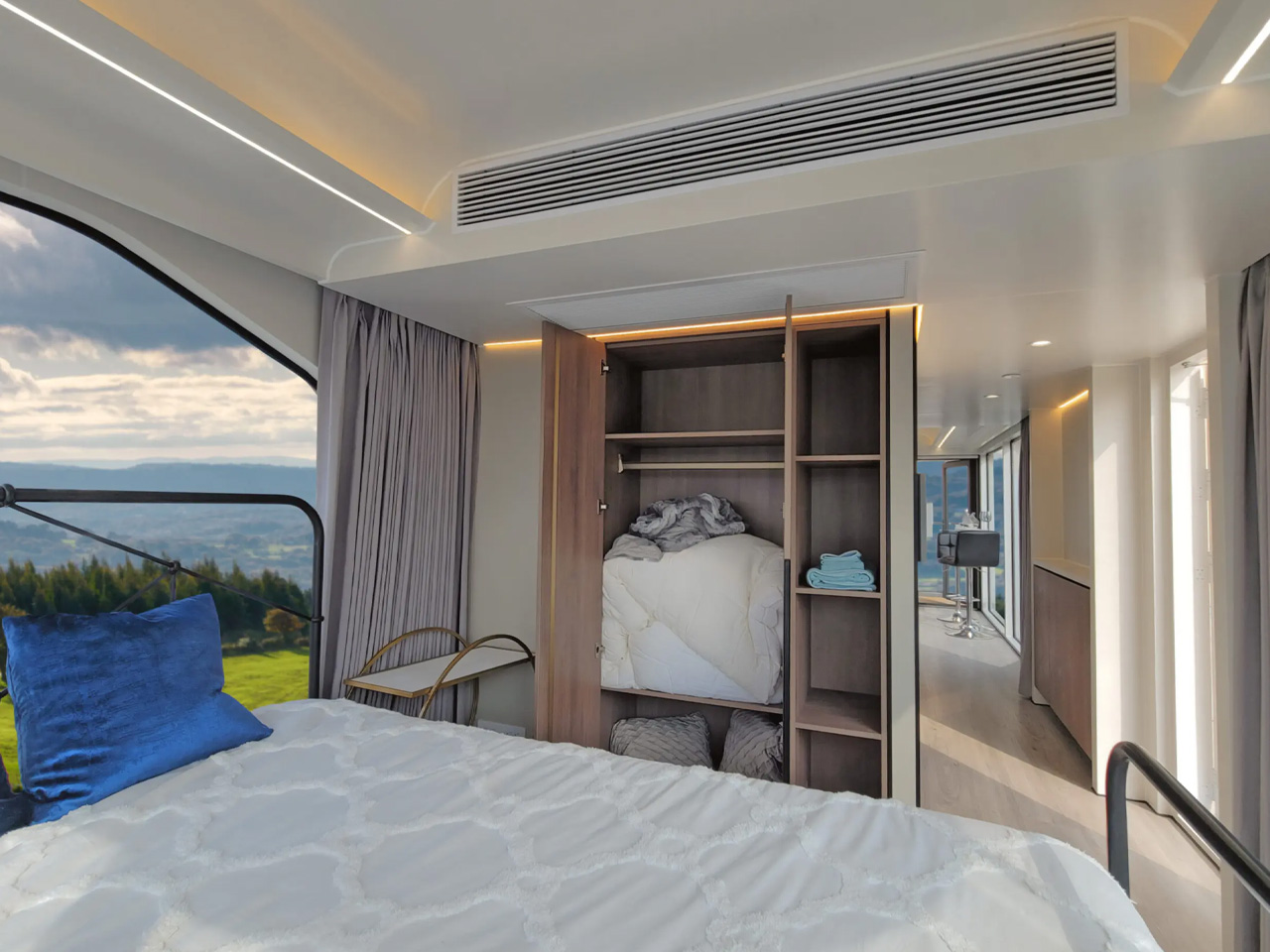
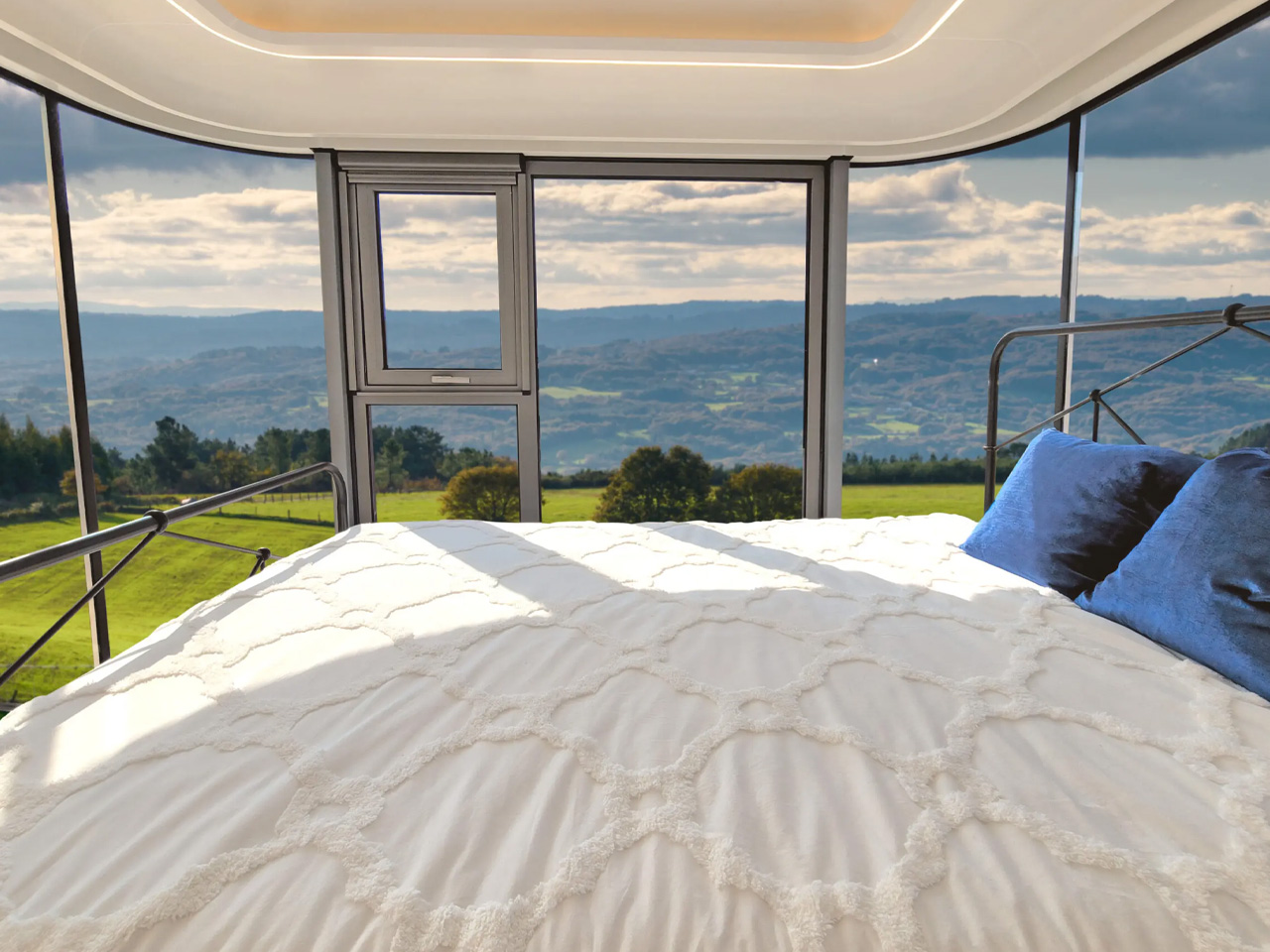
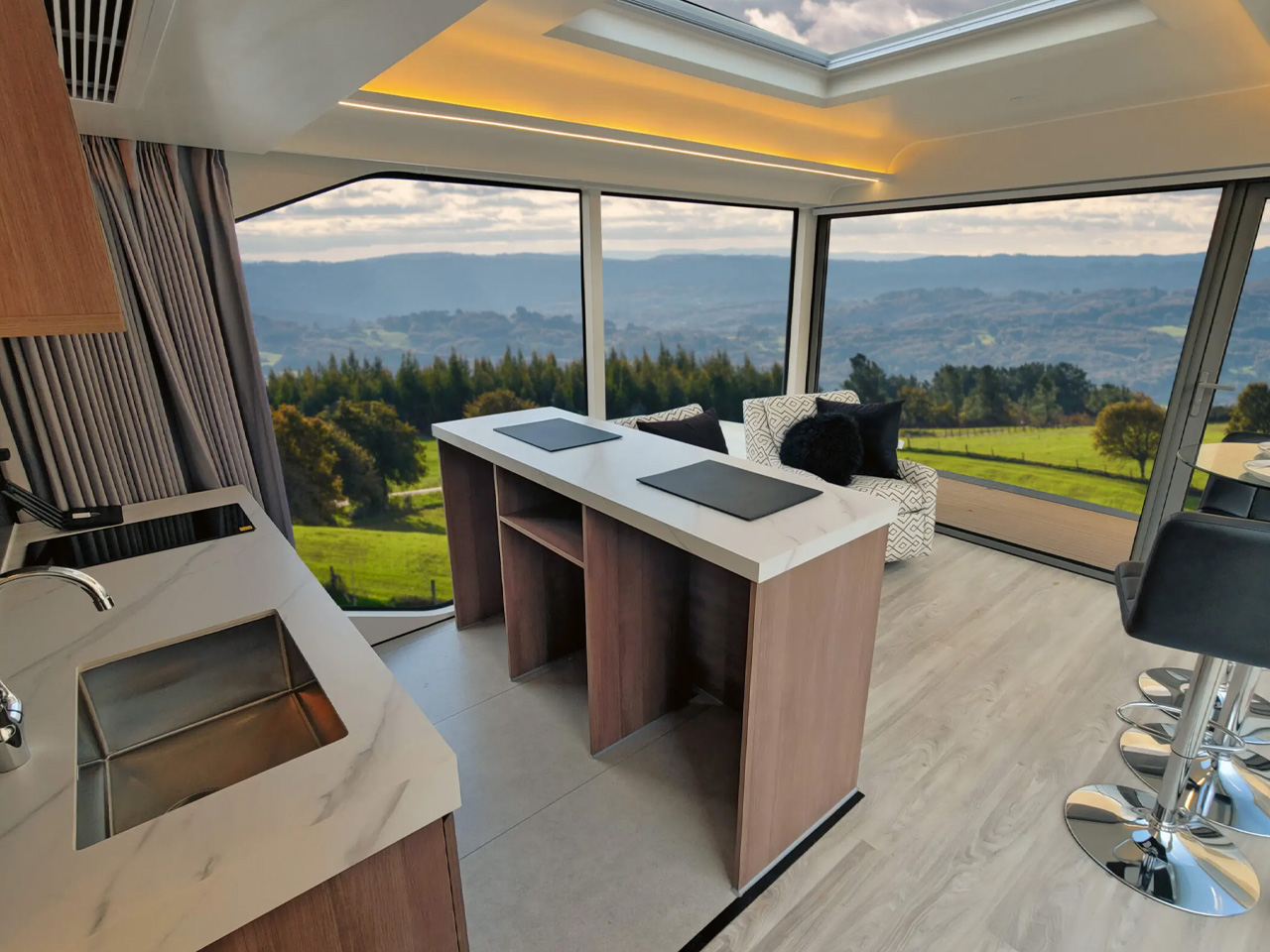
As you enter the front door, you are welcomed by a living room area. The front door has a smart lock, and the living room features a classy and minimal layout with integrated LED strip lights on the ceiling. The ceiling also incorporates a skylight, which is complemented by the “environmental wood flooring”.  The living room leads outdoors to a small deck patio that can accommodate a chair or two. The home is equipped with floor-to-ceiling insulated 270-degree panoramic double-glazed windows, which provide surreal views of the surroundings. The E9 is equipped with automatic curtains to ensure you have your privacy. The curtains are integrated into an all-in-one smart control system that can you manage through your smartphone.

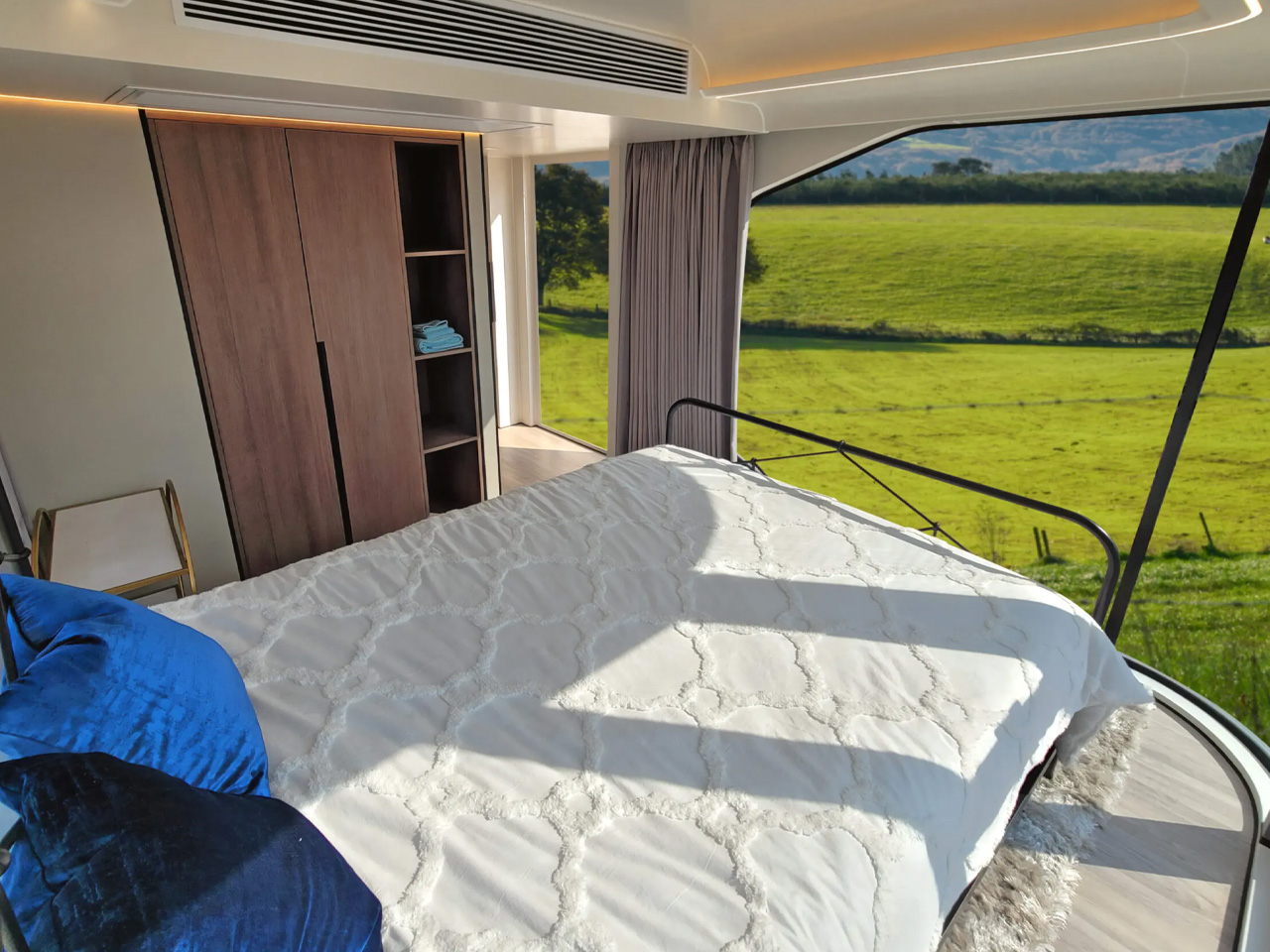
The smart home also features an underfloor heating system to keep your toes warm. The kitchen is well-designed with a two-burner induction stovetop and a single-bin-style sink. An island segregates the kitchen from the living section, so you have enough space for cooking and meal prep. The bathroom is a dry bath with a walk-in shower and a full-size toilet. Water is heated by a water heater, while all the wastewater is sent to a sewer joint. As you move towards the bedroom, you are impressed by the panoramic 270-degree views. The room ha sufficient storage, and space for a standard-sized queen bed.

The E9 smart home has a modular design, that ensures it is ready to be transported and placed within a few hours. There is also a 70-year service life. The home is created to withstand 8.0 earthquakes and Category 1 hurricanes. It has a water/sewer connection in the exterior and is also pre-wired for HVAC. It is priced at US$95,995.00.

The post This Futuristic Tiny Home Is Smart, Eco-Friendly And Blessed With Panoramic Views first appeared on Yanko Design.
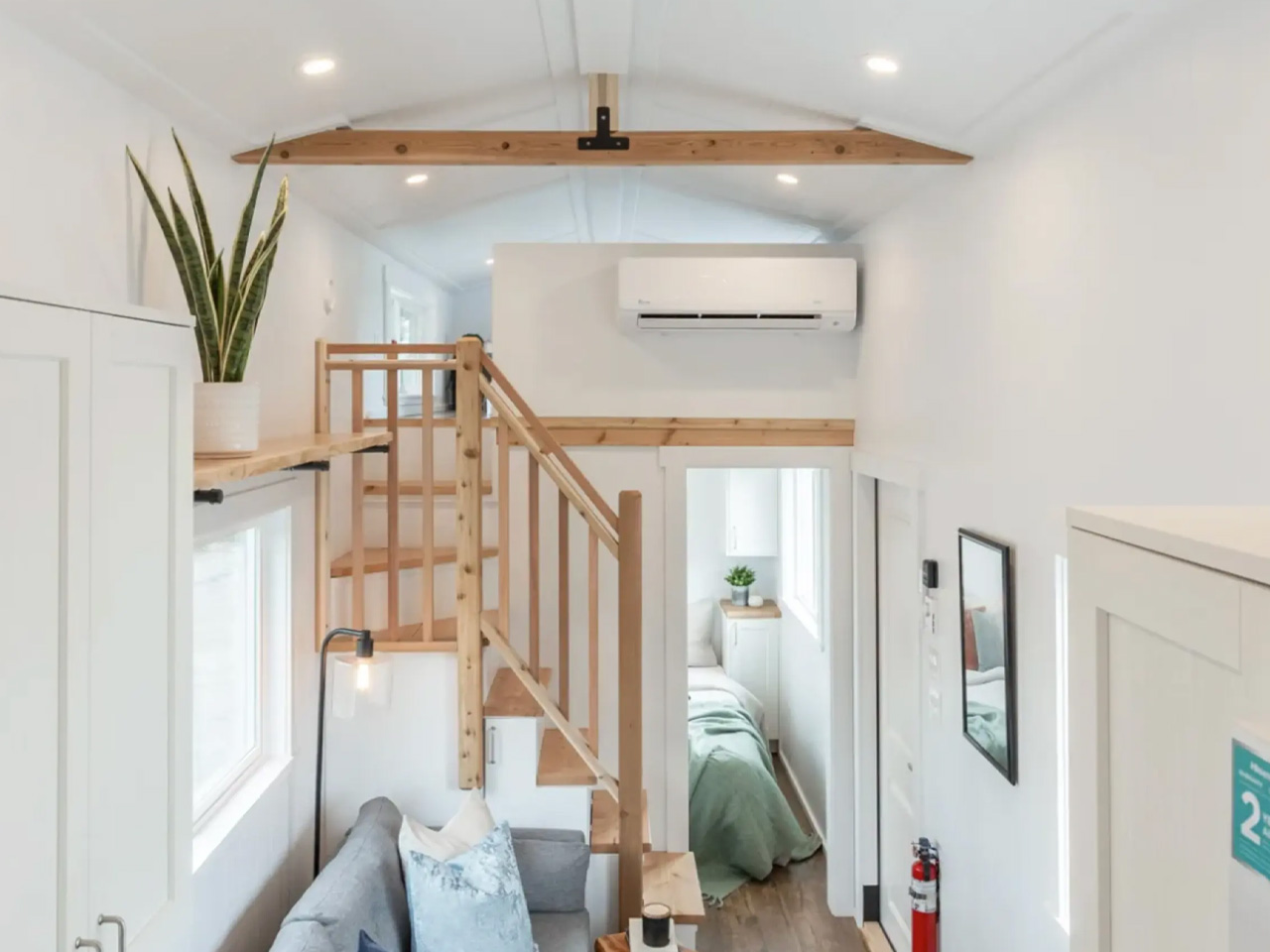
Baluchon’s Single-Story Tiny Home Arranges Everything On One Open-Layout Level

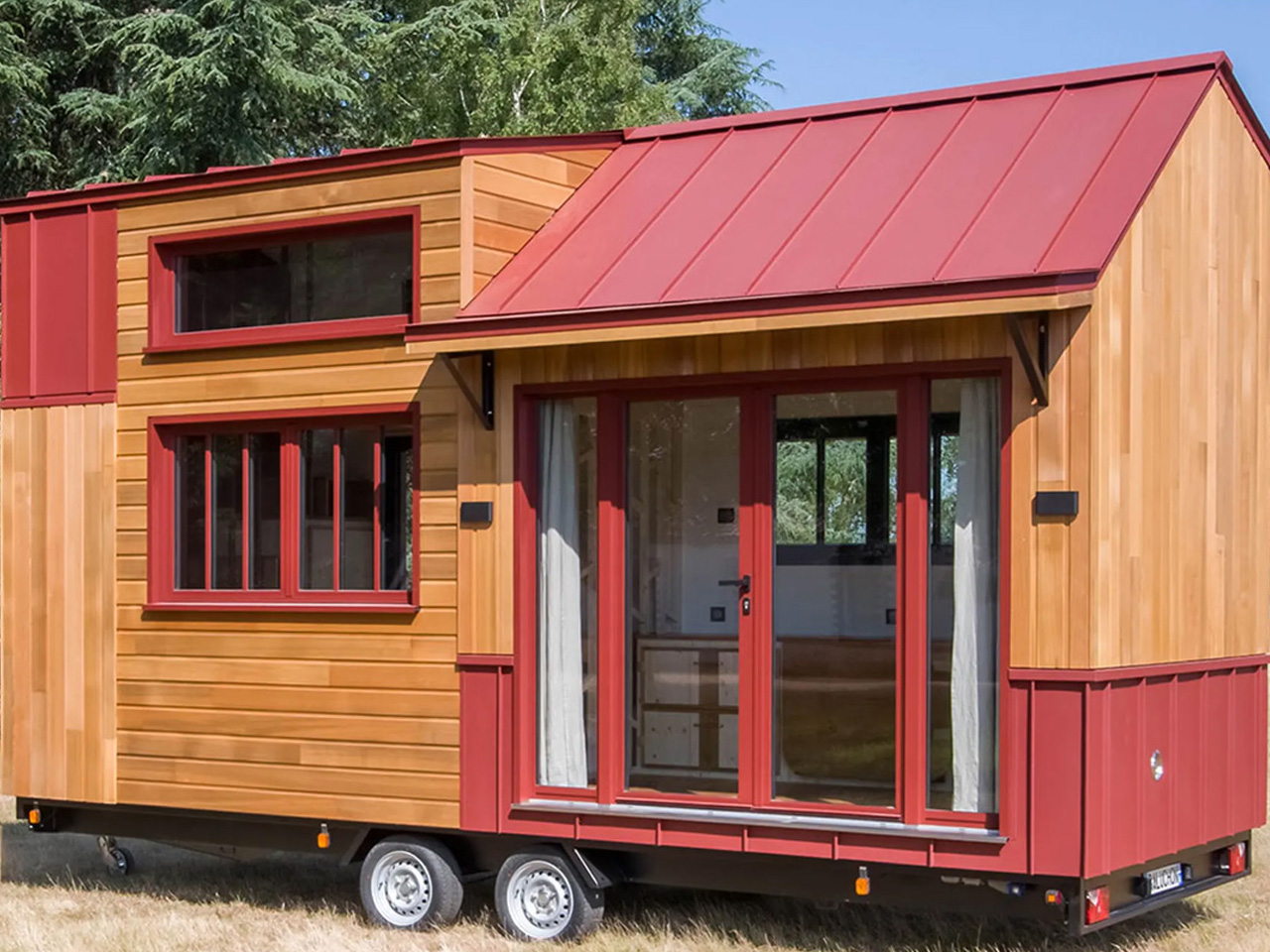
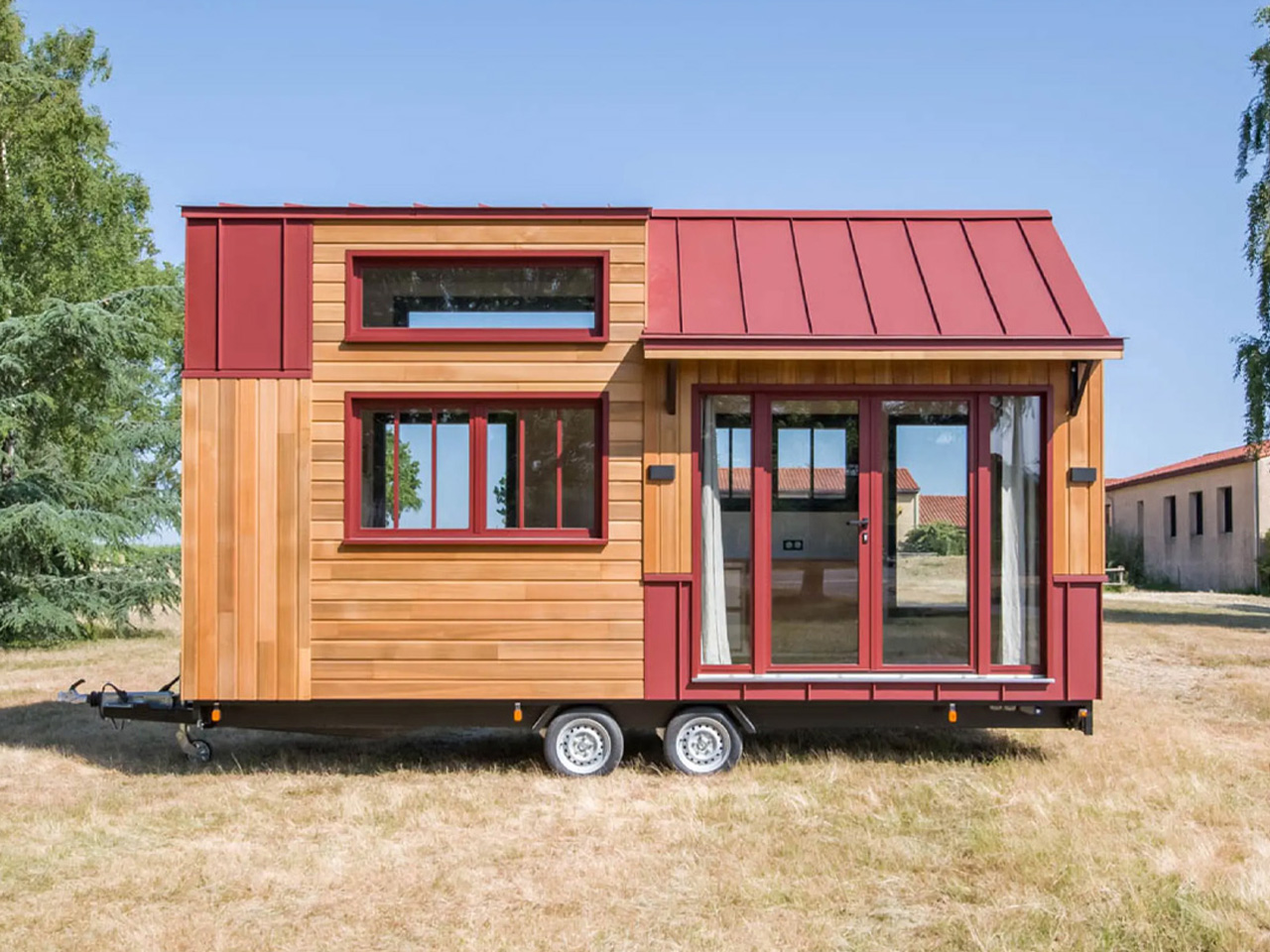
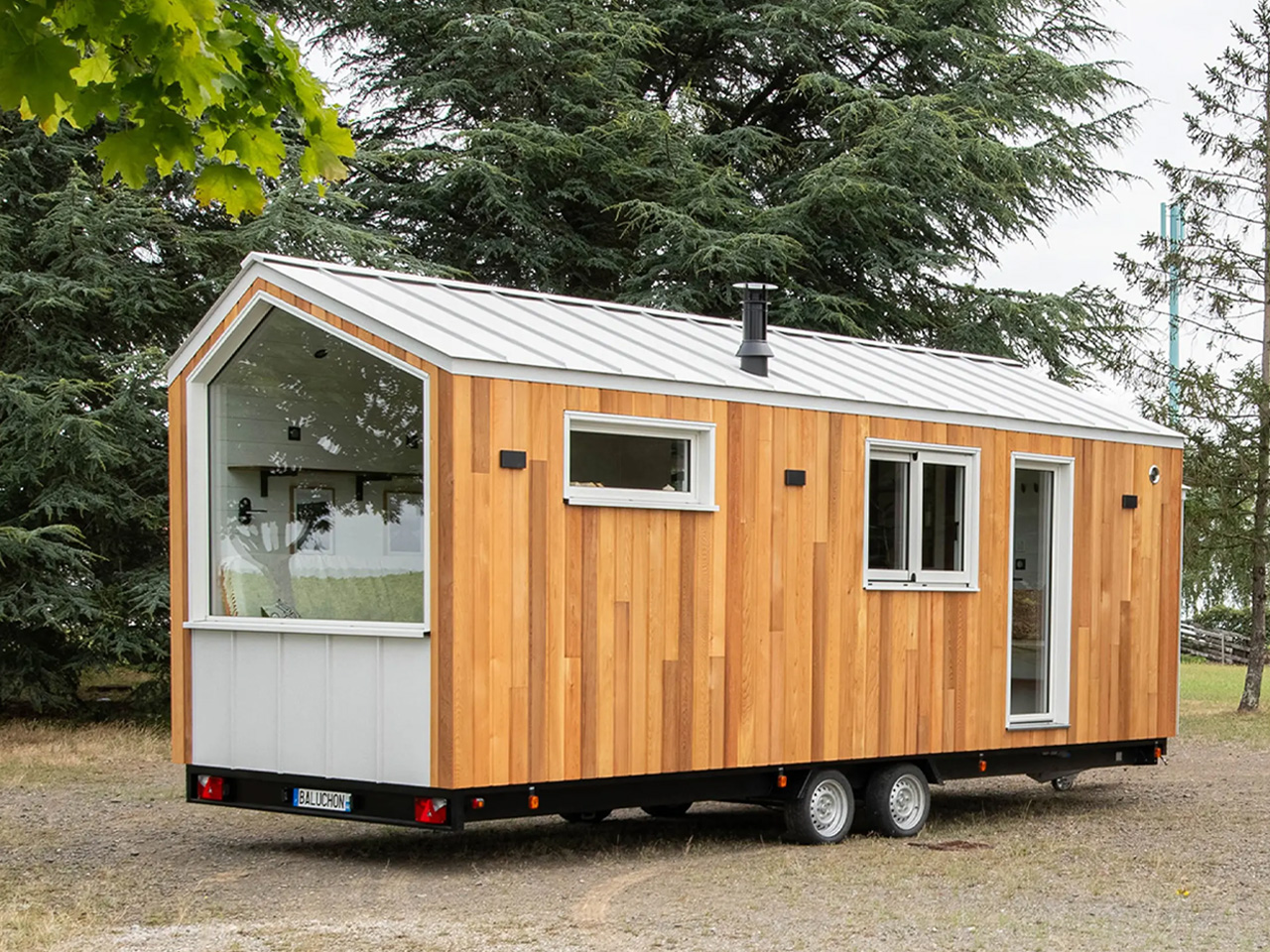
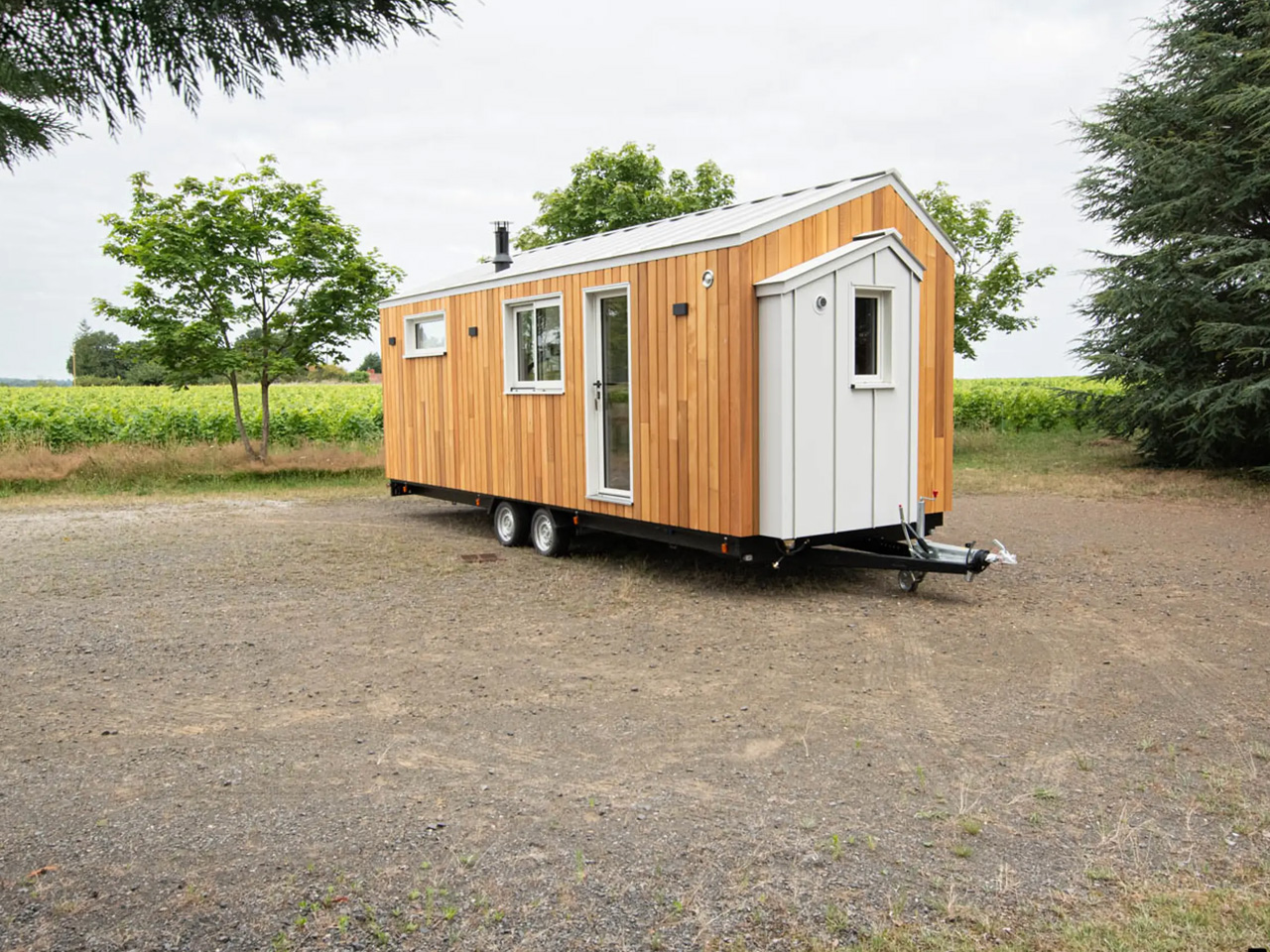
A poignant drawback of space-saving tiny homes is that we often need to use stairs or a ladder to access the bed or sleeping area. Many people often don’t want to go through this process, and hence many designers are now creating tiny homes with all the rooms positioned on one floor. The Moulinsart is one such example, and it features an open layout that is suitable for around two people. It is designed by Baluchon and features a length of 23 feet, and is based on a double-axle trailer. It features a red cedar finish, topped with a metal roof, and powered by a standard RV-style hookup.

Designer: Baluchon

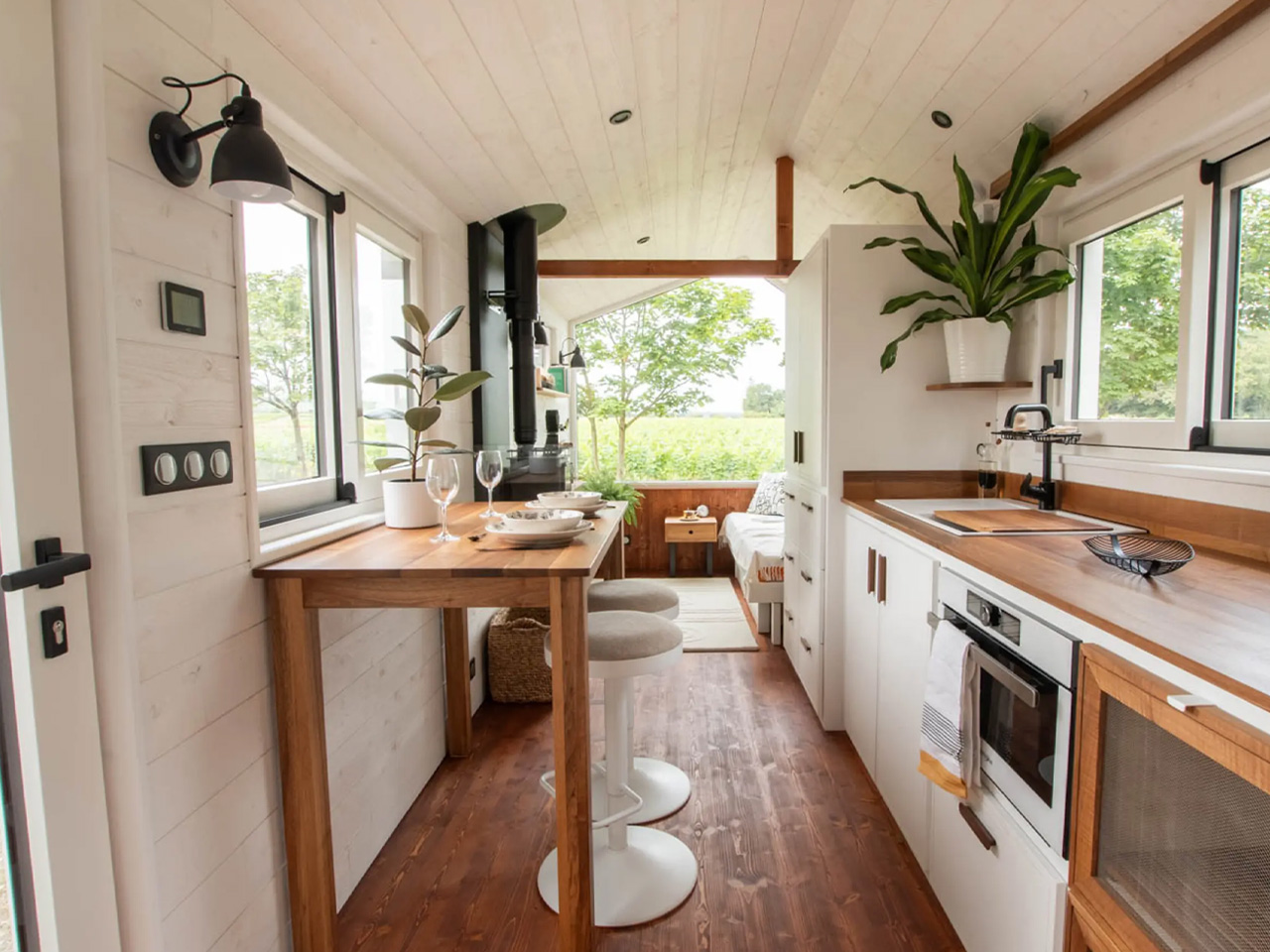
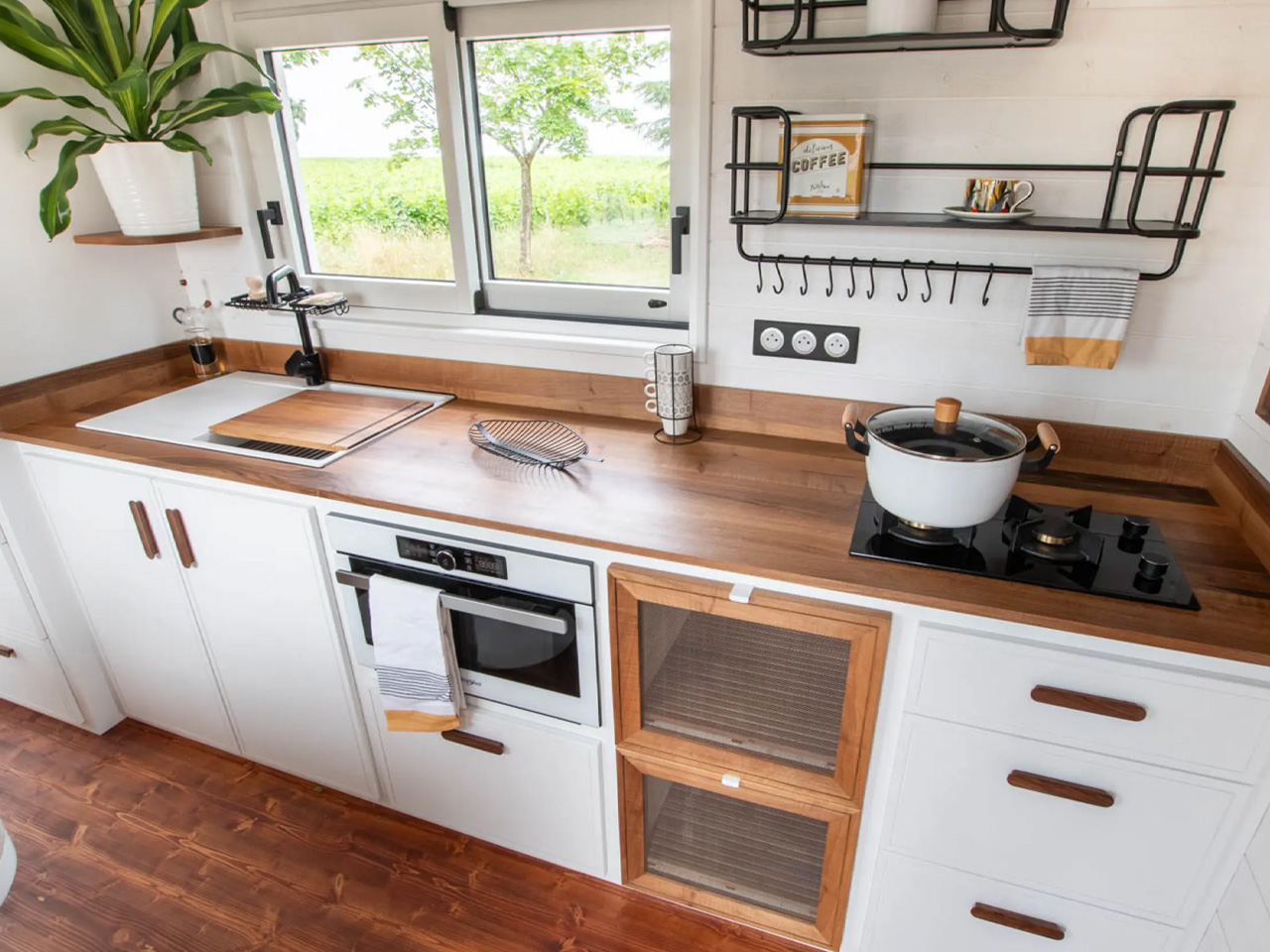
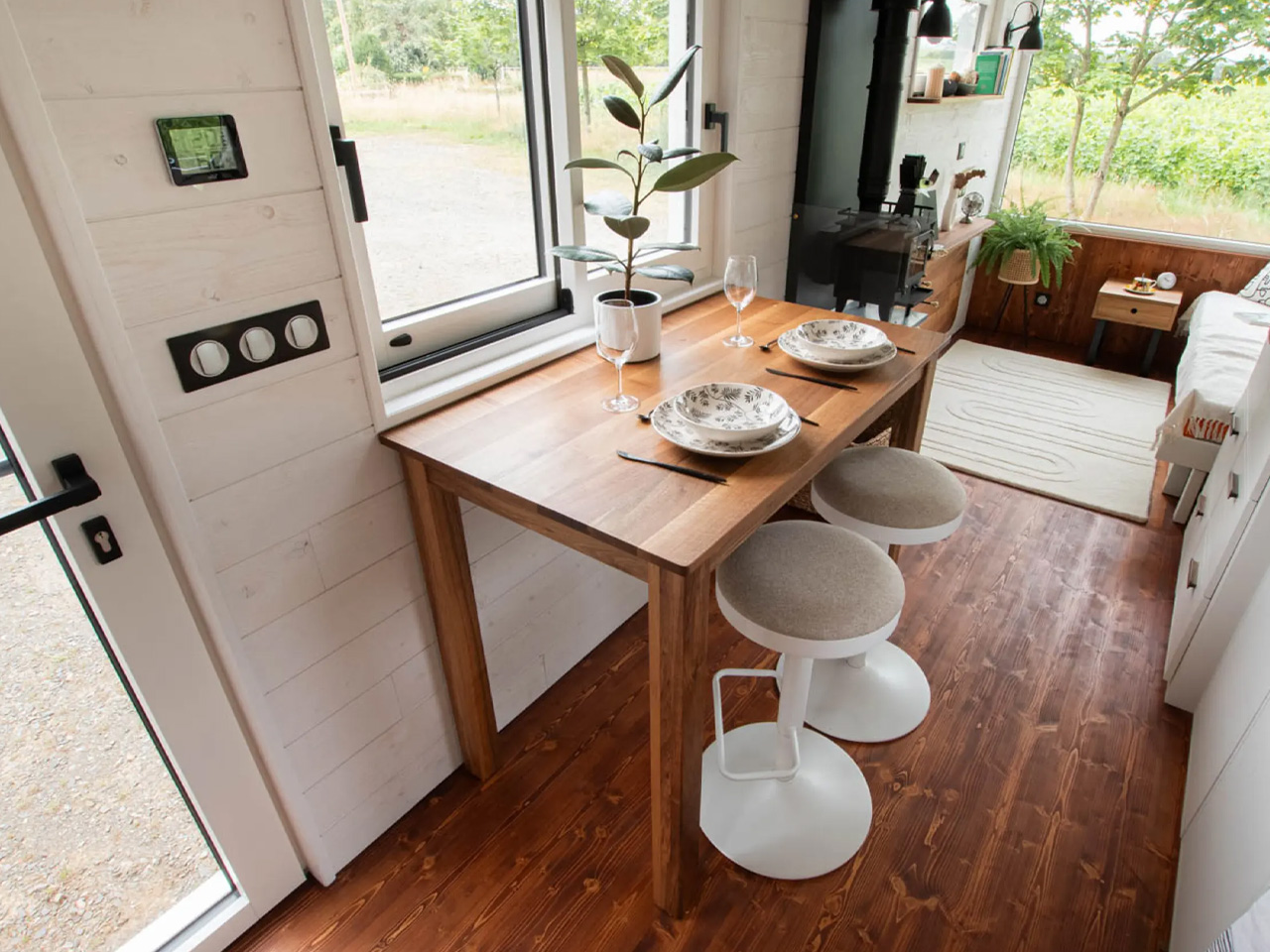
Since the tiny home features only a single story and not two floors, there is not much space to work with. To ensure space is maximized, Baluchon designed a simple and compact layout that provides sufficient space. However, the layout does make the home more of a vacation house than a full-time residence. As you enter the front door, you are welcomed by a pretty simple kitchen. It includes an oven, a sink, storage space, cabinetry, a propane-powered two-burner stove, and a ventilated section for fruits and vegetables. There isn’t any fridge visible, but they may have tucked it away in some cabinetry. A dining table that can seat two people is added as well.

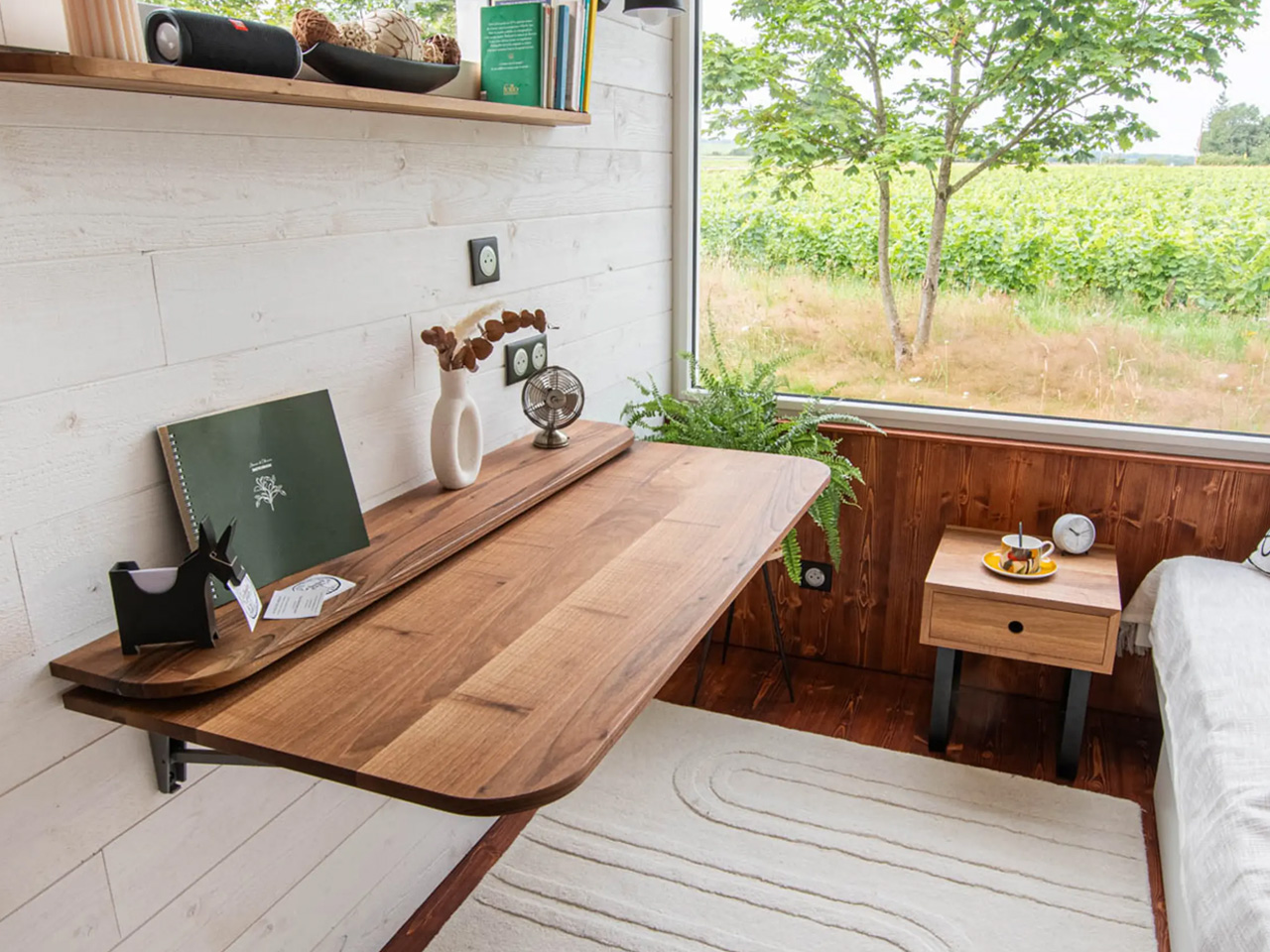
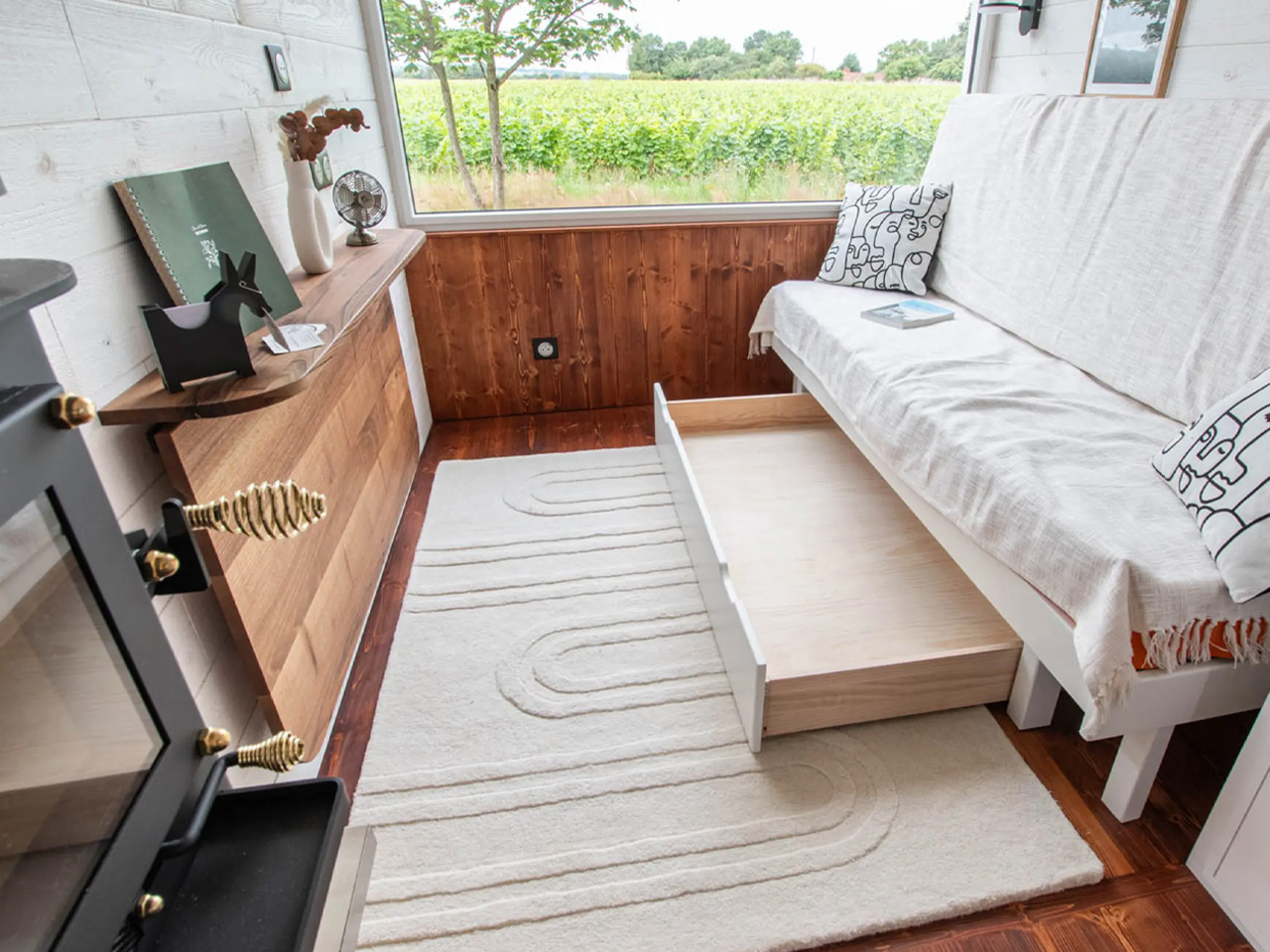
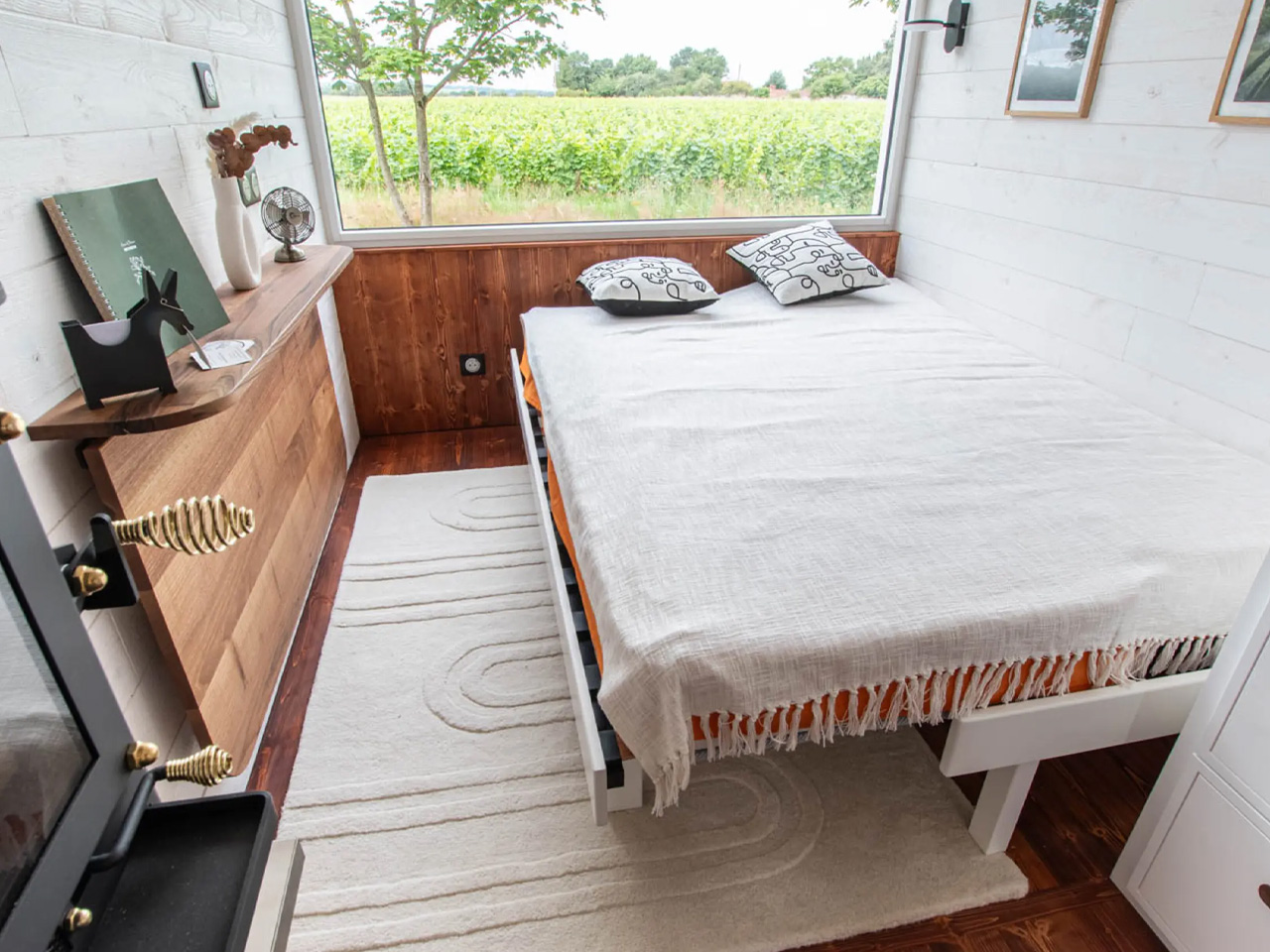
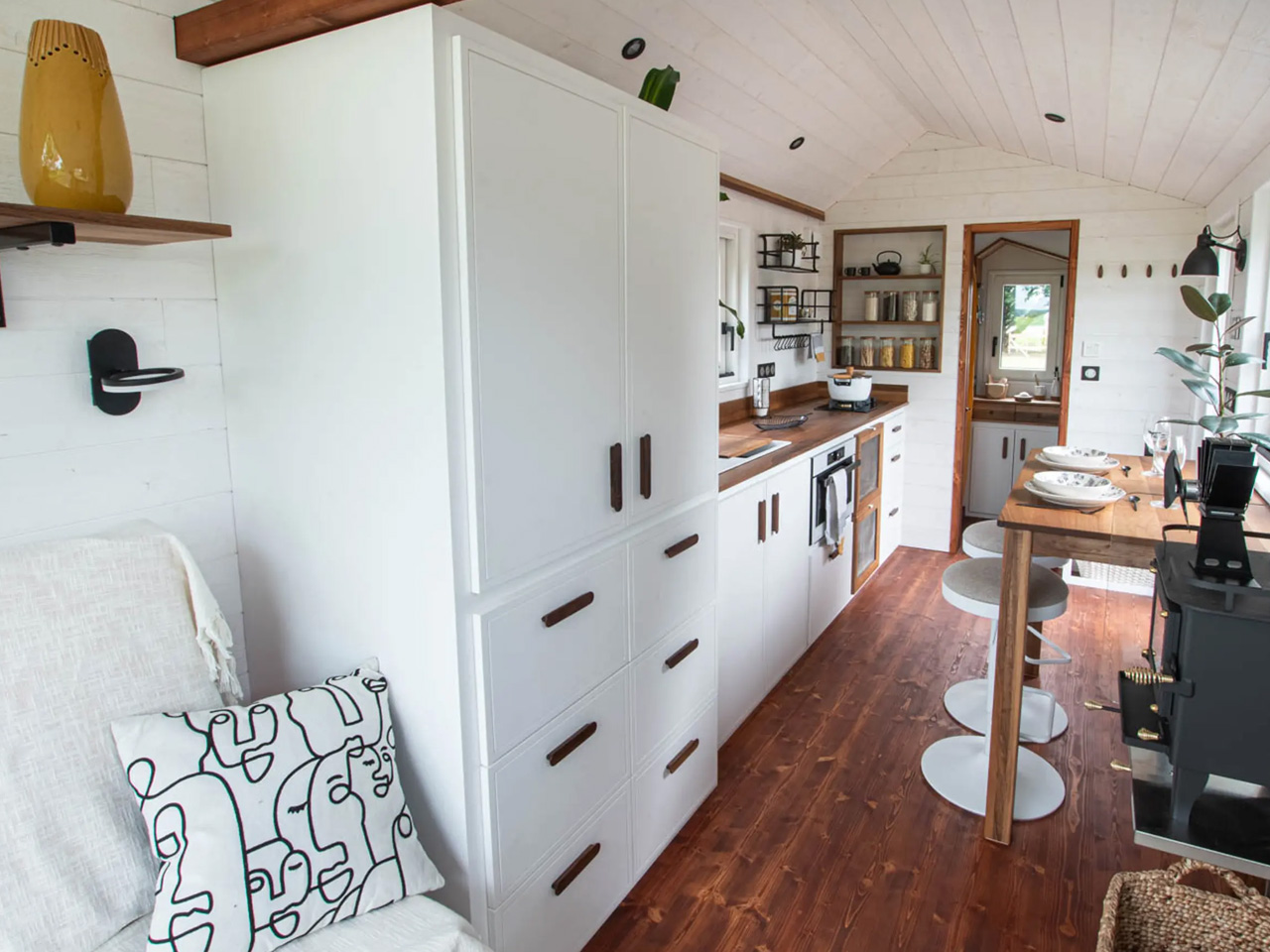
The living room and the bedroom form one central section. This space is equipped with a small wood-burning stove to offer warmth. A desk area and shelving have been incorporated as well. The space also includes a sofa bed with integrated storage, and this is the only bed in the entire home. Generous glazing marks this living area, and hence light flows in throughout the day. The other end of the home holds the bathroom, which contains a shower and a toilet.

The Moulinsart is a cozy and well-furnished home for anyone who wants easy access to their beds. It also seems like a safe and comfortable space for kids and the elderly, as there is no risk of them tripping on the stairs/ladder and hurting themselves. The home is quite compact for a tiny house, but the layout is well-designed albeit simple, and does have all the essential amenities one could need for a comfortable stay. We are unsure of the home’s pricing, but Baluchon’s tiny homes are usually priced at US$95,000.

The post Baluchon’s Single-Story Tiny Home Arranges Everything On One Open-Layout Level first appeared on Yanko Design.
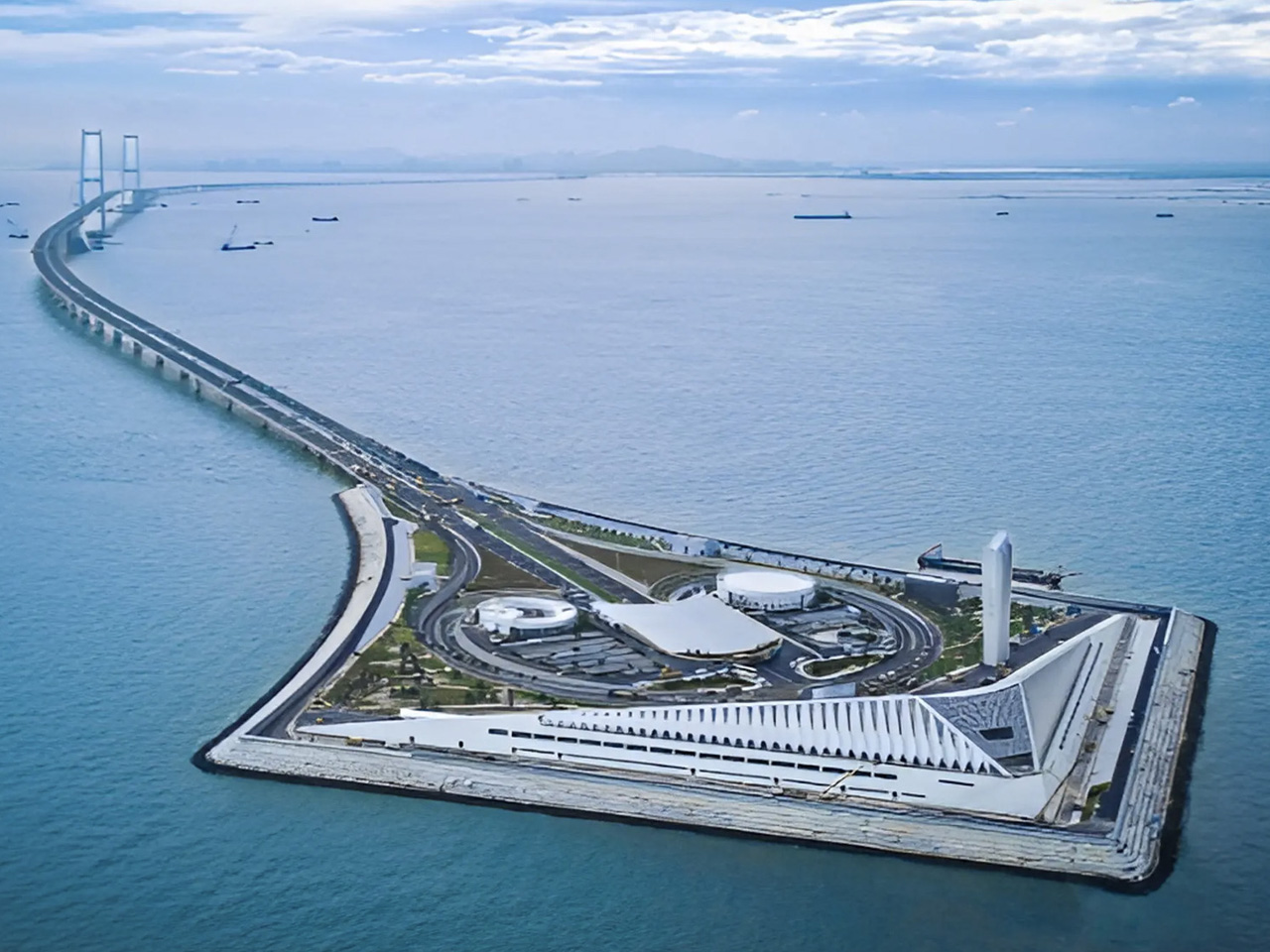
The Loop House Merges The Old & New, And Throws In A Garden Roof In The Mix Too

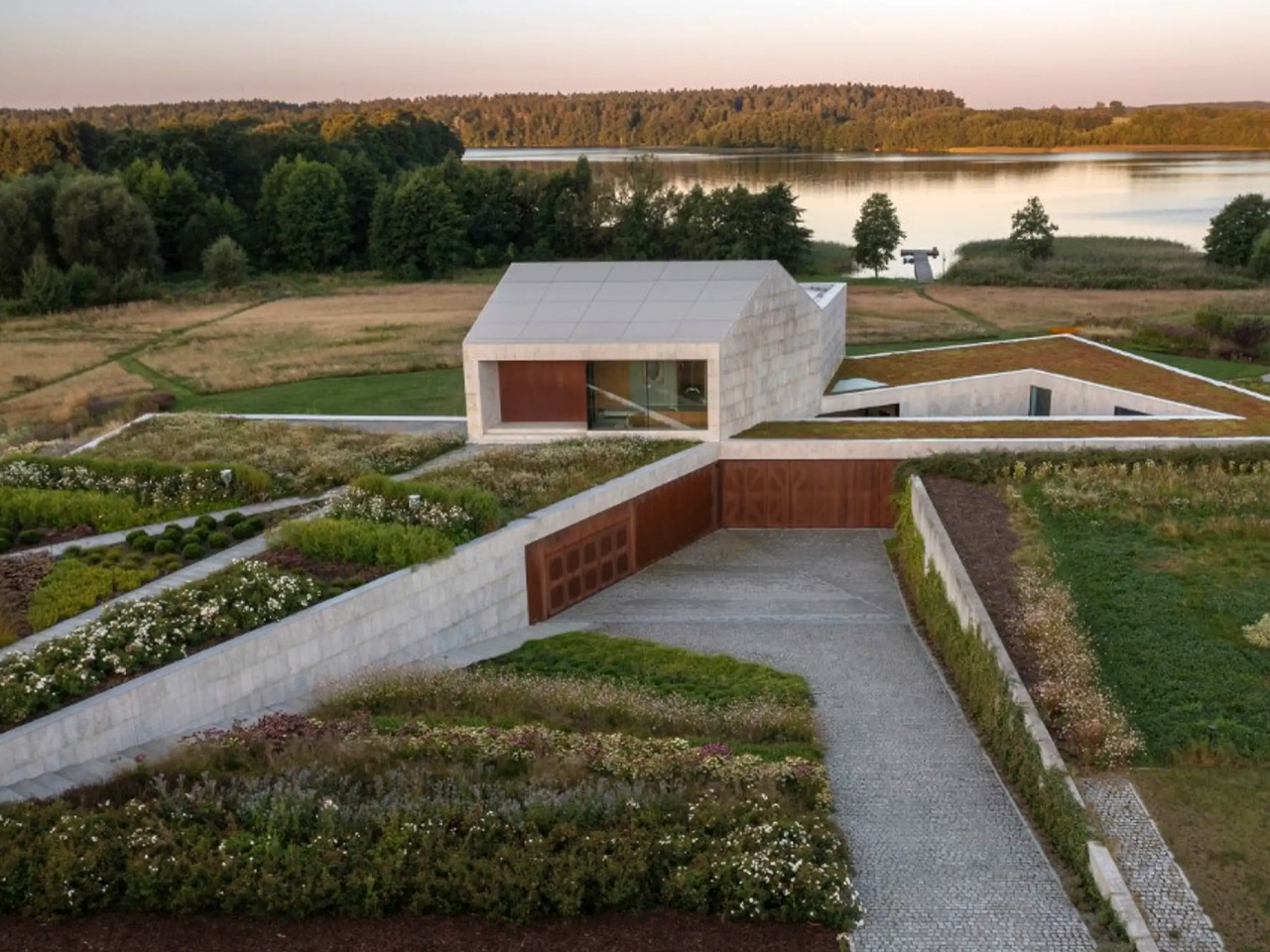
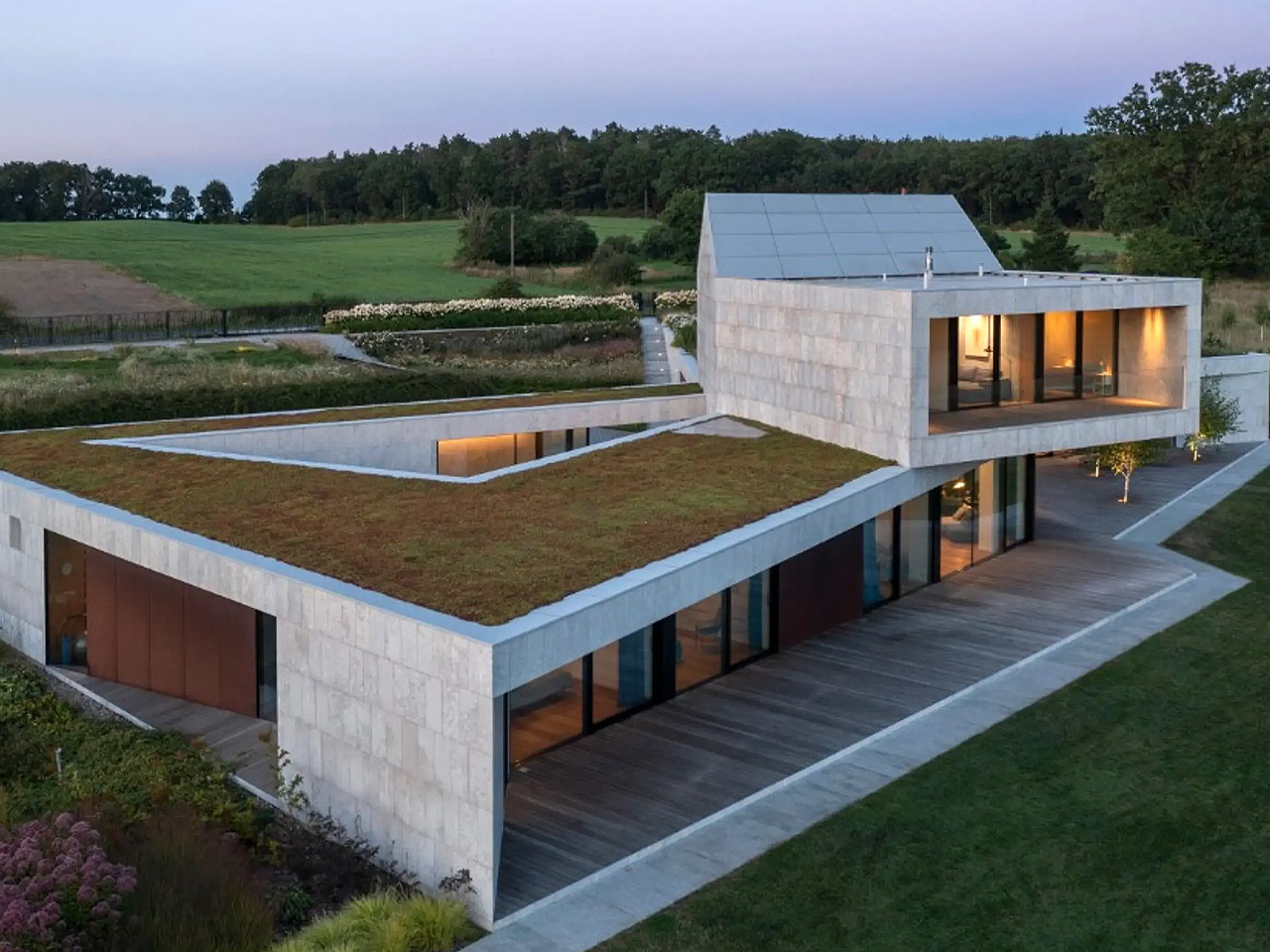
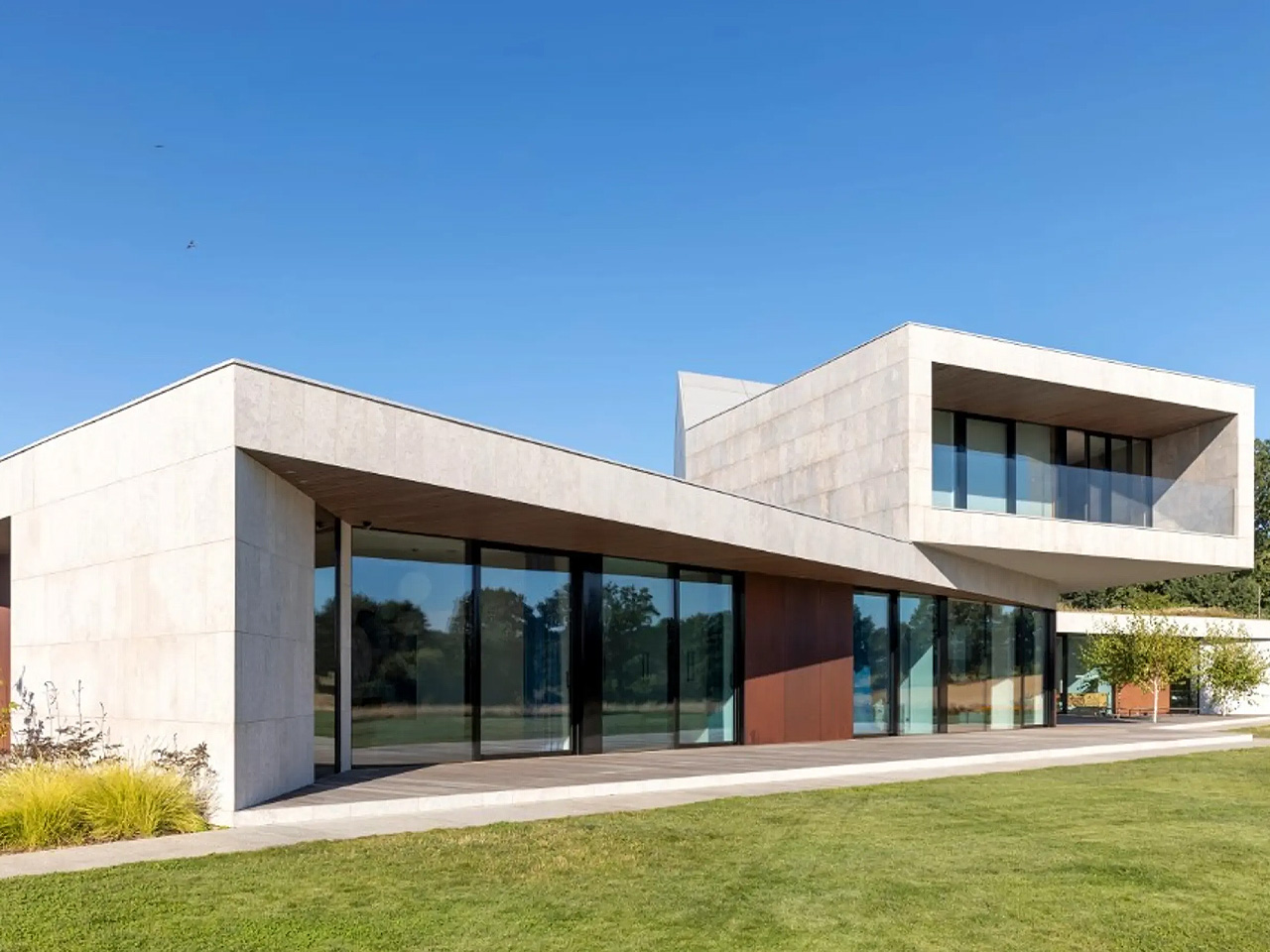
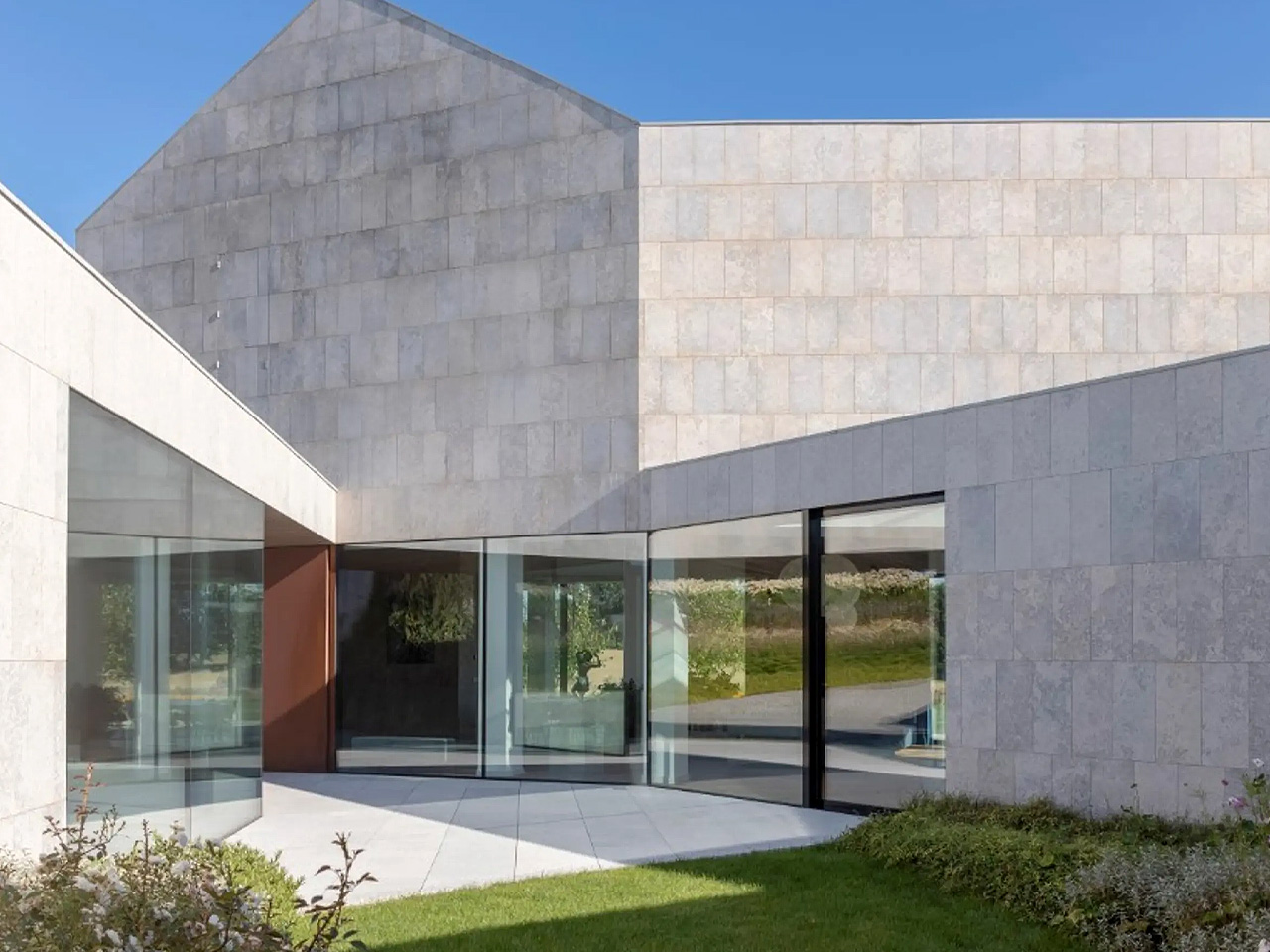
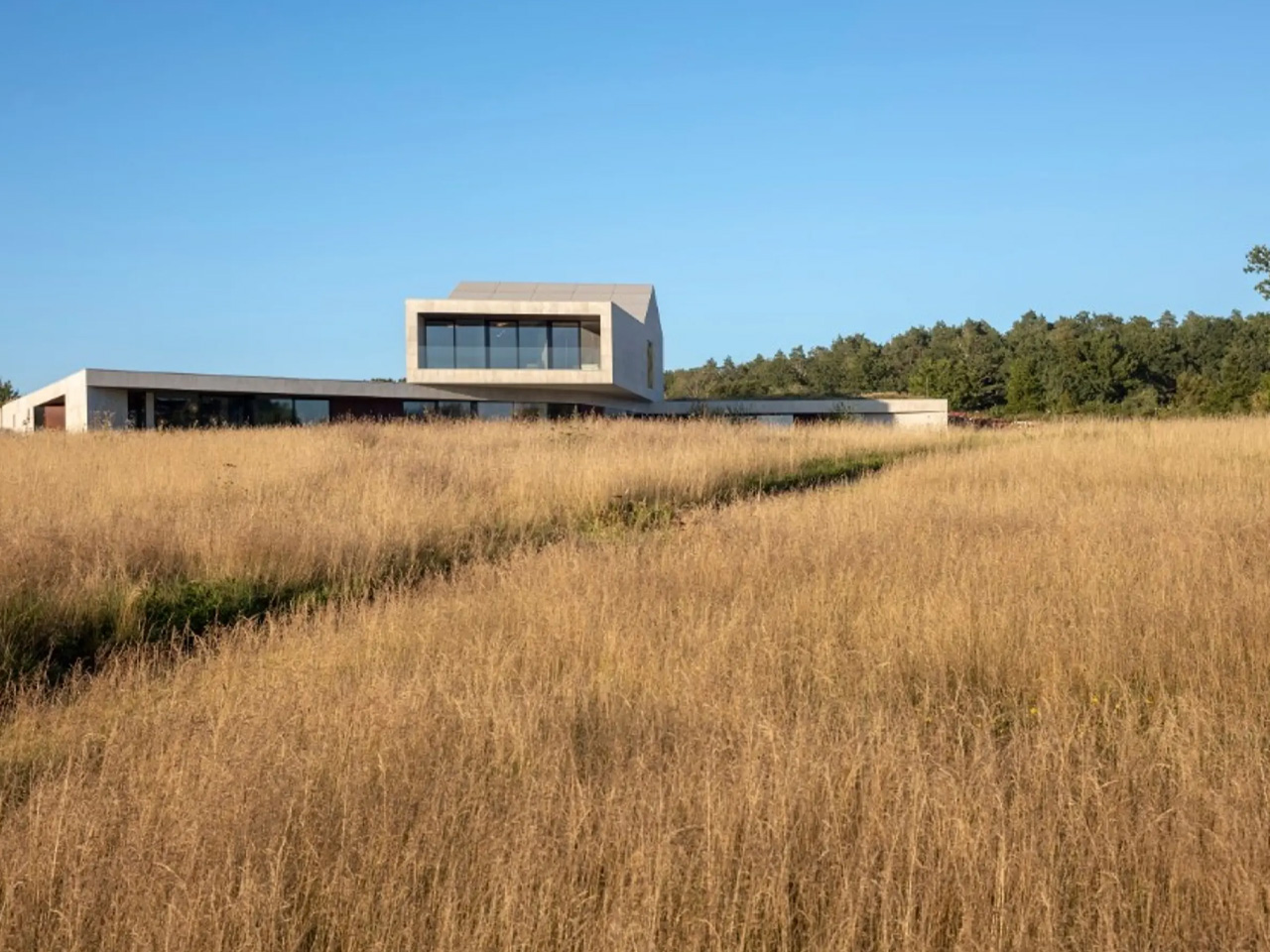
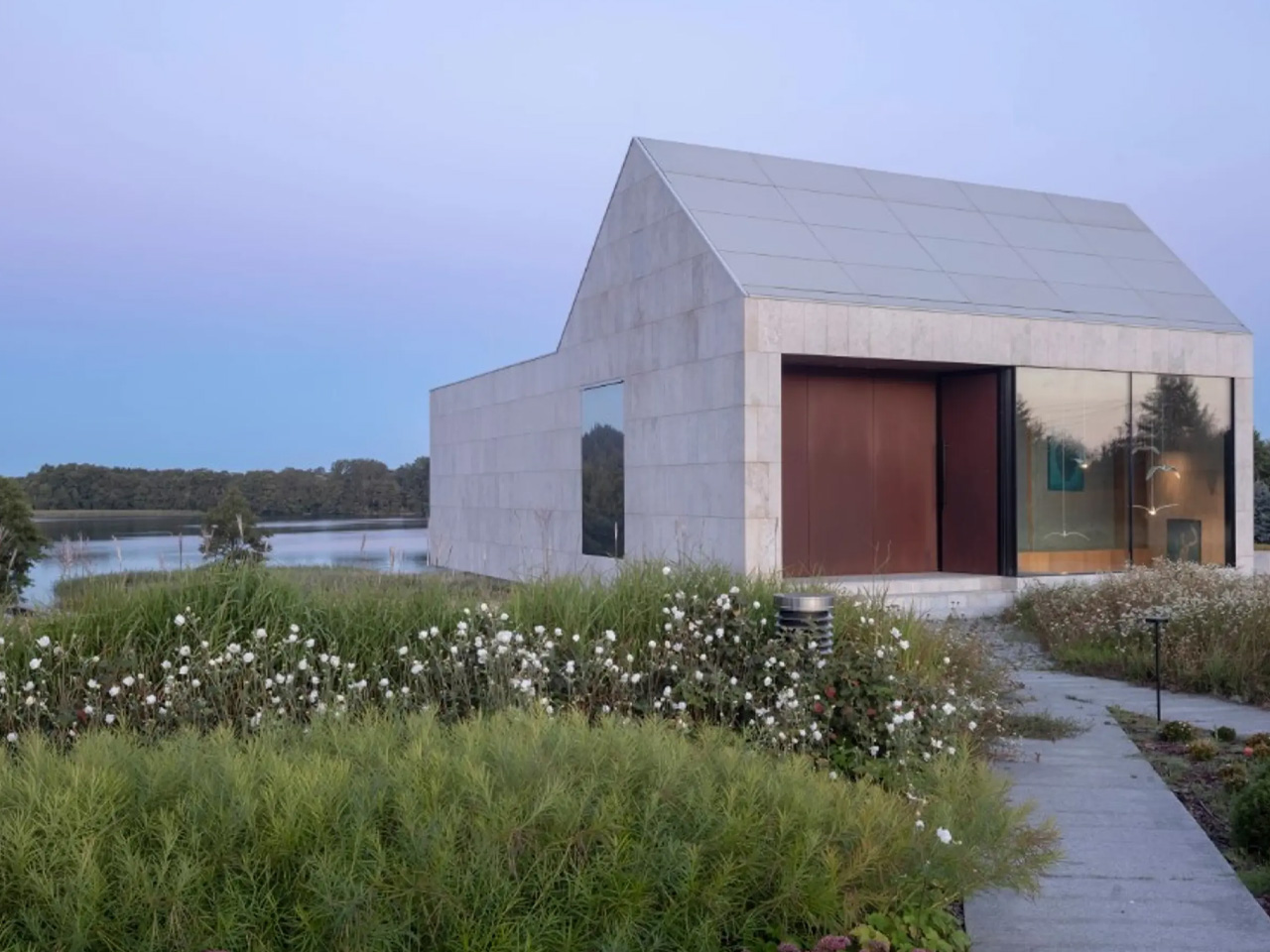
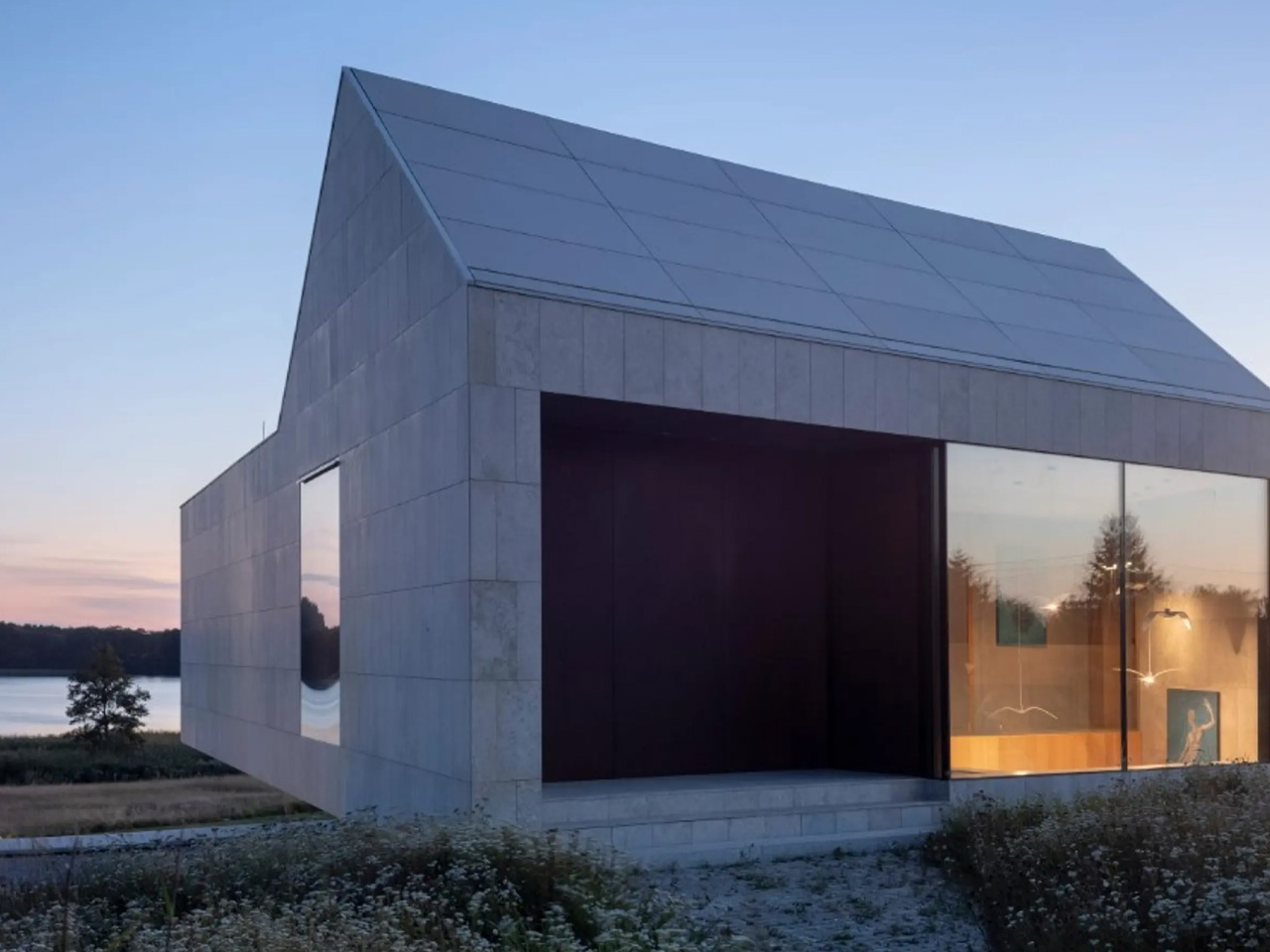
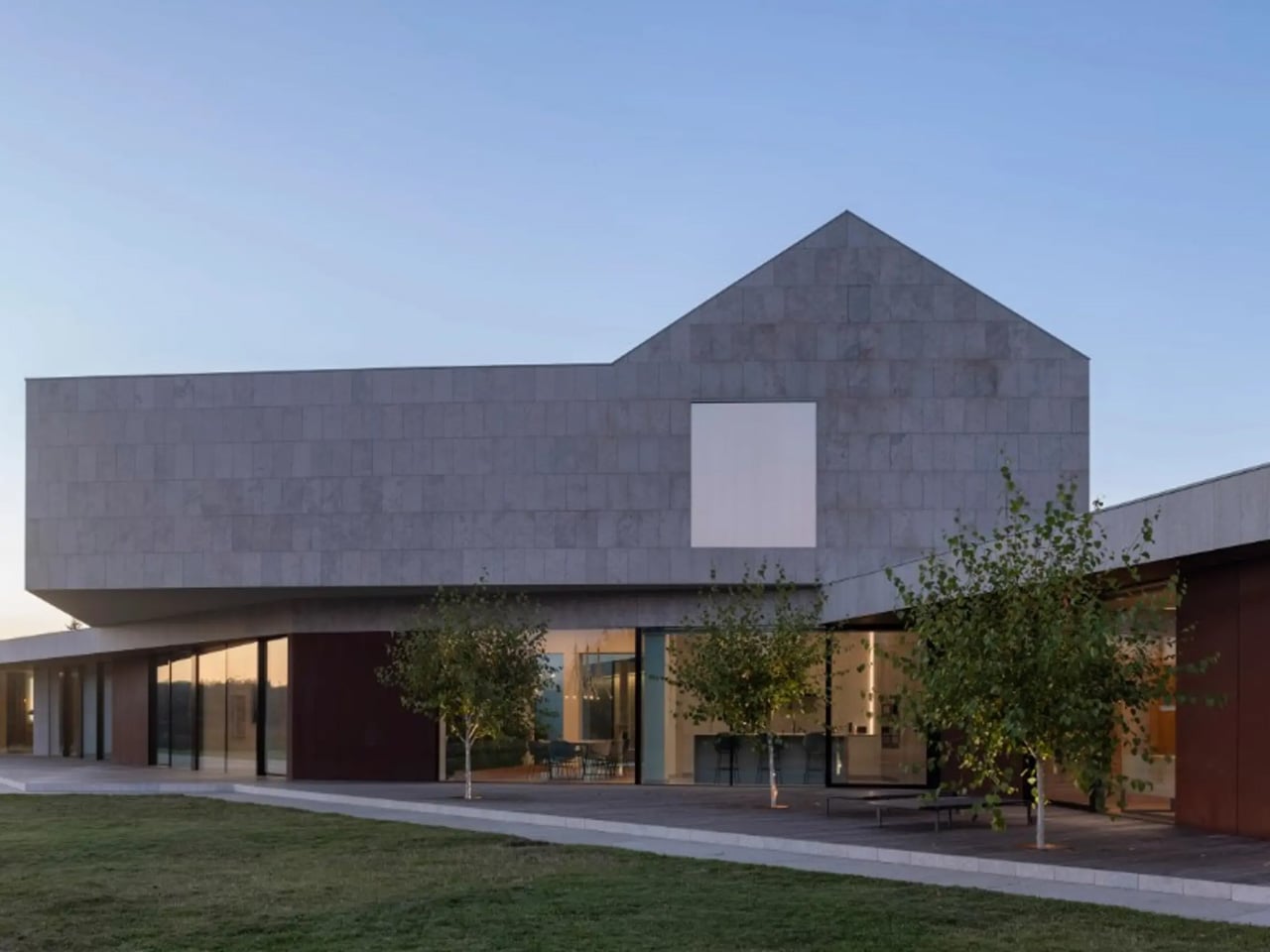
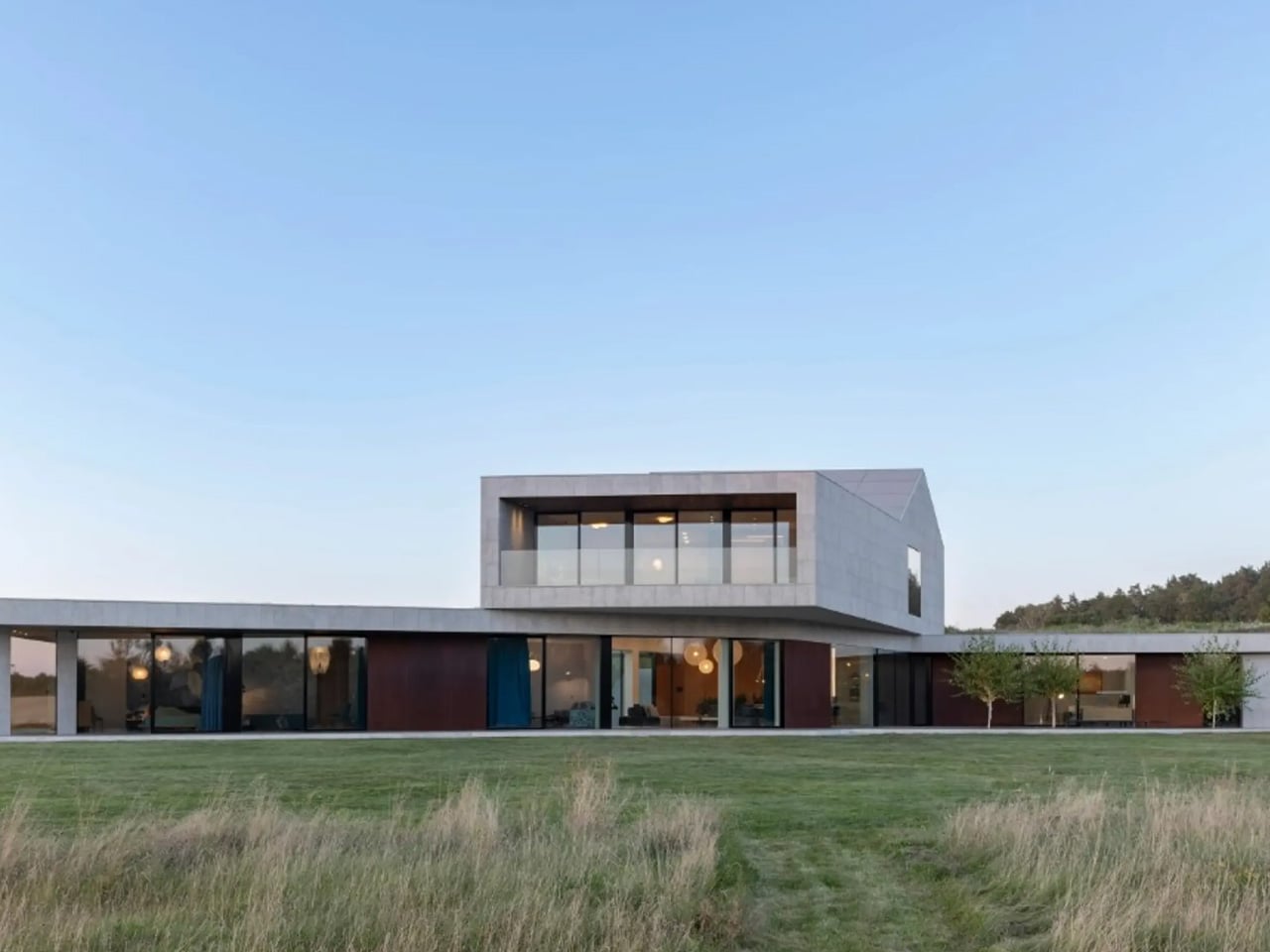
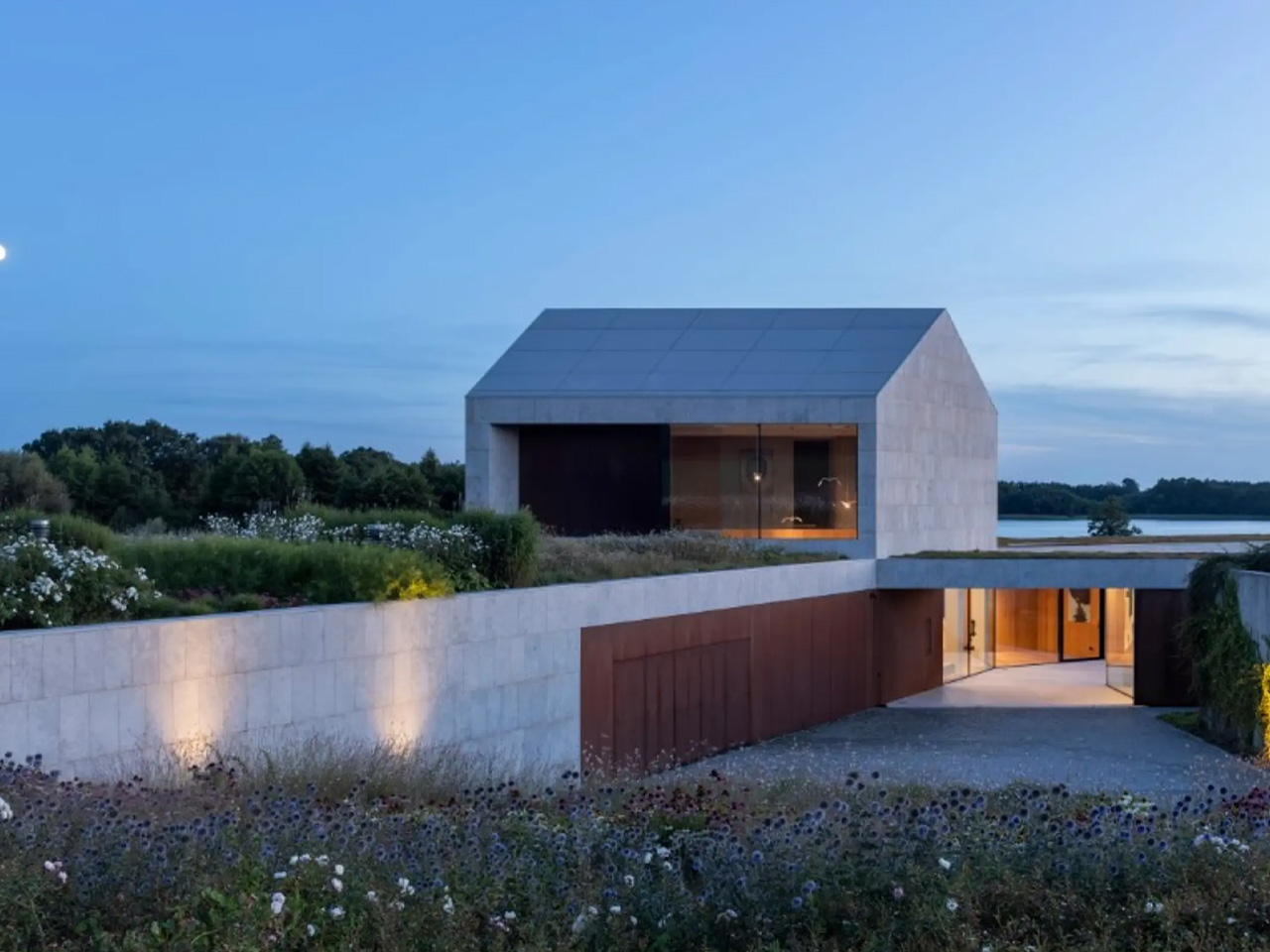
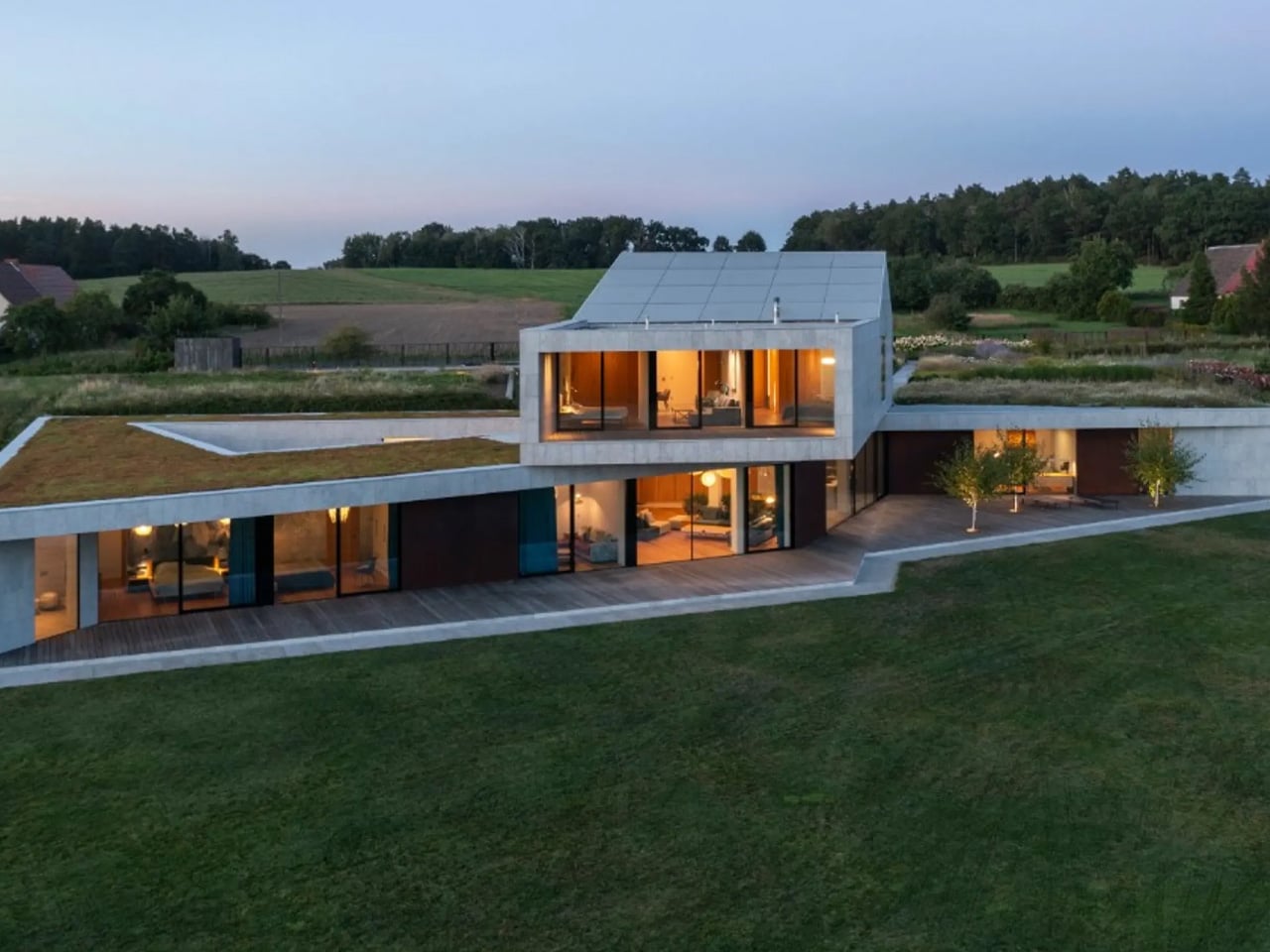
Named the Loop House, this unique architectural home is tucked away in a rural area of Poland. It is designed by Mobius Architekci studio, and it perfectly combines traditional farmhouse aesthetics with modern minimalism. The home is contemporary themed, and equipped with green roofs that intend to reduce the structure’s impact on the environment. The Loop House takes the concept of a rustic farmhouse and adds a touch of innovation and uniqueness to it. It is clad in natural stone, which creates a genuine connection with its surrounding environment. As you explore it further, you realize that the Loop House is truly contemporary with an additional touch, it isn’t traditional and boring in the least.

Designer: Mobius Architekci

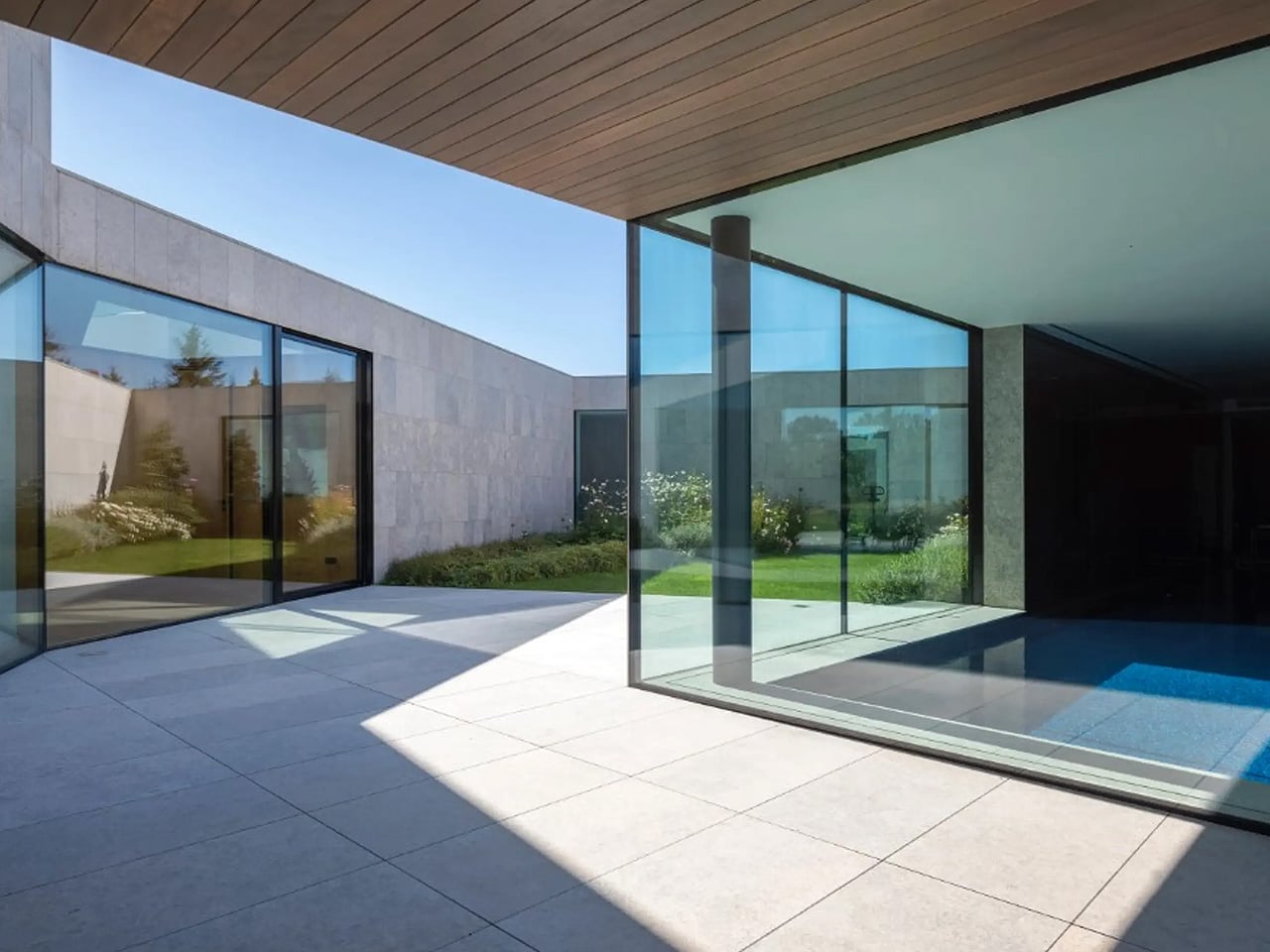
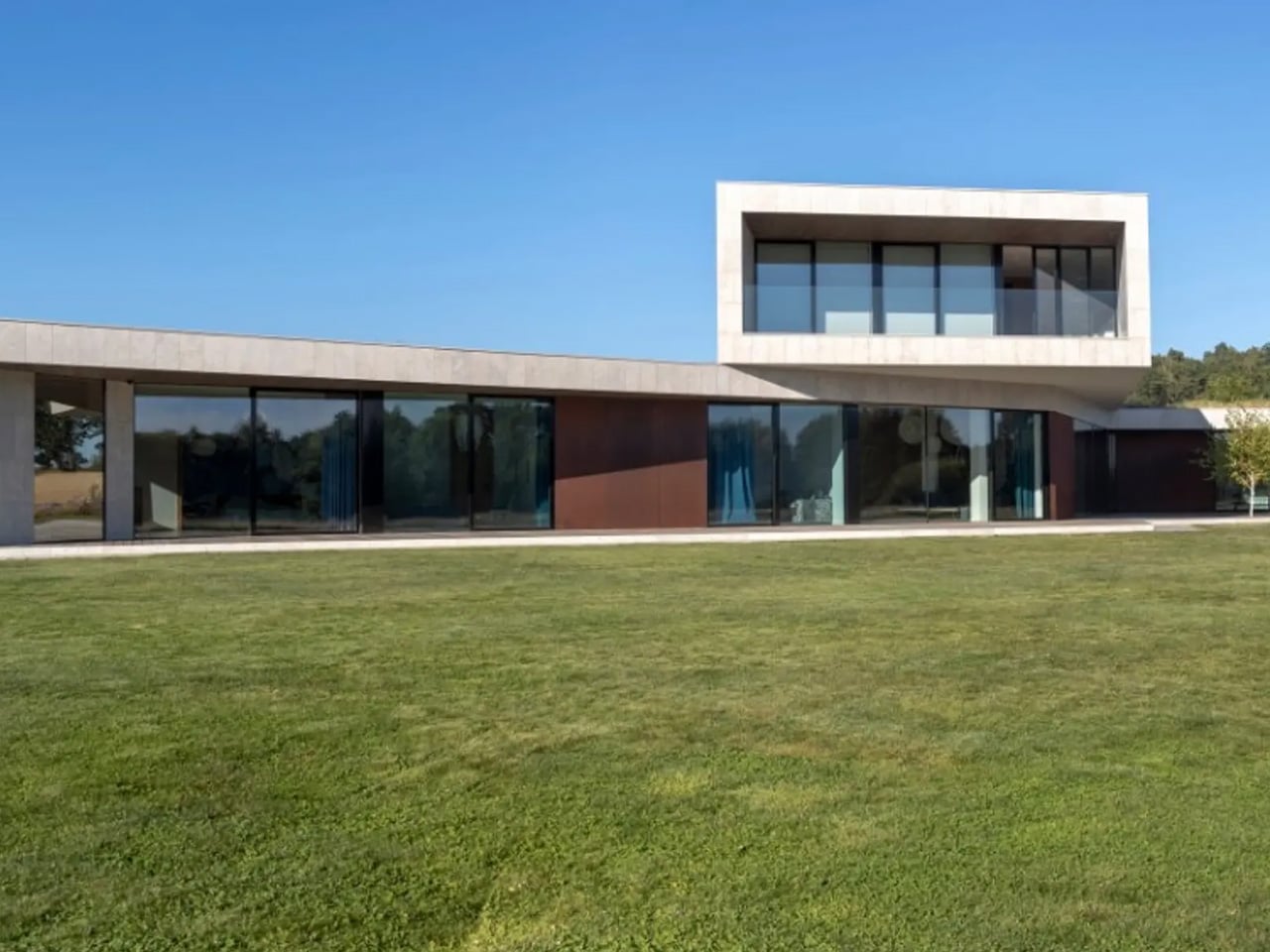
The house occupies around 750 sq m, and its architecture focuses on a contrast between openness, as well as some enclosure. Expansive glass walls and open light-filled interiors were incorporated into the traditional concept of a farmhouse. The internal spaces seem to flow continuously and harmoniously in a “loop”, hence explaining the name. The rooms are interwoven carefully to form a sense of cohesion despite the layout being quite expansive and sprawling.

The unique looping design forms an experience that is both fluid and dynamic, although it doesn’t necessarily involve a clever and efficient utilization of space. Continuous circulation is quite fascinating as a concept, but when implemented in reality, it creates long routes that are less direct, and don’t connect key living spaces efficiently. The home’s exterior is marked by massive stone slabs that serve as an interesting contrast against the soft timber interior furnishing. The stone-clad exterior offers thermal mass, and supports moderate temperature fluctuations throughout the year. Glass walls allow natural light to stream into the interiors, creating a space that feels both indoors and outdoors.

The house was situated to have access to stunning views of the surrounding natural environment. Since it features various angles, it creates an interior space that is unique and impressive, while incorporating a large internal courtyard. The Loop House also incorporates the landscape into its unique structure, with a garden bed roofing that allows the home to merge into the surrounding rural setting. The Loop House is the perfect specimen of the old and the new, it merges traditional with contemporary to create something in between and super impressive.

The post The Loop House Merges The Old & New, And Throws In A Garden Roof In The Mix Too first appeared on Yanko Design.

This Retreat Is Inspired By The F-117 Nighthawk Aircraft & Built On A Former Secret WWII Military Base

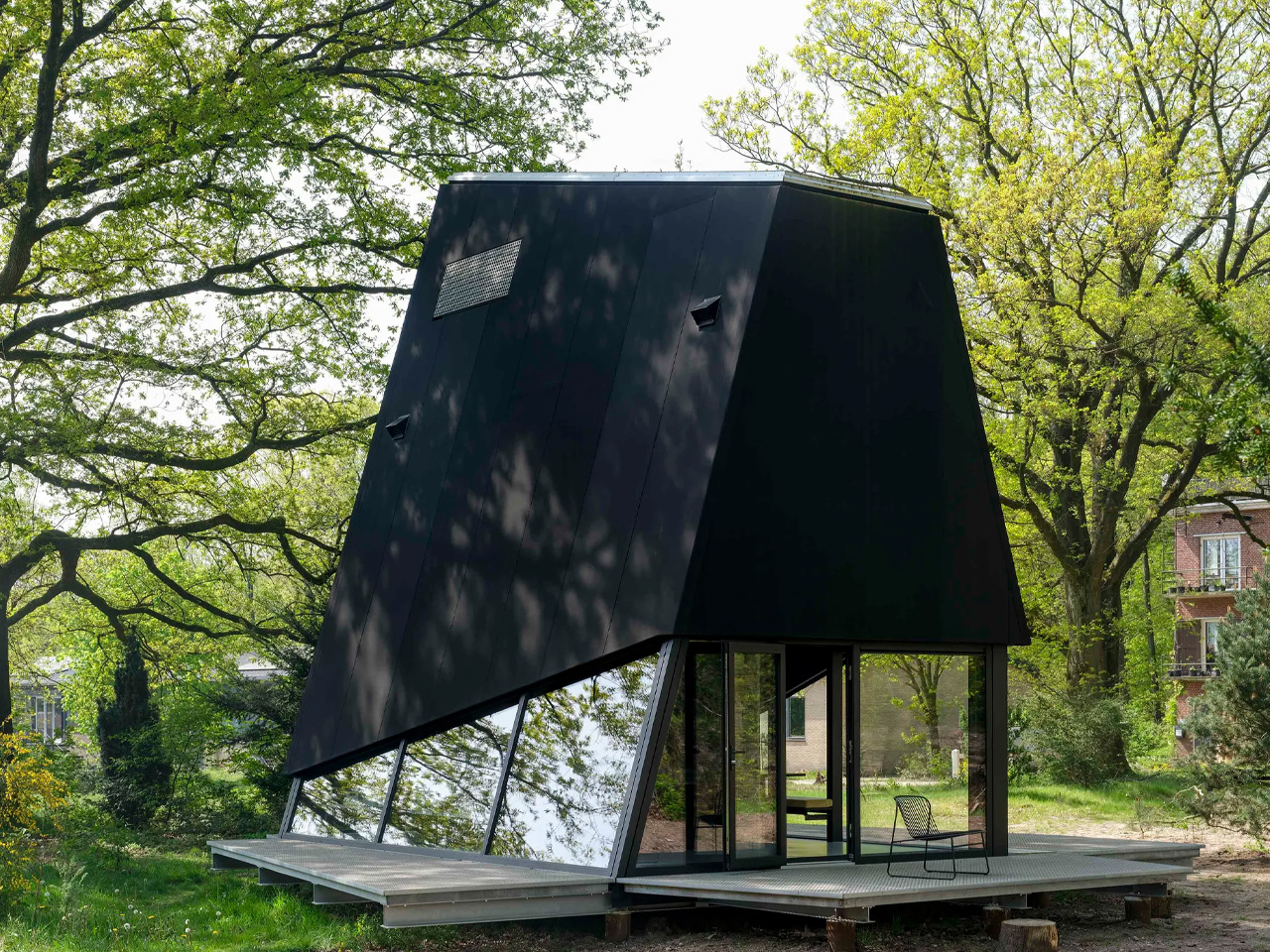
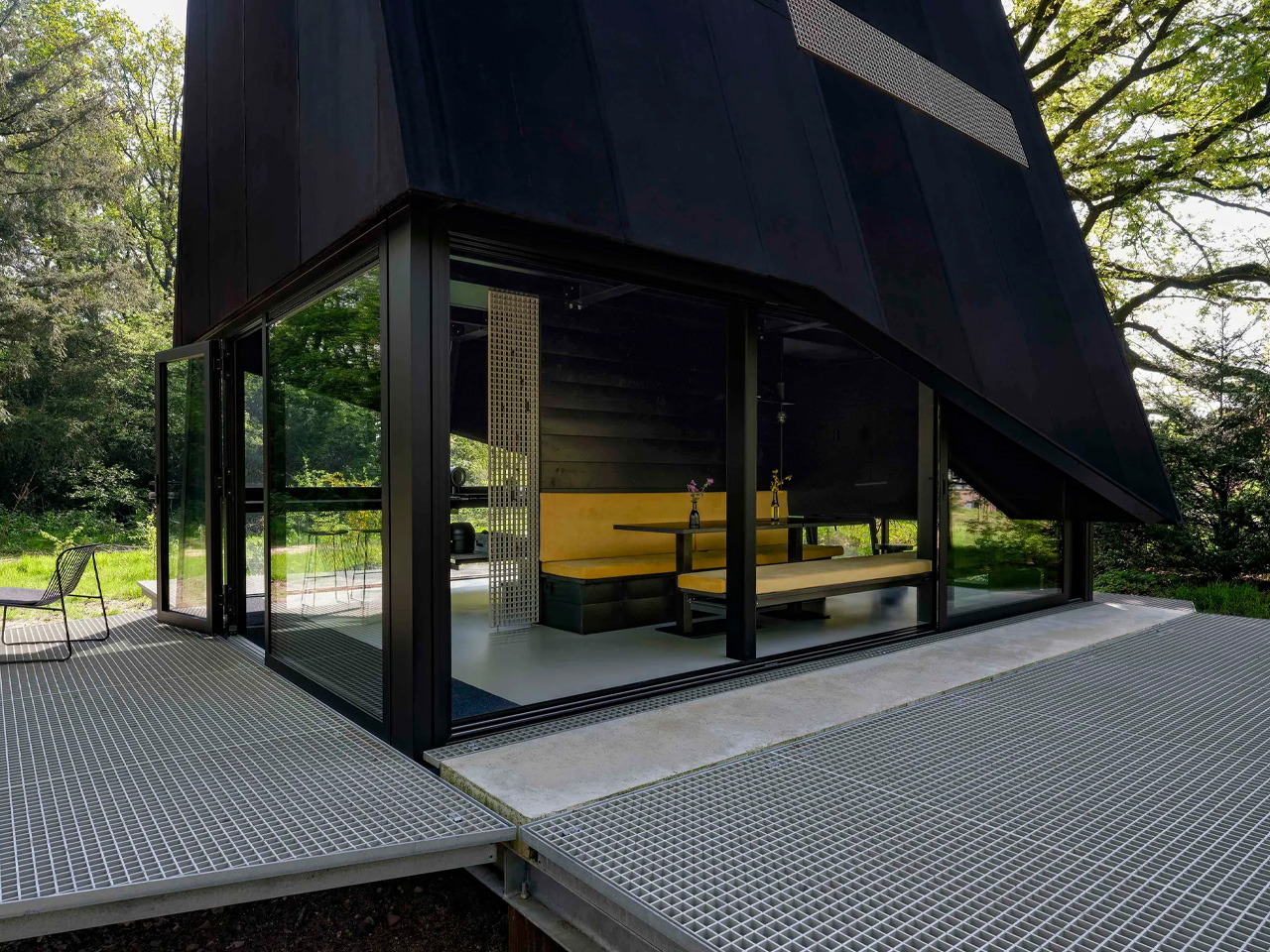
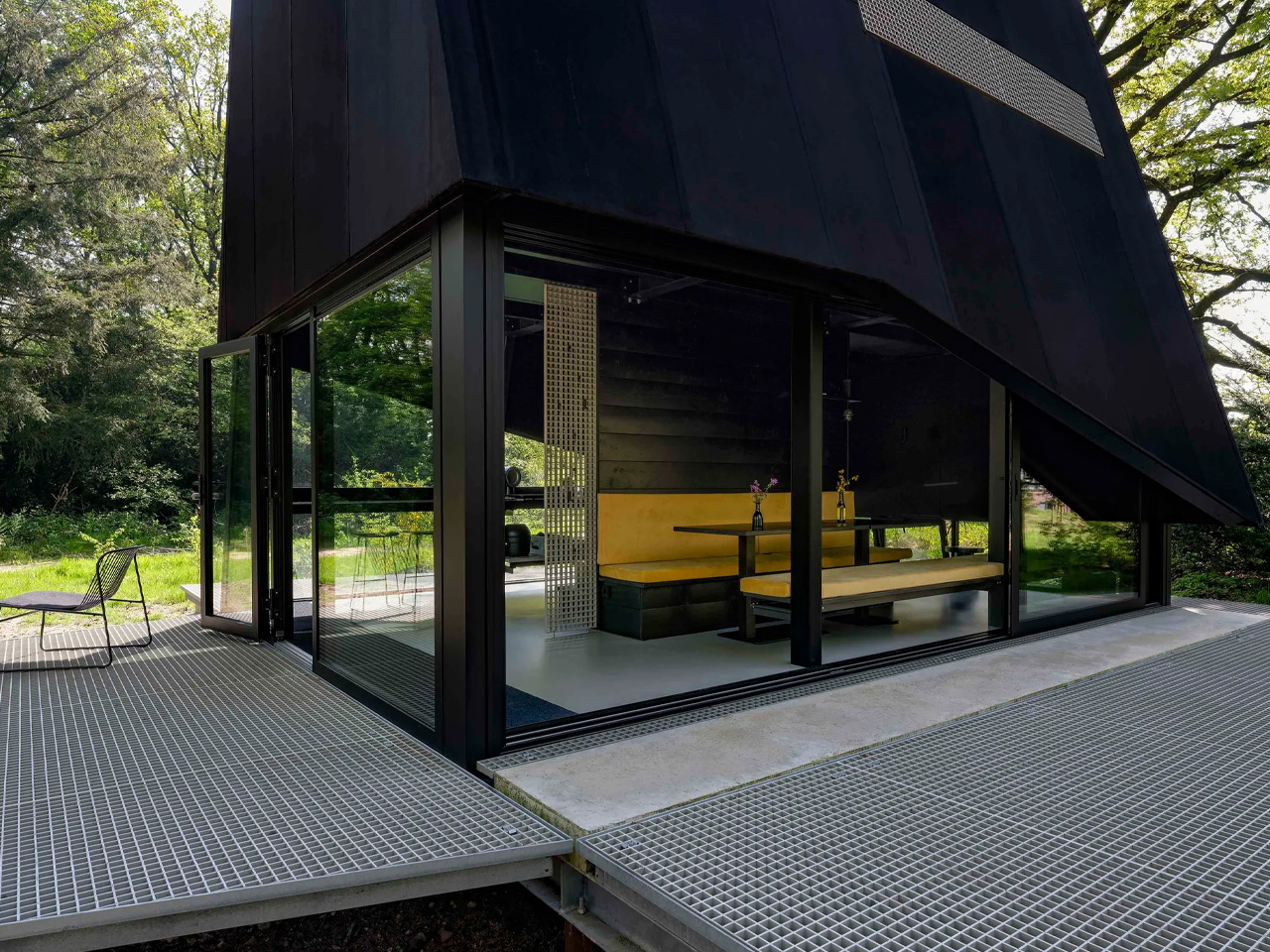
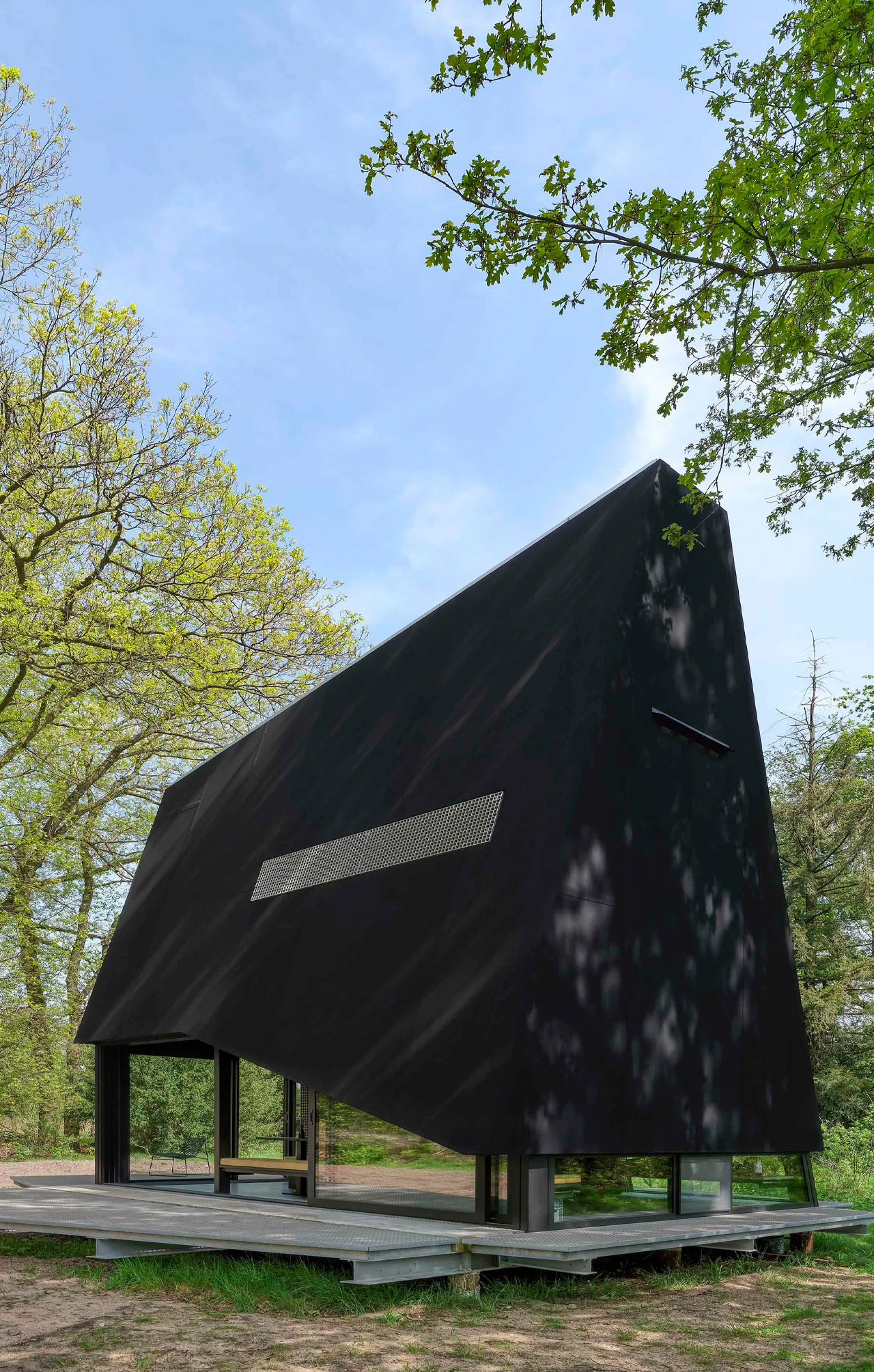
This unique vacation retreat in the Netherlands draws inspiration from the angular surfaces and geometric form of the iconic US F-117 Nighthawk stealth attack aircraft. The abode is constructed on a former secret Nazi WWII military base, and the name is inspired by the property’s post-war history. Dubbed ‘Stay Under the Radar’ the structure is designed by Sander van Schaik with Robert-Jan de Kort. It is tucked away on the country estate of Buitenplaats Koningsweg, a site that was built as a military airfield, and concealed as farm buildings.

Designer: Sander van Schaik & Robert-Jan de Kort

“After the war, a number of buildings were built on the site. One of them is the Radar Tower,” said Schaik. “The modest building was used as a training building for the Radio Radar School. On the roof stood an impressive radar installation – an enormous steel construction – with the characteristic antenna as the highest point.”

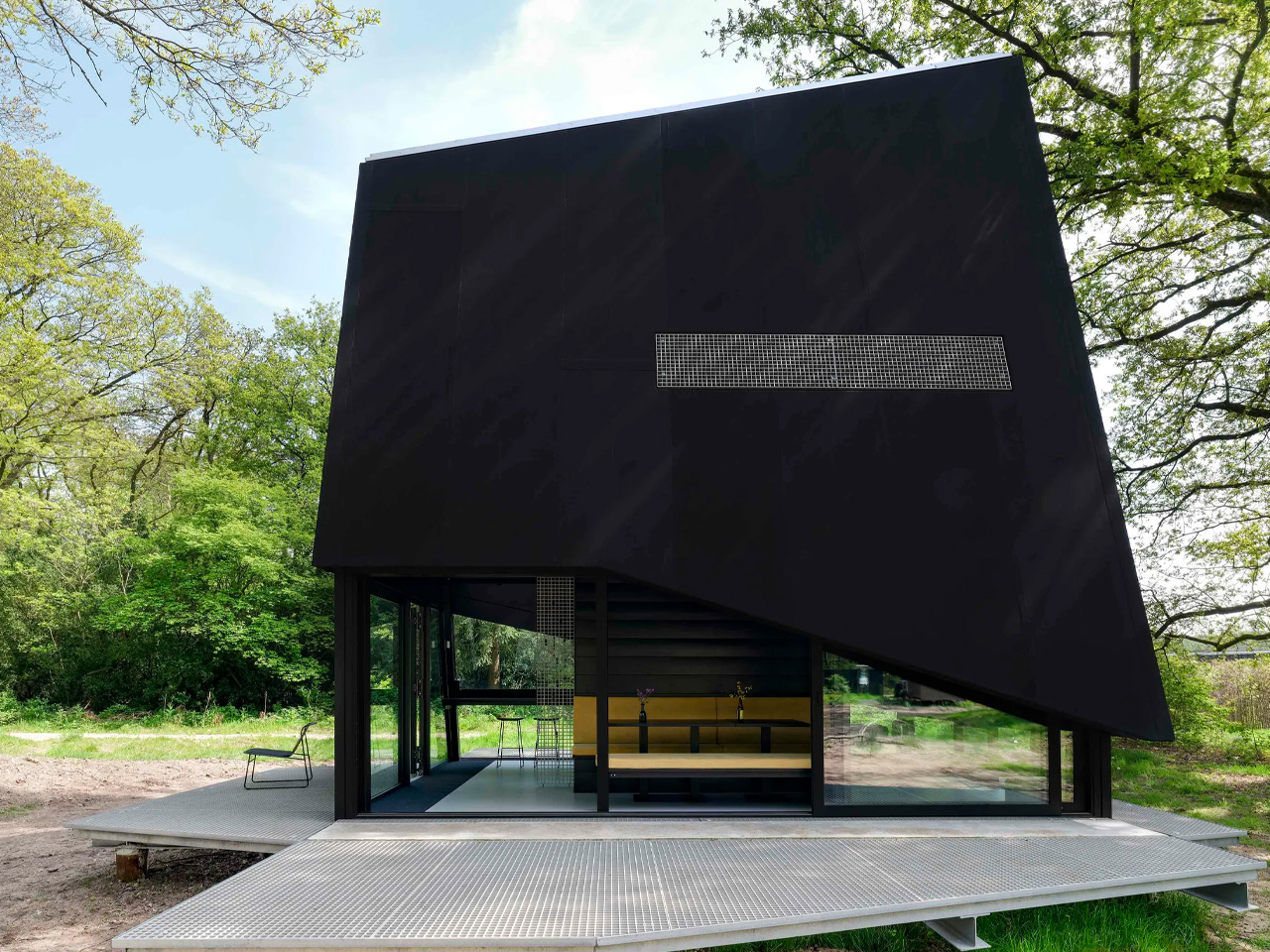
Stay Under the Radar is constructed close to the Tower on an open field. It is largely influenced by the aforementioned iconic jet aircraft, and it features a matte black exterior.  “The black angular house looks like a mysterious figure. With its folded-down grills, the house looks as if it has just landed on the forest floor,” Schaik concluded.

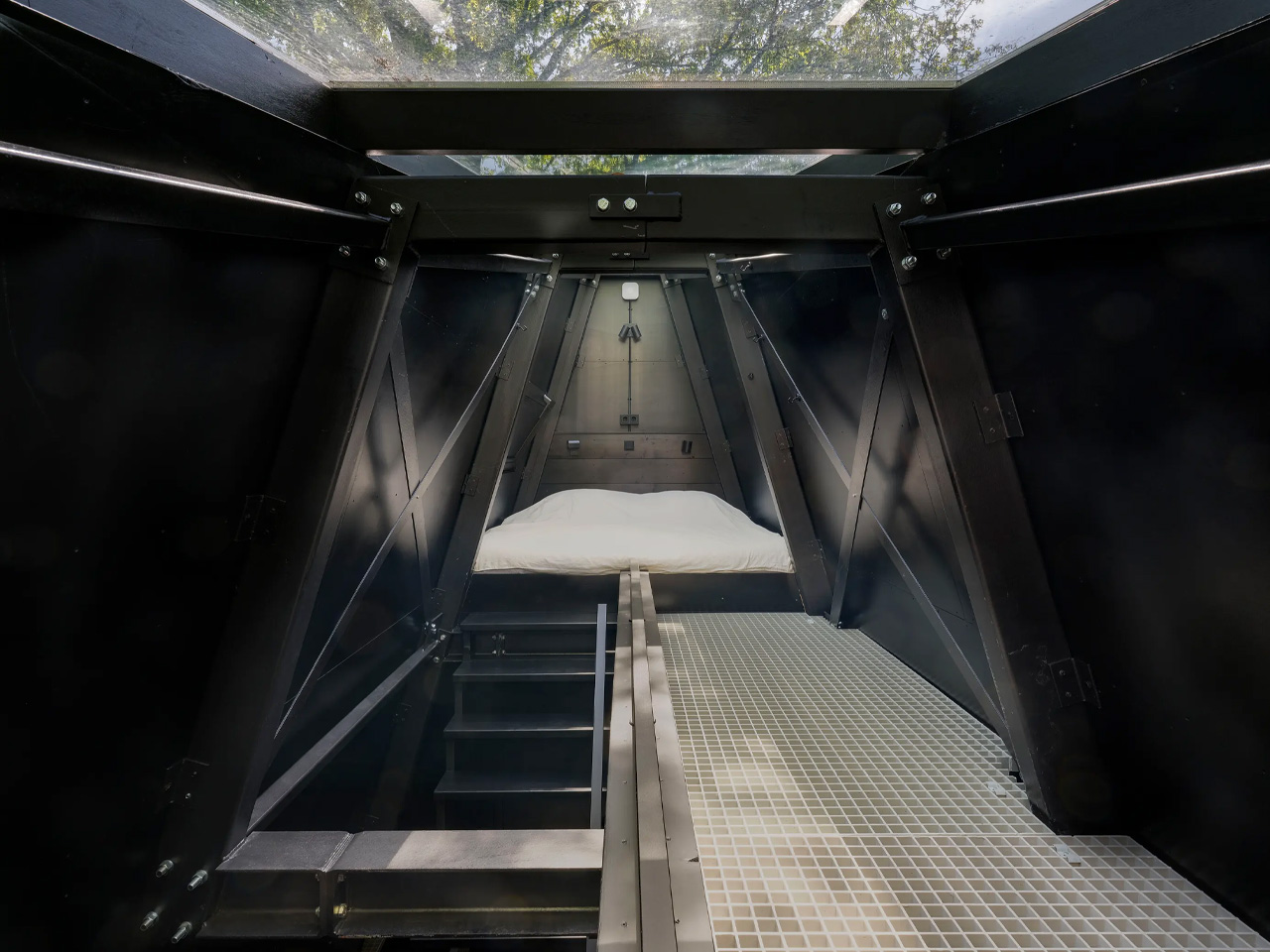
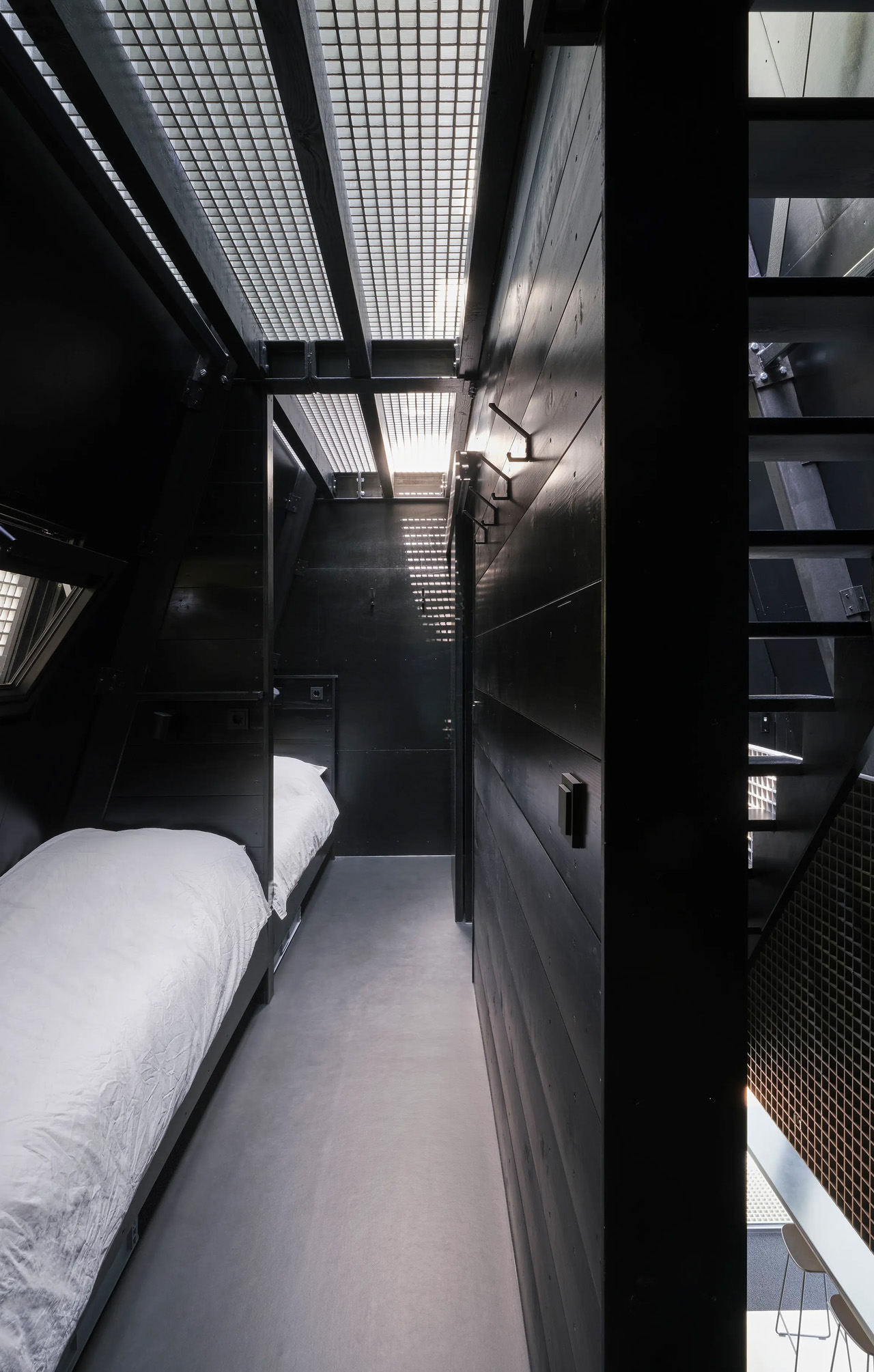
The dwelling occupies 48 sq m and is spanned over three floors. It isn’t small enough to be a tiny home, but it is quite compact. It is a lightweight building, made using steel, and a wooden facade covered with rubber. The structure is anchored using screw piles, which is a less harmful technique than concrete foundations. It has been positioned near some trees, which offer shade and shelter. The ground floor of Stay Under the Radar is mostly occupied by the living area which includes seating and a dining table. A kitchen is also integrated into the space. Other sections of the retreat include a bathroom with a shower, sink, and a separate toilet. The second story houses a bedroom with two single beds, while the third story accommodates a double bed and glass ceiling.

Since it features a black rubber facade, the building can heat up quite quickly when exposed to sunlight. To deal with this dilemma, openings, and grated floor parts were incorporated to support unobstructed airflow, allowing for sufficient ventilation. Stay Under the Radar recently won the Heuvelink Prize for best new construction project in Arnhem.

The post This Retreat Is Inspired By The F-117 Nighthawk Aircraft & Built On A Former Secret WWII Military Base first appeared on Yanko Design.

This Conceptual Skyscraper Was Optimized By AI To Increase Biodiversity & Ecological Thriving

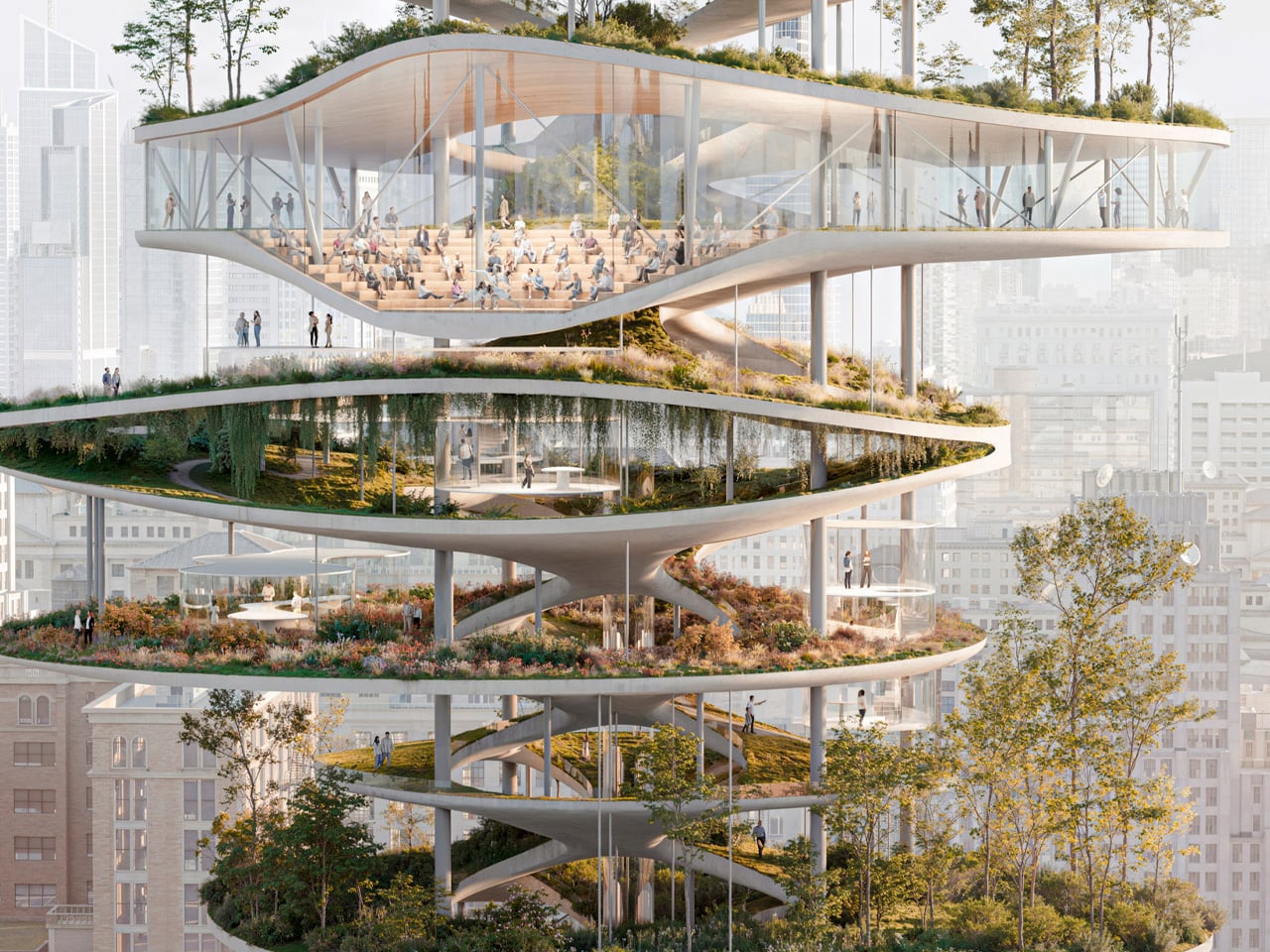
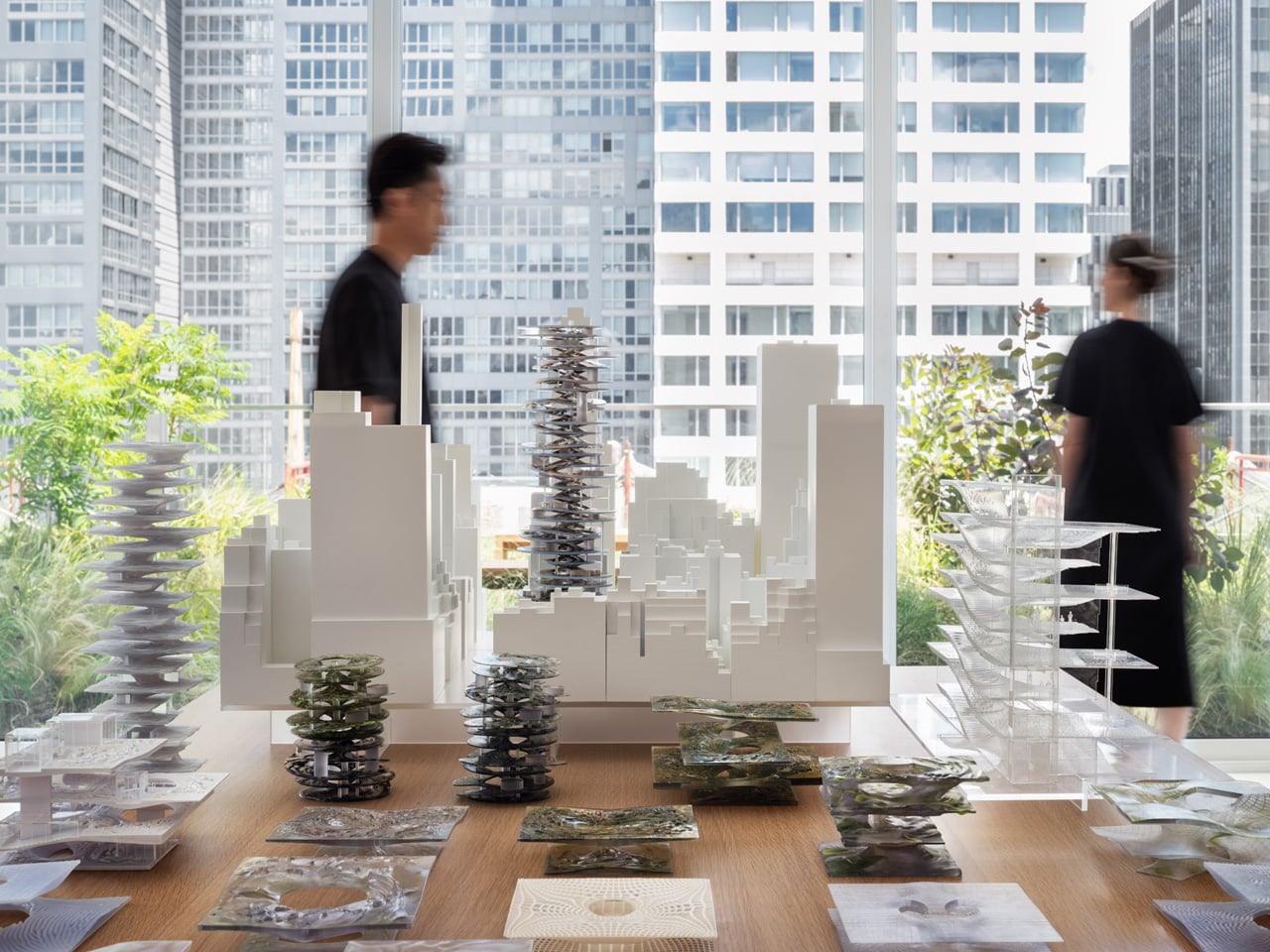
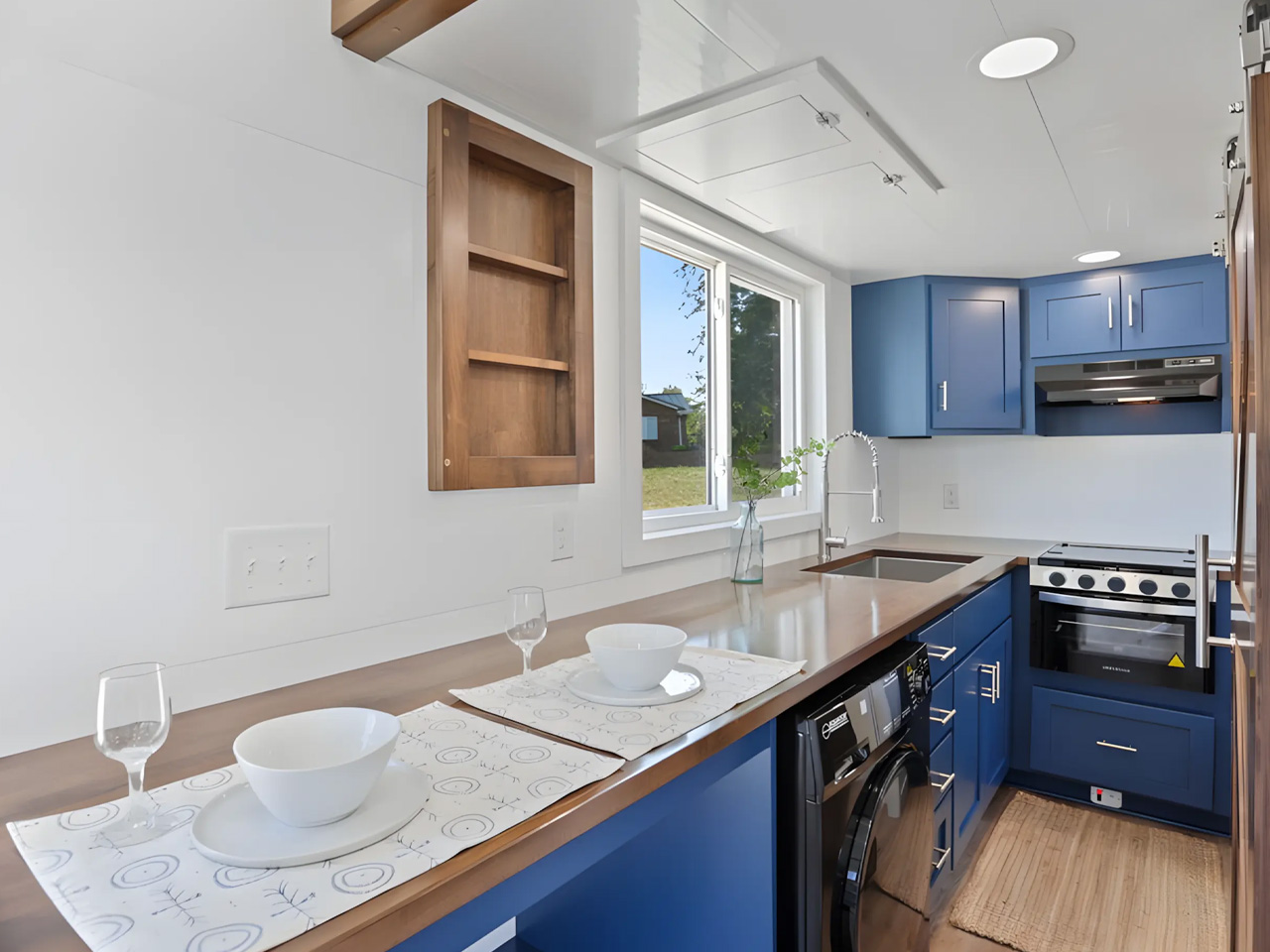
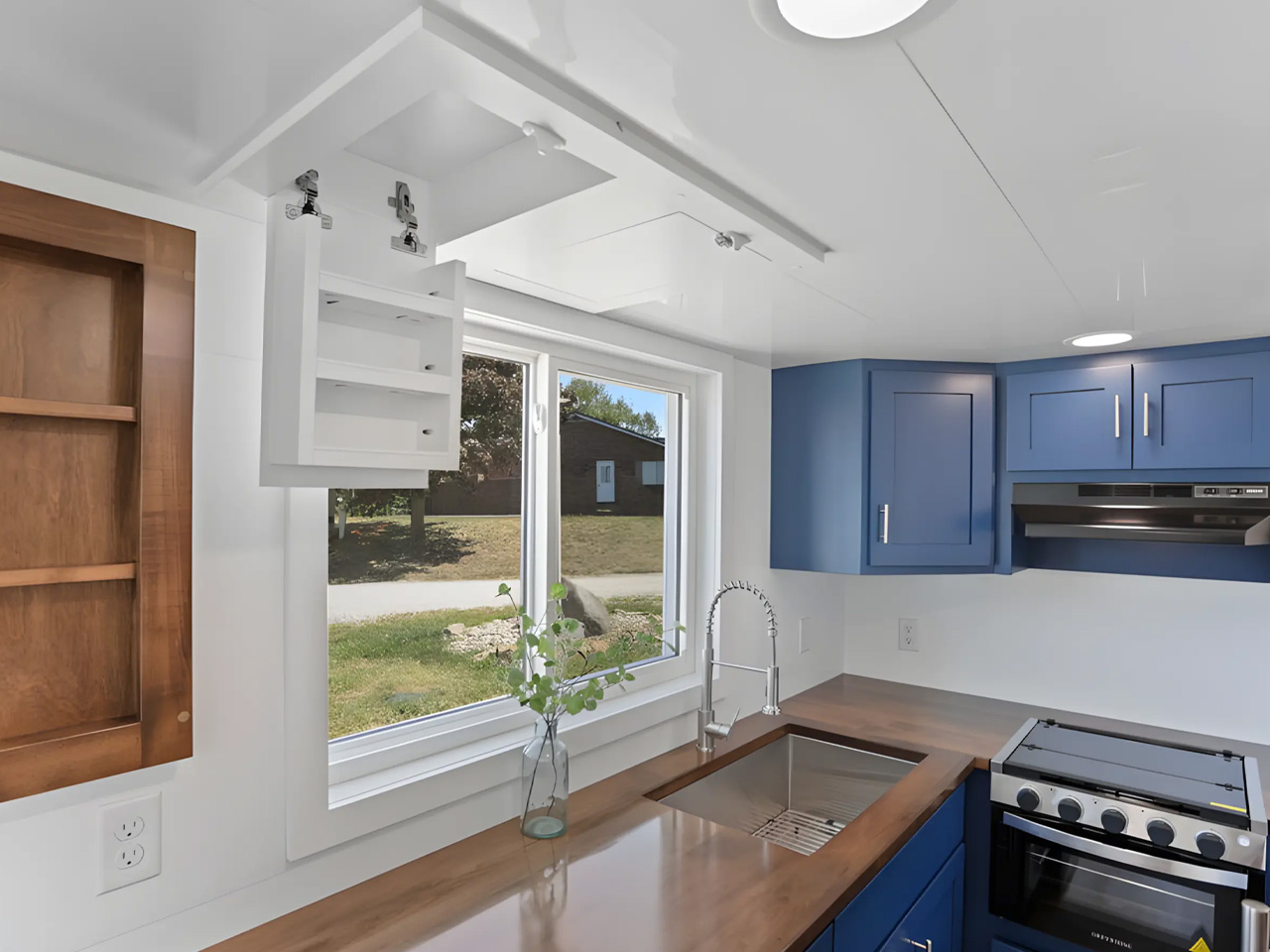
Dubbed the Eden Tower, this conceptual structure was created by the design studio Oxman. Oxman has come up with a new system called “ecological programming” which is designed to enhance and promote green architecture. The studio utilized the system to create this impressive skyscraper with several planted platforms. The plan was developed in the studio’s newly opened Foster + Partners-designed lab in Manhattan. The plans and models of the skyscraper showcase a bunch of circular forms stacked on top of each other, with a central element offering support to some of the levels, while other levels are suspended from different columns.
Designer: Oxman 

“We are figuring out how to create master plans, building layouts, and building forms that increase biodiversity and resilience and ecological thriving,” said Oxman. “And we have devised a new approach for this called ecological programming.”

Oxman founder Neri Oxman states that the skyscraper is a demonstration of the “ecological programming” technique. This technique employs computation to build layouts that take into consideration different factors such as wind, sunlight, and contamination. By doing so, they create structures that look after the ecosystem and do not adversely affect the environment, and the cities they’re located in. The buildings elevate biodiversity and even improve the urban heat. This is quite an exciting feat since AI was utilized to design “building forms that increase biodiversity”.

The different levels of the skyscraper will feature diverse landscapes and topography. Few of the levels will be open air, while others will be enclosed glass spaces created for human habitation. At the moment, Oxman is putting together and collecting data that will be used in these programs. This data is collected via “capsules” in the on-site wet lab, and they were created with the goal of increasing biodiversity.

“The capsules provide us with physical data that informs a computational design process at the center of Eden. Now, with conventional architectures throughout history, we’ve become very good at designing for humans, because we can talk to humans. We can understand what they need. Nonhumans are not like that. They don’t speak the same language as us, so we need to develop a data-driven approach that allows us to figure out the parameters that they need to thrive if we want to effectively design for them,” said Oxman studio head of ecology Nicolas Lee.

The post This Conceptual Skyscraper Was Optimized By AI To Increase Biodiversity & Ecological Thriving first appeared on Yanko Design.