Remember those old flip books where you’d thumb through pages to watch a stick figure run? Or maybe you’ve seen those mesmerizing bullet-time shots from The Matrix where everything freezes except the camera swooping around the action. Now imagine capturing that kind of magic with a wooden camera that looks like it walked straight out of a steampunk fantasy. That’s exactly what Woodlabo has created with the Moon Walker Multi Cam, and it’s got photographers and design nerds equally captivated.
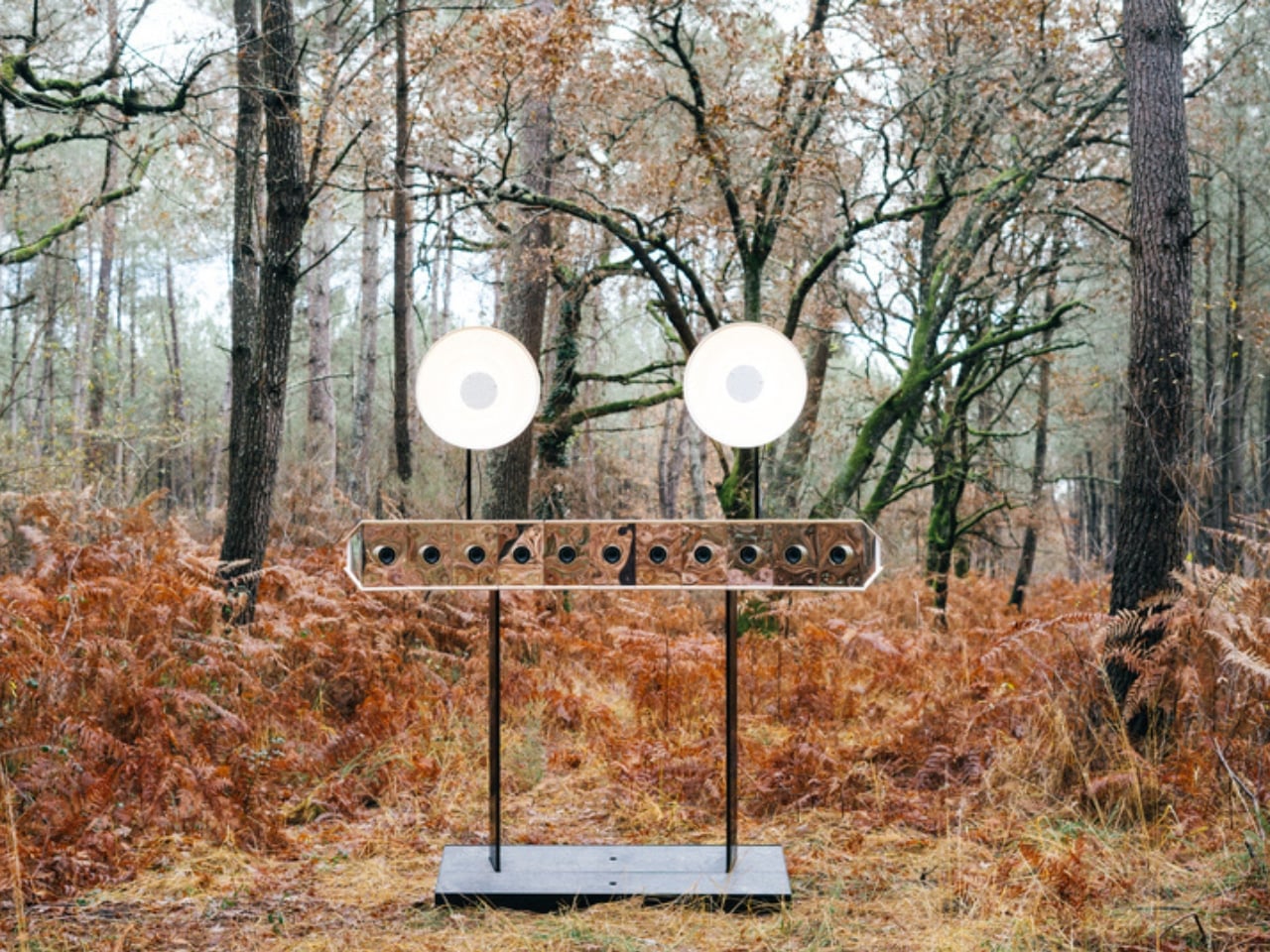
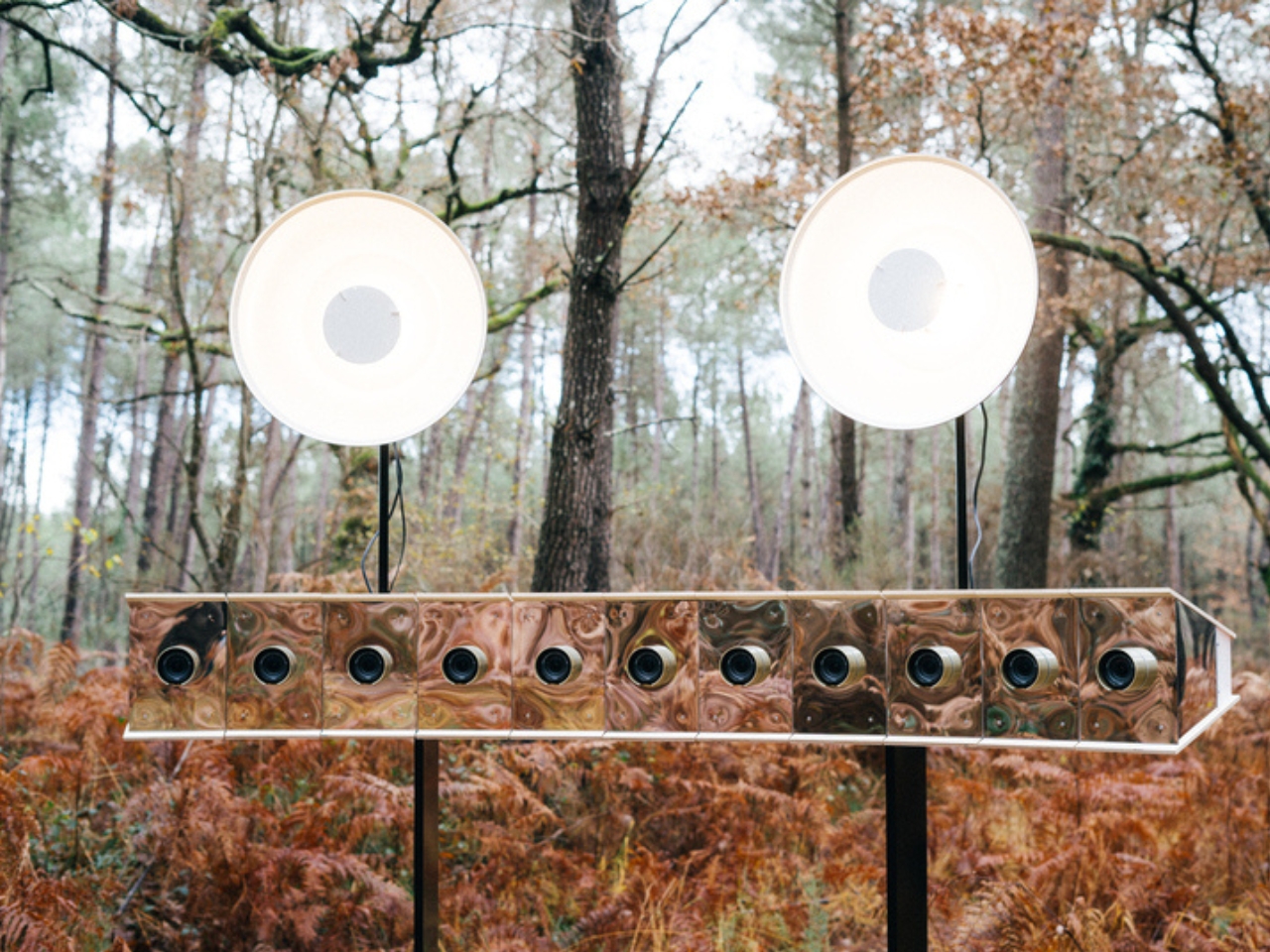
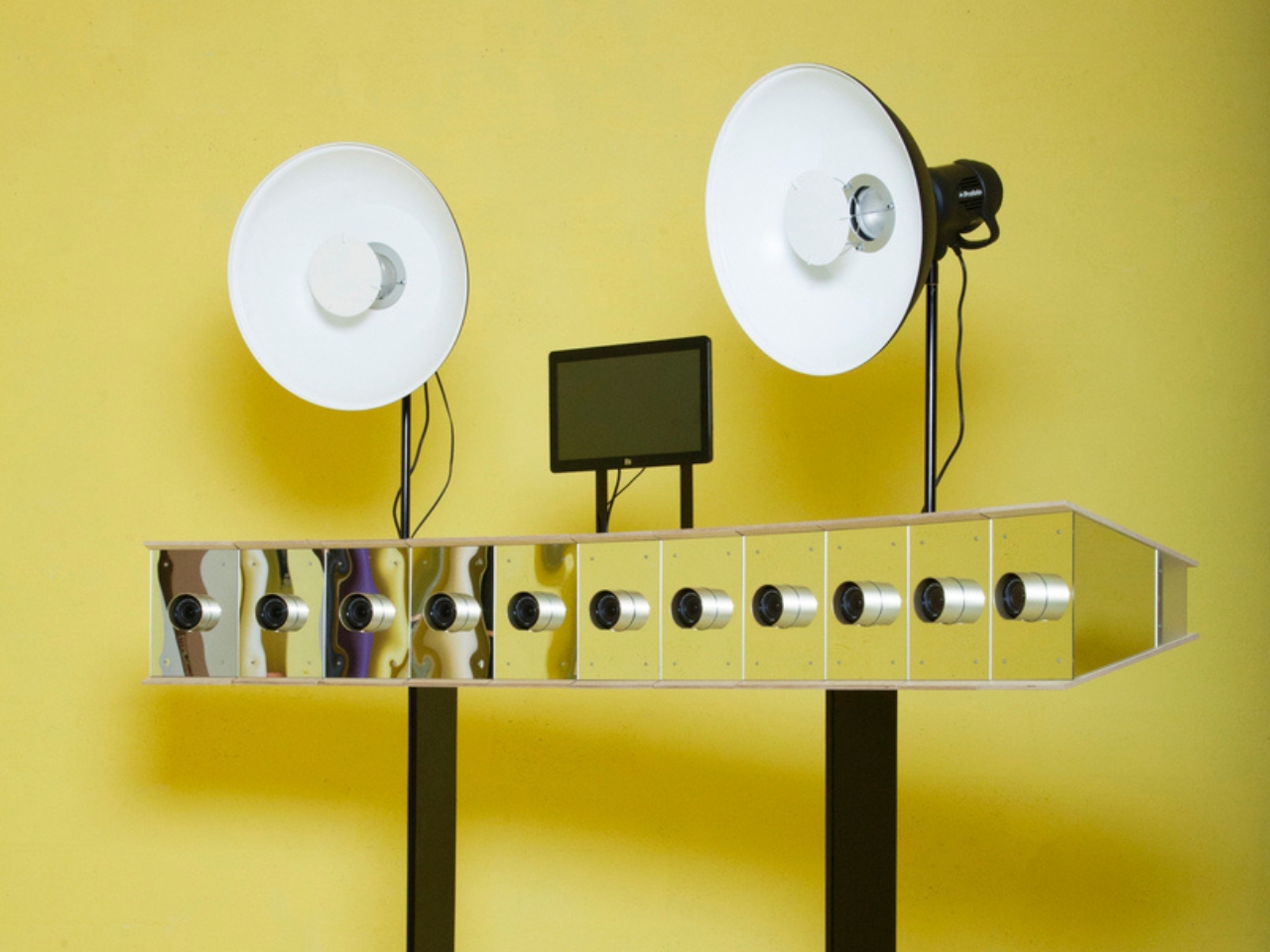
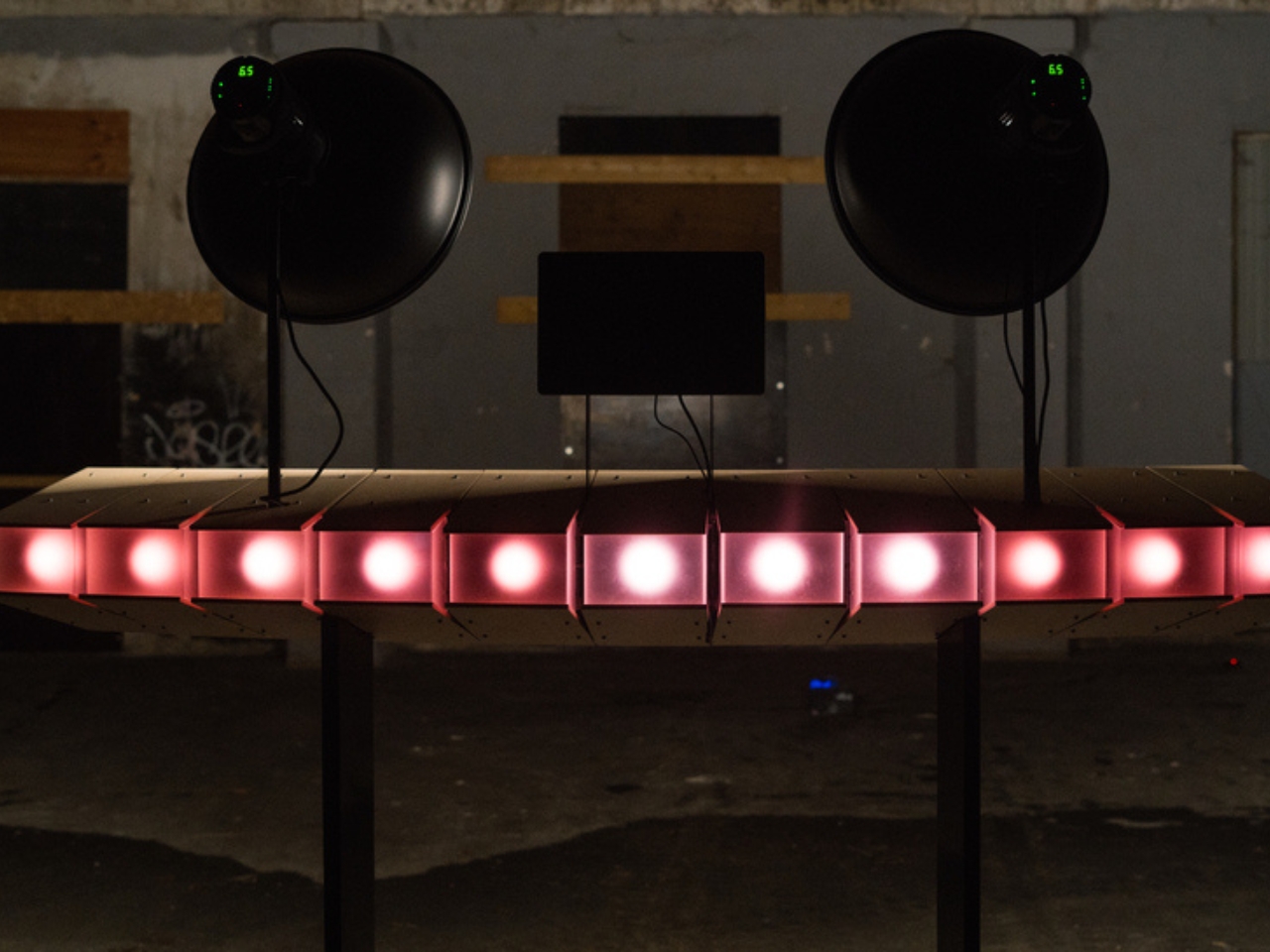
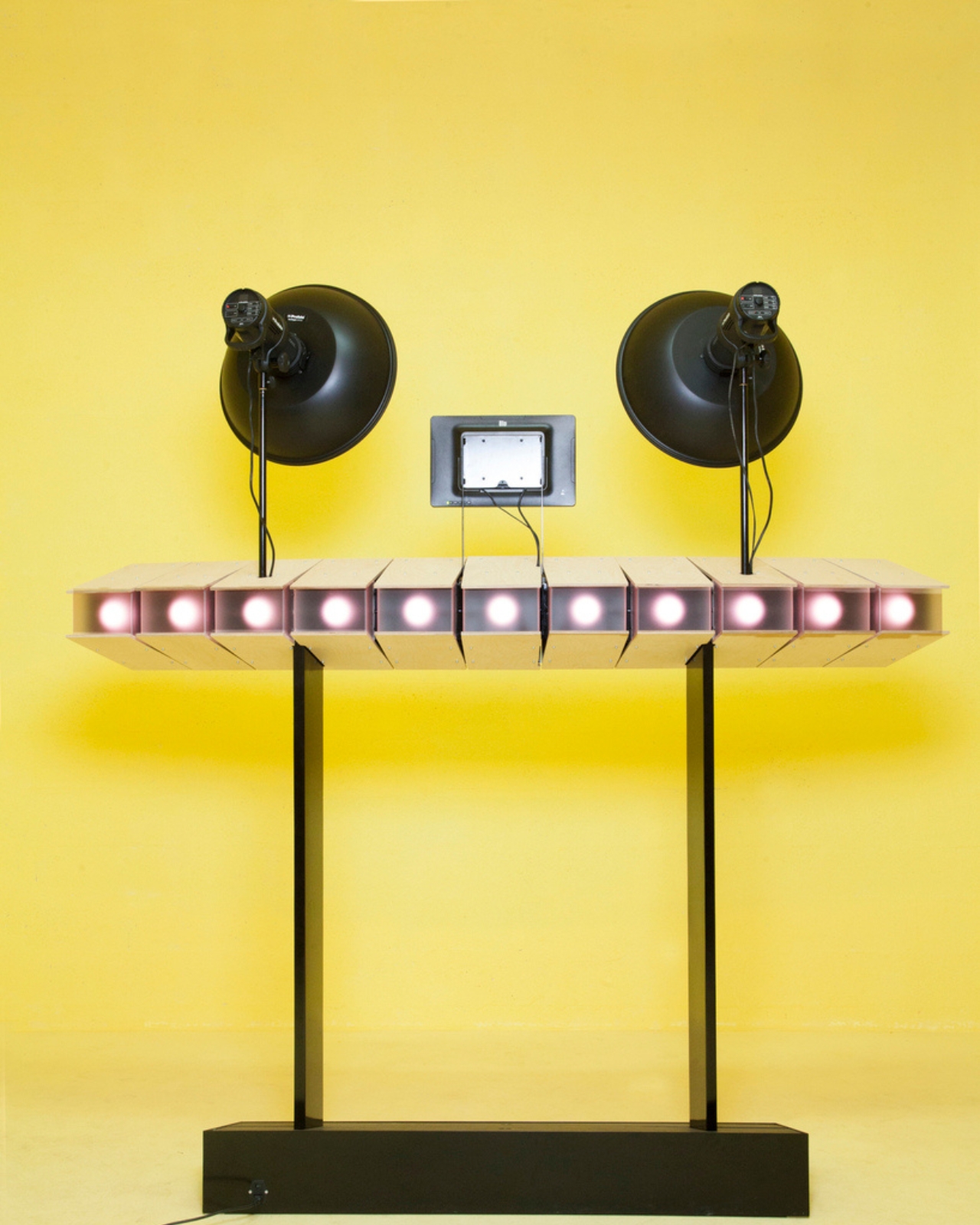
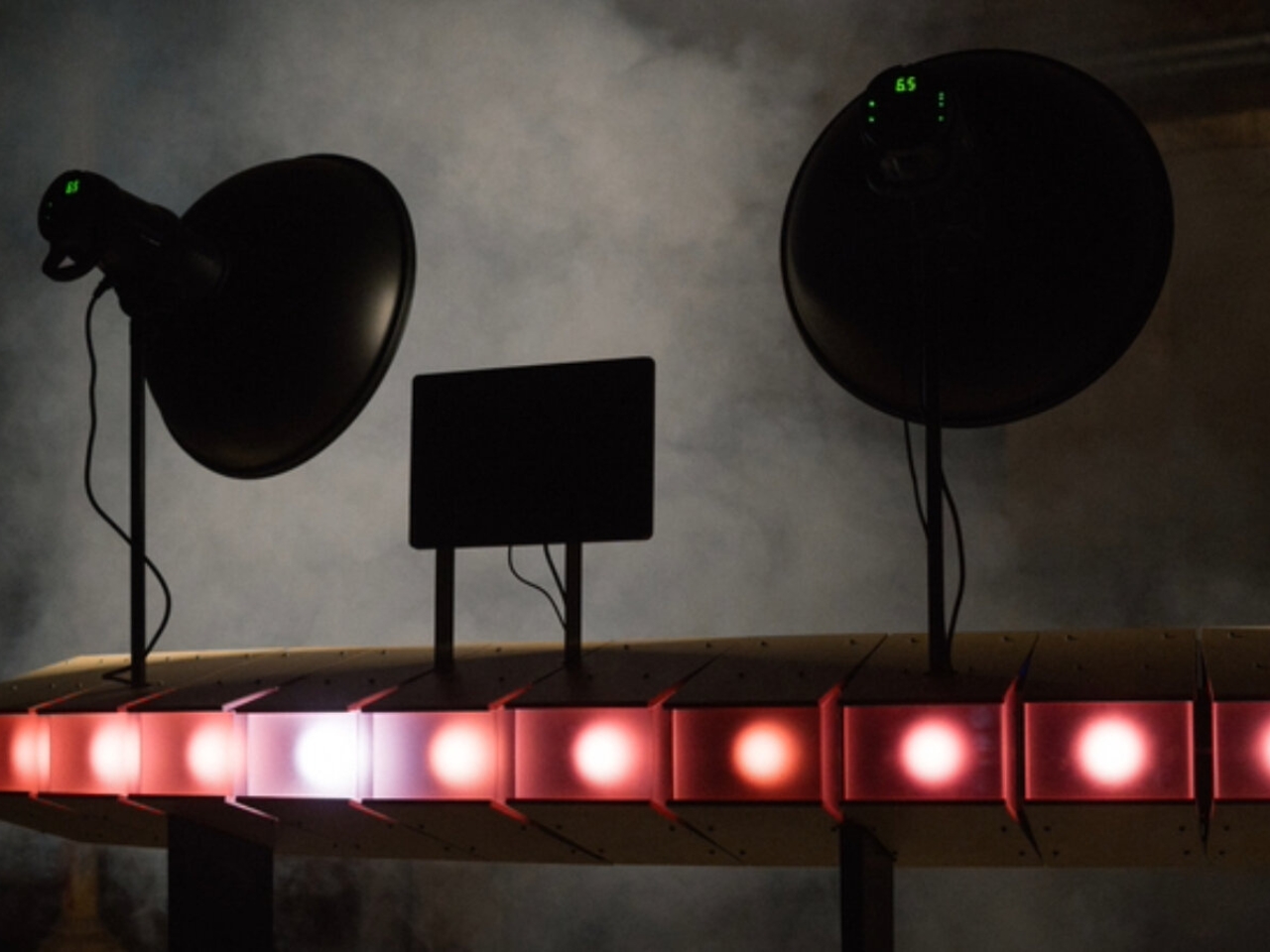
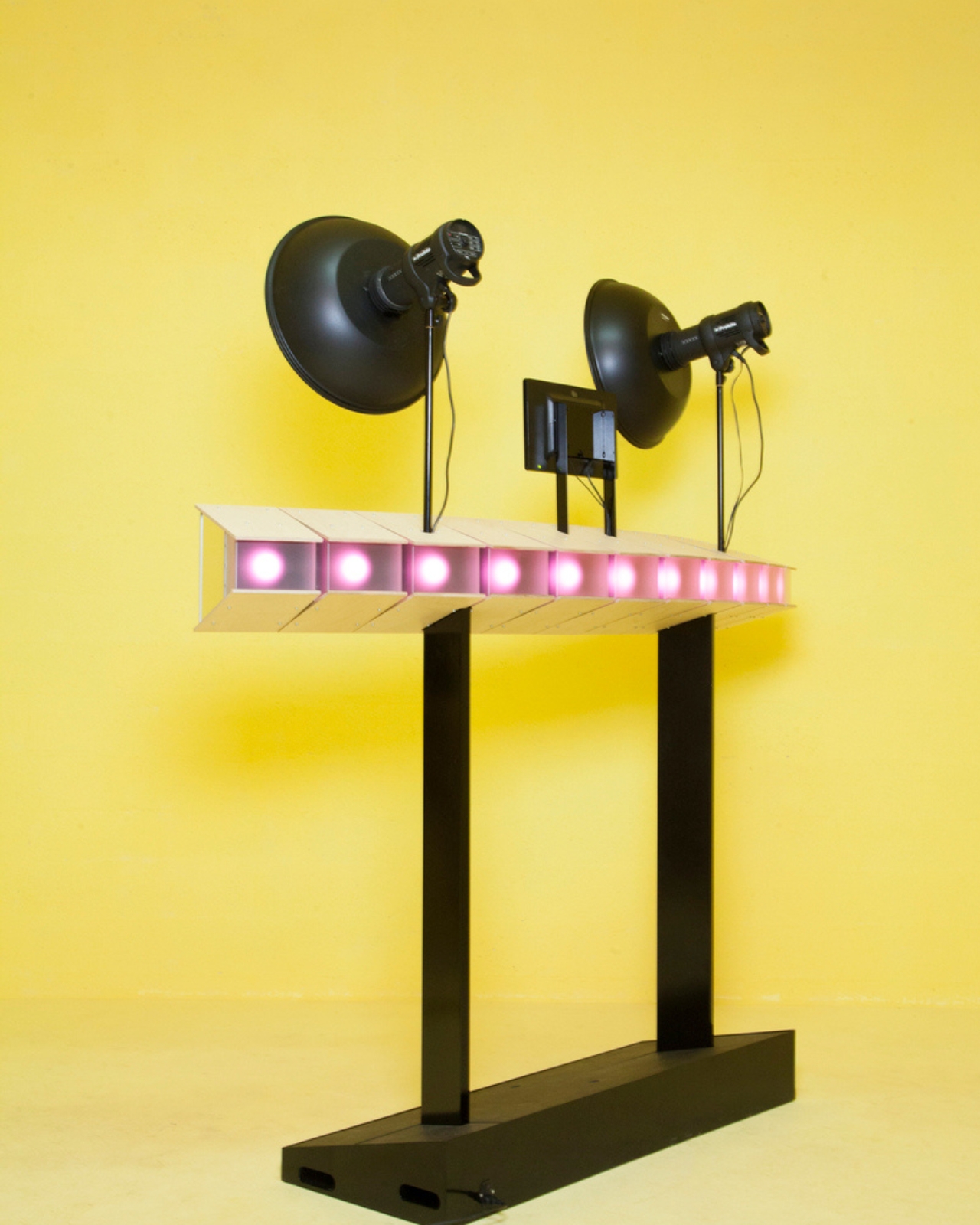
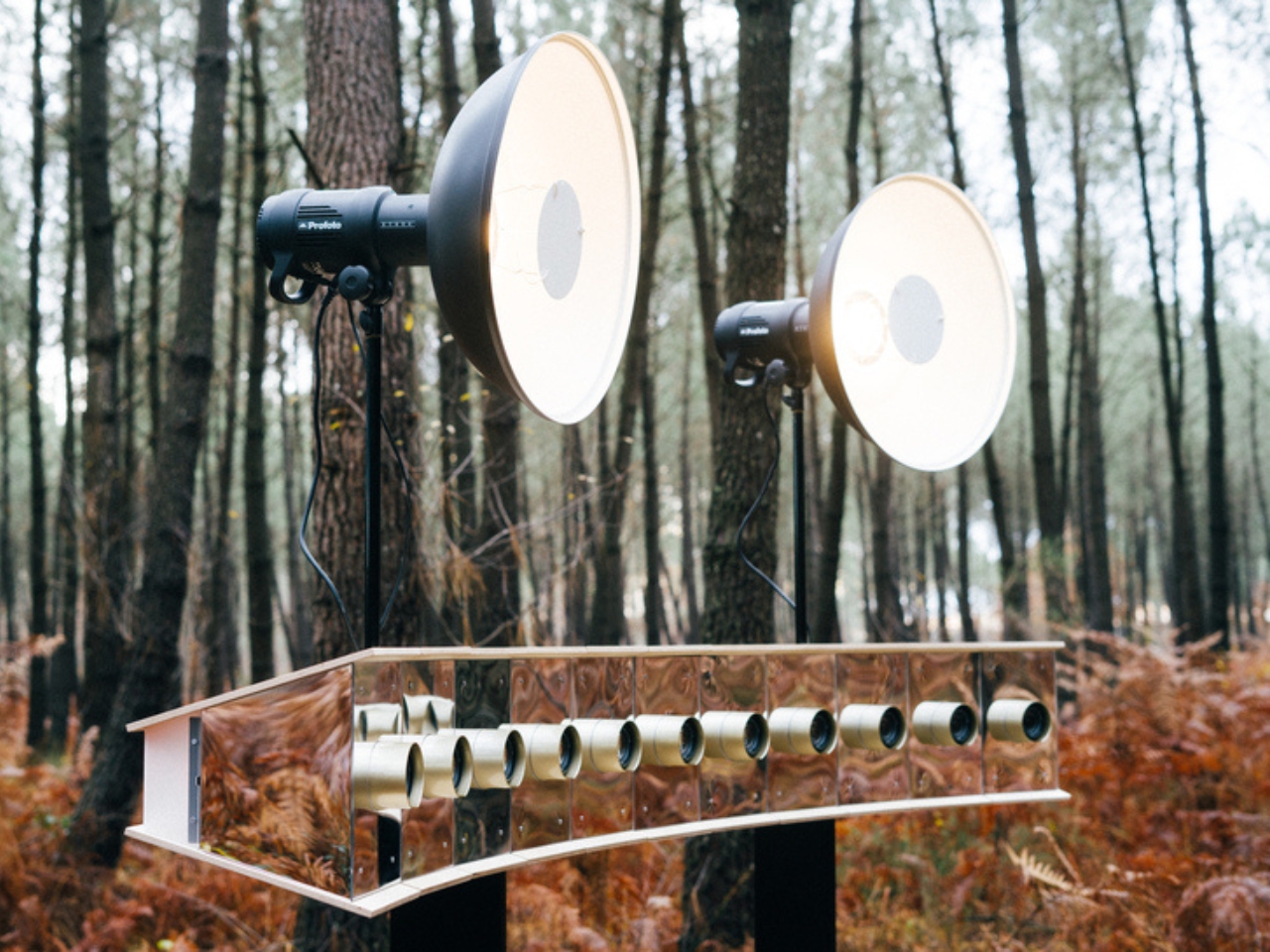
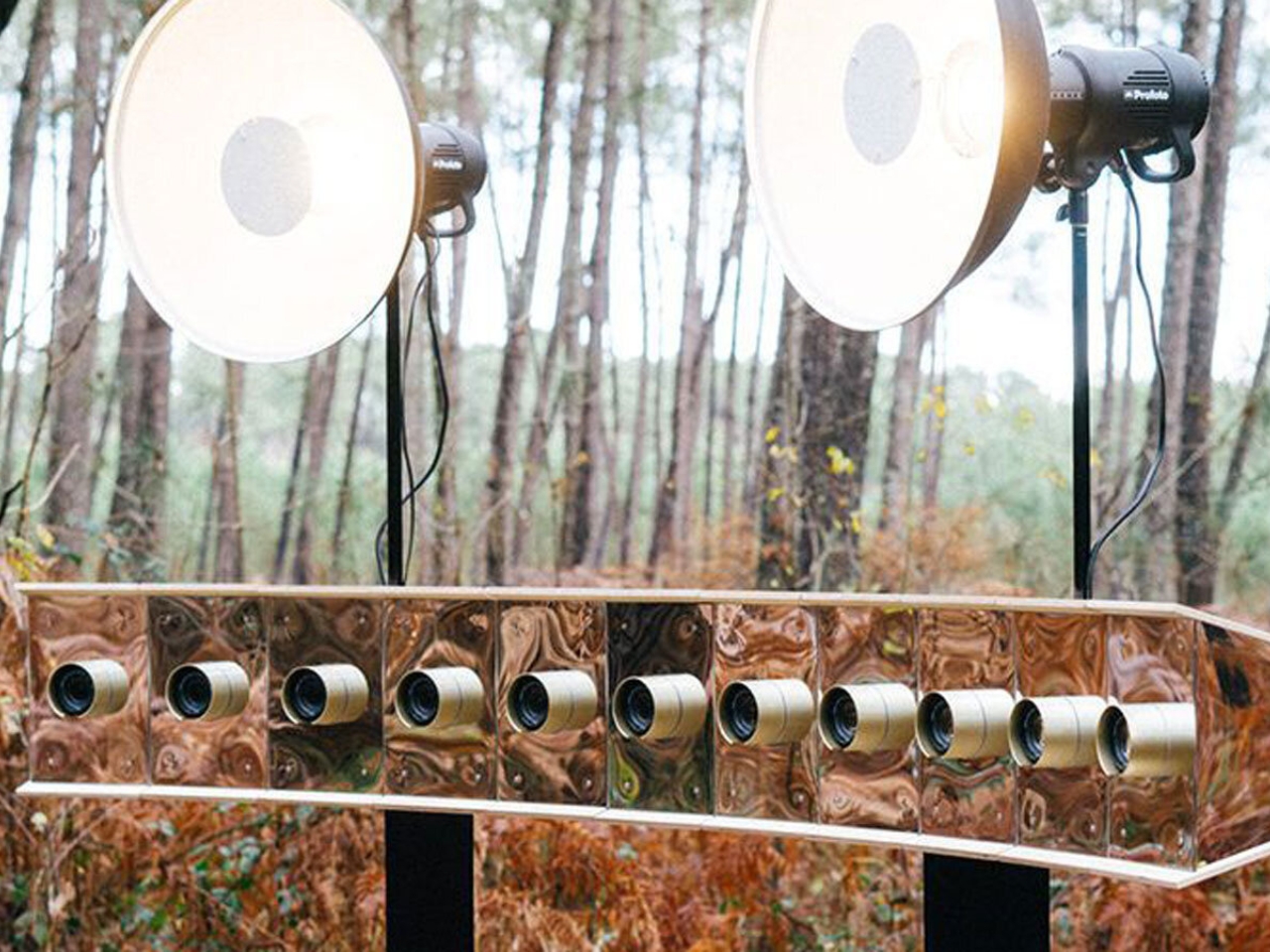
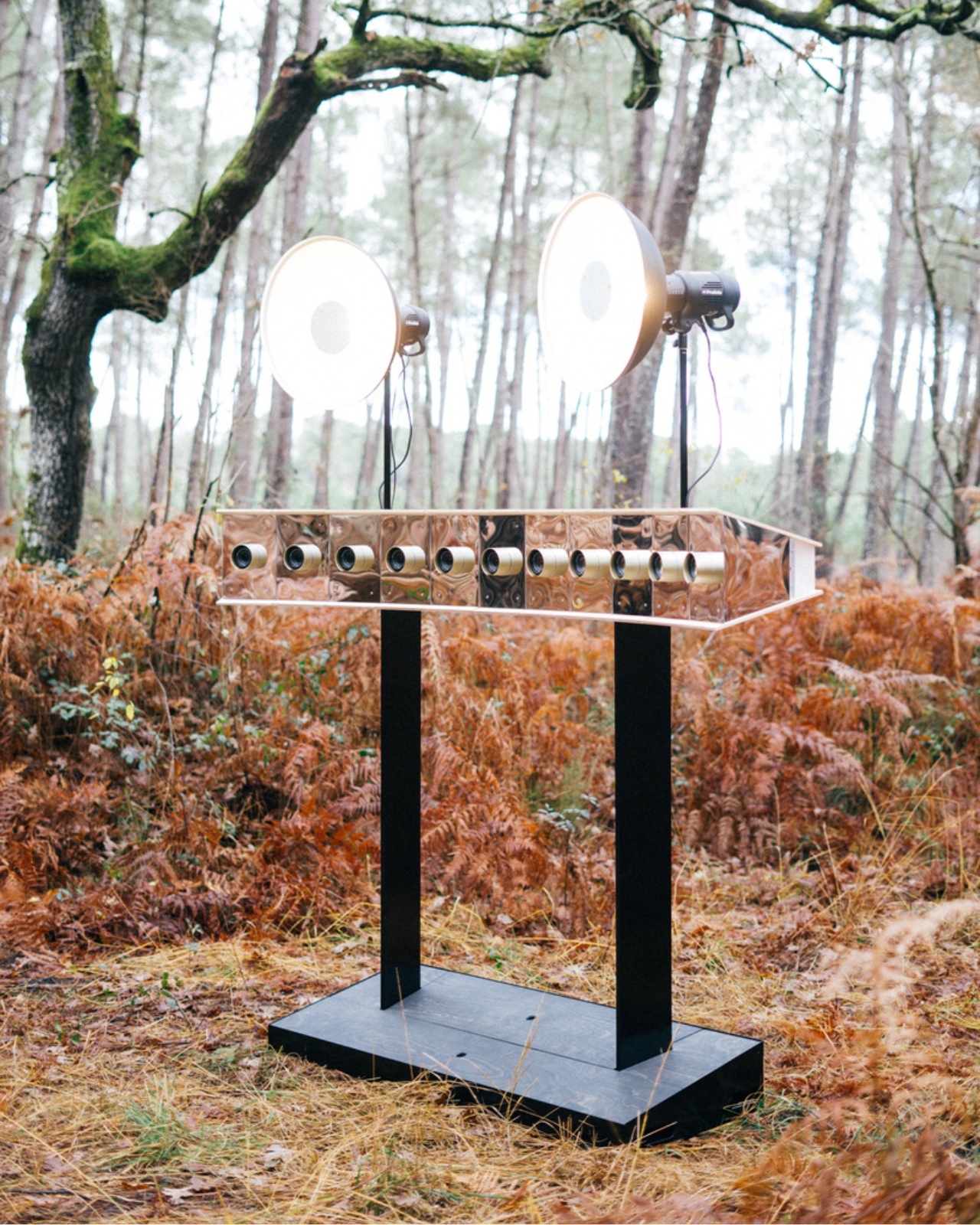
At first glance, the Moon Walker looks like something a Victorian inventor might have dreamed up after a few too many glasses of absinthe. This isn’t your sleek, minimalist smartphone camera or even a traditional DSLR. Instead, it’s a sculptural wooden installation equipped with eleven separate lenses arranged in a curved arc, all working together to capture the same moment from different angles simultaneously.
The genius here lies in what happens after the shutter clicks. Those eleven simultaneous shots can be sequenced together to create animated sequences that show movement through space rather than time. It’s like having eleven photographers standing in different spots all pressing their shutters at the exact same instant. The result is something between a photograph and a short film, a kind of dimensional flip that makes you see familiar subjects in completely new ways.
Woodlabo, the creative force behind this project, clearly has a thing for merging old-world craftsmanship with contemporary photographic concepts. The wood construction isn’t just aesthetic posturing. There’s something deliberately nostalgic about using timber to house cutting-edge multi-perspective photography technology. It creates this fascinating tension between the handmade and the high-tech, the analog and the digital.
What makes the Moon Walker particularly interesting in today’s photography landscape is how it challenges our relationship with image-making. We’re living in an era where everyone has a powerful camera in their pocket, where we can shoot hundreds of photos in seconds, apply AI filters, and share them globally before lunch. Yet here’s a device that’s intentionally cumbersome, deliberately complex, and requires actual physical space and setup. It’s the photographic equivalent of listening to vinyl records in the age of streaming.
The multi-angle approach also taps into something we’ve been obsessed with since Eadweard Muybridge strapped cameras to horses to capture motion in the 1870s. We’ve always been fascinated by seeing things we can’t normally see, by breaking down movement, by viewing the same subject from impossible perspectives. The Moon Walker is essentially a modern riff on that same impulse, updated for an Instagram age that’s hungry for content that looks genuinely different.
For designers and artists, the Moon Walker represents an interesting commentary on how we create images. It’s both camera and sculpture, functional tool and art object. You could mount it on a wall when you’re not using it, and it would hold its own as a piece of design. That dual nature makes it more than just another photographic gadget. It’s a statement about the value of intentional, considered image-making in a world drowning in throwaway snapshots.
The practical applications are pretty wild too. Imagine capturing products for e-commerce from multiple angles in one shot, creating dynamic motion graphics for social media without complex video editing, or developing entirely new forms of visual storytelling that exist somewhere between still photography and animation. For creatives willing to experiment, the Moon Walker opens up possibilities that standard cameras simply can’t achieve.
Will you see Moon Walker Multi Cams at your local camera shop anytime soon? Probably not. This is more art project than consumer product, more proof-of-concept than mass-market solution. But that’s exactly what makes it worth paying attention to. The most interesting developments in design and technology often start as these quirky, impractical experiments that make us rethink what’s possible. Today it’s eleven lenses on a wooden arc. Tomorrow it might be the standard way we capture the world.
Any tech nerd can look at an action camera and know what it’s for. And then look at an instant camera and know that its use case, audience, and environment are completely different. There’s really no need for an action camera while taking group photos in front of the Eiffel Tower, and you never use an instant camera to capture your POV while dirt biking. Insta360 basically decided to change that.
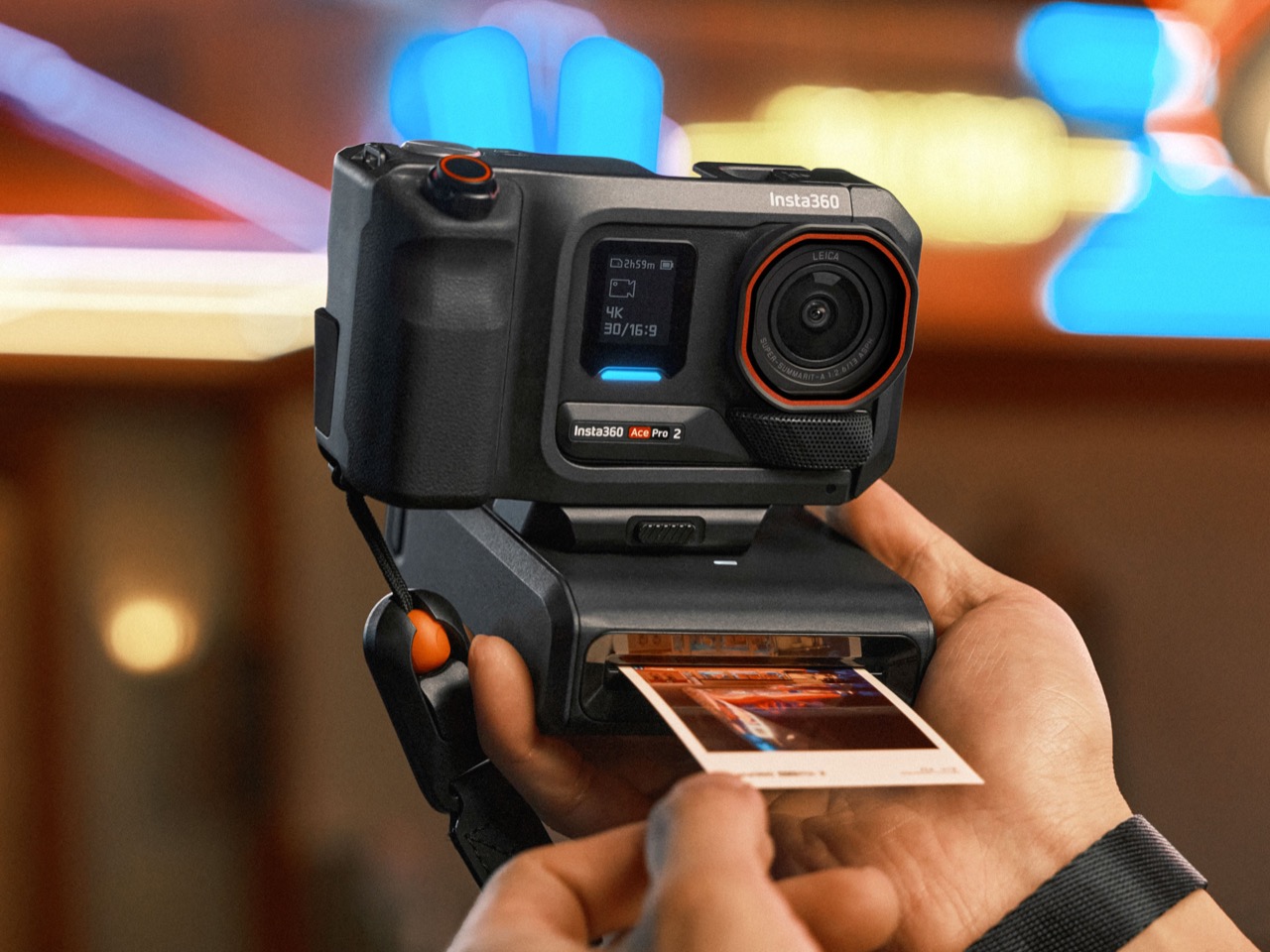
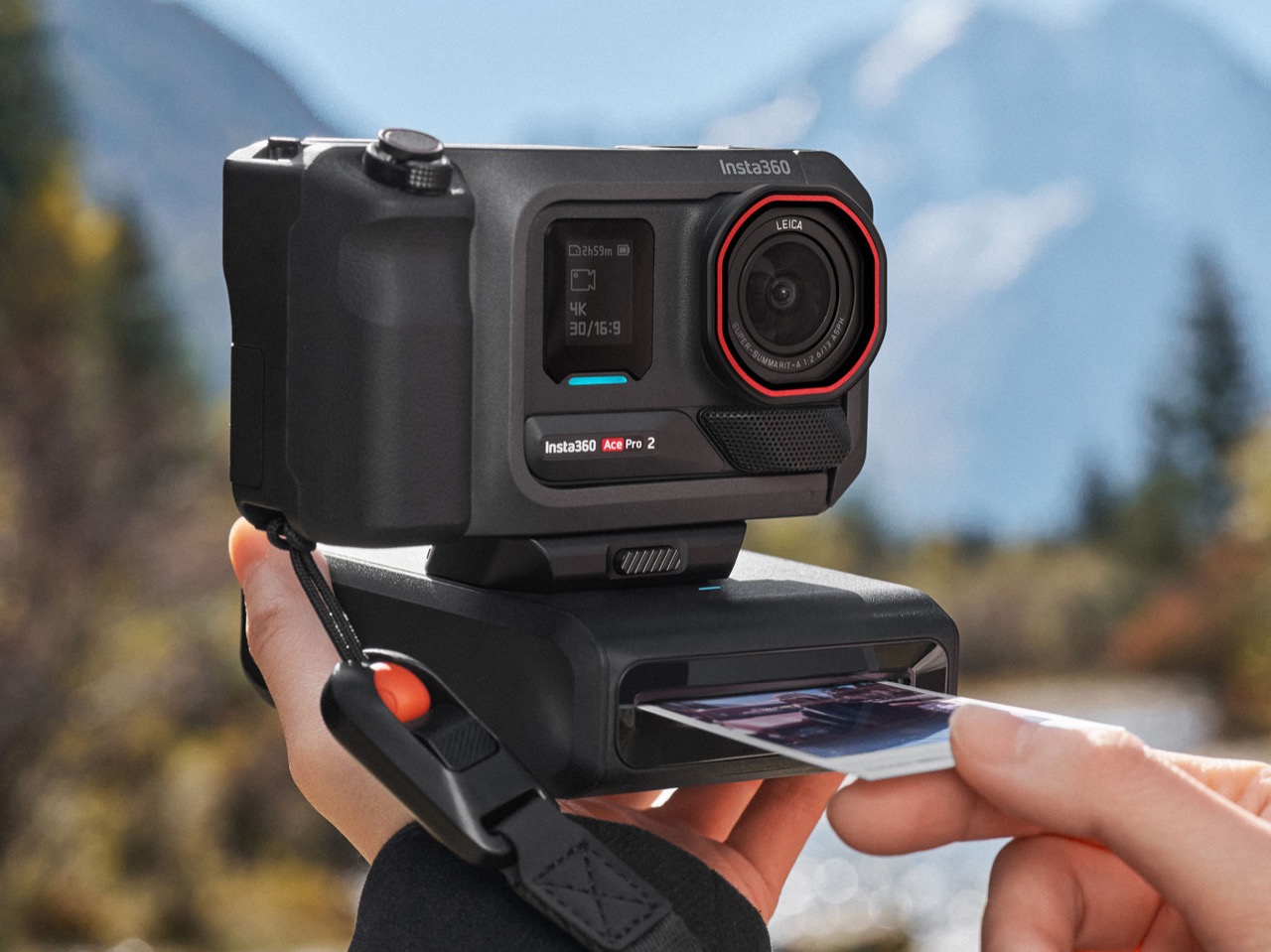
Their latest Videography Bundle for the Ace Pro 2 features a variety of accessories, one of them being a snap-on printer that turns the action cam into a wide-angle Polaroid of sorts. Take a photo, select it, and print it out. Insta360 believes a camera is a camera is a camera, you don’t need three devices to do the same job. The Videography Bundle proves that. Heck, what’s next, a webcam attachment for the Ace Pro 2?
Designer: Insta360
The Pocket Printer is the accessory getting most of the attention, and for good reason. It’s a compact wireless module that connects to the Ace Pro 2 via Bluetooth and physically mounts to the camera using the new Xplorer Grip Pro. The quick-release system on the grip’s base lets you snap the printer on and off, so you’re not permanently committed to carrying extra bulk when you just want a lightweight action cam. When attached, the whole setup looks like someone strapped a chunky instant camera to a grip handle, which is essentially what it is, except this instant camera can also shoot 8K video and survive conditions that would destroy a vintage Polaroid.
The printer uses Zink technology, the same zero-ink printing process found in portable printers from Canon and Fujifilm. Prints come out at roughly 2×3 inches, dry to the touch, smudge-resistant, and durable enough to toss in a bag without worrying about them getting ruined. The paper itself contains dye crystals that activate when heat is applied, so there’s no ink cartridge to replace or messy film packs to load in the dark. You just buy Zink paper refills when you run out, pop them in, and keep printing. It’s a recurring cost similar to Instax film, but the prints themselves are more practical for everyday handling.
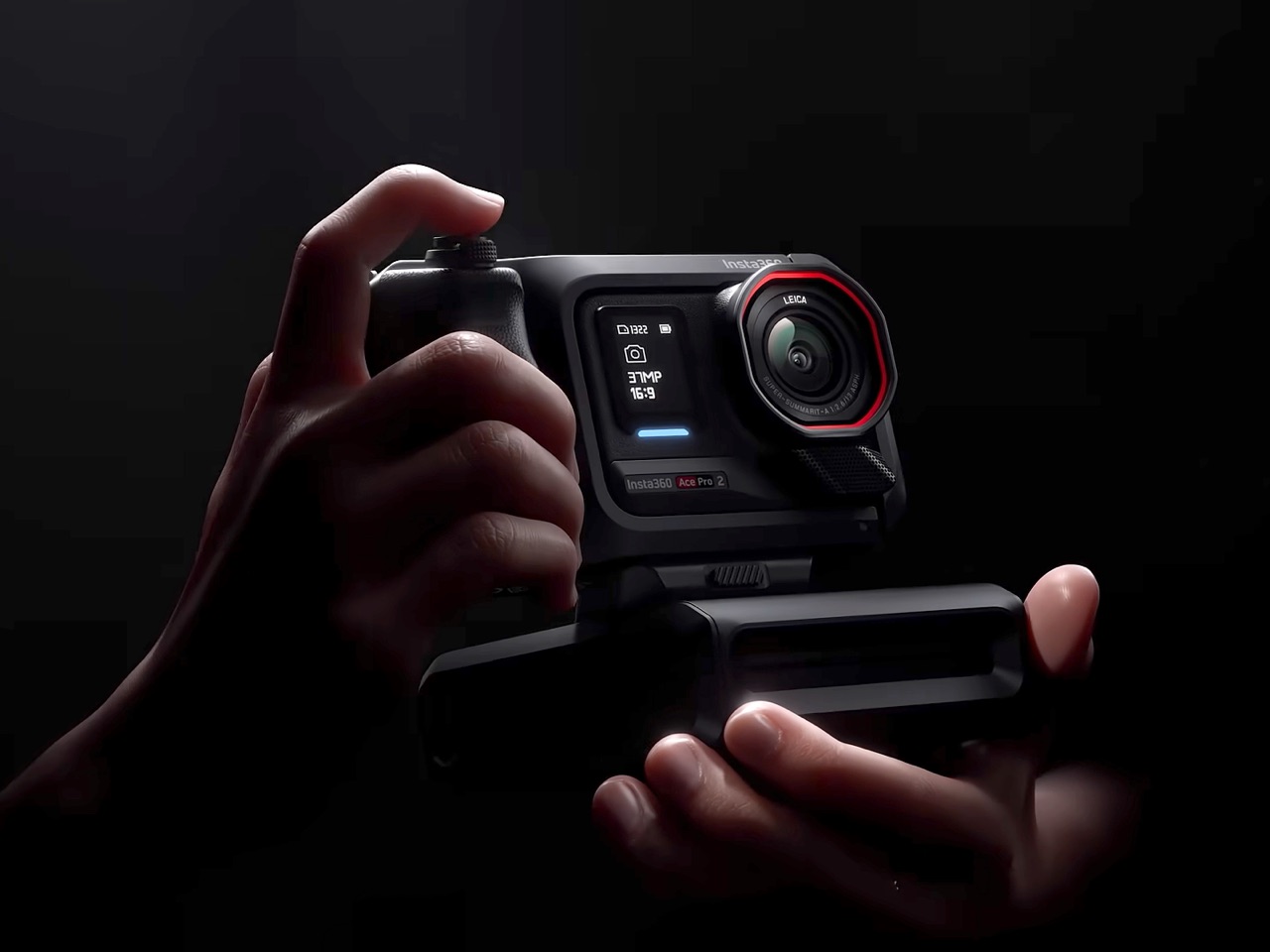
What makes this more interesting than just “action cam plus printer” is that Insta360 clearly designed the experience around actual photographic flexibility. The Ace Pro 2 captures 48MP stills and 8K video using a Leica co-engineered sensor, so the image quality you’re working with is leagues beyond what a traditional instant camera can produce. You can shoot a whole sequence, review the images on the camera’s flip screen, edit or crop if needed, and then choose which ones deserve to become physical prints. That selective printing capability is the key difference between this and a true Polaroid experience, where every shutter press costs you a piece of film whether the shot worked or not.
The $600 Videography Bundle includes more than just the printer. You get the Ace Pro 2 body, the Xplorer Grip Pro, the Pocket Printer, a flip screen hood for outdoor visibility, and a leather case that gives the whole setup a vintage aesthetic. Insta360 also launched the bundle alongside three new Leica co-engineered lenses and various ND filters, expanding the camera’s capabilities for serious videography work. The bundle is clearly trying to position the Ace Pro 2 as more than just an action cam, it’s a hybrid content creation tool that can handle extreme sports footage, casual street photography, and instant social prints from the same device.
Practicality questions remain. The Ace Pro 2 is waterproof and built for harsh conditions, but the printer module is likely only splash-resistant at best. That means you probably shouldn’t take it on a whitewater rafting trip while attached, though the camera itself would handle it fine. Battery life is another consideration, the printer has its own power supply and charges via USB-C, but adding another device to your charging routine might be annoying for people who value simplicity. The grip and printer combo also adds noticeable weight and bulk, transforming a pocketable action cam into something closer to a small handheld camcorder.
But maybe that’s the point. Insta360 isn’t trying to make the perfect streamlined action camera, they’re trying to make one camera that can adapt to wildly different shooting scenarios without requiring you to own separate devices. The cynic might say this is just accessory upselling, and sure, that’s part of it. But there’s something genuinely novel about a camera ecosystem that can switch from recording mountain bike footage to printing birthday party snapshots without even changing the core device. Whether people actually want that level of versatility in a single piece of hardware is a different question, but Insta360 is betting that at least some users would rather carry one adaptable camera than juggle multiple specialized ones. The Videography Bundle suggests they’re willing to push that concept pretty far, and the printer attachment is just the beginning of what could become a much weirder, more interesting product category.
We take thousands of photos on our phones without thinking twice. Snap, scroll, forget, repeat. But here’s a wild thought: what if a camera literally forced you to slow down? That’s exactly what designer Seulgi Kim is exploring with RAW, a pinhole camera concept that’s part time machine, part meditation device, and entirely about reclaiming something we’ve lost in the digital age.
The name RAW works on two levels. First, it means “unrefined,” which perfectly captures the camera’s back-to-basics philosophy. Second, it references RAW image files in photography, those unprocessed originals that contain all the data before any digital manipulation happens. It’s a clever double meaning that sets up everything this concept is about: stripping away the excess to get back to what photography actually is.
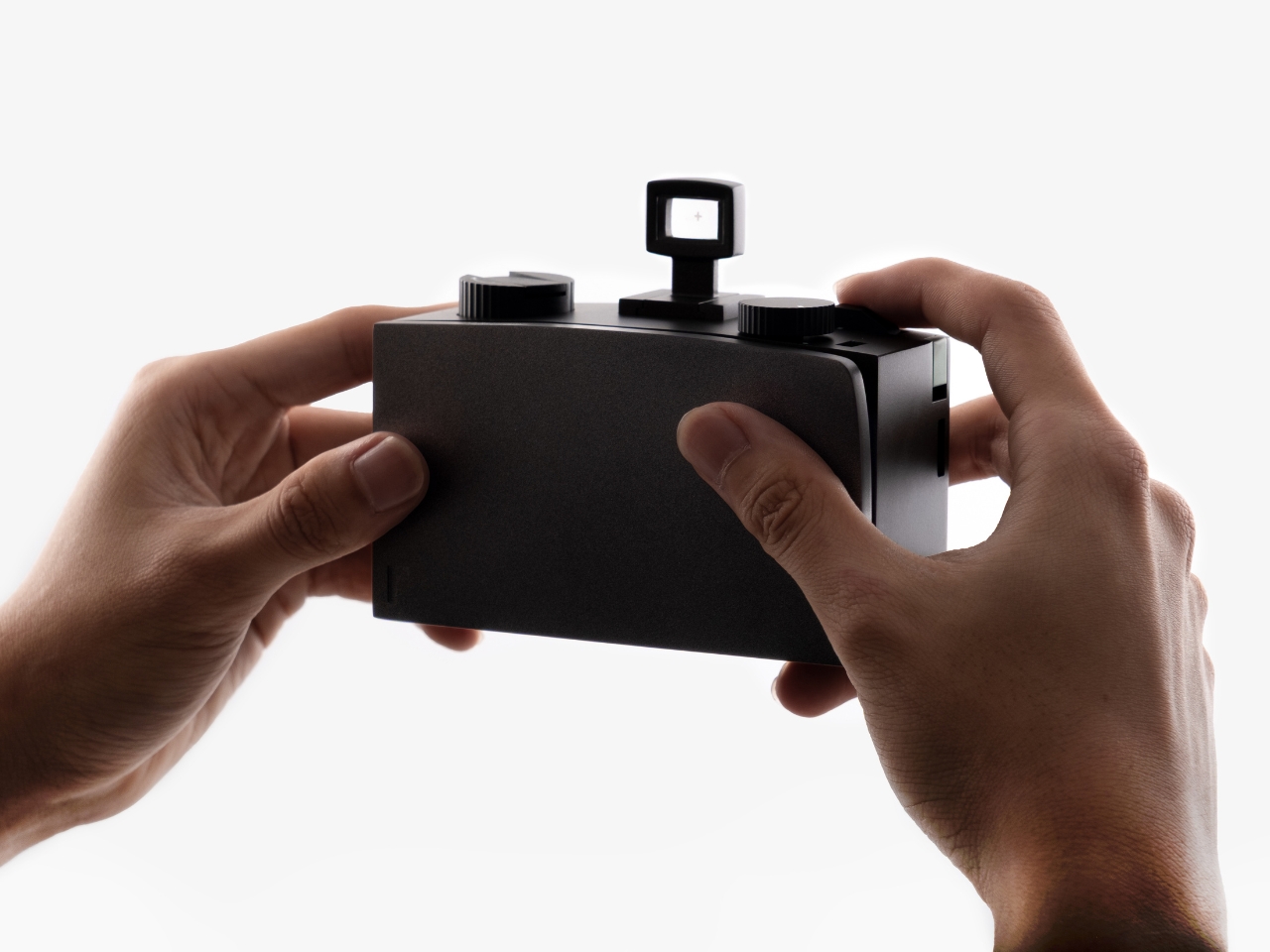
Normally we can shoot a hundred photos in seconds with our phones but RAW does something almost rebellious. It uses a pinhole aperture instead of a lens, which means each exposure takes several seconds or even minutes to complete. You can’t rapid-fire shots. You can’t casually capture every moment. Instead, you have to stand there with your subject, waiting, observing, really seeing what’s in front of you. It’s the photographic equivalent of choosing to walk instead of drive, not because you have to, but because you want to notice things along the way.
What makes RAW fascinating beyond its function is how Kim translated traditional Korean architecture into its design language. This isn’t just aesthetic borrowing; it’s a thoughtful connection between two forms of slowness and intentionality. Traditional Korean architecture embodies what Kim calls “the aesthetics of slowness,” where every element reflects careful consideration of space, time, and human presence. Those principles shaped buildings that have stood for centuries, and now they’re informing how we might think about capturing a single photograph.
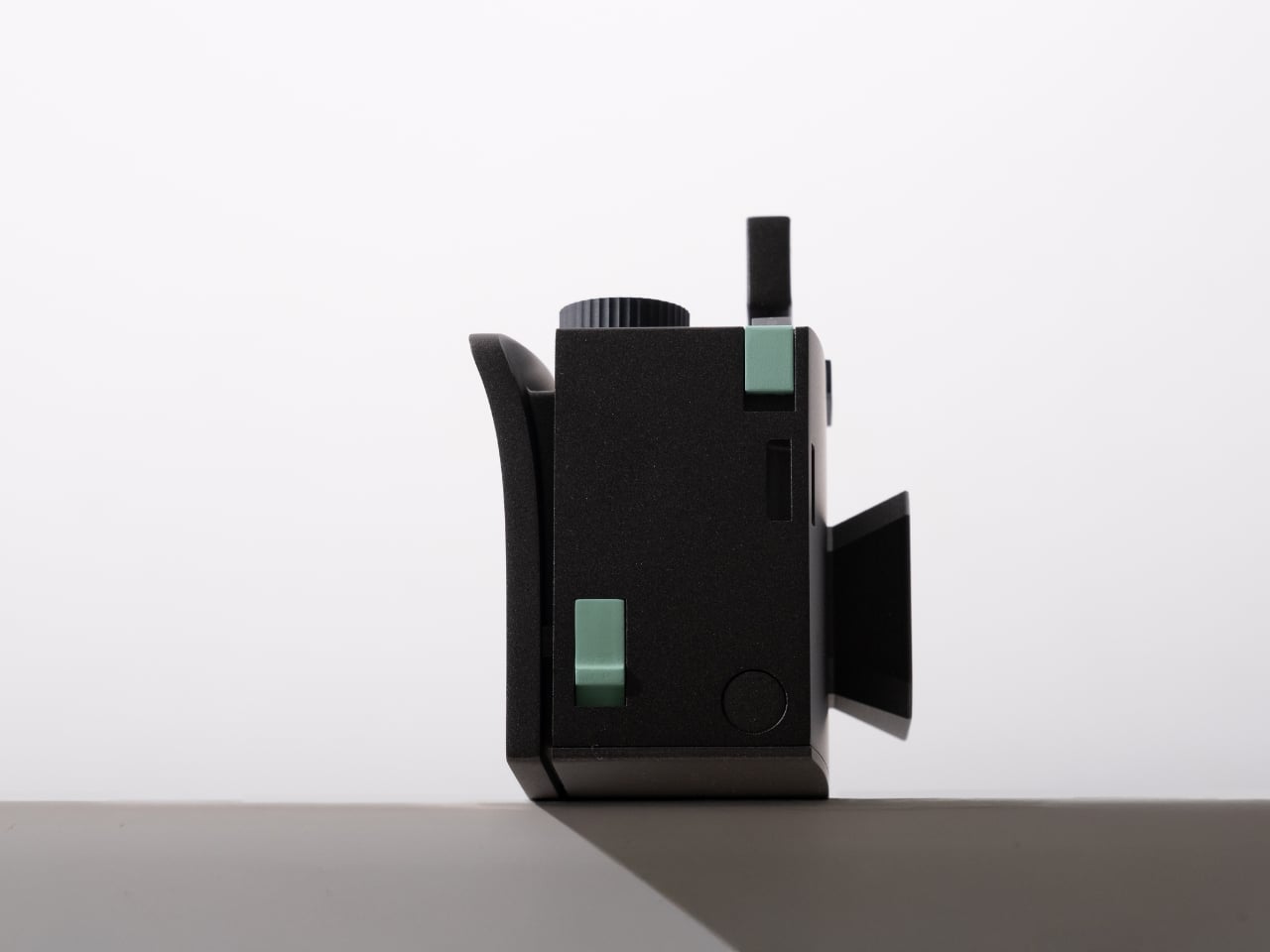
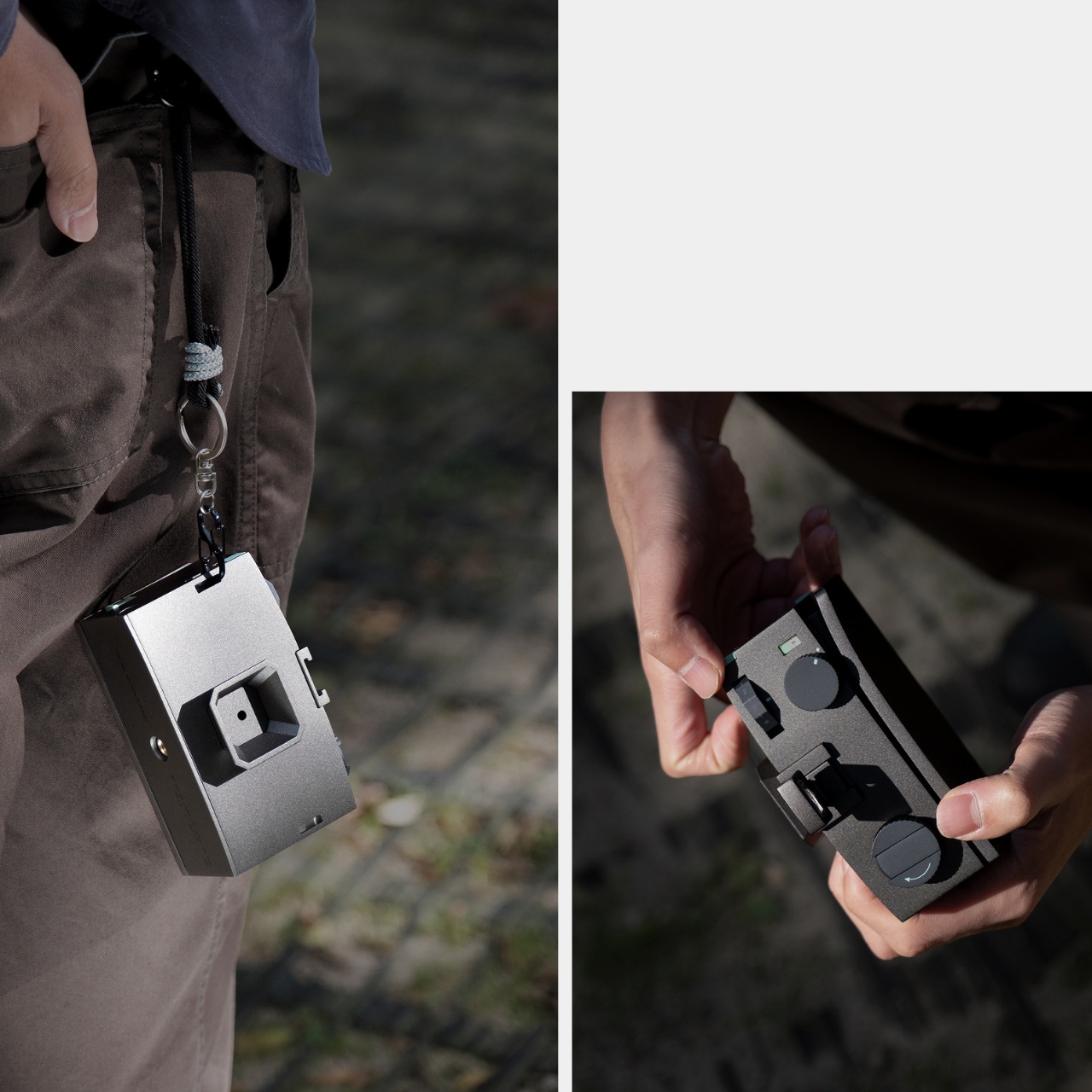
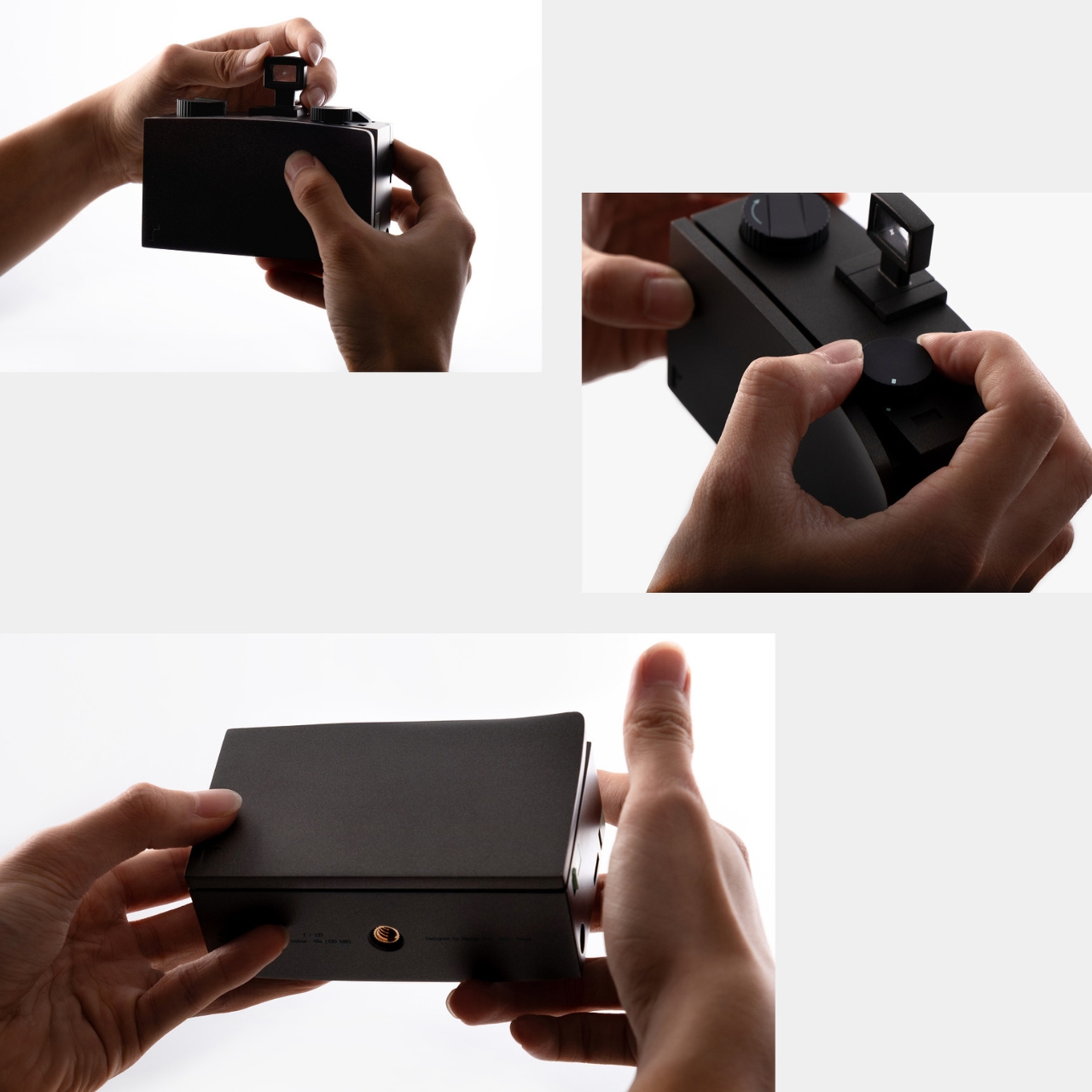
Look at the curved panel on the camera’s side. It’s directly inspired by the gentle curves of traditional Korean roof tiles, which were designed to protect houses from rain and wind. But here, that curve serves a completely modern purpose: it prevents slipping and creates a comfortable, stable grip. It’s functional heritage design at its best, where historical wisdom solves contemporary problems.
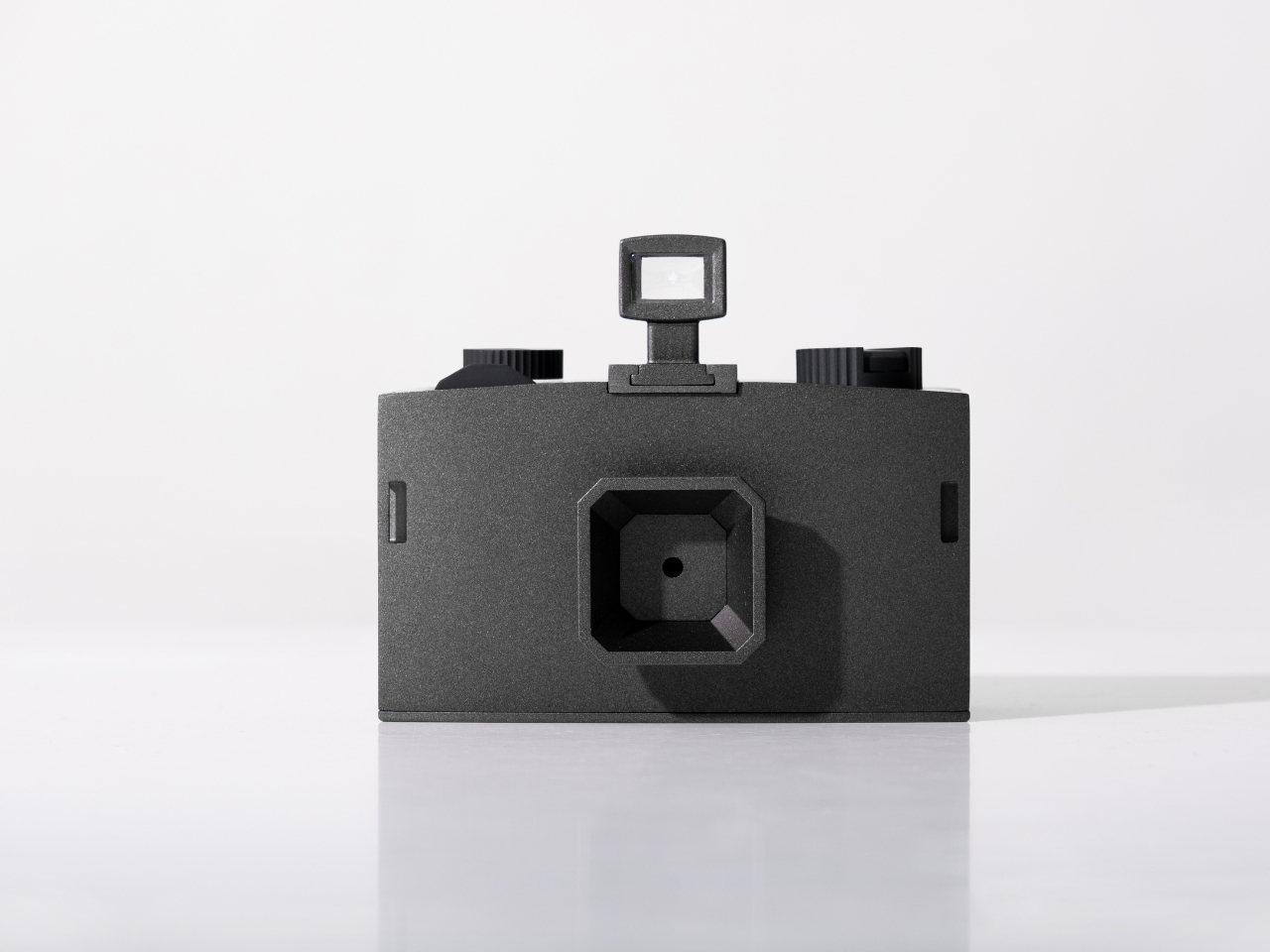
Then there’s the twelve-sided dial on top of the camera, which controls exposure time. In traditional Korean architecture, polygonal structures weren’t decorative flourishes; they provided stability and balance. Kim applies that same geometric logic to the timer dial, creating something that ranges from B (Bulb mode) through various seconds up to 30 minutes. That dodecagonal shape makes it intuitive to read and adjust your exposure settings at a glance. The design literally transforms time into something you can touch and see.
At the camera’s front, an octagonal hood acts as the window for incoming light. It’s not just there to look cool (though it does). The hood directs light rays evenly into the body and minimizes glare, ensuring balanced exposures. Every geometric choice serves both form and function, creating what Kim describes as “harmonious balance” between mechanical precision and traditional aesthetics.
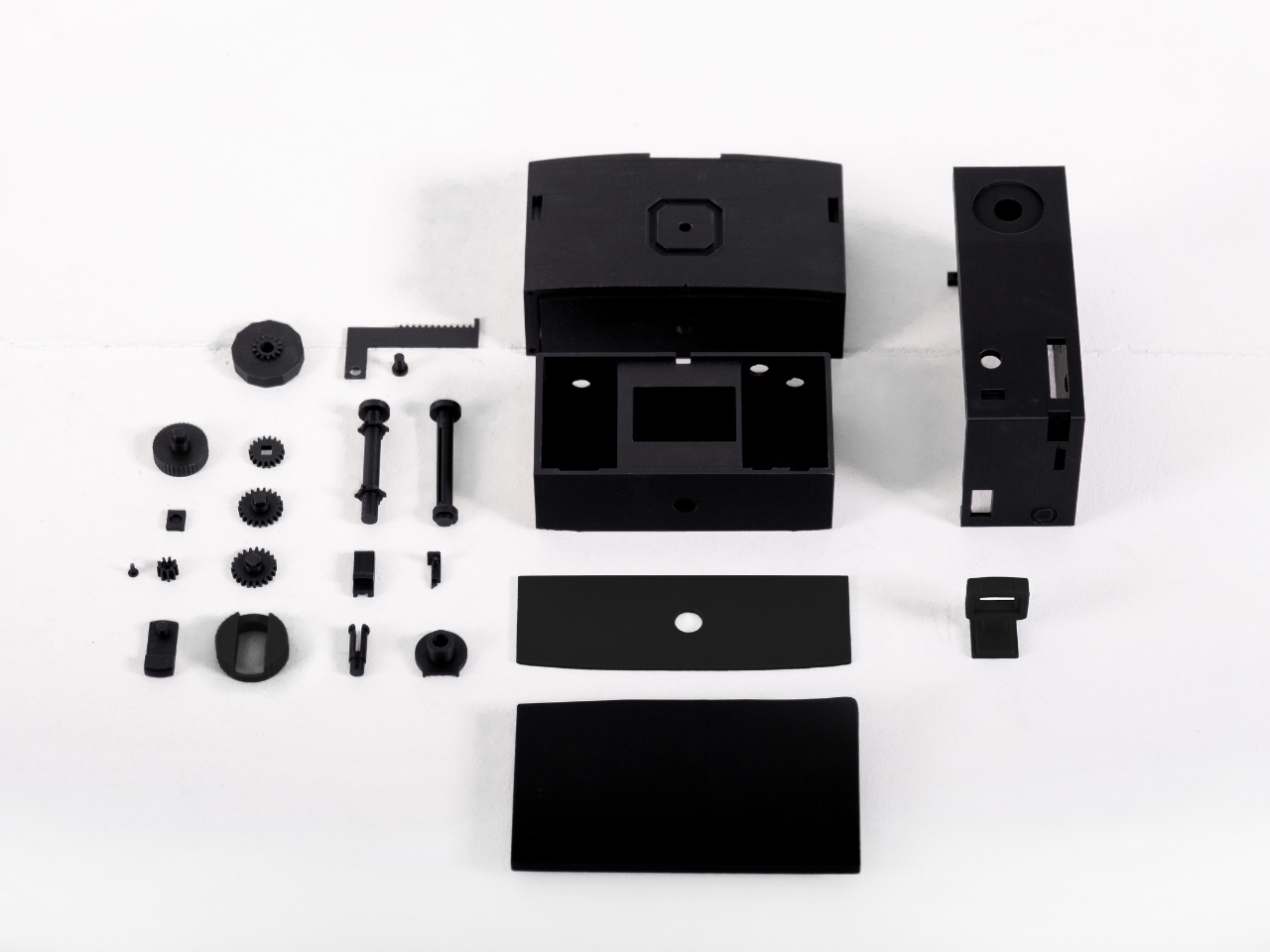
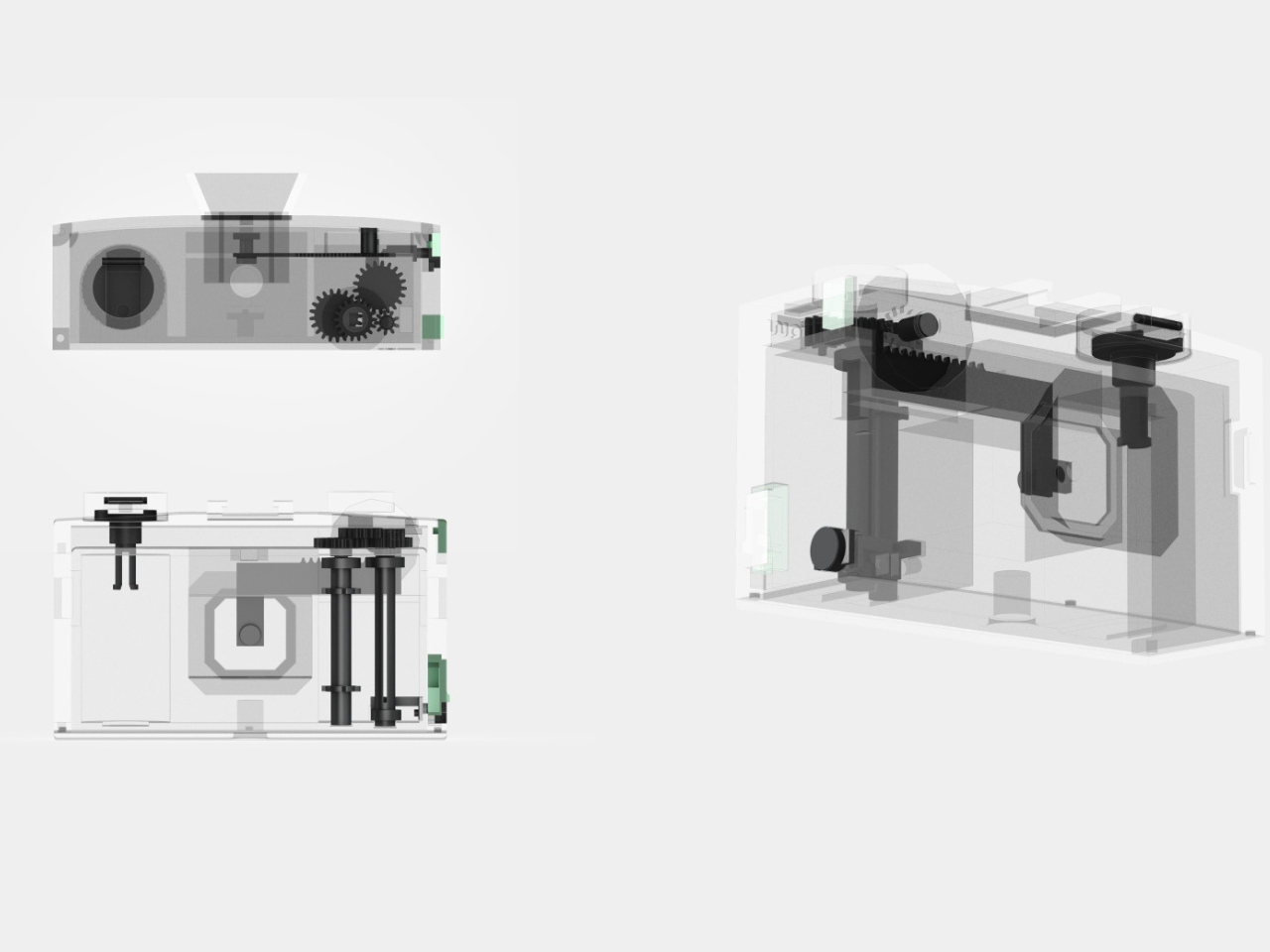
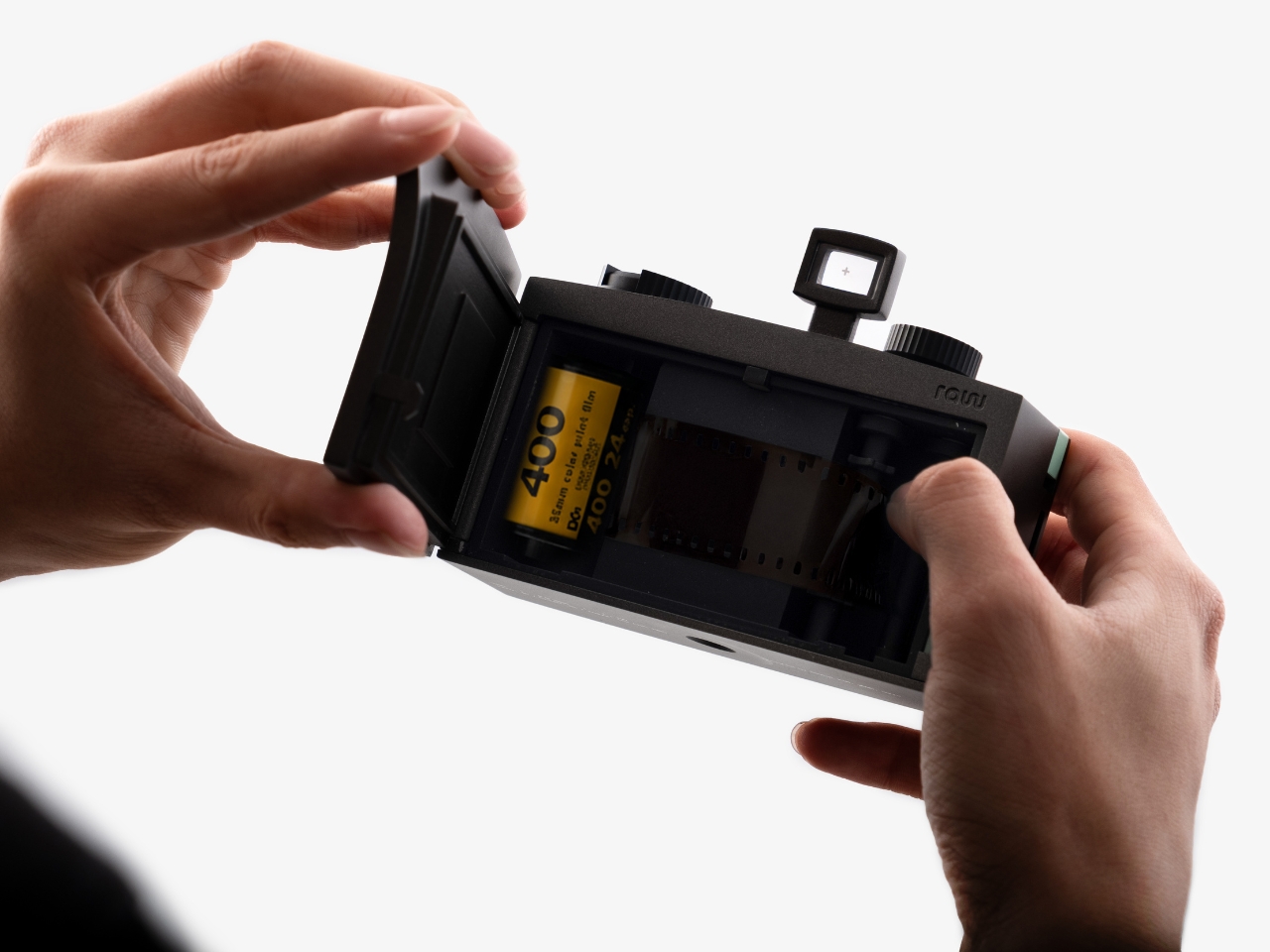
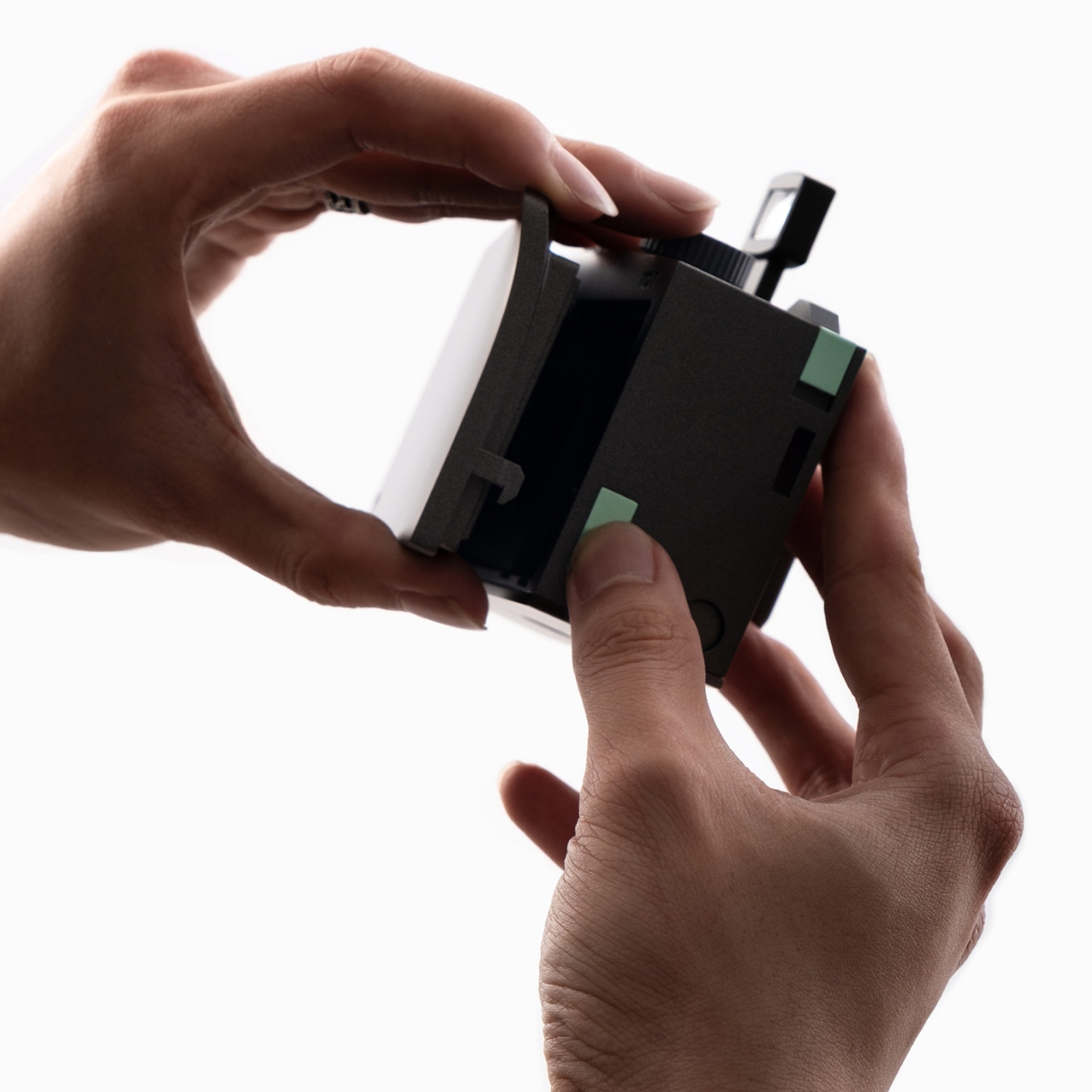
The whole package comes in matte black with subtle mint-green accents on the shutter button and side controls. There’s a minimalist viewfinder on top and a woven camera strap that adds tactile warmth to the technical precision. When you see the camera disassembled in one of the concept photos, all those gears and components laid out like an exploded diagram, it drives home just how much mechanical thought went into something designed to be analog in a digital world.
What’s really striking about RAW is how it challenges our relationship with image-making in 2025. We’ve reached a point where our phones can computationally enhance photos before we even press the shutter. AI can generate entire images from text prompts. Photography has become almost too easy, too fast, too disposable. Kim isn’t saying technology is bad; she’s asking what we lose when everything becomes instant.
The pinhole camera format forces a different kind of presence. When you need minutes to capture a single frame, you can’t be casual about it. You have to choose your subject carefully, consider the light, commit to the moment. That extended exposure time becomes a form of meditation, a way of connecting with what you’re photographing that simply isn’t possible when you’re machine-gunning through dozens of shots. RAW proves that sometimes the most innovative design move is stepping backward. By reaching into centuries-old architectural wisdom and combining it with one of photography’s oldest techniques, Kim has created something that feels genuinely fresh. It’s a camera that doesn’t just take pictures. It changes how you see.
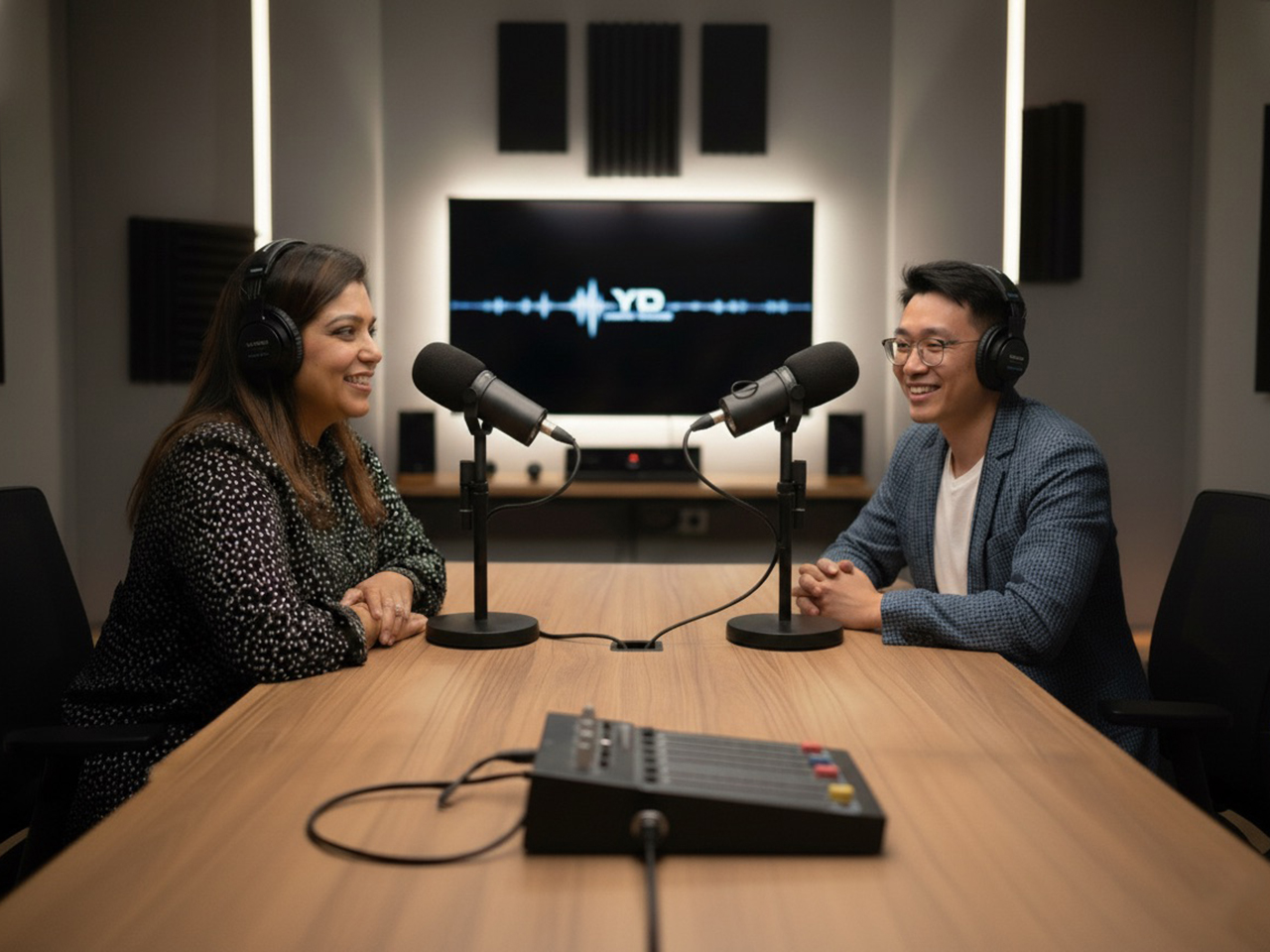
Welcome to a new creative space at Yanko Design, where we explore the minds behind the products that shape our world. We are thrilled to introduce our new podcast, Design Mindset, your weekly dive into the philosophies and frameworks that drive modern innovation. Every Friday, host Radhika Seth sits down with leaders, creators, and thinkers who are redefining their industries. In our ninth episode, we explore a fascinating concept: the invisible grid. These are the seamless systems and technologies that, when designed perfectly, fade into the background, allowing pure creativity to flourish without constraint.
Our guest for this exploration is Edward Mao, a product design lead and the head of the integrated design department at Insta360. Edward brings a global perspective to his work, having studied and lived across the US, Sweden, and Schengen. He leads teams that build the very systems millions of creators depend on daily. Insta360 is known for its groundbreaking 360-degree cameras and action cameras, particularly its “invisible selfie stick” technology, which serves as a perfect metaphor for our conversation. The best systems, like the best tools, should empower the user to the point where they are no longer thinking about the tool itself, but only about what they want to create.
The Innovator’s Mindset: Redefining the Rules of the Game
What truly separates an innovator from a follower? According to Edward, it transcends simple risk-taking and digs deep into one’s fundamental mindset. An innovator is driven by a desire to establish entirely new rules, to create categories that never existed before, and to set the benchmarks that will define the market for years to come. Their focus is on impact and purpose, a relentless pursuit of a unique vision that pushes the entire industry forward. Edward explains that this path is inherently harder, but the reward is a profound sense of satisfaction that cannot be replicated. As he puts it, “innovating makes you unique… the payoff, you can get the sense of purpose, the sense of satisfaction, right? It’s way bigger than the comfort of staying safe.” It’s a conscious choice to author the next chapter rather than simply editing a page in someone else’s book.
Conversely, the follower’s path is often a strategic one, focused on efficiency and execution. They excel at optimizing proven formulas and competing on established metrics like price and features, a strategy that allows them to catch up quickly and capture market share. However, this approach has a natural limit. Edward notes that many successful creators and companies eventually hit a “growth ceiling,” a point where the old formulas no longer yield the same results. This is the critical juncture where the question shifts from “How can we do this better?” to “What’s next?” This moment of stagnation often becomes the catalyst for a radical shift in thinking, forcing even the most dedicated follower to consider the daunting but necessary leap into the unknown territory of innovation, where the potential for true differentiation lies.
The Disappearing Act: When Great Technology Becomes Invisible
The ultimate goal of great design is to render itself invisible. This is the central philosophy Edward champions, where technology becomes so intuitive and seamless that it dissolves into the background, leaving only the user and their creative vision. The tool ceases to be an object of focus and instead becomes a natural extension of the user’s intent. Insta360’s “invisible selfie stick” is the perfect embodiment of this principle. When a creator uses it, they are not thinking about the pole in their hand or the mechanics of the software erasing it. They are thinking about capturing an impossible, drone-like shot, fully immersed in the act of creation. This is the magic moment Edward strives for, when “the tech basically disappears and the creativity takes over… that’s when you know you have built something truly invisible.” The technology becomes a silent partner, empowering the user without ever demanding their attention.
Achieving this level of invisibility is not a matter of adding more features, but of ruthless simplification and a return to first principles. Instead of asking how to build a better version of an existing product, the innovator asks what the user’s ultimate goal is and what the absolute, unchangeable constraints are. This approach fundamentally reframes the problem, steering the design process away from incremental improvements and toward breakthrough solutions that address the core need. By focusing on the “why” behind the user’s actions, designers can build tools that anticipate needs and remove friction points before they are even noticed. This frees the creator’s mind from the burden of technical problem-solving, allowing them to dedicate all their cognitive energy to what truly matters: storytelling, expression, and bringing their unique vision to life.
Paying the ‘Tuition’: The Unseen Investment of a Pioneer
Embarking on a path of true innovation is an expensive education, and as Edward suggests, the early struggles are the “tuition” paid for a future advantage that cannot be bought. Pioneering is a slow, arduous process, much like pushing a heavy flywheel. The initial effort is immense, with little visible momentum to show for it. These early phases are filled with setbacks, costly mistakes, and the constant feeling of pushing against inertia. However, this upfront investment in learning, testing, and overcoming unforeseen obstacles builds a deep well of experience-based knowledge. This hard-won wisdom becomes a strategic moat, a defensible asset that late-coming competitors cannot easily replicate. They may be able to copy the final product, but they cannot copy the years of struggle and learning that made it possible.
This pioneering journey is fueled by more than just resilience; it is powered by profound empathy. Edward emphasizes that the most insightful innovators are often their own most demanding users. They relentlessly stress-test their own creations in the messy, unpredictable real world, uncovering failure points and latent needs that would never surface in a controlled lab or a market research report. This hands-on process builds an intuitive understanding of the user experience. Furthermore, this journey requires a pragmatic acceptance of imperfection. The goal is not to launch a flawless product from day one. Instead, the strategy is to release a solid, valuable minimum viable product and then iterate relentlessly with the market. As Edward advises, “perfection comes later iteration by iteration i think it’s less scary that way.” In this model, the community of users becomes a collaborative partner in the design process, their feedback shaping the product’s evolution.
Beyond the Product: Why Sustainable Innovation Lives in Ecosystems
In today’s hyper-competitive market, a single breakthrough product is no longer enough to guarantee long-term success. A brilliant feature can be copied, a clever design can be replicated. True, durable advantage, as Edward argues, comes from building a comprehensive ecosystem around the product. This system of interconnected value is far more difficult for competitors to duplicate. For a company like Insta360, this means the camera itself is just the beginning. The real strength lies in the surrounding ecosystem: the intuitive editing software that simplifies complex workflows, the active user communities that provide support and inspiration, the extensive library of tutorials that flatten the learning curve, and the wide array of accessories that expand the product’s capabilities. This holistic approach creates a sticky, high-friction-to-exit experience that compounds the product’s value over time, turning customers into loyal advocates.
This powerful principle of ecosystem thinking is not just for large corporations; it is equally critical for individual creators striving to build a sustainable career. A viral video or a popular design is fleeting, easily lost in the endless stream of digital content. A career built on an ecosystem, however, is enduring. Edward advises creators to think beyond the next piece of content and instead focus on building systems around their work. This could manifest as developing mentorship programs to nurture emerging talent, creating collaborative workflows with other artists to cross-pollinate audiences, or productizing their expertise through workshops and digital assets. By building a network of value around their core creative output, they transform their work from a series of replaceable artifacts into a resilient, interconnected enterprise that can withstand the unpredictable shifts of trends and algorithms.
From Follower to Leader: A Practical Guide to Making the Leap
The transition from a follower to an innovator can feel like a terrifying leap into the abyss, especially when a proven formula is already paying the bills. The fear of abandoning what works is a powerful deterrent. However, Edward’s advice demystifies this process, transforming the reckless gamble into a series of calculated, manageable steps. The core principle is to de-risk innovation by starting small. Instead of betting the entire farm on an unproven idea, he advocates for experimenting on the periphery with “low-stakes side projects.” This approach allows a creator or a company to explore new technologies, test radical ideas, and build new skills without jeopardizing their main source of income or alienating their core audience. As he simply states, “start small always start small.” It’s a strategy of quiet evolution, building the future in the background while continuing to deliver consistency in the foreground.
To guide this process, Edward offers a practical three-part test to determine if an innovative idea is worth pursuing. First, can the concept be explained in a single, simple sentence? This is a test of clarity and focus, ensuring the idea isn’t convoluted. Second, does it create a unique experience that nothing else currently offers? This validates its potential for true market differentiation. And third, does it address common user complaints? This is the most crucial test, as it confirms that the innovation is solving a real, pre-existing problem, signaling a clear and unmet demand. By using this framework, innovation shifts from being a blind bet to a strategic, evidence-based pursuit. It encourages prototyping, running small user tests, and co-creating with the community, allowing the audience to help guide the direction of progress and ensuring that when you do finally push the boundaries, you bring them along with you.
To hear more about Edward’s work and his systematic approach to creativity, you can follow him at “designer mr mao” on red note and tiktok, or go check out how Insta360 is revolutionizing how we capture our world. Be sure to tune in to Design Mindset next Friday for another look into the minds shaping our creative world.
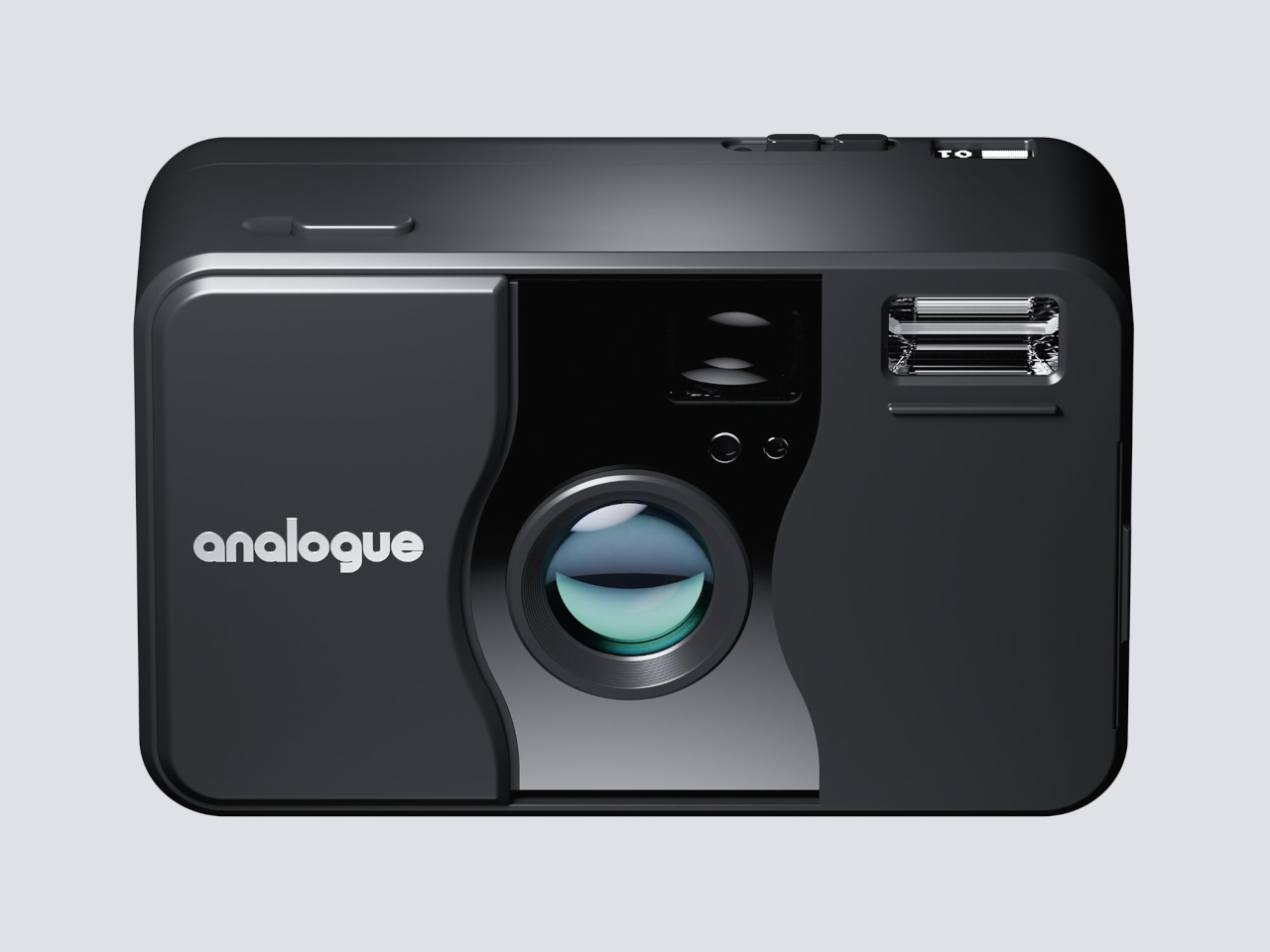
Film photography is having a renaissance, but most point-and-shoots on the market are either vintage relics with unpredictable quirks or new models that miss the tactile magic of analog shooting entirely. For anyone who wants the joy of film with the reliability of modern tech, the search can feel endless and frustrating. Most cameras force you to choose between nostalgia and convenience, never delivering both at once.
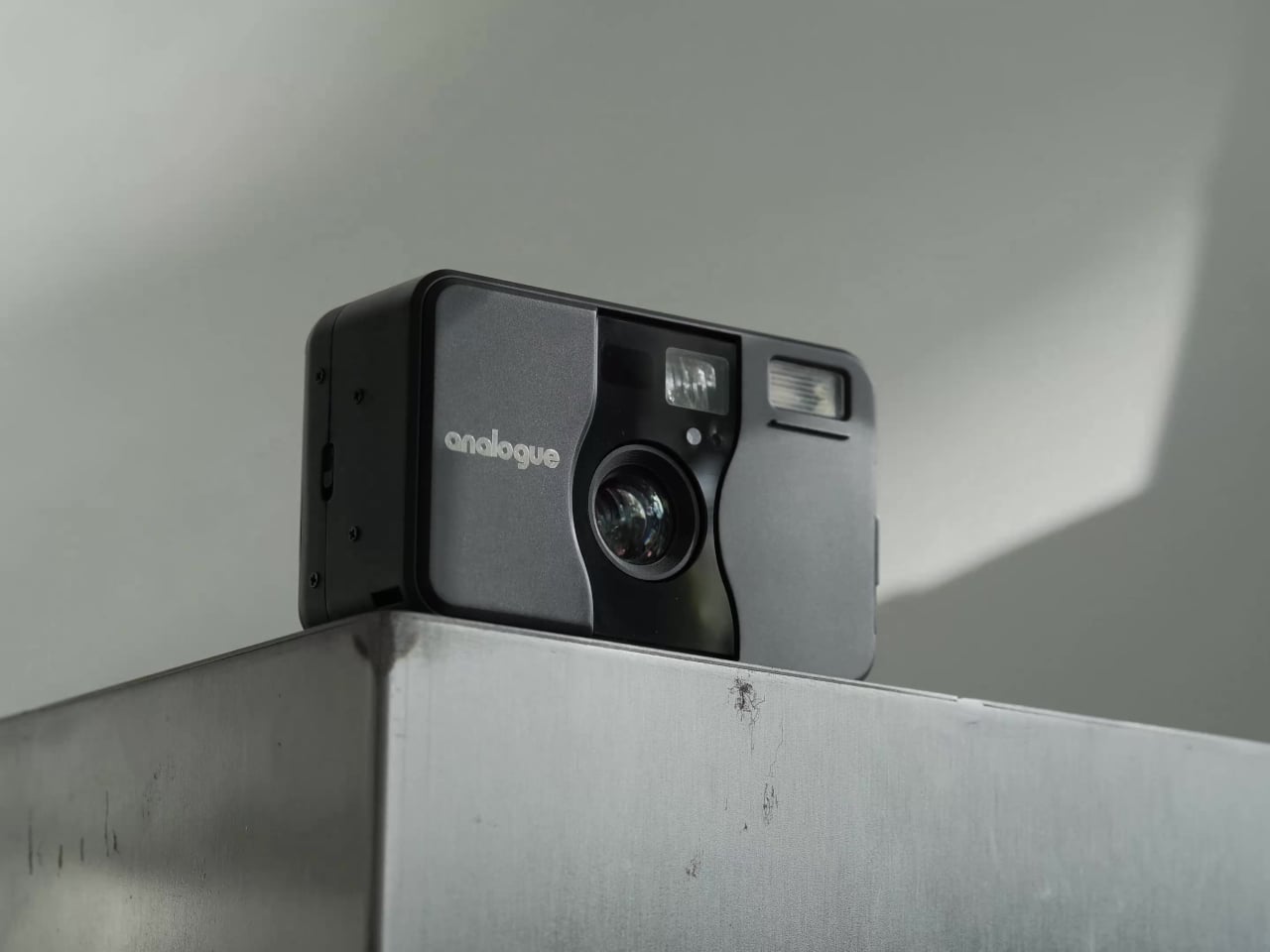
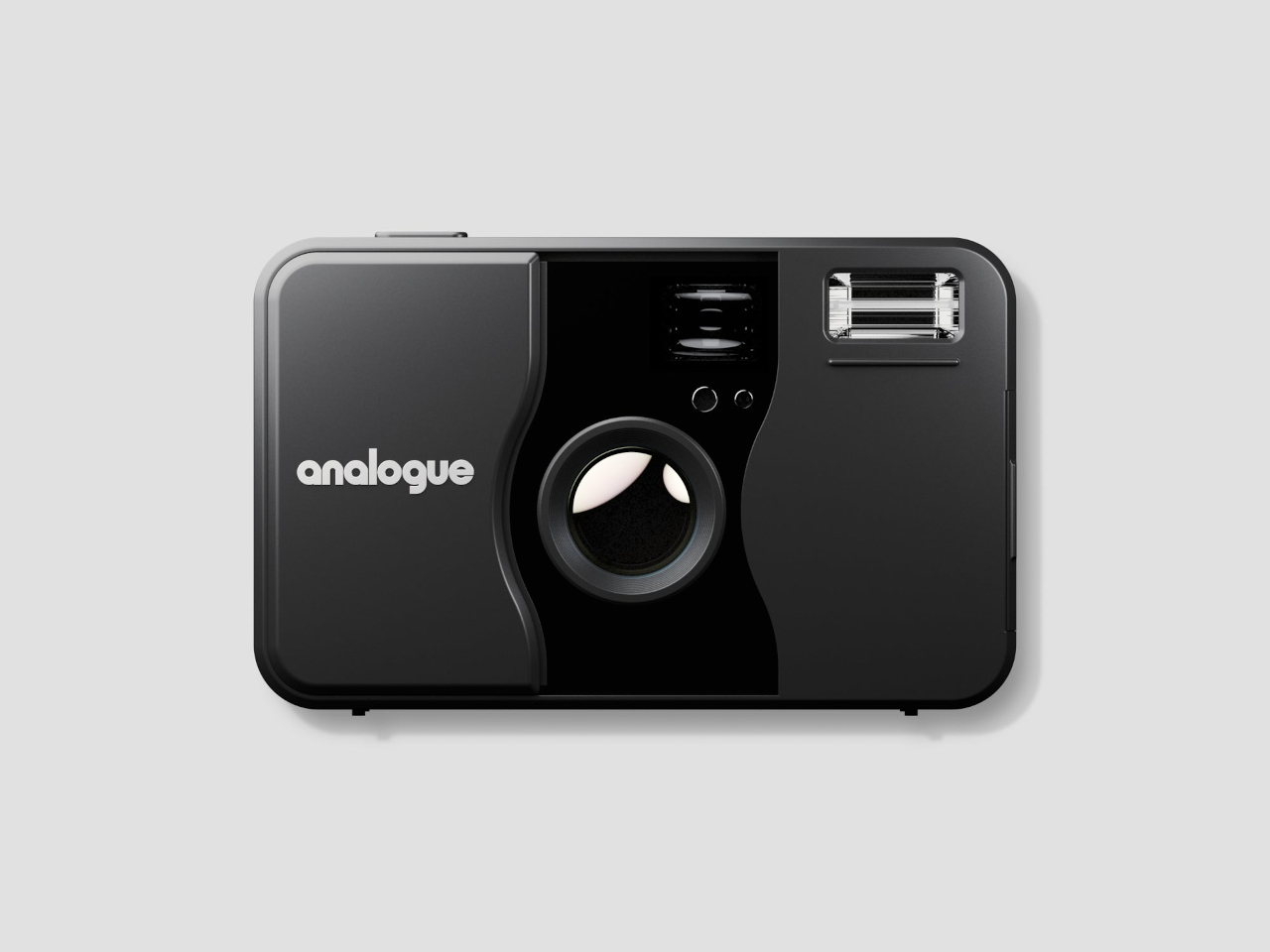
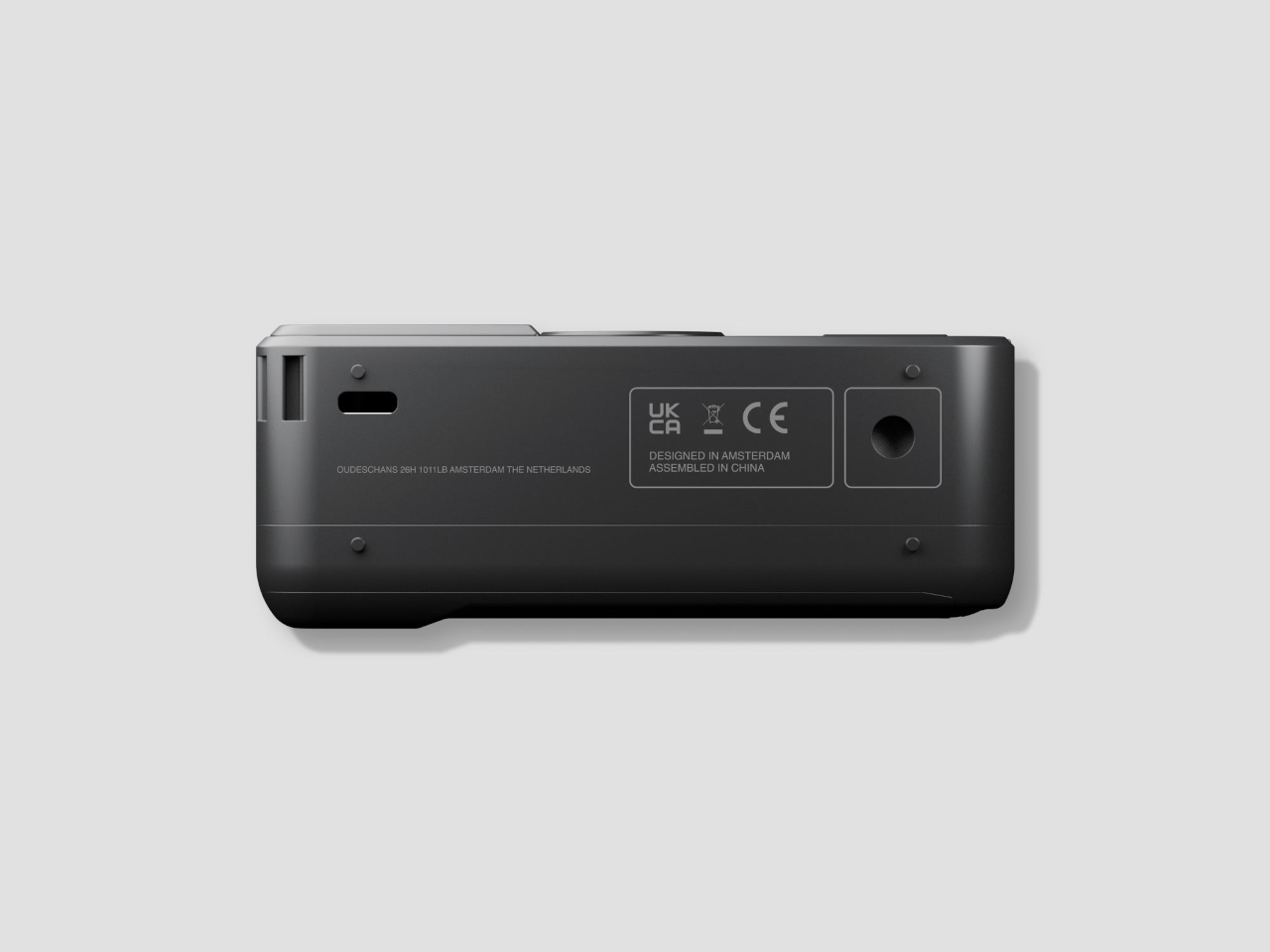
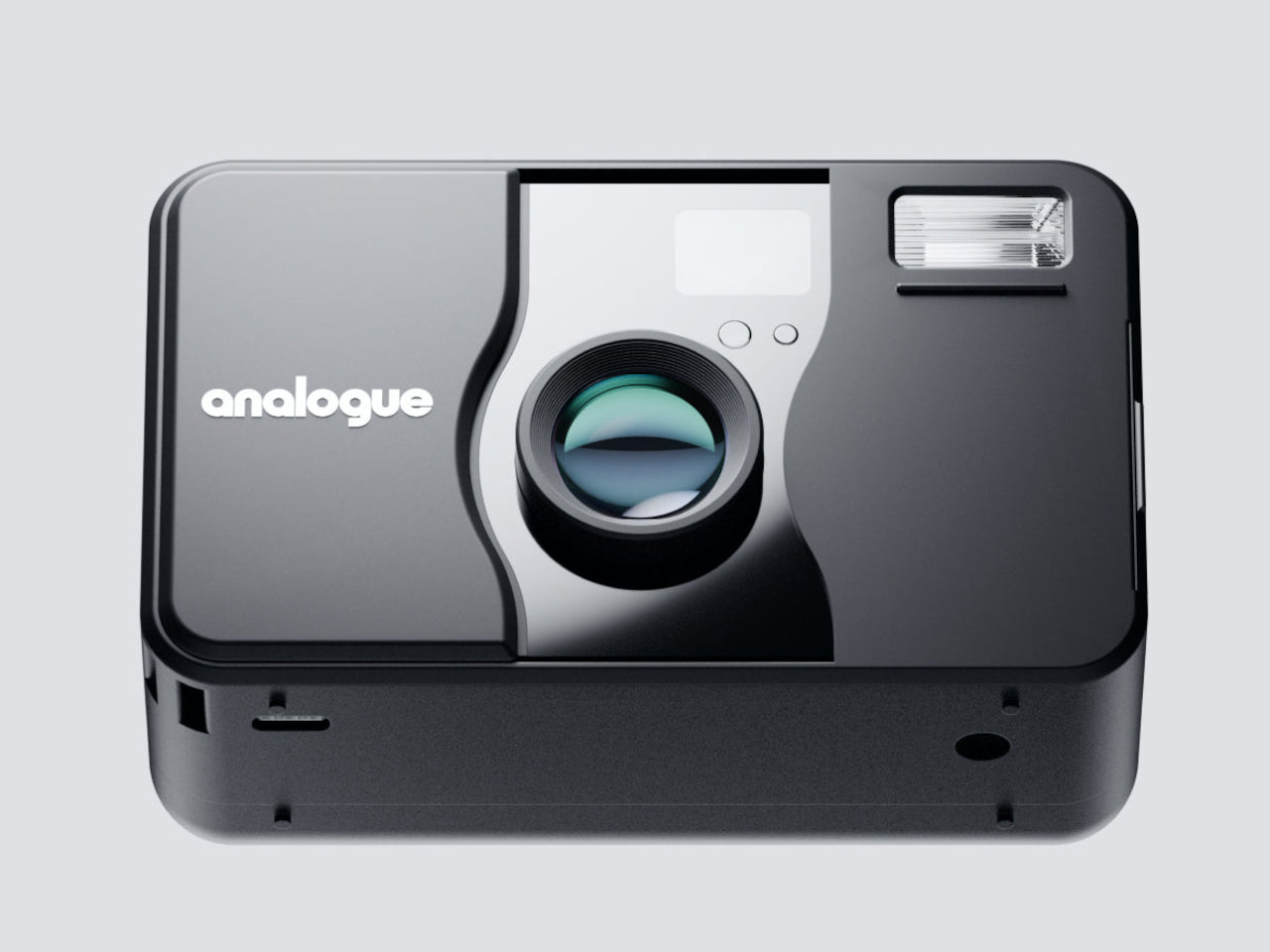
The Analogue aF-1 camera bridges that gap by blending the best of both worlds into one compact package designed for modern film shooters. With classic looks, a fast 35mm f/2.8 lens, and digital features like LiDAR autofocus and automatic film handling, it’s a camera that makes every shot feel intentional and every moment easier to capture without the usual hassles. The aF-1 brings together decades of camera evolution successfully.
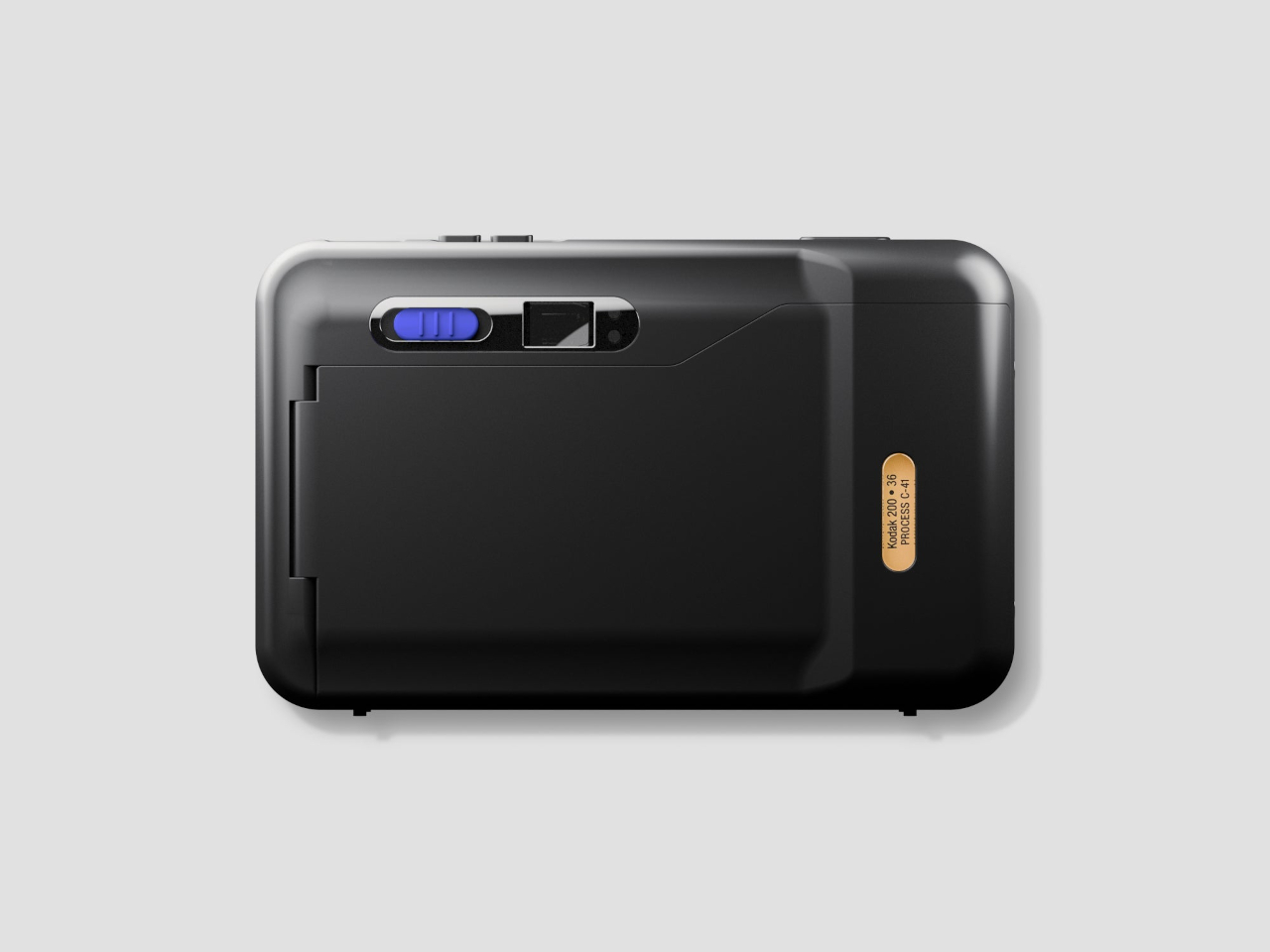
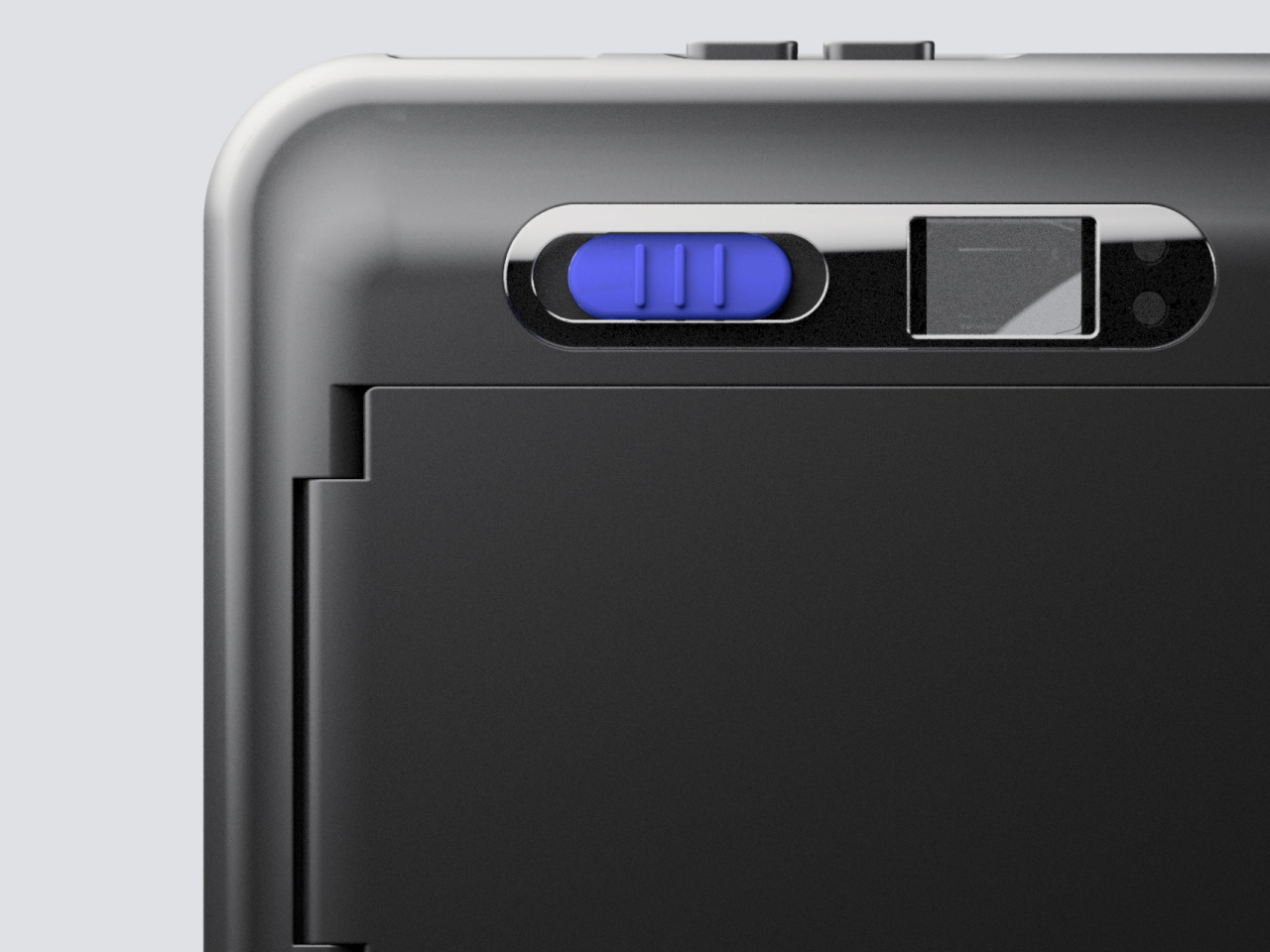
The aF-1’s minimalist, matte-finished body is inspired by iconic compacts of the past like the Olympus Mju and Contax T series, but it’s newly manufactured with modern materials and a robust, splashproof build rated IPX4 for weather resistance. The 35mm f/2.8 lens with its 6-element Double Gauss optical design delivers sharp images and pleasing depth, while the Albada viewfinder and two-stage shutter make framing and focusing intuitive.
Its compact size and rounded edges make it easy to slip into a bag or pocket, ready for spontaneous street shots or travel adventures wherever creativity strikes unexpectedly. The splash resistance means light rain or coastal spray won’t stop you from shooting during outdoor adventures, and the robust build stands up to daily carry and occasional bumps without requiring excessive care or bulky protective cases.
The real magic is in how the camera mixes analog charm and digital reliability seamlessly throughout the shooting experience. LiDAR and Time-of-Flight sensors power fast, accurate autofocus from 0.5 meters to infinity, so you never miss a fleeting moment even in tricky light conditions where vintage cameras would struggle. The automatic film loader, advance, and rewind mean you can focus on shooting compositions, not fiddling with film mechanics.
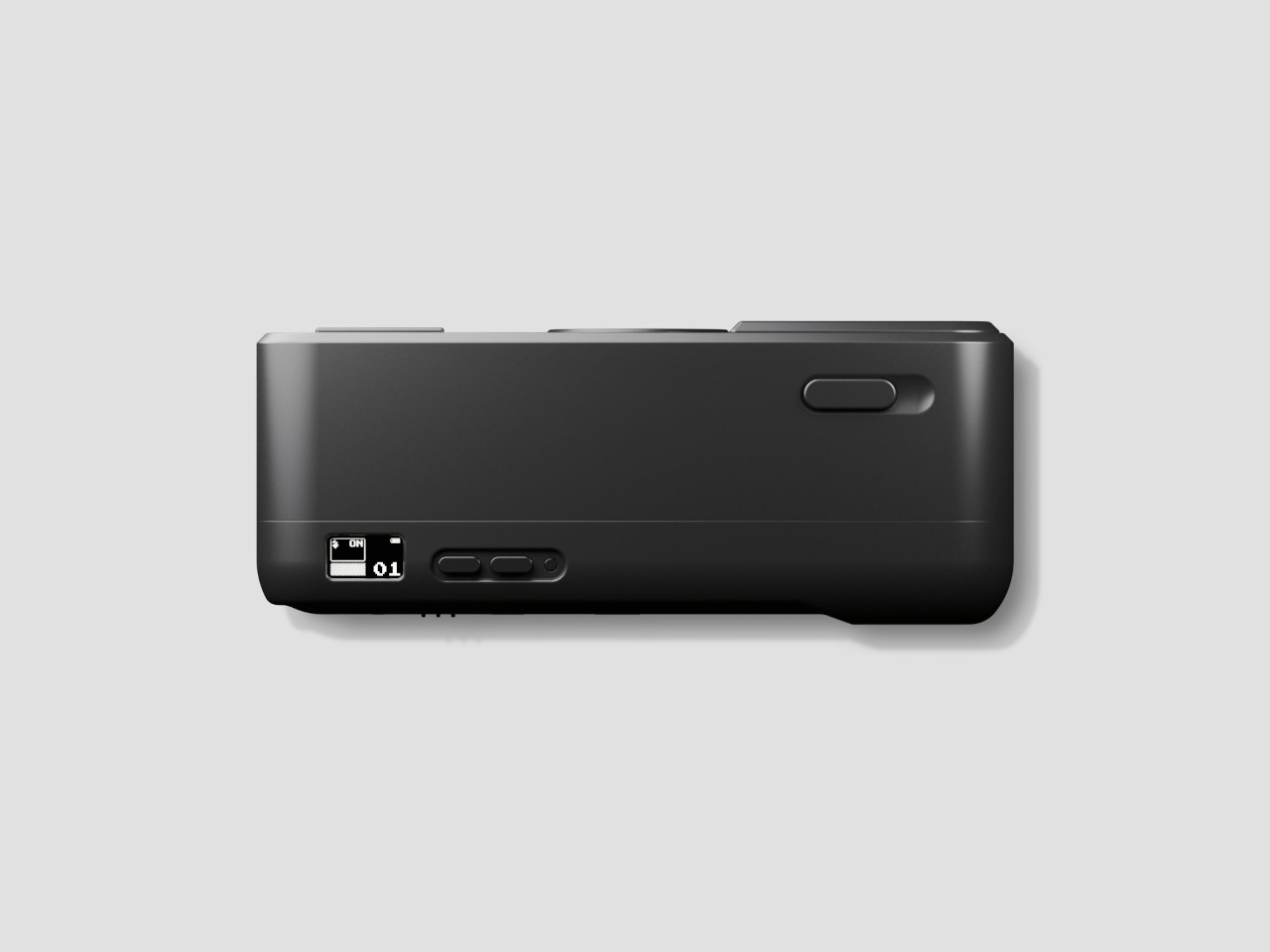
The GN8 flash recycles in as little as half a second between shots, with physical toggles for Auto, Forced, Anti Red-eye, Nightmode, and Off modes, giving you full manual control in any lighting situation you encounter. The fast recycle time means you’re always ready for the next shot without waiting around impatiently, and the flash reaches up to three meters at ISO 100 for properly lit group shots.
The aF-1 uses standard 35mm film with DX-coded ISO support from 25 to 5000 and is powered by a widely available CR123A battery that’s easy to find anywhere in the world. The shutter speed ranges from 1/1000 to 4 seconds for creative flexibility across different lighting scenarios. A 10-second self-timer and focus/exposure lock add creative options for group shots or experimental long exposures during golden hour.
Shooting with the aF-1 is about slowing down and savoring each frame, but without the headaches of vintage gear that breaks or requires constant servicing and repair from specialists. The camera’s blend of analog feel and digital reliability makes film photography less intimidating and more rewarding for newcomers while giving experienced shooters the dependability they need for important moments worth preserving forever on physical film.
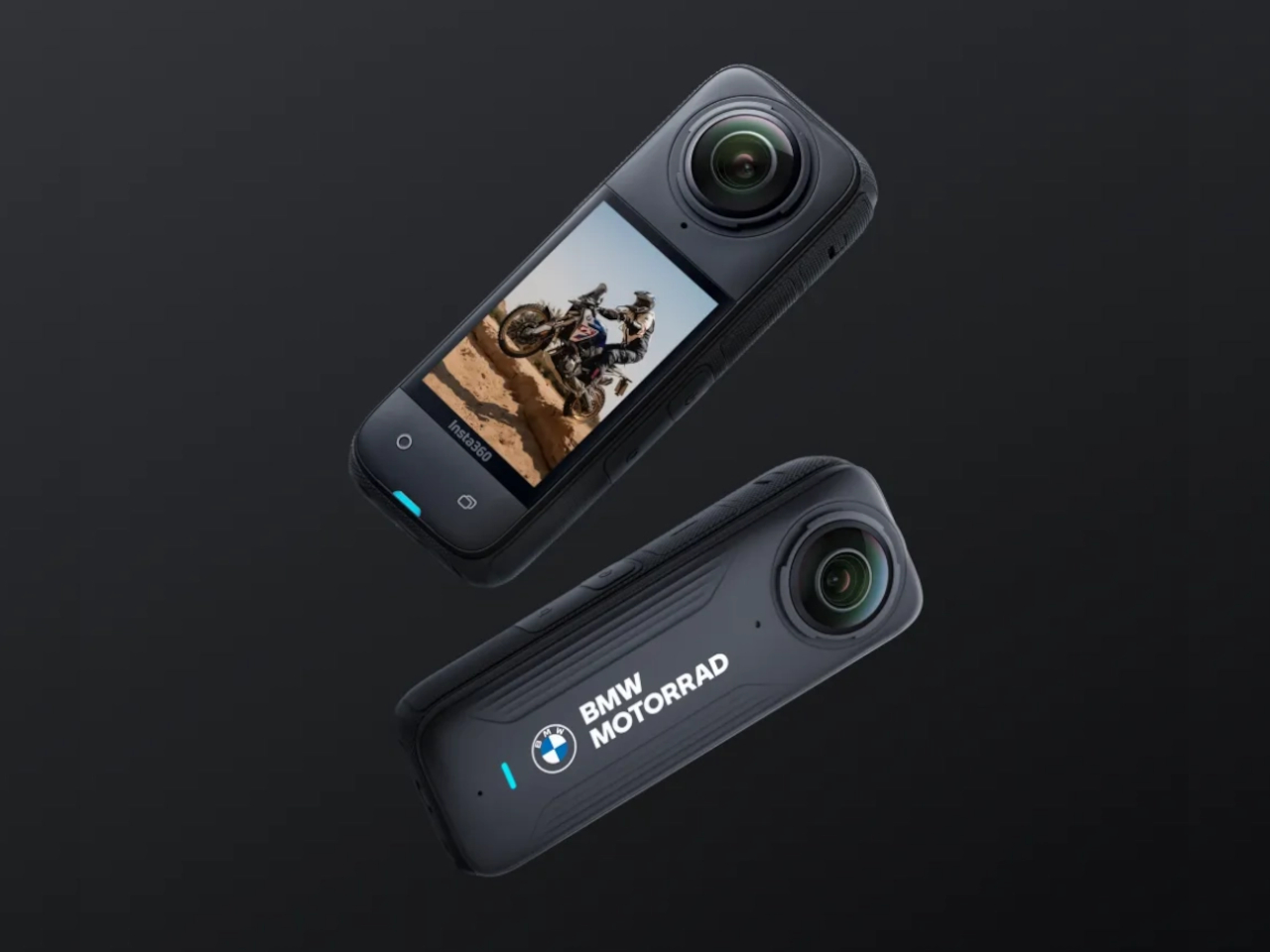
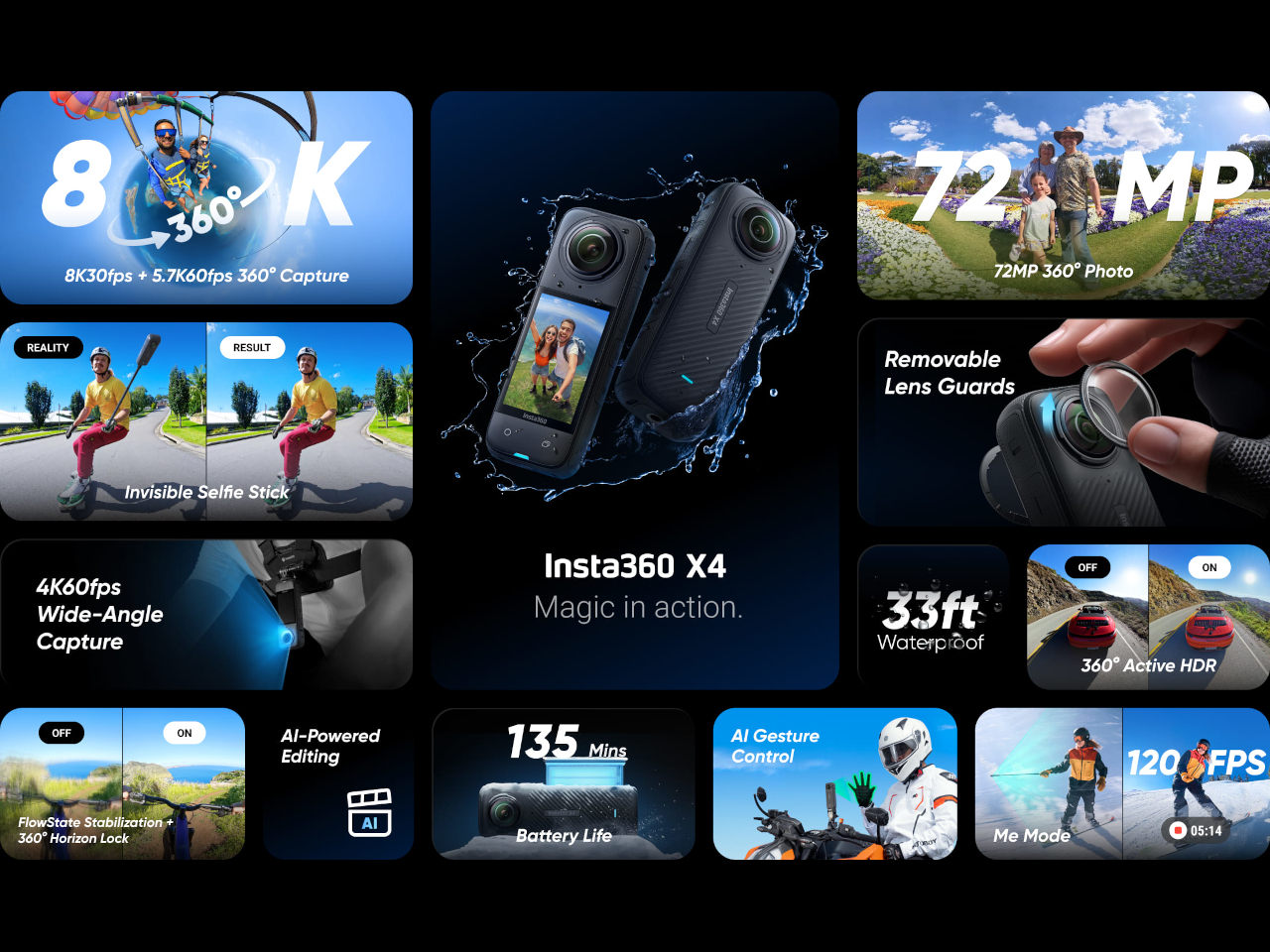
Action cameras are pretty much in demand now in the age of content creation as they are more practical compared to using digital cameras or even smartphones. We see the more adventurous type of creators or even just “ordinary citizens” as they do things like surfing, mountain climbing, skydiving, or even something more mundane like walking. One of the more popular brands out there is Insta360 and now they have released a limited edition version in collaboration with BMW Motorrad.
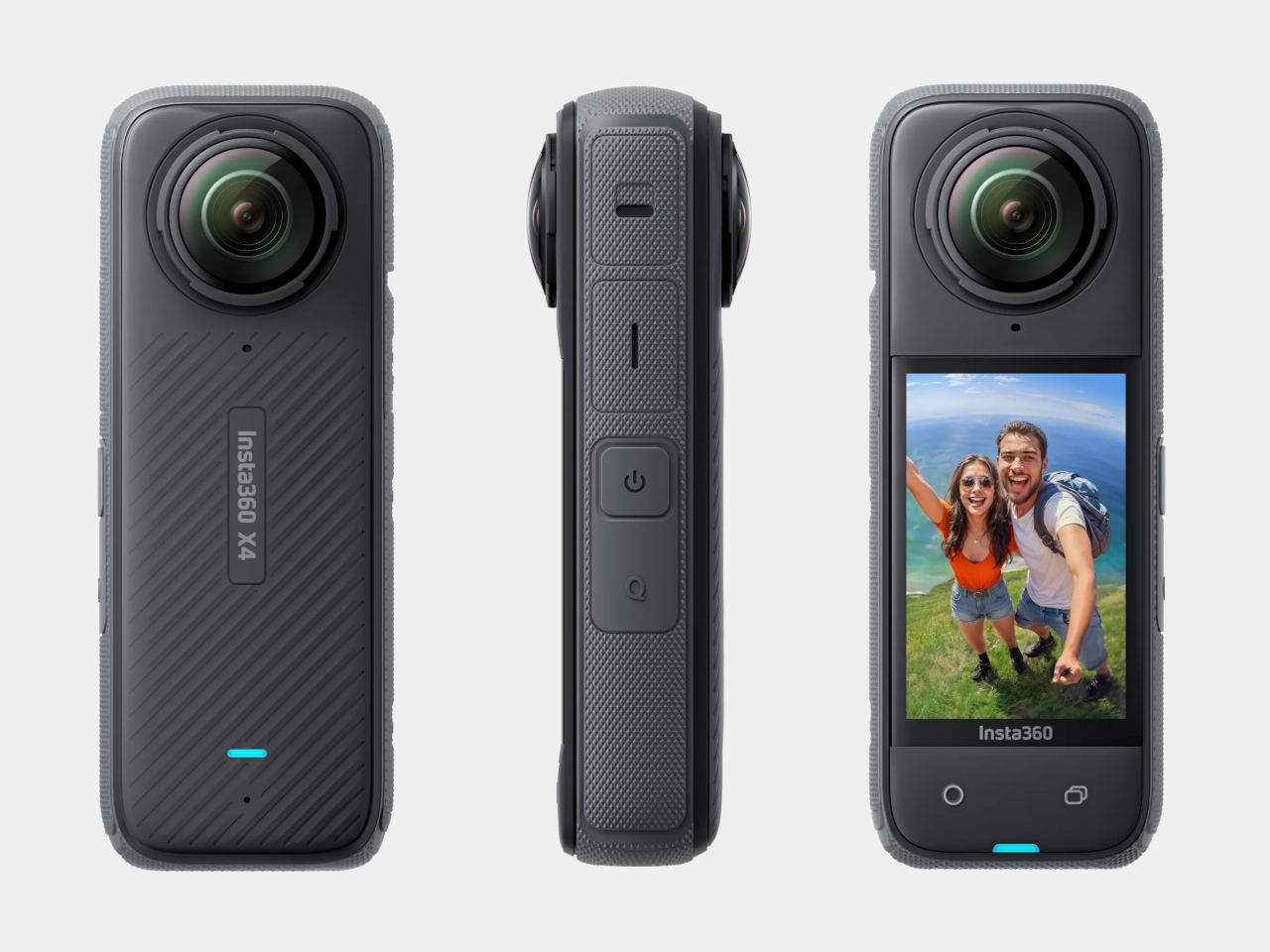
The Insta360 X4 BMW Motorrad Limited Edition is similar to the original version. The main difference is that you have the BMW Motorrad branding on the back, in case you want to flex that as you’re shooting. They don’t really specify if they want it to be used as you’re cruising on your expensive motorcycle, but those who will get this variant will probably use it for that purpose. The two brands previously collaborated on creating motorcycle action shots content.
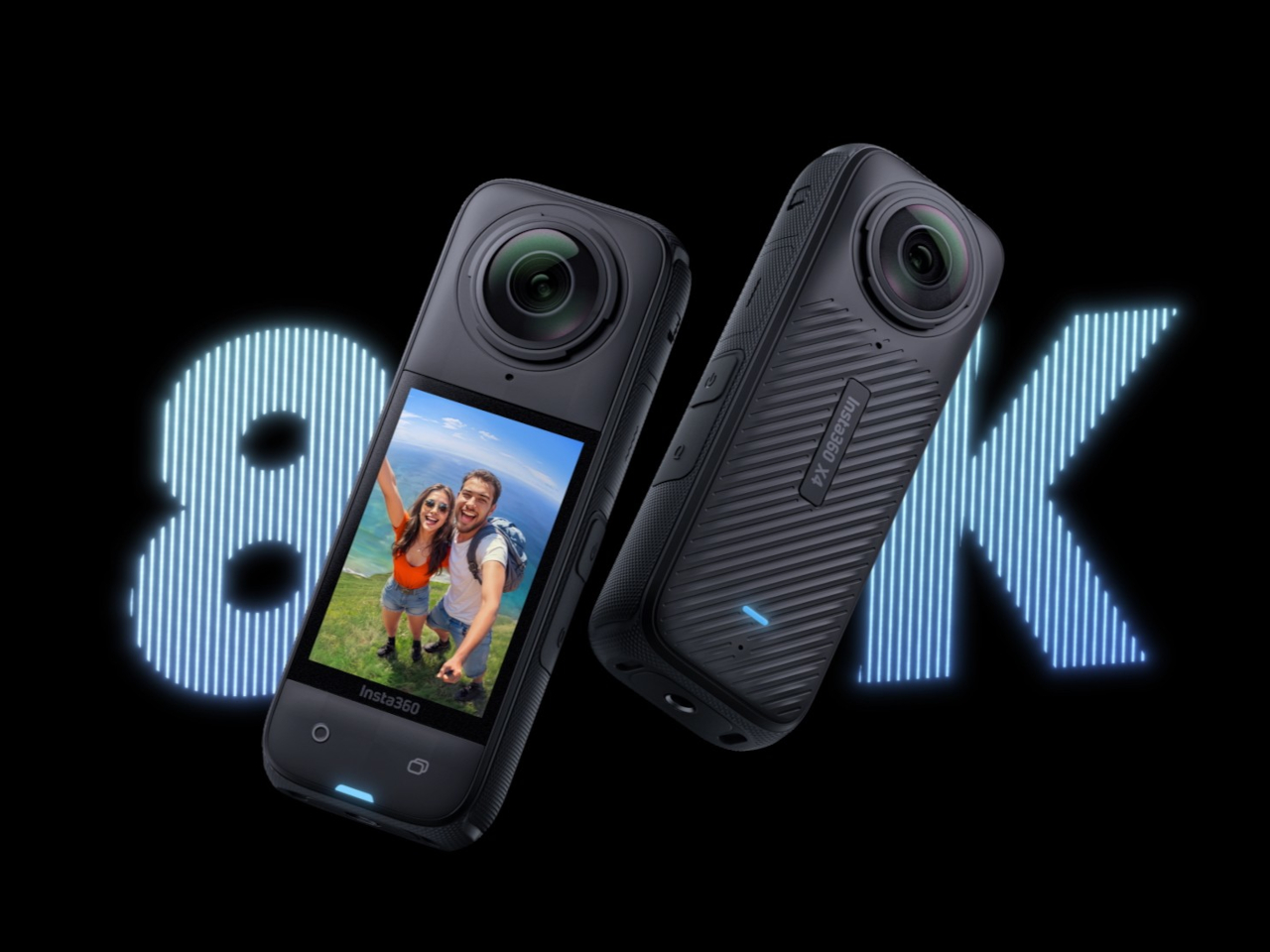
But otherwise, it’s basically just the Insta360 X4 which is not bad in itself as it boasts of impressive features like it’s 72MP 360-degree lens system that can capture 8L 30fps videos and 5.7k 60fps videos. You can even do some slow-motion videos as it supports 4K 100fps, 5.7K 120fps, and 3K 240fps recording. Other things you can do with it is shoot 4K 30fps ultra-wide-angle videos with a 170-degree field of view and 11K time-lapse videos.
This action camera has other advanced features like a 360-degree active HDR, Flow State stabilization, 360-degree horizon lock, wind noise reduction, and an invisible selfie stick. So if you didn’t have this camera yet but would like to have one to go on adventures with you, and if you’re a BMW Motorrad fan, then this would be a good sign to get one. Well, that is, if you’re in China since they don’t have information yet if it will be available in other markets.
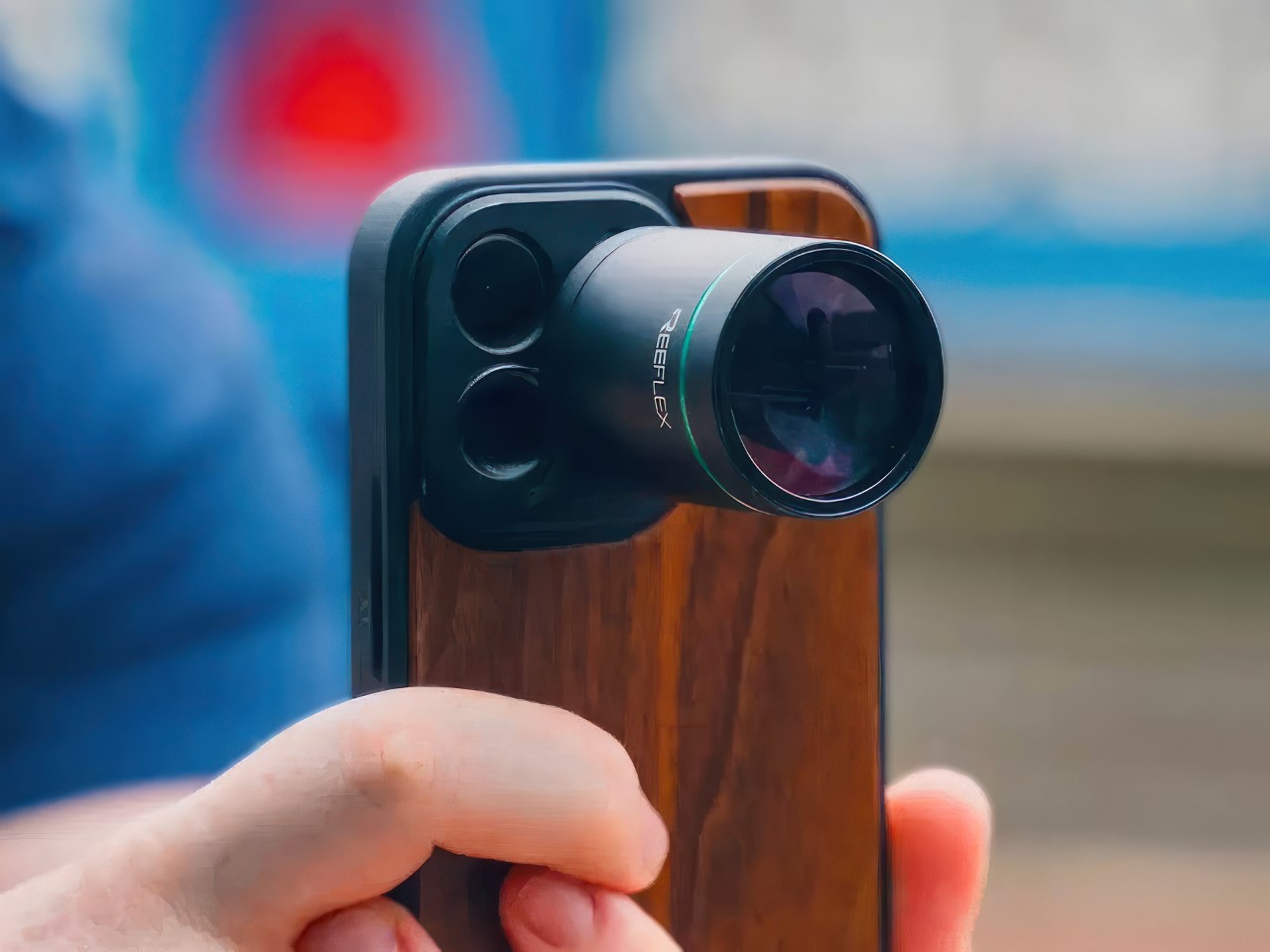
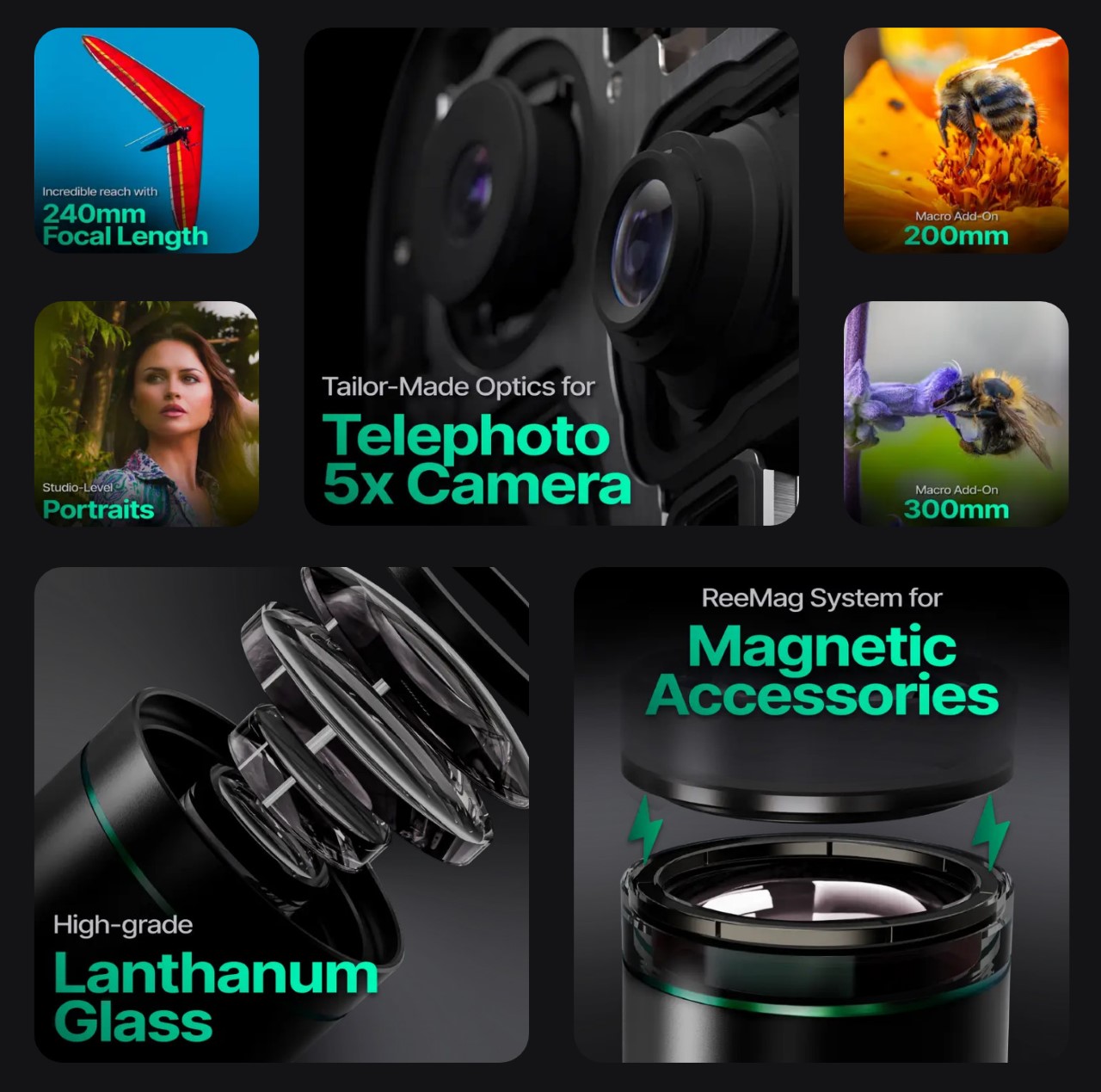
Imagine adding a whopping 10x optical zoom to your iPhone 16 Pro or Samsung Galaxy S24 Ultra. Forget the moon, you could take pictures of a moon base with it! Jokes aside, the cameras on our phones are growing more and more powerful each day – but the only thing really changing is the algorithm that processes photos. The key differences between a DSLR and a phone camera still remain – the size of the sensor (which lets more light in), and the size of the lens (which enables a camera to see wider, closer, or farther). While phone sensors have been growing larger and larger, the camera bump has limited the lens’ capabilities… but this snap-on 240mm telephoto + macro lens is upgrading the smartphone photography game.
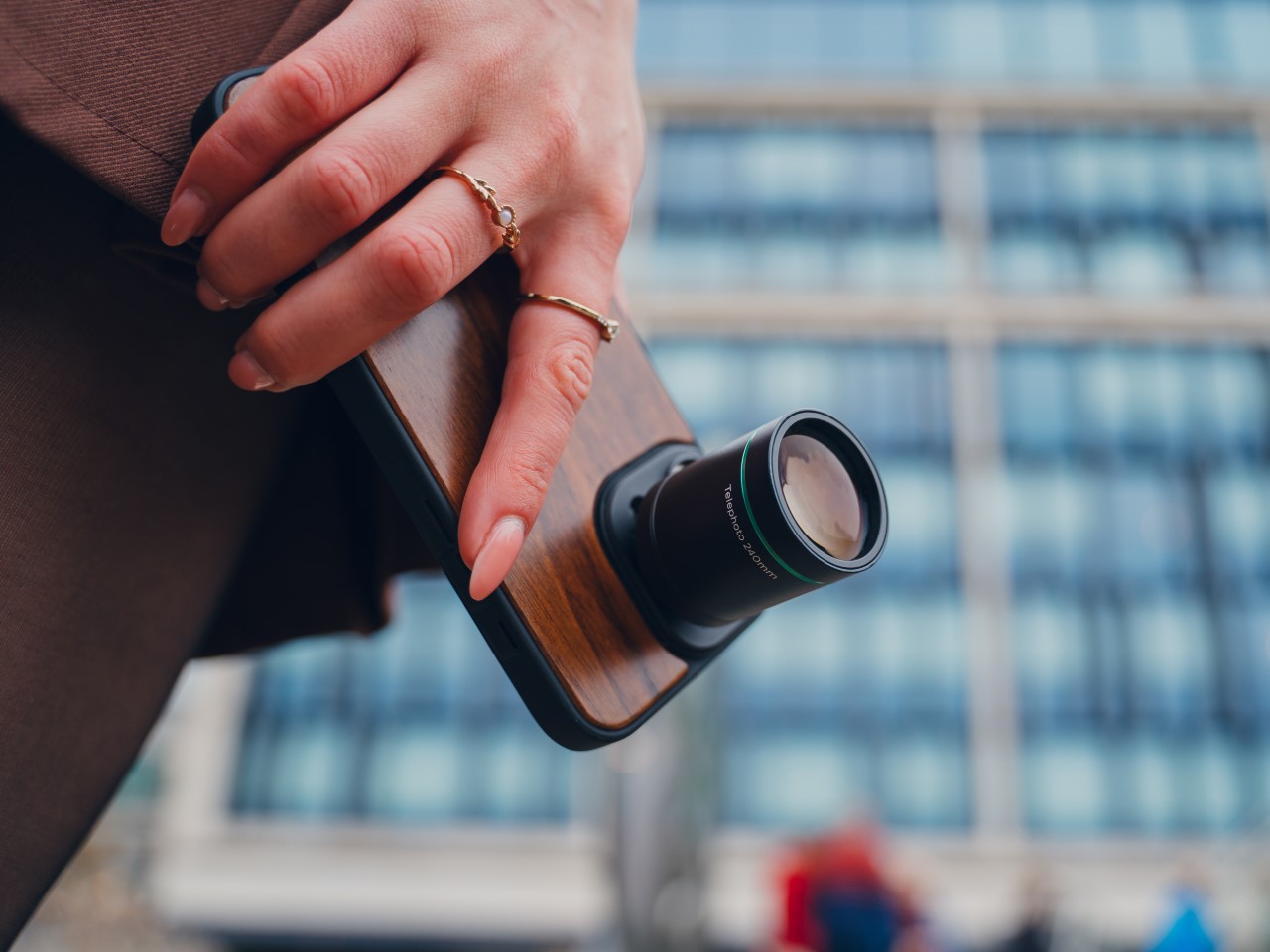
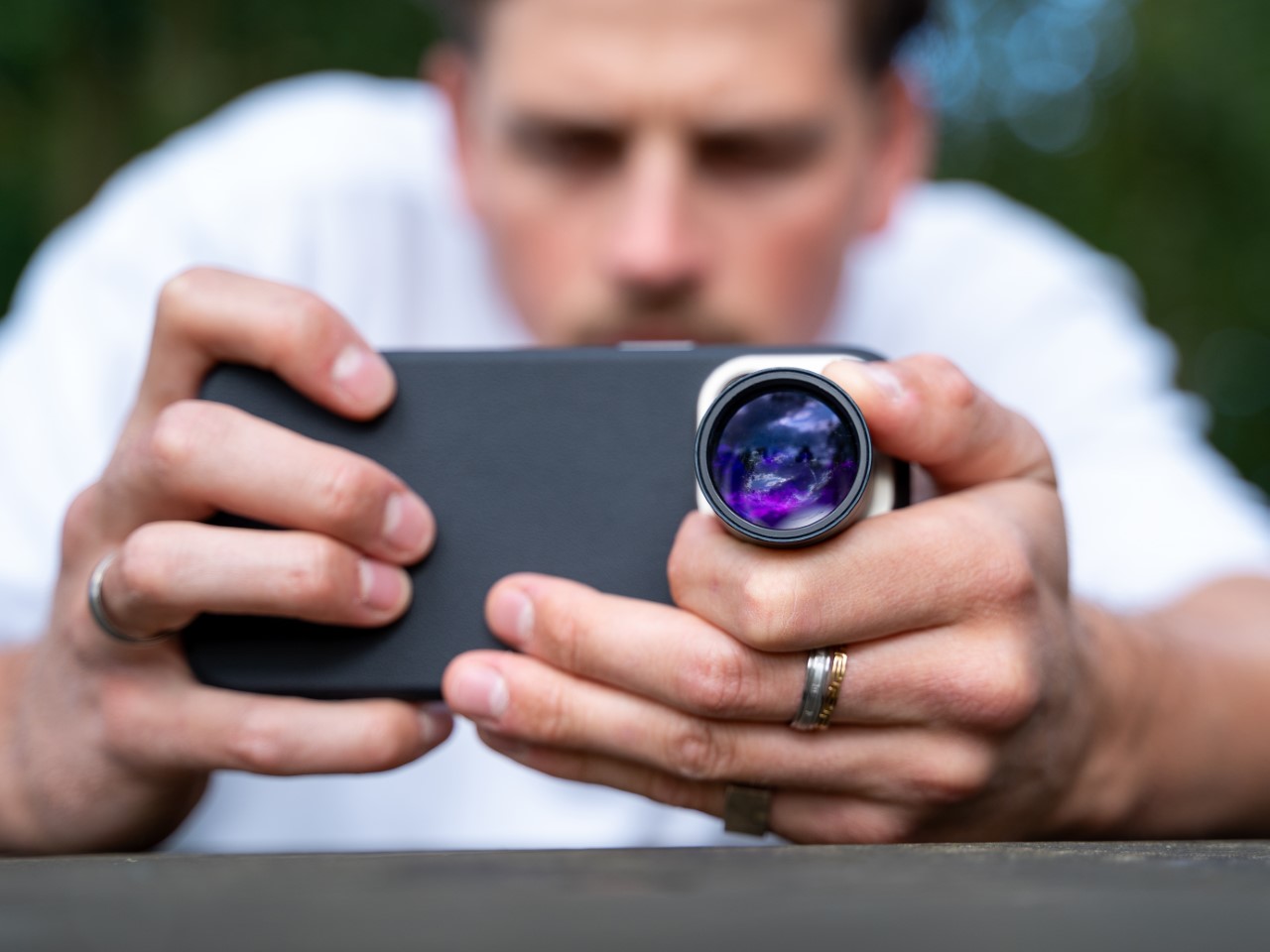
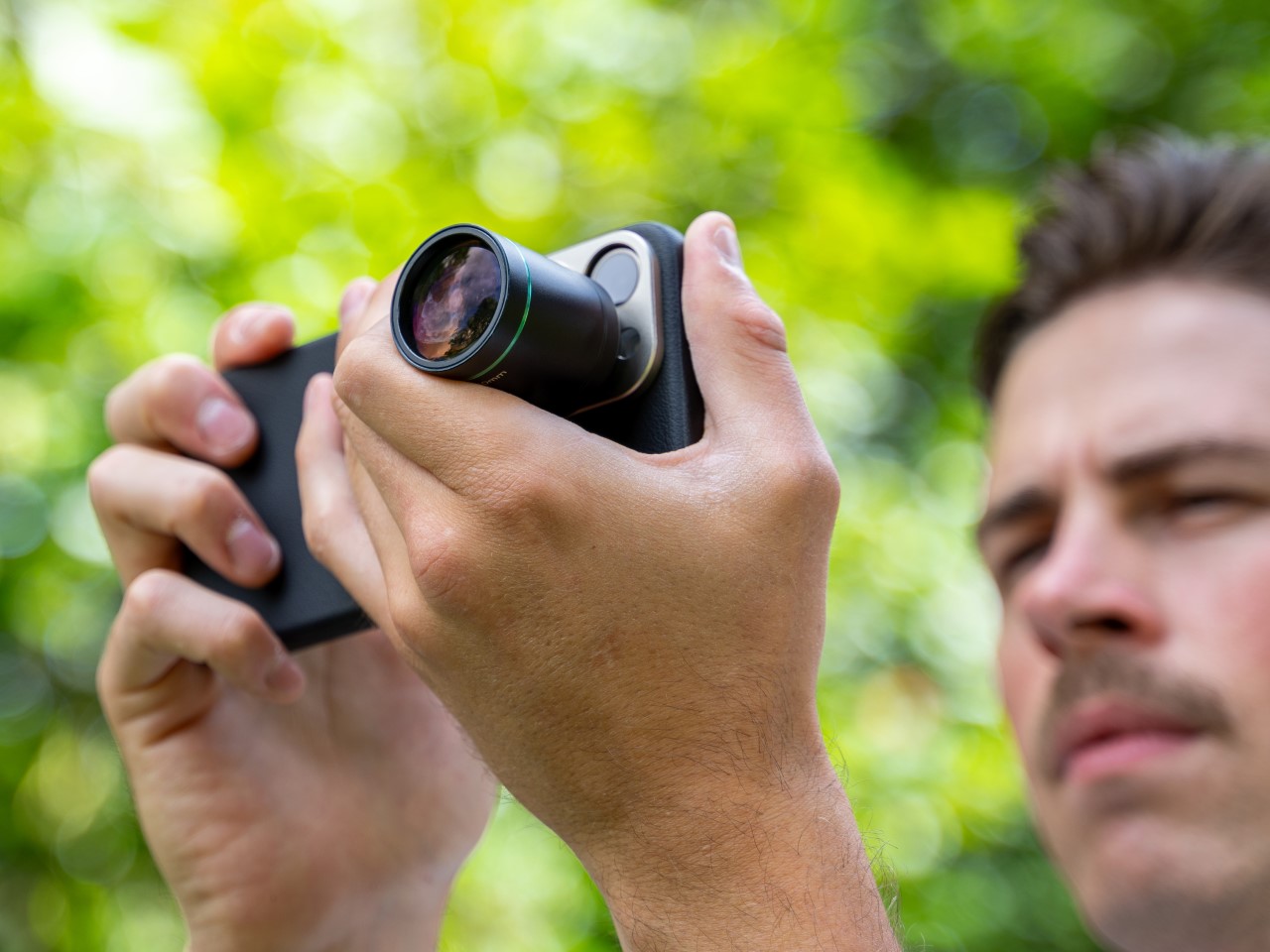
If you’re wondering how much further smartphone photography can go, the Super Telephoto 240mm Lens designed for the iPhone 16 Pro and Samsung S24 Ultra might be your answer. This lens promises to revolutionize how we capture everything from sweeping landscapes to intricate macro details. With a striking 240mm focal length, it offers a 10x optical zoom that pushes beyond the limits of the typical smartphone camera, bringing distant scenes into sharp, professional-quality focus. It’s built specifically for flagship devices like the iPhone 16 Pro’s 5x telephoto camera, which means it’s engineered to align seamlessly with Apple’s Tetraprism camera system, allowing for a reach and clarity that’s previously been out of reach for mobile users.
The magic starts with the 10x magnification, which practically doubles the reach of standard 5x smartphone telephoto lenses. Imagine this: you’re at a concert or a sports event, seated far from the stage or field, but thanks to this lens, you can capture close-up, high-definition shots of your favorite band or the action on the field. The 240mm focal length offers a staggering zoom but it also brings sharpness and detail that might make you forget you’re using a smartphone at all. Even from the back of the venue, this lens can bring subjects into crisp focus, giving users the freedom to take professional-grade shots with ease.
Having a natural telephoto lens also means benefitting from natural bokeh rather than that computational AI-powered portrait mode with the inconsistent edges. The Super Telephoto 240mm lens is also designed to enhance portrait shots with natural depth, compression, and creamy bokeh effects, all from three to five meters away. The 10x optical zoom gives portrait shots a beautiful subject isolation that you usually only get from traditional telephoto DSLR lenses. This feature is perfect for portrait photographers who want to create striking, professional-quality photos directly from their smartphone.
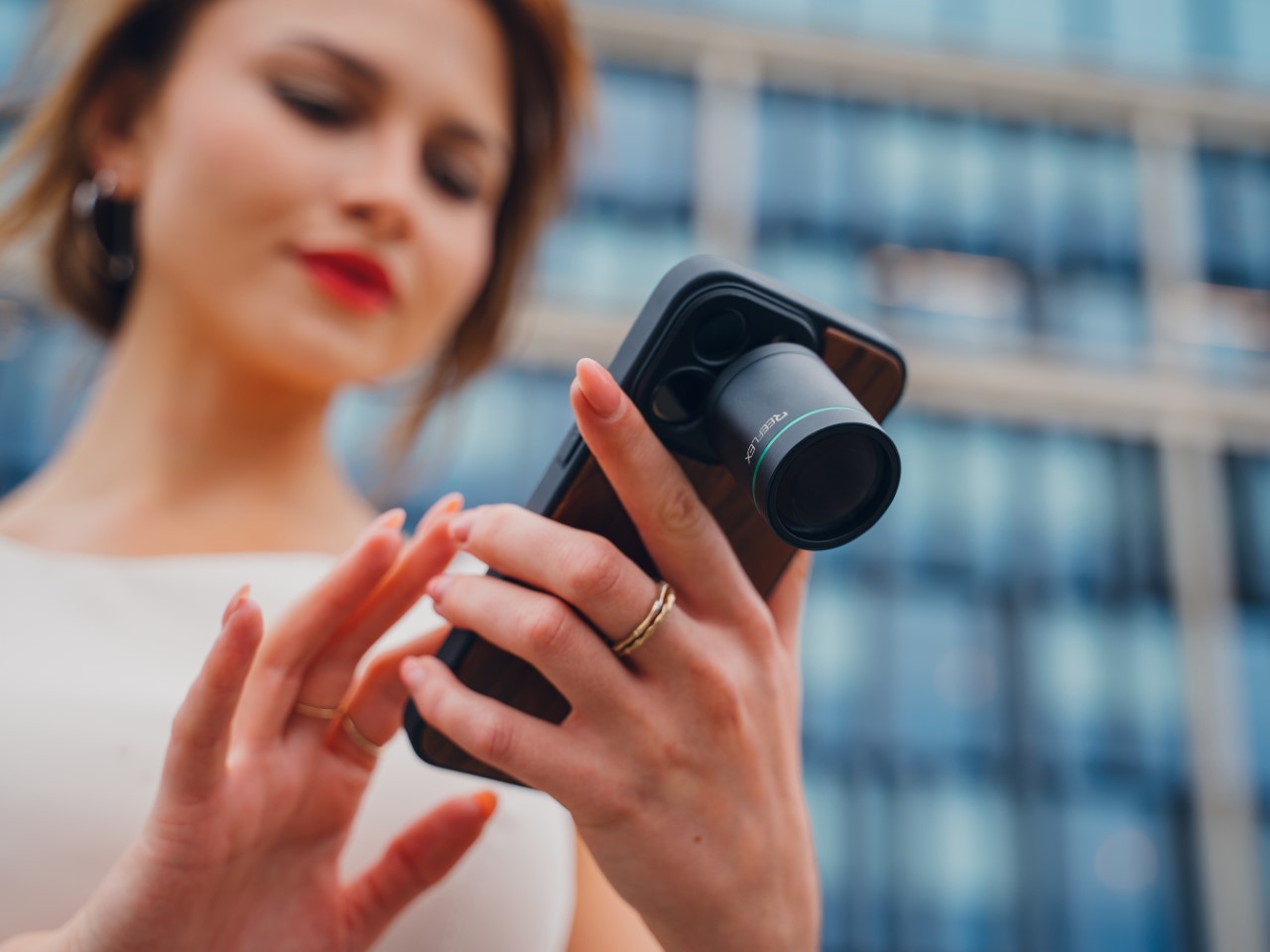
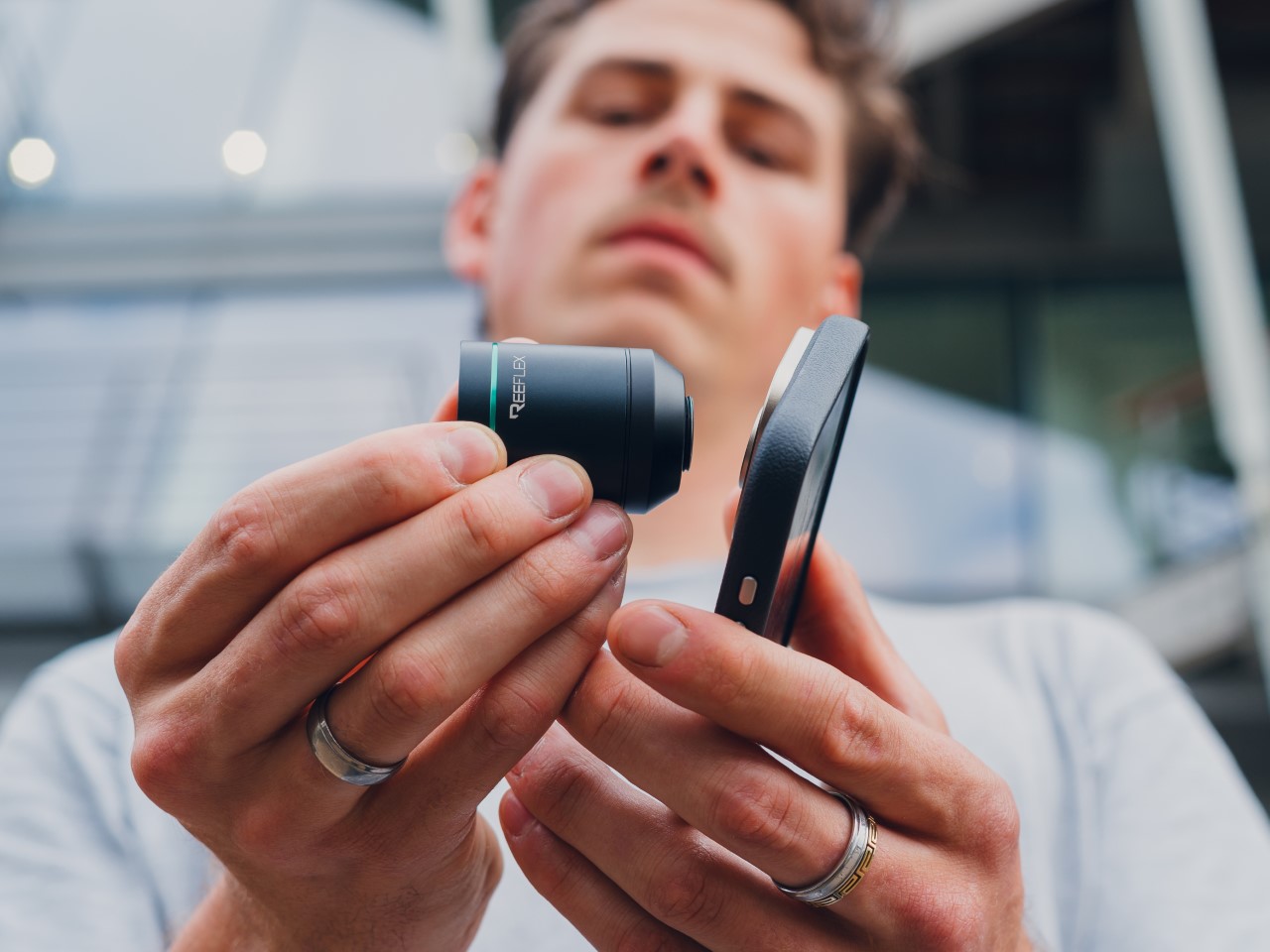
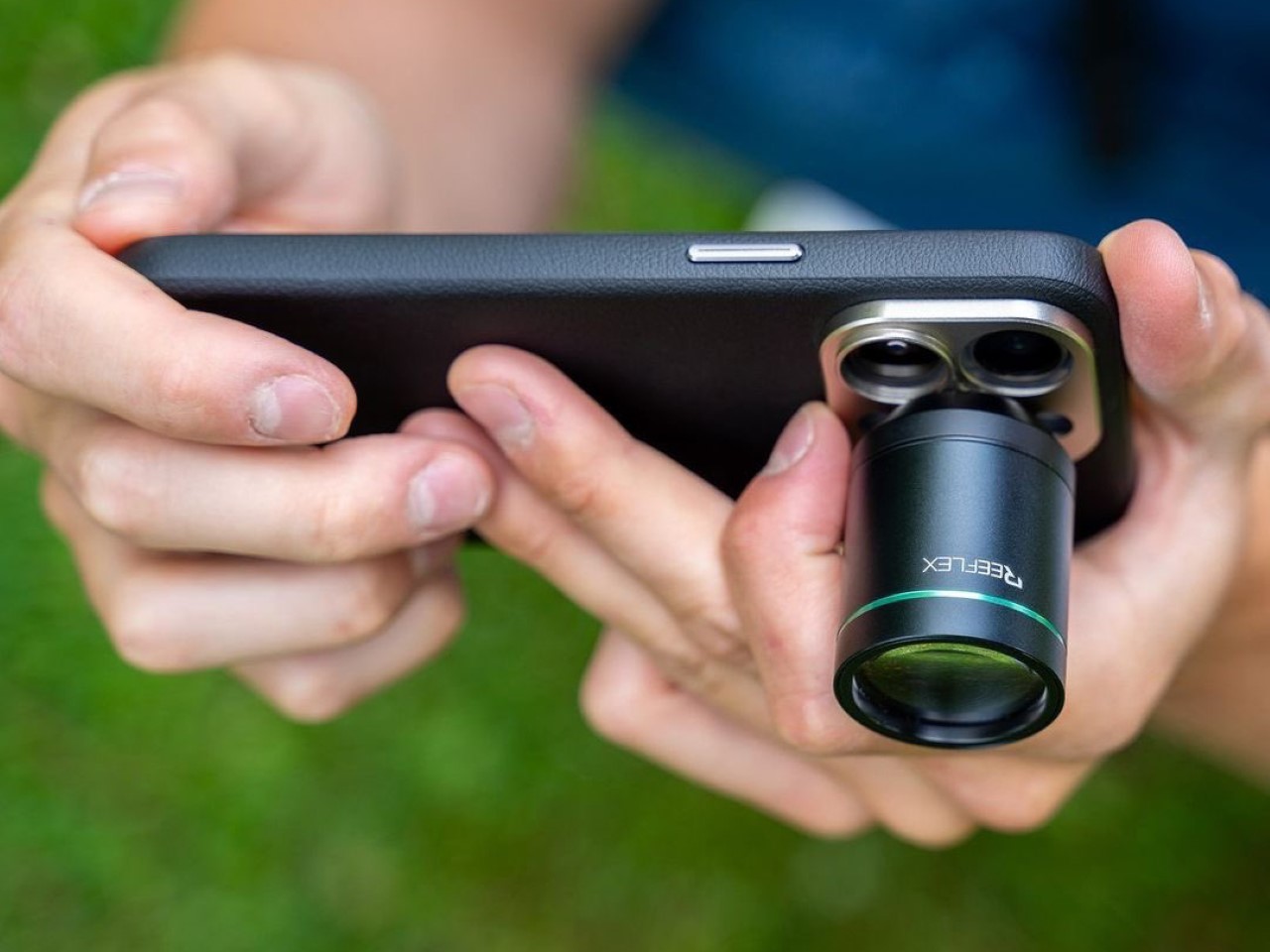
Want to switch from telephoto to macro? Well, that’s when the ReeMag System comes handy. This magnetic attachment setup allows users to easily switch between telephoto and macro photography modes with a simple snap. Using magnetic add-ons, you can instantly transform this lens into a macro powerhouse. It’s as simple as snapping on the add-ons, no complex adjustments required. For macro photography enthusiasts, this lens setup is a game-changer. The 200mm and 300mm magnetic macro add-ons allow you to get detailed close-ups of subjects at comfortable distances. This means you can capture intricate textures like the delicate veins of a leaf or the patterns in an insect’s wings, all without having to get uncomfortably close.
The ReeMag system also applies to all of Reeflex’s earlier award-winning lenses from its G-series, like the Anamorphic 1.3x lens, the 110° Wide Angle lens, the Long Range Macro lens, or even the 220° Fisheye lens. Alternatively, Reeflex also lets you use the ReeMag system to snap on filters like its Variable ND filters, and CPL or polarizer filters that help you further fine-tune your shot for that DSLR-like feel. It’s a nifty ecosystem that Reeflex has developed that lets you explore different accessories and shooting styles with your existing flagship smartphone.
Designed with high-end smartphones in mind, this lens integrates particularly well with the latest Apple and Samsung flagships. For iPhone 16 Pro users, the 240mm lens aligns with the 5x telephoto camera, meaning that it takes advantage of the Tetraprism system for optimal results. On the Samsung S24 Ultra, the lens offers similar enhancements, working seamlessly with Samsung’s top-notch camera specs to elevate mobile photography standards. Users of these devices can expect a noticeable upgrade in quality, even when pushing the lens to its maximum zoom capabilities. This focus on compatibility highlights the thoughtful design of the lens, which makes it one of the few add-ons crafted to meet the demands of flagship smartphones’ advanced hardware.
Reeflex isn’t new in the smartphone camera game. Aside from its award-winning G-series smartphone camera lenses, the company has also developed dedicated smartphone apps for capturing and recording media. These apps let you access pro features as well as capture in unique formats such as long-exposure or even time-lapse. With over 300,000 downloads on the App Store, Reeflex’s hardware + software handshake makes it perfect for serious photographers who want to push smartphone photography to its maximum.
Depending on the bundle you buy, the Reeflex Super Telephoto 240mm lens kit starts at $270, which includes the telephoto lens, along with a set of 300mm Macro and 200mm Macro add-on lenses. You also get a smartphone case (iPhone or Samsung) to help you easily mount the lenses onto your phone. You can upgrade to include some of Reeflex’s original G-series lenses with your bundle too (there are bundles for Macro or Portrait photographers), or just splurge on the $1,158 Ultra Kit which includes all of Reeflex’s previous lenses and filters compatible with the ReeMag system. The lenses ship globally starting January 2025, so if photography is your passion (or your new year resolution), grab your kit now!
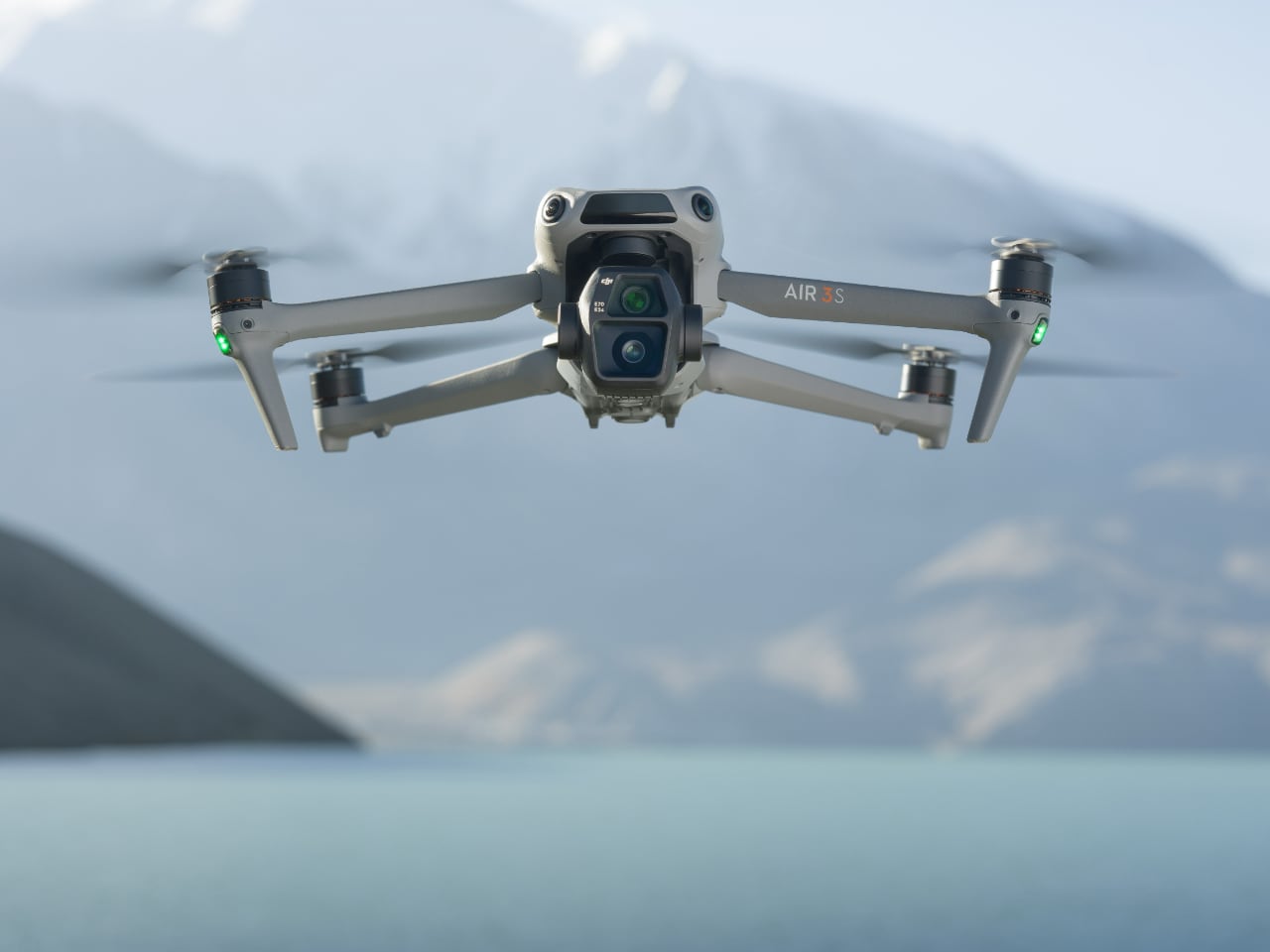
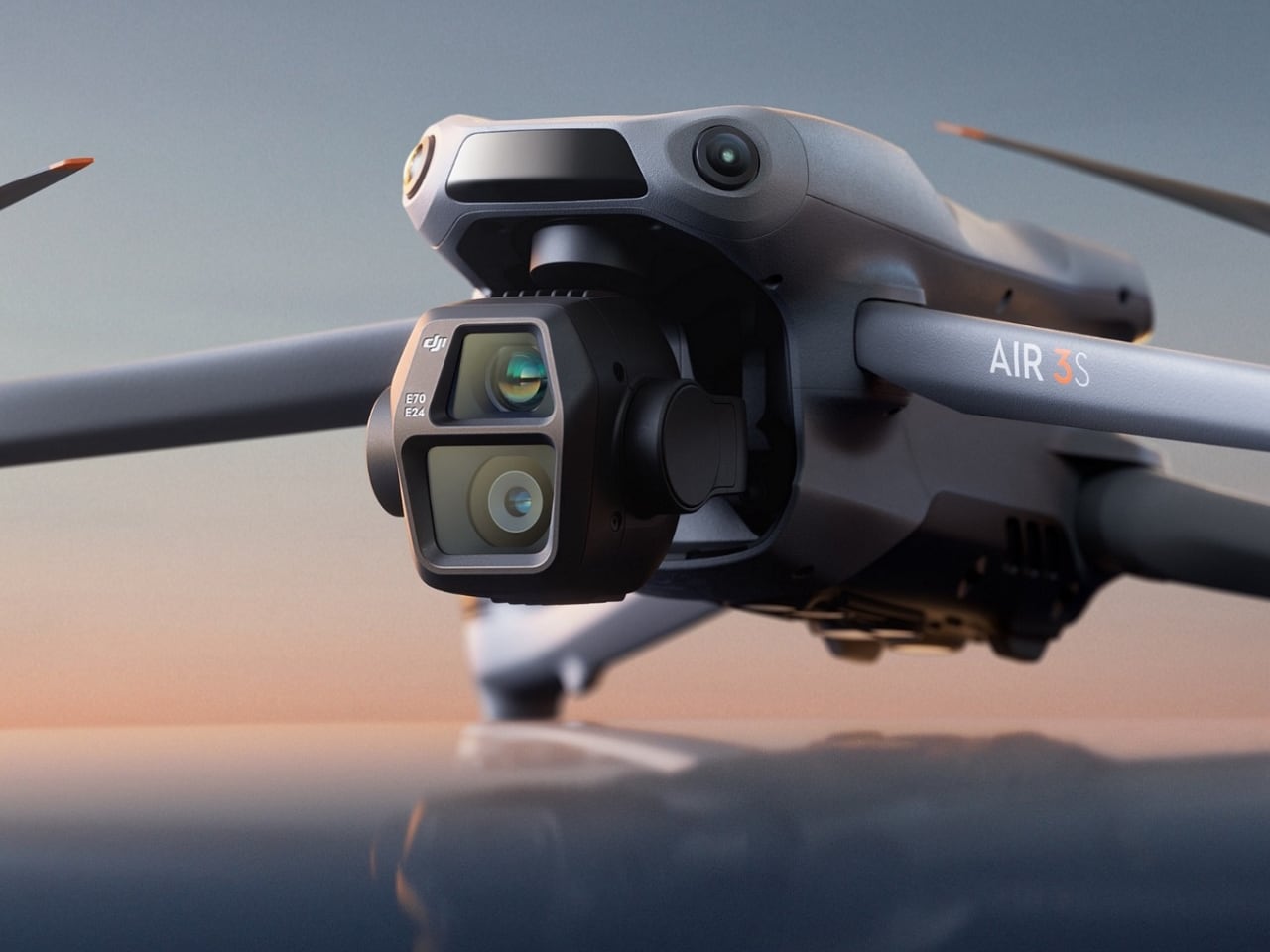
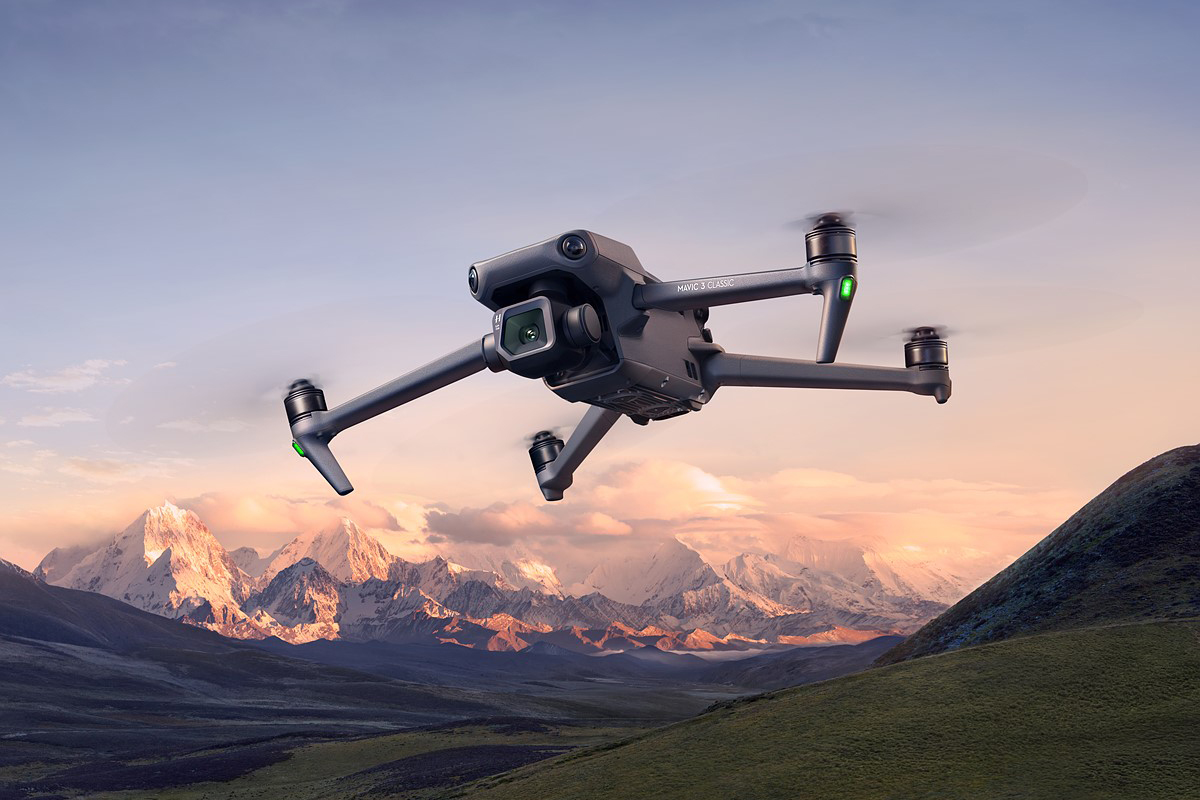
DJI has unveiled its latest aerial photography innovation, the Air 3S drone. Featuring a dual-camera setup with a 1-inch-CMOS primary camera and a 70mm medium tele camera, the Air 3S promises to enhance travel photography and videography to new heights. This new model offers improved 10-bit image quality, allowing for more vibrant colors in photos and videos. The enhanced ISO capabilities also ensure superior performance in low-light conditions, capturing breathtaking details that surpass those of the current DJI Mavic 3 Pro.
Image: DJI Air 3S: 70mm
Designer: DJI
Advanced Dual-Camera System
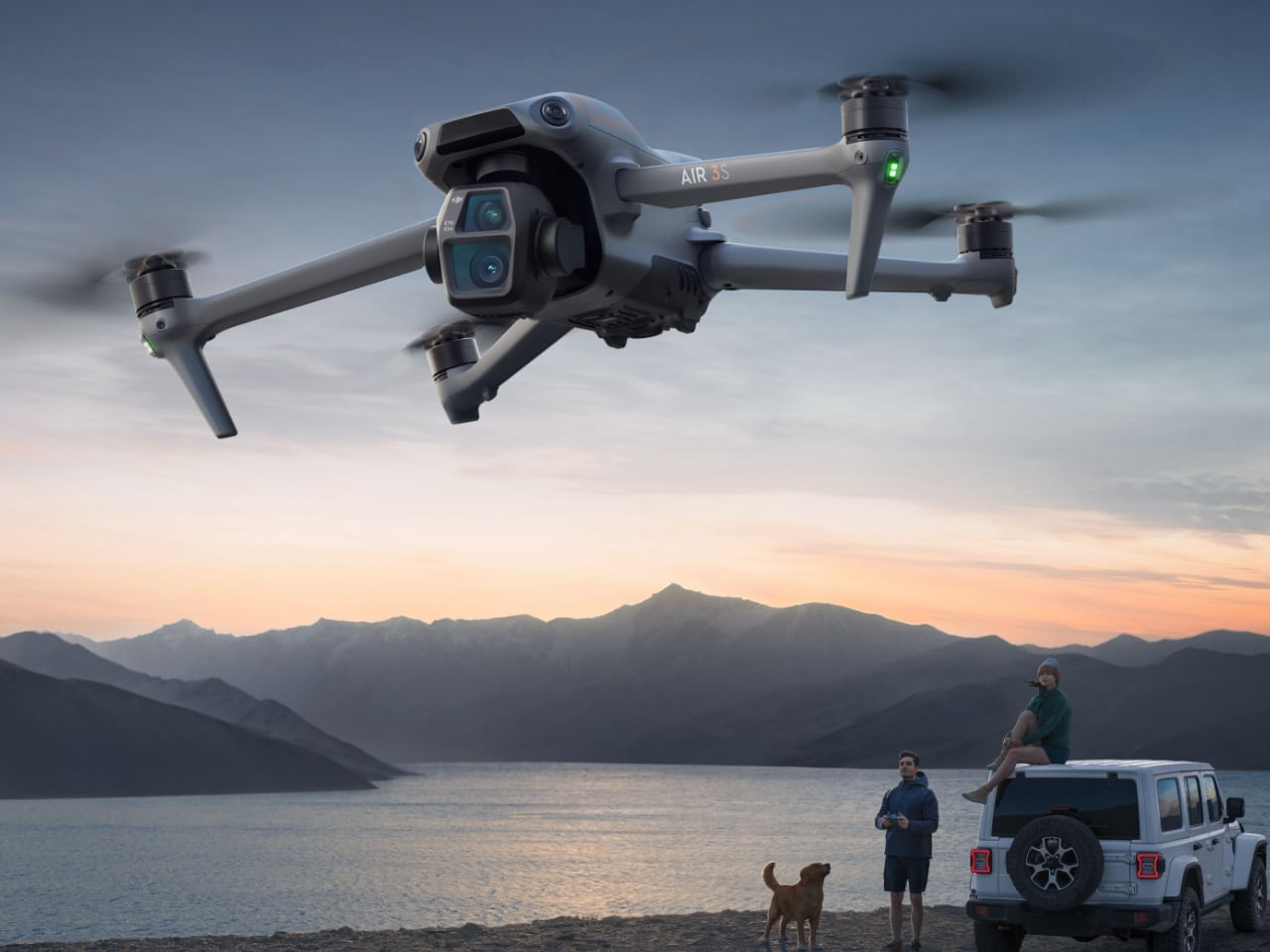
The DJI Air 3S boasts an advanced dual-camera system that sets a new aerial photography and videography standard. According to Ferdinand Wolf, DJI’s Product Experience Director, “The DJI Air 3S takes our Air Series to new heights by offering professional features like dual primary cameras and omnidirectional obstacle sensing while retaining its lightweight of just 724g for boundless freedom and flexibility.” The Air 3S is the perfect all-rounder for travel photography, capturing special moments during vacations while ensuring safety and security during nighttime operations.
Image: DJI Air 3S
Complementing the primary camera is a 70mm medium tele camera featuring a 48MP 1/1.3-inch CMOS sensor. This secondary camera offers a 3x optical zoom, making it ideal for portrait and vehicle shots with a compressed depth of field that adds a cinematic quality to footage. Both cameras support 4K/60fps HDR video recording and 10-bit D-Log M color profiles, ensuring consistent visual quality across both focal lengths and providing ample flexibility in post-processing. One of the standout features of the Air 3S’s camera system is its ability to capture images with up to 14 stops of dynamic range. This wide dynamic range allows for more detail retention in highlights and shadows, resulting in more balanced and professional-looking images even in high-contrast scenes. The improved ISO performance, with a maximum ISO of 12,800 in normal mode and 3,200 in D-Log M and HLG color modes, further enhances the drone’s capabilities in low-light situations.
Image: DJI
The Air 3S introduces a new Free panorama feature for both cameras, allowing users to create seamless panoramic shots by stitching together multiple images with manually selected subjects or areas. This feature, combined with the wide-angle and medium tele cameras, offers photographers greater flexibility in capturing expansive landscapes with rich details and minimal distortion. DJI has also implemented a more advanced video encoding compression algorithm in the Air 3S, which reduces video file sizes by over 30% without compromising image quality. This significant improvement in file compression saves valuable storage space and streamlines the post-production workflow for content creators.
Image: DJI Air 3S camera: 24mm
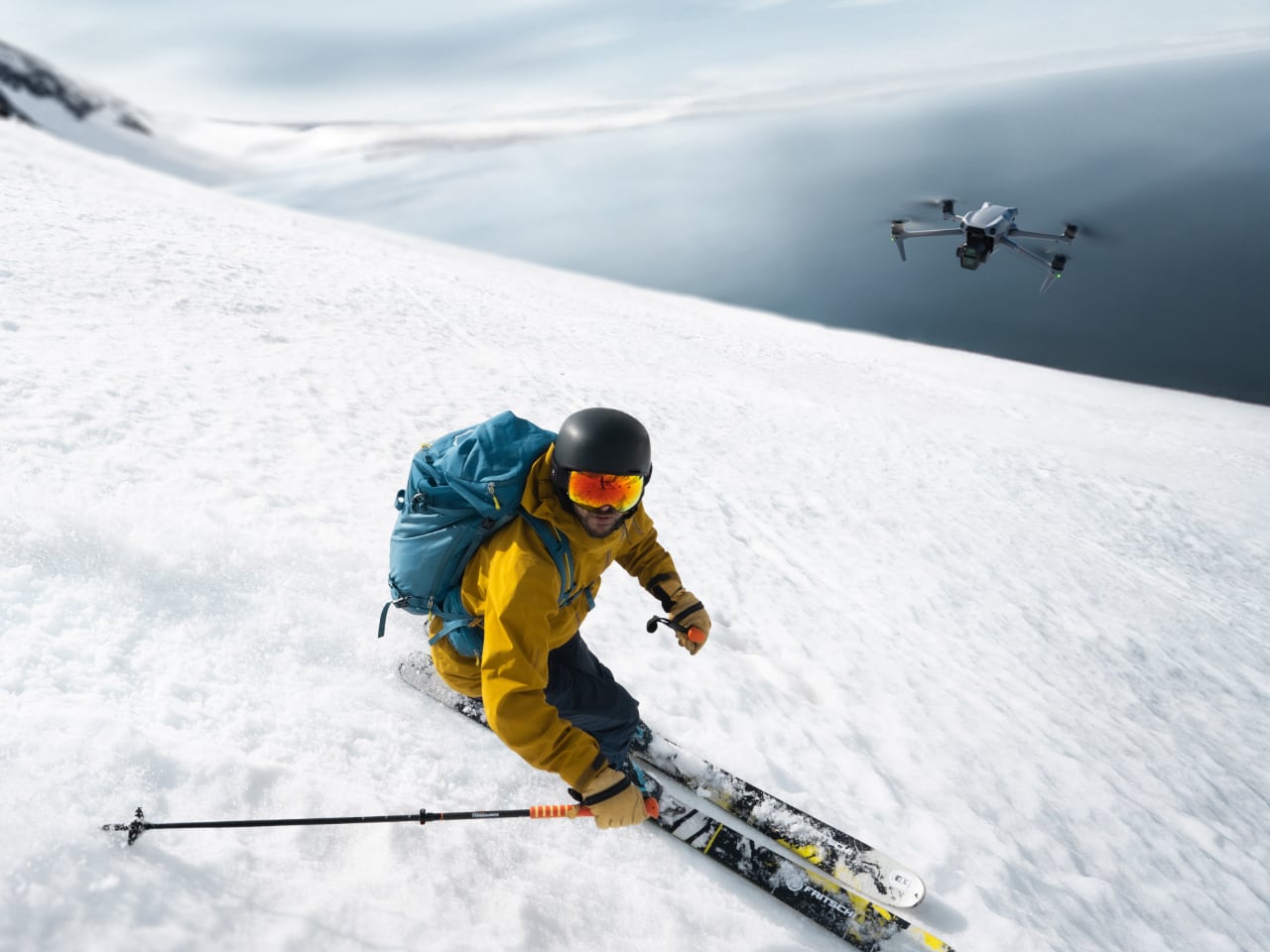
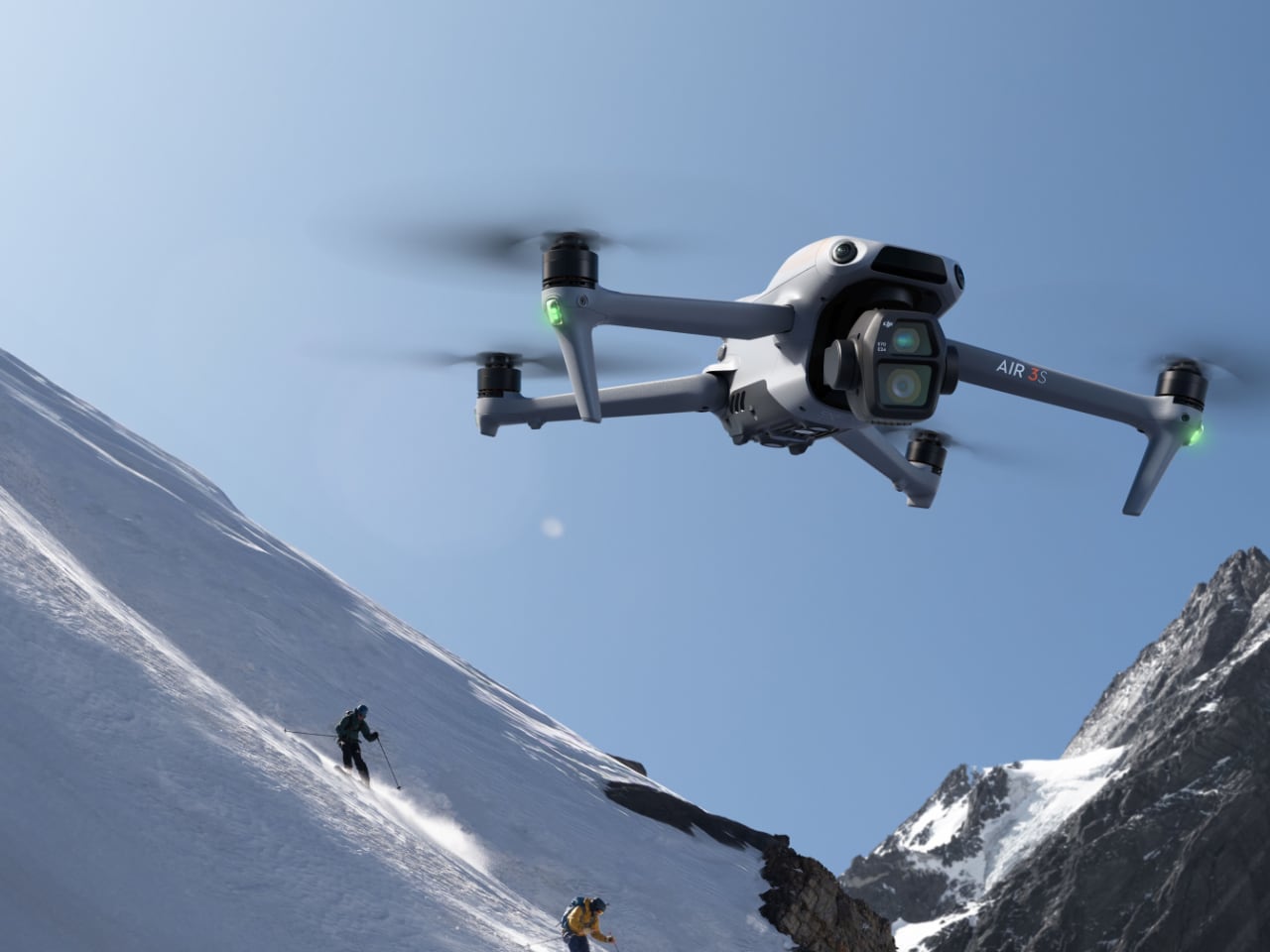
The dual-camera system is further enhanced by intelligent features like Subject Focusing, which keeps the subject in sharp focus even during manual flight or when the subject moves off-center. This allows pilots to concentrate on creative aspects of shot composition and camera movement without worrying about losing focus on their subject. Additionally, the Air 3S features ActiveTrack 360°, which automatically plans flight paths based on the surrounding environment to ensure dynamic shots that keep the subject in the frame, even when partially obscured by obstacles like bushes or bridges.
Overall, the DJI Air 3S’s advanced dual-camera system represents a significant leap forward in aerial imaging technology. It offers professional-grade image quality, versatile focal lengths, and intelligent features catering to amateur enthusiasts and professional photographers.
Enhanced Safety Features
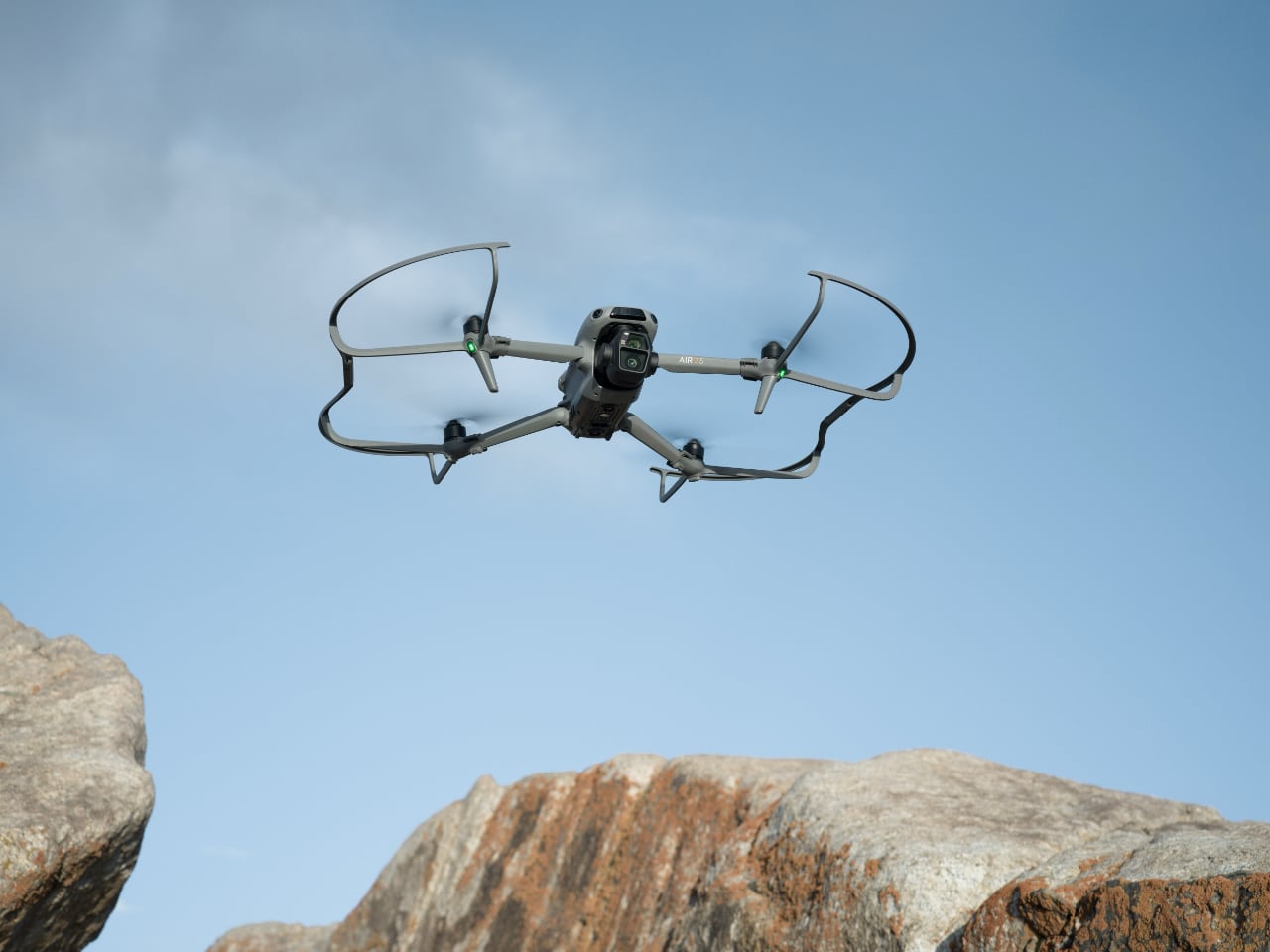
The DJI Air 3S introduces innovative safety features that set a new standard for drone operation, especially in challenging low-light conditions. At the forefront of these advancements is the integration of forward-facing LiDAR technology, making the Air 3S the first DJI drone to incorporate this sophisticated sensing capability. This LiDAR system works with downward infrared time-of-flight (ToF) sensors and six vision sensors positioned at the drone’s front, rear, and bottom to achieve comprehensive nightscape omnidirectional obstacle sensing.
Image: DJI
This advanced sensor array enables the Air 3S to automatically detect and navigate around obstacles during both flight and return paths, significantly enhancing safety during nighttime photography sessions. The LiDAR technology, in particular, excels in low-light environments where traditional vision-based sensors might struggle, providing pilots with greater confidence when operating in dim conditions or urban areas with complex structures.
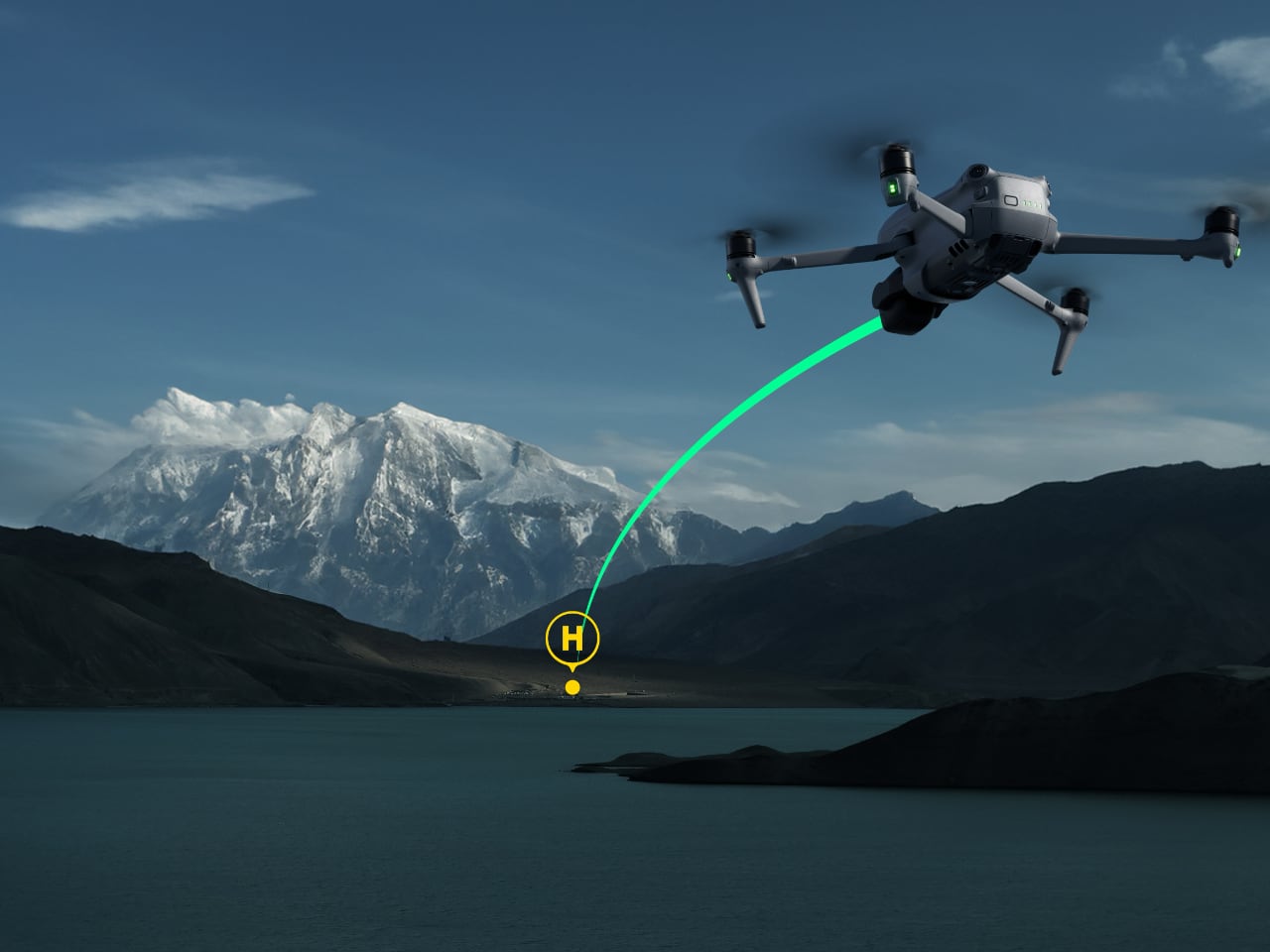
The Air 3S also features an improved Smart Return-to-Home (RTH) function. This next-generation RTH system utilizes the drone’s enhanced sensing capabilities to plot safer and more efficient return paths. When adequate lighting is available, the drone employs real-time vision positioning and map construction technologies to memorize its flight path. This feature ensures a safe return even when taking off from locations without a strong satellite signal, such as indoor environments or areas with heavy tree cover.
Image: DJI
Another notable safety enhancement is the Air 3S’s ability to maintain stable flight in winds up to 12 m/s (approximately 26.8 mph). This wind resistance, combined with the drone’s advanced obstacle avoidance systems, allows for safer operation in various weather conditions, expanding the range of environments and scenarios in which pilots can confidently fly. The Charging Hub with Power Accumulation also allows users to effectively consolidate power across batteries, which is helpful for longer sessions.
The drone’s safety features are further complemented by its extended flight time of up to 45 minutes. This longer operational window reduces the pressure on pilots to rush shots or compromise safety to capture footage before the battery depletes. It also provides ample time for careful navigation and thorough environment assessment, especially in unfamiliar or complex shooting locations.
DJI has also implemented a Data Protection feature in the Air 3S. The Local Data Mode acts like an “airplane mode,” completely disconnecting the drone from the internet and ensuring that all data remains solely within the device. This feature addresses privacy concerns and provides an additional layer of security for sensitive operations or when flying in restricted areas. Additionally, the 42-GB built-in storage and Off-State QuickTransfer provide seamless file transfers without needing external storage or keeping the drone powered on.
These comprehensive safety enhancements make the DJI Air 3S a powerful tool for capturing stunning aerial imagery and a more reliable and secure platform for amateur and professional drone pilots. By prioritizing obstacle avoidance, stable flight, and data protection, DJI has created a drone that allows users to focus on their creative vision while minimizing operational risks.
Comparison with Mavic 3 Pro
The DJI Air 3S and Mavic 3 Pro are high-end consumer drones but differ in key aspects, such as their camera systems, design, and capabilities.
Image: DJI Air 3S
Image: DJI Mavic 3
Camera System: The Air 3S features a dual-camera setup with a 1/1.3-inch CMOS primary camera (50MP) and a 70mm medium tele camera (48MP). In contrast, the Mavic 3 Pro boasts a triple-camera system with a 4/3 CMOS Hasselblad main camera (20MP), a 1/1.3-inch CMOS medium tele camera (48MP), and a 1/2-inch CMOS telephoto camera (12MP). While the Air 3S lacks the long-range telephoto of the Mavic 3 Pro, its primary camera offers higher resolution and potentially better low-light performance due to its larger sensor size.
Image Quality and Video Capabilities: Both drones support 10-bit video recording. However, the Air 3S has improved its ISO performance, with a maximum ISO of 12,800 in Night Mode and 3,200 in D-Log M and HLG color modes. The Mavic 3 Pro’s main camera can shoot at a higher resolution of 5.1K/50fps, while the Air 3S tops out at 4K/60fps. However, the Air 3S’s new video encoding compression algorithm reduces file sizes by over 30% without compromising quality, a significant advantage for storage management.
Flight Performance: The Air 3S offers a maximum flight time of 46 minutes, slightly longer than the Mavic 3 Pro’s 43 minutes. Both drones feature omnidirectional obstacle sensing, but the Air 3S introduces forward-facing LiDAR for improved nighttime obstacle avoidance. The Air 3S also has a reduced weight of 724g compared to the Mavic 3 Pro’s 958g, making it more portable for travel photography.
Smart Features: Both drones offer advanced tracking features, but the Air 3S introduces a new Subject Focusing feature that keeps the subject in sharp focus even during manual flight or when the subject moves off-center. The Mavic 3 Pro, however, has a more versatile camera system for different shooting scenarios due to its third telephoto lens.
Pricing and Availability
The DJI Air 3S has several configurations to suit user needs and budgets. The base model, DJI Air 3S (DJI RC-N3), retails for $1,099 and allows pilots to use their smartphones to check the live feed and flight status1. This entry-level option provides an accessible price point for enthusiasts looking to experience the advanced features of the Air 3S without additional accessories.
Image: DJI
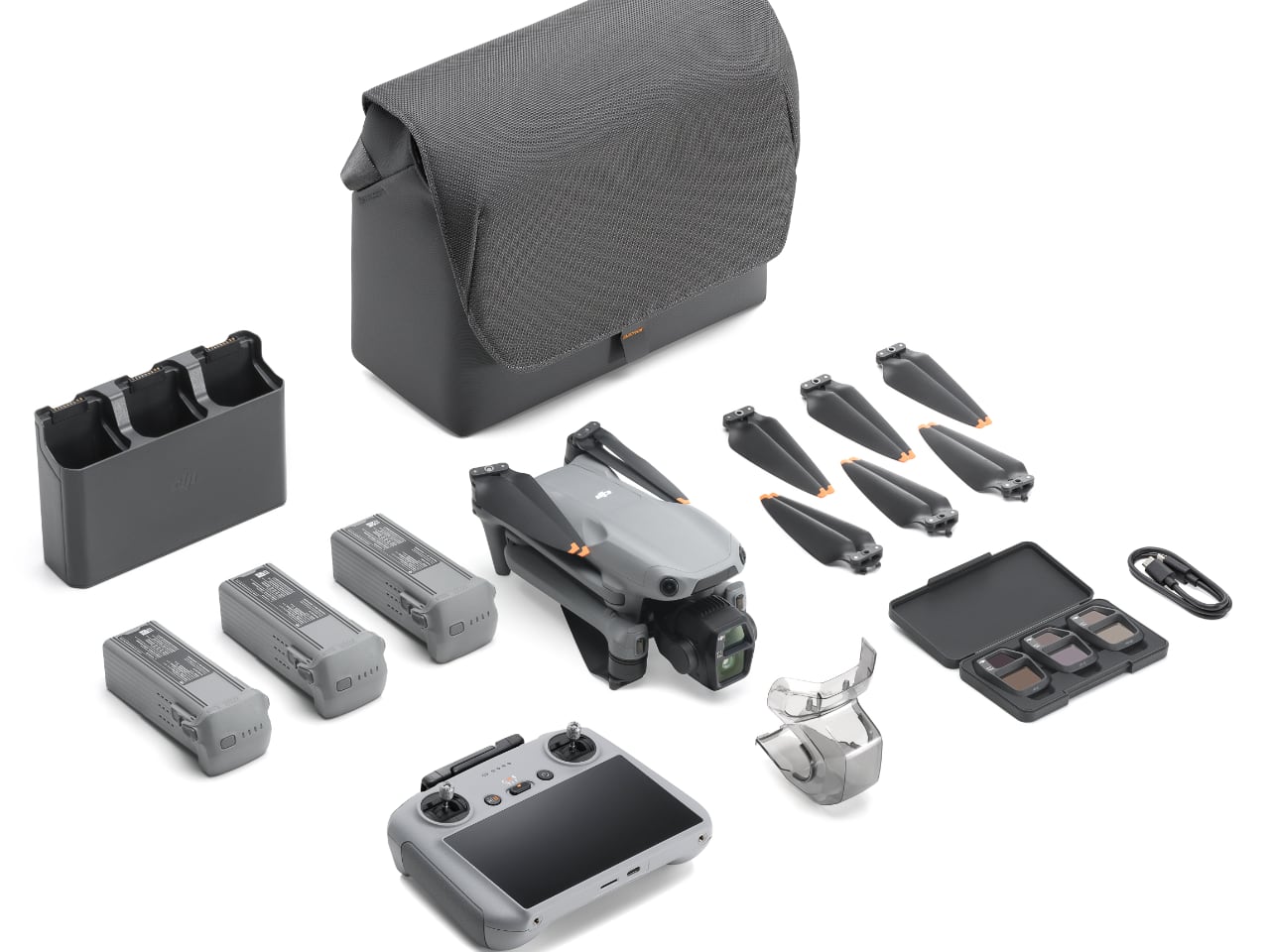
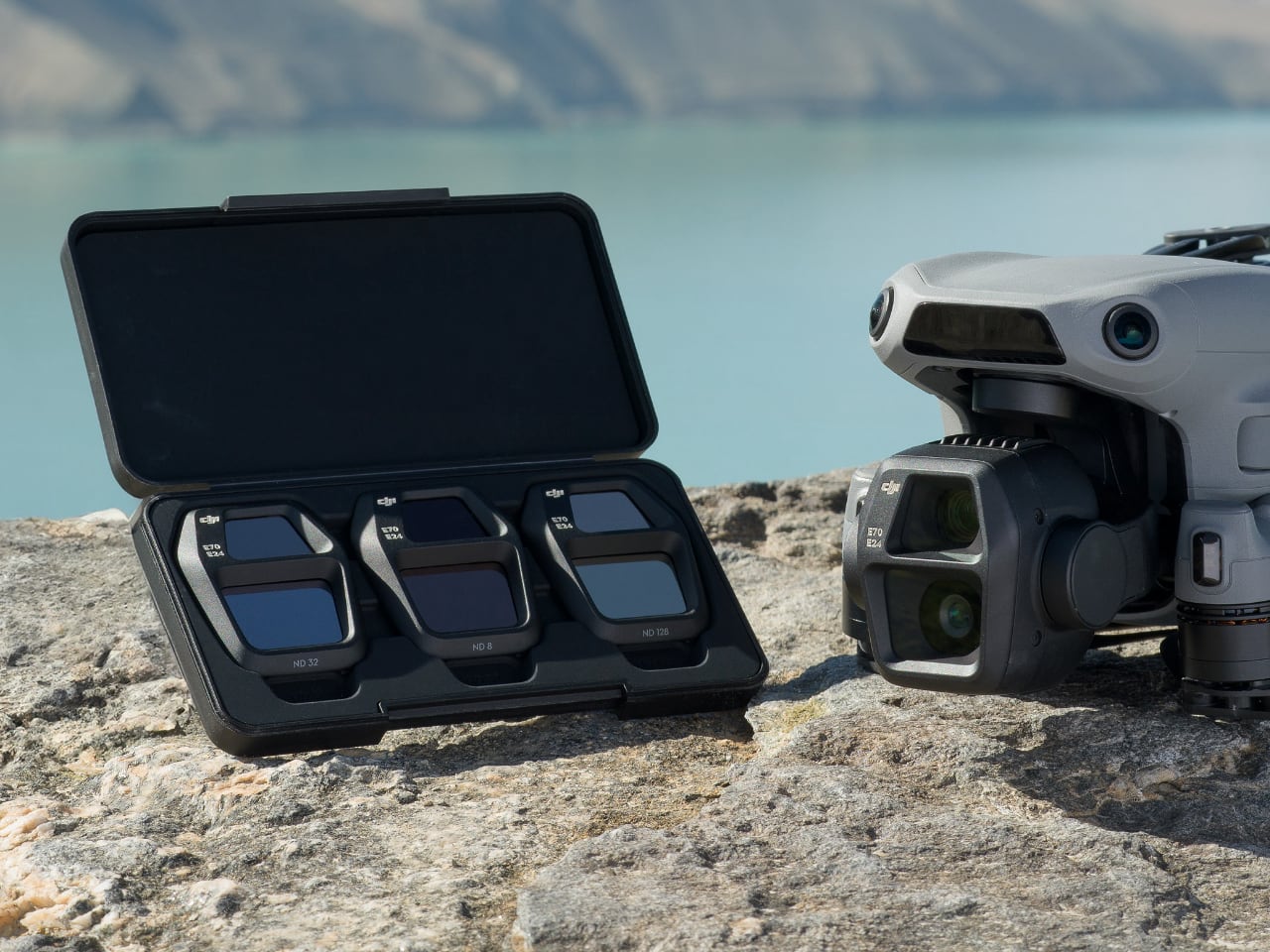
DJI offers two Fly More Combo options for those seeking a more comprehensive package. The DJI Air 3S Fly More Combo (DJI RC-N3) is priced at $1,399 and includes several valuable accessories1. This bundle comes with the DJI RC-N3 remote controller, an ND filter set for managing exposure in bright conditions, two additional batteries to extend flight sessions, a battery charging hub for convenient power management, and a shoulder bag for easy transport.
Image: DJI
The premium option, the DJI Air 3S Fly More Combo (DJI RC 2), is available for $1,5991. This package includes the DJI RC 2 remote controller, which features a built-in 5.5-inch 1080p screen with 700-nit brightness, eliminating the need for a separate smartphone. Like the other Fly More Combo, it includes an ND filter set, two additional batteries, a battery charging hub, and a shoulder bag.
The Air 3S’s pricing strategy positions it as a more affordable alternative to the higher-end Mavic 3 Pro, which starts at $2,1992. This pricing makes the Air 3S an attractive option for enthusiasts and professionals who want advanced features without the higher cost of the Mavic series.
Image: DJI
Compared to its predecessor, the Air 3, the Air 3S offers significant upgrades in camera technology and safety features while maintaining a similar price point. This value proposition will likely appeal to users looking to upgrade their existing DJI drones or those entering the prosumer drone market for the first time3.
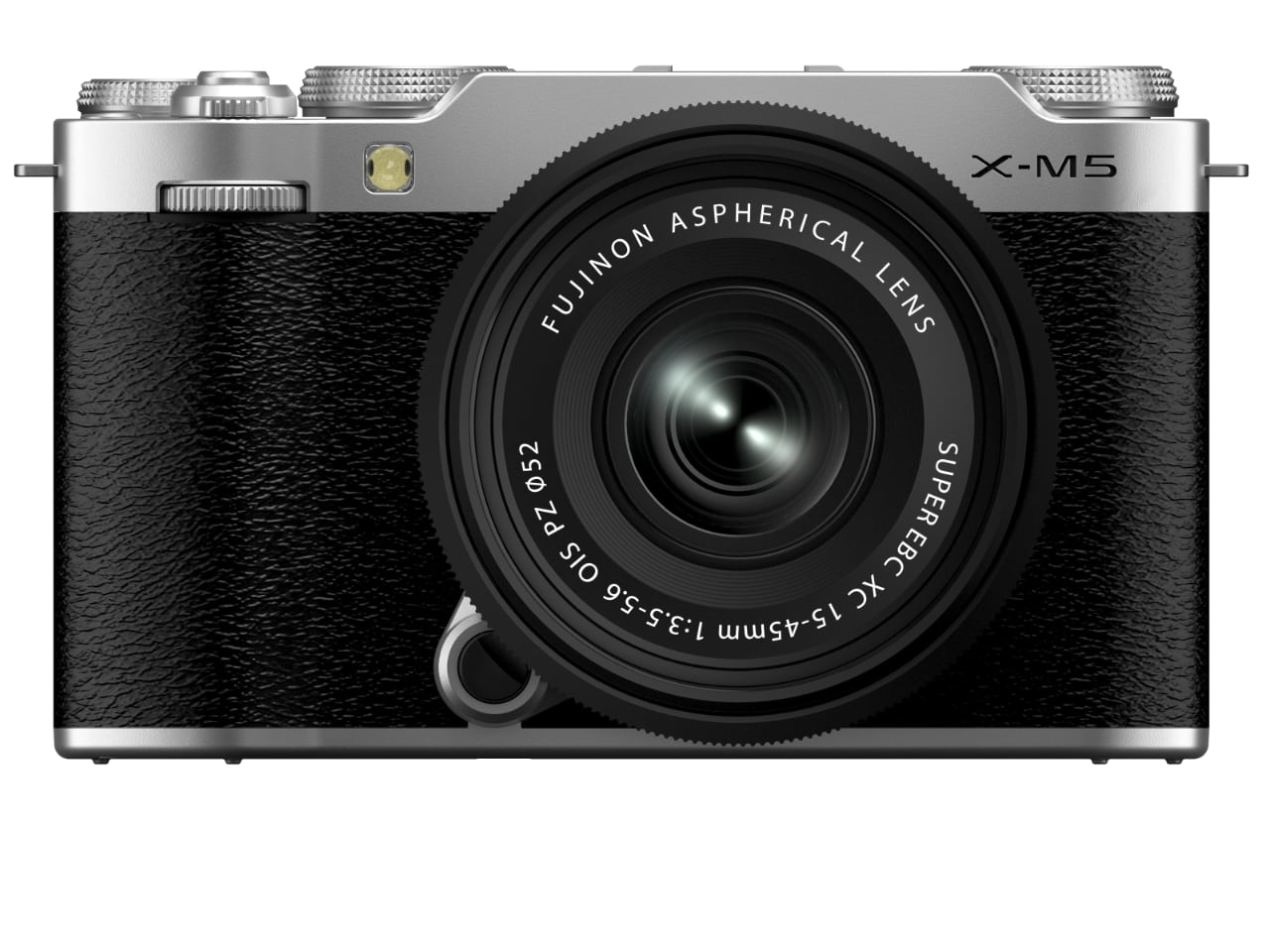
Get ready for Fujifilm’s lightest, most adventure-ready camera yet! The FUJIFILM X-M5 is set to launch globally in mid-November 2024, and it’s bringing the ultimate blend of portability and power. Weighing less than any other X Series model, this compact powerhouse delivers incredible image quality, making it a must-have for beginners and photography enthusiasts. If you’re capturing spontaneous shots or creating professional-quality videos, the X-M5 is designed to be your everyday companion.
Designer: Fujifilm
Weighing only 355 grams (including the battery and memory card), the X-M5 highlights Fujifilm’s focus on everyday, accessible photography. Despite its lightweight design, the camera is packed with powerful features, including AI-powered subject detection autofocus (AF) that tracks moving objects like animals and vehicles. It can also record video in 6.2K at 30 frames per second. The X-M5 is ready for everything from casual snapshots to high-quality video content.
Design Elements and Controls
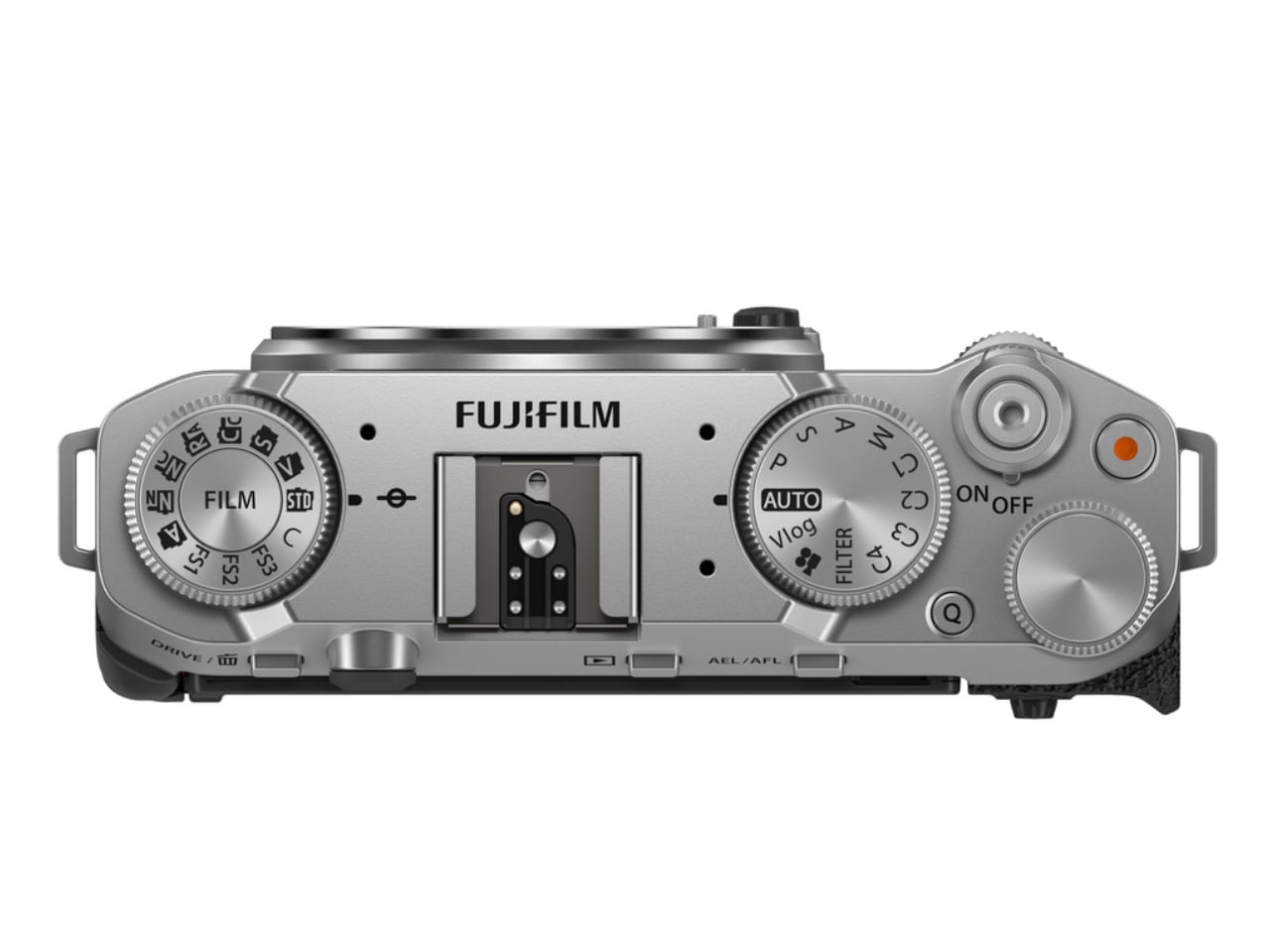
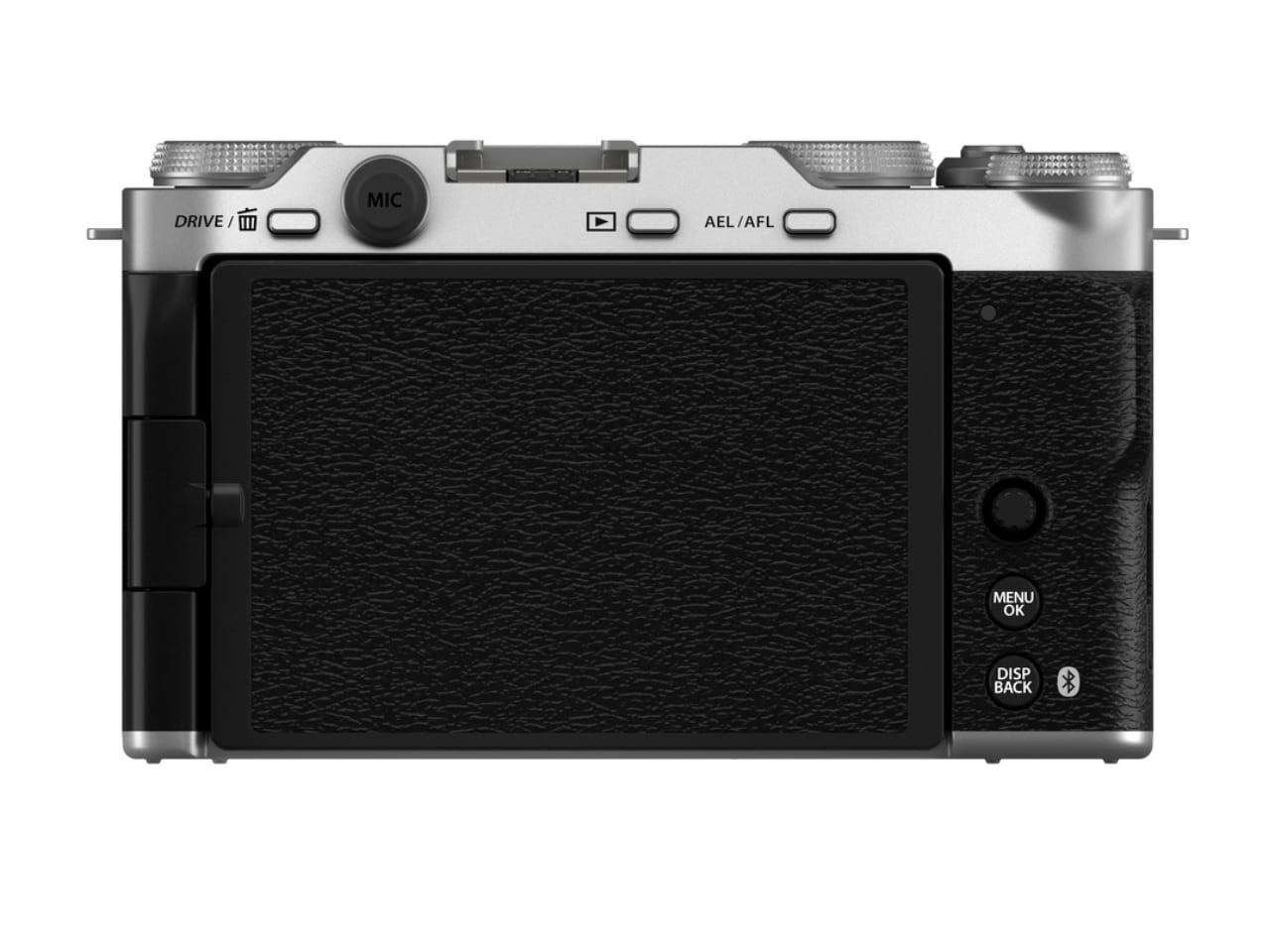
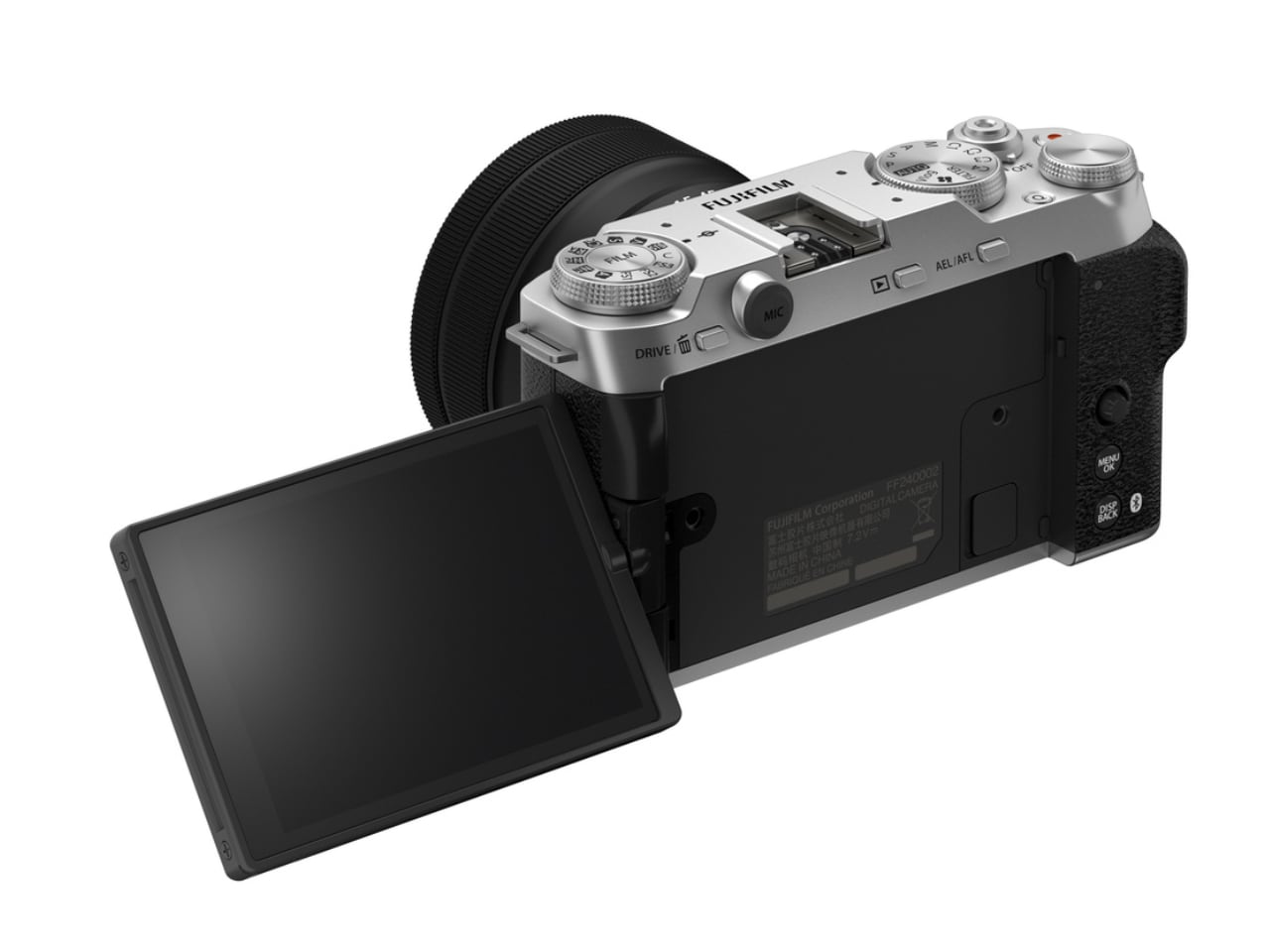
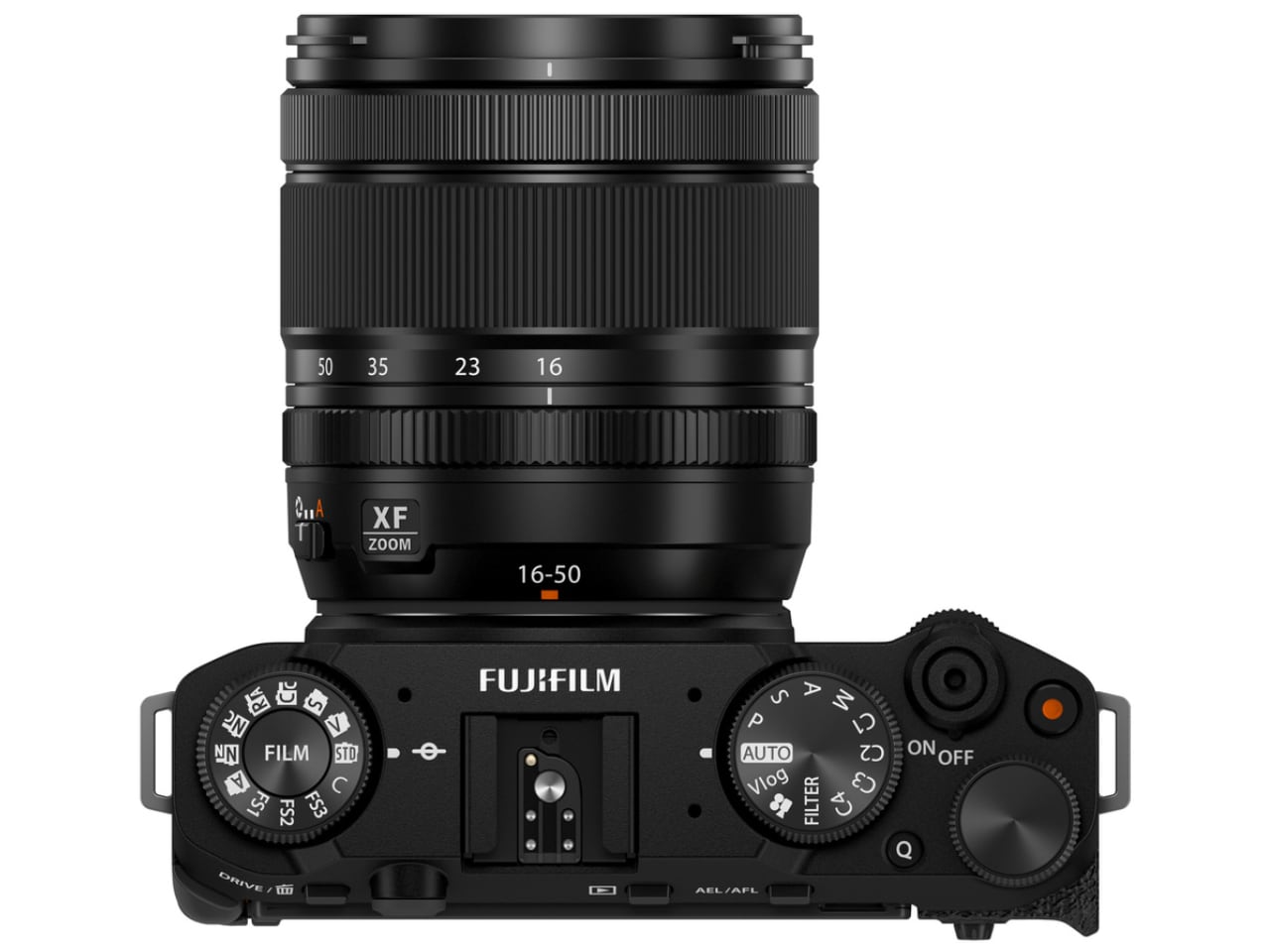
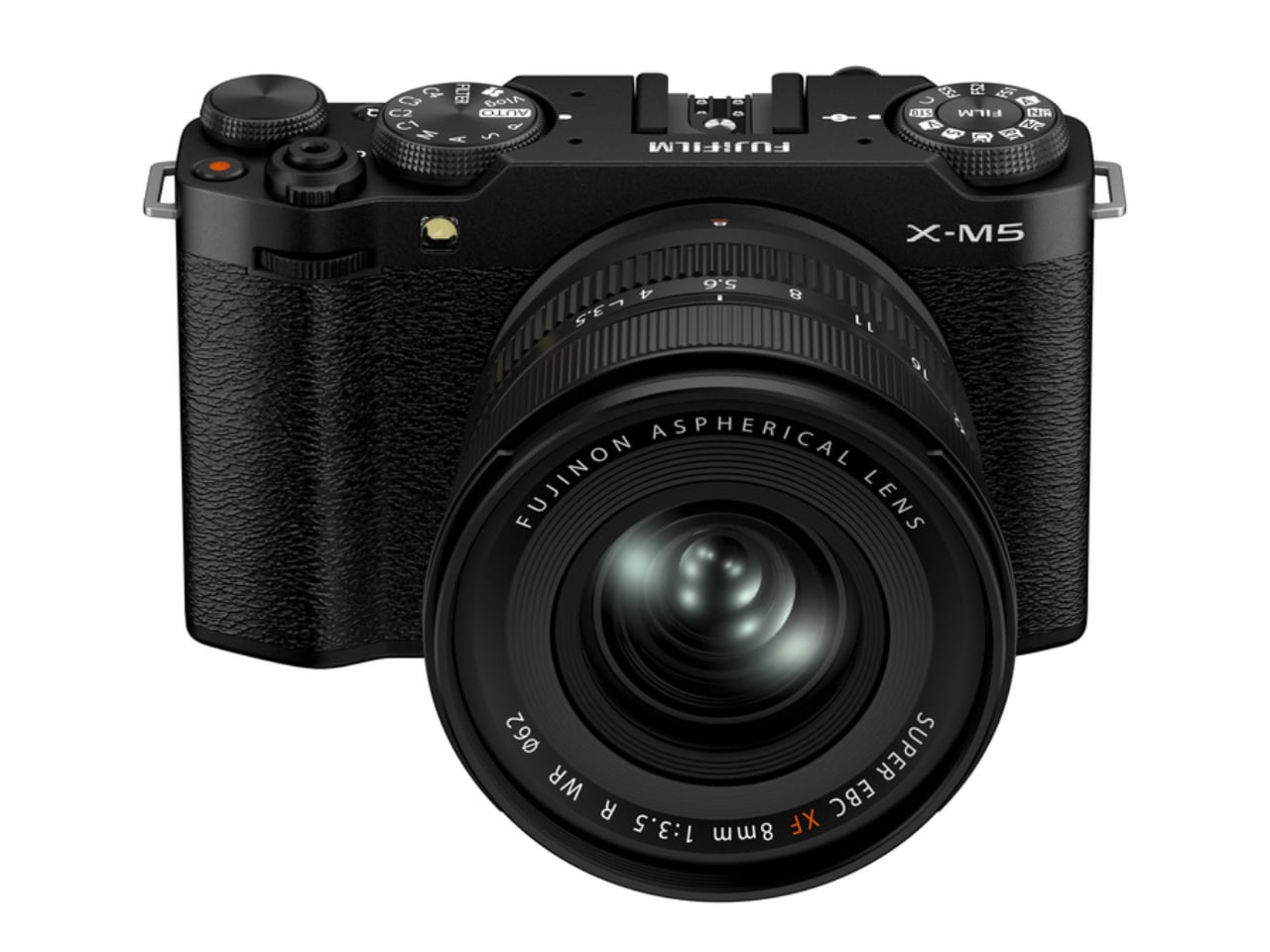
The FUJIFILM X-M5 showcases a sleek, retro design embodying style and functionality. Its compact body measures 111.9mm in width, 66.6mm in height, and 38.0mm in depth, making it one of the most portable cameras in the X Series lineup. The top panel features symmetrically placed dials that give the camera a classic, tactile feel and allow users to control settings intuitively.
The left shoulder features a control dial, which allows photographers to quickly access different shooting modes to suit the scene and achieve a variety of tones and moods. If you’re aiming for rich contrast or soft color palettes, these modes replicate the look of classic Fujifilm films, giving a nostalgic touch to modern images. On the right shoulder, the mode dial includes an AUTO mode, making it easy for beginners to let the camera decide the optimal settings for any given scene.
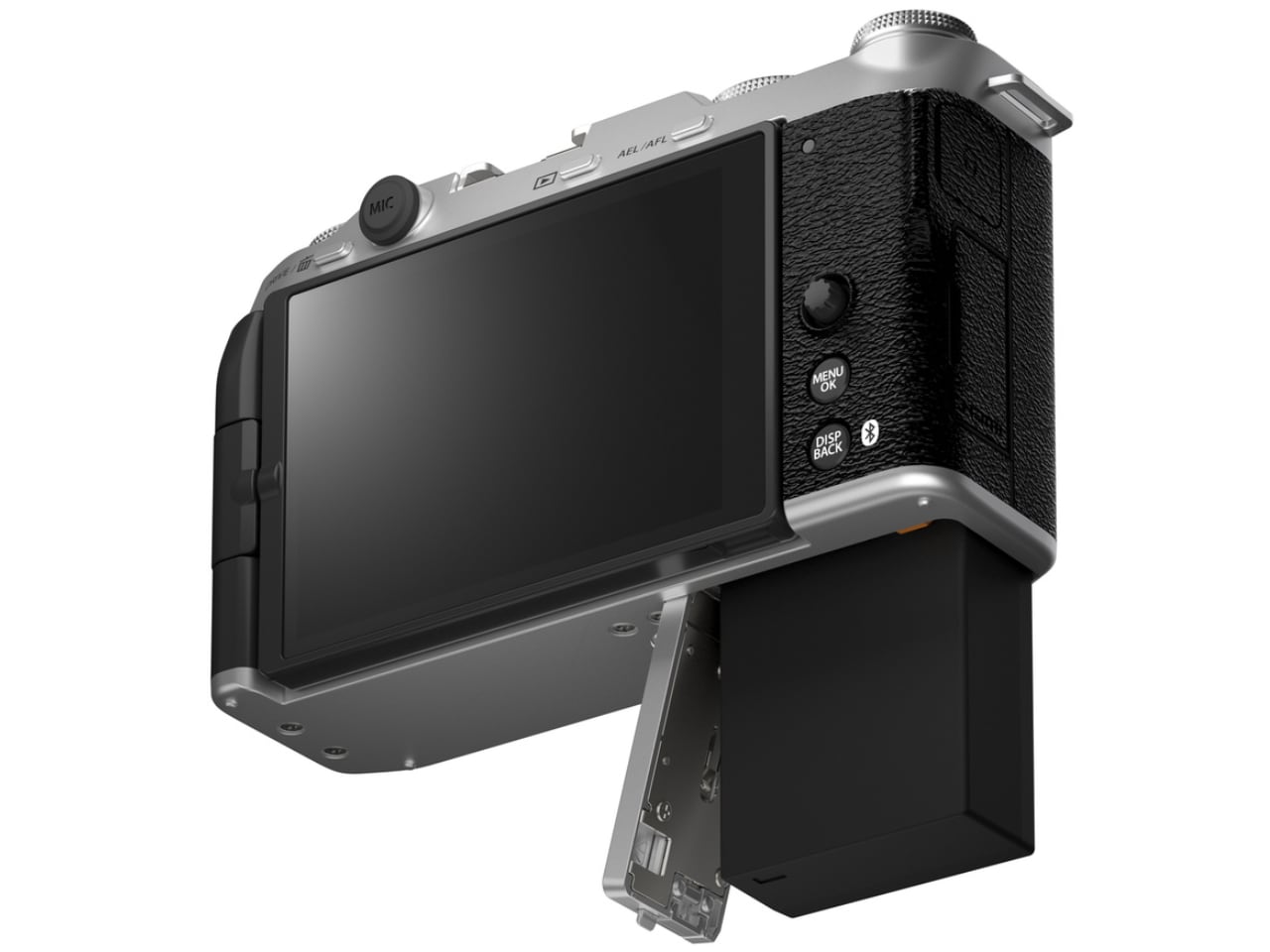
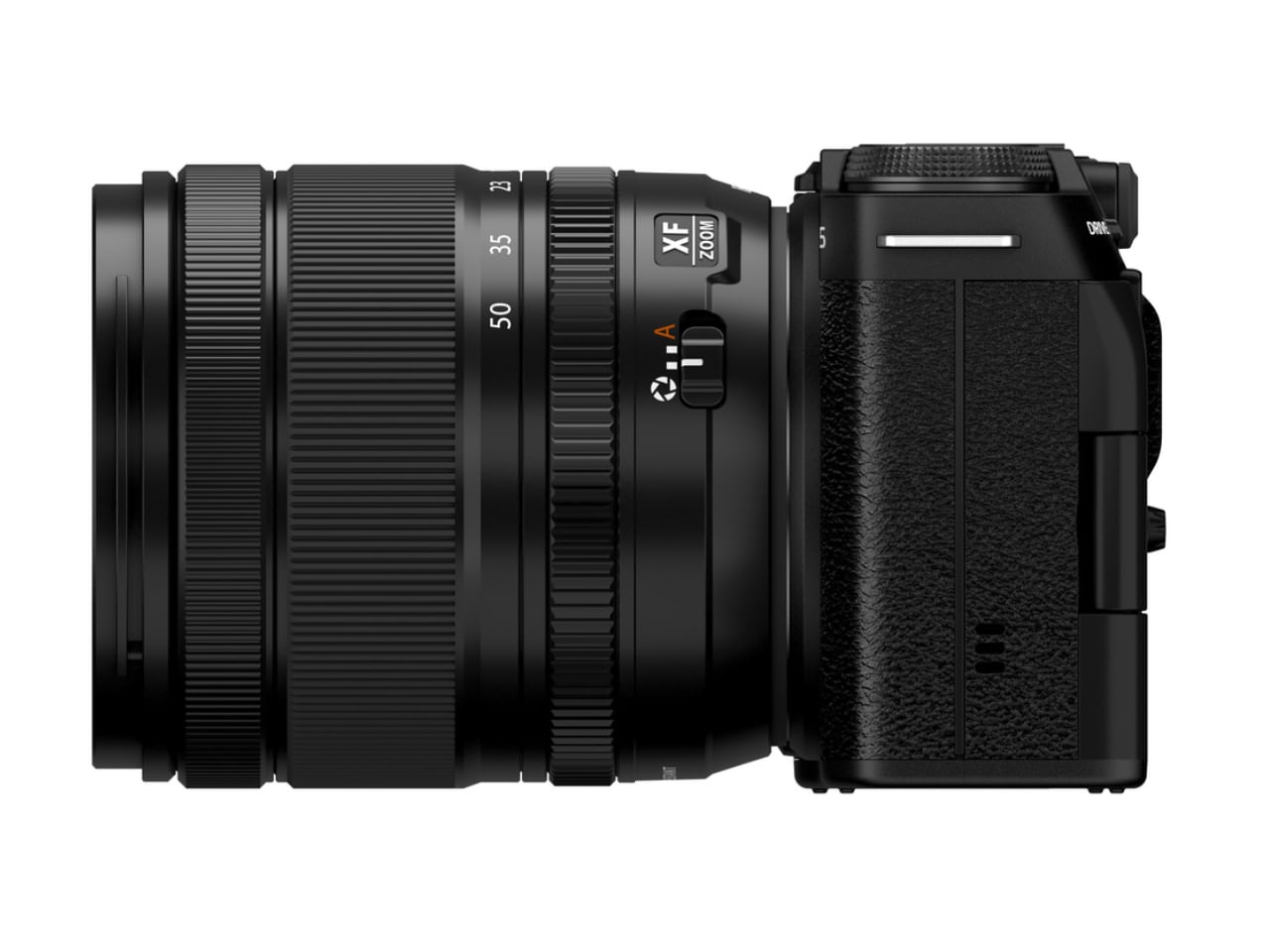
The camera’s grip is ergonomically designed, ensuring a comfortable hold even during extended use. The durable, textured finish adds to the secure handling, while the control layout ensures that both novices and experienced photographers can navigate the settings seamlessly. The well-placed shutter button and control dials create an efficient and enjoyable shooting experience.
Display and Lens Mount
The rear of the X-M5 is equipped with a 3-inch vari-angle LCD touchscreen that offers flexibility for composing shots at different angles—perfect for vlogging, selfies, or shooting from low or high perspectives. The touchscreen allows intuitive control, enabling users to adjust settings, focus, and review images easily. This high-resolution display makes it easy to frame shots, even in bright outdoor conditions.
The X-M5 also features a high-quality electronic viewfinder (EVF), providing a clear and detailed view for composing images in traditional shooting scenarios. The EVF’s high resolution ensures that users can see every detail of their shot before pressing the shutter, making it ideal for precise framing and focus.
The X-M5’s lens mount is compatible with Fujifilm’s extensive range of XF and XC lenses, offering users the flexibility to adapt to different shooting styles and conditions. Whether you’re using a wide-angle lens for landscapes or a telephoto lens for wildlife photography, the X-M5’s sturdy mount ensures secure attachment and excellent performance. The camera’s compatibility with various lenses makes it a versatile tool, suitable for everything from portraits to action photography.
Advanced Features for Photography and Video
At the core of the X-M5 is the back-illuminated 26.1-megapixel “X-Trans CMOS 4” sensor, paired with the “X-Processor 5” image engine. Together, they deliver vivid, high-quality images while maintaining power efficiency. The AI-powered subject detection autofocus (AF) uses deep learning to recognize and track various subjects, including animals, vehicles, and even human faces, ensuring that your shots are always sharp and well-focused.
Beyond still photography, the X-M5 excels at video. It supports 6.2K/30P 4:2:2 10-bit recording directly to an SD card, and also offers 4K/60P and 1080/240P for those who want to create cinematic content. Digital image stabilization helps keep footage smooth, even when shooting handheld. The new “Vlog Mode” makes it easy to adjust settings using the LCD touchscreen, and the “9:16 Short Video Mode” is ideal for creating vertical videos for social media. Video creators will also appreciate the three built-in microphones, which provide different directional recording options for a variety of shooting environments.
Optional Accessories
Two optional accessories enhance the X-M5’s flexibility. The Cooling Fan “FAN-001,” which is already available, can be attached to the back of the camera to manage heat during extended shooting sessions. The Tripod Grip “TG-BT1” improves ergonomics, making it ideal for vlogging, selfies, and low-angle shots.
The FUJIFILM X-M5 captures the essence of everyday creativity, offering a portable, feature-rich camera that makes capturing life’s moments easy and rewarding. If you’re just getting started with digital photography or are a seasoned enthusiast, this compact camera is built to be your constant companion, ready to capture the story wherever it unfolds.
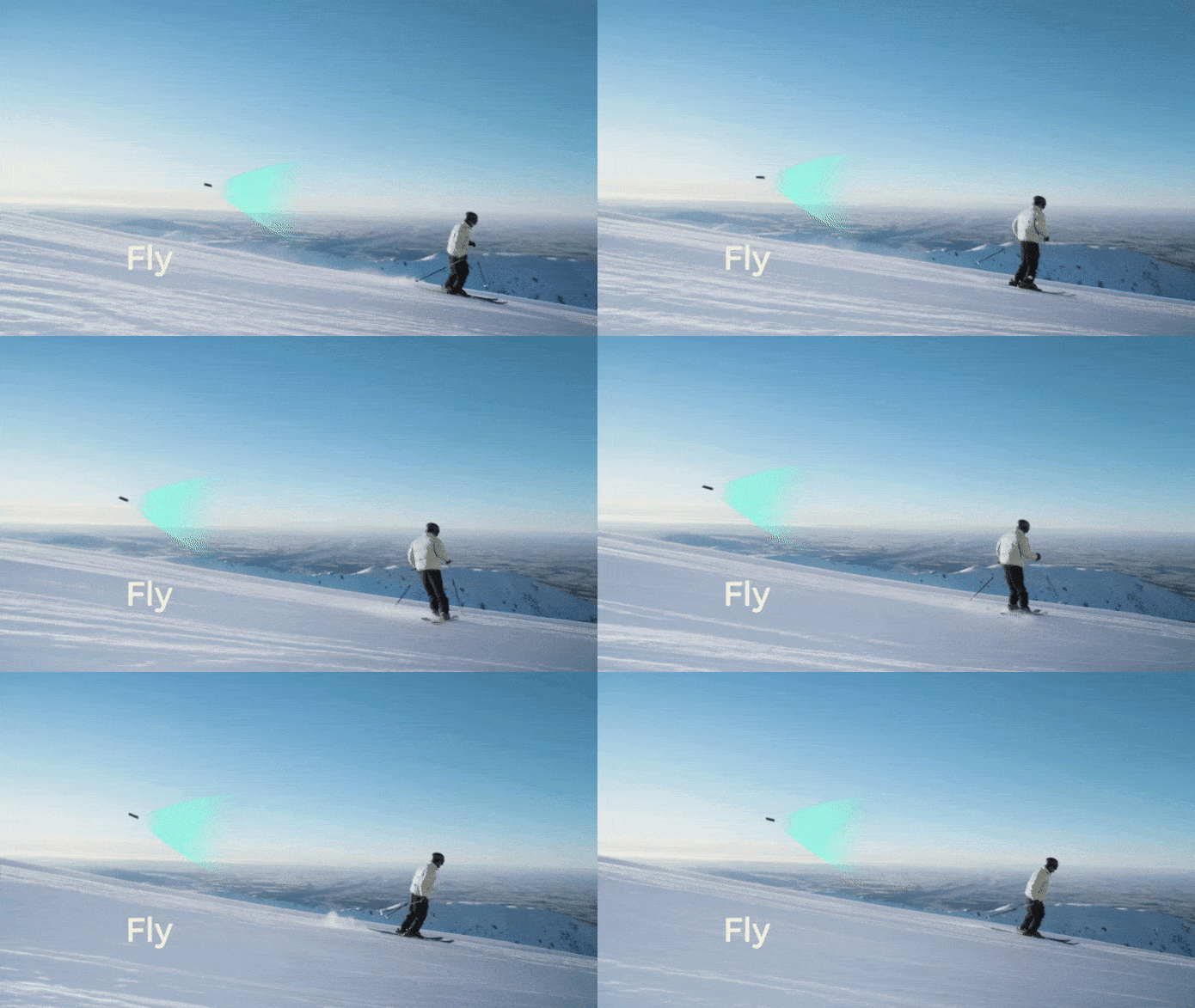
Your phone has a pretty phenomenal camera, but unless it’s an absolute flagship device, it probably won’t record 8K video. And it for sure won’t fly around in the air taking dramatic shots of you while you pose on the top of a mountain or dirt bike on a rocky trail or dive into a lake. You’ll probably need a selfie drone for that, but before you go spending hundreds of dollars on a drone that’s fragile, expensive, and comes with a massive learning curve involving controllers and joysticks, the folks at HOVERAir might have built the perfect consumer-grade pro drone, or as they call it – a flying action camera. Designed to be foldable, small enough to fit in your pocket, and durable enough to withstand any rookie accidents The HOVERAir X1 PROMAX still packs a state-of-the-art flying system and an 8K camera capable of outshining any other drone its size. It works on voice commands (but also comes with an optional Wi-Fi 6-enabled Beacon), takes off from your palm, reaches speeds of up to 60 km/h (37.2 mph), can capture slow-motion videos at 120fps, and even works in sub-zero temperatures just in case you want to film yourself skiing or snowboarding. The best part, the X1 PRO’s $499 starting price, along with its compact size which makes it compliant with FAA guidelines so anyone can use one.
You may remember HOVERAir from years ago when they first debuted their folding selfie-drone cameras. More than 8 years later, the company’s still sticking to its wildly popular and innovative folding drone template, but has managed to outfit its device with some very impressive tech. Available in two variants – the X1 PRO and the X1 PROMAX, these flying action cameras are capable of recording at 4K and 8K respectively. Both devices weigh under the FAA-regulated 250-gram limit, hit speeds of 42 km/h (26mph) with bursts of up to 60 km/h (37.2mph), shoot slow-mo, take photos, and also capture vertical videos for social media. The X1 PROMAX just packs a slightly better camera system that has a marginally higher FoV at 107° (compared to the X1 PRO’s 104° FoV), and uses vision-based sensors for rear active collision detection. Think of the X1 PRO as the perfect hands-free drone for filming sports, landscapes, and your dance reels, while the X1 PROMAX just being a notch higher for serious professionals and content creators who also want great photography capabilities in their drone. No controllers, no learning curve, no fuss.
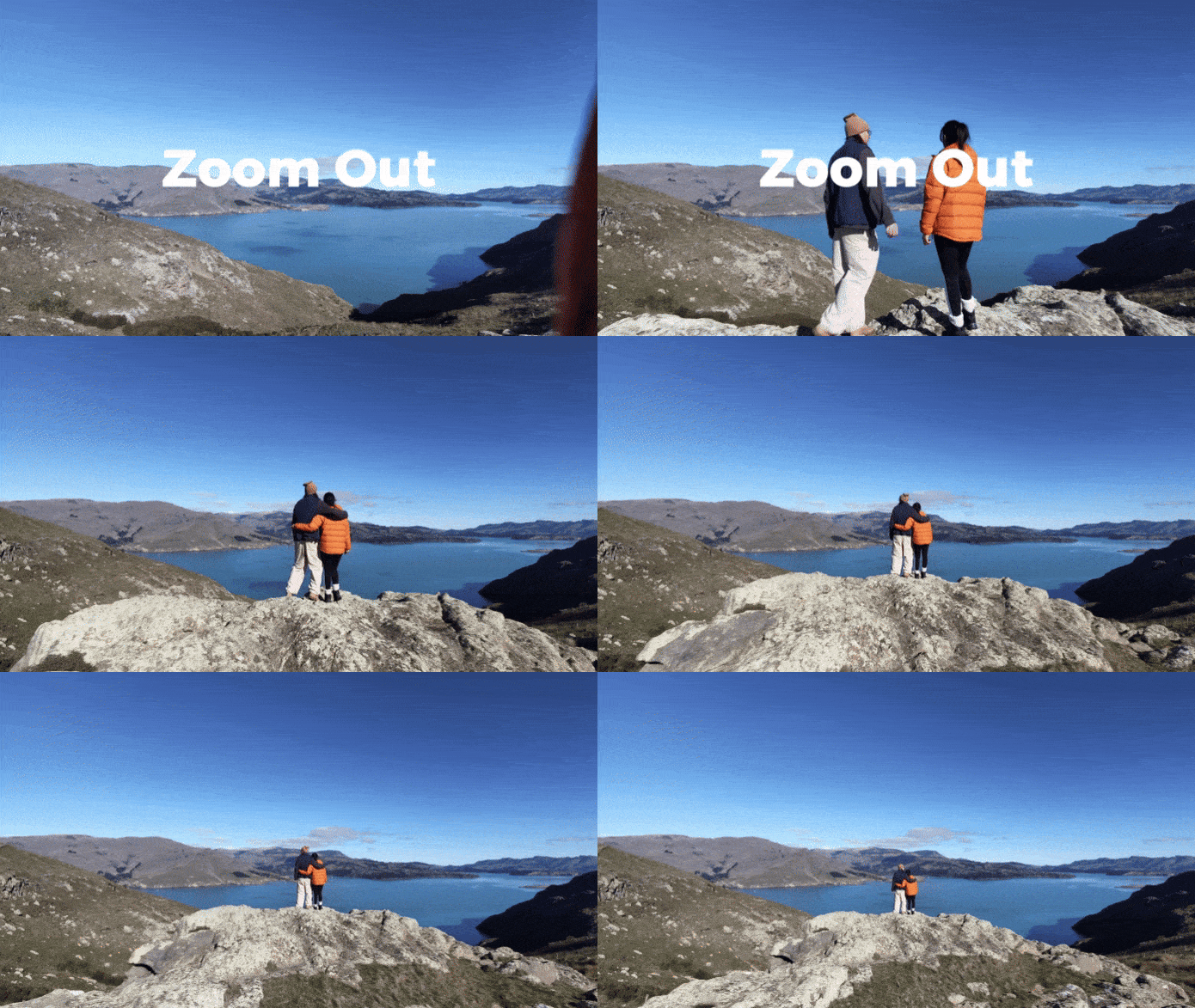
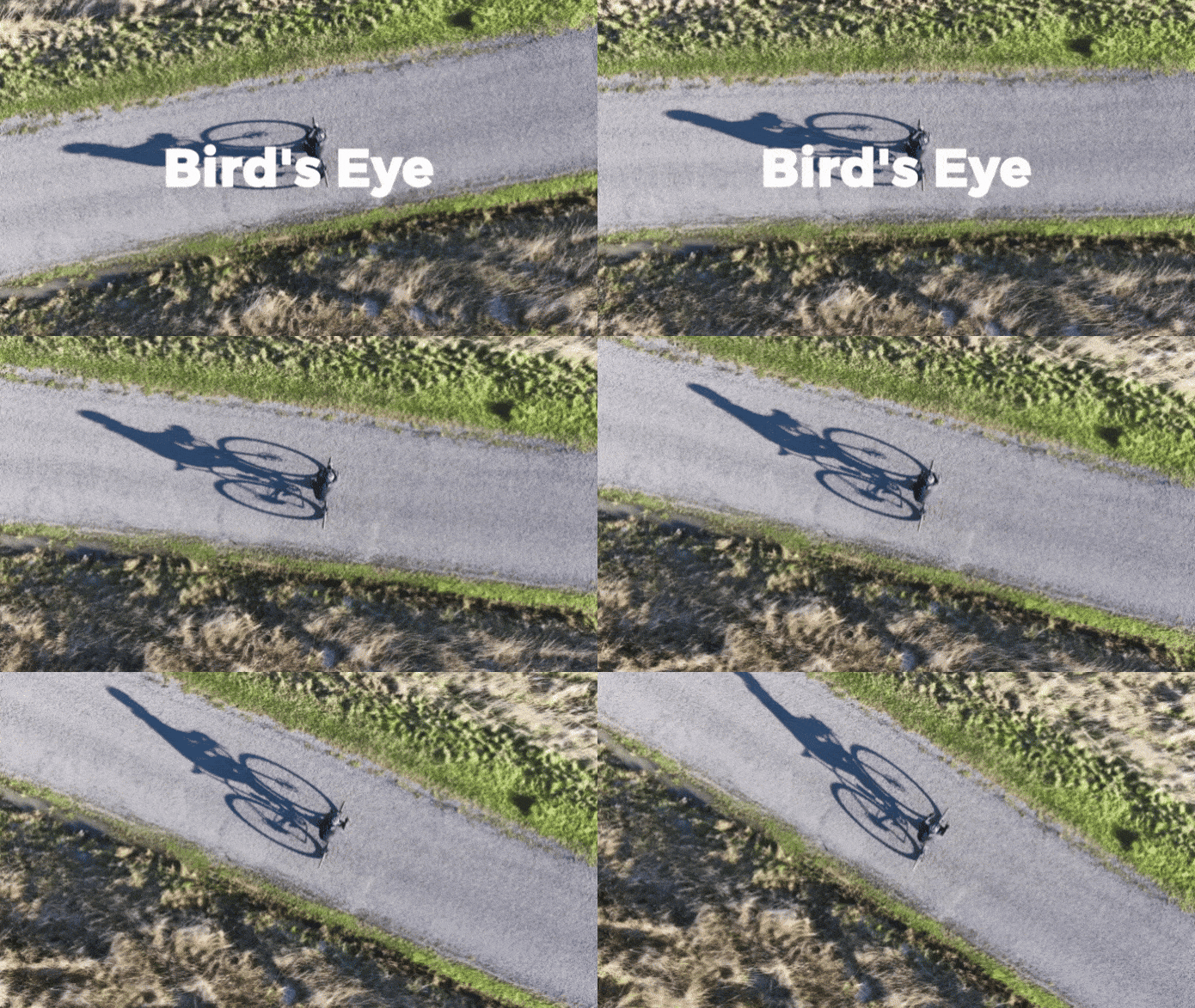
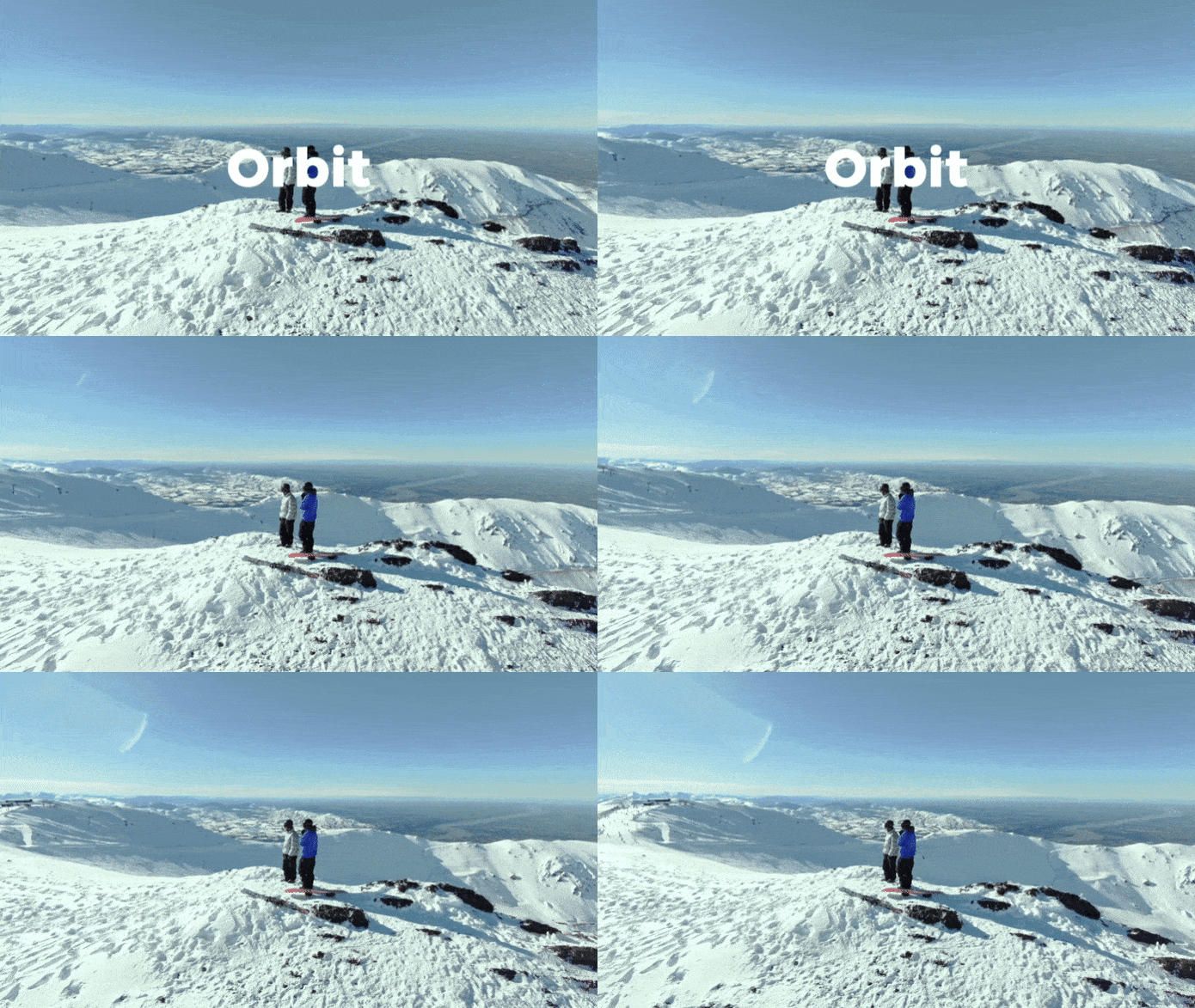
The X1 PRO and PROMAX’s design remains their strongest selling point. The flying action camera opens and closes like a book, with a camera and battery system in the ‘spine’, while the four propellers sit on either side, enclosed within a flexible, durable cage-like structure made from cutting-edge HEM materials to protect them from damage during transit or flight. To use the selfie drone, open it up and you’re ready to hit the skies. The X1 PRO and PROMAX operate on voice commands, but for more expert and intuitive tracking, HOVERAir designed a hardware Beacon that packs controls, tracking sensors, and a screen for viewing your flying action camera’s PoV. There’s no traditional remote, although the Beacon transforms into one using a series of modules like a Joystick for motion control and haptic feedback, or even the ability to snap on your smartphone to give you a true RC experience with a drone’s PoV preview. In short, the drone will fly on its own and play cinematographer to all your stunts, but if you want to get behind the ‘wheel’, it’s more than happy to relinquish control. However, if you’re looking to have your flying action camera perform a set of standard flight paths, the X1 PRO and PROMAX’s automated flight modes let you choose from in-built settings like Hover, Zoom Out, Bird’s Eye, and Orbit that capture dynamic cinematic moments, or Follow, Side Follow, and Dolly Track which are better suited for action shots. HOVERAir also plans to add more modes through OTA updates.
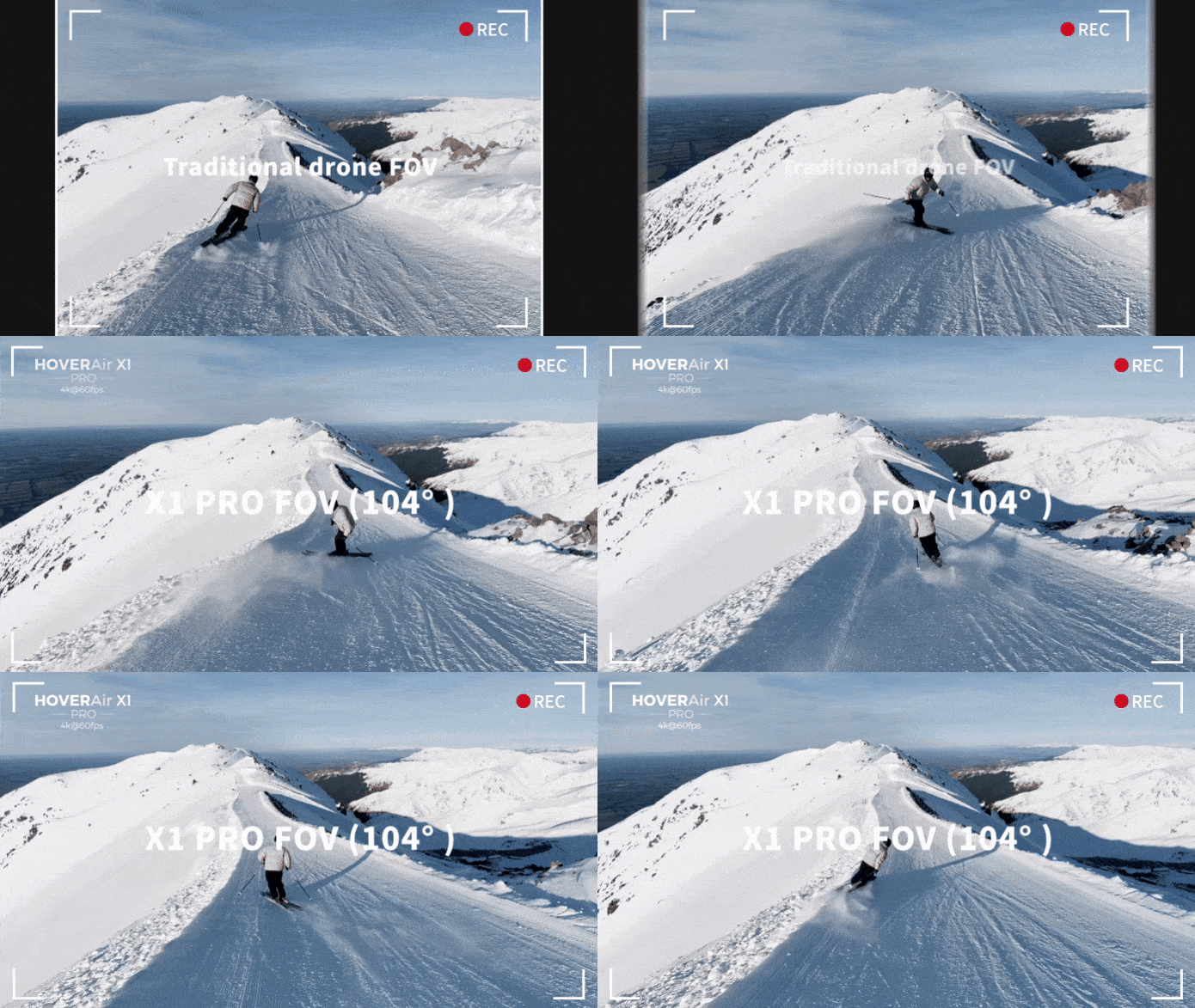
Of course, all of this ease of use wouldn’t matter much without an impressive camera. Fortunately, the HOVERAir X1 PRO delivers on that front too. Its 17mm wide-angle lens offers a generous 104° field of view, letting you capture expansive vistas and unique angles that would be impossible from the ground. The X1 PRO can shoot in 1080p at 120 frames per second, making it perfect for those stunning slow-motion shots. Want to take things even further? Enter the X1 PROMAX, which ups the ante with 8K resolution, 4K@120fps slow-motion, and a 107° FoV, giving you the tools to create breathtaking cinematic footage. The PROMAX model also introduces an extra vision-based sensor for rear active collision detection, adding an additional layer of protection when you’re flying in tight or unpredictable spaces – ideal for those moments when you’re pushing boundaries (and maybe your luck).
The PRO and PROMAX both have a two-axis gimbal with EIS (electronic image stabilization) and HL (horizon leveling), so your footage will be rock steady even when the adventure is rough.
When it comes to camera drones, stability is everything. No one wants shaky footage from a breezy afternoon at the beach or during a fast-paced tracking shot through a forest trail. The HOVERAir X1 PRO and PROMAX rise to the challenge with built-in video stabilization that they call SmoothCapture 2.0. A two-axis gimbal with EIS (electronic image stabilization) and HL (horizon leveling) kicks in while the drone’s in flight, allowing you to focus on capturing the scene rather than compensating for jitters. For more accurate honing in on your subject, you’ve got the HoverAir Beacon, a nifty add-on that clips onto your handlebar while you’re riding, allowing you to quickly see the flying action camera’s PoV while also giving it a target it can track. This companion device unlocks live previews and expanded control options, transforming your flying experience into something closer to autonomous filmmaking. The Beacon uses HoverLink Technology for ultra-precise tracking, so you can leave the steering to the X1 PRO or PROMAX and focus on getting the shot.
Once you’ve filmed your shot, Wi-Fi 6 integration ensures your aerial masterpiece doesn’t stay stuck in the device’s memory. Quick file transfers mean you can start editing almost immediately after landing. Plus, the selfie drone’s long-range video transmission of up to 1 km (with the Beacon) lets you explore and shoot from afar, capturing wide-open landscapes or large events without sacrificing video quality. It’s the kind of feature that makes you feel like the director of your own blockbuster.
Beyond the camera and flight smarts, the Hover X1 PRO is built to be a winning combination of portable and durable. The foldable design doesn’t affect the drone’s ability to fly with great dexterity, and even with those collision-prevention mechanisms in place, the X1 PRO and PROMAX can dust off mild bumps and accidents thanks to a flexible, shock-absorbing propeller cage. And then there’s the thrill of taking this thing off-road—literally. The X1 Pro’s Omni terrain capability makes it versatile enough to fly over lakes, through snowy forests, or along cliff edges with ease. It adds a whole new layer of adventure to your flights. The control system adapts right along with it, allowing you to turn the Hover Beacon into a one-handed joystick or opt for the more traditional two-handed smartphone setup. Either way, it adjusts to how you want to fly and where you’re flying.
You can either fold the device and carry it around in your pocket when not in use, but HOVERAir also makes a slick leather carrying case to haul your compact aerial camera around wherever you go. However, if you’re looking for an upgrade, HOVERAir’s even designed a PowerCase, which both houses your flying action camera and even supplements it with up to two additional battery charges. Designed specifically for use in extreme cold weather, the PowerCase works at temperatures even as low as -4°F (-20°C) to keep your device charged and ready for flight. Of course, flying your drone in sub-zero temperatures is yet another challenge, which is why HOVERAir even sells a special ‘Thermo Battery’ that you can fit into either the X1 PRO or X1 PROMAX, giving it an operating temperature range of -4°F to 113°F.
Both the HOVERAir X1 PRO and PROMAX come with built-in 64GB storage, upgradable up to 1TB thanks to an SD card slot located on the flying action camera’s body. The X1 PRO and PROMAX run in conjunction with the HOVERAir X1 app, which allows you to configure flight modes, download and share content, launch manual control, and even install firmware updates on your flying action camera. The app offers a transmission range of 500m, while the Beacon bumps it up to an entire kilometer. You can grab the X1 PRO and PROMAX either as standalone devices, or opt for cycling or skiing combos that include the leather carrying case, PowerCase, Thermo Battery, the Beacon, or the modular accessories that turn the Beacon into a joystick. The X1 PRO and PROMAX have already begun shipping as of end-September with a 12-month warranty, and the batteries get a 12-month warranty too (applicable up to 100 cycles).






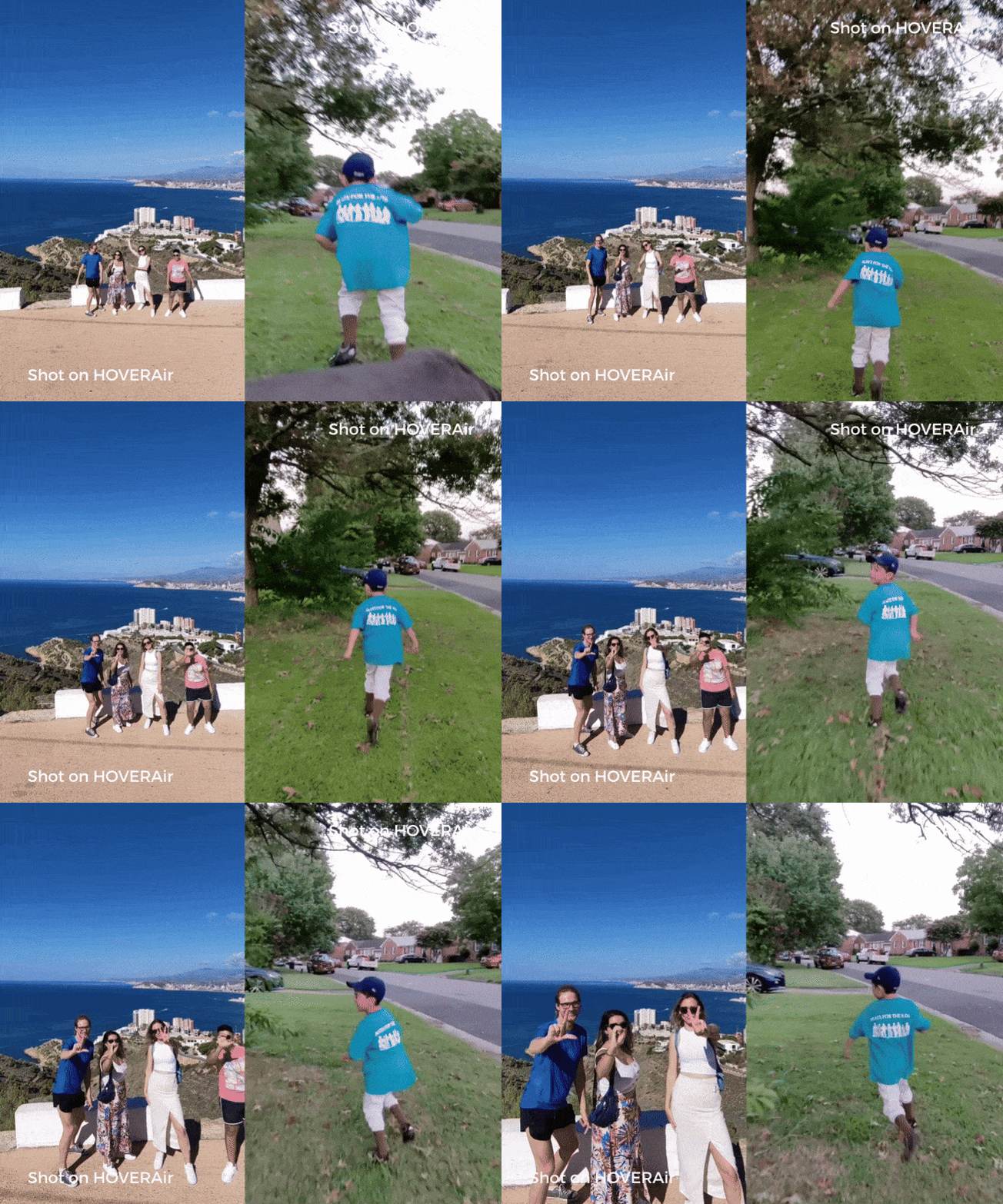

 Technology for ultra-precise tracking, so you can leave the steering to the X1 PRO or PROMAX and focus on getting the shot.