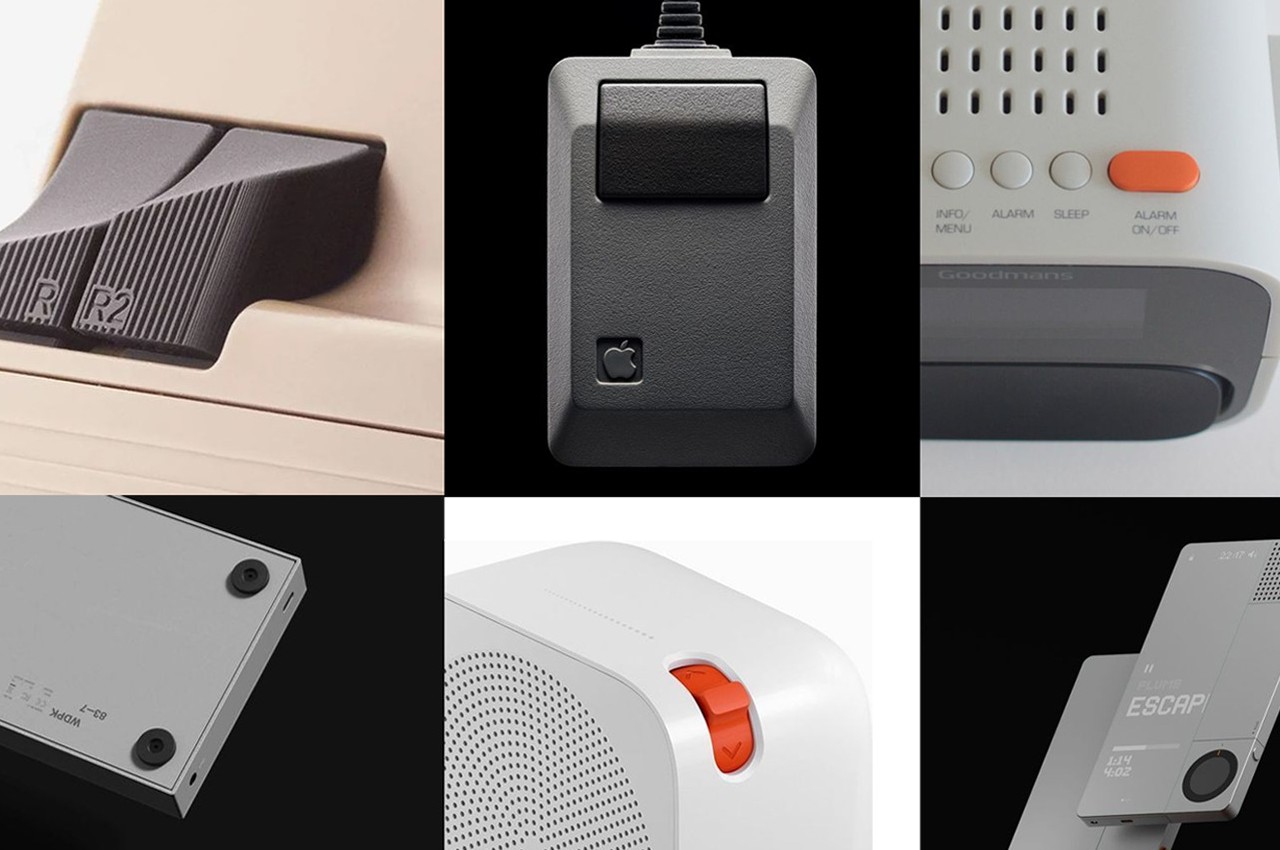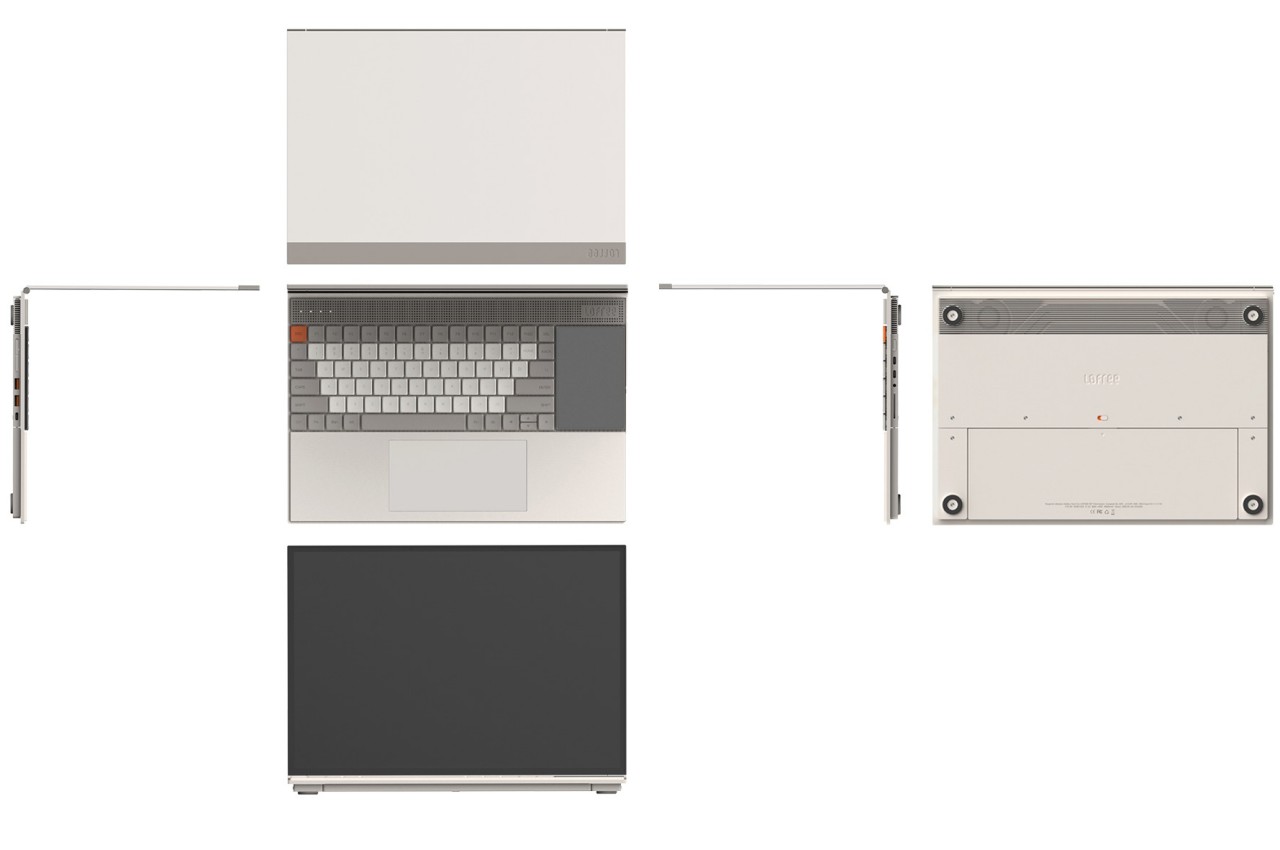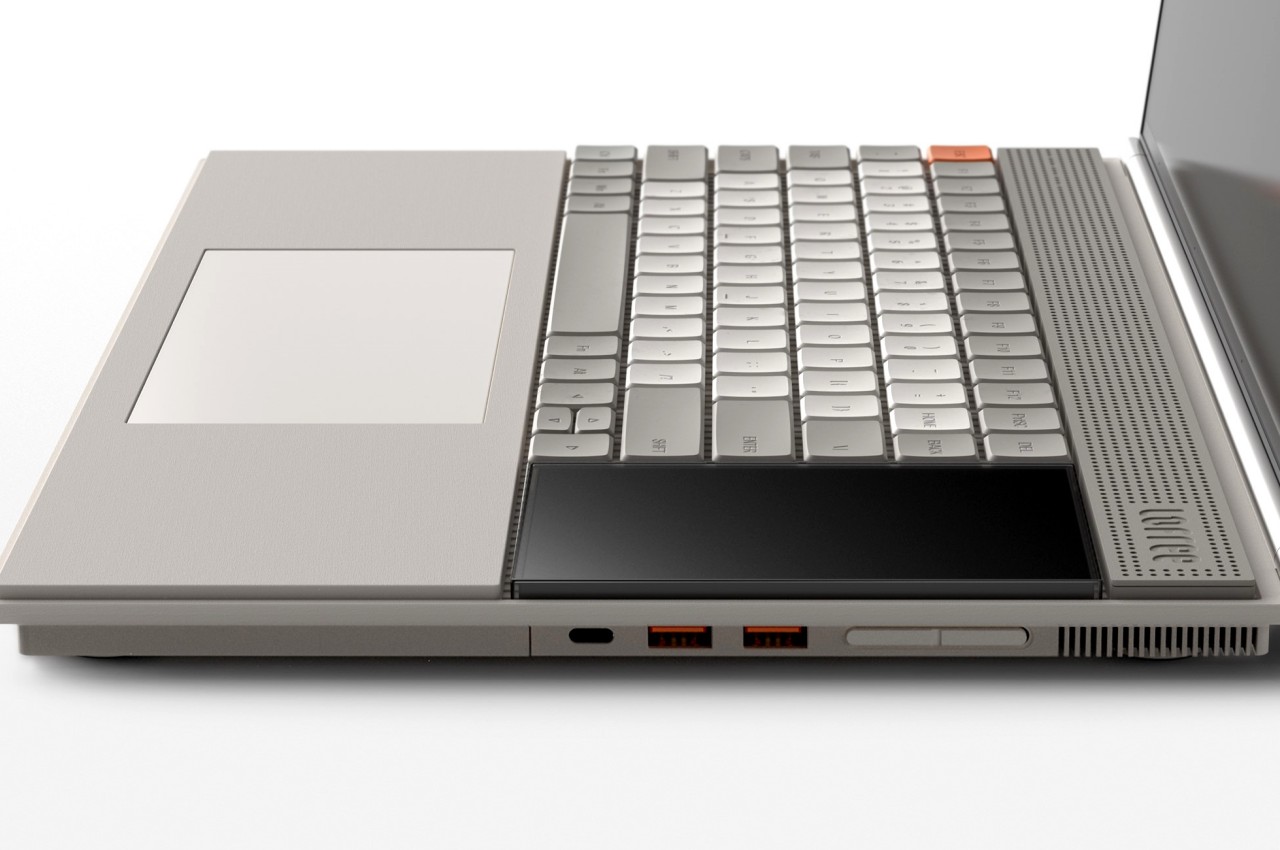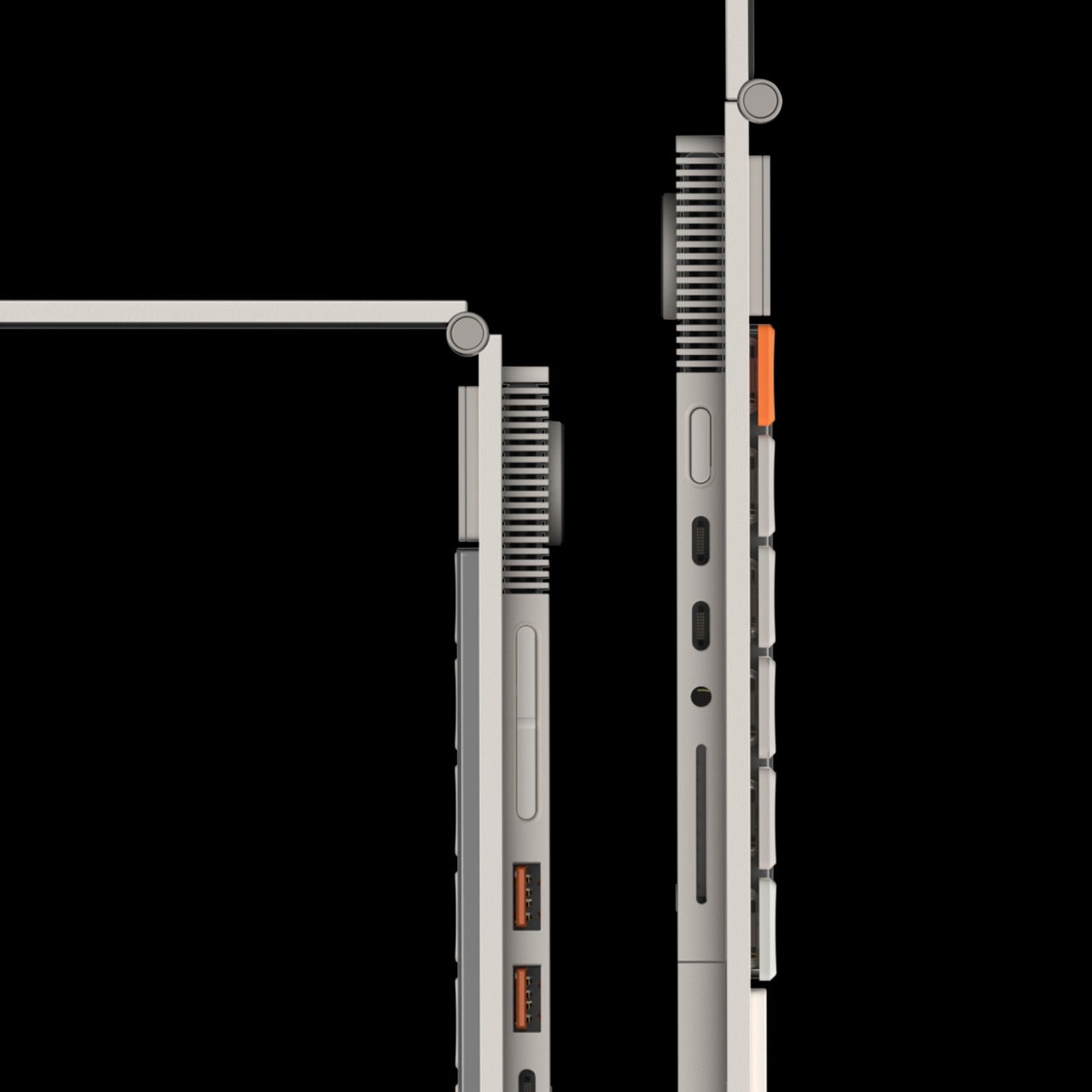
Top 10 Retro Gadget Gifts With Innovative Functionality That Evoke Nostalgia For Every Man

There’s something about all things retro that I simply cannot resist. I love products that evoke a deep sense of nostalgia within us and take us right back to the 80s. As innovative and futuristic gadgets are today, sometimes you just feel like escaping from all the modernism and immersing yourself in the simplicity of the past. To help you experience this, we’ve curated a collection of retro-inspired gadgets that promise to take you on a trip down memory lane, and they’re designed especially for your home. From a Nixie tube tabletop clock to a modular arcade system – this collection of gadgets is the perfect little retro addition to your living space! Though these gadgets are wonderfully retro-esque, they have been imbibed with modern functionality. Their aesthetics may be from their past, but their utility is embedded in the future.

1. NIXOID NEXT

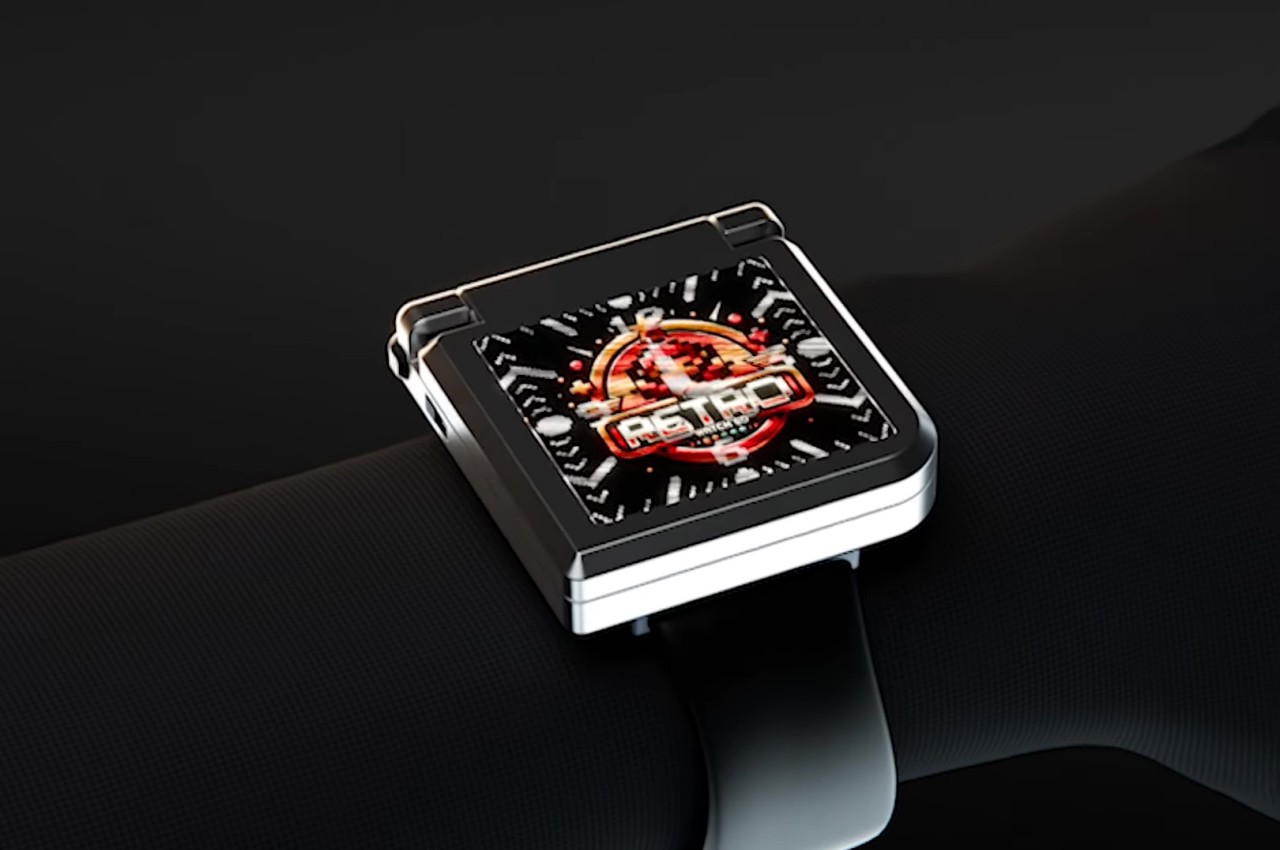
Nixoid got their hands on Nixie tubes and designed the steampunk-inspired NIXOID NEXT which is equipped with really rare Nixie VFD lamps that were discovered 25 years ago. The design mixes a healthy dose of retro and futurism by fitting a technology old as retro tubes into a modern wristwatch avatar.

Click Here to Buy Now: $420 $480 ($60 off).

Why is it noteworthy?

The watch incorporates an accelerometer that lights up the VFD tubes light up when tilted toward the user. Fun fact, these tubes were discovered in a warehouse from the days of the USSR, making it a historic limited-edition collectible.

What we like

  • Features charging points on the back making it extremely easy to charge
  • Features a scratch-resistant sapphire case

What we dislike

  • There is a 1.5 second pause in which the watch changes it display from hours to minutes, so both the hour and the minute cannot be seen simultaneously.

2. Wall-hanging CD Cover Player

This minimalist CD player is a super unique retro design that perfectly combines a distinctive listening experience with the impact of visual art. You don’t need to set aside the CD jacket or sleeve, you can simply slip it inside the specially-designed pocket, allowing you to display it.

Click Here to Buy Now: $179 $199 (10% off at checkout). Hurry, Holiday Sale ends in 24 hours!

Why is it noteworthy?

This CD player is the physical equivalent of displaying digital album art, but with the perk that you also get to showcase the fact that you own the physical original CD.

What we like

  • Extremely portable design, boasting a 40mm full-range speaker and a woofer unit, so you can listen to your music by placing it anywhere in your room or while carrying it with you while you travel.
  • A 1,800mAh battery delivers 7-8 hours of unparalleled audio experience wherever you go.

What we dislike

  • Solely an analog style of listening to music, it does not support syncing music or playlists with any digital medium.

3. Vestaboard

The Vestaboard is a striking one-of-a-kind messaging display that offers an alternative to smartphones. It is a simple, memorable, and super-engaging design that allows you to stay in touch with your loved ones and cheer them up from anywhere. Add to it the old-age charm of the flipping panels, and the Vestaboard looks great wherever you place it.

Click Here to Buy Now: $2995 $3295 (Use Coupon Code “INSPIRE” to get an additional $300 off).

Why is it noteworthy?

Vestaboard offers 6 rows of 22 split-flap character units that can each display letters, numbers, symbols, and all the colors of a rainbow. That gives you a total of 132 “bits” that you can from a mobile app or the Web, allowing you to easily send messages to anyone at home or in the office.

What we like

  • Displays inspirational quotes, personalized messages, reminders, to-do lists, schedules, and more

What we dislike

  • You cant access Google Calendar and other features like the weather and sports scores without a Vestaboard+ subscription
  • The included power cord is pretty short

4. Retro 35W GaN Charger

Dubbed the Retro 35W GaN Charger, this charging brick is inspired by the original Macintosh computer and is complete with the MacOS ‘smiling’ logo which is showcased on the little computer’s screen. And if you get bored of watching the MacOS logo, you can swap it with other personalized stickers you can DIY for added fun.

Click Here to Buy Now: $26.44 $51.81 (49% off).

Why is it noteworthy?

Built with a GaN semiconductor on the inside, the tiny charger comes with a max output of 35W, which is enough to fast-charge your iPhone or any other gadget. Plug it in and not only does it charge your device, but the Mac’s screen comes to life too, lighting up in white, yellow, blue and green colours to let you know your device’s charging status!

What we like

  • Delivers up to 35W of fast charging experience
  • Can be upgraded to create a complete Travel Set that works with all the plugs (UK, EU, and AU) to help you take it around the world

What we dislike

  • The matching retro cable needs to be purchased separately

5. Long Weekend

The Long Weekend designed by Moment is a 35mm point and shooter with an adorable disposable-camera aesthetic, and a reusable film design. It is excellent for holidays, special events, and get-togethers. The minimal design comes in 2 colours – a default black and a even more retro-inspired cream that brings to mind the original PC and monitor designs of the years gone by.

Click Here to Pre-Order: $49.99

Why is it noteworthy?

The photos it clicks have a distinct retro appeal with the focus-free 31mm, F9 optical grade acrylic lens that gives your images a dreamy 90s aesthetic. It has an incredibly modest price tag of $49.99.

What we like

  • Perfect camera for low-stakes high-memories photography
  • Allows users to experiment with different film stocks

What we dislike

  • No adjustable settings for shutter speed or aperture, hence reducing creative control

6. The Nextube

The Nextube is designed to be a vintage-inspired tabletop display that features 6 nixie tube-like screens docked within a wooden base. It has a unique steampunk aesthetic on its sleeve, and modern tech tucked under its hood. Add a warm glow to your desk or customise it with special characters to display a message that means a lot to you – either way this design is sure to amplify your space.

Click Here to Buy Now: $119 $189 ($70 off).

Why is it noteworthy?

The six mini displays look like Nixie tubes, but are, in fact, LED screens that can be customized to showcase anything from the time to the weather, music visualizations, crypto prices, or even a subscriber count for your YouTube or TikTok page.

What we like

  • Allows you to view the time, date, weather, and a wide variety of data points in a charming vintage way

What we dislike

  • The tubes aren’t designed to be operated 24/7 and can deteriorate pretty quickly over time

7. The Floating Record

Dubbed the Floating Record, this high-performance turntable is designed to play your record vertically, using built-in full-range stereo speakers! With a walnut wood base and a Carbon Fiber Tone-arm, the turntable boasts of high-quality materials that will add more oomph to any living space.

Click Here to Pre Order: $899

Why is it noteworthy?

They’ve reimagined turntable technology to create a visually and mechanically sound way to experience and enjoy vinyl music. The Floating Record is designed for all the vinyl lovers out there – from the first-time record listener to the seasoned vinyl enthusiast.

What we like

  • You don’t need to set up any external gear, it’s all integrated into the design
  • Perfectly merges with different interiors and environments

What we dislike

  • Quite fragile, and prone to skipping if you don’t position the record properly.

8. Polycade Sente

The Polycade Sente is an ingenious design that allows the owner to mix the hardware components they need, allowing them to swap out controllers to support different kinds of playing styles, and more than just a single player.

Click Here to Buy Now: $1999 $2499 (Get $500 off Presale Discount).

Why is it noteworthy?

The Polycade Sente lets you easily swap or add different kinds of controllers and input devices to ensure compatibility with almost all games in existence. The center-mounted half panel has inserts for cup holders. Some games require shooting, so Light Gun add-ons can also be installed on each side.

What we like

  • Can be installed on a freestand add-on so you can relocate it anywhere in the room
  • Features a modular design that makes it easy to upgrade or replace parts with standard off-the-shelf components

What we dislike

  • Bulky and space-consuming design, not designed for homes with space constraints

9. ‘A for Ara’ Speakers

‘A for Ara’ has designed two retro-modern speakers with an eclectic blend of design styles. The speakers are called the FS-1 and FS-2, and they have a larger-than-life appeal to them, as well as a nature-inspired whimsical design.

Click Here to Inquire

Why is it noteworthy?

The speakers can broadly be split into their two visual parts, the base unit, which houses the audio drivers and the acoustic cabinet, and the upper phonograph-inspired horn which serves both visual and functional purposes. Visually, it resembles a large morning glory flower, while acoustically it helps amplify sounds and channel them in a particular direction.

What we like

  • Combine audiophile-grade engineering and tuning with an avant-garde appeal

What we dislike

  • Bulky and space-consuming design not intended for smaller homes

10. The Petzval 80.5 f/1.9 MKII Basic Art Lens

The Petzval 80.5 f/1.9 MKII Basic Art Lens is an interesting reinvention of the original 19th-century Joseph Petzval portrait lens. The lens is designed for modern-day analog and digital SLR cameras and is optimized for video. Designed for full frame sensors, it delivers great results with crop sensor cameras as well to help you capture the authentic vintage aesthetics and create a vibe that will help uplift your photos.

Click Here to Buy Now: $399.20 $499 ($100 off).

Why is it noteworthy?

The intriguing lens captures vintage aesthetics using contemporary and modern SLR cameras and even features a large spectrum of beautiful swirly bokeh effects. It is equipped with a helicoid focusing mechanism and a topless aperture diaphragm.

What we like

  • Optimized for still and motion photography
  • Features a dual aperture system with special shape aperture plates

What we dislike

  • Lack of weather sealing and protection for shooting outdoors in the elements

The post Top 10 Retro Gadget Gifts With Innovative Functionality That Evoke Nostalgia For Every Man first appeared on Yanko Design.

Nikon Zf Mirrorless Camera Review: Vintage Design, Modern Strengths

PROS:


  • Beautiful vintage design

  • Dedicated Black & White mode switch

  • Fully articulated touch screen

CONS:


  • No proper hand grip

  • Outdated micro HDMI port

RATINGS:

AESTHETICS
ERGONOMICS
PERFORMANCE
SUSTAINABILITY / REPAIRABILITY
VALUE FOR MONEY

EDITOR'S QUOTE:

The Nikon Zf mirrorless camera finally gets the right mix of a classic design that photographers love and the modern performance that photographers need.

The powerful cameras inside our smartphones were touted to spell the end of dedicated cameras, but that couldn’t be farther from the truth. Not only are smartphones severely limited by their sizes, mobile photographers actually graduate into pros and switch to these more powerful and larger cameras. Digital cameras, both DSLR and mirrorless, have also been progressing in their designs, though some seem to have hit a wall in bringing classic aesthetics to present-day specs. Nikon has had a few hits and misses in the past, but that hasn’t stopped it from trying yet again. With the Nikon Zf, the brand makes another attempt at reviving its classic SLR aesthetic for the 21st century, and we give it a good look to see if it manages to finally pull it off.

Designer: Nikon

Aesthetics

Unless you count outliers inspired by Polaroid-style instant cameras, the basic design of cameras hasn’t changed that much in decades. Sure, there are new components like LCD touch screens, D-pads, joysticks, and buttons, but the shape, knobs, dials, and even the location of these elements have mostly stayed the same. There is definitely staying power in the classic camera designs, and Nikon has been trying to bring back those memories and grow a new appreciation for them with the new Nikon Zf, and to much success, we’re happy to say.

The Nikon Zf accurately captures the look and feel of the brand’s early SLRs almost to a fault. It has that all-black finish on a simple and almost featureless rectangular body, wrapped in leatherette covering, and topped by a collection of chunky dials made from brass. The back does have modern amenities like a touch screen, a directional pad to navigate certain options, and buttons as shortcuts to most-used functions, but the overall look remains classic and vintage to some degree. Unfortunately, Nikon opted to really stick close to the old design of cameras like the 80s FM2 to the point that it barely added a hand grip that has become a necessity in this day and age.

Unlike the camera maker’s previous attempt, namely the Nikon Zfc, the Nikon Zf feels just as premium as it looks. You can definitely feel the magnesium alloy body that gives it a solid build, and the brass controls add more to that heft, for better or worse. Unfortunately, the choice of materials may have limited Nikon’s color options, as there is no combination that uses a silver finish for the top section, though there are other leatherette colors available to match your preferred style.

Ergonomics

The Nikon Zf’s solid construction helps it feel premium, but that also works against it in one particular manner. The mirrorless camera has quite a bit of heft to it, which wouldn’t be a problem except for one design quirk. Unlike some cameras today, the Nikon Zf doesn’t have a substantial hand grip that would have improved the ergonomics of the design. It does have a small elevation on the right side of the camera body, but not exactly enough to offer confidence and stability. And that’s not even considering the weight of the lenses you will be attaching to the camera.

You can add a hand grip courtesy of an official Nikon accessory, but that’s an added $40 on top of the camera’s already substantial price tag. There are Nikon cameras that do have such a large hand grip built-in, so it’s not like it’s an alien concept for the manufacturer. It just intentionally chose to stick to this old-school design that, unfortunately, didn’t have that kind of focus on ergonomics.

Fortunately, using the Nikon Zf isn’t that much of a difficult chore, with most of the important dials and buttons within easy reach of your right thumb. The analog dials give a satisfying tactile experience while switching modes, ISO levels, and more. The vari-angle LCD screen makes it possible to capture photos and videos even from difficult angles, though the mushy circular directional pad makes it a little less enjoyable to navigate the camera’s menus, at least compared to a joystick.

Performance

It might look vintage, but the Nikon Zf is definitely equipped to handle the challenges of modern photography. In addition to the tried and tested 24MP full-frame BSI CMOS sensor that it has been using on well-received mirrorless cameras, Nikon has installed a newer Expeed 7 processor that opens up more possibilities for photographers, particularly when it comes to subject recognition and object tracking with autofocus. It’s quite an impressive combination that puts the Nikon Zf on par with many modern digital cameras these days. Admittedly, it’s not exactly a revolutionary new feature but at least it won’t be lagging behind its peers.

The images the Nikon Zf produces are definitely no joke, with clear and crisp details matched with accurate colors that are neither too warm nor too cold. The 8-stop in-body image stabilization makes short work of shaky hands, though you’ll still want to grab a tripod for features like pixel-shift multi-mode that composes multiple shots together for a higher-res image, or 14fps continuous shooting. The Nikon Zf has plenty of other interesting modes that let photographers flex their artistic muscles. Black and white modes offer basic Flat or red filter Deep Tone controls, and it even has a dedicated switch on the dial for this mode. You can also record videos, something the original SLRs couldn’t, at up to 4K 30fps (full-frame) or 60fps (1.5x crop).

The mirrorless camera, powerful as it may be, also has a few design quirks when it comes to hardware. Some of them look good on paper, while others might leave you scratching your head. There’s a second memory card slot that can be used for backup, for example, but it can only fit a slower microSD card compared to the main UHS-II SD storage. There’s also an HDMI port for an external monitor, but it’s of the older and somewhat rare micro HDMI variety, not even a mini HDMI port. Not exactly deal breakers, but something you might want to keep in mind when buying accessories.

Sustainability

The choice of magnesium alloy for the body and brass for the controls gives the Nikon Zf a bit of an edge when it comes to sustainable materials. Sure, there is still plenty of plastic inside, especially in places where Wi-Fi radio signals have to pass through, but the amount of plastics used is reduced to some extent.

Those materials also help preserve the camera’s longevity and long-term value. The solid construction adds to the product’s durability, while the magnesium alloy shell is advertised to be dust and drip-resistant. The brass metal components also gain character as the surface develops unique patinas over years of use.

Value

One of the biggest hurdles that aspiring photographers have to climb over is the seemingly insurmountable price tag attached to these cameras. You could easily buy two or even three of the most powerful smartphones for the price of a single mirrorless or DSLR camera and you’d be able to use those devices for more than just photography. Of course, this is comparing apples to oranges, but it’s a challenge that all budding photographers will have to overcome someday.

The Nikon Zf, for example, goes for a hefty $1,999.95, and that’s for the camera body alone, which you can’t use as-is. You’ll need to attach a lens, and if you’re scratching from scratch, you’ll need to throw in another $400 or more for a complete kit. Might as well add the $40 SmallRig to get the extension grip that will help prevent accidents that will flush that expensive investment down the drain. In the end, the Nikon Zf is exactly that: an investment. It definitely has the right mix of features that will let you capture stunning and potentially award-winning shots or videos, features that won’t become obsolete in just a few years, unlike smartphones.

Verdict

The digital camera market is far from dead, though some will definitely say it is crawling to a stop. That doesn’t mean there’s no more room or opportunities for improvement, especially when trying to find the right mix of design, performance, and price. We only need to look back to the past to see where we went wrong and what we did right, and the Nikon Zf is definitely putting those hard-earned lessons to heart in order to bring a fusion of the past and the present while looking toward the future.

It’s far from being the best mirrorless camera in town, even among Nikon’s roster, but it strikes a good mix of essential features that photographers from all ranges will be able to appreciate and utilize. It packs those in a design that embraces Nikon’s legacy wholeheartedly, as if trying to prove that those designs are far from being obsolete, even decades later. Sure, there are some things we wished Nikon did differently, especially with the grip, but those don’t detract from the fact that the Nikon Zf is one solid and stylish mirrorless camera that photographers need to take note of.

The post Nikon Zf Mirrorless Camera Review: Vintage Design, Modern Strengths first appeared on Yanko Design.
Analogue Duo console revives TurboGrafx cartridges and CDs with a catch

The retro gaming craze has given birth to many console revivals, but some of them are walking on legally gray areas. The officially sanctioned devices bear licensed titles but in very small numbers. Third-party recreations that use emulators, on the other hand, offer more freedom and flexibility but you’ll have to be creative in where you source your games. And then there’s the rare middle ground that puts those old games in fresh new hardware, like this curious console that pays tribute to the oft-forgotten NEC TurboGrafx. Unlike other retro consoles, however, it doesn’t come bundled with its own games and you’ll have to bring your own cartridges and discs, presuming you still have some of those around.

Designer: Analogue

With the explosion of home gaming systems in the late 80s to early 90s, it wasn’t much of a surprise that some brands would be pushed to the background. Although it did have a faithful following, the NEC TurboGrafx system eventually faded into history, only to be remembered with retro consoles and devices such as the Analogue Duo. It’s not a simple recreation of the original console, however. In fact, it looks nothing like the TurboGrafx-16 and PC Engine consoles. What this new console brings, instead, is a way to be able to use those original game cartridges and CDs just the way they were meant to.

Retro mini consoles like the NES and SNES Classics practically use emulation software to run digital copies of games that used to exist on physical media. That’s definitely convenient but also removes the gratification of experiencing those classic titles from the cartridges or CDs they came from. Without going into technical details, the Analogue Duo claims to use no emulation at all and uses hardware engineered for thousands of hours to offer compatibility with a wide range of NEC gaming systems and media, including those for the TurboGrafx-16, PC Engine, SuperGrafx, TurboGrafx CD, PC Engine CD-ROM, and Super Arcade CD-ROM.

The design of the Analogue Duo itself is also quite unique, eschewing the trend of copying the appearance of the original consoles. It does lie horizontally like most consoles, but its modern and sleek appearance clearly tells which century it comes from. An odd and rather interesting detail is the wavy rear of the console, something you won’t find on any gaming hardware today. Interestingly, you can place two of these consoles back-to-back with those waves intersecting with each other.

The Analogue Duo is pretty ambitious in its goals, which is probably why it took three years for it to finally become available. Even then, it will be in extremely limited supply, available first to those who pre-ordered back in May. Perhaps it’s for the best so that TurboGrafx fans will be able to bide their time and see whether the console will be able to deliver that faithful classic experience it promised.

The post Analogue Duo console revives TurboGrafx cartridges and CDs with a catch first appeared on Yanko Design.
Vintage Macintosh Inspired Mini PC Packs a Retro Punch

With styling pulled almost directly from the beige Macintosh Plus of yesterday, the AYANEO Retro Mini PC is a modern mini-computer packed with enough power and storage for retro gaming and typical computing. At prices starting at just $149, that’s like three trips to Taco Bell!

Available in a number of configurations, the most basic $149 model features an AMD Ryzen 3 3200U, 8GB of RAM, and 256 GB of storage, while the top-of-the-line $379 model includes a Ryzen 7 5700U APU, up to 32GB of RAM, and a 1TB SSD. There are also five other models between those two with varying amounts of RAM and SSD storage, depending on your needs. Me? I need a computer that will stop getting viruses and trying to steal my identity all the time. What do you mean that’s a “user error?”

The computer measures approximately 5″ x 5″ x 2.5″, making it ultra-portable, and includes every time of common connection interface to attach monitors, controllers, and other peripherals. It also comes pre-installed with Windows 11 Home Edition, so you have an operating system. Maybe not might not be as good as Windows XP, but like my own questionable mind and body, you work with what you’re given.

[via bgr]

Kodak Super 8 film camera revival is finally happening but there’s a huge catch

The Super 8 film camera has become an important part of photography history, particularly when it comes to cinematography. The distinctive design of the camera and its unique format inspired many amateurs who would later become industry veterans, and that legacy is fondly remembered and even commemorated in a 2011 movie bearing the camera’s very name. Not long after that film was released, Kodak, whose name has become closely associated with the camera, announced a new version of this beloved camera that sticks true to its unique analog experience while adding a few digital conveniences. Almost 8 years later, that camera might finally be ready to roll, but it seems that very few fans will actually be able to get their hands on it.

Designer: Kodak

The Super 8 camera can probably be credited for giving birth to home movies that are now made using smartphones. Making motion picture cameras more accessible to the masses helped aspiring moviemakers get started without having to burn through their savings. Although Super 8 cameras are actually still available today, they are already considered vintage by today’s standards, especially because of their use of physical film. That said, a faithful Super 8 successor won’t be able to win hearts unless it also stays true to that format and medium.

That’s exactly what Kodak was going for when it revealed plans to upgrade the Super 8 camera back in 2016 at CES. It would still be a film camera like its predecessors, but it would add a few convenient features taken from digital cameras. The new Super 8 would also retain the same basic shape, especially the gun-like pistol grip that has become iconic of the camera’s design. There’s an addition of a top handle with an integrated run button for more difficult angles. It does modernize the aesthetic, though, adopting a more industrial appearance with plenty of flat planes and sharp angles. It is a look that’s both fresh and new yet still unambiguously Super 8.

As for those modern conveniences, it sports a 4-inch LCD swiveling viewfinder, similar to all video cameras today. It comes with a detachable wide-angle 6mm 1:1.2 C-mount lens, so you can actually use any other C-mount prime lens or adapters, depending on what you need. There’s an SD card reader for recording audio directly into storage, as well as a micro HDMI port for connecting an external monitor. Ironically, despite all the new hardware, the camera still charges with an old and slow micro USB connection. And yes, it still shoots on analog film, so you’ll need to make sure to have a stock of KODAK’s Super 8 cartridges at hand.

Given how long ago the announcement was, there were perhaps some doubts about whether Kodak would actually be able to pull this off at all. The good news is that Kodak has finally opened up sign-ups, with shipping expected to start next month. The bad news is that, in addition to limited availability, the price tag for this new Kodak Super 8 film camera is a whopping $5,495, more than twice the announced SRP back in 2016. This immediately puts it out of the reach of all but the most dedicated collectors, a rather disappointing U-turn for a camera that originally catered to amateurs and aspiring moviemakers.

The post Kodak Super 8 film camera revival is finally happening but there’s a huge catch first appeared on Yanko Design.
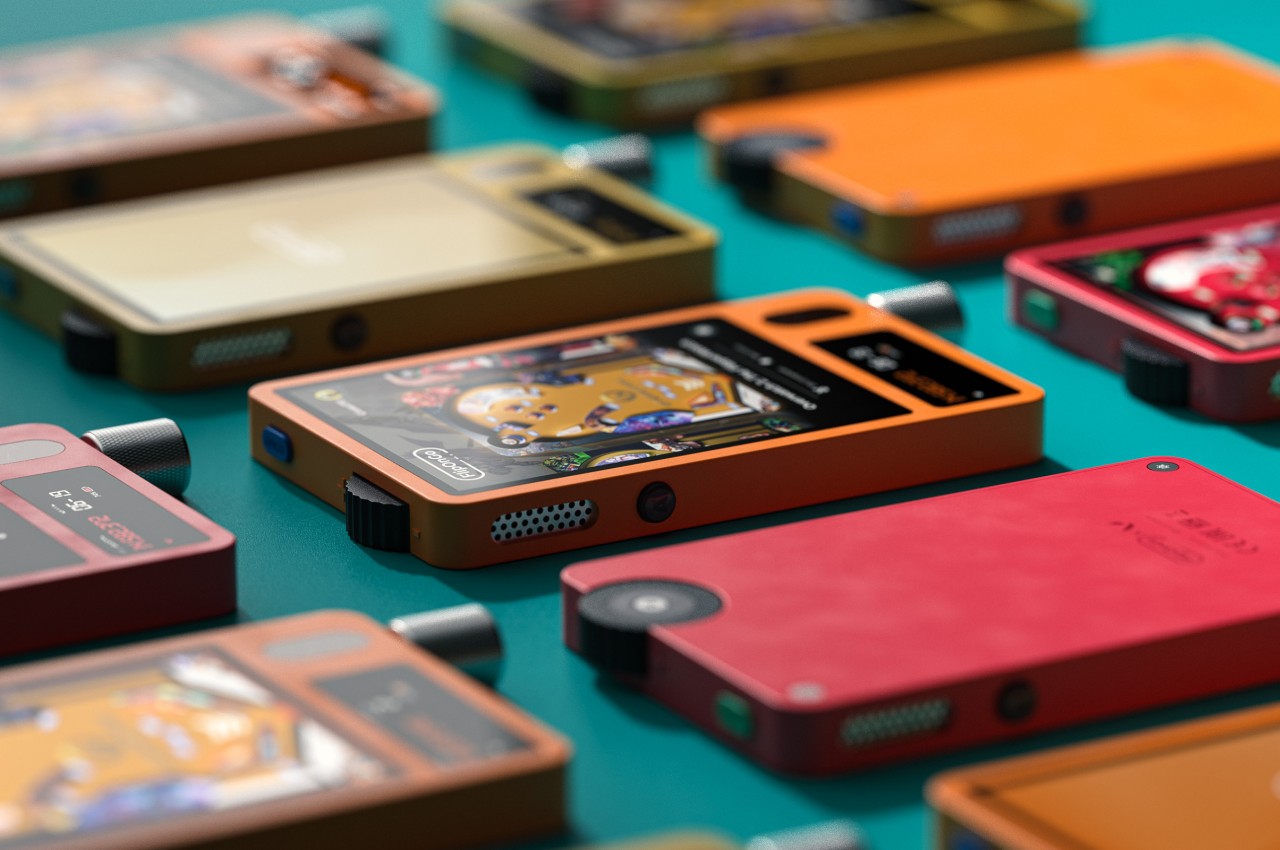
Analogue Pocket Classic retro gaming handheld puts the color in Game Boy Color

Just because you’re trying to design a retro interpretation of an old design doesn’t mean you have to copy the original inch for inch. In fact, it might even be illegal in some cases to be an exact replica of the product you’re trying to pay homage to. It’s definitely a good opportunity to address the flaws of the past or to implement designs that were intended but couldn’t be implemented because of the limitations or tastes of ages past. It wouldn’t make sense, for example, for a modern recreation of the Game Boy Color to display the extremely limited palette of the original in this day and age. Fortunately, Analogue had the sense to equip its retro gaming handheld with modern capabilities while staying faithful to the original’s essence. So faithful that it, in fact, even tried to recreate the playful colors of the Game Boy Color while also expanding that selection with almost all the colors of the rainbow and then some.

Designer: Analogue

Even by yesteryear’s standards, the Game Boy Color’s chunky design clearly earmarked it as a toy for kids. Those kids, however, have now grown up, and many of them want to relive those fun-filled days but probably with something that doesn’t look like it was plucked out of a time capsule. The Analogue Pocket is an attempt to feed this hunger while also making the design and the heritage accessible to a lot more people. Its more modern and sleeker aesthetic easily appeals to gamers of all ages but still exudes that charm that made the GBC an icon. Still, the retro handheld seemed to be missing one particular element that would really set it apart from other Game Boy Color recreations.

That missing piece of the puzzle was delivered by the “Classic” edition of the Analogue Pocket, which basically gives the device a colorful paint job. The very first GBC was a rather boring and very industrial gray, but the market eventually exploded in a variety of colors, including a transparent one. The Analogue Pocket Classic brings back not just one or two or five of these but offers no less than eight hues. That’s on top of the plain black, white, transparent, and glow-in-the-dark editions that came out in the past.

The full palette includes Indigo, Red, Green, Blue, Yellow, Pink, Orange, and Silver, all of which Analogue boasts have been color-matched to the original models. It might just be a change of hue, but it immediately gives the Pocket a vibrant character befitting of a gaming device. With these accurate colors and the overall design of the handheld, there is very little doubt that this retro revival truly captures the spirit of the Game Boy Color as faithfully as it can without tripping over legal landmines.

The story doesn’t end on a high note, unfortunately, with all variants of the Analogue Pocket now declared to be completely sold out. That’s true for this colorful yet limited run of the “Classic” edition as well as the original models. It’s uncertain if these will ever return to shelves, and collectors will have to stay on their toes while waiting for hopeful news in the coming days.

The post Analogue Pocket Classic retro gaming handheld puts the color in Game Boy Color first appeared on Yanko Design.
This retro gaming console is actually a mini PC disguised as a classic Macintosh

Nostalgia is a very powerful emotion, especially judging by the number of successful “retro” products sold in the market in the past years. Although the flood has seemingly trickled down a bit, it continues to flow especially in the gaming scene. Old gaming brands have suddenly resurfaced to bring nearly forgotten designs to the present, taking previous generations down memory lane while introducing today’s gamers to old-school experiences. While some of these retro consoles actually try to relive the past, this interesting and rather cute box might take your head for a spin with its Mac design and PC internals, combined to offer not just a gaming computer but a piece of desk decoration as well.

Designer: AYANEO

Compared to the computers put out by the likes of Atari and Commodore, the early PCs didn’t really have a memorable design that would go down in history as iconic computers. It was the original Apple Macintosh, instead, that captured people’s attention and imagination of what a home personal computer should look like. Of course, that was decades in the past, but the imagery has stood the test of time as proof of the design’s timeless character. AYANEO, a brand better known for gaming handhelds, is now taking that immensely popular design and giving it a rather curious twist.

As part of its AYANEO REMAKE concept line, the AYANEO Retro Mini PC AM01 slaps the old Mac design onto a new machine. The basic elements that have distinguished one of Apple’s earliest successes are there, tweaked a bit to avoid potential controversies, of course. There’s the telltale sign of a floppy drive, as well as a square rainbow badge that’s a nod to the old Apple logo. There’s a black rectangle near the top that’s purely cosmetic, denoting where the screen is supposed to be located. There’s nothing there, though, which is a bit of a waste, but it doesn’t really matter considering how the mini PC is used.

Unlike the Mac, the AYANEO Retro Mini PC is meant to lie down on its “back” rather than standing up, with that black rectangle in the rear. That’s because the ports for the computer are actually located on what would have been the top and bottom sides, so it has to be horizontal to actually be useful. Of course, this product is a gaming console anyway, not a standalone computer with a built-in display, so you’ll need to plug in peripherals to make it work. And yes, it runs Windows 11, which, given the eternal rivalry between Macs and PCs, some might find a bit insulting.

AYANEO has other retro designs also in the pipeline, including the Retro Mini PC AM02 that takes after the classic NES design. Curiously, that one does have a functional mini display since it can actually be used upright. It’s also working on a handheld that brings back the dual-display design of the not-so-old Nintendo DS, though the practical purpose of that second display is yet to be revealed.
The post This retro gaming console is actually a mini PC disguised as a classic Macintosh first appeared on Yanko Design.