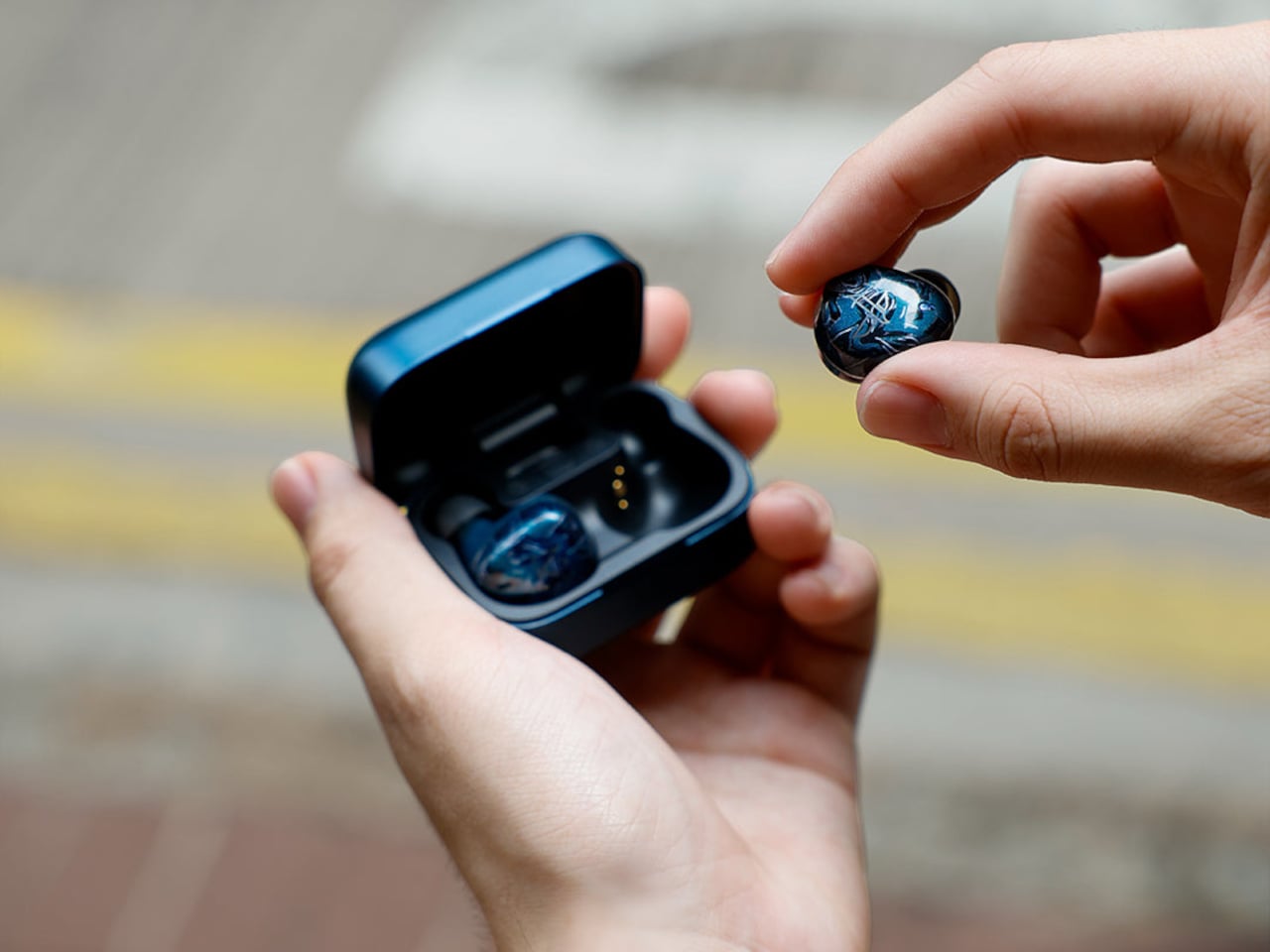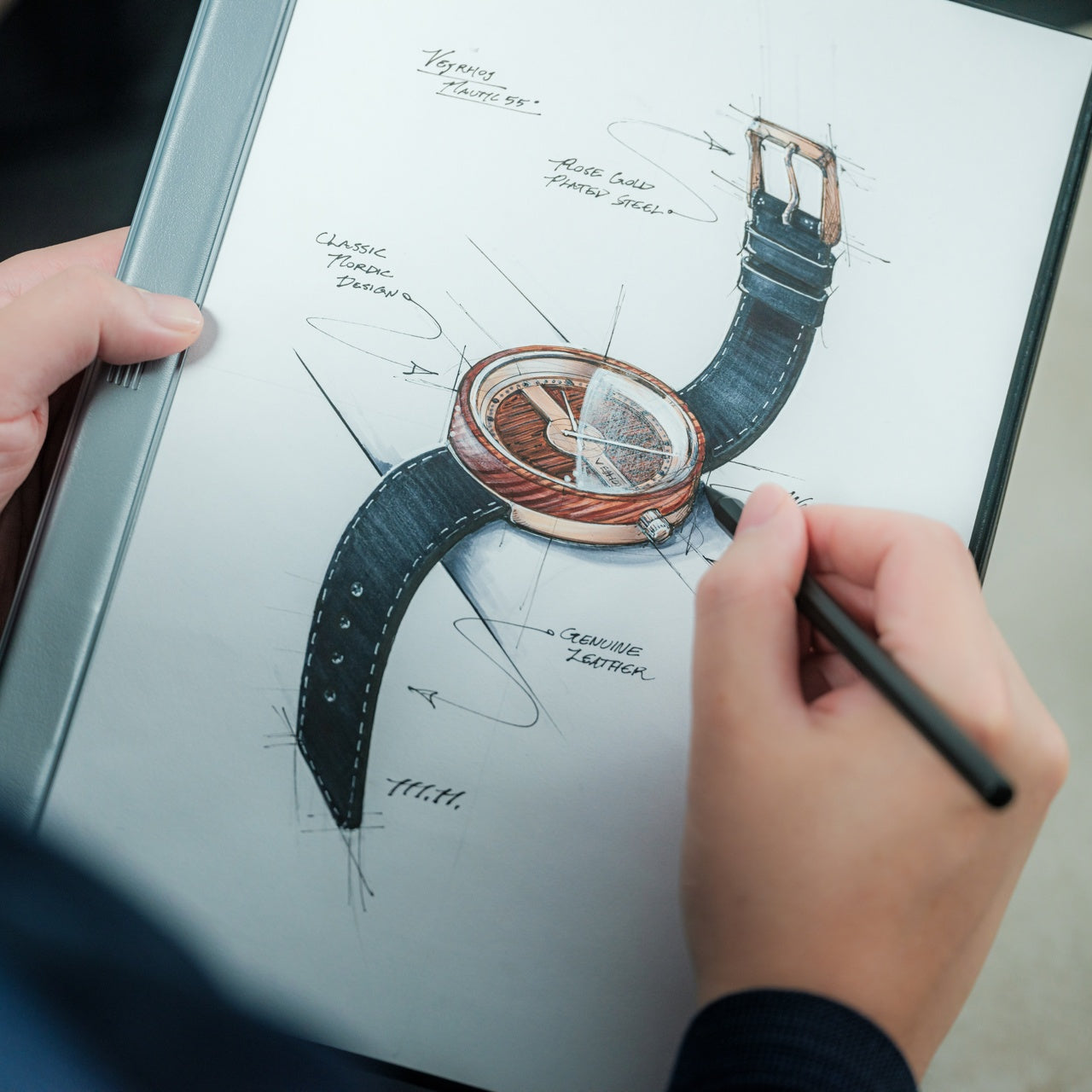
The 8 Best Tech Gadgets of July 2026

July 2026 is shaping up to be a rich month for design-forward tech. From a power bank that rewrites what thin means to a speaker that turns a living room into a visual concert experience, the products landing this month share a common thread: they all challenge a category assumption. This roundup brings together eight picks that earned their place not on spec sheets alone, but on how well they’re thought through from the outside in.

Whether you’re a daily commuter who needs a mouse that disappears into a bag, a field worker who can’t afford a dead tablet, or someone who just wants a smartwatch that looks right on a dressed-up wrist, there’s something here for you. These are gadgets that earn attention through design intelligence first and capability second. In that order, they’re worth your time.

1. Nothing 4a Pro with an E-Ink Display Concept
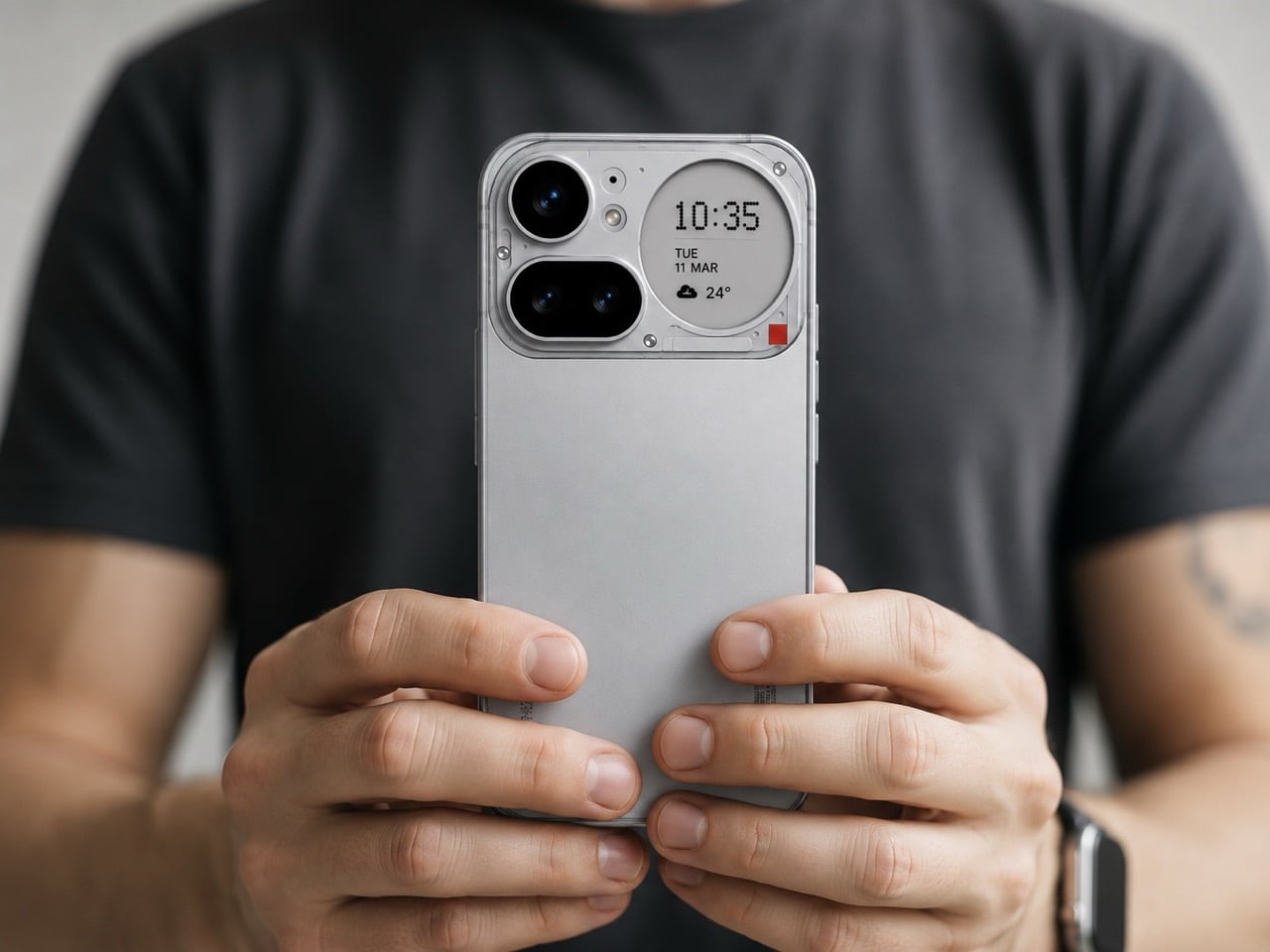
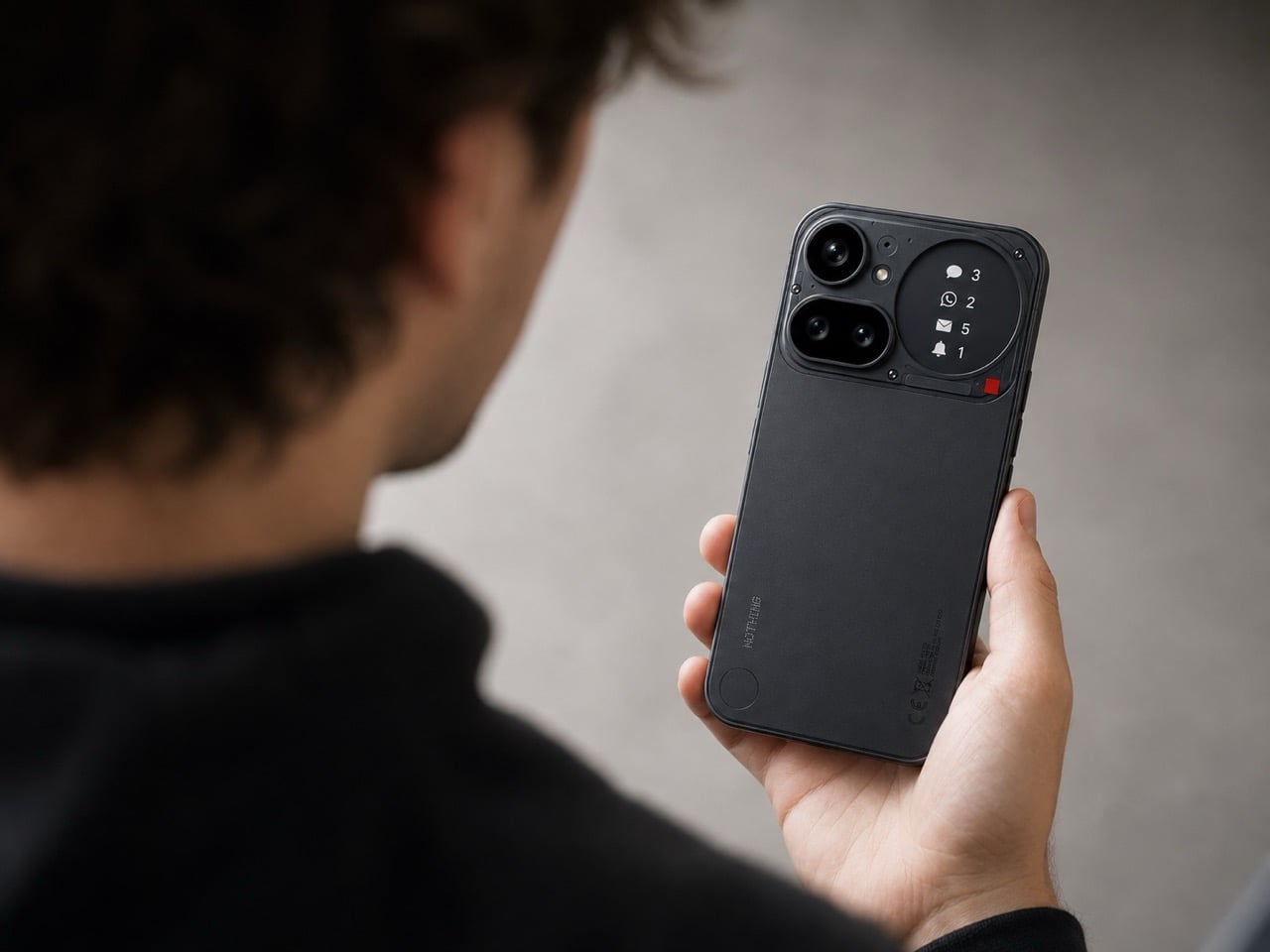
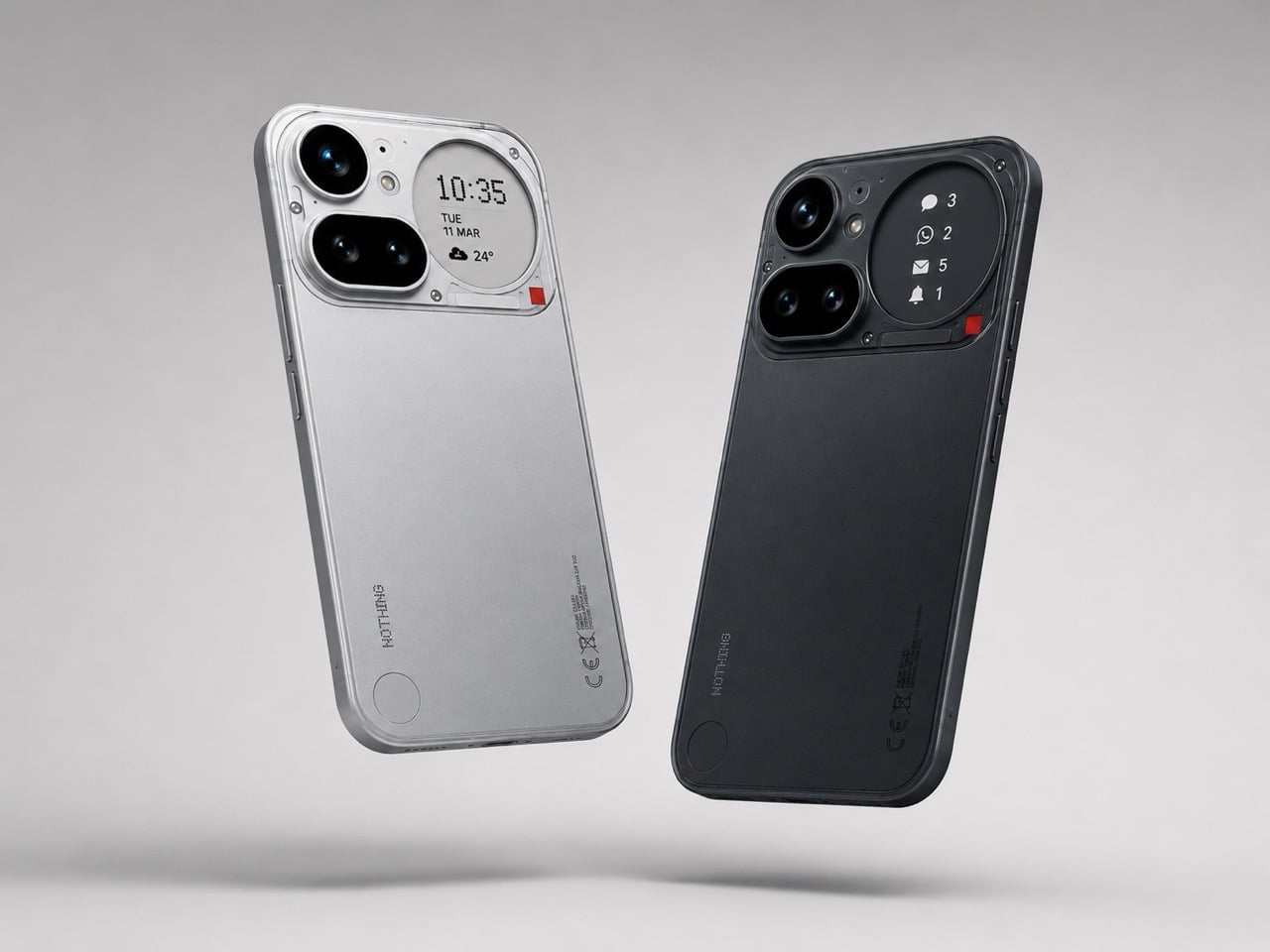
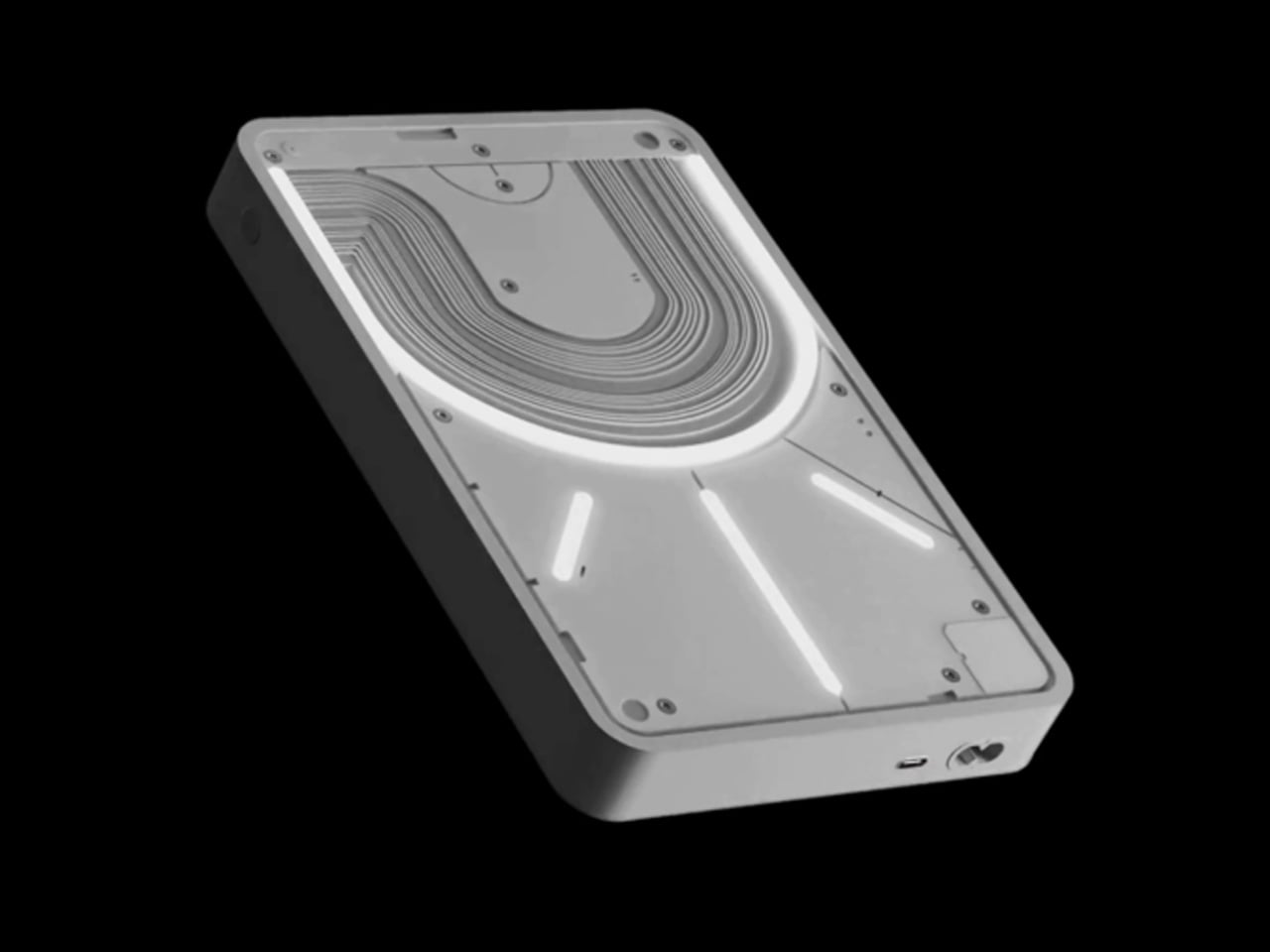
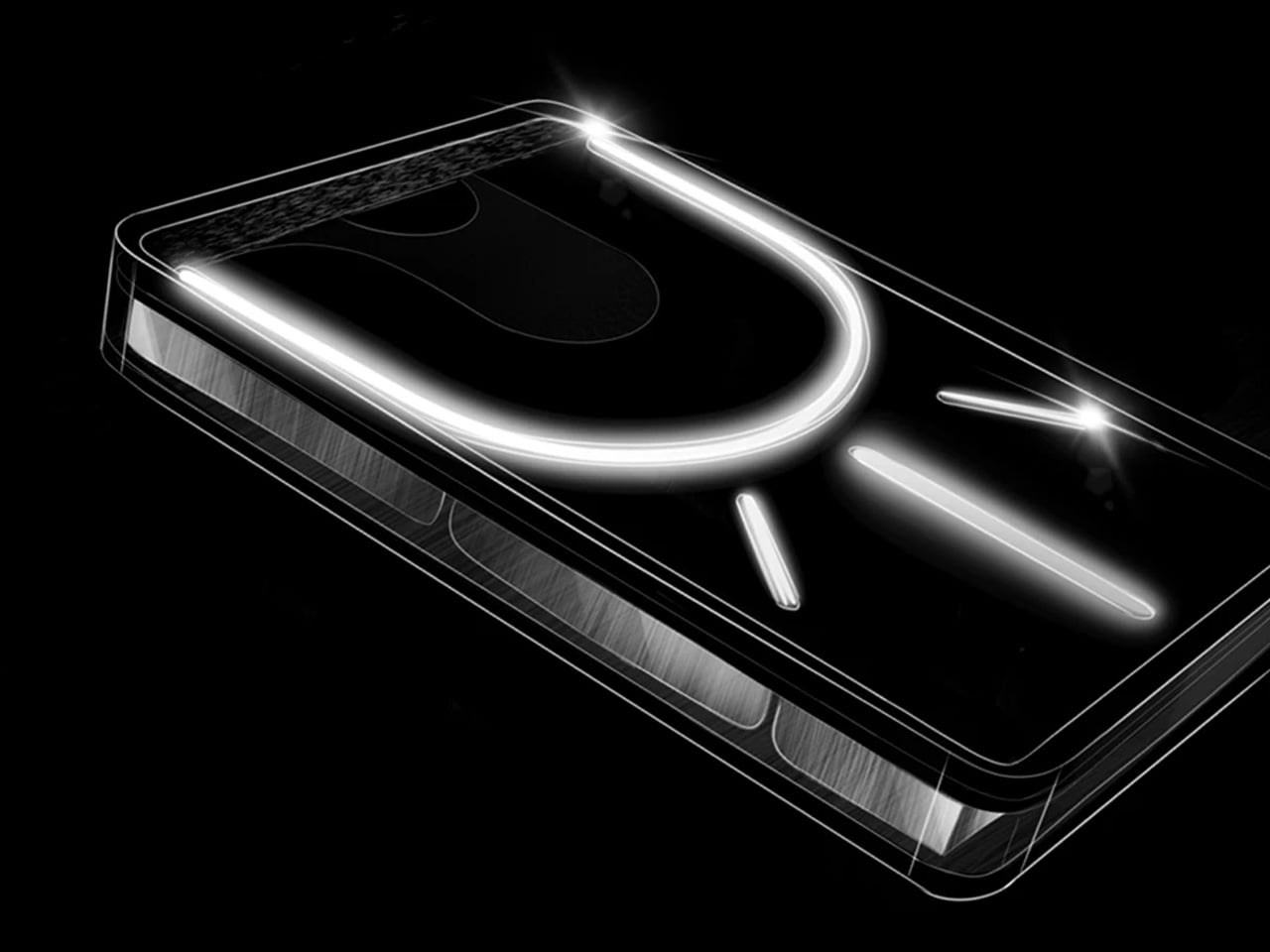
The Nothing 4a Pro already has its fans, but a Redditor named Taweros made a compelling argument for what it could have been. This concept swaps the Glyph Matrix for a full e-ink display on the back of the phone, and the result feels genuinely more useful. Rather than light patterns that impress for about thirty seconds, you get an always-on second surface that can show weather alerts, caller information, or a QR code at a networking event, all without changing a single thing about the internals.

The hardware underneath stays intact: Snapdragon 7 Gen 4 processor, triple camera setup, and the same display up front. The addition is purely on the rear panel, and it’s a quiet, considered one. E-ink only draws power when the image changes, which means the display stays active all day without meaningfully affecting battery life. It’s less TikTok and more LinkedIn than Nothing’s usual brand register, but the argument for using the phone’s real estate more thoughtfully is hard to dismiss. Here’s hoping the Nothing 5 takes notes.

What we like

  • Always-on e-ink rear display works with almost no battery drain
  • Turns decorative real estate into a functional ambient information layer

What we dislike

  • This is a fan concept, not a confirmed product from Nothing
  • Ditching the Glyph Matrix removes the brand’s most recognizable design signature

2. OrigamiSwift Mouse

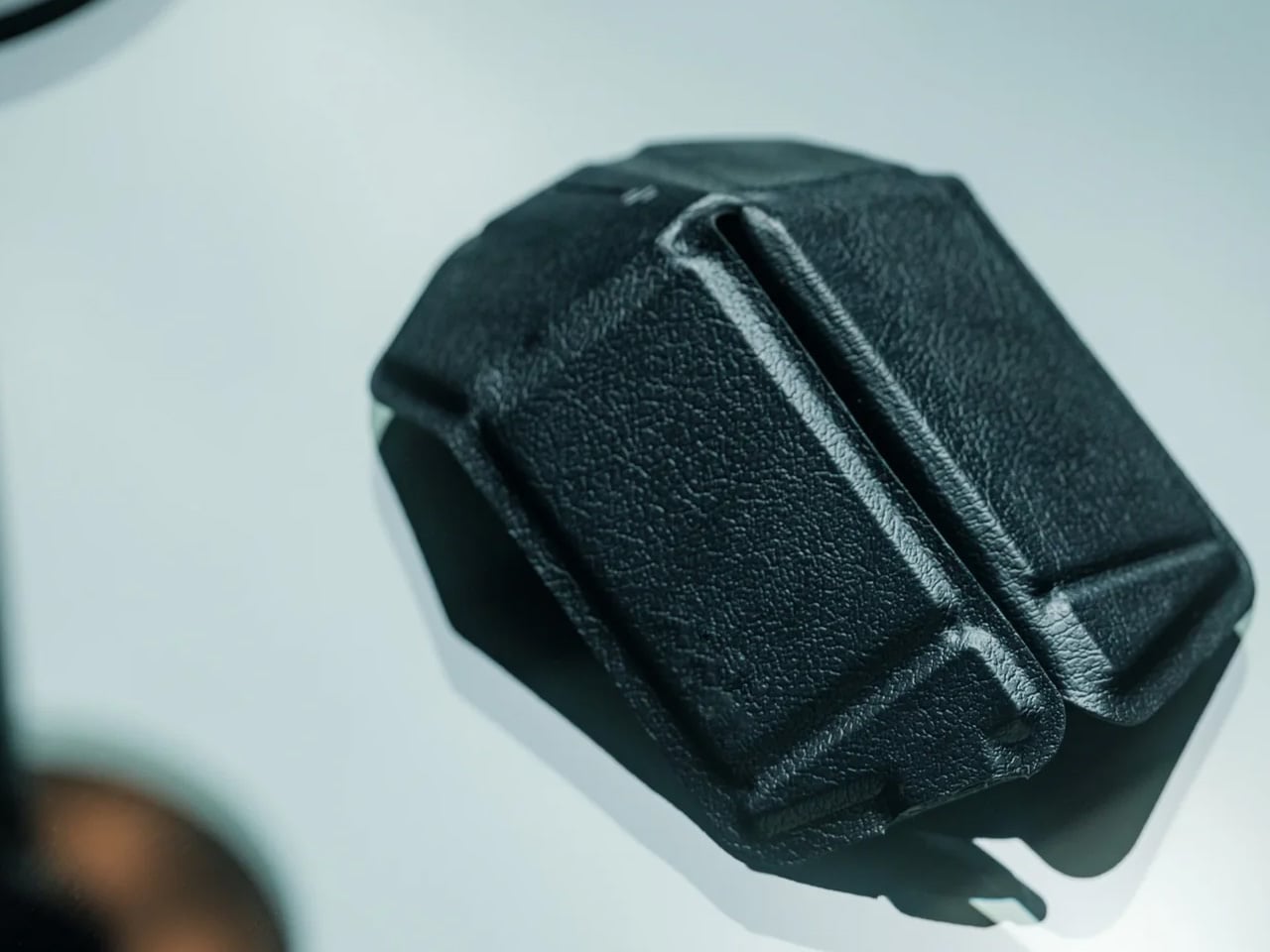
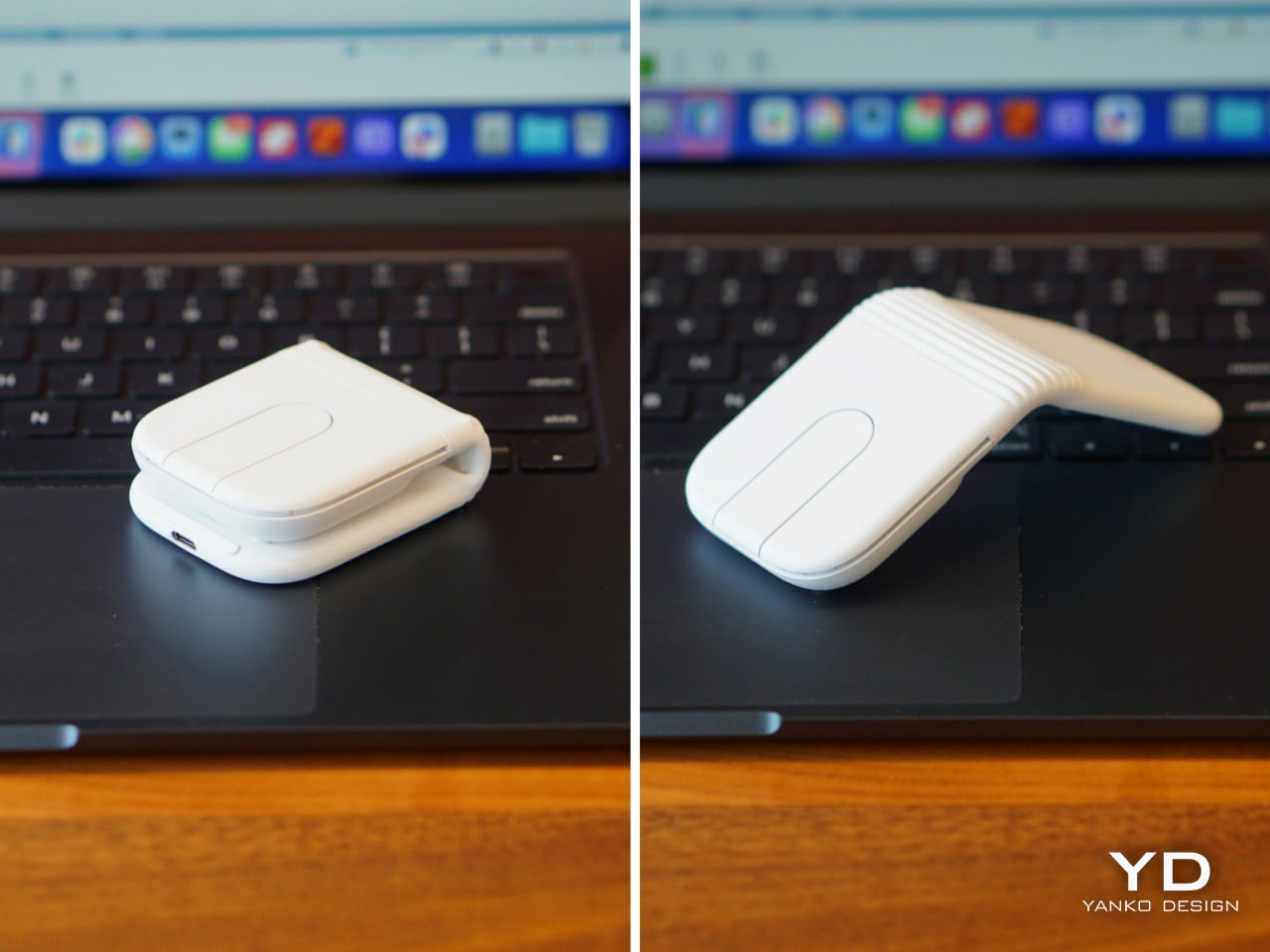
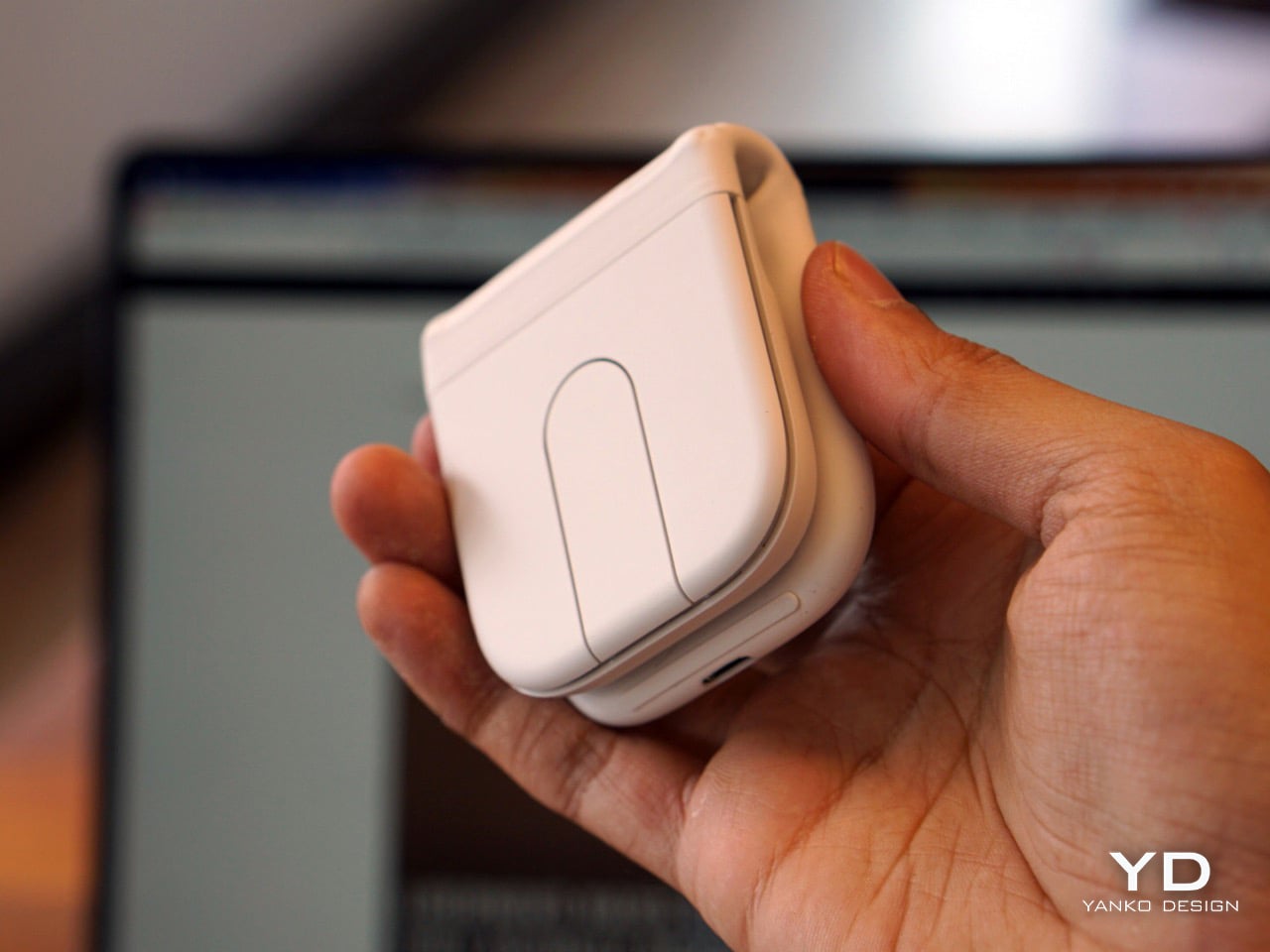
The OrigamiSwift is what happens when a designer takes the brief “travel mouse” seriously rather than just shrinking an existing one. Designed by Horace Lam, it folds flat to 0.18 inches thick and weighs just 40 grams, but unfolds into a full-sized working mouse in under half a second. The origami-inspired triangular structure gives it a rigidity that flat folding designs often sacrifice, and the result is a mouse that holds its shape through real work sessions, not just on a demo table.

The Bluetooth 5.2 connection pairs across Mac, Windows, Android, and iPadOS, with a wireless range of 32.8 feet in open environments. A 4,000 CPI HD infrared sensor tracks at up to 4,000 frames per second, a genuinely capable spec for a device this light. USB-C charging delivers up to three months of use on a single charge, and the soft-click buttons keep things quiet in shared spaces. At $85, the OrigamiSwift is a thoughtful tool for anyone who works on the move and is tired of compromising.

Click Here to Buy Now: $85.00

What we like

  • Folds to 0.18 inches thick and weighs only 40 grams
  • Three months of battery life on a single USB-C charge

What we dislike

  • Stock is very limited at the time of writing, with only a few units available
  • A 4,000 CPI ceiling may not satisfy precision-heavy creative workflows

3. MorningBlues SonicGlass A1 Transparent Speaker
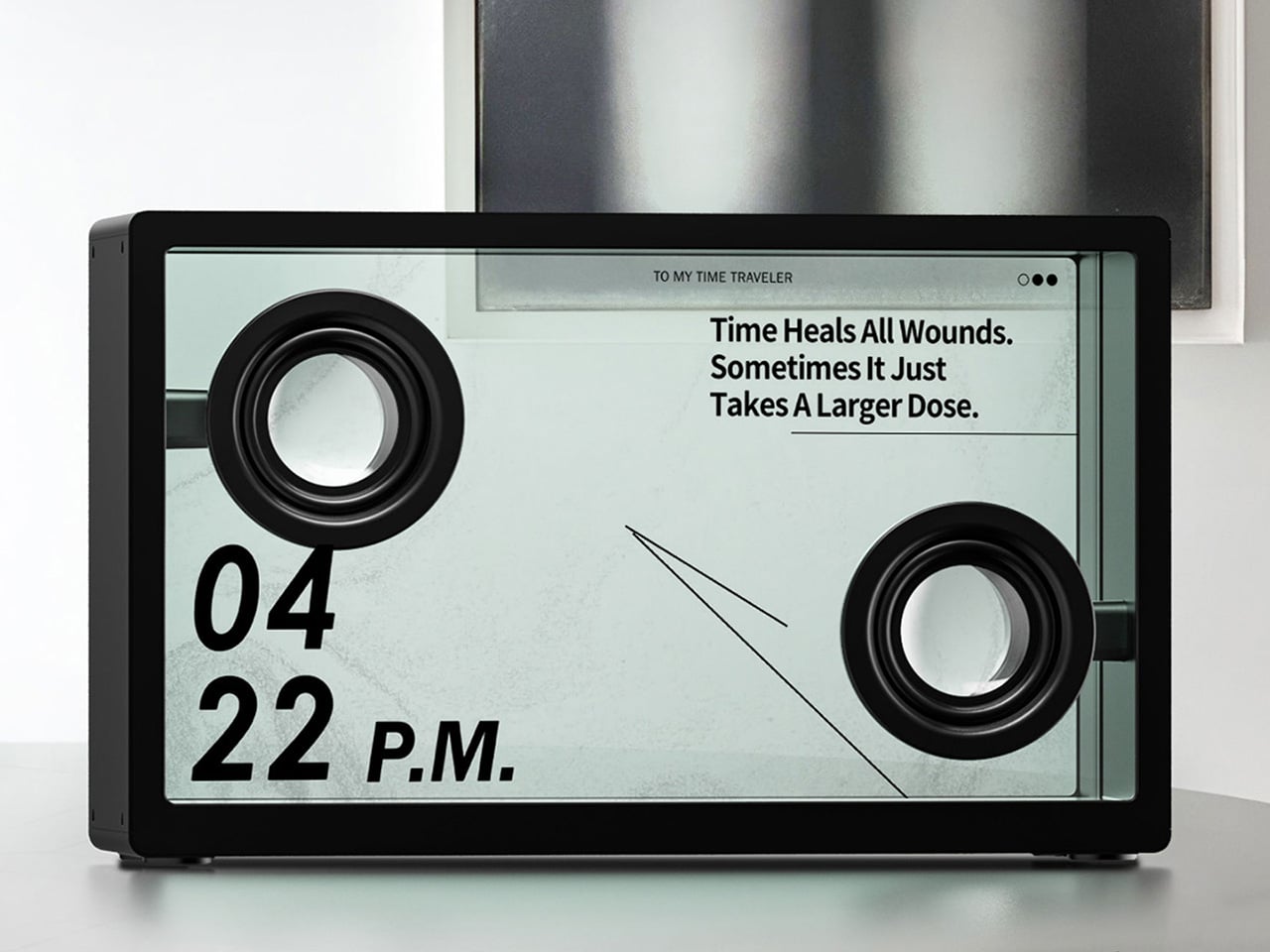
Most home speakers are designed to disappear. The MorningBlues SonicGlass A1 was designed to do the opposite. Its front face is a 21.5-inch TFT panel with over 90% light transmission, framed in black with a transparent driver sitting behind it, fully visible. When a song plays, lyrics appear across the glass in motion styles tied to the track’s rhythm and emotional character. MorningBlues calls this MoodLyric, built on data from hundreds of millions of playbacks, with all lyrics licensed through LyricFind to properly credit the artists whose words it borrows.

A feature called SceneSync layers AI-generated visuals tuned to music genres in real time: pop, hip-hop, R&B, and rock each trigger different visual aesthetics on screen. When the music stops, the AI stays on as a room display with ambient backgrounds, dynamic clock faces, and an ASMR sleep mode for winding down. Pair it with a microphone, and it becomes a full karaoke setup with lyrics scrolling live. The MorningBlues Music Hub 1 controller manages playback without involving your phone.

What we like

  • Transparent driver and 21.5-inch display make it function as room art between listening sessions
  • MoodLyric and SceneSync create a visually synced experience native to each genre

What we dislike

  • $646 is a significant entry price for a product still in the crowdfunding phase

4. Lenovo ThinkTab X11 Rugged Tablet
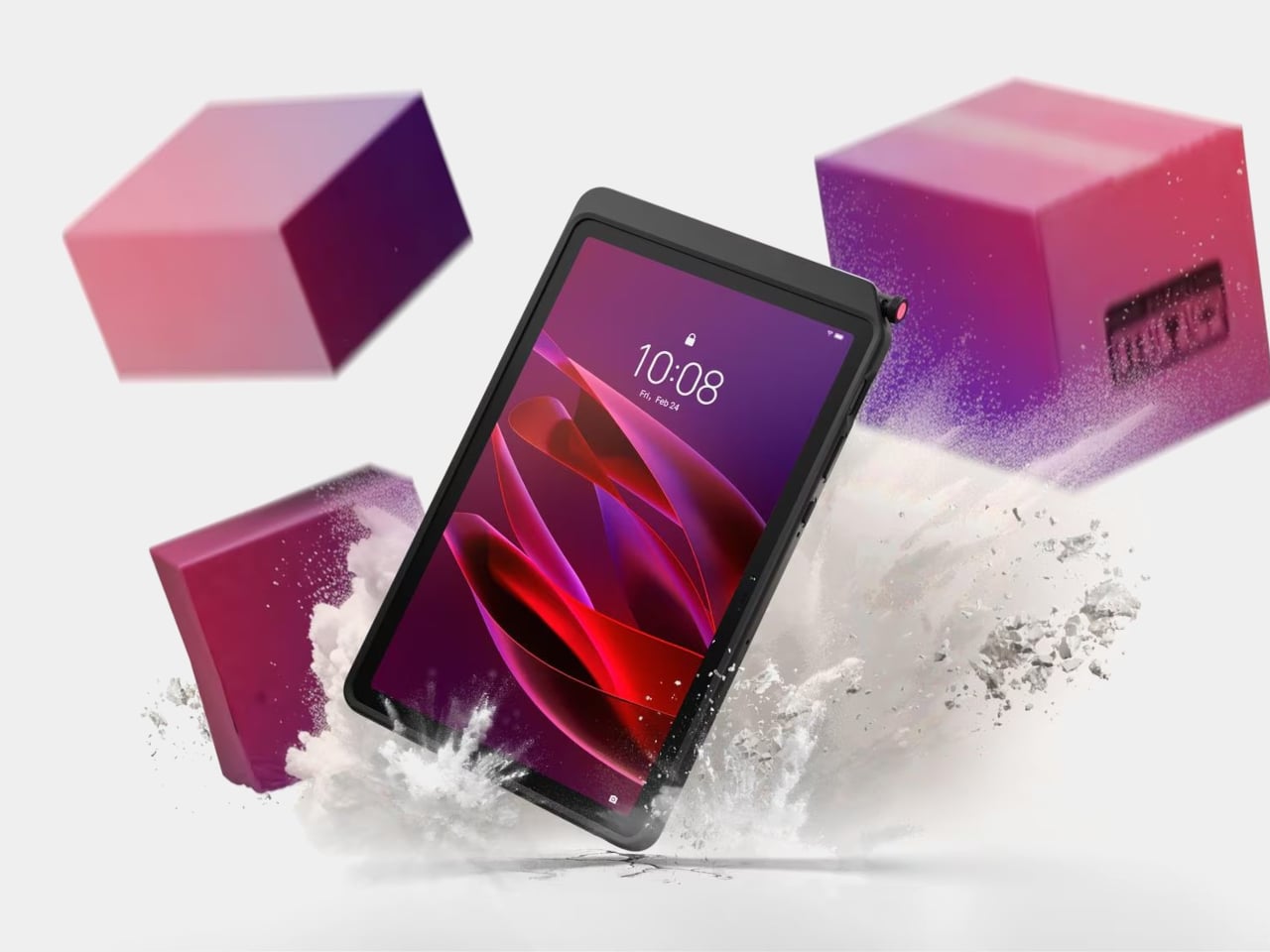
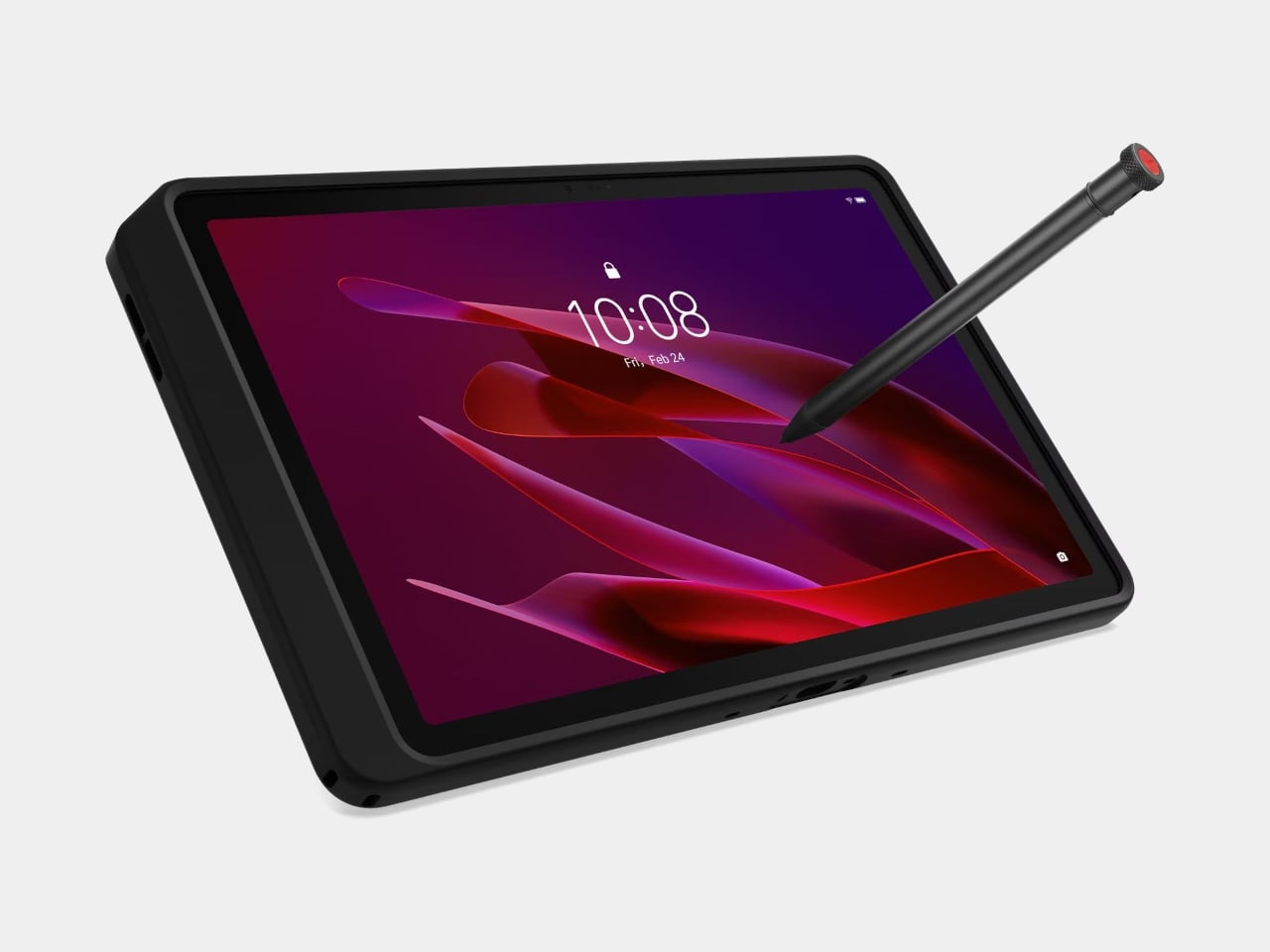
Rugged tablets have historically lived in an awkward pricing tier: too expensive for teams with tight budgets, too limited for anyone expecting a consumer-grade finish. The Lenovo ThinkTab X11, the first device to carry the ThinkTab name, targets frontline workers in logistics, construction, manufacturing, and transportation starting at $499. The 10.95-inch display runs at 90 Hz with 800 nits of peak brightness and Gorilla Glass protection, and the touch layer is calibrated to respond to gloved hands and wet fingers, which matters on a loading dock far more than any raw spec comparison.

The standout feature is a 10,200 mAh battery that swaps without tools through a screwless mechanism, letting workers keep moving mid-shift without losing the device entirely. It also runs directly from DC power with no battery installed at all for fixed vehicle or workstation deployments, reducing heat and removing the cell’s natural degradation from the equation. MIL-STD-810H and IP68 ratings round out the durability credentials. It ships with Android 16, guaranteed to reach Android 18, and four years of security patches. The 256 GB model is available at $579.

What we like

  • Screwless hot-swappable battery makes it genuinely practical for multi-shift field use
  • Battery-less DC operating mode extends device lifespan in fixed deployments

What we dislike

  • $499 still sits above the average consumer tablet price point
  • Enterprise-facing software and setup may feel less intuitive for individual buyers

5. Xiaomi Watch S5 46mm
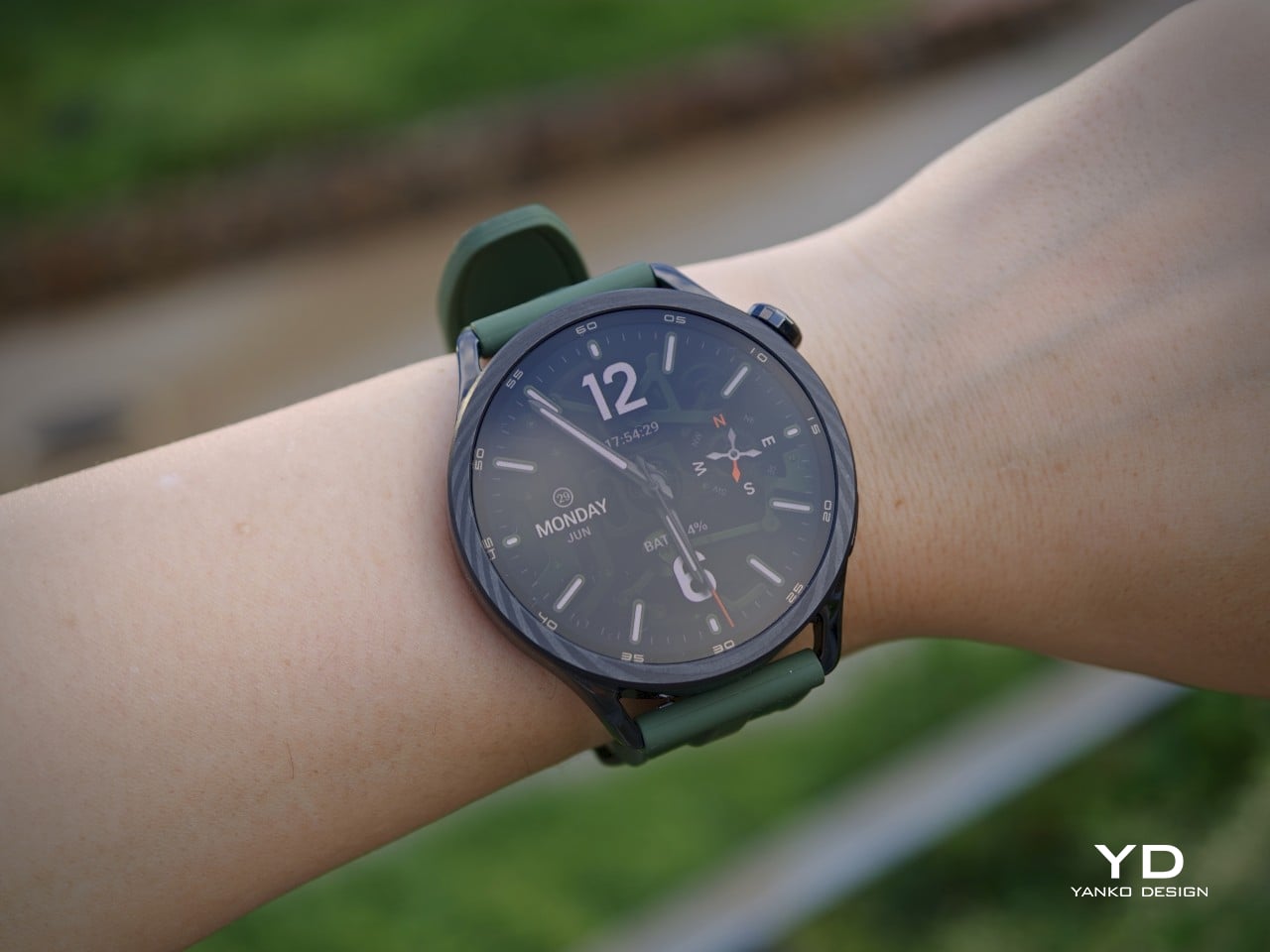
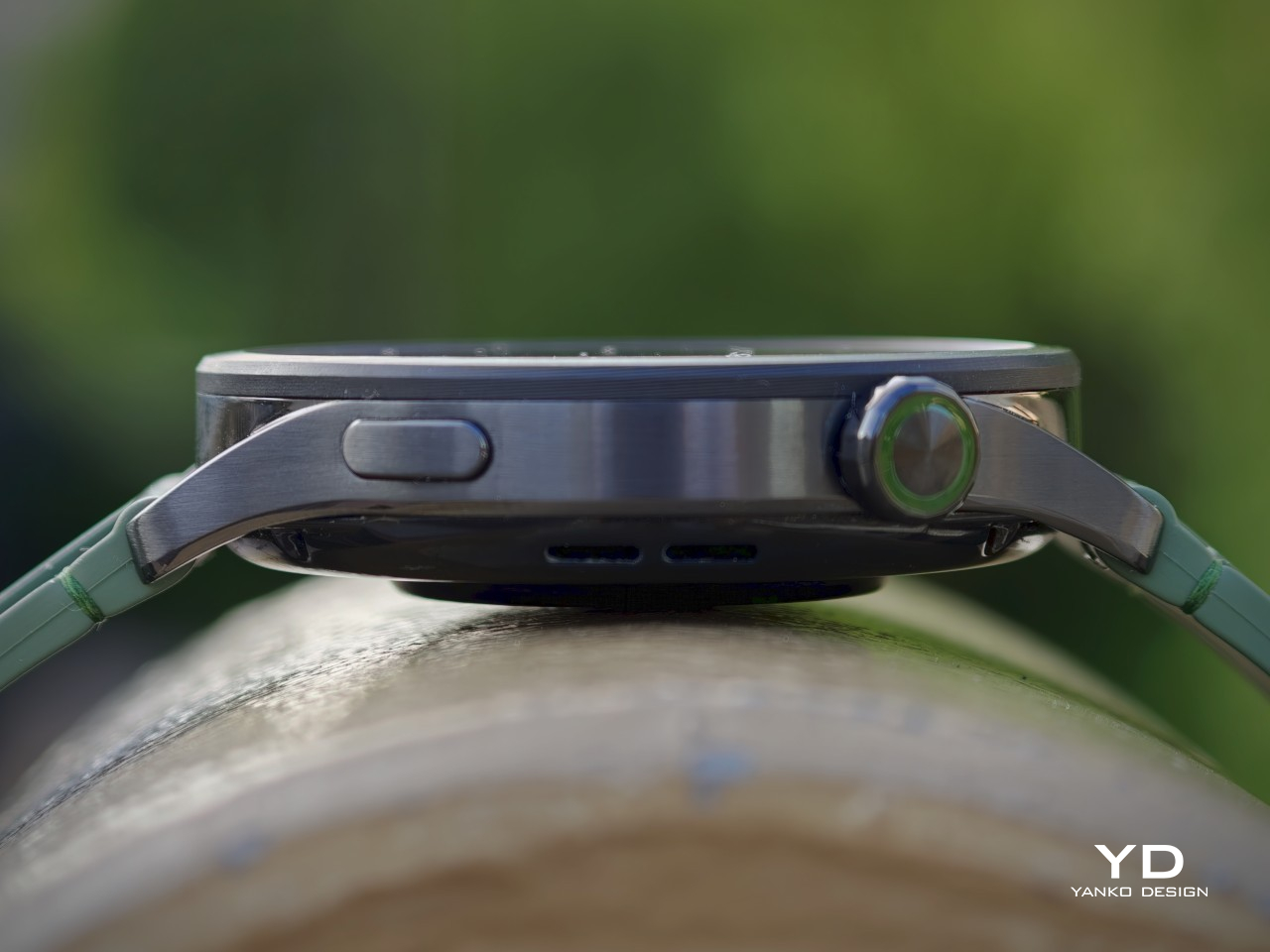
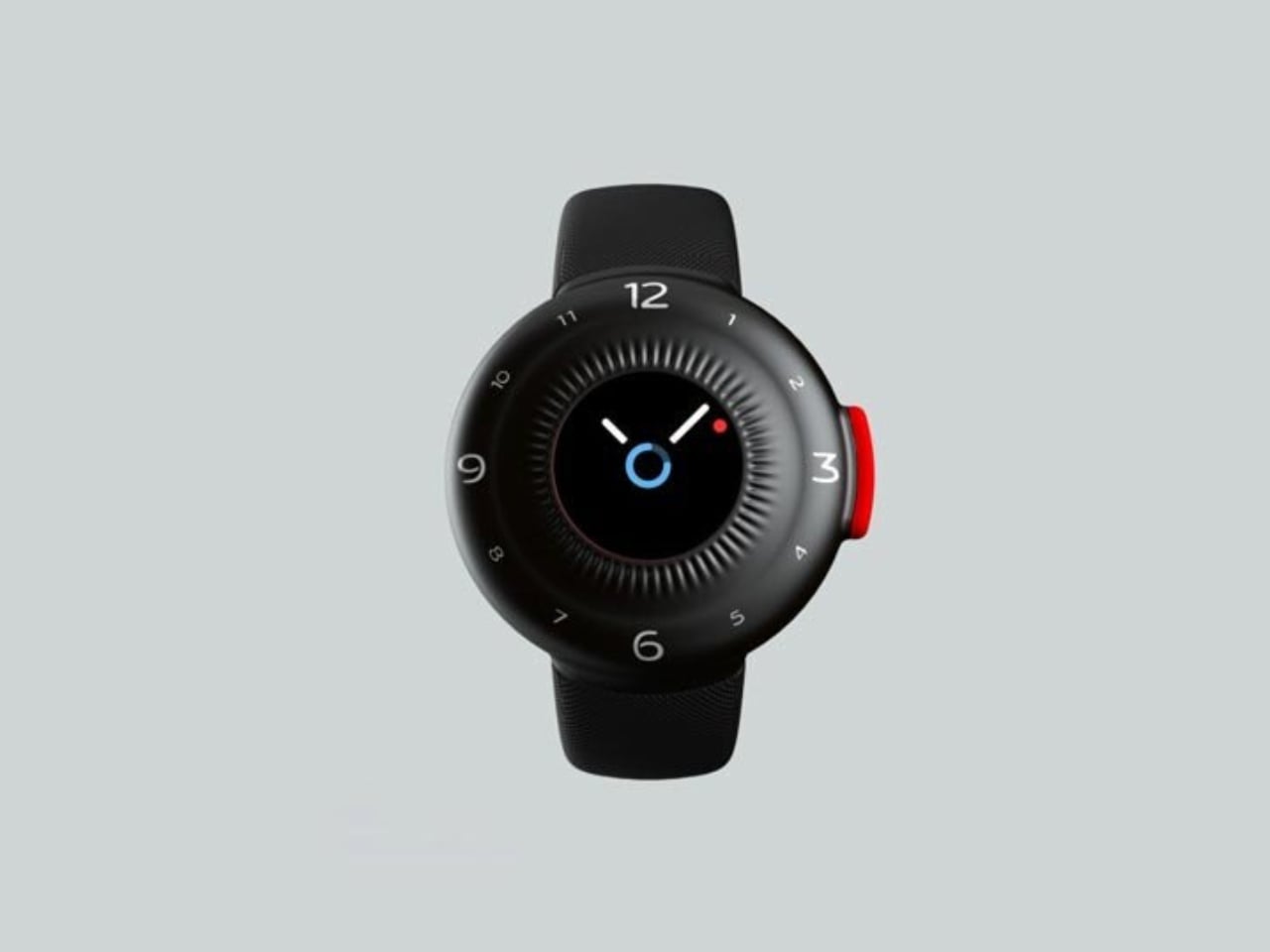
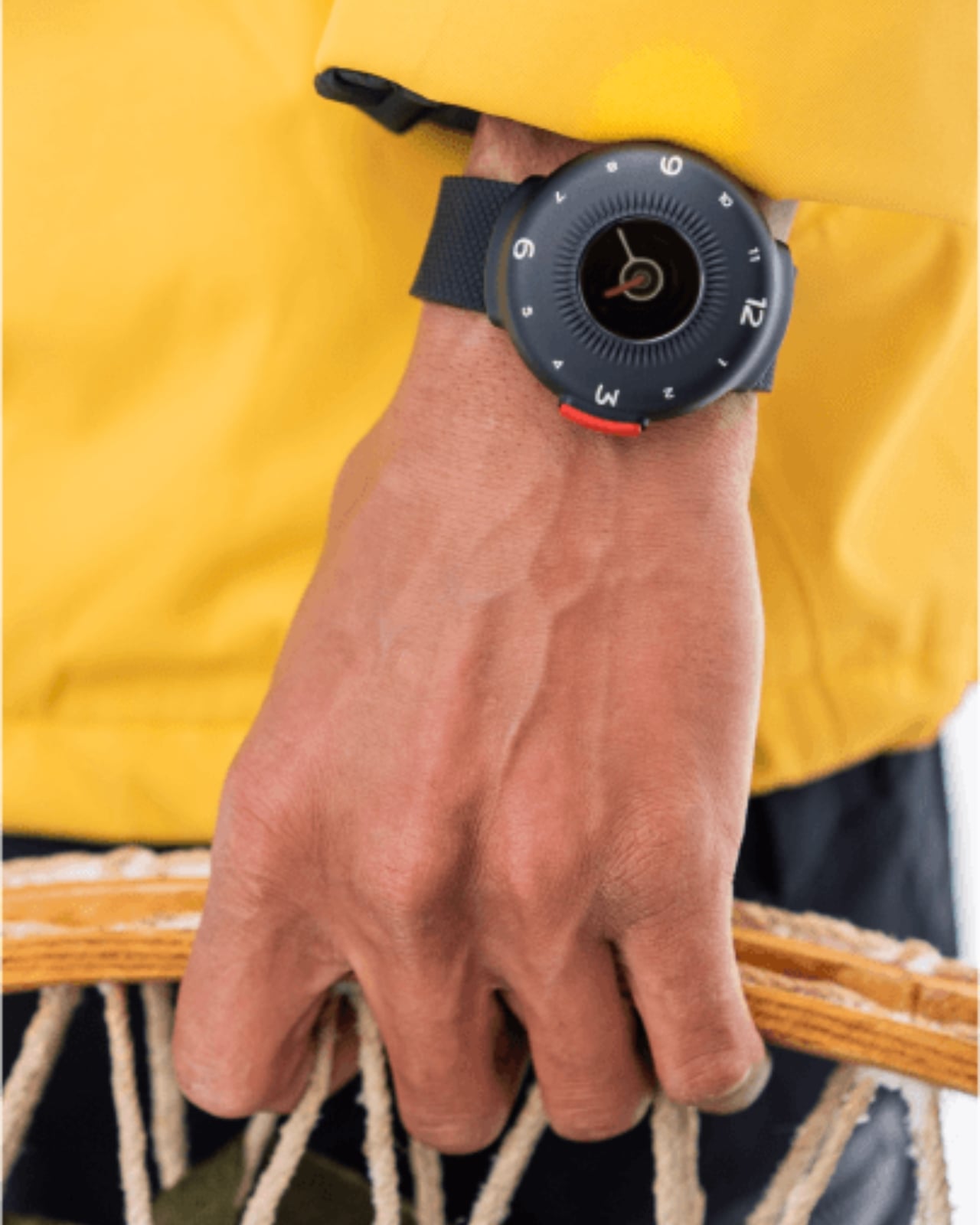
The Xiaomi Watch S5 46mm looks less like a gadget trying to pass as a watch and more like a watch that happens to be smart. The 1.48-inch AMOLED display runs at 2,500 nits peak brightness with a 2.6mm bezel that’s 40% narrower than the previous generation. The forged stainless steel frame comes in four distinct styles, including a Ceramic Blue version with a zirconia ceramic bezel and leather strap, and a Jungle Green with a forged carbon bezel and hybrid band that leans sportier. Each variant has a clear identity rather than reading as a simple color refresh.

The 815mAh battery delivers up to 21 days under light use, a 68% improvement over the Watch S4. In real-world testing with Always On Display and full health tracking running, expect around six days before a charge. Five-system GNSS, 5ATM water resistance, 150 sports modes, and an updated four-LED heart-rate sensor built on the same hardware platform as the flagship Xiaomi Watch 5 round out the specs. At £149.99 for standard models and £169.99 for the Blue and Green colorways, the Watch S5 offers a lot of watch per pound.

What we like

  • 2,500-nit AMOLED display stays sharp and readable in direct sunlight
  • Up to 21 days of battery life on a single charge

What we dislike

  • HyperOS 3’s app ecosystem is noticeably limited compared to Wear OS
  • Sleep tracking still misses short naps in regular use

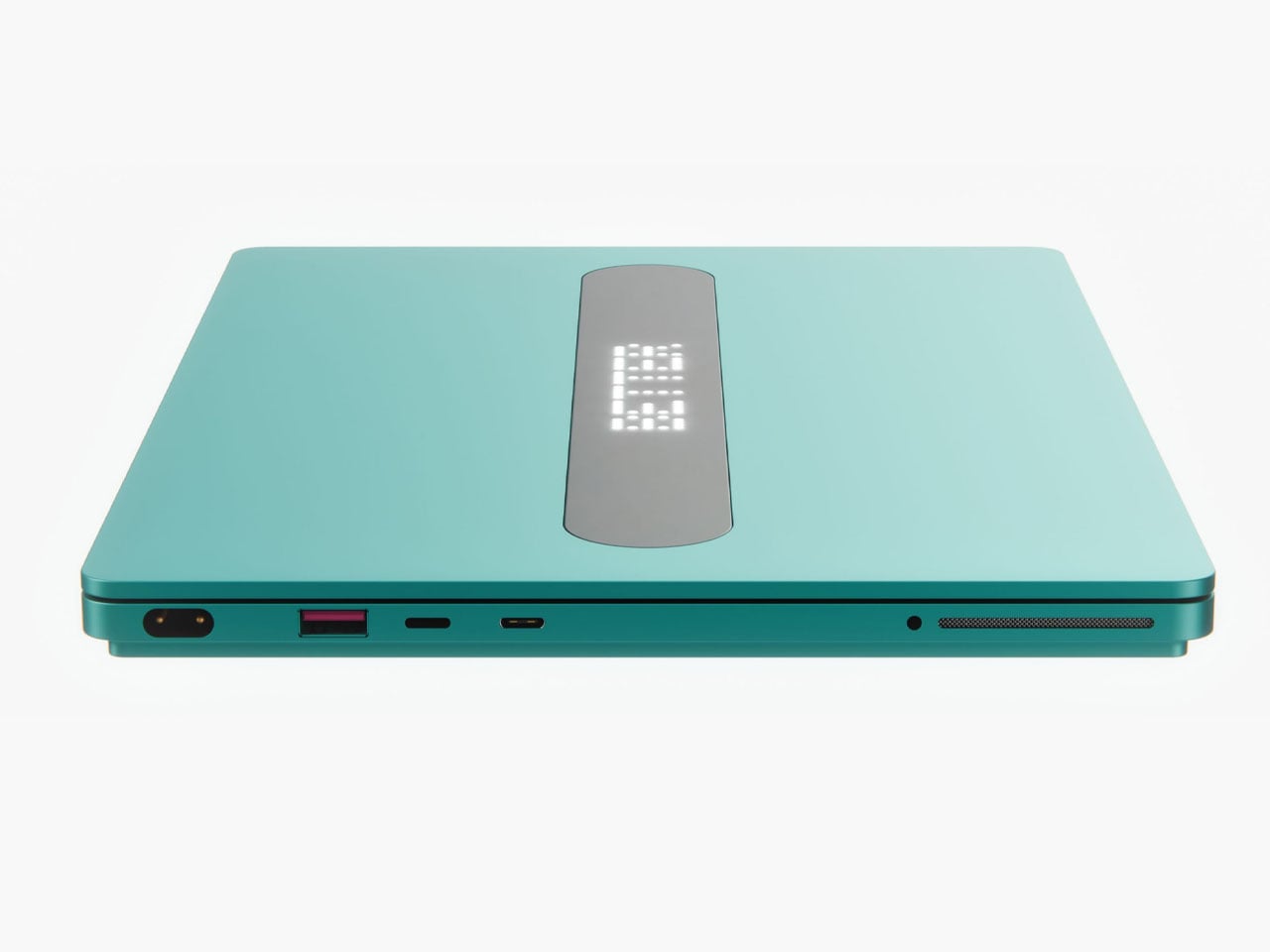
6. Nothing Book Laptop

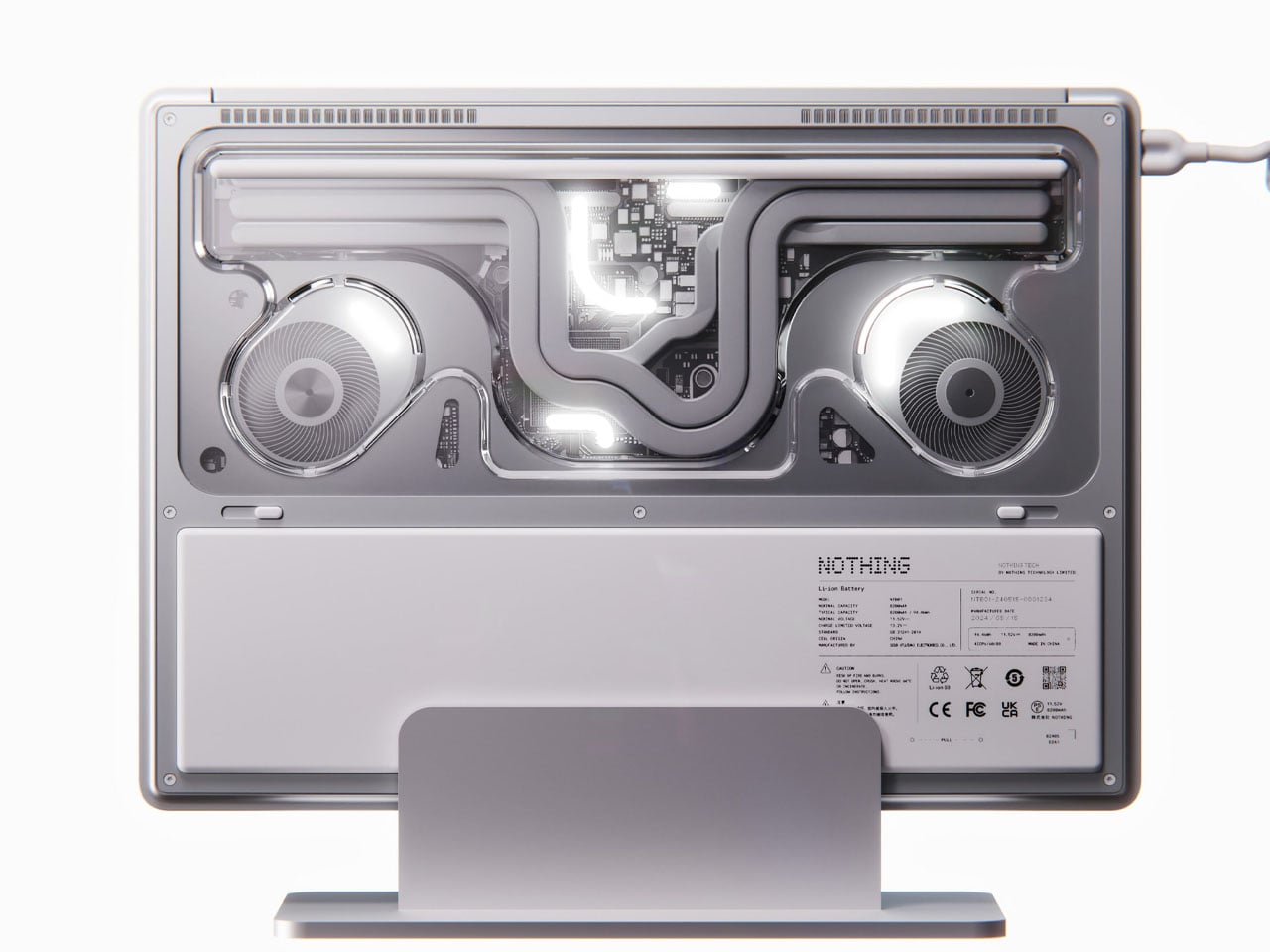
Nothing has built its identity on see-through design, and Nikita Bukoros has taken that logic as far as it goes. The Nothing Book is a concept laptop that lays the machine’s internals bare through transparent panels, revealing the inner architecture, cooling boards, and components in a layered composition the designer describes as industrial art. The secondary screen on the lid is the standout feature: a slender external display that shows messages, symbols, emojis, or custom text in the classic Nothing font, giving the machine a personality that no other laptop on the market currently attempts.

When docked in its accompanying charging cradle, the secondary lid display runs a charging animation. The concept comes in hot red, cool green, subtle pink, and magnetic teal, which is a bold departure from Nothing’s usual monochrome palette. Port options include HDMI, USB-C, USB, and wired charging. Whether Nothing ever produces this is an open question, but Nikita’s concept makes a clear case that the laptop category is overdue for a brand willing to treat the machine as something genuinely worth looking at, not just opening.

What we like

  • Secondary lid screen is a genuinely useful extension of the Nothing design language
  • Transparent chassis turns working components into deliberate visual design elements

What we dislike

  • Remains a concept with no confirmed production timeline from Nothing
  • Colorways depart from Nothing’s established monochrome aesthetic, which may divide the existing fanbase

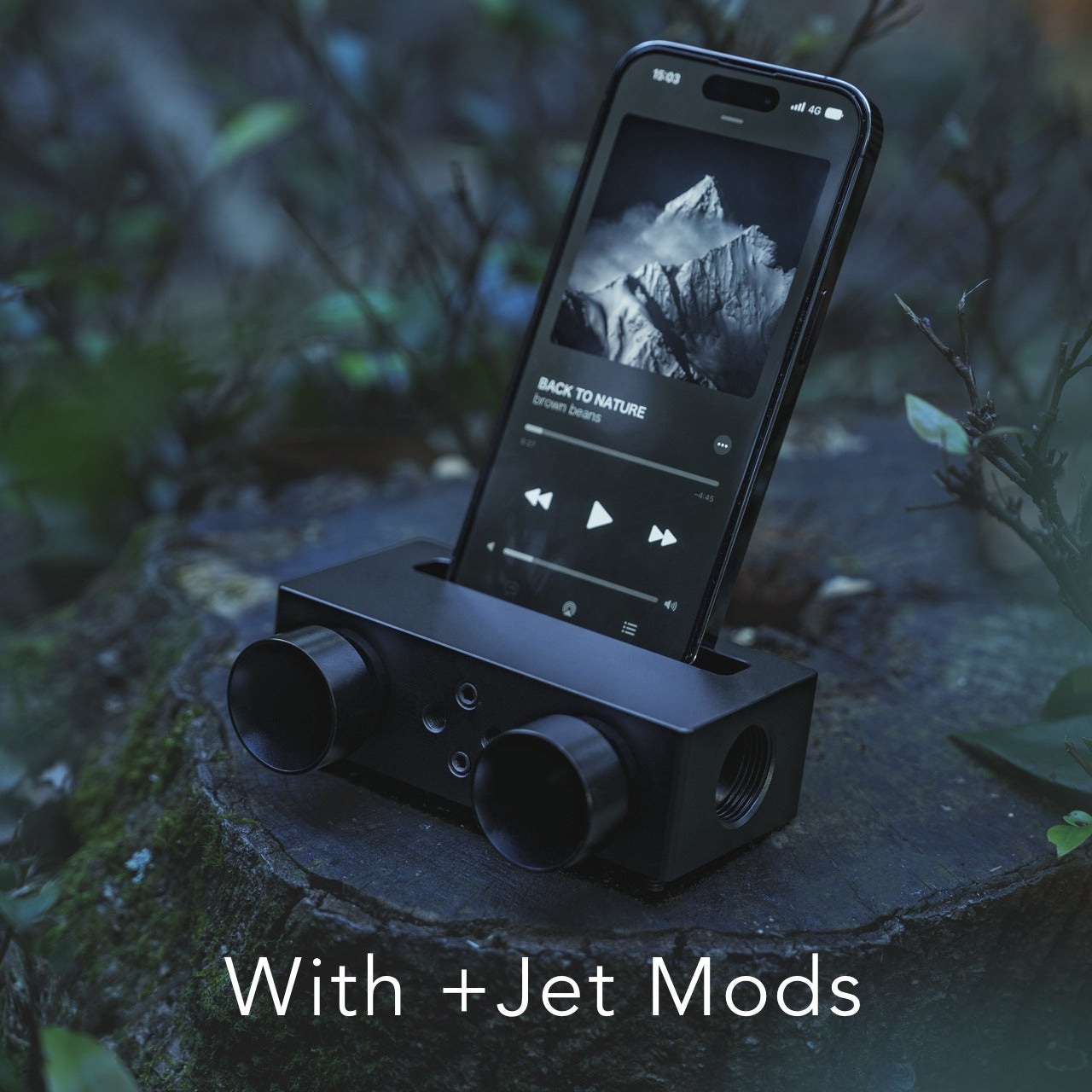
7. Battery-Free Amplifying iSpeakers
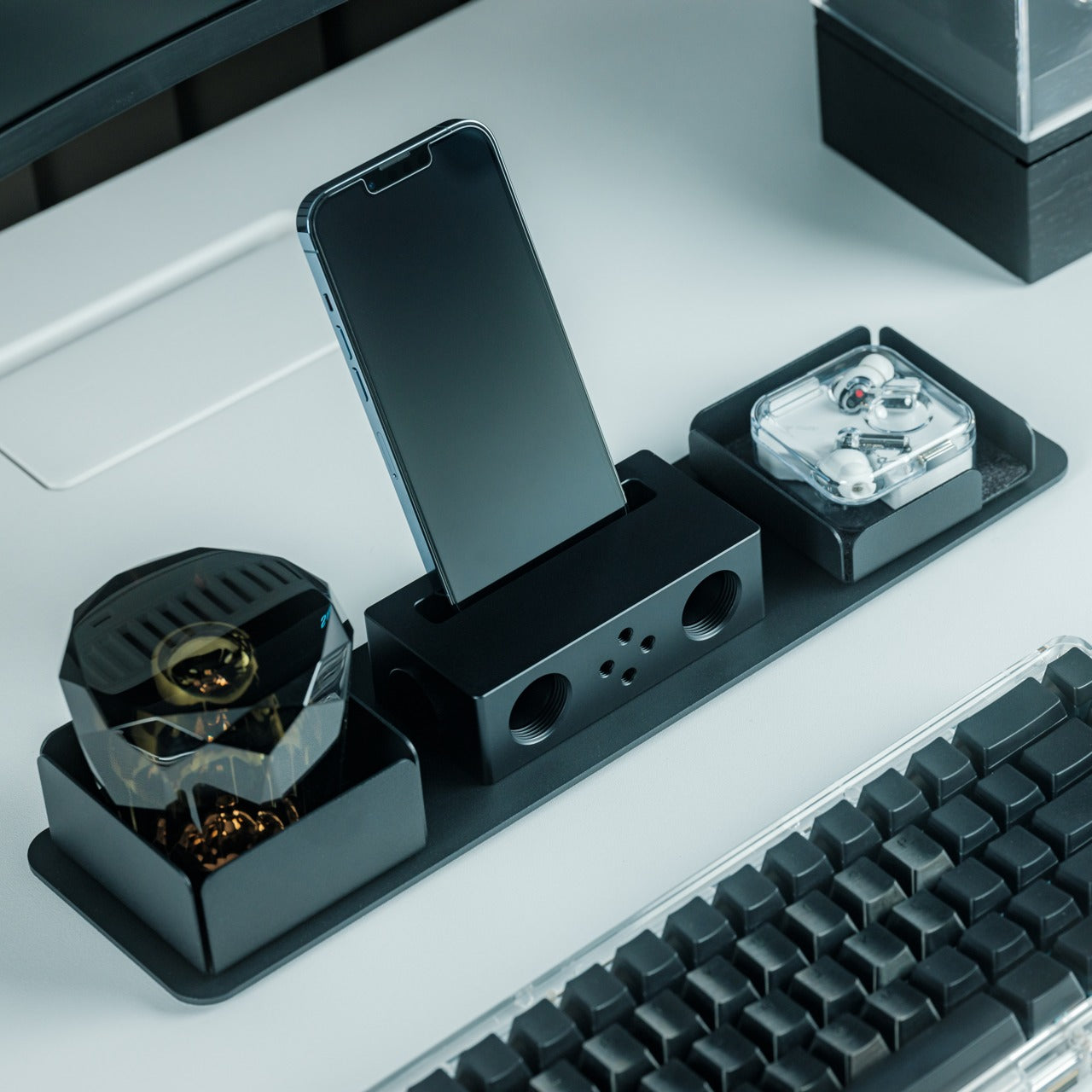
In a world where most audio accessories arrive loaded with chips, apps, and charging cycles, the Battery-Free Amplifying iSpeakers take a different position entirely. These passive acoustic speakers work without any power source, relying on physical design principles to amplify sound naturally. That means no charging routine, no Bluetooth pairing, and no setup ritual. For smaller living spaces, a tiny home, or a desk that doesn’t need another cable cluttering it, the appeal is immediate, and the logic is completely sound.

Sitting in the Yanko Design tiny homes collection at $179, the iSpeakers are designed for people who think carefully about what earns a place in their space. The absence of a battery means the device has no defined end of life in the way most gadgets do. You’re not buying a product with a two-year replacement cycle quietly built in. You’re buying an object made to stay, which feels increasingly rare and worth paying attention to in a product category that tends to treat longevity as an afterthought.

Click Here to Buy Now: $179.00

What we like

  • Zero power requirement means no charging, no battery degradation, and no added cables
  • Designed for genuine longevity with no electronic components to degrade over time

What we dislike

  • Limited product detail available makes it difficult to compare against powered alternatives
  • $179 is a premium ask without detailed specification transparency on the product page

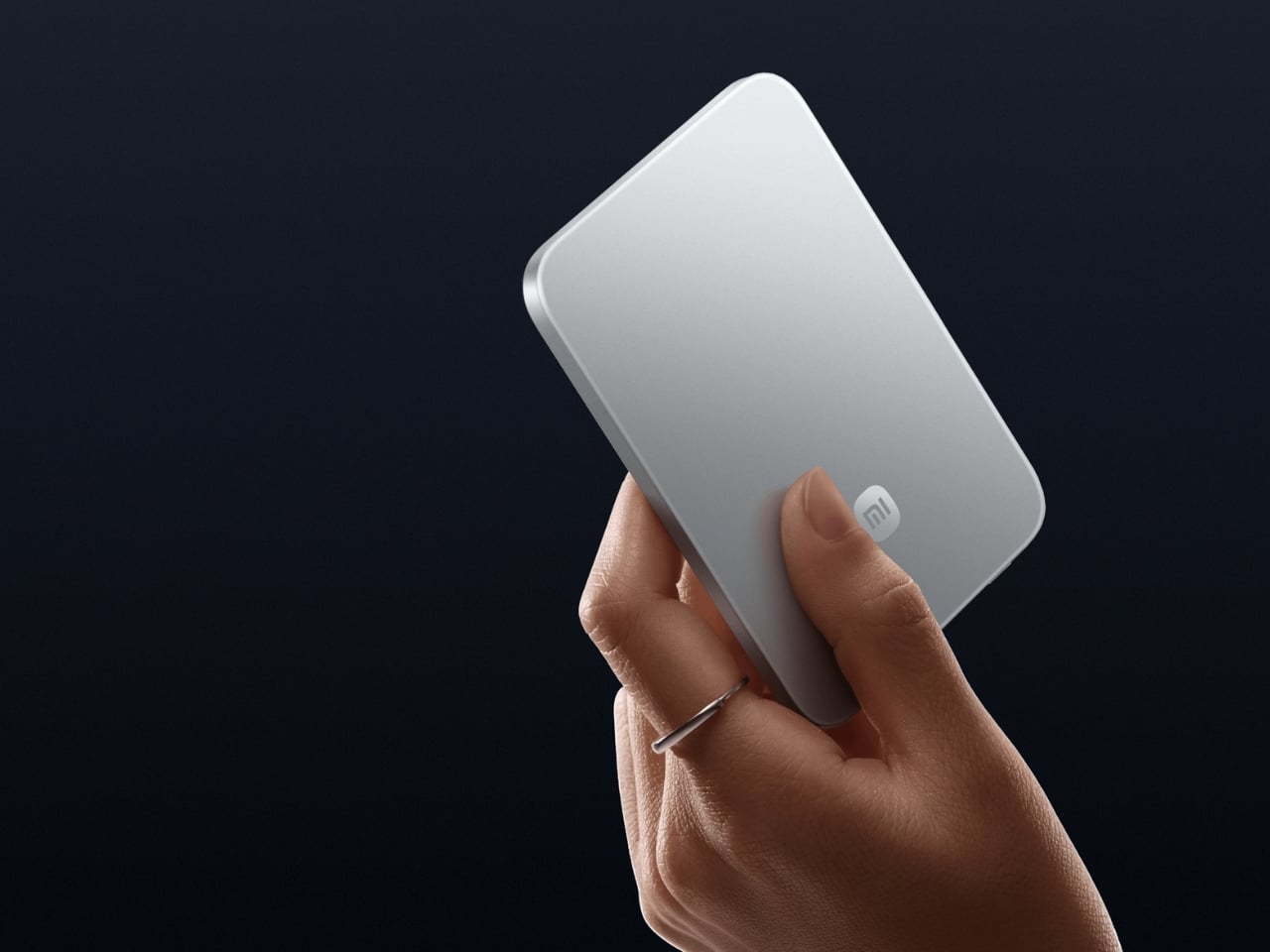
8. Xiaomi UltraThin Magnetic Power Bank 5000 15W
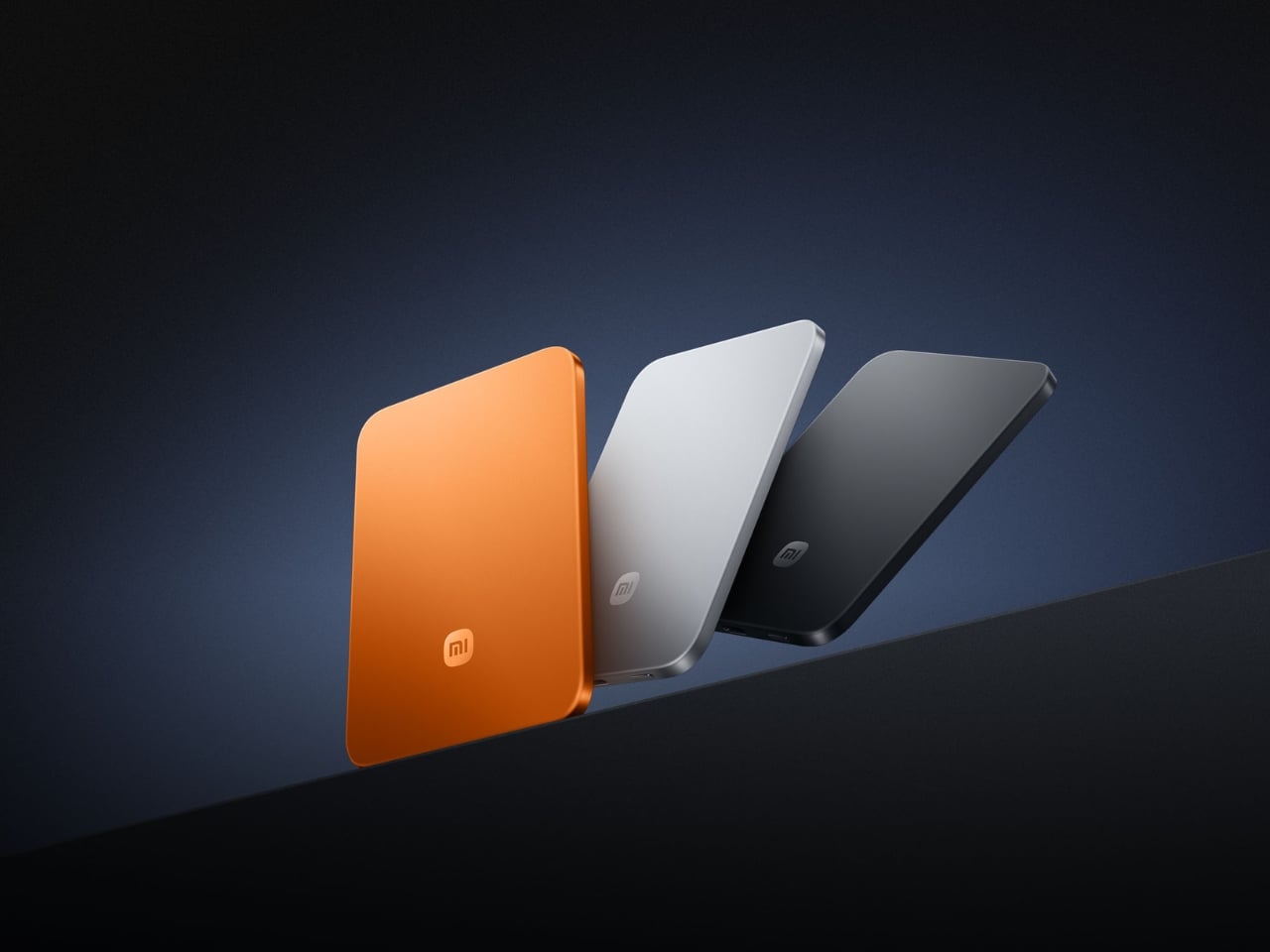
At 6mm thick and 98 grams, the Xiaomi UltraThin Magnetic Power Bank makes every other power bank in your bag feel like a failure of imagination. The 5,000 mAh capacity is made possible by a silicon-carbon battery with 16% silicon content, a chemistry that delivers higher energy density than conventional lithium cells in a dramatically slimmer form. The aluminum alloy shell carries a photolithographically etched logo on the back, and the phone-facing surface uses fire-resistant fiberglass with an excimer coating for heat management. It was officially showcased at MWC 2026 in Barcelona and has since launched across Europe, Australia, Singapore, and South Korea.

Wireless charging tops out at 15W when paired with the Xiaomi 17 series and 7.5W for iPhones via MagSafe. The USB-C port pushes up to 22.5W wired, and the bank charges two devices simultaneously. Ten layers of protection cover overvoltage, overcurrent, overheating, and short circuits, with dual NTC temperature sensors running constantly in the background. Priced at €60 in Glacier Silver and Graphite Black, with a Radiant Orange option at €65, it’s one of the cleanest arguments for restraint in recent consumer electronics memory.

What we like

  • 6mm thickness is thinner than any current smartphone on the market
  • Silicon-carbon battery chemistry packs 5,000 mAh into an almost impossibly slim profile

What we dislike

  • iPhone charging is capped at 7.5W due to Apple’s MagSafe restrictions
  • 5,000 mAh won’t fully recharge most modern flagship phones from zero

The Best Tech This Month Isn’t Doing More – It’s Doing Less

What ties this month’s best together is a shared commitment to solving the right problem. The Xiaomi power bank doesn’t chase the biggest number; it chases the best shape. The Lenovo ThinkTab doesn’t pile on features; it removes friction from a real working environment. The SonicGlass A1 doesn’t compete on specs alone; it rethinks what a speaker is allowed to look like while it works. Each of these products decided what mattered most, and then built toward it.

Great design in July 2026 isn’t about doing more. It’s about knowing exactly what the object is for and building toward that with enough conviction to leave everything else out. From a 6mm power bank to a see-through laptop concept, from a foldable mouse to a watch that holds its own against something far more expensive, the best tech this month is defined by how precisely it makes its case. These eight make theirs well.

The post The 8 Best Tech Gadgets of July 2026 first appeared on Yanko Design.
8 Brilliant Desk Gadgets Under $100 That Actually Do Something Impressive

The best desk objects don’t announce themselves. They sit there, do something precise, and let the result speak. This list is built around that standard. Each product here lives under $100 and does something that either shouldn’t be possible at the price, or solves a problem so cleanly you wonder why nobody designed it this way sooner. Some make things. Some reveal things. Some remove friction you stopped noticing years ago.

The $100 ceiling matters because it’s where expectations drop. It’s the bracket where most people accept products that are simply fine. The eight objects on this list are not fine. They’re quietly exceptional, each one capable of a moment that makes whoever sees it on your desk stop and ask where you found it. No trade show exclusives, no luxury markups. Just products that deliver something genuinely impressive and cost less than a dinner for two.

1. OrigamiSwift Folding Mouse

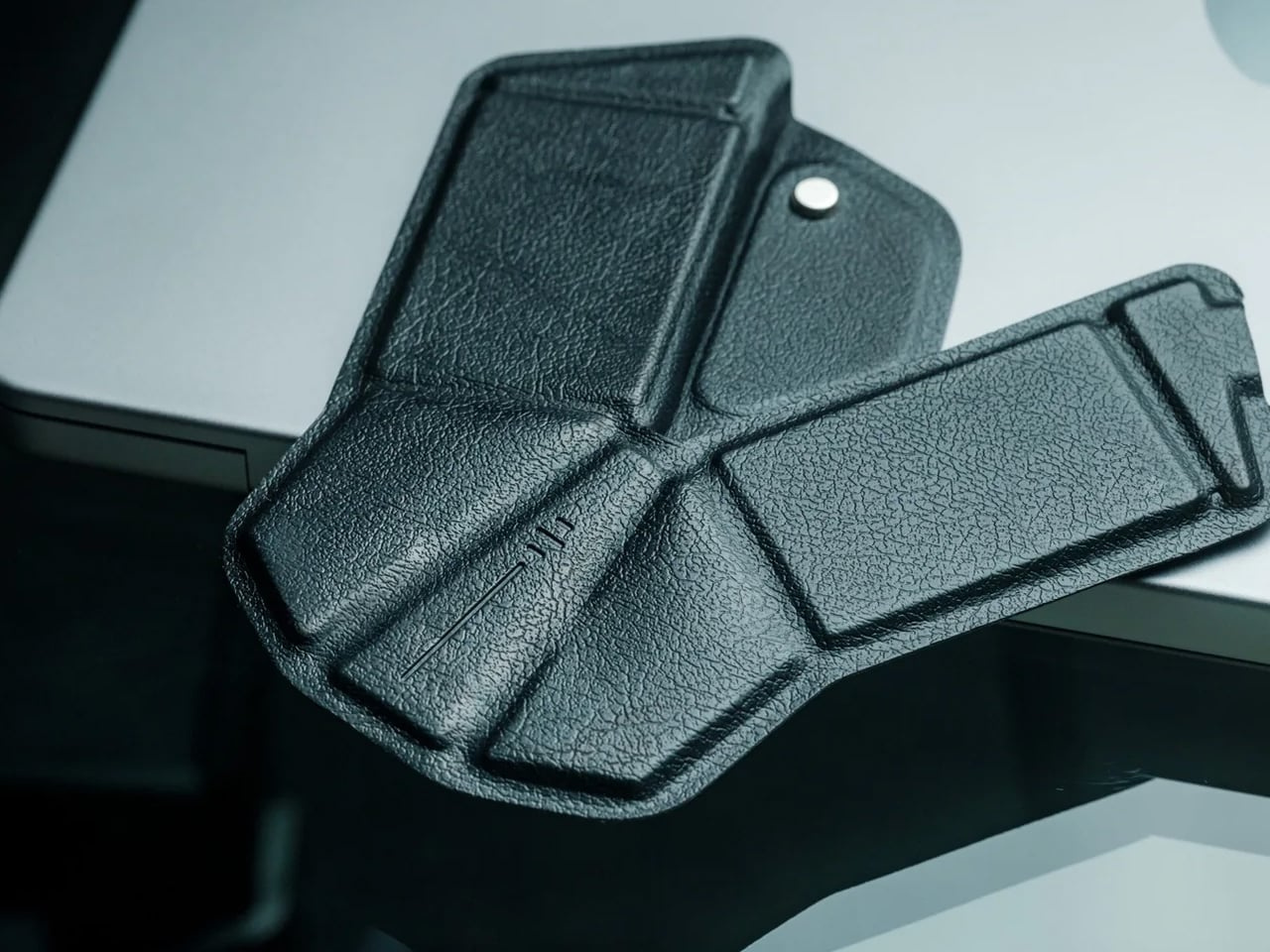
The OrigamiSwift folds completely flat at 4.5mm and weighs 40 grams. Unfold it, and the triangular origami-inspired structure opens into a full-sized ergonomic Bluetooth mouse in under half a second. Designed by Horace Lam, its geometry draws from the structural logic of origami, where the same fold that makes paper rigid under load makes this mouse precise and comfortable under a hand. It connects over Bluetooth without a dongle and performs with the accuracy you’d expect from a standard desktop mouse.

The impressive quality is the transition between states. The mechanism that takes it from 4.5mm of folded geometry to a full ergonomic mouse is a single gesture and works every single time. For anyone working from a bag, a café, or a hotel desk, a mouse that packs to the thickness of a few credit cards removes the last reason not to carry one. The design is precise enough to leave out on a desk as an object in its own right. At $85 from the YD Shop, it is one of the few mice that earns the word beautiful without trading function away to get there.

Click Here to Buy Now: $85.00

What we like

  • Folds to 4.5mm and 40 grams, making it genuinely pocketable for the first time
  • The design holds up as a standalone object on any desk, not just inside a bag

What we dislike

  • No traditional raised scroll wheel, which takes a brief adjustment period
  • Higher price point than other compact mice operating at the same performance level

2. Hanboost T1 Portable Laser Engraver

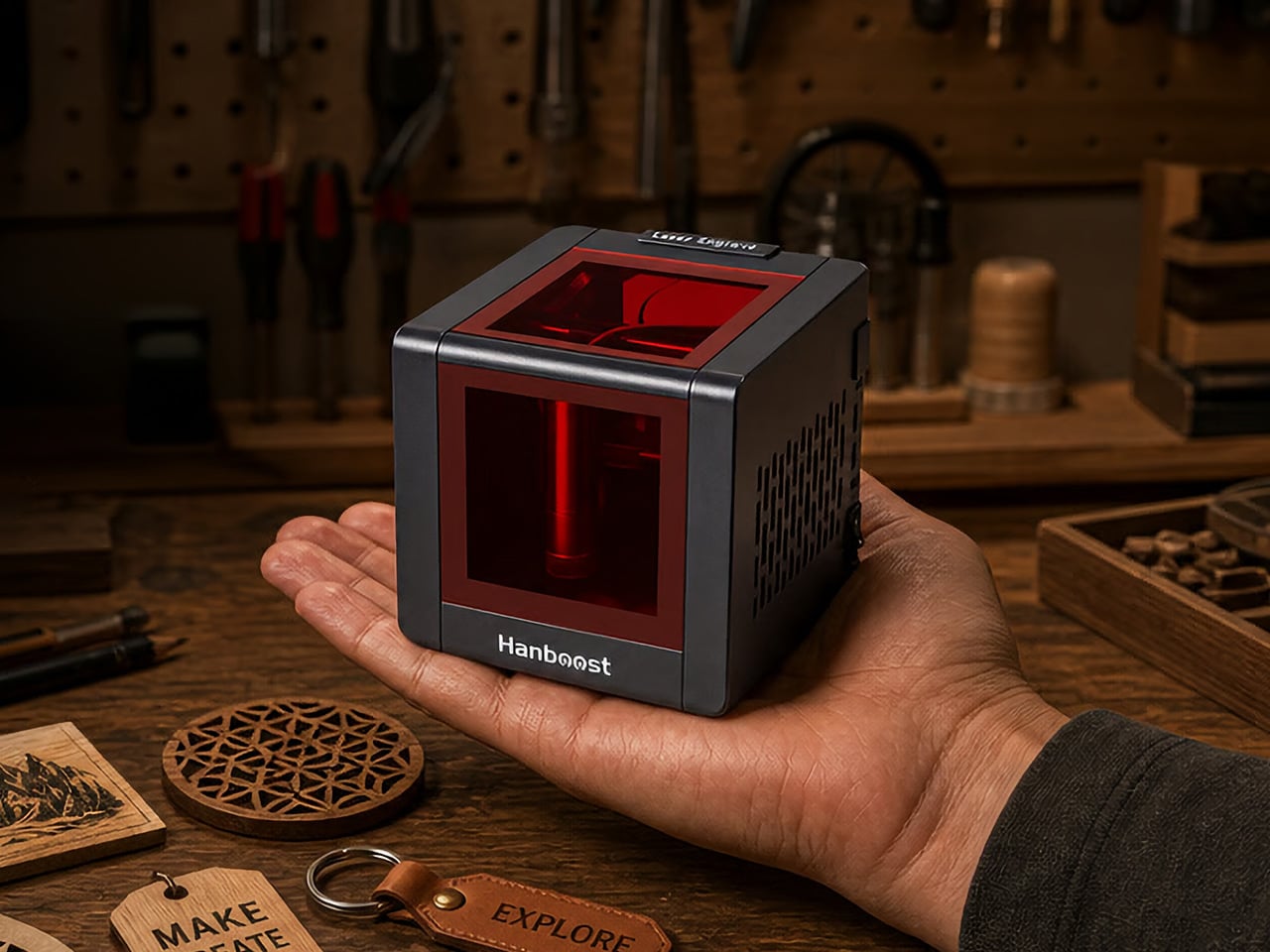
Most laser engravers come with requirements: a dedicated room, a wall outlet, protective eyewear, and a ventilation setup that rules out most apartments before you’ve even turned the machine on. The T1 removes all of it. It measures 115 by 115 by 115 millimeters, weighs 400 grams, runs off any standard USB-C connection including a power bank you already own, and comes fully enclosed with an OD4+ viewing window that lets you watch the engraving process without any eye protection required.

The engraving area covers 60 by 40 millimeters and handles wood, leather, fabric, cork, and cardstock on the standard 500mW module, with bamboo, painted metal, and dark acrylic opening up on the optional 1.6W Pro upgrade. Accuracy sits at 0.05mm, fine enough to render botanical line work or small portrait engravings you’d expect from equipment many times its size. It works with LightBurn and LaserGRBL for experienced makers, and with the MKSLaser mobile app for a clean three-step phone-based workflow.

Click Here to Buy Now: $99 $149 ($50 off). Hurry, only a few left! Raised over $527,000.

What we like

  • Fully enclosed OD4+ window means no goggles, no workshop, no excuses
  • USB-C and power bank compatible, making it the most portable capable laser engraver at this price

What we dislike

  • The 60 by 40mm engraving area limits it to smaller objects and flat surfaces

3. iMicro Q3p Phone Microscope Lens

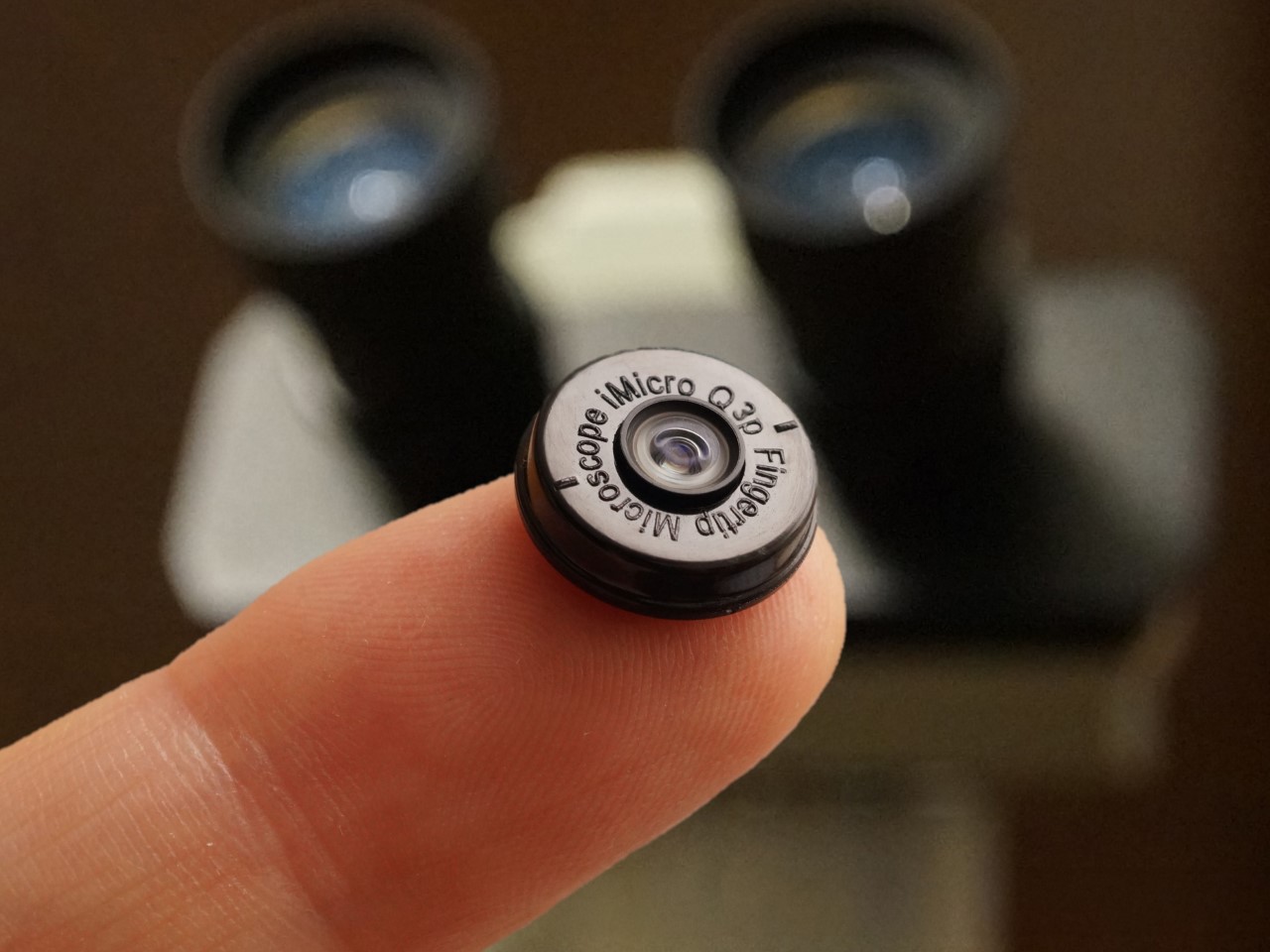
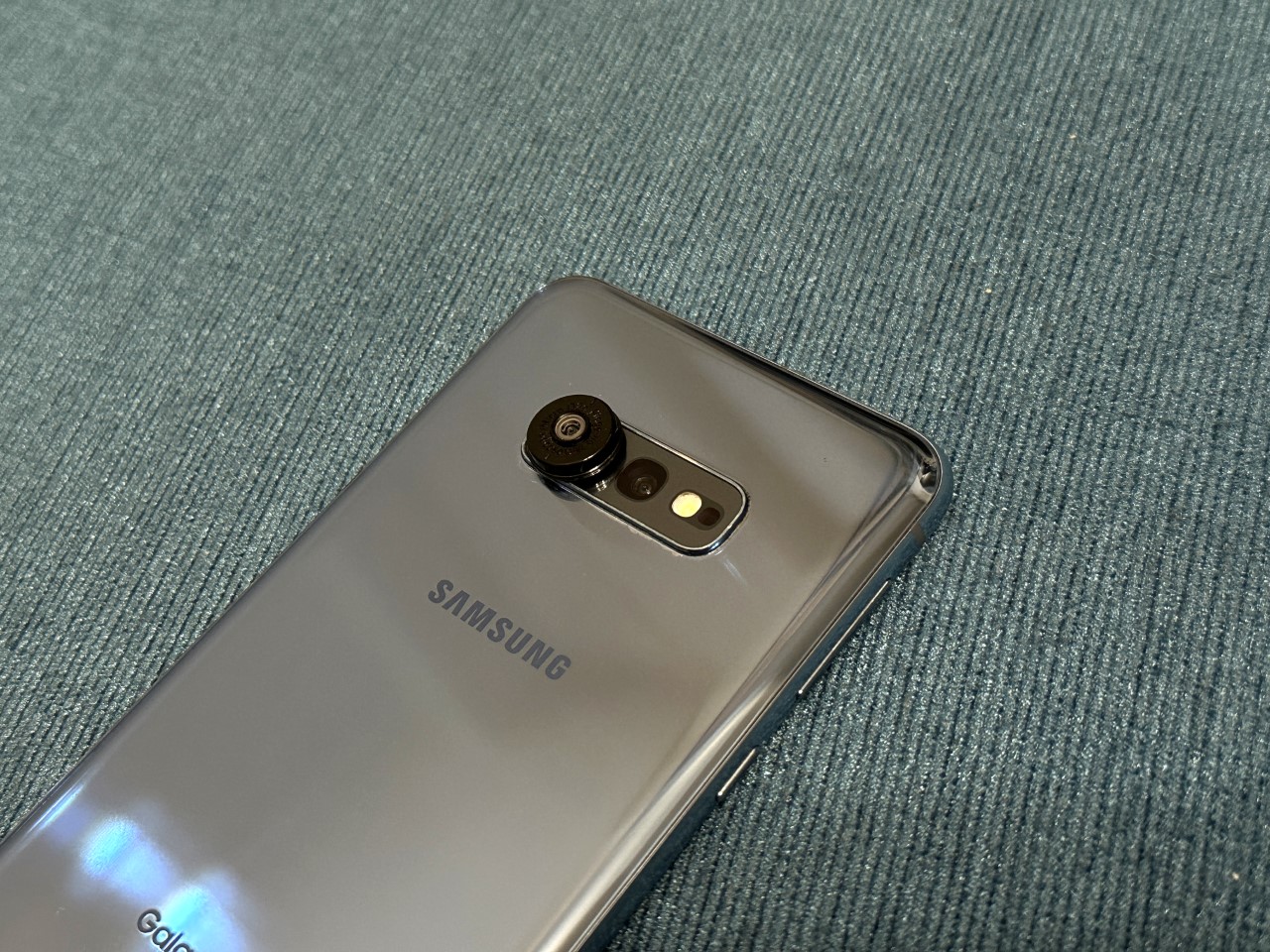
The iMicro Q3p is a fingertip-sized clip-on lens that gives your phone camera 1200x magnification. That number doesn’t mean much until you point it at something ordinary. The fiber weave of a cotton T-shirt looks like aerial rigging. A single grain of salt becomes a translucent cube the size of a building block. The printed surface of a business card reveals ink dots arranged in formations too fine for the naked eye to register. The whole attachment weighs almost nothing and fits in a pocket alongside the phone it transforms.

At $40, it sits at the most satisfying end of the price-to-capability ratio available in consumer products right now. No software installation, no charging, no compatibility friction — if your phone has a camera, this works with it immediately. For designers, the material and surface detail it reveals is genuinely useful reference. For anyone curious about the physical world at a scale they’ve never seen, it’s the kind of object you expect to use once for novelty and end up reaching for regularly. Point it at the output from the T1 laser engraver on this list and the 0.05mm linework looks like it came from a machine ten times the size.

What we like

  • 1200x magnification from something the size of a fingertip, costing $40
  • No charging, no software, no setup required — clips on and works immediately on any phone

What we dislike

  • Any hand movement is heavily amplified at this magnification, requiring a very steady hand
  • Best results need bright, even lighting to get clean detail

4. HubKey Gen2

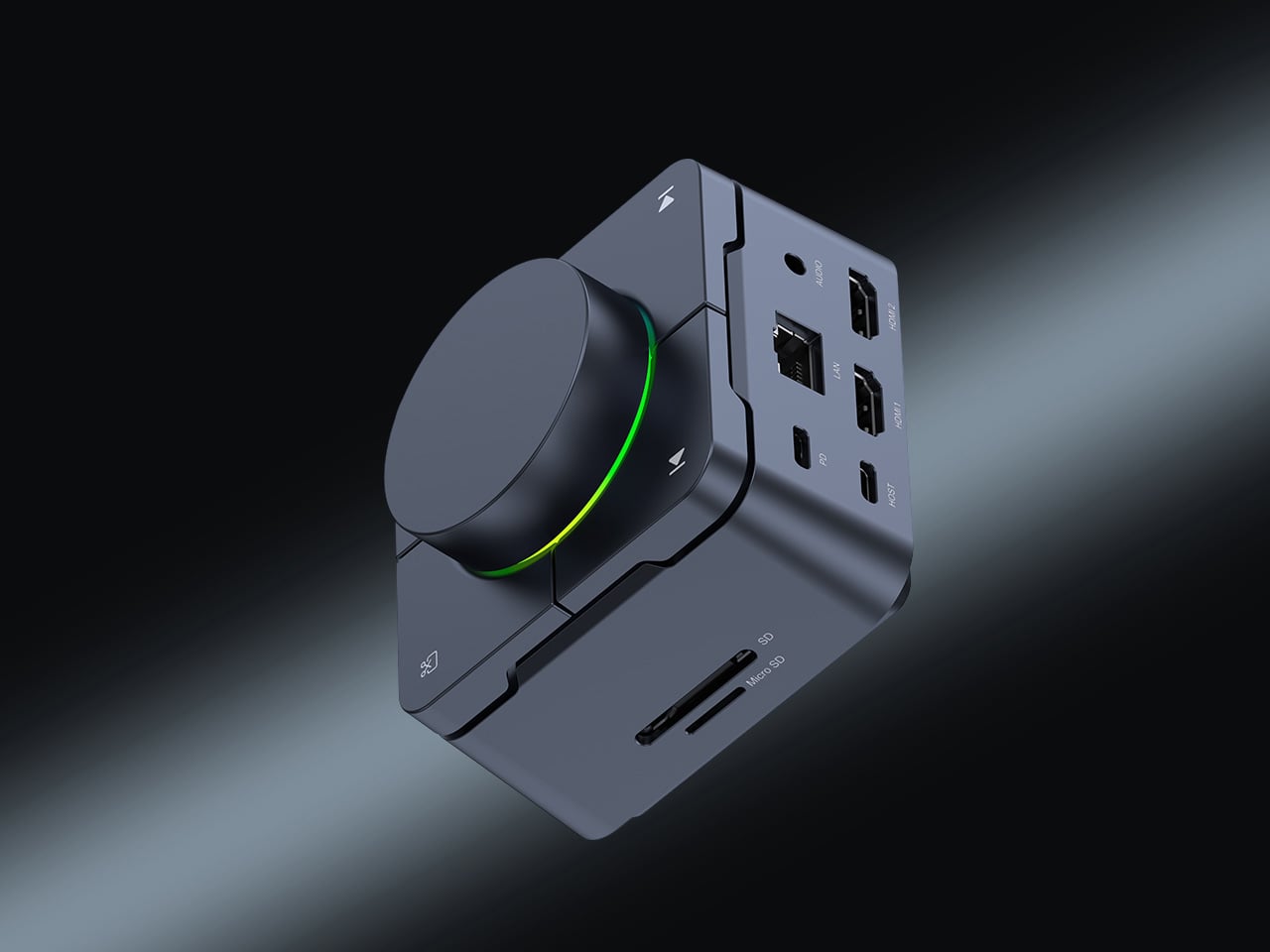
The HubKey Gen2 is a compact USB-C hub that consolidates an entire desk’s worth of connectivity into one object small enough to sit beside a laptop without demanding its own footprint. A single USB-C cable opens up ports for storage, display output, charging, and peripherals simultaneously. The design principle is one cable in, everything out — the kind of desk simplification that sounds obvious until you’ve actually lived without cable sprawl for the first time and noticed how much visual noise the old setup quietly carried.

What separates it from most hubs is where it lives. The majority of hubs are functional objects that hide behind monitors or dangle mid-cable. The HubKey is designed to sit on the desk surface in plain sight, which means its proportions and finish are considered the same way the rest of the objects on this list are. For remote workers and anyone who moves between spaces regularly, it removes the ritual of reconnecting everything from scratch every single time.

What we like

  • One USB-C cable replaces an entire tangle of individual connections
  • Designed to sit on the desk surface in plain sight rather than hide behind equipment

What we dislike

  • Requires a USB-C host device — not compatible with older USB-A-only machines
  • Confirm current price and availability directly before purchasing

5. Rolling World Clock

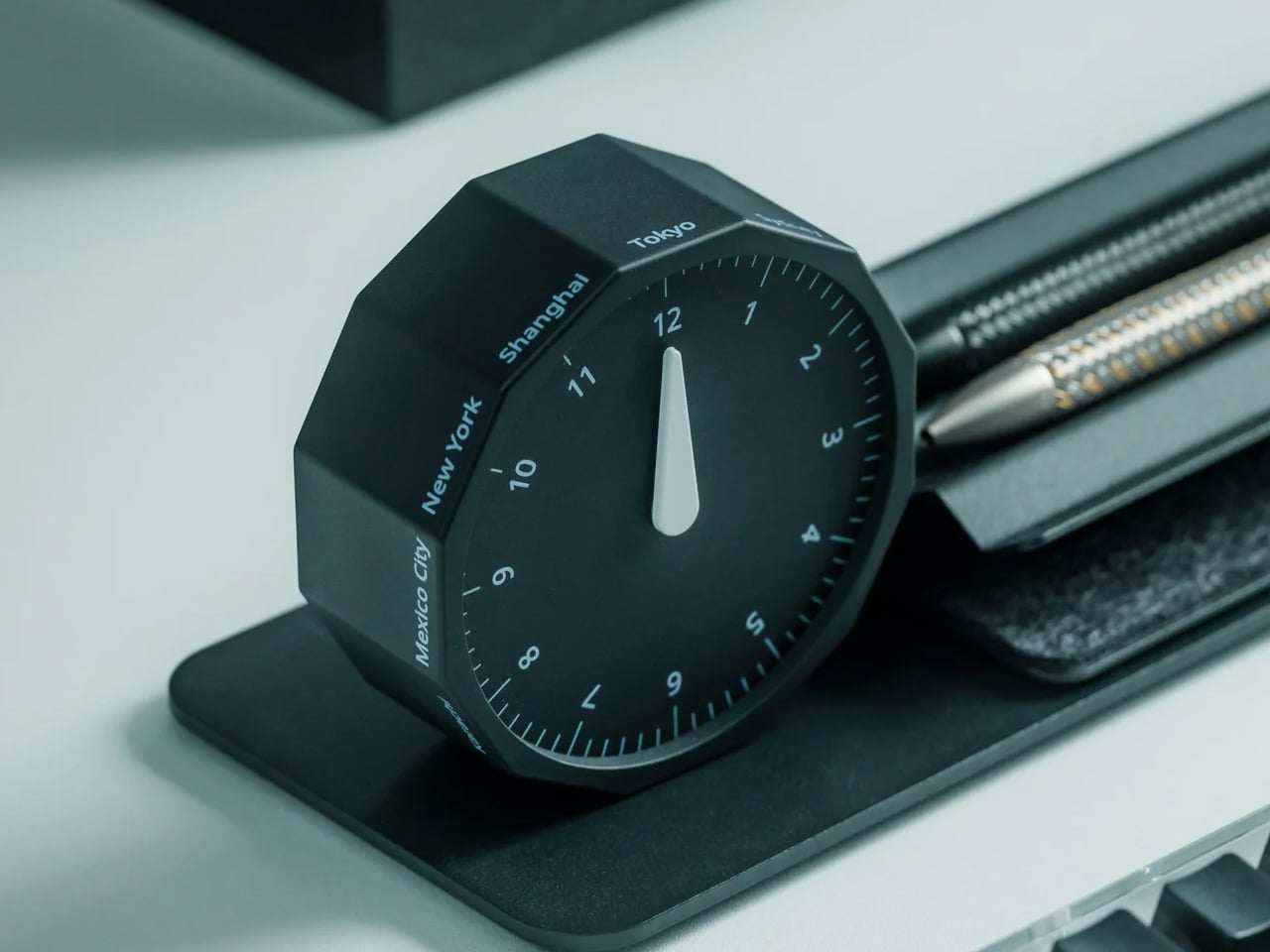
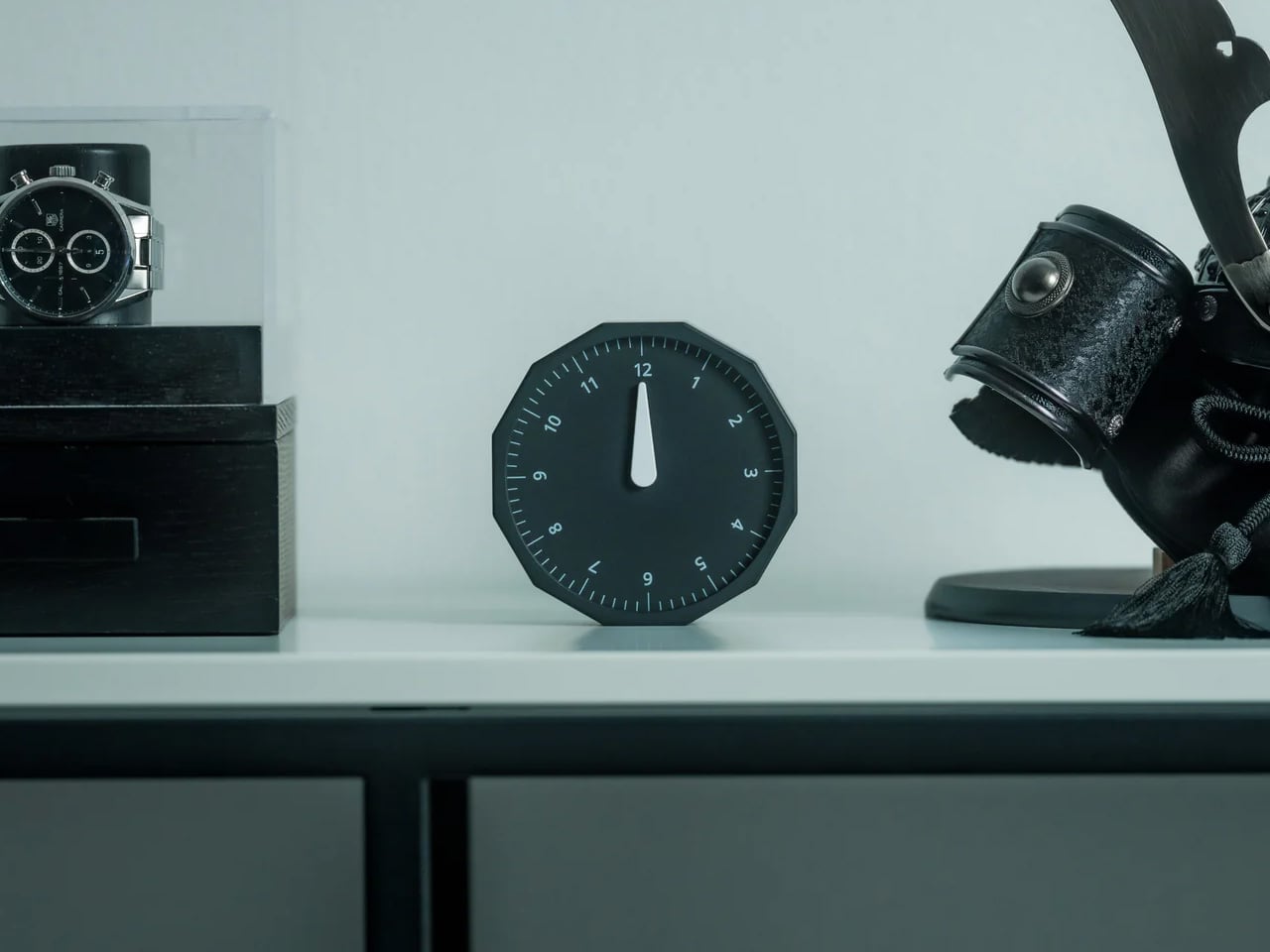
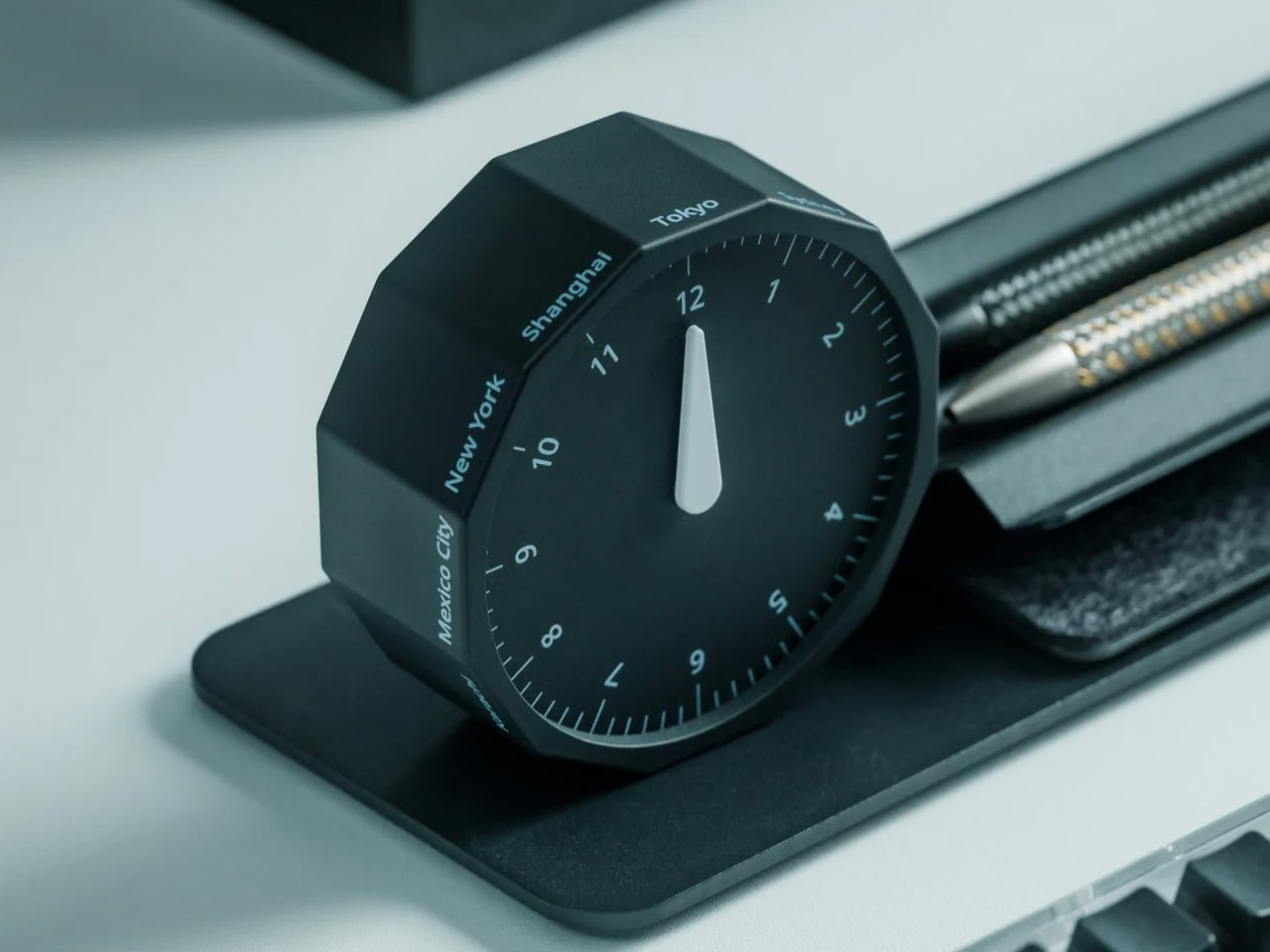
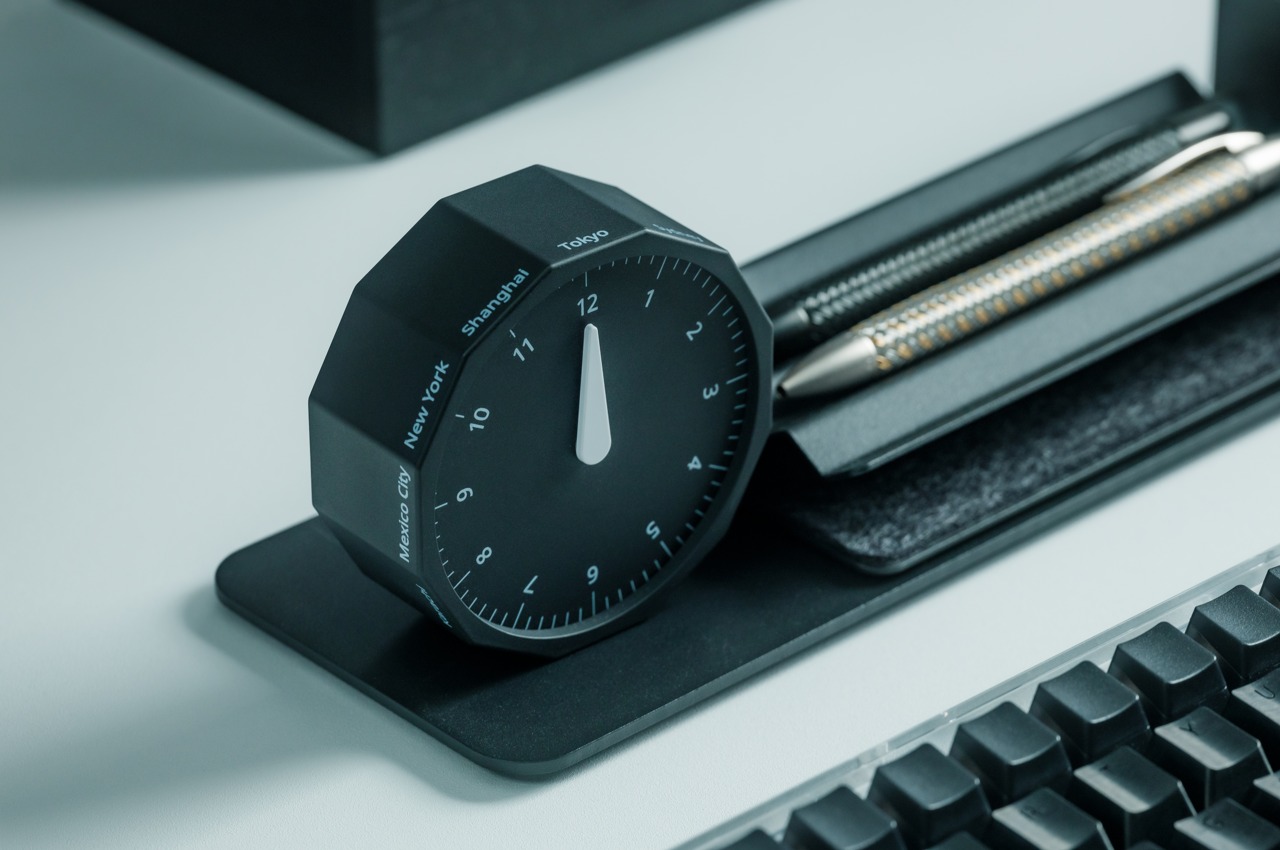
The Rolling World Clock is a 12-sided form with a major timezone city on each face and a single analog hand that tells the correct time in whichever city is pointing straight up. To check the time in Tokyo, you roll it until Tokyo reaches the top position. The mechanism is entirely physical — no battery swap, no digital display, no application required. At 3.2 inches, it sits on a desk without dominating it, and in black or white it reads as a precision object rather than a novelty one.

The quality that earns it a permanent place is conceptual. Every piece of software in the world solves world time zones with a dropdown menu or a settings panel buried three taps deep. The Rolling World Clock solves the same problem with your hand and a dodecahedron. The tactility of rolling it to the city you need and feeling it settle into position is a more satisfying interaction than most digital interfaces have managed. For anyone working across time zones, it earns its desk space on pure utility.

Click Here to Buy Now: $49.00

What we like

  • Solves a digital problem through physical interaction, with no screen involved whatsoever
  • The 12-sided form is precise enough to function as a design object in any setting

What we dislike

  • The city labels on each face require decent ambient lighting to read quickly at a glance
  • Limited to 12 cities, so not every timezone has a dedicated face

6. Nothing Power (1) Battery Bank

Nothing’s design philosophy is visibility. The Power (1) shows its internals through a transparent casing, turning the battery cells, circuit board, and internal wiring into the aesthetic rather than something to hide behind a matte plastic shell. Most power banks are identical black rectangles that exist purely as utilities. This one is an object you put on a desk because it looks good there, applying the same logic Nothing brought to its phones: the engineering is interesting enough to show, so show it.

The practical case is clean enough on its own — USB-C in and out, covering the everyday needs of a desk setup without the bulk most competing units carry at the same capacity. The design case is stronger. On a desk alongside other considered objects, a power bank that looks like it was designed deserves its place there. It pairs naturally with the T1 laser engraver on this list, which runs off any USB-C source and makes this the most aesthetically coherent way to power it. Nothing has built a following on the idea that objects used daily should be worth looking at. The Power (1) makes that case without needing to say it.

What we like

  • Transparent design makes the internal engineering visible and genuinely worth looking at
  • USB-C in and out, compatible with every other device on this list

What we dislike

  • The transparent casing shows fingerprints and dust far more readily than opaque alternatives

7. Inseparable Notebook Pen

The premise of the Inseparable is exactly what the name describes. The pen and the notebook are one object. The pen lives within the notebook permanently, so reaching for one means having the other. That sounds like a minor convenience until you’ve spent time hunting for a pen that wandered three feet from the notebook you were actively using. The design removes that friction entirely by treating the two as a single tool rather than two separate objects that happen to belong near each other.

What earns it desk space rather than just bag space is how it looks when closed. The combined form is considered enough to sit out in the open without needing to be stored away. For anyone who still does meaningful thinking on paper — real notes, sketches, diagrams, lists that behave differently on a physical surface than on a screen — having that tool presented as one well-made object changes the relationship with the act itself. The desk stops being a surface with things scattered across it and starts being a workspace. That shift is worth considerably more than the price of the pen.

Click Here to Buy Now: $19.95

What we like

  • Pen and notebook treated as a single object, permanently solving the searching problem
  • The closed form is refined enough to leave out on a desk as a design object in its own right

What we dislike

  • Pen refill replacement requires checking compatibility before sourcing a new one
  • Confirm current price and availability directly before purchasing

8. Flow Timer

The Flow Timer is a physical desk timer built for focused work sessions. The discipline it creates comes from being a dedicated object — you set it, it counts, it ends the session. Unlike setting a timer on a phone, using this one doesn’t place you on the same surface as your notification feed. Every time you reach for a phone to time something, the phone wins the next several minutes. A timer that lives on the desk doesn’t make that trade and never will.

The design is minimal enough to sit alongside any of the other objects on this list without adding visual noise. Its presence on the desk is a signal: when it’s running, work is happening. When it isn’t, it isn’t. That binary is harder to achieve with software and easier than expected with a well-made physical object. For anyone who wants their desk to do more than hold a laptop, the Flow Timer is a low-cost way to build structure into the environment rather than rely entirely on willpower. It does one thing and asks for nothing back.

What we like

  • A dedicated physical timer removes the distraction loop that comes with using a phone
  • Minimal design contributes to the desk environment rather than competing with it

What we dislike

  • Requires a manual reset after each session, though this quickly becomes part of the ritual
  • Confirm current price and availability directly before purchasing

The $100 Ceiling Has Moved

The $100 ceiling used to mean compromise. A cheaper version of something better. What this list suggests is that the ceiling has moved — not because manufacturers became more generous, but because design thinking at small scales got genuinely good. The T1 laser engraver, the iMicro lens, the Rolling World Clock: none of them feel like budget versions of something else. They feel like the right versions of themselves, built at exactly the right size and price.

What they share is a refusal to look or behave like their price tag. That’s the quality worth paying attention to — not the spec sheet, not the feature list, but the moment you first use one and realize the number on the label didn’t prepare you for what it actually does. Eight objects. One desk. All of them under $100. None of them feel like it.

The post 8 Brilliant Desk Gadgets Under $100 That Actually Do Something Impressive first appeared on Yanko Design.
Japan Keeps Designing Tiny Home Accessories That Make Small Spaces Feel Like Enough – Here Are 8 of the Best

Japanese design has always understood something that took the rest of the world considerably longer to figure out: a small space only feels limiting when the objects inside it aren’t doing enough. The country’s most enduring domestic products aren’t space-savers in the utilitarian sense — they’re space-earners, pieces that justify every square inch they occupy through beauty, purpose, or both. That distinction is subtle until you live with it, and then it becomes the only distinction that matters.

The eight pieces here come from studios, foundries, and workshops rooted in Japan’s craft traditions, alongside makers who have absorbed that same design philosophy. Some are subtle enough to disappear into a shelf. Others carry enough presence to anchor a room. What they share is an indifference to the idea that small living requires compromise. Each one proves, in its own way, that constraint and quality are not opposites — and that the most considered rooms are rarely the largest ones.

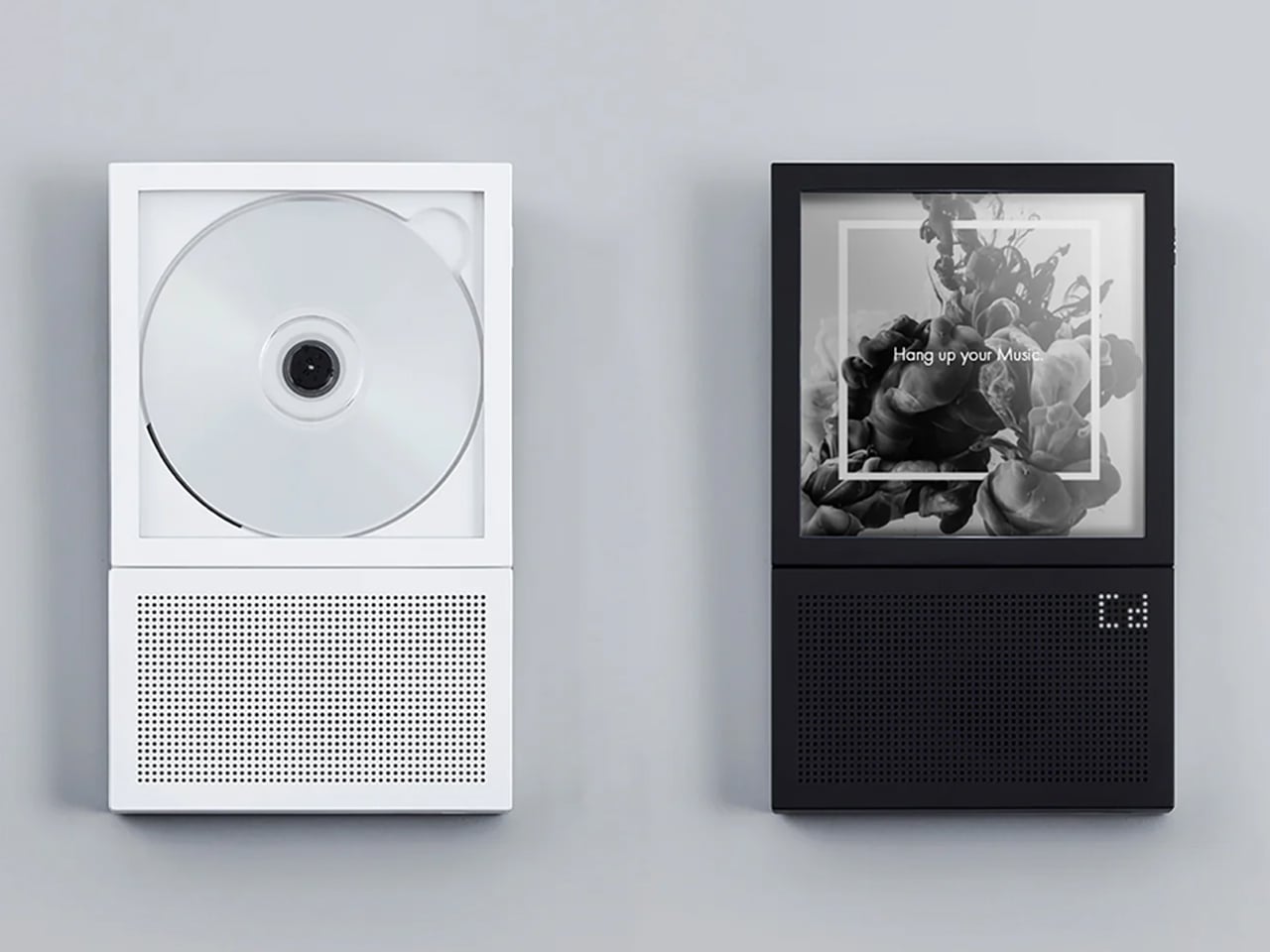
1. Portable CD Cover Player

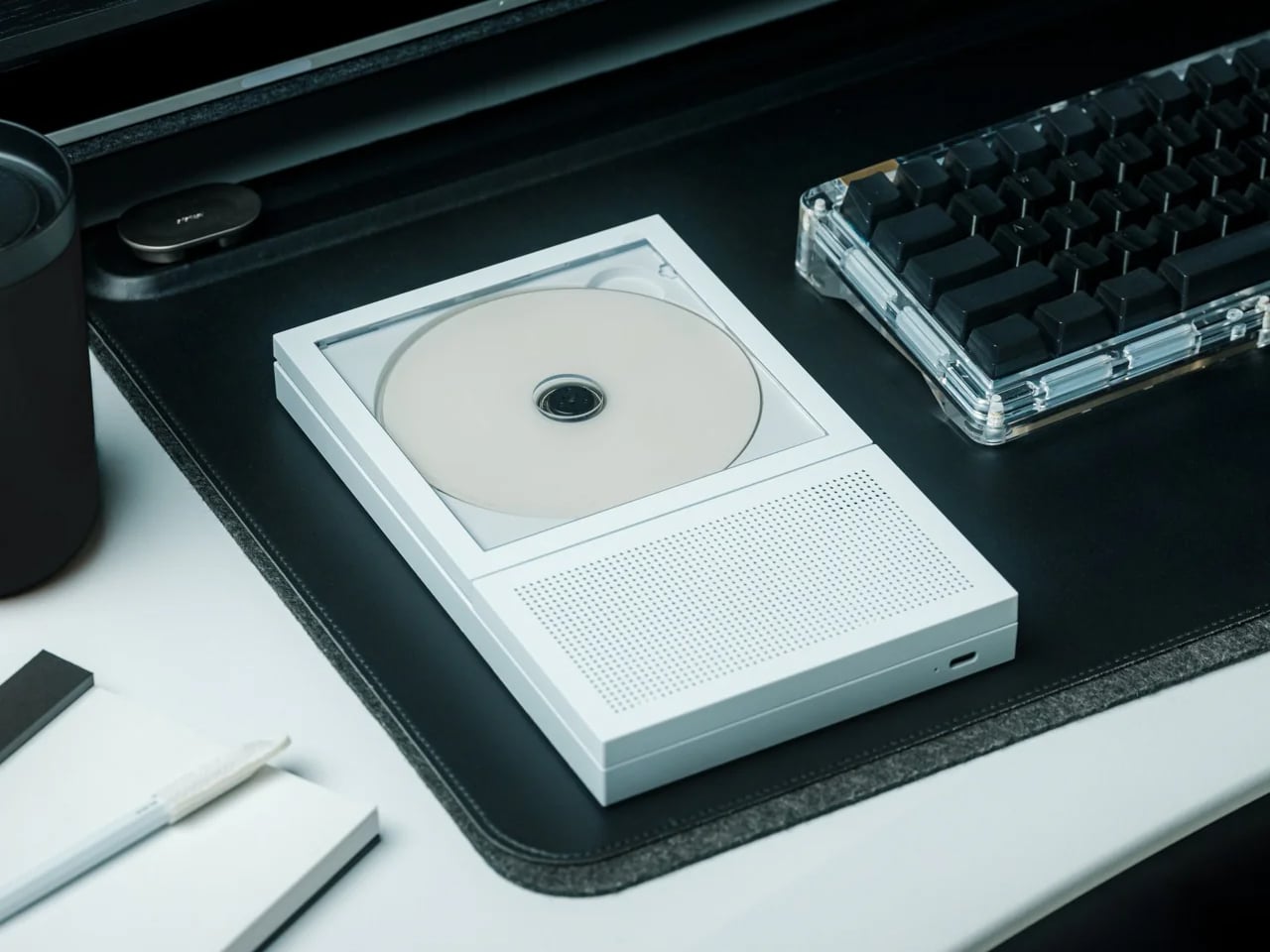
There is something specific about the weight and ritual of a CD that streaming never quite replicated. You hold the case, read the liner notes, make a choice that takes slightly more commitment than a tap. This portable player leans into that ritual without apologizing for it, designed to sit alongside the disc itself in a form thin enough to slide into a bag or stand upright on a shelf. It belongs in the same category as the best Japanese audio objects: things built for an experience, not merely a function.

In a small home, audio gear tends to bulk up the room. Amplifiers, cable nests, speaker pairs that demand real estate — they all negotiate with the architecture in ways that rarely end quietly. This doesn’t. Its proportions are closer to the music than to the equipment, and in a tiny apartment that distinction changes the whole register of a shelf. Pick an album, commit to it, and let the room fill with something chosen rather than algorithmically served.

Click Here to Buy Now: $199.00

What we like

  • The physical form reinforces intentional listening in a way a streaming app simply cannot
  • Slim enough to share shelf space with the very collection it plays

What we dislike

  • Limited to physical media, which requires maintaining an actual disc collection
  • Output depends on headphones or an additional speaker to fill a room

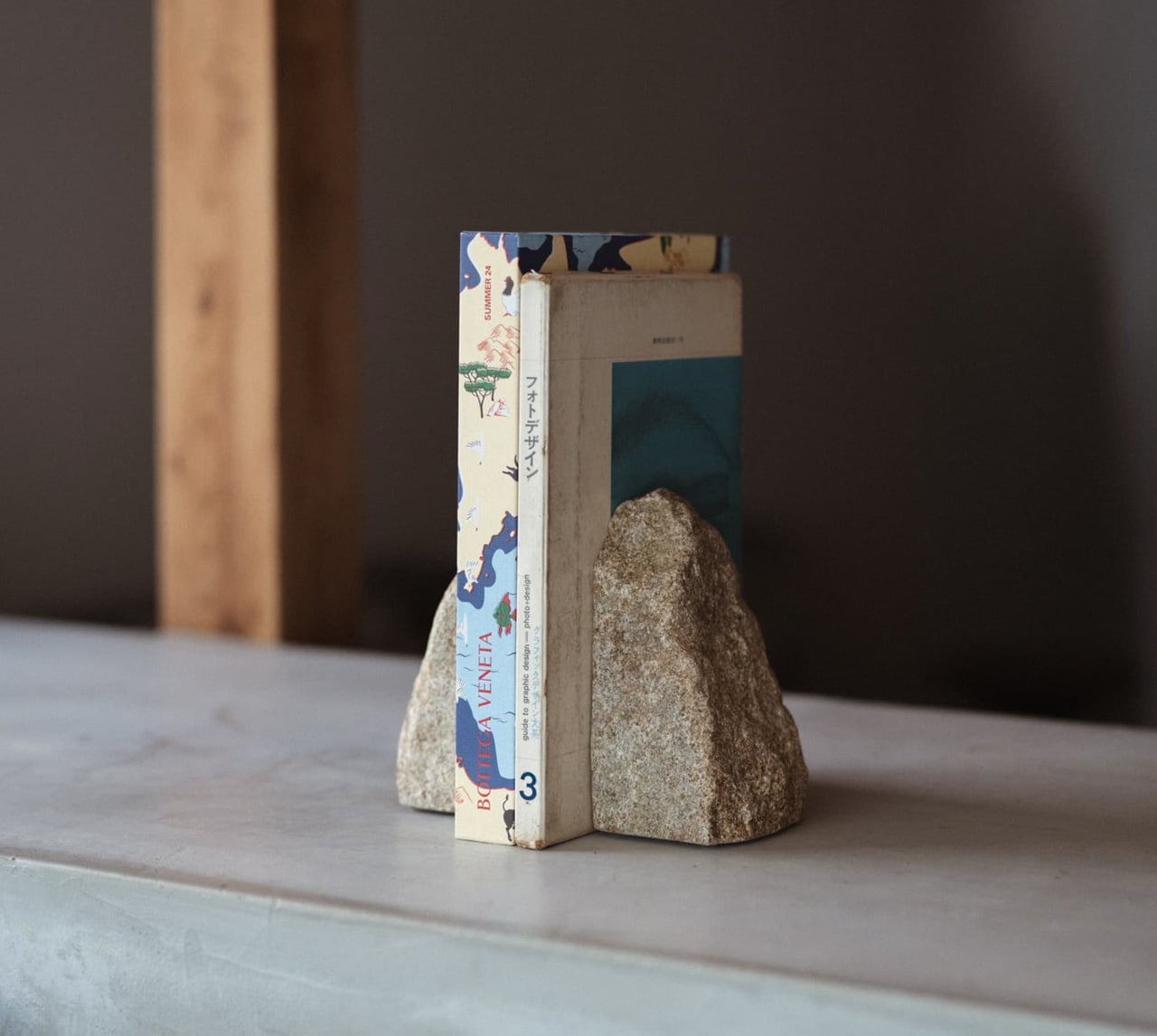
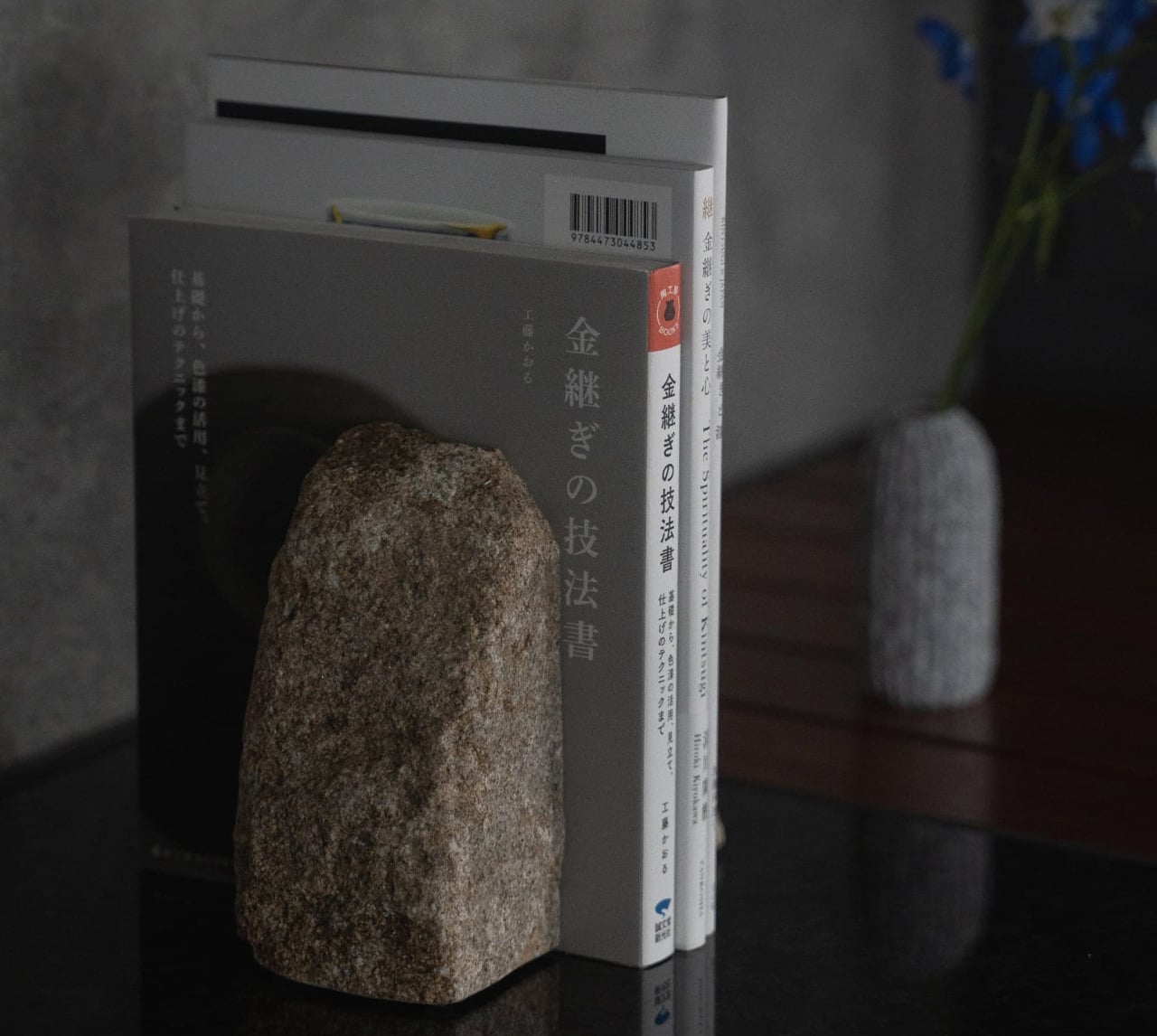
2. Aji Stone Book End Large

Quarried exclusively from the northeastern corner of Takamatsu City in Kagawa Prefecture, Aji granite has been considered Japan’s diamond of stone for centuries — dense, refined in grain, and resistant to moisture in ways that most decorative stone is not. The Large Book End is split from a single piece. No two are identical. Its surface carries the particular quality that only extraction rather than manufacture can produce: the sense that the material was always this way, waiting to be found rather than made.

What sets this apart from conventional bookends is what it refuses to do. It doesn’t decorate. It doesn’t try to be noticed. It simply holds what you’ve placed beside it with enough physical authority that the shelf around it immediately reads as more considered. In a small home where books live in plain sight — on open shelving, stacked on side tables — the presence of Aji stone changes how the whole arrangement reads. It turns a collection into a curation, which is a more significant shift than it sounds.

What we like

  • Split from a single stone, making each piece genuinely one of a kind
  • Dense enough to anchor the heaviest books without shifting or lifting

What we dislike

  • At $240, it asks for real confidence in its permanence as a purchase
  • Significant weight makes repositioning effortful once it has found its place

3. Frying Pan Omurice Chopstick Rest

Made in Mino Province — a region with over 1,300 years of ceramic production history and the source of roughly half of Japan’s tableware output — each of these rests is a miniature cast-iron frying pan with a curled dome of omurice sculpted in stoneware inside it. The craftsmanship is so specific and so unselfconscious about its playfulness that it reads as genuine rather than precious. Set it beside a bowl, or a plate, and the table shifts immediately from functional to considered.

In a small home, the dining table is rarely only a dining table. It doubles as a desk, a landing pad, a reading surface, a gathering point. When it becomes a table again for an actual meal, small objects like these do significant emotional work — they signal that the meal was planned, that the setting was thought about, that eating is worth a moment’s attention. The Mino tradition behind this rest gives that signal real weight.

What we like

  • Authentic Mino Province stoneware carries 1,300 years of regional craft tradition into an everyday ritual
  • Small enough to earn its place without competing with the food or the company

What we dislike

  • Textured stoneware requires more careful cleaning between uses than a glazed alternative
  • The omurice reference lands most fully for those already familiar with Japanese comfort food

4. Rolling World Clock

The Rolling World Clock treats time as something physical rather than abstract — a globe-like form that lets you reach out and find where the world’s hours currently sit. For anyone living across time zones, whether that means remote work, family spread across continents, or the particular restlessness of people who travel often, the constant mental arithmetic disappears. What remains is an object that earns its place on a desk or shelf not through utility alone but through the quiet pleasure of its form.

Small homes accumulate necessities that rarely pull their weight visually. A conventional world clock reads as office furniture regardless of where you put it. This one reads as an object you chose deliberately, which in a space where every surface is permanently on display is the difference between clutter and character. The minimal form holds its own without competing for attention — present without being loud, functional without being forgettable.

Click Here to Buy Now: $49.00

What we like

  • The form turns a practical need into a considered object worth displaying
  • Works as a conversation piece and a functional tool in the same breath

What we dislike

  • Requires some familiarity with the interface to read quickly at a glance
  • May need repositioning as your primary time zones change over time

5. Kinto Aqua Culture Vase

Kinto has built one of Japan’s most internationally trusted design practices on a single principle: objects for daily use deserve the same clarity of form as objects made purely for display. The Aqua Culture Vase applies that principle to water propagation — growing plants directly in water, without soil, without mess, without the maintenance schedule that keeps most people from keeping anything alive. A clean borosilicate vessel, a single stem or cutting, a windowsill. That is the entire arrangement, and it is entirely enough.

In a small home, anything requiring ongoing care competes for the same attention as everything else. Plants are often the first thing to go. This removes the friction almost entirely. The vase holds water, supports a cutting, and does both in a form so stripped of anything unnecessary that it could sit beside a stack of books or on the edge of a kitchen shelf without announcing its presence. The plant does the announcing. The vase makes it possible, which has always been Kinto’s design posture.

What we like

  • Removes almost every barrier to keeping something living in a small space
  • The borosilicate glass form is completely honest about its purpose and its beauty

What we dislike

  • Works best with propagating cuttings rather than established root systems
  • Water clarity requires more attention than a soil-based planter over time

6. Yamazaki Home Tower Step Trash Can

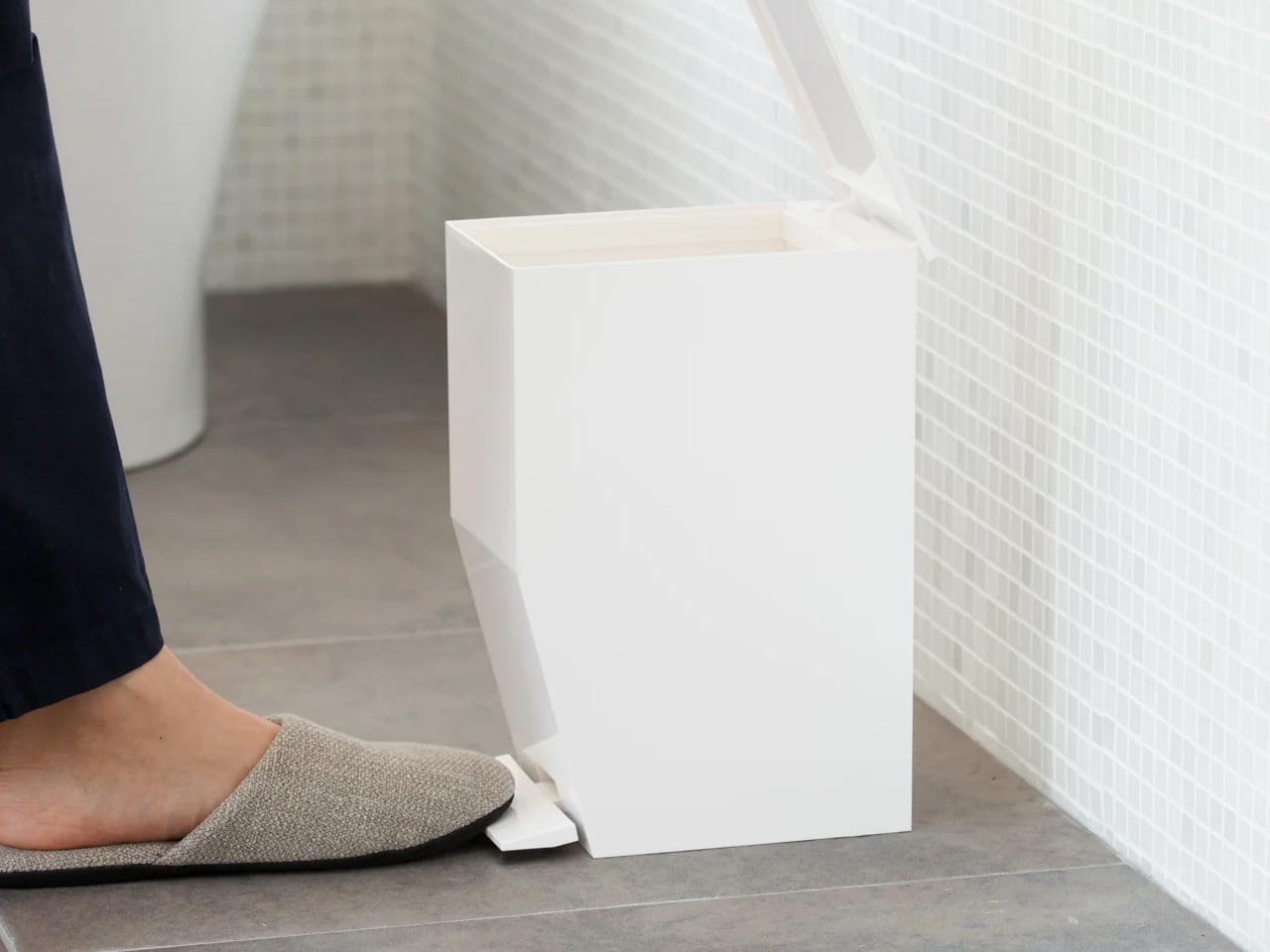
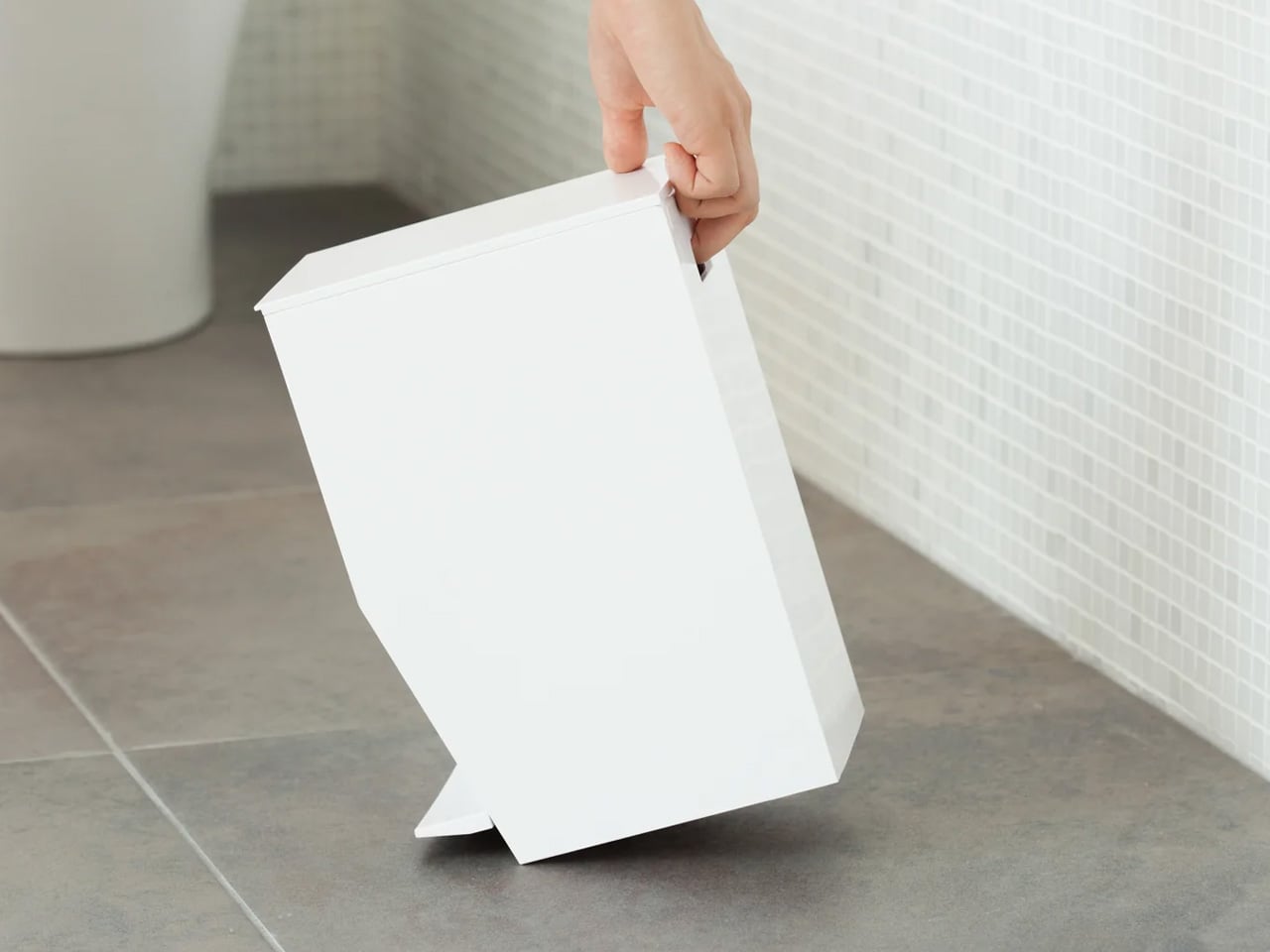
Yamazaki Home’s Tower collection has become one of the most reliable benchmarks for Japanese functional minimalism at an accessible price point, and the Step Trash Can is central to that reputation. The step mechanism opens the lid without contact — genuinely useful in a bathroom or kitchen where hands are occupied — and the one-gallon capacity is sized for the spaces where it actually belongs rather than the idealized rooms in which most home goods are photographed. It holds liner bags without clips or visible hardware. The integrated handle makes emptying effortless.

In a small apartment, the waste bin is rarely hidden behind a cabinet door. It sits beside the toilet or under the counter in full view, which means it is part of the room’s visual language whether anyone intended it to be or not. The Tower can treats that reality with enough seriousness to design a bin worth looking at. Matte white or black ABS resin, no ornamentation. It looks like a choice — and in a small space, that quiet distinction between something assembled and something designed makes the whole room feel more intentional.

What we like

  • No-touch lid mechanism works for hygiene and convenience in equal measure
  • The slim profile fits flush beside toilets and under counters without claiming floor plan

What we dislike

  • One-gallon capacity means more frequent emptying than larger household bins
  • The liner ring is an additional component to source and replace over time

7. Corcelain Modular Porcelain Cups

224 Porcelain operates in Ureshino City in Saga Prefecture, a region whose ceramic tradition — Hizen-Yoshidayaki — stretches back through centuries of tea culture and meticulous clay work. Designer Kosuke Takahashi arrived at the studio with a specific question: what happens when you build a porcelain cup not as a finished object but as a platform? The result is Corcelain, the first modular porcelain system, where each cup accepts 3D-printed attachments — feet, handles, lids, decorative elements — through a precision mounting system integrated directly into the ceramic surface.

The appeal for a small home is not just the modularity. It is the philosophy underneath it. These cups evolve rather than accumulate. You don’t replace them when your needs or aesthetic shifts — you adapt them, download new components from MakerWorld, print what you need and nothing more. In a space where every object must justify its continued presence, a cup that changes alongside you is worth considerably more than one that doesn’t. The porcelain is serious. The system around it is generous. That combination is harder to achieve than it sounds.

What we like

  • Open-source attachments via MakerWorld keep the design evolving without requiring replacement
  • Hizen-Yoshidayaki ceramic tradition grounds a genuinely forward-looking concept in centuries of real craft

What we dislike

  • Full modularity requires access to a 3D printer or a printing service to realize
  • Mounting points need careful handling to avoid wear from frequent component changes

8. 3-in-1 Luminous Diffuser

Most diffusers ask you to choose between function and appearance, settling somewhere in the middle of both. This one refuses that negotiation by combining scent diffusion, ambient light, and a third mode into a single object whose form is considered enough to leave out permanently. The luminous element is not a decorative afterthought — it anchors a corner of a small room at low light, turning it into the kind of atmosphere you usually have to travel somewhere to find. Japan has always been good at making objects that shift a room without announcing how.

For a tiny home, the real value of a 3-in-1 is not the three functions — it is the three objects it replaces. No separate night light sitting on a cable. No ceramic diffuser vessel with a reservoir you forget to fill. No ambient lamp taking up a full socket and a surface. This consolidates all three into something with enough visual restraint to disappear when you want it to and enough presence to hold its own when you don’t. That economy of space and decision is exactly the point.

Click Here to Buy Now: $800.00

What we like

  • Three functional modes in a form minimal enough to leave permanently on display
  • Handles scent, light, and atmosphere without a separate object for each

What we dislike

  • Diffuser capacity suits smaller rooms better than open-plan living areas
  • Three functions mean one item to troubleshoot when something eventually needs attention

Small Rooms, Considered Objects

Japan’s design output at its best doesn’t ask you to reshape your life around what you own. It works the other way — finding the form that fits the space and routine you already have, then making that space feel more like itself. These eight pieces come from different regions, different craft traditions, and different centuries of making, but they share the same posture. None of them demands attention. Each one earns it through what it does and what it quietly refuses to do.

The tiny home movement has always been as much about intention as square footage. Living small works when every object in a room is genuinely worth having. These eight don’t fill a space — they complete one, each in its own register, from the density of Aji granite holding a shelf together to a modular porcelain cup that adapts alongside the person drinking from it. Start with one. The room will tell you what comes next.

The post Japan Keeps Designing Tiny Home Accessories That Make Small Spaces Feel Like Enough – Here Are 8 of the Best first appeared on Yanko Design.

8 Camping Gadgets So Beautifully Designed, You’ll Wonder Why Every Campsite Doesn’t Come With Them

The gap between what camping gear looks like in product photos and what it actually does at a campsite used to be wide enough to drive a truck through. That gap has quietly closed. The category has produced a generation of objects built around a single idea: that equipment you trust with your weekend shouldn’t look like it was designed by someone who has never spent a night outdoors.

This list covers everything a serious campsite demands — shelter, fire, cooking, light, power, water, and the tools that keep everything running between them. Eight products, each with a specific design argument behind it. Some are from the YD Shop. Others earned their place through the blog. All of them pass the test that matters most: you pack them once and never pull them back out of the kit bag.

1. Retrowave 7-in-1 Radio

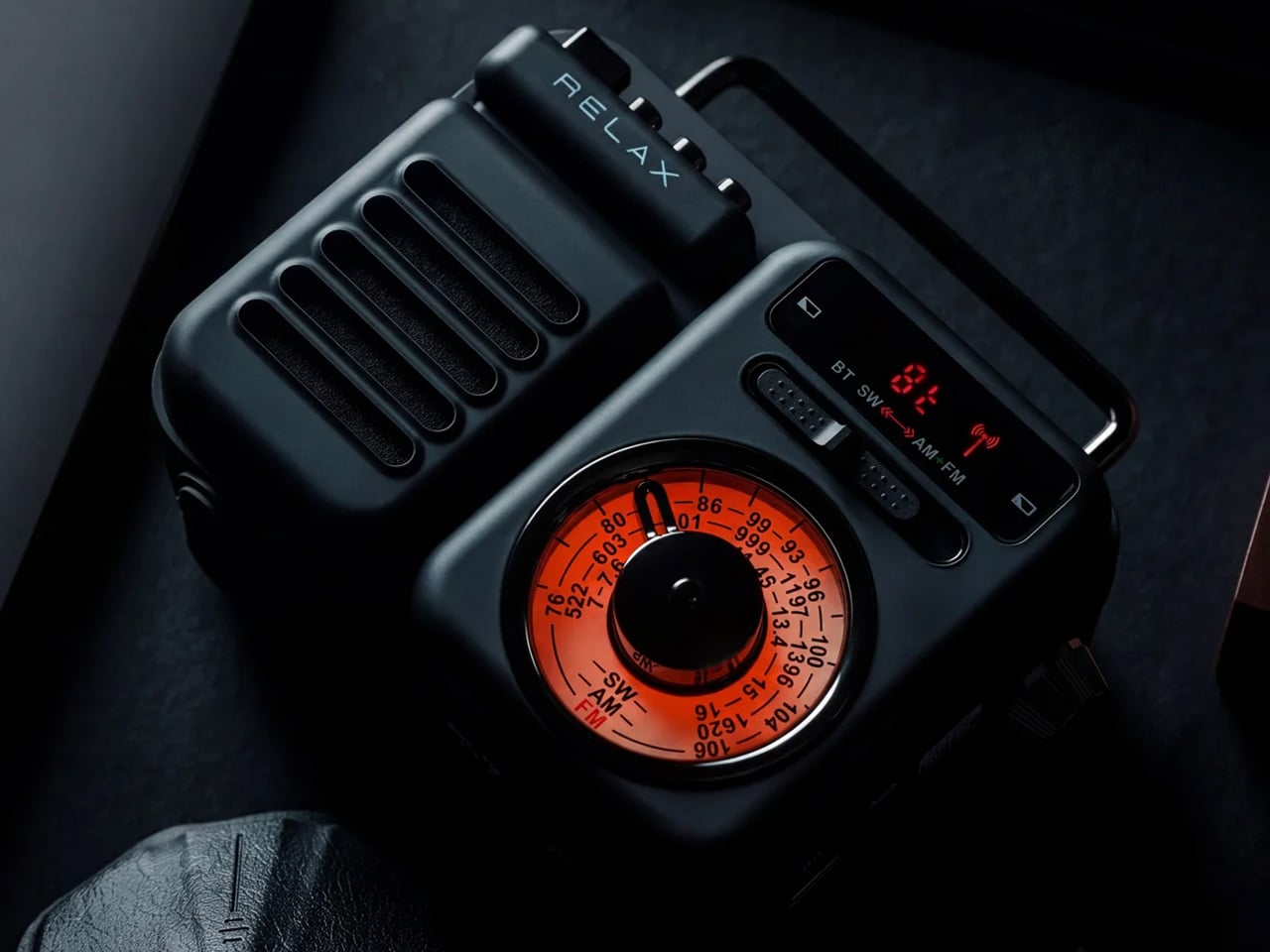
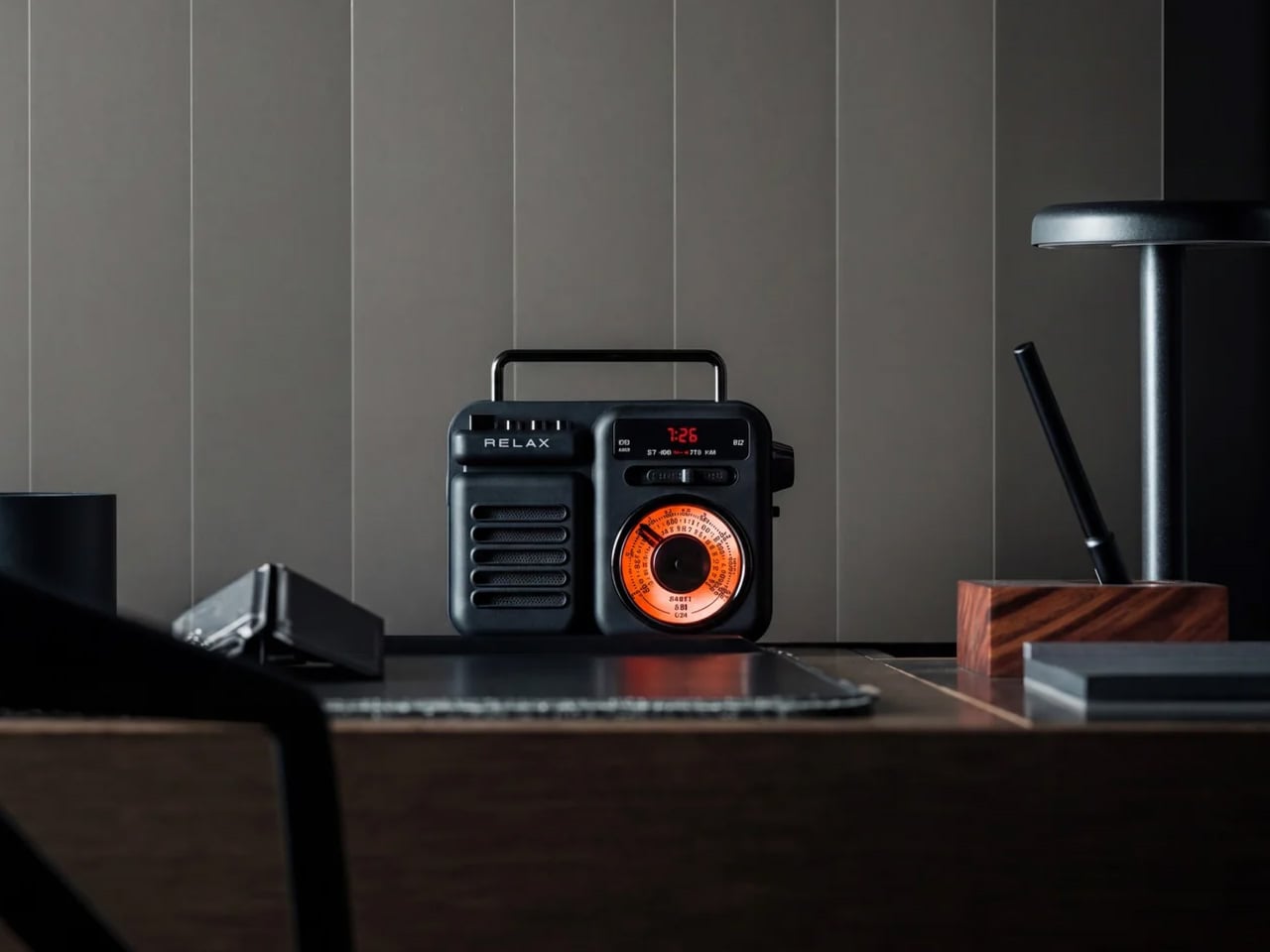
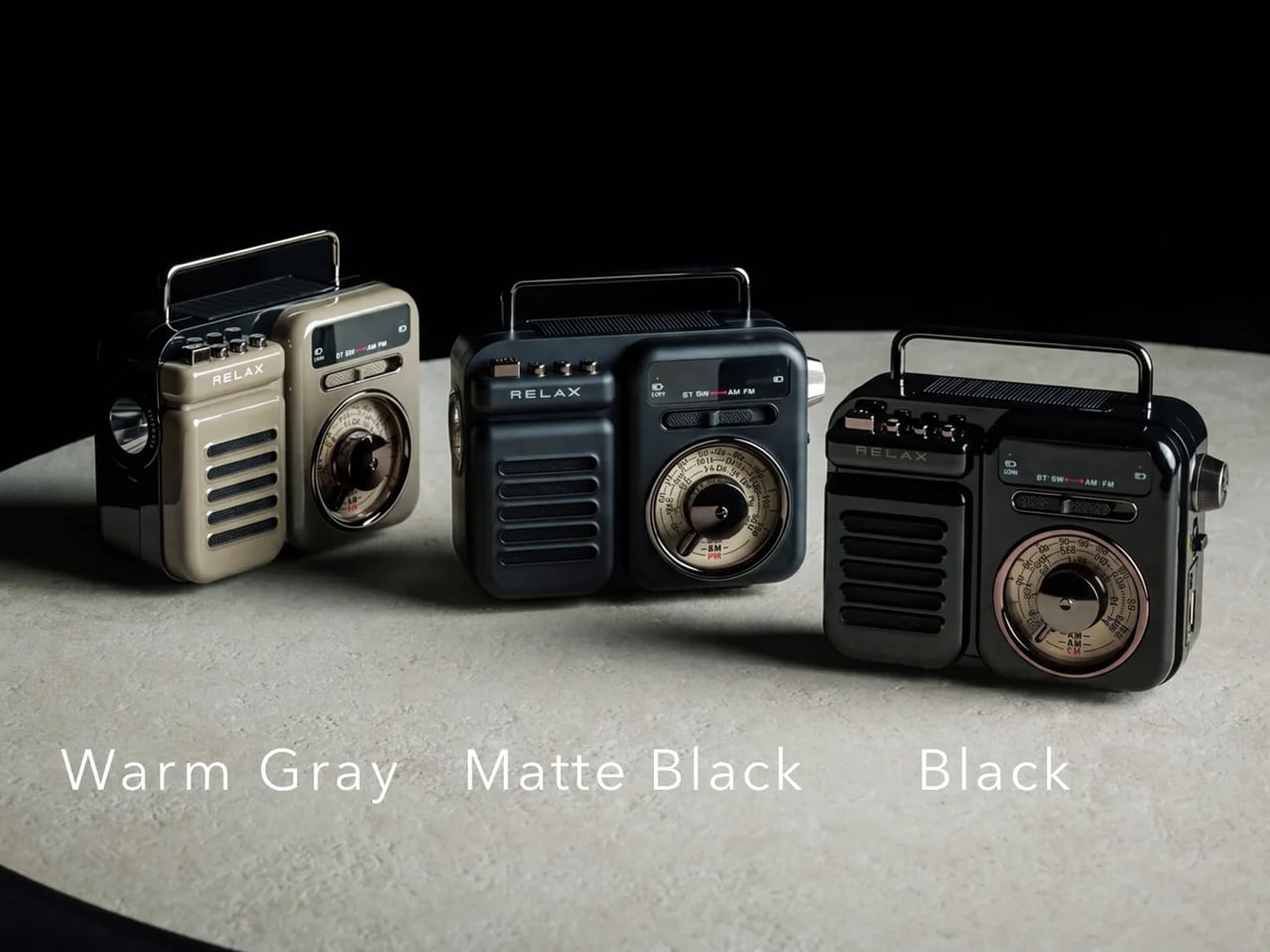
The Retrowave earns its place in a camping kit through an argument that has nothing to do with aesthetics, even if the aesthetics are genuinely good. A tactile tuning dial, compact body, and warm visual language borrowed from classic Japanese radio design make it an object worth displaying on a shelf. What it’s actually doing is more pragmatic: running AM, FM, and shortwave without an app, streaming via Bluetooth when connectivity holds, and charging via solar panel and hand-crank when it doesn’t.

The SOS alarm and built-in flashlight sit quietly in the background, present without demanding attention on a trip where everything goes smoothly, decisive when it doesn’t. Smart speakers go silent when Wi-Fi drops. Earbuds die at the wrong moment. Phones drain precisely when you need them most. The Retrowave doesn’t ping you or demand perfect conditions. It plays, charges, and illuminates across seven functions without asking for seven different charging cables.

Click Here to Buy Now: $89.00

What we like

  • Seven functions in a single body remove the need to carry and manage multiple separate items
  • Solar and hand-crank charging keep it fully functional off-grid with no outlets required

What we dislike

  • The retro aesthetic may read as decorative to buyers who haven’t yet used it in an actual off-grid context
  • Shortwave reception quality varies depending on geographic location and surrounding terrain

2. Haven Spectre Ultralight Hammock Tent

Every experienced hammock camper knows the problem but rarely admits it out loud: traditional hammocks fold your body into a shape that doesn’t encourage real sleep. The Haven Spectre addresses this with a flat-lay design that keeps your spine aligned and your night predictable. For anyone who has tried and quietly abandoned hammock camping after a single uncomfortable night, this is the version worth revisiting. Featherlight without feeling compromised, built from years of field-tested feedback, and light enough to disappear into a pack you’re already carrying.

What separates the Spectre from its predecessors is the thinking behind how a person actually sleeps in the field. The integrated structure holds its form without demanding constant readjustment through the night. String it up, get in, and it works. For long-distance hikers and weekend backpackers alike, that reliability reduces the cognitive load of a night outdoors. Less time fussing with rigging means more energy for the trail ahead, which is exactly the trade-off a well-designed piece of kit should make for you.

What we like

  • Flat-lay sleeping position solves the banana-curve problem that makes traditional hammocks genuinely uncomfortable for full nights
  • Years of customer-driven refinement make this Haven’s most polished and advanced version to date

What we dislike

  • Requires trees at the right spacing and height, which limits viable campsite choices in open terrain
  • Premium price point puts it out of reach for casual campers who might only use it a handful of times a year

3. Portable Fire Pit Stand

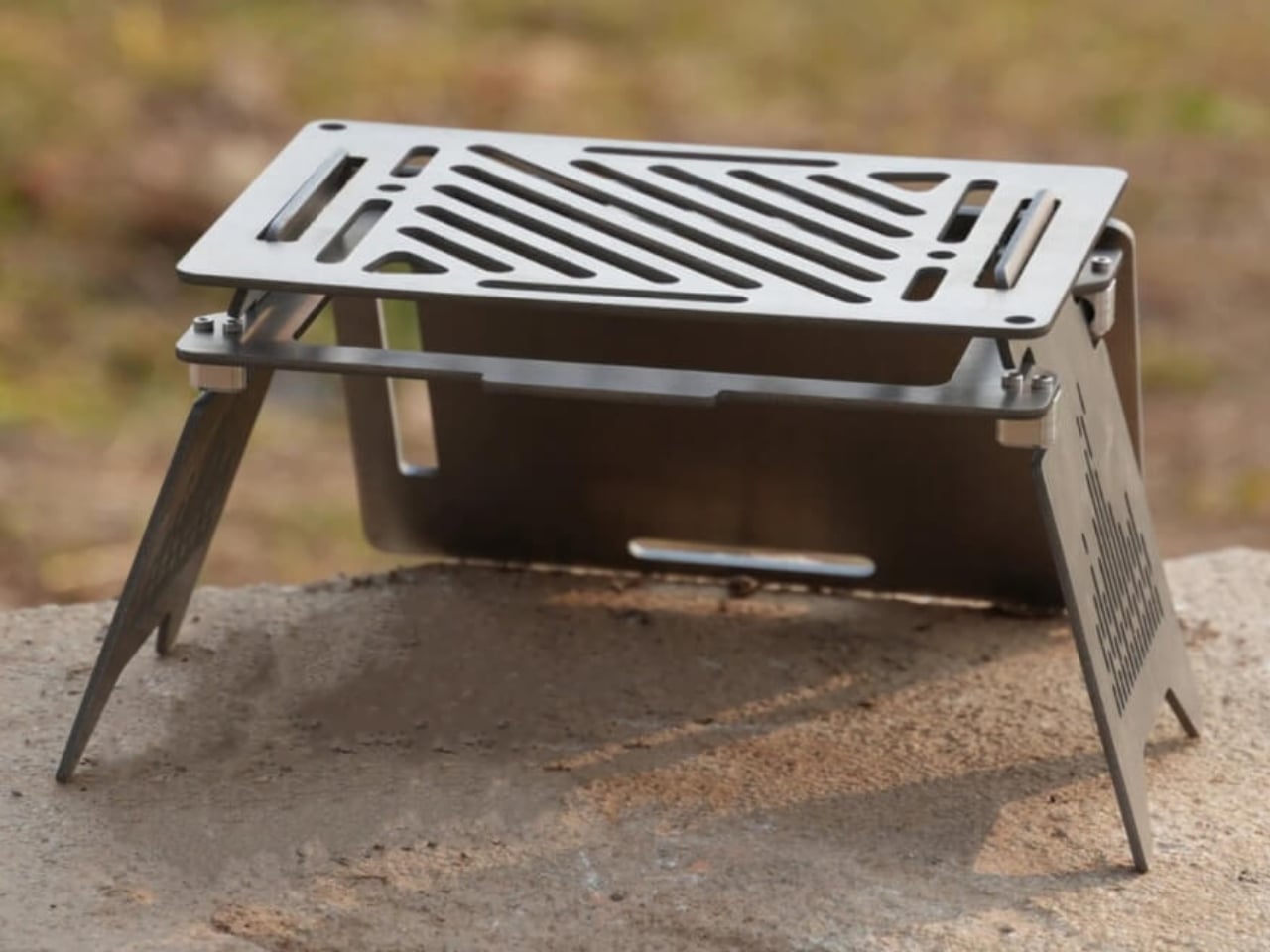
The fire pit category is full of oversized objects that need a truck bed and a second person. The Portable Fire Pit Stand sidesteps this entirely. Prototype sheet metal technology precision-cuts black steel plates that resist warping and distortion under sustained heat. It assembles without tools, folds flat when packed, and holds the kind of campfire that earns its place as both a functional heat source and the visual anchor of any campsite worth sitting around for more than ten minutes.

What separates this from a standard fire ring is the stand’s insistence on being a proper object rather than functional hardware. The black steel finish works against any outdoor backdrop, and the construction doesn’t bow or deform the way cheaper alternatives do after their third use. It elevates the fire off the ground, making it workable on sensitive surfaces and at campgrounds where ground fires are restricted. The kind of gear that moves from situational purchase to permanent kit after the first night out.

Click Here to Buy Now: $119.00

What we like

  • Heat-resistant sheet metal resists warping through repeated use across multiple camping seasons
  • Elevates fire off the ground for sensitive surfaces and sites where open ground fires are restricted

What we dislike

  • Steel construction adds more weight than ultralight fire alternatives for backpackers counting grams
  • No integrated grill grate included, which requires a separate purchase

4. Camprit TiStove

Five flat pieces of Grade 5 titanium. Two foldable legs and three interchangeable cooking panels that pack completely flat and come in under 1.5 pounds. Camprit’s insight was direct: most camp stoves lock you into a single cooking method. The TiStove gives you three, with panels that reconfigure for boiling, grilling, or open-fire cooking. The extra panels double as a windshield. As heat is applied over time, titanium changes color naturally, marking each stove with its own accumulated cooking history.

The beauty of the TiStove is in what it removes. There’s no ignition system to fail at altitude, no gas canister threading to seize in the cold, no assembly logic that requires a manual at a campsite in the dark. The pieces lock together mechanically without fasteners and disassemble in seconds. Compatible with any fuel source — wood, gas burner, alcohol — it stays genuinely adaptable to wherever the trip leads. For anyone who has stood over a failed stove in the cold, this addresses the problem at its root.

What we like

  • Packs completely flat at under 1.5 lbs with three interchangeable cooking panel configurations
  • Compatible with any fuel source including wood, gas, and alcohol with no dependency on a single system

What we dislike

  • Requires a separate burner or fuel source, as nothing is self-contained out of the box
  • Titanium panels need careful packing to avoid scratching against each other in transit

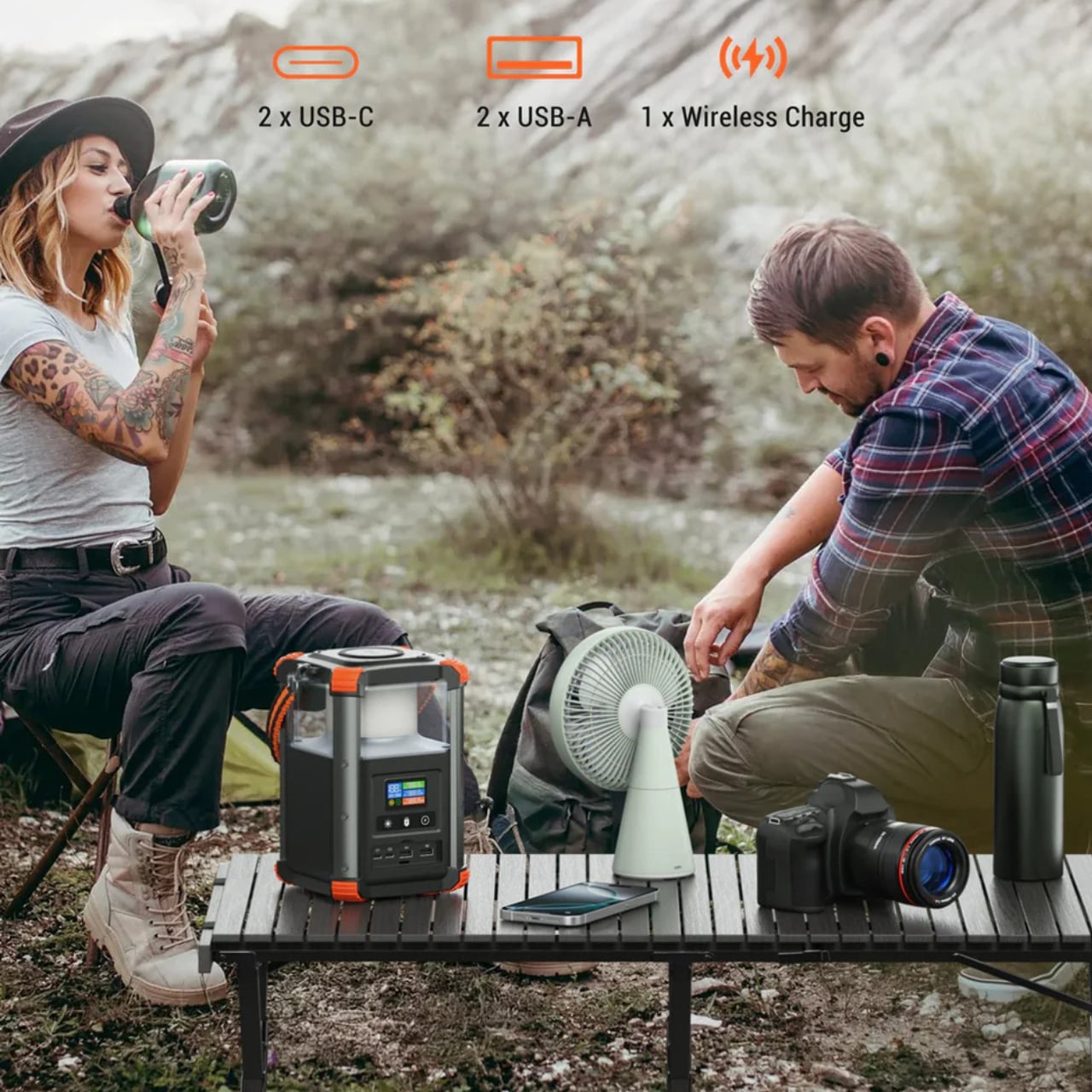
5. Blavor Power Station + Camping Lantern

Most portable power stations look like they were designed by someone who has never spent a night outdoors. The Blavor sidesteps that problem by building a camping lantern into the form factor from the start. The result is a device barely bigger than a tall water bottle that functions as both a light source and a five-pathway charging hub, covering solar, AC, car adapter, USB-C, and micro USB, with a digital display that keeps battery status visible without any guesswork in the field.

The real value here is how naturally the two functions coexist. When the lantern is on, the power bank is right there. When you’re charging your phone overnight, the ambient glow does quiet work inside the tent without needing a separate light source. It doesn’t ask you to choose between illuminating your site and keeping your devices alive. For campers who have always carried a separate lantern and a separate battery pack, the consolidation alone justifies the purchase before the first trip is even planned.

What we like

  • Five charging pathways give it a flexibility that most single-use power banks simply can’t match across different environments
  • Lantern and power station coexist without compromising each other — the dual function feels designed in, not bolted on

What we dislike

  • Battery capacity may leave multi-day off-grid users reaching for supplemental charging sooner than expected
  • The cylindrical form can be slightly awkward to pack flush alongside flat gear in a structured bag

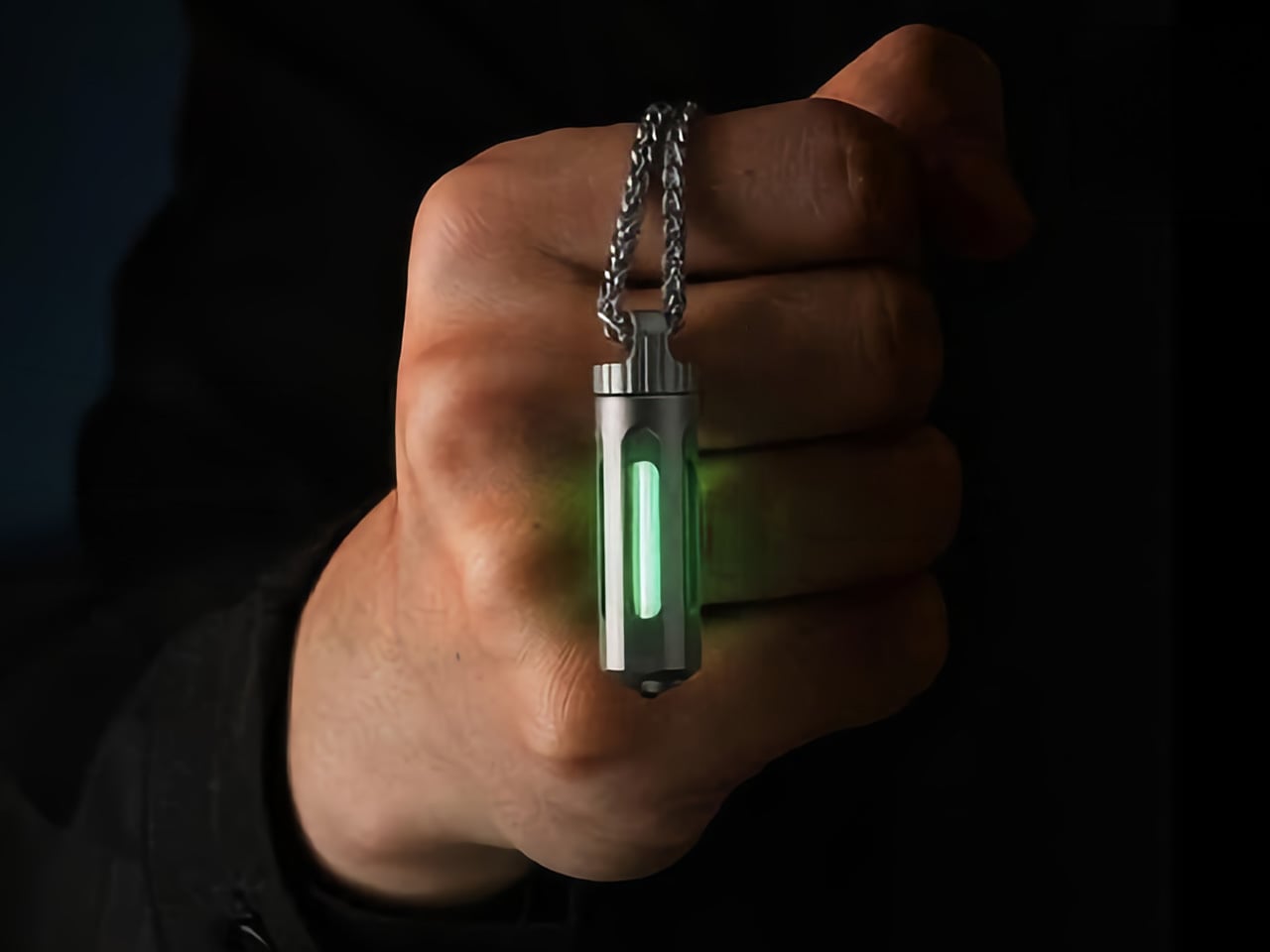
6. NoxTi Tritium Keychain

A 45mm CNC-machined Grade 5 titanium cylinder weighing 10.7 grams. The NoxTi carries a tritium vial inside a precision quartz tube with 92% light transmission and glows continuously for 25 years through pure radioactive decay. No switch. No battery. No charging. Tritium is a hydrogen isotope whose beta particle decay strikes a phosphor coating and produces light as a straightforward byproduct of existing. The process requires nothing from you and stops for nothing around you.

At a campsite, the NoxTi earns its keep in the dark. It marks your keys at the bottom of a bag, identifies your tent entrance without hunting for a torch, and stays visible at the bedside through a full night without being asked to. The ceramic-tipped glass breaker at the tail end adds genuine emergency utility. The titanium body is fully serviceable — when the vial dims after two decades, you press the old tube out and slide a new one in. Six glow colors are available, including Apple Green for maximum visibility and Red for night-vision preservation.

What we like

  • 25-year continuous glow powered entirely by physics with no battery, no charging, and no failure point
  • Fully user-serviceable titanium body becomes a platform you keep and swap cores into indefinitely

What we dislike

  • Glow output is intentionally faint — it marks and locates but does not illuminate
  • The tritium light source requires some buyer education before the value proposition fully lands

7. 8-in-1 EDC Scissors

Eight functions in a scissors form that actually makes sense. The 8-in-1 EDC Scissors consolidate camp tools that typically spread across multiple pouches — cutting, wire stripping, can opening, bottle opening, and more — into one compact unit that clears airport security and sits naturally in any carry configuration. The design avoids the bulk penalty that multi-tools typically impose by keeping the scissors form as the organizing principle, with everything else radiating from a familiar object rather than a complex folding mechanism.

The camp use case is straightforward: fewer items in the kit bag, one tool that covers the practical range for a full day at a site. The EDC angle matters here too. These leave the campsite and go into a jacket pocket, daypack, or carry-on without demanding special consideration or a conversation at security. For minimalist packers, replacing scissors, a knife, a bottle opener, and a wire stripper with one object that weighs almost nothing is the kind of design math that earns permanent shelf space well past the camping season.

Click Here to Buy Now: $59.00

What we like

  • Eight functions in a scissors form that passes airport security without issue
  • Small enough for jacket pocket carry well beyond the campsite context

What we dislike

  • The scissors mechanism is not a substitute for a dedicated camp or survival knife
  • Individual tool sizes are necessarily smaller than their standalone counterparts

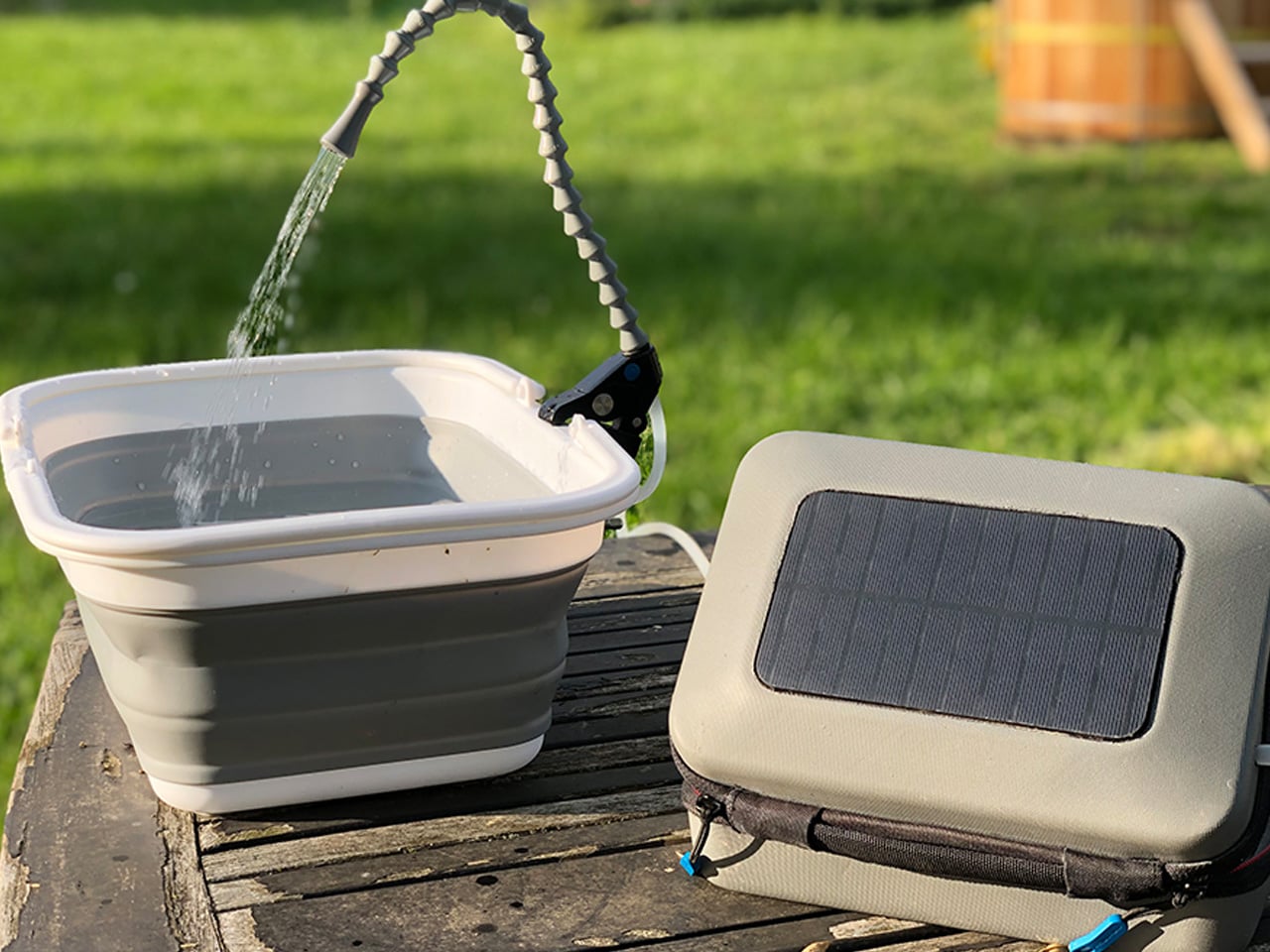
8. GoSun Flow

Water is camping’s most basic constraint, and the GoSun Flow addresses it at the source. The solar-powered purifier eliminates 99.99% of waterborne pathogens while pumping one liter of clean water per minute from virtually any freshwater source. The system compresses into a backpack, and the flexible faucet clamps to branches, tables, or tailgates, turning any access point into a functional sink. It’s the difference between rationing bottled water and treating the nearest stream as infrastructure worth designing around.

The GoSun Flow doubles as a portable handwashing station and solar-heated shower. The vacuum-insulated solar heater delivers a warm five-minute shower after 30 minutes of sun exposure, which reframes what clean means on a multi-day trip. It runs on USB power when solar isn’t available, and the filter handles up to 1,000 liters before replacement. For anyone who has ever compromised on hygiene to protect pack weight, this removes that trade-off without replacing it with a heavier one.

What we like

  • Purifies 99.99% of pathogens and delivers a solar-heated shower from a single portable system
  • 1,000-litre filter life with USB power backup when solar isn’t available

What we dislike

  • Cannot process saltwater, which limits utility at coastal campsites
  • Multiple components increase the number of parts to manage and potentially misplace in the field

The Gear Caught Up. Now the Excuses Haven’t.

Camping used to ask a simple question: how much discomfort are you willing to trade for time outside? The gear on this list makes that question harder to answer. Not because the outdoors have gone soft, but because the design has finally caught up to what the experience actually demands. A hammock that keeps your spine aligned. A stove that packs flatter than a magazine. A keychain that glows for a quarter century without a single battery.

The consistent thread across all eight is that none require specialist knowledge, a lengthy setup window, or conditions that only exist on a perfect summer evening. Each removes a specific friction point that camping used to accept as part of the deal. Pack these, and the question embedded in this headline becomes something you’ll need a quiet moment actually to think through.

The post 8 Camping Gadgets So Beautifully Designed, You’ll Wonder Why Every Campsite Doesn’t Come With Them first appeared on Yanko Design.
8 Best Remote Work Essentials in 2026 That Make Your Home Office Actually Worth Showing on Camera

The home office had its reckoning. Somewhere between the fourth video call of the morning and the moment you noticed your own face in the corner of the screen, the question changed from “does this setup work?” to “does this setup say anything?” The best remote workspaces in 2026 are no longer just functional. They are intentional, and the difference between the two is visible in about three seconds on any video call.

These eight picks cover the full range of what a considered desk can look like, from a laptop concept that reimagines what hardware transparency means, to a clipboard that earns its place among all the screens. Not everything here ships today. One is a concept that belongs at the top of any honest list of what remote work could become. The rest are real, mostly purchasable now, and each chosen because it earns its space on a desk that has to work for eight hours straight.

1. Nothing Book Laptop

The most compelling thing about the Nothing Book is that it exists as a concept and still makes every laptop you can currently buy feel slightly apologetic. Designer Nikita Bukoros builds on Nothing’s see-through aesthetic but takes it somewhere the brand never has: a performance laptop that treats the inner architecture as the surface detail. The cooling system, board layout, and internal geometry are not hidden but composed, layered in a way that Bukoros calls an industrial art piece, and the label feels accurate rather than generous.

The defining feature is the secondary screen on the lid, a slender external display that lets you surface messages, symbols, or status in Nothing’s own typeface. It is not a gimmick. It is the first design decision on this laptop that makes you rethink what the lid is actually for. The charging dock completes the idea, displaying an animation on the secondary screen when the machine is docked. Whether Nothing ever builds this is a separate conversation. What matters is that someone designed it, and it looks better than what is currently shipping.

What we like:

  • The secondary lid screen reframes what a laptop exterior can actually communicate
  • Available in four colorways including hot red and magnetic teal

What we dislike:

  • A concept with no confirmed release date or pricing
  • The see-through aesthetic may not read as professional in every work environment

2. OBSBOT Tiny 2 AI Webcam

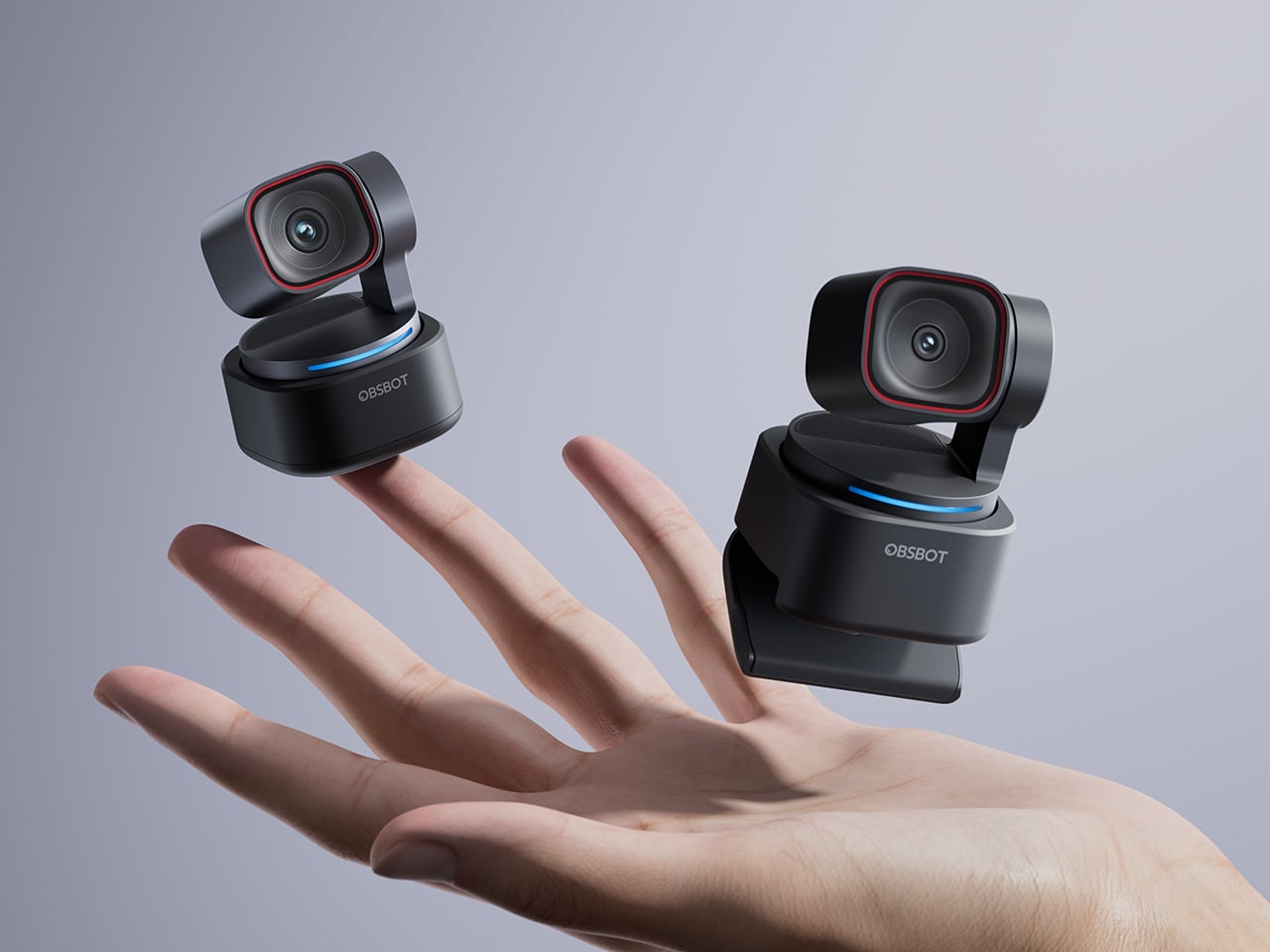
The OBSBOT Tiny 2 is the product that makes everything else on this list matter. A camera with a 1/1.5-inch CMOS sensor in a desk-mounted form factor is not a common thing, and the size of that sensor is the reason the Tiny 2 produces images with the kind of natural depth and tonal accuracy that built-in laptop cameras can only approximate. At its Prime Day price, it is the most significant single upgrade available for any remote work setup right now.

What separates it from other webcams at this price is the AI tracking system. The camera follows you as you move, zooms with gesture controls, and can be operated entirely hands-free through voice commands. OBSBOT calls this Autonomous Imaging, and it earns the name. For anyone presenting, teaching, or spending several hours a day on video calls, the difference between a camera that frames you correctly and one that does is not cosmetic. It is the difference between looking prepared and looking like you have not thought about it.

Click Here to Buy.

What we like:

  • 1/1.5-inch sensor delivers genuinely cinematic depth of field for a webcam
  • AI tracking and gesture controls work hands-free without additional software

What we dislike:

  • The full feature set takes some time to configure properly out of the box
  • Requires a good lighting setup to get the most out of the large sensor

3. Lofree Block Pro Mechanical Keyboard

There is a version of the mechanical keyboard built entirely around sound and feel, and then there is the Lofree Block Pro, which is built around the understanding that a desk is something you look at for eight hours, and it should be worth looking at. The keyboard is the most visible object in any setup. Lofree has been making the argument for years that a keyboard does not need to be sober to be serious, and the Block Pro makes that case more convincingly than anything the brand has released before it.

The inspiration drawn from lipstick is not a marketing note. It is a design decision that shows up in the finish, the profile of the keycaps, and the choice of materials in a way that makes the keyboard feel like it was conceived by someone who thought carefully about what the object communicates before anyone types a word. It sits on a desk and says something before it does anything. That is rarer than it should be in peripheral hardware, and it earns slot three on a list that opened with a concept laptop designed on the same premise.

What we like:

  • One of the most visually distinctive mechanical keyboards available in 2026
  • Lofree sells direct, so there is no crowdfunding wait involved

What we dislike:

  • The aesthetic-forward design may not appeal to users who prioritize acoustic dampening above everything else
  • Colorway availability can be limited depending on stock timing

4. Bean Lamp

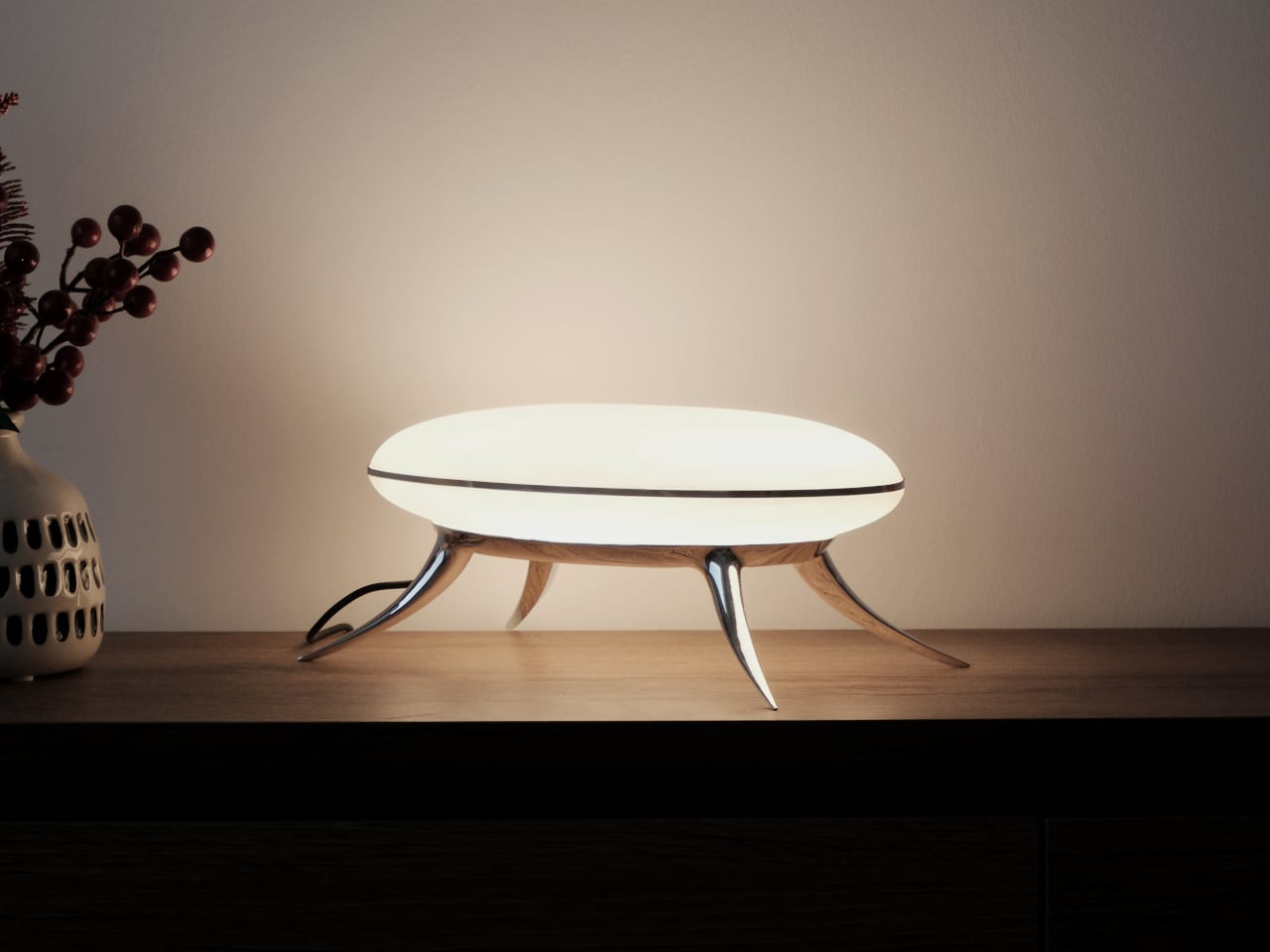
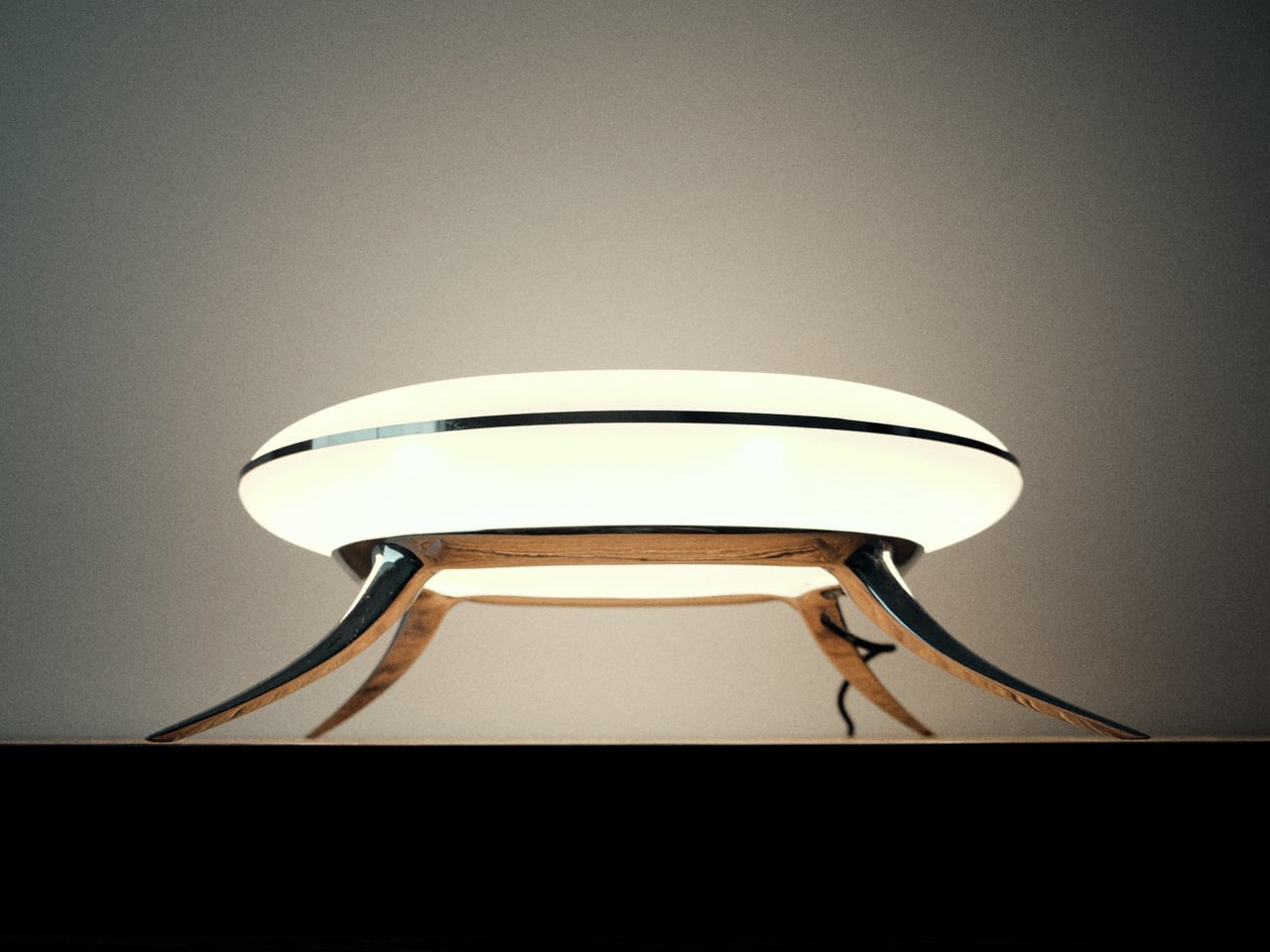
The Bean Lamp was designed in Brooklyn and released in 2026 as a limited edition. It has four articulated legs and functions, in its own description, as a light source and a quietly unsettling presence on the desk. That framing is not a problem. It is the point. The remote work desk accumulates screens and cables and productivity tools until everything on it is optimized and nothing on it is interesting. The Bean Lamp is interesting, and it earns that through its form rather than any feature set.

Placing a lamp in slot four is deliberate. Lighting is the most underdiscussed upgrade in any home office and the one with the most immediate visual return, both in the room itself and in how you appear on a call. The Bean Lamp is not the brightest option or the most technically advanced. It is the one that makes the desk feel like it was arranged with intention, which is what this entire list is building toward. Limited edition means its availability window is narrow, and that is the only deadline on this page genuinely worth paying attention to.

What we like:

  • Four-legged form sits in a category entirely its own within desk lighting
  • Limited edition production makes it a genuinely collectable object

What we dislike:

  • Limited stock means it may be unavailable by the time you look for it
  • Form is prioritized strongly enough that adjustability takes a back seat

5. Rolling World Clock

The rolling world clock resolves a problem that no app has solved well. Time zone arithmetic done in your head at the start of a call, or the three-second check of a world clock widget before sending a message to someone on a different continent, is a small friction that accumulates across a remote workday. A physical clock that surfaces that information without requiring a screen does not eliminate the problem, but it changes the quality of the interaction with it. You glance instead of switching tabs.

It is also the most analog object on a desk full of technology, and that contrast does real work in the room. The rolling mechanism and the considered design of the face are the reason it earns slot five rather than an app recommendation. It looks like it belongs next to the Bean Lamp and beneath the concept of the Nothing Book. The design has been through editorial curation before reaching this list, and that is a form of provenance worth acknowledging.

Click Here to Buy Now: $49.00

What we like:

  • Physical world time display removes the need to leave a screen mid-thought
  • Design language sits naturally alongside other considered desk objects

What we dislike:

  • Physical clocks require manual adjustment for daylight saving changes
  • Works best for users tracking two or three time zones rather than a full global roster

6. Noble Osprey Earbuds

Noble Audio comes from the audiophile end of the earphone market rather than the consumer electronics end, and the Osprey is its attempt to bring that lineage into the daily carry price range. It positions itself directly against the Sony WH-1000XM6 and makes a credible case. The Osprey debuted at High End Vienna 2026 and begins shipping at the end of June, which makes it the most time-sensitive pick on the list.

For remote work specifically, the audio quality of what you listen to across eight hours matters in a way that is easy to underestimate. The difference between earbuds that are technically fine and earbuds that are genuinely good is not primarily about music. It is about fatigue. A call at the end of a long day sounds different through something built to reproduce sound accurately rather than simply transmit it. The Noble Osprey makes that argument at a price that is harder to dismiss than it used to be, and against a competitor charging significantly more for the privilege.

What we like:

  • Debuted at High End Vienna 2026, placing it firmly in audiophile rather than consumer territory
  • Undercuts the Sony XM6 meaningfully while matching it in credibility

What we dislike:

  • Noble Audio has less mainstream retail presence than Sony or Apple
  • Shipping timeline makes it an immediate purchase or a wait, depending on when you read this

7. Logitech Mobi Fold Mouse

The Logitech Mobi Fold folds flat to the size of a wallet. That sentence covers most of what needs to be said about it for the remote worker who moves between a home desk, a café table, and a meeting room in a single day. Logitech’s own hands-on noted that unfolding it one-handed is cleaner than expected and that the mouse settles into its ergonomic angle with a firmness that feels researched rather than approximated. That detail matters more than it appears. A peripheral that requires two hands and a beat of fiddling to deploy is a peripheral that stays in the bag.

It occupies a price point where the tradeoff between portability and comfort is usually uncomfortable. The Mobi Fold avoids that by treating the folding mechanism not as a compromise but as the primary design problem to solve. The result is a mouse that works at a desk and works equally well away from one, which is an accurate description of how most remote workers actually spend their time in 2026. The form factor is the feature, and it is a well-executed one.

What we like:

  • Card-thin profile fits in a jacket pocket or laptop sleeve without adding bulk
  • Ergonomic angle on deployment feels solid rather than provisional

What we dislike:

  • The folding mechanism adds mechanical complexity that a standard mouse does not carry
  • Works best as a travel companion rather than a primary desktop mouse

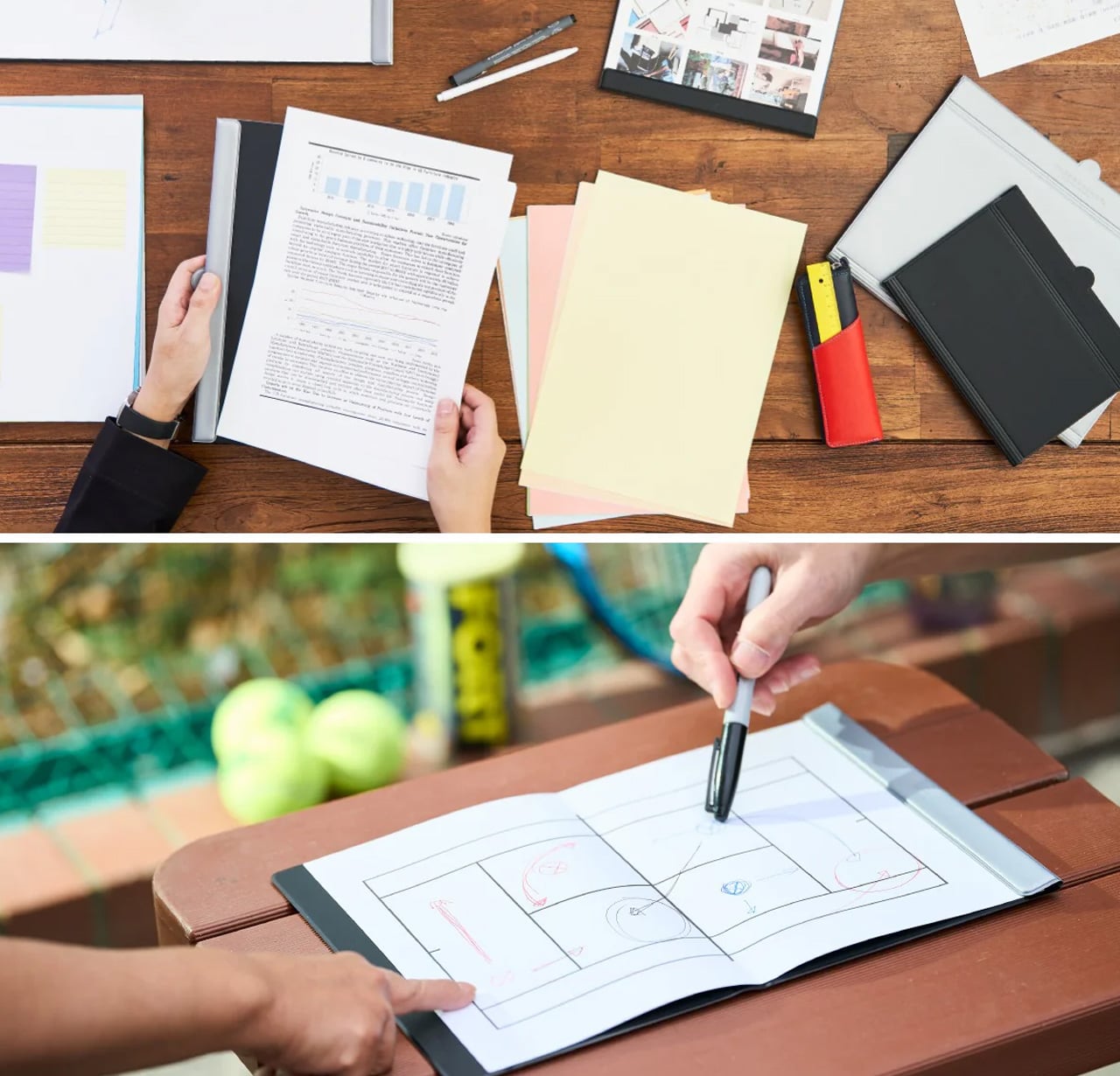
8. Magboard Clipboard

The Magboard closes the list because it answers the question every other product on it leaves open. A desk built around screens, cameras, and AI tracking is a desk that has optimized entirely for output and left nothing for the moment before output, when a thought is still a thought and not yet a task. The Magboard is a magnetic clipboard. It holds paper. It does this with enough design intentionality that it belongs next to everything above it, and that is not a low bar to clear.

Physical note-taking has not disappeared from the remote work day. It has become invisible in setups that treat analog tools as an afterthought. Giving the clipboard a dedicated surface on the desk, one that clips, holds, and stays put through magnetic precision, is a small act of organizational clarity that shows up in how the rest of the desk functions.

Click Here to Buy Now: $45.00

What we like:

  • Magnetic mechanism adds a tactile precision that a standard clipboard never has
  • Grounds a screen-heavy setup with a deliberate and well-designed analog presence

What we dislike:

  • Purpose is specific enough that it won’t resonate with users who have moved fully to digital note-taking
  • Works best as part of a considered setup rather than as a standalone purchase

The Desk Is The Message

The remote work desk in 2026 is past the point where functional is enough. Every product on this list, from the concept laptop that opened it to the clipboard that closed it, was chosen because it treats the desk as a designed space rather than an accumulated one. That distinction is what separates a setup that works from a setup that communicates something before a single word is spoken on a call.

Not everything here is available today, and one of the best things on the list may never be. That is an honest reflection of where design is in 2026: the most interesting ideas are still a step ahead of the shelf. What you can buy right now is already better than what most home offices are running. The OBSBOT, the Lofree, the Noble Osprey, and the Logitech Mobi Fold are genuinely good objects that earn their place on a desk that has stopped settling for whatever was closest.

The post 8 Best Remote Work Essentials in 2026 That Make Your Home Office Actually Worth Showing on Camera first appeared on Yanko Design.
7 Best Summer Outdoor Gadgets With Design Good Enough to Keep Forever

Most outdoor gear is designed around a single occasion. A holiday weekend, a camping trip already planned, a backyard cookout that needs a solution by Saturday. The problem with occasion-specific buying is that the occasion ends. These seven were chosen around a different question: would you still want this in ten years? The answer comes down to design, and how the thinking behind each object holds up once the context that sold it is gone.

Each product here solves a real outdoor problem without the aesthetic compromise that tends to come with the territory. A grill that consolidates without cutting corners. An umbrella that actively cools the space beneath it. A hammock tent that finally delivers a flat night’s sleep. A coffee grinder built from aircraft-grade aluminum. These are the outdoor objects worth owning for more than one summer.

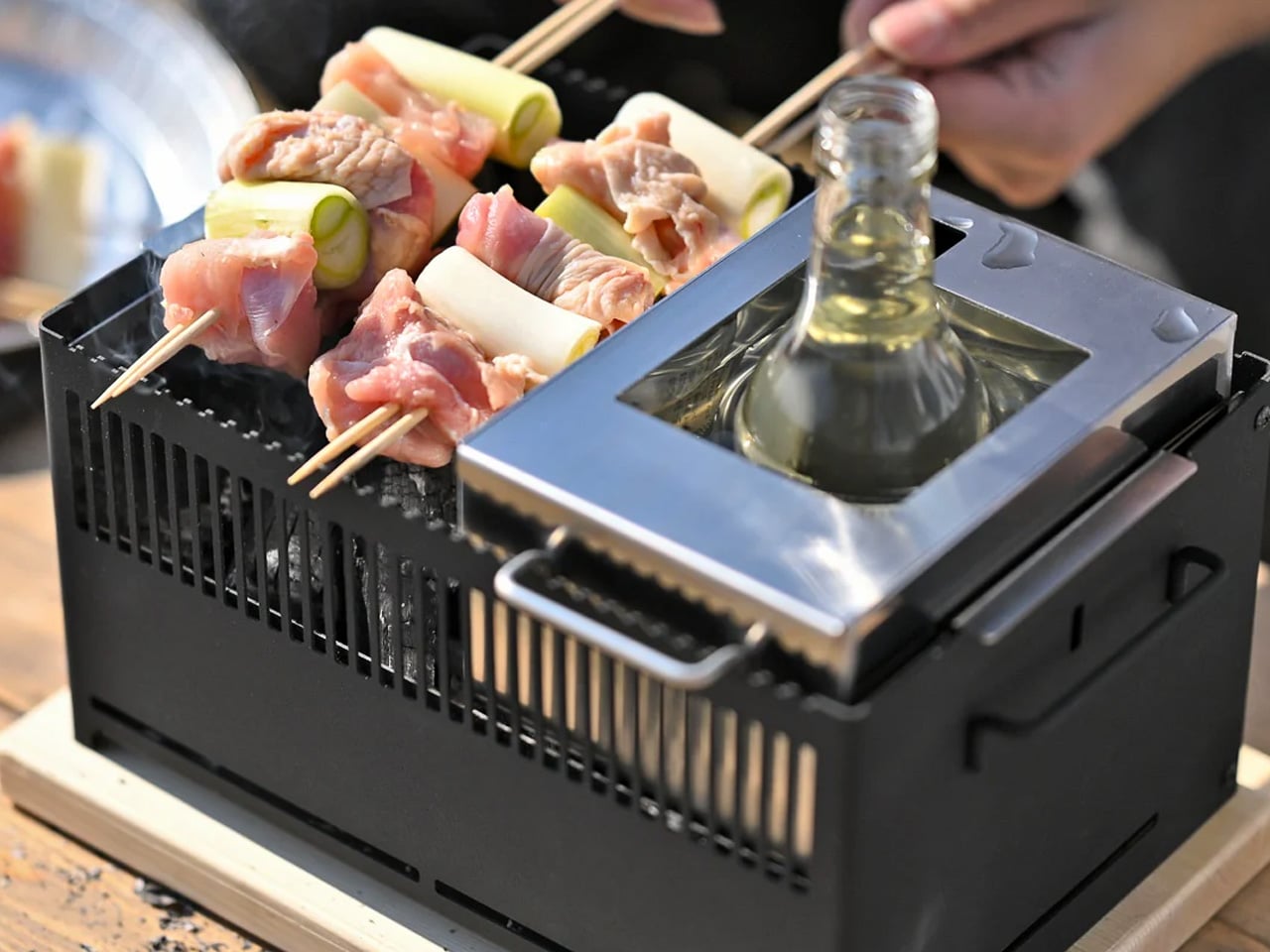
1. All-in-One Grill

The all-in-one grill starts from a premise that most outdoor cooking equipment ignores: the setup shouldn’t take longer than the meal. Most grills demand a chain of decisions before the first flame is lit. This one consolidates the core functions into a single, considered form that earns its place on a patio, a campsite, or a tailgate without the negotiation. The design makes the case that outdoor cooking gear doesn’t need to be complicated to be capable.

What separates a grill worth keeping from one that lasts two summers before being replaced is whether the design holds up to sustained use. The all-in-one doesn’t compromise build quality for compactness. It treats portability as an engineering problem rather than a marketing claim, arriving at something you’d genuinely reach for on a July afternoon without second-guessing whether you packed the right accessories. That clarity of purpose is what makes it the natural anchor for this list.

Click Here to Buy Now: $449.00

What we like

  • Consolidates multiple cooking functions without creating the usual trade-offs in durability or output
  • Earns its storage space year-round because it works equally well on the patio as it does at the campsite

What we dislike

  • An all-in-one format means any single component issue affects the whole unit rather than an isolated replaceable part
  • The broad compatibility ambition makes it slightly harder to optimize for one specific cooking method

2. Alizé Umbrella with Built-in Fans

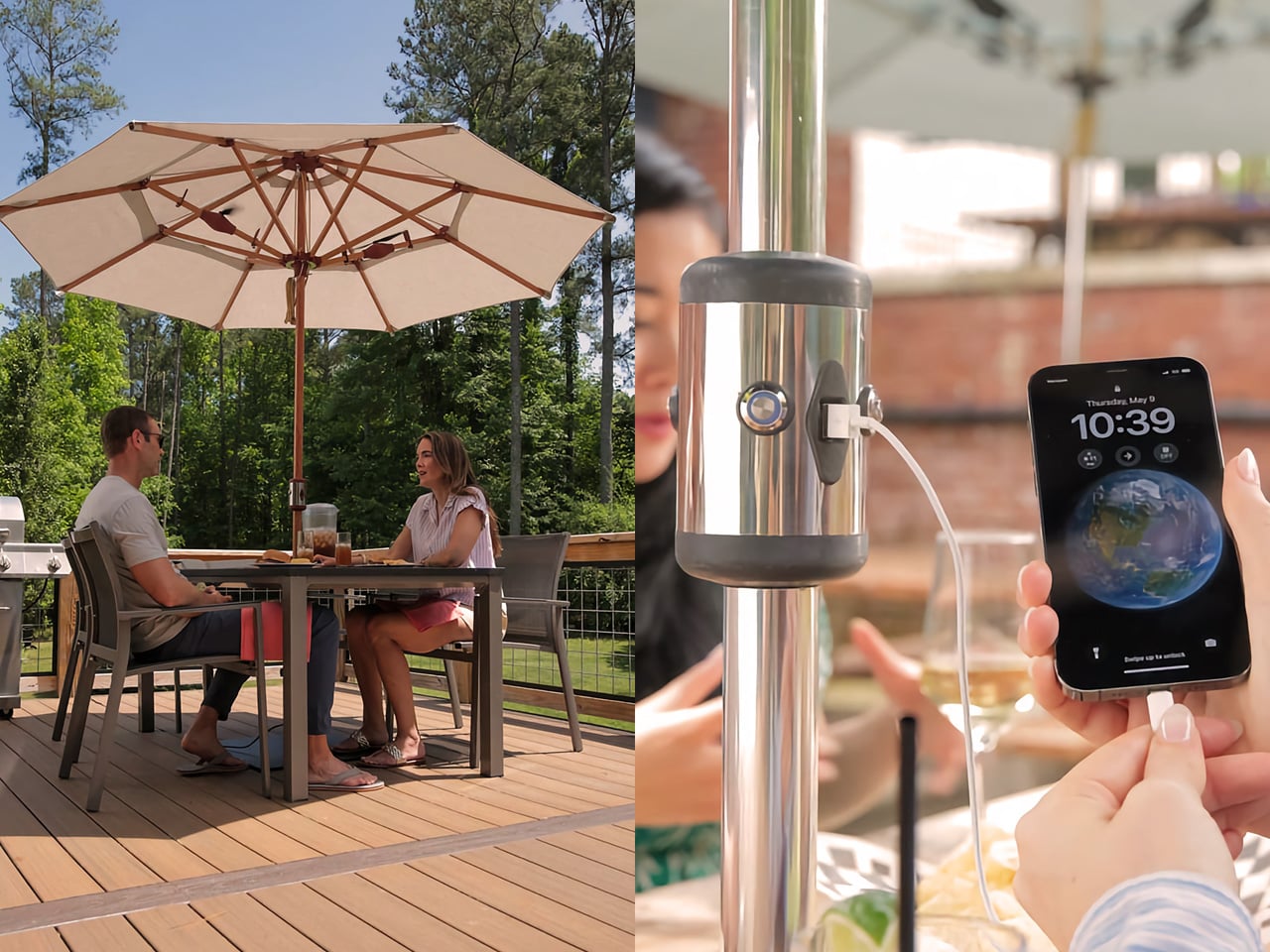
Designed by Tony Lee and Ryan Dickerson, the Alizé starts as a patio umbrella and immediately goes further. Integrated into its aluminum frame are four brushless DC fans with blades capable of spinning at up to 2,200 RPM. Each fan is individually controlled, meaning the person sitting directly beneath it adjusts their own airflow without negotiating a shared setting with everyone else under the canopy. The control panel on the main stem provides three speed settings and USB-A ports for charging devices mid-afternoon.

The engineering detail that earns its place on this list is the electro-mechanical locking system that aligns the blades with the frame automatically on closing, removing the need to manually position anything before folding. Safety logic prevents the fans from operating when the umbrella is closed and cuts them automatically if the canopy is accidentally folded mid-use. The Sunbrella fabric canopy handles UV protection while the marine-grade aluminum frame takes on wind and rain. It comes in a two-fan and four-fan configuration depending on how many people are sitting beneath it.

What we like

  • Individual fan control per seat solves the airflow disagreement that every shared outdoor space eventually produces
  • Built-in safety logic removes the mechanical anxiety that usually comes with integrating spinning parts into a shade structure

What we dislike

  • Requires a direct power connection, which rules out use in locations without an accessible outlet nearby
  • Fixed installation means relocating it between spaces is a deliberate process rather than a spontaneous adjustment

3. Yuuye Portable Air Conditioner

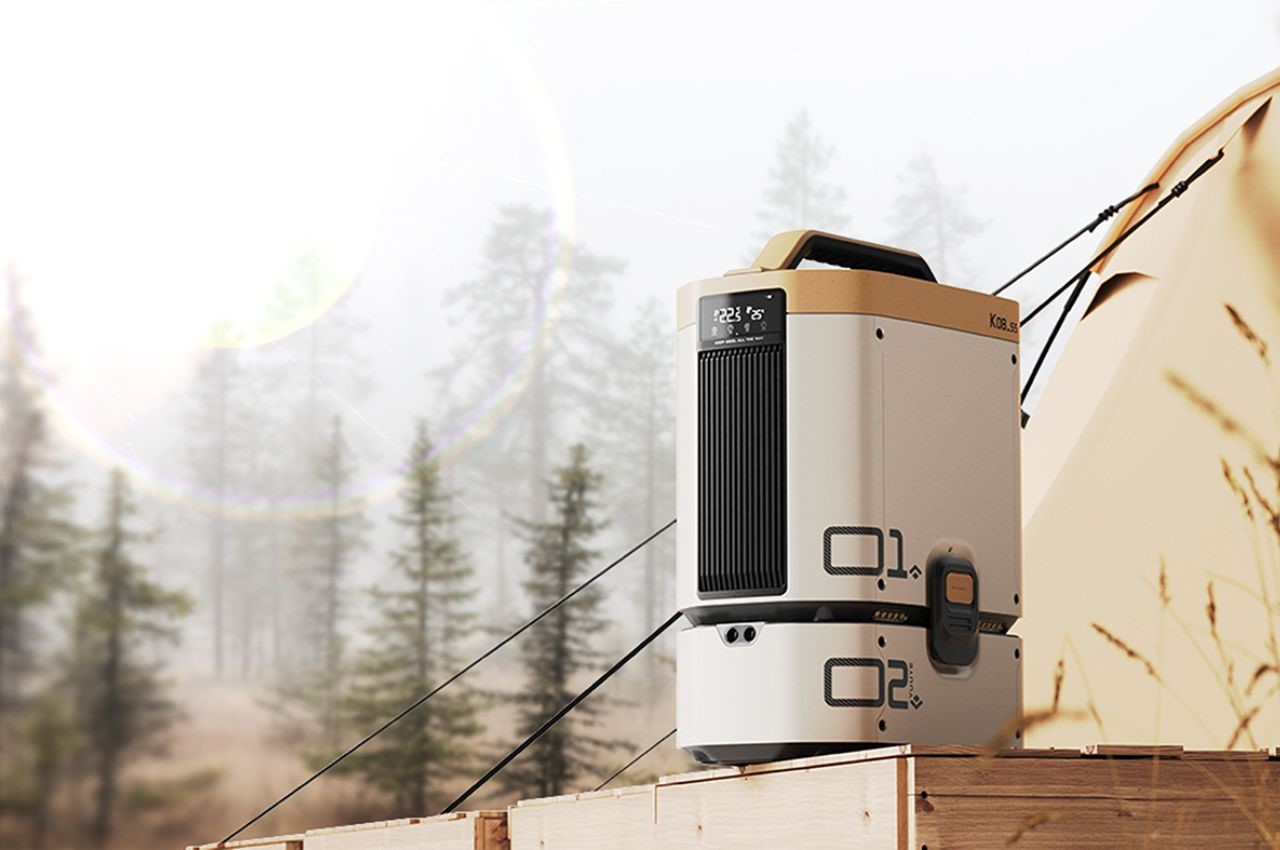
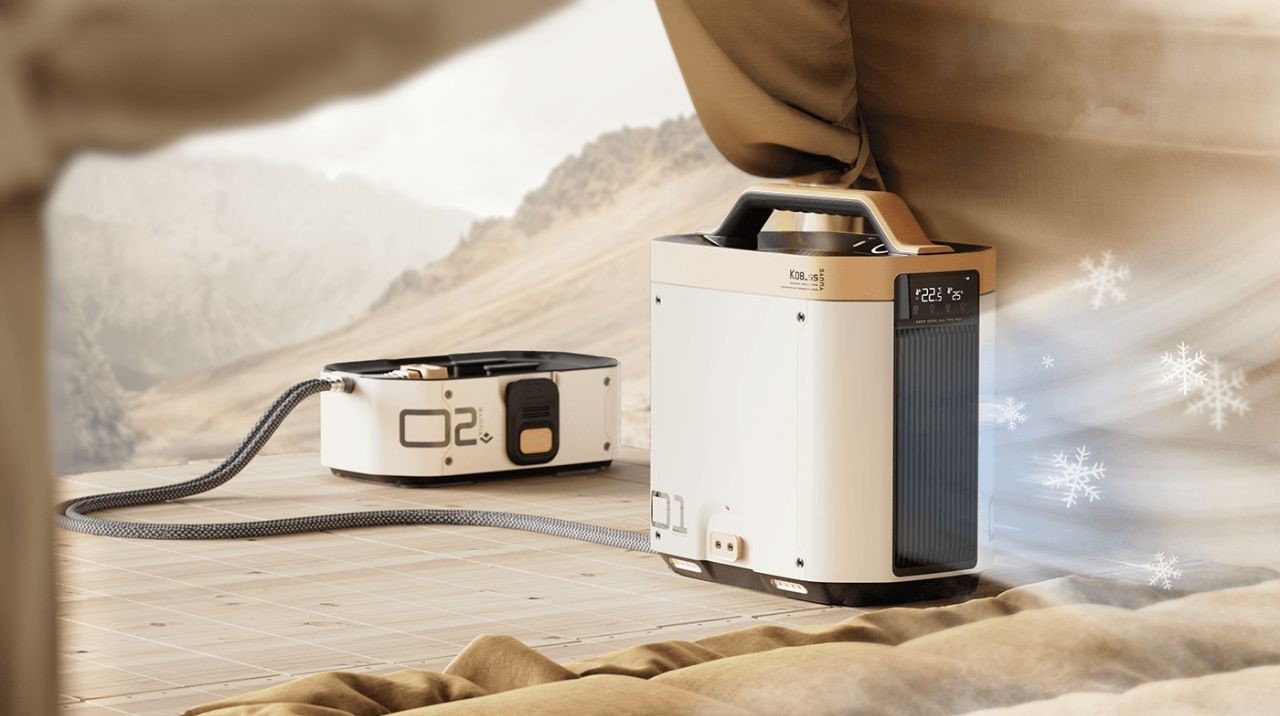
Where the Alizé cools a shared space from above, the Yuuye Portable Air Conditioner works at a different scale. Designed by HAORAN and Yifeeling Design, it separates the refrigeration module from the exhaust module, drawing in ambient heat through one side and pushing cool air through a large outlet on the other. The modular split means you can detach the upper and lower sections with a single release-and-lift motion, repositioning between the tent, the patio, and the car without the effort that traditional units demand.

The design directly addresses the problem that conventional portable air conditioners create outdoors: the thick exhaust pipe that leaves gaps in a tent opening, letting mosquitoes in. The Yuuye solves this with an independent exhaust block that seals properly. An LCD panel keeps cooling settings visible at a glance, and the oversized air outlet distributes airflow across a space rather than forcing it through a single narrow stream. For anyone who has spent a July night in a tent wishing they had brought something other than acceptance, this is the product that changes the calculation.

What we like

  • Modular design makes relocating between outdoor settings genuinely fast, without the production most portable units require
  • The independent exhaust block solves the mosquito gap problem that undermines conventional outdoor air conditioning setups entirely

What we dislike

  • Battery life is unspecified in the current design documentation, which makes multi-day trip planning around it difficult
  • Best suited to contained spaces like tents and small patios, rather than open areas where the cooled air dissipates quickly

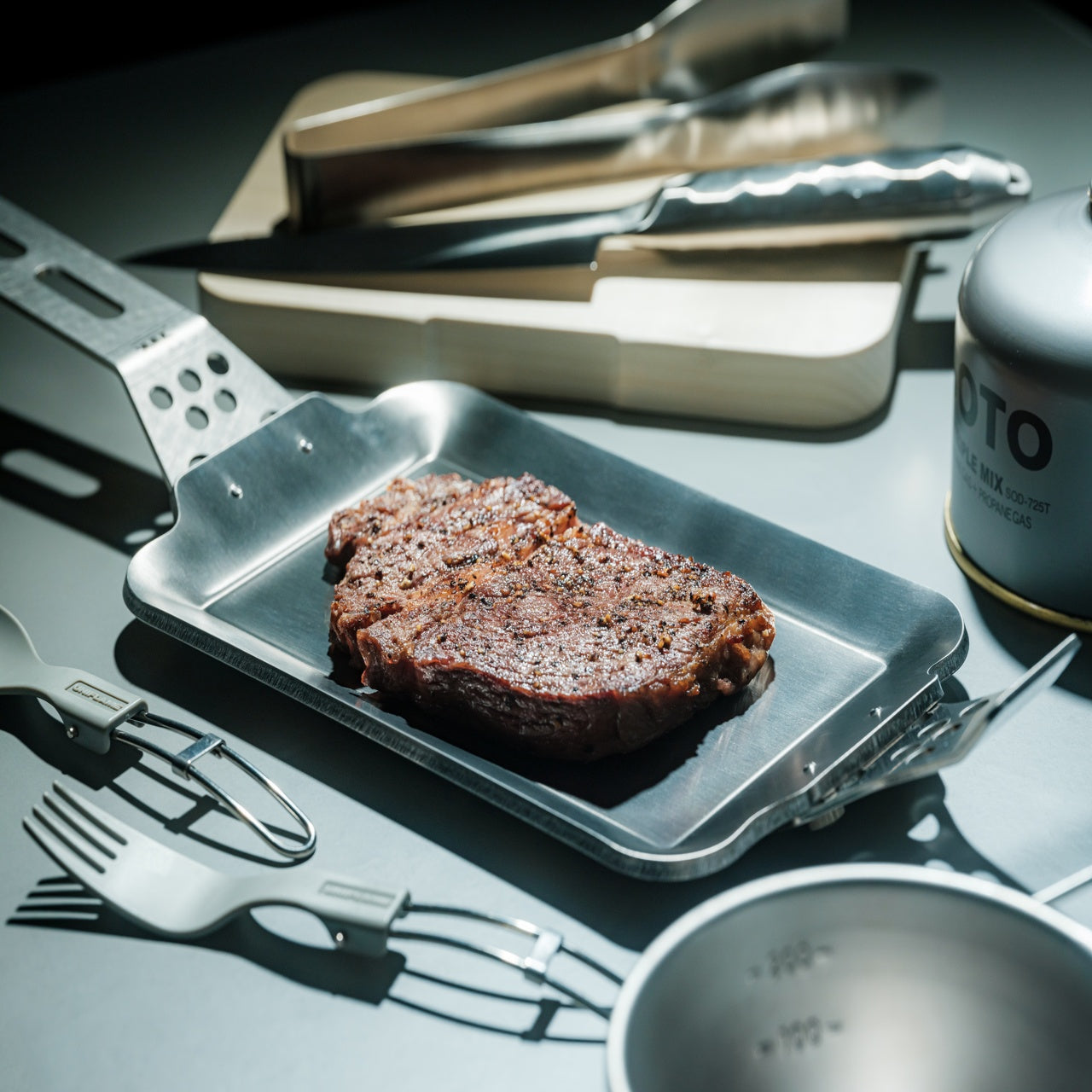
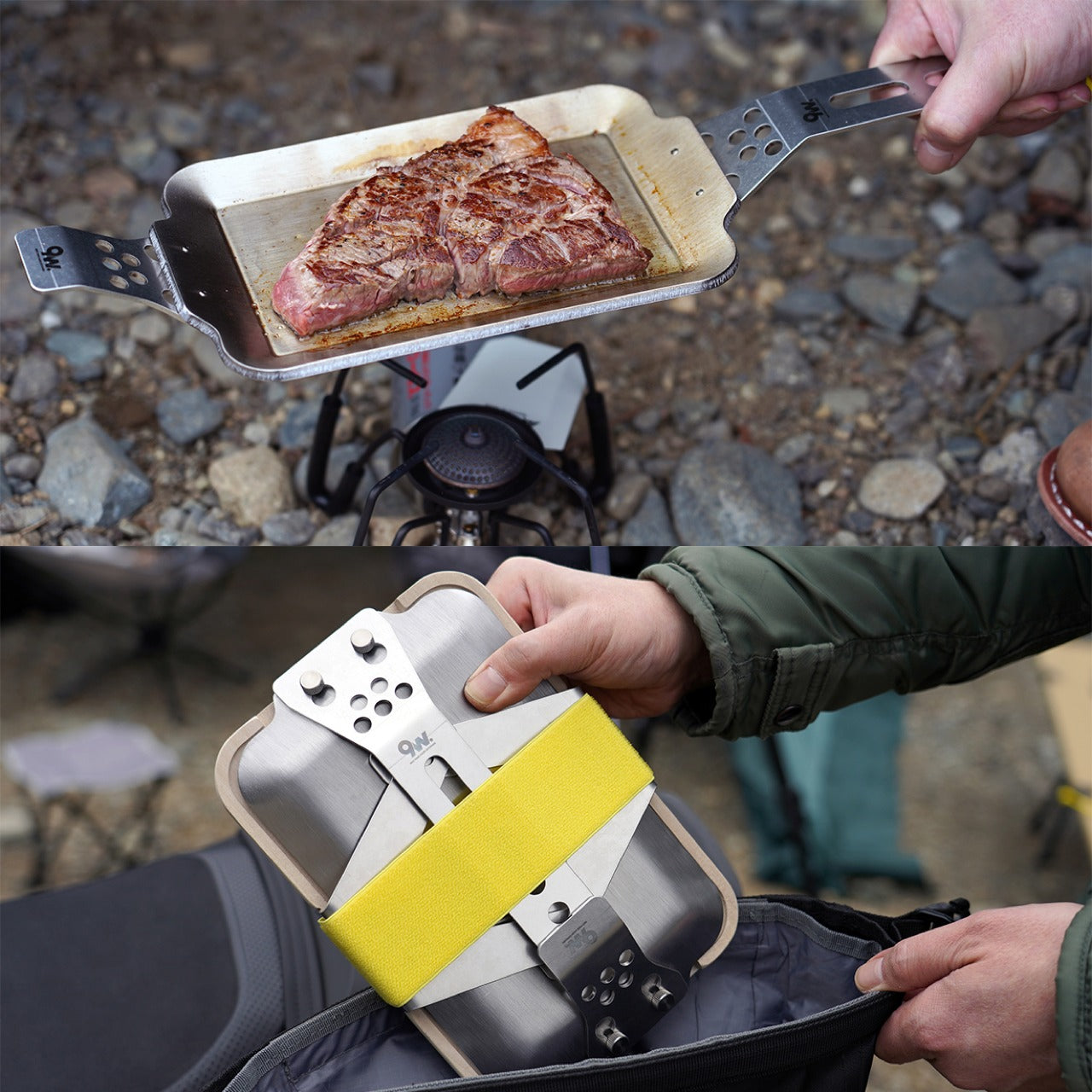
4. Compact Modular Grill Plate

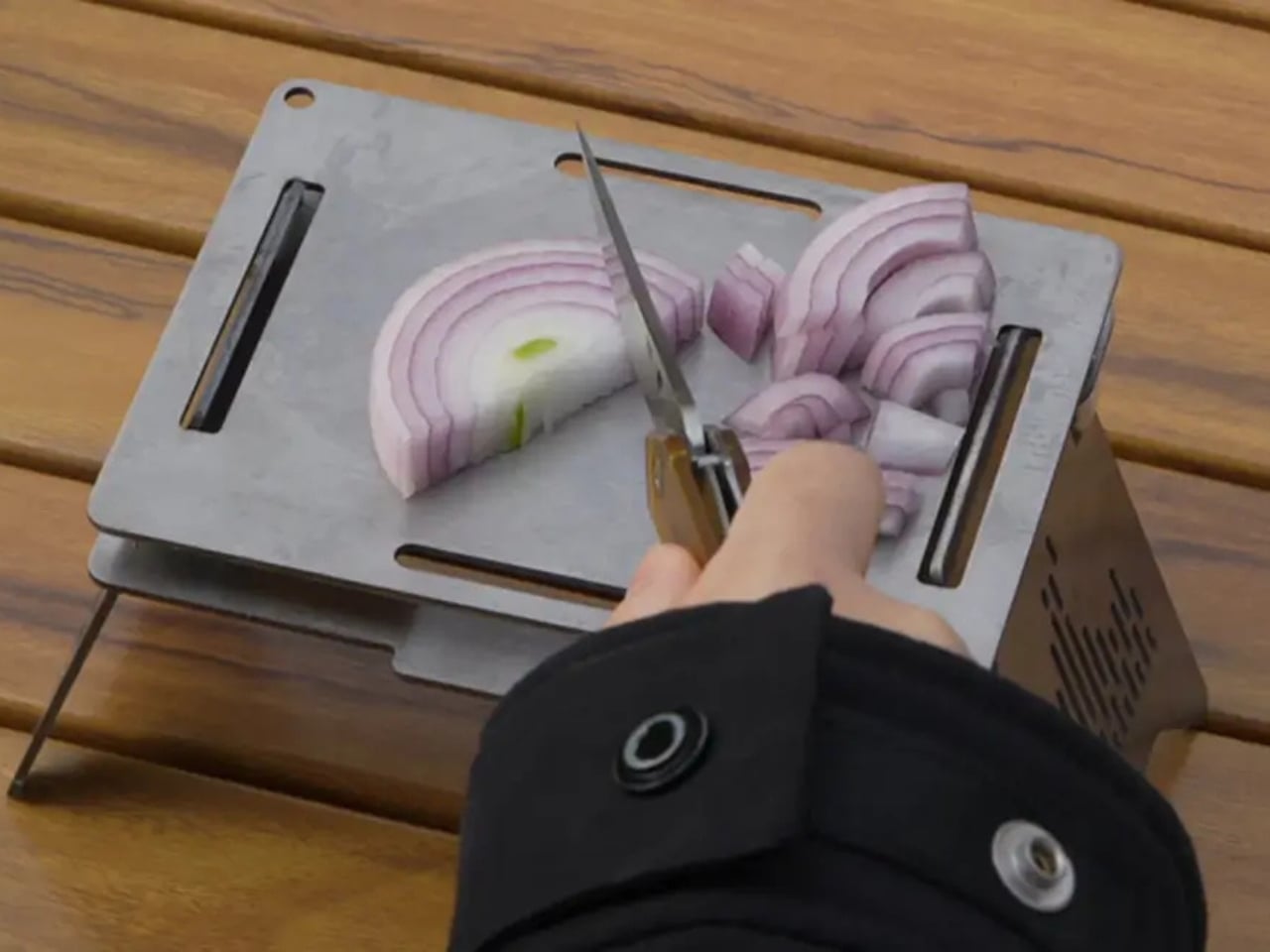
The compact modular grill plate approaches outdoor cooking from a different direction than the first entry. Where the all-in-one consolidates, this one gives you a focused flat cooking surface that adapts to different heat sources and setups without requiring a committed configuration before leaving the house. It’s a cooking tool that respects the fact that outdoor conditions change, and a well-designed cooking surface should be able to change alongside them without forcing a workaround.

The portability argument here is about density rather than footprint. A compact grill plate doesn’t occupy meaningful space in a pack or a boot, which means it comes on trips that a full grill never would. It earns its place precisely because it doesn’t demand to be the centerpiece of the cooking setup. It works alongside other tools, slots into the corner of a cooler bag, and appears when the flat surface it provides is exactly what the moment needs. That quieter kind of utility tends to last.

Click Here to Buy Now: $100.00

What we like

  • Compact form means it travels on trips where a full grill setup wouldn’t be practical or worth the weight
  • Modular construction lets it adapt to different heat sources without locking the user into a fixed approach

What we dislike

  • A dedicated flat surface has a narrower cooking range than an all-in-one grill, which limits preparation variety when used alone
  • Compact dimensions mean surface area is the inevitable trade-off, which matters when cooking for more than two people

5. Haven Spectre Ultralight Hammock Tent

Haven Tents spent five years solving the banana effect before arriving at the Spectre. The patented lay-flat system creates a genuinely horizontal sleeping surface, allowing back, side, or stomach sleeping rather than folding into the curved position that traditional hammocks enforce. Construction uses Dyneema fabric and MONOLITE mesh, materials chosen for their strength-to-weight ratio rather than their price point. The result weighs under two kilograms and packs to 15 by 6 by 6 inches, compact enough to ride on the outside of a pack.

For backpackers who abandoned hammock camping after a single uncomfortable night, the Spectre is the iteration worth revisiting. When suitable trees aren’t available, a bivy mode uses trekking poles as the anchor system, opening up alpine and desert terrain. Translucent mesh netting keeps insects out while maintaining a full view of the surroundings. A detachable rainfly handles weather and doubles as a privacy mode. Internal mesh pockets, a gear sling, and a ridgeline handle storage, so nothing has to leave the shelter after dark to be found.

What we like

  • The patented lay-flat design solves the comfort problem that has made hammock camping a one-trip experiment for many backpackers
  • Under two kilograms for a complete shelter system with weather protection, bug netting, and storage is a genuinely difficult weight to achieve

What we dislike

  • Setup depends on finding trees at the right spacing and height, which limits viable campsites in open terrain without the trekking pole bivy mode
  • The premium price reflects the materials quality honestly, but makes it a harder case for occasional campers who won’t put it to regular use

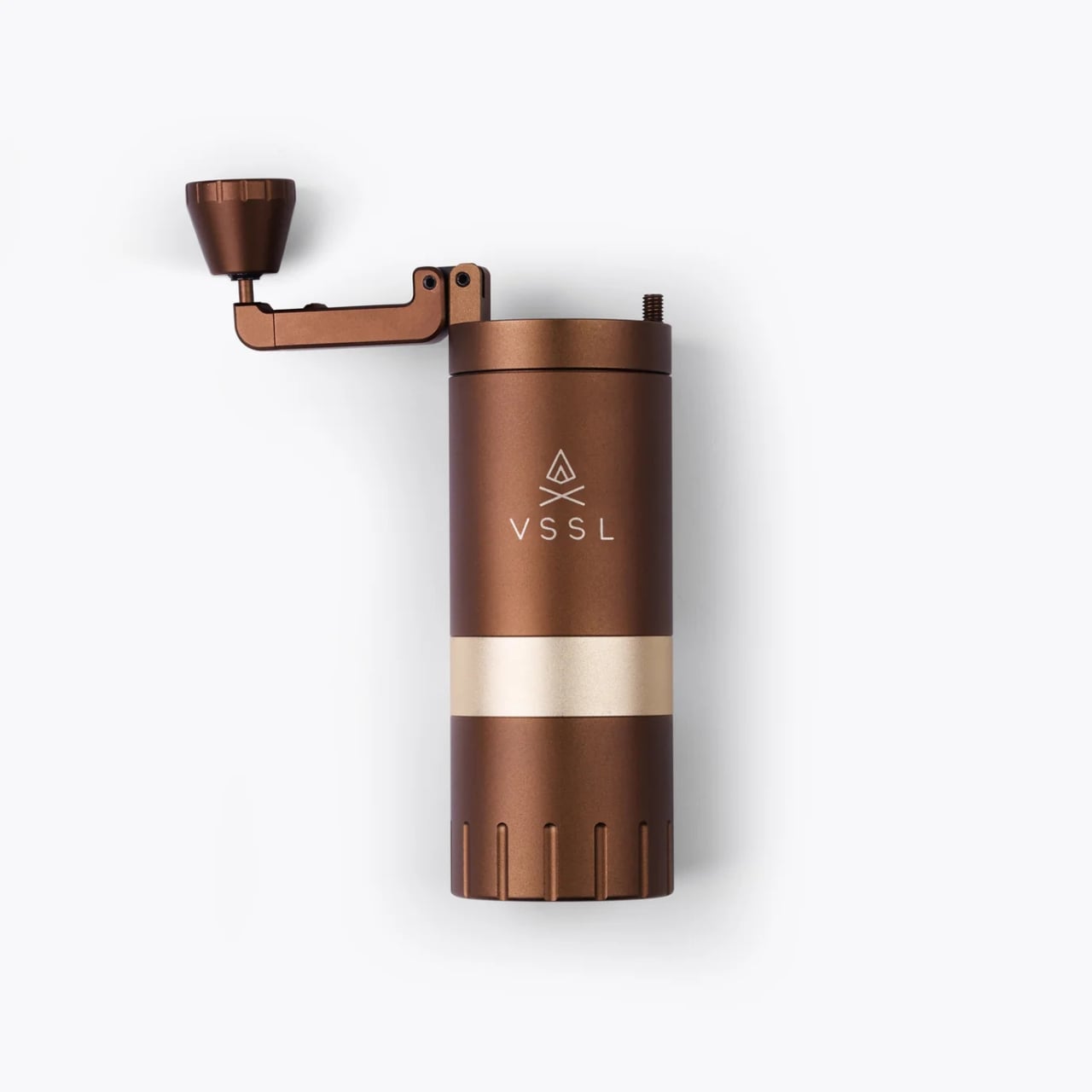
6. VSSL Java G25 EDC Grinder

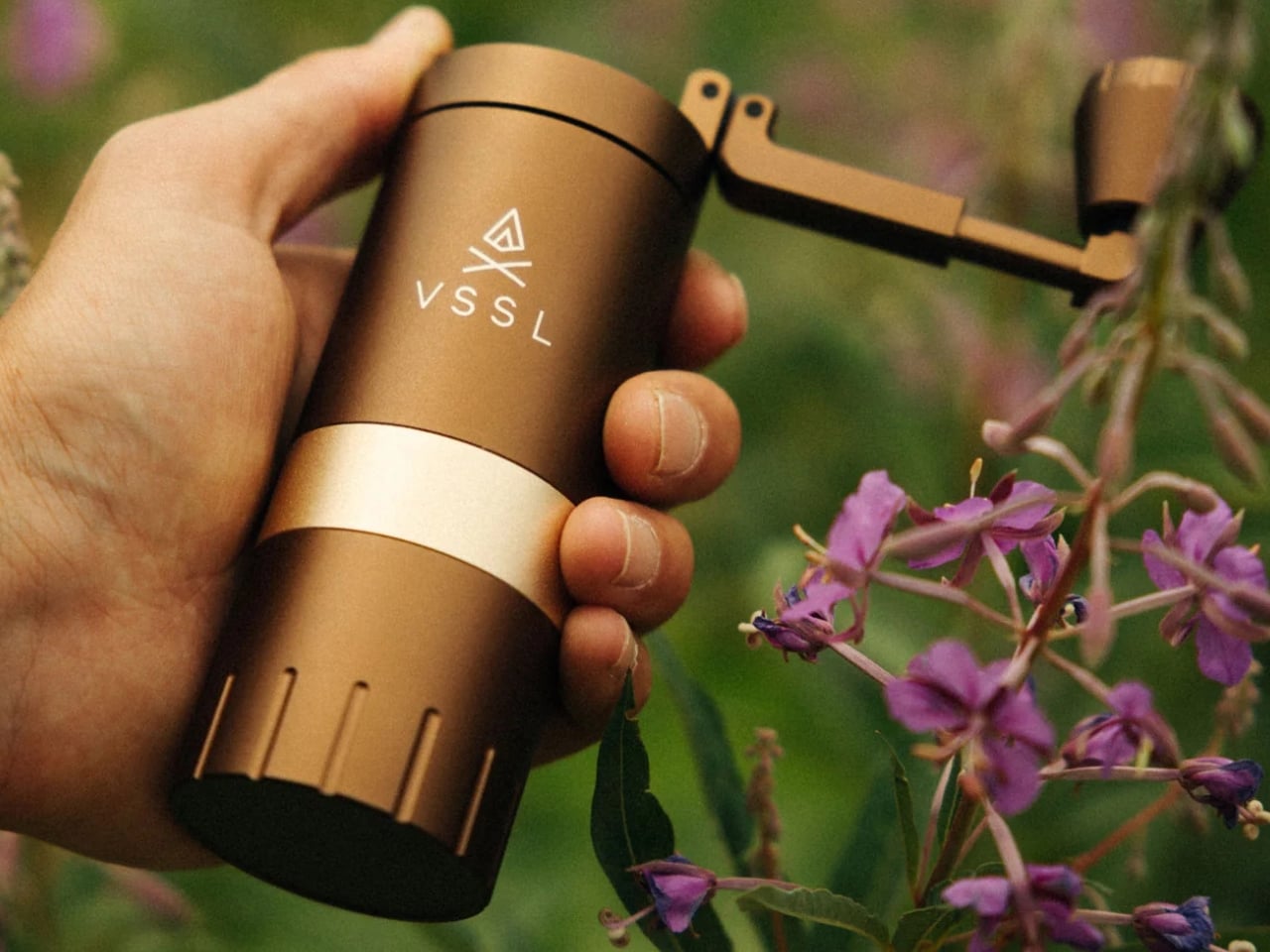
VSSL built its reputation on engineering essential gear into objects that don’t announce their utility until you reach for them. The Java G25 applies that logic to coffee. Machined from 6061 aircraft-grade aluminum with 304 food-grade stainless steel internals, it reads as precision equipment rather than a kitchen accessory. High-carbon 420 stainless steel conical burrs, stabilized by dual bearings, deliver consistent particle size across 50 distinct grind settings, covering French press through espresso without the inconsistency that makes most manual grinders a frustration.

The design choices that make this an EDC object rather than a countertop appliance are specific and deliberate. The handle expands during grinding for leverage, then retracts and locks into a carabiner for clipping directly to a pack. A magnetic integration secures the knob inside the catch during transit. The 30-gram hopper opens through a push-release top cap. At 6.3 inches long and two inches in diameter, it nests with an AeroPress Go, making a full specialty coffee brewing kit genuinely pocket-sized and ready for a trail, a campsite, or a hotel room equally.

What we like

  • 50 grind settings on a manual grinder is a professional-grade range, covering every brewing method without needing a separate device for each
  • The retractable carabiner handle clips to a pack and disappears into a kit without requiring a dedicated case or any extra packing decision

What we dislike

  • 50 settings reward patience and experimentation, which extends the learning curve for those who want a reliable result from the very first use
  • The 30-gram hopper capacity suits single-serve brewing well but requires refilling for anyone making more than one cup at a time

7. Anywhere Use Lamp

A lamp that earns its name by working across every outdoor context is a more demanding brief than it sounds. Most portable lighting is optimized for one setting and awkwardly repurposed for others. The Anywhere Use Lamp approaches the problem from the other direction, designing for placement flexibility from the outset rather than treating multi-use as a secondary feature. The result is a light source that belongs on a campsite table, a tent interior, a backyard evening, and a terrace without adjustment, adapters, or compromise.

The design logic that makes it worth owning permanently is the same one that makes it hard to leave behind. A lamp that solves lighting across multiple contexts doesn’t get retired when any single context ends. It moves between the camping kit, the garden setup, and the power outage drawer without losing its relevance. That year-round utility is precisely what separates it from the gear that gets unpacked once in June and rediscovered in the back of a cupboard come October. The Anywhere Use Lamp earns its place in the kit across every season.

Click Here to Buy Now: $149.00

What we like

  • Context-agnostic design means it moves between camping, patio, and indoor use without needing to justify the switch each time
  • Placement flexibility is built into the design from the start rather than achieved through attachments that add weight and complication

What we dislike

  • A lamp built to work everywhere makes fewer specific concessions to the most demanding outdoor conditions than a purpose-built field light would
  • The broad use case makes communicating its value harder against more narrowly specialized competitors at a similar price point

Gear That Earns Its Place Every Summer After This One

The gear that earns a permanent place in the kit isn’t usually the most impressive on paper at the moment of purchase. It’s the gear designed with enough clarity of purpose that it continues solving problems after the occasion that justified buying it has long passed. These seven hold up because each started from a genuine outdoor problem and arrived at an object with a point of view rather than a feature list assembled to compete on a spec sheet.

July is when most outdoor gear gets its annual trial. It’s also when you find out which pieces will still be in rotation next July. The all-in-one grill, the Alizé, the Yuuye, the compact grill plate, the Haven Spectre, the VSSL G25, and the anywhere lamp all share one characteristic: none of them are trying to do everything. They’re each trying to do one thing exceptionally well, which remains the only design brief worth taking seriously.

The post 7 Best Summer Outdoor Gadgets With Design Good Enough to Keep Forever first appeared on Yanko Design.
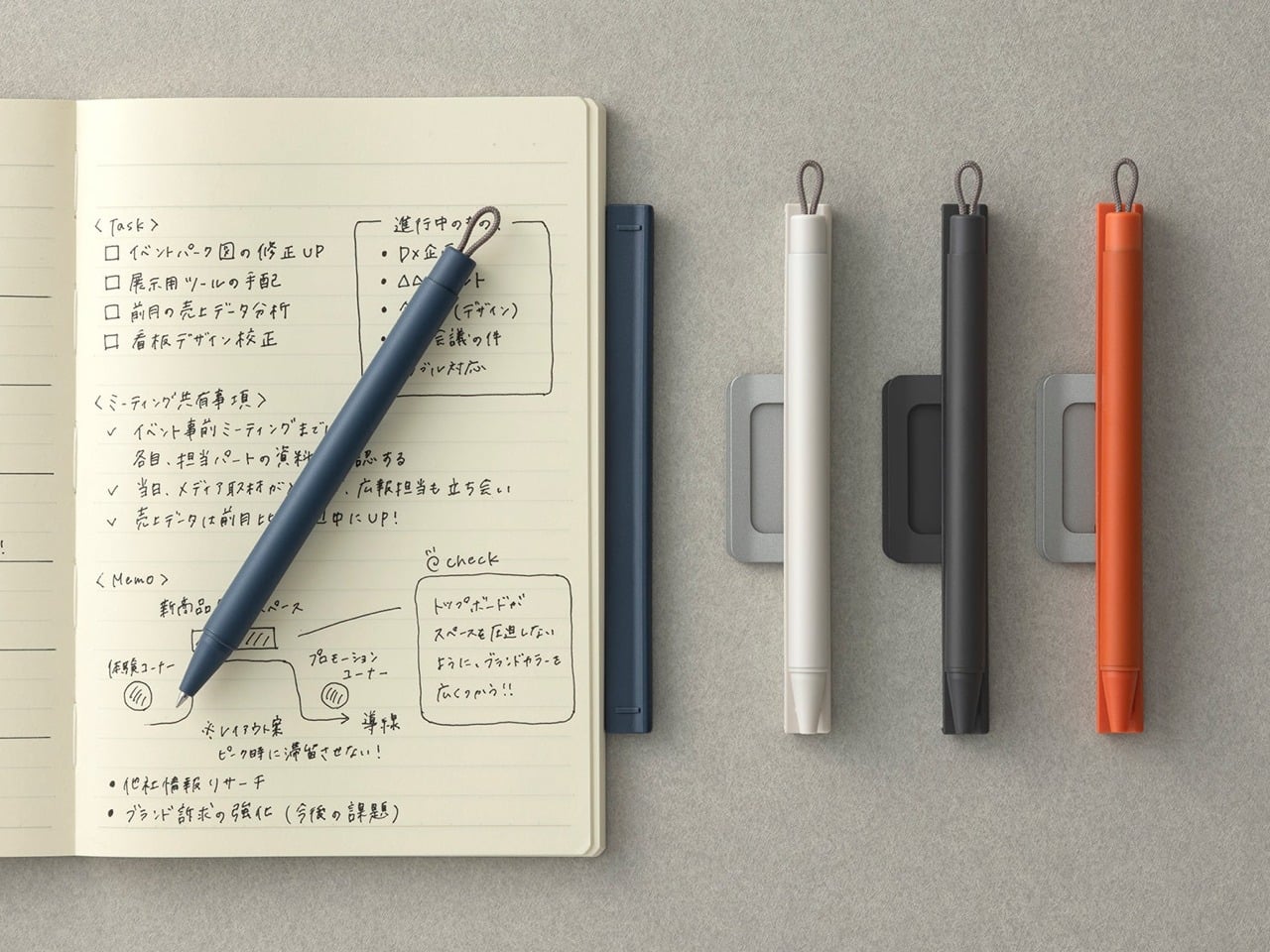
8 Best EDC Essentials for Summer 2026 — Built for the Outdoors, Polished Enough for the Office

Summer EDC is its own design problem. The gear that carries you through a weekend trail needs to survive a Monday morning without looking like it arrived from a military surplus store. This year’s best picks live at exactly that intersection, considered enough to sit on an office desk and functional enough to earn their place on a trail. Eight products made the cut. Each one earns its pocket space in both contexts, not just one.

What separates a good EDC from a great one is the moment you stop noticing it. The knife that disappears into your pocket. The wallet that does not reshape the line of a jacket. The light that fits your hand like it was made for it. These eight reach that standard across a range of price points, from $23 at entry to the premium tier above it. Some are tools. One is a radio.

1. Olight Baton 4 Premium Edition

The Baton 4 Premium Edition is Olight’s flagship carry light, and the Premium designation earns its descriptor. The finish options, stainless and copper variants in particular, read as desk objects as readily as trail tools, which is precisely the quality that the outdoor-to-office carry problem demands. It is a flashlight that does not embarrass itself next to a good watch. That sounds like a small thing. In practice, it shapes what you are willing to carry on any given day.

For summer specifically, the Baton 4 gives you dependable illumination for the moments when daylight runs out faster than expected. A trail that looked like two hours takes three. A parking structure at midnight after a late client dinner. The light handles both without ceremony. The Premium Edition’s build quality means it lives in a pocket indefinitely without scratching or corroding, which matters in a season where salt air, sweat, and sunscreen are routine rather than occasional hazards.

What we like:

  • Premium finish variants look considered rather than tactical in a professional or social setting
  • Build quality holds up to the summer conditions that compromise less serious carry lights

What we dislike:

  • Premium Edition pricing sits at the higher end of what most people budget for a pocket light
  • The charging method may feel dated alongside newer competitors with cable-free options

3. KeyUnity KK08 Titanium Carabiner Knife

A carabiner is already something you carry. KeyUnity’s KK08 decided it should also be a knife. The single-piece titanium body clips onto a bag strap, belt loop, or backpack zipper the way any carabiner does, and the 7Cr17Mov steel blade lives inside without adding visible bulk. At $23, it is one of the most quietly intelligent EDC buys of the year, the kind of object you show people once and watch them immediately want one for themselves.

The case for carrying the KK08 is simple. You likely already have a carabiner somewhere on your person in summer, holding a water bottle to your bag or keeping keys organized. This replaces it without changing a single habit, and adds a blade you will reach for more often than you expect. The titanium body is light enough to forget it is there, and durable enough that forgetting it entirely is not a concern worth having.

What we like:

  • $23 price point makes it the most accessible titanium EDC on this list
  • The hidden blade design clips anywhere without announcing itself as a knife

What we dislike:

  • Blade size suits light tasks better than heavy cutting work
  • Carabiner gate is functional rather than load-rated for technical use

3. Fantom X Wallet

Most wallets are storage solutions dressed up as accessories. The Fantom X is closer to the other way around. The slim card carrier strips the wallet back to its core job and does it in a chassis thinner than most of what it replaces. It fits a front pocket cleanly, does not print through fabric, and does not build up the kind of bulk that quietly ruins the line of a pair of trousers across a long day. That restraint is the whole design argument.

Carrying a better wallet sounds like a minor upgrade until you spend a full day without sitting on a thick fold of leather and accumulated receipts. The Fantom X removes that discomfort. It keeps your most-used cards accessible without requiring you to excavate the whole thing, and its design reads as considered rather than tactical. That means it works as well on a restaurant table as it does clipped to trail gear, a small object that quietly changes how the day feels.

What we like:

  • Genuinely slim profile disappears into a front pocket without printing or pulling
  • Design aesthetic reads as refined rather than overtly gear-oriented in professional settings

What we dislike:

  • Limited capacity for those who carry cash regularly alongside cards
  • Fixed form means you cannot expand it as your card count grows over time

4. 8-in-1 EDC Scissors

Scissors are the EDC tool nobody thinks about until they need them, which turns out to be more often than expected. The 8-in-1 version addresses that by folding eight functions into a form that packs flat and opens in a single motion. It covers the utility tasks that multitools handle clumsily and dedicated scissors handle without any additional capability. For summer specifically, the use cases stack up faster than most carry lists would predict.

The honest case for scissors in your EDC is that cutting tasks come in more varieties than a knife can handle gracefully. Opening packaging cleanly before a client delivery. Trimming a loose thread from a collar before a meeting. Cutting the cord to length at a campsite without tearing it. The 8-in-1 handles all of that and brings enough additional tools that it earns its pocket space even on days you do not reach for it a single time.

Click Here to Buy Now: $59.00

What we like:

  • Eight functions in a form factor that most people will actually carry consistently
  • Flat pack profile means it does not compete with other tools for pocket space

What we dislike:

  • Scissors remain the tool people most reliably forget to pack until they need them
  • The multi-function format means none of the eight tools reaches specialist-grade performance

5. Pockitrod Multitool Pen

The Pockitrod resolves the oldest argument in EDC. You need a pen. You also need a multitool. You do not need to carry both as separate objects. The design organizes a central driver assembly inside the pen body with modular additions, including a box opener and pry bar, that attach as the situation calls for them. In pen form, it sits in a shirt pocket without the weight that makes most multitools feel like a deliberate choice rather than a habit.

The office-to-outdoor transition is where the Pockitrod earns its place on this list. You write with it in a meeting, tighten a loose screw on a camp chair in the evening, and open a box with it the following morning without changing what is in your pocket. That continuity of carry is the entire point of a well-chosen EDC, and the Pockitrod reaches it without asking you to compromise the pen or the tool to get there.

What we like:

  • Pen format earns legitimacy in professional settings where most multitools do not belong
  • A modular system means you carry exactly what you need, rather than a fixed tool set

What we dislike:

  • Writing experience is functional rather than exceptional for those particular about pens
  • Modular attachments are additional small pieces that can be tracked and potentially misplaced

6. Anywhere Use Lamp

The Anywhere Use Lamp earns its name by refusing to be precious about where it sits. It moves from a bedside table on a Sunday morning to a picnic blanket on a Saturday evening without requiring you to adapt your behavior to suit it. For a summer, carry these matters more than raw output figures do. The best portable light is the one you actually bring with you, and the Anywhere Use Lamp is designed precisely to be that light.

Ambient lighting is the EDC category most people overlook until they are squinting over a campsite table or apologizing to a companion for the harsh overhead light in a hotel room. This lamp gives you control over that without adding meaningful weight or a complicated setup. It is one of the few items on this list your non-EDC friends will pause over and ask about, which is either a bonus or a signal that you need different friends.

Click Here to Buy Now:$149.00

What we like:

  • Portable form factor transitions between outdoor and indoor settings without adjustment
  • Aesthetic reads as a design object rather than camping equipment in a professional space

What we dislike:

  • Ambient output supplements existing light rather than replacing it in demanding conditions
  • Best suited as a mood or task light rather than a primary illumination source in the field

7. MetMo Pocket Grip

The MetMo Pocket Grip started as a 113-year-old patent that nobody had properly built until MetMo did. The result is a precision grip multi-tool measuring 95.5mm by 45.5mm that disappears into a front pocket alongside a phone. The mechanism is the interesting part: Victorian-era engineering applied to a current material palette, which gives it a tactile quality that most modern multitools, machined to tight tolerances with no analog history behind them, tend to lack entirely.

Carrying the Pocket Grip changes what you notice. Bolts that need tightening. Mechanisms that need adjusting. The tool gives you confidence to engage with the physical world in a way that most EDCs do not, because most EDCs prepare for emergencies rather than enabling daily interaction. The fact that it looks like something a craftsman from 1913 would recognize is not nostalgia. It is just good design, proven and re-proven across a century of people finding it useful.

What we like:

  • The design origin story gives it a depth of character that most modern multitools cannot replicate
  • 95.5mm by 45.5mm footprint fits a front pocket without competing with a phone for space

What we dislike:

  • The patented mechanism takes a few uses to feel fully intuitive in the hand
  • Precision grip application makes it more specialized than a general-purpose multitool

8. Retrowave 7-in-1 Radio

The Retrowave Radio is the personality piece on this list, and it earns that role without apology. The 7-in-1 build integrates radio functions with a 2000mAh power bank, giving it enough practical utility to justify the carry, while the design does the heavier cultural work. It looks like something that belongs on a vintage shelf and behaves like something you actually use. Every good summer EDC has room for one object that makes people stop and ask what it is.

The 2000mAh capacity will not charge a dead phone from zero, but it will extend a phone running low at the end of a long outdoor afternoon, which is the use case that matters. Beyond that, the radio function gives you off-grid audio without relying on a Bluetooth connection or a streaming service, both of which assume infrastructure that trails and campsites do not always provide. For summer carry, that independence is worth more than a spec sheet suggests.

Click Here to Buy Now: $89.00

What we like:

  • 7-in-1 functionality earns pocket space well beyond the novelty of its visual appeal
  • Off-grid radio works without the infrastructure that digital audio streaming depends on

What we dislike:

  • 2000mAh capacity offers an emergency top-up rather than a full charge from a depleted battery
  • The retro design aesthetic is a deliberate choice that does not suit every carry style

The Only EDC Rule That Matters: Carry What You’ll Actually Use

The best summer EDC is not the most capable set of tools you can assemble. It is the one you actually carry. These eight cover the categories that matter across a season, moving between trails and offices, without asking you to rethink your pockets every morning. Each earns its place on its own terms. Together they build a carry that handles whatever summer asks, from the practical to the unexpected, without demanding you plan for every possibility in advance.

The price range here is deliberately wide, from $23 at entry to the premium tier above it. That spread is intentional. Good EDC does not require spending aggressively across the board. Pick the three or four that match your summer honestly, carry them until they become a habit, and let the others follow when the season calls for them. The goal is a carry that disappears into your day rather than one that announces it.

The post 8 Best EDC Essentials for Summer 2026 — Built for the Outdoors, Polished Enough for the Office first appeared on Yanko Design.

This Japanese Nail Clipper Was Built by a 117-Year-Old Blade Maker & Cuts Cleaner Than Anything in Your Bathroom

Most nail clippers are an afterthought. Picked up at a pharmacy checkout, tossed in a drawer, forgotten until needed. The Auger PrecisionLever Nail Clipper belongs in a different conversation entirely. Designed by Shogo Ochiai and developed by Kai Corporation, Japan’s blade-making authority since 1908, it brings over a century of cutting expertise to the smallest grooming tool most men never think twice about.

What makes it worth the attention is not just the credentials behind it. It is how a single mechanical decision — a patented rotating lever that shifts the pivot closer to the blade — changes the entire experience. Thicker nails clip cleanly in one press. The motion is smooth and quiet. The result is precise and controlled. At 67 grams and 86 millimeters, it disappears into a dopp kit and reappears every time as the best tool in it.

Click Here to Buy Now: $50.00

One Lever, A Smarter Cut

The rotating lever is the engineering story at the center of this clipper. By moving the pivot point closer to the blade, it optimizes pressure distribution across the entire cutting surface, which means less effort from the hand and a cleaner result on the nail. Where standard clippers require force and often leave a split or a rough edge, the PrecisionLever delivers a single, deliberate cut without tearing or jagging. The blades are 420 stainless cutlery steel, the same category of steel used in quality kitchen knives.

The motion itself reflects Kai Corporation’s century-long understanding of how a blade should behave. Smooth on the press, clean on the release, quiet throughout. No jolts, no clicks, no resistance that makes you second-guess the angle before you commit. It is the kind of tool that makes a routine task feel settled and intentional rather than rushed and functional, which is a distinction most grooming tools at this price point never manage to make.

Built for the Details That Show

At 86 millimeters, the PrecisionLever sits in the hand without feeling flimsy or oversized. The zinc die-cast lever carries a plated finish that holds up over time without losing its appearance, and the stainless filing surface built into the body means one tool handles the full task. The thermoplastic stopper keeps clippings contained, which is a small detail that matters more in practice than it sounds on paper.

Shogo Ochiai designed the form around the idea that grooming tools should perform as well as they look. The weight is deliberate — 67 grams is enough to feel stable without adding bulk to a travel bag. The proportions are restrained. Nothing about the design overreaches or decorates for the sake of it. It is a tool that communicates precision before you even press down, and then confirms it the moment you do.

What We Like

  • Patented rotating lever shifts the pivot closer to the blade, delivering cleaner cuts on thick nails with significantly less effort than a standard clipper mechanism
  • 420 stainless cutlery steel blades slice without tearing or splitting, the same material standard used in quality kitchen cutting tools
  • 67g weighted body at 86mm feels stable and intentional in the hand without adding any real bulk to a travel kit or drawer
  • Built-in stainless filing surface means the tool is complete on its own, no separate file needed
  • Developed by Kai Corporation, a Japanese blade-making house with over 117 years of cutting expertise behind every design decision

What We Dislike

  • Only 3 units currently available, which makes this a limited purchase rather than a reliable restock situation

The Smallest Tool That Changes the Most

The Auger PrecisionLever Nail Clipper does not fix a problem most men know they have. It reveals one. Once you clip with a blade engineered by over a century of Japanese cutting expertise, the pharmacy clipper in the back of your drawer feels exactly like what it is — a compromise you never had to keep making. That is the quiet authority of a tool designed with genuine precision behind it.

For the detail-oriented, it is a Kai Corporation product carried by a designer who understood that grooming tools deserve the same intentionality as anything else in a considered kit. For everyone else, it is a fifty-dollar upgrade to a daily routine that your hands will make visible every single day. Either way, once it earns its place in the drawer, nothing else comes close.

The post This Japanese Nail Clipper Was Built by a 117-Year-Old Blade Maker & Cuts Cleaner Than Anything in Your Bathroom first appeared on Yanko Design.
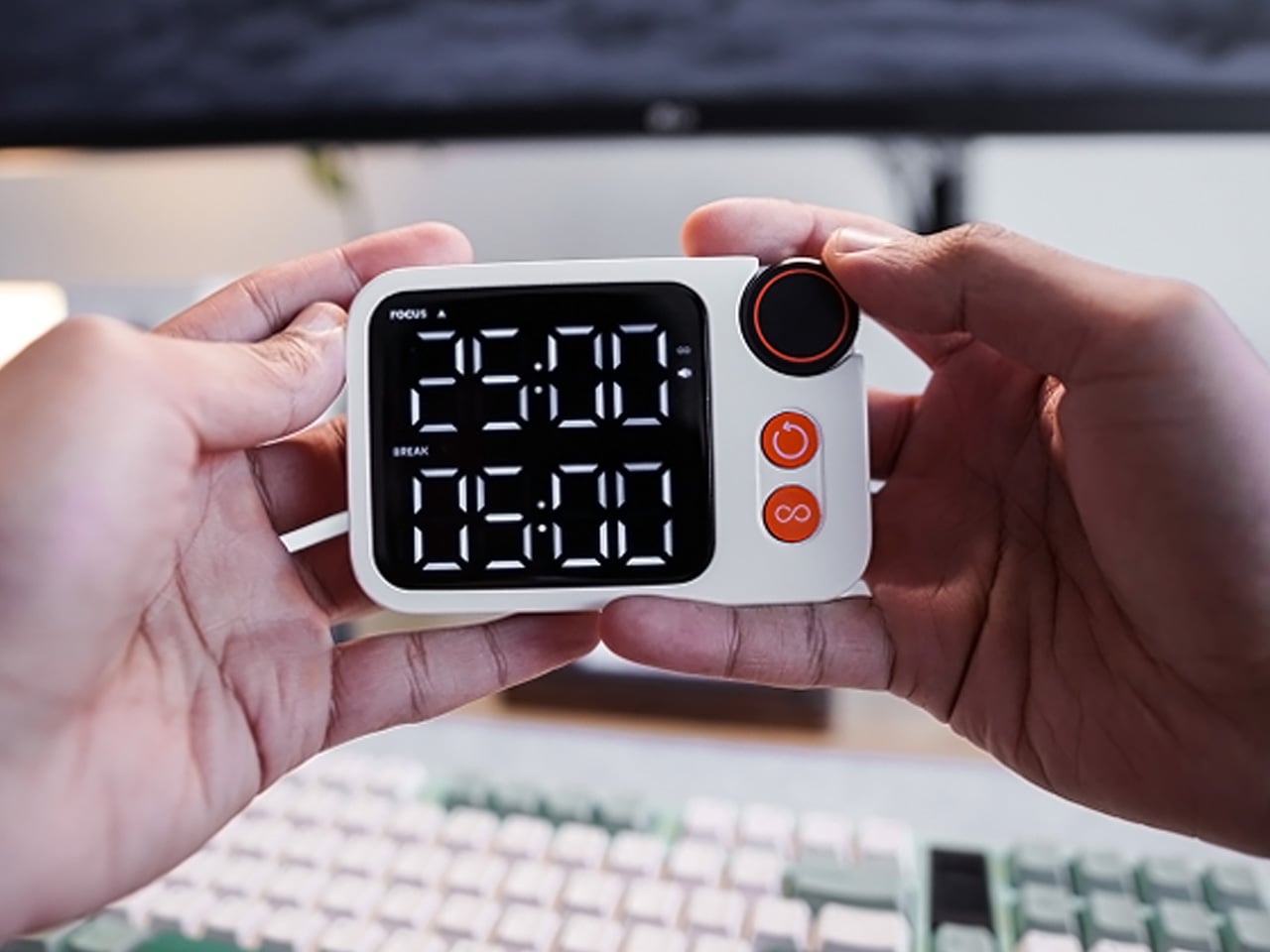
7 Best Portable Tech Gadgets That Were Designed for the Job Site and Are Better for It Everywhere Else

Most portable tech exists on a spectrum of compromise. It is either capable but too heavy, light but too fragile, or designed so carefully for the desk that the real world breaks it within a year. The products in this list started from a harder question — what does this need to survive a construction site, a remote field deployment, or a category-five weather event — and solved backward from there. The answers turned out to be better than anything built with easier conditions in mind.

What happens when you build something to those standards and then bring it somewhere ordinary is the story this list is actually telling. An 800-nit gloved-touch tablet designed for warehouse logistics turns out to be the best thing you can take camping. A power bank built to disappear into a pocket started life as a silicon-carbon engineering challenge. Extreme design requirements have a way of producing exceptional objects, and the people who benefit most are the ones who never set foot on a job site.

1. Lenovo ThinkTab X11

The ThinkTab X11 is the first device to carry Lenovo’s Think name in rugged Android territory, and it makes a strong case for why that should have happened sooner. At $499, it brings MIL-STD-810H certification, IP68 water and dust resistance, a 10.95-inch 90Hz display running at up to 800 nits behind Corning Gorilla Glass, and a touch layer calibrated for gloved hands and wet fingers. These are the specifications that matter on a logistics dock, but they matter just as much on a camping trip, a rainy commute, or the moment a tablet slides off a kitchen counter at exactly the wrong angle.

The design decision that separates it from everything else at this price is the battery. A 10,200mAh cell removes without tools through a screwless mechanism that lets a worker swap a depleted pack for a fresh one mid-shift without losing a step. It goes further with a battery-less operating mode: when mounted in a vehicle or fixed workstation, the ThinkTab X11 runs directly from DC power with no battery installed at all, reducing heat during continuous use and removing battery degradation from fixed deployments entirely. These are not features written for enterprise procurement brochures. They are simply better answers to how devices actually get used.

What we like:

  • Screwless hot-swap battery, and battery-less DC operating mode solve power dependency where it starts, rather than managing around it
  • MIL-STD-810H and IP68 certification delivered at a price point significantly below comparable enterprise hardware

What we dislike:

  • The included rugged case adds substantial thickness compared to consumer tablets of similar screen size
  • Rugged form factor and enterprise-first design language may feel over-specified for casual home use

2. OrigamiSwift Foldable Mouse

A full-sized mouse that folds completely flat is a more radical design proposition than it sounds. Most portable mice solve the carry problem by making the mouse smaller, which just trades one compromise for another and leaves you working on a cramped surface. The OrigamiSwift, designed by Horace Lam and drawing on the structural logic of origami, keeps the mouse full-sized in use and removes the footprint entirely when you’re done. A triangular structure that locks open with a satisfying click and collapses flat in a single motion is the kind of mechanism that makes every other portable mouse feel like an incomplete answer.

At $85, the Bluetooth connection is seamless, and the tracking is accurate enough for a full workday, but the real value is what it does to your bag. Most portable mice shift bulk from the desk into a dedicated pocket. The OrigamiSwift genuinely disappears — flat enough to slip between a laptop and a notebook without reorganizing anything. For anyone working across multiple locations, hot-desking in office environments, or simply refusing to carry more than a bag actually requires, it is the mouse that finally solves the carry problem without asking you to accept smaller performance as the price.

Click Here to Buy Now: $85.00

What we like:

  • Folds completely flat without sacrificing full-sized performance or reliable Bluetooth tracking across devices
  • Triangular origami structure locks securely open and collapses cleanly in a single motion every time

What we dislike:

  • The folding mechanism requires brief adjustment for users accustomed to a traditional fixed mouse shape
  • Limited color options compared to the wider range available with standard portable mouse alternatives

3. HMD Terra M

Most rugged phones solve the wrong problem. They add external armor, lose usability, and end up too bulky to carry without making a deliberate statement about it every time it comes out of your pocket. The HMD Terra M builds its field credentials directly into the design rather than bolting them on afterward. IP68 and IP69K ratings cover submersion and high-pressure water jets at 100 bar and 80 degrees Celsius. MIL-STD-810H military certification covers drop resistance from 1.8 meters. Resistance to gasoline, industrial solvents, and medical-grade sanitizers completes a durability profile that most flagship phones would quietly fail to meet.

Where it builds genuine daily value is in the smaller decisions. Large physical keys respond to gloved hands when fingers are too cold or too wet for a touchscreen to register. A 550-nit display behind Corning Gorilla Glass 3 reads clearly in direct sunlight without shielding it with your hand. A non-slip textured grip reduces the fumbling that costs seconds in a fast-moving work environment. All of that translates directly to everyday life without requiring any adjustment. The Terra M does not care whether you are wiring a commercial building or navigating a trailhead in autumn rain.

What we like:

  • IP68, IP69K, and MIL-STD-810H certifications handle conditions that eliminate most consumer devices from consideration
  • Glove-compatible physical keys and a high-brightness display designed for real-world outdoor and industrial use

What we dislike:

  • The 2.8-inch screen limits usefulness for media consumption and app-heavy daily workflows
  • The feature phone format means a second smartphone is still necessary for full platform functionality

4. Xiaomi UltraThin Magnetic Power Bank 5000

A 6mm power bank sounds like a specification claim until you hold one and feel that it is thinner than the phone you are about to charge. The Xiaomi UltraThin Magnetic Power Bank weighs 98 grams, makes a 5,000mAh capacity possible at that profile through silicon-carbon battery chemistry at 16 percent silicon content, and wraps it in an aluminum alloy shell with a fire-resistant fiberglass phone-facing surface. A photolithographically etched logo is the kind of finishing detail that signals a product someone cared about making, not just engineering. Showcased at MWC 2026 in Barcelona and available in Europe at around 60 euros, it reached Japan and Australia first.

Snapping it magnetically to the back of your phone and forgetting it is there is the intended experience, and it earns that description. Up to 15W wireless output is available with the Xiaomi 17 series; iPhone users land at 7.5W due to Apple’s own MagSafe ceiling. A USB-C port handles 22.5W wired, and the bank charges two devices simultaneously when the situation calls for it. Ten layers of protection cover overvoltage, overcurrent, overheating, and short circuits, with dual NTC temperature sensors and a 4,369mm² graphite sheet managing thermal dissipation across the ultra-thin body. The power bank category spent years making capacity the story. Xiaomi carried the story instead.

What we like:

  • At 6mm and 98 grams, it is genuinely the thinnest power bank available at this capacity level
  • Silicon-carbon battery chemistry achieves 5,000mAh without the bulk that traditionally defines the category

What we dislike:

  • iPhone MagSafe compatibility is capped at 7.5W due to Apple’s ecosystem restrictions, not Xiaomi’s
  • 5,000mAh capacity will not fully recharge most current flagship smartphones from zero in a single pass

5. Battery-Free Amplifying iSpeakers

Every portable speaker eventually runs out of charge, usually at the exact moment you most want it not to. The Battery-Free Amplifying iSpeaker removes that problem by having no battery to run out. Set your phone into the slot and the Duralumin body — the same aircraft-grade aluminum alloy used in aerospace construction — channels your phone’s audio through its form, adding warmth and volume without drawing a single watt of power. Golden ratio proportions give it a visual presence on a surface that most speakers trailing cables and charging bricks never quite manage. At $299, it is considered an object as much as it is a functional one.

The simplicity is entirely deliberate, and it produces a kind of reliability that connected audio gear simply cannot replicate. There is nothing to configure, nothing to pair, and nothing to charge before you use it. It is ready at any moment, in any room, at any location, with no setup and no thought required. Optional Bloom and Jet modular accessories let you adjust how sound disperses if more directional control suits the space. For the home desk, the kitchen counter, the campsite table, or a van where an outlet is not guaranteed, this is the speaker that is always just there.

Click Here to Buy Now: $179.00

What we like:

  • No battery, no electricity, and no pairing required — permanently ready with zero setup or maintenance overhead
  • Aircraft-grade Duralumin shaped to golden ratio proportions earns permanent shelf or counter placement as a display object

What we dislike:

  • Amplification quality is entirely dependent on the output of your phone’s own built-in speaker hardware
  • Bloom and Jet modular sound-directing accessories that expand their utility are sold separately at additional cost

6. O-Boy Satellite Smartwatch

Most wearable safety technology carries its purpose visibly. It bulks up, goes tactical, and ends up being gear you wear only when you genuinely expect to need it. The O-Boy, developed by Brussels-based studio Futurewave, refuses that convention. It is a satellite-connected smartwatch that functions as a direct satellite communication link in environments where mobile networks simply stop existing — mountains, open ocean, remote construction and survey sites, maritime operations. The satellite connectivity transmits an emergency alert from anywhere on Earth, completely independent of carriers, towers, signal strength, or what infrastructure exists beneath your feet.

What Futurewave got right, beyond the technology, is the design brief. The O-Boy does not read as survival gear. It looks like something a person who regularly spends time in remote environments would choose to wear rather than something they reach for when a trip turns serious. That distinction matters more than it appears on the surface, because the people who most need a reliable safety layer are not all extreme athletes. They are field engineers, remote workers, offshore technicians, and anyone who has been somewhere and understood for the first time that their phone was not a plan. The O-Boy is built for all of them.

What we like:

  • Satellite connectivity operates independently of mobile coverage in any location on the planet
  • Design language is genuinely wearable across everyday and professional contexts without tactical visual signaling

What we dislike:

  • Satellite communication requires an ongoing subscription service to remain active beyond initial setup
  • Smartwatch battery management becomes a daily consideration for a device that functions as a primary safety tool

7. BLUETTI Handsfree 2 Solar Generator Backpack

A 512Wh power station built into a 60-liter backpack is the kind of product that takes one sentence to explain and several minutes to fully appreciate. The BLUETTI Handsfree 2 integrates an LFP battery delivering 700W continuous output rated to 4,000 charge cycles at 80 percent capacity, dual 100W USB-C ports, dual USB-A, and a full AC outlet in a carry system that holds your gear alongside it. Solar panels mounted directly to the pack accept up to 350W of input, achieving a full charge in roughly three hours of sun. The design requirement that field workers never run out of power while moving produced something genuinely useful for everyone who moves.

The practical difference between this and a power station you remember to put in the bag is that the Handsfree 2 charges while you walk. Transit becomes charging time, which is a consequence of starting from job site requirements rather than outdoor recreation ones. Fragmented solar panel technology handles overcast days with reasonable efficiency. At 21.4 pounds for the full system, it is not a light carry, but for photographers hiking to remote locations, van-lifers managing continuous power, and digital nomads building a setup that never depends on finding an outlet, the BLUETTI Handsfree 2 changes the math on what portable power actually means.

What we like:

  • Solar panels mounted to the pack charge the battery while walking, turning transit itself into productive charging time
  • 4,000-cycle LFP battery is engineered for sustained daily use over years rather than seasonal or occasional carry

What we dislike:

  • The full system weight of 21.4 pounds becomes a real consideration on longer trails or extended travel days
  • Premium price sits well above basic portable power station alternatives, offering similar output specifications

The Job Site Always Had Better Design

The consistent argument running through all seven products is that designing for a harder use case raises the floor for everyone. A tablet engineered for warehouse logistics turns out to be the best device for a camping trip. A power bank built for engineering-grade thinness becomes the one you carry without noticing. A speaker designed around having no power source at all is the most reliable speaker you will ever own. Solving problems at the end of a use spectrum produces objects that handle everything beneath it without effort or exception.

None of these products asks you to care about where they came from. They simply work better because of it. The rugged phone that survives industrial solvents and 100-bar water jets does not need that context to be a better everyday companion — it just is one. That is the quiet argument this list makes, and it holds across every category here. The best portable tech you own was probably built, at some point, to answer a question far harder than the one you are currently asking it.

The post 7 Best Portable Tech Gadgets That Were Designed for the Job Site and Are Better for It Everywhere Else first appeared on Yanko Design.

This Japanese Can Opener Removes the Entire Top and Makes Your Beer Taste Like Draft

Some can openers live at the back of a kitchen drawer, pulled out once a year and quickly forgotten. The DraftPro Top Can Opener belongs somewhere else entirely. Designed by award-winning Japanese designer Shu Kanno and built in Japan, it removes the entire top of a can in a single smooth motion, turning any beer, sparkling water, or canned cocktail into something that drinks far closer to a glass.

What makes it worth talking about is not the novelty of a fully open can. It is how that one change compounds everything. Aroma lifts. Flavor opens. Ice slides in cleanly. A cocktail comes together directly in the can without a shaker or a glass to clean. This is not a gadget built for effect. It is a considered object, designed with the discipline Japanese craft demands, and built to earn its place.

Click Here to Buy Now: $60.00

One Motion, A Better Drink

The drinking experience changes the moment the top comes off. A full wide-mouth opening releases aroma the way a pint glass does, without the pour. The edge left behind is clean and smooth, safe to drink from directly, which means you are not trading the convenience of a can for a sharp, dangerous lip. The opening motion reflects the Japanese design philosophy behind the product: smooth, quiet, and completely controlled. No grinding, no force, no jagged result.

That precision is not accidental. Shu Kanno designed the grip for subtle comfort, shaped to sit naturally in the hand without slipping or requiring an awkward angle. The mechanism produces the same clean result every time, domestic or international, standard size or otherwise. Nothing about the design announces itself or overclaims. It simply does exactly what it should, at the moment you need it to, without asking anything more from the person holding it.

Built for More Than One Moment

The full open top is the headline feature, but the practical range goes further than it first appears. Drop ice directly into the open can, and it chills faster than waiting on the fridge. Build a cocktail right in the can, no shaker, no glass, no surface to clean. That same clean cut turns an empty can into a planter, a pen holder, or something ready to rinse and recycle without any extra effort.

Universal fit means it works with domestic and international cans without adjustment, which matters when you are traveling or reaching for something unfamiliar at the back of a cooler. The lightweight build disappears into a bag without adding bulk, making it as practical on a hiking trail or cabin trip as it is at home. Shu Kanno designed it to go where the drink goes. It does exactly that.

What We Like

  • Full top removal creates a wide-mouth opening that genuinely improves aroma and flavor, the same principle behind drinking craft beer from a proper glass rather than directly from a sealed can
  • Clean, smooth edge means you can drink directly without concern, the baseline the product needs to clear and the one it meets without compromise
  • Universal compatibility across domestic and international cans removes the guesswork before you even need it
  • Lightweight and portable build makes it practical for outdoor settings, travel, and hosting without adding anything unnecessary to what you carry

What We Dislike

  • No reseal option once the top is removed, so it works best when you intend to finish what you open rather than save it for later
  • No sizing specifications published, which makes it harder to confirm fit for unusually shaped or specialty cans before purchasing

A Tool That Earns Its Place

DraftPro does not fix a problem most people knew they had. It reveals one. Once you taste a beer with the top fully removed, aroma open and flavor fully present, the sealed can version feels like a compromise you were accepting without realizing it. That is the quiet power of intentional design. It does not announce itself. It just makes every drink noticeably and permanently better.

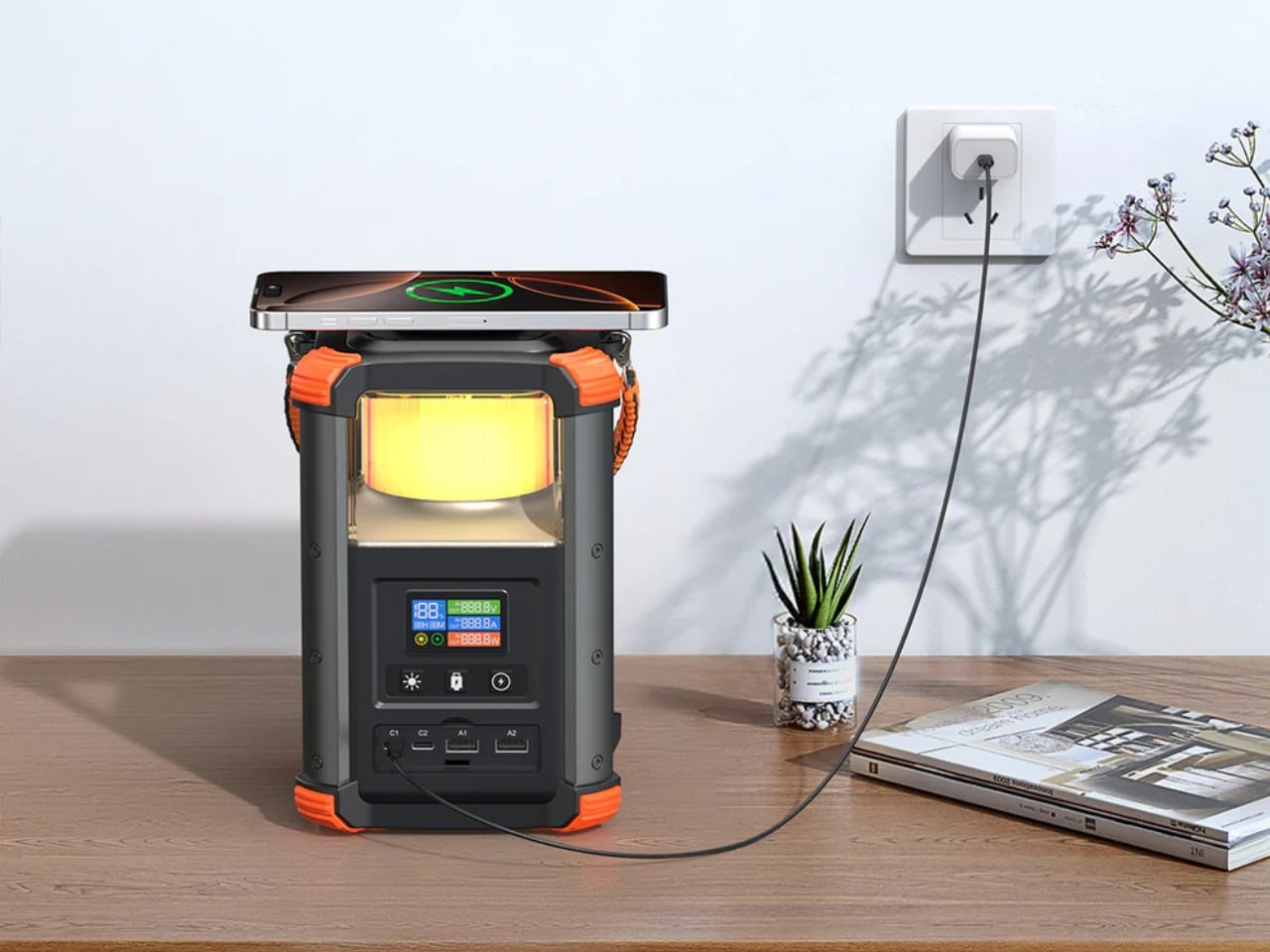
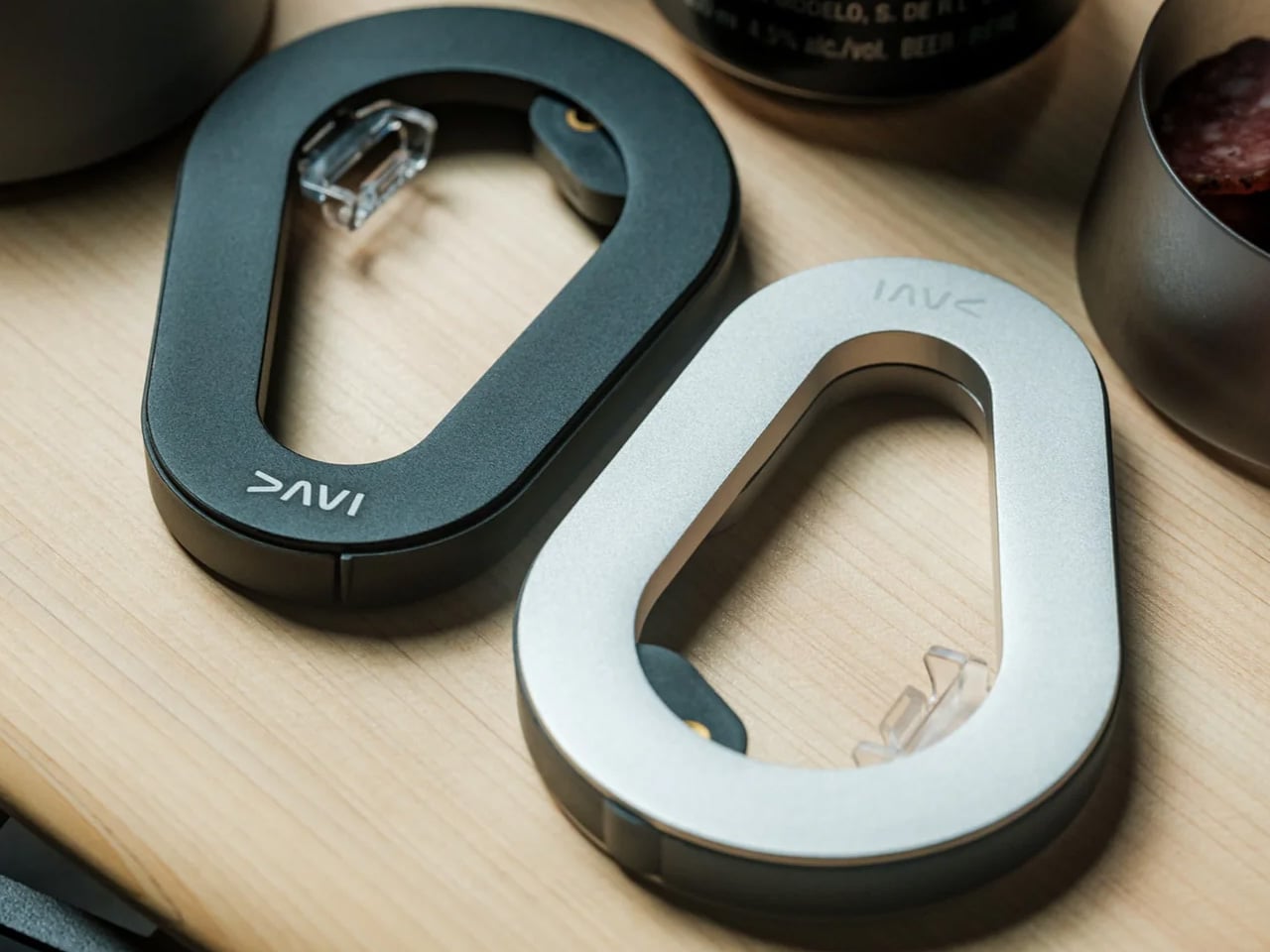
For the design-minded, it is a precision tool from a serious designer, built in Japan, with the restraint and finish that craft demands. For everyone else, it is a small, permanent upgrade to one of the most ordinary moments in the day. Either way, it earns its place, and once it does, you will not want to open a can any other way.

The post This Japanese Can Opener Removes the Entire Top and Makes Your Beer Taste Like Draft first appeared on Yanko Design.