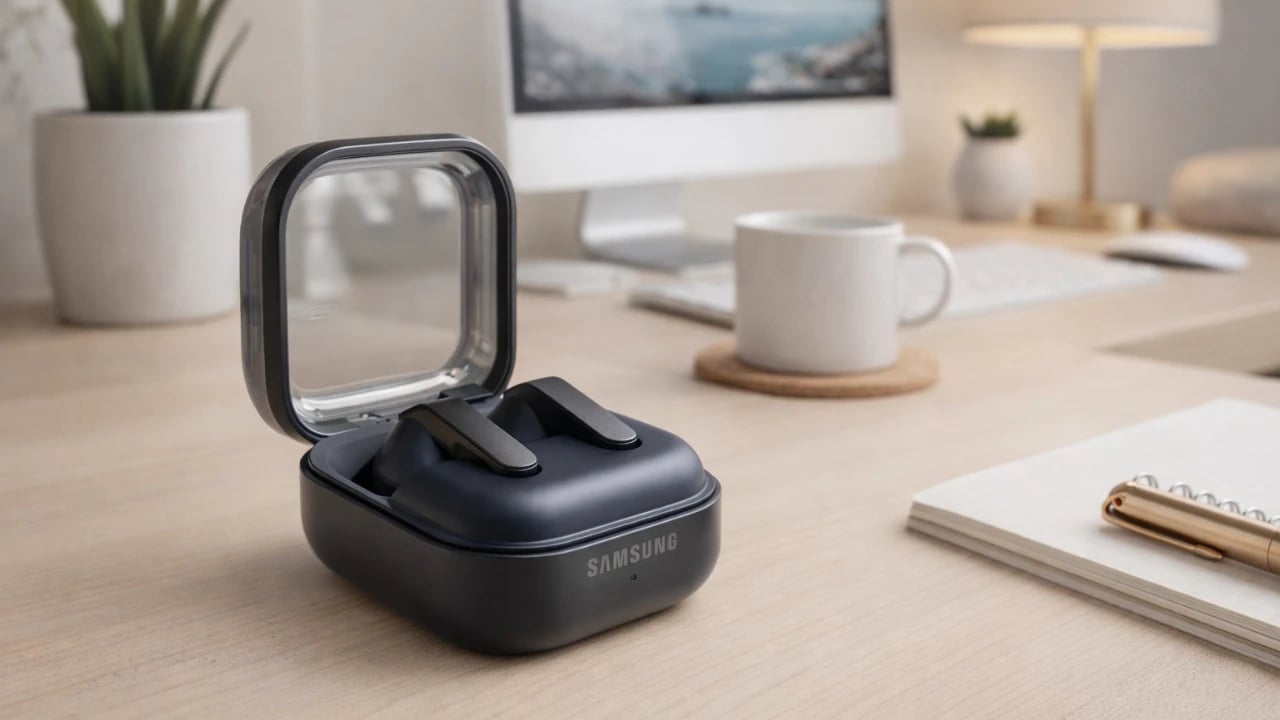
The Apple AirPods Pro 3 and Samsung Galaxy Buds Pro 4 represent the pinnacle of premium wireless earbuds in 2026. Both models are priced at $249 and come equipped with advanced features, but their differences cater to distinct user needs and preferences. This comparison explores their design, features, performance, and ecosystem integration to help you […]
Ahead of its official release later this spring, today Rivan is announcing full pricing and trim levels for its long-awaited R2 electric SUV.
The rollout for the company's first mid-size (two-row) offering will be similar to its previous vehicles, with more expensive premium models hitting the road first this spring, followed by more affordable configurations becoming available later this year and into 2027. This timeline is especially important for anyone hoping to snag the $45,000 base model of the R2, which isn't expected to go on sale until sometime in late 2027. The R2 Performance with Launch Package and R2 Premium trims will arrive initially as model year 2027 vehicles, followed by the R2 Standard (MY 2028) next year.
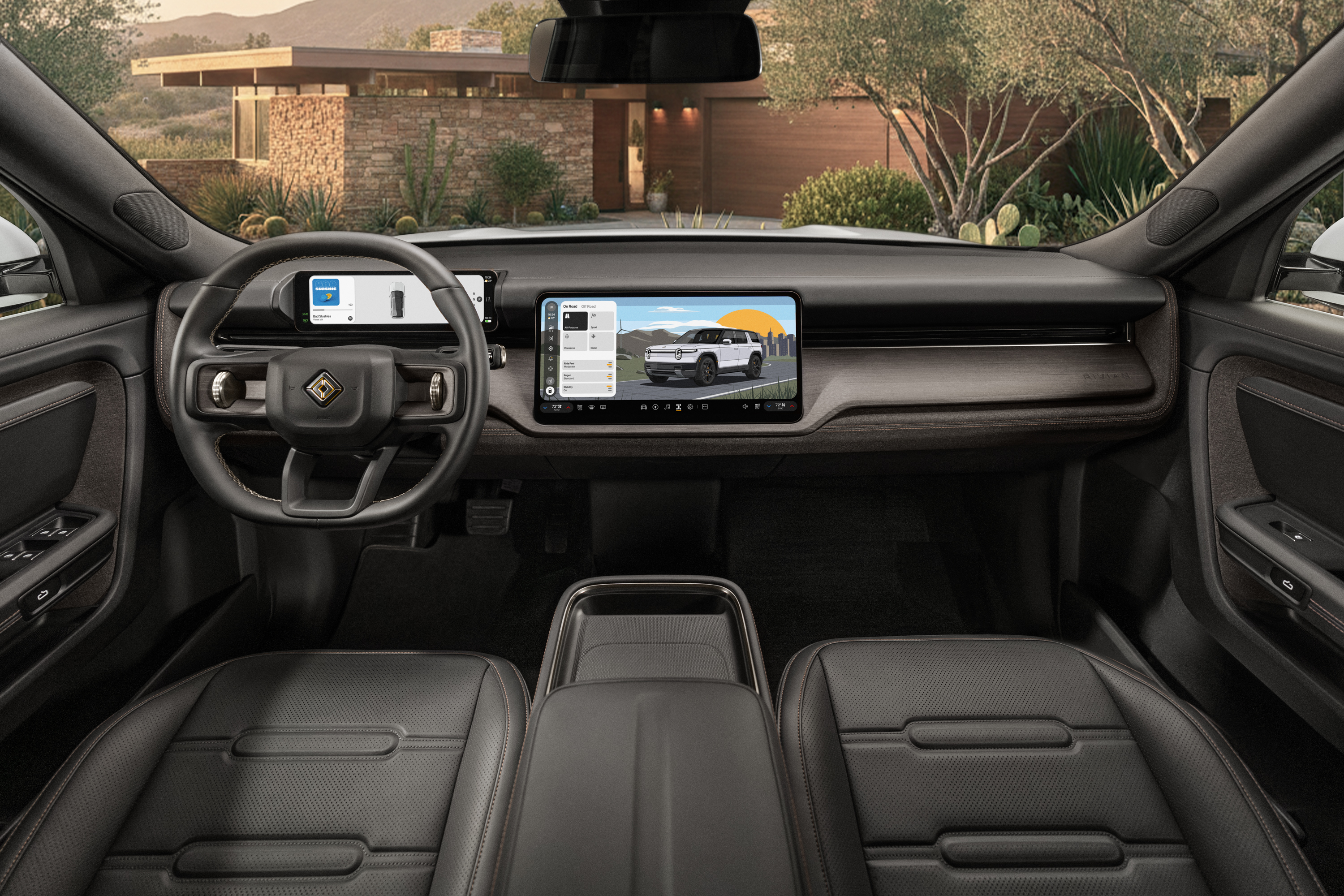
The new R2 with Rivian's Black Crater interior
Rivian
Some features that will be standard on every R2 are a native NACS charging port and Autonomy+ hardware. However, for the latter, while new vehicles will come with a free 60-day trial of Autonomy+, once that expires, owners will need to choose between a one-time fee or a monthly subscription to continue using Rivian's enhanced hands-free driving tech.
Regardless of which trim or performance package you prefer, the arrival of the R2 is a huge deal for Rivian as it represents the company's first true mass-market vehicle that looks to bring a lot of the tech and engineering used in the R1T and R1S to a more affordable price point.
For a closer look at the R2's trim levels and pricing, see the breakdown below.
R2 Performance with Launch Package
Available Spring 2026 starting at $57,990
Features a dual-motor AWD setup with 656 horsepower and 609 lb-ft of torque
EPA-estimated range of up to 330 miles
0 to 60 time of up to 3.6 seconds
Notably, the Launch Package will include a free lifetime subscription to Autonomy+, along with 20-inch Black Sand all-terrain wheels, a limited Rivian Green anodized key fob, exclusive Launch Green exterior paint option (which will be a paid upgrade) and a tow package that supports up to 4,440 pounds of towing capacity.
Other inclusions on the Performance trim include an Esker Silver exterior, semi-active suspension, Compass Yellow brake calipers and rear drop glass. This config also features Rivian's Matrix LED headlights with adaptive high beams, integrated tow hooks, a flashlight that can be stowed inside the driver door and 21-inch tungsten all-season wheels.
The interior features birch wood accents with a Black Crater color scheme along with heated and ventilated front readers, heated steering wheel, heated rear outboard seats and 12-way adjustment with lumbar support for the driver and front passenger.
R2 Premium
Available late 2026 starting at $53,990
Features a dual-motor AWD setup with 450 horsepower and 537 lb-ft of torque
EPA-estimated range of up to 330 miles
0 to 60 time of up to 4.6 seconds
The premium trim includes many of the same features as the Performance model, but with smaller 20-inch bicolor carbon all-season wheels and fewer drive modes (there's no option for rally, soft sand and launch).
R2 Standard (aka the RWD Long Range configuration)
Available first half of 2027 starting at $48,490
Features a single motor RWD setup with 350 horsepower and 355 lb-ft of torque
Rivian-estimated range of up to 345 miles
0 to 60 time of 5.9 seconds
Finally, the R2 Standard variant features a slightly more spartan kit consisting of heated front seats, a heated steering wheel, 12-way seats (but only for the driver) and 19-inch machine graphite wheels.
R2 Standard (aka the base model)
Available late 2027 starting at $45,000
Rivian-estimated range of 265+ miles
More detailed info will be released closer to launch
This article originally appeared on Engadget at https://www.engadget.com/transportation/evs/rivians-r2-ev-arrives-this-spring-with-a-58000-price-tag-150000363.html?src=rss
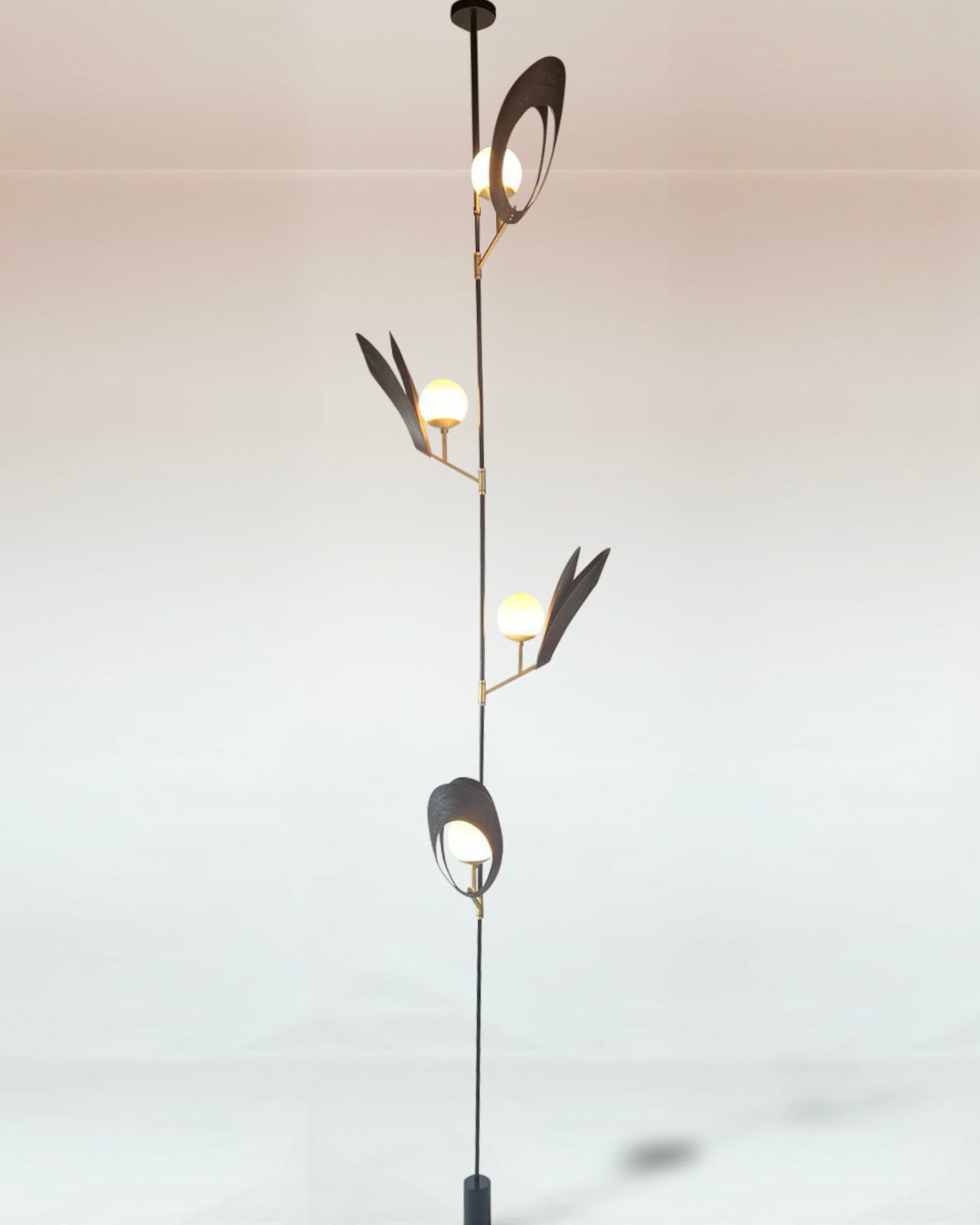
Most lamps are designed to disappear into a room. The fixture is an afterthought, a delivery mechanism for the bulb, and anything drawing attention to itself risks becoming a problem rather than a solution. Mostafa Arvandbarmchi and Lampart Lighting Solution took the opposite position with the Pelk collection, designing lamps that treat the fixture as the point, with light almost secondary to the form holding it.
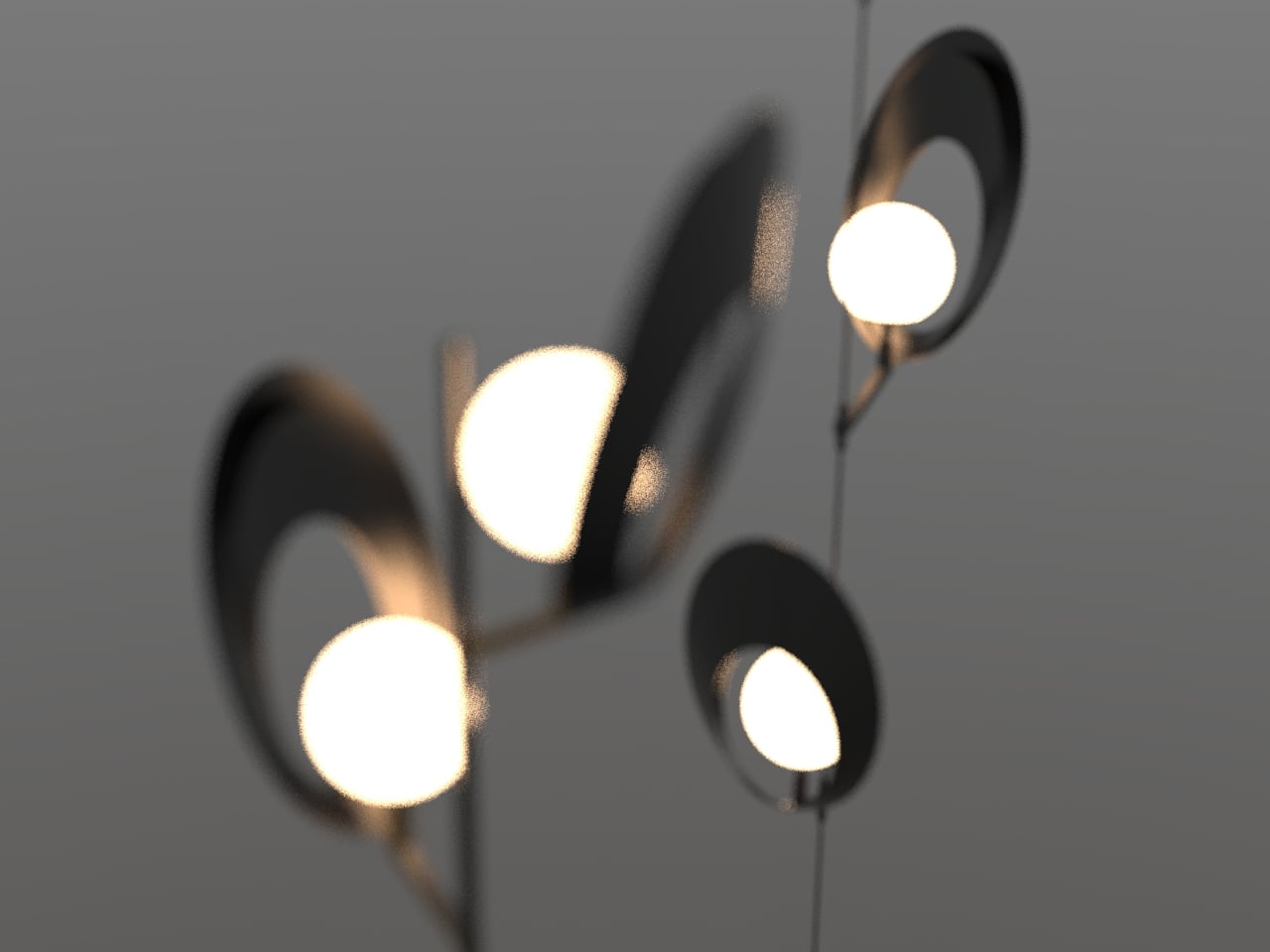
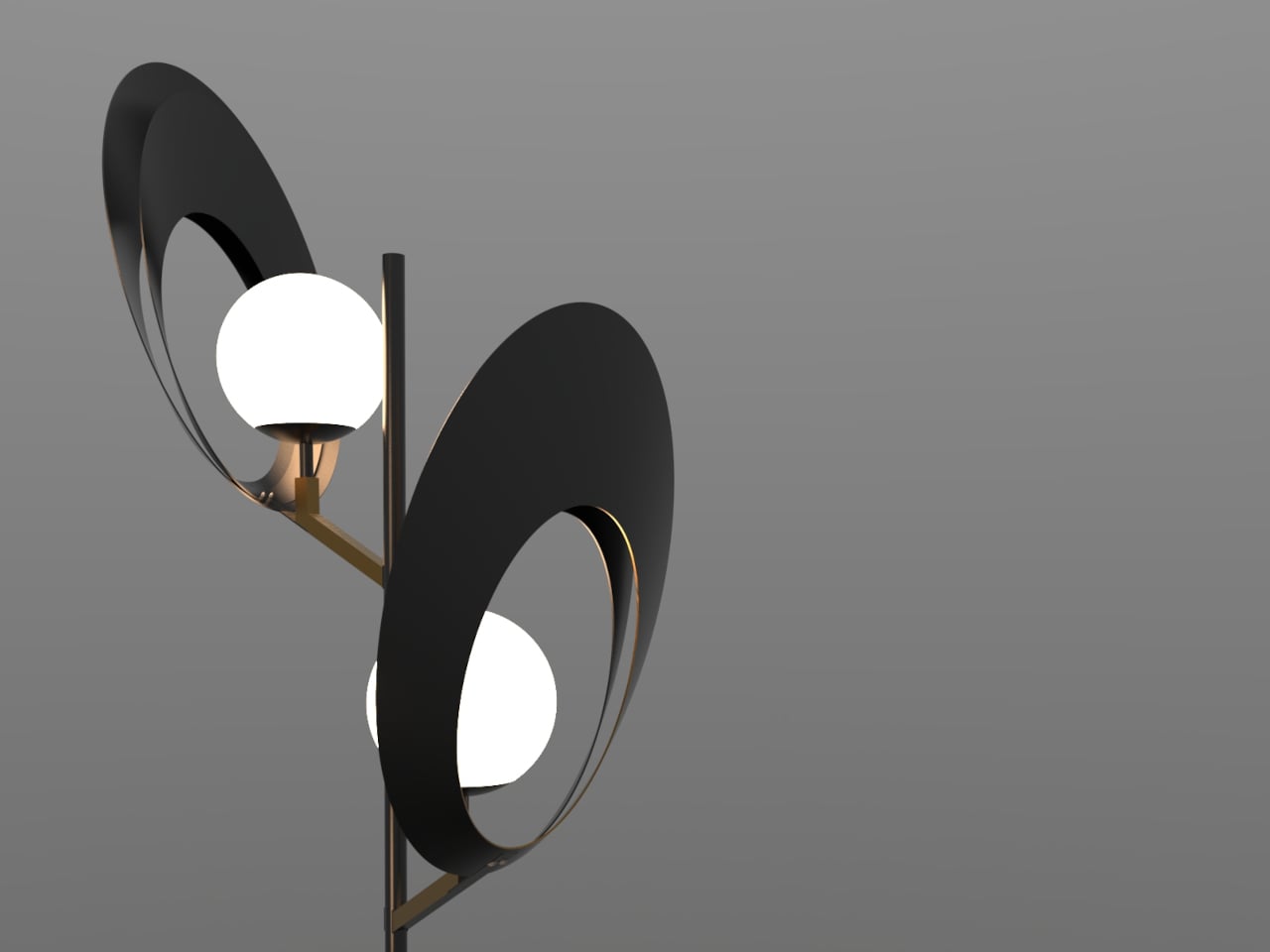
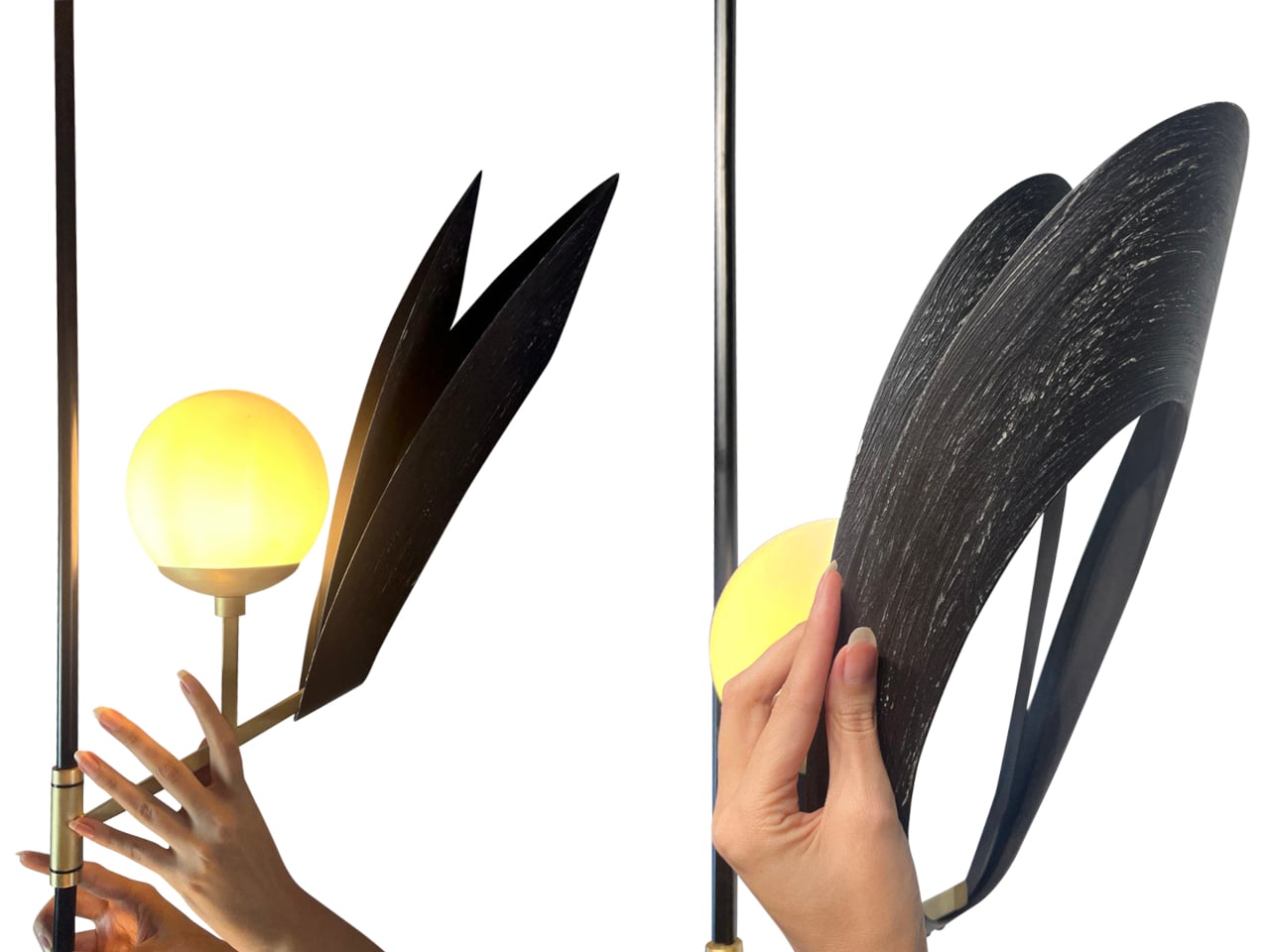
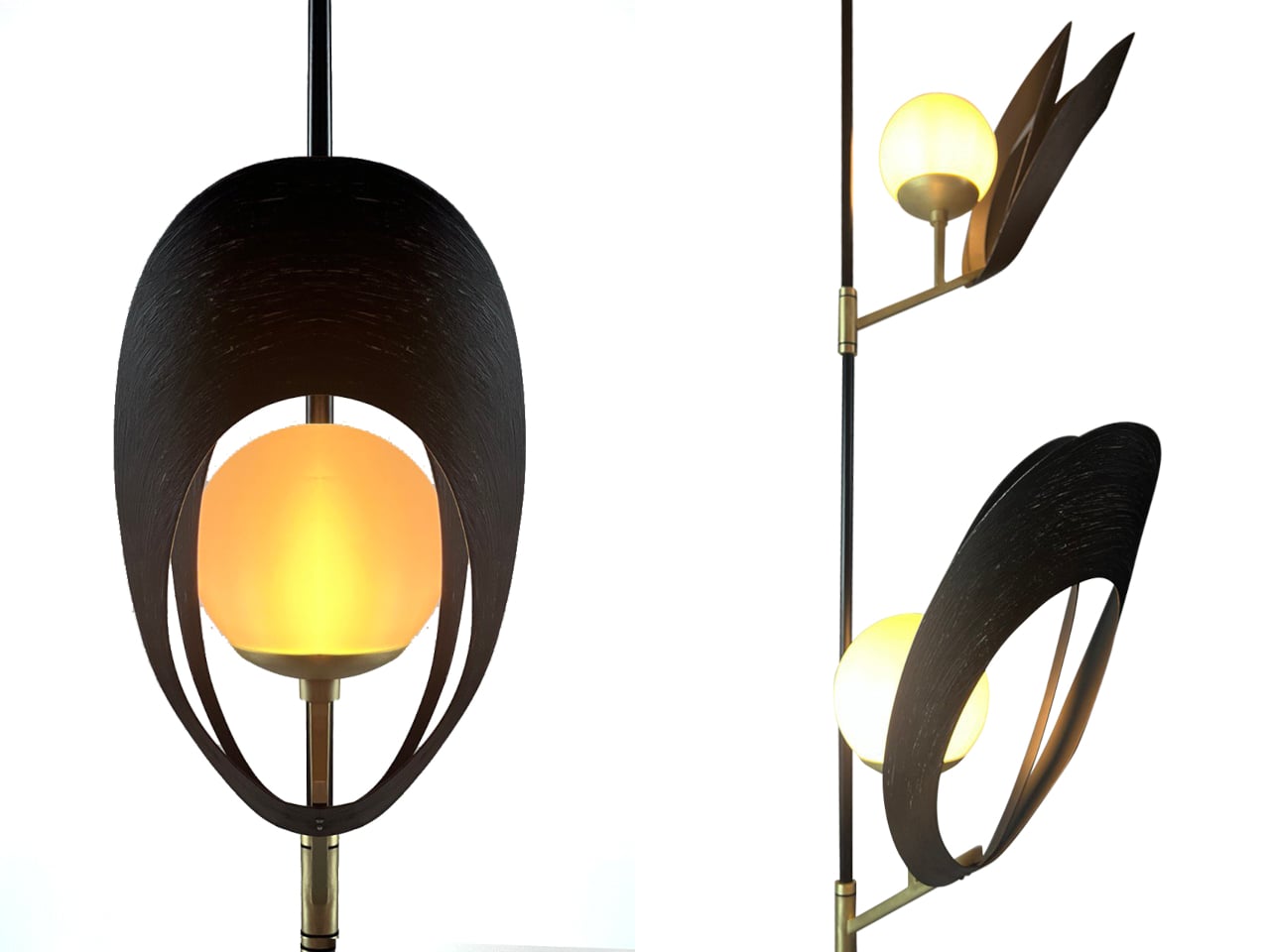
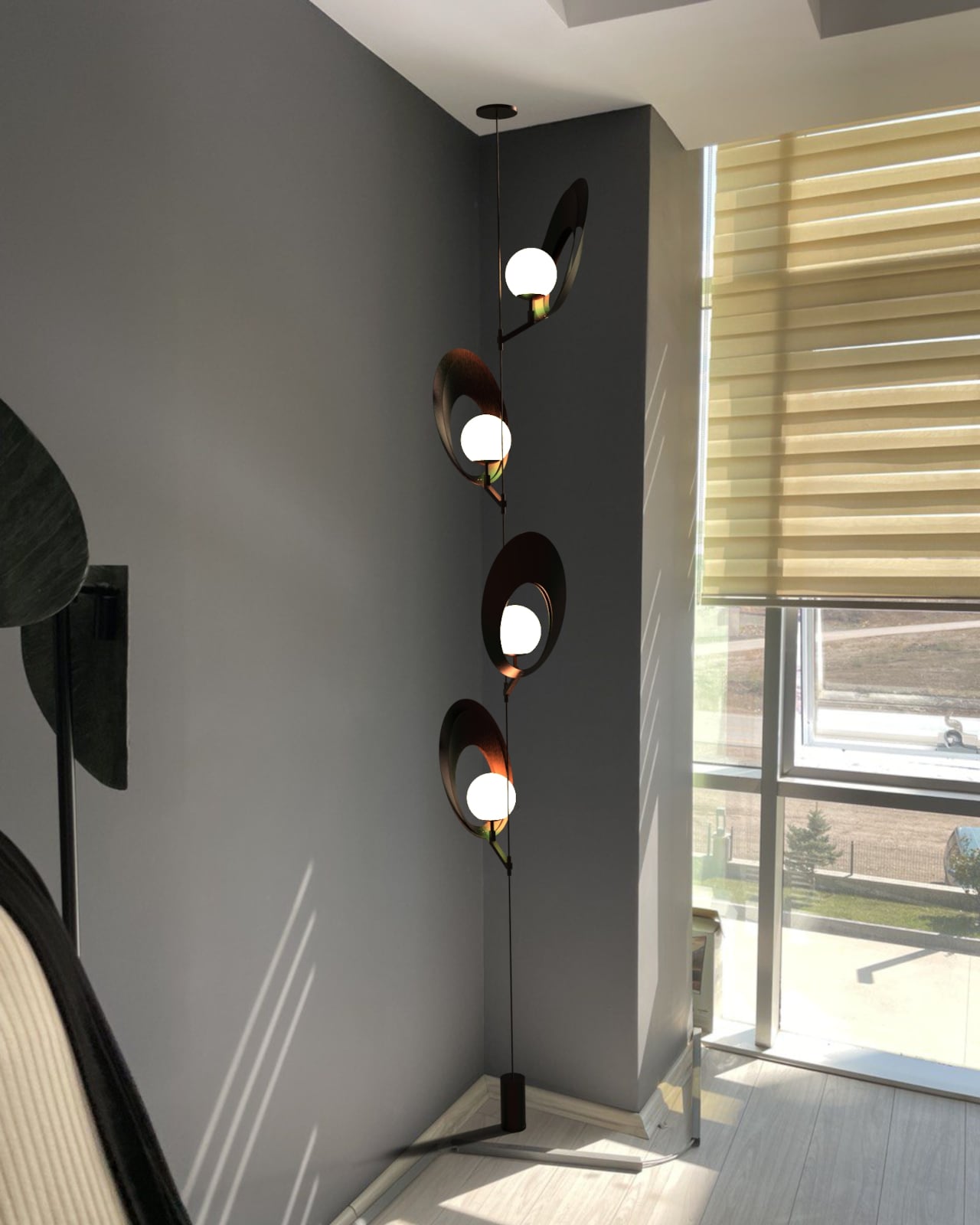
The starting reference is the black sea shell, specifically the way its structure balances curvature, layering, and quiet rhythm without any of it feeling constructed. Each Pelk module translates that logic into a pair of curved metal arcs, split open at the front, wrapping a frosted spherical globe without fully enclosing it. The arcs have a brushed, darkened finish and a visible surface texture that reads as geological up close, smooth from a distance, but clearly worked.
What the shell geometry does for the light is more interesting than what it does for the form. The arcs cup the globe rather than enclose it, so light spills forward and sideways while the back of the shell stays dark. Brass-toned cylindrical connectors catch just enough ambient glow to register as a material contrast. On the wall behind, the arcs throw wide, wing-like shadows that shift with viewing angle, extending the fixture’s presence well beyond its physical footprint.
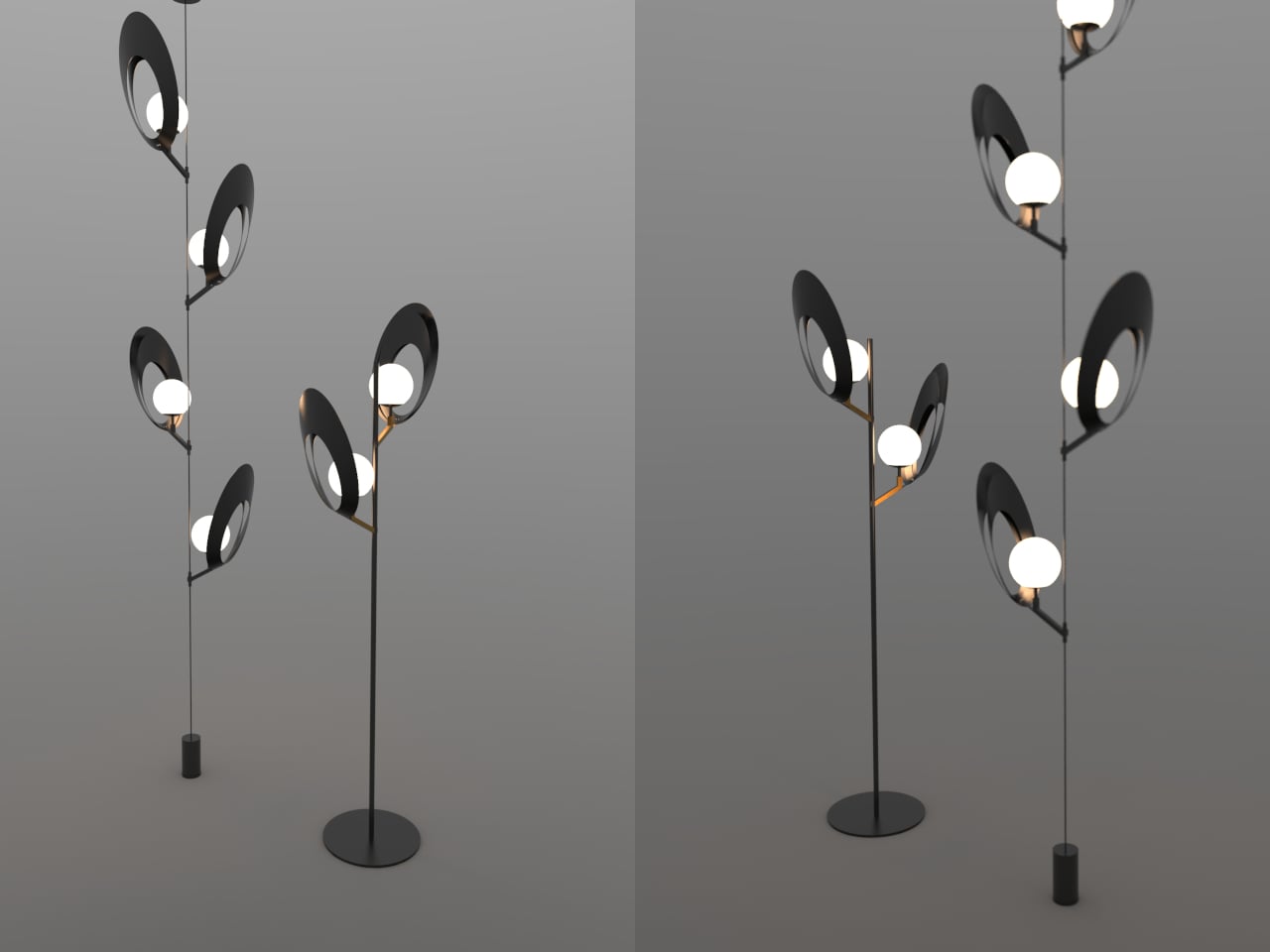
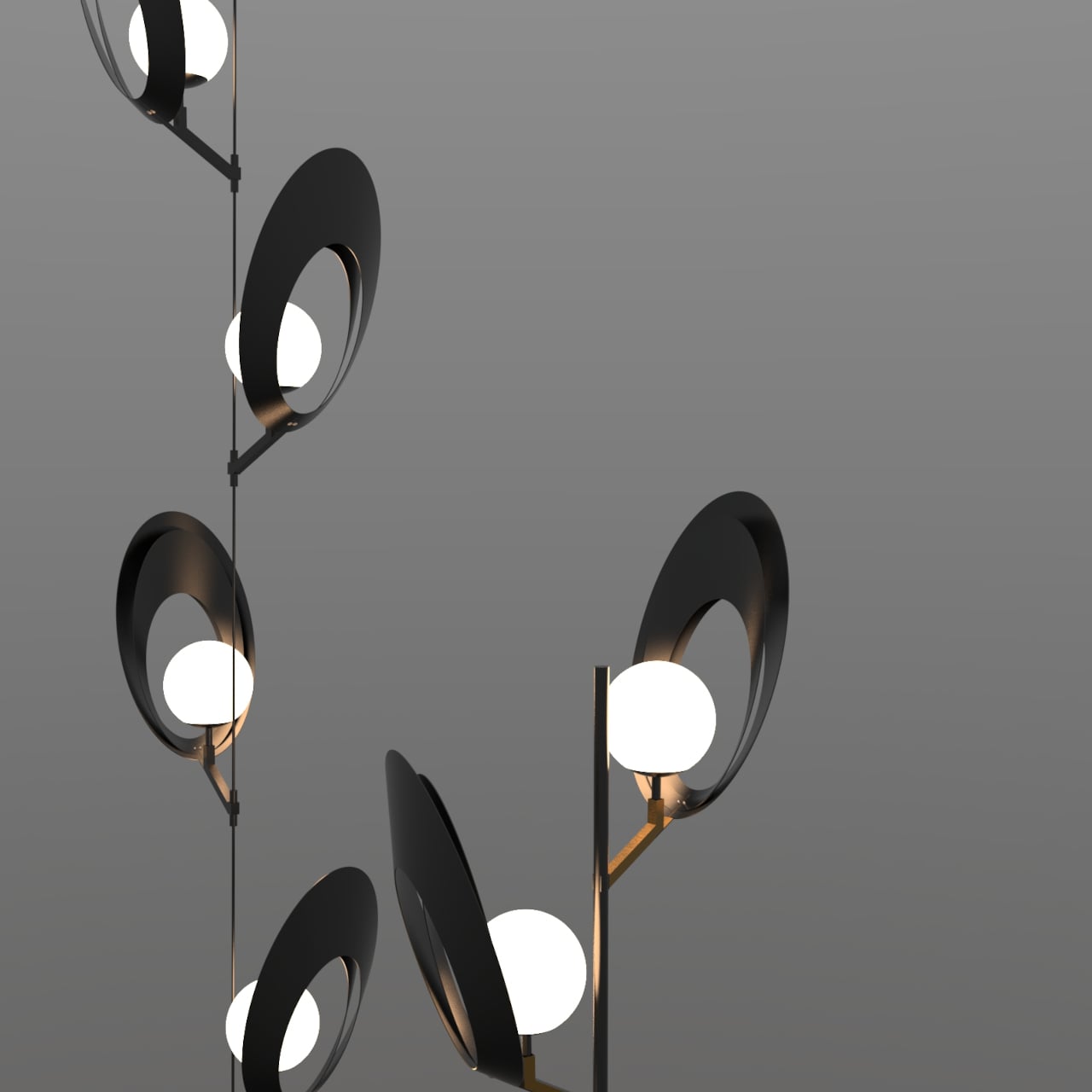
Pelk comes in two configurations. The floor lamp mounts two modules on a slender black rod above a flat circular base, staggered in height and rotated so the pair reads as a branching structure rather than a stack. The pendant version runs a thin cable from a ceiling mount down to a cylindrical floor counterweight, with four modules spiraling the full length, each rotated slightly from the last for a slow, unwinding rhythm.
That pendant version is the more spatially demanding of the two, occupying a full ceiling-to-floor span and working best against tall, uninterrupted walls where the vertical composition has room to resolve. A low ceiling or a cluttered corner fights it. The floor lamp is more forgiving, but it still performs better with clear wall space behind it, where the shadow work has somewhere to register, and the arcs read as architecture rather than decoration.
Arvandbarmchi frames Pelk as a spatial object that brings rhythm and proportion into a room, not just illumination. That ambition holds up in the pendant version especially, where the spiraling modules do something genuinely unusual with vertical space. That said, the lamp’s strong visual identity could either make it a collaborator in a room’s composition or a fixture that quietly competes with everything around it.
Large Language Models (LLMs) have transformed natural language processing, but their limitations, such as fixed training data and lack of real-time updates, pose challenges for certain applications. IBM Technology explores two prominent strategies for addressing these gaps: Retrieval-Augmented Generation (RAG) and long context. RAG integrates external data through embedding models and vector databases, making it […]
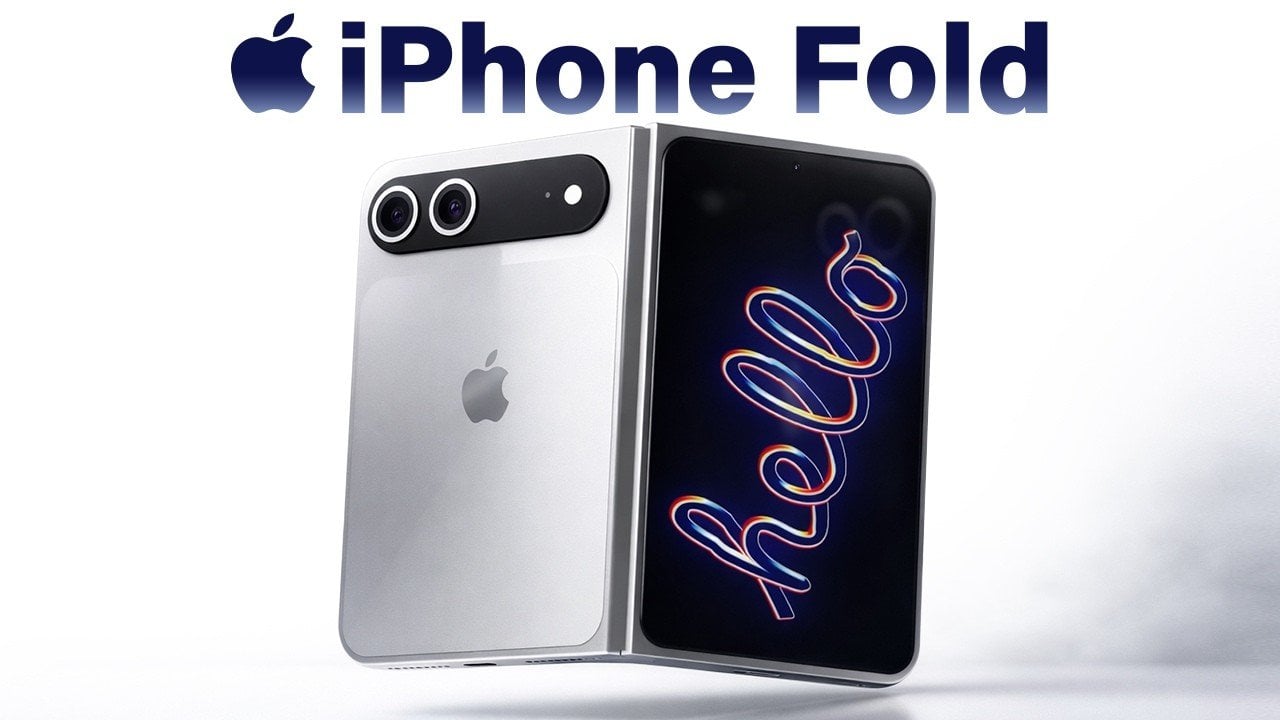
Apple is poised to make its debut in the foldable smartphone market with its first-ever foldable iPhone, rumored to launch in 2026. Tentatively named the iPhone Fold or iPhone Ultra, this device is expected to combine advanced technology, a sleek design, and a premium price tag of approximately $2,000. With its anticipated features and innovations, […]
Proton’s latest creation, Lumo, is a privacy-focused AI agent designed to stand out in a market dominated by data-driven alternatives. Built on open source AI models like Nemo and Mistral, Lumo emphasizes user data security with features such as end-to-end encryption and no data logging. Techlore’s review explores how these privacy measures translate into real-world […]
It’s not just the major social platforms that know how effective an endless scroll of short videos is at hijacking your dopamine system. Disney+ is adding Verts, a selection of short vertical clips you can scroll through to keep your brain chemistry happy when you are in the bathroom so inclined. The company says it’s a “dynamic feed” to help users “quickly find their next favorite watch,” letting you jump straight in to see the full movie or TV show the clip hails from. Not to mention the side benefit of elbowing out those social platforms, many of which use cut-down clips of Disney-owned content anyway.
Disney said it would be adding vertical video to its premiere streaming platform back in January, and it also launched Verts on the ESPN app last year. Today, it said the addition of vertical clips drove “additional engagement,” but neglected to mention by how much. It's worth noting Disney's not an outlier here — Netflix announced a similar pivot back in January as well.
The company does say, however, that its recommendation engine has an “advanced algorithm” to ensure the clips are relevant to each user. Naturally, Disney is happy to lean on the century or more of content in its library, but also said Verts could broaden out to include “content from creators that reflects our fandoms.” Which you could (and should) take as a plan to at least try to put a tank or two on YouTube’s front lawn.
This article originally appeared on Engadget at https://www.engadget.com/entertainment/streaming/disney-gets-its-own-time-sucking-vertical-video-section-133308487.html?src=rss
The first season of a TV show is a tricky thing. It has to convince people to watch it and justify the show’s existence to the network (or streaming service) execs. It has to deal with actors and writers who may not have fully dialed into the characters and world yet. There are some shows with absolutely stellar first seasons — Stranger Things, Veronica Mars and Ted Lasso are a few — but many other hit shows stumbled out of the gate, like The Office and Supernatural.
Star Trek is not immune to this phenomenon. The Original Series had a decent first season, with classic episodes like “The City on the Edge of Forever.” But the next four shows all have rather weak beginnings, with even fan-favorite The Next Generation stumbling badly with episodes like “Code of Honor.” That show picked up in season three, beginning a trend called “Growing the Beard,” in reference to how Commander Riker’s new beard coincided with the uptick in quality.
This trend unfortunately continued into the current era, with 2017’s Star Trek: Discovery delivering a first season with an overwhelmingly dour tone and a lot of franchise changes that didn’t sit well with fans. The show made some tweaks in season two (including a change in setting that involved traveling 900 years into the future), and showed a lot of improvement with season three. Picard also floundered horribly, with an uneven first season that killed off some fan-favorite characters and also turned the title character into an android.
Things started looking up after that, with shows like Strange New Worlds all posting strong outings with their first go-arounds. While episodes like “A Quality of Mercy” and “Lift Us Where Suffering Cannot Reach” may not make the list of all-time classics, there are no outright stinkers. It seemed like the franchise as a whole was finally finding its footing in this new streaming era.
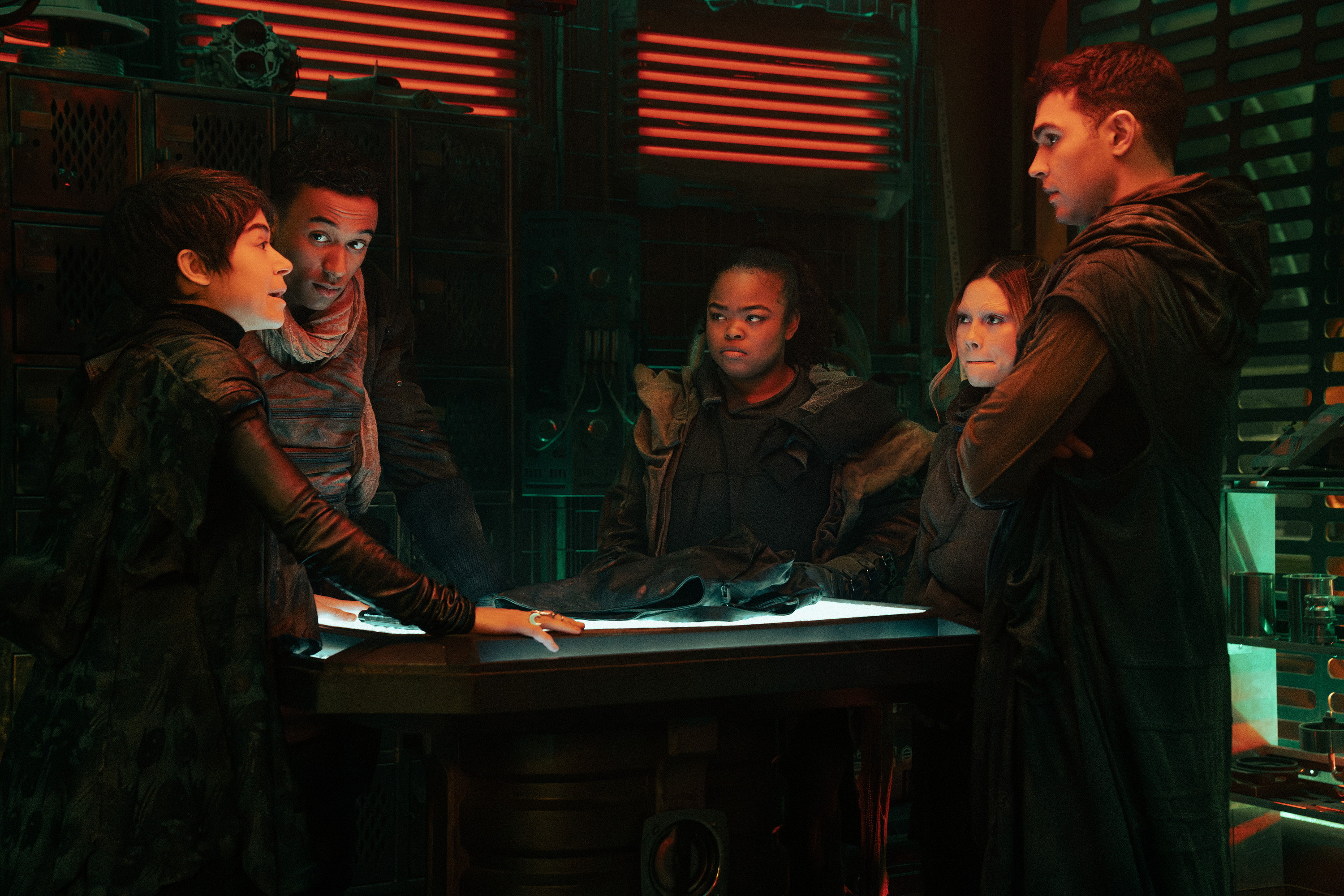
L-R: Tatiana Maslany as Anisha, Sandro Rosta as Caleb, Kerrice Brooks as SAM, Bella Shepard as Genesis, and George Hawkins as Darem in season 1, episode 9, of Star Trek: Starfleet Academy streaming on Paramount+.
Michael Gibson/Paramount+
That leads us to Starfleet Academy, which debuted in January on Paramount+. Prior to its premiere, the internet was full of people deriding it as “CW Trek” and declaring that they don’t want to watch a show about “teenyboppers” that wasn’t “real” Star Trek. Now that the show has finished its first season… the internet is still full of people complaining. But many folks who were wary of it at the beginning have been pleasantly surprised — every day there seems to be multiple posts on various Star Trek subreddits along the lines of “Starfleet Academy is actually good?!?” I personally didn’t enjoy the first episode, but episode two turned me around rather quickly, and it seemed that every week brought new converts.
Granted, 10 episodes is a short amount of time to make an impact, but Starfleet Academy did a lot with that number. Four of the episodes are dedicated to the ongoing villainy of Nus Braka, a murderous pirate played with scene-chewing delight by Paul Giamatti. These have all been pretty straightforward adventure stories, which also did a good job of fleshing out not only Braka, but cadet Caleb Mir, whose mother went to prison because of Braka.
The emphasis on Caleb in the first episode made it seem like the show would focus on him, much in the way Discovery focused on Michael Burnham, but he took a back seat as the show explored the other characters as well as its setting. Episode two, “Beta Test,” focused on diplomacy, a long-standing theme of Star Trek, and even shook up the status quo by moving the Federation headquarters from Earth to Betazed.
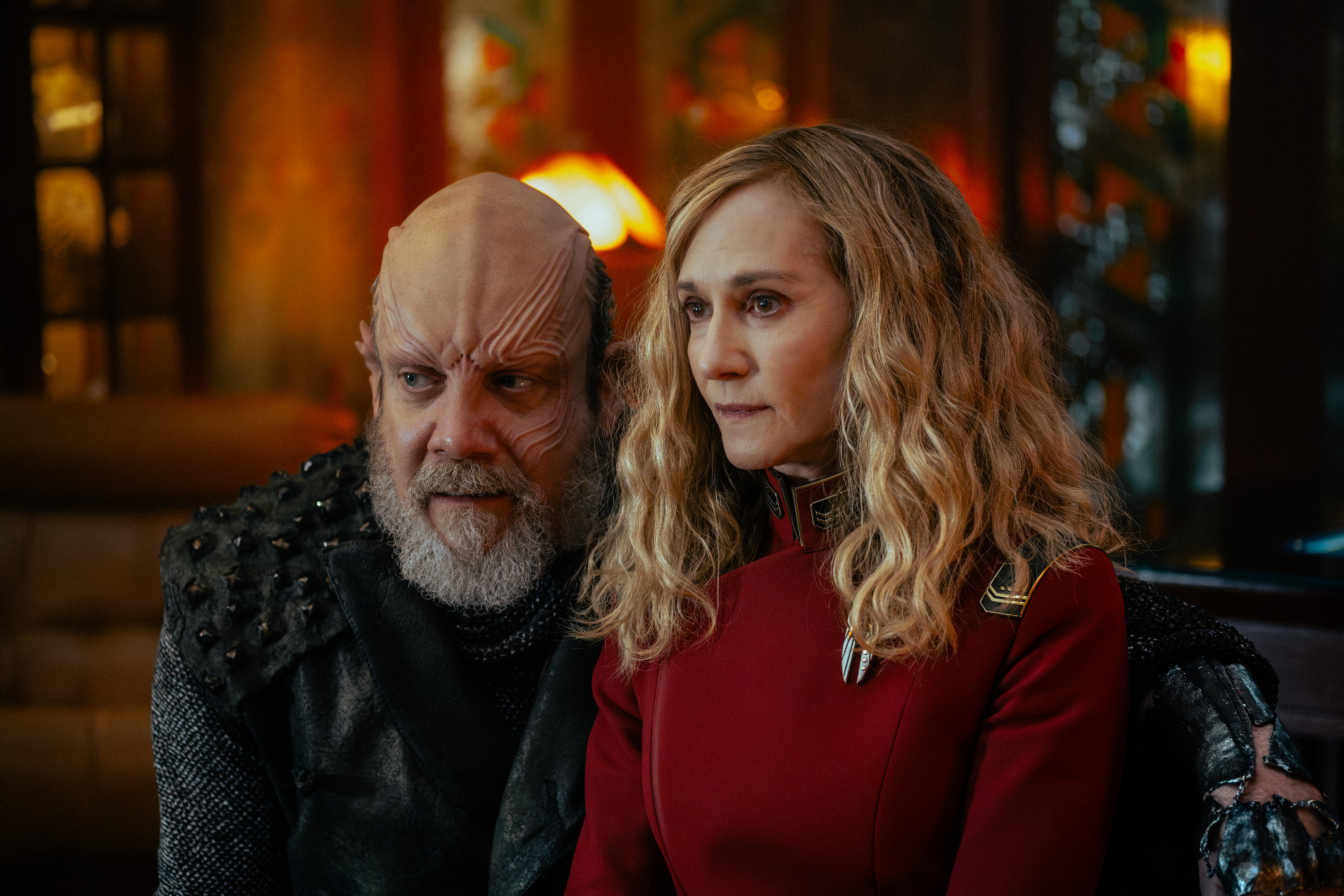
Paul Giamatti as Nus Braka and Holly Hunter as Captain Nahla Ake in season 1, episode 6, of Star Trek: Starfleet Academy streaming on Paramount+.
Brooke Palmer/Paramount+
Episodes four and five were more personal stories, with “Vox in Excelso” focusing on soft boy Klingon character Jay-Den as well as the fate of his race in general after hundreds of years, while “Series Acclimation Mil” also gave us characterization of photonic being Sam along with some heartfelt fan service for the Deep Space Nine fandom. Sam would also shine once more in “The Life of the Stars,” an episode that dealt with trauma, but also (again) delivered fan service in a way that didn’t feel like pandering because of how it was used to develop not just Sam, but also the Doctor, a legacy character from Voyager.
It’s not that every episode in season one of Starfleet Academy is a masterpiece – “Vitus Reflux” and “Ko’Zeine” are somewhat weak – but none of them are outright bad, making the batting average of the season rather high. That bodes well for word-of-mouth, as it's easier to recommend a show when you don't have to couch it with excuses about how it gets good “eventually.”
It will need that word-of-mouth if it wants to get through a complete four seasons of schooling; season two just finished filming so we're guaranteed at least that, but there's a lot up in the air for not just the show, but the entire franchise. Strange New Worlds season four will debut later this year, and then we have an abbreviated season five to look forward to. But past that, nothing firm is on the horizon: Starfleet Academy hasn't been renewed yet, and projects like the Tawny Newsome-helmed comedy show are still in development with nothing tangible revealed yet.
Newsome played Beckett Mariner on Lower Decks and worked in the writers room for Starfleet Academy — she's an example of how Paramount has been building up a roster of talent behind the scenes for the franchise who, even when a show is new, understand the universe and, more importantly, how to work together to make good TV. And that's going to be important in the next year or so, as Paramount makes decisions about the future of the franchise in the shadow of the recent Skydance merger and the upcoming Warner Bros. purchase. Star Trek has an uphill battle ahead of it, but at least Starfleet Academy’s first season has made it an easier climb.
This article originally appeared on Engadget at https://www.engadget.com/entertainment/starfleet-academy-is-the-best-first-season-of-a-star-trek-show-ever-133000945.html?src=rss
Google has announced that GFiber is merging with Astound Broadband, in an agreement that sees Astound’s parent company Stonepeak become the majority owner, with Alphabet retaining a minority stake.
No financial specifics were detailed in a press release, but the new combined business will be an independent provider led by GFiber’s executive team, who Google says will use its "expertise in high-speed fiber innovation to manage the combined network footprint." Astound already serves over one million customers across the US, and by joining forces Google says the two providers will be able to grant better internet access to more communities.
GFiber, formerly known as Google Fiber, has been around for nearly 15 years, and currently offers speeds of up to 8Gbps on its $150/month Edge 8 Gig plan. A 20 Gig service was expected to leave early access later in 2026.
The fiber broadband service is part of Alphabet’s "Other Bets" portfolio, which also includes Waymo, Verily, and Wing, a combined segment that recorded an operating loss of $16.8 billion in 2025, CNBCreports. The company’s deal with Stonepeak is subject to regulatory approval and is expected to close in Q4 of this year.
This article originally appeared on Engadget at https://www.engadget.com/big-tech/googles-gfiber-internet-business-is-merging-with-astound-broadband-132832086.html?src=rss
Luigi has always been the player two of the Mario universe. He’s the one handed the green controller by default, who spends most of his screen time in his brother’s shadow, and who somehow manages to be simultaneously underestimated and deeply beloved by everyone who has ever played a Mario Kart race. So when LEGO dropped the Mario Kart – Luigi & Mach 8 set on Mario Day, March 10, there was a delicious irony to it all: the day named for Mario became the day his little brother finally got the bigger headline.
The set, numbered 72050, is a 2,234-piece build aimed at adults 18 and up, and it follows LEGO’s 2025 Mario Day release, which featured Mario in his classic kart. That set was warmly received, but this one feels like the sequel that actually outdoes the original. Part of that is simply because Luigi as a character carries so much personality. His entire cultural identity is built around the idea that he is being perpetually slept on, and giving him a flagship collector set feels less like a cash grab and more like an overdue acknowledgment that a lot of people quietly prefer him anyway.
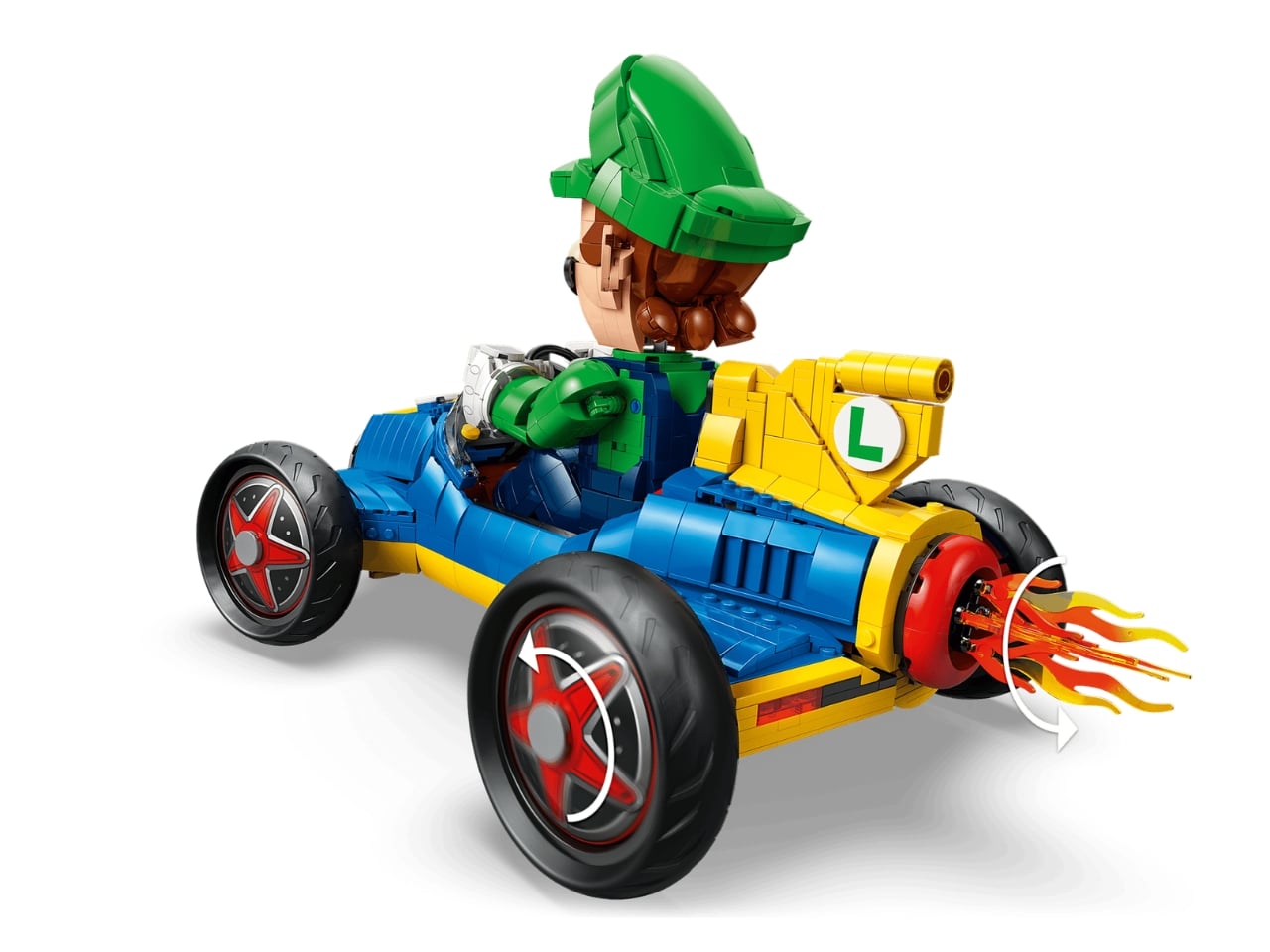
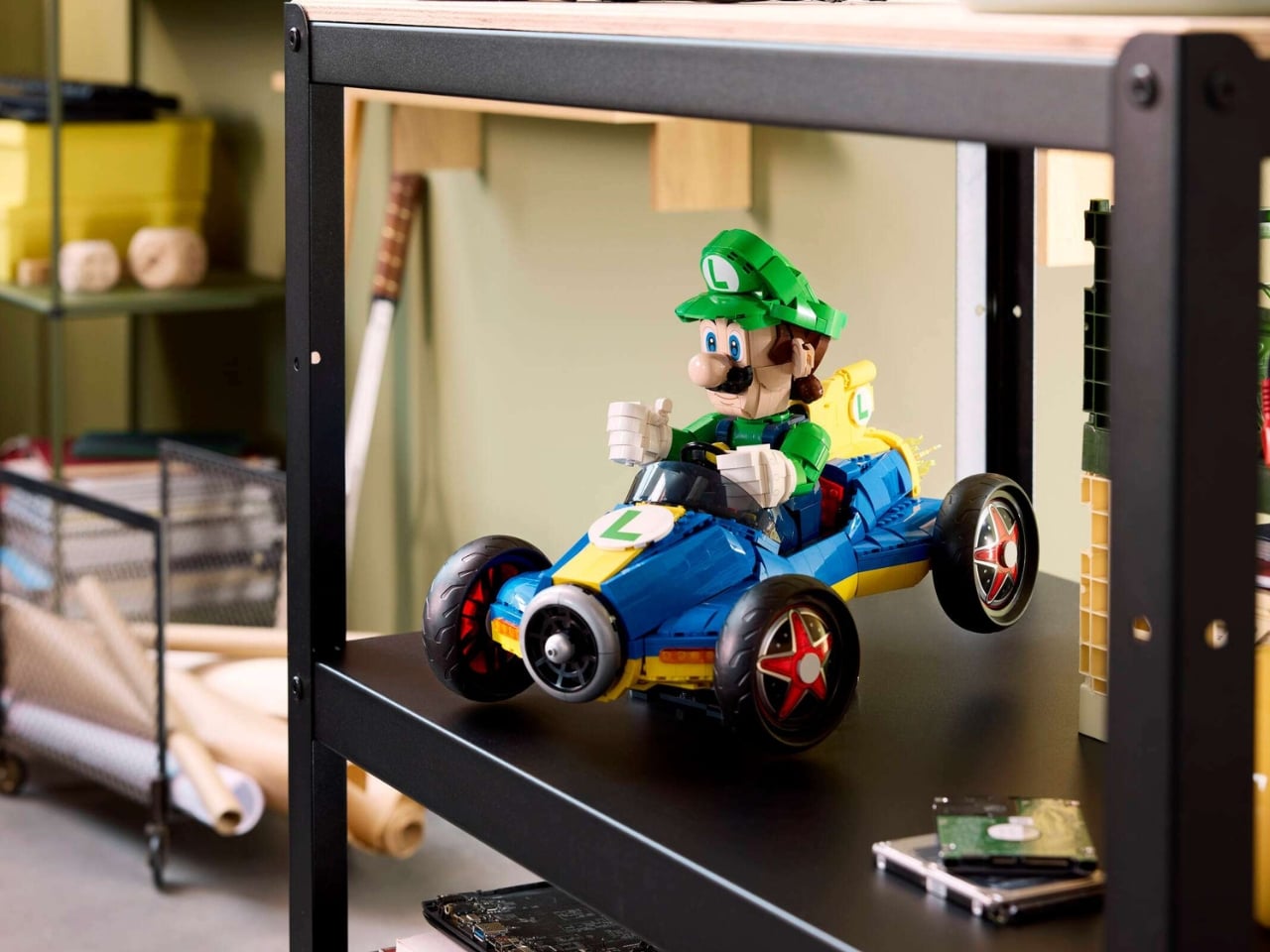
What you actually get here is impressive. The Mach 8, Luigi’s signature vehicle from the Mario Kart series, gets its first-ever large-scale LEGO brick recreation, and it looks exactly like the kind of thing you want sitting on a shelf and making guests stop mid-conversation. The model measures over 10 inches high, 16 inches long, and 9 inches wide, so it does not fade into the background. This is not a subtle display piece. The kart features rotating wheels, and it comes with a display stand that can be tilted to lock the whole thing mid-drift, which is a genuinely smart design decision. It transforms a static object into a frozen moment, and that distinction makes all the difference between a model that looks cool and one that actually tells a story.
Luigi himself is buildable and posable, with a head, arms, and hands that can be repositioned to change the feel of the display. You can remove him from the kart entirely, though he will stay in a seated pose since he is engineered specifically for that position. It is a minor limitation and one that makes total sense structurally, but it is worth knowing before you expect a fully articulated figure. The real appeal is seeing him rendered at this scale, in brick form, with that signature expression that reads somewhere between mild anxiety and quiet determination.
At $179.99, this is a deliberate purchase rather than an impulse buy, but it earns that price when you consider the piece count, the precision of the build, and the quality of the finished display. LEGO’s 18-plus line has spent years proving that adult sets are worth the investment, and this one sits comfortably alongside their most accomplished collector pieces. It occupies space the way a thoughtfully chosen art object does: intentionally, with a clear sense of what it wants to be.
What makes this set stand out in a crowded licensed toy market is that it does not rely purely on nostalgia to justify its existence. A lot of branded sets coast on recognition alone, betting that fans will show up regardless of the execution. The Luigi and Mach 8 set actually earns the attention. The Mach 8 is faithfully detailed, the mid-drift display option reflects real thought about how this thing will live in someone’s home, and the choice to lead with Luigi rather than produce another Mario variant shows a confidence in the character that feels genuinely refreshing.
Pre-orders are open now, and the set goes on sale officially on April 1, 2026. Whether you grew up always racing as Luigi because your sibling claimed Mario first, or you simply appreciate a well-executed collectible with real design ambition, this one belongs on the shortlist. Player two has never looked this good.