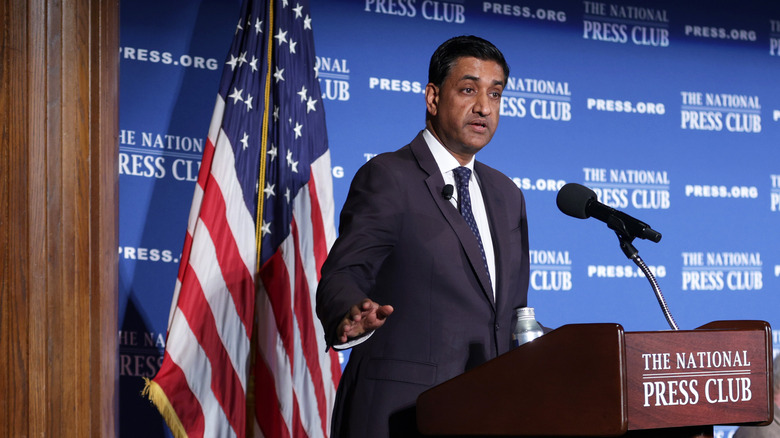
Ro Khanna calls for the right to oppose data centers to be protected
The congressman thinks it's time for a "Data Center Bill of Rights."

Most of us content creators have to juggle between two different types of mice for specific tasks. A normal mouse is the default choice for competitive gaming, graphic design, or video editing for its fast movements and better control for pixel-level accuracy. On the other hand, a vertical mouse is the ideal choice for office workers, coders, and writers like me who have to constantly deal with strain in the arms and shoulders.
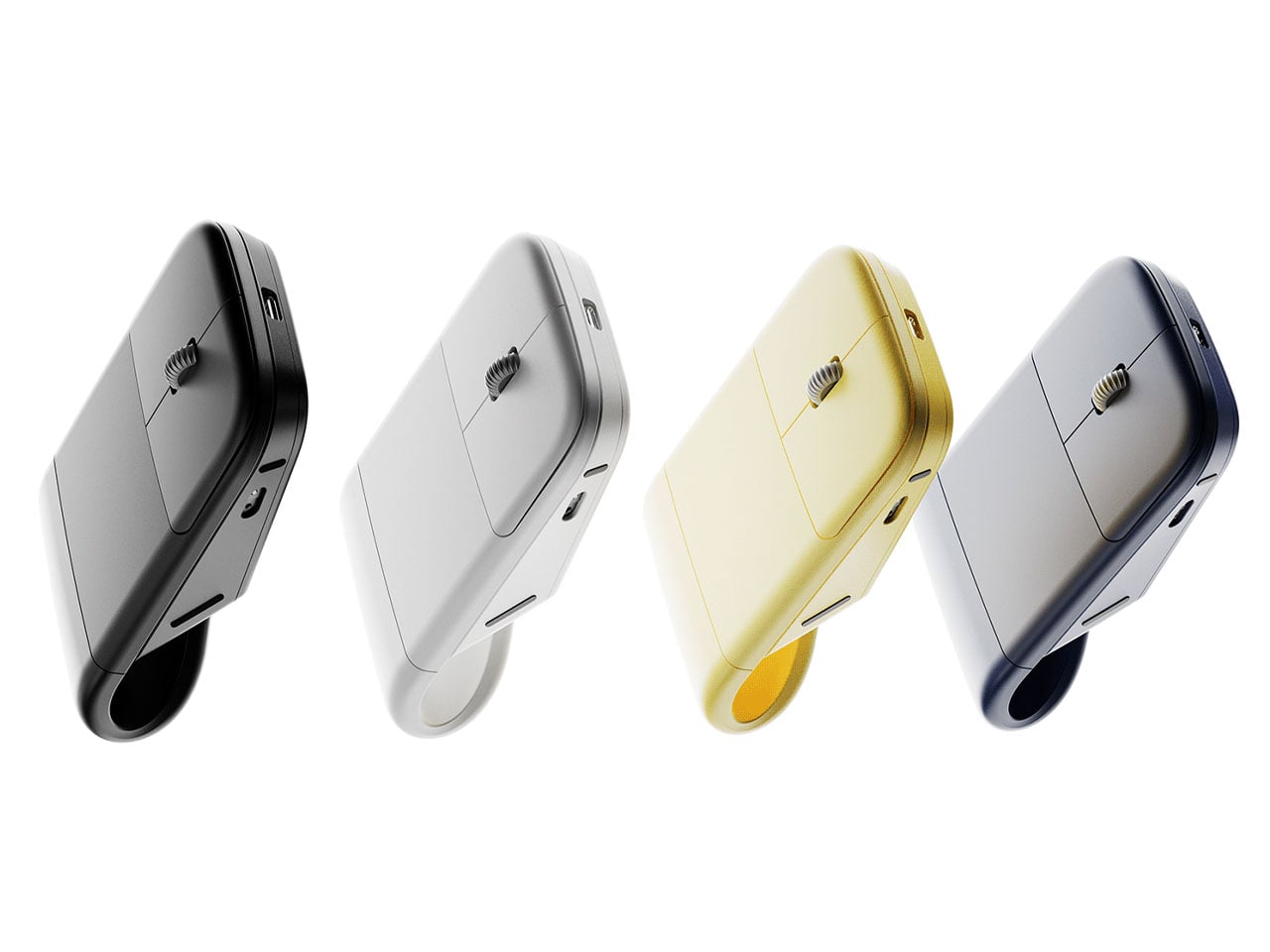
Anyone who has to work on their PC for long hours has to either choose one of them or keep both handy for different working styles. Won’t it be better if there was a mouse that could perform double duty? This concept lets us believe so with an intuitive design that lets the user decide what configuration of the mouse to utilize for specific tasks.
Designer: Taehyeong Kim
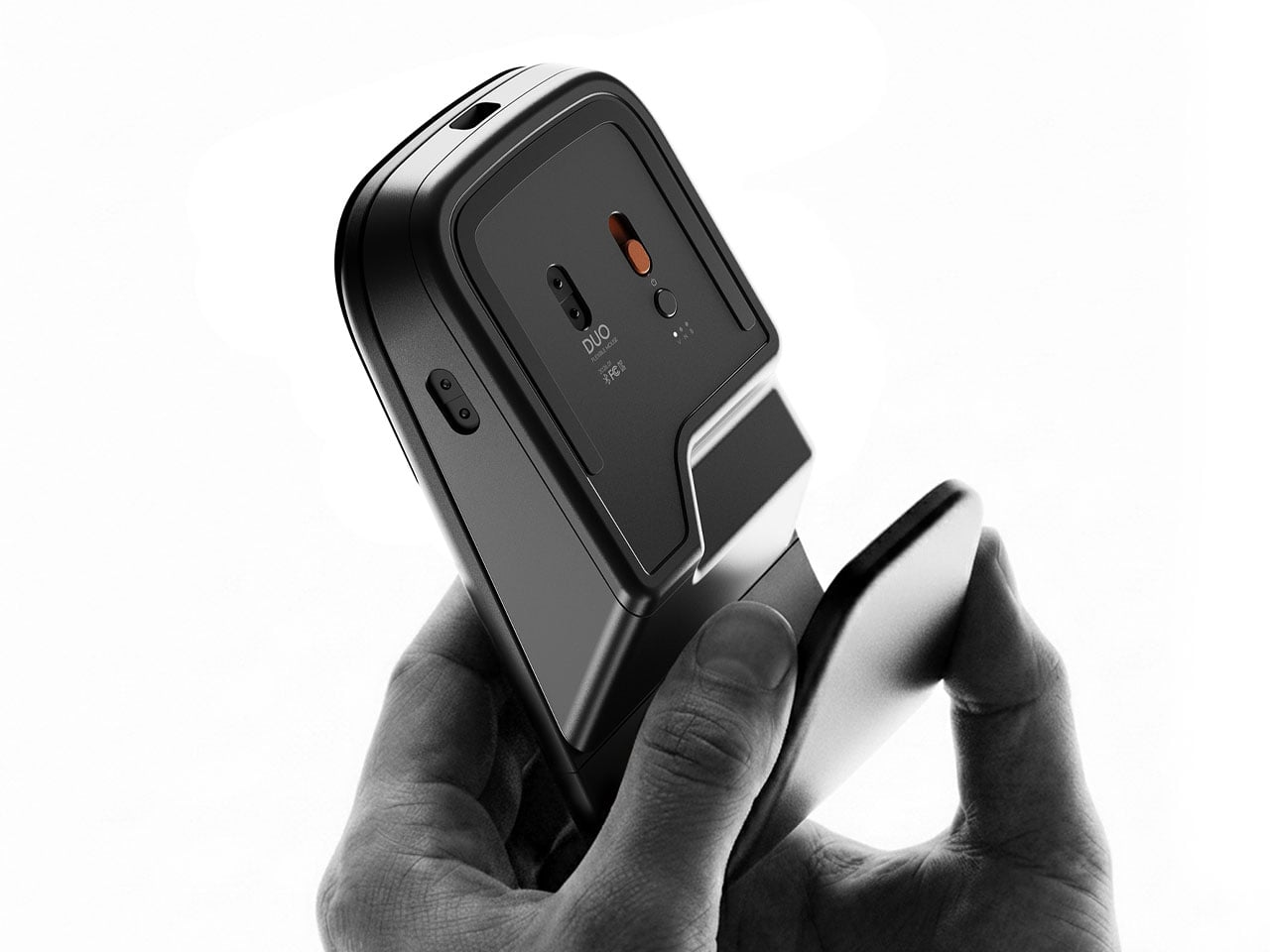
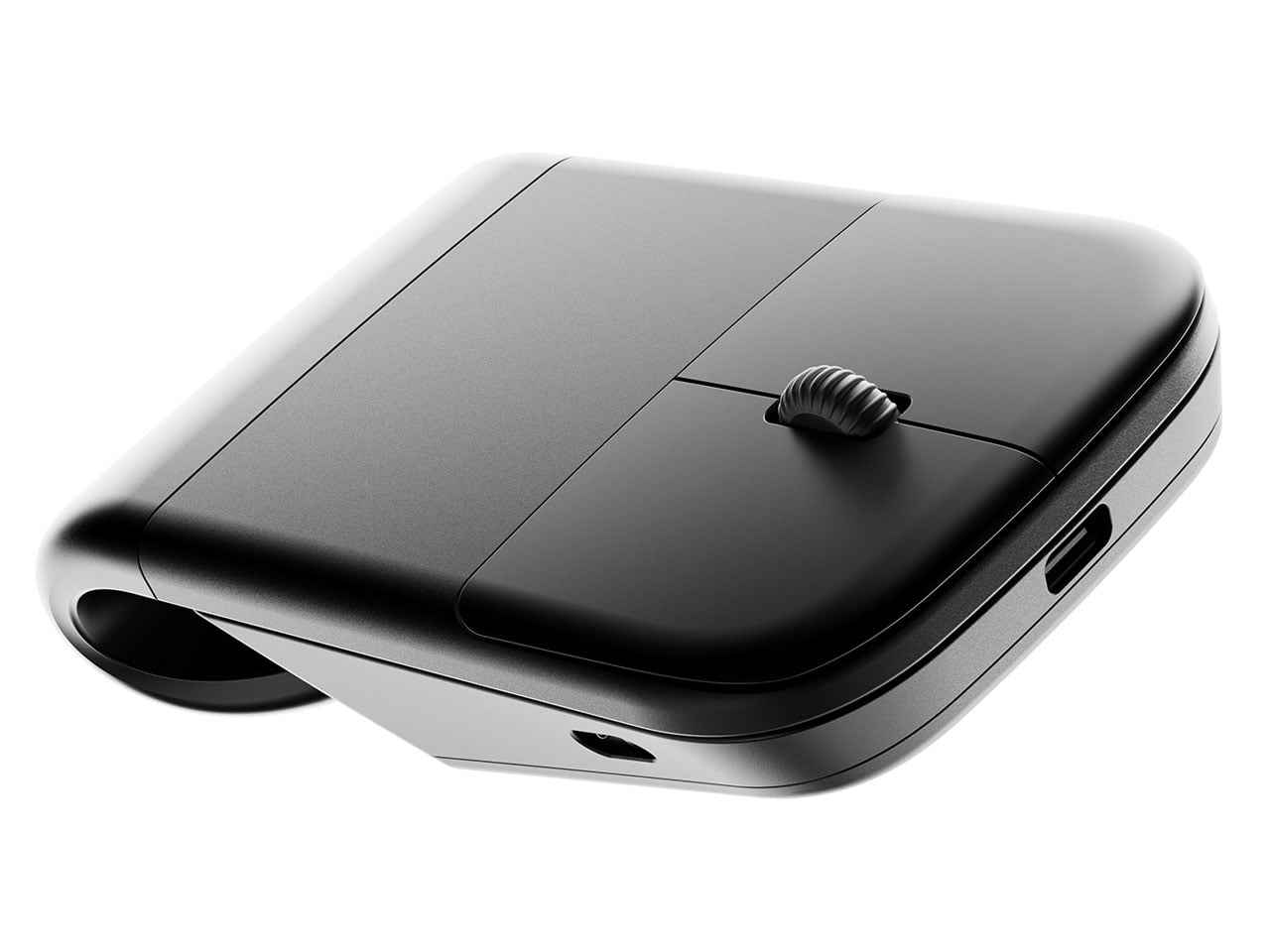
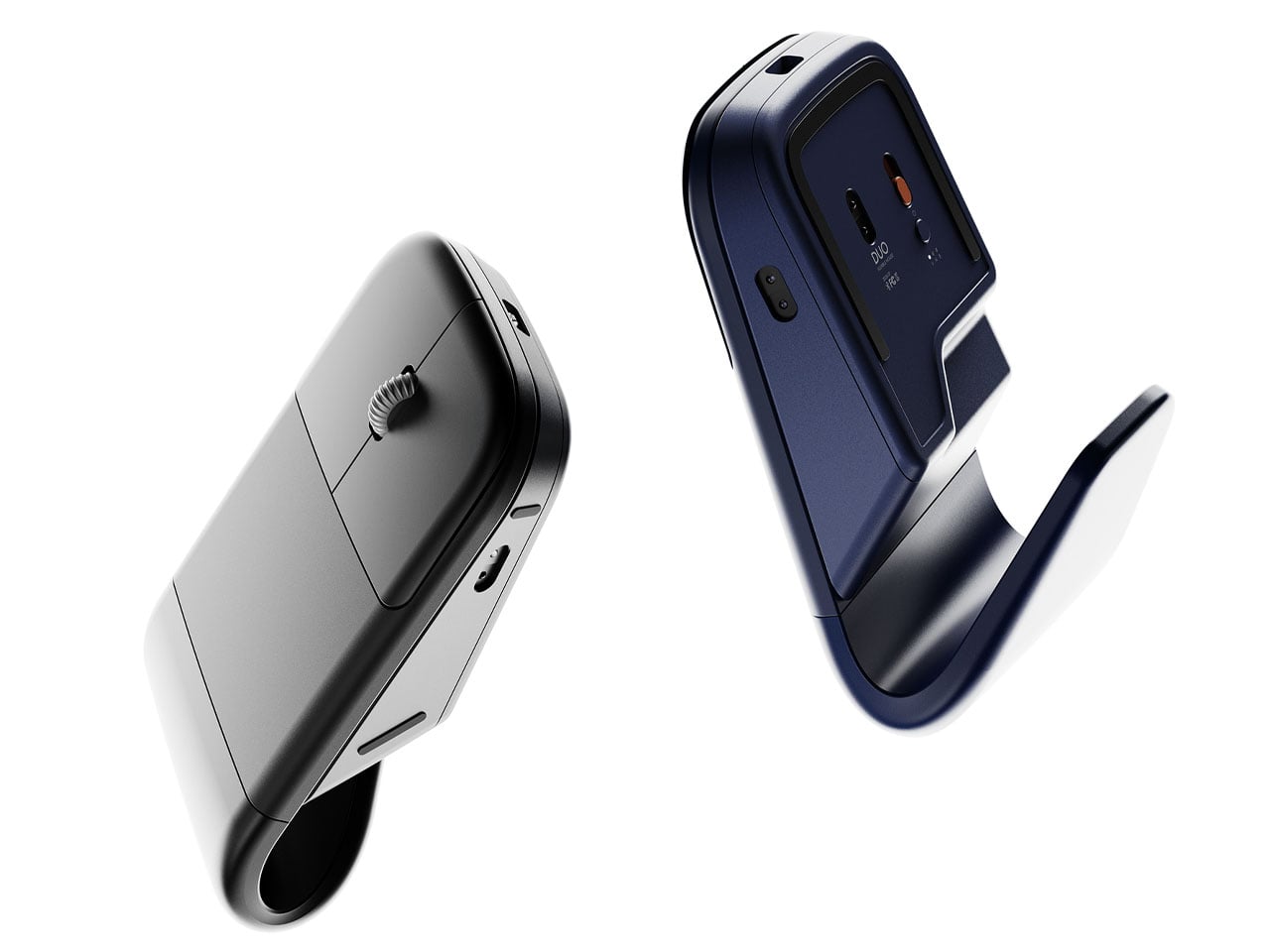
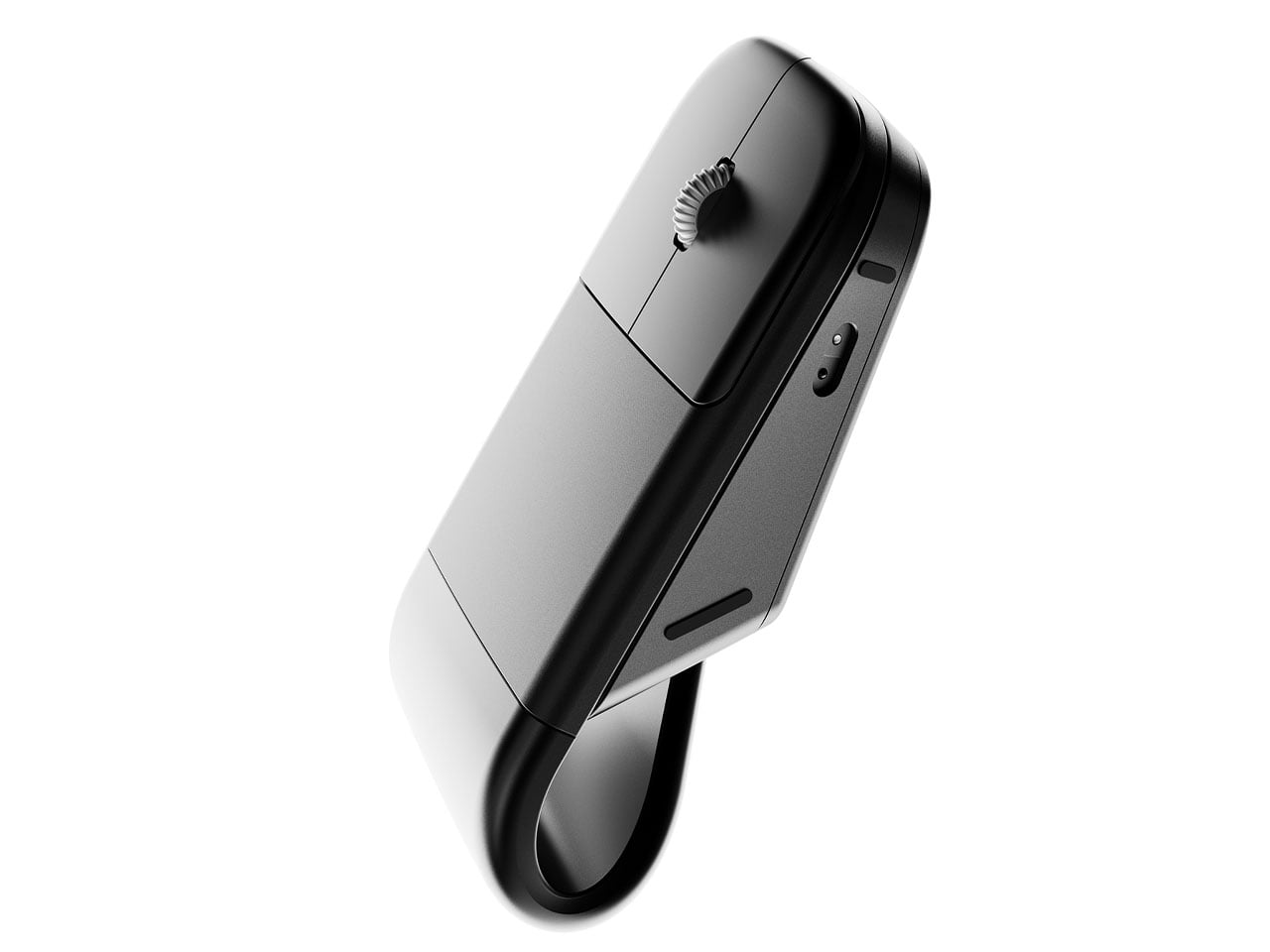
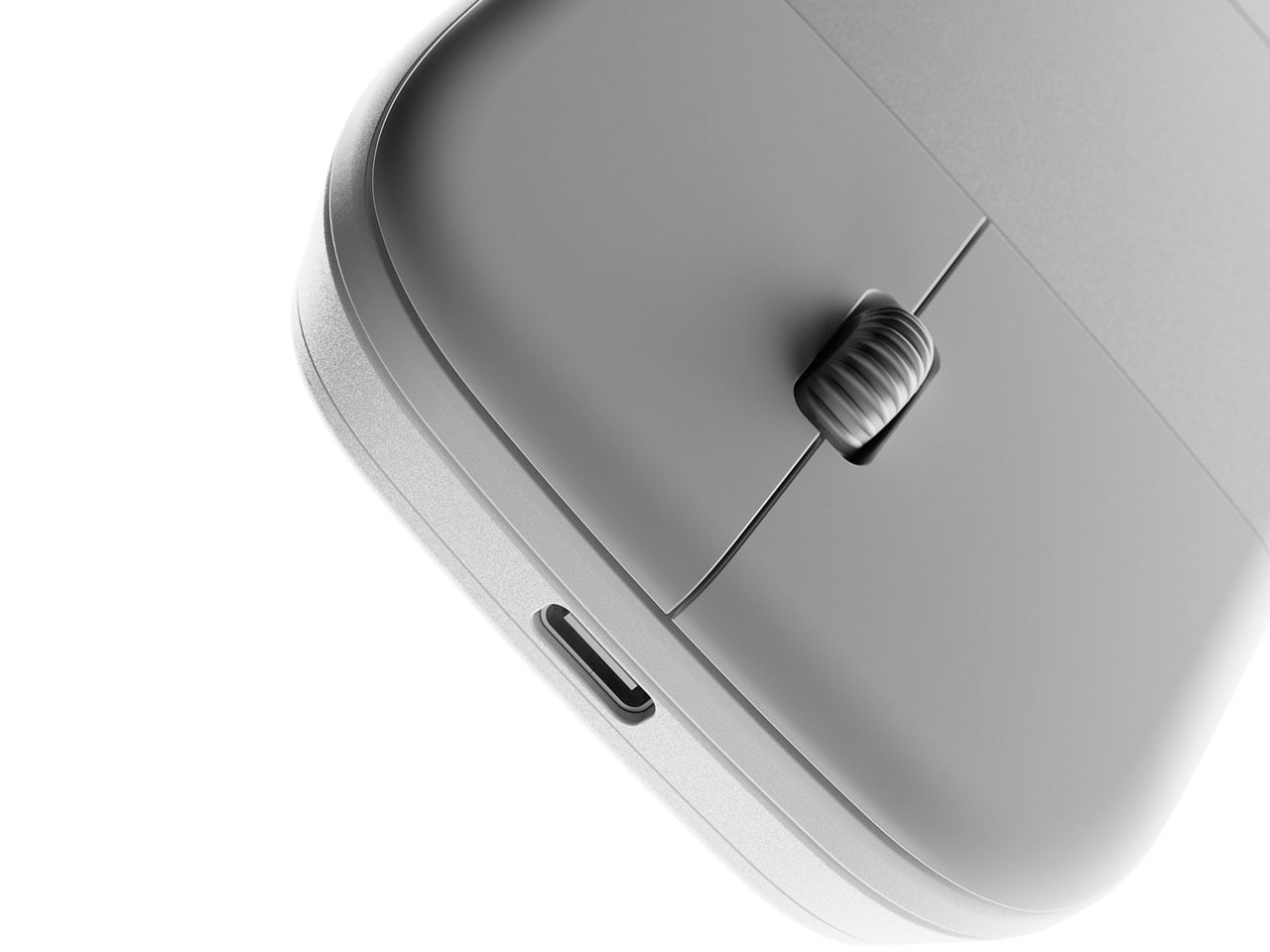
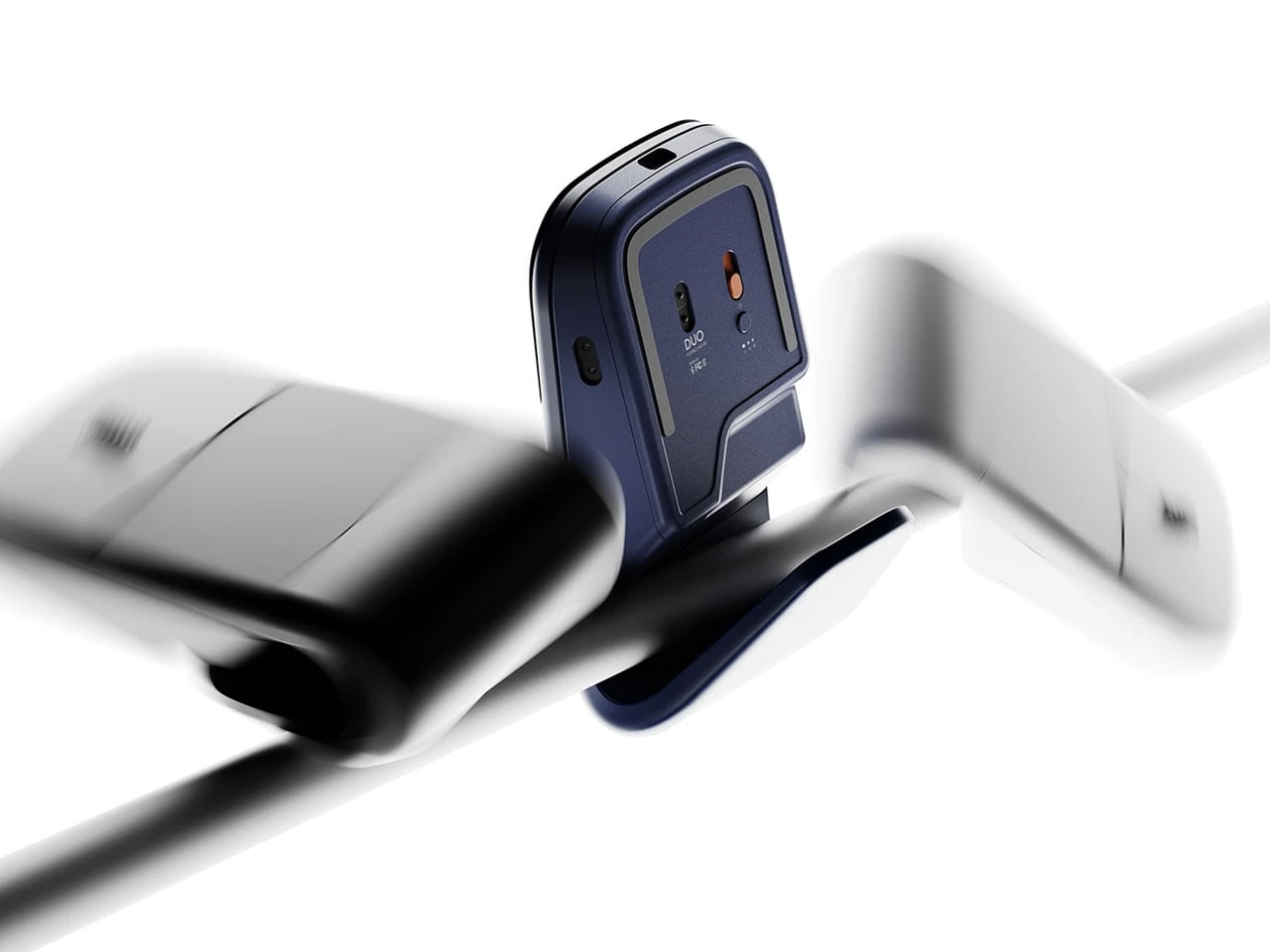
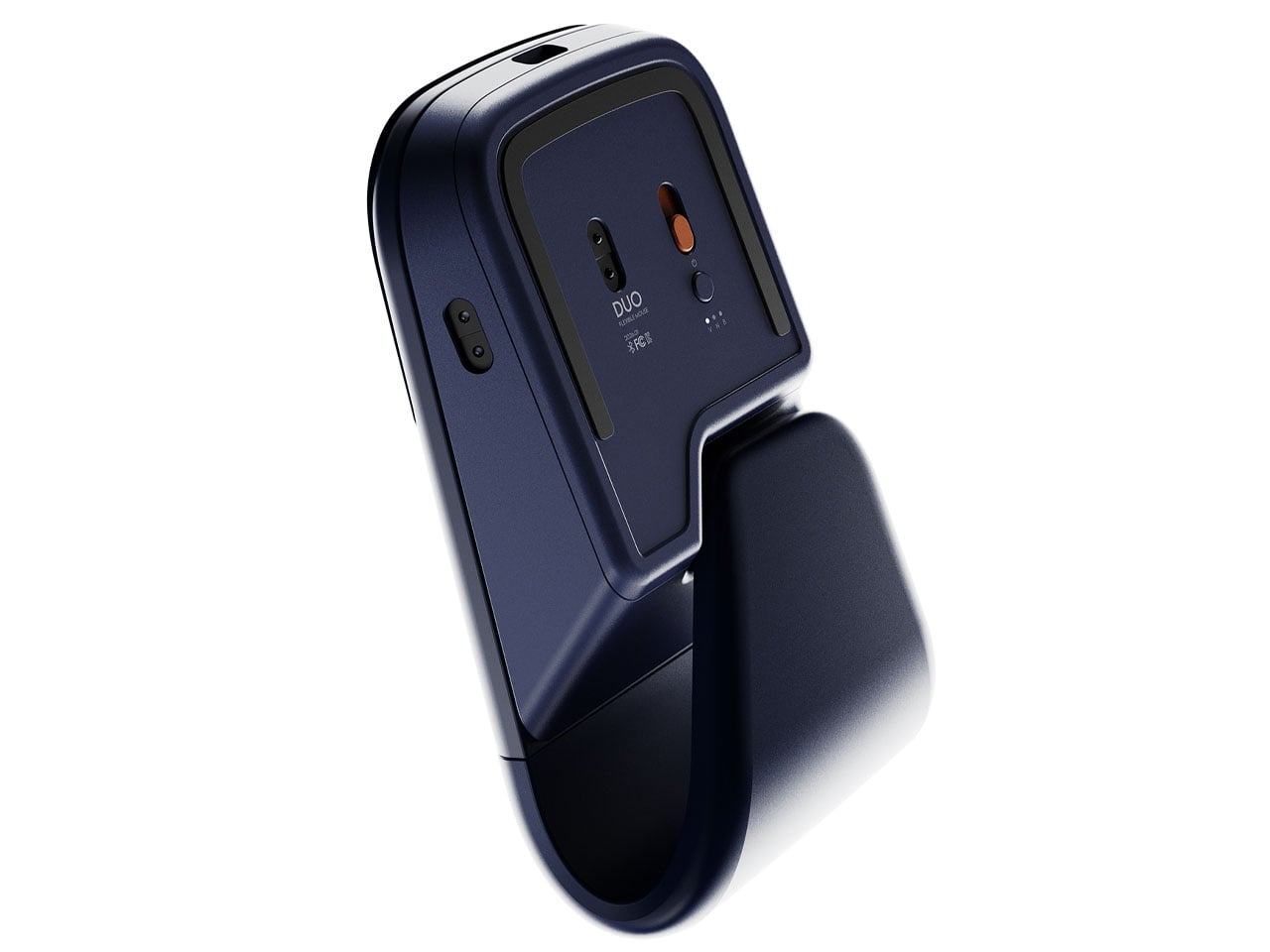
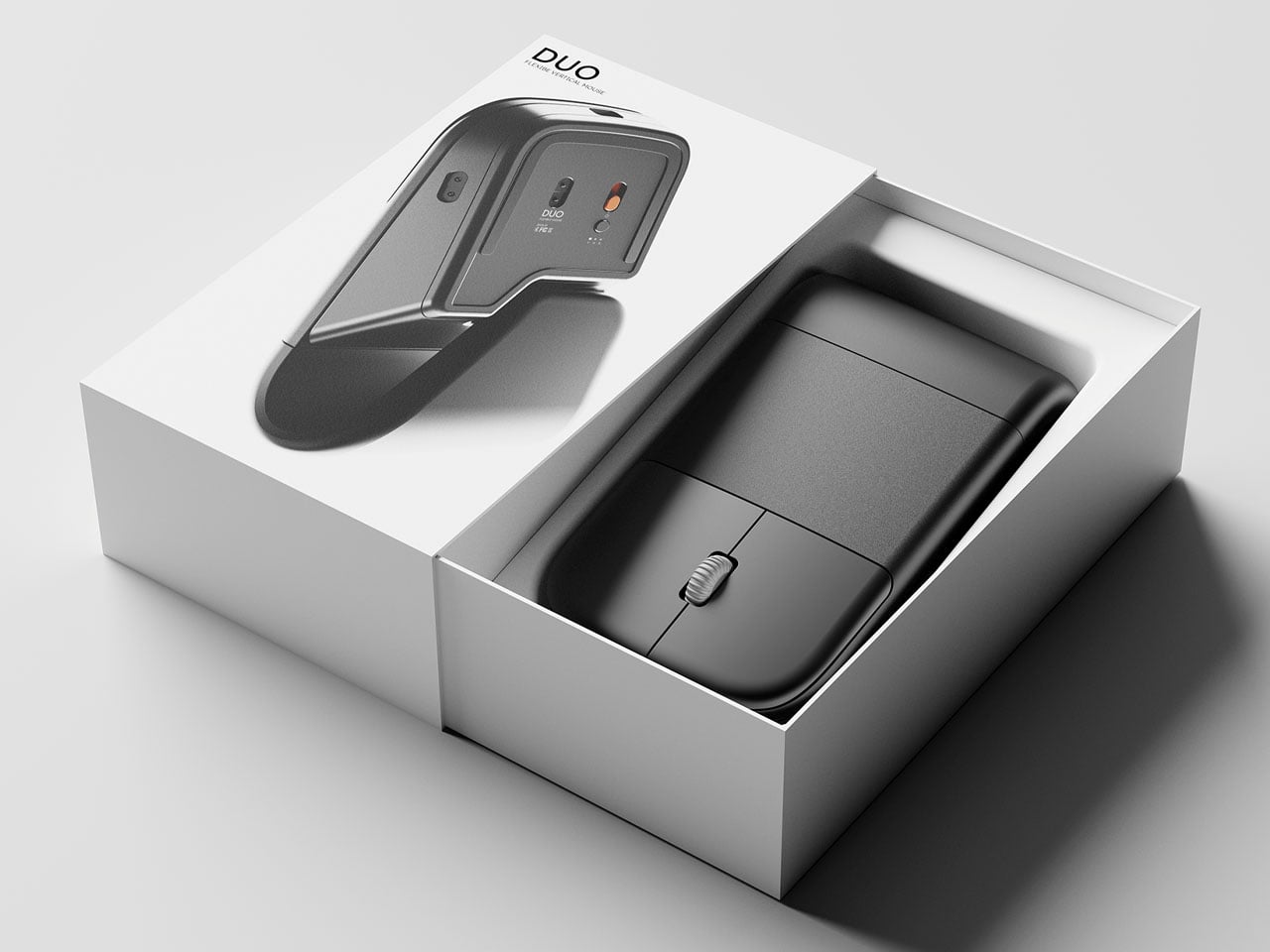
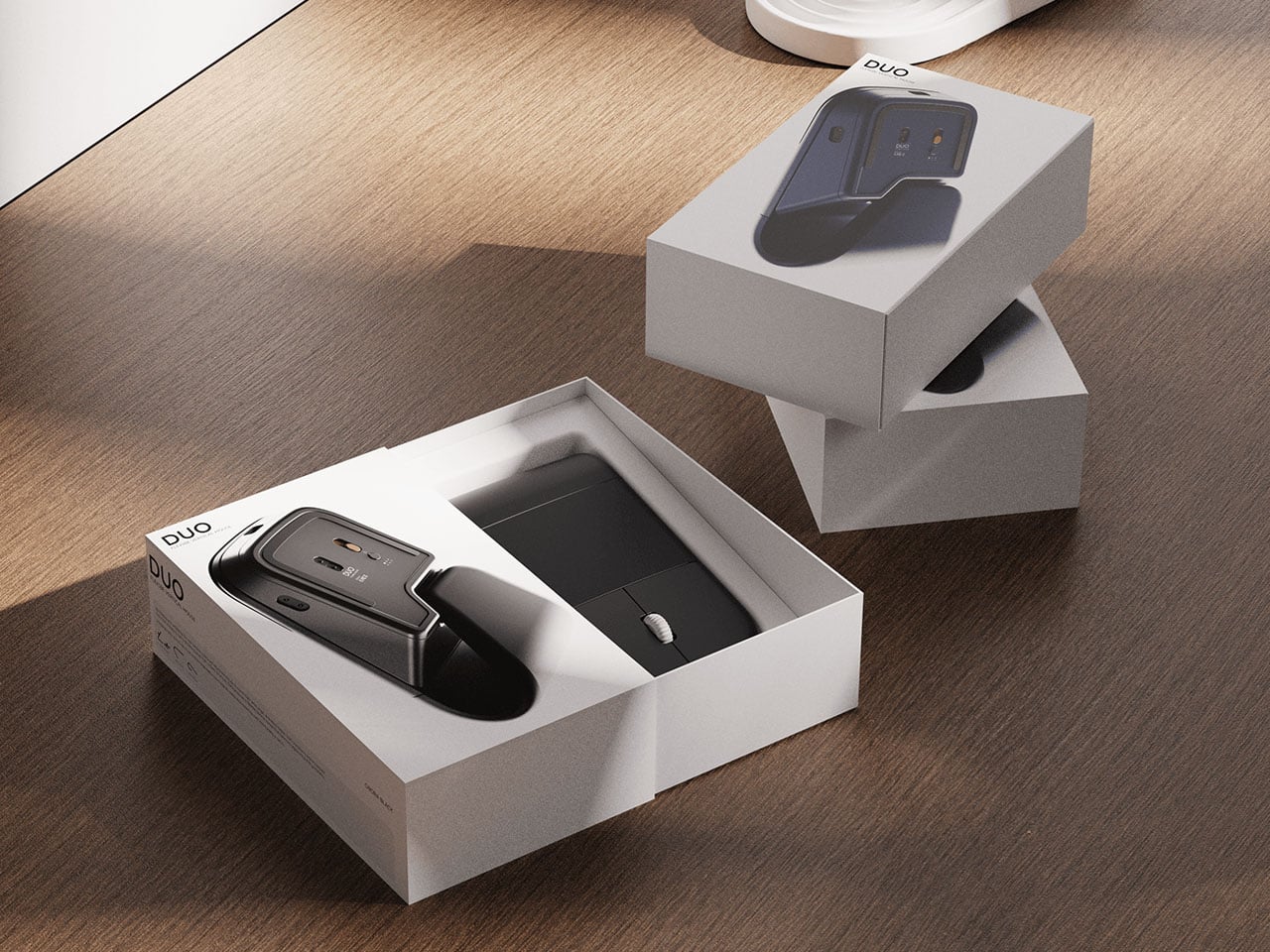
Rightly called the DUO flexible mouse, the modular peripheral is designed to adapt to different usage styles with a foldable form factor. Just by folding or unfolding the rear of the device, a standard mouse shape or a vertical configuration is achieved. This adaptable form responds to the wrist angle and the grip level of the hand for the most comfortable ergonomic positioning. Extra sensors are placed on one side of the mouse to enable the vertical working position, which relieves strain by keeping the hand in a natural handshake posture.
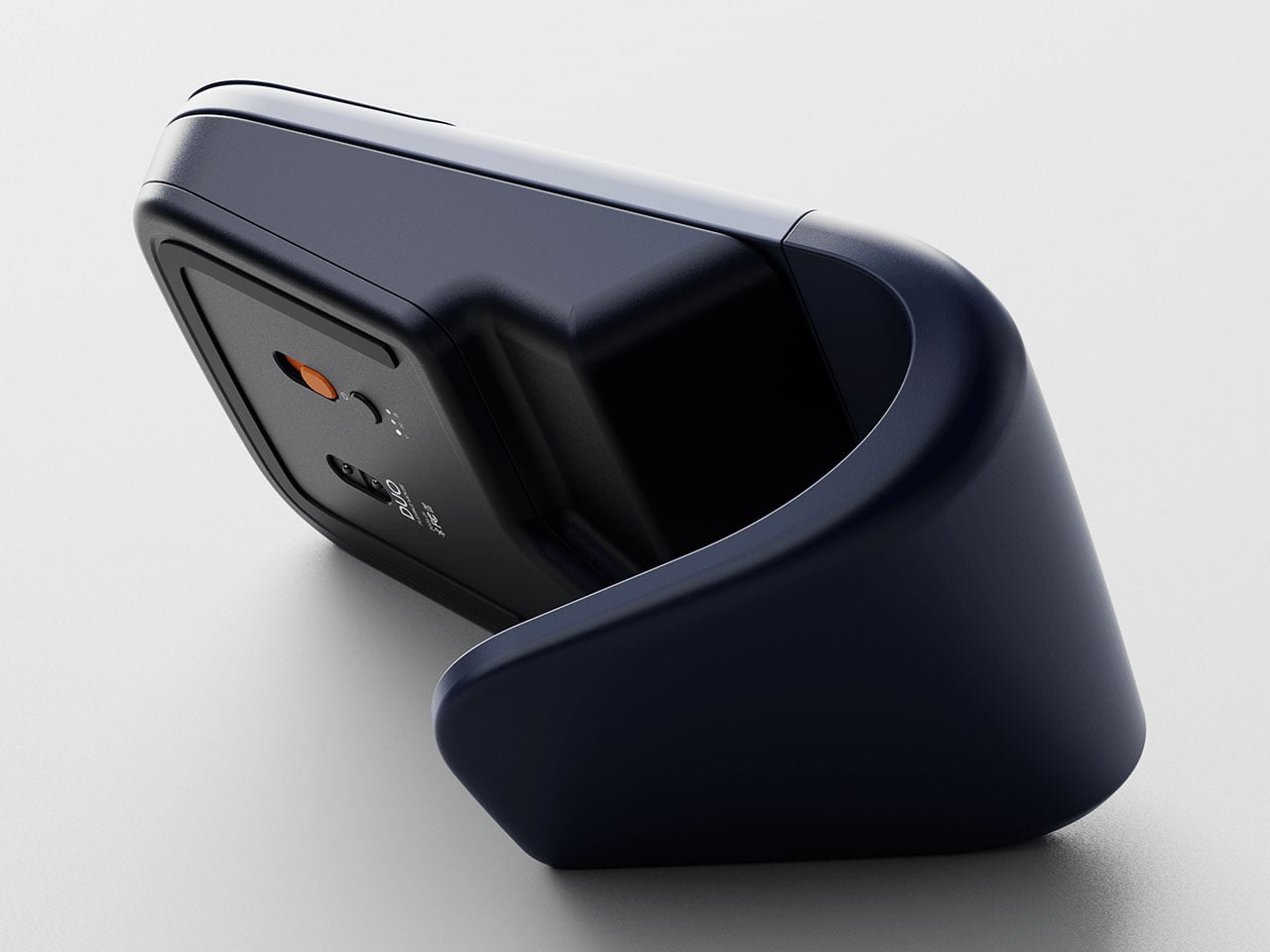
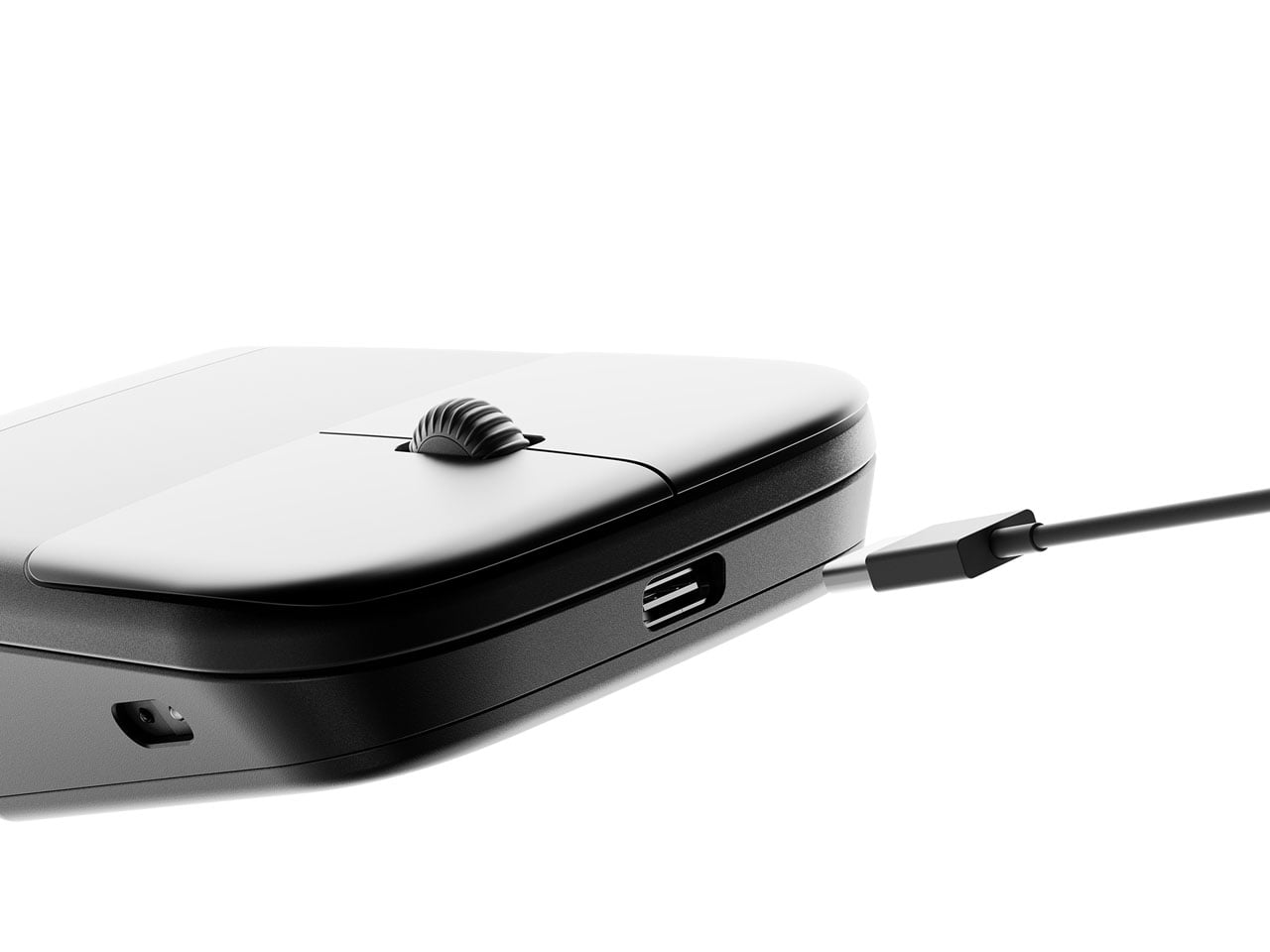
DUO comes with an in-built rechargeable system to eliminate the need for disposable batteries, while keeping the overall weight down. This is important because having a disposable AA or AAA battery inside can offset the balance while working in the vertical position. The mouse also gets a magnetic system for the flexible leg to easily detach the old component and attach the new one when it goes rouge; thereby making it highly repairable. That’s a mindful design addition as eventually the folding and unfolding action will wear down the magnetic parts and the outer plastic shell.

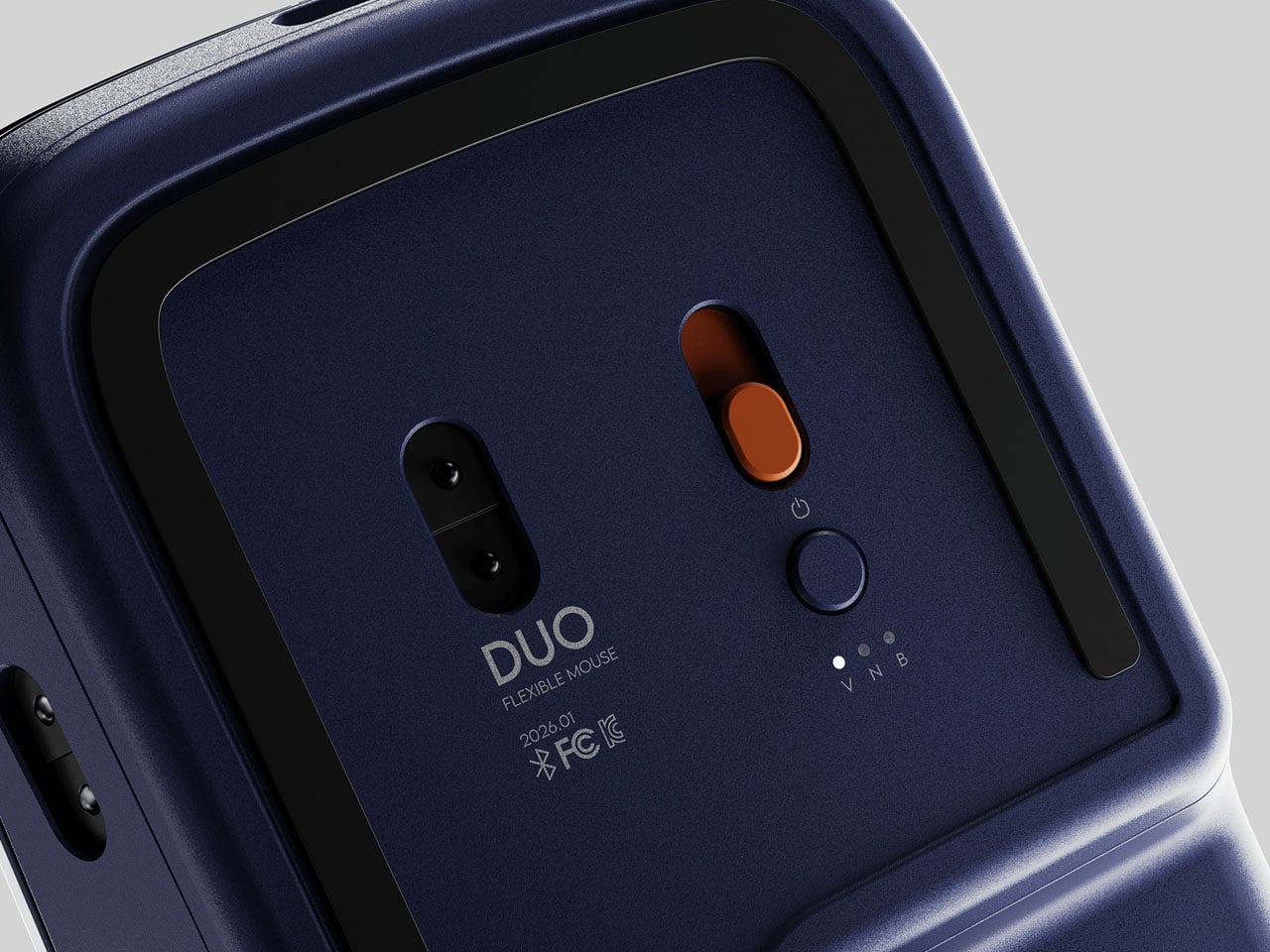
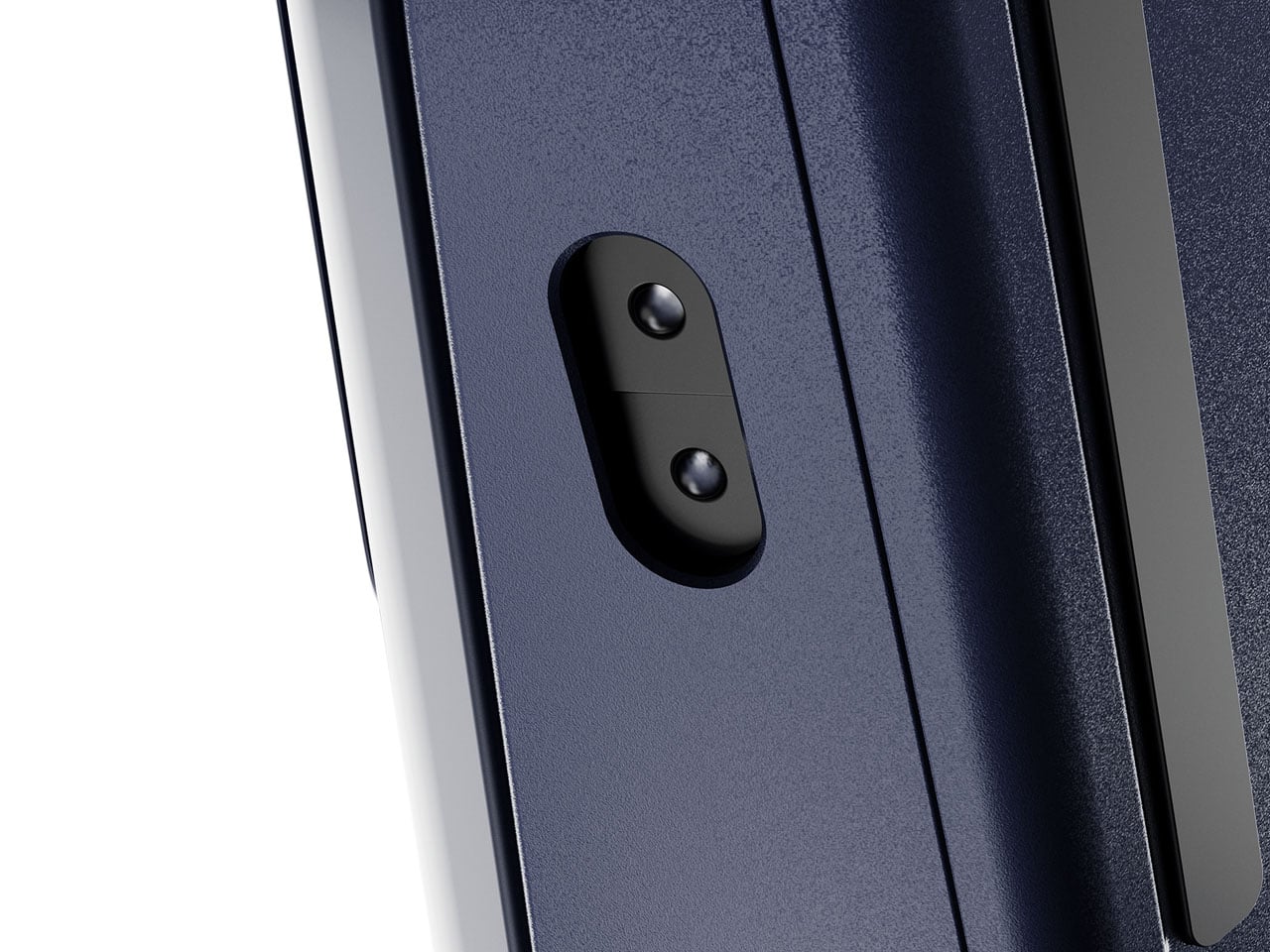
The vertical position of the mouse can be adjusted for ergonomic grip, as the flexible leg can be folded up until the level it feels just right for use. The standard mouse configuration, however, doesn’t have that liberty, as the fully folded position makes the mouse flat from the bottom, which is crucial for smooth operation on any kind of surface. The only apprehension I have as a neutral user is how much physical damage the mouse will sustain being in the vertical position, being dragged on the working surface over time.
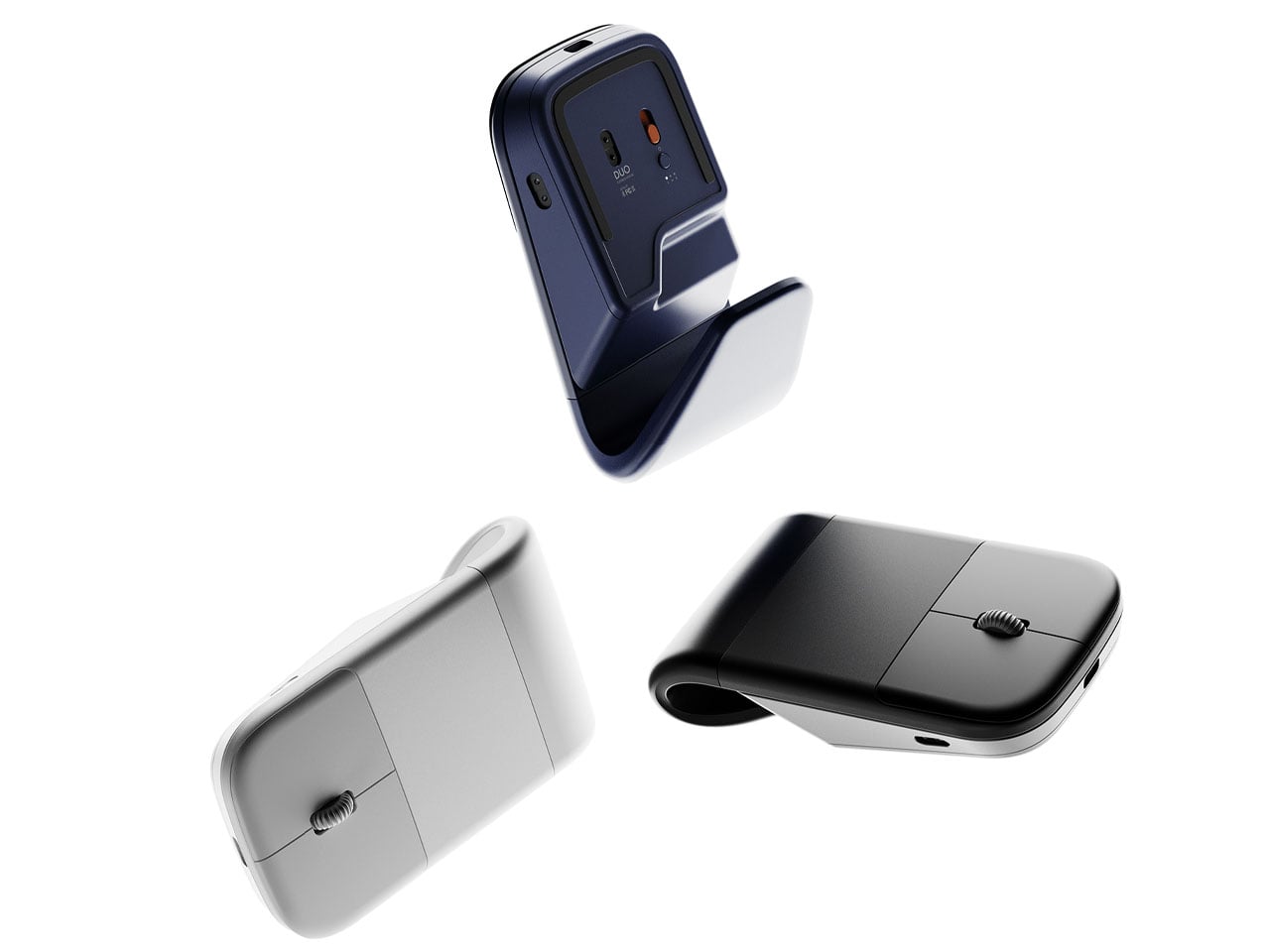
Other than that, the overall concept design is highly practical and valid enough to be labelled a daily driver for power users like me. Although it is still in the concept stage, the idea is a good bet for PC accessories makers like Microsoft who’ve tinkered with the idea of a flexible mouse in the past.

The post This flexible mouse works in both standard and vertical configuration without breaking a sweat first appeared on Yanko Design.
LEGO already makes a balloon dog. It’s part 35692, it’s about the size of a fingernail, and it shows up as an accessory in carnival and fairground sets so your minifigs have something to hold at the fun fair. It’s charming and completely forgettable, the sort of piece that lives in the bottom of the tub with the croissants and the tiny frying pans.
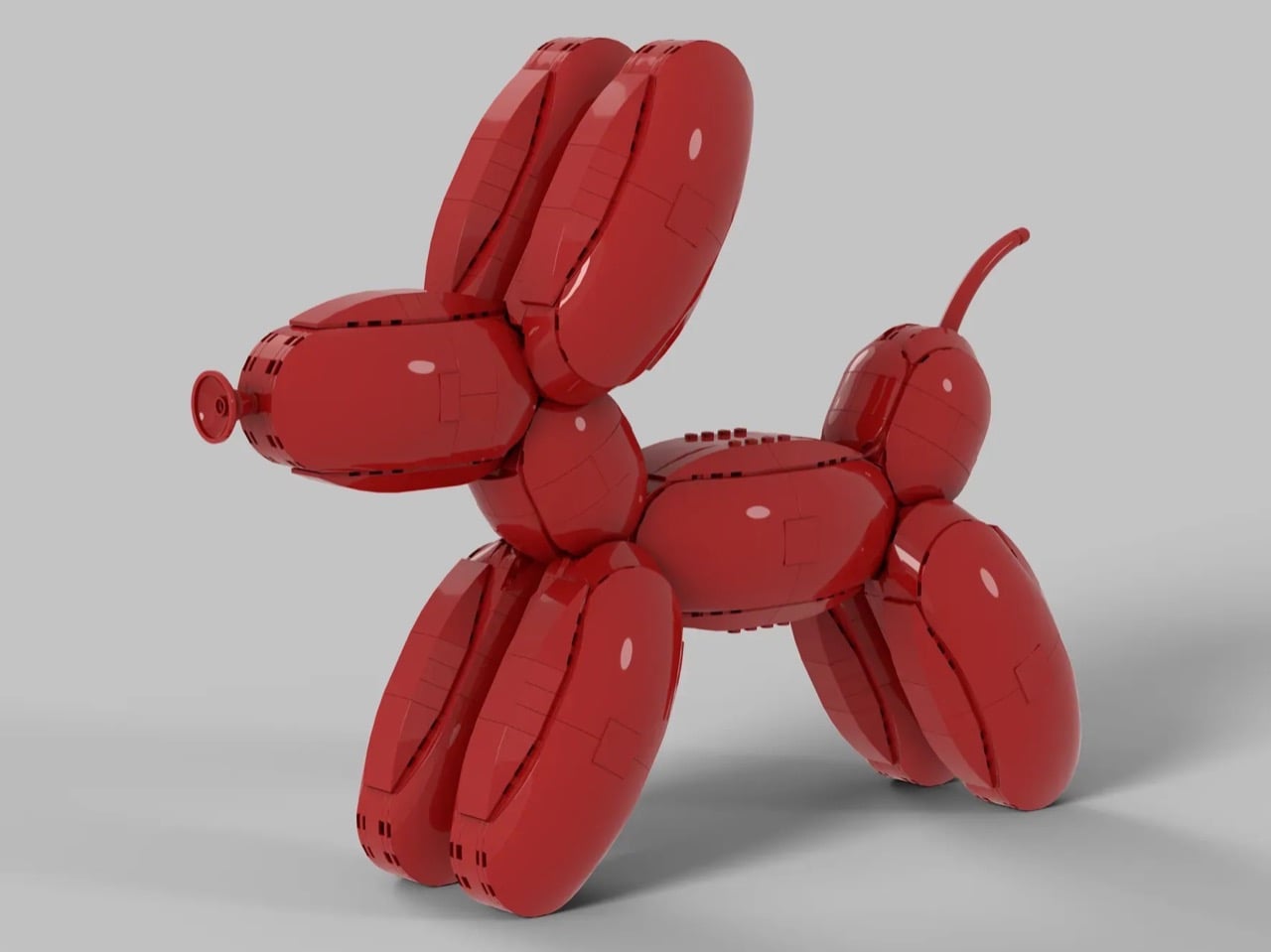
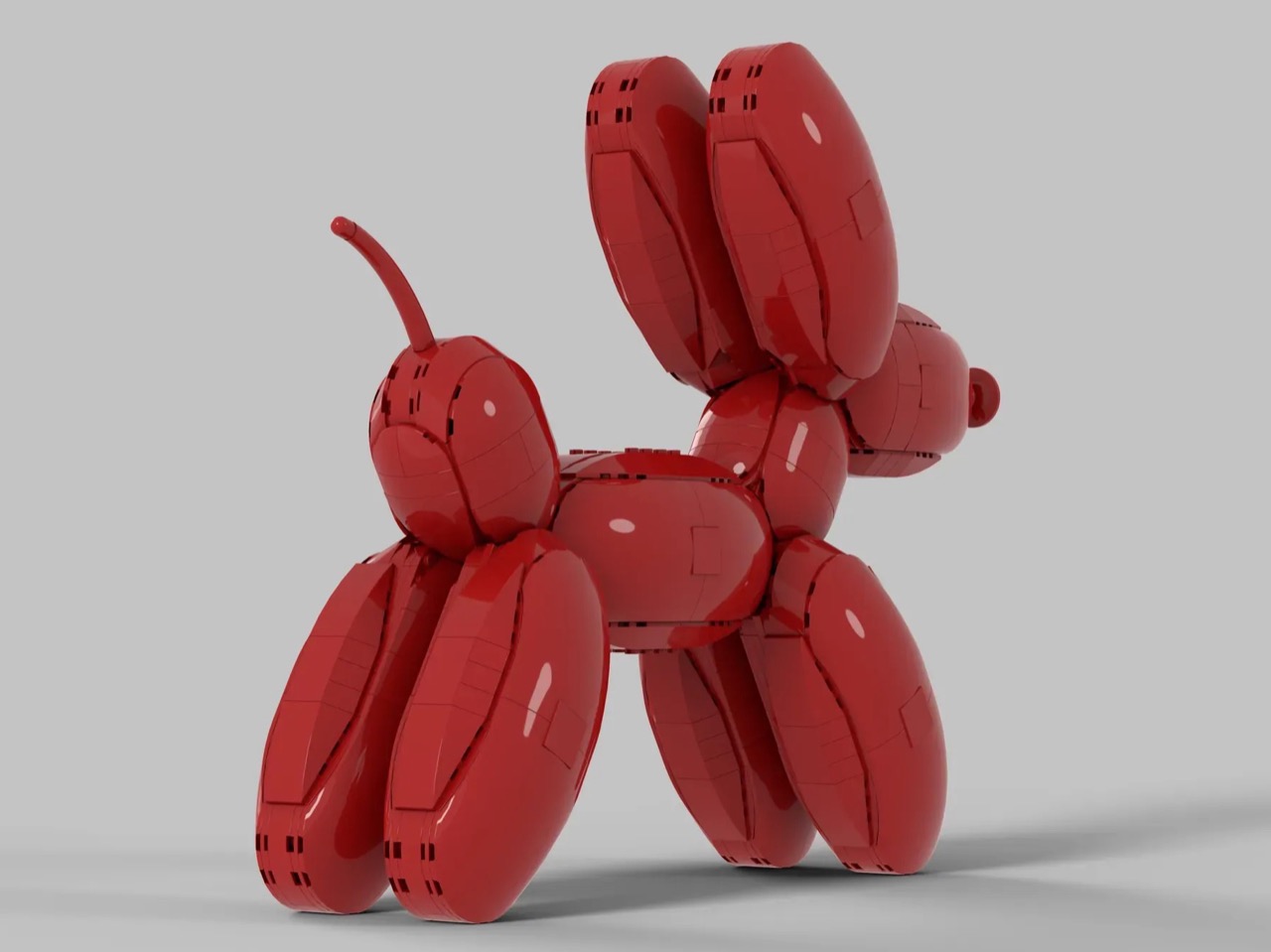
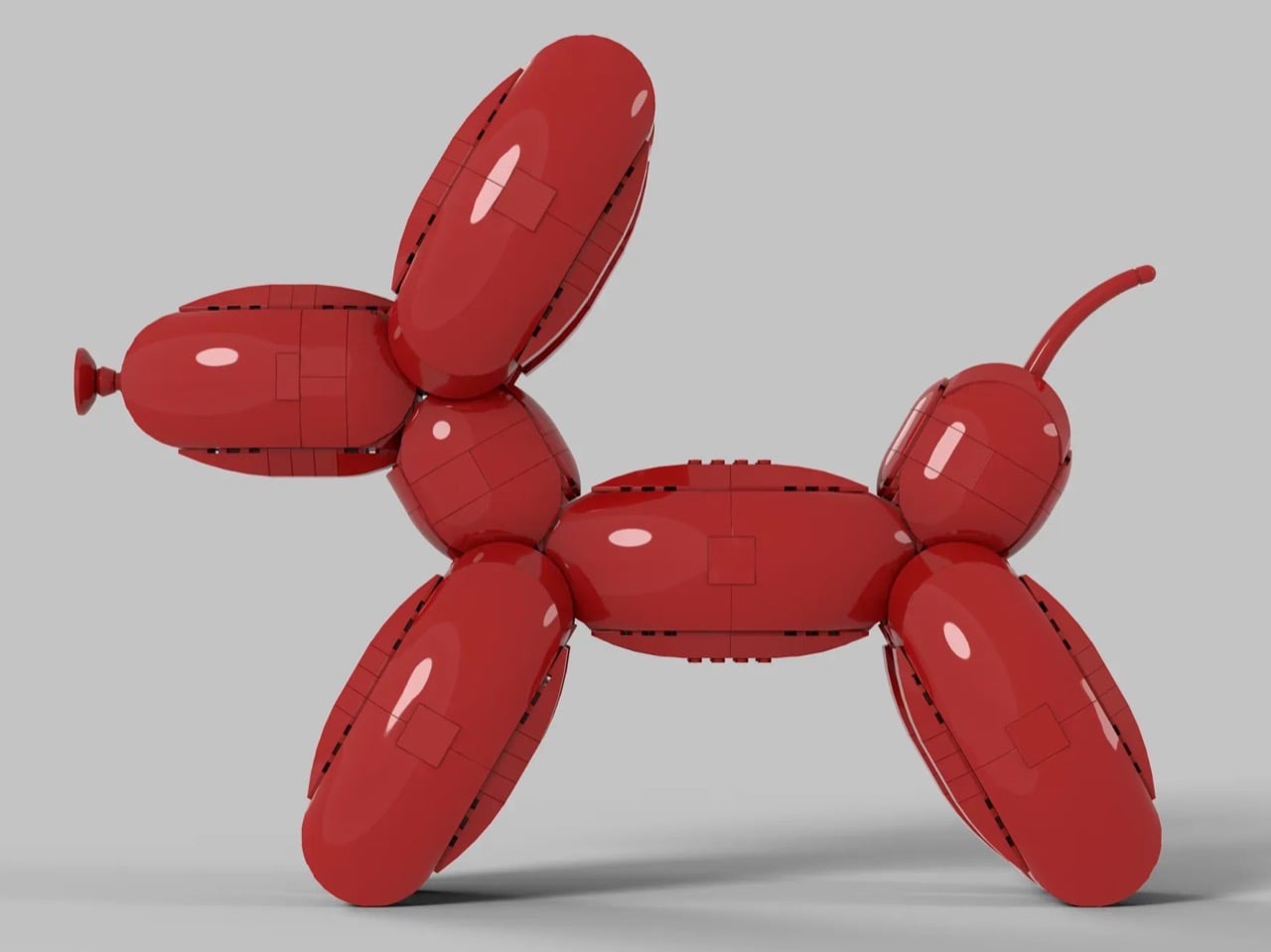
brxstr looked at that and asked the reasonable follow-up question: why is there no big one? Balloon Dog Mk II is his answer, a 1,026-piece display model in classic glossy red that scales the gag up to 15 inches long and 12.5 inches tall. And in a move I genuinely love, four of the original tiny balloon dogs are hidden inside the finished build, mounted on a wall like lab specimens. More on that in a moment, because the inside of this thing runs on a completely different sense of humor from the outside.
Designer: brxstr
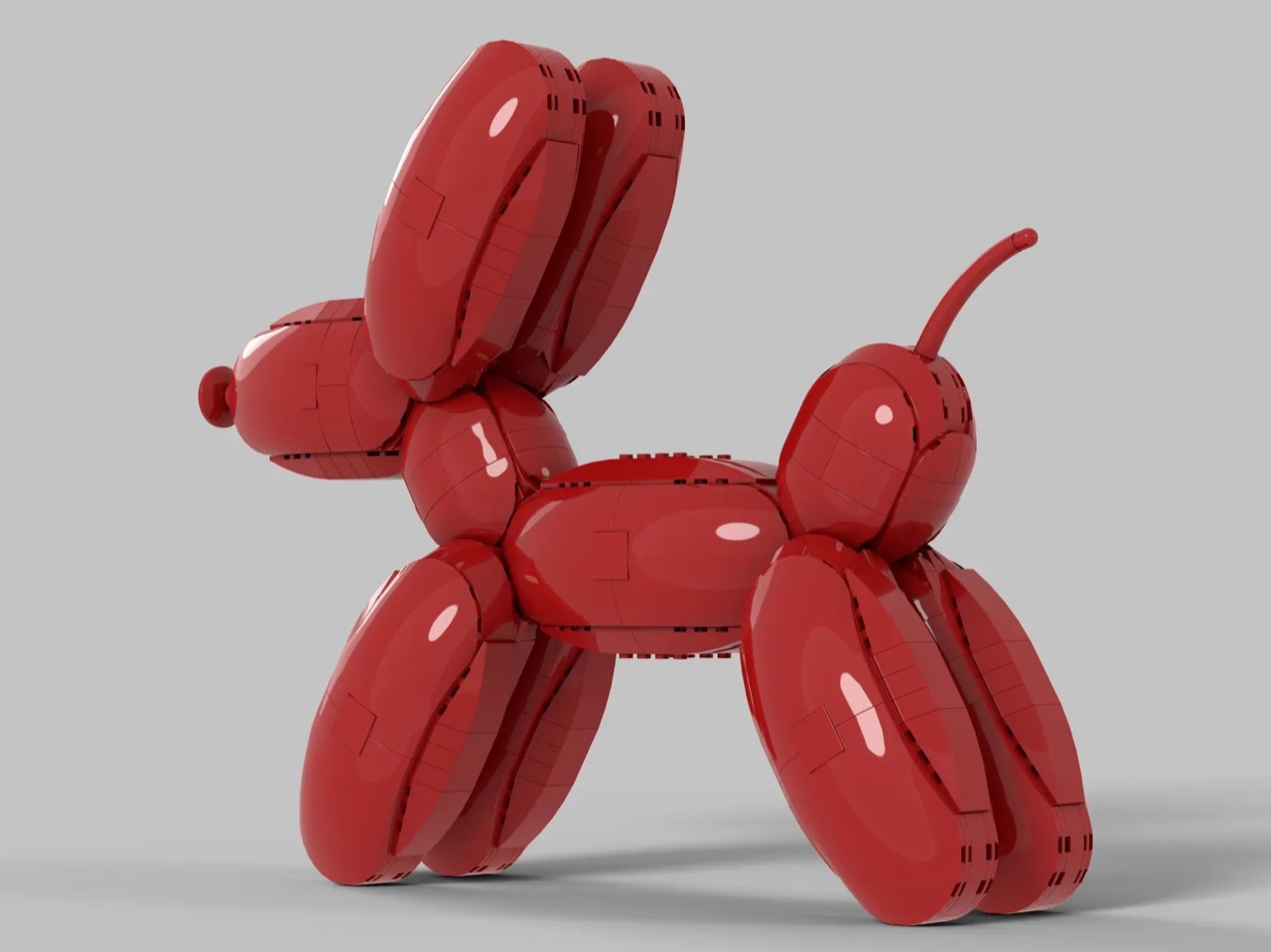
The entire model hinges on one part. Piece 5274, the 8x6x2 curved windscreen, only arrived in the LEGO palette around 2024, and brxstr scrapped an earlier version of this MOC (My Own Creation) to rebuild from scratch once he had it. Two of them mirrored together form a single balloon segment, and every lobe on the dog, the nose, the ears, the barrel body, the four legs, comes from that same trick. The tapered tips get a smaller rounded windscreen to close them off. Technic angled elements do the connecting work inside, hidden entirely, which is the part that took the patience. Hiding structure is harder than building it.
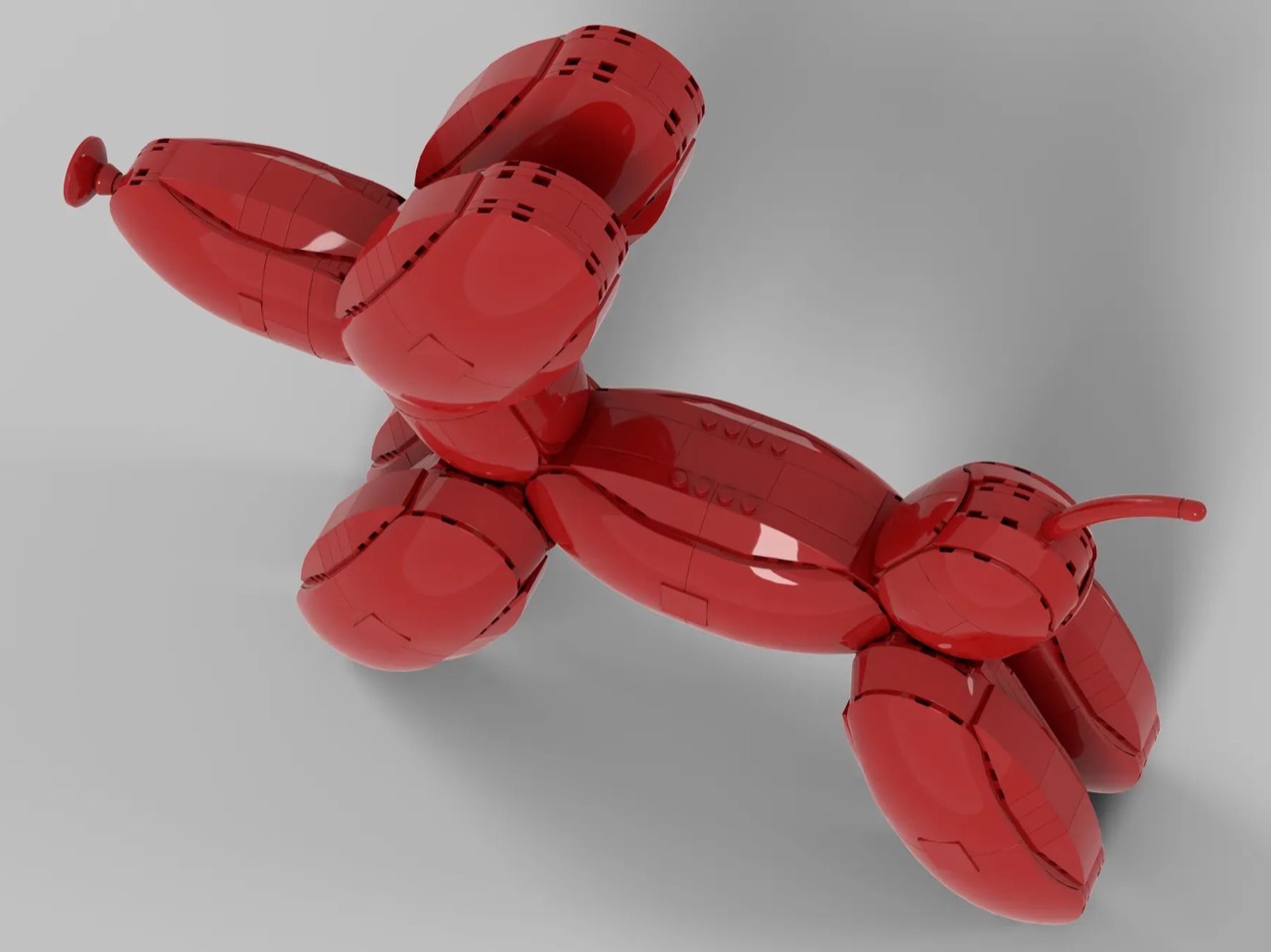
What sells the illusion is something he probably didn’t plan. Along each lobe you can see dashed dark seams where plate edges meet, and rather than reading as sloppy tolerance, they look exactly like the crease lines you get on over-inflated latex. Free realism. The flared nozzle at the front of the nose is my favorite single piece here, one small element doing the entire job of saying “this was blown up by a person.”
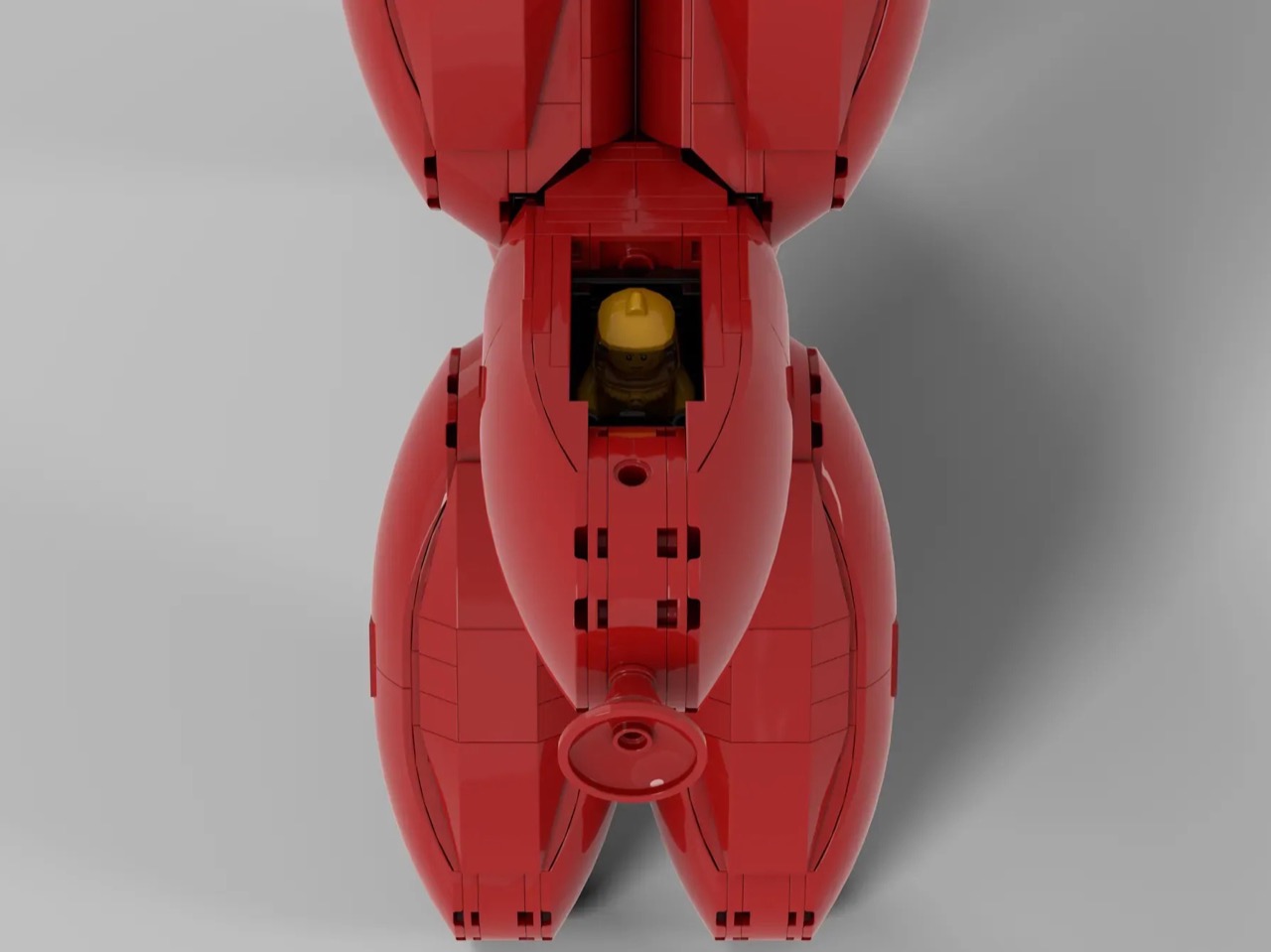
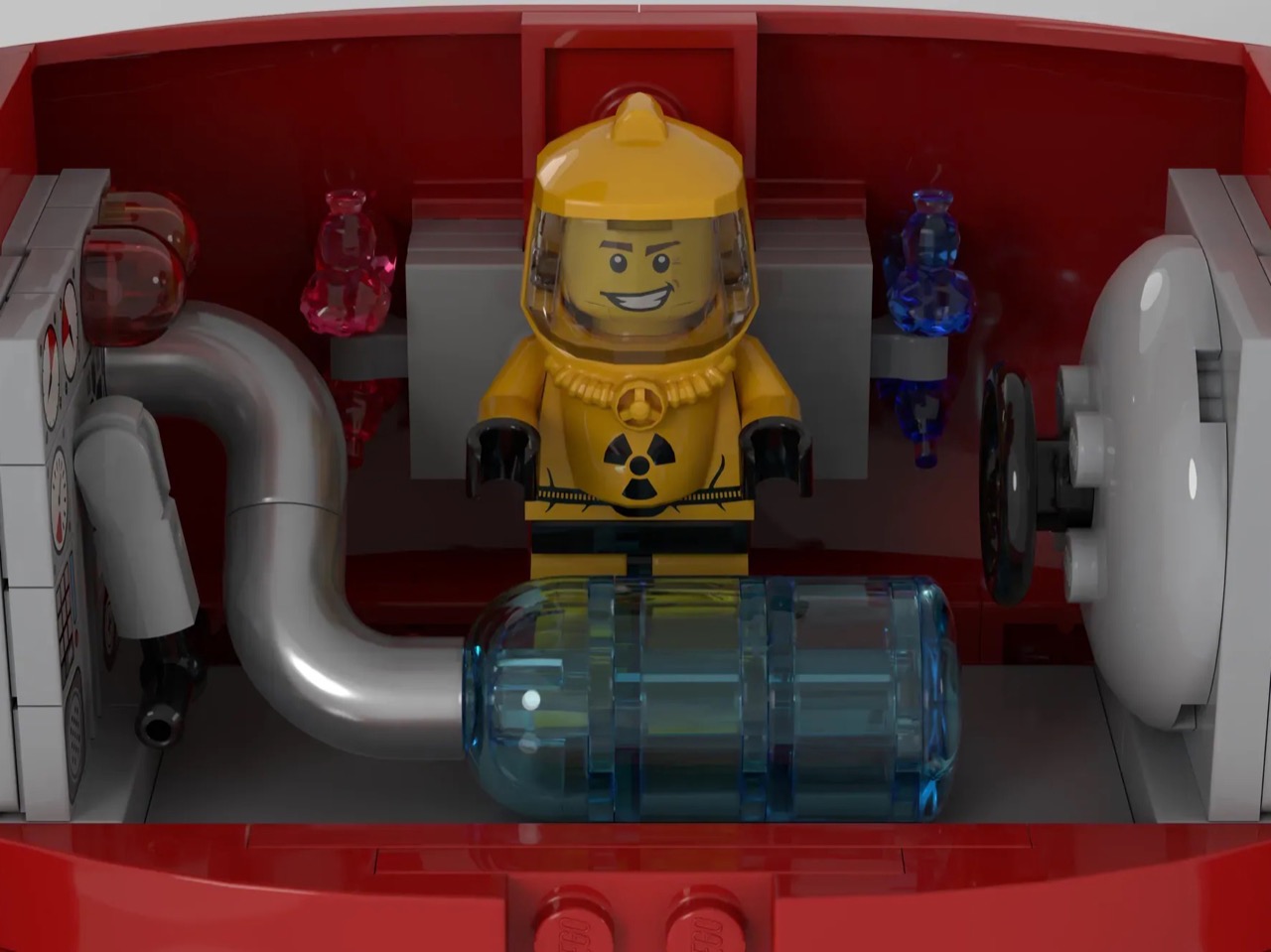
Then you lift the top of the body off. Inside sits a minifig in a yellow hazmat suit, radiation warning on his chest, standing over a trans-blue gas cylinder with a chrome pipe feeding in from a printed gauge panel, a valve wheel on the opposite wall, and those four tiny balloon dogs racked up behind him. A second minifig sits in the head, steering. It’s the funniest thing about the build, because the exterior is so serene and the interior suggests the dog is a pressurized industrial vessel operated by two guys.
Two parts, the tapered end pieces and the round 6×6 bricks in the head and tail, don’t currently exist in red, which is a small ask. brxstr has floated other colorways and even a multicolored version, and honestly I want the full clown-cart rainbow. The build sits at 906 supporters with 423 days on the clock, so head to the LEGO Ideas page and give it a vote.
The post LEGO Fan Recreates Jeff Koons’ Iconic Balloon Dog In Just 1,026 Bricks first appeared on Yanko Design.

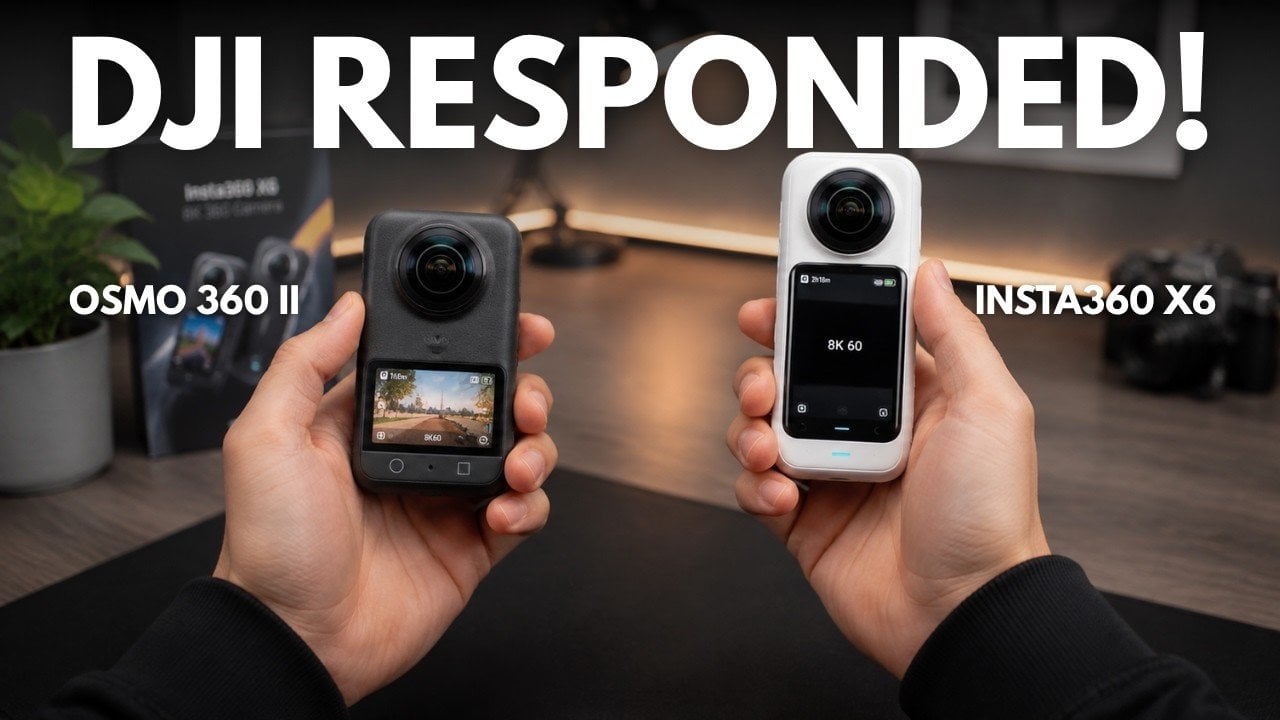
The DJI Osmo 360 II is officially set to launch on August 7, 2026, marking an important moment in the 360-camera market. As highlighted by Tech Court, this release introduces several confirmed features, including a 2,150 mAh battery for extended recording sessions and 27W USB-C fast charging to minimize downtime. Additionally, the inclusion of user-replaceable […]
The post DJI Osmo 360 II Officially Launches Tomorrow appeared first on Geeky Gadgets.
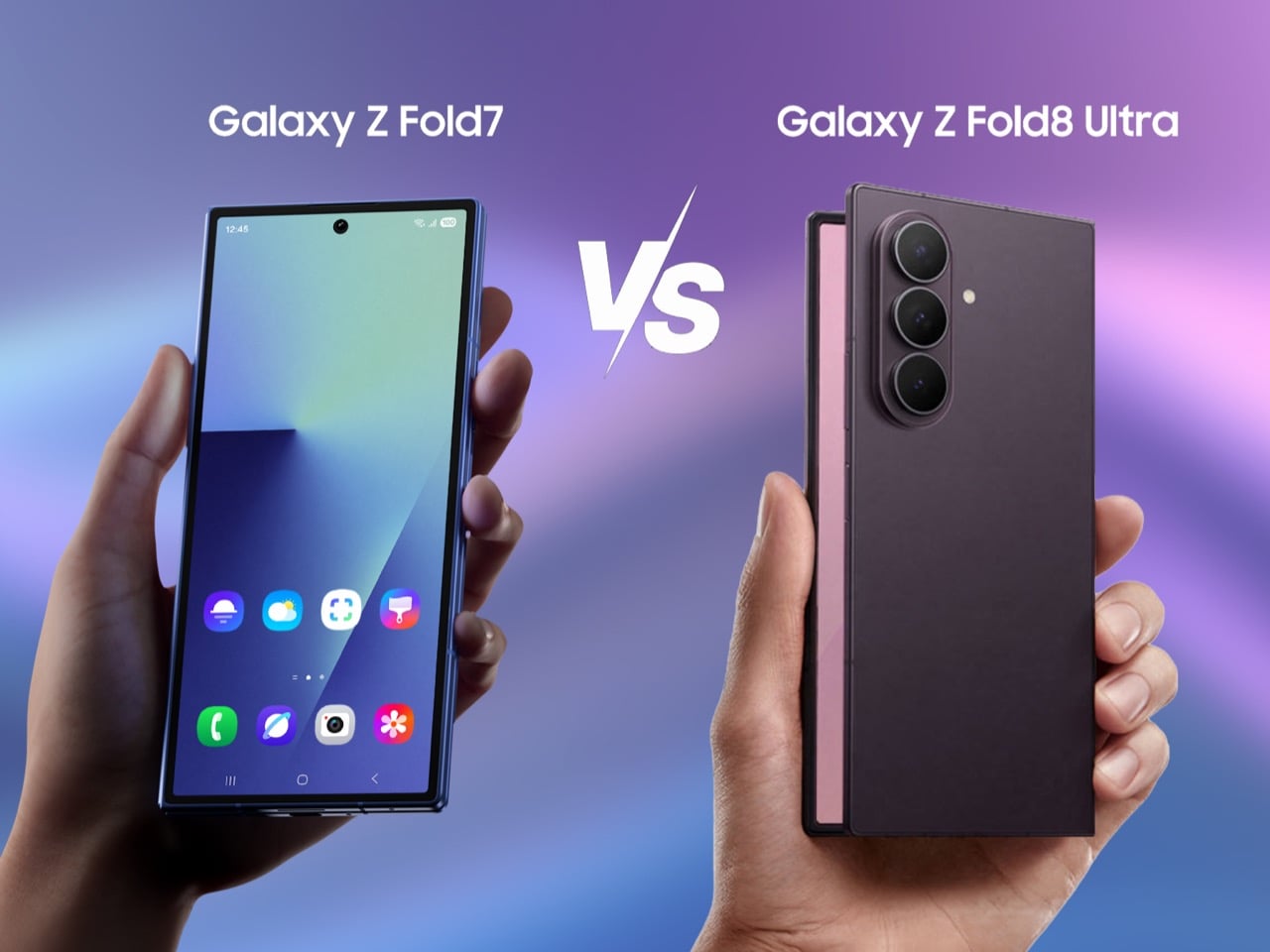
Samsung has perfected the art of making last year’s phone feel obsolete before you have even recycled the box. The Galaxy Z Fold 8 Ultra landed July 22, 2026, with the usual fanfare: bigger battery, upgraded display, new Ultra branding, and a price tag to match. The Galaxy Z Fold 7, meanwhile, has been sitting quietly for a year building a case for itself that the Fold 8 Ultra cannot simply overwrite by being launched 365 days later. The Galaxy Z Fold 7 arrived in July 2025 as the thinnest and lightest book-style foldable Samsung had ever made, and the design bets it placed around weight, thinness, and camera hardware are ones the newer phone essentially confirms rather than replaces. Sometimes the sequel’s biggest achievement is simply showing what its predecessor got right.
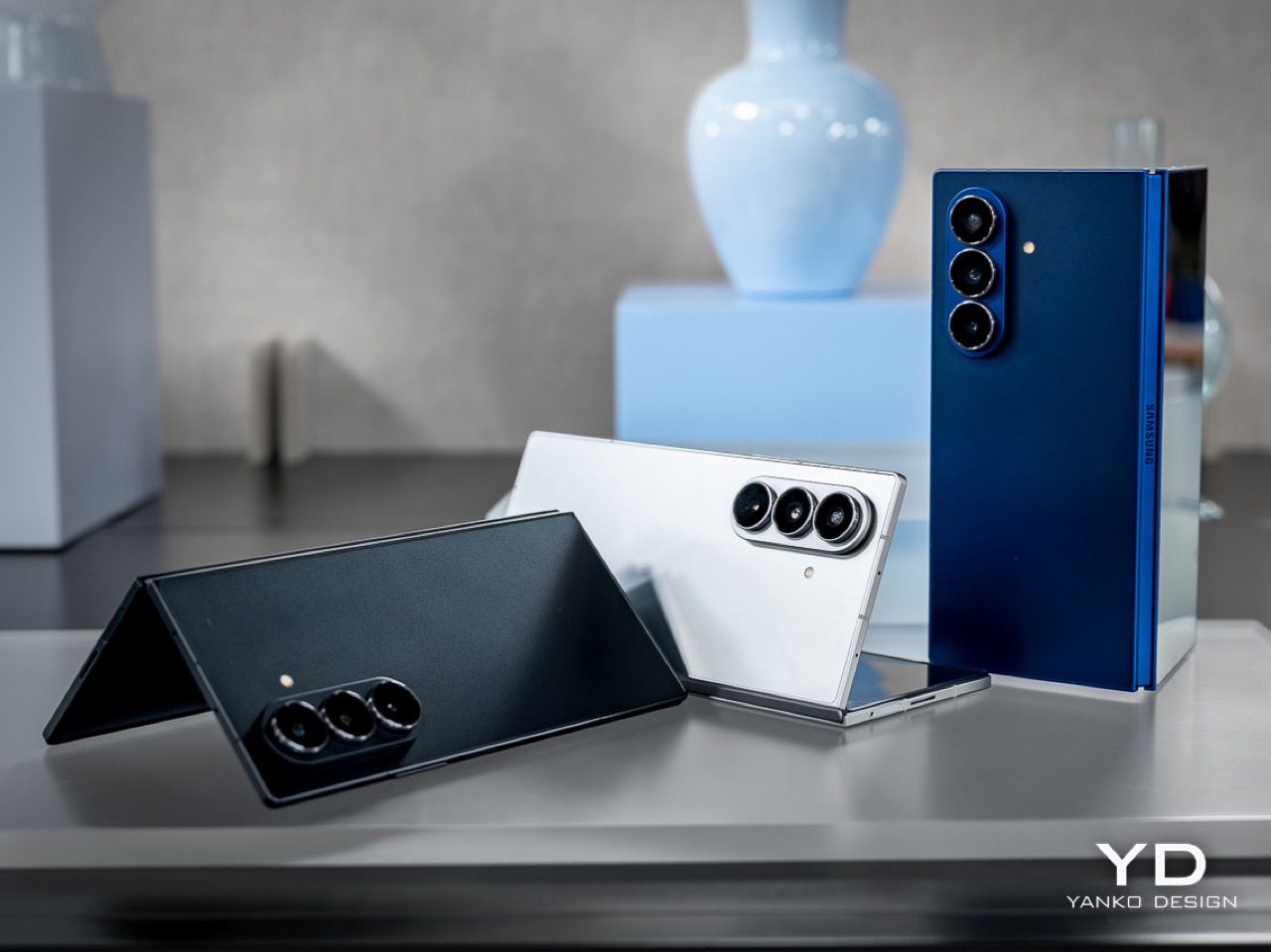
At 4.2mm unfolded, 8.9mm folded, and 215 grams, last year’s Fold 7 was truly a generational leap in design and form factor. It shed 24 grams and 3 full millimeters in folded thickness from the Fold 6 (which measured 12.1mm folded shut), gained a 6.5-inch 21:9 cover display that made it genuinely usable without unfolding, and became the first Samsung foldable to carry a 200MP main camera. We covered that form-factor leap when the Fold 7 launched, noting how the hands-on experience felt categorically different from any Fold before it. The Fold 8 Ultra starts at $2,099.99, a full $100 above the Fold 7’s launch price, and street pricing on the older phone has already settled to as low as $1,499.99 with no trade-in required (that’s a $600 discount on what’s essentially last year’s phone). Before anyone files the Fold 7 under “last year’s news,” here are five reasons why I might just end up recommending the Z Fold 7 over this year’s Z Fold 8 Ultra.
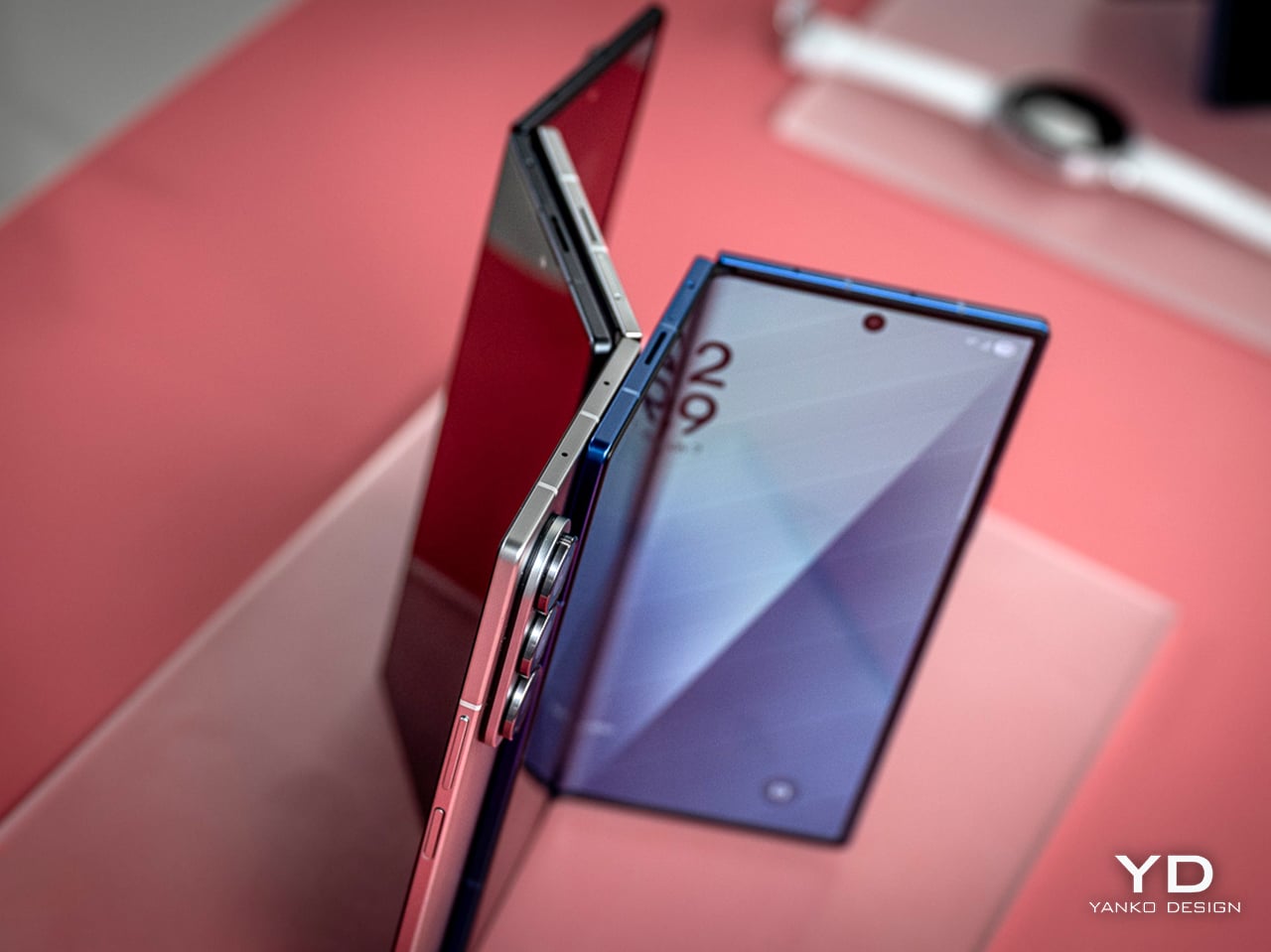
The Fold 8 Ultra unfolds to 4.1mm and the Fold 7 unfolds to 4.2mm, a gap of exactly 0.1mm, roughly the thickness of a sheet of copier paper. The Fold 7 was the phone that did the heavy lifting to get here: it jumped from 5.6mm to 4.2mm unfolded in a single generation, dropping folded thickness from 12.1mm to 8.9mm, a shift dramatic enough that GSMArena observed at launch that those numbers put it “well within the range of a normal, non-bendable smartphone.” We noted the same thing in our hands-on coverage when the Fold 7 shipped: the form factor breakthrough had already happened. The Fold 8 Ultra shaves one more paper-thin slice off a number the Fold 7 already made impressive, and then stops. The Fold 7 earned the thinness headline. The Fold 8 Ultra mostly inherited it.
The Fold 8 Ultra holds that same 215g weight while fitting a 5,000mAh battery, up 14% from the Fold 7’s 4,400mAh cell, by switching to a silicon-carbon composite anode that stores significantly more energy per unit of physical volume than conventional graphite. That is real engineering and it deserves credit. The catch is that maintaining a 4.1mm profile with Flex Titanium, a two-layer titanium system replacing the polymer film beneath the OLED panel, also means the display is now physically incompatible with the EMR digitizer the S Pen requires, so neither the Fold 8 nor the Fold 8 Ultra support stylus input in any form. You would need a caliper to prove which phone is technically thinner, and you have lost the S Pen on both. Most people carry neither.
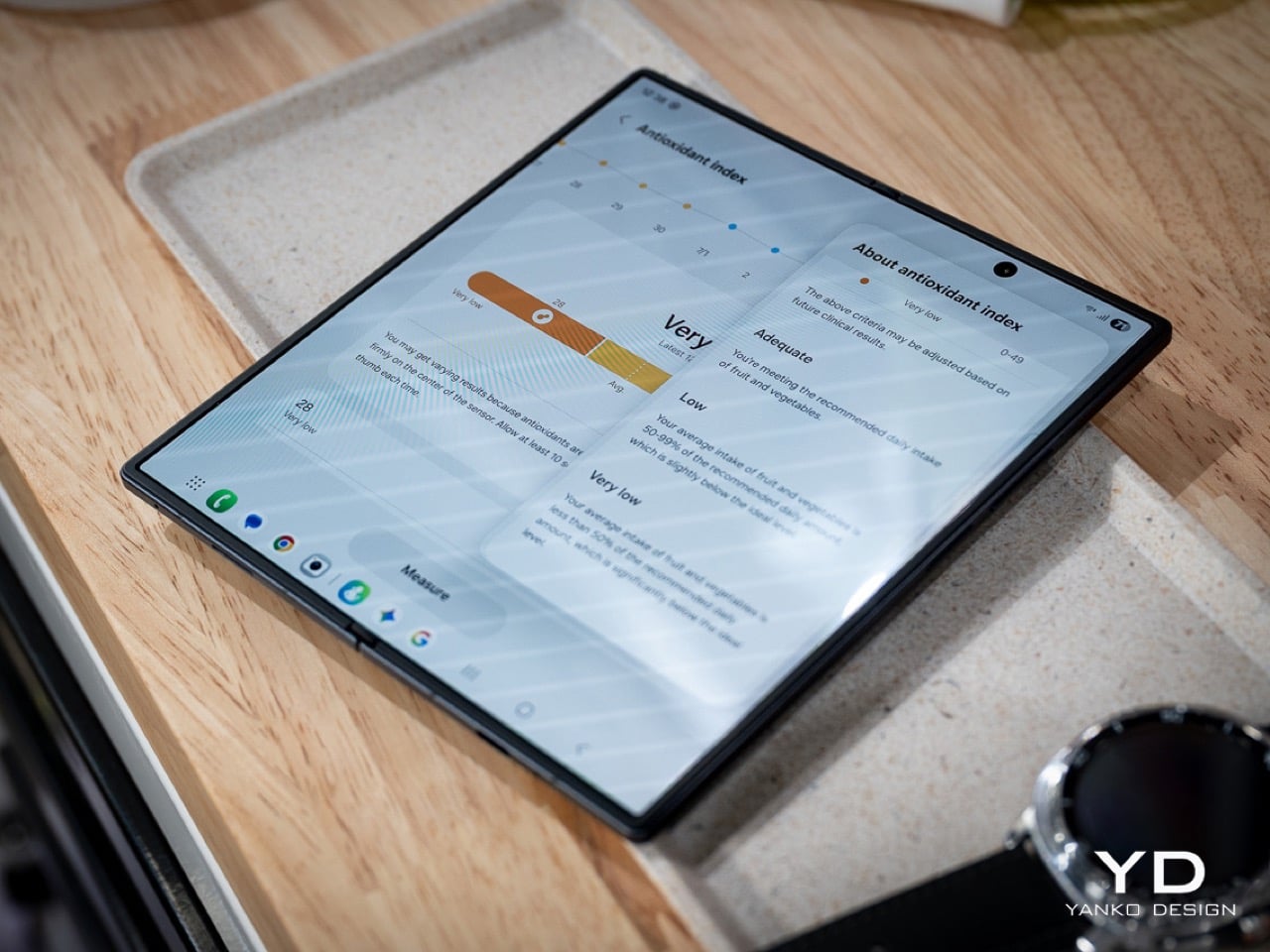
Samsung’s own comparison page lists both the Fold 7 and the Fold 8 Ultra at exactly 215 grams, which is either proof that Samsung found the sweet spot a year ago or a quiet admission that the successor could not improve on it. When the Fold 7 launched, Samsung made a point of noting it weighed less than the Galaxy S25 Ultra, a legitimately striking benchmark for a book-style foldable carrying a full 8-inch display inside. That weight, combined with the 8.9mm folded profile and the new 21:9 cover screen, was the ergonomic package that made the Fold 7 feel like a phone you could carry all day rather than one you carry as a statement. The Fold 8 Ultra holds that same 215 grams while fitting a larger battery, which is impressive. But from your palm, your jacket pocket, or your wrist after a full day, there is no difference between the two.
The Galaxy Z Fold 6 weighed 239 grams and folded to 12.1mm, numbers that made daily carry feel like a deliberate lifestyle choice rather than an automatic one. Samsung spent multiple generations chipping away at that figure while simultaneously adding larger displays, bigger batteries, and more complex hinge hardware. The Fold 7 was where the weight finally cleared a threshold that stopped being a talking point and started being a genuine advantage. The Fold 8 Ultra confirmed that 215 grams is the number Samsung is now defending, not improving. If daily carry comfort is why you are considering an upgrade, the Fold 7 already delivered that in 2025, and you would be spending $600 more to carry the same weight in a slightly newer chassis.
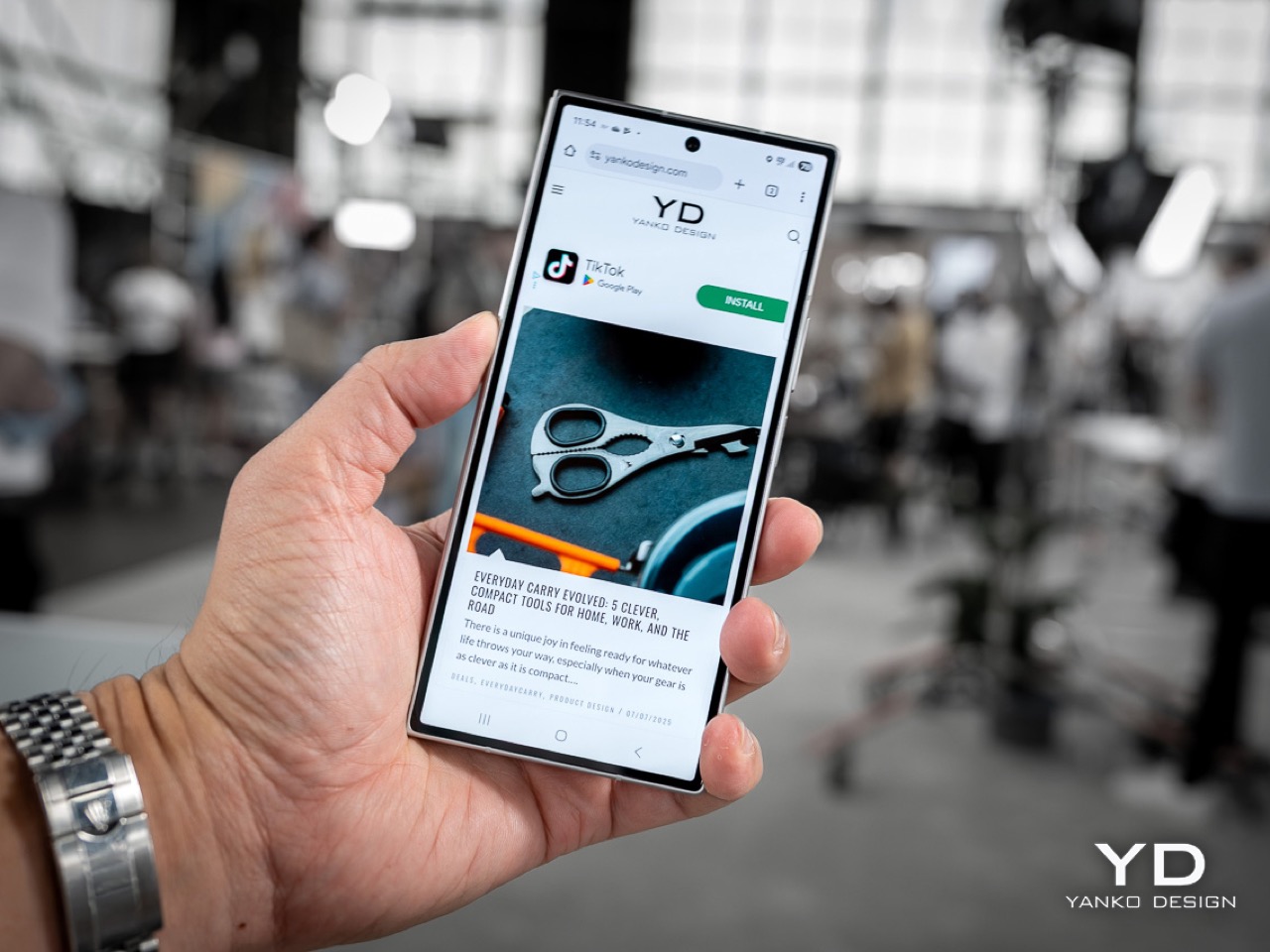
By the time the Fold 8 Ultra went on sale at $2,099.99, the Galaxy Z Fold 7 had already dropped to $1,499.99 at Samsung.com with no trade-in required, putting the live price gap between the two at $600. That is not a rounding error in phone pricing; that is practically a separate mid-range device worth of money sitting between the two numbers. As early as May 2026, the Fold 7 was already at $1,599 at Samsung.com and around $1,649 at Best Buy and Amazon. Samsung’s own pre-launch clearance is about as honest a signal as any company sends: the older phone has value worth capturing before the new one dominates the headlines. The bargain is real regardless of the inventory motive behind it.
The Fold 7 at $1,499.99 gives you a 200MP main camera, a Snapdragon 8 Elite chipset, a 6.5-inch 21:9 cover display, an 8-inch main display, and seven years of software updates. The Fold 8 Ultra at $2,099.99 gives you the same display sizes, the same primary camera resolution, a 50MP ultra-wide upgrade, a larger battery, and 0.1mm less thickness. For some buyers, particularly those shooting wide-angle photography deliberately or upgrading from a Fold 5 or earlier, that $600 premium is arguable. For everyone else, the Fold 7 at its current price is the kind of deal where the question shifts from “should I buy this” to “how quickly can I get it here.” Samsung’s pricing history suggests there is room for it to slide further before the year ends, which makes the current window feel worth acting on.
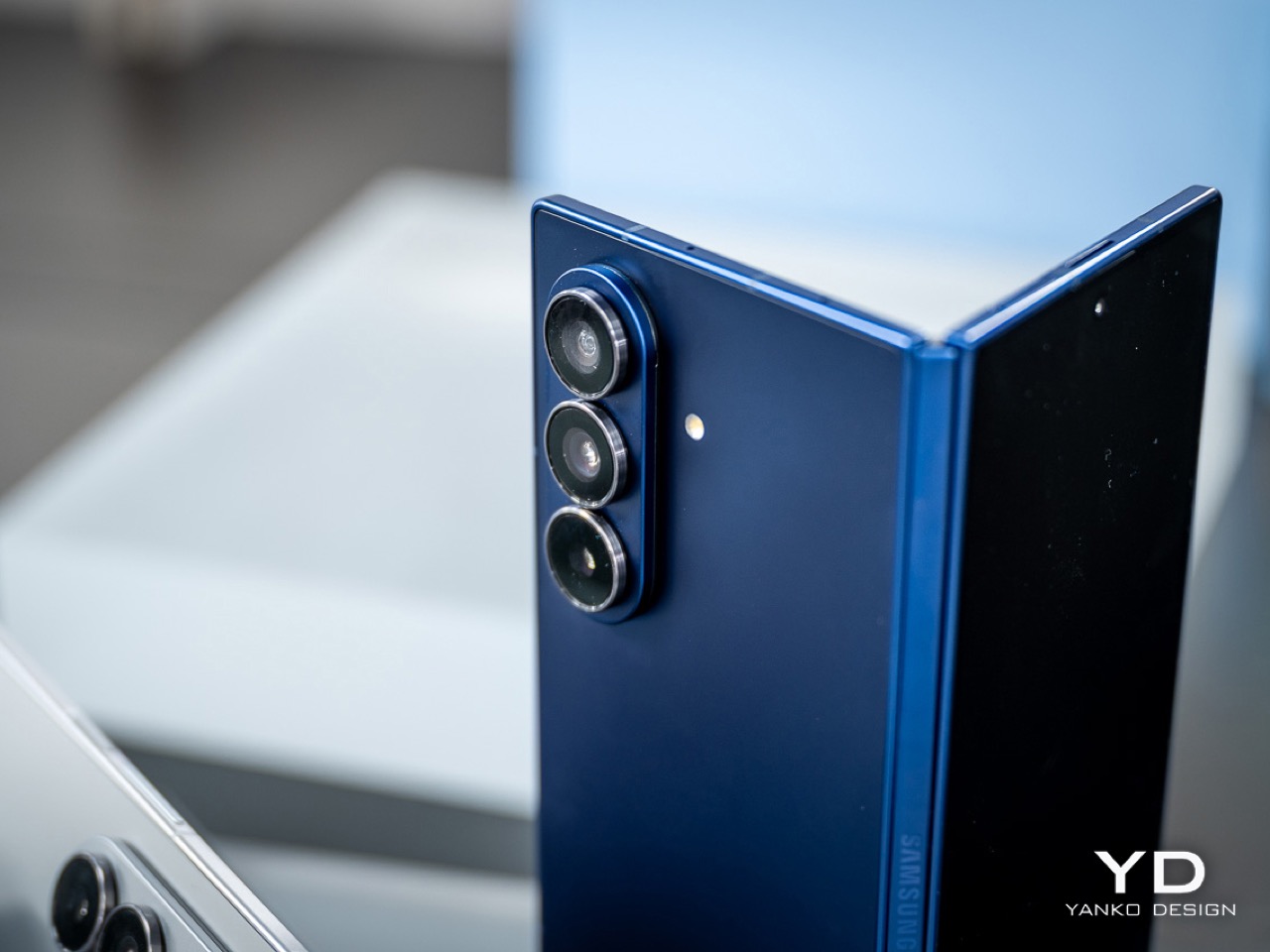
The 200MP wide-angle main camera with ProVisual Engine in the Fold 7 is the same sensor class Samsung put in the Galaxy S25 Ultra, one of 2025’s benchmark smartphone cameras, and the Fold 8 Ultra carries that headline resolution forward unchanged. At F1.7 aperture with optical image stabilization and Quad Pixel autofocus, it was the moment Samsung’s foldable camera finally stopped making concessions against its own S-series lineup, and that standing holds a year later. Portraits, street photography, architecture, food, travel, and whatever low-light situation you find yourself in: the Fold 7’s primary camera performs at the same level as the Fold 8 Ultra on the lens both phones share. The Fold 8 Ultra’s marketing emphasizes improved ProVisual Engine processing, which is technically accurate, but the sensor it is working with is the same 200MP hardware the Fold 7 has been running for a year. That does not suddenly change because a newer model arrived.
I will be honest, the ultra-wide is where the Fold 8 Ultra makes its strongest single camera argument, jumping from 12MP to 50MP, and for anyone who uses that lens with intention and regularity, it is a gap the Fold 7 cannot close. The Fold 8 Ultra also adds 8K video recording, which will matter to a specific kind of creator. These are genuine wins, and this article is not pretending otherwise. But the camera most people aim most of the time is the primary 200MP wide, and on that lens, both phones are drawing from the same well. If your photography does not live on ultra-wide frames or 8K timelines, the Fold 7 is not leaving anything meaningful behind.
Samsung committed seven years of Android OS updates and security patches to the Galaxy Z Fold 7 at launch, tracking it forward to Android 23 from its starting point of Android 16 and One UI 8.0, making it the first phone in the world to ship with Android 16 out of the box. It has since received One UI 8.5, and that support window is fully intact for anyone buying a discounted unit today. The seven-year commitment Samsung formalized across its Galaxy S and Z lineup from 2024 onward makes the Fold 7 a device with a genuine long-term horizon, not a three-year countdown to planned obsolescence. Picking one up at $1,499.99 now does not mean inheriting a depleted window; it means starting from roughly the same point a launch-day buyer started a year ago, with six more Android generations still incoming. You are not buying into a dead end. You are buying into six more years of the same software future.
The Fold 8 Ultra carries the same seven-year promise, so there is no software advantage to paying the premium. Both devices reach Android 23 as their ceiling, and both receive the same One UI update cadence through that window. The only meaningful difference is that the Fold 8 Ultra ships with One UI 9 and Android 17, which the Fold 7 will receive via update anyway. Paying $600 more to have Android 17 on day one, a few weeks before the Fold 7 update ships, is an unusually expensive cure for impatience. Software longevity is the Fold 7’s quietest argument, and it tends to be the most convincing one for anyone who has watched a phone get dropped from updates two years after launch.
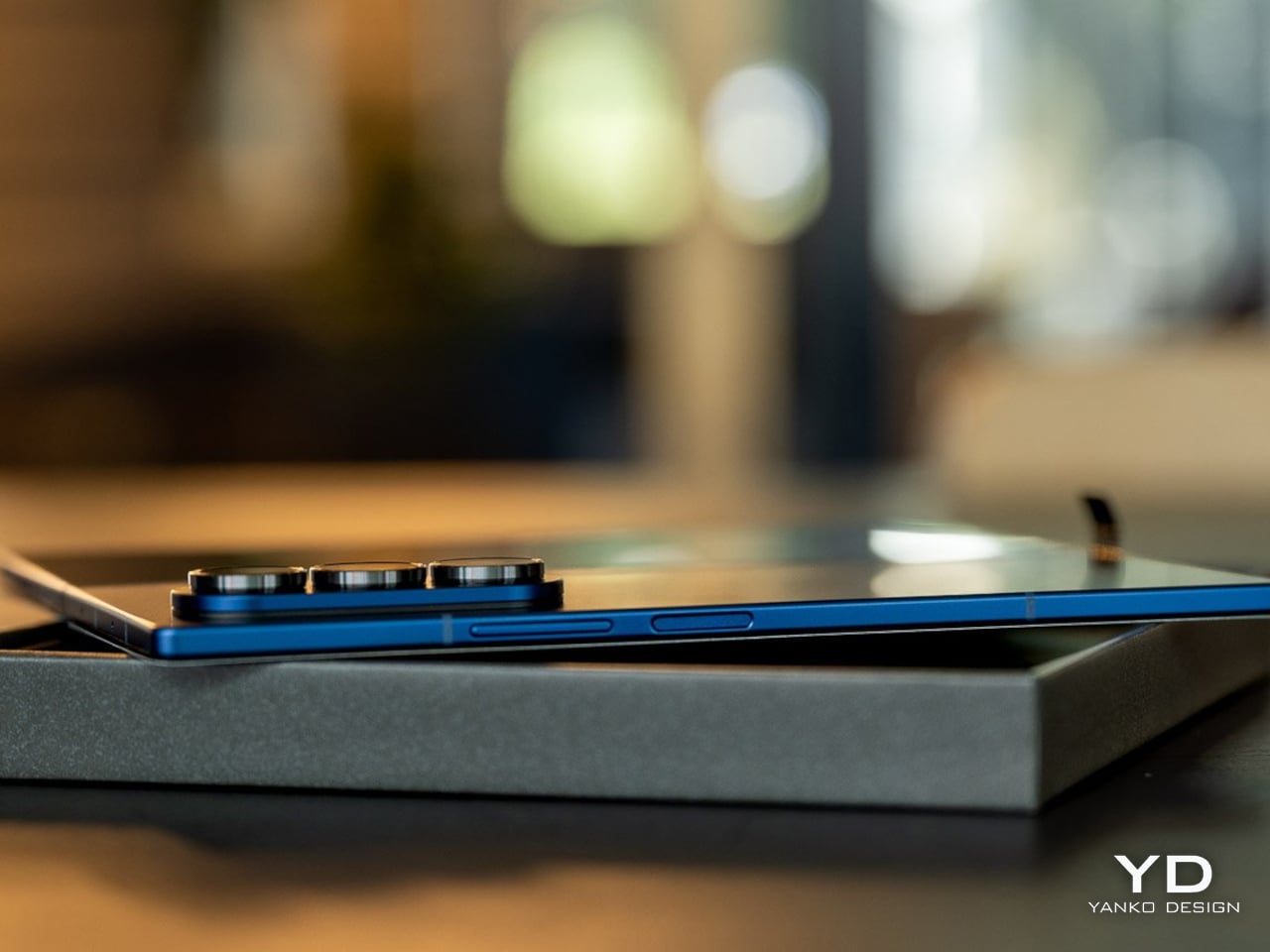
Flex Titanium does meaningfully reduce the crease on the Fold 8 Ultra’s inner panel, the 50MP ultra-wide is a real camera leap over 12MP, and fitting a 5,000mAh cell at the same 215g through silicon-carbon anode engineering is the kind of progress that compounds across an ownership cycle. For first-time foldable buyers or anyone on a Fold 5 or earlier, the Fold 8 Ultra is a strong device at a premium price, and it goes on sale August 7. If you are a Fold 7 owner staring at a $600 gap, a 0.1mm thinner profile, and a stylus that neither phone supports anymore as the headline reasons to upgrade, the math is genuinely hard to close. The Fold 7 already solved the problems that made book-style foldables annoying: the weight, the bulk, the pocketability, the camera gap with Samsung’s own flagships. It is doing all of that right now at $1,499.99, and sometimes the smartest phone in the room is just the one that got there a year early.
The post 5 Ways Galaxy Z Fold 7 Still Impresses Over the New Fold 8 Ultra (Including the $600 Price Difference) first appeared on Yanko Design.