You have no reason not to watch Babylon 5 now that it’s free on YouTube
Babylon 5 is being released, episode by episode, for free, on YouTube. You should watch it
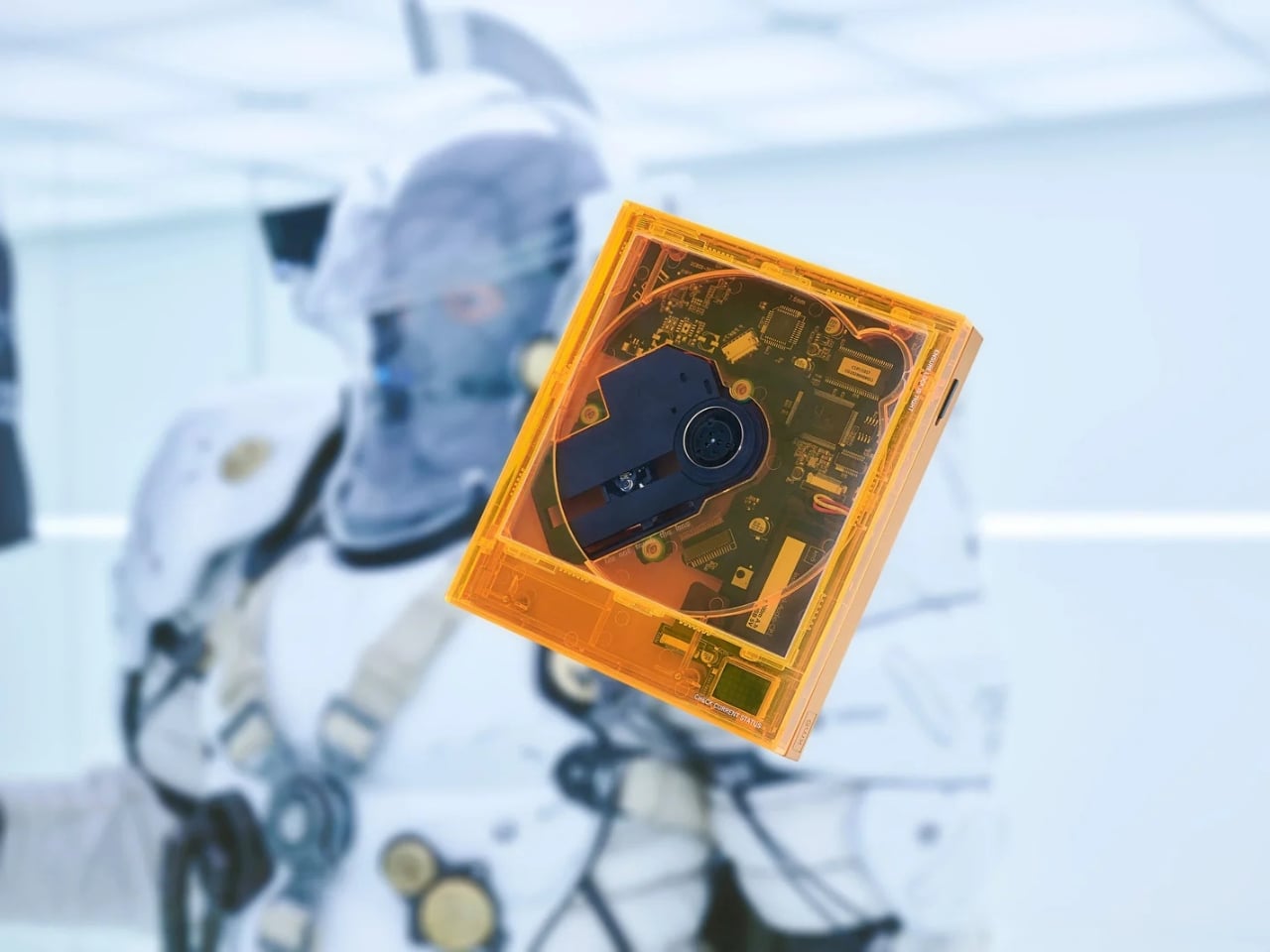
When Kojima Productions does something, it rarely feels like a simple product release. It feels like a statement. The new Instant Disc Audio Cp1 DEATH STRANDING 2 Model, a limited-edition wireless CD player made in official collaboration with Japanese audio brand km5, is proof of exactly that. It dropped on August 1, 2026, and it may be the most thoughtfully designed piece of gaming merchandise I’ve seen in years.
If you’ve played Death Stranding, you already know what a BB Pod is. If you haven’t, here’s the short version. BB stands for Bridge Baby, a term for an unborn infant kept alive inside a transparent life-support unit called a Pod, which serves as a supernatural navigation tool in the game’s hauntingly quiet, post-apocalyptic world. The Pod is one of Death Stranding’s most memorable visual symbols: eerie, delicate, and somehow deeply moving, a small glowing capsule that you cradle, protect, and come to care about over the course of the game. Turning that object into a CD player is either a stroke of genius or complete madness. I’m going with genius.
Designer: Kojima Productions x km5
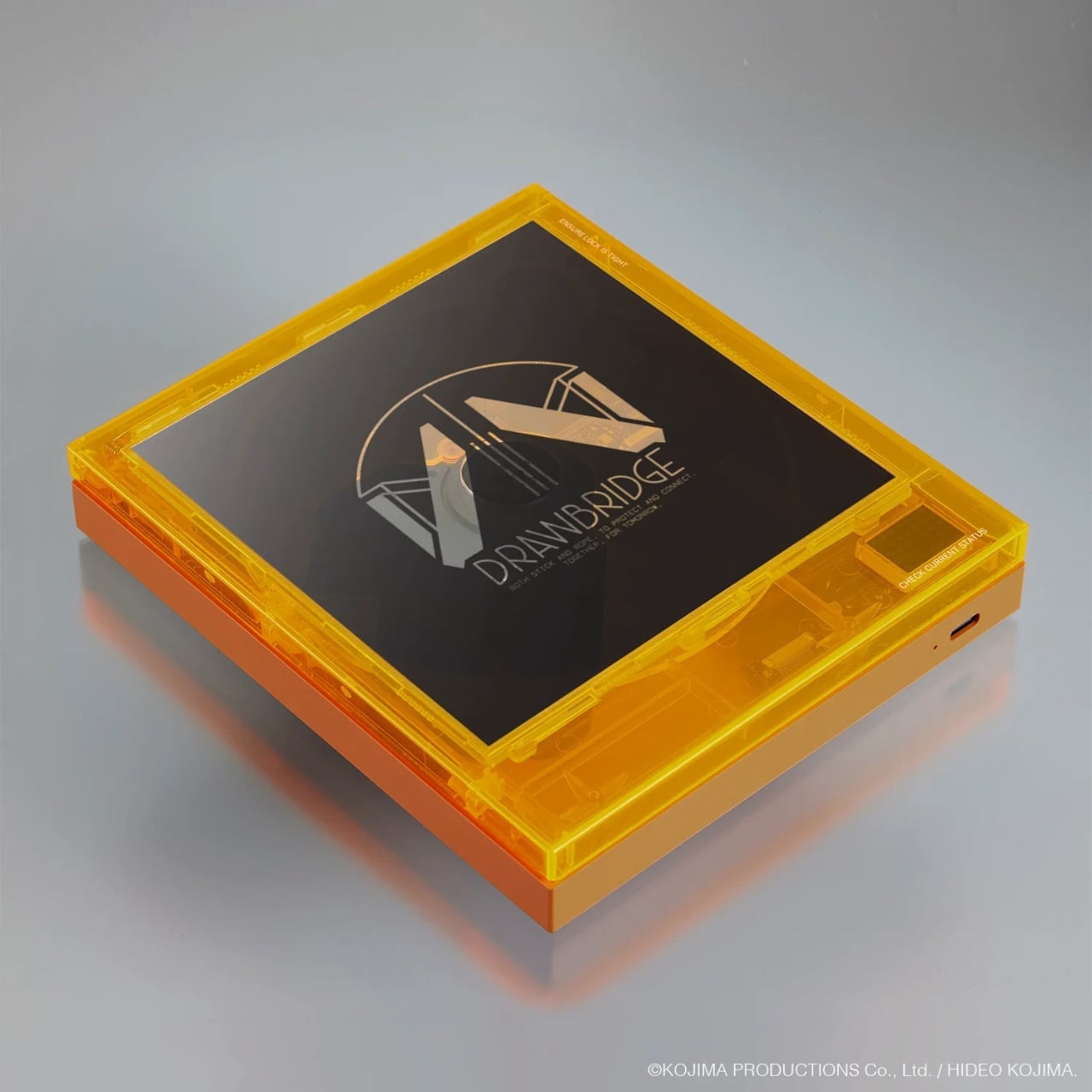
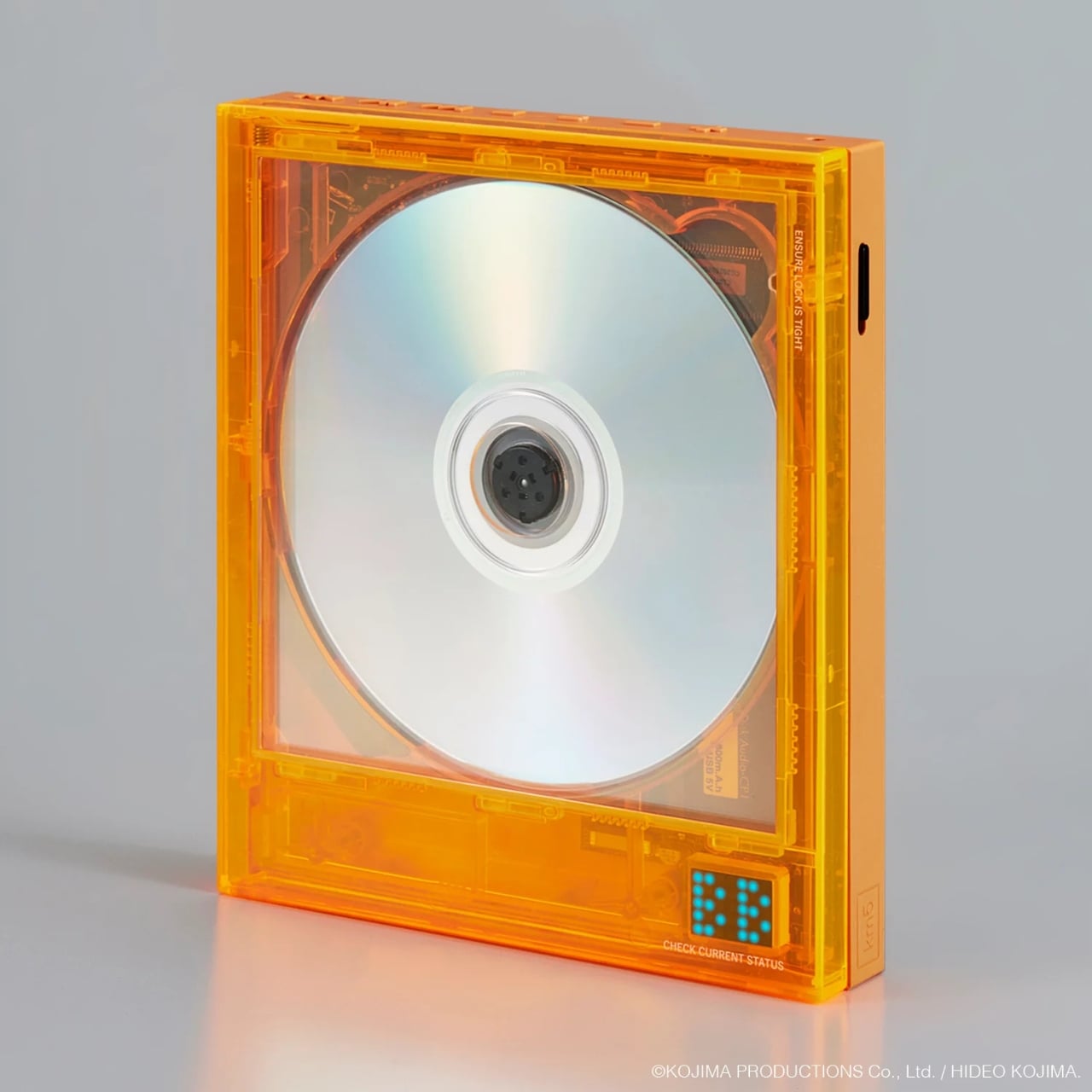
The design is where this whole thing earns its price tag. The Cp1 features a translucent orange shell, and that’s not just for aesthetics. It lets you actually watch the disc spin and the internal mechanics move in real time. As someone who grew up watching cassette tapes wind through their spools, that level of visible mechanical action hits a very specific nostalgic nerve. The translucency echoes the BB Pod’s gel-filled, see-through casing, and it works so well that it almost feels like the CD player was always meant to look this way. It didn’t need Death Stranding to be beautiful, but the collaboration gave it a context that makes it feel intentional rather than just decorative.
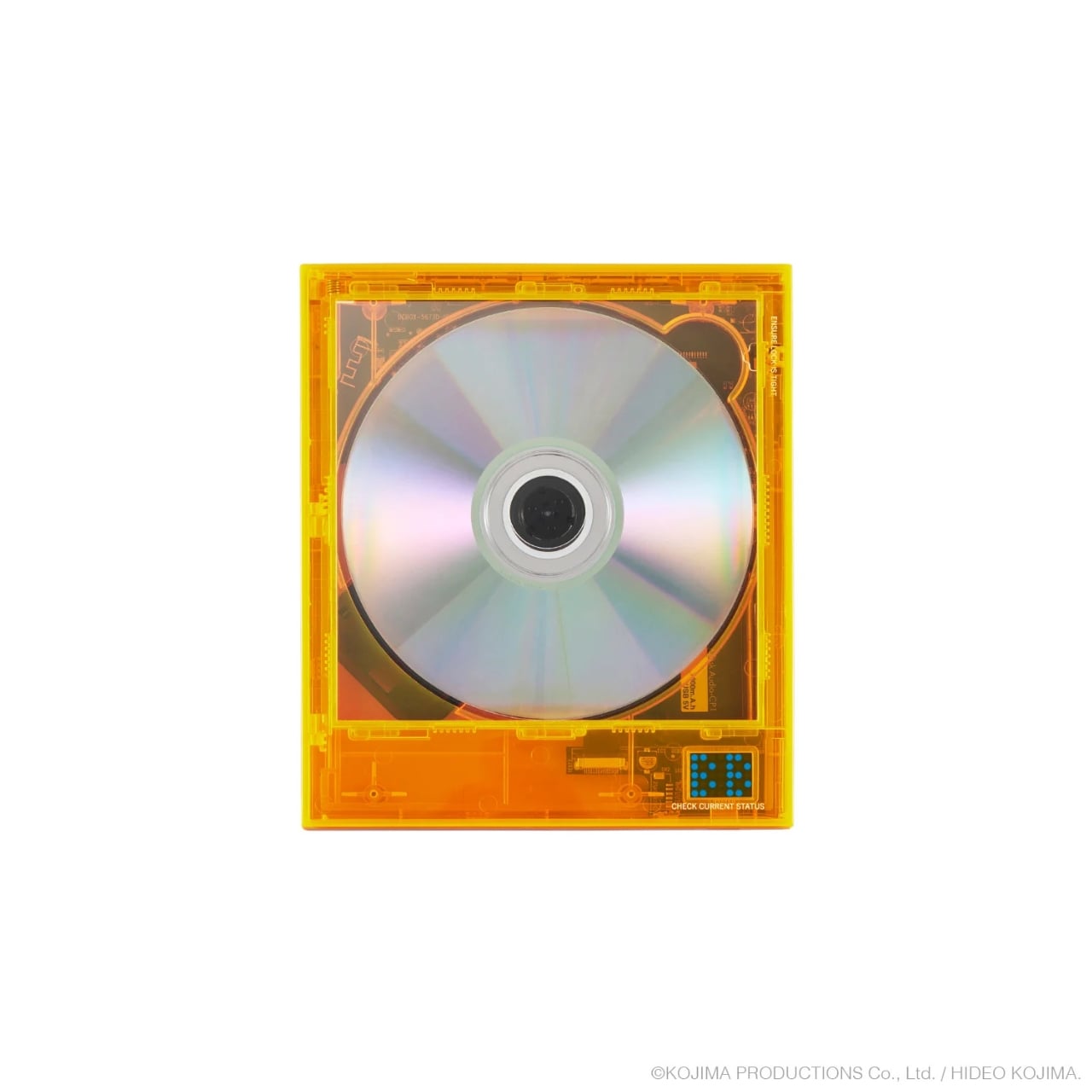
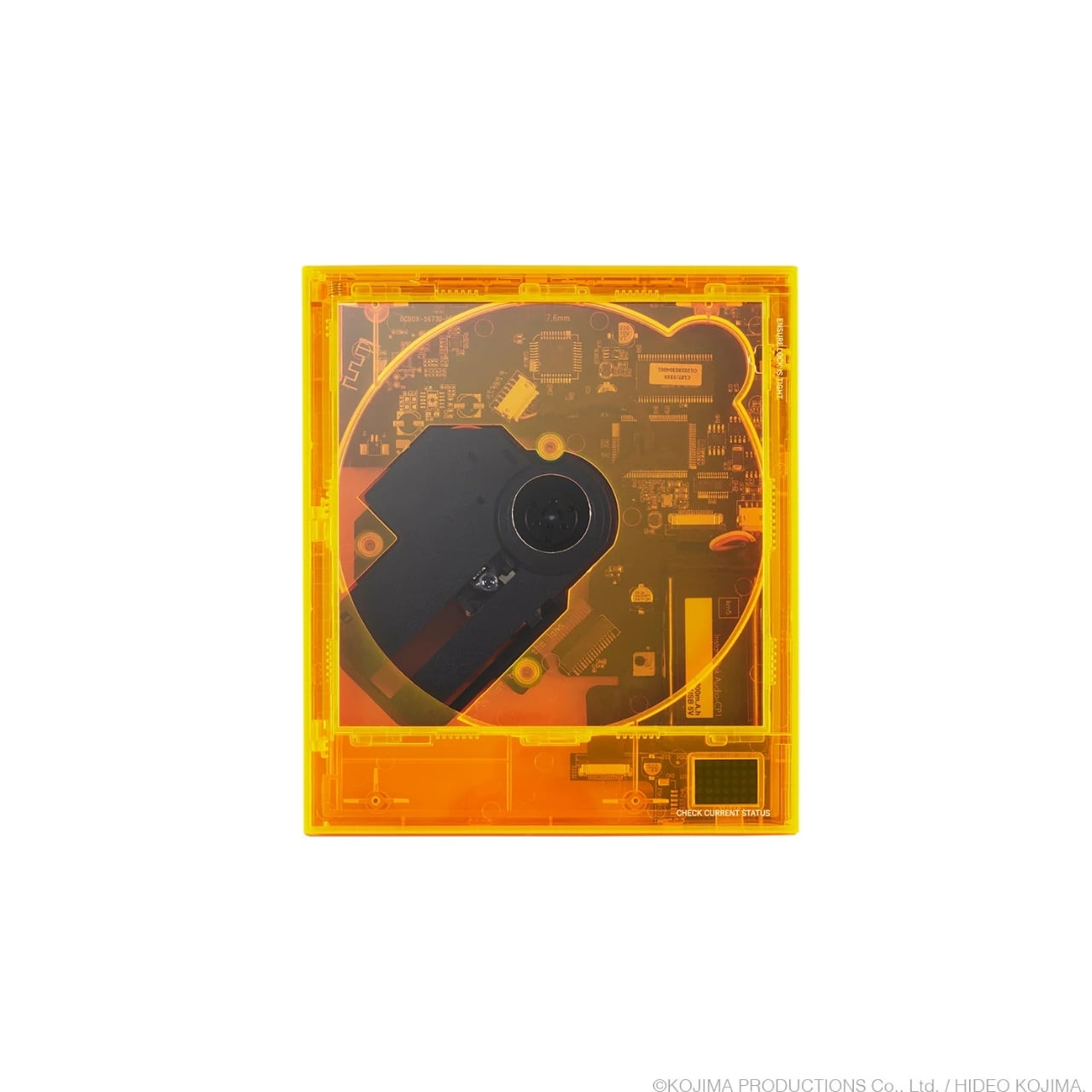
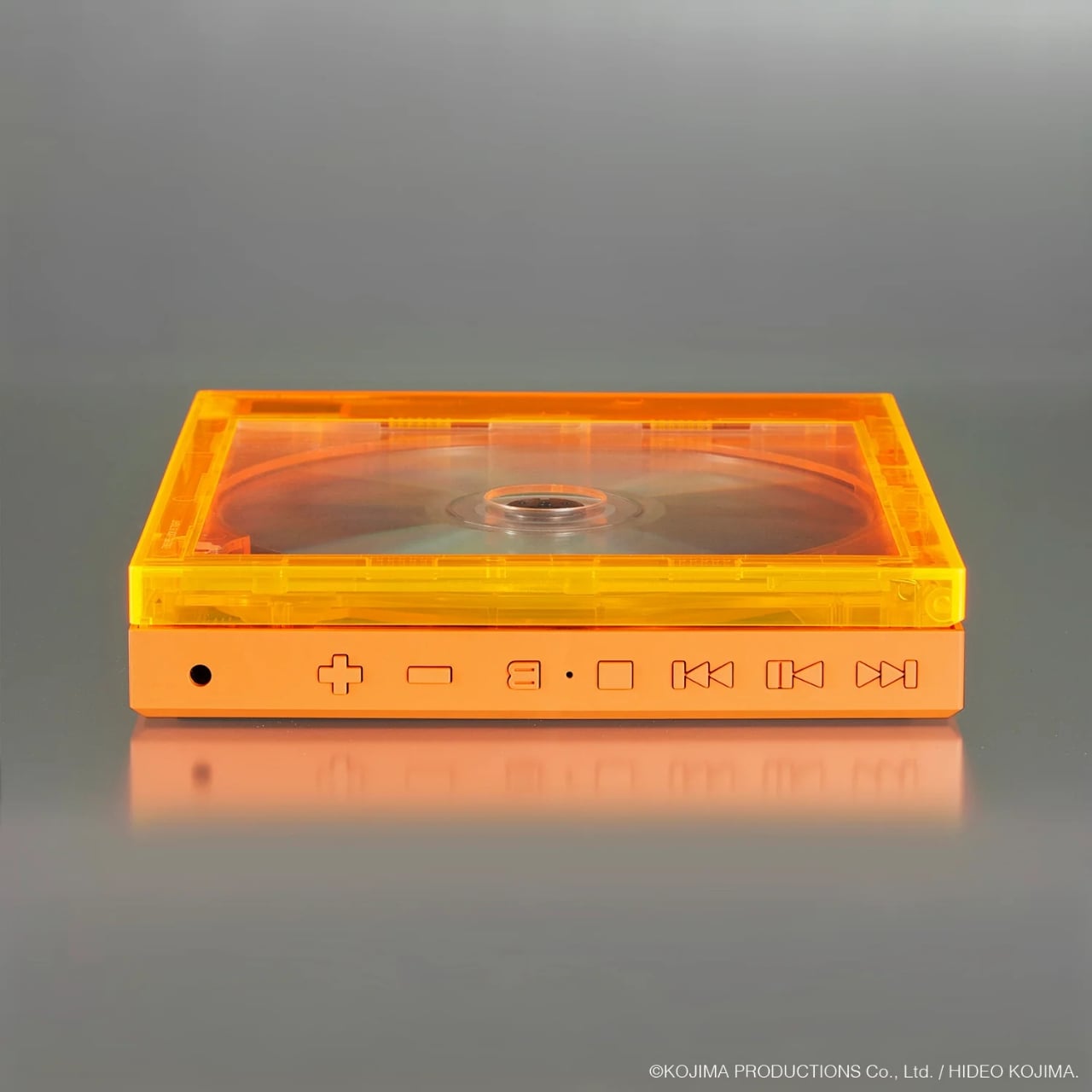
The base Cp1 by km5 isn’t a new product. It’s been around for a while as a compact, Bluetooth-enabled CD player with a Nixie tube-style LED display and a wall-mount option that honestly makes it look more like modern furniture than consumer electronics. The Death Stranding 2 model takes that foundation and pushes it into collector territory. Priced at 25,300 yen, around $160, it connects via Bluetooth 5.3, runs for approximately 7 to 8 hours on a single charge, and notably doesn’t come with a built-in speaker. You’re meant to pair it with your own headphones or external audio setup, which keeps the device compact, sculptural, and true to its aesthetic. It’s not trying to be a Bluetooth boombox. It’s something much quieter and more considered than that.
The fact that this exists at all says something interesting about where we are with physical media right now. CD sales have been quietly climbing again, especially among younger audiences who want a more intentional, tactile way to listen to music. Vinyl gets most of the headlines, but CDs are genuinely having their own moment, and a device like this taps right into that energy. It gives you a reason to care about the format all over again, not just as a nostalgia trip, but as an object worth owning and displaying on a shelf next to your records.
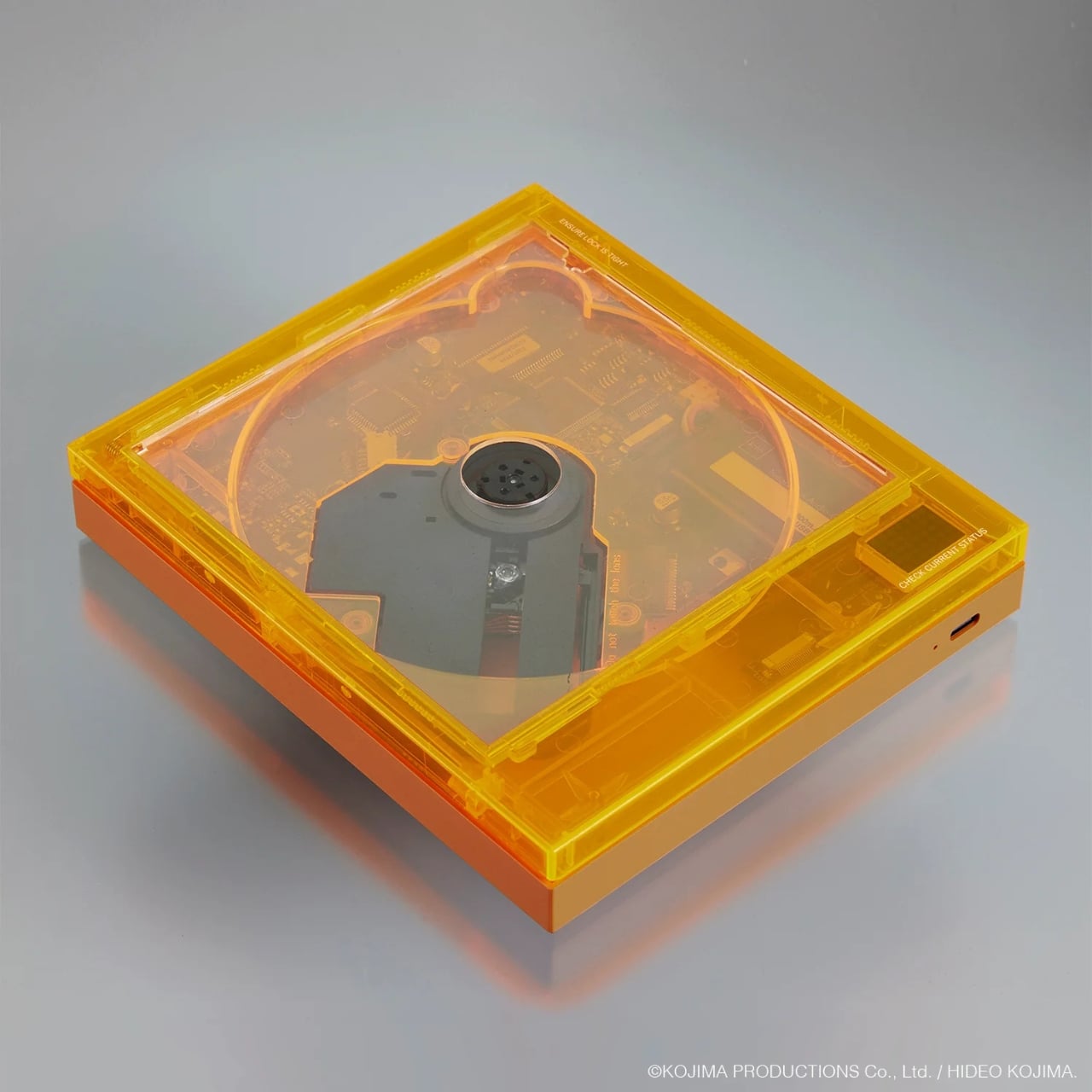
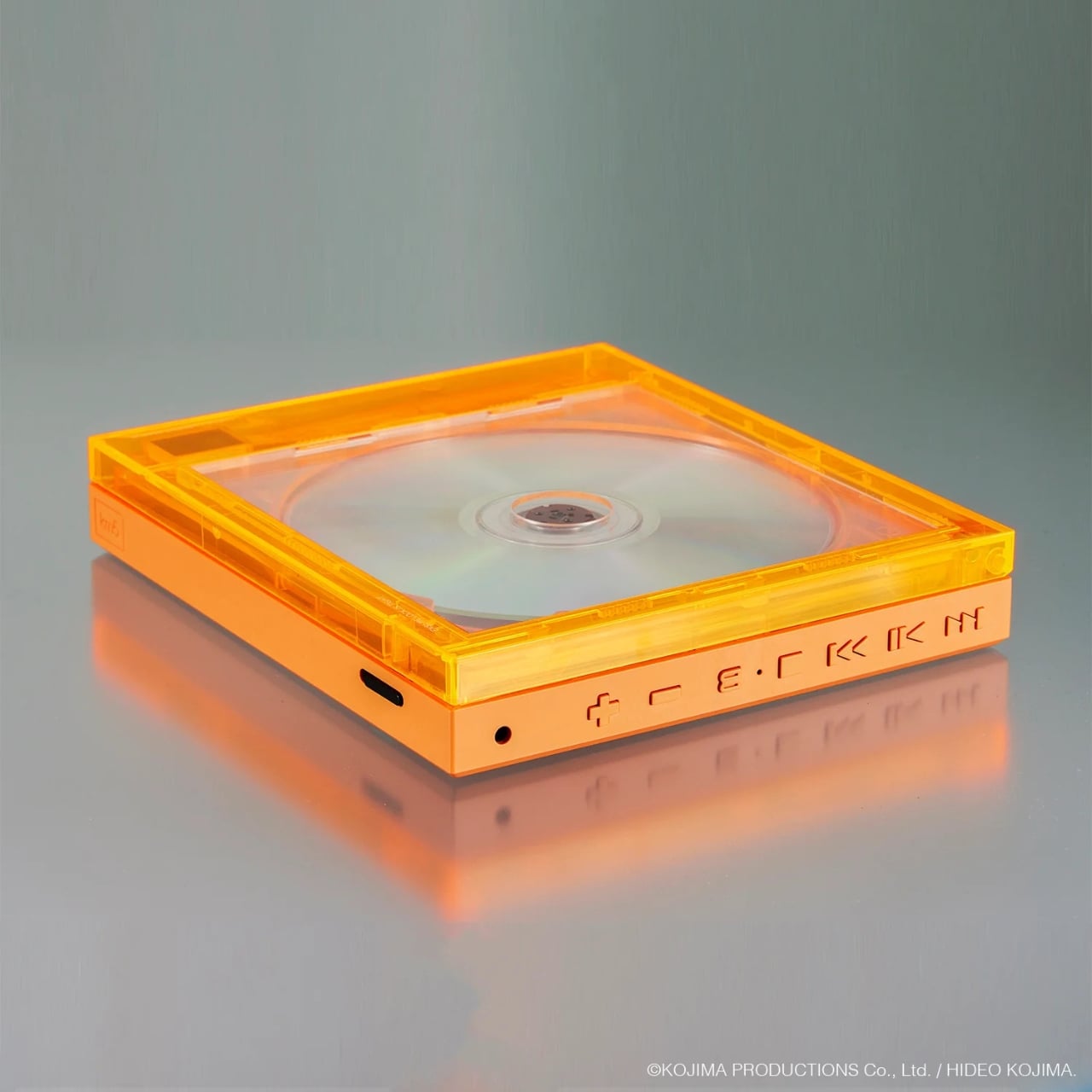
The timing works in its favor, too. Death Stranding 2: On the Beach launched earlier this year and carries forward everything the first game did best: gorgeous world-building, deeply strange storytelling, and a visual identity unlike anything else in gaming. Releasing this CD player alongside that cultural wave makes it feel like part of something larger, not a cash grab bolted onto a recognizable franchise. km5 and Kojima Productions clearly put thought into this, and the result reflects that. This isn’t just a piece of merch. It’s a collaboration that understood its source material well enough to let the design carry the story.
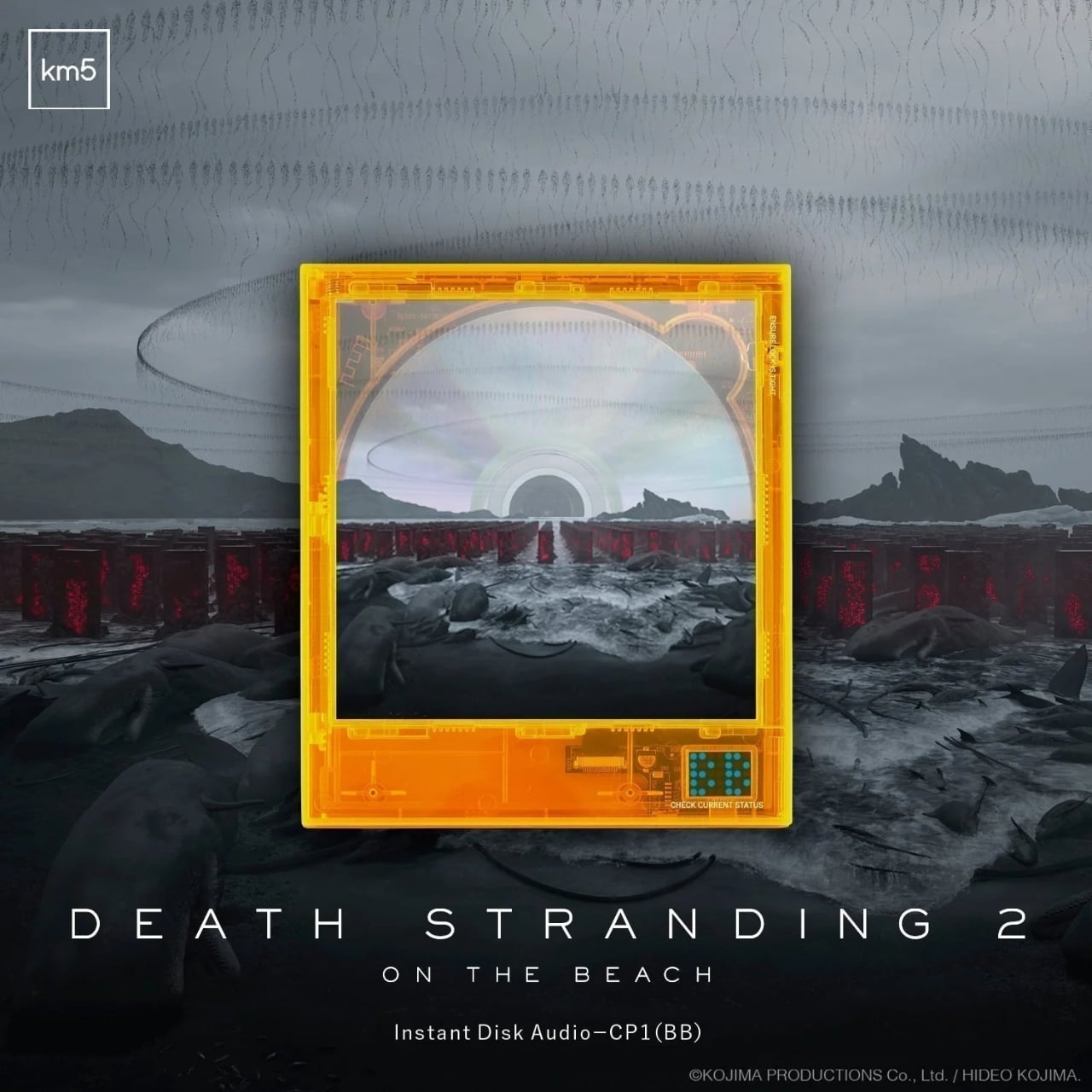
The Instant Disc Audio Cp1 DEATH STRANDING 2 Model is available directly through km5’s official website and at the KOJIMA PRODUCTIONS × PARCO GAMES STRAND STORE in Shibuya PARCO. Stock is limited, and if history tells us anything about Kojima collaborations, waiting around is usually the fastest way to miss out entirely.

The post A BB Pod-Shaped CD Player Straight Out of Death Stranding first appeared on Yanko Design.
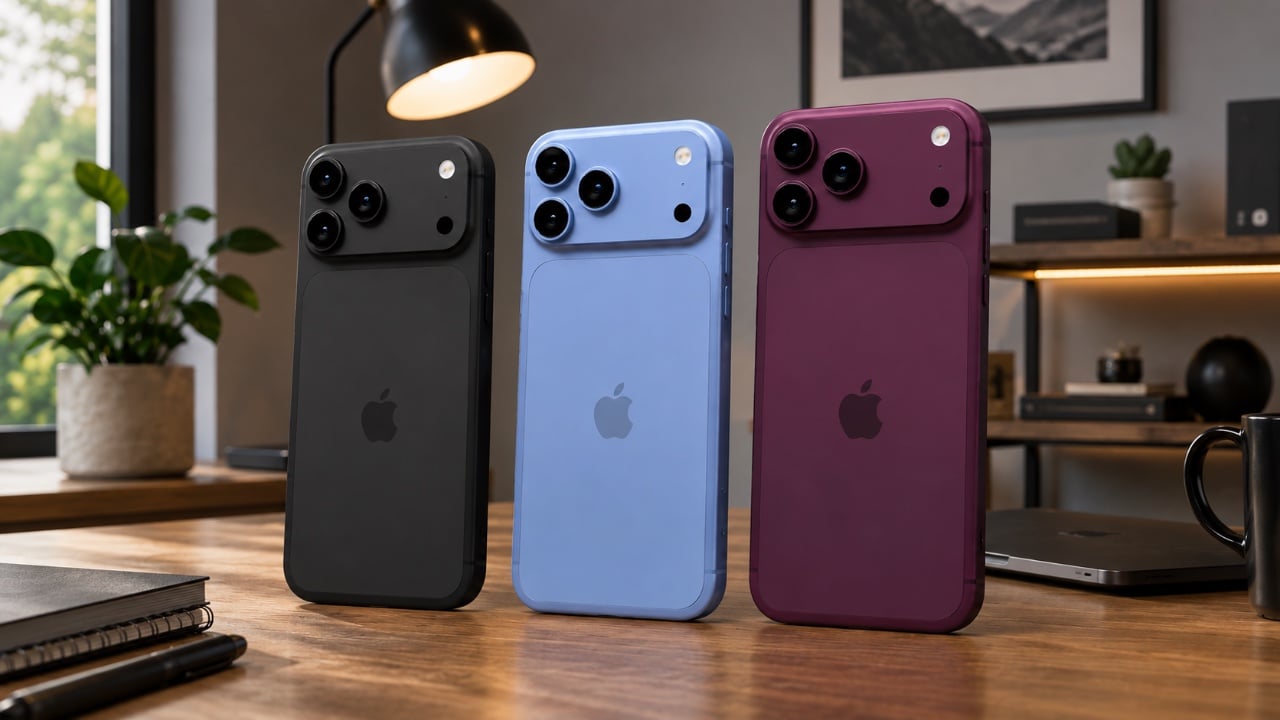
The iPhone 18 Pro Max is set to elevate Apple’s flagship smartphone lineup with a series of new enhancements. Leaks and reports suggest that this device will bring substantial improvements in areas such as battery life, performance, connectivity, and camera technology. Whether you’re a tech enthusiast or a professional seeking innovative tools, the iPhone […]
The post Just Leaked: 10 Huge Upgrades for the iPhone 18 Pro Max appeared first on Geeky Gadgets.

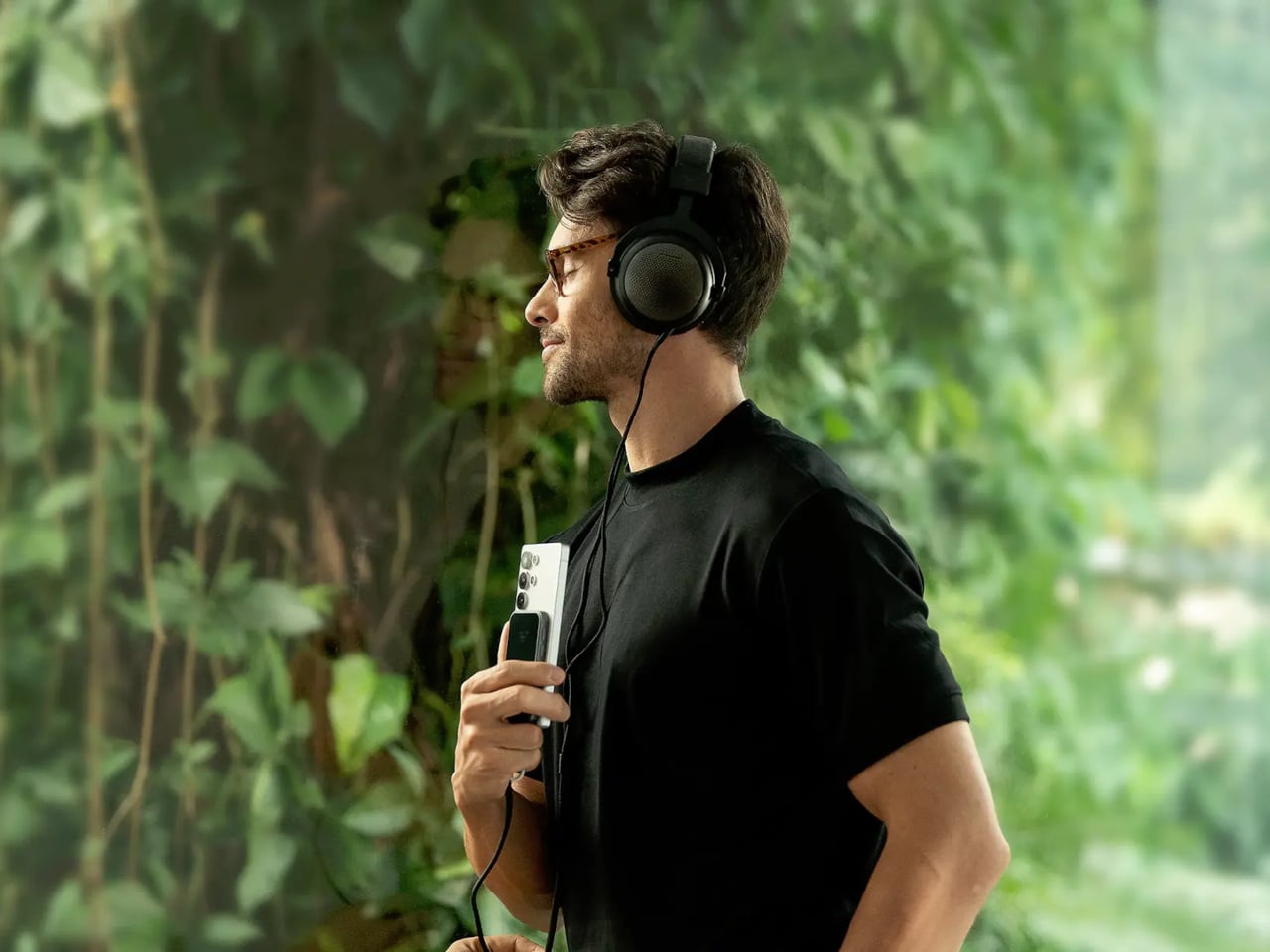
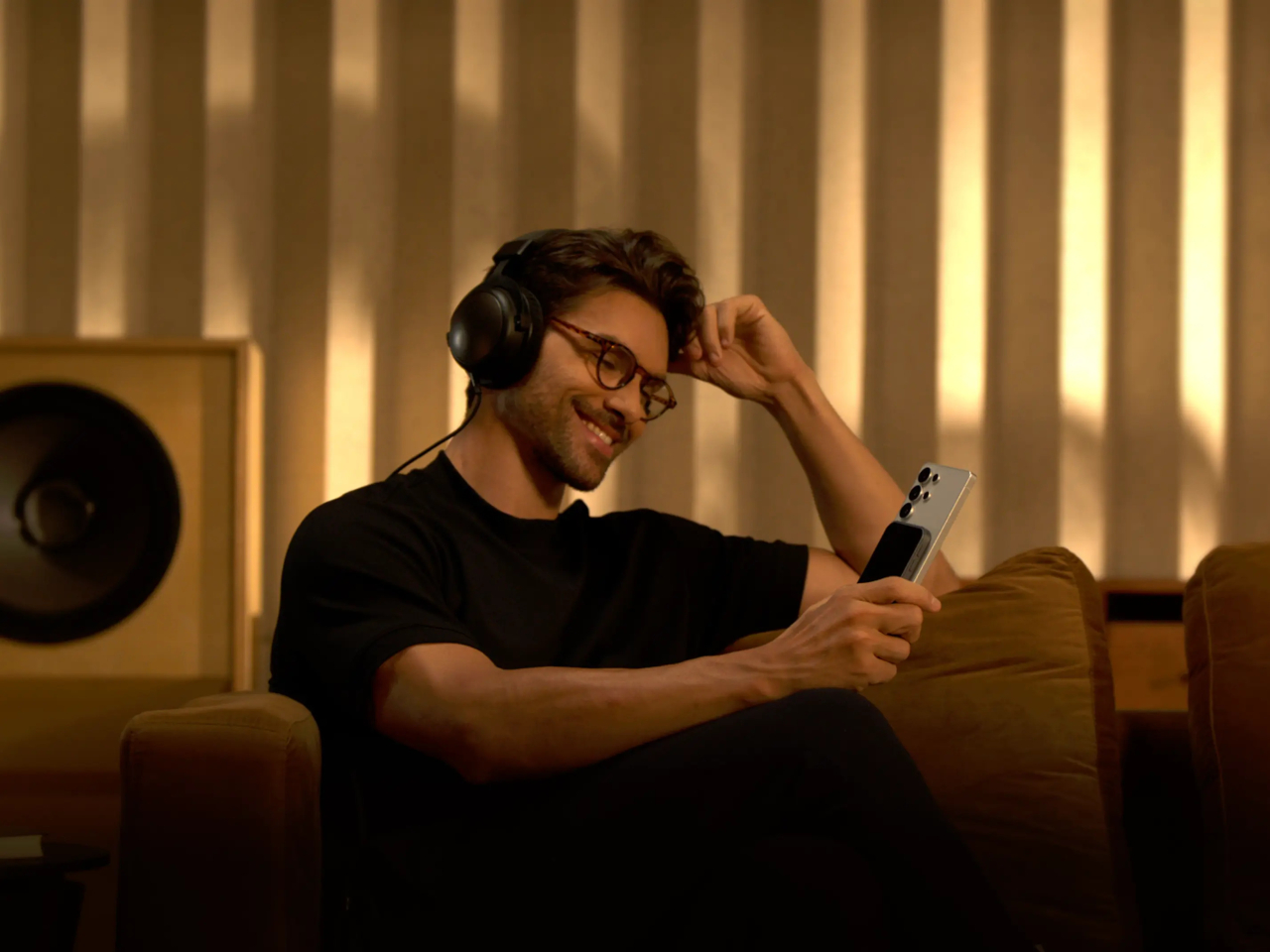
Portable audio has long been a game of compromise. DAC dongles give you a modest step up from your phone’s built-in output, but connect anything more demanding than a pair of featherweight earbuds, and they start to run out of steam. Desktop amplifiers solve the power problem but chain you to a desk, a power outlet, and a bag heavy enough to make you think twice about bringing them anywhere.
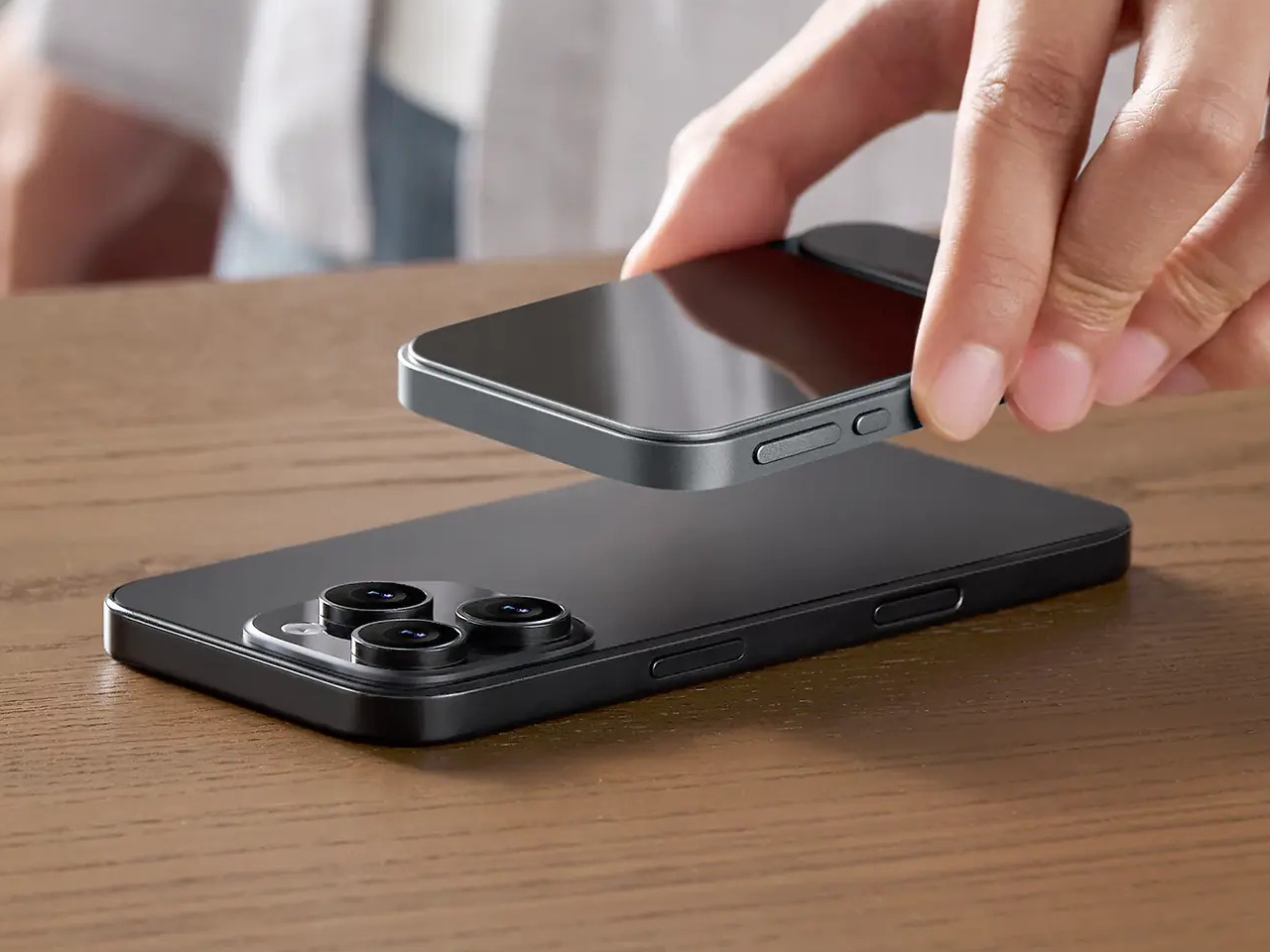
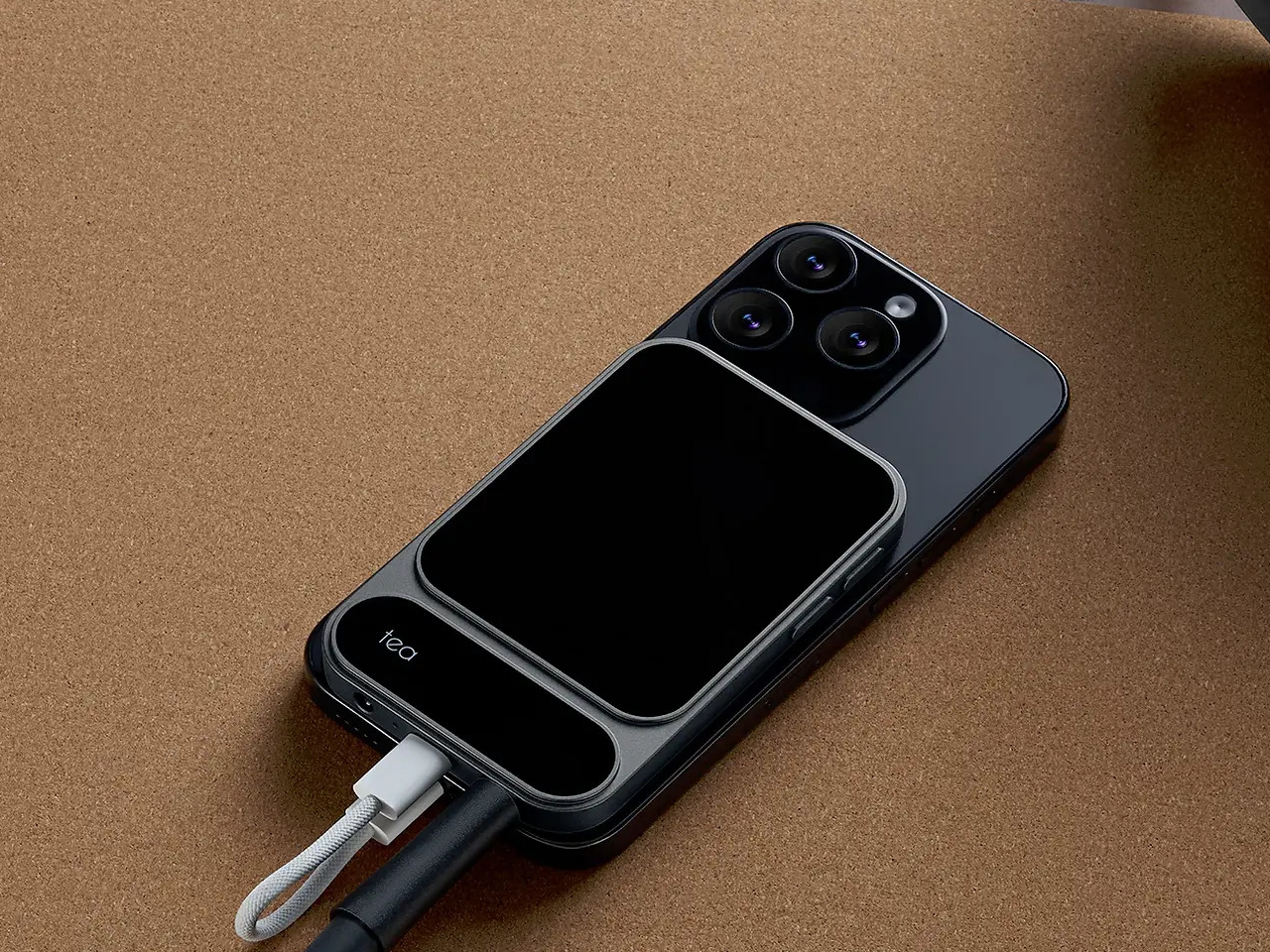
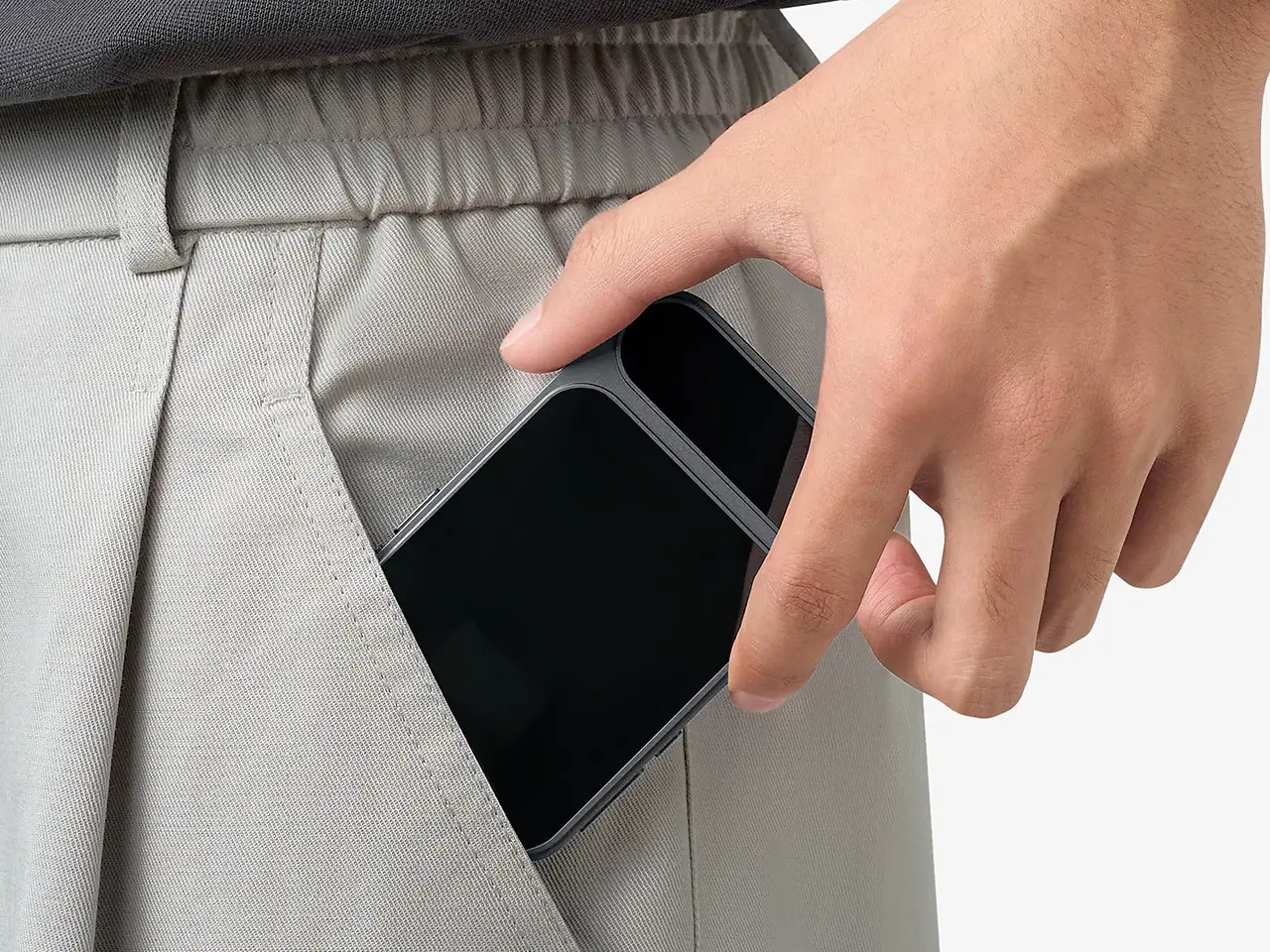
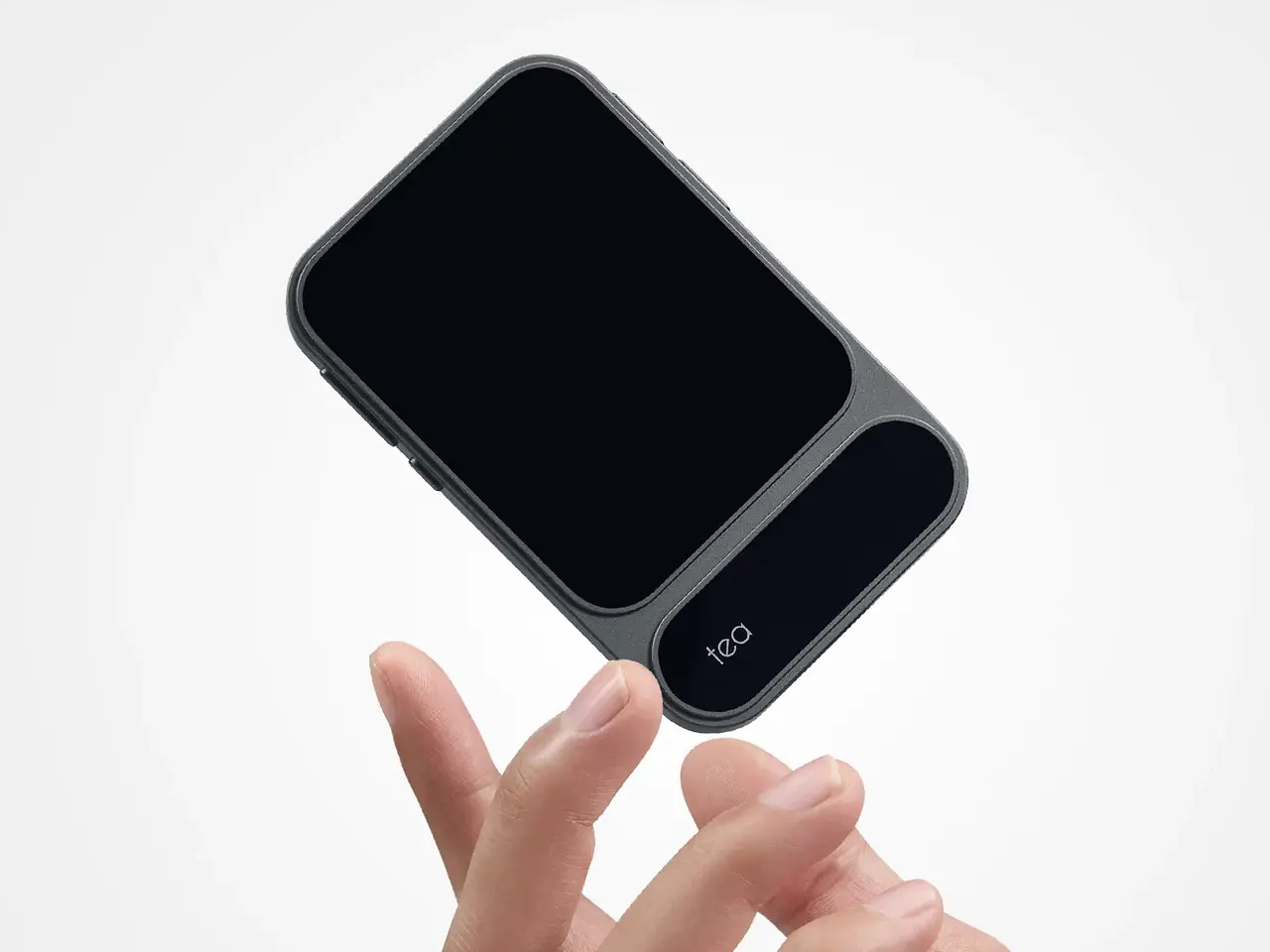
The Khadas Tea Pro sits firmly in the space between those two options, offering enough amplification for serious headphones without the bulk or the cable tangle. At 7.85 mm thin and 96 grams, it genuinely disappears into a pocket, and its magnetic back panel snaps directly onto any iPhone 12 or later, turning your phone and DAC into a single, tidy unit that doesn’t need a pouch of its own.
Designer: Khadas
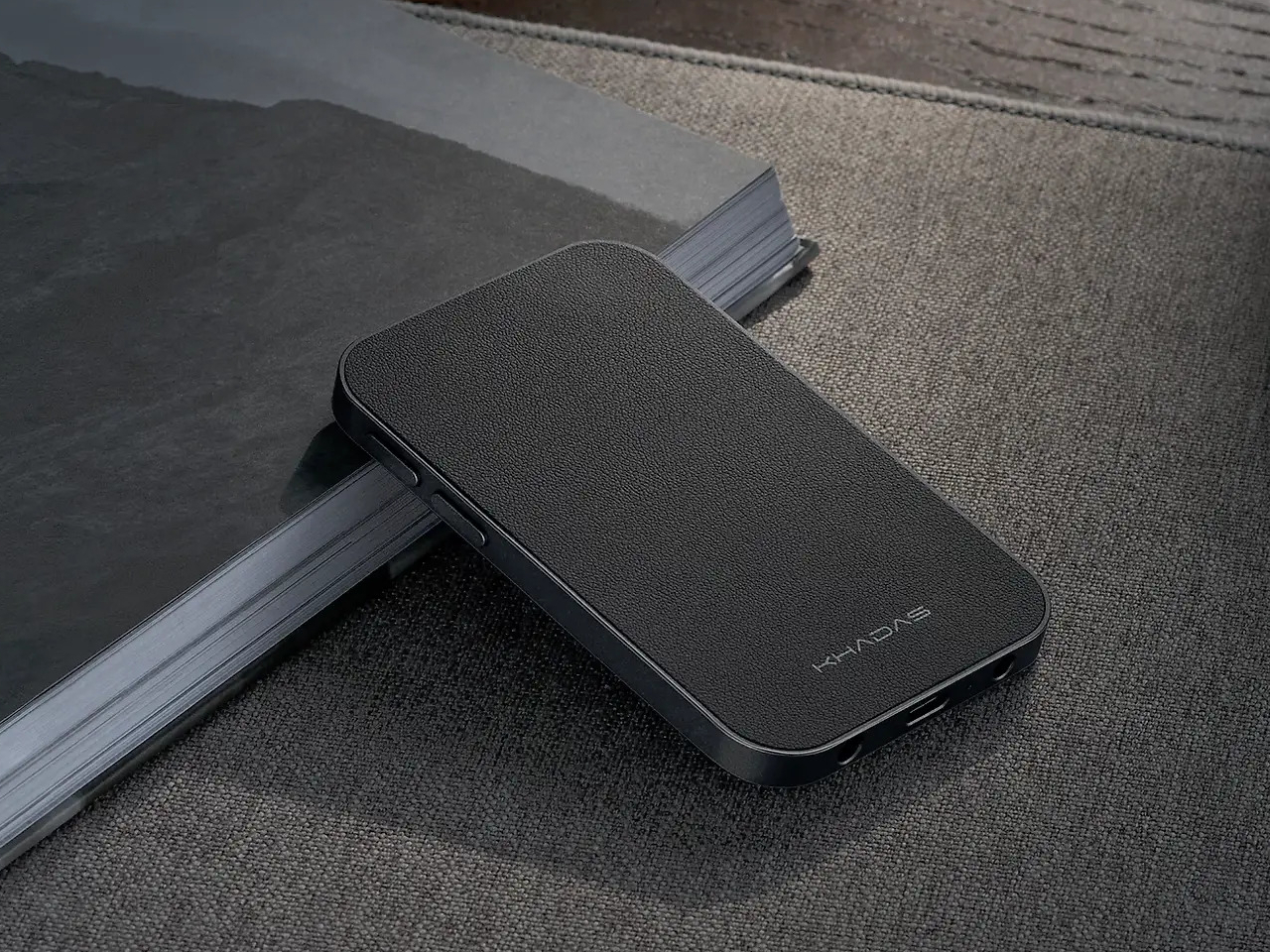
The connection is handled by 19 N56SH magnets, holding the Tea Pro against the back of the phone without straps or brackets. Android users and those with older iPhones can attach a magnetic ring to their case and get the same result. A premium wear-resistant leather panel covers the back, giving the device a tactile quality that’s a step removed from the usual plastic-and-aluminum DAC dongle aesthetic.
Inside, an ESS ES9039Q2M DAC chip works alongside an XMOS XU316 USB bridge for wired playback, delivering PCM up to 768kHz at 32-bit and DSD up to 512 native. The signal chain runs through TI OPA1612 op-amps and Ricore RT6863 amplifier chips, achieving a total harmonic distortion of -118 dB, a specification more at home in a studio rack than a 96-gram device that slips into a shirt pocket.
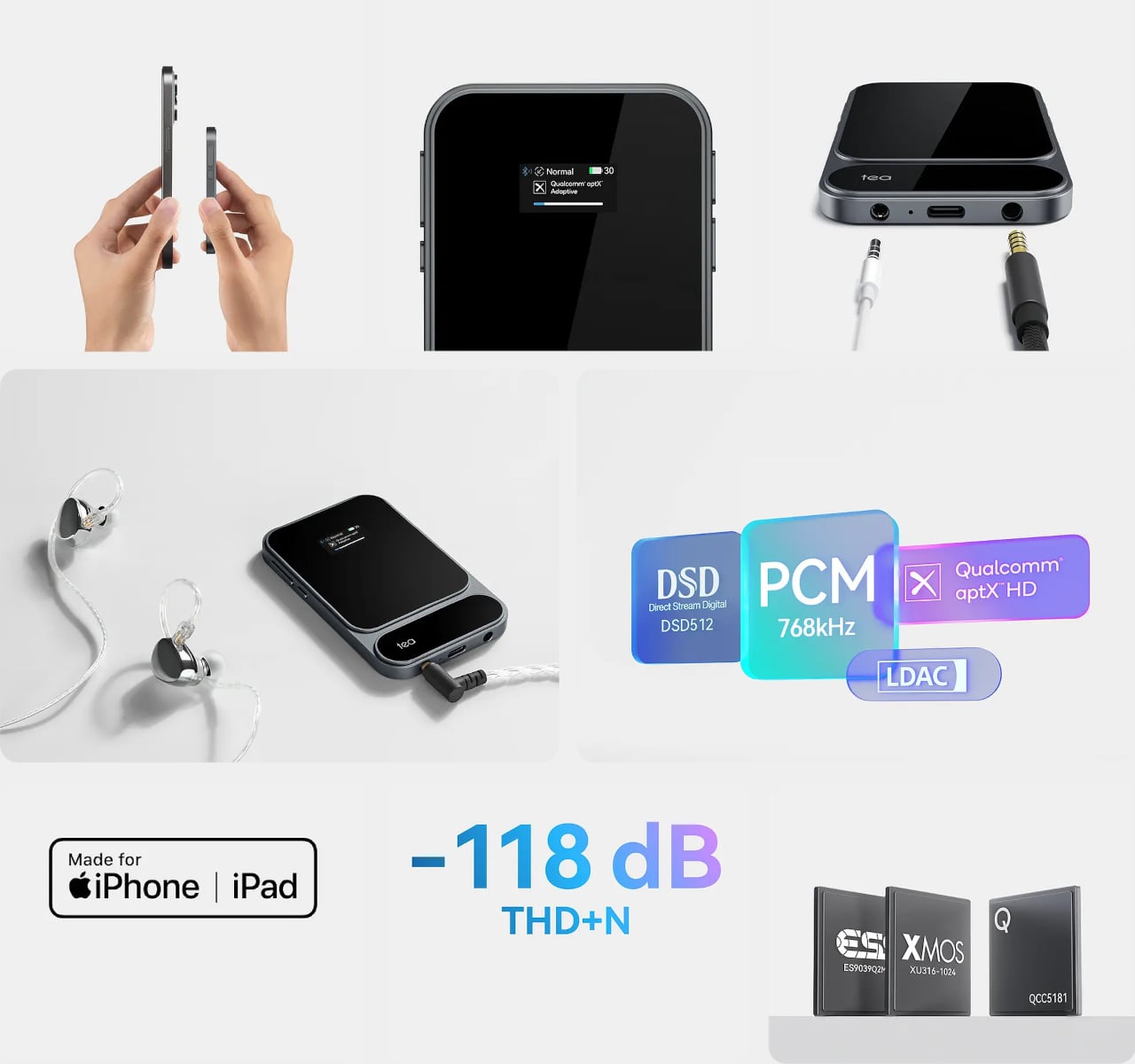
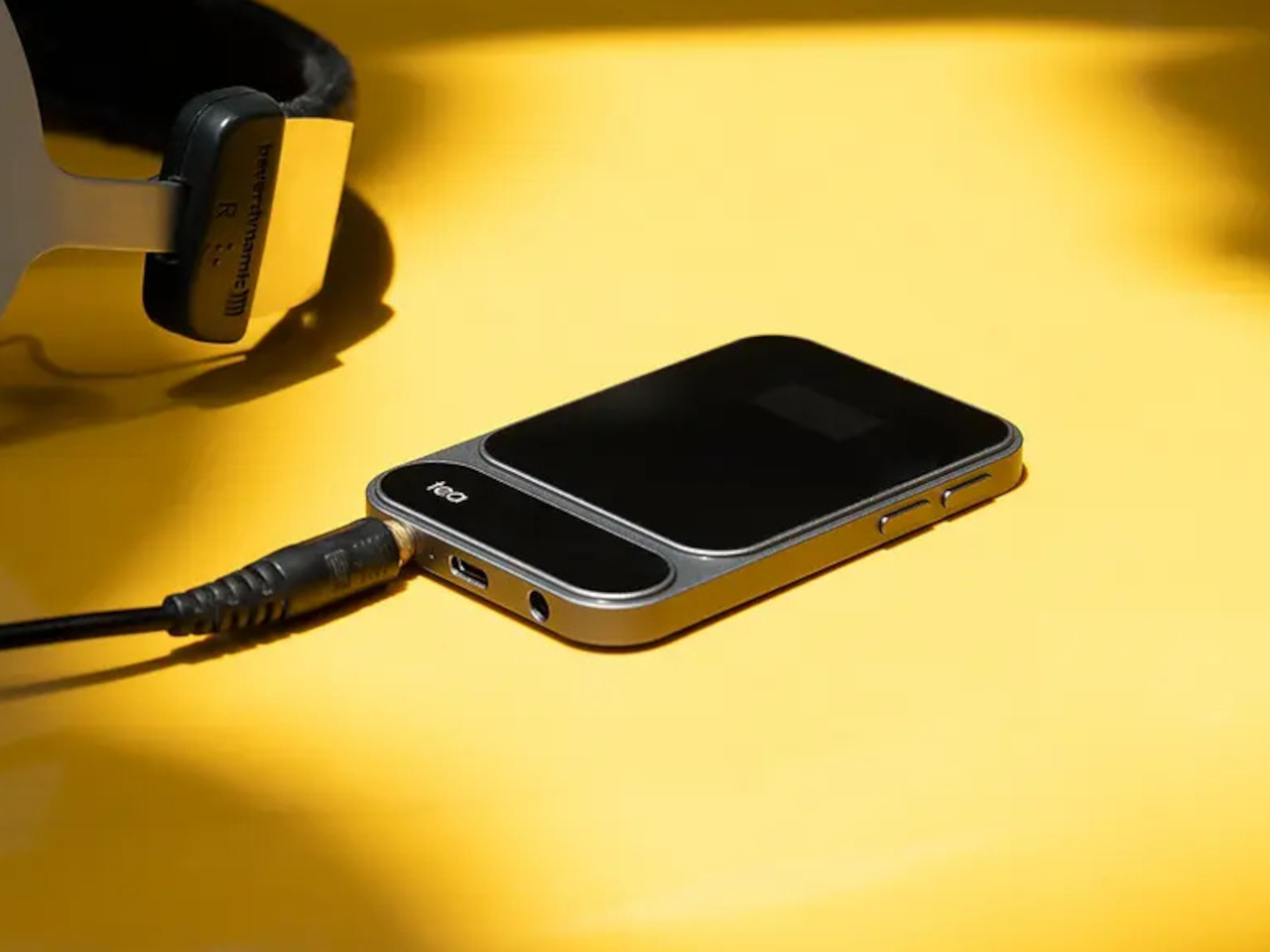
Both a 4.4mm balanced and a 3.5mm unbalanced output are on board, with the balanced jack putting out 165mW into 33 ohms and the unbalanced delivering 120mW. The Tea Pro also manages 41.67mW into 600 ohms, meaning even demanding full-size headphones with high impedance get a fully powered signal rather than an underpowered afterthought by a device that’s trying too hard to be small.

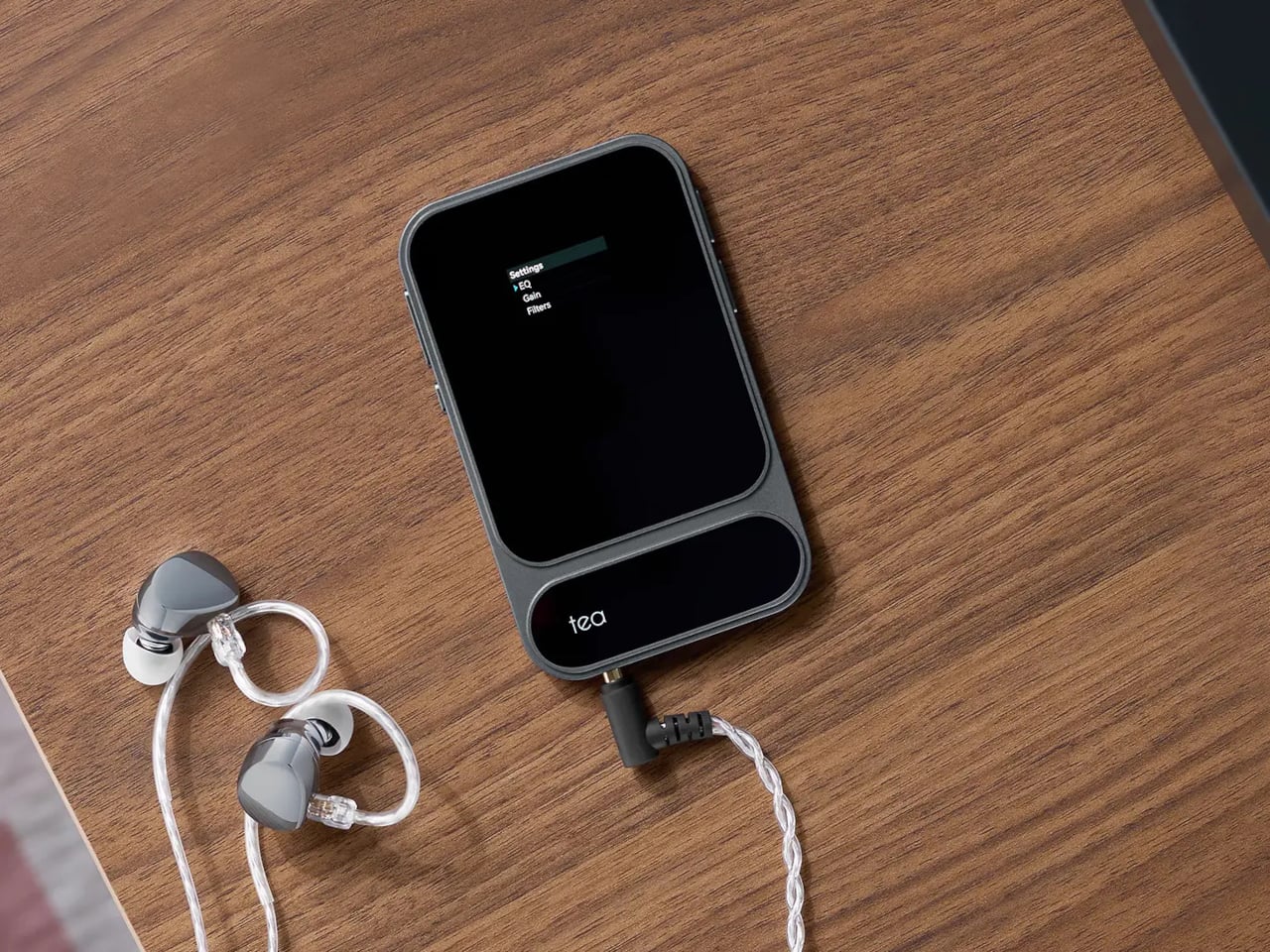
Wireless connectivity comes via a Qualcomm QCC5181 Bluetooth 5.4 chip that covers SBC, AAC, aptX, aptX Adaptive, aptX HD, and LDAC, keeping the Tea Pro compatible with virtually any device. The Khadas app adds a feature-rich equalizer that works over Bluetooth, letting you shape the sound to your taste without touching the hardware. There’s also a built-in microphone, so taking a call doesn’t require unplugging anything.
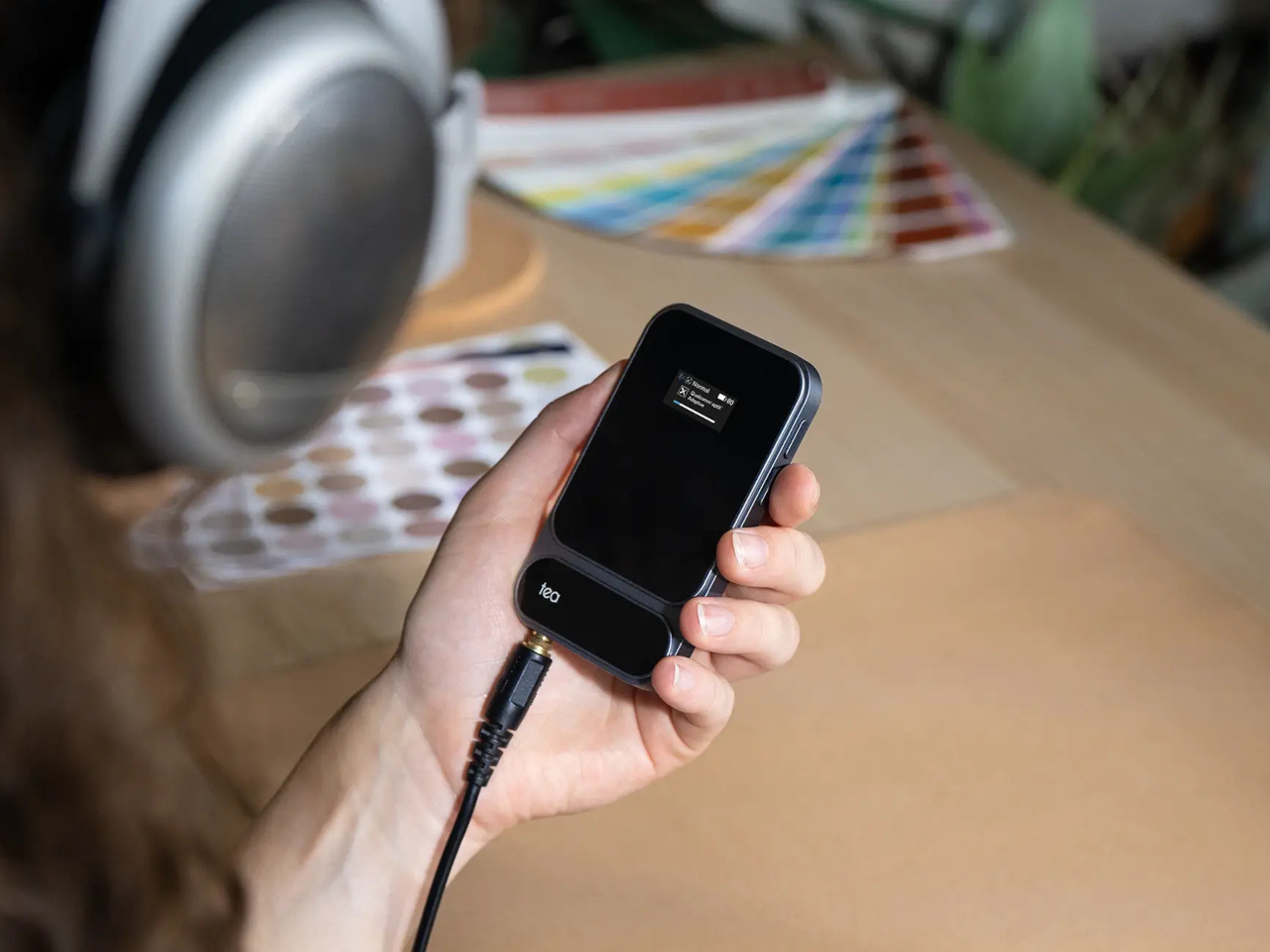
A 2100mAh battery supports up to 11 hours of wireless playback or just over eight hours wired, enough to outlast a full day of commuting without reaching for a charger. A 0.95-inch AMOLED color display on the front keeps output format, volume, and battery status visible at a glance, while independent power management keeps the battery from draining your phone when you aren’t connected to a power source.
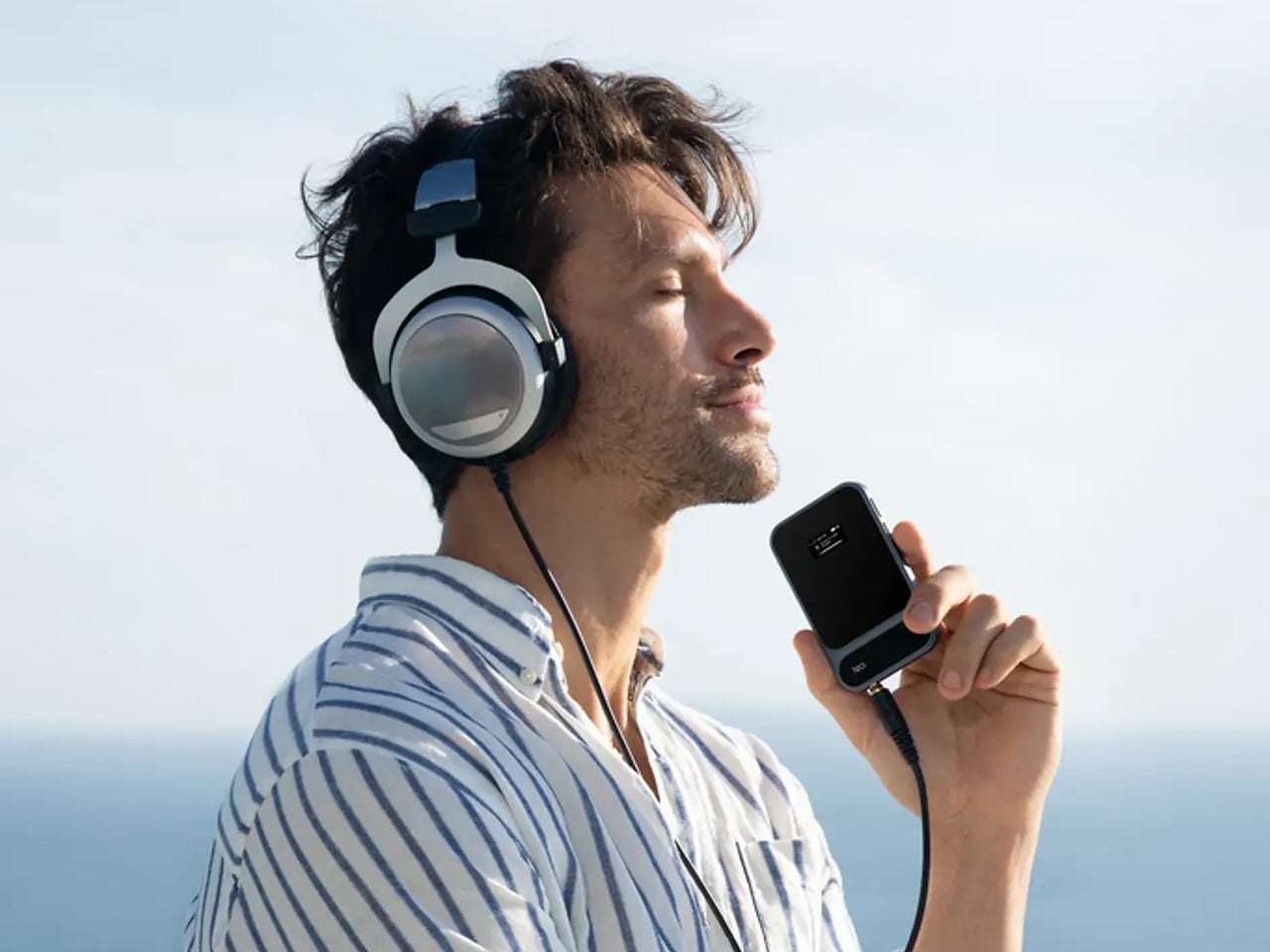
Volume control runs through a dedicated analog chip rather than a software slider, keeping noise out of the signal path. The Tea Pro is priced at $199, which puts it well above the typical dongle but far below a battery-powered desktop DAC/amp that requires its own carrying case. For a device that fits in a jacket pocket and holds itself to the back of your phone, that’s a narrowing of the gap that’s hard to argue with.
The post Khadas Just Made a $199 Amp That Snaps to Your iPhone Like a Wallet first appeared on Yanko Design.
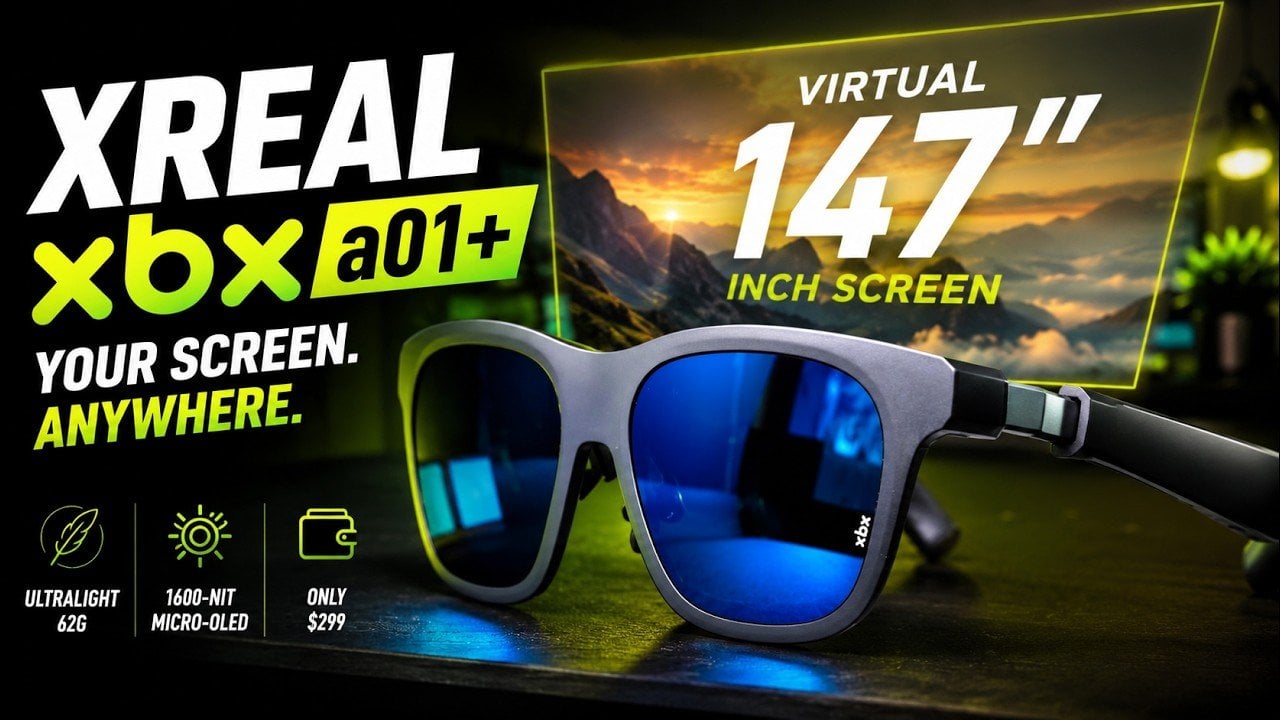
The XREAL xbx a01+ AR glasses combine affordability with practical features, positioning them as a strong option in the budget AR category for 2026. According to TechUtopia, these glasses weigh just 62 grams and include adjustable nose pads and soft temple arms for comfort during extended use. A key feature is their ability to project […]
The post XREAL xbx A01+ 120Hz AR Glasses Excel for $299 Deliver a 147-Inch Virtual Screen appeared first on Geeky Gadgets.
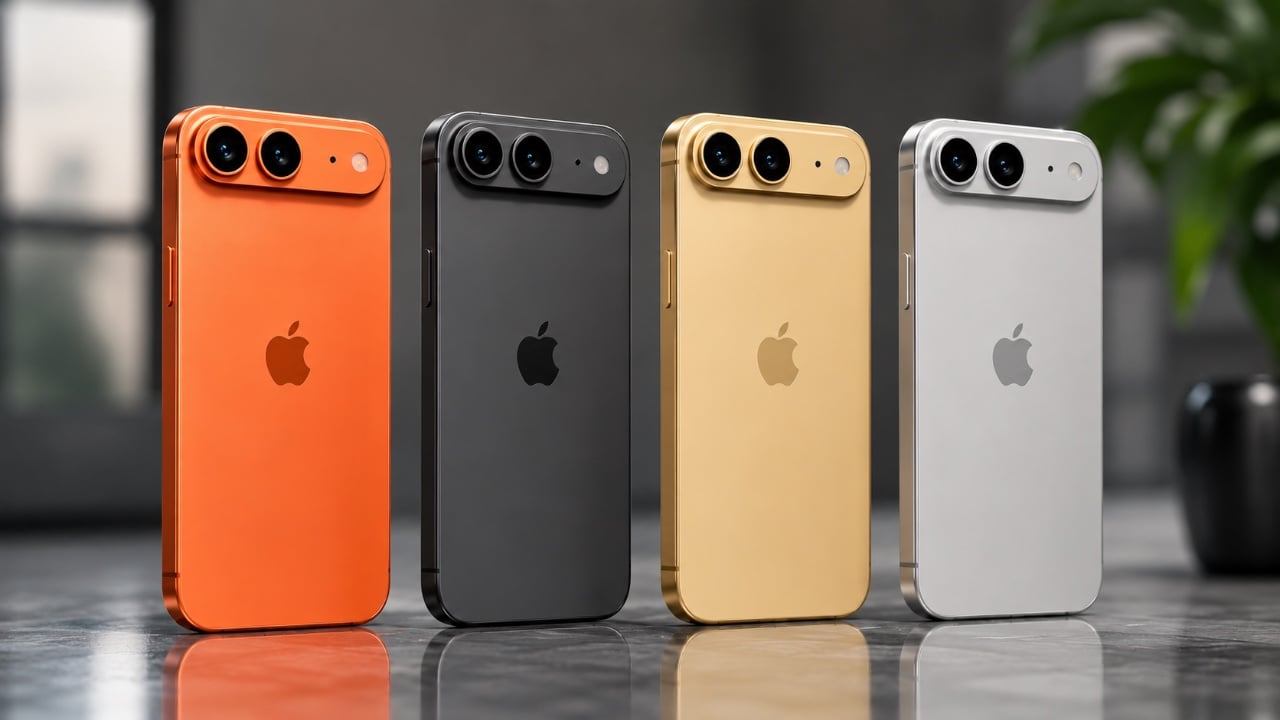
The iPhone Air 2 is shaping up to be a standout addition to Apple’s mid-range smartphone lineup, with leaks pointing to a range of significant improvements. From enhanced photography and processing power to refined connectivity and display design, the device promises to deliver a balanced mix of innovation and practicality. Below is an in-depth look […]
The post Five Major Upgrades Detailed in a New iPhone Air 2 Leak appeared first on Geeky Gadgets.