Apocalypse ready Hyundai Crater concept SUV maximizes off-roading utility

Hyundai has been keen on the off-roading capability of future vehicles, as evidenced by the revealed cars in their subbrand XRT, launched in 2022. The trend set in motion after the pandemic has not mellowed, and automotive manufacturers are keen to explore adventurous vehicle lines in their fleets. Hyundai is no different as they’ve come up with the Crater Concept off-road SUV to embrace the thrill of exploring the great outdoors.

Revealed during the Los Angeles Auto Show, the next-generation electric concept car is not going to be merely a prototype, according to Hyundai; the vehicle could be tuned into a production car sometime in the future. In fact, Crater is the very first vehicle to be designed at the Sand Box facility in California. The focus of development is on the off-road vehicles, to take forward the gauntlet from the XRT division, which has had successful SUV releases, including the Palisade, Santa Cruz, and Tucson.

Design: Hyundai

Crater is built on a monocoque architecture, featuring a very chiselled, muscular body that complements its persona. The panelled form is complemented by the wheel arches and the wide skid plate for maximum underbody protection. It has a flat fender design and rocker panels that are inspired by the tool protective case design. The EV gets the same “Art of Steel” exterior design influence as the INITIUM fuel-cell electric vehicle. Focus by the South Korean giant on building the vehicle is on compact proportions for hyper manoeuvrability in tight trails, while having an impressive ride height assisted by the 33-inch off-road wheels encapsulating the 18-inch alloys inspired by the “hexagonal asteroid impacting a sheer metal landscape.” This makes the Crater much more capable than the XRT models, which are good for light off-roading.

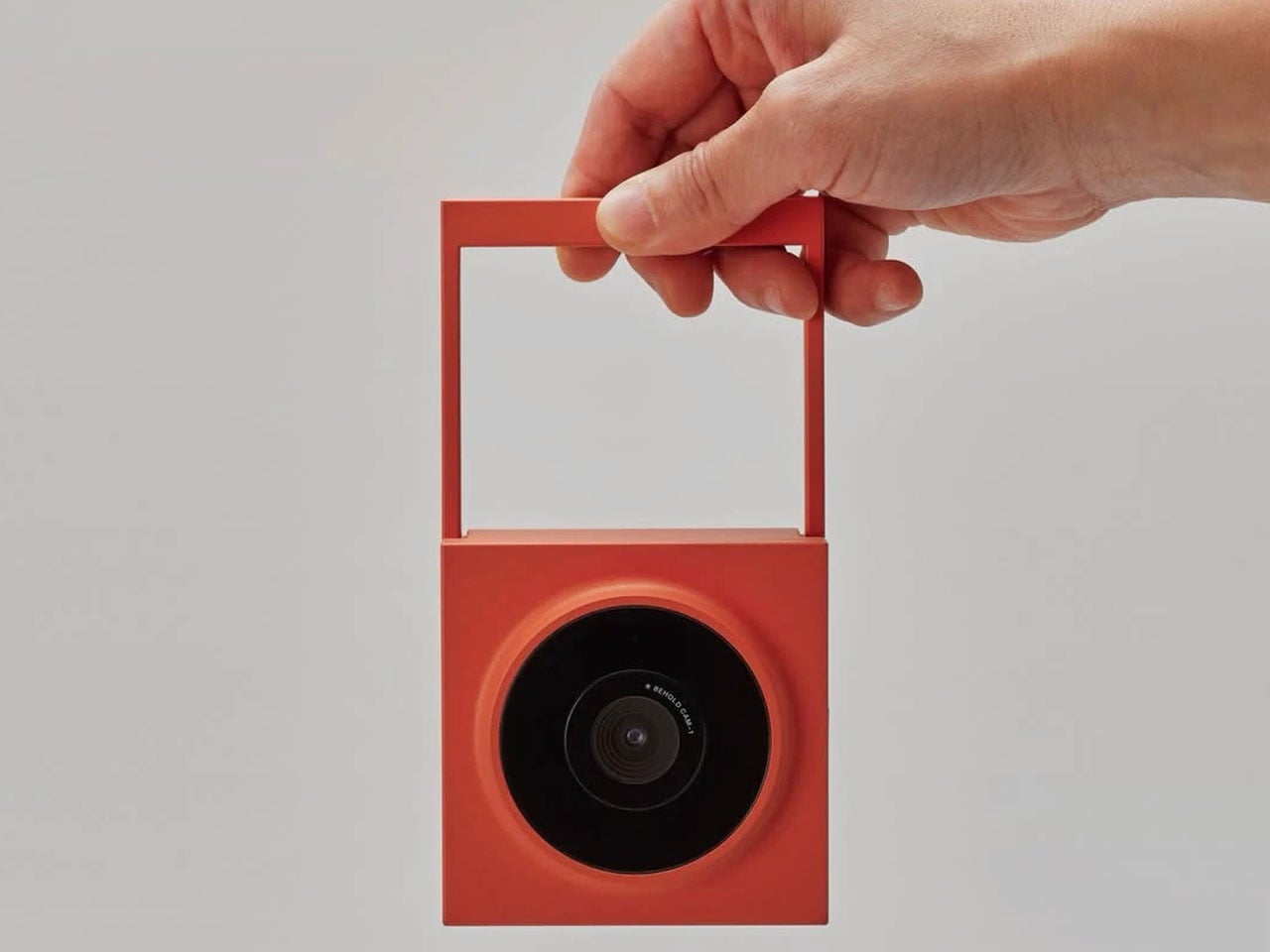
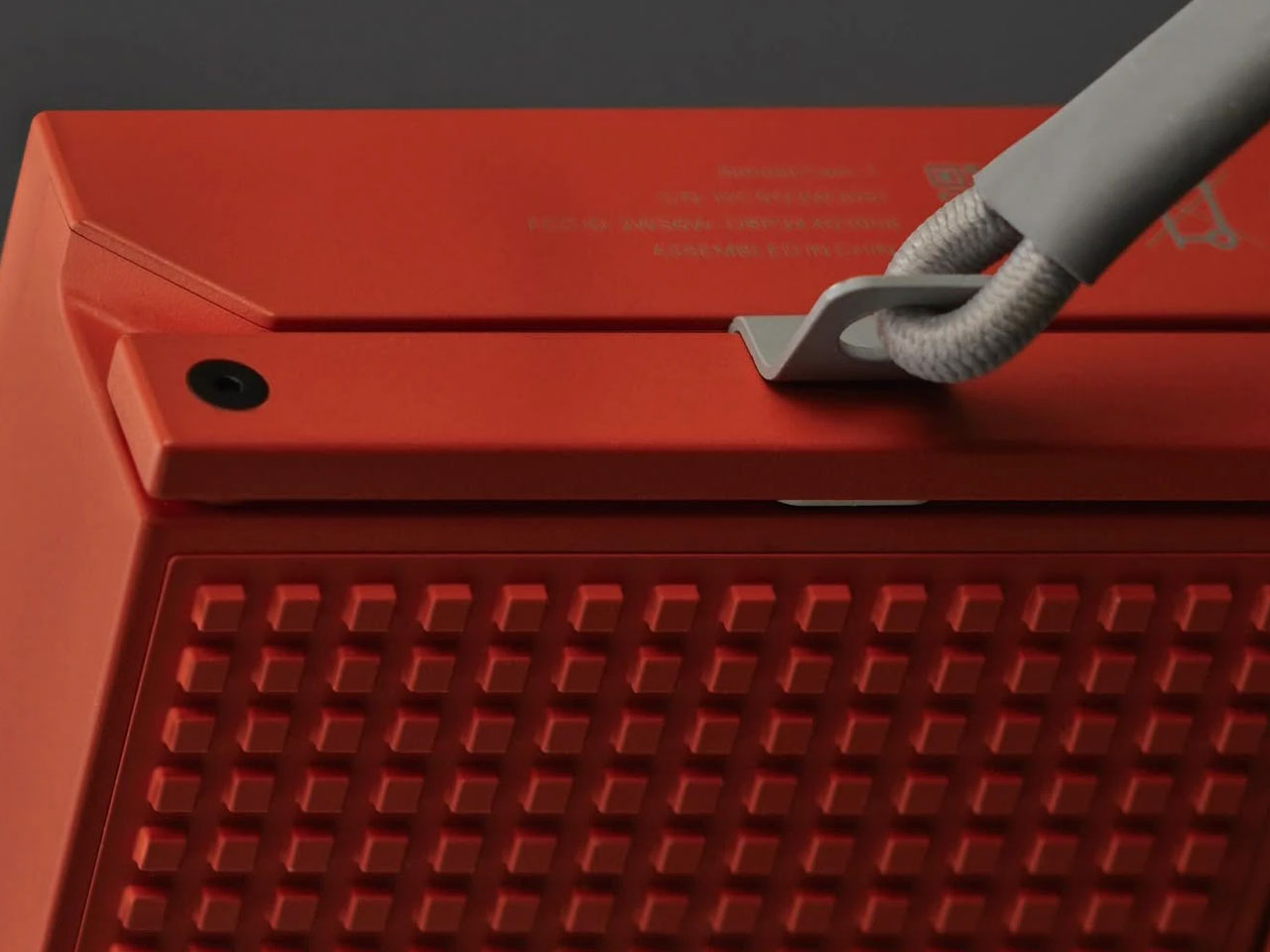
The all-wheel drive electric off-roader is most likely sporting a dual-motor setup (just like the IONIQ 5N), although Hyundai didn’t reveal any details on the powertrain setup. One thing is clear, though: the Dune Gold Matte-skinned vehicle has front and rear locking differentials for superior control on tough terrain. Apocalypse-ready features spice up things here, as the removable side mirror cameras can double as flashlights or recording gadgets, hinged back doors for maximum utility, and the tow hooks that function as bottle openers. The roof of the electric vehicle has a platform for lights, storage space for the equipment, and two wires running down the hood to protect the windshield from hanging branches.

On the inside, the rugged cabin is themed in desert sunset and campfire ambient lighting. The steering wheel gets physical controls to toggle the driving modes: Snow, Sand, Mud, Auto, and XRT. The dashboard has a removable Bluetooth speaker, fire extinguisher, and first aid kit to expand the functional approach.  The lower part of the windshield gets the HUD elements, including the current, speed, hill descent control, compass, and altimeter. The lighting on the exterior and interior carries the pixelated theme that we’ve seen Hyundai fancy in previous designs like the INSTEROID EV. Hyundai has spiced up things with a Crater Man mascot as an Easter egg that appears at multiple hidden locations on the vehicle.


The post Apocalypse ready Hyundai Crater concept SUV maximizes off-roading utility first appeared on Yanko Design.
Level up your feet with the new Xbox Classic Controller Clogs

Xbox and Crocs have found an unexpected sweet spot between gaming culture and lifestyle fashion, creating a collaboration that feels both humorous and oddly fitting. For years, Xbox controllers have shaped how players interact with their consoles, while Crocs have become the go-to footwear for effortless comfort. Now, the two brands have merged these worlds with a product that looks like it jumped straight out of a gamer’s wishlist.

The result is the Xbox Classic Clog, a limited-edition release that transforms the familiar Xbox controller layout into a fully wearable piece of footwear. It’s the kind of drop that instantly sparks curiosity, something playful enough to be a conversation starter while still holding the appeal of a genuine collectible.

Designer: Xbox and Crocs

The clogs mimic the look of an Xbox controller with surprising accuracy. Each pair features molded analog sticks, the D-pad, ABXY buttons, menu and share buttons, and even the iconic Xbox guide button positioned just as it appears on a real controller. These fixed-dimensional elements rise from the clog’s surface, creating a sculpted texture that’s unmistakably inspired by the gamepad. The design continues around the sides, where the clogs integrate bumper-like detailing, and the heel strap hinges display the Xbox logo. Even the footbeds get their own touch of gamer personality with “Player Left” and “Player Right” printed inside, giving the shoes a fun two-player theme.

Released today, the Xbox Classic Clog is priced at $80 and sold through the Crocs website. While the design leans heavily into novelty, the footwear retains the brand’s standard comfort features. They remain lightweight, water-friendly, buoyant, and quick to dry, with pivoting heel straps for a more secure fit. They’re also compatible with Jibbitz charms, and Xbox has introduced its own five-pack of themed charms for $20. This pack includes franchises such as Halo, Fallout, DOOM, World of Warcraft, and Sea of Thieves, giving fans a way to personalize their clogs with characters and symbols from some of Microsoft’s biggest titles. Unlike typical Crocs, the strap itself is designed to hold these charms, while the main upper remains focused on showcasing the controller layout.

The collaboration arrives as part of Microsoft’s growing interest in lifestyle products. Earlier in the year, the company released Windows XP–themed Crocs to celebrate the 50th anniversary of Microsoft, showing that this partnership with Crocs is becoming more than a one-off novelty. The Xbox Classic Clog continues this trend, embracing gaming nostalgia and translating it into something wearable, collectable, and immediately recognizable.

Because the release is limited, demand is expected to surge, especially since the launch coincided with the holiday shopping rush. For gamers, it’s more than just footwear—it’s a fun, unexpected extension of the Xbox brand, blending comfort, fandom, and a bit of humor into one product. Whether worn during long gaming sessions, used as lounge shoes, or displayed as part of a gamer’s setup, the Xbox Classic Clog stands out as a clever crossover that celebrates the culture surrounding the console while delivering the ease and comfort Crocs are known for.


The post Level up your feet with the new Xbox Classic Controller Clogs first appeared on Yanko Design.
CFMOTO 2026 Papio SS mini is a fun inducing retro-modern café racer for the masses

Remember those Japanese mini sports bikes from the ’80s that were pure fun to drive on the streets? Brought into the foray by Honda, the compact two-wheelers had their origins as amusement park rides, eventually turning into recreational rides or urban commuters popular among the young generation.

The small footprint and lightweight credentials gave those bikes an advantage in traffic for hyper maneuverability. They could even be carried in the boot of an MUV and serve as perfect companions for off-road excursions. Now, CFMOTO is bringing back the definitive charm of the mini sports bikes with a retro-modern twist and a whole load of driving fun that many will fancy.

Designer: CFMOTO

The 2026 Papio SS is a mini bike with the basic layout of a café racer and the inherent functions of an urban rider. This model is a smaller version of the existing 2024 model by the maker, designed to evoke the warmth of the classic era. That is apparent in the orange and beige colors for the skin, contrasted by the pixelated font branding on the sides. Up front, the headlights resemble a wide-eyed creature, while the taillights with the jagged lights give off the 80s bot vibes. The motorbike, weighing 251 pounds, sits somewhere in between the foldable form factor of a Motocompo and the aggressive power-laden personality of a café racer.

Under the hood, it is propelled by the 126cc air-cooled single-cylinder engine churning out 9.4 horsepower. The fun element comes from the zippy acceleration, and although the top speed is around 56 mph, it serves the purpose well. However, if you love the thrill of high-speed freeway driving, this bike won’t be the best fit. Coming back to the specifications, Papio SS gets a six-speed gearbox which delivers impressive acceleration from the standing start. The handling and comfort of the two-wheeler come courtesy the rear adjustable monoshock, upside-down forks, and dual-channel ABS. Normally, those additions are reserved for the bigger bikes, but CFMOTO needs to be complimented for adding them to this creation.

Loaded with modern divining dynamics like traction control, the user base should not be limited to young riders; rather, veterans will love to take the compact bike for a spin. Visually, the ride looks very balanced and sturdy, riding on the 12-inch wheels. That element is honed with full racing fairing, underbody fairing,  and clip-on bars. Keeping the modernized theme going, the bike gets a digital display and LED pod lights for clear visibility in the darkest of hours. CFMOTO 2026 Papio SS mini bike is set for early 2026 release for a starting price of $3,299 in the US market.

The post CFMOTO 2026 Papio SS mini is a fun inducing retro-modern café racer for the masses first appeared on Yanko Design.

Shoei GT-Air 3 Smart helmet comes with integrated AR display for safer, smarter riding

Shoei has long been known for blending craftsmanship with subtle yet meaningful innovation, often pushing helmet design forward without relying on gimmicks. That legacy has included advancements in aerodynamics, visor clarity, and long-distance comfort – traits that touring riders have come to trust. EyeLights, on the other hand, has built a reputation for compact augmented-reality systems designed to keep information within a rider’s natural field of view.

Their paths converging was almost inevitable, and the result is a smart accessory for riders that shifts helmet technology into an entirely new category. The Shoei GT-Air 3 Smart takes the familiar touring shell and transforms it into the first full-face helmet with a fully integrated AR heads-up display, created to deliver essential riding data without ever diverting attention from the road.

Designer: Shoei and EyeLights

Developed jointly by Shoei and EyeLights, the GT-Air 3 Smart embeds a nano-OLED microdisplay directly into the visor structure. The projection appears about three meters ahead of the rider’s line of sight, presenting speed, navigation cues, call notifications, radar alerts, and even a compact map overlay. The Full HD display uses a 3,000-nit output so the information stays visible in strong daylight, and EyeLights claims the system can reduce reaction time by more than 32 percent compared to glancing down at external screens. Beneath the new visual technology, the helmet maintains Shoei’s established safety foundation. Its shell is constructed from the brand’s Advanced Integrated Matrix composite, which is an engineered blend of fiberglass and organic fibers used across the GT-Air 3 lineup. Apparently, it carries both DOT and ECE 22.06 certifications. Ventilation comes from a wide lower intake and upper intake with internal channels cut into the EPS liner, along with exhaust ports that release heat and moisture. A quick-release CNS-1C face shield with Pinlock support and an integrated QSV-2 sun visor maintains clarity across changing weather and lighting.

Communication features are built in through EyeLights’ Bluetooth system, supporting unlimited users and effectively unlimited range through cellular connectivity, with an offline mesh fallback when service drops. The audio kit includes speakers positioned within dedicated ear pockets and a microphone with active noise cancellation for clear conversations at speed. Voice control works with both Siri and Google Assistant to reduce rider input and keep focus ahead. The HUD, intercom, and audio system are powered by an internal battery designed to last more than ten hours under mixed use.

Charging is handled through a compact USB-C port positioned discreetly along the lower edge. The smart helmet retains the comfort and protection expected from the GT-Air line while introducing a fluid way to see essential data without shifting attention downward. For long-distance riders and daily commuters alike, the integration feels like a natural evolution rather than an add-on, offering a clearer, safer way to stay informed while riding. Shoei offers the helmet in White, Matte Black, Matte Metallic Blue, Matte Metallic Gray, and Realm TC10, with sizes ranging from S to XXL. Pricing starts at US$1,199, with a limited EICMA edition for those who like to ride differently.

The post Shoei GT-Air 3 Smart helmet comes with integrated AR display for safer, smarter riding first appeared on Yanko Design.

Memo home robot brews espresso and loads the dishwasher on its own

We are all getting busier by the day. And simple household chores and repetitive to-dos often slip through the cracks. But what if there were a robot that could work 24/7 to make our lives easier? This has been a long-time dream for most roboticists, yet home robots have not really reached a stage where they can be trusted, until now. However, this stands to change. At least that’s what the first demonstration of the Memo robot by Mountain-View-based Sunday Robotics suggests.

The robot demonstrated how efficiently it can make a cup of espresso, from start to finish, all by itself, while also being able to carry out a few other repetitive tasks, such as uploading crockery to the dishwasher. The household humanoid was quietly introduced to the world on November 19, and since it has been in the news. The personal home robot designed to assist families with some time-consuming household chores uses homebuilt hardware and integrated AI assistance to perform tasks that require deft handling and precise control.

Designer: Sunday Robotics

Standing 1.7 meters tall and weighing 170 lbs, Memo has a white torso and a friendly face. Instead of moving on legs, the robot is designed to move on a wheeled base. That could mean limited mobility, restricted to level surfaces, but Memo has a telescoping spine allowing the robot to reach up to 2.1 meters to handle tasks like reaching overhead cabinets with ease. The battery-powered robot boasts four hours of runtime, and it takes about an hour to fully charge.

While the capabilities are unlimited, it’s Memo’s demonstrated skill to make a cup of espresso that has really won hearts. In the demonstration, the robot responds to a request for an espresso by using its hands to deftly operate the espresso machine. It is seen filling the portafilter with coffee grounds and then tamping it perfectly before installing it back into the machine to brew a cup by pressing the button. The robot then places a cup in the designated slot to collect the brewed cup of espresso and serve it to the person who asked for it.

Making a cup of espresso might not seem all that spectacular, but Sunday assures Memo is learning to do a range of other chores, such as clearing the table and loading the dishwasher. Besides, it should also be able to fold laundry or sort your shoes for you. “We want to build robots that free people from laundry, from the dishes, from all chores,” cofounder and CEO of Sunday Robotics, Tony Zhao told Wired. Of course, the prospects look nice, but how would the Memo perform in real-life settings: in households with kids and pets, and other messy routines remains to be seen.

The robot’s dexterity, Sunday informs, is based on the company’s training model. It allows Memo to learn directly from real-world domestic behavior and not the industrial simulations in closed lab environments. A reason we are personally resting our stake on Memo to redefine the use of home robots. For this, Memo collects daily household data from more than 500 households, using a Skill Capture Glove. This is a $400 “wearable device that records how people move, clean, sort, and organize objects.” The data accumulated from the glove is provided to an AI model, which then uses it to control the robot’s actions like a human.

Sunday Robotics has started accepting applications for Memo’s beta testing. If you’re interested, you will have to be in the fifty households that will be early adopters to beta test it next year. The idea is to check how the robot performs and to also gauge how people respond to having a robot at home.

The post Memo home robot brews espresso and loads the dishwasher on its own first appeared on Yanko Design.
Audemars Piguet AI-powered watch box simplifies one of watchmaking’s most intricate complications

Beating calibers and the perpetually ticking hands of a watch have been symbols of fine craftsmanship and engineering, two dimensions that artificial intelligence is inching to chime with. If you were, like me, watching from the sidelines, believing there was time before a bigger name delved into AI, you wouldn’t have seen this coming.

On the flip side, those who believe Audemars Piguet (AP) has the mettle to give us remarkable timepieces and accessories ahead of their time: this is the moment to savor. The watchmaker has raised the bar for watch boxes with its concept that’s more than a winder. The new Audemars Piguet AI-powered watch box is a setting device that tunes a perpetual calendar in just five minutes.

Designer: Audemars Piguet

After the amazing Marvel-themed Royal Oak Concept and the Royal Oak Concept Tourbillon “Companion”, AP is now changing the watchmaking industry with the latest innovation that goes beyond the wrist. The setting box designed to adjust the company’s 41mm Royal Oak Perpetual Calendar is a robotic system, which uses AI to read and interpret the watch and set its functions like a human, without actually using human intervention.

Perpetual Calendar watches are fascinating to say the least. But their complicated mechanism, which automatically sets the date right throughout the year, taking into account the varying lengths of the month is more complicated to set right if it faulters, than the word complicated itself. Instead of the special corrections that this precise adjustment requires, the AP box can set it right in minutes automatically. Box upon placing the perpetual calendar timepiece in it uses a “camera to capture the dial configuration and analyse which calendar indications require adjustment.” And then using a combination of “robotics, computer vision, and AI” completes the setting operation in approximately five minutes.

The exciting watch box offers a quick and effective solution to the long-time barrier that has kept perpetual calendars from becoming collectors’ favorites. The AP’s intelligent setting device is a fruit of two years of partnership between the watchmaker and Dubai Future Foundation (DFF). The device meant to automatically set and wind its latest 41 mm Royal Oak Perpetual Calendar wristwatches was presented recently, for the first time, during the Dubai Watch Week.

The box is powered by a rechargeable lithium-ion battery, and has a clean design packed in a 20 x 12 x 15 cm dimensions, weighing only two kgs. It has been specially created to automatically adjust and wind 41mm Audemars Piguet perpetual calendar powered by the caliber 7138. The box is currently available to Ref. 26674ST.OO.1320ST.01 and 26674SG.OO.1320SG.01 owners, which are the two 2025 Royal Oak Perpetual Calendars, can auto-correct via the “all-in-one” crown and now benefit from the setting box, offering services to automate one of watchmaking’s most intricate complications.

The post Audemars Piguet AI-powered watch box simplifies one of watchmaking’s most intricate complications first appeared on Yanko Design.

JVC’s Victor WOOD Master earbuds boast self-healing exterior, authentic wooden drivers for pristine sound

Options for true wireless earbuds have exploded in the last couple of years owing to technological innovations and the affordability of owning them. The marketplace is flooded with so many TWS earbuds that you, as a buyer, find it hard to decide which one fits your set of priorities. For a manufacturer, the ideal strategy is to come up with a pair that is distinct from the other available options.

In the audio world dominated by the likes of Sony, Bose, Sennheiser, Technics, and many more, JVC has revealed its pair of earbuds that are unlike any one of them, at least in form. The unique distinction that the company is pitching these earbuds is their ability to self-heal from minor scratches. Meaning, they’ll look in pristine condition even if you are one of those users who stashes earbuds and keychains in the same pocket.

Designer: JVC Kenwood

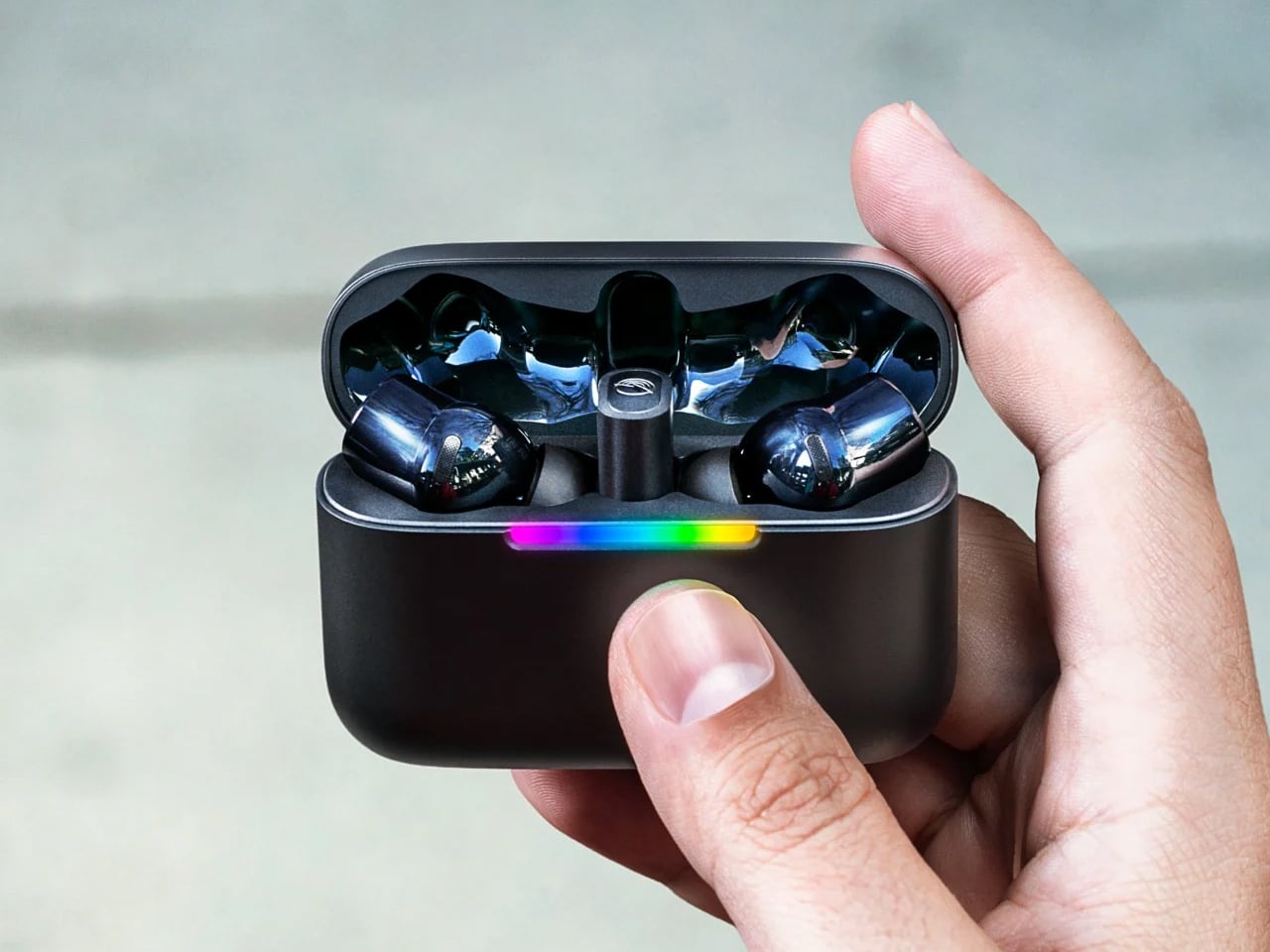
Meet the Victor WOOD Master earbuds by the Japanese audio pioneer, which have a self-healing paint coated on the exterior of the shell. Whenever there are hairline scratches on the earbuds, they self-heal over time when exposed to heat from sunlight or other sources. This is the same technology that’s used in car paints, employing a polymer structure for the pristine magic. The USP extends to the interior as well, where the use of exclusive materials for the drivers promises an ear-pleasing sound signature. They get the industry’s first hybrid WOOD Driver that has pulp and African rosewood in the diaphragm of the 10mm drivers.

The result, pristine vocals and studio-like sound across all the frequencies. All the audiophiles out there will have keen ears on these ones, I’m sure, especially if looking for an audio profile that is distinct from any other pair out there. JVC also promises the highest noise cancellation levels in the world, courtesy of the dedicated high-performance IC and Knowles microphones. Now, that’s a claim we’ll have to test, and if true, Bose and Apple better watch out.

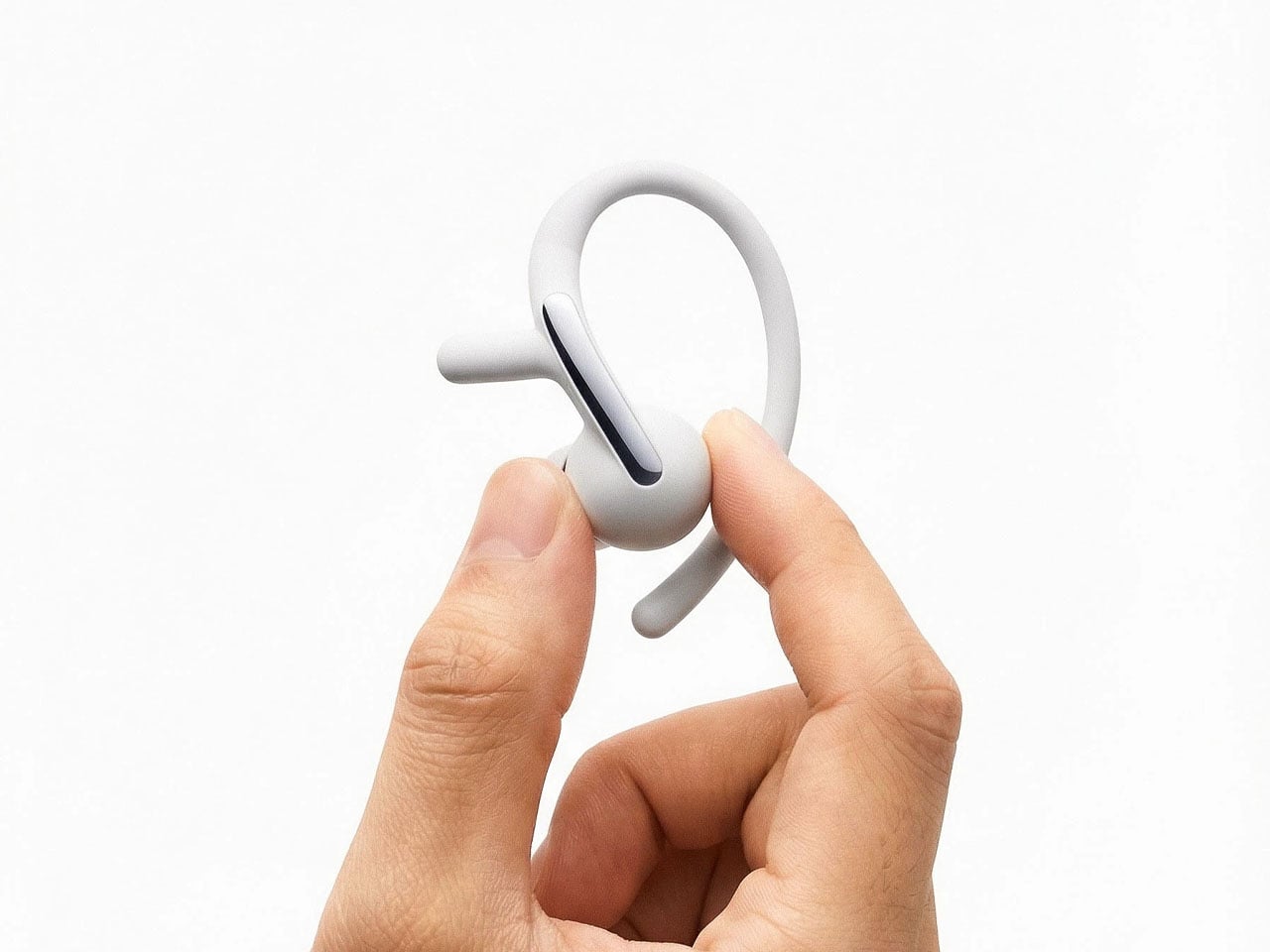
The buds are accompanied by the oval-shaped Spiral Dot Pro SF ear tips, which improve the reproduction of high-frequency sounds without any bloating. Their oval shape ensures a snug fit and reduced pressure with long-term use. To make the audio sound as good as it is perceived, the Personalized Sound system scans the user’s ears to toggle the audible output. Spatial Audio is another great feature that’ll make these buds appeal to users who want bang for their buck.

Apart from the self-healing paint, the Hi-Res Audio earbuds boast an IP55 rating for dust and water resistance. Three-year warranty by the maker reflects the trust they have in their product, which is another assuring point.  Support for SBC, AAC, and LDAC codecs over Bluetooth 6.0 is good news for users who like to own their pair of earbuds for more than a couple of years. Another compelling reason for advanced listeners to consider these is the two-device multipoint connectivity and low-latency gaming mode.

Victor WOOD Master earbuds have a battery life of around 10 hours on a single charge, which extends to 31 hours in the case. With ANC on, these numbers slip down to 7 hours on the buds and 14 hours in the case, respectively. The case is Qi wireless charge compatible, and a quick charge of 15 minutes will be good for over one and a half hours of listening time. The earbuds are slated for late November release in two color options: Sunburst Brown and Piano Black, for a price of around $270 in Japan.

The post JVC’s Victor WOOD Master earbuds boast self-healing exterior, authentic wooden drivers for pristine sound first appeared on Yanko Design.

Memoreel captures nostalgic sensibility, fuses it with AI to create music and art from recorded emotions

Generative AI has the power to create music, images, content and videos from your input. Now, someone believes that not only words and text, but even memories need to be created into music. If you talk about preserving memories, photo frames and albums (digital or physical) are the best options that come to mind. Now memo:reel (yes, it’s an interesting wordplay) is designed to let you transform your memories into music and art.

This emotion-driven AI device for music and art generation is conceptualized to allow each recorded emotion to be expressed through sound and visuals. And for this, one part of it is designed to resemble a traditional cassette player, whose speakers are used to play the created sounds. The recording and generation are done on separate devices. The idea behind the memoreel concept is to provide users with a new way to reconnect with themselves through the creative interpretation of their emotions.

Designers: Ji Hun Lee and CAU ID


To simply understand, memoreel uses a combination of the records of your daily moments and emotions and generative AI that creates music and artwork from these emotions, so you can relive them in a new format. The device basically comprises three primary units: a Speaker, a Frame, and the Record unit. The recording unit – a note taker (for written and verbal input) passes the recorded moments and emotions you want to remember either to the Frame (a monitor-like device) or the speaker unit (which is the cassette player-like contraption).

The Frame is a tiny monitor that generates and replays your emotional input as your own artwork, while the Speaker generates and replays them as your own music. The Speaker unit here is not just a look-alike of the cassette player; in fact, with its tactile knobs, it functions like one. In addition, a reminiscent façade – with a cassette-like slot for the Record unit – the top of the Speaker has a volume knob, a Track knob, and a power switch to turn the system on and off.

So, record your memories and emotions into layers of records and they turn them into music in your own sound. Yes, the memoreel’s built-in AI allows you to record your voice and then learns your voice and creates music sung in your own tone. You can pick the genre and style, enter prompts to express your mood and your own song comes to life that you can listen to or get others involved in your mood.

If the Speaker captures the nostalgic sensibility of a retro cassette player, the Frame is a rendition of a television set with a recording antenna on the top, a power switch at the back, and an interesting memory knob on the front. The knob lets you change between different memory-based artworks. Making things most interesting is the Note unit, which can attach to the back of your smartphone to record your emotions and feelings on the go.

The post Memoreel captures nostalgic sensibility, fuses it with AI to create music and art from recorded emotions first appeared on Yanko Design.
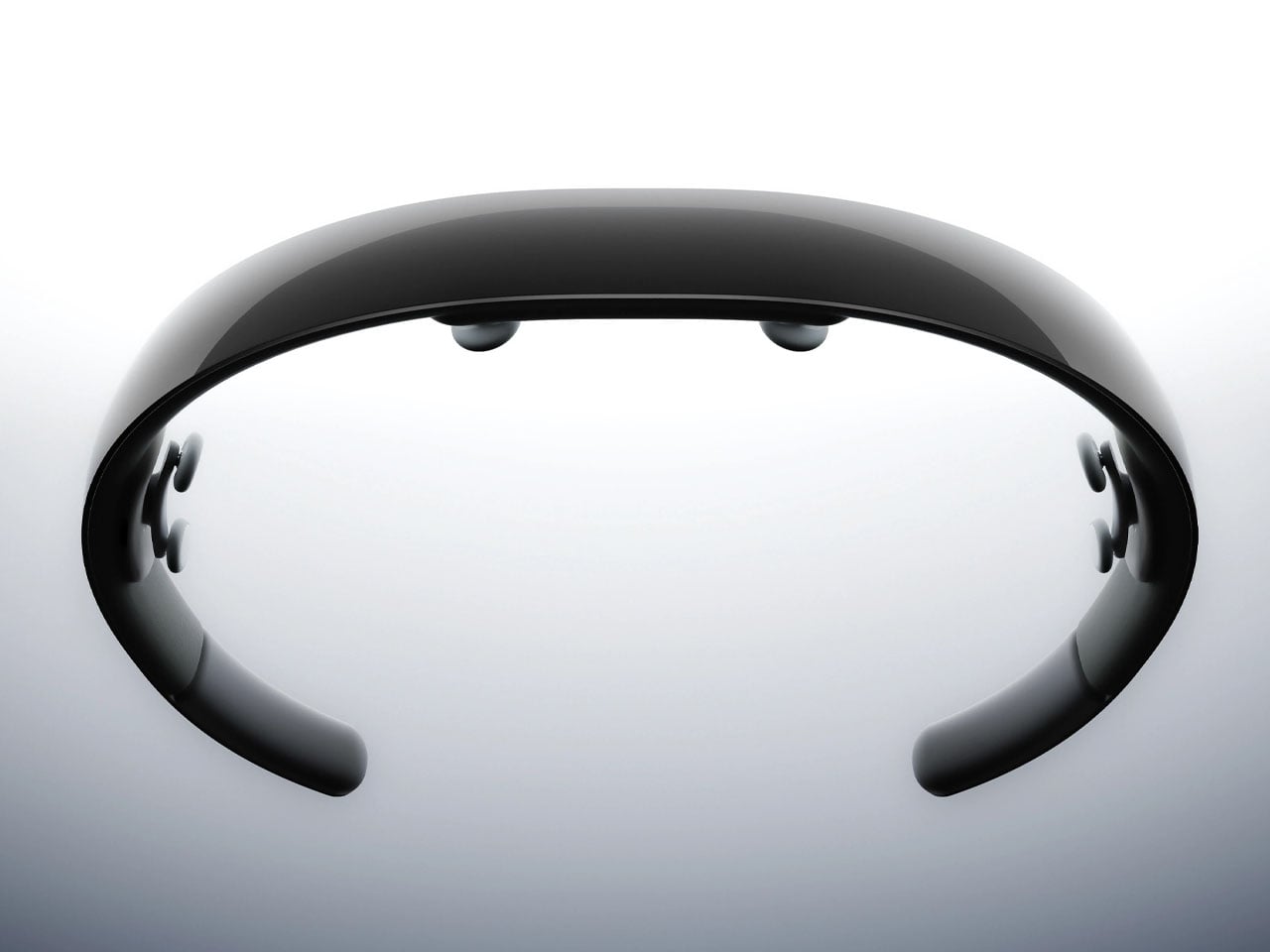
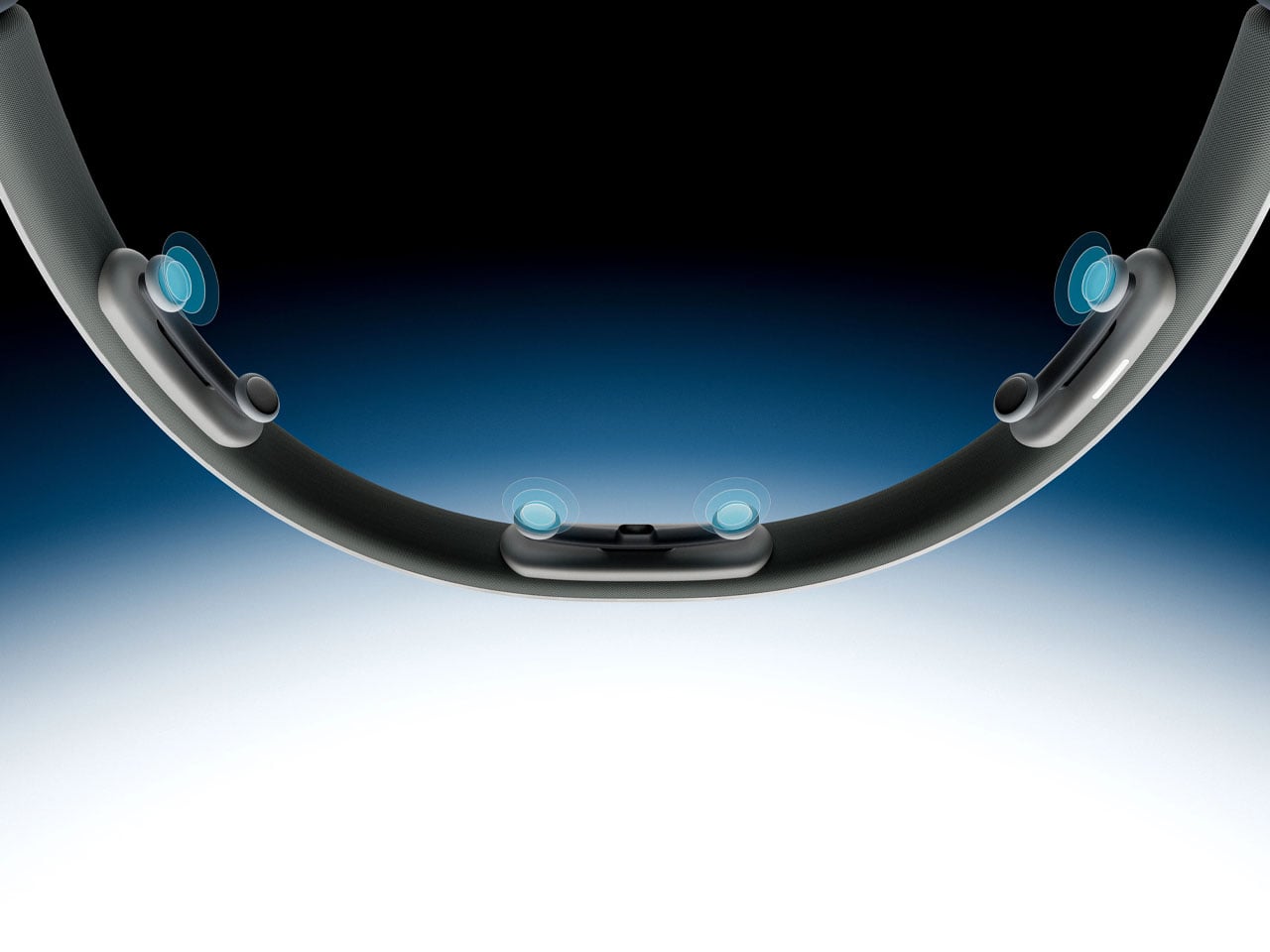
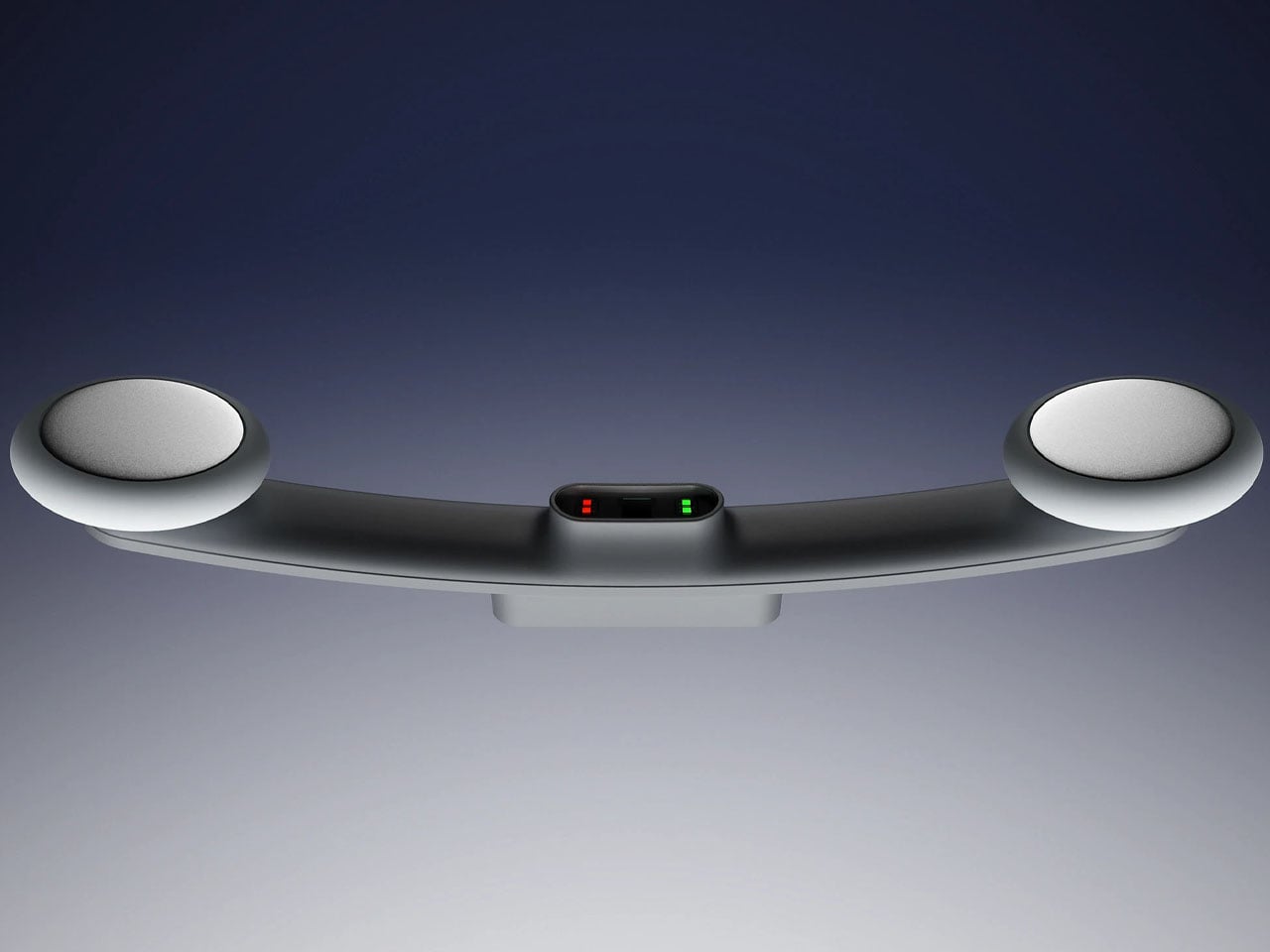
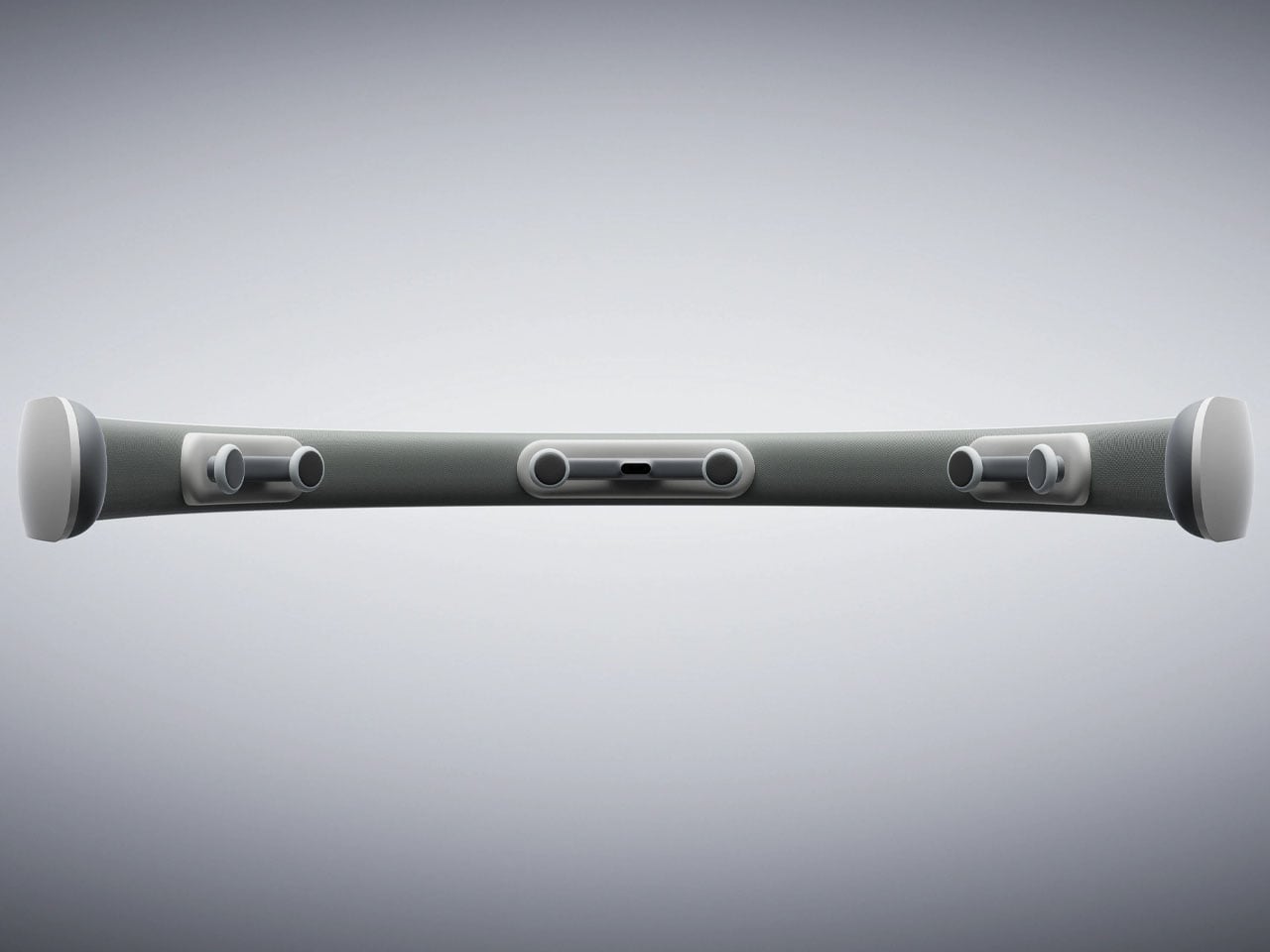
Lumia 2 smart earrings combine blood flow tracking, other vital body insights in smallest wearable ever

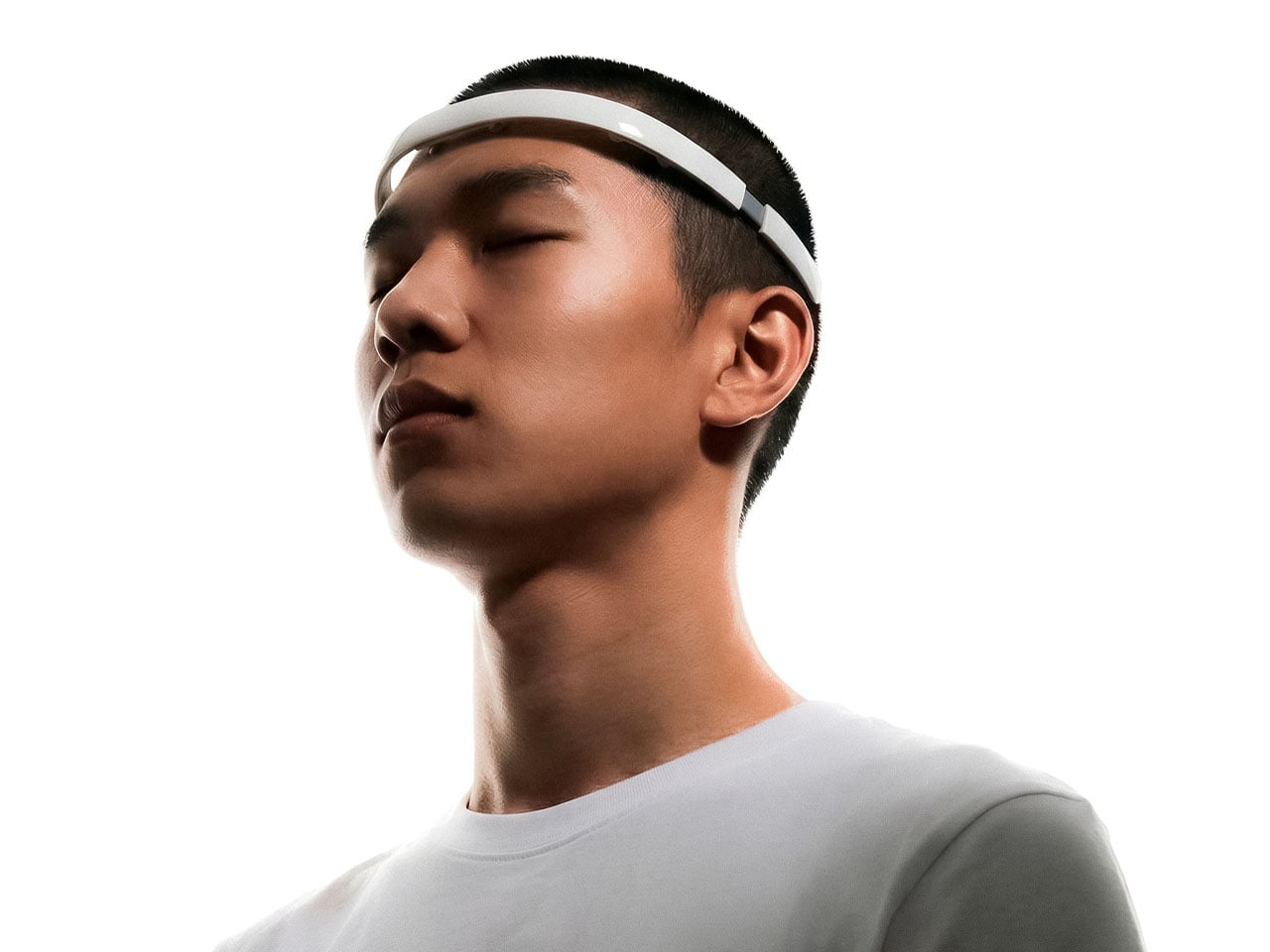
Since the COVID pandemic, undeniably, most people have started taking extra care of their body metrics, which has given unprecedented rise to the number of wearable devices for health and fitness monitoring. Most of these devices: smartwatches, fitness bands, and even tech-enabled jewelry, do not have a gender inclination. Somehow, the Lumia 2, promoted as the smallest wearable in the world, is designed for women of style first.

This earring of sorts does not require piercing. The Lumia 2 is built to clip onto the earlobe and monitor your blood flow, while also tracking other vital metrics such as heart rate variability. If you were unaware, irregular blood flow can have a negative impact on health. The Lumia 2, designed as a piece of timeless jewelry and is meant to keep track of the blood flow.

Designer: Lumia

Of course, the device is primarily targeted at women with chronic blood flow disorders, to always be on top of their vitals. But Lumia co-founder and CEO Danial Lee affirms that the people within the team, without any blood flow issues, have also “discovered fascinating blood flow patterns” that are helping them live better. The smart earring looks like a regular piece of jewelry with sensors hidden behind the wearer’s ear. It certainly looks discrete and wouldn’t give out its actual existence until someone really goes deep into finding it out. Notably, Lumia 2 is also attachable to an existing ear-stud, if you want.

While we contemplate the viability of the Lumia 2’s ability to measure blood flow and the feature’s practical usage, let’s take a moment to understand what else the smart earring brings to the table and challenges the other types of wearables in the market. In addition to monitoring the body’s blood flow, Lumia 2 can also track heart rate variability and resting heart rate to notify the wearer when their body is ready for running, exercising, or indulging in a strenuous physical activity.

In addition to knowing how ready your heart is to face the world, with the Lumia 2 clipped onto your ear, you can also track how well you have slept overnight. It can also do the pedometer stuff and keep track of your step count. The Lumia 2 provides information about how to increase the blood flow or recover from its shooting levels, along with information regarding how hydrated or stressed you are while running or through the reps in the gym. With a decent battery life of up to eight days, the Lumia 2, starting at $249, should make a statement wearable when it’s launched in the near future.


The post Lumia 2 smart earrings combine blood flow tracking, other vital body insights in smallest wearable ever first appeared on Yanko Design.

Echo Aviation Controller mimics realism of flying planes with a full set of flight controls

Gaming has come a long way from the nostalgic gamepads to the current wireless controllers with haptic feedback that mimic the vibration of game input elements. Right from the texture of the road in racing games, to the recoil of weapons in FPS titles, the idea is to bring that extra element of realism to the whole experience. Wearable headsets have taken the quotient of realism to the next level, but they are bulky, can cause eye strain, and are currently not very practical for everyday gaming. Therefore, the buck stops at buying a pricey racing sim, or dedicated hardware that caters to a niche set of gaming titles.

Microsoft Flight Simulator has a cult following, and I wish there were a simpler gaming controller to enjoy the game without any strings attached. That wish has come true with this unique gaming controller dubbed the Echo Aviation Controller, which is tailored for precision flight control input. Best of all, it has a small form factor and is portable enough to carry in your backpack. Slated for mid-December release for a price of $150, the gamepad guarantees hours of immersive gameplay during the holiday season.
Designer: Honeycomb Aeronautical

The gamepad-shaped flight controller is an accessory that’ll let you game from the comfort of your couch without losing out on the precision control method that isn’t possible with a conventional controller. Coming from a company that crafts flight simulator accessories, this controller is ideal for sim fanatics who like a compact gaming setup, especially for titles like Microsoft Flight Simulator. It comes with small joysticks, a dedicated trim wheel to actuate the plane’s altitude, and buttons on one side for flight-specific controls to actuate the in-game throttle levers. On the other side is positioned a thumbstick, four action buttons, and a conical joystick for panning the sim’s camera control.
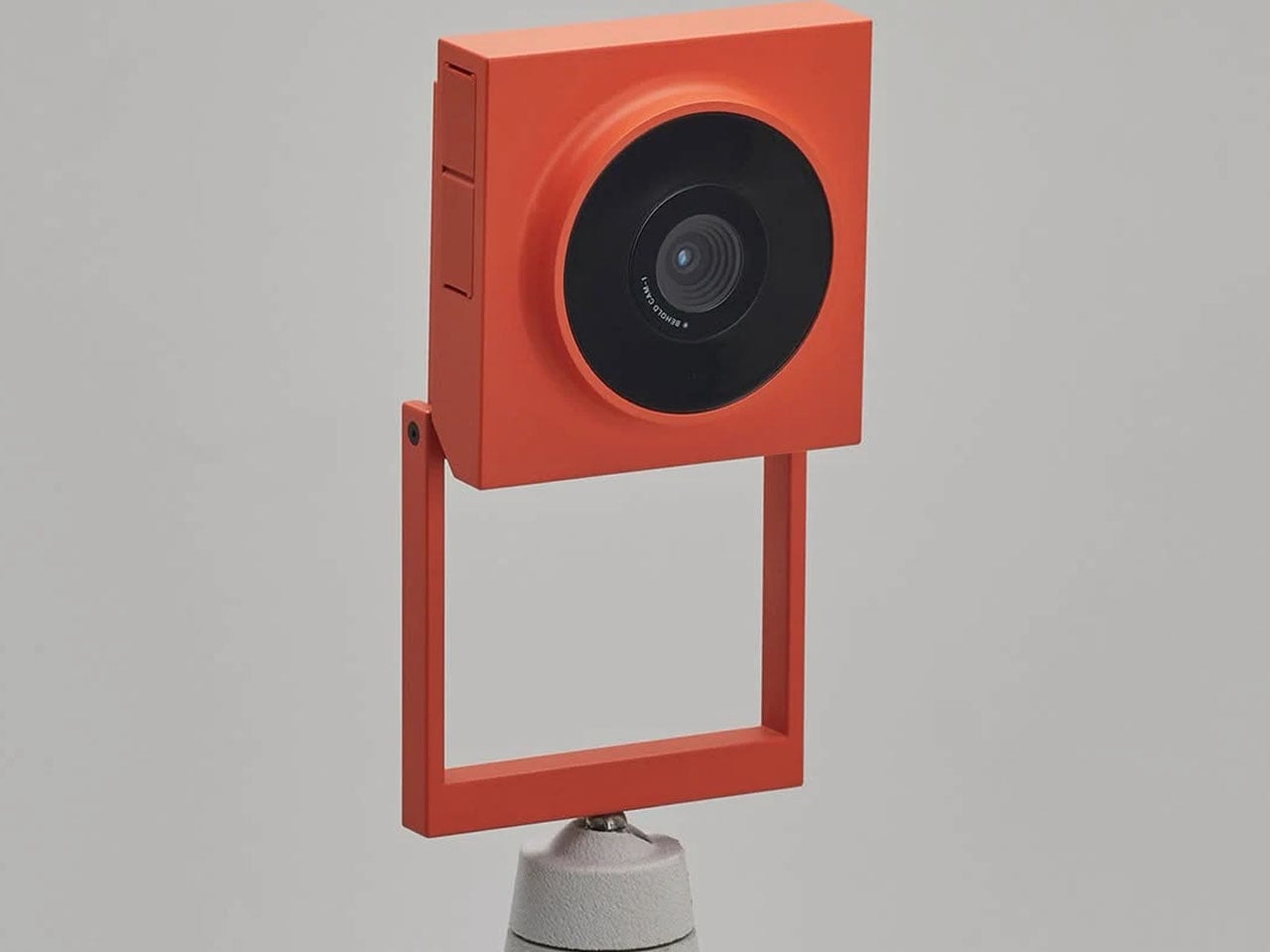
Bottom of the Echo Aviation Controller has flap adjustment controls, landing gear control, and the parking brake activation controls. This gives the player an array of inputs that were earlier only possible with keyboard buttons. That method of input, however, couldn’t reach the level of professionalism you would expect from advanced sims. The shoulder section of the gamepad has sliding paddles to control the rudder function for directional movement of the plane. This controller is a middle ground of gaming aspirations without spending a ton of money or requiring ample space to set up the gaming accessory rigs.

The gaming accessory will be accompanied by a set of interchangeable caps that can be swapped with the default throttle levels and other controls. There are four assignable thrust levers with swappable caps for “GA or commercial aircraft.” The idea is to have the visual differentiation in the form of color and shapes of the remapped buttons. This controller is a plug-and-play experience that requires no advanced setup, perfect for casual gamers who desire to experience advanced simulation games. The gamepad has a 15-hour battery in wireless mode and can also be used in wired mode via USB-C charging port.


The post Echo Aviation Controller mimics realism of flying planes with a full set of flight controls first appeared on Yanko Design.