Chopard’s Beehive Table Clock is a masterpiece of horological art with L’Épée 1839

Brilliance usually comes in limited quantities. In fact, it is embodied by the new limited edition Chopard Table Clock, which stands apart from anything the horologist has created in the past three decades. To celebrate the 30th anniversary of the Chopard Manufacture in Fleurier, the company has teamed up with L’Épée 1839 – the masters of complex watches – to create the Beehive Table Clock.

After reimaging a legendary car and a colorful hand grenade as clocks, L’Épée 1839 is now giving a new horological dimension to the desk clock. Easily, one of the most complex and finely decorated Objet d’Art – spare a thought for the MB&F – the clock revives Chopard’s own iconic beehive motive originally used by the founder Louis-Ulysse Chopard in the 19th century. The bee was later adopted as the emblem of the Manufacture in Fleurier by Karl-Friedrich Scheufele back in 1996 to represent “labor, precision, and collective skill.”

Designer: Chopard

Chopard timepieces are generally an embodiment of precision and strength highlighted by timeless style. Each of its creations reflects Swiss mastery with the use of dancing gems, fine artworks, and sustainable innovation. All of this is presented well in the Beehive Table Clock, which is made of steel and brass in 18K ethical yellow gold to mimic the color of an original beehive.

The clock, measuring 25.8 cm high and with a diameter of 16.5 cm, features three jeweled bees made in Chopard’s jewelry atelier in Geneva. The bees feature a body made using 18-carat ethical yellow gold, which is studded with gemstones, yellow sapphires, and black diamonds, and have rock crystal for wings. While the bees may feel like the most distinctive part of the clock, which comprises seven rounded tiers of borosilicate glass, two of which have the hour and minute numerals. It’s the chime mechanism of the Chopard Beehive Table Clock that’s, in fact, its best highlight.
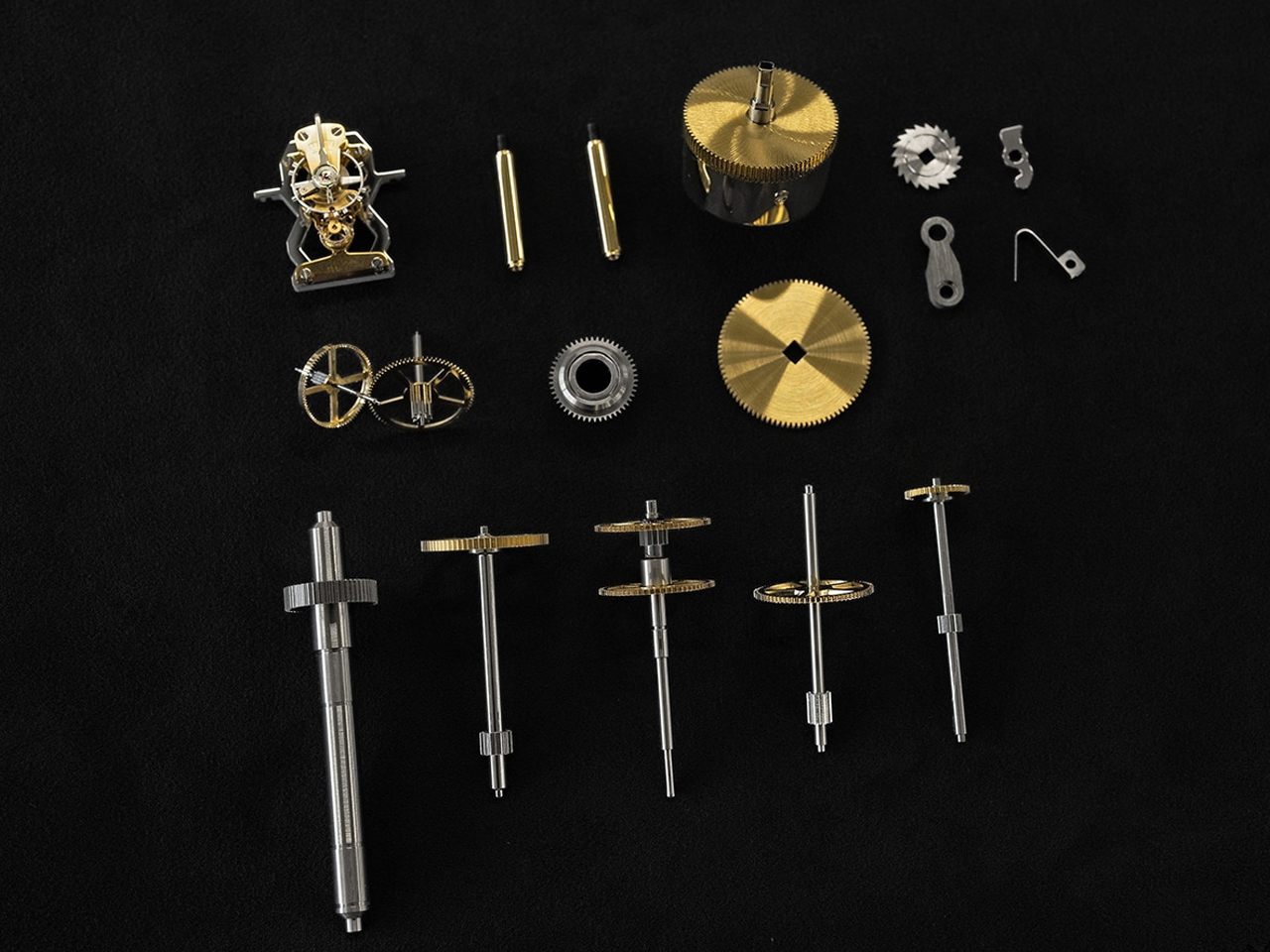
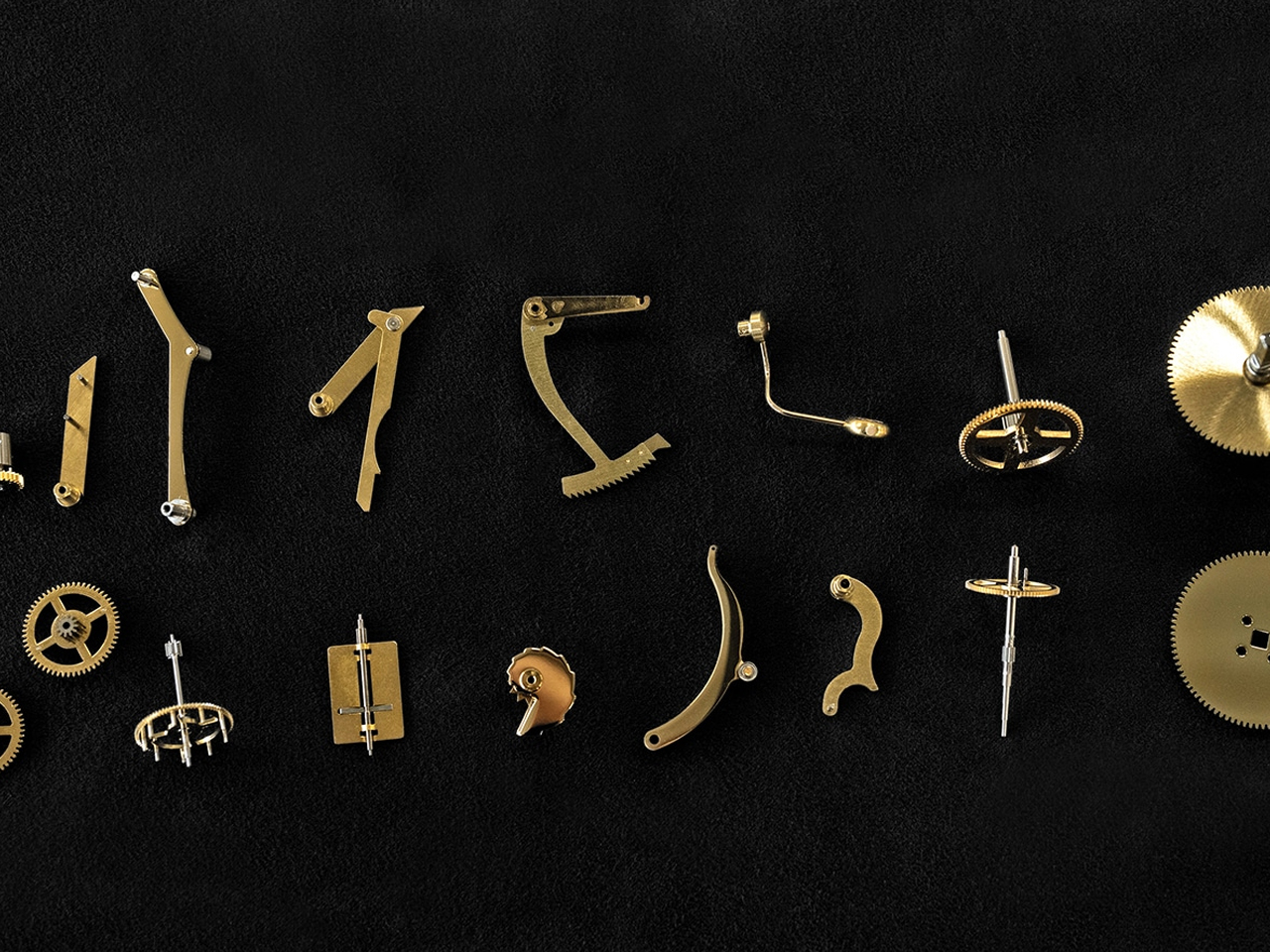
The clock’s movement plate is brass, and the base is steel, but both are finished in gold to match the beehive theme. Its chime mechanism is located at the top, where the glass dome is used as the bell struck by a small gold hammer to announce the time. There are three – Active, Silent, and On-Demand – chime modes to choose from, which can be changed by rotating the top part. In the active mode, the clock sounds the time automatically, in Silent mode, it doesn’t chime at all, and in On-Demand mode, you can manually set the clock to sound the current time.

The Beehive Clock is powered by a twin-barreled, hand-wound movement, which can be conveniently wound with a crown located at the bottom. When full-wound, the clock has a power reserve of up to 8 days. With its impressive shape, sophisticated chiming mechanism, and a legacy to live up to, the Chopard Beehive Table Clock is limited to just 10 pieces worldwide. The elusive timepiece will be sold exclusively at Chopard boutiques for an estimated $330,000.

The post Chopard’s Beehive Table Clock is a masterpiece of horological art with L’Épée 1839 first appeared on Yanko Design.
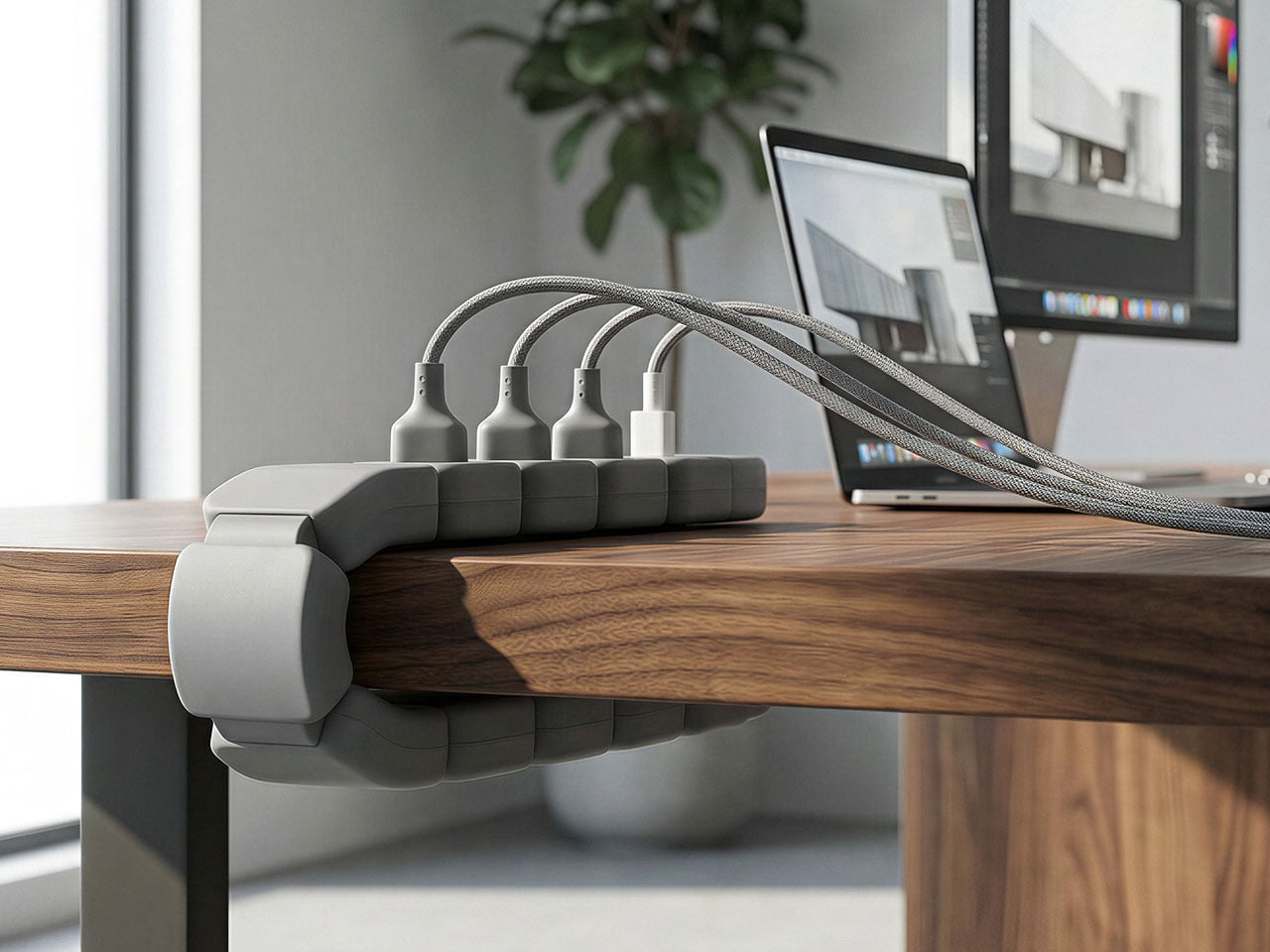

Edge clamp-on power strip brings desk-level charging exactly where you need it

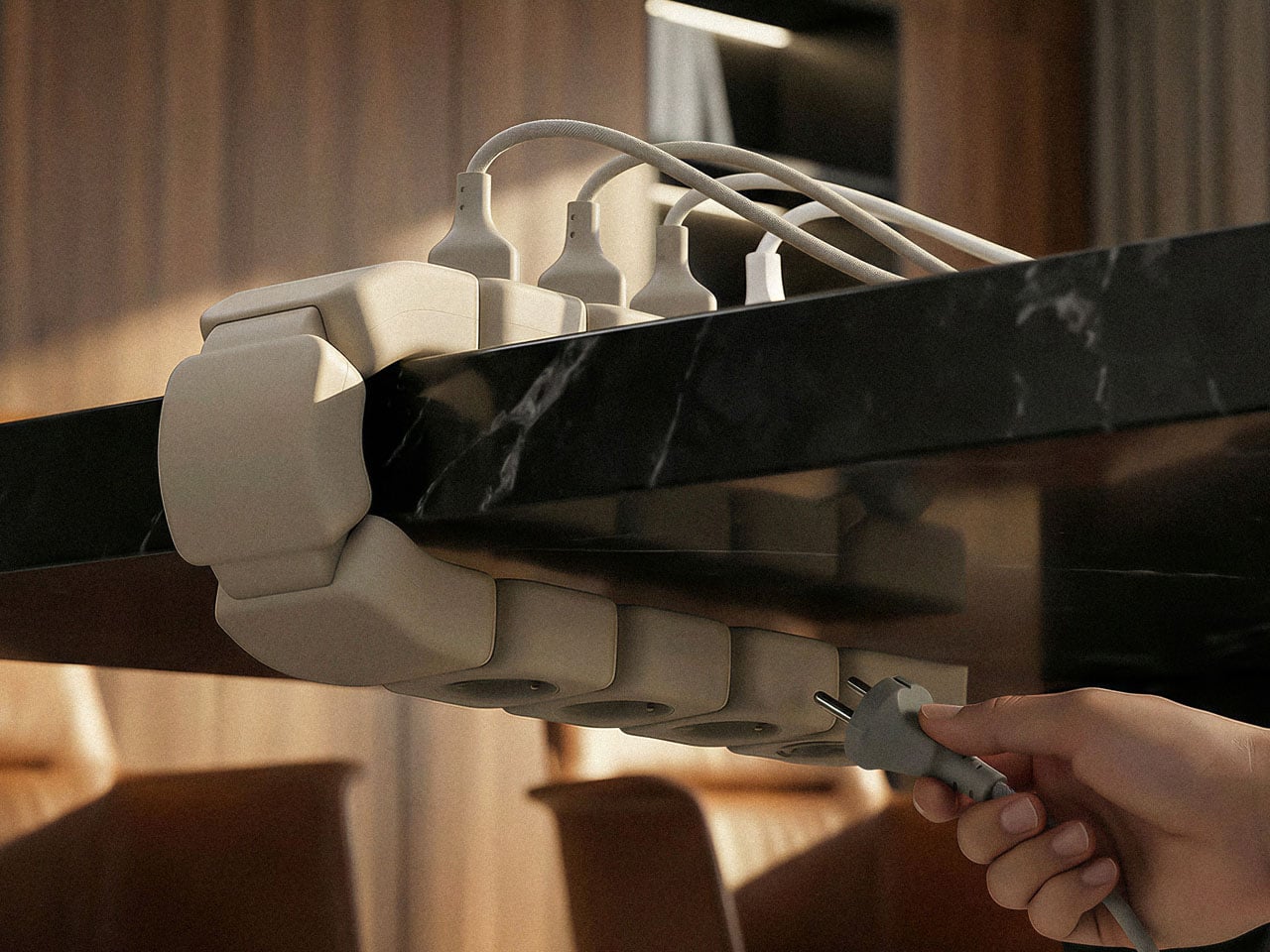
We’ve spent years upgrading our desks with sleeker materials, smarter layouts, and better ergonomics. But somehow, the humble power strip has remained stuck in the past design ethos. It still lives on the floor, tangled in cables, collecting dust, and forcing you to awkwardly reach under the desk every time your laptop needs juice. Edge: A Clamp-On Modular Power Solution, feels like one of those ideas that makes you wonder why it didn’t exist sooner.

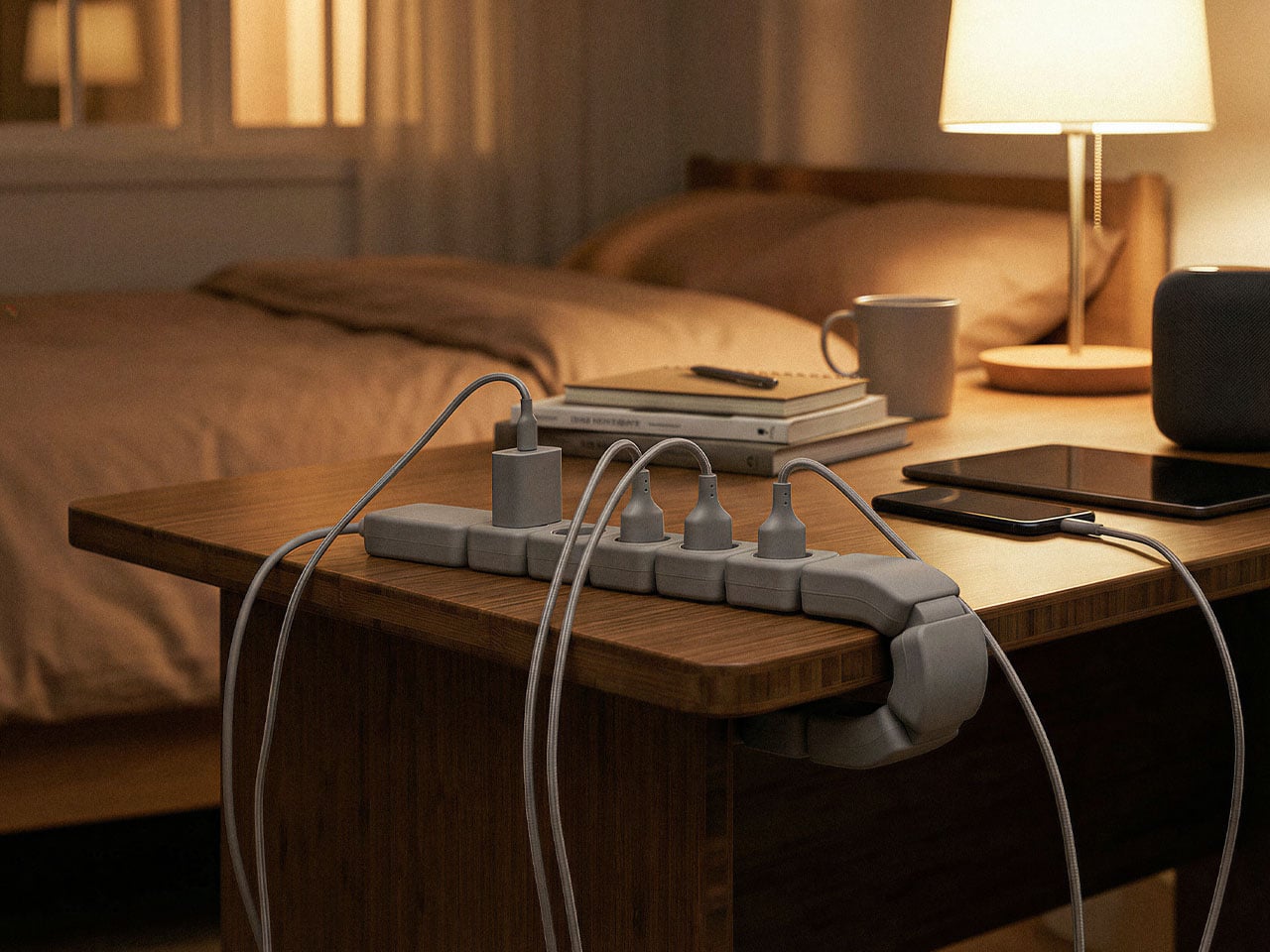
Instead of treating power as something hidden away, Edge brings it right to the desk’s edge, exactly where your hands already are. The shift sounds simple, but it completely changes the interaction. No more bending down, no more blindly searching for an empty socket, and no more dealing with cables stretching across the floor. It turns power into something immediate and accessible, almost like an extension of the workspace itself.

Designer: ChangZhou University

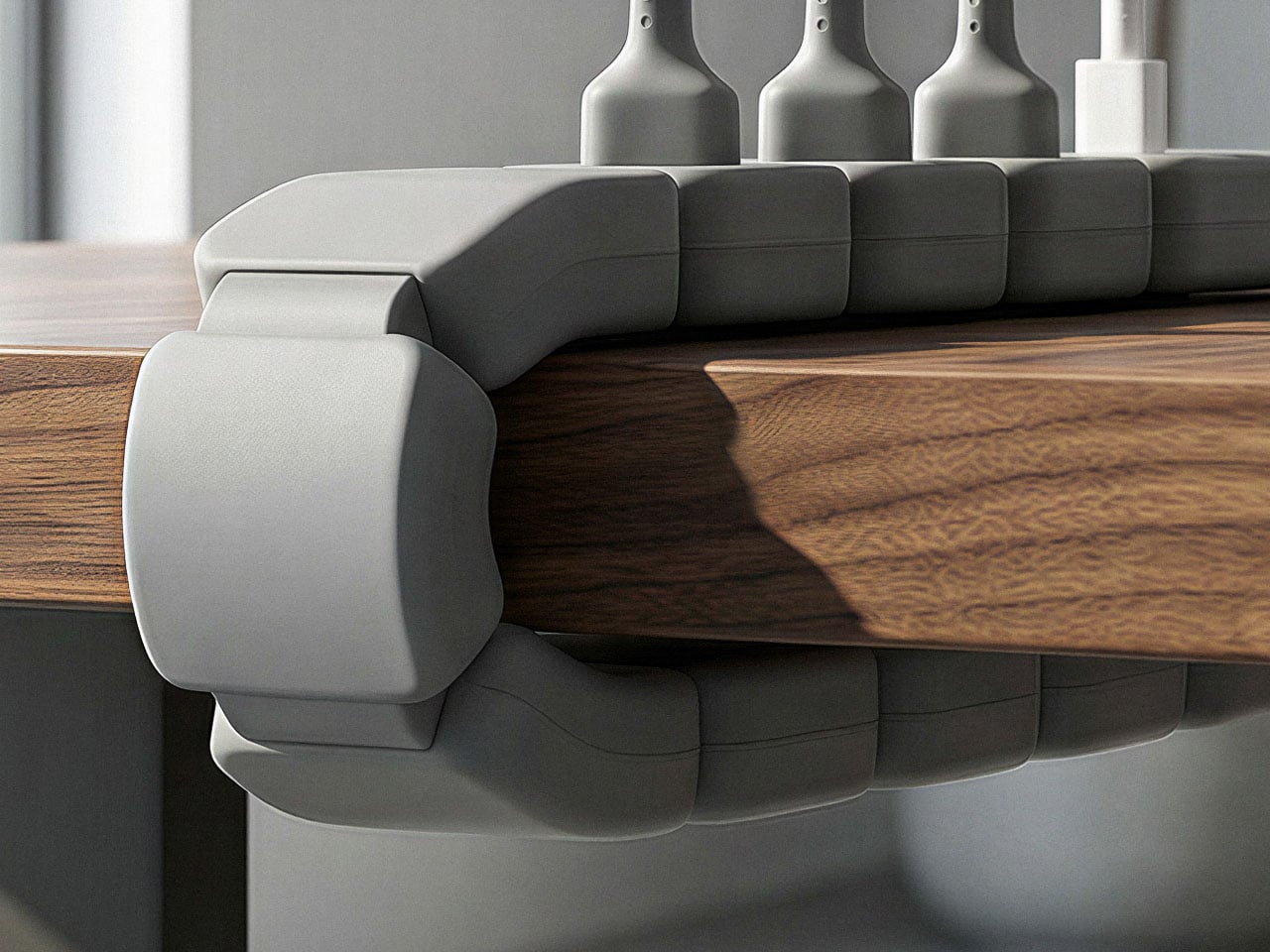
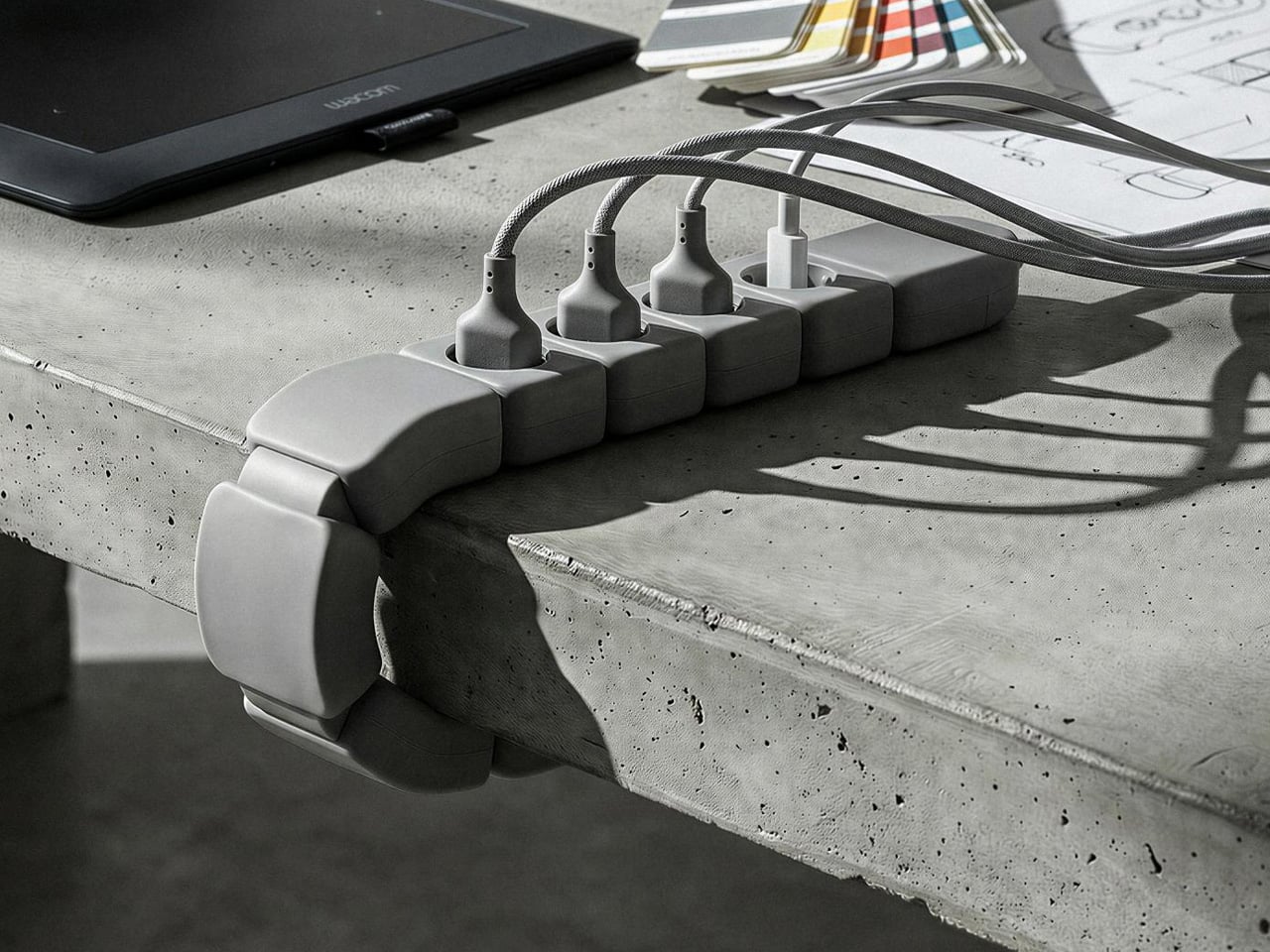
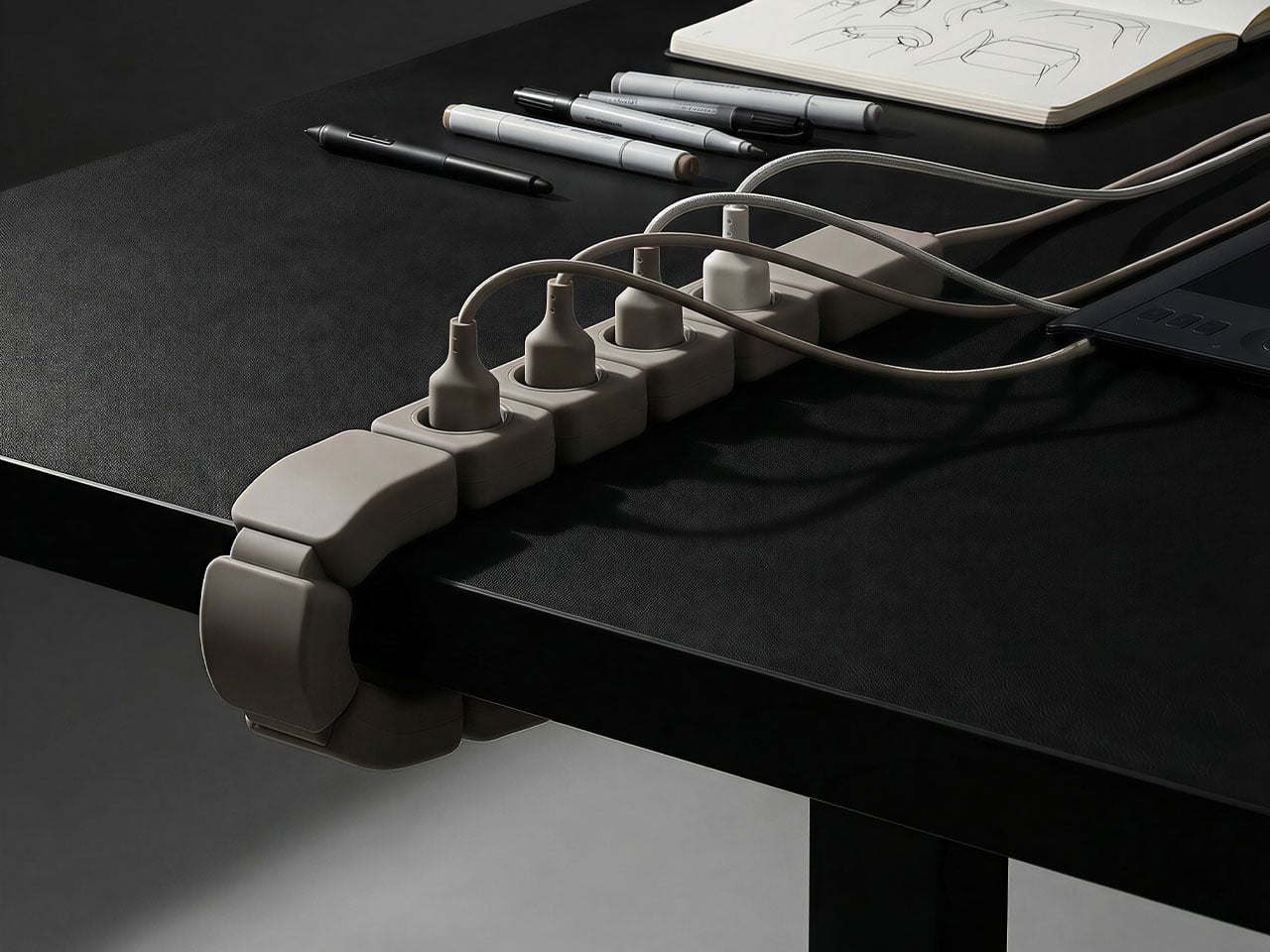
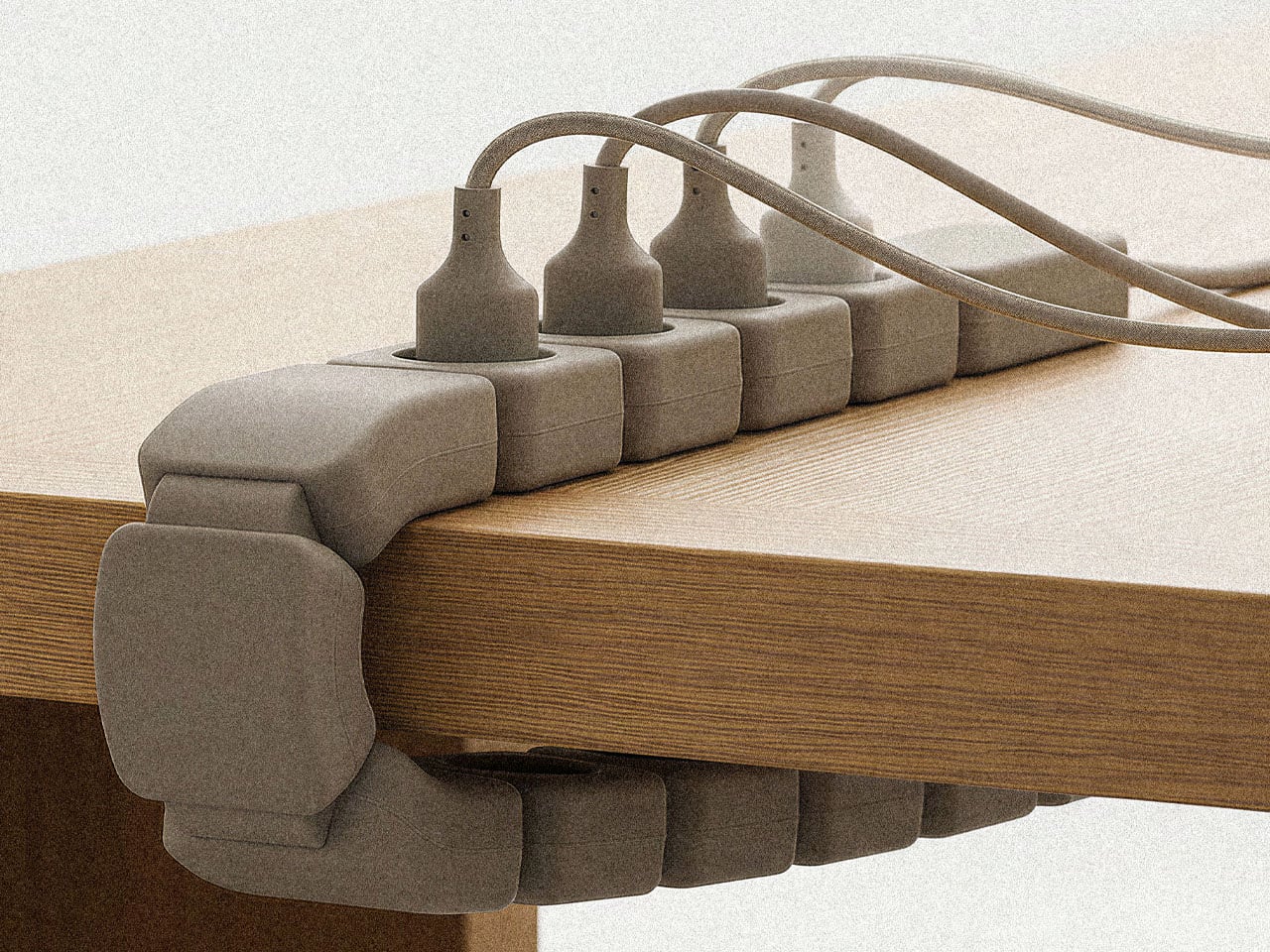
A worthy winner at the New York Product Design Awards, the product leans heavily into flexibility. Rather than locking you into a fixed setup, Edge follows an “add power anywhere” philosophy. You can clamp it wherever it feels right, move it when your setup changes, and adapt it to different desks without any tools. Whether it’s a home office, a shared workspace, or even a temporary setup, the system adjusts without friction. What makes the clamp particularly clever is its over-center, self-locking mechanism. As it closes, it passes a neutral point and locks into place, making it resistant to loosening over time. That matters more than it sounds, especially when you consider the constant push and pull of plugging in devices, cables tugging from different angles, or the occasional bump. The extended contact surfaces further stabilize the grip, reducing wobble and keeping everything firmly in place.

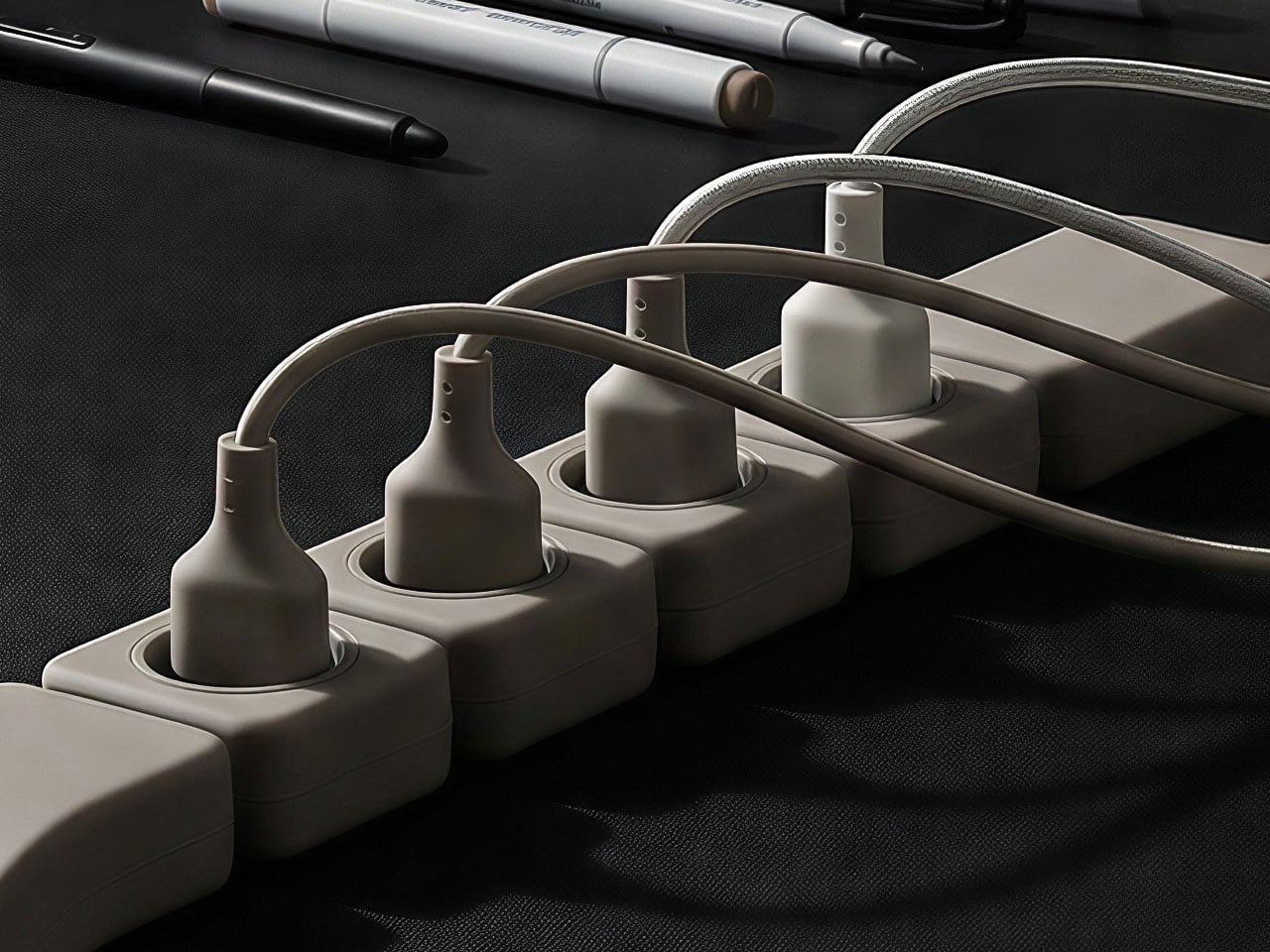
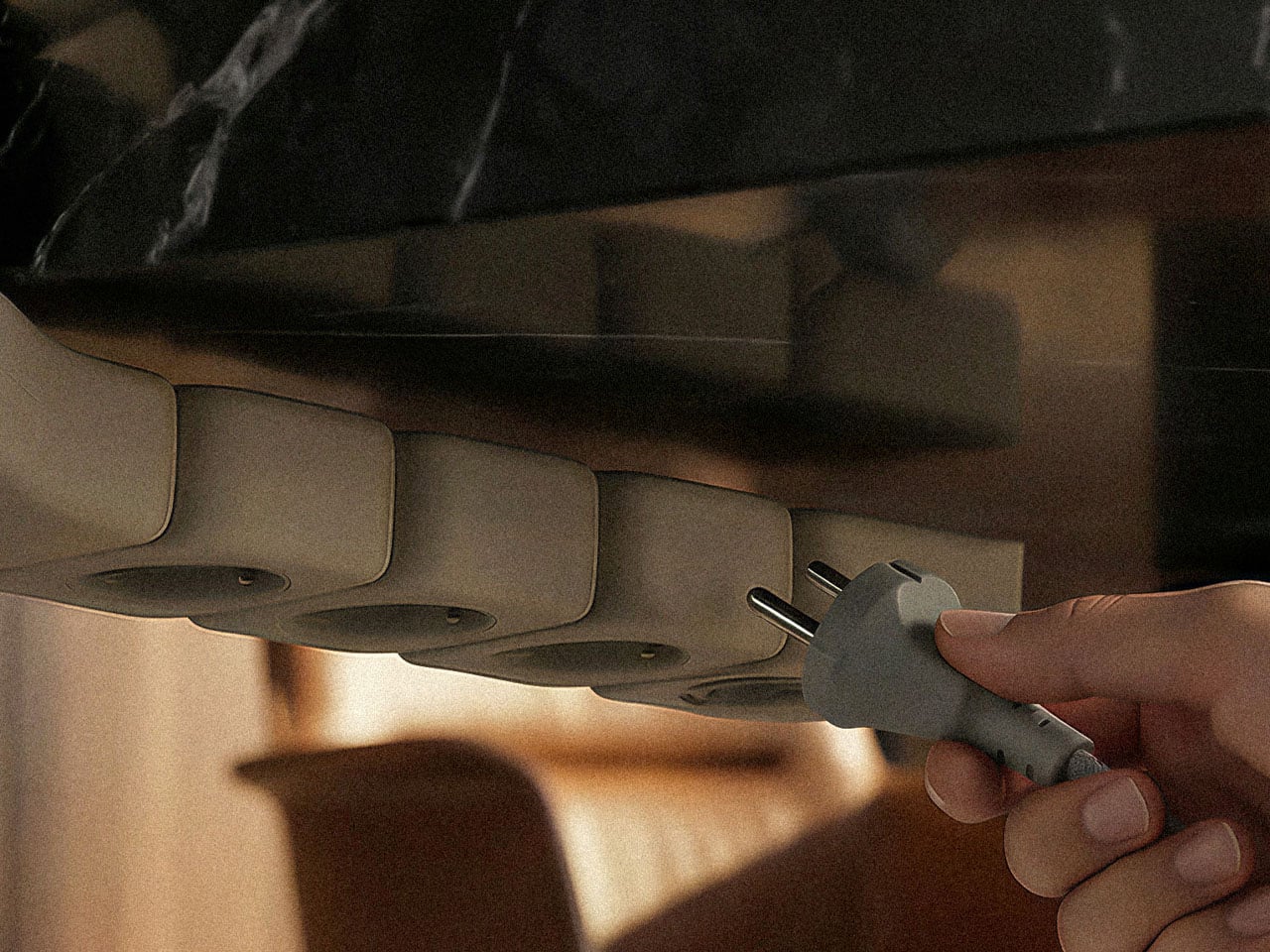
Functionally, Edge splits its eight outlets across two sides. Four sit on top for quick, everyday access, perfect for devices you’re constantly plugging in and out. The other four are tucked underneath, designed for chargers and connections that stay put. It’s a small but thoughtful detail that keeps the surface cleaner and prevents cables from turning into a visual mess. Lifting the power strip off the floor also solves a range of problems you might not immediately think of. It reduces exposure to spills, keeps it away from cleaning water, and eliminates the risk of stepping on it or snagging cables with your chair. The modular segmented body adds another layer of refinement, helping distribute stress while allowing the form to adapt across different desk setups.

I love the idea of Edge, as it simply repositions itself in a way that makes sense for how we work today. And in doing so, it transforms a neglected accessory into something that feels intentional and surprisingly satisfying to use.

The post Edge clamp-on power strip brings desk-level charging exactly where you need it first appeared on Yanko Design.
This Nothing-Inspired XR Headset Displays Your Status So People Know When Not to Interrupt

Fundamentally, spatial computing has evolved at a considerable pace: both in terms of tech and (some would argue) in design as well. However, in both cases, the basic focus has been on creating the most immersive experience for the user, thinking little about the environment around. There is little focus on considering how the user interacts with the world outside of the VR/AR headset.

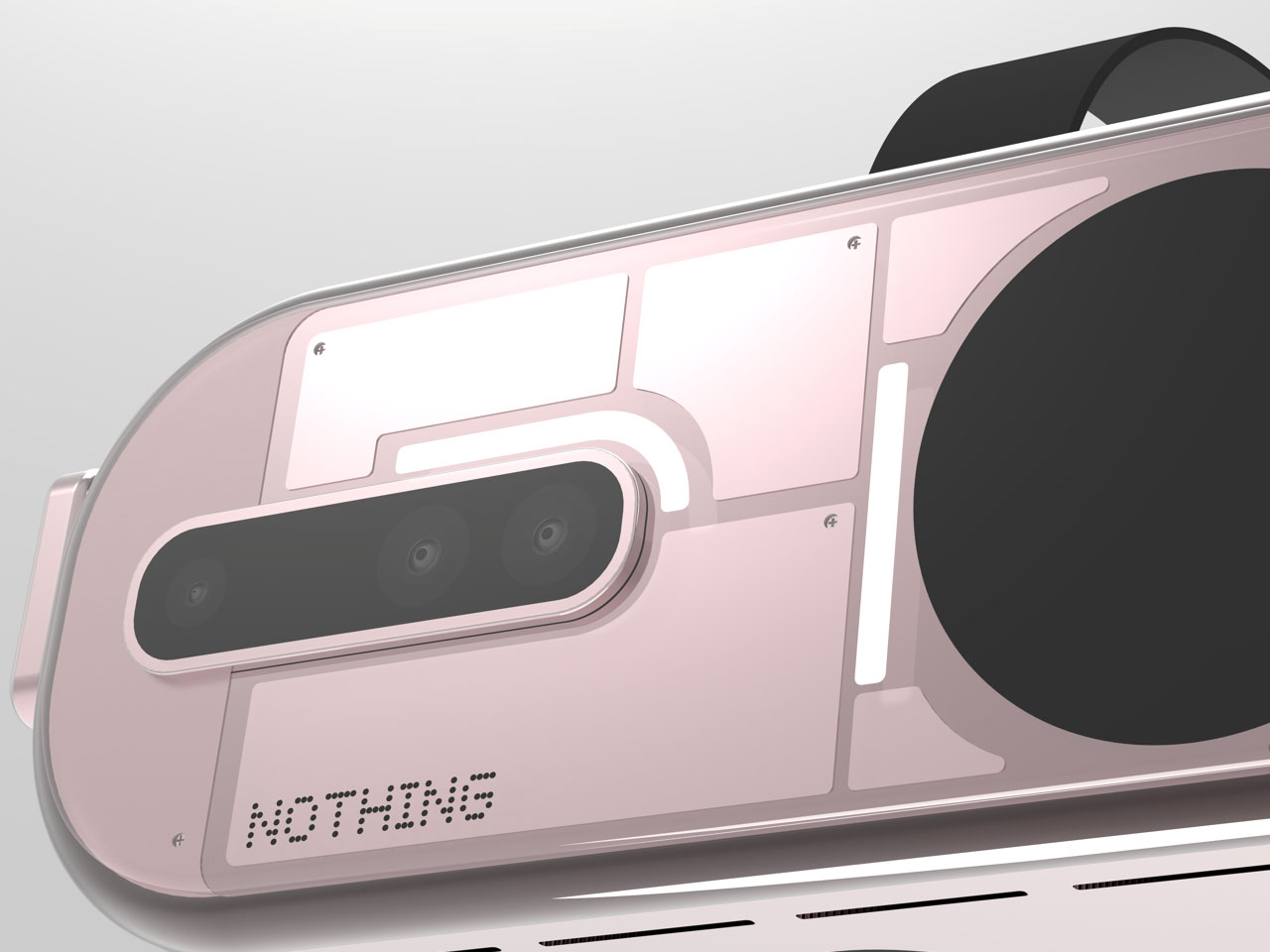
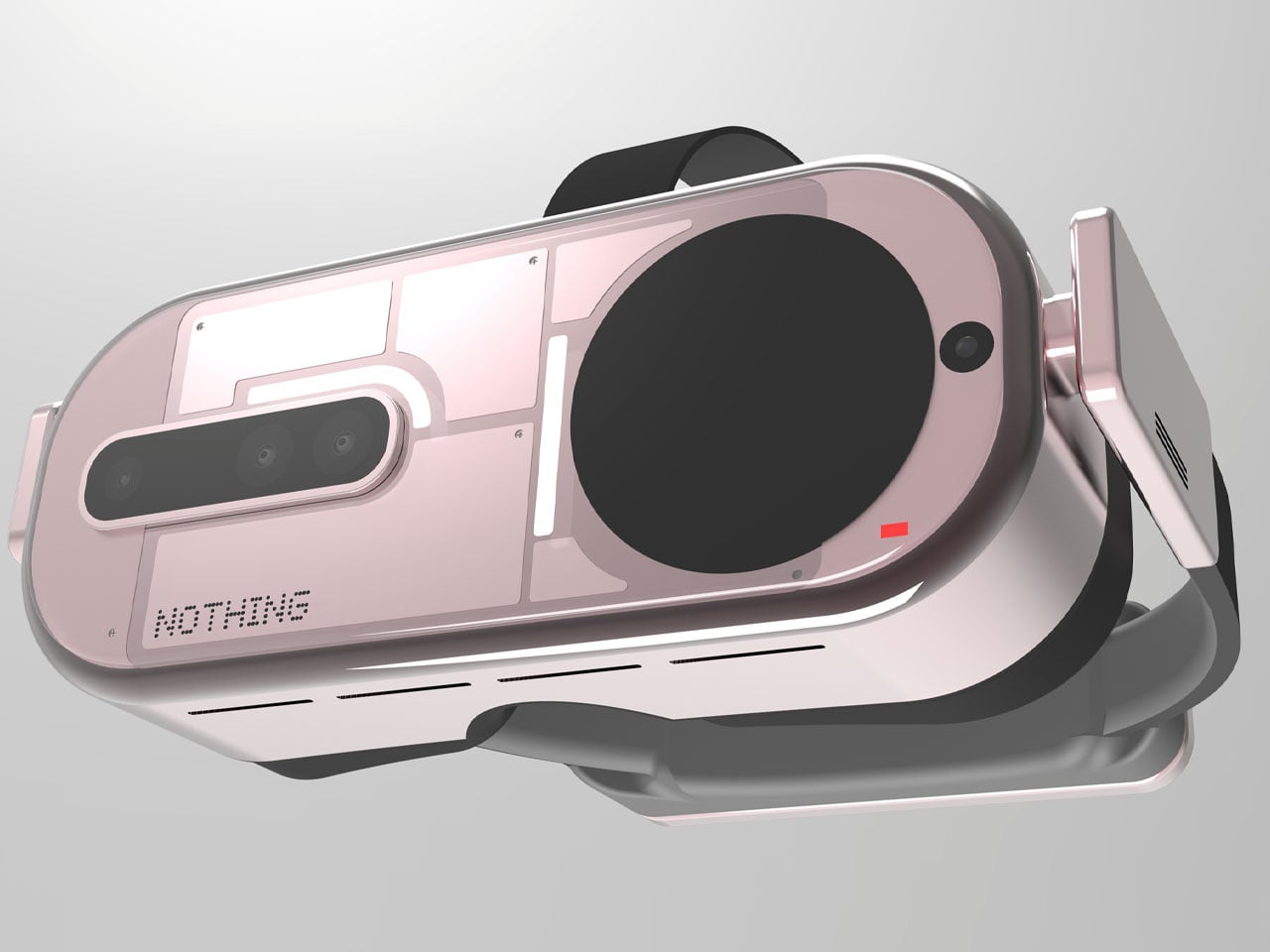
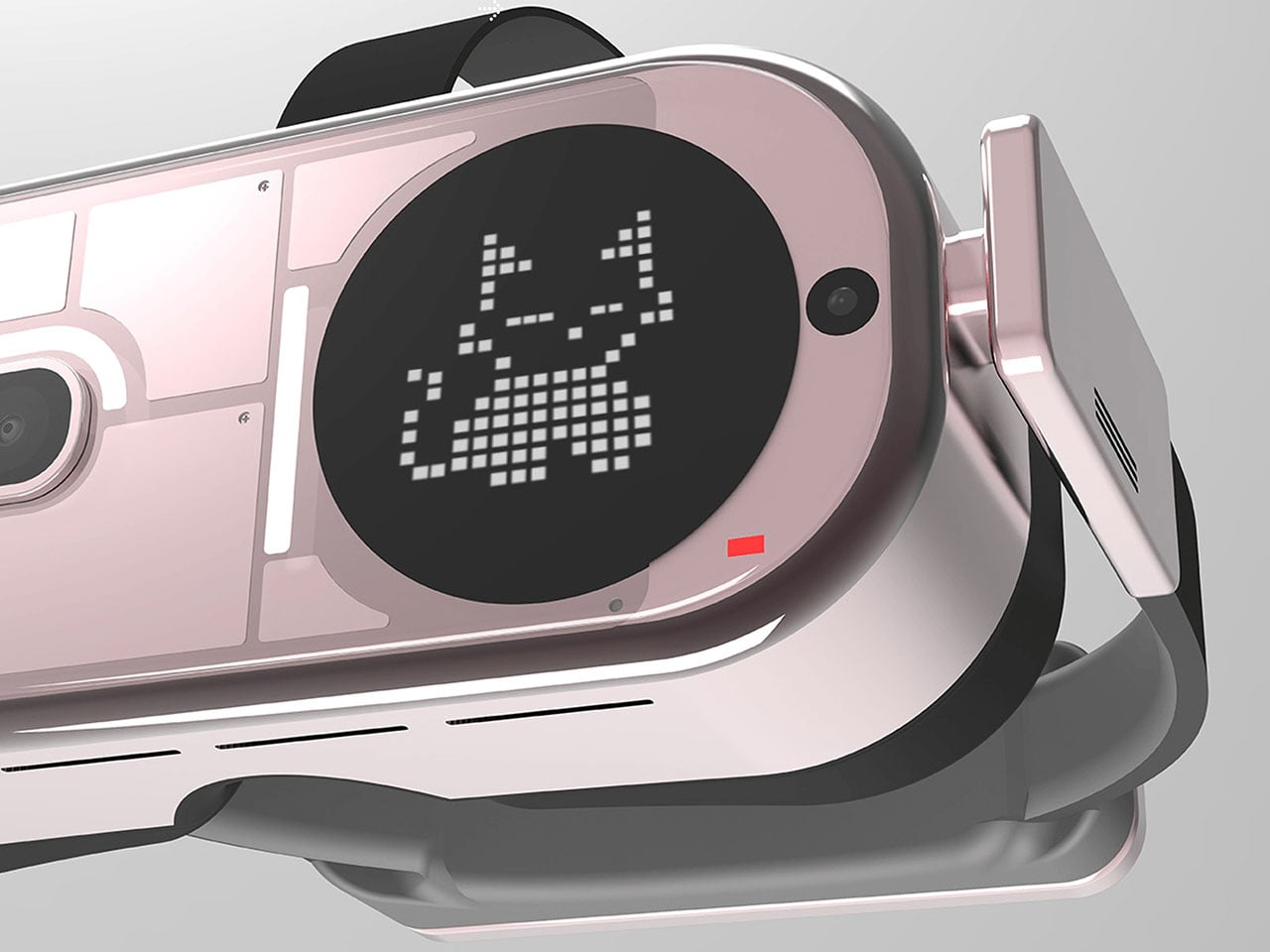
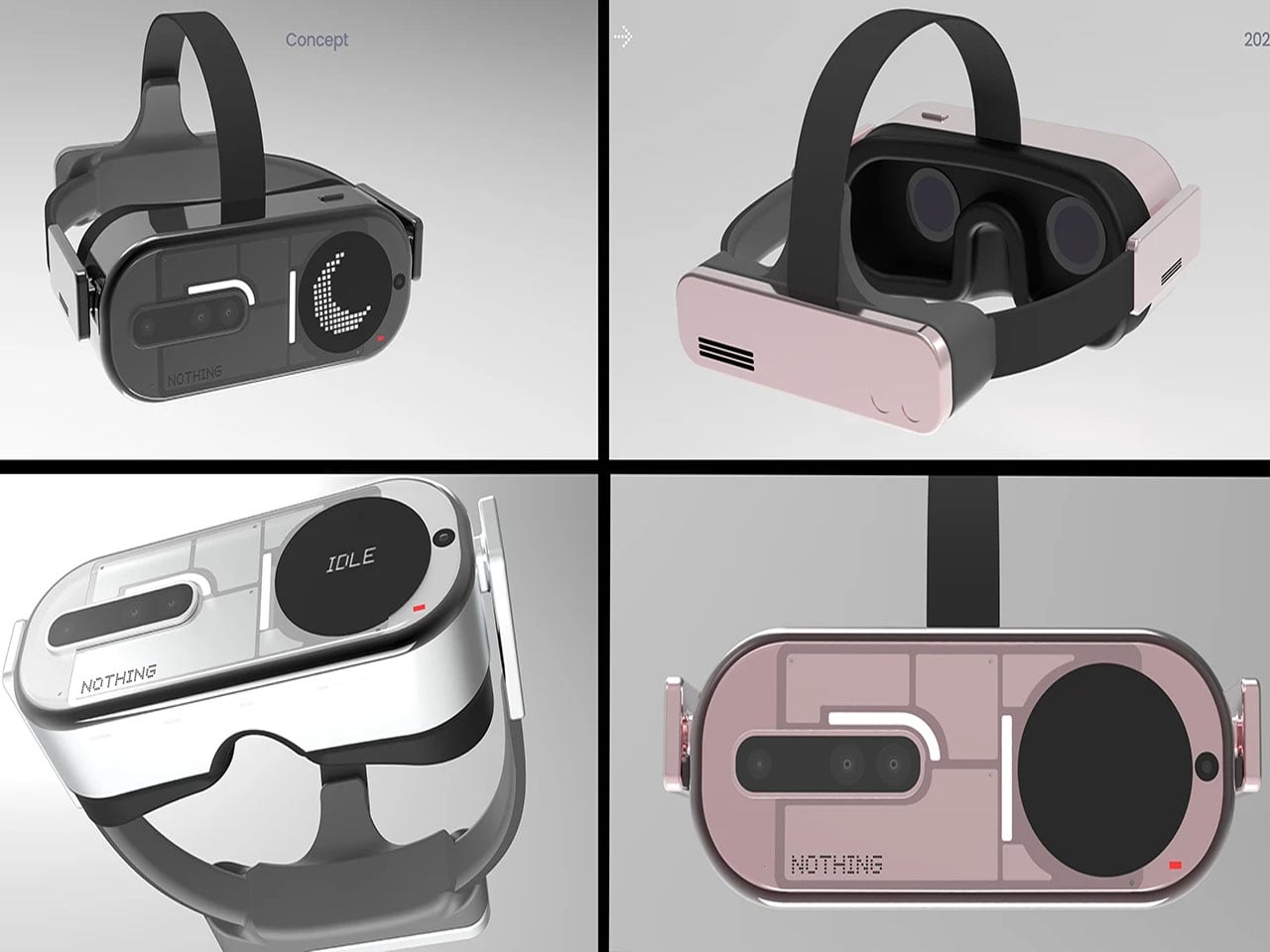
That stands to change with the idea of the Nothing XR(01), a spatial computing headset that puts a dot matrix glyph system over one eye to display users’ states like available, engaged, DND, or idle, while it’s worn. The concept is simple: to let people nearby understand your status at a glance. When you’re wearing the headset, others in the real world can quickly tell whether you’re available for discussion or too engaged to be interrupted.

Designers: Rishajit Prakash and Shashwat Pandey

The young designer duo has based the concept on Nothing’s signature design language. It may have its roots in the headsets that’ve been released and not released in the past years, but the idea of the nifty Nothing XR(01), which shifts the discussion toward often ignored real world situation, cannot be overlooked. Its design allows people around to understand the wearer’s intent instantly, without interrupting their experience.

Creatives working in shared environments are often interrupted accidentally by their peers, just because they have no evident clues of when the wearer is available for conversation. By creating a concept for social transparency in an immersive environment, XR(01) has the potential of being the next big idea in extended reality. It is a simple way that allows people around to interact with those engrossed in the digital world.

Designed as a headset concept that communicates without words, the Nothing XR(01) allows the wearer to communicate their social boundary (to the people present outside the immersive space) through four different states DND – do not disturb; Engaged: fully immersed in the task; Available: open to interactions; and Idle: passively present. So instead of isolating you from the world, this concept allows you to be unavailable, while being available; by expressing your state on the front-facing glyph interface.

Now, in shared creative spaces and offices, you can be more engrossed in your immersive world, while those outside read your state from the headset itself. The headset, which has a very Nothing-inspired sensor and camera array over one eye and the glyph matrix on the other. For now, Nothing XR(01) is just a fan-made concept. Whether it will find its way onto the Nothing assembly lines is anybody’s guess. But we think the idea deserves consideration, and presumably Nothing should fast-track it before Meta, Apple, or someone else takes the leap of faith.

The post This Nothing-Inspired XR Headset Displays Your Status So People Know When Not to Interrupt first appeared on Yanko Design.
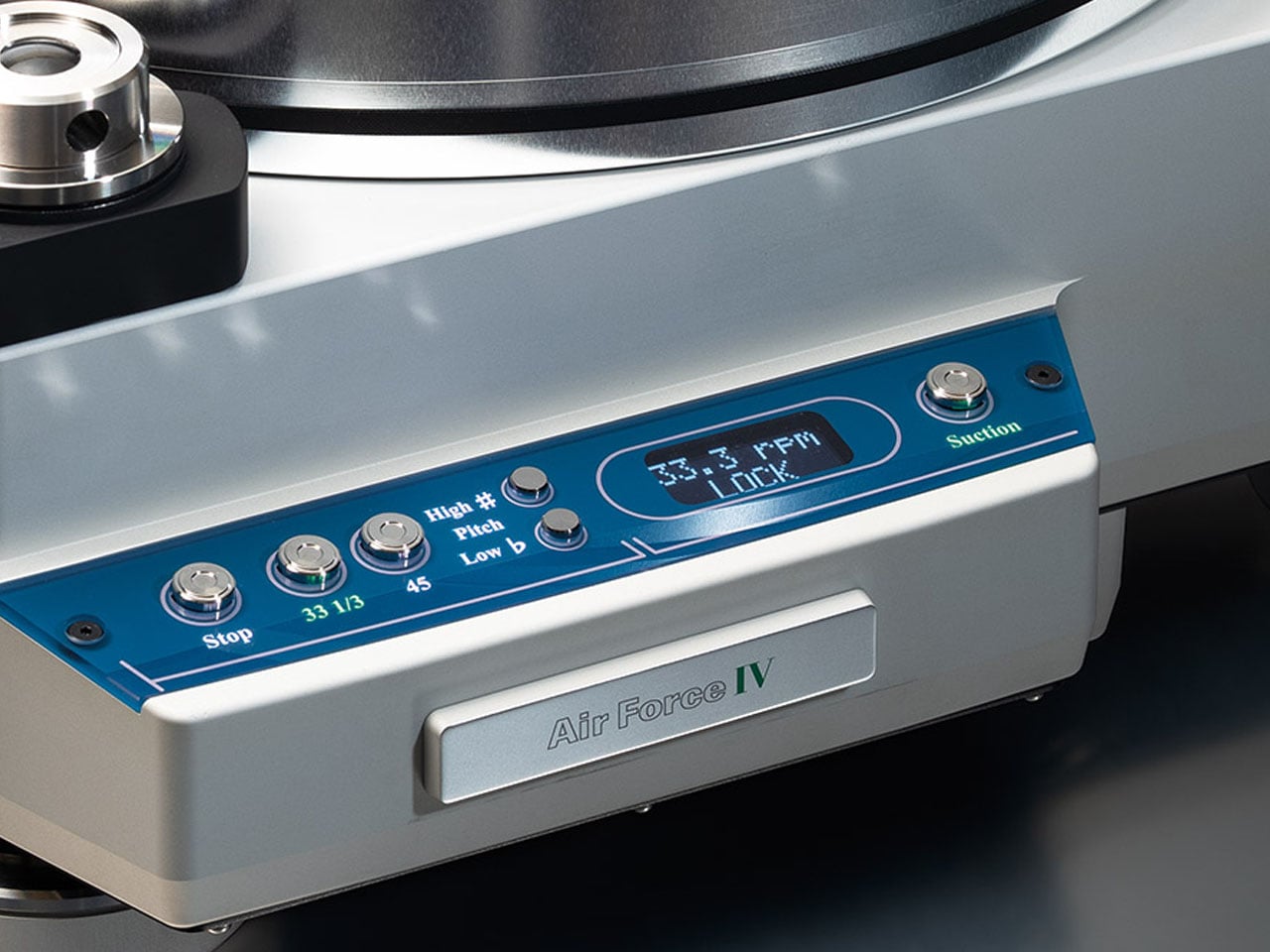
TechDAS Air Force IV turntable floats vinyl playback on a cushion of precision

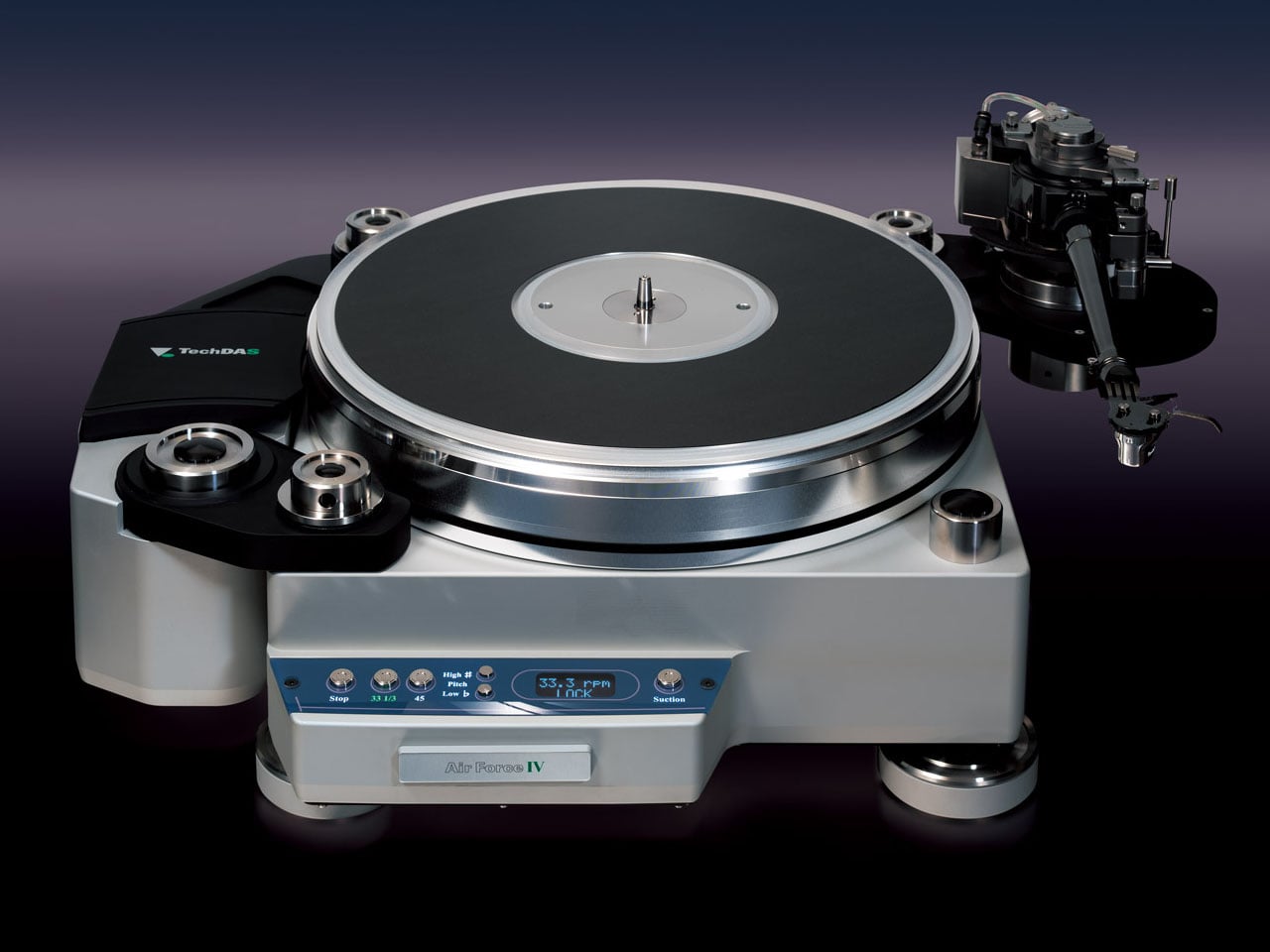
In modern times, where digital convenience dominates listening habits, the persistence of ultra-high-end analog engineering feels almost rebellious. The TechDAS Air Force IV turntable leans fully into that defiance, emerging not merely as a playback device but as a precision instrument designed to push vinyl reproduction beyond its traditional limits.

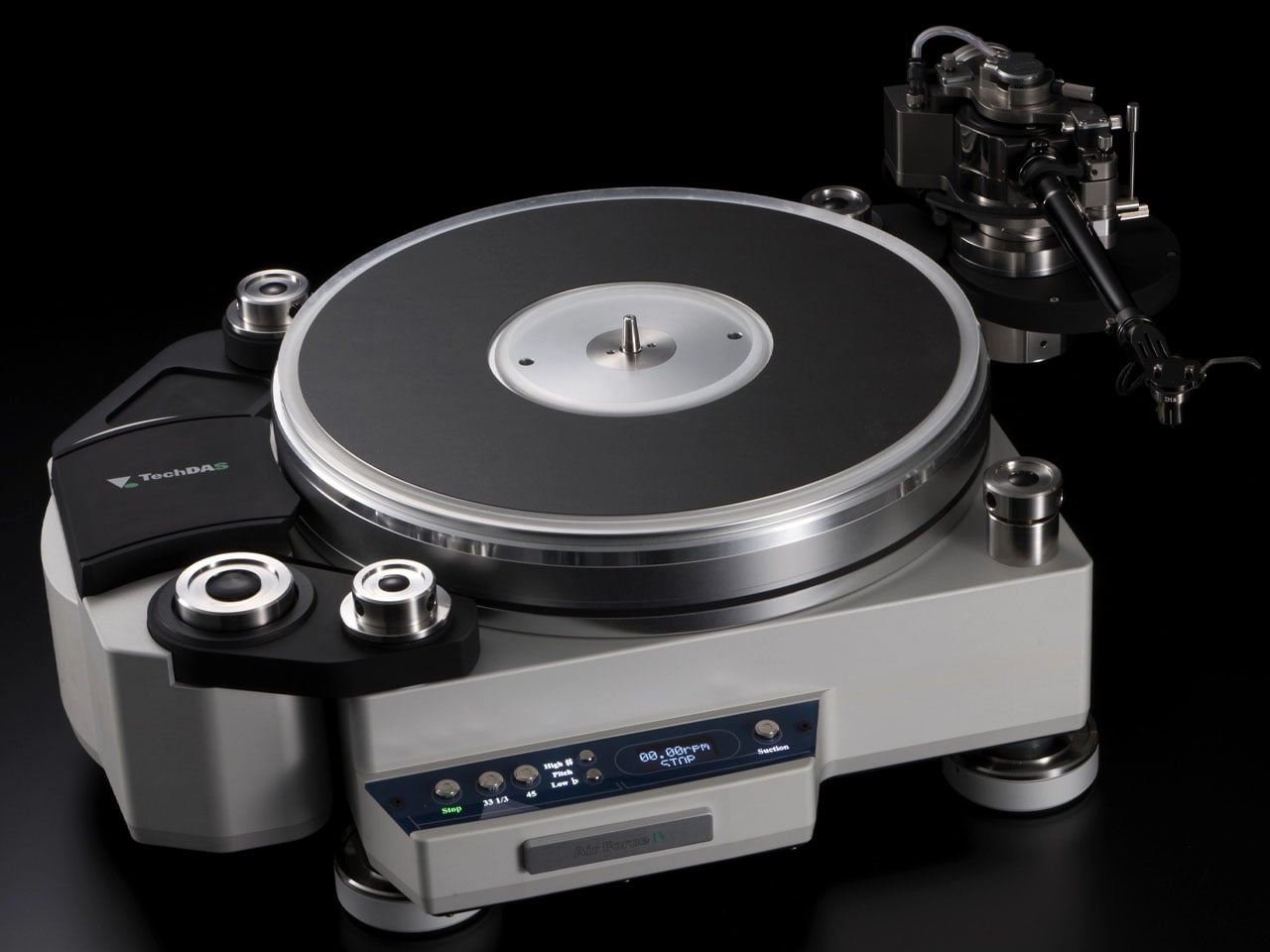
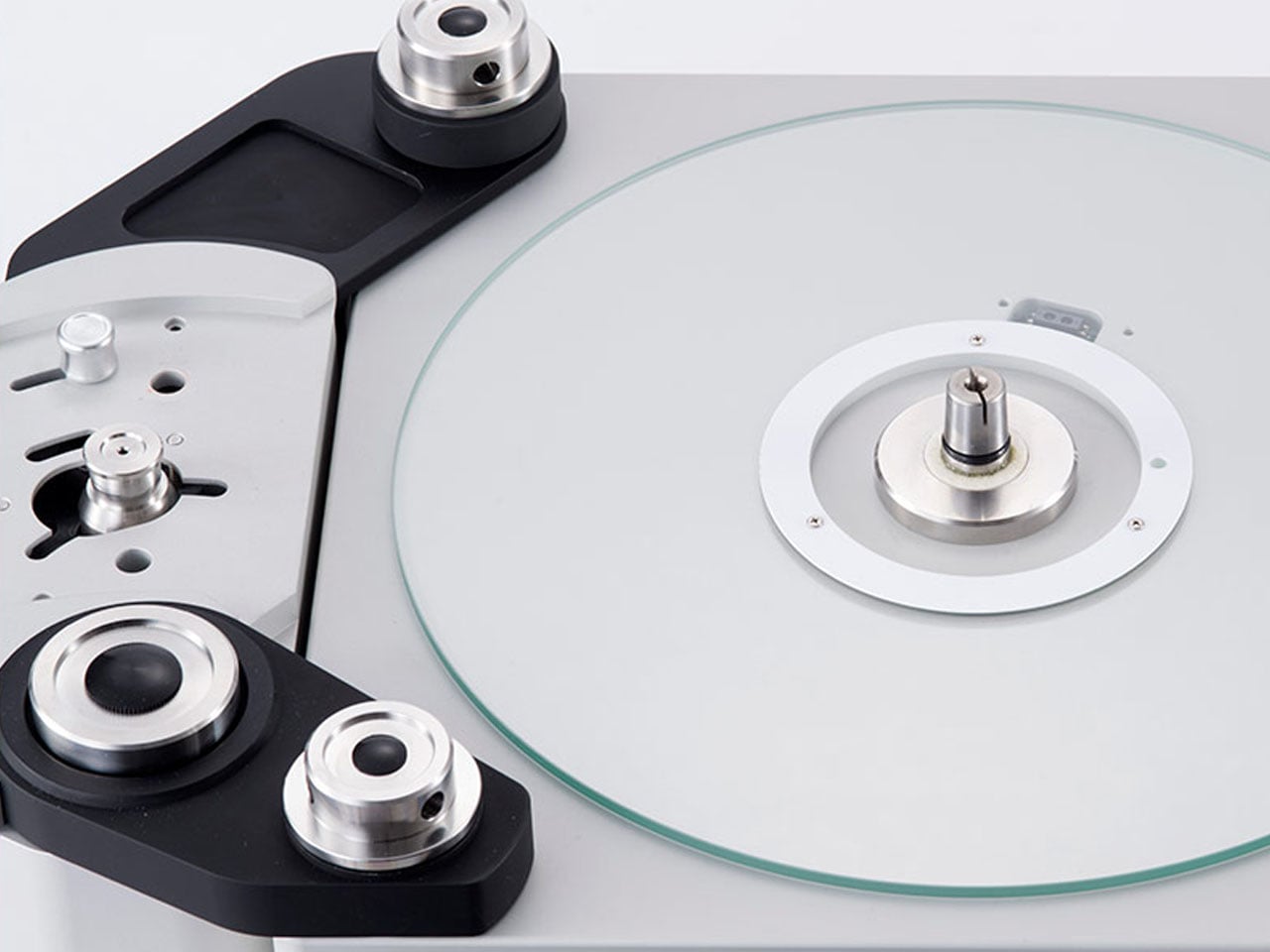
At the core of the future-forward vinyl player’s signature pneumatic architecture is a system that fundamentally rethinks how a turntable handles vibration and resonance. Instead of relying on conventional mechanical isolation, the design uses an air-bearing mechanism that effectively floats the platter, eliminating friction and drastically reducing unwanted noise.

Designer: TechDAS

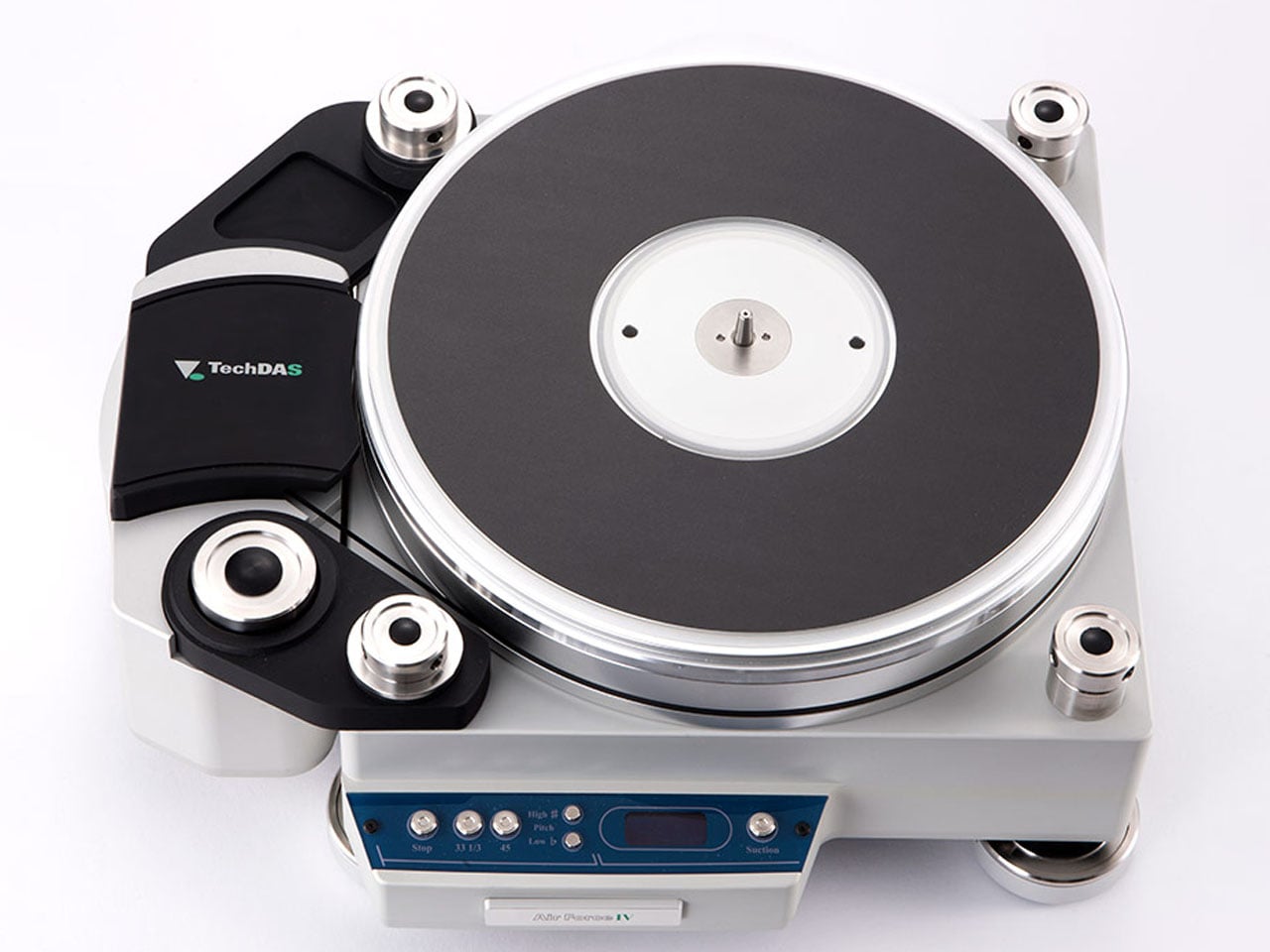
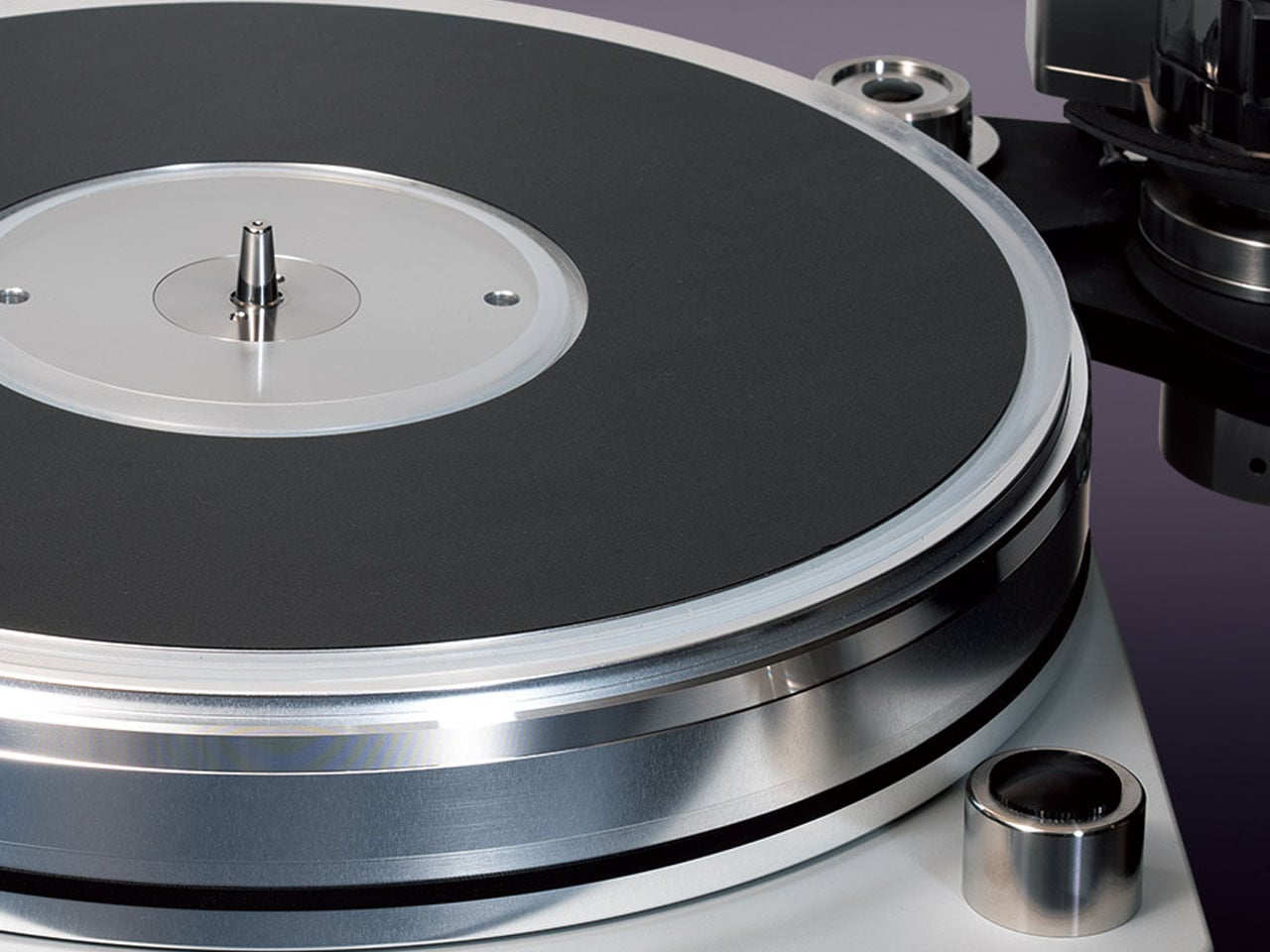
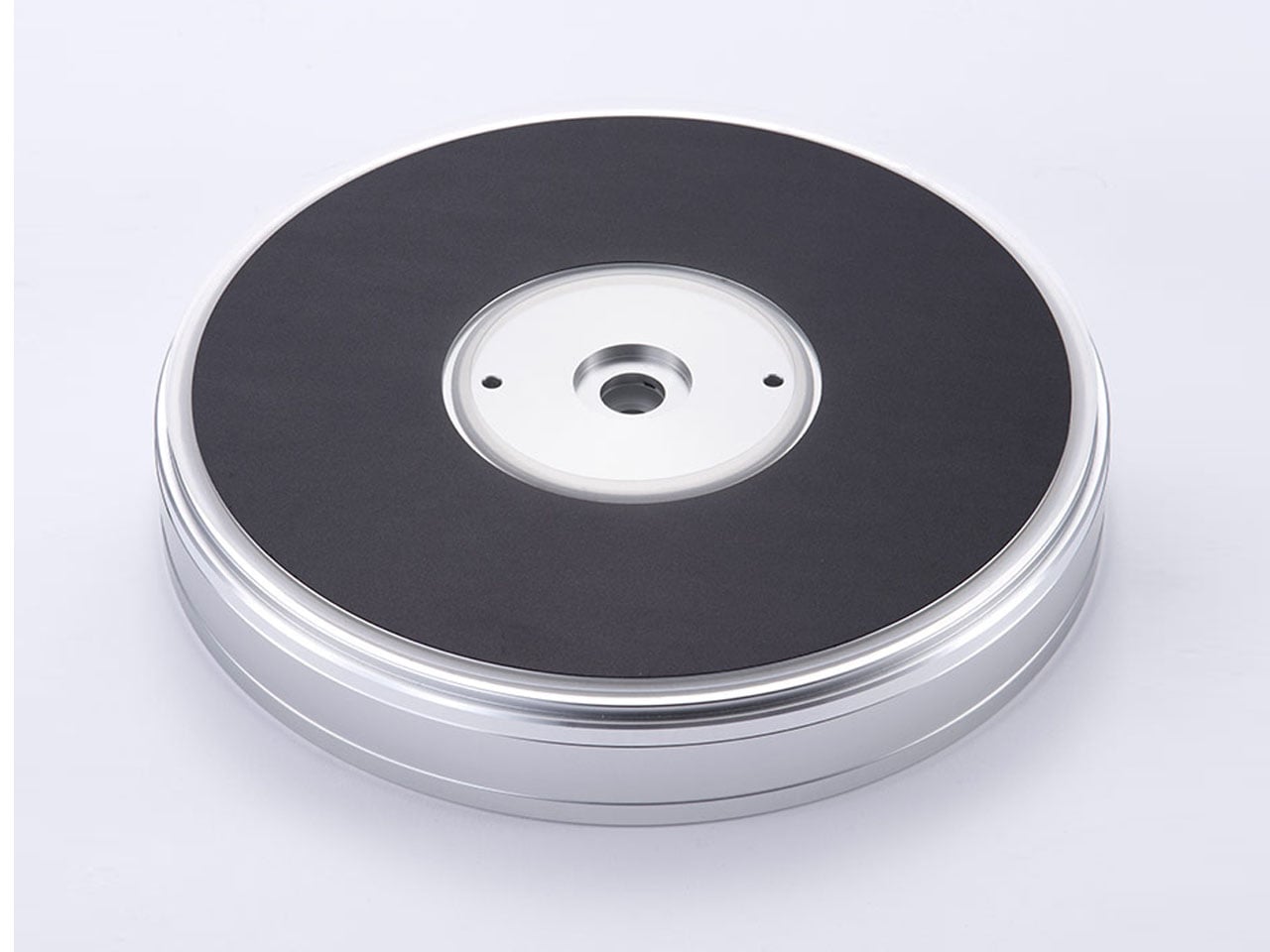
Complementing this is a vacuum LP hold-down system that secures the record firmly against the platter surface, ensuring stable playback and minimizing distortions caused by warping or micro-vibrations. Together, these “air” technologies aim to deliver a sound profile that is both exceptionally clean and dynamically expressive, setting a new benchmark for analog playback. The engineering emphasis continues with a precision-machined one-piece platter carved from solid A5056 aluminum alloy. Weighing close to 9kg, this heavy platter plays a crucial role in enhancing rotational stability while extending frequency response and improving overall dynamics.

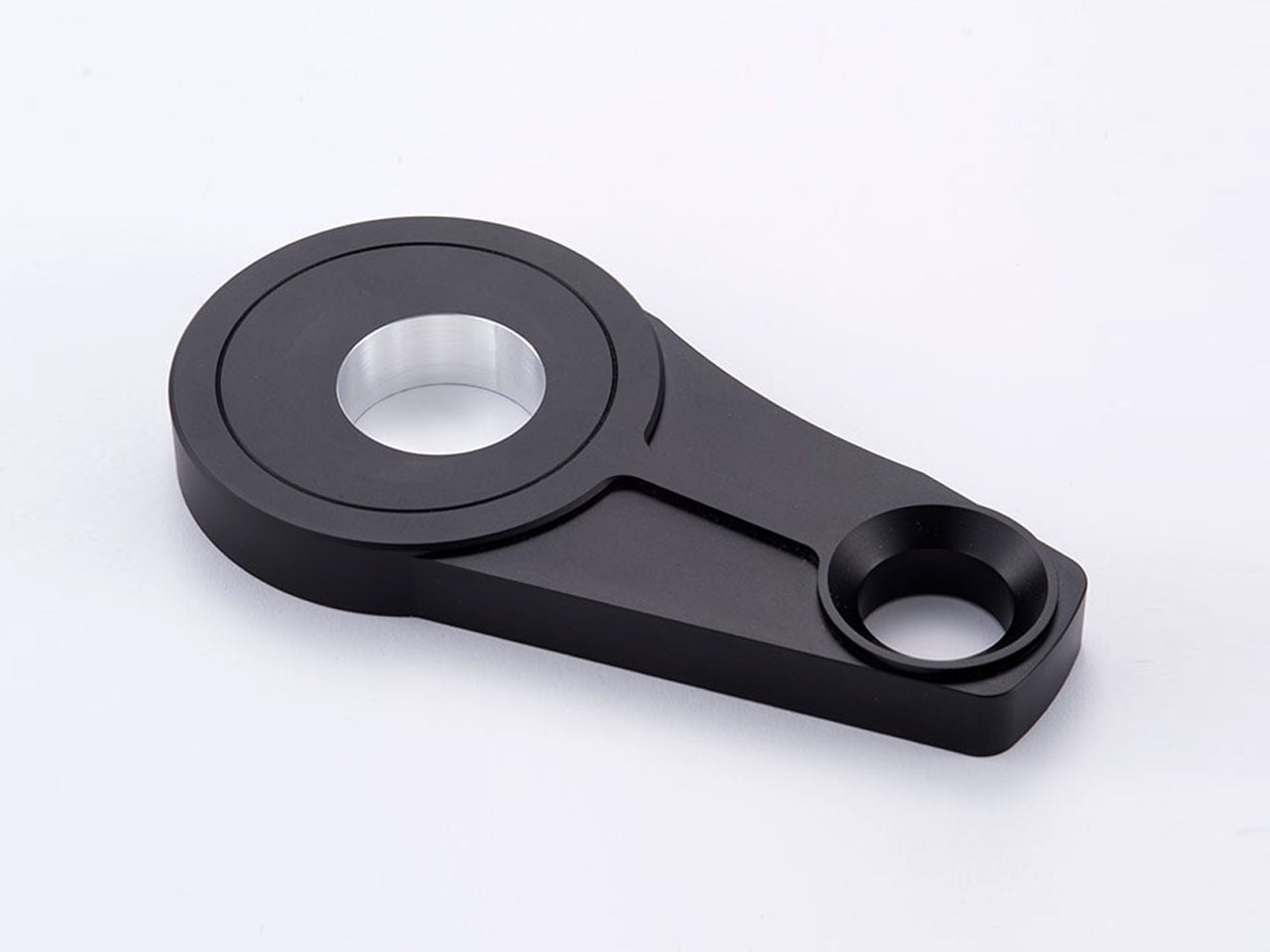
The addition of a specialized damping and anti-static surface further protects records while contributing to a quieter sonic background. The result is an audio presentation marked by a notably low noise floor and refined detail retrieval. Unlike many turntables that integrate all components into a single structure, the Air Force IV separates its motor unit from the main chassis. This external 2-phase, 4-pole AC synchronous motor reduces vibration transfer, allowing the belt-driven system to maintain highly stable rotation. A polished polyester flat belt (borrowed from higher-end models) ensures consistent speed performance, reaching standard playback speeds of 33.3 and 45 RPM with minimal wow and flutter.

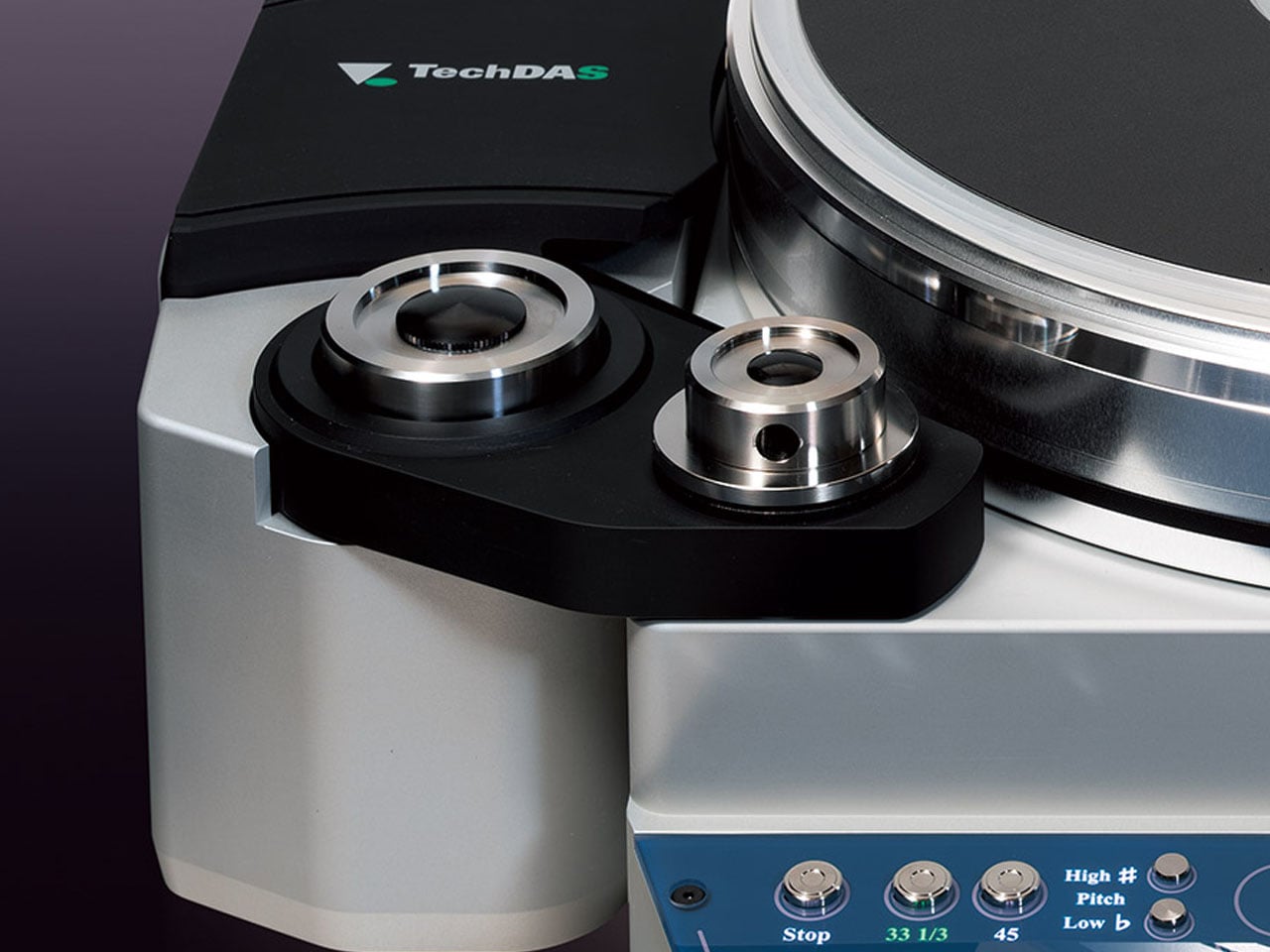
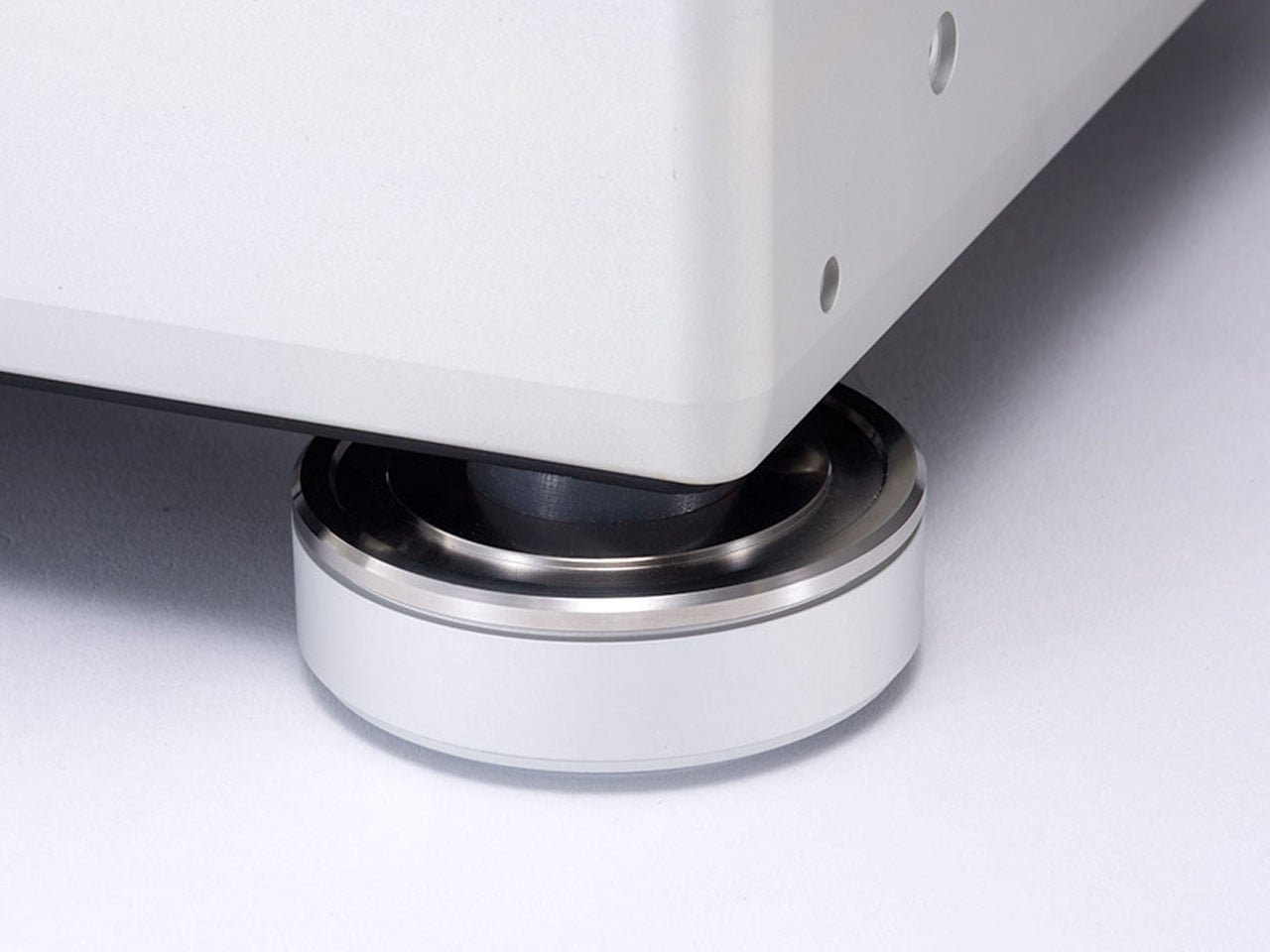
Despite its compact footprint compared to other models in the Air Force lineup, the IV incorporates technologies derived from its more expensive siblings, positioning it between the Air Force III and V in the range. The chassis itself is precision-machined from solid aluminum, supported by four specialized suspension feet designed to block external vibrations. Impressively, the design also allows for up to three tonearms, offering flexibility for audiophiles who demand multiple cartridge setups.

The Air Force IV reflects TechDAS’ broader philosophy that analog sound still has room to evolve even after decades of digital dominance. That level of tonal precision by the high-end Japanese audio manufacturer comes at a steep price of £19,998 (approximately $27,140). Obviously, it is only targeted towards audiophiles with fat pockets!

The post TechDAS Air Force IV turntable floats vinyl playback on a cushion of precision first appeared on Yanko Design.
Tonke Basecamp: Most robust, self-sufficient, and luxurious VW Transporter camper van arriving in May

It hasn’t even been 24 hours since I reported on the new Sprinter 144 AWD–based, highly versatile Vanspeed Album camper van, and already another high-quality Volkswagen camper van is knocking at the door. This one is being transformed in the workshops of Dutch converter Tonke and is aptly called the Basecamp, which should be with us any time next month, if the camper van’s webpage on Tonke’s website is anything to go by.

If all goes as planned, Tonke is likely to launch the Basecamp, its most robust, self-sufficient, and luxurious camper van, in May 2026. The adventure vehicle perceived will be based on the latest generation Volkswagen Transporter with a well-thought-out interior, enhanced by underfloor insulation, off-grid power systems, and the structural integrity to go where life takes you.

Designer: Tonke

Basecamp will be a pop-top camper van, the Tonke notes on its website. With sleeping and daytime sitting accommodation for four people, the camper van will be equipped with a spacious kitchen, toilet, shower, and storage for longer trips. Of course, being based on the VW Transporter, the van will be offered with a choice of three powertrains, depending on buyers’ travel needs and carbon footprint preferences.

“Tonke Basecamp will be available as a hybrid camper, an electric camper, and as a traditional diesel variant. In addition, there will be a powerful 4×4 version.” Buyers can go with an all-electric Basecamp camper van version for the zero-emissions adventure, or the hybrid variant would allow “smooth and quiet electric drive,” with the assurance of extended range as compared to a combustion engine. The regular diesel powertrain will provide maximum towing capacity and endurance for longer journeys.

Irrespective of the powertrain you choose, Basecamp will provide a customized Volkswagen Transporter “hand-built to Tonke’s quality standards.” The pop-up roof Basecamp is confirmed as a four-person sleeper, with a 91 x 47-inch bed in the pop-out and a convertible 79 x 39-inch bed in the lower section. The cabin will function as a lounge area during the day with an extendable dining table and a lounge area for four people.

A smartly designed Volkswagen Transporter Basecamp camper van will, Tonke notes, “comfort level of a large Mercedes Sprinter camper.” To that accord, it will embed a spacious kitchen with a 60L water tank, a 16L boiler for hot water supply, and an 80L refrigerator. There are no other details about the kitchen setup at the time of writing. But we learn that the van will have a wet both complete with a shower and a toilet.

What’s really interesting is the fact that the Basecamp will be provided with an underfloor heating system, preparing the camper van for all-season comfort. The entire package is likely to arrive in May for a starting price of €50,668 (approximately $60,000).

The post Tonke Basecamp: Most robust, self-sufficient, and luxurious VW Transporter camper van arriving in May first appeared on Yanko Design.
Vanspeed Album camper van with Murphy bed and versatile lounge is designed to go where you need it

Mercedes-Benz Sprinter camper vans are built for those who want adventure without sacrificing comfort. Taking cues from the Sprinter’s exterior and thriving on its base, California-based Vanspeed has been designing camper vans focused on multifunctional performance. A standout example is the all-new Album camper van.

Built atop a Sprinter 144 AWD, it offers an ideal blend of convenience and luxury, making it ready to go wherever you need it. The Vanspeed camper van strips off any fancy exterior addons, keeping the body simple and clean. Only visible addition to the body is the roof ladder on the driver’s side to access the full-length rooftop rack.

Designer: Vanspeed https://www.vanspeedshop.com

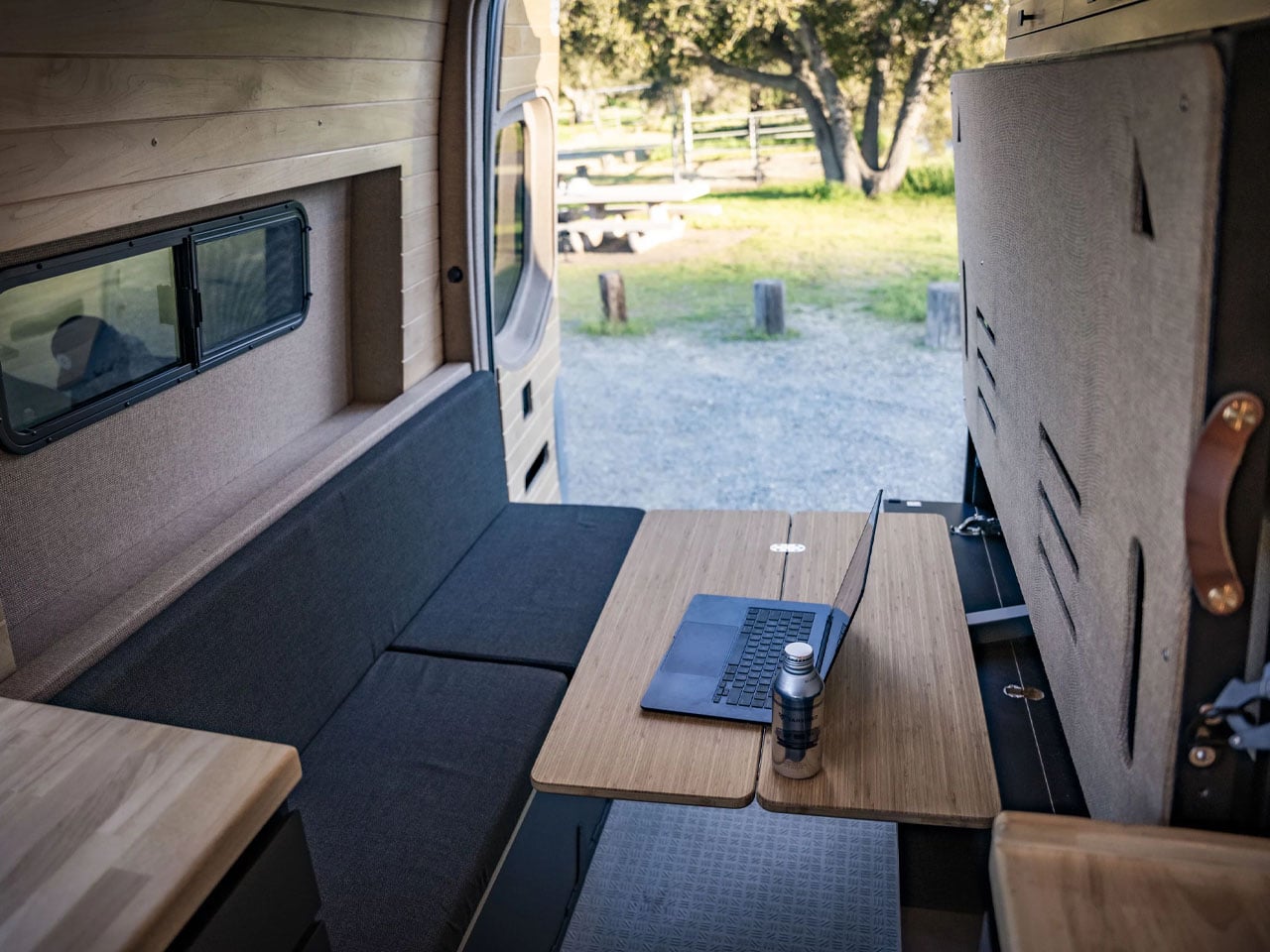
Other than the minimalist exterior, there is nothing casual about the Album camper van. It is a fine embodiment of what a functional camper van interior should be. Ready for off-road adventure, the multipurpose interior of the camper is defined by its Murphy bed and partially or fully removable seating, which opens up the center aisle for cargo or adventure equipment, such as your bicycles or surfboard.

Despite the functionality, the interior with wood-style paneling throughout is warm and inviting. The folding bed stacks up against the driver’s sidewall, freeing up space for daytime convenience. You can use the L-shaped seating for relaxing, or pull down the hidden swivel table (from the cabinet just opposite) and use it as a workstation or for dining. In the pictures, you will notice only a bench seat, however, the seating is completed with a detachable crosspiece sofa, creating the complete L-shaped sofa lounge.

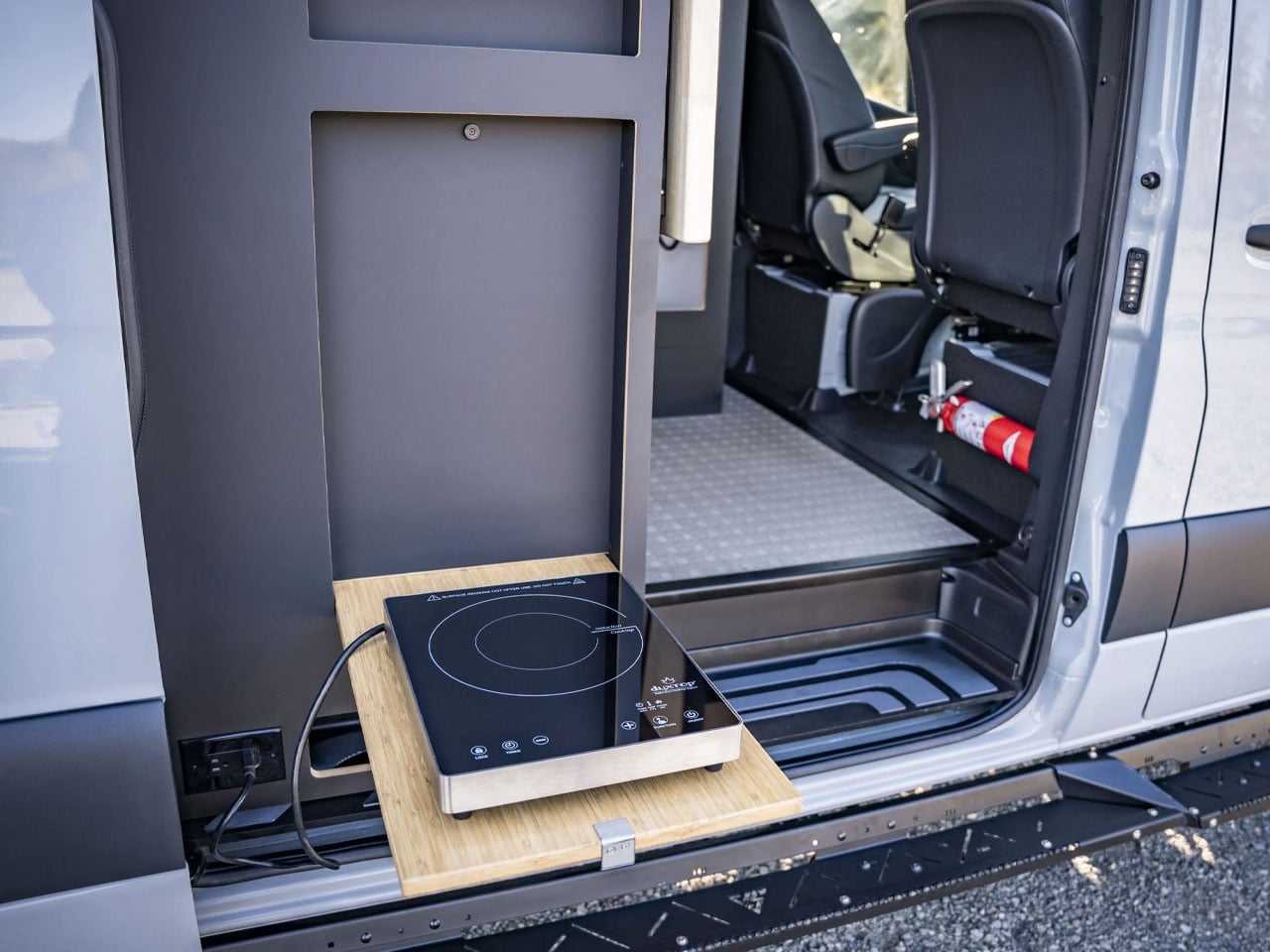
At nighttime, you can conveniently fold down the Murphy bed to create a comfortable platform measuring 80 inches (203 cm) long. It can sleep two people and sit stably on its own foundational supports on the sidewalls, without disturbing the cabinetry and lounge setting underneath. While all this is happening toward the rear of the camper van, up ahead, approachable from the side entry is the kitchenette. The counter is provided with a single-burner portable induction cooktop, and a fridge finds a place underneath the kitchen block. For the convenience of daytime campers, the kitchen includes a countertop that extends for outdoor cooking.

Alongside is another multifunctional space: The wet bathroom, which doubles as a storage cabinet. The bathroom is provided with a shower and a removable portable toilet with flippable shelves for storage. The camper van is powered by a lithium battery to render it usable for stays longer than a weekend. If you’re interested, the Vanspeed Album is priced at $219,000.

The post Vanspeed Album camper van with Murphy bed and versatile lounge is designed to go where you need it first appeared on Yanko Design.

This air-powered desk clock with stopwatch function is a work of genius

Something is intriguing about novelty clocks that refreshes the age-old timekeeping approach. The unique mechanism at the heart of these timepieces makes them desirable, especially for those who value time above all else. YouTuber soiboi soft from Germany loves working with pneumatic principles, creating some really interesting things never seen before.

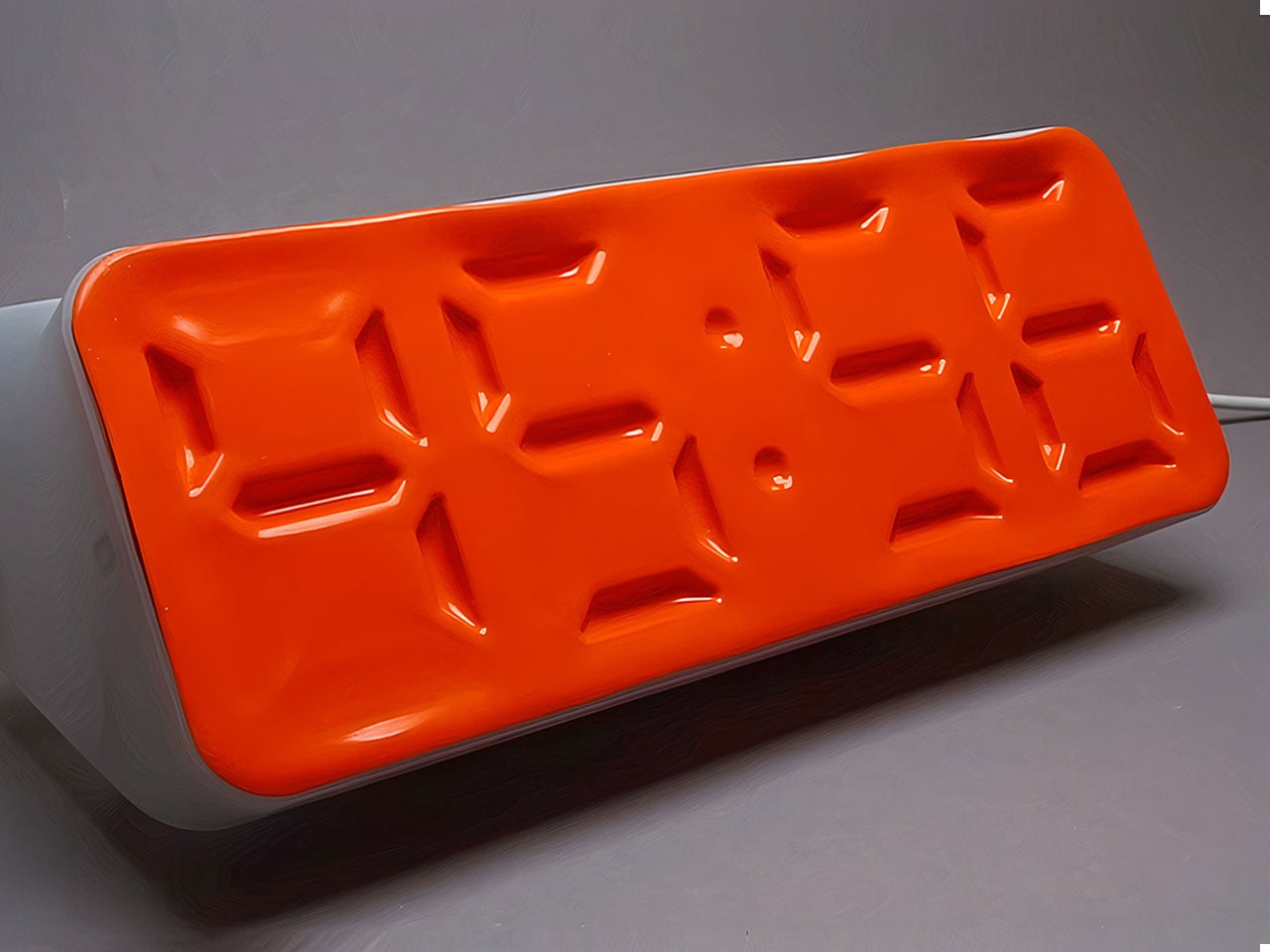
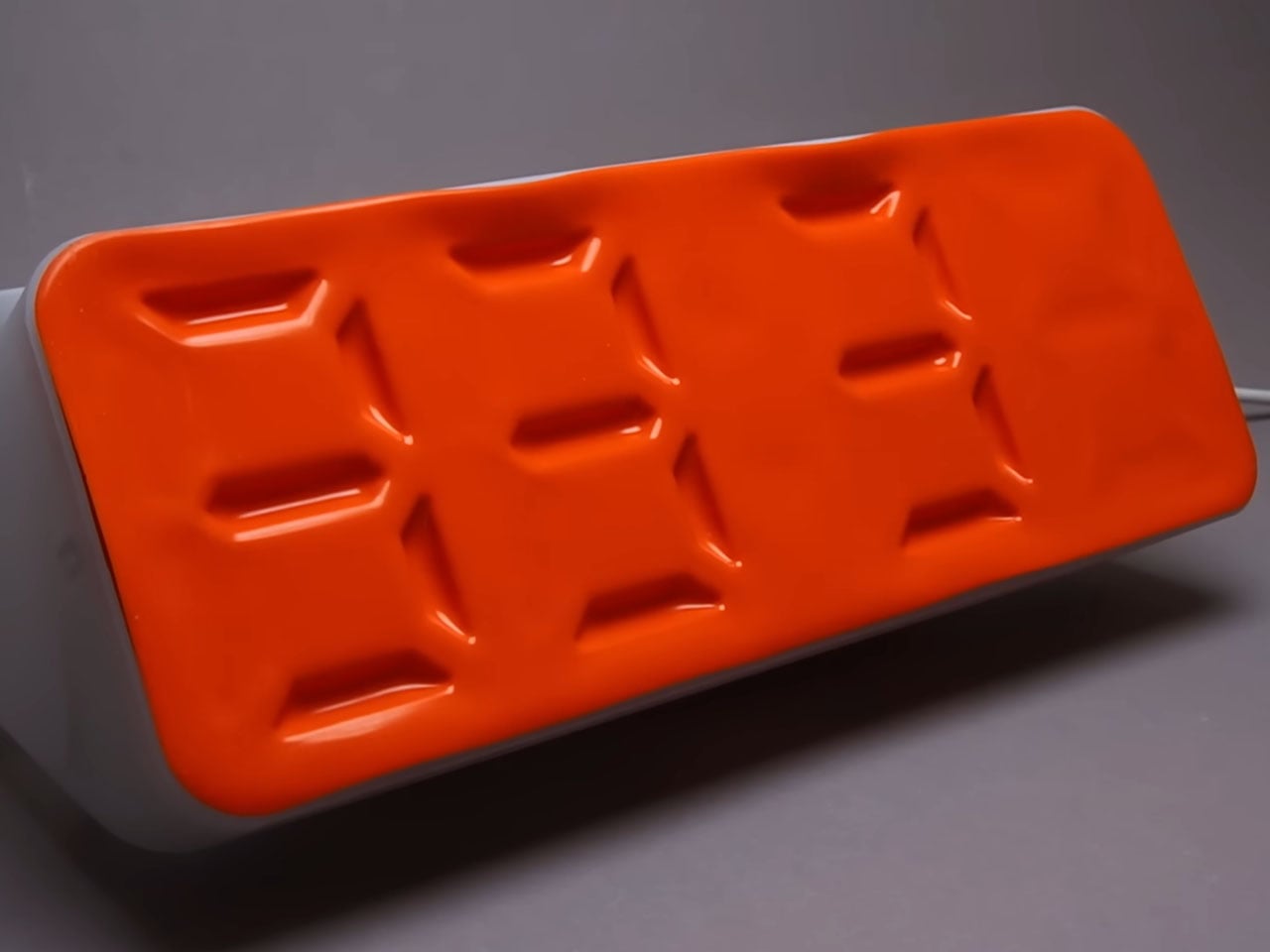
This time around, the ingenious inventor has crafted an air-powered desk clock that works on the same principles of compressing air to control the display membrane. While that might sound a little too technical for some, the idea is to change the appearance on the surface of the flexible clock membrane to display the current time. That is simply cool, and who wouldn’t want to have this desk clock grace their geeky setup?

Designer: soiboi soft

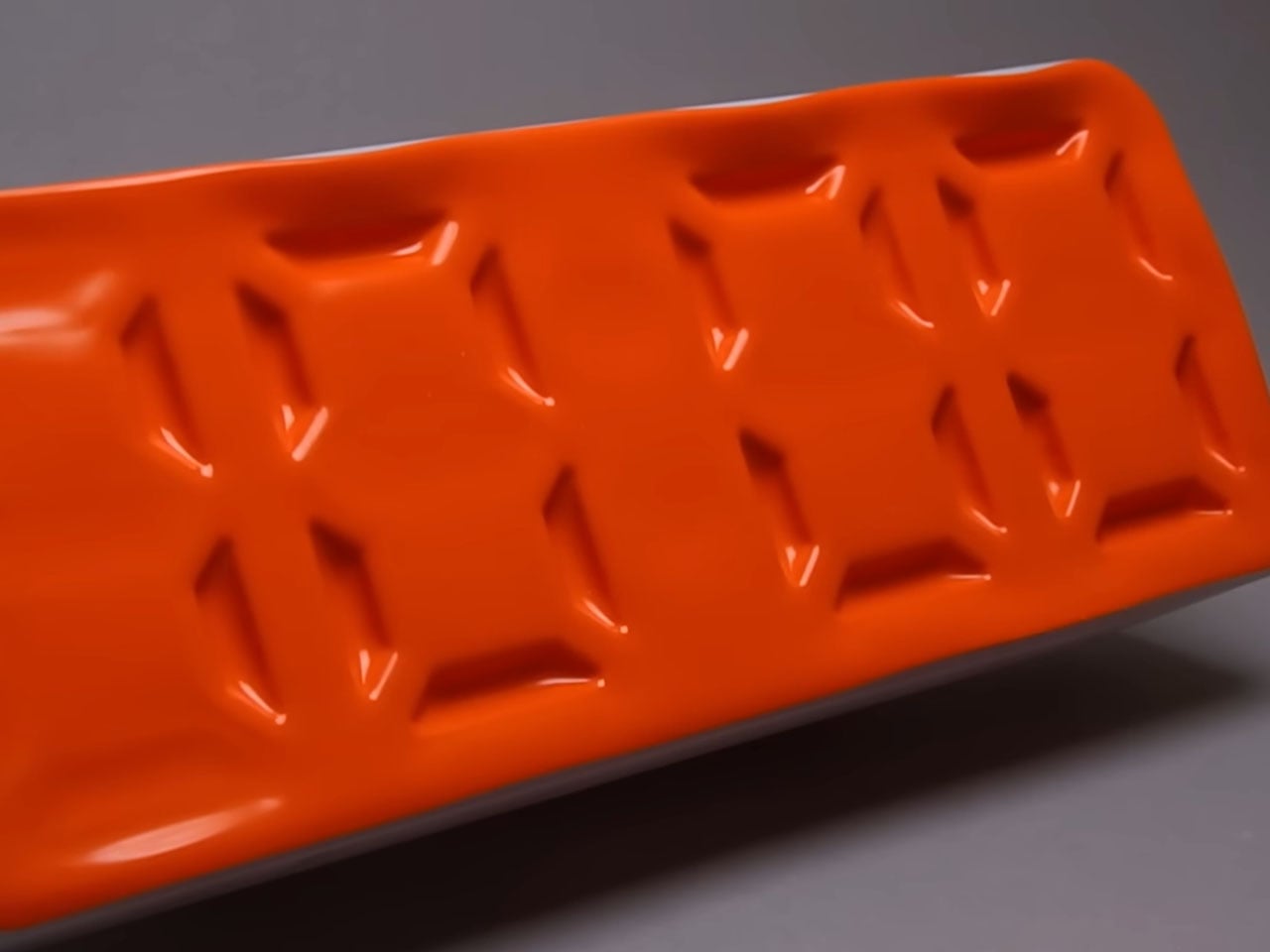
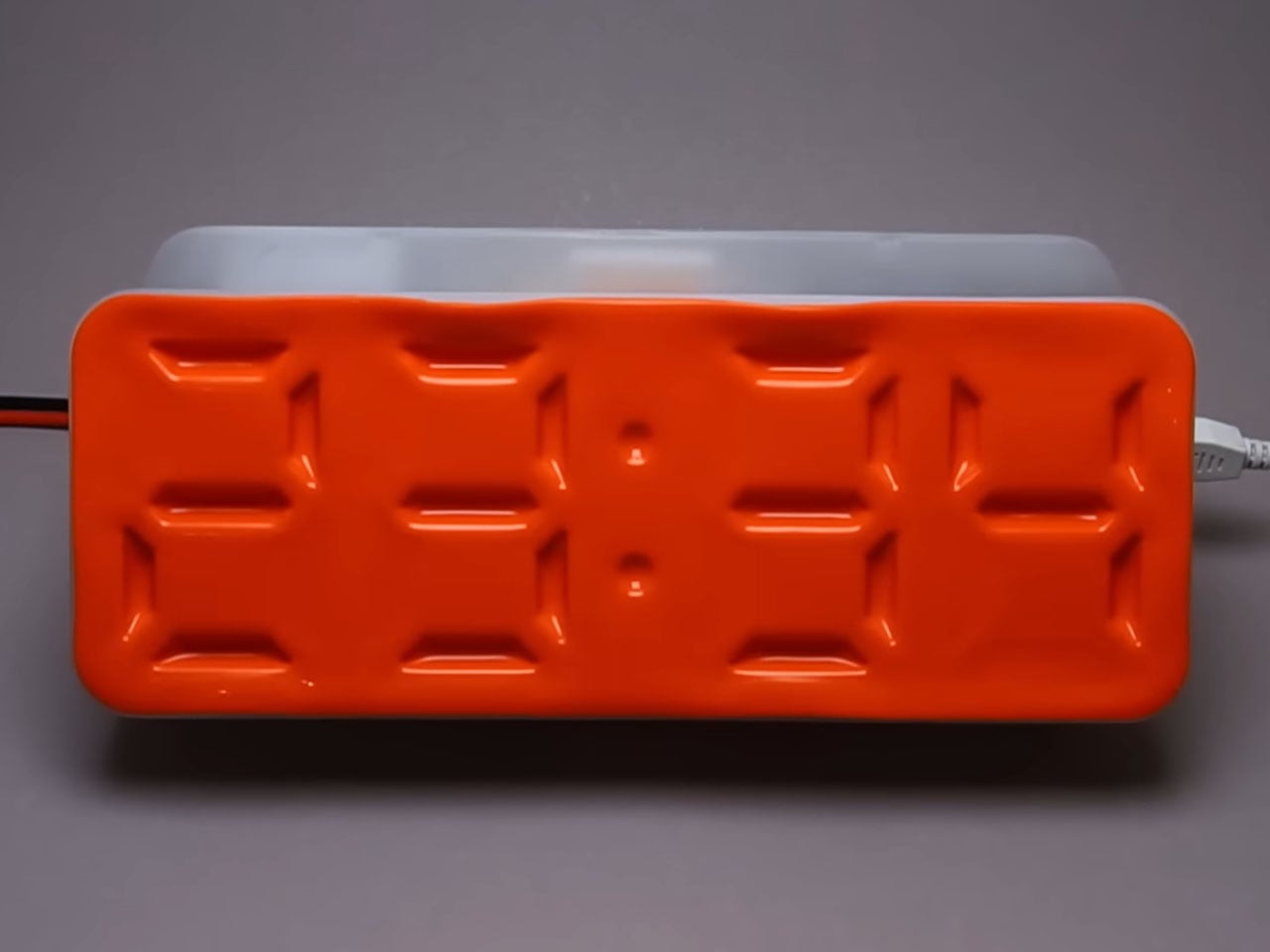
Building the four-digit display of the Air Powered Segment Clock begins by crafting the custom parts using 3D printing. The next task is to carefully connect the vacuum lines to the complex mechanism so that it can pull the flexible membrane to create the dent representing the luminous bars, just like a digital clock. Even when the signal is turned off from the backend, the shape holds still until the next command to turn it off is initiated. As soon as the command to release the vacuum pressure is initiated, the membrane returns to its flat position.

The combination of these seven memory cells (as he calls them) forms a single digit representation. Based on the digit to be displayed, the memory cells are in an on or off position, thereby displaying the whole digit. This whole display array is a combination of four such digits, and based on the microcontroller programming and the complex software input, they magically suck-in to create the digit on the membrane. Dots in the middle appear every time a number is changed to represent the seconds, minutes, and hours.

The basic architecture of the Air Powered Segment Clock is similar to how a RAM functions, storing values in specific locations courtesy of the data and address lines.  When the hardware and software trickery to display the time come into unison, the DIY desk clock comes alive. Going a step further, the DIYer adds a stopwatch function to the clock, because why not? Frankly, this is one of the best DIY creations I’ve seen in a long time. I bet every one of you out there is wishing this project turns into a buyable novelty clock someday. Imagine adding this to your workstation, gaming setup, or simply sporting on the living room shelf!

The post This air-powered desk clock with stopwatch function is a work of genius first appeared on Yanko Design.
This air-powered desk clock with stopwatch function is a work of genius

Something is intriguing about novelty clocks that refreshes the age-old timekeeping approach. The unique mechanism at the heart of these timepieces makes them desirable, especially for those who value time above all else. YouTuber soiboi soft from Germany loves working with pneumatic principles, creating some really interesting things never seen before.

This time around, the ingenious inventor has crafted an air-powered desk clock that works on the same principles of compressing air to control the display membrane. While that might sound a little too technical for some, the idea is to change the appearance on the surface of the flexible clock membrane to display the current time. That is simply cool, and who wouldn’t want to have this desk clock grace their geeky setup?

Designer: soiboi soft

Building the four-digit display of the Air Powered Segment Clock begins by crafting the custom parts using 3D printing. The next task is to carefully connect the vacuum lines to the complex mechanism so that it can pull the flexible membrane to create the dent representing the luminous bars, just like a digital clock. Even when the signal is turned off from the backend, the shape holds still until the next command to turn it off is initiated. As soon as the command to release the vacuum pressure is initiated, the membrane returns to its flat position.

The combination of these seven memory cells (as he calls them) forms a single digit representation. Based on the digit to be displayed, the memory cells are in an on or off position, thereby displaying the whole digit. This whole display array is a combination of four such digits, and based on the microcontroller programming and the complex software input, they magically suck-in to create the digit on the membrane. Dots in the middle appear every time a number is changed to represent the seconds, minutes, and hours.

The basic architecture of the Air Powered Segment Clock is similar to how a RAM functions, storing values in specific locations courtesy of the data and address lines.  When the hardware and software trickery to display the time come into unison, the DIY desk clock comes alive. Going a step further, the DIYer adds a stopwatch function to the clock, because why not? Frankly, this is one of the best DIY creations I’ve seen in a long time. I bet every one of you out there is wishing this project turns into a buyable novelty clock someday. Imagine adding this to your workstation, gaming setup, or simply sporting on the living room shelf!

The post This air-powered desk clock with stopwatch function is a work of genius first appeared on Yanko Design.
Segway Muxi is a compact cargo e-bike that carries more style than bulk

Segway has rarely been a brand that plays it safe, and the Muxi feels like a natural extension of that design-forward thinking. The ebike is designed with an approach that prioritizes not just function, but the emotional appeal of everyday mobility. In a space where cargo e-bikes often lean toward bulky, utilitarian silhouettes, Muxi refreshes the landscape with a sense of restraint, blending compact proportions with a personality that feels closer to a lifestyle product than a workhorse.

First introduced at CES 2026, the Muxi is Segway’s first short-tail utility e-bike, designed to deliver cargo-ready practicality without the visual and physical heft of traditional long-tail alternatives. It supports a total payload of up to 418 pounds, making it capable of handling groceries, gear, or even a passenger when paired with optional accessories like a child kit.

Designer: Segway

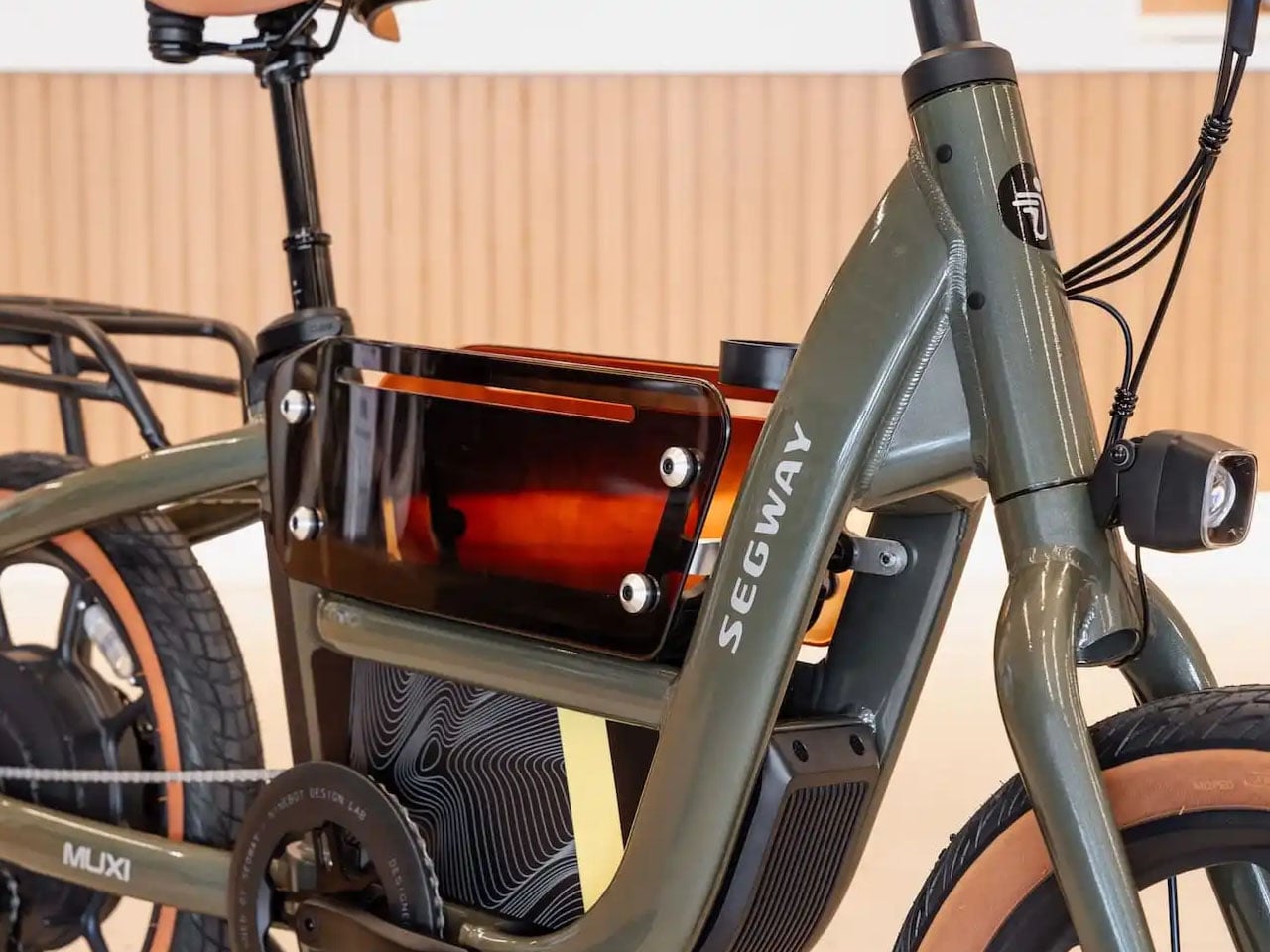
The step-through frame keeps things accessible, while integrated storage solutions within the frame add a layer of thoughtful convenience that aligns with its everyday usability. Powering the bike is a 750W rear hub motor producing around 80 Nm of torque, paired with a 48V, 716Wh battery. This combination enables a range of up to 80 miles on a single charge, giving it enough endurance for extended urban commutes or weekend errands. Riders can switch between Class 1 and Class 2 modes depending on their preference, allowing the Muxi to adapt to different riding scenarios without compromising on control or efficiency.

Muxi’s feature set leans heavily into safety and connectivity, reinforcing Segway’s push toward smarter mobility solutions. Hydraulic disc brakes provide consistent stopping power, while integrated lighting with turn signals improves visibility in traffic. The inclusion of Segway’s Intelligent Ride System adds a connected layer to the experience, with features like Apple Find My compatibility, AirLock proximity unlocking, and a Lost Mode that can disable the bike remotely if it’s misplaced or stolen. These additions move the ebike beyond the realm of a conventional e-bike, positioning it as part of a broader ecosystem of intelligent transport.

Design remains at the core of its unrelenting appeal, with the 20 x 3-inch tires striking a balance between stability and comfort. Particularly when carrying additional load, while the overall geometry keeps the ride approachable despite the bike’s roughly 73-pound weight. Visually, it walks a fine line between cruiser and utility machine, resulting in a form that feels both functional and expressive, which is an uncommon combination in this niche.

Priced at $1,699.99, the Segway Muxi is positioned as an accessible yet well-equipped option for urban riders who want versatility without compromise. It doesn’t attempt to replace full-sized cargo bikes, but instead redefines what a compact utility e-bike can be. The two-wheeler is everything you need in a practical, connected, and distinctly designed electric commuter that fits your modern city life.

The post Segway Muxi is a compact cargo e-bike that carries more style than bulk first appeared on Yanko Design.
Segway Muxi is a compact cargo e-bike that carries more style than bulk

Segway has rarely been a brand that plays it safe, and the Muxi feels like a natural extension of that design-forward thinking. The ebike is designed with an approach that prioritizes not just function, but the emotional appeal of everyday mobility. In a space where cargo e-bikes often lean toward bulky, utilitarian silhouettes, Muxi refreshes the landscape with a sense of restraint, blending compact proportions with a personality that feels closer to a lifestyle product than a workhorse.

First introduced at CES 2026, the Muxi is Segway’s first short-tail utility e-bike, designed to deliver cargo-ready practicality without the visual and physical heft of traditional long-tail alternatives. It supports a total payload of up to 418 pounds, making it capable of handling groceries, gear, or even a passenger when paired with optional accessories like a child kit.

Designer: Segway

The step-through frame keeps things accessible, while integrated storage solutions within the frame add a layer of thoughtful convenience that aligns with its everyday usability. Powering the bike is a 750W rear hub motor producing around 80 Nm of torque, paired with a 48V, 716Wh battery. This combination enables a range of up to 80 miles on a single charge, giving it enough endurance for extended urban commutes or weekend errands. Riders can switch between Class 1 and Class 2 modes depending on their preference, allowing the Muxi to adapt to different riding scenarios without compromising on control or efficiency.

Muxi’s feature set leans heavily into safety and connectivity, reinforcing Segway’s push toward smarter mobility solutions. Hydraulic disc brakes provide consistent stopping power, while integrated lighting with turn signals improves visibility in traffic. The inclusion of Segway’s Intelligent Ride System adds a connected layer to the experience, with features like Apple Find My compatibility, AirLock proximity unlocking, and a Lost Mode that can disable the bike remotely if it’s misplaced or stolen. These additions move the ebike beyond the realm of a conventional e-bike, positioning it as part of a broader ecosystem of intelligent transport.


Design remains at the core of its unrelenting appeal, with the 20 x 3-inch tires striking a balance between stability and comfort. Particularly when carrying additional load, while the overall geometry keeps the ride approachable despite the bike’s roughly 73-pound weight. Visually, it walks a fine line between cruiser and utility machine, resulting in a form that feels both functional and expressive, which is an uncommon combination in this niche.

Priced at $1,699.99, the Segway Muxi is positioned as an accessible yet well-equipped option for urban riders who want versatility without compromise. It doesn’t attempt to replace full-sized cargo bikes, but instead redefines what a compact utility e-bike can be. The two-wheeler is everything you need in a practical, connected, and distinctly designed electric commuter that fits your modern city life.

The post Segway Muxi is a compact cargo e-bike that carries more style than bulk first appeared on Yanko Design.