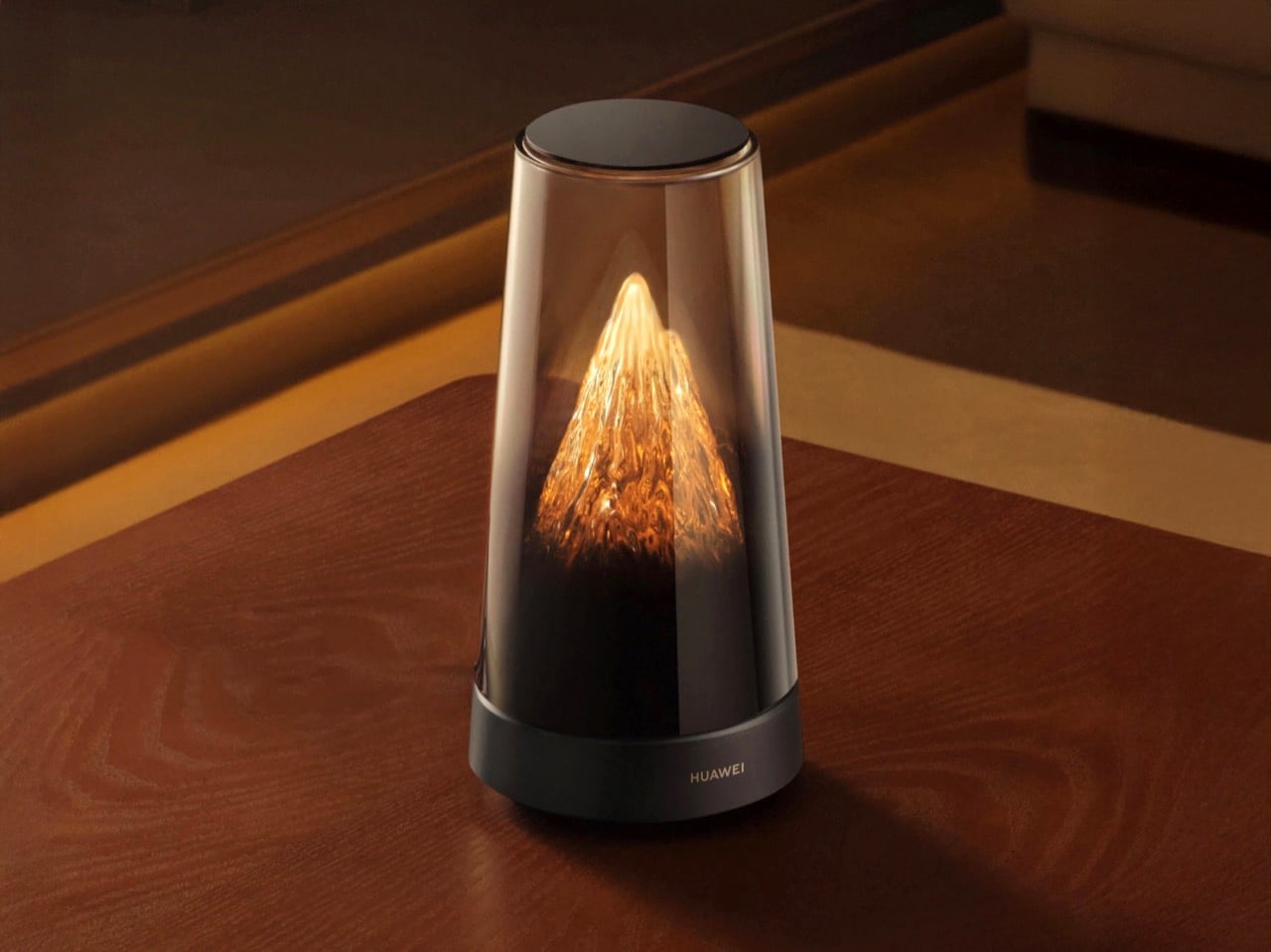
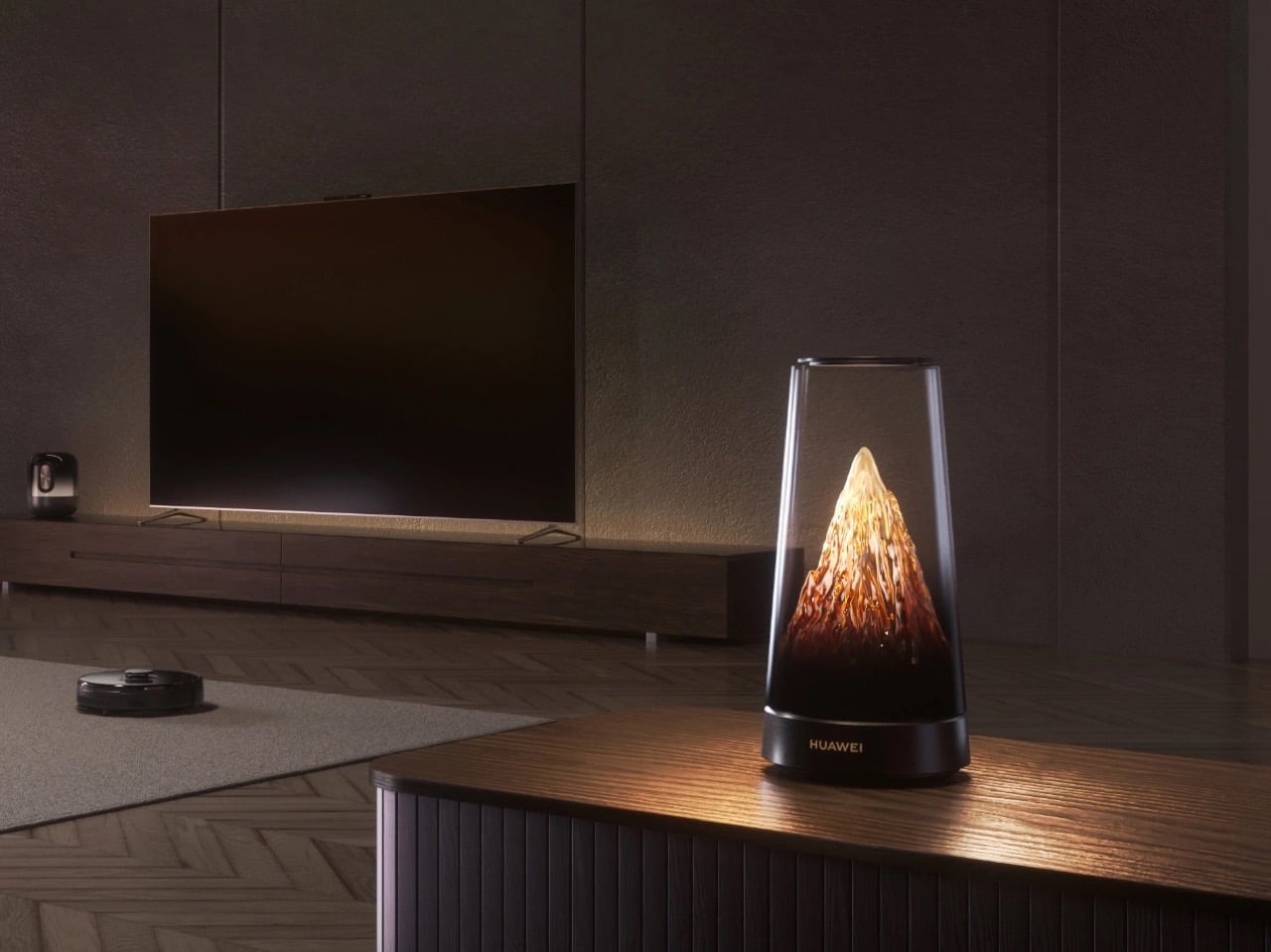
Not many people know this, but there is a wall filled with lava lamps in San Francisco that helps keep our internet secure. Cloudflare’s office lobby has a “Wall of Entropy,” a bank of about 100 lava lamps whose constantly shifting, gooey patterns are filmed by a camera. The video feed is converted into a stream of unpredictable, random bytes that helps create cryptographic keys to encrypt a significant chunk of the world’s web traffic. It is a brilliant, whimsical solution to a serious digital problem and perhaps the first instance of a piece of home decor serving a grander purpose in our connected world. Huawei’s new X3 Pro, a sculptural tabletop mesh router that looks like a tiny, self-contained icy mountain, might just be the second.
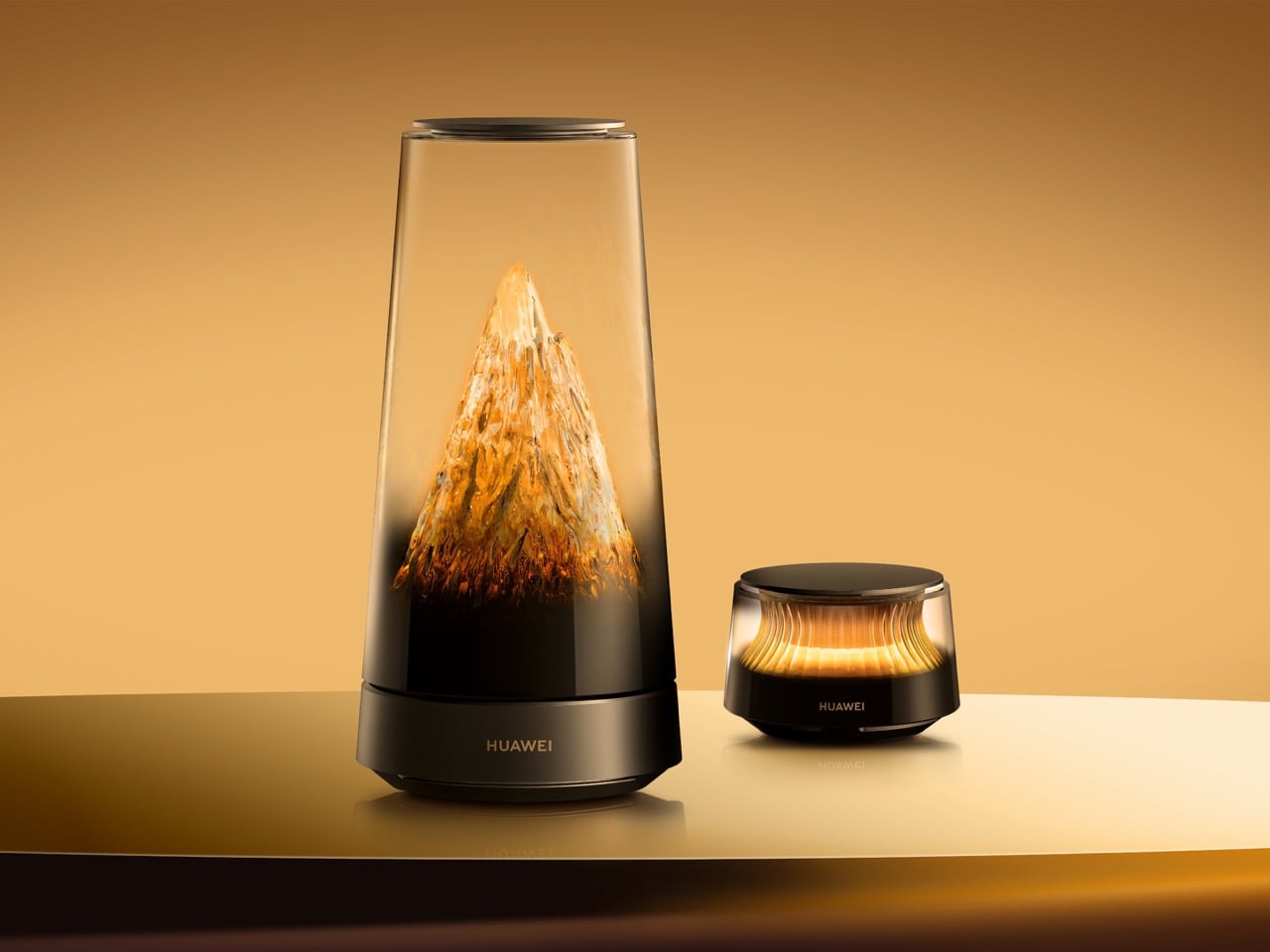
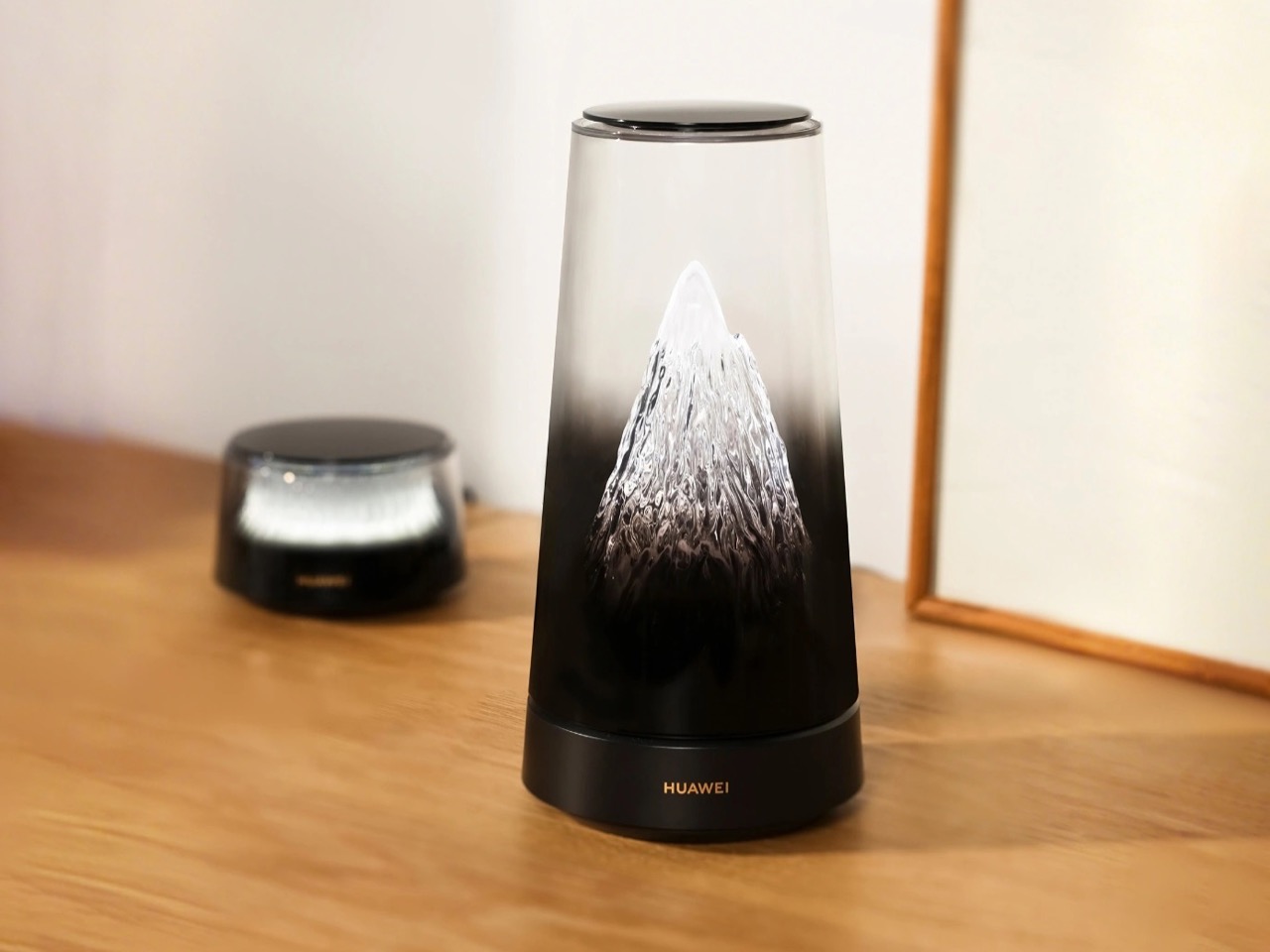
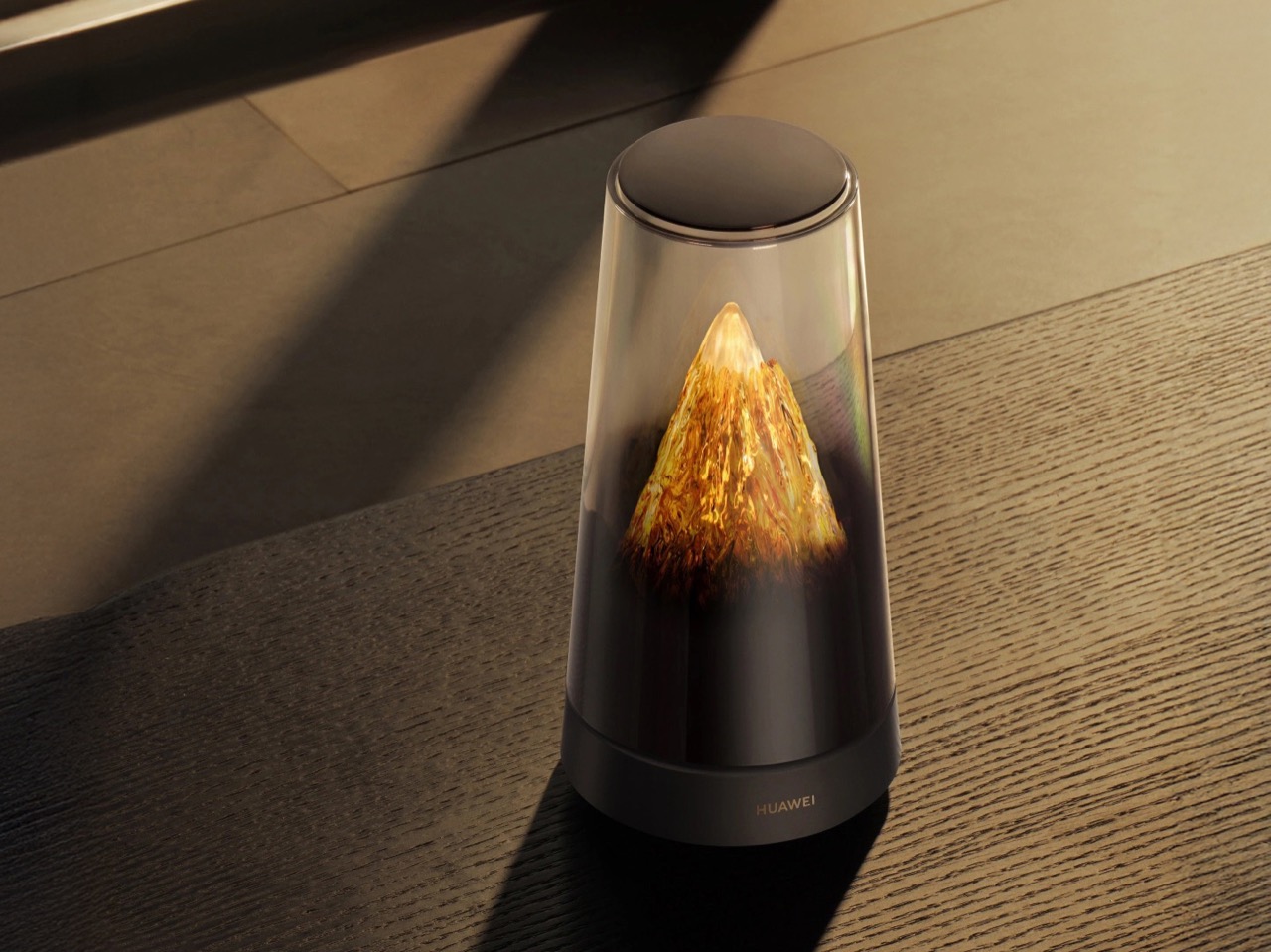
For years, the router has been the ugliest, most unloved piece of tech in the house. A black or white plastic box bristling with spidery antennas and blinking lights, it is the sort of device you shove behind a bookshelf or a plant, hoping no one notices it. The irony, of course, is that the best place for a router is out in the open, where its signal can propagate freely. Huawei seems to have taken this problem to heart, deciding that if a router has to be visible, it might as well be beautiful. The X3 Pro is the result: a tall, translucent cone that houses a textured, mountain-like sculpture. It looks less like networking hardware and more like an art glass piece you would find in a museum gift shop.
Designer: Huawei
The design is not just for show; it is deeply functional. The antennas, the components that are usually the most visually offensive part of a router, are cleverly hidden inside that central mountain core. The lighting is not a series of distracting blue and green status LEDs but a soft, ambient glow that shifts between warm, fiery amber and cool, glacial white throughout the day, mimicking a sunrise over a peak. It is designed to be a conversation piece, a calm presence on a coffee table that encourages you to place it right in the center of your living space, which is exactly where it will perform best.
Beneath that serene exterior, the X3 Pro is a thoroughly modern piece of networking equipment. It is a Wi-Fi 7 system, offering combined theoretical speeds of up to 3570 Mbps across its 2.4 GHz and 5 GHz bands. The main unit is equipped with two 2.5 Gbps Ethernet ports and one 1 Gbps port, providing enough bandwidth for multi-gig internet plans or a high-speed connection to a network-attached storage (NAS) drive.
Perhaps its most practical feature for challenging homes is its hybrid mesh technology. The system comes with a smaller, equally elegant satellite node. In addition to using Wi-Fi to create a mesh network, the X3 Pro supports PLC 3.0, or Power Line Communication. This allows the router and its nodes to use your home’s existing electrical wiring as a stable, wired backhaul. For anyone living in a home with thick concrete or brick walls that kill Wi-Fi signals, this is a game-changer, offering a more reliable connection between nodes than Wi-Fi alone can provide.
Everything is managed through Huawei’s Smart Life app, which handles setup, security features like WPA3, and specialized modes like Game Turbo for reducing latency. It is a complete package that marries high-end performance with a design that finally respects the aesthetics of a modern home. The X3 Pro makes a compelling argument that the most important devices in our lives do not have to be ugly. Just like those lava lamps in San Francisco, it proves that sometimes the best technology is the kind you actually want to look at.
The idea of a personal fabrication lab, a complete suite of tools for digitizing and creating physical objects, was once the stuff of university research departments and well-funded makerspaces. It meant having separate, expensive machines for additive and subtractive manufacturing, plus another complex setup for 3D scanning. Bringing that entire workflow into a home workshop or a small business was a multi-thousand dollar proposition, placing it well out of reach for most enthusiasts and entrepreneurs.
This Black Friday, Creality is effectively dismantling that entire paradigm. With aggressive discounts on its latest generation of hardware, the company has made it possible to assemble a surprisingly complete desktop workflow for a fraction of the traditional cost. By combining a capable 3D scanner with a powerful laser cutter and engraver, you can build a system that takes you from physical object to digital model and back to a newly fabricated part, all for less than the price of a high-end laptop.
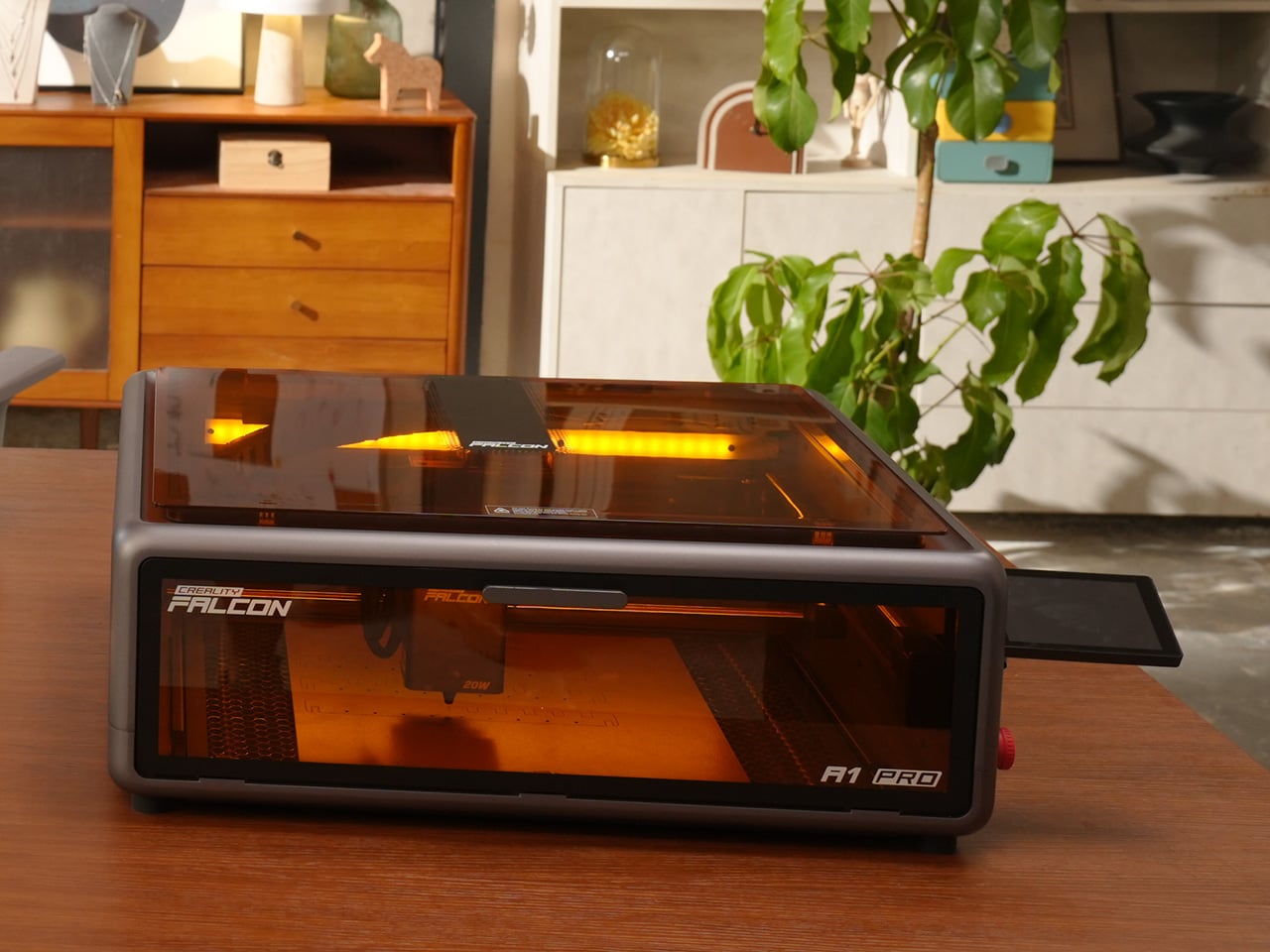
Creality Falcon A1 Pro 20W Laser Engraver: $719.10 $1,099.00
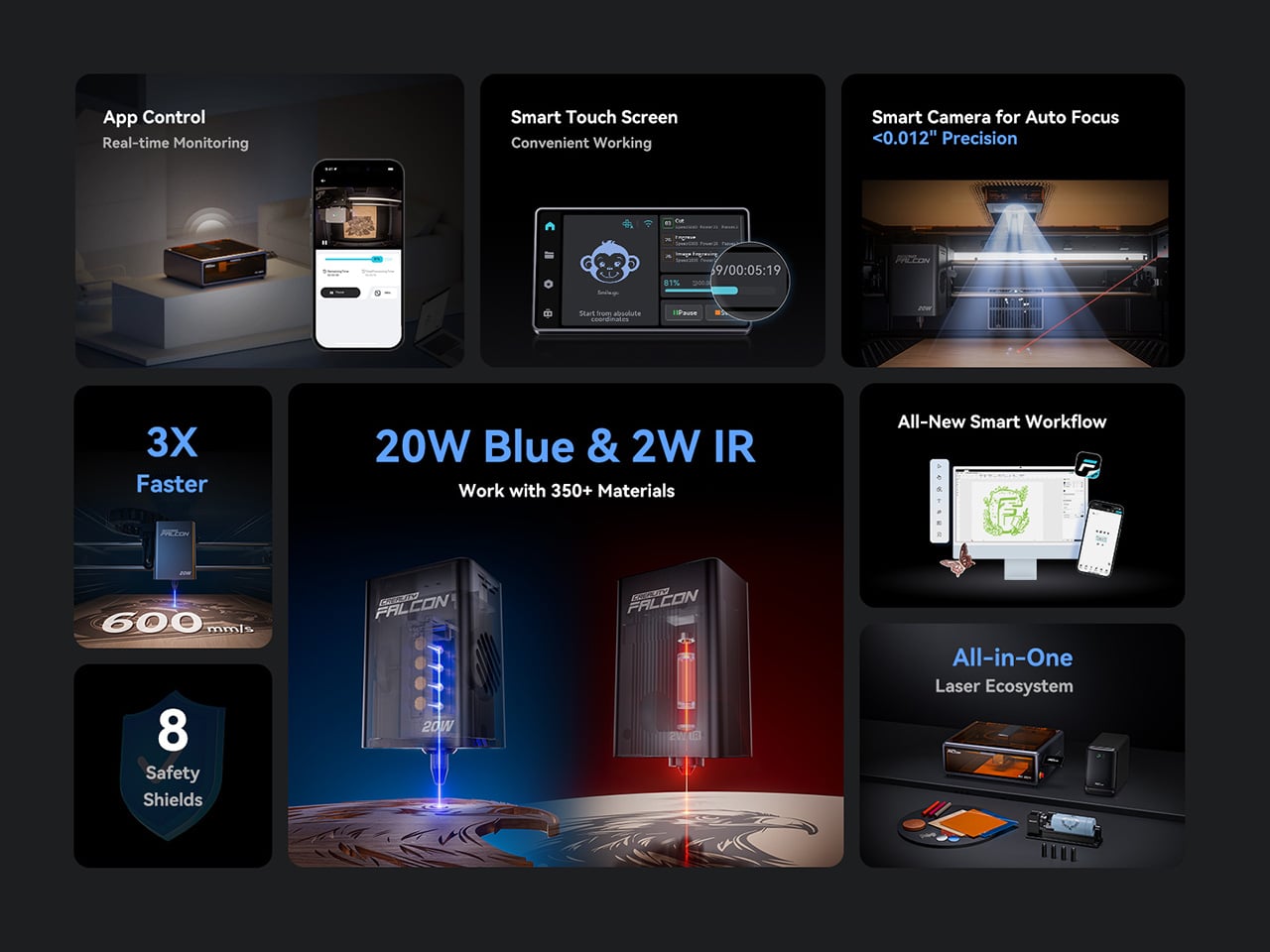
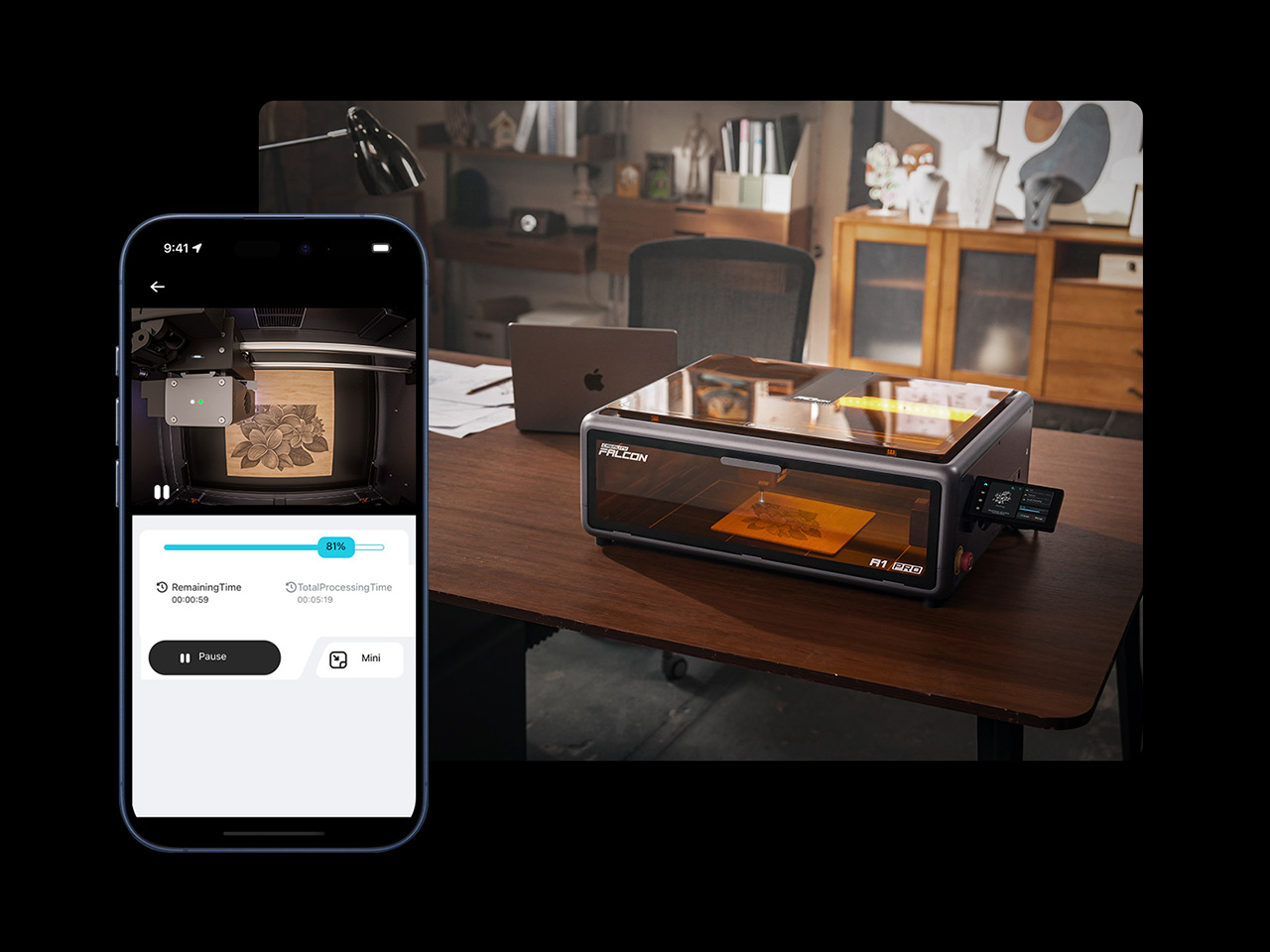
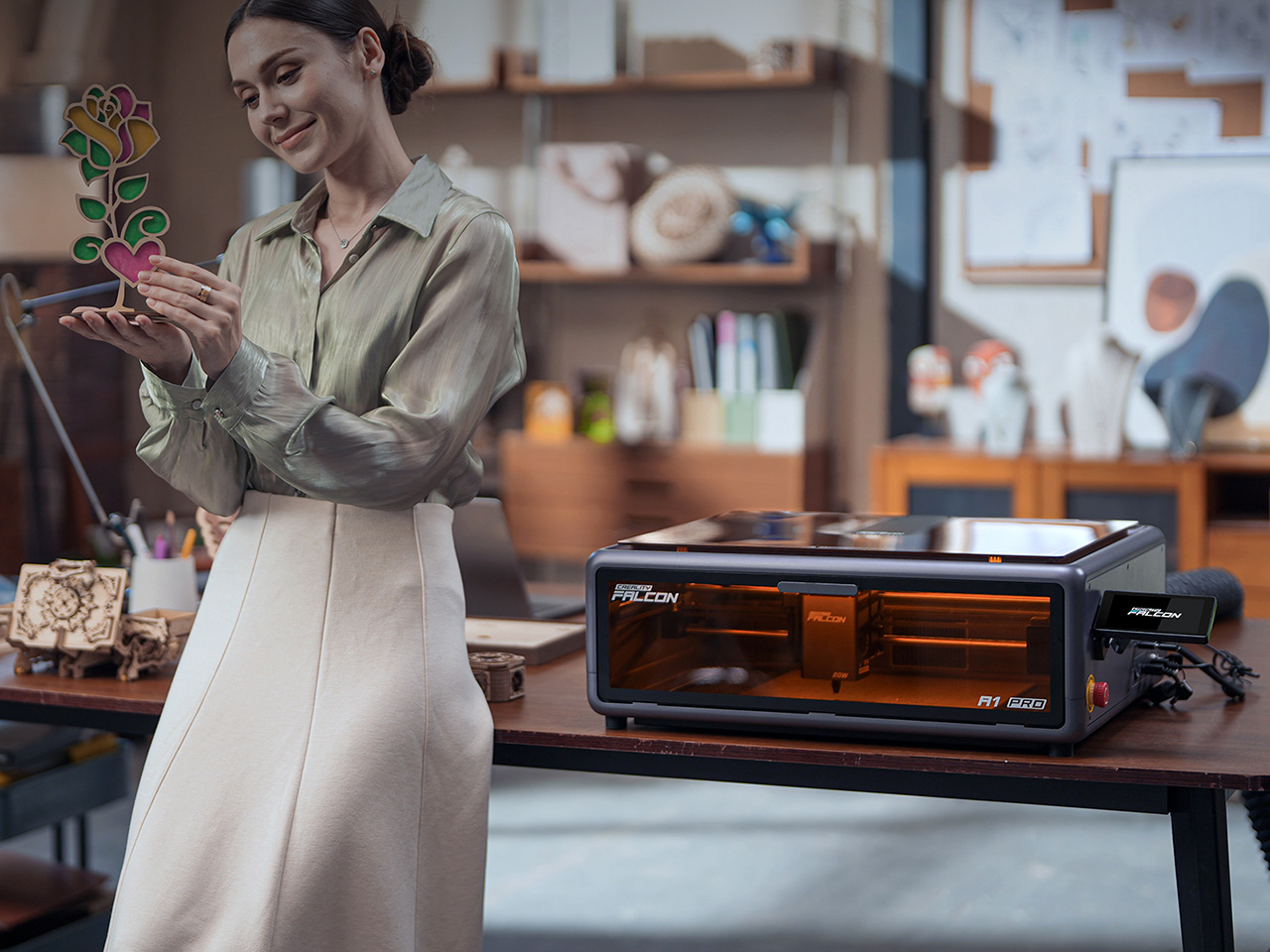
The Falcon A1 Pro sits at the upper end of what diode laser systems can realistically accomplish, and Creality has equipped it with the kind of features that used to separate prosumer machines from true commercial units. The dual 10W diode configuration, combined into a single 20W output beam, gives this engraver enough power to cut through 15mm plywood or 10mm acrylic in a single pass under optimal conditions. That’s approaching the cutting capacity of entry-level CO2 systems, but without the water cooling, tube maintenance, or ventilation complexity. For users who need to work with wood, leather, cardboard, coated metals, and various plastics, the diode approach offers a much simpler operational footprint.
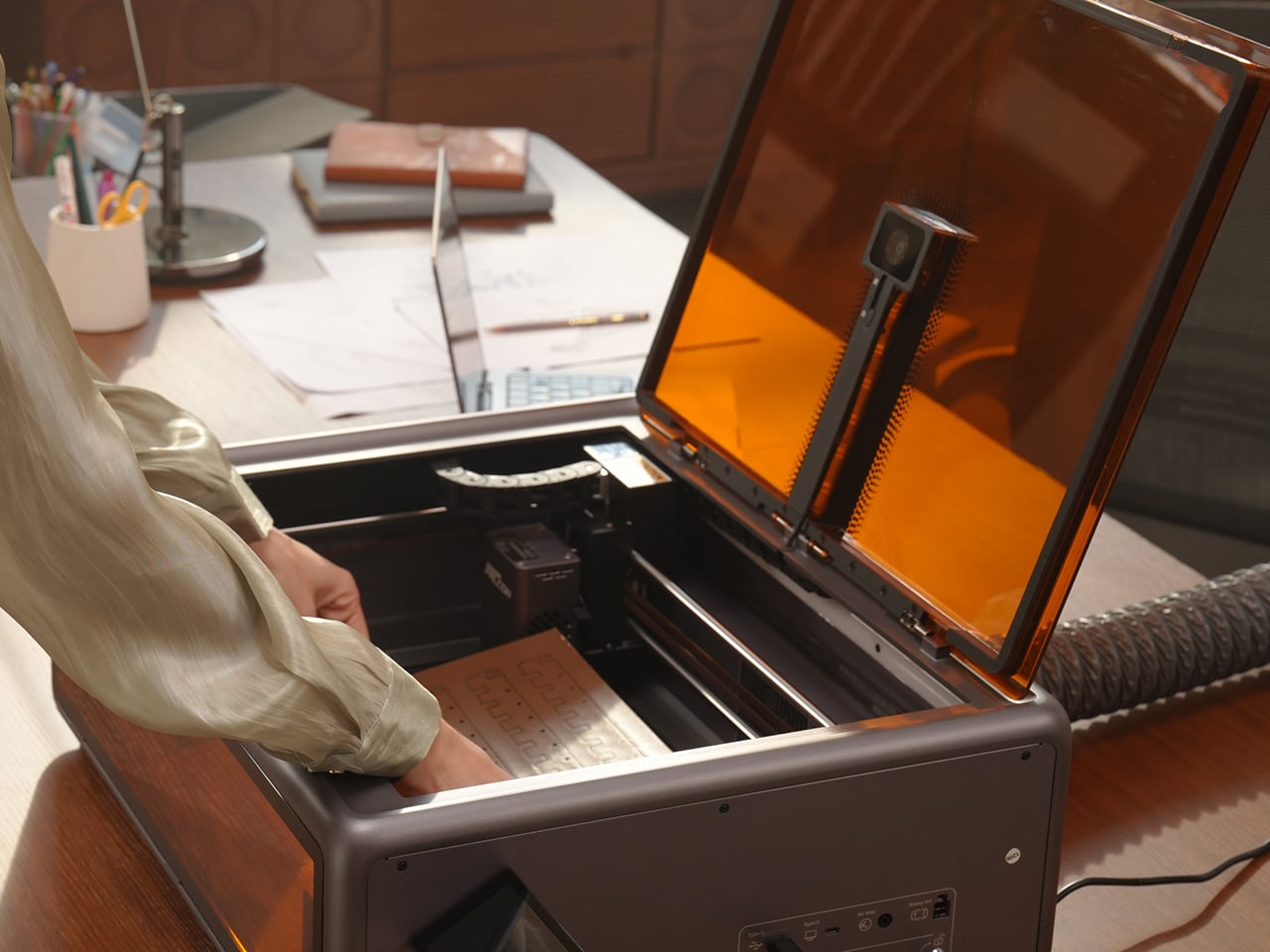
As publications like Techradar have pointed out, the entire field of laser engraving has become far safer and easier to use in the last year, reaching a point where the process is almost as simple as sending a drawing to a printer. The Falcon A1 Pro is a perfect example of this evolution. Imagine you’re running a small Etsy shop. One moment you’re engraving a batch of wooden coasters, and the next you need to cut custom acrylic keychains from thicker stock. On older machines, this meant a tedious manual recalibration process. Here, the motorized autofocus and built-in thickness probe handle it automatically. The machine measures the new material and adjusts the laser height for a perfect focus, eliminating guesswork and dramatically reducing setup time and wasted material. This level of automation is what turns a hobbyist tool into a reliable small business machine.
For anyone operating this machine in a home office, garage, or classroom, the full safety enclosure is a critical feature. It contains the Class IV laser emissions and traps fumes, but more importantly, it provides peace of mind. Integrated sensors for flame detection and door status mean you can confidently let a 45-minute engraving job run while you handle other tasks, knowing the machine will pause or stop if an issue arises. This security is complemented by the built-in air assist, which keeps the cutting surface clear of debris. This isn’t just about cleanliness; it results in cleaner cuts, sharper engravings, and less charring on materials like wood, which directly translates to a higher quality, more sellable final product.
At the current $719.10 sale price, the Falcon A1 Pro becomes a compelling option for small business use, not just hobbyist experimentation. The combination of cutting power, safety features, and workflow automation puts it in the same capability tier as machines that routinely sell for $1,500 or more. For product designers, sign makers, or makers running a side business, the ability to move from a digital file to a finished product with minimal supervision is what makes this machine a production asset. Paired with the Otter Lite scanner, the workflow becomes even more powerful: scan an object, modify it digitally, then laser-cut a custom mounting bracket or decorative surround in minutes. That kind of rapid iteration and customization is what defines modern small-scale manufacturing, and having both capabilities for under $1,500 total is a legitimate shift in what’s economically feasible for independent creators.
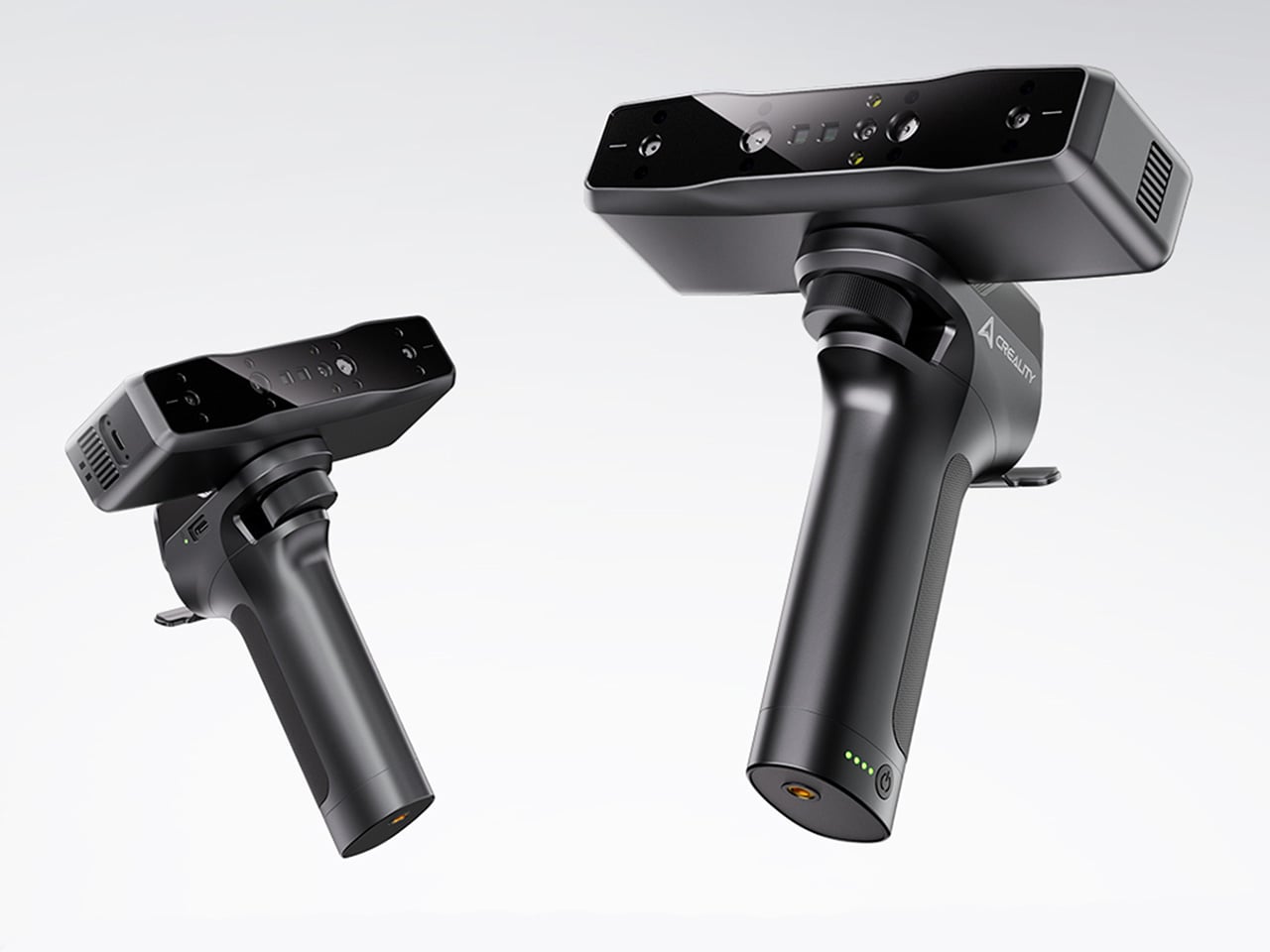
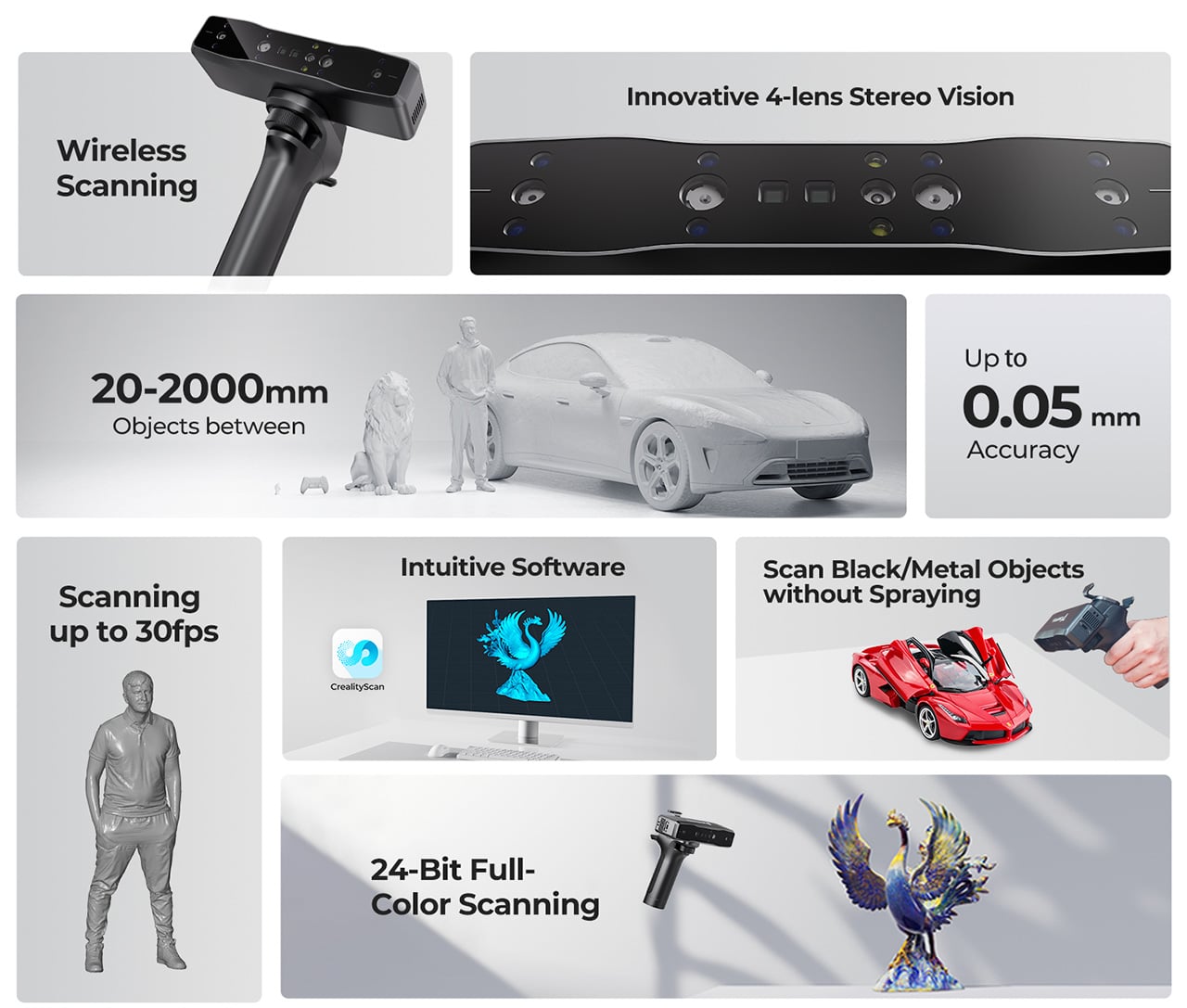
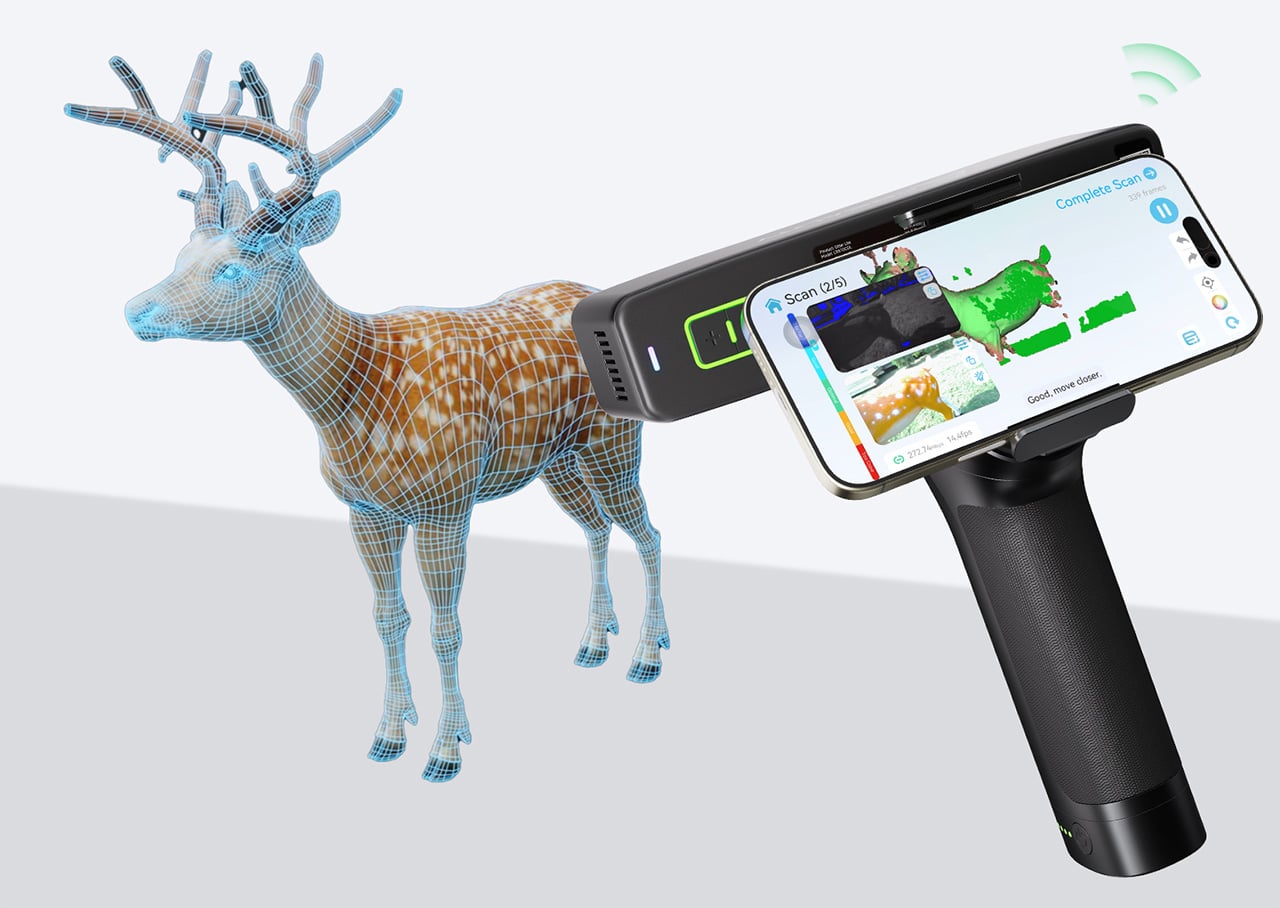
The Otter Lite represents one of the more significant shifts in the consumer 3D scanning market over the past year. Creality has managed to pack features typically found in scanners that cost twice as much into a wireless handheld device that achieves 0.05mm accuracy across a flexible working range. The four-lens stereo vision system is doing most of the heavy lifting here, allowing the scanner to maintain tracking and precision even when working with tricky surfaces like reflective metals or matte black plastics. That’s a problem that has plagued budget scanners for years, often requiring users to coat objects in developer spray or talcum powder before scanning. The Otter Lite handles these materials natively, which removes a tedious preprocessing step and makes the workflow considerably faster.
Picture scanning a vintage car door handle for a restoration project. You’re working in a garage with no convenient outlet nearby, moving around the vehicle to capture different angles and details. The Otter Lite’s three-hour battery life means you can complete the entire scan session without hunting for power or dealing with extension cords snaking across the floor. The 20mm to 2000mm working envelope handles both the small mounting hardware and the full door panel in the same session. Or consider a scenario where you’re digitizing a client’s sculpture at their studio: the wireless operation lets you walk a full 360 degrees around the piece, capturing undercuts and complex geometry without repositioning cables or worrying about tripping over your own setup. The anti-shake tracking compensates for the minor hand movements that happen when you’re reaching around awkward angles or holding the scanner overhead.
The scanner works across Windows, macOS, iOS, and Android platforms, which matters more than it might seem at first. Being able to start a scan on your laptop, then switch to a tablet for field work, or even use your phone for quick capture jobs, removes the friction of being locked into a single device. The bundled software handles alignment, mesh generation, and texture mapping without requiring deep technical knowledge, and the 30fps scanning speed with full 24-bit color capture means you’re getting texture fidelity that’s actually usable for color-matched 3D printing or detailed visualization. Exporting clean meshes directly into Fusion 360, Blender, or your slicer of choice happens without the usual manual cleanup that budget scanners demand.
At $546.30 during this sale, the Otter Lite is priced aggressively enough to make 3D scanning a realistic addition to a home workshop rather than a luxury reserved for professional studios. The jump from budget photogrammetry rigs or sub-$300 scanners to something with this level of precision and ease of use is substantial. For anyone doing custom part fabrication, cosplay props, small-scale manufacturing, or educational projects, having the ability to quickly digitize a reference object or create a baseline model for modification changes the speed and flexibility of the entire creative process. This discount puts it within range of a strategic investment rather than a speculative purchase.
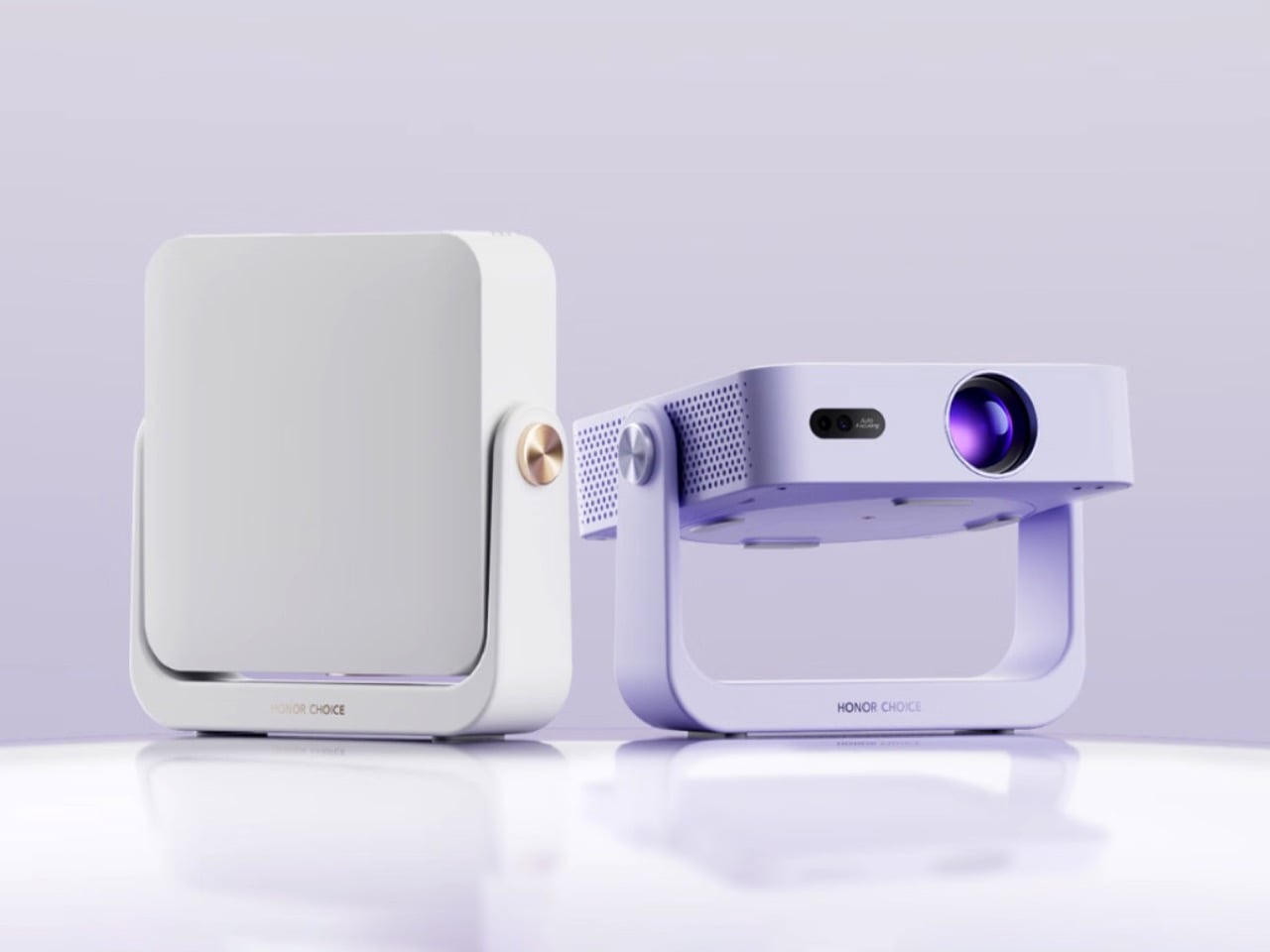
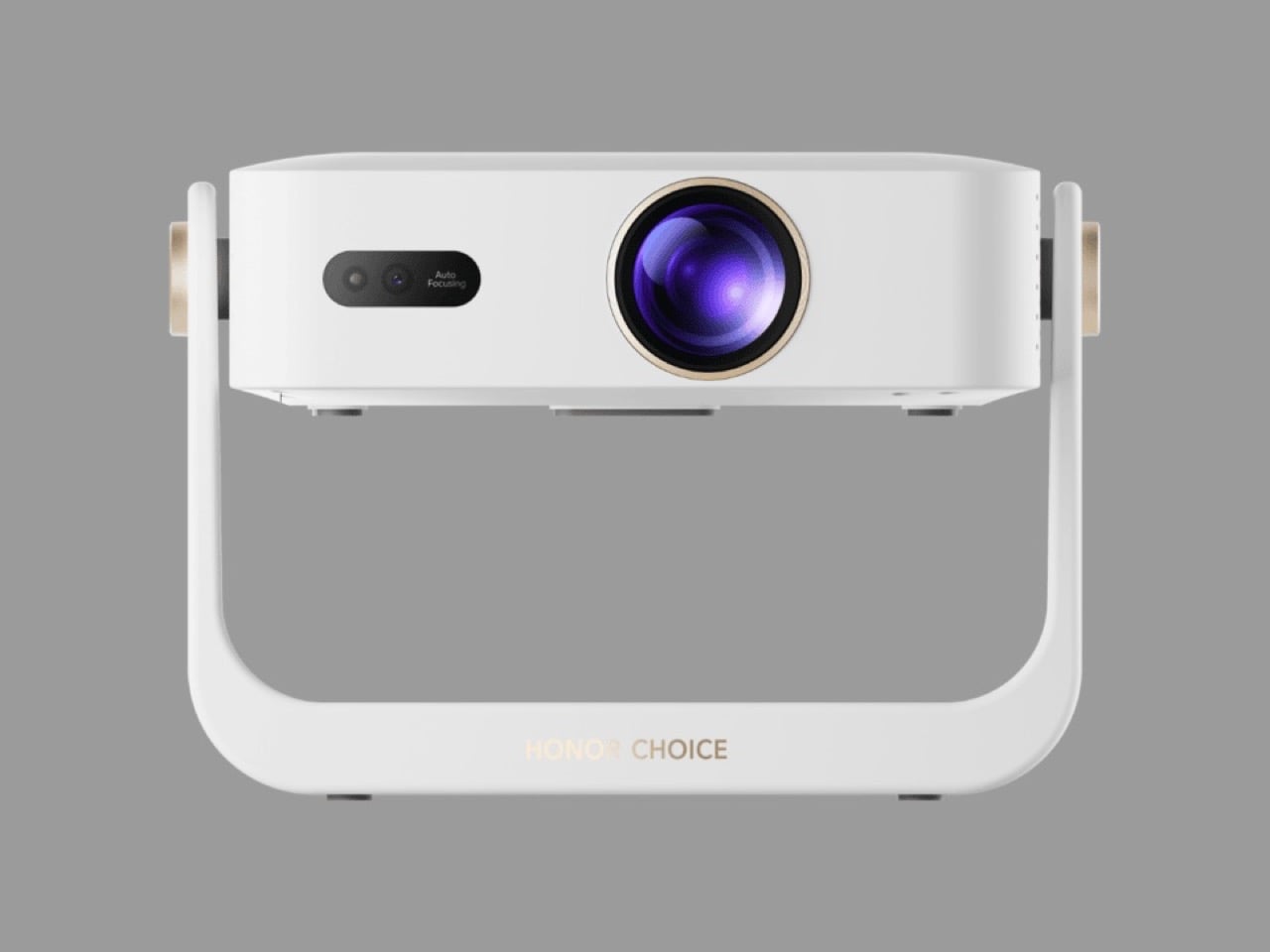
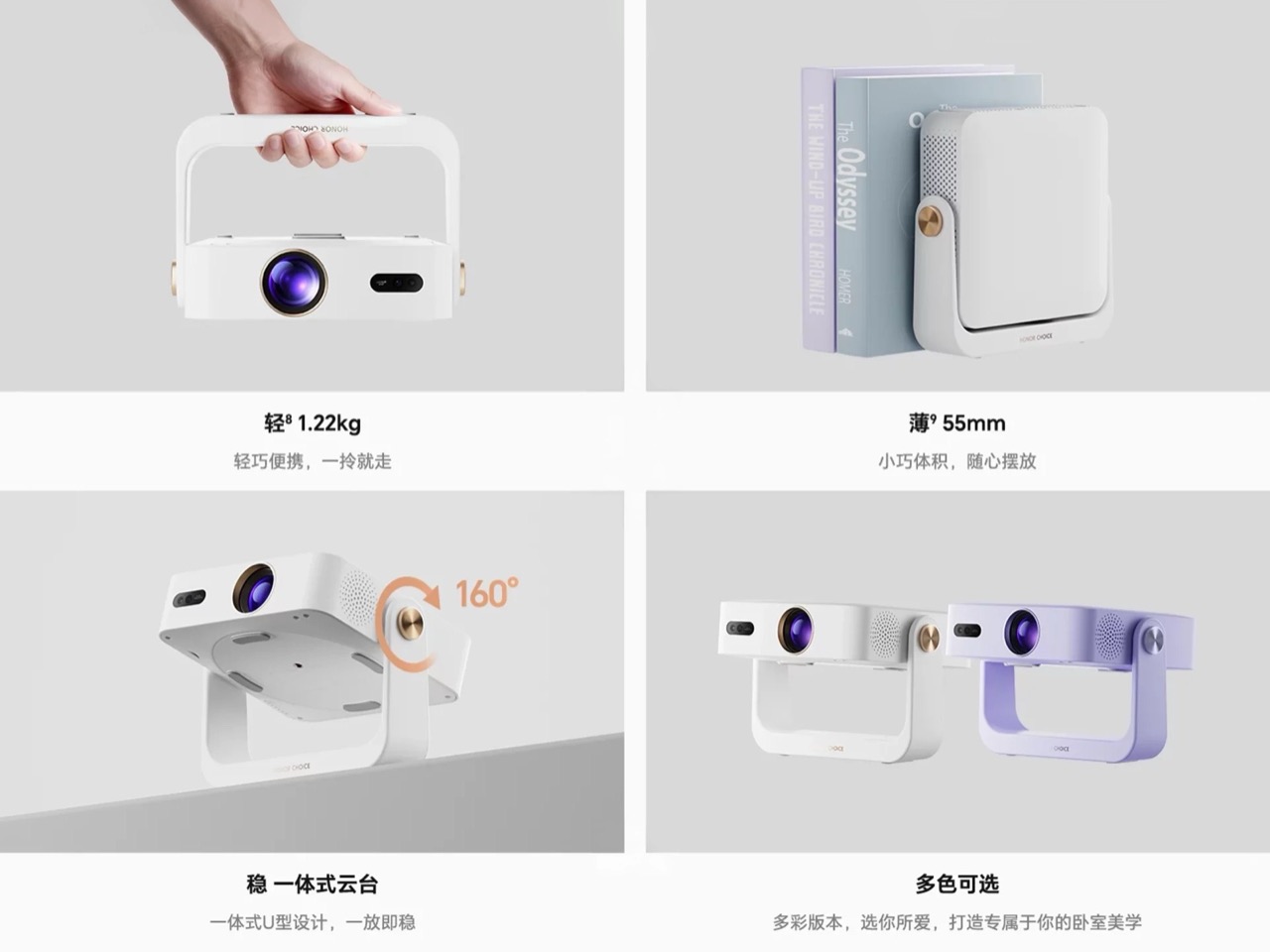
Why sketch on a 15″ tablet when you could draw on a 150″ virtual screen? Honor just announced the Choice AI Projector Air, and it wants to turn your living room wall into the world’s cheapest interactive whiteboard. For 599 yuan (roughly 84 dollars), you get a compact 1080p LCD projector with stylus input, gesture controls, and enough quirks to make it feel less like a home theater device and more like a tablet that escaped its bezels. It ships in China starting December 8 in white and purple, and the spec sheet suggests Honor is betting that interaction matters more than raw brightness at this price.
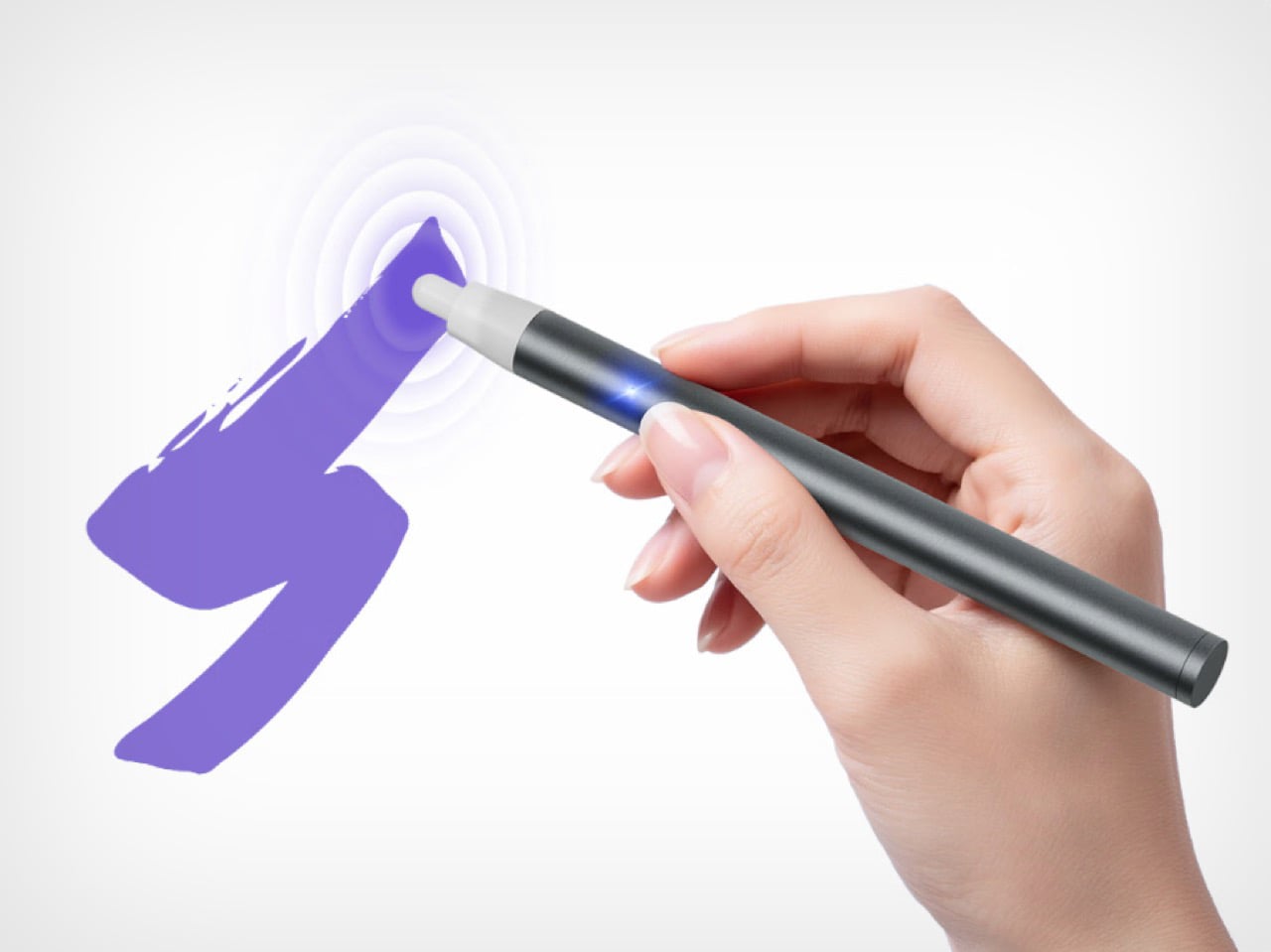
The basics are straightforward: 1080p resolution, 280 CVIA lumens, Wi-Fi 6, Bluetooth 5.0, HDMI 2.0, and a 5W speaker. The interesting part is what happens when you pair it with the stylus. You can tap UI elements, sketch on the wall, play pen-driven games, or just draw terrible stick figures during game night while your friends yell out Pictionary guesses. The projector also supports gesture controls and can tilt up to 160 degrees, so ceiling projection is on the table. Honor hasn’t said much about tracking accuracy or the software ecosystem yet, but the concept is clear: instead of just throwing pixels at a surface, this thing wants you to interact with them. Whether it pulls that off or just ends up as a novelty feature depends entirely on execution.
Designer: HONOR
This approach is a clever way to sidestep the usual budget projector arms race. Instead of trying to compete in the crowded market of generic streaming boxes that just happen to have a lens, Honor is creating a new niche. The “AI” in the name likely refers to the practical computer vision tasks handled by its Hisilicon chip, powering features like gesture recognition and intelligent image correction for things like obstacle avoidance and keystone adjustments. It is not about generative art, but about making the device smarter and more intuitive to use, which feels like a more honest application of the term in a device this affordable.
Of course, the experience will live or die by its responsiveness. A laggy stylus on a giant screen would be an exercise in frustration, and finicky gesture controls are often more trouble than they are worth. The 280 CVIA lumens rating also means this is strictly a lights-off device, destined for dim bedrooms and movie nights, not sunlit living rooms. But these are acceptable trade-offs for the price. Honor isn’t trying to build a perfect projector; it’s trying to build an interesting one. For about 84 dollars, the company is not just selling a piece of hardware, it is selling a clever, interactive experiment, and that is far more compelling than another anonymous black box.
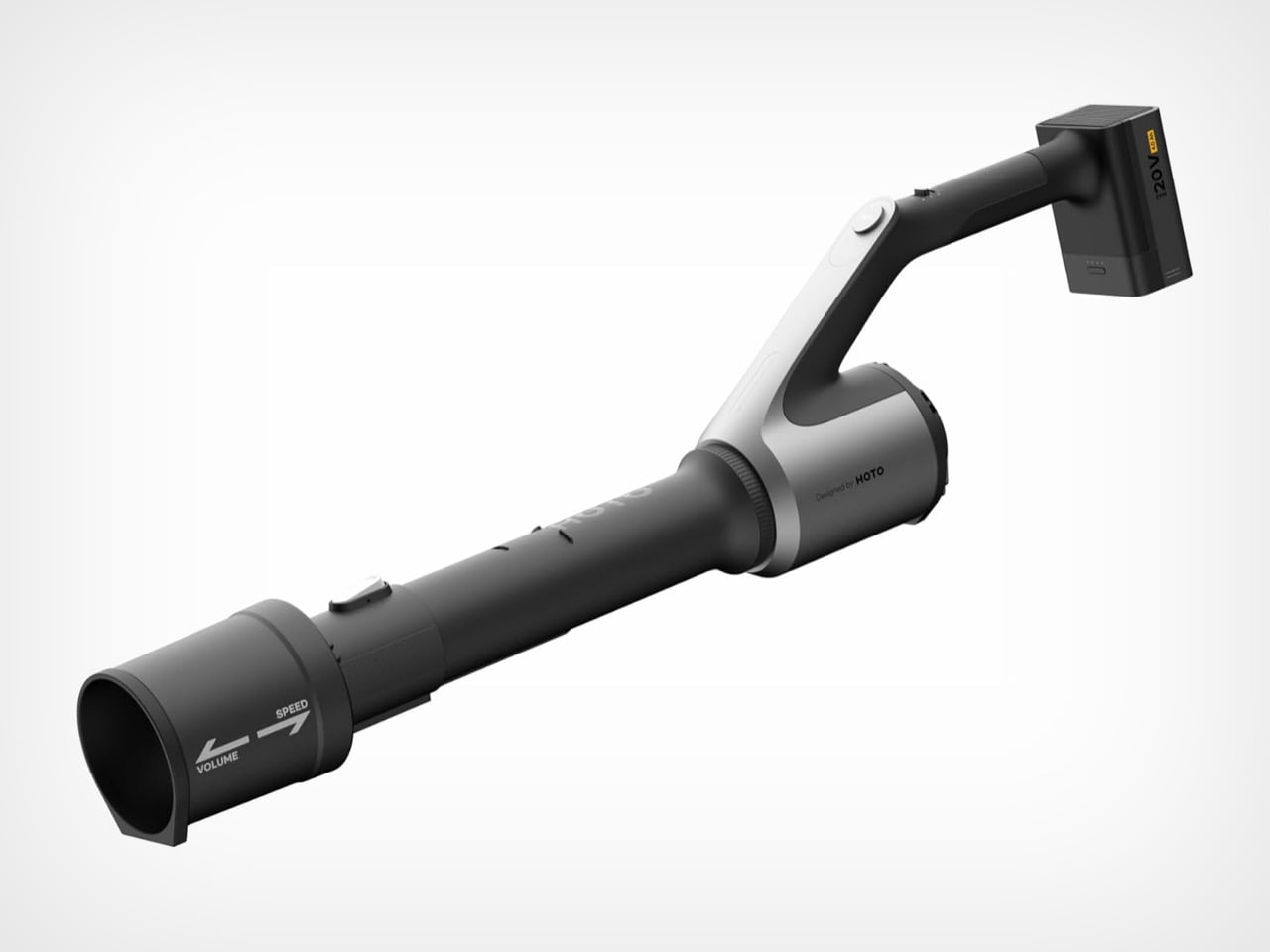
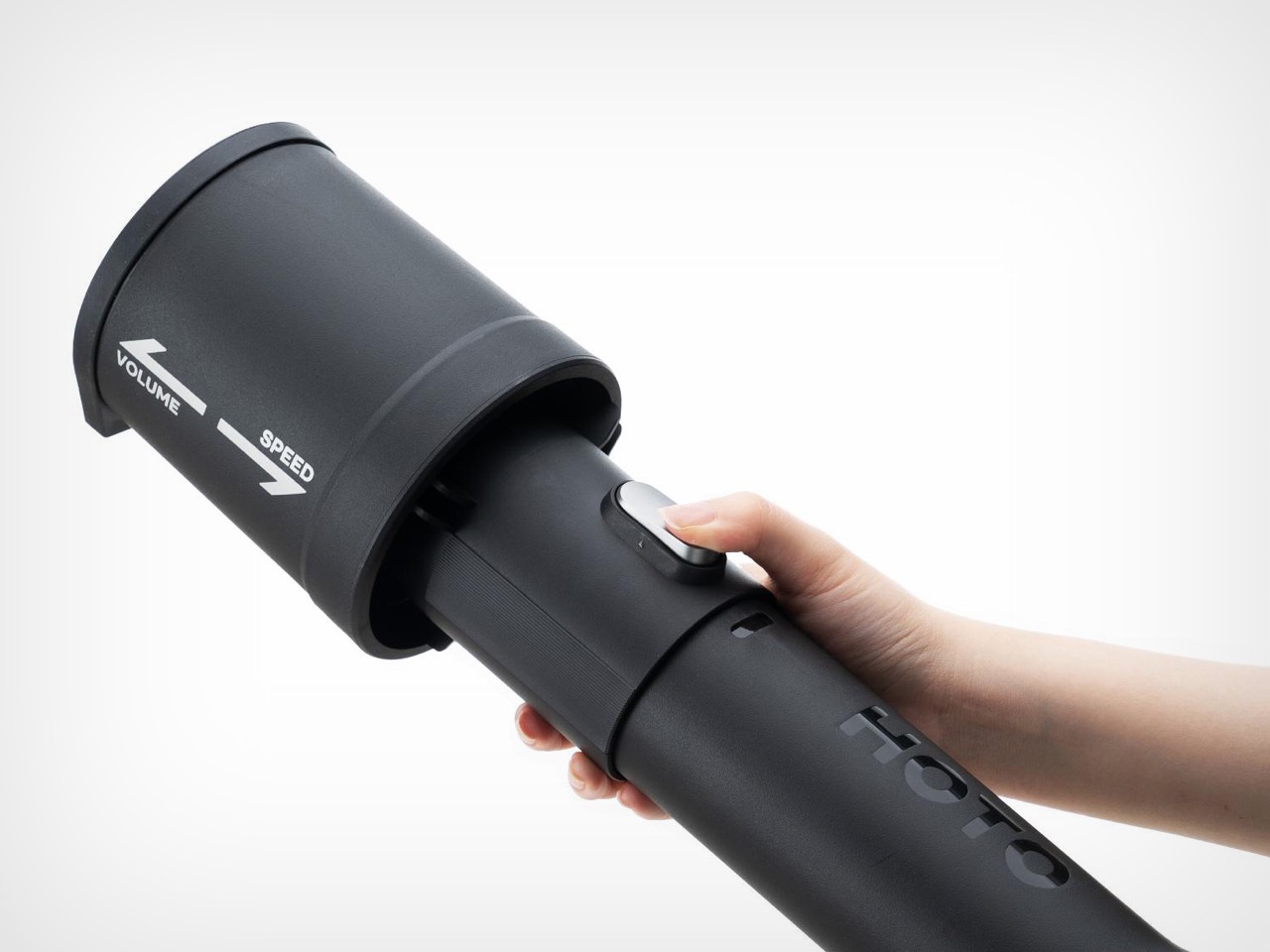
Most yard tools look like they were designed in 1987 and never got the memo that aesthetics matter. Bosch green, DeWalt yellow, Milwaukee red, all shaped like someone welded a tube to a motor and called it done. Then Hoto shows up with a 20V leaf blower that looks like it fell out of a District 9 prop truck, all sleek curves and matte surfaces, the kind of thing you’d expect to see mounted on a space marine’s hip rather than hanging in a suburban garage. It’s aggressively not a traditional leaf blower, and that’s either going to appeal to you immediately or make you wonder if form just murdered function.
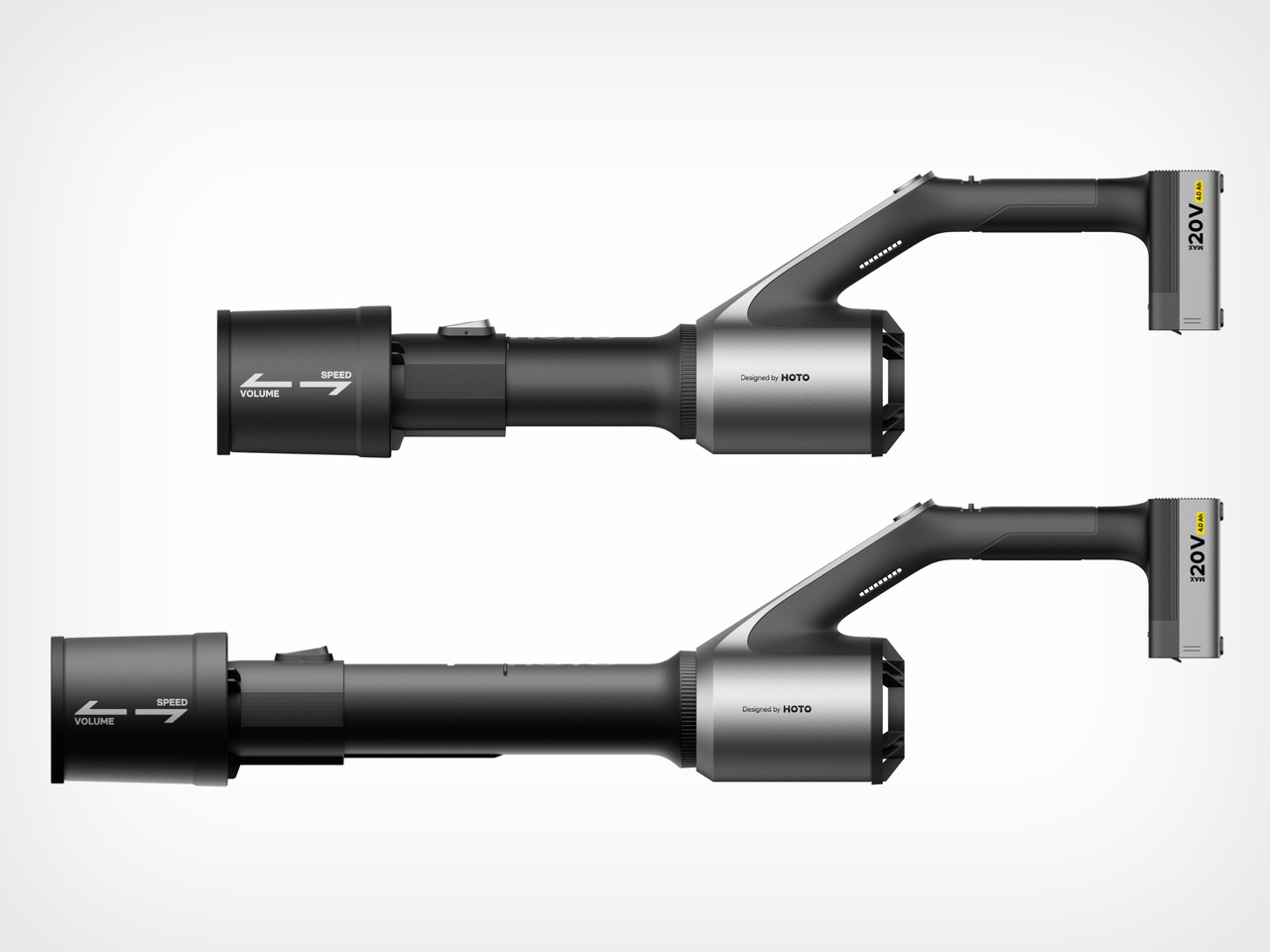
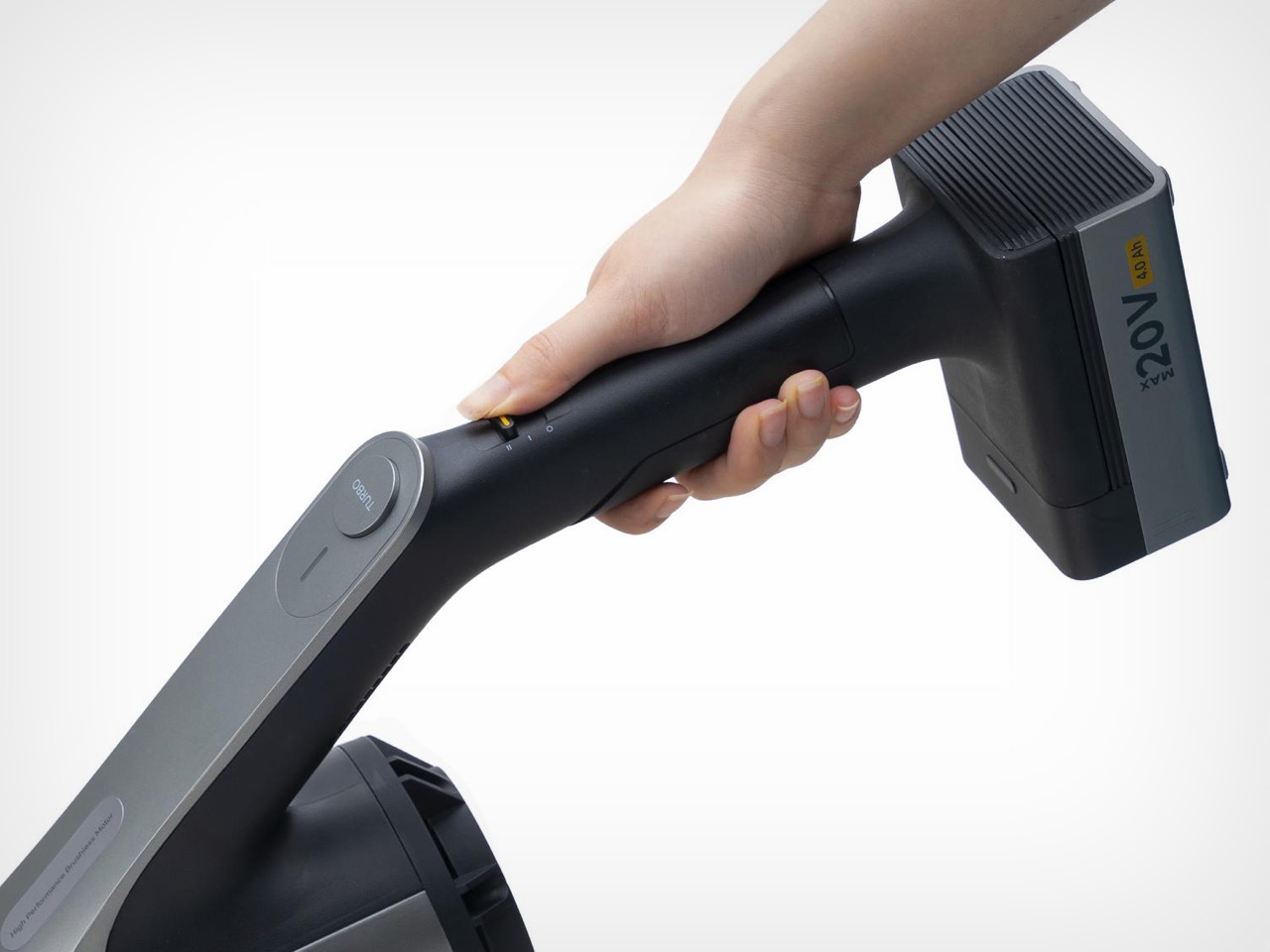
Here’s the thing, though: weird-looking tools only get a pass if they actually work. A beautifully designed blower that can’t move wet leaves is just expensive wall art. Hoto’s betting that 720 CFM and 120 MPH in a 7-pound package will back up the sci-fi vibes, aiming squarely at people with small yards, patios, or garages who want something that doesn’t scream “big box store clearance aisle” every time they pull it out. Whether that gamble pays off depends on what you’re actually trying to blow and how much you care that your tools look like they belong in a Dyson showroom.
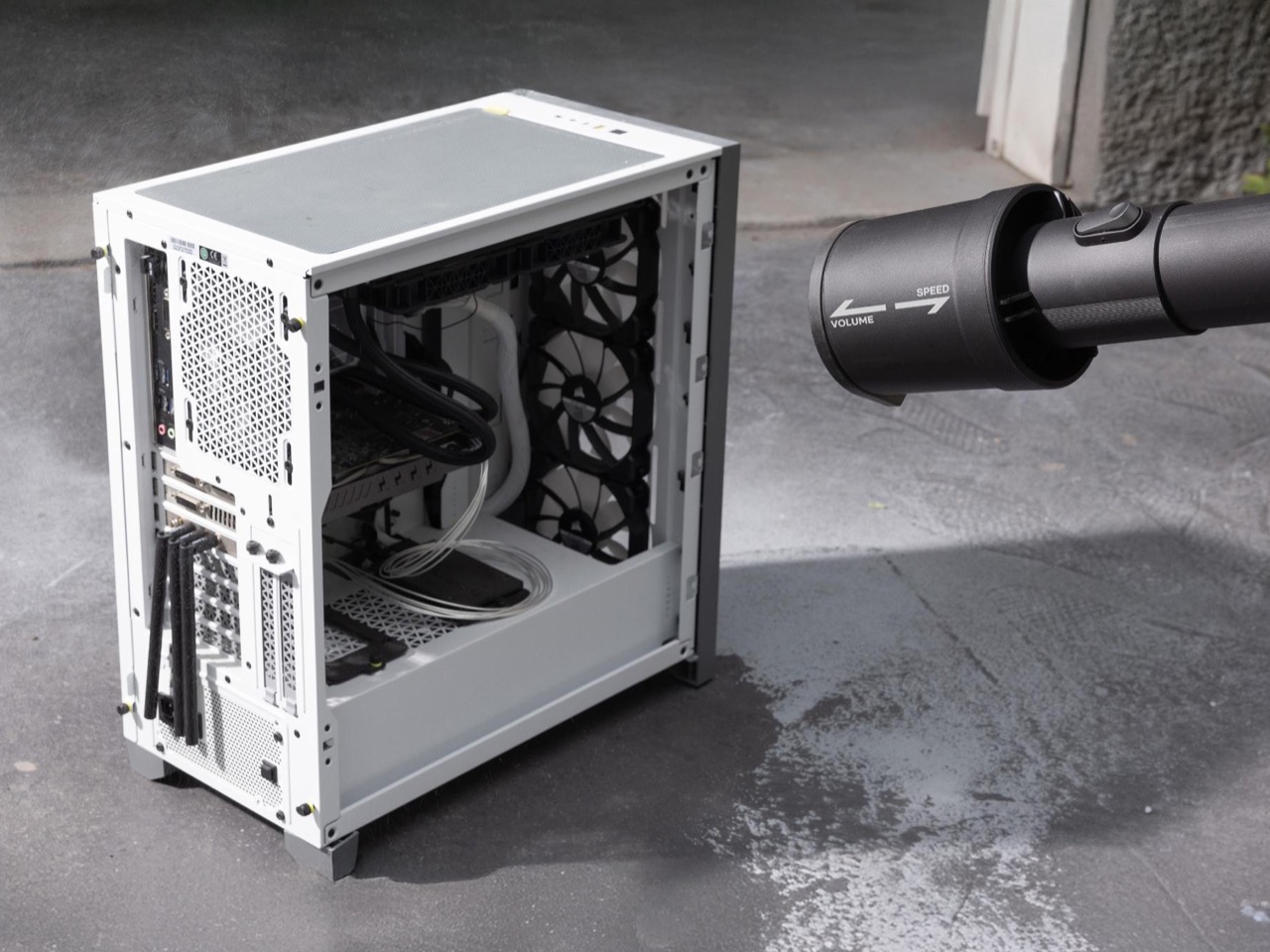
At around seven pounds with the battery, it’s not feather-light, but the weight is distributed in a way that makes it feel more like a wand than a cumbersome piece of equipment. It’s a one-handed affair, easily maneuverable around patio furniture or into tight corners. Firing it up is a simple affair with three distinct power levels. On the lower two settings, it’s perfect for sweeping out the garage, clearing sawdust from a workbench, or herding dry leaves across a driveway. It handles these everyday tasks with a quiet confidence, making quick cleanups feel genuinely effortless. The real surprise is how much air it moves without the high-pitched whine that makes your neighbors hate you.
Crank it up to its turbo mode, however, and you get a glimpse of both its power and its limitations. That 720 CFM figure feels legitimate for a few glorious, deafening moments as it blasts stubborn debris and even light, fluffy snow off a car. But this is a 20V tool, not a 56V monster, and that burst of power comes at a cost. The battery, a 4,000 mAh pack, will give you a solid 20-30 minutes of runtime on the lower settings, but leaning on the turbo button drains it in about four minutes. This isn’t the tool for clearing a quarter-acre of wet, matted-down leaves. It simply doesn’t have the endurance.
But that’s the point. The Hoto 20V blower isn’t trying to compete with the gas-guzzling beasts used by professional landscapers. It’s for the person who values design, convenience, and having the right amount of power for modern living spaces. The battery even charges via USB-C, a welcome touch that means one less proprietary charging dock cluttering up your life. It’s a tool designed for the 90% of jobs that don’t require overwhelming force, and it does them exceptionally well while looking cooler than any other blower on the block.
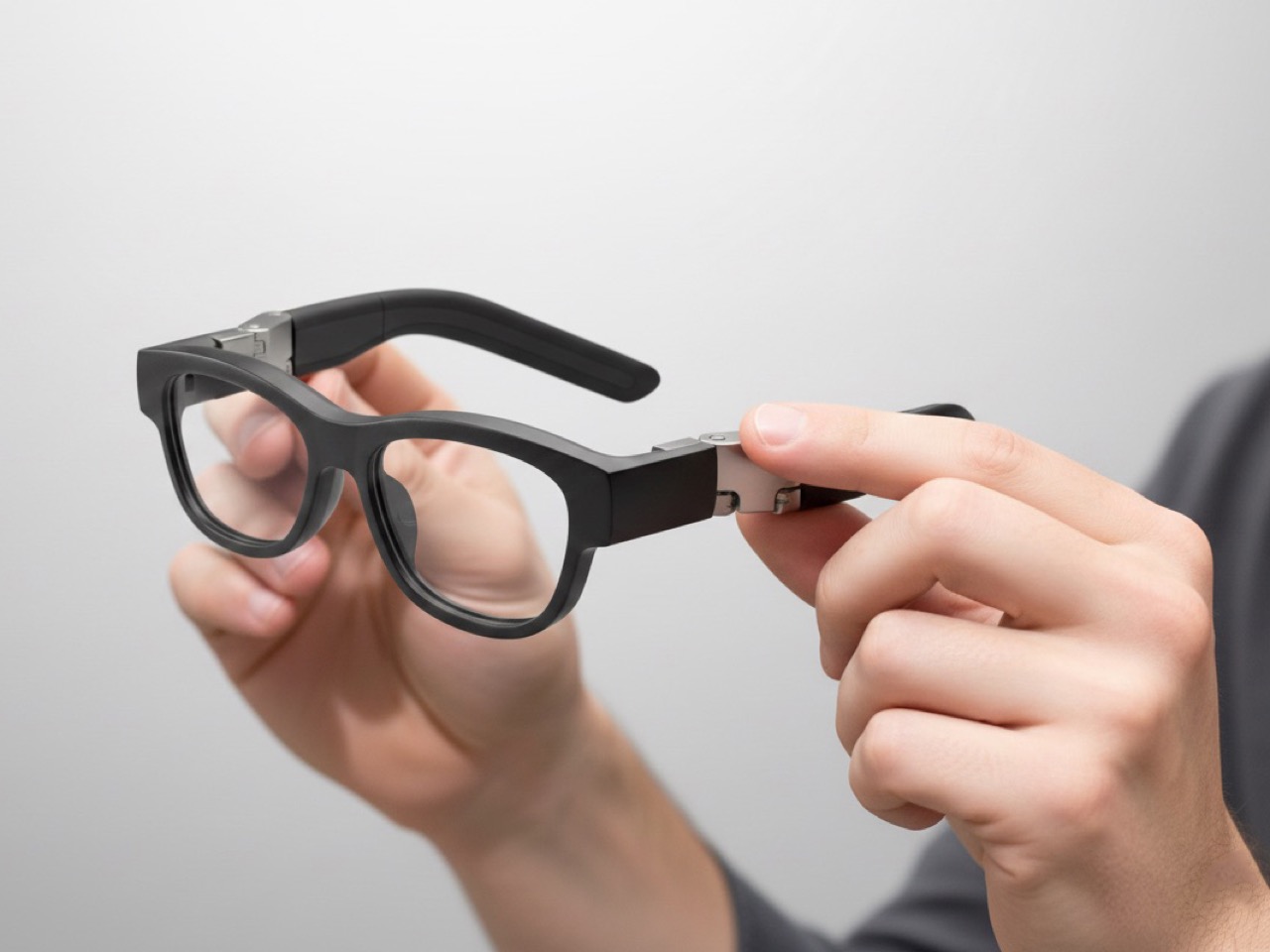
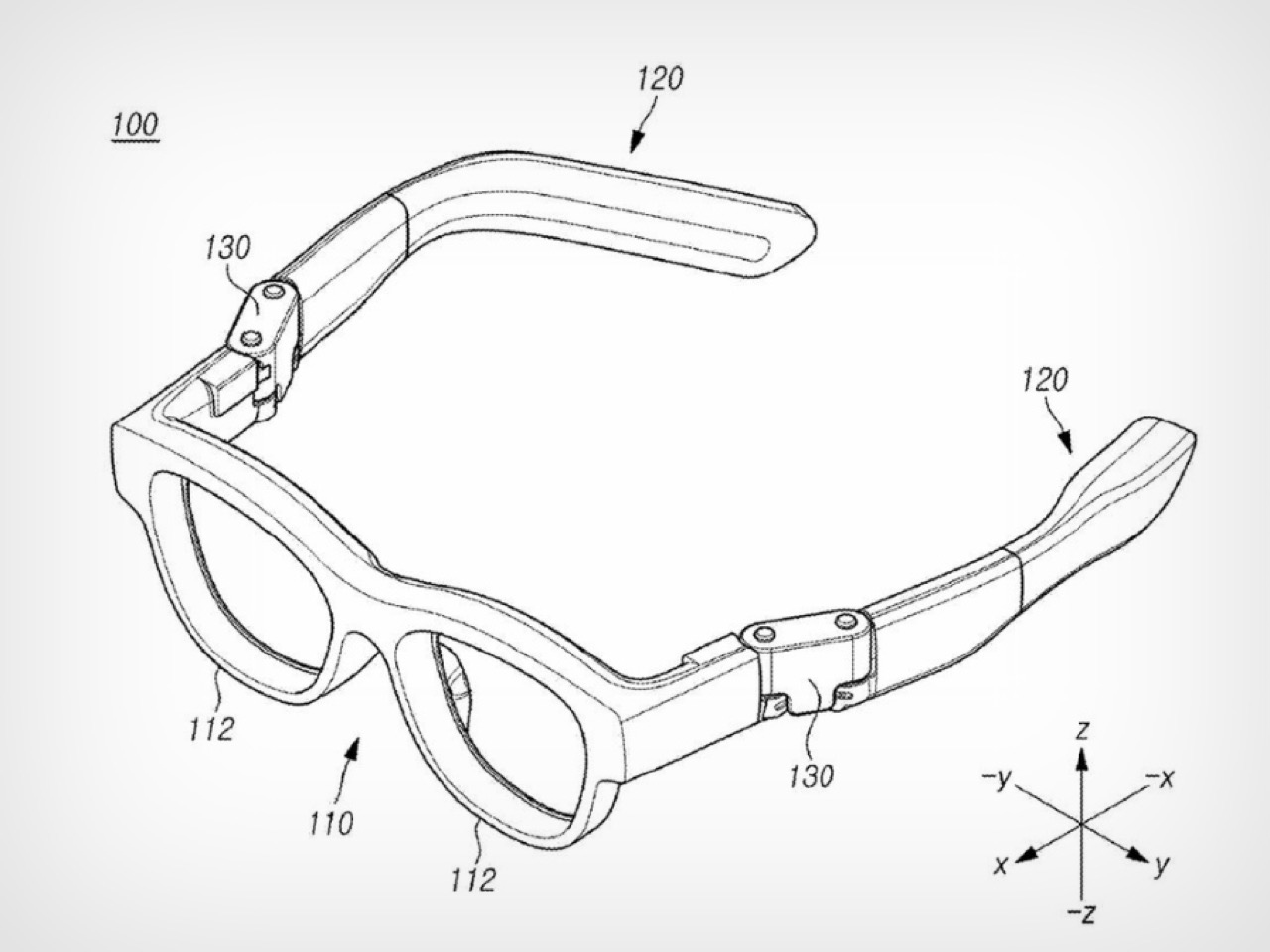
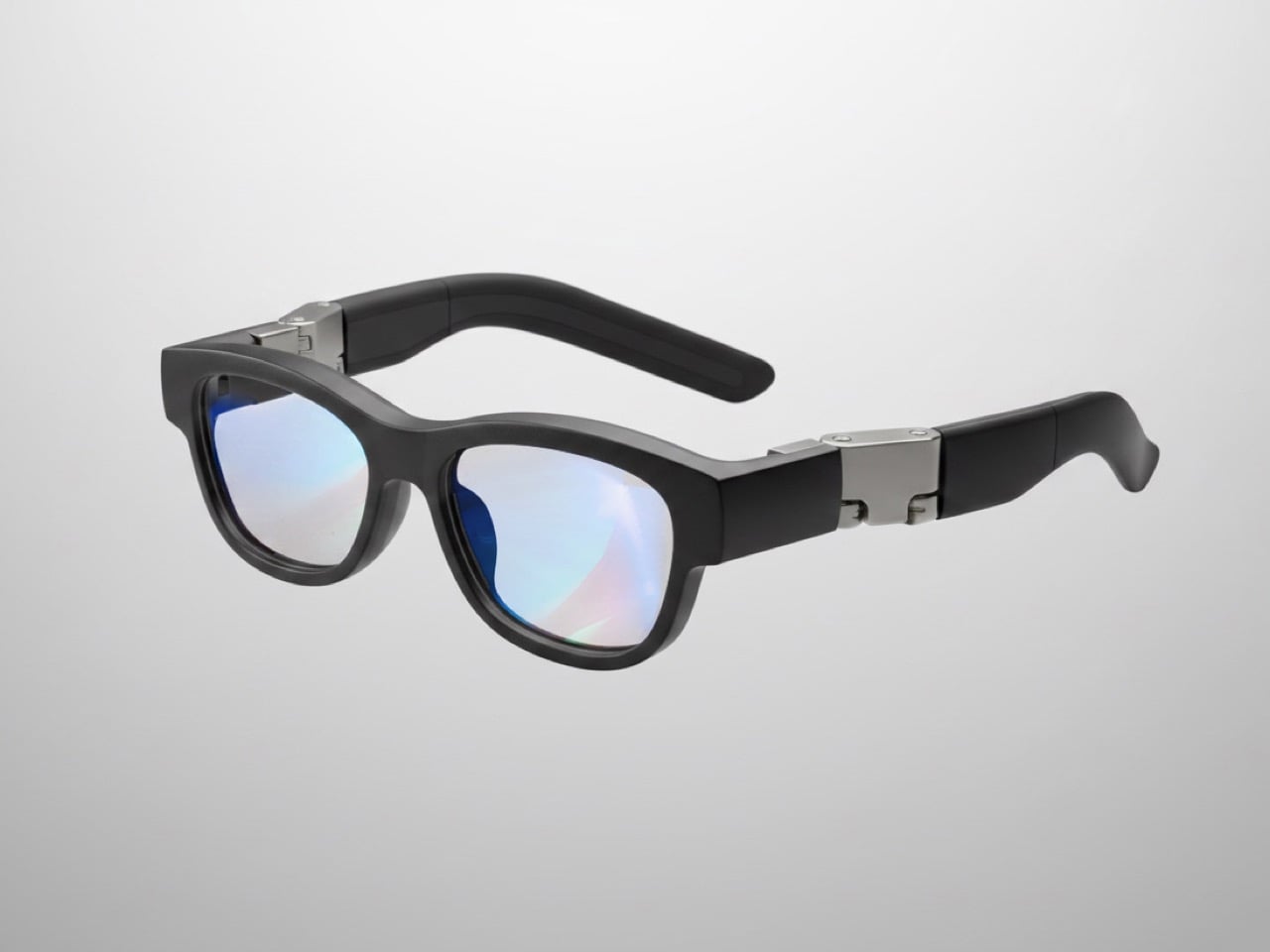
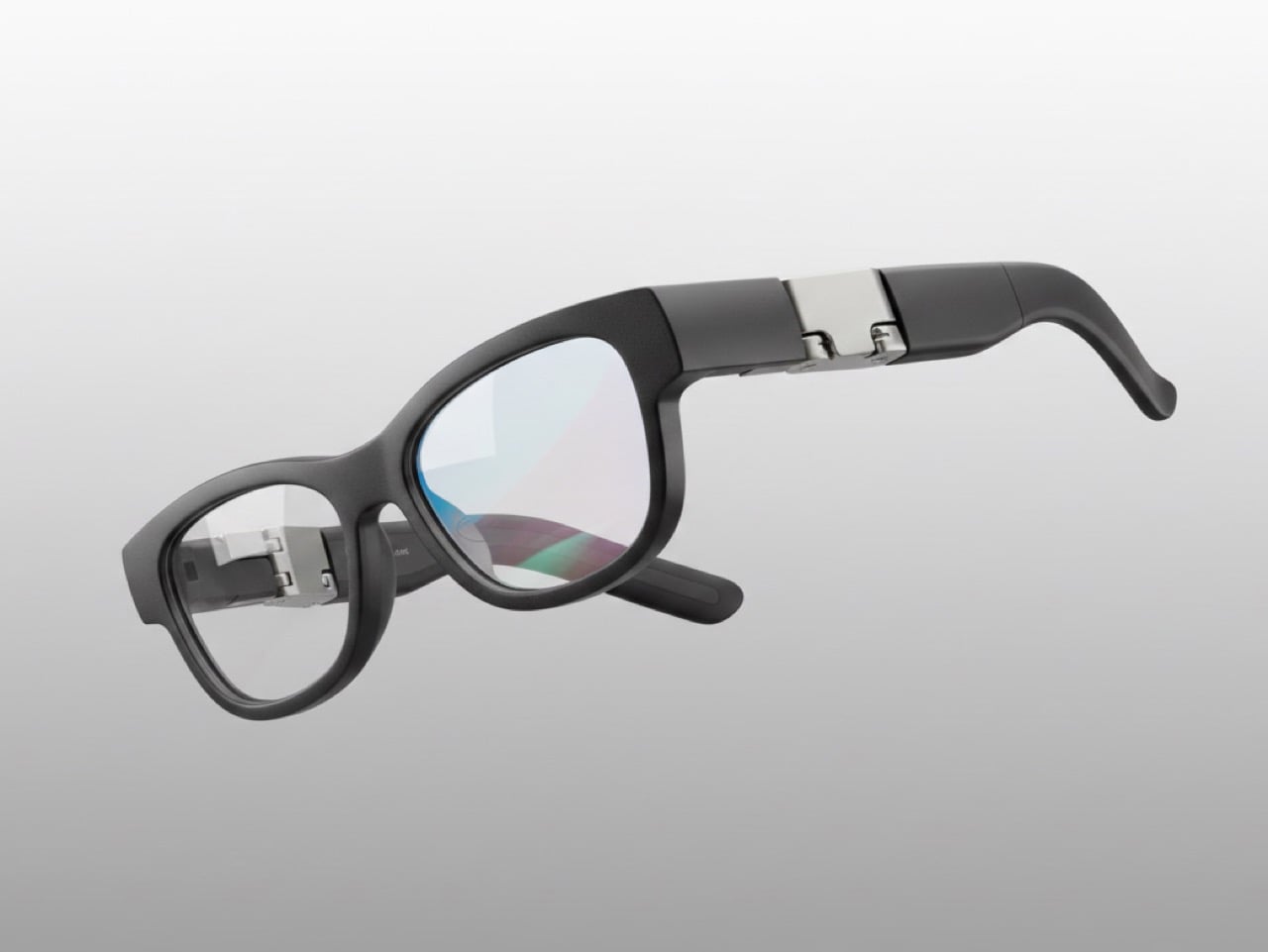
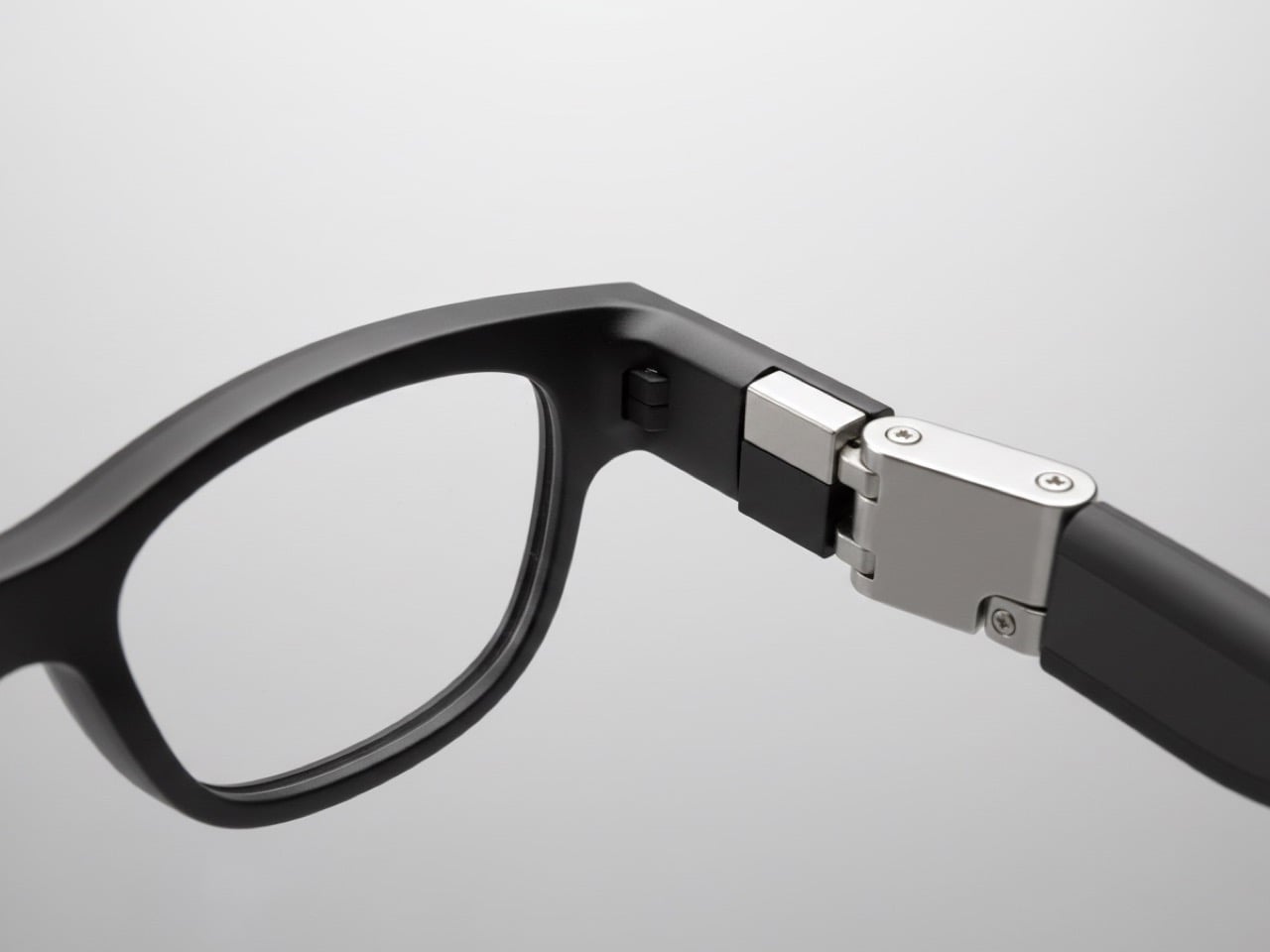
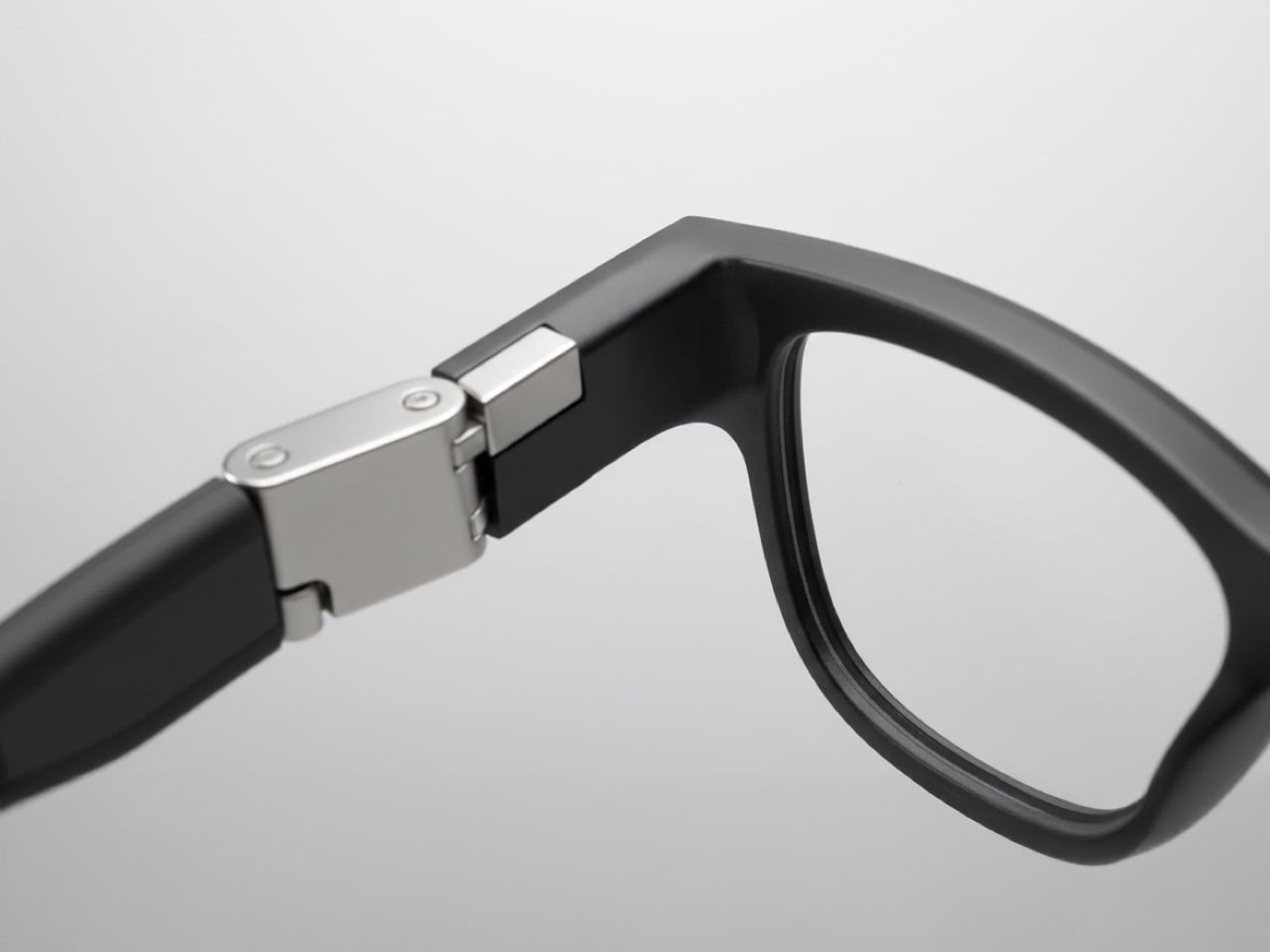
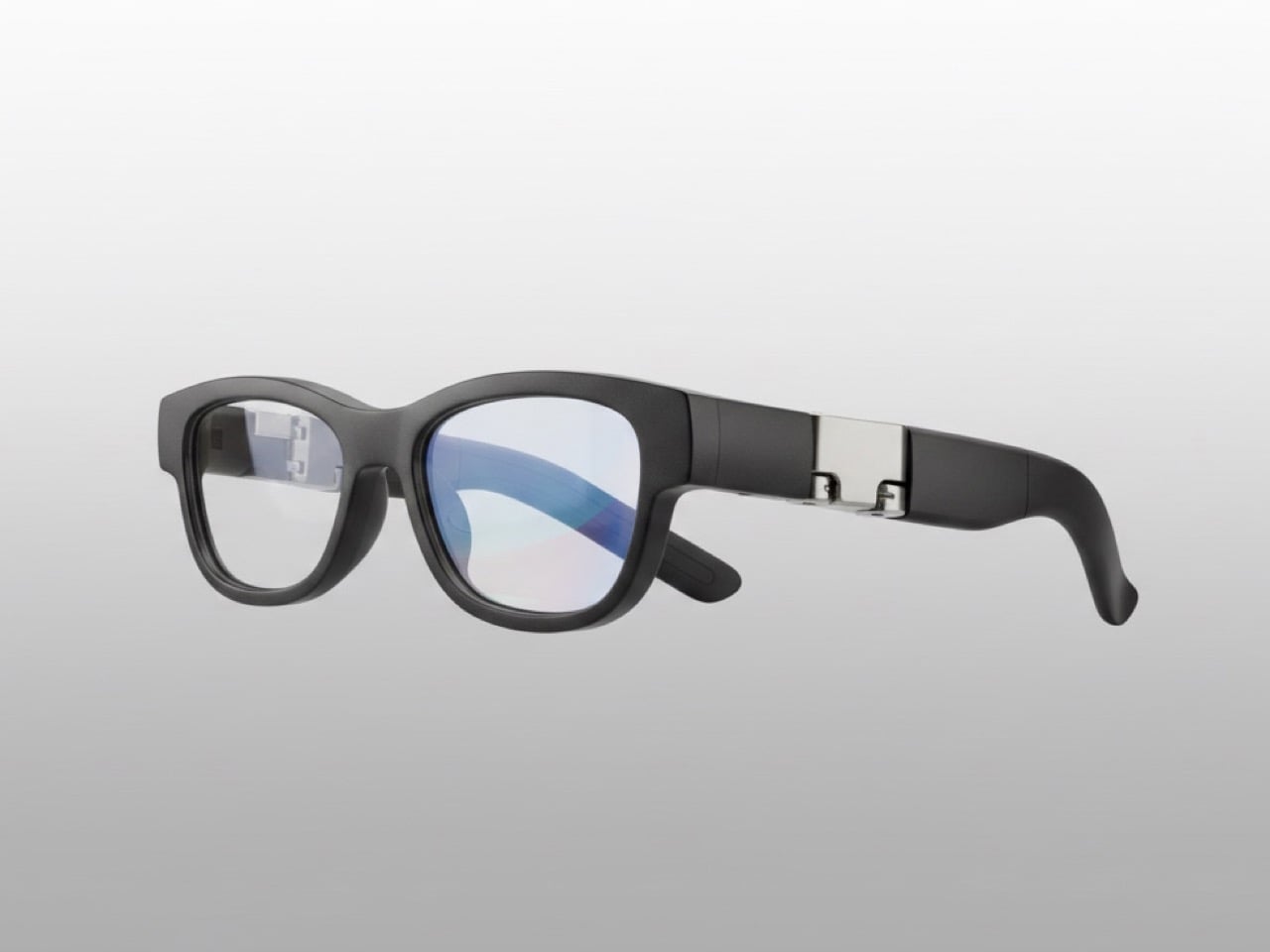
Samsung just published a patent for smart glasses with a pulley-and-cable hinge system, which sounds about as exciting as reading appliance manuals until you realize it’s solving the problem that kills most wearables: they don’t actually stay on your head comfortably. The mechanism synchronizes both temple arms so when one adjusts, the other follows automatically. This matters because smart glasses tend to slide around the moment you tilt your head or start moving, and no amount of fancy AR features can compensate for constantly pushing them back up your nose.
Here’s why this is so interesting. Meta’s Ray-Ban glasses have quietly sold over 2 million pairs, growing 60 percent year over year, which means there’s actually a market for this stuff when done right. Samsung’s apparently aiming for a 2026 launch at around $379 with a 50-gram frame, photochromic lenses, a 12MP camera, and Gemini AI handling translations and notifications. They’re partnering with Gentle Monster and Warby Parker, which suggests someone there finally understood that tech specs don’t matter if people feel ridiculous wearing them in public.
Designer: Samsung
The patent itself (image above) shows Samsung thinking through actual wearing scenarios rather than just cramming in features. The dual-axis hinge distributes pressure evenly and prevents the kind of hotspots that develop after an hour of wear. They’ve also filed separate patents for bone conduction audio, eye-tracking, and clip-on prescription lenses. Taken together, these aren’t random experiments but a systematic approach to the basic problems that have kept smart glasses niche.
This fits into Samsung’s broader XR strategy with Google and Qualcomm. They’ve already launched the $1,799 Project Moohan headset with 3,000 DPI micro-OLED displays, undercutting Apple’s Vision Pro while actually beating it on resolution density. The smart glasses represent the opposite end of that spectrum, trading immersion for something you might actually wear outside. Both products target a market expected to hit $1.7 trillion by 2032, up from $131 billion in 2024, which explains why everyone’s suddenly interested in getting the fundamentals right.
Samsung’s planning a screenless version first, then a display-equipped model in 2027. Starting without a screen is probably smart. Getting people comfortable with the form factor and basic features before adding display complexity gives them room to iterate on fit and battery life without dealing with every problem simultaneously. It’s less exciting than promising the future immediately, but it’s also how you avoid launching something that gets used twice and forgotten.
The hinge patent won’t make headlines, but it represents the unglamorous engineering that actually determines whether such products succeed (we covered another patent on Samsung’s audio tech advancements for smart glasses). Plenty of companies can build a prototype that impresses in a demo. Far fewer can make something comfortable enough that people choose to wear it every day for months. Samsung seems to be betting that solving fit and comfort first, then adding features, beats the alternative of spectacular demos followed by drawer-dwelling devices.
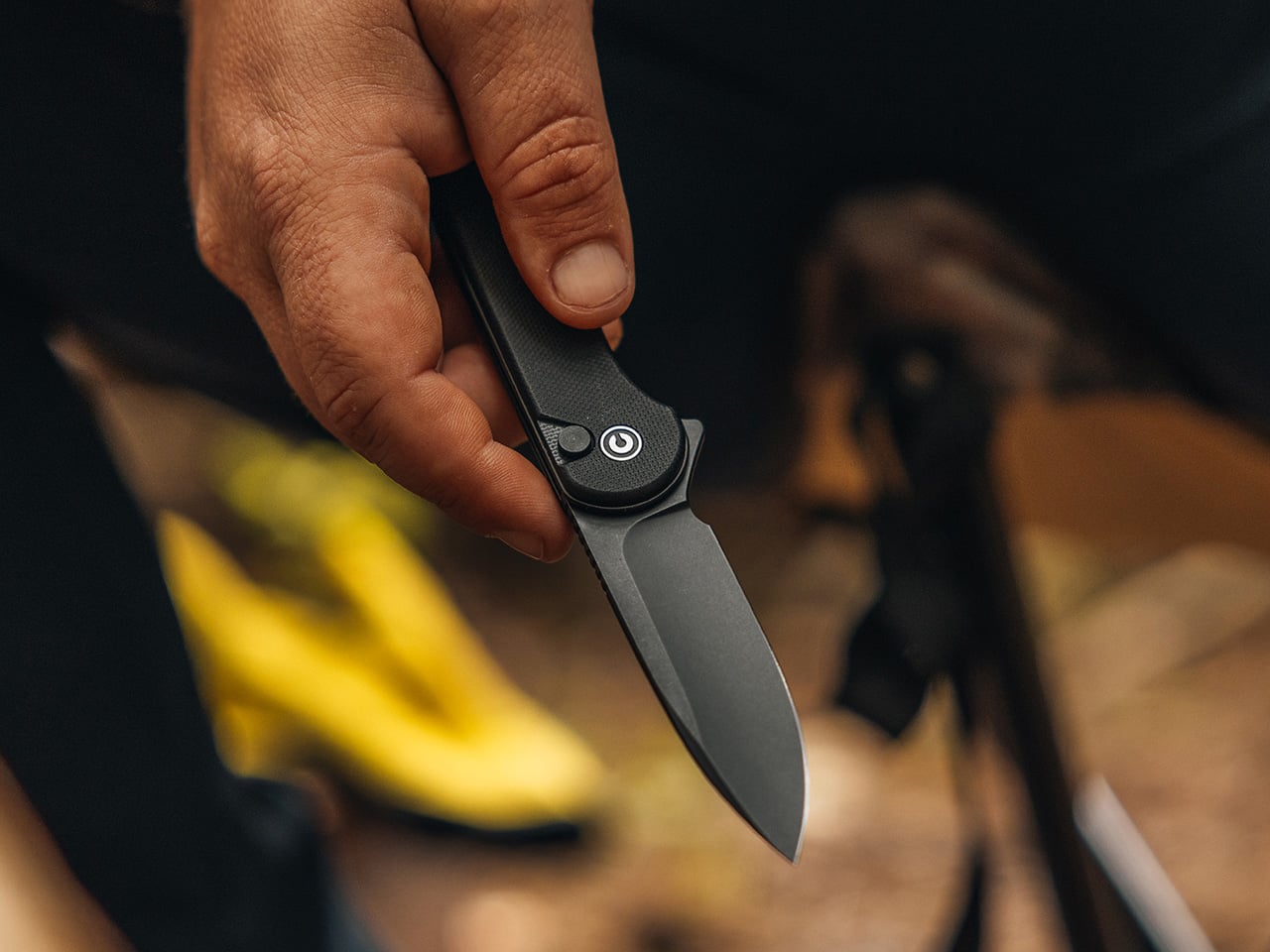
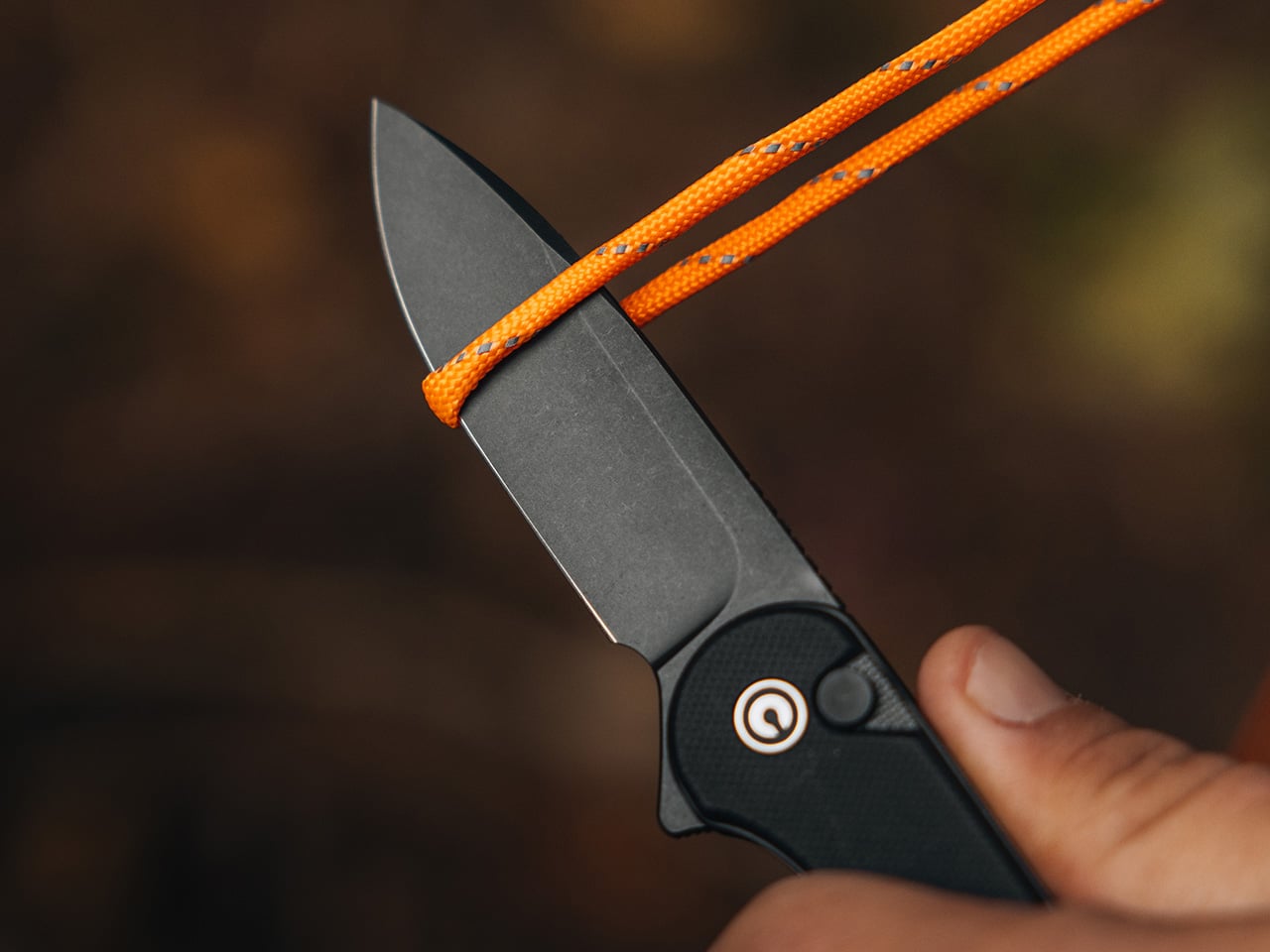
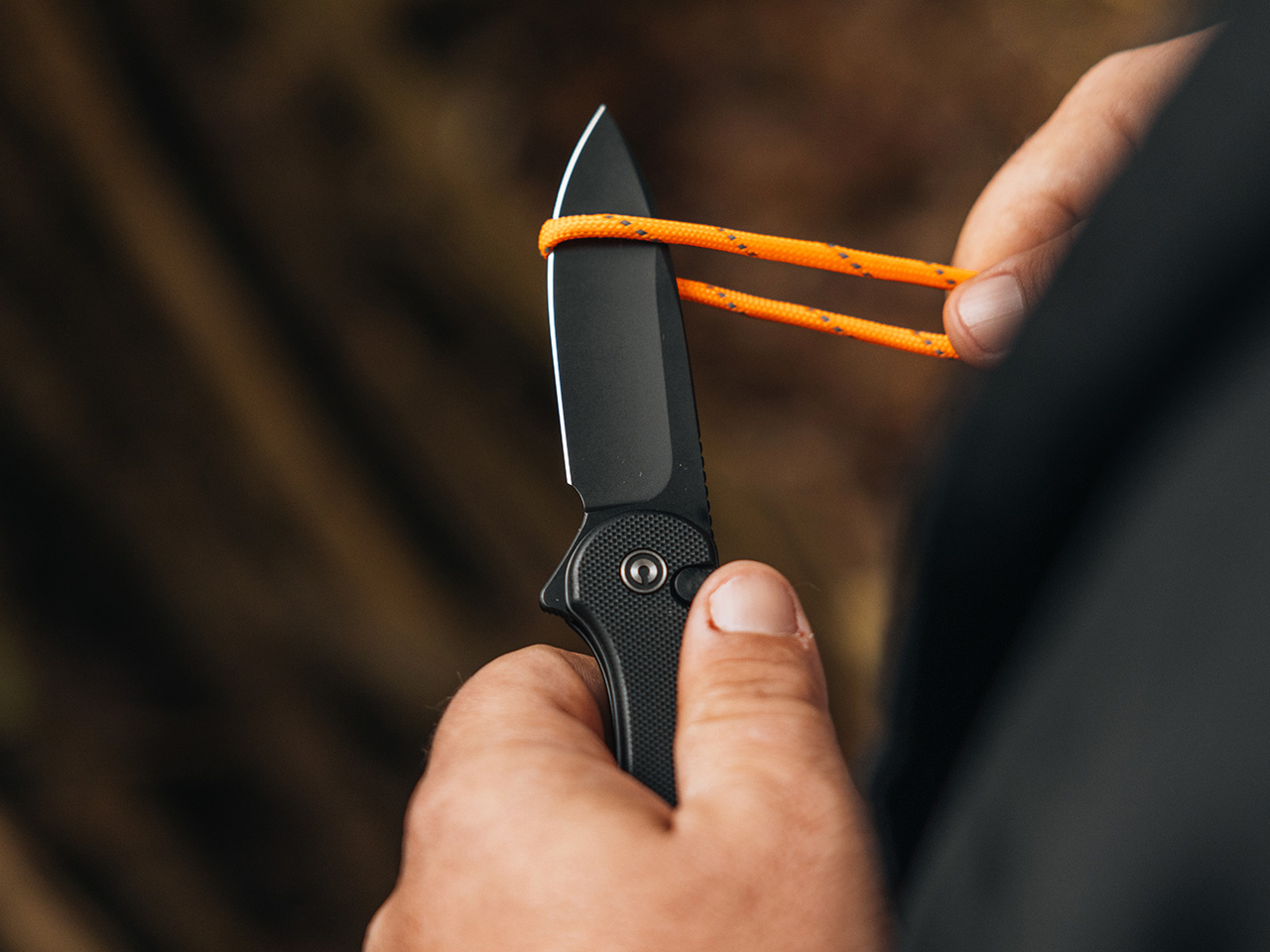
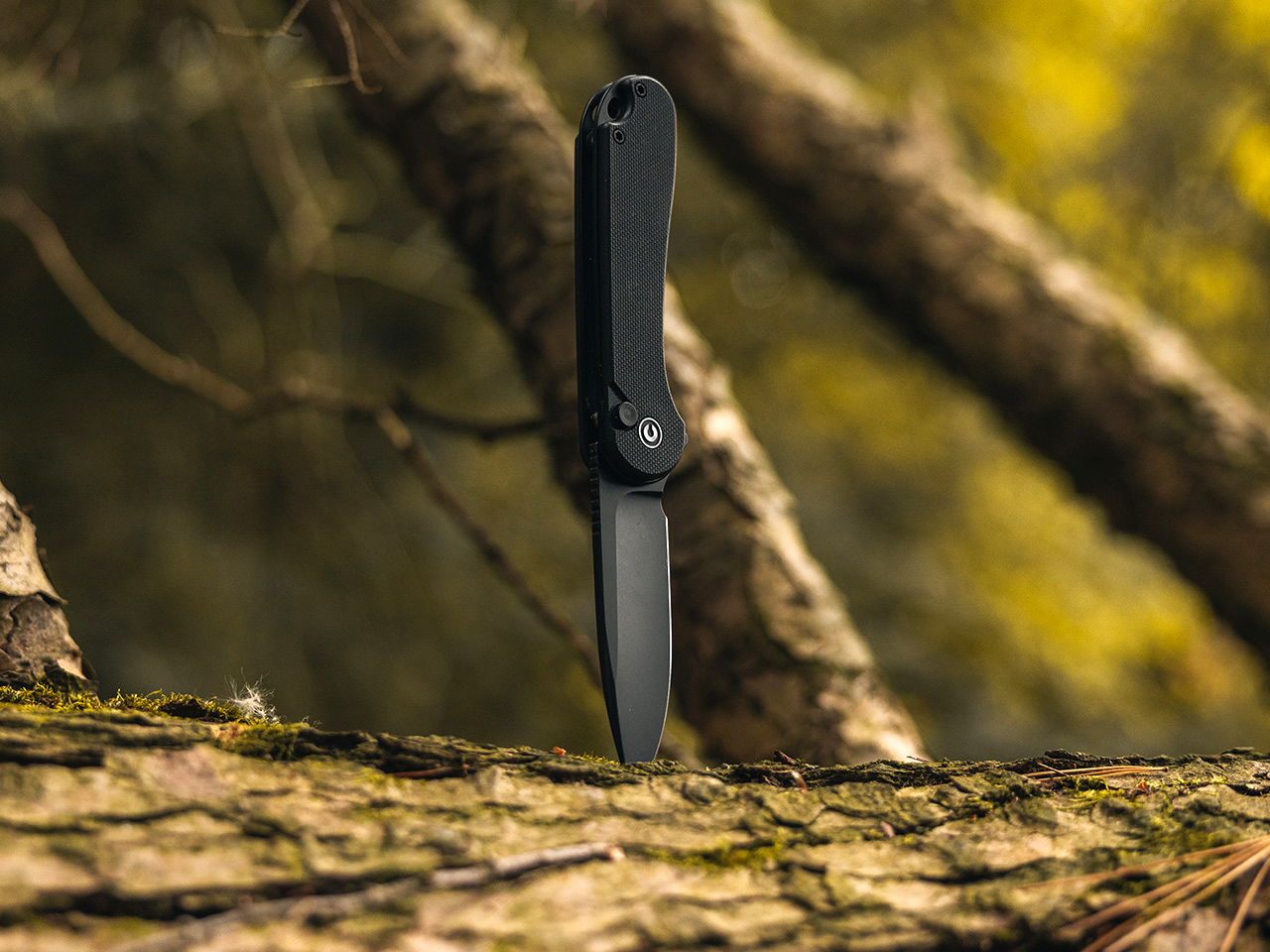
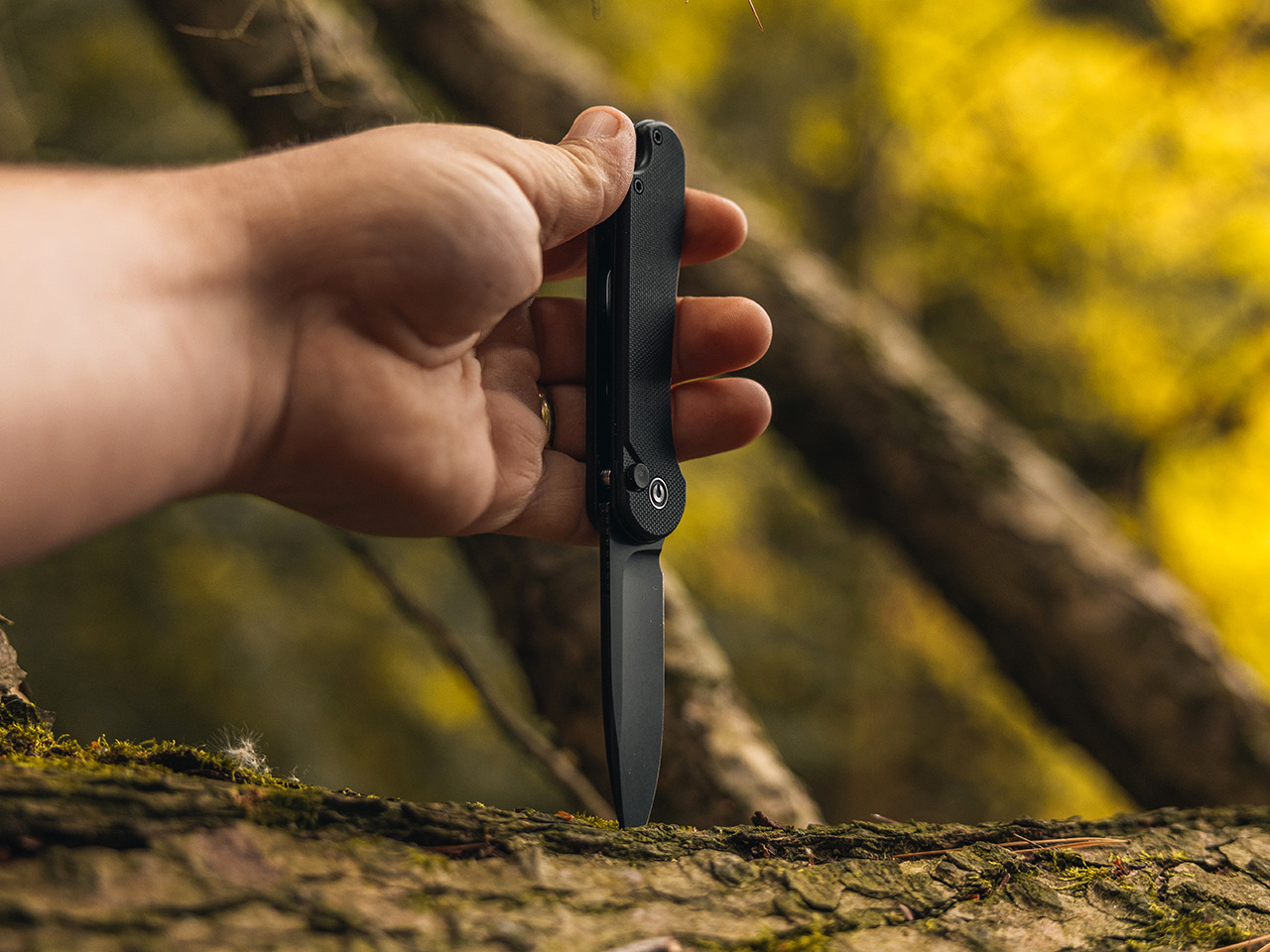
A pocket knife should work hard but carry light, a simple goal that many designs miss. The CIVIVI Button Lock Elementum II is the exception. It’s a compact everyday carry folder built for real work, yet it’s so slim and lightweight you’ll forget it’s in your pocket until you need it.
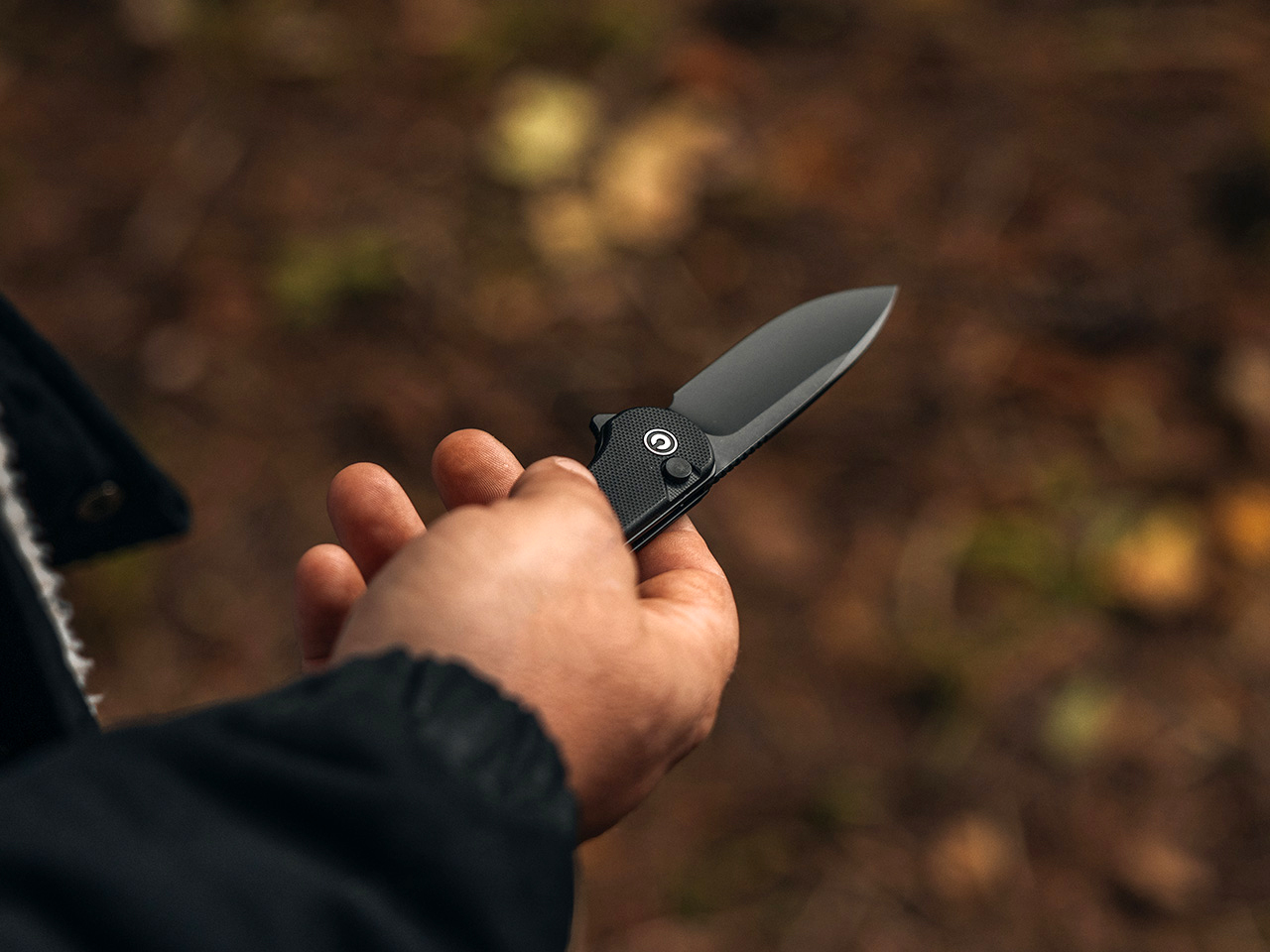
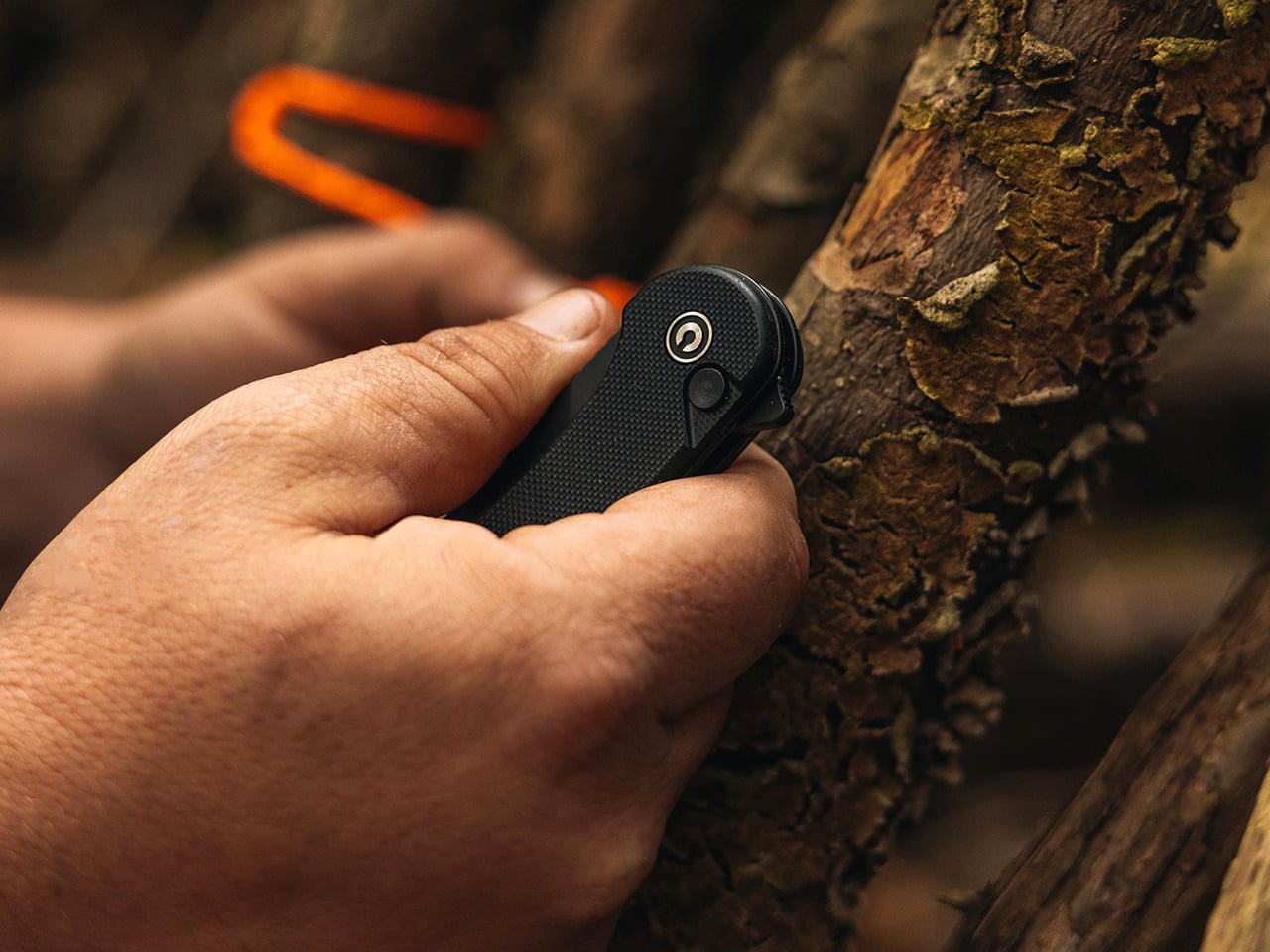
What makes the Elementum II such a standout is how it delivers on that promise. The design is built around a modern, user-focused experience, with the button lock as its centerpiece. Paired with a pivot running on caged ceramic ball bearings, the action is impressively smooth. A simple press of the button releases the blade, letting it swing shut with a light shake of the wrist for easy one-handed use. It’s a feature that feels premium, elevating the knife beyond a simple cutting tool into something that’s genuinely satisfying to handle.
Designer: CIVIVI
Click Here to Buy Now: $57.38$76.5 (25% off) Hurry! Sale Ends December 18th. Free Christmas Stocking included in orders over $29.
The original CIVIVI Elementum was a massive success because it was simple, clean, and ergonomic. The CIVIVI Button Lock Elementum II isn’t a replacement; it’s a parallel evolution for users who want a more modern, fidget-friendly EDC companion. The core of that experience is the button lock. Paired with a pivot running on caged ceramic ball bearings, the action is impressively smooth. A press of the button releases the blade, letting it swing shut with a light shake of the wrist, making one-handed use genuinely easy. It’s a feature that feels premium, adding a level of refinement that elevates the knife beyond a simple cutting tool into something that’s just satisfying to handle.
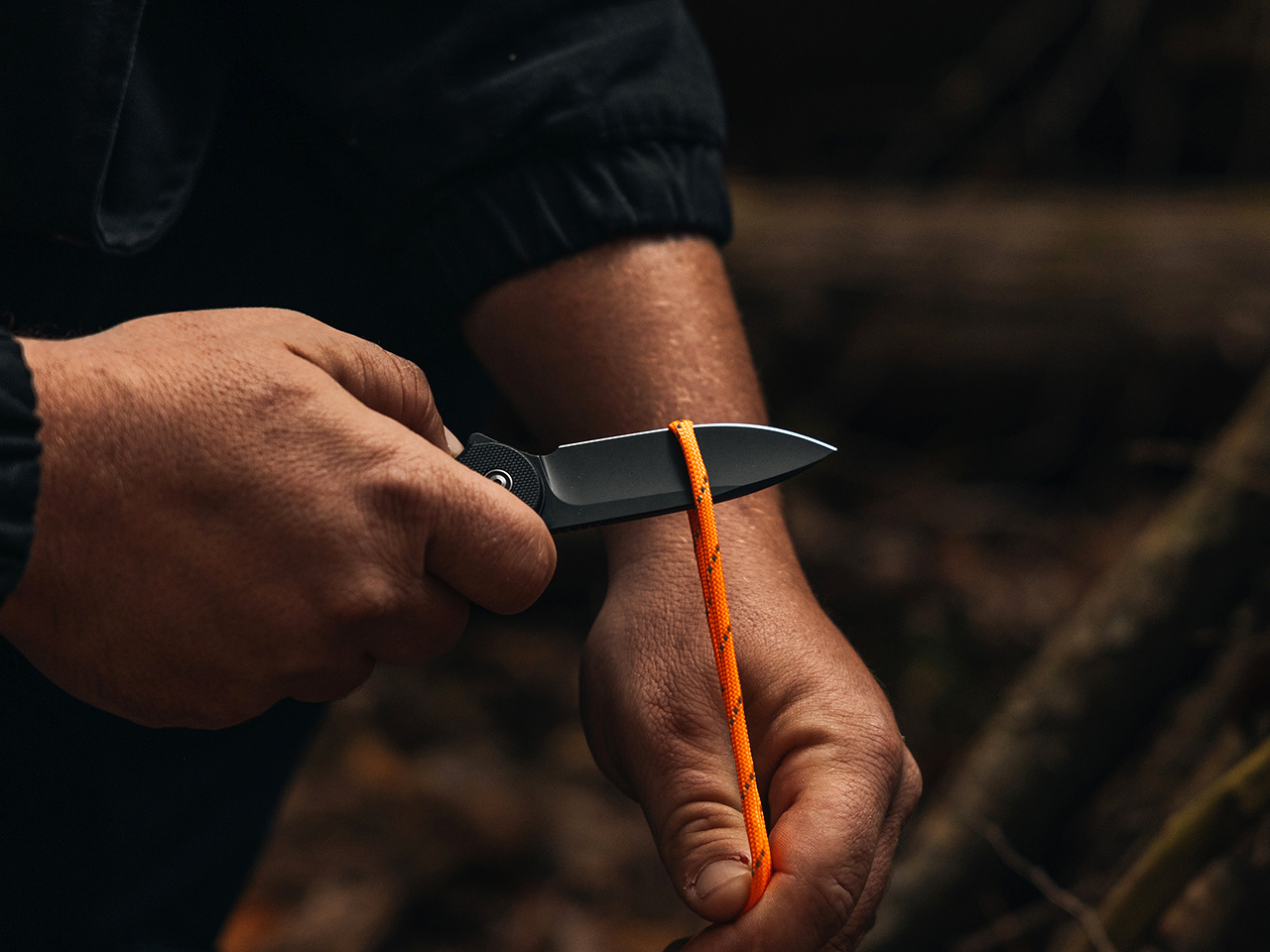
What really gives the knife its teeth, though, is the choice of Nitro V for the blade steel. It’s a smart, practical upgrade that makes a real difference in daily use. Nitro V is a nitrogen-enriched stainless steel that offers a fantastic blend of properties for an everyday carry knife. It’s exceptionally tough, meaning it’s less prone to chipping than some harder, more brittle steels if you accidentally hit a staple or drop it. The corrosion resistance is also a standout feature; you can use it to slice an apple or get it wet on a hike without worrying about rust spots forming by the end of the day. Edge retention is solid, holding a sharp, workable edge through plenty of cardboard and rope before needing a touch-up. And when it does, it’s easy to sharpen on a basic stone, a trait that can’t be overstated. CIVIVI runs the steel at a Rockwell hardness of about 58-61 HRC, a sweet spot that balances edge-holding with durability.
The physical design complements these functional upgrades perfectly. With a blade length just under three inches and an overall length of about seven inches, it’s sized for utility without being cumbersome. The handle is slim, at around half an inch thick, and comes in a few different materials, including lightweight G10 and textured aluminum. This slim profile, combined with a weight of around 2.7 ounces for the aluminum version, means it carries incredibly well. The deep-carry pocket clip lets it sit low in the pocket, making it discreet enough for almost any setting. It’s a knife that’s there when you need it and forgotten when you don’t. The simple drop-point blade shape is versatile, handling everything from fine slicing to piercing tasks with its flat grind.
All these elements circle back to why it works so well as a great pocket knife and EDC gift. The design is clean and unintimidating, the button lock action is intuitive and fun, the Nitro V steel is forgiving and high-performing, and the sub-$60 price point is just *chef’s kiss*. It’s a knife that a seasoned collector can appreciate for its thoughtful material choices, while someone new to knives will find it to be a reliable and easy-to-use tool. It doesn’t require specialized knowledge to maintain, yet it offers a tangible step up in quality from a typical hardware store folder. The Elementum II isn’t just a good knife for the money; it represents a shift where excellent design and practical, modern materials are becoming the new standard for what an everyday knife can be. You can grab the Button Lock Elementum II at a Black Friday-special 25% off using the link below!
Click Here to Buy Now: $57.38$76.5 (25% off) Hurry! Sale Ends December 18th. Free Christmas Stocking included in orders over $29.
Every week, Yanko Design’s podcast Design Mindset powered by KeyShot brings you conversations with design leaders who are shaping how products, brands, and experiences connect with people around the world. Hosted by Radhika, the show explores the intersection of design thinking, strategic communication, and the human stories behind successful brands. Whether you’re a designer, entrepreneur, or simply curious about how intentional design shapes our world, this weekly series offers insights you won’t find anywhere else.
In episode 12, Radhika sits down with Chris Pereira, founder and CEO of iMpact, a China-Western communications and go-to-market firm based in Shenzhen. With nearly two decades in China, fluency in Mandarin, and a notable stint as a Huawei PR leader, Chris brings a rare perspective to the table. Named one of Forbes India’s Top 30 Globalization Innovators, he’s spent his career helping brands navigate the treacherous waters between cultural intention and reception. What emerges from this conversation is a masterclass in how design decisions carry meaning, whether you intend them to or not.
Chris opens with a stark reality check: “Design isn’t neutral, especially across cultures. A font, a color, a slogan that wins in New York can really backfire in Nanshan in Shenzhen, China.” The challenge isn’t just about translation in the linguistic sense, it’s about making intention travel across borders intact. Every design choice tells a story about your values, and Chris emphasizes this with a striking insight: “The question isn’t if your design will tell a story, but what story you’re telling. So it’s whether you’ll own that narrative or let it own you.”
When brands think they’re “on brand” with a global strategy, that’s often exactly when things break down in local markets. Chris shares a personal anecdote that illustrates the stakes: “I had a friend a few years ago in China and he always liked to wear a green hat… But in China, there’s a specific phrase. If you’re wearing a green hat, it means your partner is cheating on you in the relationship.” What’s an innocuous fashion choice elsewhere becomes a cultural faux pas in China. For brands, this translates directly to sales, green hats simply don’t sell in Chinese markets, regardless of how well they perform globally.
Why Respect Can Look Like Disrespect (and Vice Versa)
Cultural landmines extend far beyond color choices. Chris recounts a dinner meeting where cultural respect signals completely misfired: “The Chinese host used chopsticks and before he ate he put food onto my client’s plate… But my business partner, my client, he got very angry all of a sudden. He said, I know how to use chopsticks. I’m not a kid.” The Chinese host was showing respect; the Western guest felt insulted. Both sides wanted to build trust, but the trust was actually eroded by the interaction.
These seemingly small details matter enormously for visual communication too. Sticking chopsticks upright in rice is a cultural taboo in China associated with funeral rites, an advertising image showing this would be deeply inappropriate, yet a Western creative team might not know to avoid it. Chris’s firm uses a systematic 10-item pre-mortem checklist that expands into roughly 100 specific considerations, covering everything from brand names and color schemes to who appears in imagery and what scenarios are shown. The goal should be consistent across markets, Chris explains, but the methods must adapt: “The result or what we want to convey in every country is the same. We care about the local community… How we get there is very different.”
Stop Saying You’re Great (Get Someone Else to Say It)
Perhaps the most critical insight Chris offers is about trust-building through third-party endorsement. “If I sit here and tell you, Radhika, I’m really great. I’m amazing… Honestly, that’s not a good way to convince the other person. The better way is to say, this professor has given me a letter of introduction. I was on TV last week on that media.” From a brand perspective, advertising says “I’m great,” while third-party endorsement says “he’s great” or “she’s really trustworthy.” Chris’s advice is direct: “If you don’t have the third-party endorsement, you shouldn’t do advertising.”
He encourages brands to “stand on the shoulders of giants,” pointing to the “Intel Inside” label on laptops as a perfect example. Industry awards, professional association endorsements (like dental associations for toothpaste), and partnerships with established entities all build the trust foundation necessary before spending on advertising. For product launches, Chris advocates showcasing customer success stories: “Maybe we can donate some of our products while we’re doing our announcement. And they can come and say how much that means to them for their community.” This provides powerful, authentic validation that no amount of paid advertising can replicate.
What Huawei’s Crisis Taught About Winning Together
Chris’s time at Huawei during one of the most challenging periods in the company’s history taught him invaluable lessons about resilience and messaging. When he joined in 2016, the message was all about dominance: “We’re number one in this industry. We’re number two in this industry. We have a huge end to end supply chain.” That message made employees proud but scared competitors. “If you’re in the United States at your Apple or Google, you’re like, oh, crap, this is kind of scary. Right. And they’re going to take our business,” Chris recalls.
The lesson? “The importance of win win or finding ways to work together in a way that’s good for everyone in the community is important.” Huawei eventually shifted its messaging toward building an open ecosystem, helping everyone in the supply chain succeed together. Chris also learned about the long-term mindset necessary for trust-building. When the Meng Wanzhou crisis hit in 2018-2019, many questioned whether Huawei would survive. Yet the company had a record year recently, expanding into new sectors like automotive. This taught Chris the importance of resilience and “thick skin” for both brands and individuals, and that trust requires time and consistency to build properly.
Redefining Speed: Why “Shenzhen Speed” Isn’t What You Think
The concept of “Shenzhen Speed” came up multiple times, but Chris is careful to define it properly. It’s not about rushing business relationships or pushing for quick deals. Rather, “when we say Shenzhen speed, we’re not talking about the speed of your business development… the speed is response. So if you send me a message and I respond quickly, we close the loop quickly.” Trust, conversely, needs time.
As Chris puts it, quoting a German friend: “Going in the wrong direction very quickly is not efficient. So in other words, if you’re going in the right direction slowly, that’s actually maybe better than going super fast and going in circles.” This is especially true for Chinese companies going overseas. Chris identifies cross-cultural communication as the primary challenge: “They all have great products, but they still lack a ability to communicate in a cross-cultural setting.” And crucially, human connection matters more than technology: “Get on an airplane and be on site at a trade event, visit your clients in person, have coffee with them. So none of that can be done by AI, interestingly.”
The Three Non-Negotiables Every Brand Needs
When asked about his non-negotiables, Chris identifies three foundational principles. First, compliance, “You need to follow the law anywhere you go,” he states simply. Second, authenticity: “If you’re not authentic, you will lose the trust of the local market.” Chris shares what he calls the 20-60-20 rule: 20% of people will always love you, 60% don’t really care either way, and 20% will actively dislike you. “When we’re doing our design work and business work, it’s important to bring your true self to the table because then you’ll attract the consumers, your customers, your partners, your friends who are like minded.”
Third, purpose beyond profit. “We’re not just doing business and doing design work and doing PR for money. I think we want to make the world a better place,” Chris reflects. For him, this is personal: “I have a nine year old son who’s half Chinese. So what we’re doing is helping Chinese companies and helping China tell their story in a more effective way overseas and building more trust and friendship.” In the rapid-fire segment, Chris crystallizes several key insights. His quickest litmus test for international success? “The team, the team behind the product.” The most underused asset in cross-border launches? “The actual relationships… in the local market.” And what beats beautiful design every time? “A brand mission. So a mission, a worthwhile cause to do something.”
Making Intention Travel
What emerges from this conversation is a fundamental truth: design is never neutral. Every choice, from fonts to colors to the people you feature in your imagery, communicates values. The challenge is ensuring those values translate as intended across cultural boundaries. Chris’s approach is both systematic and deeply human: use checklists and structured processes, but never forget that trust is built person to person, through authentic relationships and genuine commitment to local communities.
For designers and brand strategists working in an increasingly global marketplace, the message is clear: you can’t afford to be culturally naive. What “works” in your home market may actively harm you elsewhere. But with the right approach, thoughtful localization, authentic partnership, and patience, brands can successfully make their intention travel across borders. Chris Pereira can be found on LinkedIn, and Design Mindset releases new episodes every week, bringing you more conversations with leaders who understand that great design isn’t just beautiful, it’s meaningful.
Listen to the full conversation on Design Mindset (powered by KeyShot), available every week, to hear more insights from one of the industry’s most decorated design leaders.
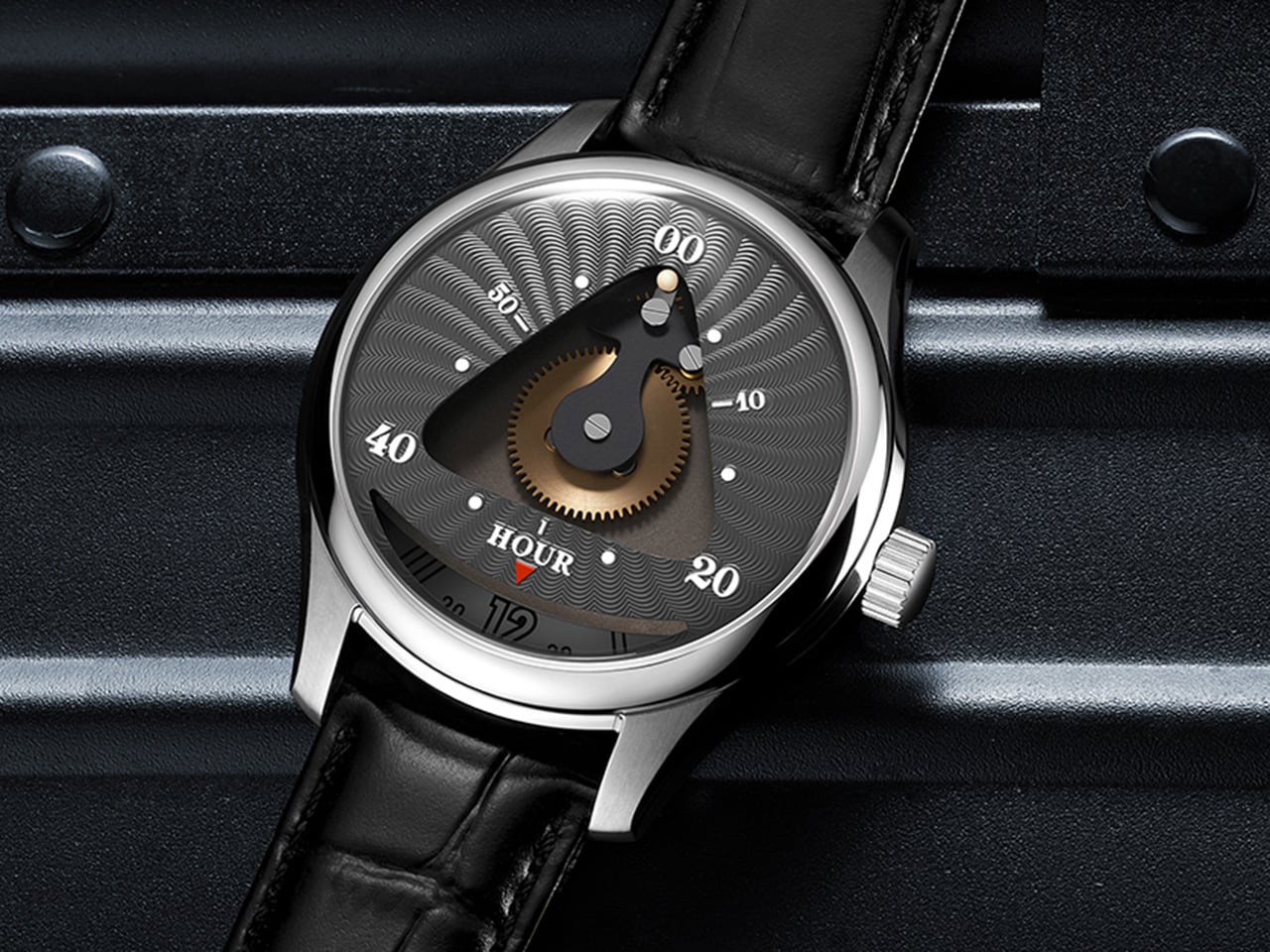
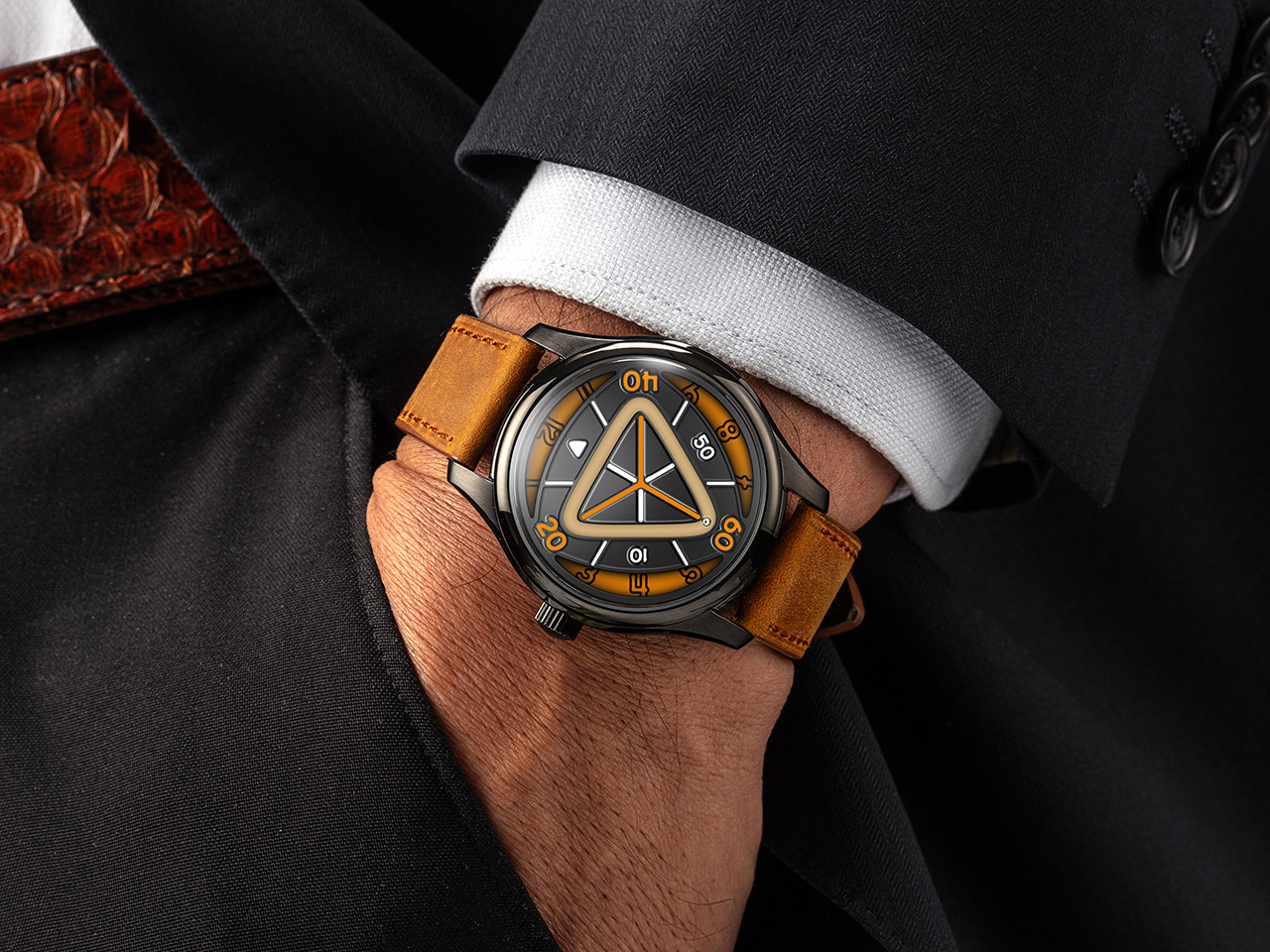
Time is usually measured in straight lines and sweeping hands, but Triarch bends that rule into a triangle. Instead of conventional hands, its custom movement drives a rotating minute dial while a tiny ball traces a precise triangular path. Every glance becomes a small discovery, as the orbiting ball and shifting dial transform timekeeping into a kinetic sculpture on the wrist.
The design leans fully into the symbolism of the triangle, a shape long associated with stability, harmony, and eternity. From ancient pyramids to sacred geometry, the triangle has stood for structure and balance, and Triarch pulls that mythology straight onto the dial. The result is a watch that does not just show the time; it frames time inside a geometric icon that feels both timeless and futuristic.
Reading the Triarch takes a second to learn but makes sense quickly. Hours are tracked on a rotating outer dial marked from 1 to 12, spinning continuously beneath a fixed reference point. Meanwhile, the minutes are indicated by a small ball that travels along a triangular track, moving in sync with the passage of time. At the center sits an exposed golden gear, visible through a triangular window, acting as the mechanical heart that drives the entire system. This gear does not just function; it performs, turning the dial into a stage where mechanics and motion are always on display.
Triarch exists in two distinct variants, each interpreting the core concept differently. Triarch I is the more refined, dress-oriented expression. It features the original mechanical rotating dial with the triangle window prominently framing the golden gear and the hour module. The dial designs lean toward classical watchmaking aesthetics, with radiating guilloché-style patterns that catch light beautifully. Available in three colors, including teal, grey-black, and blue, Triarch I pairs its mechanical theater with a premium Italian leather strap and a polished stainless steel case. It is aimed at collectors who appreciate mechanical artistry wrapped in a quieter, more sophisticated package.
Triarch II takes the same foundation and pushes it into bolder, more experimental territory. This upgraded version adds an extra layer to the dial structure, creating more visual depth and making the internal architecture more visible. The most significant upgrade is the magnetic minute hand innovation. Instead of a traditional pointer, the minute indication on Triarch II jumps with magnetic force, creating a floating, almost sci-fi effect that sets it apart from conventional watches and even from Triarch I. Lume coverage is significantly expanded on Triarch II, with larger areas of Swiss Super-LumiNova applied across the dial, making it far brighter and more legible in the dark. Available in six colorways, including black with orange accents, teal, lime green, and others, Triarch II leans hard into a modern, almost cyberpunk vibe. It ships with a rugged Crazy Horse leather strap, a material known for its matte finish and ability to develop character over time.
Both models share the same mechanical platform and case architecture. The movement is a Miyota 9039 automatic, a 24-jewel Japanese caliber running at 28,800 beats per hour with a 36-hour power reserve and accuracy rated to around plus or minus 10 seconds per day. Mounted on top is the in-house rotating hour module, the complication that makes the entire display possible. The case is 316L stainless steel, measuring 42mm wide and 14.16mm thick, with a double-domed sapphire crystal up front treated with multi-layer anti-reflective coating. The caseback is also sapphire, offering a view of the Miyota movement and parts of the custom module. Water resistance is rated to 5 ATM, or 50 meters, suitable for daily wear but not serious water sports. Both versions use 20mm lugs with quick-release spring bars, making strap swaps effortless.
Triarch positions itself somewhere between horology and wearable art, offering a genuinely different way to interact with time. The $299 Triarch I appeals to those who want mechanical poetry in a relatively subdued form, while the $359 Triarch II targets enthusiasts chasing visual boldness and technical novelty. Either way, the triangle is not just decoration here; it is the entire logic of the watch. Both the Triarch I and Triarch II ship free globally, with an extra strap included in the box.
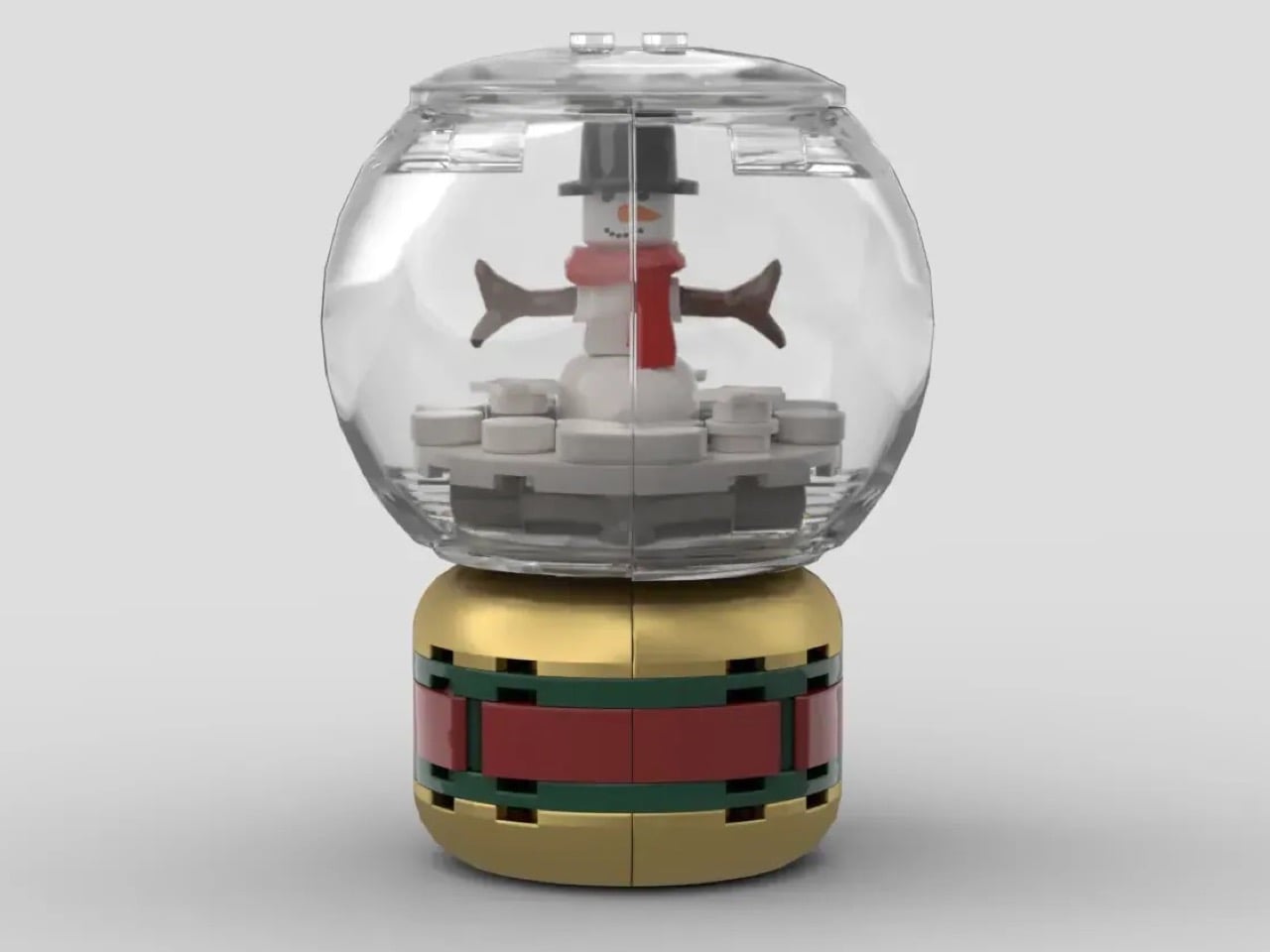
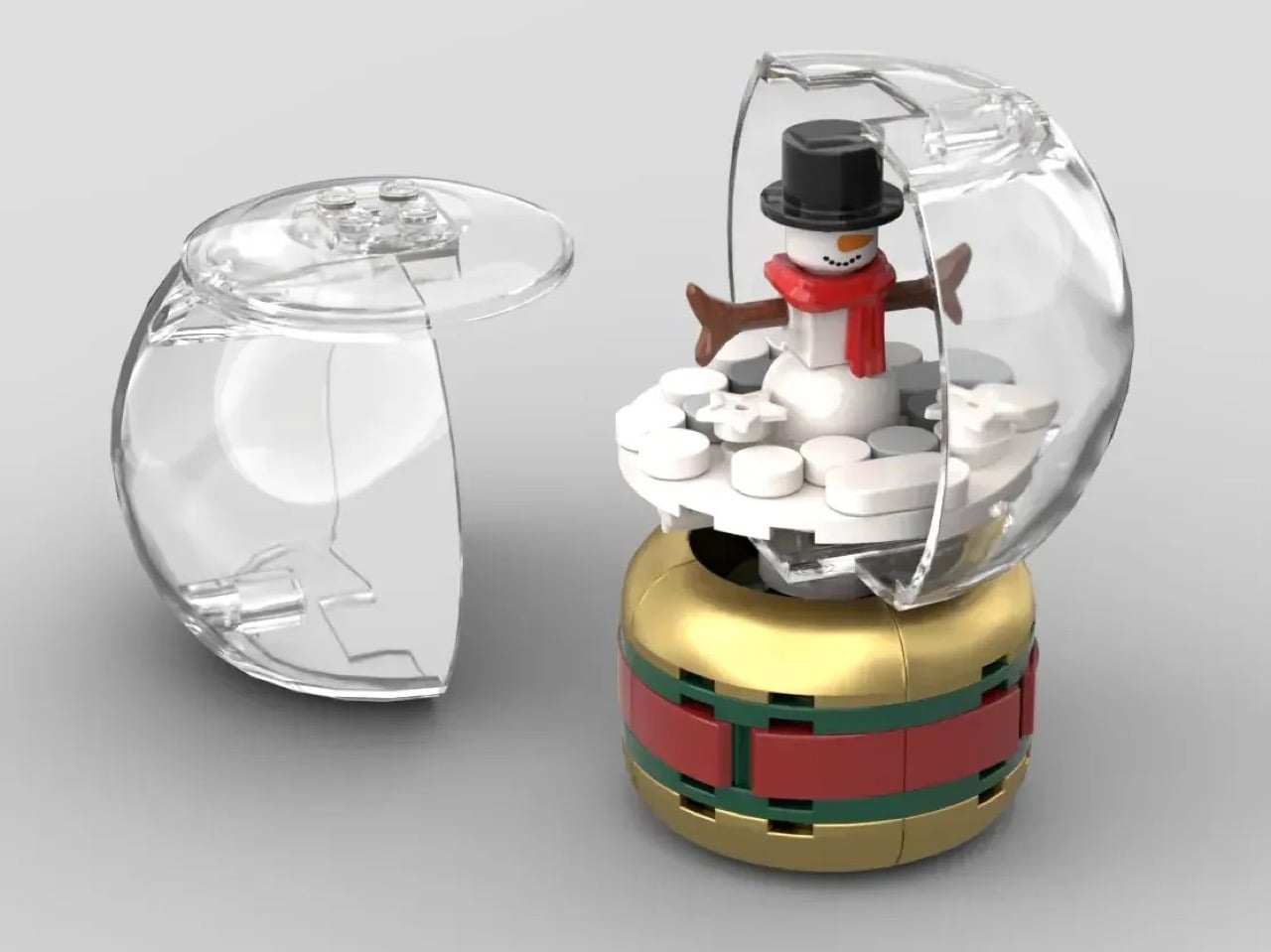
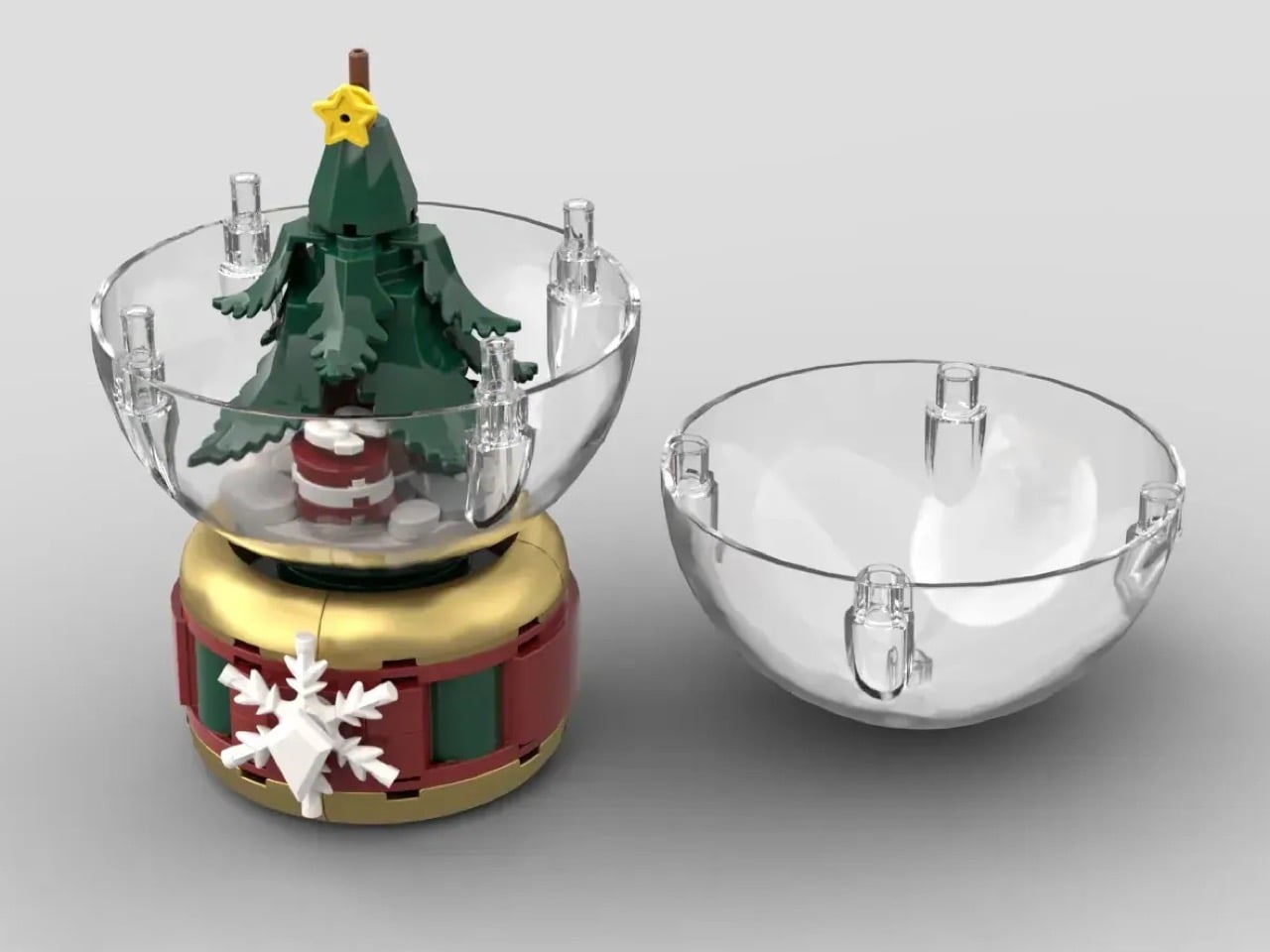
Three globes, three distinct Christmas visuals, three absolute vibes. Made with a total of just 385 pieces, this MOC (My Own Creation) from LEGO builer ItzEthqn captures the holiday spirit perfectly, and for anyone who wants to customize the globes with something of their own, these designs seem absolutely modular, allowing you to replace the inner scene with anything of your choice for a more custom/bespoke snow globe!
“Now I know what you may be thinking, ‘Isn’t it a bit early for Christmas?’ and the answer is absolutely not its never too early for Christmas,” says ItzEthqn (who probably goes by the name Ethan. The globes – two large and one small – are the perfect way to usher in the holiday spirit… especially if you’re a LEGO lover like I am.
Designer: ItzEthqn
The globes come in 3 distinct variants, the smallest of which features a tiny little snowman, top hat, scarf, carrot, branches and all. The snowman sits within a fairly comfy 3-piece ‘glass’ orb. The orb sits on a gold, green, and red banded base, quite like the kind you find in novelty shops and Hallmark outlets.
The other two snow globes are a tad bit larger, featuring slightly more elaborate scenes. The first, a Christmas tree, complete with a star topper as well as gifts at the bottom. The larger glass orb now features a 2-part design, and the slightly larger base also has a snowflake brick embedded on the front for extra holiday flair. The other snow globe features our old friend Nicholas (also known world over as Santa) on his trusty sled, with gifts in the boot. ItzEthqn does mention that he wanted to bejewel the globes with stickers too, but that detail kept crashing his computer as he added stickers to the globe.
That being said, there’s a lot that you can do with this framework. Upgrade it with minifigures of your own, make tiny versions with different designs and themes, or even use it to display your Hot Wheels collection, the cars might be a tight fit but I’m sure you can figure it out! The other tiny caveat here is that these snow globes don’t actually have any snow in them, so feel free to chuck in some tiny confetti to make these globes feel like the real deal!
ItzEthqn’s fan-made snow globe design is currently gathering votes on the LEGO Ideas website, an online forum where LEGO enthusiasts share their own creations and vote for their favorites. With well over 2,600 votes, this MOC is slowly but surely inching towards the coveted 10K vote mark, following which it’ll be reviewed by LEGO’s internal team and ‘hopefully’ turned into a retail kit that all of us can buy. Until then, just head down to the LEGO Ideas website and give this build your vote!
The Ulysse Nardin Freak has always been more of a horological platform than a static model. Since its debut, it has served as a canvas for the brand’s most forward-thinking ideas, from pioneering silicon components to its signature “movement as the hand” display. It was the watch that proved a piece of high watchmaking could look and function like nothing that came before it. Now, for the first time, Ulysse Nardin has opened that platform to an outside collaborator.
It is fitting that the partner is Urwerk, another independent force that has consistently challenged the conventions of time display. Instead of a simple cosmetic update, the two brands co-developed a new caliber that integrates Urwerk’s wandering hour satellites into the Freak’s rotating carousel. The watch is still fundamentally a Freak, using its entire movement to indicate the time, but the language it speaks is now filtered through Urwerk’s sci-fi, dashboard-inspired lens.
Designers: Urwerk & Ulysse Nardin
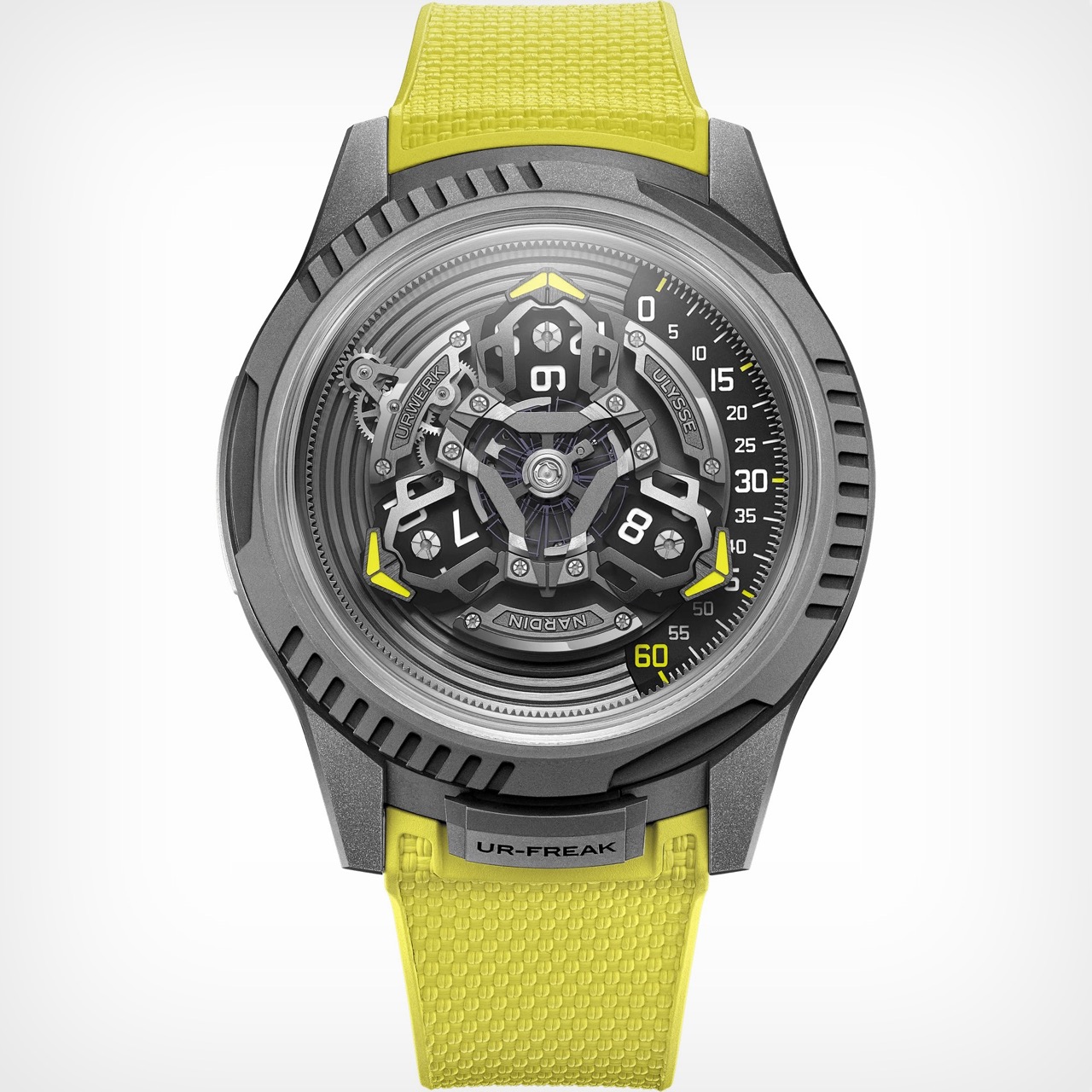
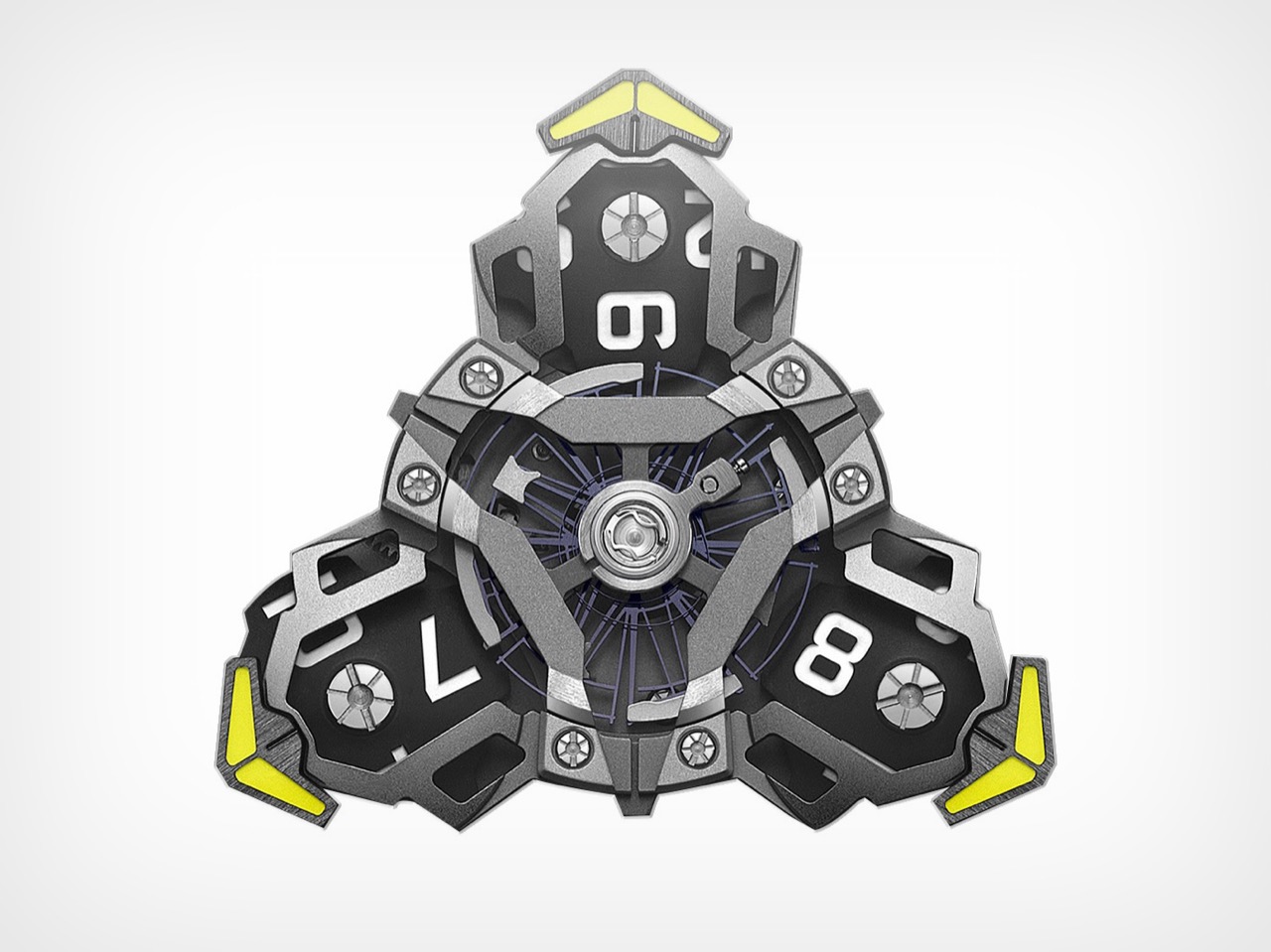
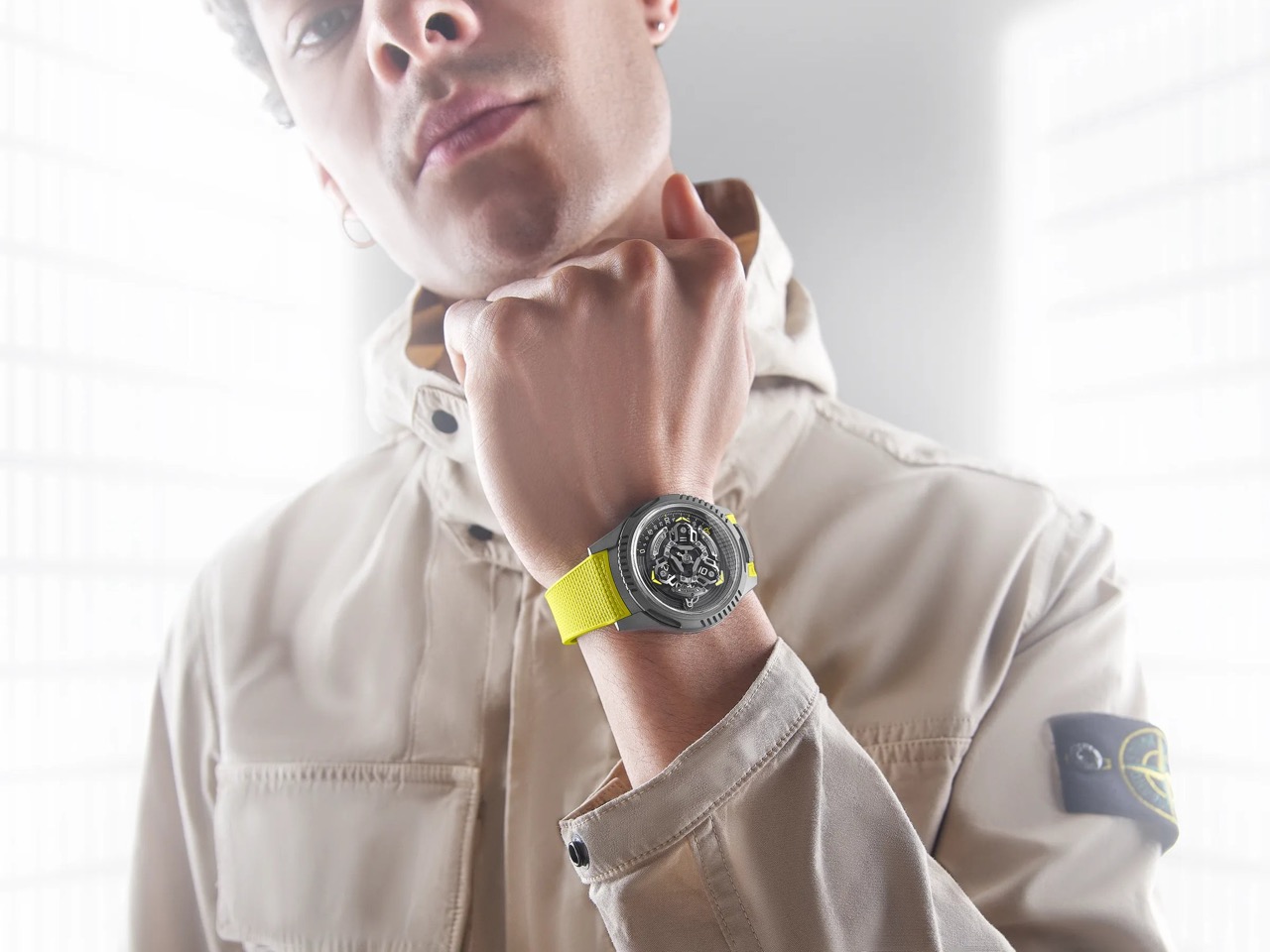
What makes this partnership click is the deep mechanical fusion they achieved. The purpose-built UN-241 caliber is proof of this, a movement born from over 150 new components designed to get these two very different systems to play nice. You can see Ulysse Nardin’s massive silicon oscillator beating right in the middle, the technical heart of the machine. But orbiting around it is an assembly that is pure Urwerk. The three satellite arms, each carrying a rotating hour block, are mounted directly onto the Freak’s carousel, creating a layered, kinetic sculpture. You are looking at a Ulysse Nardin movement carrying an Urwerk complication like a backpack, all rotating as one cohesive unit.
Even with all that movement, reading the time is surprisingly straightforward. Your eye is drawn to the right side of the watch, where a single active satellite points a bright yellow arrow toward a linear minute track. The number on the corresponding hour block gives you the hour. It is an intuitive system, a classic Urwerk touch, but it’s made more dynamic by the constant, slow rotation of the Freak platform underneath. It feels like Urwerk’s dashboard display has been mounted on a revolving space station.
The 44 mm silhouette is clearly from the Freak ONE, with its crownless architecture and smooth, sandblasted titanium. But you can see Urwerk’s influence in the fluted, notched sections of the bezel, which add an industrial texture that feels different from the Freak’s usually sleek profile. You still set the time by rotating this bezel, secured by a locking tab at six o’clock that now reads “UR-FREAK.” It is a clear signal that this is a Freak that has been properly Urwerk-ified. The electric yellow strap, Urwerk’s calling card, drives the point home, a splash of aggressive color against the muted gray case.
Getting one will not be easy, or cheap. The UR-Freak is a limited run of just 100 pieces, and with a price tag of around 122,200 USD, it is aimed squarely at serious collectors in the independent scene. For those looking to acquire one, inquiries will have to be made directly to either brand. The UR-Freak is the kind of watch that makes you wonder why it did not happen sooner, and at the same time, be amazed that it happened at all.