Remember Apple’s AirPower Mat? Dreame Built A MagSafe Power Bank That Does The Same Thing

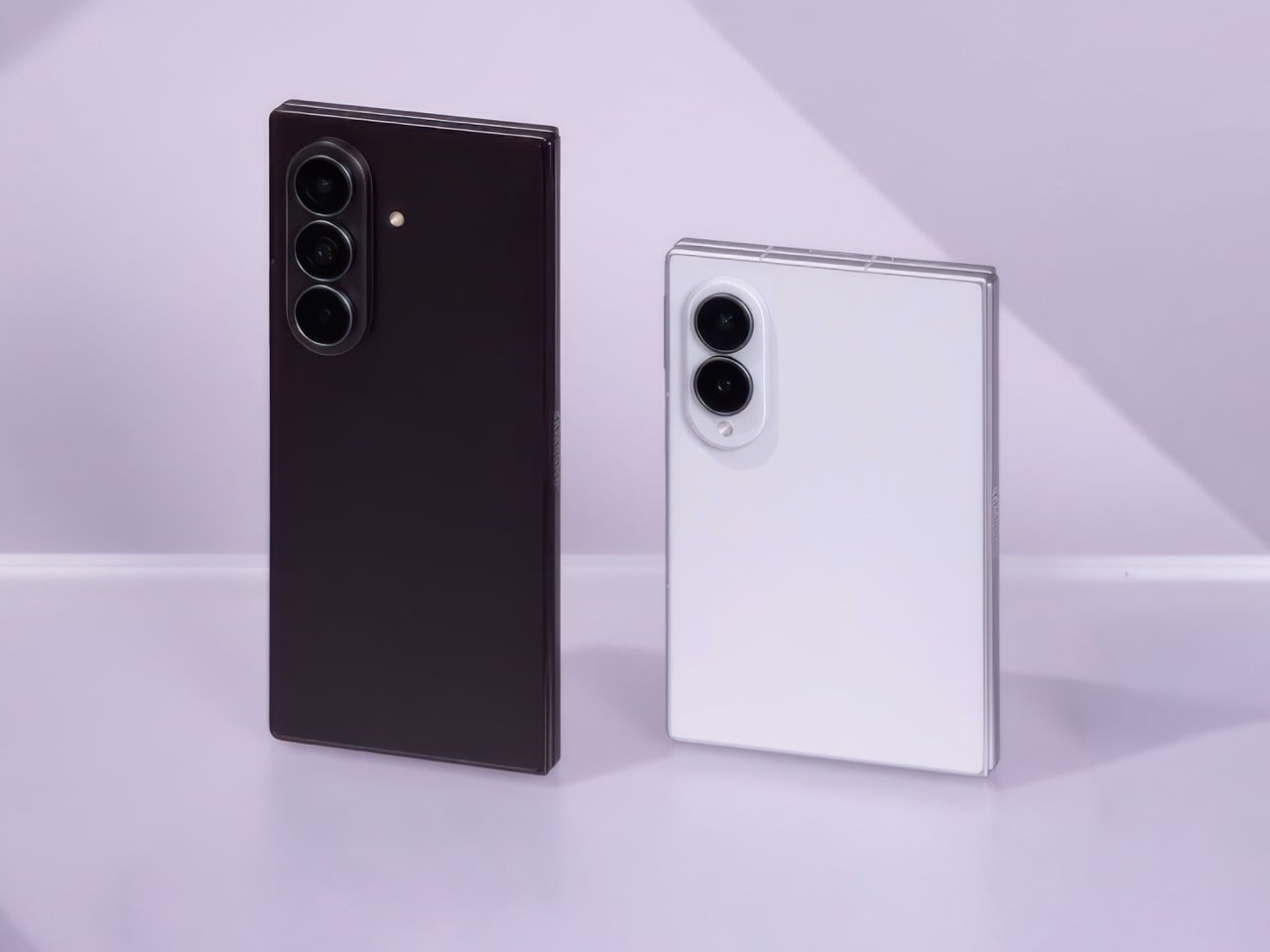
Dreame built its name on robot vacuums and smart cleaning stations, but its newest release does not clean your floors at all. Dreame’s Air Power 17 arrives as a magnetic portable power bank with a surprisingly polished feel, pairing an aluminum frame with AG glass and a footprint barely larger than a bank card. It clicks into place on an iPhone 17 or any Qi2 compatible phone, then quietly delivers up to 15 watts wirelessly or 20 watts over USB-C. But that’s not what’s so surprising about the power bank (apart from the fact that the parent company also manufactures robot vacuums)… it’s that the AirPower 17 also charges your TWS earbuds AS WELL AS your Apple Watch, right through the same wireless charging surface.

The name is a clever dig at Apple’s own AirPower disaster from 2017, when the company announced a charging mat that could handle 3 devices at once. Now, it seems like Dreame’s taken the mantle of making that happen, that too in a compact form factor that still feels decidedly premium, thanks to the slim design, the aluminum alloy frame, and AG glass back. Now, the obvious question is why a vacuum company thinks it can waltz into a market already flooded with Anker, Baseus, and a hundred Shenzhen generics. Here’s the thing: Dreame has been on an absolute tear since July, dropping or teasing products in personal care, large appliances, consumer electronics, and even automotive adjacent gear. This power bank feels like part of a coordinated land grab, and the clever multipurpose design genuinely feels like a consumer-focused product aimed at winning hearts, not just adding small numbers to a company’s profits.

Designer: Dreame

The Air Power 17’s design is fairly simple and straightforward, packing one USB C port, Qi2 wireless at 15 watts max, and that integrated kickstand. The 5,000 milliamp hour version comes in at just 8 millimeters thick and 125 grams, which is borderline remarkable when you consider it includes a stand mechanism and a full magnetic ring. The 10,000 milliamp hour Pro is predictably chunkier at 12.8 millimeters and 189 grams, but still compact enough that you could daily carry it without hating your life. Both share the exact same 103 by 58.4 millimeter footprint, so your choice really comes down to whether you value slimness or capacity more.

The winning feature, however, is the power bank’s ability to charge both smartphones as well as an Apple Watch from the same charging surface. Snap the Air Power 17 to the back of your phone, or just place it on a surface and rest your Apple Watch on the watch symbol and you’re good to go. Right below the Watch symbol is also a TWS earbud case symbol, which means you can even charge your AirPods or other earbuds on the power bank. I’ve yet to see a single power bank this slim so elegantly cover all bases. The fact that a robot vacuum company pushed this first seems odd but hey, the consumer in me is happy he doesn’t need dongles, cables, and other paraphernalia to keep his devices charged.

The built in stand is the sneaky detail that turns the power bank into a proper desk accessory, the kind of thing you slap your phone onto during a video call or while following a recipe. Most magnetic power banks treat the stand as an afterthought, a flimsy plastic hinge that wobbles under the weight of a phone. Dreame integrated it into the rear housing with their branding stamped right on it, so it doubles as brand presence and functional hardware. Wireless efficiency is rated above 60 percent, which tracks with Qi2 standards but also means you lose about 40 percent of capacity to heat and conversion losses when charging wirelessly. If you want the full 10,000 milliamp hours, you need to cable up.

The catch is availability. Right now this lives exclusively in China, sold on platforms like JD.com with zero confirmed timeline for a global rollout. Dreame already sells robot vacuums in the US and Europe, so the infrastructure exists, but consumer electronics accessories face different certification hoops than home appliances. At 219 yuan for the 5,000 milliamp hour model and 259 yuan for the 10,000 milliamp hour Pro, Dreame is pricing aggressively enough to make established brands nervous while keeping enough margin to signal this is a real product line. Here’s to hoping for a global rollout soon – maybe this is the AirPower Mat we truly deserve!

The post Remember Apple’s AirPower Mat? Dreame Built A MagSafe Power Bank That Does The Same Thing first appeared on Yanko Design.

Remember “The Ghiblification”? We Treated Ghibli As Disposable Because That’s How We Treat Everything

First, it was cottagecore, filling our feeds with sourdough starters and rustic linen. Then came the sharp, symmetrical pastels of the Wes Anderson trend, followed by a tidal wave of Barbie pink that painted the internet for a summer. Each aesthetic arrived like a weather front, dominating the landscape completely for a short time before vanishing just as quickly, leaving behind only a faint digital echo. They were cultural costumes, tried on for a season and then relegated to the back of the closet.

Into this cycle stepped Studio Ghibli, its decades of patient, handcrafted animation compressed into a one-click selfie generator. The resulting “Ghibli-fication” of our profiles was not a deep engagement with Hayao Miyazaki’s themes of environmentalism and pacifism; it was simply the next costume off the rack. The speed with which we adopted and then abandoned it reveals a difficult truth. Our treatment of Ghibli was a symptom of a much larger cultural pattern, one where even the most profound art is rendered disposable by the internet’s insatiable appetite for the new.

When everything becomes an aesthetic, nothing remains itself

Platforms thrive on legibility. Content needs to be instantly recognizable, easily categorized, and simple enough to reproduce at scale. This creates enormous pressure to reduce complex cultural artifacts into their most surface-level visual markers. A Wes Anderson film becomes “symmetrical shots in pastel.” A hit song from Raye (that marked her leaving a music label and following creative freedom) becomes just a fleeting 20-second TikTok dance about rings on fingers and finding husbands. Ghibli’s intricate storytelling about war, labor, and the natural world gets flattened into “soft colors and big eyes.”

The reduction is not accidental. It is the cost of entry into viral circulation. An aesthetic can only spread if it can be copied quickly, applied broadly, and understood immediately. Nuance, context, and depth are friction. They slow down the sharing, complicate the reproduction, and limit the audience. So they get stripped away, not out of malice, but out of structural necessity. What remains is a shell, a visual shorthand that gestures toward the original without containing any of its substance.

This process turns cultural works into raw material. A film, a book, a philosophical tradition, any of these can be mined for their most photogenic elements and reconfigured into something that fits neatly into a grid post or a TikTok filter. The original becomes less important than the aesthetic it can generate. Once the aesthetic stops performing well in terms of engagement metrics, the entire package gets discarded. The algorithm does not care about preservation or reverence. It cares about what is getting clicks and views today.

The appetite that cannot be satisfied

Social media platforms are built around a fundamental economic problem: they need to hold attention, but attention is finite and easily exhausted. The solution is constant novelty. If users get bored, they leave. If they leave, ad revenue drops. So the feed must always be serving something new, something that feels fresh enough to justify another scroll, another click, another few seconds of eyeball time.

This creates a culture of planned obsolescence for aesthetics. A look can only stay interesting for so long before it becomes familiar, then oversaturated, then tiresome. At that point, it has to be replaced. The cycle repeats endlessly, chewing through visual languages, artistic movements, and cultural traditions at a pace that would have been unthinkable even twenty years ago. What took decades to develop can be extracted, popularized, and discarded in a matter of weeks.

The speed of this churn has consequences. It trains us to engage with culture in a particular way: superficially, briefly, and without much attachment. We learn to skim surfaces rather than dig into depths. We participate in trends not because they resonate with us personally, but because participation itself is the point (the ice bucket challenge boosted ALS awareness for precisely 6 months). Being part of the moment, being visible within the current aesthetic wave, these become more valuable than any lasting connection to the work that aesthetic is borrowed from.

What sticks when the wave recedes

The irony is that while trends are disposable, the works they feed on often are not. Ghibli films continue to be watched, analyzed, and loved by new audiences long after the selfie filters have been forgotten. Wes Anderson’s movies did not become less meaningful because people used his color palettes for Instagram posts. The underlying art survives because it contains something that cannot be reduced to a visual shorthand.

What separates durable culture from disposable trends is substance that exceeds its surface. A Ghibli film rewards attention over time. The more you watch, the more you notice: the way labor is animated with dignity, the long quiet stretches that mirror real life’s pace, the refusal to offer simple moral answers. None of that fits in a filter. None of that can be mass-produced. It requires the viewer to bring time, focus, and openness to complexity.

This is what the trend cycle cannot replicate. It can borrow the look, but it cannot borrow the experience. It can create a momentary association with the aesthetic, but it cannot create the slow, layered engagement that builds lasting attachment. So the original work persists beneath the churn, waiting for the people who want more than a costume, who are looking for something to return to rather than something to discard.

Resisting the rhythm of disposability

Recognizing this pattern is not the same as escaping it. We are all embedded in systems that reward rapid consumption and constant novelty. The feed is designed to keep us moving, to prevent us from lingering too long on any one thing. Resisting that rhythm requires deliberate effort, a conscious choice to slow down when everything around us is accelerating.

That resistance can look small and personal: rewatching a film instead of merely watching a snippet of it on YouTube Shorts, reading longform essays instead of liking someone’s reel about it, spending time with art that does not immediately reveal itself. If anything, the pandemic allowed us to spend days culturing sourdough starter so we could bake our bread. The curfew ended and sourdough became a distant memory… but for those 6 months, we actually indulged in immersion. These acts do not change the structure of the platforms, but they change our relationship to culture. They create space for depth in an environment optimized for surface.

The broader question is whether we can build cultural spaces that do not treat everything as disposable. Platforms will not do this on their own; their incentives run in the opposite direction. But audiences, creators, and critics can push back by valuing longevity over virality, by rewarding substance over aesthetic repackaging, by choosing to engage with work in ways that cannot be reduced to a trend cycle.

Ghibli survived its moment as a disposable aesthetic because it was never fully captured by it. The films remain too slow, too strange, too resistant to easy consumption. They stand as a reminder that some things are built to last, even in an environment designed to make everything temporary. The real work is recognizing that difference and choosing to treat what matters accordingly.

The post Remember “The Ghiblification”? We Treated Ghibli As Disposable Because That’s How We Treat Everything first appeared on Yanko Design.
Remember “The Ghiblification”? We Treated Ghibli As Disposable Because That’s How We Treat Everything

First, it was cottagecore, filling our feeds with sourdough starters and rustic linen. Then came the sharp, symmetrical pastels of the Wes Anderson trend, followed by a tidal wave of Barbie pink that painted the internet for a summer. Each aesthetic arrived like a weather front, dominating the landscape completely for a short time before vanishing just as quickly, leaving behind only a faint digital echo. They were cultural costumes, tried on for a season and then relegated to the back of the closet.

Into this cycle stepped Studio Ghibli, its decades of patient, handcrafted animation compressed into a one-click selfie generator. The resulting “Ghibli-fication” of our profiles was not a deep engagement with Hayao Miyazaki’s themes of environmentalism and pacifism; it was simply the next costume off the rack. The speed with which we adopted and then abandoned it reveals a difficult truth. Our treatment of Ghibli was a symptom of a much larger cultural pattern, one where even the most profound art is rendered disposable by the internet’s insatiable appetite for the new.

When everything becomes an aesthetic, nothing remains itself

Platforms thrive on legibility. Content needs to be instantly recognizable, easily categorized, and simple enough to reproduce at scale. This creates enormous pressure to reduce complex cultural artifacts into their most surface-level visual markers. A Wes Anderson film becomes “symmetrical shots in pastel.” A hit song from Raye (that marked her leaving a music label and following creative freedom) becomes just a fleeting 20-second TikTok dance about rings on fingers and finding husbands. Ghibli’s intricate storytelling about war, labor, and the natural world gets flattened into “soft colors and big eyes.”

The reduction is not accidental. It is the cost of entry into viral circulation. An aesthetic can only spread if it can be copied quickly, applied broadly, and understood immediately. Nuance, context, and depth are friction. They slow down the sharing, complicate the reproduction, and limit the audience. So they get stripped away, not out of malice, but out of structural necessity. What remains is a shell, a visual shorthand that gestures toward the original without containing any of its substance.

This process turns cultural works into raw material. A film, a book, a philosophical tradition, any of these can be mined for their most photogenic elements and reconfigured into something that fits neatly into a grid post or a TikTok filter. The original becomes less important than the aesthetic it can generate. Once the aesthetic stops performing well in terms of engagement metrics, the entire package gets discarded. The algorithm does not care about preservation or reverence. It cares about what is getting clicks and views today.

The appetite that cannot be satisfied

Social media platforms are built around a fundamental economic problem: they need to hold attention, but attention is finite and easily exhausted. The solution is constant novelty. If users get bored, they leave. If they leave, ad revenue drops. So the feed must always be serving something new, something that feels fresh enough to justify another scroll, another click, another few seconds of eyeball time.

This creates a culture of planned obsolescence for aesthetics. A look can only stay interesting for so long before it becomes familiar, then oversaturated, then tiresome. At that point, it has to be replaced. The cycle repeats endlessly, chewing through visual languages, artistic movements, and cultural traditions at a pace that would have been unthinkable even twenty years ago. What took decades to develop can be extracted, popularized, and discarded in a matter of weeks.

The speed of this churn has consequences. It trains us to engage with culture in a particular way: superficially, briefly, and without much attachment. We learn to skim surfaces rather than dig into depths. We participate in trends not because they resonate with us personally, but because participation itself is the point (the ice bucket challenge boosted ALS awareness for precisely 6 months). Being part of the moment, being visible within the current aesthetic wave, these become more valuable than any lasting connection to the work that aesthetic is borrowed from.

What sticks when the wave recedes

The irony is that while trends are disposable, the works they feed on often are not. Ghibli films continue to be watched, analyzed, and loved by new audiences long after the selfie filters have been forgotten. Wes Anderson’s movies did not become less meaningful because people used his color palettes for Instagram posts. The underlying art survives because it contains something that cannot be reduced to a visual shorthand.

What separates durable culture from disposable trends is substance that exceeds its surface. A Ghibli film rewards attention over time. The more you watch, the more you notice: the way labor is animated with dignity, the long quiet stretches that mirror real life’s pace, the refusal to offer simple moral answers. None of that fits in a filter. None of that can be mass-produced. It requires the viewer to bring time, focus, and openness to complexity.

This is what the trend cycle cannot replicate. It can borrow the look, but it cannot borrow the experience. It can create a momentary association with the aesthetic, but it cannot create the slow, layered engagement that builds lasting attachment. So the original work persists beneath the churn, waiting for the people who want more than a costume, who are looking for something to return to rather than something to discard.

Resisting the rhythm of disposability

Recognizing this pattern is not the same as escaping it. We are all embedded in systems that reward rapid consumption and constant novelty. The feed is designed to keep us moving, to prevent us from lingering too long on any one thing. Resisting that rhythm requires deliberate effort, a conscious choice to slow down when everything around us is accelerating.

That resistance can look small and personal: rewatching a film instead of merely watching a snippet of it on YouTube Shorts, reading longform essays instead of liking someone’s reel about it, spending time with art that does not immediately reveal itself. If anything, the pandemic allowed us to spend days culturing sourdough starter so we could bake our bread. The curfew ended and sourdough became a distant memory… but for those 6 months, we actually indulged in immersion. These acts do not change the structure of the platforms, but they change our relationship to culture. They create space for depth in an environment optimized for surface.

The broader question is whether we can build cultural spaces that do not treat everything as disposable. Platforms will not do this on their own; their incentives run in the opposite direction. But audiences, creators, and critics can push back by valuing longevity over virality, by rewarding substance over aesthetic repackaging, by choosing to engage with work in ways that cannot be reduced to a trend cycle.

Ghibli survived its moment as a disposable aesthetic because it was never fully captured by it. The films remain too slow, too strange, too resistant to easy consumption. They stand as a reminder that some things are built to last, even in an environment designed to make everything temporary. The real work is recognizing that difference and choosing to treat what matters accordingly.

The post Remember “The Ghiblification”? We Treated Ghibli As Disposable Because That’s How We Treat Everything first appeared on Yanko Design.
The Hermes Yacht Concept Has Bronze Panels and a Glass Canopy, and It’s Stunning

The contrast could hardly be more striking. Traditional gondolas drift past weathered Venetian buildings while the Hermes Yacht commands attention with its angular, contemporary form. Paolo Demel designed this concept vessel to embody what he calls “futuristic elegance,” a concept that bridges luxury marine craft with the precision and artistry of high fashion design.

Measuring 49 feet in length, Hermes combines lightweight fiberglass and aluminum with sustainable materials, proving that environmental consciousness and aesthetic ambition can strengthen rather than limit design possibilities. The yacht’s retractable systems transform it from docked mode to cruising configuration, while enhanced hydrodynamics improve both speed and fuel efficiency. From its inception in Milan through final development in Venice, this project spent eighteen months evolving into an award-winning example of how modern yacht design can honor craftsmanship while embracing innovation and responsible material choices.

Designer: Paolo Demel

Paolo Demel spent 18 months developing the Hermes Yacht concept between Milan and Venice, and the work shows in how thoroughly considered everything appears. The proposed 49-foot hull would use fiberglass and aluminum to keep weight down while maintaining structural integrity, which directly improves fuel efficiency through basic physics. Less mass means less energy required to push through water at speed. The glass canopy wrapping around the cabin does double duty, flooding the interior with natural light while creating that visual continuity between inside and outside spaces. Those bronze-toned panels along the flanks have a textured, almost perforated appearance that adds depth without looking overwrought. Demel pulled inspiration from fashion rather than other yacht designers, studying how haute couture handles material combinations and surface finishes.

The dimensions spec out at 49 feet long, 14.5 feet wide, and 9.5 feet tall, landing in that middle range where you have actual interior volume but can still maneuver through tighter waterways. Visualizing this concept in Venice’s canals probably shaped some of these decisions, since those narrow passages force you to think about turning radius and sight lines differently than open water would. The knife-edge bow cuts drag, which would show up in improved top speeds and better fuel economy with the same powerplant. You see this kind of aerodynamic thinking in automotive design constantly, and it translates well to marine applications where you’re fighting fluid resistance constantly.

Demel designed retractable systems for the keel and sails, letting the yacht physically reconfigure between docked and cruising modes. Most vessels compromise with a fixed setup that works okay in both scenarios but excels in neither. Shallow draft when docked makes berthing easier. Deeper keel and larger sail surfaces when cruising improve stability and performance. The mechanical complexity of moving parts would introduce maintenance considerations, but the operational flexibility seems worth that tradeoff if anyone actually produces this design. CNC machining would handle precision components where tolerances matter, then hand finishing would take over for surfaces requiring human judgment. That hybrid manufacturing approach has become standard in high-end fabrication because automated and manual processes each handle what they do best.

Rendering a yacht in Venice carries obvious symbolic weight, placing futuristic design against Renaissance architecture. Demel understood that contrast when choosing where to visualize Hermes. The juxtaposition works because the yacht holds its own visually without trying to blend in or apologize for looking different. Those bronze panels catch light differently depending on angle and time of day, creating visual interest that static renders can only hint at. Whether anyone builds this remains to be seen, but as a design exercise it demonstrates how cross-pollinating ideas from fashion into marine design produces results that feel fresh in a category that tends toward conservative iterations on established themes.

The post The Hermes Yacht Concept Has Bronze Panels and a Glass Canopy, and It’s Stunning first appeared on Yanko Design.
DIY $15 Raspberry Pi Device Blocks Every Ad on Your Phone, TV, and Laptop Automatically

Cory Doctorow coined the term “enshittification” to describe how internet platforms inevitably decay, prioritizing advertisers and shareholders over users who made them successful in the first place. What begins as a useful service gradually transforms into an advertising delivery system wrapped around minimal functionality. Websites that once loaded instantly now take seconds to render as they auction off your attention to the highest bidder. Social media feeds become algorithmic nightmares designed to maximize engagement with sponsored content rather than connections with actual people. This isn’t accidental degradation but a deliberate business model that treats users as products to be packaged and sold.

Fighting back against enshittification requires taking control of your own infrastructure rather than hoping platforms will respect your time and privacy. The Raspberry Pi Zero 2W running Pi-hole software represents a practical form of digital self-defense that costs less than $30 and works continuously in the background. This tiny computer sits on your home network and blocks advertising domains before they reach your devices, creating a cleaner internet experience across phones, tablets, computers, and smart TVs simultaneously. Adding Tailscale extends this protection beyond your home, ensuring that your browsing remains uncluttered whether you’re traveling or working remotely. The setup takes an evening and requires no programming expertise, just a willingness to reclaim your digital experience from platforms that have forgotten who they’re supposed to serve.

Designer: Enrique Neyra

You’d expect an ad-blocker to be substantial on either the hardware or the software front, but this build proves just how small, easy, and cheap everything is. The Raspberry Pi Zero 2W running this entire thing measures 65mm by 30mm, smaller than most people’s wallets, drawing about 2 watts when it’s actually working. You could run this thing 24/7 for a year and spend less on electricity than a single trip to Starbucks. The whole shopping list is stupidly cheap too: the Pi itself runs $15, throw in an 8 dollar micro SD card and whatever USB cable you’ve got rattling around in a drawer. Thirty bucks max, and suddenly you’ve got hardware that can filter ads for every single device in your house.

The Pi runs headless, meaning no monitor, no keyboard, just sitting there quietly doing DNS work in the background. You flash Raspberry Pi OS Light onto the SD card using their imaging tool, which strips out all the desktop environment bloat since you’ll never actually see a screen. During setup you punch in your WiFi credentials, enable SSH so you can talk to it remotely, and give it a hostname. Three minutes later the OS is ready and you’re plugging the card into the Pi. Boot it up, SSH in from your laptop, and you’re looking at a command prompt on a computer the size of a pack of gum.

Pi-hole (an open-source software that blocks ads across the entire network) installs with one command. Literally paste it into the terminal and the script handles everything, walking you through prompts about which DNS provider you want upstream and whether you want query logging enabled. You absolutely want the web admin interface because that’s where you’ll watch the magic happen in real time. The trickier bit is the static IP assignment, which sounds intimidating but really just means logging into your router and clicking a button that says “reserve this IP for this device.” Most modern routers make this dead simple. ISPs like Spectrum have apps where you just scroll through connected devices, find your Pi, and hit reserve. Done.

Once the Pi has its permanent address, you point your router’s DNS settings at it instead of whatever your ISP provides by default. Every device on your network now funnels DNS requests through Pi-hole before connecting to anything. Pi-hole maintains these massive blocklists of known advertising and tracking domains, thousands of entries that get updated regularly. Your phone tries to load an ad from doubleclick.net? Blocked. Facebook wants to ping its analytics server? Blocked. The actual content you’re trying to see loads normally while all the parasitic garbage just vanishes. The Pi-hole dashboard shows you this happening in real time, queries flying in and getting either allowed or blocked based on the lists.

The really clever part is Tailscale, which turns your home setup into something you can use anywhere. Tailscale creates this encrypted mesh network between all your devices using WireGuard under the hood, and it’s shockingly easy to configure. Install it on the Pi with another single command, authenticate through their web console by clicking a link, and boom, your Pi appears in the Tailscale admin panel. Then you tell Tailscale to use your Pi’s IP as the DNS server for everything connected to your account. Now your laptop routes through your home Pi-hole whether you’re at a coffee shop in Brooklyn or an airport in Singapore. The VPN overhead adds maybe 10 milliseconds, completely imperceptible during actual browsing.

What you get is immediate and obvious. News sites that normally assault you with autoplaying video ads and popup overlays suddenly render clean. Mobile apps stop shoving interstitials between every interaction. Your smart TV’s interface becomes less cluttered with sponsored content tiles. Pi-hole typically blocks 20 to 30 percent of all DNS queries, which translates directly into faster page loads because your devices skip downloading megabytes of ad scripts and tracking pixels. Battery life improves on phones and laptops since they’re not constantly rendering and refreshing ad content in the background. The internet feels faster because it actually is faster when you’re not waiting for seventeen different ad networks to respond.

Now, the limitations. DNS blocking works great until it doesn’t, and the main place it fails is when ads come from the same domain as the content you want. YouTube is the classic example because Google serves ads from youtube.com subdomains that the platform needs for actual video playback. Block those domains and you break the whole site. Some news organizations have gotten smarter about this too, serving ads from their own CDNs to sidestep DNS filters. You’re looking at maybe 95 percent effectiveness across the broader web, which is substantial but leaves gaps. For the stubborn stuff you still need browser extensions (or use the Brave browser that even blocks YouTube ads) or just simply accept some ads will slip through. If you’ve reached this far, the latter clearly sounds like it isn’t an option.

The other consideration is dependency. If your home internet goes down and you’re traveling somewhere relying on Tailscale to route back through your Pi-hole, you lose DNS resolution entirely. You can mitigate this by configuring a secondary DNS server like Google’s 8.8.8.8 as a fallback, though that partially defeats the privacy angle. Some people solve this by running Pi-hole in the cloud on something like Google Cloud’s free tier, which gives you better uptime but requires more sophisticated networking to avoid creating an open DNS resolver that attackers can hijack for DDoS amplification. That’s a whole different level of complexity that I’m frankly not equipped to even explain.

The upside, even with this regular build, is massive. For thirty bucks and an evening of tinkering, you get network-wide ad blocking that follows you everywhere and works on every device you own without individual configuration. That’s precisely the practical digital self-defense Doctorow addresses about when he describes taking back control from platforms designed to extract value rather than provide it. The web becomes usable again, and I know that shouldn’t sound like a massive deal… but honestly, after seeing ads in Google, Gmail, Instagram, YouTube, Uber, heck, even ChatGPT, it kinda does feel game-changing.

The post DIY $15 Raspberry Pi Device Blocks Every Ad on Your Phone, TV, and Laptop Automatically first appeared on Yanko Design.
This E‑Ink Phone Case With An AI Recorder Practically Kills Your Notes And Voice Memos Apps

My ideal phone case has always been two different products at once. Part of me wants a permanent E Ink panel for boarding passes, social QR codes, and a to do list that never disappears behind a lock screen. Another part wants an AI notetaker like the Plaud, with its own mic, its own record button, and reliable transcription. Until now, those wants have fought for the same patch of real estate on the back of my phone. Reetle’s SmartInk I feels like someone finally noticed that clash. Instead of asking me to choose, it fuses the two roles into a single shell. The E-Ink side handles the quiet, persistent information, while the hardware in the case listens, records, and hands everything off to the phone for syncing and AI summaries. In practice, that turns the case from decoration into the main interface for how I capture and review my day.

This approach is what makes the SmartInk I compelling. It treats the phone case as active, functional hardware rather than a passive bumper. The core insight is that the back of a phone is wasted space, a blank canvas that could be doing useful work. By integrating an E-Ink screen, Reetle creates a low-power dashboard for glanceable information. The marketing materials show exactly what you would expect: calendars, QR codes, and checklists living on a paper-like display that is always visible in sunlight. This is a familiar concept, but the execution here feels more deliberate. The screen is not just a secondary display; it is the intended output for the case’s other primary function, which is where things get really clever.

Designer: REETLE

Click Here to Buy Now: $119 $199 (40% off) Hurry! Only 9 Days Left.

Input comes from a dedicated, one-press record button built right into the case’s frame. This is a critical piece of the design, as it removes all the friction of modern recording. There is no need to unlock your phone, hunt for an app, and tap a tiny on-screen icon. You just press the side of the case. That single, simple action captures audio and sends it to the companion app over Bluetooth or Wi-Fi for processing. This is the kind of tactile, immediate functionality that is often lost in software-driven devices. It turns the act of recording from a deliberate, multi-step process into a pure reflex, which is exactly what you want when an important idea strikes.

Once the audio is in the app, the system’s AI gets to work. It transcribes the speech, identifies key points, and can even generate structured to-do lists from a rambling conversation. This is where the workflow comes full circle. Those summaries and tasks can be pushed right back to the E-Ink screen, closing the loop between capture and review. A meeting’s action items can appear on the back of your phone moments after the meeting ends. This creates a powerful, self-contained ecosystem where the case captures the input and the case also displays the output, turning your entire phone into a much smarter notepad.

That E-Ink display is the centerpiece of the whole pitch. It covers nearly the entire back of the phone, acting as a persistent, low-power canvas for whatever information matters most at the moment. The use cases are immediately obvious and practical: a boarding pass that will not disappear when your battery is low, a QR code for your portfolio ready at a moment’s notice, or your daily calendar visible without a single tap. Reetle calls it a “Widget Switching Display,” which suggests a dynamic hub where you can cycle through different views, from a simple to-do list to custom artwork. Crucially, this is also where the AI-generated summaries from your recordings are meant to live, turning a static information panel into an active part of your workflow.

The case has its own power source, offering 10 hours of continuous reading or 10 hours of recording, with a standby time of seven days. That is a respectable battery budget for an accessory, and it recharges via MagSafe passthrough, which seems rather fascinating because it implies that power passes through an E-Ink display into the case – which is fairly game-changing if you ask me. I don’t think I’ve seen any device allow charging right through an existing component sitting between two charging coils. That aside, the Reetle also packs a tempered-glass back and a military-grade protective construction that keeps itself as well as your phone secure from accidental drops.

The entire UX is powered by the Reetle mobile app. This app is the command center, connecting to the case via Bluetooth and managing everything from firmware updates to AI processing. It is where you review your full transcriptions, organize your notes, and customize the widgets that appear on the E Ink display. You can choose which calendar to show, which to-do list to sync, and which images or QR codes to display. The connection uses both Bluetooth and Wi-Fi, which provides flexibility for syncing large audio files quickly when a known network is available. The success of the whole experience rests on this software being intuitive, reliable, and deeply integrated into the phone’s operating system.

What is particularly ambitious is the sheer breadth of compatibility Reetle is promising. The product is not just for the latest iPhone 17 Series. The compatibility list extends back to the iPhone 13 series, and even is compatible with the new iPhone Air (although you’re killing the Air’s appeal by mounting a thick E-Ink case on it>) The plan also includes a massive range of Android flagships from Samsung, Google, Sony, Huawei, Vivo, and others. This indicates a vision for the SmartInk I as a platform-agnostic tool, not just another Apple-centric accessory. Producing perfectly fitted cases for so many different chassis designs is a significant manufacturing challenge, but it shows a commitment to serving a much wider market.

The Reetle SmartInk I is currently on Kickstarter, where it has already flown past its initial funding goal. The early-bird price is set at about $119, with a target shipping date of February 2026. For a product category that has been largely defined by aesthetics and materials, the SmartInk I represents a genuine functional leap. It is a thoughtful synthesis of E-Ink, AI, and hardware design that re-imagines what a phone case can be. It is no longer just a protective shell; it is an active partner in managing your information and capturing your ideas. Heck, it’s probably better than any other AI accessory I’ve seen all year!

Click Here to Buy Now: $119 $199 (40% off) Hurry! Only 9 Days Left.

The post This E‑Ink Phone Case With An AI Recorder Practically Kills Your Notes And Voice Memos Apps first appeared on Yanko Design.
The ‘Biscuit Saver’ saves your Cookies And Oreos From Collapsing Into Your Beverage

Because there’s nothing more disheartening than a chocochip cookie that prematurely met its end in a mug full of milk. You have no way of knowing how much time you have before the cookie gives in, you also need to ensure the cookie is at the right stage of milk-absorption. Too fast and you have a crispy cookie that’s just milk-coated on the surface, too late and you now have to drink your milk with the last gulp being a sediment of soggy dough and half-melted choco chips.

The Biscuit Saver mitigates that. Like a lifesaver for your beverage-biscuit, this was originally designed to be paired with Parle-G biscuits (the world’s largest selling biscuit) and chai – a perfect combination in India. Chai disintegrates biscuits much faster than milk, given it’s usually served piping hot. The judgement requires some clever calculations, often boiling down to mere milliseconds. With Aditya Singh’s ‘Biscuit Saver’, that calculation becomes a little less existential, because you can always fish the broken biscuits out of your chai without using a spoon, or worse, your fingers.

Designer: Aditya Singh

The design concept (imagined using AI) takes inspiration from lifesaver tubes that are used to save humans at sea. Made out of food-grade plastic, the Biscuit Saver comes with a perforated basket, much like those tea infusers you see, and a tube around the top that keeps it floating on your drink. The design, which works primarily for the rectangular Parle-G biscuits, can be tweaked to work for cookies and Oreos too… and its predominant job is to ensure your baked goods don’t end up at the bottom of your beverage.

However, Singh mentions that the Biscuit Saver does one other crucial function too – it tells you exactly how much to dip your biscuit. Some of us overenthusiastic folks like to test the limits by dipping the biscuit/cookie all the way, a high risk with a low reward. The Biscuit Saver’s design stops your biscuit from being ‘over-dipped’. As soon as your biscuit hits the base, it acts as a tactile indicator for you to stop. You can still push the biscuit down further, but at your own peril.

The unique design works perfectly with Parle-G biscuits as well as Biscoff biscuits. The orange design and the nylon rope perfectly capture the product’s inspiration, and the tapered basket means you can stack multiple Biscuit Savers on top of each other. “A tiny everyday problem. Thoughtfully overdesigned,” says Singh humorously in his LinkedIn post, playfully reminding us all of the times when an overdunked cookie or overdipped biscuit was the most tense moment of our lives!

The post The ‘Biscuit Saver’ saves your Cookies And Oreos From Collapsing Into Your Beverage first appeared on Yanko Design.
Porsche Celebrates 90 Years With Anniversary-Edition 911 GT3-Inspired Chronograph Watch

…so the first thing my brain did when I saw “F. A. P.” on the dial was laugh like a 12‑year‑old, and the second thing it did was realize Porsche Design just pulled off one of the most personal anniversary pieces they have ever done. The Chronograph 1 90 Years of F. A. Porsche sits in a weirdly perfect spot in the lineup. It rides on the modern Chronograph 1 architecture that came back in 2022, which itself is a faithful reboot of the 1972 all‑black original, but it quietly pivots the story from “50 years of a product” to “90 years of the guy who thought this way in the first place.” Same matte black instrument face, same integrated bracelet silhouette, same dashboard‑inspired layout, but now the watch talks about the designer more than the brand. That is a subtle shift, and it matters.

You still get a 40 to 41 millimeter black coated titanium case, COSC certified in house WERK 01 flyback chronograph, 10 bar water resistance, and the usual Porsche Design ergonomics that sit flat on the wrist instead of trying to cosplay a diver. The case is titanium rather than the old steel of the seventies, so you get that weird cognitive dissonance when you pick it up and your hand expects heft and gets a feather. The dial layout stays brutally functional: tri compax registers, bright white printing, red central chrono seconds, and a tachymeter that actually looks usable instead of decorative. You can tell someone in the room still cares about legibility more than sparkle.

Design: Porsche Design

What really hooks me is how they handled the vintage vibe. They went with a patina colored Super‑LumiNova on the hands and indices, but they resisted the temptation to fake scratches or faux tropical weirdness. It looks like a well kept seventies tool watch that has lived under a shirt cuff for decades, not a prop from a nostalgia cosplay shoot. The historic Porsche Design logo on the crown and clasp leans into that same energy. It nods to the early studio era without screaming “heritage” in every direction. The whole thing feels like it was designed by someone who has actually handled original Chronograph I pieces and understands that the charm lives in proportions and restraint, not sepia filters.

The F. A. P. inscription above the day date is where the watch steps over the line from clever to personal. On the standard Chronograph 1, that real estate belongs to the logo. Here, it mirrors the way Ferdinand Alexander had his own initials printed on his personal watch. That is a tiny move, but it shifts the mental image from “product on a shelf” to “object on a designer’s wrist while he is sketching the 911 profile.” It also quietly de‑centers the corporate identity for once. You have “Porsche Design” still sitting under the day date, but visually your eye lands on those initials first, like a signature on a technical drawing. For a brand that usually guards its mythology pretty tightly, that feels surprisingly intimate.

Flip the watch over and the car nerd part of my brain wakes up. The rotor is shaped and colored like the wheel of the 911 GT3 90 F. A. Porsche, the Sonderwunsch special that pairs with this chronograph. Limited to 90 cars, 90 watches, neat and tidy. The rotor design is not subtle at all, which I actually appreciate. If you are going to tie a watch to a specific vehicle, commit. You can see the spokes, the crest in the center, and little flashes of the WERK 01 movement breathing underneath. Around the edge you get the “XX/90” numbering and F. A. Porsche’s signature, which turns the caseback into a kind of mechanical plaque. It reads like a collaboration between the motorsport department and the watch studio rather than a lazy logo slap.

From a pure tech perspective, the movement choice fits the narrative. The WERK 01 family is a proper automatic chronograph caliber with flyback functionality, so you can reset and restart the chrono with a single pusher press while it is running. That is a very motorsport friendly behavior, and it feels right for something tied to a GT3. Frequency sits at the usual 4 hertz, power reserve lands in the 40 to 48 hour neighborhood, and COSC certification locks in the “this actually keeps time” part of the story. None of this is wild horological innovation, but it is solid, coherent engineering, which is honestly what you want under a dial that screams “instrument.”

The titanium bracelet deserves a mention too, because black bracelets can go very wrong. Here it looks like they kept it fully brushed with short, slightly rounded links, which avoids the cheap, shiny PVD look that haunts a lot of black watches. It tapers enough to feel intentional, not like a straight metal strap bolted on after the fact. The quick change system with the additional Truffle Brown leather strap is a nice structural detail rather than lifestyle garnish. The brown with contrast stitching echoes the interior of the GT3 90 F. A. Porsche, so again you get that one to one mapping between car and watch. If you are the sort of person who obsesses over interior spec codes, this will scratch a very specific itch.

What I like most is the sense of continuity. The original 1972 Chronograph I took the visual logic of a 911 instrument cluster and shrank it to wrist size. The 2022 Chronograph 1 reissue proved that the formula still works in a world of OLED dashboards and smartwatches. This 90 Years edition layers a biographical note on top of that, without disturbing the core geometry. If you strip away the anniversary text, you still have a clean, ruthless, daily wear chronograph that does its job. Add the initials, the wheel rotor, the limited number, and suddenly you are wearing a piece of design history that feels strangely unforced. For an object built to honor a man who hated unnecessary ornament, that feels about right.

The post Porsche Celebrates 90 Years With Anniversary-Edition 911 GT3-Inspired Chronograph Watch first appeared on Yanko Design.
LEGO Ideas Gets Its First Proper 1:1 Scale NFL Football Collection and it’s Honestly Iconic

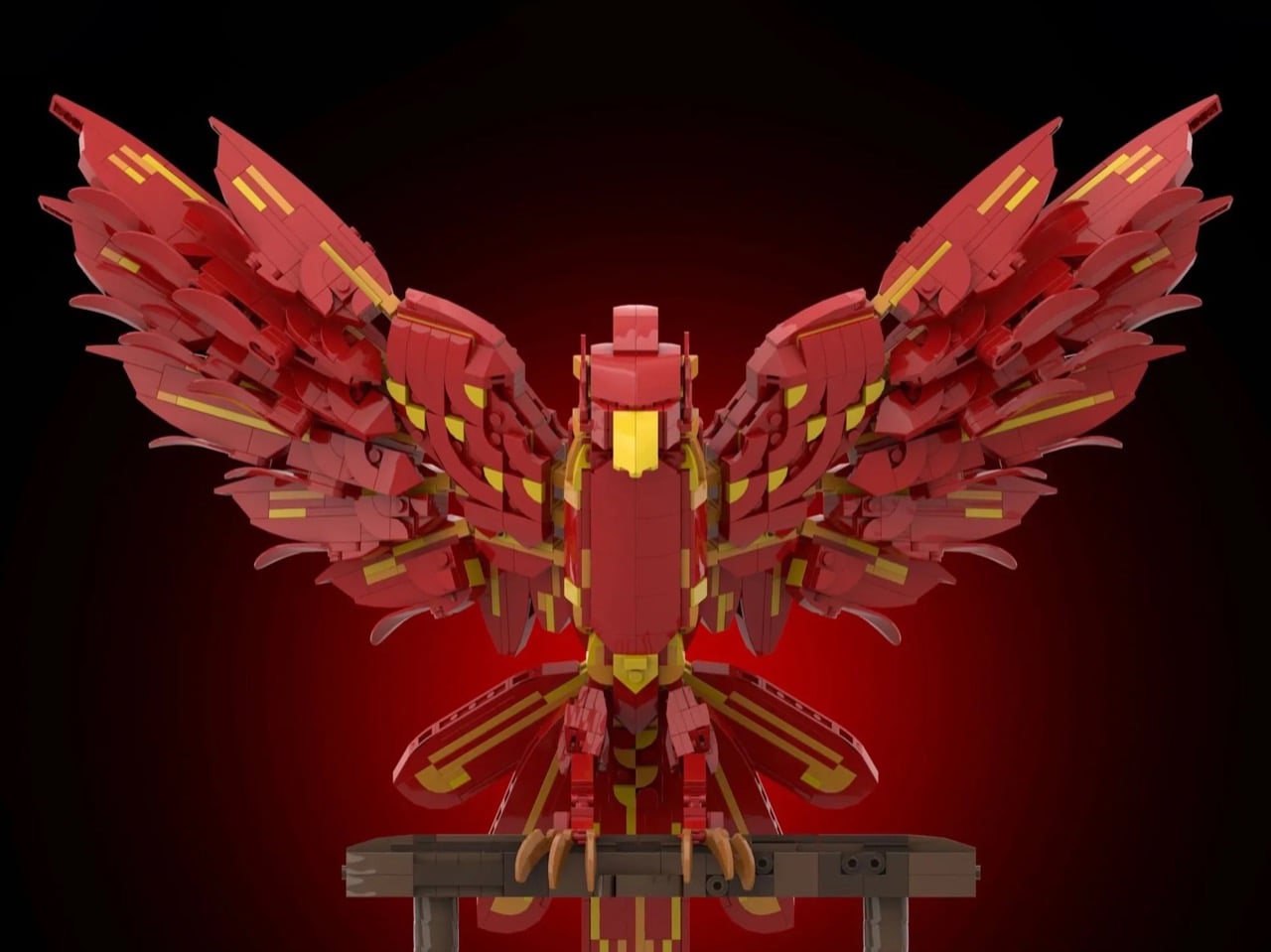
LEGO has given us plenty of football sets over the years. Mini stadiums, playable pitch builds, even those collectible team helmets. But here’s what they haven’t done: a proper 1:1 scale collection that captures the real size and weight of the sport’s most iconic objects. CreativeDynamicBrick is trying to fill that gap with the NFL Collection, a project that tackles one of the trickiest challenges in brick building: making round things out of square pieces at actual size.The set comes in three parts.

There’s a 969-piece helmet that sits at real helmet scale, with a facemask that actually looks protective, not decorative. There’s a 680-piece football mounted on a stand, built to match the dimensions you’d grip on game day, with lacing made from white T-bars because sometimes the simplest solutions are the best ones. And there’s a 271-piece field diorama where minifigures number 7, 8, and 13 battle it out under yellow goal posts. It’s the kind of display piece that works on an office shelf or a game room wall, and it’s generic enough that nobody has to know you’re secretly a Dolphins fan.

Designer: CreativeDynamicBrick

I honestly can’t stop staring at how the helmet dome curves. Angled Technic linkers form the internal structure, which is the only way you’re getting that shape without making it look like a stepped pyramid. Most builders would slap printed tiles on a vaguely round surface and call it a day. This creator actually solved for the geometry, using those connector pieces to build a framework that lets the exterior panels follow a true curve.

The facemask attaches with proper depth and spacing, which matters when you’re trying to make something look like actual protective equipment. You can see the interior construction through the face opening, all that black scaffolding holding the dome together, and even though fairly technical (and not meant to be worn), you could honestly try slipping this onto your head and its 1:1 sizing means it will actually fit you. Don’t expect it to ward off any concussions… one simple knock and this thing will become a pile of bricks on the floor.

A prolate spheroid is legitimately difficult to build out of rectangular bricks. The football proves it with 680 pieces dedicated to getting that taper right at both ends. Too round and it looks like a rugby ball, too pointy and it’s a lemon. The brown color blocking follows the panel lines of a real football, which is why your brain reads it correctly even though you’re looking at stacked plastic. Those white T-bar pieces forming the laces solve a problem most people wouldn’t even think about until they tried building one themselves. The display stand has an adjustable arm that lets you position the ball at different angles, so you can make it look like it’s mid-spiral if you want your desk to have opinions.

The smart play was avoiding team logos entirely (on the helmet as well as the football, and even that tiny diorama playset). No Cowboys star, no Packers ‘G’, no licensing headaches. Generic football works for professional fans, college enthusiasts, and people who just throw spirals in the backyard. The helmet uses red and blue striping that could belong to anyone or no one. The minifigures wear numbers 7, 8, and 13 in blue and red jerseys that suggest teams without declaring allegiance. Drop this on your shelf and nobody needs to know which franchise you actually care about, which is probably the only way a football set survives the LEGO Ideas gauntlet without getting buried in legal paperwork.

White brackets wedged between green bricks create the yard lines on the field diorama. No printed pieces, no stickers, just brackets doing bracket things in a way that happens to look like field markings. One blue player throws, another runs a route, and the red player looks like he’s about to deliver a highlight reel hit. The curved transparent piece showing the ball in flight adds motion to what would otherwise be three static figures standing on fake grass. It’s 271 pieces total for this section, which sounds small until you remember it includes three fully detailed minifigures with custom prints and enough structure to keep everything stable.

The overall piece count hits exactly 1,920 as a nod to the year the NFL was founded. You either appreciate that kind of numerical easter egg or you think it’s trying too hard, but it does show this builder was thinking about narrative alongside construction. CreativeDynamicBrick spent over 30 hours on this, their first LEGO Ideas submission, which is pretty brave for a first-timer. Most people start with something manageable. Maybe a small building or a vehicle. This person went straight for advanced geometry and custom minifigure design.

Right now it’s sitting at 1,620 supporters with 597 days left to hit the next milestone of 5,000 votes. Whether LEGO actually picks it up for production depends on a dozen factors we’ll never see, but the technical execution holds up. The geometry works, the scale feels right, and the building techniques show someone who understands how to translate real-world curves into brick form. That’s harder than it sounds, and it’s why most football builds end up looking like someone’s first attempt at organic shaping. You can cast your vote for this MOC (My Own Creation) on the LEGO Ideas website here!

The post LEGO Ideas Gets Its First Proper 1:1 Scale NFL Football Collection and it’s Honestly Iconic first appeared on Yanko Design.
4 Holiday Gifts for Designers Who Already Own Everything (But Need This)

Some gifts say “I know you are a designer” better than any coffee table book ever could. HOZO’s tools fall squarely into that category, with a family of meticulously engineered rulers, blades, and blocks that speak the language of architects, engineers, and makers. Instead of chasing gimmicks, the brand focuses on reworking everyday instruments with tighter tolerances, smarter details, and a visual presence that feels at home on a carefully curated workspace.

For this holiday season, HOZO’s Neo quartet covers almost every corner of a creative workflow. NeoBlade handles precision cutting on models and mockups, NeoRuler and NeoRulerGo tackle measurement both at the desk and on the go, and NeoBlock brings a modular, almost playful approach to layout and alignment. Taken together, they form a compact ecosystem of gifts that quietly make a designer’s life easier while still delivering that satisfying “where did you find this?” moment when the wrapping comes off.

NeoBlade (20-25% off)

Ultrasonic cutters have been floating around maker spaces and professional studios for years, but they have always carried the same baggage: tethered cords, overheating, and body designs that feel more industrial than intentional. NeoBlade strips away all of that in favor of something much more useful. It runs completely wireless with a swappable 1300mAh battery system that hot-swaps in seconds, charges via USB-C in 30 minutes, and delivers 30 minutes of runtime per pack. The tool weighs just 124 grams without the battery, which makes it genuinely comfortable to hold for extended sessions trimming 3D prints, cutting leather patterns, or carving into foam core mockups. The ultrasonic engine itself operates at 40 kHz with adaptive power output between 9 and 40 watts depending on material density, so it adjusts on the fly whether you are slicing through 4mm acrylic or detailing cardboard templates.

HOZO built two cutting modes into the handle: Precision Mode works as a press-and-hold trigger for short, controlled cuts on intricate parts, while Continuous Mode toggles down for long, uninterrupted runs. The blade system deserves attention too. NeoBlade ships with a six-blade sampler set covering standard, long, chisel, mini chisel, curved, and double-edge profiles, all machined from SK5 steel that lasts two to three times longer than typical carbon steel hobby blades. They mount magnetically for quick swaps, and the tool accepts standard 9mm 30-degree snap-off blades from brands like OLFA if you want compatibility with what you already own. A 13,000 RPM turbo-cooling fan with dual exhaust vents keeps the internal temperature stable even during heavy use, which addresses one of the biggest weaknesses in older ultrasonic designs. HOZO also includes a child lock and designed the body with ambidextrous airflow, so it works cleanly for both right- and left-handed users. For the holiday bundles, HOZO offers the NeoBlade Combo at 25% off and the NeoBlade Premium Combo (also 25% off), which adds the TurboDock dual-channel fast-charging station and an extra battery pack for professionals running back-to-back projects. If you’re craving just the standalone NeoBlade, HOZO offers a pretty sweet 20% discount to begin with.

Why We Recommend It

Most precision cutters make you choose between portability and power, but NeoBlade solves that tradeoff by going fully wireless without sacrificing the high-frequency cutting performance that makes ultrasonic tools so effective in the first place. The swappable battery system is the real game-changer here, because it means you can keep a second pack charged and ready rather than pausing mid-project to wait for a tethered cord or a drained battery to recover. Combined with the variety of blade profiles and the adaptive power output that automatically adjusts to different materials, NeoBlade becomes one of those rare tools that handles both delicate detail work on resin prints and aggressive cuts through plywood or carbon fiber without needing a second device. At 20% for the standalone device and 25% off for both the Standard and Premium Combos, it lands at a price point that undercuts most corded ultrasonic cutters while delivering more flexibility and a cleaner workflow.

Click Here to Buy Now: $127.49 $149.99 (15% off) | NeoBladePremium Combo at 25% off Here. | NeoBlade Combo at 25% off Here. Hurry, deal ends in 48-hours!

NeoRuler (20% off)

Most architects and engineers have a drawer full of scale rulers because no single tool covers all the ratios they actually need. NeoRuler collapses that entire collection into one 12-inch aluminum body with a 1.14-inch backlit LCD screen and a segmented LED strip running the length of the edge. Instead of fixed markings, you slide a pointer along the ruler and the display shows your measurement digitally with 0.1mm accuracy. The clever part is the zero-anywhere system, which lets you set any point along the ruler as your starting reference and measure bidirectionally from there without lifting the tool. NeoRuler ships with 93 built-in scales split across eight modes (architectural, engineering, metric, and more), covering ratios like 1:1, 1:50, 1:100, and everything in between. The MEAZOR app adds unlimited custom scales if your work involves non-standard ratios, and the device switches instantly between decimal inches, fractional feet, millimeters, centimeters, and other units without menu diving.

The 1000mAh battery charges via USB-C and delivers around 12 hours of active use or 180 days on standby, so it stays ready between projects. HOZO also offers the NeoRuler Premium Combo at 20% off, which bundles the ruler with NeoCaliper for object measurements, NeoMagnifier for fine readings, two NeoPointers (0.8mm and 1.2mm) for precise drafting, and a protective carrying case. The modular accessories snap onto the ruler body magnetically, turning it into a full desktop measurement system rather than just a single-purpose tool. The screen has a non-glare coating and adjustable color themes, which makes it genuinely easy to read under studio lighting or in the field.

Why We Recommend It

The real breakthrough with NeoRuler is how it eliminates the constant mental math and tool-swapping that comes with traditional scale rulers. If you are working from a drawing at 1:75 scale but need to convert that to actual dimensions in fractional inches, or if you are sketching at 1:20 and want to see the result in metric, NeoRuler handles the conversion in real time without forcing you to pull out a calculator or switch to a different ruler. The zero-anywhere feature is surprisingly useful in practice because it means you can leave the ruler positioned on a drawing and measure multiple segments without resetting or repositioning. At 20% off, the standard NeoRuler lands at just over $100, which undercuts what most people pay for a decent set of traditional scale rulers while delivering far more flexibility and precision in a single device.

Click Here to Buy Now: $103.20 $129 (20% off). | NeoRuler Premium Combo at 20% off. Hurry, deal ends in 48-hours!

NeoRulerGo (28% off)

Where NeoRuler solves the desk-bound measurement problem, NeoRulerGo tackles a completely different challenge: measuring things that aren’t flat, straight, or conveniently positioned in front of you. This is HOZO’s pocket-sized rolling digital tape measure, roughly twice the size of a USB flash drive at 3.4 x 1.2 x 0.7 inches and weighing just 1.6 ounces. Instead of a sliding pointer on a rigid ruler, NeoRulerGo uses a small rubber wheel that you roll along whatever surface you are measuring, while a built-in red laser cross (635nm Class I) marks your start and end points. The digital screen displays real-time measurements as you roll, and the tool handles curves, irregular contours, and odd shapes just as easily as straight lines. Accuracy sits at ±1mm plus 0.5% of the distance measured, with 0.5mm resolution, which is more than adequate for field measurements, site surveys, or quick checks on furniture dimensions and room layouts.

Like its bigger sibling, NeoRulerGo includes the same 93 built-in scales and connects to the MEAZOR app for custom scale creation and data logging via Bluetooth. The 300mAh battery charges over USB-C and the body carries an IP54 rating, so light rain or dusty job sites won’t shut it down. The form factor makes it genuinely pocketable or keychain-friendly, which means it can live in your EDC rotation rather than sitting in a toolbox. HOZO also offers a Premium Combo version that bundles the NeoRulerGo with a leather case, extra roller tire, and a set of drafting accessories for on-the-go sketching and note-taking.

Why We Recommend It

NeoRulerGo fills a very specific gap that traditional tape measures and rigid rulers both struggle with: quick, accurate measurements of non-flat surfaces without the awkwardness of trying to bend a metal tape or eyeball the curve. The rolling wheel mechanism makes it trivial to measure things like chair armrests, curved tabletops, pipe circumferences, or the actual walking distance along a hallway with corners, all while the laser guide keeps your path visible and the digital readout eliminates guesswork. At 28% off on Amazon, it lands well under $60, which makes it an easy add to any designer’s or maker’s travel kit, especially for people who do site visits, measure existing furniture for custom builds, or need to capture dimensions in spaces where pulling out a full tape measure feels cumbersome.

Click Here to Buy Now: $49.98 $69 (28% off). Hurry, deal ends in 48-hours!

NeoBlock Premium Combo (25% off)

Sanding 3D prints or smoothing model parts usually means juggling multiple grits of sandpaper, wrestling with worn-out sheets, and constantly switching between flat blocks and flexible pads depending on the surface. NeoBlock takes the modular thinking HOZO applies to measurement tools and redirects it toward surface finishing. The Premium Combo includes one magnetic handle and three swappable sanding heads: S01 Basic for flat surfaces and rounded corners, S02 Pro for detailed precision work, and S03 Expert with a flexible body for curves and irregular contours. Each head clicks onto the handle magnetically in about five seconds without any tools, and the sanding belts themselves swap just as quickly thanks to a spring-loaded tension system. The kit ships with 60 industrial-grade cloth-backed belts covering six grits (120, 180, 240, 400, 600, and 800), with 10 belts per grit, so you can progress from aggressive material removal all the way through fine polishing without running out mid-project.

The belts measure 1.25 x 11 inches and wrap around the heads in a continuous loop, which means they last longer than equivalent sheets of sandpaper and distribute wear more evenly. The handle itself is machined from aluminum alloy and stainless steel with a PC+ABS body, giving it enough weight to feel controlled without causing hand fatigue during extended sessions. The S01 head works well for broad flat areas and can navigate inside corners cleanly. S02 narrows the contact patch for fine detail work on miniatures, prototypes, or tight spaces. S03’s flexible construction lets it conform to curved surfaces like rounded edges, cylindrical parts, or organic shapes without flattening the profile. The whole system fits into a premium storage box that keeps the heads, belts, and handle organized between uses.

Why We Recommend It

Most sanding block systems force you to commit to either rigid precision or flexible adaptation, but NeoBlock’s three-head approach covers both extremes and the middle ground without requiring separate tools. The magnetic quick-swap mechanism makes it genuinely fast to shift between tasks, so you can rough out a 3D print with 120-grit on the S01 head, switch to 400-grit on the S02 for detail cleanup, then move to 800-grit on the S03 to polish curved edges, all within the same workflow and without fumbling with adhesive-backed sheets or clamps. At 25% off, the Premium Combo lands at just over $70, which includes enough belts across six grits to handle dozens of projects before you need to restock. For anyone who regularly finishes 3D prints, builds scale models, or does any kind of surface prep on small parts, NeoBlock turns sanding from a tedious chore into a task that actually feels efficient and controlled.

Click Here to Buy Now: $71.25 $95 (25% off). Hurry, deal ends in 48-hours!

The post 4 Holiday Gifts for Designers Who Already Own Everything (But Need This) first appeared on Yanko Design.