You can buy a DIY Prefab Tiny House on Amazon and it’s cheaper than you think

I don’t mean to be controversial, but having a roof over your head shouldn’t cost you your life savings multiple times over. A new report shows that million-dollar homes have now become the norm, with cities being the most affected by rising house rates. It’s a political issue, but the consequences ripple across all fields, especially the design field. We’ve seen a rise in micro-living and tiny homes over the past couple of years, as young people embrace the idea of less-is-more and accept living in cosier spaces as opposed to larger homes.

Prefab houses have easily become the hottest architectural trend over the last decade, and here’s what we love about them – they’re compact, easy to construct (almost like putting a massive puzzle together), often come with a fixed layout so you can choose exactly the kind of house you want up-front, and here’s the kicker, you can even buy them on Amazon! This 2-storey prefab home can be bought online and will deliver right to your address. It comes with a multipurpose lobby, a living room, a quaint bedroom on the first floor with ample natural lighting, an attached balcony, and a tiny parking space underneath. From the looks of it, there’s no bathroom integrated into the layout, but that’s where you have the freedom to play with spaces and add a small loo of your own wherever you please. The entire home costs about as much as 3-4 months of average New York rent, which is practically a fraction of what a brick-and-mortar home would cost in today’s market. There are, however, some minor caveats.

Designer: Anovoal

Click Here to Buy Now

It’s easy to add a house to your cart on Amazon, but what you get is still just a glorified IKEA version of a house. Prefab homes need a LOT of work, they need land which you’ll probably have to own or lease out (although it’s a lot cheaper than an entire house), they need to be constructed (although prefab homes are much easier to put together over a period of a few hours or days), they need to have utilities like electricity and water (and Wi-fi), and they need to be furnished. The good part, however, is that all of this can sometimes still be cheaper than actually owning a house that’s roughly the same square footage.
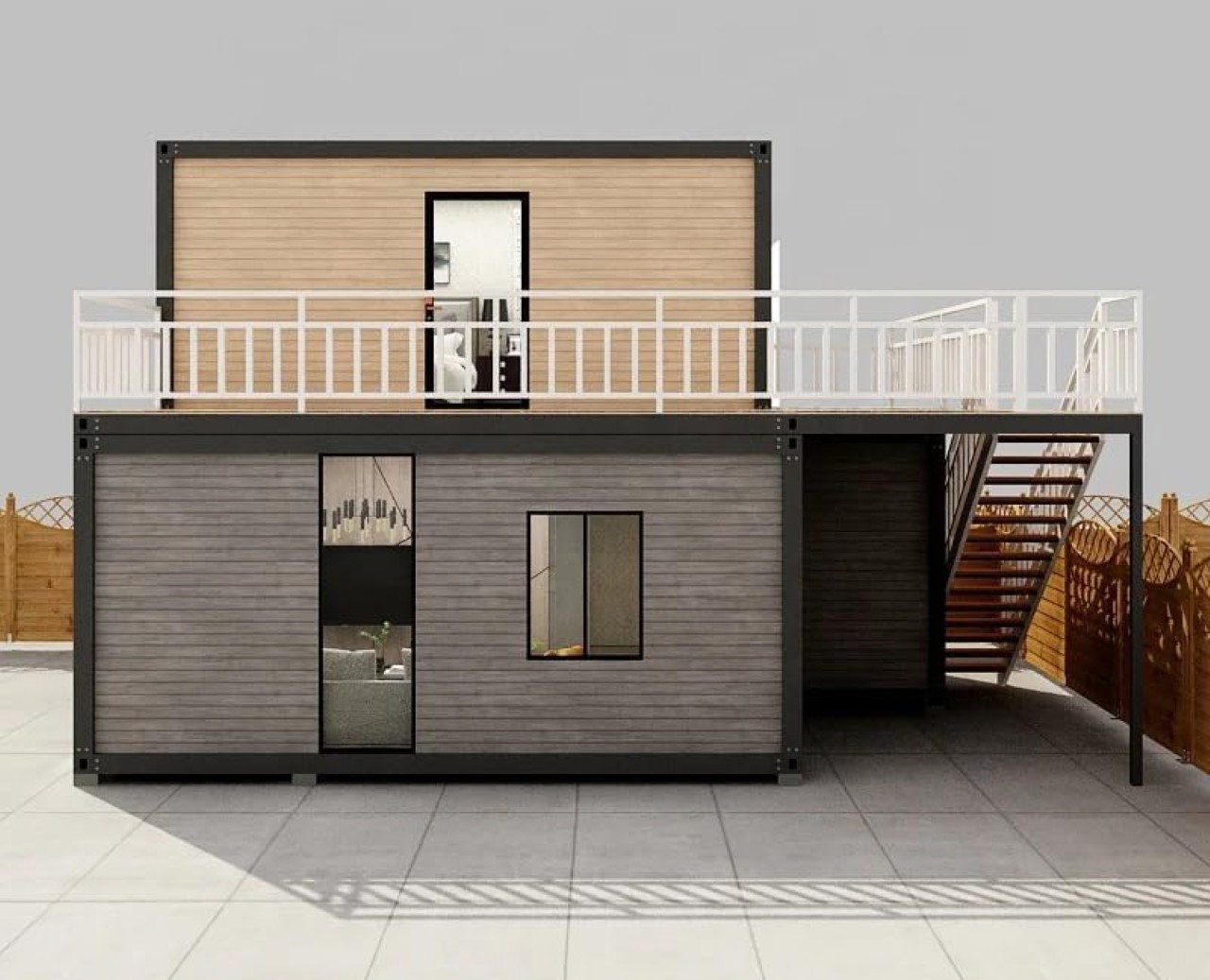
Unlike most matchbox apartments you’d get in urban spaces for this price, the Anovoal 40Ft. Modern Home is quite quaint. The two-story house gives you 2-and-a-half rooms that you can divide and segregate as you please, with an airy balcony for plants, a small jacuzzi tub, or anything that grabs your fancy. Large windows and skylights mean you get loads of sunlight during the day, practically negating the need for any lights before sunset. Place the house anywhere and you can pretty much treat yourself to any sort of view – whether you want your bedroom facing the sunrise or sunset is entirely up to you. The house uses strong and sturdy construction materials to come together, with a reinforced steel frame, panel walls and floors, and secure doors and windows. Setting the house up is less energy-intensive, making it much more viable than actual concrete construction, and the best part, the house is designed to be disassembled too, so you could shift locations after a year or two.

The best part about the Anovoal prefab home is that it can be treated as a module, allowing you to join multiple homes together to create an even larger one. The homes can stack up in any direction, giving you the layout you choose while also allowing you to have multiple bedrooms, a bigger living room, a workspace, and probably an open kitchen too.

Currently, the Anovoal tiny home is one of many on the e-retail platform with a price of just under 12 grand for one 2-story unit. Each unit comes with a 1-year warranty, along with online after-sales services just in case you need help with the house. The house can be styled/upgraded/moduled in a variety of ways, giving you the freedom that you probably wouldn’t get with other apartment homes. You can turn your tiny home into a smart one using IoT devices, probably transform one of those cabins into a garage or shed, and heck, even add an elevator if you want.

Click Here to Buy Now

The post You can buy a DIY Prefab Tiny House on Amazon and it’s cheaper than you think first appeared on Yanko Design.


This LEGO version of the Portal 2 Gun won’t help you teleport, but it looks stunningly real

Arguably one of the best games from the last decade, Portal 2 still holds its own against games today. Sure, it isn’t open-world, doesn’t have NPCs, and the graphics aren’t bleeding-edge, but the game is a brilliant combination of storytelling, premise, and clever gameplay. For the uninitiated, Portal 2 is a game that has you escape from a dystopian prison using nothing but a teleportation gun. You can create portals that allow you to ‘tunnel’ through reality, and the game relies on your understanding of physics and geometry to help you navigate this futuristic labyrinth filled with occasional surprises and enemies. The portal gun is all you have, and it’s arguably the only thing you need.

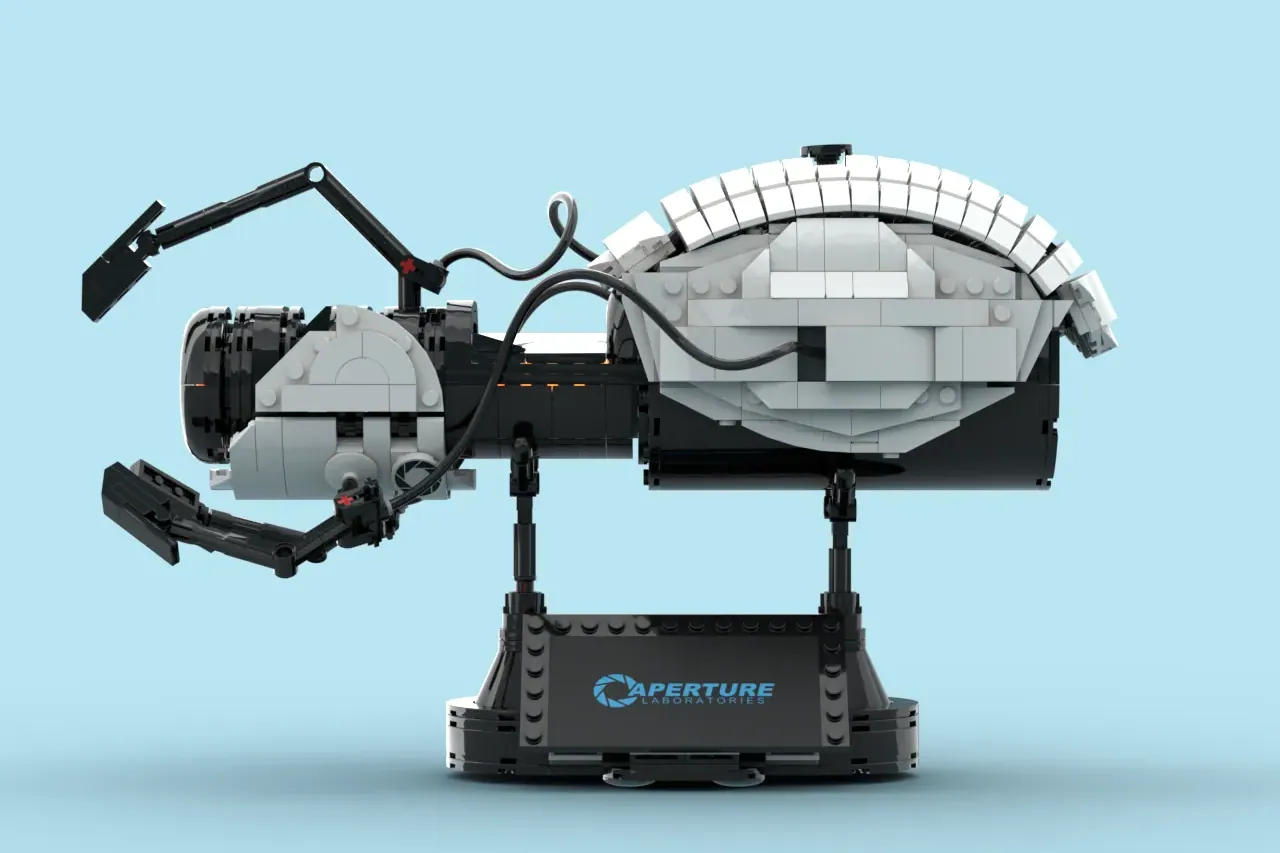
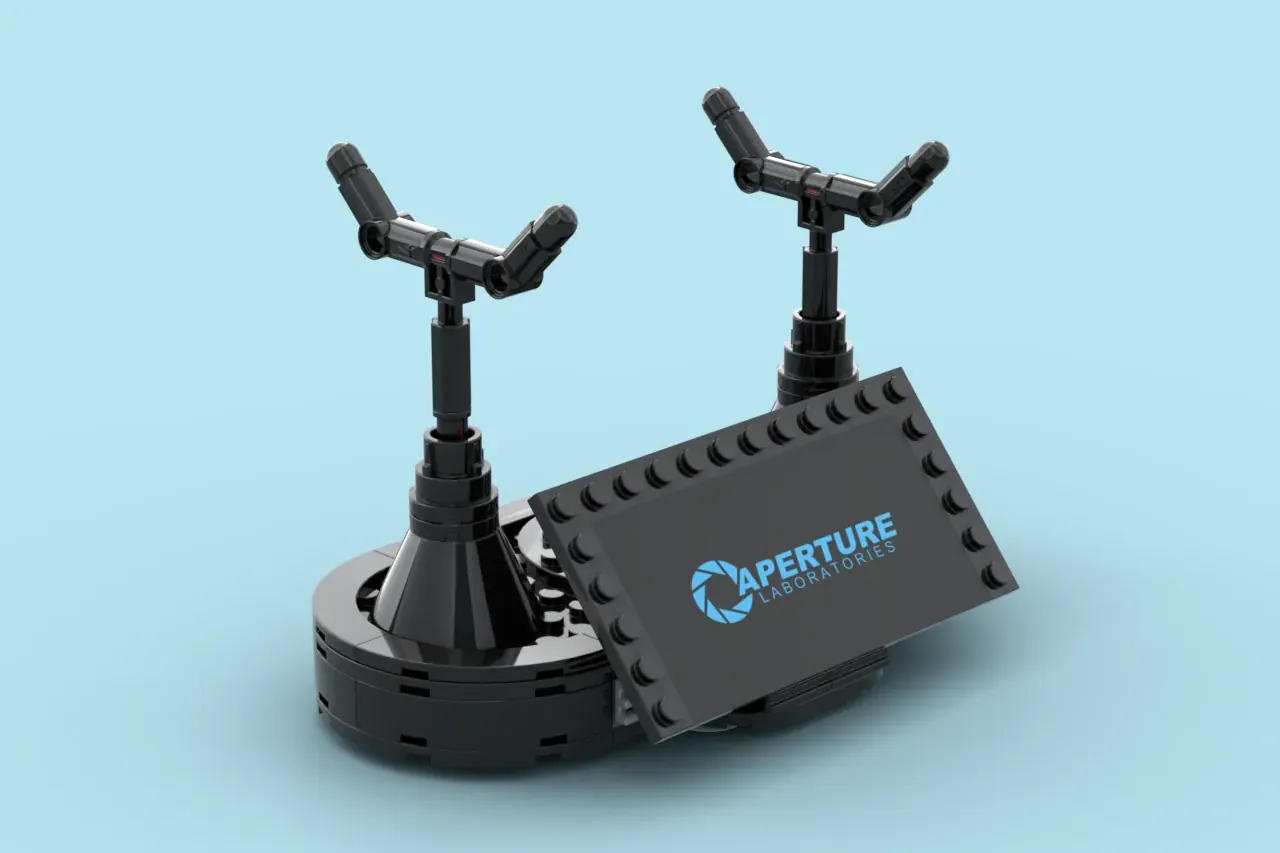
Now sure, such a gun clearly doesn’t exist in real life, but this LEGO recreation from Hooded-Blaze sure has captured our fancy! Styled to be a perfect replica of the cyberpunk quantum gadget from the game, the Portal 2 Quantum Tunneling Device is made entirely out of LEGO bricks, and comes with its own stand, as well as the ability to alternate between shooting blue or orange tunnels, just like in the game!

Designer: Hooded-Blaze

Although Hooded-Blaze doesn’t specify how many bricks are used to build this MOC (My Own Creation), chances are the portal gun is just a smidge tinier than the real deal. With its cyberpunk stylings, the gun boasts a uniquely blobject-ish form, looking almost like a stormtrooper ant, with three pincers right in front of the repulsor. The repulsor feeds off a cell that sits in the middle of the gun, and altering the cell allows you to switch between blue and orange portals.

“This would be no doubt a fantastic LEGO set because of how large the Portal community is. Since its release, over 40 million players have played Portal 2 worldwide,” says LEGO builder Hooded-Blaze. This isn’t the first time they’ve submitted the portal gun to the LEGO Ideas forum. The previous fan-made submission crossed the coveted 10,000 vote mark on the LEGO Ideas website with overwhelming support from the communituy, but was rejected by LEGO’s internal team. “Since the last time this LEGO Ideas project was released, it has been redesigned to be stronger internally and externally and more aesthetically pleasing, with some key components staying the same,” Hooded-Blaze mentions. “I have built a physical prototype of the Portal Gun from what LEGO I had. I have learnt a lot from the mistakes I made on the previous version, and it has been significantly improved since.”

With over 7,000 votes, the LEGO Ideas Portal 2 Quantum Tunneling Device is well on its way to crossing the 10,000 vote mark yet again. You can vote for the entry on the LEGO Ideas website too. Maybe this time the LEGO gods will listen to us and turn this into a box-set that we all can buy and secretly ‘pew-pew’ with when we’re bored!

The post This LEGO version of the Portal 2 Gun won’t help you teleport, but it looks stunningly real first appeared on Yanko Design.

Logitech G launches its tiniest wireless keyboard – The first with a 60% layout

If you’re anywhere near a laptop, spend a second looking at the keyboard it contains. Chances are, the keyboard you’re looking at has a 65% layout, featuring the QWERTY keys, the number row above it, and function keys. Not all laptops have num-pads on the side (unless they’re 15-inch laptops or more), so what you’re left with is perhaps the most condensed keyboard layout ever. However, you CAN go smaller. Remove the function row from the top, and you’re now left with a bare-basics 60% keyboard layout. It gets the job done, it’s compact, and is ideal for portability – all of which are the Pro X 60’s most prized features. Debuted as Logitech’s first 60% wireless keyboard, the Pro X 60 Lightspeed is deviously tiny, but doesn’t trade size for functionality. It’s still got great mechanical travel at its heart, making the keyboard perfect for pretty much everyone, but ideal for gamers, who revere that mechanical feel.

Designer: Logitech

Click Here to Pre-Order Now

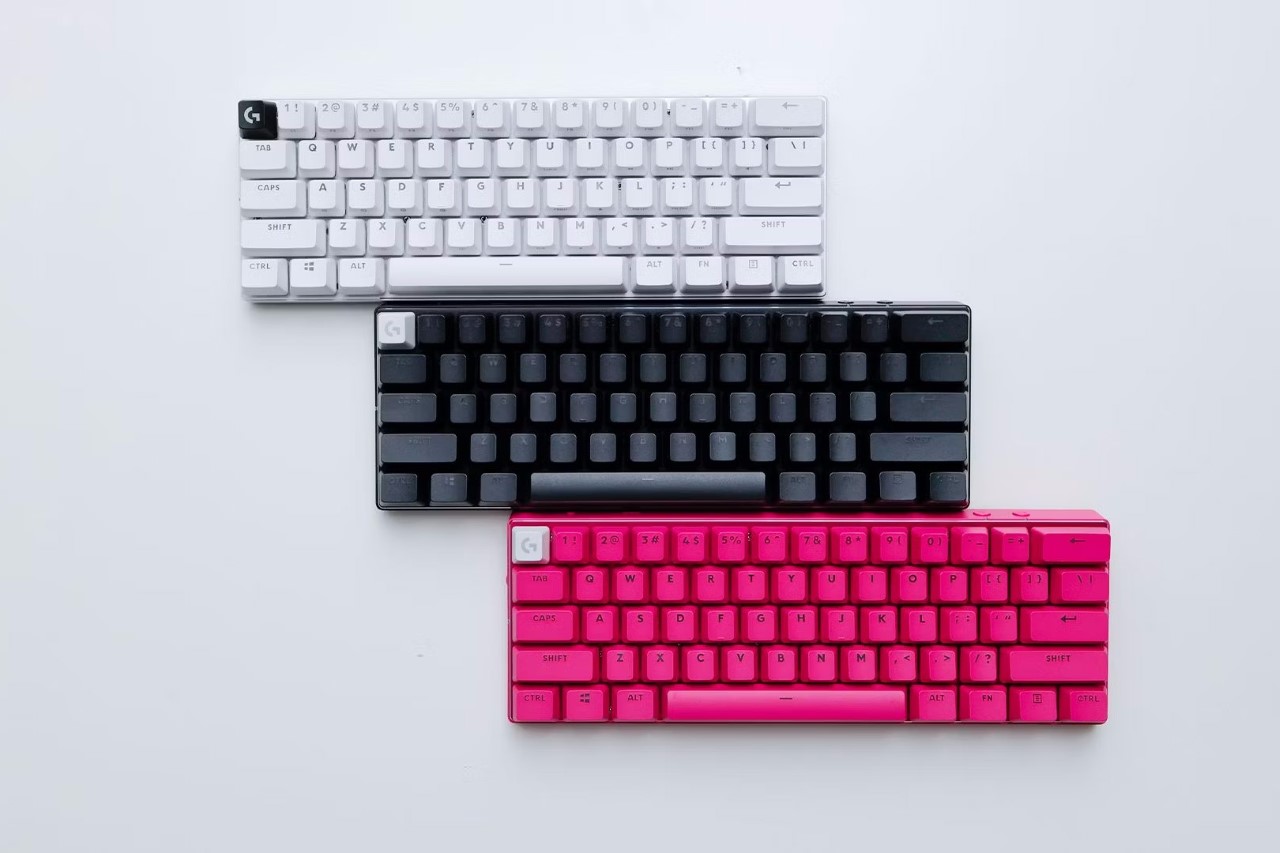
At a glance, the $179 Pro X 60 Lightspeed is a study in meticulous design and technological advancement. Offering a choice between tactile or linear GX optical switches, and available in three colors—black, white, or pink, the keyboard seeks to envelop gamers in a bespoke gaming experience. The keyboard’s compact size is a deliberate choice, offering ease of transportation without compromising on the essential features that gamers have come to expect from Logitech’s G Pro X series.

Unlike its predecessor, the G Pro X TKL Lightspeed, the Pro X 60 Lightspeed opts for optical switches over mechanical ones, offering a distinct feel with a 1.8mm actuation point and a travel distance of 4mm. This choice underscores Logitech’s pursuit of providing gamers with precision and responsiveness in a form factor that defies convention. The keyboard’s versatility extends to its connectivity options—wired via a USB-C cable, or wireless through Bluetooth or Logitech’s proprietary Lightspeed dongle, ensuring a seamless gaming experience with a 1000Hz polling rate.

Gamers can customize the keyboard and assign macro shortcuts, adjust lighting, and tweak audio effects to their liking, with each key capable of performing up to 15 different functions through Logitech’s G Hub software and the new Keycontrol tool. The inclusion of Lightsync RGB lighting, pre-set to a static blue to minimize distractions, further enhances the gaming atmosphere, allowing for a personalized color palette and lighting sequences to radiate through the keyboard’s dual-shot PBT keycaps.

Beyond its technical prowess, the Logitech G Pro X 60 Lightspeed is designed with quality-of-life improvements that cater to the gaming lifestyle. A strategically placed volume roller, a Game Mode switch that disables potentially distracting keys, and a carry case for easy transport all contribute to a gaming keyboard that understands the rhythm of competitive play and travel. For gamers for whom every second and every key press can make the difference between victory and defeat, the Pro X 60 Lightspeed is a mobile command center that bridges the gap between performance and portability. The Pro X 60 Lightspeed is available for preorder, with deliveries starting April 17th.

Click Here to Pre-Order Now

The post Logitech G launches its tiniest wireless keyboard – The first with a 60% layout first appeared on Yanko Design.

Could a Luxury Car Brand like Audi get into Fitness Equipment?

Luxury car brands don’t sell transportation… they sell a lifestyle, so what if you carried that idea to any other category? Designer Qingsheng Meng asked themself the same question, wondering what would happen if you took a luxury car brand like Audi’s DNA and applied it to another category, for example, exercise equipment. Sure, it sounds odd on the face of it, but Bose makes speakers and truck seats. Yamaha makes motorcycles and pianos… so why couldn’t Audi make a stationary exercise bike? After all, the company already builds electric bicycles, so the transition seems like a natural one. Meet the Audi Smart Spinning Bike, an exercise bike built with Audi’s luxury automotive DNA. After all, luxury car brands sell a lifestyle – why not a healthy one?

Designer: Qingsheng Meng

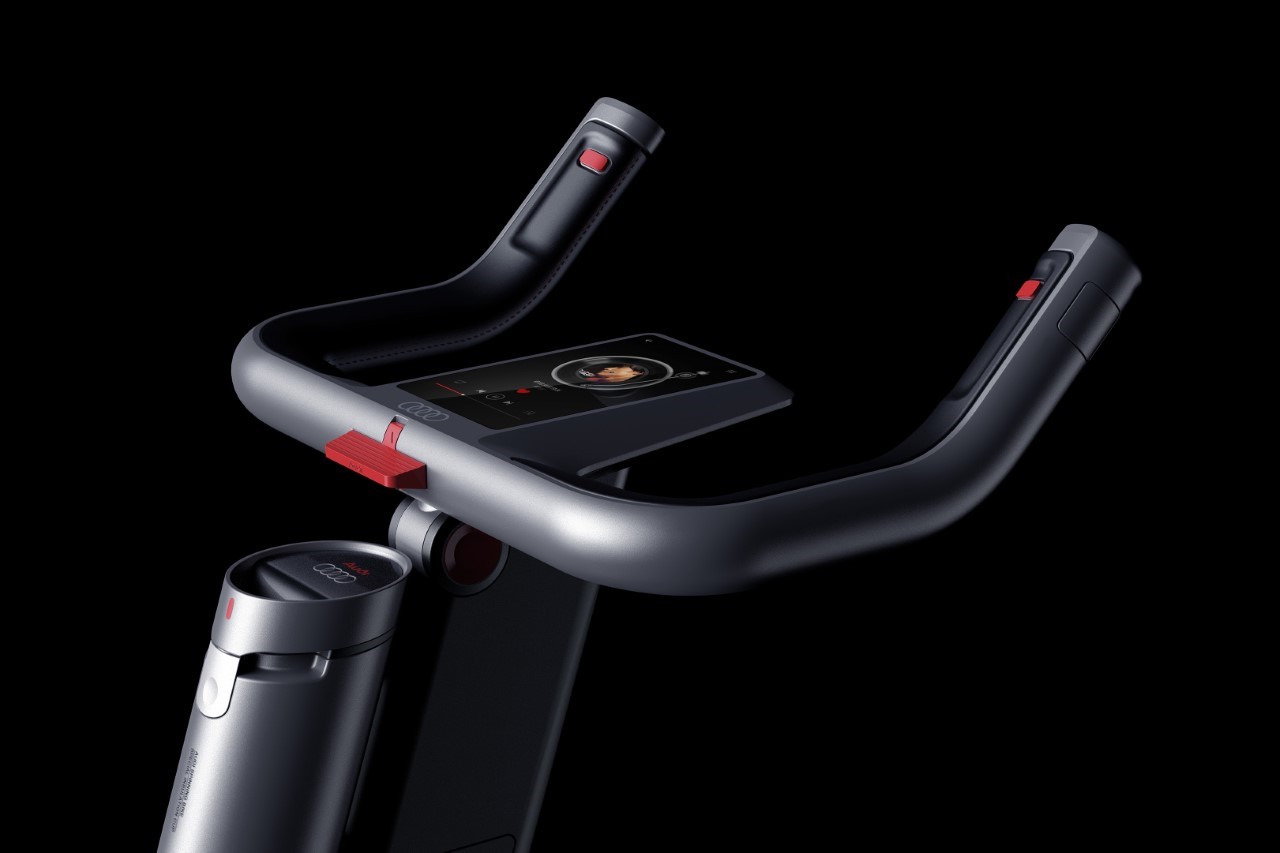
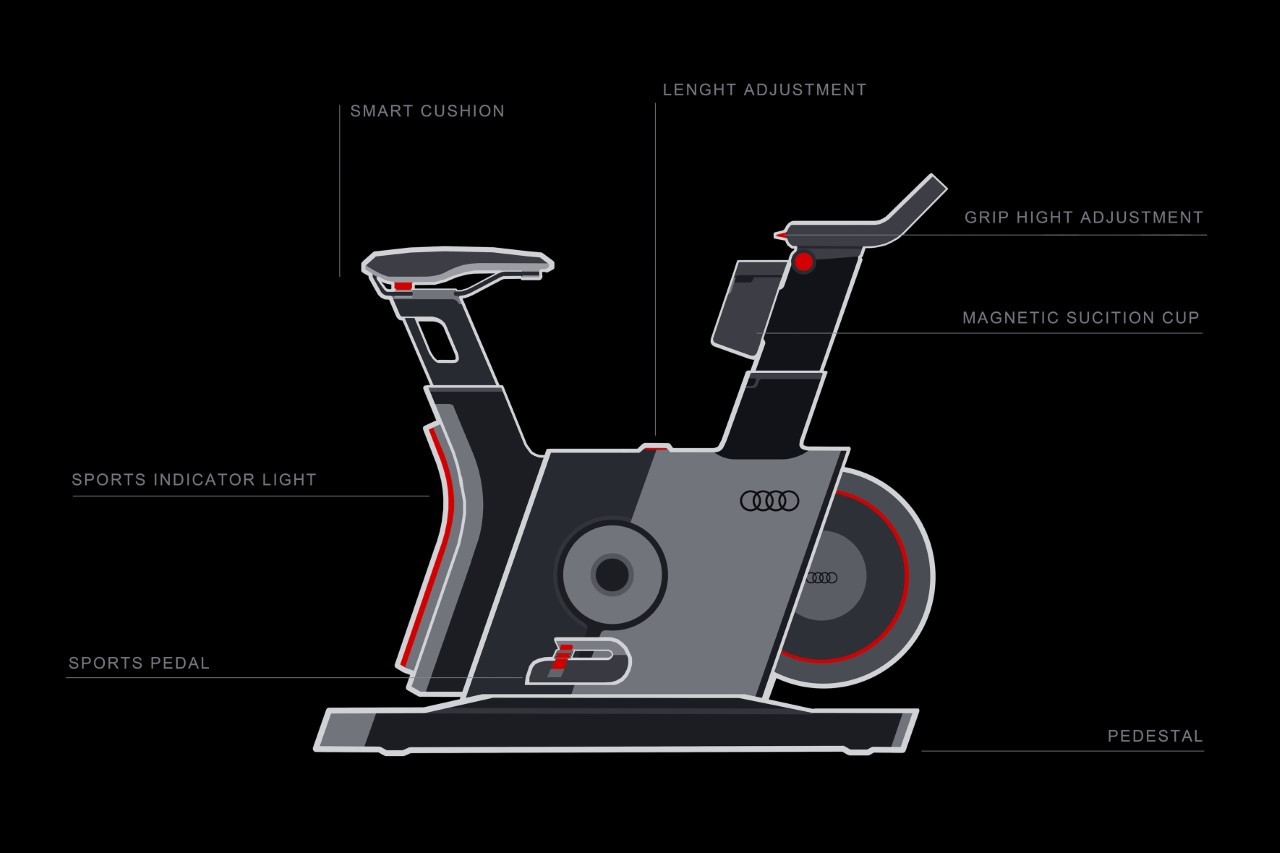
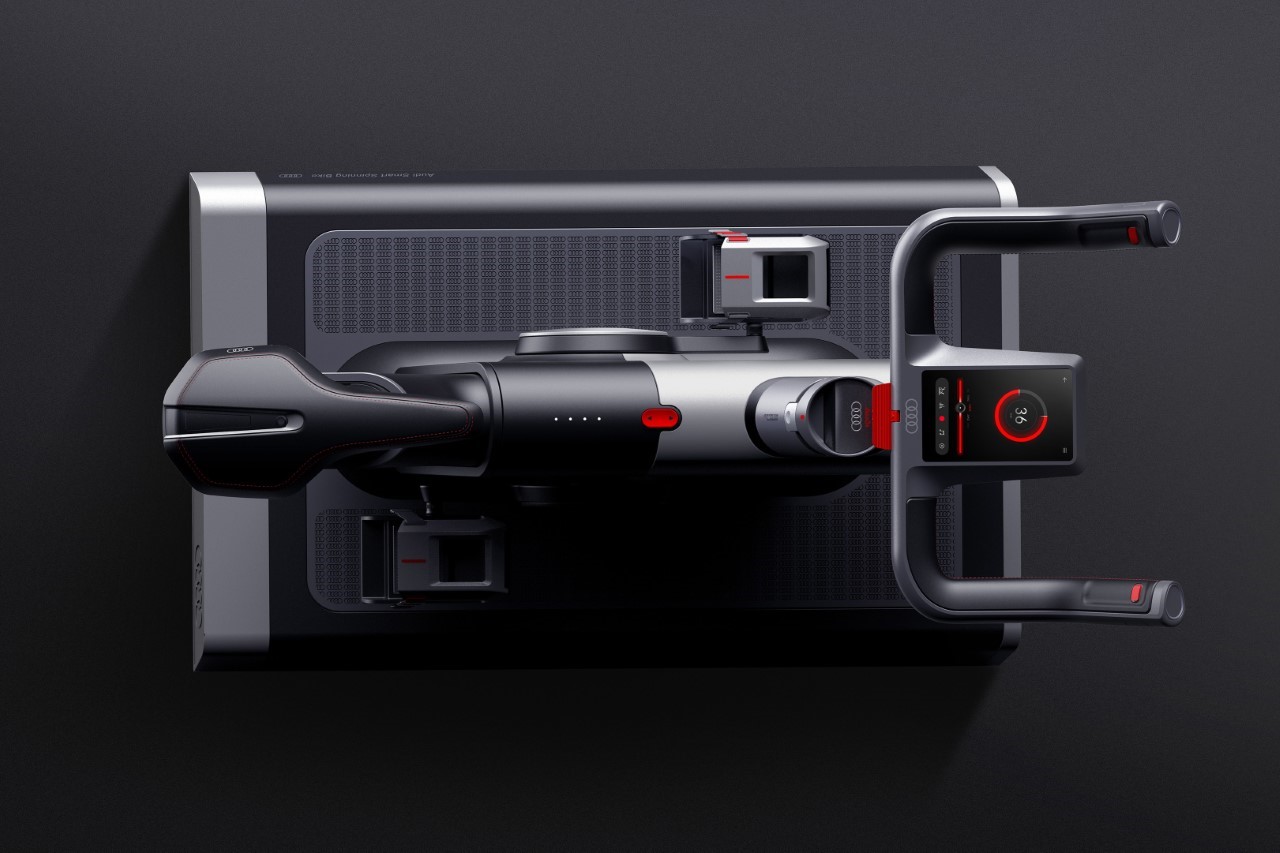
The Audi Smart Spinning Bike concept carries the company’s automotive aesthetic to home workout equipment. This translates to clean surfaces, chiseled forms, a forward-leaning stance that indicates speed, and a gorgeous matte black and silver colorway that adds to the bike’s appeal. “Different from traditional spinning bikes, this product intelligentizes traditional spinning bikes,” says Meng, the China-based designer responsible for the Audi Smart Spinning Bike concept. “At the same time, it uses simple styling techniques to draw lessons from Audi’s design language, emphasizing Audi’s intelligent and simple brand attributes, and is in line with the market.”

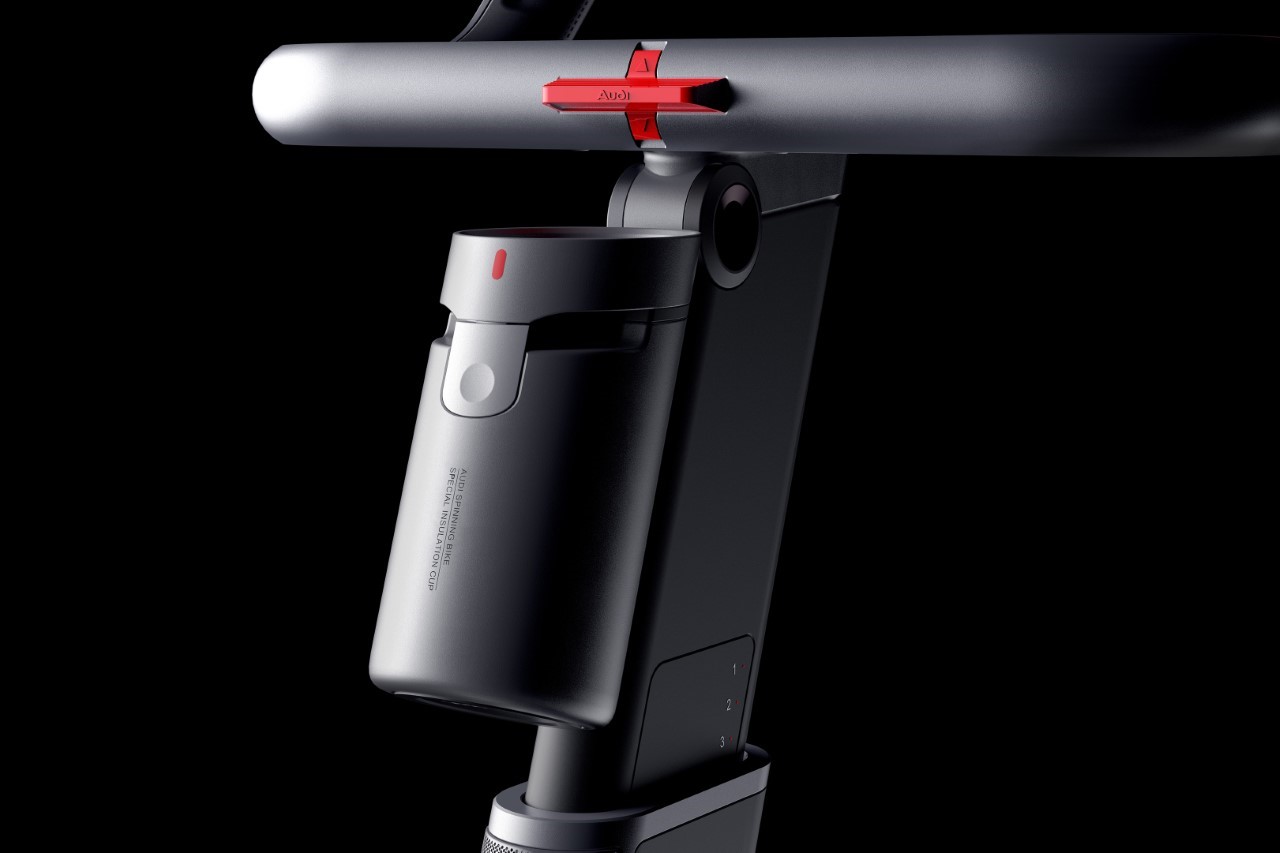
The spin-bike is different from Peloton or any of the other stationary bikes you’d otherwise see. It looks different, feels much more advanced, and comes with features that set it in a class apart. The bike sports an adjustable frame, that lets you manipulate the seat distance, height, or even handlebar heights with the simple push of a button. A dashboard gives you a comprehensive breakdown of your workout, and the energy that you put into the exercise doesn’t go to waste. It charges the e-bike as well as a detachable power bank that sits underneath the dashboard, giving you actual battery power that you can then use to charge your smartphone or other devices around the house.

The handlebars facilitate a sturdy grip while cycling, and a touchscreen LCD dashboard lets you brows through your workout stats, giving you a comprehensive breakdown of how long you cycled, how many calories you burned, your cadence, cardio, etc. The dashboard also lets you choose difficulty settings before each workout. Meanwhile, your exercise doesn’t go in vain – the muscular energy you exert during cycling gets converted into kinetic energy, which then gets stored as electrical energy in a battery pack attached to the base of the handlebars.

With the ability to hold as many as two battery packs, the Audi Smart Spinning Bike gives you impetus to exercise, also allowing you to measure your workout in a unique way. You can compare a single exercise session to literal milli-amp hours, understanding how much physical exertion you’d need to charge your entire smartphone from 0 to 100! Sounds fun, doesn’t it??

It’s precisely that fun that helps the Audi Smart Spinning Bike stand apart from other stationery bikes, that just provide you with ‘exercise’. Quite like how Audi cars are fun to ride and immerse you in the luxurious thrill of style and speed, the spin bike helps elevate your workout to another level, giving you the kind of workout you could only experience from a state-of-the-art bike designed by one of the world’s leading automotive marques!

The post Could a Luxury Car Brand like Audi get into Fitness Equipment? first appeared on Yanko Design.

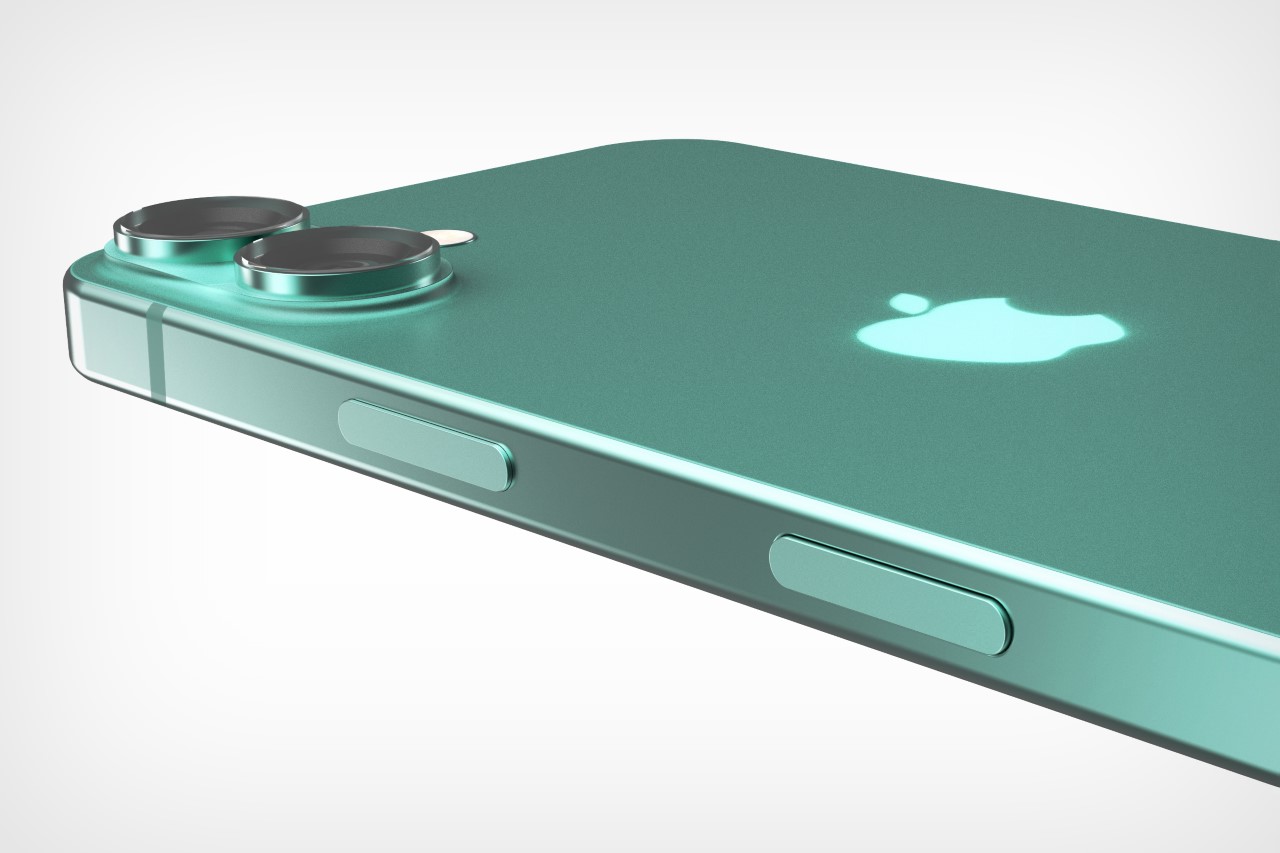
Apple’s Big Mistake with the iPhone 16 Series is Focusing TOO MUCH on the Camera

When Jobs took the stage to announce the iPhone back in 2007, he used three terms to describe the revolutionary device – a widescreen iPod with touch controls; a revolutionary mobile phone; and a breakthrough Internet communications device. However, ever since the iPhone 7 introduced a dual-lens main camera system on the phone, the Apple team has sort of obsessed with making sure the iPhone has a great camera first, and phone-adjacent features later. Almost like a handheld camera with an App Store, the iPhones now are just a shadow of what they could be. No foldable technology, no AI-based enhanced features, and not even a damn-near decent voice assistant. In fact, it took Apple YEARS to get 5G to their iPhones. Apple spends nearly 30-40% of each iPhone keynote talking about the camera and screen, and now rumors are indicating that the iPhone 16 will introduce a dedicated ‘capture’ button that lets you click photos like you would with a professional camera. The problem with this is that it’s diluting the very definition of a smartphone… and I feel like it might be deliberate.

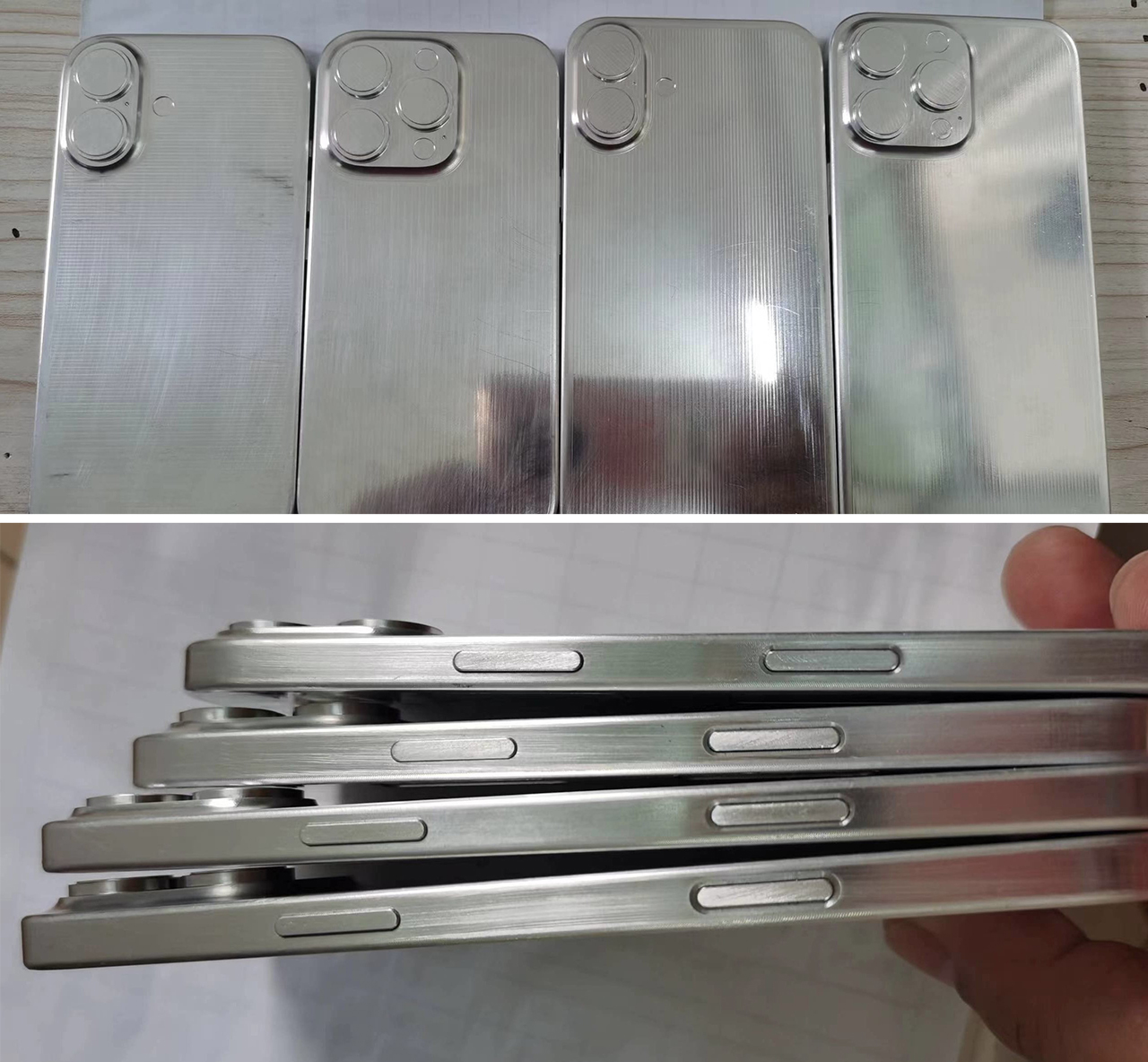
Earlier this week, leaks showed a new hardware feature coming to the iPhone – a Capture Button that would sit on the top right corner of your phone if you held it in landscape mode. Surprising as it is, considering Apple has been trying to go buttonless and portless for a while now, the Capture Button seems like an odd addition to a phone. Not a single other smartphone has a camera shutter button. In fact, the de facto position is to turn your volume button into a capture button while the camera is running… so what’s driving Apple to add YET ANOTHER button to their phone, following the addition of the Action Button last year?

Leaked images of iPhone dummies used for case designs

Last month, I pointed out that the iPhone 16 is just going to be one of those boring phones worth missing, and this Capture Button seems to reinforce that fact. Every 3 years, Apple launches a ‘boring’ iPhone with a minor design upgrade just to keep things moving before a radical change and it’s been 2 years since the Dynamic Island, so this is probably Apple’s boring year. But why a Capture Button? Nobody said we needed it, not a single Android competitor has a Capture Button, heck if anything we’d appreciate bringing the 3.5mm audio jack back. So why is Apple going ahead with this hardware change?

There are two ways to look at it. The first is a simpler explanation – Apple’s run out of ideas. This is just one of those years where Apple pushes out something so it can tick that annual release box and make a few sales before something bigger and better in 2025. It’s a theory that holds merit given that the iPhone 8 was the ‘boring’ phone for the iPhone X, the iPhone 13 hardly had any extra features (unless you count Cinematic Mode as a game-changing upgrade) before the iPhone 14 ushered in the Dynamic Island. This basically means it’s business as usual and 2024 is just going to be a boring year for iPhones… but there’s yet another explanation.

Close-up of the purported Capture Button

The second explanation is a little more layered and vague, considering there’s no concrete proof to the fact. The explanation is that Apple’s pretty much resigning the iPhone to its fate – the camera. With the Vision Pro becoming Apple’s new breakthrough device, the iPhone will eventually take second place, quite like the iPod did 12 years ago. There are multiple rumors that Apple’s building a cheaper Vision headset (without the ‘Pro’ title) for the mass market to immerse in spatial computing… and when that happens, the iPhone won’t be anything except for a glorified photography device. It still doesn’t explain why Apple’s adding a Capture Button to their phone, given that people already use the volume button to capture photos… but that’s the vague part, because we really don’t ever know what’s going on inside the heads of Tim Cook and the Apple team until and unless they tell us. But as far as the iPhone 16 goes, I’d recommend you give it a miss unless you were long due for a smartphone upgrade.

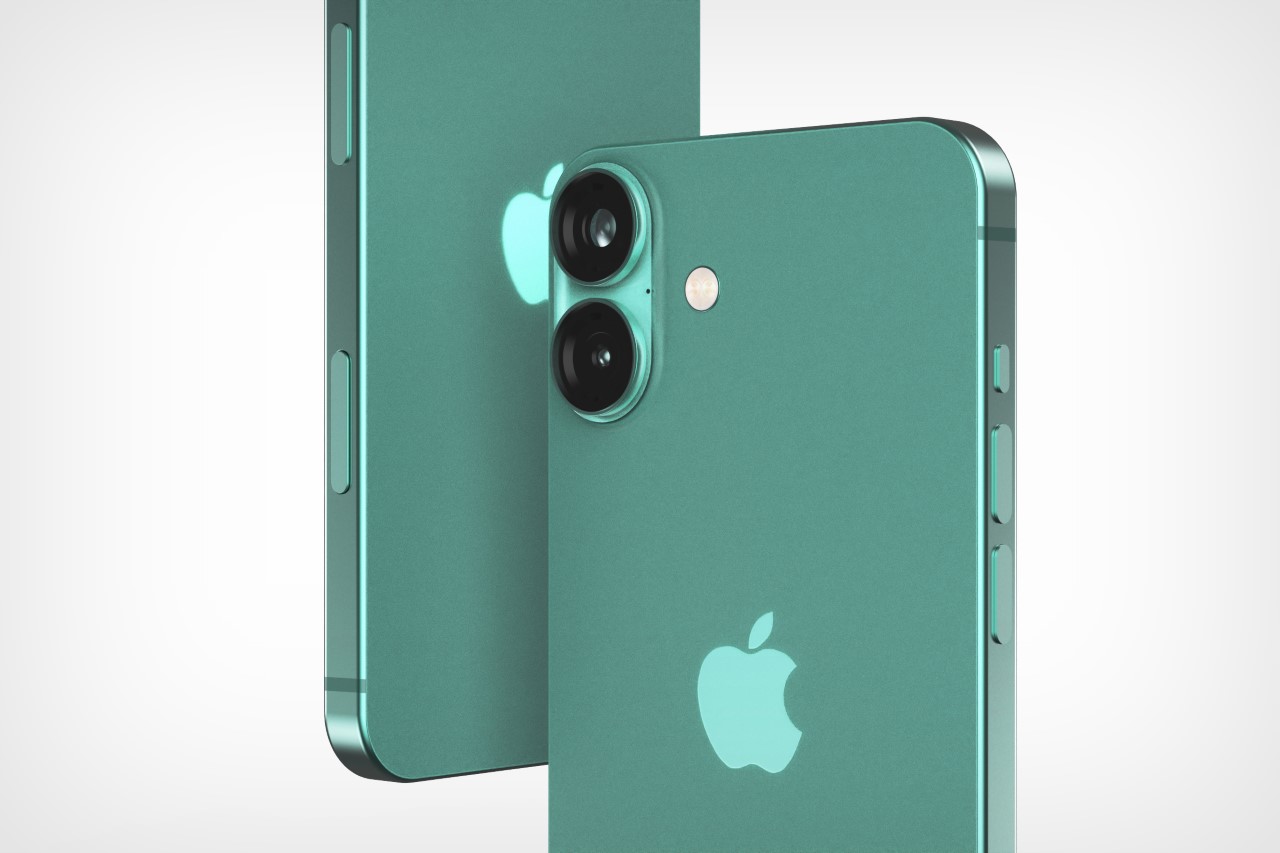
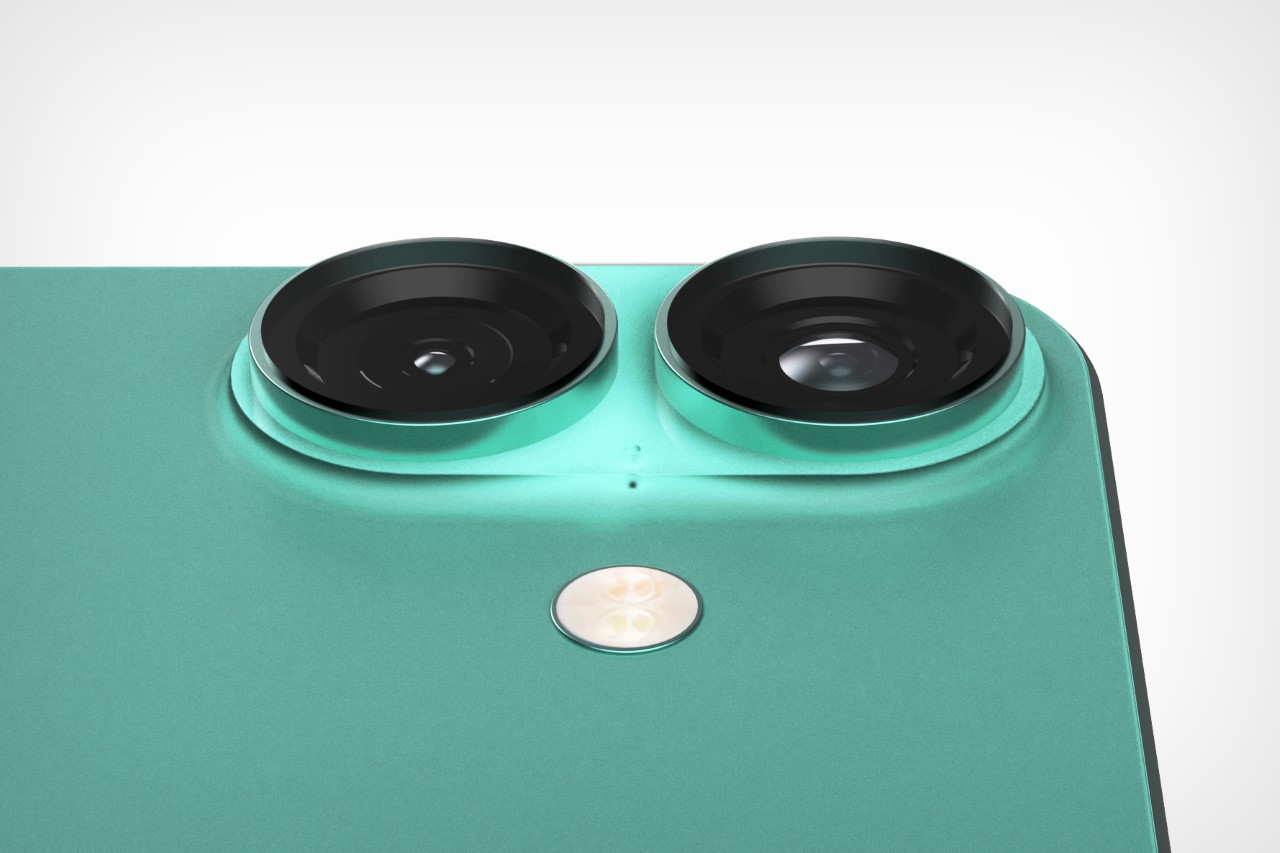
Renders by Sarang Sheth

The post Apple’s Big Mistake with the iPhone 16 Series is Focusing TOO MUCH on the Camera first appeared on Yanko Design.
Single Serve Coffee Grinder deposits the perfect grind directly into your portafilter

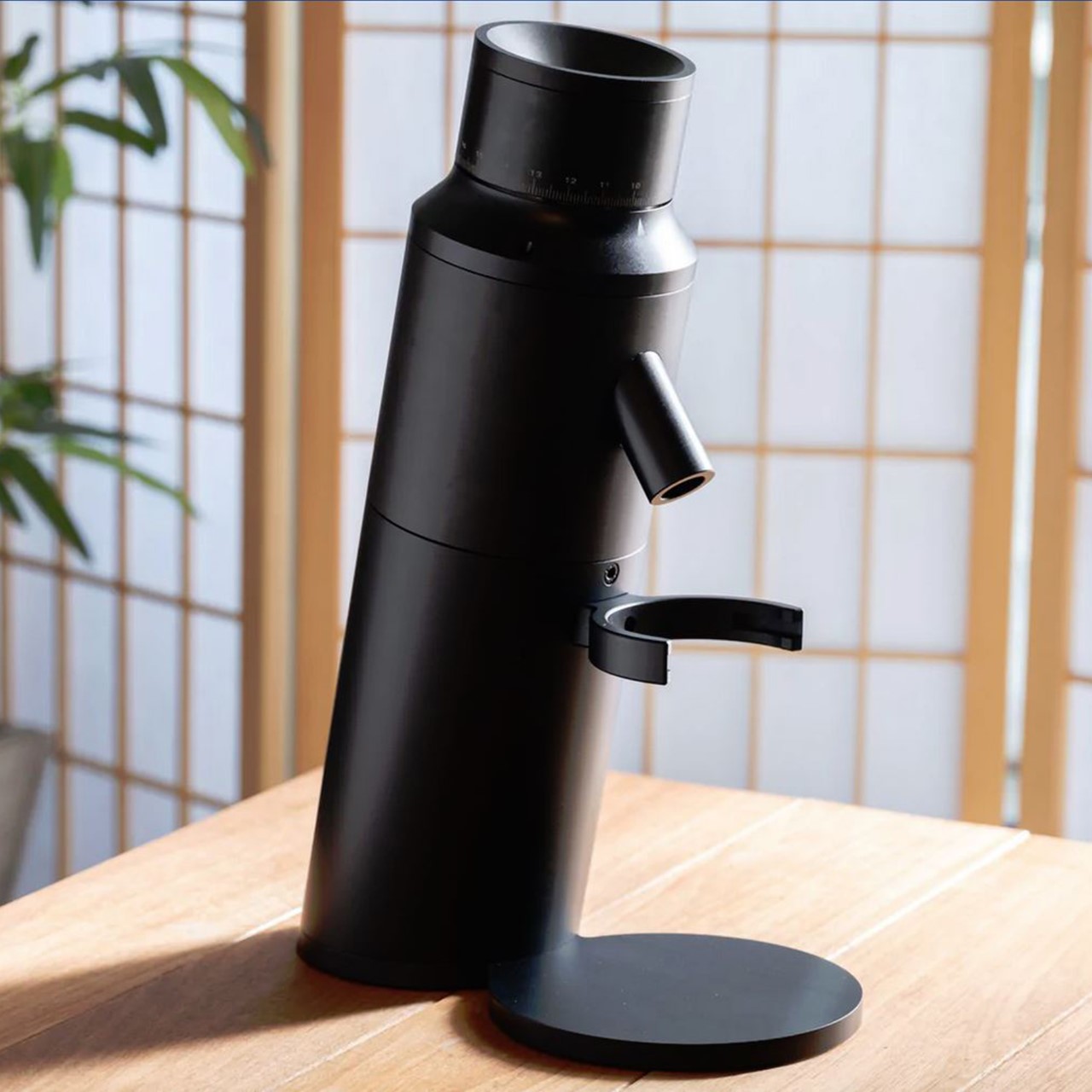
Slick, svelte, and almost looking like Michael Jackson leaning forward in his iconic stance, the AF007 (no relation to James Bond) is a tabletop conical burr grinder that does one job well – grind exactly the right amount of coffee for a single serve. For people who love the idea of a Keurig or Nespresso, but hate resorting to preground commercial beans, the AF007 gives you exactly a single or double-shot worth of coffee, dispensed directly in your portafilter, or a coarser ground dispensed right into your French press or pour-over.

Designers: Nicola Zanetti and Federico Gonzales Bosque

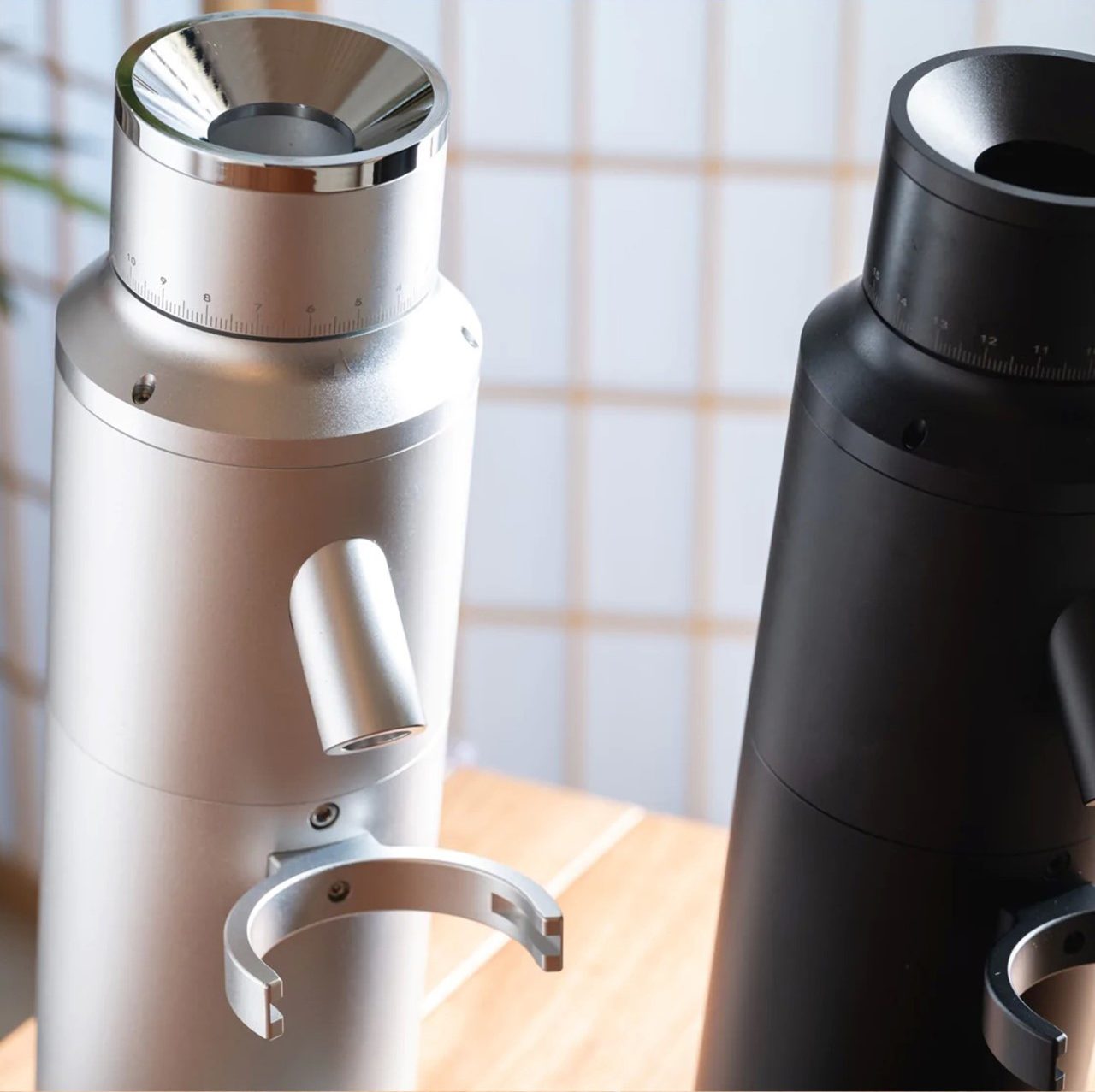
The AF007’s design is so ruthlessly minimalist you could put it somewhere in an Apple Store and nobody would bat an eyelid. It sports an incredibly clean design that’s focused on utilitarianism and is devoid of any details that would clutter the aesthetic. That being said, the AF007 still has a personality, with its geometric surfaces, wonderful matte metal finish, and that leaning-forward stance that gives it a sense of dynamism even though it’s a static device that sits on your kitchen countertop.

Using the AF007 is simple. Load the beans in the vessel through the opening at the top. The top also doubles as a rotary knob that lets you choose the grind size, going coarse for pour-over brewing, or finer for use in a Moka Pot or an espresso machine. An LED panel on the side lets you choose between a single or double-shot (smaller or larger depending on how much coffee you consume), and a holder and tray right in front of the nozzle lets you attach a portafilter or a collecting vessel for the grounds to get deposited into. It’s all deviously simple, both visually and functionally, which is what makes the AF007 such a neat little device for coffee aficionados. In fact, the grinder even won the A’ Design Award last year for its simple yet sophisticated approach to the coffee-making process!

The post Single Serve Coffee Grinder deposits the perfect grind directly into your portafilter first appeared on Yanko Design.

This Origami Kitchen Tray is the Perfect Example of How Great Design Lies in Simple Details

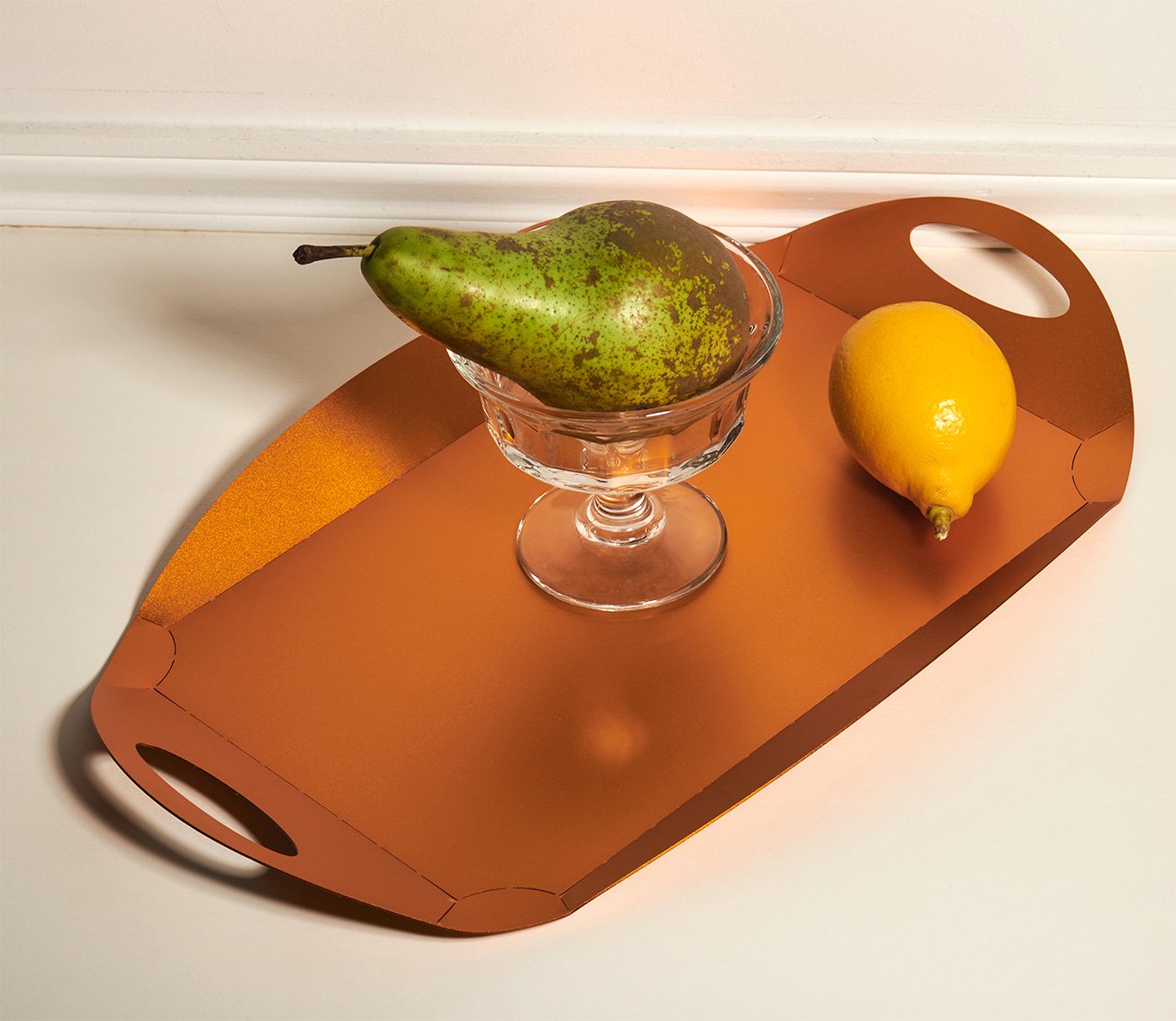
Most household items we own today are made one of two or three ways. If they’re made from plastic, chances are they’re injection molded… and if they’re metal, they’re either cast or they’re rolled/stamped into a distinct form. These methods end up defining what a product will look like. An injection-molded plastic part will never look as intricate as a 3D-printed mesh part… and a stamped metal utensil will never have the elegance of something like the Snapsys tray set. Designed using a series of strategic Origami-style bends, the Snapsys set of trays and table platforms are deceptively simple to look at, but are engineered and manufactured to perfection. Each item is made from a single 0.8mm sheet of metal that’s been creased, bent, and then anodized. The result is a set of kitchenware that’s incredibly slim, yet just as strong, thanks to the nature of the folds that help provide rigidity.

Designers: Sang Hyuk Han & Eunju Jang

Click Here to Buy Now: $149 $160 ($11 off). Hurry, offer ends soon!

The Snapsys set of trays and table are ‘Origami-style folding plate’ that have a thickness of 0.8mm (about as much as a credit card).

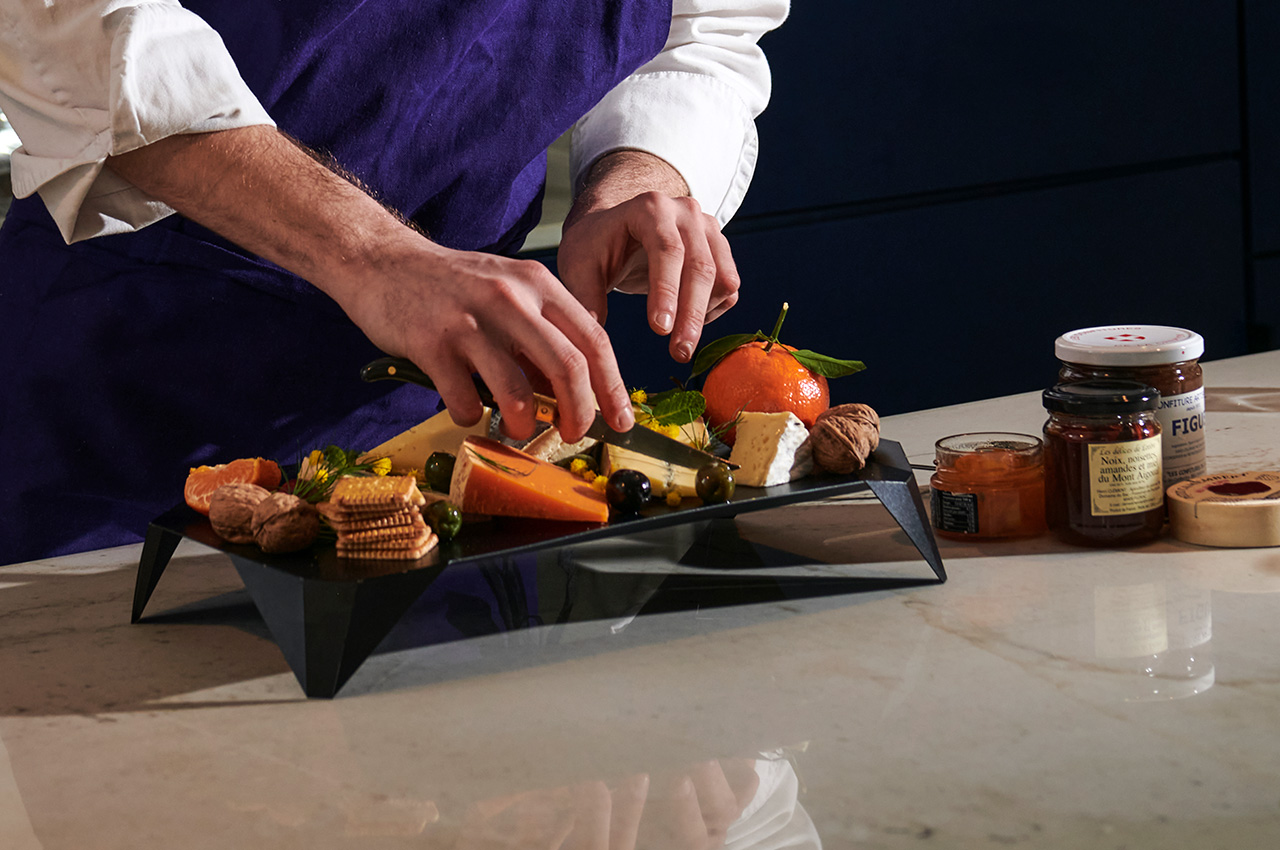
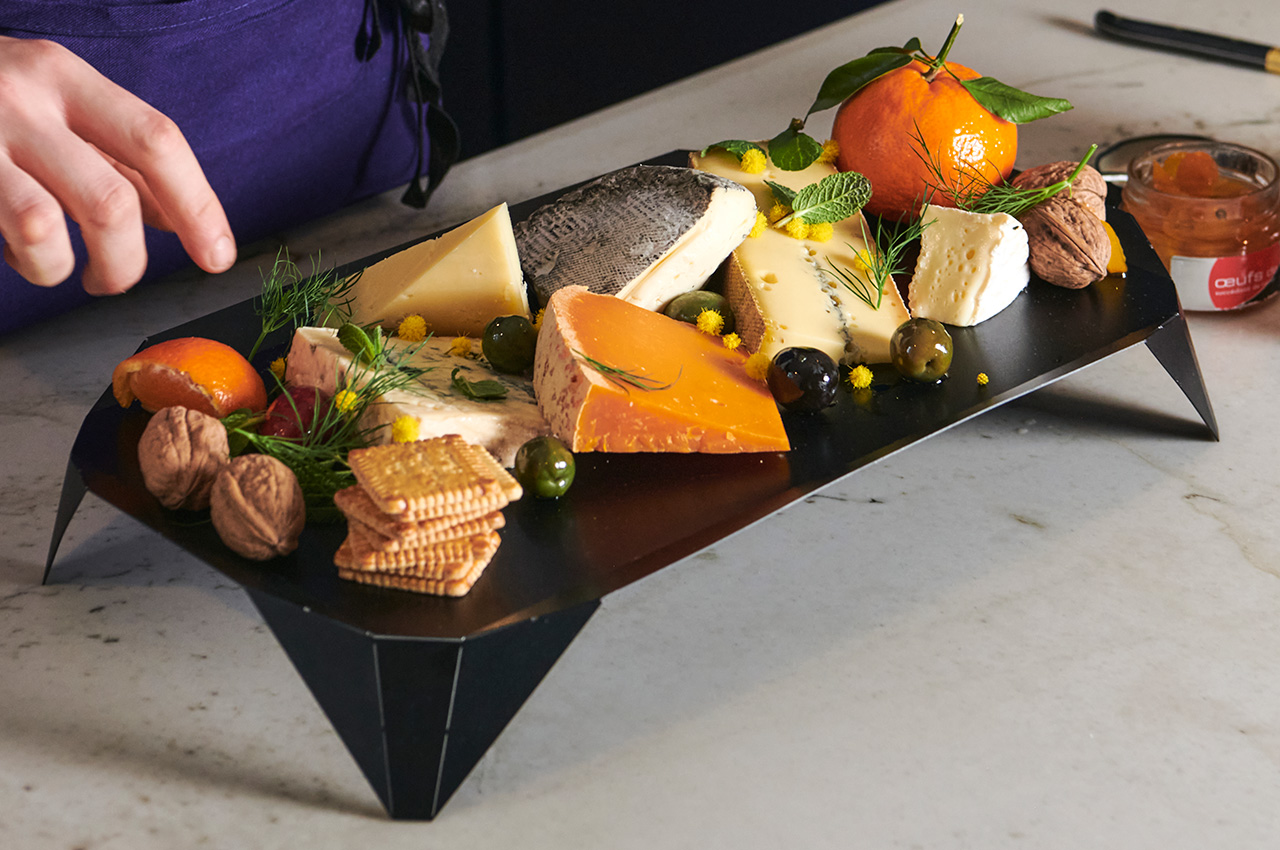
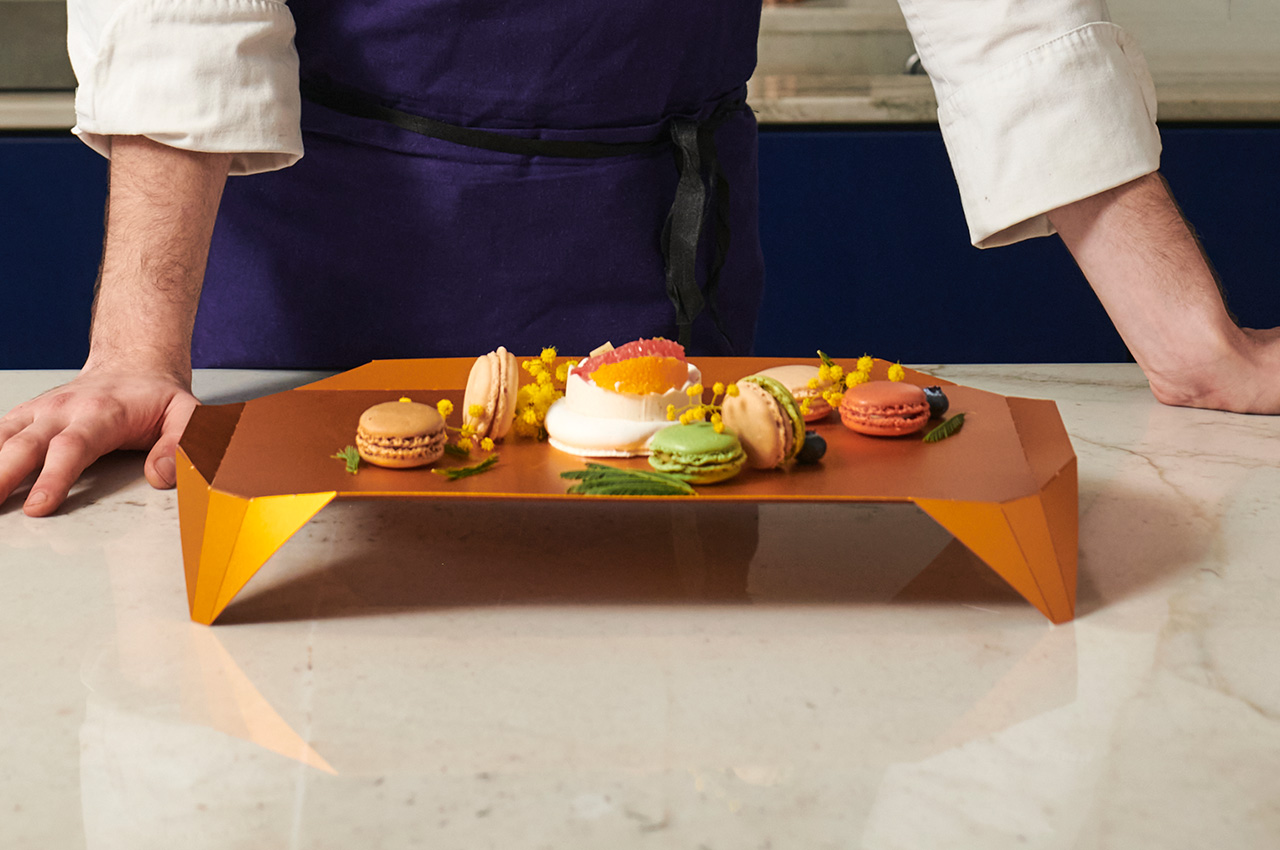
The Snapsys set comes in three tray styles that double as decorative tabletop platforms for displaying your food. Most trays look terribly run-of-the-mill, but given the Snapsys set’s unique manufacturing technique, this tray collection has no such problem. The trays look defyingly thin, to the point of feeling fragile. They do measure just 0.8mm (about as much as a credit card), but are surprisingly strong thanks to the folding structures that give them the ability to carry well beyond their weight without bending or flexing.

Use as a service tray.

A decorative incense stick tray!

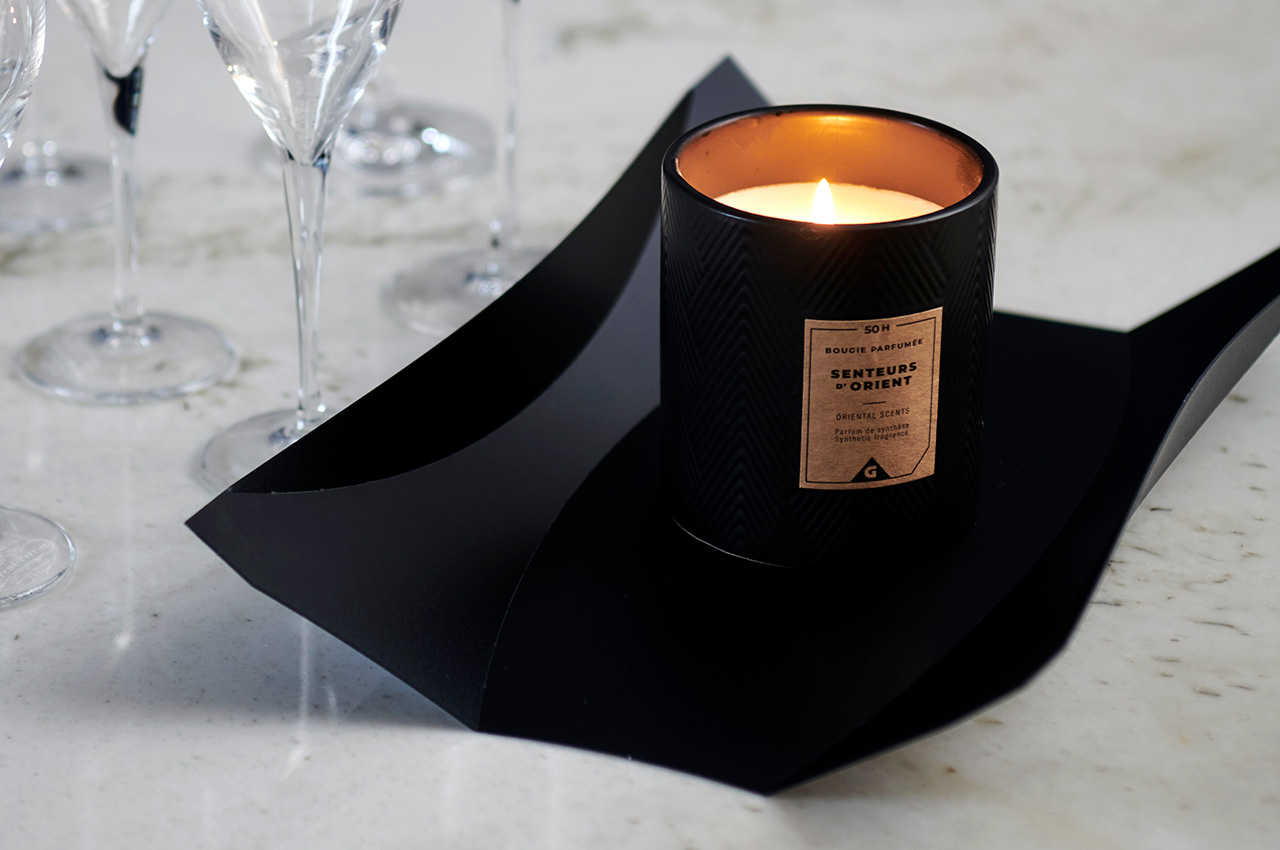
Candle Holder!

The secret lies in the origami-style folds that help strengthen the trays while giving them their rather memorable designs. The fold lines aren’t regular, but instead follow a curve, allowing the metal sheet to bend in a curved way too. This helps strengthen the metal, making it rigid instead of flimsy. You can try the same technique with paper, observing how curved folds help give paper additional stiffness too.

Some trays look conventional, with handles on either side. Others come with legs, elevating your food by an inch or two to help your dishes stand out against a laid-out table. All trays come with anodized color options, allowing you to add a splash of vibrance to your tabletop decor as well as allowing the trays themselves to serve as accent pieces. The anodized finish also makes them durable and corrosion-resistant, increasing their overall lifespan. The tray sets, which come in black, yellow, blue, or a nude silver, start at a discounted $149, which includes three trays – 1 rectangular tray, 1 oval tray, and 1 half-plate tray.

Click Here to Buy Now: $149 $160 ($11 off). Hurry, offer ends soon!

The post This Origami Kitchen Tray is the Perfect Example of How Great Design Lies in Simple Details first appeared on Yanko Design.

These Edible Gummy Dungeons and Dragons Characters raised over $300,000 on Kickstarter

They say you shouldn’t play with your food… but that’s precisely what the Gummyquest was designed for. These mouthwateringly mythical treats were designed to make your game nights fulfilling as well as filling! Meet Gummyquest, an all-encompassing kit of more than 150 characters straight out of a fantasy roleplaying tabletop game. You’ve got dragons, goblins, heroes, dice, potions, everything needed for a rewarding game… but the best part? All the characters are edible! Made out of a chewy gummy gel (like your gummy bears or worms), every character or element in the Gummyquest is edible, with each individual piece having its own distinct flavor. Play your turn, kill a character, use a potion, and destroy the evidence by eating it. It’s a fun new twist on your favorite game with 25 different flavors to keep every single round uniquely tongue-tinglingly fun!

Designer: Jay

Click Here to Buy Now: $42 $60 (30%) off. Hurry! Limited availability! Raised over $310,000.

Stories make everything fun, especially food. Whether it’s your parents turning a spoon of veggies into a plane that flies into your mouth, or whether it’s a Michelin-star restaurant weaving stories through their intricate dishes, where there’s a story, there’s a memorable experience. That’s sort of what the Gummyquest series builds on, with its set of 151 characters and items (with more being added to the collection every day) that make for a perfect tabletop gaming day with friends, colleagues, or family.

The collection encompasses practically every element of a roleplaying game like DND – you’ve got heroes and villains, orcs, goblins, dragons, knights, wizards, paladins, and even Dune-style sandworms. Along with players are potions and polyhedral dice to make the game even more interesting. All these elements encompass 25 rather mouth-watering flavors, from specific berries and fruits to more vaguely tropical flavor profiles, to even marshmallow-flavored items. “Some of our favorite fantasy flavors include Orcish Creamsicle, Paladin Piña Colada, Owlberry, and Death”, says creator Jay. Each box is packed with 151 gummies including 76 monsters, 15 heroes, 25 potions, and 35 dice.

The edible set is truly a work of art. Each single gummy was designed and sculpted by a meticulous team of people who fill shelves in every game store in America with miniatures from Dungeons & Dragons, Reaper Bones, and Warp Miniatures. The gummies were designed as a part of a broader story and theme, and were crafted to perfection, with details that would make you want to never eat a boring gummy bear or worm ever again.

Tragically, the set only lasts one or two, or maybe three games. Once the gummies run out, you’ll either have to revert back to playing with non-edible characters, or buy another set. Luckily, the Gummyquest box sets are on discount, priced at $42 for a set of 151 pieces. As the crowdfunding campaign gains speed (they’ve raised over $300k), the kit will include even more characters and items like gryphons, slime monsters, warrior princesses, and even a Kraken! Grab your Gummyquest while you can… I’m pretty sure they don’t expire, but don’t quote me.

Click Here to Buy Now: $42 $60 (30%) off. Hurry! Limited availability! Raised over $310,000.

The post These Edible Gummy Dungeons and Dragons Characters raised over $300,000 on Kickstarter first appeared on Yanko Design.

Hear me out – A Coffee Machine shaped like a Coffee Bean is kind of a brilliant idea

You are what you eat, they say… surely the Bean Coffee Machine eats a whole lot of coffee beans, am I right?! A clever visual redesign of the standard coffee machine, this particular appliance by Juliana Juleva tries to make the ubiquitous coffee-brewer instantly recognizable. The way she does it is by making the machine look like a giant bean from afar. Look at it and even if you’re not a coffee drinker, chances are you’ll recognize exactly what it is and what it’s used for. The intuitive design is further complemented by an intuitive user interface, which employs a simple yet large touchscreen to help you brew the perfect cup of coffee ever. Place your empty mug, tap a button, and wait for the giant bean to give you a cup of pure bliss!

Designer: Juliana Juleva

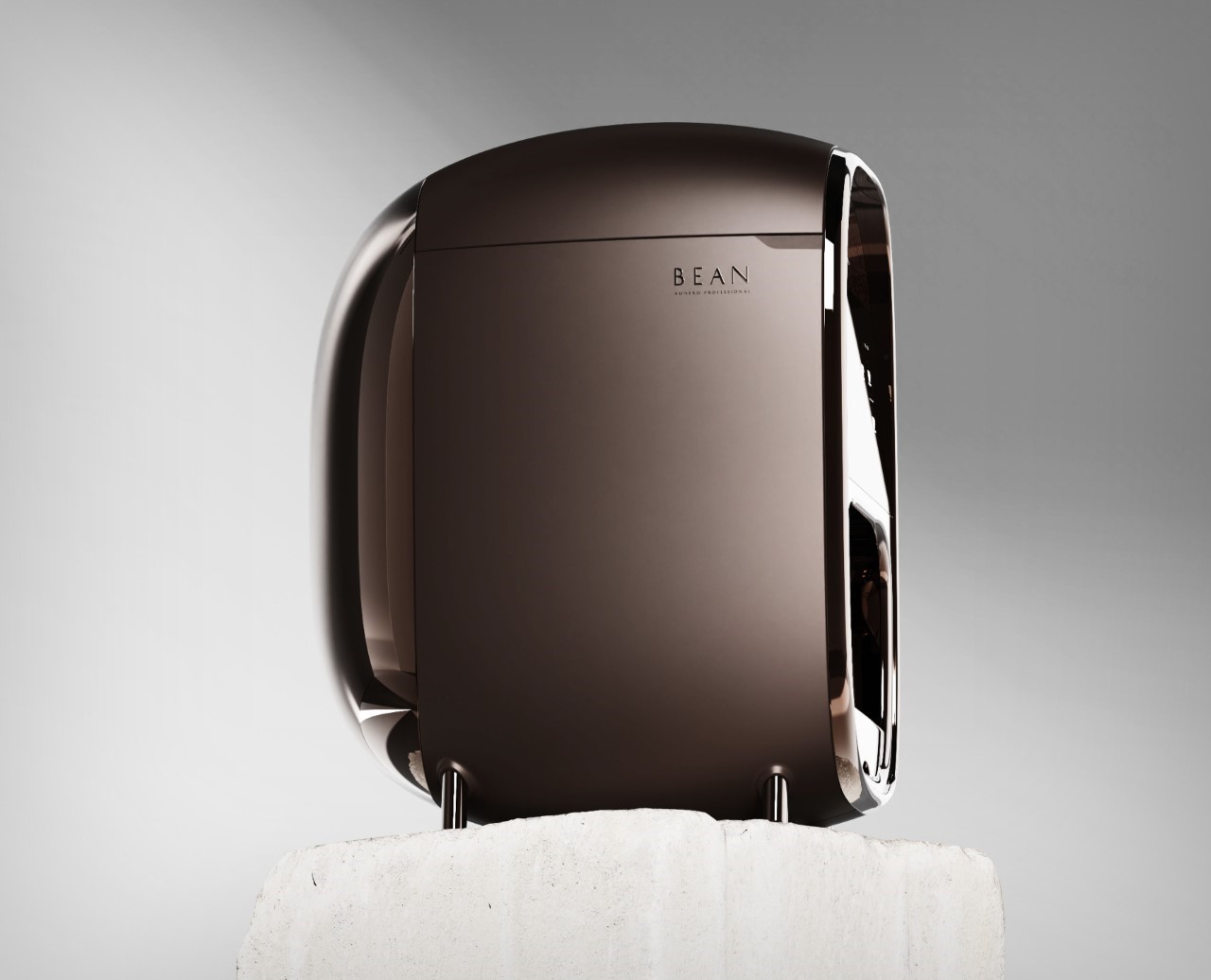
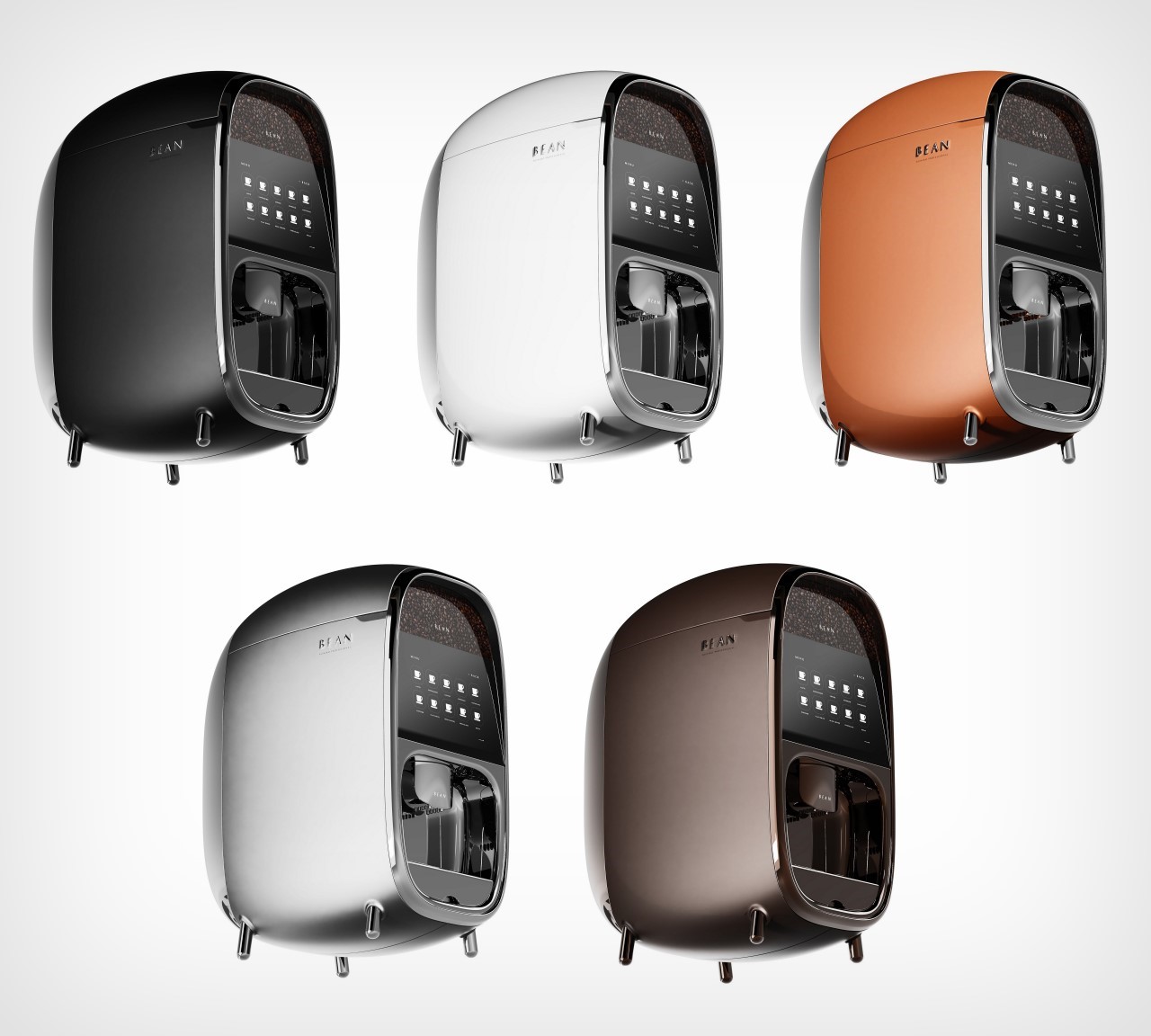
The Bean Coffee Machine doesn’t try to be too fancy. It doesn’t look overtly industrial, or too high-tech like something Apple would have designed. Instead, it tries to opt for visual familiarity by taking inspiration from the shape of a coffee bean. The machine comes with an oval shape, sporting broad and gentle curves that make it look as smooth as a roasted coffee bean. It’s propped up vertically on four legs, and comes with a relatively simple front surface that has the interface on top, and a dispenser at the bottom.

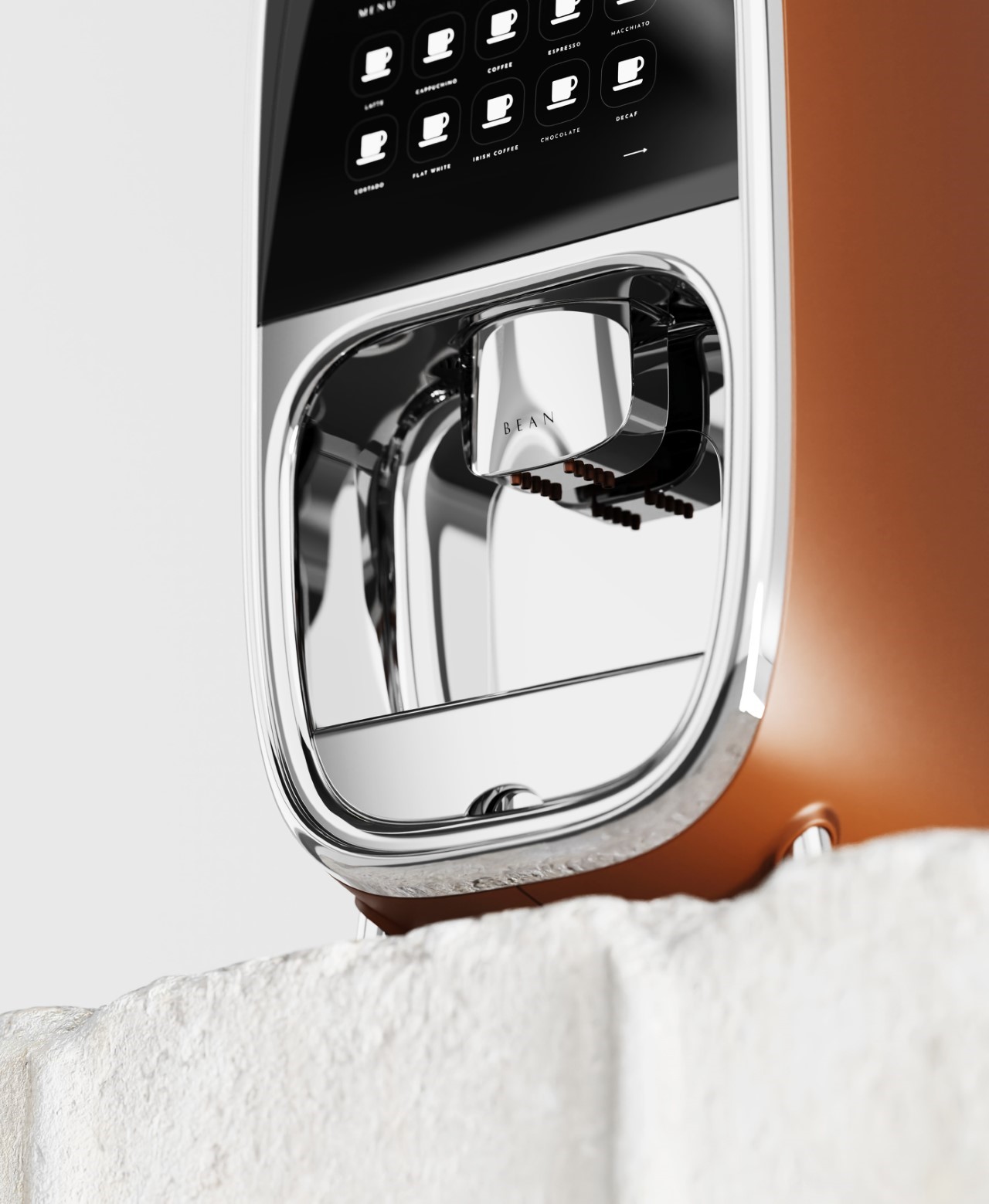
Using the Bean machine is incredibly intuitive too. A transparent window on top lets you look into the machine’s coffee storage, letting you know if it has enough supply of roasted beans. If not, all you do is load fresh beans in, and you’re ready to brew. Right underneath the window is an interface that has the simplicity of a menu card. Tap the kind of coffee you want Bean to brew and it gets to work. The coffee gets dispensed right into your cup below, letting you choose from multiple options from the classic flat white or americano, to even more eclectic options like a decaf.

The Bean comes in 5 colors – black, white, bronze, silver, and our favorite, metallic brown. Sure, everyone’s entitled to having a coffee machine that complements their tastes and interior decor, but the metallic brown Bean just plays to the visual metaphor perfectly, and it kind of does look like an instant classic too, if you ask me personally. The machine was designed for a Russian coffee brand, although it hasn’t hit the market yet.

The post Hear me out – A Coffee Machine shaped like a Coffee Bean is kind of a brilliant idea first appeared on Yanko Design.
This Natural Air Purifier uses Algae to remove harmful chemicals from the air we breathe

They say that algae, not trees, help produce a majority of the breathable air around us. Covering large parts of land and sea, this wonder-organism does a remarkable job of purifying the air and enriching it with oxygen… so imagine being able to harness nature’s purifier and have it in your home. Unveiled at Milan Design Week, the AIReactor by EcoLogicStudio is a sleek, three-foot-tall structure with a recycled birch plywood frame. At its heart lies a glass photobioreactor containing a vibrant green liquid teeming with microalgae cultures.

Designer: EcoLogicStudio

Through photosynthesis, algae naturally convert carbon dioxide and pollutants into clean oxygen. The AIReactor continuously pumps air into the bioreactor, mimicking natural water currents for optimal algae growth. As the algae perform their photosynthetic magic, they filter out harmful pollutants, leaving behind cleaner air.
“In addition to capturing pollutants, the microalgae cultivated in AIReactor can be harvested and utilized to produce biopolymers for 3D printing products,” said the studio. “After harvesting, the algae biomass can be dried and then undergo further processing to produce biopolymers, which are natural polymers derived from renewable plant-based sources.”

The biomass generated by the algae after it has filtered the air becomes a valuable resource. EcoLogicStudio harvests this biomass and uses it to create biopolymers, natural polymers derived from renewable sources. The studio recently unveiled the PhotoSynthetica collection, comprising the AIReactor, along with a stool and a ring made from the biopolymers generated during the air filtration process. Building on their 2018 research project, the PhotoSynthetica collection incorporates biomass, a waste material harvested from microalgae, into a series of everyday objects. This innovative approach expands upon the project’s initial exploration, which saw the creation of a large-scale tree sculpture.

The PhotoSynthetica collection is on display from 15 to 21 April as part of Isola Design Festival 2024 during Milan Design Week.

The post This Natural Air Purifier uses Algae to remove harmful chemicals from the air we breathe first appeared on Yanko Design.