This Speaker Is Made From Sand (And It’s Actually Genius)

When you think of high-end speakers, your mind probably goes to sleek black boxes, glossy wood finishes, or maybe some minimalist Scandinavian design. But what if I told you the most interesting speaker I’ve seen lately is made from 3D-printed sand and hangs from steel cables like a piece of kinetic sculpture? Meet the Econik 1851, and trust me, it’s not your typical audio equipment.

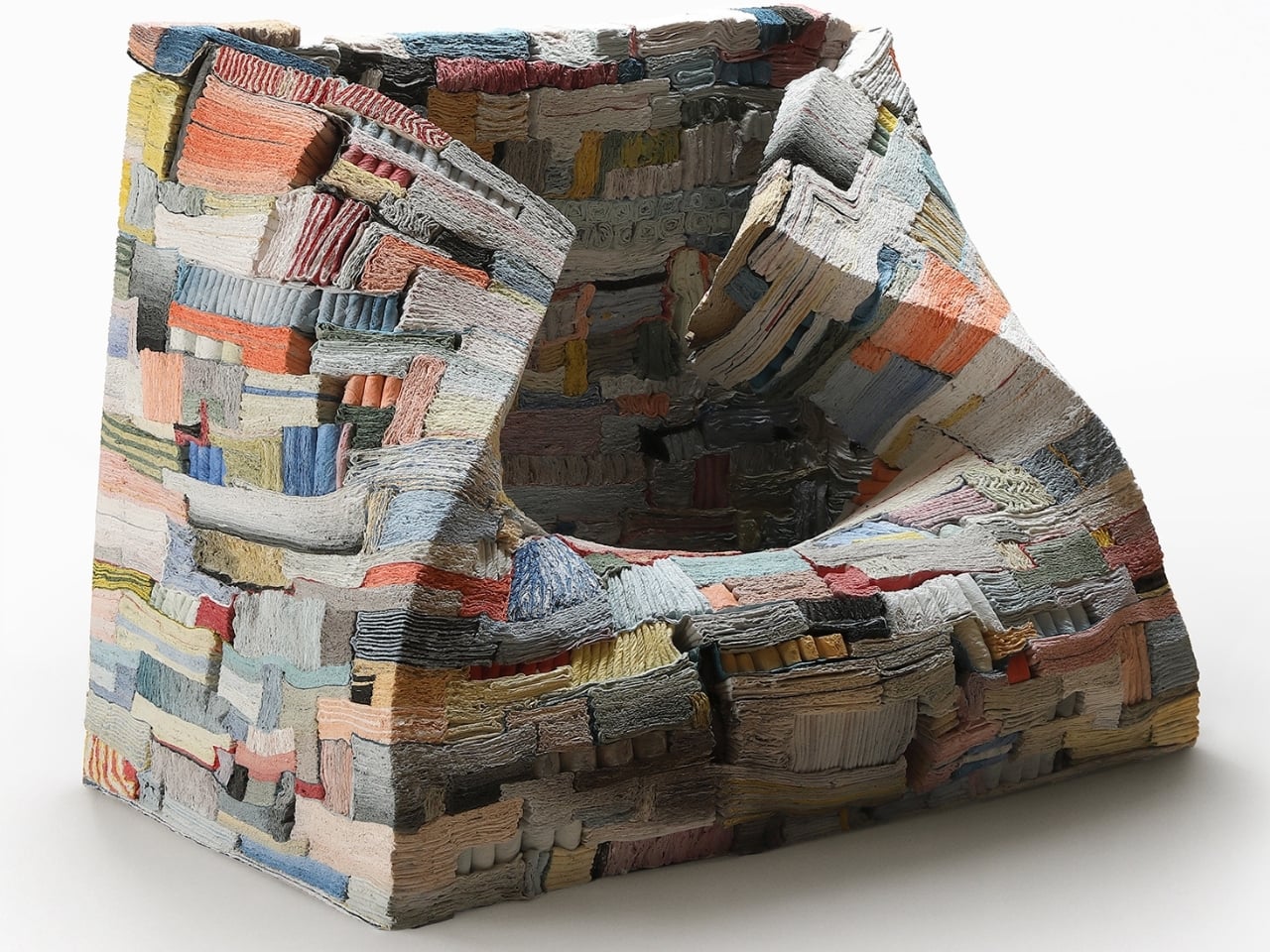
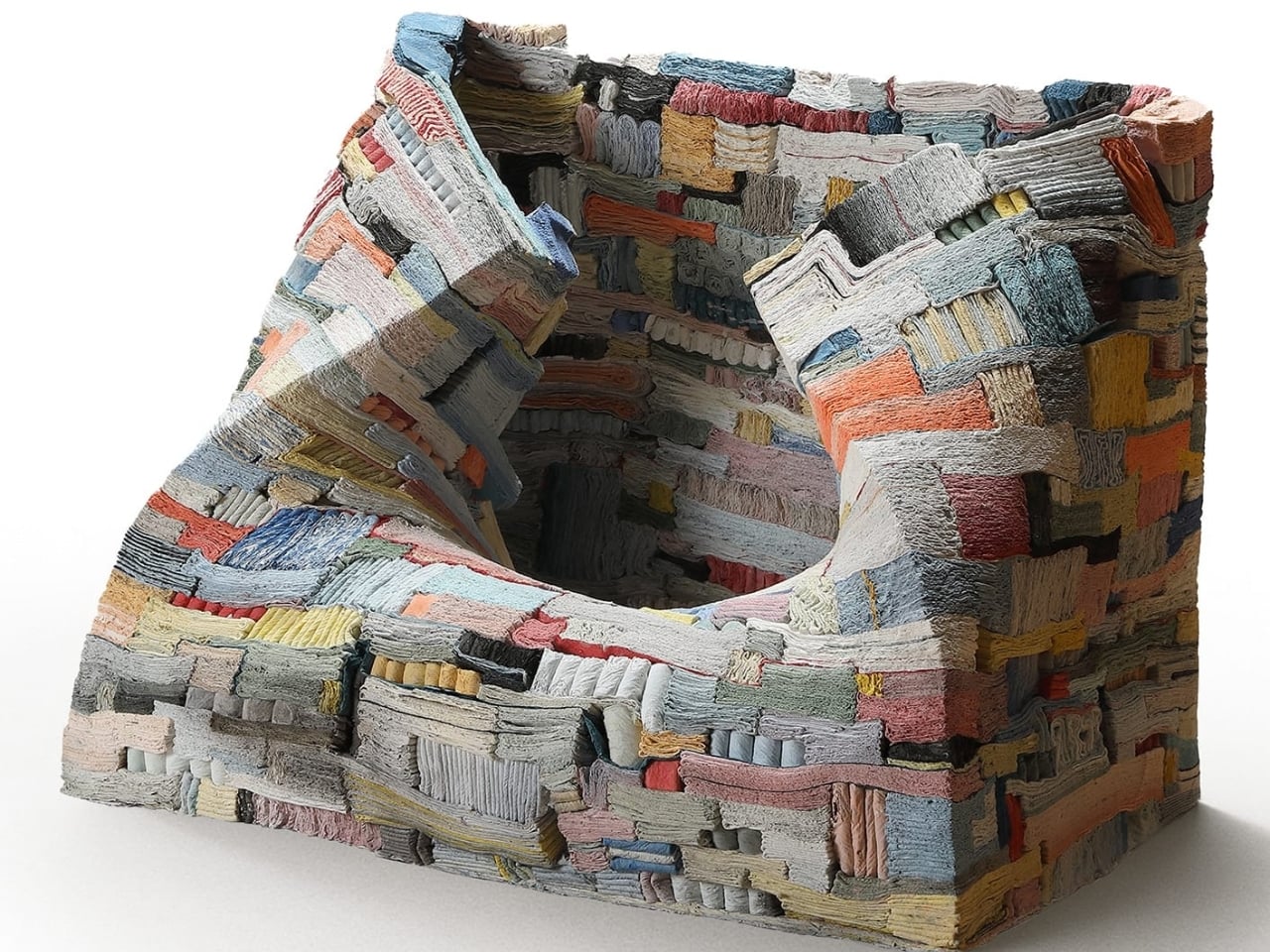
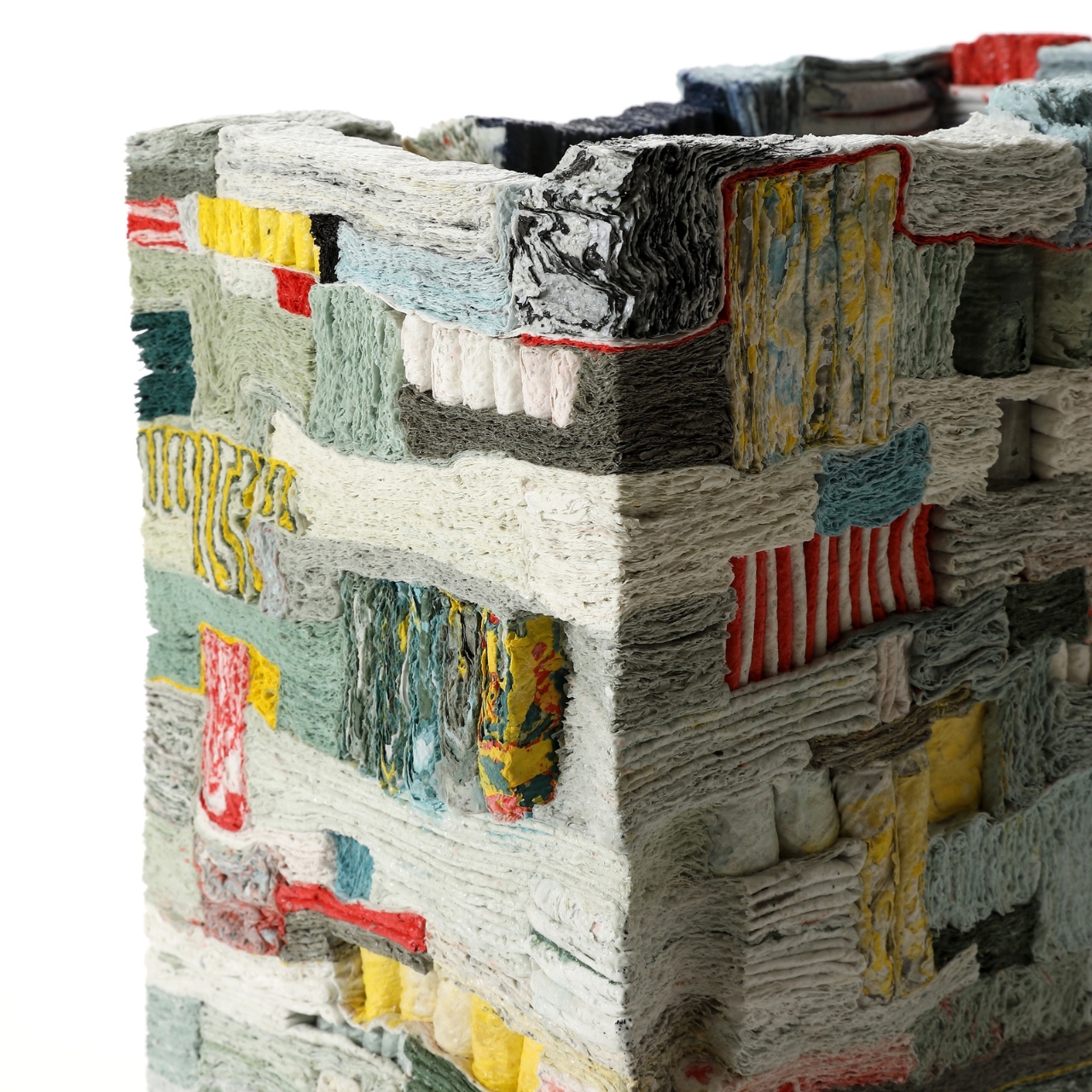
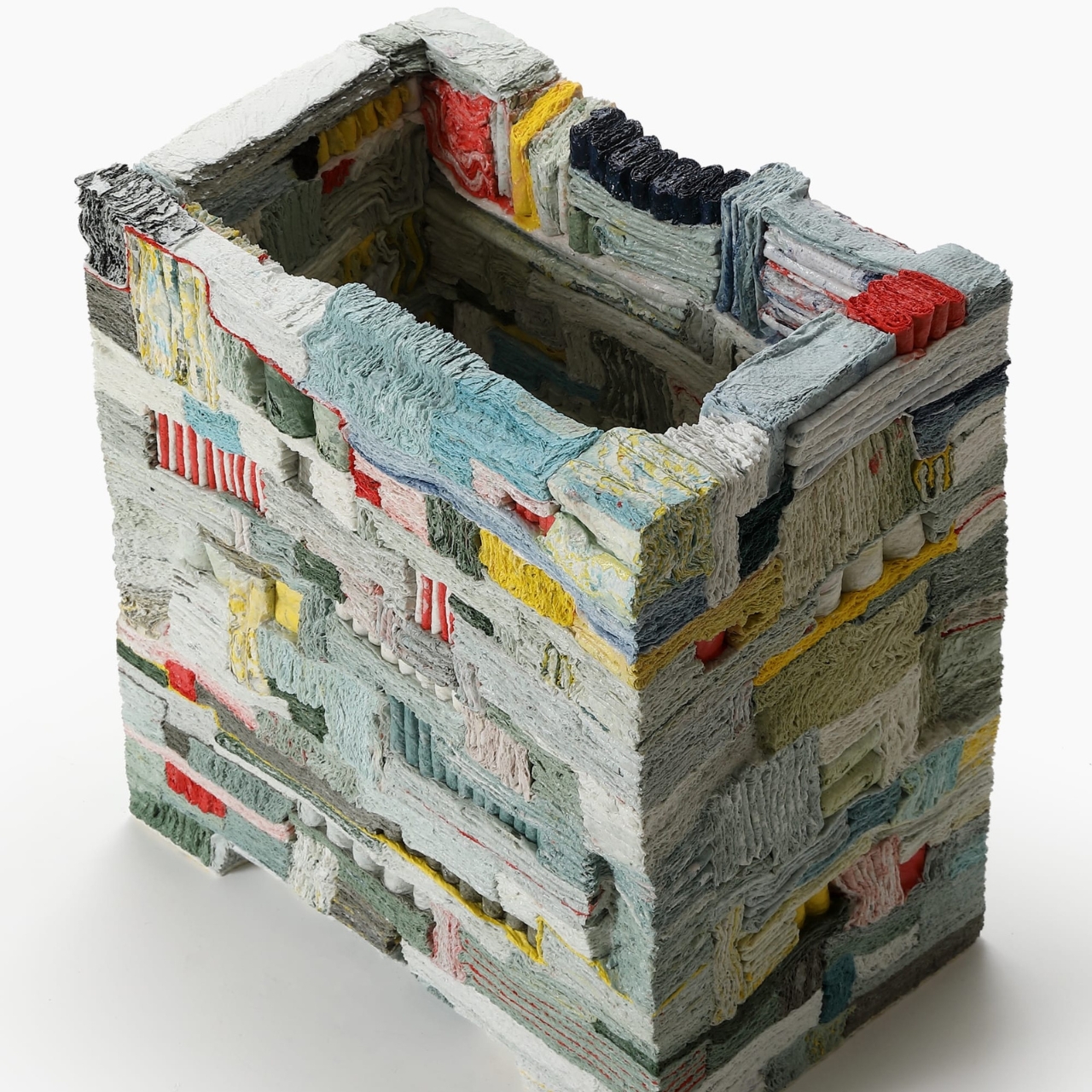
Designer Anton Erbenich has created something that feels like it belongs in both a modern art museum and an audiophile’s listening room. The Econik 1851 is an active loudspeaker that throws convention out the window, starting with its most striking feature: the entire enclosure is 3D-printed from quartz sand. Yes, actual sand. The result is this gorgeous, rough-textured surface that looks almost ancient, like some kind of minimalist pottery that somehow ended up with speaker drivers embedded in it.

Designer: Anton Erbenich

But this isn’t just about aesthetics (though let’s be honest, it’s stunning to look at). The quartz sand construction serves a real purpose. That mineral texture you see? It’s not just for show. The material helps reduce micro-vibrations that can mess with sound quality. Audiophiles obsess over these tiny details because even the smallest vibrations can color the audio in ways you don’t want. By using this unconventional material, Erbenich found a way to solve a technical problem while creating something visually distinctive.

The shape itself is equally intentional. Look at those spherical forms, stacked like a quirky snowman with side protrusions that give it an almost organic, pod-like appearance. That nearly spherical interior volume isn’t random either. It’s designed to reduce standing waves, those annoying acoustic phenomena that happen when sound bounces around inside a speaker cabinet in ways that create peaks and nulls in the frequency response. Basically, the shape helps the sound stay cleaner and more accurate.

Then there’s the suspension system, which might be my favorite part of the whole design. The speakers hang from steel cables attached to an elegant curved stand that looks like a fishing rod crossed with a piece of modern sculpture. This isn’t just a cool visual trick. By suspending the speakers this way, Erbenich has essentially decoupled them from any surface vibrations. They float in space, isolated and free to do their acoustic thing without interference. Plus, it makes the whole setup feel weightless despite the solid, substantial nature of those sand-printed enclosures.

As an active speaker system, the Econik 1851 has all the amplification and signal processing built right in. This is increasingly common in high-end audio, but it’s still worth noting because it means setup is remarkably simple. You don’t need to match it with separate amplifiers or worry about speaker cable quality debates. Just plug in a power cable, send it your audio signal, and you’re ready to go. It’s the kind of thoughtful design decision that makes sophisticated technology more accessible.

What really gets me about this design is how it manages to be both bold and subtle at the same time. Yes, it’s a conversation piece. You’re not hiding these speakers in a cabinet or blending them into your décor. But that sandy, neutral tone and the organic shapes mean they don’t scream for attention the way some statement pieces do. They have presence without being loud about it (pun intended).

This feels like the kind of design that bridges multiple worlds. Tech enthusiasts will appreciate the engineering solutions. Design lovers will obsess over the form and material choices. And even people who just want their spaces to feel interesting will find something appealing about these sculptural objects that happen to play music. In a market saturated with either ultra-modern tech aesthetics or retro throwback designs, the Econik 1851 carves out its own territory. It feels timeless in a way that’s hard to achieve, like it could have been designed yesterday or decades from now. That’s the mark of really thoughtful design work: when function and form merge so seamlessly that you can’t imagine it any other way.

The post This Speaker Is Made From Sand (And It’s Actually Genius) first appeared on Yanko Design.
This Desktop Board Fixes the Problem Phones Created

We’ve all been there. You sit down to check your calendar, and thirty minutes later you’re three layers deep in Instagram stories wondering where your morning went. Our phones were supposed to make us more productive, but somewhere along the way, they became the world’s most sophisticated distraction machines. Enter Focus, a desktop board from Vestel Design Center that’s reimagining how we interact with our digital lives without falling down the social media rabbit hole.

At first glance, Focus looks like a minimalist piece of desk art, which honestly might be the smartest design choice they could have made. The device combines an E Ink display panel with a magnetic tool board and built-in speaker, creating what they’re calling a “multifunctional hub.” But what it really is? A thoughtful intervention between you and your phone’s never-ending notification nightmare.

Designer: Vestel Design Center

The E Ink panel is the star of the show here. If you’ve ever used a Kindle, you know that magical paper-like quality that’s easy on the eyes and visible in basically any lighting. Focus takes that same technology and turns it into your personal command center. It syncs with your phone to display your tasks, calendar events, and selected notifications. The key word being “selected.” You get to choose what makes it through, which means your cousin’s hot takes and algorithm-fed content suggestions stay firmly where they belong: on your phone, not in your line of sight while you’re trying to work.

But here’s where it gets interesting. Focus isn’t just about filtering information. It integrates with your smart home ecosystem, letting you control lights, adjust your thermostat, or manage security without reaching for your phone. Think about how many times you unlock your phone for one simple task and end up scrolling for fifteen minutes. This board cuts out that middle step entirely. Need to dim the lights for a video call? Done. Want to check if you locked the front door? Right there on the screen. All without breaking your workflow or tempting yourself with whatever’s happening on Twitter.

The design itself shows real restraint, which feels refreshing in a world where tech products often scream for attention. The illuminated base ensures the E Ink display stays visible even in darker rooms, solving one of the technology’s traditional limitations. And when you’re not actively using it, the panel switches to display mode, showing artwork or other visuals. It becomes part of your space rather than just another gadget cluttering your desk.

The magnetic tool board section adds a physical element that’s surprisingly practical. There’s something satisfying about having a designated spot for your glasses, pen, or phone that’s both functional and looks intentional. It’s the kind of detail that suggests the designers actually thought about how people work, not just how to cram more features into a product.

What makes Focus particularly relevant right now is its underlying philosophy. We’re all dealing with attention fatigue, that exhausting sense that our brains are being pulled in seventeen directions at once. The constant ping of notifications has trained us to be reactive rather than intentional about how we spend our time. This board is essentially saying, “What if your technology helped you stay on track instead of constantly derailing you?”

Of course, the success of something like Focus depends entirely on execution. The interface needs to be genuinely intuitive, the smart home integration reliable, and the filtering system actually useful rather than frustrating. But the concept addresses a real problem that a lot of us are struggling with: how to benefit from technology without letting it dominate our attention.

Tech companies have been competing for every second of our focus so there’s something almost radical about a device designed to give us less, not more. Focus isn’t trying to replace your phone or become another screen demanding your attention. It’s positioning itself as the thoughtful middleman, the calm voice in the chaos, the tool that helps you engage with technology on your terms.

The post This Desktop Board Fixes the Problem Phones Created first appeared on Yanko Design.
5 Red Dot Award Winning Designed to Change the World: Submission Closes January 16, 2026

The world’s most prestigious design competition is back, and this year it’s bigger and more exciting than ever. Starting September 15, 2025, the Red Dot Award: Product Design 2026 has officially opens its doors to designers, manufacturers, and innovators worldwide who are ready to showcase their exceptional creations on the global stage.

For over 70 years, the Red Dot Award has been the ultimate benchmark for design excellence, celebrating products that push boundaries and redefine what’s possible. This year’s competition promises to be particularly thrilling, with exciting new developments that reflect our rapidly evolving design landscape.

What’s New for 2026: Gaming & Streaming Takes Center Stage

Perhaps the most exciting addition to this year’s competition is the brand-new Gaming & Streaming category. Recognizing the explosive growth of this industry that now reaches millions worldwide, Red Dot is giving these innovative products the dedicated recognition they deserve. From cutting-edge gaming peripherals to revolutionary streaming equipment, this category acknowledges that gaming and streaming have become key drivers of product innovation in our digital age.

Whether you’ve designed the next game-changing controller, a revolutionary streaming setup, or an immersive VR headset, this new category provides the perfect platform to showcase your work to an international audience of design professionals and enthusiasts.

Click Here to Submit your design to the prestigious Red Dot Award: Product Design 2026!

Drawing Inspiration from Excellence: Here’s our Top 5 picks of 2025

Participation in the Red Dot Award holds significant value for designers seeking to elevate their careers and expand their influence in the design community. Winning this internationally recognized award makes creative skills visible to a global audience, as award-winning products are presented across multiple prestigious platforms including the Red Dot Design Museum Essen, worldwide exhibitions, the Red Dot Design Yearbook, and extensive online and social media channels.

For emerging designers, the recognition can be transformative – supporting product launches, opening doors to new opportunities, and expanding professional networks within the international design industry. The comprehensive visibility and credibility that comes with a Red Dot Award provides designers with a powerful tool to distinguish their work in an increasingly competitive market, while affirming their commitment to excellence in design innovation and quality. To understand what makes a Red Dot winner, let’s look at the ingenious designs that captured hearts and minds in 2025.

Cayo by Koninklijke Gazelle

This Dutch e-bike combines minimalist aesthetics with advanced technical innovation, seamlessly integrating all components into a clean, timeless design characterized by clearly defined lines and the absence of superfluous elements. The Cayo bridges traditional cycling culture with the future of urban mobility, proving that everyday transportation on two wheels can embody both urban elegance and cutting-edge technology.

Paper Stick by YONWOO

This revolutionary sustainable packaging solution for stick-form cosmetics eliminates plastic entirely by using moisture-resistant mineral paper made from quarry stone waste that users simply peel off in a spiral motion. The innovative design achieves clean tear-off edges through precision die-cutting while offering manufacturers extensive branding opportunities through customizable printing, hot foil stamping, and various paper types for different tactile experiences.

nwm ONE by NTT sonority, 83Design Inc.

These groundbreaking open-ear headphones strip away traditional cushions and sealing, instead floating around the ears while using proprietary PSZ (Personalised Sound Zone) technology with inverse phase waves to prevent sound leakage. The minimal ring-shaped design features pivoting speaker units that deliver optimized audio directly into the ear canal without physical contact, creating an invisible bubble of sound that only the wearer can hear while staying fully aware of their surroundings.

iA Notebook by Information Architects Inc.

Originally designed as a gift for customers of their text and presentation software, this meticulously crafted notebook employs a lay-flat binding that allows writers to use entire double-page spreads without binding interference. Packaged in a wooden box with an embossed sleeve cover, every detail expresses appreciation for the written word through simple elegance and exceptional craftsmanship that required iterative prototyping to perfect.

VITILITY ID Walking Cane by MIXED.Industries BV

This mobility aid makes a conscious statement against the stigma of aging and physical limitations by combining clear, elegant design with functional excellence that proves good design can change social perceptions. The walking cane allows users who depend on mobility assistance to feel independent and style-conscious, transforming a traditionally stigmatized object into a character-defining accessory.

The Evaluation Process: Where Excellence Meets Expertise

Your submitted products will face scrutiny from approximately 40 international experts representing diverse fields and perspectives. This distinguished jury follows the evaluation philosophy established by Professor Dr. Peter Zec, Red Dot’s Founder and CEO, assessing each entry based on function, aesthetics, ease of use, and responsibility.

The jury awards two levels of distinction: the coveted “Red Dot” award and the prestigious “Red Dot: Best of the Best” for truly exceptional designs that set new standards in their categories.

Important Dates to Remember

Registration Period: September 15, 2025 to January 16, 2026

Jury Evaluation: Spring 2026

Award Ceremony: July 7, 2026

Your Path to Global Recognition

Winners don’t just receive an award. They gain access to a comprehensive platform for showcasing their achievements. Award-winning products are featured in the Red Dot Design Museum Essen, international exhibitions, the prestigious Red Dot Design Yearbook, and across digital platforms reaching design enthusiasts worldwide.

The celebration culminates at the glamorous Red Dot Gala on July 7, 2026, in Essen, where winners are honored before an international audience. For those unable to attend in person, the event will be livestreamed globally, ensuring maximum exposure for your innovative designs.

Ready to join the ranks of design excellence? Visit www.red-dot.org/pd to submit your groundbreaking products and compete for one of the most respected accolades in the design world. The Red Dot Award: Product Design 2026 isn’t just a competition. It’s your gateway to global recognition and design immortality.

The post 5 Red Dot Award Winning Designed to Change the World: Submission Closes January 16, 2026 first appeared on Yanko Design.

Adidas Just Turned Minecraft Creepers Into $40 Holiday Sneakers

Remember when video game merchandise meant cheesy graphic tees at the mall? Those days are officially over. Adidas just quietly dropped a massive holiday collection with Minecraft that turns pixelated game creatures into surprisingly wearable sneakers, and honestly, it’s kind of brilliant.

The collaboration reimagines some of Adidas’ most iconic silhouettes through the blocky, digital lens of Minecraft’s universe. We’re talking the Samba XLG, Handball Spezial, Campus 00s, Superstar II, and even those beloved Adilette slides, each one carefully themed around specific Minecraft mobs and in-game elements. What makes this partnership work so well is how thoughtfully each shoe connects to its source material without losing the essence of what makes these Adidas classics so enduringly popular.

Designer: Adidas

Take the Samba XLG inspired by the Creeper, arguably Minecraft’s most recognizable character. The shoe arrives in that signature explosive green colorway with blocky graphics spread across the upper, while a gum sole keeps things grounded in classic Samba DNA. It’s playful without being costume-y, which is exactly the balance you want in a collaboration like this.

The Handball Spezial takes a different approach with its Ghast theme. For those not fluent in Minecraft speak, the Ghast is that floating, fireball-spewing creature you encounter in the game’s Nether dimension. Flame graphics dance across the shoe while an illustrated Ghast appears on the laces, giving the piece a narrative quality that goes beyond simple branding.

Then there’s the Campus 00s channeling the Eye of Ender aesthetic with its black and green palette, and the Superstar II drawing inspiration from the Ender Dragon itself. The Superstar features black, block-like scales that translate the dragon’s texture into something you can actually wear on city streets. The Adilette slides circle back to Creeper territory, with the mob’s iconic face prominently displayed on the strap.

But here’s where things get really interesting from a design perspective. The packaging deserves its own spotlight. Adidas designed the boxes to resemble Minecraft’s in-game storage chests, extending the conceptual thread beyond just the product itself. This kind of attention to detail elevates the entire unboxing experience and shows a genuine understanding of what makes Minecraft’s visual language so compelling.

There’s a caveat worth mentioning, though. The entire footwear collection comes exclusively in youth and children’s sizing. While this might disappoint adult collectors hoping to snag a pair for themselves, it actually makes strategic sense. Minecraft’s core audience skews younger, and positioning these as wearable extensions of the game rather than adult collectibles keeps the collaboration authentic to its roots. Plus, prices ranging from forty to ninety-five dollars make these accessible holiday gifts rather than hype-beast grails.

The sneaker world has seen its fair share of video game collaborations over the years, but most lean heavily into nostalgia for retro gaming. This partnership feels refreshingly current. Minecraft remains one of the most played games globally, with a massive cultural footprint that extends far beyond gaming circles. By tapping into this active, engaged community rather than mining the past, Adidas positions itself at the intersection of contemporary gaming culture and street style.

What’s particularly clever is how the collection works on multiple levels. Die-hard Minecraft fans get references they’ll immediately recognize and appreciate. Meanwhile, someone who’s never played the game might just see a cool green Samba or a sleek black Superstar with interesting texture details. The designs don’t require insider knowledge to work aesthetically, which broadens their appeal considerably. The collection also includes complementary apparel pieces, creating a full lifestyle offering that lets young fans dress head to toe in Minecraft-inspired gear. This comprehensive approach transforms the collaboration from a simple licensing deal into something that feels more like a genuine creative partnership.

Brand collaborations drop constantly and often feel forced but the Adidas x Minecraft holiday collection stands out by actually making sense. Both brands benefit from the association, the design execution shows real thought and craft, and the end result offers something genuinely fun in a sneaker landscape that sometimes takes itself way too seriously. Available now through the Adidas webstore, these pieces prove that when gaming and footwear cultures collide thoughtfully, everyone wins, especially the kids who get to wear their favorite game on their feet.

The post Adidas Just Turned Minecraft Creepers Into $40 Holiday Sneakers first appeared on Yanko Design.
The Solar Touch Light That Hides Its Tech in Plain Sight

There’s something quietly revolutionary happening in the world of ambient lighting, and it looks like a smooth wooden pebble you’d want to hold in your palm. Meet Sula, a solar touch light designed by Maryam Mozafari that’s making the case for sustainable design without sacrificing an ounce of beauty or simplicity.

At first glance, Sula resembles a decorative candle that’s been reimagined for the 21st century. Its organic, rounded form sits comfortably in your hand, and the warm wood finish gives it that luxurious, handcrafted quality that makes you want to keep it on display even when it’s not lit. But flip it over or lay it on its side, and you’ll discover its secret: a hidden solar panel that soaks up sunlight and stores energy in its lithium battery.

Designer: Maryam Mozafari

The genius of Sula lies in how effortlessly it integrates sustainability into everyday life. We’re living in an era where solar panels still feel like clunky additions to our homes, awkward compromises between function and form. Sula challenges that assumption entirely. Instead of treating the solar panel as an eyesore to hide, Mozafari designed the entire object around the idea that charging should be as natural as setting something down. Want to power up your light? Just flip it upside down on a sunny windowsill. That’s it. No cords, no outlets, no apps to download.

This simplicity extends to how you actually use the light. A gentle touch activates the soft glow, creating that intimate, relaxing atmosphere we usually associate with candlelight but without the fire hazard or melting wax. There’s something deeply satisfying about touch activation. It makes you feel more connected to the object, more intentional about the mood you’re creating in your space.

The design comes in different forms too, giving it versatility that most ambient lights lack. The classic dome shape looks like a smooth river stone, while the cubic version brings a more contemporary, architectural vibe. Both variations share that same philosophy: beautiful objects that happen to be functional, rather than functional objects trying to look beautiful. It’s a subtle but crucial distinction that separates good design from great design.

What makes Sula particularly relevant right now is how it addresses our complicated relationship with technology and sustainability. We want to make better choices for the environment, but we don’t want those choices to feel like sacrifices. Solar power often comes with baggage: it’s expensive, it’s complicated, it requires installation. Sula strips all that away. It’s a light that charges itself using the sun, and the whole process is so seamless you barely think about it.

The ergonomics deserve attention too. The light is sized perfectly to be portable, to move from room to room as you need it. Imagine bringing a cluster of them to an outdoor dinner as the sun sets, or keeping one on your nightstand for gentle reading light that won’t blast you awake like your phone screen. The soft illumination creates pockets of warmth without overwhelming a space, which is exactly what good ambient lighting should do.

There’s also something wonderfully analog about Sula in our increasingly connected world. It doesn’t ping you with notifications, it doesn’t need updates, and it won’t become obsolete when a new model comes out. It’s just a light that runs on sunshine and responds to your touch. In a market saturated with smart home devices that promise to make life easier but often just add complexity, Sula’s straightforward approach feels refreshingly honest.

Mozafari’s design proves that sustainability doesn’t have to announce itself loudly to be effective. Sula isn’t covered in green leaves or covered with “eco-friendly” labels. It’s simply a beautifully crafted object that happens to run on renewable energy. That quiet confidence is what makes it work. It fits into modern homes not because it’s making a statement about sustainability, but because it’s genuinely lovely to look at and use.

For anyone who’s ever fumbled for a light switch in the dark or dealt with the anxiety of leaving candles burning overnight, Sula offers something better. It’s proof that the future of sustainable design isn’t about compromise. It’s about creating objects so well-designed that their environmental benefits become just one more reason to love them.

The post The Solar Touch Light That Hides Its Tech in Plain Sight first appeared on Yanko Design.
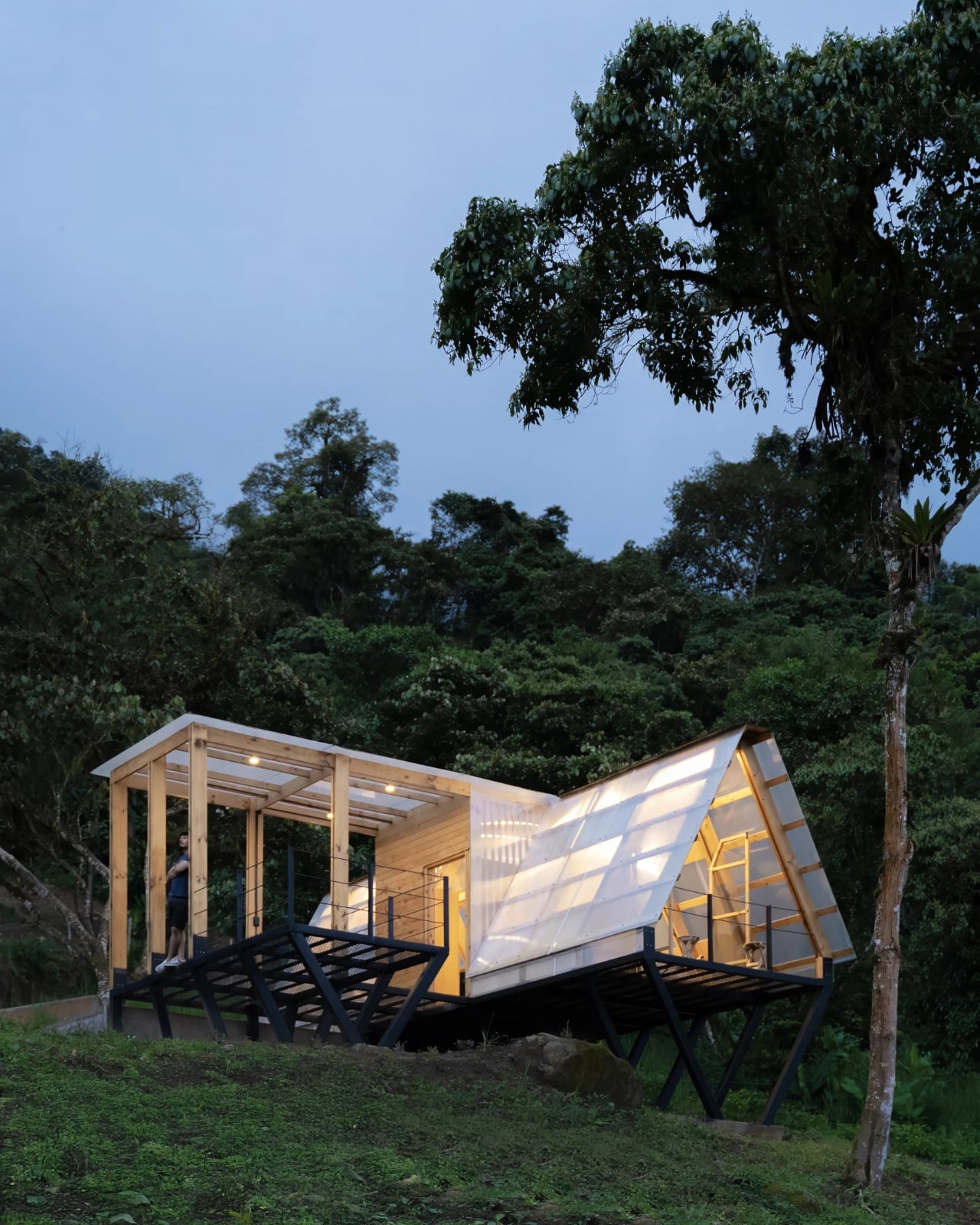
This Award-Winning Swing Feeds Birds When Kids Aren’t Playing

There’s something delightfully clever about design that refuses to pick just one job. You know what I’m talking about: those rare pieces that make you stop and think, “Wait, it does what?” Birddy, a recent award-winning furniture design by Korean designers Yejin Hong and Seyeon Park, is exactly that kind of creation. It’s a children’s swing when sunny days call for play, and a bird feeder when rain clouds roll in. Simple as that sounds, it’s the kind of thoughtful design that makes you wonder why we don’t see more of it.

The concept earned Hong and Park an Excellence Prize at the 2024 Kengo Kuma & Higashikawa KAGU Design Competition, and for good reason. The competition, known for championing furniture designs that bridge functionality with social awareness, found in Birddy exactly what contemporary design should aspire to be: useful, beautiful, and quietly compassionate.

Designers: Yejin Hong, Seyeon Park

At first glance, Birddy looks like a refined wooden swing, the kind that would fit perfectly in a minimalist backyard or a community park. But flip it upside down on a rainy day, and suddenly you’ve got a protected feeding station for birds seeking refuge and sustenance when the weather turns harsh. It’s this elegant duality that makes the design so compelling. Rather than forcing two functions into an awkward compromise, the designers found a natural harmony between them.

What strikes me most about Birddy is how it normalizes empathy through everyday objects. We’re used to thinking about children’s play equipment and wildlife care as separate concerns, occupying different mental compartments in our design-thinking. Hong and Park challenge that separation. Their design suggests that caring for nature and creating joyful spaces for children aren’t competing priorities but complementary ones. When kids aren’t using the swing, why shouldn’t it serve another purpose? When birds need shelter and food, why can’t the solution be something that already exists in our yards?

The execution shows restraint and respect for both users, human and avian. The wood construction feels appropriate for outdoor use while maintaining aesthetic appeal. There’s no garish attempt to make it “cute” or child-themed. Instead, the design trusts that good form works for everyone. This kind of confidence in simplicity is harder to achieve than it looks. Many designers would be tempted to add unnecessary flourishes or overcomplicate the transformation mechanism. Hong and Park resist that urge entirely.

From a practical standpoint, Birddy addresses real needs without requiring users to sacrifice space or budget for separate items. Urban and suburban dwellers increasingly want to support local wildlife, but bird feeders can feel like visual clutter. A swing is already part of many family landscapes. Combining them removes barriers to participation in backyard conservation. It’s environmental design through integration rather than addition.

The timing feels right too. We’re seeing a broader cultural shift toward multipurpose design as people become more conscious of consumption and space constraints. Furniture that pulls double or triple duty isn’t just trendy anymore, it’s becoming an expectation. But Birddy elevates the concept beyond mere space-saving. This isn’t about cramming more functionality into less area. It’s about finding poetic connections between different forms of care.

There’s also something wonderfully cyclical about the design. Children playing on the swing bring energy and life to a space during fair weather. Birds visiting the feeder bring that same vitality during storms. The object becomes a constant source of animation in the landscape, just with different performers depending on conditions. Parents watching kids swing on Tuesday might find themselves watching sparrows perch on Friday. That kind of continuous engagement with an object creates attachment and value beyond its material worth.

What Hong and Park have created isn’t revolutionary technology or groundbreaking engineering. Birddy succeeds precisely because it doesn’t try to be either. Instead, it represents something equally valuable: thoughtful observation of how we live and a willingness to imagine better arrangements. The best design often comes from asking simple questions like “What else could this do?” and “Who else could this serve?” Birddy answers both beautifully, proving that furniture can be generous in more ways than one.

The post This Award-Winning Swing Feeds Birds When Kids Aren’t Playing first appeared on Yanko Design.
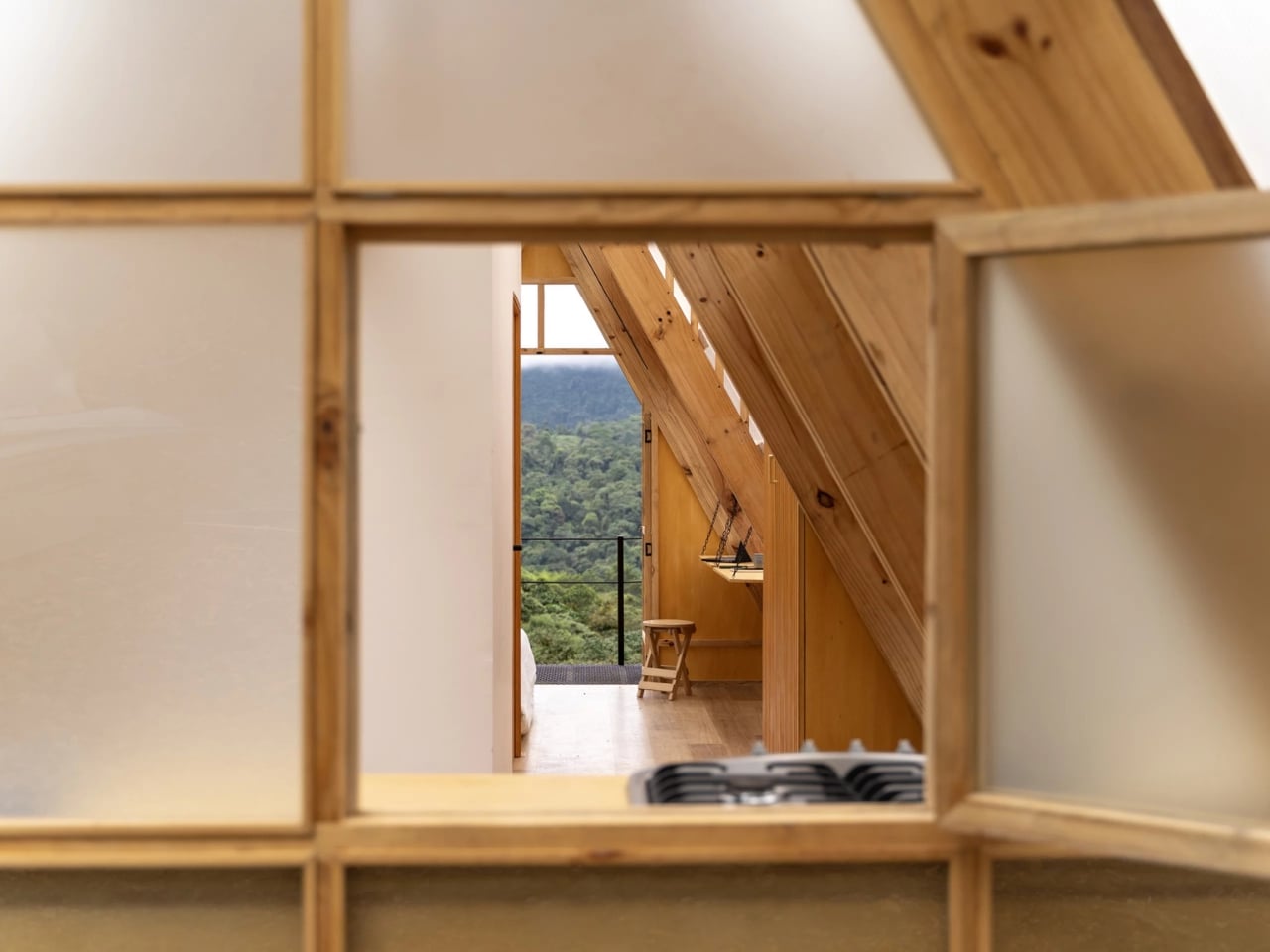
This Dome Shelter Packs Flat and Deploys in Under 2 Hours

When disaster strikes, shelter is everything. But what if you could pack an entire house into a kit and assemble it in just over an hour? That’s exactly what Japanese company TCL Co. has achieved with the Ezdome House, a geodesic dome shelter that’s just won a spot in the prestigious Good Design Award 2025 Best 100.

At first glance, the Ezdome looks like something out of a sci-fi movie. Picture a smooth, white spherical structure that wouldn’t look out of place on Mars. But this isn’t just a design flex. It’s a carefully engineered response to one of Japan’s most pressing challenges: how to give people dignity and safety when natural disasters turn their lives upside down.

Designer: TCL Coc

Japan knows disaster intimately. Earthquakes, typhoons, torrential rains, they’re all part of the landscape. And while the country has gotten incredibly efficient at emergency response, the traditional evacuation shelter model has always had glaring problems. Think crowded gymnasiums with zero privacy, people sleeping shoulder to shoulder on cold floors, and the constant risk of infectious diseases spreading through cramped spaces. The system works for survival, but it’s hardly humane.

That’s where the Ezdome completely flips the script. Two adults can assemble one of these dome shelters in about 60 to 90 minutes without any special skills or tools. The structure arrives as a flat-pack kit of interlocking panels, 38 pieces plus a transparent roof dome that lets natural light flood in. Each panel is made from high-density polyethylene, the same tough, non-toxic material used in everything from cutting boards to industrial piping. It’s impact-resistant, handles extreme temperatures like a champ, and the double-layered walls provide both insulation and structural integrity.

The dome shape isn’t just aesthetically pleasing (though it definitely is). It’s geometry working overtime. Because there are no square corners eating up space, every inch of the 7.1 square meter interior is actually usable. The curved walls create better air circulation, and the spherical structure distributes stress evenly, making it remarkably stable in high winds or aftershocks. When you’re trying to provide emergency shelter, efficiency like that matters enormously.

But here’s what really sets the Ezdome apart from typical disaster relief tents: dignity. Each dome is a private, lockable space. It’s not just a roof over your head, it’s a temporary home where families can maintain some semblance of normalcy during the worst moments of their lives. There’s room to stand up, move around, and actually breathe. For people who might be displaced for weeks or months, that psychological difference is massive.

The Ezdome has already proven itself in real-world disasters. After the devastating Noto Peninsula earthquake hit Japan on New Year’s Day 2024, these domes were rushed to evacuation centers in Wajima. They’ve also been deployed internationally, providing shelter after earthquakes in Turkey, Syria, Morocco, and Myanmar. Relief workers consistently praise how quickly they can be set up without requiring specialized construction knowledge, a crucial advantage when time literally saves lives.

What’s fascinating is how the Ezdome’s design philosophy extends beyond disaster relief. Because these structures are so modular and adaptable, they’ve found applications in glamping sites, as backyard studios, and even as pop-up medical clinics or community gathering spaces. This versatility means they can sit in storage during peacetime, ready for deployment, but also generate value through other uses. It’s smart, sustainable design thinking that recognizes infrastructure doesn’t have to be single-purpose.

The price point, about 1.32 million yen (roughly $9,000 USD) for the basic set, positions these as serious infrastructure investments rather than disposable emergency supplies. Municipalities and organizations can stock them, use them for disaster preparedness training, and know they’ll still be functional years down the line. The material doesn’t rot, rust, or degrade like traditional building materials.

In an era where climate change is making extreme weather events more frequent and more severe worldwide, innovations like the Ezdome feel increasingly essential. We’re going to need smarter, faster, more humane ways to shelter displaced people. The traditional disaster relief playbook isn’t cutting it anymore. What TCL Co. has created isn’t just a product. It’s a reimagining of what disaster response can look like when design prioritizes human dignity alongside practical function. That’s why it earned its spot among this year’s top designs. Sometimes the most important innovations aren’t flashy or revolutionary. They’re simply better answers to problems we’ve tolerated for far too long.

The post This Dome Shelter Packs Flat and Deploys in Under 2 Hours first appeared on Yanko Design.
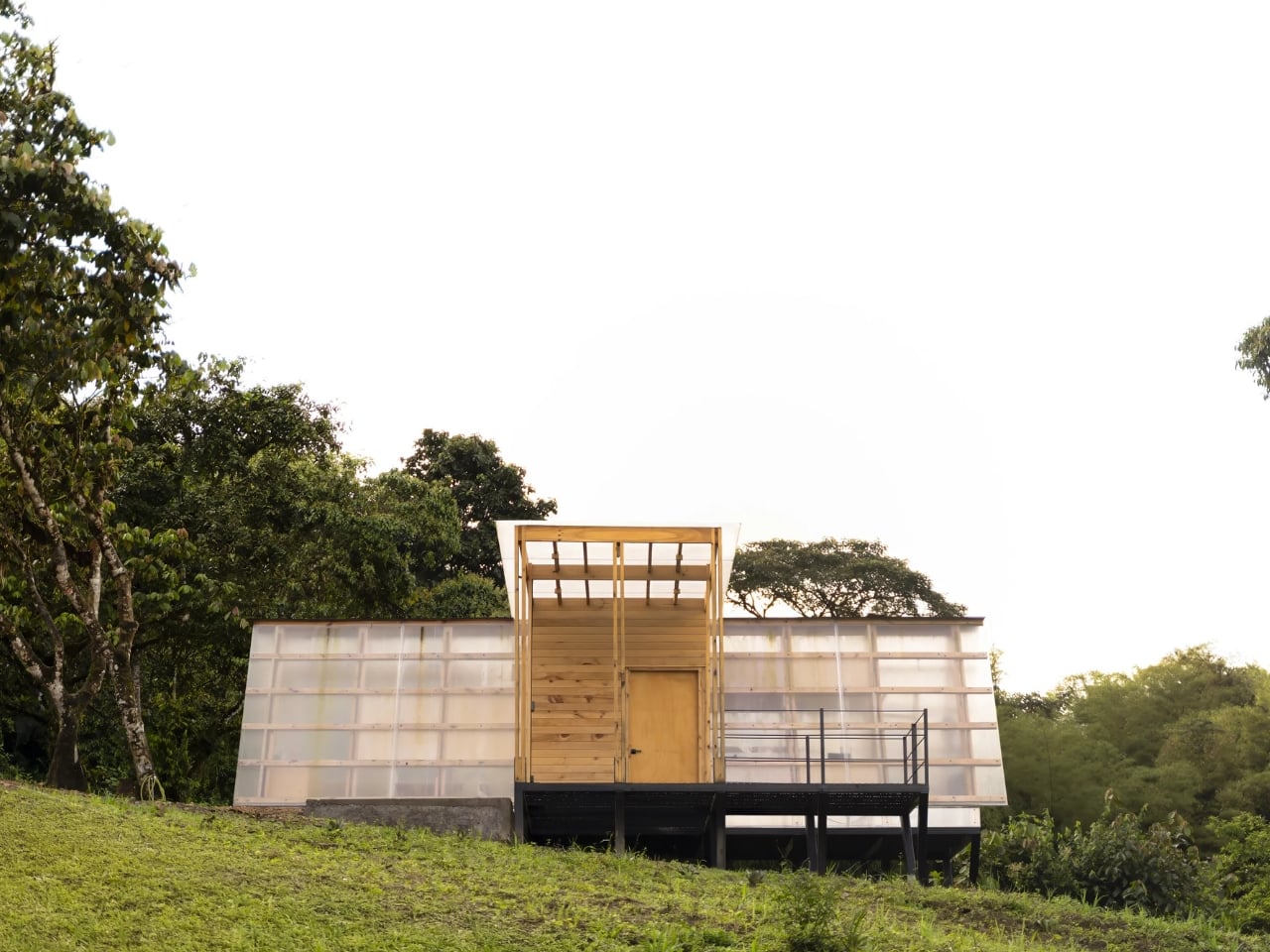
This 3D-Printed Lamp Was Designed to Feel Like Mom’s Hug

There’s something quietly revolutionary happening in design right now, and it doesn’t involve flashy colors or radical shapes. Instead, it’s about something far more intimate. Hu Yuanlin’s HER Floor Lamp proves that the most innovative designs often emerge from the most personal places, bridging the gap between cutting-edge technology and deep emotional resonance.

The story behind HER is achingly simple yet profoundly universal. While studying abroad, Hu found himself missing his mother’s presence, that comforting silhouette that represents home and safety. Rather than simply enduring that longing, he transformed it into something tangible. The lamp’s gracefully curved form echoes the protective stance of a maternal figure, creating what he calls a “quiet emblem of safety and peace at home”. It’s a reminder that the objects we surround ourselves with can do more than illuminate rooms or look aesthetically pleasing. They can hold memories, evoke emotions, and provide companionship.

Designer: Hu Yuanlin

What makes HER particularly fascinating is how it marries this emotional depth with technological innovation. The lamp isn’t just symbolically sustainable through its emotional longevity. It’s literally made from recycled materials, with its segmented lampshade 3D-printed from recycled PETG sourced from old eyeglass frames and disc cases. This choice transforms what might have become waste into something beautiful and functional, proving that sustainability and design excellence aren’t mutually exclusive.

The technical execution deserves attention too. The crystal-clear shade refracts light in ways that create flowing shadows and an atmosphere of serenity. It’s not harsh or clinical despite its modern manufacturing method. Instead, the lamp combines streamlined structural design with organic, leaf-like details that express natural vitality within a minimalist framework. This balance between the organic and the technological, between warmth and precision, feels distinctly contemporary.

HER has already garnered significant recognition in the design world. The lamp won a 2025 Red Dot Design Award, one of the most prestigious accolades in the field, while Hu was still a student. That’s no small achievement. It signals that the design community is hungry for work that doesn’t just look good in a portfolio but carries genuine meaning and innovative thinking about materials and manufacturing.

The timing feels right for a design like this. We’re living in an era where people increasingly crave authenticity and connection, where the sterile perfection of mass-produced items often feels empty. Meanwhile, technology like 3D printing has matured to the point where it can produce objects with both technical sophistication and artistic nuance. HER exists at this intersection, using advanced manufacturing to create something that feels handcrafted and personal.

There’s also something poignant about a lamp designed to evoke maternal presence. In our hyper-connected yet often isolated modern lives, especially for those living far from family, objects that provide emotional anchoring become increasingly valuable. HER doesn’t just light a room. It occupies space with a presence, standing sentinel like a protective figure. It’s the kind of design that transforms a house into a home, that makes a lonely apartment feel less empty.

What Hu has achieved with HER suggests exciting possibilities for the future of product design. As 3D printing technology becomes more accessible and sustainable materials more refined, designers have unprecedented freedom to create forms that would be impossible through traditional manufacturing. More importantly, they can create limited runs or even custom pieces that maintain deeply personal narratives without sacrificing quality or sustainability.

The lamp has already been exhibited at events like TCT Asia 3D Printing and Shanghai Design Week, introducing it to broader audiences and manufacturing partners. It’s moving from student project to commercial reality, which means more people might soon have the opportunity to bring this piece into their homes and lives. HER Floor Lamp reminds us that great design doesn’t need to shout. Sometimes the most powerful statements are quiet ones, standing in the corner of a room, casting gentle shadows, and making us feel a little less alone.

The post This 3D-Printed Lamp Was Designed to Feel Like Mom’s Hug first appeared on Yanko Design.
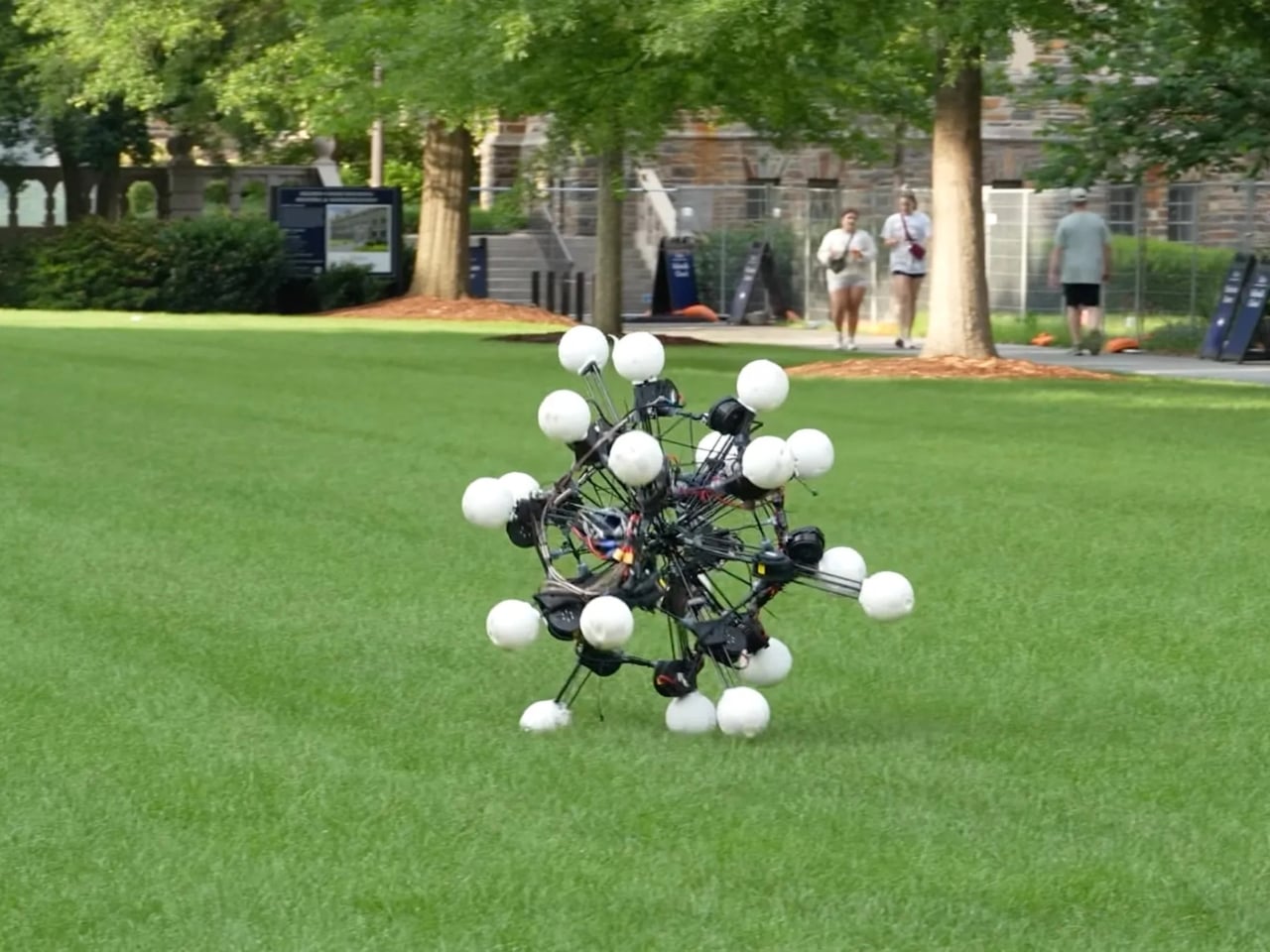
Tesla’s $350 Pickleball Paddle Is Peak Design Absurdity

When your car company starts selling pickleball paddles, you know we’ve officially entered a new dimension of brand expansion. Tesla, the same company that brought us electric vehicles and the occasional flamethrower, has teamed up with Selkirk Sport to create the Tesla Plaid Pickleball Paddle, a limited-edition piece of sports equipment that costs more than some people’s monthly car payments.

Let’s talk about that price tag first. At $350, this paddle is basically the Hermès Birkin of the pickleball world. For context, professional tennis players like Carlos Alcaraz swing rackets that cost $299. But here we are, in a timeline where a paddle designed to hit a plastic ball over a net somehow commands a higher price than equipment used at Wimbledon. The paddle sold out in under three hours during its initial release, which either says something profound about consumer behavior or absolutely nothing at all.

Designers: Tesla and Selkirk Sport

So what exactly are you getting for that eye-watering price? According to Tesla and Selkirk, this isn’t just some branded merchandise with a logo slapped on it. This is apparently a genuine engineering collaboration that involved actual wind tunnel testing. Yes, the same aerodynamic technology that helps Tesla vehicles slice through air resistance has now been applied to your weekend hobby. The paddle features an elongated form with an open-air throat design and rounded, edgeless perimeter, all calculated to reduce drag while increasing your reach on the court.

The specifications read like something from a tech blog rather than a sports equipment catalog. We’re talking about a two-ply carbon fiber face, a full-foam core, and Selkirk’s patent-pending InfiniGrit Surface designed to generate spin. There’s also a MOI Tuning System integrated into the design, because apparently moment of inertia is now a critical concern when you’re playing a sport that was invented in someone’s backyard. The paddle weighs between 7.8 and 8.1 ounces, measures 16.4 inches by 7.5 inches, and comes USAP approved, which means it’s actually legal for official tournament play.

But here’s where things get interesting from a design perspective. This collaboration isn’t just about Tesla lending its name to boost sales. Selkirk’s co-owner and Director of Research and Development has emphasized that Tesla’s aerodynamics expertise was key in determining the paddle’s overall shape. The elongated form and sharp edgeless style weren’t arbitrary aesthetic choices but the result of actual testing in Tesla’s facilities. In a world where most sports equipment collaborations are purely cosmetic exercises, there’s something almost refreshingly nerdy about bringing automotive engineering to a paddle sport.

The secondary market has predictably gone wild. The paddle spawned a thriving resale ecosystem on eBay almost immediately, because of course it did. When something is both expensive and artificially scarce, collectors and resellers descend like moths to a very expensive flame. The paddle dropped again in an even more limited quantity recently, ensuring that the hype cycle continues churning.

From a pure design standpoint, the Tesla Plaid Paddle represents an interesting collision of worlds. It’s where automotive engineering meets recreational sports equipment, where brand extension becomes an engineering challenge, and where price points lose all connection to reality. The paddle looks sleek in its black and red colorway, clearly drawing visual cues from Tesla’s Plaid mode branding. It’s undeniably cool looking, and there’s genuine innovation in applying aerodynamic principles to paddle design.

But it’s also kind of ridiculous. Pickleball, for all its recent popularity surge, remains a sport most people play on converted tennis courts at their local park. Bringing wind tunnel testing and automotive-grade engineering to that equation feels simultaneously impressive and completely absurd. It’s the design world equivalent of using a sledgehammer to crack a walnut, except the sledgehammer costs $350 and you can’t even buy one because it sold out in three hours.

Whether this paddle actually improves your game or just your Instagram aesthetic is almost beside the point. What it really represents is how far we’ve come in blurring the lines between technology, sports, fashion, and brand identity. And honestly? That’s kind of fascinating.

The post Tesla’s $350 Pickleball Paddle Is Peak Design Absurdity first appeared on Yanko Design.
This Cute AI Robot Just Turned Your Car Into a 4G Hotspot

Picture this: you slide into your car, and instead of being greeted by cold, silent technology, there’s a little spherical companion perched on your dashboard, ready to chat. That’s TOOOONY, and it’s rethinking what it means to have tech in your vehicle.

At first glance, Toooony looks like it escaped from a Pixar film. It’s got this perfectly round head with big, expressive eyes that light up on its circular screen, and honestly, you can’t help but smile when you see it. The design team at ZIZ Intelligent Manufacturing, led by Junjia Yang, Yang Shen, Yanan Liu, and Ruilin Niu, clearly understood something crucial: if you’re going to spend hours in your car, your tech companion should feel like an actual companion, not just another gadget bolted to your dashboard.

Designers: Junjia Yang, Yang Shen, Yanan Liu, Ruilin Niu

But Toooony isn’t just sitting there looking cute. This little robot is packed with functionality that genuinely changes how you interact with your vehicle. The anthropomorphic AI dialogue system means you can actually have conversations with it, not just bark commands. It responds to voice, recognizes touch, and here’s where it gets interesting: it features “tap-to-interact” functionality that lets you communicate with other Toooony users on the road.

Think about that for a second. We’ve all had those moments driving where we wish we could easily communicate with another car. Maybe it’s a friendly wave, sharing traffic info, or just acknowledging a fellow road tripper. Toooony makes this possible through LoRa near-field encrypted communication, positioning itself as the world’s first cross-brand non-contact travel social device. You can connect with other drivers without switching car brands or fumbling with apps, all while keeping your communication secure and encrypted.

The circular screen serves as Toooony’s face and information hub, displaying a variety of customizable watch faces. One minute it might show you the weather with a sunset reflection, the next it’s displaying your vehicle stats or just giving you those cheerful cartoon eyes that make even traffic jams slightly more bearable. The screen adapts to different contexts, whether you need navigation info, want to control your music, or just need a visual companion during your commute.

What really sets it apart is how it blends personality with practical features. Built-in lighting creates ambiance and provides visual feedback, while the sound system handles everything from navigation prompts to music. The expressions change based on what’s happening, giving you emotional cues that feel natural rather than robotic. When you’re low on battery, the device might look concerned. Hit the road after a long day? It might greet you with a cheerful face that genuinely makes you feel less alone.

Then there’s the connectivity piece. Toooony isn’t just another Bluetooth speaker pretending to be smart. It’s equipped with 4G capability and can transform into a stable mobile hotspot that covers your entire vehicle. This means passengers can stream, work, or browse without draining phone data plans, and the connection stays consistent because it’s not relying on your phone’s tethering. For families on road trips or remote workers who treat their car like a mobile office, this feature alone justifies the device’s existence. The cross-device communication capability extends beyond just car-to-car interaction. It can sync with your other devices, creating a seamless tech ecosystem that follows you from home to vehicle and beyond. That playlist you were listening to in your living room? Toooony picks it up. Calendar reminders? They’ll pop up on that circular screen at the right time.
What makes Toooony particularly clever is that it’s designed as a customizable physical robot. This isn’t one of those “smart assistants” that’s just a speaker with lights. It’s an actual presence in your car with physical character. You can personalize its responses, change its watch faces to match your mood or aesthetic, and over time, it genuinely starts to feel like your driving buddy rather than just another piece of car tech.

The form factor matters too. Toooony sits on your dashboard without being intrusive, positioned where you can see it but it doesn’t block your view. The spherical design with what appears to be little headphone-like elements gives it this endearing character that makes sense in a vehicle environment. It’s friendly tech that doesn’t demand your attention but is there when you need it. The device brings a human touch to the driving experience when usually it seems like it’s designed by engineers for engineers. It’s functional without being cold, smart without being intimidating, and connected without being creepy. Sometimes the best innovations aren’t about cramming in more features but about making technology feel like it actually belongs in our lives. Toooony gets that balance right.

The post This Cute AI Robot Just Turned Your Car Into a 4G Hotspot first appeared on Yanko Design.