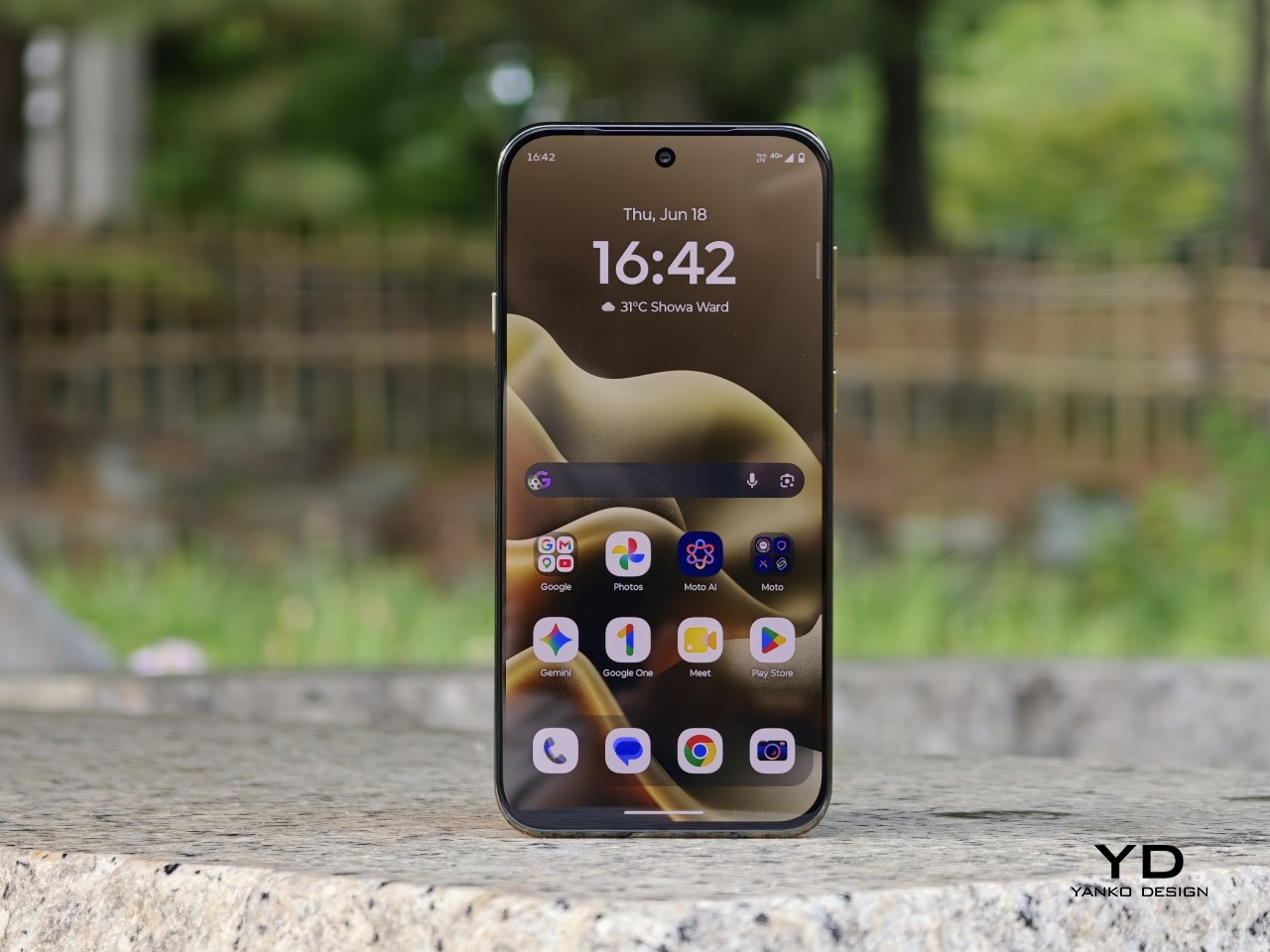
Vivo X300 Review: Compact, But No Compromise

PROS:


  • Compact, minimal design with a subtle camera module

  • Excellent ergonomics, light weight, and easy one-handed use

  • Versatile and powerful camera system

  • Large 6040mAh battery

CONS:


  • Camera system is a step down from the X300 Pro

  • Limited focus on sustainability and repairability

RATINGS:

AESTHETICS
ERGONOMICS
PERFORMANCE
SUSTAINABILITY / REPAIRABILITY
VALUE FOR MONEY

EDITOR'S QUOTE:

If you care most about a compact form factor, strong battery life, and one of the best camera setups in this size class, the Vivo X300 stands out clearly.

Vivo’s announcement of the X300 series brought a wave of excitement, especially around the powerhouse X300 Pro. Many in the tech world were eager to see how far Vivo could push flagship performance. But while the Pro model commands attention for its bleeding-edge specs, the X300 quietly carves out its own distinct appeal. 

This is not just a lesser sibling, though. The X300 emerges as a force in its own right, especially for those who appreciate a flagship phone that fits beautifully in the hand. Ergonomics meet modern design, with the X300 offering a balanced blend of style, substance, and everyday comfort. For anyone who wants top-tier features without the bulk, this device is ready to win hearts. In this review, we will see whether it truly delivers on that promise.

Aesthetics

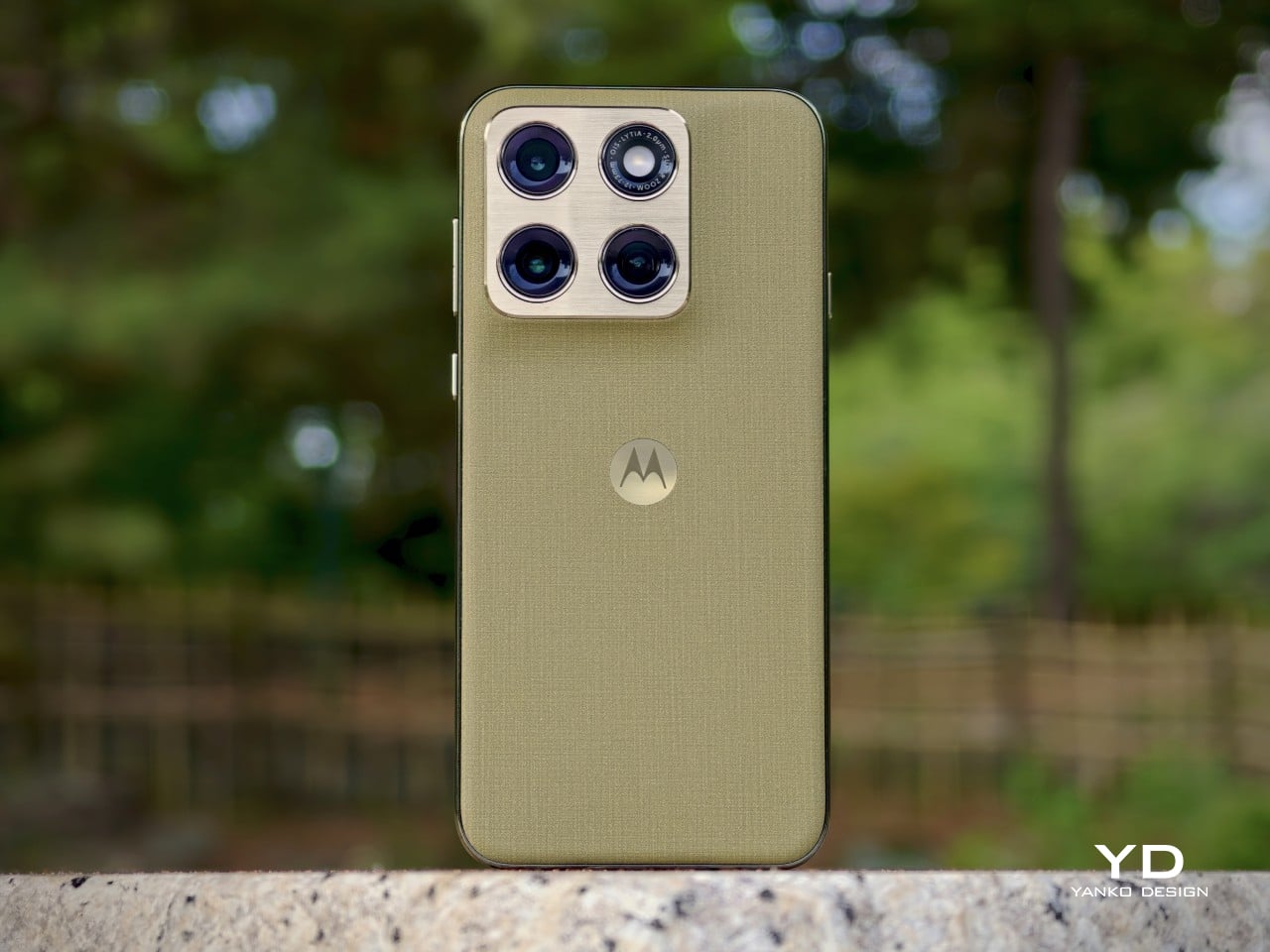
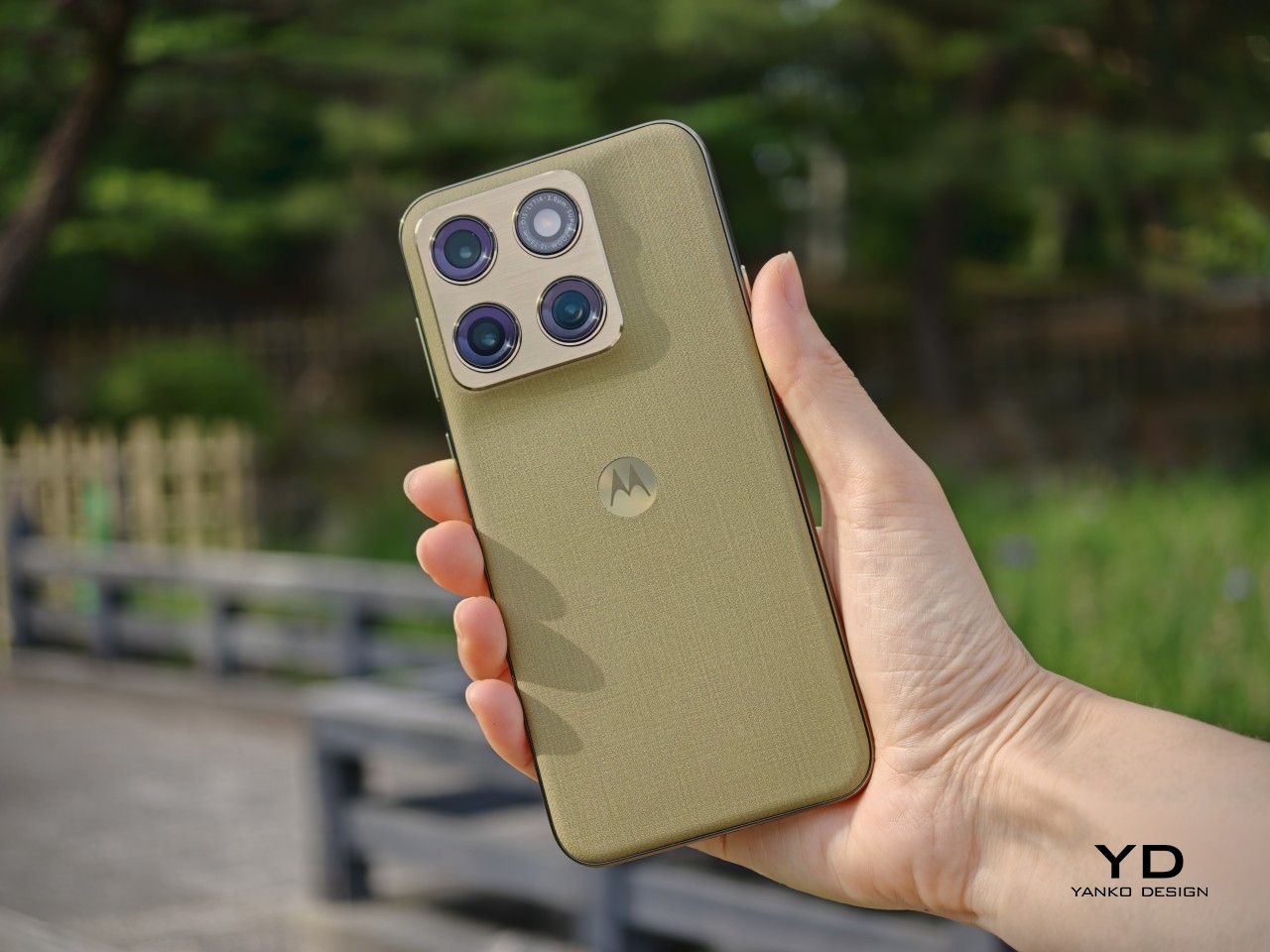
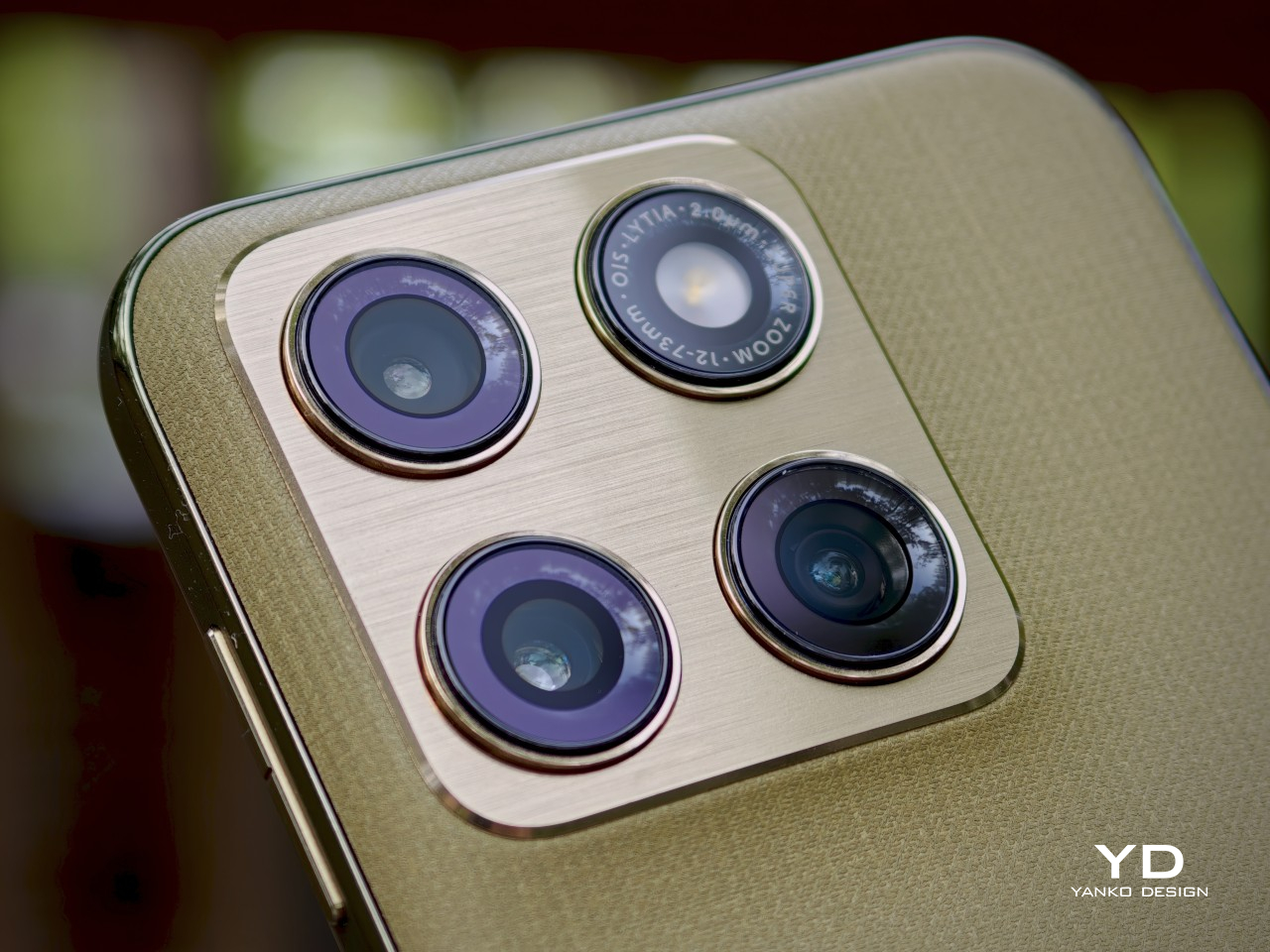
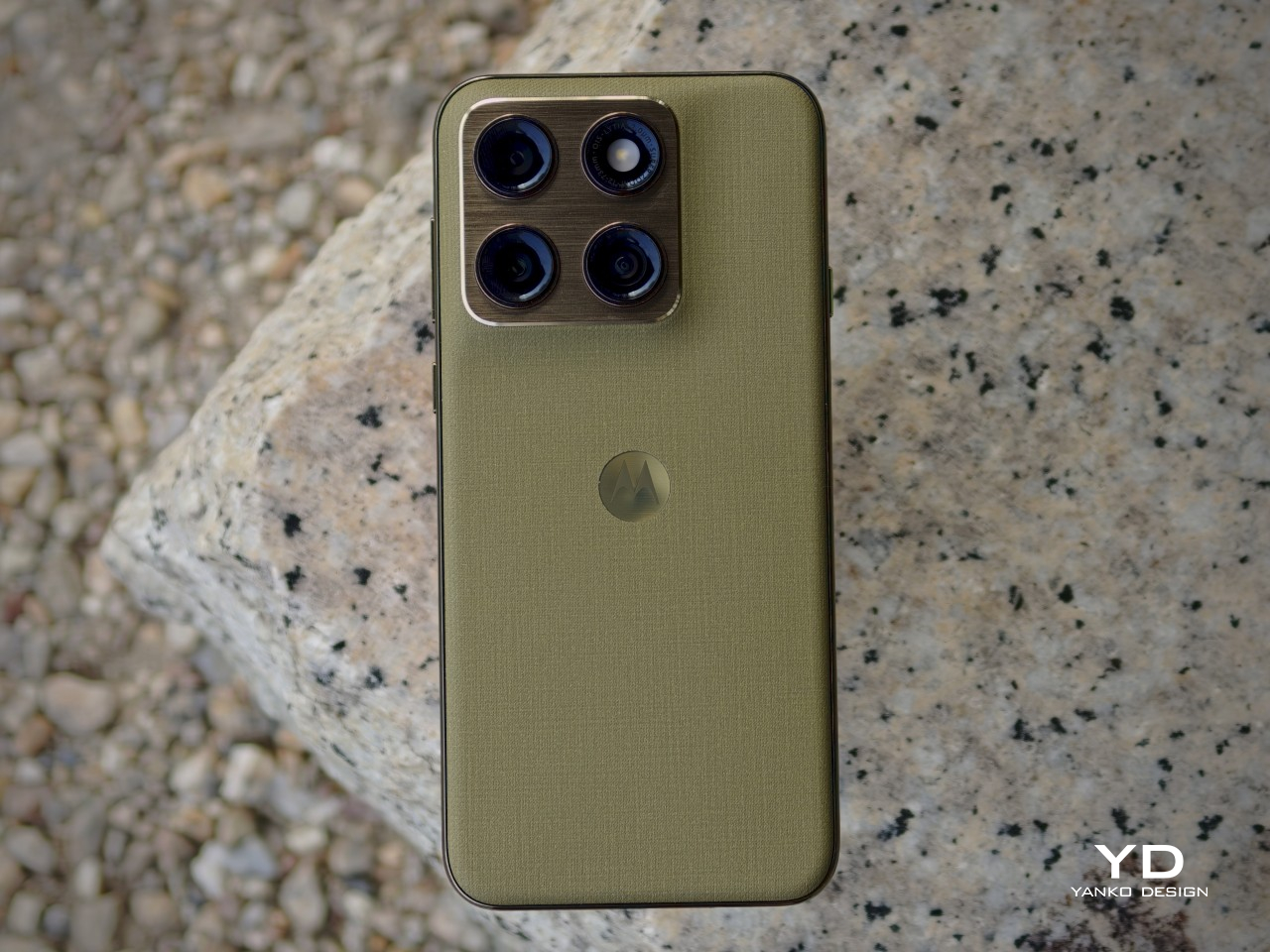
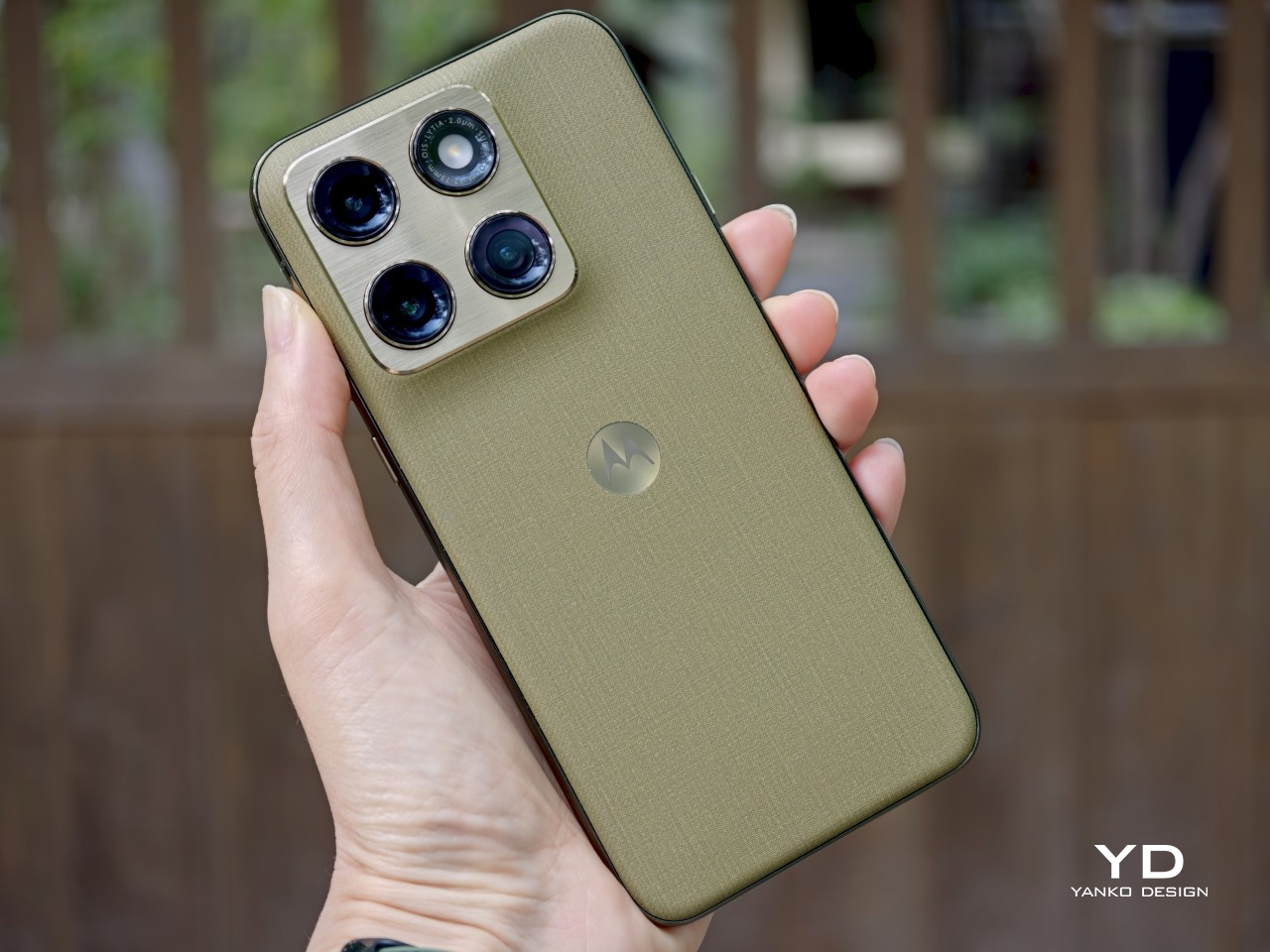
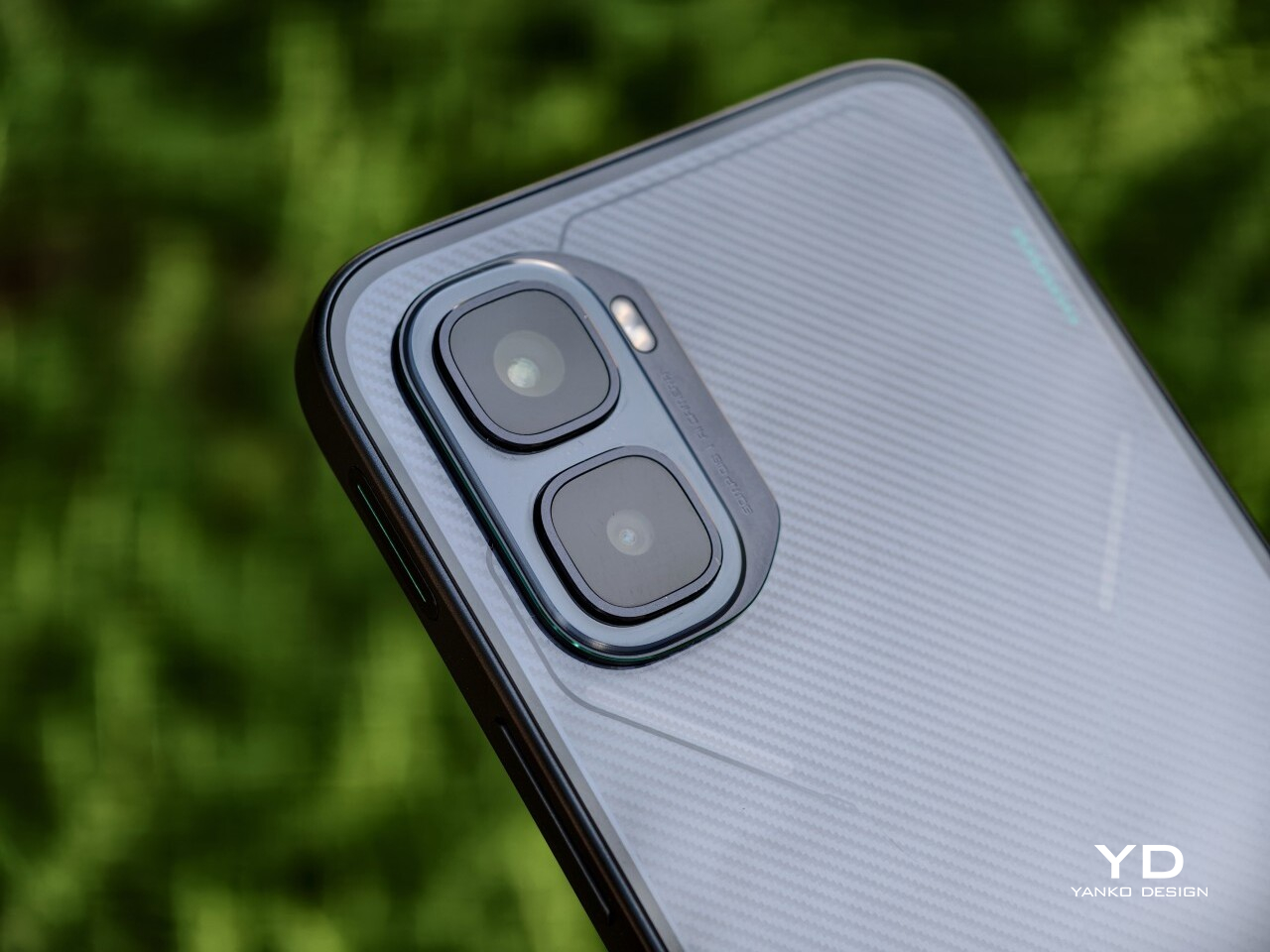
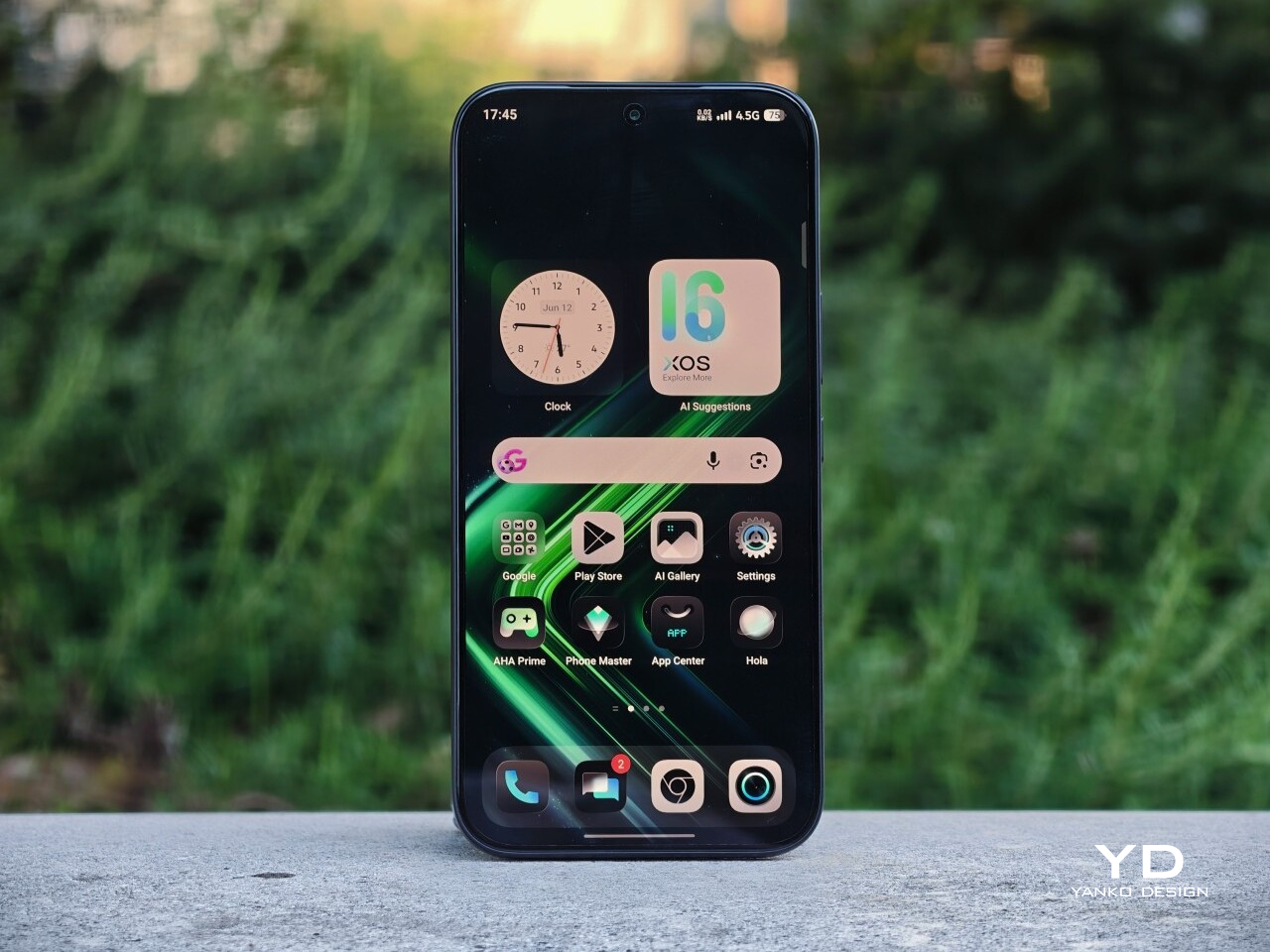
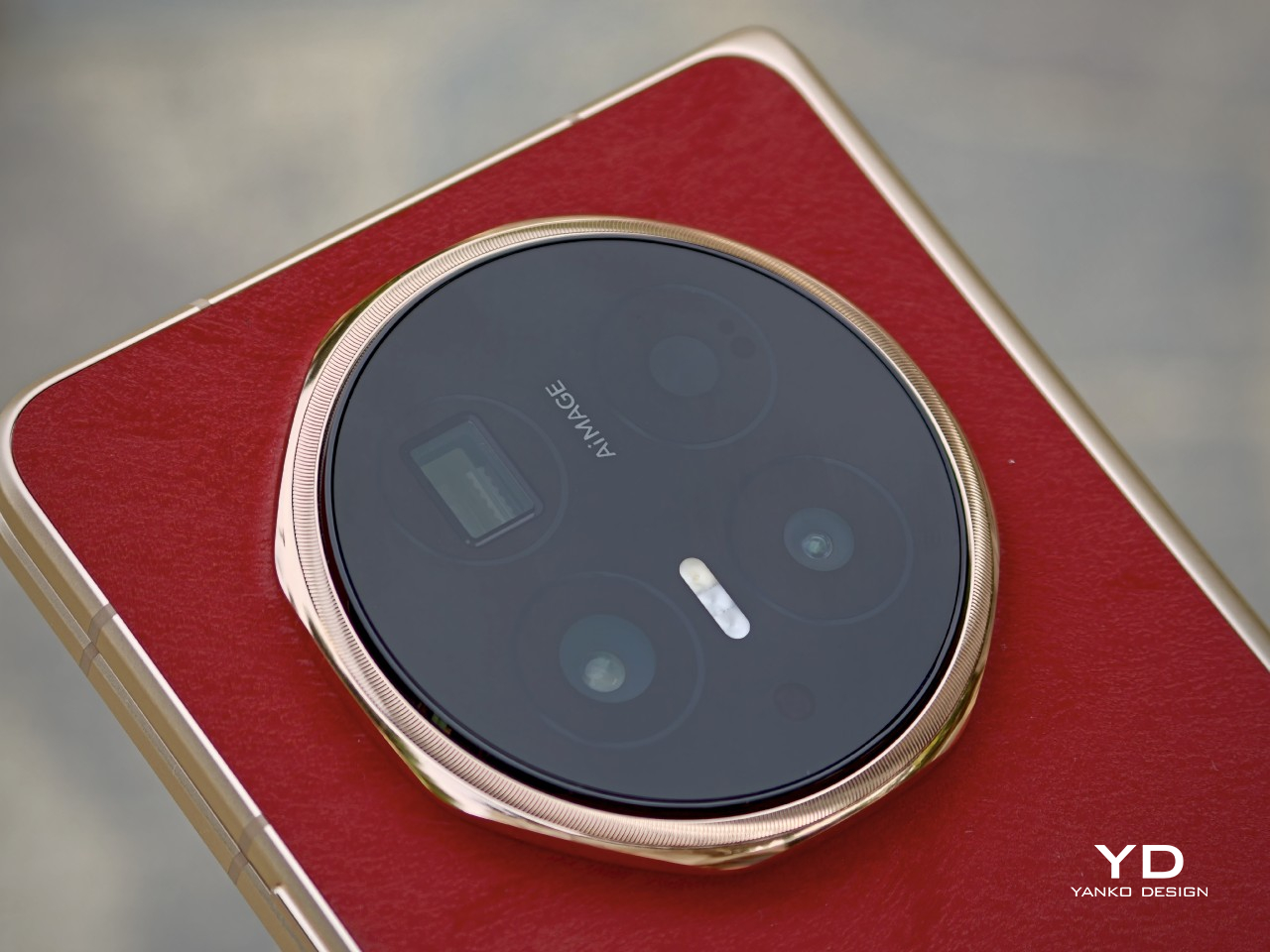
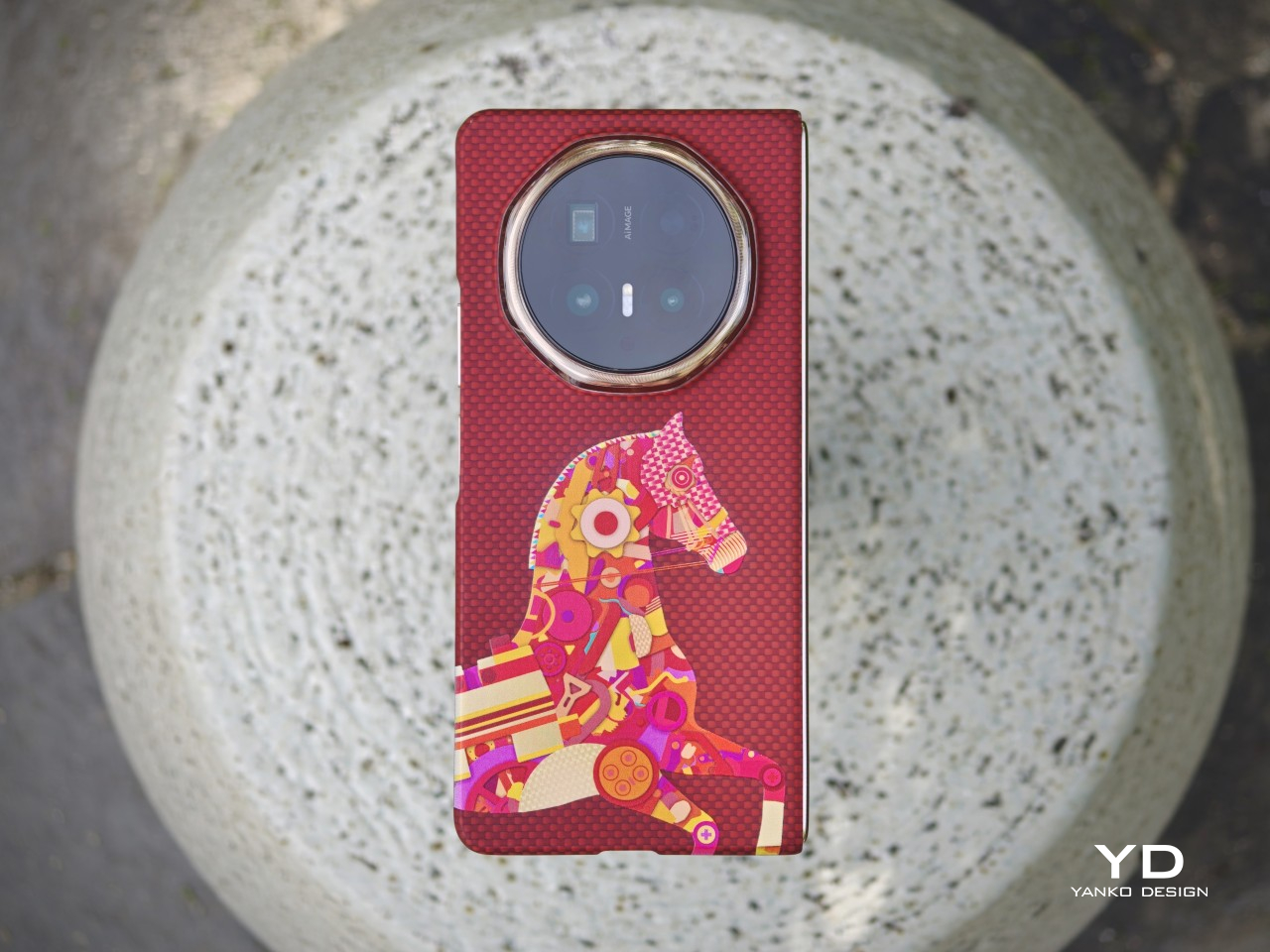
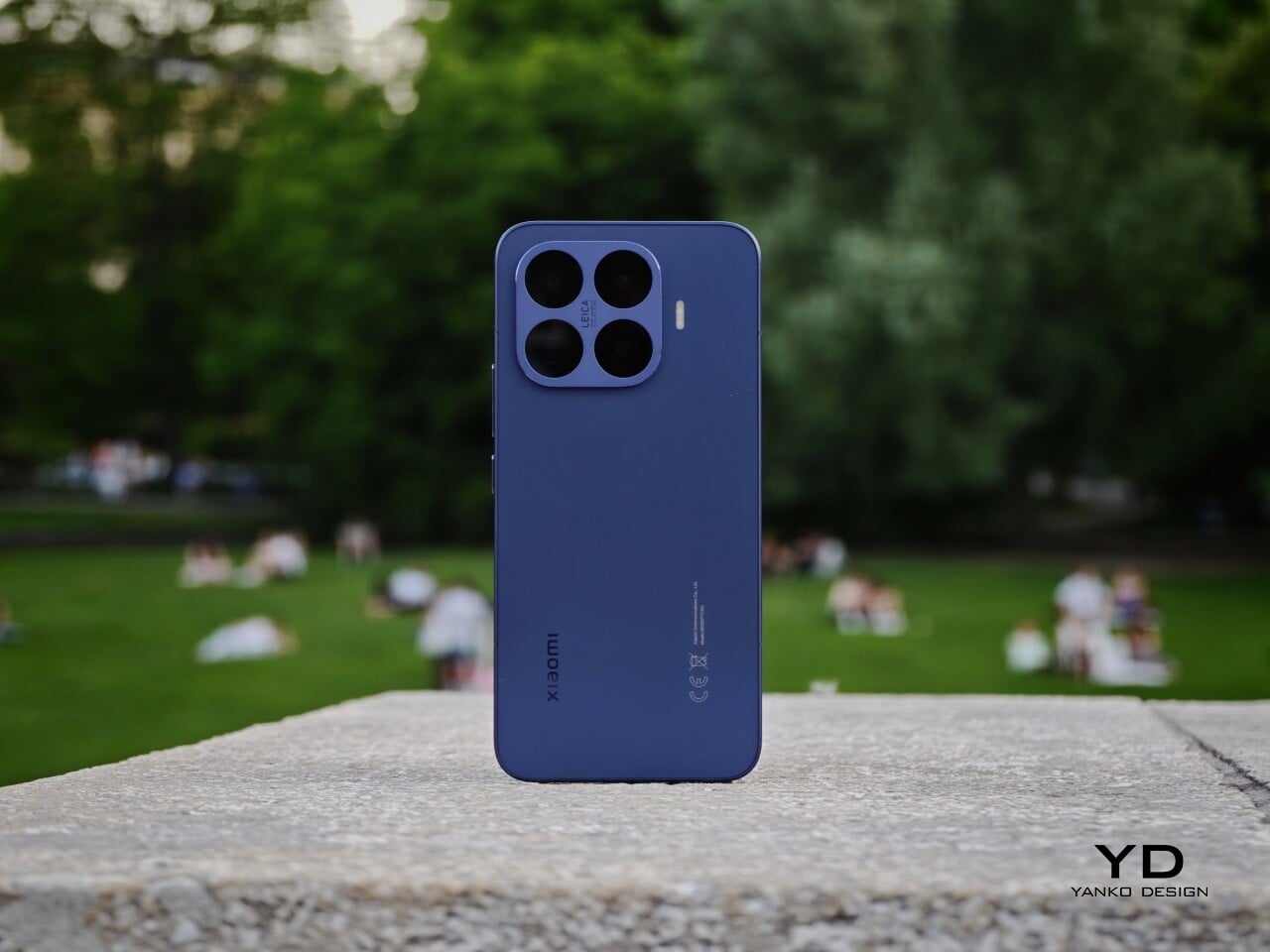
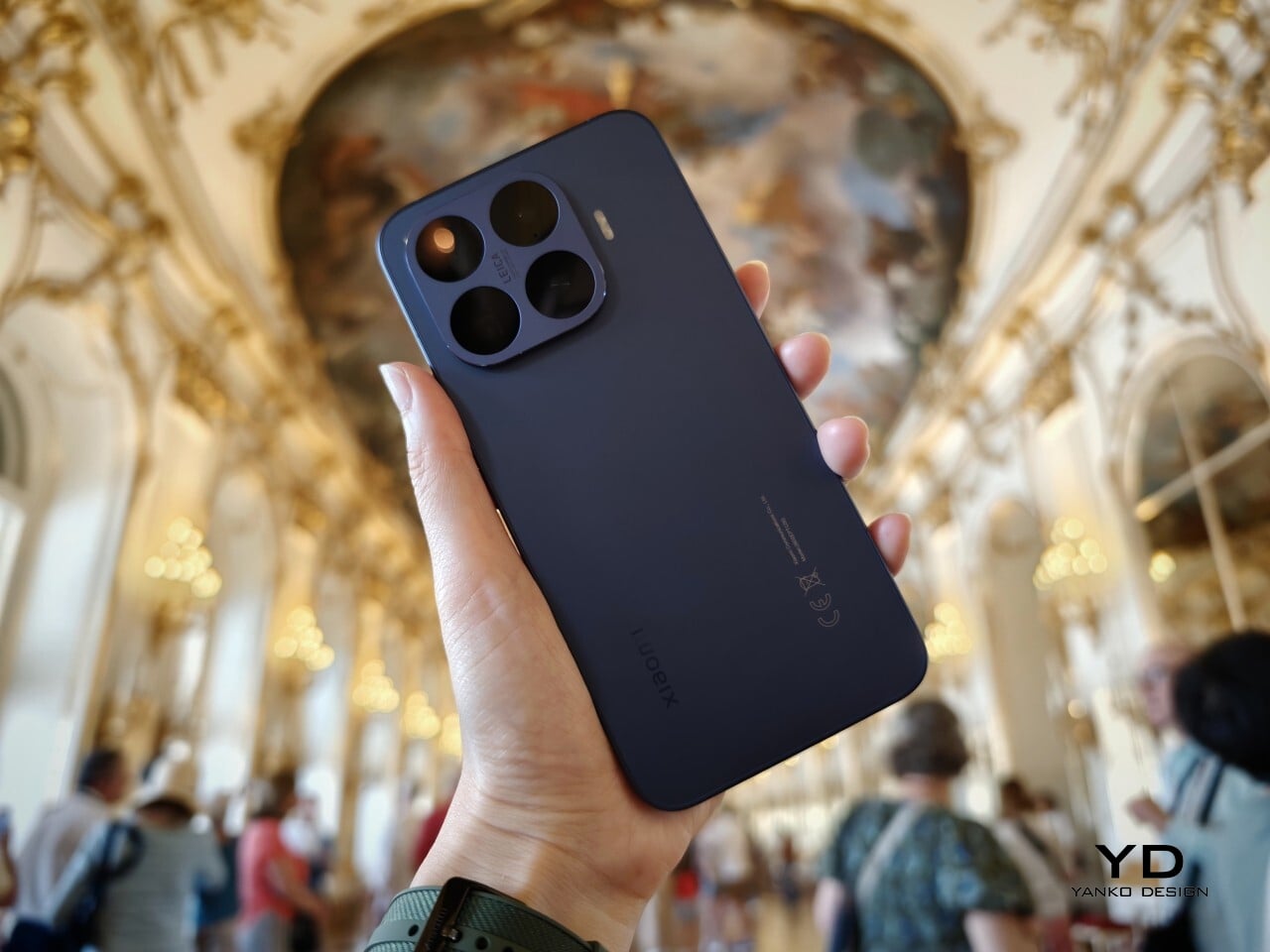
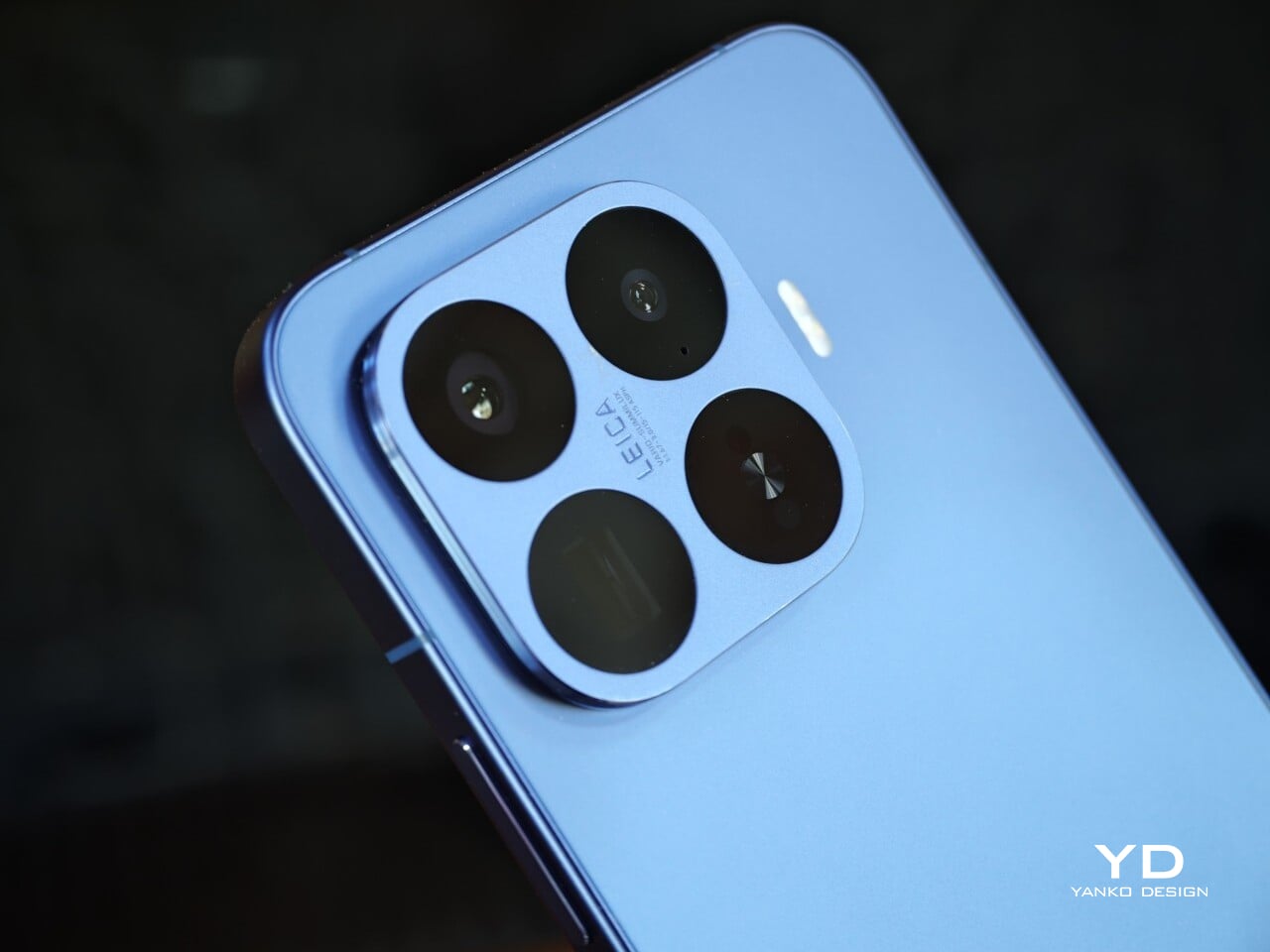
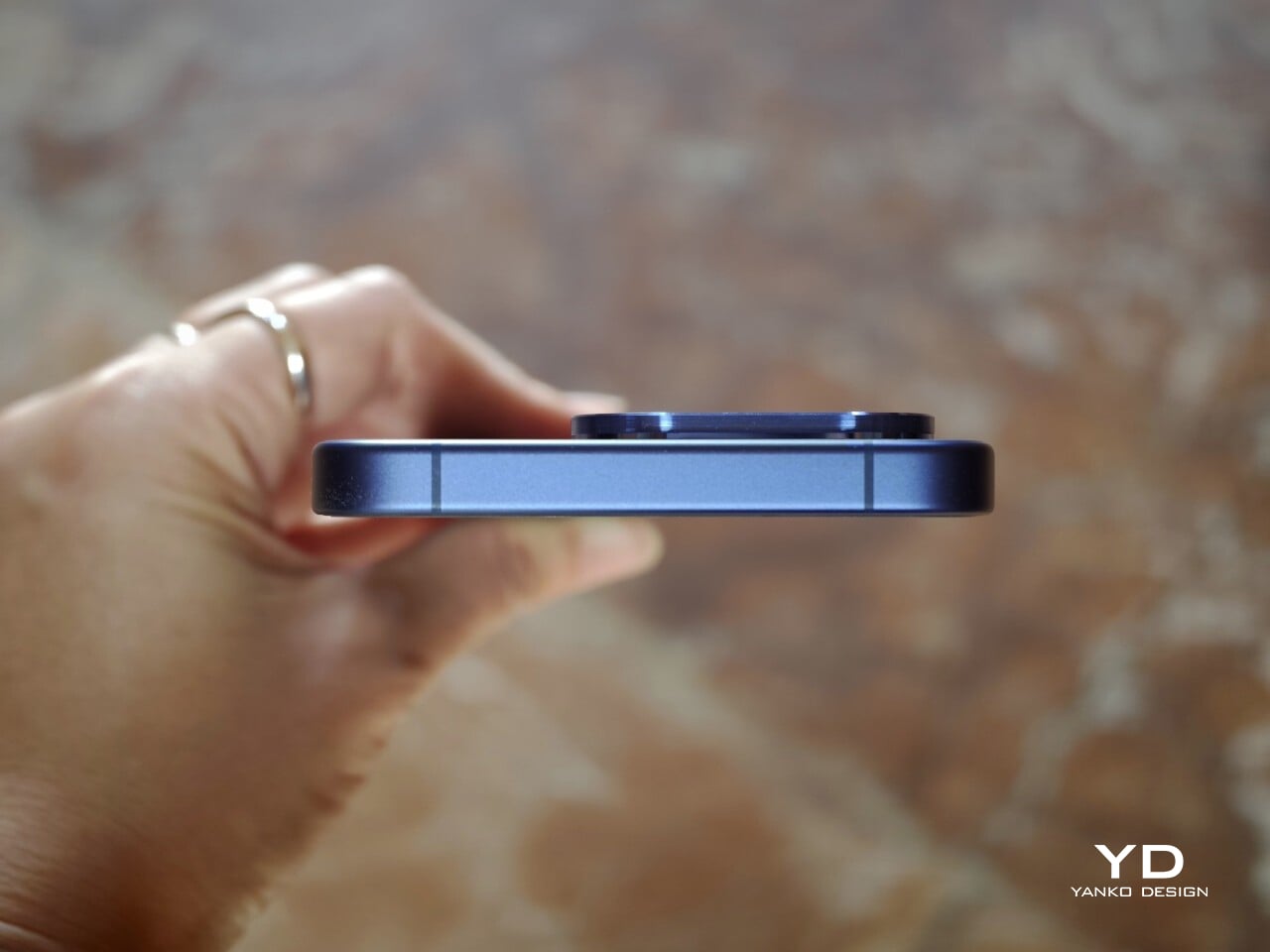
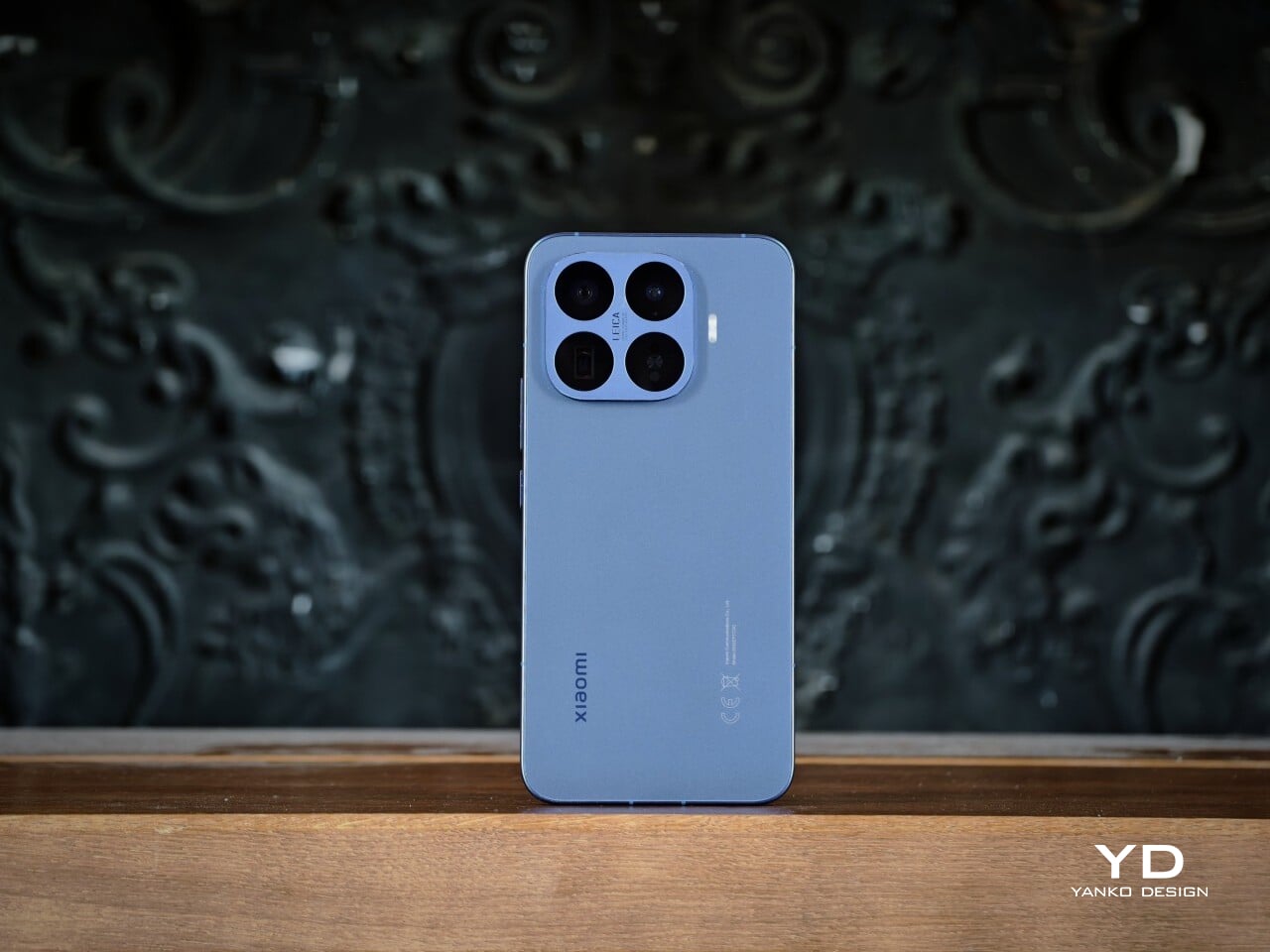
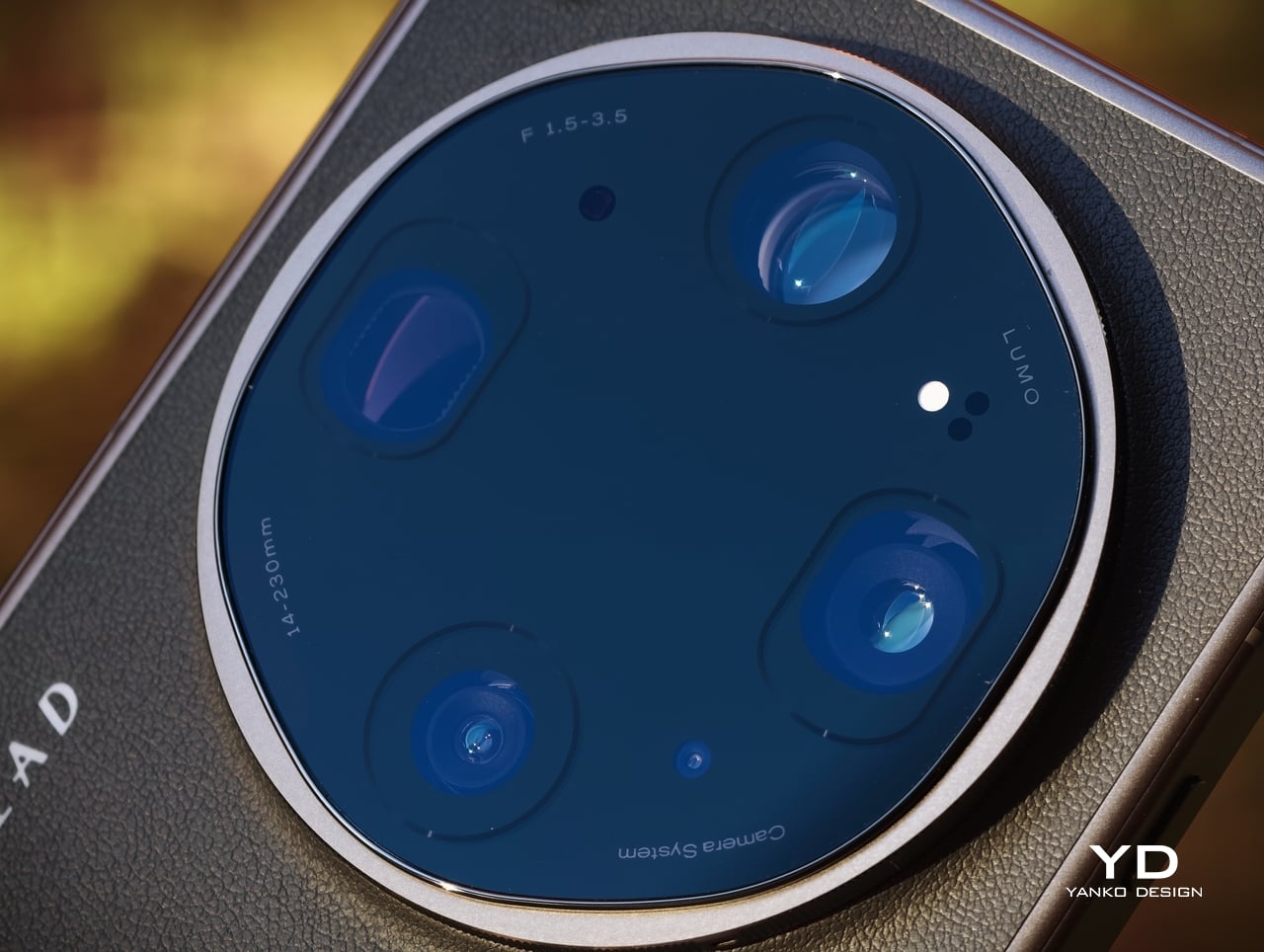
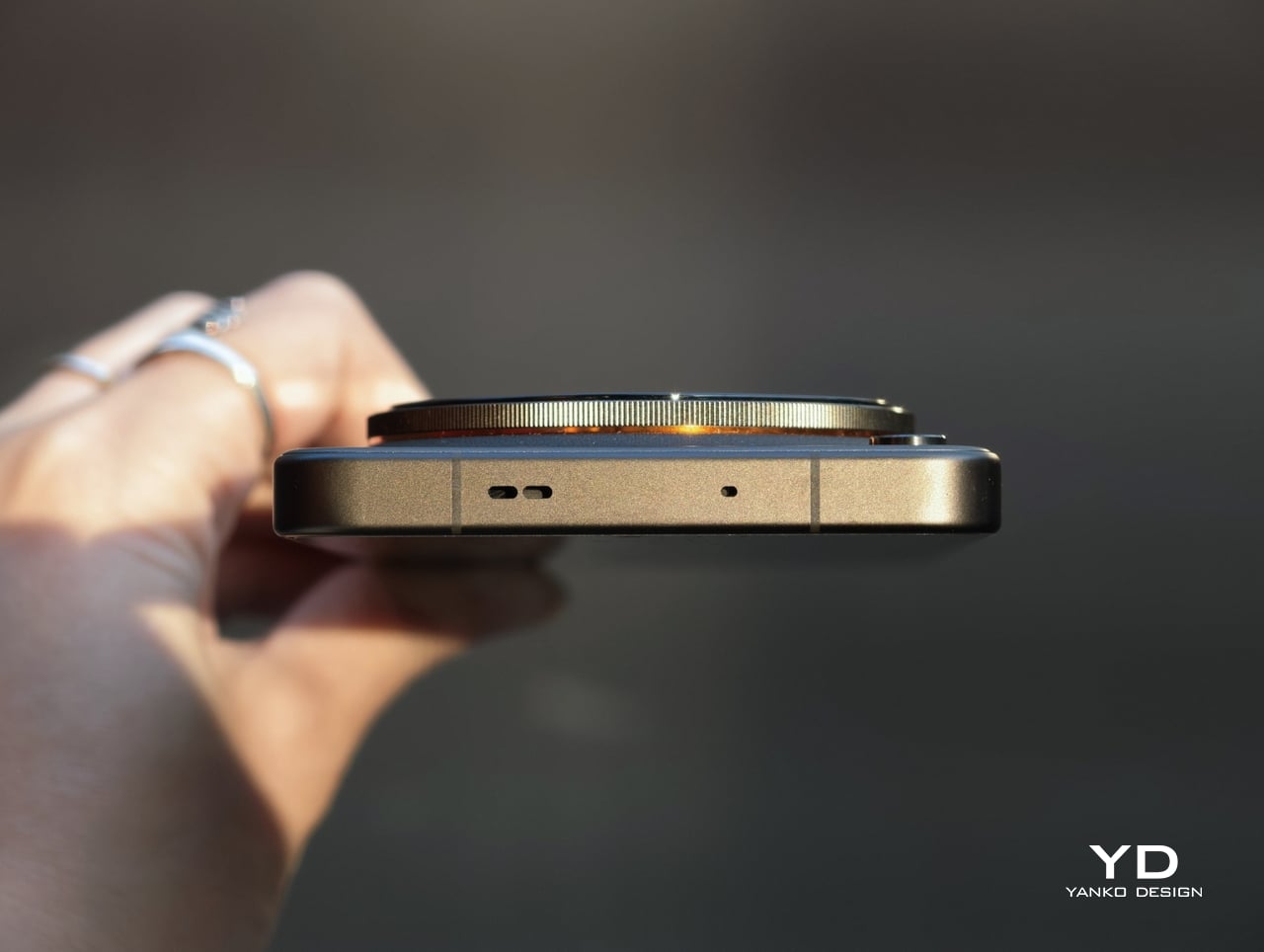
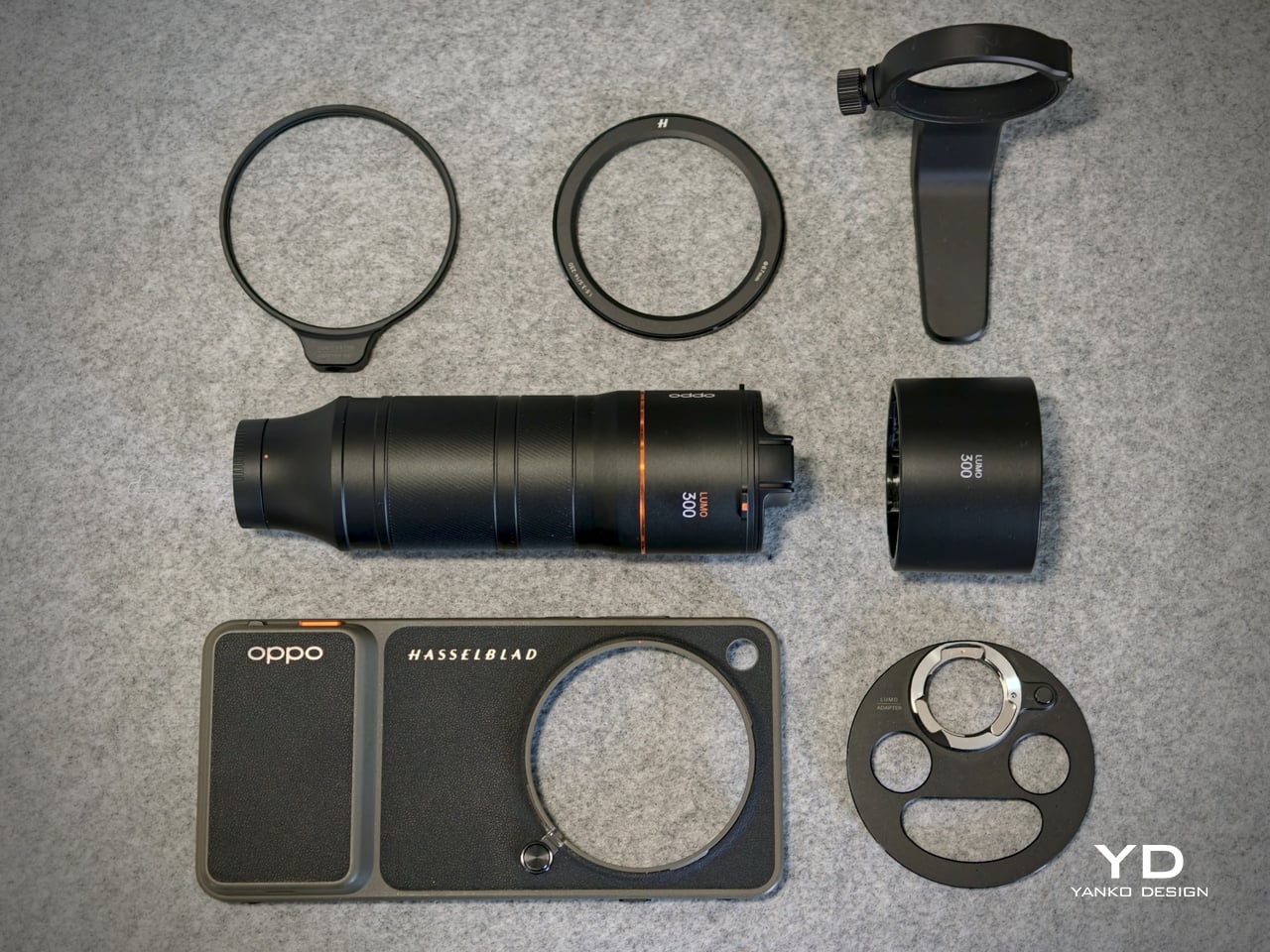
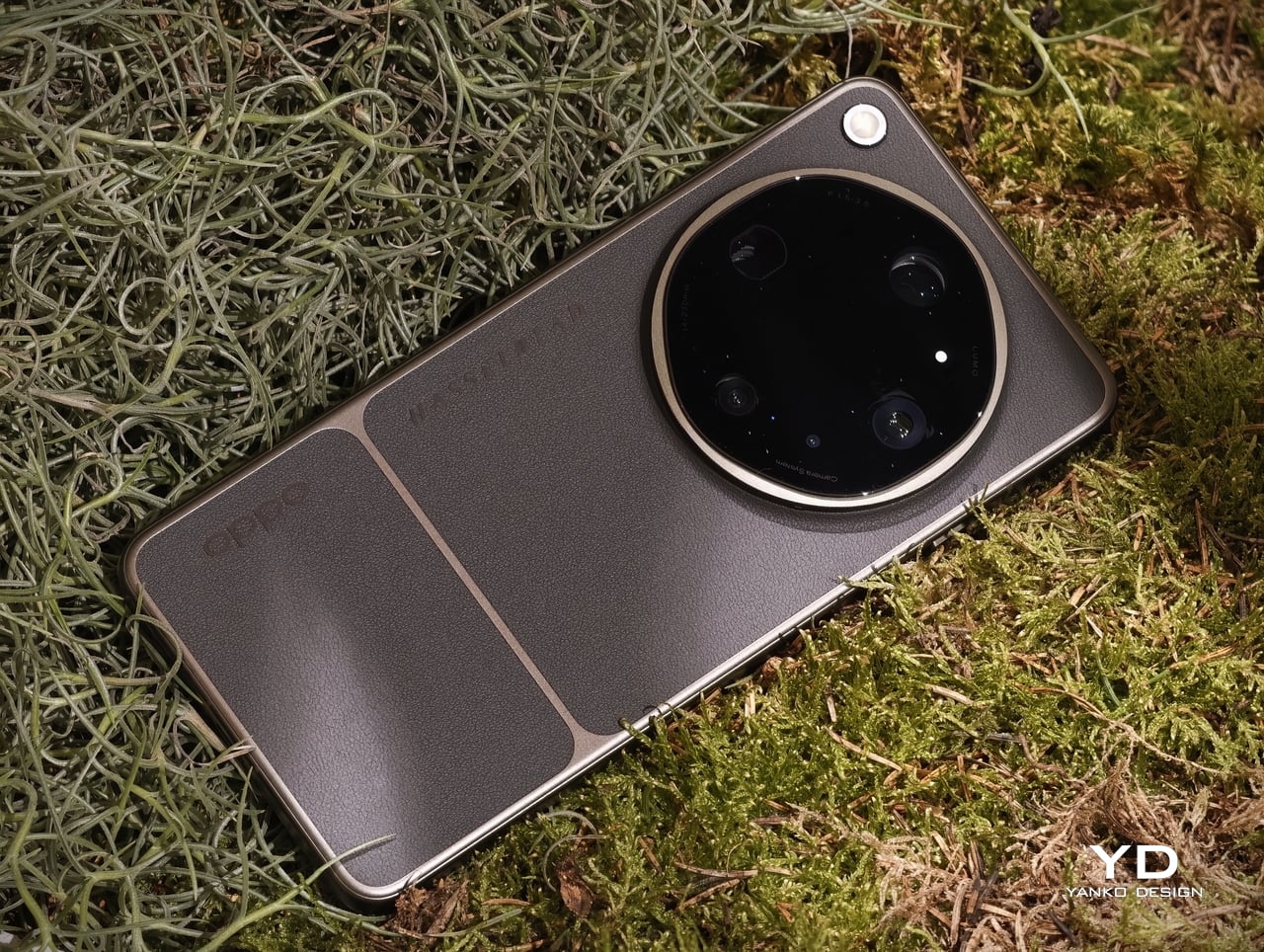
The X300 embodies minimalistic beauty in every detail. Its frosted glass back panel exudes a soft, refined sheen, instantly presenting an air of quiet elegance. The camera bump stands out as a graceful, seamless circle, subtly rising from the surface without disrupting the panel’s smooth geometry. This camera design is noticeably more understated than the X300 Pro’s bold module, enhancing the X300’s visual harmony and contributing to its overall sense of balance.

Look closer, and the smaller design decisions start to stand out. The transition between the glass back and the frame is clean and controlled, with no harsh edges or visual clutter. The circular camera island sits perfectly centered within its own visual “halo,” making the back of the phone feel almost symmetrical even though it is not. Branding is minimal and tastefully placed, allowing the materials and shapes to take the lead instead of logos or text. It is the kind of design that does not shout for attention, but rewards you the longer you look at it.

Color choices further elevate the X300’s appeal. Vivo offers this flagship in four shades: Pink, Blue, Purple, and Black. The Pink variant, which arrived for my review, is especially enchanting. Its finish dances with light, revealing subtle undertones of purple, green, blue, and yellow depending on the angle. This shifting spectrum gives the phone a dynamic personality, catching the eye without crossing into excess. The result is a device that feels both modern and timeless, effortlessly fitting into a variety of styles and settings.

Ergonomics

Ergonomics often takes a back seat to camera prowess in flagship phones, but the X300 finds a sweet spot that deserves attention. While I’m usually unfazed by larger camera bumps if they promise outstanding photography, my experience with the X300 was a reminder of the joys of a truly compact device. Its proportions invite easy one-handed use, making daily interactions feel effortless and natural. 

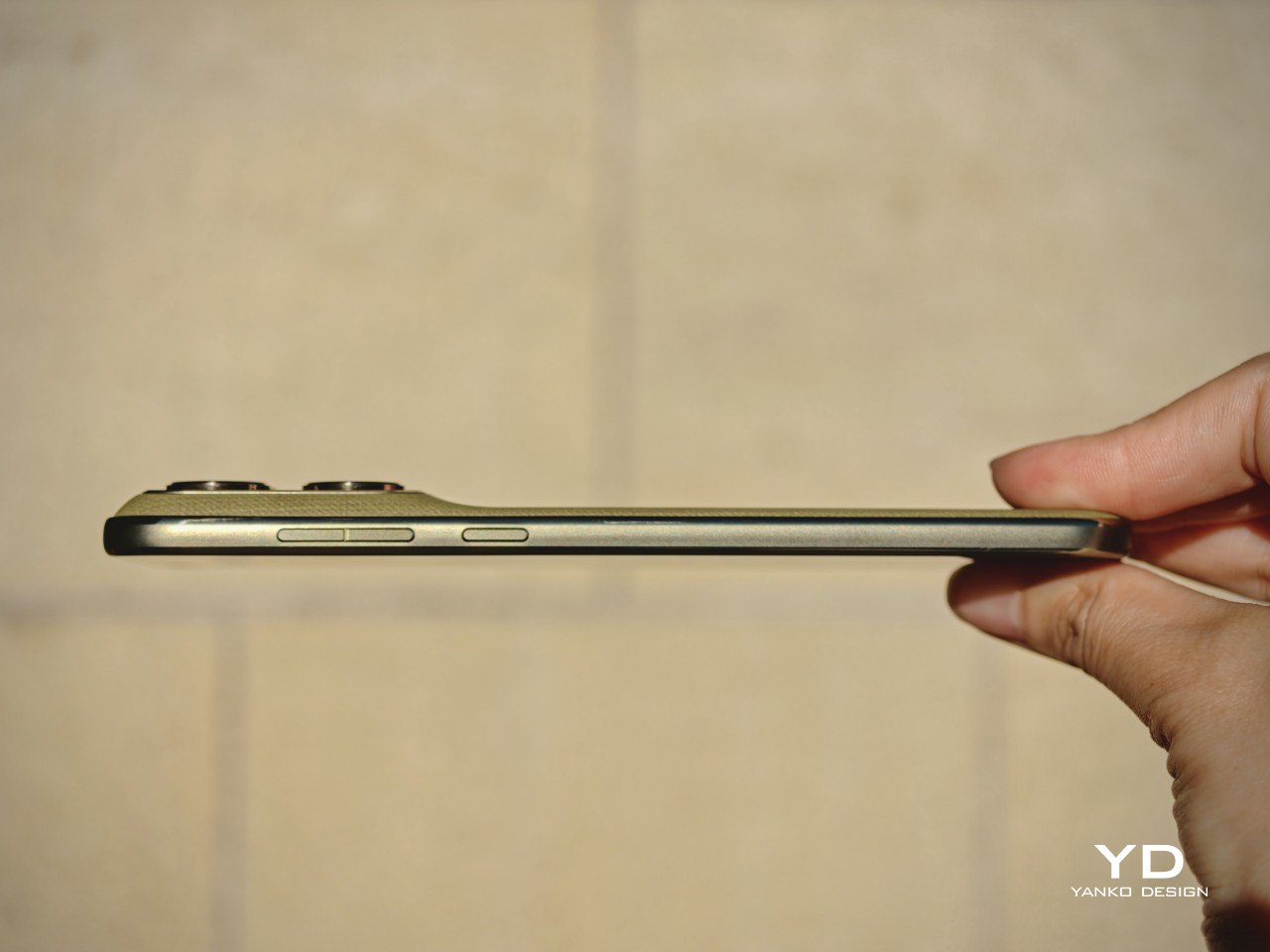
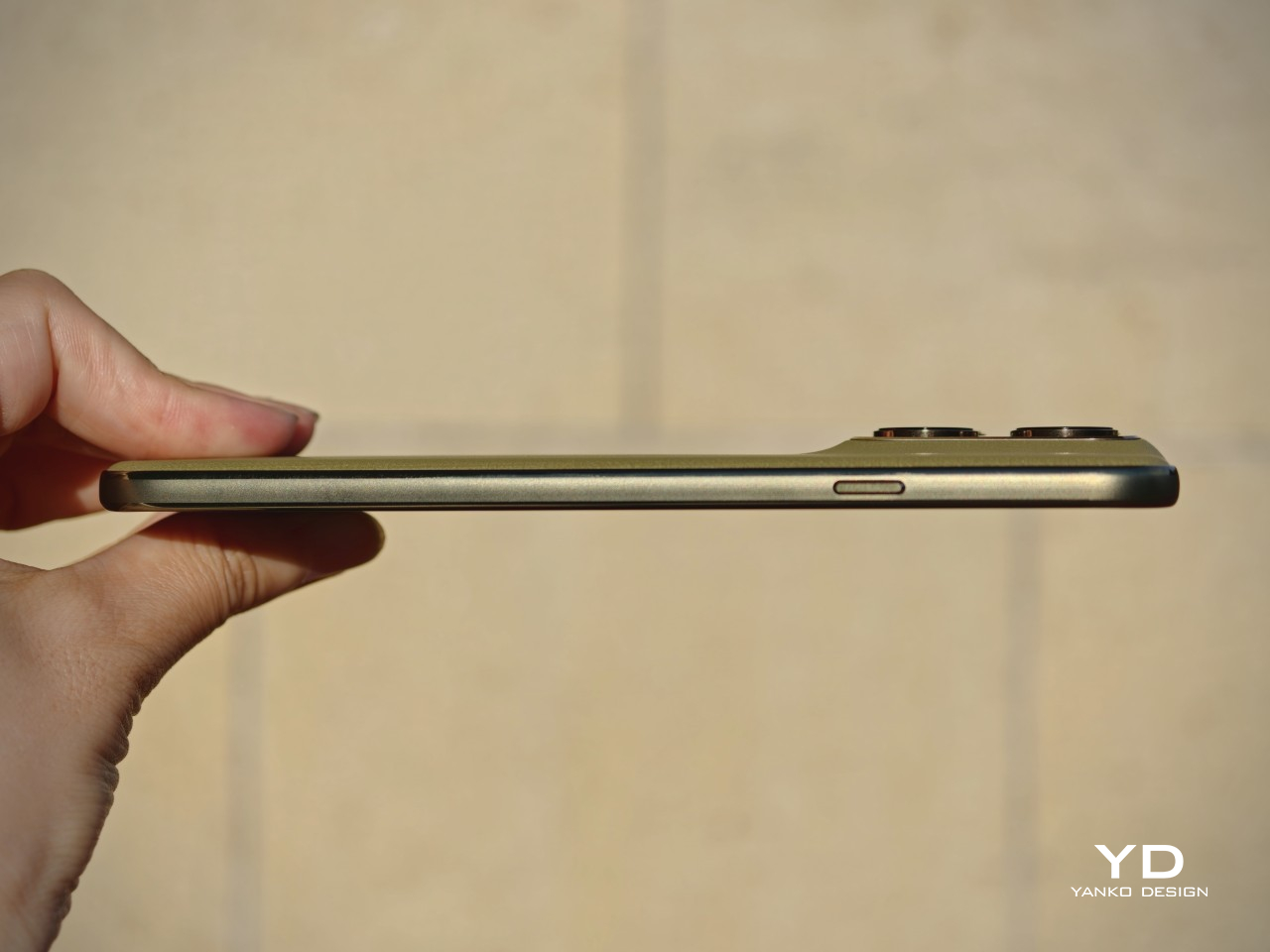
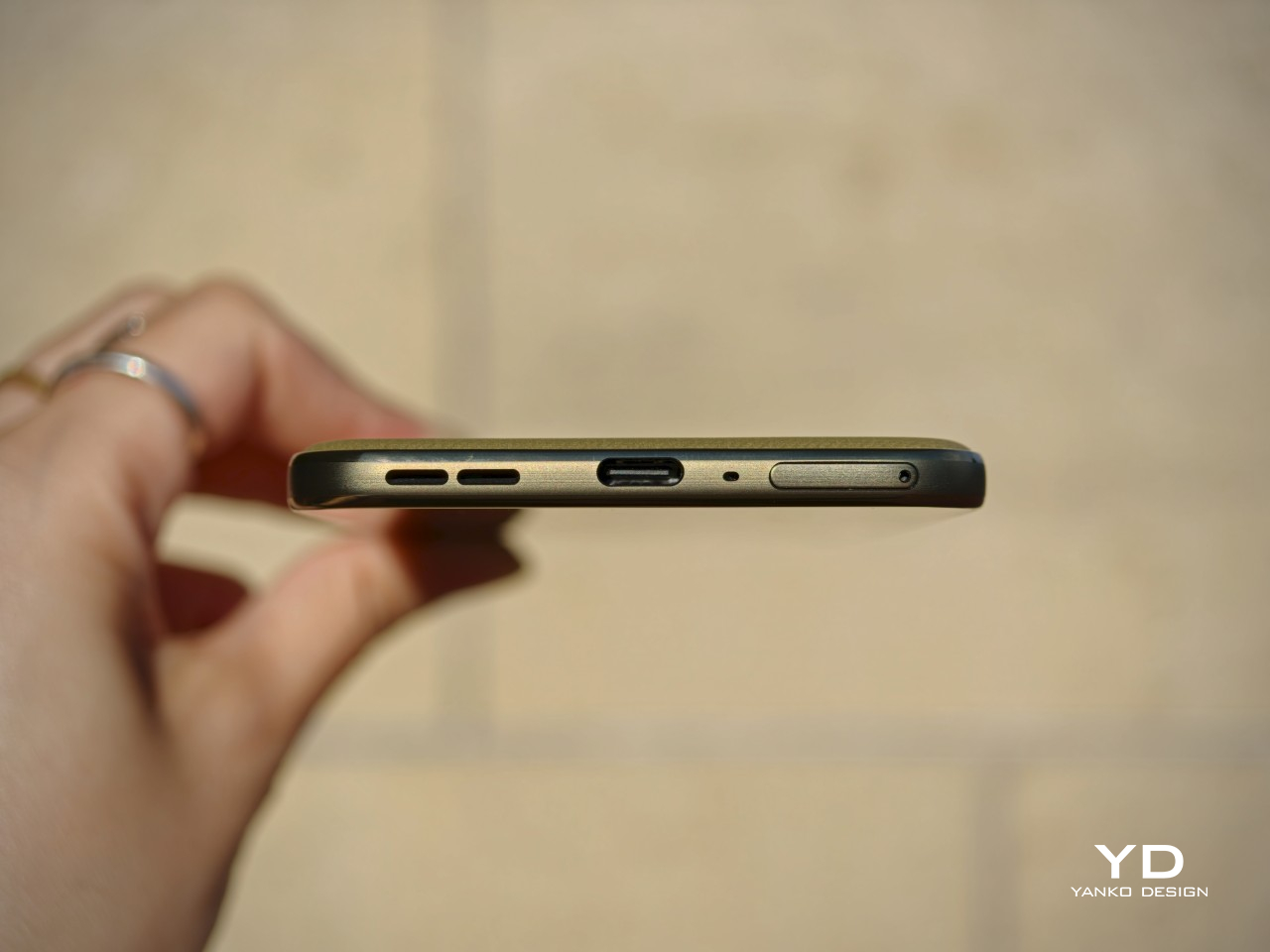
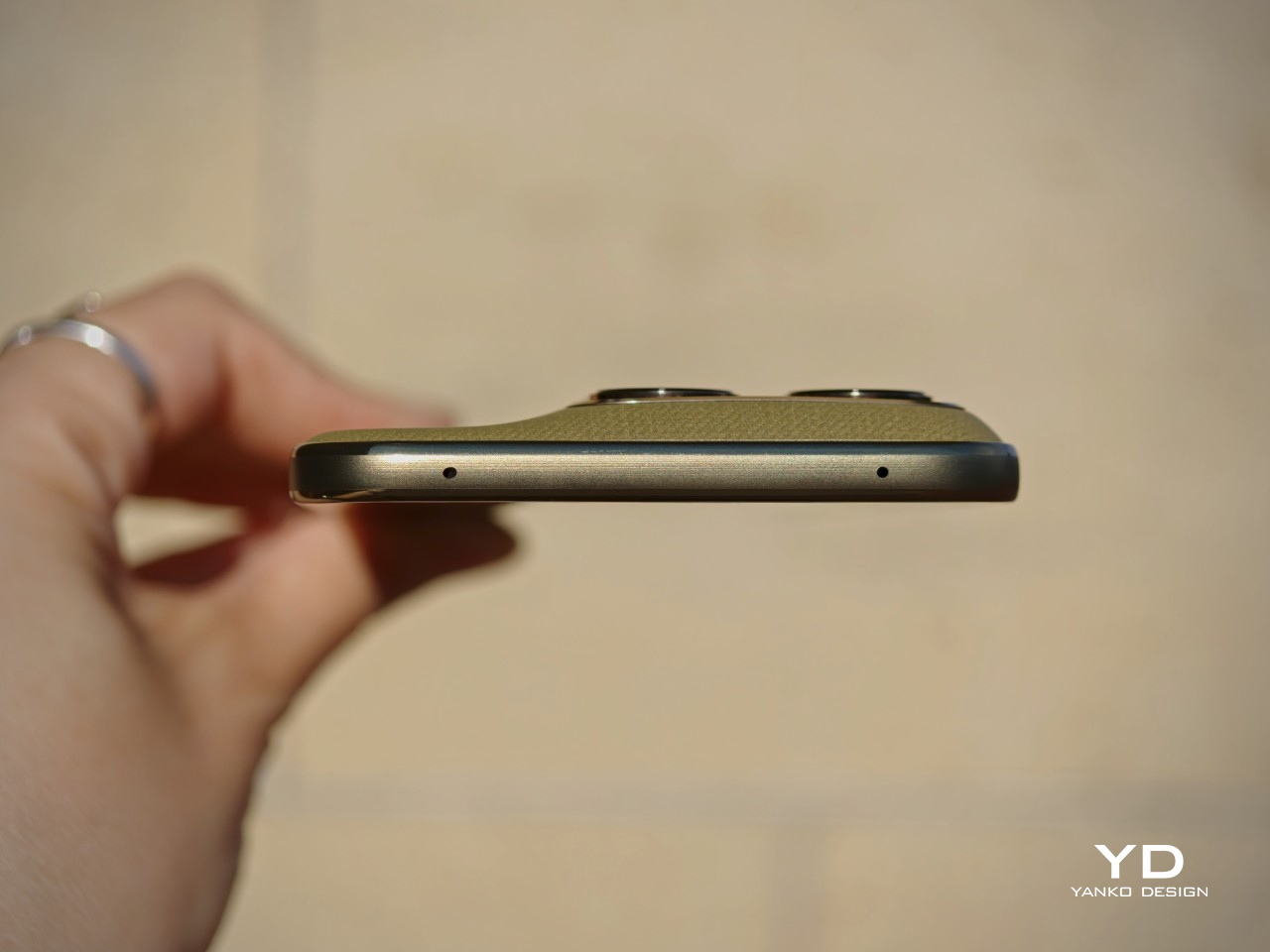
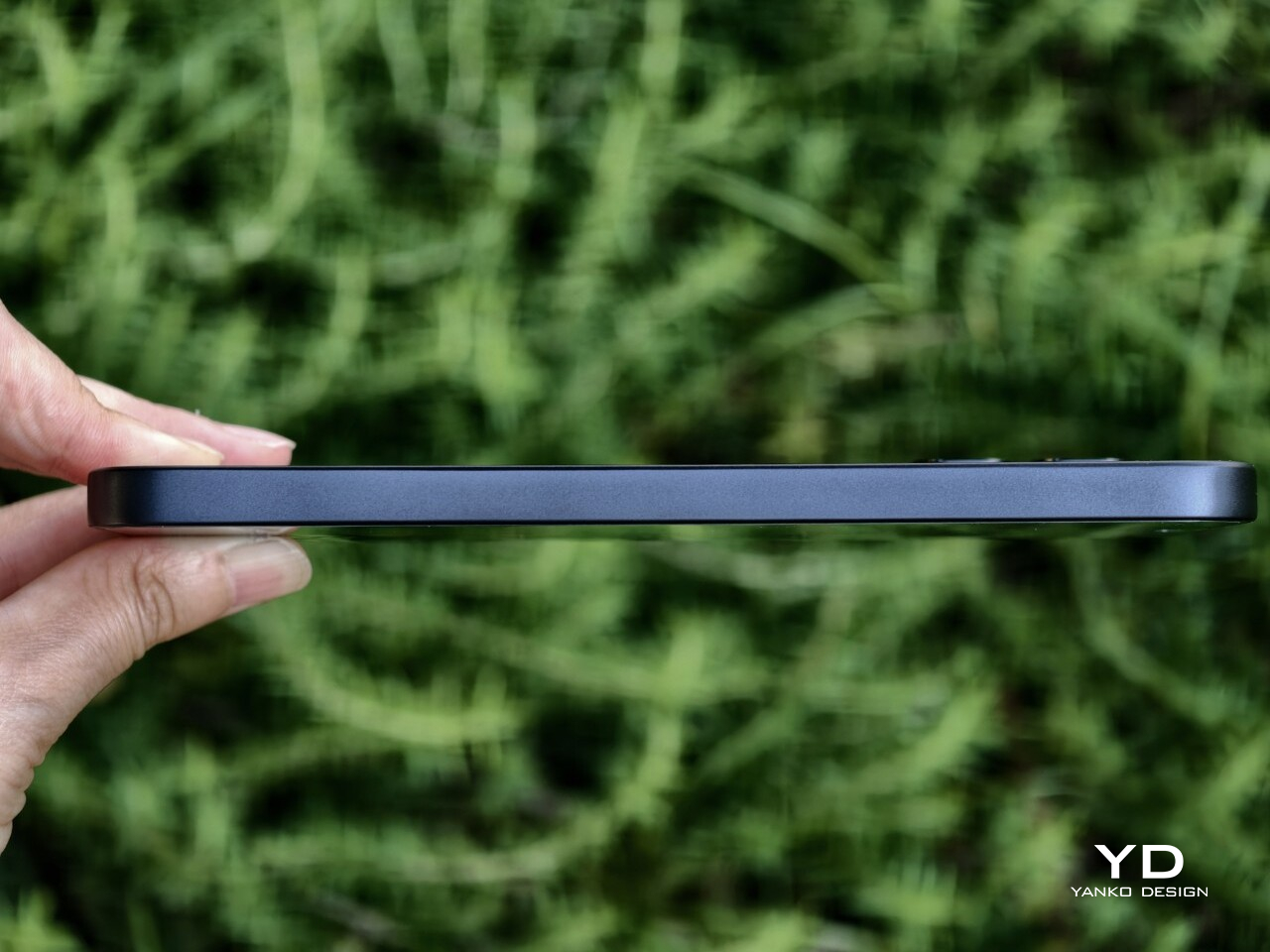
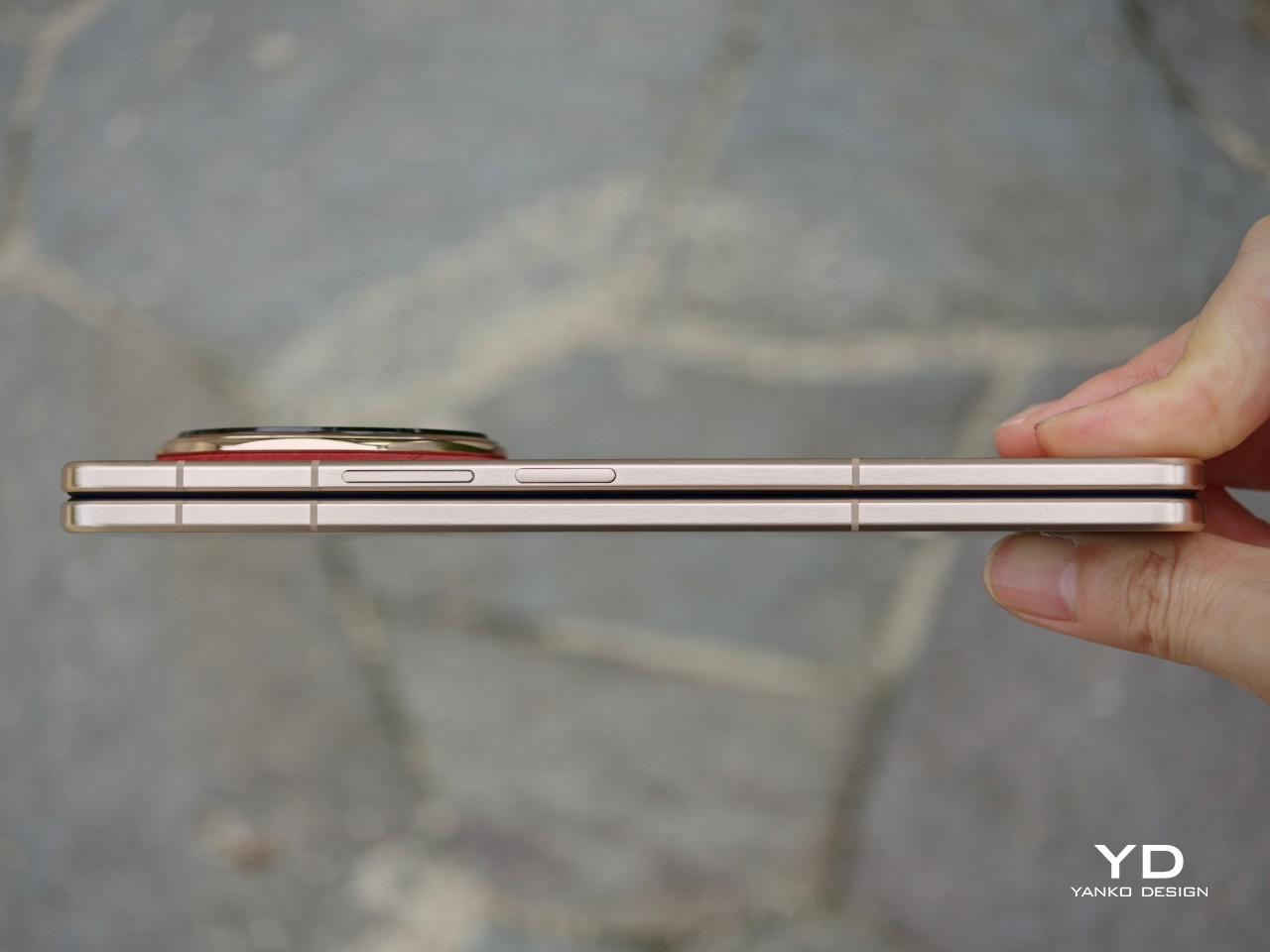
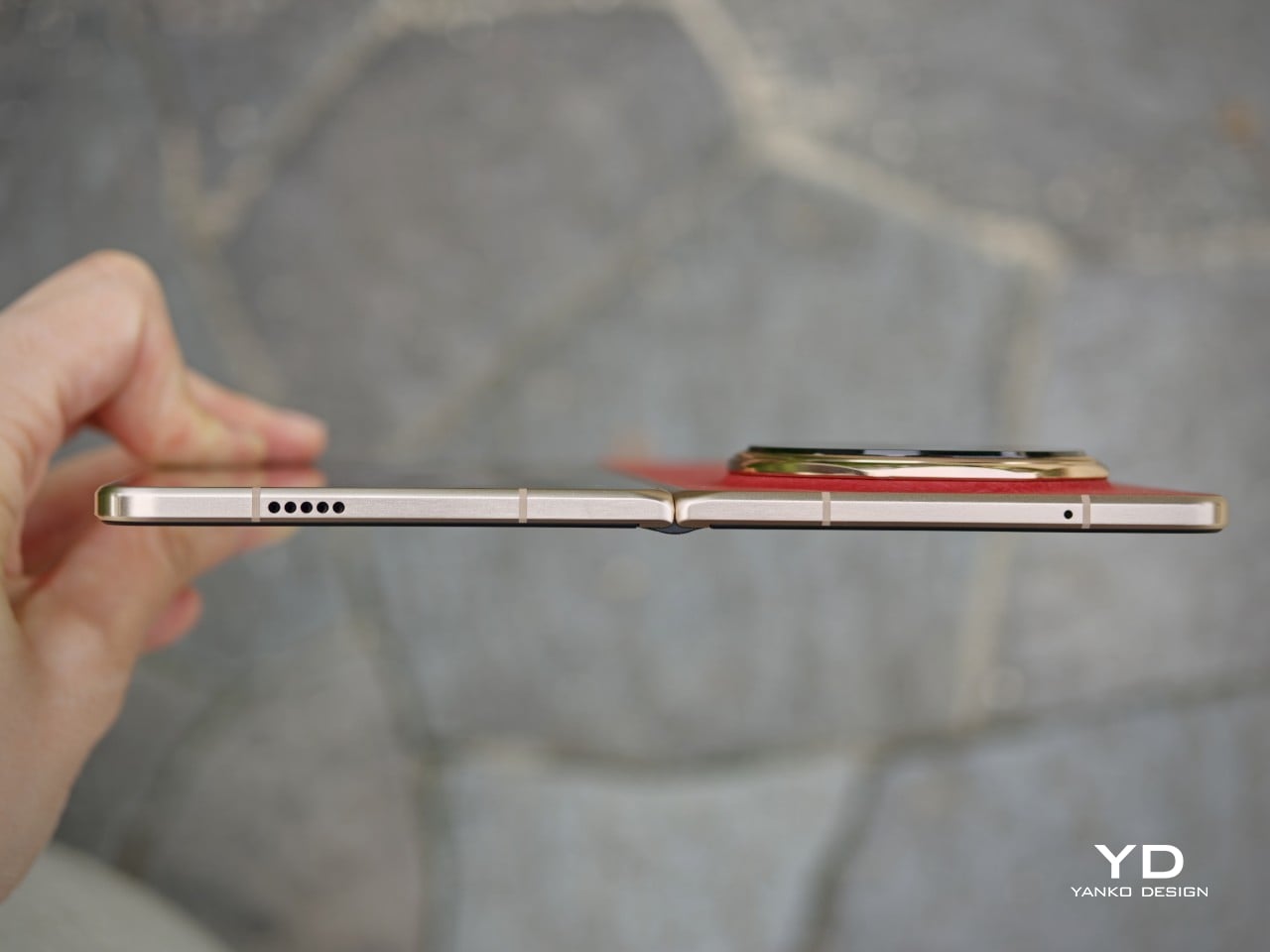
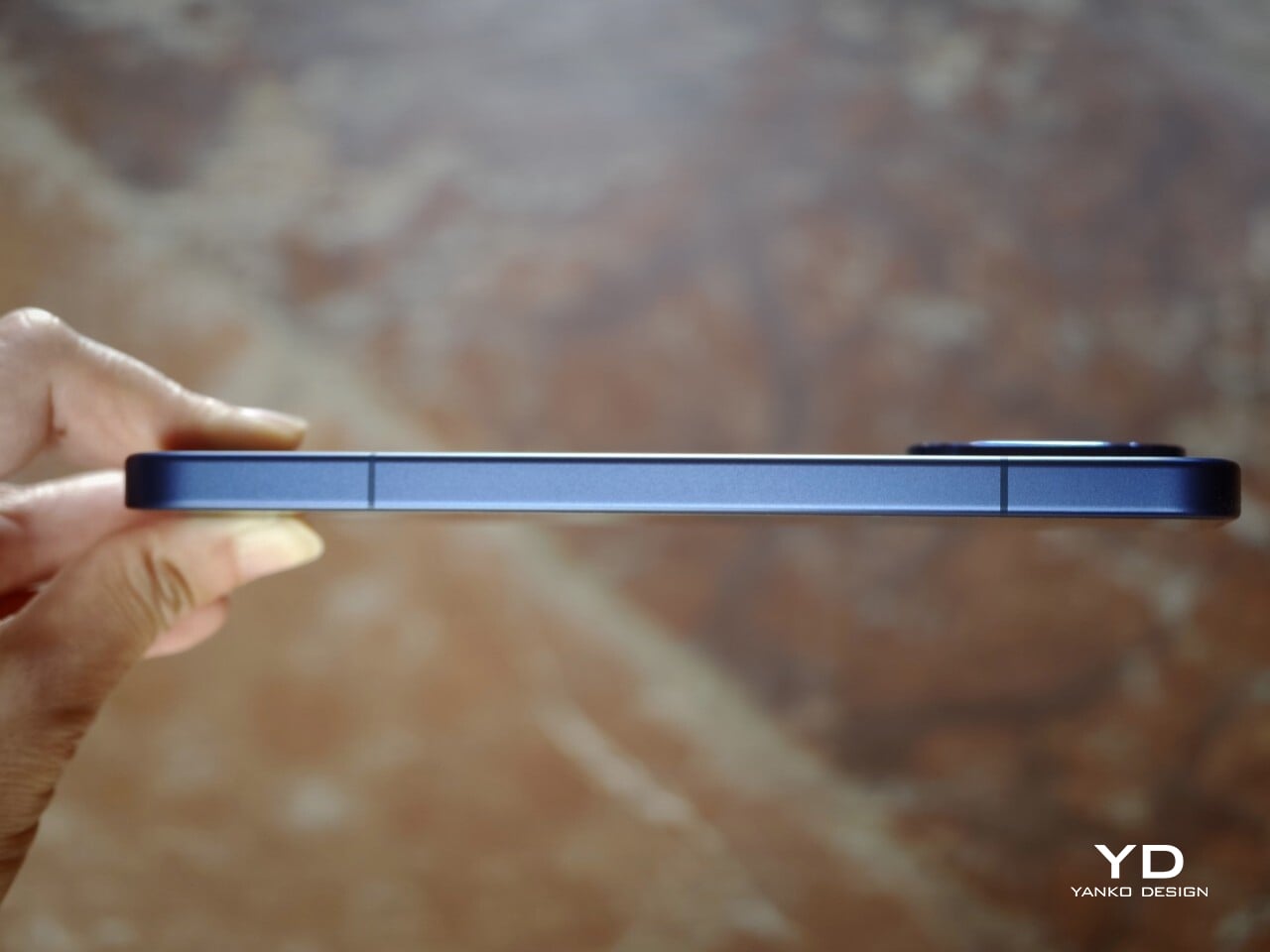
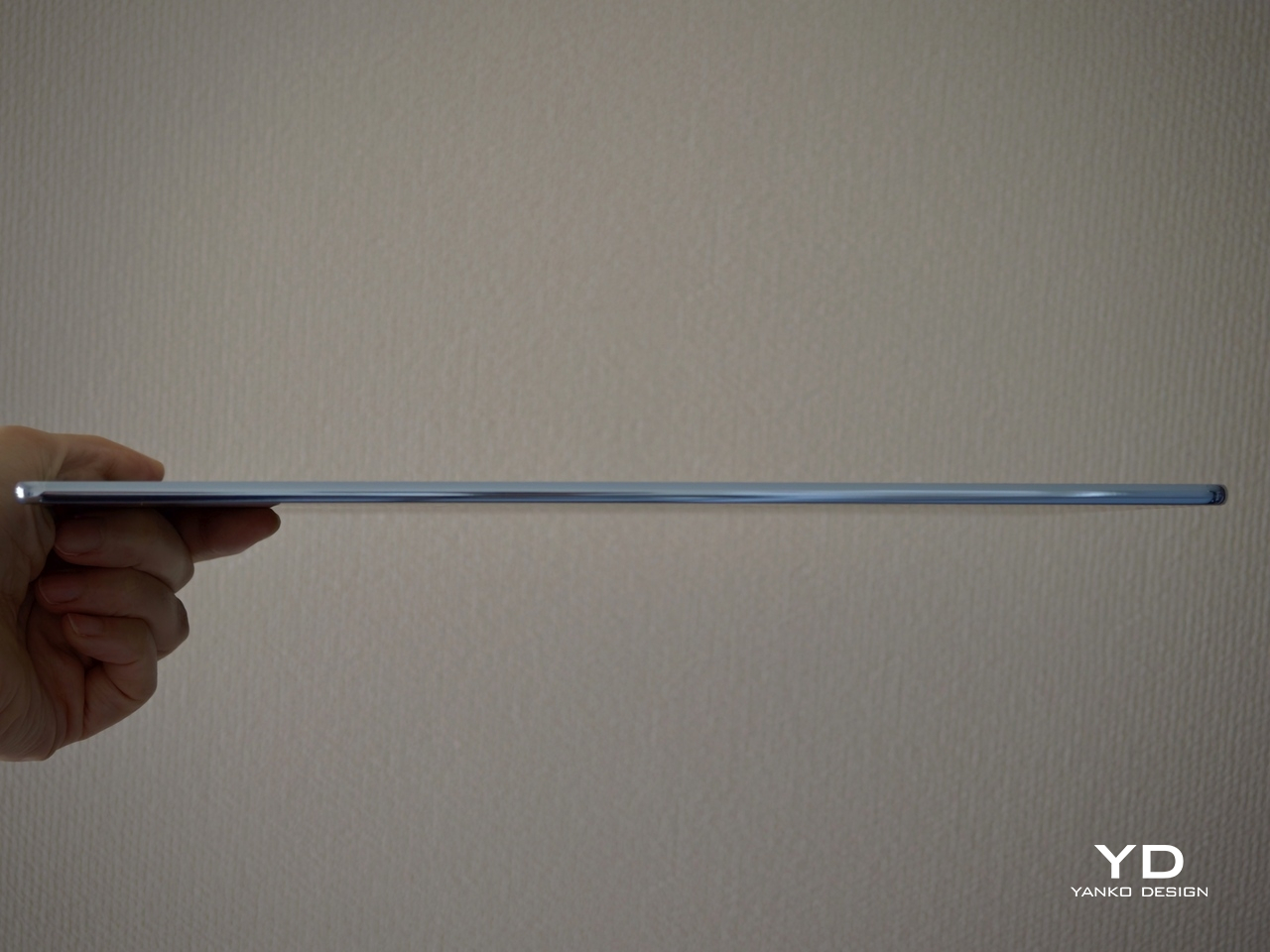
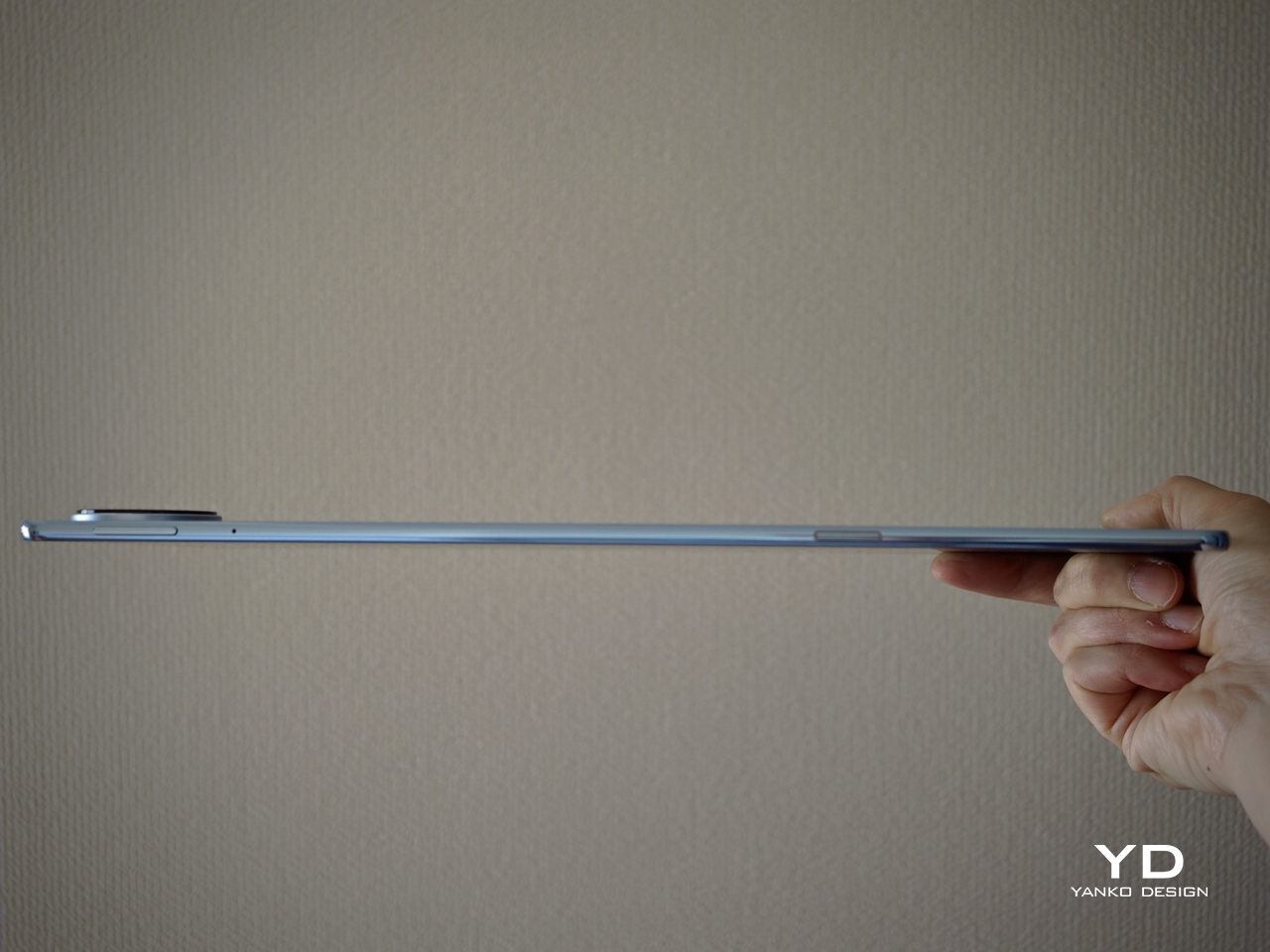
Measuring just 7.95mm thick and weighing only 190 grams, the X300 offers a lightness that’s immediately noticeable. The slim profile means slipping it into a pocket is never a struggle, and extended use won’t leave your wrist or fingers feeling fatigued. Whether you’re navigating busy city streets, snapping photos on the move, or texting with a single thumb, the X300’s thoughtful design makes comfort a priority. This is a phone that proves you can have flagship features without sacrificing ease of use.

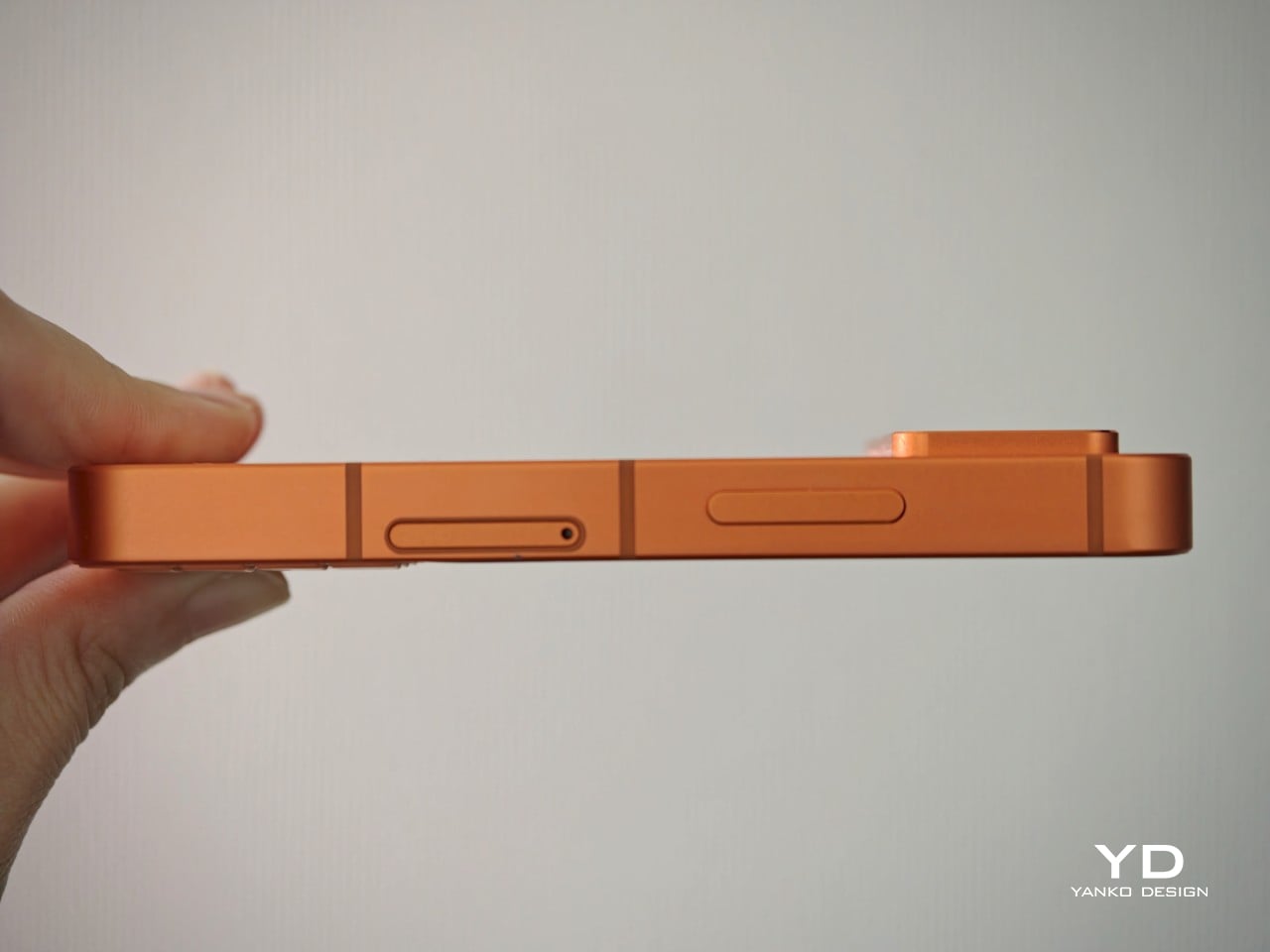
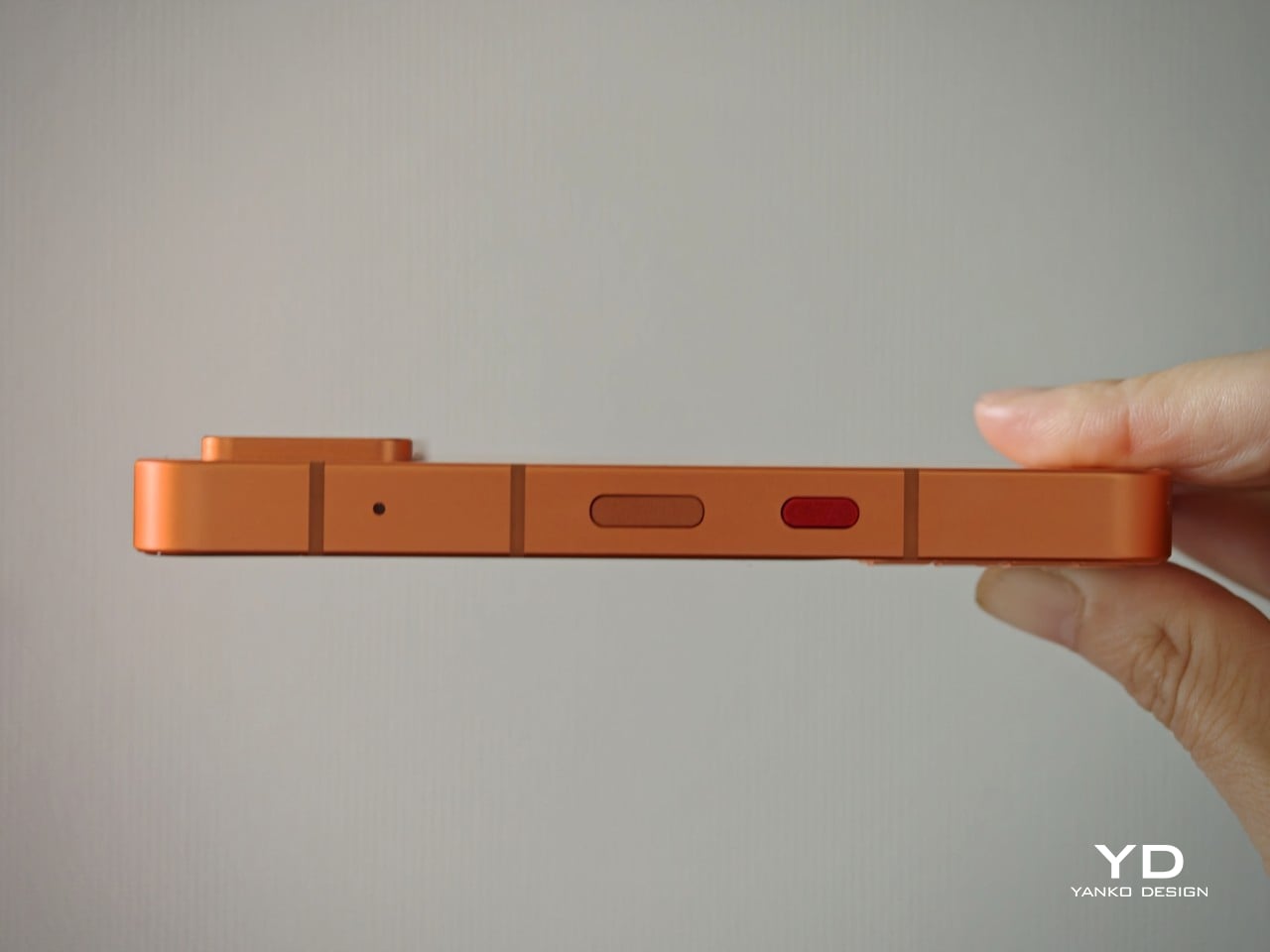
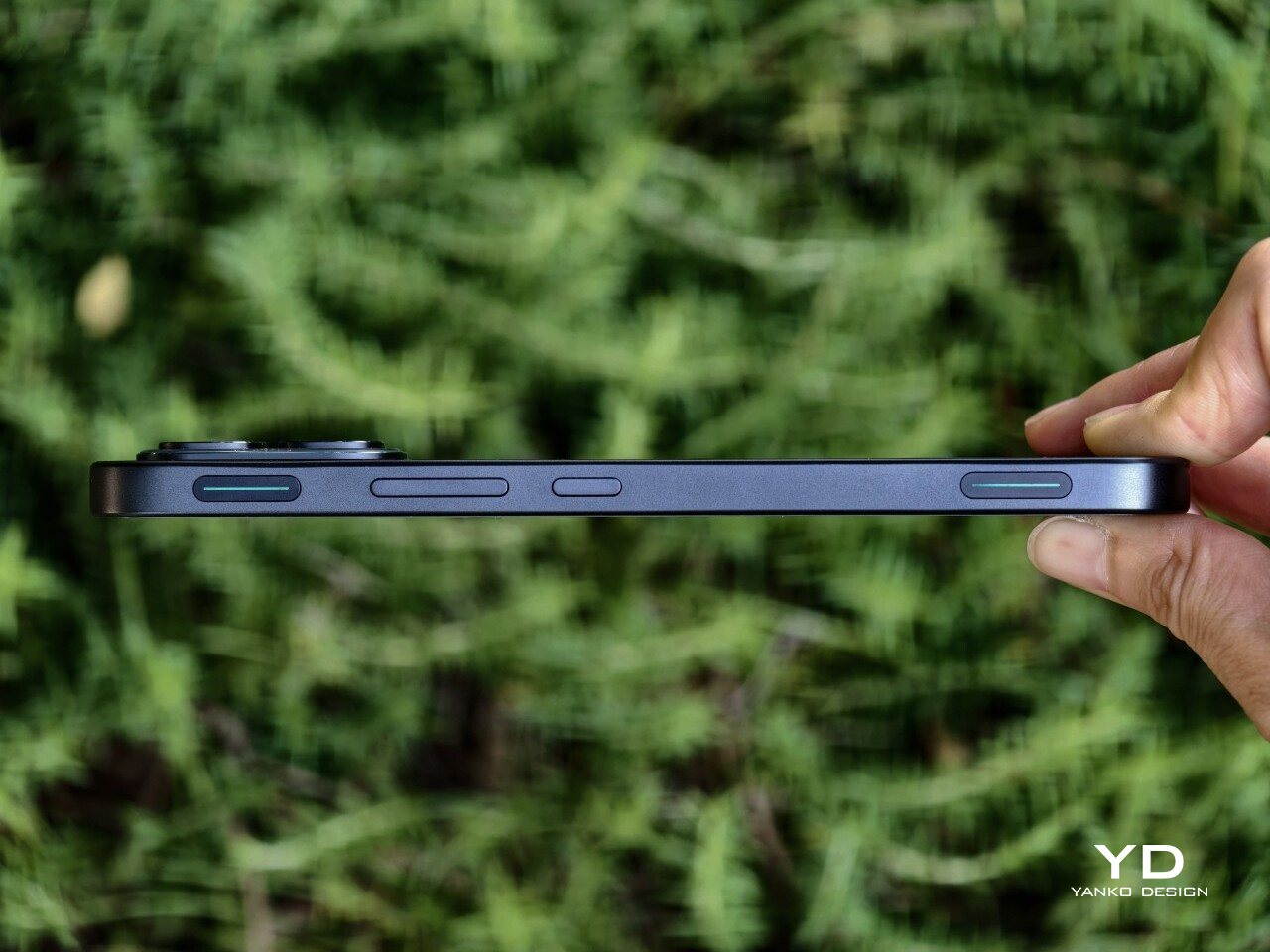
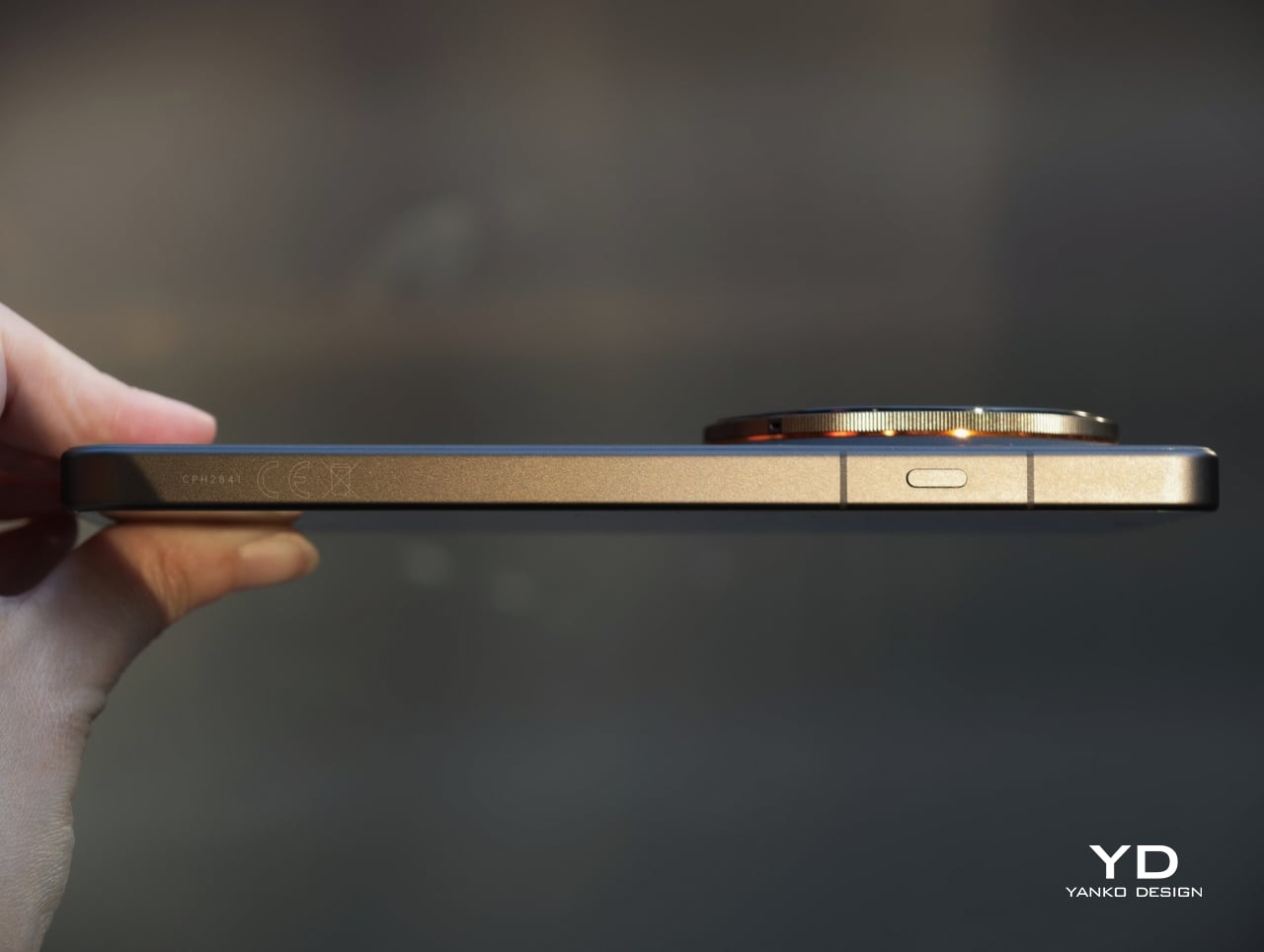
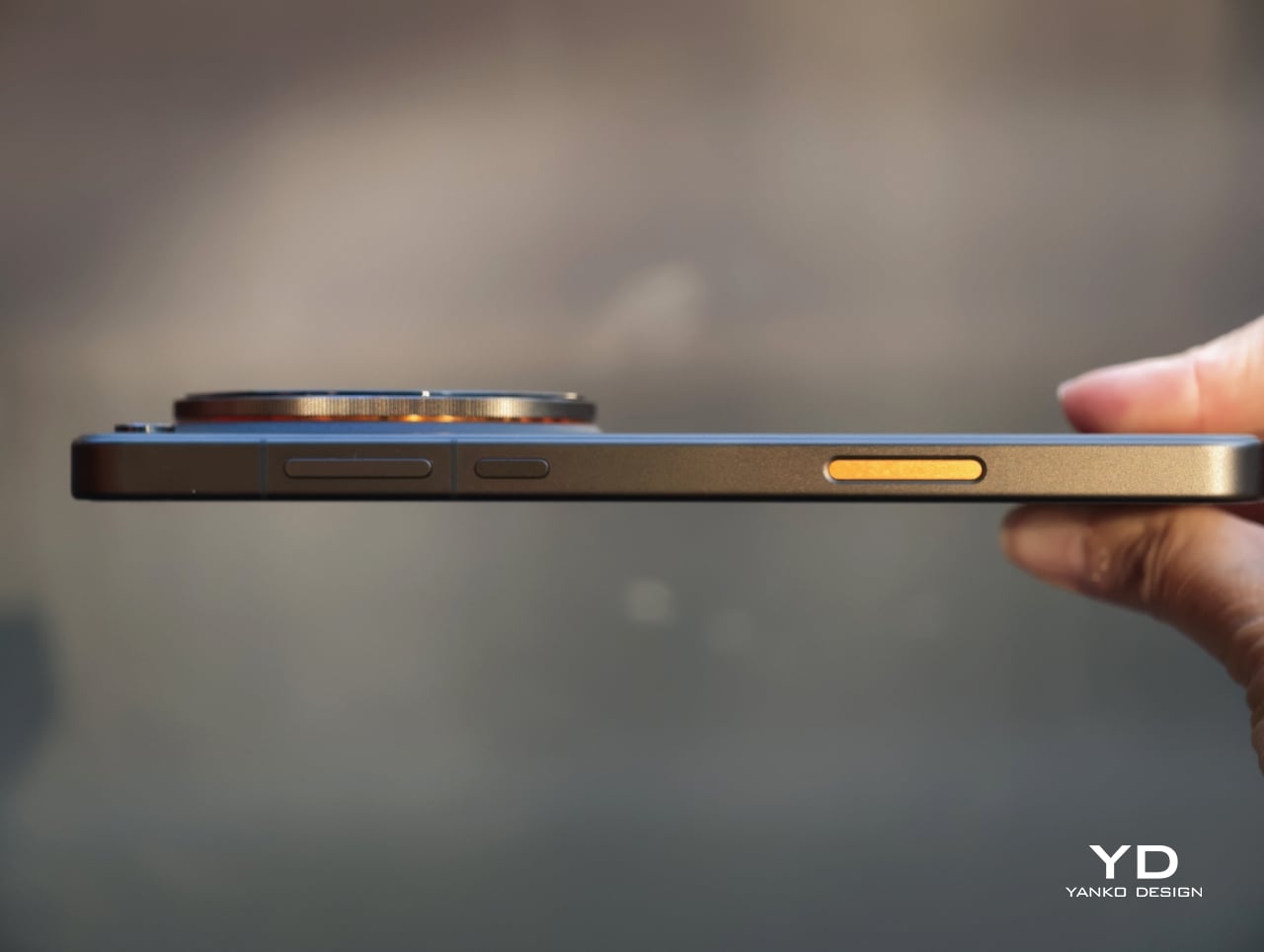
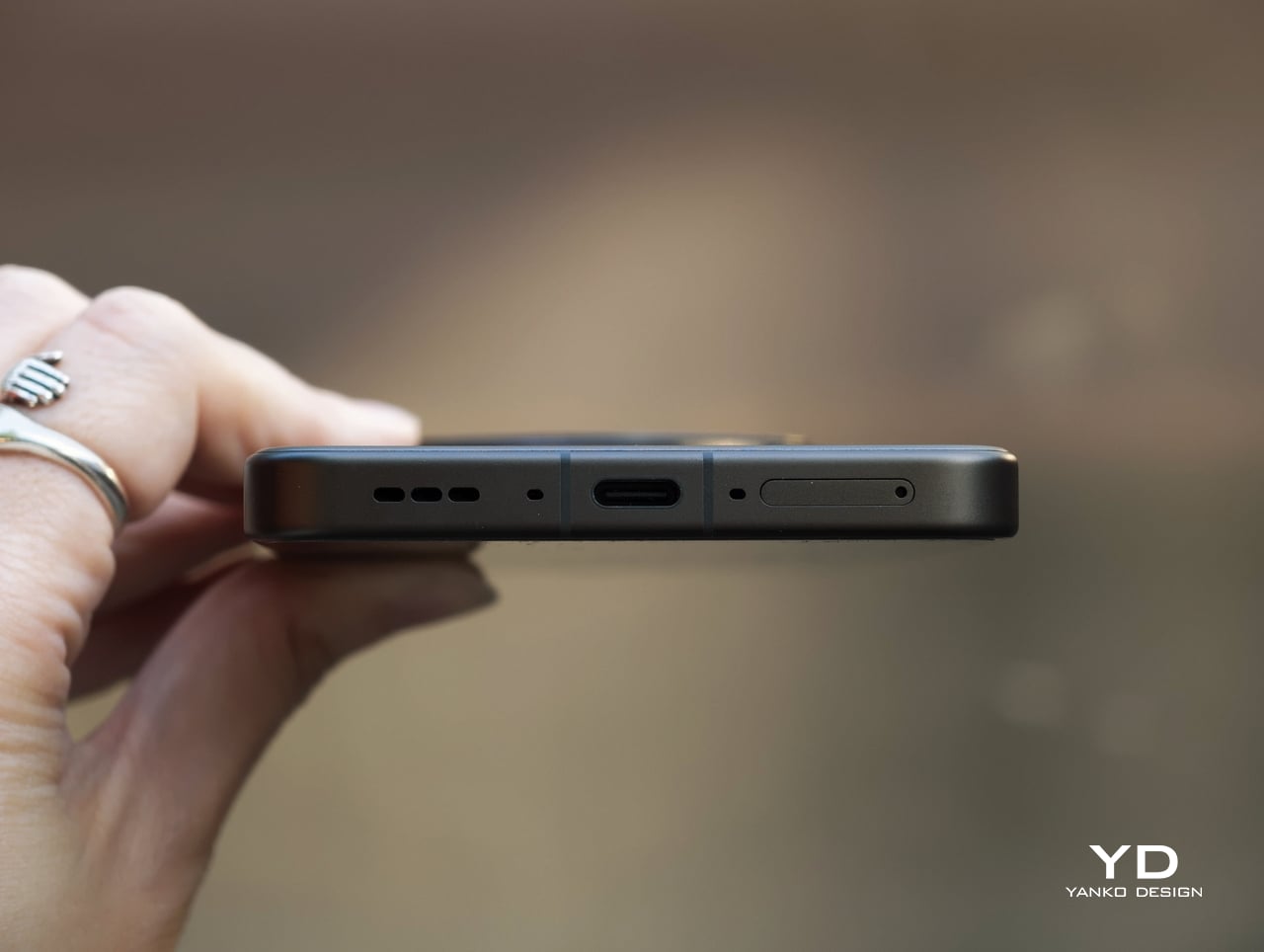
Unlike its big sibling, the X300 skips the customizable button on the left side, resulting in a cleaner and simpler design. However, it retains the convenient placement of the ultrasonic fingerprint sensor, located about one-third of the way up from the bottom edge of the display. This thoughtful positioning makes it easy for your thumb to reach and helps ensure that unlocking the phone and jumping into your daily tasks feels quick and natural. It’s a subtle detail that quietly enhances the overall user experience.

Performance

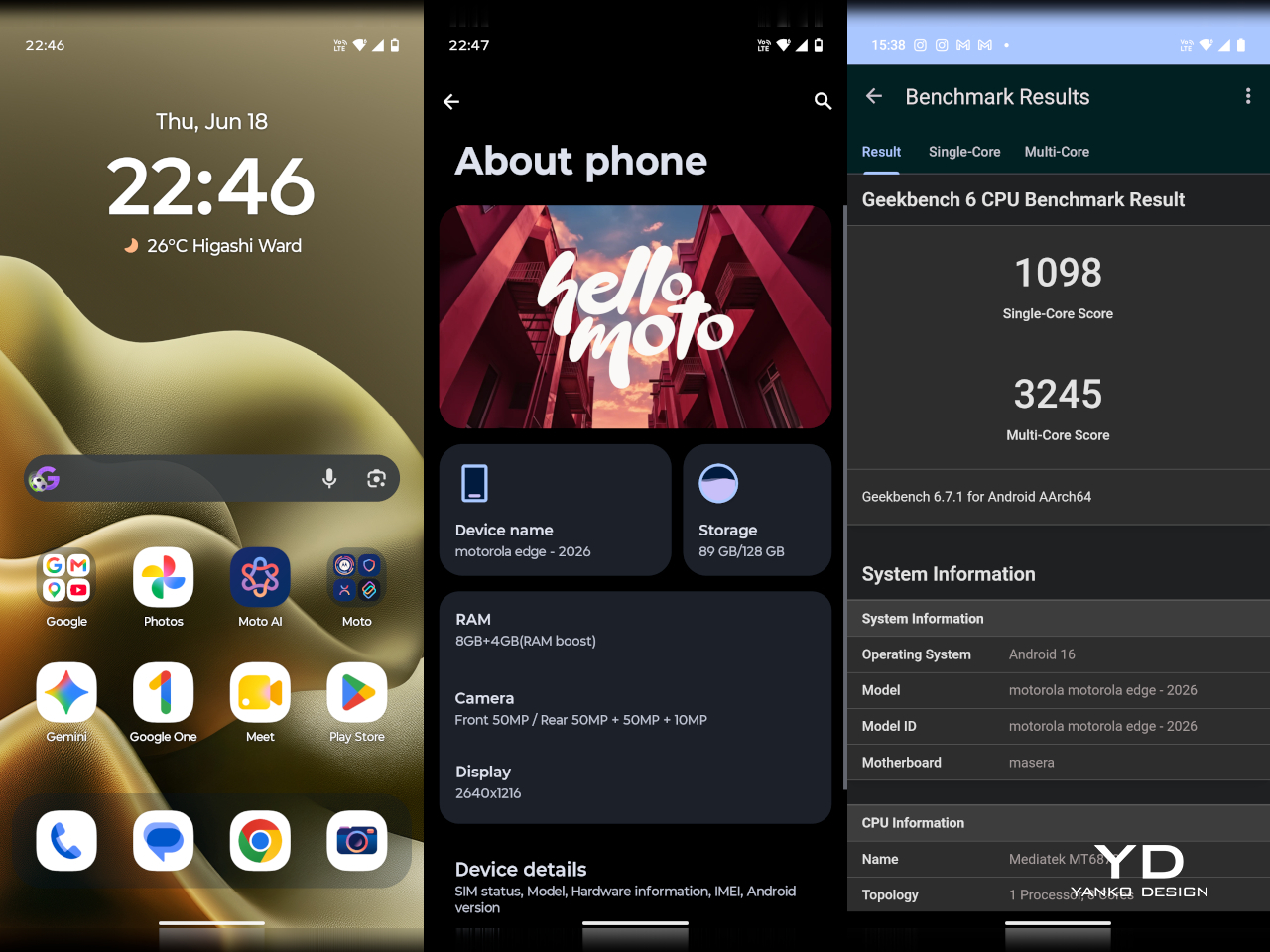
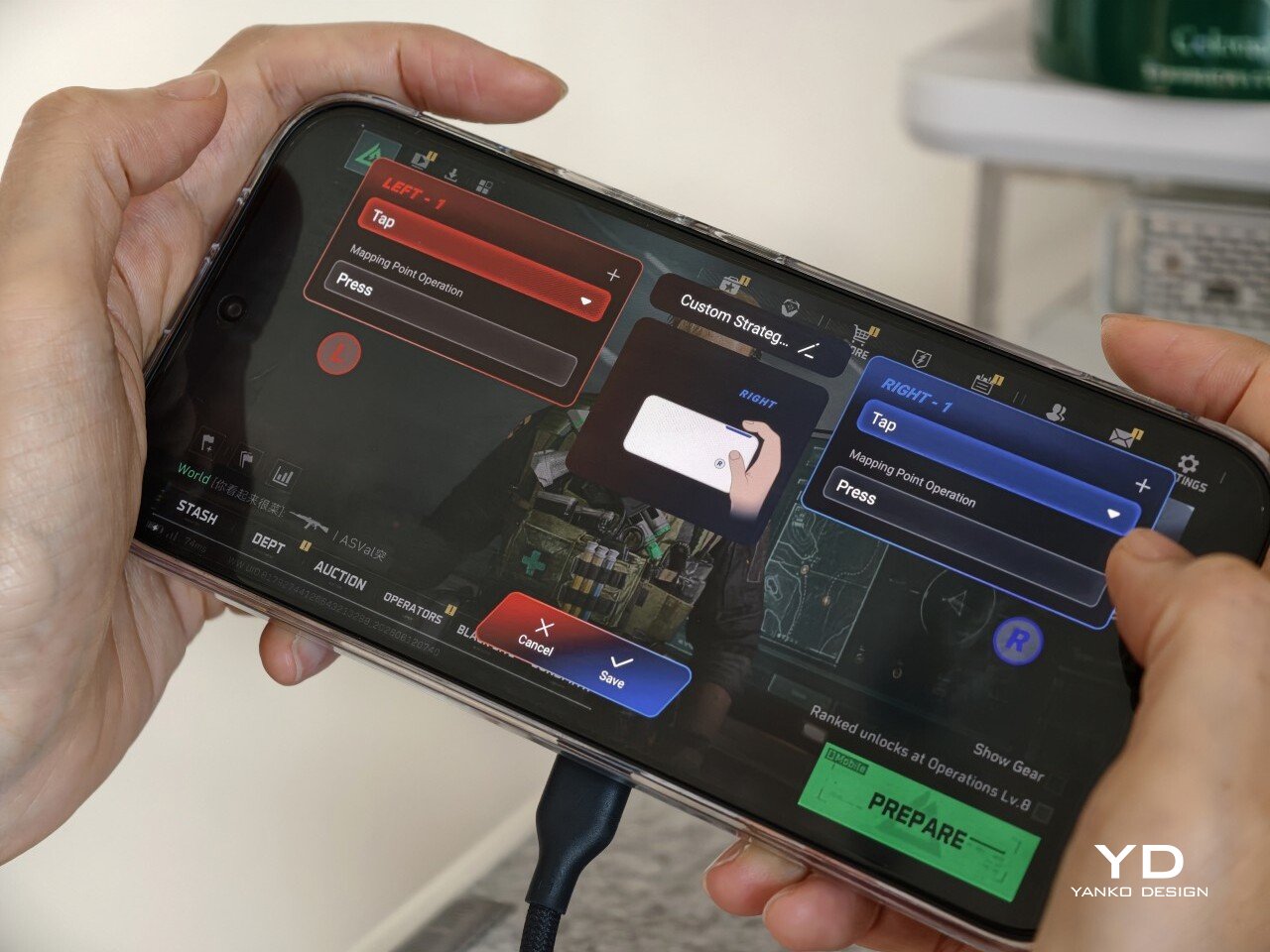
Performance on the X300 is delightfully robust, thanks to the MediaTek Dimensity 9500 chipset paired with 12GB or 16GB of RAM. Everyday tasks feel brisk and effortless, whether you’re juggling multiple apps, streaming high-definition video, or playing graphics-intensive games. The latest OriginOS 6, layered on top of Android 16, brings a modern, fluid interface with thoughtful touches that make navigation a pleasure. Animations are snappy, transitions are smooth, and the phone keeps up even when you push it hard.

The X300 features a 6.31-inch LTPO AMOLED panel with a super-smooth 120Hz refresh rate. Every scroll and swipe feels effortless, while colors remain punchy and vivid in any setting. Thanks to the 2160Hz PWM dimming, the screen is gentle on your eyes, even during late-night reading sessions or long stretches of use.

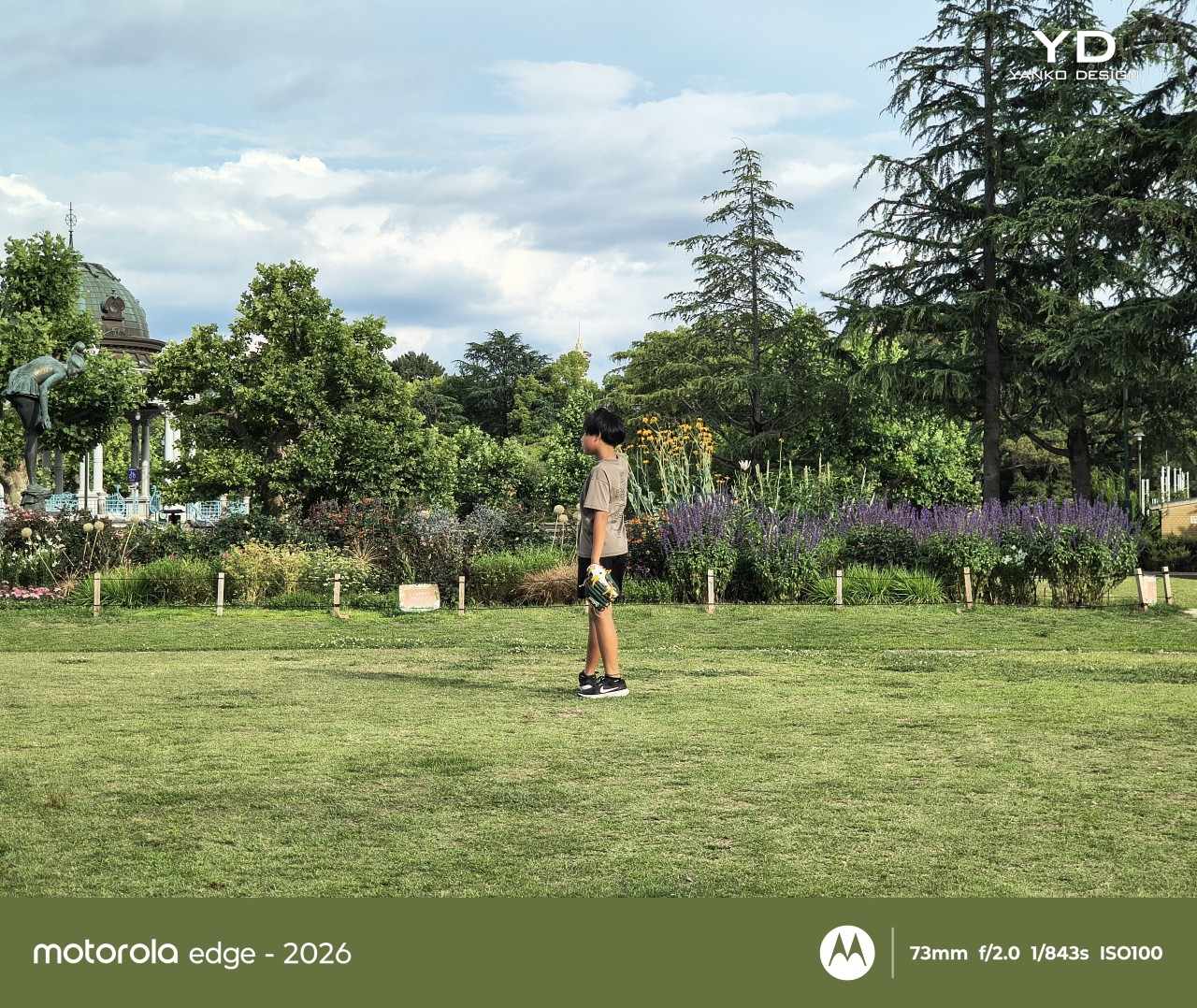
The X300’s camera system is a bit of a step down compared to the X300 Pro, but it is still very powerful. Its 200MP main camera uses a 1/1.4-inch Samsung HPB sensor with an f/1.68 aperture, the same sensor used in the X300 Pro’s telephoto, promising flagship-level clarity. Complementing this is a 50MP telephoto lens featuring a 1/1.95-inch Sony LYT-602 sensor and an f/2.57 aperture, delivering crisp zoomed images with solid detail.

Rounding out the trio, the 50MP ultra-wide camera uses a 1/2.76-inch Samsung JN1 sensor with an f/2.0 aperture. On the front, the X300 uses the same 50MP 1/2.76-inch Samsung JN1 sensor with an f/2.0 aperture. All cameras, including the front-facing camera, can record video up to 4K at 60FPS, while the main camera can go up to 4K at 120FPS.

The Vivo X300 packs a large 6040mAh battery in a compact body. It actually has a bigger battery than my region-specific European X300 Pro, which comes with 5440mAh. In real use, the battery life is strong, unlike my experience with that X300 Pro variant, and easily keeps up with a busy day and more. On top of that, 90W wired and 40W wireless charging mean you are never stuck near an outlet for long. Short top-ups quickly turn into meaningful charges.

Sustainability/Repairability

The X300 does not present itself as an eco-conscious statement piece, and Vivo’s messaging around the device leans far more toward performance and imaging than sustainability. Even so, some of its design choices naturally support longer-term use. Its IP68 and IP69 ratings for dust and water resistance give it a level of protection that many compact phones still lack. That extra durability means everyday mishaps are less likely to be fatal, which in turn can delay the need for a replacement.

From a software perspective, the X300 launches with Android 16 and OriginOS 6, backed by Vivo’s promise of up to five major Android upgrades and seven years of security patches. This is a meaningful commitment for anyone who keeps a phone for a number of years, and it helps the X300 stay secure and relevant over time. What you will not find, at least in the official materials, is much emphasis on recycled materials, modularity, or easy repair. In that sense, the X300 reflects the broader flagship market, where sustainability is still more of an added benefit than a core design driver, even when the hardware itself is built to last.

Value

Vivo X300 is available in several markets, including Europe. In Europe, the price starts at around 1050 euros (roughly $1,140) for the 12GB and 512GB configuration. Vivo hit the nail on the head with the X300, a flagship in a compact size that many people have been waiting for. Although the camera setup is a bit of a step down compared to the X300 Pro, the X300 itself does not feel like a compromise. It delivers serious imaging performance, strong battery life, and fast charging in a smaller body.

In the compact flagship space, “small” usually means sacrifice. iPhone 17, Pixel 10, and Samsung Galaxy S25 all have noticeably weaker camera systems compared to what Vivo offers here. Xiaomi 15 might be the closest rival in spirit, but even then, the X300’s combination of a 200MP main camera and a capable front-facing camera in this form factor gives it a clear edge.

Verdict

Vivo set out to build a compact flagship without obvious compromises, and the X300 comes impressively close. It combines a refined, minimal design with excellent ergonomics, a bright 120Hz LTPO display, and a camera system that is powerful even if it sits just below the X300 Pro. Add in the large 6040mAh battery, fast 90W wired and 40W wireless charging, and long-term software support, and you get a small phone that consistently behaves like a big flagship.

It is not a perfect fit for everyone, especially at a price that puts it against Apple, Samsung, and Google. You do not get the strongest ecosystem story or the longest software support. However, if you care most about a compact form factor, strong battery life, and one of the best camera setups in this size class, the X300 stands out clearly. It feels less like a cut-down Pro model and more like a confident compact flagship in its own right.

The post Vivo X300 Review: Compact, But No Compromise first appeared on Yanko Design.

Fotile’s X20 Max Is the Space-Saving Dishwasher That Finally Fixes the Bending Problem

Fotile may not be a household name everywhere yet, but in China, the company has been quietly transforming kitchens for nearly three decades. This design-savvy brand was founded in 1996 in Ningbo, a vibrant city neighboring Shanghai, and its journey began with range hoods that quickly set new standards for form and function. Since then, Fotile’s lineup has blossomed to include everything from ovens and microwaves to refrigerators, washing machines, and, most notably, cutting-edge dishwashers. Guided by a mission to enhance everyday kitchen life, Fotile blends advanced technology with modern, ergonomic design, earning a devoted following at home and growing recognition abroad.

Fotile isn’t satisfied with merely following trends. The brand is busy setting them. The company’s kitchen innovations have earned international acclaim, with dozens of prestigious design awards and a footprint that extends to over 30 countries. This global success is rooted in a deep commitment to research, sustainability, and an unwavering focus on real user needs. With more than 16,000 patents to its name, Fotile is a go-to brand for those who want their kitchens to blend performance with style.

A visit to Fotile’s headquarters reveals just how seriously the company takes its legacy of innovation. While the showroom isn’t open to the public, those lucky enough to step inside are greeted by a visual celebration of Fotile’s achievements. Patent certificates are artfully arranged to form a tunnel, inviting visitors to walk through a corridor of invention. Immersed in this glowing passage, you cannot help but feel the depth of dedication and creativity that drives Fotile’s mission to make everyday life better for millions of families.

A New Era in Dishwashing: The X20 Max 3-in-1 In-Sink Dishwasher

Now, Fotile is making headlines with the X20 Max, a flagship in-sink dishwasher that is redefining what’s possible in compact, modern kitchens. Imagine a single, sophisticated station where you can prep, rinse, and wash everything from plates to produce, all without ever bending over or sacrificing precious counter space. The X20 Max brings together a sink, a dishwasher, and a dedicated cleaning zone for fruits, vegetables, and even seafood, wrapped in a seamless, minimalist charcoal-grey shell that feels right at home in any contemporary kitchen.

This clever design addresses two of the biggest complaints about traditional dishwashers. First, it saves space, thanks to a top-open configuration that means you no longer need to leave room in front for a bulky door to open. Its narrower profile makes it ideal for apartments, small homes, and anyone looking to maximize efficiency. Second, the top-open design means no more awkward bending to load or unload, making the chore of dishwashing easier on your back and your daily routine.

The magic does not stop at ergonomics. Powered by Fotile’s proprietary High Pressure HydroJet technology, the X20 Max delivers thorough, multi-stage cleaning not just for dishes but also for fresh ingredients. When you wash fruits, vegetables, or seafood, it’s like a jacuzzi for your produce – gentle streams and swirling water bubbles remove up to 99 percent of pesticide residues, so you can prep food with confidence and a touch of delight. Multiple cleaning modes ensure that everything, from delicate greens to heavy cookware, gets the right care with a simple press of a button.

In a recent demonstration, the X20 Max handled a variety of produces without issue, even delicate raspberries. After the multi-stage cleaning, even the most fragile berries emerged completely intact, highlighting the thoughtful engineering behind the system. For busy households, the X20 Max also cuts the typical washing cycle to about 30 minutes while maintaining impressive cleaning power. According to a Fotile representative, its cleaning strength actually surpasses that of many standard dishwashers available in the U.S., giving users sparkling results in less time.

Fotile’s innovative approach isn’t limited to traditional homes. The company also offers space-saving in-sink dishwasher solutions that are perfectly suited for RVs and other compact living environments. With their streamlined footprint and top-open design, these dishwashers make it easy for travelers and small-space dwellers to enjoy the same level of cleanliness and convenience, no matter where the road takes them. This versatility has earned Fotile praise from RV owners and apartment residents alike, highlighting how thoughtful engineering can bring comfort and efficiency to every kind of kitchen.

Why This Matters in China – and Beyond

To understand why Fotile’s dishwashers have become a sensation in China, it helps to know a bit about local culture. Chinese households tend to wash dishes immediately after every meal, and the tradition of meticulously cleaning produce before eating or cooking is common. With family sizes shrinking and urban living spaces becoming tighter, the demand for compact, efficient, and easy-to-use kitchen appliances is at an all-time high.

Fotile’s innovative approach has resonated deeply, helping to turn dishwashers from a niche luxury into an essential part of daily life. But the appeal is not limited to China. Since expanding globally, Fotile has tailored its solutions to diverse cooking habits and kitchen layouts, earning praise from users and experts alike. The X20 Max, with its streamlined workflow and intuitive features, is poised to make life easier for busy families, apartment dwellers, and anyone seeking a cleaner, more beautiful kitchen.

If you are searching for a kitchen upgrade that blends thoughtful design, proven technology, and genuine user-friendly features, Fotile’s X20 Max deserves a closer look. It brings together the best of modern engineering and practical elegance, promising a new era of comfort and efficiency for kitchens around the world. With its focus on real-life needs and a flair for innovation, Fotile continues to inspire a smarter, cleaner, and more beautiful way to live.

The post Fotile’s X20 Max Is the Space-Saving Dishwasher That Finally Fixes the Bending Problem first appeared on Yanko Design.

Crowdfunding vs. Awards vs. Media: A Design Insider’s Guide to the Best Path

Design Mindset, Yanko Design’s original podcast series powered by KeyShot, has been steadily carving a niche for itself in the design world by giving listeners an inside view on how creativity becomes impact. Every Friday, the show brings together design’s top minds to share stories that go beyond the project and into the strategies, pitfalls, and breakthroughs shaping the industry today. Episode 10 is no exception, it explores the real-world effects of design publicity on careers, and the conversation is especially relevant to anyone hoping to turn a portfolio into a profession.

This week’s guest is Sarang Sheth, Editor-in-Chief at Yanko Design and a designer whose own path was transformed by media exposure. Few are better positioned to dissect the mechanics of design publicity, both as a former featured designer and now as a gatekeeper for one of the world’s most influential design platforms. The episode not only spotlights Sarang’s journey but also delivers a tactical playbook for designers seeking to amplify their work and maximize recognition.

Download your Free Trial of KeyShot Here

When Five Views Become 450: The Career-Altering Power of Global Exposure

There’s a stark difference between being a talented designer and being a recognized one. This isn’t a lesson taught in most design schools, but it’s one Sarang Sheth learned firsthand in 2014. Fresh out of university and nine months into an unsuccessful job hunt abroad, he was sending portfolio links to companies and tracking their engagement. “I would see like, you know, I’m sending portfolios out to these companies and I’m getting like five views a day, three views a day. So I knew that people were checking their mails and at least looking through my work,” Sarang recalls. Then something shifted. He submitted work to Yanko Design, and editor Troy Turner decided to feature it. “Suddenly I saw like 300 views on my website and like 450 views. And I was like, okay, that’s a significant jump.”

But the numbers told only part of the story. The granular data revealed something more profound: views were coming in from Turkey, Croatia, and the UK. “This is incredible because A, I didn’t pay for it. And B, there was no extra work for me. All I had to do was share it with someone who was willing to talk about it,” Sarang says. This moment crystallized two truths for him. First, that international media exposure offered opportunities that local recognition simply couldn’t. As he bluntly puts it, “local recognition is like winning best dancer within your society, it does nothing.” And second, that storytelling itself could be a viable career path. The article about his work resonated with him as much as the traffic spike did. “I read the article and I realized that this is something I can actually do,” he remembers. That realization, combined with the viral reach of design media, didn’t just land him a job, it set the stage for his entire career trajectory. Today, Yanko Design reaches millions per month across multiple platforms, Instagram, Pinterest, Twitter, LinkedIn, Facebook, YouTube, and its newsletter. “Regardless of what your concept is, what your project is, there are multiple ways that Yanko Design can sort of get you to reach the audience that you’re looking to reach,” Sarang notes. Those eyeballs, he adds, increasingly include potential investors, jury members, and employers, all of whom can change the course of a designer’s career with a single connection.

Ideas Don’t Need to Be Real to Be Powerful

One of the most counterintuitive insights from the conversation is that conceptual work can resonate as powerfully as finished products, sometimes even more so. Sarang points to several examples that illustrate this phenomenon. Earlier this year, he featured a project by Indian designer Siddhant Patnaik, a Google-branded version of the AirPods Max. “People resonated with it so much that it ended up getting its own segment on Marques Brownlee’s Waveform podcast,” he shares. The design garnered hundreds of thousands of views not just on Yanko Design but across multiple media outlets, despite never being a real product. This isn’t an isolated case. Sarang has created his own conceptual designs for Yanko, foldable phones, patent-related concepts, and an Apple Pencil that docks inside a MacBook, which is still featured on Forbes. “I’ve seen reels on it and reels showing Yanko Design’s page. So, it’s great to see that people realize that they’re not necessarily fond of great products, they’re also fond of great ideas.”

This creates a fascinating dynamic: media visibility alone can stimulate demand and validate interest even before a product enters production. “A lot of times they’re concepts,” Sarang says about inquiries from potential buyers. “Which validates the fact that sometimes concepts are so much more exciting than reality.” The takeaway for designers is clear: don’t wait until you have a manufactured product to share your work. High-quality 3D renders and compelling narratives can generate demand, attract licensing interest, and open doors to partnerships. “Ideas are cheap, execution is tough, but something that I have also learned is that holding your cards close to the chest and not sharing those ideas with anybody doesn’t benefit anybody,” he advises. The key, however, is presentation. In the age of AI-generated imagery, granular control offered by professional 3D rendering can push a concept over the credibility threshold. “A pencil sketch has to be incredibly good as an idea to sort of translate to massive success. Whereas a really, really well-made render has a much easier path ahead,” Sarang explains.

Turn Ripples Into Waves: The Designer’s 48-Hour Action Plan

Getting featured is just the beginning. Too many designers treat media coverage as a finish line when it should be treated as a starting gun. Sarang is emphatic about this: designers need to move from passive observation to active amplification. “Don’t just repost initial coverage; turn ripples into waves,” he urges. The first step is preparation. Before pitching any publication, designers should have a press kit ready, complete with high-resolution images, project descriptions, and relevant context. “Please, it’s not that difficult. ChatGPT will literally write the press release for you and your images are already in there, you need to just compress them,” Sarang says. AI tools have made this process easier than ever, but the fundamentals remain: professional assets signal that you’re serious about your work.

Once a feature goes live, the real work begins. Designers should immediately reach out to other outlets, Designboom, Hypebeast, and niche blogs relevant to their work. “You should have at least five or six media contacts in your outreach,” Sarang recommends. Each additional feature compounds the impact of the first, creating what he calls a “cascading effect.” Media coverage also serves as social proof that can be leveraged in other contexts. “Use features to bolster award entries, multiplying reach and credibility,” he advises. But there’s a crucial caveat: not every design fits every outlet. Understanding platform fit is essential. “Each design blog or each design platform has its own visual ethos, has its own direction, has its own strengths,” Sarang explains. Yanko Design, for instance, may not be the right fit for highly technical architecture projects, but it excels with consumer-facing product design, EDC items, and tiny homes. Sarang is candid about this curation process: “If designers come to us with 2D sketches, we’re like, hey, you know what, render it out and then bring it back to us. We’d love to feature it then.” This isn’t gatekeeping; it’s guidance. The goal is to reach the right audience, and sometimes that means directing designers to other platforms where their work will resonate more strongly. As Sarang puts it, “You won’t go trying to plant a mango in winter.”

Crowdfunding First, Media Second, Awards Third

When presented with a hypothetical scenario during the podcast’s “Design Mindset Challenge”, a talented designer with budget and time to pursue one of three paths (major design award, crowdfunding campaign, or media features), Sarang’s answer was surprising and strategic. “Start with crowdfunding,” he says without hesitation. His reasoning is multifaceted. First, crowdfunding offers the strongest form of validation: real demand, backed by real money. “When you’re going down the crowdfunding route, it’s the highest form of design skill validation because you’re not getting clicks, you’re not getting a job, you’re setting up a company that is solely focused around your product,” he explains. Unlike media coverage, which generates interest, or awards, which confer prestige, crowdfunding forces execution. It demands prototyping, production planning, and supply chain management. “The people who look at the product and are like I believe in that vision, those are the people who are jumping on board, and that is the best way to put that stamp of approval on your product being a good idea,” Sarang notes.

Crowdfunding also offers pragmatic intellectual property protection. By being first to market, even in a crowdfunding context, designers stake their claim publicly. “When you share an idea on a design platform like us, we do share a lot of concepts, but it’s obvious,” Sarang says, acknowledging the risk of plagiarism. “First crowdfund, secure your IP in however, whatever way possible. Spend money on patents or copyrighting or whatever.” Once the crowdfunding campaign is live or funded, designers can leverage that momentum for media coverage. Publications are far more likely to feature a project with market validation than a standalone concept. “That will help you secure your idea and make sure that you’re not being plagiarized by other people who beat you to it,” Sarang adds. Finally, awards should come third. “Awards are a much more expensive bet, I would say. And the awards do have timelines,” he explains. Media can react quickly, publishing within days, while award results take months. The strategic sequence, crowdfunding, media, then awards, allows designers to build credibility at each stage, using prior success to unlock the next opportunity. This ecosystem approach doesn’t just maximize recognition; it creates sustainable business outcomes.

Why 2 Million Views Trump a Design Award

In the rapid-fire segment of the podcast, host Radhika Seth posed a provocative question: what’s more career-changing, winning a design award or getting 2 million views on Yanko Design? Sarang’s answer was immediate and unequivocal: “2 million views on Yanko Design. Wow. Because that has a cascading effect.” His response cuts to the heart of a broader truth about recognition in the digital age. Awards carry prestige and credibility, especially when backed by respected juries, but their reach is often limited to industry insiders. Media exposure, by contrast, casts a far wider net. A feature on Yanko Design doesn’t just reach designers; it reaches design consumers, potential investors, manufacturers exploring licensing opportunities, and employers scouting for talent. “Global features expose work to buyers, investors, co-founders, and employers,” Sarang notes, emphasizing that media responsiveness can even aid with time-sensitive opportunities like visa documentation.

Yanko Design’s audience, which Sarang describes as “design consumers” rather than just designers, is particularly valuable. “I like to believe that our audience are not only designers, but they also design consumers because I have seen so many campaigns, Kickstarter campaigns or the Indiegogo campaigns that we feature bring in so much of revenue for the campaigners,” he explains. Certain niches perform exceptionally well: EDC (everyday carry) items and tiny homes consistently generate strong engagement and conversions. “EDC content often drives campaign revenue,” Sarang says, noting that the writers at Yanko are genuine enthusiasts whose passion translates into the coverage. “A lot of our write-ups also come from a place of excitement and that just translates to the readers.” This isn’t to diminish the value of awards. Jury validation carries weight, and media partners often amplify award wins, creating a multiplier effect. But for sheer, immediate impact on a designer’s trajectory, media reach is unmatched. As Sarang puts it, “A 2 million-view YD feature can be more career-changing than a single award due to cascading recognition, opportunities, and serendipitous discovery by influential readers.”

From Designer to Storyteller: Why Context Matters

Sarang’s own career shift from designer to editor was inspired by filmmaker Gary Hustwit, an industrial designer turned documentarian whose films on Dieter Rams, Apple, and the Helvetica font have become cultural touchstones. “He was basically an industrial designer who also graduated and realized that his calling wasn’t industrial design, it was storytelling,” Sarang says. This resonated deeply. “Whenever I introduce myself, I say, you know how they say a picture is worth a thousand words? I’m the guy who writes those thousand words.” For Sarang, storytelling is a design-adjacent calling, one that expands the impact of products by giving them context and accessibility. “A lot of designers are so involved with creating products that they forget sometimes that the products need context and explanations,” he observes. This is where design media plays a crucial role: translating innovation into narratives that resonate with broader audiences.

Sarang’s approach to writing reflects this philosophy. Yanko Design doesn’t just catalog products; it explores their potential, their cultural relevance, and the problems they solve. “Translating products into accessible narratives expands impact,” he says, framing editorial work as an essential bridge between creators and consumers. This storytelling function is especially vital in an era dominated by algorithmic feeds and unpredictable social media platforms. “Algorithms are unpredictable,” Sarang notes. “Editorial curation connects designers with targeted stakeholders, buyers, investors, co-founders, through trusted storytelling and focused audiences.” Unlike a viral TikTok or Instagram post, which might reach millions but lack context or credibility, a curated editorial feature provides depth and legitimacy. It signals that the work has been vetted, that it’s worth paying attention to. For designers, this means that presentation and narrative matter as much as the design itself. A well-crafted story can turn a good product into a great one, and in some cases, it can even turn a concept into a business opportunity before the product exists at all.


Design Mindset premieres every Friday on Yanko Design, bringing fresh perspectives from design’s leading voices. This episode underscores a critical truth: design recognition isn’t just about talent, it’s about understanding the ecosystem of media, awards, and crowdfunding, and knowing how to navigate it strategically. For designers ready to share their work, Sarang’s advice is simple: “Send your work to Yanko Design, publication@yankodesign.com. Send it to us on Instagram, send us links, Behance links, whatever, however you want to send it to us. Please keep sending your work. It can’t get easier.”

Download your Free Trial of KeyShot Here

The post Crowdfunding vs. Awards vs. Media: A Design Insider’s Guide to the Best Path first appeared on Yanko Design.

This 3-in-1 Mouse Just Fixed Everything Wrong with Magic Mouse


The computer mouse has barely evolved in decades. Sure, we’ve added more buttons, improved the sensor technology, made them wireless, and added haptic feedback, but the fundamental interaction remains stubbornly unchanged. The Melt Mouse arrives to challenge that stagnation with a radical proposition that transforms a single device into a mouse, a trackpad, and a customizable shortcut pad, all wrapped in a seamless aluminum body with clean lines and an uninterrupted surface.

What makes this device remarkable goes beyond its ability to multitask. The Melt Mouse represents a philosophical shift in how we think about input devices. Rather than cluttering your workspace with separate peripherals for different tasks, Melt Interface has created a unified tool that adapts to your workflow instead of forcing you to adapt to it.

Designer: Melt Interface

The design language clearly draws inspiration from Apple’s Magic Mouse aesthetic. That same smooth, button-free glass surface and minimalist aluminum construction creates an immediate visual connection. However, where Apple’s approach prioritizes form over function to sometimes frustrating results, the Melt Mouse appears to learn from those missteps.

The charging port sits in a practical location rather than underneath the device. The ergonomic profile offers more substantial palm support than the Magic Mouse’s notoriously flat design. This feels like taking Apple’s design philosophy and asking what happens when you actually prioritize the user experience alongside the visual appeal.

Where the Magic Mouse offers basic touch gestures, the Melt Mouse takes that concept considerably further. The entire top surface consists of a single curved plane of micro-textured glass that functions as a precision touchpad. The surface recognizes multi-finger gestures while maintaining the ergonomic advantage of a mouse form factor. For tasks requiring pixel-perfect precision in design work, it offers up to 6,000 DPI resolution.

Physical buttons have disappeared from the front, replaced by haptic feedback technology that provides tactile responses mimicking traditional scroll wheels and clicks. The system promises silent operation while maintaining sensory confirmation for each action. Users can customize the pressure sensitivity, adjusting from light taps to firm presses depending on preference. This button-free approach maintains the minimalist profile while potentially reducing mechanical failure points over time.

The device offers mode-switching through customizable gestures like double tapping or long pressing. These actions transform the mouse into a trackpad, number pad, or shortcut pad on demand. Twelve dots appear on the glass surface in numpad mode, providing visual reference points for number entry. Those same twelve positions become programmable shortcuts that can trigger macros or application-specific commands. The software allows different profiles for different applications, with the mouse adapting its shortcut layout accordingly.

The body gets machined from a single block of aluminum with an anodized finish that adds durability and refined tactile quality. The seamless construction eliminates gaps where dirt accumulates or mechanisms fail. Every surface transition flows smoothly into the next, creating an object that looks substantial on any desk setup. The shape follows the natural resting position of your hand, with curves that cradle your palm.

Customization extends beyond software to the physical design through the MagSole system. The bottom sole attaches magnetically and swaps effortlessly between five different colors. This allows users to match the mouse to their desk setup or simply change the look based on mood. The magnetic attachment system makes switching between colors a matter of seconds without tools or complicated mechanisms.

Wireless connectivity keeps desks free from cable clutter while maintaining the responsiveness required for professional creative work. Two physical buttons remain on the side of the device for functions that benefit from traditional tactile feedback. The combination of wireless freedom, sensor accuracy, and hybrid input methods creates a technical foundation designed to support rather than limit creative possibilities. Customizable software manages profiles, shortcuts, and sensitivity settings across different applications.

Melt Interface has created something that challenges assumptions about mouse design. The Melt Mouse demonstrates that minimalist aesthetics and multiple functions can coexist in a single device. By combining mouse, trackpad, and shortcut pad capabilities into one seamless package, they’ve proposed a new direction for interaction design that attempts to bridge physical and digital workflows through consolidated hardware.

The post This 3-in-1 Mouse Just Fixed Everything Wrong with Magic Mouse first appeared on Yanko Design.

Realme GT 7 Pro Review: Flagship Performance Meets Affordability

PROS:


  • Powerful Snapdragon 8 Elite chipsets

  • Massive 6500mAh battery and fast 120W wired charging

  • Bright and vibrant display

  • Attractive pricing

CONS:


  • USB 2.0, not USB 3.0

  • No wireless charging

RATINGS:

AESTHETICS
ERGONOMICS
PERFORMANCE
SUSTAINABILITY / REPAIRABILITY
VALUE FOR MONEY

EDITOR'S QUOTE:

The Realme GT 7 Pro stands out as a strong contender in the smartphone market, particularly for those seeking a performance-driven device at an attractive price point.

Realme’s GT series has long been celebrated for delivering a performance-focused flagship. Just three months ago, in July, Realme re-entered the global stage with the launch of the global GT 6, marking its return to the global GT series after a two-year hiatus. Now, Realme is back with the GT 7 Pro, setting new benchmarks in the smartphone industry.

The Realme GT 7 Pro is the first flagship phone equipped with Qualcomm’s latest Snapdragon 8 Elite chipset in more than ten markets, including India, Malaysia, Thailand, and Spain. But that is not the only thing going for GT 7 Pro. Beyond its powerful processor, the phone boasts a massive 6,500mAh battery with 120W fast charging, a super-bright display, and a unique underwater photography mode. The Realme GT 7 Pro is undoubtedly a device to be reckoned with. Just how impressive is it? We put it to the test.

Designer: Realme

Aesthetics

The Realme GT 7 Pro is available in two color variants: Mars Orange and Galaxy Grey. The Mars Orange variant, which we received for this review, is uniquely eye-catching. Its matte back panel features a subtle, sand-like pattern that adds depth and texture to the vibrant orange hue, creating a sophisticated and refined appearance.

The bronze-colored side frame with a matte finish complements this bold choice, setting it apart from the trend of subtle, pastel colors. This color option is perfect for those who want their device to make a statement. For those who prefer more subdued tones, the Galaxy Grey option offers classic, minimalist aesthetics.

The design of the GT 7 Pro goes beyond color, emphasizing thoughtful construction and attention to detail. In the top-left corner, a square camera island houses a triple camera setup alongside an LED flash. This island is elegantly positioned on a raised square base, finished in matte orange with shiny edges, providing a striking contrast and sophisticated touch. The “HYPERIMAGE+” branding is subtly placed on the slanted right side of the base.

The cameras are seamlessly integrated into a flat cover, which not only enhances the aesthetic appeal but also makes it easy to clean and maintain, ensuring the back panel remains sleek and uncluttered. Realme also has paid attention to the smallest details, moving the CE marking to the side frame, resulting in a clean and uninterrupted back panel design.

Ergonomics

The Realme GT 7 Pro measures 162.45 x 76.89 x 55mm and weighs 222.8g. While it isn’t the slimmest or lightest device, considering its 6,500mAh battery and large Vapor Chamber, it’s impressive. The slightly curved edges of the back panel and the flat side frame ensure the phone doesn’t dig into your palm. Although the transition from the back panel to the frame is noticeable, it doesn’t significantly impact comfort.

The fingerprint sensor is conveniently located about 1.6 inches or 4cm above the bottom edge of the screen, making it easy to unlock the phone and navigate. However, due to the camera island’s position on the upper left, the phone wobbles slightly when placed on a flat surface. The textured back panel, sleek aluminum frame, and quad-curved display give the phone a premium feel in hand.

Performance

The Realme GT 7 Pro is a powerhouse, driven by the cutting-edge Snapdragon 8 Elite processor, featuring Qualcomm’s 2+6 Oryon CPU and Hexagon NPU. This is complemented by LPDDR5X RAM and UFS 4.0 storage, and runs Android 15 out of the box, with realme UI 6.0 on top of it.

As a performance-centric phone, the GT 7 Pro delivers on its promise of an exceptional gaming experience. During intensive gaming sessions, the device only gets slightly warm, never hot, thanks to the Snapdragon 8 Elite’s efficiency and the impressive 11,480mm² Iceberg Vapor Chamber—the largest in its segment according to Realme. Activating GT mode eliminates frame drops and lag, providing a smooth and immersive gaming experience, exemplified by hours of seamless gameplay in titles like Genshin Impact.

The GT 7 Pro’s display is another standout feature. The 6.78-inch Eco² OLED panel, co-developed with Samsung, boasts a 2780×1264 resolution and can reach a peak brightness of 6500 nits (2000 nits in High Brightness Mode and 1000 nits of typical brightness). With a 120Hz refresh rate, 120% DCI-P3 color gamut coverage, and HDR10+ support, the display is not only bright and vibrant but also energy-efficient, thanks to 8T LTPO technology. This ensures a visually stunning experience, whether gaming or streaming videos. The stereo speaker delivers ample volume, but the sound quality is underwhelming.

The GT 7 Pro’s 6,500mAh silicon anode battery is impressive, easily lasting a full day of heavy use, including gaming, photography, and video streaming. The 120W fast wired charging is a standout feature, charging from 0 to 50% in just 13 minutes and fully charging in 37 minutes, according to realme.

While it lacks wireless charging, this is a reasonable trade-off given the phone’s large battery, fast charging, and competitive price. Realme includes a 120W charger in the box, allowing users to fully benefit from fast charging without extra cost. This makes the lack of wireless charging less of an issue for most. However, the phone’s USB 2.0 connectivity may disappoint some users as a cost-saving measure.

Main, 1x, 24mm

Telephoto, 3x, 73mm

Telephoto, 6x, 144mm

The rear camera setup includes a 50MP main camera with a Sony IMX 906 sensor, a 50MP telephoto lens, and a 12MP ultrawide camera. The main camera captures vibrant images with balanced exposure and dynamic range in daytime and nighttime. The telephoto lens, featuring a Sony IMX 882 sensor, supports 3x optical zoom and up to 120x digital zoom, also offering a macro mode. The telephoto takes pretty good 3x photos with nice details. The ultrawide camera’s performance is less impressive but maintains color consistency with the other lenses.

Main, 1x, 24mm

Ultrawide, 0.6x, 16mm

As for the video, the main and telephoto cameras support up to 4K at 60fps, while the main camera can also record in 8K at 24fps. The video footage from the main and telephoto are generally well-exposed with great stabilization. The front-facing camera is limited to 1080p at 60fps.

Telephoto (Macro), 3x, 73mm

Main, 2x, 49mm

One of the unique features of the GT 7 Pro is its underwater photography mode, enabled by its IP69 and IP68 ratings. While it’s not intended for deep diving, this mode is ideal for activities like swimming and snorkeling, with Realme recommending depths of 0-2 meters for up to 30 minutes.

This feature opens the door to creative underwater shots. I tested it by submerging the phone in a murky pond filled with koi fish. Even though I had to shoot with an awkward arm position and couldn’t clearly see the screen, I was still able to capture sharp, clear images of the fish.

A notable limitation, however, is that once you start recording video, you’re unable to adjust the zoom or switch between the rear and front cameras. Additionally, dual-view video is not supported in underwater mode. It would be great to have these features available while recording.

Another small inconvenience is the alert sound that plays when you exit underwater mode by holding the power button. It can be a bit jarring. Despite these minor issues, the phone performed exceptionally well, delivering impressive results overall.

Powered by its advanced chipset, the Realme GT 7 Pro offers a comprehensive suite of AI features, including AI Sketch to Image, AI Motion Deblur, AI Gaming Super Resolution, and AI Gaming Super Frame. The AI Sketch to Image feature is undoubtedly fun to experiment with. However, its practical applications may vary from user to user, and it remains uncertain how often it will be integrated into daily routines.

The AI Sketch to Image feature allows users to express their creativity in multiple ways. By opening AI Doodle from the side button, you can draw directly on your device or take a photo of your hand-drawn sketch for the AI to transform into a digital masterpiece. Additionally, you can add creative elements to existing photos in your album.

A more practical AI tool for enhancing your photos on GT 7 Pro is AI Motion Deblur. Previously, Realme’s AI Ultra Clarity, introduced with the GT6, focused on sharpening images affected by out-of-focus blur but was limited in addressing motion blur. The GT 7 Pro takes a significant step forward by enabling users to effectively unblur images impacted by motion blur.

This feature targets blur caused by subjects moving in a single-direction motion or from camera shake, addressing one of the most common photography challenges. In my experience with several test photos, the results were mixed. However, when the feature performed well, it successfully salvaged blurry photos without making them look artificially processed or over-edited.

Sustainability

While the Realme GT 7 Pro excels in several areas of durability and longevity, there is no specific information available regarding the use of sustainable materials in its construction. However, the device is built to withstand various environmental challenges, thanks to its IP69 and IP68 certifications. These ratings ensure robust protection against dust and water, allowing users to feel secure against the elements in diverse conditions.

In terms of battery longevity, Realme claims that the GT 7 Pro will maintain more than 80% of its battery health even after four years of use. This focus on battery endurance means users can expect consistent performance over time, reducing the need for frequent replacements and contributing to a more sustainable use of resources.

The GT 7 Pro is supported by a promise of three major OS upgrades and four years of security patches. This level of software support is typical for Android flagship phones from Chinese manufacturers. Overall, while the Realme GT 7 Pro incorporates some elements of sustainability, it remains a step behind leaders in sustainability.

Value

The Realme GT 7 Pro offers a compelling blend of top-notch performance and features at competitive prices. In China, the base model starts at 3,699 CNY (approximately $510 USD) for 12GB RAM and 256GB storage. The top-tier model with 16GB RAM and 1TB storage is priced at 4,799 CNY (around $660 USD).

This is an incredible price for a phone powered by the latest Snapdragon 8 Elite chipset, boasting a great display, a massive 6500mAh battery, and a stylish design. If you’re seeking a performance-focused smartphone, the Realme GT 7 Pro offers exceptional value for money.

Verdict

The Realme GT 7 Pro stands out as a strong contender in the smartphone market, particularly for those seeking a performance-driven device at an attractive price point. With its powerful Snapdragon 8 Elite chipset, massive 6,500mAh battery with 120W fast charging, and a bright, vibrant display, the GT 7 Pro delivers impressive performance across the board. The attractive pricing further enhances its appeal, making it a compelling choice for tech enthusiasts and gamers alike.

Overall, the Realme GT 7 Pro offers a well-rounded package with exceptional performance, impressive battery life, and beautiful aesthetics. Its value for money is undeniable, especially for those prioritizing cutting-edge performance and massive battery over other features. While it may not lead the pack in mobile imaging, it remains a highly competitive option in its price range, delivering a flagship experience without breaking the bank.

The post Realme GT 7 Pro Review: Flagship Performance Meets Affordability first appeared on Yanko Design.

Oppo Find X8 Pro Review: Powerful Quad-Camera, Now with a Slimmer Profile

PROS:


  • Sophisticated quad-camera system with dual-periscope telephoto

  • Excellent ergonomics and sleek design

  • Impressive performance

CONS:


  • Quick button functionality can be inconsistent

  • Limited to 80W wired charging

RATINGS:

AESTHETICS
ERGONOMICS
PERFORMANCE
SUSTAINABILITY / REPAIRABILITY
VALUE FOR MONEY

EDITOR'S QUOTE:

The OPPO Find X8 Pro distinguishes itself from competitors with unique selling points such as a sophisticated quad-camera system that includes dual-periscope telephoto lenses, providing unparalleled versatility in photography.

OPPO is turning up the heat in the flagship arena with the launch of the global version of the OPPO Find X8 series. These premium devices place a major emphasis on camera innovation, with Hasselblad lending its expertise to elevate the photography experience. The Find X8 Pro, in particular, exemplifies OPPO’s partnership with Hasselblad, offering a sophisticated quad-camera system that includes dual-periscope telephoto lenses for unmatched versatility.

Beyond its photographic prowess, the Find X8 Pro delivers impressive performance powered by MediaTek’s latest Dimensity 9400 chipset, complemented by excellent ergonomics for a comfortable user experience. We put the device through its paces to see just how well it performs under various conditions, evaluating its capabilities in real-world scenarios.

Designer: OPPO

Aesthetics

The OPPO Find X8 Pro has undergone a significant design transformation, presenting a more subtle elegance with a less dominant camera island. OPPO has managed to reduce the size and thickness of the camera bump by 40% compared to its predecessor, according to the company. Although the camera bump remains prominent, it is now more streamlined.

The camera island is designed with perfect symmetry, housing four cameras and featuring the Hasselblad H branding at its center. OPPO’s distinctive Cosmos Ring design and the iconic orange dot are also present, paying homage to classic cameras.

Both variants of the Find X8 Pro are sleek and sophisticated, embodying modern design principles. The Space Black model boasts a frosted textured back panel with a matching matte black aluminum frame and a glossy black camera island, creating a seamless and understated look.

The Pearl White variant, inspired by organic beauty, features a unique pearl-like pattern on the back panel that subtly reflects light, complemented by a silver matte frame and a white camera island. This variant captures attention with its elegant and refined appearance. Notably, there is no vegan leather option available for the Find X8 series.

The overall design of the OPPO Find X8 Pro reflects a meticulous attention to detail, ensuring that both color options offer a premium feel and a visually appealing aesthetic.

Ergonomics

The OPPO Find X8 Pro excels in ergonomics, thanks to its thoughtful design and reduced size and weight. With dimensions of 162.27×76.67×8.24 mm for the Space Black variant and 162.27×76.67×8.34 mm for the Pearl White variant, and a weight of 215 grams, the device is not small but manages to avoid feeling massive in hand. This is largely due to its reduced thickness and weight, which contribute to a comfortable grip.

The back panel is slightly curved at all four edges, providing a seamless transition to the frame and enhancing the device’s ergonomics. The slightly curved glass around the edges facilitates smooth swiping, making navigation a breeze. However, the placement of the fingerprint scanner near the bottom edge can make unlocking and operating the phone a bit awkward.

OPPO has reintroduced the alert slider, allowing users to quickly switch between ring, vibrate, and silent modes. Additionally, the Find X8 Pro features a new quick button on the right side, dedicated to camera functions. This capacitive touch button enables rapid camera launch in just 0.4 seconds with a double tap, as well as zooming in and out by sliding your finger and snapping photos in single or burst mode.

The concept of a dedicated camera button is exciting, but my experience with it was a bit of a mixed bag. I’ve had a similar experience with the iPhone 16’s button, which was also less than impressive. OPPO’s quick button is different from the iPhone’s, as it is a capacitive touch button. However, it requires a bit of force to activate, which can make it feel less responsive.

The zooming function sometimes went in the opposite direction of what I intended, though I did notice some improvement after adjusting the pressure sensitivity settings, and I got better with practice. Personally, I still find the dial carousel on the camera UI easier for zooming, but that might just be me. It would be nice if the quick button included features like a two-stage shutter (half-press for focus, full-press for shutter) and some customization options.

Overall, the OPPO Find X8 Pro impressively balances advanced features like its four-camera system with a design that remains sleek and manageable. It’s a testament to OPPO’s engineering that they managed to incorporate such powerful features into a device that remains easy to handle and use. While there are still some areas, like the quick button, that could be refined further, the overall ergonomic design is commendable.

Performance

The OPPO Find X8 Pro is a powerhouse in terms of camera capabilities, boasting an impressive array of hardware and features. It is equipped with four 50MP cameras, including two periscope telephoto lenses, just like the Find X7 Ultra. The phone sports a 32MP camera on its front for selfies.

Main, 1x

Main, 1x, Low Light

Main, 2x Portrait, Low Light

The main camera features a 1/1.4-inch Sony LYT-808 sensor with an f/1.6 aperture and optical image stabilization (OIS). It excels in both well-lit and low-light conditions, capturing photos with vibrant yet natural colors and accurate white balance. The main lens also offers a 2x optical zoom, adding versatility to your photography.

Main, 1x

Telephoto, 3x

Telephoto, 6x

Telephoto, 30x

Telephoto, 60x

Telephoto, 120x

The 3x optical zoom, 73mm-equivalent camera boasts a 1/1.95-inch Sony LYT-600 sensor, an f/2.6 aperture, and OIS. The 6x optical zoom, 135mm-equivalent telephoto camera features a 1/2.51-inch Sony IMX-858 sensor, an f/4.3 aperture, and OIS. Both telephoto lenses deliver detailed, well-exposed (sometimes slightly overexposed) shots with impressive dynamic range across various lighting scenarios.

The ultra-wide camera, featuring a Samsung 5KJN5 sensor with a 1/2.75-inch size and an f/2.0 aperture with autofocus, completes the versatile camera system. While it may be less exciting compared to the other lenses, it performs reliably well.

The portrait mode offers a range of focal lengths, including 23mm, 48mm, 73mm, and 136mm, providing outstanding subject isolation and creamy bokeh at any focal length.

Ultrawide, 0.6x

Macro, 3x

Portrait, 73mm

The device can record 4K 60fps Dolby Vision video on all cameras, including the front-facing one. Videos from the rear cameras are well-exposed, featuring vibrant colors and smooth transitions between lenses.

The OPPO Find X8 Pro features a stunning 6.78-inch AMOLED display with a 120Hz refresh rate, offering a resolution of 2780×1264 and a pixel density of 450 PPI. With a peak brightness of 4500 nits, the display is exceptionally bright, fluid, and vibrant, making it perfect for viewing content in any lighting condition. The inclusion of 2160Hz PWM dimming ensures comfortable viewing by reducing flicker, even at low brightness levels.

Under the hood, the Find X8 Pro is powered by the latest MediaTek Dimensity 9400 chipset, paired with either 12GB or 16GB of LPDDR5X RAM. Storage options range from 256GB to 1TB of UFS 4.0, providing ample space and speed for all your apps and media. The phone can handle demanding workloads effortlessly, including intensive gaming sessions and multitasking.

Running on ColorOS 15 atop Android 15, the Find X8 Pro offers a smooth and intuitive user experience. As expected from a 2024 flagship, it includes a suite of AI features, such as AI Studio and AI Reflection Remover. While testing the AI Reflection Remover, results were a bit hit or miss; however, this feature holds promise and could become incredibly useful as it becomes more sophisticated.

ColorOS 15 also introduces Touch to Share, enabling simple file transfers between the Find X8 Pro and iOS devices via NFC. This feature, which requires the O+ Connect app on iOS, will be available in a future update.

The phone is equipped with a robust 5910mAh silicon-carbon battery, supporting 80W wired fast charging and 50W wireless charging. Additionally, the device offers 10W reverse wireless charging, allowing you to power other gadgets on the go. Battery life is impressive, typically lasting a full day of heavy use without the need for a recharge.

Sustainability

With environmental responsibility becoming more critical these days, the sustainability of tech products is increasingly scrutinized. The OPPO Find X8 Pro, while impressive in its technological prowess, has room for improvement in its ecological impact. Constructed with reinforced glass and hardy aluminum alloy the device offers durability, and its IP68 and IP69 ratings provide robust protection against dust and water, further extending its lifespan.

However, by adopting a more proactive approach to sustainability, such as incorporating recycled materials and enhancing repairability, OPPO could significantly boost the Find X8 Pro’s appeal to eco-conscious consumers.

Value

In the Chinese market, the OPPO Find X8 Pro offers a compelling value proposition with its impressive specifications and features. The base model, featuring 12GB of RAM and 256GB of storage, is priced at CNY 5,299 (approximately 735 USD), while the higher-end model with 16GB of RAM and 1TB of storage is available for CNY 6,499 (approximately 900 USD).

At a similar price point, the Xiaomi 15 Pro presents itself as a competitive alternative. Meanwhile, the Vivo X200 Pro is positioned as a slightly more budget-friendly option within the premium smartphone segment.

Although pricing for markets outside of China is not available at the time of writing, OPPO’s strategy in its home market suggests an intent to deliver high-end performance and features at an accessible price point.

The Find X8 Pro distinguishes itself from competitors with unique selling points such as a sophisticated quad-camera system that includes dual-periscope telephoto lenses, providing unparalleled versatility in photography. Additionally, the device features a quick button for rapid camera access and an action button designed to enhance user interaction and convenience.

Verdict

The OPPO Find X8 Pro is a standout in the flagship smartphone market, offering a blend of cutting-edge technology and elegant design. Its camera system, developed in collaboration with Hasselblad, provides exceptional versatility and quality, making it a top choice for photography enthusiasts. The device’s performance and ergonomics are equally impressive, ensuring a smooth and enjoyable user experience. While there are areas for improvement, such as the quick button functionality, the Find X8 Pro remains a compelling option for those seeking a premium smartphone with a strong emphasis on photography and performance.

The post Oppo Find X8 Pro Review: Powerful Quad-Camera, Now with a Slimmer Profile first appeared on Yanko Design.

Nothing Ear (open) earbuds review: Embrace Sound and Surroundings

PROS:


  • Very comfortable to wear

  • Impressive battery life

  • Stylish design

  • Good sound quality for open-ear design

CONS:


  • No wireless charging

  • Struggle with volume in very noisy environments

RATINGS:

AESTHETICS
ERGONOMICS
PERFORMANCE
SUSTAINABILITY / REPAIRABILITY
VALUE FOR MONEY

EDITOR'S QUOTE:

The Nothing Ear (open) headphones are a worthwhile investment that complements a modern, mindful lifestyle.

Staying connected while being aware of our surroundings is more important than ever in today’s fast-paced world. Initially, I was skeptical about the need for open-ear headphones, assuming they were primarily designed for runners or cyclists. As someone who doesn’t fall into either category, I never considered them a necessity. My go-to audio devices have been in-ear earbuds equipped with Active Noise Cancelling (ANC) features for years. While ANC is fantastic for creating a peaceful personal space, I noticed it led to an unintended consequence: a sense of isolation from the world around me. The ability to block out external noise made me unconsciously perceive the outside world as a distraction, even an irritation.

Open-ear headphones, however, offer a different experience. They allow you to enjoy audio content while maintaining awareness of your surroundings, keeping you grounded and connected to the world. The Ear (open), a new audio device from Nothing, promises to deliver this balance. I tested them for about 3 weeks and took these headphones on recent trips and day hikes, testing them in various settings including buses, trains, and planes, even on an overnight flight. Here’s my comprehensive review of the Nothing Ear (open).

Designer: Nothing

Aesthetics

Nothing is renowned for its unique design philosophy, and the Ear (open) earbuds are no exception. They embody the brand’s iconic transparent and sleek aesthetic while featuring rounded shapes that add a touch of softness, perfectly aligning with the device’s philosophy of openness and awareness.

The Ear (open) includes familiar elements, such as a case with a transparent top and a white bottom for a striking contrast, a secure magnetic clasp, a central nub on the case top, and a color-coded system. The left earbud has a red dot, while the right earbud has a white dot, both mirrored on the case for easy storage.

The signature aesthetics extend to the earbuds themselves. They feature an iconic transparent outer casing that reveals the internal components, while silver tips encase the battery and serve as counterweights for enhanced stability. Connecting these components is a flexible arm that contours to the ear for a snug fit.

Ergonomics

For those with smaller ears, finding comfortable earbuds can be a challenge. In-ear earbuds often cause discomfort after prolonged use, and I frequently find myself readjusting them, especially my left earbud, which tends to fall out even when I’m not moving much. The Nothing Ear (open), however, offers a solution to these issues with its thoughtful ergonomic design.

The earbuds sit comfortably on the outer part of the ear, with a soft, silicon-like arm that surrounds the ear, providing stability without the intrusive feeling of in-ear designs. I found them comfortable enough to wear for extended periods, sometimes even forgetting I had them on.

They sit securely in my ears, even when I jog or shake my head, ensuring they won’t slip out during physical activity. Wearing glasses or lying down presents no comfort issues, allowing for freedom of movement. This secure fit and versatility make them ideal for everyday use, whether exercising, working, or simply relaxing.

A notable aspect of the design is the lightweight nature of the earbuds, each weighing only 8.1 grams. This lightness contributes significantly to comfort, ensuring that the earbuds do not exert unnecessary pressure on the ears, even during long listening sessions. One thing to note, though, is that the metal-looking tip can get a bit cold if the Ear (open) is stored in a cool place, which might be uncomfortable in colder climates.

The case itself is also designed with portability in mind, being only 19mm thick. This slim profile makes it easy to slip into pockets or bags without adding bulk, making it an ideal companion for those on the go.

Performance

The performance of the Nothing Ear (open) is generally impressive, particularly in quieter environments. The open-ear design excels at maintaining awareness but doesn’t seal the ear canal, lacking ANC capabilities. This can be a drawback in noisy settings, such as planes or subways, where audio can be difficult to hear.

In such noisy environments, even cranking up the volume might not suffice, leading me to prefer ANC-equipped earbuds for full audio immersion. Despite this limitation, the sound quality of the Ear (open) is commendable. Boasting a 14.2mm dynamic driver, earbuds deliver full sound with good bass, especially for an open-ear form factor.

The microphone on the Nothing Ear (open) is another strong point, delivering clear voice quality during calls. This ensures that conversations are crisp and intelligible, even in moderately noisy environments, making it suitable for both personal and professional use.

Sound leakage is minimized by the thoughtful design of the Nothing Ear (open). This feature helps keep your audio private, ensuring it doesn’t disturb those around you—unless you’re listening at high volume in a quiet place.

The Ear (open) is equipped with Bluetooth 5.3, allowing you to connect to two devices and seamlessly switch between them. This feature is particularly useful for those who frequently use multiple devices. Additionally, with an IP54 rating, the Ear (open) is resistant to dust and splashes, making it suitable for a variety of environments.

One of the standout features of the Ear (open) is its battery life. Nothing claims up to 30 hours of playback, which is supported by 8 hours of use from the earbuds themselves and an additional 22 hours provided by the charging case. This extended battery life ensures that you can enjoy your music or podcasts throughout the day without frequent recharging.

The Ear (open) also offers various pinch controls, including single pinch, double pinch, triple pinch, and pinch and hold. These controls are highly responsive and can be customized through the Nothing app, allowing users to tailor the functionality to their specific needs and preferences.

Additionally, the Nothing app offers one of the most advanced equalizer (EQ) features available, with an 8-band EQ that provides unparalleled customization options. This sophisticated EQ allows users to fine-tune their audio experience to match their personal preferences precisely.

Another useful feature for users of Nothing phones is the ability to access ChatGPT directly via the earbuds. This integration allows for seamless interaction and enhances the functionality of the earbuds, making them not just a tool for listening but also for communication and information retrieval.

Overall, while it certainly does not replace ANC earbuds in very noisy settings, the Nothing Ear (open) offers a unique blend of features and performance that cater to a diverse range of listening preferences, enhanced by its advanced EQ capabilities, long battery life, and customizable pinch controls.

Sustainability

Nothing has taken significant steps to ensure the sustainability of the Ear (open) headphones, and their transparency in sharing this information on their product page is truly admirable. This openness not only demonstrates a commitment to sustainability but also shows that the brand values informed consumer choices.

The carbon footprint of the device is relatively low, with emissions of just 3.0 kg CO₂e. This is an important consideration for environmentally conscious consumers looking to reduce their impact on the planet. Additionally, the headphones are manufactured using 100% recycled tin solder paste, which reduces the demand for virgin materials and supports recycling efforts.

Furthermore, Nothing is committed to using 100% renewable energy for the final assembly of the Ear (open). This commitment not only reduces the carbon footprint associated with production but also sets a positive example for the electronics industry, highlighting the feasibility and importance of sustainable manufacturing practices.

The brand’s dedication to sustainability is truly commendable, as it not only benefits the environment but also aligns with the values of consumers who prioritize eco-friendly practices. By making this information readily available, Nothing reinforces its commitment to reducing environmental impact while delivering high-quality audio products, setting a standard for transparency and responsibility in the industry.

Value

The Nothing Ear (open) headphones offer a compelling value proposition for those seeking a balance between audio quality, comfort, and sustainability. Priced at $149, they provide an accessible entry point into the world of open-ear audio technology without compromising on design or functionality.

Considering the thoughtful ergonomic design, robust audio performance, and impressive battery life, the Ear (open) headphones deliver excellent value for the price. Additionally, the brand’s commitment to sustainability—evident in their use of recycled materials and renewable energy for assembly—adds to the overall appeal for environmentally conscious consumers. For users who prioritize both quality and eco-friendliness, the Nothing Ear (open) headphones represent a worthwhile investment that aligns with modern values and expectations.

Verdict

The Nothing Ear (open) headphones present a unique offering in the audio market, blending style, performance, and sustainability. With their open-ear design, they cater to users who value staying connected to their surroundings while enjoying audio content. This makes them ideal for everyday use, especially in quieter settings.

While they may not replace ANC-equipped earbuds in noisy environments, the Ear (open) excels in delivering quality sound and comfort. Their ergonomic design ensures a comfortable fit for extended wear, and the impressive battery life supports long listening sessions without frequent recharging.

The integration of advanced features, like customizable pinch controls and seamless interaction with Nothing phones, enhances the user experience. Additionally, the brand’s commitment to sustainability is commendable, aligning with the values of eco-conscious consumers and setting a positive example in the industry.

With its relatively affordable price tag, the Nothing Ear (open) offers great value for those seeking a balance of audio quality, comfort, and environmental responsibility. For users who prioritize these aspects, the Ear (open) headphones are a worthwhile investment that complements a modern, mindful lifestyle.

The post Nothing Ear (open) earbuds review: Embrace Sound and Surroundings first appeared on Yanko Design.

Vivo X200 Pro Review: A Flagship Reaching Further in Mobile Photography

PROS:


  • Impressive telephoto camera performance

  • Massive 6,000mAh battery

  • Bright and vibrant display

CONS:


  • Complicated camera UI

  • Pronounced lens flare in some conditions

RATINGS:

AESTHETICS
ERGONOMICS
PERFORMANCE
SUSTAINABILITY / REPAIRABILITY
VALUE FOR MONEY

EDITOR'S QUOTE:

Vivo X200 Pro offers significant value for those prioritizing advanced photography and video features

I’ve had the privilege of reviewing many phones, and although each experience is unique, few excite me as much as Vivo’s flagship X series. Having extensively used the Vivo X100 Pro as my go-to device for mobile photography, I was keen to explore the advancements in the new Vivo X200 series.

Launched in Beijing on October 14th, the series includes the X200, X200 Pro, and X200 Pro Mini. While the devices are expected to be available in other markets, Vivo has not yet revealed the details of their availability. For this review, we’ll focus on the Chinese version of the X200 Pro.

Continuing its partnership with Zeiss for the camera system, the X200 Pro aims to capture the attention of tech enthusiasts and content creators alike. In this review, we will explore the various aspects of the device, from its design and ergonomics to its performance and value, to determine how it stands against its competitors.

Designer: Vivo

Aesthetics

The Vivo X200 Pro maintains the design language of the X series with subtle yet significant changes. The most prominent design element is, of course, the camera island. Now slightly larger, it features a perfectly symmetrical design, moving away from the off-centered ‘Halo’ ring.

Branding elements have been streamlined, with ‘Vivo/Zeiss Co-engineered’ relocated to the upper camera ring, enhancing the device’s minimalist appeal. Being the Chinese version, it is devoid of CE markings, emphasizing a sleek, uninterrupted design.

Available in Sapphire Blue, Titanium Grey, Moonlight White, and Carbon Black, the device offers both glossy and matte finishes. The Sapphire Blue review unit we received, inspired by ocean waves, is visually striking but prone to fingerprints, necessitating frequent cleaning. Aside from Sapphire Blue, the other variants lean more towards understated appeals.

Ergonomics

Embracing a micro-curvature design, the Vivo X200 Pro offers a comfortable grip despite its substantial dimensions – 162.36mm in length, 75.95mm in width, and varying thickness of 8.49mm for Sapphire Blue, Titanium Grey, and Moonlight White, and 8.20mm for Carbon Black.

With the large camera island, the Vivo X200 Pro is not a lightweight phone. The Sapphire Blue, Titanium Grey, and Moonlight White variants weigh 228g, whereas the slightly thinner Carbon Black variant weighs 223g. Despite its weight, the flat frame improves grip and usability, enabling larger power and volume buttons that further enhance overall ergonomics.

The quad-curved screen allows for seamless edge swiping, improving navigation. A repositioned ultrasonic fingerprint scanner, placed about 1.6 inches (or 4 cm) from the bottom edge, facilitates a smooth transition from unlocking to usage, exemplifying Vivo’s focus on ergonomic refinement.

Performance

The Vivo X200 Pro features a sophisticated triple-camera system co-developed with Zeiss, utilizing Vivo’s own V3+ imaging chip. The primary camera is a 50MP equipped with the Sony LTY-818 sensor, featuring a 1/1.4-inch sensor size, ZEISS T* coating, an f/1.57 aperture, and Optical Image Stabilization (OIS).

While this sensor, developed in collaboration with Sony, is smaller than its predecessor’s 1-inch version, Vivo claims improvements in power efficiency and HDR performance. Photos captured with the main camera showcase excellent dynamic range, vibrant yet natural color reproduction, and accurate white balance even in low light and challenging lighting conditions.

Main, 1x

Telephoto, 230mm, 10x

Telephoto, 460mm, 20x

The 200MP ZEISS APO periscope telephoto camera is a standout feature, boasting a 1/1.4-inch sensor, the largest currently available for a periscope camera, f/2.67 aperture, OIS, and ZEISS T* coating. The telephoto offers 3.7x optical zoom and doubles as a macro camera, providing flexibility for various photographic scenarios.

Main, 23mm, 1x

Telephoto, 85mm, 3.7x

Telephoto Macro, 230mm, 10x

Telephoto Macro, 85mm, 3.7x

The photos from the telephoto camera deliver the excellence you would expect from a Vivo flagship: rich color, excellent dynamic range, and great depth. However, computational sharpening becomes pronounced beyond 10x zoom. On the other hand, thanks to the short focal distance of telephoto macro mode, you can capture impressive macro photos without needing to get close to the subject.

The portrait mode at all focal lengths – 23mm, 35mm, 85mm, and newly added 135mm- takes stunning photos in most scenarios. The telephoto portrait camera exhibits a big improvement in sharpness and detail compared to the X100 Pro.

Telephoto, Portrait, 135mm

Telephoto, Portrait, 85mm

Telephoto, Portrait, 135mm (Night)

The ultra-wide 50MP camera, equipped with a 1/2.76-inch sensor and f/2.0 aperture, completes the system. The 15mm focal length ultra-wide camera has a somewhat narrower field of view. Because the field-of-view is not very wide, I imagine people would just use the main camera unless the ultra-wide is absolutely necessary.

Photos taken with the ultra-wide lens are decent but occasionally appear overly vibrant, leading to a slightly unnatural look in some conditions. This characteristic might appeal to users who prefer vivid images, but others may find it less desirable.

Despite its strengths, some users may notice significant lens flare when photographing under bright sunlight. This is not unique to the Vivo X200 Pro, as lens flare is a common issue across many cameras, including professional ones. However, it is notably pronounced in certain conditions with this device. Vivo may address this in future software updates.

The Vivo X200 Pro can record 4K 120fps on the main and telephoto cameras, while the ultra-wide and front-facing cameras can shoot up to 4K 60fps. The main camera can also record 8K 30fps but is limited to either 1x or 2x. The phone supports 4K 60fps 10-bit Log video recording. The video footage is well-stabilized and offers great dynamic range, even in low-light conditions.

While the Vivo X200 Pro excels in mobile imaging, the camera user interface is not very intuitive and could use refinement. For instance, the photo mode carousel lets you choose between Landscape mode, Portrait mode, Photo, Video, Portrait Video, and Pro mode, but accessing the humanistic street snap camera mode requires swiping up from Photo mode. Additionally, the feature to adjust video playback speed in 1/10x increments is appreciated, yet it is somewhat hidden within the “Trim” section of the video editing UI, which could be more accessible.

Vivo’s commitment to imaging goes beyond its camera system and extends to the display as well. The Vivo X200 Pro boasts a 6.78-inch AMOLED display that supports LTPO (0.1 to 120Hz). With a resolution of 2800 x 1260, a peak brightness of 4,500 nits, and a pixel density of 452 ppi, the display delivers exceptional clarity and vibrant colors in all lighting conditions. The display’s 2,160Hz PWM dimming feature aims to reduce eye strain, while the quad-curved design enhances aesthetics and ergonomics.

A 6,000mAh battery powers the device, providing ample energy for extended usage. The phone supports 90W wired charging for rapid power replenishment, as well as 30W wireless charging for added convenience. These features ensure that the device remains ready for prolonged use.

The device features MediaTek’s newest 3nm chip, the Dimensity 9400, coupled with LPDDR5X RAM of up to 16GB and UFS4.0 storage of up to 1TB. The Chinese version of the Vivo X200 Pro comes with OriginOS 5 and Android 15 right out of the box. This is particularly impressive, as the Pixel 9 series had not yet received the Android 15 update at the time of the X200 Pro’s release.

Sustainability

The Vivo X200 Pro incorporates features aimed at enhancing durability and longevity, reflecting a partial commitment to sustainability. An IP68 rating offers significant resistance to dust and water, helping to protect its internal components. The durable glass has an improved drop resistance, according to Vivo, potentially reducing the need for frequent repairs or replacements due to accidental damage.

While these features contribute to the device’s durability, there is room for improvement in overall sustainability. Vivo could consider using recycled materials in the device’s construction to better align with environmentally friendly practices. Overall, while the Vivo X200 Pro demonstrates some commitment to durability, enhancing sustainability efforts could provide additional value to eco-conscious consumers.

Value

The Vivo X200 Pro is positioned as a flagship device, offering a range of advanced features and robust performance. In terms of pricing, the Chinese version of the Vivo X200 Pro starts at 4,299 yuan (approximately $590 USD) for the 12GB+256GB configuration and goes up to 5,499 yuan (approximately $770 USD) for the 16GB+1TB configuration. This pricing places the device competitively within the flagship smartphone market, providing a compelling blend of cutting-edge technology and features at a relatively accessible price point.

Of course, we have to wait to see if Vivo maintains this competitive pricing for markets outside of China. Although the Vivo X200 Pro may not seem like a huge leap from the X100 Pro in terms of camera performance, for users looking to extend their telephoto reach, the Vivo X200 Pro’s advanced zoom capabilities make it an attractive upgrade.

Verdict

The Vivo X200 Pro is a standout in the flagship smartphone market, thanks to its advanced camera system co-developed with Zeiss. With versatile focal lengths, including a new 135mm option for portrait mode, and telephoto macro capabilities, it caters to mobile photography enthusiasts seeking creativity and flexibility in capturing stunning images. The vibrant 6.78-inch LTPO AMOLED display, a large and powerful battery, and the latest MediaTek Dimensity 9400 enhance the user experience for extended usage.

Competitively priced, the Vivo X200 Pro offers significant value for those prioritizing advanced photography and video features. Minor UI and ergonomic improvements could further solidify its position as a leader in mobile technology. Overall, the X200 Pro is an excellent choice for users seeking a high-performance smartphone with exceptional camera capabilities.

The post Vivo X200 Pro Review: A Flagship Reaching Further in Mobile Photography first appeared on Yanko Design.

vivo X200 Series Hands-On: For Concerts and Nature Adventures

Smartphones have pretty much become more than just communication tools, at least in the traditional sense. We still use it to connect with others, especially via the Internet, but we do so more through images and multimedia, whether they’re the ones we capture ourselves or generated by an app. Cameras and AI have become the focal points of these devices today, no pun intended, and vivo is pressing three new smartphones under its X200 series, all equipped with the latest and greatest innovations promising the ultimate user experience.

Designer: vivo

Design: Nature-inspired, Classic Looks

If you simply compared them with the X100 phones at the start of the year, you might walk away disappointed. That said, the vivo X200 opted to ignore flashy novelties that wear off in a few weeks, preferring designs that stand the test of time. And what better way to embrace evergreen designs than taking a page from the most evergreen design of all: nature.

The vivo X200 Pro’s new Sapphire Blue colorway, for example, has patterns that seem to recreate the enchanting ocean waves on the back of your phone. The vivo X200 Pro mini’s Light Pink, on the other hand, is a nod to the romantic colors of cherry blossoms. Whichever color you pick, you will have a stylish and elegant phone in your hand.

The vivo X200 Pro mini adopts the current design trends with its flat 6.31-inch screen and flat edges, giving it a more modern personality. In contrast, the vivo X200 and X200 Pro stick to tradition with a “Quad Curved Screen” and gentle slopes on all sides and corners. All models of the X200 series are enhanced with ZEISS Natural Color, expanding the collaboration between brands beyond cameras.

Power: New Ways to Communicate

The vivo X200 series is powered by the newly-baked MediaTek Dimensity 9400 processor, the chipmaker’s first 3nm process, to deliver unmatched power and power efficiency. While that already translates to a huge performance boost, most users will probably be interested in how it greatly improves AI performance across the board, from the usual photography touch-ups to popular applications like AI note-taking and, of course, Circle to Search.

Completely new to the X200 series is a kilometer-level network-free communication technology, a product of its close collaboration with MediaTek. This would allow long-distance communication via Bluetooth even when cellular networks are unavailable but without relying on satellite technology. Sending text messages, making voice calls, or even broadcasting SOS signals in extreme environments like mountains and forests are critical features that will make outdoor adventures safer and more enjoyable using these phones.

Cameras: Zooming to the Scene

Of course, photography is a major piece of the X200 series formula, and it’s where vivo flexes its muscle the most. On the vivo X200 Pro, the roster is led by a Sony LYT-818, a 1/1.28-inch sensor that, paired with an f/1.57 aperture lens, is advertised to rival even larger 1-inch sensors. Together with the custom V3+ Imaging Chip, the X200 Pro is promised to deliver not only captivating still photos but also cinematic videos.

Portrait mode, 35mm

Portrait mode, 50mm

Portrait mode, 85mm

The real star of the show, however, is probably the 200MP ZEISS APO Telephoto camera, capable of up to 100x zoom, making short work of capturing live events like concerts. In addition to 85mm HD portraits, this camera is also capable of the new 135mm portrait focal length as well. A Telephoto Macro feature with a magnification ratio of 20x for stunning closeups of nature.

Macro, 3.5x (85mm)

Macro, 7.4x (170mm)

All in all, the vivo X200 series delivers quite a potent package that tries to serve the sub-$800 market. With impressive photography capabilities, innovative features, and a classic, nature-inspired design, vivo is aiming to strike a chord with an audience that loves living in the moment, whether it’s in concerts, live events, a nature trek, or an outdoor adventure.

The post vivo X200 Series Hands-On: For Concerts and Nature Adventures first appeared on Yanko Design.

Titanium Folding Knife brings a sharp and stylish tool to your EDC kit and outdoor adventures

A pair of scissors might be fine for cutting paper and thin materials, but if you want the flexibility to face any task, you’ll want a pocket knife in your toolkit. Practical and portable, pocket knives offer a versatile tool for cutting, slicing, and anything else that needs a sharp blade. Not all pocket knives, however, are created equal, with many focusing on functionality or portability without paying attention to the desires of the people who will wield this blade. People, however, tend to select products that not only meet their needs but also match their sense of style, and this rather handsome titanium folding surgical knife delivers that kind of design that makes any task and outdoor adventure less stressful and more enjoyable.


Designer: Comandi

Click Here to Buy Now: $55 $79 (30% off). Hurry, only 37/270 left! Raised over $28,000.

The TI Knife is more than just a tool. Its handsome aesthetic adds a distinctive charm that elevates the foldable surgical knife to the level of a lifestyle product and a work of art. The unique hollow-carved design of the handle gives a glimpse of what’s inside the Gr5 Titanium Frame, accentuating the lines and shapes that cross its surface and drawing the viewer’s attention to the knife’s unique character. The TI Knife boasts of attention to detail that puts design on an equal footing to functionality, making you feel almost like you’re carrying a piece of art in your pocket or bag.

Gr5 Titanium Frame, Crafting Exceptional Quality and Durability

This handsome design isn’t just for show, of course, and every detail of the knife’s design serves a purpose. The rounded corners and non-slip grooves improve both comfort and safety when holding the knife, and its ultra-light 27g weight makes the TI Knife trivial to carry in your pocket or even hang from your keyring. The one-button opening and closing mechanism allows for smooth and swift deployment of the blade, especially thanks to a smooth roller bearing, while the secure liner lock ensures your safety in every use. The built-in keyhole makes it trivial to hang the folding knife from anywhere, and the integrated clip offers an alternative way of bringing the TI Knife with you anywhere.

Hollow-carved Design, Embodying a Captivating Linearity.

A knife is only as good as its blade, and this unique design lets you choose from seven different kinds of surgical blades or even switch between them as you need. This titanium folding knife is compatible with #18, #20, #21, #22, #23, #24, and #25 surgical blades that are available anywhere around the world, making it economical to replace dull blades without having to bid farewell to such a stylish handle. The hassle-free blade replacement mechanism lets you swap out blades safely and effortlessly, ensuring that the TI Knife will be your companion for a very long time.

Glow in the Dark

The TI Knife is also ready to face tasks that might not require cutting, with a tail that can be used as a pry bar, lid opener, or nail remover. Installable tritium pipes bring a glow-in-the-dark effect to the knife, adding an enigmatic appearance that also improves its utility in the dark. Whether you’re cutting paper, sharpening a pencil, opening a package, or making crafts, this Titanium Folding Surgical Knife delivers more than just a sharp and useful tool but also a stylish accessory that adds a little flavor to your EDC toolbox.

Click Here to Buy Now: $55 $79 (30% off). Hurry, only 37/270 left! Raised over $28,000.

The post Titanium Folding Knife brings a sharp and stylish tool to your EDC kit and outdoor adventures first appeared on Yanko Design.