10 Most Popular Kitchen Flooring Materials: Their Pros and Cons

The primary purpose of kitchen flooring is to offer a flat, comfortable surface for walking and standing for extended periods, facilitating easy movement around the space. It’s crucial to choose durable materials that can withstand daily wear and tear, considering that kitchens often require frequent cleaning due to food spills. Here are the top flooring materials suitable for kitchens, emphasizing resistance to heat, moisture, staining, and impact damage to ensure longevity.

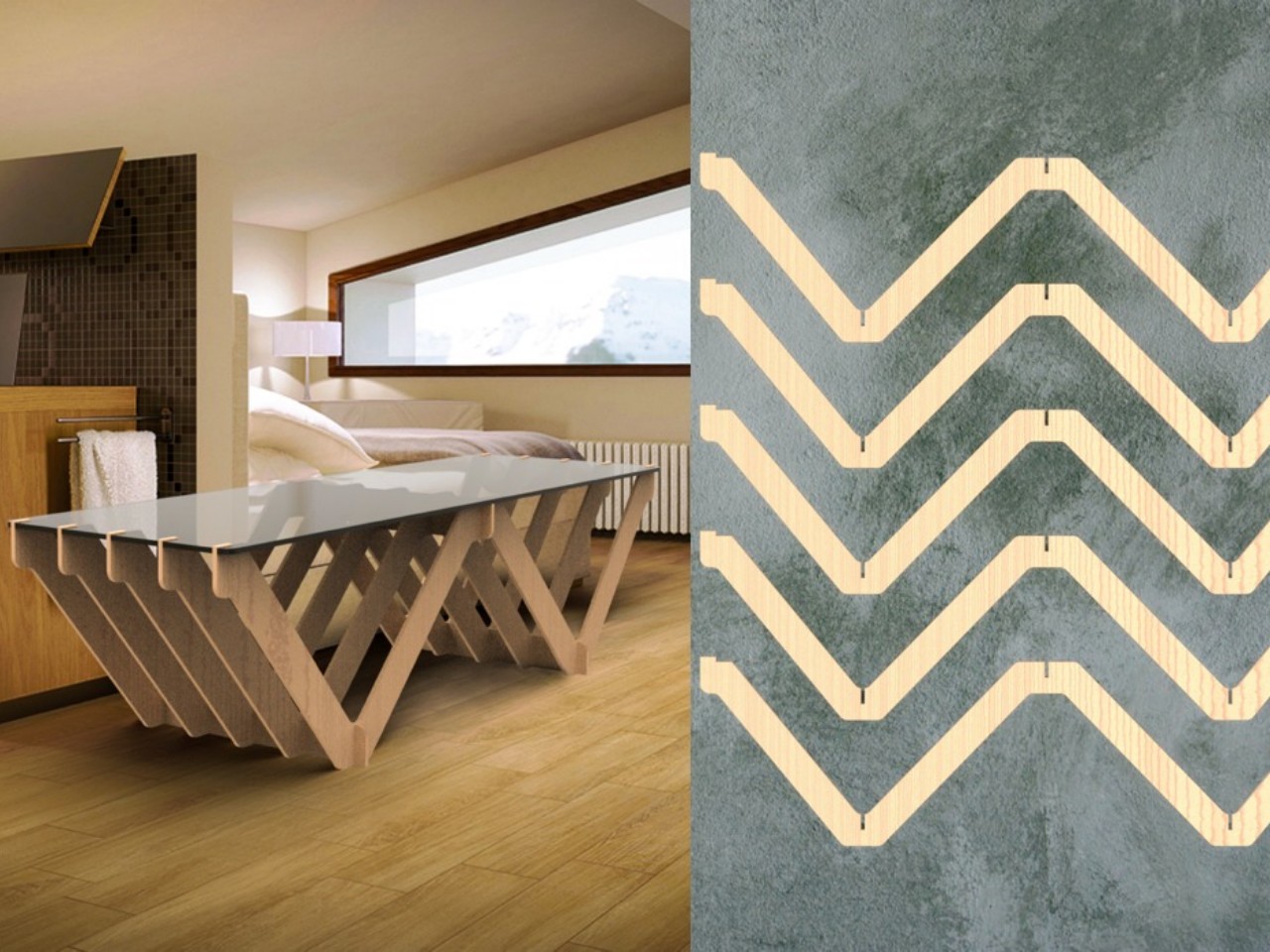
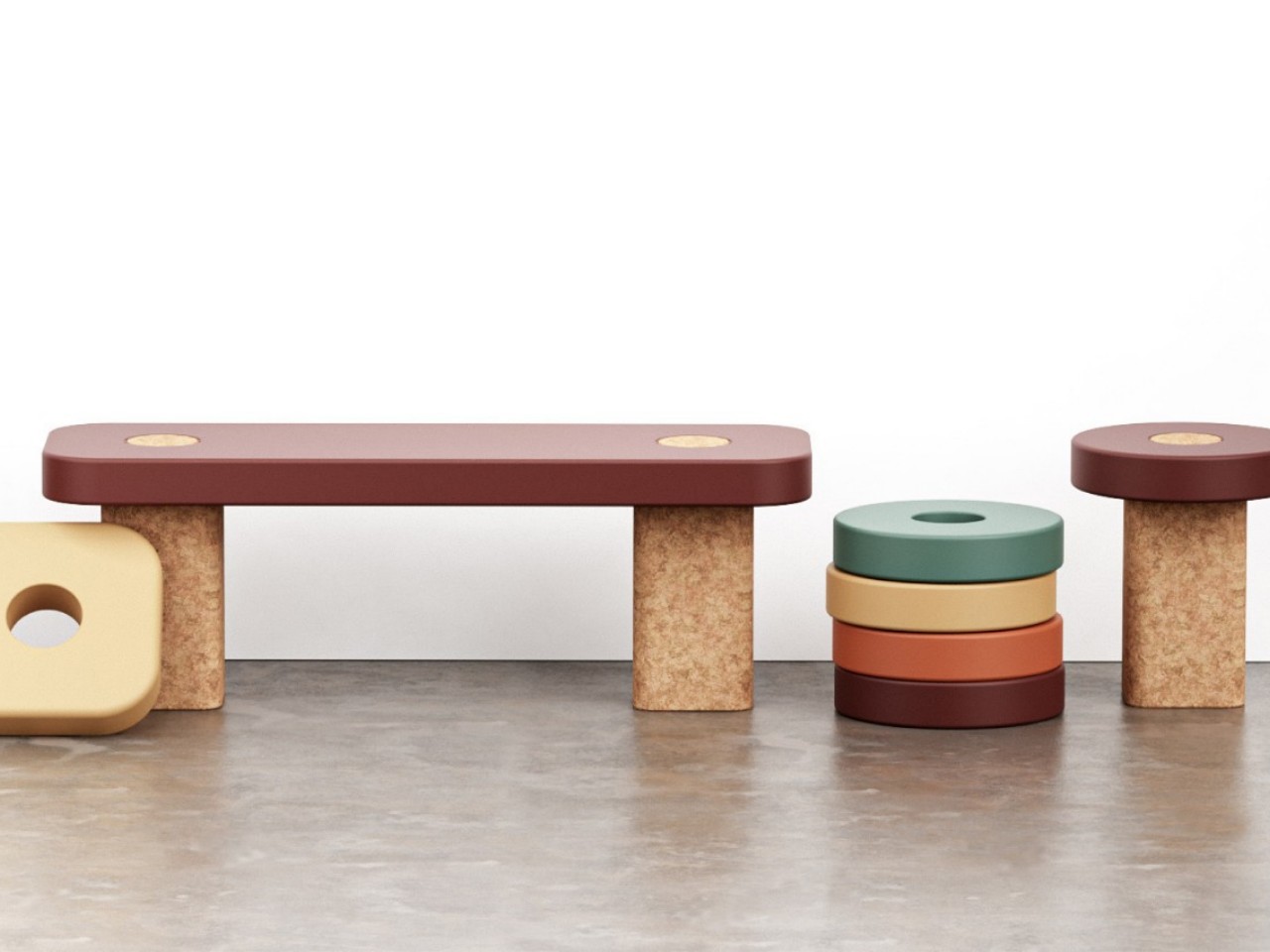
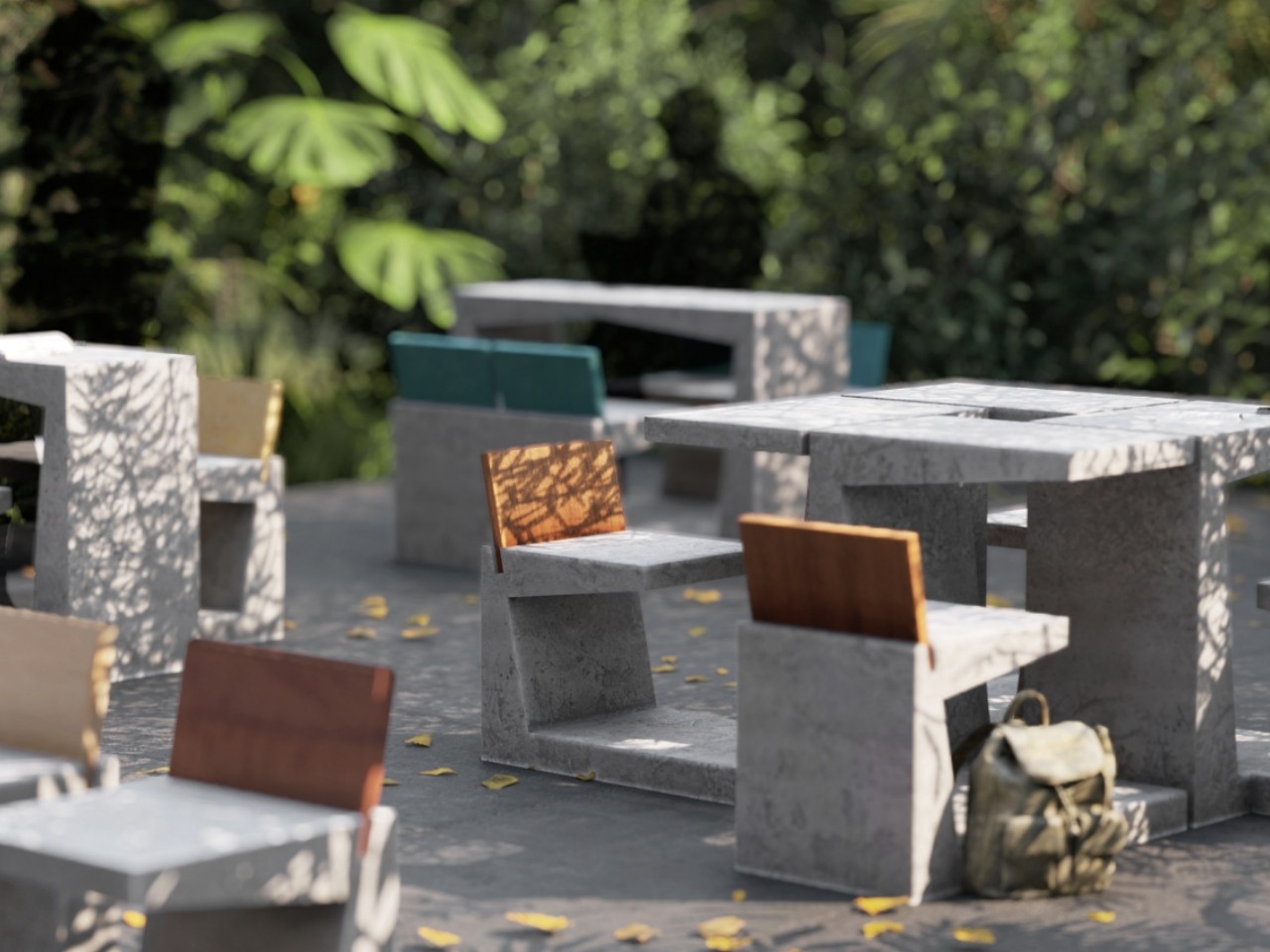
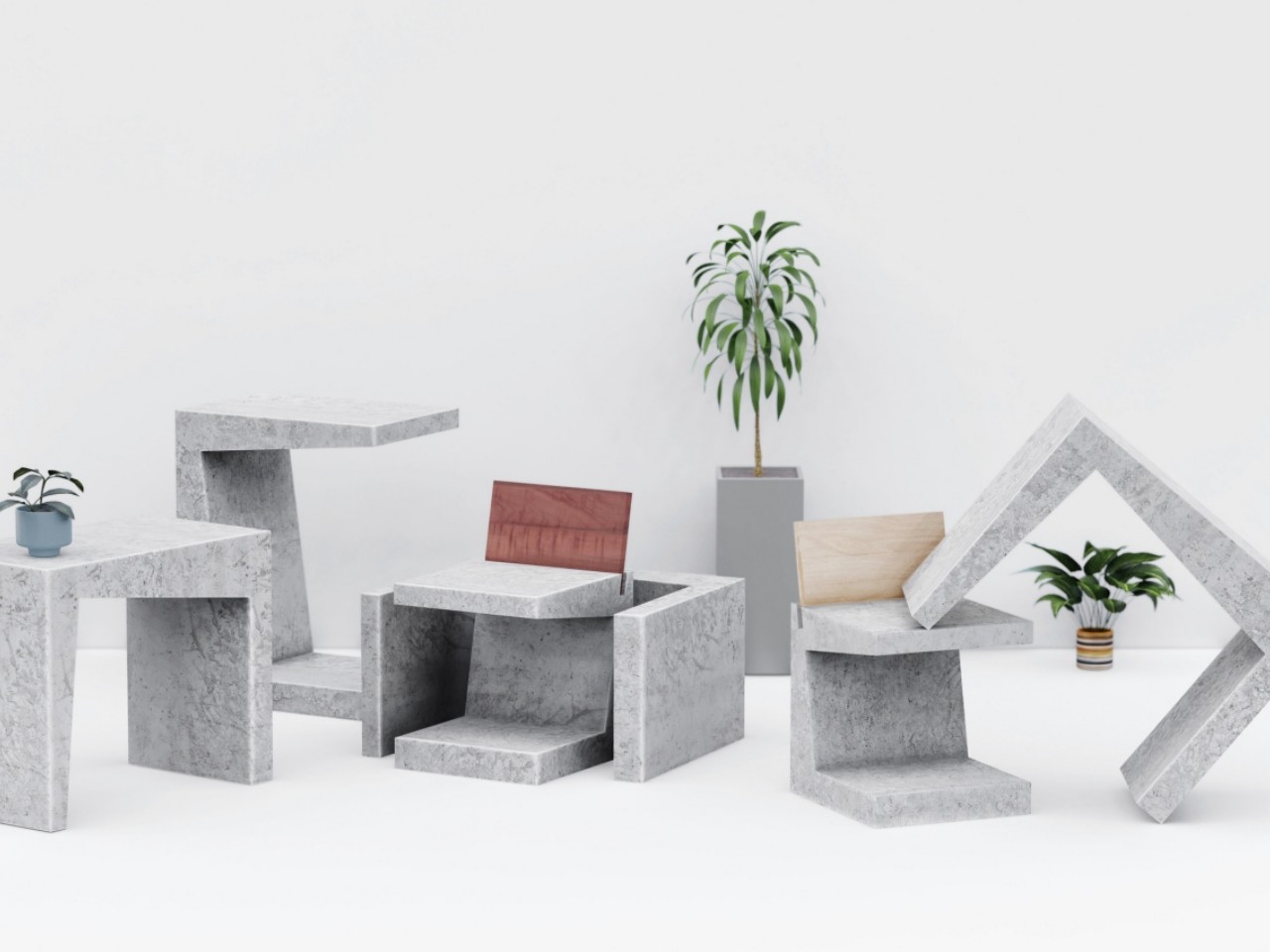
Designer: Konga

1. Ceramic Tile

Image courtesy of: dit26978

Pros:
Ceramic tile is crafted from clay and natural ingredients, shaped, glazed, and fired at high temperatures. Resistant to water and stains, it’s an ideal choice for kitchen flooring, also withstanding heat and breakage. While it can last indefinitely under optimal conditions, it may develop cracks and chipping if the top layer wears off. Ceramic tiles are resistant to water and heat.

Cons:
Ceramic tile, while exceptionally hard, may be uncomfortable to stand on for extended periods. Improper installation can lead to cracking and chipping, resulting in the top layer peeling off.

2. Porcelain tile

Designer: Horizon Italian Tile

Pros:
Porcelain tiles, made from baked natural clay at high temperatures and pressure, are exceptionally strong, durable, and long-lasting. Their non-porous surface makes them resistant to stains and scratches. Available in a variety of colors, textures, and patterns, including designs resembling natural stone and wood, they are easy to maintain.

Cons:
The biggest disadvantage of porcelain tiles is that they possess a dense and hard composition, resulting in considerable weight.

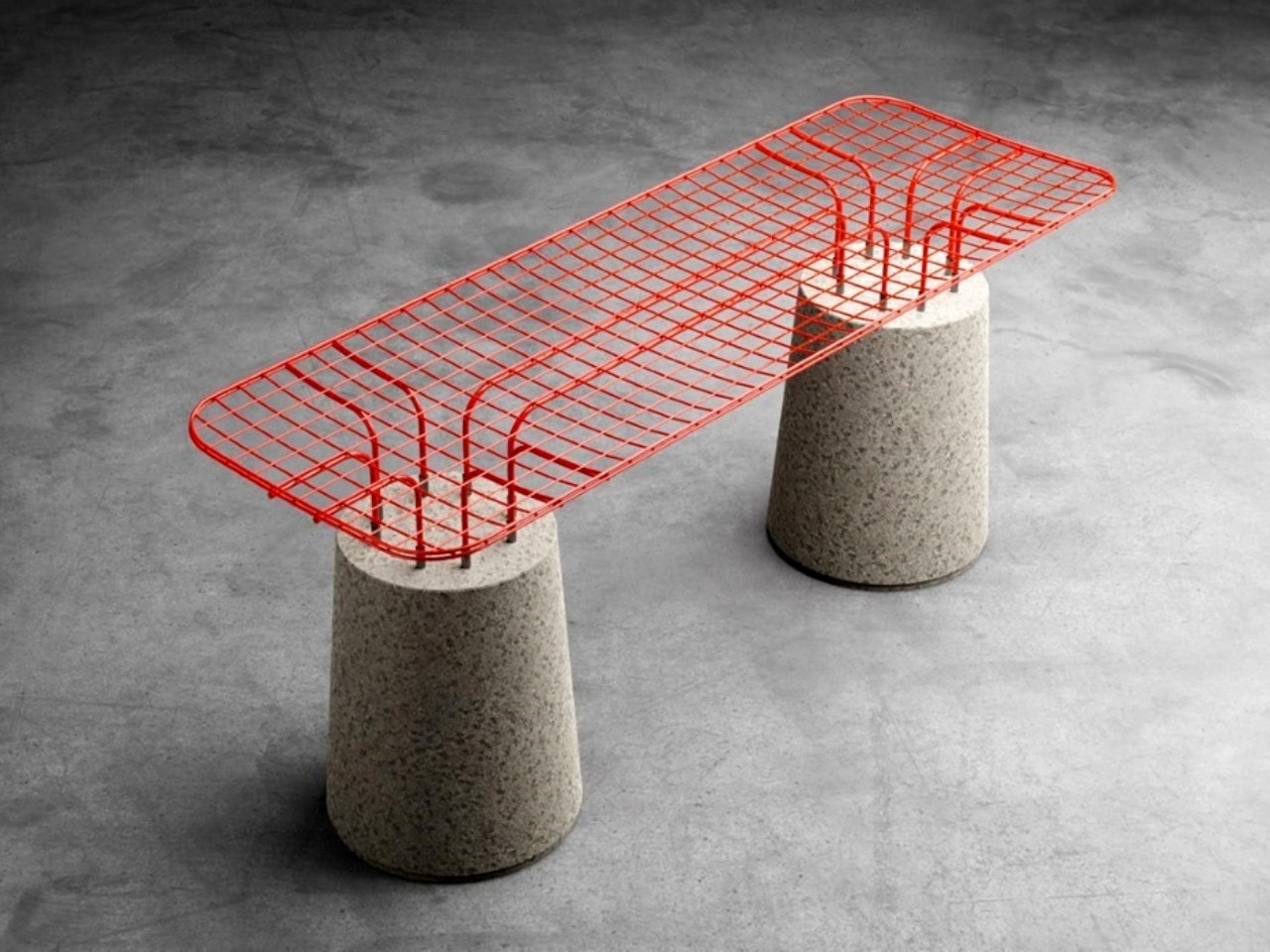
3. Concrete Flooring

Image courtesy of: Mint_Images

Pros:
Concrete floors are a highly cost-effective flooring option for industrial-themed kitchens. One of the best aspects of concrete is that it is versatile and can be stained, polished, or can be treated creatively into stylish works of art. Concrete floors are particularly suitable for modern kitchens. Concrete floors are resistant to impact and heat.

Cons:
Due to its porous nature, concrete requires periodic sealing to safeguard against staining and water damage. Additionally, it can feel hard and cold underfoot. Moreover, while concrete offers an urban or industrial aesthetic, its appearance may not be unique.

4. Natural Stone

Image courtesy of: pro_creator

Pros:
Natural stone is a popular choice for durable kitchen flooring, offering various options with distinct properties. Granite is sturdy and versatile, suitable for both tiles and countertops. Limestone adds aesthetic appeal but is softer and better suited for accents. Marble is elegant but prone to scratching and staining. Sandstone offers a soft, multicolored look ideal for kitchens. Slate is durable and sophisticated, lasting for decades with proper maintenance while travertine provides Old World style, though it’s less durable than other options. Overall, natural stone enhances the kitchen’s appearance while ensuring long-lasting functionality. Also, its natural vein patterns provide a unique look, and no two tiles or slabs look alike.

Cons:
Stone installation is time-consuming, involving cutting and handling heavy materials. Its main drawback is its porous nature, making it susceptible to water and liquid stains, particularly in the kitchen. Applying a quality penetrating stone sealer annually can provide invisible protection, but reapplication is necessary at regular intervals.

5. Vitrified Tiles

Image courtesy of: dit26978

Pros:
Vitrified tiles are highly favored as a flooring choice for kitchens due to their numerous advantages. These tiles are renowned for their exceptional hardness, density, and strength, making them resistant to stains, scratches, and acids, which are common in kitchen environments. Available in a diverse array of colors, designs, and sizes, including glazed, full-body, and double-charged varieties, vitrified tiles offer versatility to suit different aesthetic preferences. Moreover, their ability to withstand heavy foot traffic ensures long-lasting durability, making them an ideal option for busy kitchen spaces.

Cons:
The biggest disadvantage is that vitrified tiles can become slippery when wet.

6. Bamboo Flooring

Image courtesy of: bialasiewicz

Pros:
A recent innovation is bamboo flooring which is becoming increasingly popular for kitchens due to its durability and enhanced moisture resistance from the manufacturing process. It offers the look of hardwood with greater durability. There are three types: strand woven, engineered, and solid bamboo, each offering varying levels of durability and cost.

Cons:
The drawback is that this flooring type can vary in appearance based on color, grain, and pattern. Solid bamboo may not be suitable for kitchens with moisture present.

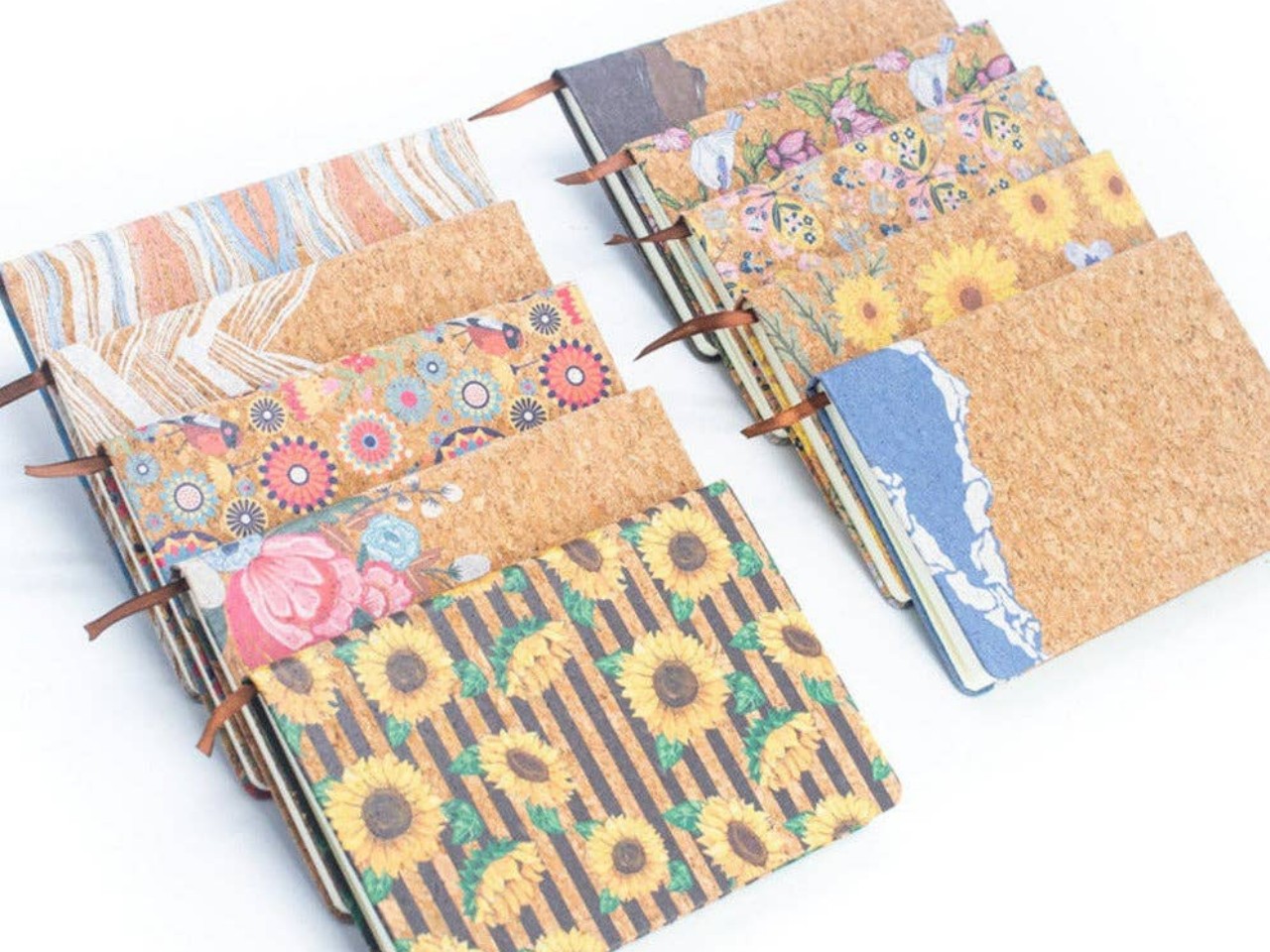
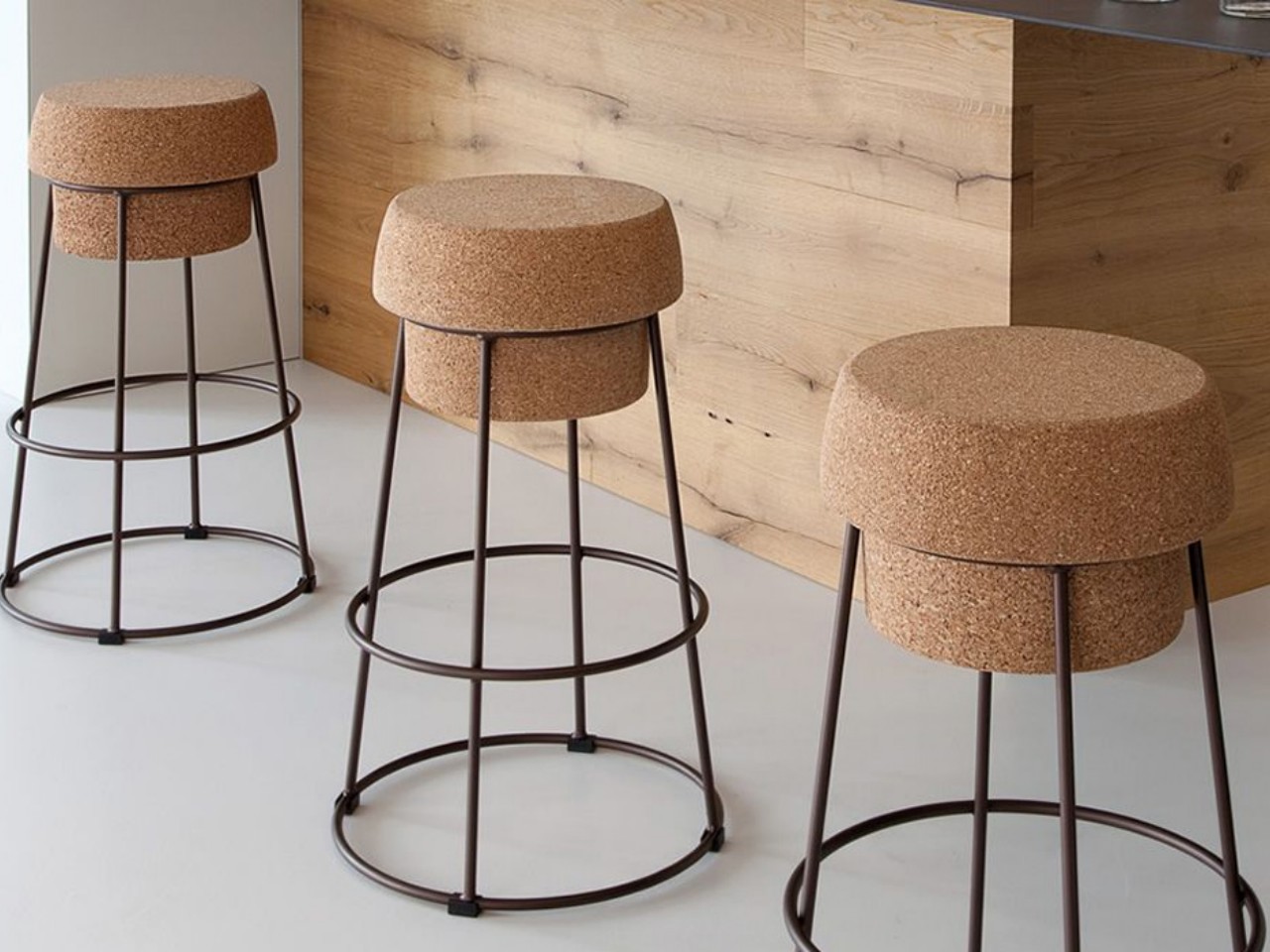
7. Cork Flooring

Image courtesy of: traimakivan

Pros:
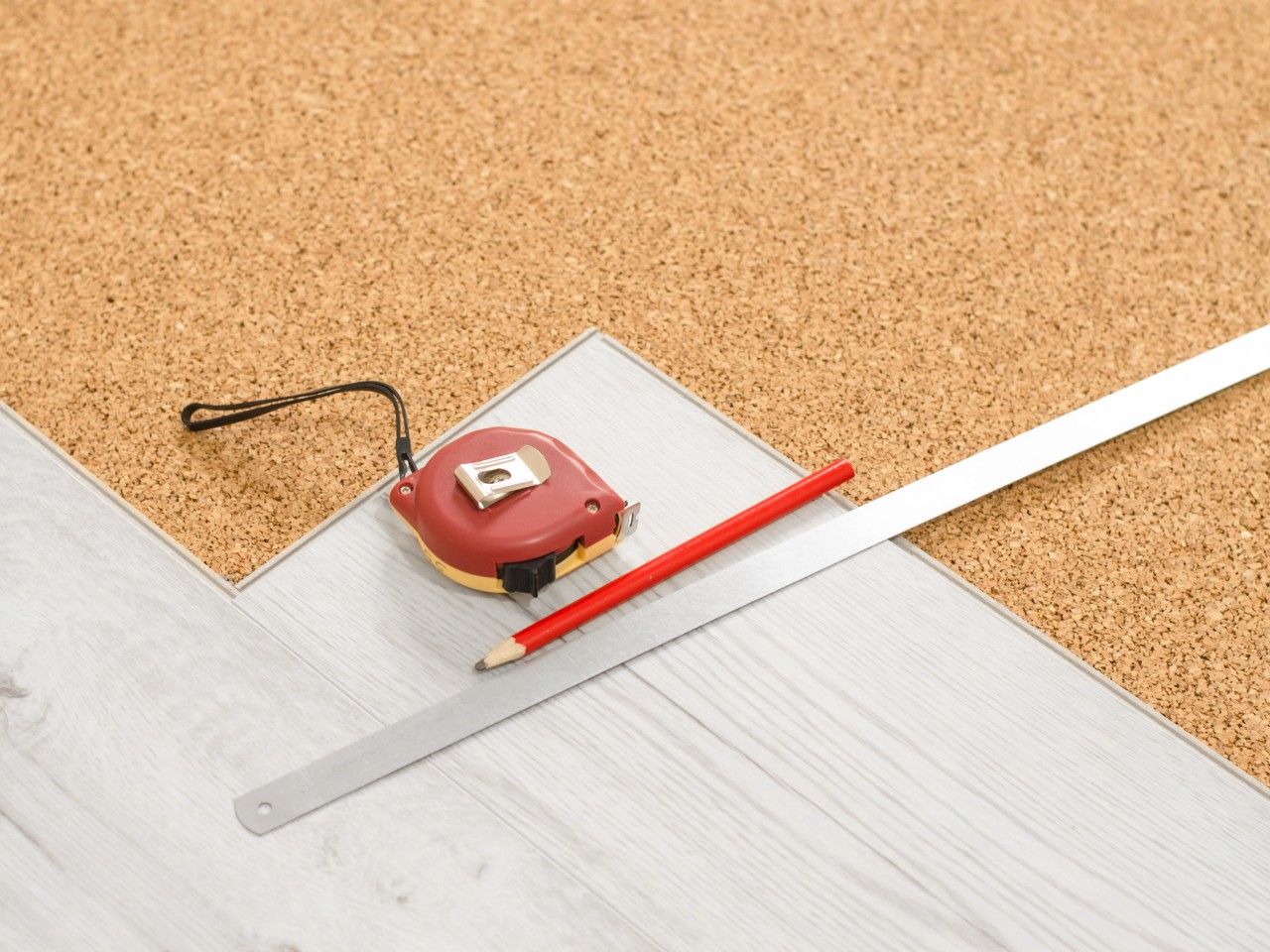
Cork flooring seeks to improve the comfort of the user with a soft construction that reduces fatigue and strain from walking and standing during food preparation. This material has a unique appearance that can add to the home’s aesthetic, and it is made from sustainable materials, harvested from the bark of cork oak trees.

Cons:
Cork offers a warm and soft underfoot experience, but it’s less durable than most flooring options and susceptible to scratches and moisture. To prevent staining and water damage, sealing the flooring every one to two years is recommended.

8. Laminate Flooring

Image courtesy of: pro_creator

Pros:
Laminate wood flooring presents an affordable option for flooring, offering a cost-effective means to elevate the aesthetic of a kitchen compared to hardwood. Its superior scratch resistance against regular foot traffic makes it an attractive choice. Additionally, laminate serves as a practical alternative to hardwood floors and is available in a variety of styles and finishes.

Cons:
Laminate flooring isn’t as well-suited for handling moisture, which can make maintenance more challenging when used in kitchens. If you choose to install laminate in this space, it’s essential to employ a proper moisture barrier. Additionally, laminate doesn’t offer the same longevity as hardwood, tile, and vinyl flooring options.

9. Vinyl Flooring

Image courtesy of: studio

Pros:
Vinyl flooring offers numerous benefits specifically tailored for kitchen environments. Its durability, with a lifespan ranging from 10 to 20 years, can be further extended through proper maintenance and careful use. With its water-resistant and anti-slip features, vinyl flooring is an ideal option for moisture-prone spaces like kitchens, offering easy maintenance and effective stain resistance. The softness underfoot, thanks to its foam or felt backing layer, ensures comfort during prolonged periods of standing while reducing fatigue. Moreover, vinyl flooring comes in a wide range of colors and designs, providing options that mimic the appearance of natural materials like stone and wood.

Cons:
Vinyl flooring emits high levels of VOCs (volatile organic compounds) and may have a noticeable odor upon installation. Additionally, it is not resistant to strong chemicals, which can cause permanent discoloration and damage. Outdoor use is not recommended as prolonged sunlight exposure can lead to fading. Furthermore, an uneven subfloor can result in lumps and damage over time, while sharp objects can cause cuts and dents that are challenging to repair.

10. Hardwood Flooring

Image courtesy of: studio

Pros:
Hardwood flooring is known for its durability as it offers good longevity with proper care and maintenance. With a diverse array of styles available, it can suit any decor. It is easy to maintain as it requires only regular sweeping and vacuuming, although it’s essential to avoid wet-mopping and promptly clean up spills to prevent damage.

Cons:
While engineered hardwood is typically more affordable, solid hardwood remains costly. Both types are susceptible to moisture damage, with solid hardwood being especially vulnerable. Moreover, hardwood floors are susceptible to scratches, dents, and photosensitivity, prompting the need for more durable species or alternative materials like laminate or vinyl, especially in sunlit rooms.

The post 10 Most Popular Kitchen Flooring Materials: Their Pros and Cons first appeared on Yanko Design.

Top 25 Dirty Spots In Your Home You Might Be Forgetting To Clean

Cleaning and refreshing your home is commendable, but despite your diligent efforts, there are undoubtedly areas you’re overlooking in your cleaning routine. Note that cleaning can often feel unappreciated and result in overlooked areas, which harbor plenty of germs and can become a health hazard in the long run. Here are 25 commonly missed spots that are crucial to maintaining a sparkling clean home.

Image courtesy of: MyLove4Art

1. Top of Window Frame

While you might remember to clean the baseboards during your cleaning session, it’s easy to overlook the higher spots, like the tops of window frames. Grab a step ladder and wipe away the accumulated dust from the top of the window frame.

2. Sides of TV Screen

Image courtesy of: macniak

While you may recall to clean the screen itself, don’t overlook the sides of the TV screen, as these areas tend to gather the most dust.

3. Door Knobs and Handles

Image courtesy of: andriymedvediuk

With just a few minutes, a quick swipe of doors and handles using a quality cleaning product will make them shine and enhance the sparkling cleanliness of your home.

4. Light Fixtures and Lamps

Image courtesy of: Angelov1

Over time, dust can accumulate on ceiling-mounted light fixtures, fans, and table lamps, leading to a lackluster look and hindering light transmission through the glass surfaces. Regularly cleaning these fixtures with a soft microfiber cloth is crucial.

5. Kids Toys

Image courtesy of: Nadtochii

Young toddlers are often unaware of the world around them and tend to explore by putting everything in their mouths. Therefore, it’s crucial to regularly clean their toys. Place hard plastic toys in warm, soapy water, while soft toys can go in the washing machine. Delicate stuffed toys should be hand-washed.

6. Light Switches

Image courtesy of: towfiqu98

Despite our frequent use of light switches throughout the day, they are often overlooked when it comes to cleaning. These high-touch areas can accumulate germs and filth if not properly maintained. It’s essential to clean them periodically, ideally every few days. Avoid using a soaking wet towel for wiping switches and go for a clean wipe or a slightly damp cloth.

7. Cleaning the Inside of Closet

Image courtesy of: katchanatsarin

Even if you frequently declutter and organize your clothes, you may overlook cleaning the inside of your closet. Remember to wipe down the bar, the top of the hangers, and any shoe organizers with a damp cloth.

8. Ceiling Molding

Image courtesy of: photovs

When cleaning the home, it’s crucial to remember to look up as well. While you may frequently clean the baseboard moldings, the ceiling moldings often go unnoticed for ages. Grab a ladder, ensure someone holds it securely, and then clean the ceiling moldings.

9. Under the Bed

Image courtesy of: DC_Studio

It is important to vacuum beneath the bed due to the accumulation of dust, particularly if you utilize the space for storage. Remove all items and thoroughly vacuum, followed by mopping if your flooring consists of floorboards or tiles.

10. Mattress

Image courtesy of: borodai

Even though you might be washing your bed linen regularly, it’s common to neglect cleaning the mattress. It’s recommended to vacuum the mattress using an upholstery attachment. For stains, employ a damp cloth soaked in a soapy solution, then follow up with another cloth once the stain has diminished. Avoid using this method on latex or memory foam mattresses and instead refer to the manufacturer’s instructions for cleaning tips. Open the windows to let in sunlight for drying. To freshen the mattress, sprinkle baking soda on the surface and let it sit for an hour or two before a thorough vacuuming.

11. TV Remote

Image courtesy of: towfiqu98

We often overlook the TV remote during household cleaning, despite its daily use. The main downside of a dirty remote is that germs can be transferred to other items in the home that we frequently touch. Utilize multipurpose antibacterial wipes for convenient and swift cleaning tasks like this.

12. Inside the Couch

Image courtesy of: yavdat

The sides and interiors of the sofa are prime areas for crumbs, debris, and pet hair. Therefore, it’s important to vacuum your couch thoroughly at least once a month to instantly revitalize your living room.

13. Toothbrush Holder

Image courtesy of: tan4ikk

The toothbrush holder may have gone without cleaning for some time, so rinse, scrub, and repeat until the grime disappears. Consider running it through the dishwasher to eradicate any bacteria for more effective results.

14. Top of the Refrigerator

Image courtesy of: Angelov1

The top of the fridge tends to gather a layer of kitchen grease and dust. Utilize a soft, damp cloth with detergent to wipe the surface clean.

15. Bathroom Shelves

Image courtesy of: LightFieldStudios

Bathroom shelves often get overlooked, especially when shampoo, lotions, and soaps leak onto them in the medicine cabinet or beneath the sink. It’s essential to remove all products first, then wipe the shelves clean before putting items back in place.

16. Picture Frames

Image courtesy of: katchanatsarin

Regularly clean the glass fronts of picture frames and dust off the frames. Avoid spraying directly onto the frames to prevent liquid from potentially damaging the photo or artwork. It’s advisable to use a barely dampened glass-cleaning cloth.Top of Form

17. Area Under the Rug

Image courtesy of: YuriArcursPeopleimages

Move the furniture, roll up the rug and its pad, and vacuum underneath to reveal what’s hidden and possibly inspire more frequent cleaning.

18. Inside Kitchen Drawers

Image courtesy of: TDyuvbanova

Food crumbs can sneak into kitchen drawers, so it’s important to give them a good clean. Take everything out, wipe the drawers clean, and then put everything back.

19. Bookshelves

Image courtesy of: studio

Dust shelves one section at a time, removing objects, cleaning, and then returning them while decluttering books and decor along the way.

20. Clean the Window Tracks

While it’s common to clean windows for a clear view, don’t overlook the window tracks and sills. Open the window and thoroughly clean the track and the area where the window meets the frame, using a soft bristle brush to remove debris like pine needles, dust, and bugs. Clearing out the hardware improves window operation and longevity, and for added cleanliness, consider using soap and water for extra cleaning.

21. Shower Curtain

Image courtesy of: wirestock

Tackle the issue of dirty shower curtains that gather mildew, dirt, or soap scum by cleaning them in your washing machine. Include your curtains and liners along with towels, detergent, and a cup of baking soda to refresh them and remove stains effectively.

22. Trash Can

Just removing trash isn’t enough; leftover food or used products can cause bad odors. Regularly scrub and rinse your trash can, and use disinfectant to keep it clean and odor-free.

23. Baseboard

Image courtesy of: timofeevavalentina_foto

One spot that inevitably gathers dust is the baseboard, constantly in contact with shoes, furniture, and airborne particles. Regularly wiping them down can significantly contribute to a cleaner home.

24. Throw Pillow

Image courtesy of: DragonImages

While we often remember to clean our throw blankets by putting them in the washing machine, we tend to forget about cleaning our throw pillows, which depending on their material, can be washed in the machine or wiped down with a damp or dry cloth.

25. Fan blades

Image courtesy of: ellinnur

The fan blades, often overlooked, can harbor significant dust buildup, potentially exacerbating allergies if not cleaned regularly, making it important to prioritize their cleaning to maintain air quality.

It’s beneficial to include these areas in your cleaning routine, and if it becomes overwhelming to do everything at once, it’s advisable to choose one or two to tackle each time, making it more manageable.

The post Top 25 Dirty Spots In Your Home You Might Be Forgetting To Clean first appeared on Yanko Design.

What is Permaculture? Exploring the Basics of Permaculture Gardening

Permaculture gardening is deeply rooted in the principles of sustainability and aims to harmonize the growth of plants with the local environment. In 1978, Australian ecologist David Holmgren and environmental psychology professor Bill Mollison coined “permaculture” from “permanent agriculture,” later expanding its meaning to include “permanent culture.” Permaculture gardening primarily emphasizes the gradual enhancement of soil quality with nutrients, aiming to continually revitalize the earth while nurturing plant health. Its core ethics include prioritizing care for the Earth, for people, and ensuring equitable sharing, returning any surplus.

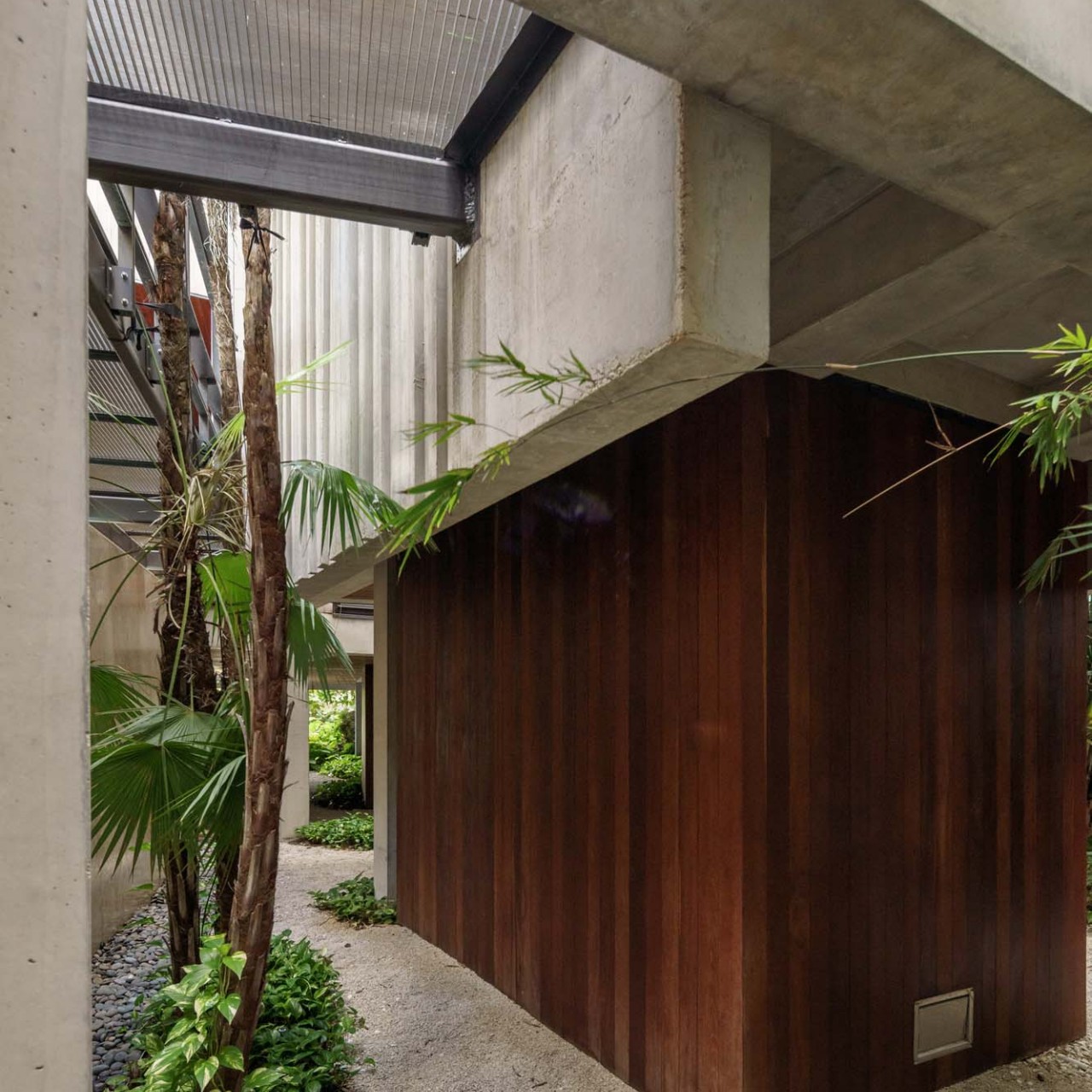
Designer: Robert Hutchison Architecture and Javier Sanchez Arquitectos

What is the primary goal of Permaculture?

Permaculture advocates aligning with nature, emphasizing mindful actions to avoid widespread negative impacts. It stresses preserving and restoring natural systems and settlements, highlighting their irreplaceable value. The goal is to achieve objectives with minimal environmental disruption.

What is Permaculture farming?

Image courtesy of: viktelminova

Permaculture farming means growing crops in a way that takes care of itself and the environment. It learns from nature and creates farming systems where different crops help each other grow. This way of farming is diverse, strong, and lasts a long time, just like nature does.

What are the benefits of creating a Permaculture Garden?

The benefits of creating a Permaculture Garden includes:

Protects Natural Resources

Image courtesy of: Sangiao_photography

We can optimize natural resources by harvesting wild medicinal plants, growing anti-pollutant plants for indoor air quality, and strategically planting trees for summer shade. It’s essential to minimize waste and promote material reuse.

Avoid Tilling the Soil

In permaculture, it’s preferred to avoid tilling vegetable garden soil. Instead, natural insect processes, aided by mulch, are encouraged, as tillers or cultivators can harm underground insect populations.

Promotes Biodiversity

Image courtesy of: YuriArcursPeopleimages

Unlike conventional agriculture, permaculture embraces nature, drawing inspiration from its diversity and working in harmony with it to derive benefits.

Connects Humans with Nature

Permaculture links humans with nature, fostering harmony by working in tandem with natural processes. This approach to gardening can deeply affect our spiritual well-being.

Low Maintenance

Image courtesy of: YuriArcursPeopleimages

Permaculture gardening offers low-maintenance benefits, making it ideal for those with limited time or less gardening experience.

Avoids Use of Pesticides

Image courtesy of: valeriygoncharukphoto

Permaculture avoids all pesticides and insecticides, organic or not, to protect biodiversity, relying on natural self-regulation and abstaining from herbicides and chemical fertilizers. Gardeners may accept some crop loss to pests rather than resorting to chemicals.

Saves Space

Producing ample yields in a confined space reduces the need for more area, allowing for extra activities. An essential element of permaculture gardening is maximizing space efficiency. Permaculture gardens vary in size, but in limited spaces, employing strategies to uphold permaculture principles is key. For instance, consider cultivating plants vertically using trellises or similar structures.

Supports Local Wildlife

Image courtesy of: cannonapril

Permaculture’s ethics and practices naturally draw wildlife to outdoor spaces. Follow permaculture guidelines to turn your backyard into a flourishing haven for birds, pollinating insects, and other creatures. Tips include avoiding pesticides, using vegetation to attract specific animals, hanging bird feeders, keeping dead logs and leaf litter, and planting trees and shrubs for wildlife shelter.

However, there are a few downsides to permaculture gardening. It can initially be more expensive to implement its practices. Although, the upfront costs are usually justified by long-term benefits. Some may find the initial workload overwhelming, despite its eventual rewards. Moreover, there may be concerns about potential odors from composting, managing a garden that utilizes all resources, and dealing with pests and bacteria without pesticides.

How to design a Permaculture Garden?

Use these tips to create your own Permaculture Garden:

Know your Surroundings

Get to know your environment by familiarizing yourself with the native flora, fauna, and predators in your area, while also noting the sunny and shady spots in your garden. Identify any unique features that could be advantageous for your permaculture garden.

Choose Your Plants Wisely

Select plants suited to your local conditions, researching which species thrive annually and perennially. Utilize companion planting to attract beneficial insects, deter pests, and enrich soil naturally. Opt for butterfly-attracting flowers, pest-repelling herbs for fruit trees, and nitrogen-fixing green manure crops to gradually enhance soil fertility. Opt for edible crops like fruits, veggies, herbs, seeds, and fruit trees, as they provide sustenance with minimal resource use.

Design the Garden

Once you’re familiar with your surroundings and the existing plant life, you can better design your garden. Consider light, water sources, and landscape when situating plants. Utilize plant stacking for efficient space use, with ground cover herbs, shrubs, and trees organized accordingly.

Create Garden Beds

Image courtesy of: fokkebok

Build raised beds, ideal for permaculture gardening as they preserve soil nutrients without tilling, placed six to 12 inches above ground. Alternatively, use sheet mulching, and layering compostable materials over grass to build soil without disturbing tillage.

Plant the Permaculture Garden

Plant your permaculture garden, prioritizing taller plants to offer shade for sun-sensitive ones. Group together plants with similar water and sunlight requirements for optimal growth.

Add Mulch

Image courtesy of: larisikstefania

Use organic mulch on topsoil instead of chemical weed killers in line with permaculture principles. Apply it after planting to suppress weeds and retain soil moisture. Options include leaves, newspaper, straw, wood chips, shredded bark, and grass clippings.

Add Compost

Image courtesy of: medialensking

Add compost without disturbing the soil, favoring natural options over chemical fertilizers. Utilize materials like manure, kitchen scraps, earthworm castings, and worm tea to enrich the soil with organic matter and beneficial microbes.

Efficient Water Irrigation System

Image courtesy of: aowsakornprapat

Use a sustainable watering system, minimizing water consumption for optimal garden health. Choose a low-waste drip irrigation method to directly hydrate soil and collect rain runoff from roof gutters for recycling into your watering system.

What is the difference between Permaculture and Organic Farming?

Organic Farming

Image courtesy of: monkeybusiness

Organic farming, initiated in the 1940s, is denoted by the term “organic,” indicating products grown or raised without synthetic fertilizers, pesticides, antibiotics, and growth regulators, spurred by J. I. Rodale.

Permaculture Farming

In the 1970s, Bill Mollison and David Holmgren introduced permaculture design, an agricultural system mirroring nature and addressing human needs like food, shelter, and energy consumption.

Here is how Permaculture differs from Organic Farming

• The primary difference between organic farming and permaculture is their approach to sustainable practices. Permaculture centers on preserving natural resources and conserving the planet, ensuring current needs are met without compromising those of future generations.
• Permaculture prioritizes energy conservation by locally growing and selling food, minimizing carbon footprints, while organic-labeled produce is often transported globally.
• In organic farming, the focus is on eliminating chemical residue from the food supply while protecting pollinators, while in permaculture, it’s environmental protection, ultimately benefiting humans.
• Permaculture farming promotes zero waste through recycling and reusable packaging, while organic food often uses disposable containers, contributing to landfill waste.
• Permaculture emphasizes integrated design, where each element serves multiple functions, contrasting with organic farming’s focus on a limited range of commodities. For example, chickens in permaculture not only provide eggs but also help control pests, fertilize the soil, and contribute to soil aeration.

In conclusion, permaculture yields numerous benefits: waste reduction, efficient resource utilization, and pollution prevention. It fosters ethical land management, enhancing both homeowners’ lives and ecosystems. Moreover, permaculture paves the way for sustainable systems that safeguard habitats for humans, animals, and plants, ensuring a healthy planet for the future.

The post What is Permaculture? Exploring the Basics of Permaculture Gardening first appeared on Yanko Design.

Top 10 Bathroom Challenges Solved With Smart Solutions

Designing a bathroom can be challenging due to the need to cater to various functions and utilities such as bathing, plumbing, maintaining a proper slope to prevent water stagnation, storage, and accommodating grooming activities. Here are solutions to some common issues that will help you to solve the bathroom design challenges that you face daily.

Designer: Lusso

Problem 1: Compact Bathroom

Image courtesy of: photocreo

Some bathrooms are so small that making space for a WC, sink, and shower can be challenging. In such an instance you can create a sense of spaciousness by freeing up the floor space and choosing wall-mounted sinks and toilets that are fixed above the ground. This is one of the best ways to give your washroom an open and airy ambiance and it also allows space for versatile storage below the sink.

Image courtesy of: pro_creator

To make the bathroom look more spacious, install wall-to-wall mirrors to bounce light and visually double the space. Also, opt for paint colors such as light shades of blue, pastels, and white in semi- or high-gloss finishes to reflect light and give the impression of a larger bathroom.

Problem 2: No Window

Image courtesy of: LesiaScotch

If your bathroom does not have a window, the space tends to look and feel dim. In such an instance it is important to enhance the lighting design to maximize illumination. Make it a point to integrate both overhead light fixtures and those around the mirror to distribute light throughout the bathroom.

Problem 3: Bad Ventilation

Image courtesy of: dit26978

Ventilation issues are common in older bathrooms despite having windows. Consider installing a shower exhaust fan with a built-in light. This promotes air circulation, dries the bathroom after each shower, and reduces the growth of mold and mildew. As a result, the bathroom stays fresh with minimal mold growth on the shower door. Additionally, make sure to keep the bathroom dry after each shower.

Problem 4: Insufficient Storage

Image courtesy of: Mint_Images

Since small and mid-size bathrooms tend to be cluttered, the most cost-effective and practical bathroom storage solution is to upgrade standard mirrors to cabinet mirrors or medicine cabinets. The best part about these storage cabinets is that they are available in a variety of styles that not only enhance the bathroom décor but the items are not within reach of the children. It is highly recommended to upgrade to a vanity with drawers and cabinets with doors and add shelves over the toilet. This quick and easy conversion makes provision for extra storage for storing toiletries, razors, towels, etc without the hassle of a major renovation of storage.

Explore your storage preferences, from a single drawer to various compartments or open shelves for efficient storage. Extend cabinets vertically if needed and introduce unconventional solutions like baskets, wall shelves, freestanding cabinets, or a ladder for towels.

Problem 5: Underutilized Bathtub

Image courtesy of: pro_creator

Using the bathtub can be difficult, especially for the elderly, so consider removing the bathtub and going for a walk-in shower instead for maximum accessibility. This addition increases floor space, creating a wider drainage area below the rainfall head. For a more refined look, you can bring in body steam for a spa-like addition, and replace the wall panels around the bathtub, without touching the rest of the bathroom tiles.

Problem 6: Insufficient Lighting

Image courtesy of: statuslapa

A dim bathroom can be very uncomfortable, especially without a window. One of the best ways is to brighten the space with a layered approach. Note that the light fixtures ensure adequate lighting for different purposes. Here are examples of each type of layered lighting scheme.

• Ambient lighting illuminates the entire bathroom and some examples of ambient lighting include ceiling fixtures, pendant lighting, and recessed lighting.
• Task lighting creates additional light in specific areas, such as over the vanity or in the shower. Wall lamps or lamps can brighten up specific areas. This light is designed for specific tasks such as shaving, makeup, combing, and hair styling. Light fixtures include mirrors with lights, wall lights, or pendant lights.
• Accent lighting emphasizes a special feature, such as highlighting a particular design or simply placing a chandelier over a soaking tub.

Choose energy-efficient LED downlights in bathrooms, ensure safe lighting in wet areas, and efficient lighting on basins. Enhance the overall atmosphere by placing bathroom wall lights on both sides of the mirror in windowless areas

Problem 7: Humidity and Dampness

Image courtesy of: pro_creator

Fight damp bathrooms to prevent mold and health issues. When showering, leave the windows slightly open for fresh air that replaces the warm and cool air from the indoors. Make sure to clean HVAC ductwork and change filters regularly. Upgrade with air with high CFM-rated exhaust fans or choose a fan/UV light combination for better humidity control. If the bathroom doesn’t have a window, consider adding one for natural light and fresh air. Check your roof periodically for leaks that might be causing condensation within the bathroom.

Problem 8: No Wet and Dry Area

Image courtesy of: pro_creator

If the bathroom does not have a designated wet and dry area, the bathroom can get messy. Note that the wet area has a shower area, while the dry area has a WC and sink. This demarcation can be created with a glass divider that enhances the aesthetic and functional aspects of the bathroom, contributing to a better overall experience. In addition, the frameless screen ensures no visual obstruction and provides a clean, uncluttered view of the bathroom. A temporary and cost-effective way to create a dry bathroom is by using shower curtains.

Problem 9: Stagnant Water

Image courtesy of: pro_creator

When water drains slowly in the shower area, one remedy is to pour a large bowl of hot water into the drain. For a clogged drain, introduce a mixture of one cup of baking soda followed by one cup of vinegar, allowing it to sit for 30 minutes. This chemical reaction effectively reduces scum and completes the process by rinsing the drain with boiling water. Fix slow-draining showers quickly with a drain cleaner that clears clogs from hair, soap, and grime. Use enzyme-based options for a gentler solution, but follow instructions and use safety gear.

Alternately, if your showerhead has low water pressure, it may result from limescale buildup. Tie a packet of equal parts water and vinegar around the showerhead, submerging it for at least an hour, and use a soft brush to rinse the showerhead afterward.

Problem 10: Bathroom Odor

Image courtesy of: puhimec

Blocked drains, wet towels, and accumulated dirt in showers can cause unpleasant bathroom odors. Ensure proper ventilation to eliminate all odors, remove trash regularly, and have a thorough weekly cleaning schedule. Use air purifiers and essential oil diffusers to freshen up the space and make the atmosphere pleasant.

Another DIY method of removing toilet odors is to mix lemon juice with baking soda to make a paste and scrub the surrounding areas with vinegar to soak the toilet in while they are being sprayed on areas with suspicious odors. After 15 minutes, flush the toilet and use a brush dipped in vinegar to scrub off the residue. Flush again, and you’re left with a fresh-smelling bath.

These tips will turn your bathroom into an awesome place. With a little planning and smart choices, you can create a comfortable and functional bathroom with these effective solutions.

The post Top 10 Bathroom Challenges Solved With Smart Solutions first appeared on Yanko Design.

21 Bathroom Cleaning Hacks Using Common Household Items

Maintaining a clean bathroom is not an easy task as it is a frequently used space. However, you don’t have to spend too much time cleaning your bathroom as weekly cleaning should be enough. Here are shortcuts to keep different bathroom surfaces, including the toilet, faucet, tub, and shower, sparkling. These clever cleaning hacks utilize common household items such as baking soda, vinegar, citrus fruits, and so on to keep the bathroom clean.

Designer: Woodio

1. Create an All-Purpose Cleaner

Image courtesy of: Yulia_Panova

Mix equal parts of apple cider vinegar and water in a spray bottle. This homemade solution offers a safe, eco-friendly alternative to sanitize various bathroom surfaces like shower tiles, sinks, and countertops, leaving them gleaming without streaks.

2. Clear Shower Drains with Baking Soda

Image courtesy of: mirarahneva

In addition to tackling tub stains and tile grout, baking soda is great for unclogging shower drains. Simply pour some down the drain, then follow with hot water to dissolve grime, hair, and other debris lurking within.

3. Descale Shower Heads with Vinegar

Image courtesy of: RossHelen

If you want to thoroughly clean your shower head and household faucets, just pour diluted white vinegar into a zip-top plastic baggie, secure it around the shower head or faucet with a twist tie, and let it sit overnight. This effortless trick naturally dissolves and eliminates stubborn grime buildup.

4. Clean Crevices around Fixtures with an old toothbrush

Image courtesy of: Wdnld

Scrub tight spaces around fixtures with an old toothbrush. The toothbrush is effective at removing dirt from the hard-to-reach corners of your kitchen and bathroom. Simply use it to clean vents, grout, faucets, and other small fixtures and crevices that are difficult to access.

5. Use a Squeegee

Image courtesy of: AtlasComposer

Squeegee your tile, tub, and doors promptly after each shower to swiftly remove water and condensation from glass surfaces. This simple routine aids in preventing soap scum buildup, ultimately decreasing the need for frequent bathroom cleaning sessions.

6. Go for Machine-Washable Shower Curtain Liners

Image courtesy of: wirestock

Shower curtain liners can get dirty quickly. That’s why it’s best to choose liners you can wash in the machine with your regular laundry. Keep a spare liner in your linen closet to switch it out while one is being washed. This way, you’ll always have a clean shower curtain.

7. Use Baking Soda for the Toilet Bowl

Image courtesy of: wirestock

A baking soda container in your bathroom can help extend the time between toilet cleanings. It’s a simple and effective way to keep your toilet bowl clean between thorough cleanings. Baking soda absorbs odors and is slightly abrasive, so sprinkling it generously into the toilet bowl before flushing can lessen the need for frequent use of a toilet brush.

8. Place Silica Gel Packets in the Medicine Cabinet

Image courtesy of: rfaizal707

The small silica gel packets found at home serve a useful purpose. Designed to absorb moisture, placing a few desiccant packs inside your medicine cabinet helps regulate humidity. This ensures the stability of medications and prevents razors from rusting. Remember to store them safely away from children and pets to avoid any choking hazards.

9. Sparkling Clean Windows

Image courtesy of: vvoennyy

Combine one part white vinegar with half a part rubbing alcohol, (look for a 70% concentration) and two parts of water in a spray bottle to create an effective cleaner for bathroom windows, shower screens, and mirrors all in one. For optimal results when cleaning windows with vinegar, choose cooler days without direct sunlight and use a microfiber cloth for streak-free results.

10. Make Your Taps Shine with Lemon

Image courtesy of: ThamKC

If water spots have dulled your taps, rub them with the cut half of a lemon, then rinse and buff. Alternatively, dampen an old toothbrush with water, sprinkle baking soda directly onto the bristles, and scrub the problem areas. Leave for 10 minutes, then rinse and buff.

11. Maintain White Tile Grout with a Toothbrush

Image courtesy of: AtlasComposer

There are several methods to clean grout. You can spray a mixture of half water and half white vinegar on your shower area as you exit the shower, or simply use a bleach pen. Scrub discolored grout with an old toothbrush dipped in a solution of one part bleach to four parts water. Let it soak for a while before rinsing.

12. Clean the Toilet Brush

Image courtesy of: ratmaner

After cleaning the toilet as usual, rinse the brush with clean water. Then, close the toilet seat and lid over the brush handle to let it drip dry into the toilet bowl—this prevents dirty toilet water from getting into the brush holder. Lastly, pour some bleach or white vinegar into the brush holder to keep the brush fresh for next time.

13. Keep the Bathroom Bin Smelling Fresh

Image courtesy of: ThamKC

Bathroom bins can harbor germs and bacteria, so they need regular cleaning. If yours starts to smell bad, it’s likely due to bacteria breeding. However, you can keep it fresh between cleanings by sprinkling baking soda into it every time you empty it.

14. Keep your Mirror Streak-free

Image courtesy of: valeriygoncharukphoto

Wipe off splatters with rubbing alcohol on a soft cloth, then use glass cleaner or plain water on a microfiber cloth, avoiding circular motions. For extra sparkle, buff with white vinegar on a paper towel.

15. Ventilate

Image courtesy of: pro_creator

Make sure to yurn on the extractor fan or open the bathroom window while showering to prevent the growth of unsightly mold. If there’s already mold present, soak mold-stained shower curtains in a diluted bleach solution if they can’t be machine-washed.

16. Perform Routine Spot Checks

Always have a microfiber cloth within reach in the bathroom to swiftly wipe away toothpaste splatters, watermarks, and other stains before they dry and become more difficult to clean.

17. Get Rid of Makeup Stains

Image courtesy of: LightFieldStudios

Remove makeup stains from bathroom mirrors with toothpaste. Apply a small amount to the stained areas, gently rub with a soft cloth, then wipe clean with a damp cloth. Toothpaste’s mild abrasives effectively lift makeup residue without harming the mirror’s surface, leaving it clean and shiny.

18. Use a Chopstick to Access Difficult-to-reach Areas

For weekly cleaning, employ a cloth wrapped around the end of a chopstick to reach tiny spots in your sink. For heavily soiled areas, sprinkle with water and baking soda before cleaning for a deeper cleanse.

19. Consider Citrus Fruits for Cleaning

Image courtesy of: Sepaolina

Harness the power of citrus for effective cleaning. Use lemon to remove water spots from chrome faucets and shower doors, whether by spraying lemon juice or rubbing a cut lemon directly onto the hardware. Combat toilet odors with a DIY paste of lemon juice and baking soda, leaving it for fifteen minutes before rinsing. For tub cleaning, exfoliate with a halved grapefruit sprinkled with coarse salt, scrub the tub, and drain before rinsing with warm water for a refreshing scent.

20. Use Baby Oil

Image courtesy of: romashkacom

Polish away fingerprints and grime from chrome fixtures with baby oil. Apply it using a damp cloth or cotton ball, then buff until you see your reflection.

21. Apply Shaving Cream on Mirrors

Image courtesy of: Lazy_Bear

Shaving cream, containing glycerin, forms a protective layer on mirrors, preventing them from steaming up during showers. Simply spray and wipe off with paper towels to keep mirrors clear. It’s also effective for polishing chrome and stainless steel, thanks to its emulsifiers acting as gentle cleaning agents.

The post 21 Bathroom Cleaning Hacks Using Common Household Items first appeared on Yanko Design.

Industrial Product Design Trends For 2024

Industrial design is always at the forefront of innovation with a perfect blend of creativity and functionality. As industrial design continues to evolve, here are some developments that are shaping the future of industrial design. Discover how creativity and functionality blend to shape the future of products and experiences.

Designer: ErgonBand

Human-Oriented Design

Human-centric design is driving industrial innovation, with designers prioritizing user needs, emotions, and behaviors. By integrating user perspectives into the design process, industrial designers are brilliantly creating solutions that deeply resonate with consumers. The best part about human-centric design is that it integrates user research, empathy mapping, and testing to create intuitive products. This trend is evident in smart devices, wearables, and adaptable interfaces, enhancing user experiences.

1

Wearing watches on wrists is standard, but discomfort can arise, especially with smartwatches. An Apple Watch accessory relocates the device to the back of the hand, reducing wrist strain. Its ergonomic design benefits athletes and those needing frequent wrist movement. However, practical challenges exist, such as the need for alternative screen activation methods. Despite this, the accessory offers a unique solution for individuals seeking a more comfortable way to wear their smartwatch.

Biomimicry

Nature inspires bio-design and biomimicry in industrial design. Bio-design incorporates living organisms into the process, creating innovative materials and structures. Biomimicry emulates nature’s patterns and processes to solve design challenges, resulting in breakthroughs like self-healing materials and sustainable manufacturing.

Designer: Rishikesh Sonawane

Drawing inspiration from the fog-basking beetle, the Fog Smart Hydroponic Planter embodies biomimicry, advanced materials, and smart technology for a sustainable future. It transcends functionality, merging aesthetics with innovation through its modular design. Crafted meticulously from Plexiglas and Lightweight Expanded Clay Aggregate (LECA), it ensures durability and water retention. The aluminum 6063 base provides stability and corrosion resistance.

Sustainable Design

With a focus on environmental concerns, sustainability has become paramount in the design industry as sustainable practices are being adopted to cut waste, reduce carbon footprints, and foster a circular economy. This involves maximizing material and product lifespan through recycling, upcycling, and waste reduction. Designers are exploring eco-friendly materials, energy-efficient manufacturing, and product life cycle analysis. Integrating renewable energy, smart energy systems, and recycled materials showcases industrial design’s role in creating a greener future.

1

Designer: Fuhua Wang, Weichih Chen

Lamps and lighting fixtures not only illuminate but also shape ambiance, often through their shades or materials. While conventional lampshades are commonly made of glass, metal, or plastic, innovative alternatives exist. The Ondina sustainable pendant lighting utilizes recycled ocean-bound plastics, resembling terrazzo with vibrant specks. Its translucent blue layer, evoking ocean pollution, complements its wavy shape reminiscent of water waves, creating a visually captivating design.

AI Integration

The integration of AI and machine learning in product design opens up new avenues for customization and user interaction. These technologies analyze vast data sets, informing designers’ decisions and facilitating personalized products and experiences. The incorporation of cutting-edge technologies like artificial intelligence (AI), virtual reality (VR), and the Internet of Things (IoT) has profoundly influenced industrial design. These tools are employed to develop highly personalized and interactive products while also enhancing production processes for greater efficiency.

Designer: Joss Fong and Áron Filkey/courtesy Space10

Despite varying opinions on Artificial Intelligence, exploring creativity in this era is captivating. While AI won’t replace creatives, it offers tools for innovation. Space10, funded by Ikea, explores AI, augmented reality, and Web3. Using generative AI, they experimented with futuristic designs based on old Ikea catalogs, potentially inspiring future products. However, human intervention remains crucial for practicality and functionality. Collaborating with generative AI, like Ikea’s partnership with Space10, can inspire new product development while emphasizing human creativity alongside technology.

Designer: Ostloong

Skiing gear has evolved, but there’s still room for augmented reality (AR) and artificial intelligence (AI) to enhance the experience. Zurich-based Ostloong’s Sirius smart goggles integrate AR and AI seamlessly, providing skiers with vital information directly in their field of view. With a full-color AR display designed for outdoor use, the Sirius goggles revolutionize safety and communication on the slopes, showcasing the transformative power of AI in augmented reality.

Celebrates Minimalism

This trend emphasizes minimalist design principles, incorporating clean lines, basic shapes, and subtle aesthetics to produce products that are both timeless and highly functional.

Designer: Julian Topor

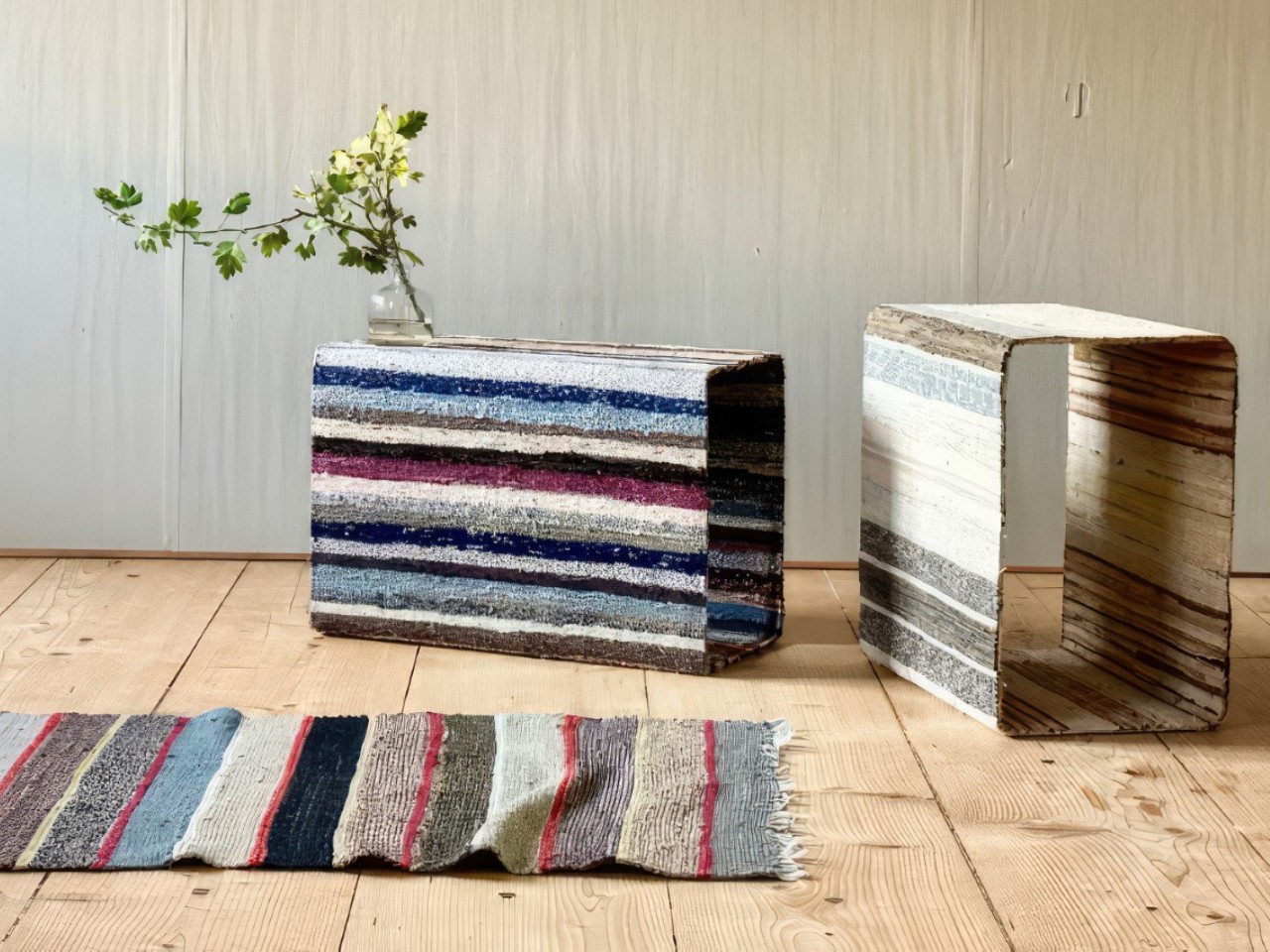
Furniture occupies space, often unused. However, designs like the KURVE collection combine aesthetics with functionality by incorporating storage spaces. Utilizing minimalist curved plywood layers, these designs create hollow areas for storing items without complex construction. The KURVE chair features a backless box for its bottom half, all crafted from a single sheet of layered plywood bent to form support structures.

Designer: Addi

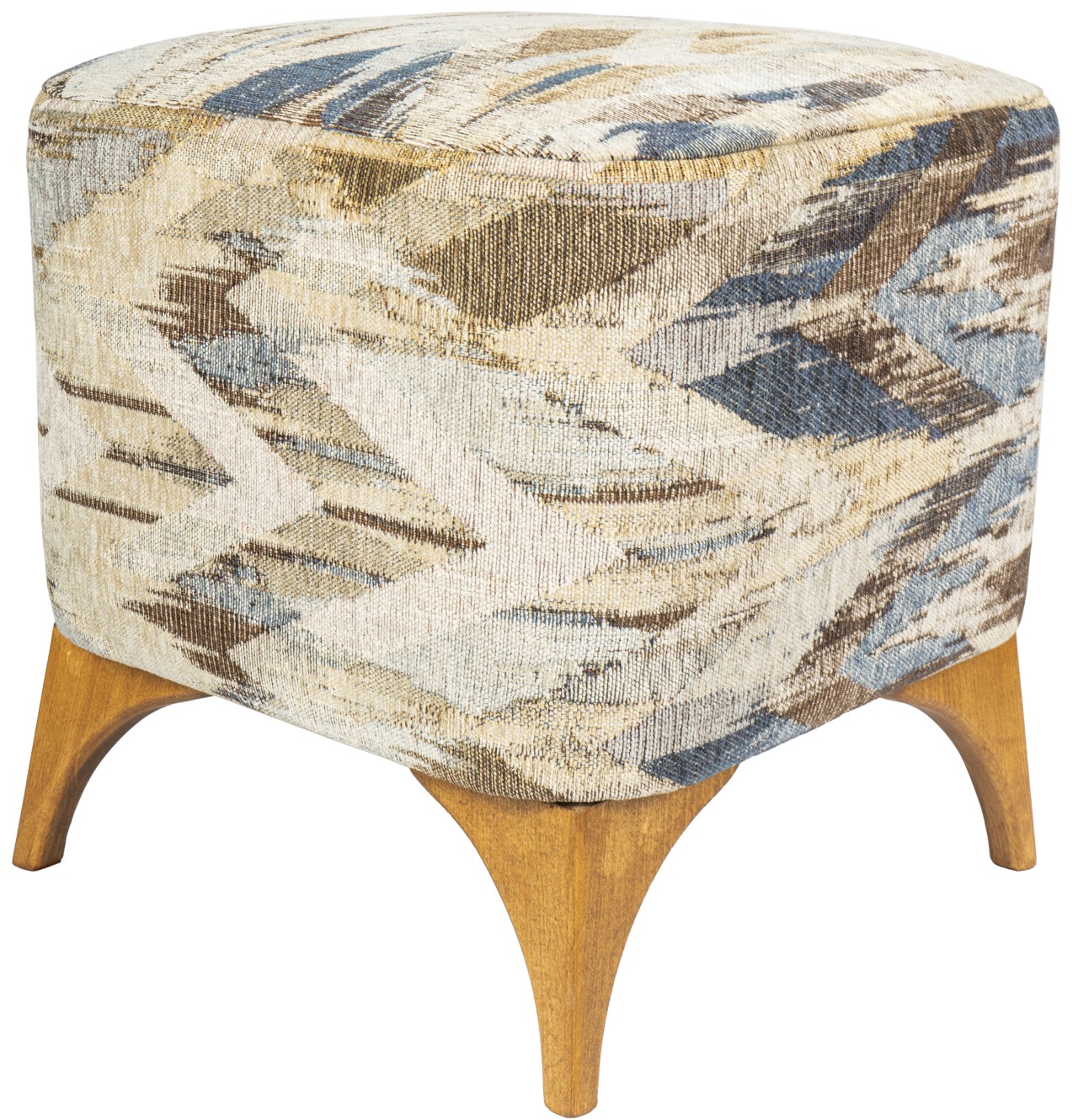
Sometimes, finding a place to sit can be a challenge, especially when space is limited. Perching seats offer a solution by providing a brief respite without the commitment of sinking into a full chair. Lumber takes this concept further with its minimalist design, offering style and comfort without monopolizing space. Its flame-proof wool upholstery ensures easy maintenance, while color-matched metal legs add a touch of elegance. With a built-in side table, Lumber enhances both relaxation and functionality in any setting.

Inclusive Design

By prioritizing the full participation of people with disabilities and other marginalized groups in society, inclusive design takes into account the varied needs of users, aiming to create products accessible to all.

Designer: Nick Fitzpatrick

The handle-on-one-end design of kettles poses challenges for disabled individuals or those with reduced strength or dexterity. Nick Fitzpatrick’s ‘Inclusivitea’ kettle addresses these issues by redesigning the traditional shape. Featuring two handlebar-shaped arms, it simplifies both filling and pouring. The kettle comes with a stand for brewing and dispensing tea directly into cups, preventing spills. Each set includes containers for various ingredients and a cup with an extended rim for comfortable gripping.

Personalization

With the increasing demand for personalized and bespoke products, designers are providing more customization choices to cater to individual user preferences.

Designer: Min Soo Kim

This toaster redefines the act of “raising a toast” with its customizable features. Designed by Min Soo Kim, the Home Party Hoaster lets users personalize their toast with pre-engraved messages, images, or emojis. Resembling a Vifa speaker, it features slots for bread and stencil plates, with a touchscreen panel for adjusting toast crispiness. Once toasted, the unique message is reverse-etched onto the bread, offering a novel and personalized start to the day.

Digital Fabrication

Digital fabrication and prototyping technologies, including 3D printers, laser cutters, CNC routers, and robotic arms, allow industrial designers to swiftly create physical models or products from digital data. These tools streamline the experimentation, iteration, and refinement processes, offering faster, more cost-effective, and more accurate results than traditional methods. They also empower designers to develop complex, customized, and innovative solutions tailored to diverse user needs.

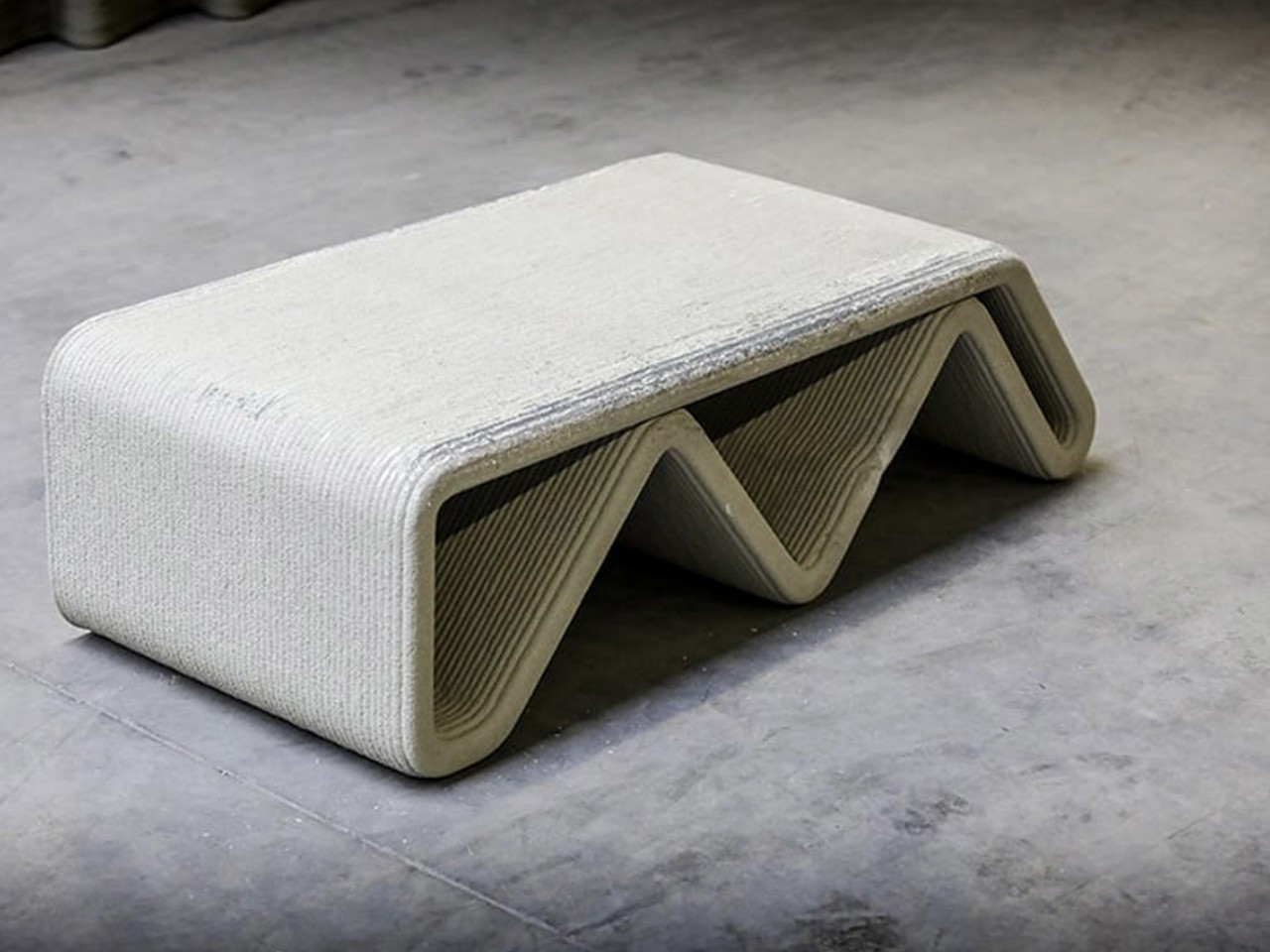
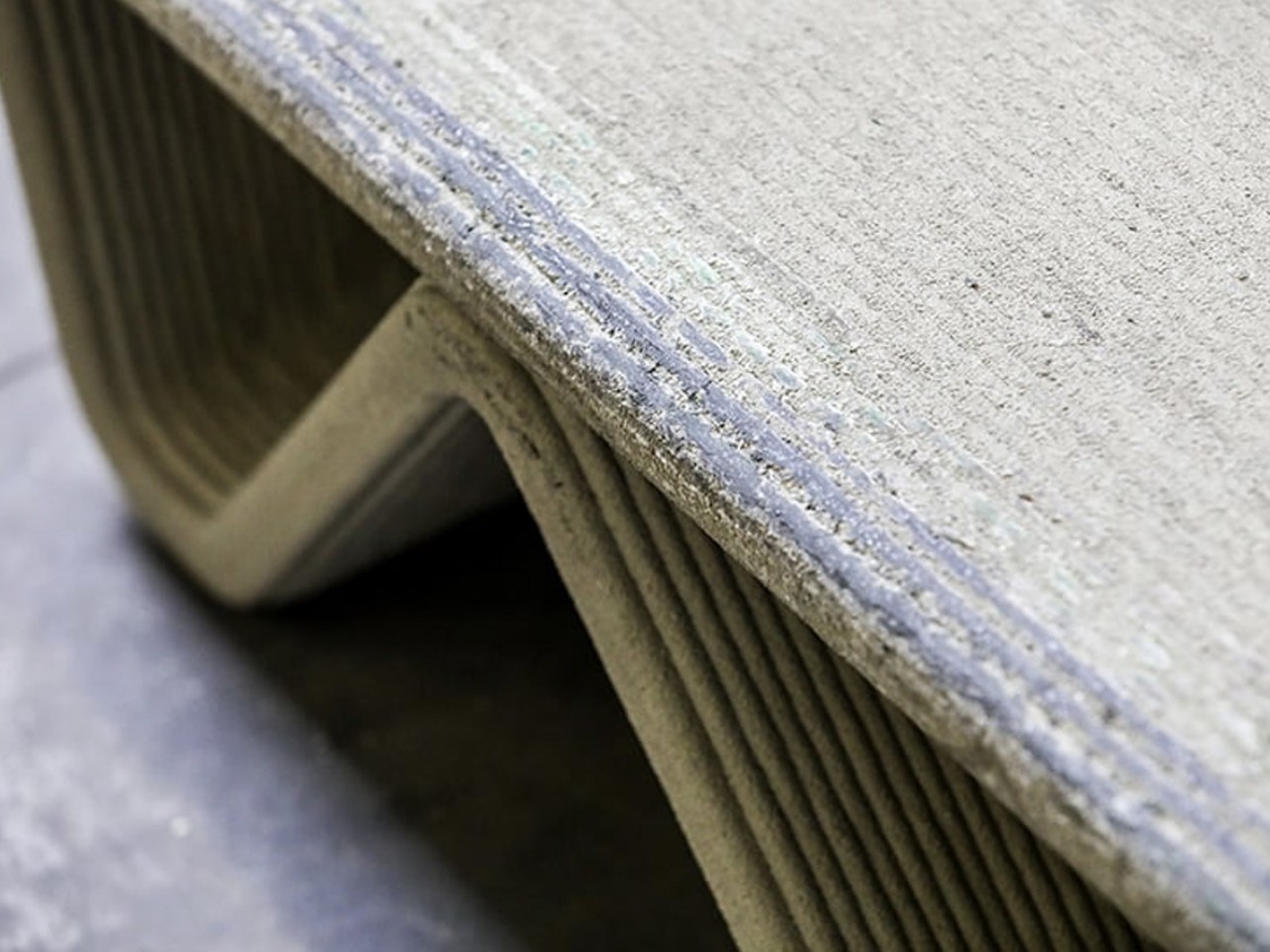
Designer: Martin Zampach

Traditional 3D printers have size limitations, hindering the creation of larger designs. However, the LOOPS collection of coffee tables utilizes 3D printing robots to overcome this obstacle. By employing a looping motion, the robot arm constructs intricate layers of composite material, enabling the formation of organic geometric shapes. This innovative approach expands the possibilities of 3D printing beyond conventional boundaries, allowing for the creation of larger and more complex objects.

In conclusion, industrial design is rapidly evolving due to technological advances, changing consumer behavior, and a growing focus on sustainability. Designers must prioritize blending aesthetics with functionality and integrate sustainable practices with the digital revolution.

The post Industrial Product Design Trends For 2024 first appeared on Yanko Design.

What Is Acoustic Insulation?

Good acoustics is important in any design, and it is important to plan for this right from the start of a project, from designing to building it. Note that if a building is designed well with good acoustic design, it can make people feel better mentally and physically. This is because, loud noises can make people stressed, and anxious, and raise their blood pressure, leading to health problems.

Designer: Interesting Times Gang and OBOS

What is the importance of sound insulation?

According to studies, noise pollution presents a significant risk to people’s health, especially for those living and working in urban settings. While controlling noise at its origin isn’t always feasible, effective soundproofing of buildings can provide a valuable solution. Installing soundproofing materials in the roof or building exterior can greatly reduce external noise from sources like traffic or airplanes. Within buildings, insulation can improve privacy and mitigate disturbance from neighboring properties, such as music or footsteps from upstairs apartments. This is particularly advantageous when applied to partitions between different spaces in residential or office buildings. Utilizing sound insulation boards can help minimize noise intrusion in both living and working environments.

What are the various forms of sound propagation?

Image courtesy of: photovs

Building acoustics studies how sound travels through walls, ceilings, and roofs, with insulation needs determined by factors such as area size and the types of sound transmission, whether direct or through walls.

• Direct sound transmission involves sound passing directly through a wall, ceiling, or floor.
• Flanking noise is the noise that reaches a room through an indirect path. For example, it could be noise from a neighboring apartment reaching your bedroom through a route other than through the shared wall, or noise from a hallway reaching your office through a route other than through the door.
• Other forms of sound transmission include leakage through inadequately sealed doors and windows, brickwork, and uninsulated pipelines.

Image courtesy of: bilanol

What are the best materials for acoustic insulation?

Discover the top materials that are suitable for acoustic insulation.

Acoustic Panels and Treatments

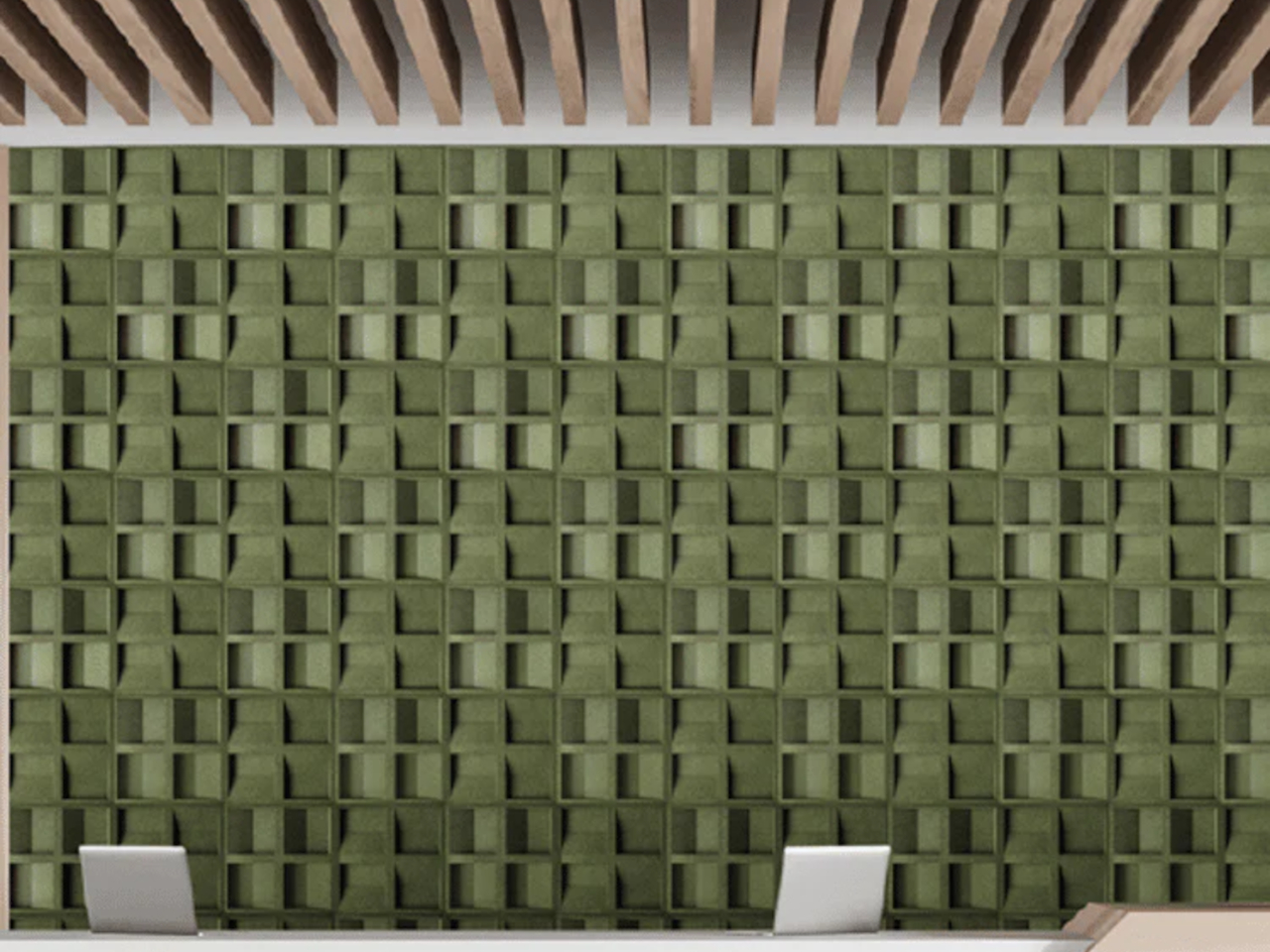
Soundproofing involves the use of acoustic panels and treatments to absorb and minimize sound waves, reducing resonance and unwanted noise. It’s crucial in places like recording studios, theaters, and restaurants. Different styles, like foam panels and diffusers, cater to various acoustic needs.

Designers: Alberto Sánchez & Mut Design Studio

Image courtesy of: duallogic

Alberto Sánchez and Mut Design Studio innovate with Beetle Acoustic Panels, drawing from the insect world for design inspiration. These panels, shaped like beetle exoskeletons, offer a range of colors and sizes, transforming utilitarian sound absorption into artistic accents. Despite lacking spines like beetles, a central spine connects the panels, emphasizing symmetry. This experiment showcases creativity’s boundless nature and encourages finding inspiration in unexpected places, sparking joy with quirky shapes and vibrant colors.

Designer: KEM Studio for Loftwall

Working from home has introduced a whole new routine, but one annoyance is listening to my husband’s constant office meetings. The noise is distracting, even with closed doors. Tempo offers a solution—a modular wall and ceiling baffle system that doubles as art. With 12 customizable modules, it absorbs sound and adds visual flair to any room. Easy to install with a CNC dowel system and cork plugs, Tempo’s various colors and patterns allow for endless combinations. It’s like acoustic eye candy, perfect for home offices, conference rooms, or bedrooms, transforming spaces both visually and acoustically with the ease of IKEA’s modularity and the trendy Japandi aesthetic.

Echo panels are gaining significance in room acoustics, now integral to interior design. Kirei introduces its sustainable Kirei Air Baffle, drawing inspiration from Nike Air Max, to enhance sound in high-ceiling spaces. Utilizing recycled PET EchoPanel material filled with Nike Grind fluff, these baffles come in various models and sizes, improving acoustic performance and adding aesthetic value. With customization options in 33 colors and easy installation, they contribute to a softer room ambiance and sound, elevating the functionality and aesthetics of any space with Kirei’s architectural design elements.

Designer: Michael DiTullo

The Kirei Air Baffle, an overhead acoustic panel, enhances sound quality in high-ceilinged spaces. What sets it apart, beyond its superior sound performance, is its sustainability. Even in the realm of acoustics, sustainability is achievable with the use of environmentally conscious materials.

Acoustic Foam

Acoustic foam panels, renowned for their porous and lightweight design, excel at absorbing sound waves. They’re particularly favored for reducing reverberation and controlling noise levels in settings like media rooms, music studios, and home offices.

Double Glass

Double-glazed windows with acoustic laminated glass are highly effective in reducing external noise, including car and street noise, making them perfect for urban environments. They offer a great alternative for soundproofing both homes and offices. Note that Double-glazed windows are made out of two glass panes separated by Argon gas. This specific gas is a poor thermal conductor. As a result, the sound or heat does not pass through the second glass pane and into the other side of the window.

Mineral Wool

Image courtesy of: bilanol

Made from mineral wool extracted from minerals, this material provides powerful sound insulation. It’s not only a thermal insulator but also commonly utilized in wall cavities, ceilings, and other spaces to minimize noise transfer between rooms.

Glass Wool

Glass wool, also called fiberglass insulation, serves as a popular choice for thermal insulation. Its effective sound absorption properties also make it cost-effective for soundproofing purposes. It’s commonly applied to walls and ceilings to provide dual insulation services.

Textile

Textile-based sound-absorbing materials like heavy curtains, carpets, and fabric-wrapped panels are commonly found in quiet-seeking homes and offices. Beyond their noise-reducing function, they also contribute to the visual appeal of their surroundings.

Designer: Claudio Bellini

In modern office settings, privacy remains vital despite open layouts. Milan-based Claudio Bellini design studio addresses this with FP7, acoustic panels serving as both dividers and noise absorbers. Specifically for open offices, FP7 visually delineates private areas while absorbing sound. Available in various colors, these panels create a cohesive look. Made from embedded cushioning and soft fabric, they offer flexibility in arrangement to suit different privacy needs. A finalist at the 2021 iF Design Awards, FP7 seamlessly integrates with contemporary office culture, providing private spaces for discussions and collaboration.

Sustainable Design

Designer: Jonas Edvard

In sustainable design, Jonas Edvard is known for his innovative use of organic materials to create functional and attractive objects. His latest creation, the Myx Sail / Floor panel, showcased at the 2023 Mindcraft Project, is made from mushroom mycelium, hemp, and willow. This 1m x 1m panel not only shows the strength of composite biomaterials but also reflects Edvard’s commitment to responsible design.

Designer:Baux

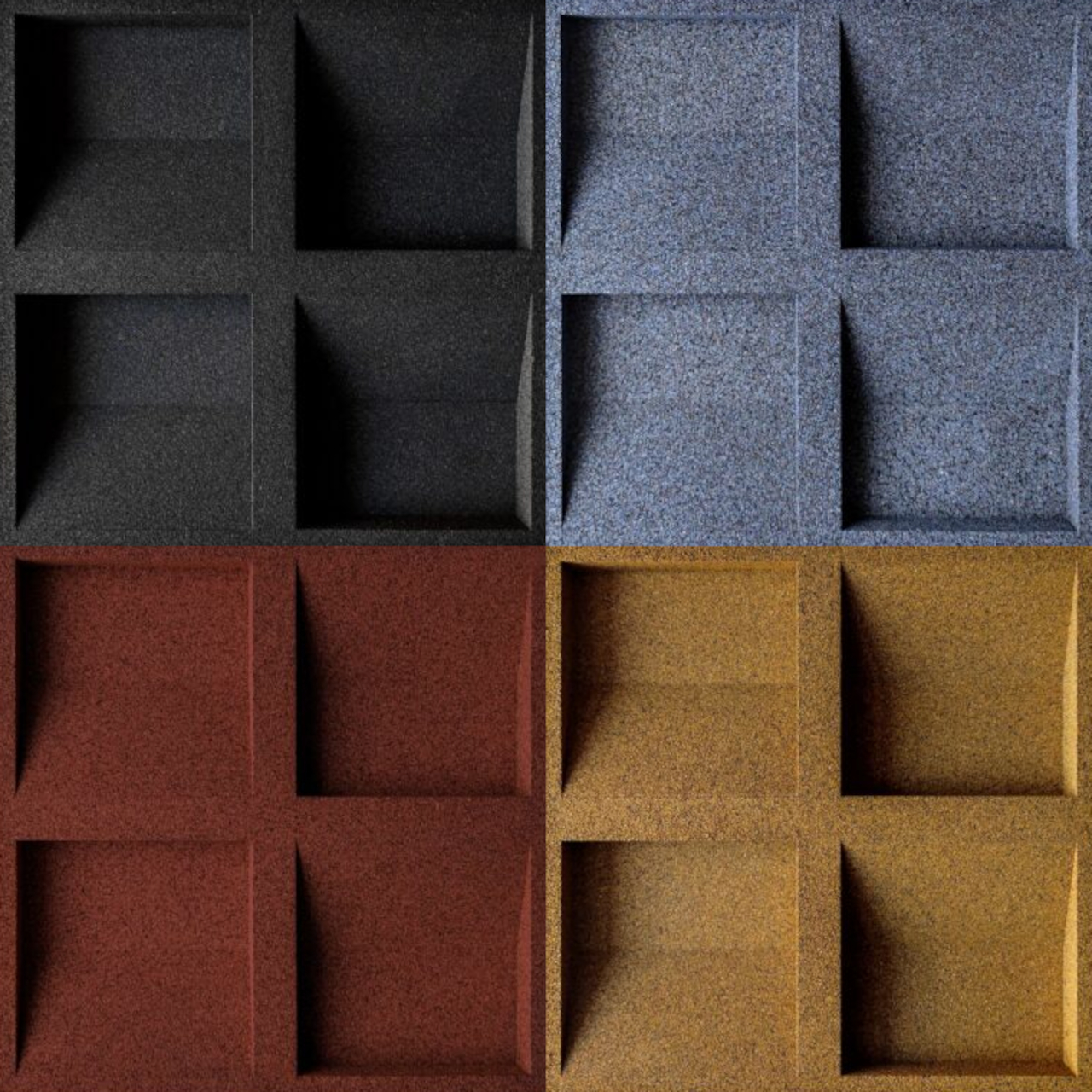
Consider acoustic panels for your office or co-working space when soundproofing isn’t an option. They reduce noise and can serve as room dividers. Baux, a Swedish brand, prioritizes sustainability by using recycled PET plastic and virgin plastic for binding. The panels, with a felt-like texture, undergo a process of chipping, melting, and binding for effective sound absorption. Available in various sizes and colors, they offer both functionality and minimalistic design.

Designer: Mogu

Mycelium, nature’s hidden strength, finds diverse applications from cooking to construction. Italy-based Mogu’s Foresta System ingeniously combines mycelium with upcycled textiles to create modular acoustic panels, perfect for home building and furnishing. These panels easily attach to a timber frame, featuring integrated magnets for effortless assembly and disassembly. Foresta’s innovative use of mycelium earned it the 2022 German Design Award for its eco-conscious and circular design, highlighting Mogu’s dedication to sustainability.

The post What Is Acoustic Insulation? first appeared on Yanko Design.
Top Ten Color Trends For 2024

In 2024, we can expect a bolder approach to life, as color experts anticipate that colors will be more personal than ever, allowing individuals to express themselves. Whether opting for bold or softer hues, there are no rules but it is all about personal feelings and resonating with the moment. With the primary theme of 2024 centering around home well-being, homeowners are keen on creating spaces that radiate a calm and serene environment. Hence, the featured color trends play a crucial role in establishing environments that offer respite from the fast pace of day-to-day life.

What factors should you consider when picking a color?

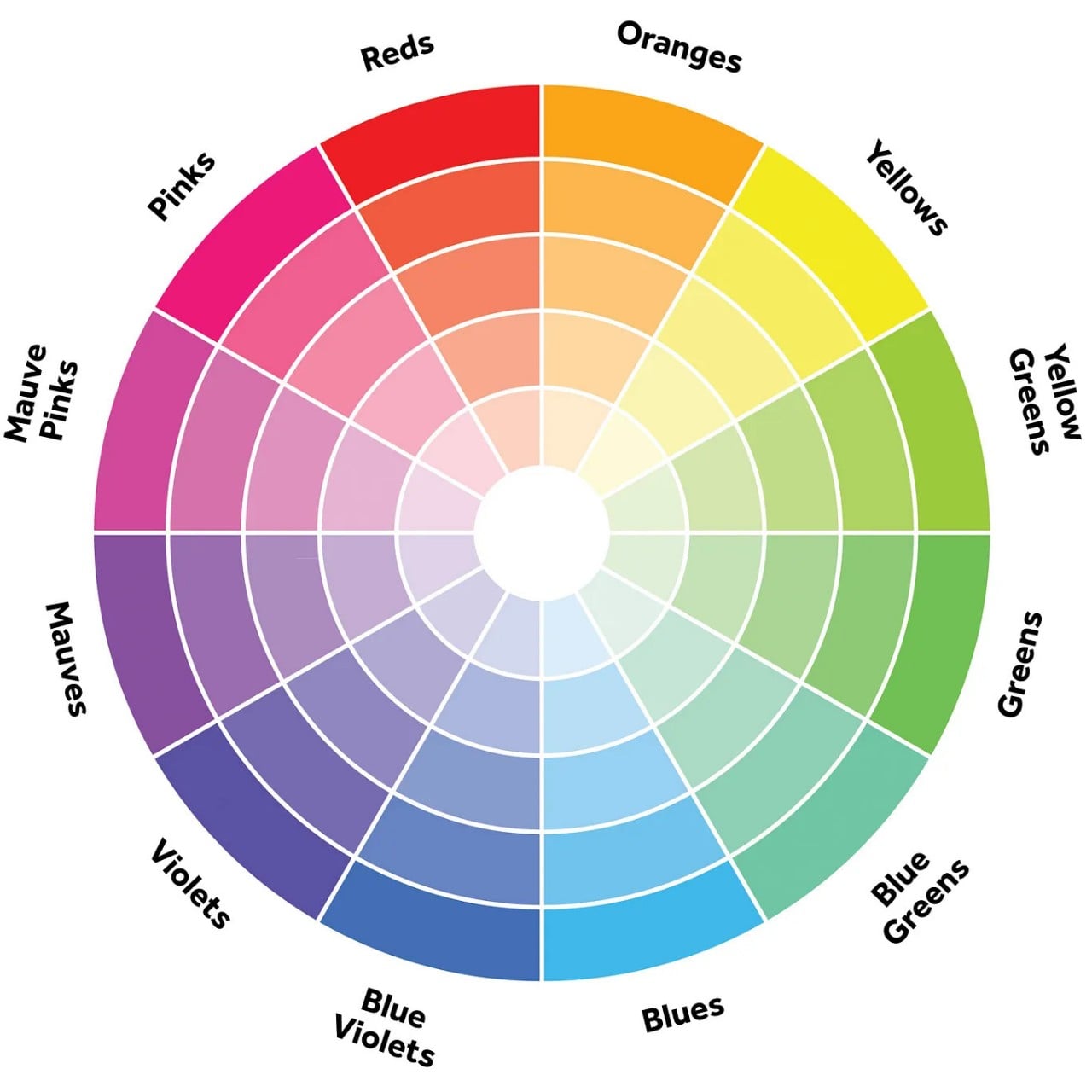
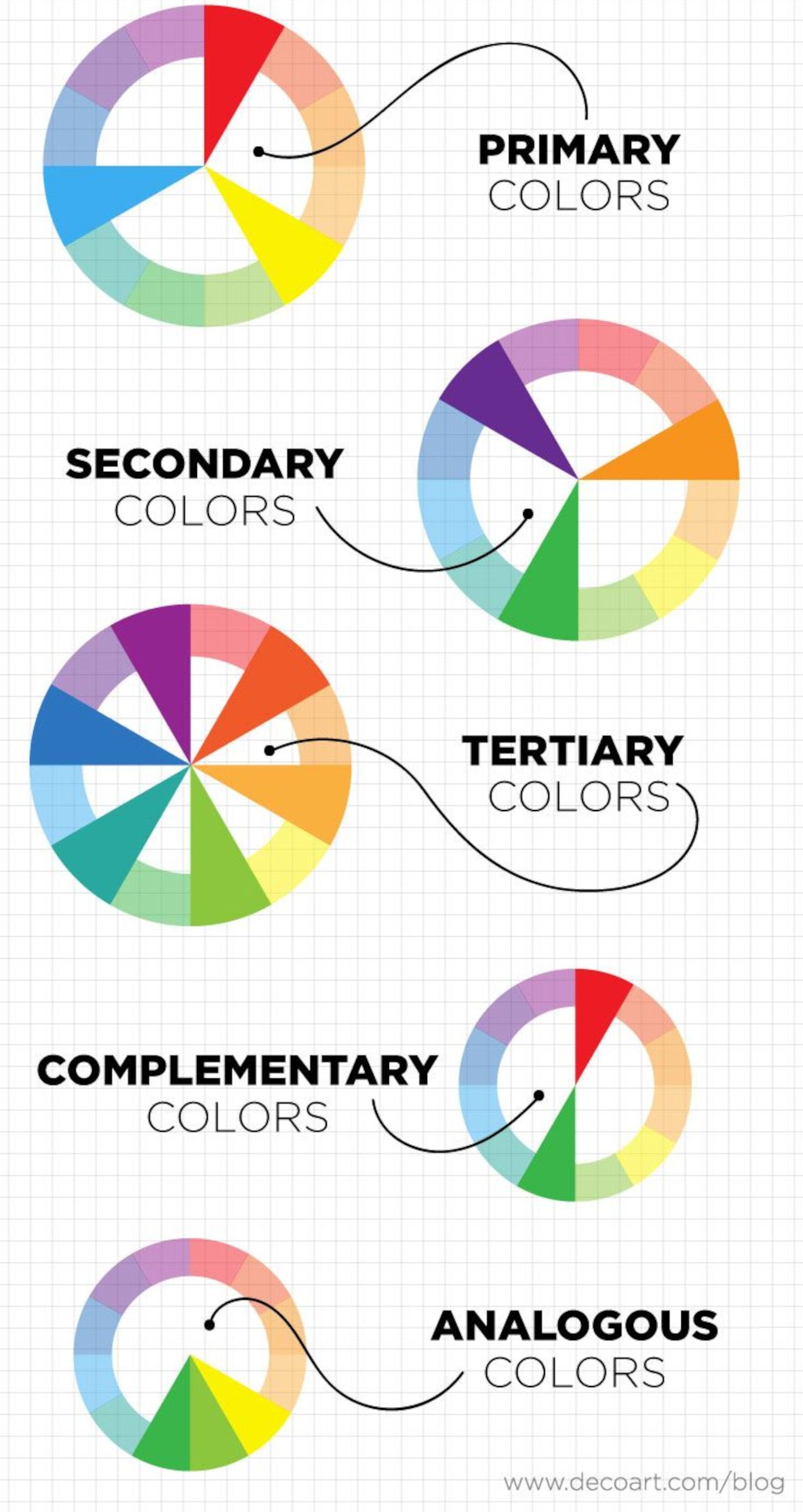
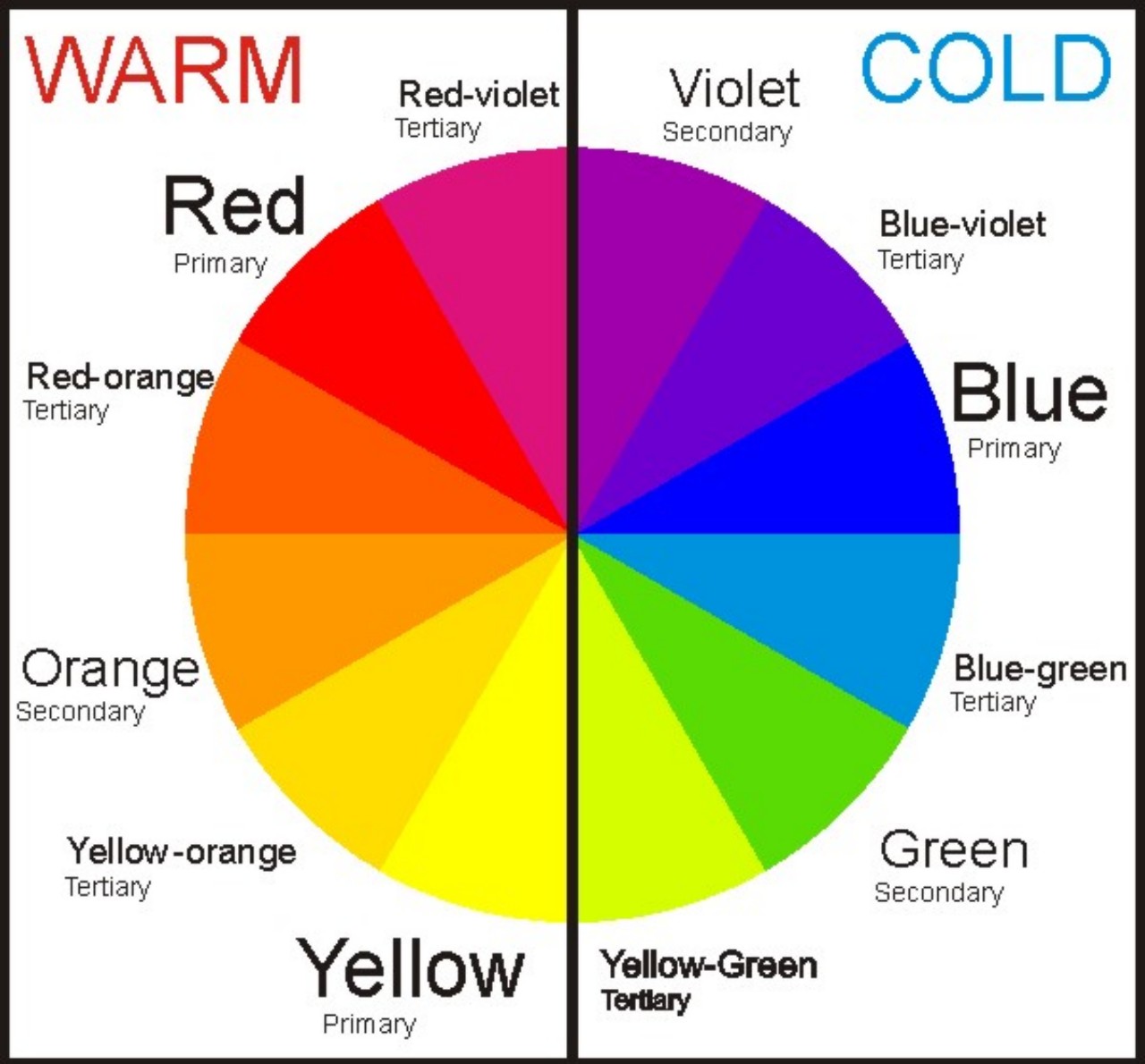
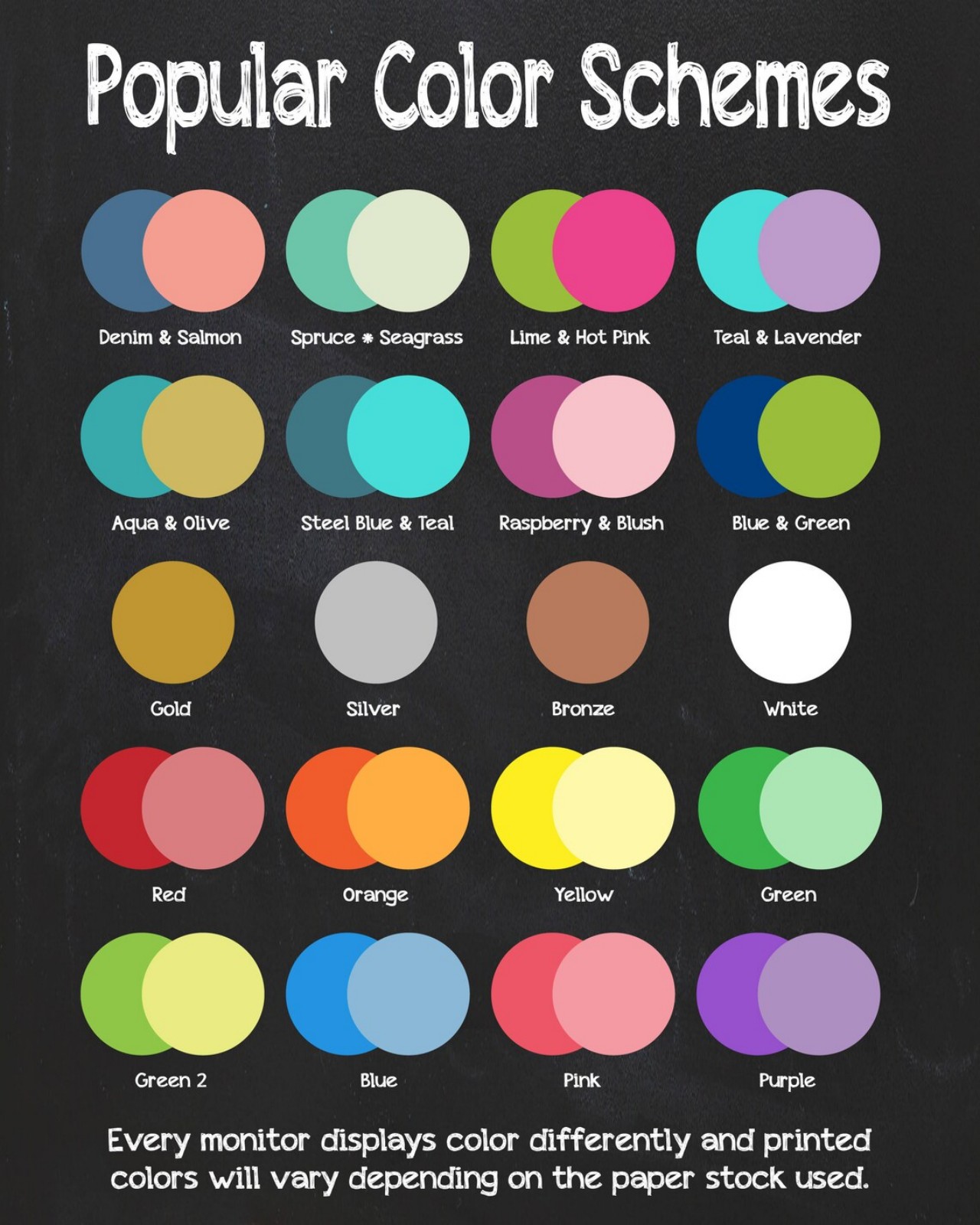
Consider the lighting, existing furniture colors, and the desired mood that you aim to achieve when choosing a paint color. Lighter tones, like creamy white and neutral hues of grey, create a brighter and more spacious feel, while darker shades such as deep purple and warm orange or red make a bold statement, fostering a cozy atmosphere. Also, when choosing the suitable colors for your home, consider its psychology, as it explores how colors influence human behavior and emotions and can impact mood and decision-making, subject to individual preferences and cultural influences.

Check out the trending colors of 2024 and make sure to choose the colors that are best suited for your home.

1. Cool Blue

Image courtesy of: archideaphoto

Blue is a timeless color that maintains popularity because of its natural connection with the blue skies and calm water. Some of the airy and watery tones include refreshing aqua blues, teal, turquoise, and serene shades that aim to create tranquil spaces. Additionally, blue has evolved into a contemporary neutral for modern homes, offering versatility to mix and match across various design styles and applications. The best part about using blue color is that lighter shades of this color have an inherent lightness that uplifts the décor of any room with ease.

2. Versatile Purple

Image courtesy of: archideaphoto

Across fashion and interiors, purple shades, once linked with wealth and royalty, are now infused into contemporary aesthetics, bringing a fresh dynamic to color schemes. The color purple exudes calmness and luxury, with deeper shades of purple adding playful depth for a sense of opulence in the interior decor. Soft and muted shades of purple are gaining popularity and complement hues of pinks, greens, and blues as they bring an element of dynamic energy into the interiors. Dark mauves are emerging as a significant color trend in 2024, possessing a versatile quality that reads as neutral yet remains lively and bold. Its compatibility with many colors makes it an easy and versatile hue to work with. With its profound and rich undertones, the color purple radiates sophistication and charm

3. Peach Fuzz

Image courtesy of: Pressmaster

In 2024, the trend is all about pinky peaches, with Pantone naming 13-1023 Peach Fuzz as the Color of the Year. Pantone’s Peach Fuzz stands out as a warming color that offers comfort and connectivity. In a world that can feel harsh, the preference for soothing, soft, and warm colors that offer comfort is evident. Whether used as a textured rug or an accent wall in a dining room, it brings a convivial atmosphere to spaces, capable of complementing traditional neutrals and standing out in vibrant color schemes. This pinkish-orange hue can instantly cozy up your bathroom, bedroom, or living room during your next home makeover.

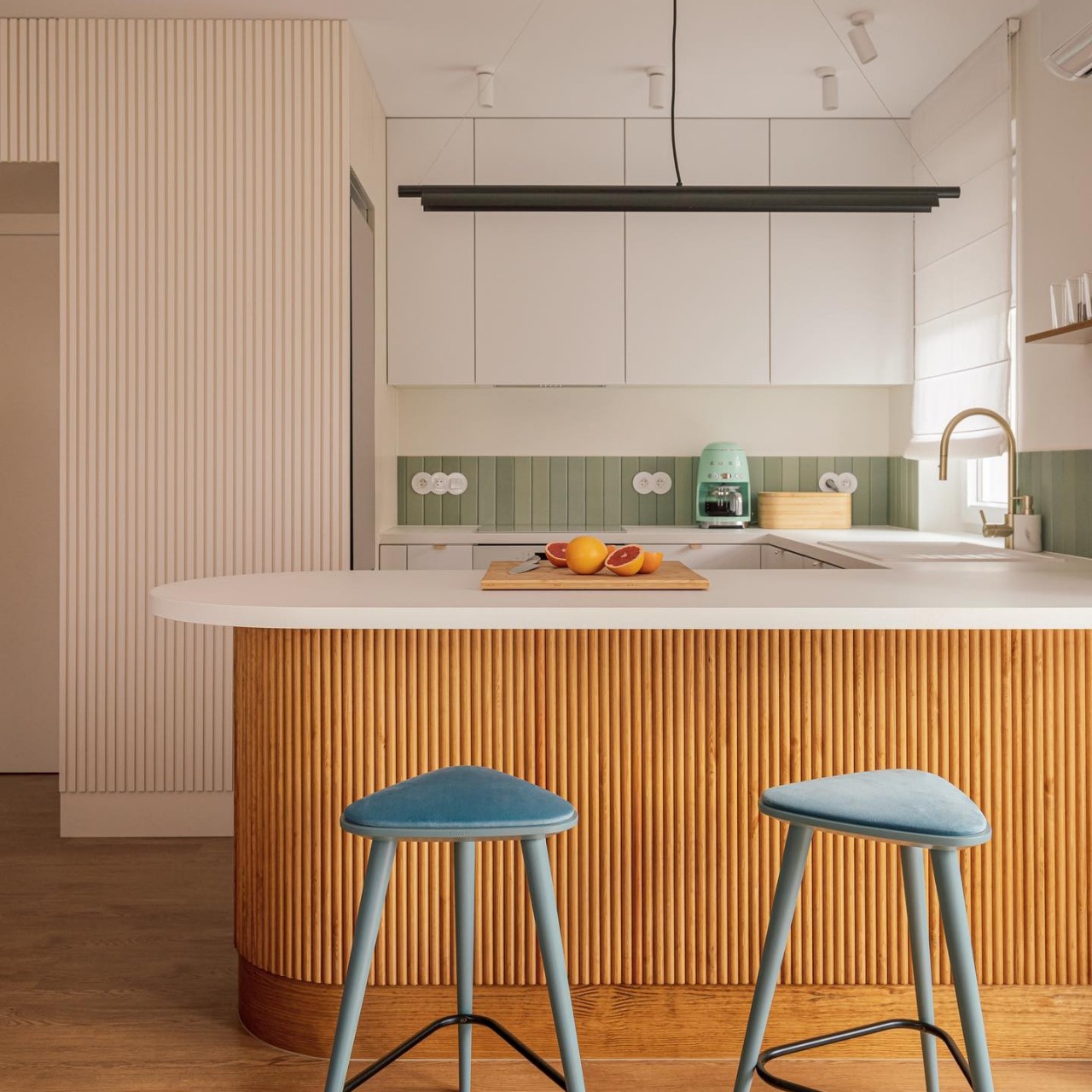
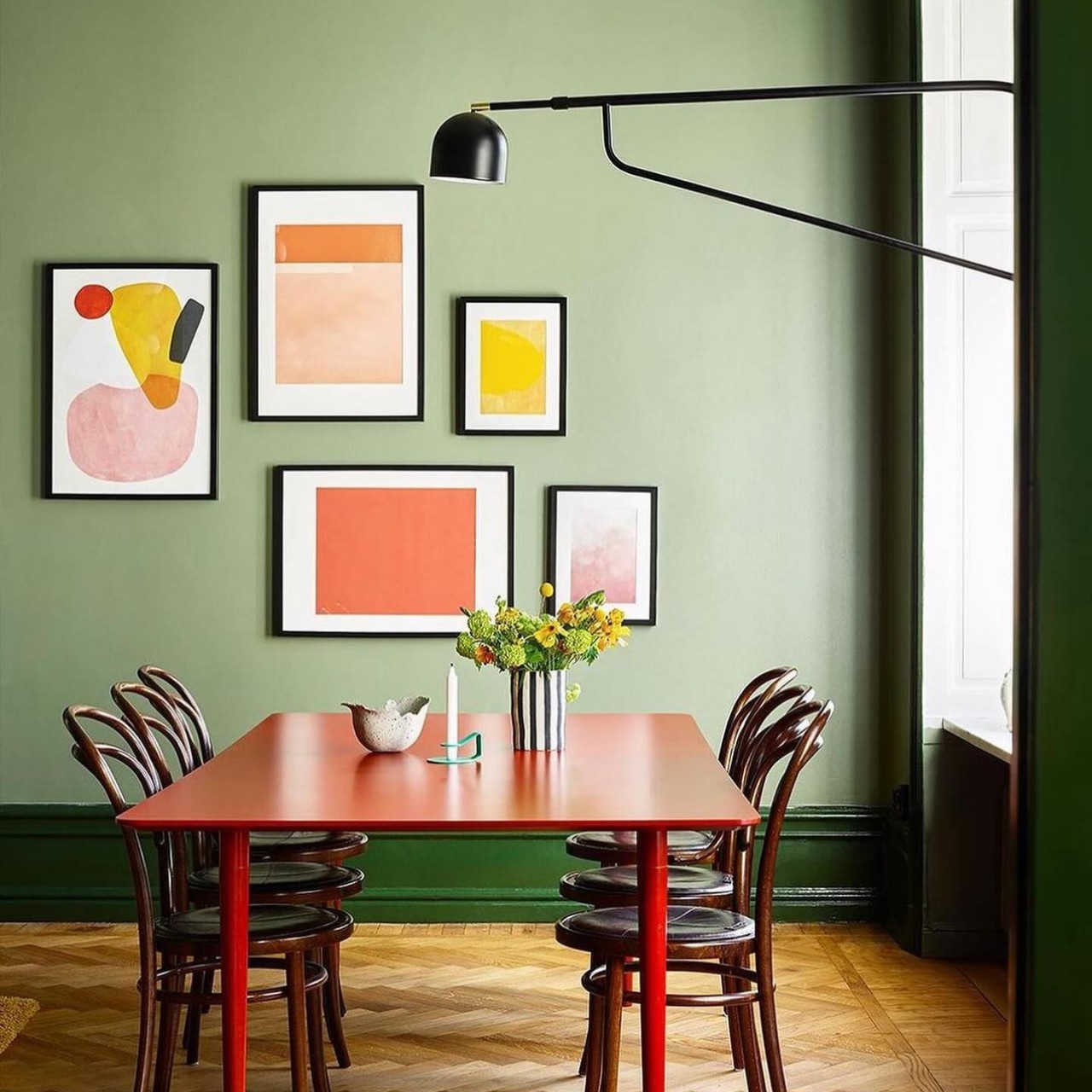
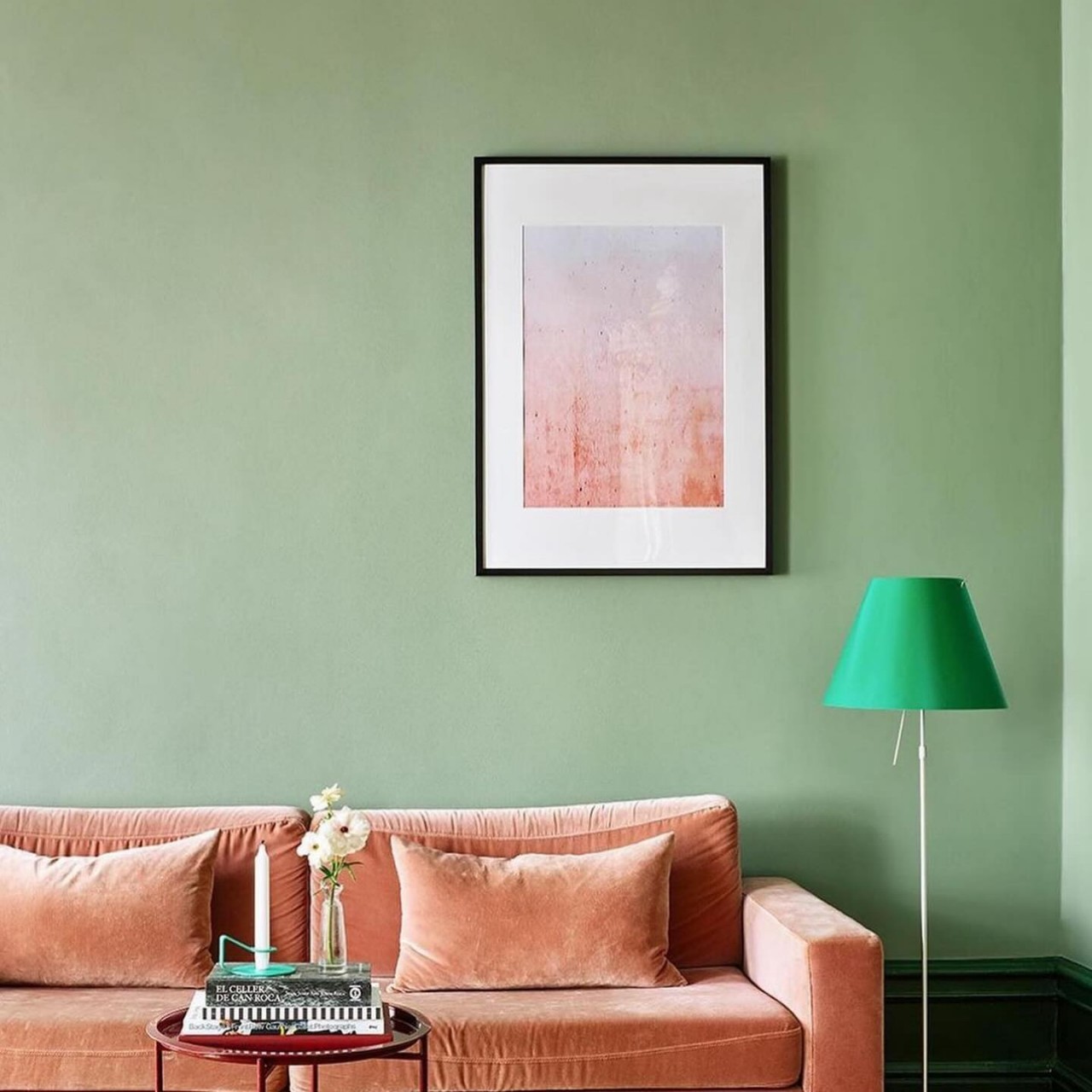
4. Earthy Greens

Image courtesy of: FollowTheFlowStudio

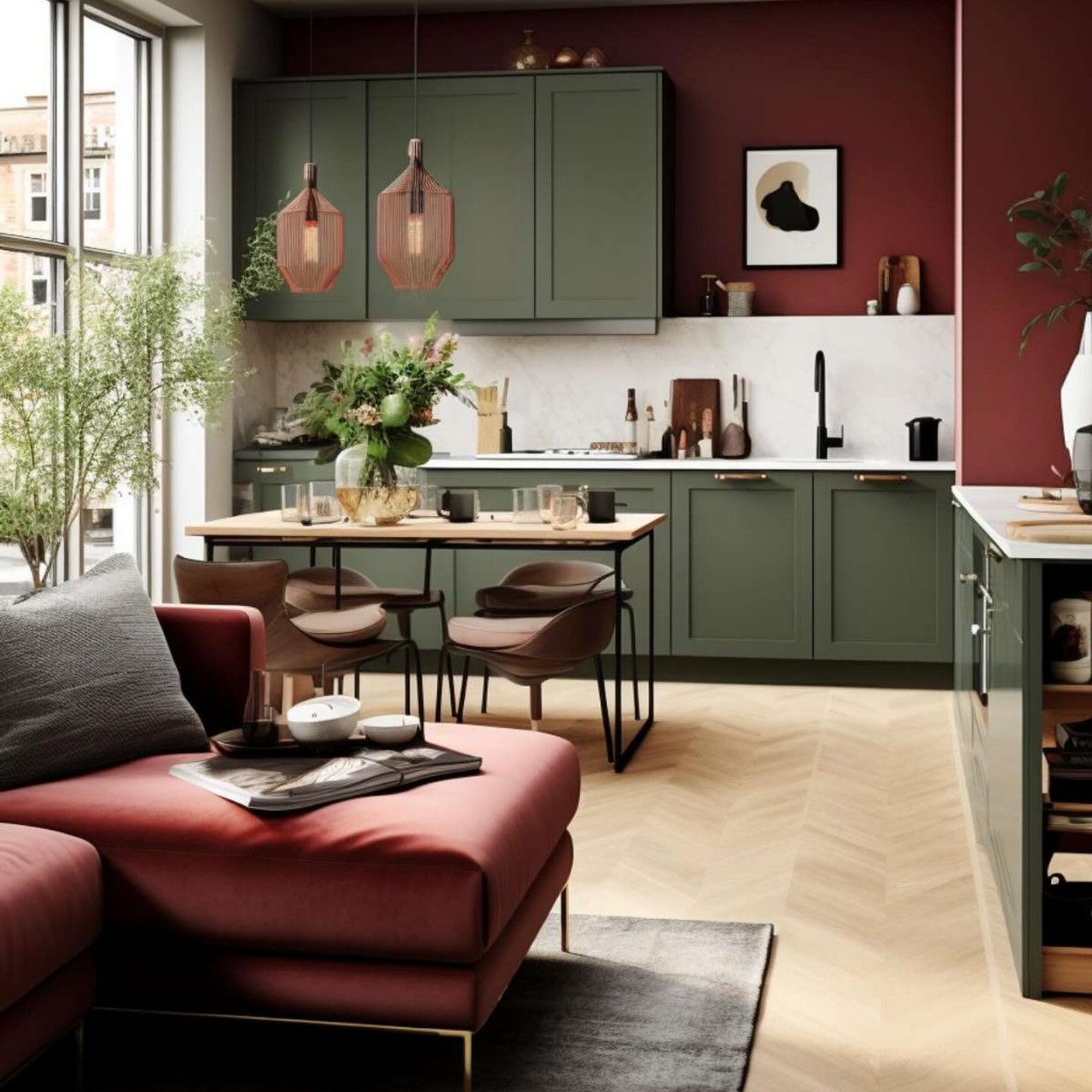
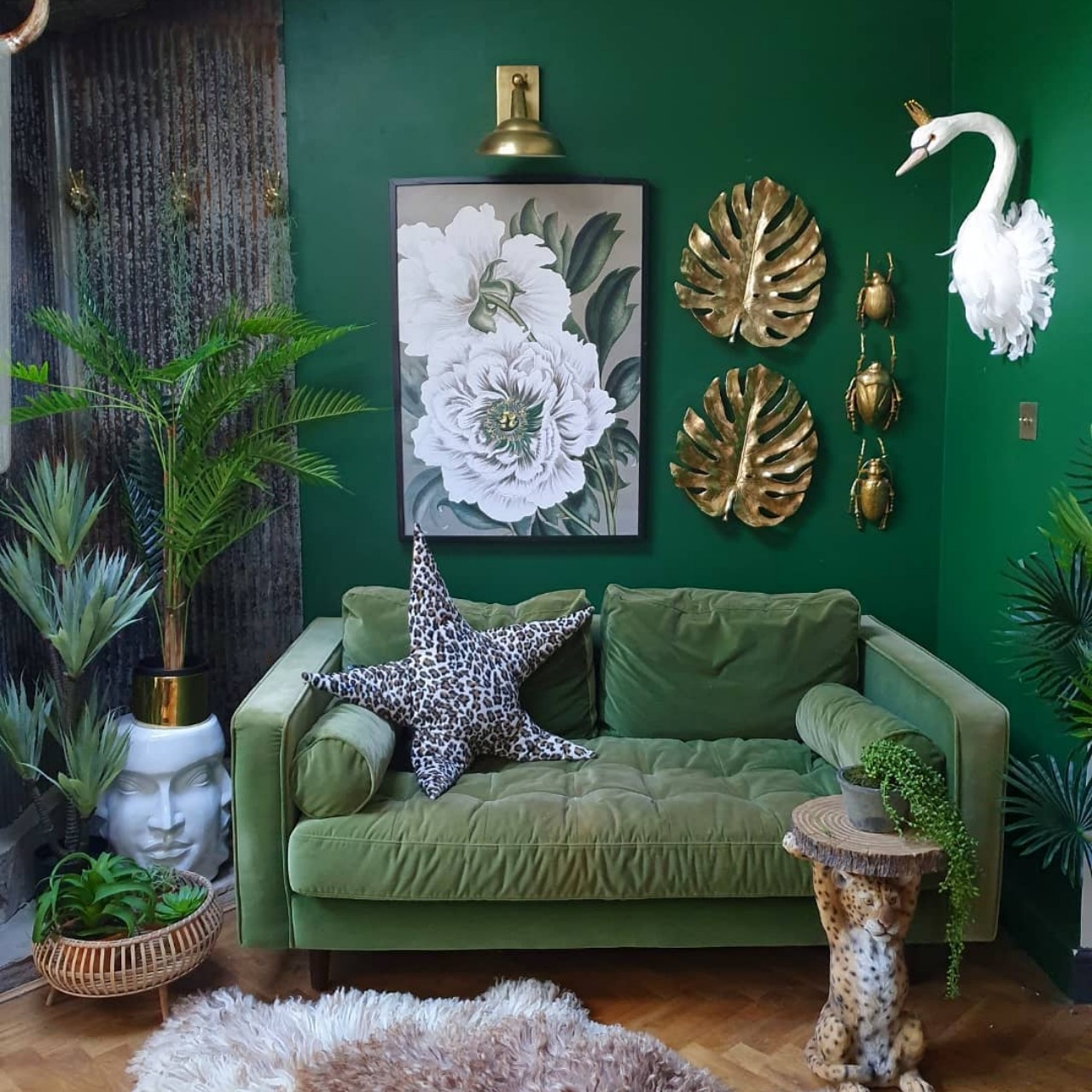
Shades of green are expected to maintain their immense popularity in interior design as individuals continue to embrace biophilic design, seeking a heightened sense of wellness inspired by nature. Green imparts a grounding and warm ambiance to spaces, crafting contemporary and atmospheric room designs. The color green contributes depth to a space and blurs the boundaries between the exterior and interior. In addition to earthy tones, rich greens are anticipated to gain prominence along with darker shades that exude elegance. Emerald green, a jewel tone that is both saturated and not overly bright, is making a major statement, bringing a rich mood and depth of color to various spaces. Note that dark green, when paired with complementary colors, can introduce balance, drama, or a sense of tranquility to a room.

5. Warm Neutrals

Image courtesy of: vanitjan

There is a renewed love for neutrals, especially in bedroom trends, which fosters a restful ambiance and a comforting sanctuary. Pairing warm creams with soft terracotta or deep red tones adds depth, while incorporating layers of texture within neutral schemes brings tactility. Note that warm off-whites and cream tones are becoming the go-to neutrals for 2024 and designers as well as homeowners currently favor these warm neutrals to counterbalance the coldness induced by LED lighting. Whether applied to walls, ceilings, woodwork, or furniture, these comforting and warm neutrals are suitable for diverse design styles, imparting timeless charm and a sense of relaxation to all spaces.

6. Tone-on-tone Color

Image courtesy of: bialasiewicz

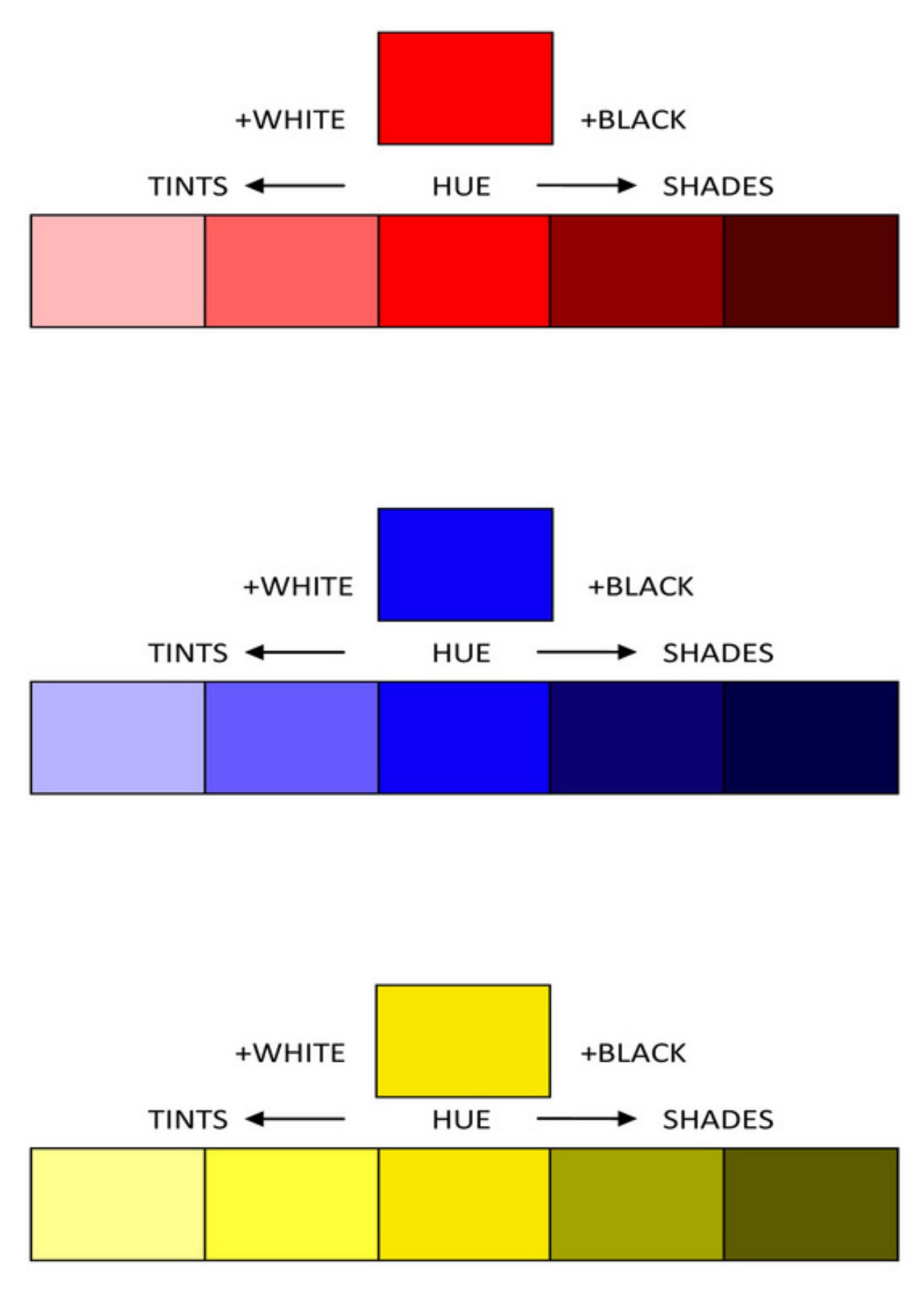
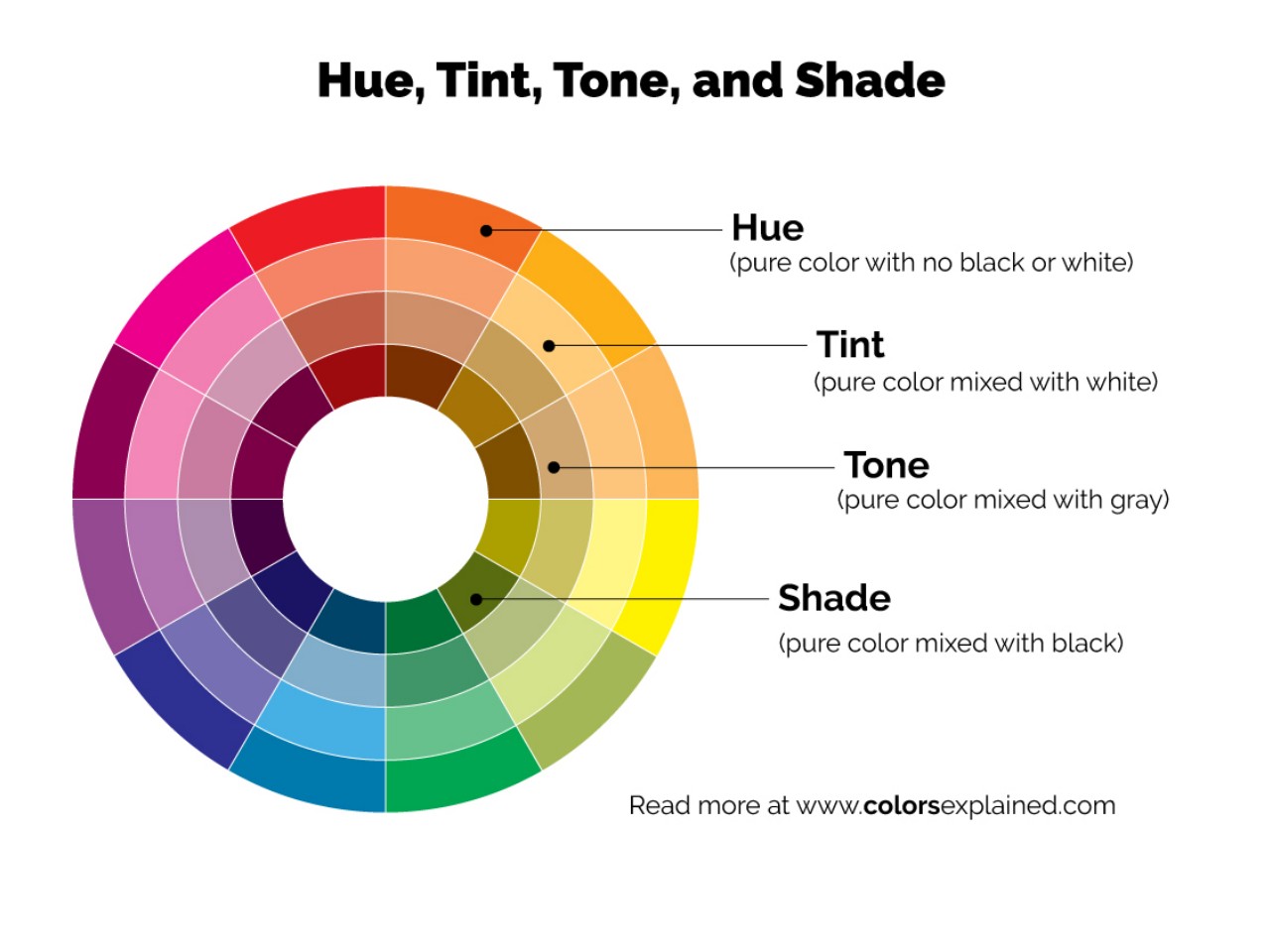
Tone-on-tone palettes revolve around a single core hue, incorporating various shaded tones within that spectrum for a harmonious color scheme. You can use diverse paints on your walls and seamlessly complement them with furniture, textiles, and accessories. Anticipate the prominence of monochromatic color schemes in both indoor and outdoor spaces, where the blending of colors from the same family exudes sophistication and an effortless sense of chic.

7. Black

Image courtesy of: hemul75

Darker black tones are gaining prominence as the primary color choice, serving as a bold accent and becoming the focal hue for smaller spaces, while the appeal of a softer black shade lies in its inviting, versatile, and timeless qualities. This bold and strong color is highly versatile, making it easy to incorporate into any style of decor.

8. Soft Pinks

Image courtesy of: dit26978

Pink is being used in modern ways, making it more interesting, especially when different shades are combined to create a sophisticated atmosphere. The gentle blush of soft pink makes it a perfect neutral choice for smaller rooms or spaces with limited natural light, as its warm undertones contribute to elevating the color and adding depth. Soft pink is ideal for establishing a tranquil atmosphere in the home, introducing subtle hues that effortlessly harmonize with a wide range of other colors.

9. Rich Brown

Image courtesy of: hemul75

Embrace a luxurious blend of warm earthy tones, crafting a design environment that exudes both a grounded and welcoming atmosphere. One such color is rich brown which infuses depth and sophistication into the design narrative. The inviting richness of brown is perfect for traditional and contemporary themed interiors, making it an ideal backdrop for a cozy space. Throughout 2024, earthy browns are expected to continue dominating our homes as there is a growing inclination to connect with nature for enhanced well-being

10. Soft Terracotta

Image courtesy of: lytvynliliia

Terracotta infuses warmth into spaces, capturing attention and creating an inviting, cozy indoor ambiance while subtly evoking the essence of the outdoors. Soft terra-cotta tones are becoming increasingly popular, especially in spaces like living rooms and kitchens, where they enhance positive interactions and conversations. This inviting shade not only refreshes a space but also functions as a sophisticated neutral for those exploring alternatives to whites, beiges, and creams. The best part of introducing earthy terracotta hues is that it fosters a sense of comfort in the home and introduces a burst of vibrant energy while retaining a gentle aesthetic.

The post Top Ten Color Trends For 2024 first appeared on Yanko Design.

How To Organize A Successful Home Renovation

Beginning a home renovation is thrilling yet daunting, demanding careful planning at every turn. Note that a successful renovation primarily depends on meticulous planning and organization. Here is a step-by-step comprehensive guide that will explore all the essential aspects of planning and organizing a home renovation or remodel.

Image courtesy of: bialasiewicz

1. Create a Realistic Budget

The first step of any home renovation is establishing a realistic budget and organizing your finances. Gain an accurate picture by talking to contractors to know how much money will go into it. Make sure to avoid financial strain that may pose stress in the long run. Know the cost of labor, materials, contingencies, and unexpected plumbing and electrical expenses.

2. Get Inspired

Image courtesy of: pro_creator

After establishing your renovation budget, make sure to go through design magazines and social media platforms such as Instagram and Pinterest for inspiring home projects. Take into account your house’s architectural style, be it traditional Victorian, modern, or contemporary, and draw inspiration accordingly.

3. Develop a Renovation Plan

Image courtesy of: Andy_Dean_Photog

For significant renovations, it is important to create a comprehensive roadmap. Start by listing areas to update, and prioritizing projects based on urgency and season. The steps include drafting a preliminary design, setting a realistic timeline, discussing plans with a contractor, and remaining flexible to address unexpected obstacles. Make a note that your project plan should also comprise a list of tasks you can do yourself and those you intend to hire a professional for.

4. Collaborate with an Architect

Image courtesy of: YuriArcursPeopleimages

Careful planning and design are essential to prevent unexpected changes that may raise costs and extend the project duration. Collaborate with an architect or designer to develop comprehensive plans and drawings. This process enables you to envision the outcome, make well-informed choices, and receive precise cost estimates from contractors.

5. Appoint a Reliable Contractor

When choosing a contractor, never say yes to the first bid or the lowest bid. Obtain at least three bids, review contracts thoroughly, and ensure the contractor has liability and worker’s compensation insurance. This will surely help you to compare costs, and assess the skills and professionalism of the contractors.

6. Secure Permits

Before beginning major renovations, ensure you secure the necessary approvals and permits from local authorities. Failing to obtain these permits can lead to fines or project delays. Additionally, research your area’s building codes and zoning regulations to understand what is permissible. This step is crucial to ensure that your renovation complies with legal standards. Collaborate with your architect, designer, or contractor to grasp the specific permits and approvals needed for your project. With their expertise in local regulations, they can assist you in navigating the process and preparing the necessary documentation for permit applications.

7. Create a Timeline for Your Project

Once your budget and team are in place, establish a timeline. Choose a start date and work backward if you have a completion deadline. Collaborate with contractors to determine task durations and sequencing. Ensure your timeline includes clearing the project area, material delivery, contractor breaks, and buffers for unexpected issues.

8. Phase-wise Renovation

Image courtesy of: YuriArcursPeopleimages

Dividing your renovation into stages enhances cost and time management. Start with critical phases like structural work or major installations to prevent delays from unexpected issues during these crucial stages.

9. Explore DIY Opportunities

Image courtesy of: Manuta

Assess your skills and the project’s complexity to determine if you can handle certain tasks yourself. DIY endeavors, particularly for simpler tasks such as painting, landscaping, or minor repairs, can help in reducing costs.

10. Communicate

For successful home renovations, maintain regular communication with contractors. Set a plan for project updates and request immediate notification of any issues. Schedule walkthroughs to ensure specifications are met but avoid micromanaging.

11. Unforeseen Challenges

Prepare for challenges that may arise during your remodeling project by allocating a budget cushion and adding extra days to your timeline. Even the most detailed plans can encounter unexpected issues, but taking a proactive approach can help minimize stress and expenses. Keep in mind common renovation challenges such as foundation cracks, water damage, and outdated electrical work, and address them promptly with professional assistance to ensure the smooth progress of your project.

12. Step-by-Step Checklist for Renovation

Dividing your renovation into phases can improve cost and time management. Begin by prioritizing essential phases, like structural work or major installations, to address first. This approach helps avoid delays resulting from unforeseen issues that may arise during these critical stages.

• Planning and Design

Image courtesy of: nutthasethw

The first step is planning and design, where it is important to collaborate with your designer and builder to convey your requirements, obtain permits, and finalize drawings, layout, and any changes in walls, if necessary.

• Demolition and Reconstruction

Image courtesy of: Iakobchuk

Demolition may involve tearing down walls and removing everything except key structural elements and exterior walls. The extent of this phase depends on your plan, ranging from extensive rebuilding to merely framing a few new walls.

• HVAC, Electrical, and Plumbing

Image courtesy of: photovs

This step includes elements and typically runs concurrently with rebuilding and framing. Anything that needs to go inside floors, walls, or ceilings will be completed in this step. It could include some minor plumbing and electrical adjustments or be a full rewiring or replumbing of your home.

• Walls

Image courtesy of: Tatiana_Mara

After reframing and rebuilding, with all mechanicals and insulation in place, drywall is installed. It’s taped, mudded, dried, and sanded for smoothness. Then, the walls are ready for primer, paint, or other finishes. Many contractors prefer painting now to avoid drips or overspray on final touches.

• Window Installation

Installing windows is a crucial aspect of home renovation. While some may attempt DIY installation, it’s important to note that this could void the manufacturer’s warranty. Review warranty requirements carefully and consider professional installation to safeguard the warranty and prevent future issues.

• Flooring

Image courtesy of: Manuta

If you choose wooden flooring, it’s best to wait until the painting is done and dust settles before installing it. For tiles, you can install them before the painting starts. Keep in mind that laminate, solid hardwood, engineered wood, or carpet are suitable for living and bedroom spaces, while vinyl, tile, or marble are better options for bathrooms and kitchens.

• Install the Cabinets

The last step is putting in the kitchen cabinets, finishing up the kitchen, and making a big improvement to the entire space, so you can see how it’s all coming together. Install the kitchen appliances and make sure that there are adequate plug points for each appliance.

• Finishing Works

DIY tasks like painting walls, hanging wallpaper, and staining trim are common for homeowners. It’s best to schedule these tasks towards the end of the renovation to avoid damage. Deciding whether to paint before or after flooring installation requires careful planning to prevent mishaps.

• Exterior Paint

Image courtesy of: ShintarTatsiana

As the interior of the house nears completion it is time to pay attention to the exteriors. With most of the house finished, it’s now safe to install gutters and siding alongside the external paint.

In conclusion, efficiently managing time and costs during a home renovation demands thorough planning, effective communication, and precise execution. By setting clear goals, establishing a realistic budget, and adhering to these guidelines, you can ensure a successful renovation.

The post How To Organize A Successful Home Renovation first appeared on Yanko Design.
Top Ten Common Interior Lighting Problems Solved In Your Home

In interior design, lighting is a crucial element that binds the space together. It serves both a functional purpose and adds the final touch to the design. However, lighting can present various challenges in interior settings and poor lighting design can adversely affect the well-being and productivity of occupants, Here are solutions to some common lighting issues that can be present in your home.

Designer: Nat Martin and Sean Hammett

Problem 1: No Natural Light

One of the biggest lighting problems is insufficient lighting due to a lack of natural light or inadequate artificial illumination, which may result in eye strain, headaches, and fatigue. If your home lacks natural light, it is important to create a bright and airy feel with clever lighting choices. In spaces that lack natural light, opt for light-colored walls as these surfaces reflect light and create a bright and spacious atmosphere. This is achieved by bouncing light around the room. Make a note that dark walls and surfaces tend to absorb light and reduce the overall brightness of the space. It is important to use a mix of light sources to maximize brightness choose reflective materials like glass and metallics, and strategically position the mirrors to enhance the luminosity.

Image courtesy of: Mint_Images

Problem 2: Incorrect Size of Lighting Fixtures

Image courtesy of: leungchopan

When designing any space, make sure that the ceiling-mounted lights and pendant lights match the proportions of the room. Note that small fixtures might not offer enough light, while oversized ones can overpower the space. Additionally, proper spacing of recessed lighting is essential to prevent having an overly bright space. Therefore a thoughtful lighting plan is important to have a balanced lighting scheme. Consider adding a dimmer switch for flexibility in brightness adjustment to suit your needs or mood. For instance, dimming the lights during movie nights is important, and adding a dimmer switch, along with other lighting tips, will ensure that the house is illuminated perfectly.

Problem 3: A Cold Ambiance

White light or a single source of white light can create a cold and uninviting atmosphere within the home. The various types of lighting can be categorized as either “warm” or “cold.” Blueish-white light tends to feel colder and more energizing, while yellow-white light is warmer and induces relaxation. Note that lightbulbs emit light with a color temperature measured in Kelvin (K) where lower Kelvin values indicate warmer light. Choose lighting within the range of 2,500-3,000K for relaxing areas like the living room, dining room, or bedroom. Incorporate a layered lighting scheme to create a warm and cozy atmosphere. This can be achieved by integrating ambient, task, and accent lighting at different levels throughout the interiors.
Image courtesy of: LesiaScotch

• Ambient lighting combines natural light and fixtures like ceiling-mounted lights, tube lights, pendant lights, and recessed cove lighting that take care of the overall illumination of the home. Install dimmer switches to adjust the brightness and mood of different areas of the home.
• Task lighting illuminates work areas such as kitchen countertops, study tables, desks, or bathroom mirrors. Adequate task lighting and focused illumination can be achieved with table lamps, floor lamps, sconce lights, and under-cabinet lights.

Image courtesy of: LightFieldStudios

• Accent lighting is primarily used to highlight and add visual interest to decorative elements, architectural design features, wall art, and display cabinets within the home.

Image courtesy of: Studio_OMG

Problem 4: Low Ceilings

Image courtesy of: dit26978

Low ceilings can create a dark, cramped atmosphere in a room. When lighting such spaces, it is important to aim for an even and balanced distribution of light. Avoid using large or low-hanging pendant lights that draw attention to the ceiling and tend to make the room feel smaller. Note that living rooms illuminated solely by recessed downlights often feel clinical and chilly. An easy solution is to angle the recessed lights so they bounce off the walls instead of shining straight down. This softens their effect and instantly adds warmth to the room.
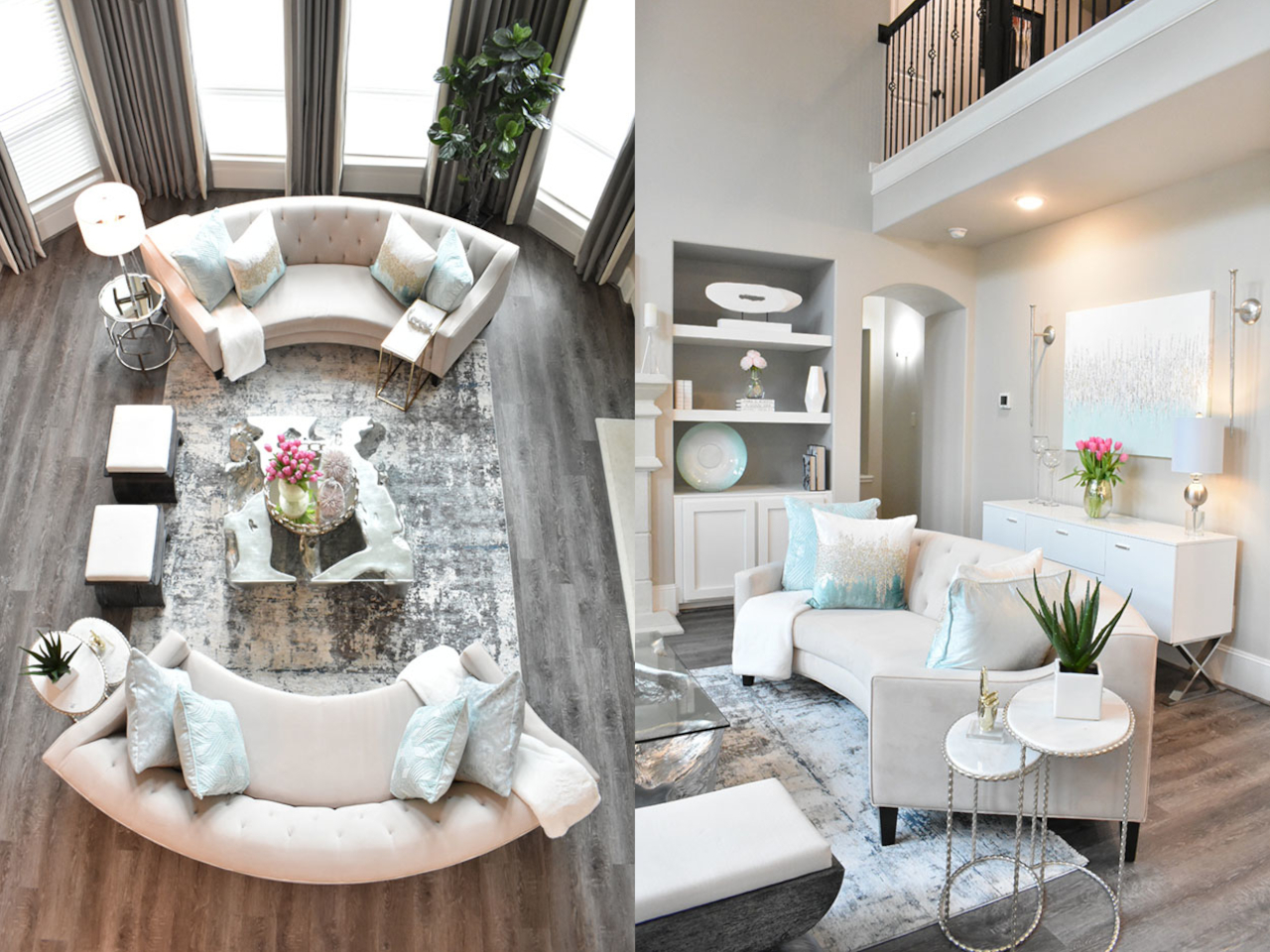
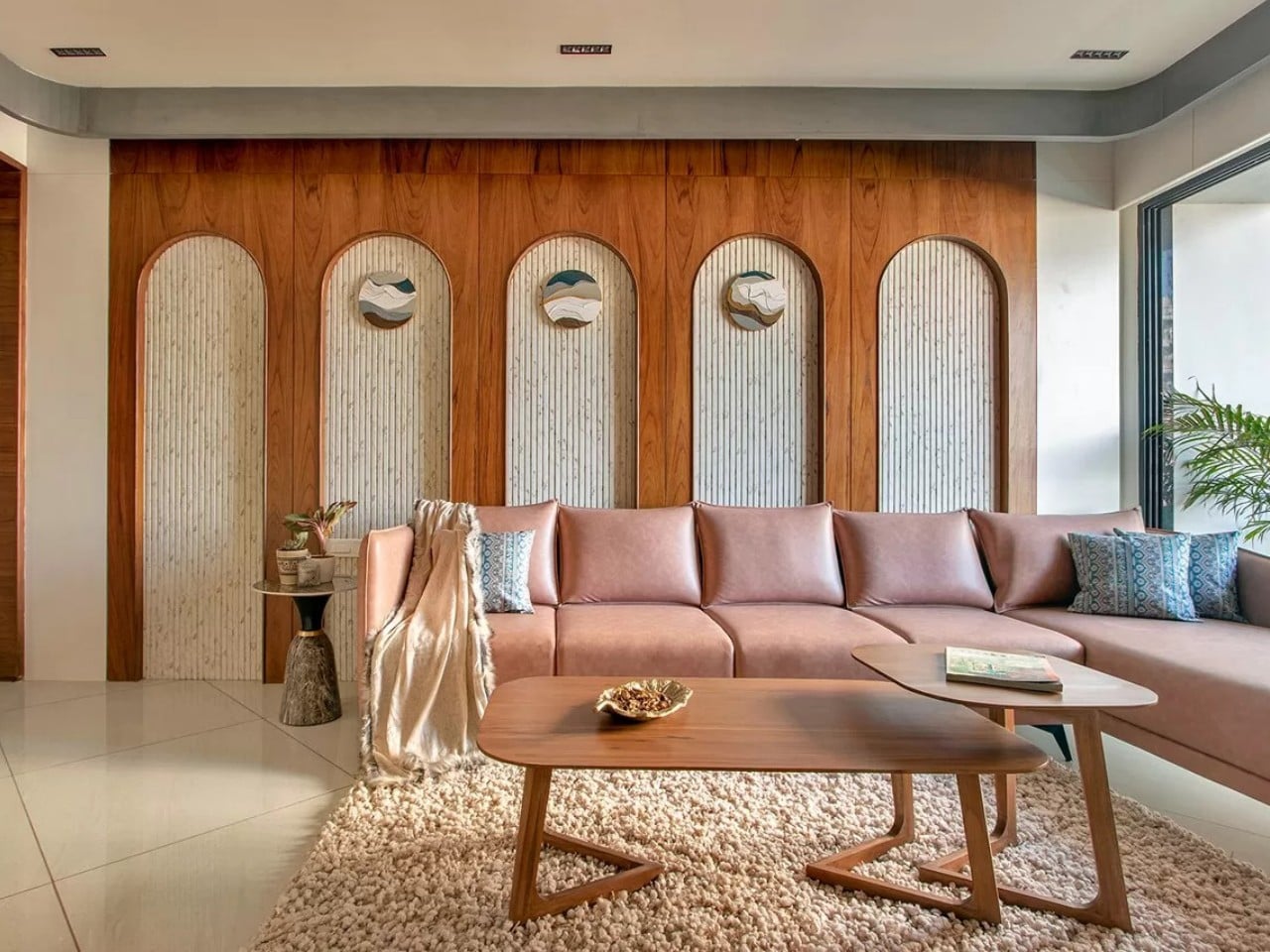
Problem 5: Dark Countertop

Image courtesy of: staRRush

Task lighting is very important in highly functional areas like the kitchen. However, it has been observed that the overhead cabinets cast shadows on the countertop and lead to poorly lit areas for food preparation and cooking. Therefore, it is highly recommended to install under-cabinet lighting to enhance the brightness and achieve focused lighting on the cooktop, especially for cooking tasks. Upgrading pendant lights can enhance islands, with options ranging from chic to minimalist. A combination of under-cabinet and above-cabinet lighting can enhance the overall look and ambiance of the interiors.

Problem 6: Lighting an Open-Plan Home

Open-plan spaces are fantastic but can be tricky to make feel cozy. To achieve a comfortable atmosphere, lighting can be used to demarcate the kitchen, dining area, and living area into distinct zones. The best part is that each zone has its lighting requirements. For instance, the kitchen should have adequate task lighting, while there should be mood lighting in the living and dining areas. By demarcating spaces with lighting, each area can have its purpose and personality.

Problem 7: Eliminate Shadows

Image courtesy of: Mint_Images

As shadows tend to create dark areas within the home, it is important to strategically position the lights to avoid unwanted shadows. In the kitchen, there should be adequate task lighting not only for the countertop but for work areas like the counters and sinks. In the bathroom, avoid bright overhead lights to prevent shadows and go for wall lights on either side of the mirror to provide practical light without shadows.

Problem 8: Glare

Image courtesy of: pro_creator

Glare is a common lighting issue that occurs when bright light or reflections interfere with the visibility of the object. It can cause discomfort especially if there is glare on the TV or computer screen. Note that reflected glare comes from shiny surfaces, while direct glare arises from overly bright fixtures or sunlight. To address glare, it is important to adjust the lighting fixtures, use diffusers or shades, opt for matte surfaces, position screens strategically, adjust monitor settings, control natural light with curtains or blinds, and add task lighting. These measures will effectively reduce glare and enhance comfort alongside productivity.

Problem 9: Flickering Lights

Image courtesy of: vanitjan

Flickering lights can be both irritating and potentially hazardous as it is usually caused due to loose connections, faulty switches, incompatible dimmers, or overloaded circuits. To address this issue, it is important to switch off the power and inspect the wiring for any loose or damaged connections. Make it a point to tighten or replace faulty wires, test switches, or dimmers with a multimeter, and replace any defective lights and switches if any. Additionally, make sure that the circuit load does not exceed the breaker’s capacity by reducing the number of lights or appliances on the circuit. It is important to replace or repair faulty bulbs, that cause flickering and consistent maintenance is essential for averting problems and prolonging the lifespan of the lighting fixtures.

Problem 10: Absence of Decorative Lighting

Image courtesy of: Ulyasage

Make sure that your interior spaces have character and decorate your space with decorative fixtures, such as pendant lights or chandeliers, to add visual interest and enhance the overall aesthetics of the home. Switching from energy-consuming incandescents and fluorescents to efficient LEDs can help conserve both energy and money while achieving the desired aesthetic.

The post Top Ten Common Interior Lighting Problems Solved In Your Home first appeared on Yanko Design.