5 Biomimicry-based Architectural Designs That Copy Nature’s Best Ideas

Designers working across product design and interior architecture view the Amazon not as a backdrop, but as a lesson in how materials, forms, and systems perform under real conditions. Designing in this context means moving away from rigid objects and fixed layouts, and learning from the forest’s logic of layering, adaptation, and response to heat, moisture, and constant change. From furniture to spatial planning, every decision must align with the environment rather than resist it.

This mindset shapes interiors and products that prioritize durability, comfort, and reduced environmental impact. Light is softened through screens, textures, and surfaces that gently diffuse glare, while materials are selected for resilience and tactile warmth. Let’s understand how strong design is defined by solutions that behave like living systems, adaptive, efficient, and quietly luxurious in harmony with nature.

1. Layered Roofs Inspired by the Canopy

In the Amazon, a roof is more than just a cover. It must work like the forest canopy, using layers to control heat and handle heavy rainfall. Instead of a single surface, a layered roof helps reduce heat build-up and protects the interior from extreme weather, creating a naturally cooler living environment.

This can be achieved through a double-layer roof system, with an outer protective layer and an inner insulated ceiling. The space between them allows hot air to escape, improving natural ventilation. Deep roof overhangs further protect interiors by blocking harsh midday sun while letting in soft morning light, creating comfortable, shaded spaces that feel connected to nature.
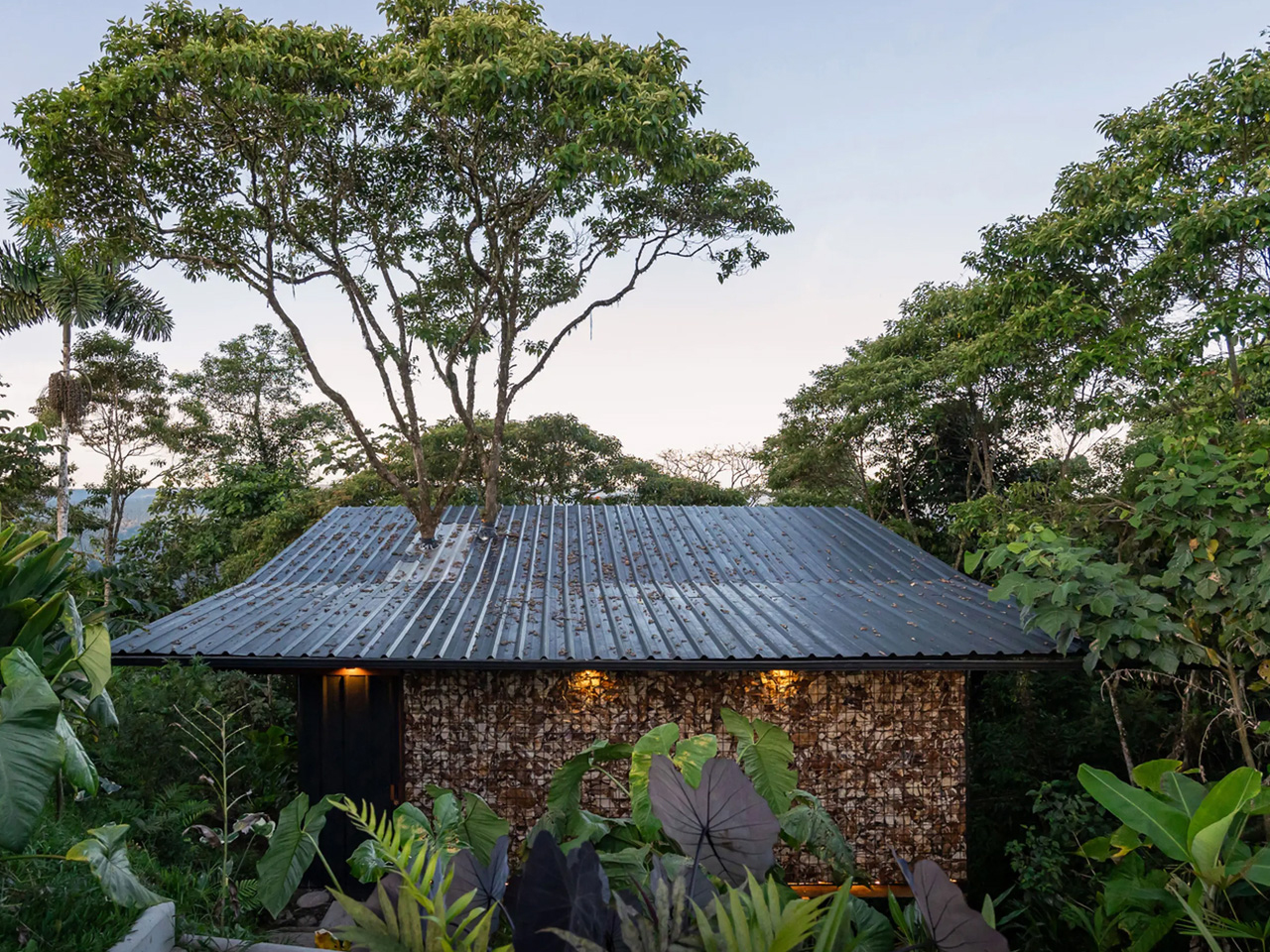
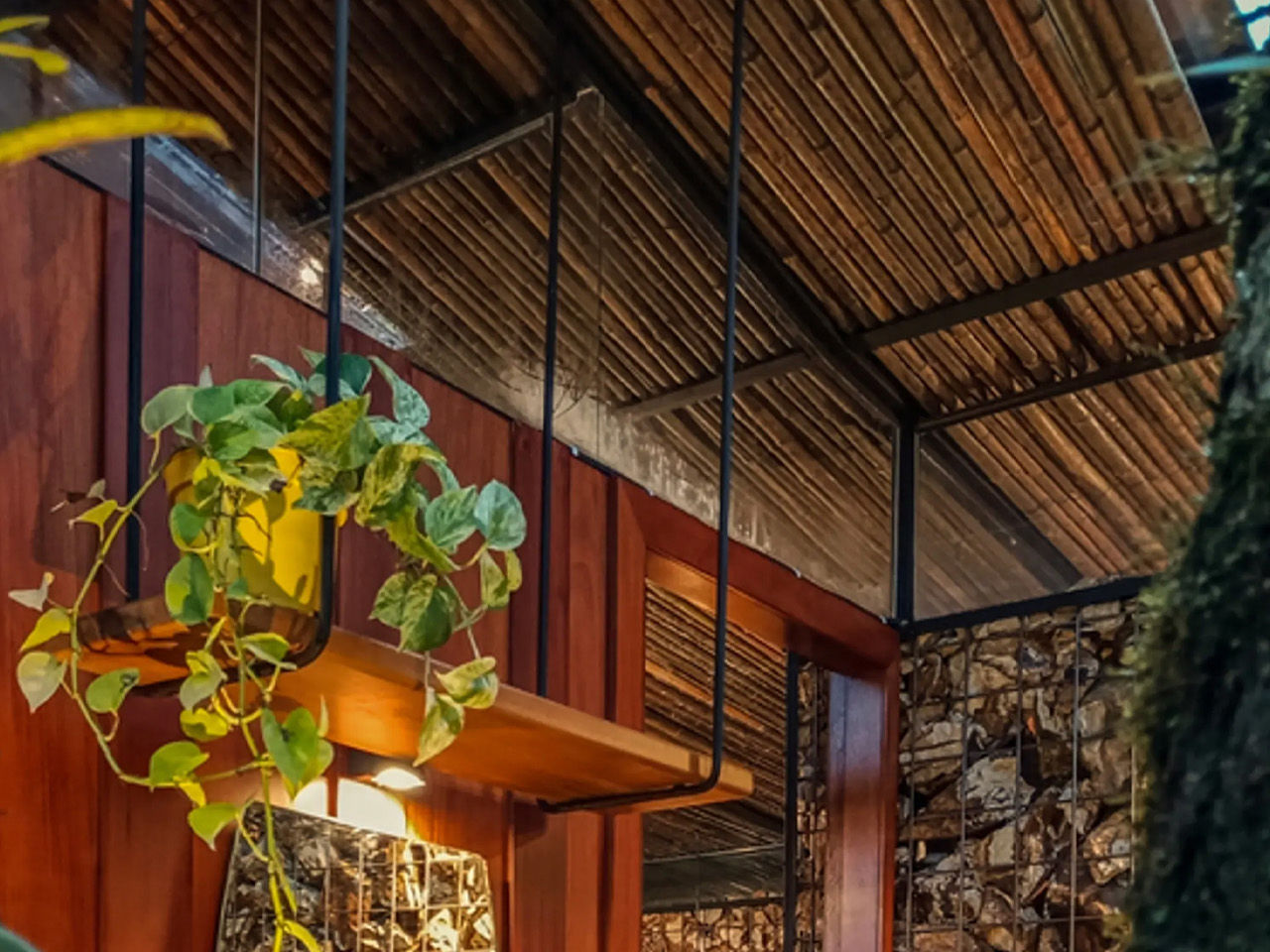
Tucked deep within Ecuador’s Amazon rainforest, A Lodging in the Pigüe is a 484-sq-ft cabin that forges an intimate dialogue between architecture and nature. Designed around a pre-existing Pigüe tree, the structure gently rises around it, allowing the tree to remain untouched while becoming a living component of the home. Located near El Calvario, the cabin seamlessly blends industrial and organic materials, drawing inspiration from tree houses to create a quiet retreat immersed in the forest landscape.
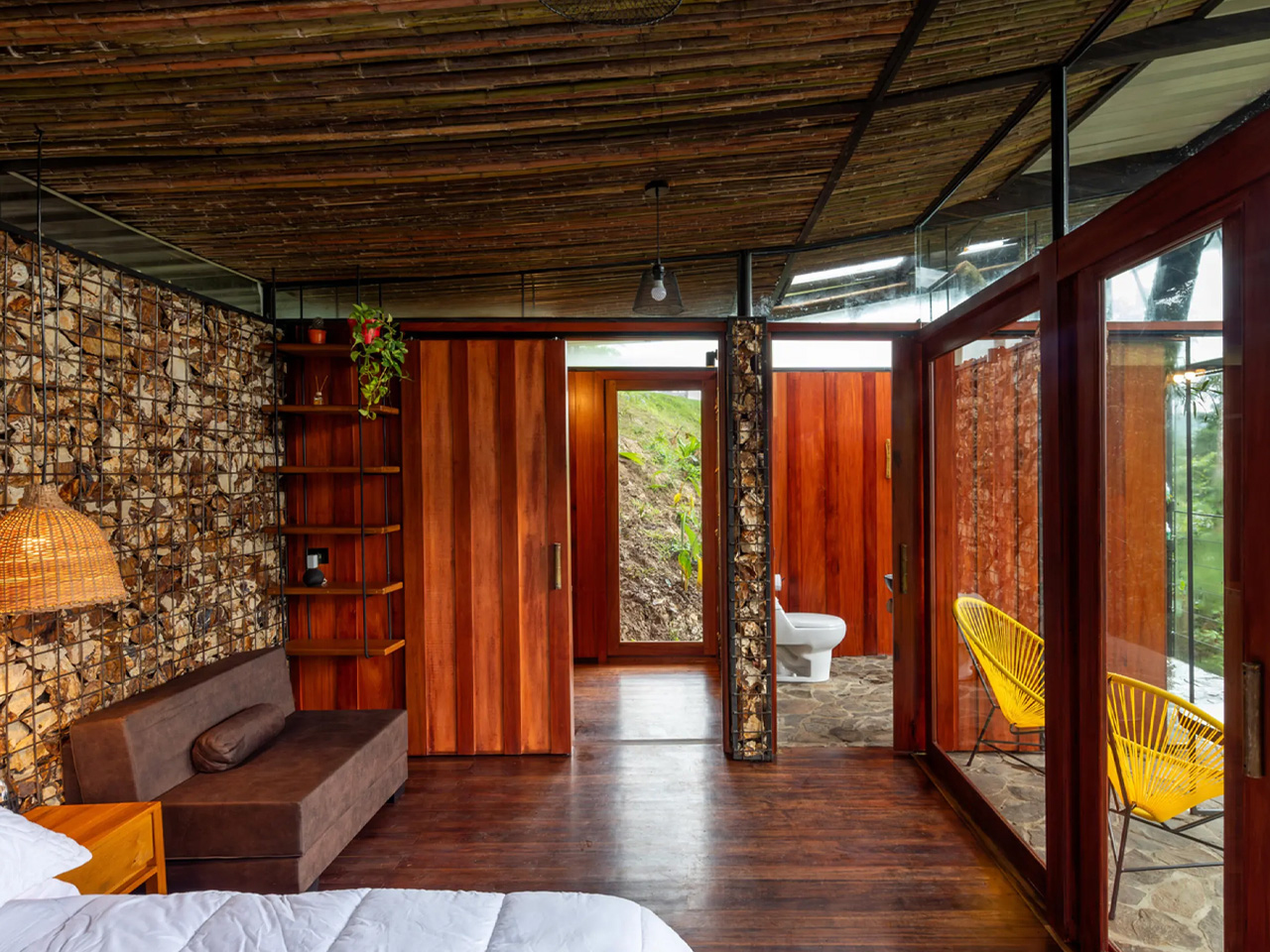
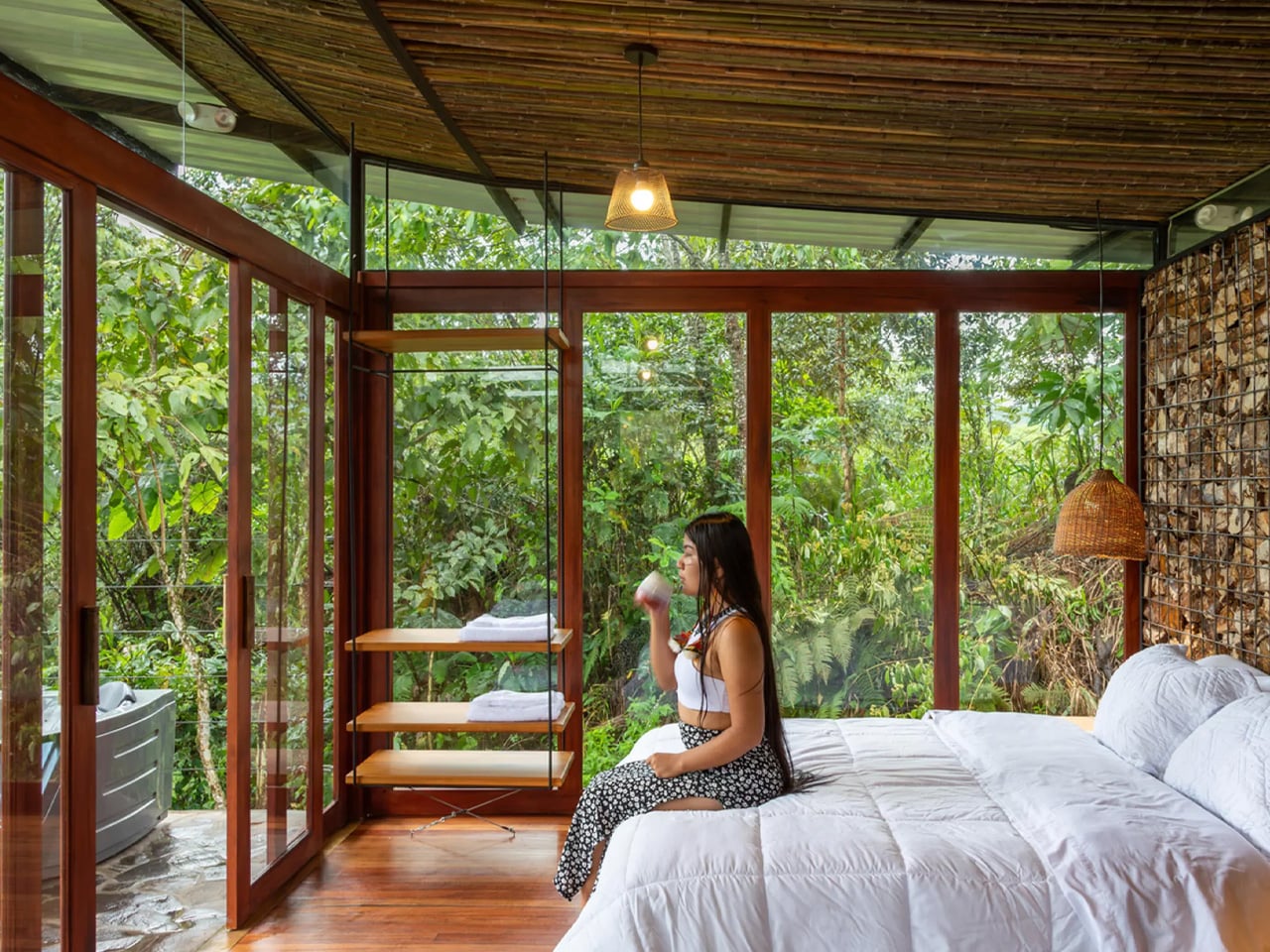
Elevated on stilts made from recycled metal pipes, the home appears to float among the trees, protecting it from ground moisture while preserving natural water flows and encouraging the growth of vegetation below. This raised design also enables bio-filters for wastewater treatment. Inside, a warm, earthy palette dominates, with gabion stone walls, locally sourced bamboo and wood, and polished timber floors. Living spaces extend outdoors through a terrace and net balcony, while floor-to-ceiling glass in the bedroom, along with a compact kitchen, bathroom, and semi-outdoor shower, deepens the connection to nature.

2. Water-Smart Design from Leaf Patterns

In the Amazon, water shapes every design decision. Instead of fighting moisture, buildings should work with it. Surfaces and details must guide rain away quickly, reducing damage while improving long-term performance in a high-humidity climate.

Drainage systems can take cues from leaf veins, where water flows naturally and efficiently. Gutters and channels are integrated into the structure, turning heavy rainfall into a controlled, visible flow rather than a problem to fix later. Materials also matter as moisture-friendly woods and modern bio-based materials perform better in damp conditions, aging slowly and beautifully while reflecting the climate they belong to.
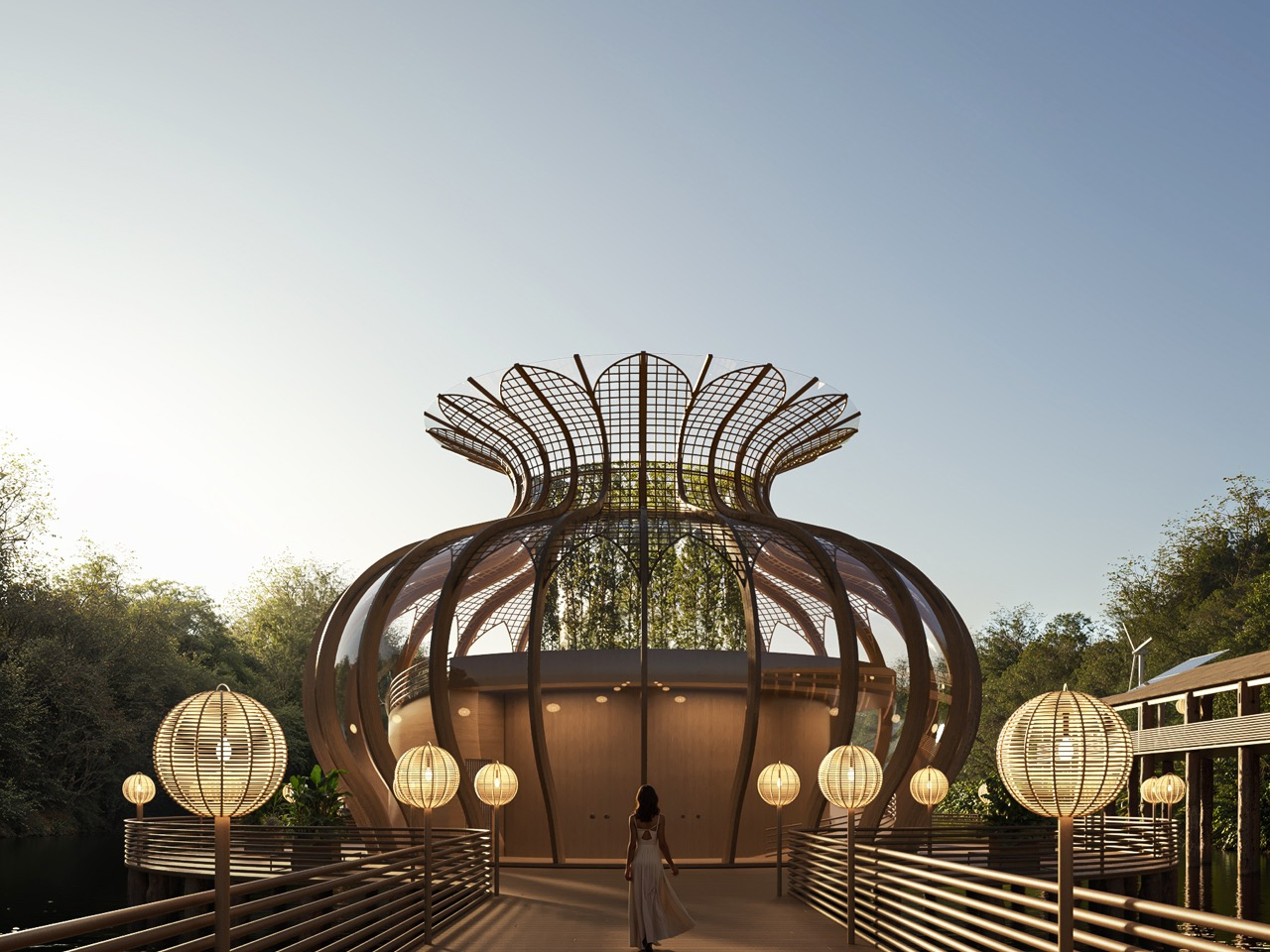
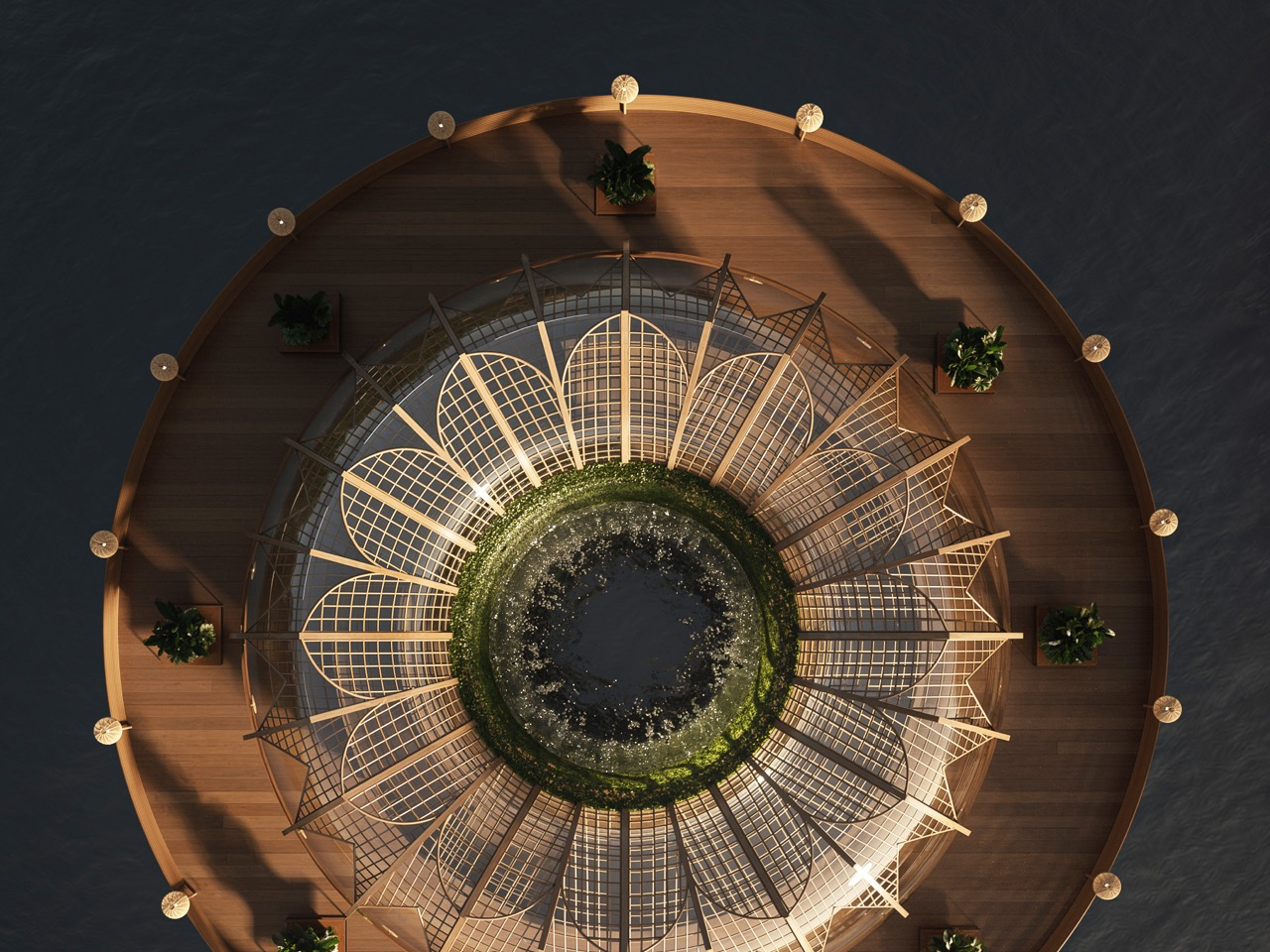
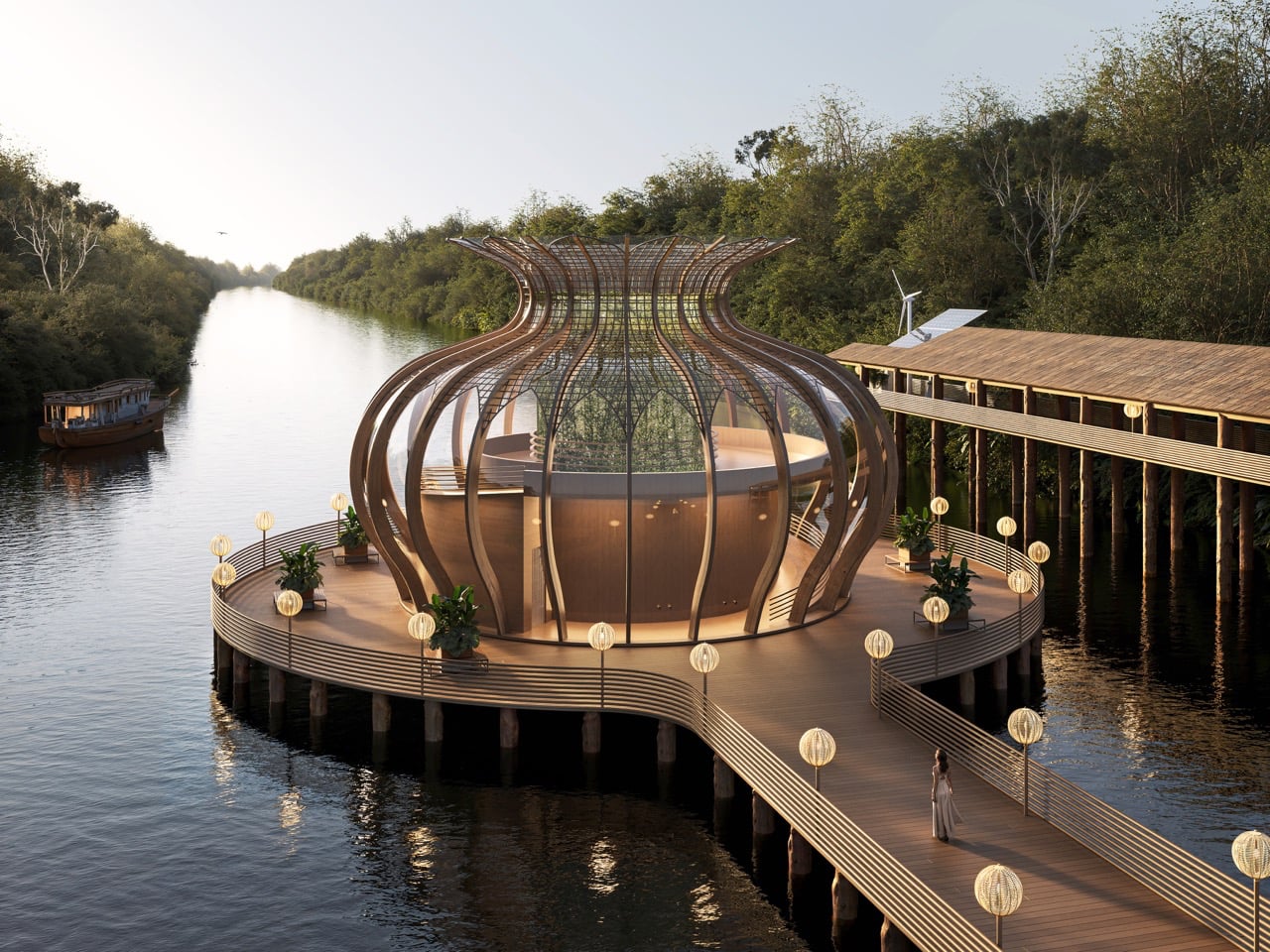
As technology-driven lifestyles pull people further from nature, the Amazon Immersion Pavilion is imagined as a quiet architectural counterpoint rooted in presence and ecological respect. Conceived as a conceptual project for Iquitos, Peru, the pavilion invites visitors to experience the rainforest through sound, light, texture, and movement. Rather than treating the Amazon as a backdrop, the design approaches it as a living partner, encouraging deliberate sensory engagement. Shaped by biomimicry and local ecological understanding, the pavilion uses bamboo as its primary material, reflecting regional building traditions while supporting low-impact construction and environmental responsibility.
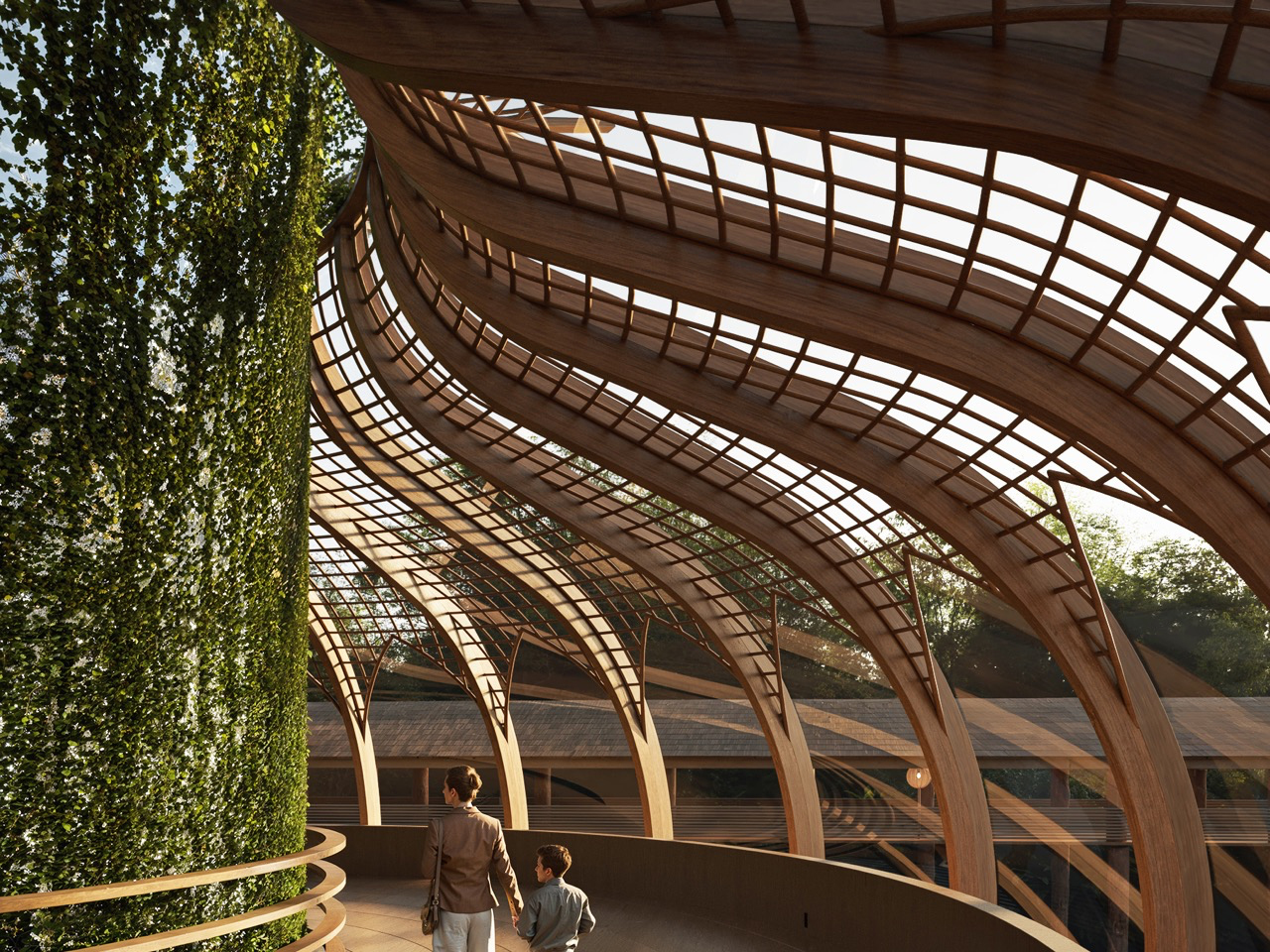
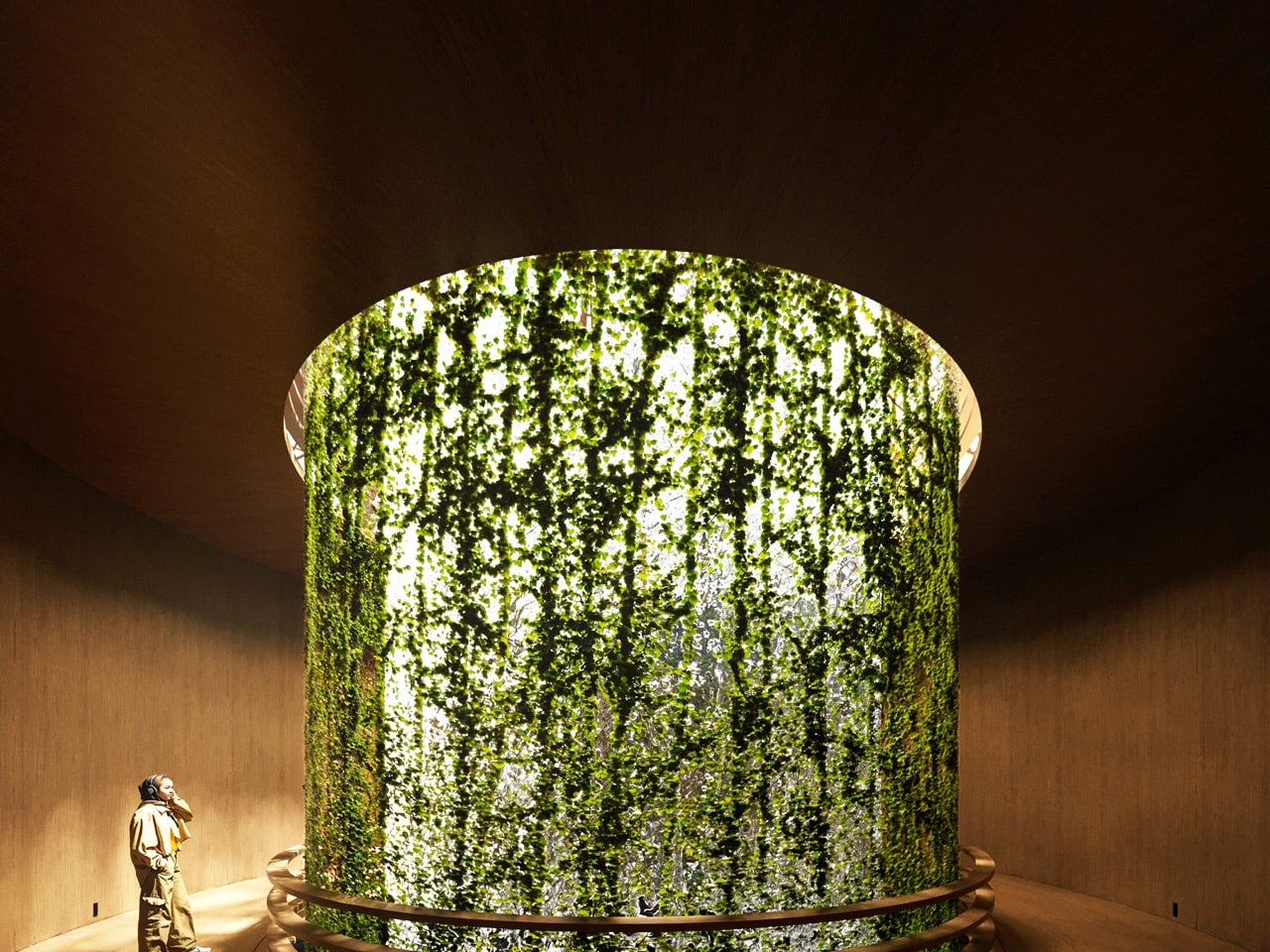
The spatial journey unfolds across two levels, creating a clear emotional progression. The lower level offers an introspective, cocoon-like atmosphere, where filtered daylight, flowing water, and dense vegetation heighten sensory awareness. As visitors move upward, the pavilion opens toward expansive views of the Amazon River, allowing the architecture to recede in favor of the landscape. Passive ventilation, natural light, and low-impact assembly techniques enable the structure to align quietly with the rhythms of the forest.

3. Floating Floors That Respect the Ground

In sensitive ecosystems like the Amazon, real luxury means building without disturbing the land. Lifting structures above the forest floor allows natural water flow, plant life, and biodiversity to continue untouched. The building becomes a guest, not an intruder.

Raised floor systems on stilt-like foundations let air move freely beneath the structure, improving cooling while protecting interiors from moisture and insects. This approach also draws from regional building traditions, where homes are elevated to adapt to the climate and terrain. By combining this wisdom with modern design, architecture stays rooted in culture while meeting contemporary performance needs.
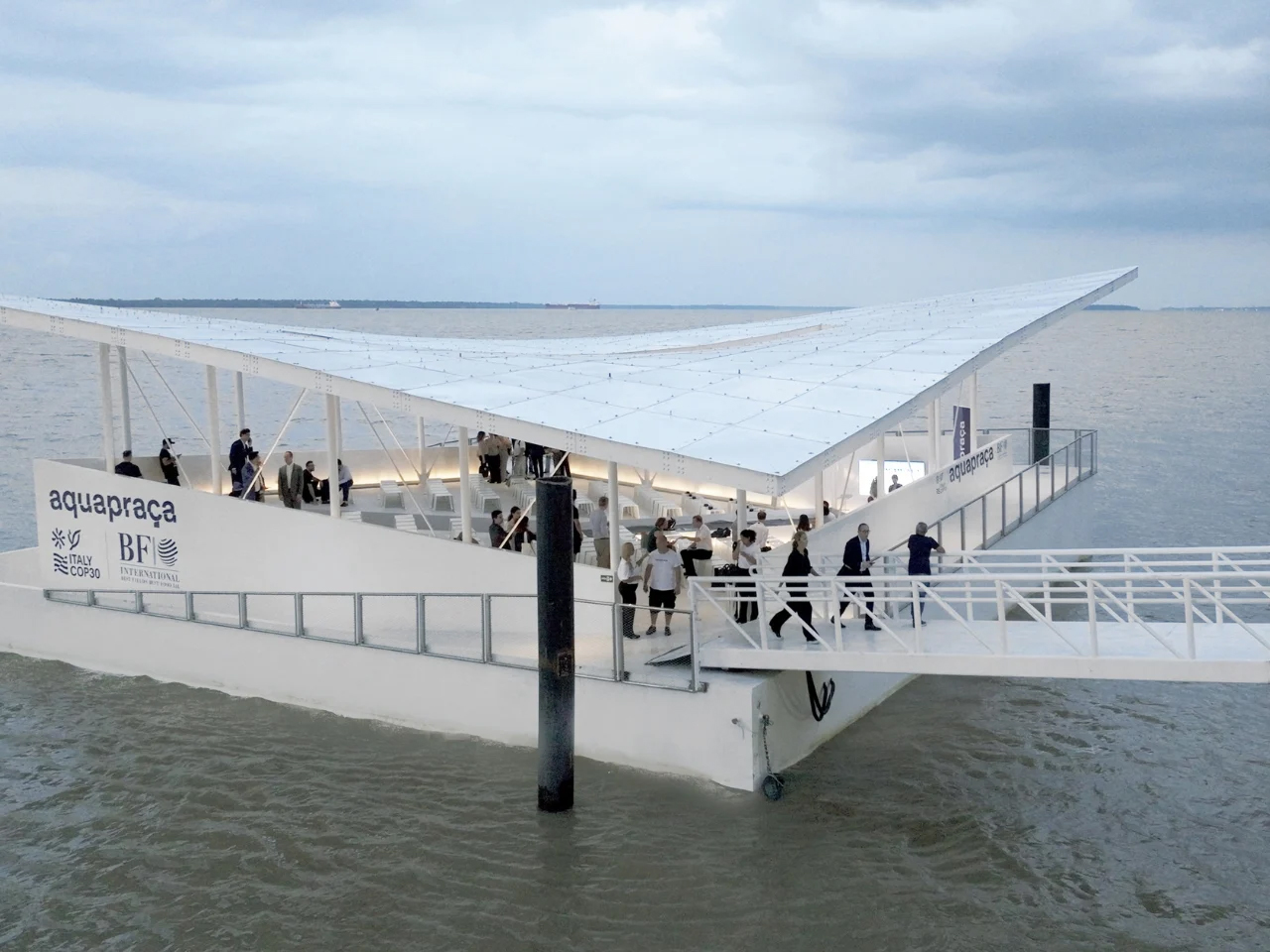
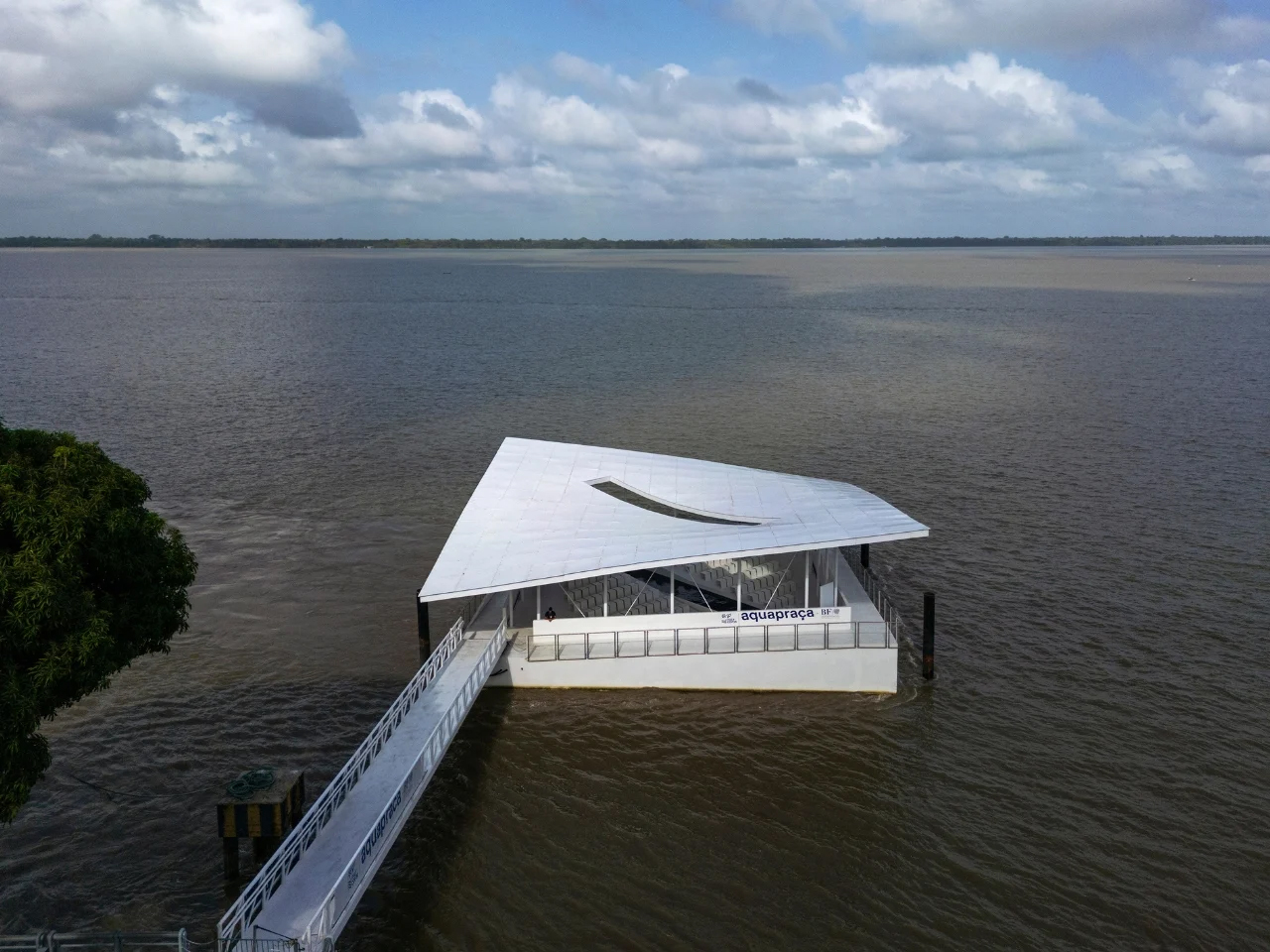
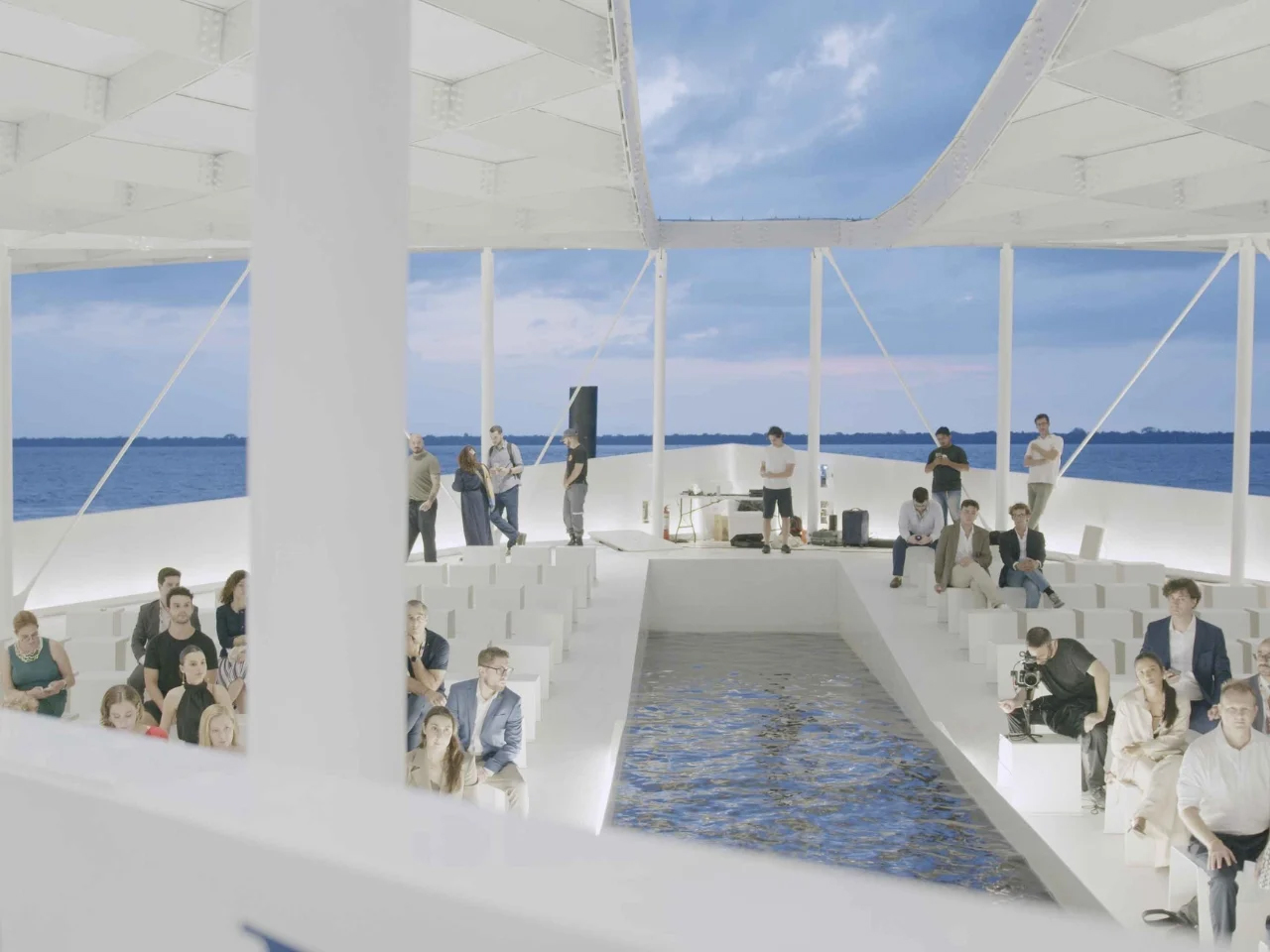
AquaPraça is a floating public square that responds directly to tidal movement, rising and falling with the water. Unveiled at the UN Climate Change Conference COP30 in Belém, Brazil, the 400-square-metre platform is conceived as a permanent cultural and civic space rather than a temporary installation. Designed by CRA–Carlo Ratti Associati in collaboration with Höweler + Yoon, the structure is anchored in Guajará Bay and adapts to daily tidal variations of up to four metres through buoyancy-based engineering. By positioning visitors at eye level with the river, the project transforms environmental change into a perceptible spatial experience.


First presented at the Venice Architecture Biennale, AquaPraça later arrived in Belém as part of Italy’s pavilion at COP30 and will be donated to Brazil for continued public use. Its sloped surfaces respond in real time to shifting water levels, offering a physical demonstration of sea-level rise. Located at the confluence of the Amazon River and the Atlantic Ocean, the project exemplifies adaptive architecture that aligns environmental responsibility with long-term cultural engagement.

4. Breathing Buildings for Tropical Comfort

In the Amazon, sealed glass buildings simply do not work. The forest itself breathes, and architecture must do the same. Instead of airtight enclosures, buildings should allow air to move naturally, responding to heat, humidity, and daily climate shifts.

Walls can be designed as adjustable layers using louvers made from sustainable wood, perforated brick walls, or recycled metal. These openings act like breathing pores, letting fresh air flow through while maintaining shade and comfort. Compared to fully air-conditioned spaces, breathable facades consume less energy and create a stronger connection to the surroundings, allowing occupants to experience natural airflow, sounds, and scents of the forest.
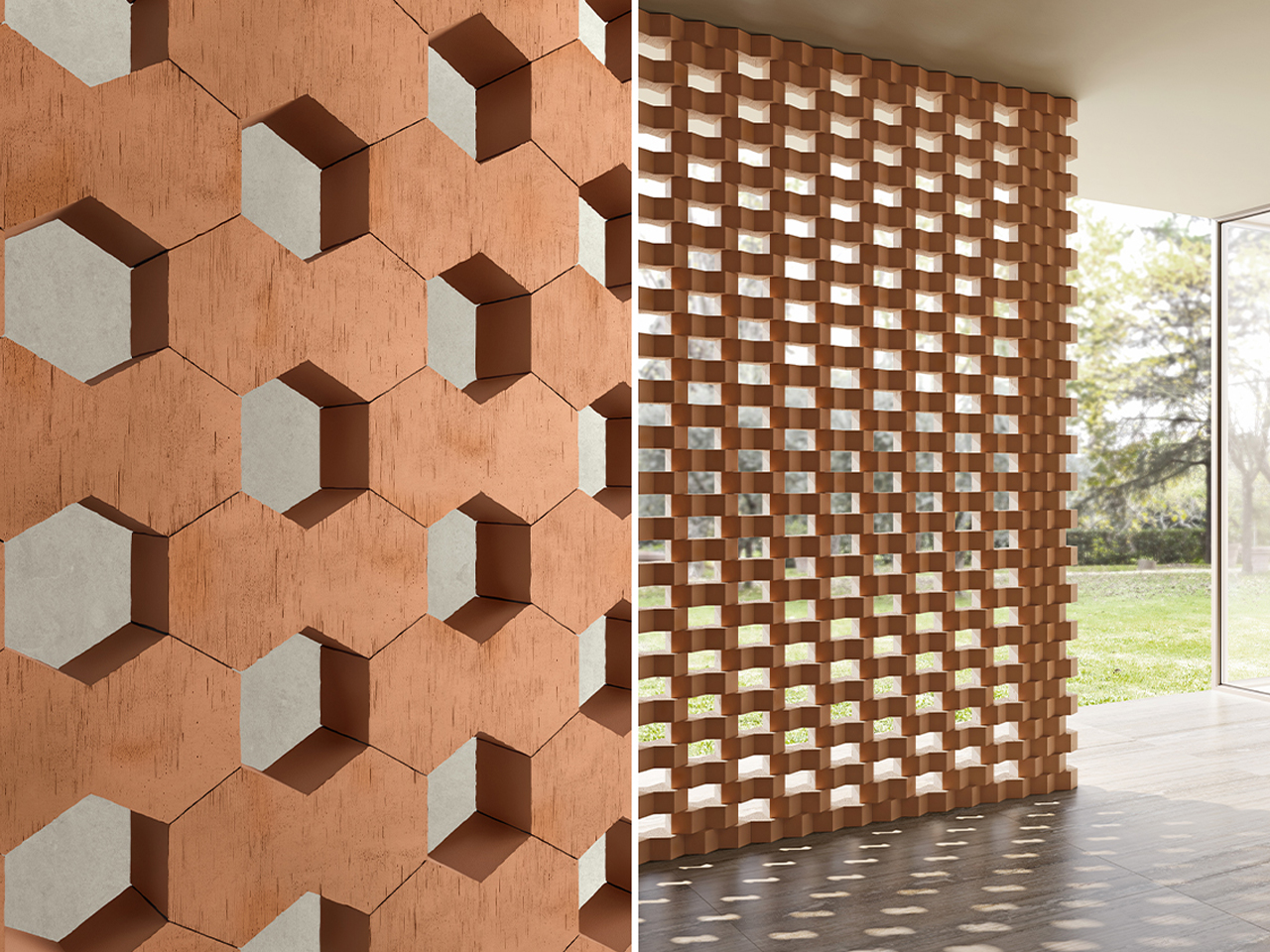
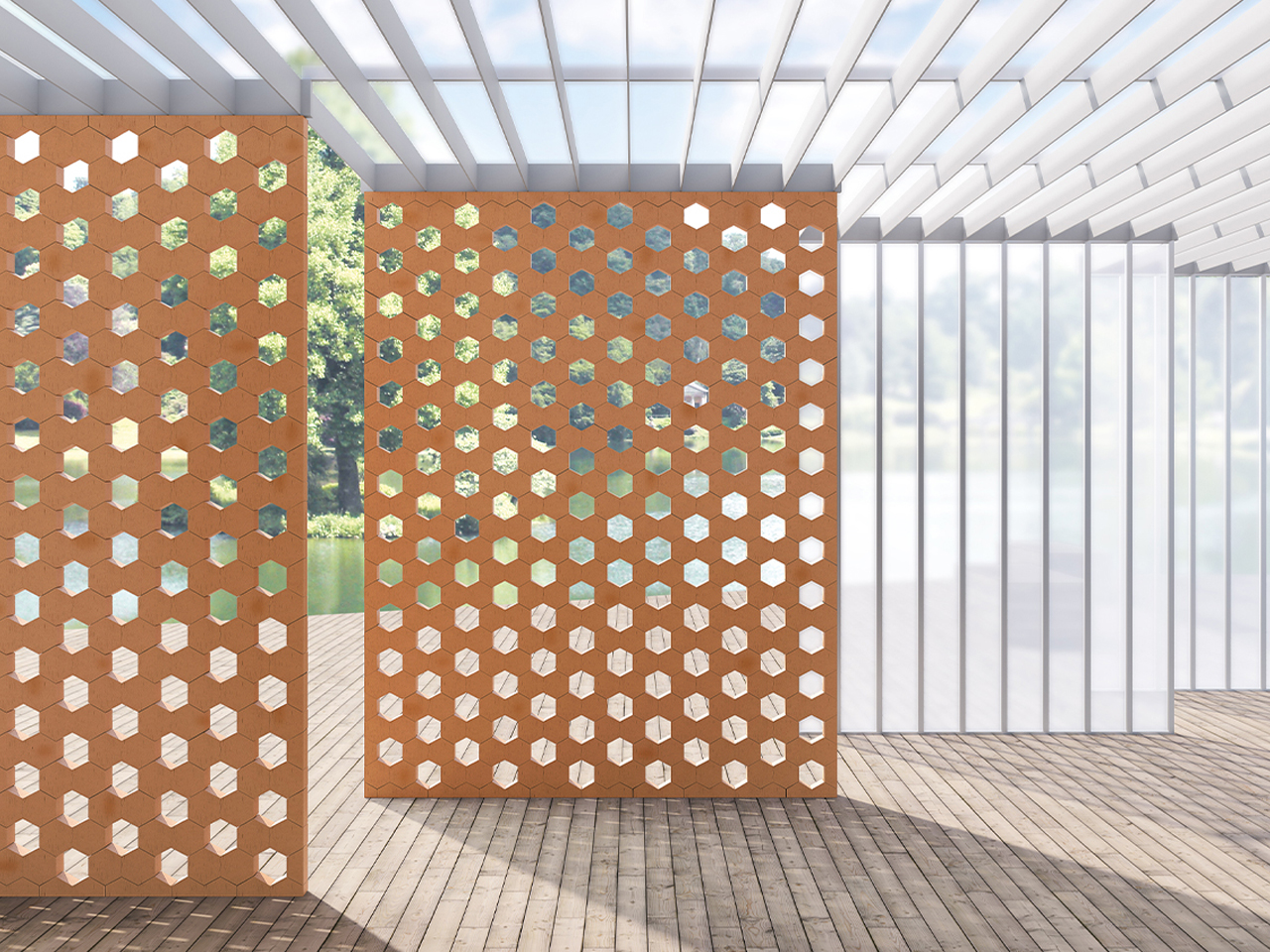
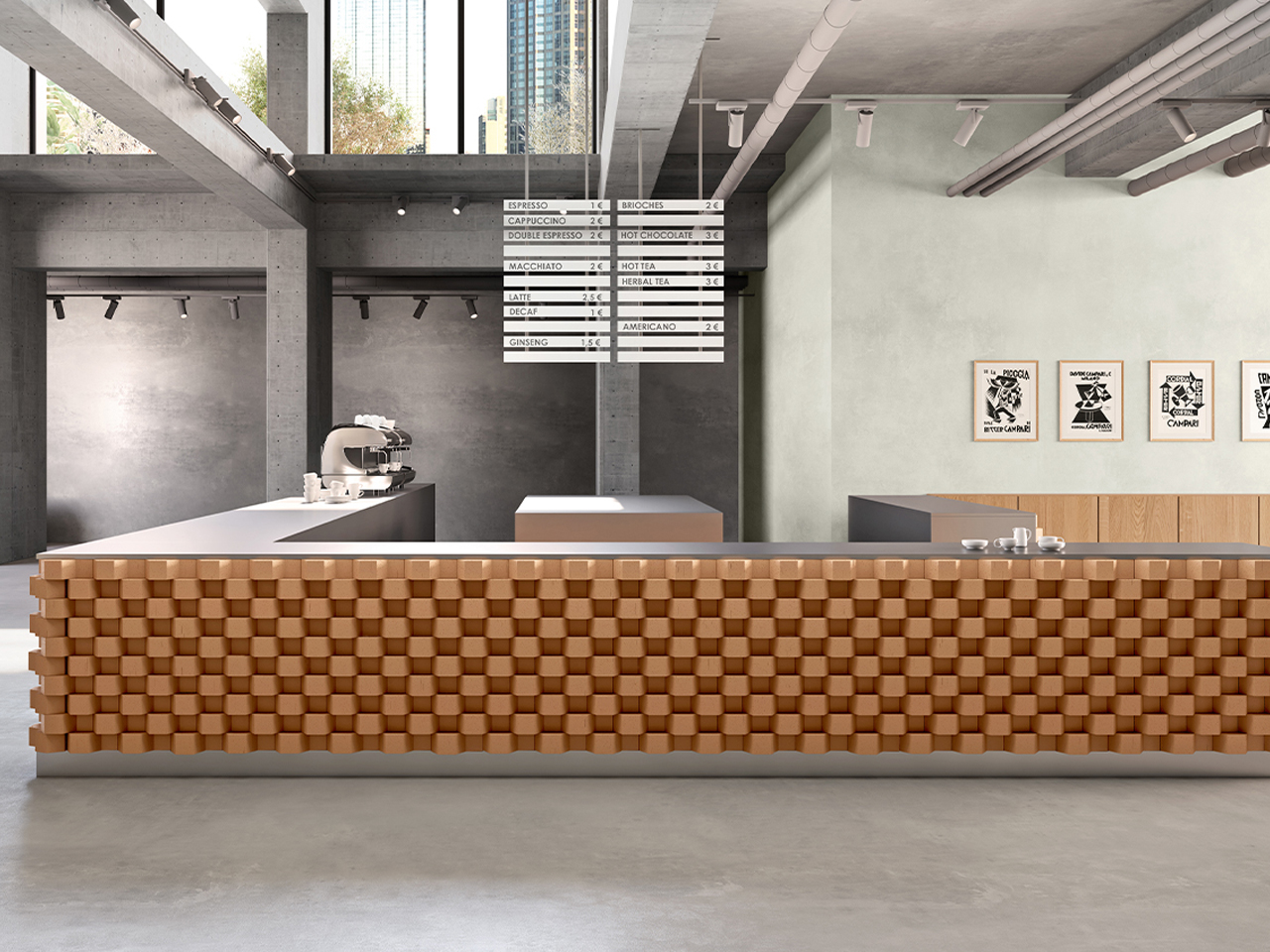
Hives is a modular system of hexagonal terracotta bricks designed to create flexible interior furnishings and architectural structures. Developed for Mutina, the Italian ceramics brand known for collaborating with leading designers, the collection reflects its commitment to material innovation and expressive form. Konstantin Grcic was commissioned to rethink the fixed nature of traditional brick construction, drawing inspiration from the intricate geometry of beehives. Each brick appears as two fused hexagonal units, resulting in a distinctive three-dimensional form that supports a wide range of spatial compositions.
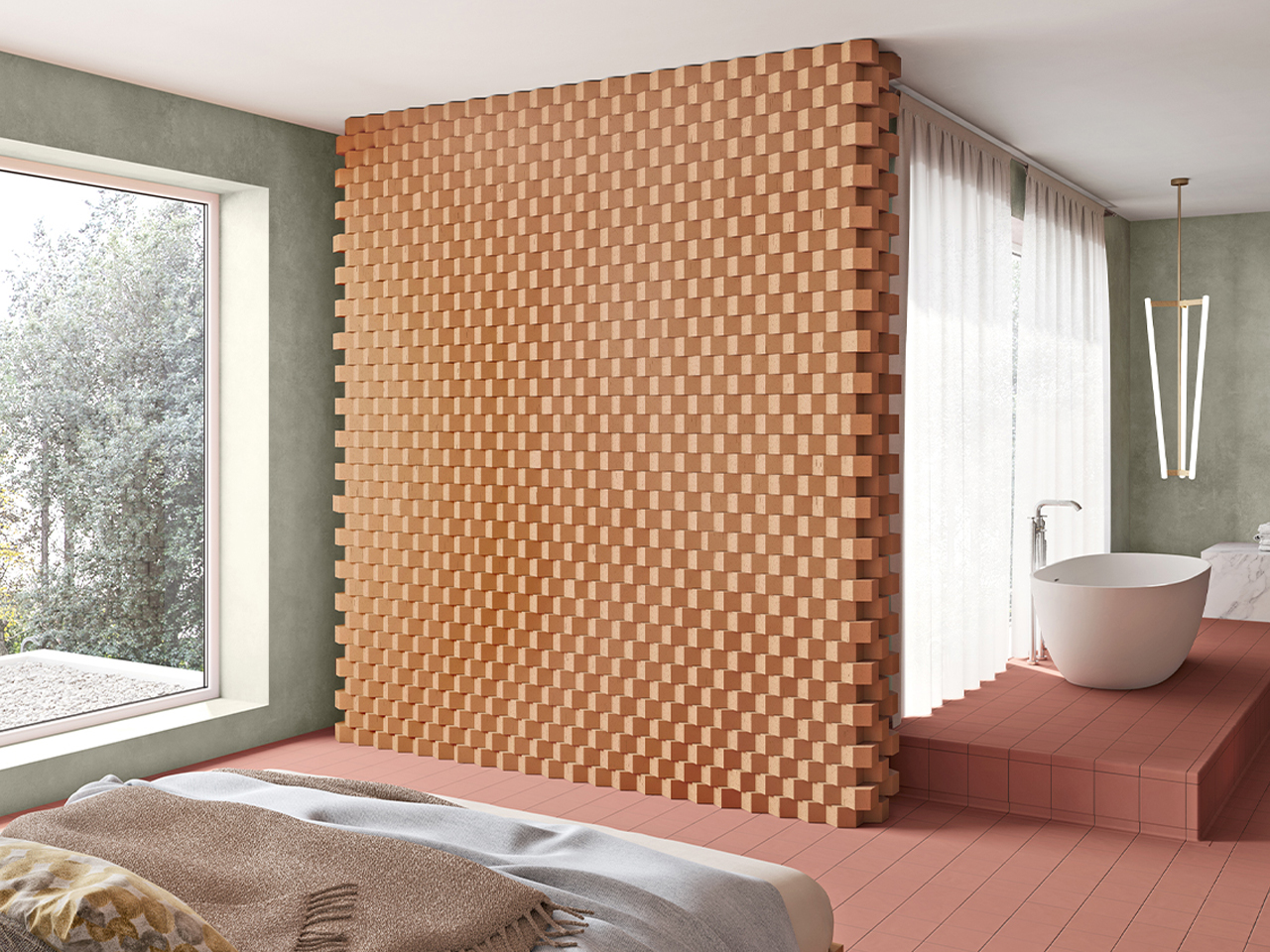
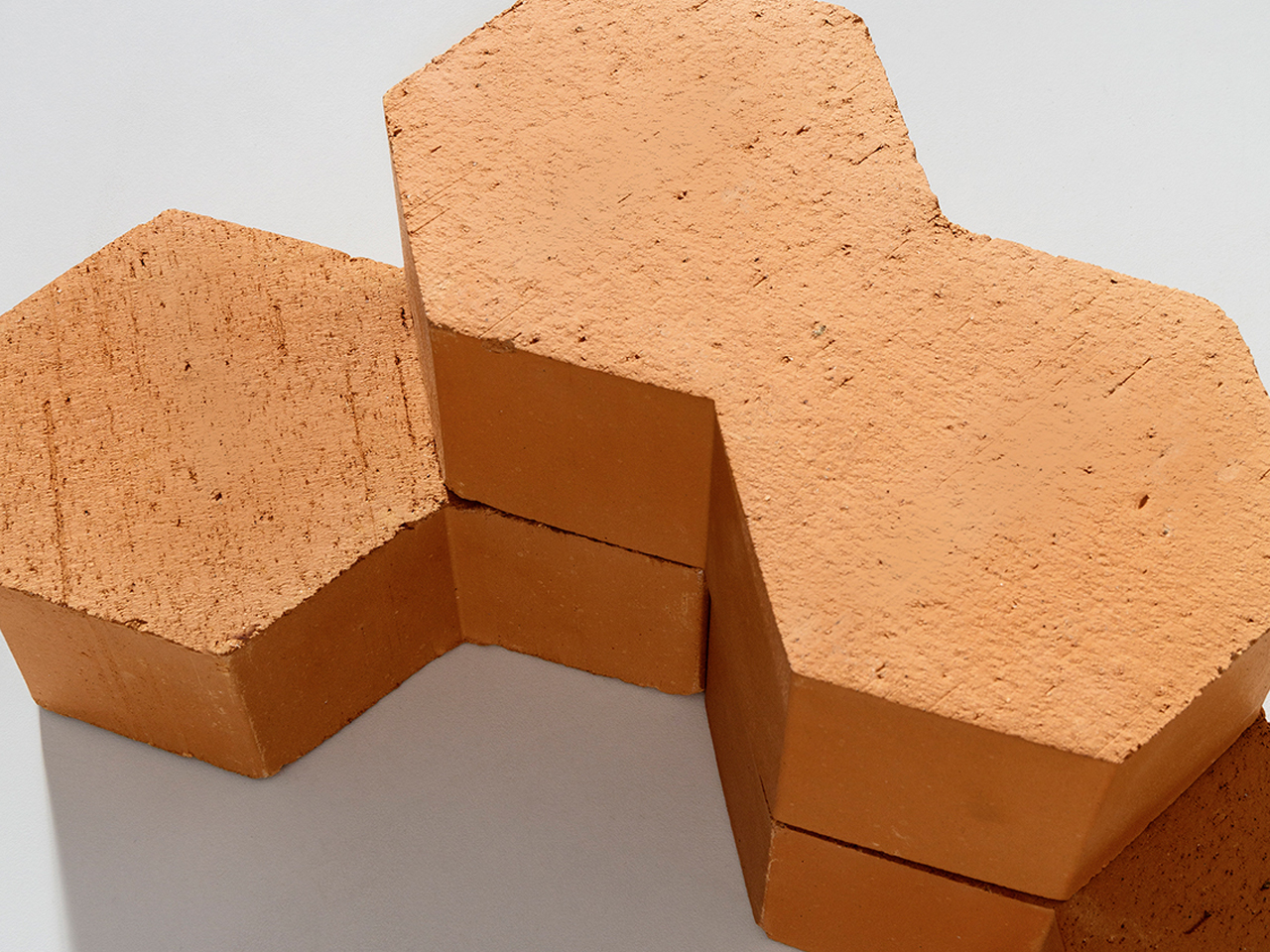
The bricks can be arranged vertically to produce semi-open structures with pronounced cavities, or laid horizontally in staggered or flush patterns to create dynamic, undulating surfaces for columns, walls, and counters. Measuring 13 × 22.5 × 7 cm, the terracotta units offer excellent thermal and acoustic properties alongside durability and tactile warmth.

5. Designing for Circular Living

In the Amazon, nature shows that growth and decay are part of the same cycle. Architecture should follow this logic by using materials that can return safely to the earth over time, without pollution or waste.

Low-impact materials such as mycelium-based insulation and responsibly sourced mass timber help reduce carbon footprint while storing carbon instead of releasing it. Interiors can extend this thinking through natural finishes like local stone, clay plasters, and handwoven elements. The result is a calm, tactile environment that feels connected to the forest, reinforcing the idea of the building as a respectful, temporary presence within a living ecosystem.
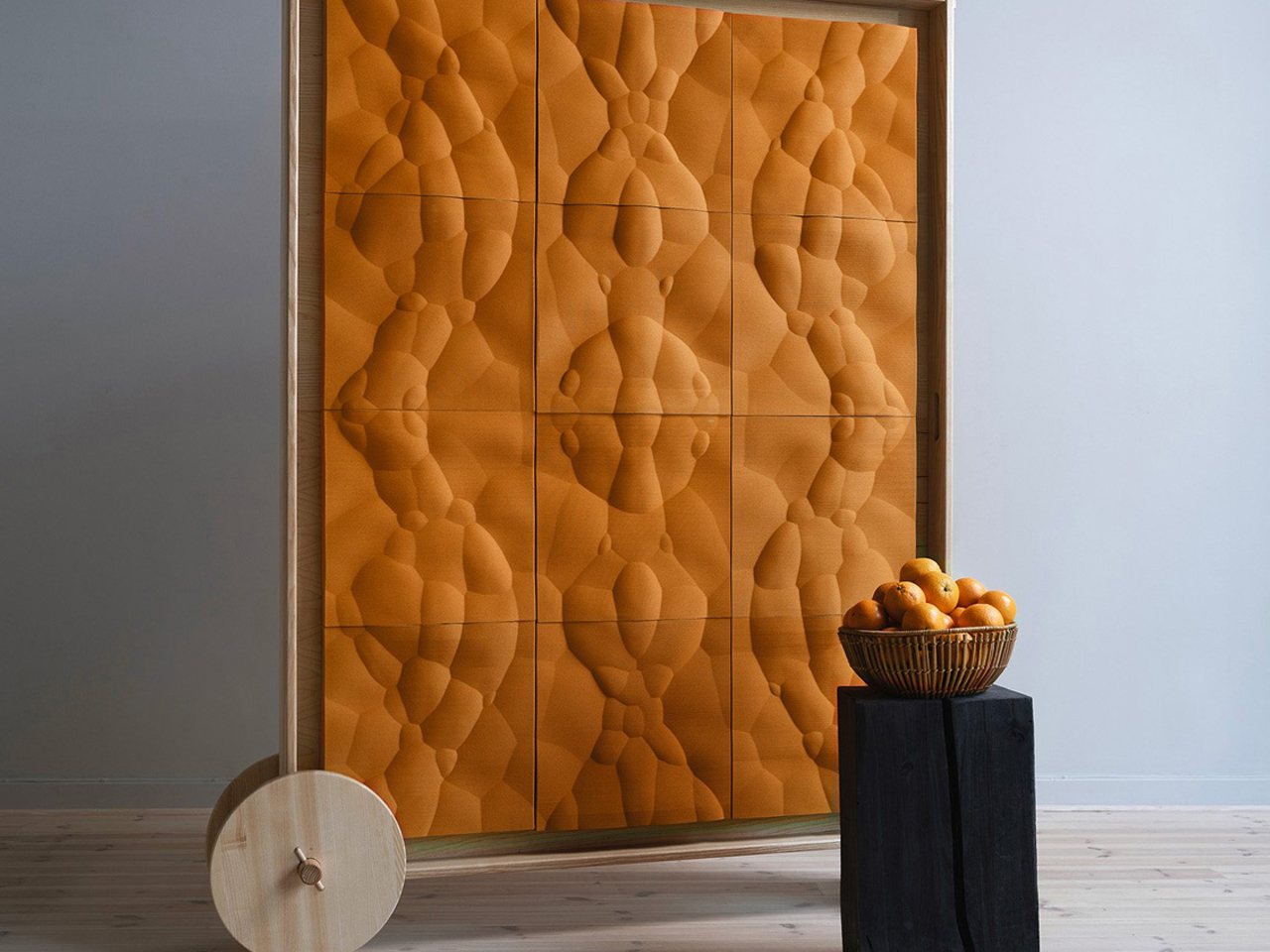
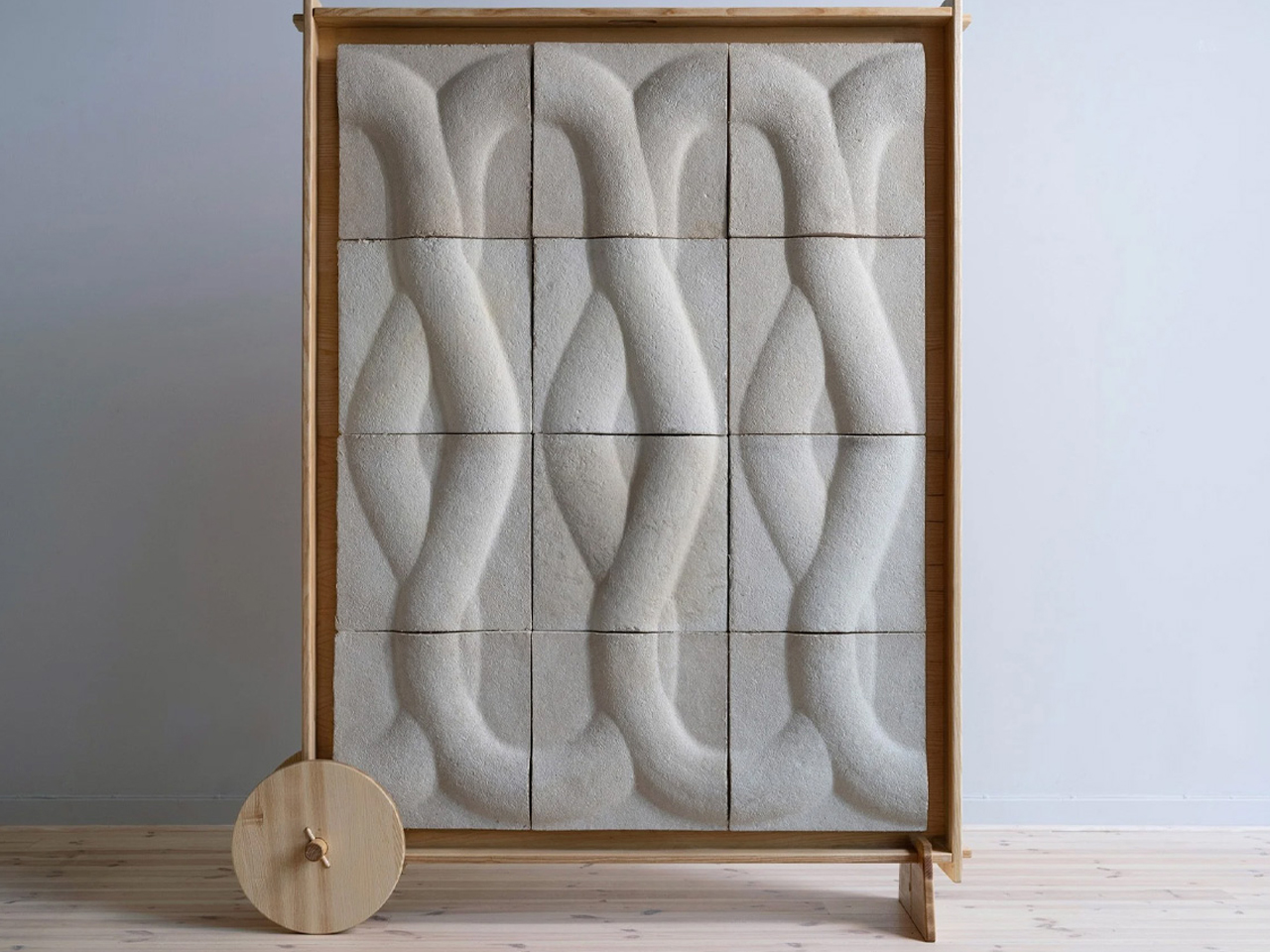
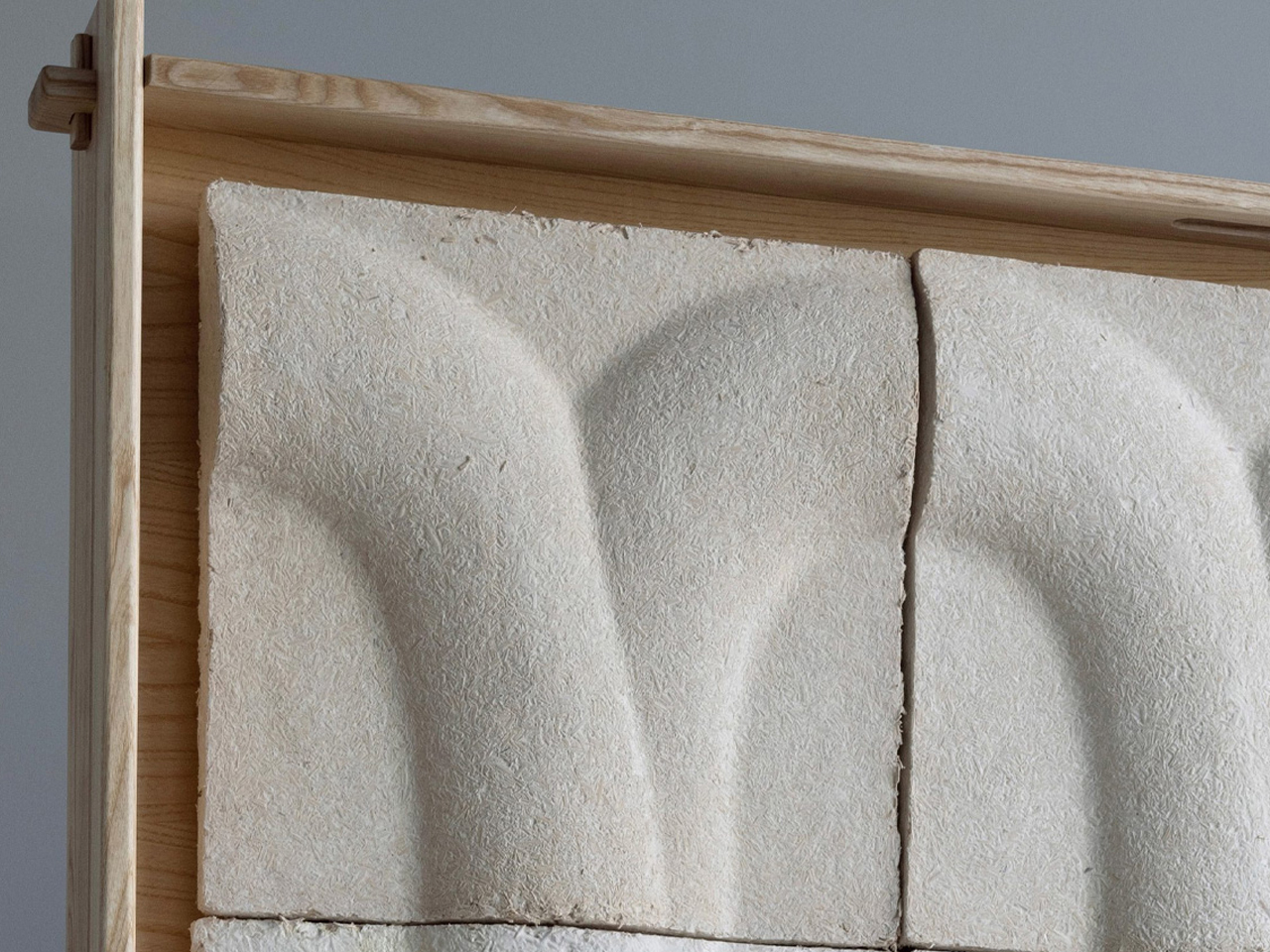
Design studio Interesting Times Gang, in collaboration with cooperative homebuilder OBOS, has introduced Veggro, a collection of sustainable partitions made from biomaterials such as mycelium and orange peel. The Loom design uses mycelium grown on agricultural waste to create textured, mushroom-inspired panels, while Jugoso features 3D-printed orange rinds arranged in geometric patterns shaped by natural fruit vesicles.
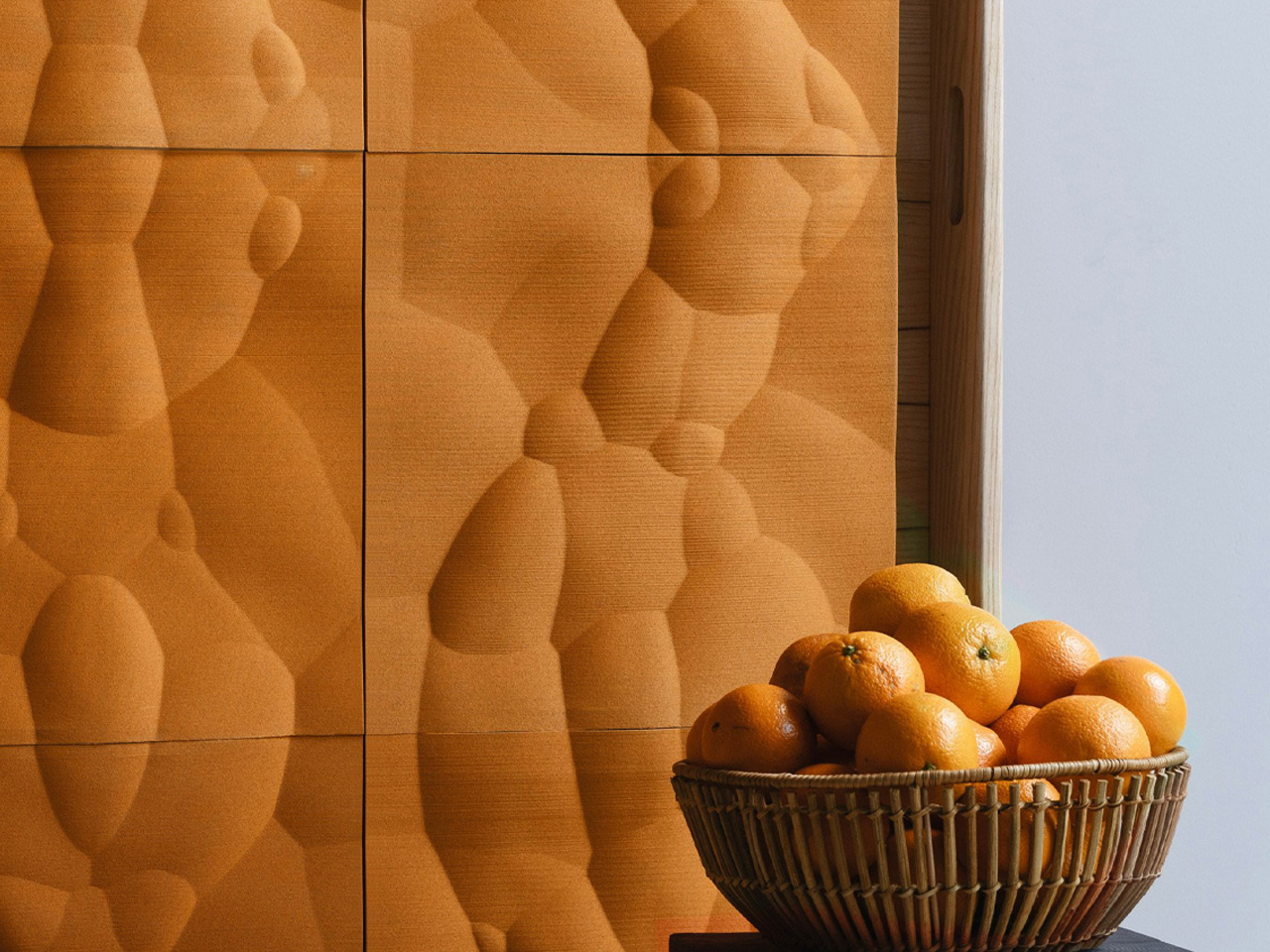
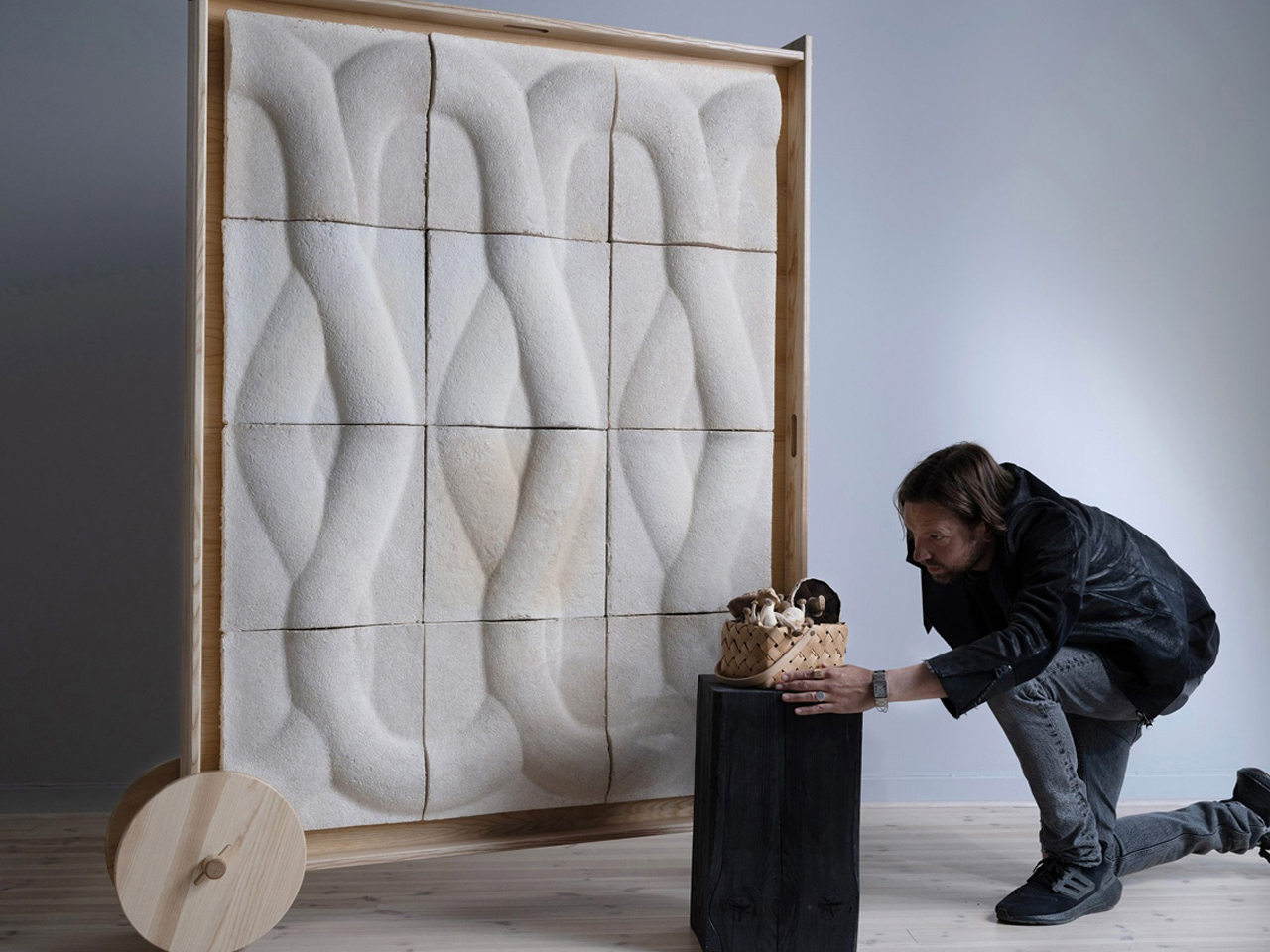
Described as a biophilic “wall-as-furniture” concept, Veggro offers acoustic insulation, decorative value, and modular flexibility, representing the first outcome of the partners’ research into low-carbon construction materials.

Designing for the Amazon tests both humility and intelligence. It demands moving away from monumental statements toward buildings that behave like living organisms. By translating rainforest strategies into design, architecture becomes responsive and poetic. This defines a new luxury where spaces that breathe, adapt, and exist in balance with nature.

The post 5 Biomimicry-based Architectural Designs That Copy Nature’s Best Ideas first appeared on Yanko Design.
5 Smart Lighting Trends That Just Made Traditional Fixtures Look Outdated

Lighting Design in 2026 has shifted from a background utility to an emotional design language, influencing how spaces are experienced while shaping atmosphere, flow, and everyday comfort. Today, light works quietly in the background, adapting to your routines, responding to natural rhythms, and enhancing your experience of home.

Rather than acting as a static fixture, lighting now plays an active role in creating atmosphere. Soft transitions, layered illumination, and nature-inspired tones help interiors feel calmer, warmer, and more connected to the outside world. Whether you are unwinding after a long day or starting your morning, let’s decode how 2026’s lighting trends support the emotional flow of your space, making the home feel less like a structure and more like a living, responsive environment.

1. Invisible Smart Lighting

In 2026, the most advanced lighting systems are designed to blend effortlessly into your space. Powered by Ambient Intelligence, they use sensors and AI to adjust brightness and tone based on occupancy, daylight levels, and your daily routines. Instead of relying on switches, light flows naturally from one area to another, subtly guiding movement and defining zones without drawing attention to the technology behind it.

This approach focuses on supporting your body’s natural rhythms. Predictive dimming and gentle colour shifts mirror the changing quality of daylight, helping you feel more alert during the day and relaxed in the evening. By working in sync with your internal clock, lighting becomes an invisible wellness tool that improves comfort, focus, and overall quality of living.

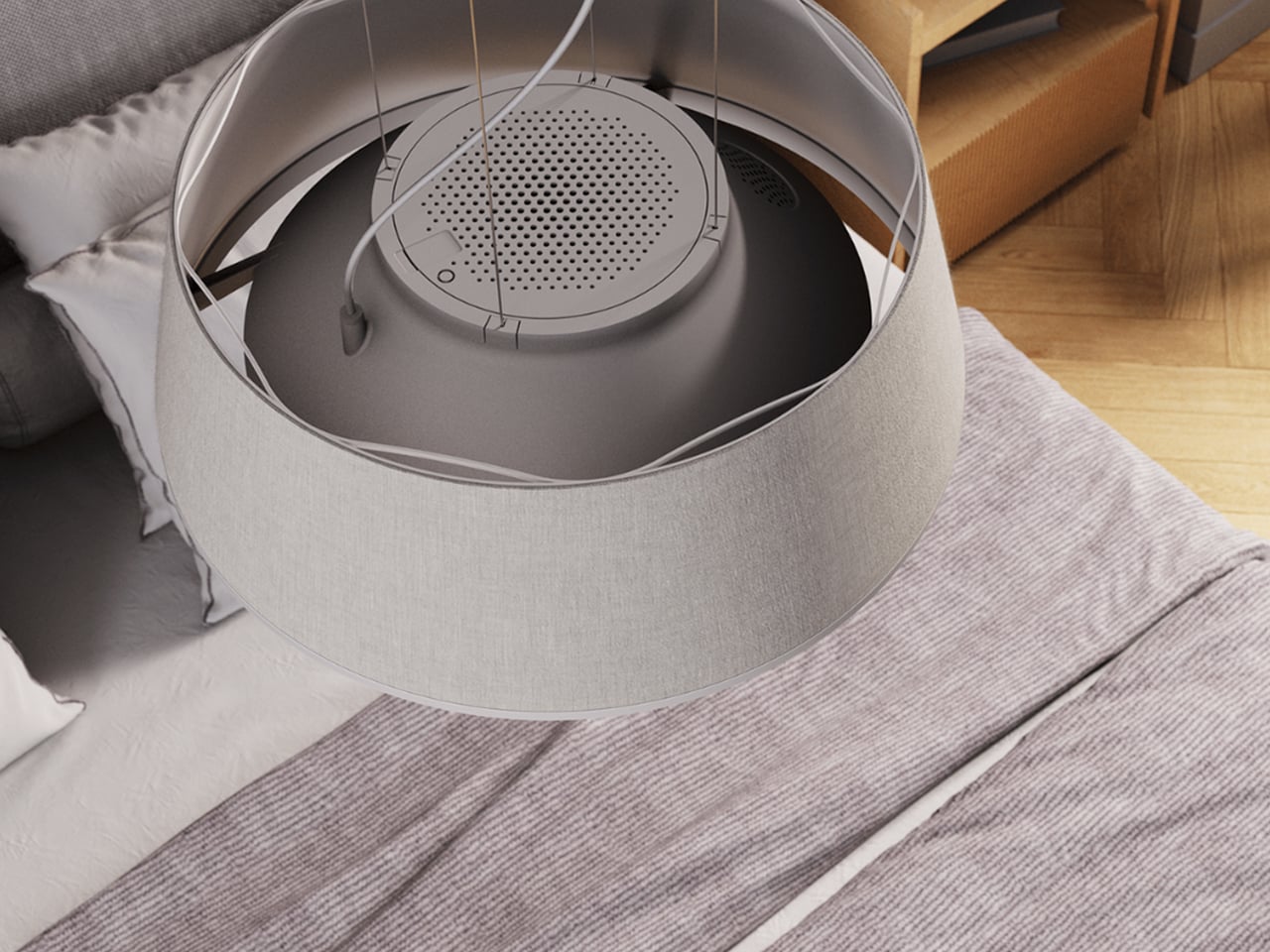
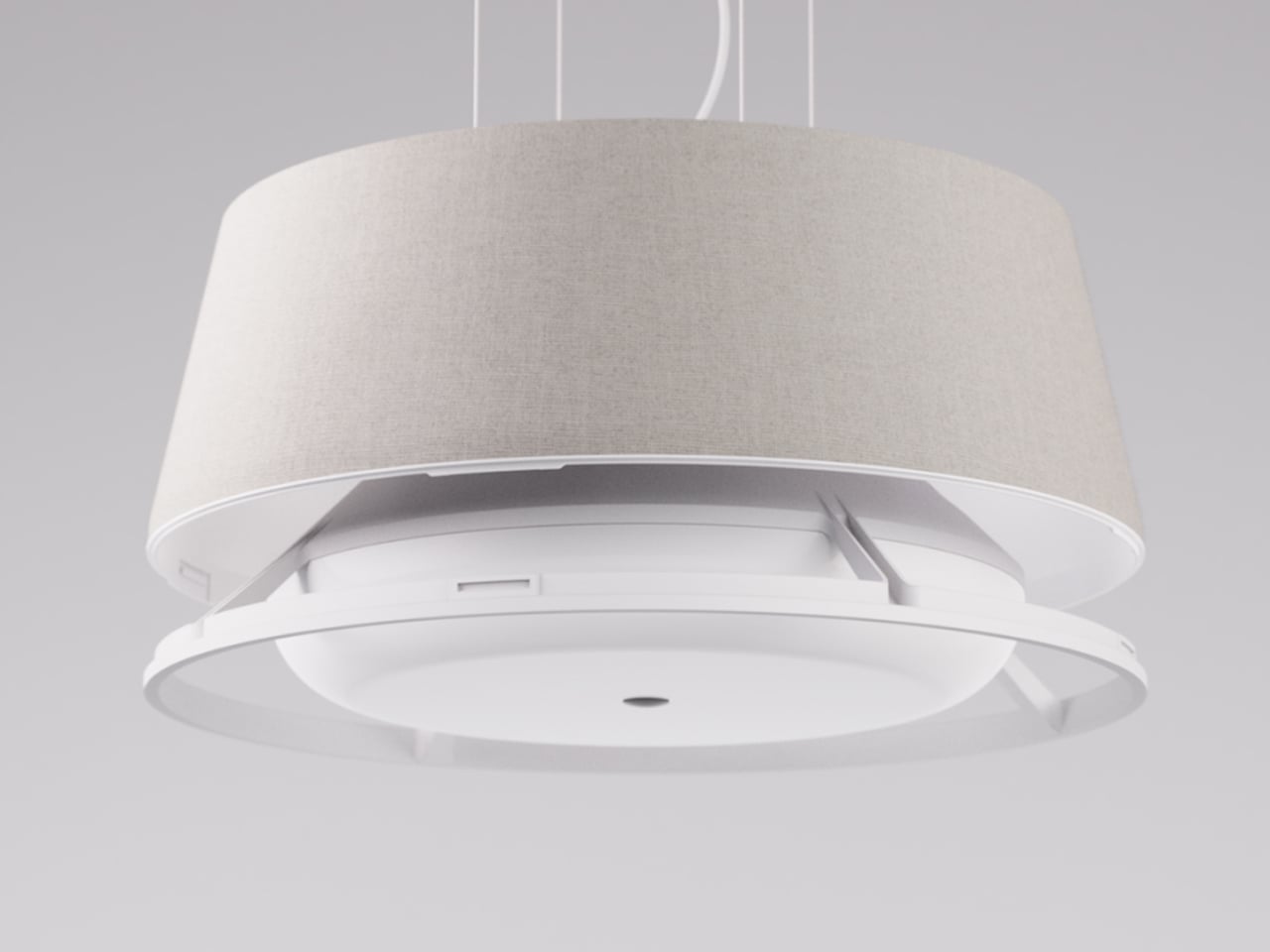
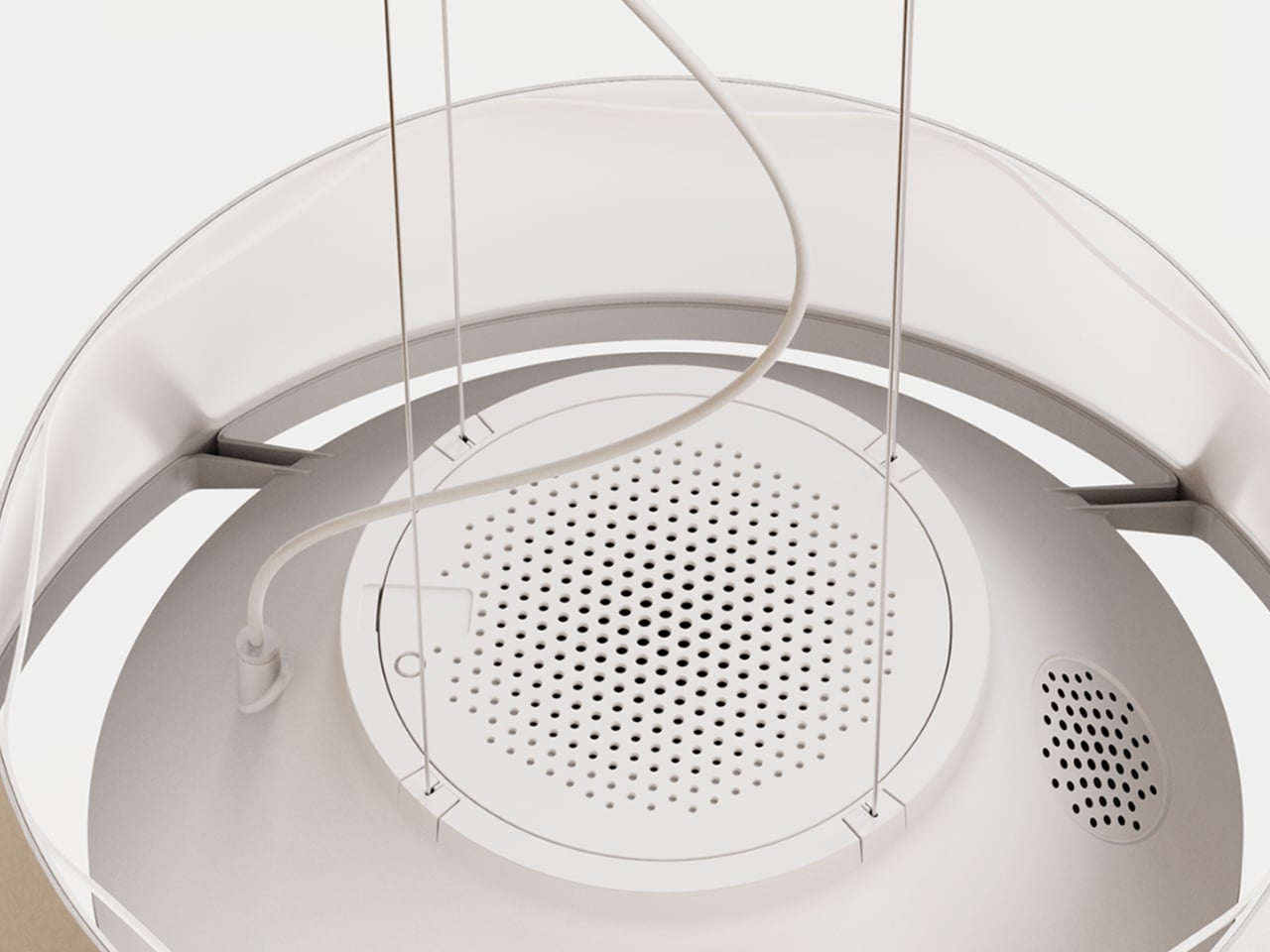
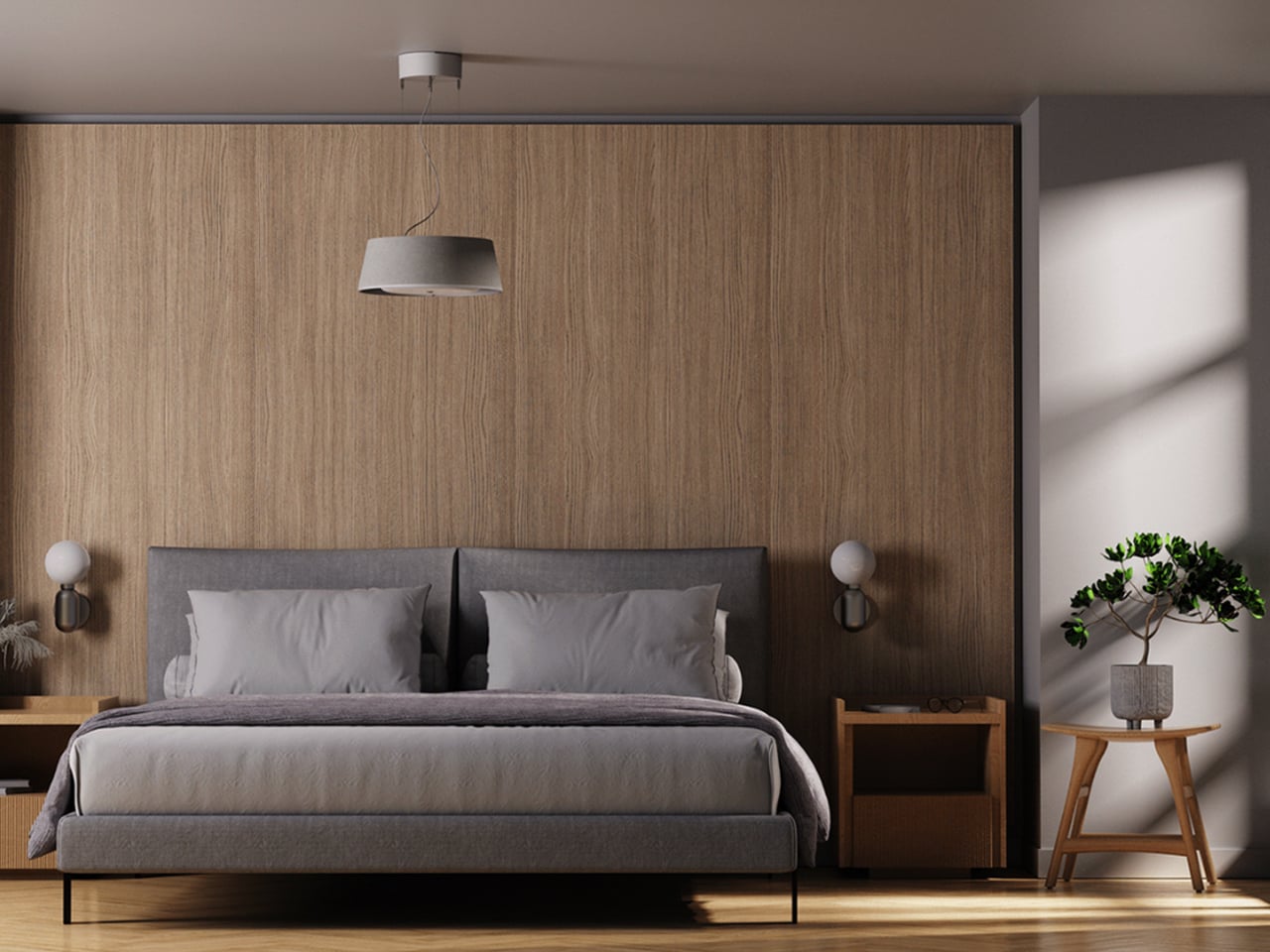
This AI-assisted ceiling light illuminates the lives of the elderly while monitoring their safety

AI-enabled lighting systems for elderly care combine illumination with continuous health and safety monitoring. Integrated sensors and computer vision allow the lamp to detect falls, unusual movement patterns, and prolonged inactivity, while also tracking indicators such as respiration and coughing. Advanced algorithms analyse behaviour over time to predict potential risks before accidents occur. When an incident is detected, the system automatically alerts designated caregivers or emergency contacts, enabling faster response and reducing the severity of injury through timely intervention.

Designed to function as a standard household lamp, this technology integrates seamlessly into residential interiors without appearing medical or intrusive. The familiar form factor encourages acceptance while delivering round-the-clock support through a single device. With low heat emission, energy-efficient LEDs, and autonomous operation, AI lighting solutions provide a scalable approach to assisted living. By combining safety, monitoring, and illumination in one product, these systems offer a practical way to support independent ageing while maintaining comfort, privacy, and dignity.

2. Sculptural Light Forms

Lighting fixtures are increasingly treated as architectural features rather than background utilities. Instead of relying on scattered recessed ceiling lights, spaces now favour bold, sculptural pieces that visually anchor the room. These luminaires are appreciated for their authentic materials, including hand-blown recycled glass, alabaster, and bio-based composites, which add depth and softness while creating a gentle, diffused glow.

Beyond function, such fixtures shape how you perceive space. A large pendant naturally draws the eye, balancing volume and form while adding a sense of rhythm to the interior. Light becomes a focal point that connects design with atmosphere, creating rooms that feel considered, expressive, and emotionally engaging.

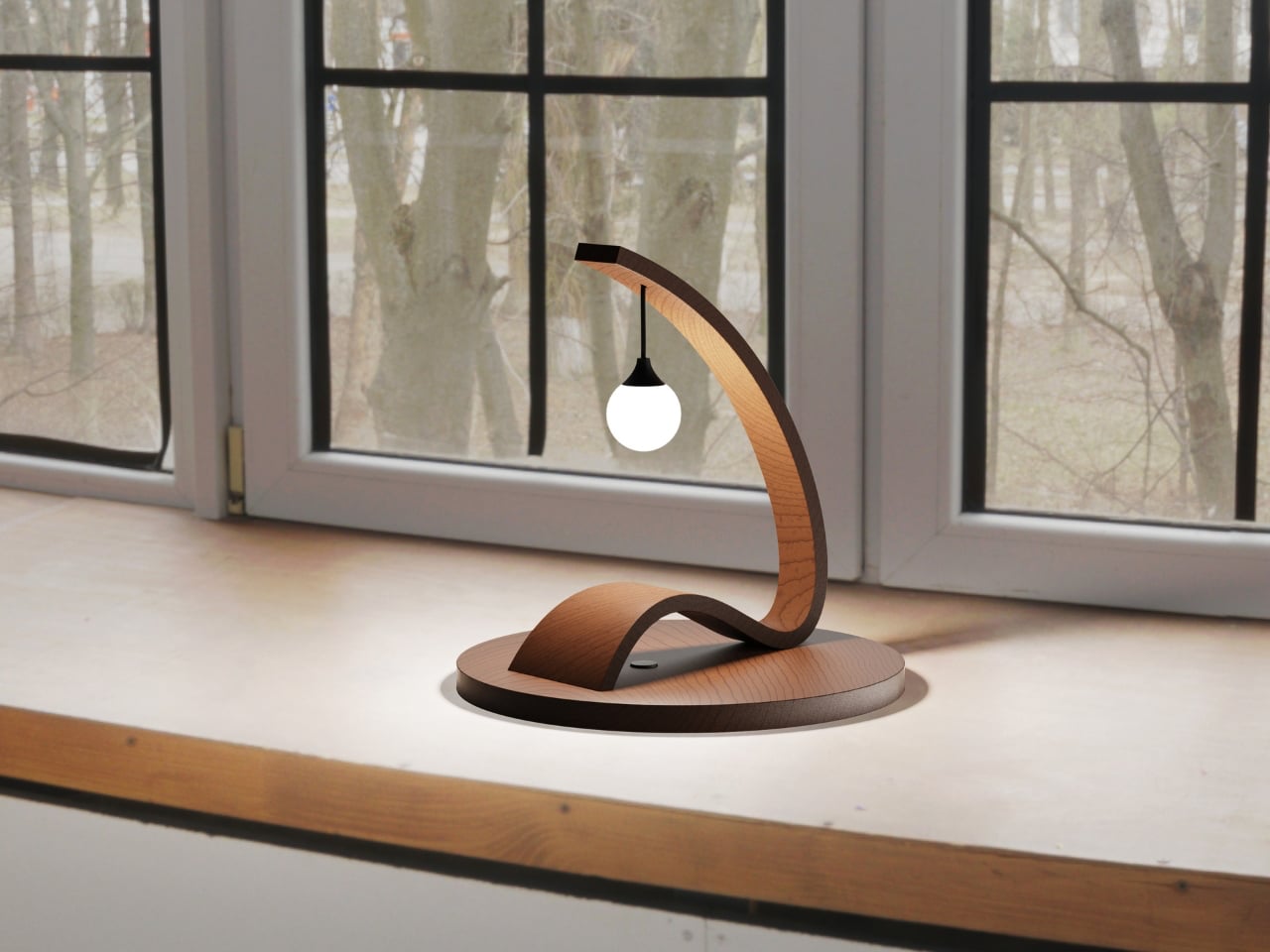
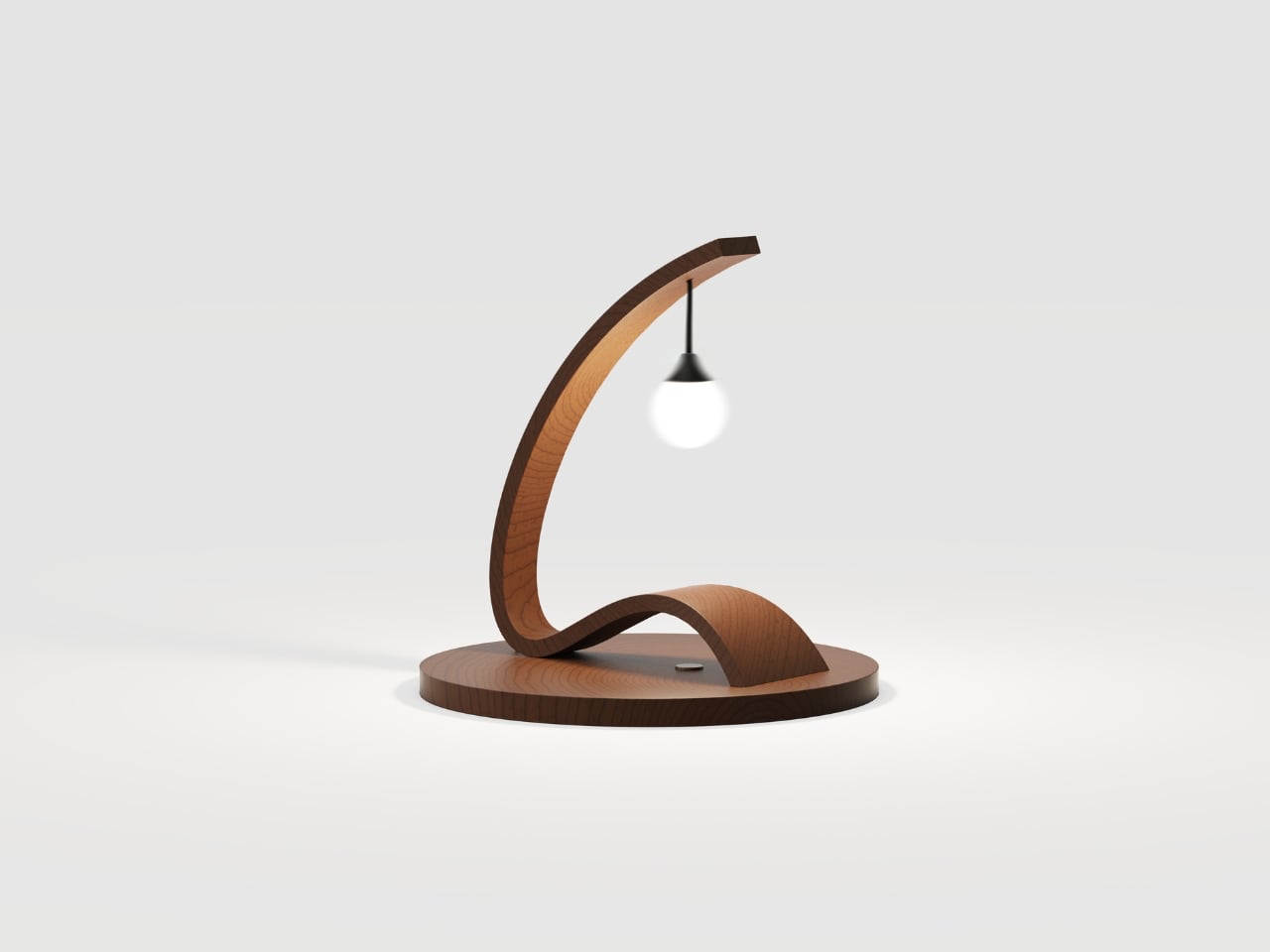
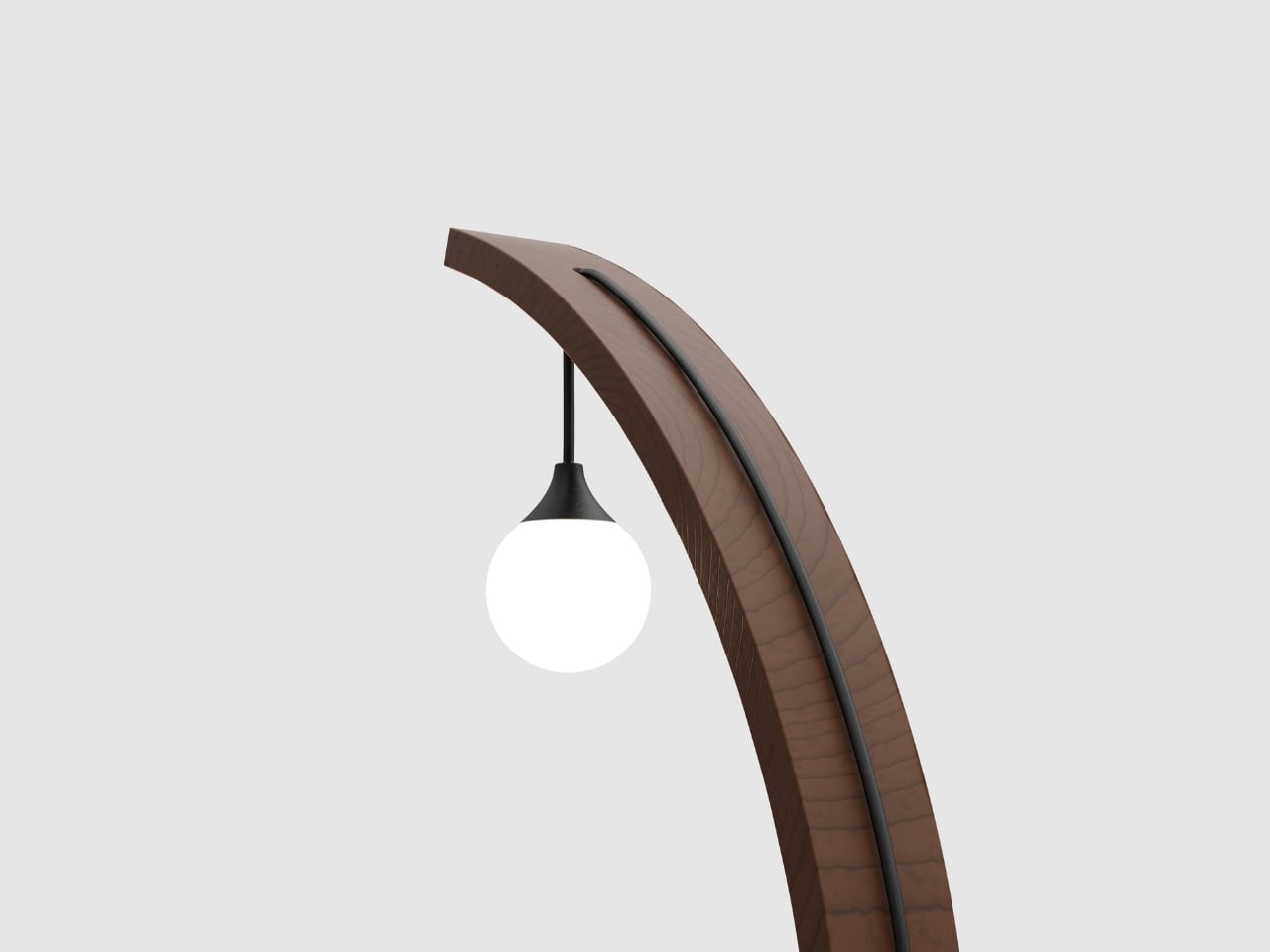
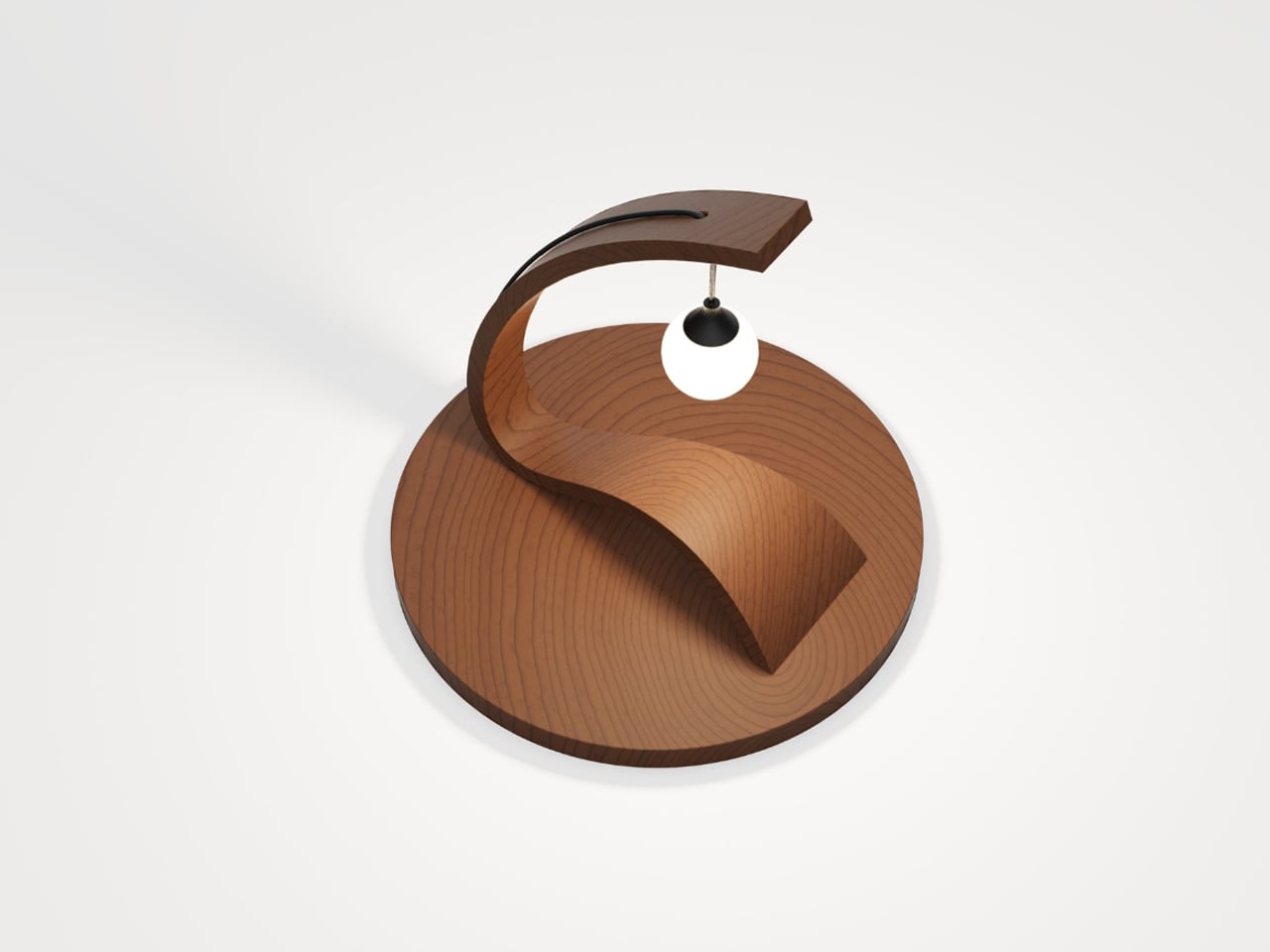
The Arc Lamp by designer Divyansh Tripathi is defined by a single bent wooden arm that curves gracefully to support a suspended light source, creating a strong sculptural identity. The continuous arc forms a balanced structure that distributes weight evenly while guiding the eye from base to bulb. This fluid geometry gives the lamp a sense of motion, turning a functional object into a visual centrepiece suitable for display as much as daily use. The suspended bulb is positioned to provide soft ambient illumination while reducing direct glare.

Material choice is central to the lamp’s character and performance. Bent timber introduces warmth, tactile depth, and visible grain patterns that make each piece visually distinct. Finished with protective natural coatings, the wood maintains its organic appearance while ensuring durability. Paired with a low-profile LED bulb, the lamp delivers even, diffused light that enhances surrounding textures without overpowering the space. Its minimal structure allows it to integrate across interior styles, functioning as a lighting solution and a collectible design object.

3. Honest Sustainable Materials

Lighting design now places strong emphasis on the full life cycle of a fixture, not just its appearance. You see a growing focus on low-impact production, modular construction, and upgradable LED components that extend usability rather than encouraging replacement. Materials such as repurposed mycelium, salt crystals, and recycled composites are no longer experimental choices but trusted options for those who value responsible design.

This shift brings both ethical and practical benefits. Durable construction and adaptable technology mean fixtures last longer and age more gracefully. When materials are chosen for integrity and longevity, lighting becomes more than décor as it becomes a lasting design investment, valued for craftsmanship and environmental responsibility rather than short-term trend appeal.

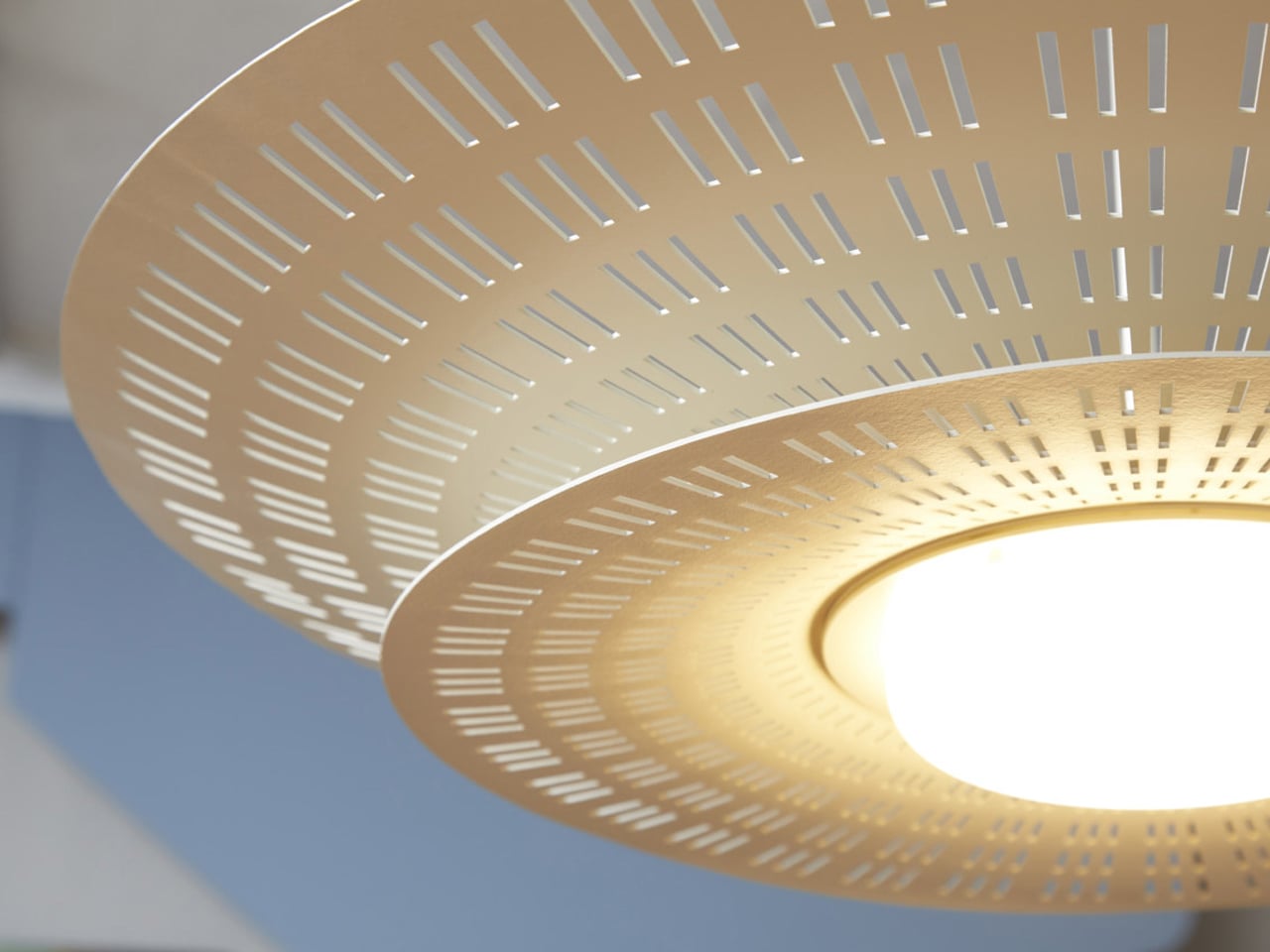
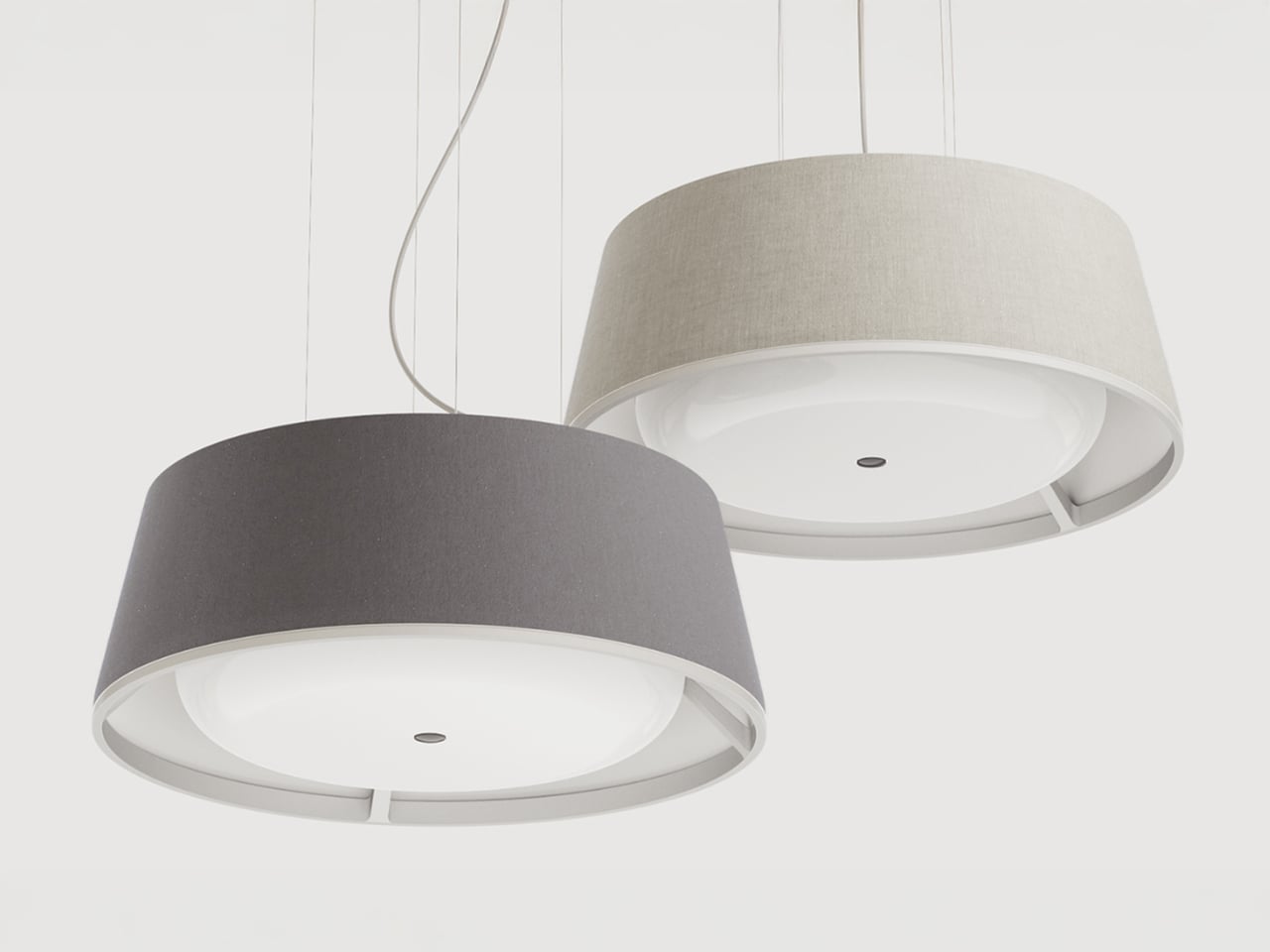
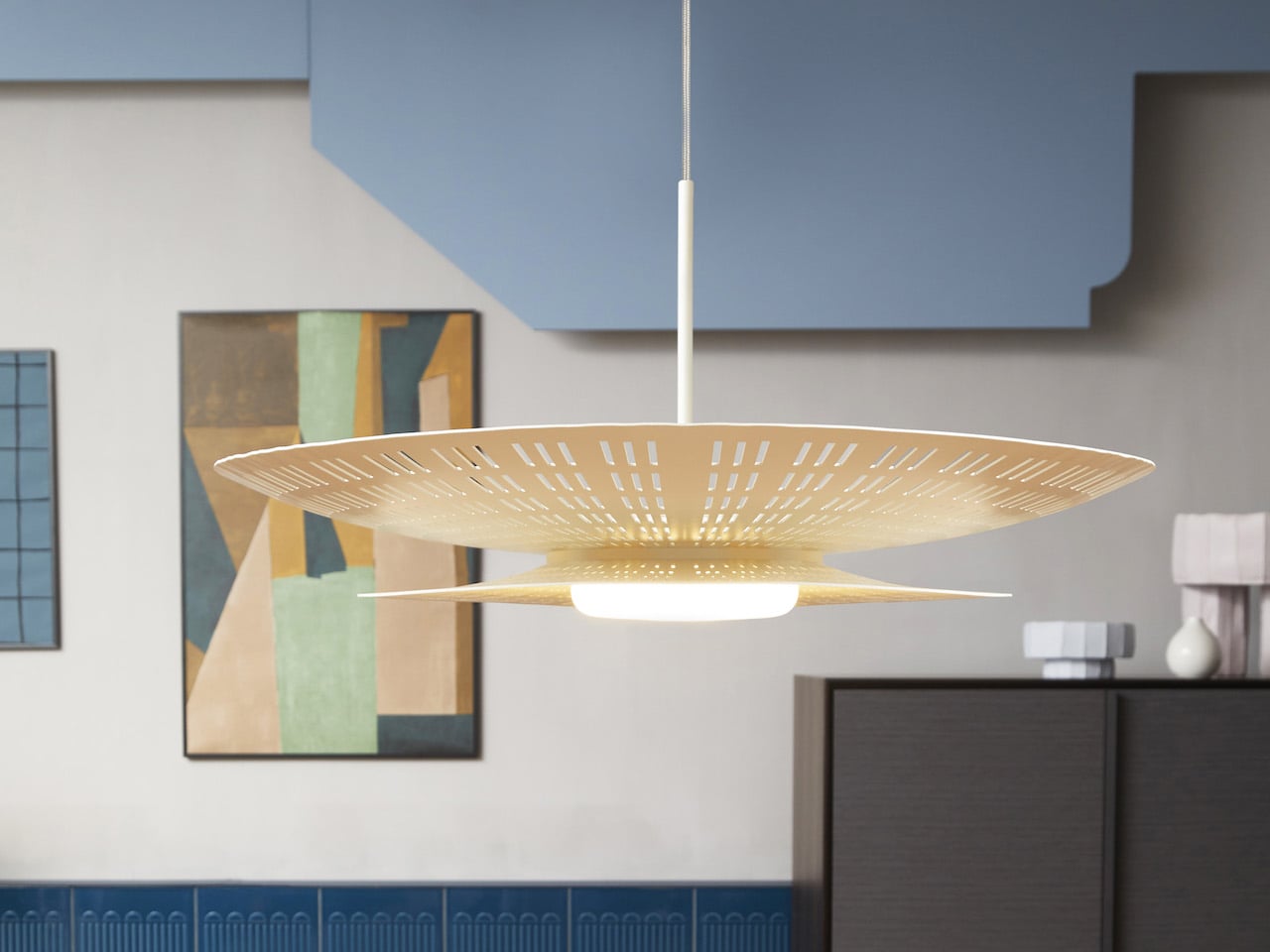
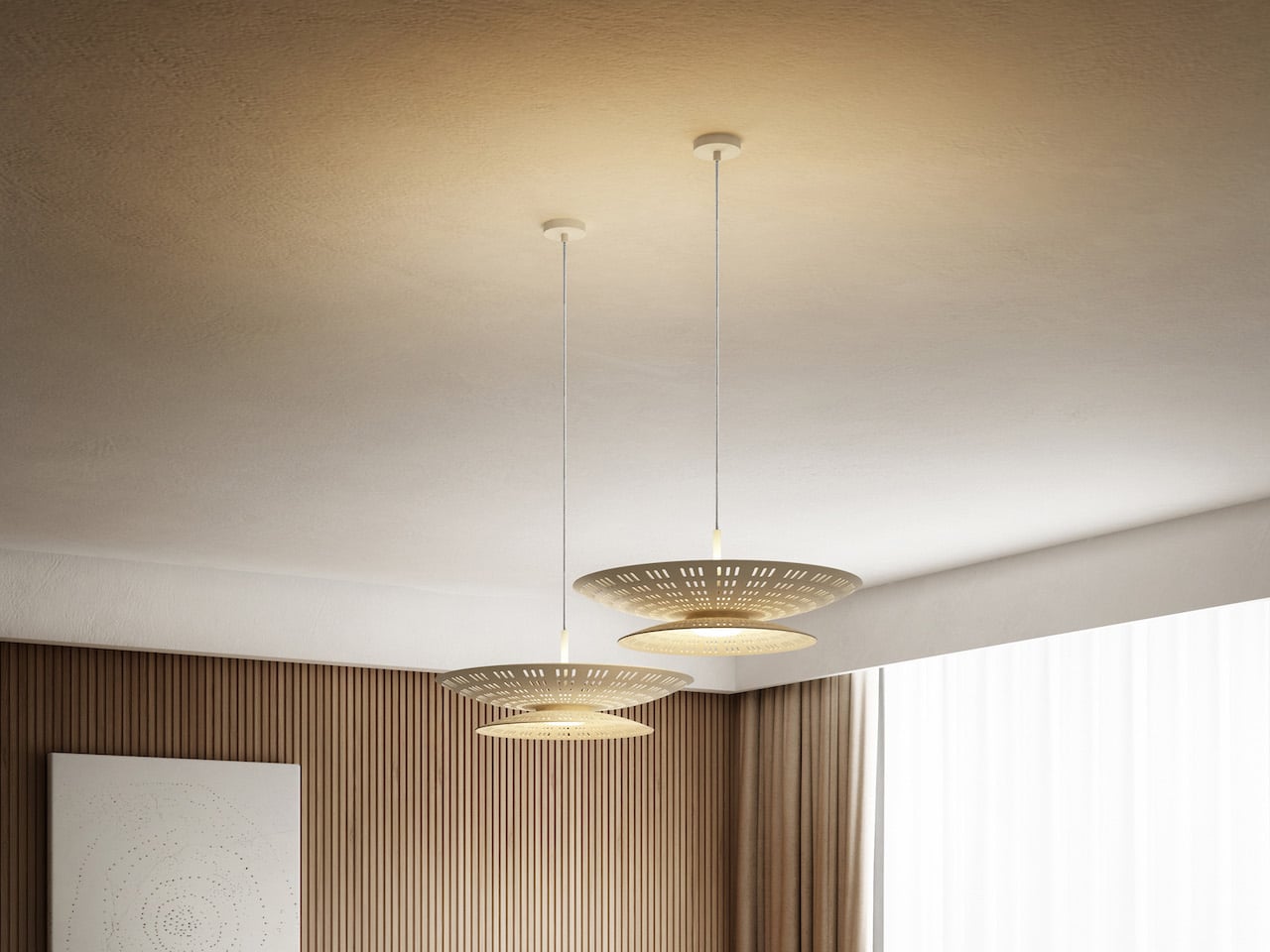
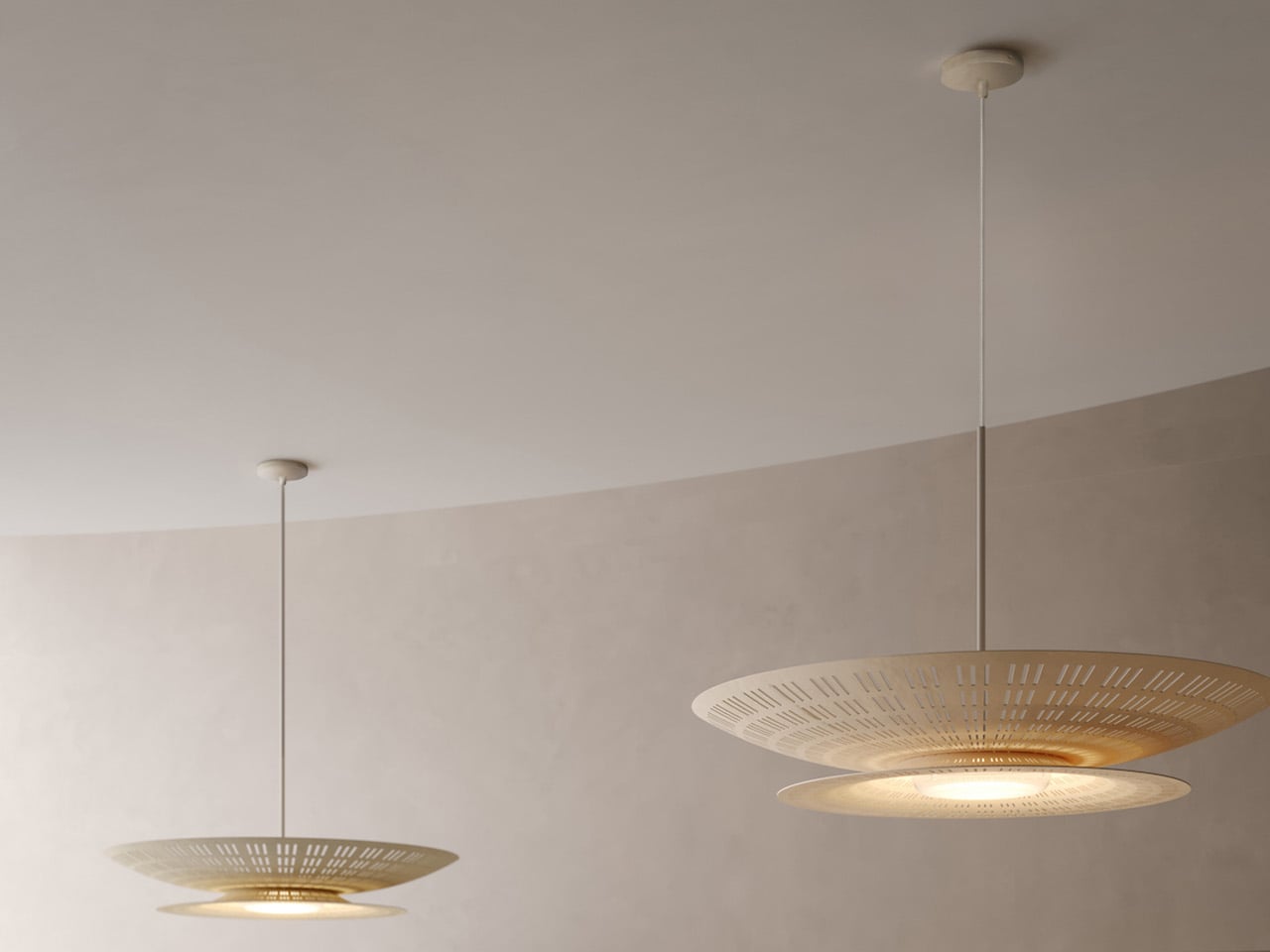
The Air suspension light by Contardi Lighting, designed in collaboration with Adam Tihany, is engineered to deliver soft, evenly distributed ambient illumination. Its dual-shade construction houses upper and lower LED light sources that spread light both upward and downward, improving overall spatial brightness while avoiding direct glare. Laser-cut detailing on the shades allows controlled light diffusion, creating subtle shadow patterns that add visual depth without reducing functional output. This configuration supports balanced lighting suitable for dining areas, lounges, and hospitality interiors.

Lighting efficiency is supported by the use of high-performance LED modules that maintain consistent colour temperature and stable light intensity over time. The shade material is designed to transmit and reflect light effectively, ensuring minimal loss while preserving a warm tonal quality. The integrated structure reduces the need for additional ambient fixtures, making the lamp suitable as a primary light source in medium-sized spaces.

4. Power of Shadow

Good lighting design recognises that darkness plays just as important a role as illumination. Instead of flooding every corner with brightness, subtractive lighting uses restraint to highlight key architectural features while allowing other areas to remain calm and visually quiet. This balance of light and shadow adds depth, especially in double-height or open-plan spaces, where contrast helps define structure and scale.

Techniques such as narrow-beam spotlights and subtle floor-level washes guide movement and create visual pauses. As you move through the home, light reveals selected moments rather than everything at once. The result feels intentional and layered, turning everyday interiors into curated, gallery-like environments instead of uniformly lit, commercial-looking spaces.

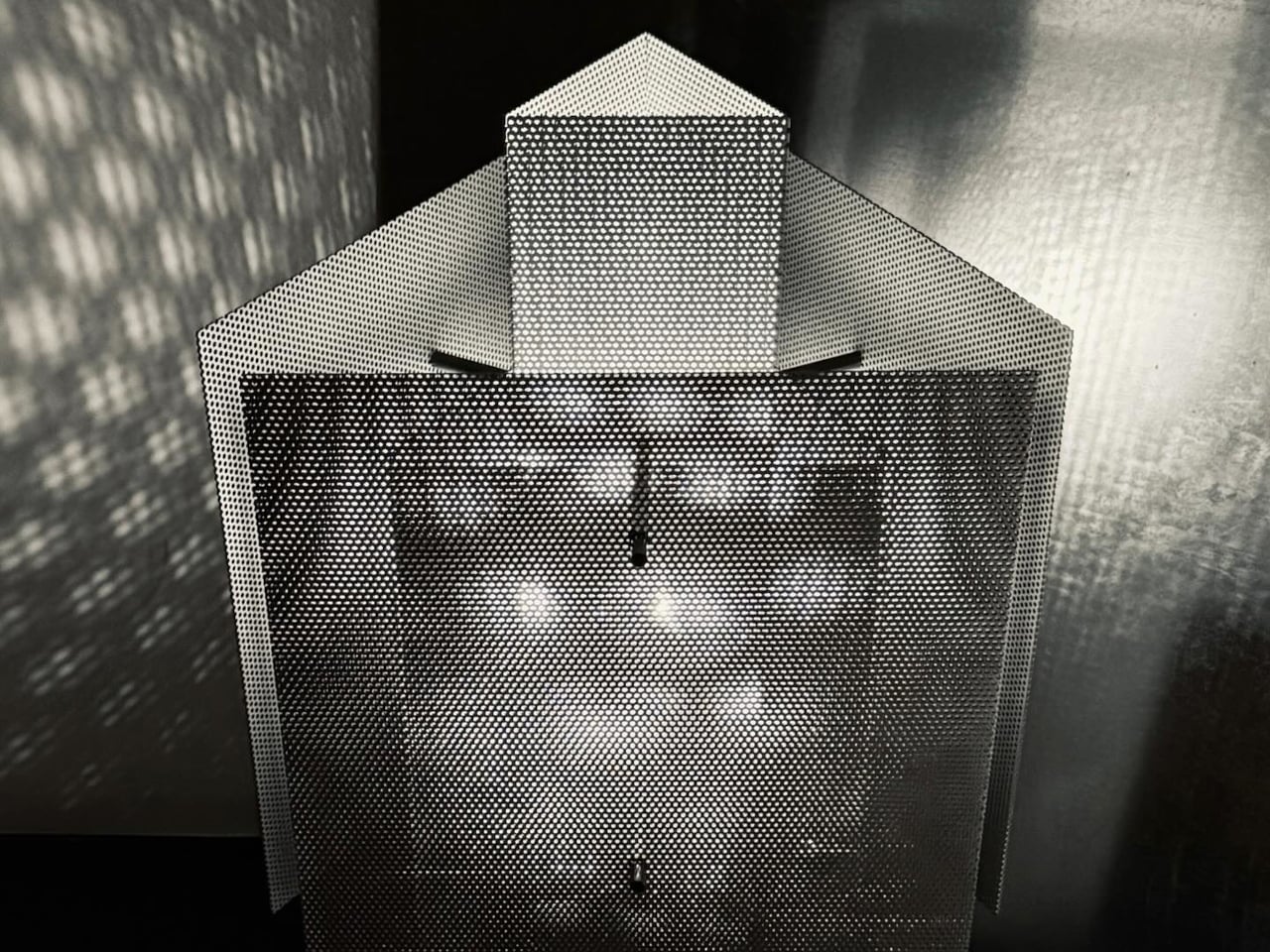
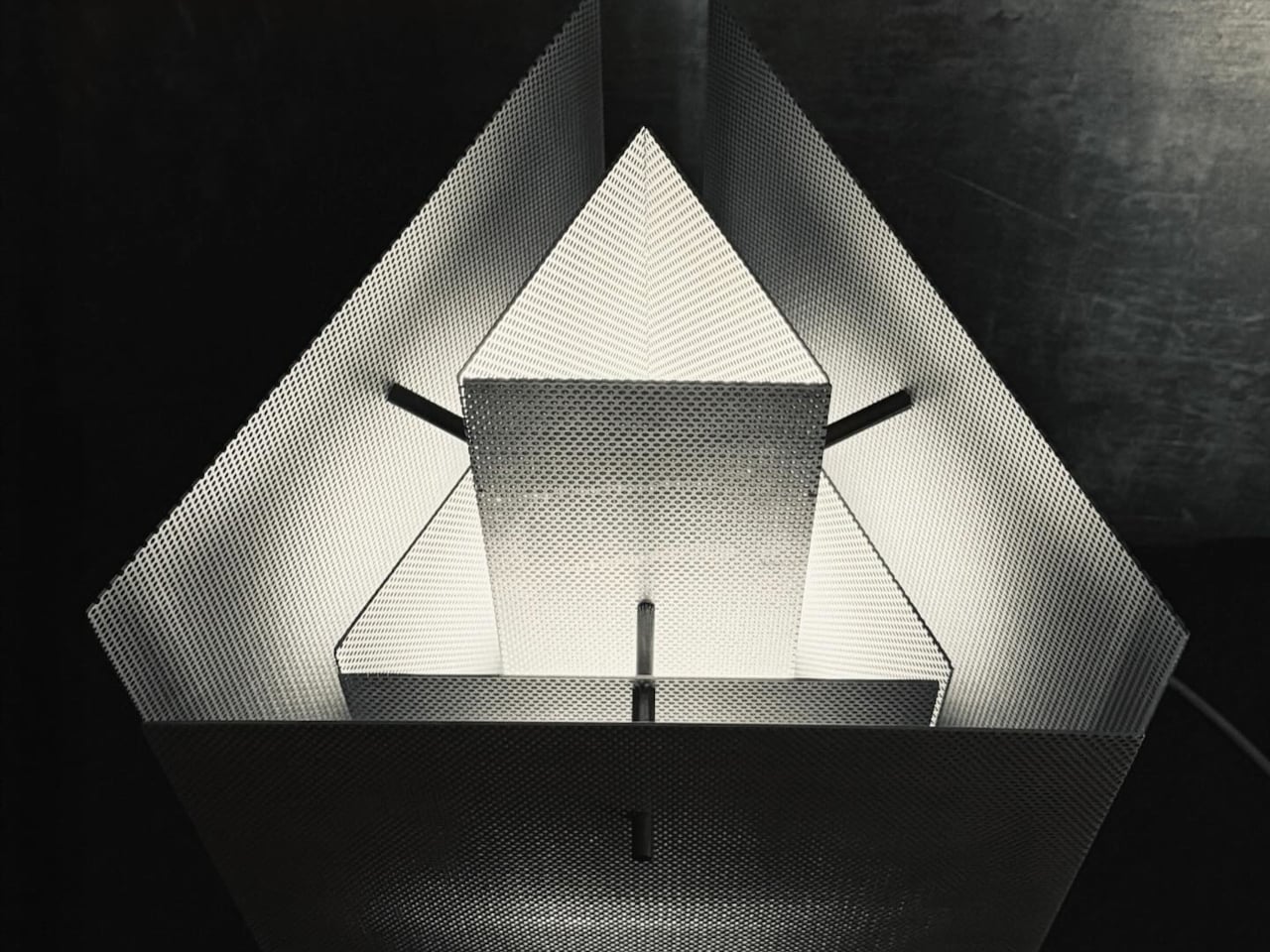
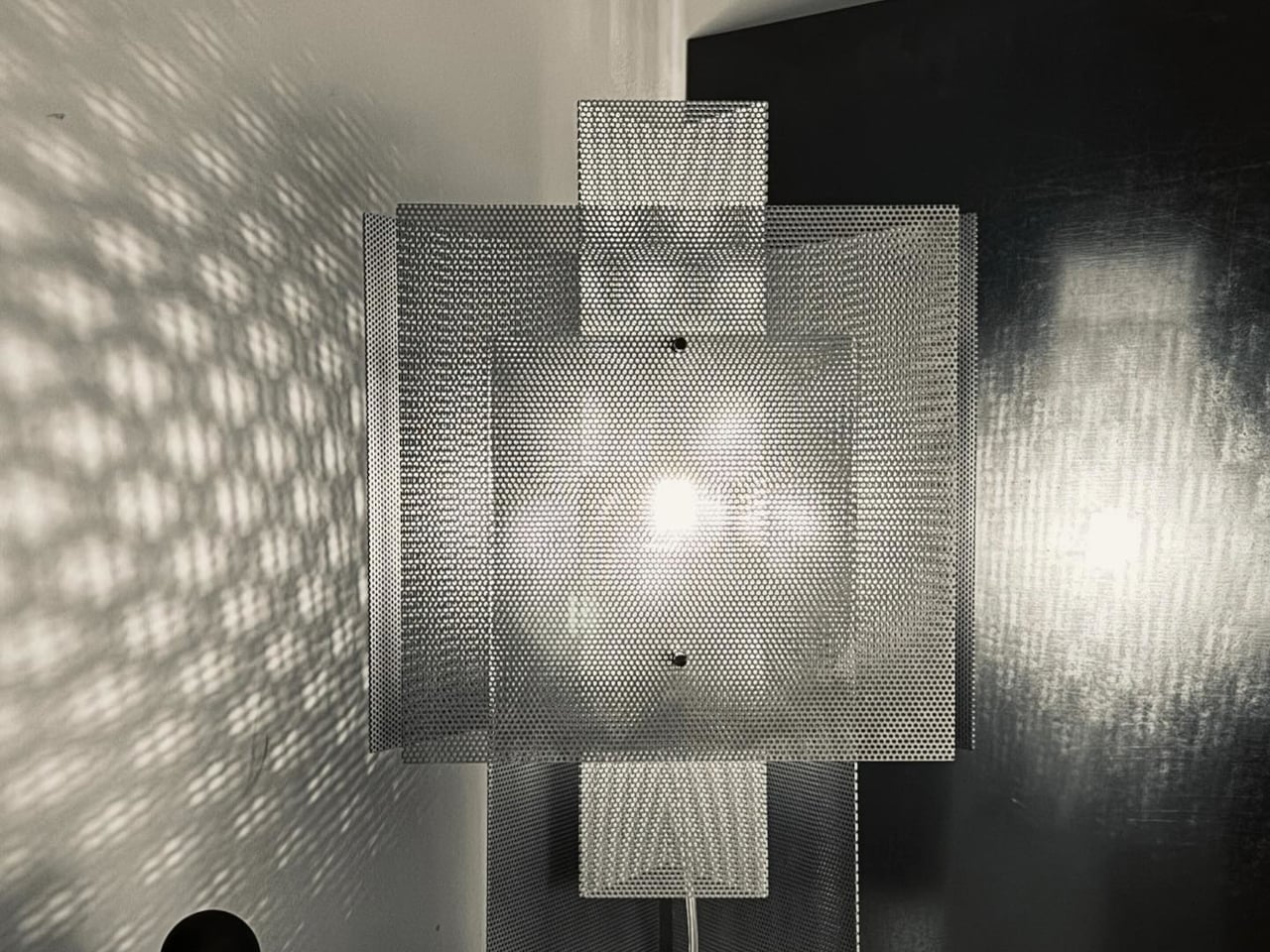
The Foreshadow Table Lamp is designed to transform direct illumination into patterned ambient light. Its perforated metal shade filters the light source into multiple fine beams, projecting structured shadows across nearby surfaces. This controlled diffusion adds visual depth while maintaining functional brightness for side tables, consoles, and accent lighting applications. The lighting effect varies depending on placement, surface finishes, and surrounding geometry, allowing the lamp to interact with its environment rather than delivering flat, uniform output.

Construction focuses on durability and tactile quality. The metal shade features precision-punched perforations that regulate light distribution while maintaining structural rigidity. The matte finish reduces surface glare and complements both contemporary and transitional interiors. When switched off, the lamp retains a clean, sculptural profile, functioning as a decorative object even without illumination. Designed to operate as a lighting fixture and an ambient feature, the Foreshadow Table Lamp provides atmospheric enhancement while remaining practical for everyday use.

5. Colour and Comfort

Modern lighting is closely linked to energy efficiency and indoor comfort. Advanced LED systems release very little heat, helping reduce strain on cooling and ventilation systems while keeping rooms comfortable throughout the day. This makes lighting an active part of managing how a space performs, not just how it looks.

At the same time, colour temperature is used to influence how warm or cool a room feels. You can shift from soft, golden tones during colder months to cooler, moonlit hues in warmer seasons, subtly shaping your emotional and physical response to the space. By adjusting light colour, interiors feel more adaptable, balanced, and supportive of everyday well-being.

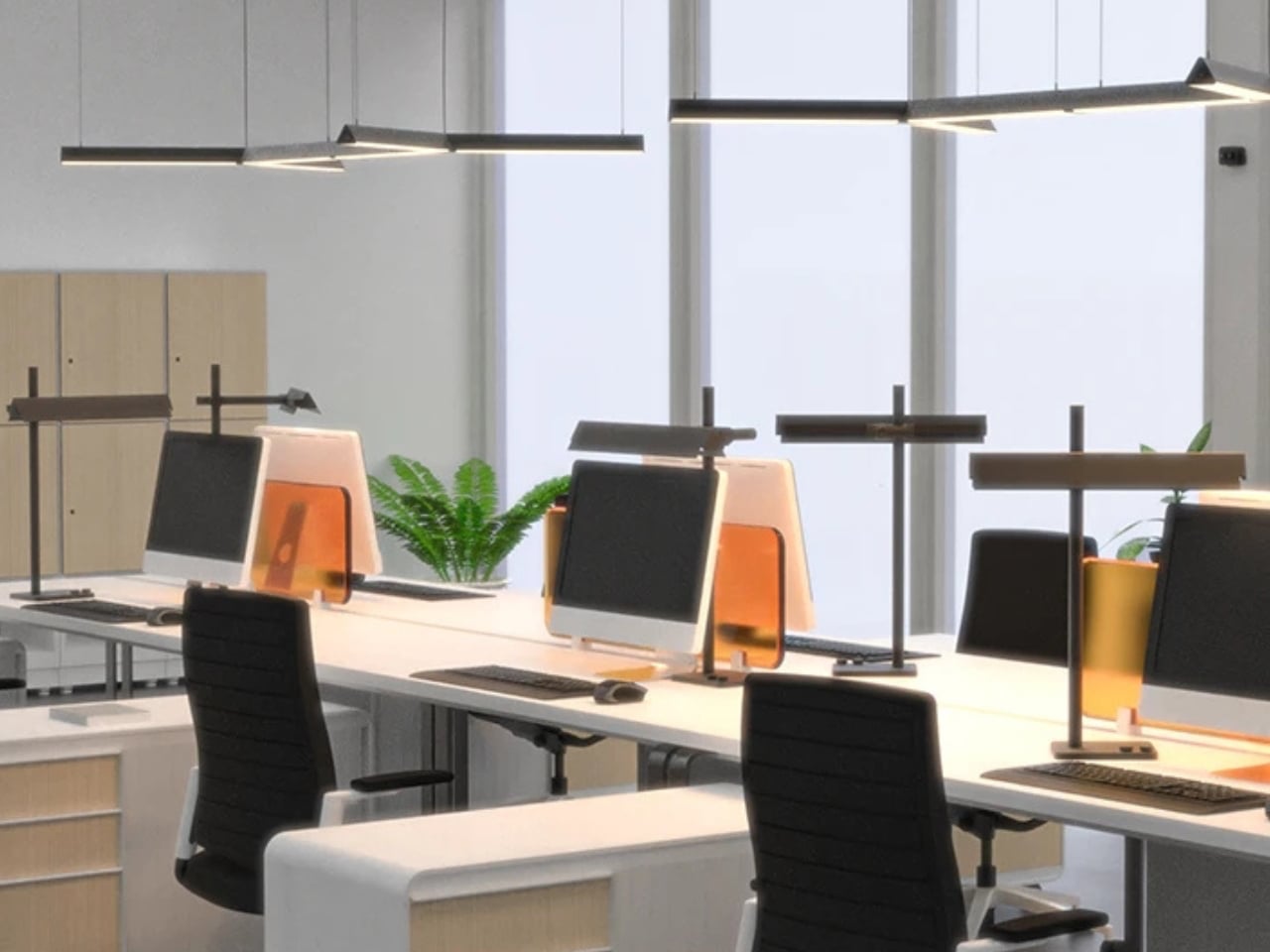
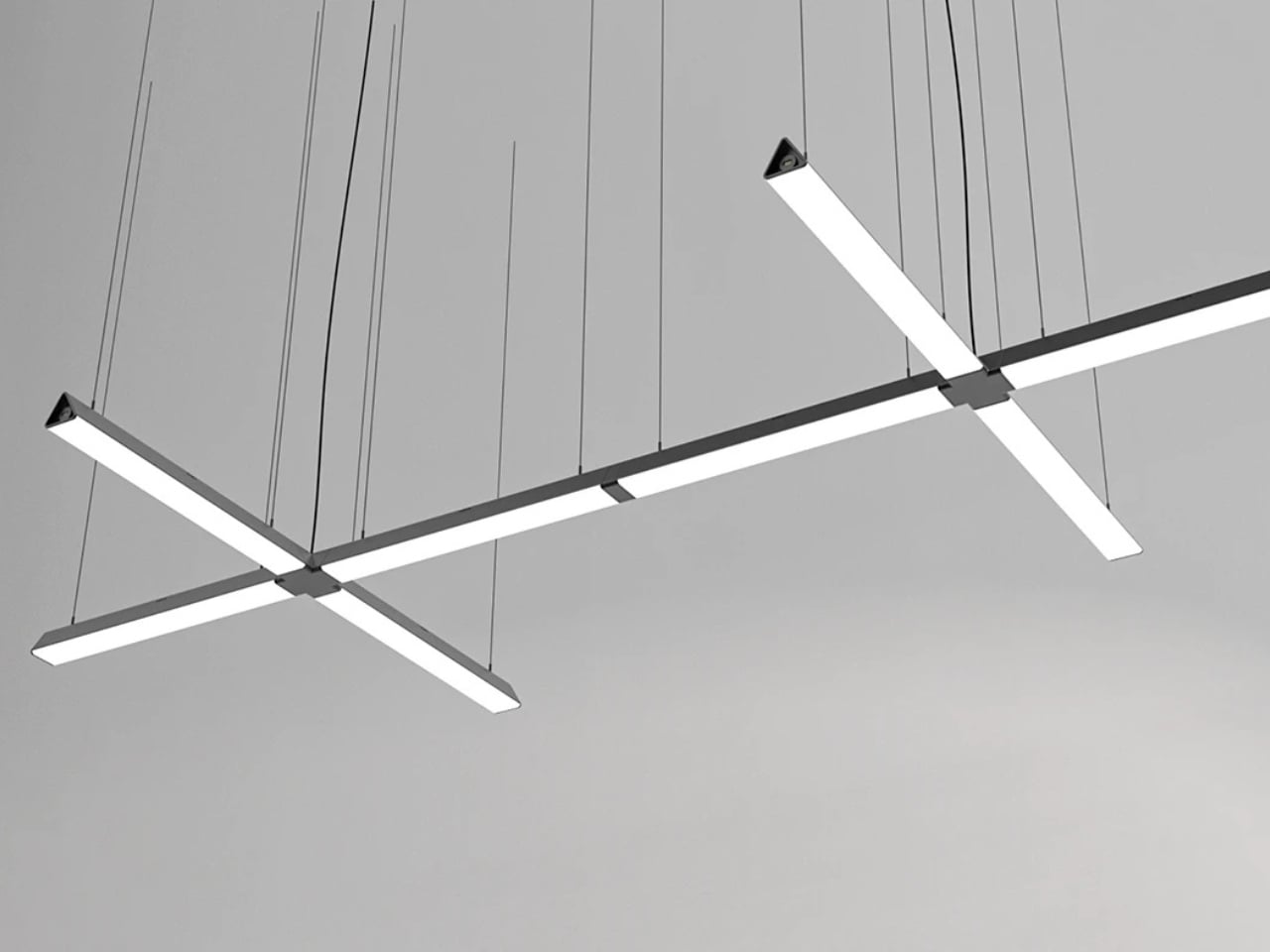
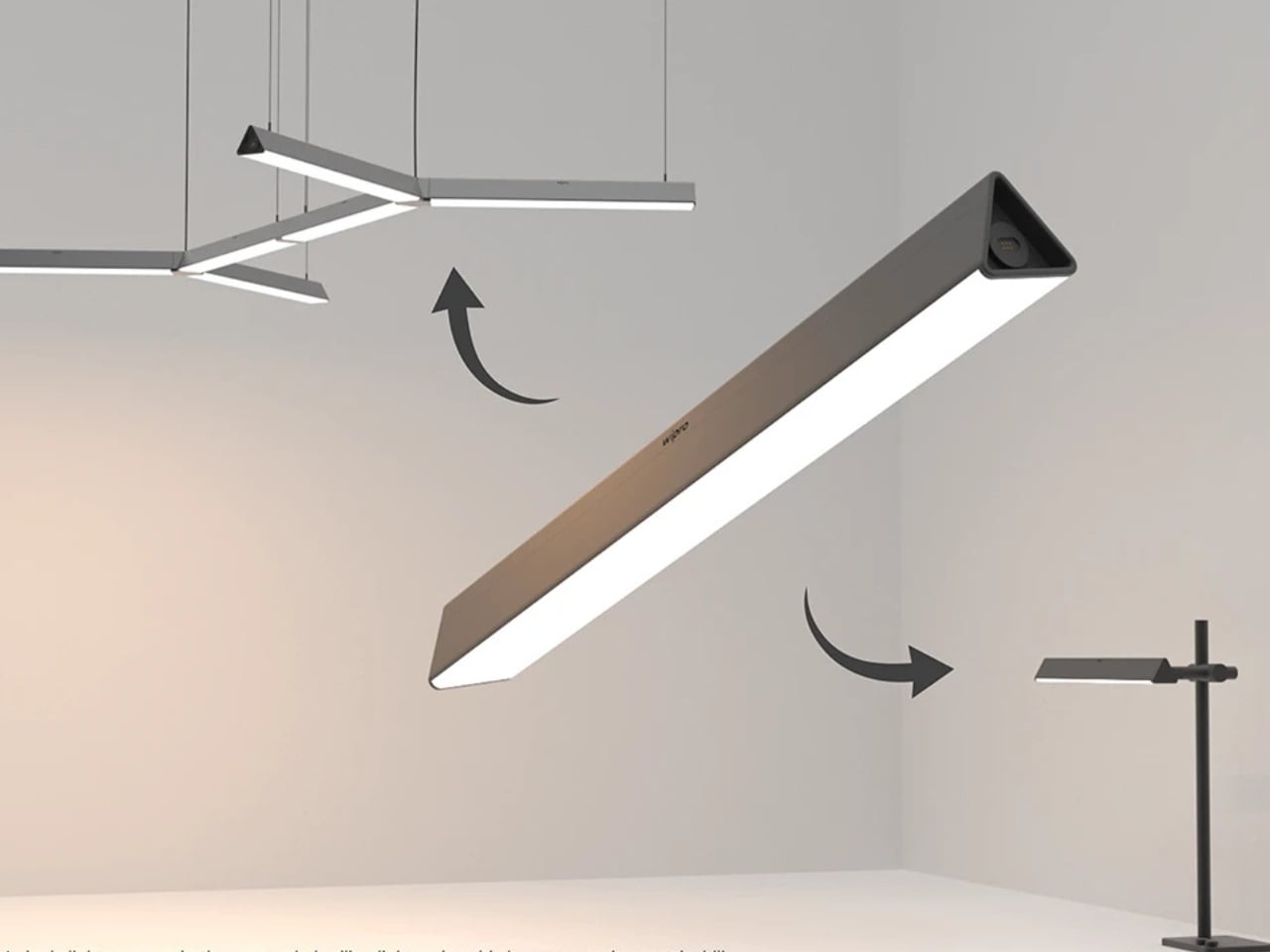
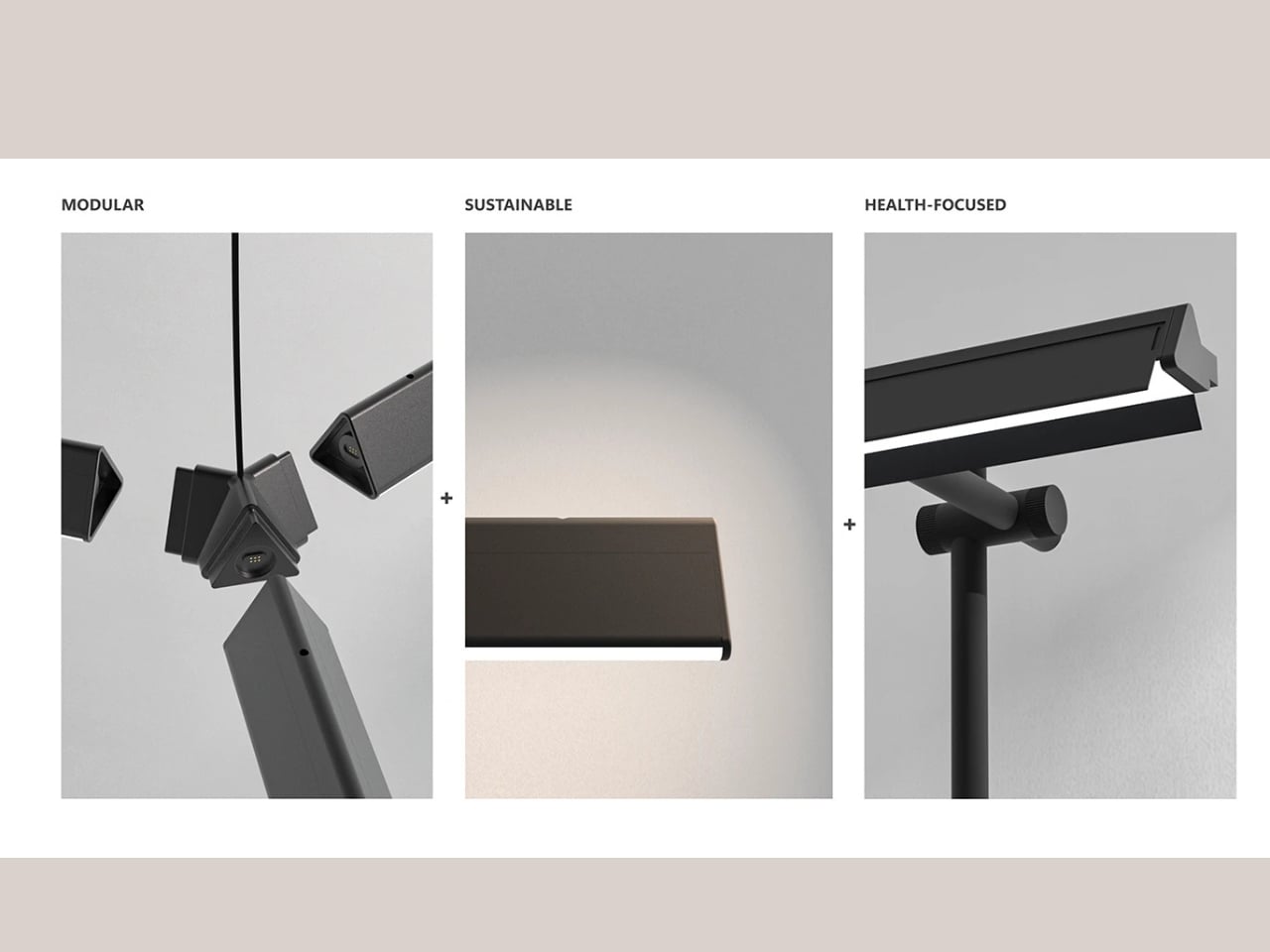
The Wipro EcoLumi Flex is a modular lighting concept designed to function as a table lamp and a suspended ceiling fixture. Its adjustable structure allows users to modify height and angle through a simple twist mechanism, ensuring precise light placement for different tasks. A slidable shade enables directional control and glare reduction, improving visual comfort during focused work. Multiple units can be connected using integrated joints and connectors, allowing customised lighting layouts for desks, workstations, or collaborative spaces.

Lighting performance is enhanced through built-in circadian modes that automatically adjust brightness and colour temperature throughout the day. Warm tones support relaxed morning and evening use, while cooler light promotes alertness and productivity during peak work hours. The modular construction supports part replacement and future upgrades, reducing material waste and extending product lifespan.

Lighting is evolving into a true architectural philosophy in 2026, where atmosphere takes precedence over mere fixtures. Intelligent systems, sculptural forms, and sustainable materials work together to create spaces that are visually compelling.

The post 5 Smart Lighting Trends That Just Made Traditional Fixtures Look Outdated first appeared on Yanko Design.
5 Furniture Trends That Just Made IKEA Look Obsolete in 2026

Furniture is now understood as a core architectural component rather than a purely functional addition to a space. In 2026, instead of sharp, rigid forms, current design directions favor softer, organic silhouettes that promote comfort and visual calm. These shapes help create interiors that feel more balanced and human-centred, supporting everyday use while enhancing the emotional quality of the environment.

This evolution is reinforced by the use of advanced materials and modular construction systems that improve durability and adaptability. Flexible configurations allow furniture to respond to changing needs, extending product life and long-term value. When thoughtfully integrated, these pieces guide movement and define zones within an interior. Take a look at the furniture trends that remains relevant as lifestyles and design preferences evolve in 2026.

1. Soft Spatial Forms

Design is steadily shifting away from rigid, rectilinear furniture toward softer, curving silhouettes inspired by natural movement. Rounded edges and flowing profiles reduce visual tension, helping spaces feel more relaxed and continuous. These forms also support smoother spatial flow, allowing furniture to guide movement gently rather than interrupt it with sharp transitions.

Curved surfaces interact with ambient light in more subtle ways, creating soft highlights and layered shadows that add depth to interiors. Beyond visual appeal, these shapes offer practical advantages, including improved ergonomics and reduced edge damage over time. By combining comfort, durability, and visual warmth, soft-form furniture supports long-term usability while maintaining a calm, human-centred interior environment.

When furniture follows rounded geometries, it contributes to a more welcoming environment while maintaining a strong design identity. These forms work especially well in minimal interiors, where shape and proportion become the primary visual language rather than surface decoration.

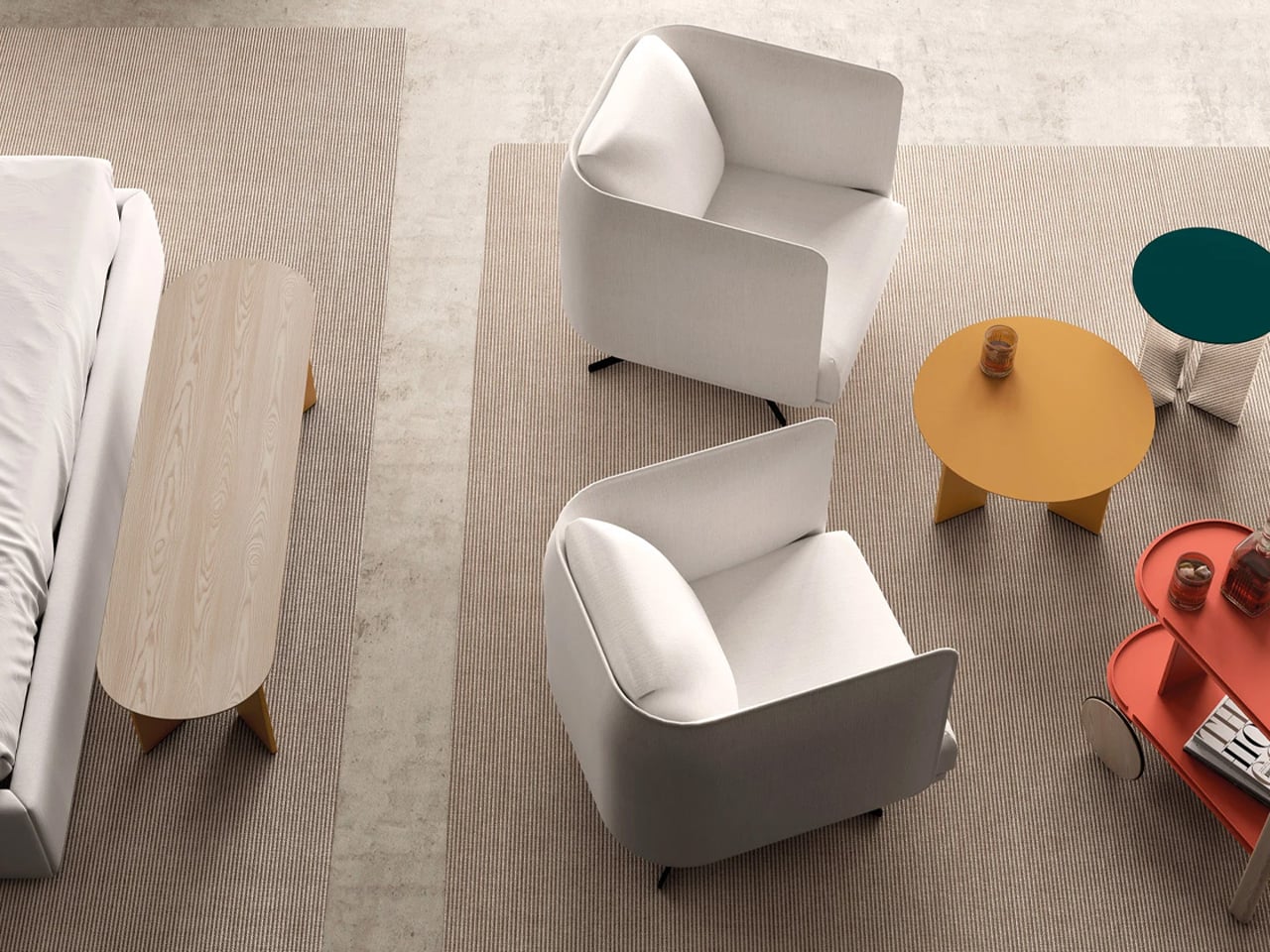
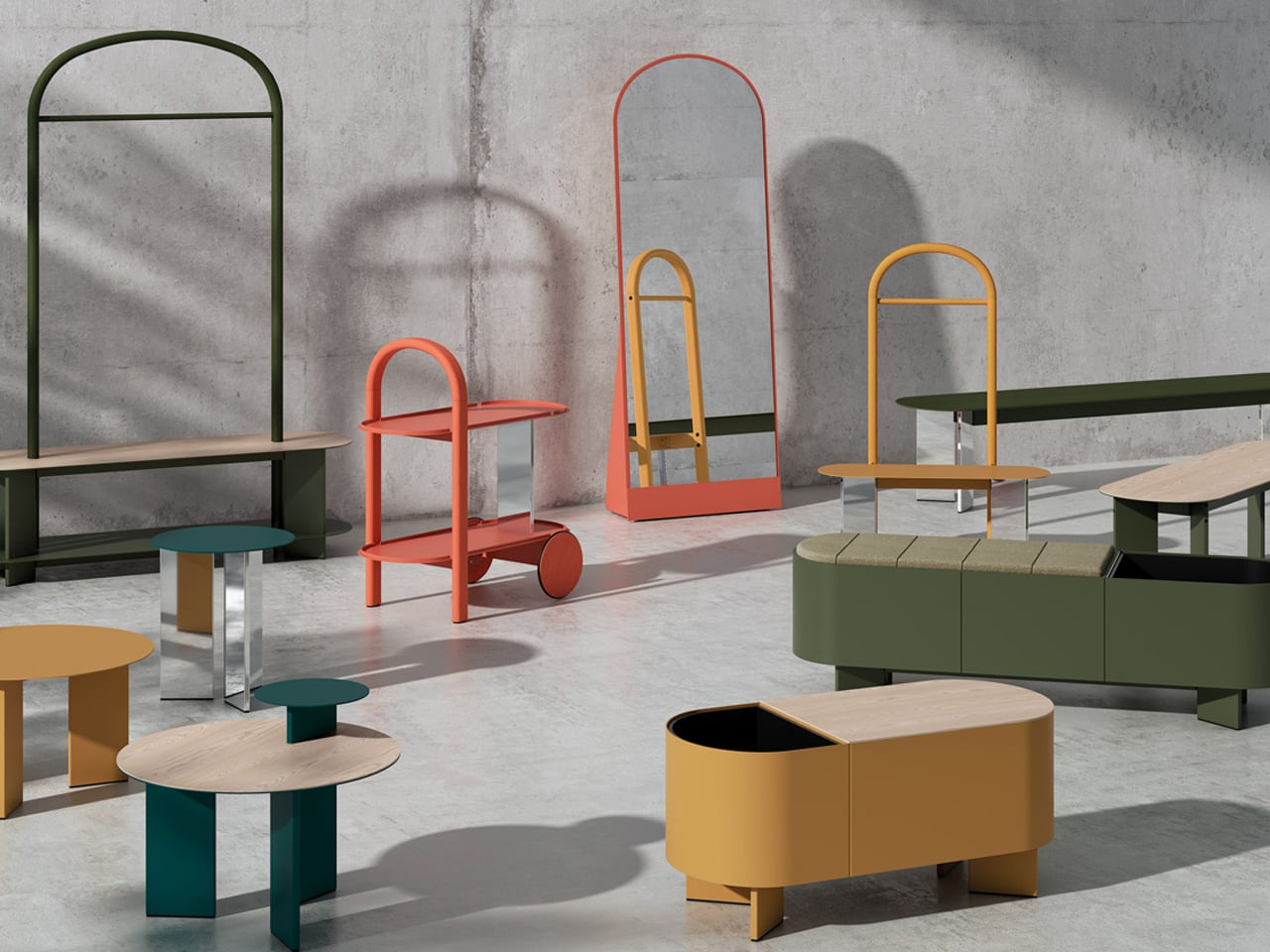
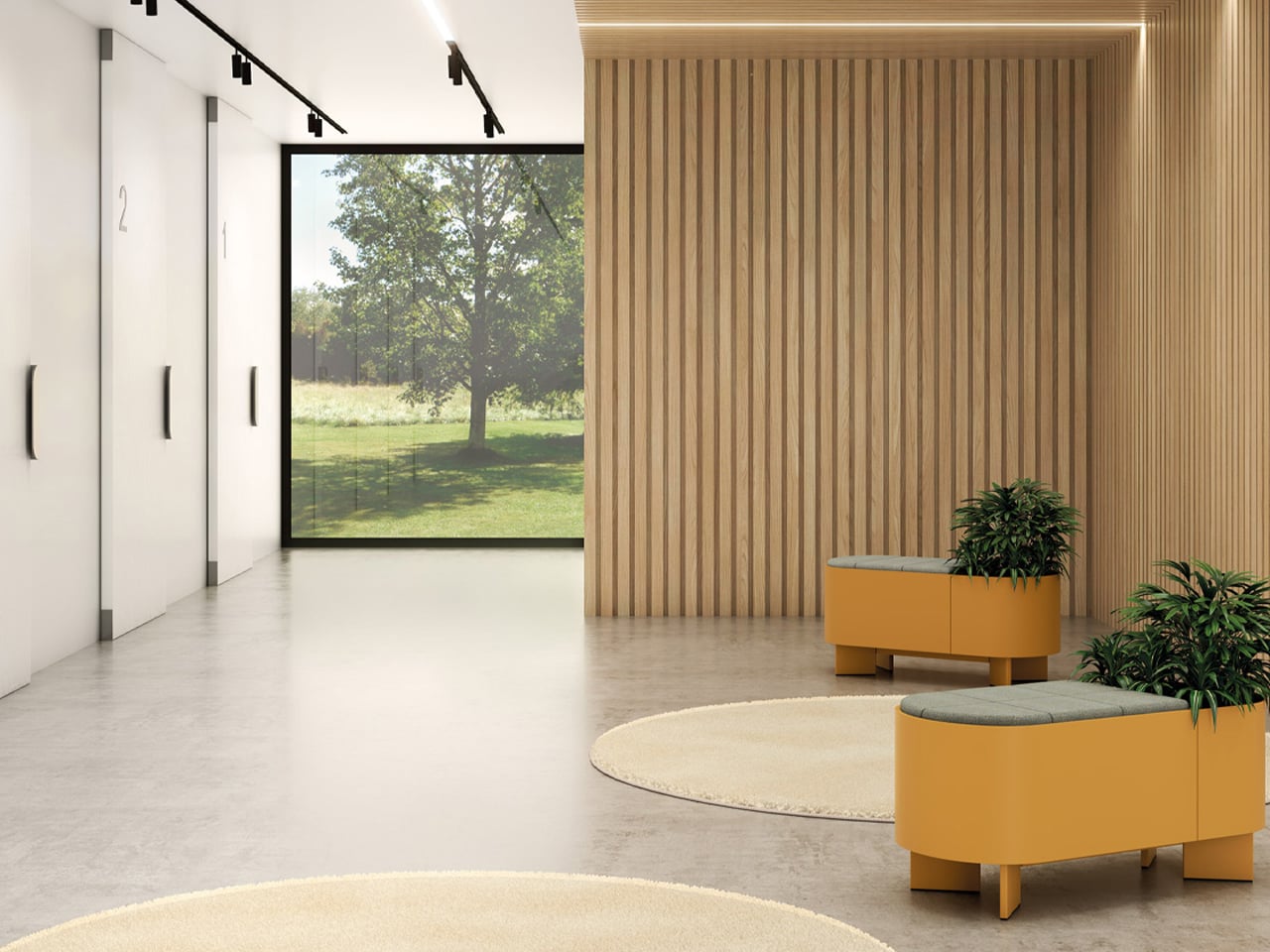
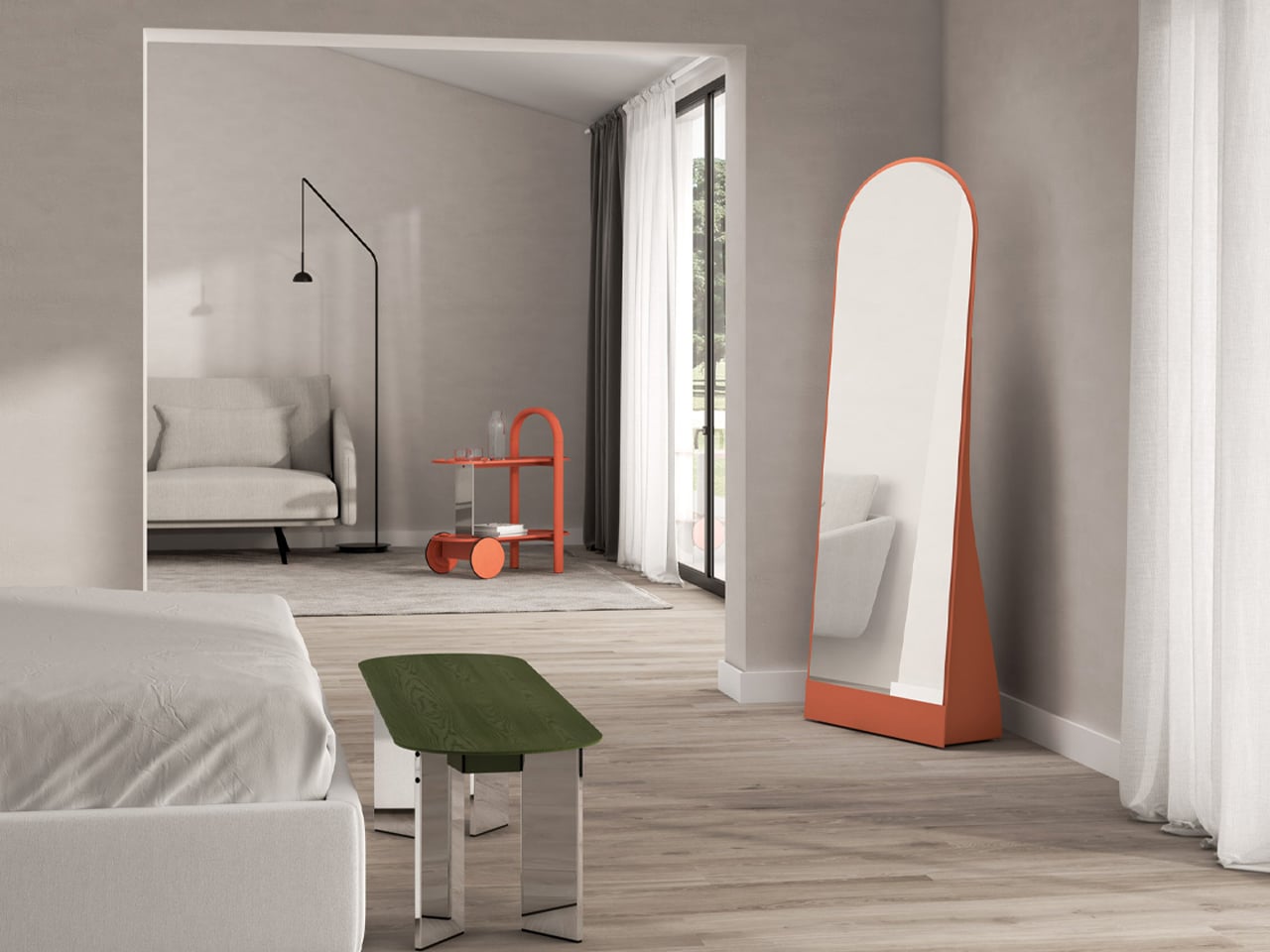
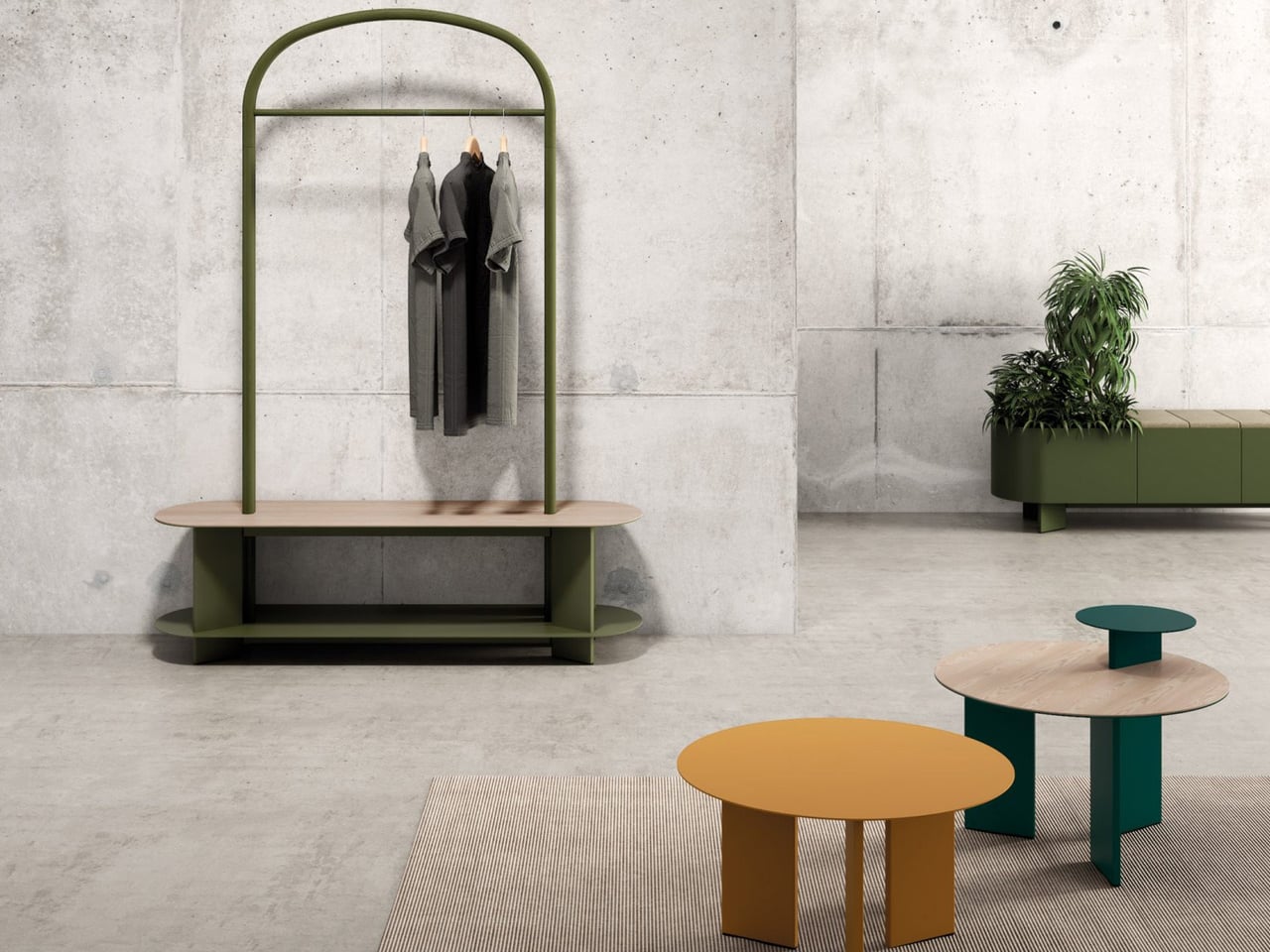
Designed by Lagranja Design for Systemtronic, the Croma furniture collection is defined by consistent curved lines and warm-toned finishes inspired by Mediterranean materials. Natural and stained ash wood is combined with painted and chrome-plated aluminium to create contrast while maintaining visual softness. The collection includes arched wardrobes, rounded planter benches, circular tables in multiple sizes, mirrors, valet stands, and trolleys. Unified geometry across all pieces ensures compatibility within shared spaces, allowing the collection to function as a coordinated system rather than isolated objects.

2. Bio-Smart Materials

In 2026 material innovation is moving toward bio-engineered alternatives that reduce reliance on fossil-fuel-based synthetics. Regenerative materials such as mycelium and algae-based polymers offer low carbon impact while introducing rich, tactile surfaces that feel organic and visually distinctive. These bio-composites support responsible production methods while maintaining the structural performance required for everyday furniture use.

Textiles are also evolving through the use of self-cleaning and pollutant-breaking coatings, including titanium dioxide finishes that react to light exposure. These treatments improve hygiene, reduce maintenance needs, and extend fabric lifespan. Together, bio-based structures and advanced surface technologies support sustainability and long-term design relevance, ensuring furniture remains compliant with future environmental standards while delivering consistent aesthetic and functional performance.

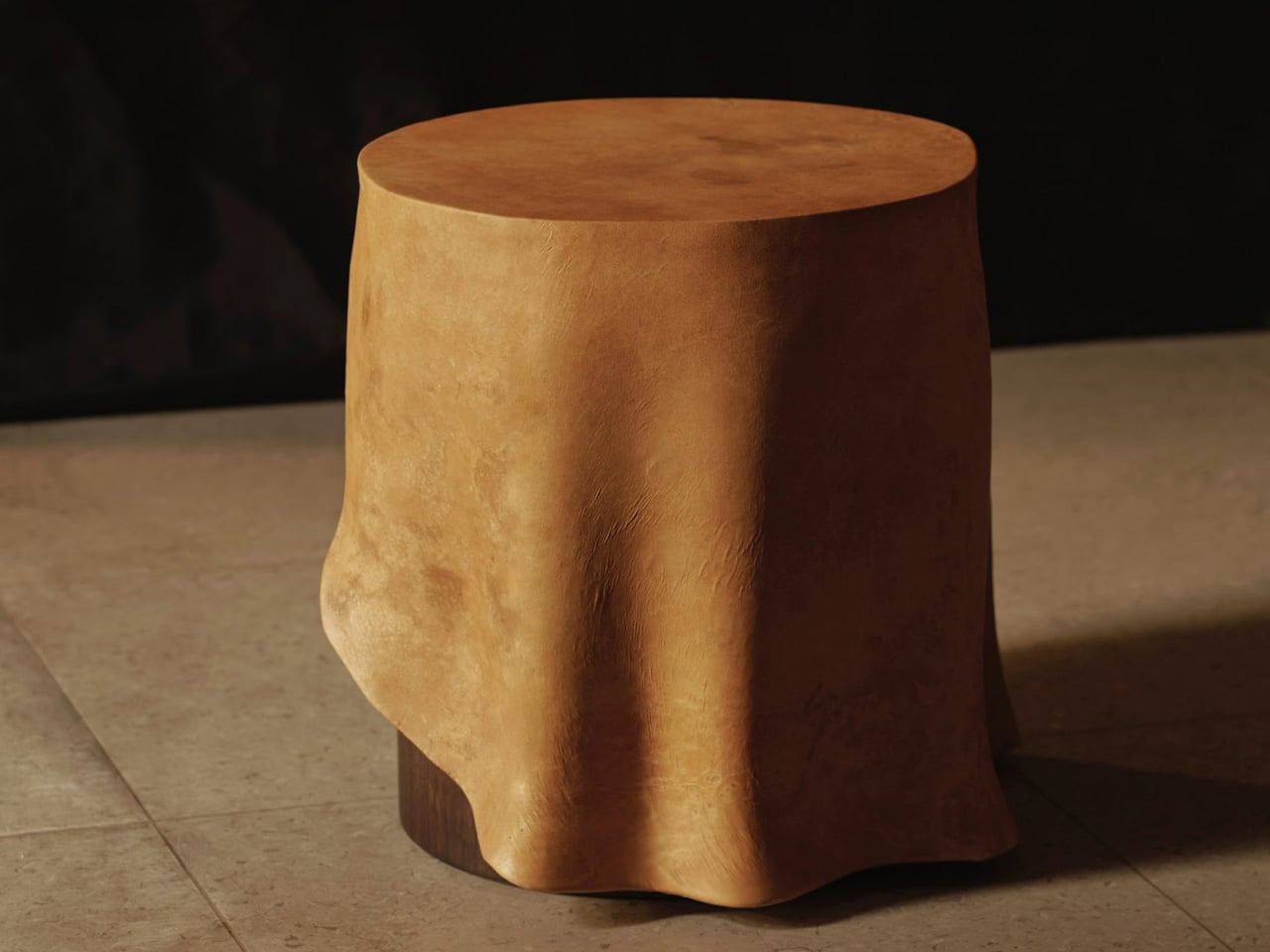
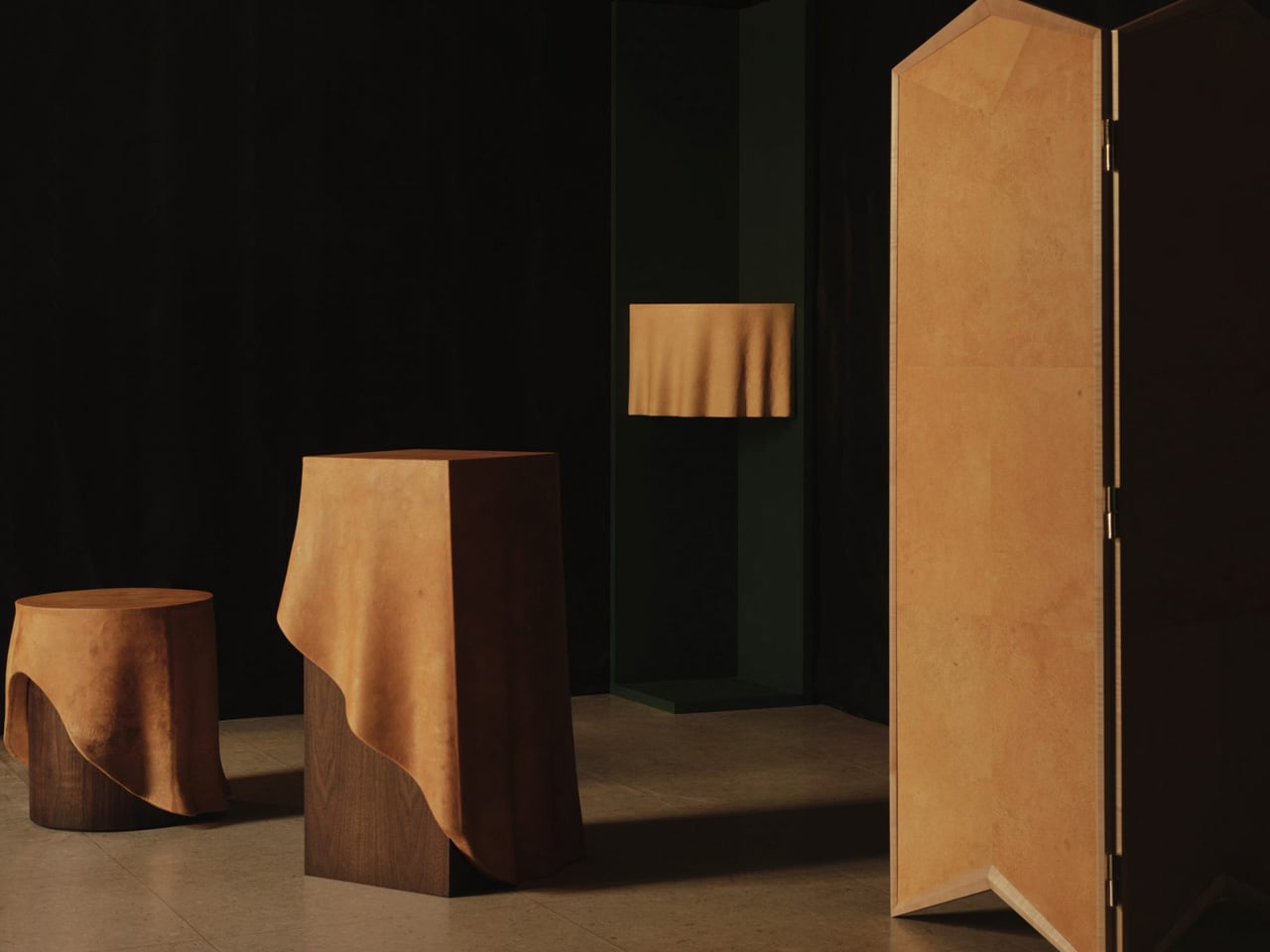
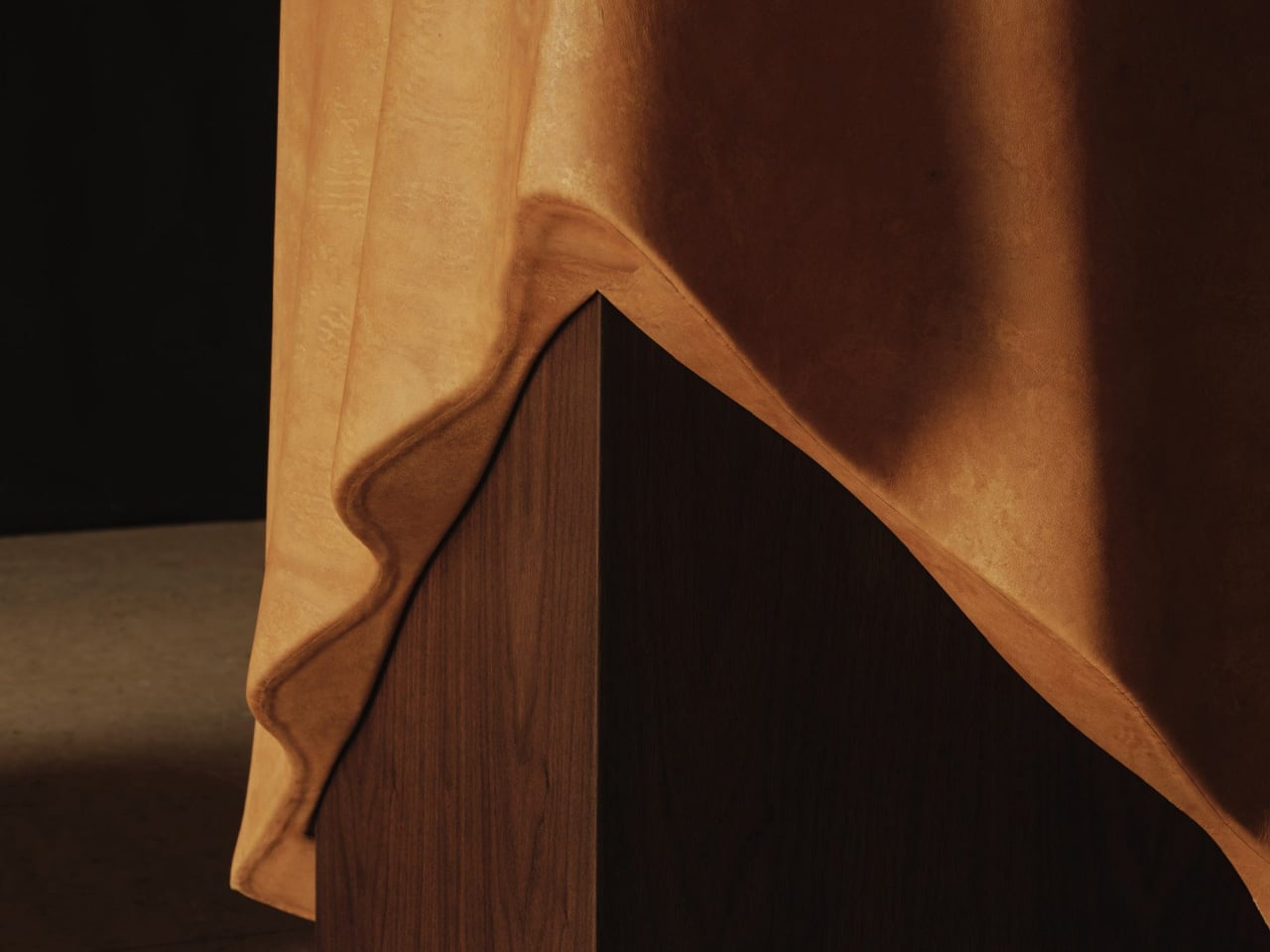
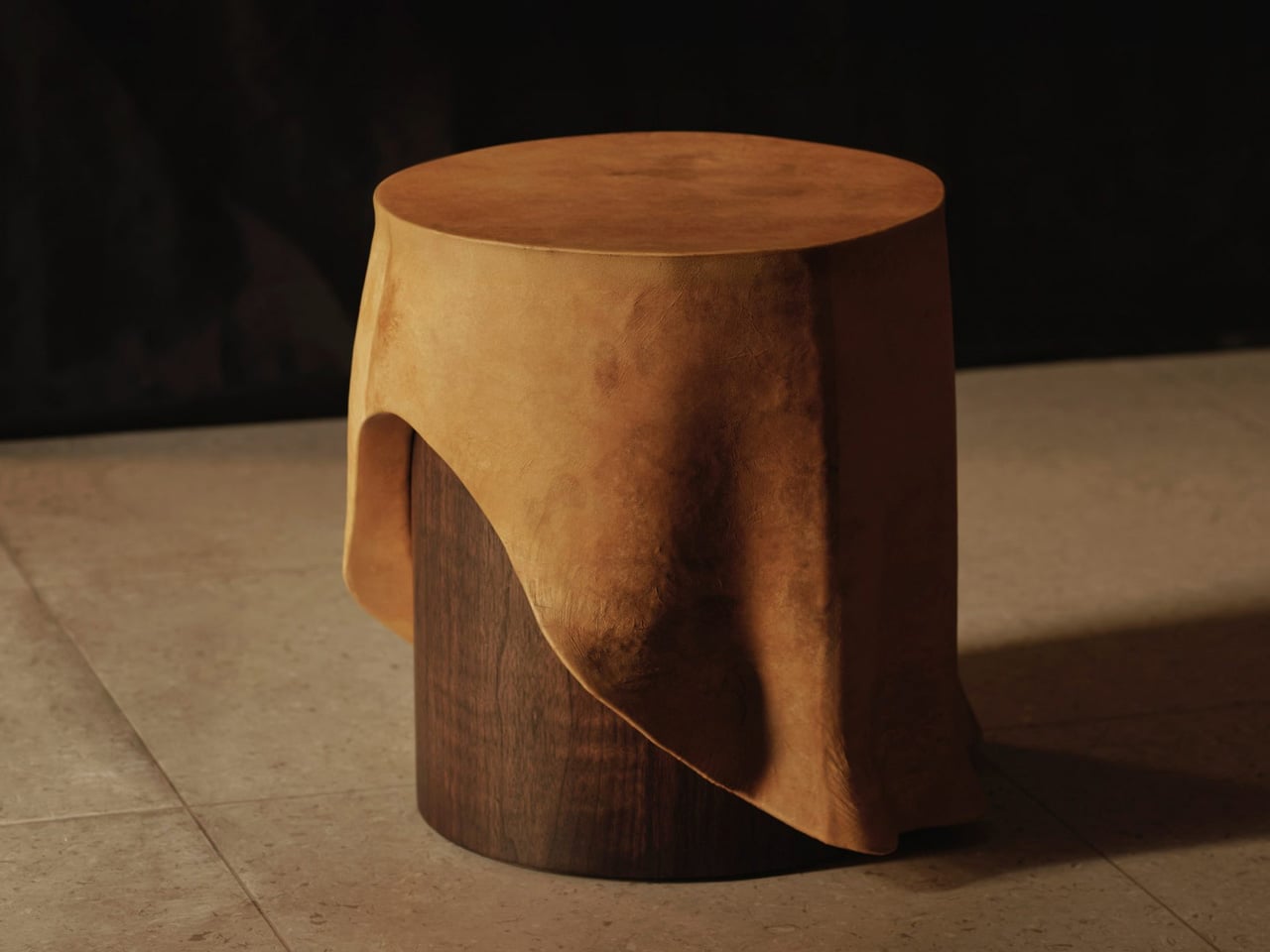
Studio TOOJ’s Duk furniture series explores how mycelium-based materials can transform the surface and perception of solid furniture. Each piece is formed from sculpted wood and finished with Reishi, a biomaterial developed by MycoWorks from mushroom root structures. This layered construction allows rigid forms to visually resemble soft, draped fabric while maintaining structural stability. The mycelium surface introduces organic texture and matte softness, creating a textile-like appearance without using traditional upholstery or leather.

Reishi is cultivated under controlled conditions, allowing precise control over thickness, strength, and surface quality. This consistency supports complex furniture applications where uniform performance is essential. Unlike animal-based leather, the material can be grown to specification, reducing waste and enabling repeatable production standards.

3. Adaptive Modular Furniture

Furniture design is increasingly focused on modular systems that support multiple functions within compact interiors. Rather than simple add-on components, these systems are architecturally integrated, allowing pieces to shift between layouts with minimal effort. Magnetic connectors and precision interlocking joints enable fast reconfiguration without tools, making it easy to adapt furniture to different daily activities.

This flexibility improves spatial efficiency by allowing a single system to perform several roles, such as converting seating into lounge or guest arrangements. Loose-fit construction also supports easy repair and part replacement, extending product lifespan and reducing material waste. By combining adaptability with structural clarity, modular furniture delivers long-term value while responding to changing space requirements and evolving lifestyle needs.

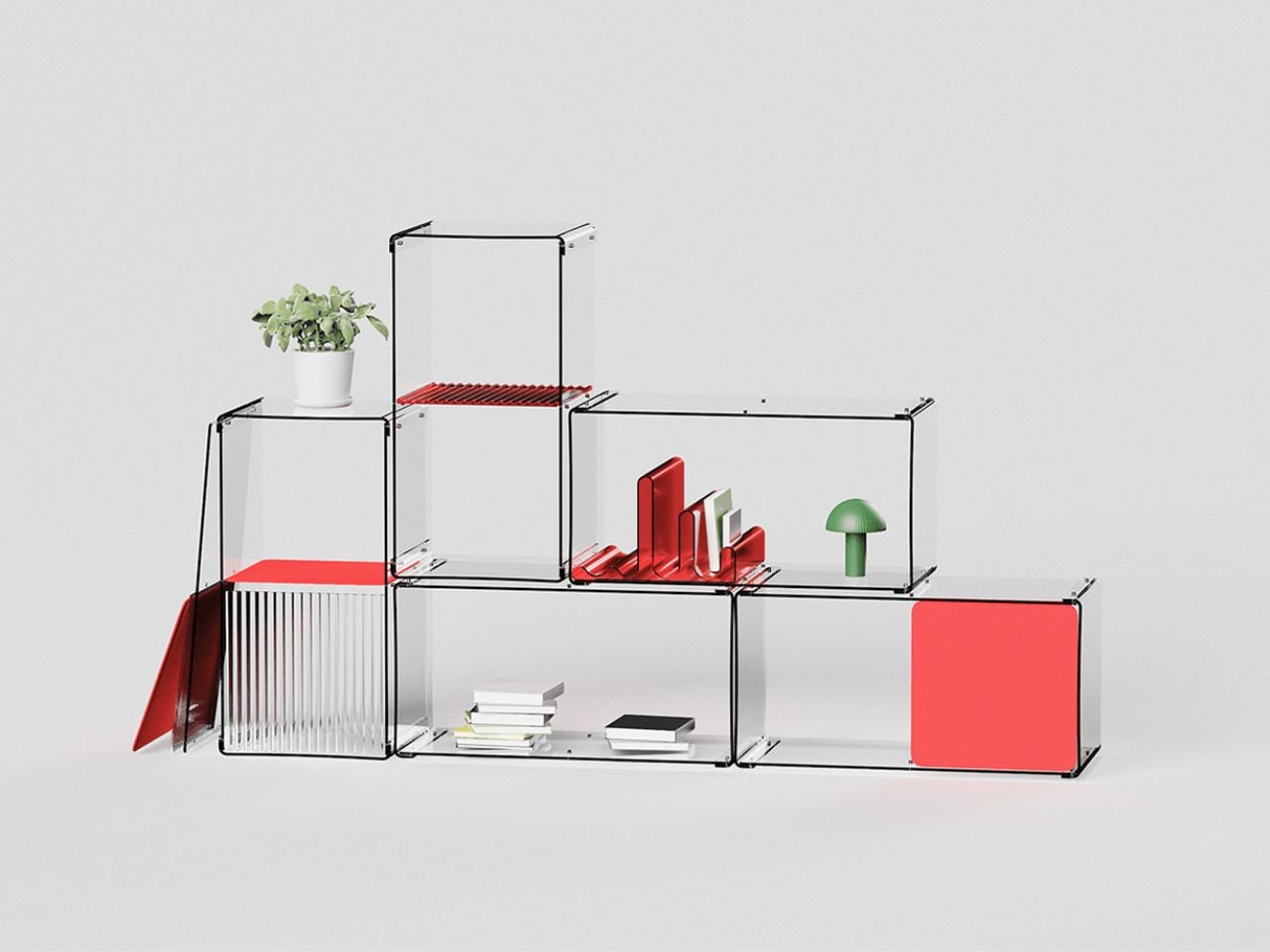
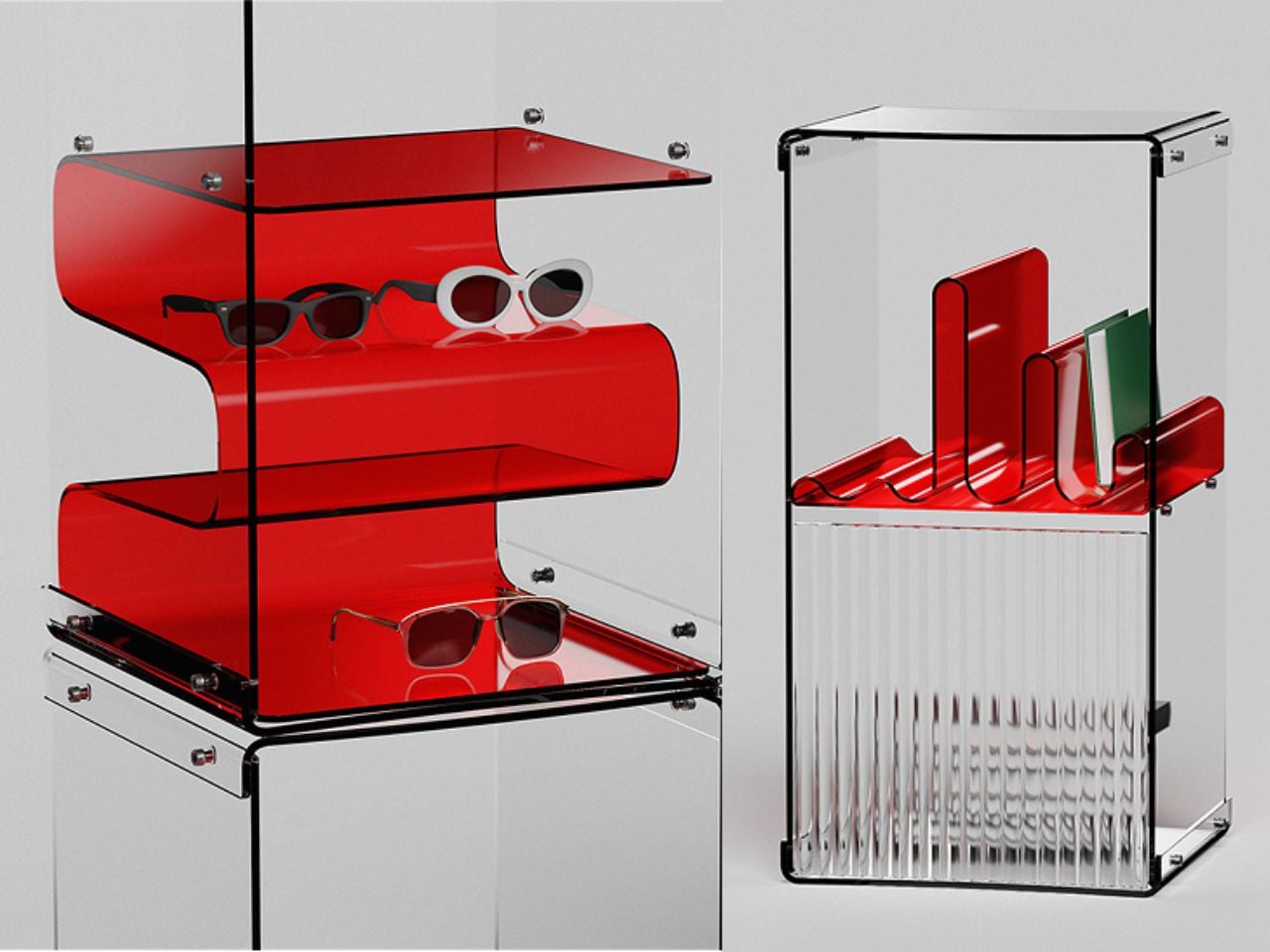
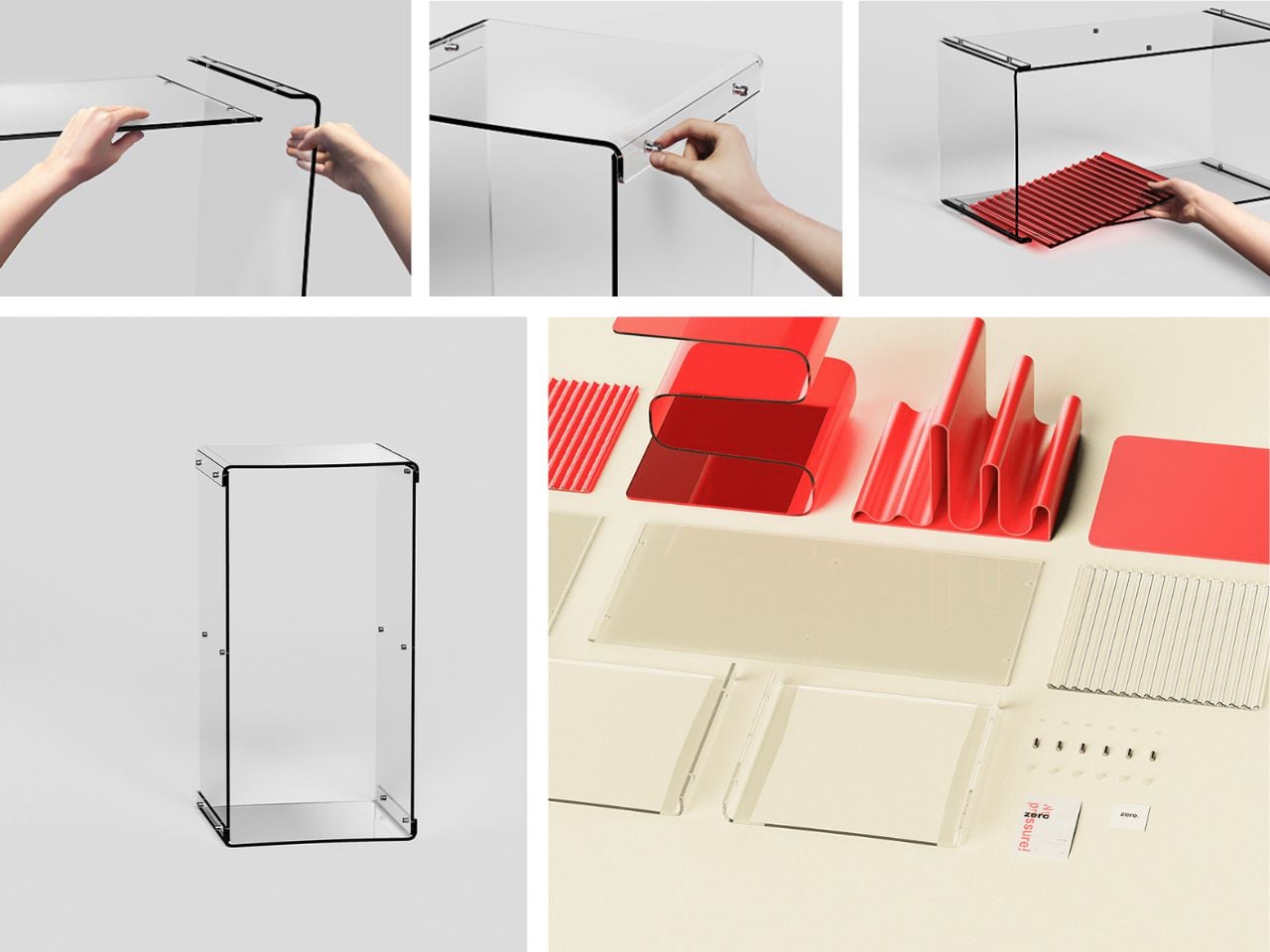
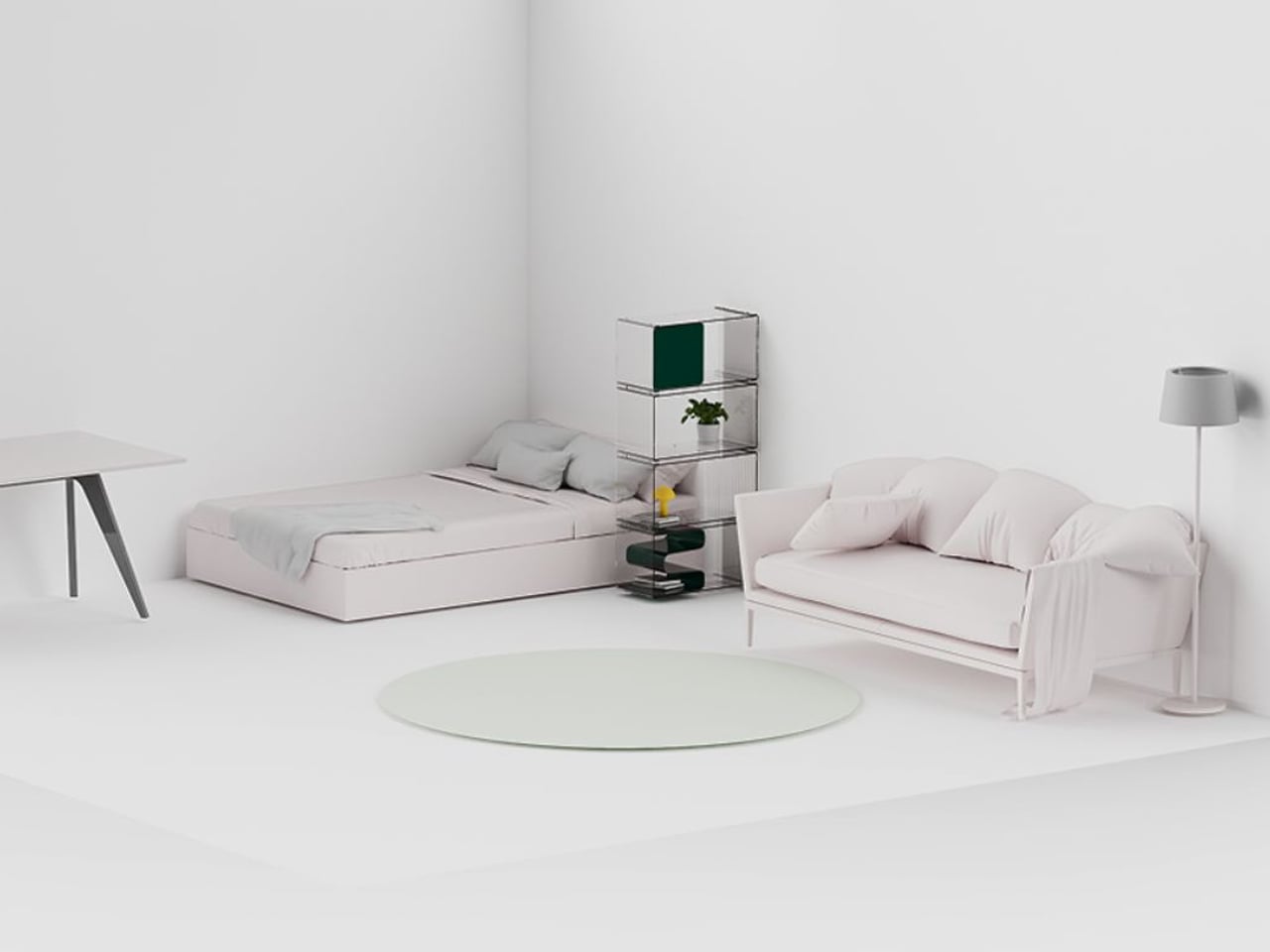
The ZERO modular furniture collection redefines minimalism through visual lightness and reduced spatial impact. Designed to occupy less visual and physical volume, the pieces use clean lines, slim profiles, and restrained colour palettes to integrate quietly into interiors. This approach allows furniture to frame space rather than dominate it, supporting open layouts and reducing visual clutter. The neutral design language makes the system adaptable across residential and commercial environments, including contemporary, industrial, and modernist interiors.

Modularity is central to the system’s function. Each unit can be assembled, reconfigured, and expanded to support changing layouts, from compact living areas to larger open-plan spaces. This flexibility allows users to create seating, storage, or zoning solutions without adding visual density. Custom colour options support personalisation while preserving a cohesive aesthetic.

4. Thermal Comfort Surfaces

Furniture surfaces are increasingly designed to support thermal stability and physical comfort. Upholstery now integrates phase-change materials that absorb, store, and release heat, helping maintain consistent surface temperatures in response to body contact and room conditions. This technology reduces discomfort from cold or overheating, improving long-term seating comfort across changing seasons.

Material selection also prioritises tactile performance. High-tannin woods, honed stone, and heavy-weave natural fabrics provide stable, grounding textures that enhance sensory interaction with furniture. These finishes balance temperature control with durability and visual depth. By combining thermal responsiveness with carefully chosen surface materials, furniture delivers a measurable comfort advantage while contributing to passive climate regulation within interior spaces.

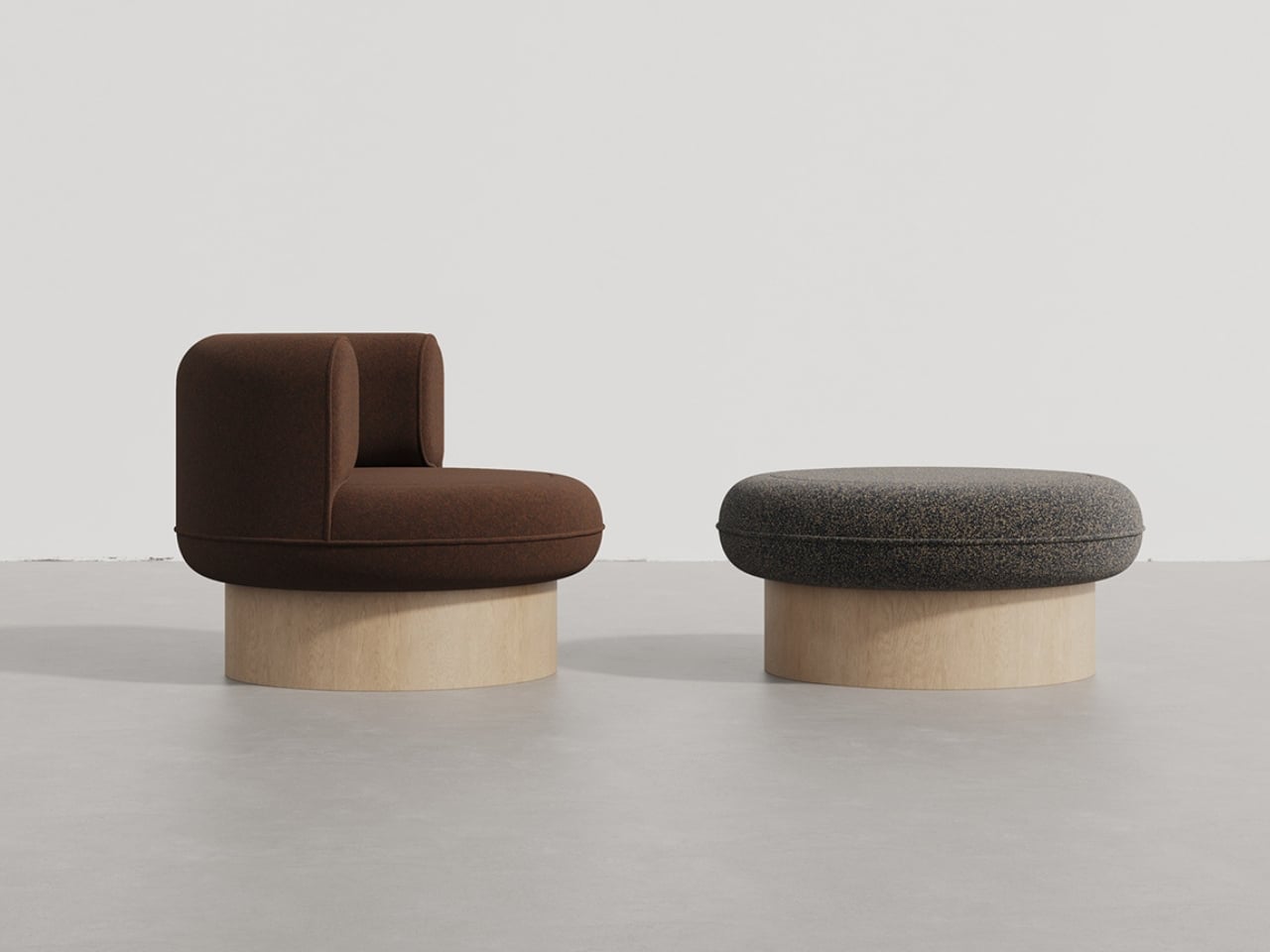
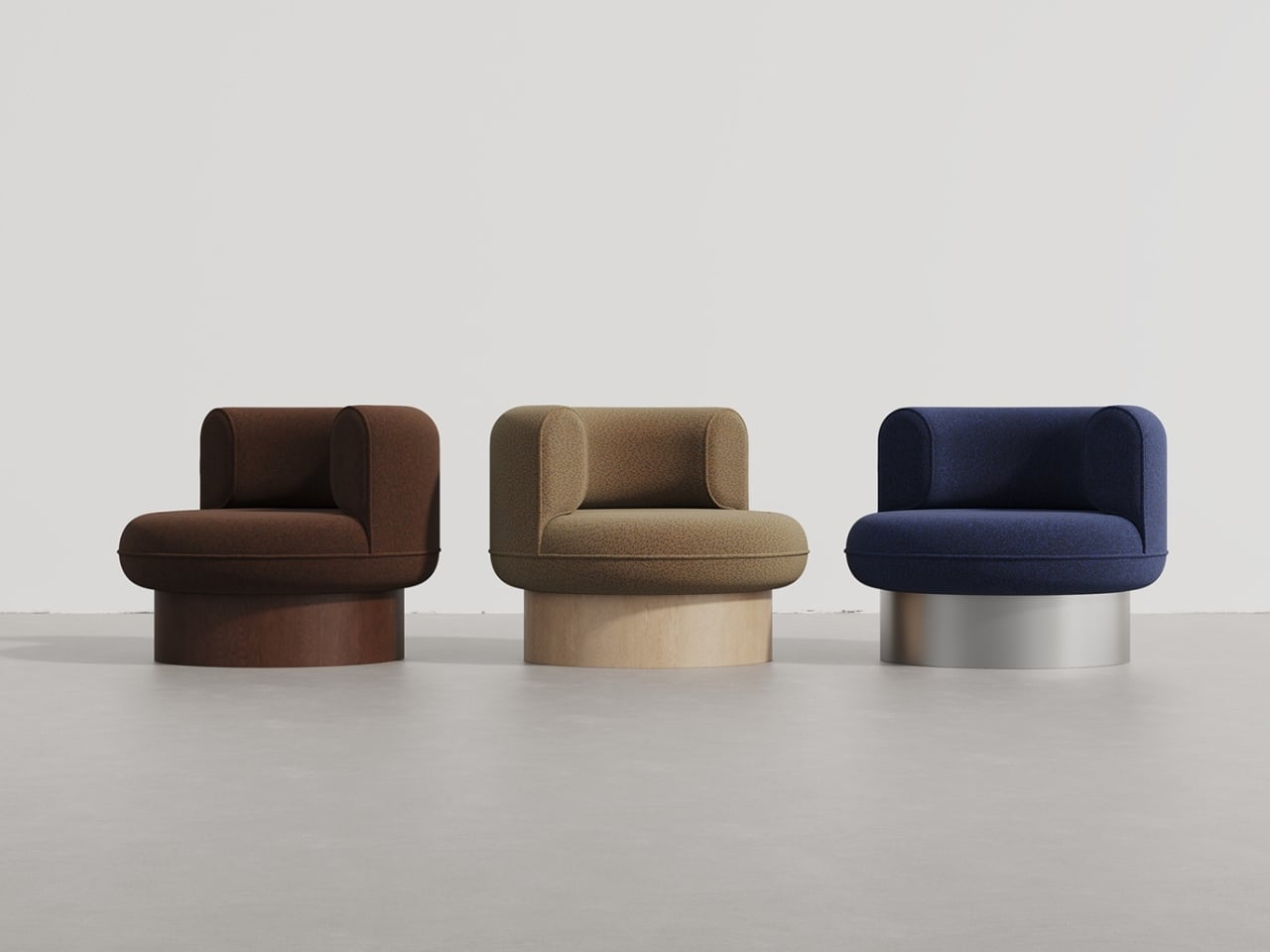
The SOLO furniture collection by Mudu Studios is a seating concept that balances visual refinement and thermal comfort with ergonomic comfort. The range includes an armchair, sofa, and pouf, all characterised by generously cushioned upholstery set on raised bases made from metal or natural veneer. This pedestal-style structure visually lifts the soft seating volumes, creating a strong contrast between plush textiles and solid foundations. Accent stitching adds subtle definition to the upholstery, reinforcing form while enhancing durability and finish quality.

Designed to integrate across multiple interior styles, the collection supports varied colour options to suit different spatial palettes. A key functional feature is the armchair’s twist mechanism, which allows controlled rotation for relaxed seating positions without compromising stability. Elevated proportions also contribute to proper seating support and ease of movement.

5. Seamless Embedded Technology

Furniture is increasingly integrating technology directly into its structure, eliminating the need for visible devices or external accessories. Inductive charging systems are now concealed beneath thin layers of stone or solid wood, allowing phones and small electronics to charge when placed on tabletops or shelves. This integration maintains clean surfaces while delivering everyday functionality without additional hardware.

Control interfaces are also being built into materials, with touch-sensitive zones embedded in fabric or carved into timber for lighting and audio adjustment. These systems remove the reliance on separate remotes and illuminated panels, reducing visual clutter. By embedding technology within traditional materials, furniture maintains architectural continuity while offering discreet, intuitive interaction aligned with contemporary living needs.

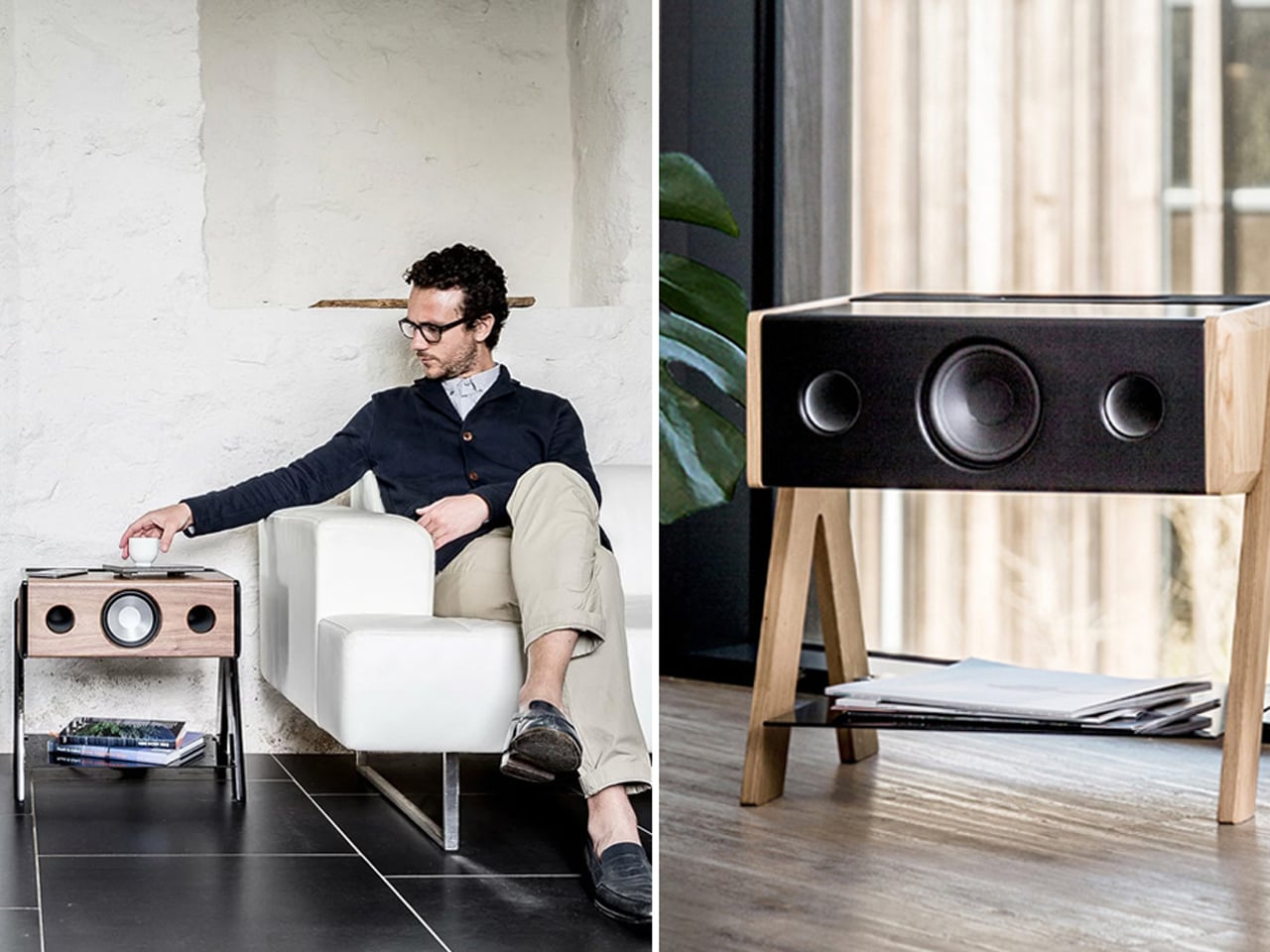
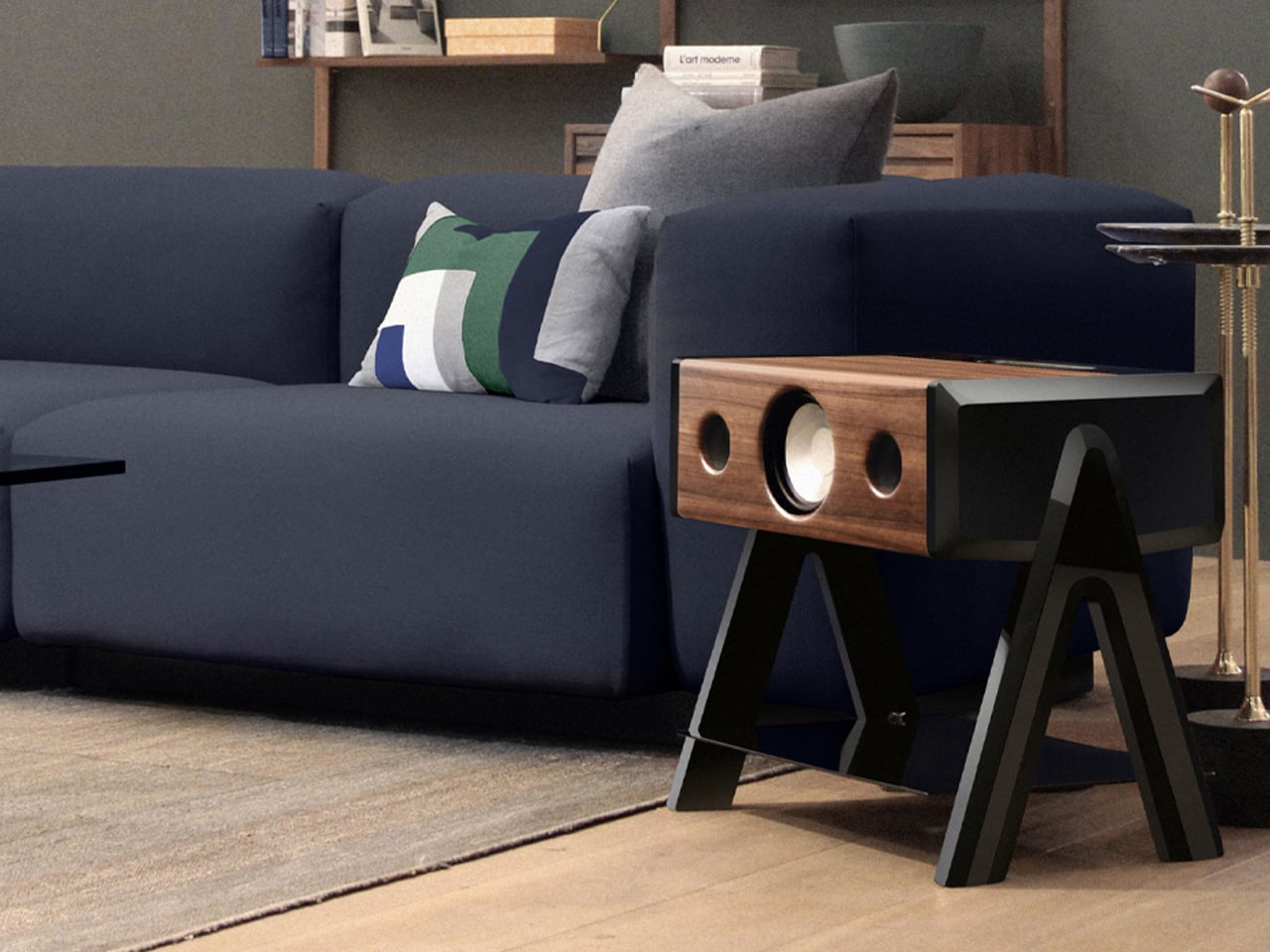
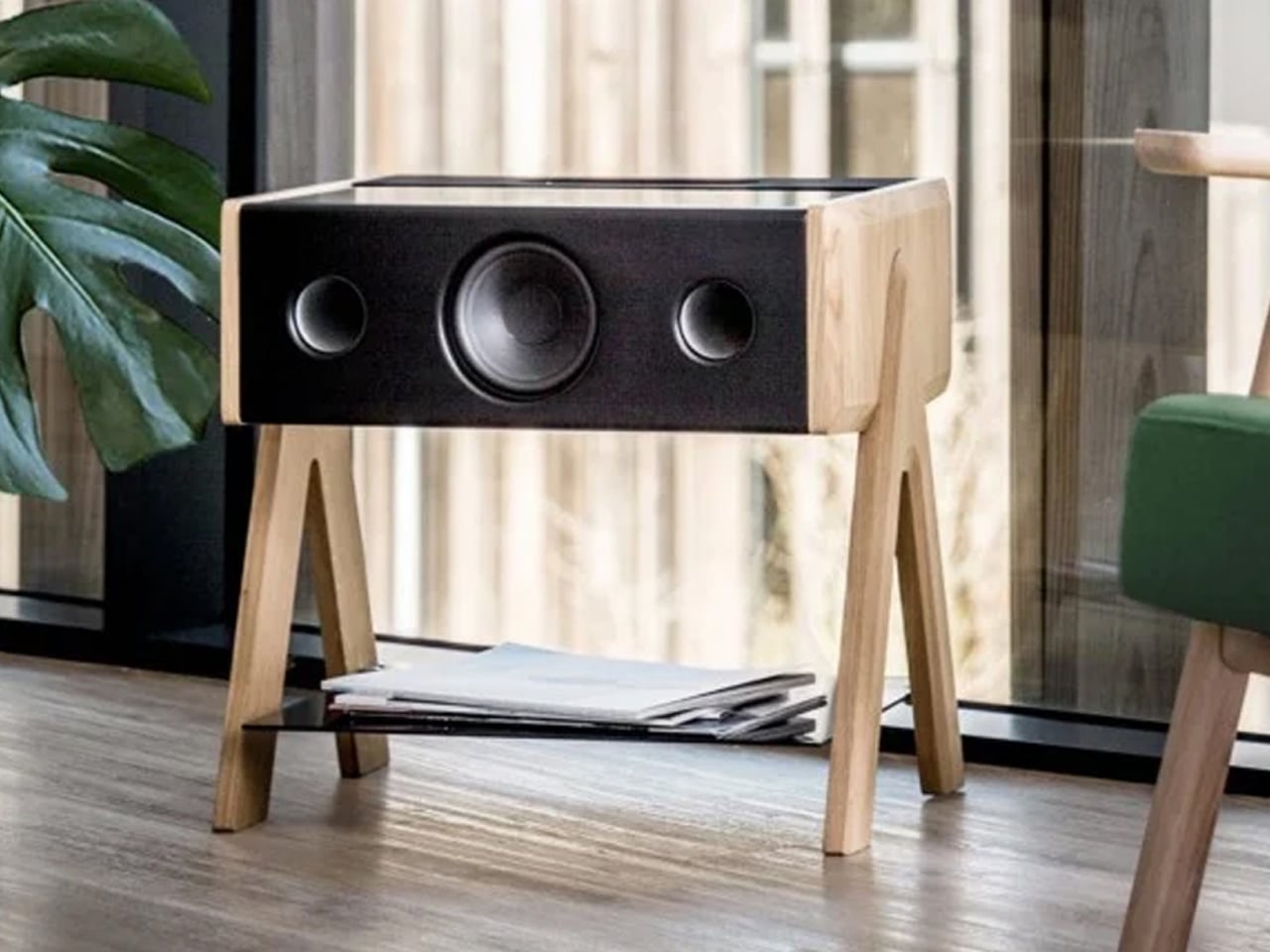
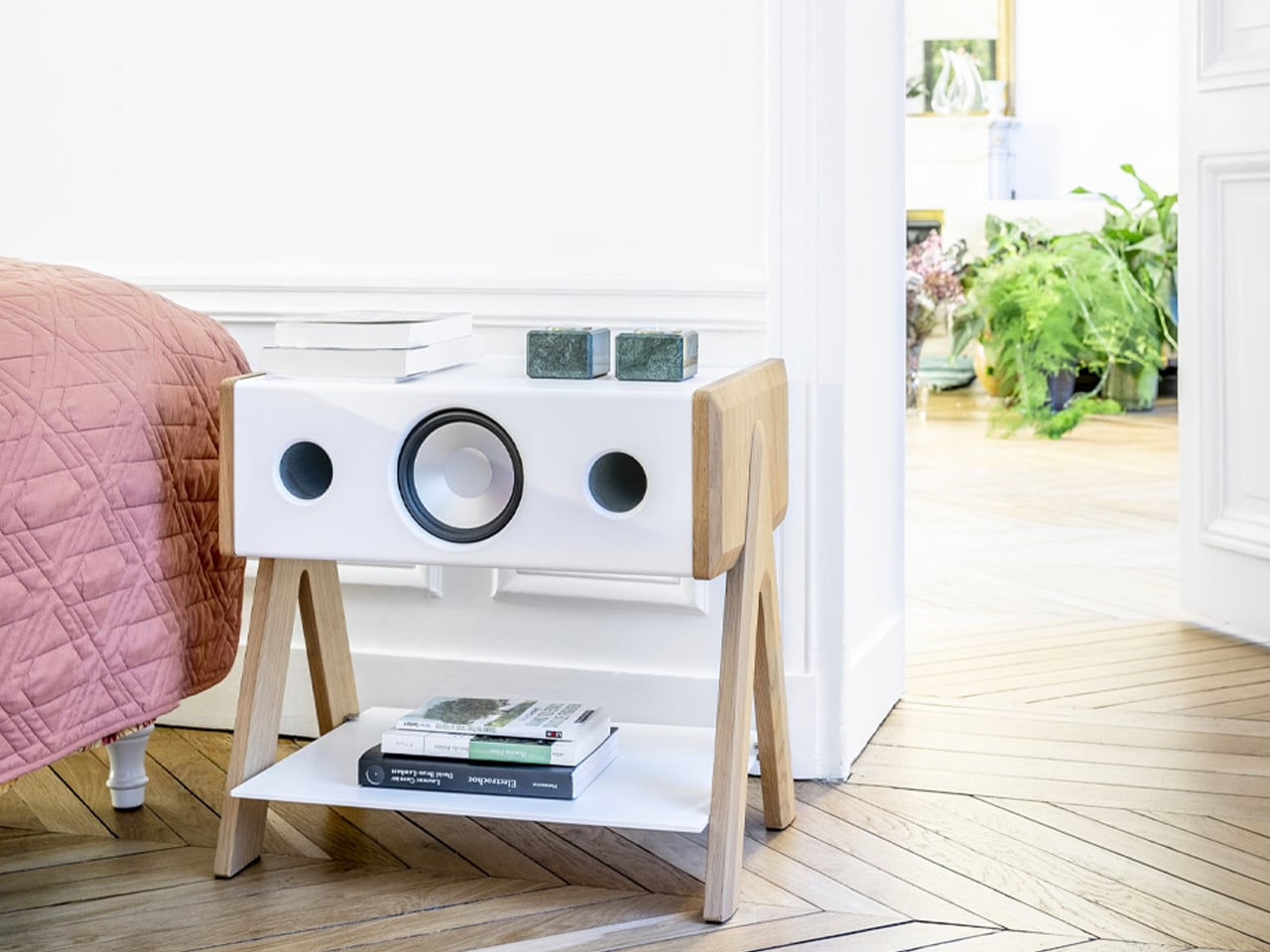
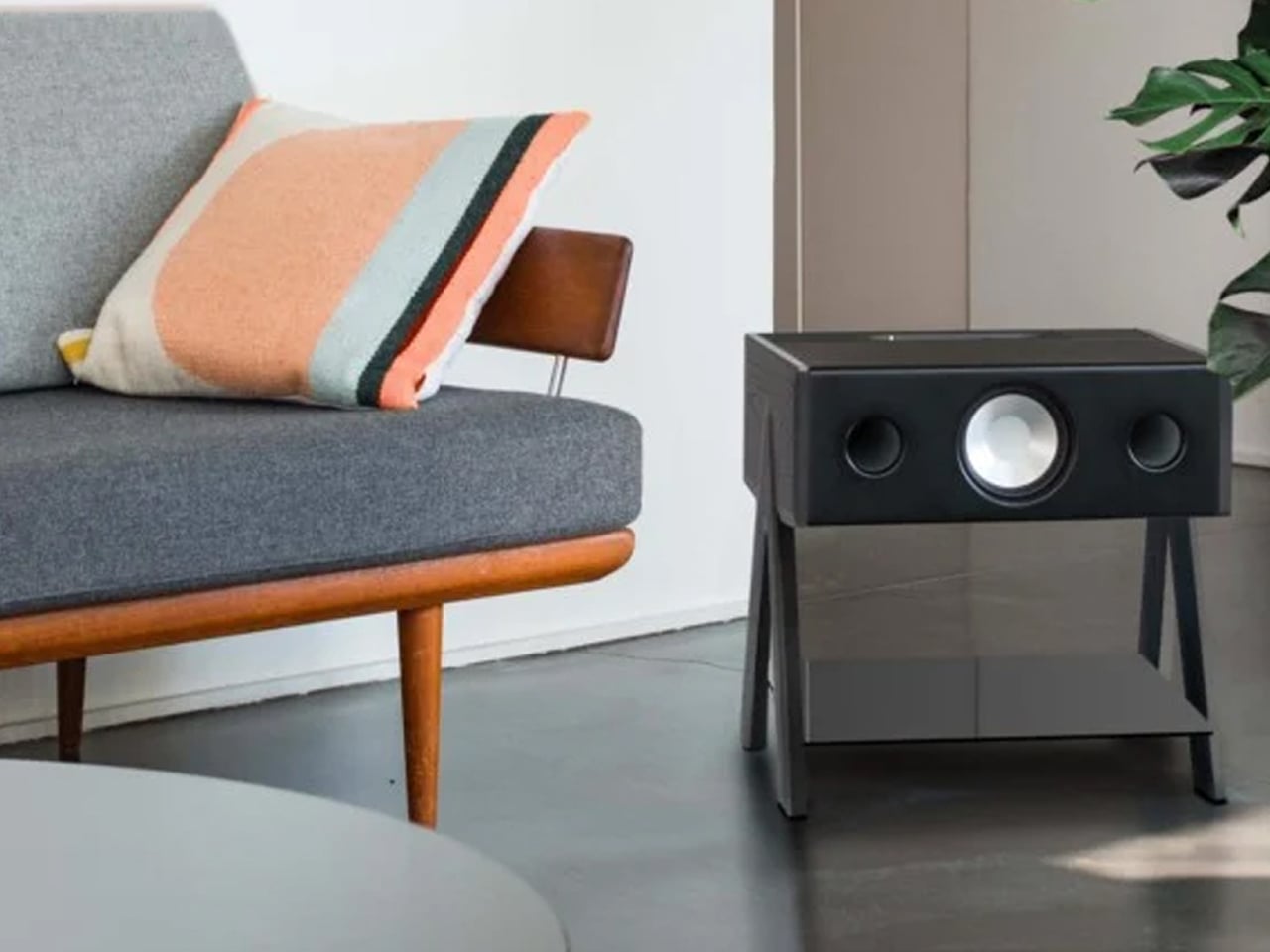
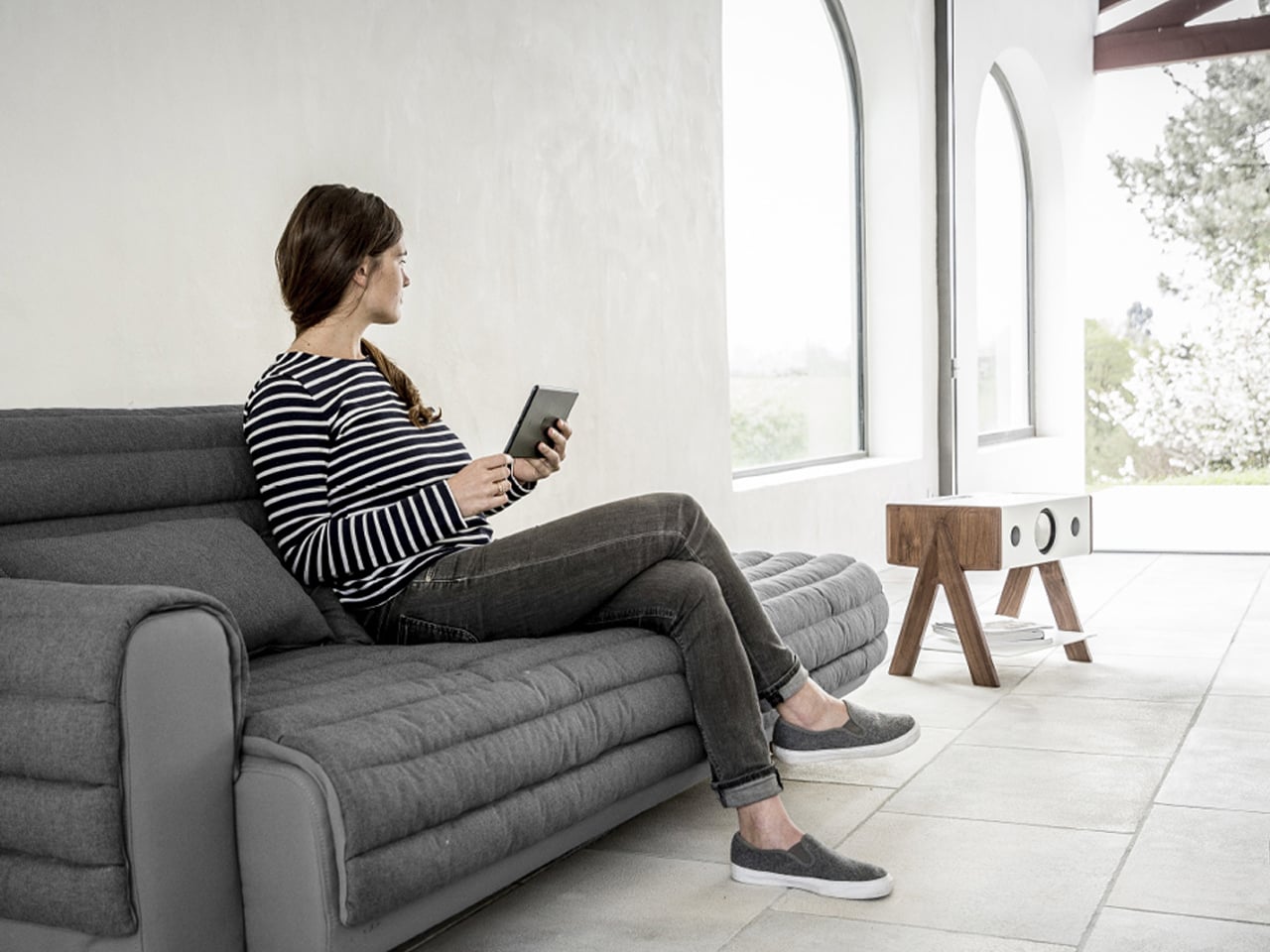
The Cube by French audio brand La Boite is a wireless high-fidelity loudspeaker designed to function as both an audio system and a compact coffee or side table. Measuring approximately 47 × 35 × 49 cm, its form allows placement in central living are as without additional floor space for separate speakers. La Boite’s patented acoustic architecture ensures consistent sound dispersion regardless of positioning, maintaining balanced volume and clarity across the room. The furniture-grade enclosure supports everyday use while housing integrated audio components.

Each unit delivers a total power output of 200W and includes a multi-speaker configuration with front and rear drivers supported by aluminium bass-reflex ports. La Boite’s Wide Sound 2.0 technology expands the listening field for immersive playback from a single unit. Connectivity options include Bluetooth with AptX codec, analogue RCA, optical Toslink, and a 3.5 mm input, allowing compatibility with wireless streaming and traditional audio sources.

Furniture now functions as an adaptive layer of the built environment, combining biophilic form with intelligent, sustainable materials. Integrated technology and modular design extend product lifespan while improving daily comfort. Rather than acting as mere decoration, 2026 furniture trends position furniture as part of a responsive interior system – where performance, longevity, and well-being define true design value.

The post 5 Furniture Trends That Just Made IKEA Look Obsolete in 2026 first appeared on Yanko Design.
5 Countries Just 3D-Printed Homes in Under a Week: The Future Is Here

Traditional construction is often marked by inefficiencies like material waste, labor intensity, and long project timelines that push up the final cost per square foot. In contrast, 3D printing, or Additive Manufacturing in Construction (AMC), introduces a fundamentally different approach, shifting from subtractive to additive building processes. Its central ambition is to make housing more accessible by lowering material and labor costs while enabling faster delivery of structurally sound, architecturally considered homes.

Yet, despite its transformative potential, 3D printing is not a universal solution. While it offers design flexibility and reduced construction waste, challenges remain around material performance, regulatory frameworks, and the impact on skilled labor. These limitations demand a measured, critical adoption rather than unqualified optimism.

1. Material Integrity and Long-Term Performance

A key challenge in 3D-printed construction is ensuring the reliability and durability of printable materials. Although current cement-based mixes offer rapid curing and high compressive strength, questions remain around their long-term tensile performance, response to diverse climatic conditions, and compatibility with conventional finishes such as plaster layers or vapor barriers. These factors are still under close technical evaluation.

Equally critical is the return on investment measured through longevity. Affordable housing cannot compromise on quality; printed structures must match the lifespan of reinforced concrete buildings. At the same time, reducing environmental impact calls for innovation in geopolymers and locally sourced, recyclable aggregates, redefining sustainable material development.

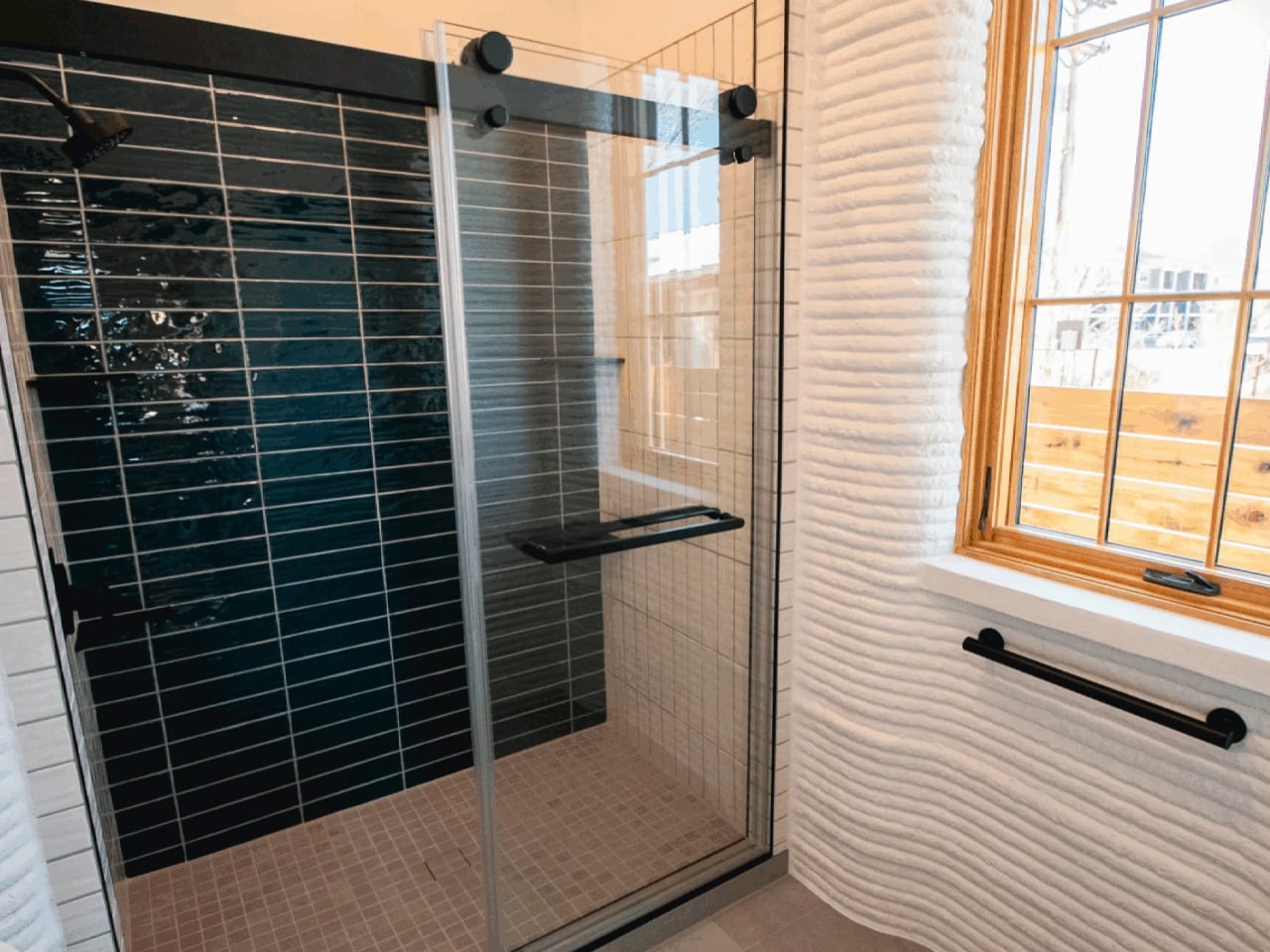
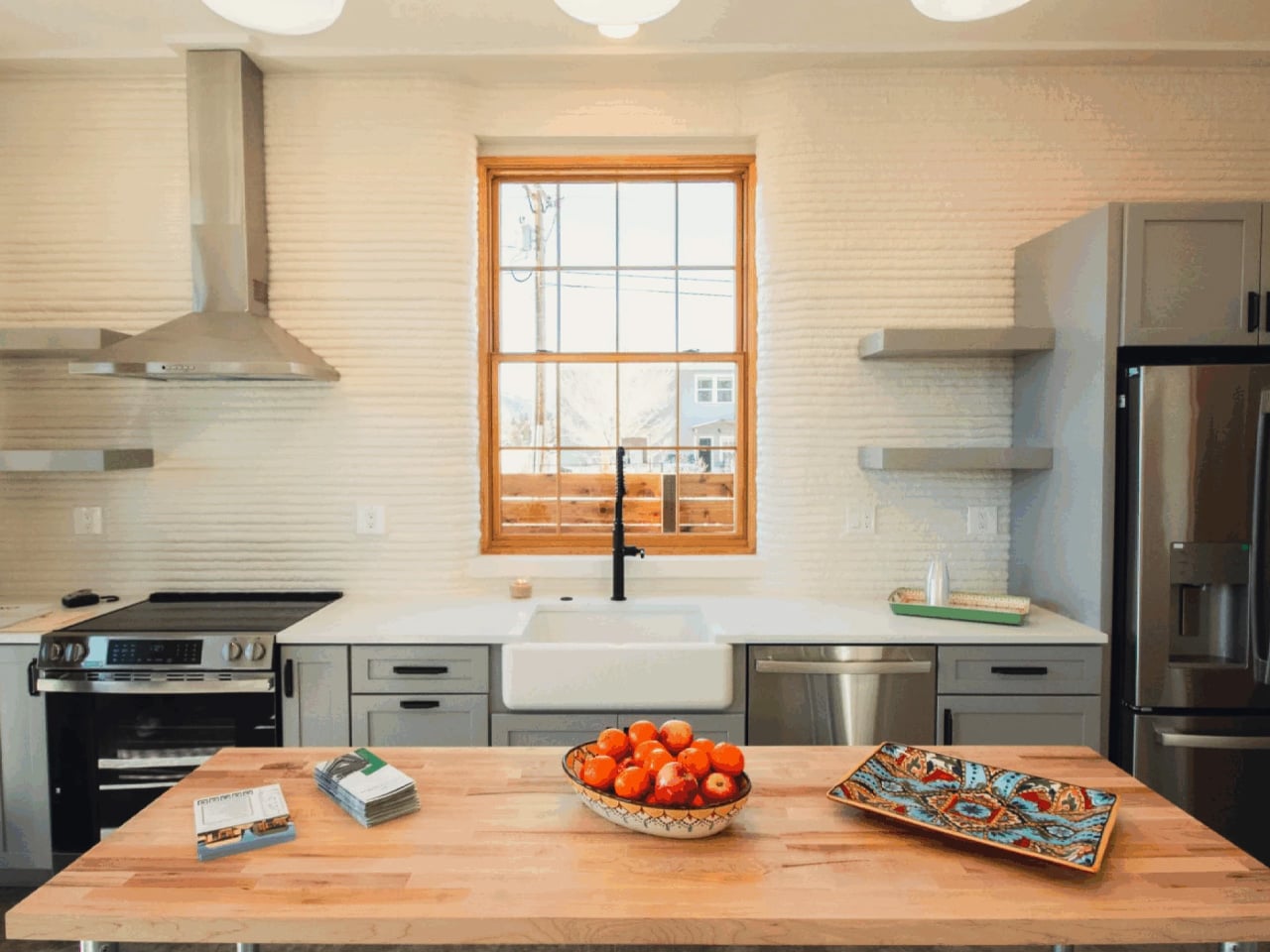
Two side-by-side concrete homes in Buena Vista, Colorado mark a major construction first for the state. Known as VeroVistas, the houses were built layer by layer using a large-scale 3D concrete printer developed by VeroTouch. One home conceals its printed structure beneath stucco, while the other showcases exposed concrete layers, proving the technology can either blend in or stand out. After extensive research and development, the second home was completed in just 16 days of active printing time using a COBOD BOD2 printer, dramatically reducing labour and construction timelines compared to conventional building methods.

Beyond speed, the homes directly address Colorado’s growing wildfire risk. Built with A1-rated concrete walls, they do not ignite or fuel flames, offering the highest level of fire resistance. Designed to be energy-efficient and mould-resistant, the homes combine durability with everyday liveability. Partnering with local developers and contractors, VeroTouch kept work within the community while introducing innovative construction.

2. Adaptive Spatial Design

One of the strongest opportunities offered by 3D printing is its ability to enable complex spatial sequencing and customization without escalating costs. Unlike conventional formwork, additive construction allows curvilinear walls, integrated structural elements, and optimized thermal mass to be produced seamlessly, unlocking a level of design freedom once limited to premium architecture.

This shifts housing from basic shelter to architecturally refined living. Digital fabrication helps avoid visual monotony in low-cost homes, allowing floor plans to evolve as experiential journeys. Biophilic strategies and climate-responsive design can be precisely embedded, enhancing comfort while lowering long-term energy consumption.

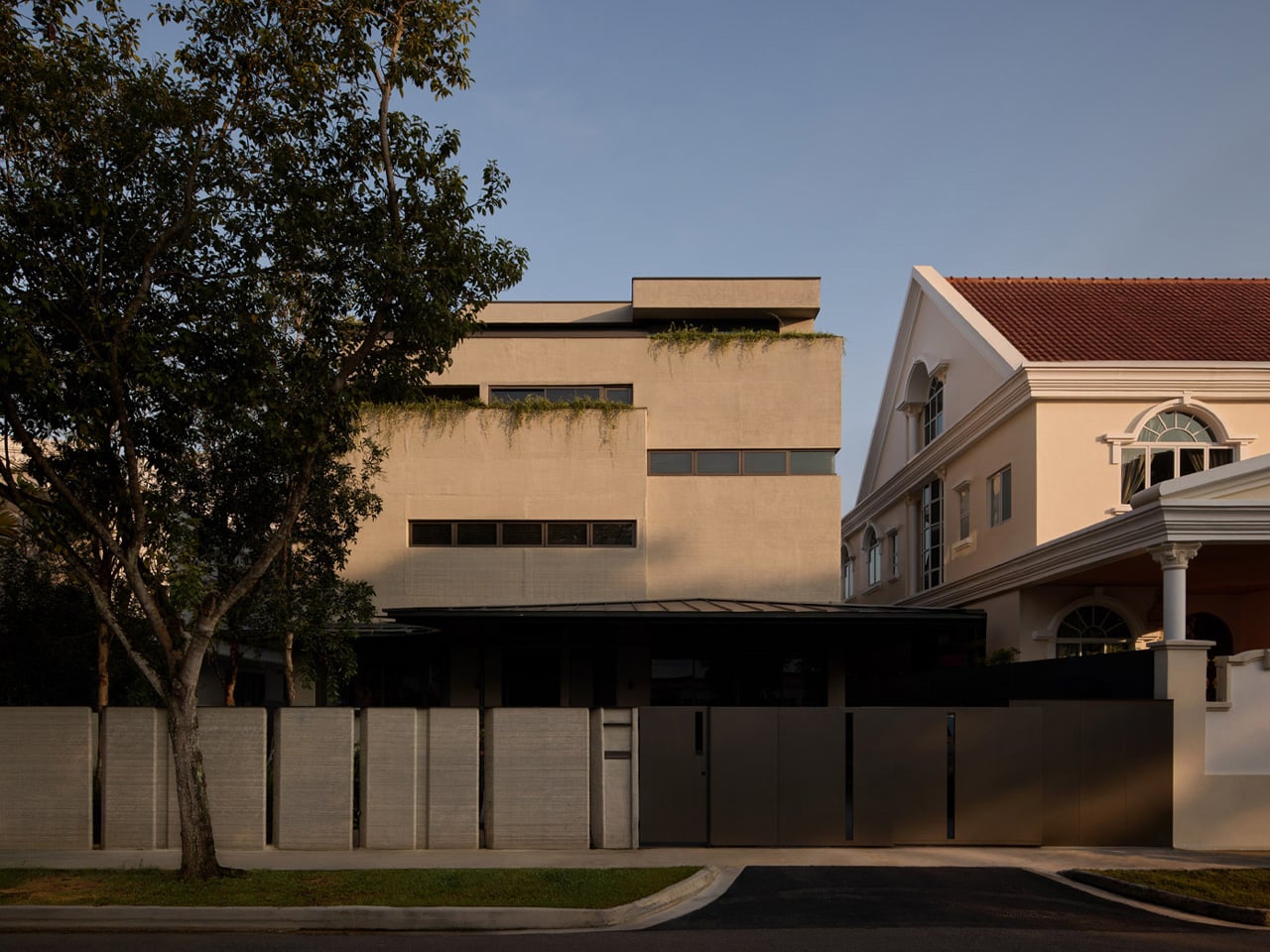
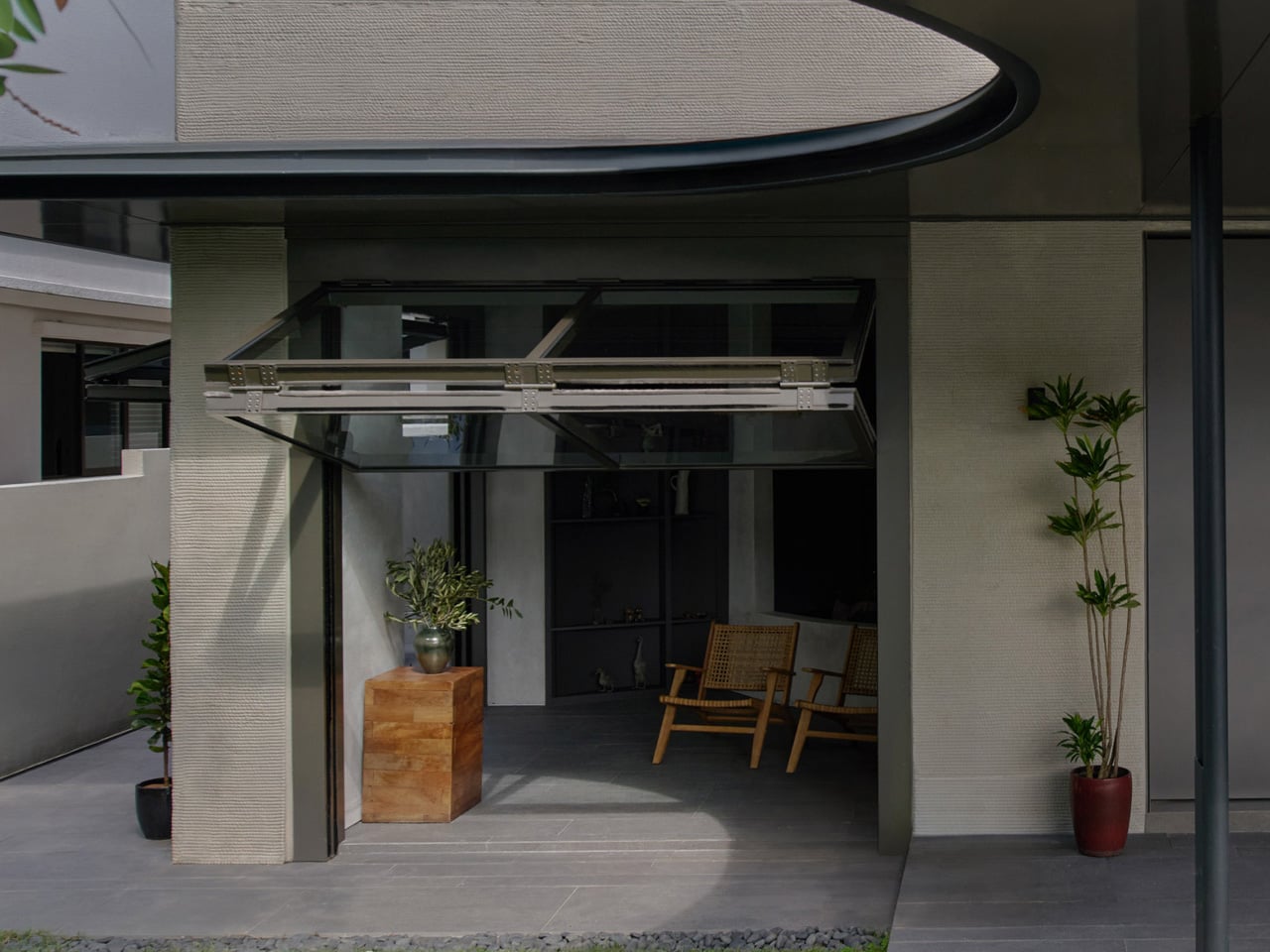
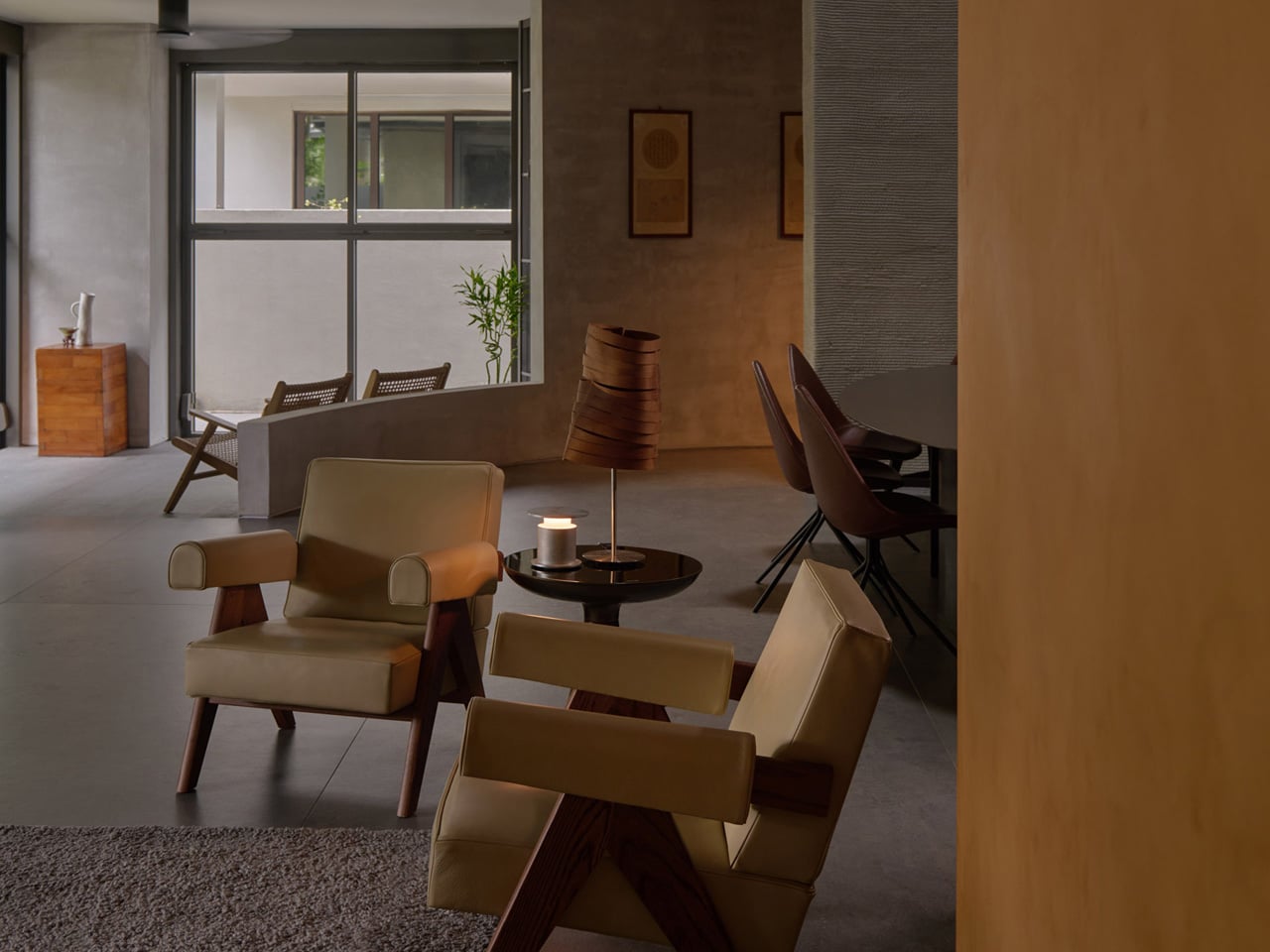
QR3D, designed by Park + Associates, is Singapore’s first multi-storey 3D-printed home and a bold statement on the future of urban living. Located in Bukit Timah, the four-storey prototype responds to land scarcity with innovation, using digital fabrication to reimagine domestic architecture. Rather than treating technology as spectacle, the house integrates it seamlessly into a familiar residential form, resulting in a structure that is expressive, functional, and suited to dense city life.

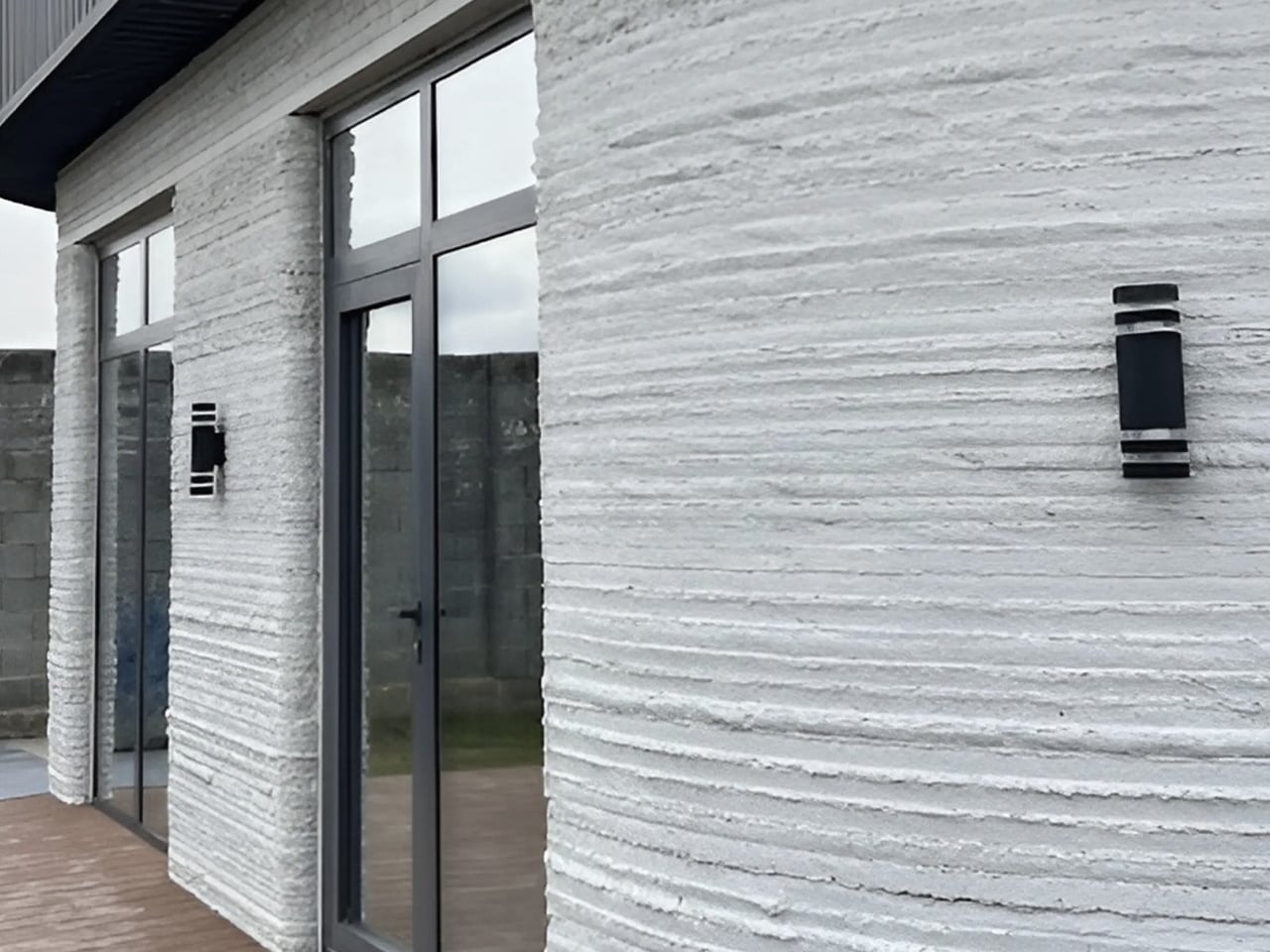
The home’s layered concrete façade openly reveals its 3D-printed construction, with most walls fabricated on site by a robotic printer. These textured lines continue indoors, creating visual continuity throughout the interiors. At the centre, a dramatic vertical void connects all four levels, drawing in daylight and enhancing ventilation while adding spatial generosity. Exposed concrete surfaces reduce the need for additional finishes, celebrating material honesty and process.

3. Regulatory Integration Barriers

A major challenge for additive manufacturing in construction is its alignment with existing building codes. Most national and regional regulations are structured around conventional systems such as brickwork, timber framing, and reinforced concrete, leaving limited guidance for layer-by-layer printed structures—especially in areas like fire safety, insulation standards, and service integration.

To move forward, the industry must develop standardized testing and certification frameworks tailored to the tectonic logic of printed buildings. Without regulatory clarity and cross-authority consensus, large-scale adoption remains regionally limited, slowing deployment and restricting the technology’s potential to reduce construction-related carbon emissions at scale.

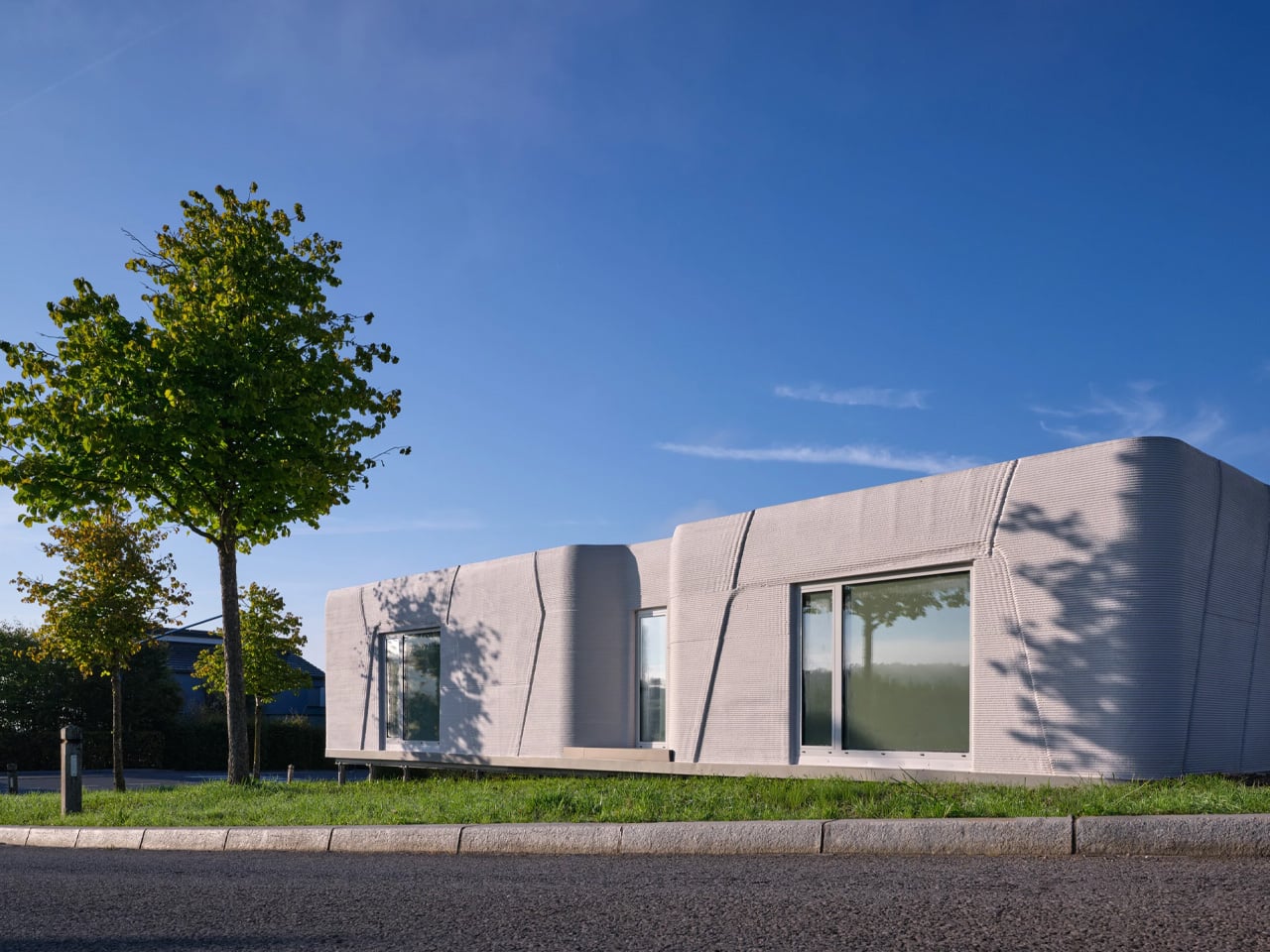
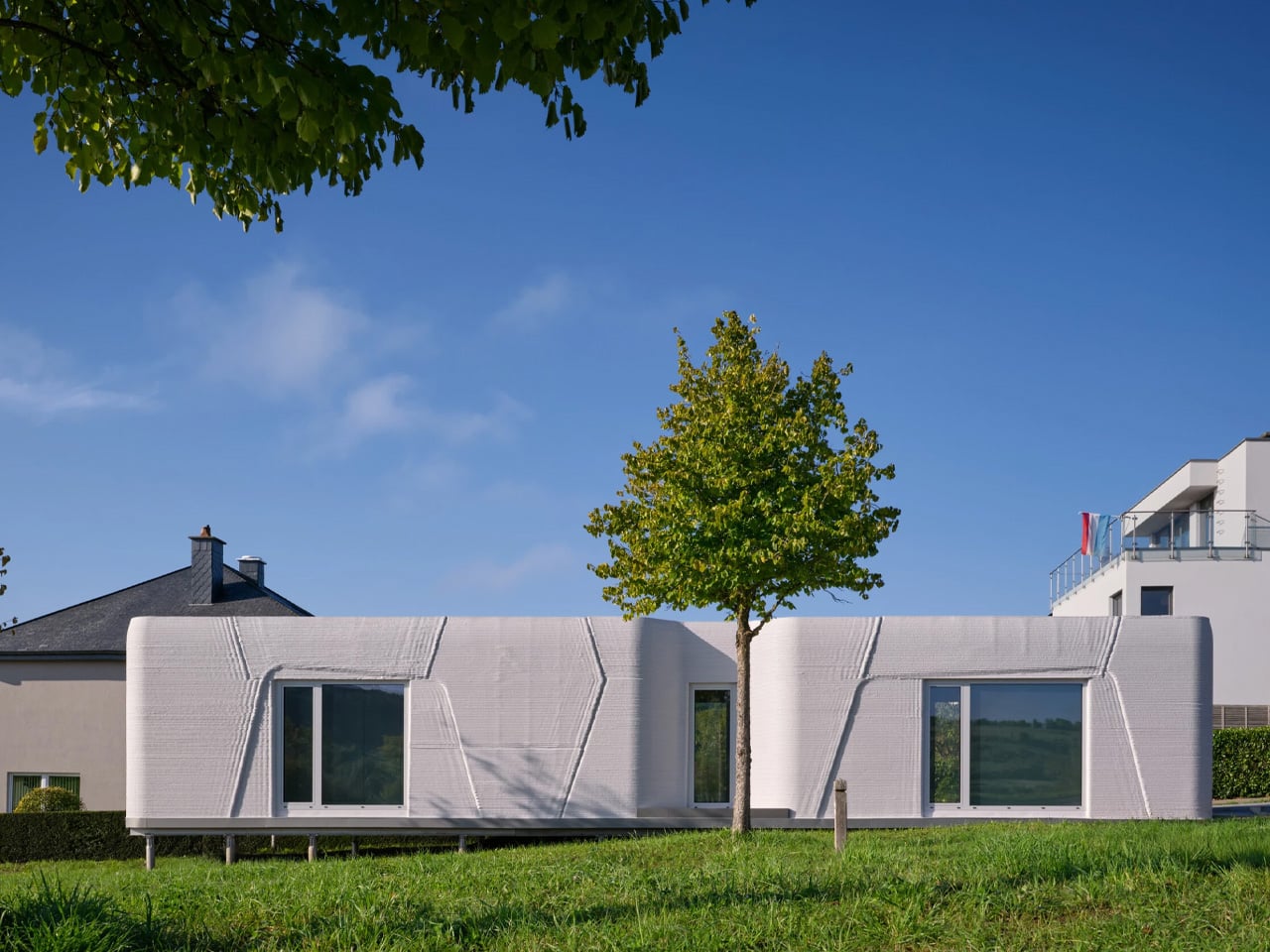
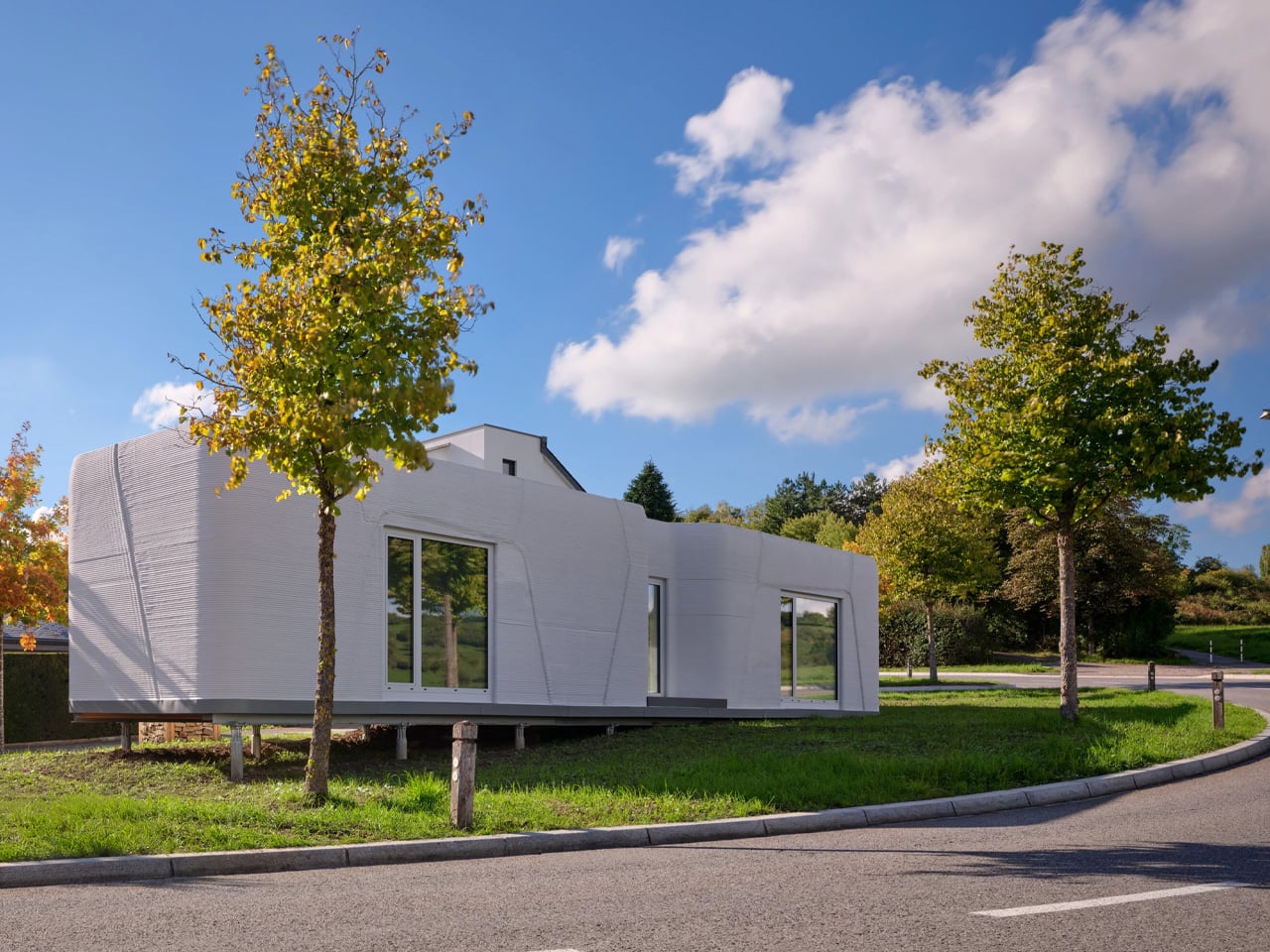
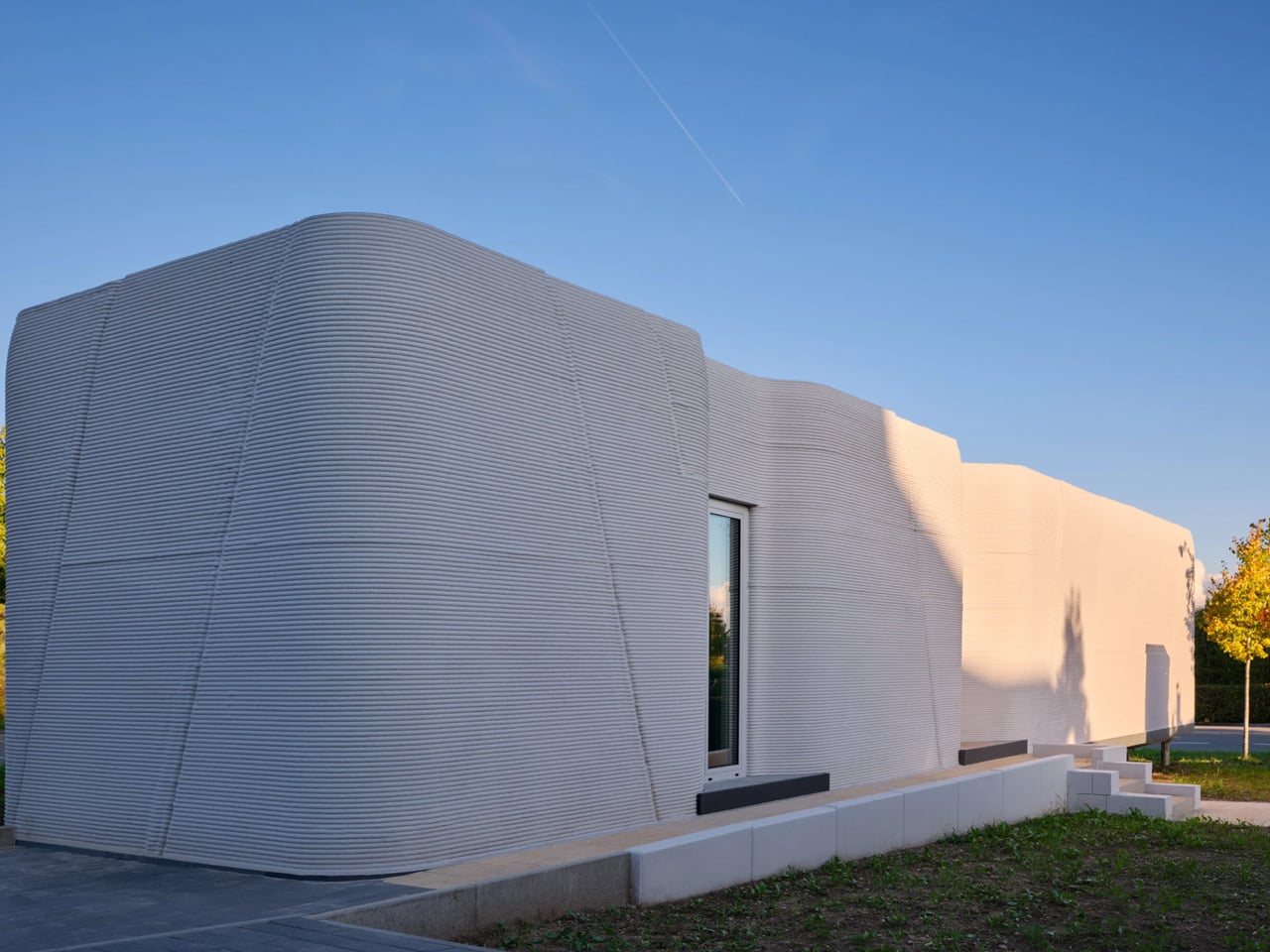
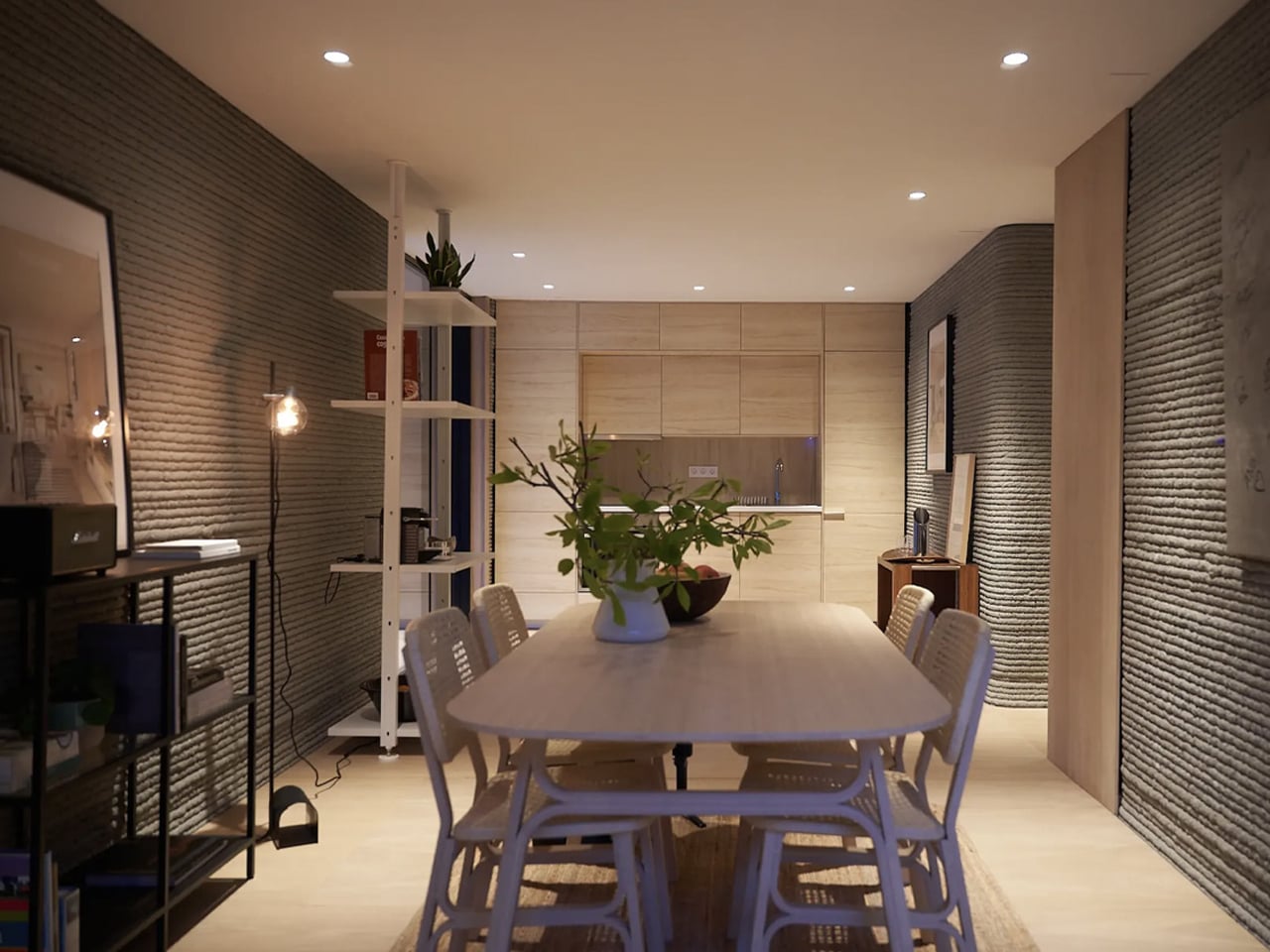
Tiny House Lux is Luxembourg’s first 3D-printed residential product, designed by ODA Architects as a compact, self-sufficient housing unit for challenging urban plots. Built in Niederanven using on-site 3D concrete printing and locally sourced aggregates, the home demonstrates how advanced construction technology can unlock the potential of narrow, previously unusable land. Measuring just 3.5 metres wide and 17.72 metres deep, the 47-square-metre structure is engineered for efficiency, with printed concrete walls completed in about a week and the full build finalised within four weeks. Its ribbed concrete surface functions as both structure and finish, creating a durable, low-maintenance exterior that responds to daylight.

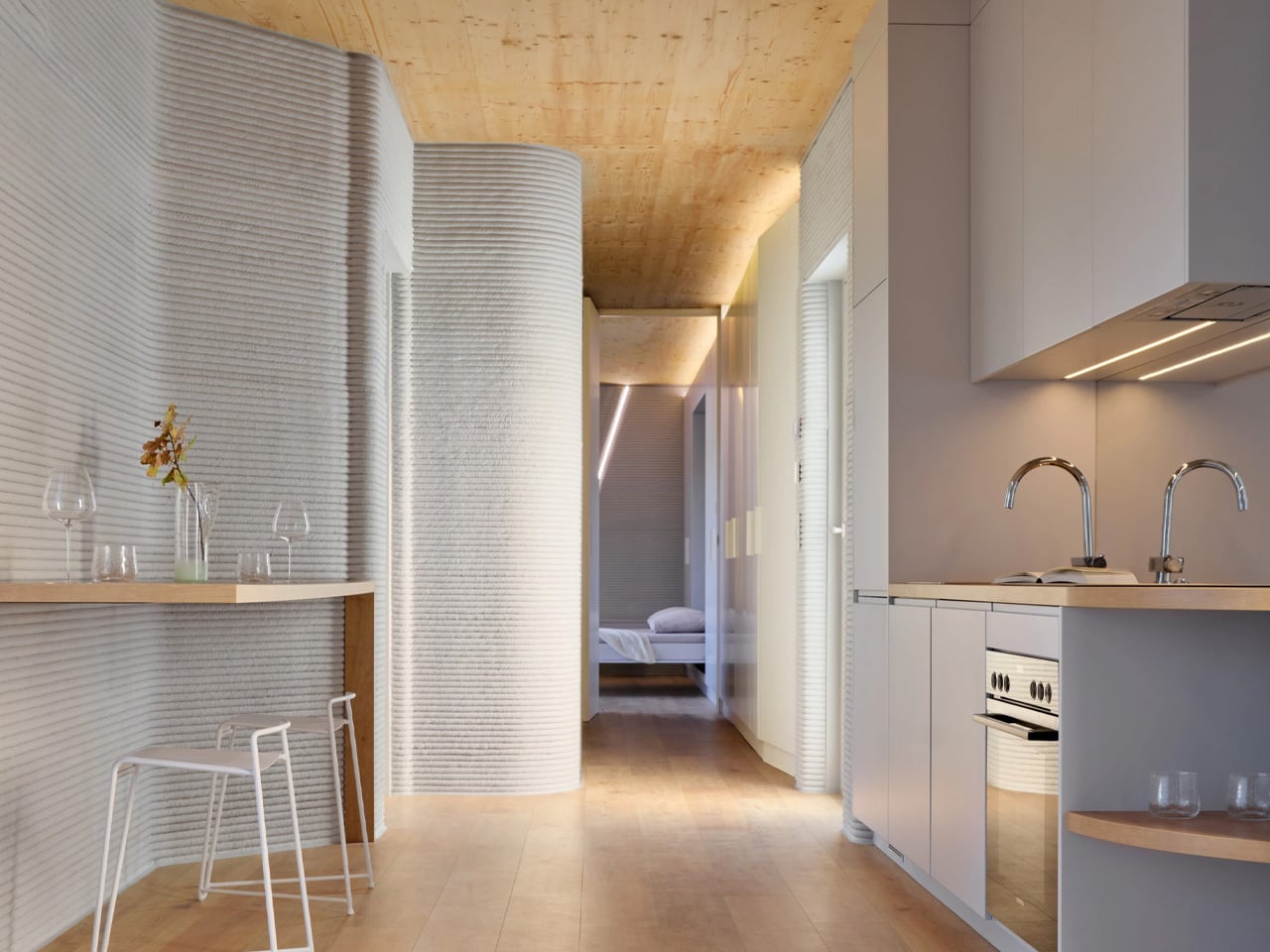
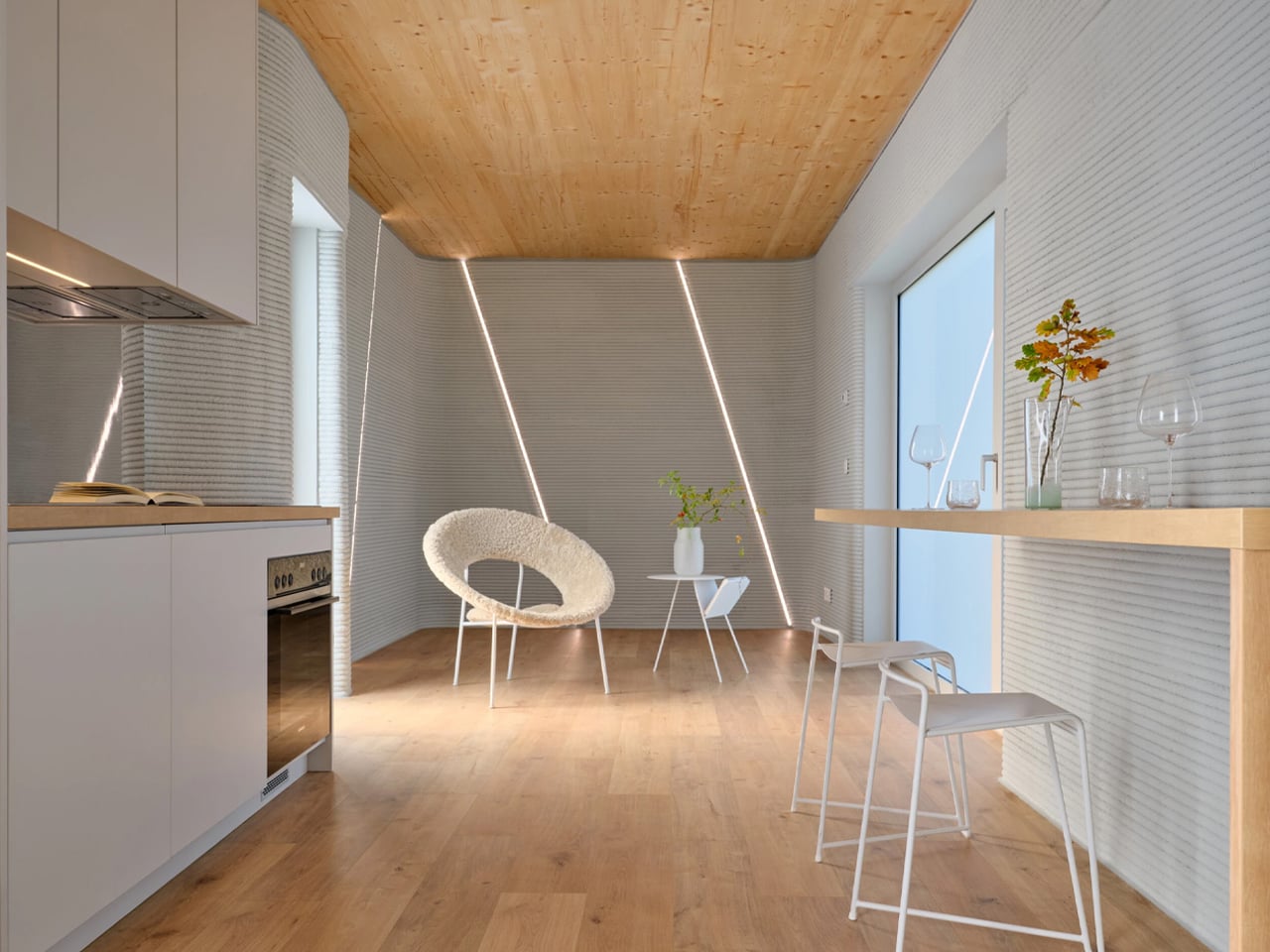
Inside, the house prioritises clarity and performance. A linear layout runs from the south-facing entrance to the rear, maximising natural light and ventilation, while services are neatly integrated along the sides. Underfloor heating powered by rooftop solar panels ensures energy autonomy and reduced operating costs. As a replicable housing solution, Tiny House Lux positions 3D printing as a viable, scalable product for municipalities seeking efficient, affordable residential options.

4. Low-Carbon Construction Speed

The most transformative opportunity of 3D printing lies in its ability to dramatically accelerate construction while reducing site waste. Core structural shells can be printed within days, shortening project timelines and lowering labor demands. This speed directly supports carbon reduction by optimizing material use and cutting down on transport and logistical emissions.

Here, the technology delivers its strongest return on investment. On-demand printing minimizes waste and compresses on-site activity, reducing environmental and neighborhood impact. These efficiencies position 3D printing as a powerful solution for rapid disaster response and scalable affordable housing development.


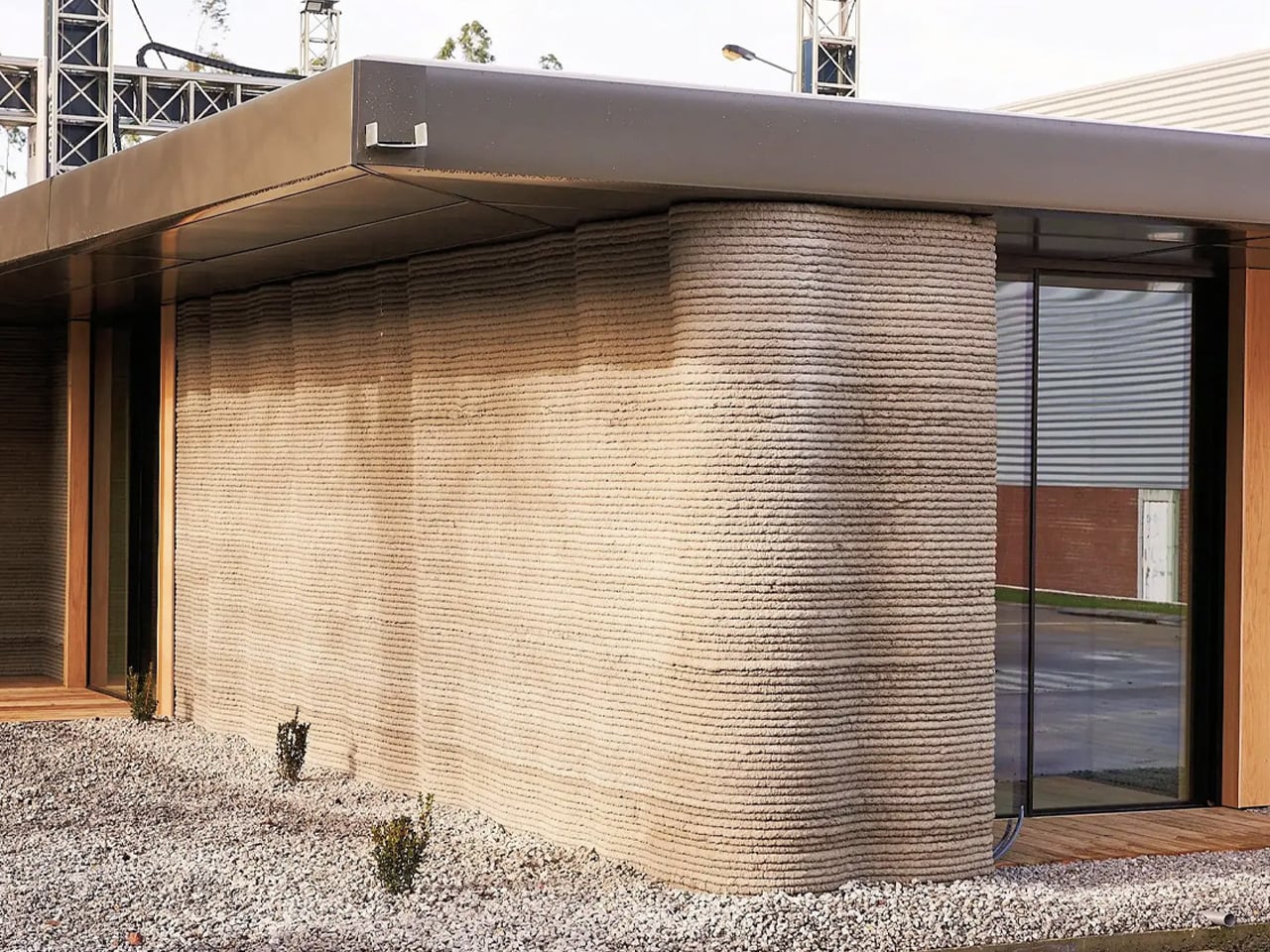
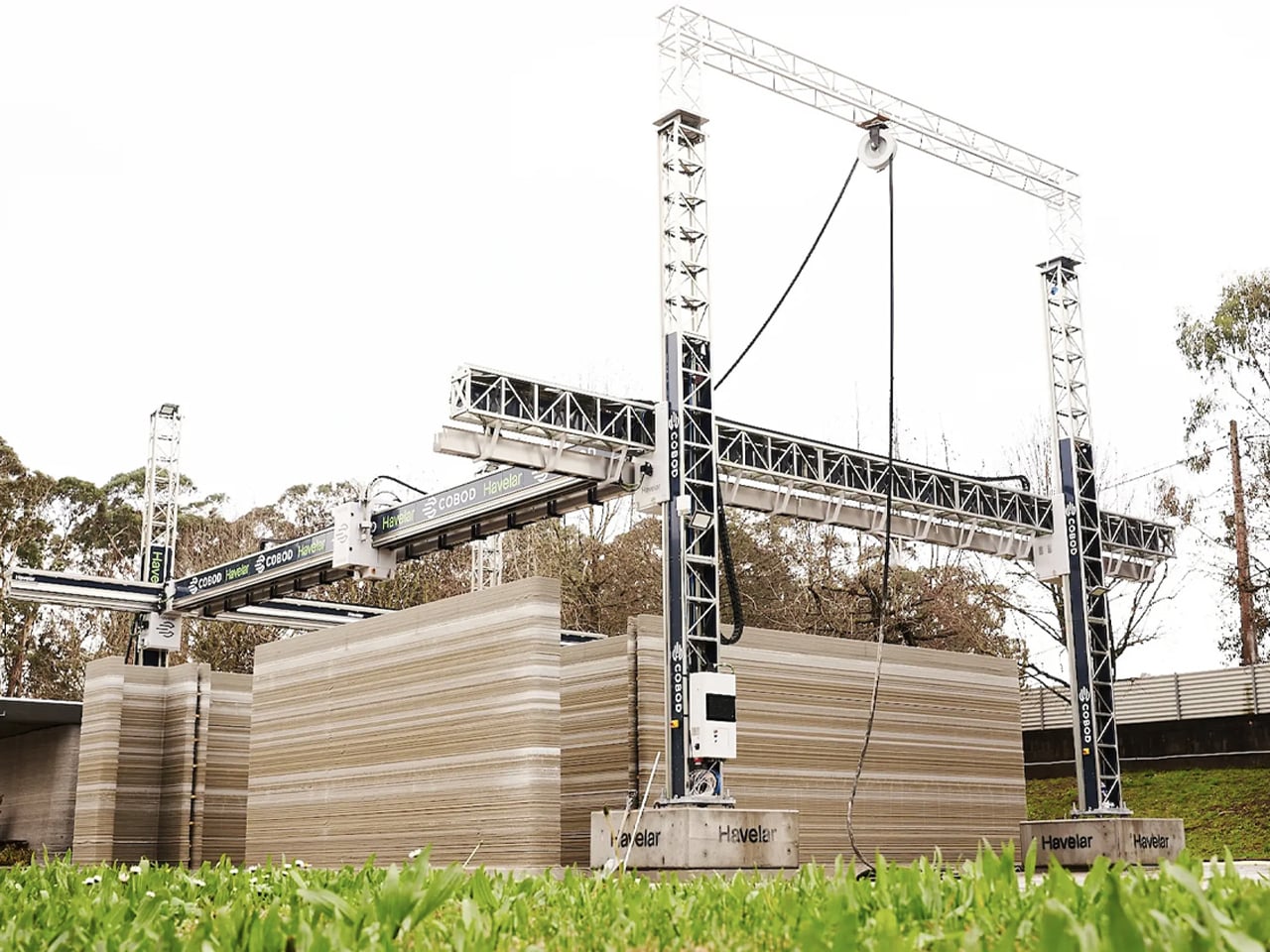
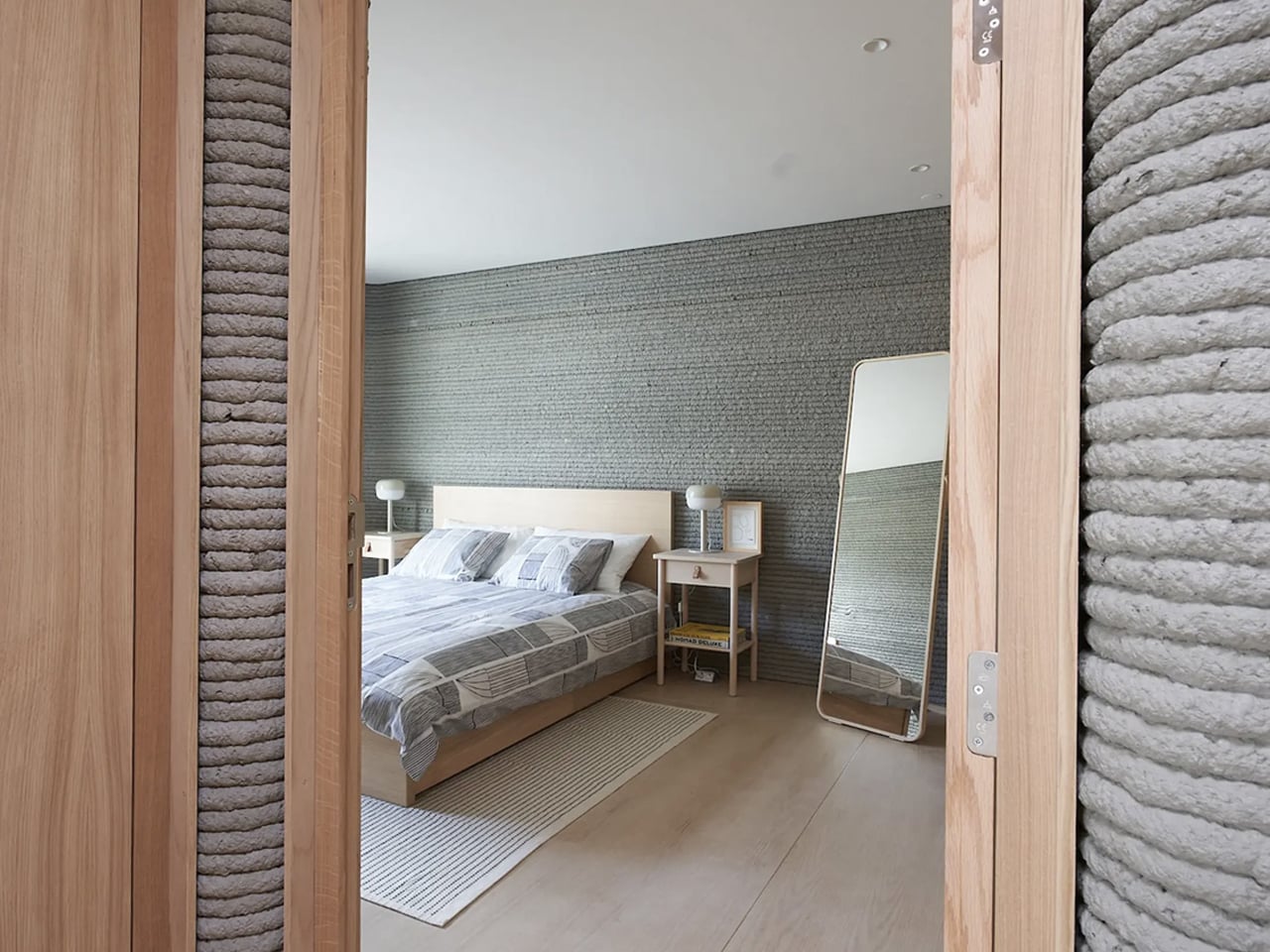
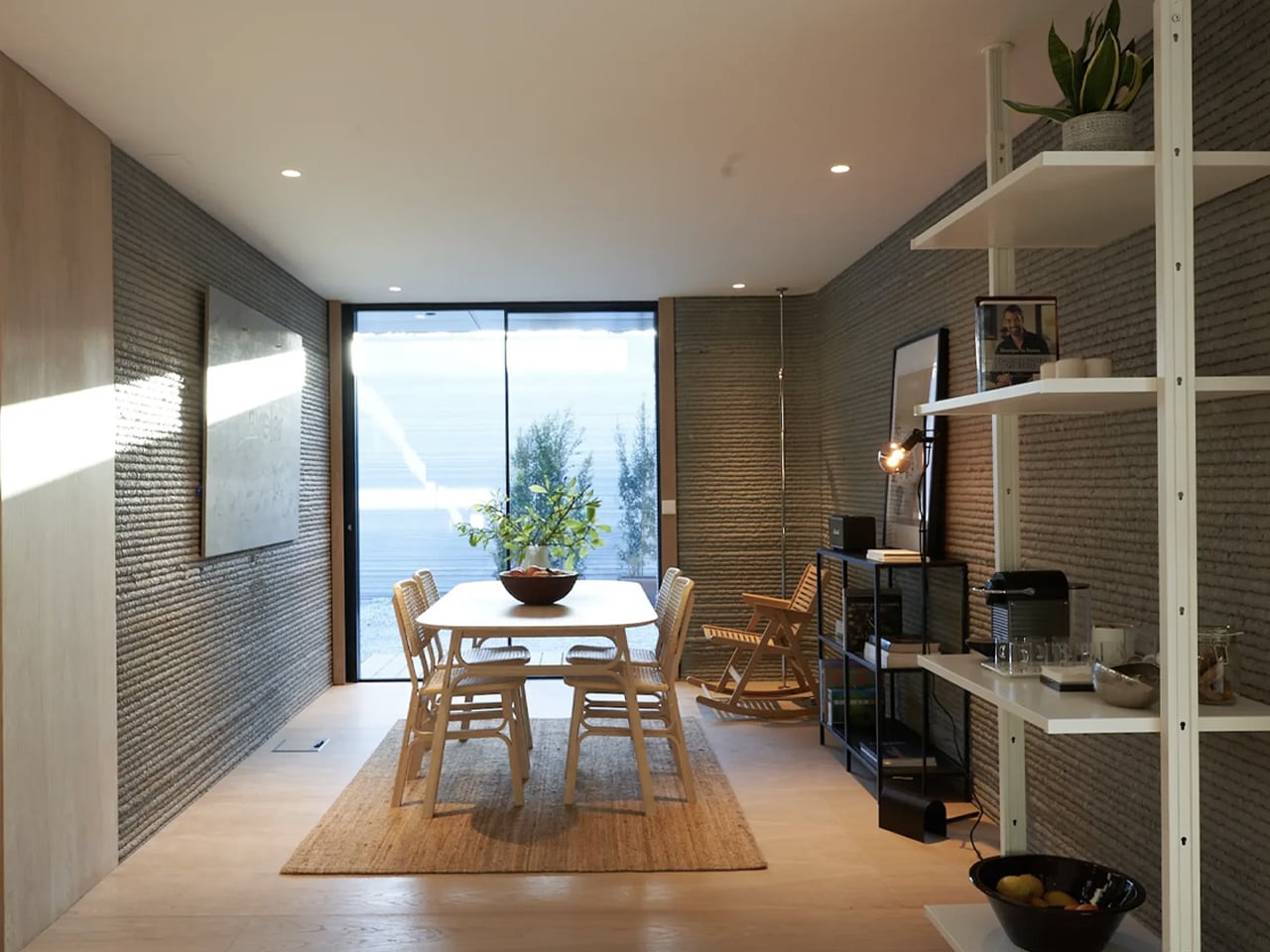
Portugal-based firm Havelar has constructed its first 3D-printed home, produced in just 18 hours using a COBOD BOD2 printer. Located in the Greater Porto area, the single-storey residence is designed as a compact two-bedroom dwelling. A robotic printer extrudes a cement-based mixture layer by layer to form the structure, significantly reducing build time and reliance on intensive labour.

Once printing was complete, traditional construction methods were used to install the roof, windows, doors, and interior fittings, bringing the total construction timeline to under two months. The home features ribbed concrete walls that clearly express its printed origin, along with a simple, efficient layout comprising a central kitchen and dining area, living space, bathroom, and two bedrooms. While minimal in finish, the project prioritises accessibility and efficiency. Havelar sees this prototype as a foundation for scaling production and transitioning to alternative materials, with long-term ambitions of achieving carbon-neutral construction.

5. Scalability and Logistics Constraints

A major challenge in construction-scale 3D printing lies in the size and mobility of printing systems. Large gantry frames and robotic arms are costly to transport and complex to assemble, often offsetting the time saved during the printing process itself. In addition, reliable access to uniform printing materials remains limited, particularly in remote or developing regions where affordable housing demand is highest.

True scalability requires a shift toward compact, modular, and easily deployable machines. Cost evaluations must factor in equipment mobilization alongside material and print efficiency. Until printing systems become as flexible as the designs they produce, widespread economic viability remains constrained.

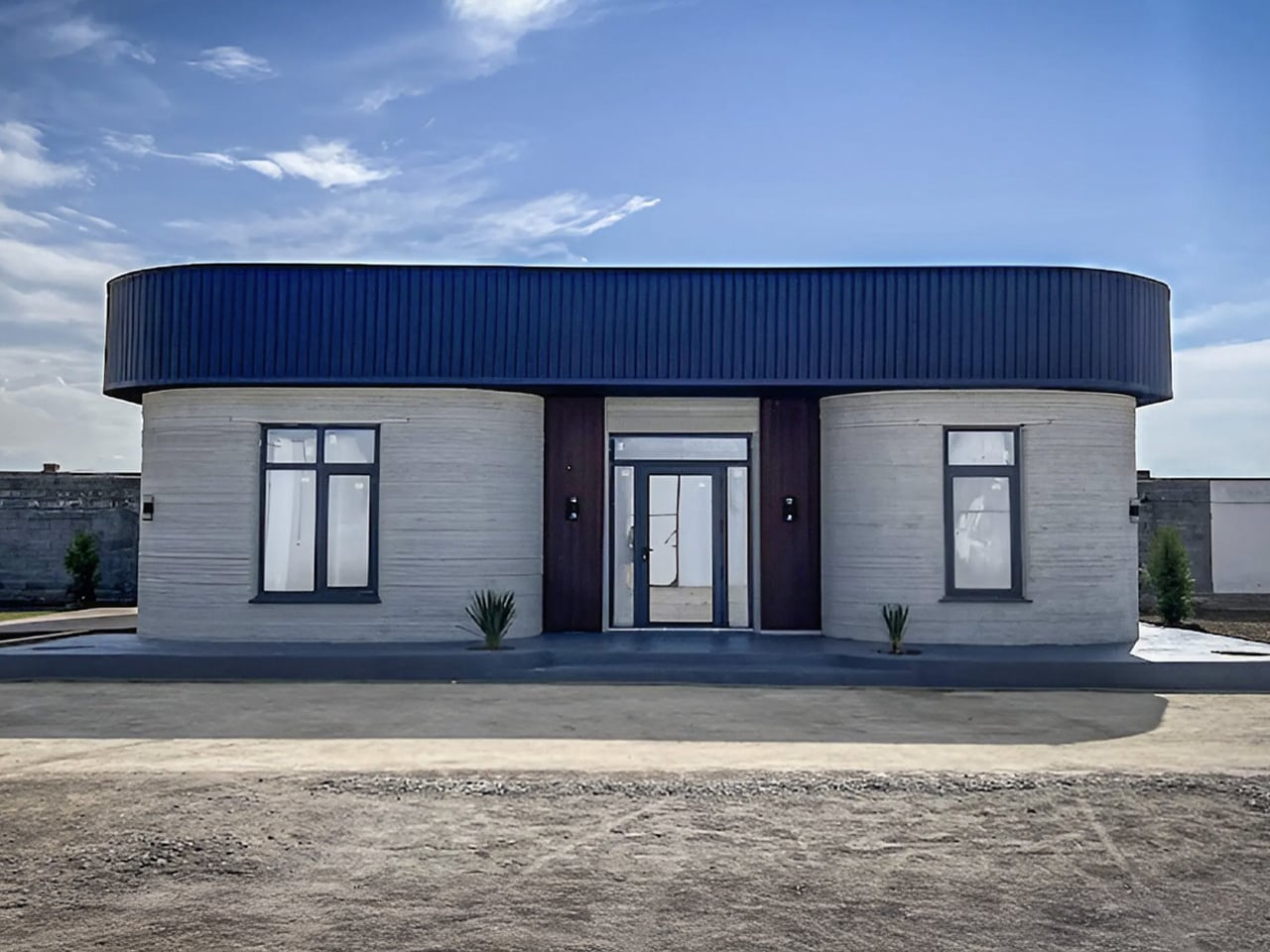
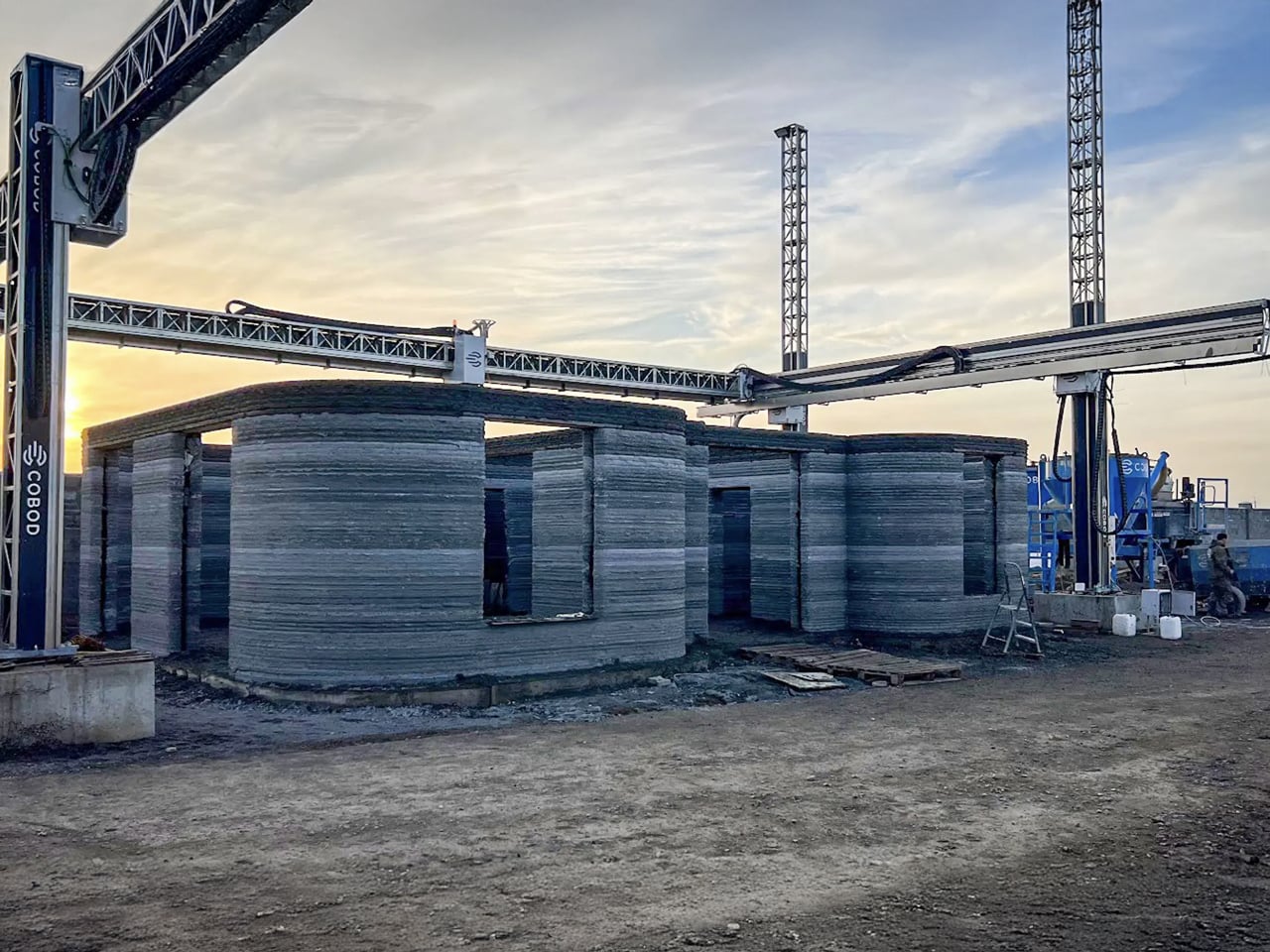
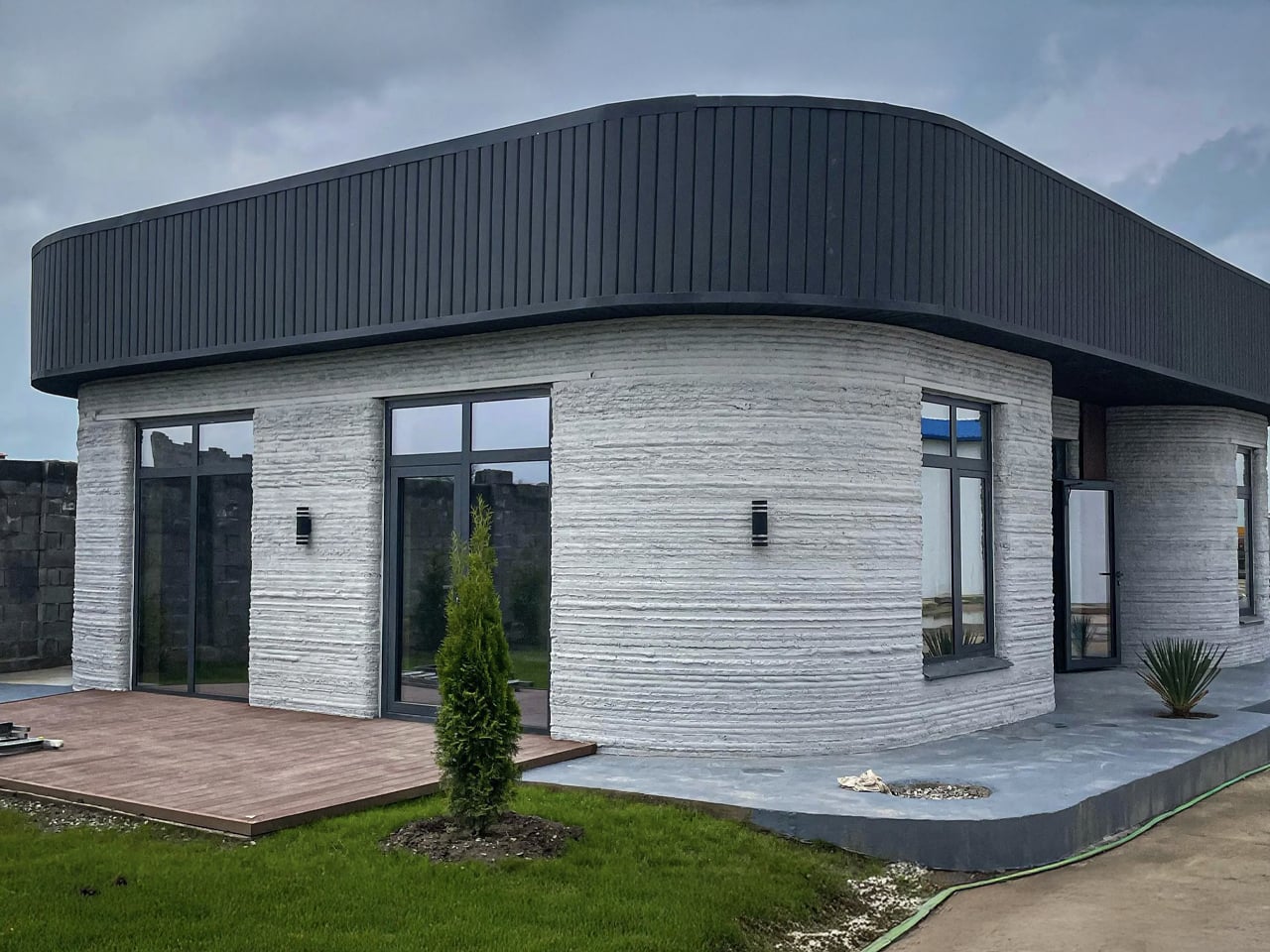
Designed by BM Partners and produced using a COBOD BOD2 printer, this unnamed home in Almaty, Kazakhstan, is recognised as Central Asia’s first 3D-printed residence. The project demonstrates how additive construction can meet demanding environmental and seismic conditions. Built with resilience in mind, the house is engineered to withstand extreme temperatures and earthquakes of up to magnitude 7.0. Its walls can be printed in just five days, significantly reducing construction time while offering a more economical alternative to conventional housing methods.

A high-strength concrete mix with a compressive strength of nearly 60 MPa was used, far exceeding typical local materials. Made from locally sourced cement, sand, and gravel and enhanced with a specialised admixture, the mix was tailored to regional conditions. Expanded polystyrene concrete offers thermal and acoustic insulation, providing comfort across a wide range of temperature variations. Once printing was complete, conventional construction teams added windows, doors, and interiors.

3D printing in construction marks a critical intersection of innovation and social responsibility. Despite challenges in materials and regulation, its advantages in design flexibility and rapid delivery make it inevitable. Treated as a new tectonic system and not merely a tool, it can redefine affordable housing by uniting efficiency, quality, and architectural value.

The post 5 Countries Just 3D-Printed Homes in Under a Week: The Future Is Here first appeared on Yanko Design.
Steel Is Dead: 5 Titanium Products That Just Replaced It in 2026

Titanium is no longer confined to aerospace or medical tools. You now see it shaping everyday product design, from consumer electronics to furniture and wearables. Its high strength-to-weight ratio lets you create thinner profiles without sacrificing durability. Resistant to corrosion, scratches, and heat, titanium extends product life while reducing the need for frequent replacement.

Beyond performance, titanium delivers a refined tactile and visual experience. Its surface interacts with light to produce subtle tonal shifts that feel precise yet understated. You get products that feel premium without excess. With its long lifespan and recyclability, titanium supports responsible design choices, aligning innovation with sustainability and long-term value.

1. Generative Titanium Design

Generative design combined with additive manufacturing is reshaping how you approach product structures. Instead of solid, overbuilt components, you can now create lightweight forms guided by algorithms. These digitally evolved geometries use material only where strength is required, resulting in efficient, organic profiles inspired by natural systems such as bone and cellular growth.

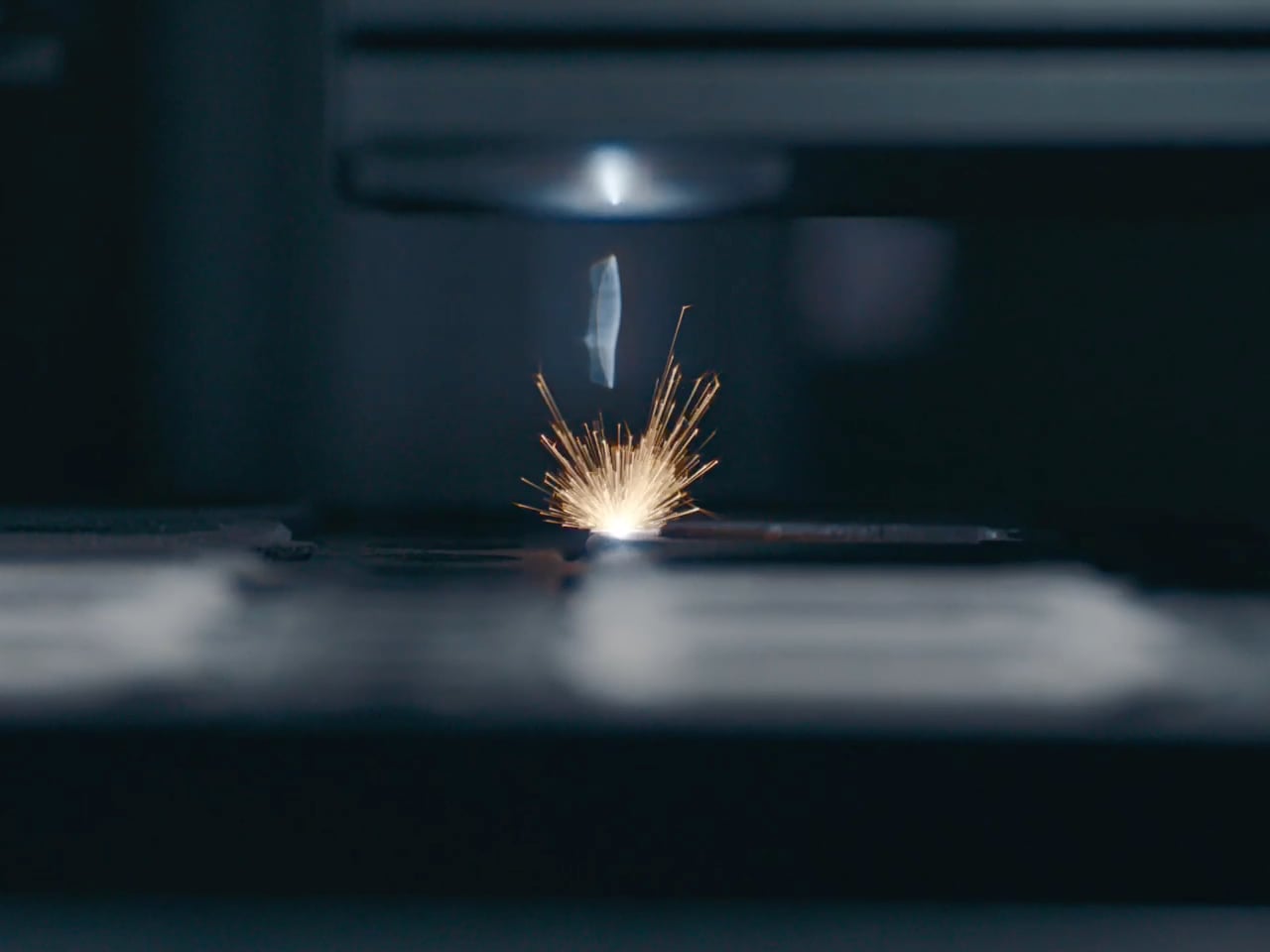
With 3D titanium printing technologies like laser powder bed fusion, you achieve precise stress-optimized components with minimal waste. Although production costs remain higher upfront, you benefit from reduced material usage, fewer assembly steps, and lower energy input, which delivers smarter products that balance performance, sustainability, and long-term value.

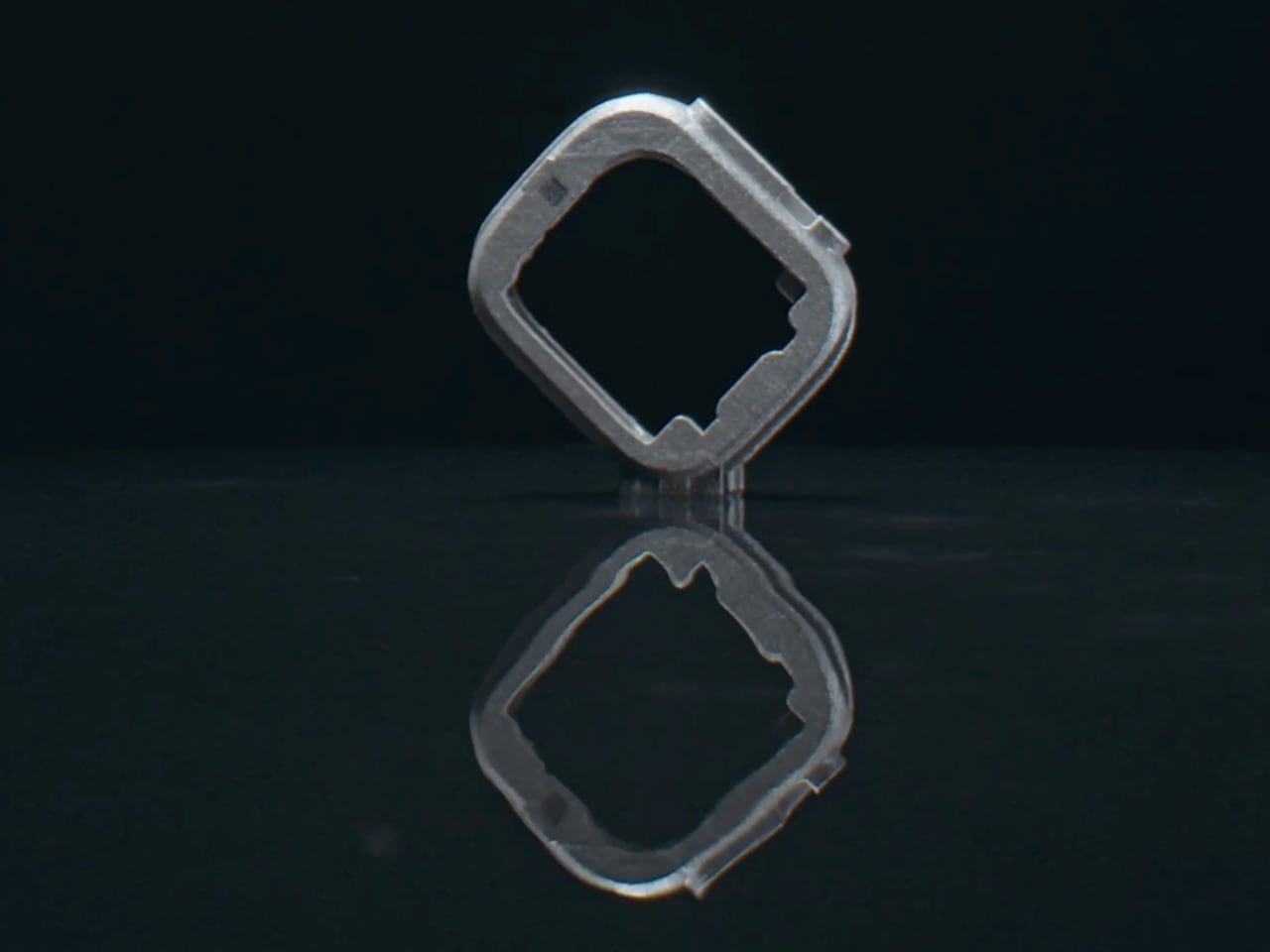
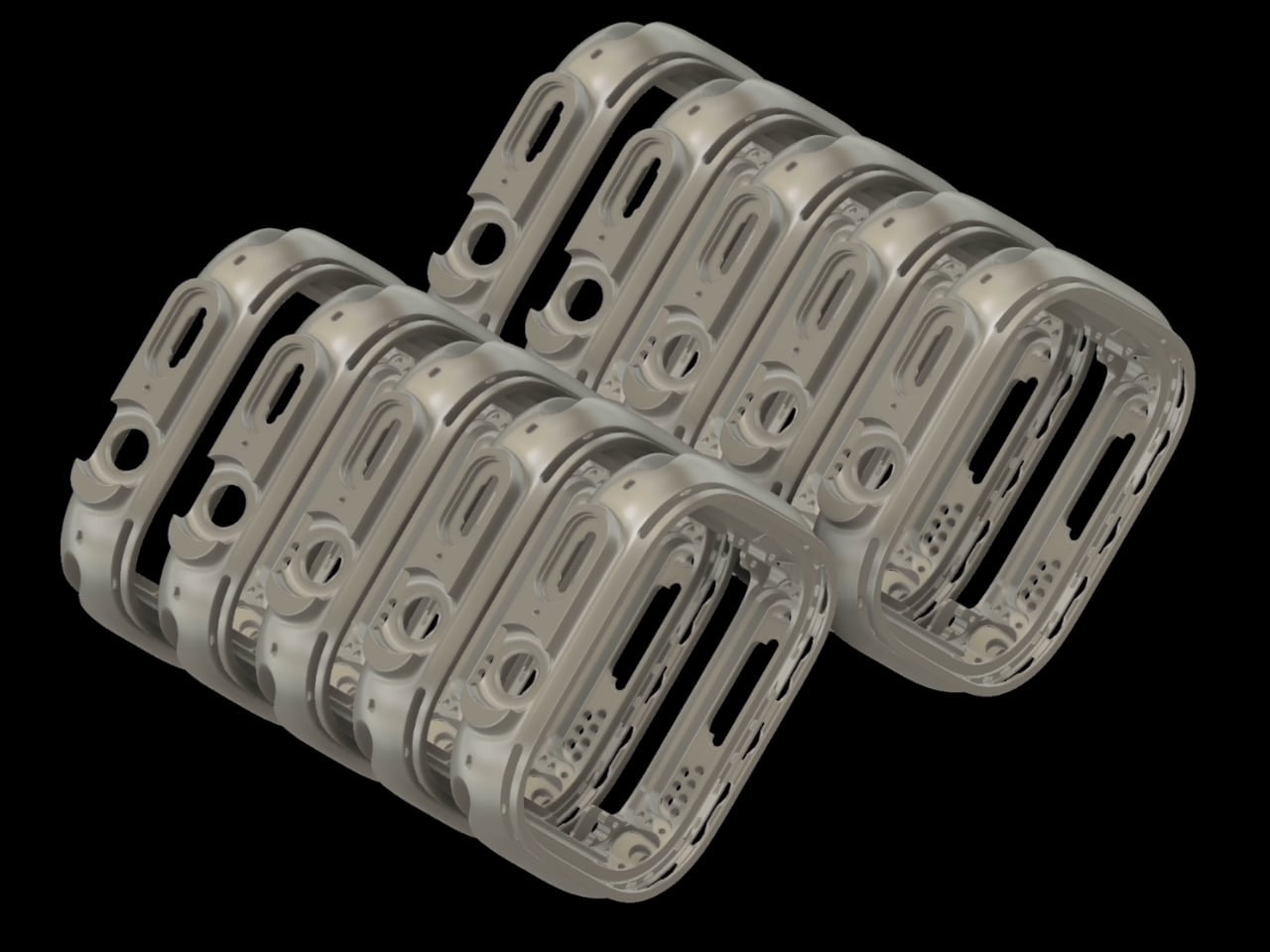
Apple’s move to 3D-printed titanium signals a deeper shift in product design, where manufacturing innovation directly shapes form, performance, and sustainability. By producing Apple Watch Ultra 3 and Series 11 cases through additive manufacturing using 100 percent recycled aerospace-grade titanium powder, Apple cuts raw material use by nearly half. The result feels identical to traditionally forged cases that are light, durable, and mirror-polished, yet it emerges from a process that builds only what the design truly needs.

Unlike subtractive machining, where excess titanium becomes waste, 3D printing constructs cases layer by layer with extreme precision. This unlocks design advantages beyond efficiency. Apple can now print internal textures that improve bonding between metal and plastic, enhancing waterproofing without adding bulk. The same approach enables thinner yet stronger components, such as the titanium USB-C enclosure in the iPhone Air. Here, sustainability is not an add-on, as it becomes the system through which better products are designed.

2. Anodic Color Effects

Titanium achieves color through anodic oxidation, an electrochemical process that alters its natural oxide layer rather than covering it. You are not applying paint, but you are changing how the material interacts with light. This creates rich hues—ranging from soft blues to deep violets—that shift subtly with angle and atmosphere, giving products a living, responsive surface.

These anodic finishes are not only expressive but enduring. They resist UV fading, corrosion, and salt exposure far better than conventional coatings. For product design, this means long-lasting color without maintenance or reapplication. You get visual depth, material honesty, and performance aligned in a single, permanent finish.

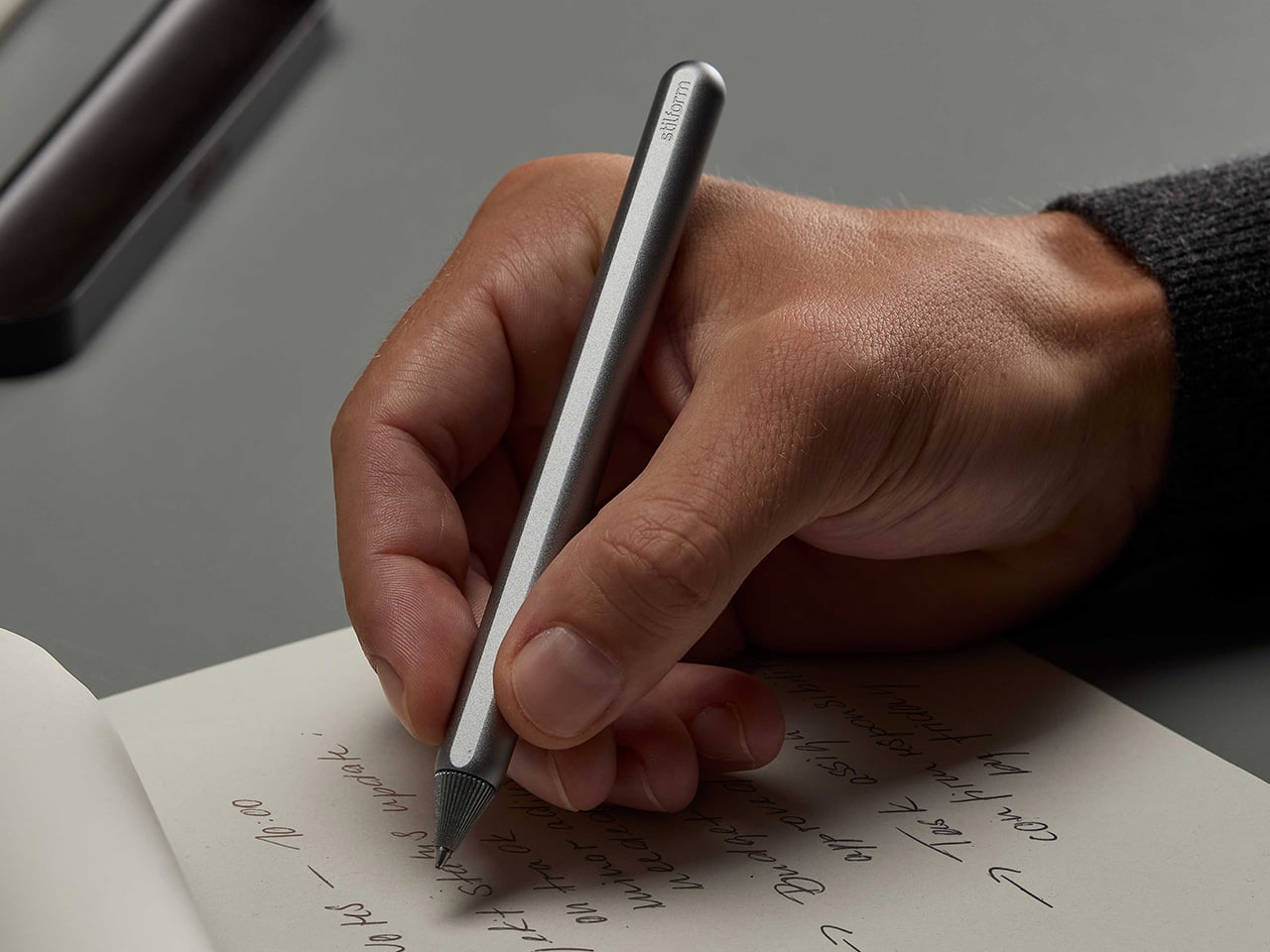
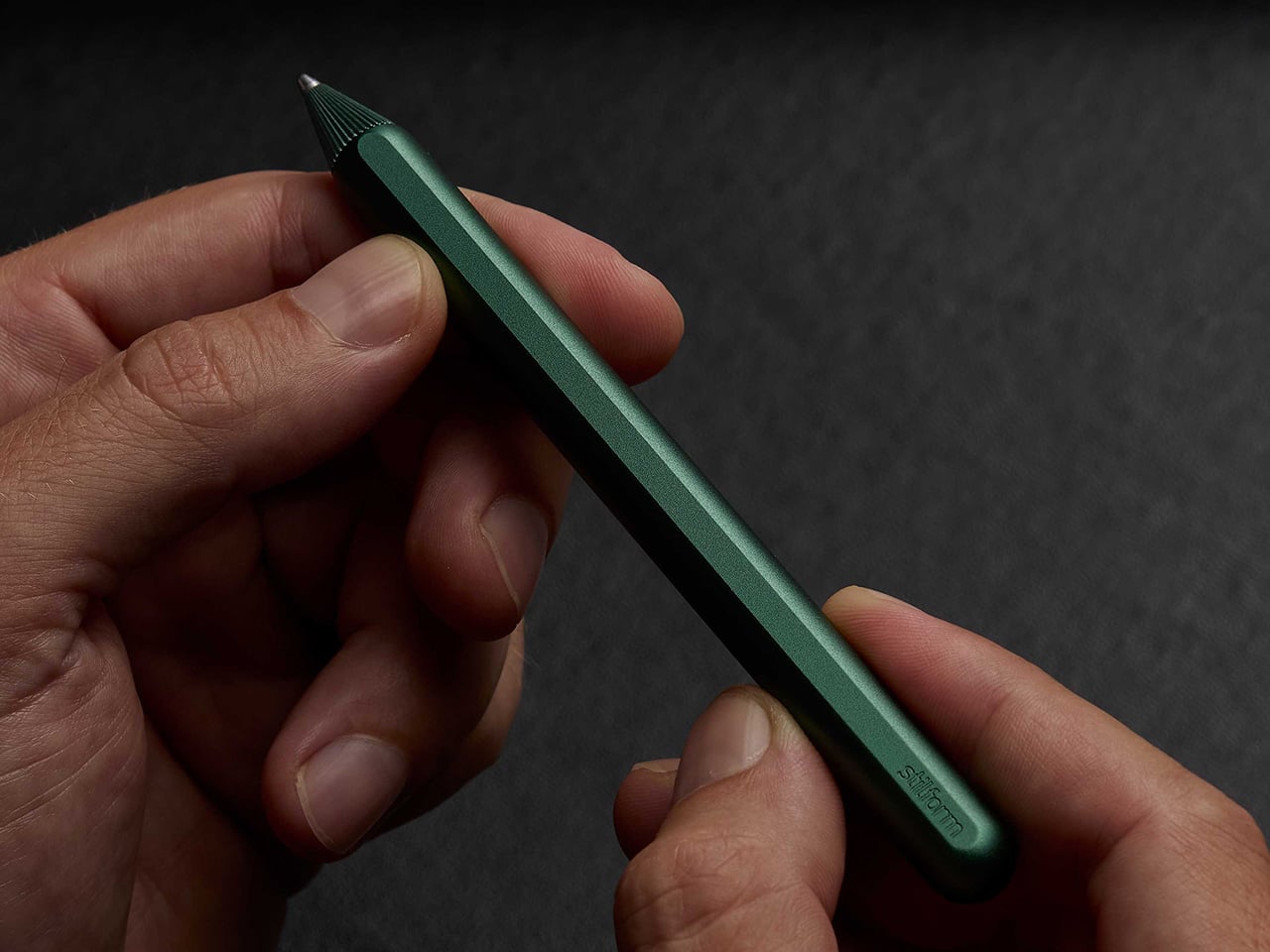
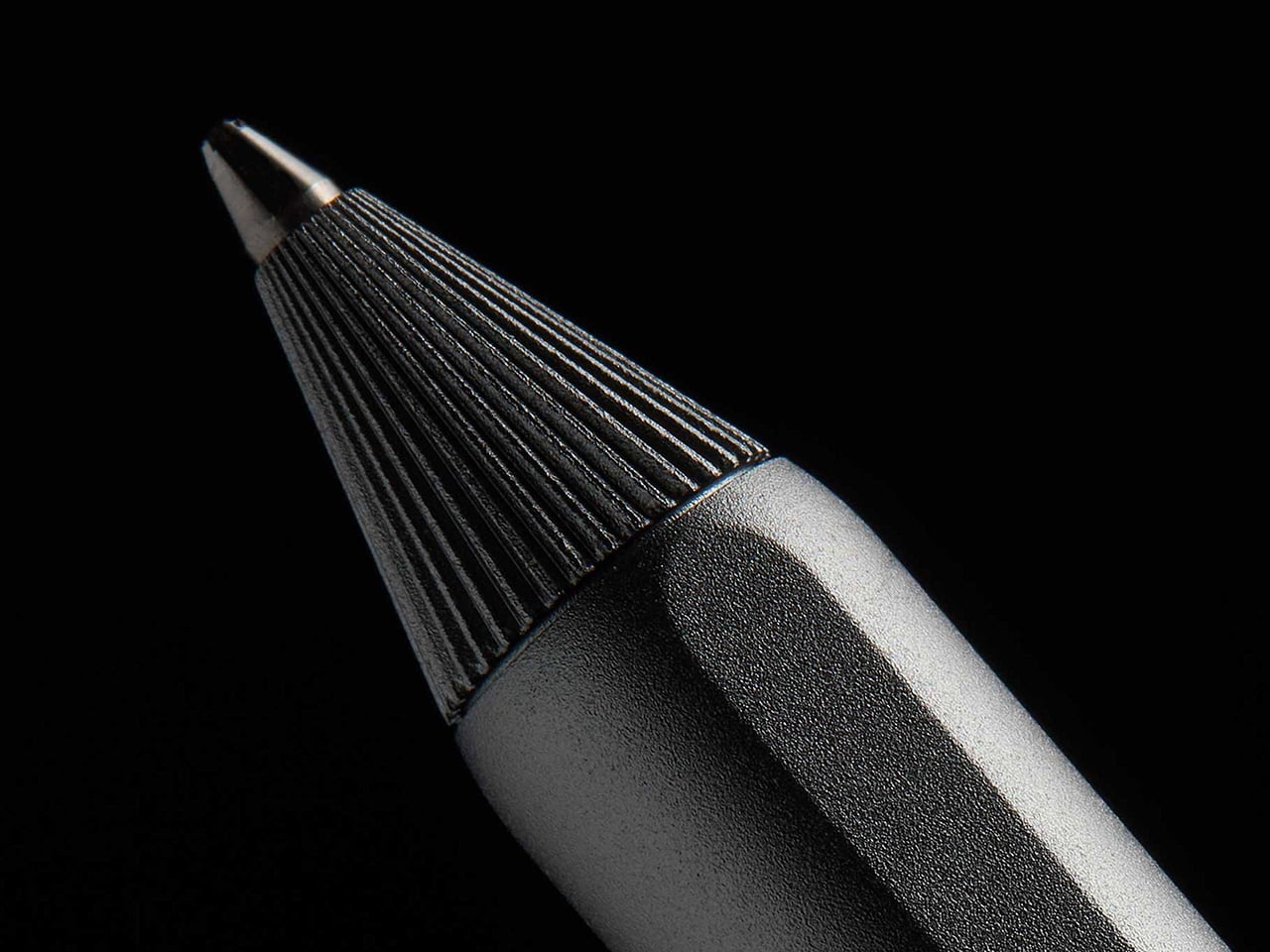
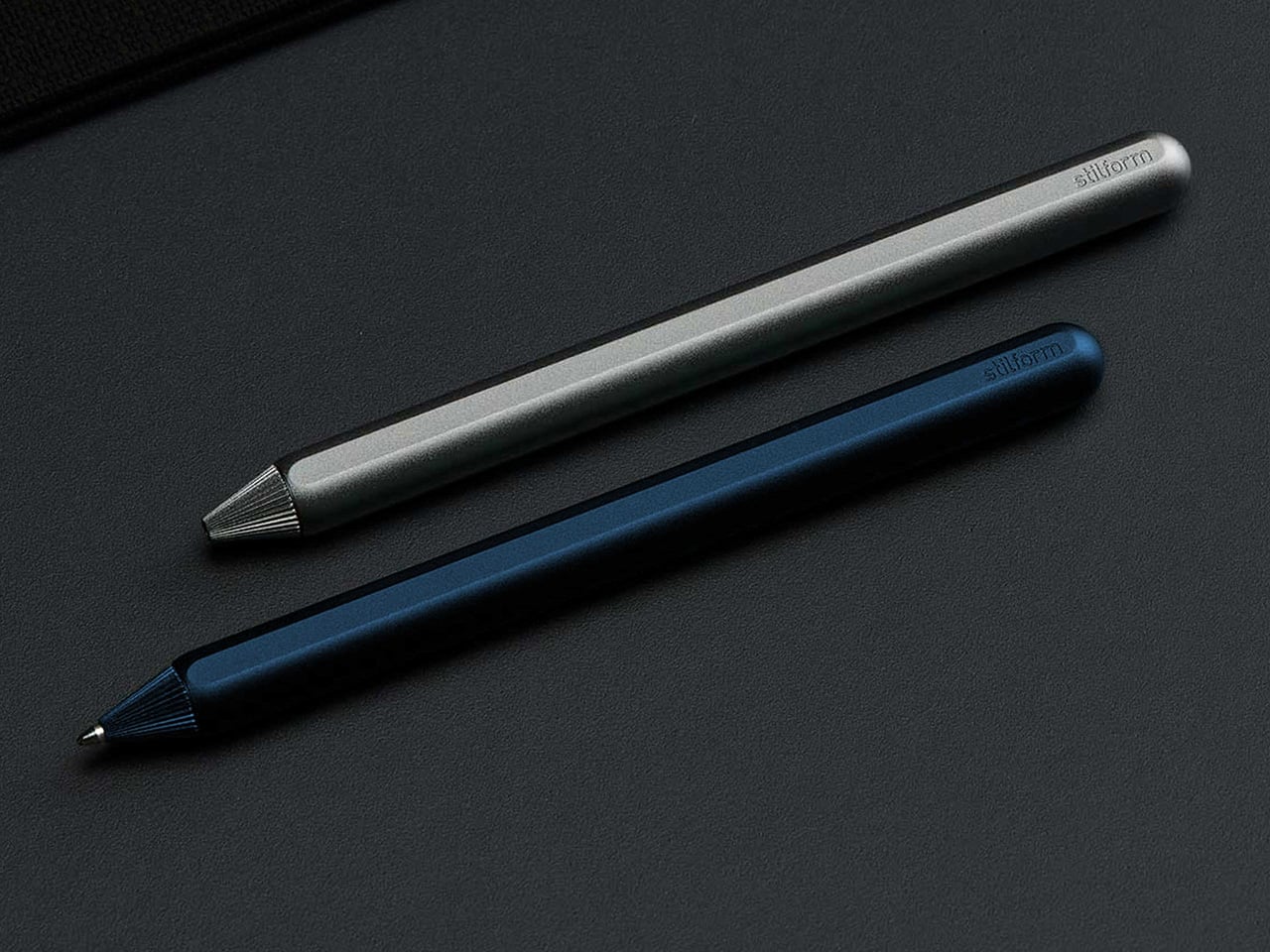
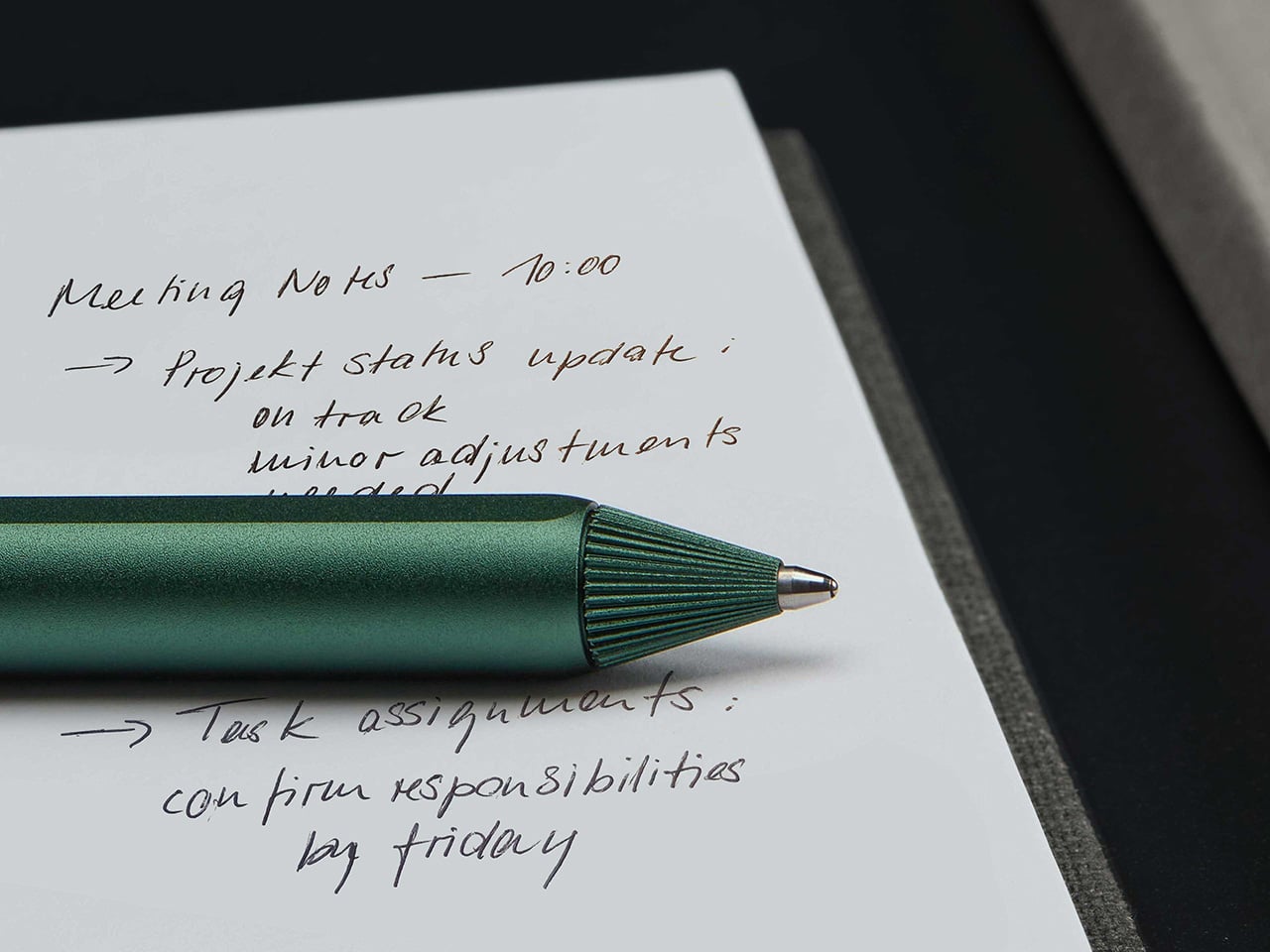
The AEON Ballpoint is defined by disciplined product design rather than visual flair. Its form is reduced to a clean metal cylinder, free of branding, excess seams, or decorative elements. The matte finishes are chosen for grip and durability, not ornament. Every curve is calibrated for the hand, making the object feel purposeful and precise from the first touch.

Function drives every detail. The front-end twist mechanism is hidden where the fingers naturally rest, allowing seamless operation without changing grip. Weight distribution is carefully balanced for sustained writing comfort, while subtle flat facets prevent the pen from rolling on a desk. Titanium

3. Smart Glazing

Titanium-doped glazing represents a new generation of high-performance glass designed to actively regulate indoor climate. By depositing ultra-thin layers of titanium dioxide onto glass surfaces, this technology achieves spectral selectivity—reflecting infrared heat while allowing visible light to pass through. The result is improved thermal efficiency, reduced heat gain, and lower dependence on mechanical cooling systems, even in buildings with expansive glass façades.

Beyond performance, this glazing supports biophilic design intent. Clear, untinted views preserve a visual connection with the landscape, allowing natural light to shape interior experience. The space remains thermally stable yet visually open, creating a calm, nature-connected interior envelope.

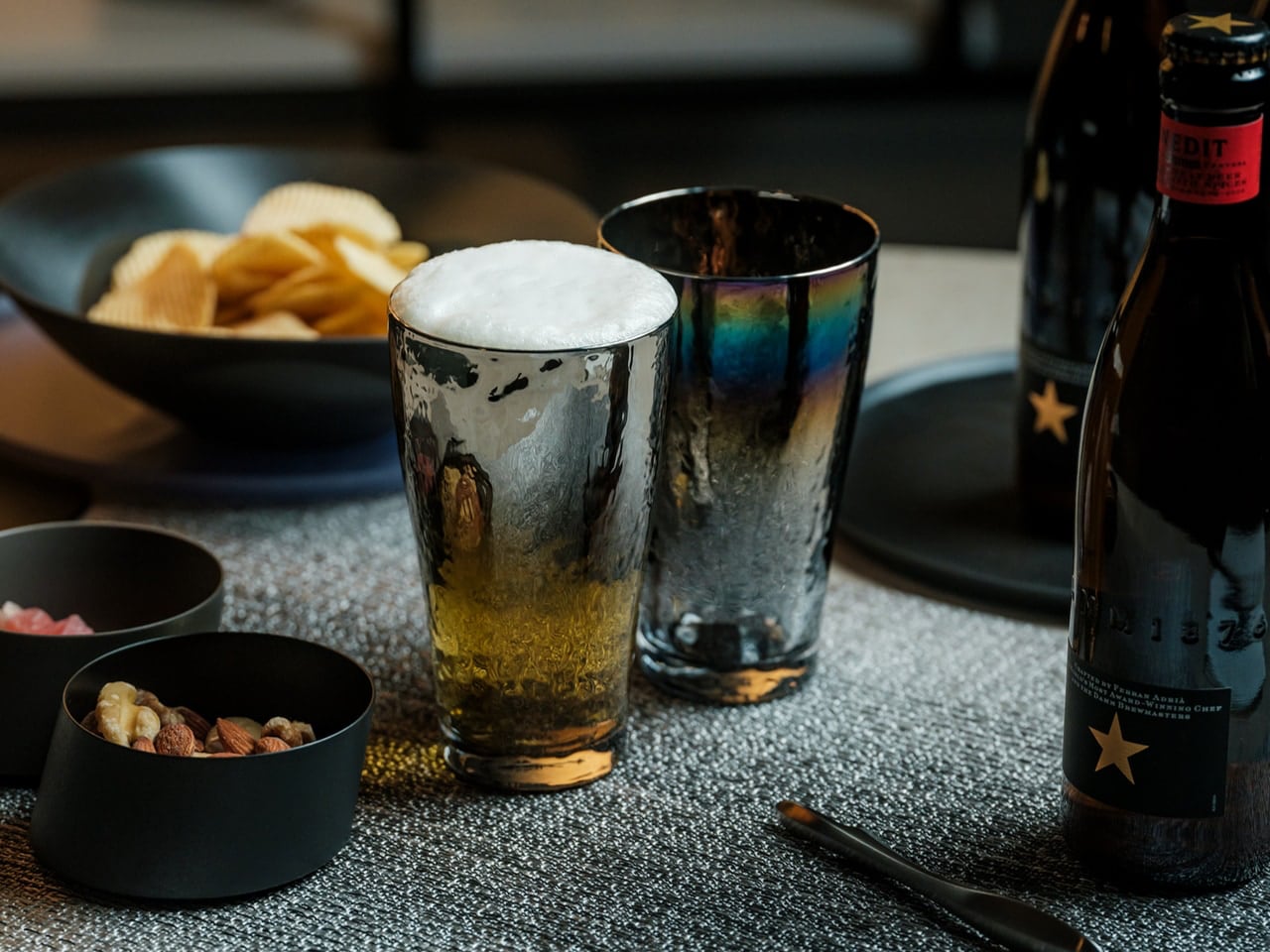
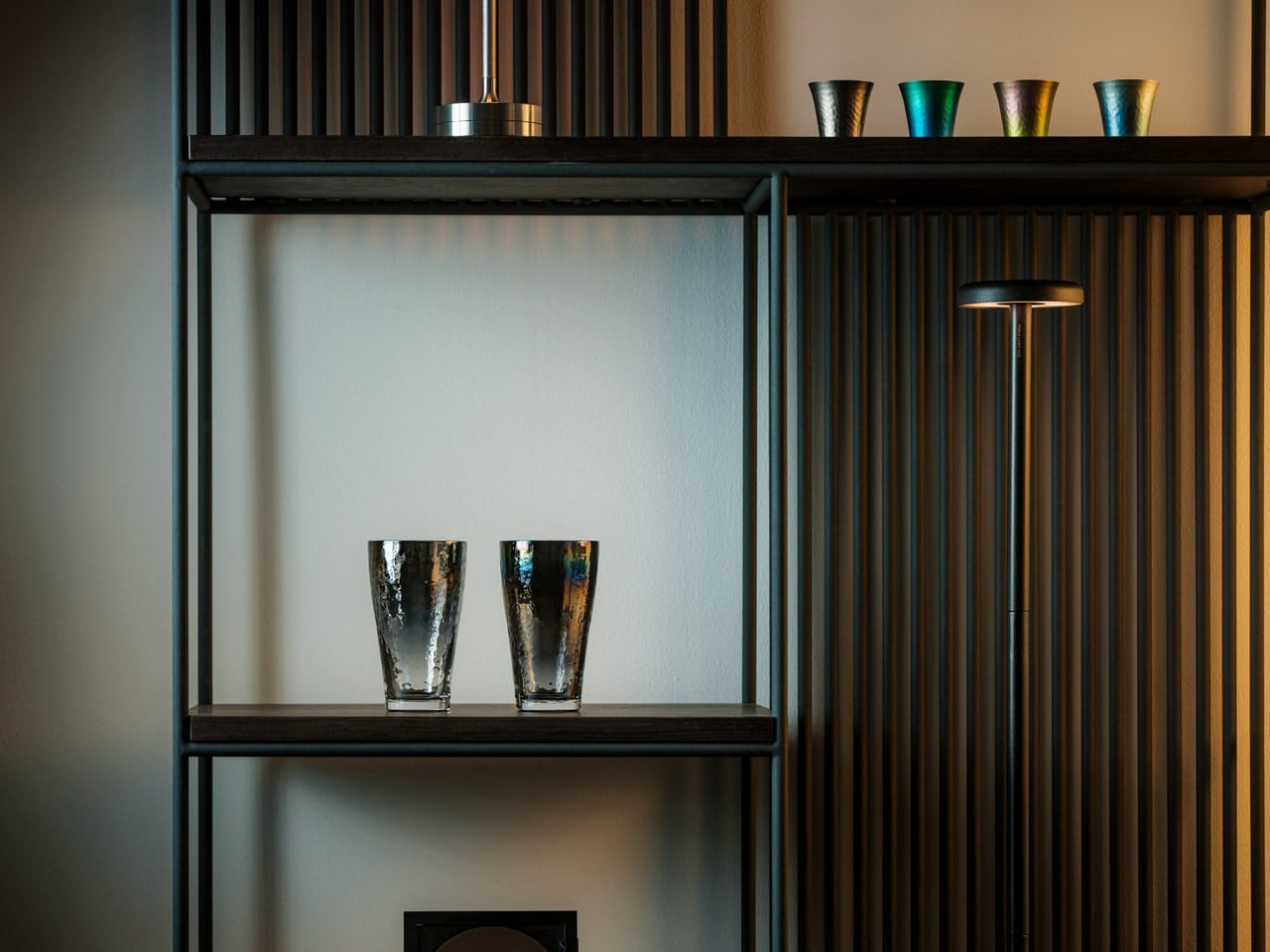
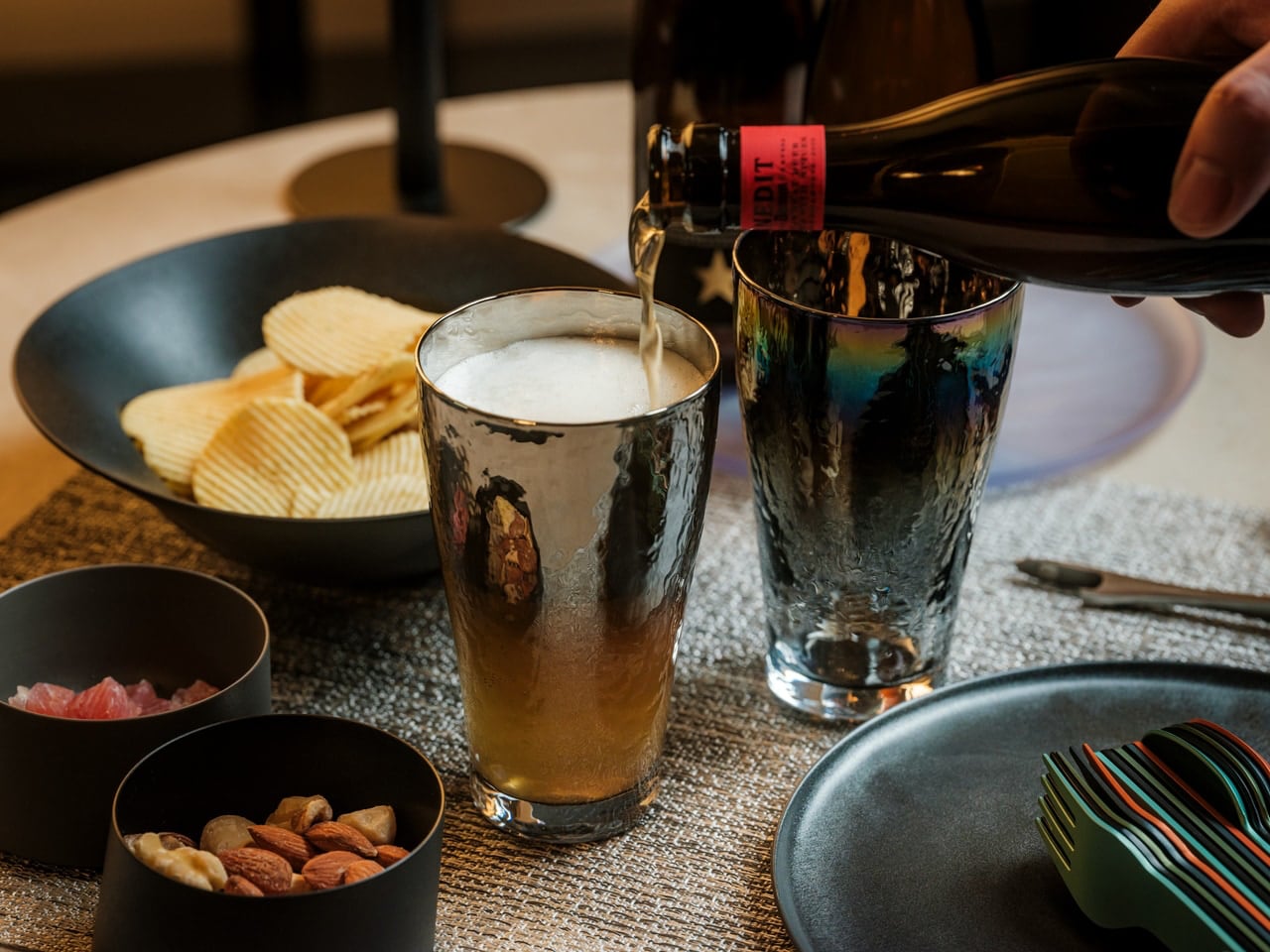
The Prism Titanium Beer Glass is designed to elevate the act of drinking through precision, material integrity, and restrained design. Crafted in Japan by Progress Design, the glass features an ultra-thin lining of 99.9% pure titanium, engineered to reduce bitterness and eliminate metallic aftertastes, allowing the true character of the beverage to emerge. Its flared rim enhances aroma and refines mouthfeel, while the aerospace-grade construction ensures durability, corrosion resistance, and long-term performance. Every element reflects a balance between advanced technology and traditional Japanese craftsmanship.

Visually understated yet distinctive, Prism’s light-reactive finish subtly shifts with movement, adding depth without excess. Etched motifs draw from enduring Japanese symbols of continuity and prosperity, reinforcing its sense of permanence and purpose. Designed to be used daily rather than displayed, the Prism Titanium Beer Glass prioritises clarity, tactility, and intention—transforming an ordinary pour into a composed, well-considered experience grounded in design excellence.

Click here to Buy the Prism Titanium Beer Glass: $99 

4. Minimalism Enabled by Strength

Titanium’s exceptional tensile strength enables a new approach to product and structural design defined by extreme slenderness and visual lightness. Components can be engineered with significantly reduced mass while maintaining high performance, allowing forms to appear almost invisible. This material efficiency supports refined proportions and uninterrupted lines, enhancing both functionality and aesthetic clarity.

By minimising structural bulk, design emphasis shifts towards spatial sequencing and visual flow. Slender supports and cantilevered elements create open, fluid compositions that maximise usable space while reinforcing a sense of weightlessness. This form of minimalism is not decorative but technical—rooted in advanced engineering and material intelligence, where precision-driven design allows the surrounding context and spatial experience to take precedence.

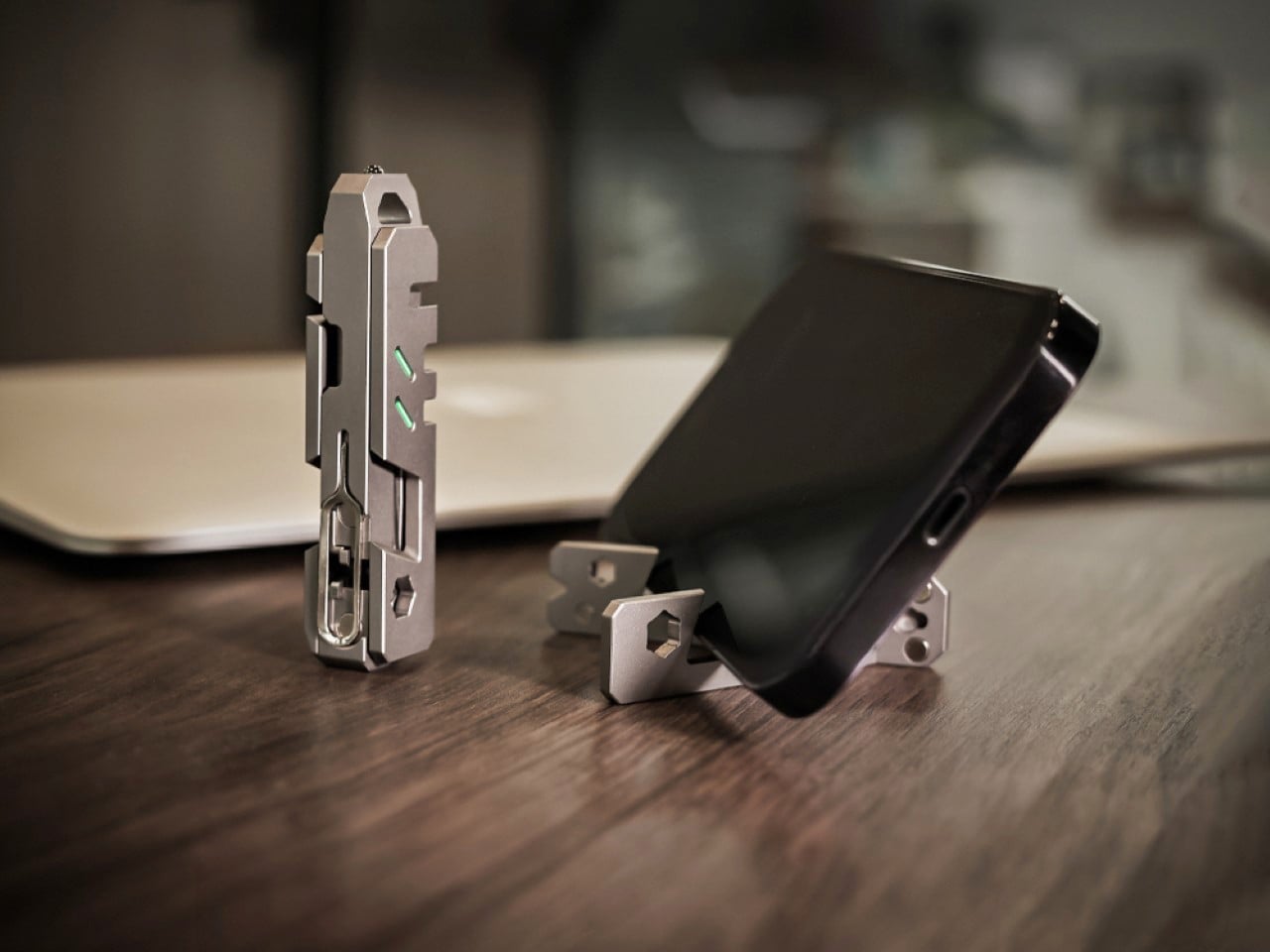
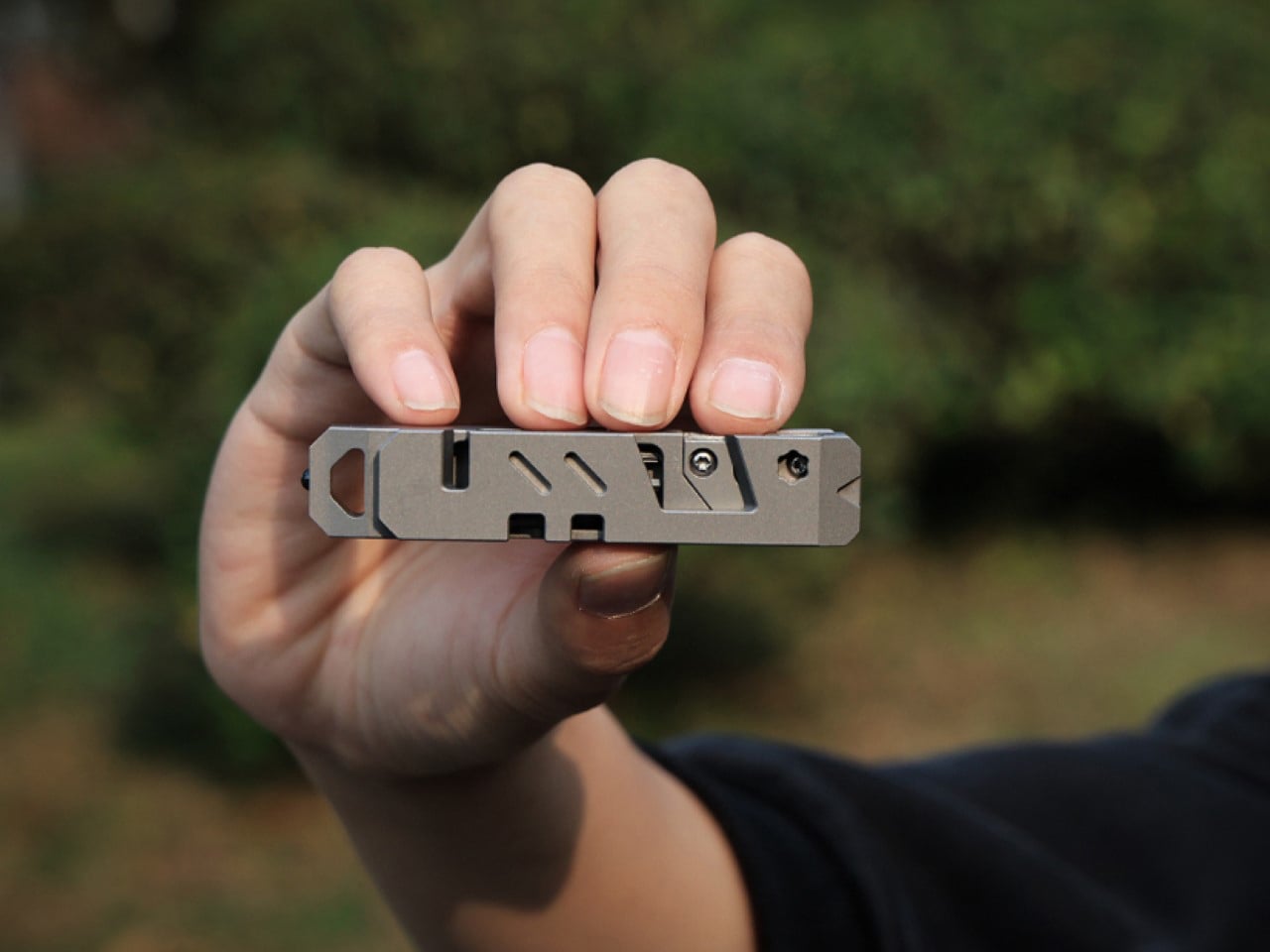
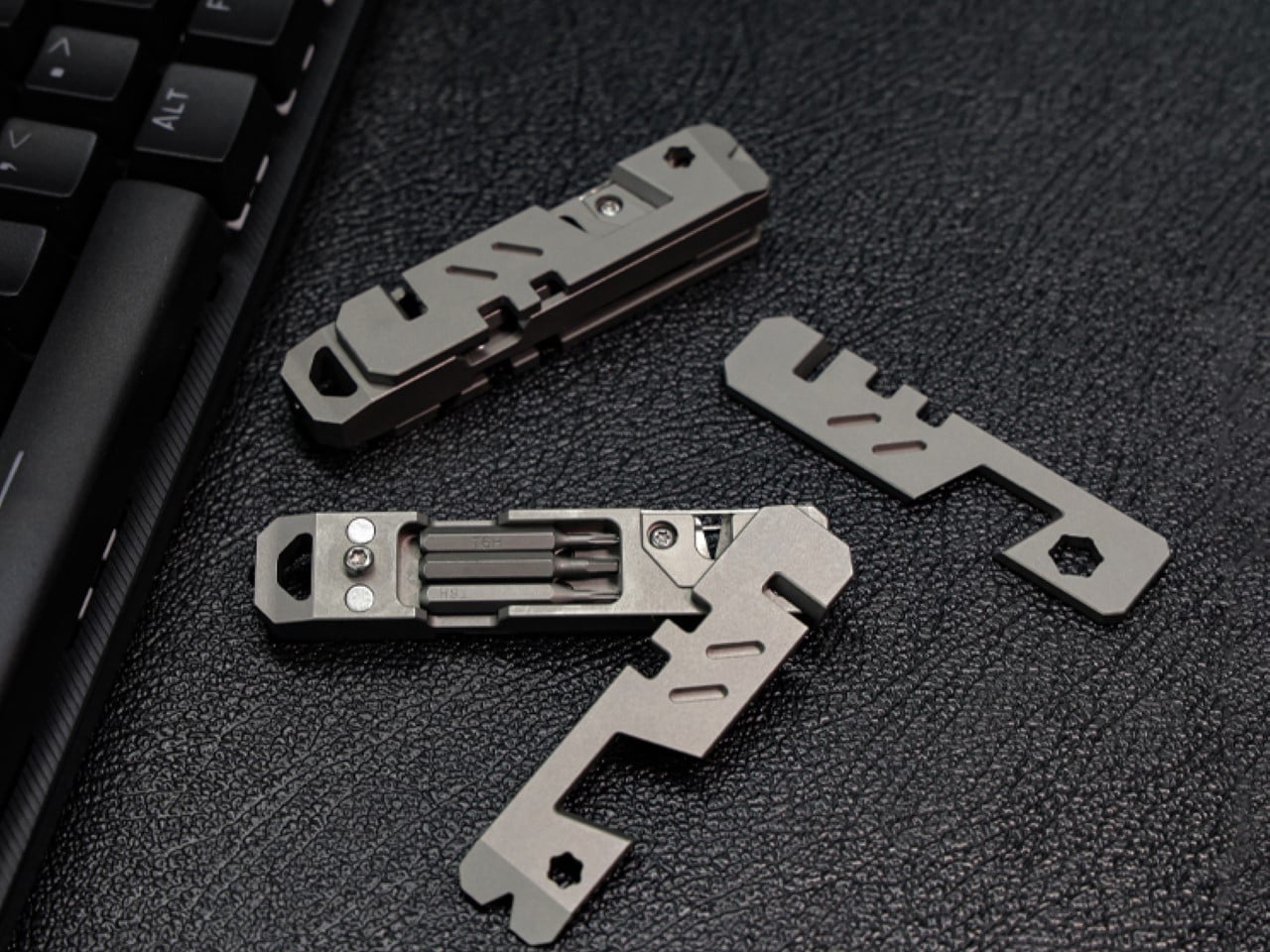
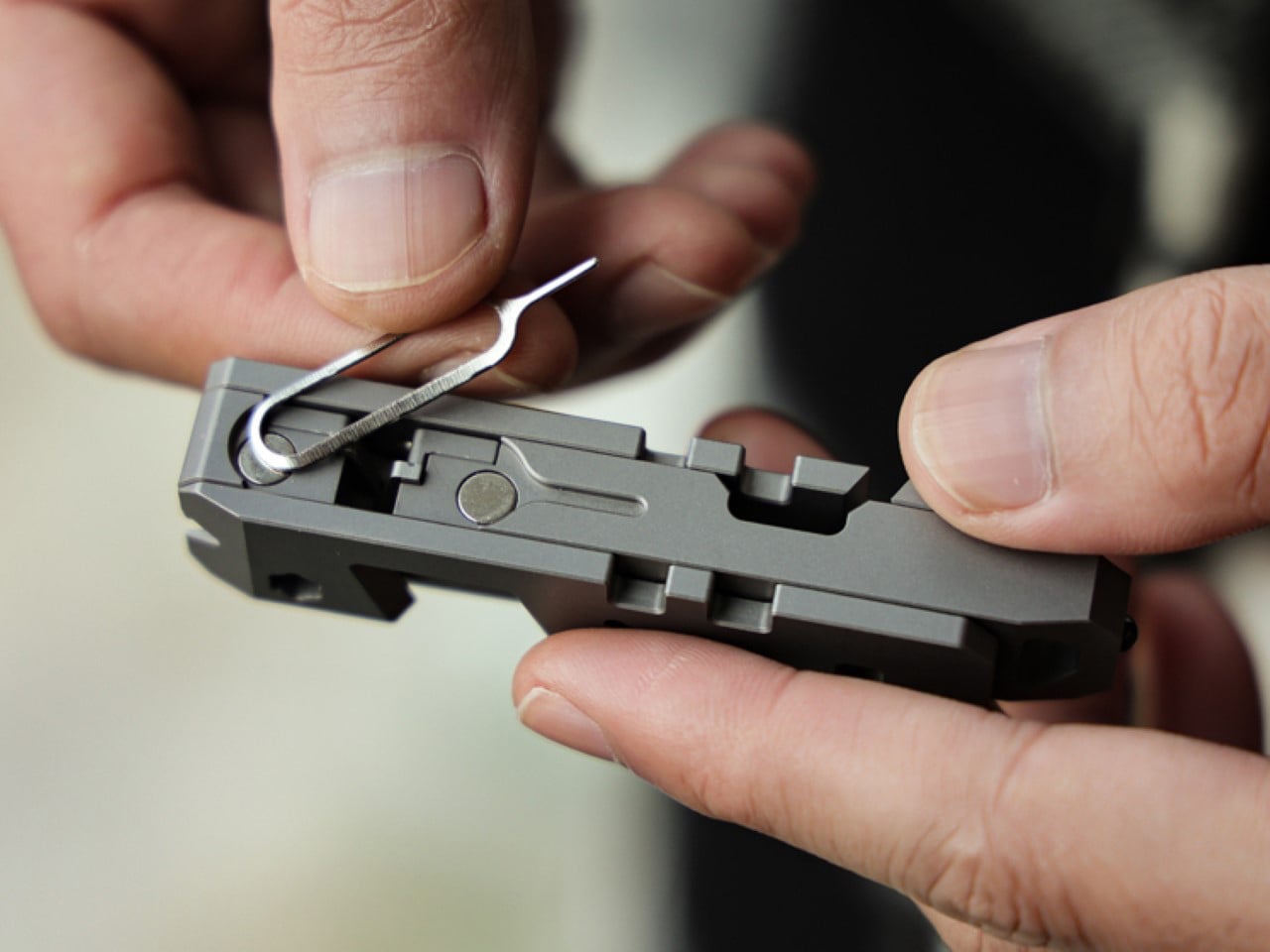
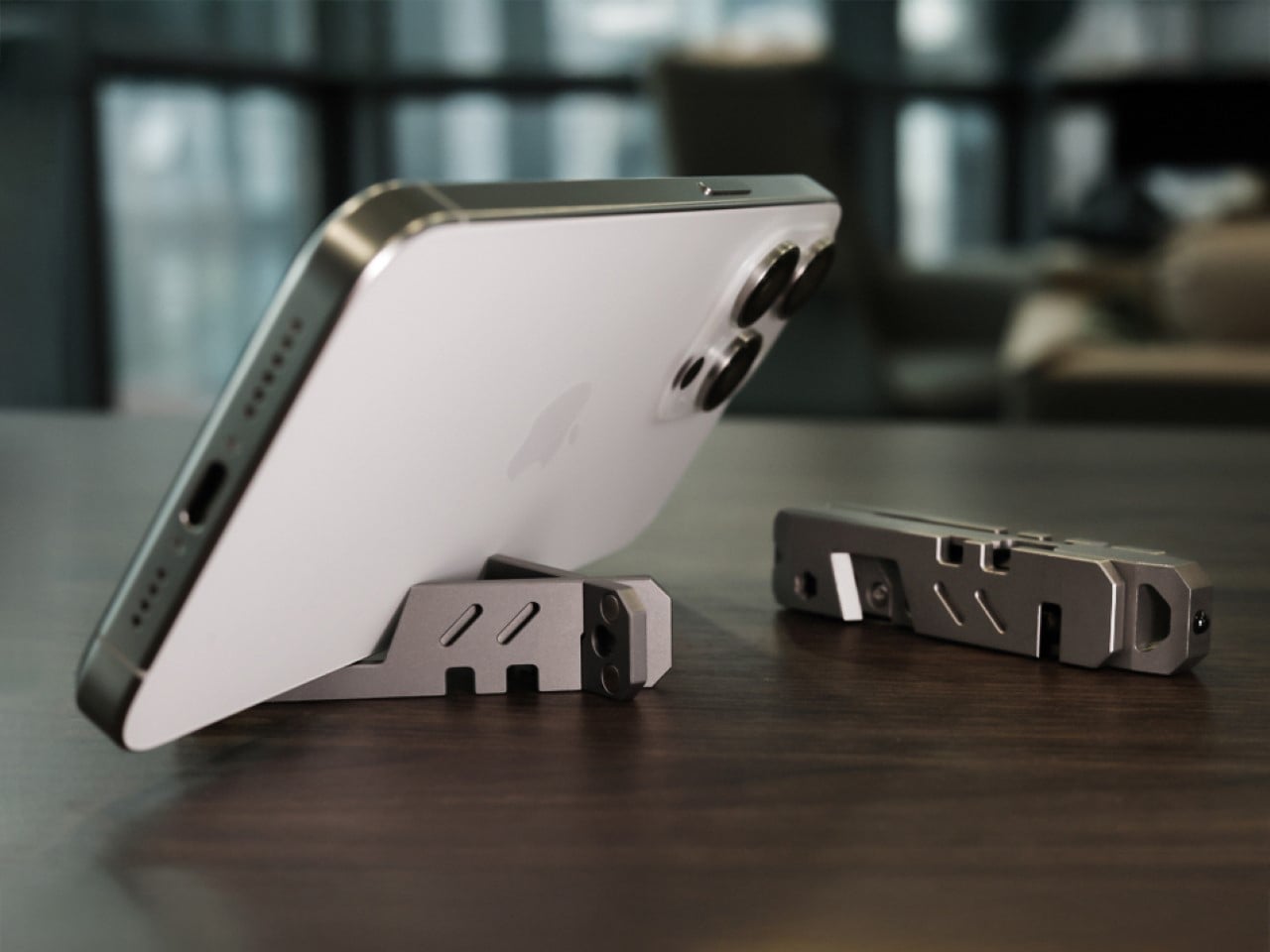
The TriPro Stand is a compact, precision-engineered multitool designed to deliver high functionality within a remarkably small form. Crafted from durable titanium alloy, it integrates 15 essential tools into a structure no larger than a finger while maintaining a lightweight profile of just 56 grams. Its design prioritises strength, corrosion resistance, and refined minimalism, demonstrating how advanced materials allow complex functionality without added bulk. The result is a discreet yet highly capable everyday carry tool that balances performance with visual restraint.

Each function is thoughtfully embedded to support practical, real-world use. Features such as the integrated phone stand, modular screwdriver system with magnetic bit storage, SIM ejector, pry bar, spoke wrench, folding scalpel, sharpener, and emergency glass breaker are engineered for reliability rather than novelty. Measuring 8 cm in length, the TriPro Stand exemplifies intelligent product design—where precision manufacturing, material efficiency, and purposeful detailing converge to create a durable and dependable multitool.

5. Exceptional Fatigue Resistance

Titanium demonstrates exceptional resistance to cyclic fatigue, enabling it to withstand repeated stress and loading without cracking, deforming, or compromising structural integrity. Unlike many conventional metals that gradually weaken under continuous use, titanium retains its mechanical performance across millions of stress cycles. This inherent endurance allows designers to rely on slimmer, more efficient components without sacrificing reliability.

Such fatigue resistance makes titanium particularly suitable for products intended for frequent handling and long-term use, including hinges, fasteners, wearables, tools, and precision mechanical interfaces. By maintaining consistent performance over time, titanium enhances safety, durability, and functional stability. Its ability to endure prolonged mechanical demand reinforces its position as a material defined not only by strength and lightness, but by sustained performance and endurance-led design.

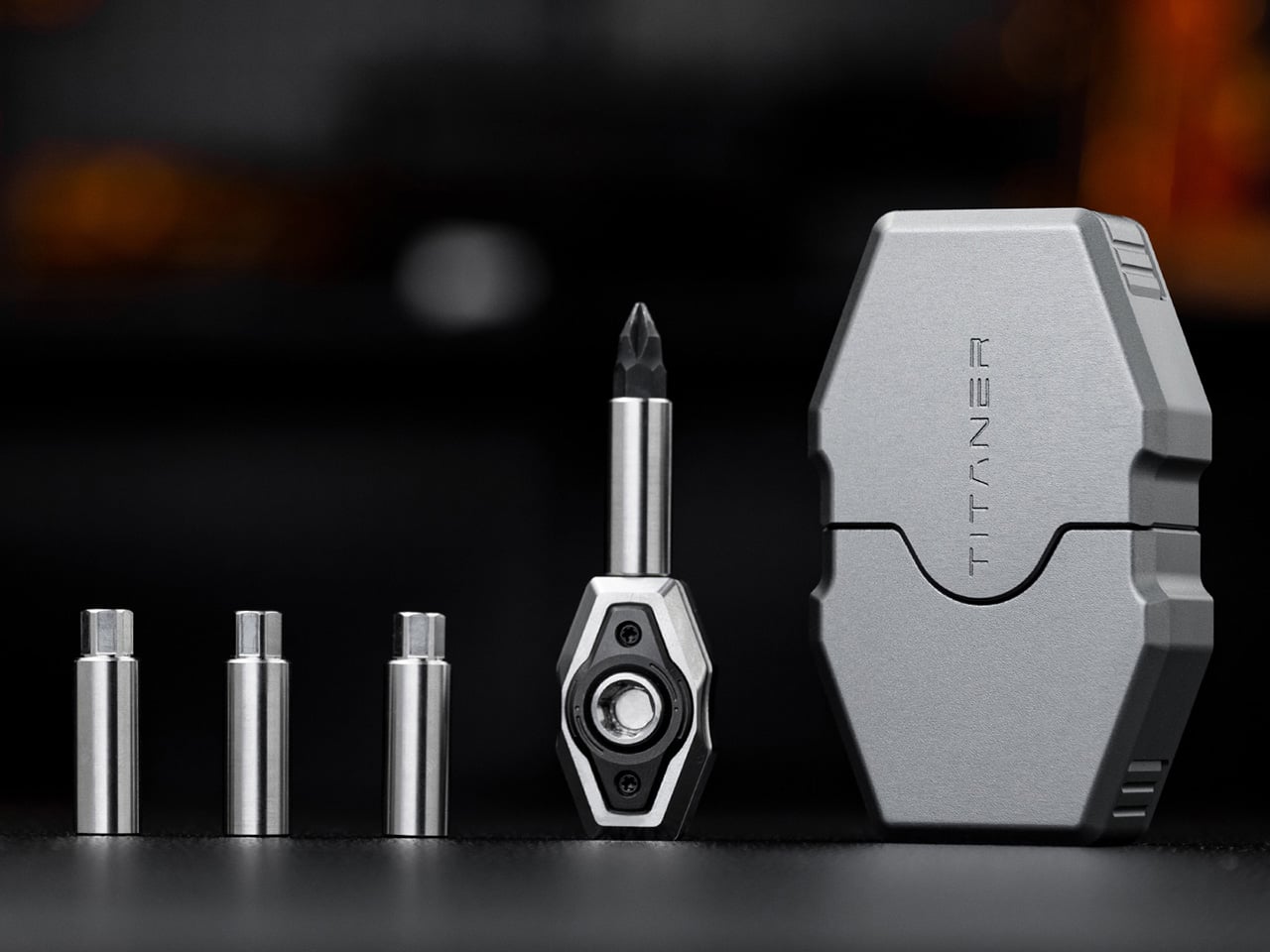
Fasteners positioned in confined or obstructed spaces often reveal the shortcomings of conventional ratchets, which require a wide swing arc to function effectively. The Titaner EDC Ratchet System is engineered specifically to overcome this limitation through a precision 4-degree swing arc, enabling forward motion with minimal hand movement. Its compact ratchet core weighs just 29.8 grams, yet delivers clear tactile and audible feedback, ensuring accurate engagement even in environments where access and visibility are severely restricted.

Despite its minimal size, the system is designed for high torque and long-term durability. A dual-lock gear mechanism efficiently transfers force without play, while a flip-based directional control replaces fragile thumb levers, reducing complexity and potential failure points. The modular configuration allows the tool to be adapted into T-, L-, or I-shaped formats using extension bars, optimising leverage and reach. Manufactured from GR5 titanium with hardened M390 steel gear teeth, the Titaner EDC Ratchet System combines corrosion resistance, structural integrity, and refined mechanical performance in a compact, purpose-driven design.

The integration of titanium into product design marks a shift from visual heaviness to intelligent lightness. No longer perceived as cold or industrial, titanium functions as a responsive material that balances strength, precision, and refined tactility. Its use enables objects that are lighter, more durable, and visually restrained—defining a new language of design where performance, longevity, and elegance are seamlessly aligned.

The post Steel Is Dead: 5 Titanium Products That Just Replaced It in 2026 first appeared on Yanko Design.
Steel Is Dead: 5 Titanium Products That Just Replaced It in 2026

Titanium is no longer confined to aerospace or medical tools. You now see it shaping everyday product design, from consumer electronics to furniture and wearables. Its high strength-to-weight ratio lets you create thinner profiles without sacrificing durability. Resistant to corrosion, scratches, and heat, titanium extends product life while reducing the need for frequent replacement.

Beyond performance, titanium delivers a refined tactile and visual experience. Its surface interacts with light to produce subtle tonal shifts that feel precise yet understated. You get products that feel premium without excess. With its long lifespan and recyclability, titanium supports responsible design choices, aligning innovation with sustainability and long-term value.

1. Generative Titanium Design

Generative design combined with additive manufacturing is reshaping how you approach product structures. Instead of solid, overbuilt components, you can now create lightweight forms guided by algorithms. These digitally evolved geometries use material only where strength is required, resulting in efficient, organic profiles inspired by natural systems such as bone and cellular growth.

With 3D titanium printing technologies like laser powder bed fusion, you achieve precise stress-optimized components with minimal waste. Although production costs remain higher upfront, you benefit from reduced material usage, fewer assembly steps, and lower energy input, which delivers smarter products that balance performance, sustainability, and long-term value.

Apple’s move to 3D-printed titanium signals a deeper shift in product design, where manufacturing innovation directly shapes form, performance, and sustainability. By producing Apple Watch Ultra 3 and Series 11 cases through additive manufacturing using 100 percent recycled aerospace-grade titanium powder, Apple cuts raw material use by nearly half. The result feels identical to traditionally forged cases that are light, durable, and mirror-polished, yet it emerges from a process that builds only what the design truly needs.

Unlike subtractive machining, where excess titanium becomes waste, 3D printing constructs cases layer by layer with extreme precision. This unlocks design advantages beyond efficiency. Apple can now print internal textures that improve bonding between metal and plastic, enhancing waterproofing without adding bulk. The same approach enables thinner yet stronger components, such as the titanium USB-C enclosure in the iPhone Air. Here, sustainability is not an add-on, as it becomes the system through which better products are designed.

2. Anodic Color Effects

Titanium achieves color through anodic oxidation, an electrochemical process that alters its natural oxide layer rather than covering it. You are not applying paint, but you are changing how the material interacts with light. This creates rich hues—ranging from soft blues to deep violets—that shift subtly with angle and atmosphere, giving products a living, responsive surface.

These anodic finishes are not only expressive but enduring. They resist UV fading, corrosion, and salt exposure far better than conventional coatings. For product design, this means long-lasting color without maintenance or reapplication. You get visual depth, material honesty, and performance aligned in a single, permanent finish.

The AEON Ballpoint is defined by disciplined product design rather than visual flair. Its form is reduced to a clean metal cylinder, free of branding, excess seams, or decorative elements. The matte finishes are chosen for grip and durability, not ornament. Every curve is calibrated for the hand, making the object feel purposeful and precise from the first touch.

Function drives every detail. The front-end twist mechanism is hidden where the fingers naturally rest, allowing seamless operation without changing grip. Weight distribution is carefully balanced for sustained writing comfort, while subtle flat facets prevent the pen from rolling on a desk. Titanium

3. Smart Glazing

Titanium-doped glazing represents a new generation of high-performance glass designed to actively regulate indoor climate. By depositing ultra-thin layers of titanium dioxide onto glass surfaces, this technology achieves spectral selectivity—reflecting infrared heat while allowing visible light to pass through. The result is improved thermal efficiency, reduced heat gain, and lower dependence on mechanical cooling systems, even in buildings with expansive glass façades.

Beyond performance, this glazing supports biophilic design intent. Clear, untinted views preserve a visual connection with the landscape, allowing natural light to shape interior experience. The space remains thermally stable yet visually open, creating a calm, nature-connected interior envelope.

The Prism Titanium Beer Glass is designed to elevate the act of drinking through precision, material integrity, and restrained design. Crafted in Japan by Progress Design, the glass features an ultra-thin lining of 99.9% pure titanium, engineered to reduce bitterness and eliminate metallic aftertastes, allowing the true character of the beverage to emerge. Its flared rim enhances aroma and refines mouthfeel, while the aerospace-grade construction ensures durability, corrosion resistance, and long-term performance. Every element reflects a balance between advanced technology and traditional Japanese craftsmanship.

Visually understated yet distinctive, Prism’s light-reactive finish subtly shifts with movement, adding depth without excess. Etched motifs draw from enduring Japanese symbols of continuity and prosperity, reinforcing its sense of permanence and purpose. Designed to be used daily rather than displayed, the Prism Titanium Beer Glass prioritises clarity, tactility, and intention—transforming an ordinary pour into a composed, well-considered experience grounded in design excellence.

Click here to Buy the Prism Titanium Beer Glass: $99 

4. Minimalism Enabled by Strength

Titanium’s exceptional tensile strength enables a new approach to product and structural design defined by extreme slenderness and visual lightness. Components can be engineered with significantly reduced mass while maintaining high performance, allowing forms to appear almost invisible. This material efficiency supports refined proportions and uninterrupted lines, enhancing both functionality and aesthetic clarity.

By minimising structural bulk, design emphasis shifts towards spatial sequencing and visual flow. Slender supports and cantilevered elements create open, fluid compositions that maximise usable space while reinforcing a sense of weightlessness. This form of minimalism is not decorative but technical—rooted in advanced engineering and material intelligence, where precision-driven design allows the surrounding context and spatial experience to take precedence.

The TriPro Stand is a compact, precision-engineered multitool designed to deliver high functionality within a remarkably small form. Crafted from durable titanium alloy, it integrates 15 essential tools into a structure no larger than a finger while maintaining a lightweight profile of just 56 grams. Its design prioritises strength, corrosion resistance, and refined minimalism, demonstrating how advanced materials allow complex functionality without added bulk. The result is a discreet yet highly capable everyday carry tool that balances performance with visual restraint.

Each function is thoughtfully embedded to support practical, real-world use. Features such as the integrated phone stand, modular screwdriver system with magnetic bit storage, SIM ejector, pry bar, spoke wrench, folding scalpel, sharpener, and emergency glass breaker are engineered for reliability rather than novelty. Measuring 8 cm in length, the TriPro Stand exemplifies intelligent product design—where precision manufacturing, material efficiency, and purposeful detailing converge to create a durable and dependable multitool.

5. Exceptional Fatigue Resistance

Titanium demonstrates exceptional resistance to cyclic fatigue, enabling it to withstand repeated stress and loading without cracking, deforming, or compromising structural integrity. Unlike many conventional metals that gradually weaken under continuous use, titanium retains its mechanical performance across millions of stress cycles. This inherent endurance allows designers to rely on slimmer, more efficient components without sacrificing reliability.

Such fatigue resistance makes titanium particularly suitable for products intended for frequent handling and long-term use, including hinges, fasteners, wearables, tools, and precision mechanical interfaces. By maintaining consistent performance over time, titanium enhances safety, durability, and functional stability. Its ability to endure prolonged mechanical demand reinforces its position as a material defined not only by strength and lightness, but by sustained performance and endurance-led design.

Fasteners positioned in confined or obstructed spaces often reveal the shortcomings of conventional ratchets, which require a wide swing arc to function effectively. The Titaner EDC Ratchet System is engineered specifically to overcome this limitation through a precision 4-degree swing arc, enabling forward motion with minimal hand movement. Its compact ratchet core weighs just 29.8 grams, yet delivers clear tactile and audible feedback, ensuring accurate engagement even in environments where access and visibility are severely restricted.

Despite its minimal size, the system is designed for high torque and long-term durability. A dual-lock gear mechanism efficiently transfers force without play, while a flip-based directional control replaces fragile thumb levers, reducing complexity and potential failure points. The modular configuration allows the tool to be adapted into T-, L-, or I-shaped formats using extension bars, optimising leverage and reach. Manufactured from GR5 titanium with hardened M390 steel gear teeth, the Titaner EDC Ratchet System combines corrosion resistance, structural integrity, and refined mechanical performance in a compact, purpose-driven design.

The integration of titanium into product design marks a shift from visual heaviness to intelligent lightness. No longer perceived as cold or industrial, titanium functions as a responsive material that balances strength, precision, and refined tactility. Its use enables objects that are lighter, more durable, and visually restrained—defining a new language of design where performance, longevity, and elegance are seamlessly aligned.

The post Steel Is Dead: 5 Titanium Products That Just Replaced It in 2026 first appeared on Yanko Design.
5 AI Devices That Just Made Smartphones Look Obsolete in 2026

The year 2026 marks a historic pivot in personal technology. We are moving past the era of the “AI chatbot” trapped inside a website and entering the age of ambient hardware. While 2025 was defined by software experimentation, 2026 is the year when specialized AI silicon, smart glasses, and wearable pins have matured into indispensable daily companions.

These next-gen devices aren’t just faster smartphones; they represent a fundamental shift in how we interact with the digital world. By integrating intelligence directly into our physical presence, the “AI in your pocket” has evolved from a reactive tool into a proactive partner that anticipates our needs before we even voice them.

1. The Post-Smartphone Device

The traditional glass rectangle is no longer the sole gateway to the internet. In 2026, we are seeing the rise of screenless interfaces and augmented reality glasses that prioritize voice and gesture over scrolling. Devices like AI-powered rings and lightweight smart glasses have moved from niche gadgets to mainstream essentials, offering a “heads-up” lifestyle that keeps users engaged with the real world.

A desire for frictionless interaction drives this hardware shift. Instead of pulling out a phone to navigate or translate, users simply look at a sign or speak to their lapel pin. These devices are designed to disappear into our daily attire, making technology an invisible but powerful layer of our human experience rather than a constant distraction.

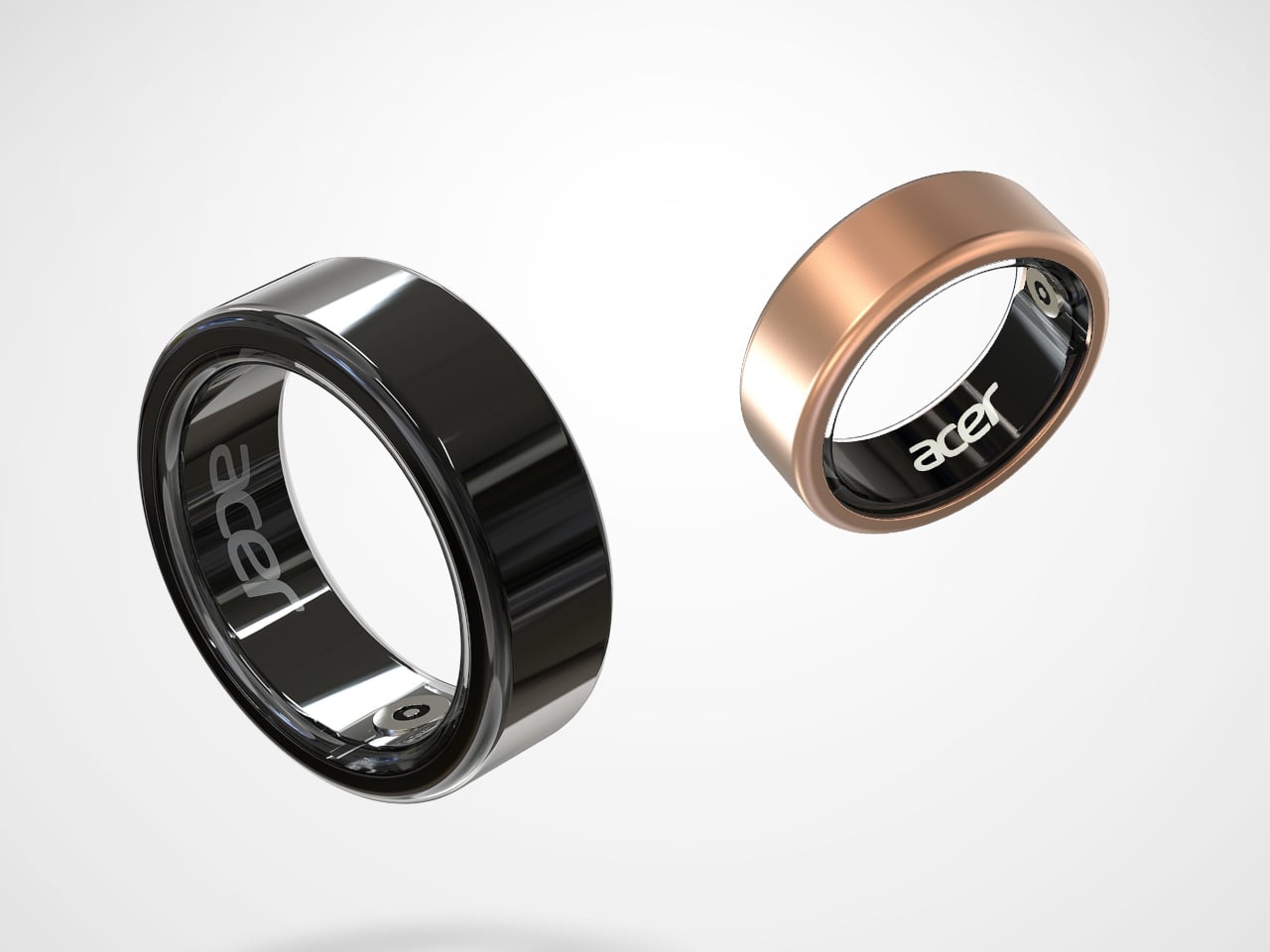
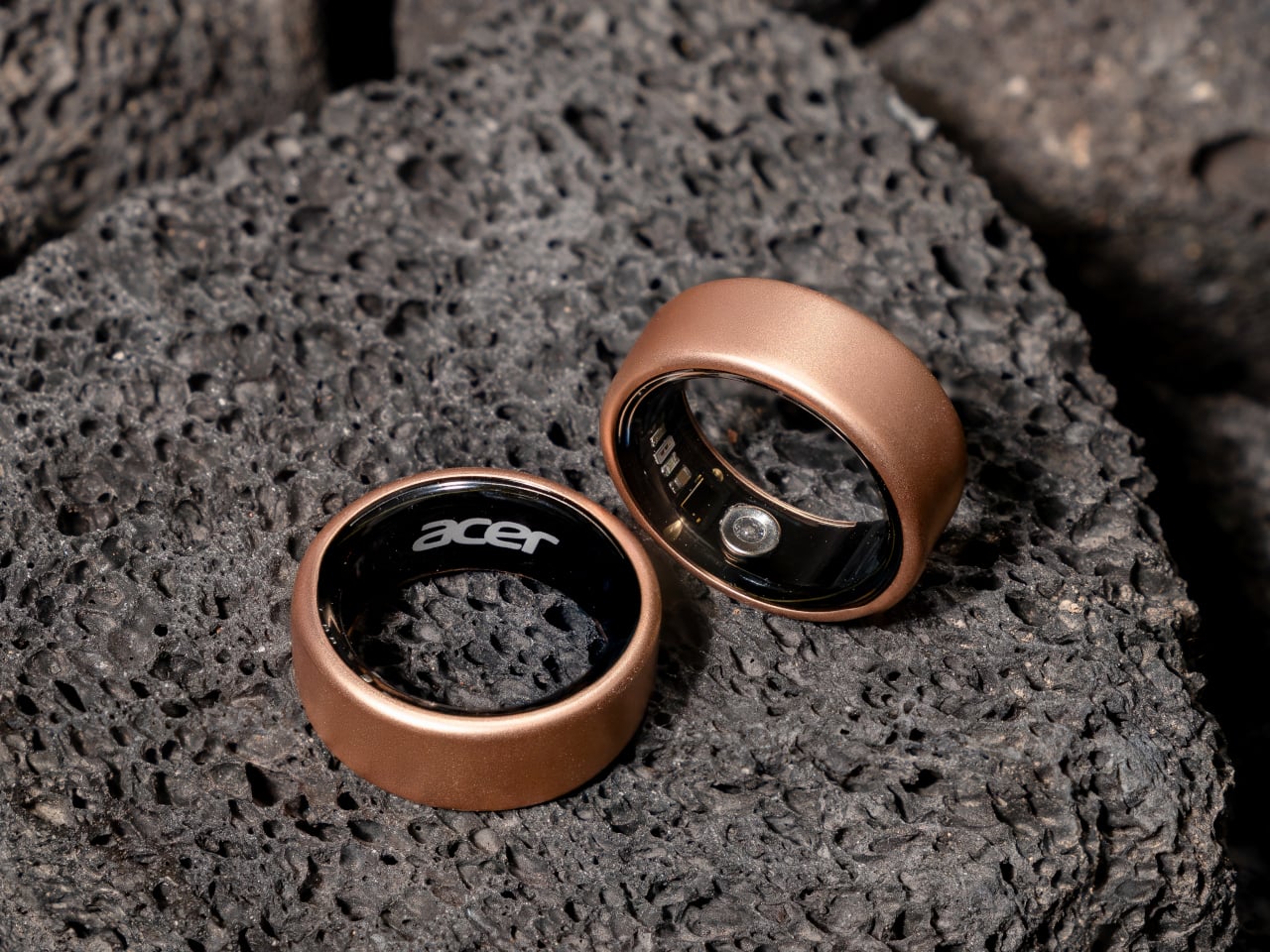
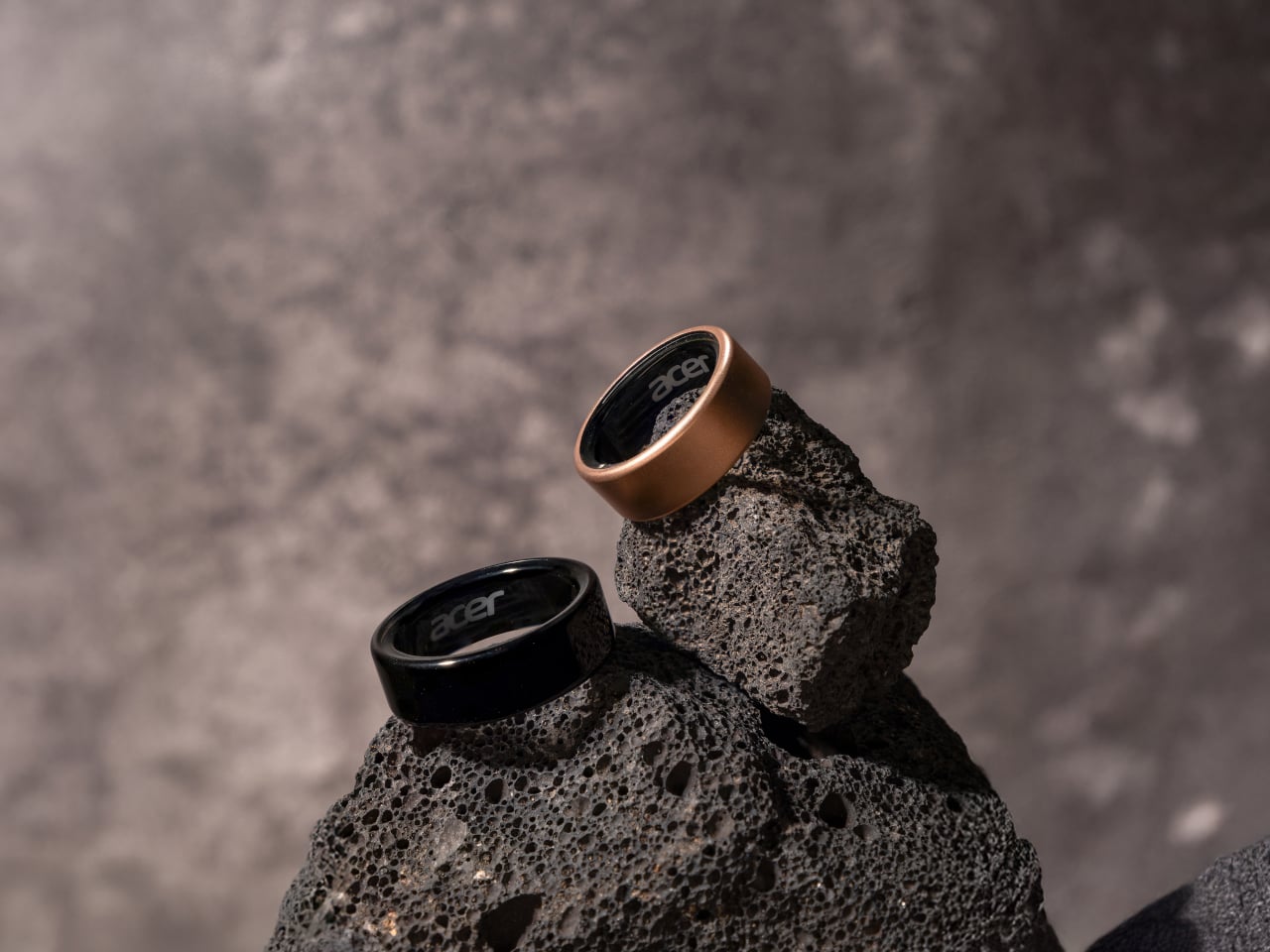
The Acer FreeSense Ring represents a refined advancement in wearable technology, offering continuous health monitoring in a compact, stylish form. Crafted from lightweight titanium alloy, the ring is slim, measuring 2.6mm in thickness and 8mm in width, and weighs only 23 grams. Its design balances elegance and practicality, available in finishes such as rose gold and glossy black, and water-resistant up to 5 ATM. With seven size options, it ensures a comfortable fit for a wide range of users. The ring is intended to complement traditional watches, providing wellness tracking without overwhelming the wearer with bulk or complexity.

Equipped with advanced biometric sensors, the FreeSense Ring tracks heart rate, heart rate variability, blood oxygen saturation, and sleep quality. Data is processed through a dedicated mobile application, which transforms readings into actionable, AI-driven wellness insights and personalized recommendations. Its detailed sleep analysis and continuous monitoring enable users to manage health proactively. By integrating sophisticated design with advanced biometric intelligence, the FreeSense Ring delivers an elegant and practical solution for modern wellness management.

2. On-Device Intelligence Systems

One of the biggest breakthroughs in 2026 is the move away from the cloud, made possible by massive leaps in Neural Processing Units (NPUs). As a result, your device no longer requires a constant internet connection to “think.” Complex reasoning and language processing now happen directly on the hardware in your pocket, resulting in near-zero latency.

This shift to “Edge AI” means your personal assistant is faster and more reliable than ever. Whether you are in a remote hiking spot or a crowded subway, your device can translate languages and organize your schedule offline. By keeping the “brain” of the AI on the device, manufacturers have finally solved the lag issues that plagued early generations of AI hardware.

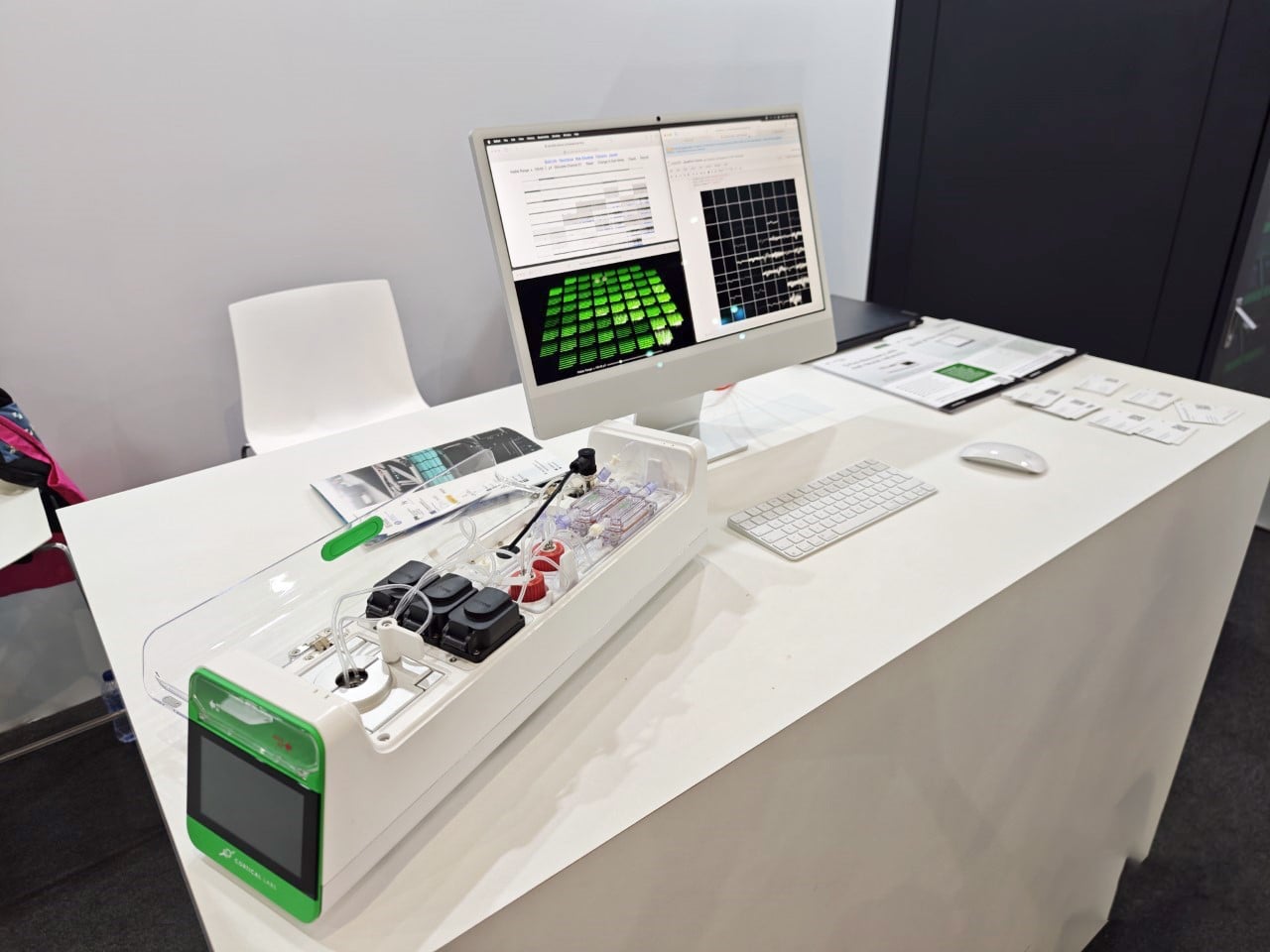
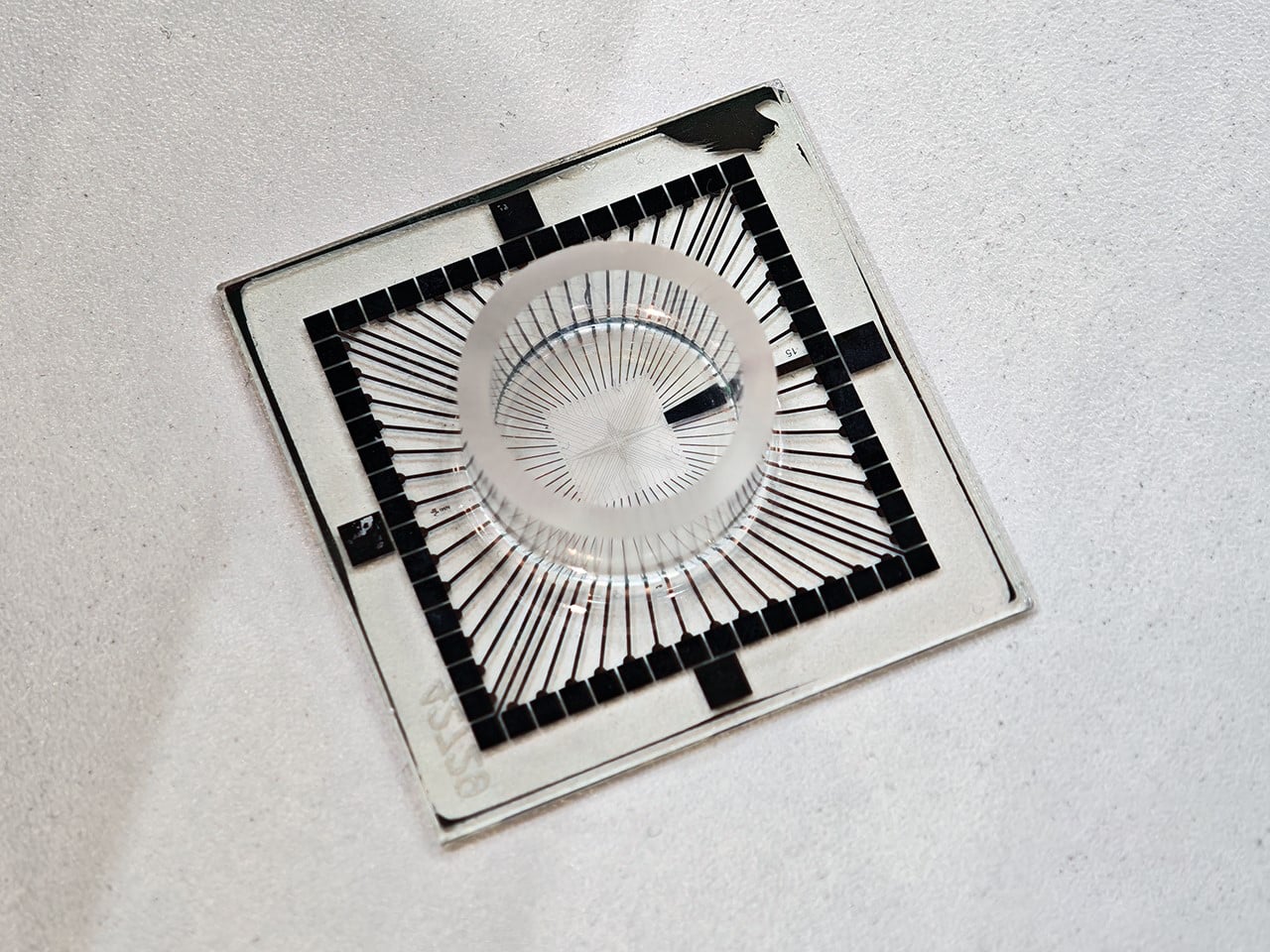
The CL1 by Cortical Labs is the world’s first commercially available biological computer, integrating living human neurons with silicon hardware in a compact, self-contained system. Rather than relying on conventional software models, the CL1 uses lab-grown neurons cultured on an electrode array, allowing them to form, modify, and strengthen connections in real time. This enables the device to process information biologically, learning dynamically through interaction instead of pre-trained algorithms or large datasets.

At the core of the CL1 is Synthetic Biological Intelligence (SBI), a hybrid computing approach that combines biological adaptability with machine precision. The neurons respond to electrical stimulation by reorganizing their connections, closely mirroring natural learning processes in the human brain. This results in exceptional energy efficiency and high responsiveness compared to traditional AI systems. Designed as a research-grade platform, the CL1 offers scientists a new way to study neural behavior, test compounds, and explore adaptive intelligence, positioning it as a foundational product in the emerging field of biological computing.

3. Rethinking App-Centric UX

We are witnessing the slow death of the traditional app icon grid. In 2026, next-gen devices utilize Agentic AI, which allows your pocket companion to navigate services on your behalf. Instead of you opening a travel app, a hotel app, and a calendar app to book a trip, you give one command. Your AI agent handles the cross-platform logistics autonomously.

This transition from “apps” to “actions” has redefined the user interface. Our devices have become executive assistants that understand our preferences across every service we use. The friction of toggling between dozens of different interfaces is being replaced by a single, unified conversation that gets things done, effectively turning the operating system into a proactive worker rather than a static menu.

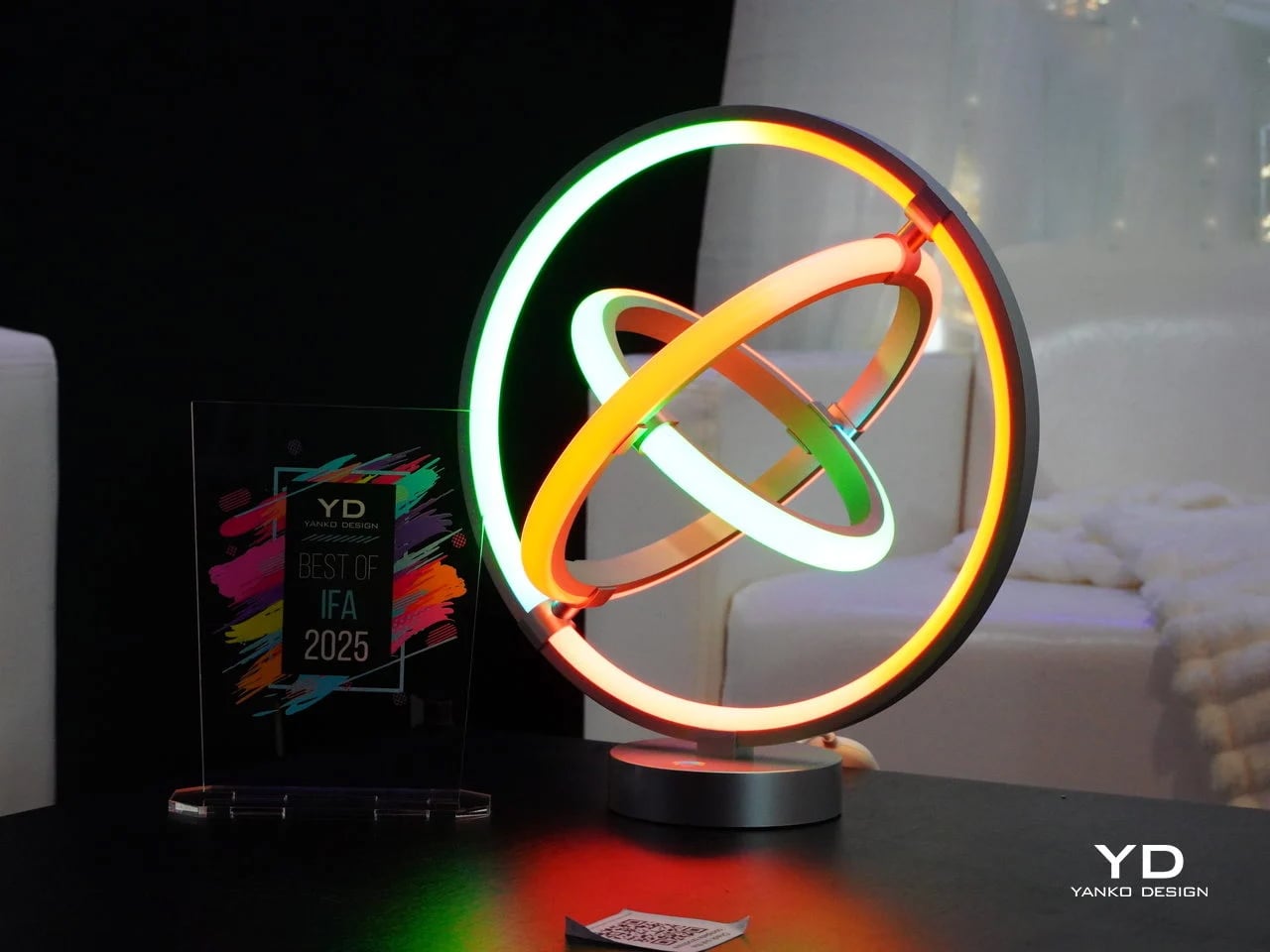
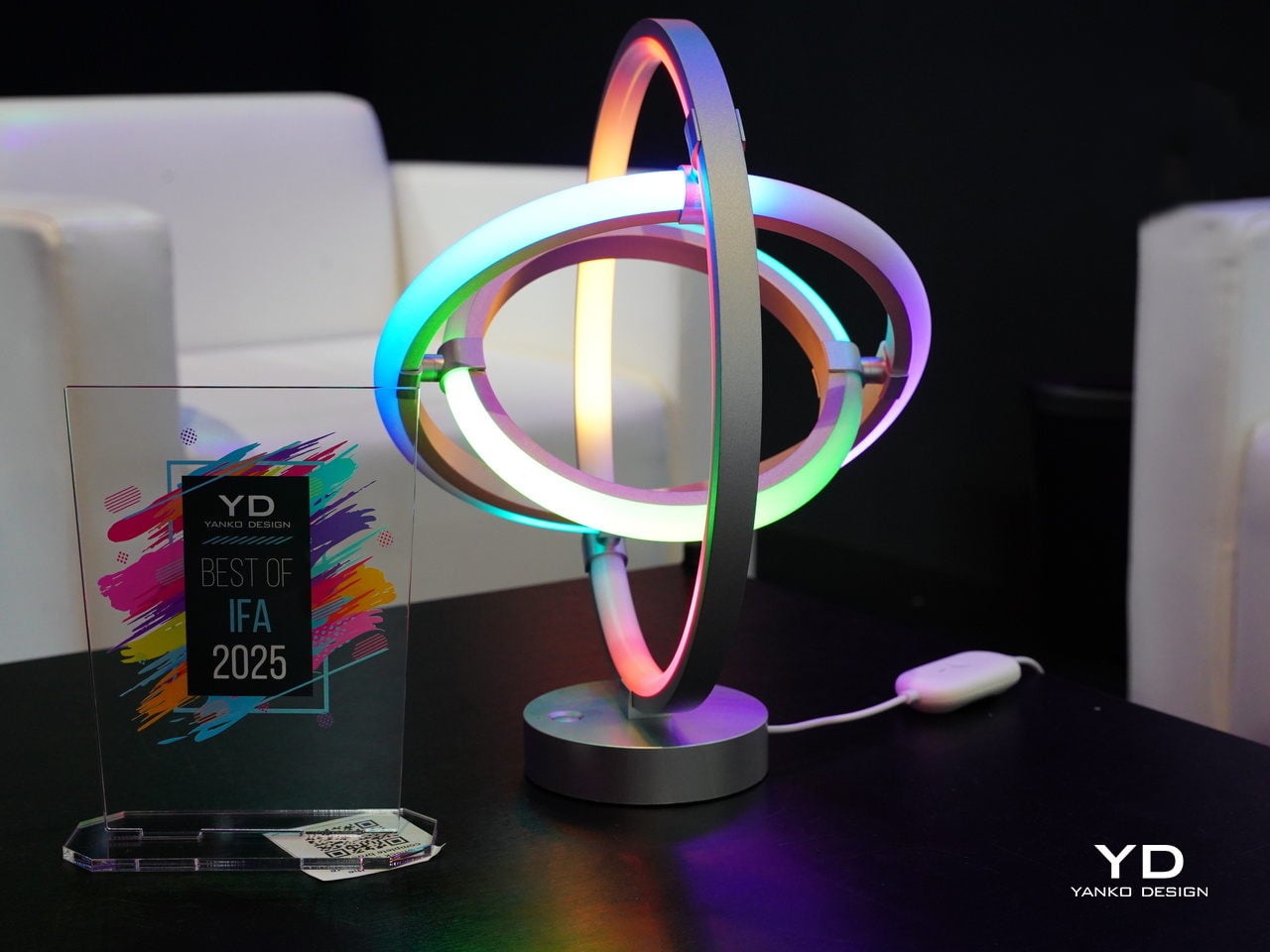
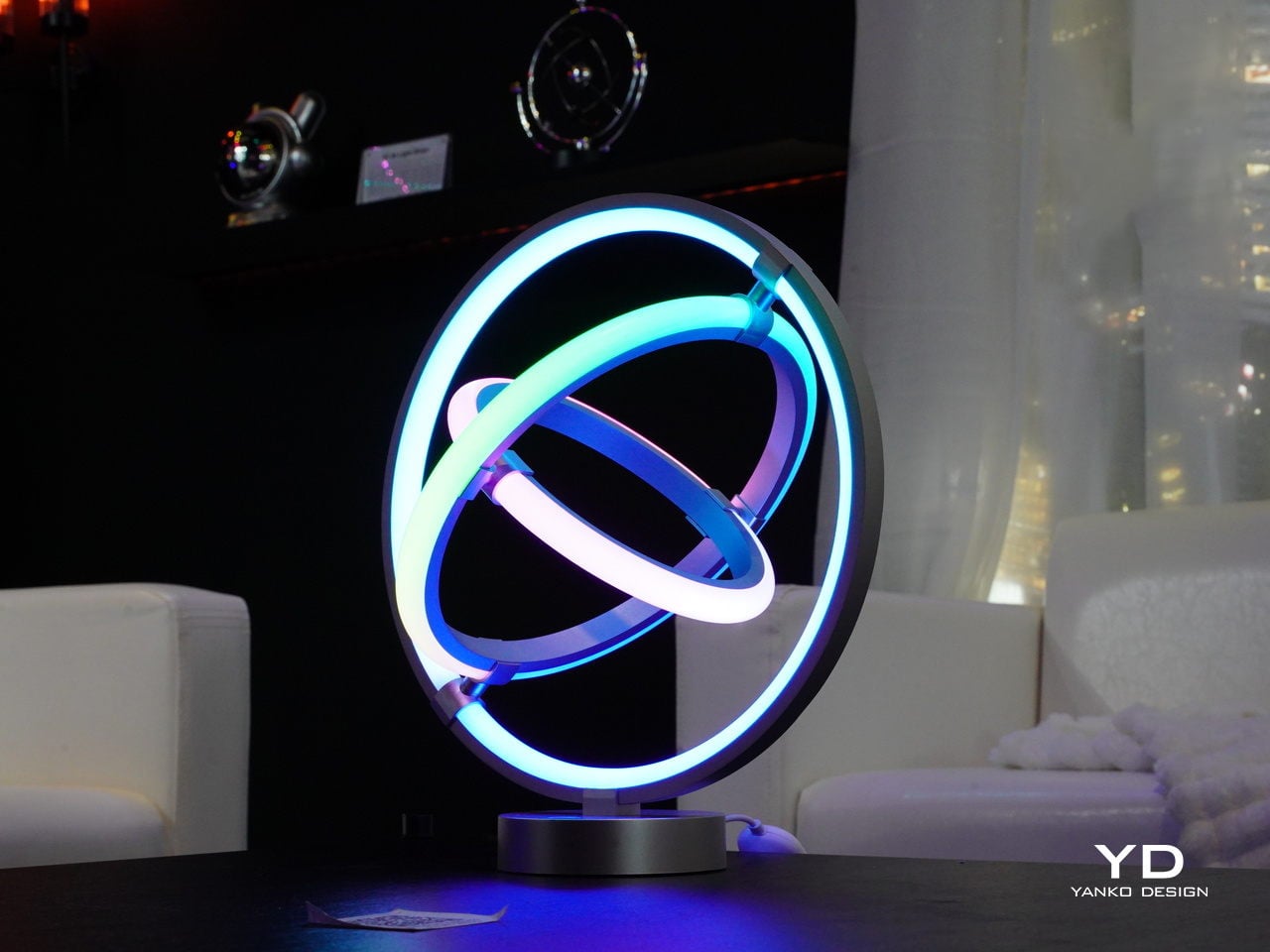
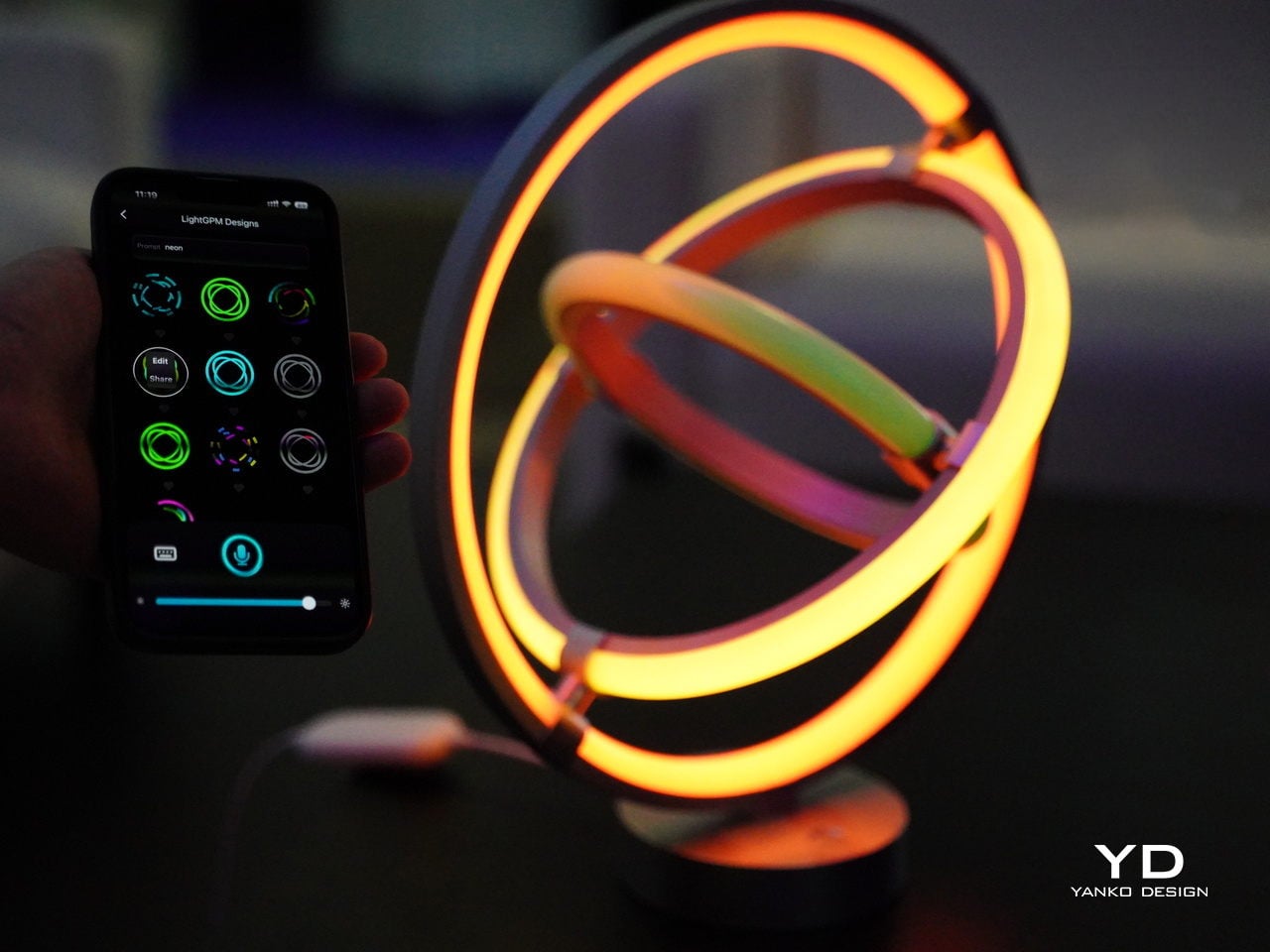
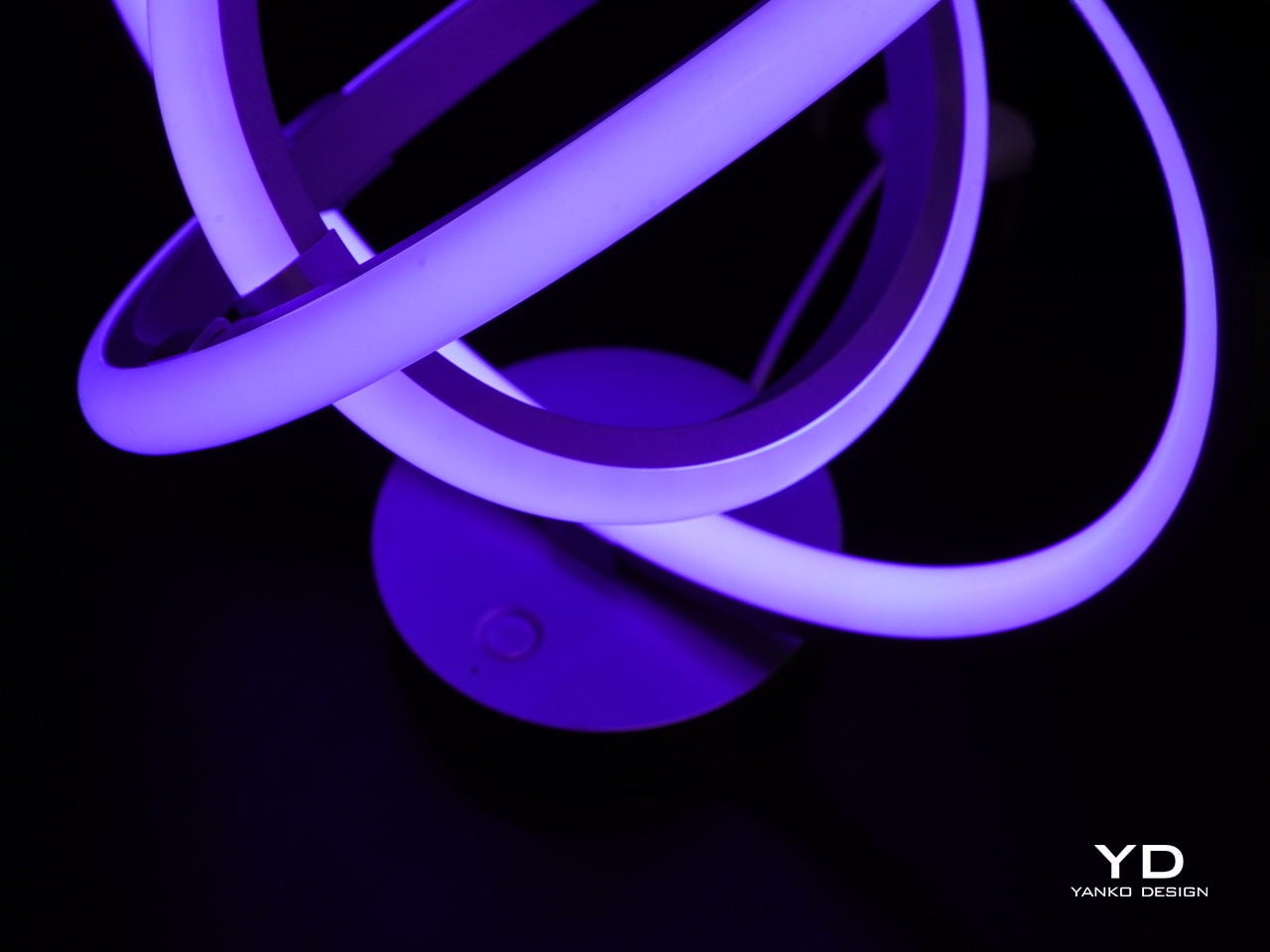
The TB1’s defining feature is its AI-powered LightGPM 2.0 system, developed using principles of color psychology and professional lighting design. The system is capable of generating refined lighting scenes from billions of possible combinations, delivering precise, task-appropriate illumination without requiring manual configuration. Through simple voice commands such as “Hey Lepro,” users can activate lighting modes tailored for activities including gaming, or social gatherings. The AI interprets intent in real time and produces a balanced, professional-grade ambience with minimal user intervention.

The product also incorporates a built-in microphone and LightBeats technology, enabling lighting to synchronize dynamically with music, while segmented control allows detailed customization across different sections of the lamp. By combining intelligent scene generation, hands-free interaction, and a distinctive sculptural form, the TB1 positions itself as a forward-looking lighting solution. It enhances modern living environments through responsive, adaptive illumination that prioritizes ease of use and functional design.

4. Sensory-Driven Artificial Intelligence

Next-gen devices in 2026 are no longer blind to their surroundings. Equipped with high-fidelity microphones and low-power cameras, these pocket companions possess contextual awareness. They can “see” the ingredients on your kitchen counter to suggest a recipe or “hear” the tone of a meeting to provide real-time talking points or summaries that capture subtle emotional cues.

This sensory integration allows the AI to offer help that is actually relevant to your current environment. It isn’t just processing text; it is understanding your physical reality. By merging visual, auditory, and biometric data, your 2026 device acts as a second set of eyes and ears, providing a level of personalized support that was previously confined to science fiction.

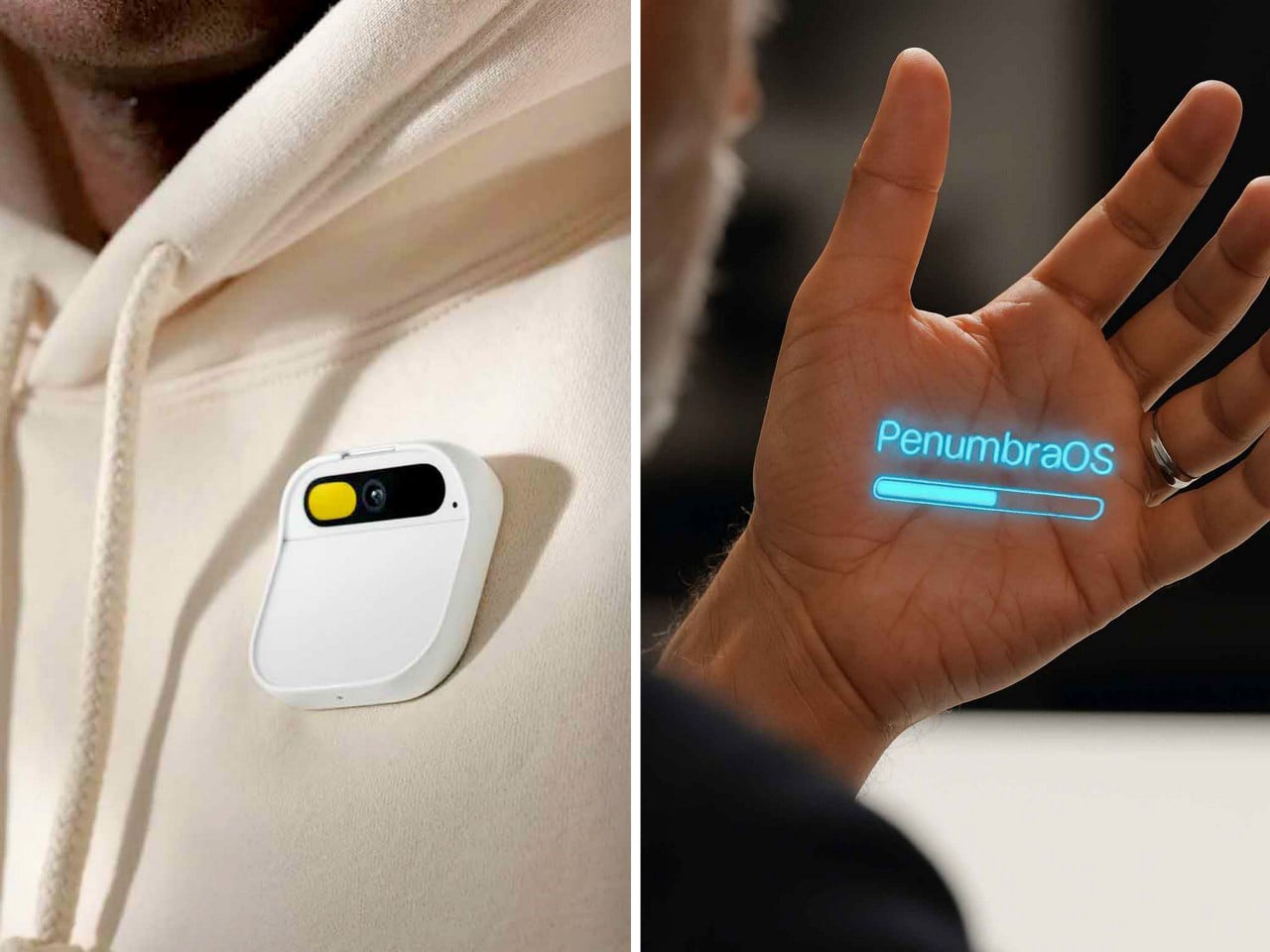
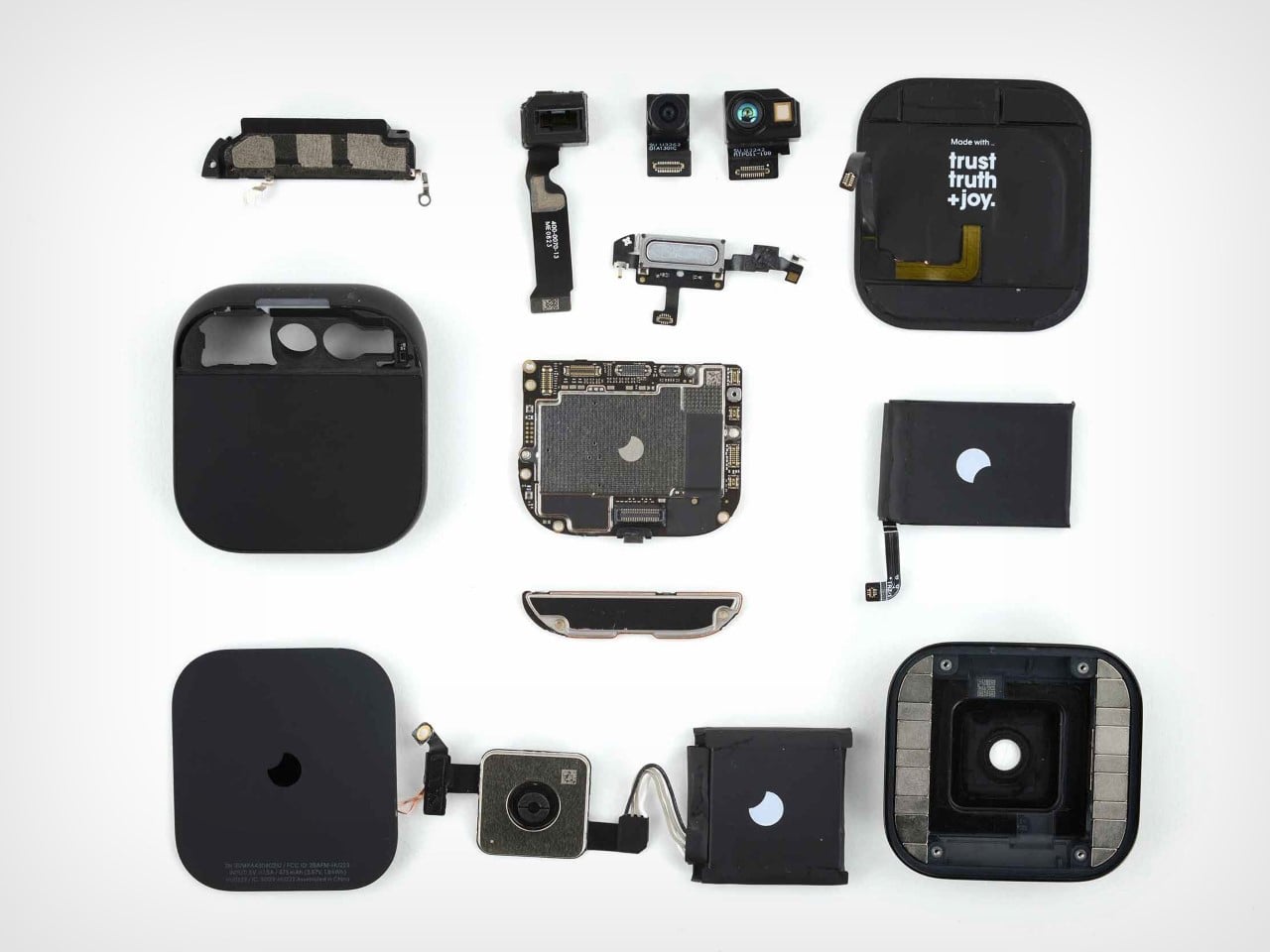
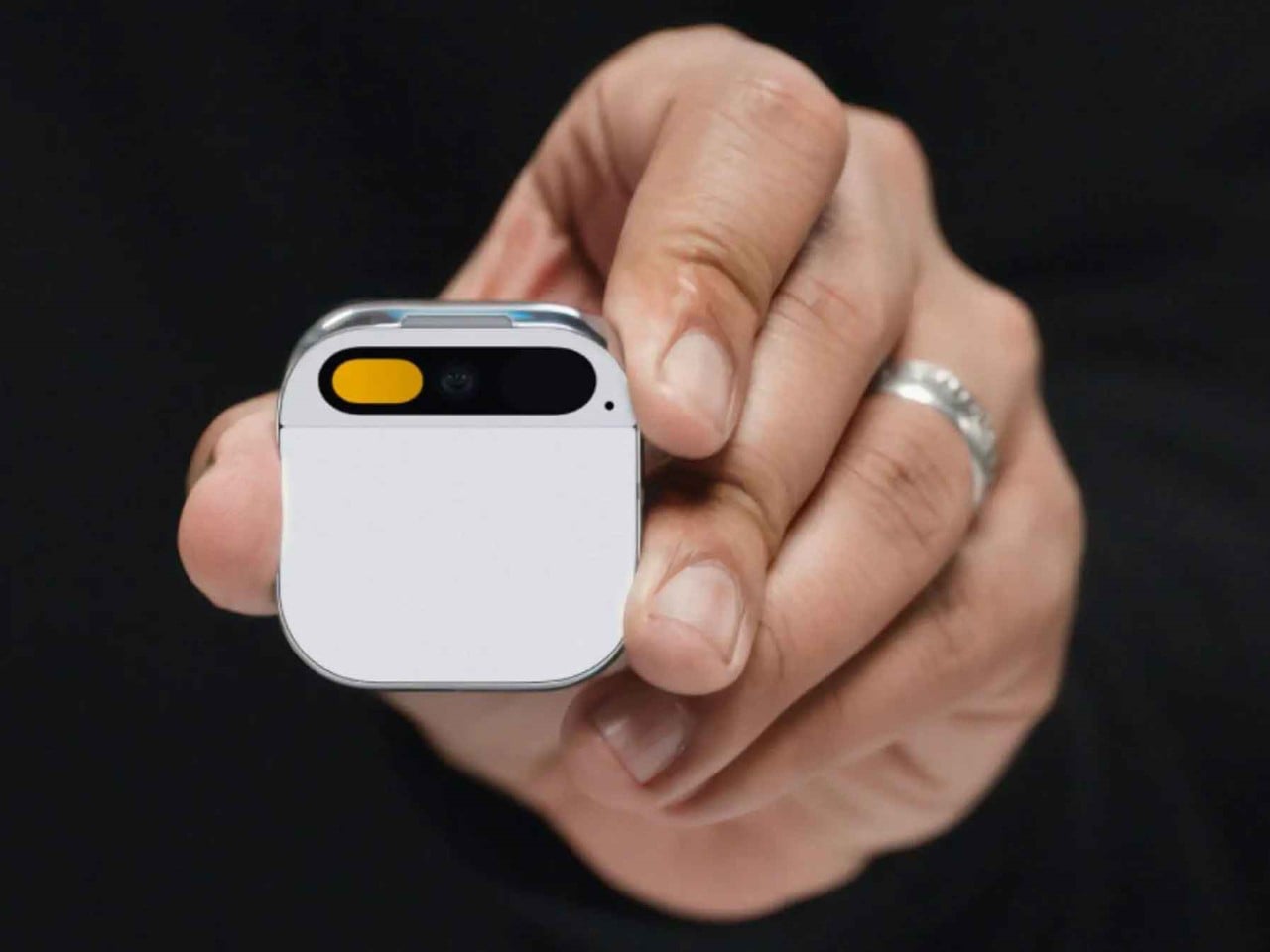
The Humane AI Pin was introduced as a bold vision of screenless, context-aware computing, promising an AI-powered future worn discreetly on the body. For many early adopters, however, the device quickly lost functionality after the discontinuation of its cloud services, rendering its advanced features inoperative. What remained was a piece of thoughtfully engineered hardware—complete with a miniature projector, sensors, microphones, and cameras—stranded without a viable software ecosystem. As a result, the Pin became a notable example of how tightly coupled hardware and proprietary services can limit a product’s long-term relevance.

This narrative has begun to shift with the emergence of PenumbraOS, an experimental software platform developed through extensive reverse engineering. By reimagining the AI Pin as a specialized Android-based device, PenumbraOS unlocks privileged system access and introduces a modular assistant framework to replace the original interface. This effort reframes the Humane AI Pin not as a failed product, but as a capable development platform with renewed potential. Through open-source collaboration, the device now serves as a case study in how community-led innovation can extend the life and value of forward-thinking hardware.

5. Data in Your Pocket

As AI becomes more personal, the demand for “Data Sovereignty” has reached a fever pitch. 2026 hardware solves the “creepy” factor through hardware-level privacy vaults. Because the majority of AI processing now happens locally, your most sensitive conversations, health data, and private photos never have to leave the physical device to be processed in a distant corporate data center.

This “Privacy by Design” approach has built a new level of trust between users and their machines. With encrypted local storage and physical kill switches for sensors, next-gen devices ensure that your digital twin remains yours alone. In a world where data is the most valuable currency, the 2026 device serves as a secure fortress that protects your personal identity while amplifying your capabilities.

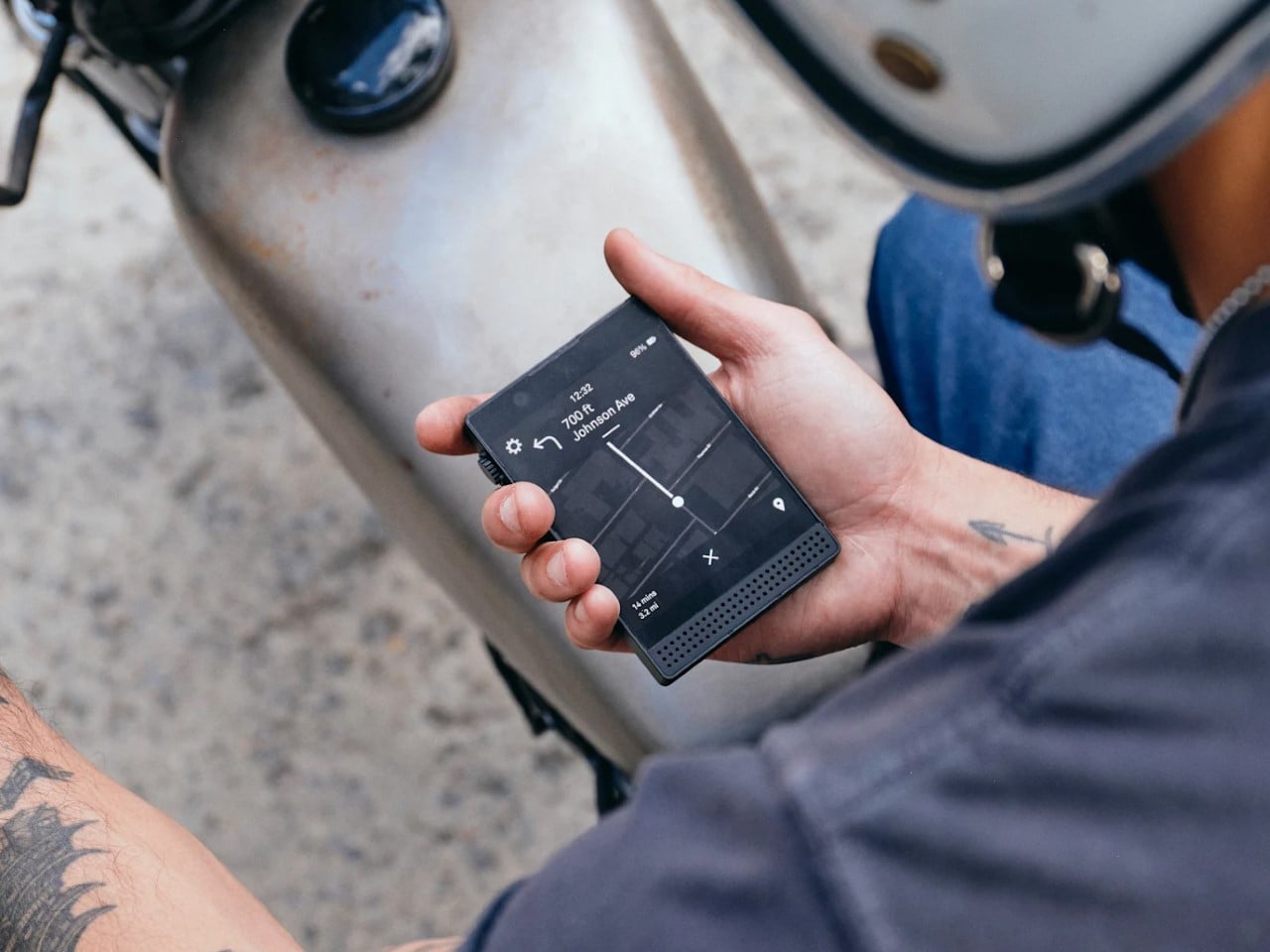
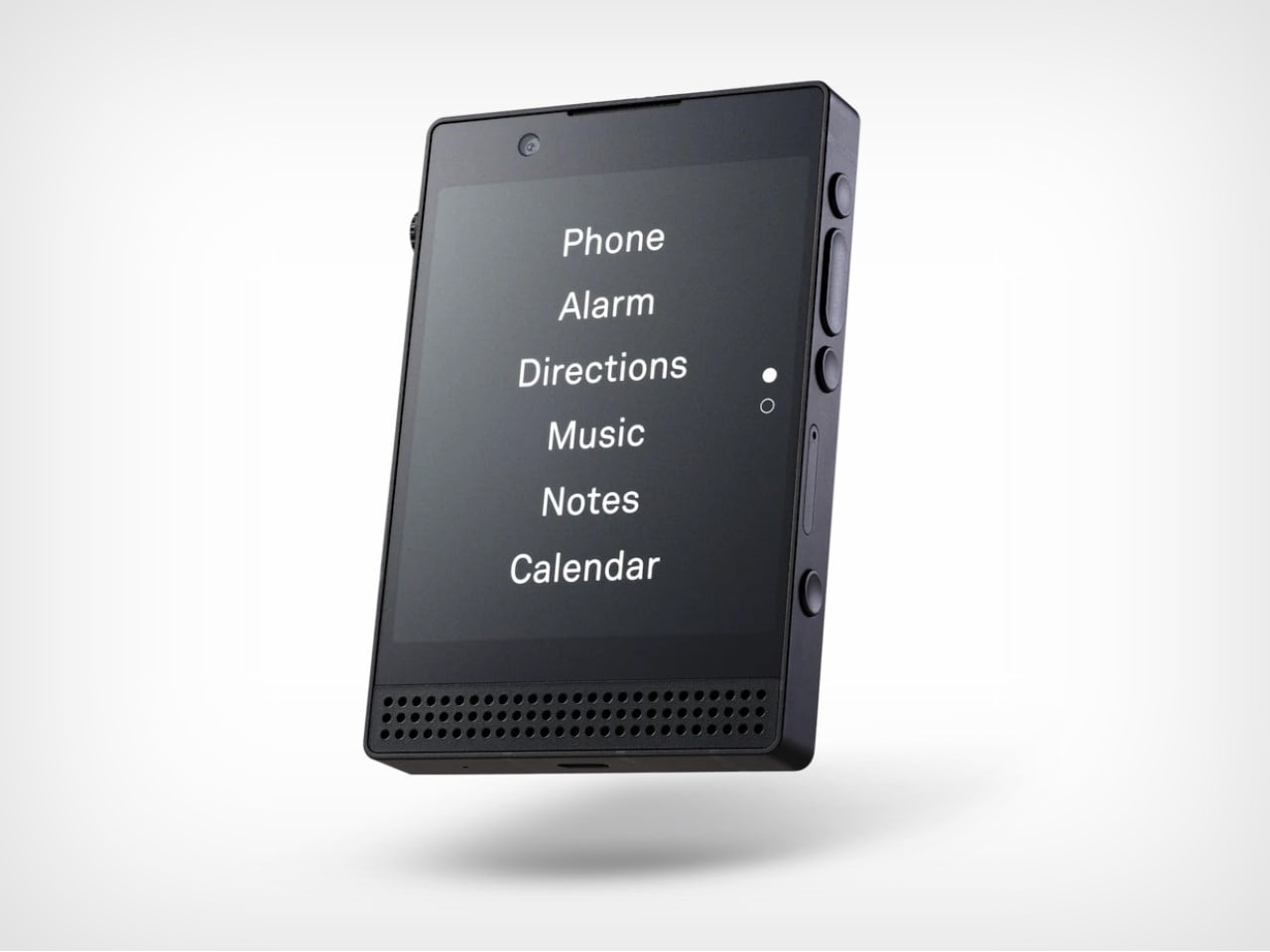
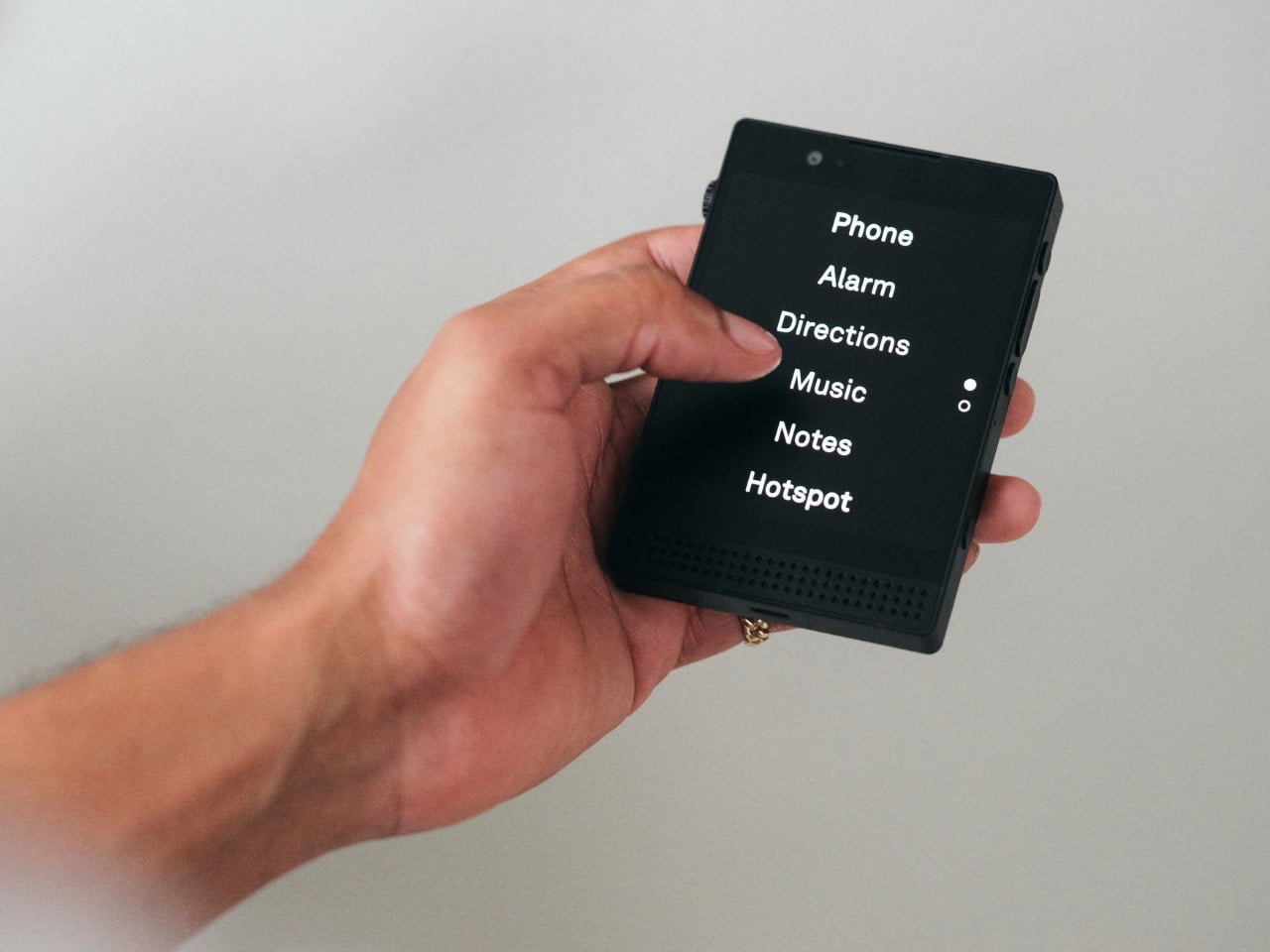
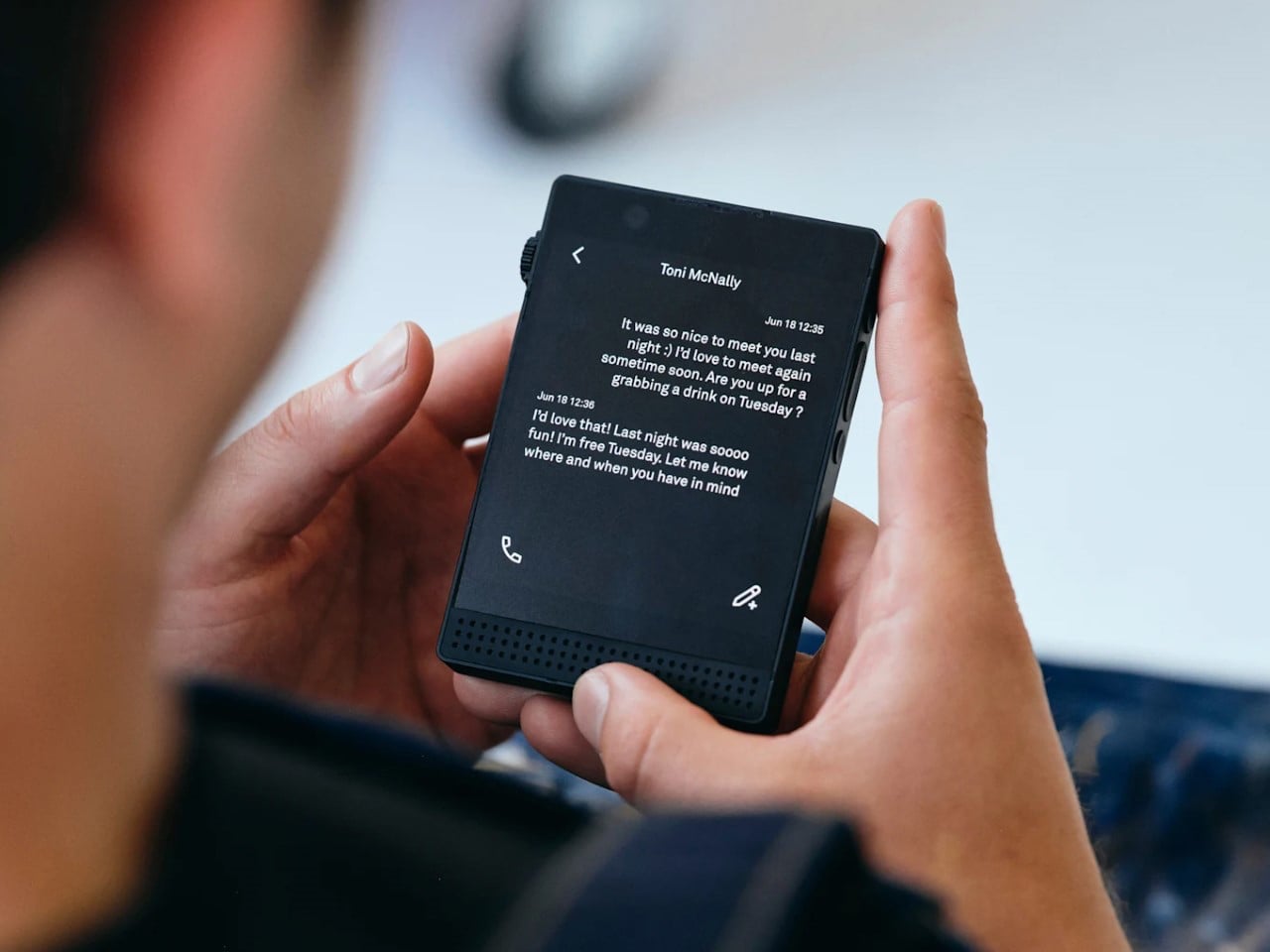
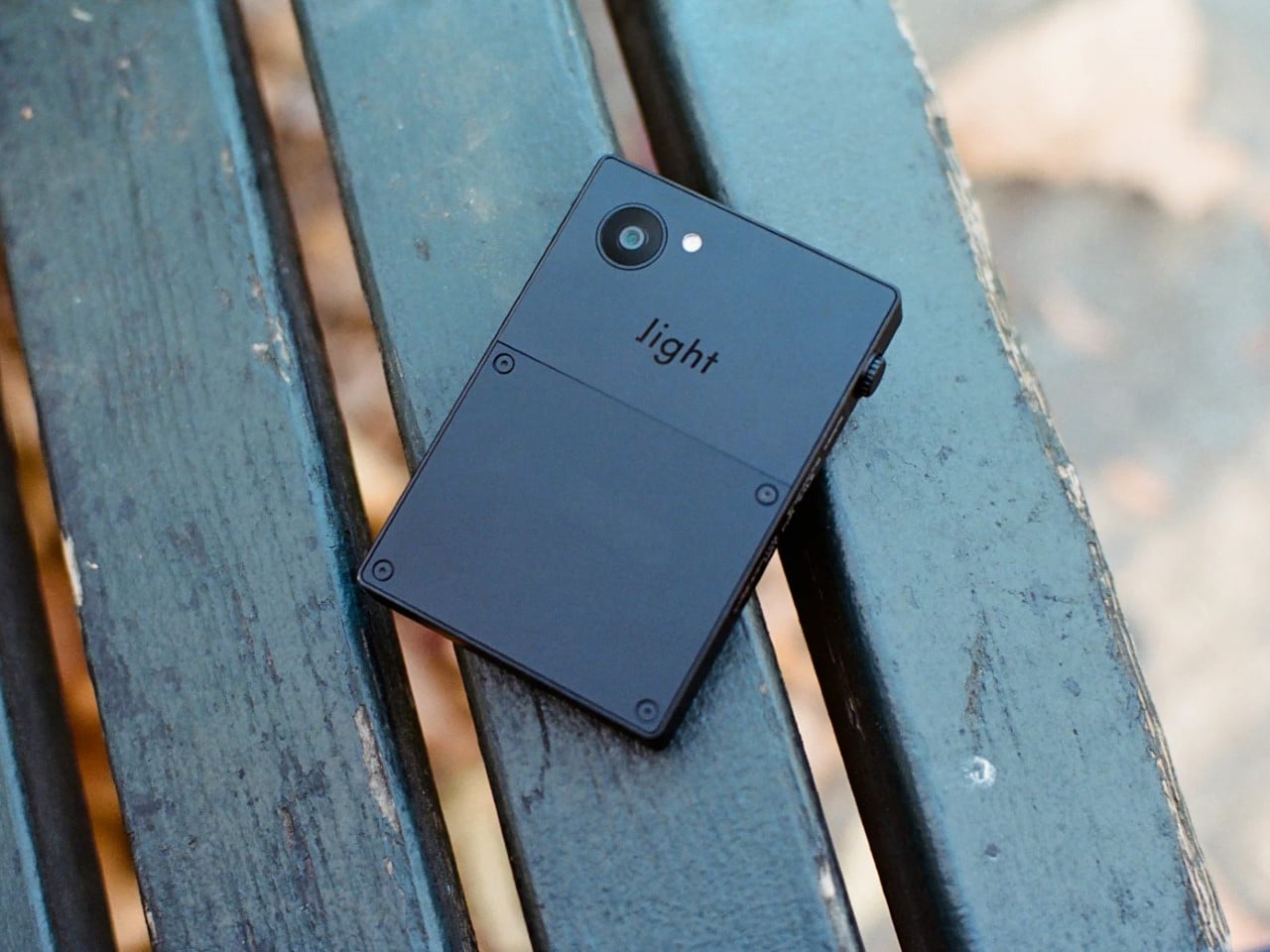
The Light Phone III is a purpose-built device designed around simplicity, privacy, and intentional use. It features a 3.92-inch black-and-white OLED display that replaces the earlier e-ink screen, offering sharper visuals, faster response, and improved legibility across lighting conditions. The interface is minimal and distraction-free, supporting essential functions such as calls, messages, navigation, music, podcasts, and notes. Powered by a Qualcomm SM4450 processor with 6GB of RAM and 128GB of storage, the device delivers smooth performance while remaining firmly limited to core tasks.

The product introduces a single, straightforward camera with a fixed focal length and a physical two-stage shutter button, emphasizing documentation over content creation. Its compact, solid form factor includes a user-replaceable battery, fingerprint sensor integrated into the power button, stereo speakers, USB-C charging, NFC, and GPS that prioritizes user privacy. Every design decision reflects a restrained, ethical approach to personal technology, positioning the Light Phone III as a secure, focused alternative to conventional smartphones.

The “AI in your pocket” is no longer a futuristic promise but the standard for 2026. By moving intelligence to the edge, embracing agentic workflows, and prioritizing local privacy, next-gen devices have successfully bridged the gap between human intent and digital execution. We are no longer using technology as we are living alongside it.

The post 5 AI Devices That Just Made Smartphones Look Obsolete in 2026 first appeared on Yanko Design.
5 Interior Design Trends That Just Made Minimalism Obsolete in 2026

Architects today see the home as more than just a place to live. It is now understood as a space that affects how people think, feel, and live each day. By 2026, the field has clearly moved away from cold, uniform minimalism. Instead, design choices such as color, shape, and proportion are made with clear intent, helping to create spaces that support everyday life.

Many leading firms now describe the human-centered home as a biophilic cocoon. This means using honest materials along with natural light, balanced proportions, and thoughtful forms. Let’s decode how the goal is to create homes that do not just look well-designed but feel comfortable and meaningful, supporting emotional well-being rather than focusing only on appearance.

1. Bold Color Authority

In 2026, color is no longer decorative; it is treated as a structural design tool. Designers are increasingly using deep, confident shades such as rich pinks and earthy ochres to give spaces character and visual weight. These strong palettes help anchor interiors, making homes feel intentional, expressive, and memorable rather than neutral or generic.

Such colors also offer clear psychological value. They create a sense of stability, warmth, and emotional comfort, adding long-term value to a space. When applied to key architectural elements—like columns, niches, or feature walls—bold colors guide movement and define zones within the home, bringing clarity and purpose to the overall spatial experience.

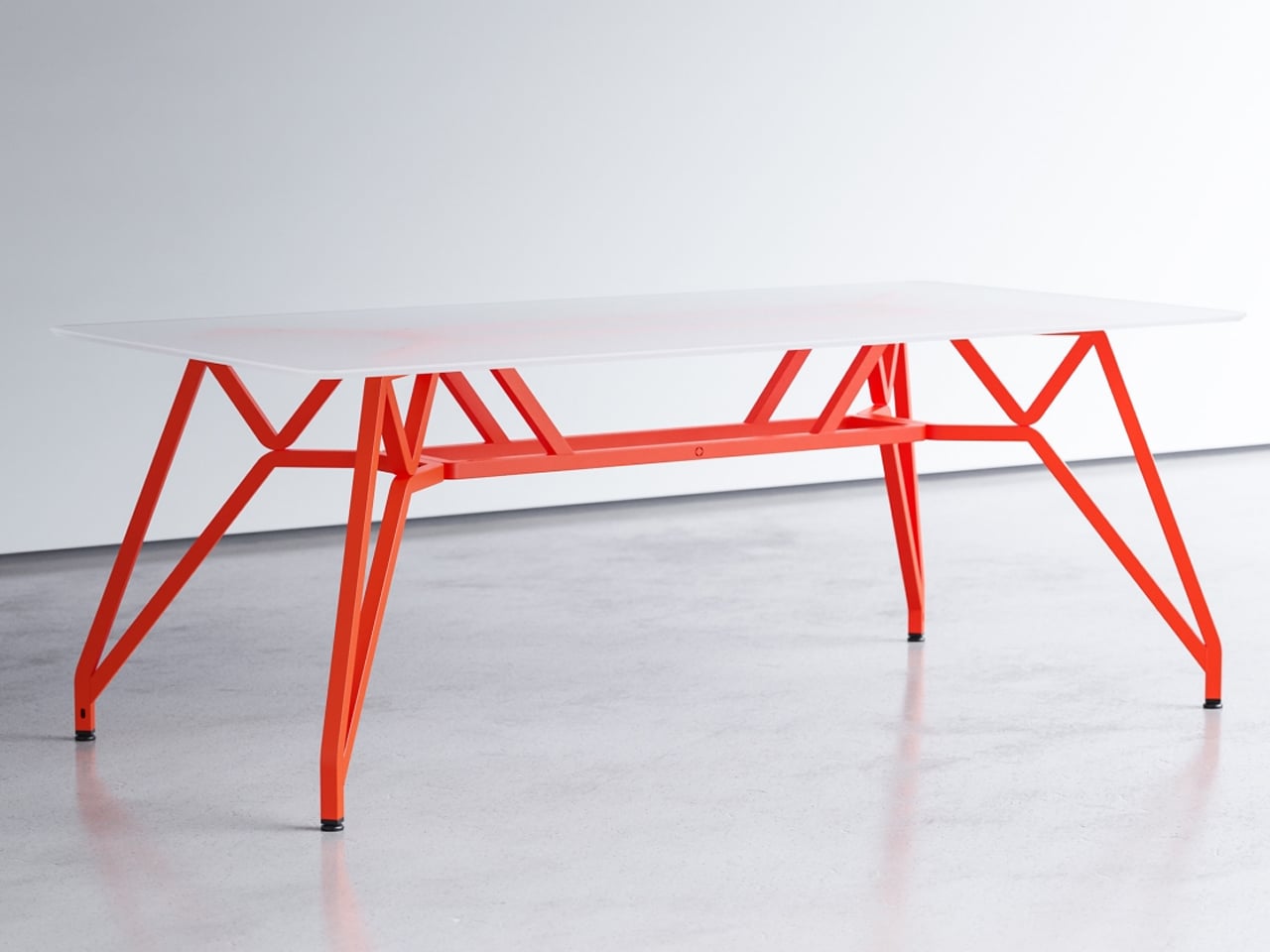
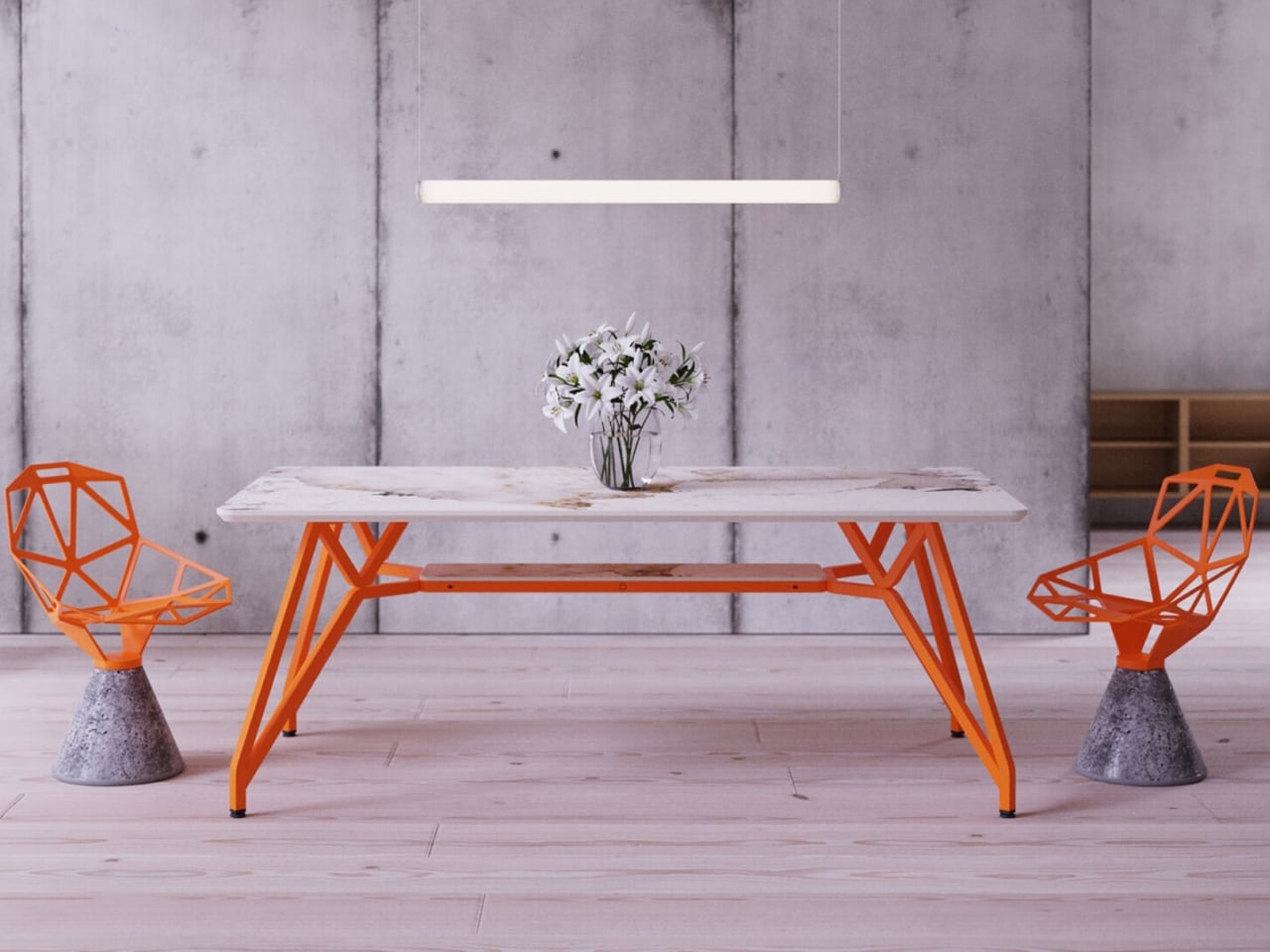
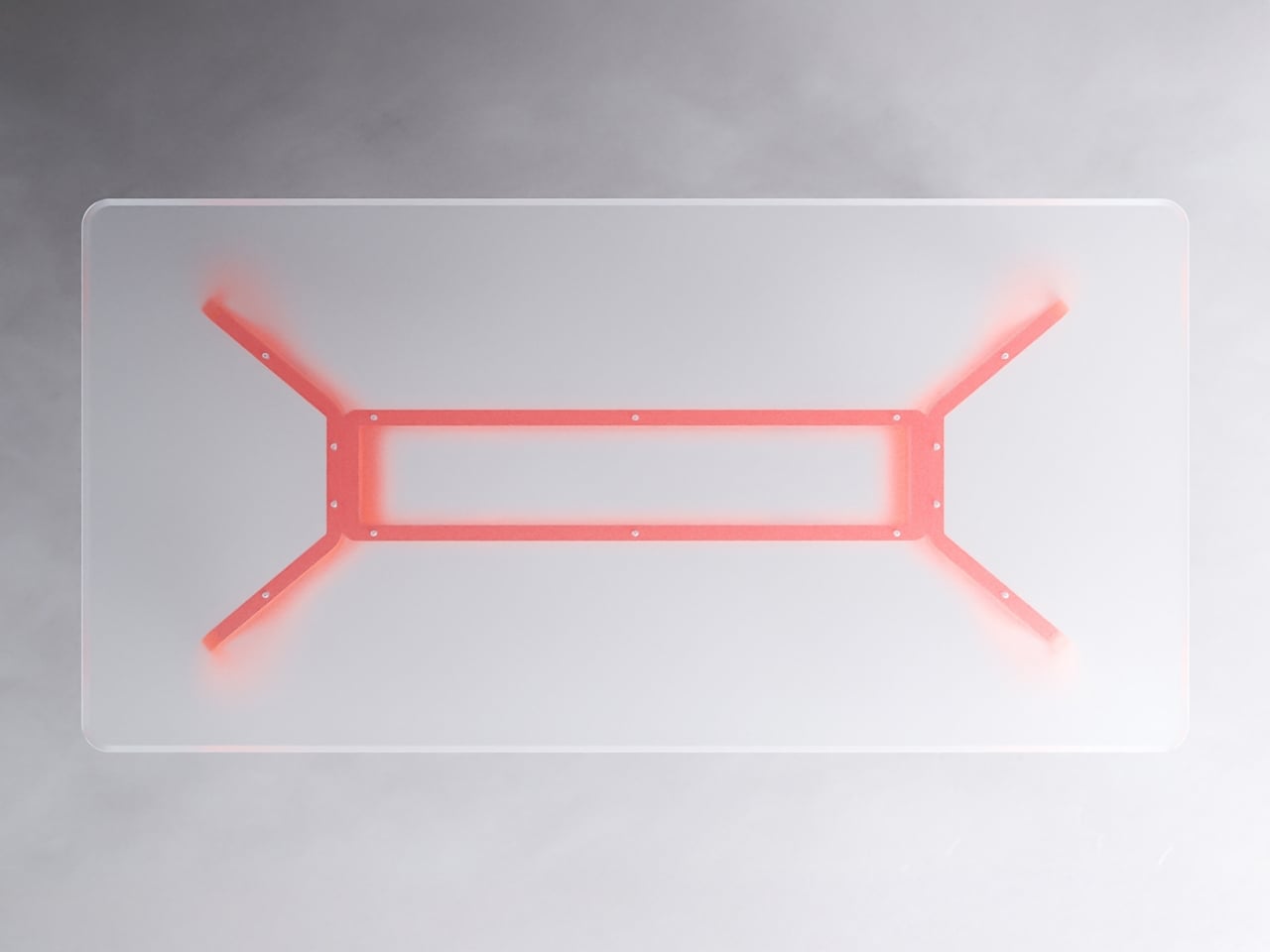
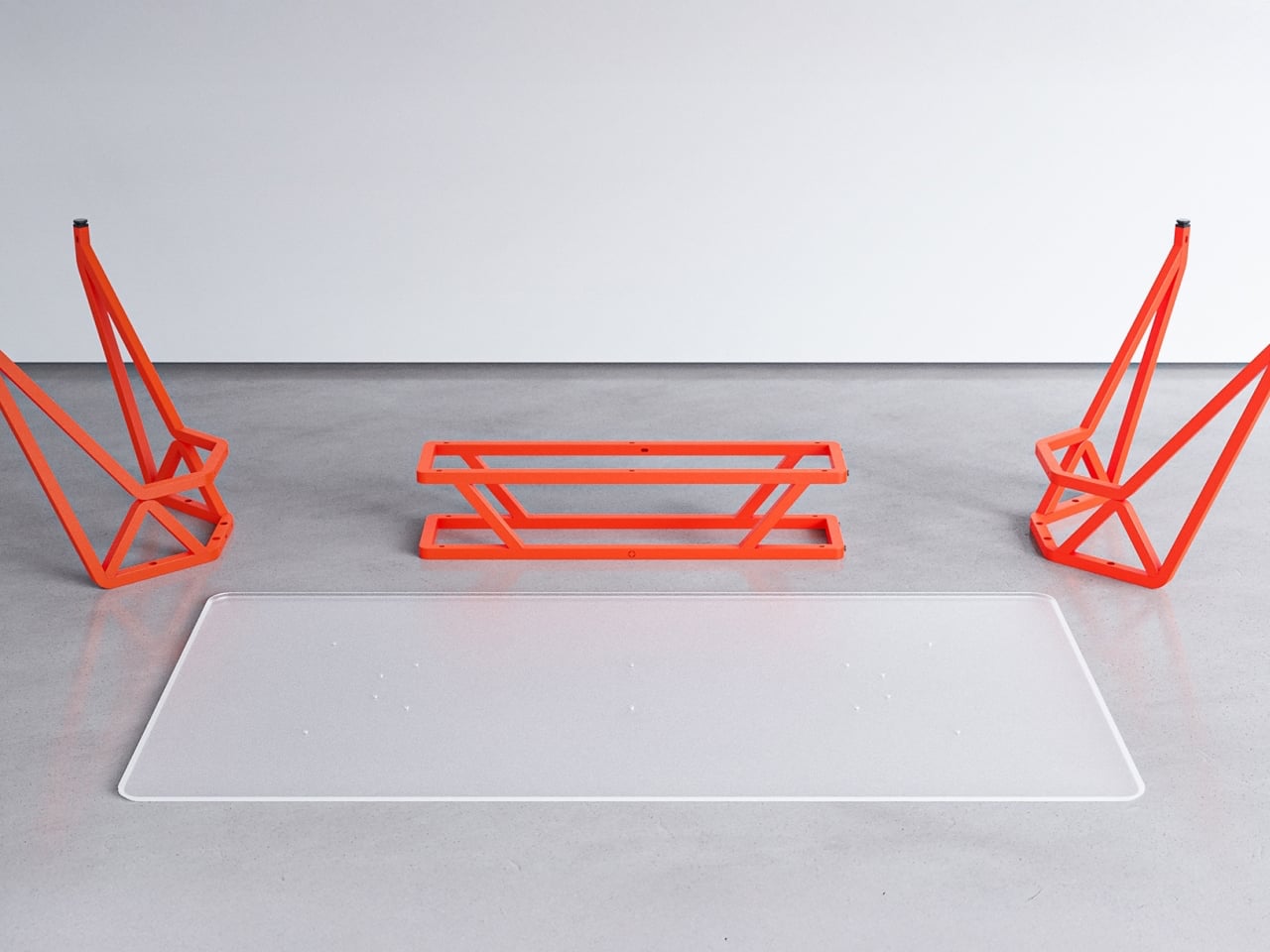
The Landr dining and conference table is engineered with a singular focus on strength, stability, and visual clarity. Designed to eliminate wobble, it offers a firm, unmoving surface suited for everyday use as well as more demanding tasks. Its modular construction is precise and robust, ensuring easy assembly without compromising structural integrity. The steel frame and intelligently engineered leg geometry distribute weight evenly, allowing the table to remain steady under pressure while maintaining a clean, confident presence in any setting.

What sets Landr apart visually is its bold use of bright, contemporary color finishes applied through durable powder coating. These vivid tones enhance the table’s architectural form while adding energy and character to interiors that favor modern expression. Paired with tabletop options in ceramic, wood, or glass, the bright steel frame becomes a statement feature rather than a background element. Functional, expressive, and long-lasting, the Landr table balances performance with color-forward design.

2. Softened Minimal Geometry

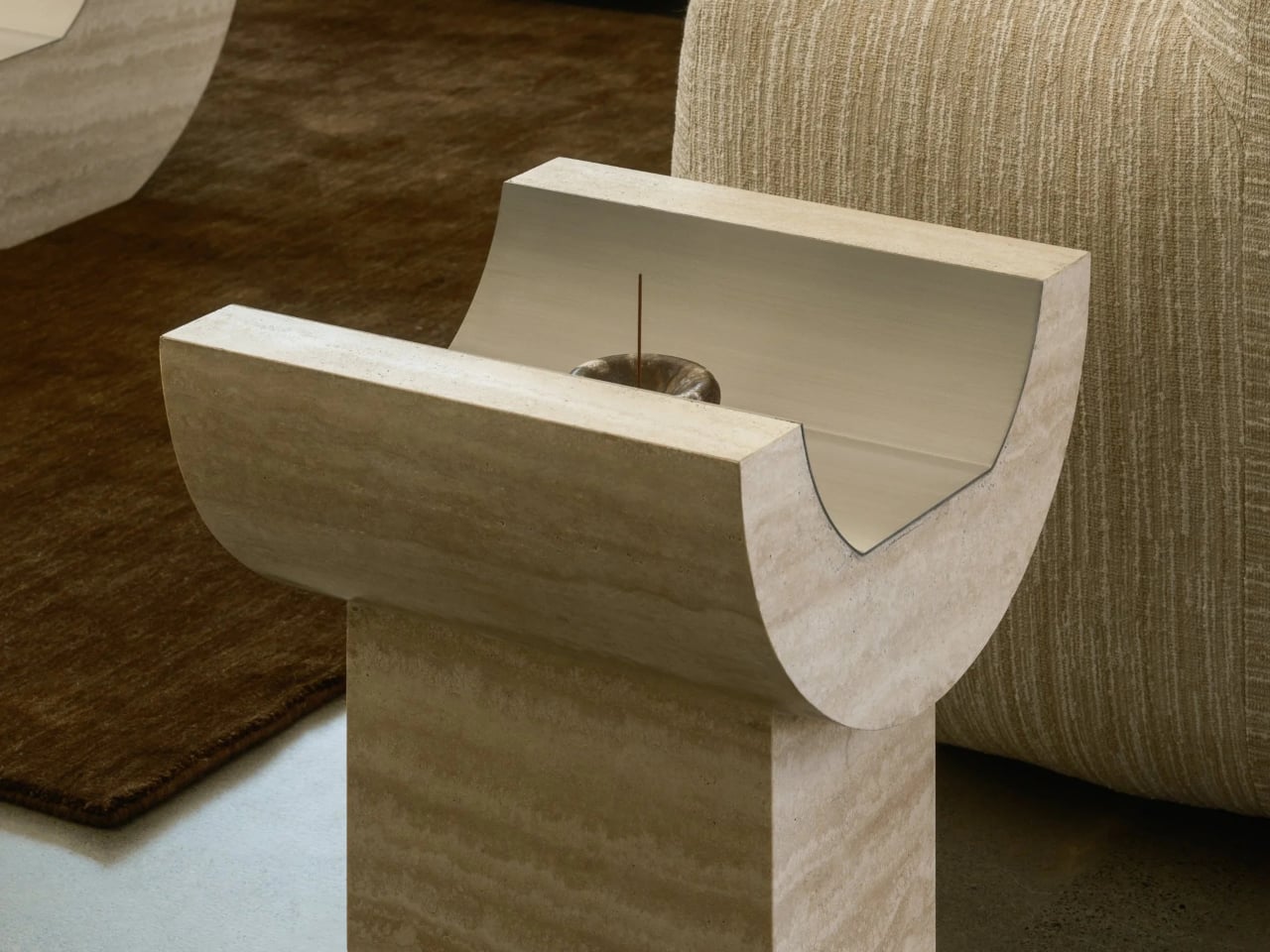
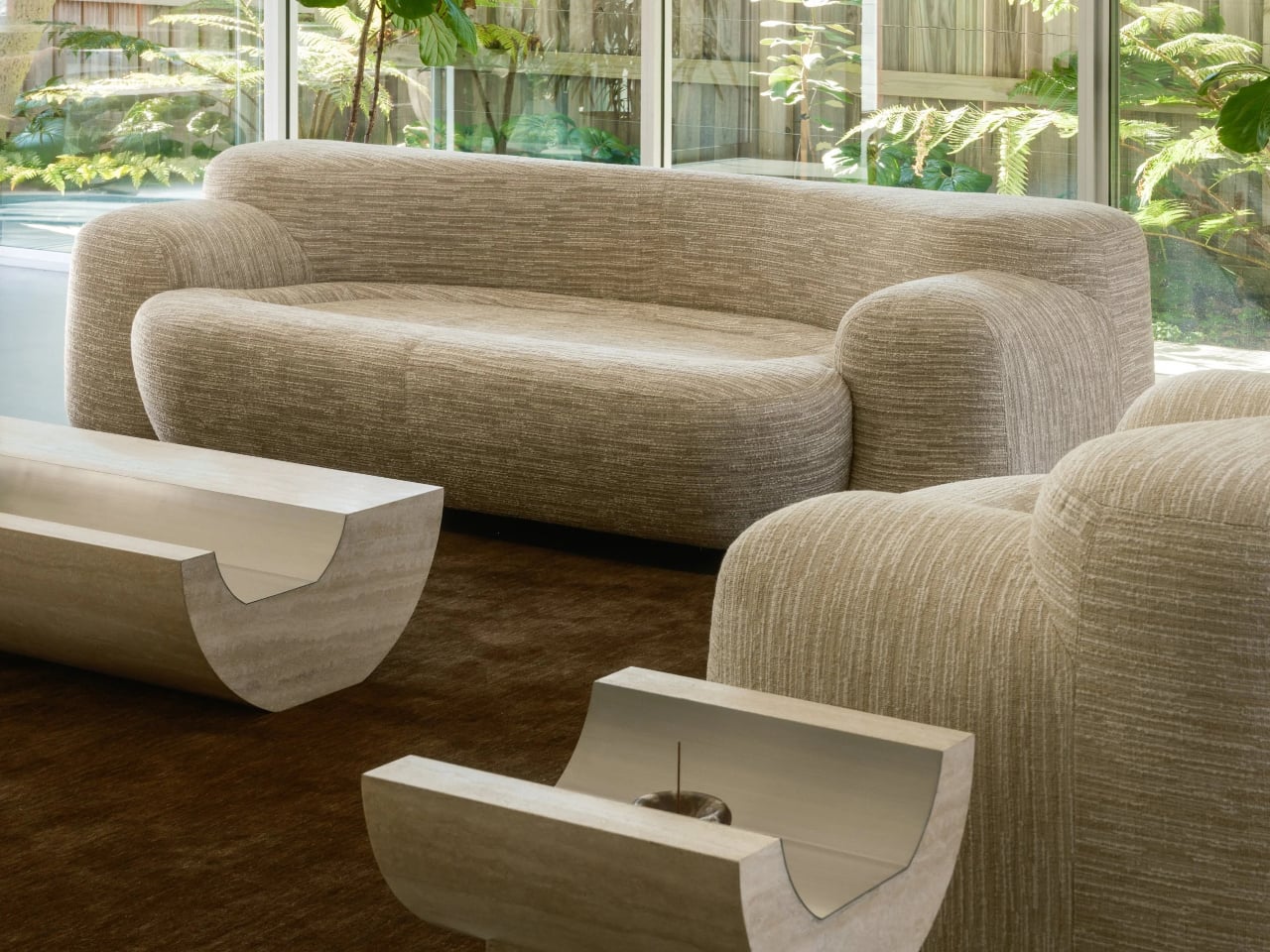
Design has clearly shifted away from dramatic, exaggerated curves toward calm and disciplined forms. Instead of flamboyant sculptural shapes, architects now employ gentle arcs and controlled radii to soften the rigid edges of contemporary construction. Curved thresholds, joinery, and soffits introduce refinement while maintaining visual restraint.

At the center of this 2026 approach is improved spatial flow and comfort. Features such as double-height glazing framed by softly curved soffits guide the eye smoothly through the interior. This reduces the visual tension of strict rectilinear layouts, enhances the movement of diffused light, and creates spaces that feel balanced, composed, and naturally welcoming.

Whispers of the Wildwood is a contemporary wicker collection by Hyderabad-based design studio The Wicker Story, led by designer Priyanka Narula. Rooted in traditional Indian weaving techniques, the collection reinterprets wicker through a modern, sculptural lens. Drawing inspiration from natural landscapes such as forest canopies, flowing paths, and organic growth patterns, the pieces move beyond conventional furniture typologies to become refined design objects that balance function with artistic expression.

The collection is defined by fluid forms, intricate textures, and a restrained material palette that allows the natural warmth of wicker to take center stage. Designs such as the Pagdandi wall unit exemplify this approach, translating the irregular rhythm of nature into woven structures with visual lightness and depth. Research-driven and craft-focused, Whispers of the Wildwood demonstrates how traditional materials can evolve into sophisticated, contemporary forms while retaining their tactile and cultural authenticity.

3. Human-Centered Spatial Core

Spatial planning is being redefined to place human experience above rigid, formal layouts. At the center of this approach is performance-driven comfort. Successful floor plans now prioritize acoustic privacy and thermal efficiency, recognizing that true luxury lies in how well a space responds to the human body.

Homes are designed to adapt to daily rhythms, offering quiet, comfort, and environmental balance rather than relying solely on visual order.

The planning strategy showed in this Warehouse Space transforms a conventional 2,500-square-foot warehouse into a carefully choreographed spatial sequence. Rather than relying on fixed walls, the layout is organized through visual cues, circulation paths, and deliberate zoning. Each area unfolds gradually, encouraging movement and discovery while maintaining spatial continuity. Color transitions, curved architectural elements, and material changes are used as planning tools to define functions without fragmenting the open volume.

This approach allows the space to function as a cohesive whole while accommodating varied uses. Active zones are positioned to feel dynamic and engaging, while quieter areas are subtly set apart through restrained finishes and controlled visual breaks. Repeating motifs and aligned sightlines guide users intuitively, reinforcing orientation and flow. The planning balances structure with flexibility, ensuring clarity without rigidity. Through thoughtful sequencing and layered spatial relationships, the design demonstrates how strategic planning can redefine an industrial shell into an immersive, purpose-driven environment.

4. Raw Material Honesty

Design is witnessing a clear return to materials that express their true nature, moving away from artificial and imitation finishes. Elements such as hand-worked metal, lime-wash plaster, and natural stone are valued for the stories they carry and the sensory richness they offer. These materials bring depth, texture, and authenticity to interior spaces.

This approach also supports sustainability and longevity. Using materials in their natural or minimally processed state reduces manufacturing impact and improves durability over time. The tactile experience such as the feel of a raw timber handrail, adds a layer of quiet luxury, reflecting a growing preference for honest, lasting materials over polished superficiality.

Stone coffee tables are often conceived as heavy, monolithic objects defined by mass rather than refinement. The Coffee Table and Side Table by Tom Black adopt a more considered approach, treating Italian travertine as a material to be carved, balanced, and visually lightened. A single curved gesture defines both pieces, creating an impression of elevation, while a contrasting brushed metal inlay introduces intentional voids within the stone. This dialogue between solid and negative space reframes stone as something sculptural rather than purely structural.

The Coffee Table features a softly curved underside that lifts the form from the floor, paired with a recessed metal-lined trough on the surface that mirrors this curvature. The Side Table translates the same language into a more vertical composition, combining a curved travertine element with a rectilinear base. Together, the two pieces function as architectural furniture, unified by material, proportion, and a restrained yet expressive formal clarity.

5. Built – Landscape Dialogue

Design is increasingly dissolving the boundary between inside and outside. Architects are creating transitional spaces such as semi-covered verandas, internal courtyards, glass walls and shaded thresholds that allow the landscape to flow into the heart of the home. These zones soften the built form and create a natural connection with light, air, and greenery.

Beyond aesthetics, design now focuses on lived experience—how materials, light, and climate affect comfort and emotion. The emphasis has shifted from glossy surfaces to meaningful, biophilic spaces that reduce environmental impact while supporting mental, emotional, and spiritual well-being.

Waterbridge House is conceived as a seamless extension of its natural setting, balancing architectural clarity with a strong indoor–outdoor connection. Set among the pine trees of Pebble Beach, the glass-dominated structure appears to hover above the landscape, defined by clean lines and a restrained material palette. Influenced by Japandi principles, the design blends Japanese serenity with Scandinavian simplicity, resulting in spaces that feel calm, light-filled, and closely attuned to their surroundings.

A defining planning element is the glass corridor that bridges a reflective pool, acting as both an entry sequence and a spatial pause. This transparent link connects two distinct wings: one dedicated to open-plan living and social interaction, the other organized around privacy with bedrooms and quiet retreats. Expansive glazing, sliding walls, and layered decks dissolve boundaries between interior and exterior, allowing light, water, and forest views to shape everyday experience.

Interior design now reflects a deeper focus on authenticity and human connection. Through confident color, softened geometry, and people-first planning, spaces move beyond decoration toward meaning. The true measure of architecture lies in its ability to create calm, light-filled sanctuaries that support emotional well-being while remaining visually refined and environmentally responsible.

The post 5 Interior Design Trends That Just Made Minimalism Obsolete in 2026 first appeared on Yanko Design.
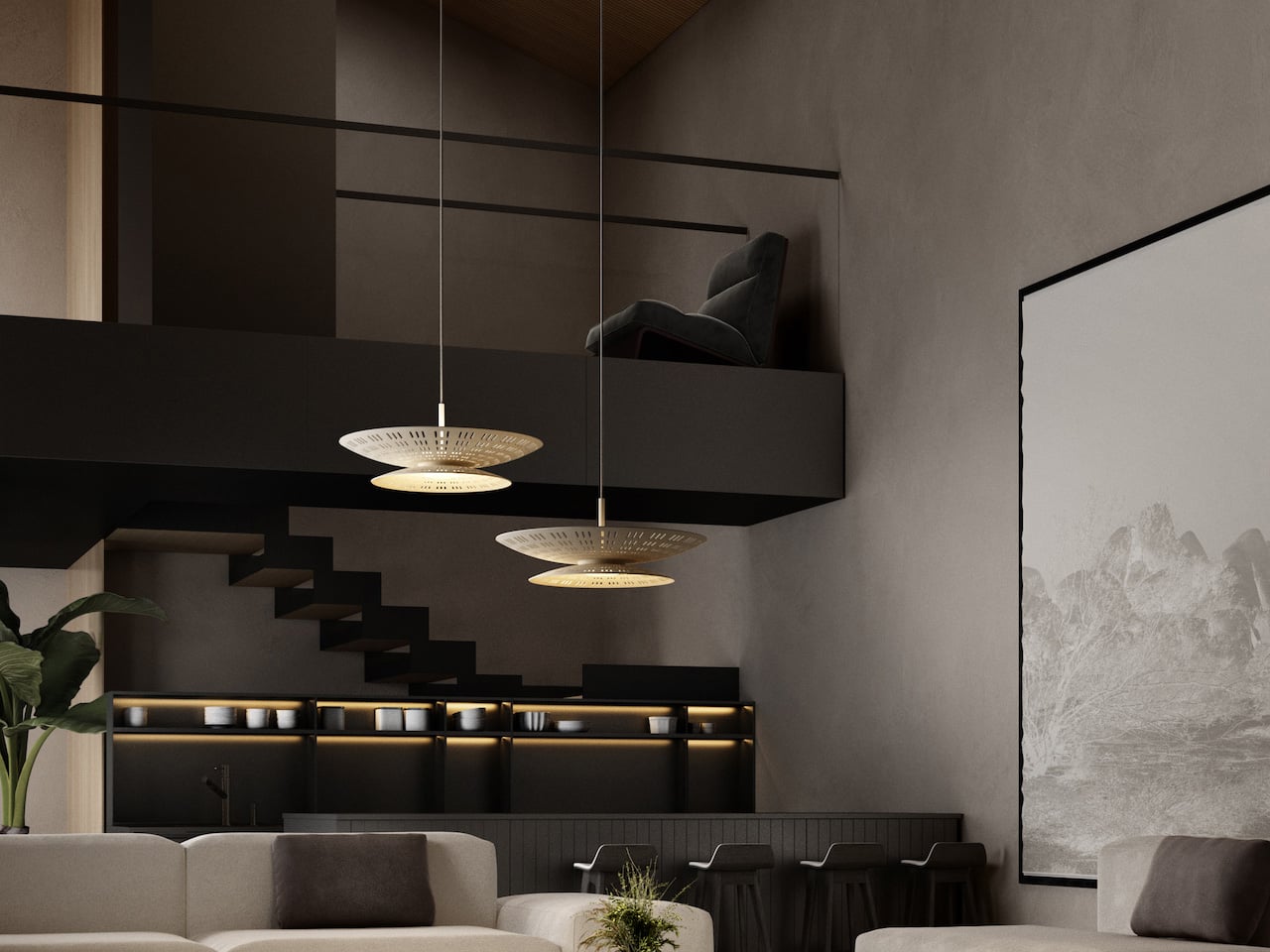
5 Home Gym Products That Actually Replace Your Gym Membership

When life moves fast, carving out time for your health often feels impossible. Most of us have faced the struggle racing through traffic to reach a crowded gym, only to see motivation fade. However, wellness does not have to be another task as it can become part of your home. Imagine a space crafted just for you where there is no commute, no distractions, no waiting.

Your home can transform into a personal sanctuary where movement and self-care are effortless. Creating a home gym is not just about equipment but about embracing a lifestyle that prioritizes convenience, consistency, and self-empowerment. Here is how investing in a home gym makes health an integral and non-negotiable part of your day.

1. Convenience at Home

Adding a home gym turns it into the most convenient workout space imaginable. No more rushed mornings trying to fit in exercise before work, and no more long commutes to crowded gyms. Now, your fitness journey can start the moment you step out of bed, making consistency effortless and freeing you from daily scheduling stress.

With this level of accessibility, sticking to your routine becomes natural,nwhether it’s a quick 15-minute stretch or a full-strength session. This freedom transforms exercise from an obligation into a choice, fostering a more positive and motivating connection to fitness.

Leg day has a notorious reputation, the workout everyone loves to hate. The thought of squats, presses, and calf raises can make anyone hesitate before starting. The RitFit Gazelle Pro 3-In-1 Leg Press and Hack Squat Machine changes that. Its compact, smart design turns leg day into a manageable, even motivating challenge. With a high-tensile steel frame, adjustable diamond-plated footplate, and thick anti-slip cushions, it balances performance with comfort, helping you push through lower-body workouts without unnecessary strain.

The 3-in-1 functionality seamlessly blends leg presses, hack squats, and calf raises, with quick pin adjustments for smooth transitions. Thoughtful features like contoured shoulder rests, stable handrails, and a 2,000-pound weight capacity prioritize safety and support. Durable, versatile, and efficient, the Gazelle Pro adapts to every fitness level. While leg day may never be your favorite, this machine makes it far less intimidating, empowering you to train effectively and confidently in the comfort of your own home.

2. Tailored for Personal Needs

One of the greatest perks of a home gym is the freedom to design it entirely around your needs. Unlike a commercial gym with standard equipment and preset classes, your space can reflect your unique fitness goals. Whether you love yoga, weightlifting, or high-intensity interval training, you can select the tools and setups that truly support your routine.

This customization goes beyond equipment as it extends to the entire atmosphere. Want to play your favorite podcast? Prefer soft lighting for a focused yoga session? You control it all, creating a space that motivates, inspires, and makes every workout feel personal and empowering.

Home gyms have always offered convenience and privacy, but often lacked guidance and motivation. The AEKE K1 Smart Home Gym changes that by bringing artificial intelligence into your workouts. With motion tracking, personalized plans, and real-time feedback, it acts like a virtual personal trainer, ensuring every rep is effective and safe. The AI tracks 17 key points on your body, provides adjustments on form, and adapts workouts as you progress. With over 280 movements and 140+ classes, it covers strength training, cardio, Pilates, yoga, and more, making home workouts diverse and engaging.

The system’s attachments use electromagnetic resistance to simulate up to 220 lbs, while Smart Grips and Spotter Mode enhance safety and efficiency. A 43-inch 4K touchscreen delivers immersive guidance, while motion-sensing games and multi-user options add fun for family or friends. Compact, award-winning, and subscription-free, the AEKE K1 blends advanced technology with user-friendly design, making high-quality, personalized workouts accessible to everyone at home.

3. Allows Privacy and Comfort

For many, exercising in public can feel intimidating. Being around others, facing constant comparison, and lacking personal space often discourages people from even starting their fitness journey. A home gym solves this by providing a private, safe, and judgment-free environment where you can focus solely on yourself.

This privacy creates the perfect space to concentrate on form, track progress, and try new exercises without distraction. You can explore different workouts, push your limits, and experiment freely. Feeling comfortable and confident in your own space can unlock your potential and nurture a lasting, positive relationship with fitness.

Boom, designed by Shuxian Hong, brings the boxing experience into your home, combining a punching bag, smart speaker, and interactive illumination. The system creates an immersive, adrenaline-fueled workout without leaving your living space. Boxing is a powerful cardio exercise, supporting heart health, weight management, and overall fitness. Hong discovered that even those who own home boxing bags rarely use them, as the gym environment provides the excitement and energy often missing at home. Boom solves this by making workouts fun, engaging, and interactive.

Measuring 68 inches and filled with high-density foam, Boom features an LED-illuminated bag, electronic pressure sensor, and weighted base with suction cups for stability. The Smart Coach app creates personalized routines, tracks progress, and adapts to the user. When not in use, Boom functions as a stylish home speaker, harmoniously blending technology, fitness, and modern design, making exercise both effective and enjoyable.

4. Smart and Sustainable Investment for Your Health

Although the initial cost of a home gym may feel high, it’s a smart long-term investment. Think about the ongoing expenses of monthly gym memberships, commuting costs, and frequent workout gear. Over time, these add up, whereas a home gym is a one-time setup that delivers lasting value and convenience.

Beyond finances, it’s an investment in your physical and mental well-being. By creating a permanent, accessible space for health, you prioritize self-care sustainably. This approach benefits both your body and wallet, making fitness a consistent, enjoyable, and protected part of your life and all from home.

Modern systems combine exercise equipment with motion-tracking cameras that provide real-time feedback on posture, reps, and form to remote trainers. This technology allows users to receive expert coaching in the comfort and safety of their own homes, fueling a surge in virtual trainer memberships while traditional gym attendance declined.

The Tempo Move builds on this concept, offering a compact, stylish home gym that doubles as elegant furniture. Its fabric-clad metal body conceals 16 weight plates, 4 collars, 2 dumbbells, and a heart-rate monitor within a neat cabinet. An iPhone dock and HDMI connection let users stream guided workouts on a TV with real-time coaching. Unlike bulky gym equipment, Tempo Move blends seamlessly into living spaces, providing convenience, functionality, and aesthetic appeal. With its smooth, accessible storage and elegant design, it makes exercising at home simple, stylish, and efficient.

5. Enhances Your Well-being

The advantages of a home gym go beyond physical fitness, positively impacting your overall well-being and household harmony. A dedicated workout space helps reduce stress, improve sleep, and boost daily energy, providing a healthy outlet that supports a balanced, centered lifestyle.

Additionally, it sets a positive example for your family, fostering a culture of health and wellness at home. By creating a space that can be shared, fitness becomes a fun, engaging activity for everyone. Integrating wellness into your home design not only builds a gym but cultivates a vibrant, healthier life for you and your loved ones.

Hi Moon features a sleek, open circular design that complements modern home interiors while keeping fitness equipment unobtrusive. With more people working out at home, free weights and gear often clutter living spaces, piling up in corners or on furniture. Feier Design Studio reimagined the traditional kettlebell with Hi Moon, giving it the appearance of a modern vase or ceramic artwork. It can sit seamlessly on a windowsill, beside a small bouquet, or integrated into a home gym setup without disrupting the décor. Available in muted shades of coral-green, cloud grey, and peach-orange, Hi Moon adapts to a variety of design schemes, making it functional and stylish.

The kettlebell’s circular, open form and gritty texture provide a secure grip and enhanced comfort during exercises. Unlike traditional bulky kettlebells with triangular handles, Hi Moon allows versatile grip positions for different workouts. By combining practicality with an elegant, inconspicuous design, Hi Moon transforms home fitness into a visually pleasing, seamless part of living spaces.

Creating a home gym transforms your lifestyle, blending health, convenience, and personalization. It empowers you to make fitness a seamless, enjoyable part of daily life. By designing a space that is functional and inspiring, you invest in your well-being, turning movement into a habit and supporting your journey toward a healthier, happier, and more intentional life.

The post 5 Home Gym Products That Actually Replace Your Gym Membership first appeared on Yanko Design.
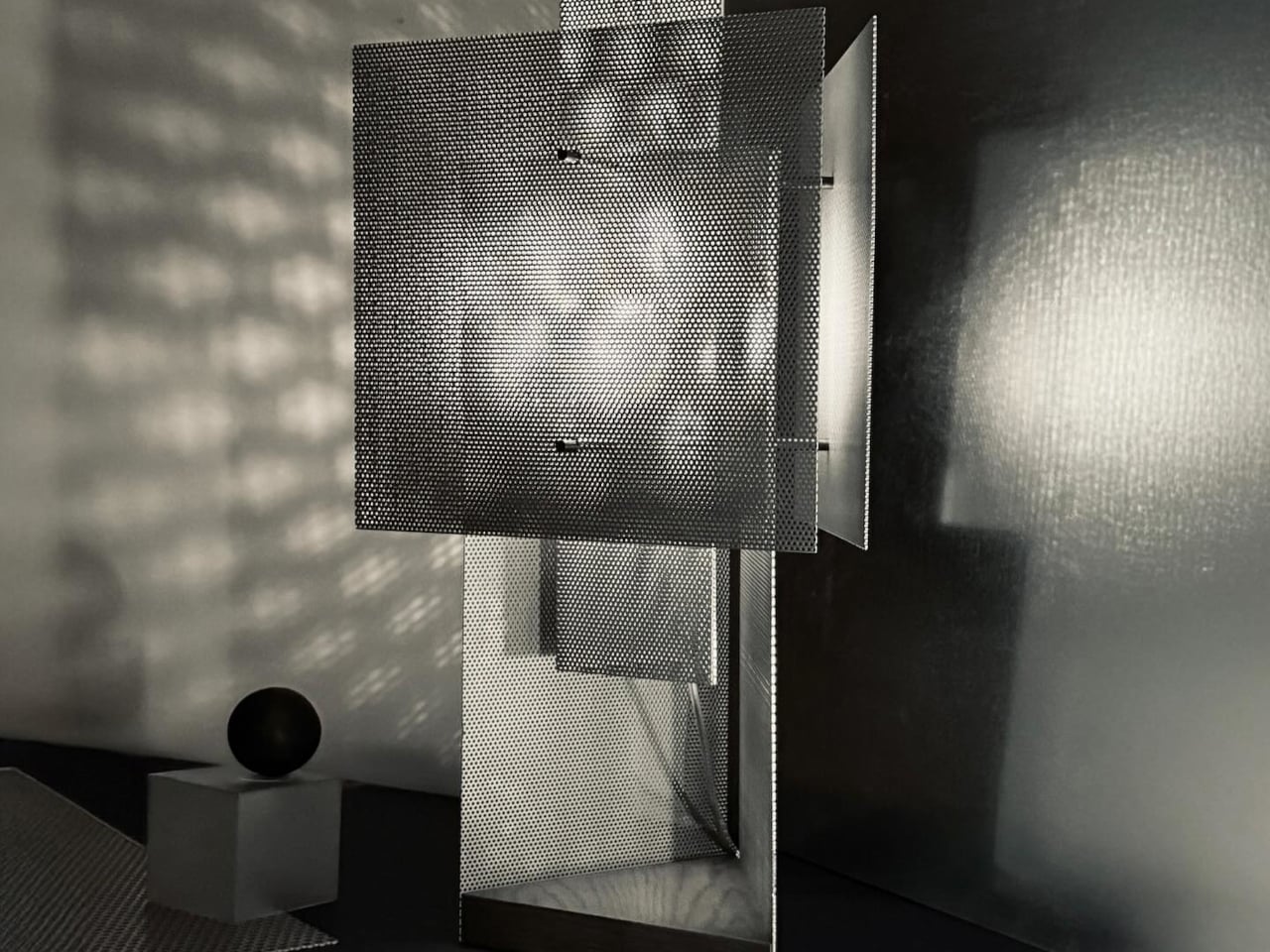
5 Retro Film Cameras with Modern Tech Gen Z Can’t Stop Buying

In a world where digital cameras and smartphones promise instant perfection, the quiet return of analog photography feels almost revolutionary. Film cameras, once considered obsolete, are now being reimagined with modern features that blend nostalgia with innovation. This new generation of hybrid analog devices brings together the charm of vintage engineering and the convenience of contemporary technology, creating a more mindful, tactile, and emotionally rich way to capture images.

As Gen Z and today’s creators rediscover the pleasure of slowing down, film has become more than a medium, as it is a cultural shift toward intention and authenticity. The resurgence of analog cameras shows that the future of photography is not purely digital but a thoughtful fusion of old-world craft and modern possibility.

1. The Analog Revival In A Digital World

In an age dominated by smartphones and instant image processing, the resurgence of analog cameras might seem unexpected, but it’s far from accidental. Today’s creators, especially Gen Z, crave experiences that feel tactile, intentional, and emotionally grounded. Film photography delivers exactly that. What’s even more compelling is how a new wave of hybrid film cameras blends vintage charm with modern technology, transforming what was once a niche hobby into a vibrant contemporary culture.

Film photography is enjoying a strong comeback, but most point-and-shoot options still fall short. Vintage cameras come with unpredictable quirks, while many new models fail to capture the tactile charm that makes analog shooting special. For anyone wanting the warmth of film with modern reliability, the search often feels frustrating.

The Analogue aF-1 finally blends classic design with contemporary tech. Its compact, matte body, splash-resistant build, and sharp 35mm f/2.8 Double Gauss lens offer a familiar analog feel enhanced by dependable performance.

What truly sets the aF-1 apart is its seamless mix of analog character and digital convenience. LiDAR and Time-of-Flight autofocus ensure crisp shots from 0.5 meters to infinity, while automatic film loading and rewind remove guesswork. The GN8 flash recycles in half a second, and ISO support from 25 to 5000 makes it versatile in any light. With reliable mechanics and intuitive controls, the aF-1 brings film photography back to life without the usual hassles.

2. Why Film Feels Fresh Again

Analog cameras used to be defined by their limitations: no instant previews, finite exposures, manual settings, and the slow ritual of development. Now these very qualities are what attract modern users. The mindful pace of film forces you to slow down, observe, and shoot with purpose rather than rely on endless digital corrections. At the same time, new technologies have removed many of the old barriers, making film more accessible, adaptable, and rewarding for a wider creative community.

Modernized film cameras now include features that were unthinkable in traditional analog devices. Built-in light meters, Bluetooth connectivity, app-based controls, and hybrid workflows allow photographers to enjoy the aesthetic of film without sacrificing convenience. This balance of nostalgia and innovation gives today’s users the best of both worlds: the raw, imperfect beauty of analog paired with the efficiency of digital ecosystems.

The limited-edition Gudetama Retrospekt FC-11 35mm Film Camera brings together Retrospekt’s retro craftsmanship and Sanrio’s iconic lazy egg in a playful, collectible design. The camera features a silicone Gudetama lens cap and a faux leather-wrapped body illustrated with multiple Gudetama poses, making it as much a display piece as a functional camera. Lightweight at just 122 grams, it’s easier to carry than most smartphones and immediately stands out with its bright, character-driven aesthetic.
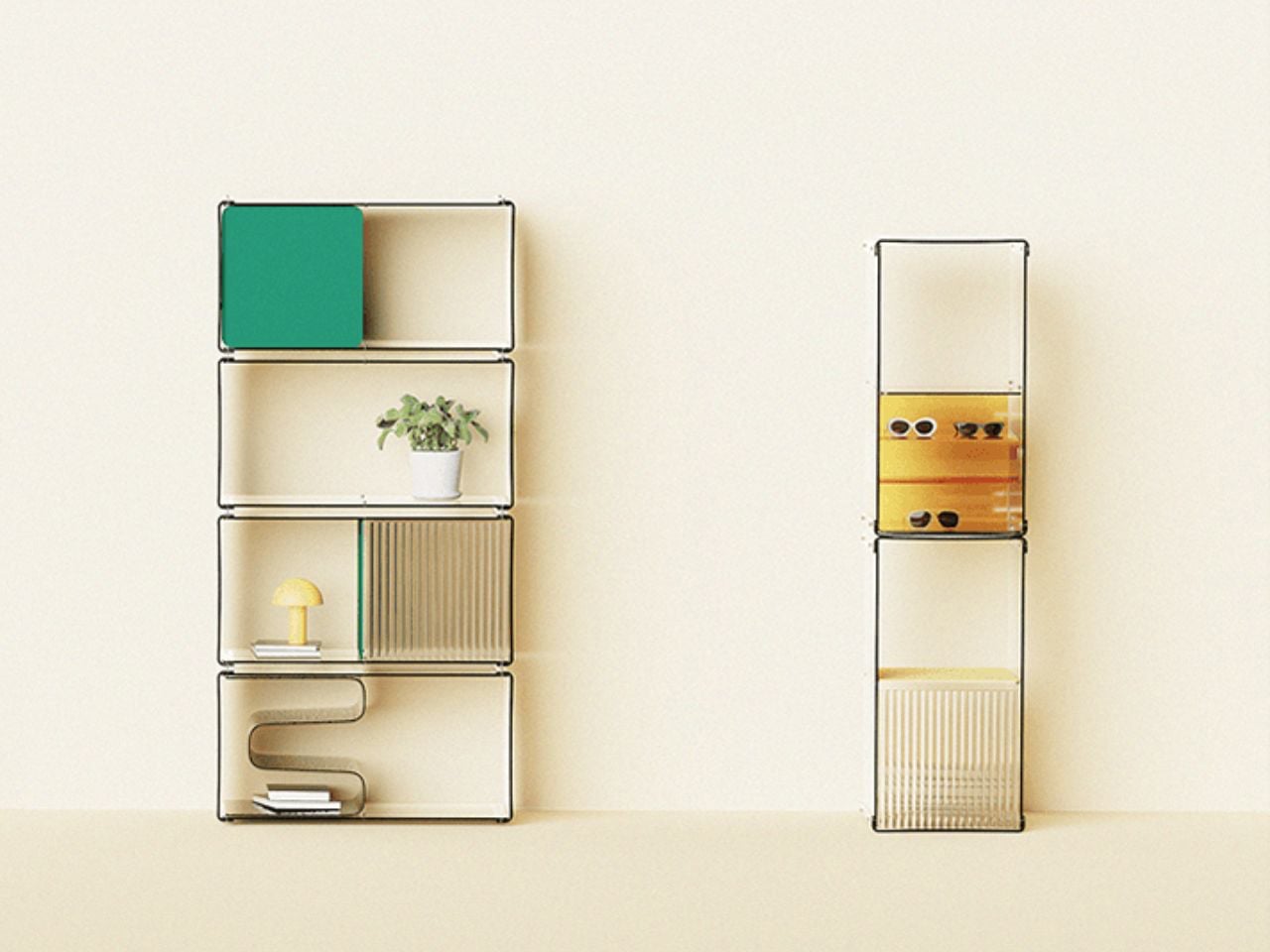
Built as a straightforward point-and-shoot, the FC-11 offers a 1m fixed-focus lens, optional built-in flash, and simple viewfinder framing for effortless shooting. It supports 200–400 ISO film, uses a 31mm f/9 lens, and has a 1/120-second shutter speed, giving users reliable performance in everyday conditions. Once you press the shutter, all that’s left is to develop the 35mm roll at your preferred lab. Cute, compact, and uncomplicated, the Gudetama FC-11 makes analog photography fun and accessible for beginners and collectors alike.

3. The Quest For Authenticity

Another reason for the revival is the cultural shift toward authenticity. In a world oversaturated with perfectly edited digital images, film offers a refreshing sense of realness. For younger audiences raised on high-resolution screens, film feels novel, tactile, and almost rebellious, an antidote to algorithm-driven perfection.
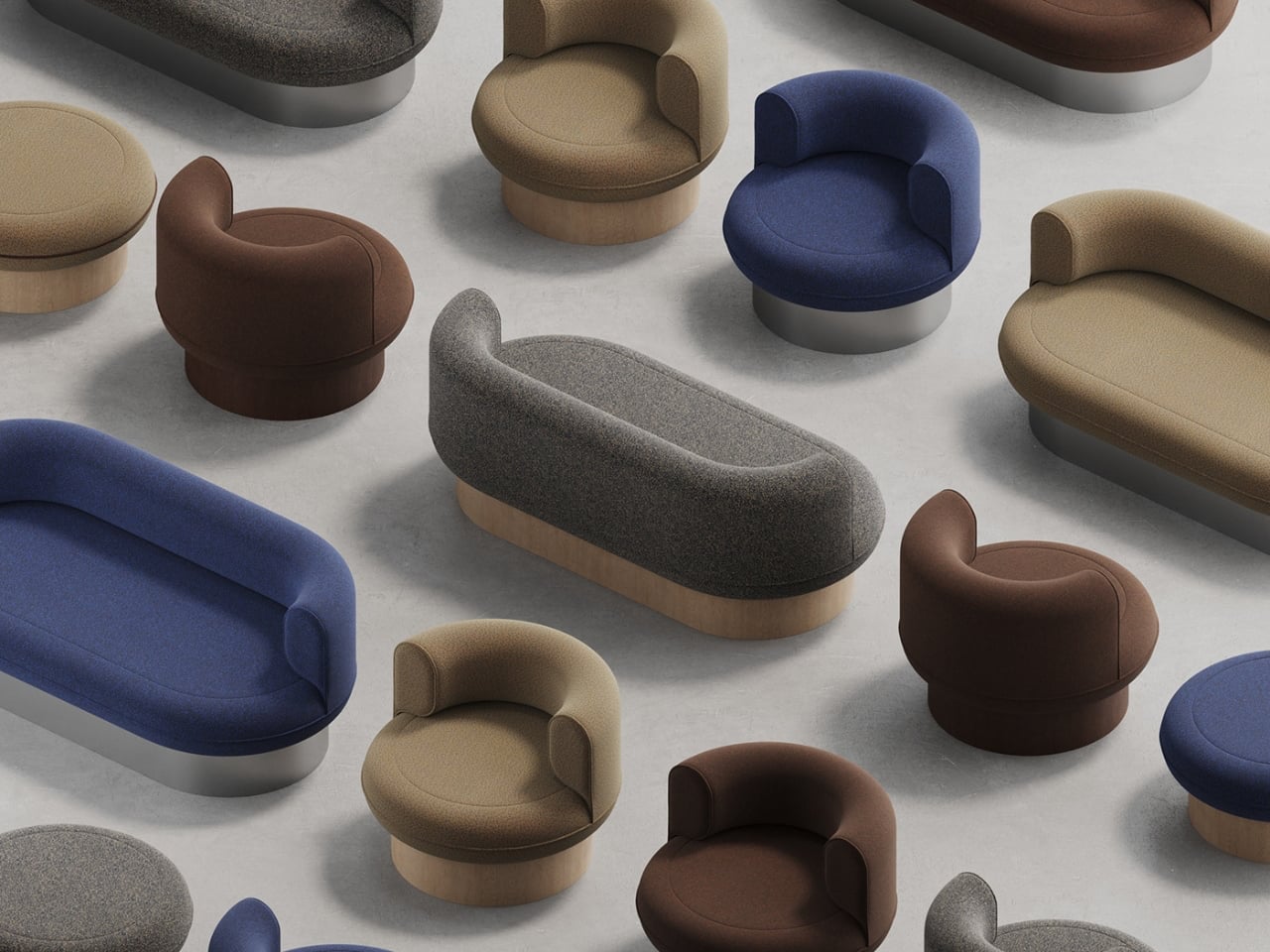
Online platforms have amplified the analog revival, giving emerging photographers a space to share their work, discuss techniques, and explore the emotional depth behind film practice. Even the waiting period between shooting and developing has become a shared ritual and a reminder that creativity doesn’t need to be rushed.
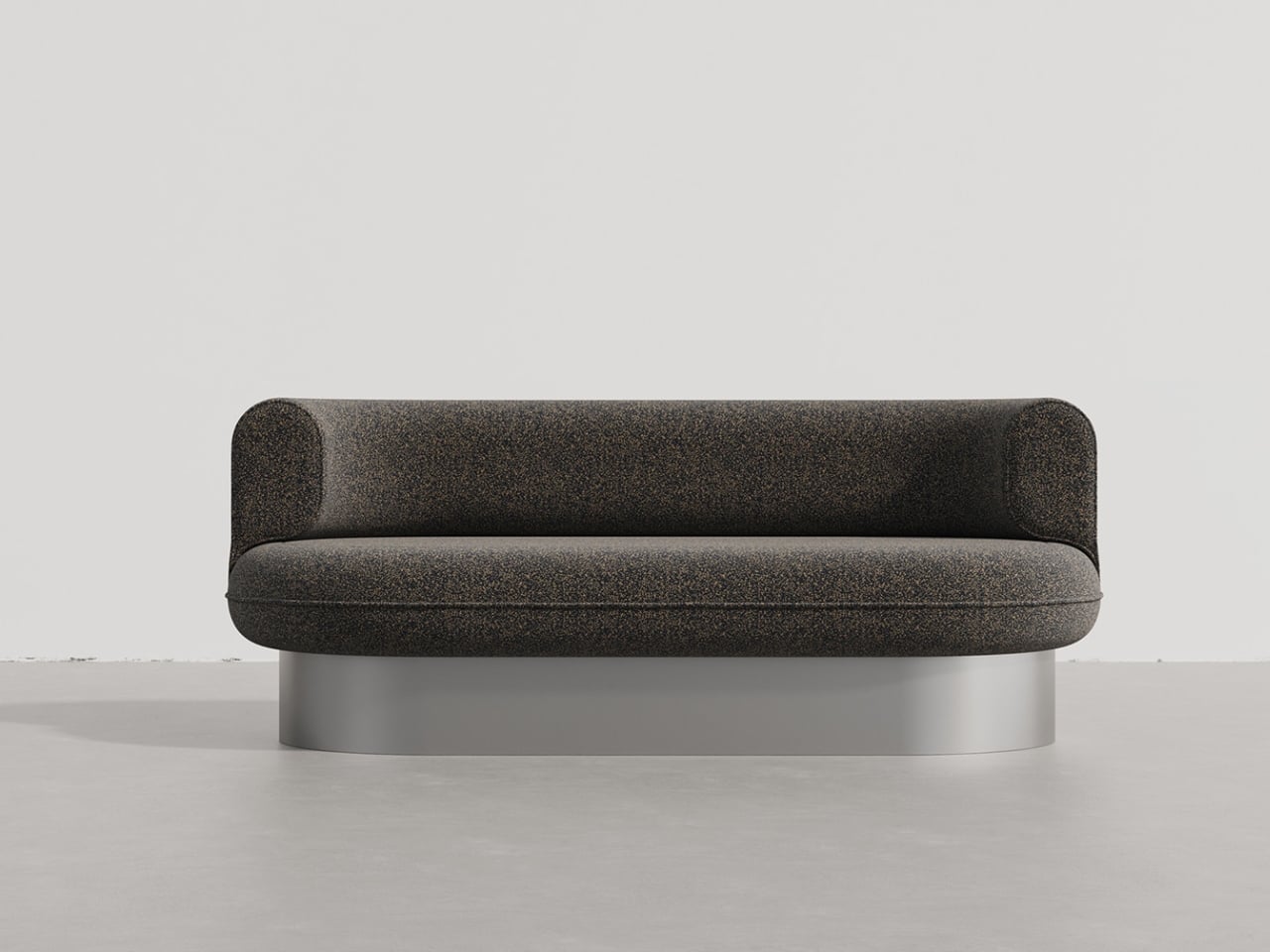
You can now enjoy the charm of analog photography without losing the comfort and speed of your smartphone. As traditional film cameras fade from everyday use, DIGI SWAP offers an elegant solution that brings them back to life. Many people keep old cameras as sentimental keepsakes, reminders of a time when every click of the shutter held suspense. This system lets you relive that experience by combining the tactile pleasure of a film camera with the efficiency of an iPhone.

DIGI SWAP consists of an adapter and a companion app that work together to recreate the film shooting process. The adapter mounts your iPhone to the back of the camera, projecting the lens image directly into the phone’s sensor, while the app automatically captures each shot when you press the physical shutter. With features like a wind-up lever simulation and a “Film Empty” screen after 36 frames, it preserves the nostalgia of analog photography while breathing new life into classic equipment.

4. Analog Meets Sustainable Living

Sustainability also plays a subtle but growing role. Many film enthusiasts appreciate the long lifespan of well-made analog cameras, which can function reliably for decades. Instead of constant digital upgrades, users invest in repairable, enduring equipment, which is a mindset that aligns with today’s conscious consumption patterns. When paired with eco-friendly film labs and responsible developing methods, analog photography supports a slower, more considered creative lifestyle.

The Lomography Lomo MC-A stands apart from the wave of digital cameras dressed in retro styling by being a truly analog 35mm film camera. Built with a robust metal body in silver or black, it features a retractable 32mm f/2.8 multi-coated glass lens that produces sharp, vibrant images with authentic film character. Manual film advance, tactile dials, and classic controls reinforce the experience of shooting real film rather than simulating it. Three modes, like Program Auto, Aperture Priority, and Full Manual, offer flexibility for beginners and advanced users alike, while fast autofocus and zone focusing support everything from everyday snapshots to street photography.

What makes the MC-A especially practical is its integration of USB-C charging, replacing hard-to-find CR2 batteries with a rechargeable system that lasts up to ten rolls per charge and exceeds 1,200 recharge cycles. The camera also includes signature Lomography tools such as a Splitzer, colored gel filters, protective wrap, and leather accessories, creating a complete, ready-to-shoot analog kit for modern film enthusiasts.

5. A Timeless Art Form, Reimagined

Most importantly, the reimagining of analog cameras reflects a universal desire to reconnect with craftsmanship, with memory, and with the art of paying attention. Modern technology doesn’t erase the soul of film; it simply enhances it. By blending retro charm with intelligent innovation, these cameras invite photographers to rediscover the thrill of uncertainty and the beauty of restraint qualities that feel more relevant than ever in a hyper-digital world.
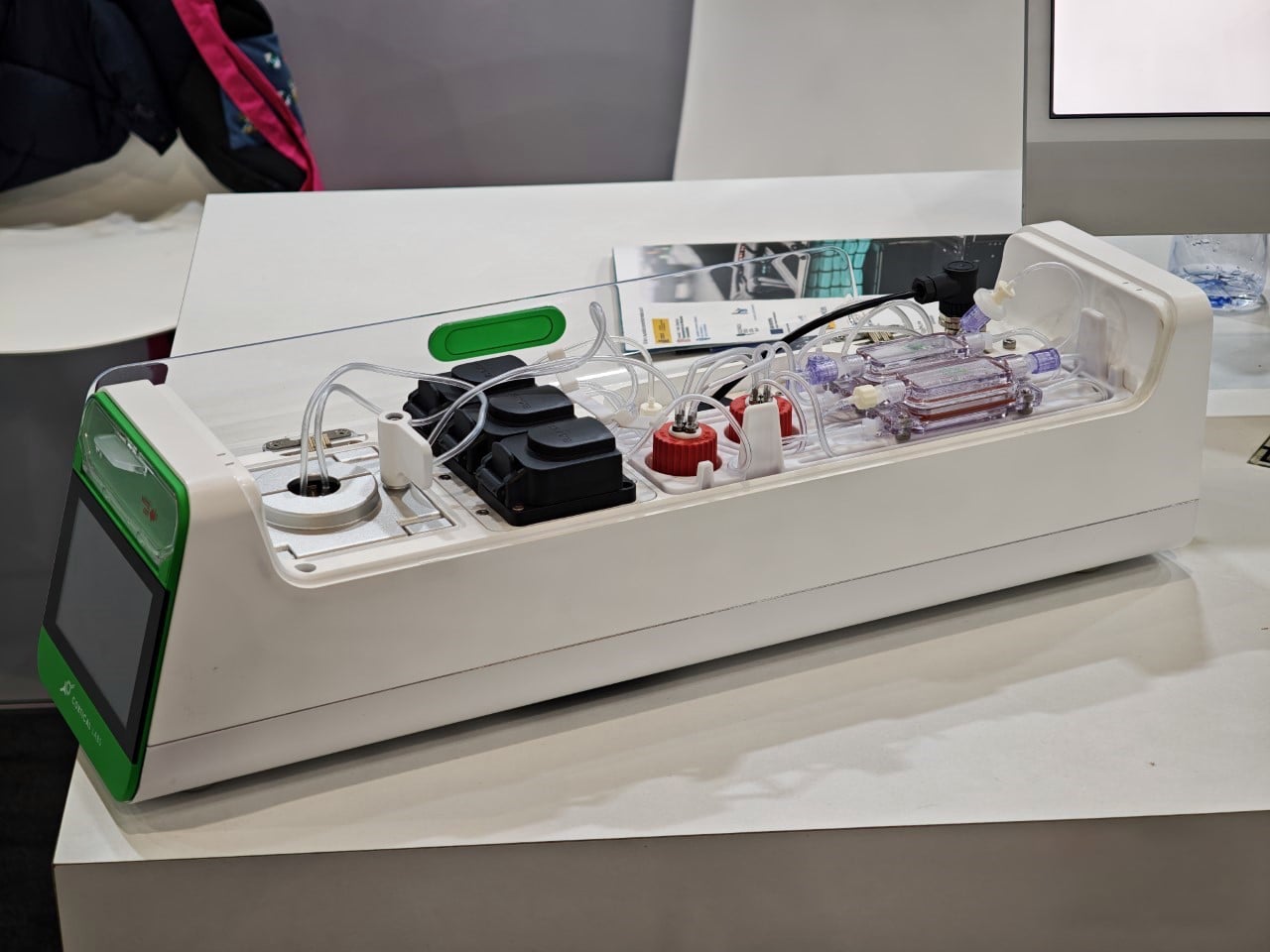
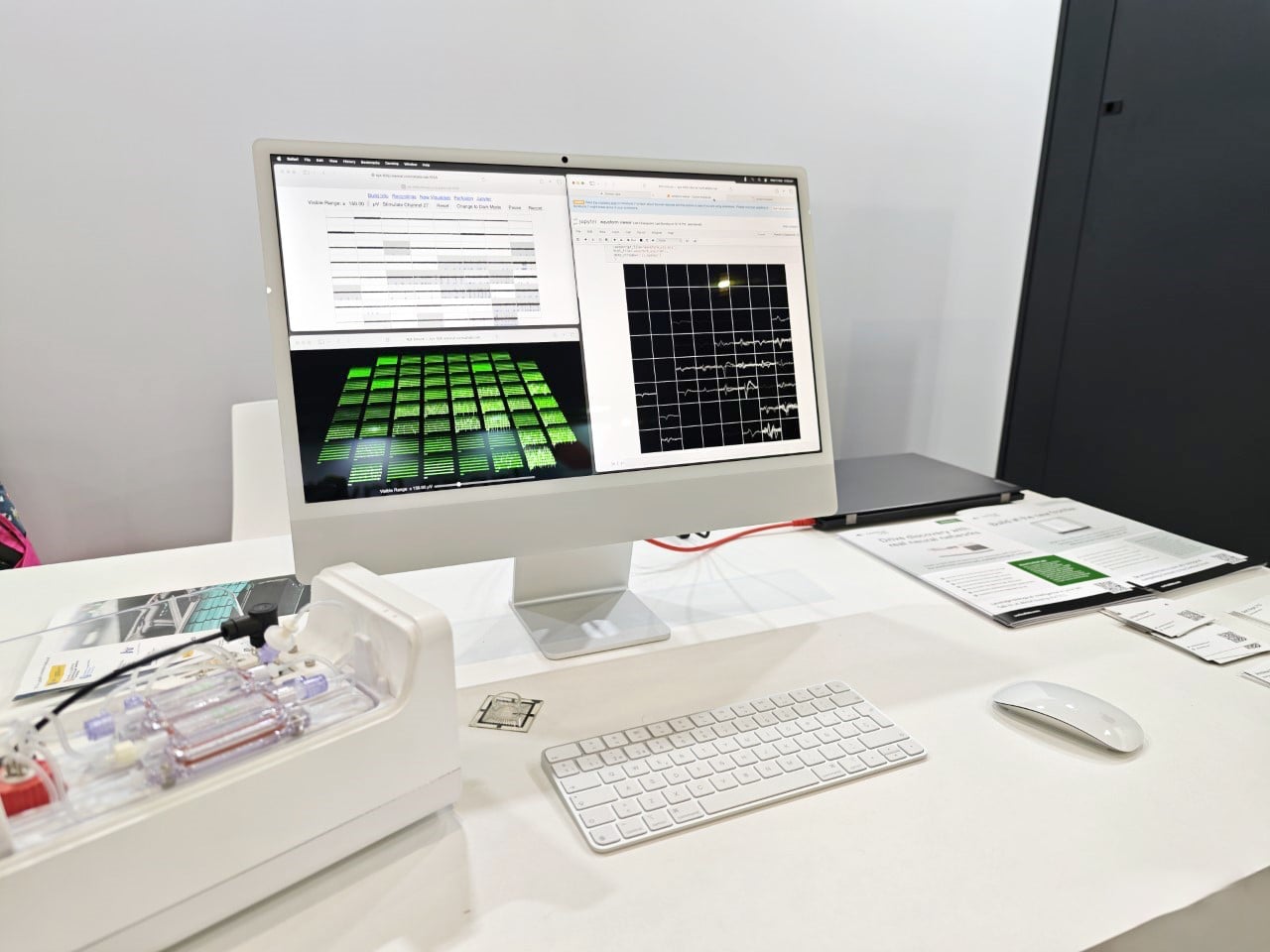
Kodak’s Charmera camera brings a modern twist to the brand’s iconic analog cameras, especially the single-use models from the 1980s and 1990s. Designed as a miniature digital device, it mirrors the size and retro look of the classic Kodak Fling while replacing disposability with convenient recharging. Its blind-box format adds a collectible appeal, offering one of several vintage-inspired designs, including a rare transparent “secret edition.” Compact and lightweight at just 2.2 inches and 30 grams, it doubles as a charm thanks to its keychain loop, blending nostalgia with everyday portability.

Despite its playful scale, Charmera delivers a complete digital shooting experience with the familiar imperfections of analog cameras. It uses a 1.6-megapixel CMOS sensor to capture 1440 × 1080 photos and 30 fps video, embracing a grainy, film-like aesthetic. With filters, themed frames, and date stamps, plus microSD support and USB charging, it offers a practical way to create retro-style content inspired by classic analog photography.

Analog photography is making a strong comeback, not by rejecting modern tech but by blending with it. New hybrid and updated film cameras keep the charm of shooting on film while adding features that make them easier to use. This mix of old and new shows that people still value slow, thoughtful image-making. In today’s fast digital world, analog feels fresh again.

The post 5 Retro Film Cameras with Modern Tech Gen Z Can’t Stop Buying first appeared on Yanko Design.