TikTok pulled a hashtag-tracking feature researchers used to study the platform

TikTok recently pulled a tool that allowed researchers and others to study the popularity of hashtags on its app. The change, first reported by The New York Times, came shortly after researchers published a report using data from the tool that criticized the company.

As The New York Times points out, the tool was one of the few publicly-accessible methods of tracking details about the popularity of specific hashtags. TikTok, like other social media companies, has made it difficult for outsiders to track how content spreads in its app.

The tool in question is a feature called Creative Center, which provides data about the popularity of hashtags to would-be advertisers and others. Researchers at Rutgers’ Network Contagion Institute had used Creative Center’s search function to track hashtags deemed “sensitive” to Chinese government interests. The researchers compared the prevalence of the hashtags between TikTok and Instagram and concluded that many "sensitive" topics were "dramatically underrepresented on TikTok" compared with Instagram.

Soon after the report was published, the researchers said the search feature in Creative Center disappeared without an explanation. “Search capacity for Hashtags has itself now been removed from the user interface entirely, which NCRI discovered to have occurred on Christmas day, days after this report’s initial release,” they wrote in an addendum to the report. They added that TikTok had also disabled direct access to a number of “sensitive” topics they had previously tracked, including hashtags related to US politics and other geopolitical issues.

In a statement to The New York Times, TikTok confirmed the change. “Unfortunately, some individuals and organizations have misused the Center’s search function to draw inaccurate conclusions, so we are changing some of the features to ensure it is used for its intended purpose,” a company spokesperson said.

The dust-up is the latest example of mounting tensions between social media companies and researchers trying to study thorny topics like misinformation. Meta has also found itself at odds with researchers, and reportedly plans to deprecate CrowdTangle, a tool widely used by researchers and journalists to study how content spreads on Facebook. X has also greatly restricted researchers’ access to data since Elon Musk took control of the company, making its once open APIs prohibitively expensive to most groups.

In TikTok’s case, the company may be particularly sensitive to what it considers improper use of its tools. The company has for years denied that it aligns its content policies with the interests of the Chinese government as numerous government officials have called for the app to be banned. More recently, the company faced increased scrutiny over its handling of content related to the Israel-Hamas war — criticism that was also fueled by what the company said was an inaccurate portrayal of hashtag data.

That said, the company has made some concessions to researchers. TikTok began offering an official Research API to some academic institutions last year, and reportedly plans to make the tools available to some civil society groups that have questioned the company’s content moderation practices.

But for researchers, the move to abruptly cut off a tool will likely fuel more questions about just how willing the company is to work with them. “This lack of transparency is of deep concern to researchers,” the NCRI researchers wrote.

This article originally appeared on Engadget at https://www.engadget.com/tiktok-pulled-a-hashtag-tracking-feature-researchers-used-to-study-the-platform-015454077.html?src=rss
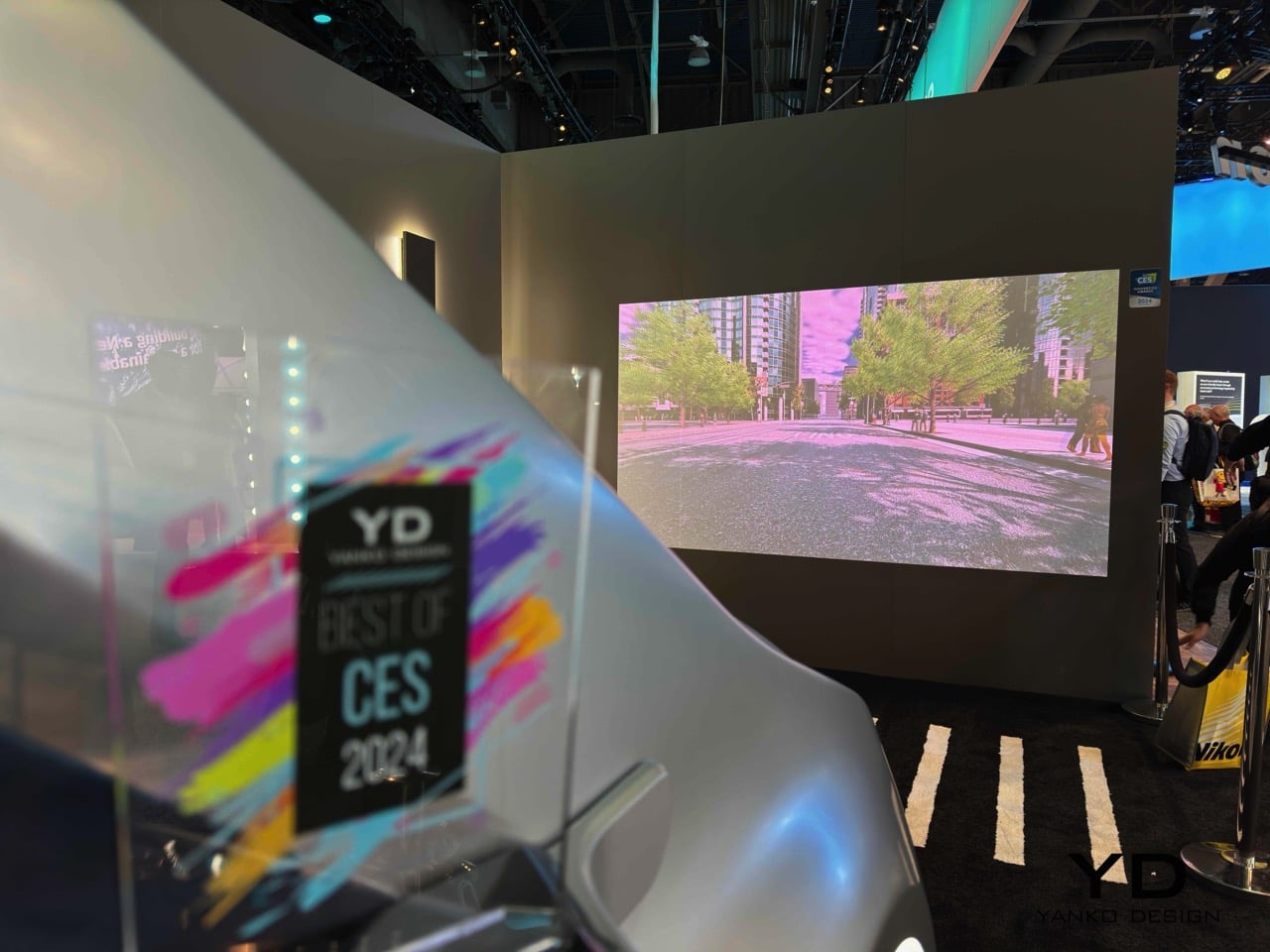
Hisense Automobile Laser Displays hands-on at CES 2024

Hisense recently unveiled its latest products at CES 2024. The company’s array of state-of-the-art technologies, including automobile laser displays and rollable laser TVs, sets new industry standards, offering consumers unparalleled visual experiences.

Designer: Hisense

Automobile Laser Display: A New Era in Vehicle Technology

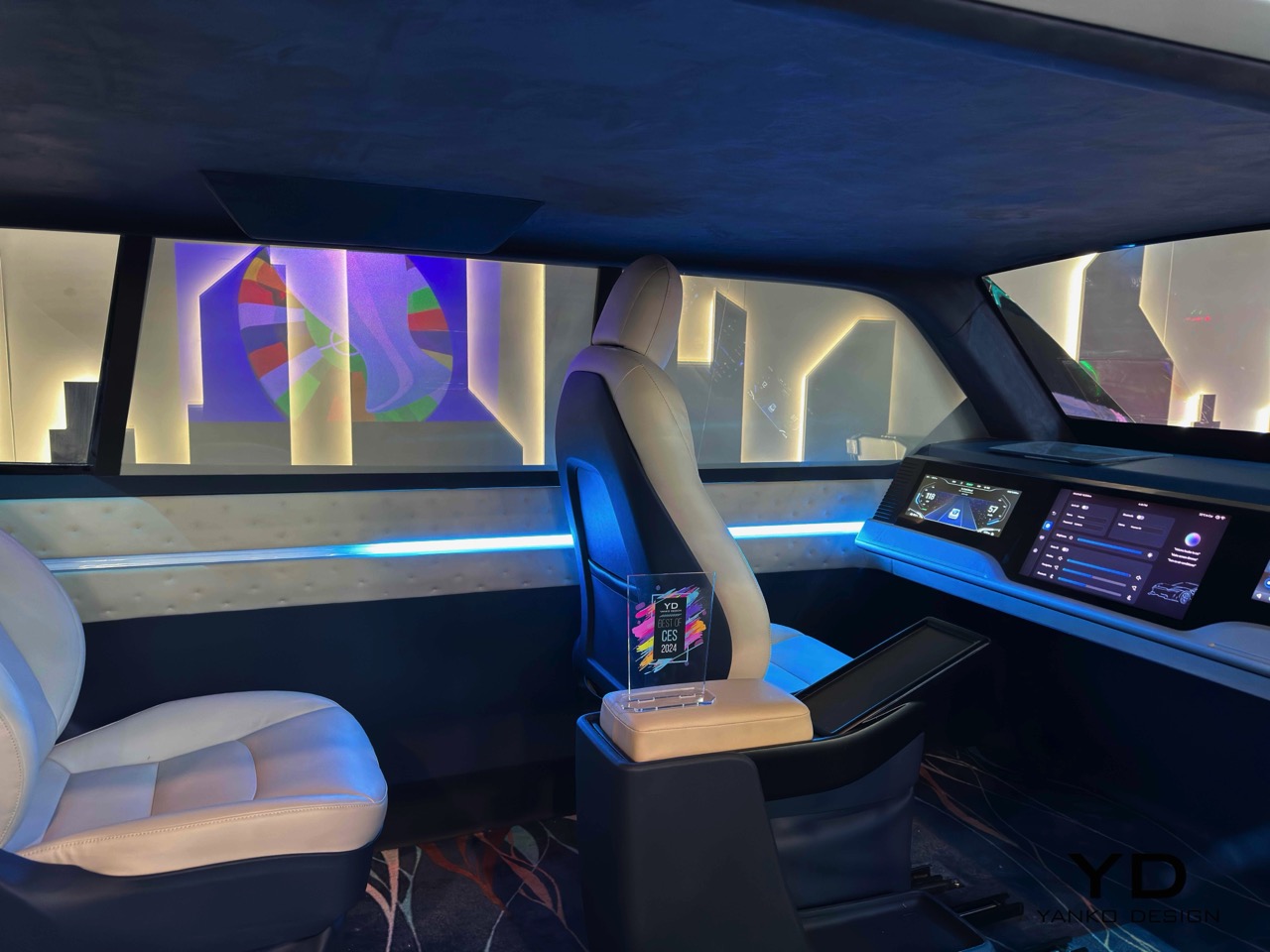
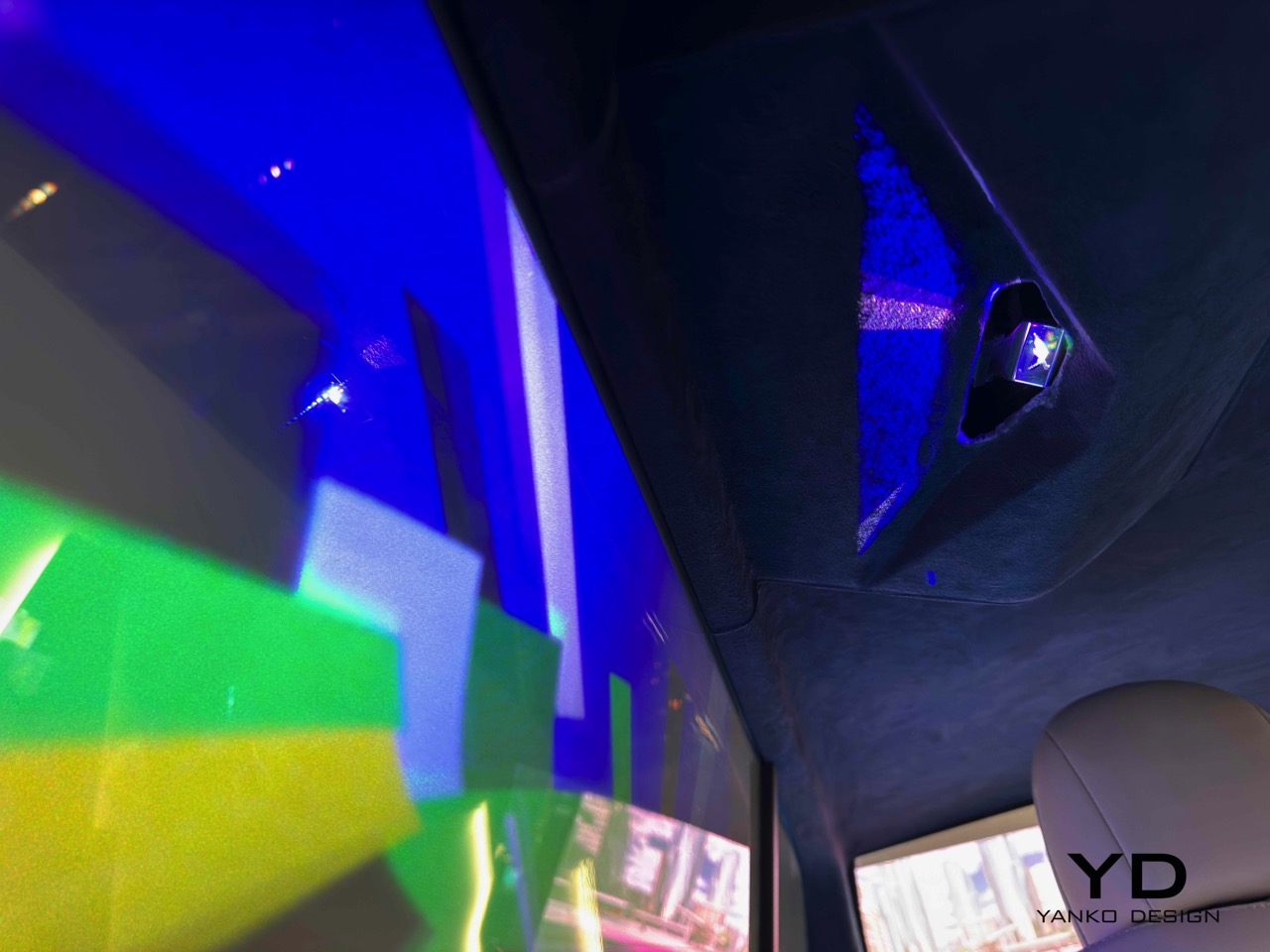
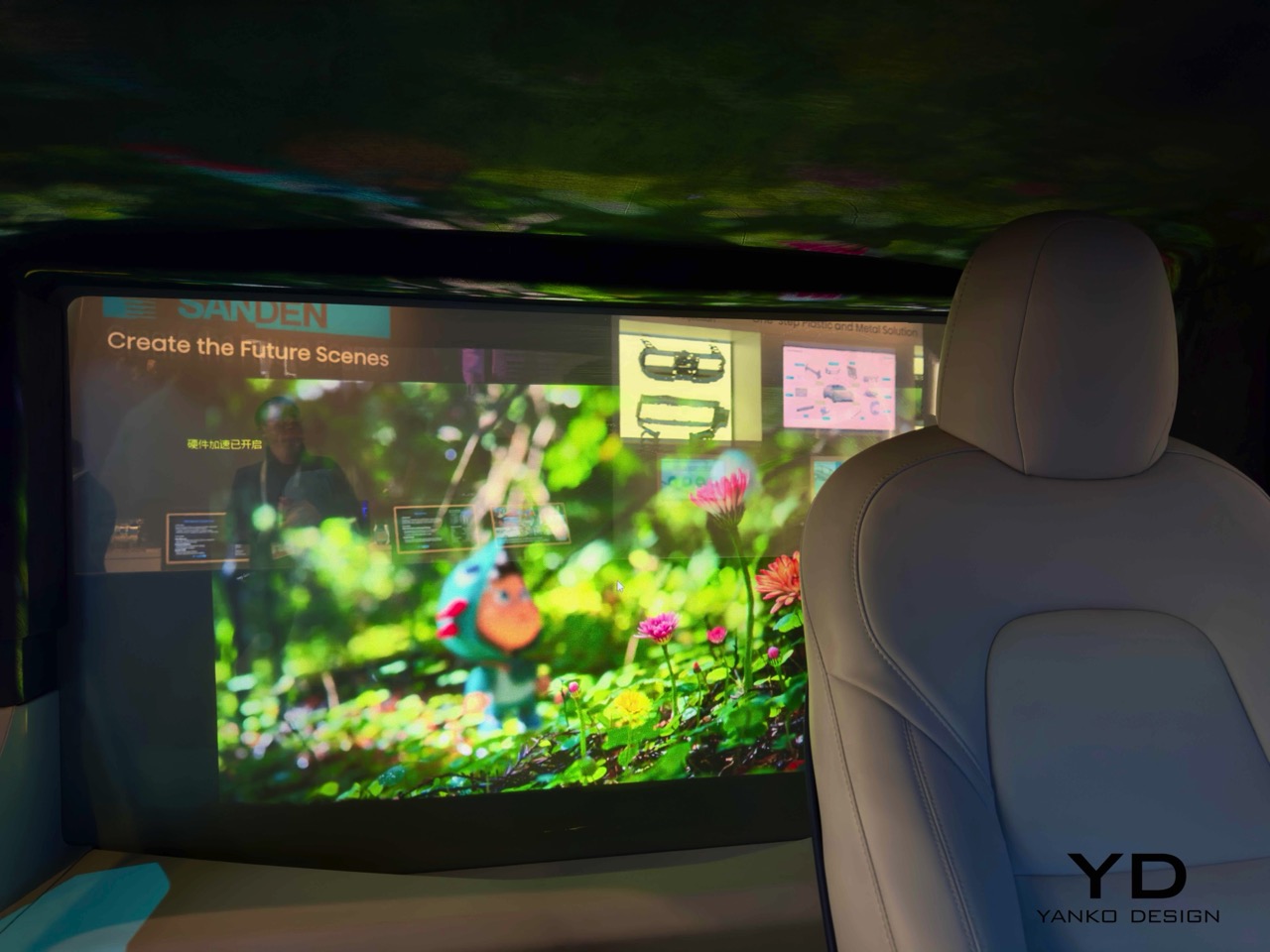
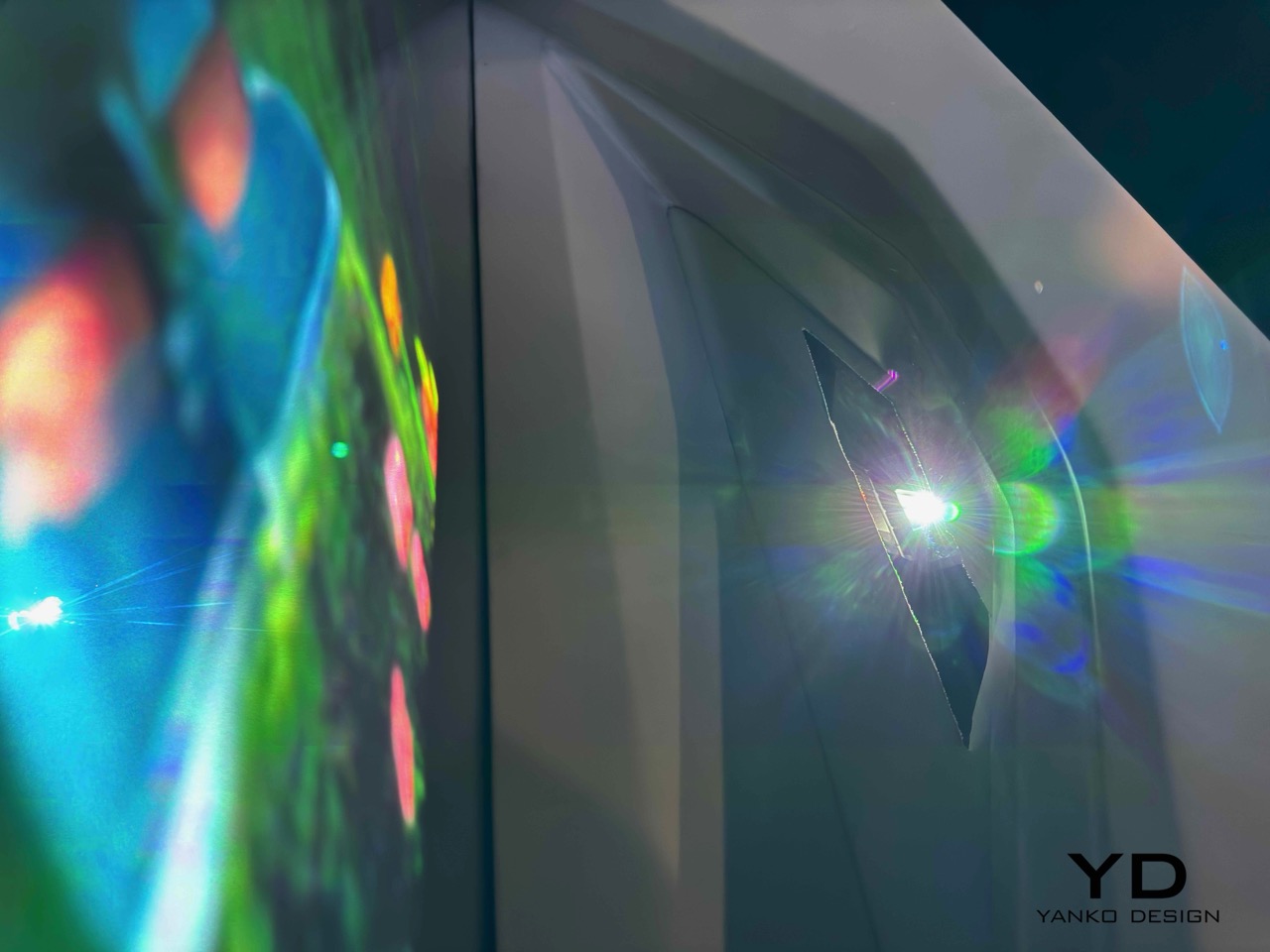
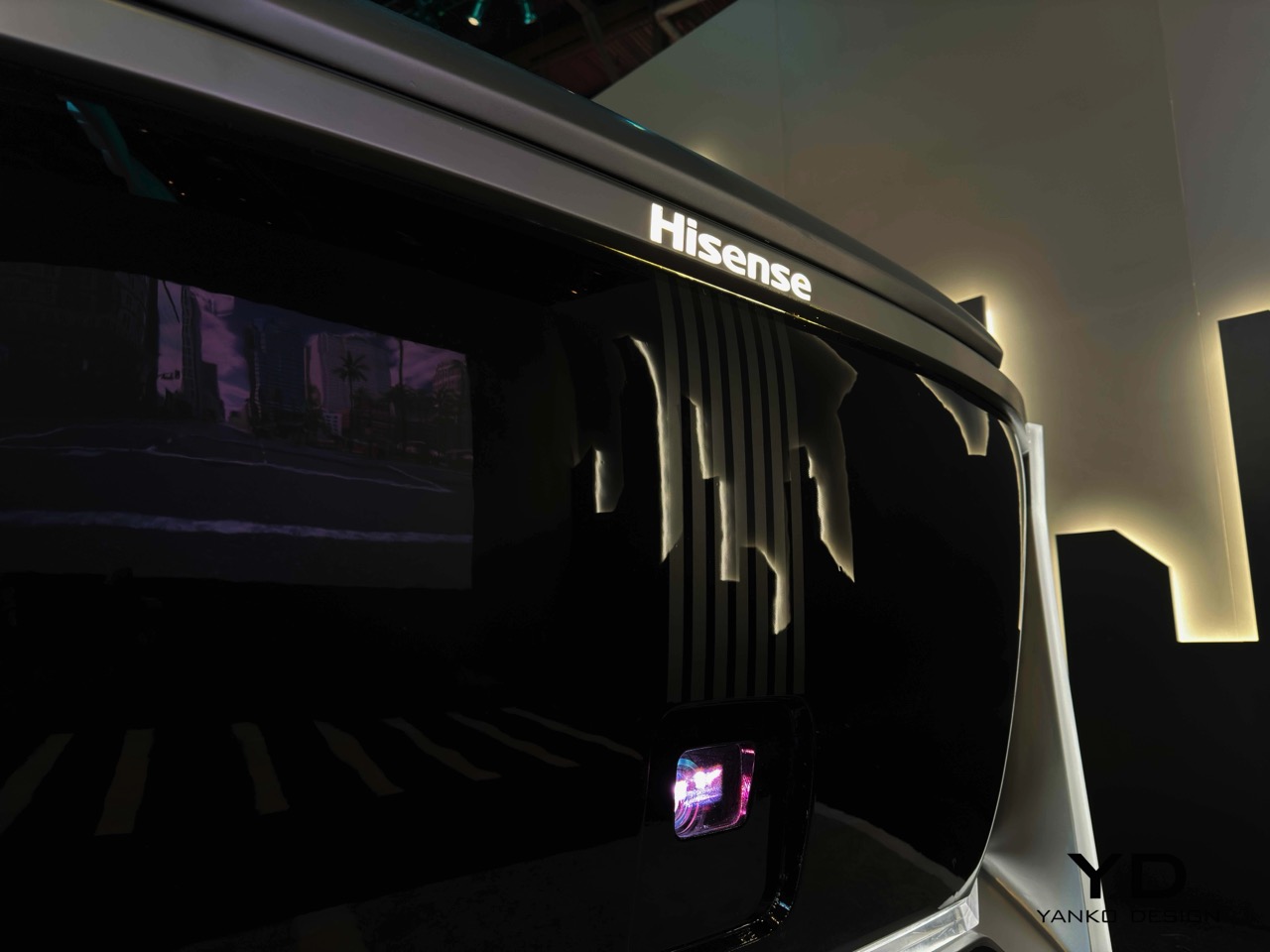
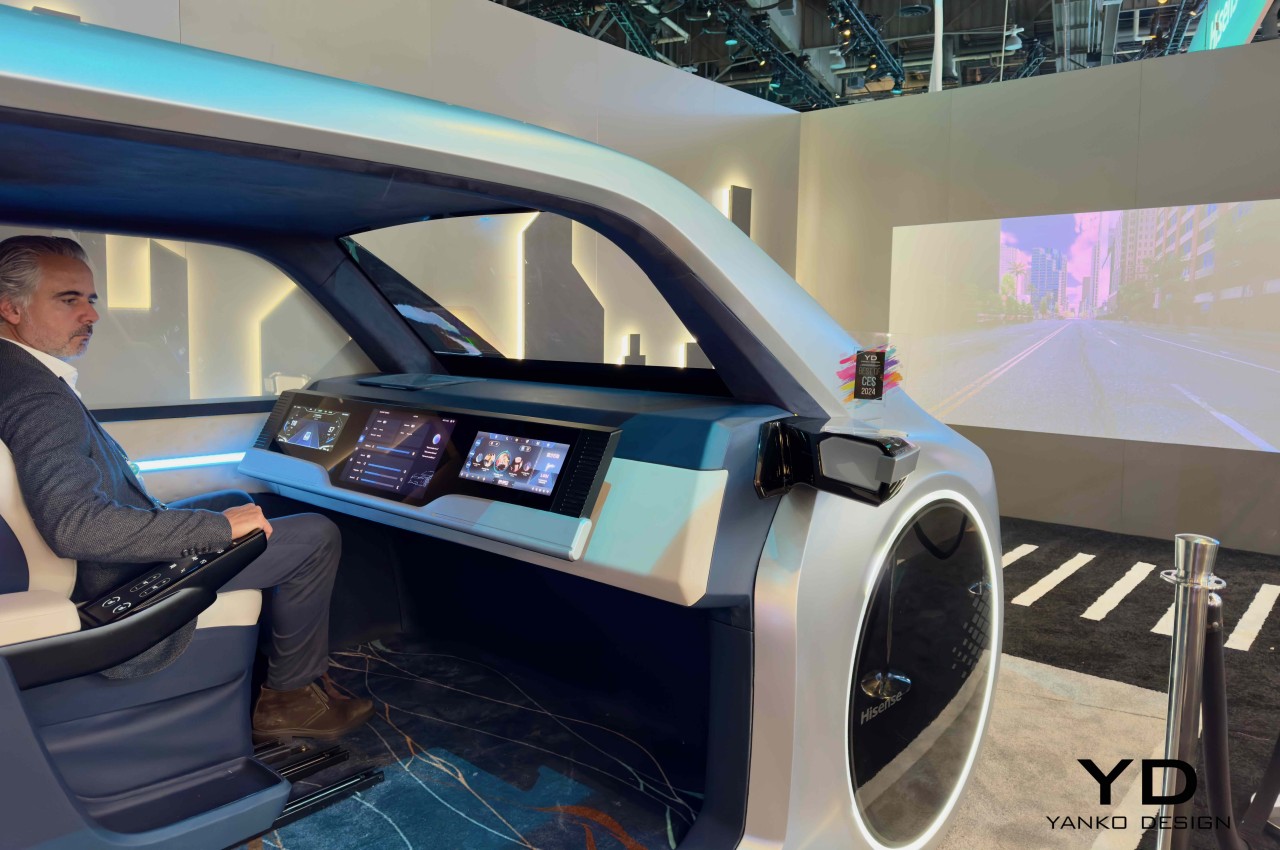
The Automobile Laser Display, honored with the CES 2024 Innovation Award, is revolutionizing the in-vehicle experience. It features the TriChroma™ triple-laser projection system, delivering a color performance 48% superior to traditional LEDs while maintaining a compact form, 80% smaller than conventional optical solutions. Its 200% luminous efficiency makes it the premier choice for automotive displays. The Laser Holographic AR-HUD transforms the windshield into an expansive holographic screen, merging virtual and real-world elements for safer driving. Advanced optical technology further converts side and rear windows into immersive displays, enhancing navigation and entertainment while focusing on safety and compact design.
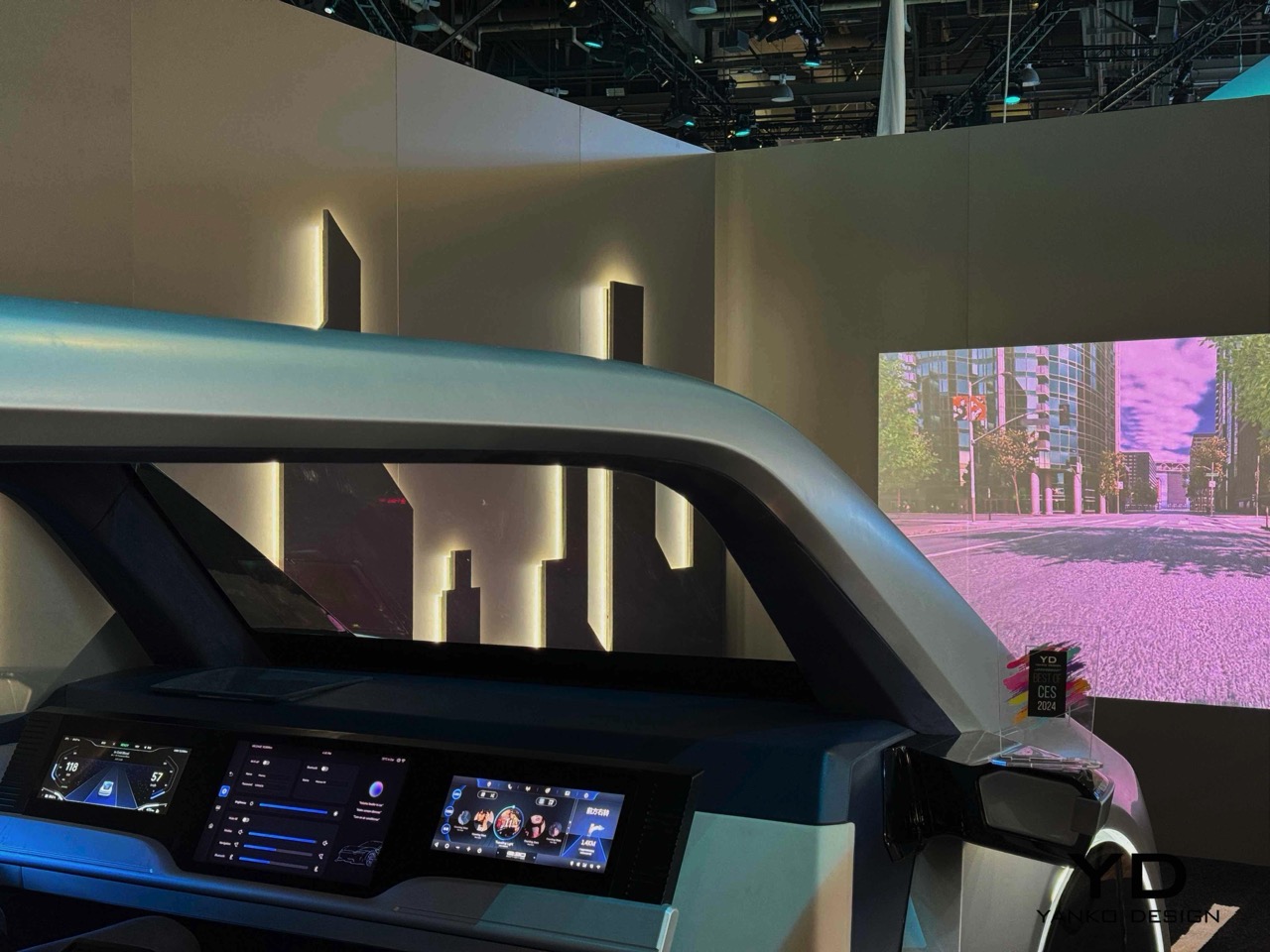
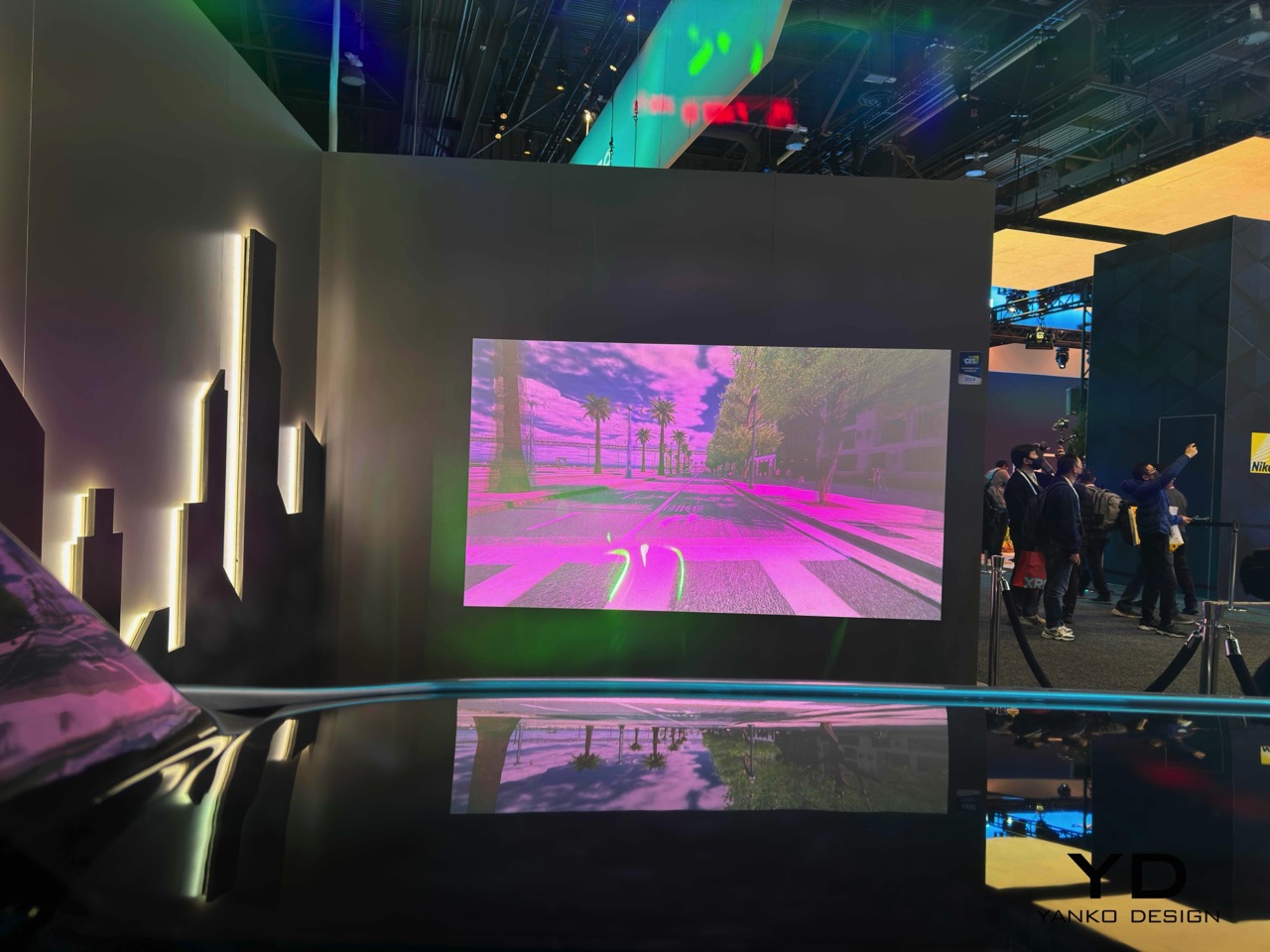
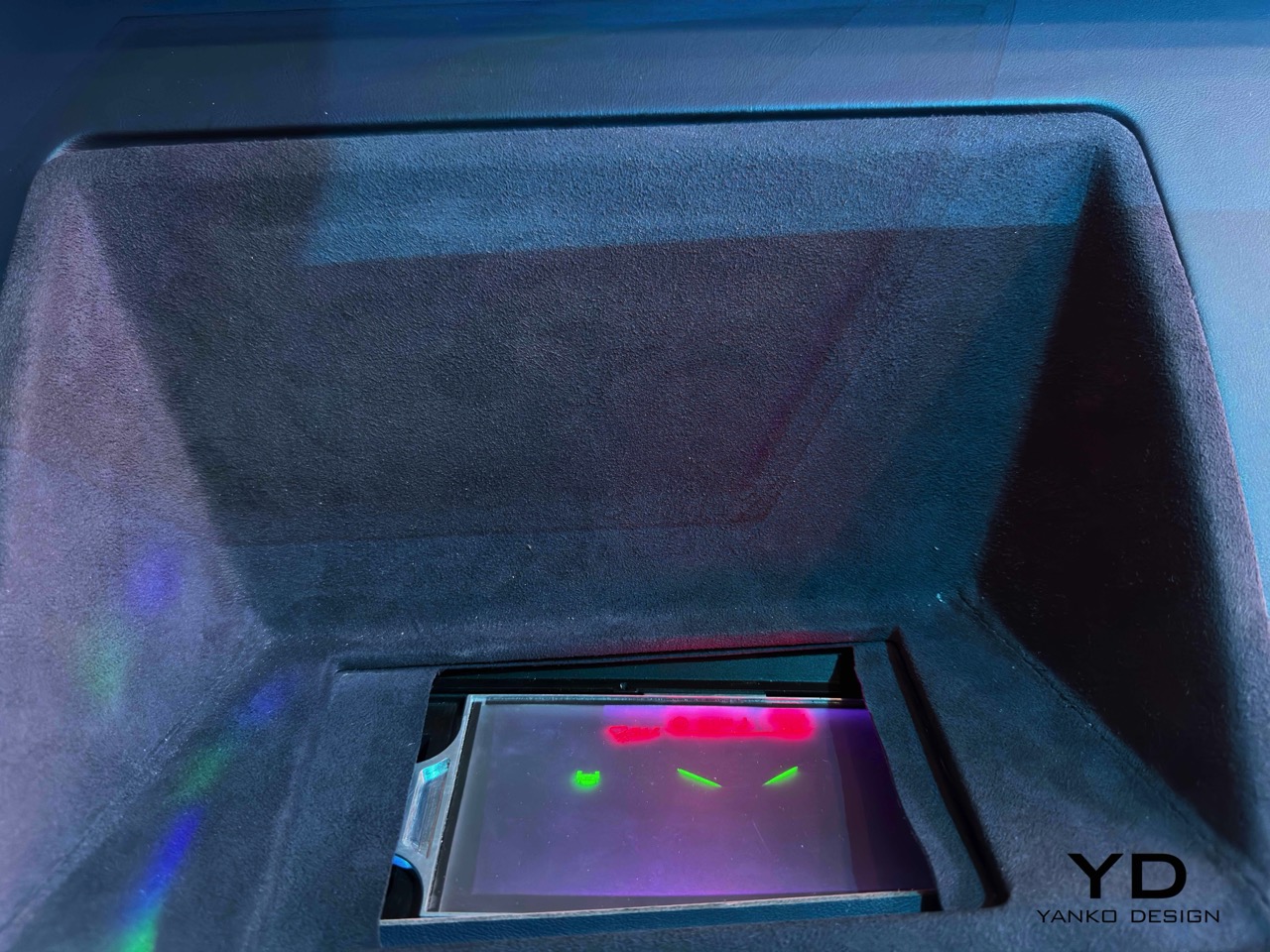
Hisense Automotive Laser Display: Eyes on

The display of Hisense’s Automotive Laser at CES 2024 made a lasting impression on spectators. With its remarkable features, this cutting-edge technology is poised to revolutionize the automotive industry. Let’s delve into the details.

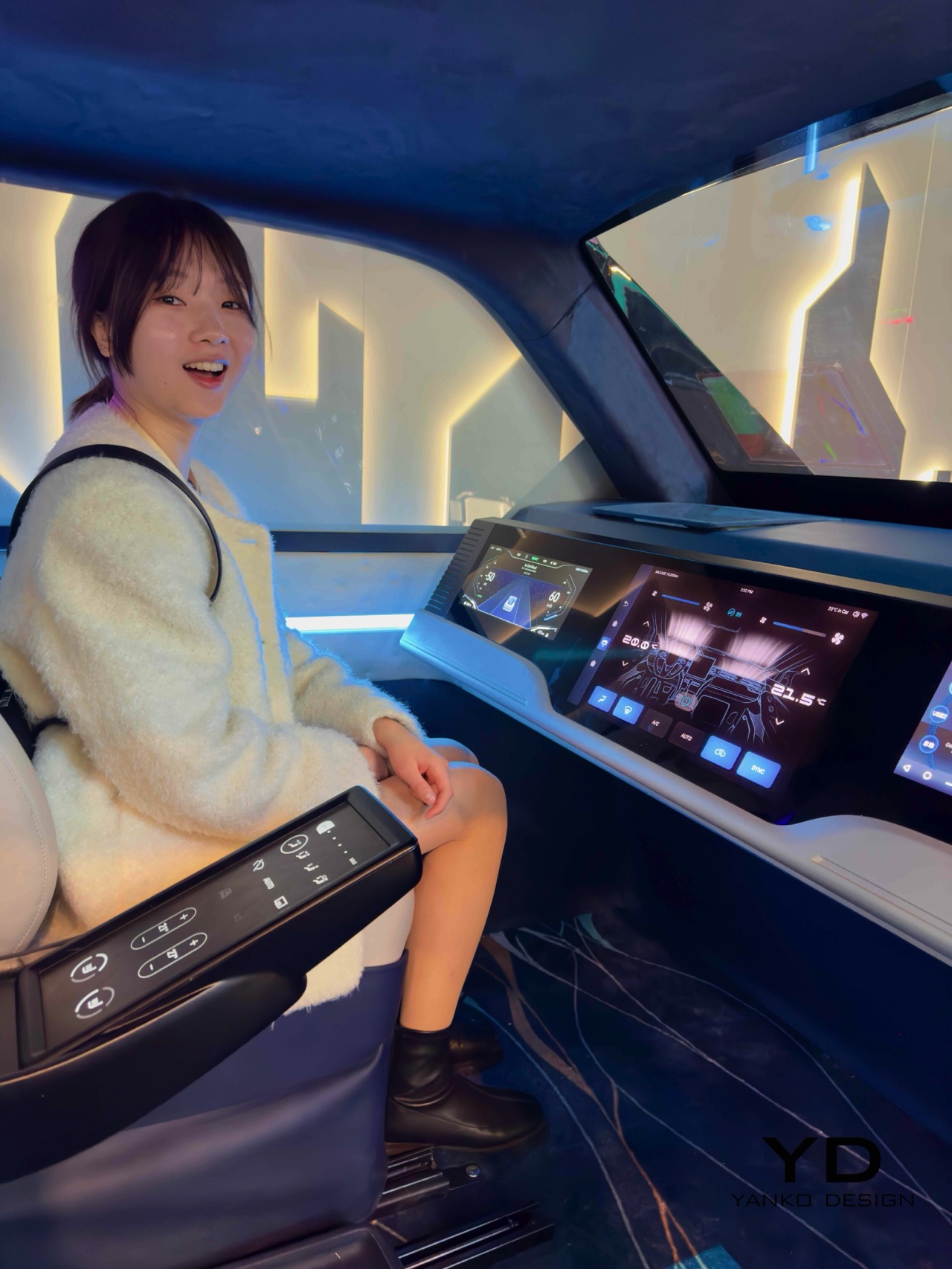
Starting from the driver’s cockpit, the heads-up display (HUD) offers an immersive experience by providing turn-by-turn directions, speed, and other essential vehicle information. While the exact resolution and size dimensions are yet to be finalized, the preliminary concept promises a screen size ranging from 13 to 15 inches, ensuring optimal visibility for drivers.

But it doesn’t end there. Rear passengers are also in for a treat with two additional laser projectors, one on each side, and another centrally located in the rear where the traditional glass would typically be. The idea is that when cars are capable of autonomous driving, the rear passenger seats will swivel around. These laser displays, measuring approximately 30 to 40 inches, create a captivating visual experience for passengers, whether they’re embarking on a road trip or enjoying a romantic date night.

One of the most impressive aspects of Hisense’s Automotive Laser Display is its adaptability to the surrounding environment. According to a representative from Hisense, this technology boasts a 200-percent luminous display, surpassing the brightness of conventional LEDs. This feature ensures exceptional picture quality regardless of external conditions, providing an enhanced viewing experience for all passengers.

Moreover, the possibilities of this innovative technology extend beyond the confines of the car. Imagine transforming any flat surface into a drive-in theater with a built-in movie projector in the front bumper of your vehicle. While this incredible feature is only functional when the car is parked, it opens up a world of entertainment possibilities. Tailgate parties, camping trips, or even impromptu movie nights become even more exciting with this cinema-quality experience. Of course, you may need to find suitable surfaces, such as a garage door, for an optimal projection experience.

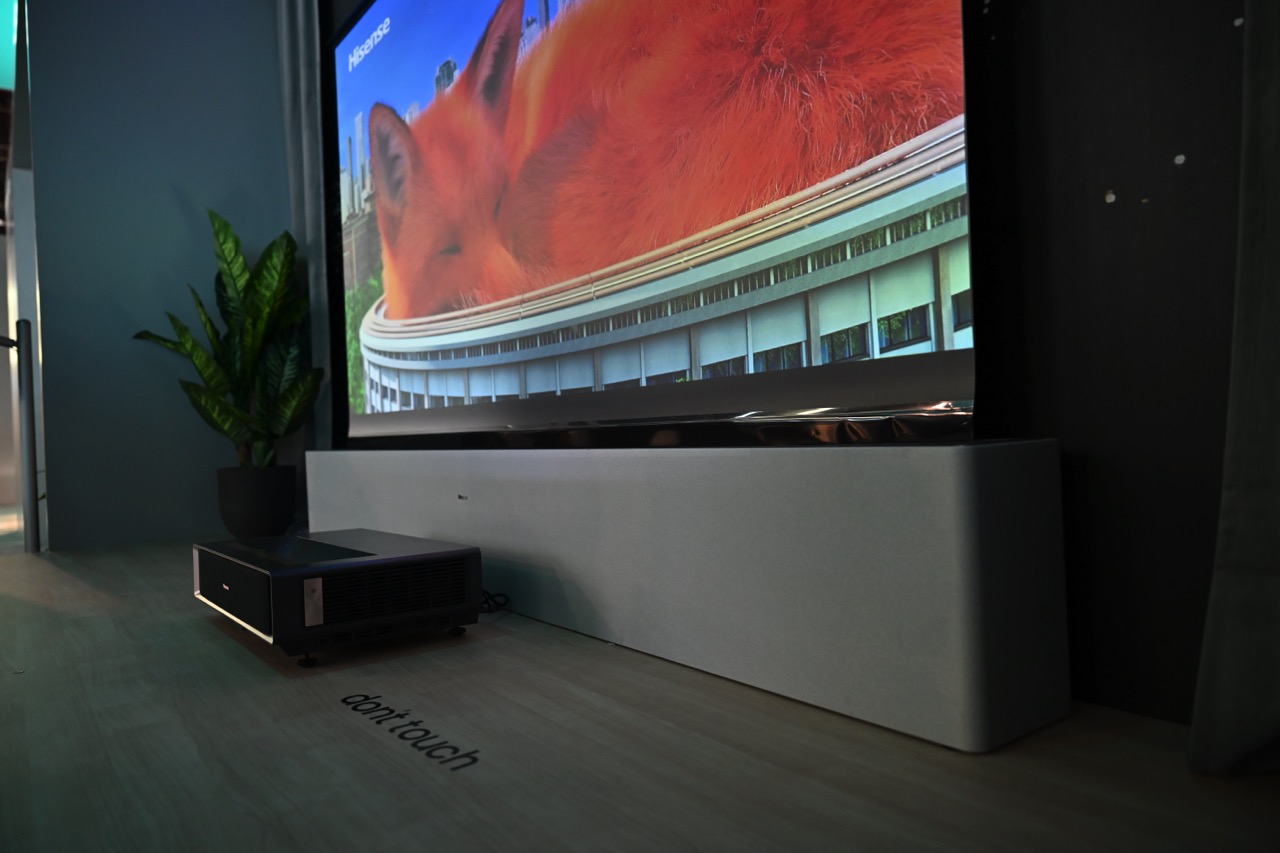
And that’s not all! Hisense also showcased a rollable laser display TV, further expanding its range of state-of-the-art products. The colors, clarity, and brightness of this TV are truly mesmerizing, captivating viewers and immersing them in a stunning visual display.

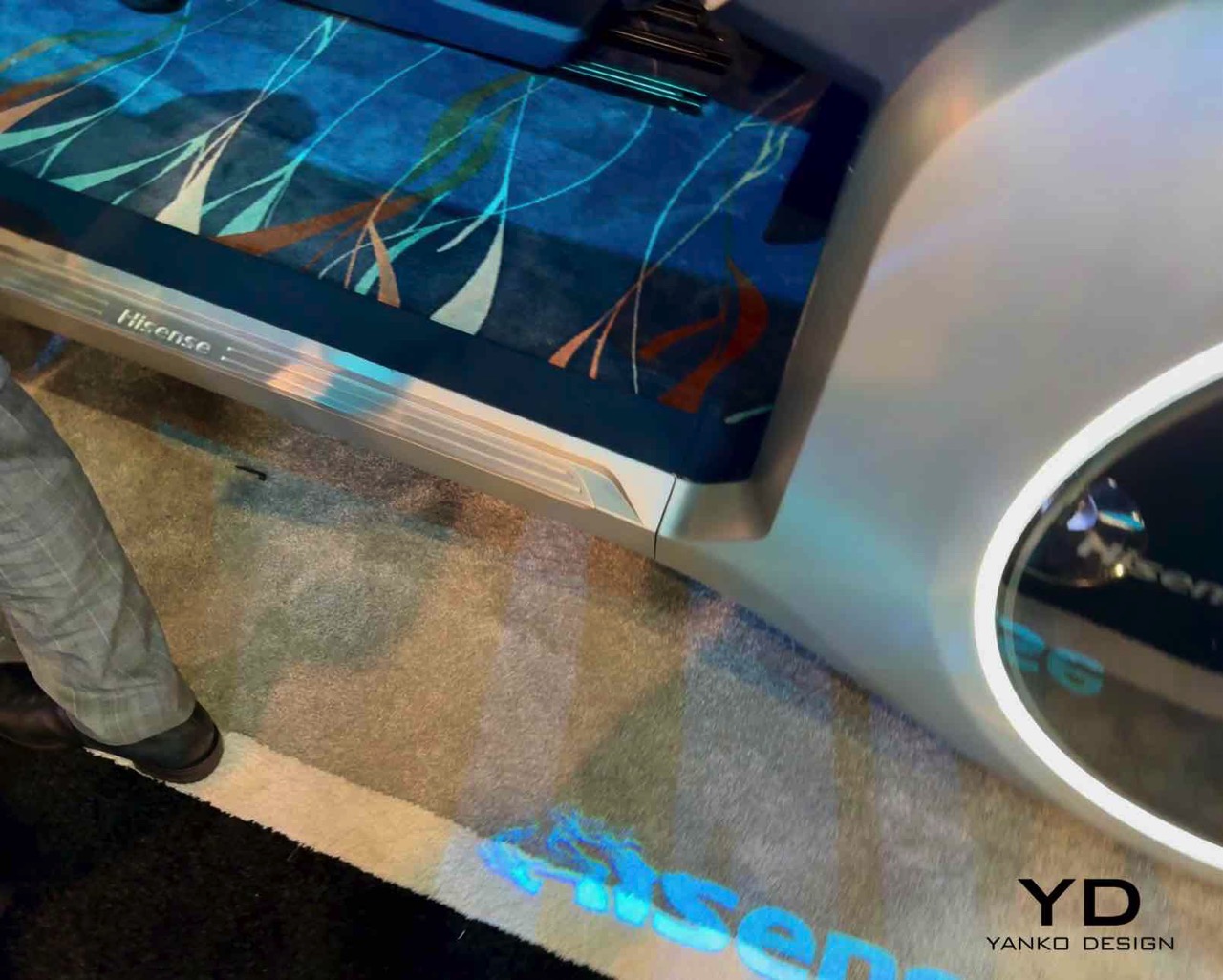
Lastly, a mini-laser projector is located directly under the rearview mirror, providing a luminous projection of the name of the car you are driving.

While Hisense’s Automotive Laser Display is currently in the concept stage, reliable sources have disclosed that leading automakers are actively considering adopting this groundbreaking technology. With its potential to redefine the future of automotive displays, it’s no wonder that industry insiders are closely monitoring the progress of Hisense’s Automotive Laser Display.

The post Hisense Automobile Laser Displays hands-on at CES 2024 first appeared on Yanko Design.

Covering A Car With Color-Changing Mood Ring Disks

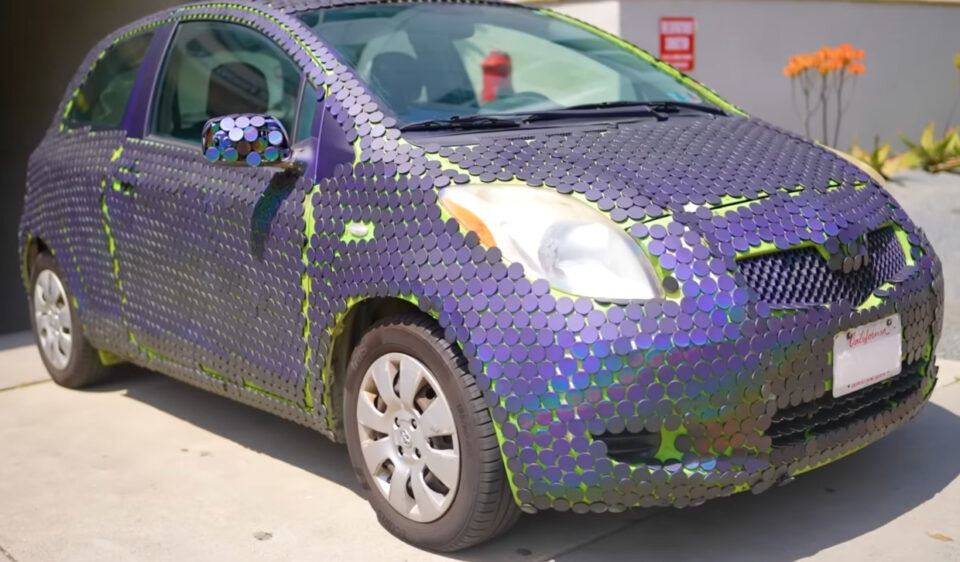
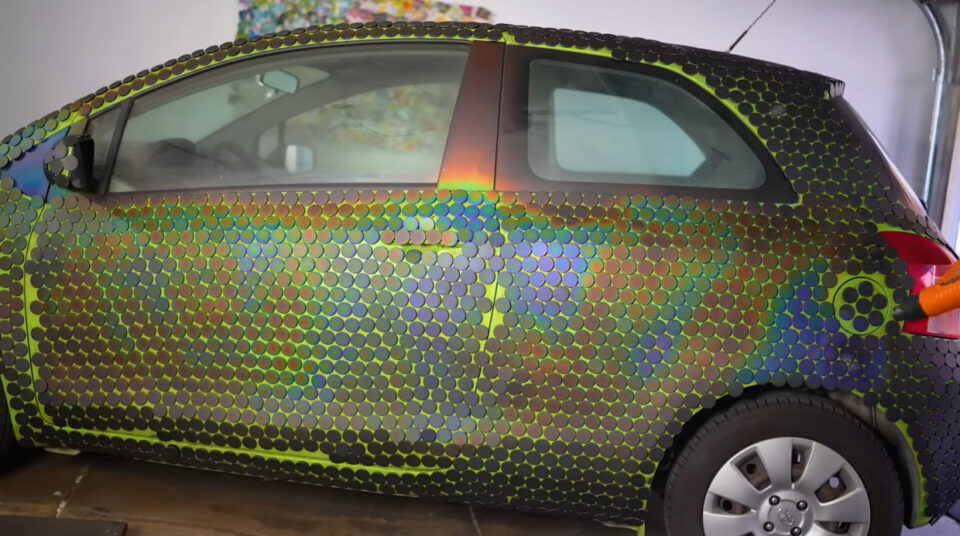
Presumably curious how her car feels at any given moment, Youtuber Ali Spagnola covered it with 9,000 PopSockets, which she painted with thermochromic liquid crystal paint so they change color based on temperature, just like a mood ring. Wait — so mood rings aren’t sensing my mood, just temperature? 9-year old me demands a full refund!

The disks appear black at cooler temperatures but turn to violet, blue, green, yellow, orange, and red the warmer they get. Live in Arizona? Then you’ll always be driving a red car. Live in Alaska? Then a black car.

I imagine my car would constantly be red with anger at the way other motorists are driving. There…aren’t a lot of good drivers around here. You’d think new cars don’t even come with turn signals. Or even old cars, for that matter. They all definitely have horns, though!

[via TheAwesomer]

Herman Miller’s OE1 furniture adapts to the hybrid working lifestyle

Because of the pandemic, working conditions for most companies have changed. If before we were “forced” to have 5-day 8-hour work weeks, people and companies realized that there are some jobs that can actually be done remotely or you can have a hybrid kind of arrangement. This means also that work furniture will eventually evolve because of these options. The OE1 line which was initially launched in 2021 now has some new additions that have adapted to this new working lifestyle.

Designer: Herman Miller and Industrial Facility

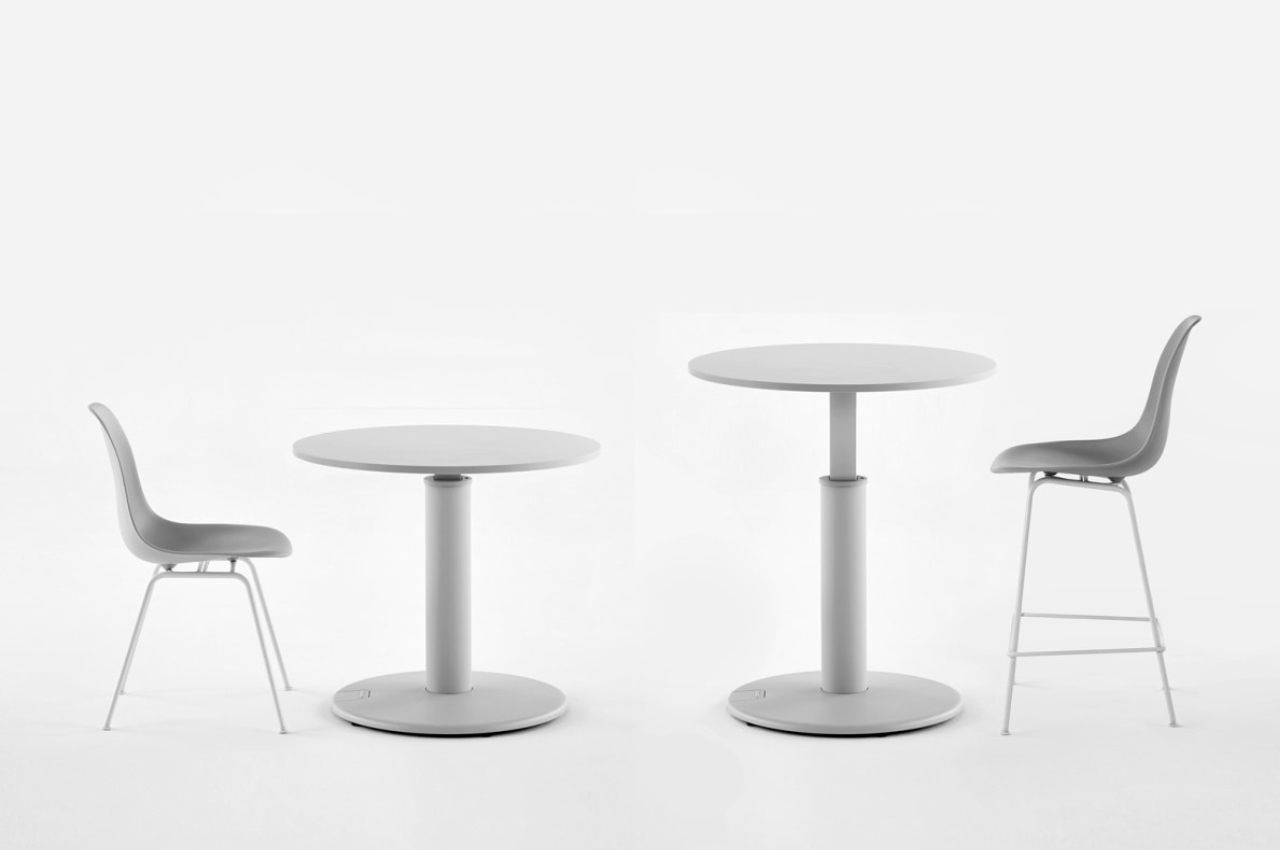
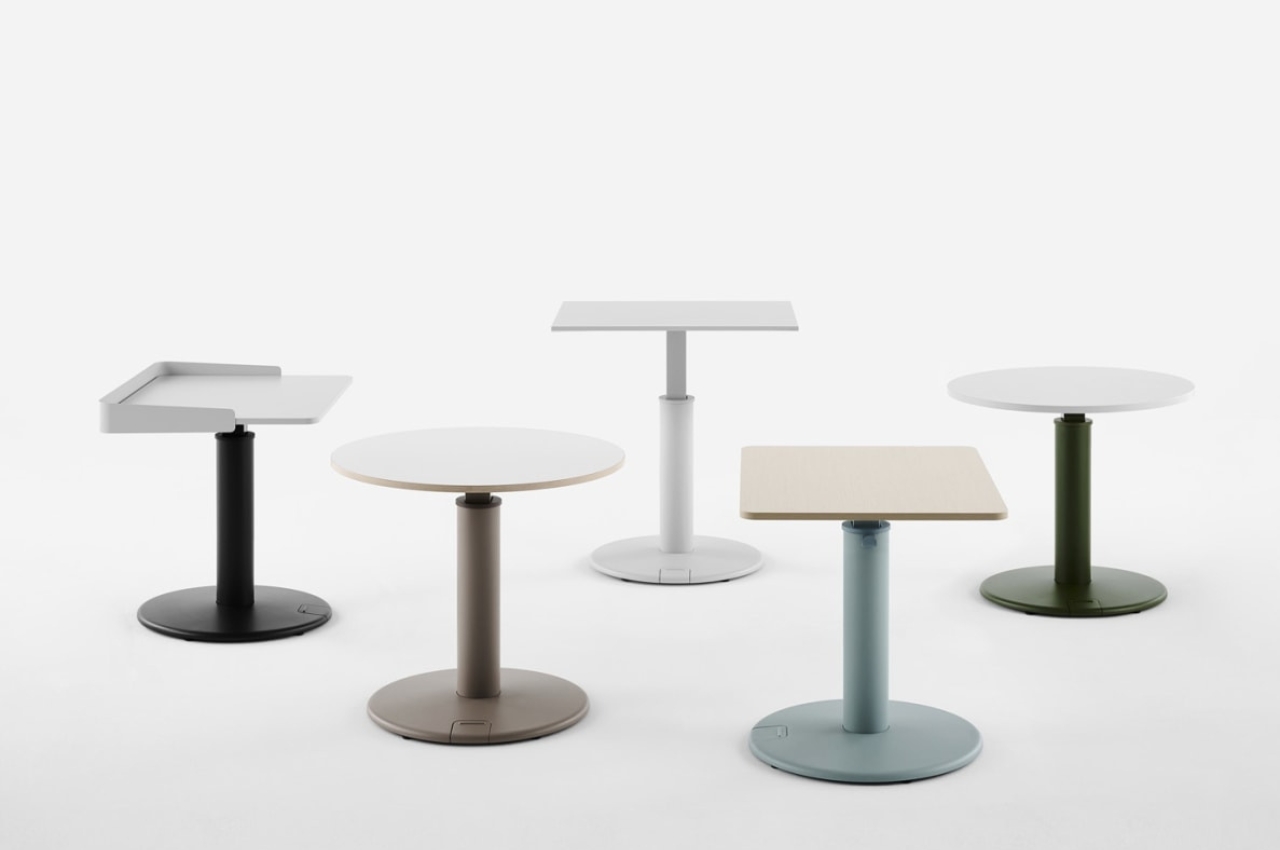
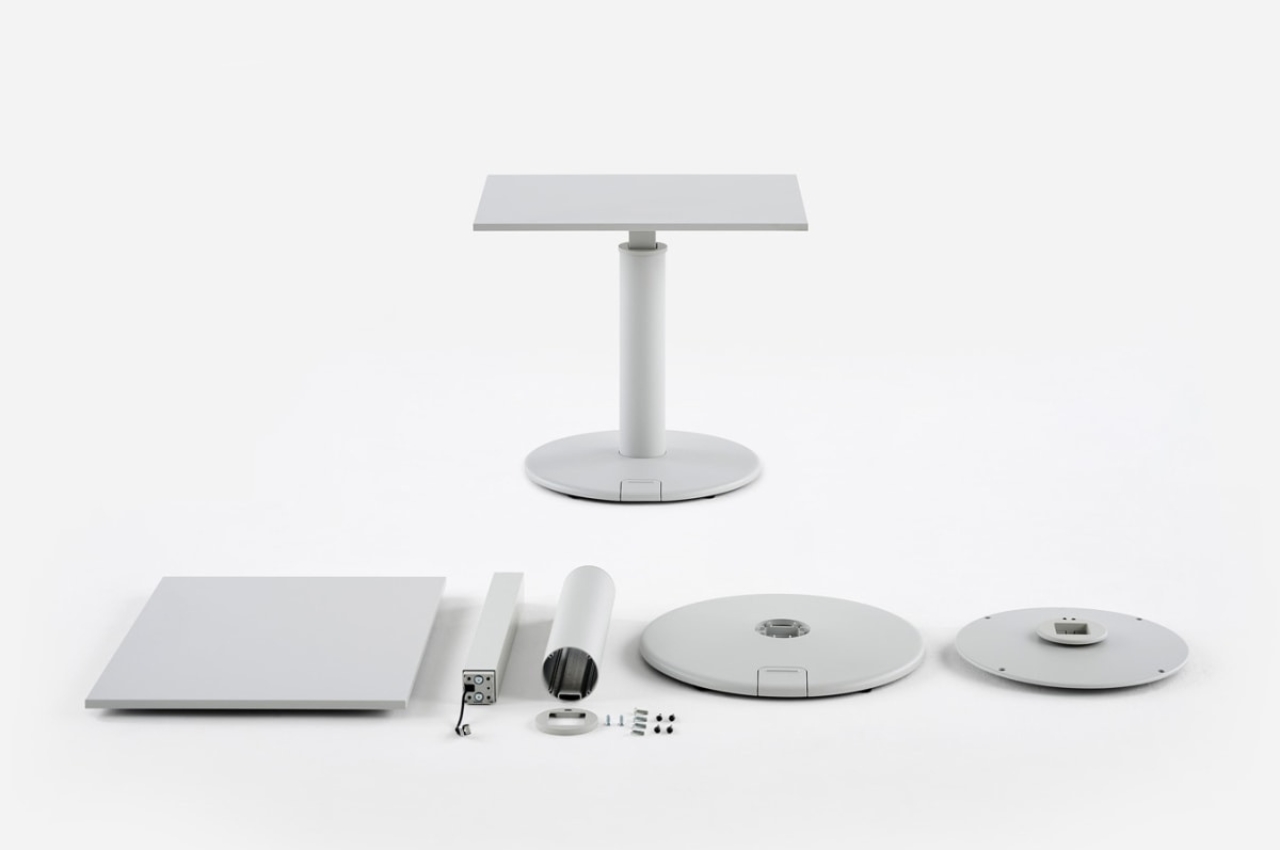
One of the new pieces of furniture added to the OE1 line is a working table that you can use whether you’re sitting or standing. The height can be adjusted with a pedal so you don’t go through the hassle of manually adjusting it if you decide to switch environments while working. The sit-stand table is actually also pretty light so you can move it around your working space. This is one thing common with the new additions. They’re portable, aesthetically pleasing, but also doesn’t demand attention as it is simple and minimalist in design.

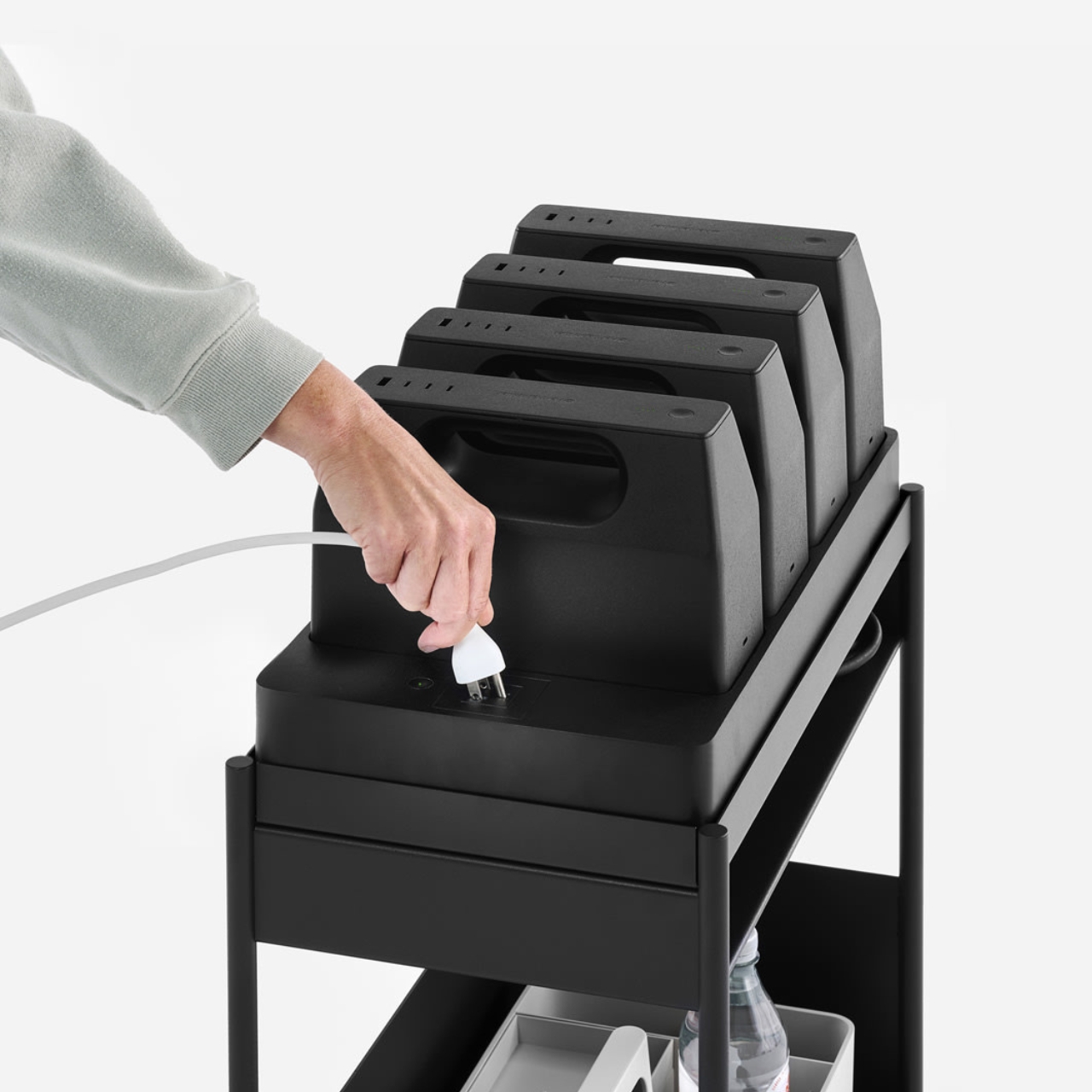
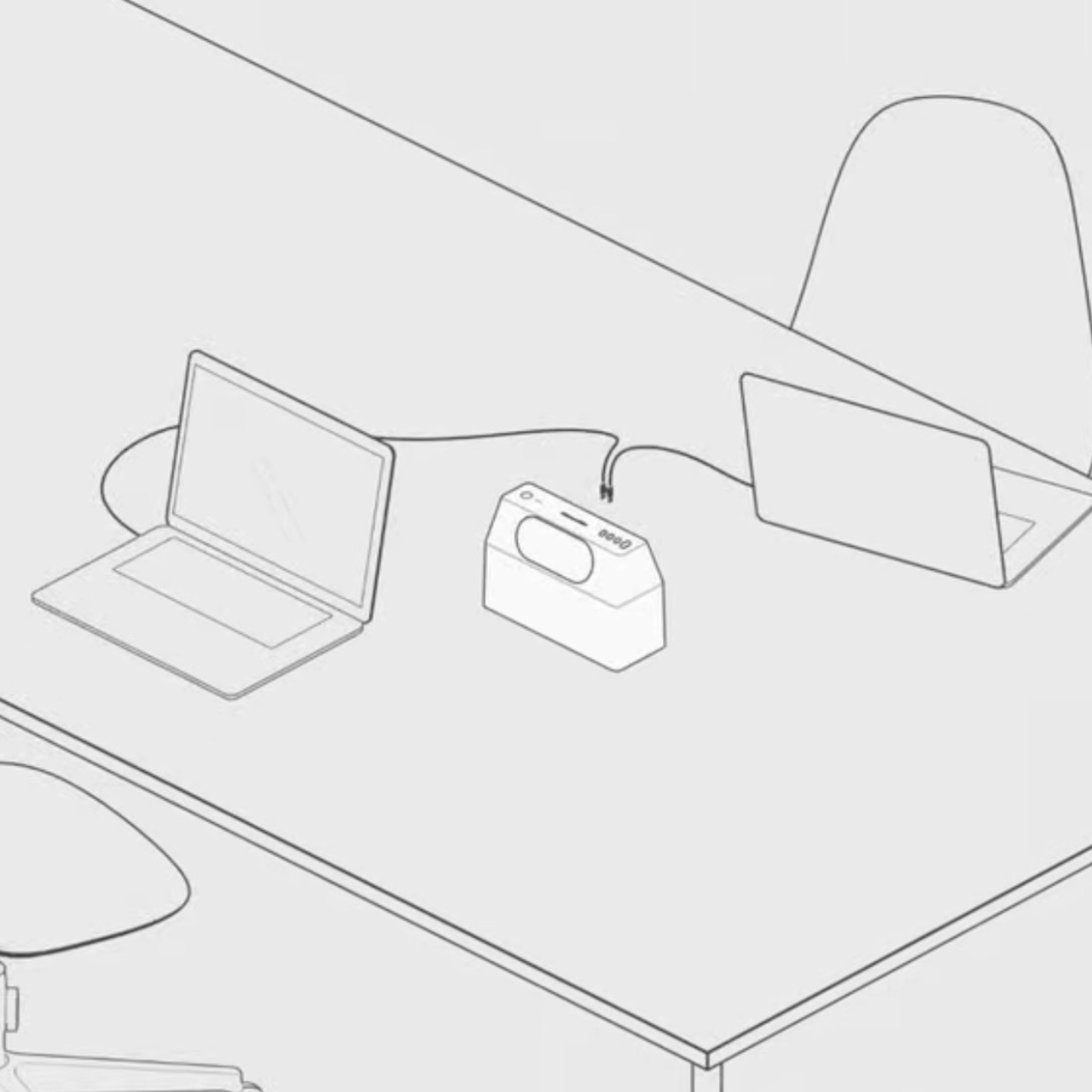
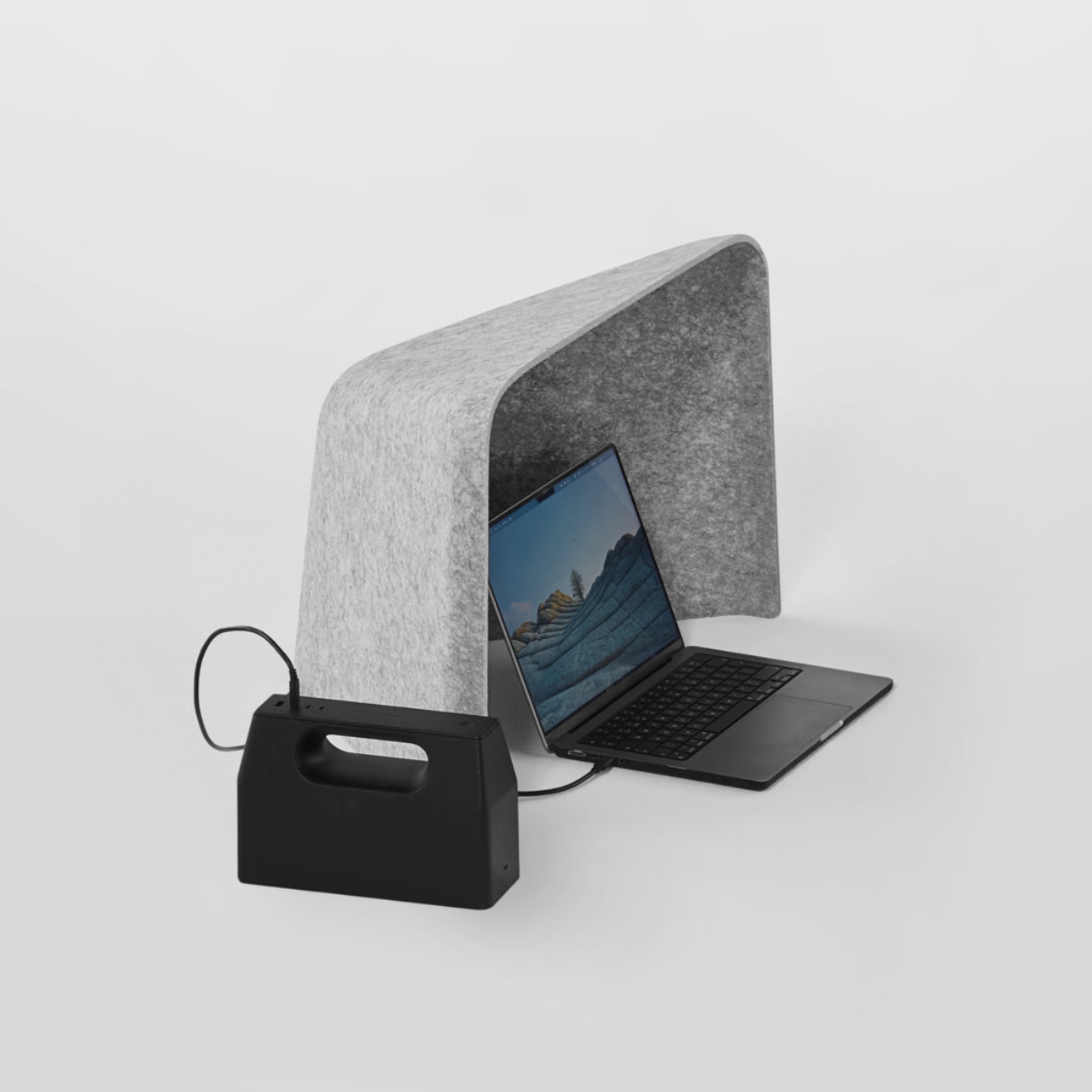
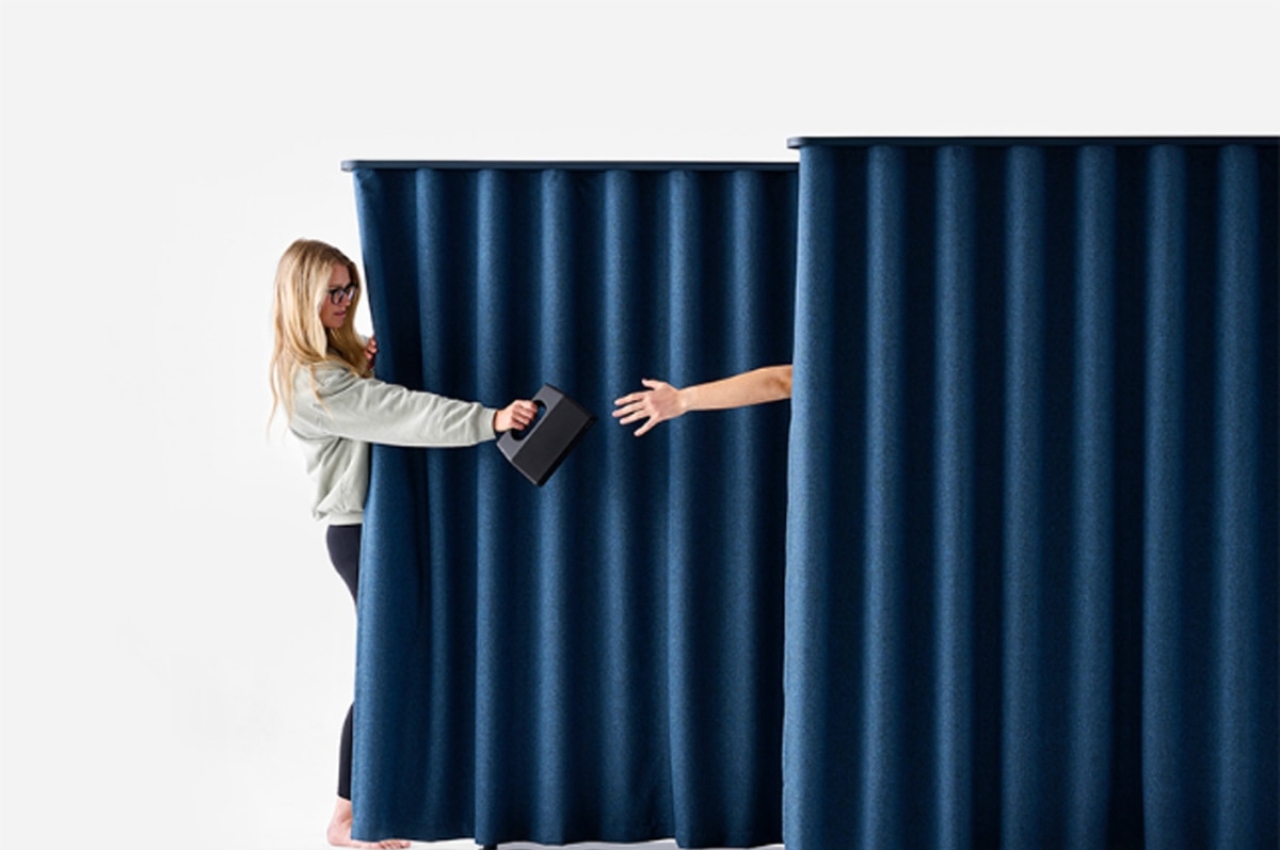
Another addition is the Powerbox which lets you charge multiple devices. Basically it’s a portable trolley that can house four batteries that can hold around 1,000 watt-hours and is made from post-consumer plastic. The collection also has a freestanding curtain which can be used as a divider in case you need a physical division between your work space and your living space. There’s a more sturdy version called the curved screen. If you need something more portable, there’s the laptop hoodie which you can bring around with you so you get privacy when working in a public area.

The OE1 line now also has a work box where you can put your office supplies like pens and even keyboards and bring them around with you to wherever you are working. There is also a bigger version of the easel which was previously released. All of these will be useful for people who are working with a hybrid lifestyle now.

The post Herman Miller’s OE1 furniture adapts to the hybrid working lifestyle first appeared on Yanko Design.

This ring lets you whisper to your phone, because sometimes we need to use our inside voices

If there’s a problem with the world of ambient computing we’re all expected to live in, it’s that you can’t really be discreet. Most commands to your voice assistant of choice have to be spoken at a volume slightly higher than you would speak to another person. That’s the societal ill VTouch, a South Korean company, has chosen to tackle with its WHSP Ring. It’s a ring with a proximity sensor and microphone that activates when you raise it to your mouth. So when you want to talk to your assistant, you can simply mutter toward your knuckle and have it understand you. I saw a brief demo on the first day of CES 2024 here in Las Vegas.

The idea is that you’ll utilize VTouch’s own app, which will offer a number of AI assistants to aid you. This includes, in the example shown to me, an AI Art Curator or even a digital Psychiatrist, all of which can be accessed from your phone. You can also interact with your smart home, setting all of the usual parameters from the comfort of your hushed tones. It’ll last for around a day and a half on a single charge, while the charging case you can take around with it will extend the life by up to nine days. Any responses will, of course, be pumped through your headphones, enabling you to “chat” to your assistant. There’s even a button that, if tapped five times at once, will trigger a system to alert your contacts of an emergency and record ambient sound.

Touch is planning to launch WHSP Ring as a Kickstarter in the near future, but there’s no word yet on how much you could expect this thing to cost or when you can get your hands on one.

We're reporting live from CES 2024 in Las Vegas from January 6-12. Keep up with all the latest news from the show here.

This article originally appeared on Engadget at https://www.engadget.com/this-ring-lets-you-whisper-to-your-phone-because-sometimes-we-need-to-use-our-inside-voices-002529204.html?src=rss

Rabbit R1 is an adorable AI-powered assistant co-designed by Teenage Engineering

Yes, you probably already have a virtual assistant in your pocket on your phone. Heck, if you're reading Engadget, I'm willing to bet you've got at least one smart speaker floating around your home as well that you can ask to complete basic tasks. But a new startup called Rabbit seems to think these are less than ideal implementations of AI (if you can really call Siri and Alexa that). The company, which is exhibiting at CES 2024 in Las Vegas this week, envisions a world where you trade apps for conversation and, rather than a distracting device shoving icons in your face, you interact with what amounts to a walkie-talkie for an AI. We had a chance to see the Rabbit RI AI device for ourselves at the show.

The Rabbit R1 is the first device to be launched by Rabbit and it's an objectively adorable little square in an endearingly bright shade of orange. Even if you're not sold on the necessity of a dedicated gadget for a virtual assistant, it's hard to deny the aesthetic appeal, which comes courtesy of the design gurus at Teenage Engineering. It features a small 2.88-inch touchscreen, an analog scroll wheel, two mics, a speaker and a "360 degree rotational eye," which is just a fancy name for a camera you can spin to face toward you or through the back of the handset. 

The primary way you interact with the Rabbit AI, though, is by pressing and holding the "Push-to-Talk" button. This tells Rabbit OS to start listening. A heavily stylized and disembodied rabbit head bobs slowly as you ask your question or give it a task, and then it quickly gets to work. Want to book an Uber? Need a recipe to use up the leftovers in your fridge? Wondering who sampled The Isley Brothers "That Lady"? (The answer is Beastie Boys, Basement Jaxx and Kendrick Lamar, FTR.) The Rabbit R1 AI seems pretty capable of handling those tasks, at least in the controlled video demo.

Rabbit OS is able to tackle those tasks using what it calls the Large Action Model (LAM). This is what founder and CEO Jesse Lyu pitches as the company's major innovation. It's designed to take actions on interfaces rather than through APIs or apps. In short, it can be trained to carry out almost any task that can be accomplished through a user interface. It's sort of like a fancy version of a macro. 

As a way of demonstrating its capabilities, Lyu teaches the Rabbit AI how to generate an image using Midjourney via Discord. Once Lyu walks and performs the process, with Rabbit OS recording his actions, it can repeat the task when asked. 

The rotating camera faces up into the body by default, acting as a sort of privacy shutter. Only turning its sensor towards its target when summoned. It can do the usual tricks like identify people or thing in the real world (within reason, at least). But the way it interacts with the AI is sure to pique people's interest. In the demo Lyu points the R1 at a full refrigerator and asks it to suggest a recipe that's "low in calories" based on its contents. 

Rabbit R1 $199
Rabbit

Of course, there are still a lot of unanswered questions about the Rabbit R1. How is the battery life? The company claims it's "all day," but what does that really mean? And will the average user be able to train it easily. At least we know a few things, though. We know it costs $199 and is available for preorder now, with an expected ship date sometime in March or April. 

We're reporting live from CES 2024 in Las Vegas from January 6-12. Keep up with all the latest news from the show here.

This article originally appeared on Engadget at https://www.engadget.com/rabbit-r1-is-an-adorable-ai-powered-assistant-co-designed-by-teenage-engineering-001051537.html?src=rss

Squad Mobility’s tiny solar-powered EV is a dream for crowded cities

EVs, like me after the holidays, have a tendency to bloat at the slightest provocation, which is why I can’t fit into those size 34 jeans. The big issue for electric cars is heavy batteries force cars to grow in size to accommodate them. Of course, the heavier the load, the more power is needed to keep going, forcing you into a vicious cycle. Even a small city car like the original Smart has, in its latest electric version, grown into a grotesque parody of its predecessor. Which is why there’s a lot of hope riding on truly small EVs, like Squad Mobility’s solar-powered car that’s designed not to grow too big to fit inside a city.

The company was founded by Chris Klok and Robert Hoevers, who met while working on the Lightyear solar car. Klok was chief vehicle engineer of that project, while Hoevers was previously involved with NIO’s Formula E team. But they left Lightyear to help develop a small, solar-powered car that would offer affordable and clean mobility for dense cities. And while it’s just got a few prototypes to show off, like the one here at CES 2024 in Las Vegas, it’s expecting to begin production in 2025. Even better, many of its existing pre-order customers are based in the US, given the need for a car like this in those communities that exclusively rely on golf carts to get around.

The Solar City car has a 250Wp panel in its roof, which is designed to generate enough power for a few short trips each day. The company says that, in Las Vegas, you could expect to travel for around 13 miles purely from the energy collected from the panel. (You can plug it in to an outlet if you really need to.) With a kerb weight of 794 pounds, it’s light and efficient enough to get you around short distances without much stress. Of course, the speed is limited — and you’ll only get around 25mph out of the 4kW motor, but if you live in a big city and just need to get to work, or pick up some groceries, that’s probably all you need.

You might expect the car to be poky, but the high roofline and low floor means it’s surprisingly comfortable. The prototype here has some quirks — like acceleration and brake pedals that are a bit too close to the seat — which will be eliminated in the production version. There’s even a rear load space big enough for a suitcase or a couple of decently-sized bags, and the prominent tires mean you could even tackle rough terrain in short doses. The fact it measures just 6.6 feet long means you can park it sideways and it’ll take up the same amount of room as most cars, too.

We’re still a year out from seeing the production model of this car, but there are plenty of reasons to be hopeful. The company expects the retail price to be $6,250 excluding sales tax, making it ideal as a city runaround or second (or third) car. That said, the figure does exclude the cost of the doors which, like AC, count as an optional extra.

We're reporting live from CES 2024 in Las Vegas from January 6-12. Keep up with all the latest news from the show here.

This article originally appeared on Engadget at https://www.engadget.com/squad-mobilitys-tiny-solar-powered-ev-is-a-dream-for-crowded-cities-235540577.html?src=rss

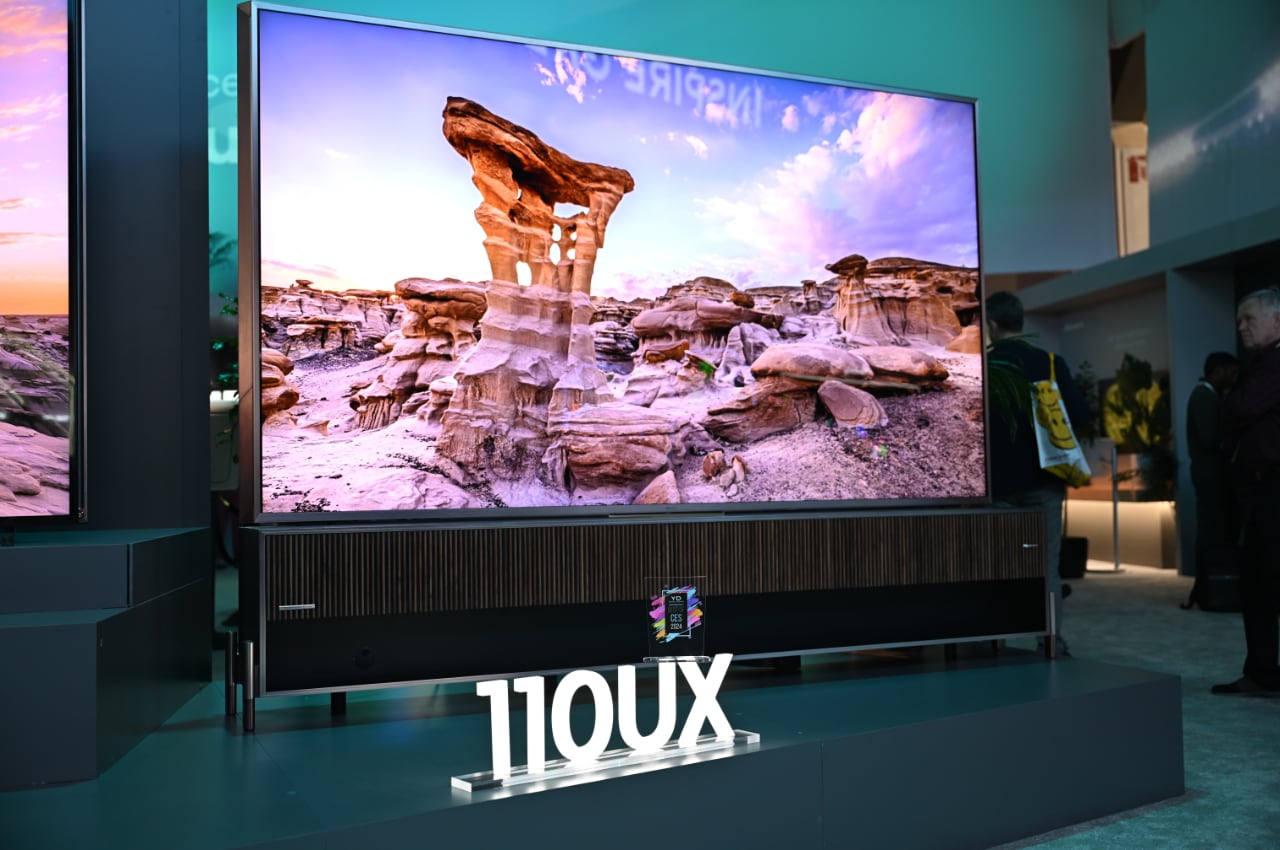
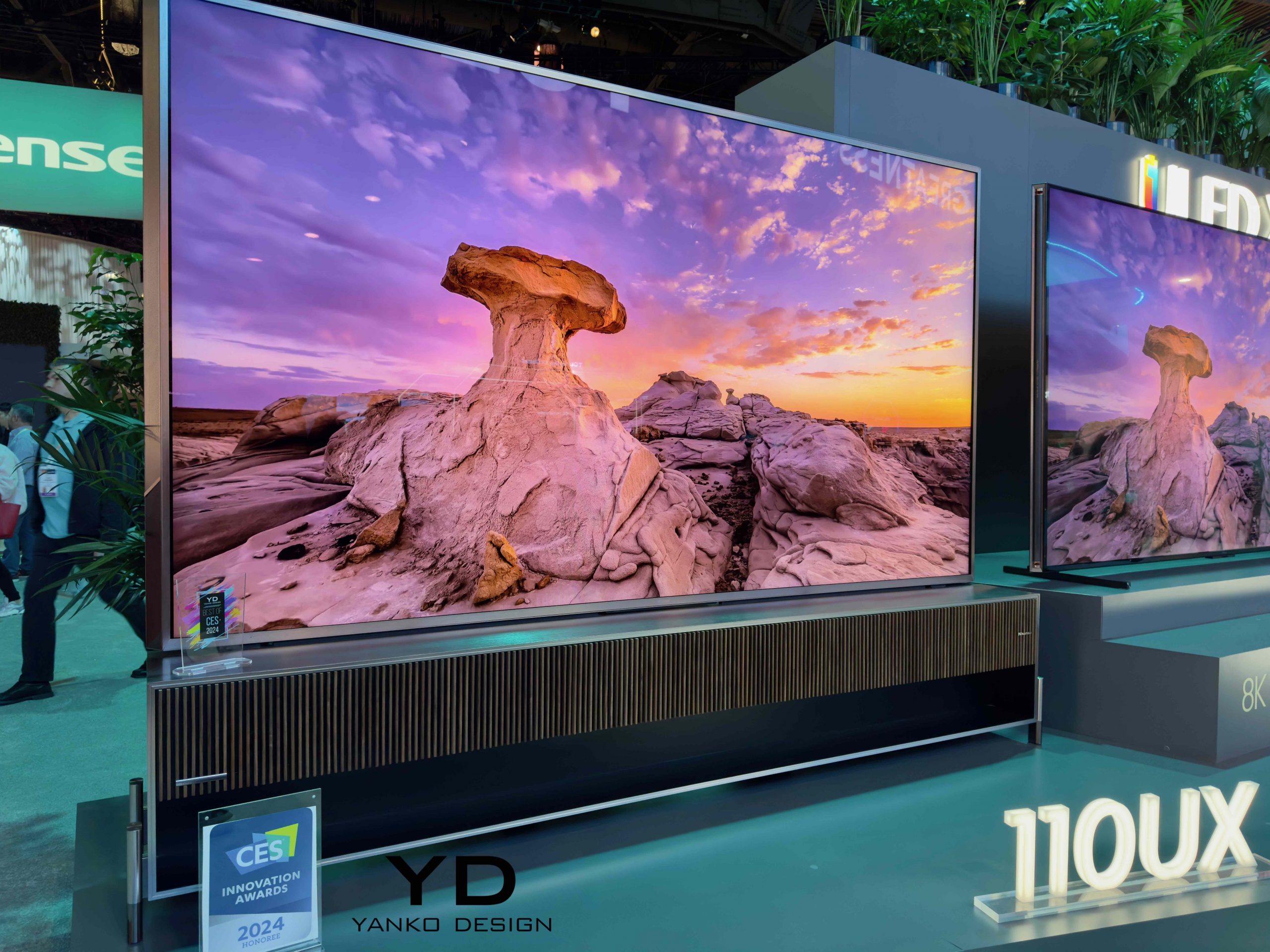
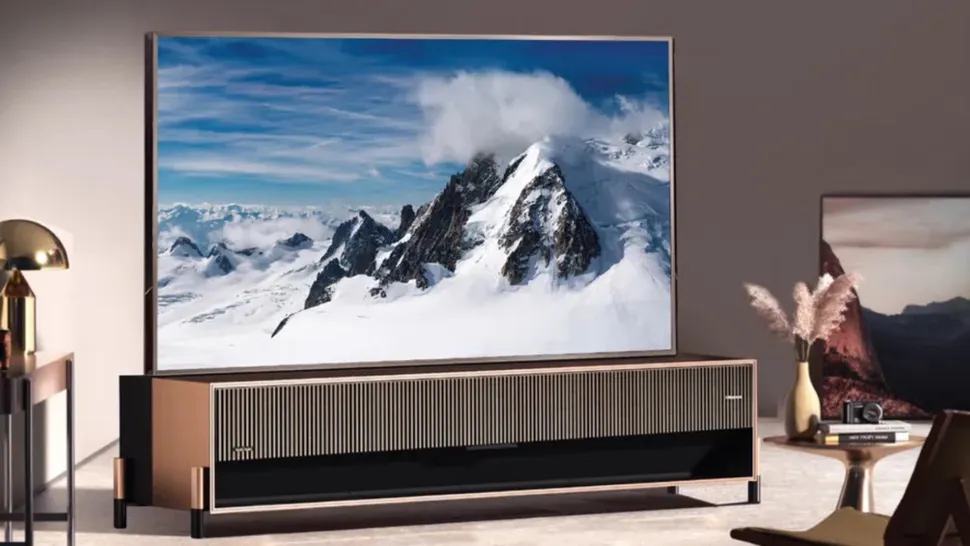
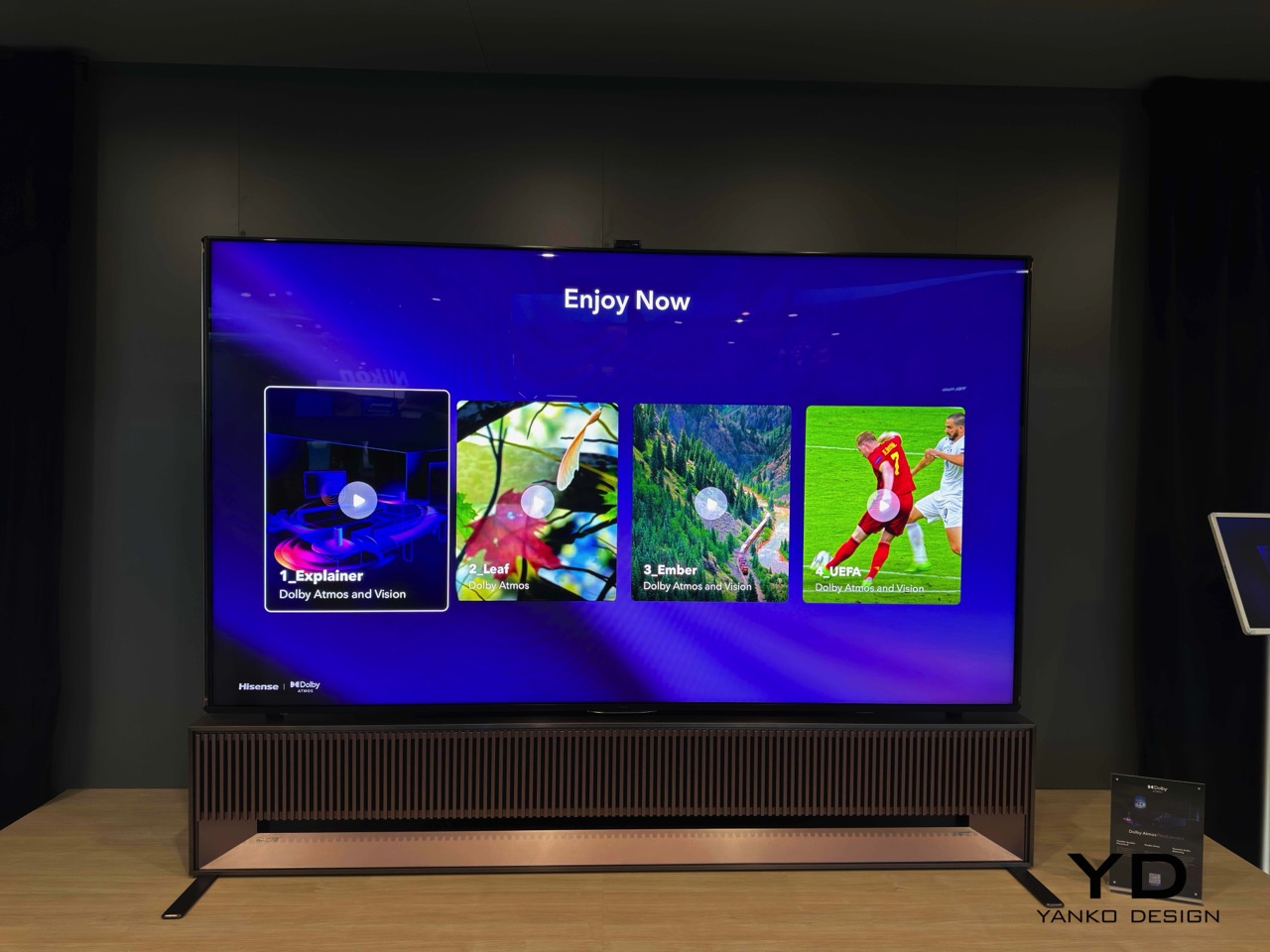
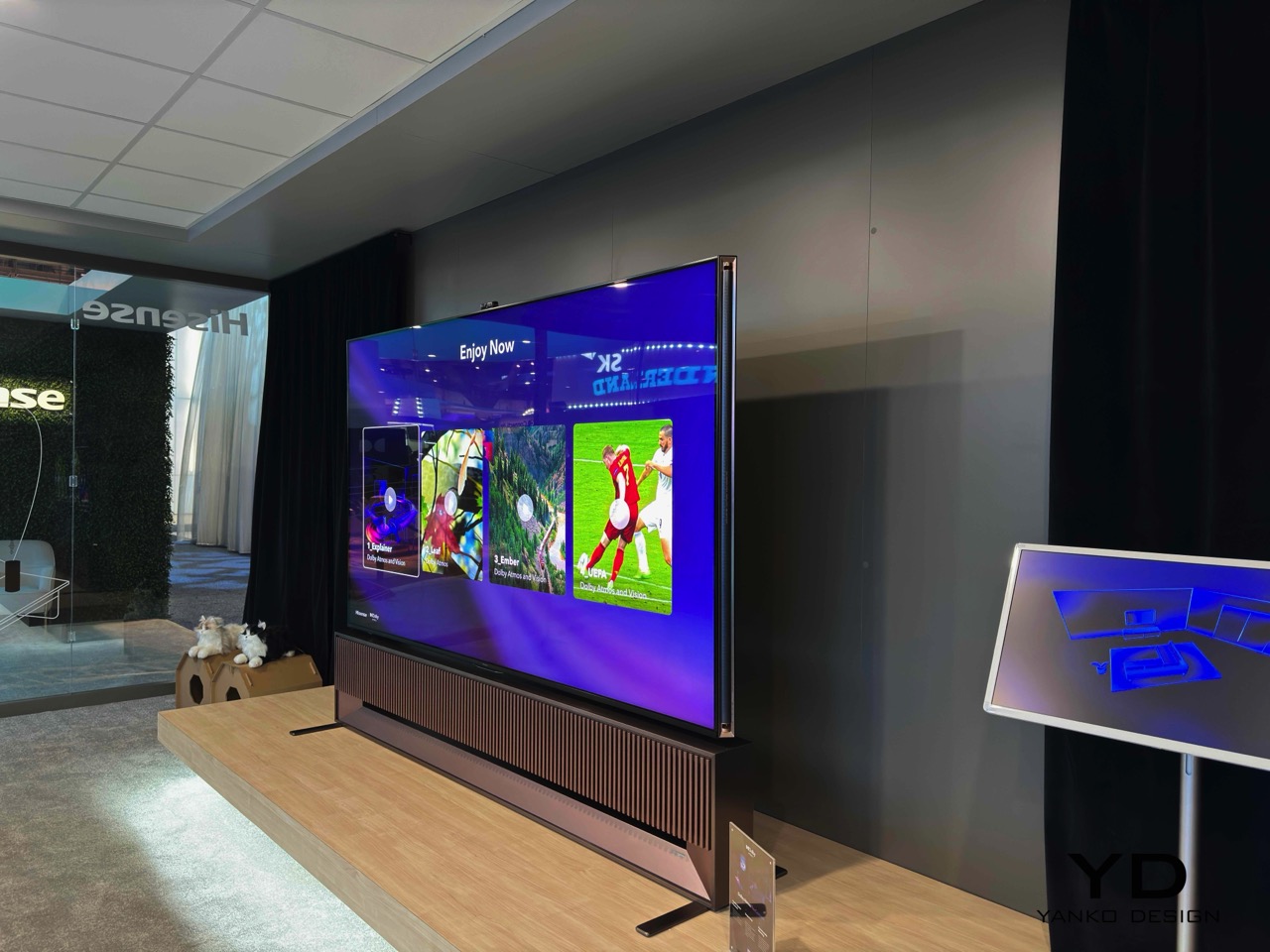
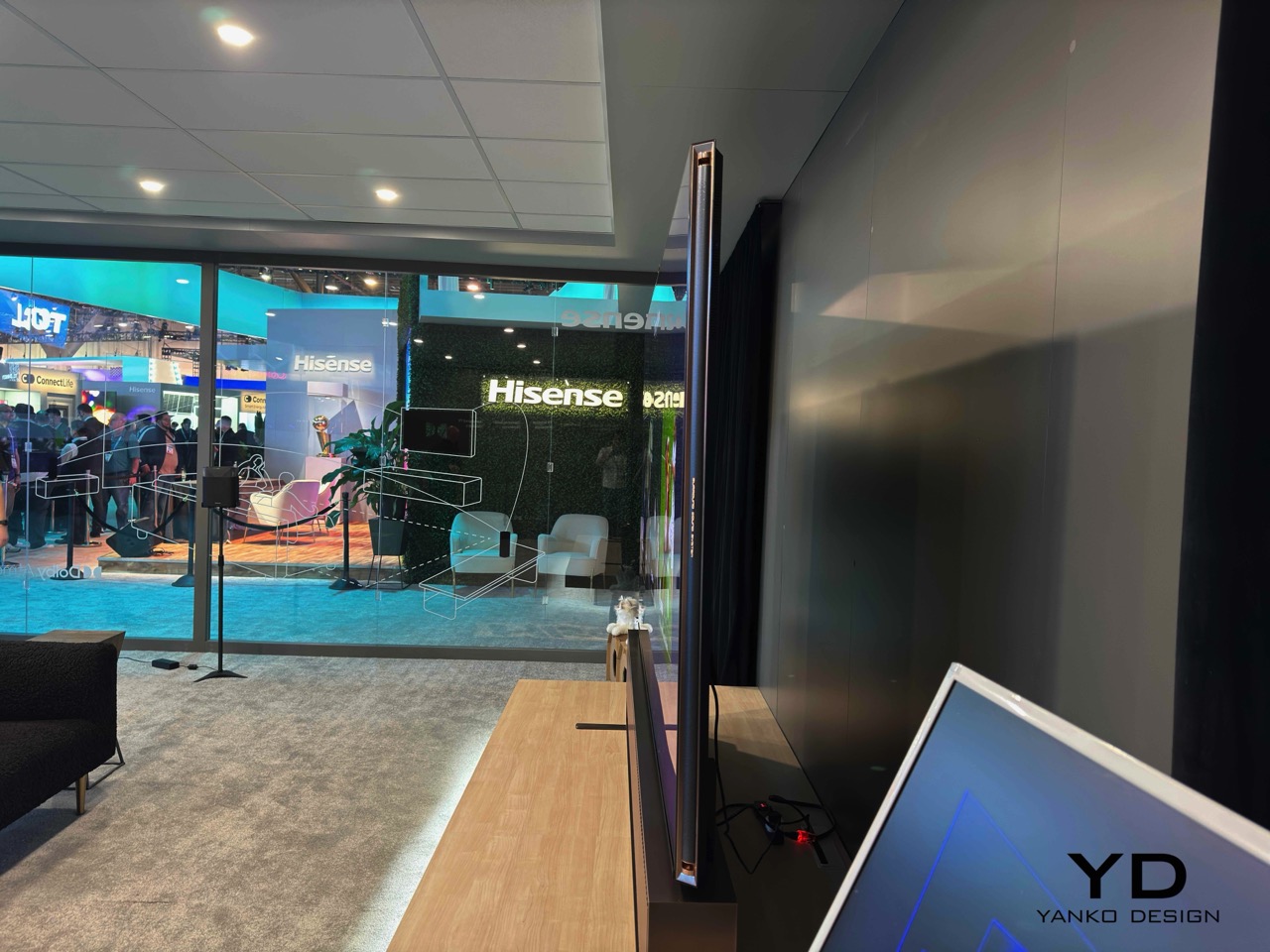
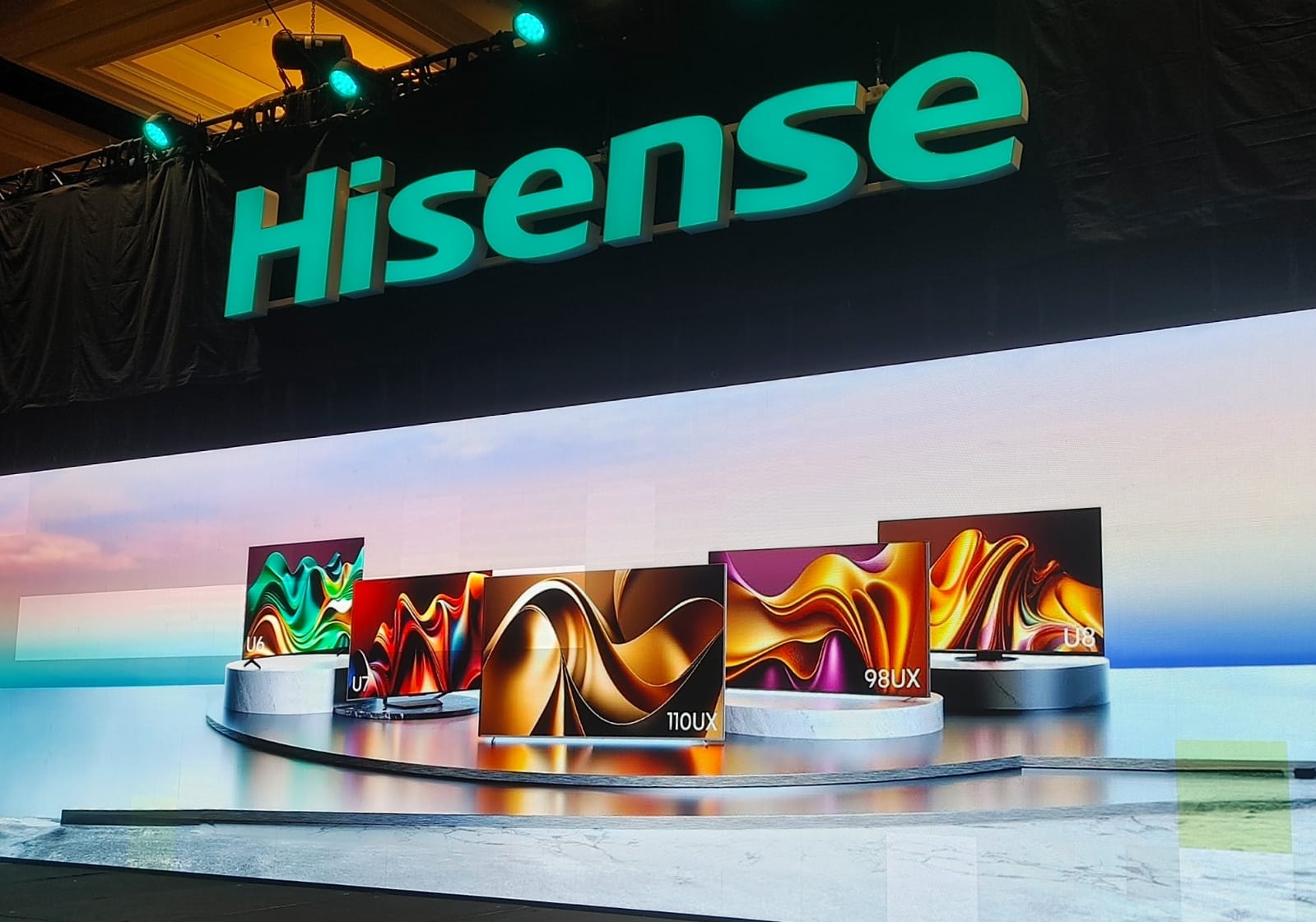
Hisense 110UX at CES 2024: Redefining Display Precision and Performance

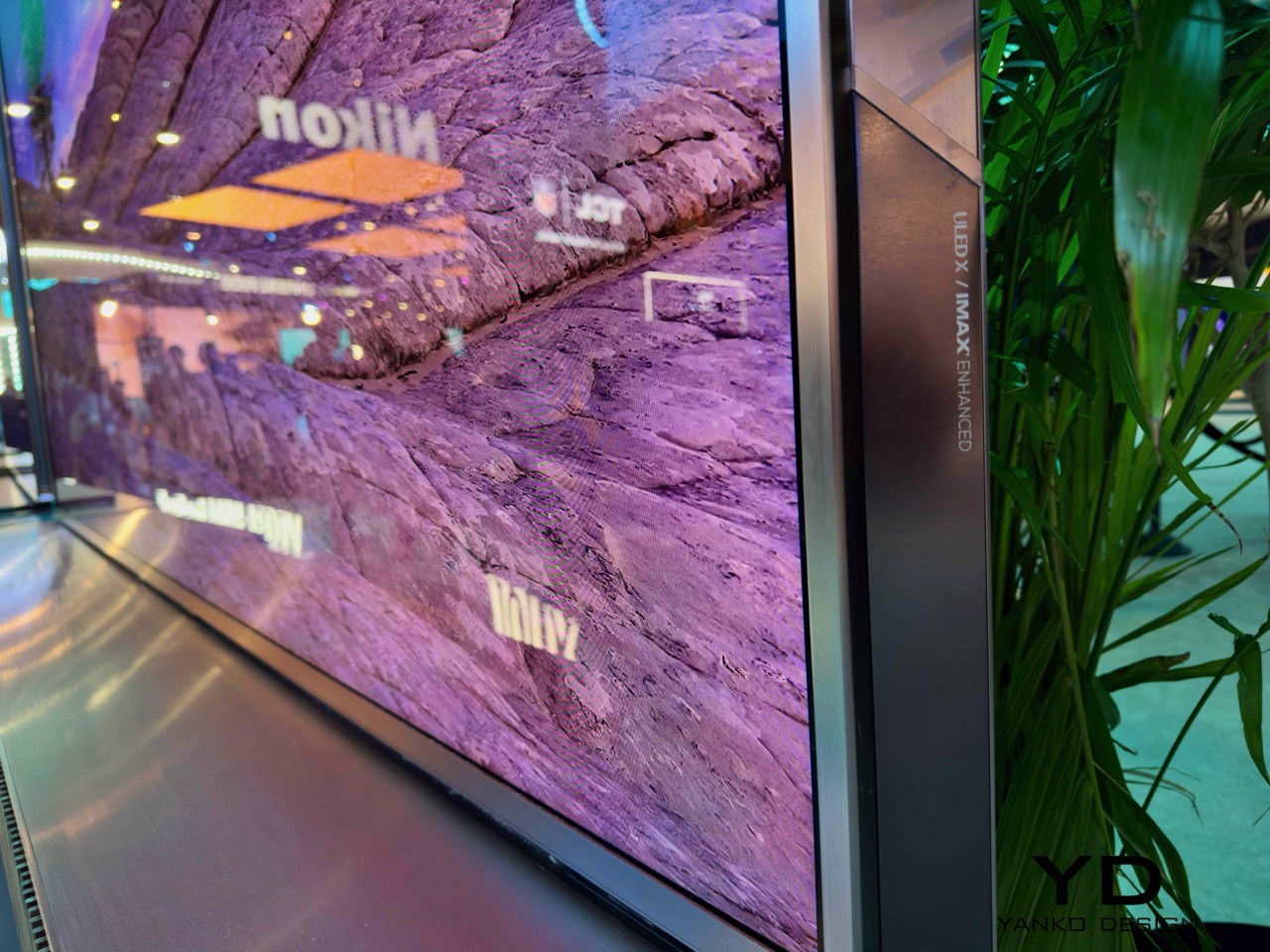
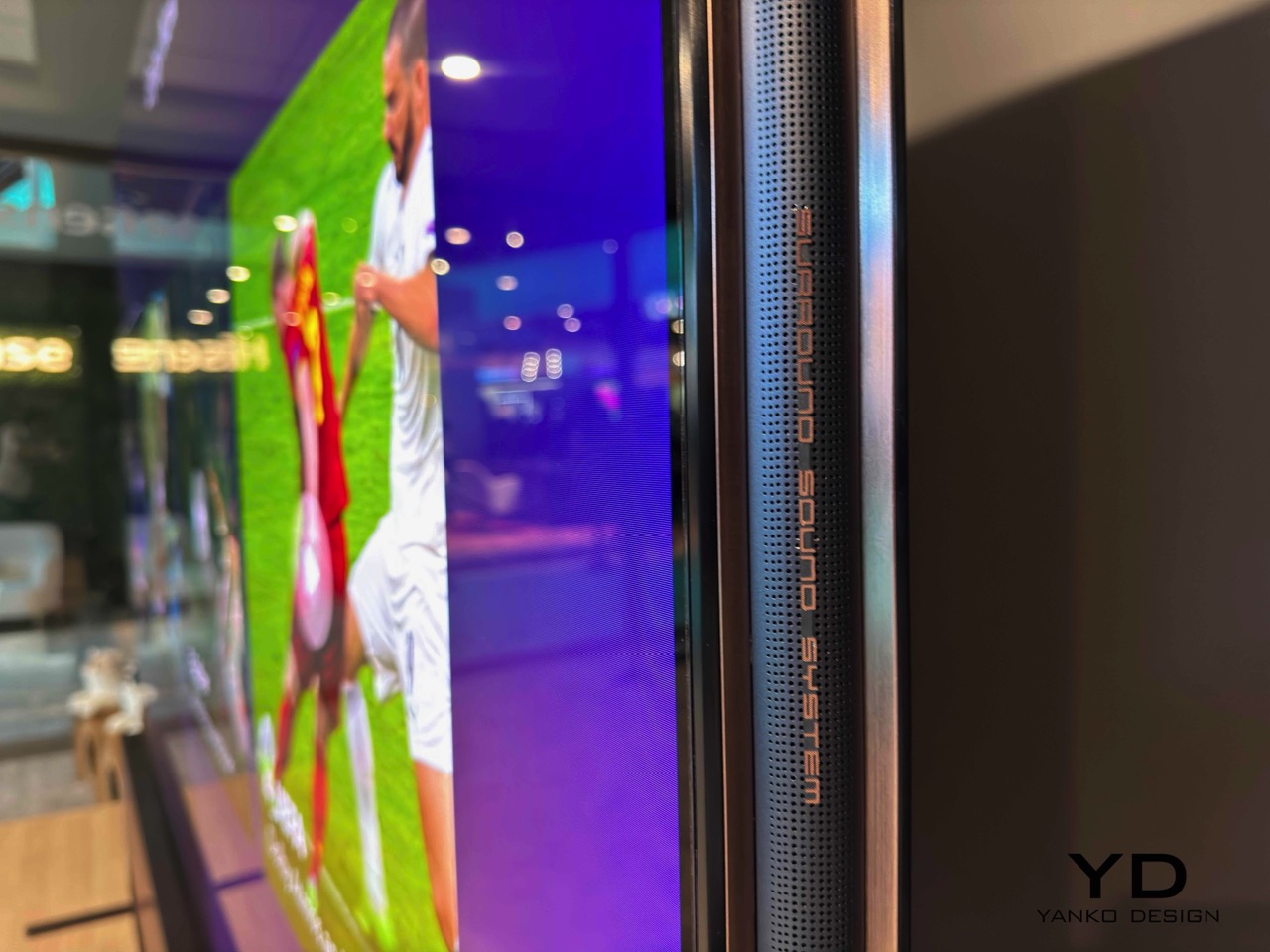
The 110UX, a flagship model in Hisense’s ULED X lineup, showcases the company’s advanced engineering capabilities. This 110-inch giant transforms the living room into a cinematic experience, transcending the traditional role of a TV. The 110UX features an impressive 40,000+ backlight zone, significantly reducing blooming and enhancing contrast to levels not seen before in the LED TV market. With its high-output Mini LED technology, the 110UX achieves an extraordinary brightness of up to 10,000 nits.

However, the 110UX’s appeal extends beyond brightness; its color accuracy is equally impressive. Covering 95% of the BT.2020 color palette, the 110UX surpasses competitors who only reach 80%. This superior color coverage ensures viewers experience the most realistic and vibrant visuals.

The Genius Behind the Screen: AI-Enhanced Viewing

Hisense goes beyond mere hardware prowess. The 110UX includes advanced AI-driven features such as AI contrast and AI depth. These intelligent systems dynamically adjust picture quality, clarity, and immersion based on the content, elevating the viewing experience to new heights. Furthermore, integrating cutting-edge, color-resistant panel materials and QLED-Quantum Dot technology, powered by the Hi-View Engine X chipset, takes color reproduction and image clarity to the next level.

Audio quality is also a major focus. Equipped with 4.2.2 channel audio and Dolby Atmos FlexConnect, the 110UX offers an auditory experience as immersive as its visual counterpart. This harmonious blend of sight and sound creates a captivating entertainment experience.

As a CES Innovation Award Honoree, the 110UX exemplifies Hisense’s dedication to excellence and innovation in display technology.

Comparing the 110UX to Previous Models and Competitors

When compared to previous ULED models, the 110UX represents a significant advancement. Its high-output Mini LED technology generates an extraordinary brightness level, greatly enhancing contrast and dynamic range. Coupled with its impressive 95% BT.2020 color palette coverage, the 110UX stands apart from both its predecessors and competitors, offering a viewing experience that is vibrant, lifelike, and deeply immersive.

What Sets the 110UX Apart in the Mini LED TV Market?

In the Mini LED TV market, the 110UX distinguishes itself through a combination of ultra-high brightness and extensive color palette coverage. These features work in tandem to produce images that are not only bright and clear but also rich and lifelike. This makes the 110UX an ideal choice for movie enthusiasts, gamers, and anyone seeking a premium TV viewing experience.

98UX: Bigger, Brighter, Faster

The 98UX and 110UX represent an evolution in Hisense’s innovative lineup. This 98-inch Mini LED TV matches its predecessors in quality and significantly enhances brightness, contrast, and motion handling.

The 98UX stands out with its extraordinary peak brightness of up to 5,000 nits, almost double that of last year’s models. This remarkable brightness level, combined with over 10,000 local dimming zones, brings unparalleled depth, detail, and contrast to the screen. The result is a picture quality that delivers realism and clarity on a grand scale, especially on its massive 98-inch display.

This TV offers more than just stunning visuals; it delivers a comprehensive sensory experience. The enhanced native refresh rate of 144Hz positions the 98UX as an ideal choice for movie buffs who value smooth motion and avid gamers who require high-performance displays. The increased refresh rate ensures that every frame is rendered with precision, making fast-paced scenes and gaming environments appear exceptionally fluid and lifelike.

A Sound Experience to Match

Complementing its visual clarity, the 98UX also features 4.2.2 channel audio, creating an immersive soundscape. This audio technology ensures that the sound quality matches the exceptional visuals, providing a complete and enveloping entertainment experience.

With these advancements, Hisense’s 98UX is set to be a standout product in the ULED X lineup. It displays Hisense’s commitment to innovation and its ability to deliver cutting-edge technology in its products. The 98UX is not just a television; it’s a gateway to an unprecedented viewing experience, setting new benchmarks in the industry and offering consumers a glimpse into the future of home entertainment.

Conclusion: Hisense’s Vision for the Future of Home Entertainment

Hisense’s 2024 ULED and ULED X lineups, particularly the 110UX, herald a transformative era in home entertainment. With these offerings, Hisense isn’t merely selling TVs; it provides a gateway to an unparalleled entertainment experience. The brand’s commitment to innovation, value, and understanding consumer needs is evident in these products, ensuring Hisense’s continued prominence in the global market.

The home entertainment landscape is constantly evolving, and Hisense’s latest offerings exemplify this progression, showcasing what is possible when technology and creativity converge. With its commitment to innovation, quality, and an unmatched viewing experience, Hisense is leading the way in shaping a bright future for home entertainment.

The post Hisense 110UX at CES 2024: Redefining Display Precision and Performance first appeared on Yanko Design.

The Spacetop is a laptop that really wants to swap your screen for AR glasses

Right now there are a bunch of companies trying to figure out new and better ways to work on the go. Lenovo made a laptop with two displays and a detachable keyboard to help give owners additional screen space without too much added bulk. And there are headsets from Meta, Apple and others that offer a way to create a completely virtual workspace without the need for a tethered PC. But with the Spacetop, startup Sightful has come up with an in-between solution that uses the bottom of a laptop, but instead of a traditional display, it’s attached to a pair of AR glasses.

In theory, the glasses provide a 100-inch virtual display that can hold more windows than you could ever fit on a traditional laptop screen. And with the Spacetop being powered by Android, you get a familiar working environment too. Instead of controllers or hand gestures, there’s a typical keyboard and touchpad for writing, browsing the web or anything else you might need to do. But after trying one out at CES 2024 in Las Vegas, while I like the idea, I’m not so sure about Sightful’s execution.

The system is powered by a Qualcomm Snapdragon XR2 chip (the same processor Meta used in the Quest 2 from 2020), just 8GB of RAM and 256GB of storage. It feels smooth, though I wouldn't necessarily call it fast. I didn’t notice much lag when dragging windows around or typing, but I didn’t get to see how it handles a ton of open apps or anything more demanding than a web browser. Sightful has also come up with some simple shortcuts for doing things like re-centering the screen (just press the left and right Shift keys at the same time).

The issue I ran into is that, while Sightful developed the base of the laptop itself and put its logo on the side of the glasses, the bundled AR eyewear attached to the PC is actually off-the-shelf specs from Xreal (in this case the Xreal Lights). So while Xreal glasses are somewhat sharp, their narrow field of view (especially vertically) and somewhat small sweet spot left a lot to be desired when it came to actually using that 100-inch virtual display.

The bottom half of the Spacetop will be immediately familiar, though for a system that costs $2,000, components like the keyboard and touchpad don't feel as premium as similarly priced traditional notebooks.
Photo by Sam Rutherford/Engadget

Additionally, the Spacetop’s keys felt spongy and its touchpad was lackluster too. It’s a far cry from the more precise haptic surfaces you’d get on a premium Mac or Windows PC. And when you combine all this with a starting price of $2,000, I just don’t see the appeal. For people who already have a laptop, I’d argue you’d be much better off getting a Meta Quest 3, which costs $500, sports a much newer chip and can sync with your laptop to create its own version of a virtual desktop. Plus, then you’d have a headset that’s way better at playing games, watching movies and more.

While Sightful developed the bottom half of the Spacetop in-house, the system relies on off-the-shelf AR glasses from Xreal.
Photo by Sam Rutherford/Engadget

There’s a reason why Meta, Apple and others have sunk billions of dollars into making headsets and glasses with finely tuned optics. And I’m sure someday (maybe even sometime in the next few years), off-the-shelf AR glasses will make some pretty big advancements. But between its high price, dated specs and a big but not great-looking virtual display powered by two-year old AR glasses, the Spacetop doesn’t quite deliver on the promise of revolutionizing the common laptop.

We're reporting live from CES 2024 in Las Vegas from January 6-12. Keep up with all the latest news from the show here.

This article originally appeared on Engadget at https://www.engadget.com/the-spacetop-is-a-laptop-that-really-wants-to-swap-your-screen-for-ar-glasses-ces-2024-233638523.html?src=rss

OrCam Hear hands-on: A surprisingly effective voice isolation platform for people with hearing loss

Imagine being at a crowded convention or noisy bar and trying to have a conversation with someone across from you. It's tough enough for people with hearing to focus on what the person is saying, not to mention those with hearing loss. Assistive technology company OrCam has rolled into CES 2024 with a host of new products including a set of devices and an iPhone app designed to help those with hearing loss deal with auditory overload. The platform is called OrCam Hear and after a quick hands-on at the show in Las Vegas, I'm pleasantly surprised.

OrCam Hear consists of a pair of earbuds and a dongle that plugs into any phone, and you'll use the app to control who you want to listen to. The system listens to voices for a few seconds (via the dongle) and uses AI to create speaker profiles for each person that then allows you to "selectively isolate specific voices even in noisy environments." This targets the issue sometimes known as the "cocktail party problem" that's a challenge for hearing aids.

During a demo, my editor Terrence O'Brien and I spoke to two people whose voice profiles were already set up in the app. We stood around a table with Terrence on my right and the two company spokespeople across us about five feet away. I put the earbuds in (after they were sanitized), and the noise around me immediately sounded a little less loud and a lot more muffled. 

A close up of the OrCam Hear's dongle plugged into an iPhone held in mid-air.
Photo by Terrence O'Brien / Engadget

I looked at everyone around me and though I could see their lips moving, I couldn't hear anyone speaking. After OrCam's reps used the app to drag a floating circle into the ring surrounding me, I started to hear the person diagonally across me talk. And though the executive next to him was also moving his mouth, I could still only hear the voice of the person selected. Only after we moved the other speaker's icon into the ring did I start to hear them.

What impressed me more, though, was how the system handled relatively new participants like Terrence. He didn't have a profile set up in the app, and I initially couldn't hear him at all. A few seconds into the demo, though, a new circle appeared with a gray icon indicating a new "Anonymous" person had been recognized. When we dragged that into the ring, I was suddenly able to hear Terrence. This was all the more impressive because Terrence was wearing a fairly thick mask, which would have made him hard to understand any way. Yet, I was able to clearly make out what he was saying.

The OrCam Hear isn't perfect, of course. I was still able to hear the speakers as they talked, and the audio playing through the earbuds was slightly delayed, so there was a small echo. But people who have hearing loss, whom this product is designed for, aren't likely to experience that. There was also some audio distortion when the selected speakers were talking, but not so much that it impeded my comprehension.

OrCam said that the Hear platform is "currently in a technology preview phase and is expected to be shipped later in the year." Hopefully, that gives the company time to iron out quirks and make the app available on both iOS and Android, so that the assistive tech can be truly inclusive and accessible to more people.

We're reporting live from CES 2024 in Las Vegas from January 6-12. Keep up with all the latest news from the show here.

This article originally appeared on Engadget at https://www.engadget.com/orcam-hear-hands-on-a-surprisingly-effective-voice-isolation-platform-for-those-with-hearing-loss-230243953.html?src=rss