This Website Will Tell You If Your Million-Dollar Idea Or Design Is Ready For Launch

Think of Prelaunch.com as a ‘Shark Tank’ for ideas… but without hungry investors asking difficult questions. The world’s first ‘Market Validation’ platform was designed to help creators better understand what their designs needed to become million-dollar success stories – but now the website is launching an ‘Idea Validation’ feature that lets you understand if your idea has any potential. Thanks to a community panel of more than 200 million people, Prelaunch tests your concept in the marketplace of ideas to see whether it’s ready for the world, helping you fine-tune your design in its nascent stages, so you don’t end up spending all your money on R&D only to realize your product had a flaw, or was targeted at the wrong audience, or worse, was too ahead of its time.

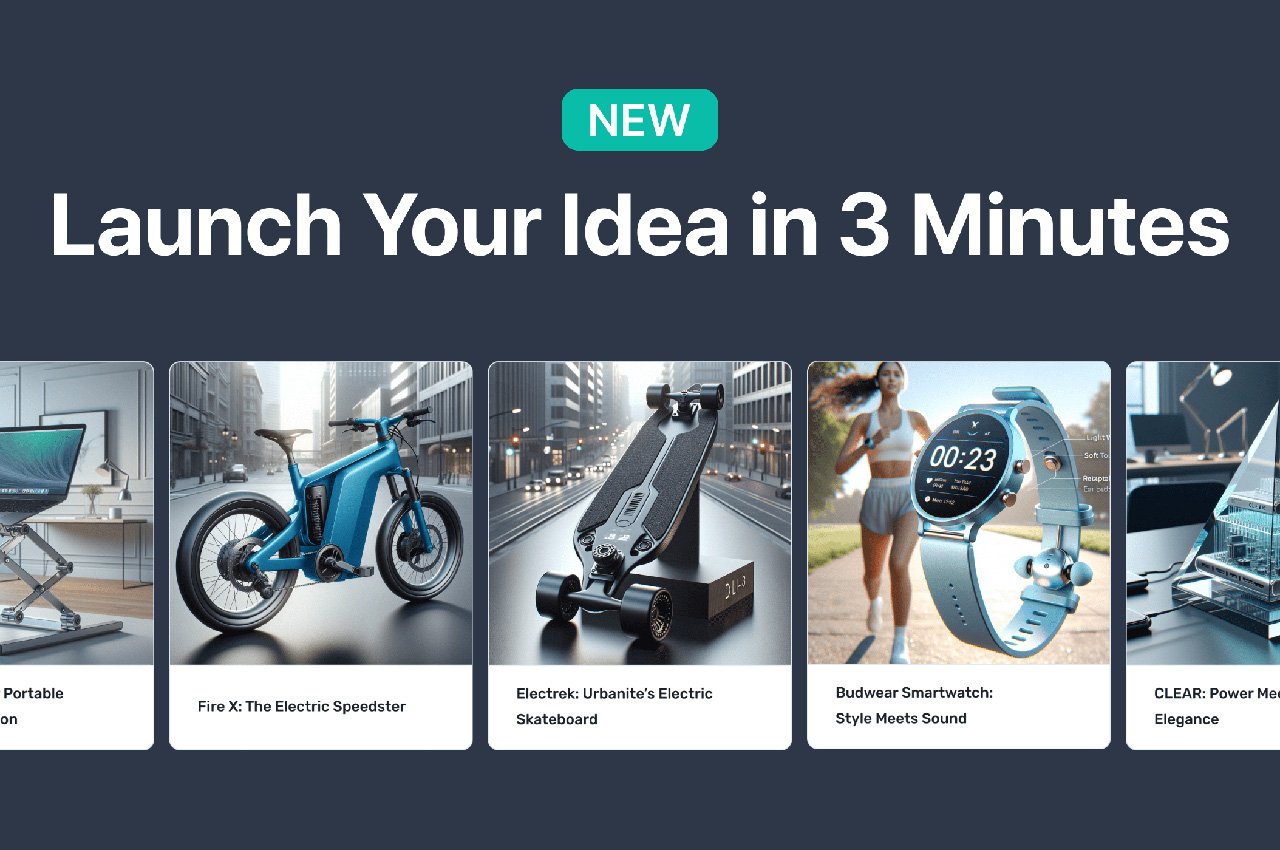
Click Here to Know More

Did you know Apple launched a game console in 1996 called the Pippin? Or that they also launched a touchscreen tablet with a stylus in 1992 called the Newton? How about the fact that Nintendo had its own VR headset back in 1995 called the Virtual Boy? Surely you knew about TwitterPeek, the microblogging platform’s first (and only) hardware device designed for only tweeting, which was launched back in 2008? Chances are you haven’t heard of these products for a good reason – they went as fast as they came, as the companies worked extremely hard to bury these massive failures. Some of these products weren’t well thought-out, others were just a little too early for their time. Most large companies can survive such setbacks… but smaller ones (like the startup Juicero that charged $400 for a device that simply squeezed bags of juice) usually collapse when their products fail. Prelaunch helps mitigate that possibility by allowing you to vet your ideas before you end up walking into a Shark Tank where you get shredded for your product, valuation, or sales. The Prelaunch website helps you get consumer feedback before you even get consumers, so you know whether an idea is worth spending hundreds of thousands (or potentially millions) of dollars into.
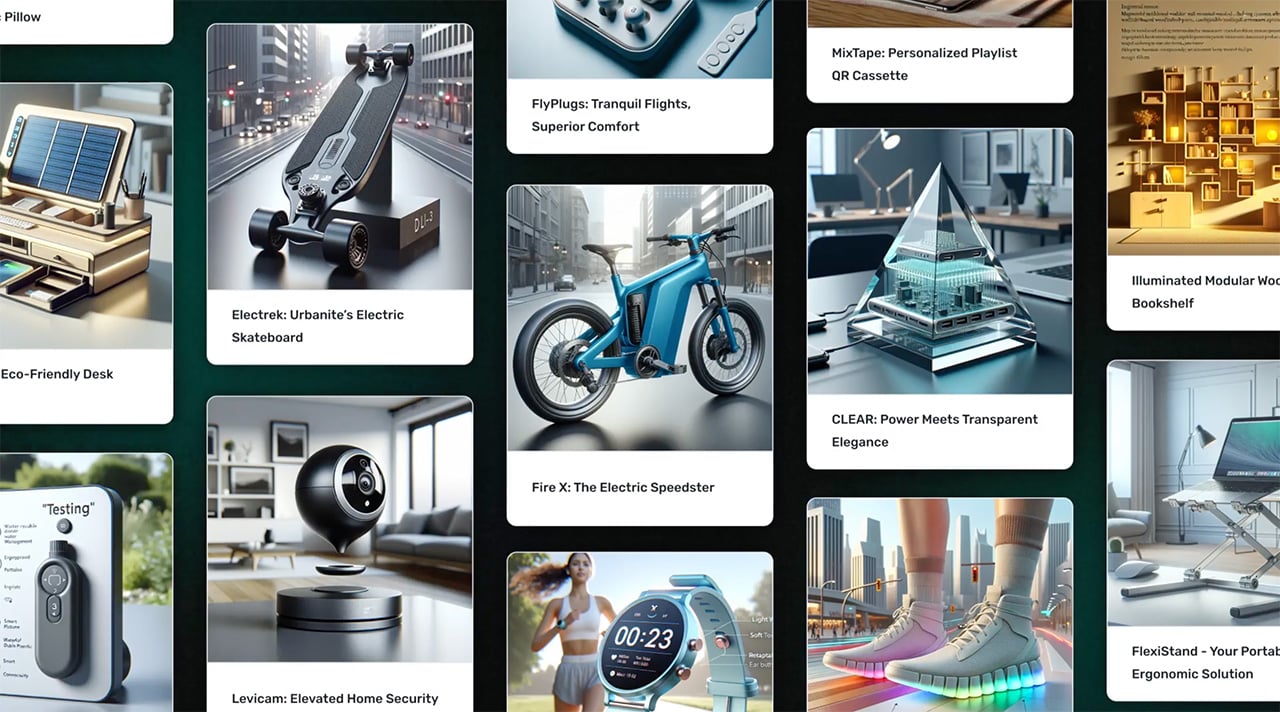
The “Idea Validation” feature steps away from the traditional, often tedious process of market research and surveys. Instead, it offers a streamlined, three-step approach for creators to bring their idea to life: describe your product, highlight its killer features, and then flesh out the specifications. The platform then harnesses the power of AI to generate a product landing page, complete with images and descriptions, in mere seconds. Prelaunch has integrated multiple survey panel providers, unified and standardized their processes, and as a result, now has access to 200 million people who are ready to give feedback.
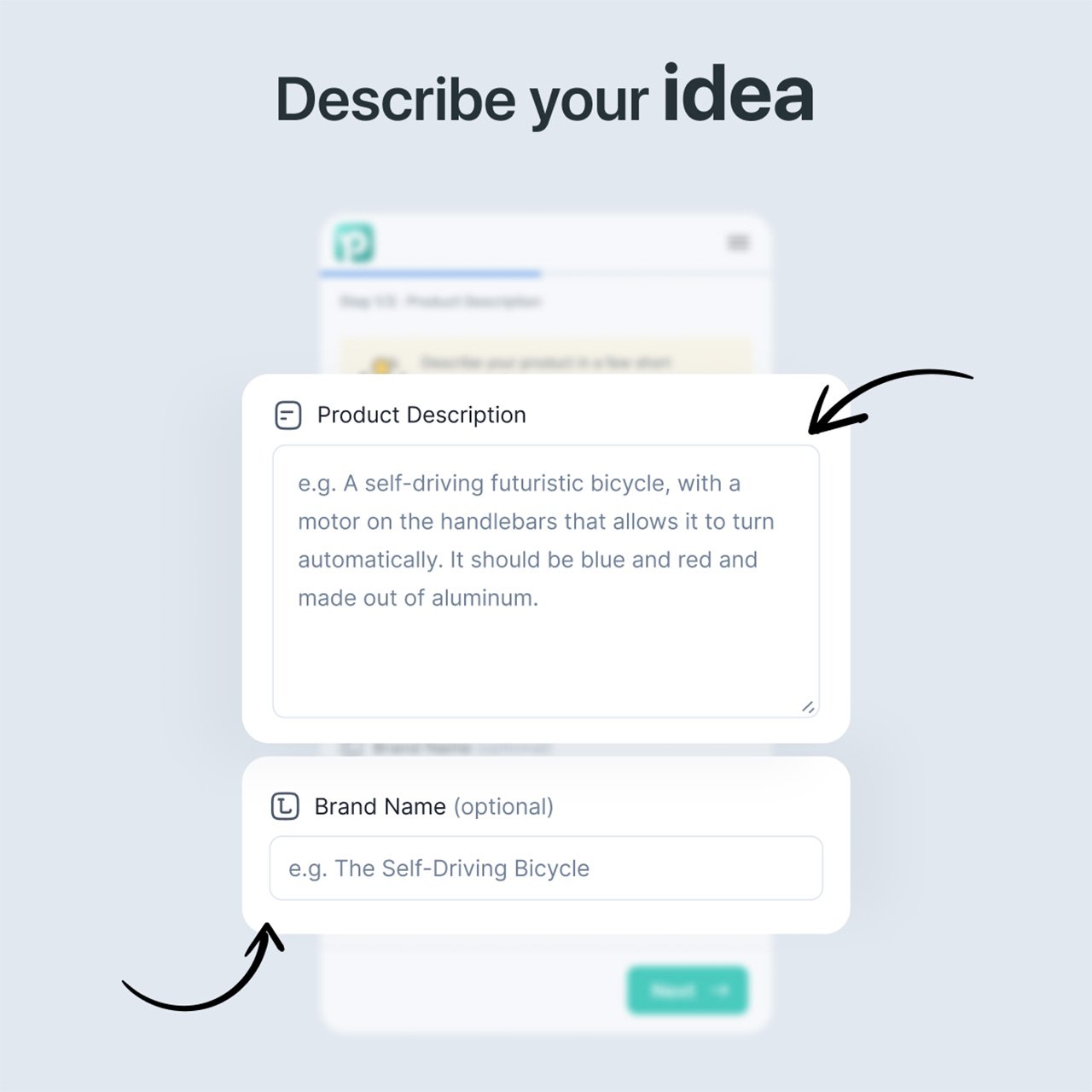
Prelaunch’s entire process takes mere minutes, as opposed to the months (or even years) and financial capital it takes to develop a proof of concept.

Why is this revolutionary? Well, analysis from Prelaunch.com suggests that projects with prototypes stand a significantly better chance of validation and success. This new feature doesn’t just level the playing field; it virtually eliminates it, allowing creators with nothing more than a concept to compete with those who have tangible prototypes. The platform leverages the power of AI to help flesh out the idea, so it can be rapidly tested with a target audience to check for viability.

The platform offers the following metrics to creators:

  • Interest rate: Percent of visitors who liked the idea. It measures how many users clicked the ‘Like’ button or reacted positively to the webpage’s content. A higher rate implies greater audience engagement and appreciation for the content.
  • Survey completion rate: Percent of people who completed the survey out of all people who started the survey.
  • Saves rate: Percent of visitors who provided their email. It measures the number of users who chose to save the webpage for future reference, indicating an intent to revisit the content. A higher rate signifies greater user commitment and interest in the content compared to simply liking it.
  • Rating: Rating of the product from the “Rate this product” survey question.
  • Price: Average, Minimum, and Maximum results from survey questions like – “How much would you like to pay?”
  • Concept Idea Score: Calculated based on a formula that contains several components of interest rate, saves rate, etc.
  • Demographics: Data based on country, age, and gender.

For a limited time, Prelaunch.com is offering this feature for free—a gesture that speaks volumes about their commitment to nurturing creativity and innovation. Prelaunch CEO Narek Vardanyan’s vision is clear: to empower creators to bring their ideas to life by providing valuable feedback as early as possible.

On a lighter note, imagine if famous inventors and creators had access to something like the “Idea Validation” feature. Would Edison have had an easier time convincing people about the light bulb? Would Da Vinci have gotten immediate feedback on his flying machine designs? While we can’t rewrite history, Prelaunch.com is ensuring that the future of innovation is brighter, bolder, and validated by the very people it seeks to inspire. Welcome to the future of creation, where your next big idea doesn’t just have to be a dream.

Click Here to Know More

The post This Website Will Tell You If Your Million-Dollar Idea Or Design Is Ready For Launch first appeared on Yanko Design.

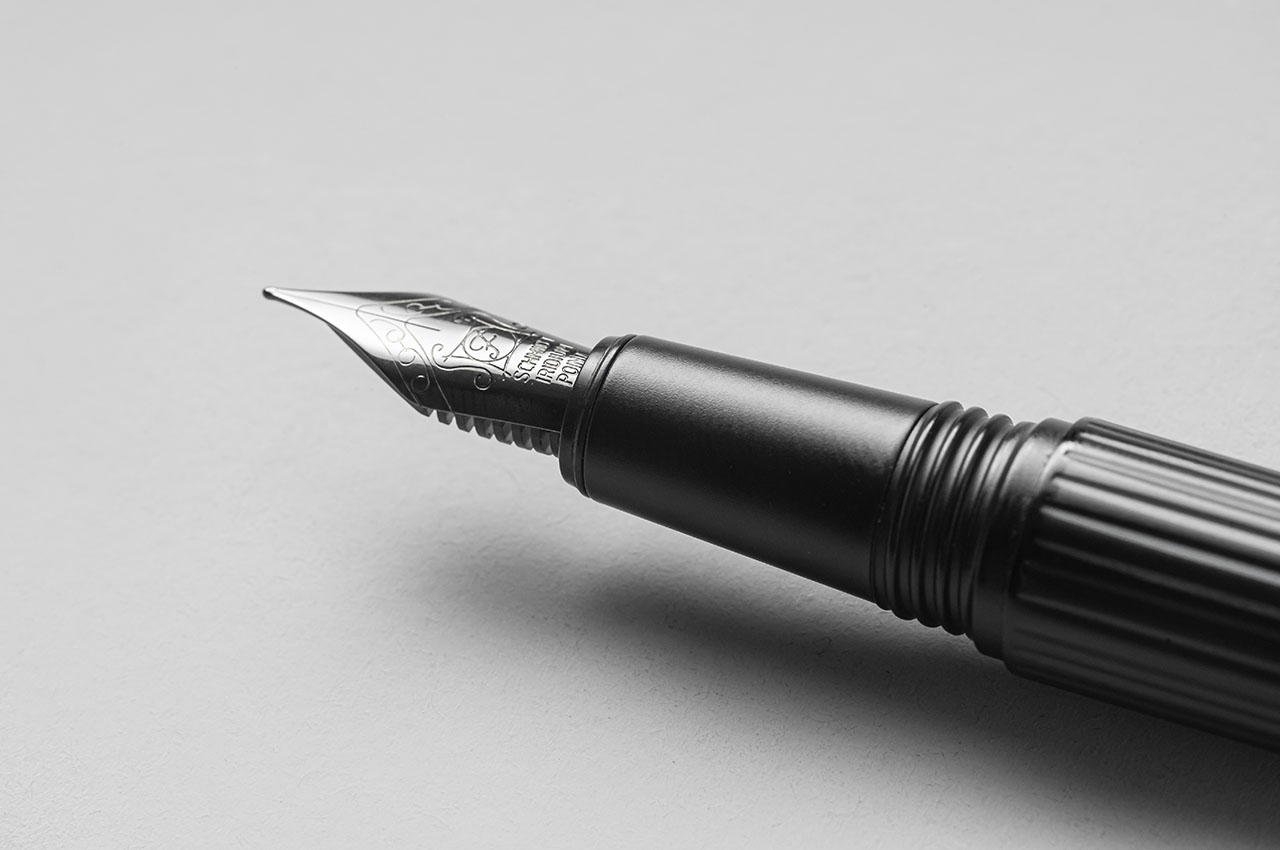
This fountain pen makes creation flow on the writing surface, comes with turbo ink filling mechanism

Pens as a writing instrument have stood the test of time and they’ll be timeless accessories for eternity. Those who cherish the joy of writing down stuff with their fountain or rollerball pen always appreciate the idea of investing in a quality option. The unique writing experience these writing instruments offer is unmatchable, making them a must-have everyday carry.

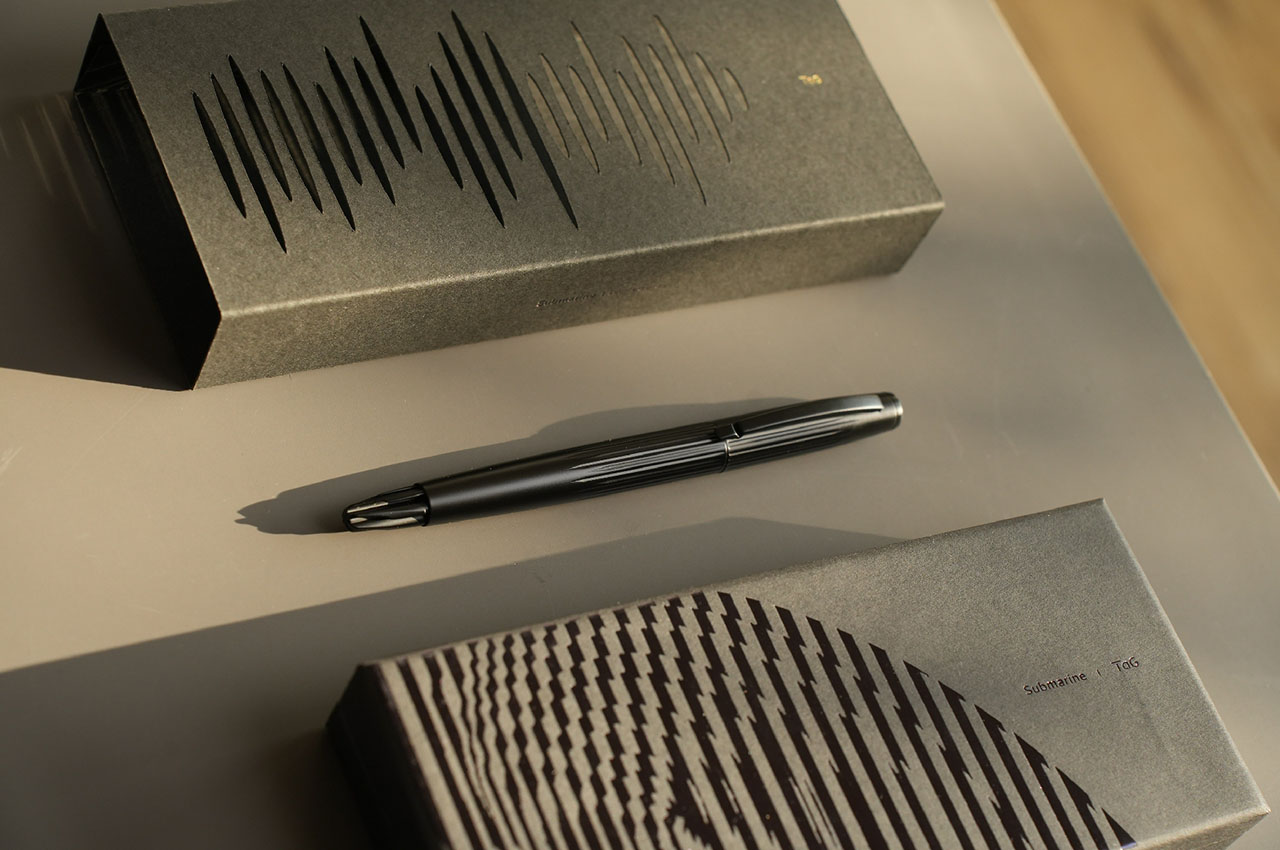
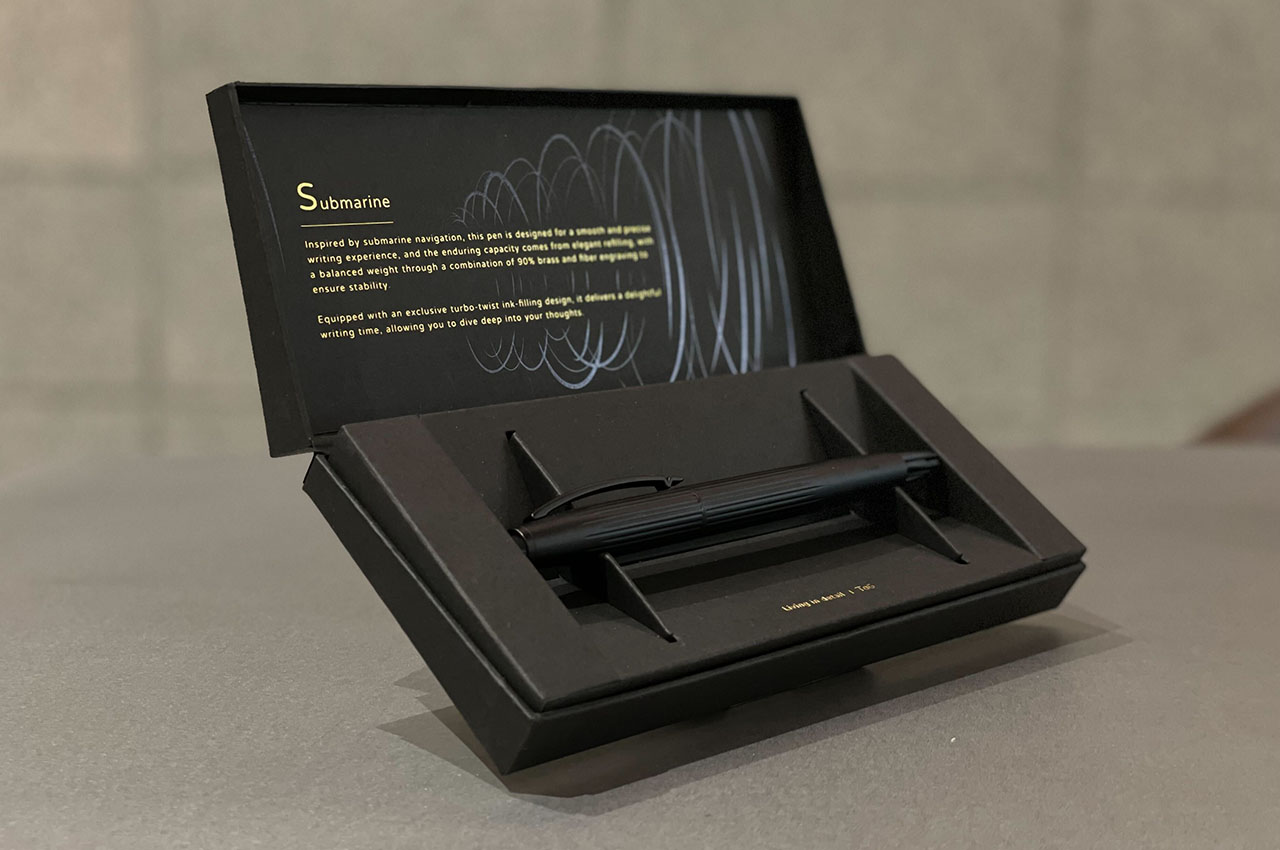
If you also love keeping a fountain pen handy, the Submarine Collection by TaG will interest you. The submarine-shaped fountain pen edition is developed in collaboration with Hou Xin-Yong, a highly experienced calligrapher with over 2 decades of expertise, and Lee Tai-Ying, the founder of a fountain pen club in Taiwan.

Click Here to Buy Now: $100 $145 ($45 off) Hurry! Only 10 Days Left. Raised over $130,000

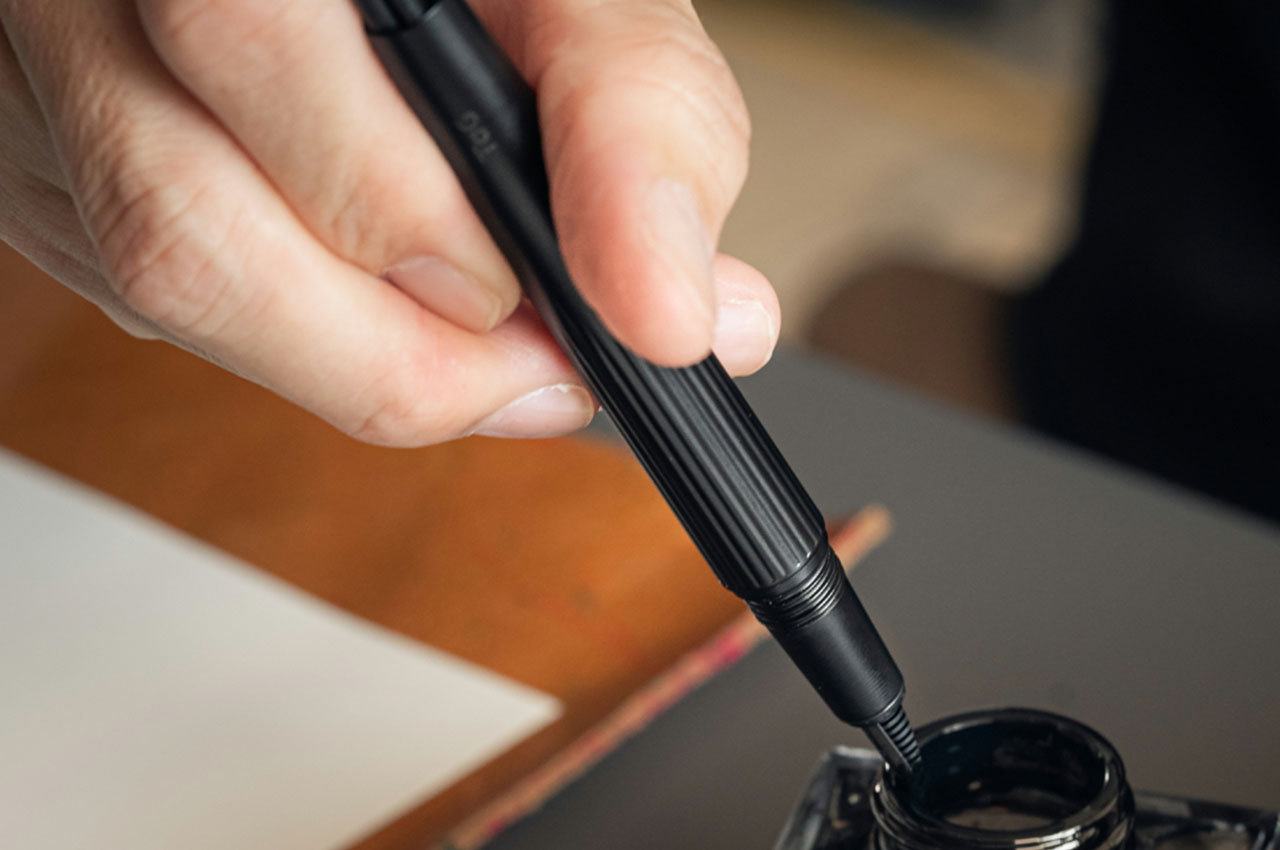
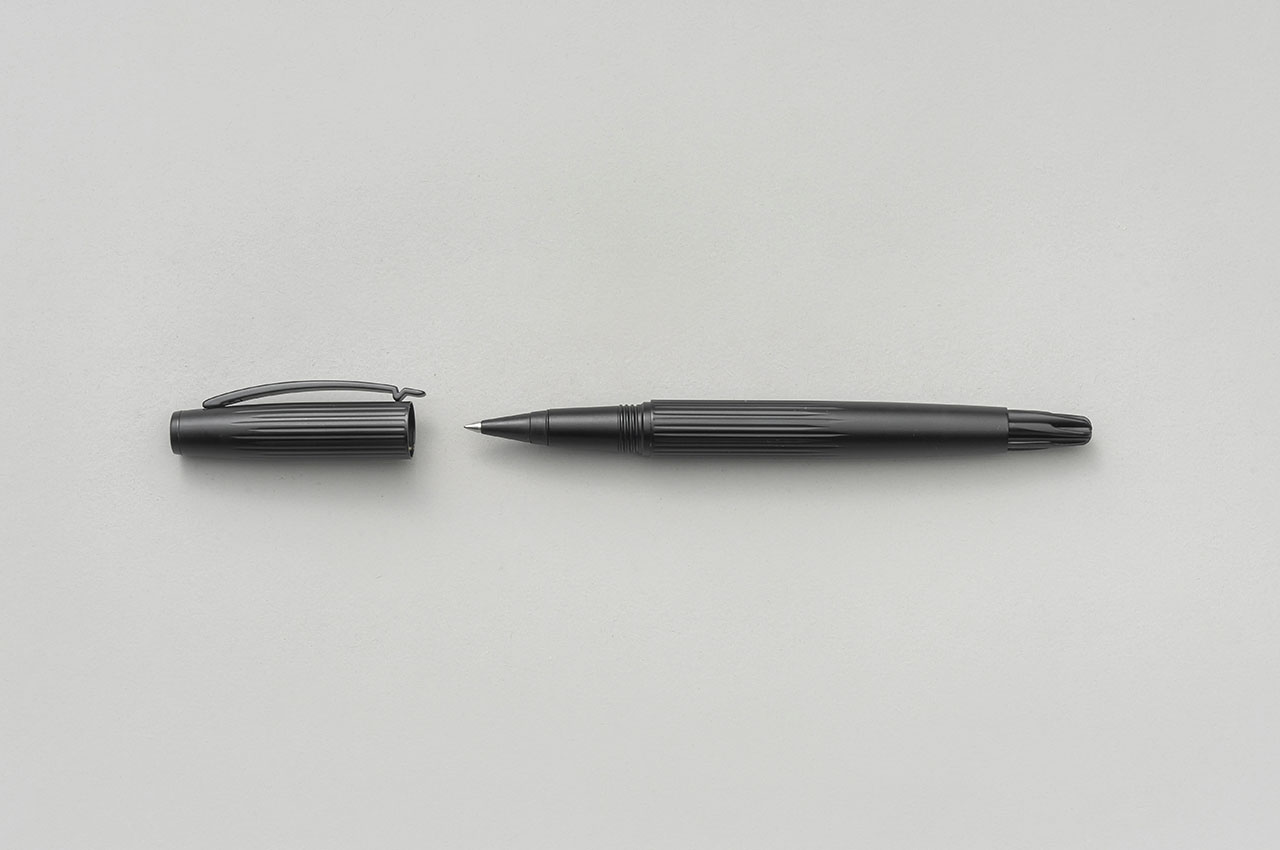
The heart of the solid brass fountain pen is its ink-filling mechanism which is second to none. Simply dip the pen’s tailormade black PVD stainless steel nib from Schmidt (you can also choose the gold-plated nib version) into the ink bottle and turn the knob at the top, it’s as easy as that. The weight balance of the writing instrument makes it a treat to use for long writing sessions and ensures natural movement of the hand across the paper. This is attributed to the anti-slip tapered fiber grooves around the pen for a secure grip and tactile dimension to the whole writing experience.

To make sure, there is no ink leakage like other conventional friction-free converter structures, the pen has an internal treaded structure between the converter and the pen’s outer shell. At the top of the writing instrument, the turbine-inspired cap element complements the streamlined design aesthetics of the pen. According to TaG, the fountain pen is crafted with precision as every detail right from “the choice of premium materials to the aesthetic appeal, has been thoroughly considered for a creation that is functionally and visually pleasing at the same time.”

If you are more oriented toward the rollerball pen option, the makers have a compelling option for you. The Submarine Rollerball Pen has the same sleek design and the signature turbo-filling mechanism. It comes with a Schmidt rollerball tip that moves on the writing surface like butter. Both these writing instruments are in a league of their own with massive crowdfunding already, surpassing the goal by a humongous margin. If you already fancy the idea of buying one you can pledge the fountain pen for $109 and the ballpoint pen for $100.

Click Here to Buy Now: $100 $145 ($45 off) Hurry! Only 10 Days Left. Raised over $130,000

Click Here to Buy Now: $100 $145 ($45 off) Hurry! Only 10 Days Left. Raised over $130,000

The post This fountain pen makes creation flow on the writing surface, comes with turbo ink filling mechanism first appeared on Yanko Design.
The Element Tiny Home Is Cozy To Live In & Easy On The Pocket With A US$23,500 Price Tag

Dragon Tiny Homes are known for their tiny homes that truly embody the micro-living movement. They bring back the small movement’s humble and modest roots with their tiny home called the Element. The Element features a compact frame and a simple yet well-equipped interior. The home is currently up for sale for an economical price tag of US$23,500. Let’s deep dive into the nitty gritties of the home!

Designer: Dragon Tiny Homes

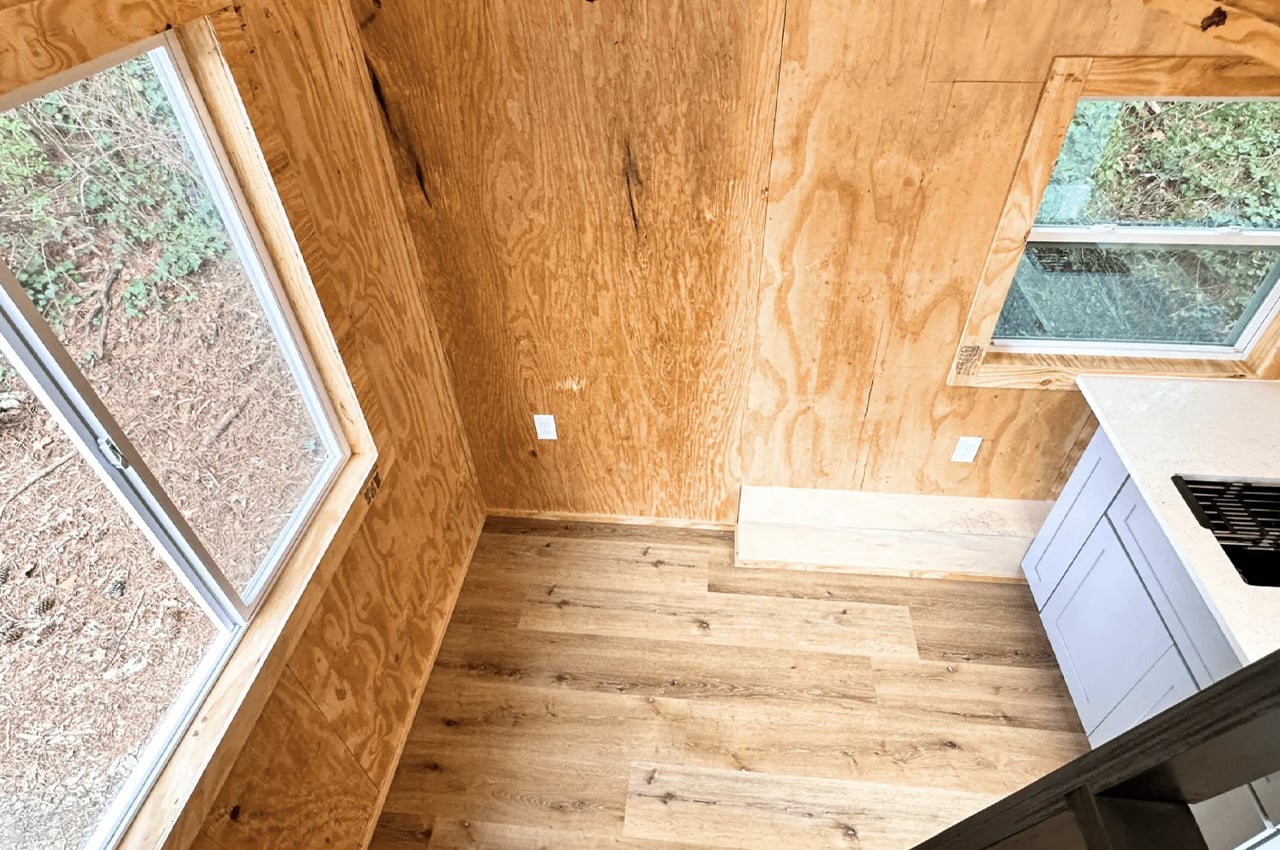
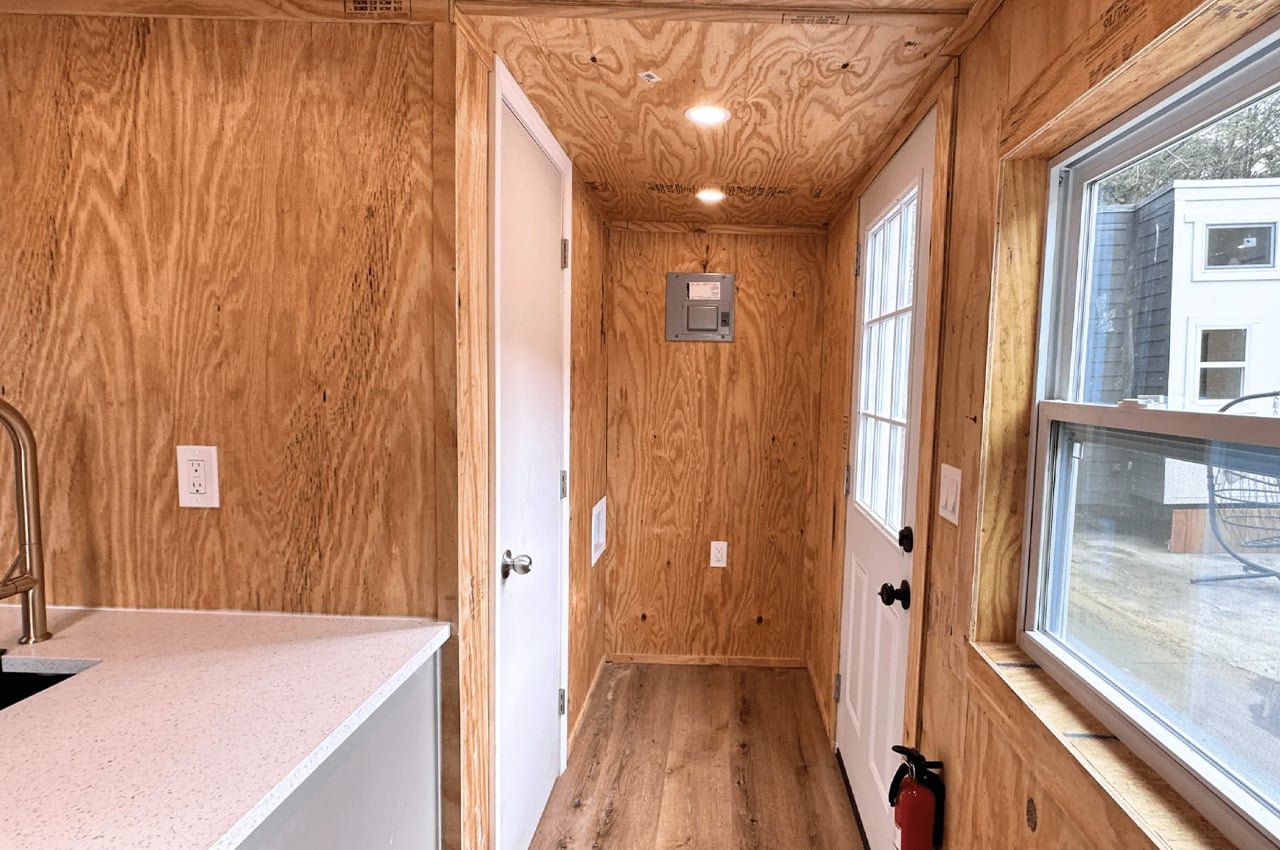
The Element tiny home is quite similar to Dragon’s 16’TWOH With Loft but with a smaller price tag. The tiny home is founded on a double-axle trailer and features a length of 16 feet. In comparison to popular European tiny homes, like the ones from Baluchon, this one is truly quite compact. It is finished in smart siding-engineered wood and weighs around 7000 lb. Since the price point is quite comfy, it is a given that the home isn’t extremely spacious, and you won’t be hosting a lot of parties. And it does lack some of the pristine features you may find in larger tiny homes. The interior is compact and cozy, and clad in rough plywood.

The home is unfurnished, but it does contain a basic kitchen unit with a sink and cabinetry. The main room can also double up as the living area, and besides this space, the only other room downstairs is the bathroom. The bathroom is quite snug and compact too, and it features a toilet and a shower.

The Element features one loft bedroom which can be accessed via a ladder. The bedroom is like most bedrooms found in typical tiny homes, it is loft-style with a low ceiling and has sufficient space for a double bed. Although currently the Element is priced at US$23,500, it can be upgraded with better features and finishes at an additional cost. So if you’re in the mood to splurge a bit, you can elevate the basic Element and get something more to your taste and liking.

The post The Element Tiny Home Is Cozy To Live In & Easy On The Pocket With A US$23,500 Price Tag first appeared on Yanko Design.

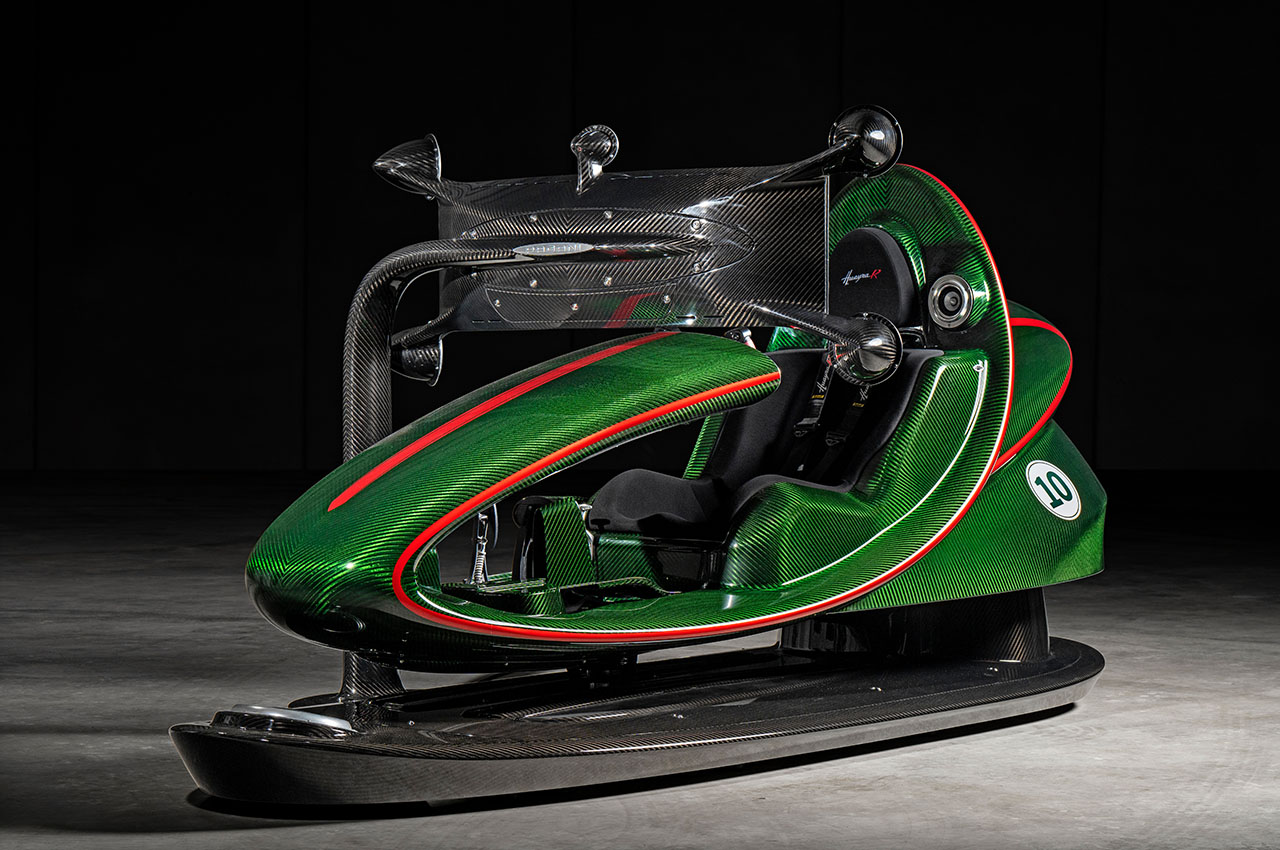
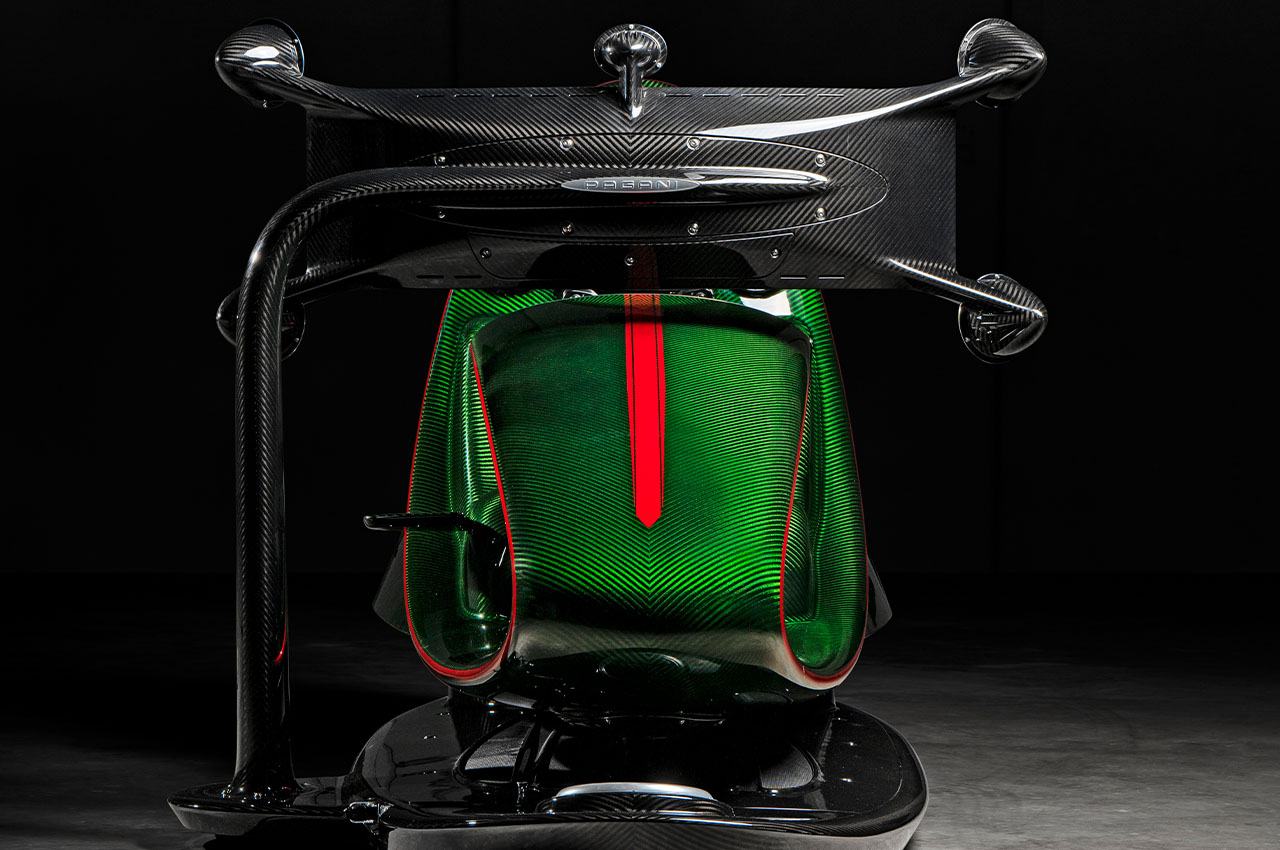
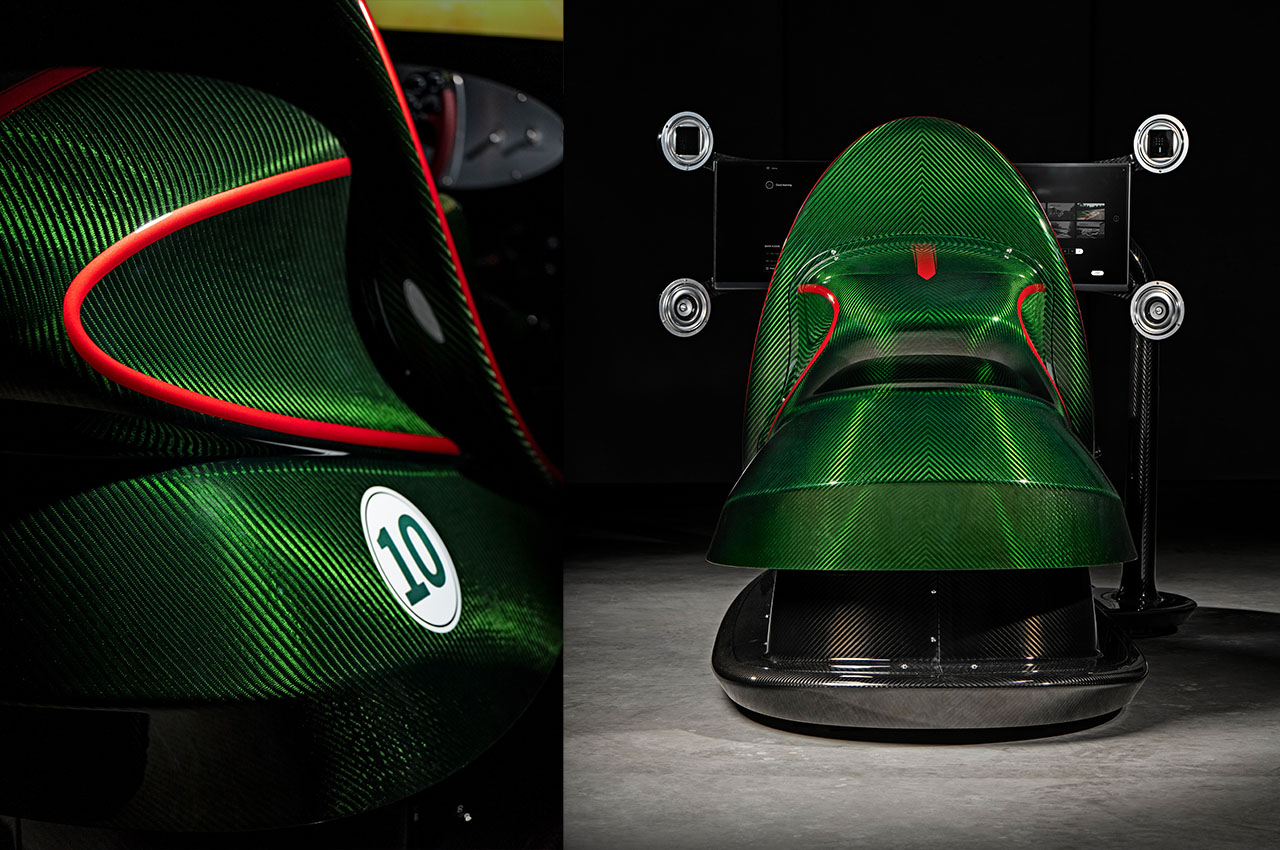
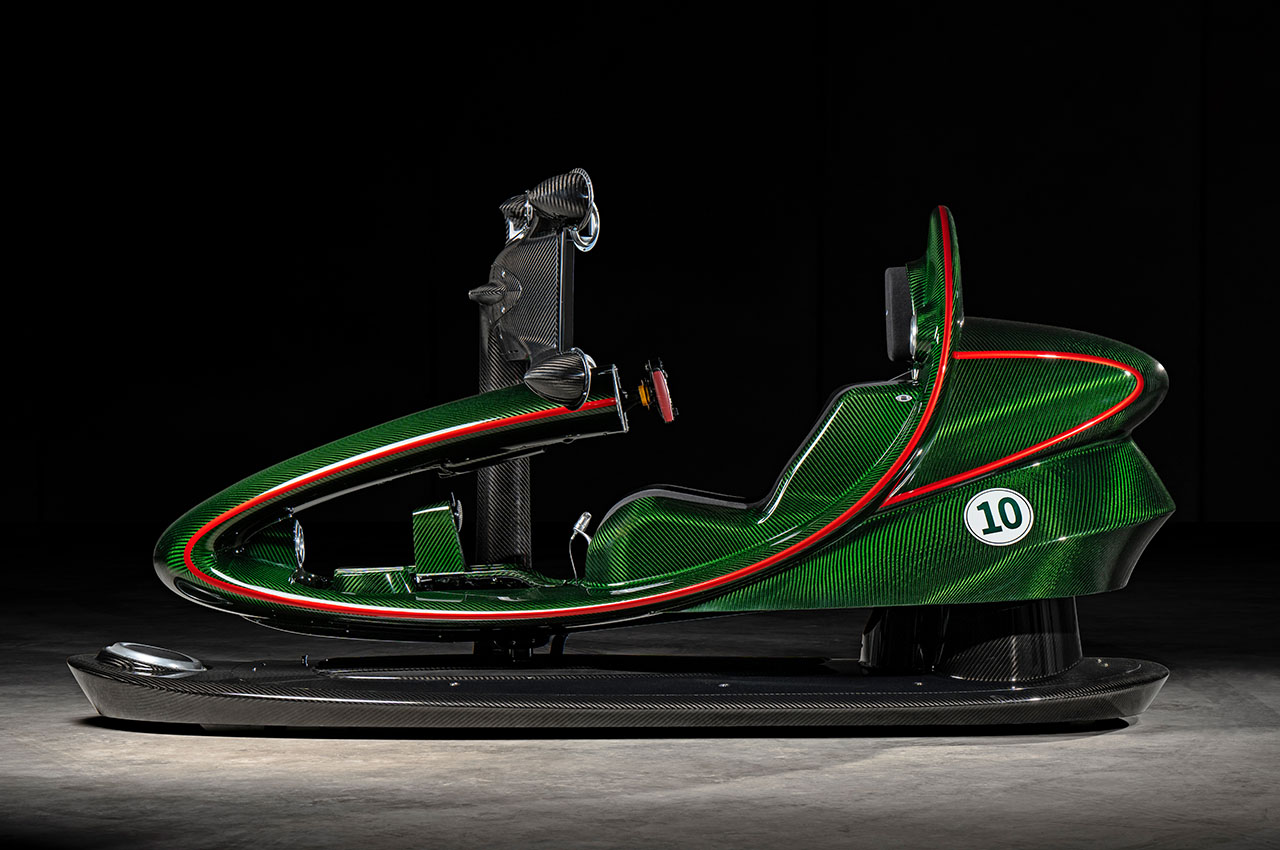
Eye-popping Pagani Huayra R racing simulator matches the real thing in every little detail

Sim racing is the best way to showcase your racing or gaming skills if you didn’t make the cut to the big league. Serious gamers always want to invest in a racing simulator that takes them one step closer to intense wheel-to-wheel action. Depending on what’s the final budget, these rigs can be anything from a desk-mounted setup costing $300, a chassis for a few thousand, or a full-blown motion simulator costing $50,000 upwards.

If you’ve got a stack of money to spare you can go to another level though, with a sim rig that professional racers opt for. Along the same lines, Pagani has unveiled their Huayra R Driving Simulator which is designed in collaboration with Racing Unleashed, who are known for building some of the best high-end racing simulators out there.

Designer: Pagani and Racing Unleashed

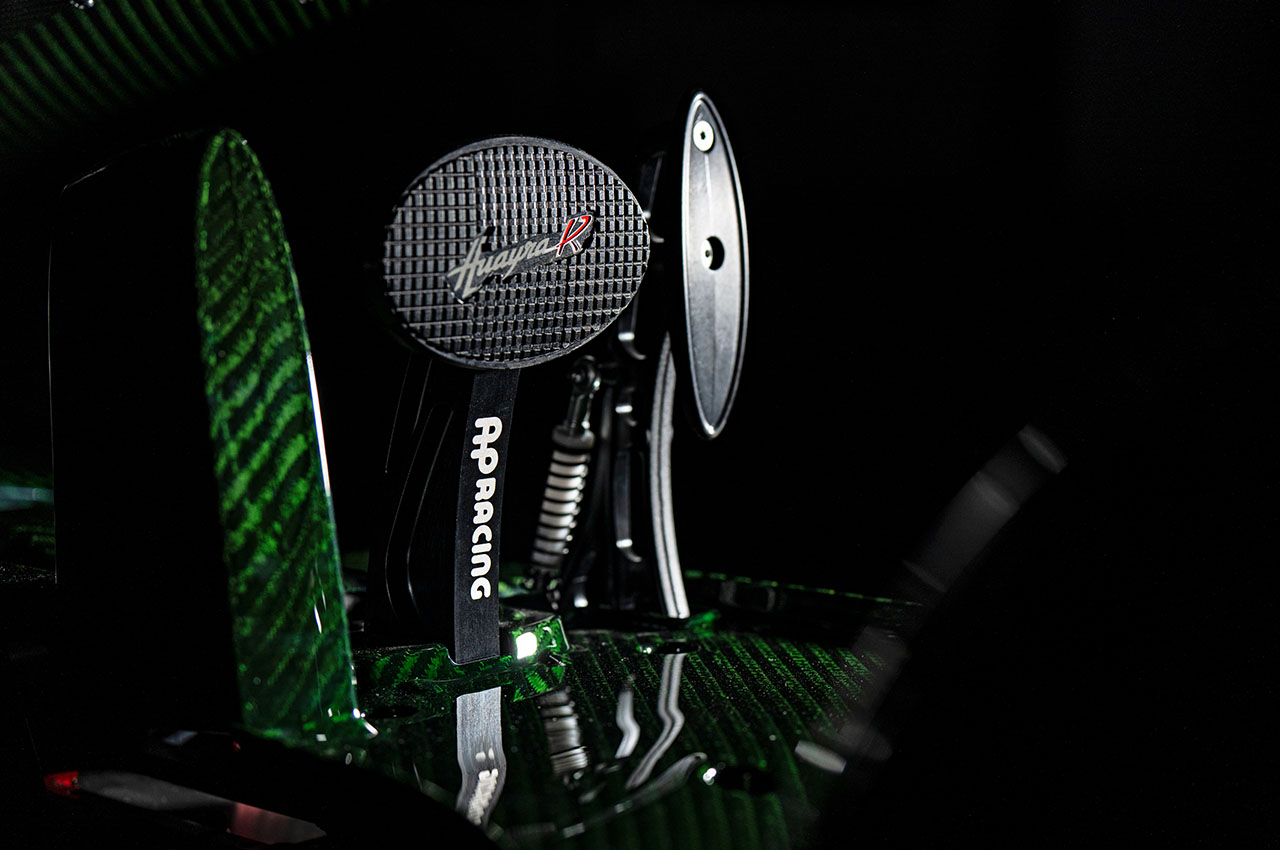
Attention to detail is the key in this racing sim as it took more than a year to finalize the creation process. This racing simulator crafted at Pagani’s facilities is made out of a single piece of aluminum and adorns carbon fiber used in the original Huayra R supercar. The car’s dynamics right from aerodynamics and handling to the sound of the naturally aspirated V12 engine are replicated to millimeter precision. The seat belts, pedals, seats and steering wheel are identical to the ones on the real car.  Wait there’s more… it also has air vents to release the brake and engine heat, making it one hell of a racing sim!

According to Franco Morsino, Vehicle Dynamics Lead at Pagani, “Our goal was to transcend the traditional boundaries of virtual driving, offering an unparalleled level of realism and immersion. This simulator is not just about the experience but also serves as a piece of art, reflecting the unique essence of Pagani’s design philosophy.” Pagini will only offer this racing sim to Pagani owners to test and compete with their powerful machines on FIA tracks in virtual reality. Taking realism to the next level, the sim can also be run in conjunction with a VR headset. Otherwise, the racer/gamer can opt to race on the single curved ultra-wide Samsung G9 monitor. Apart from the Huayra R, the simulator also gets the custom physics-focused version of the Assetto Corsa.

Pagani has not revealed any details about the pricing but given its level of realism and design uniqueness, it should very well run into a $100,000 (or more) price tag. On the hind side that’s way less than the track-only Pagani Huayra R costing $3 million.

The post Eye-popping Pagani Huayra R racing simulator matches the real thing in every little detail first appeared on Yanko Design.

Nothing pokes fun at Apple for discontinuing the iPhone Mini with the Phone (2a) Micro

There are some people who still buy the iPhone 13 Mini in bulk because it’s the last small smartphone Apple ever made. In the pursuit of ‘bigger and better’, smartphone companies have abandoned the very concept of ergonomics, and phones nowadays are so large and heavy, people quite literally have indented pinky fingers as a result. The iPhone 13 Mini and perhaps the Asus Zenfone 9 were perhaps the last ‘small’ phones before the concept was retired – so Nothing decided to do something about it. Or rather, poke fun at it at least.

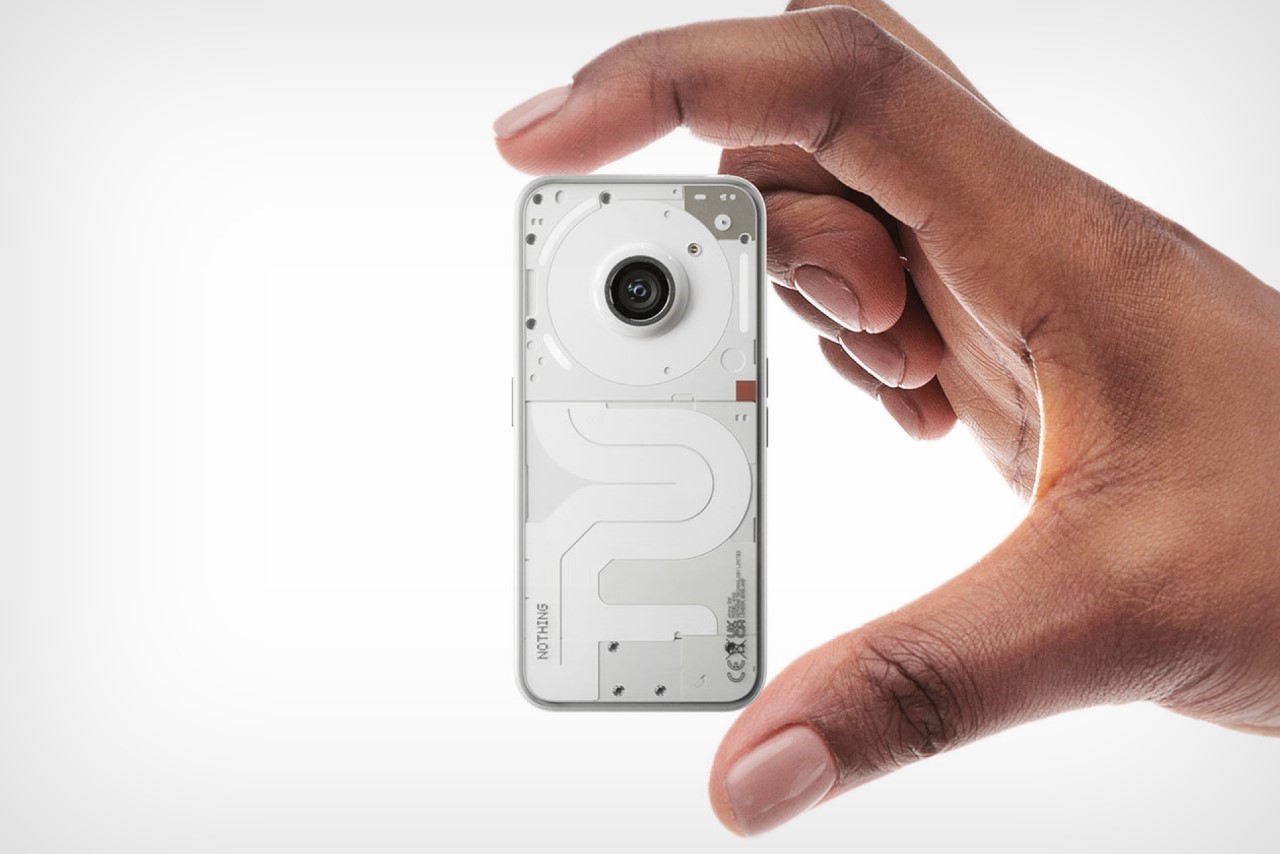
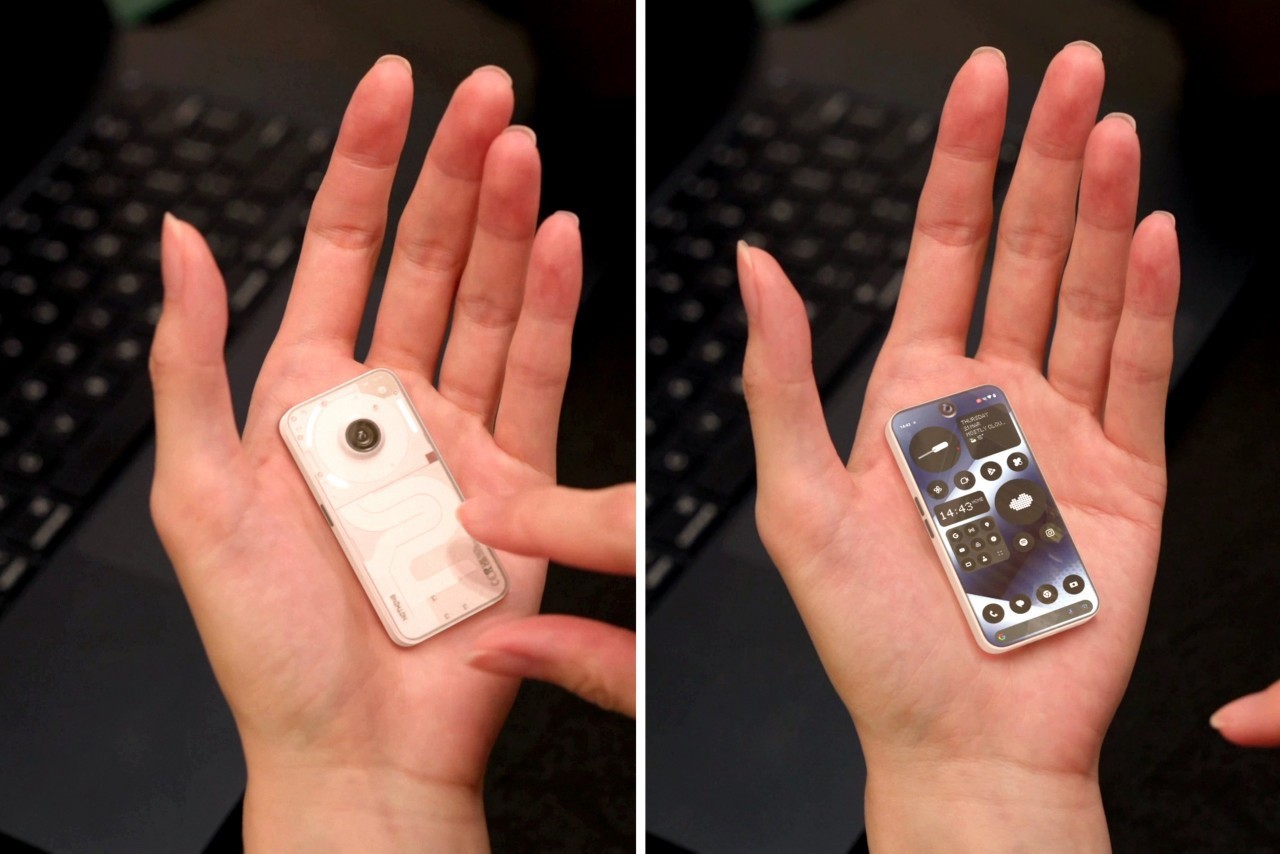
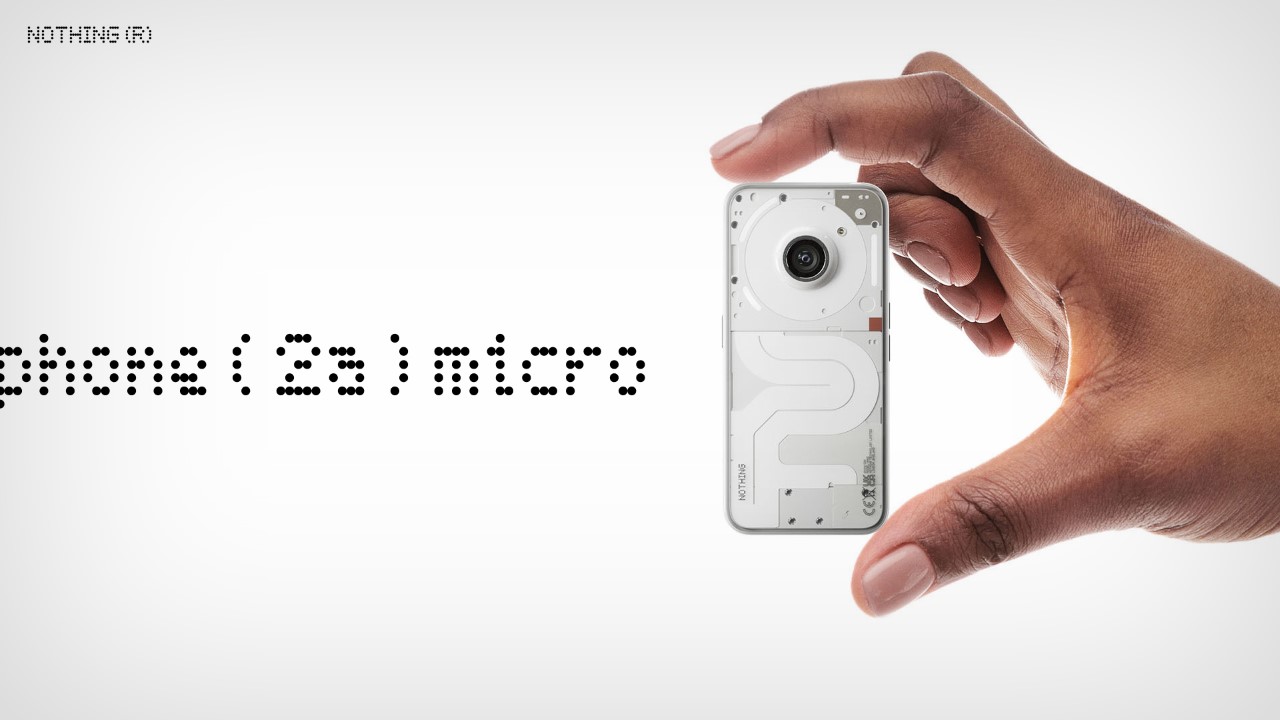
Meet the Phone (2a) Micro – an alternative to the Plus and Max phones of today’s world. Announced as a rather fitting April Fool’s Prank, the Phone (2a) Micro is functionally miniscule, measuring probably no larger than a Zippo lighter. However, it still manages to hold up rather well considering its size. The prototype (although we’re 99% certain it’s CGI) features a rather usable (yet tiny) screen that still somehow manages to be usable. The video above is a tiny (no pun intended) demonstration of the phone in action… and it also takes aim at major smartphone companies for abandoning the relatively large (again, no pun intended) audience of people with small hands!

Designer: Nothing

Roughly 3 inches tall, the Phone (2a) Micro comes with the same design as its predecessor, albeit scaled down. It ditches the dual camera on the back for a single one (there’s really no real estate for 2 lenses), but still retains every aspect of the phone’s design including even its Glyph Interface (which apparently works, in the video demo). Flip the phone over and you’ve got a virtually bezel-less screen (clearly even the tiniest of bezels weigh heavily on a phone that size), but the lack of bezels is made up by a whopper of a front-facing camera, which eats into a significant portion of the display. I guess good selfies are an important part of owning a phone, right?

I’ll be honest, April Fool’s Day jokes have all but died down ever since the pandemic, when corporates decided it just wasn’t worth the effort. Sure, sometimes a company like Volkswagen DOES crack a joke about rebranding to Voltswagen, sending economies and stock markets into a flurry, but overall, larger companies have sort of lost their sense of humor (Google used to crack elaborate jokes every year before Sundar Pichai took the reigns). However, it’s good to see newer companies taking things in their stride and trying to engage with their fans and communities using humor. Whether it’s Nothing’s tiny phone, or Razer’s chair with robotic arms, a good corporate joke just makes large brands feel more human, allowing people to resonate and connect with them on a deeper level… but as far as the Phone (2a) Micro goes, does it have a 3.5mm audio jack, though??

The post Nothing pokes fun at Apple for discontinuing the iPhone Mini with the Phone (2a) Micro first appeared on Yanko Design.
You can now use ChatGPT without an account

On Monday, OpenAI began opening up ChatGPT to users without an account. It described the move as part of its mission to “make tools like ChatGPT broadly available so that people can experience the benefits of AI.” It also gives the company more training data (for those who don’t opt out) and perhaps nudges more users into creating accounts and subscribing for superior GPT-4 access instead of the older GPT-3.5 model free users get.

I tested the instant access, which — as advertised — allowed me to start a new GPT-3.5 thread without any login info. The chatbot’s standard “How can I help you today?” screen appears, with optional buttons to sign up or log in. Although I saw it today, OpenAI says it’s gradually rolling out access, so check back later if you don’t see the option yet.

OpenAI says it added extra safeguards for accountless users, including blocking prompts and image generations in more categories than logged-in users. When asked for more info on what new categories it’s blocking, an OpenAI spokesperson told me that, while developing the feature, it considered how logged-out GPT-3.5 users could potentially introduce new threats.

The spokesperson added that the teams in charge of detecting and stopping abuse of its AI models have been involved in creating the new feature and will adjust accordingly if unexpected threats emerge. Of course, it still blocks everything it does for signed-in users, as detailed in its moderation API.

You can opt out of data training for your prompts when not signed in. To do so, click on the little question mark to the right of the text box, then select Settings and turn off the toggle for “Improve the model for everyone.”

OpenAI says more than 100 million people across 185 countries use ChatGPT weekly. Those are staggering numbers for an 18-month-old service from a company many people still hadn’t heard of two years ago. Today’s move gives those hesitant to create an account an incentive to take the world-changing chatbot for a spin, boosting those numbers even more.

This article originally appeared on Engadget at https://www.engadget.com/you-can-now-use-chatgpt-without-an-account-184417749.html?src=rss

You can now use ChatGPT without an account

On Monday, OpenAI began opening up ChatGPT to users without an account. It described the move as part of its mission to “make tools like ChatGPT broadly available so that people can experience the benefits of AI.” It also gives the company more training data (for those who don’t opt out) and perhaps nudges more users into creating accounts and subscribing for superior GPT-4 access instead of the older GPT-3.5 model free users get.

I tested the instant access, which — as advertised — allowed me to start a new GPT-3.5 thread without any login info. The chatbot’s standard “How can I help you today?” screen appears, with optional buttons to sign up or log in. Although I saw it today, OpenAI says it’s gradually rolling out access, so check back later if you don’t see the option yet.

OpenAI says it added extra safeguards for accountless users, including blocking prompts and image generations in more categories than logged-in users. When asked for more info on what new categories it’s blocking, an OpenAI spokesperson told me that, while developing the feature, it considered how logged-out GPT-3.5 users could potentially introduce new threats.

The spokesperson added that the teams in charge of detecting and stopping abuse of its AI models have been involved in creating the new feature and will adjust accordingly if unexpected threats emerge. Of course, it still blocks everything it does for signed-in users, as detailed in its moderation API.

You can opt out of data training for your prompts when not signed in. To do so, click on the little question mark to the right of the text box, then select Settings and turn off the toggle for “Improve the model for everyone.”

OpenAI says more than 100 million people across 185 countries use ChatGPT weekly. Those are staggering numbers for an 18-month-old service from a company many people still hadn’t heard of two years ago. Today’s move gives those hesitant to create an account an incentive to take the world-changing chatbot for a spin, boosting those numbers even more.

This article originally appeared on Engadget at https://www.engadget.com/you-can-now-use-chatgpt-without-an-account-184417749.html?src=rss

Google says it will destroy browsing data collected from Chrome’s Incognito mode

The first details emerged Monday from Google’s settlement of a class-action lawsuit over Chrome’s tracking of Incognito users. Filed in 2020, the suit could have required the company to pay $5 billion in damages. Instead, The Wall Street Journal reports that Google will destroy “billions of data points” it improperly collected, update its data collection disclosures and maintain a setting that blocks Chrome’s third-party cookies by default for the next five years.

The lawsuit accused Google of misleading Chrome users about how private Incognito browsing truly is. It claimed the company told customers their info was private — even as it monitored their activity. Google defended its practices by claiming it warned Chrome users that Incognito mode “does not mean ‘invisible’” and that sites could still see their activity. The settlement was first reported in December.

The suit initially asked for $5,000 in damages per user for alleged offenses related to federal wiretapping and California privacy laws. Google tried and failed to have the legal action dismissed, with Judge Lucy Koh determining in 2021 that the company “did not notify” users it was still collecting data while Incognito mode was active.

Engadget emailed Google for comment about the settlement details. We’ll update this article if we hear back.

The suit’s discovery included emails that, in late 2022, revealed publicly some of the company’s concerns about Incognito’s false privacy. In 2019, Google Chief Marketing Officer Lorraine Twohill suggested to CEO Sundar Pichai that “private” was the wrong term for Incognito mode because it risked “exacerbating known misconceptions.” In a later email exchange, Twohill wrote, “We are limited in how strongly we can market Incognito because it’s not truly private, thus requiring really fuzzy, hedging language that is almost more damaging.”

The court didn’t approve a class of plaintiffs for financial damages, so users would have to sue Google as individuals to try to collect compensation. Some didn’t waste any time: A group of 50 people already filed a separate suit in California state court on Thursday over the privacy violations.

The lawsuit’s trial was initially scheduled for February. The settlement still needs final approval from Judge Yvonne Gonzalez Rogers of the Northern District of California before it’s official.

“This settlement is an historic step in requiring honesty and accountability from dominant technology companies,” Attorney David Boies, who represents the plaintiffs, said in a statement to The Wall Street Journal.

One piece of the settlement, the requirement that Google turn off third-party tracking cookies by default for the next five years, could already be a moot point. The company’s Privacy Sandbox initiative was already scheduled to disable all third-party cookies for Chrome users by the end of the year. It will replace them with the Topics API, a system that avoids cookies by categorizing browsing activity into locally stored topics. The new system lets advertisers target ads toward users without having direct access to their browsing data.

It’s also questionable how effective the destruction of the improperly collected data will be. Considering that the suit covers information stretching back to 2016, it’s reasonable to assume the company sold much of the data to third parties long ago or incorporated it into separate products not covered by the settlement.

Google will also have to rewrite its privacy disclosures over its data collection practices in Incognito mode. It told The WSJ it’s already begun applying the change.

This article originally appeared on Engadget at https://www.engadget.com/google-says-it-will-destroy-browsing-data-collected-from-chromes-incognito-mode-172121598.html?src=rss

Google says it will destroy browsing data collected from Chrome’s Incognito mode

The first details emerged Monday from Google’s settlement of a class-action lawsuit over Chrome’s tracking of Incognito users. Filed in 2020, the suit could have required the company to pay $5 billion in damages. Instead, The Wall Street Journal reports that Google will destroy “billions of data points” it improperly collected, update its data collection disclosures and maintain a setting that blocks Chrome’s third-party cookies by default for the next five years.

The lawsuit accused Google of misleading Chrome users about how private Incognito browsing truly is. It claimed the company told customers their info was private — even as it monitored their activity. Google defended its practices by claiming it warned Chrome users that Incognito mode “does not mean ‘invisible’” and that sites could still see their activity. The settlement was first reported in December.

The suit initially asked for $5,000 in damages per user for alleged offenses related to federal wiretapping and California privacy laws. Google tried and failed to have the legal action dismissed, with Judge Lucy Koh determining in 2021 that the company “did not notify” users it was still collecting data while Incognito mode was active.

Engadget emailed Google for comment about the settlement details. We’ll update this article if we hear back.

The suit’s discovery included emails that, in late 2022, revealed publicly some of the company’s concerns about Incognito’s false privacy. In 2019, Google Chief Marketing Officer Lorraine Twohill suggested to CEO Sundar Pichai that “private” was the wrong term for Incognito mode because it risked “exacerbating known misconceptions.” In a later email exchange, Twohill wrote, “We are limited in how strongly we can market Incognito because it’s not truly private, thus requiring really fuzzy, hedging language that is almost more damaging.”

The court didn’t approve a class of plaintiffs for financial damages, so users would have to sue Google as individuals to try to collect compensation. Some didn’t waste any time: A group of 50 people already filed a separate suit in California state court on Thursday over the privacy violations.

The lawsuit’s trial was initially scheduled for February. The settlement still needs final approval from Judge Yvonne Gonzalez Rogers of the Northern District of California before it’s official.

“This settlement is an historic step in requiring honesty and accountability from dominant technology companies,” Attorney David Boies, who represents the plaintiffs, said in a statement to The Wall Street Journal.

One piece of the settlement, the requirement that Google turn off third-party tracking cookies by default for the next five years, could already be a moot point. The company’s Privacy Sandbox initiative was already scheduled to disable all third-party cookies for Chrome users by the end of the year. It will replace them with the Topics API, a system that avoids cookies by categorizing browsing activity into locally stored topics. The new system lets advertisers target ads toward users without having direct access to their browsing data.

It’s also questionable how effective the destruction of the improperly collected data will be. Considering that the suit covers information stretching back to 2016, it’s reasonable to assume the company sold much of the data to third parties long ago or incorporated it into separate products not covered by the settlement.

Google will also have to rewrite its privacy disclosures over its data collection practices in Incognito mode. It told The WSJ it’s already begun applying the change.

This article originally appeared on Engadget at https://www.engadget.com/google-says-it-will-destroy-browsing-data-collected-from-chromes-incognito-mode-172121598.html?src=rss

This Pagoda Lamp Is A Fusion Of Buddhist Architecture and Innovation

The Pagoda Lamp taps into the rich symbolism of Buddhist pagodas to create an unparalleled lighting experience. Pagodas, renowned for their tower-like stature, multi-story design, and construction from stone, brick, or wood, are typically associated with Buddhist temple complexes and are a common sight in East and Southeast Asia. Inspired by the deep significance imbued within these iconic structures – embodiments of enlightenment and spiritual wisdom – the visionaries behind the Pagoda Lamp set out to translate these age-old concepts into a contemporary masterpiece. In their pursuit, they seamlessly weave tradition into the fabric of modern design, breathing new life into ancient symbolism.

Designer: Zongming Liu and Xingchen Pan

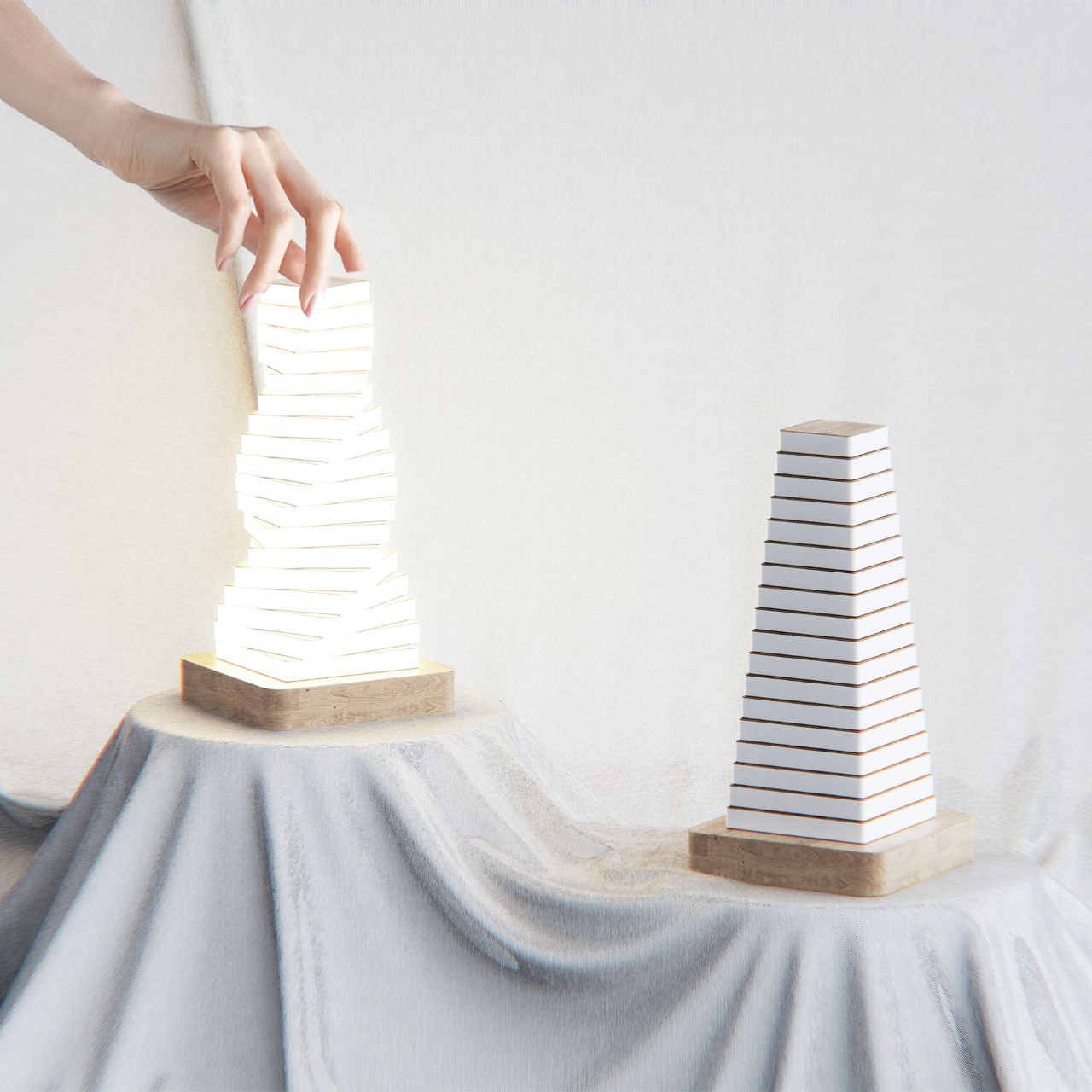
At the heart of this lamp’s design philosophy lies the ambition to reimagine traditional symbols uniquely and refreshingly. Departing from conventional lamp designs, this luminary masterpiece boasts a distinctive feature – a seamless integration of form and function, reminiscent of the artful rotations of a pagoda. Its appearance alone speaks volumes, with the bulbs housed within the graceful contours of the pagoda’s shape, exuding an aura of elegance and mystique.

What truly sets this lamp apart is its innovative approach to user interaction. Eschewing the need for external switches, the lamp ingeniously incorporates its controls into the very essence of its design. With a simple touch and gentle rotation atop the pagoda, users can effortlessly illuminate their space, adjusting brightness levels to suit their preferences. This intuitive functionality not only enhances the user experience but also adds a touch of magic to everyday lighting routines.

Crafted with precision and attention to detail, the Pagoda Lamp is as much a feat of engineering as it is a work of art. The shell, meticulously fashioned from teak wood, offers not only aesthetic appeal but also durability and stability. Designed to withstand the rigors of daily use, the lamp’s construction ensures minimal deformation, while the natural heat conduction of wood imbues a sense of warmth and comfort to any space it illuminates.

With dimensions of 10cm x 10cm x 20cm, the Lamp is perfectly suited for a variety of settings, from cozy reading nooks to elegant study spaces. Moreover, its affordable price point makes it accessible to a wide audience, catering to the diverse needs of modern households. In a market saturated with mundane lamp designs, the Pagoda Lamp stands out as a testament to the transformative power of innovative design, elevating the humble desk lamp into a true work of art. However, behind its exquisite exterior lies a testament to ingenuity and craftsmanship. The complex internal structure of this lamp posed significant challenges during the manufacturing process, requiring meticulous attention to detail and precision machining techniques to achieve the desired outcome. Yet, it is precisely this commitment to excellence that sets this lamp apart, ensuring a product of unparalleled quality and sophistication.
The post This Pagoda Lamp Is A Fusion Of Buddhist Architecture and Innovation first appeared on Yanko Design.