Teenage Engineering’s built a medieval-themed sampler, complete with Gregorian chants

Teenage Engineering is no stranger to weird gadgets that defy description. This is a company that released a $250 toy car and, uh, whatever these are. We all knew that. We also knew that the company would likely be releasing a follow-up to its massively successful EP-133 K.O. II sampler. We couldn’t in a million years, however, have guessed that it would be a medieval-themed monstrosity.

That’s right. The sequel to the K.O. II is a sampler built entirely around sounds inspired by the middle ages. It’s all here, from Gregorian chants and lutes to drum sounds that recall Monty Python. The sampler also comes pre-loaded with tons of themed foley effects, like sword slashes, arrows, farm animals and, according to the company, “an actual dragon.” The EP-1320 Medieval has everything, if by “everything” we mean samples of screaming peasants.

Aesthetically, it’s basically the K.O. II with a different skin. The design features red calligraphy, castle towers and, of course, plenty of latin. As a matter of fact, it’s not even referred to as a sampler at all. The company’s calling it “the world’s first medieval electronic instrument” and there’s a large label on the front that reads “instrumentalis electronicum.”

The front panel of the EP-1320.
Teenage Engineering

There are new effects, for those worried it would just crib from last year’s model. These include something called a “torture chamber reverb” and another referred to as a “Bardic ensemble." The arpeggiator has been redesigned and there are hundreds of new multi-sampled instruments. Teenage Engineering also says, and I’m not kidding, that the drum pads smell of cocoa. We reached out about that last one and will report back when we get some info.

Of course, this is a sampler at heart, so users can put anything they want on it via the internal microphone or USB-C connection. It’s also essentially a K.O. II, so there’s the same punch-in FX tool, nine memory slots, dinky speaker and a battery compartment that holds four AAAs. But out of the box, it has everything you could possibly need for a D&D-themed rave.

Just like the original, it’s $300. Orders are available now. Diehards can also pick up a themed t-shirt, a vinyl record and a quilted carry bag.

The EP-133 K.O. II was a huge hit, but was plagued by some performance concerns, including a number of units that shipped with busted faders. TE says all of this was due to poor packaging. Let’s hope the company got all that sorted out.

This article originally appeared on Engadget at https://www.engadget.com/audio/teenage-engineerings-built-a-medieval-themed-sampler-complete-with-gregorian-chants-164941795.html?src=rss

Sonos Ace owners can now swap TV audio with the Ray and Beam soundbars

Sonos has delivered on its promise to expand TV audio swap for its new Ace headphones, which launched in June. When the premium cans arrived, support for the TV sound-switching feature was limited to the Arc soundbar. But starting on Tuesday, Ace owners can swap their audio with the Ray and both generations of the Beam.

After installing today’s update through the Sonos app, Ace users can move audio from their TV to their headphones by pressing the content key on their right ear cup. Alternatively, the Sonos app can do the same. The feature works on iOS and Android after being limited to iOS on the headphones’ arrival.

TV audio swap supports spatial audio with Dolby Atmos, so you can feel “centered in the action,” as a Sonos spokesperson put it. Engadget’s audio gear expert, Billy Steele, was impressed with how the feature worked with the NBA playoffs on TNT. “Regularly, the commentary trio is clear with a bit of crowd noise in the background, but after Sonos does its tricks, the announcers are more prominent and dynamic. Plus, the cheers of the crowd envelope you so it feels more like you’re in the arena.”

“TV Audio Swap really is as quick and easy as pressing a button,” he wrote in our Ace headphones review.

Once activated, the feature works through a Wi-Fi chip inside the headphones that takes over to receive the soundbar’s signals. Low-energy Bluetooth will remain connected to your phone for controls and settings, although there’s one caveat: You’ll have to un-swap the audio to reconnect Bluetooth if a call comes in while watching.

This article originally appeared on Engadget at https://www.engadget.com/audio/headphones/sonos-ace-owners-can-now-swap-tv-audio-with-the-ray-and-beam-soundbars-161925958.html?src=rss

A Quiet Place: The Road Ahead is coming to PC, PlayStation and Xbox on October 17

If there was ever a movie franchise that was seemingly made to be turned into a video game, it would be A Quiet Place. The films are basically already stealth horror titles. The premise, after all, involves bloodthirsty and noise-sensitive aliens. To that end, we already knew the franchise was getting the gaming treatment. Now we have an official release date of October 17 for the first digital spinoff. 

A Quiet Place: The Road Ahead is a first-person horror adventure that’s set in the same world as the movies, but tells a brand new story. In other words, you won’t be controlling a digital John Krasinski or a digital Lupita Nyong'o. You’ll play as a brand-new character charting her own path in this royally screwed up dystopia.

Just like the movies, players will have to rely on their wits and whatever simple tools they find when scavenging about, like flashlights and noise detectors. Developer Stormind Games, who was behind Remothered and Batora: Lost Haven, promises both thrills and chills. Today’s release date trailer certainly confirms that. The spooky vibes are off the chart.

A Quiet Place: The Road Ahead will be released on PC, PS5 and Xbox Series X/S. Pre-orders are available right now and early purchasers get “exclusive in-game content and digital concept art.” The game costs $30.

This article originally appeared on Engadget at https://www.engadget.com/gaming/a-quiet-place-the-road-ahead-is-coming-to-pc-playstation-and-xbox-on-october-17-151706002.html?src=rss

Get Beats Studio Pro headphones with AppleCare+ for $174

It's all too easy to accidentally damage a piece of tech, which is why many Apple fans opt to pay for the company's AppleCare+ coverage for piece of mind. It's perhaps not too often that you see deals involving AppleCare+, but there's a solid one on the Beats Studio Pro at the minute. You can snap up a pair with two years of AppleCare+ coverage for $174. That's a discount of $205.

Given that the headphones by themselves cost $180, you're effectively getting 24 months of AppleCare+ protection for zilch and saving five bucks on the headphones. The deal applies to the black, navy and sandstone colorways but not the deep brown variant.

We gave the headphones a score of 81 in our review last year. The improved sound quality (compared with previous Beats over-ear headphones) and voice clarity were major plus points. The transparency mode, a feature that wasn't present in the Beats Studio 3, works fairly well too. Meanwhile, if you plug the headphones into your audio source via USB-C, you can enjoy lossless music at sample rates up to 24-bit/48kHz thanks to the built-in digital-to-analog converter. Dynamic head tracking is a neat feature, while some reviewers have pointed out that the Beats Studio Pro play nicely with Android devices too.

Unfortunately, the headphones might be a tight fit for some folks given their clamping force. We found the lack of automatic pausing and multipoint iOS connectivity to be disappointing, particularly in the latter case since this is an Apple product.

AppleCare+ for Headphones builds on the one year of limited warranty and 90 days of technical support you get as standard with Apple's audio gear. It adds round-the-clock access to Apple experts by phone or chat, along with unlimited incidents of accidental damage protection for the two-year coverage period. You'll just need to pay a $29 fee for each repair..

Follow @EngadgetDeals on Twitter and subscribe to the Engadget Deals newsletter for the latest tech deals and buying advice.

This article originally appeared on Engadget at https://www.engadget.com/deals/get-beats-studio-pro-headphones-with-applecare-for-174-150034075.html?src=rss

Realme 13 Pro+ Review: AI-Powered Photography Masterpiece or Miss?

PROS:


  • Strong main and telephoto performance

  • Plenty of AI features

  • Big battery

  • Elegant design

CONS:


  • Same processor its predecessor

  • No wireless charging

RATINGS:

AESTHETICS
ERGONOMICS
PERFORMANCE
SUSTAINABILITY / REPAIRABILITY
VALUE FOR MONEY

EDITOR'S QUOTE:

Realme's approach with the Realme 13 Pro+ underscores its commitment to staying at the forefront of innovation in the mobile industry.

In 2024, AI has become an indispensable component of modern smartphones. From revolutionizing photography and enhancing device efficiency to providing intelligent personal assistance, AI-powered features are no longer luxuries but necessities. Realme has positioned the Realme 13 Pro+ as an ‘Ultra Clear Camera with AI,’ featuring a dual 50MP Sony AI camera system and the company’s proprietary HYPERIMAGE+ AI photography architecture. This combination aims to deliver advanced image processing capabilities and exceptional photo quality.

Realme recently hosted a press event in Bangkok to showcase the capabilities of the HYPERIMAGE+ system. Attendees had the opportunity to experience the camera’s features firsthand, exploring its potential in various scenarios. Now, we have thoroughly tested the Realme 13 Pro+ to provide you with an in-depth review of its performance and capabilities.

Designer: Realme

Aesthetics

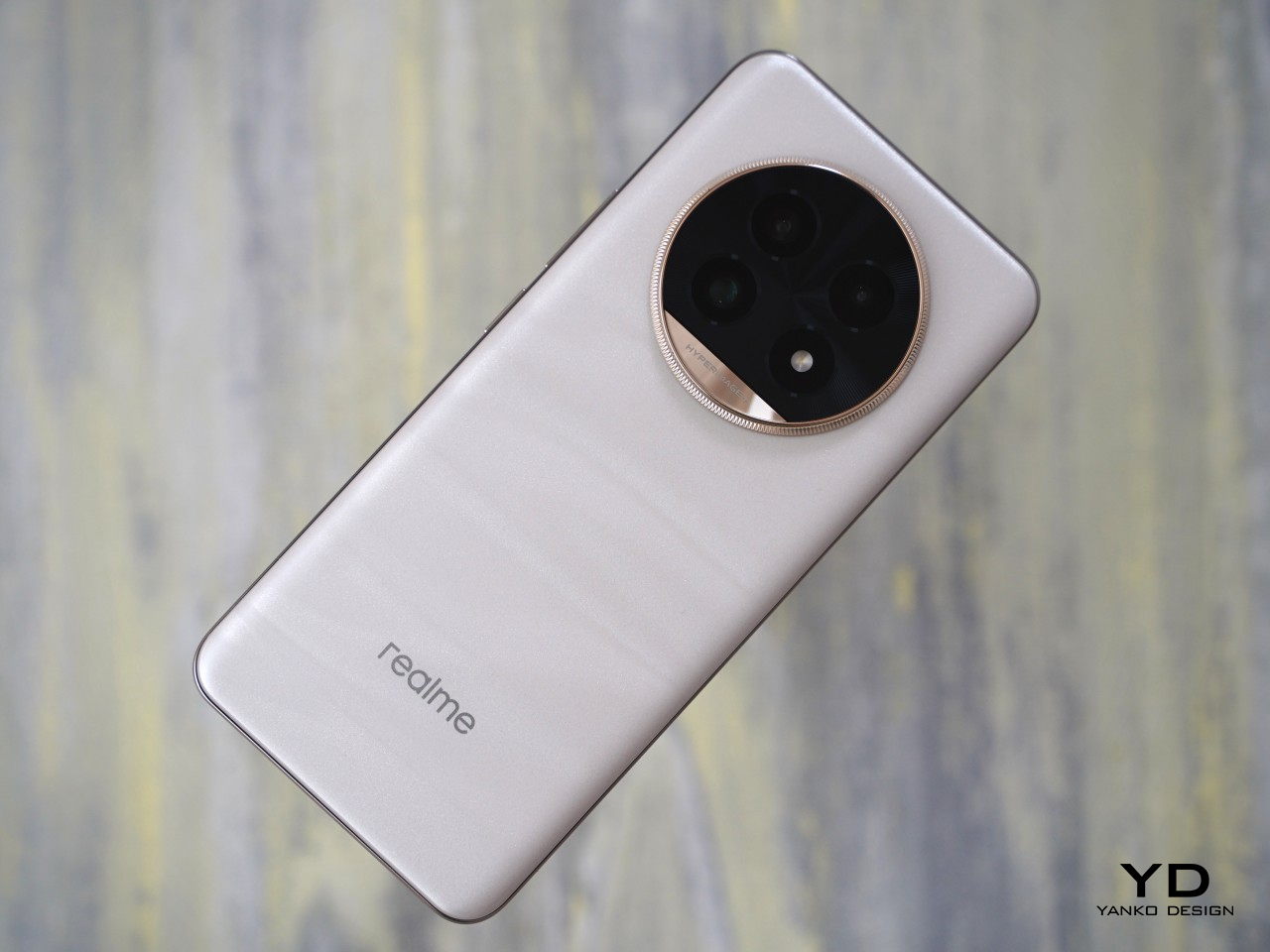
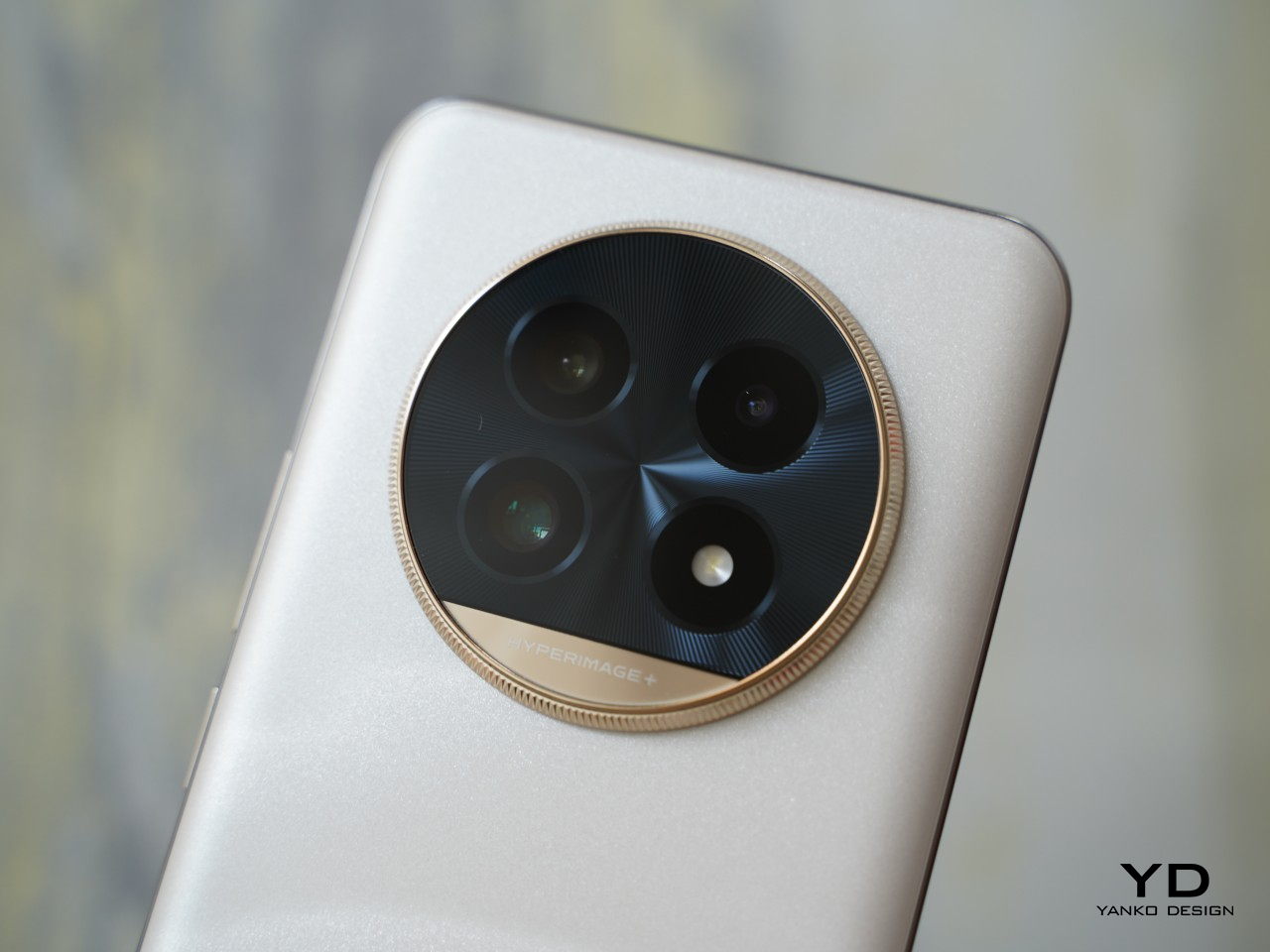
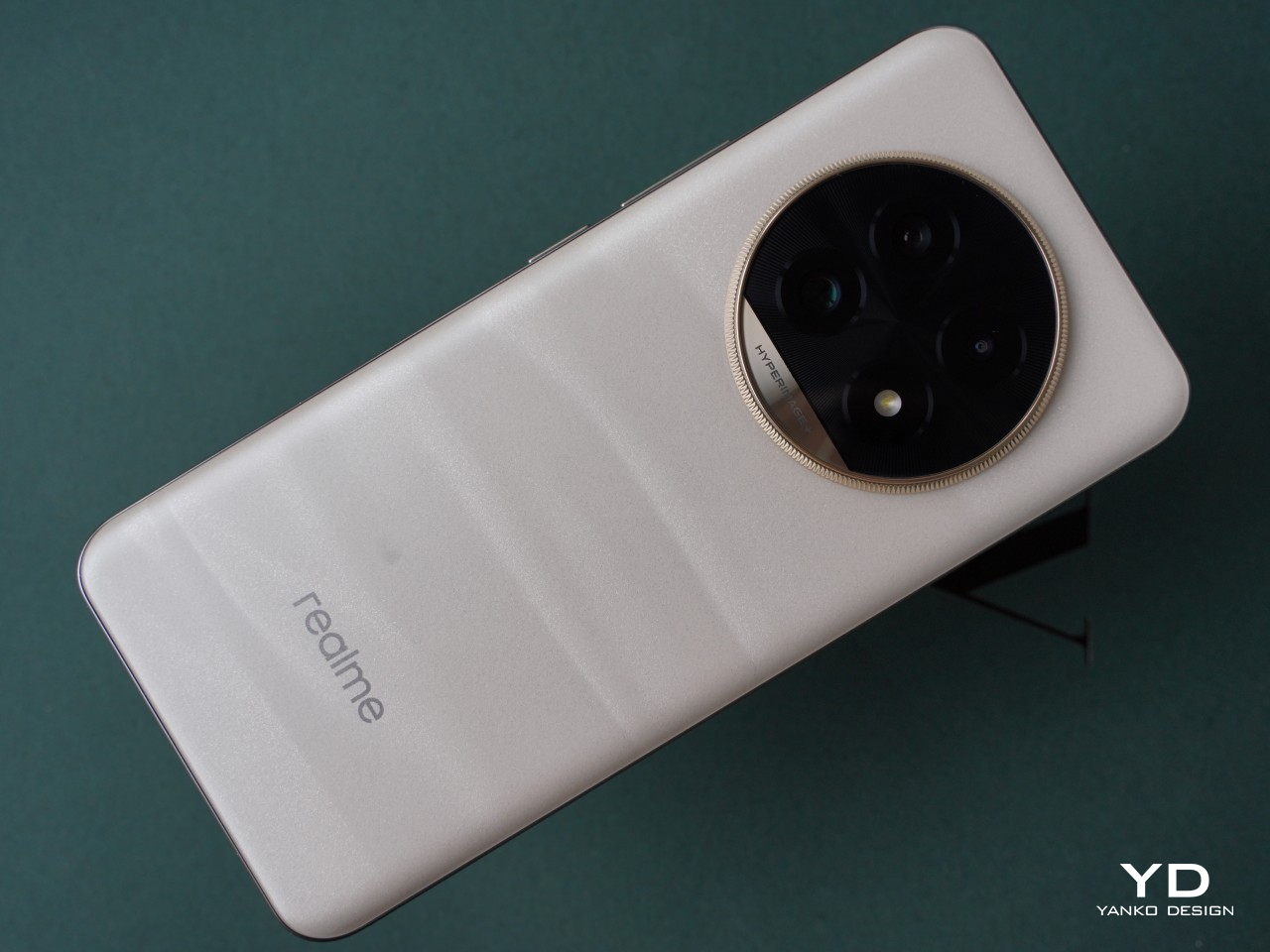
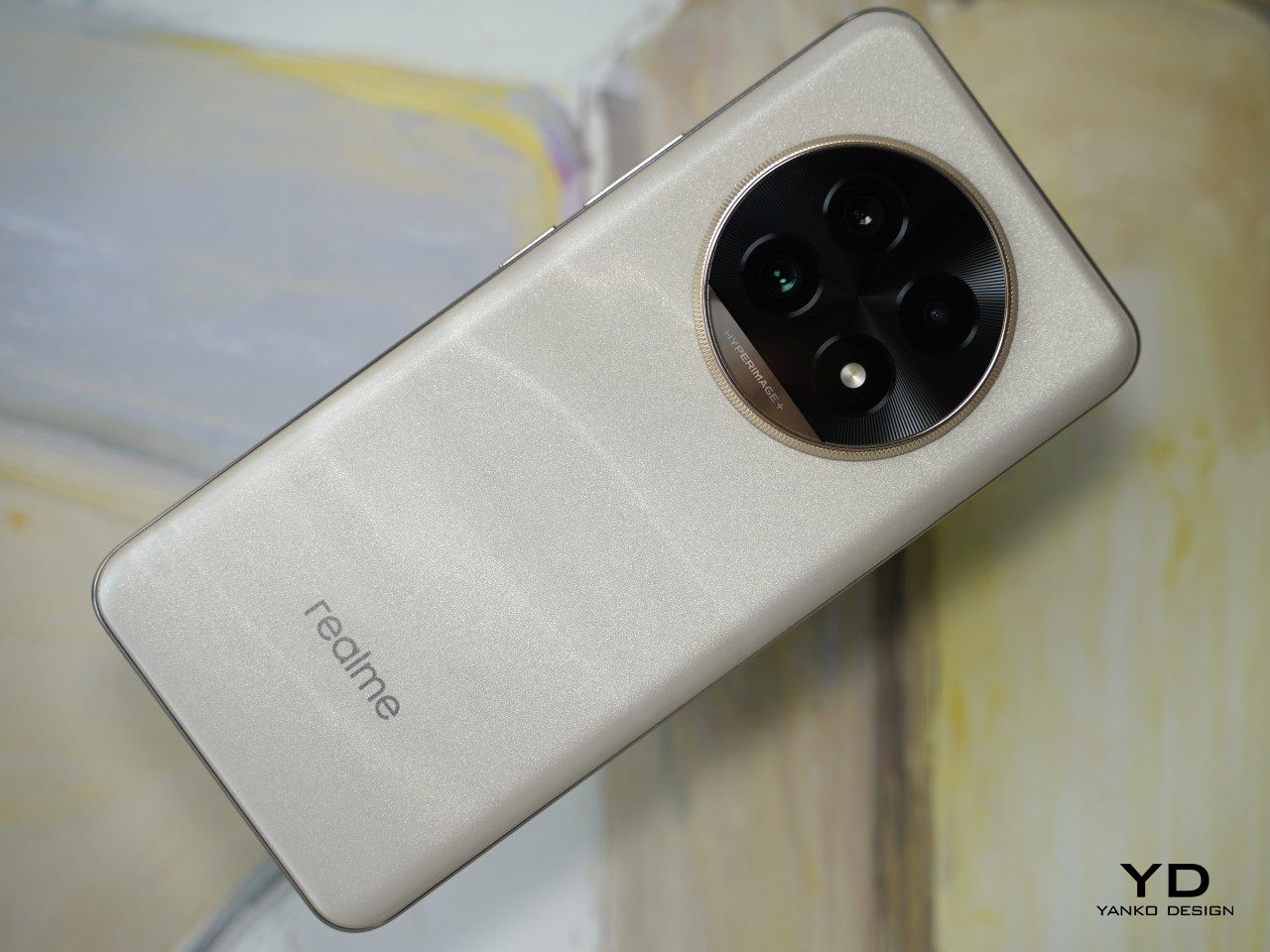
Building upon the design language of the Realme 12 series, the Realme 13 Pro+ smartphone embodies an aesthetic journey inspired by Claude Monet’s renowned painting, Grainstack (Sunset). Gone is the shiny gold vertical line that flowed across the center, replaced by a refined circular camera module with a luxury watch-inspired ring on the back panel.

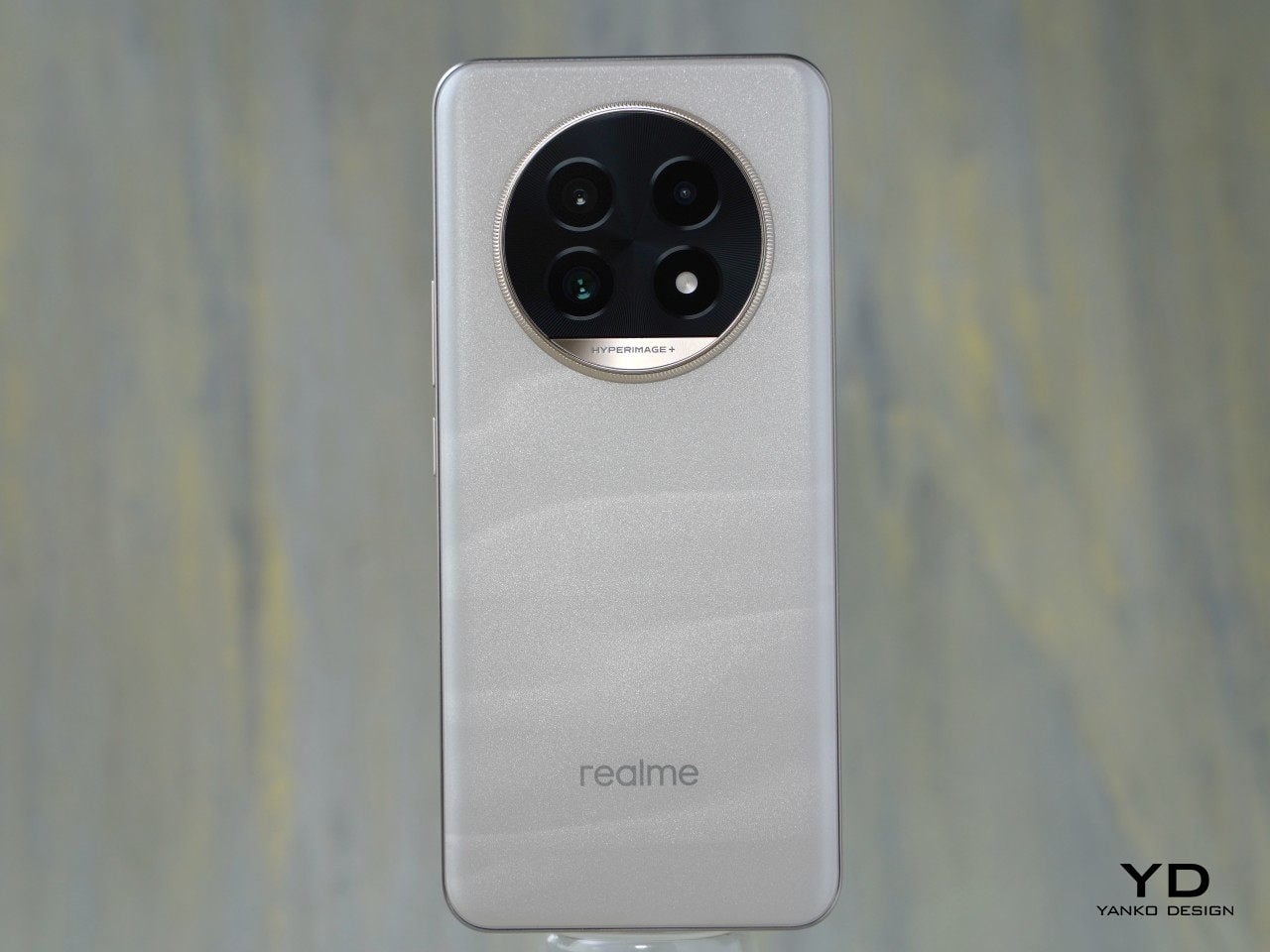
The Realme 13 Pro+ comes in two colorways: Monet Gold and Emerald Green. The review unit we received is the Monet Gold, featuring a frosted glass material that showcases Monet’s brush-inspired pattern on the back panel. The Emerald Green variant, on the other hand, features vegan leather. Whether opting for the shimmering effects of Monet Gold or the luxurious feel of Emerald Green, the Realme 13 Pro+ offers a choice that reflects individual style while honoring Monet’s influence on contemporary design.

The circular camera module with the gold ring around the edge houses a triple-camera setup and an LED flash. Realme has improved upon the 12 series design by eliminating the fake camera placements and replacing them with the LED flash, resulting in a neater and more practical camera module. The module now features “HYPERIMAGE+” inscribed near the bottom against the gold background, while the Realme branding is subtly placed toward the bottom of the device. Overall, the phone presents a clean and sleek aesthetic, with the camera module serving as the focal point.

Ergonomics

The Monet Gold variant measures 161.34mm x 73.91mm x 8.23mm and weighs 190g, while the Emerald Green variant is slightly thicker at 8.41mm but weighs marginally less at 185.5g. It balances well in hand, and the curved and rounded edges ensure a comfortable grip. The Monet Gold features a frosted glass finish that provides a velvety texture, ensuring a secure and comfortable grip without feeling slippery. The Emerald Green variant, with its vegan leather back panel, should offer a similarly high level of grip, if not more tactile and reassuring.


Performance

As a camera-focused device, the Realme 13 Pro+ boasts two world-first Sony sensors, showcasing Realme’s strengthened partnership with Sony. The first is a 50MP main sensor with the Sony LYT-701, featuring a 1/1.56” sensor, f/1.88 aperture, and optical image stabilization (OIS). The second is a 50MP telephoto sensor with the Sony LYT-600, featuring a 1/1.96” sensor and f/2.65 aperture. Completing the triple-camera setup is an 8MP ultrawide lens with an f/2.2 aperture. On the front, the 32MP selfie camera with an f/2.45 aperture is centered at the top of the display.
The Realme 13 Pro+ is equipped with Realme’s Hyperimage+ camera system, which enhances photos using both on-device AI algorithms and cloud-based AI image editing. The Realme AI HyperRAW Algorithm boosts image clarity and dynamic range, while features like the AI Portrait Algorithm improve subject isolation, bokeh effects, and skin tone. Additionally, the Group Photo Enhance feature sharpens each person’s face, regardless of their position in the group photo.

In optimal lighting, the main camera captures sharp, vibrant photos with rich detail. In low-light conditions, it maintains good performance and handles exposure well. The 3x zoom photos taken with the telephoto camera are excellent in most scenarios, offering strong dynamic range and detail in both daylight and nighttime. The telephoto lens supports up to 120x zoom, though image quality begins to deteriorate beyond 6x zoom, especially in low-light conditions. The ultrawide camera delivers satisfactory results but isn’t particularly remarkable, and the same applies to the front-facing camera.

ultrawide

1x

2x

3x

10x

20x

120x

The AI Ultra Clarity feature, even though it’s still in beta, performs well by naturally unblurring blurred images and salvaging otherwise unusable photos. However, it cannot handle motion blur. The phone also boasts the AI Smart Removal feature, which was first introduced in the GT6 series.


Oplus_131072

For video recording, the device can capture up to 4K footage at 30 fps or 1080p at 60 fps with the main and telephoto cameras. The ultrawide camera is capped at 1080p resolution at 30 fps. The front-facing camera can record video in 4K at 30 fps but does not support 60 fps. The footage from both the main and telephoto cameras is great, though there is no stabilization available in 4K.


Portrait 1x

Portrait 3x

The phone is equipped with the Snapdragon 7s Gen 2, the same as its predecessor, coupled with 12 GB of RAM (expandable by 4 GB) and 512 GB of storage. It handles everyday tasks with many apps open in the background without issue. However, you may need to settle for medium settings in graphic-intensive games. For mobile gamers, the Realme 13 Pro might be a better choice for its 3D VC Cooling system that keeps the phone running at peak performance without getting too hot.

The phone features a 6.7-inch AMOLED FHD+ display with a resolution of 1,080 x 2,412 pixels and a 120Hz refresh rate. The screen boasts an impressive peak brightness of 2,000 nits, ensuring excellent visibility even in direct sunlight. It also features 2,160Hz PWM dimming and an AI Eye Protection function, designed to reduce eye strain and enhance visual comfort during prolonged use.

Powering the device is a robust 5,200 mAh battery, which comfortably lasts through a full day of typical usage. For charging, the Realme 13 Pro+ supports 80W SUPERVOOC technology, allowing for rapid recharge times and minimal downtime. Realme claims that the battery maintains over 80% of its original health even after 1,600 charging cycles, highlighting its durability and longevity.
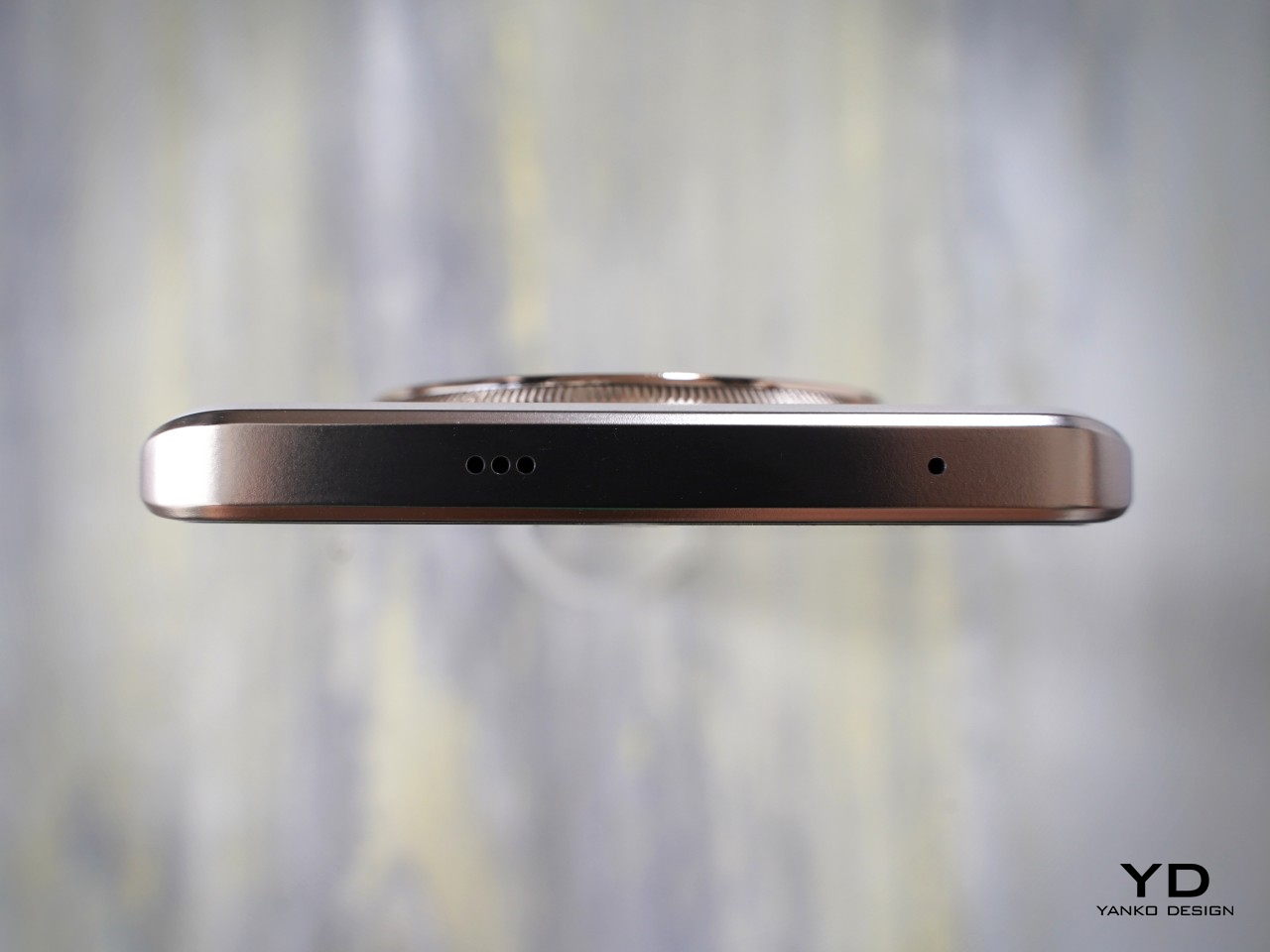
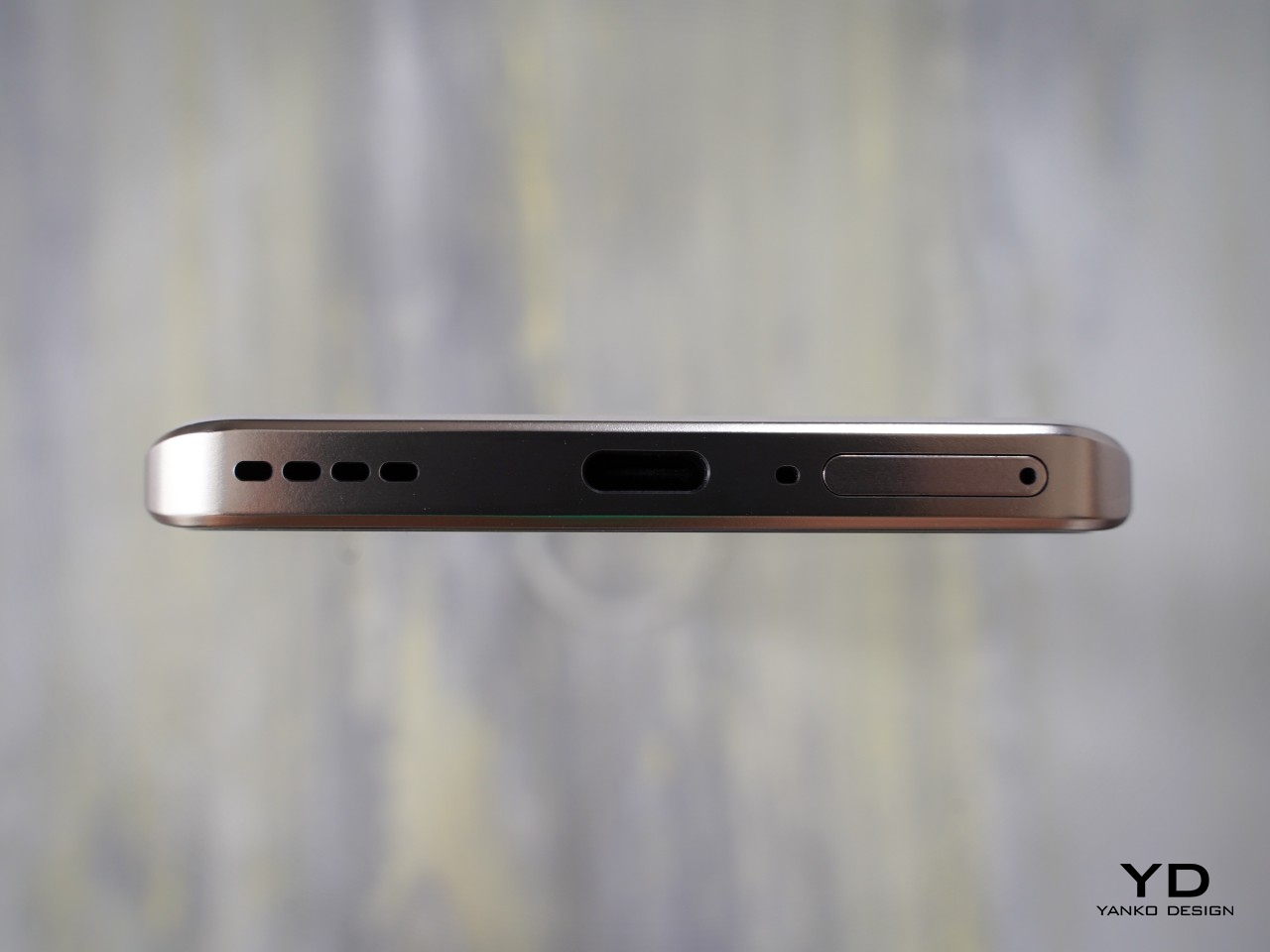
Sustainability

While Realme has not specified the use of recycled materials in the construction of the Realme 13 Pro+, the device is designed with sustainability and durability in mind. Its display is protected by Corning Gorilla Glass 7i, which is known for its robust protection against scratches and drops. Additionally, the Emerald Green variant holds a Swiss SGS 5-Star certification for drop resistance, boasting 160% improved drop resistance and 100% scratch resistance. This design allows you to handle the phone with confidence, even if you’re prone to occasional drops or mishaps.

The phone is also rated IP65, providing effective protection against dust and water ingress, which further extends its longevity and usability in various conditions. Furthermore, Realme’s battery technology contributes to the device’s sustainability by ensuring that the battery maintains over 80% of its original health after 1,600 charging cycles. This longevity not only enhances the device’s overall lifespan but also supports environmental efforts by reducing the frequency of battery replacements and electronic waste.
Value

The Realme 13 Pro+ is now available in India, starting at ₹32,999 (approximately $400 USD) for the base model. Realme has also announced that the phone will soon be launched in other global markets. With its compelling blend of features and impressive main and telephoto camera capabilities, the Realme 13 Pro+ offers notable value for money.

In the competitive mid-to-high range segment where the Realme 13 Pro+ operates, several strong contenders are vying for attention. For instance, the OnePlus Nord 4, which we reviewed last month, stands out with its excellent battery life and sleek metal unibody design. The Nothing Phone (2a) distinguishes itself with a unique aesthetic and robust performance. Additionally, the Infinix NOTE 40 Pro+ presents a cost advantage at roughly $50 USD less, offering magnetic wireless charging and including a magnetic wireless charger in the box. Each of these alternatives has its strengths, making the choice between them a matter of personal preference and priorities.
Verdict

The integration of AI into smartphones reflects a broader trend toward leveraging advanced technologies to redefine user experiences. Realme’s approach with the Realme 13 Pro+ underscores its commitment to staying at the forefront of innovation in the mobile industry, particularly in enhancing photography capabilities through AI-driven solutions. With its strong value proposition, the Realme 13 Pro+ offers a compelling option for those seeking a balance of technology, design, and practicality in their smartphone.
The post Realme 13 Pro+ Review: AI-Powered Photography Masterpiece or Miss? first appeared on Yanko Design.

New Audi e-tron GT Now Available For £107,730 OTR

Audi e-tron GT

The Audi e-tron GT is set to redefine the world of electric performance vehicles with its stunning design, innovative technology, and exhilarating driving dynamics. This electrified four-door coupe, available in the UK with a starting price of £107,730, comes in three distinct variants: the S e-tron GT, RS e-tron GT, and RS e-tron GT performance. […]

The post New Audi e-tron GT Now Available For £107,730 OTR appeared first on Geeky Gadgets.

More iPhone 16 Details & Specs Leaked

iPhone 16

Apple enthusiasts are eagerly awaiting the company’s September event, which is expected to showcase a range of new products, including the highly anticipated iPhone 16, iPhone 16 Pro, Apple Watch Ultra 3, and Apple Watch Series 10. This event is always a highlight in the tech world, as Apple unveils its latest innovations and sets […]

The post More iPhone 16 Details & Specs Leaked appeared first on Geeky Gadgets.

Vinyl player has built-in speaker and high-fidelity belt drive

In this age of digital music, you still see some true-blue music lovers that collect vinyl records. To be able to fully appreciate the quality of this high-fidelity kind of music though, you also need to have a pretty good vinyl player. The quality though of what’s available in the market can be hit or miss, especially for those that have limited budget. So when we see something that’s relatively affordable but you know can bring you great music, we can’t wait to add to cart.

Designer: 1 By One

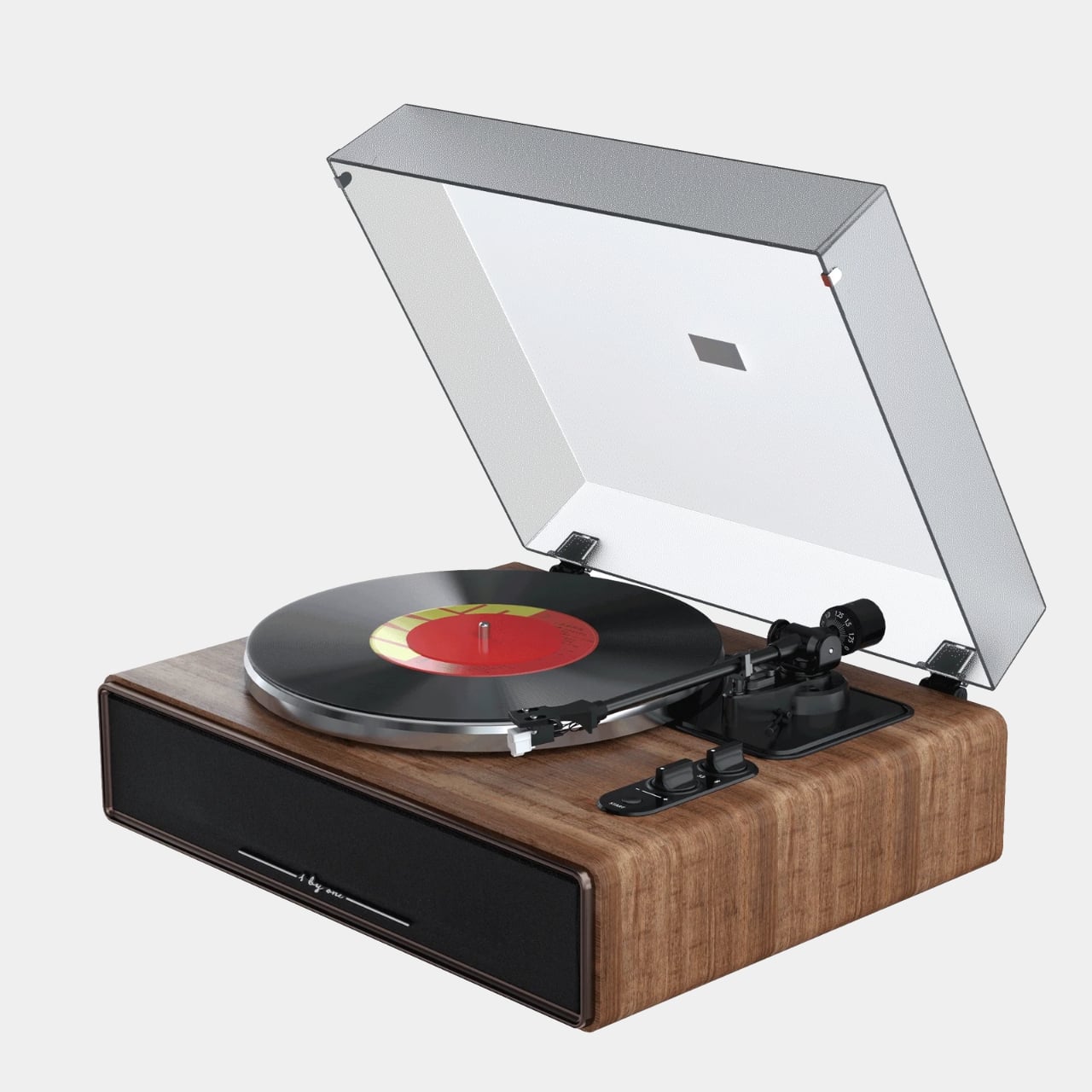
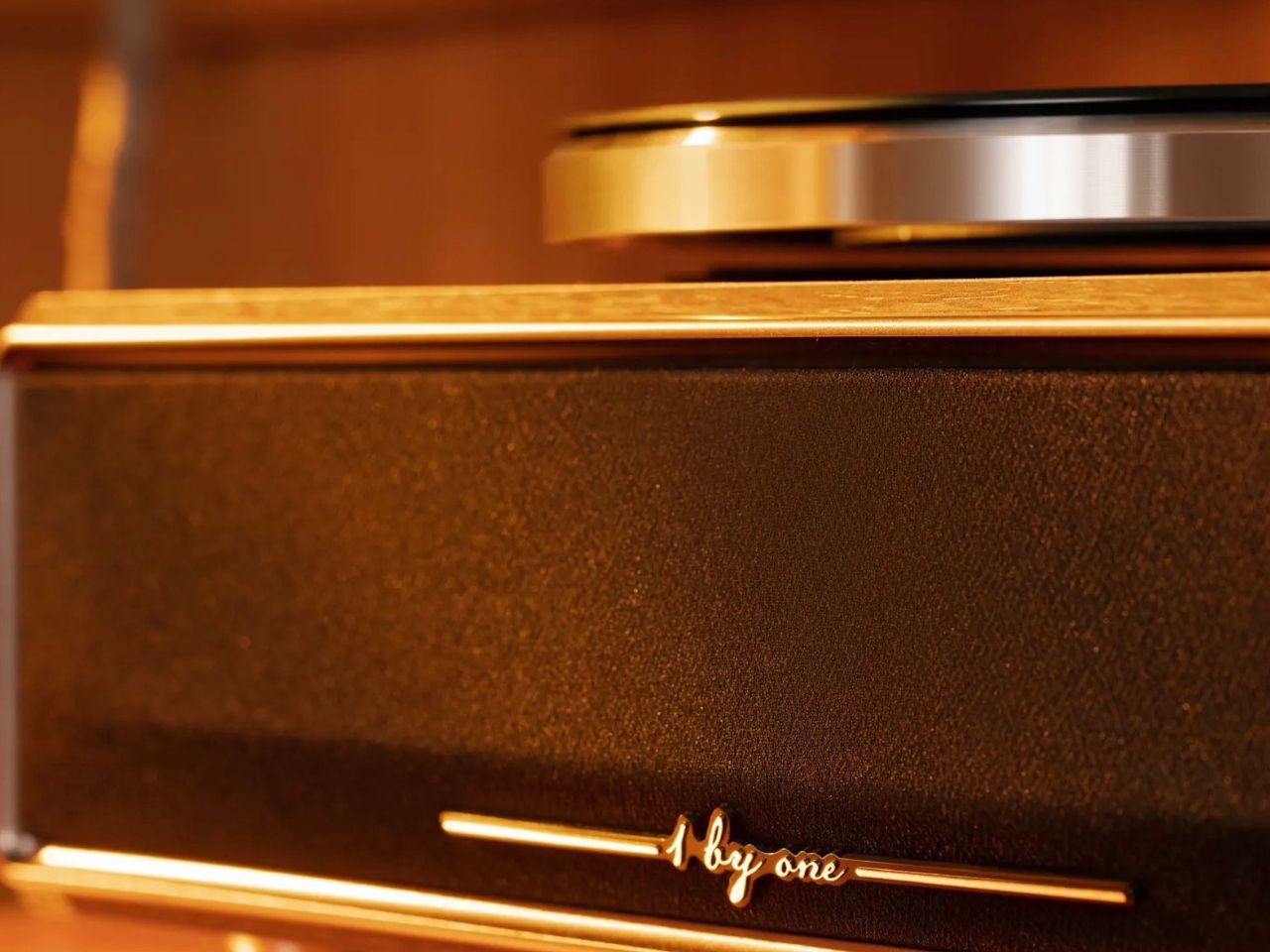
1 By One is one such brand that can give you quality vinyl players while not killing your wallet. Their High Fidelity Belt Drive Turntable has a lot of features that will make music lovers pretty happy. This includes built-in speakers so you don’t need to spend for external speakers if you don’t have them already. But it can also be connected to your system if you prefer something more powerful than what is already included in this turntable package. It is also a vibration-damping belt-drive turntable system so you’ll get stable sound.

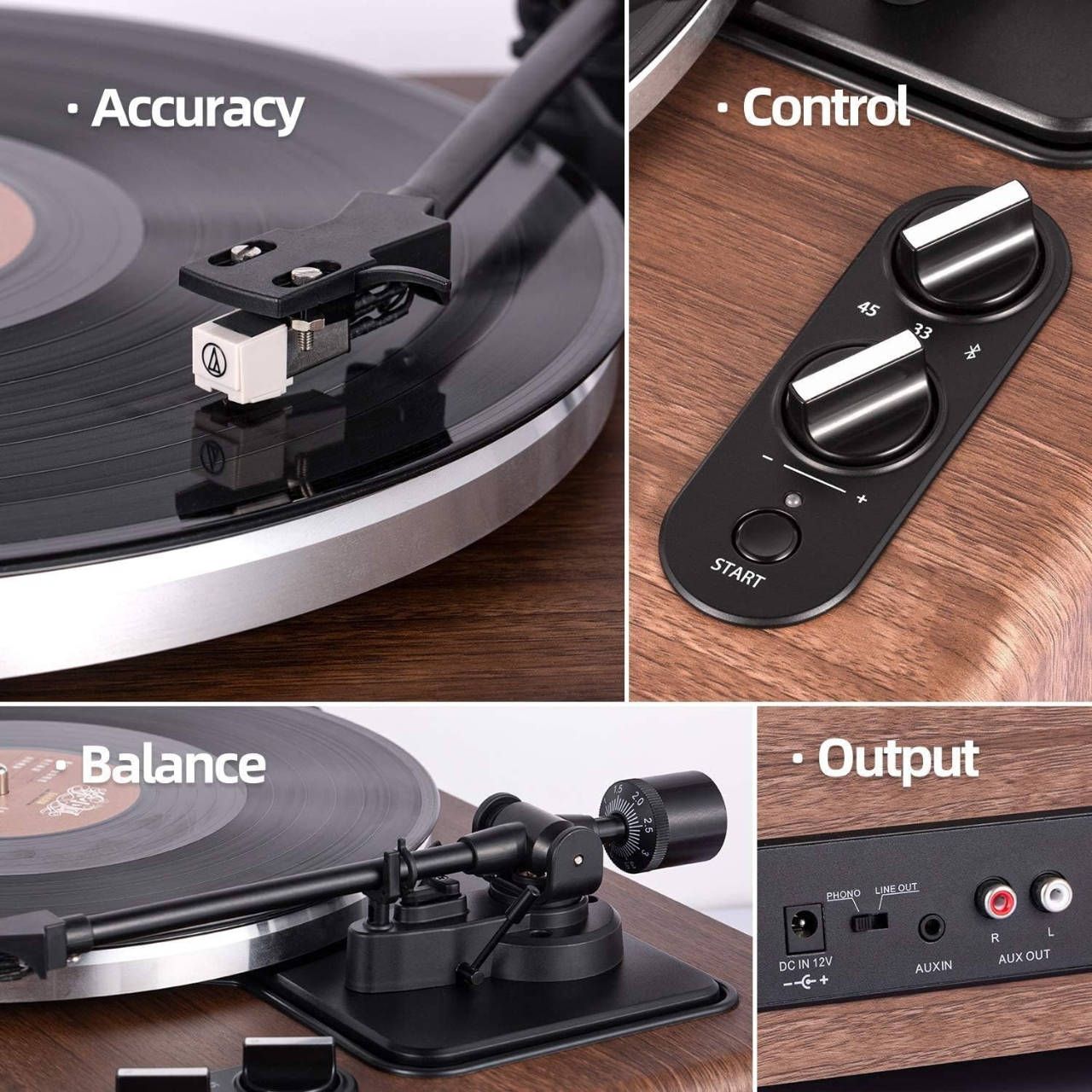
It can spin both 33 and 45 RPM speeds and has magnet-type cartridge and adjustable counterweight which are necessary to give you “rich and warm audio” and also balances each channel. The Audio-Technica stylus cartridge included here is diamond-tipped and is able to track the vinyl record’s grooves so you get high-definition audio. The turntable uses wood and metal materials while the transparent cover gives it a more aesthetic look.

If you also want to play music from other sources rather than a vinyl record, you can do Bluetooth streaming from your phone, tablet, computer, or any mp3 player. There’s also an Aux-in port so you can connect music sources and other speakers manually. As I am on the lookout for a vinyl player I can afford, this can be an option (well, if it’s available where I live, that is).

The post Vinyl player has built-in speaker and high-fidelity belt drive first appeared on Yanko Design.

The Google TV Streamer is a replacement for the Chromecast line

Up until now, Google’s Chromecast line has been largely focused on making it easy to watch shows and movies on your favorite big screen. But with the new Google TV Streamer, Google finally has a proper set-top box for binging content that also supports a much broader range of smart home controls.

Coming just a week ahead of Google's upcoming Made By event, perhaps the biggest change for the TV Streamer is switching from being a simple dongle that hangs off your TV to a truly standalone device that lives on your media console. Google says its wedge-shaped design is meant to blend in easily with your decor when sitting in front of your TV so that it offers better reception for its included remote and other smart home devices (more on that later).

The Google TV Streamer will be available in two colors: porcelain white and hazel, the latter of which will be exclusively direct from Google.
Photo by Sam Rutherford/Engadget

Google has also given the Streamer TV a massive hardware upgrade compared to the Chromecast with Google TV from 2020, including a 22 percent faster CPU, double the RAM (4GB instead of 2GB) and four times more storage (32GB total). That might not sound like a ton, but considering that the previous model often ran out of space for downloading basic streaming apps, that’s a much-needed improvement. Streaming resolution caps out at 4K/60fps, though you do get support for HDR, Dolby Vision, Dolby Atmos and spatial audio (when paired with Google Pixel Buds).

Furthermore, there’s an HDMI 1.1 jack, a powered USB-C port and a dedicated Ethernet slot for people who want peak bandwidth for streaming. Google also made the remote a touch longer while moving the volume rocker to the top and adding a customizable button that can be set to launch your favorite app, switch inputs or summon the new smart home control center. And just like before, there’s a built-in microphone and a button for summoning the Google Assistant.

Here's a sample of what the Google TV Streamer's new smart home control panel looks like.
Google

This brings me to the Google Streamer’s improved smart home capabilities. Not only does it support Matter, it also features a built-in Thread border router for easily communicating with the other devices in your house. On top of that, the TV Streamer is getting its own version of the Google Home panel (which we’ve seen on previous Pixel phones and Nest Hubs) so that it's easier to adjust things like smart lights while also giving you the ability to view feeds from your security cameras and video doorbells.

Finally, it wouldn’t be a 2024 Google device without some new AI features. Thanks to Gemini, the TV Streamer can create custom recommendations based on the kind of content you watch and generate summaries, reviews or even season-by-season breakdowns for stuff you haven’t. There’s also an ambient TV mode that allows you to pull screensavers or memories from your Google Photos library. However, if you want something a bit more unique, you can also use AI to generate something fantastical. Meanwhile, if you lose the remote, you can ask the Google Assistant (not Gemini) to help you find it or you can simply press the dedicated button on the back of the box.

The Google TV Streamer features ports for Ethernet, HDMI and powered USB-C.
Photo by Sam Rutherford/Engadget

So while I haven’t had much chance to dive into its features, with the new TV Streamer, at last it feels like Google has a significantly more capable smart home hub that’s also a true rival to the Apple TV 4K and other Android-based boxes like the NVIDIA Shield TV. The Google TV Streamer costs $100 and is available for pre-order today with official sales beginning September 24. It will be available in two colors: porcelain white and hazel, the latter of which will be available exclusively from the Google Store.

This article originally appeared on Engadget at https://www.engadget.com/home/home-theater/the-google-tv-streamer-is-the-next-big-upgrade-to-the-chromecast-line-130034951.html?src=rss

New BMW X3 Launched In China

BMW X3

The new BMW X3, a premium mid-range Sports Activity Vehicle (SAV) designed exclusively for the Chinese market, is poised to transform the automotive industry in China. This model features an extended wheelbase, a luxurious interior, and advanced digital services, all of which have been carefully crafted to cater to the specific preferences and requirements of […]

The post New BMW X3 Launched In China appeared first on Geeky Gadgets.