In an effort to quell monopoly concerns in the EU, Google reportedly offered to sell its AdX advertising marketplace. Sources told Reuters that European publishers rejected Google's offer, arguing that the company would have to divest more in order to dismantle the conflicts of interest in its online advertising operations. Lawyers familiar with the antitrust cases said this was the first time Google had offered to sell off an asset in response to this type of lawsuit.
Despite this alleged sale offer, Google is publicly standing firm about its adtech business. "As we have said before, the European Commission's case about our third-party display advertising products rests on flawed interpretations of the ad-tech sector, which is fiercely competitive and rapidly evolving. We remain committed to this business," a Google rep told the publication. We've reached out to Google and will update this story if we receive any additional comment from the company.
Google's control over online advertisements has raised concerns around the globe. Regulators have questioned whether the company's activity in multiple stages of the adtech supply chain allows it to favor its own businesses, creating an unfair advantage that could hurt competition and increase advertising prices.
The European Commission began this push against the company's ad arm last June. The UK's competition watchdog also raised the alarm over a possible Google ad monopoly earlier this month. Google is also currently being sued by the Department of Justice over the same topic in the US.
This article originally appeared on Engadget at https://www.engadget.com/big-tech/report-google-offered-to-sell-adx-to-end-eu-antitrust-suit-203612819.html?src=rss
The Game Devs of Color Expo 2024 kicks off on Wednesday. Now in its ninth year (and fourth as an all-virtual conference), the event celebrates and highlights the game industry’s creators of color. The event's Direct livestream today will include over 30 new game announcements and updates (and there will be a corresponding Steam sale!) You can watch the stream here at 4PM ET.
Today’s Direct will include “exclusive reveals, the latest launches, and more updates” and will highlight a diverse group of industry creators from around the world.
The event is orchestrated by Game Devs of Color, a nonprofit that has run the annual conference since its 2016 debut. The group aims to amplify the creative power people of color hold in games. “Creators of color make great games but are often pushed to the margins,” the nonprofit’s webpage states. “We fight to create a better games industry that is intersectional and equitable.”
The event runs from Wednesday through Saturday. Tickets are still available for the whole week of discussions, panels and interviews. Standard pass pricing starts at $50, but a $20 option is available for those who can’t afford the regular ticket cost.
You can check out the kickoff stream below at 4PM ET:
This article originally appeared on Engadget at https://www.engadget.com/gaming/watch-the-game-devs-of-color-expo-direct-livestream-here-at-4pm-et-193040011.html?src=rss
If you grew up in the age of the NES and SNES consoles, you might be positively giddy to learn that one of the greatest video game crossovers since Marvel vs Capcom is available on the Nintendo Switch.
Nintendo announced the addition of four new SNES titles to its Switch Online service including the 1993 beat ‘em up Battletoads/Double Dragon. This rare meeting of mayhem between the fly-gulping trio and the martial arts duo Billy and Jimmy Lee takes players through both games’ universes as they plow through unique waves of fist-flinging enemies.
The crossover begins when the Evil Queen from the Battletoads’ universe cuts a deal with the Shadow Boss from the Double Dragon universe on Earth. She sends a massive ship called the Colossus to take over our planet so Zitz, Rash and Pimple pick up the Double Dragons with the Battlecopter and intercept the ship to stop it from reaching Earth. The game features seven levels that take place on the Colossus and on Earth as the Battletoads and Double Dragons smash, kick and ram enemies and bosses from both video game franchises.
The latest Switch Online game update also brings three more SNES games to the Nintendo Switch. The update includes the Tetris-inspired Cosmo Gang The Puzzle, the Jaleco rally racer Big Run and the Super Famicon port of Kunio-kun no Dodgeball da yo Zen'in Shūgō! (It's Kunio's Dodgeball, Assemble Everyone!).
This article originally appeared on Engadget at https://www.engadget.com/gaming/nintendo/battletoadsdouble-dragon-headbutts-its-way-onto-nintendos-switch-online-library-193034766.html?src=rss
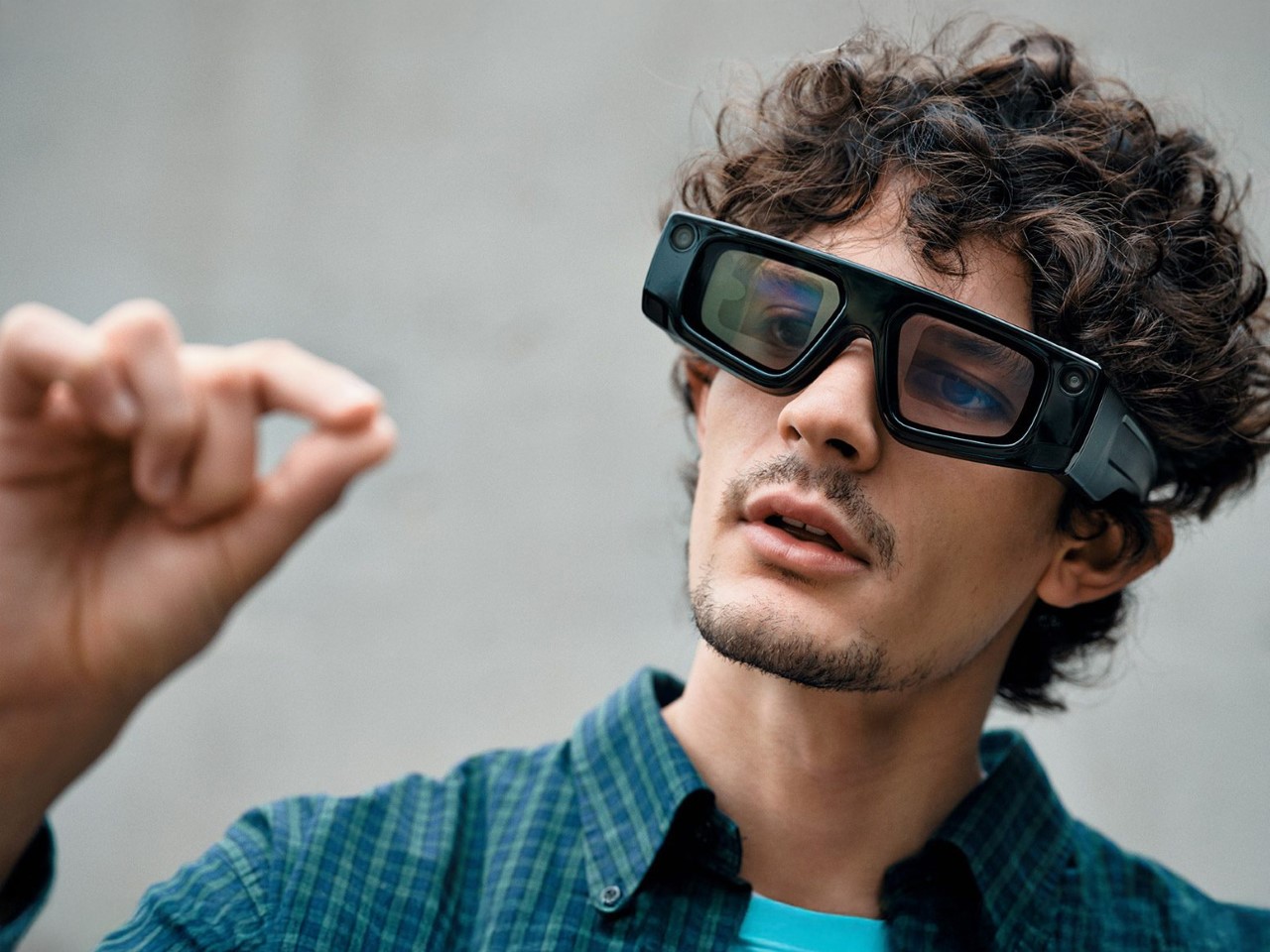
Techtember is the gift that keeps on giving. Beyond IFA, an Apple keynote, a PlayStation launch, Huawei’s tri-fold device debut, and impending launch events from Meta and Nothing, it seems like Snap (the company behind Snapchat) has something they want to launch too. Meet the Spectacles ’24, Snap’s latest attempt to carve out a space in the augmented reality (AR) landscape. Unlike typical consumer tech releases, the Spectacles ’24 are not available for public purchase. Instead, Snap is offering them to developers at a rate of $100 per month, amounting to $1,200 over a year. This approach allows developers to get their hands on the device, experiment with its capabilities, and build AR experiences, signaling that a consumer-ready version may not be far off.
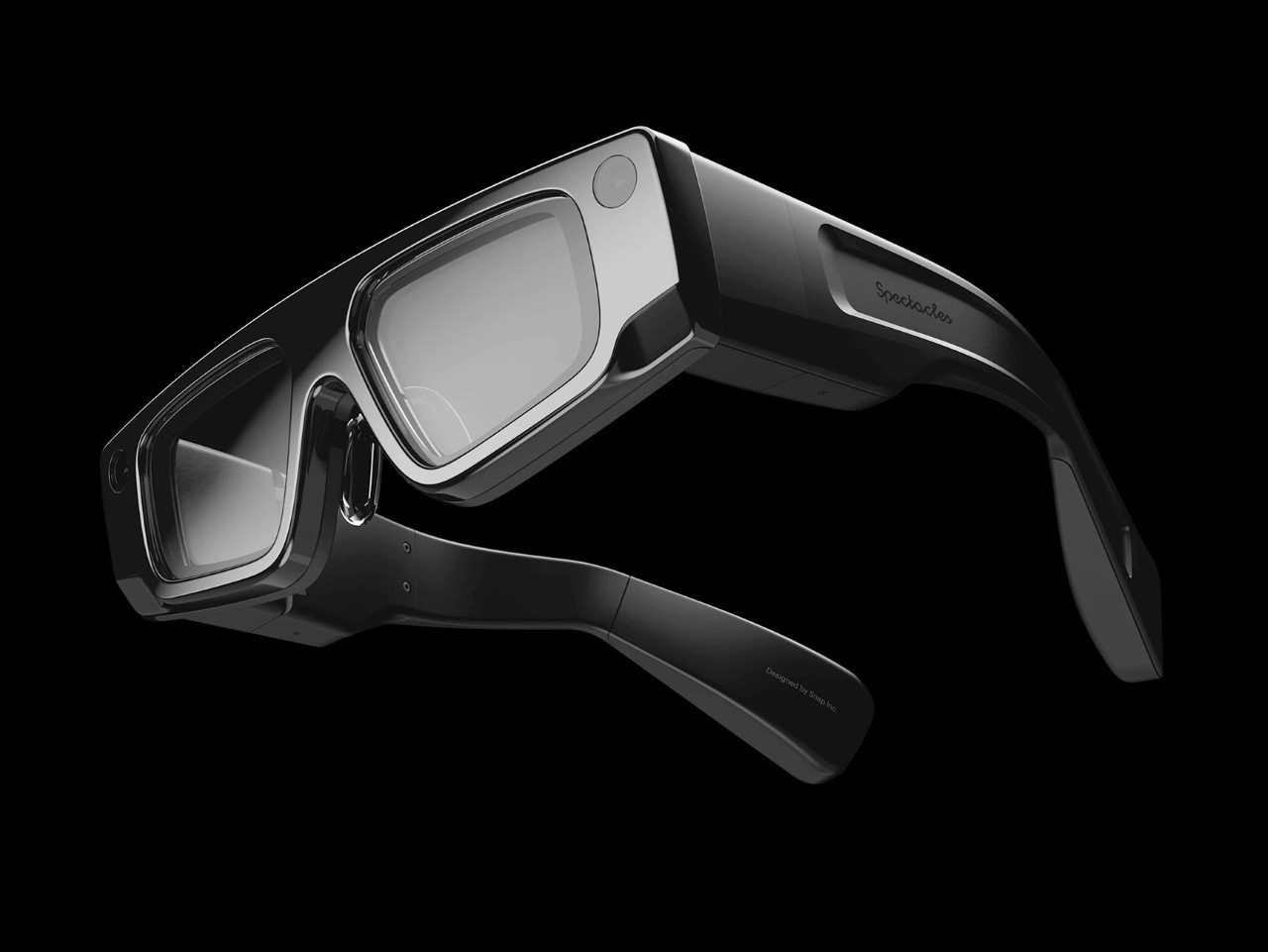
While Snap’s relationship with Apple remains strong, the release of Spectacles ’24 positions Snap closer to becoming a competitor in the AR field, especially considering Apple’s $3,400 Vision Pro. However, in terms of design, the two devices couldn’t be more different. Spectacles ’24 don’t resemble a tech-heavy headset like the Vision Pro. Instead, they look more like casual 3D glasses from a movie theater, integrating transparent displays that enable an authentic AR experience. This technology is reminiscent of Microsoft’s Hololens but in a much smaller form factor. By creating a more approachable look, Snap is clearly trying to make AR glasses appear less intimidating and more like something you could wear day to day.
Designer: Snap Inc.
Under the hood, the Spectacles ’24 are equipped with two LCoS (Liquid Crystal on Silicon) displays, offering a respectable 46-degree field of view. This is a notable improvement over the 26.3-degree FOV of its predecessor, Spectacles 4, making it more immersive for users. The transparent waveguide optics, which dynamically adjust dimming, ensure that the AR visuals remain clear regardless of lighting conditions, enhancing the overall experience.
Performance-wise, the Spectacles ’24 pack two Snapdragon processors (specific models have not been disclosed) and an extendable battery life of 45 minutes. This isn’t particularly long for intensive use, but the device is designed for short, sharp bursts of AR activity, and external battery options are available. At 226 grams, the new Spectacles are bulkier than previous models, which weighed in at just 134 grams. This weight increase is the trade-off for improved features, including a more comprehensive camera setup. It also makes the Spectacles ’24 significantly lighter than Apple’s Vision Pro, which clocks in at nearly 1000 grams (with the battery pack) or the Hololens 2, which weighed a respectable 566 grams. The Spectacles ’24 boast two RGB cameras and two infrared sensors, enabling better hand-tracking and object recognition, along with a depth sensor for more interactive AR applications.
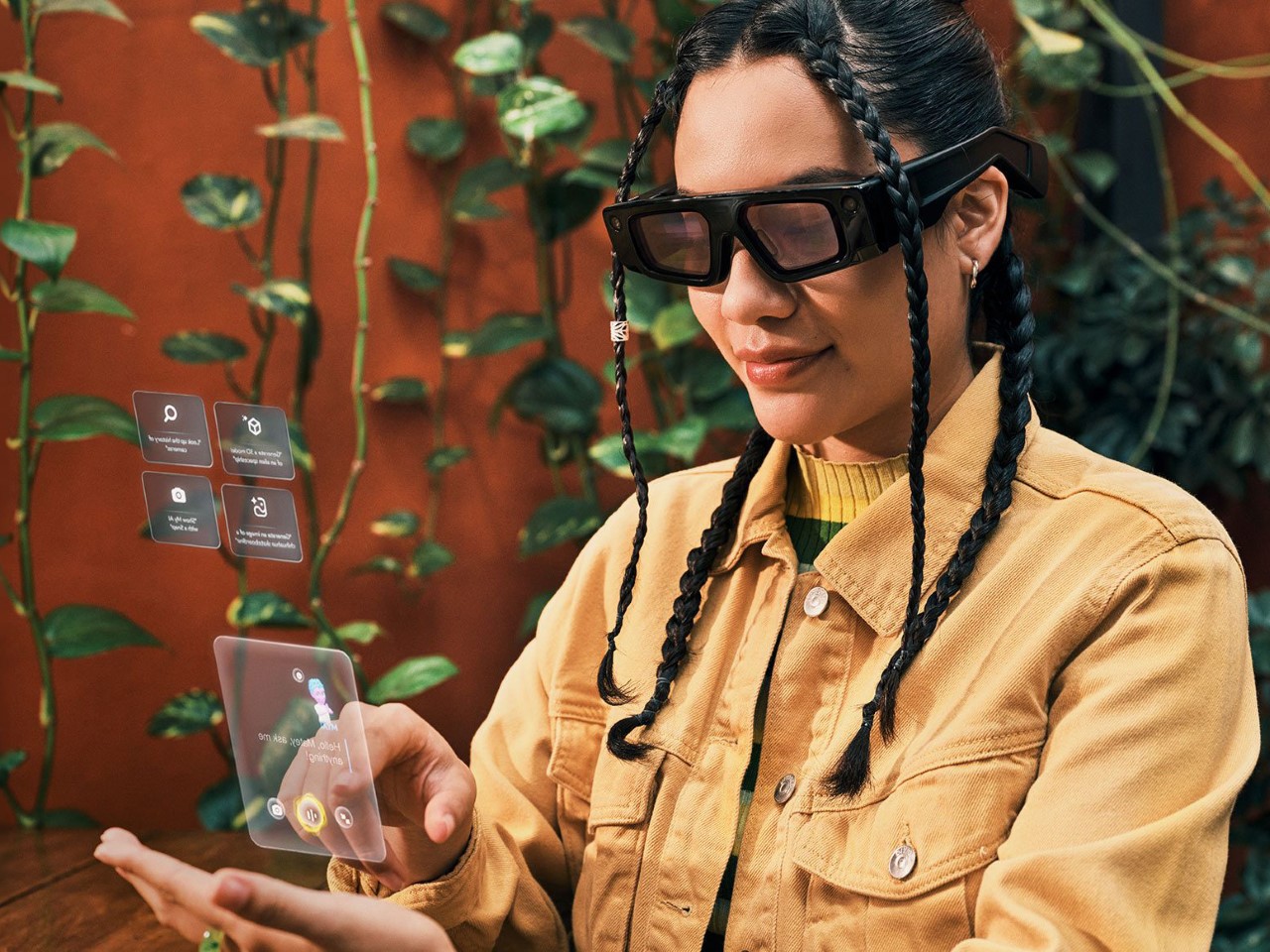
Beyond the hardware, Snap is taking significant strides in the software department. The Spectacles ’24 operate on SnapOS, a new operating system designed from the ground up to focus on AR. This revamped OS leverages hand-tracking as the primary interaction method, ditching the clunkier controls of earlier models. The system also incorporates a social aspect, allowing users to interact with other Spectacles in close proximity, creating co-located AR experiences. For example, friends can share and participate in AR content in real time, an idea that aligns well with Snap’s social media roots.
A notable feature of the Spectacles ’24 is the “spectator” mode. This allows someone with a smartphone to observe what’s happening in the AR environment from their own perspective, rather than just viewing a first-person feed from the glasses wearer. This social feature gives users a more engaging way to share their AR experiences, which could foster new types of interactive content.
In conjunction with the hardware launch, Snap has also updated its Lens Studio, the AR creation tool that developers use to build experiences for both Snapchat and Spectacles. The latest version supports more sophisticated programming with TypeScript and JavaScript, along with enhanced tools for collaboration, enabling developers to work together more effectively on AR projects. With the integration of SnapML, developers can utilize machine learning to create even more advanced AR applications, including object tracking and recognition.
Though the Spectacles ’24 aren’t available to consumers yet, Snap’s decision to focus on developers indicates that it’s playing the long game. By giving creators the tools they need to build compelling content now, Snap hopes to lay the groundwork for a future consumer release. It’s a strategy that makes sense, especially as the AR field heats up with other major players like Meta and Apple introducing their own headsets.
Neuralink says the Food and Drug Administration has designated its experimental Blindsight implant as a "breakthrough device." The company is developing the technology in an attempt to restore blind people's sight.
Manufacturers who apply to the FDA's voluntary breakthrough devices program and receive the designation from the agency are granted "an opportunity to interact with FDA experts through several different program options to efficiently address topics as they arise during the premarket review phase.” The FDA also prioritizes breakthrough devices for review. Ultimately, a breakthrough device designation can accelerate development of a technology. Last year, the FDA gave the designation to 145 medical devices.
Blindsight is separate from Telepathy, its implant that enables patients with spinal cord injuries to control computers using their thoughts, allowing them to play video games and design 3D objects. Neuralink owner and founder Elon Musk said in August that the company had implanted the chip into a second human patient
Musk claimed back in March that Blindsight "is already working in monkeys. Resolution will be low at first, like early Nintendo graphics, but ultimately may exceed normal human vision." (Federal investigators have reportedly looked into Neuralink's animal testing practices but Musk said in March that "no monkey has died or been seriously injured by a Neuralink device.")
The Blindsight device from Neuralink will enable even those who have lost both eyes and their optic nerve to see.
Provided the visual cortex is intact, it will even enable those who have been blind from birth to see for the first time.
Blindsight "will enable even those who have lost both eyes and their optic nerve to see," Musk said following the FDA's designation. "Provided the visual cortex is intact, it will even enable those who have been blind from birth to see for the first time." He added that while the resolution of Blindsight is low to begin with, "eventually it has the potential [to] be better than natural vision and enable you to see in infrared, ultraviolet or even radar wavelengths."
Those are lofty claims and Neuralink is some way off from being able to fully restore sight to someone who has lost it, if it’s ever actually able to do that. It's not the first company or research team to work on vision-restoring implants either. Meanwhile, as TechCrunch points out, it's unlikely that Blindsight or similar tech can help people who have been blind since birth, given that such people have not "developed the biological capacity for seeing through their eyes."
This article originally appeared on Engadget at https://www.engadget.com/science/neuralink-says-the-fda-designated-its-blindsight-implant-as-a-breakthrough-device-182343456.html?src=rss
I live in a tropical country so the need for outdoor (or even indoor) heaters is practically non-existent. But when I first experienced how cold it is outside when I traveled to places that have winter, I understood how important it was to have something to warm you up especially when you’re doing outdoor activities. Most of what I’ve seen are not necessarily aesthetic so there’s always room for well-designed heaters.
Designer: Yamaha Design Laboratory
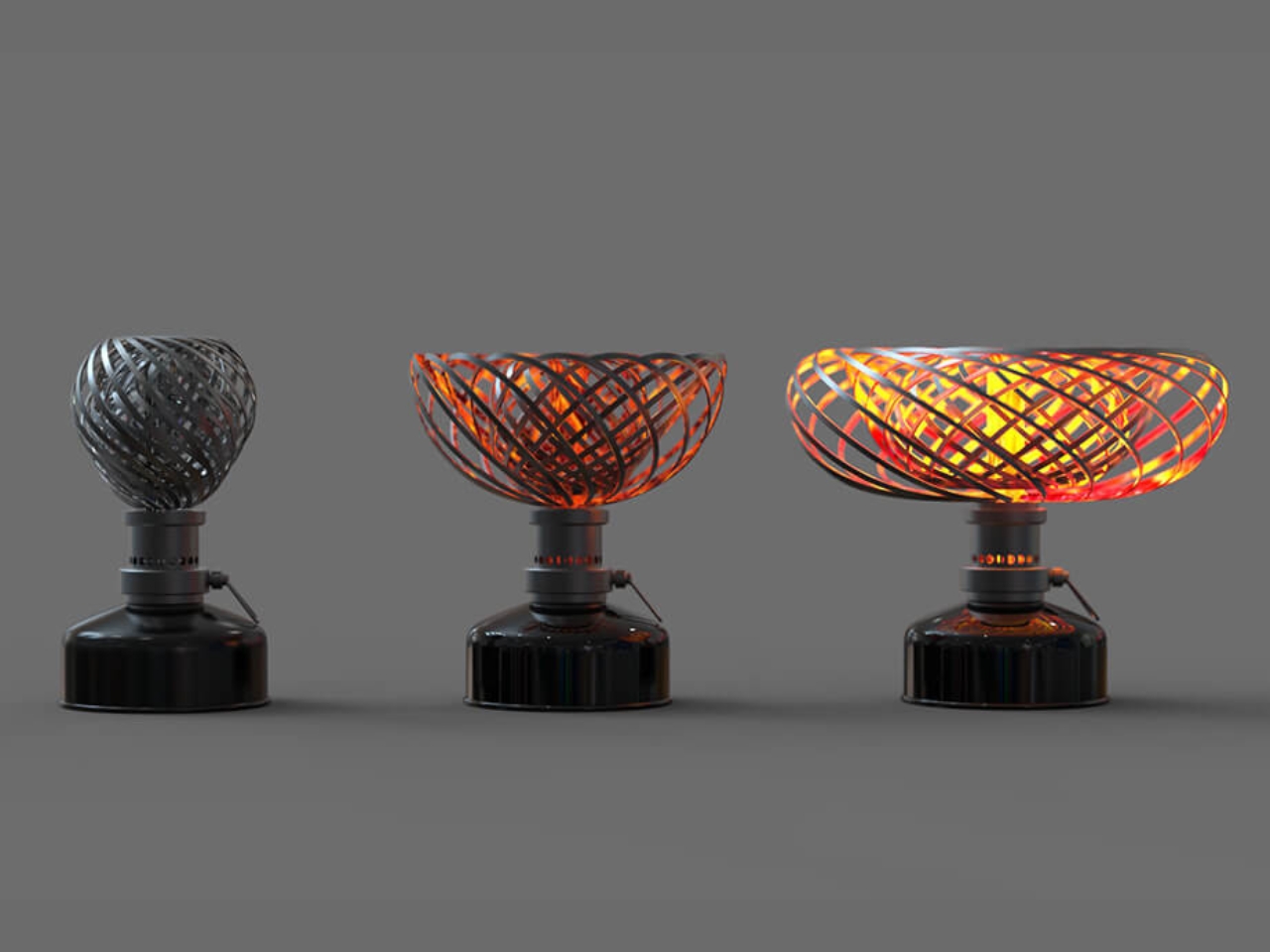
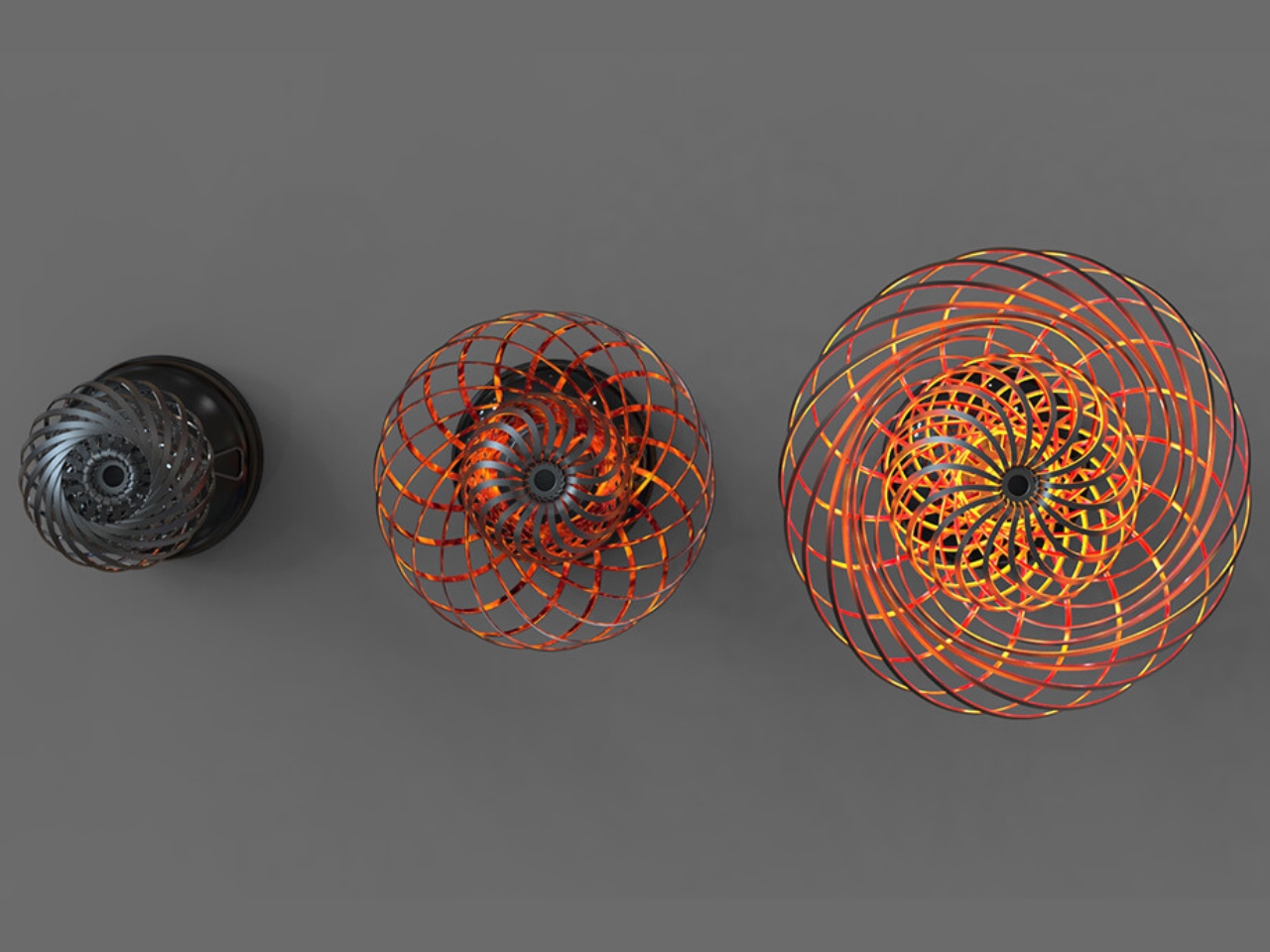
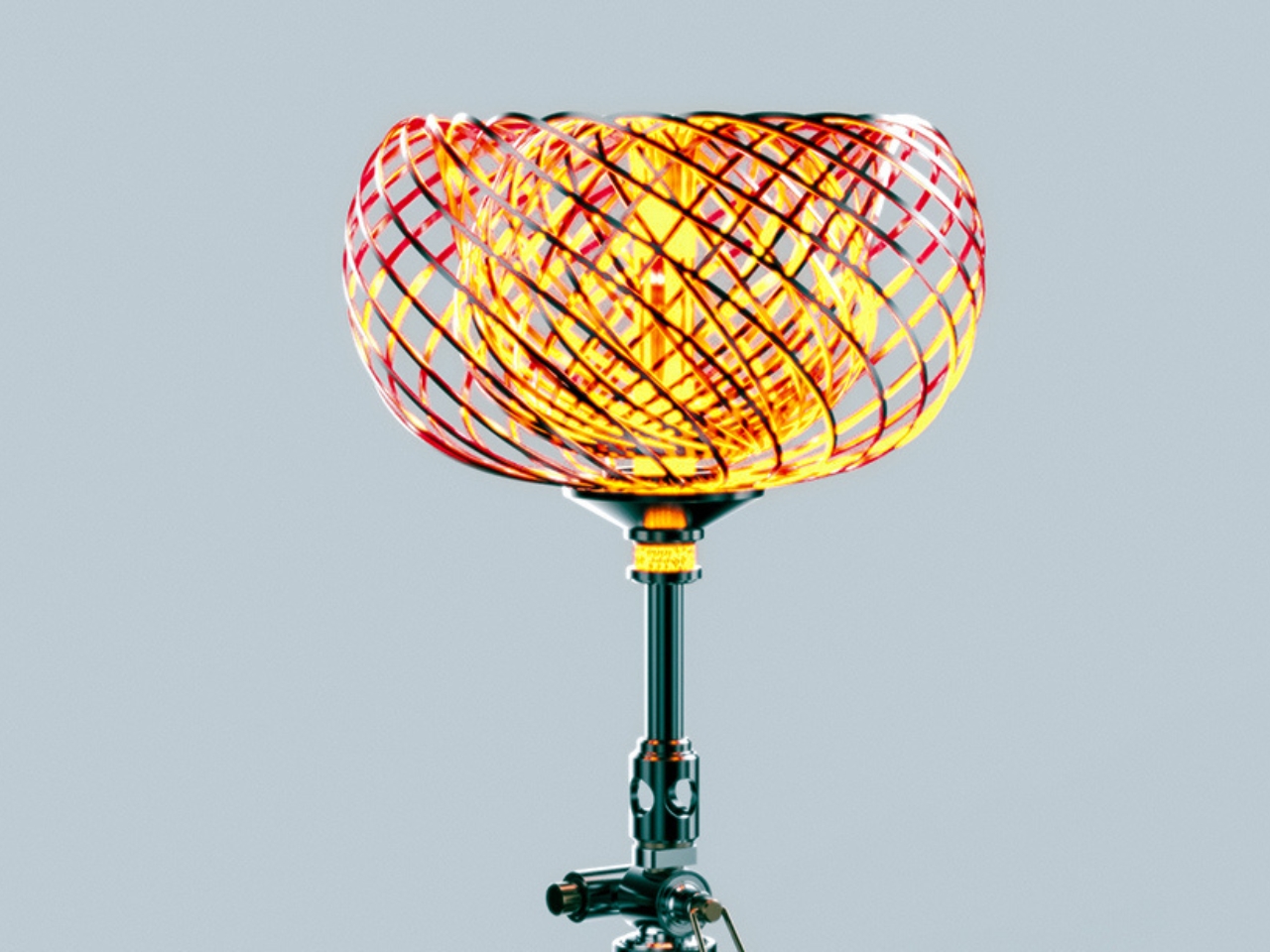
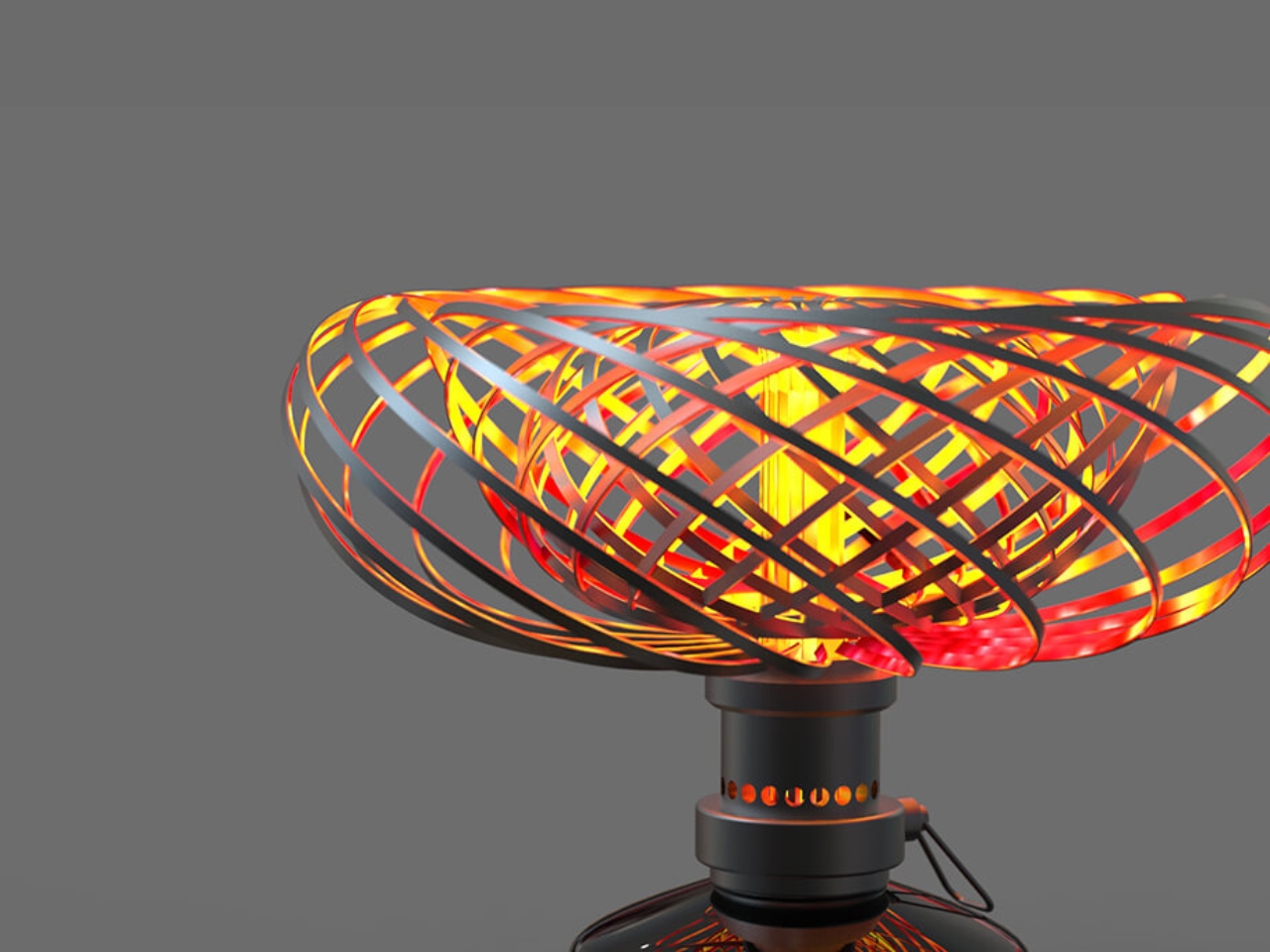
Yamaha has been experimenting a lot lately with designs for various products that are not necessarily connected to Yamaha Motor or their other businesses. This includes creating design concepts for outdoor tools and one of those projects is for something called Bon-Flame, an outdoor heater attachment tool that combines the brand’s expertise in both mobility and their main product of musical instruments.
Basically this heater uses a bimetallic sheet that is made up of two metals that are glued together. The different metals have varying expansion rates so the sheet is able to change shape when heat is applied. There’s a small ball-shaped bimetal at the base which rotates when heated and then eventually opens up like a flower. The ending look is that of a large flame shape that gives you a pretty looking heater.
The concept also converts the flame of a single burner into far-infrared heat which is better for the environment as it has a lower carbon footprint. It’s still a design concept for now but it would be a great companion for outdoor activities especially if you’re going for an aesthetic look.
YouTube’s creator-focused broadcast, Made On YouTube, is here again, and there's plenty to talk about. From more AI integration to Communities, YouTube seems to be gearing up to compete against rivals like TikTok and Netflix. Here are five things that genuinely interested us among the deluge of updates and new features.
YouTube is introducing the Hype system, which lets viewers “go beyond” liking and sharing a video. The idea is to allow fans to give more visibility to smaller creators — so hyping is only allowed for videos from creators under 500,000 subscribers, and only on videos under a week old. Content with the most hype will end up on a new leaderboard of the 100 most hyped videos in their country. Fans can only hype three times in a week for now, though additional uses will eventually be purchasable in the future.
YouTube Shorts creators will be able to employ Google DeepMind’s Veo video generator model later this year. Veo can generate six-second clips after reading a prompt, and all creations will have a label showing that generative AI was used, along with SynthID watermarking. Veo integration will exist parallel to (but doesn't replace) YouTube’s Dream Screen — another AI video generation tool — which was introduced last year.
The Community tab is getting a revamp, slated to come out in early 2025. Currently, only the channel owner can post in the Community tab, but the new experience will allow subscribers to create posts, with a tab to view only creator posts if necessary. Of course, subscribers can post images to prompt conversation. Some creators interact with their viewers currently through other platforms (like Discord) and this seems to be an attempt to create an in-house alternative.
Some of us lament being unable to understand creators using languages we don’t speak, but YouTube intends to fix that by implementing auto-dubbing. With the help of AI, viewers can now listen to machine-translated audio in their preferred language. YouTube promises that the audio will sound natural, taking intonation into account along with the creator’s surroundings.
Finally, the YouTube TV app will have an update mirroring Netflix’s current layout. Creators will be able to organize their content in seasons and episodes, and there will be previews before users play any content. According to The Hollywood Reporter, we can expect to see these new features starting next year, though no concrete date was announced.
This article originally appeared on Engadget at https://www.engadget.com/entertainment/youtube/five-features-that-caught-our-eye-from-todays-youtube-livestream-171537530.html?src=rss
Acer Nitro V 14 packs an AMD Ryzen 8040 processor, RTX 4050 GPU, and sleek design, offering solid gaming and productivity performance in a portable package.
The film adaptation of the immensely popular sci-fi novel Mickey7 has been in the works for years, but now we finally have a trailer and it’s filled with surprises. For one thing, it’s now called Mickey17 and, well, fans of the book know exactly what that implies. It means they’re in for an even crazier experience than what’s written on the page.
The movie is written and directed by one of the modern masters, Bong Joon Ho, who seems to have taken some liberties with the source material. Light spoilers, but the book follows a series of clones of the titular Mickey as they perform the grunt work of colonizing an exoplanet. The book chronicles seven (ish) Mickey variants, but the movie is amping this up to at least 17. This will give us plenty more darkly hilarious clone deaths, which the trailer shows quite a lot of.
The novel is right up Bong Joon Ho’s alley. Clones are basically second-class citizens who exist to die for their corporate overlords. This leaves plenty of room for social satire in the vein of both Snowpiercer and Parasite. The trailer leans into this stuff and the results look truly entertaining and, believe it or not, really funny. We love to see unique IPs in the cinema, don’t we folks?
The various Mickeys are played by Robert Pattinson, so that’ll get some butts in the seats. The cast also includes Naomi Ackie, Steven Yeun, Toni Collette and Mark Ruffalo. As a book reader, I know who everyone is playing except for Ruffalo. That looks like a brand-new character, though he could be an amalgamation of a couple of minor players. Adaptations require some dark alchemy at times.
This could be the first big hit of 2025. It arrives in theaters on January 31. There’s also some franchise potential here, as the book already has one sequel and author Edward Ashton has been toying with ideas for a third entry.
This article originally appeared on Engadget at https://www.engadget.com/entertainment/tv-movies/bong-joon-hos-mickey17-trailer-is-even-crazier-than-the-book-170004844.html?src=rss
Update, September 18, 7PM ET: As first reported by Game Developer, Behaviour Interactive not only canceled Project T, it also closed Midwinter Entertainment, the studio which was working on the game. In a statement, the Canadian developer said "This sad news in no way reflects the talent of the team, who put a lot of energy into Project T. All the employees were offered to relocate to our Canadian studios, as we strongly believe in their expertise. Should they decide not to accept, they will be presented with a generous severance package. We want to thank them for all their hard work on Project T and wish them the very best for the future." Midwinter Entertainment was founded as an independent studio in 2016 before being acquired in 2022.
The original story follows:
Earlier this year, Behaviour Interactive teased a few Dead by Deadlight spinoff games. One has since been released to relative acclaim, The Casting of Frank Stone, and What the Fog kinda came and went. That leaves one game unaccounted for. Today, we can scratch that one out for good. The company just announced that the spinoff known only as Project T has been canceled.
Project T was advertised as a third-person co-op shooter, making it one of the rare times in the franchise players would be able to fight back against enemies using guns. The game has been around in beta form for a while, as part of Behavior Interactive’s insider program. It looks like those early playtests didn’t go so well. The company said that “a number of players expressed satisfaction” but that the “outcome of this deep analysis yielded unsatisfactory overall results.”
This doesn’t mean anything for the larger franchise. The developer has leaned into experimental projects lately and it looks like Project T just didn’t make the cut. It’s unfortunate, but there’s still the mainline game and it’s many, many crossovers.
There’s also the aforementioned The Casting of Frank Stone, which is a narrative driven title by Supermassive set in the same universe. Finally, What the Fog is something of a Jumanji-like spin on the OG game. Kids get sucked into a board game. You know the drill.
This article originally appeared on Engadget at https://www.engadget.com/gaming/the-dead-by-deadlight-co-op-shooter-spinoff-has-been-officially-canceled-154312867.html?src=rss