Qualcomm promises better gaming performance with latest Windows on Snapdragon update

Remember way back in 2024, when Qualcomm said most x86 Windows games would run smoothly on its Arm chipsets? Well, those promises were, shall we say, a bit premature. But with this week's launch of the Snapdragon Control Panel (along with other updates), the company says things are finally looking up for Snapdragon X Elite laptop owners.

Alongside the launch of faster new chips, Qualcomm has made some quality-of-life improvements on the software end. Chief among them is this week's arrival of the Snapdragon Control Panel: the company's answer to NVIDIA and AMD's GPU tools. Like those apps, the Snapdragon software includes familiar features like automatic game detection, per-game settings and Adreno GPU driver updates. On that note, Qualcomm says its drivers have squashed bugs and boosted performance for over 100 games since last year.

Screenshot of the Snapdragon Control Panel
Qualcomm

The crucial x86 emulation layer has also gotten some love. Microsoft's Prism Emulator now supports Advanced Vector Extensions (AVX) x86 emulation on Qualcomm chips. Meanwhile, the more advanced AVX2 will be supported out of the box on upcoming Snapdragon X2 Elite laptops. (Expect to hear more about those at CES.) Current Snapdragon X Series devices will receive the update "in the coming weeks."

One Windows gaming obstacle Qualcomm acknowledged last year was kernel-level anti-cheat tech. At the time, multiplayer games that relied on it simply wouldn't work on its devices. But as part of its gaming announcements this week, Qualcomm highlighted Fortnite's availability. That's thanks to Epic Online Services Anti-Cheat support. Qualcomm says it's also "working with" leading anti-cheat providers to add wider multiplayer support. That includes anti-cheat tech from Tencent, Roblox and more.

This article originally appeared on Engadget at https://www.engadget.com/gaming/pc/qualcomm-promises-better-gaming-performance-with-latest-windows-on-snapdragon-update-183529616.html?src=rss

Trump administration may use federal agencies to fight state-level AI regulation

The Trump administration has drafted an executive order that would effectively block states from enacting their own AI regulations. According to a draft document obtained by Politico, the effort would entail a multifaceted approach including an "AI Litigation Task Force" run by the DOJ.

This indicates the president has not wavered in his desire to eschew federalism in favor of a more centralized power structure around artificial intelligence. This past summer, the administration released its AI Action Plan, which, among other things, recommends that the "Federal government should not allow AI-related Federal funding to be directed toward states with burdensome AI regulations."

While it also adds that the government should "not interfere with states’ rights to pass prudent laws that are not unduly restrictive to innovation," this runs counter to some actions coming from the White House. Senator Ted Cruz, at the behest of the president, tried to add a 10-year moratorium on states’ AI regulation to the President's One Big Beautiful Bill Act passed this summer. This amendment was ultimately voted down by the Senate 99-1.

The issue is heating up again as the president took to Truth Social to say that "overregulation by the States" would undermine the US economy and lead to "Woke AI." Congresswoman Marjorie Taylor Greene posted on X that no such moratorium should be put in place, and said states rights and federalism must be preserved.

Politico reports that the administration is likely to try and insert a regulation moratorium again in the year-end annual defense bill. The administration seems convinced that a patchwork of varying regulations around the country would prove too onerous in the race for global AI dominance, and seeks to use every lever of federal power to prevent one.

This article originally appeared on Engadget at https://www.engadget.com/ai/trump-administration-may-use-federal-agencies-to-fight-state-level-ai-regulation-182514317.html?src=rss

The Px8 S2 McLaren Edition: Papaya Orange, Carbon Cones, and Racing Pedigree

The Px8 S2 McLaren Edition wears its racing heritage proudly. That signature McLaren Papaya finish dominates the design, paired with Anthracite Grey accents that create instant visual impact. The McLaren Speedmark logo appears on both the headband and earcups, with diamond-cut bright edges on each elliptical plate that catch light like the carbon fiber details on a McLaren supercar.

Designer: Bowers & Wilkins + McLaren

Every material choice screams premium. The memory-foam cushions and headband come wrapped in soft Nappa leather, the same material you’ll find in McLaren’s Ultimate Series cars. The diecast aluminum arms provide structural integrity while keeping weight down to just 0.31 kg. This is what happens when automotive designers and audio engineers collaborate without compromise.

Carbon Cone Drivers: The Performance Story

Inside each earcup sits a custom 40mm Carbon Cone driver, completely redesigned from the previous Px8 generation. Bowers & Wilkins rebuilt everything: new chassis, upgraded voice coil, improved suspension, and a more powerful magnet system. The drivers sit angled within each earcup, ensuring consistent distance from every point on the driver surface to your ear. Translation: better imaging and a wider soundstage.

The result is audio that reviewers are calling deeper, tighter, and more holographic than the already-impressive original Px8. Bass hits harder without bleeding into the mids. Vocals sit precisely in the soundstage. Highs remain crystal clear without any harshness. This is 24-bit/96kHz high-resolution audio delivered wirelessly through Qualcomm’s aptX Adaptive and aptX Lossless technology, with Bowers & Wilkins’ DSP (Digital Signal Processing) fine-tuning everything in real-time.

The Smart Features

The Px8 S2 McLaren Edition connects to the Bowers & Wilkins Music app, giving you control over everything from noise cancellation to sound customization. A five-band EQ lets you dial in your preferred sound signature and save multiple presets. The transparency mode toggles between full isolation and ambient awareness. A physical Quick Action button puts your most-used functions one press away.

Eight microphones power the adaptive noise cancellation system while handling call quality duties. The ANC falls slightly short of what Bose and Apple achieve with their flagship models, but it preserves musicality in a way that overly aggressive noise canceling often destroys. The headphones prioritize sound quality first, noise cancellation second. For audiophiles, that’s the right priority order.

Battery life hits 30 hours on a single charge. A 15-minute quick charge delivers seven hours of playback. Connectivity options include aptX Lossless, aptX Adaptive, aptX HD, aptX Classic, AAC, and SBC codecs, plus USB-C wired listening when you want to bypass wireless entirely.

The Partnership Behind the Product

Bowers & Wilkins and McLaren have been developing audio systems together since 2015, starting with the McLaren 540C and continuing through to the recently unveiled McLaren W1 supercar. The audio system in the W1 features the same Continuum Cone technology found in Bowers & Wilkins’ flagship 800 Series Diamond loudspeakers. This partnership runs deeper than logos and color schemes.

The collaboration mirrors the precision demanded in Formula 1 racing with the acoustic perfection Bowers & Wilkins has pursued since founder John Bowers established the company in 1966. Both brands obsess over details. Both refuse to compromise on performance. The Px8 S2 McLaren Edition represents that shared philosophy translated into a wearable product.

Following the Pi8 McLaren Edition earbuds from earlier this year, these headphones give McLaren fans another way to connect with the team’s visual identity while getting genuinely excellent audio hardware. This isn’t a corporate partnership slapping logos on existing products. This is two performance-focused brands creating something together that neither could build alone.

The Details That Count

The Px8 S2 McLaren Edition launches November 19, 2025, priced at $899 (£729 UK, €829 EU). You can grab them directly from Bowers & Wilkins or through selected retailers. The price positions these firmly in premium territory, competing with the Mark Levinson 5909 ($999) and Focal Bathys ($799).

Early impressions highlight the improved comfort over previous generations, making these suitable for extended listening sessions and long flights. The slimmer profile and redesigned headband distribute weight more evenly. The Nappa leather cushions remain breathable even after hours of wear. For frequent travelers and music enthusiasts who value both design and performance, that comfort factor matters as much as sound quality.

The McLaren Edition offers music lovers, audiophiles, and Formula 1 fans a chance to own headphones that deliver on both aesthetic appeal and acoustic excellence. Sometimes partnerships create products that feel forced. This one feels natural, like both brands speaking the same performance-obsessed language.

The post The Px8 S2 McLaren Edition: Papaya Orange, Carbon Cones, and Racing Pedigree first appeared on Yanko Design.

New Chromebooks now come with a year of priority GeForce Now access

The rise of cloud-based streaming for games has made it possible to play plenty of high-profile games on Chromebooks — not natively, but when you’re using a primarily web-based platform you’ll take what you can get. As of today, Google’s making it easier for new Chromebook buyers to play games right out of the box. Anyone who buys a Chromebook will get 12 months of access to GeForce Now, NVIDIA’s cloud-streaming service that lets you access games you own on platforms like Steam, Xbox and so forth.

It’s not just the standard GeForce Now access, either. Google says this new “Fast Pass” tier has no ads and lets Chromebook users skip the queues that free members have to wait in. Of course, there are some restrictions: this plan only provides 10 hours of gameplay a a month. Since GeForce Now already has a free tier, I presume that after the 10 hours is up you’ll just get dropped down to that experience, which removes priority queue access, has ads and limits you to one-hour sessions. You’re also capped at 1080p and 60 fps, but that should be fine for most Chromebooks.

This is the latest attempt by Google to inject some gaming life into the Chromebook platform. A few years ago, some of Google’s hardware partners released Chromebook models built with cloud-based gaming in mind, and Google also was working on bringing Steam to Chrome OS. Even though Steam worked pretty well, Google has reportedly decided to nix the project going forward. And I haven’t heard much about the Chromebooks for gaming initiative recently either — but that matters less if any Chromebook with decent specs can take advantage of services like GeForce Now.

This article originally appeared on Engadget at https://www.engadget.com/gaming/new-chromebooks-now-come-with-a-year-of-priority-geforce-now-access-181708311.html?src=rss

Dave the Diver is now available on Xbox

Dave the Diver, the smash hit adventure RPG/management hybrid, is finally available on Xbox. The game, about an intrepid scuba diver named Dave who splits his time between underwater adventuring and serving sushi in a local restaurant, started as a PC exclusive in 2023, but has since made its way to Switch, Switch 2, PS4 and PS5. Only Xbox remained, but it’s here now, along with all DLC released to date.

Since launch, developer Mintrocket has added to the lengthy base game campaign with a number of expansions, including a tie-in with fellow fishing game Dredge, and a Godzilla crossover. Ichiban Kasuga from the Like a Dragon series has also made an appearance in the Blue Hole, because why not? The upcoming 'Into the Jungle' DLC was delayed to early 2026 back in the summer, but Mintrocket has given us a sneak peek at what it promises is Dave the Diver’s biggest expansion yet in a new trailer for the Xbox launch. The very meta trailer also shows Dave playing his own game on a ROG Xbox Ally X while at sea. (Technically he could already have done that via Steam but it's still a nice touch.) 

If you haven’t played Dave the Diver before, it’s almost impossible to do the game justice with a brief summary. The core loop sees you diving for fish during the day, which you obediently bring to the chef at the sushi joint you moonlight at for preparation. But that’s barely scratching the surface. The eponymous diver also battles sea monsters, runs errands for a secret underwater civilization and eventually manages his own farm. Not content with simply being an RPG and a management sim, Dave the Diver is crammed with mini-games and genre diversions that consistently surprise you. It’s frequently bonkers, but it works.

Now it’s on Xbox — which includes Xbox One as well as Xbox Series X|S — you can play one of our best games of 2023 award-winners on virtually everything, so you no longer have any excuses. The PS5 and Switch 2 are also getting a physical release in 2026, which will include the latest DLC.

This article originally appeared on Engadget at https://www.engadget.com/gaming/xbox/dave-the-diver-is-now-available-on-xbox-180651483.html?src=rss

E-ink Vocabulary Card E2 Fits Language Learning Into a Gum Pack

Most language learning apps live on phones, competing with notifications, social media, and every other distraction fighting for your attention. Opening Duolingo between classes usually turns into five minutes of vocabulary followed by twenty minutes of scrolling through feeds you’ve already checked twice. Designers are starting to build tiny, single-purpose devices that turn fragmented time into focused practice instead of another excuse to stare at your phone screen until your eyes hurt.

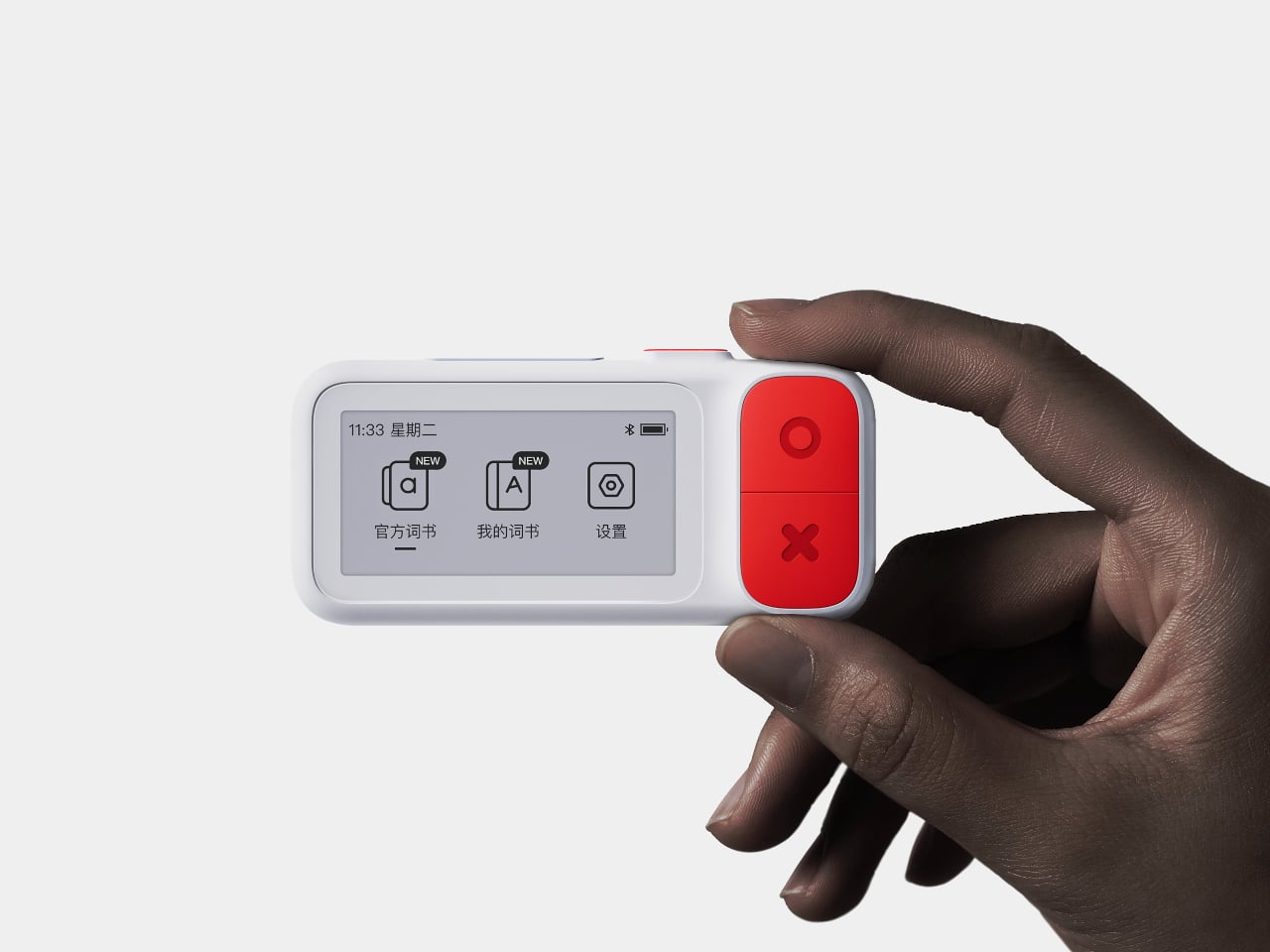
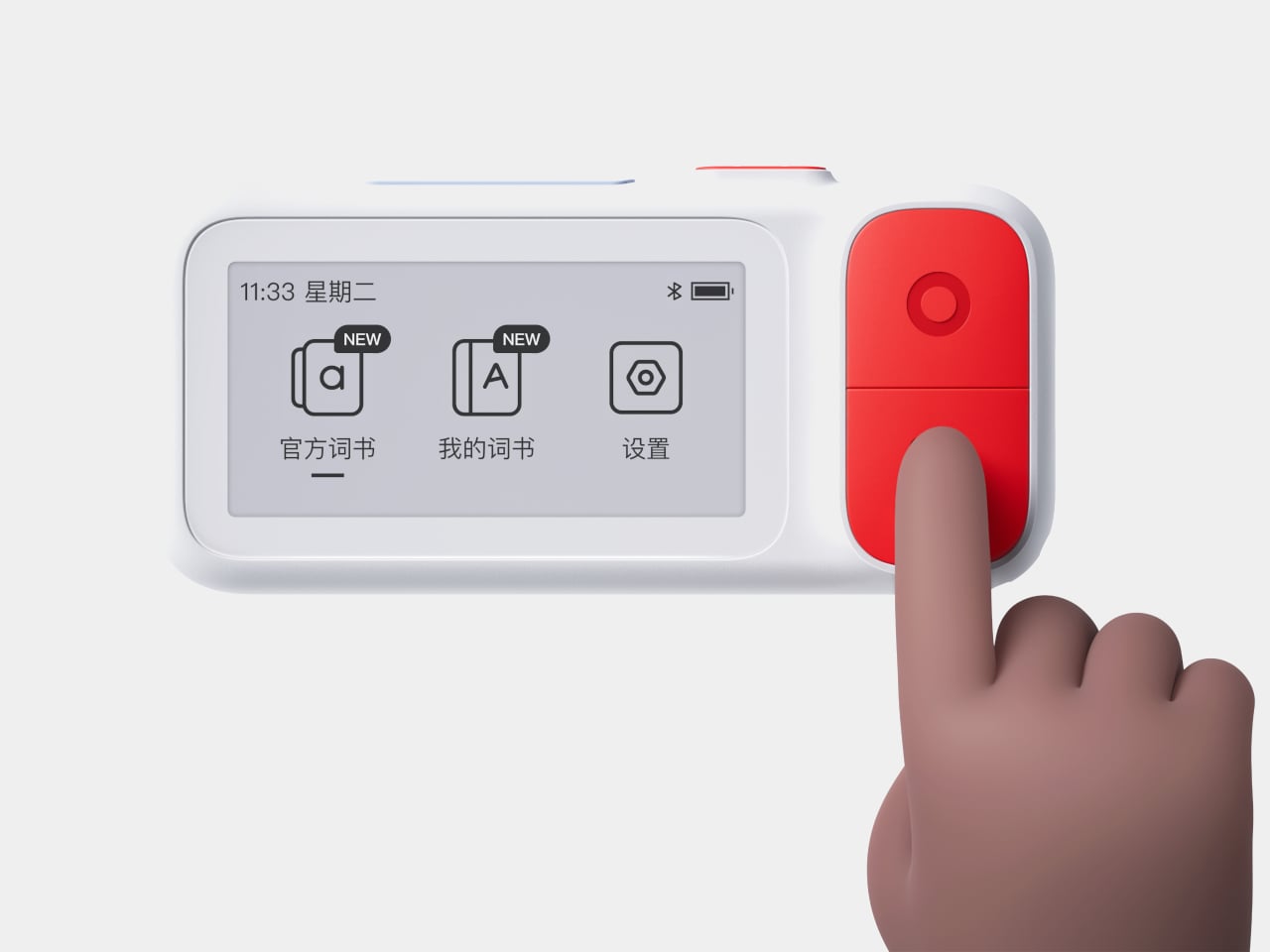
The E-ink Vocabulary Card E2 is one of those tools, a chewing-gum-sized e-ink vocabulary device aimed at students but usable by anyone learning a new language. It pairs with a phone via Bluetooth to pull in study materials and memory modes from an app, then lets you review words on a 2.7-inch e-ink screen without opening your phone. It’s small enough to live in a pocket yet designed to feel like a dedicated learning tool.

Designer: DPP .

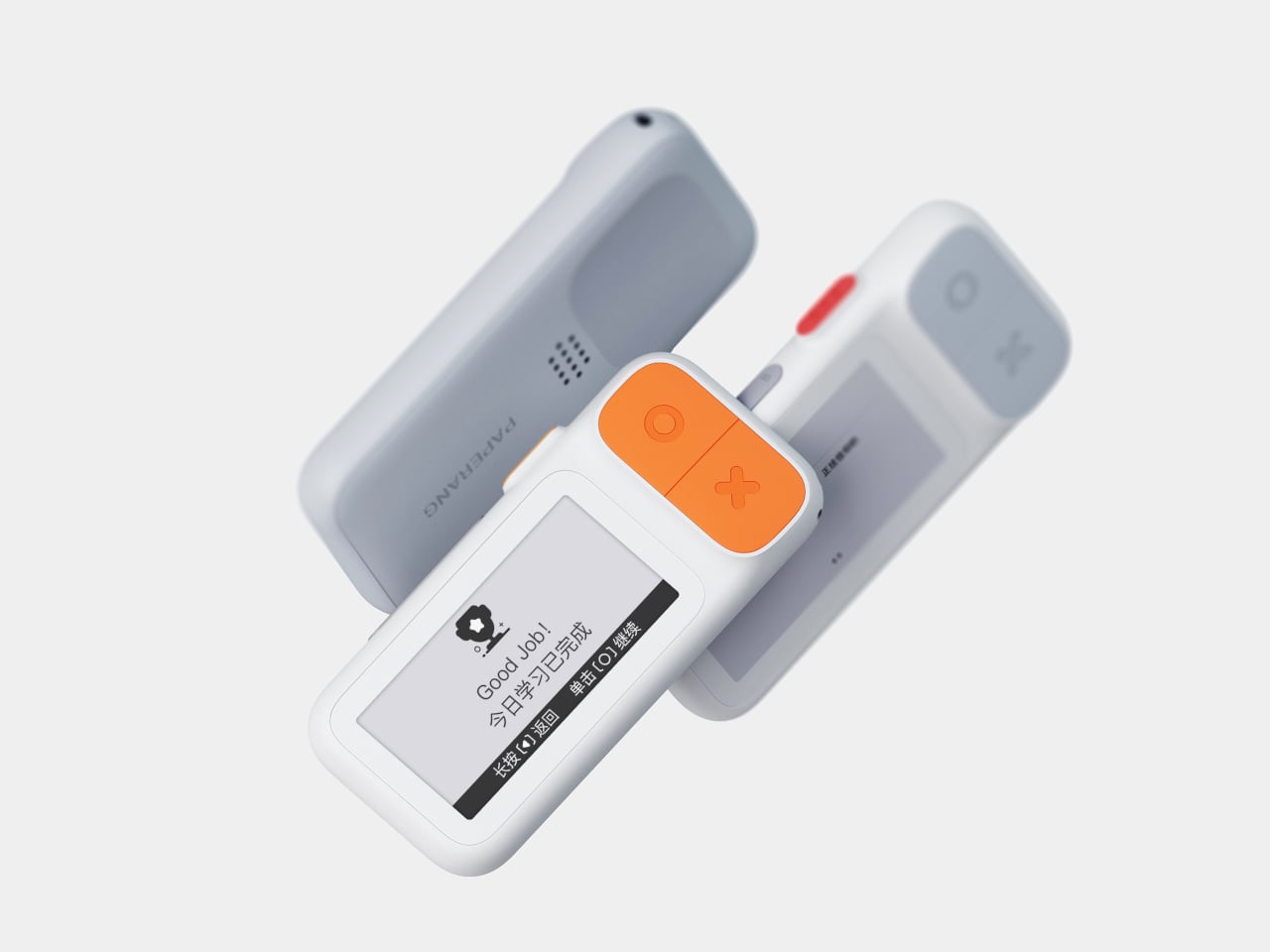
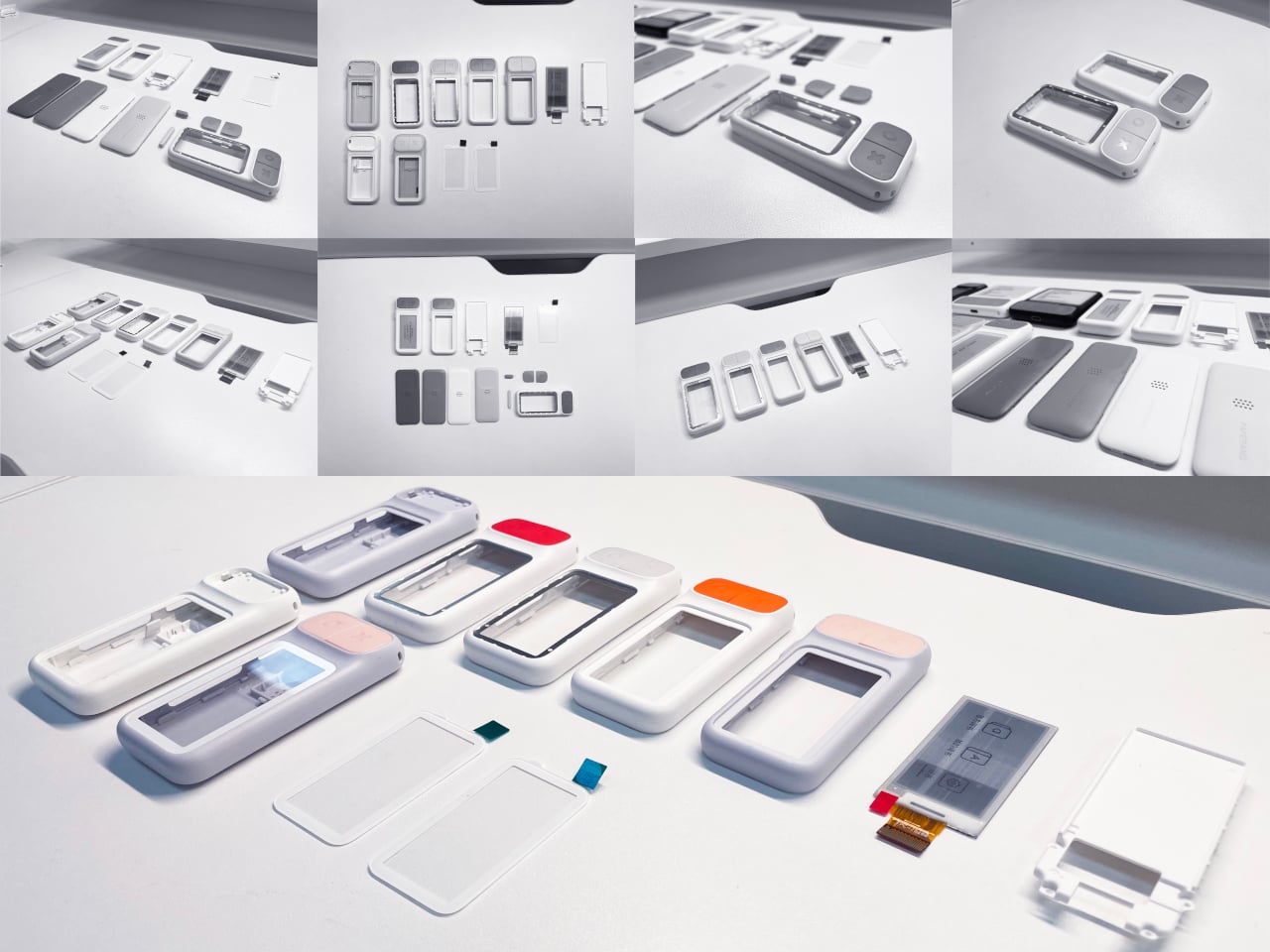
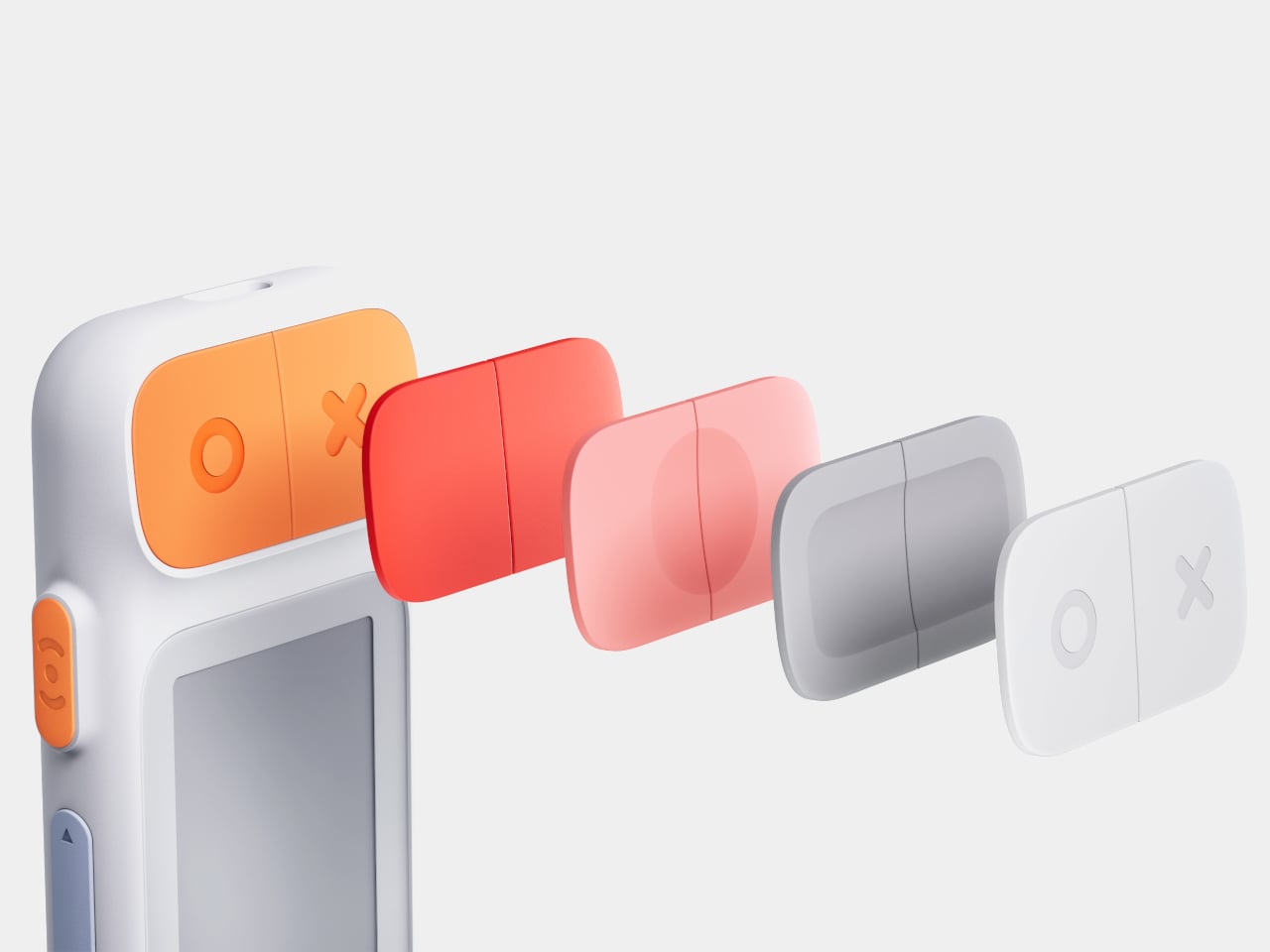
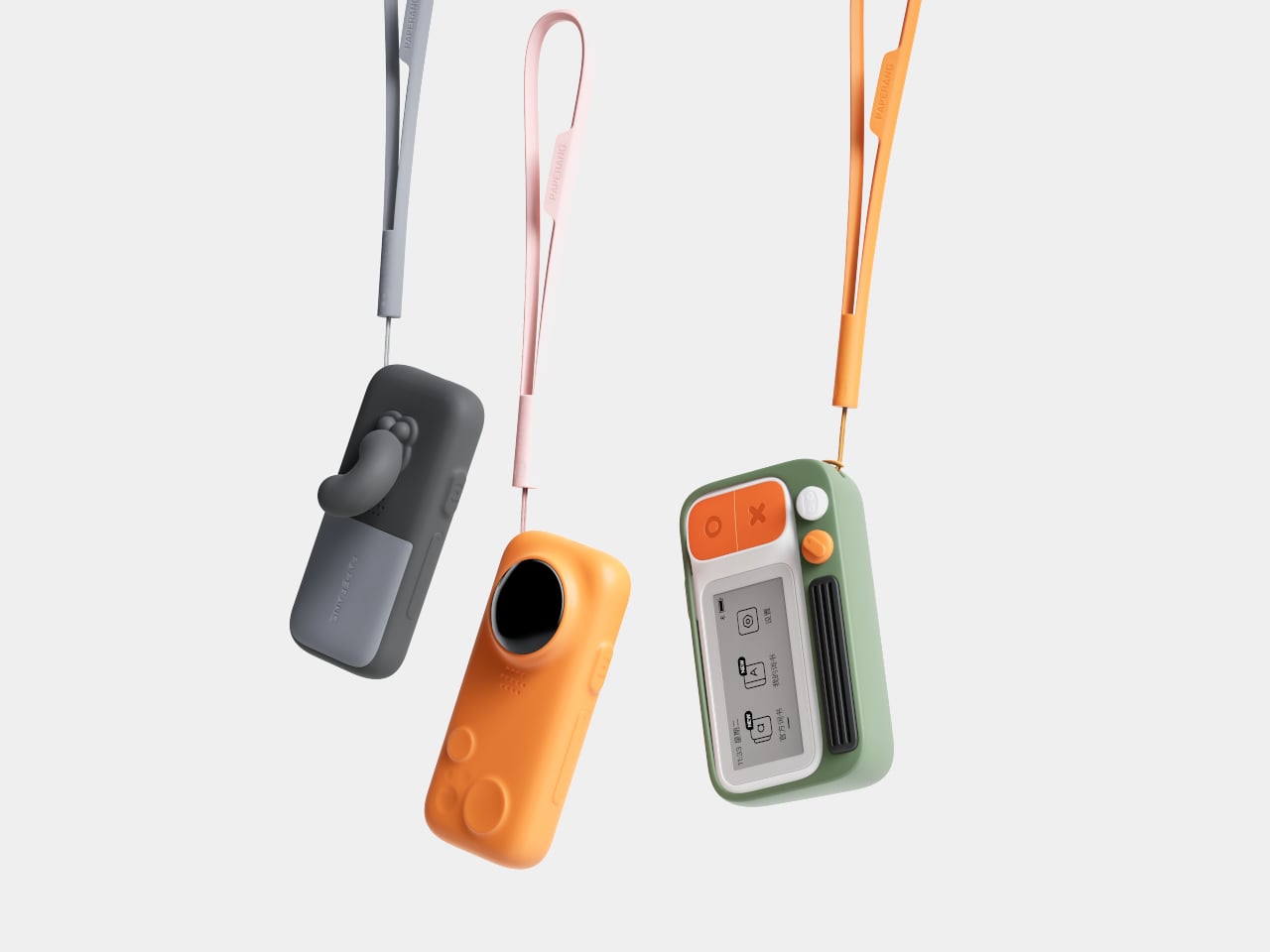
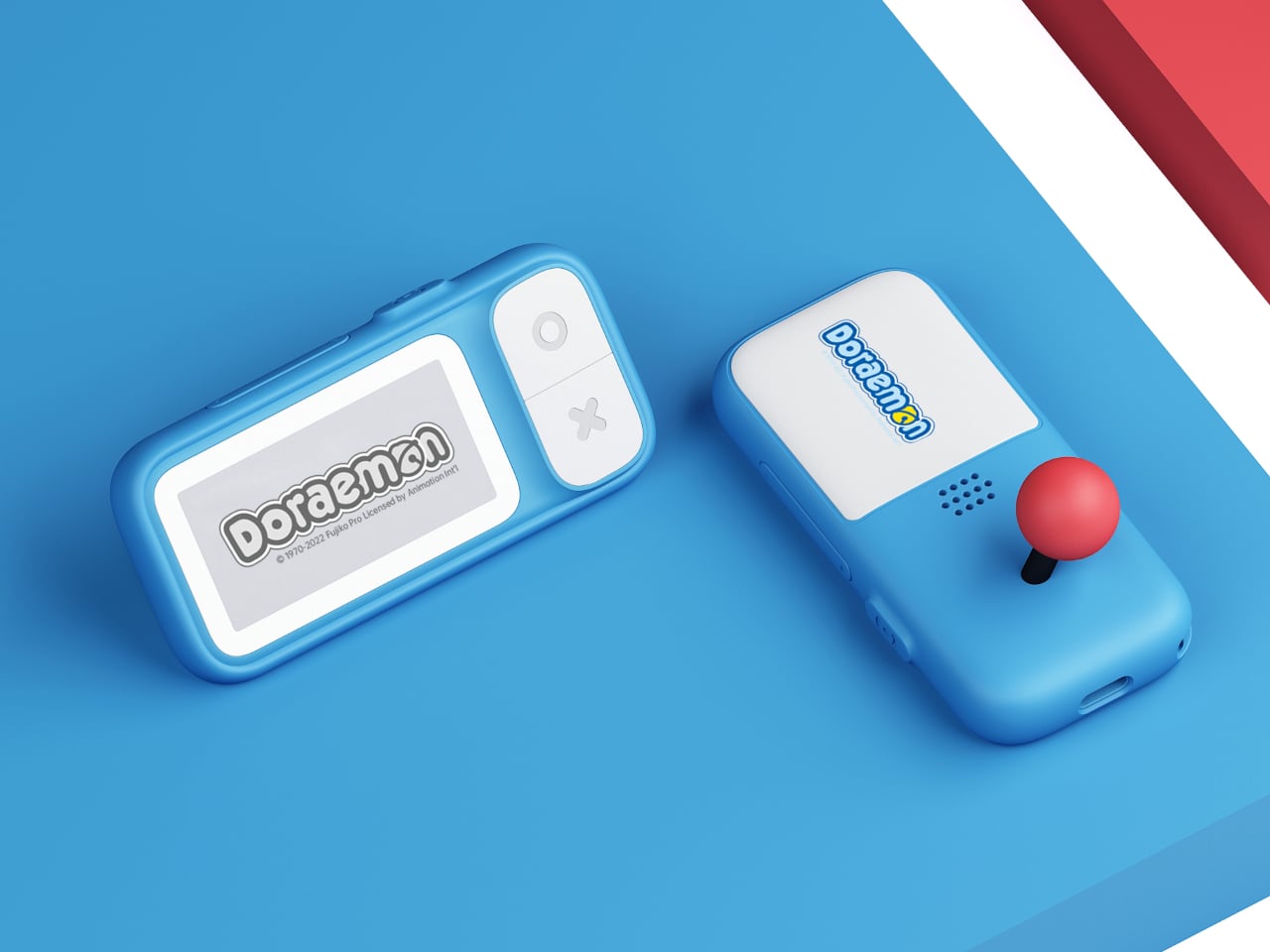
The form factor is remarkably simple. A slim rectangular bar about the size of a pack of gum, weighing only thirty grams. Rounded corners, soft edges, and a two-tone color scheme in orange, pink, green, or grey make it look friendly and approachable. The main action button is tilted at five degrees, tuned for thumb reach when you hold it in one hand, while the simple layout keeps the interaction logic easy to understand.

The 2.7-inch e-ink touch screen is the real selling point. Low blue light and low radiation make it easier on the eyes than a phone, and the high contrast gives a reading experience close to paper. Because e-ink only draws power when the screen changes, the device can reach around one hundred fifty days of standby time, which means it’s always ready when you pull it out between classes or on a commute.

E2 connects to a mobile app over Bluetooth. The device supports nine built-in languages, and the app lets you import more content and choose different study modes or memory patterns that match your learning style. You can load word lists, practice exercises, and review sessions, then leave the phone in your bag while the card handles the actual on-the-go practice.

The IP68 protection rating makes the card dust-tight and waterproof enough for more adventurous use. The renders show it in a gym, on a train, and even in a futuristic space scene, reinforcing that it’s meant to live in pockets and hands without babying. A matching wrist strap accessory clips into the body, adding security and a bit of personality to the tiny device.

The visual language is intentionally soft and playful. Big icons, rounded rectangles, and cheerful colorways make it feel more like a friendly gadget than test prep gear. The E-ink Vocabulary Card E2 treats vocabulary learning like checking a notification, but without the noise of a full smartphone, turning spare seconds into small, focused steps toward fluency.

The post E-ink Vocabulary Card E2 Fits Language Learning Into a Gum Pack first appeared on Yanko Design.

Black Friday subscription and streaming deals you can still get today: Discounts on Apple TV+, HBO Max, Disney+, Proton VPN and more

These days, Black Friday is the longest day of the year. We're only halfway through November, but amazing deals are already popping up for some of our favorite subscription services. This is a great time to lock in a long-term deal on a streaming platform, but there's even more to explore beyond that, from a big discount on Quicken (which you can use to chart all the money you're saving) and one of the best offers I've ever seen for DeleteMe (which cleans your personal data off the internet while you kick back with your new Amazon Prime Video subscription). We'll update this list for the rest of the month as new deals go live.

Audible (three months) for $3 (80 percent off): For literally $1 per month, you can get access to Audible's enormous library of published audiobooks, podcasts and Audible Originals (which can be anything from never-before-heard books to live performances). It's only three months, after which you'll have to cancel or renew at the regular price, but an audiobibliophile can cram a lot of listening into the 90 days after Black Friday.

Monarch Money (one year) for $50 (50 percent off with code MONARCHVIP): Monarch Money, our other favorite budgeting app, is giving new users half off for Black Friday. It's a little more complex than Quicken Simplifi, but it also gives you finer-grained control, including detailed reporting, balance sheets and instant graphs. The standout goals feature lets you establish savings and wealth baselines that feel amazing when you hit them.

Quicken Simplifi (one year) for $36 (50 percent off): We named Quicken Simplifi the best budgeting app this year largely because it lives up to its name. This is the cleanest budgeting app on the market, with an interface designed to welcome newcomers and no key information more than a scroll away. It's also cheap, especially with this Black Friday deal, and very good at detecting and categorizing your important transactions.

Rosetta Stone Lifetime Unlimited subscription for $149 (60 percent off): Rosetta Stone was pioneering visual language courses back when software still came in boxes, and it's still one of the best language learning apps. Today, its method works as well as ever, with patient learning based on pictures, terms and recordings. This deal gets you a full lifetime subscription with access to all 25 languages in the library.

Medium (one year) for $40 (20 percent off): Medium is a social site designed as the anti-Twitter, featuring deep thoughts and long-form essays from great writers. Not all its best work is locked behind a paywall, but a lot of it is — and we've all had the feeling of being frustrated that we can't read the latest drop from a thinker we really respect. This deal isn't a very big cut, but it is a noticeable savings over the monthly plan, which will cost you a full $120 for the same length of time ($150 without the discount).

Headspace (one year) for $35 (50 percent off): Out of all the meditation apps available, Headspace is our favorite. It doesn't just help you relax and de-stress, but also teaches you to practice meditation as a skill, with sessions building on each other in organized courses. There's a massive library of standalone guided meditations with all kinds of instructors, and it's easy to search for the ones that work best for you. This deal gives you half off a full year.

Calm Premium (one year) for $40 (50 percent off): Once you've finished your Headspace meditation, head over to Calm for every other stress-relieving activity you can think of. This subscription lets you relax amid a massive content library, from music and restful soundscapes to "sleep stories" with celebrity narrators telling bedtime stories for children and adults alike. If you've ever wanted to be lulled to sleep by Jonathan Bailey, Matthew McConaughey or Idris Elba, this app is for you.

AdGuard personal (lifetime) for $44 (45 percent off): AdGuard was recently in the news for automatically blocking Microsoft's Recall AI surveillance app, which is a great indication of its mission — it fights threats to your privacy, no matter where they come from. This lifetime subscription blocks all annoying third-party ads and trackers on any website while keeping its functionality otherwise unchanged, so everything loads faster and easier.

1Password (one year) for $29 (50 percent off): Using a password manager is one of the most important cybersecurity steps you can take right now. 1Password generates strong, unique passwords for every account, then saves them to autofill when you need them. We named it the best password manager in honor of its well-designed user interface and cross-platform compatibility.

LastPass Premium (one year) for $18 (50 percent off): LastPass is another great password manager. We briefly stopped recommending it after a couple of data breaches early last year, but it's patched up its security and seems to be firing on all cylinders again. Whether it suits you better than 1Password will come down to personal preference, but LastPass's deal is slightly better this year.

DeleteMe (all services) for 30 percent off with code BFCM30OFF25: DeleteMe scrubs your information from people search sites and other public-facing data brokers, dramatically reducing your online presence. It's a time-saving and user-friendly automation of a process that can be a real hassle without it. Since using it monthly, we've noticed a sharp decrease in the amount of spam emails, texts and calls to our personal addresses.

Adobe Creative Cloud (one year) for $389 (50 percent off): Adobe Creative Cloud is half off for one year right now, coming out to $389 for one year when you pay upfront. (There's a discounted $35 monthly rate as well, working out to $420 for the year.) Creative Cloud is Adobe's most comprehensive design package, including InDesign, Illustrator, Photoshop, Premiere and over 20 other apps. Whip up a website with Dreamweaver, paint on a digital canvas with Fresco or edit photos in Lightroom. It's a pretty steep cost for an individual, but puts a one-year subscription well within reach of a creative business.

Disney+ and Hulu bundle with ads (one year) for $60 (61 percent off): Disney took its time announcing its Black Friday deal on the newly merging Disney+ and Hulu, but the wait was worth it. This steep discount saves you more than 60 percent over the regular monthly price. Just in time for family gatherings, you'll have free access to Encanto and Moana 2 for the kids, The Bear and Only Murders in the Building for the adults, and Marvel and Star Wars adventures for everybody.

Apple TV+ (6 months) for $36 ($42 off): Apple TV+ has another of the best Black Friday streaming deals this year, offering a six months of access for only $36, which comes out to only $6 per month. The deal is live now for new and returning subscribers. Through December 1, you've got a great chance to stream shows like Severance, Ted Lasso, The Morning Show and For All Mankind for less — just remember the deal only applies if you subscribe directly through Apple and not through a third-party service.

Starz (one year) for $12 ($58 off): Pay upfront for one year and you can get more than $50 off a Stars annual subscription. There's a month-to-month option too, which costs $3 per month for the first three months if you don't want to commit to the full year. Either option gives you access to the entire Starz TV and movie library, including Outlander and Spartacus, with offline viewing and no ads.

Paramount+ (2 months) for $6 ($20 off): Paramount+ is doing its Black Friday deal a little differently. Instead of a reasonably cheap long-term plan, you get an incredibly cheap short-term deal — two months for less than a Starbucks run costs these days. That's more than enough time to binge Yellowjackets, Dexter: Resurrection or Star Trek: Strange New Worlds, along with weeks of NFL games through CBS Sports. 

Fubo Pro (first month) for $55 (35 percent off): Fubo is the live TV service that helps sports lovers cut the cord. When you sign up, it asks you your favorite teams, then automatically records every game they play. Fubo Pro includes 249 channels, covering everything from your local NFL and NBA networks to real ESPN8 (The Ocho) content like PowerSports World. There are even plenty of non-sports channels, and with 10 allowed screens per subscription, your whole family can enjoy the selection at once.

Sling TV Orange Day Pass for $1 (80 percent off): Sling TV is one of the best live streaming services, and has one of streaming TV's most unique deals: a commitment-free day pass that lets you stream whatever you want for 24 hours, including cable channels and exclusive sports. Normally, a day pass costs $5, but this Black Friday deal knocks that all the way down to $1.

Plex (lifetime pass) for $150 (40 percent off): Plex offers personal media servers you can use to organize your digital collection — imagine your own curated Netflix homepage that nothing ever vanishes from. It's also a streaming platform in its own right, with movies and TV from all genres and eras. Plex did just raise its prices, so now's your chance to get a lifetime pass for close to what it used to cost.

Walmart+ (one year) for $49 (50 percent off): No, Walmart hasn't started its own streaming platform, but it would probably have some pretty great drama. What you do get with Walmart+ is free shipping on carts over $35, exclusive deals, drone delivery in some cities and more. And if you did come here for streaming, Walmart+ also comes with your choice of Peacock Premium of Paramount+ Essential (we recommend Peacock Premium because it's more expensive on its own).

Fox One (six months) for $20 (50 percent off): Fox One is the newest streaming service on this list, launching just this August. It provides access to everything in the Fox catalog, including its sports and entertainment TV. Six months for $20 isn't quite as good a deal as Paramount+ is giving out, but it may still be a bargain if you're worried about losing Fox channels from your YouTube TV subscription.

ExpressVPN Basic (28 months) for $68.40 (81 percent off): ExpressVPN may be the most user-friendly VPN for sale right now, with fast download speeds (only 7 percent losses in our last test), quick connections and apps designed to stay out of your way. It's not the most feature-rich, but it excels at any bread-and-butter VPN task, staying leak-free and unblocking Netflix everywhere. You also get access to server locations in 105 countries. It also basically never drops the price this low, so if you're at all interested, now's the time to board the Express train.

Surfshark Starter (27 months) for $53.73 (87 percent off): According to the tests we ran for our latest review, Surfshark is the fastest VPN right now, with its download speeds, upload speeds and latencies all beating out competitors. It has more to offer beyond speed, too, as it's able to constantly rotate your IP address and generate double VPN paths between any two servers you choose.

NordVPN Basic (27 months) for $80.73 (74 percent off): NordVPN got very positive marks in our last review, where we called out its fast internet speeds, wide network of server locations and selection of exclusive features. It comes with a range of dedicated servers for obfuscation, onion routing, torrenting and more. Plus, it's one of the first VPNs getting a jump on post-quantum encryption.

CyberGhost VPN (28 months) for $56.84 (84 percent off): CyberGhost is always cheap — in fact, we named it the best budget VPN — but it's never behaved like an economy option. Its Smart Rules automation controls are the deepest in the industry, and its server network reaches 100 countries. Speeds are also quite good, though connections occasionally take a moment to establish.

hide.me VPN (26 months) for $99.95 (61 percent off): hide.me is currently our favorite free VPN, but its paid upgrade is just as competitive. The best thing about this deal is that you're guaranteed to get renewed at the same price and duration, which isn't always certain, even with otherwise reliable VPNs. hide.me gives you servers in 91 locations, all of them rated for up to a gigabyte of traffic per second.

Private Internet Access VPN (40 months) for $79.20 (83 percent off): Although we weren't wholly positive about Private Internet Access (PIA VPN) in our recent review, we can't deny it's a worthwhile choice for an affordable VPN. Although speeds can fluctuate, it comes with lots of desirable features on all platforms, like port forwarding (which makes torrents more stable) and two kinds of split tunneling.

This article originally appeared on Engadget at https://www.engadget.com/deals/black-friday-subscription-and-streaming-deals-you-can-still-get-today-discounts-on-apple-tv-hbo-max-disney-proton-vpn-and-more-180000005.html?src=rss

Spotify now includes a built-in tool for importing your playlists from other services

Spotify definitely wants you to only use Spotify for streaming music, but it’s willing to admit that you might have used another service in the past. Those people can now more easily import their playlists into the Spotify app, thanks to its latest integration with TuneMyMusic.

Available through Spotify mobile users and rolling out globally from today, you can access the new feature through Your Library in the Spotify app. Scroll to the bottom and you’ll see an option to import your music by connecting to TuneMyMusic (it looks like it boots you into your browser at this stage) and choosing the service you want to transfer from. Apple Music already lets you do something similar directly from within your settings on an iPhone, iPad or Android device, or through the web.

TuneMyMusic supports transfers into Spotify from a wide range of streaming platforms, including Apple Music, YouTube Music, Amazon Music and Tidal. You won’t lose your playlists in the source location. It’ll just copy them over so they appear in your Spotify library.

If you aren’t already aware, Spotify lets you customize playlists in a number of ways, from inviting friends to add their own songs, to designing the cover art yourself. So if you’ve been considering a jump from elsewhere, this new feature should make the transition a little easier.

This article originally appeared on Engadget at https://www.engadget.com/apps/spotify-now-includes-a-built-in-tool-for-importing-your-playlists-from-other-services-175100343.html?src=rss

Android Quick Share now works with Apple’s AirDrop feature on Pixel 10 phones

Count this as the latest unexpected detente between Apple and Google. Today, Google announced that the Pixel 10 series of phones can use Android Quick Share with the iPhone’s AirDrop feature, meaning it’ll be much easier to shoot files and photos between the two platforms. While this feature is currently limited to Pixel 10 series phones, Google says it is looking to expand the feature to other devices.

Google dropped details on how it made this work from a privacy and security standpoint in its technical blog if you want to get into the nitty-gritty. But it certainly sounds as if Google did this on its own without any input from Apple. “We accomplished this through our own implementation,” Alex Moriconi from Google told Engadget. “Our implementation was thoroughly vetted by our own privacy and security teams, and we also engaged a third party security firm to pentest the solution.”

But functionally, it sounds like this will work the same as Quick Share currently does. The receiving Apple device (this will work with iPads and Macs as well as iPhones) needs to set their Airdrop visibility preferences to “anyone for 10 minutes.” This means that people outside of your contact list will be able to initiate an AirDrop or Quick Share transfer. From there, the Pixel 10 user should be able to see the receiving Apple device when they go to share things via Quick Share as normal.

Google also notes that Android devices can receive files from Apple devices that are using AirDrop. They’ll just need to make sure their Quick Share visibility settings are similarly set to “everyone for 10 minutes” or that they’re in “receive” mode on the Quick Share page.

It’s not clear if Apple was involved in making this new feature work or if Google did this all on its own. Apple hasn’t released a corresponding post on its own newsroom. If Apple wasn’t involved, the obvious question is whethere or not they’ll treat this as a security breach and release a software update that undos Google’s work. And if they do, it’s entirely possible that we’re going to head down another long road of the company’s bickering about security versus openness.

We’ve reached out to Apple to get more details and will update this post if we learn anything.

Update, November 20, 2025, 1:27PM ET: Added a statement from Google.

This article originally appeared on Engadget at https://www.engadget.com/mobile/android-quick-share-now-works-with-apples-airdrop-feature-on-pixel-10-phones-173646458.html?src=rss

This Opera House Design Has No Back and You Can Walk on the Roof

Picture an opera house that doesn’t just sit on its waterfront site but flows across it like sound waves spreading through the air. That’s exactly what Bjarke Ingels Group has cooked up for Hamburg’s new State Opera, and honestly, it’s one of those designs that makes you rethink what a cultural building can be in the 21st century.

The Danish architecture firm just won an international competition to replace Hamburg’s aging 1950s opera house with something that feels less like a fortress of high culture and more like an urban living room. Located on the Baakenhöft peninsula in HafenCity, right where the city meets the water, the new building reads as a landscape of concentric terraces that ripple outward from the central performance hall. Ingels himself describes it as terraces “emanating like soundwaves,” which is pretty poetic for a guy known for turning ideas into buildable reality.

Designer: BIG – Bjarke Ingels Group

What makes this project so interesting is how it completely ditches the traditional opera house playbook. You know the type: imposing facades, grand staircases that separate the cultured elite from everyone else, buildings that basically scream “not for you” to anyone walking by. BIG’s approach flips that script entirely. The 450,000-square-foot building is designed as what they call “a public building within a park,” where the roofscape is fully walkable and the structure has no defined back side.

Think about that for a second. An opera house with no rear elevation. Instead of creating a building that sits apart from its surroundings, the design treats the entire structure as an extension of HafenCity’s public realm. The terraced exterior becomes a landscaped garden that rises to meet the main volume, creating what amounts to a human-made topography where people can hang out, walk their dogs, or just watch the sunset over the harbor regardless of whether they have tickets to La Bohème that evening.

This democratization of space isn’t just good PR. It represents a fundamental shift in how we think about cultural institutions and their relationship to the communities they serve. Opera houses have historically been exclusive spaces, both architecturally and culturally. By making the building itself permeable and accessible, BIG is suggesting that even if you’re not an opera fan, this building still belongs to you. It’s your park, your gathering space, your piece of waterfront.

The design also responds smartly to its context. Hamburg’s existing opera house served the city well for decades, but it reflects a different era’s ideas about urban culture and public space. The new location in HafenCity, a rapidly developing waterfront district that’s become one of Europe’s largest urban regeneration projects, demanded something that could anchor a neighborhood still finding its identity. Rather than plopping down a monument, BIG created something that extends and enhances the existing urban fabric.

From a technical standpoint, the rippling terrace concept isn’t just aesthetically pleasing. It creates multiple entry points and circulation paths, distributes the building’s mass in a way that feels less imposing, and provides outdoor social spaces at various levels. The design incorporates advanced acoustic engineering to ensure world-class sound inside while maintaining that crucial connection to the outside world.

There’s also something refreshingly playful about the whole concept. Comparing the terraces to sound waves or ripples on water isn’t just architectural marketing speak. It creates a visual metaphor that helps people understand what the building is trying to do before they ever step inside. The opera makes sound, sound travels in waves, and those waves become the literal form of the building. It’s the kind of concept-driven design that Ingels has become famous for, where big ideas translate into built form in ways that feel both intellectually satisfying and just plain cool to look at.

Will this design single-handedly make opera accessible to the masses? Probably not. But it removes at least one barrier by creating a building that invites you in rather than keeping you out. And in a world where cultural institutions are constantly wrestling with questions of relevance and accessibility, that architectural gesture matters. Hamburg’s getting more than a new opera house. It’s getting a new kind of public space that just happens to have a world-class performance hall at its center.

The post This Opera House Design Has No Back and You Can Walk on the Roof first appeared on Yanko Design.