Cities: Skylines II dev parts ways with publisher Paradox

Game publisher Paradox Interactive has split with Colossal Order, the studio behind Cities: Skylines II. Colossal Order, which also made the original Cities: Skylines back in 2015, will move on to something new after completing a few last updates. The intellectual property will remain with Paradox, which said today that work on Cities: Skylines II will be moved to Iceflake Studios. The Finland-based internal team will be responsible for all development, including future content updates and the long-awaited console version, starting in 2026.

The move comes after about two years of trying to salvage the citybuilding sequel and the reputations of all parties. While the game was initially expected to debut in October 2023 on PC and consoles, the launch was limited to PC, with higher minimum specs than previously announced and with a lot of bugs. The ongoing issues caused tension and toxicity between Colossal Order and the Cities: Skylines audience. Although the game has reached a more stable state, new content has been slow to arrive and there is still no sign of a console launch as the studio exits their project.

This article originally appeared on Engadget at https://www.engadget.com/gaming/cities-skylines-ii-dev-parts-ways-with-publisher-paradox-210229692.html?src=rss

This Armored Lexus Concept Borrows From Cybertruck and Rezvani, But Stays Premium

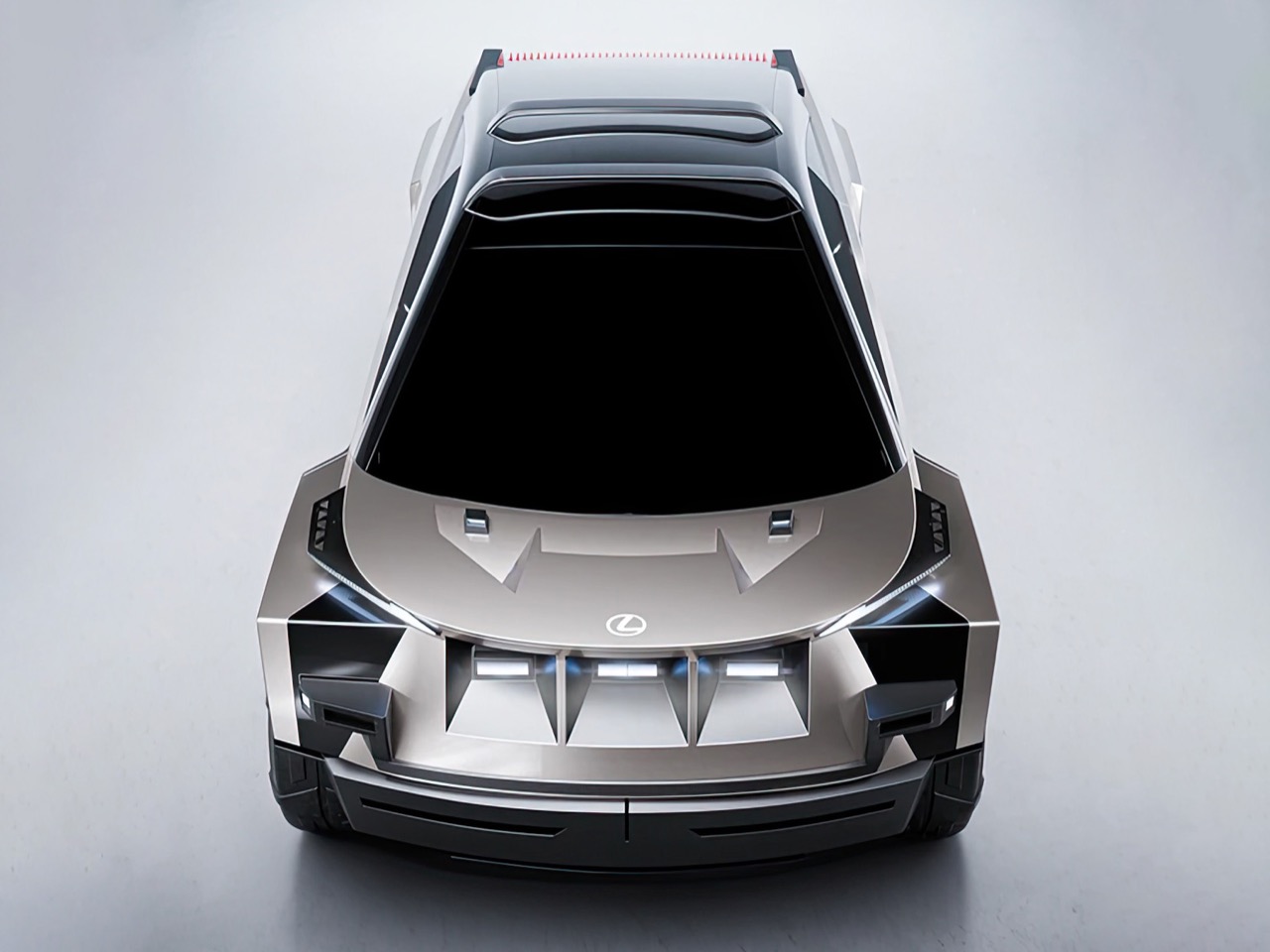
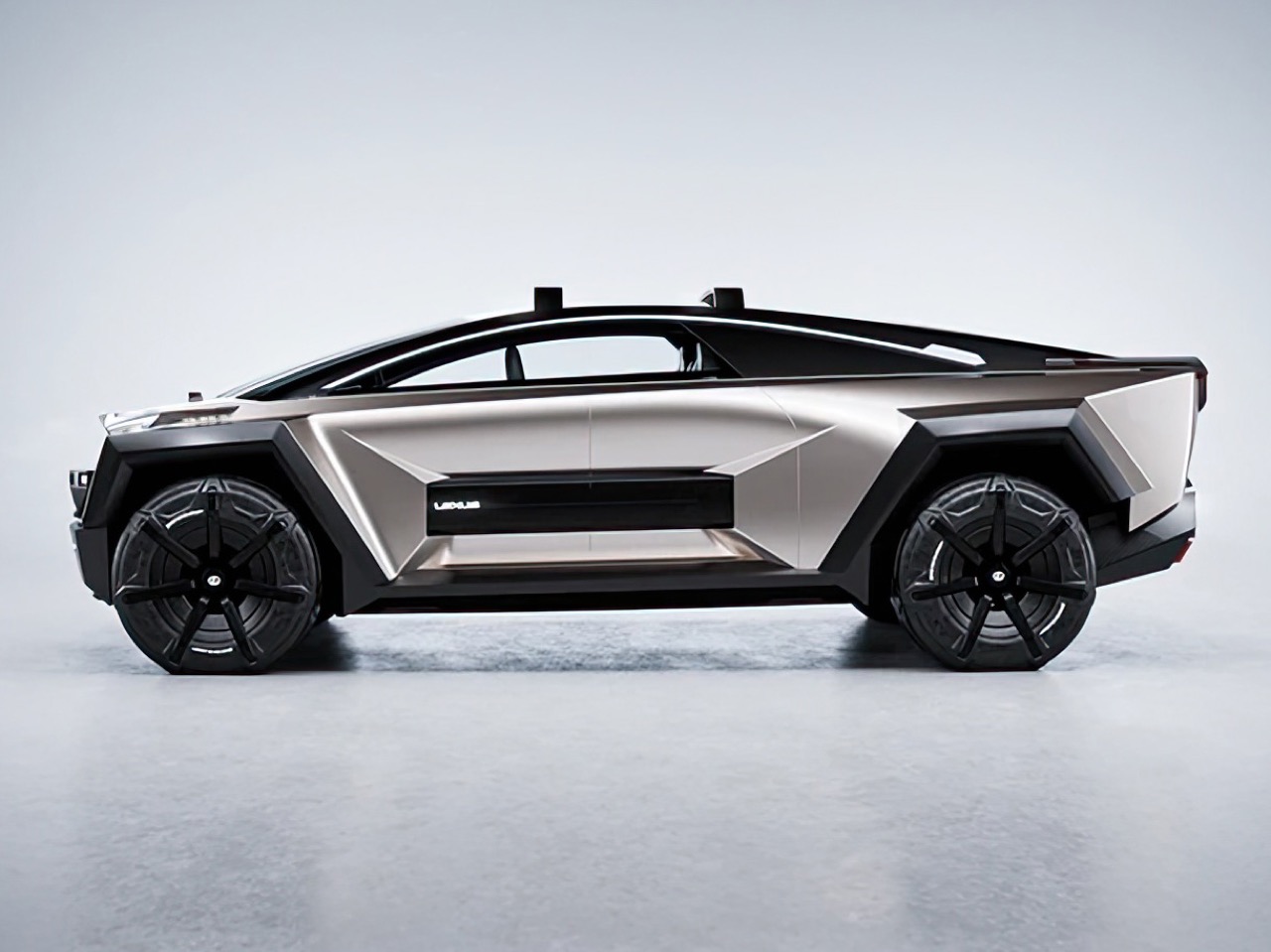
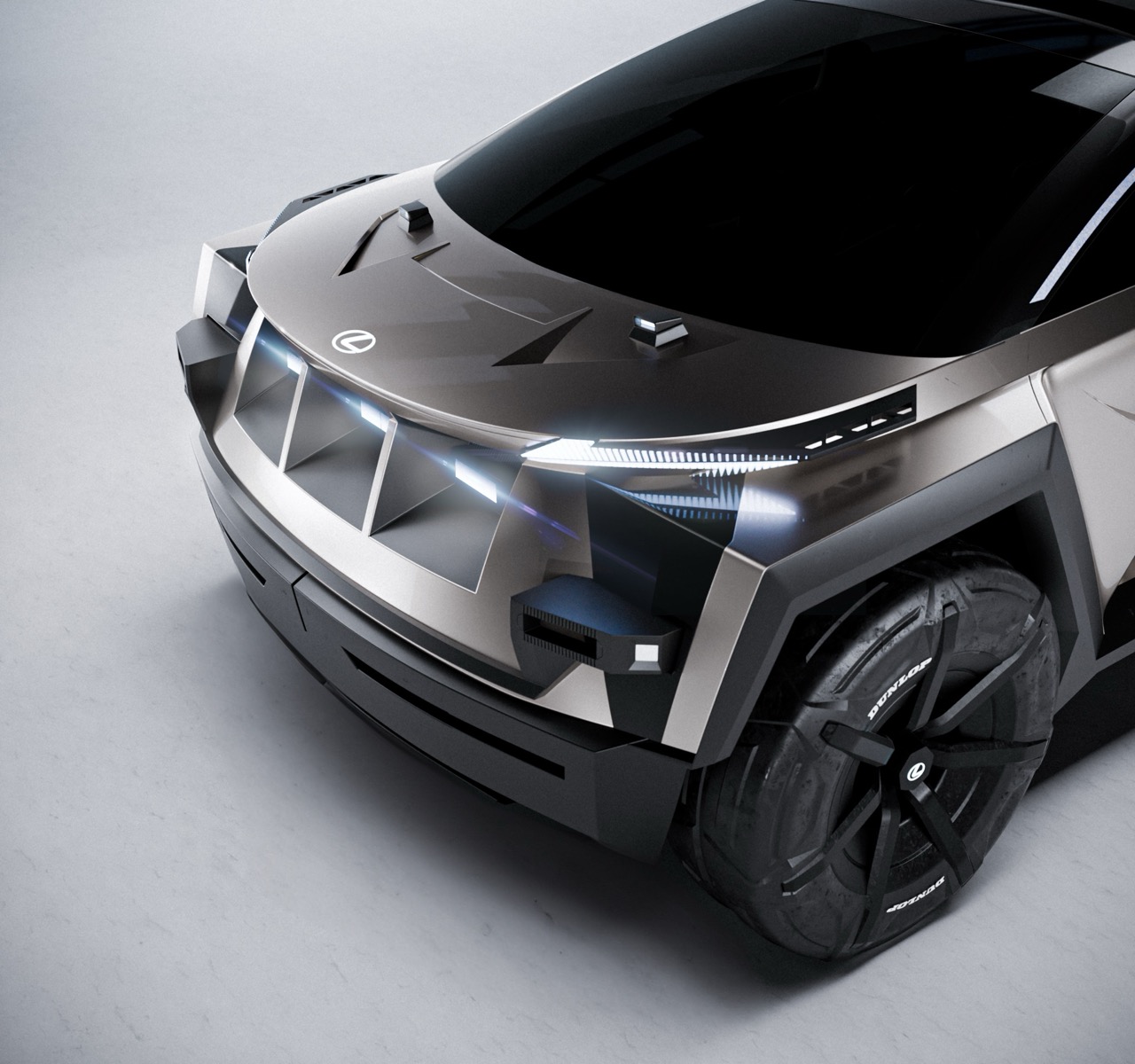
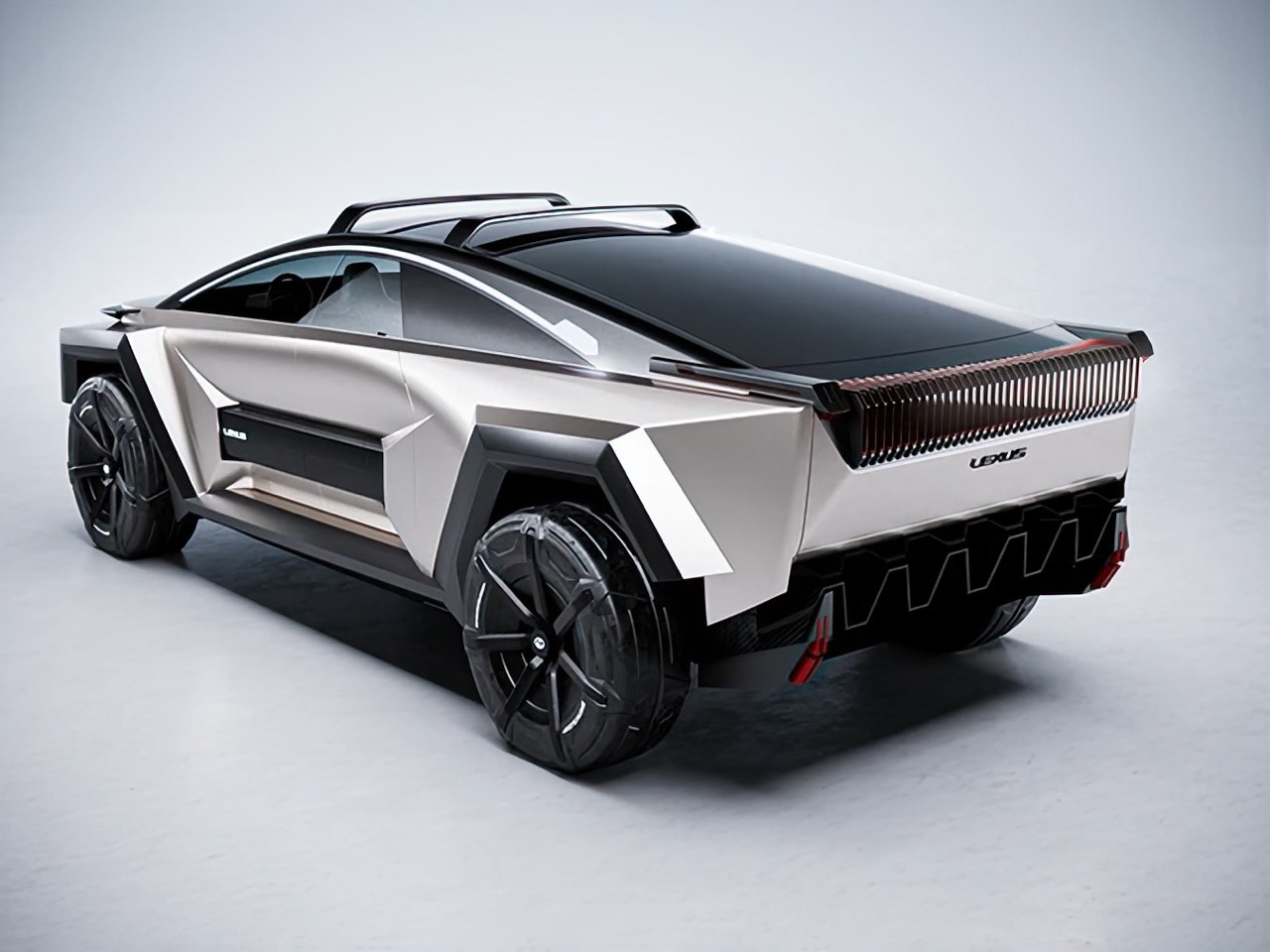
Viewed in isolation, the LF TT could easily be mistaken for a Rezvani sketch or a videogame boss vehicle: slab sides, armored arches, and a stance that looks ready to drive through a building rather than around it. Only when you start tracing the lines does the Lexus in it emerge, from the long, graceful roof arc to the layered surfacing that sits underneath all the blocky geometry.

That tension between brutality and refinement is the core of the project. It borrows the visual grammar of Cybertruck‑style faceting and Rezvani‑style intimidation, then overlays it with Lexus’ obsession with crafted surfaces and precise lighting graphics. The LF TT is not trying to be a practical pickup; it is trying to answer a different question entirely: what would a Lexus halo truck look like if it had to share a stage with the loudest, most extreme machines in the segment.

Designer: Theo Flament

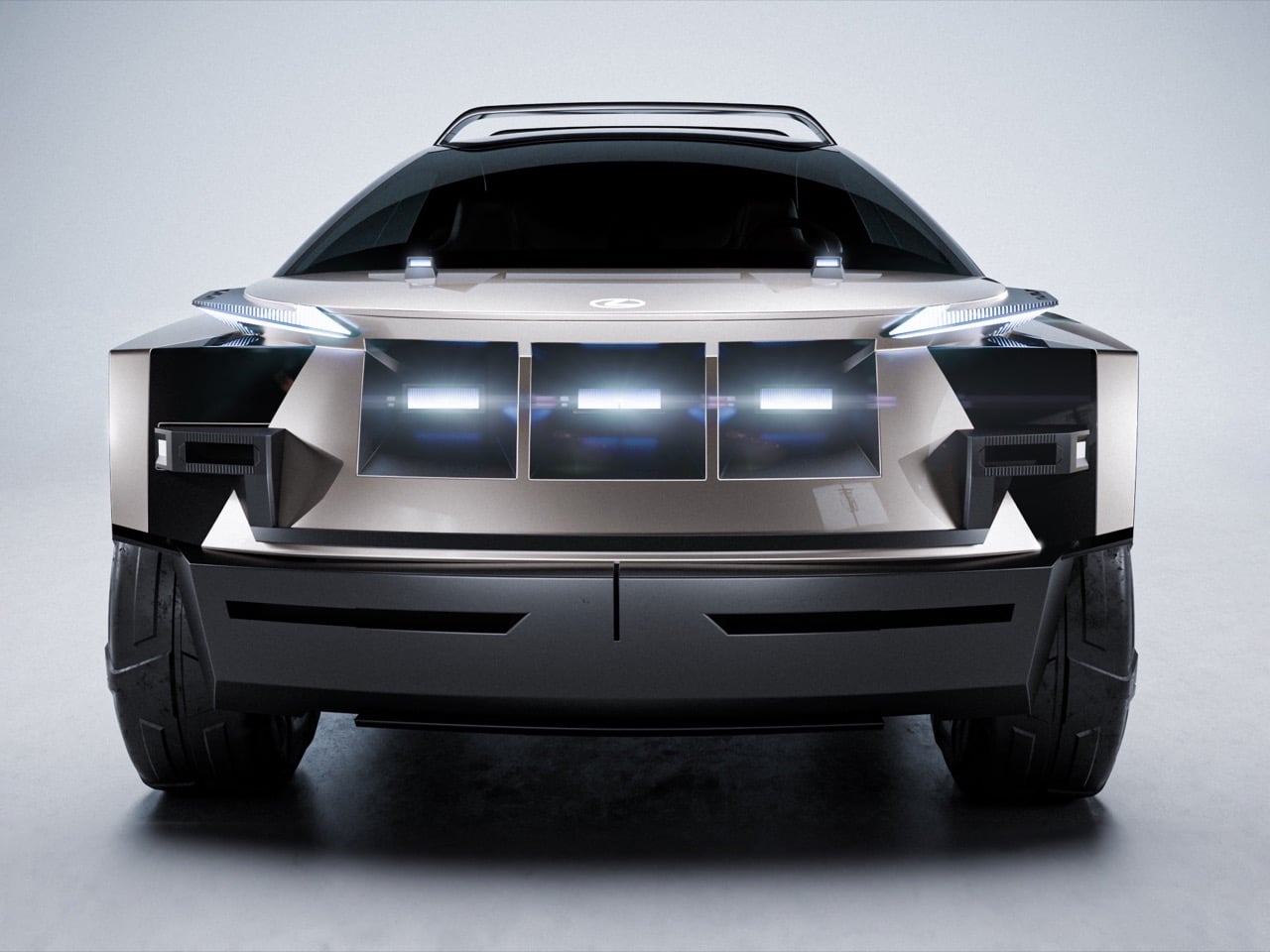
The front end is a masterclass in this translation. Instead of a literal spindle grille, the design uses a deeply recessed trapezoidal cavity to house three powerful light modules, creating the same pinched-waist effect through negative space and shadow. Above this, a razor-thin DRL stretches across the fascia, an aggressive evolution of the light blades seen on the current RX and RZ models. The hood itself features sharp, origami-like creases radiating from the central emblem, another nod to the L-Finesse philosophy of creating dynamic surfaces that catch the light. It’s a clever reinterpretation, translating a familiar brand identity into a language of hard-edged, functionalist aggression without losing the original logic or hierarchy of the face.

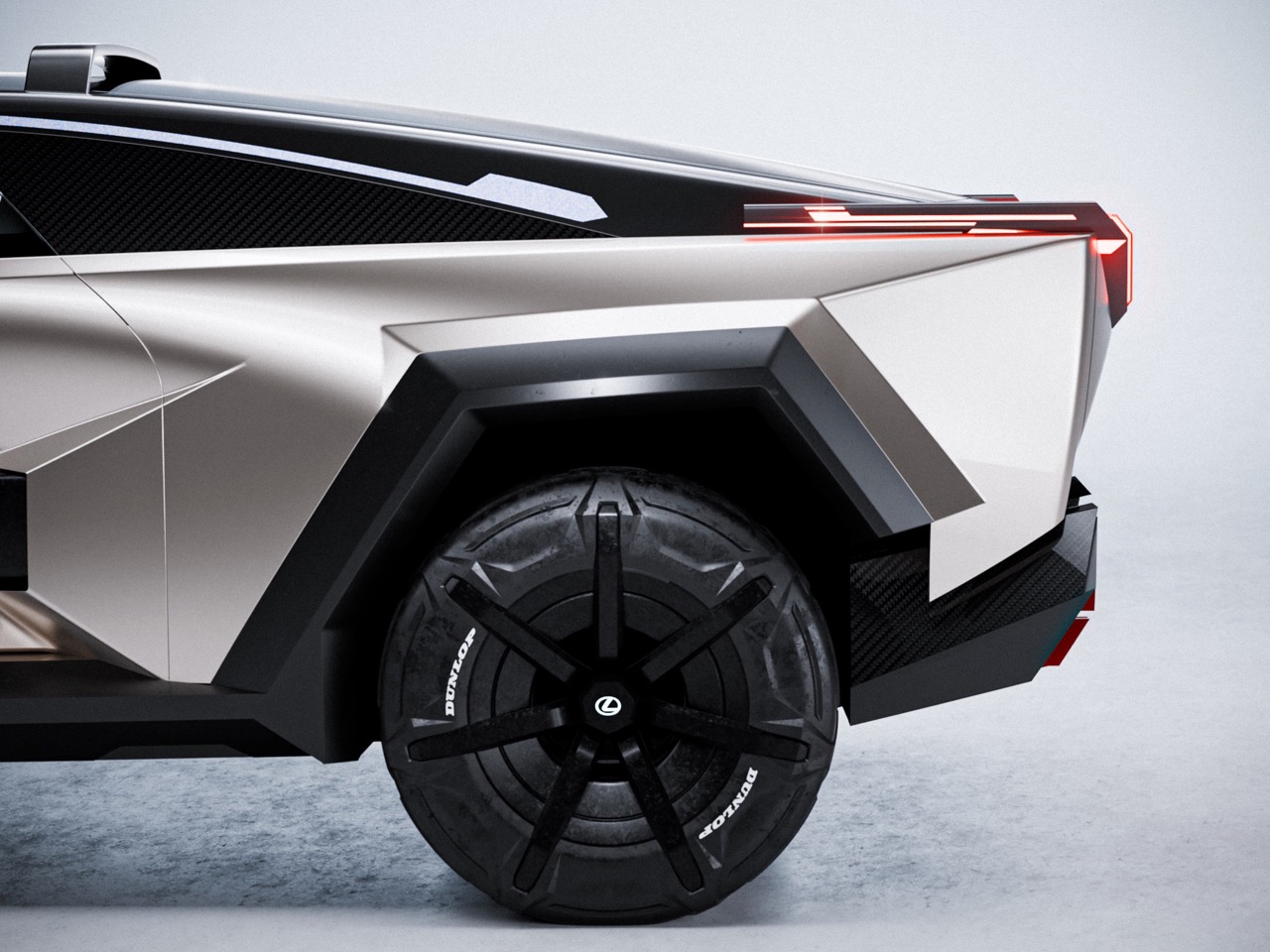
The comparison to the Cybertruck is unavoidable, but the execution of the surfacing is fundamentally different. Where Tesla’s design suggests raw, folded stainless steel, the LF TT’s body panels feel more like layered armor plating over a muscular, sculpted core. The main surfaces have subtle bulges and are broken by deep, intersecting feature lines that create a sense of tension and complexity, a hallmark of the L-Finesse language, just sharpened to a knife’s edge. Capping it all is a sleek, coupe-like glasshouse with a continuous arc from the A-pillar to the tail. This silhouette is much closer to a performance GT like the Lexus LC than any utility vehicle, reinforcing its road-biased, high-performance mission.

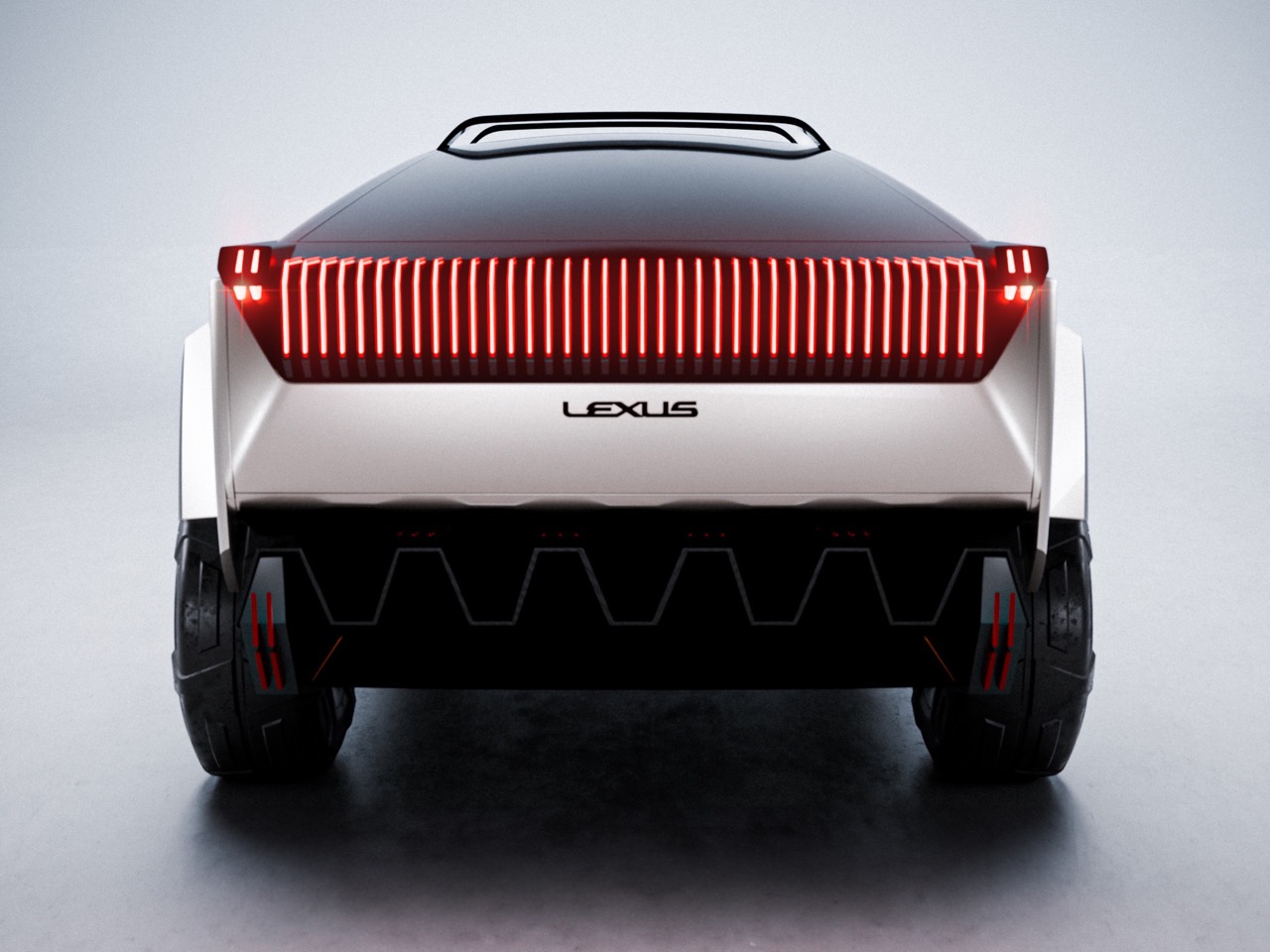
This theme of reinterpreted signatures continues at the rear. The full-width light bar, now a staple for Lexus, is rendered as a series of tightly packed vertical fins, adding a level of detail and precision that feels more like a high-end watch than a simple taillight. This intricate detail work reinforces the LF TT’s true purpose. It’s not a workhorse. The short rear overhang, fastback profile, and massive, stylized wheels on low-profile tires clearly position it as a high-performance halo product. It’s a rally-raid supercar for the road, a kind of “LF-A of trucks” meant to showcase technological prowess and design confidence rather than payload capacity or pure off-road practicality. It’s a statement piece, designed for presence above all else.

The post This Armored Lexus Concept Borrows From Cybertruck and Rezvani, But Stays Premium first appeared on Yanko Design.

Facebook rolls out new tools for creators to track accounts stealing their content

Creators on Facebook and Instagram have long griped about accounts that lift their videos without permission. Now, Meta is rolling out a new tool that allows creators to more easily track when their videos have been reposted by others.

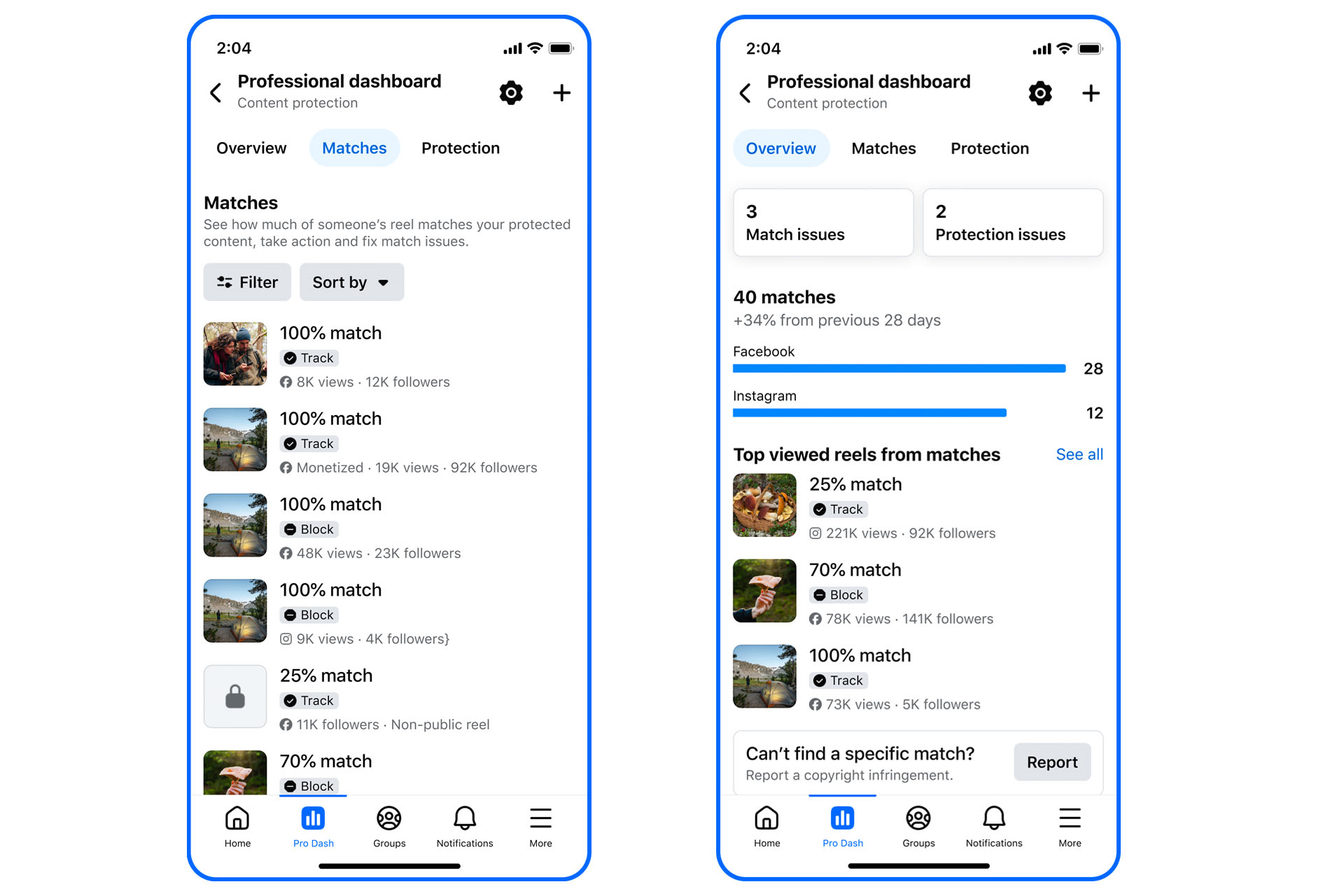
The company introduced a new tool for creators called "content protection," which can automatically detect when a creator's original reel is reposted, either fully or partially, on Facebook or Instagram. Creators who are enrolled will be able to see which accounts have shared their work and will be able to take a range of actions on the clip. 

Available actions include "track," which allows the creator to add a label indicating the clip originally came from their account. In addition to the link back, creators will also be able to keep tabs on the number of views it's getting. Creators can also opt to block a clip entirely, which will prevent anyone else from being able to view the reel. (Meta notes choosing this option won't impose additional penalties on the account that lifted the original content.) Finally, creators can choose to "release" the video, which removes it from their dashboard so they will no longer have any visibility into how it's performing.

The dashboard tracks instances of reused content,
Meta

The dashboard also provides some other details that could help creators decide how to respond. For example, they can see whether the video using their content is being monetized, which may influence their decision to track with attribution or block entirely. On the other hand, if a reel was lifted from an account with few followers, they may opt to simply keep an eye on it. 

Meta has already offered Facebook creators some of these abilities in the past through its rights manager platform, but the company says making the features available directly in the Facebook app will make it accessible to more people. Notably, the company is only offering content protection to creators who share reels on Facebook. So even though the feature will detect copycats on Instagram, it will only do so if the original video has been posted to Facebook. 

Meta says content protection is rolling out now to creators in its monetization program "who meet enhanced integrity and originality standards" as well as those already using rights manager. Creators can also apply for access directly.

This article originally appeared on Engadget at https://www.engadget.com/social-media/facebook-rolls-out-new-tools-for-creators-to-track-accounts-stealing-their-content-201020255.html?src=rss

Xbox is hosting a partner showcase on November 20 at 1PM ET

Xbox is hosting a partner showcase event on November 20 at 1PM ET. It'll be available for streaming on the platform's official YouTube page and Twitch page.

We don't know how long this stream will run for, but previous Partner Preview events have lasted around 25 to 30 minutes. As indicated by the name, this stream will highlight third-party publishers. Xbox called out companies like THQ Nordic, Tencent and IO Interactive in the press release that announced the event.

We do know some games that'll be getting the spotlight this week. Xbox has stated that we'll be seeing "an exciting first look" at content coming to the James Bond game, 007 First Light. IO Interactive is behind that one and it comes out on March 27

We got to watch this title in action at Gamescom and called it "Hitman meets action blockbuster." This is appropriate given that developer IO Interactive was behind many of the Hitman games.

We'll also be getting an "electrifying extended gameplay trailer" for Tides of Annihilation. This is an upcoming fantasy adventure game made by the Chinese studio Eclipse Glow Games. The platform also promises a "fresh look" at Reanimal, which is a horror adventure from the folks behind Little Nightmares.

Xbox has also promised some "brand-new reveals and Game Pass announcements." Those Game Pass announcements had better be beefy, considering that recent price hike. We'll find out on Thursday.

This article originally appeared on Engadget at https://www.engadget.com/gaming/xbox/xbox-is-hosting-a-partner-showcase-on-november-20-at-1pm-et-191537266.html?src=rss

Tesla wins bid to decertify class action lawsuit alleging racial discrimination

Tesla has secured a ruling to strip a 2017 lawsuit claiming a racist work environment of its class-action status, as reported by Reuters. California Superior Court Judge Peter Borkon, appointed by Gov. Gavin Newsom in 2021, ruled that the lawsuit could not proceed with class-action status because the plaintiffs' attorneys had failed to find 200 class members willing to testify. The judge said he could not assume that the experiences of a select group of workers could be applied to the entire class of would-be plaintiffs.

The 2017 lawsuit began with a single employee who filed suit alleging Tesla's Fremont production floor was a "hotbed for racist behavior," and that over 100 employees had experienced racial harassment.

In 2024, a lower court judge ruled the case could move forward as a class action, a decision that Tesla had been appealing since. A trial in the case was scheduled to begin in April, though now that the case has lost its class-action status, each plaintiff would have to bring their case against Tesla separately.

This is not the first time that Tesla has found itself in court over alleged racial misconduct. In 2023, the automaker was sued by the US Equal Employment Opportunity Commission over allegations that Black employees were subjected to racial slurs and retaliation.

Last year, Tesla reached a confidential settlement with a single employee who said he faced discrimination at the same California plant, reporting that his coworkers left drawings of swastikas and racist figures on his workspace.

This article originally appeared on Engadget at https://www.engadget.com/transportation/evs/tesla-wins-bid-to-decertify-class-action-lawsuit-alleging-racial-discrimination-191256294.html?src=rss

Huawei Mate 80 Series: Design Language Evolution and the 20GB RAM Flagship

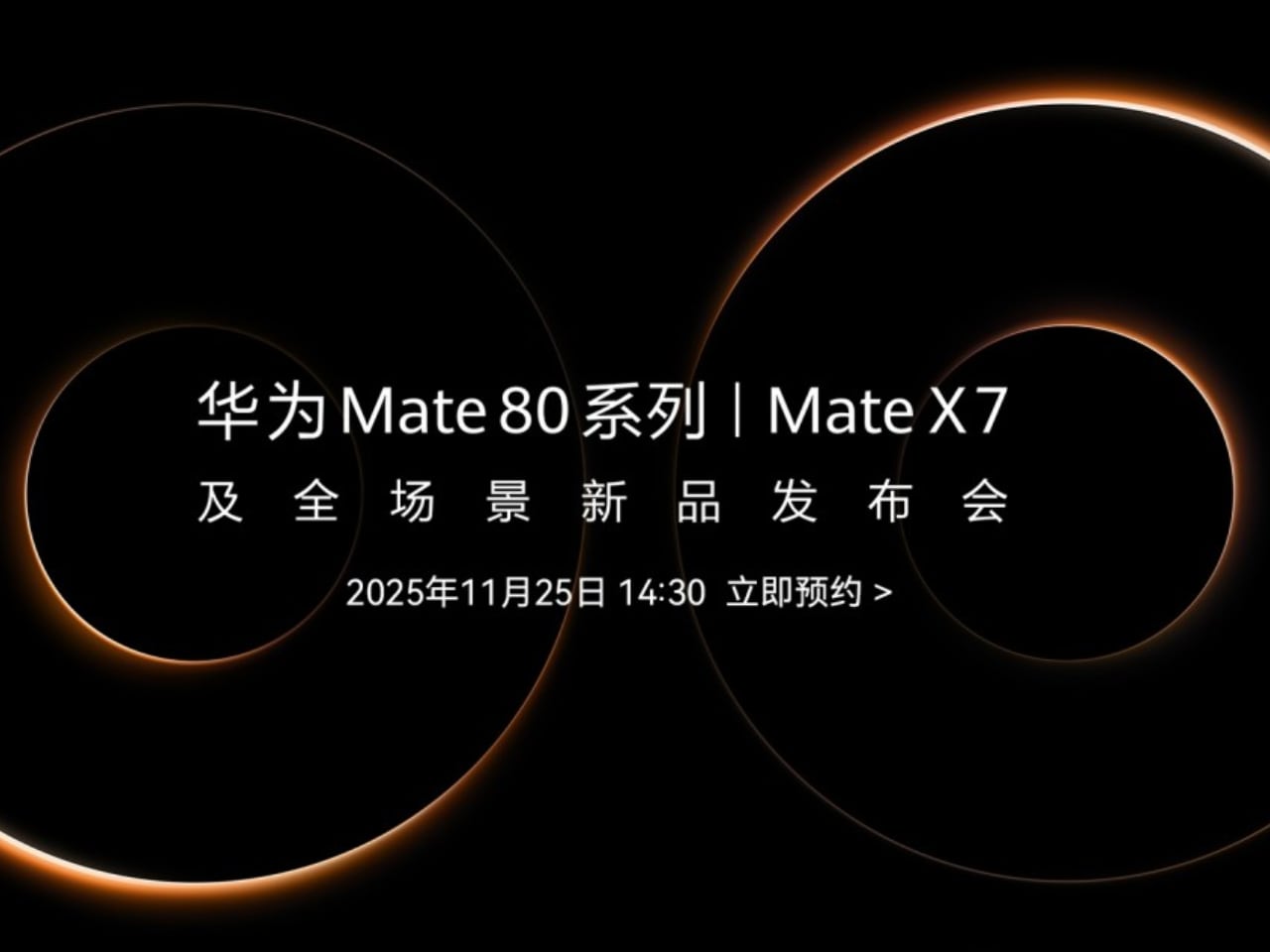
Huawei just confirmed November 25 as the official launch date for its Mate 80 series, and the company isn’t holding back. Four distinct models, each with its own camera architecture and design identity. The standout? A flagship variant packing 20GB of RAM and an octagon-shaped camera module that breaks from the circular designs dominating the smartphone industry.

Designer: Huawei

This is Huawei’s play for design differentiation in a market where most flagship phones look nearly identical from the back. The Mate 80 lineup spans from the accessible base model through to the RS Ultimate Design, a halo product that signals where Huawei sees premium smartphone design heading.

Four Models, Four Design Approaches

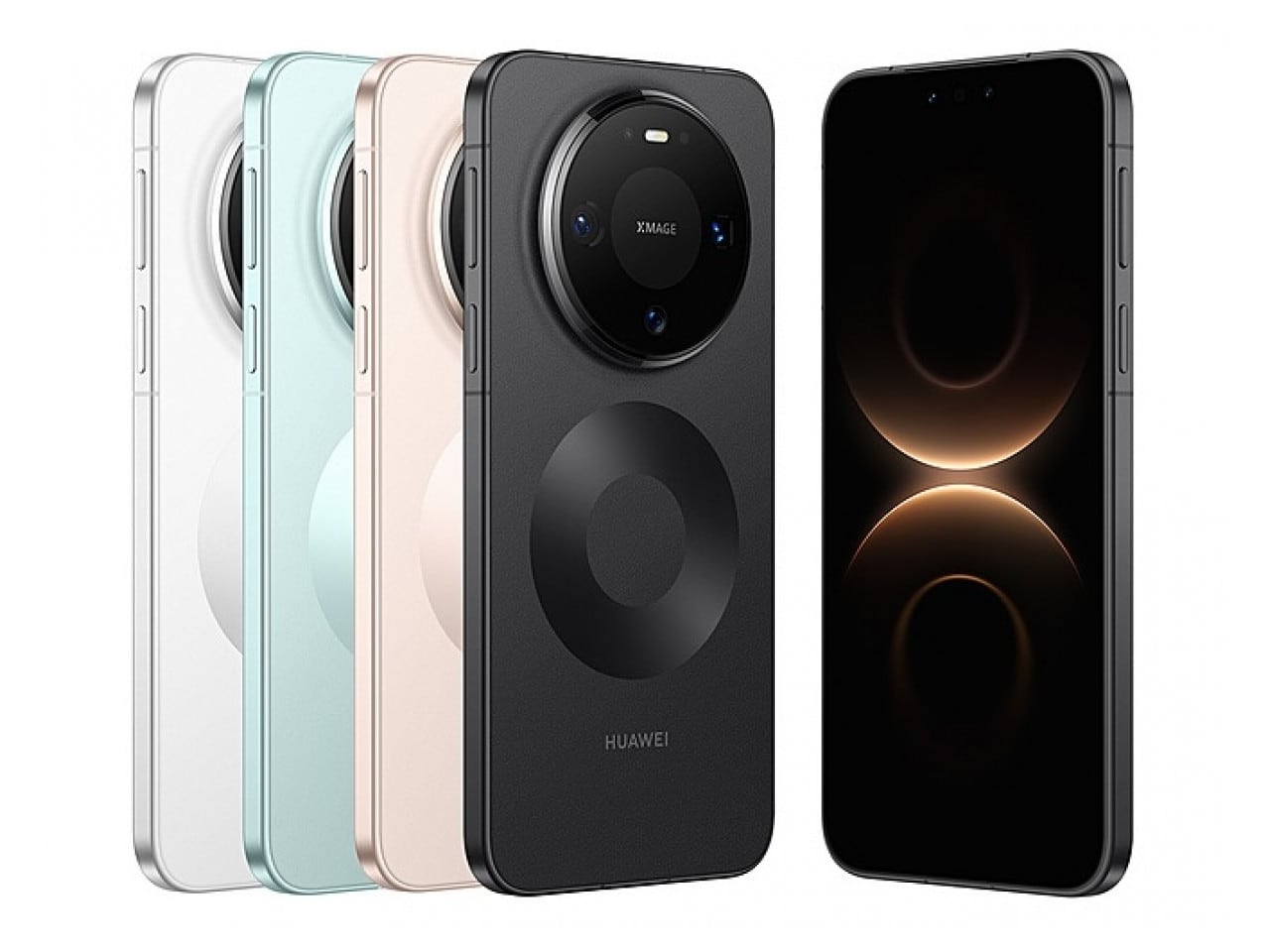
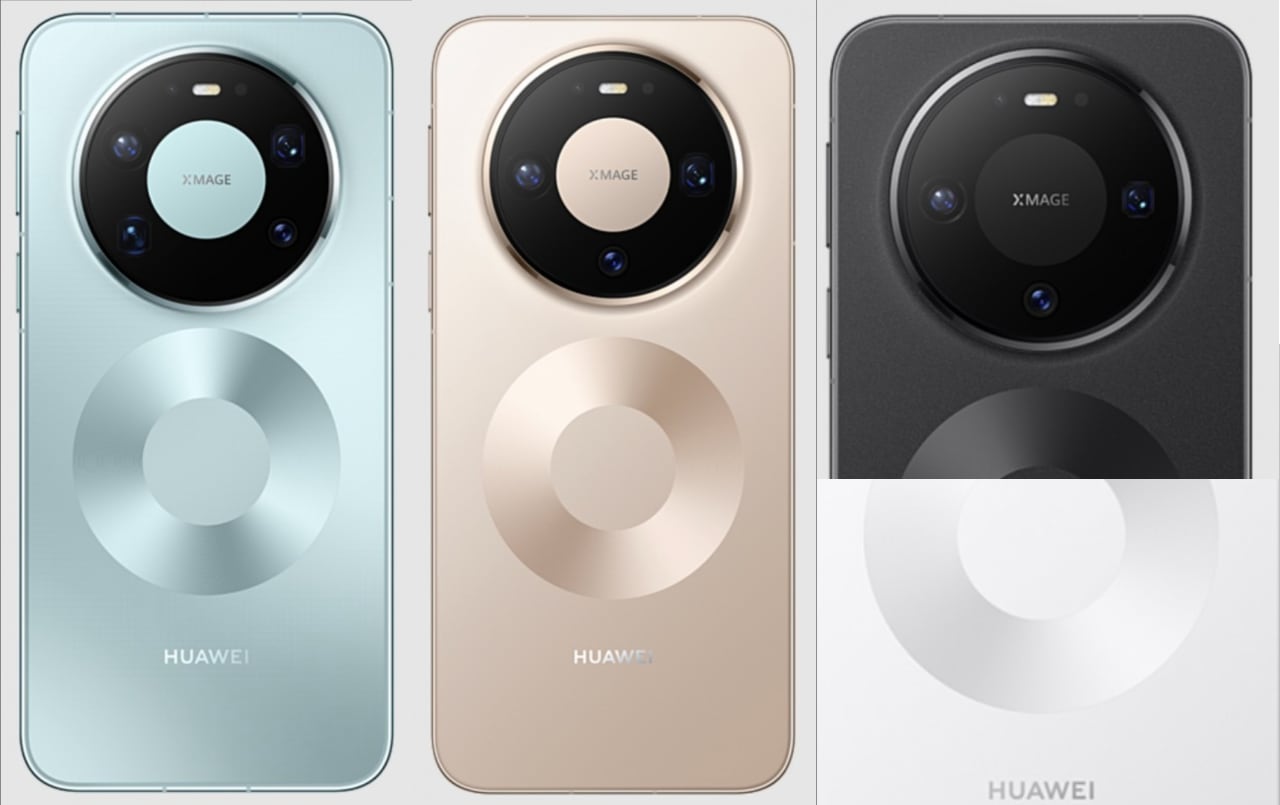
The Mate 80 and Mate 80 Pro share a circular rear camera module housing three sensors, including a periscope telephoto lens. Both phones feature dual front cameras with 3D face unlock technology. It’s a refined, approachable design that builds on Huawei’s established camera bump aesthetic.

The Mate 80 Pro Max steps up with a quad-camera system that includes dual periscope telephoto lenses. That’s two dedicated telephoto sensors for optical zoom flexibility, a configuration that gives photographers multiple focal length options without digital cropping. Dual front cameras maintain consistency across the upper-tier models.

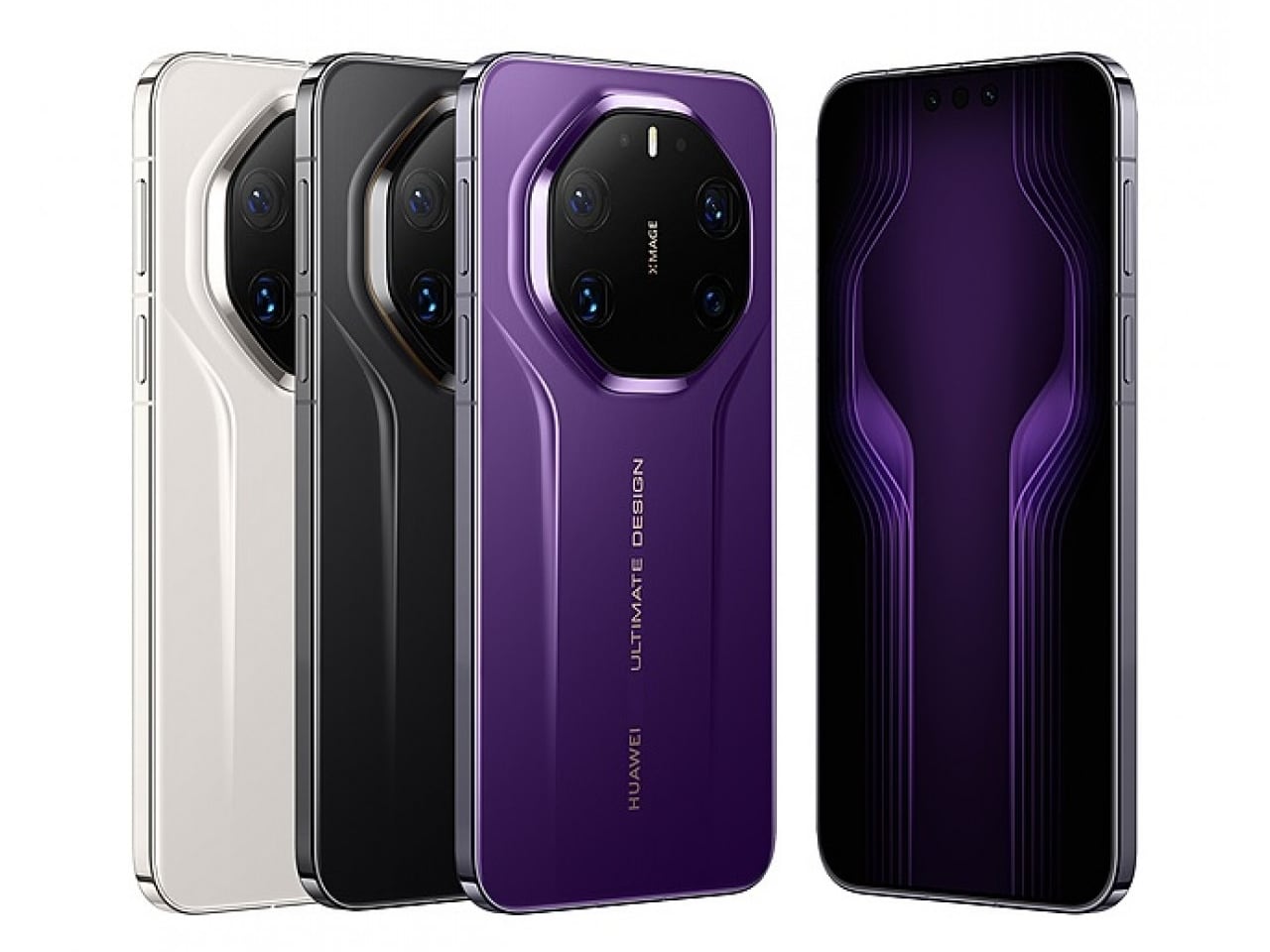
Then there’s the Mate 80 RS Ultimate Design. The octagon-shaped camera module is the immediate visual differentiator, a geometric departure that catches attention without feeling gimmicky. It houses four rear sensors and pairs with dual front cameras, but the design statement is what matters here. Huawei is using the RS Ultimate to establish a distinct visual identity for its most premium offering.

Color Palettes Reflect Market Positioning

Huawei assigned different color families to each tier, reinforcing the hierarchy through material and finish choices.

The Mate 80 and Mate 80 Pro come in Dawn Gold, Obsidian Black, Snowy White, and Spruce Green. These are accessible, versatile colorways that work across different user preferences without pushing too far into statement territory.

The Mate 80 Pro Max gets Polar Night Black, Polar Silver, Polar Day Gold, and Aurora Blue. The naming convention evokes extreme environments and natural phenomena, positioning this model as the performance flagship with colors that suggest technical capability.

The RS Ultimate Design narrows to three options: Dark Black, Pure White, and Hibiscus. That last color, Hibiscus, has generated notable attention in early discussions. It’s a bold, design-forward choice that signals this phone is as much about aesthetic expression as technical specifications.

RAM Leadership: 20GB in the RS Ultimate Design

The Mate 80 RS Ultimate Design ships with 20GB of RAM paired with either 512GB or 1TB of storage. That’s the highest RAM configuration in the entire lineup, positioning this model for users running multiple resource-intensive applications simultaneously or future-proofing for increasingly demanding mobile workflows.

The base Mate 80 and Mate 80 Pro offer 12GB/256GB, 12GB/512GB, and 16GB/512GB configurations, with the Pro adding a 16GB/1TB option. The Mate 80 Pro Max comes in 16GB/512GB and 16GB/1TB variants. Huawei structured the RAM progression to create clear performance tiers across the lineup.

Launch Strategy: Pre-Orders and Dual Flagship Debut

Huawei opened pre-orders through its Vmall online store ahead of the November 25 launch event. The company is simultaneously unveiling the Mate X7 foldable, positioning the launch as a comprehensive showcase of its flagship smartphone strategy rather than focusing solely on the traditional slab phone format.

The dual launch suggests Huawei sees both form factors as equally important to its premium positioning. The Mate 80 series represents refinement and camera innovation within the established smartphone template, while the Mate X7 addresses users prioritizing screen real estate and multitasking flexibility.

What This Means for the Flagship Race

The Mate 80 lineup shows Huawei using design variation to create meaningful differentiation within a single product family. Most manufacturers rely primarily on camera count and technical specifications to separate models. Huawei added visual language shifts, particularly with the RS Ultimate’s octagon module, to make the hierarchy immediately apparent.

The dual periscope telephoto system in the Pro Max addresses a real pain point for mobile photographers: the gap between primary wide and telephoto focal lengths. Two periscope lenses allow for more granular zoom options and better image quality across the telephoto range.

Whether these design choices translate into market success remains to be seen when the phones launch November 25. But Huawei is clearly betting that distinctive design, aggressive RAM configurations, and advanced camera architectures can carve out space in the competitive flagship smartphone market.

The post Huawei Mate 80 Series: Design Language Evolution and the 20GB RAM Flagship first appeared on Yanko Design.

The Game Awards 2025 nominees include Clair Obscur, Hollow Knight: Silksong and Hades 2

We won't have to wait too much longer to find out which game will follow the wonderful Astro Bot's triumph at last year's edition of The Game Awards. The 2025 ceremony takes place on December 11 at the Peacock Theater in Los Angeles. In between a cavalcade of video game trailers and announcements, the show will squeeze in some actual awards. We now know what the contenders for The Game Awards 2025 are after Monday's announcement of the nominees.

Those vying for the top prize of game of the year are:

Half of those are also up for game of the year at the Indie Game Awards. Those three games (Clair Obscur, Hades II and Hollow Knight: Silksong) are up for the best independent game award at this ceremony as well, alongside Absolum, Ball x Pit and Blue Prince.

With 12 nods in total — including three in the best performance category — Clair Obscur isn’t just the most-nominated game this year. It’s the most-nominated game in the 12-year history of the ceremony. Death Stranding 2 and Ghost of Yōtei have eight nods each, Hades II has seven and Silksong has five. Sony Interactive Entertainment leads the way among publishers with 19 nominations.

A whole bunch of high-profile games missed out on nominations for the main award. However, the likes of Arc Raiders, Indiana Jones and the Great Circle, Mario Kart World, Assassin’s Creed Shadows, Elden Ring: Nightreign, Battlefield 6, Split Fiction, Monster Hunter Wilds and Silent Hill f have picked up nods in other categories. It’s neat to see games like Consume Me, Despelote, Rematch and Dispatch pick up nominations this year too. Meanwhile, Marvel’s Deadpool VR, a game that isn’t even out until tomorrow, picked up a nod.

Fan voting for this year's edition of The Game Awards starts today on the TGA website. Public ballots account for 10 percent of the final vote, with a jury comprising dozens of media outlets accounting for the remaining 90 percent. The nominees for the players’ voice award — the only one determined entirely by fans — will be announced on December 1.

The Game Awards (which is under fire over its handling of the discontinued Future Class program) will be streaming across a wide variety of platforms, including Prime Video for the first time. As ever, we'll be on top of all of the big news from the event, so stay tuned to Engadget for all the juicy details. Place your bets now on what will be announced. Maybe, just maybe, we'll get a glimpse of Half-Life 3?

This article originally appeared on Engadget at https://www.engadget.com/gaming/the-game-awards-2025-nominees-include-clair-obscur-hollow-knight-silksong-and-hades-2-173626649.html?src=rss

Black Friday TV deals are still available on sets from Samsung, LG, Sony and more at all-time-low prices

Black Friday is traditionally one of the best times to buy a new TV, and this year is no different. If you’re hoping to make a living room upgrade, we’ve scoured the web and picked out the best Black Friday TV deals we could find. The discounts include well-reviewed OLED TVs and budget sets alike from Samsung, LG, Sony, TCL and Hisense. For those happy with their current TV, there are also several deals on media streamers and streaming services we like.

Hisense U65QF (55-inch) for $398 at Amazon ($402 off MSRP): The U65QF is another entry-level LED TV with generally positive reviews. Most feedback around the web suggests that it can’t match the QM6K in terms of contrast, gaming features and overall accuracy, so TCL’s model should be a better buy for most. This iteration also uses Amazon’s Fire TV platform instead of the cleaner Google TV. It can achieve a higher peak brightness, however, so it’s worth considering if you get particularly bad glare in your living room. This is the lowest price we’ve seen for the 55-inch model, but the 65-inch ($548), 75-inch ($748) and 85-inch ($900) models are also at all-time lows. Also at Best Buy.

LG B5 (48-inch) for $530 at Best Buy ($770 off): The B5 is LG’s entry-level OLED TV for 2025. It gets you the core benefits of any OLED TV — excellent contrast, wide viewing angles, smooth motion and so on — but it can’t get as bright as the higher-end LG C5, nor does it look quite as colorful. It’s technically limited to a 120Hz refresh rate instead of 144Hz, too, though that isn’t a big deal unless you plan to play PC games on your TV. This deal matches the best price we've seen for the 48-inch version. The 55-inch model is on sale for a low of $897 as well. Also at LG.

Hisense U75QG (55-inch) for $498 at Amazon ($416 off): The Hisense U75QG is a close competitor to the QM7K. Its main advantage is that it can get much brighter than TCL’s model, which can make HDR content look more dynamic. This set also comes with four HDMI 2.1 ports instead of two, which is nice for those with multiple game consoles and a soundbar. That said, some reviews say its contrast falls short of the QM7K and that it can make HDR content too bright to be fully accurate. It also suffers from more noticeable motion blur, which means it's not the best choice for fast-paced games. So you may only want to grab it if you’re determined to stay in this price range and have your TV in an especially bright room. Nevertheless, this is a new low for the 55-inch set. The same goes for the 65-inch ($748) and 75-inch ($998) models. Also at Best Buy.

Samsung The Frame TV (2024) 55-inch LED TV for $798 at Amazon ($100 off): You shouldn’t buy a Samsung’s Frame TV if you want the best picture quality for your dollar: They lack local dimming and Dolby Vision HDR, and some cheaper alternatives lap them when it comes to brightness and contrast. Instead, you’d buy one if care about your TV’s aesthetic above all else, since they’re designed to look like a framed piece of wall art. This set also has a matte screen finish, so it holds up well against glare and direct reflections. This discount brings the 55-inch version within $20 of the best price we’ve tracked. Just note that we’re highlighting the 2024 model; this year’s edition is also on sale for $100 more, but its panel still isn’t great the price, so we recommend saving as much cash as possible if you’re dead-set on buying one of these things. Also at Best Buy and Samsung.

LG C5 (65-inch) for $1,247 at Amazon ($200 off): The LG C5 can’t produce the same bold colors as a QD-OLED display like the Samsung S90F, but reviews almost universally agree that it’s an exceptional OLED TV otherwise. It should get brighter with non-HDR content, and as noted above it should produce deeper blacks in a well-lit room. It also has all the essential gaming features, plus it supports Dolby Vision HDR (but not HDR10+). If you need that, or if you want an OLED set in this price range for a bright-ish room, it’s well worth a look. This ties the best price we’ve tracked for the 65-inch model; other sizes are also on sale, but note that the 42- and 48-inch sets can’t get as bright as the larger versions.

Samsung S95F (65-inch) for $2,298 at Amazon ($700 off): The S95F is a premium model that's received almost universally stellar reviews for being especially bright among OLED TVs while keeping the bold colors and contrast expected from a QD-OLED panel. That brightness, combined with the display’s matte finish, means it’s uniquely adept at fending off glare. It also has four HDMI 2.1 ports and a native 165Hz refresh rate for gaming. That said, there’s still no Dolby Vision HDR, and the matte coating means that black tones won’t look as deep in a bright room. It's not cheap, but this is the lowest price we’ve seen for the 65-inch model. Also at Samsung and Best Buy.

LG G5 (65-inch) for $1,997 at Amazon ($400 off): The LG G5 is the S95F’s chief rival at the top of the OLED TV market. Most reviews say it can get even brighter, it does support Dolby Vision and its glossy finish means it won’t lose those inky blacks under ambient light. It’s more susceptible to glare, however, and while its picture is a level above most WOLED TVs, it’s still a step behind QD-OLED sets like the S95F when it comes to color volume. But if you’re mostly going to watch things away from direct light, this might be the better buy. This deal has technically been live for a few weeks, but it matches the lowest price we’ve seen for the 65-inch model. Also at Best Buy and LG.

Sony Bravia A95L (55-inch) for $1,600 at Best Buy ($1,200 off): The A95L is an older QD-OLED TV from Sony released in 2023, but many reviews conclude that it isn’t far off its 2025 successor, the Bravia 8 II, which currently costs $400 extra. Like many premium Sony TVs, it’s earned praise for its excellent image processing, upscaling of lower-quality video and overall accuracy, so it should appeal to those who want movies and shows to look closer to their creators’ original intent. As a QD-OLED TV, it can display more vivid colors than lower-priced WOLED panels, plus it supports Dolby Vision HDR. 

Still-great competitors like the Samsung S90F and LG C5 cost hundreds less, however, while top-end models like the Samsung S95F and LG G5 can get noticeably brighter. The A95L also isn’t the best for gamers at this price, as it’s limited to two HDMI 2.1 ports — one of which is an eARC port for soundbars — and its input lag is slightly higher than those rivals. But if you’re fine with all of that, this deal ties the all-time low for the 55-inch model. Also at Sony.

TCL QM8K (75-inch) for $1,398 at Amazon ($602 off): If you’re willing to pay an OLED-level price but want the increased brightness of a high-end LED TV, the TCL QM8K is worth a look. It won’t be as good in a dark room as something like the Samsung S90F or LG C5, as its contrast isn’t as deep and black tones aren’t as uniformly dark. Its viewing angles are clearly worse, too. But reviews say it still performs excellently compared to other LED sets, and since it gets way brighter than most OLED alternatives (especially with non-HDR content), it can better withstand glare. It also has a 144Hz refresh rate with support for 288Hz at 1080p, though it only comes with two HDMI 2.1 ports, and it’s not available in a size smaller than 65 inches. This is the best price we’ve seen for the 75-inch variant. Also at Best Buy.

Roku Streaming Stick 4K for $25 at Amazon ($25 off): The Streaming Stick 4K is worth considering if you want a cheaper stick-style streamer that plugs directly into your TV, or if you just prefer Roku’s app-based UI, which many find simpler to navigate than the alternatives from Google and Amazon. Performance is fine, if not super-fast, and the device supports Apple AirPlay as well. Just expect to see some ads and know there’s no Twitch app. This deal matches the stick’s all-time low. Also at Best Buy and B&H.

Roku Streaming Stick Plus for $19 at Amazon ($21 off): The Streaming Stick Plus is a cheaper version of the Streaming Stick 4K with no Dolby Vision support and no long-range Wi-Fi extender included. It may be less reliable with choppier internet connections as a result, but it can typically be powered straight from a TV’s USB port, it can still stream up to 4K, and the software experience is identical. Most people should probably just spend the extra $5 for the Streaming Stick 4K, but if you’re really looking to save, the Plus is a decent value. This deal is a new all-time low. Also at Best Buy and Walmart.

Roku Ultra for $69 at Amazon ($31 off): The Ultra might be worth it if you want the Roku experience in a set-top box design with built-in Ethernet and USB ports. Unlike the streaming sticks, it comes bundled with a rechargeable remote that supports voice controls, a lost remote finding tool and backlit buttons. (Though you can buy that separately.) This latest model also has a faster processor and Wi-Fi 6 support, though it’s not as snappy as other boxes like the Google TV Streamer 4K or Apple TV 4K. This deal ties the best price we’ve tracked. Also at Best Buy and Walmart.

Amazon Fire TV Stick 4K Plus for $25 at Amazon ($25 off): If you'd prefer one of Amazon's media streamers, the newly rebranded Fire TV Stick 4K Plus offers the same core experience as the pricier Fire TV Stick 4K Max, only it has a slightly slower processor, half the storage space (8GB) and Wi-Fi 6 support instead of Wi-Fi 6E. For most people who just want to stream casually, those shouldn’t be huge losses. Just keep in mind that its Fire OS interface is still fairly ad-heavy and prioritizes Amazon’s own apps over everything else. This deal is $3 more than the device’s all-time low but ties the best price we’ve seen in the past year. Also at Best Buy.

Amazon Fire TV Stick 4K Max for $35 at Amazon ($25 off): If you want the best Amazon streaming stick possible, the 4K Max gets you faster hardware than the Plus model and may be worthwhile if you have a Wi-Fi 6E router at home. This deal isn’t an all-time low, but it matches the best price we’ve seen over the past year. Also at Best Buy and Target.

Amazon Fire TV Stick HD for $18 at Amazon ($17 off): The Fire TV Stick HD is the budget pick in our guide to the best streaming devices. It only streams up to 1080p and runs a bit choppier than Amazon’s 4K models since it has a slower chip and a meager 1GB of RAM. The usual complaints with Fire OS still apply, too. But if you want to stick with Amazon and just need to add streaming apps to an old TV for as little as possible, it’ll work well enough. This discount matches the best price we’ve tracked. Also at Best Buy and Target.

Apple TV 6-month subscription for $36 at Apple ($42 off): Apple TV+ is offering six months of access for $36, which comes out to $6 per month for the discounted period. The deal is live for new and eligible returning subscribers and runs through December 1, giving you a chance to stream shows like Slow Horses, The Morning Show or Pluribus for less. The big caveat here is that you must subscribe directly through Apple and not a third-party service.

HBO Max 1-year subscription for $36 at HBO ($96 off): HBO Max's Black Friday deal gives subscribers one year of its ad-supported tier for $3 per month, or $36 total, through December 1. Normally, this would cost $11 per month. You can sign up via HBO Max's website or, if you're already a Prime Video subscriber, via that service as an add-on.

Paramount+ 2-month Premium subscription for $6 at Paramount ($20 off): If you're looking to stream CBS shows or Champions League soccer, this Black Friday deal brings the monthly price of either Paramount+ tier down to $6 total for two months. The obvious better deal is for the ad-free Premium plan, which typically costs $13 per month, but be warned your subscription will be set to auto-renew by default.

Sling TV Orange Day Pass for $1 at Sling ($4 off): Sling TV launched Day Passes earlier this year, giving users one-day access to a variety of its packages. This deal cuts $4 off the normal price of a pass for Sling Orange. With that, you get unlimited access for 24 hours to Orange's 30-plus channels, including ESPN, CNN, TBS and others.

This article originally appeared on Engadget at https://www.engadget.com/deals/black-friday-tv-deals-are-still-available-on-sets-from-samsung-lg-sony-and-more-at-all-time-low-prices-181143975.html?src=rss

DeepMind releases a new weather forecasting model for more accurate predictions

Google's DeepMind just released WeatherNext 2, a new version of its AI weather prediction model. The company promises that it "delivers more efficient, more accurate and higher-resolution global weather predictions." To that end, it should be able to provide accurate forecasts up to two weeks out, including information on temperature, pressure and wind.

It should also be able to better predict tropical storm tracks, according to researchers. This means that predictions of a hurricane's path should be accurate up to three days out. The previous model only predicted things up to two days ahead of the storm.

The model also brings hourly forecasts into the mix. All told, Google says this new model is eight times faster than the previous iteration. This should help businesses like energy traders make more precise decisions, according to a report by Bloomberg.

"It gives you a more granular forecast," DeepMind AI researcher Akib Uddin said. "Many other industries are quite interested in these one-hour steps. It helps them make more precise decisions. Their goal is, how can they make their business more resilient to weather?"

The tool in action.
Google

The improvements here stem from a new approach to weather models, as explained in this recently-published research paper. Older methods demanded the use of machine learning models that were built for image and video generation. This required repeated processing to ensure an accurate result. The new model only requires a single processing step, which also reduces reliance on costly AI computing systems.

AI may not be great at everything, despite what proponents want you to believe, but it is great at predicting the weather. Newer models typically outperform traditional prediction methods, even those that rely on supercomputers.

These models aren't perfect, however, as even Google has acknowledged that WeatherNext 2 will likely struggle to predict outlier rain and snow events. This is due to gaps in the training data. "It’s one limitation of our forecast, but one that we are working on improving,” DeepMind research scientist Ferran Alet told Bloomberg.

AI weather prediction is becoming a crowded field. Companies like NVIDIA, Microsoft, AccuWeather and Huawei are all throwing their hats in the ring in one way or another.

This article originally appeared on Engadget at https://www.engadget.com/ai/deepmind-releases-a-new-weather-forecasting-model-for-more-accurate-predictions-175451228.html?src=rss

The Tiny Accessory That Gives Your Umbrella Main Character Energy

You know that feeling when you walk into a coffee shop on a rainy day and have to awkwardly lean your dripping umbrella against the wall, hoping it won’t slide down and crash onto the floor? Or when you get home and realize you’ve been propping your umbrella in the same dusty corner for years because, well, what else are you supposed to do with it? We’ve all been there. And honestly, it’s kind of ridiculous that in 2025, we’re still treating umbrellas like they’re design afterthoughts.

That’s exactly the question that sparked Standpoint, a brilliantly simple solution to a problem we didn’t realize was bothering us. What if your umbrella could just stand on its own? Not leaning, not tucked away, not shoved into some clunky umbrella stand, but actually standing there with a bit of confidence and personality.

Designer: Edwin Tan

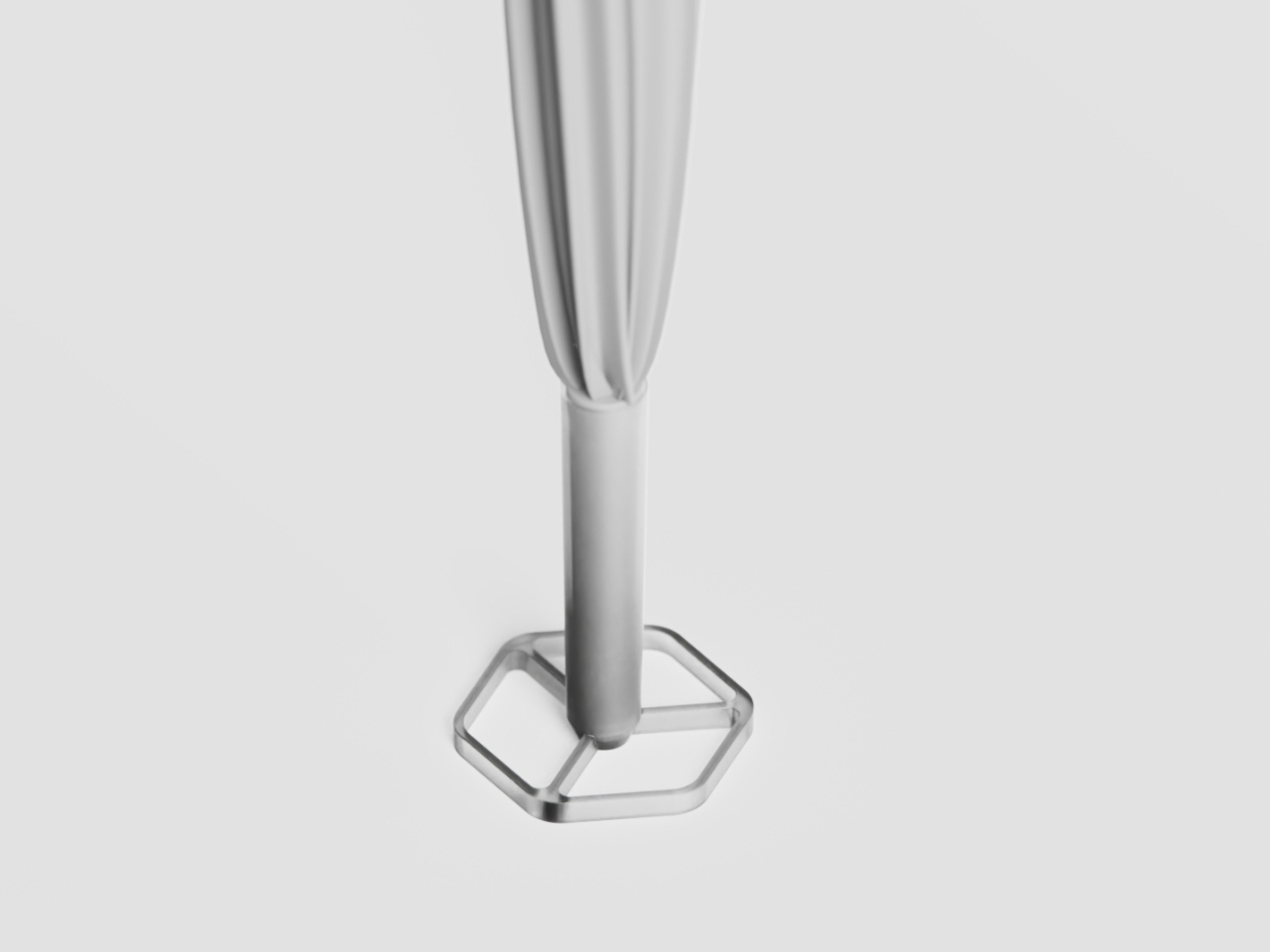
Standpoint is a small 3D-printed resin attachment that clips onto the bottom of your umbrella, transforming it from a functional rain shield into something that can hold its own ground, literally and figuratively. It’s one of those designs that makes you wonder why no one thought of it sooner, the kind of idea that feels so obvious once you see it but required someone to actually stop and question the status quo.

The beauty of Standpoint lies in its understated approach. This isn’t some bulky contraption or overwrought design statement. It’s a gentle, minimal base that complements rather than competes with your umbrella. Each base features a soft color gradient that transitions from darker to lighter tones, creating a subtle visual flow that enhances the umbrella’s form without screaming for attention. You get to choose from different base variations, each with its own personality. Some are organic and flowing with petal-like loops, others are more geometric and structured. It’s like picking out jewelry for your umbrella, a small detail that adds unexpected character.

What makes this design particularly smart is how it taps into a bigger conversation happening in the design world right now. There’s this growing movement toward reimagining everyday objects, questioning why things have always been done a certain way, and finding opportunities for improvement in the most mundane corners of our lives. Standpoint fits perfectly into this philosophy. It’s not trying to reinvent the umbrella itself. Instead, it’s asking how we can make an existing object more self-sufficient and expressive in our spaces.

The use of 3D-printed resin is also worth noting. This technology has opened up possibilities for creating small-batch, customizable accessories that would have been prohibitively expensive to manufacture traditionally. You can have multiple bases in different colors and styles, swapping them out based on your mood or aesthetic. It’s the kind of personalization that feels very now, very in tune with how we think about our belongings as extensions of our personal style.

But beyond the practical benefits and the aesthetic appeal, there’s something quietly radical about Standpoint. It celebrates the idea of objects having dignity and presence in our spaces. Your umbrella doesn’t need to hide or apologize for existing. It can stand tall (pun intended) and become part of your interior landscape. In an era where we’re constantly trying to minimize and hide away the functional stuff of daily life, Standpoint takes the opposite approach. It says, let’s make these everyday tools beautiful enough to be visible. The gradient colors, ranging from soft blues and greens to warm corals and neutrals, are clearly influenced by contemporary design trends but feel timeless rather than trendy. They’re sophisticated enough for minimalist interiors but playful enough to bring a smile to your face on a dreary morning when you’re grabbing your umbrella on the way out.

Ultimately, Standpoint is about more than just keeping your umbrella upright. It’s about recognizing that thoughtful design can transform even the smallest moments of our daily routines. It’s a reminder that we don’t have to accept things as they’ve always been, and that sometimes the most delightful innovations come from asking the simplest questions. Your umbrella deserves better than being shoved in a corner. Let it stand proud.

The post The Tiny Accessory That Gives Your Umbrella Main Character Energy first appeared on Yanko Design.