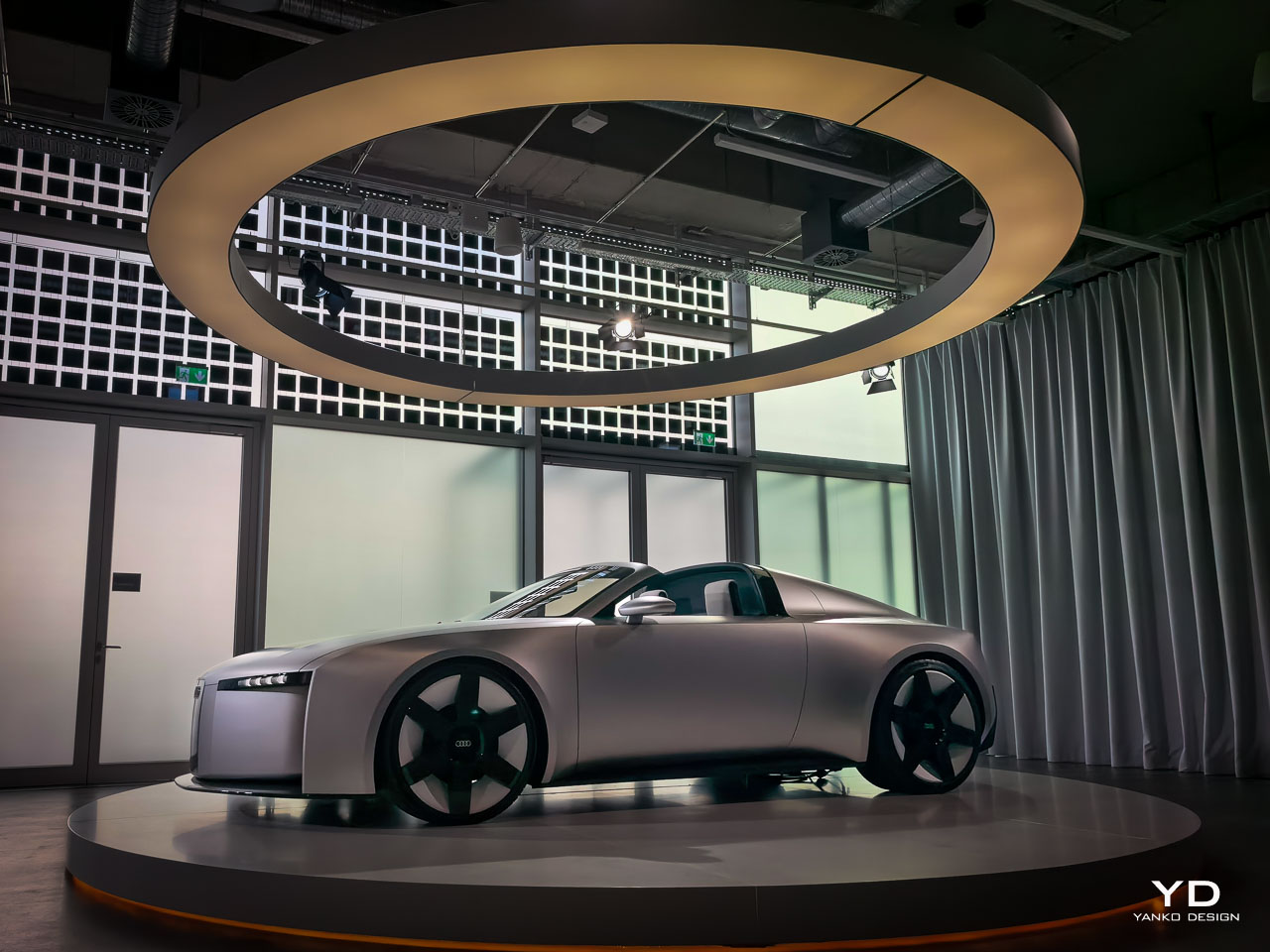
Audi Concept C Hands-On: When Athletic Minimalism Becomes Tangible Reality

At Audi’s Formula 1 event in Munich, I finally got hands-on time with the Concept C that sat on display. Between interviews, roundtable and briefings on F1 operations and facility tours, I had uninterrupted access to experience every surface, control, and detail I’d only theorized about in my September analysis of the Concept C’s athletic minimalism philosophy. This wasn’t a drive review. This was the kind of access that lets you understand whether a design philosophy actually translates from renderings and press materials into physical reality.

Designer: Audi

What I found validated nearly everything I wrote three months ago while also revealing gaps that photographs and specifications simply cannot capture. Some design elements photograph better than they feel. Others hide their sophistication until your hands confirm what your eyes suspected. The Concept C falls decisively into the latter category.

The Vertical Frame Confronts You Differently in Person

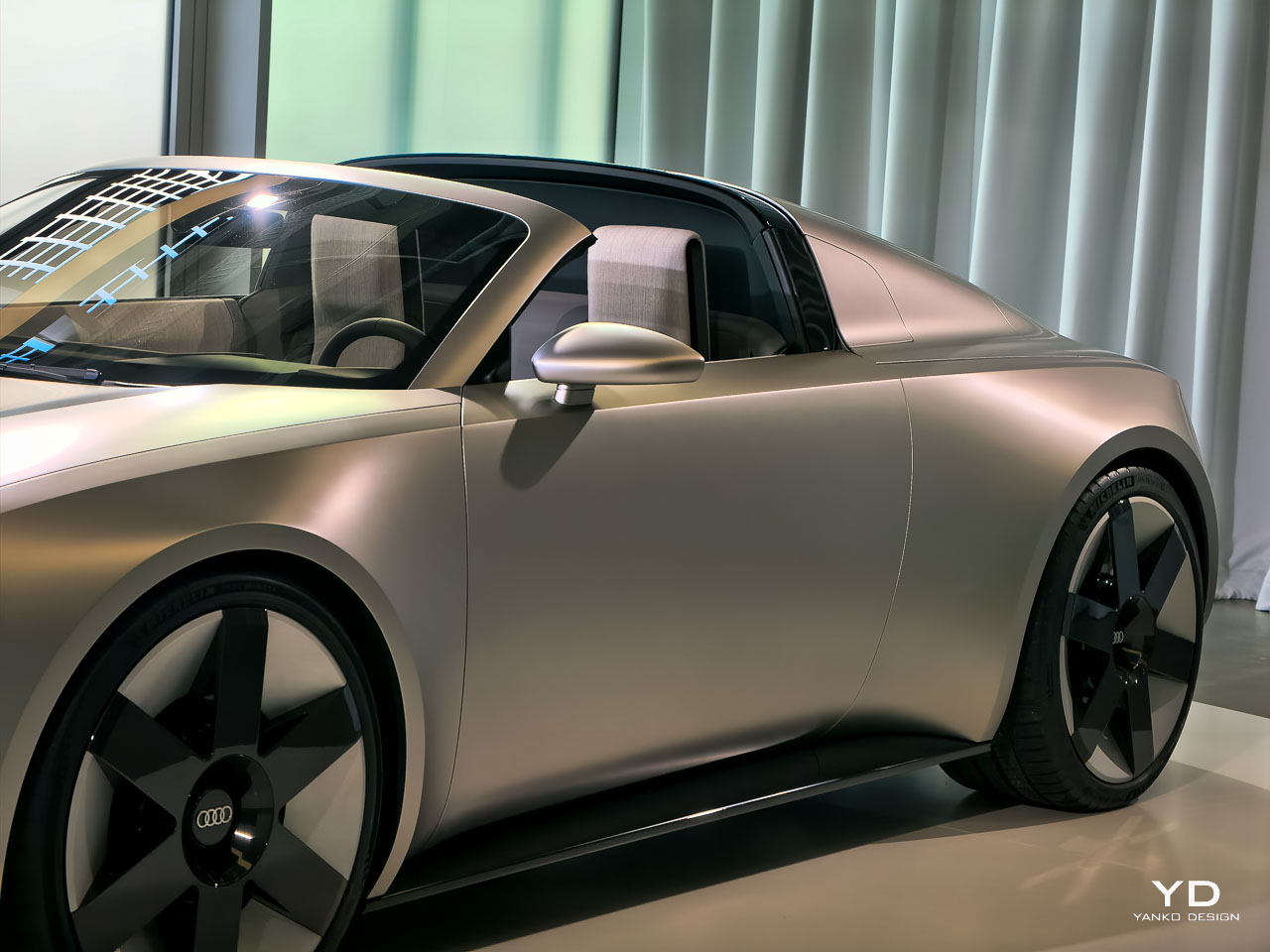
Photographs suggested authority. Physical presence delivers something closer to architectural permanence. The vertical frame that defines the Concept C’s face doesn’t just command attention when you approach. It fundamentally alters your spatial relationship with the car.
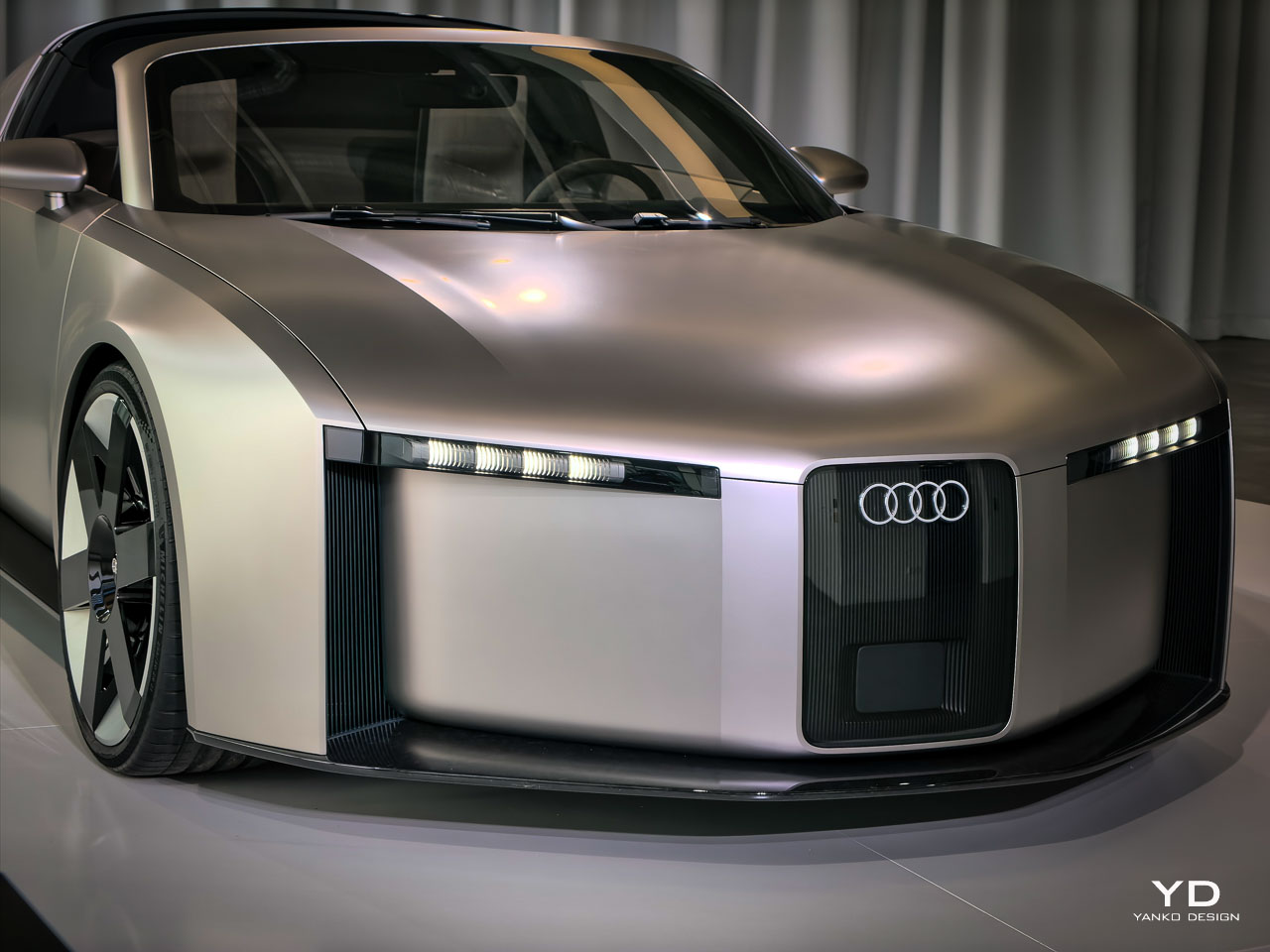
Most sports cars crouch. The Concept C stands. This creates an unexpected psychological effect. You don’t feel like you’re approaching a predatory machine that wants to intimidate you. You feel like you’re approaching a piece of industrial sculpture that happens to be engineered for motion. The distinction matters more than I anticipated when writing about this design from press images.

The vertical orientation creates visual weight without aggression, exactly as Audi’s design team intended. But the physical execution elevates this from interesting design choice to genuinely novel automotive presence.

That Cylindrical Center Console Element Exceeds Expectations

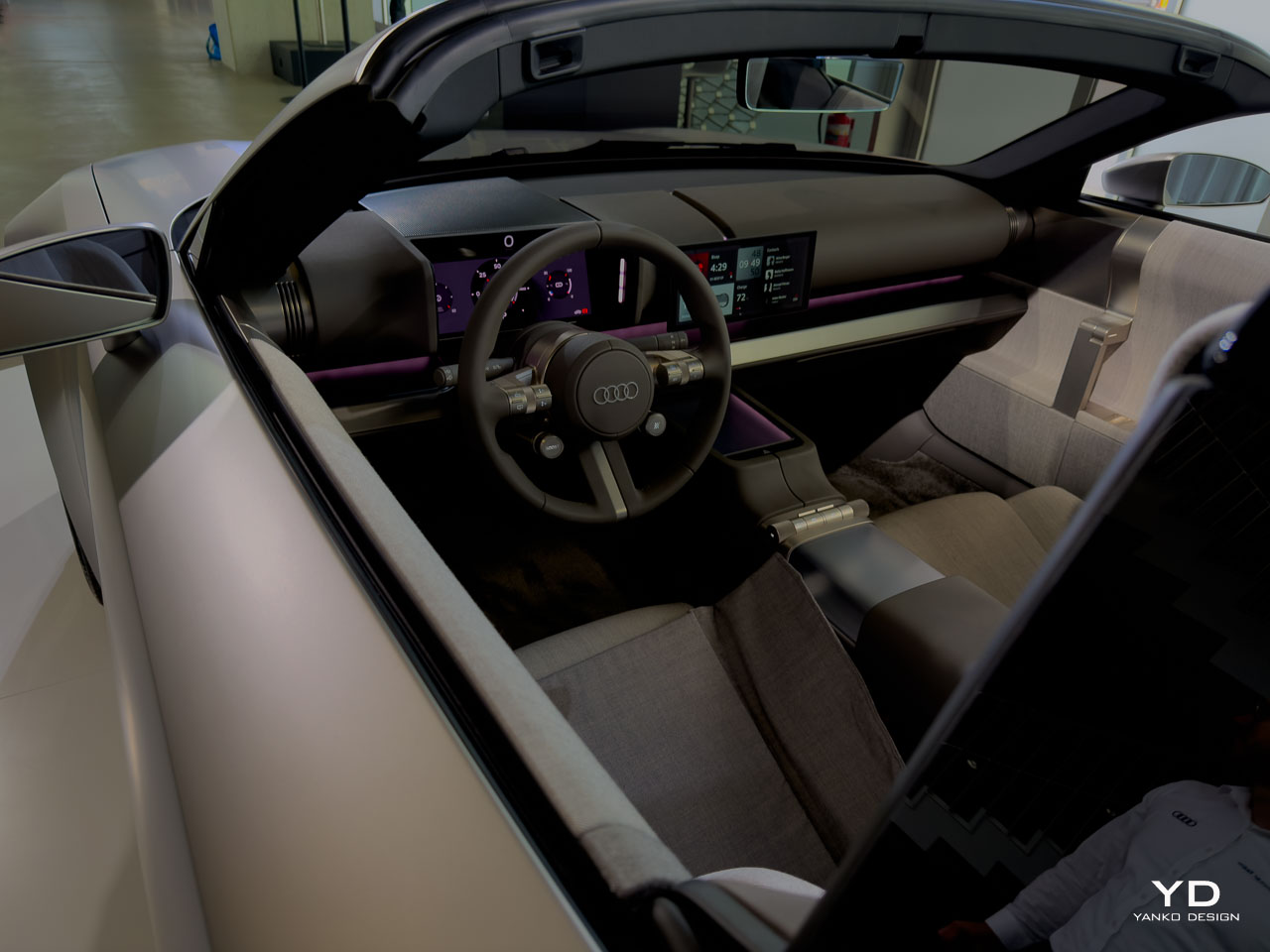
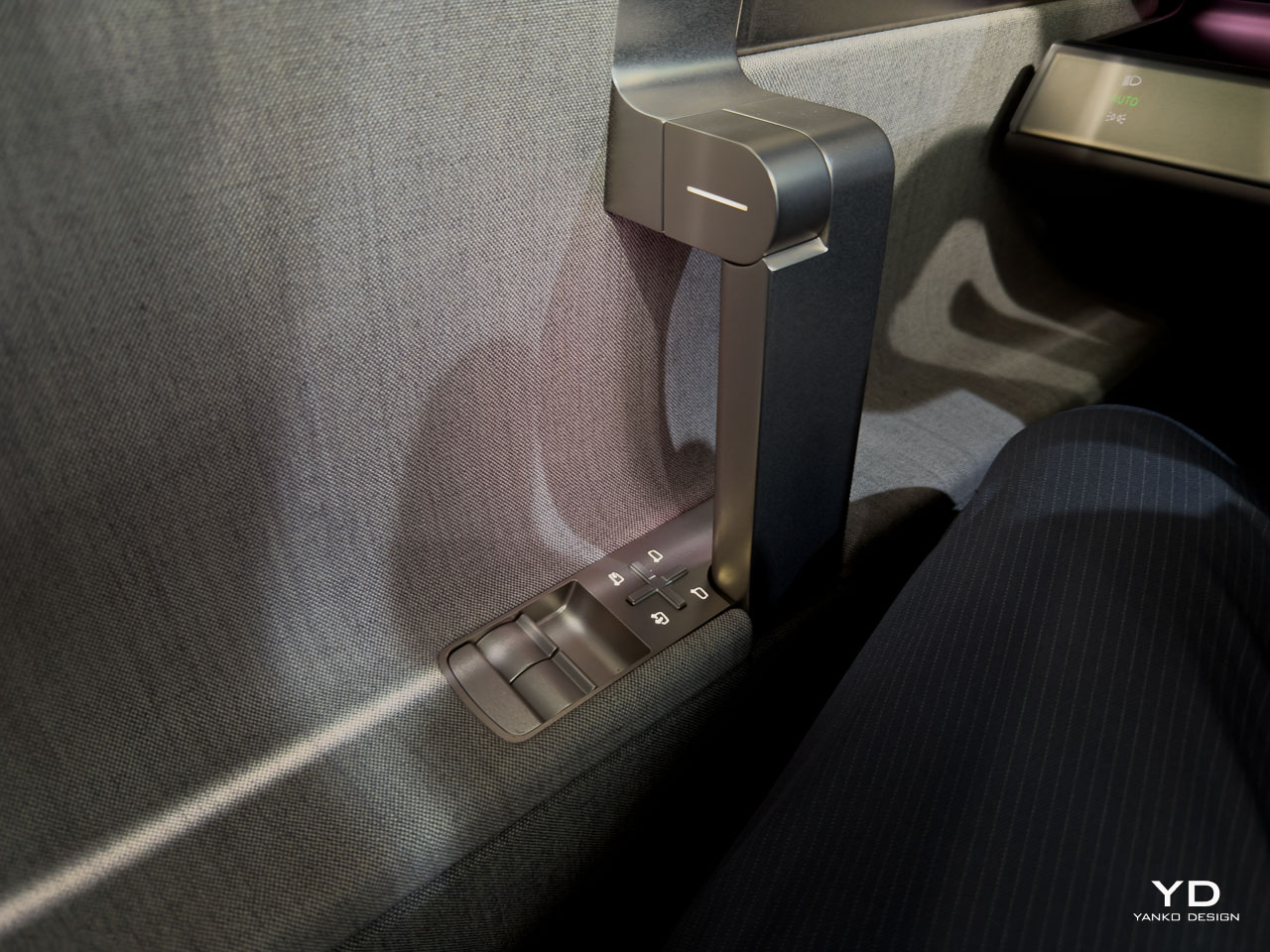
I wrote in September that this single component made me “giddy as a designer” based on photographs. Seeing it in person, feeling the machined surfaces, rotating it through its detent positions: I underestimated its impact.
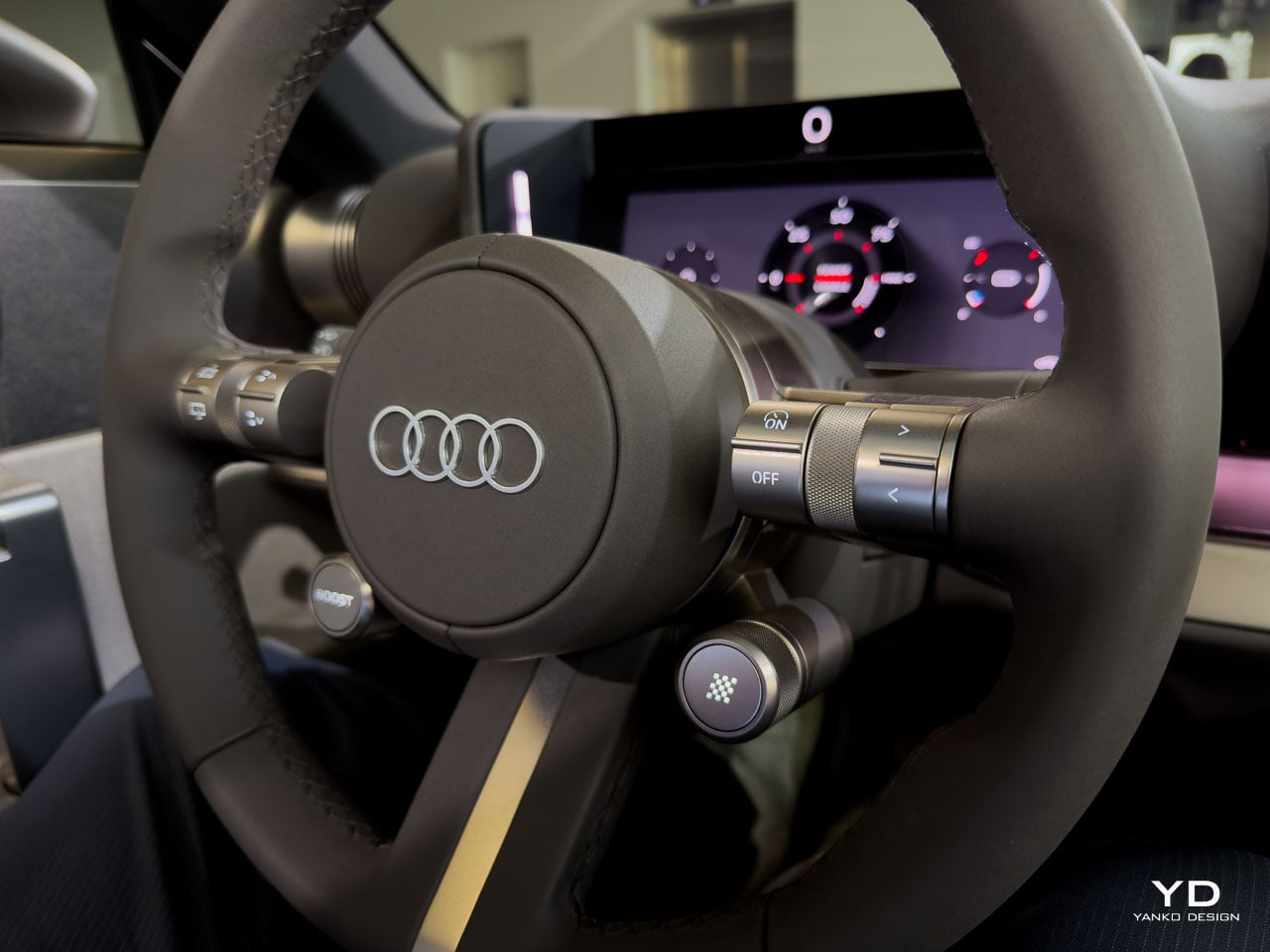
This isn’t automotive jewelry. This is mechanical watchmaking philosophy applied to interior controls. The tolerances are absurd. When you rotate the cylinder, each detent click communicates precision through sound, resistance, and tactile feedback simultaneously. The aluminum surface treatment creates visual depth through subtle anodizing variations that photographs flatten into uniform gray.

Under Munich’s overcast afternoon light, the cylinder surface revealed micro-textures that shift as your viewing angle changes. This component alone justifies the athletic minimalism philosophy because it demonstrates how eliminating visual complexity forces every remaining element to achieve perfection.
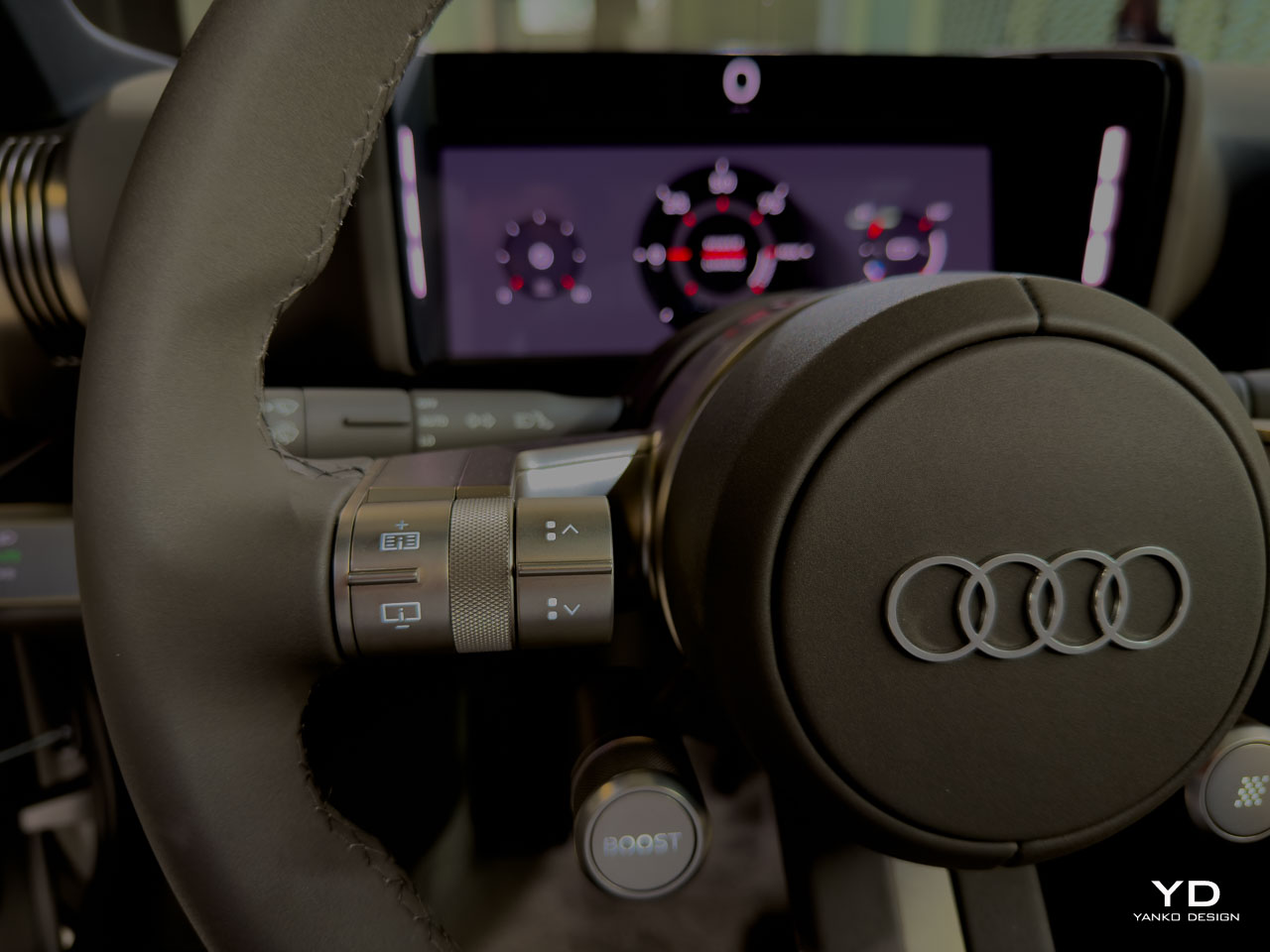
I spent probably three minutes just rotating this control and feeling the mechanical quality. Each click produces the same resistance. Each detent holds position with identical firmness. This is the kind of obsessive engineering refinement that luxury brands promise but rarely deliver. The Concept C delivers it in a component most drivers will interact with dozens of times per drive.

That consistency between philosophy and execution separates serious design work from concept car theatrics.

The Steering Wheel Fulfills Its Round Promise

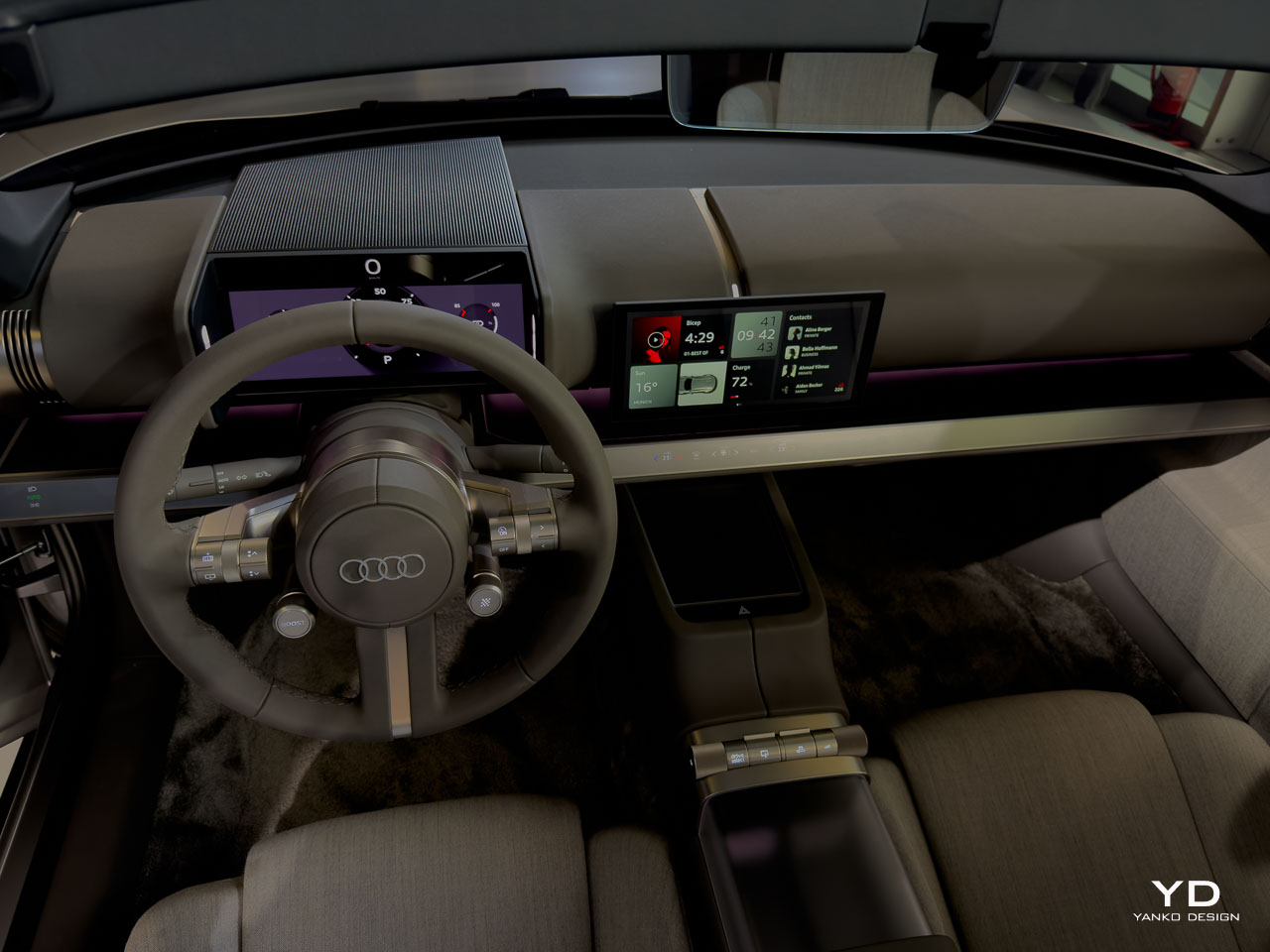
My September analysis praised the steering wheel’s return to pure circular form after years of flat-bottom, button-laden steering wheels became industry standard. Holding it confirms the decision’s wisdom.
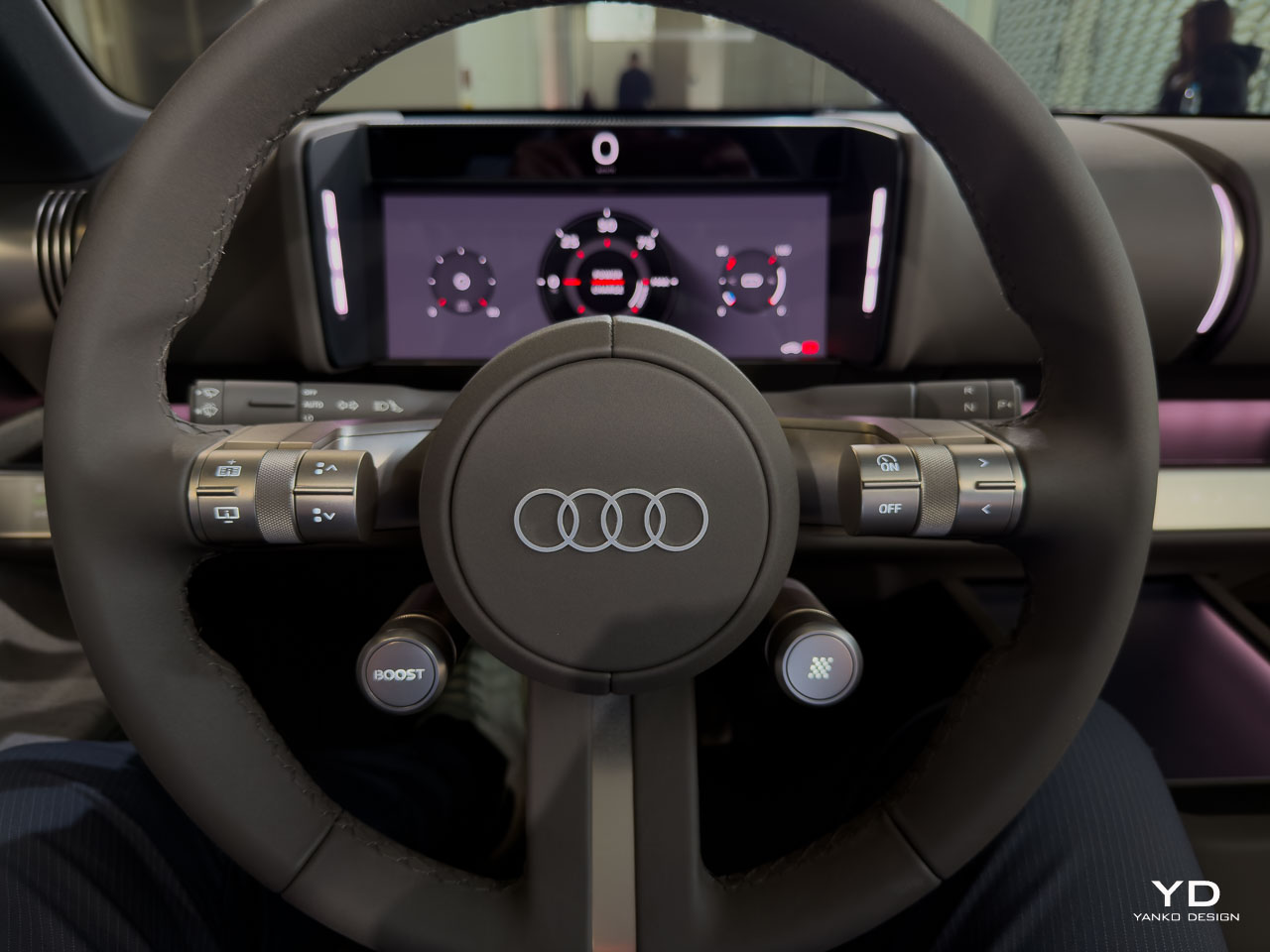
Your hands find natural positions immediately. The rim diameter feels slightly larger than typical sports car wheels, which initially seems counterintuitive until you realize the extra circumference distributes grip pressure more evenly during spirited driving. The machined aluminum spokes telegraph structural purpose without decorative pretense.

When you grip the wheel and apply rotational force (not enough to actually turn the stationary wheels, just enough to test structural rigidity): zero flex. Zero creaking. Zero anything except the sensation of holding something engineered to communicate road surface information without filtration or interpretation.

Modern steering wheels often feel like they’re designed to protect you from feedback. This wheel feels designed to deliver it. The absence of buttons, paddles, and switches reinforces the minimalist commitment. In an era when steering wheels increasingly resemble game controllers, this wheel returns to its core purpose: connecting human inputs to mechanical outputs with maximum fidelity and zero distraction.

Every other function lives in its proper place, leaving the steering wheel to focus on steering.

The Retractable Hardtop Mechanism Reveals Sophisticated Engineering

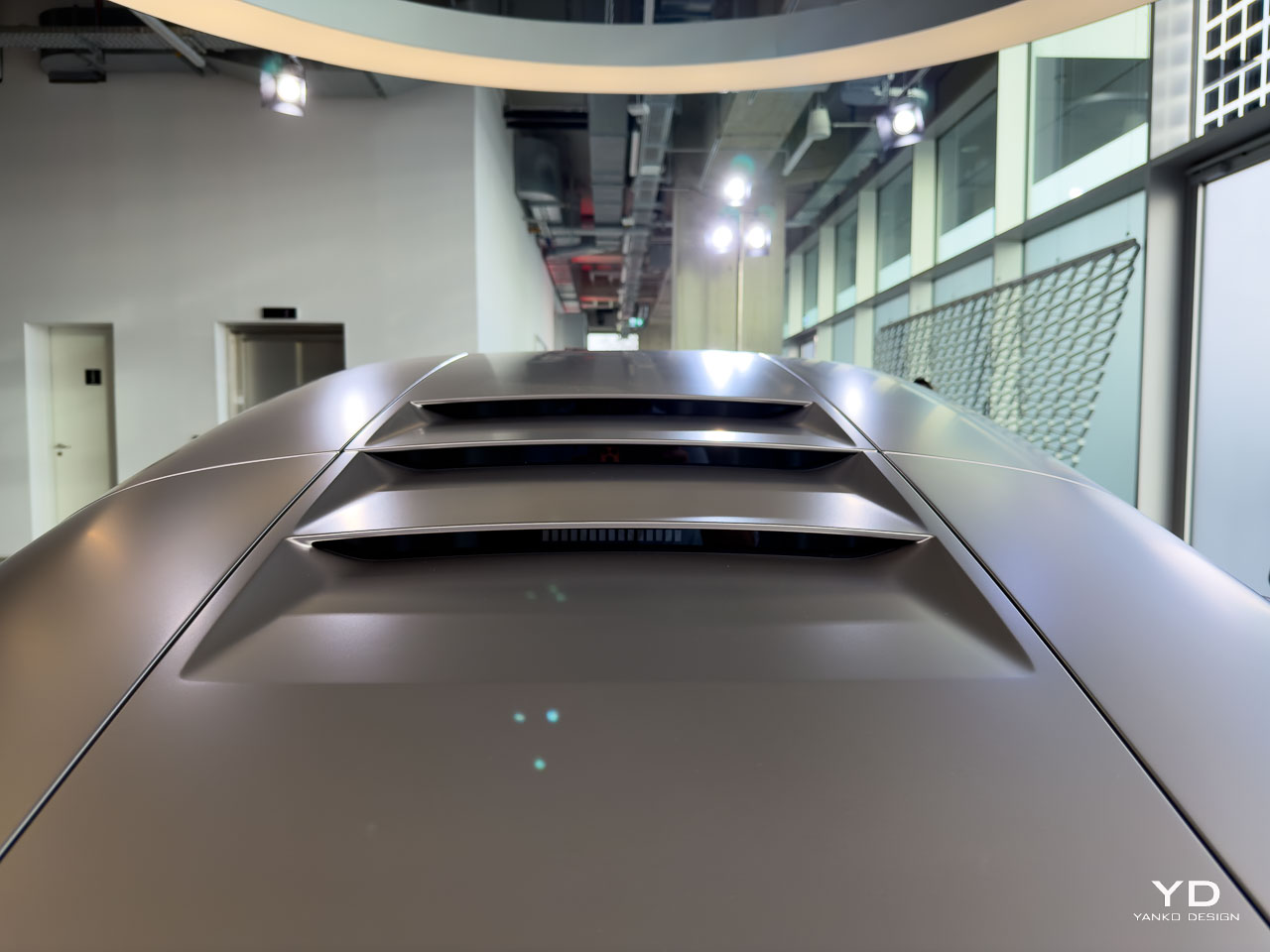
I watched the roof cycle through its transformation sequence twice. The two-element system maintains the monolithic silhouette exactly as promised in official descriptions. What those descriptions don’t communicate: the mechanical choreography’s absolute precision.
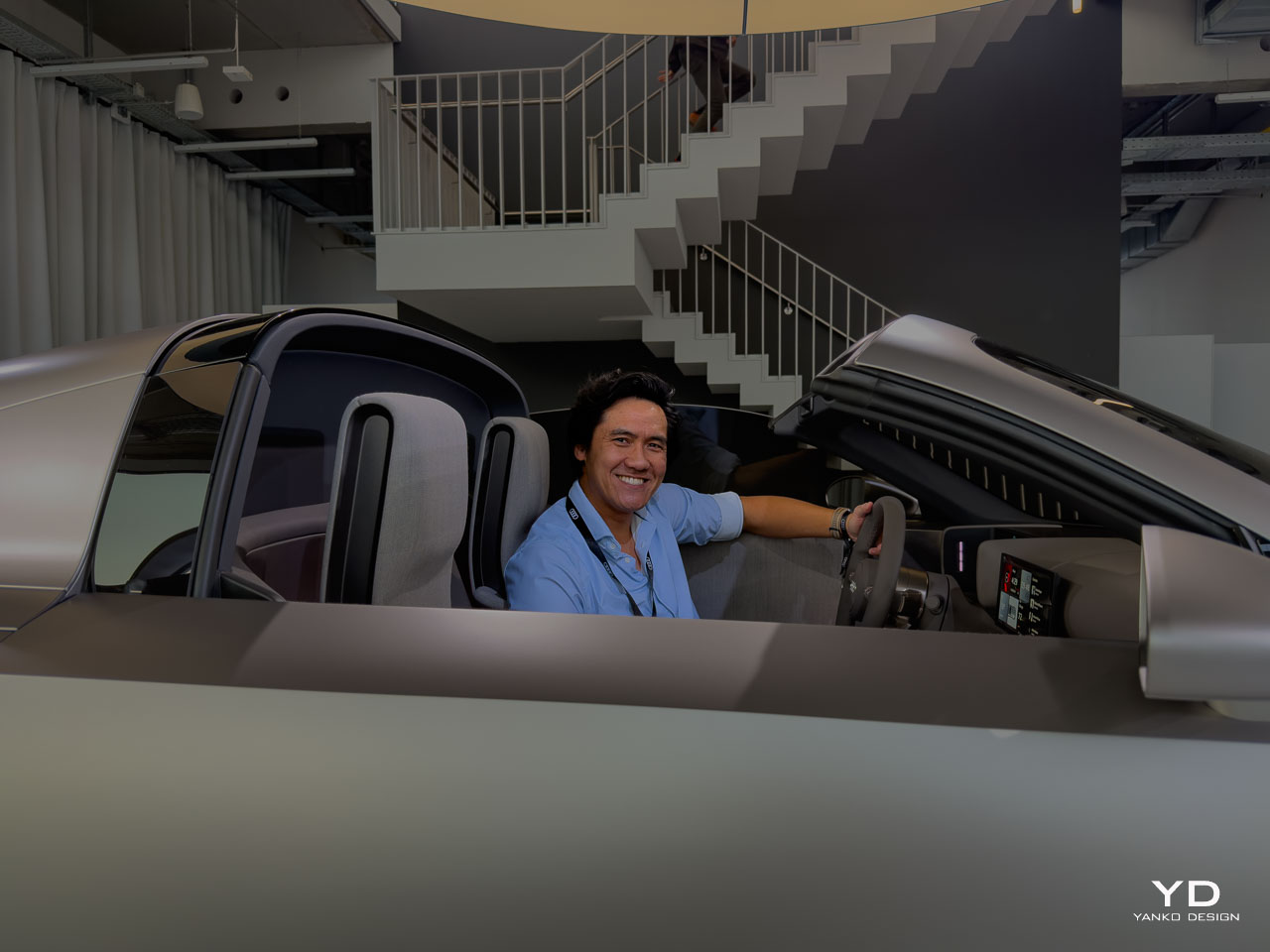
The roof elements move in coordinated sequence with zero hesitation, zero adjustment, zero apparent searching for alignment points. Most retractable hardtops reveal their compromise through visible gaps, adjustment pauses, or mechanical complexity that dominates the aesthetic when deployed. The Concept C’s system disappears completely when lowered.
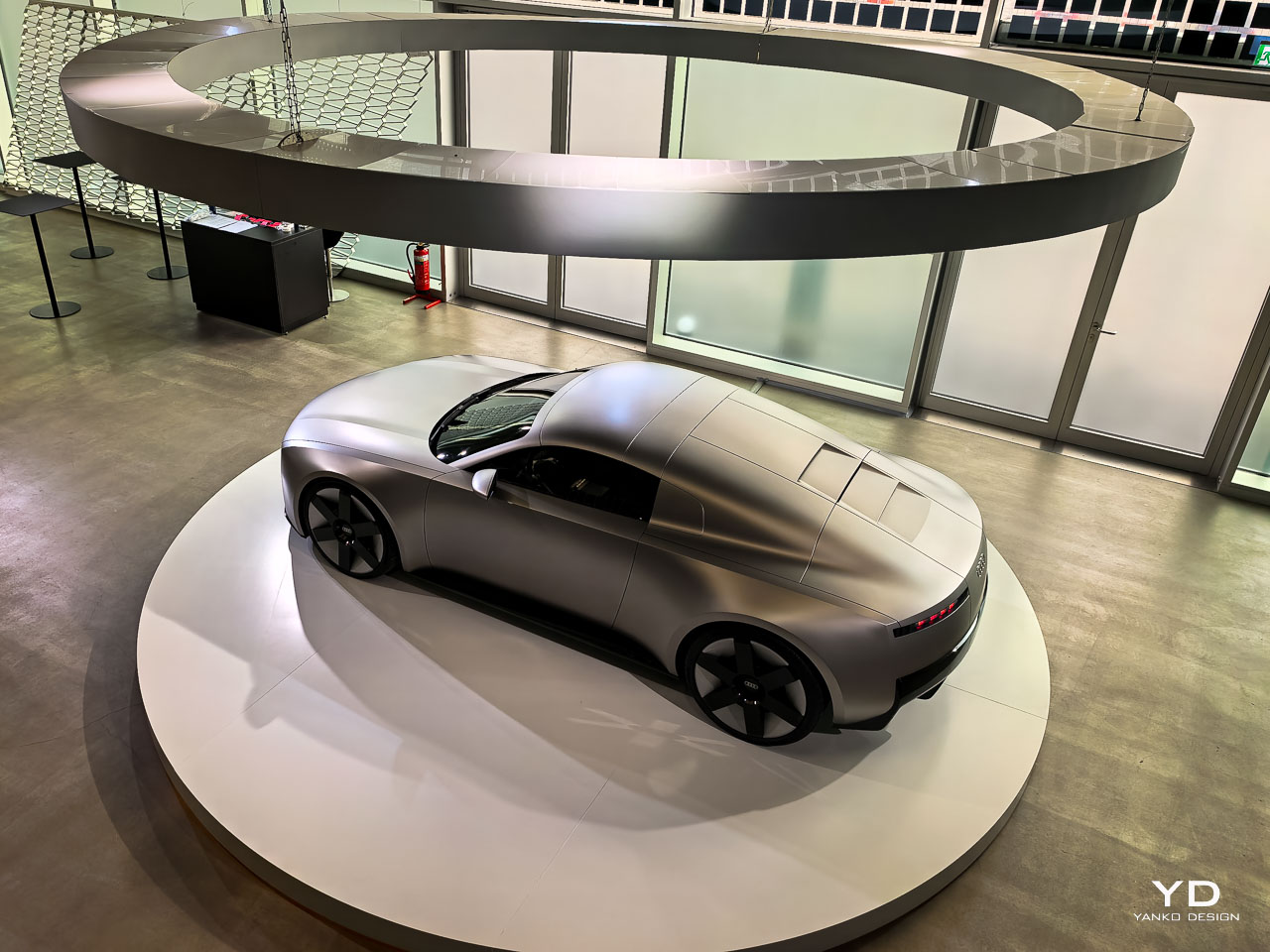
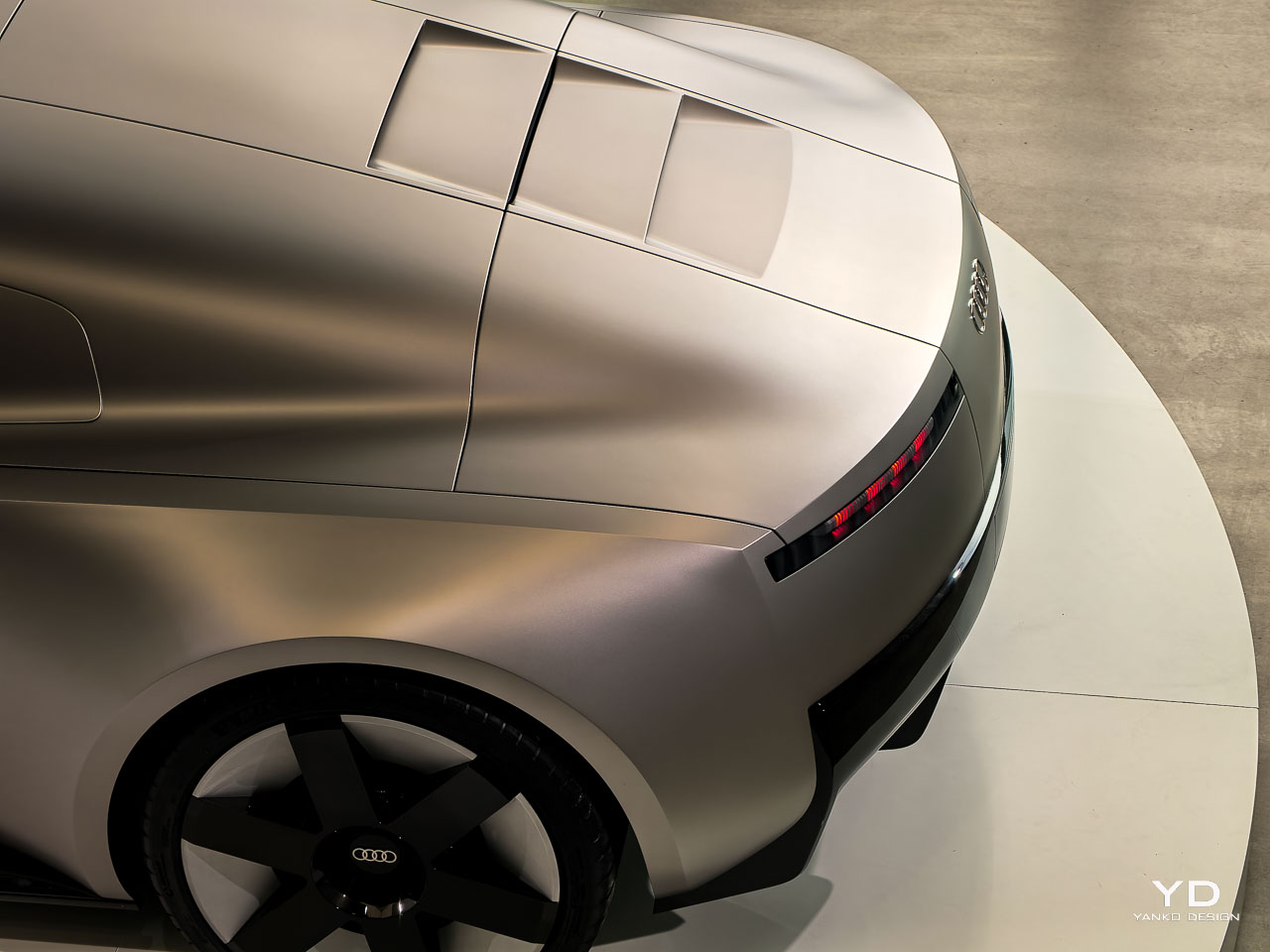
 

The rear deck maintains clean surfacing without visible storage bulges or panel interruptions. When raised, the roofline integrates so seamlessly that you’d never suspect it retracts. This achievement separates competent engineering from obsessive refinement.

What Static Observation Cannot Reveal (And What It Can)

Twenty minutes of hands-on time creates different understanding than twenty minutes of driving would provide. I cannot tell you how the Concept C handles mountain roads or how the electric powertrain delivers power through corner exits. Those experiences require the motion I didn’t get.
But I can tell you that athletic minimalism creates manufacturing challenges that traditional design approaches avoid. The center console cylinder alone probably costs more to manufacture than entire interior control assemblies in volume-market vehicles. The steering wheel’s machined aluminum components require precision manufacturing that doesn’t scale easily. The hardtop mechanism’s sophisticated engineering demands expensive components and careful assembly.
Athletic minimalism creates cost pressures that traditional design approaches avoid by hiding cheaper materials behind visual complexity.

I left my Munich appointment with the Concept C convinced of two things: First, this design philosophy works in physical reality as effectively as it promised on paper. Second, production versions will necessarily compromise somewhere between current concept execution and market realities.

The question that matters: which compromises will Audi accept, and will the production car maintain enough of this concept’s essence to justify the bold philosophical claims.

What Hands-On Time Confirms

Three months ago I analyzed the Concept C from photographs, specifications, and official descriptions. I concluded that athletic minimalism represented genuine design evolution rather than momentary styling exercise. Forty minutes of physical interaction with surfaces, mechanisms, and materials confirms that assessment while deepening appreciation for execution quality.
The Concept C demonstrates that radical simplicity creates more challenges than traditional complexity because every remaining element must achieve excellence. Audi met those challenges in this concept. Whether production versions maintain this standard determines if athletic minimalism becomes genuine brand direction or remains concept car philosophy that reality couldn’t sustain.
But today, standing in Munich with the vertical frame commanding presence in front of me and that perfect cylindrical control under my fingertips, I experienced design philosophy transformed into tangible reality. The question isn’t whether this approach works. The question is whether the automotive industry possesses sufficient courage to follow where Audi leads.

The post Audi Concept C Hands-On: When Athletic Minimalism Becomes Tangible Reality first appeared on Yanko Design.
Blue Origin’s New Glenn rocket safely made it to space a second time

Blue Origin's New Glenn rocket has completed its second flight, The Washington Post reports. The rocket launched from Florida's Cape Canaveral Space Force Station on Thursday, and successfully separated from its first-stage booster, which later landed on a sea platform Blue Origin calls "Jacklyn."

The launch marks the first time the space startup has been able to catch a New Glenn booster for later reuse. The maiden flight of the rocket in January was successful in the sense that it got New Glenn into space, but Blue Origin wasn't able to save the booster from a watery grave. The company hoped to launch its second New Glenn mission on November 9, but cancelled it last minute due to weather.

New Glenn's second mission is also notable because of its payload: The rocket ferried NASA satellites to space that are destined for Mars as part of the agency's ESCAPADE mission. Considering SpaceX's close relationship with NASA, Blue Origin working with the agency could be an important vote of confidence. 

It could also mean New Glenn is in a good position to help another company founded by Jeff Bezos accelerate its satellite plans. The Post writes that Blue Origin has an existing agreement with Amazon to launch its recently rebranded Amazon Leo satellites into space. Leo is positioned as a competitor to Starlink, SpaceX's satellite internet service.

While SpaceX has completed many more launches with its Starship rocket than Blue Origin has, it's also had more than a few explosive failures along the way. Blue Origin still needs more missions under its belt, but if it can repeat its success with New Glenn, it could prove to be a threat to SpaceX.

This article originally appeared on Engadget at https://www.engadget.com/science/space/blue-origins-new-glenn-rocket-safely-made-it-to-space-a-second-time-230324439.html?src=rss

Mozilla will add an ‘AI window’ to Firefox

Mozilla is working on a new tool for Firefox called AI Window. This will be an opt-in space for chatting with an AI assistant and getting help from it while browsing. The goal with this project appears to be giving users more control over when and how they choose to interact with AI. AI Window will be another option for users alongside the standard Firefox window and the Private Window, which will continue to offer more privacy protections. The feature is still in development, so interested users can sign up in Mozilla's blog post to be among the first users and provide feedback. 

AI built into browsers is one of the current hot issues among tech companies. Every browser provider and AI operation appears to be engaged in an arms race to offer the best integrated solution. Mozilla isn't immune to that push; it also introduced an iOS tool for Firefox earlier this year where you can shake your phone to get an AI-generated summary of a web page.

This article originally appeared on Engadget at https://www.engadget.com/ai/mozilla-will-add-an-ai-window-to-firefox-225032453.html?src=rss

This £5,700 ‘Weightless’ Recliner Is So Sensitive, It Responds To Your Breathing Patterns

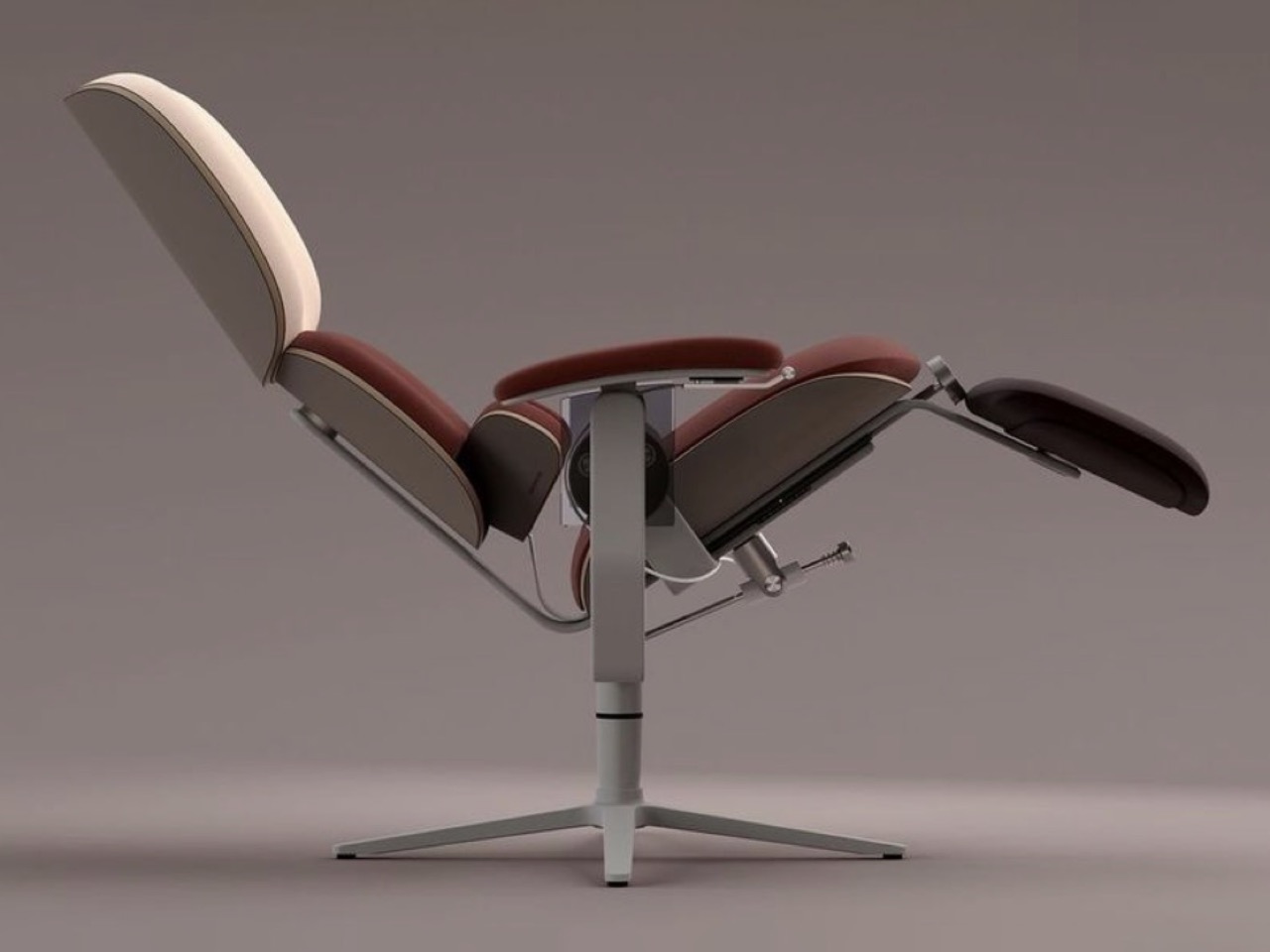
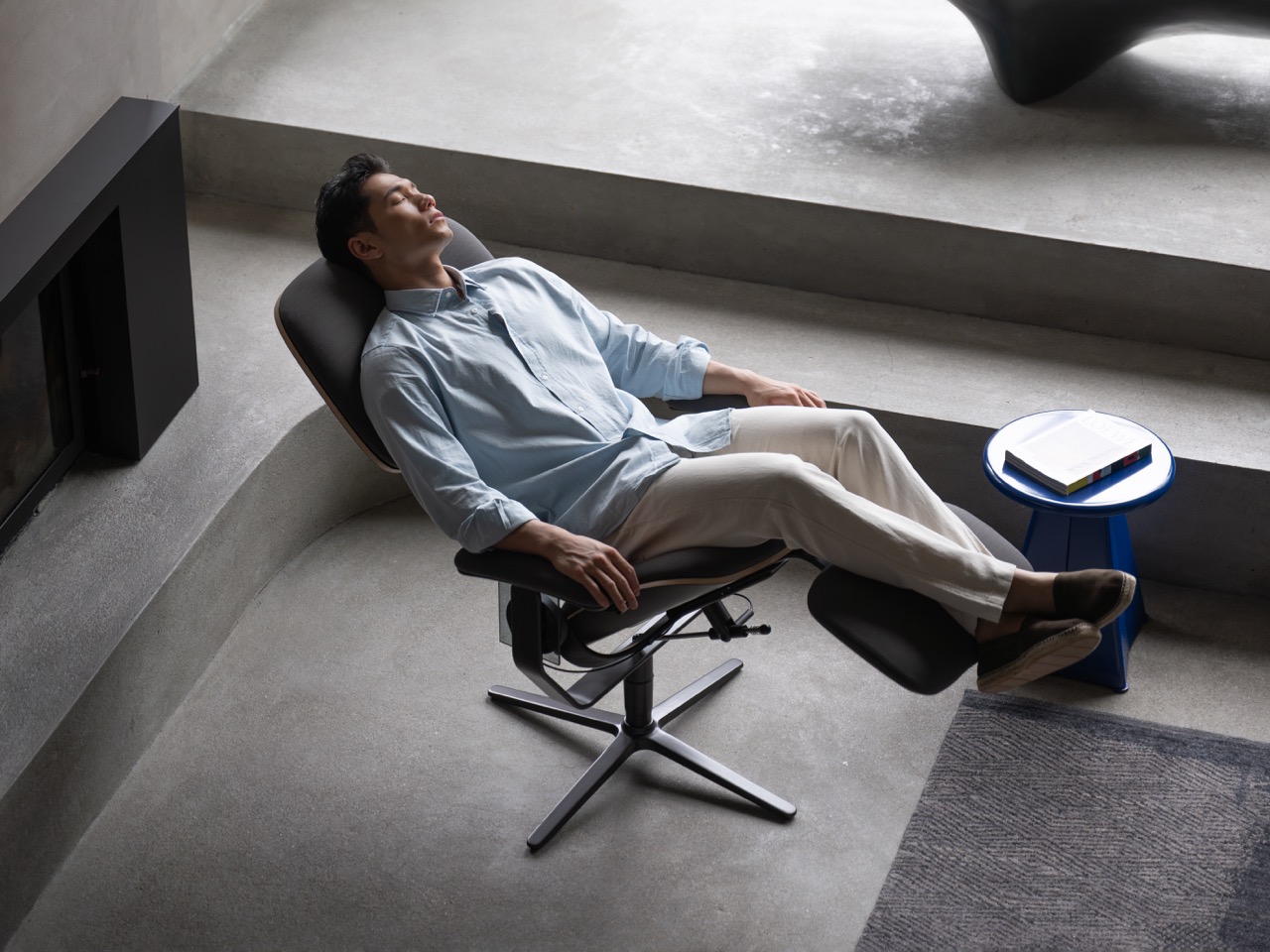
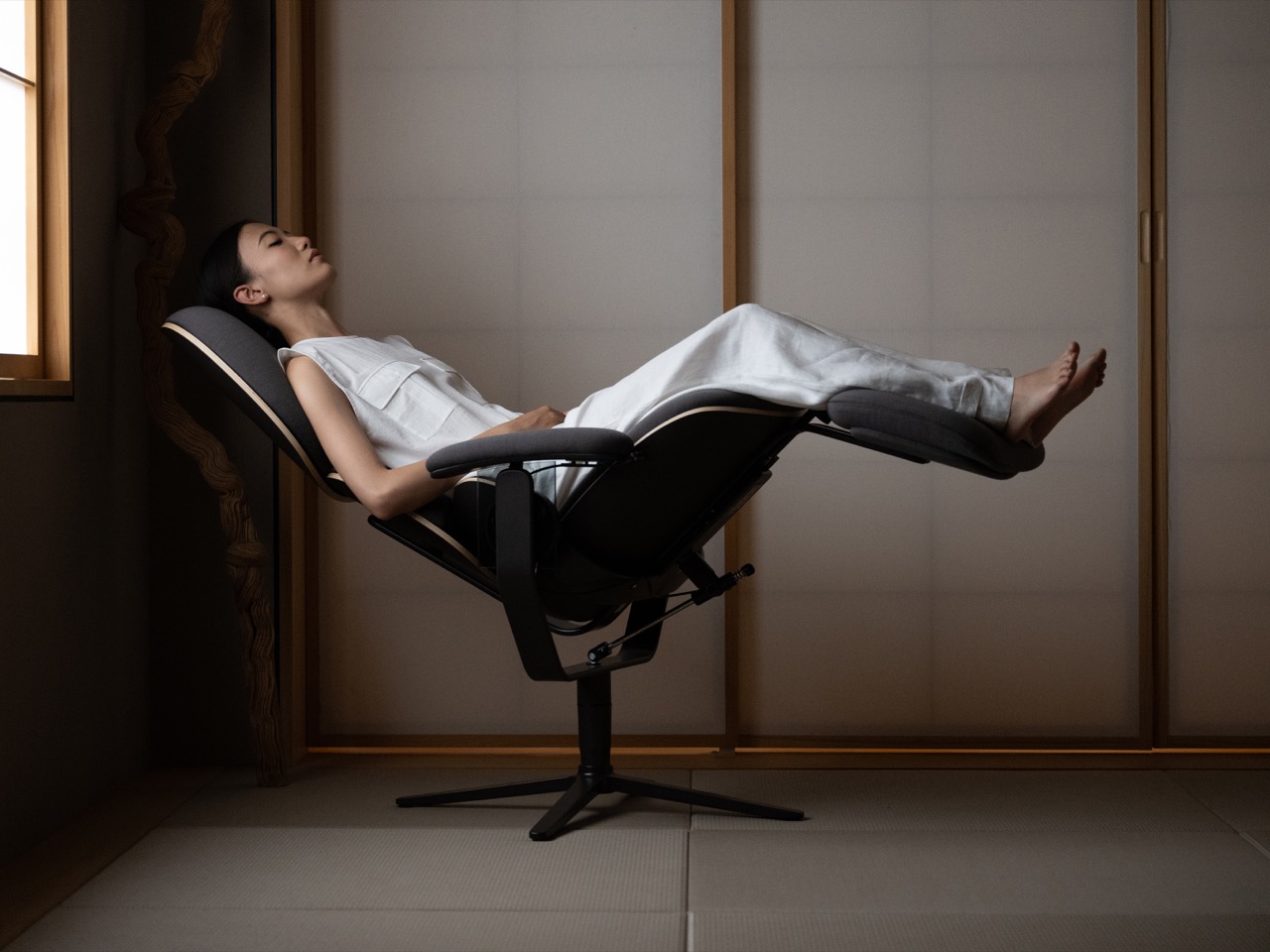
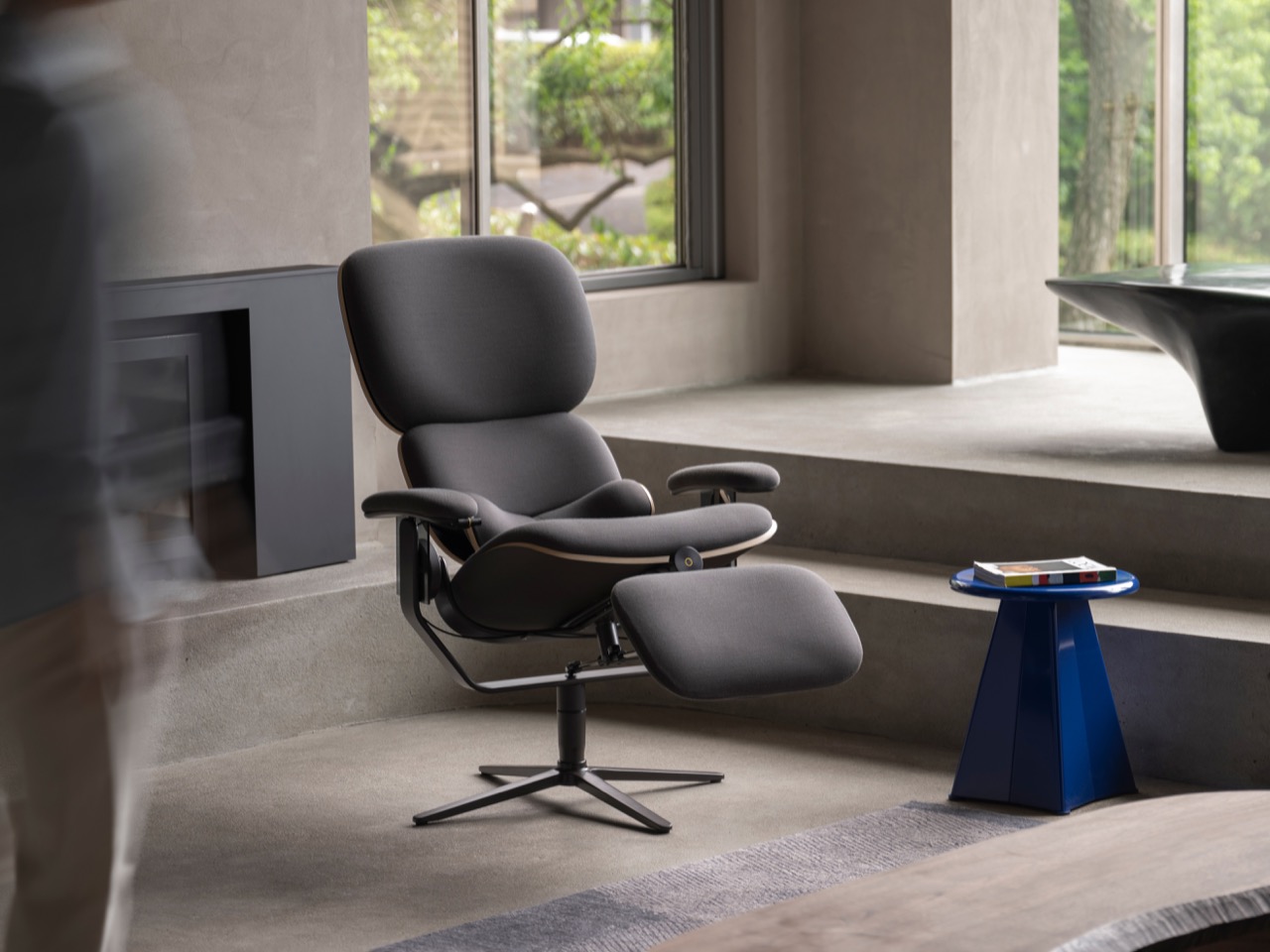
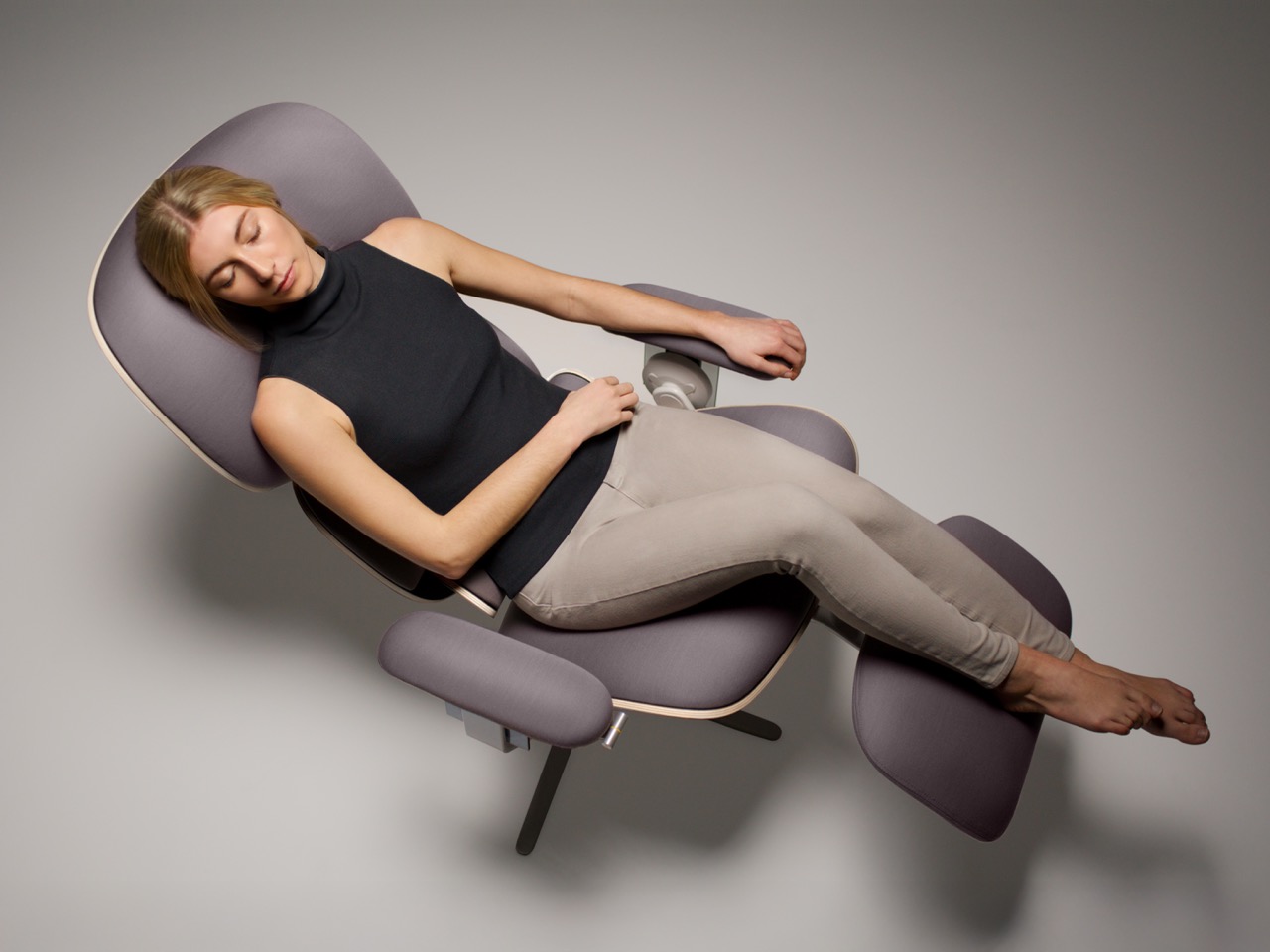
Weightlessness as a design goal is usually reserved for space agencies or sensory deprivation tanks. DavidHugh decided to build it into a chair. The Aiora uses what they call Floatation technology, a system of planar motion mechanics so sensitive that the act of breathing creates visible movement. You’re held in perfect equilibrium with zero external force, which sounds like marketing copy until you realize there are published neuroscience studies backing up their claims about induced meditative states.

This is the culmination of two decades of work from a Cambridge-based team that started in furniture design and ended up deep in biomedical engineering and consciousness research. The new model, priced at £5,700, follows their flagship Elysium chair and aims to be more accessible while maintaining the core technology that makes DavidHugh interesting: the ability to disconnect users from external sensory input and redirect their awareness inward, all through precision-engineered mechanics.

Designer: DavidHugh

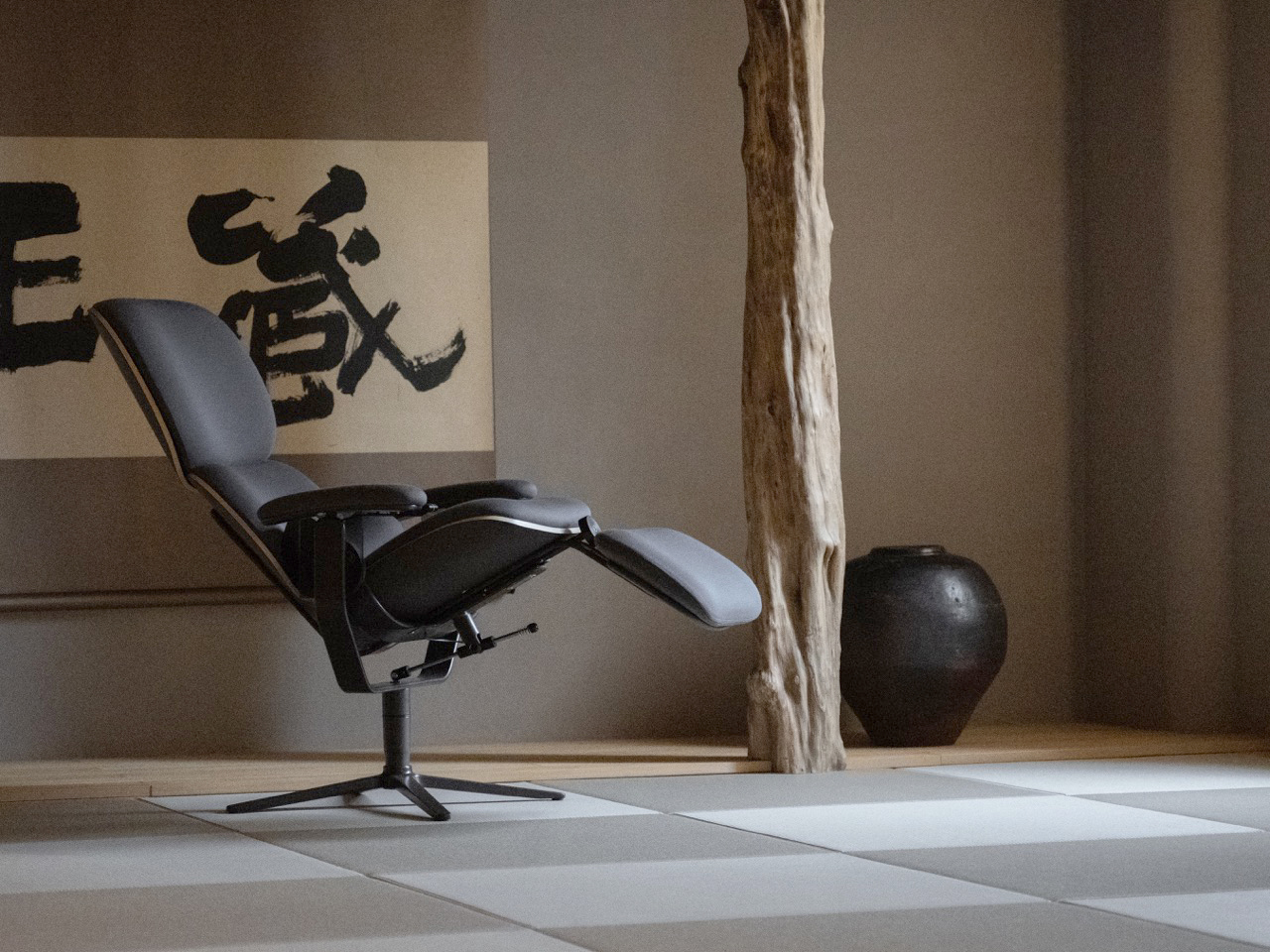
The tech itself is refreshingly analog in an era obsessed with app-connected everything. There are no motors, no springs, no batteries to charge. The Floatation system relies on roller bearings moving along a specific path to create what the company describes as frictionless continuous balance. In practice, this means you can shift positions without the usual resistance or effort, and the chair responds to the slightest movement, including the rise and fall of your chest as you breathe. The sensation has been compared to saltwater flotation, where the buoyancy removes the constant feedback your body gets from gravity and surfaces.

Construction-wise, the Aiora leans heavily into modular design and premium materials. The frame is precision-engineered aluminum and steel, double powder-coated for durability. The shells incorporate Fenix surfaces from Italy, known for their soft-touch matte finish and self-healing properties. Cushioning comes with options for Danish Kvadrat wool-blend fabrics or full Muirhead leather, depending on whether you’re going for the Monochrome collection (minimalist elegance), Soul (vibrant colors), or Signature (full leather craftsmanship). The modular approach also means the chair is designed for servicing, renewal, and upgradability, which is a smart counter to the usual luxury furniture model of “buy it once, keep it forever or landfill it.”

What’s compelling here isn’t just the engineering, though that’s certainly part of the appeal. It’s the way DavidHugh is positioning this as wellness technology rather than furniture. The neuroscience research they’ve published shows EEG patterns in first-time users that mirror advanced meditators, people who have spent years developing that capacity. If those findings hold up under scrutiny, it suggests the chair isn’t just comfortable, it’s actively creating conditions for specific brain states that are usually only accessible through extensive practice or pharmaceutical intervention.

That shifts the value proposition considerably. At £5,700, you’re not paying for a really nice recliner. You’re paying for access to a mental state that would otherwise require significant time investment or specialized environments like float tanks. Whether that’s worth it depends entirely on how much value you place on meditative states and whether you trust the research, but the ambition is undeniable.

The post This £5,700 ‘Weightless’ Recliner Is So Sensitive, It Responds To Your Breathing Patterns first appeared on Yanko Design.
Amazon rebrands its Starlink competitor to Amazon Leo

Amazon is making its satellite communication network a bit more official with a rebrand. The company has announced that Project Kuiper will now be called "Amazon Leo," a nod to the fact that its network is composed of satellites in low Earth orbit. 

Project Kuiper's journey to becoming a proper Amazon brand has been a long one. The company introduced the project in 2019 with the goal of offering internet in regions without a reliable connection, through a proposed constellation of over 3,000 satellites that could blanket 95 percent of the global population in high-speed internet. That constellation has yet to fully take shape, however. In the years following the Project Kuiper reveal, Amazon launched prototype satellites, detailed plans for a space laser mesh network and showed off the antennas customers will use to connect to its network, but it didn't actually launch the first 27 satellites in its constellation until April 2025. 

In comparison, its competitor Starlink has had a much faster expansion. SpaceX launched the Starlink satellite internet service in beta in 2020, and has rapidly expanded it since then. Now SpaceX has a deal with T-Mobile for satellite-enabled texting, and has struck up partnerships with airlines to test or offer internet connection on flights. Rebranding Project Kuiper to Leo suggests Amazon is finally ready to think about its satellite network as a product in its own right, but the company still has some catching up to do.

Amazon hasn't shared a date for when its satellite internet service will be widely available for personal and commercial use, but you can sign-up on the Amazon Leo website to receive updates as the company works towards launch.

This article originally appeared on Engadget at https://www.engadget.com/science/space/amazon-rebrands-its-starlink-competitor-to-amazon-leo-214453569.html?src=rss

Verizon may cut 15,000 jobs next week

The Wall Street Journal reported that Verizon plans to cut about 15,000 jobs over the next week. Sources told the publication that Verizon is attempting to reduce costs as it faces more competition for wireless service and home internet customers. At the reported scope, this would be the largest reduction in history for the telecom company. 

Verizon leadership indicated that a sea change was coming in its third-quarter financial report last month, although many of the figures for the period were positive. The company's net income reached $5.1 billion and most other metrics showed year-on-year growth. However, Verizon did a marked drop in postpaid wireless customers, losing 7,000 customers in that segment compared with a gain of 18,000 in Q3 2024. "We are going to take bold and fiscally responsible action to redefine Verizon's trajectory at this critical inflection point for our company," CEO Dan Schulman said. "These will not be incremental changes." 

According to WSJ, most of the coming cuts will take the form of layoffs, but Verizon may also look to reduce employee count by turning about 200 stores into franchise locations.

This article originally appeared on Engadget at https://www.engadget.com/mobile/verizon-may-cut-15000-jobs-next-week-214143406.html?src=rss

Is This The Most Ergonomic Mouse Ever Designed Or Just Another Ambitious Idea?

Memory foam mattresses have continuously been pitched as the most ergonomic surfaces to sleep on. The way they work is by being a standard shape, but contouring to your body when you lie down on them, adapting exactly to your profile. It’s a brilliant example of a cookie-cutter product that is truly ergonomic for almost everyone. Somehow consumer tech didn’t get the memo on this…

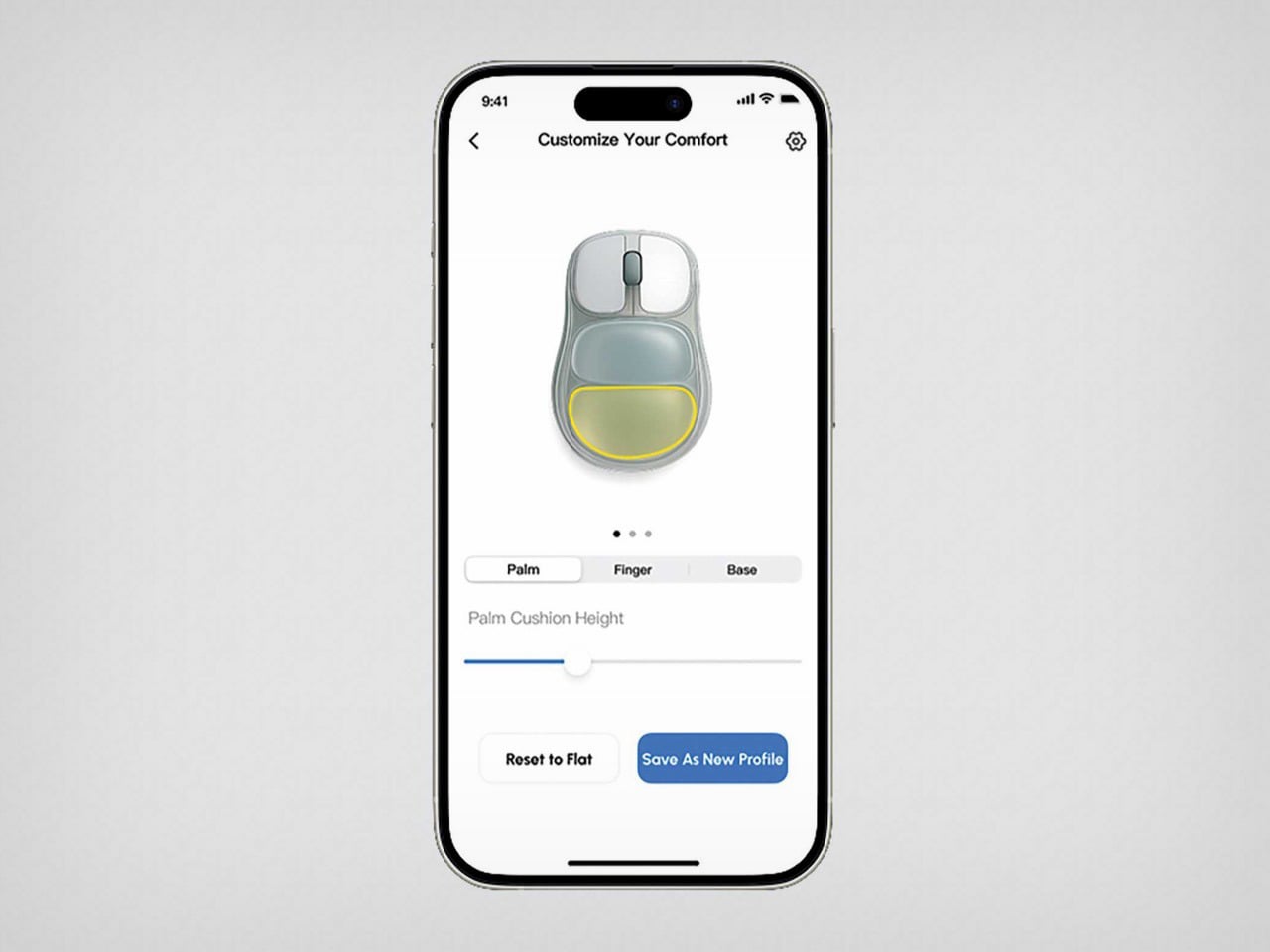
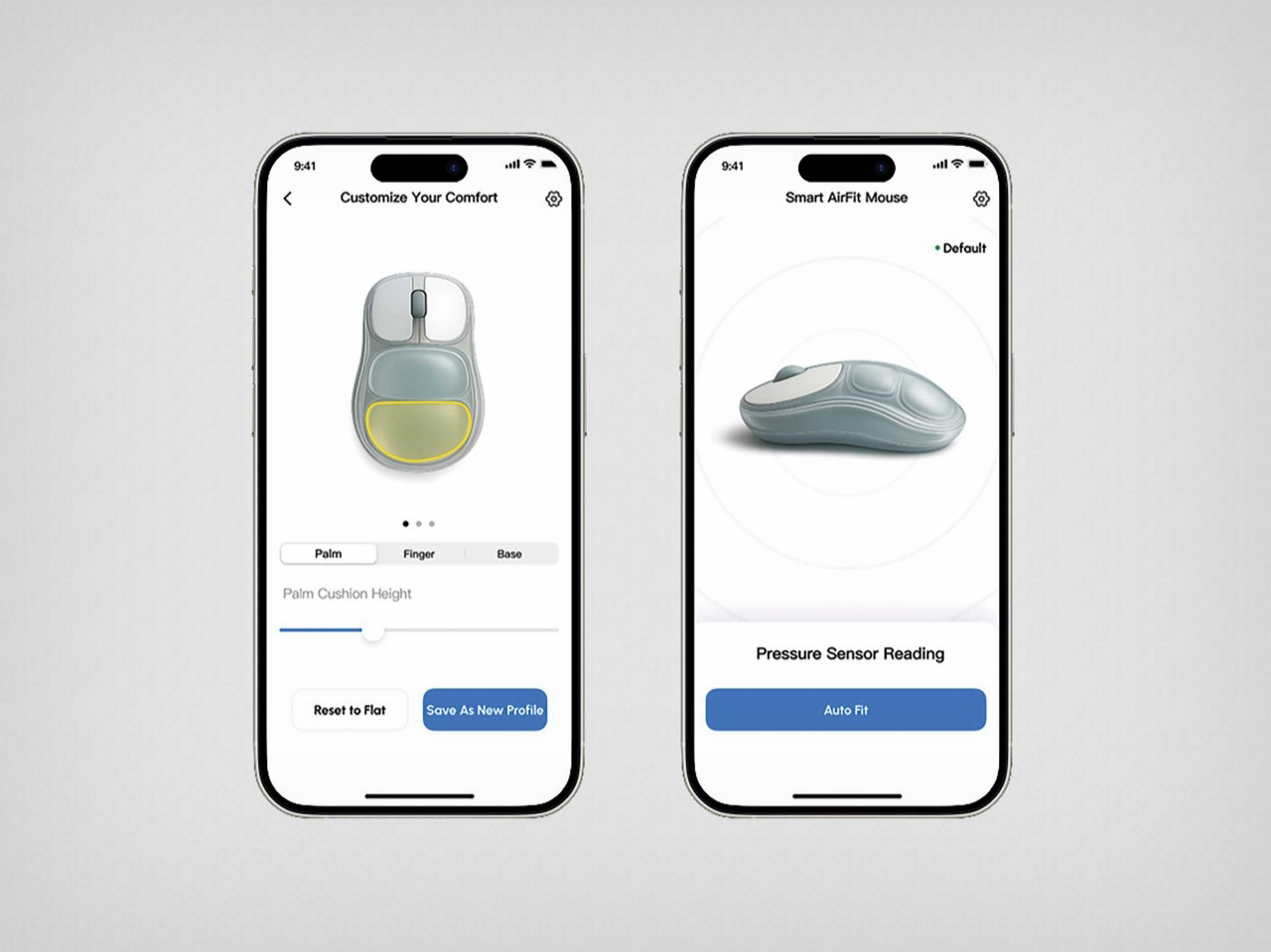
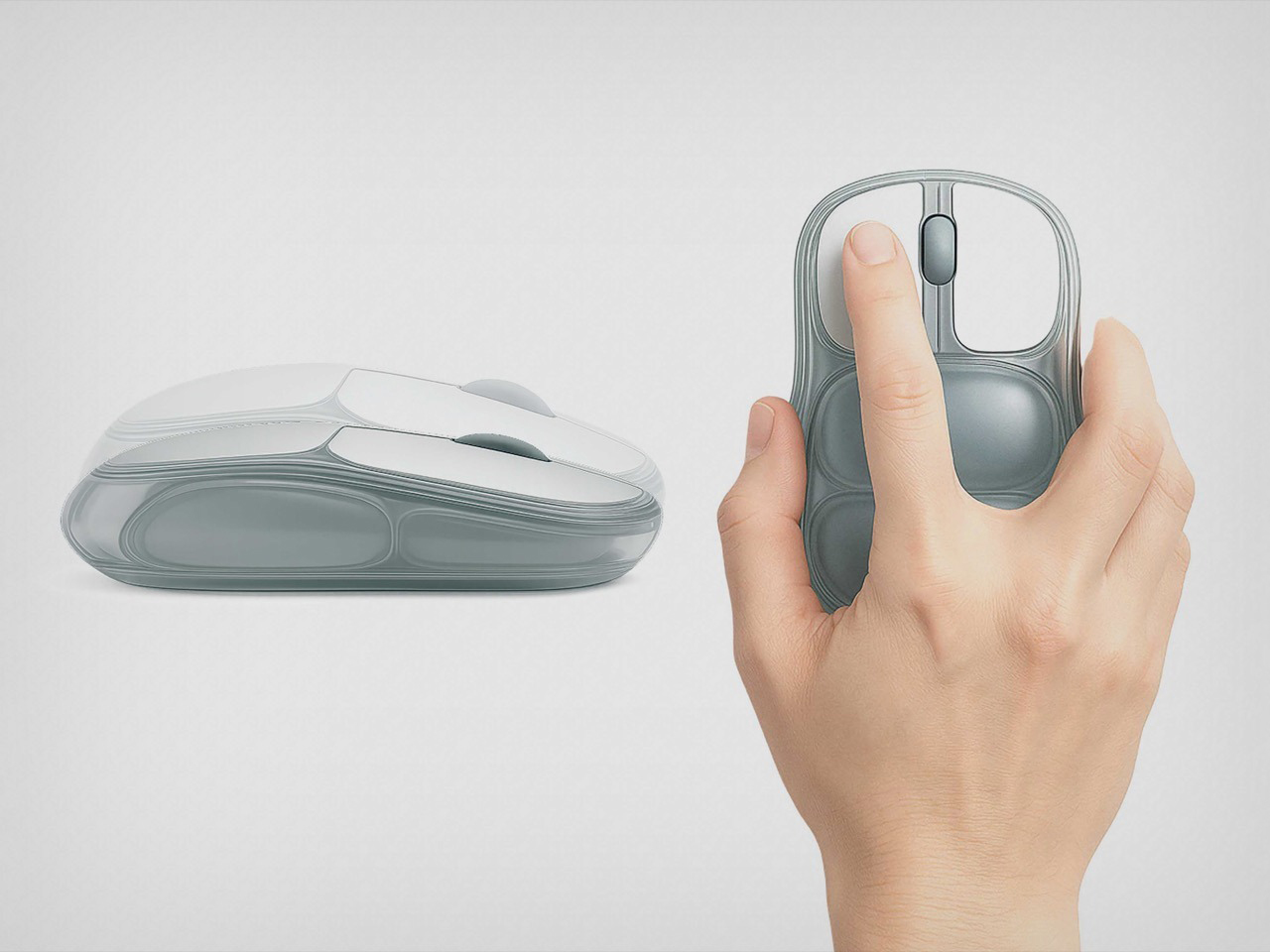
Last week I covered this ‘hideous but comfortable’ ergonomic mouse, designed using play dough and 3D printing. The problem with such a mouse is that it took ergonomics too seriously, and still resorted to a rigid 3D printed outer shell. But what if you just applied memory-foam-style ergonomics to consumer tech? What if you could make a mouse that just fits to the shape of your hand rather than the other way around? This Red-Dot Award-winning ergonomic mouse proposes something pretty clever – a computer peripheral with an inflatable body that you can ‘adjust’ to the shape of your palm. Two cushions, both independently adjustable, give you a mouse that’s made for YOU, not a mouse that touts ergonomics but may or may not work for your hand shape, wrist flexibility, or finger size.

Designer: iRest Health Science and Technology Co., Ltd.

The mouse, designed by iRest Health Science and Technology, is just a concept for now, but it does make a fairly radical proposal that a lot of companies could consider for breaking the mold on ergonomic devices. The mouse looks standard at first, but the palm rest features two air-filled cushions that can be adjusted via a smartphone app. Increase or decrease their size through the app, and the shape of the mouse inherently changes, fitting your palm just the way you need it. The result is a mouse that’s calibrated to YOUR hand.

Admittedly, the idea is fabulous but the execution is a little janky. This mouse would effectively need air pumps to intake or release the air, which would result in a severe drain on batteries while complicating the build. The immediate solution is to not use air at all, but rely on something more convenient. In-ear monitors rely on silicone gel implants for a bespoke fit, but those are administered by medical professionals. However, imagine a mouse with a silicone outer shell that can be molded to your hand. Or perhaps a series of mechanical parts that can be adjusted to shape the mouse based on palm height, etc – sort of like how you adjust parts on an ergonomic chair.

For now, this is just a concept, but it proposes a fairly new idea as far as ergonomic tech is considered. For too long, we’ve seen ergonomic tech that is painstakingly designed for the 95th percentile, but seldom is as comfortable as something that is truly tailor-made FOR you. We’ve covered inflatable mice before, funnily enough, and those concepts were manually inflated, which also sounds like a fairly good option. I wouldn’t mind someone actually building a prototype!

The post Is This The Most Ergonomic Mouse Ever Designed Or Just Another Ambitious Idea? first appeared on Yanko Design.
Apple suffers setback in UK App Store fee lawsuit

Apple will not be granted a preliminary option for appealing a landmark antitrust ruling in the UK. In October, the country's Competition Appeal Tribunal determined that Apple benefited from "near absolute market power" over app distribution and in-app payments and was "abusing its dominant position by charging excessive and unfair prices" as developer commission. At the time, Apple was reportedly planning to appeal, but today, the Tribunal refused to give the company permission to challenge its decision. 

That means Apple's next recourse, if it wants to not pony up more than £1 billion in damages, is to take its case directly to the UK Court of Appeal. The company has requested 21 days to file any application with that judicial body. 

It has been a busy year for Apple as it faces more regulatory pressure over its rules for the App Store and fees charged to mobile developers. Earlier today, Apple announced a new partner program that would halve the commissions it charges for mini-app transactions.

This article originally appeared on Engadget at https://www.engadget.com/big-tech/apple-suffers-setback-in-uk-app-store-fee-lawsuit-204627286.html?src=rss

Bang & Olufsen celebrates 100 years with the Beolab 90 Titan Edition floorstanding speakers

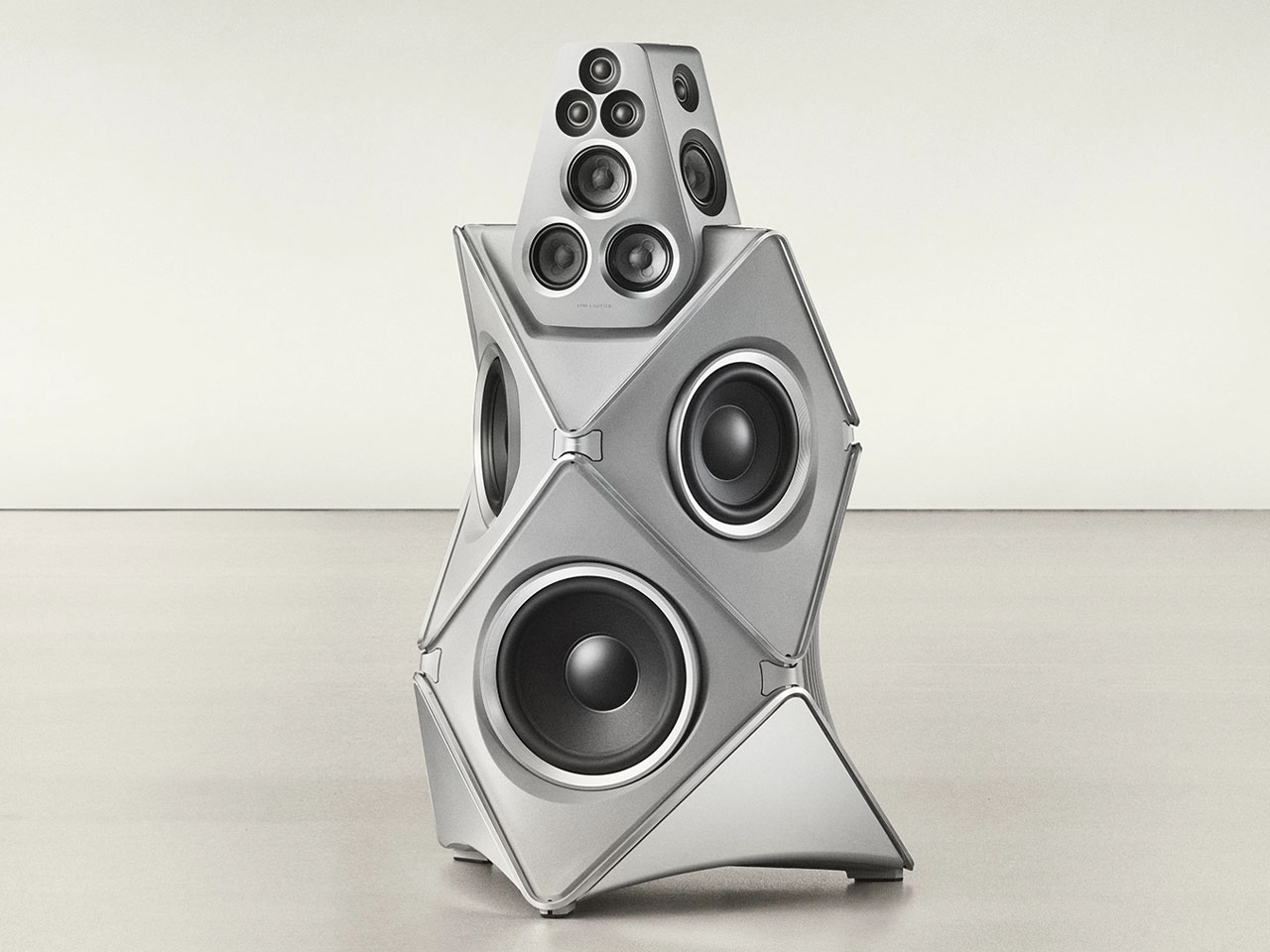
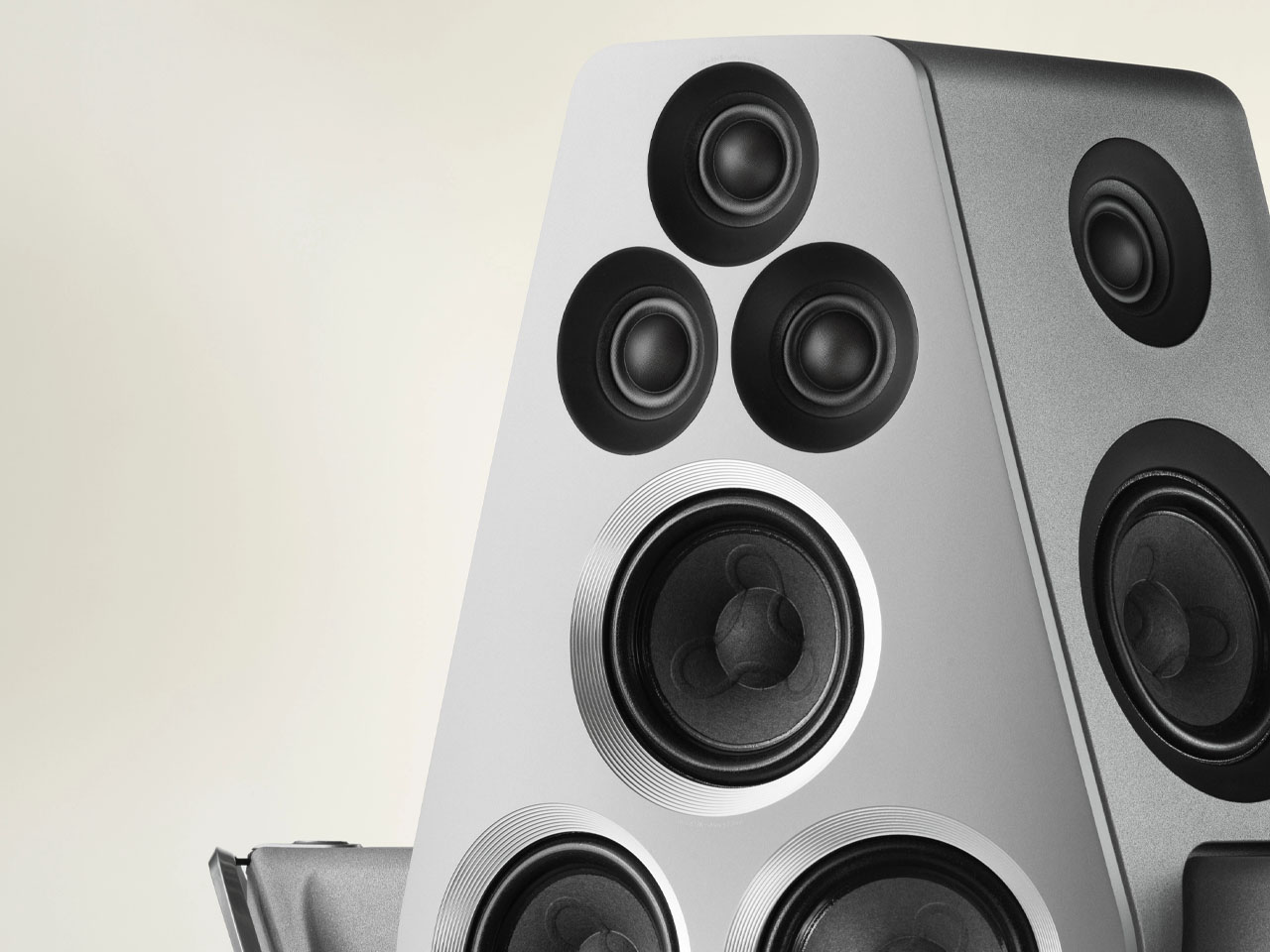
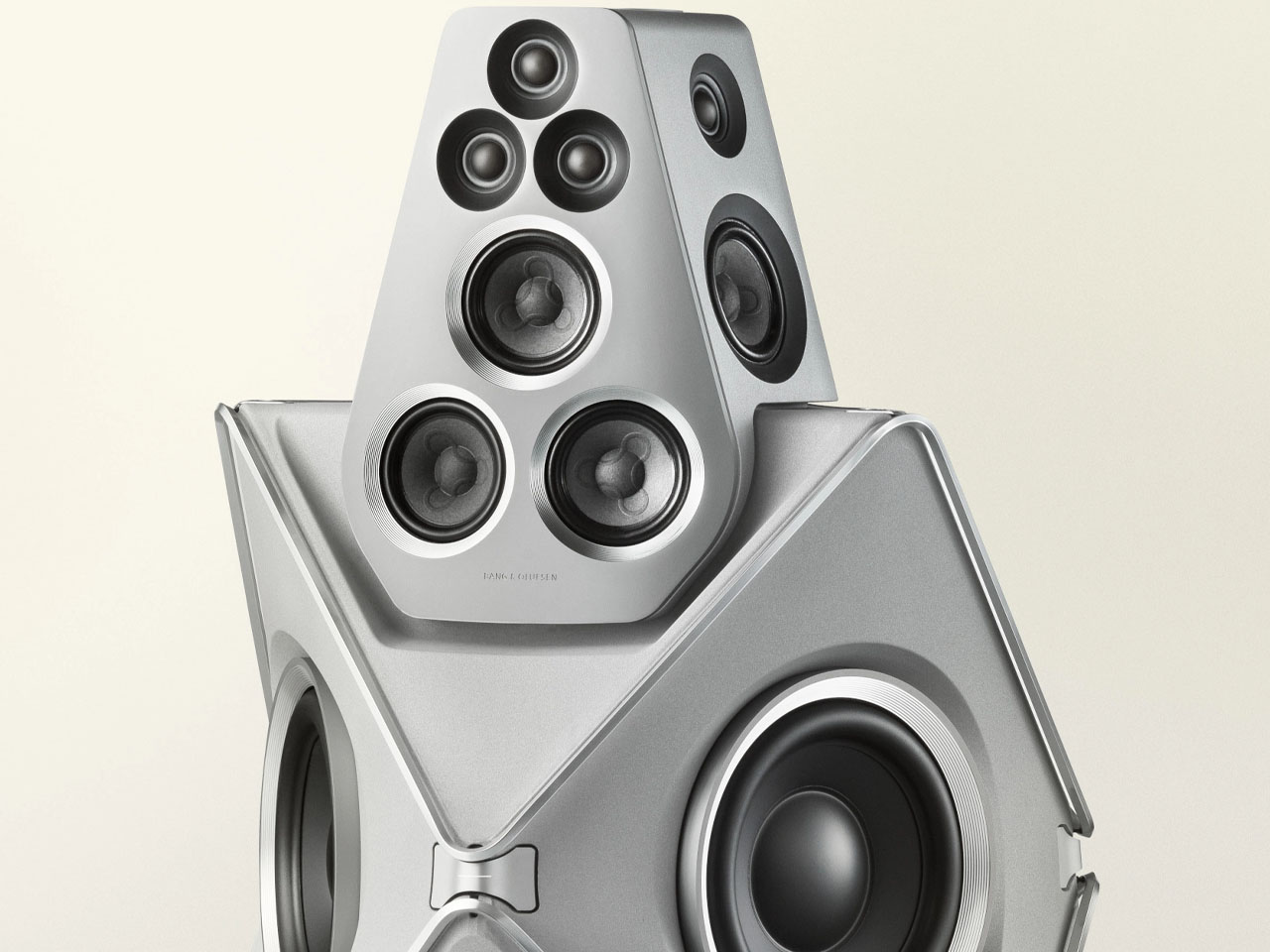
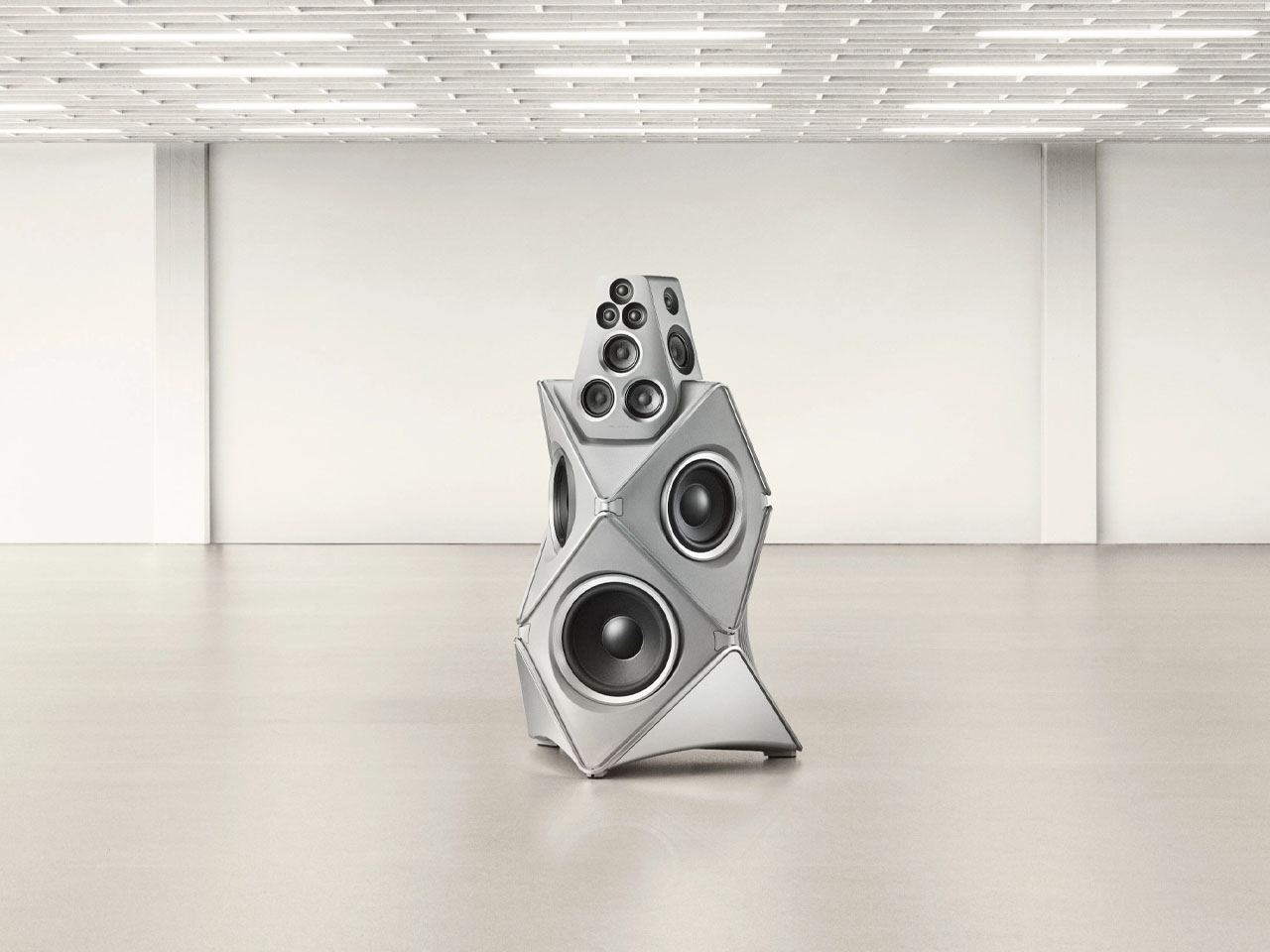
I haven’t seen a speaker with an awkward shape like this. But then, I haven’t seen a lot of things, and that especially includes what’s under the hood of Beolab 90 floorstanding speakers from Bang & Olufsen. For its 100th anniversary, the Danish giant has taken its flagship speaker, stripped it down to its skeleton, and made it to look as striking as it could be with volcanic rocks and aluminum construction. And now I know what with the looks!

Centenary celebrations bring out the best in the iconic brands that have stood the test of time and the change in generations. Arguably, watchmakers are the best at revisiting their iconic timepieces and launching them with charisma and finesse to celebrate their 100th year; furniture makers follow closely. Now, Bang & Olufsen is treading the route with this stunning speaker – if you like what you see i.e., by reimaging its star from a decade ago.

Designer: Bang & Olufsen

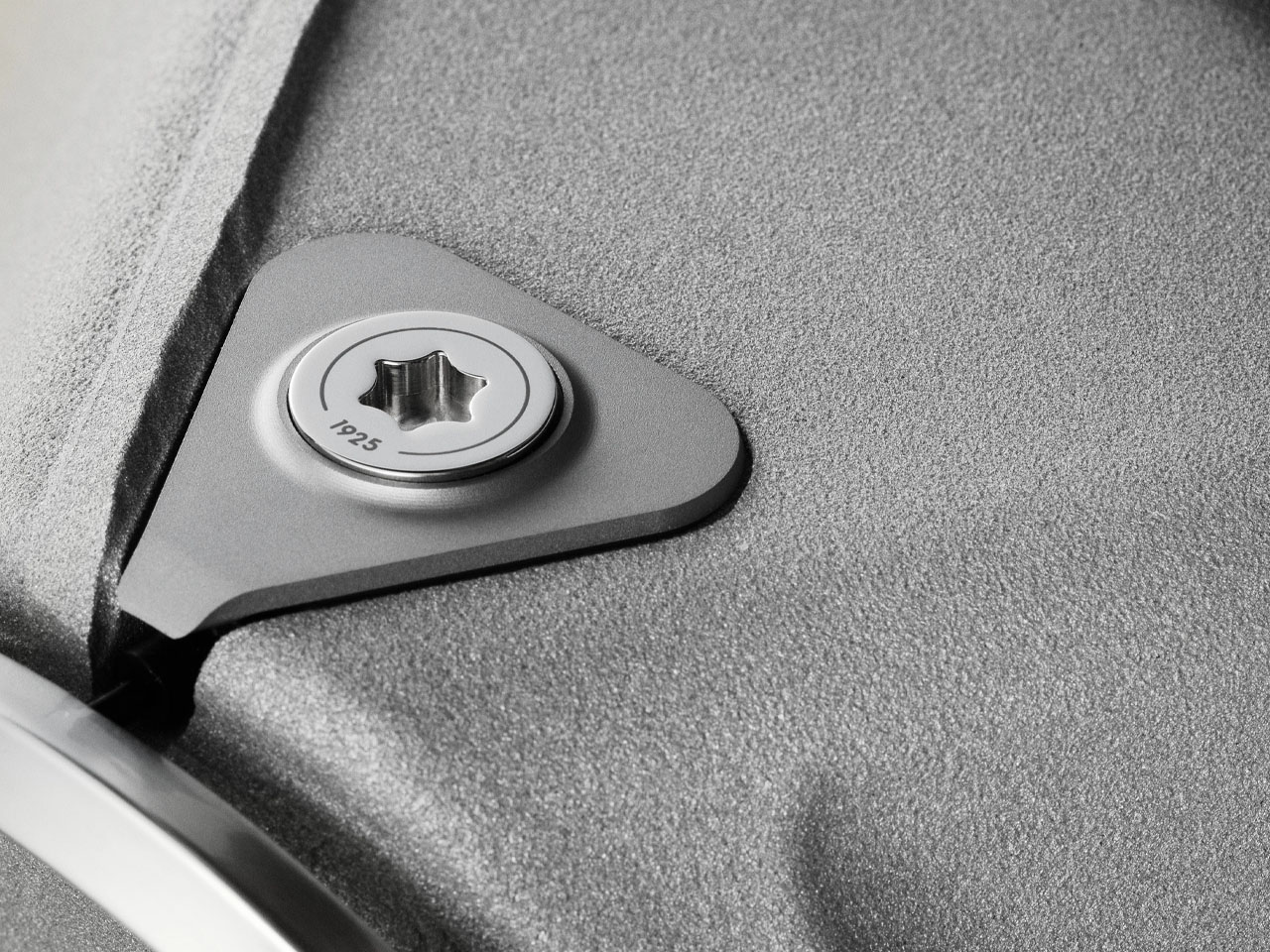
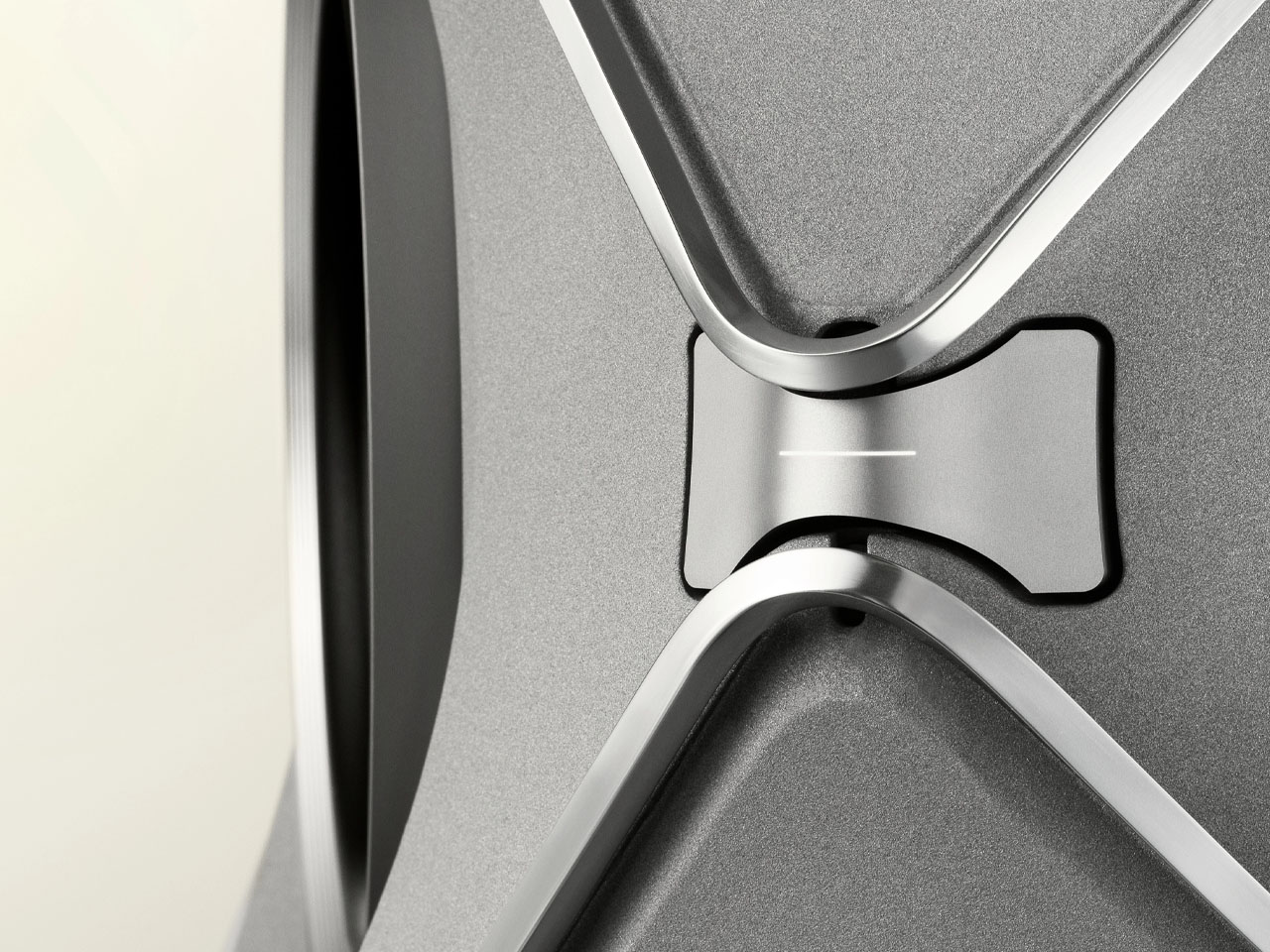
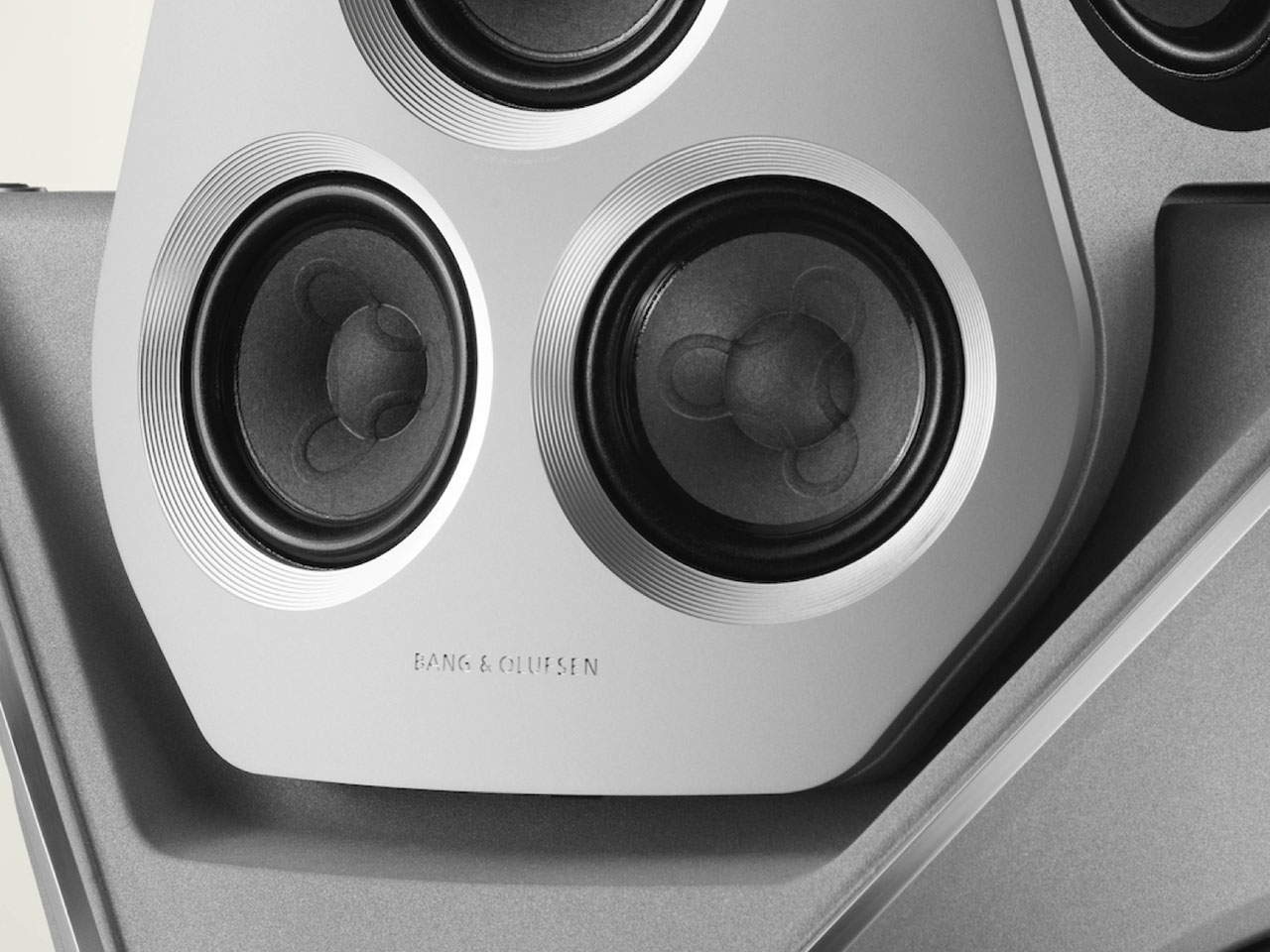
The revisited stunner is called the Beolab 90 Titan Edition, and it highlights a raw, textured finish achieved with 65kg aluminum sandblasted using particles from crushed volcanic rock. It is decorated with commemorative laser-engraved details on each speaker fastener and drivers, and forms part of a series of interesting products the brand has designed to commemorate its 100th anniversary.

Bang & Olufsen, earlier this year, launched another sensation: Atelier Limited Edition Art Deco collection comprising Beolab 28 speakers and the Beovision Theatre soundbar. And recently, we were privy to the three special edition pieces. These, if you are unaware, were the gorgeous pair of Beoplay H100 headphones, Beosound A5 portable wireless speaker that charmed with its vintage radio vibes, and the showstopper, the Beosound A9, which flaunted Kvadrat’s Centennial Cadence fabric alongside a natural aluminum ring and brushed legs.

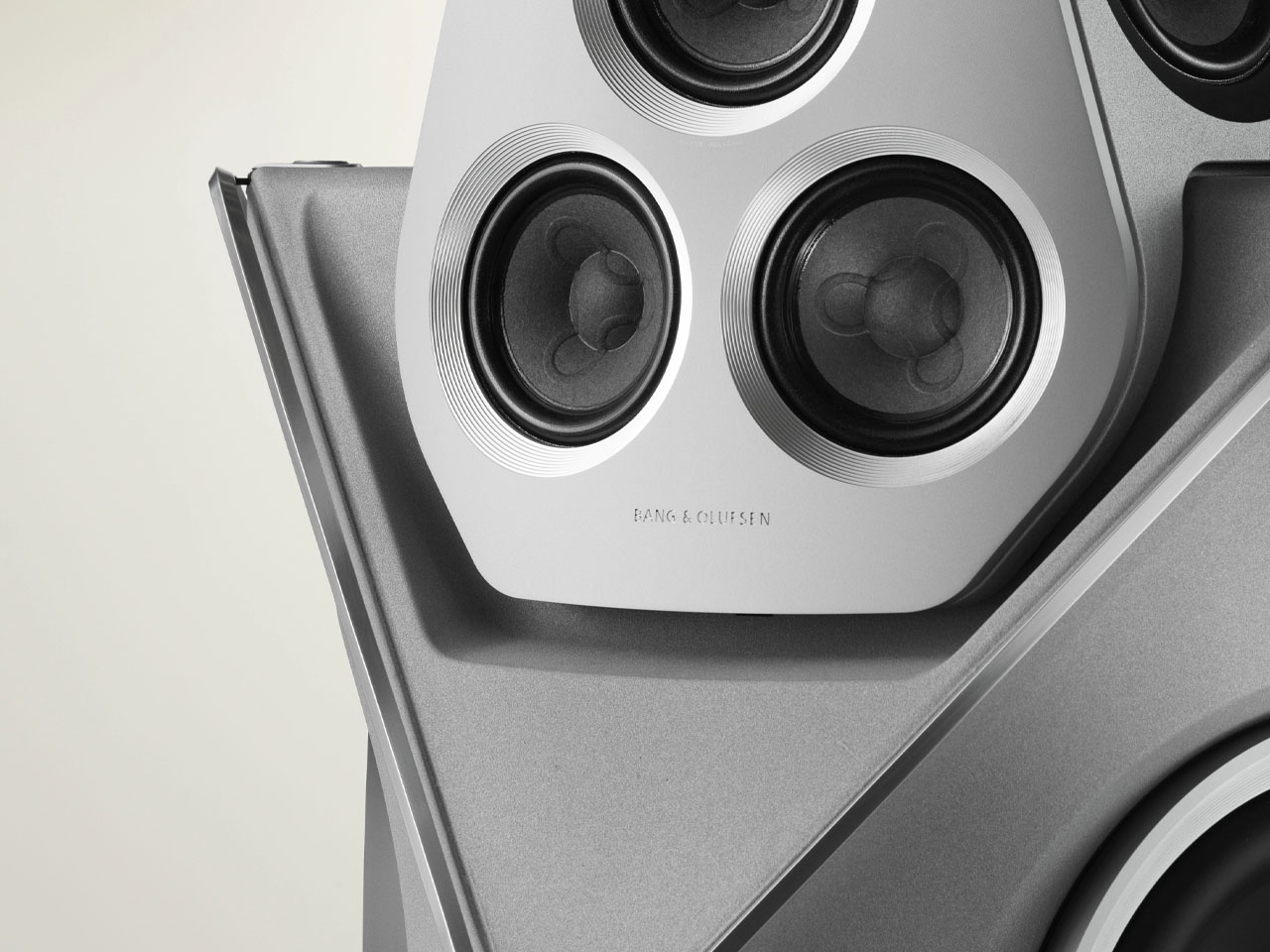
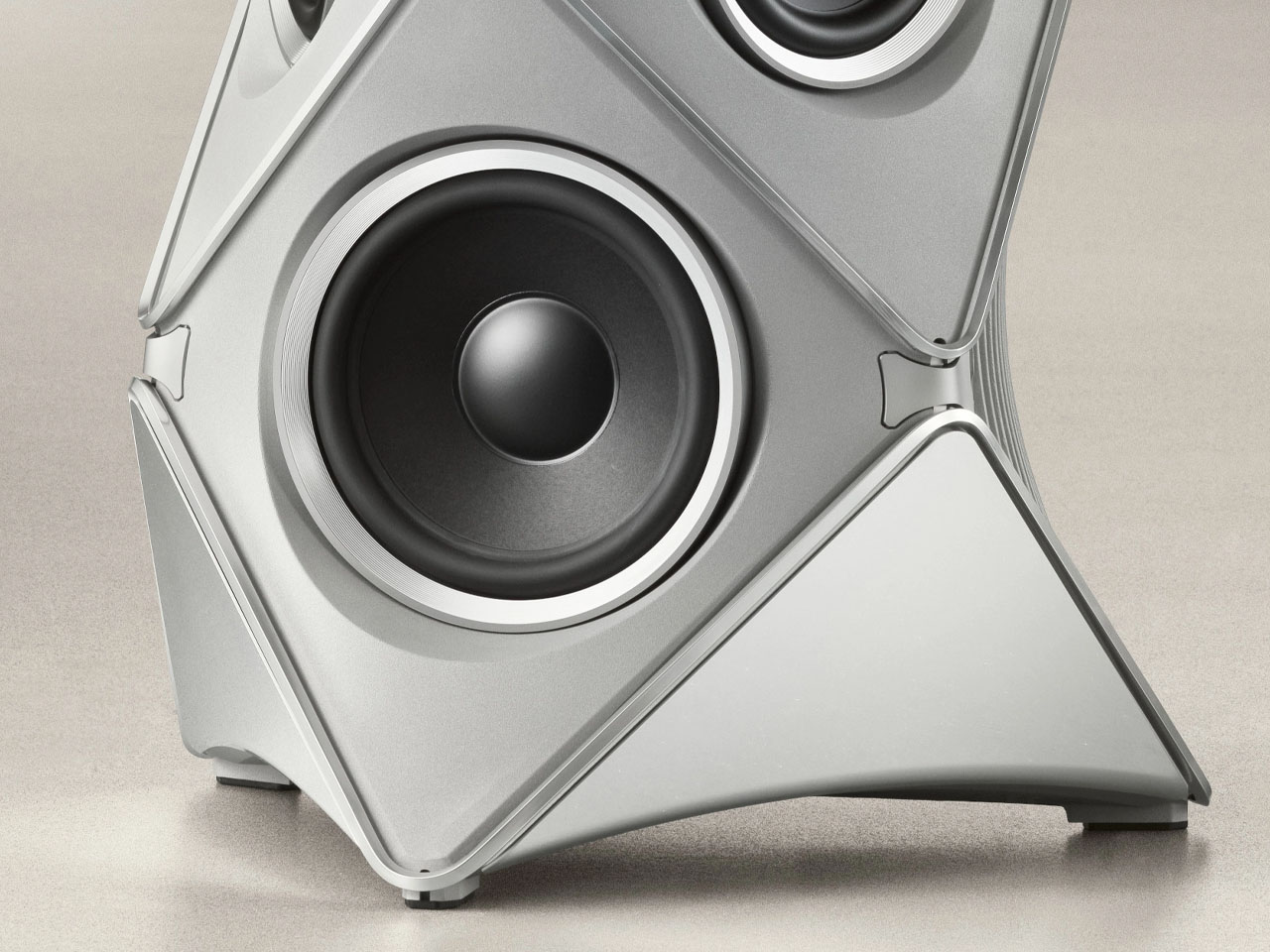
The new Titan Edition floorstanding speakers are fundamentally the most interesting entrant in the brand’s Centennial Collection. By the sight of it, the speakers are a replica of the original Beolab 90. It looks stunning, but really, it’s almost the same speaker with the outer housings removed to showcase the impressive array of drive units, which were earlier in the hiding beneath it.

The angular design and solid aluminum construction make the speakers seem unearthly, but a calm, closer look reveals the magnanimity of their 360-degree design, where no less than 18 premium drivers are firing in different directions to create the most thrilling surround sound in the room. The speakers also feature seven 30mm tweeters, as many 8.6cm midrange drivers, a trio of 21cm side and rear woofers, and the solitary 26cm front woofer.

The Beolab 90 Titan Edition floorstanding speakers are available, but we are short on the pricing information. The Titan Edition will be built to order, so its anyone’s guess that it will be way more expensive than the OG Beolab 90, that’s $185,000 for a set. B&O says four more editions of the Beolab 90 will be released in the coming months, also as part of the centenary celebrations.


The post Bang & Olufsen celebrates 100 years with the Beolab 90 Titan Edition floorstanding speakers first appeared on Yanko Design.

Apple will bring MLS games to its normal TV subscription

Apple is retiring its Major League Soccer Season Pass and including the next season of MLS as part of its normal Apple TV subscription. Details of a new partnership agreement between Apple and MLS were first reported by The Athletic. The arrangement appears to be similar to the one the company made in October to bring F1 races to all subscribers.

Starting in 2026, all MLS games will be available to Apple TV subscribers. That includes regular season matches, and annual events like the Leagues Cup tournament, the MLS All-Star Game, the Campeones Cup and the Audi MLS Cup Playoffs.

First announced in 2022, the MLS Season Pass remains one of Apple's most significant forays into sports programming to date. As part of its original agreement with MLS, Apple became the exclusive way soccer fans streamed MLS games globally, eliminating any kind of regional blackout as long as Apple TV was accessible. That level of access will now continue, without the need to pay $15 a month for MLS Season Pass. You just need an Apple TV subscription to keep up with your favorite team.

"We're thrilled to bring MLS to more fans around the world next season on Apple TV," Eddy Cue, Apple’s Senior Vice President of Services, shared in the announcement. "Every match, all in one place, alongside incredible Apple Originals — it's a win for fans everywhere."

The new agreement reportedly also comes with some wrinkles for Apple. Sportico writes that the company will not only pay more, but the partnership will also now end in 2029 rather than 2032. MLS will reportedly be paid $200 million for the 2026 season, $175 million for a shorter 2027 “sprint campaign” and then $275 million for both the 2027-2028 and 2028-2029 seasons. Afterward, MLS will be able to shop around its licensing rights to other streamers, or renew with Apple.

While Apple hasn't succeeded in locking down NBA or NFL games like its competitors Amazon and Google, the company has been slowly growing its sports ambitions. Apple's Friday Night Baseball streams now seem modest in comparison to what it's doing with the MLS and F1. The company's five-year F1 deal includes every Grand Prix race, along with practice, qualifying and sprint sessions. With the FIFA World Cup on the way in 2026, the company's new MLS deal is also impeccably timed.

Update, November 14, 5:08PM ET: Added new financial details of the MLS deal from a Sportico report.

Update, November 13, 5:03PM ET: Added details and a quote from Apple’s official announcement.

This article originally appeared on Engadget at https://www.engadget.com/entertainment/streaming/apple-will-bring-mls-games-to-its-normal-tv-subscription-200831479.html?src=rss