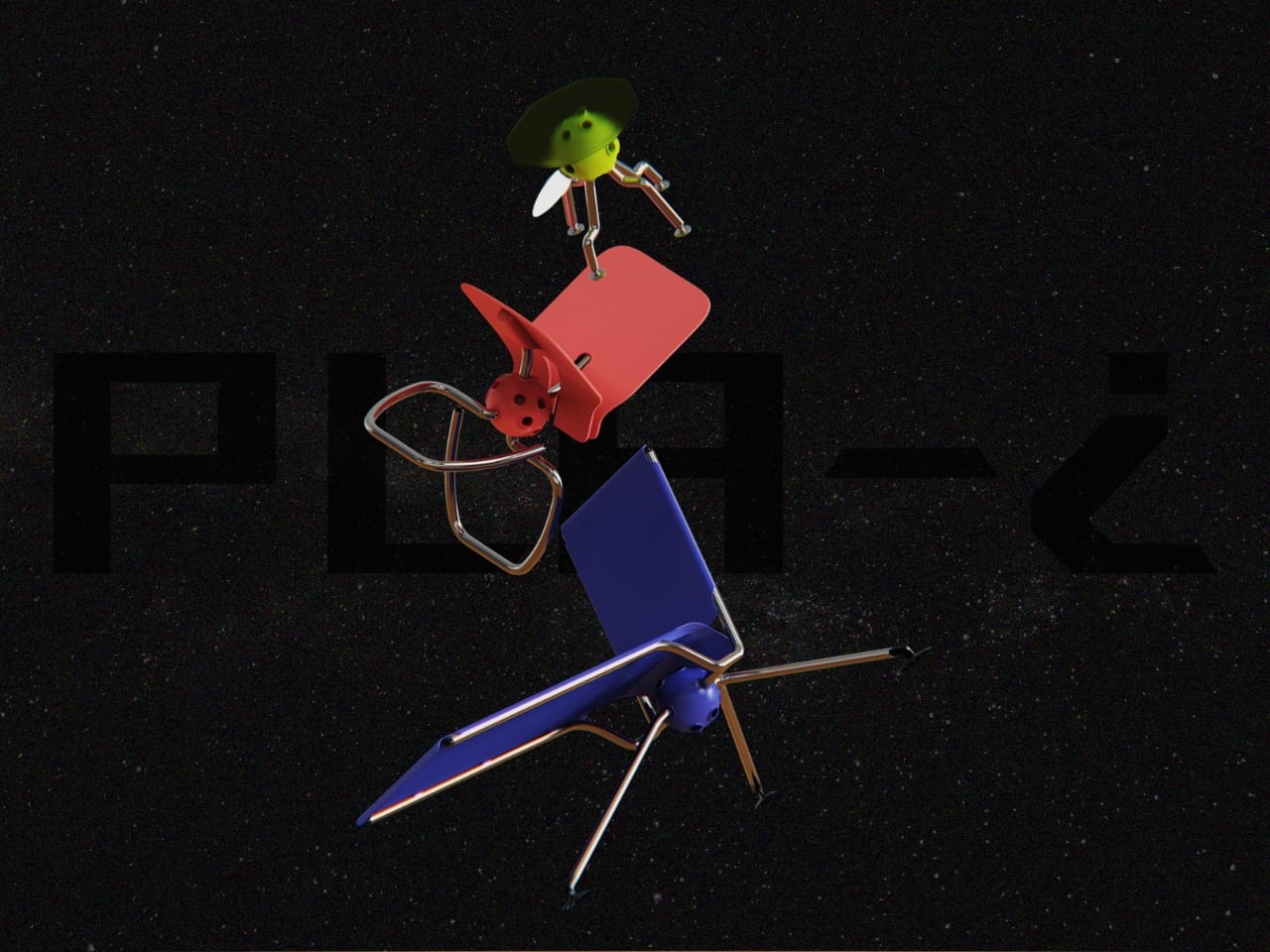
This Modular Chair Transforms Into 3 Designs With One Sphere

Remember when you were a kid and every toy was an invitation to build something new? Designers Sihun Lim and Hyeonggyun Han are bringing that same playful spirit to furniture with their PLA modular chair concept, and honestly, it’s the kind of design that makes you wonder why all furniture isn’t this fun.

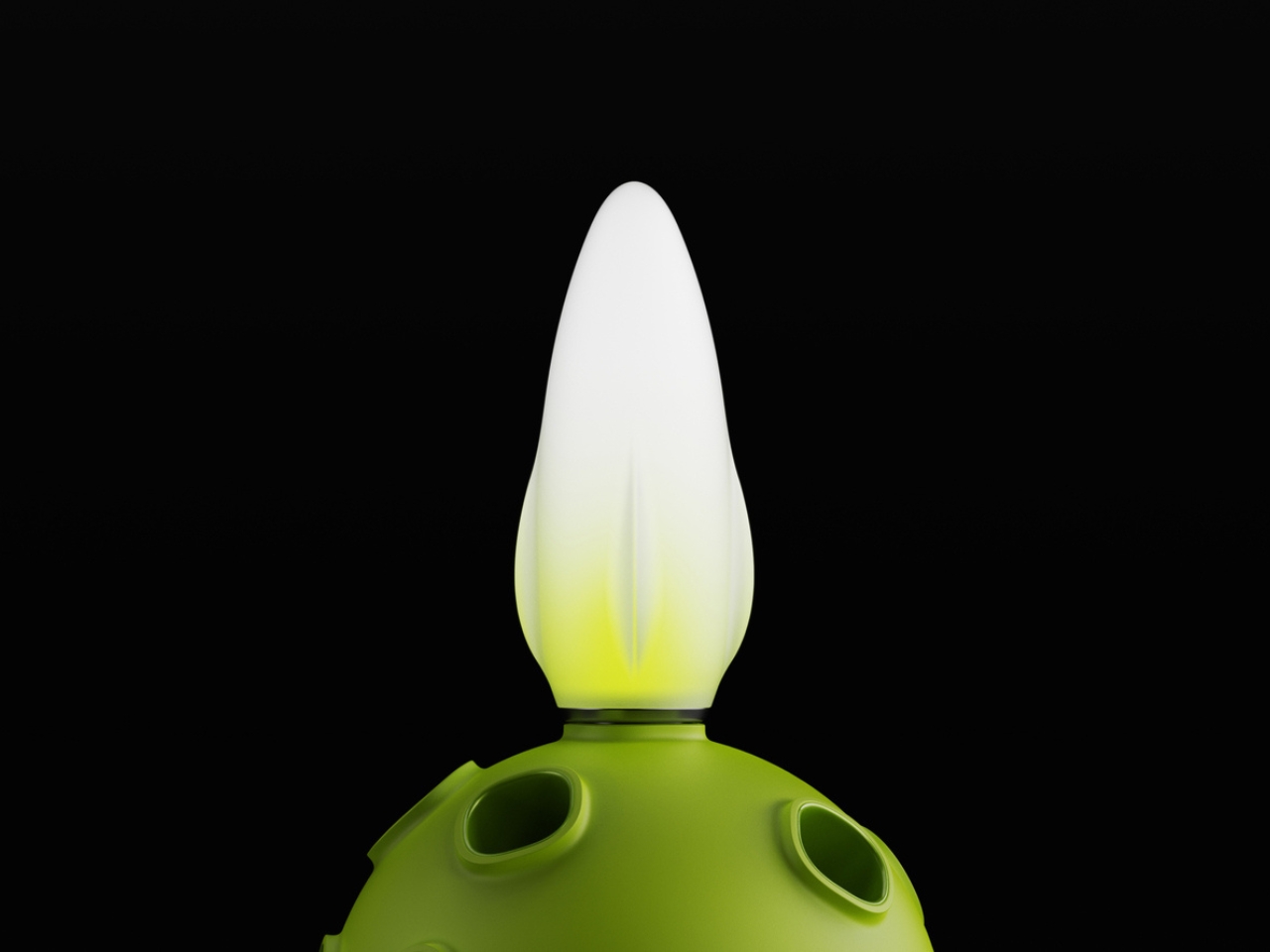
The PLA project is built around a simple but brilliant idea: what if you could customize your chair the same way you’d snap together building blocks? At the heart of each design is a spherical connector module that acts like a universal joint, letting you attach different seat backs, legs, and structural elements to create wildly different chair styles. It’s furniture that refuses to be just one thing, and in our era of tiny apartments and ever-changing aesthetics, that flexibility feels genuinely exciting.

Designers: Sihun Lim, Hyeonggyun Han

Create your own Aesthetic Render: Download KeyShot Studio Right Now!
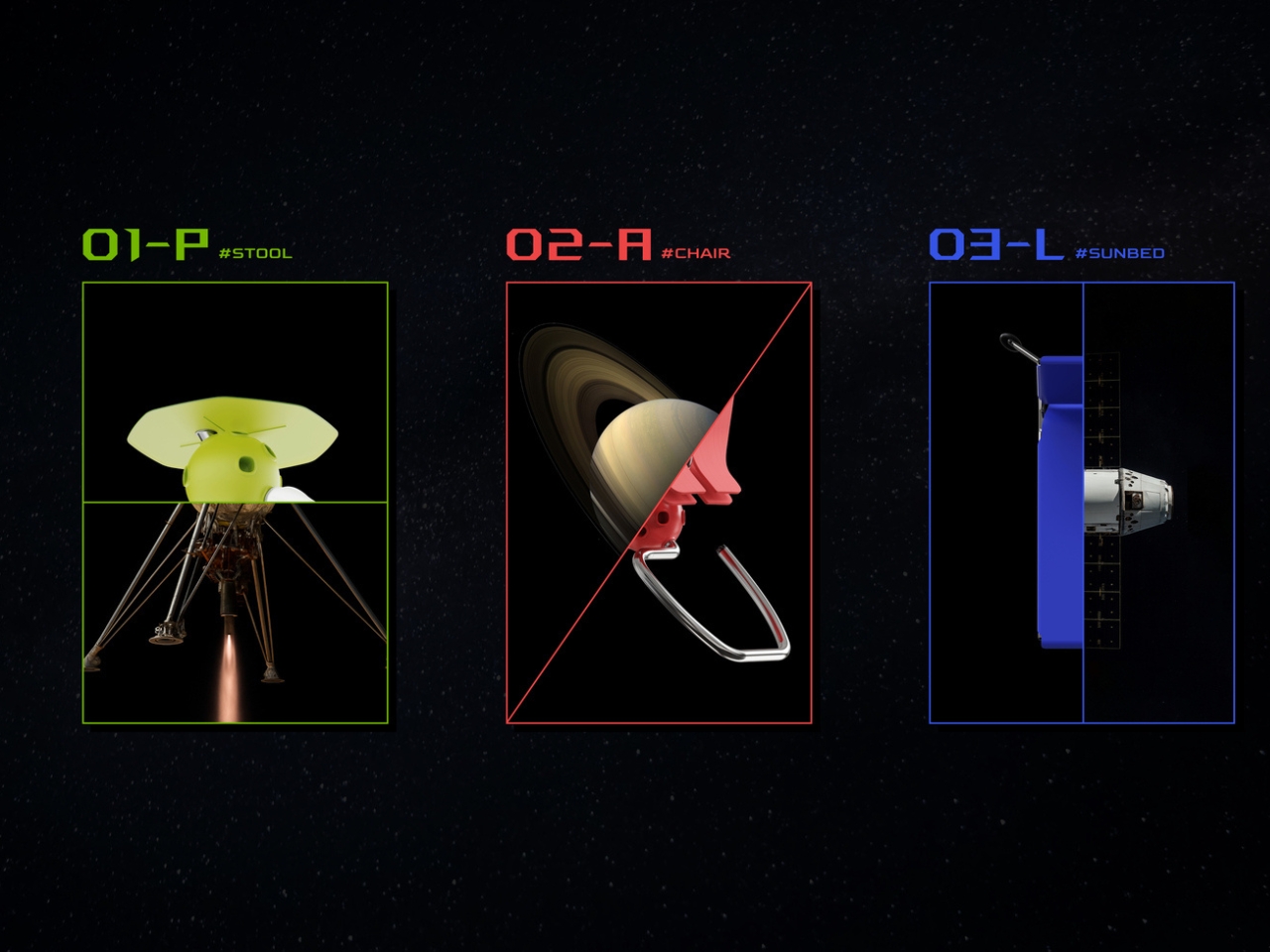
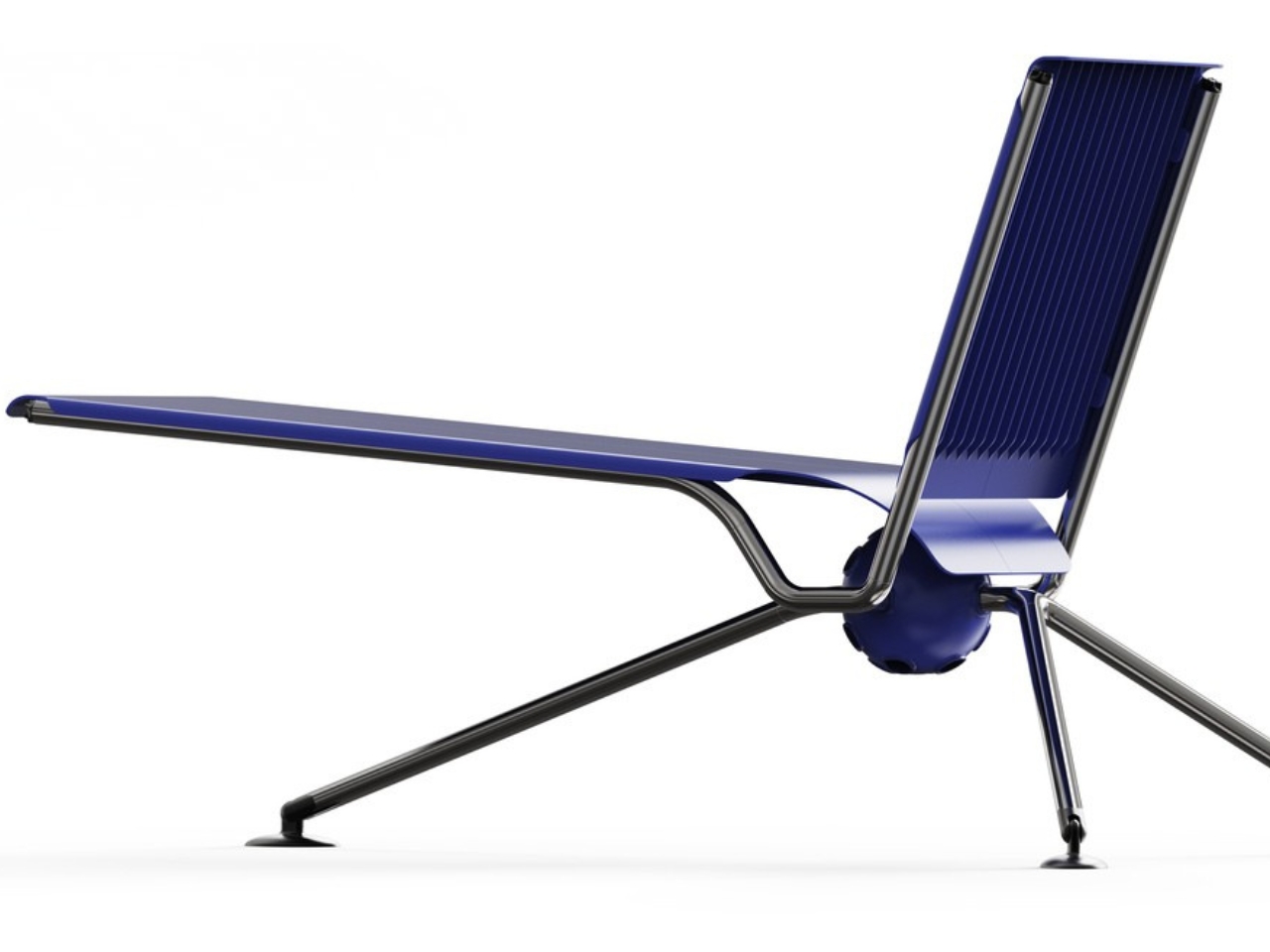
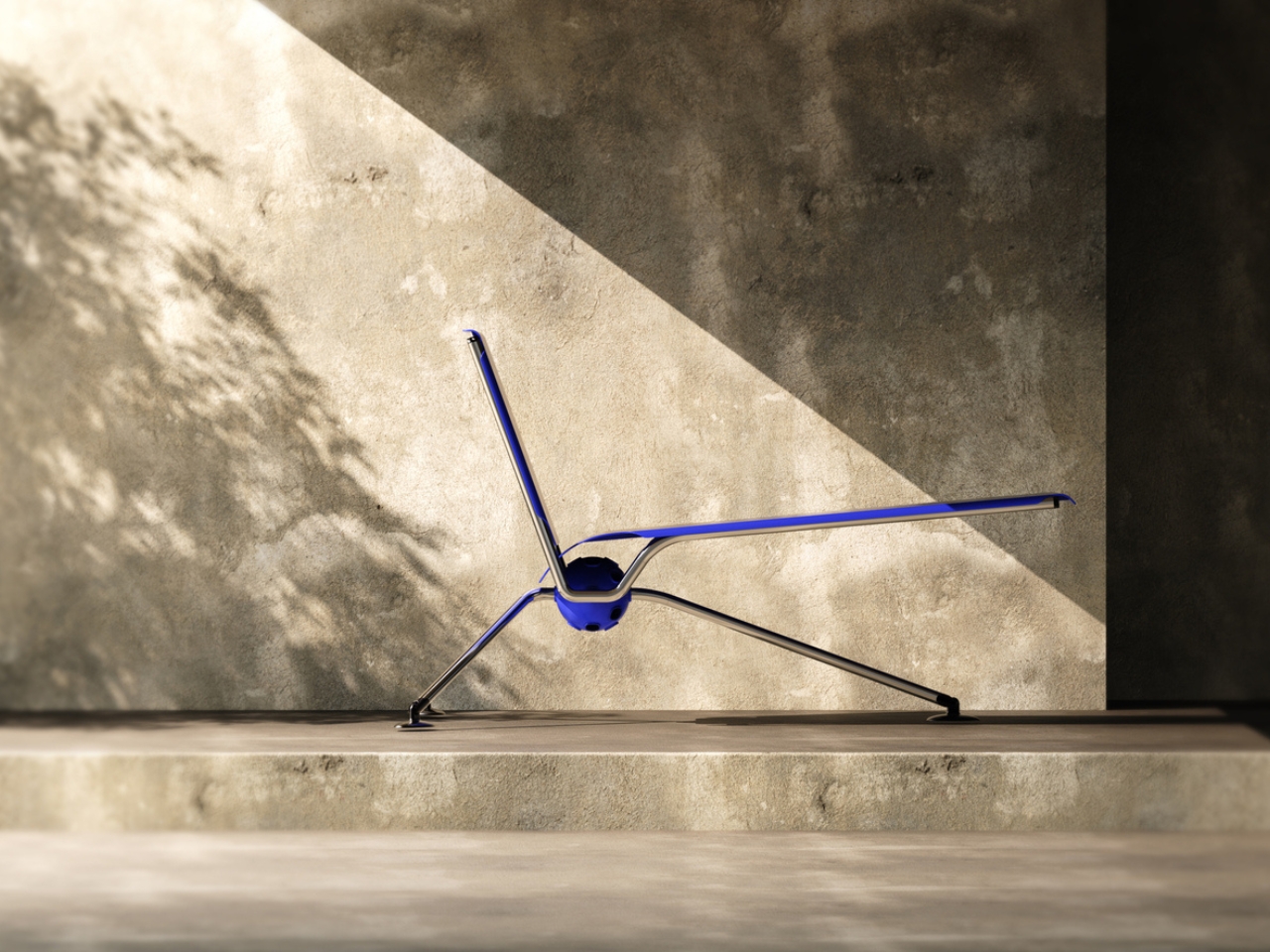
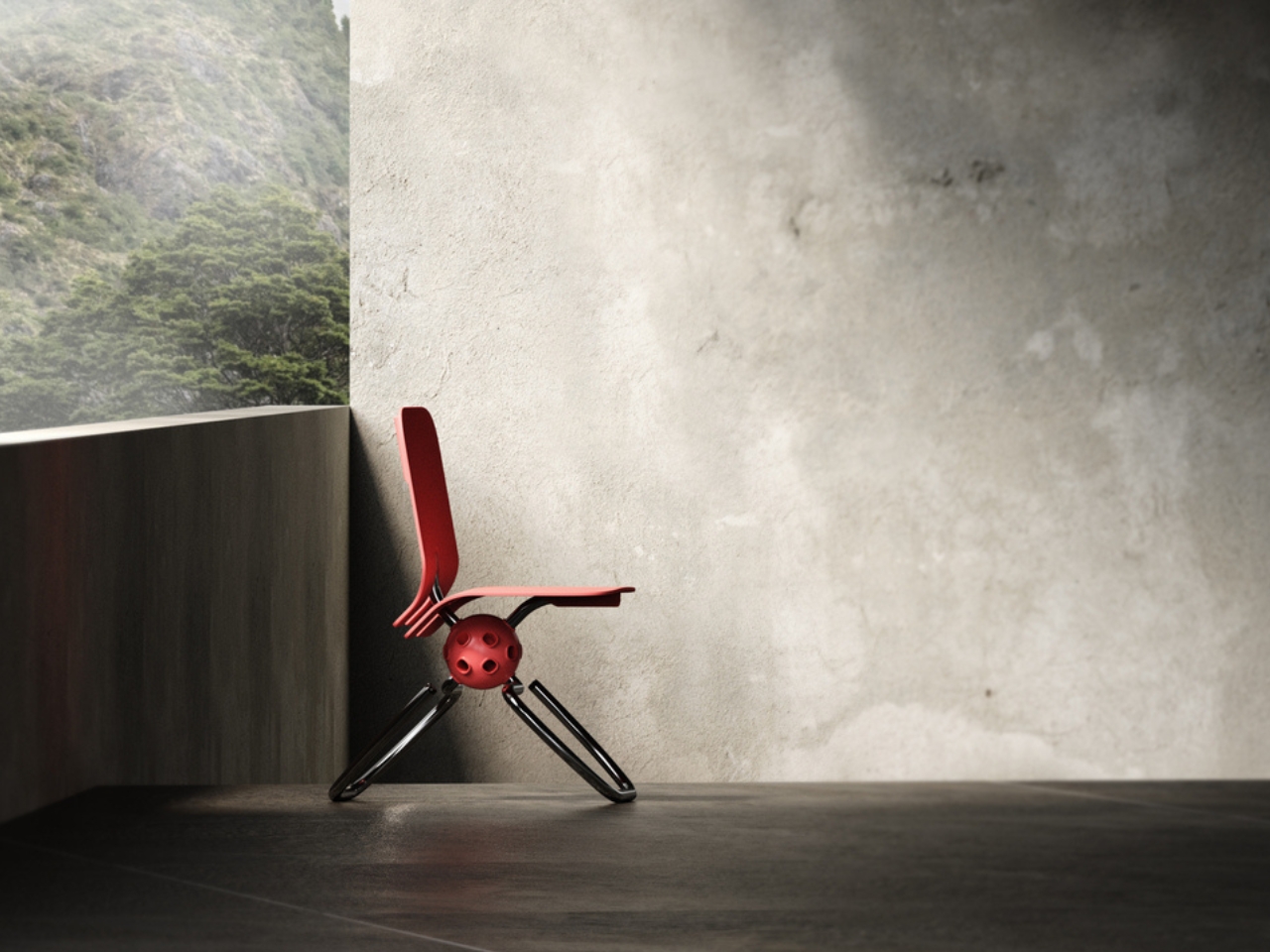
What really sets this concept apart is its unapologetic space theme. Lim and Han didn’t just create modular chairs; they created modular chairs inspired by the cosmos, and that choice transforms what could have been a purely functional exercise into something that sparks imagination. The three main designs (cleverly named O1-P, O2-A, and O3-L) each take inspiration from different space exploration imagery, turning everyday seating into conversation pieces.
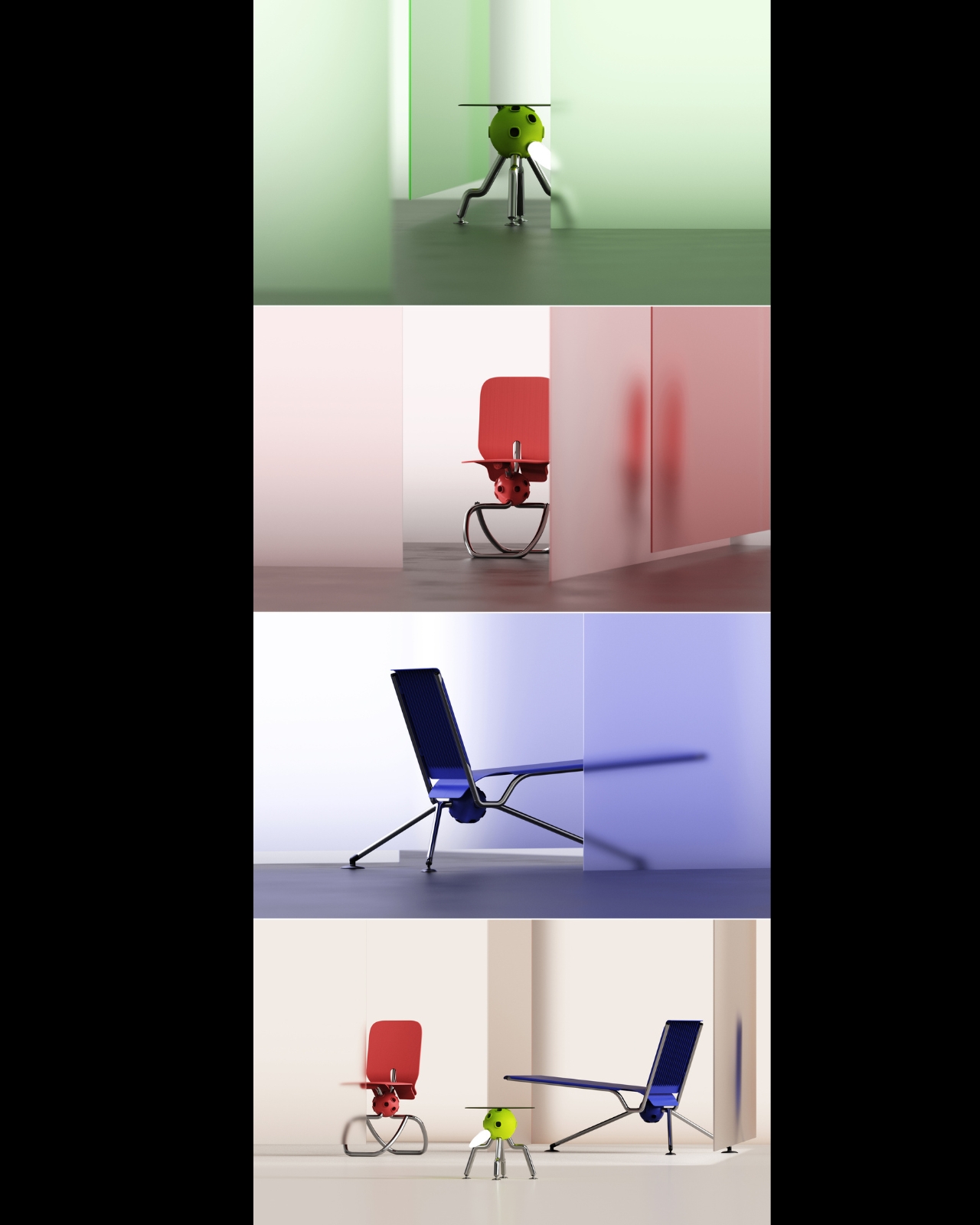
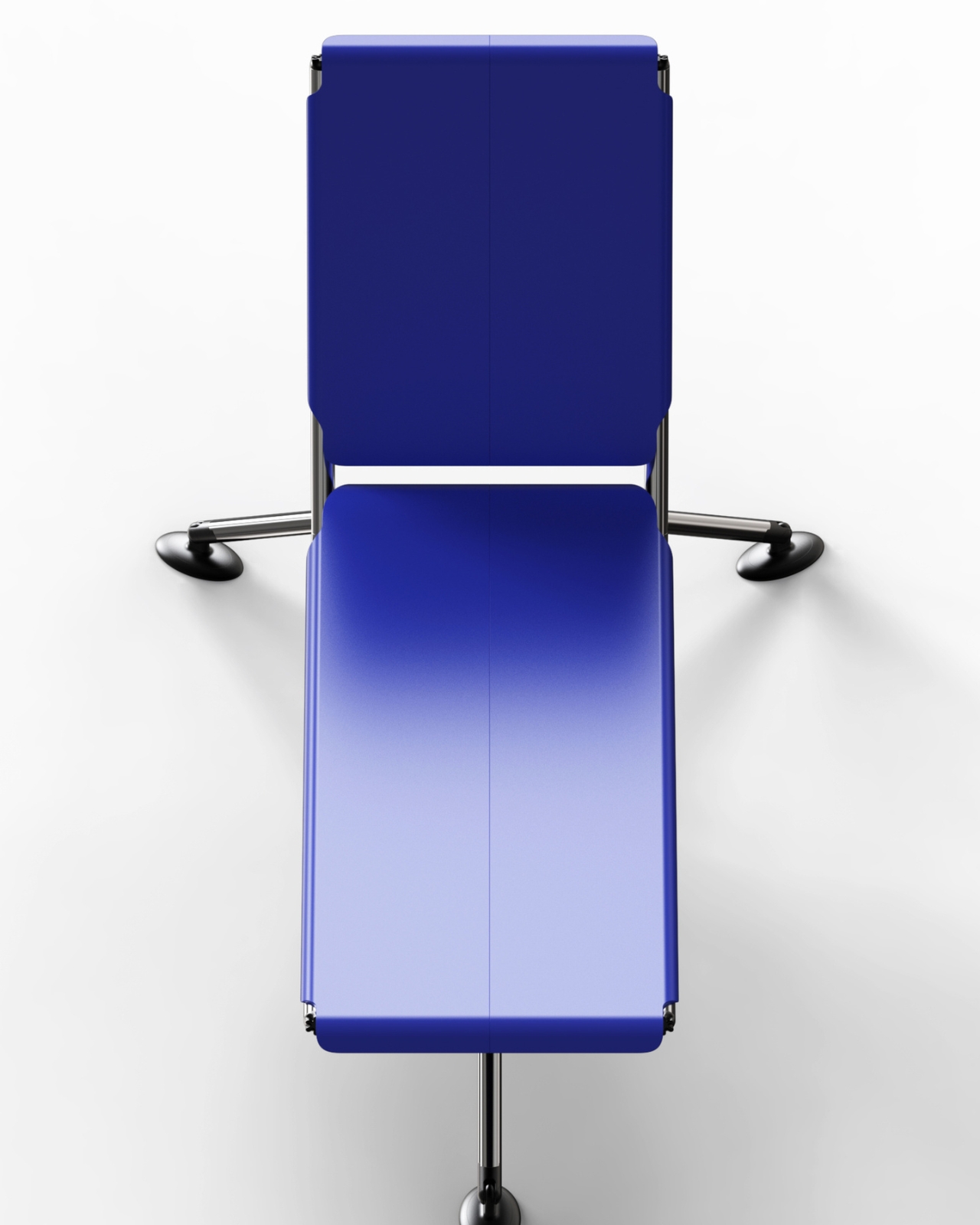
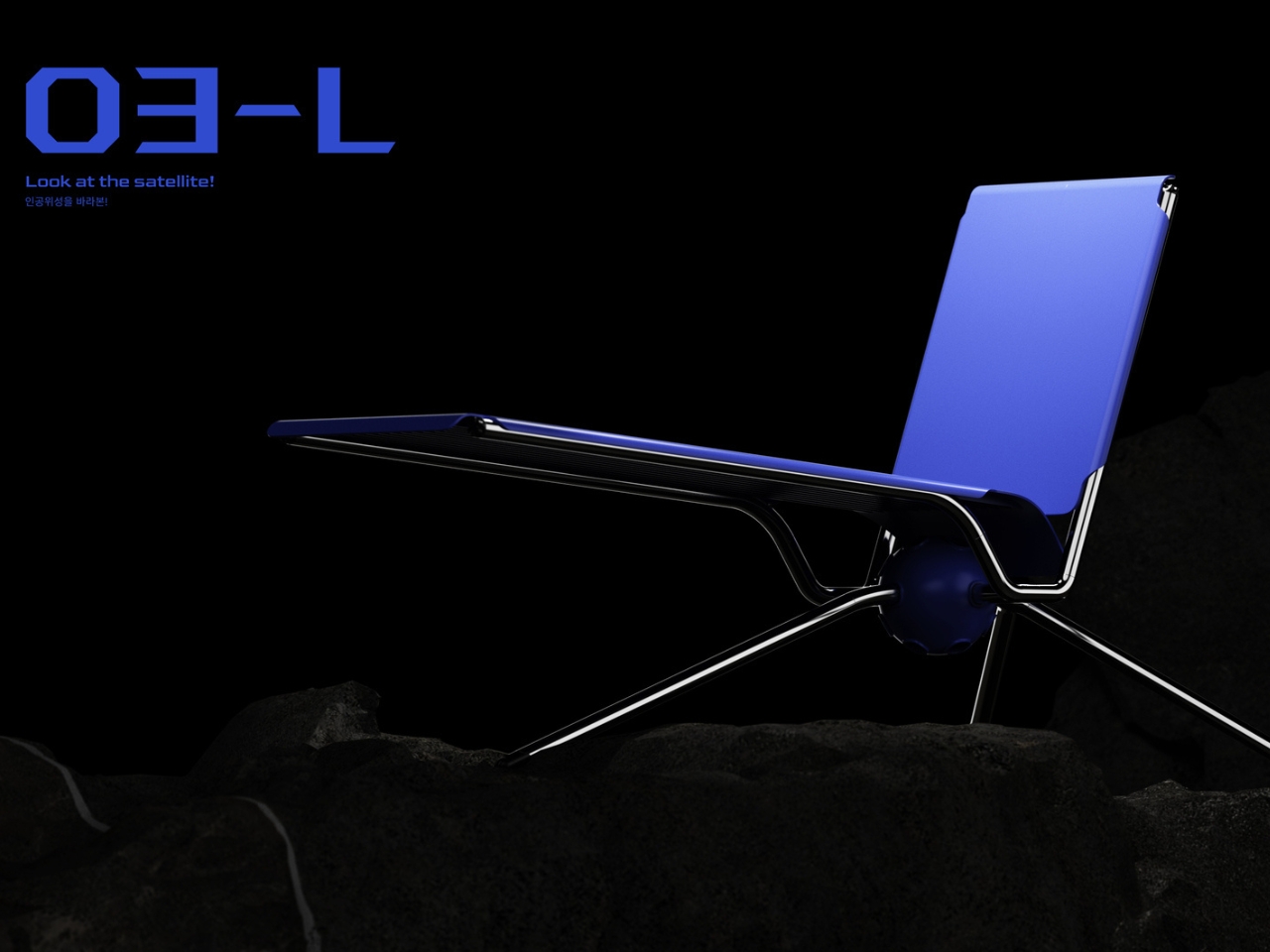
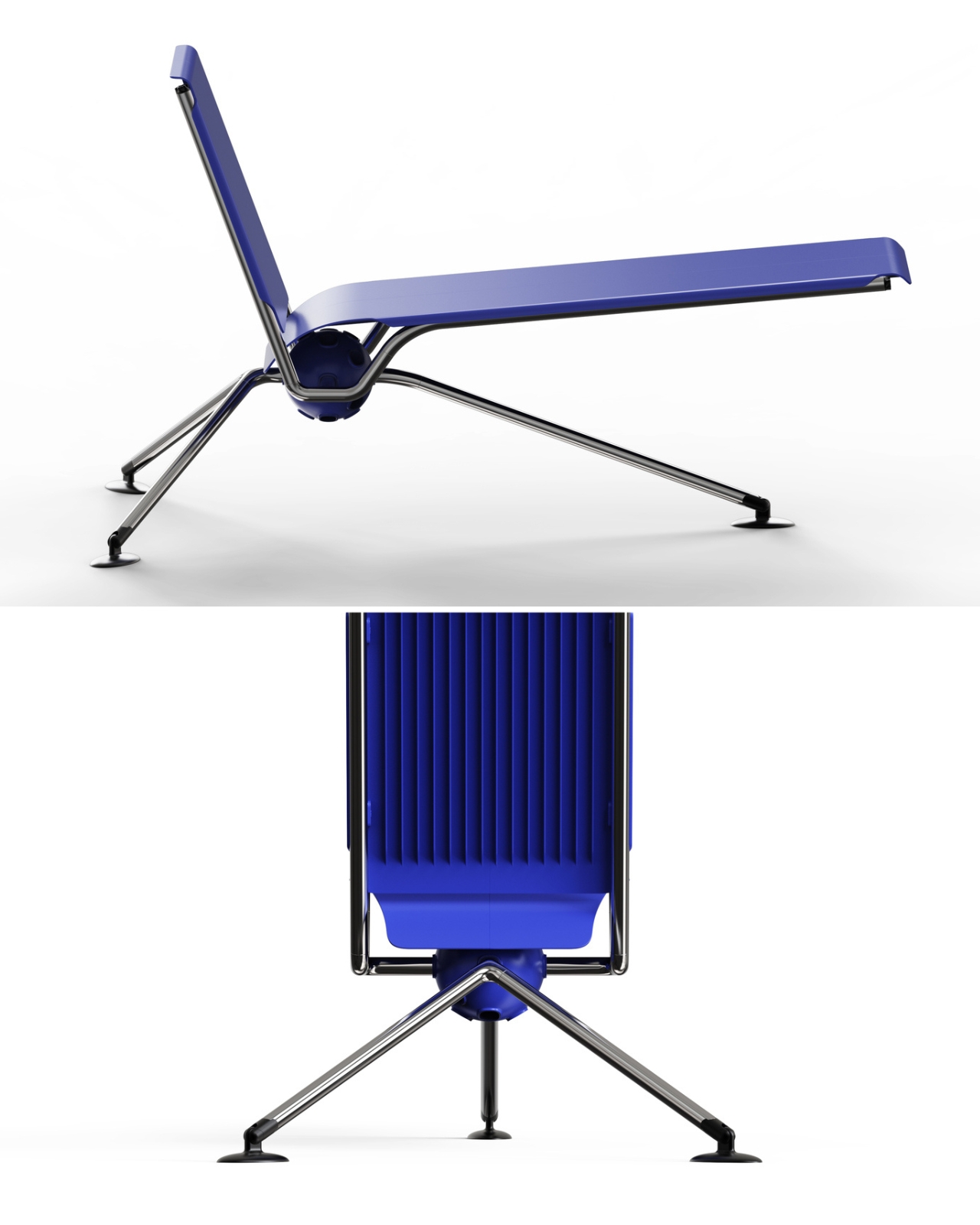
The O3-L sunbed takes inspiration from satellites orbiting in space, complete with distinctive panels that evoke solar arrays. The design has this wonderful industrial edge to it, with metal connecting elements that create visual interest while serving the practical purpose of holding everything together. When viewed from above, it really does resemble a satellite, right down to the way the components radiate from that central spherical hub.
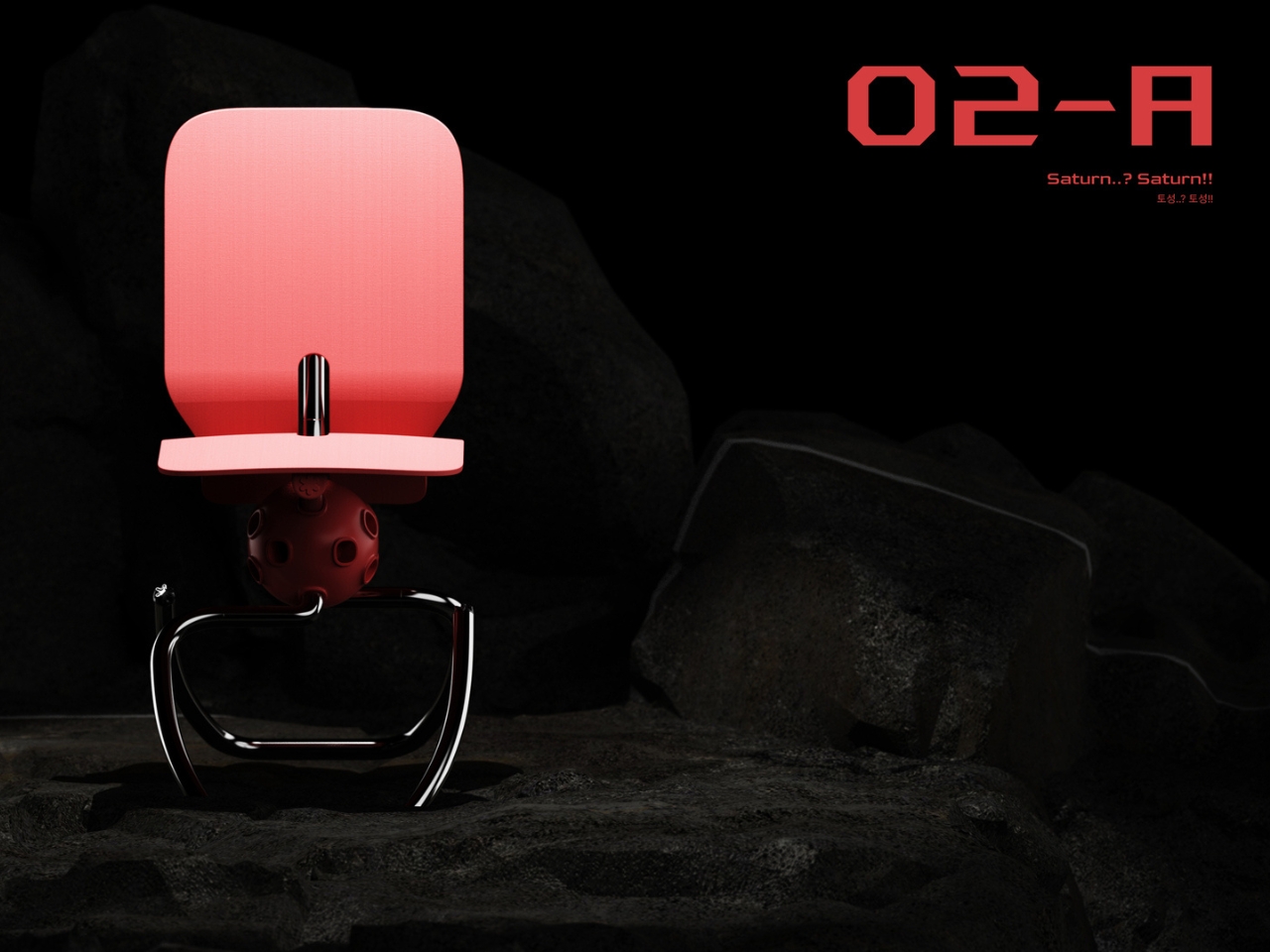
Then there’s the O2-A chair, which draws from Saturn’s iconic silhouette. When you look at it from the side, you can see how the designers translated those distinctive planetary rings into flexible curves that wrap around the central sphere. The result is a chair that feels both organic and architectural, with legs that flow in elegant arcs. It’s the kind of piece that would look equally at home in a sleek office or a retro-futuristic cafe.

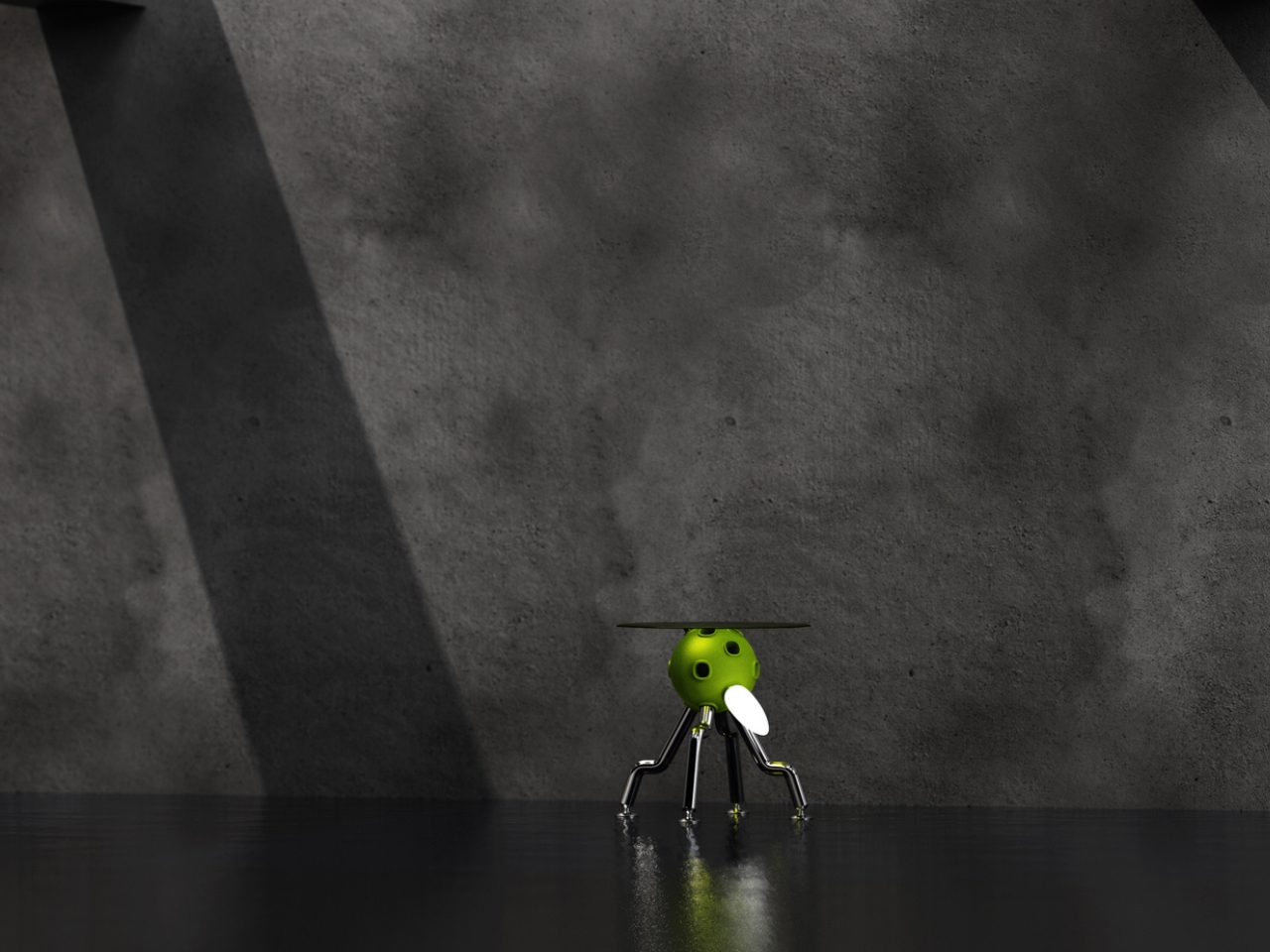
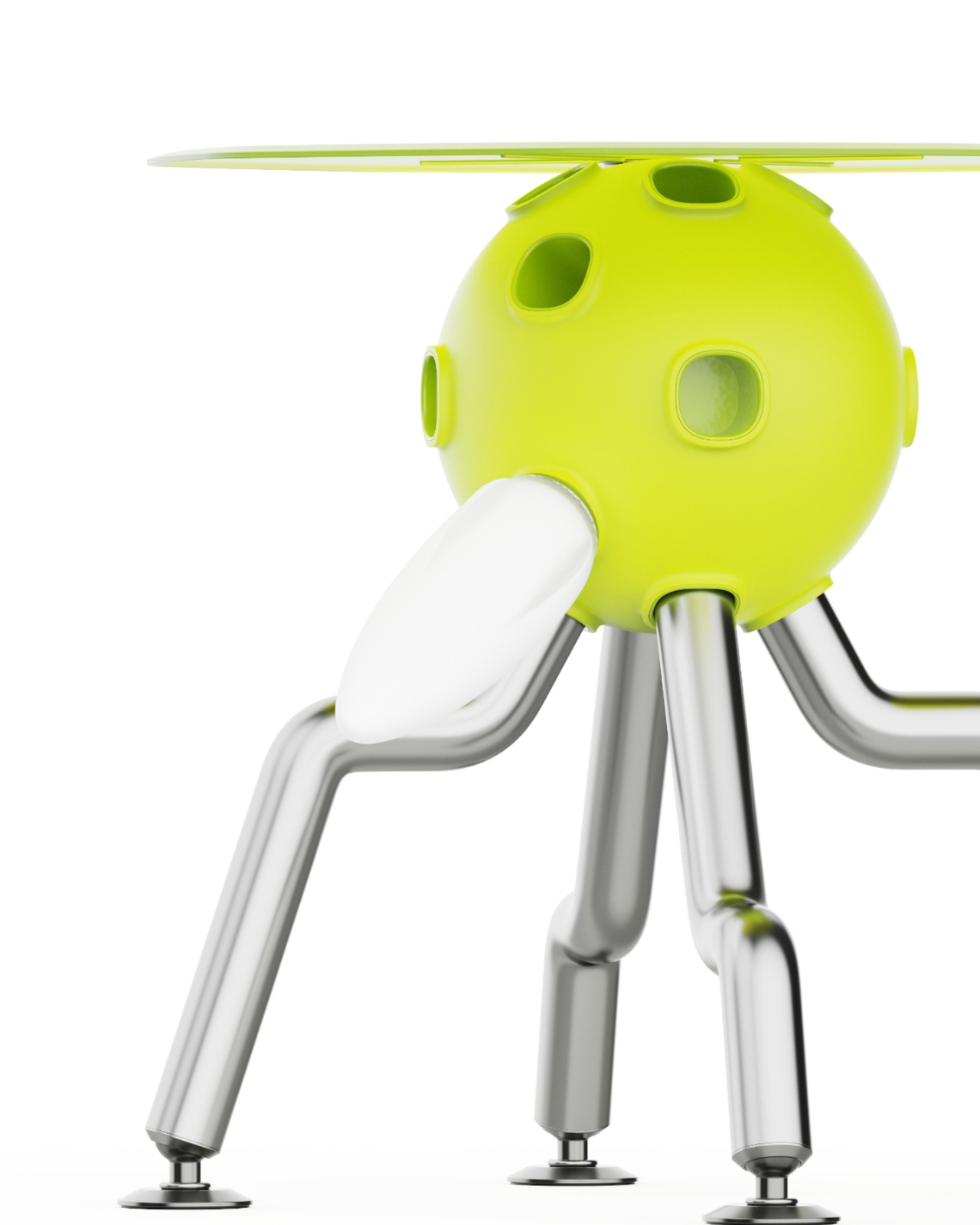
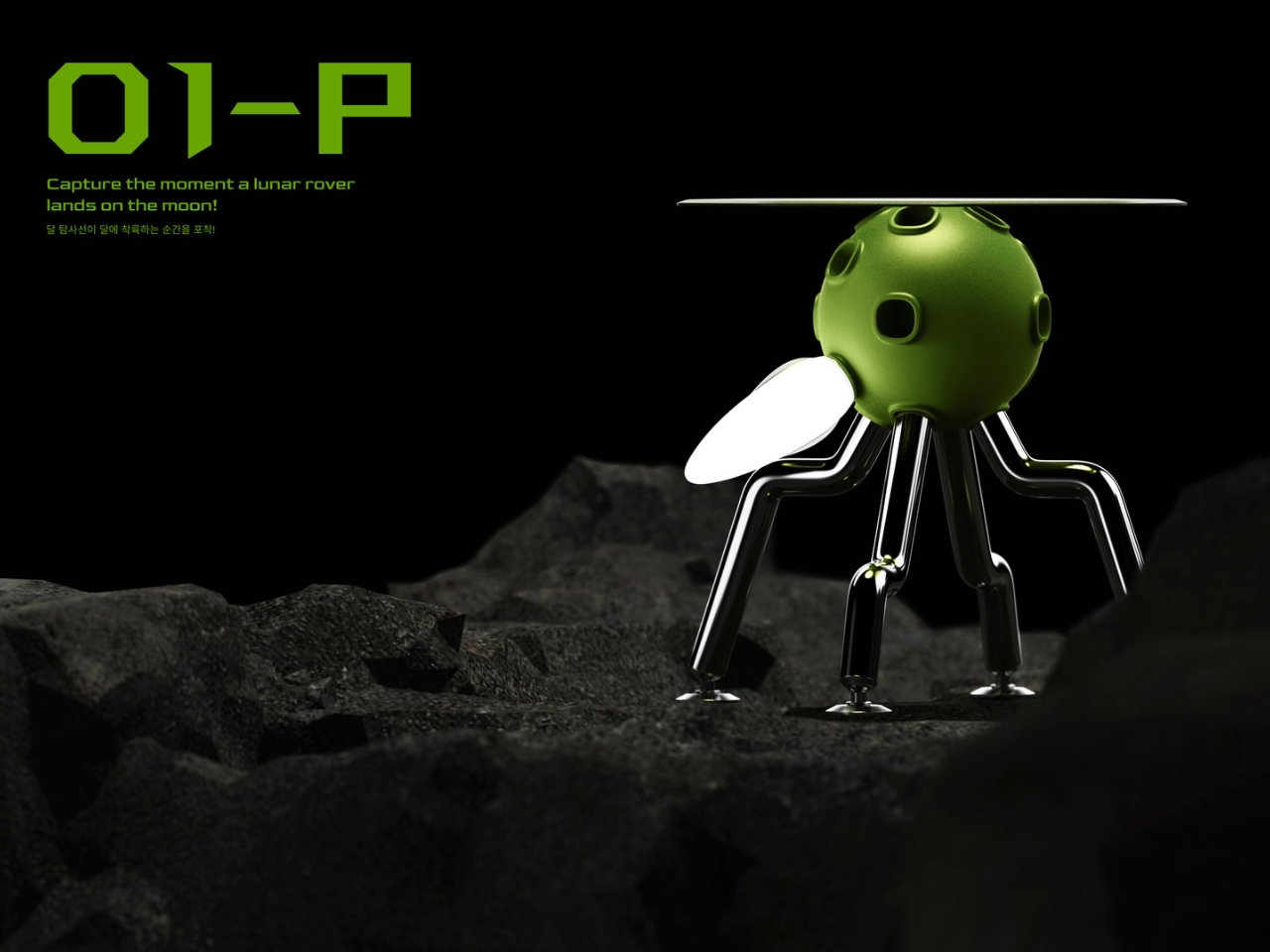
The O1-P stool channels the moment a lunar rover touches down on the moon’s surface. The body of the rover becomes the seat, while the landing legs translate into the stool’s four individually configurable legs. It’s that perfect intersection of form following function and function following fantasy. You can practically imagine Neil Armstrong’s voice as you pull up a seat.
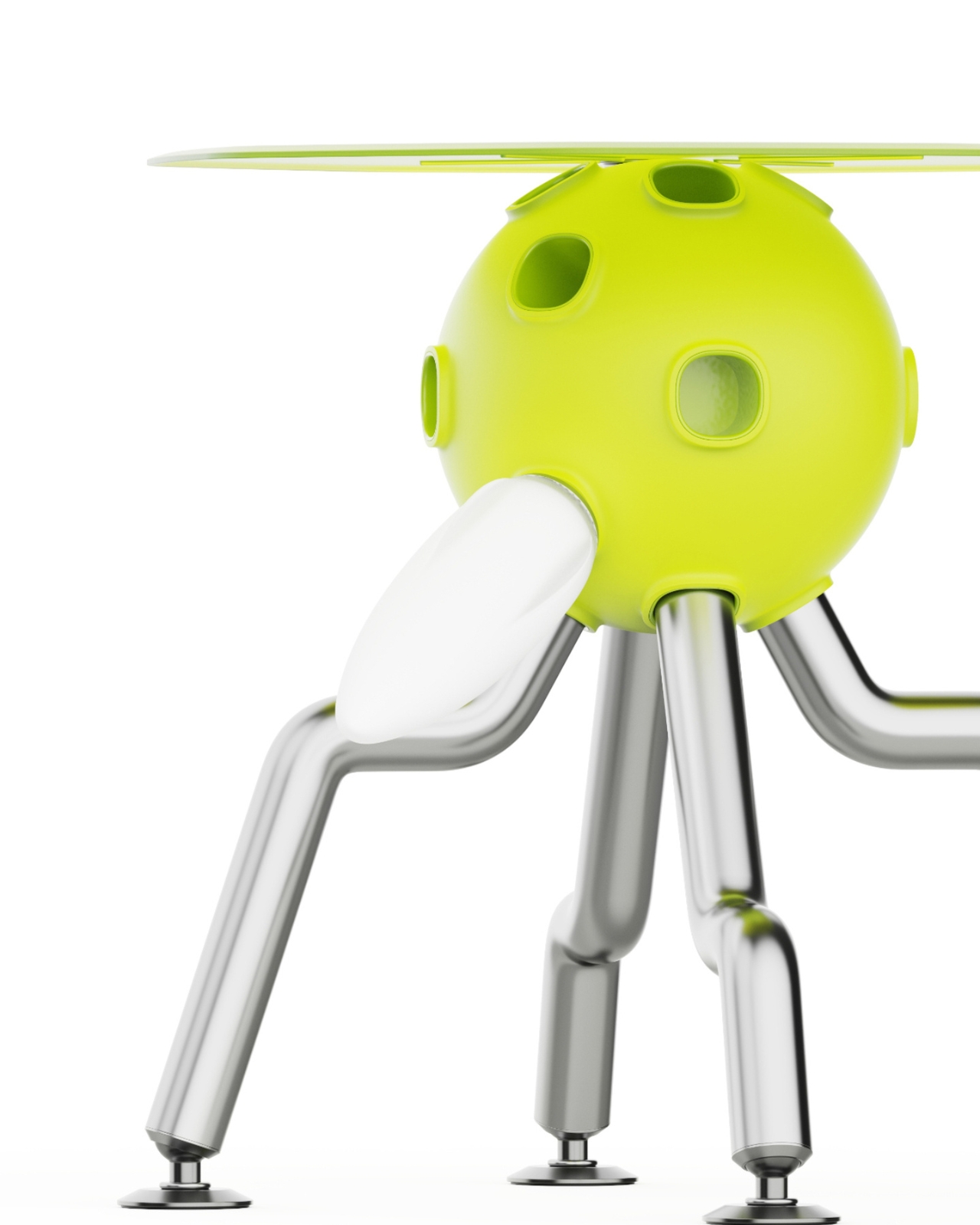
 

The color palette is another smart choice. Instead of playing it safe with neutrals, the designers went bold with electric blues, coral pinks, and eye-popping lime greens. These aren’t colors that fade into the background; they’re colors that announce themselves. Combined with the metallic silver pipes and connector elements, the chairs have this retro-futuristic vibe that feels fresh rather than dated. It’s very “The Jetsons meet contemporary Scandinavian design.”
Beyond the aesthetic appeal, there’s something genuinely progressive about the modular approach. We live in a world drowning in disposable furniture, where a wobbly chair leg often means the whole thing ends up in a landfill. With the PLA system, you could theoretically swap out broken parts, reconfigure your setup as your needs change, or completely transform your chair’s personality with new modules. It’s furniture that grows with you rather than becoming obsolete.
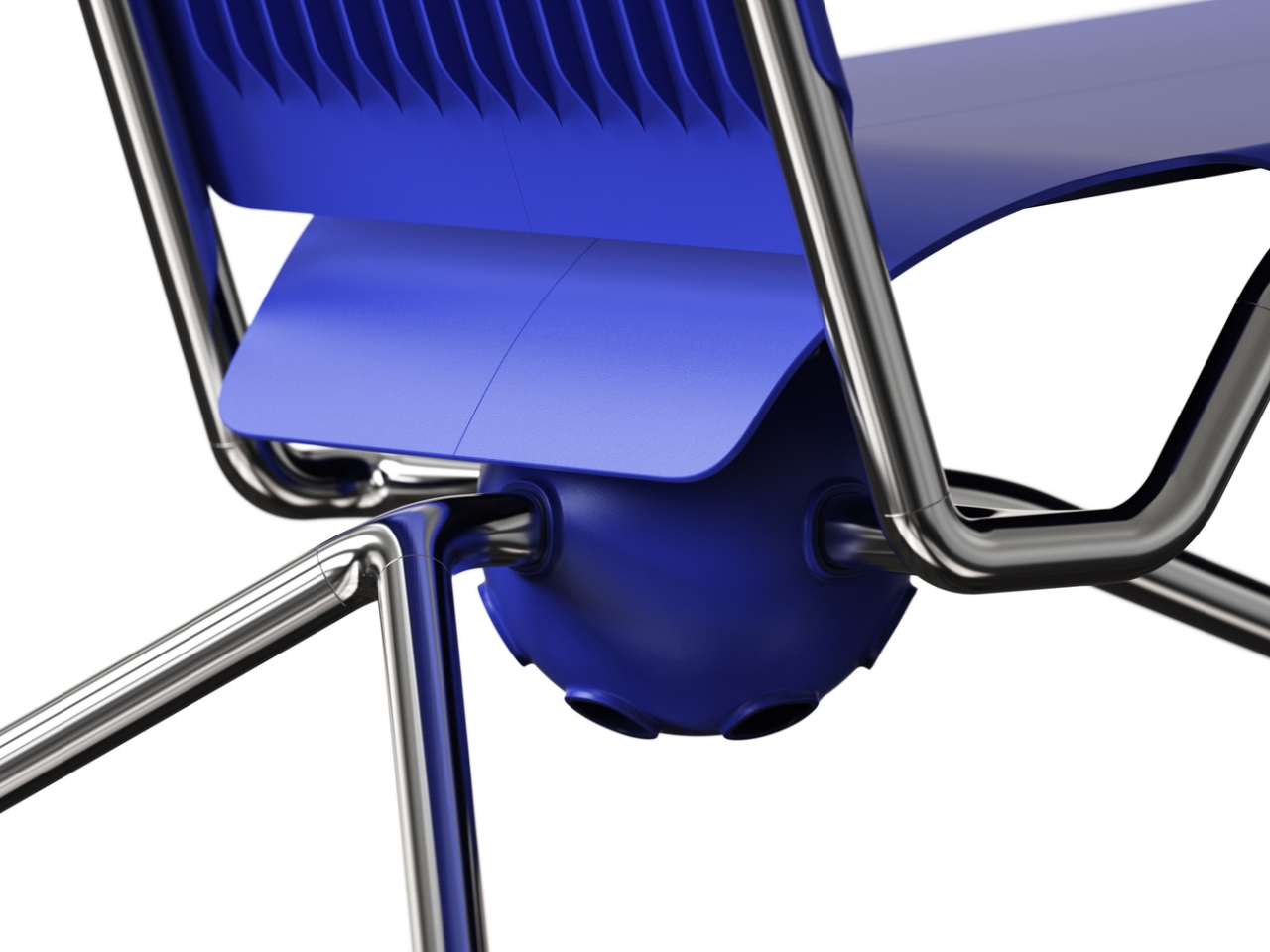
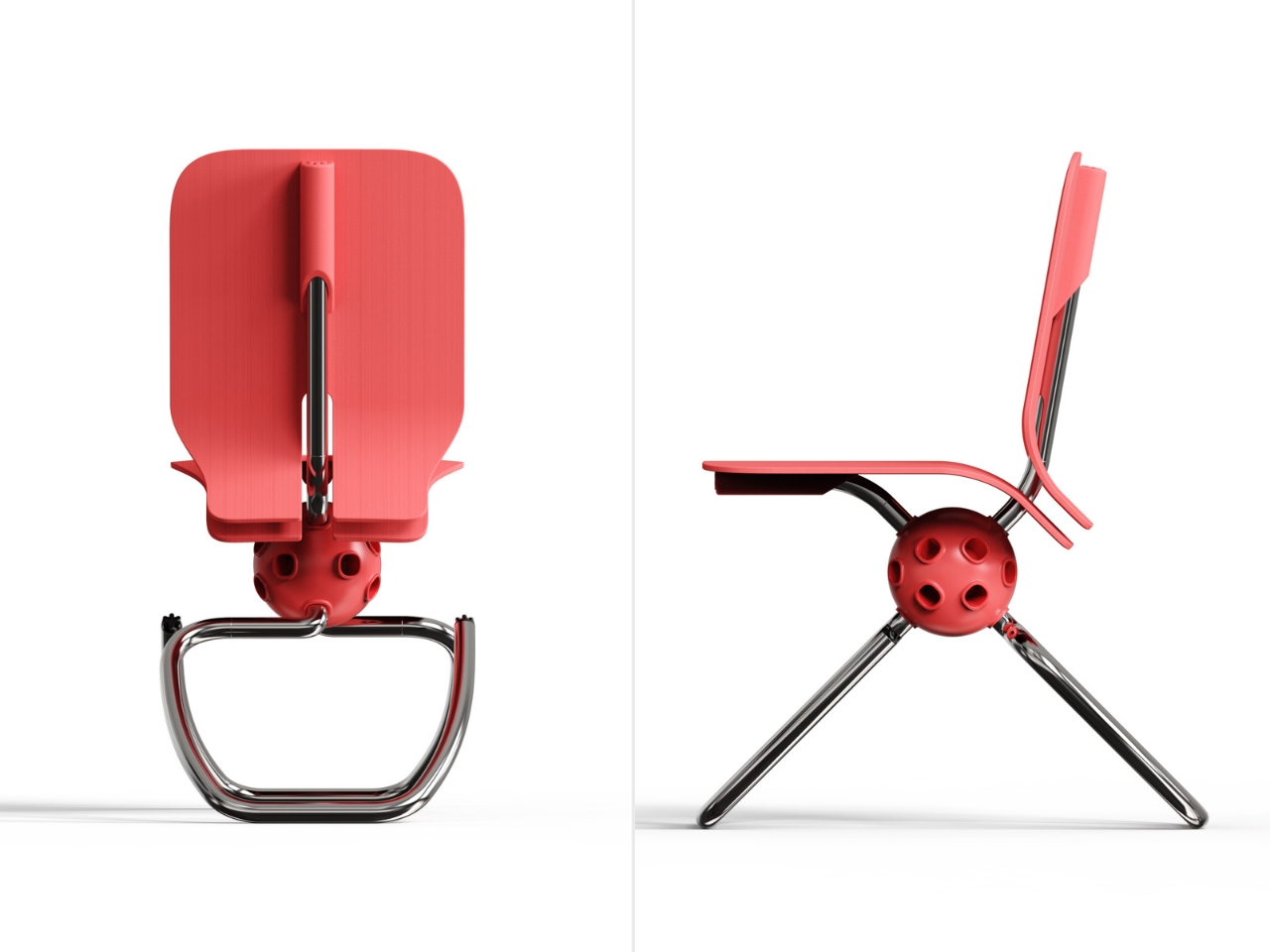
The designers describe PLA as embracing the concept of “Universe,” suggesting infinite possibilities for decorating and shaping according to imagination. That might sound a bit grandiose, but when you look at how the same central sphere can anchor completely different chair personalities, the metaphor tracks. It’s about giving users creative agency over their environment, letting them become co-creators rather than just consumers.

Of course, this is still a concept design, which means we can’t run out and buy one tomorrow. But that’s actually what makes projects like this so valuable. They push the conversation forward about what furniture could be, challenging both manufacturers and consumers to think beyond the static pieces we’ve accepted as normal. Whether or not the PLA system ever makes it to production, it’s already succeeding at its most important job: making us reimagine the everyday objects in our lives as canvases for creativity and play.

The post This Modular Chair Transforms Into 3 Designs With One Sphere first appeared on Yanko Design.
Waymo’s testing AVs in four more cities, including Philly

Waymo is adding four new US cities to the gradual rollout of its robotaxi service. As reported by TechCrunch, the company said it has already started trialling self-driving cars in Philadelphia, albeit with a human safety monitor, and that it will now commence similar manual tests in Baltimore, St. Louis and Pittsburgh.

After the initial supervisory and data-collecting stage, the plan is to deploy fully autonomous vehicles, as Waymo recently did in Miami, ahead of launching in five new cities across Texas and Florida in 2026. Waymo's taxis currently accept passengers in Los Angeles, Phoenix, Atlanta, Austin and the San Francisco Bay Area, and it recently announced that San Diego, Las Vegas and Detroit would soon be joining them.

Also key to the company’s aggressive nationwide expansion is New York City, even if a fully functioning robotaxi service is likely still some way off. New York state law currently prohibits the operation of vehicles without a driver behind the wheel, but back in August, Waymo was temporarily granted the permit needed to be able to test autonomous vehicles in parts of Manhattan and Downtown Brooklyn. The testing phase ran until late September, marking the first time a permit for the "testing deployment" of AVs in the city had been signed off.

Waymo has international ambitions too. Next year it will partner with Moove to launch a robotaxi service in London, which will be its first major expansion outside the US. Fully driverless cars are currently banned in the UK, but new legislation will begin a long regulatory process that starts with government-approved robotaxi pilots in the Spring.

This article originally appeared on Engadget at https://www.engadget.com/transportation/evs/waymos-testing-avs-in-four-more-cities-including-philly-161709279.html?src=rss

Alfa Romeo Giulia Quadrifoglio Collezione and Stelvio Quadrifoglio Collezione Unveiled

Alfa Romeo Giulia Quadrifoglio Collezione and Stelvio Quadrifoglio Collezione Unveiled

The limited edition Alfa Romeo Quadrifoglio models, the Giulia Quadrifoglio Collezione and Stelvio Quadrifoglio Collezione, are a stunning homage to the brand’s rich heritage. With only 63 units available globally, these vehicles celebrate the Quadrifoglio emblem, which first appeared on a production car in 1963. The Quadrifoglio, a symbol of Alfa Romeo’s racing pedigree, has […]

The post Alfa Romeo Giulia Quadrifoglio Collezione and Stelvio Quadrifoglio Collezione Unveiled appeared first on Geeky Gadgets.

Posted in Uncategorized

Nikon ZR review: A highly capable cinema camera at a reasonable price

Video used to be an afterthought for Nikon, but since the company purchased RED last year, content creators are now high on its priority list. A perfect example of that is Nikon’s new $2,200 ZR: a full-frame mirrorless model that stands up against dedicated cinema cameras for a fraction of the price.

It’s the first consumer camera to capture video using RED’s 12-bit RAW format, but unlike RED’s Hollywood cameras, it has a fast and accurate autofocus system. It also comes with a huge display, pro video monitoring tools, in-body stabilization and 32-bit float internal audio recording. After shooting a short film that tested its capabilities, I can confirm that the Nikon ZR offers incredible video quality at this price.

While a bit lighter than Nikon’s Z6 III, the 1.19-pound (540-gram) ZR feels solid. It has a boxy design like Sony’s FX2 but a much smaller grip because it’s designed to be rigged up for cinema shooting with cages and handles. However, unlike the FX2 which has multiple 1/4-inch mounting threads to do such rigging, the ZR unfortunately has only one of those on the bottom.

The ZR also lacks an electronic viewfinder like the FX2, but it more than makes up for that with its huge 4-inch display — the largest I’ve ever seen on a mirrorless camera. At 1,000 nits, it’s bright enough to shoot on sunny days, extremely sharp (3.07 million dots) and flips out for vloggers. All of that makes it a perfect primary display for checking the image and controlling the camera.

Nikon has nailed the ZR’s handling, too. While it’s not covered with buttons and dials like some models, it does have two shooting dials to control exposure and a joystick for autofocus. There’s also a camera/video switch, two record buttons, a power switch and five customizable buttons. Many of Nikon’s lenses come with control rings as well, so extra manual control is available.

The menu button is unusual: you press once for the quick menu and hold to see the full menu. Given the large number of settings, I would advise anyone buying this camera to learn all the important adjustments, then customize the controls to avoid wading through dense menus while shooting.

Another unique feature is in the battery compartment. There’s a single fast CFexpress slot to handle RAW video, plus a microSD slot for proxies. The lack of a second CFexpress slot or fast SD card slot for backup isn’t ideal for a professional camera, though.

Finally, the ZR runs on the same N‑EL15c batteries as other Nikon mirrorless cameras. They allow 90 minutes of HD shooting on a charge, or 390 photos per CIPA standards. That’s mediocre, so if you’re planning long shoots, stock up on batteries.

Nikon ZR review: A highly capable cinema camera at a bargain price
Steve Dent for Engadget

The Nikon ZR has the largest selection of RAW video settings I’ve seen. The centerpiece is RED’s RAW R3D NE light codec (designed by RED for Nikon) with RED’s Log3G10 log format. It also supports Nikon’s N-RAW, ProRes/ProRes RAW and H.265 with resolution that ranges from 6K at up to 60 fps to 4K 120 fps and 1080p at 240 fps. Despite the smallish body, it can capture 6K RAW video continuously for 125 minutes without overheating.

The 24MP sensor uses a dual ISO system with native 800 and 6,400 ISOs, providing a nice range for indoor and outdoor shooting. The company claims 15+ stops of dynamic range, which is more than just about any other mirrorless camera. Other key video features include five-axis in-body stabilization with seven stops of shake reduction, waveform and vectorscope monitoring and a false color display for manual focus.

To test the camera’s features and video quality, I shot a short film in a mix of indoor low light, outdoor daytime and a mix between the two. I also shot handheld (including running with it) to test the stabilization. I primarily captured in R3D RAW, as well as Nikon’s N-RAW at the native 800 and 6,400 ISOs to maximize dynamic range. (You can take 24MP photos with this camera, but I’m focusing on video as it’s mainly designed for that.)

In order to not see a flat log profile when shooting, you’ll need to apply a look-up table (LUT) designed for RED cameras, like "Achromic," "Bleach" or "Caustic." Those are only for in-camera previews and not baked into the video, but you can apply those LUTs later in Adobe Premiere or DaVinci Resolve to get the same look.

Nikon ZR review: A highly capable cinema camera at a bargain price
Steve Dent for Engadget

With such a high native ISO, I was able to shoot inside with a single studio light. Video quality was outstanding with little noise in shadow regions, even after boosting black levels in post. Meanwhile, the RED R3D codec and Log3G10 gave me extra latitude to reveal shadow detail and dial down highlights when I shot the subject against a bright window.

When you use the R3D codec, exposure is strictly manual with no ability to set auto shutter speed (shutter angle) or f-stop. So, for a scene with varying light, I used Nikon’s N-RAW to see if it would give me the correct exposure at the beginning and end of the scene. It did a good job, with no noticeable jumps during the shot.

Video in sunlight at ISO 800 was also sharp with accurate colors after downscaling to 4K from 6K in DaVinci Resolve. ISO 800 is a relatively high native setting, though, and the ZR doesn’t have a built-in ND filter to reduce exposure. That means you’ll need to buy ND filters for outside shooting or the high shutter speeds will result in choppy video.

Cinema cameras from Blackmagic Design, Arri or RED are manual-focus only. But the ZR is a Nikon camera, and it has the best AF system I’ve seen on any of the company’s models, consistently nailing focus even with moving subjects. You can also automatically track vehicles, birds and other animals. At the same time, the ZR handles manual focus well. That’s thanks to a built-in display that’s big enough to check focus accurately and Nikon’s focus peaking setting with three levels of sensitivity.

Nikon ZR review: A highly capable cinema camera at a bargain price
Steve Dent for Engadget

In-body stabilization on the ZR wasn’t up to par with Panasonic’s S1 II, however. Video was smooth for handheld shooting if I panned the camera gently, but all my running and walking shots showed noticeable camera shake. That said, the ZR at least has in-body stabilization, unlike most cinema cameras, and most filmmakers will use a gimbal for running shots, regardless of which camera they use. (Note that the rattling you hear when the ZR is turned off is the sensor, which floats by design.)

Finally, I was able to capture good audio quality via an external microphone without any clipping worries thanks to the Nikon ZR’s 32-bit float internal audio capture. The company also touts directional capture using its built-in mics, but as with any such system, audio quality isn’t high enough for production use.

With the ZR, Nikon has shown that it’s finally catching up to and even surpassing its rivals for content creation. Whether you’re doing social media, YouTube, documentaries or even film production, this camera is versatile and powerful with few compromises. Video quality and ease of use even beats models that are double or triple the price.

The ZR’s primary competition is in the low-end cinema cameras, particularly Sony’s $2,998 FX2 and the $3,899 Canon R5C. While more expensive, both come with an electronic viewfinder that the ZR lacks, and the R5C can shoot up to 8K video. Another option is Blackmagic Design’s Pyxis 6K camera, but it only offers basic autofocus capabilities and lacks in-body stabilization.

Compared to those options, Nikon’s ZR delivers better dynamic range thanks to the inclusion of RED’s R3D RAW codec. It also comes with an excellent autofocus system and decent in-body stabilization. If you’re a creator looking to get the best video quality for the money without losing those niceties, I’d highly recommend the ZR.

This article originally appeared on Engadget at https://www.engadget.com/cameras/nikon-zr-review-a-highly-capable-cinema-camera-at-a-reasonable-price-152634311.html?src=rss

This Fire Extinguisher Might Actually Make You Want One at Home

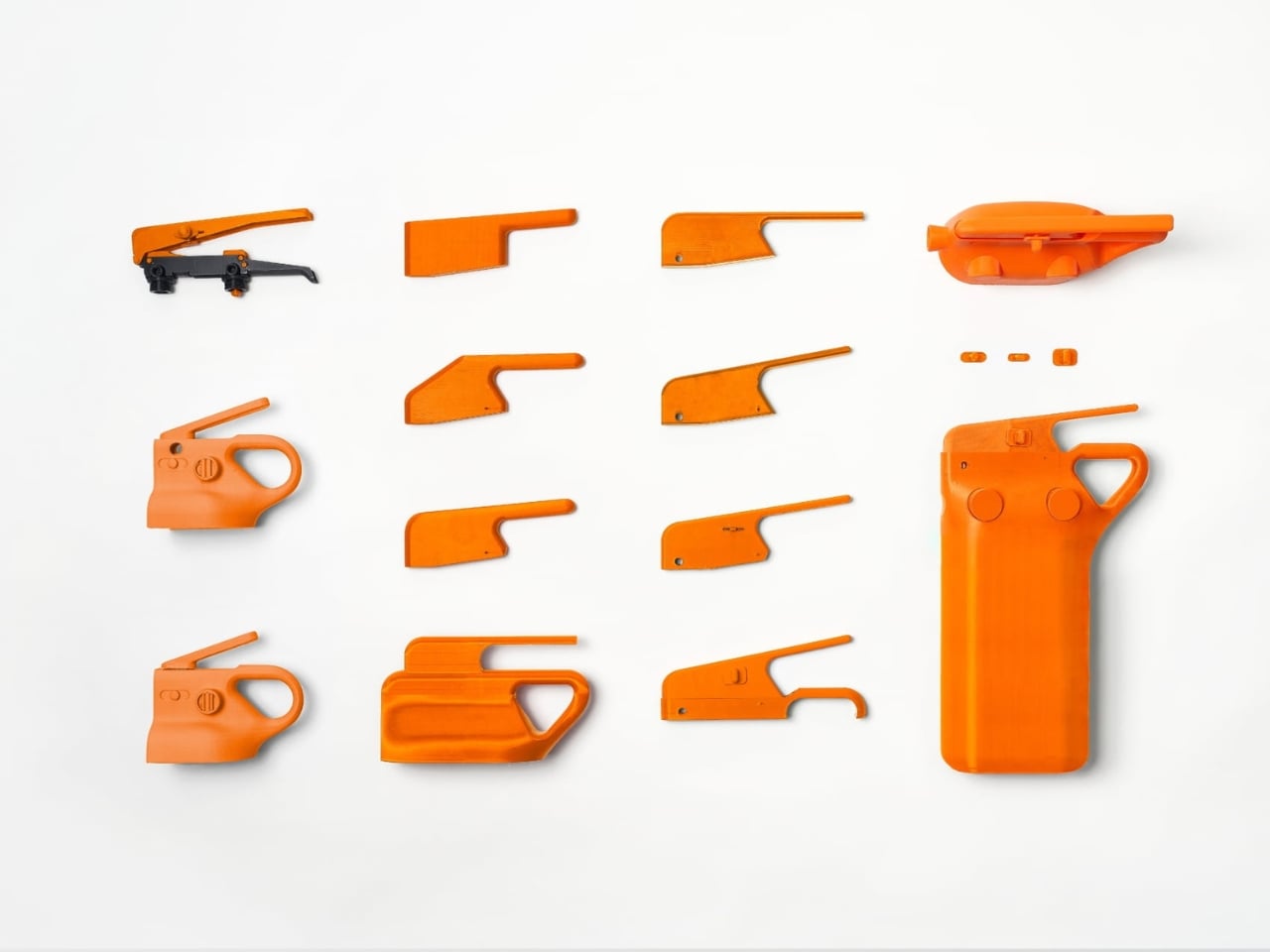
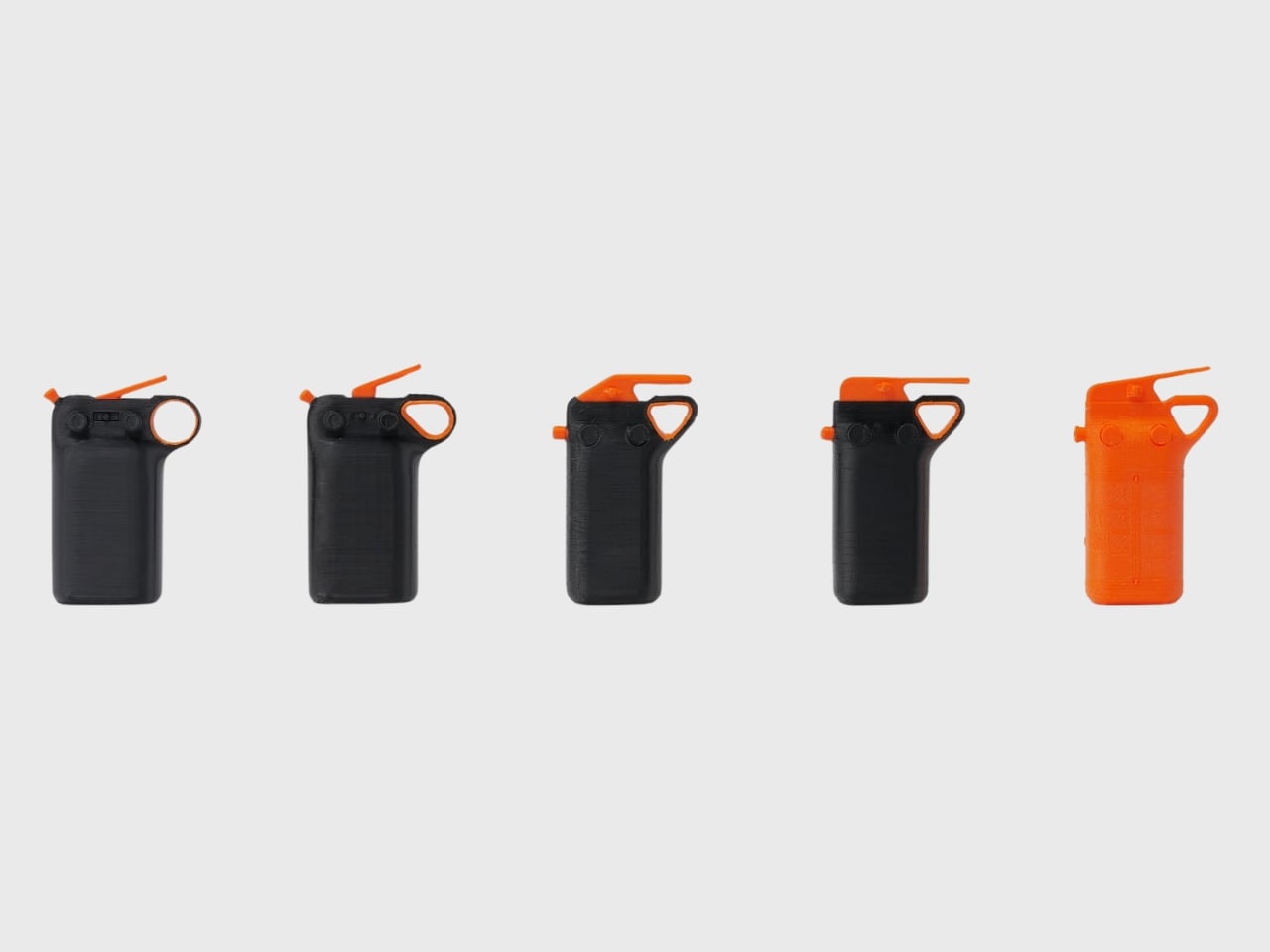
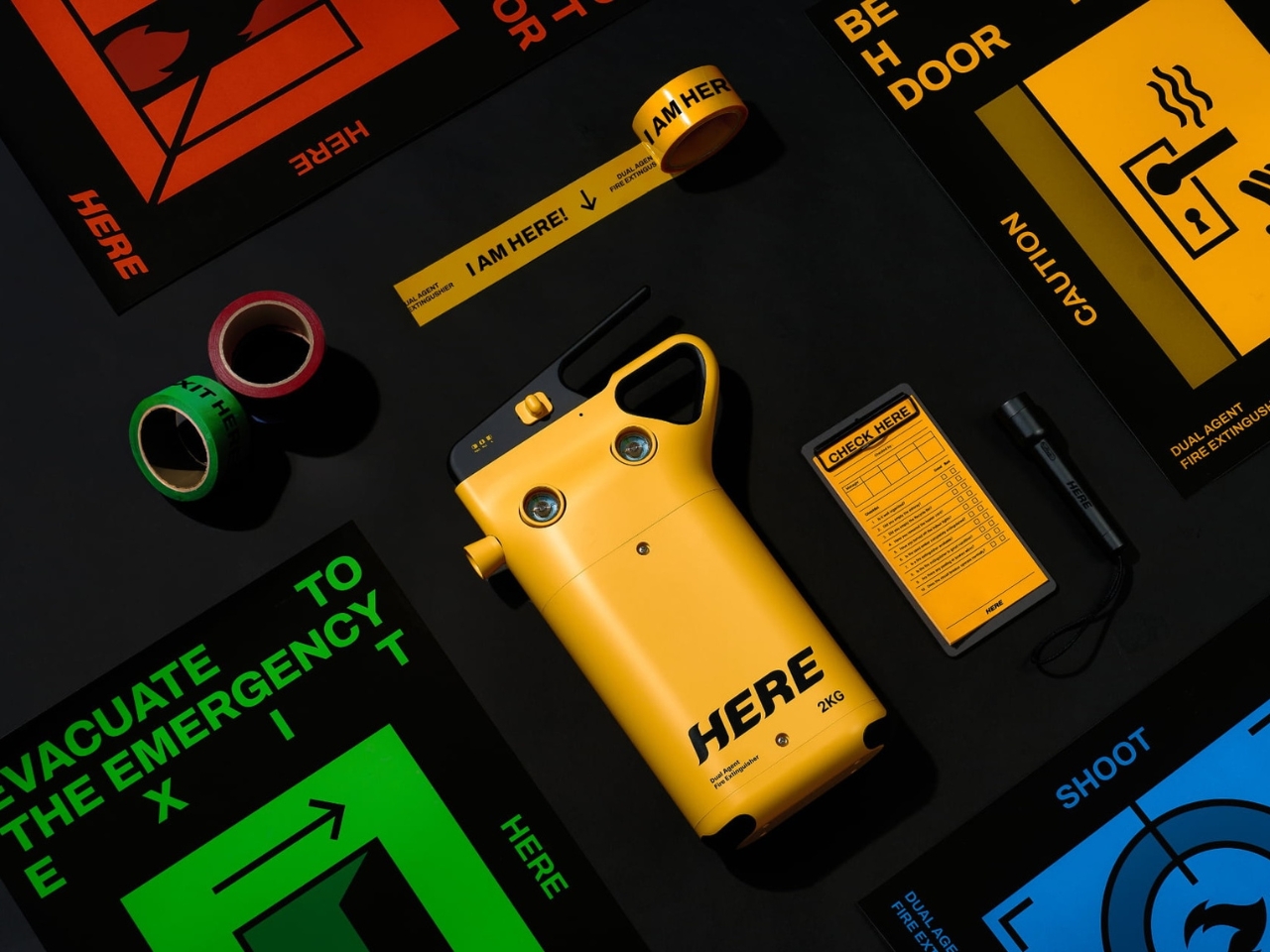
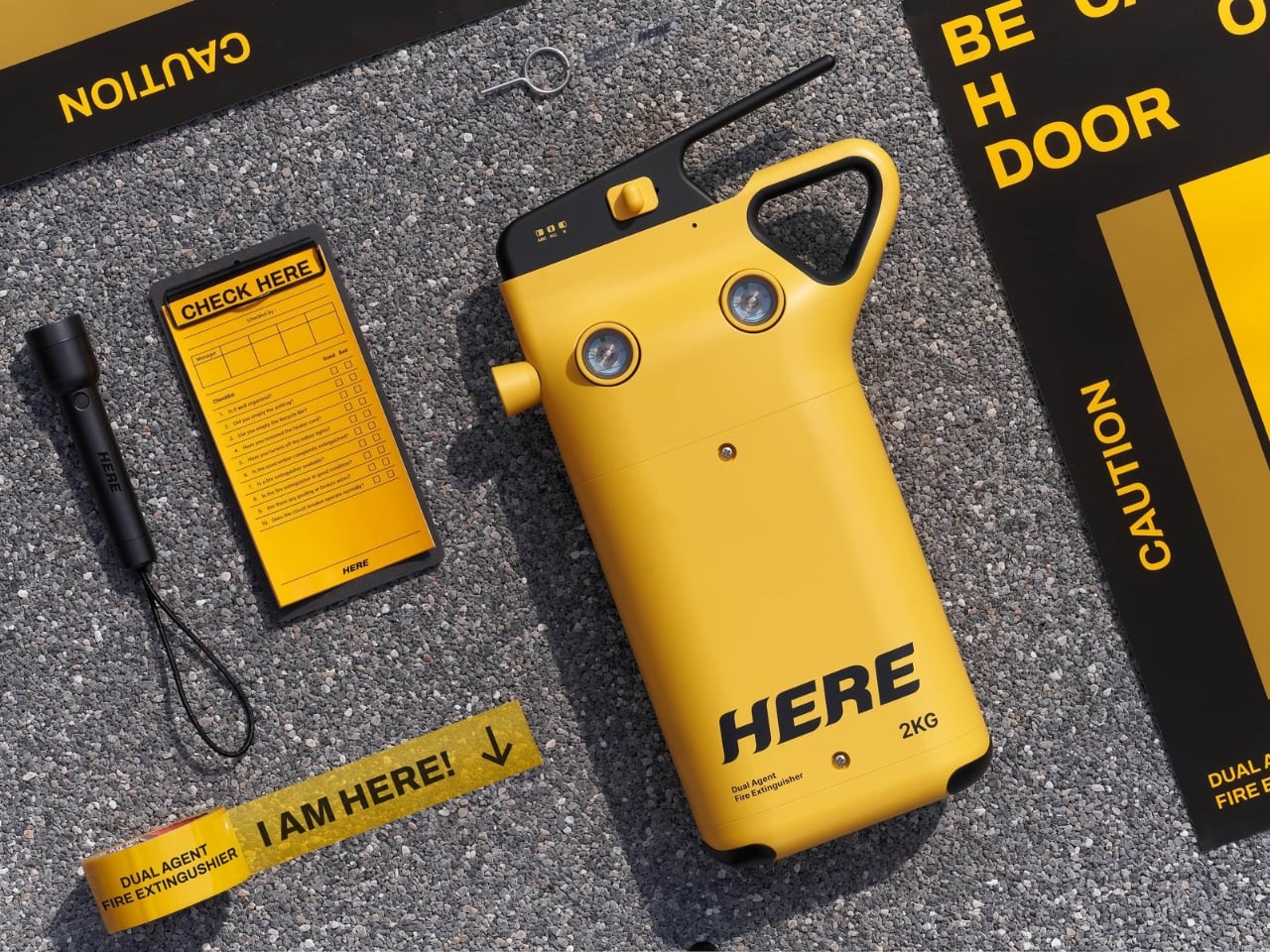
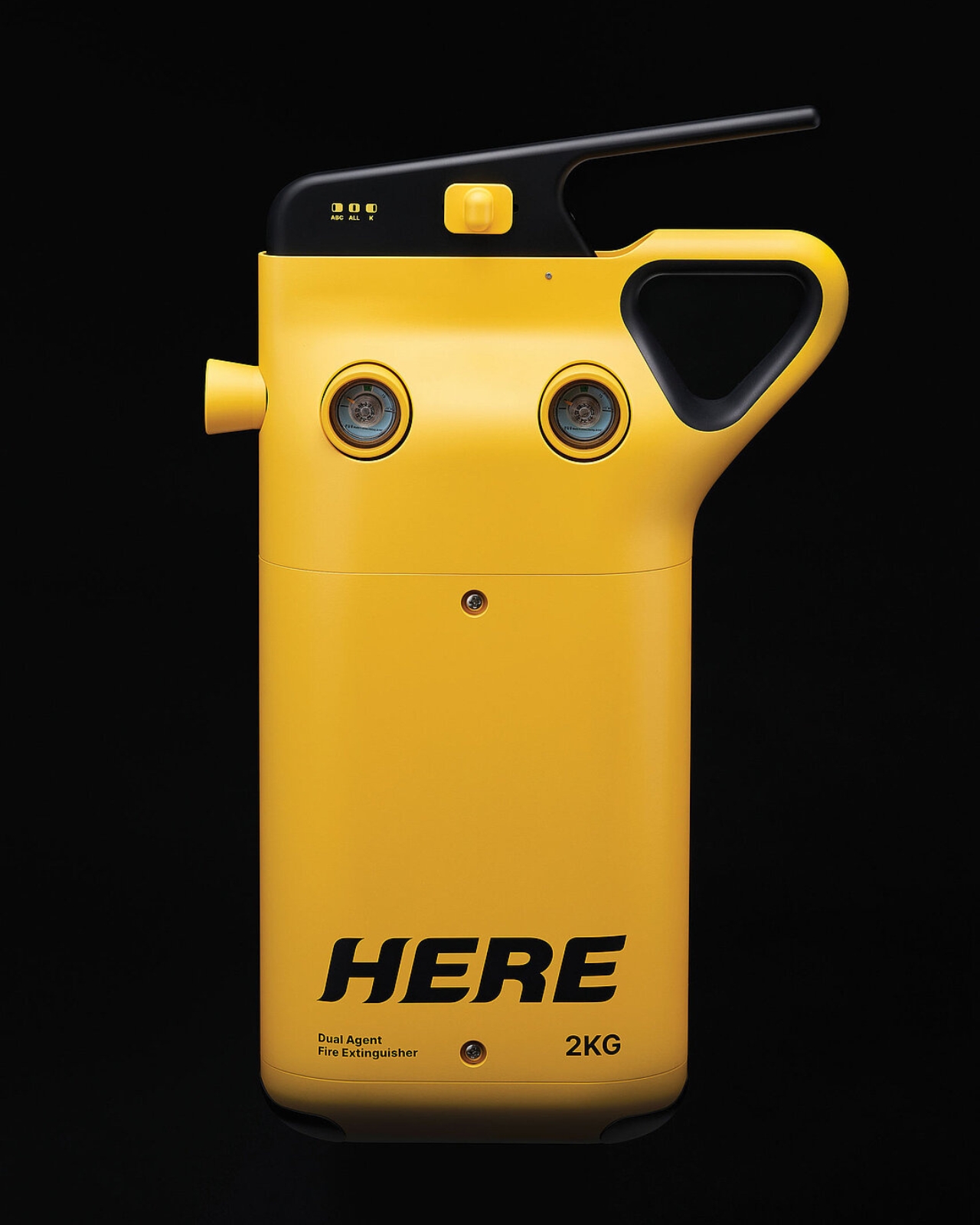
Let’s be honest, fire extinguishers are one of those things we know we should have but rarely think about until we actually need one. They’re bulky, confusing, and usually tucked away somewhere collecting dust. But what if a fire extinguisher could be both smarter and easier to use? That’s exactly what designers Song Kyuho and Kim Jungu set out to create with HERE, a dual-agent fire extinguisher that’s rethinking safety equipment for modern life.

The problem with traditional fire extinguishers is pretty straightforward. That standard red canister sitting in your hallway might work great for a paper fire, but it could be completely useless against a kitchen grease fire. Different fires need different solutions, which technically means you should have multiple extinguishers throughout your home. But realistically, who does that? It’s expensive, takes up space, and adds another layer of complexity when you’re already panicking because something’s on fire.

Designers: Song Kyuho and Kim Jungu for Found Founded

HERE tackles this head-on with an ingenious dual-chamber design. Inside this single unit, you’ve got ABC powder for general fires like wood, paper, and electrical blazes, plus a liquid agent specifically designed for kitchen fires involving cooking oil. Think about how much safer that makes your home. When that pan of oil overheats, you’re not stuck frantically trying to remember which extinguisher works for which fire type. You’ve got both options literally at your fingertips.

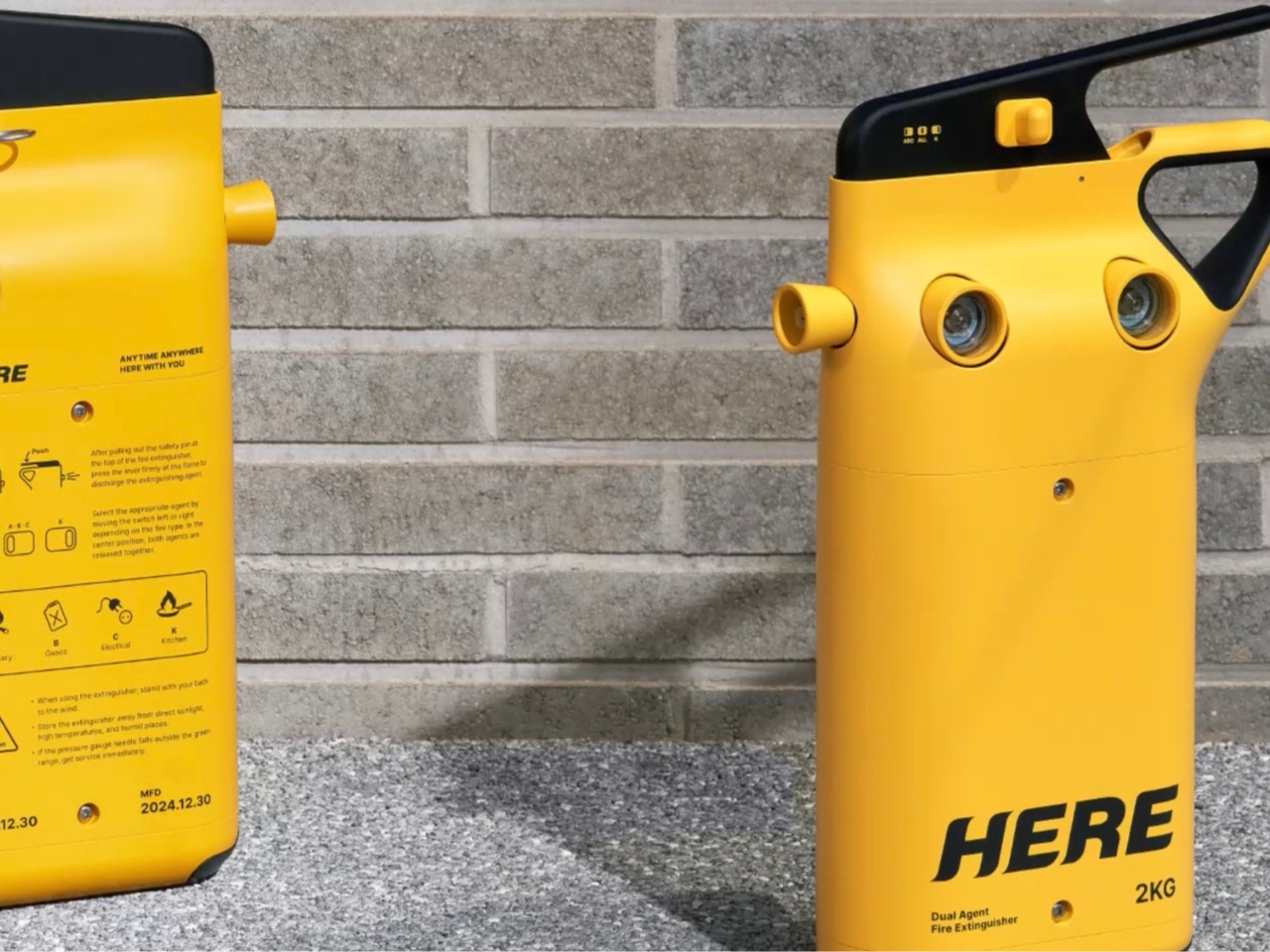
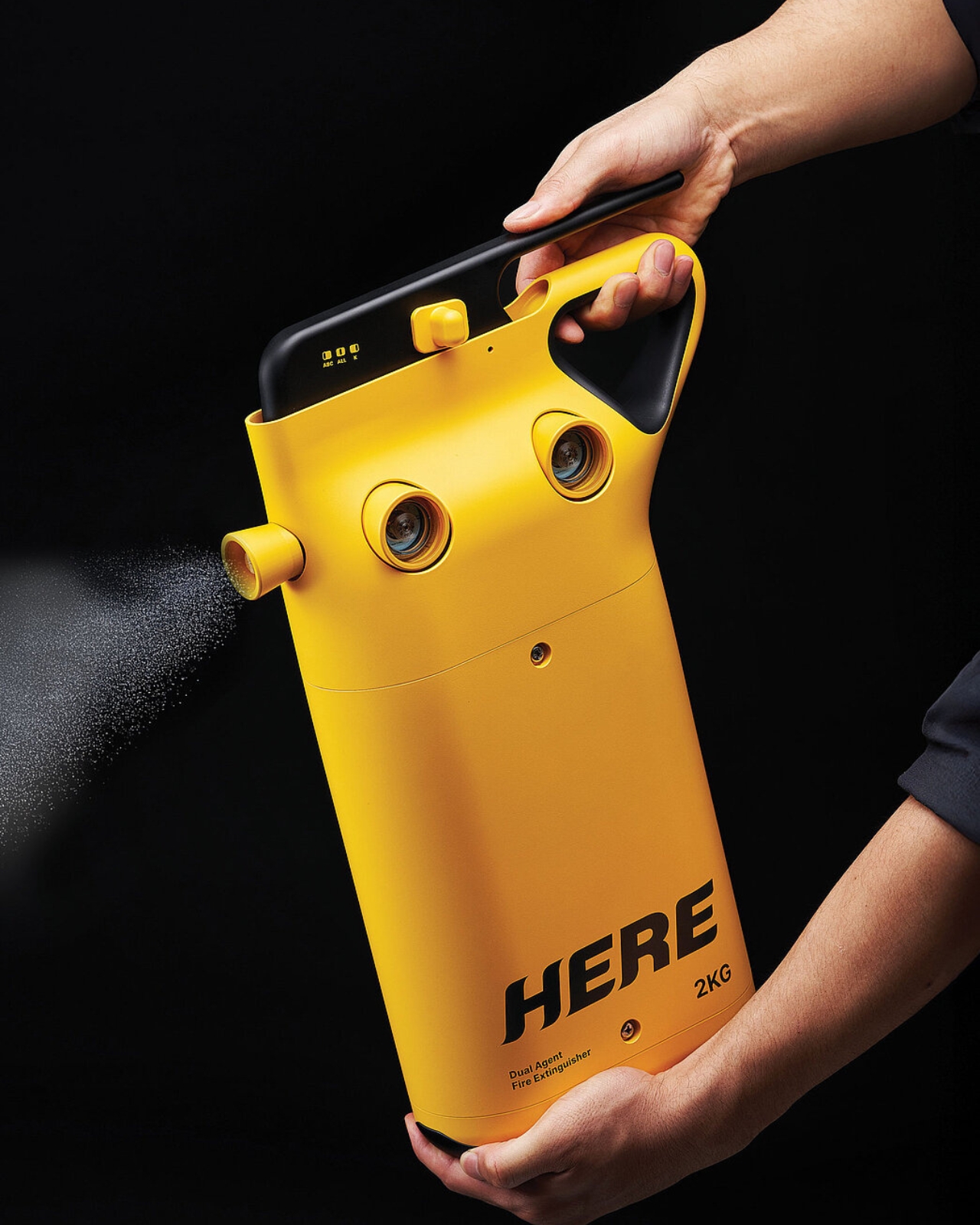
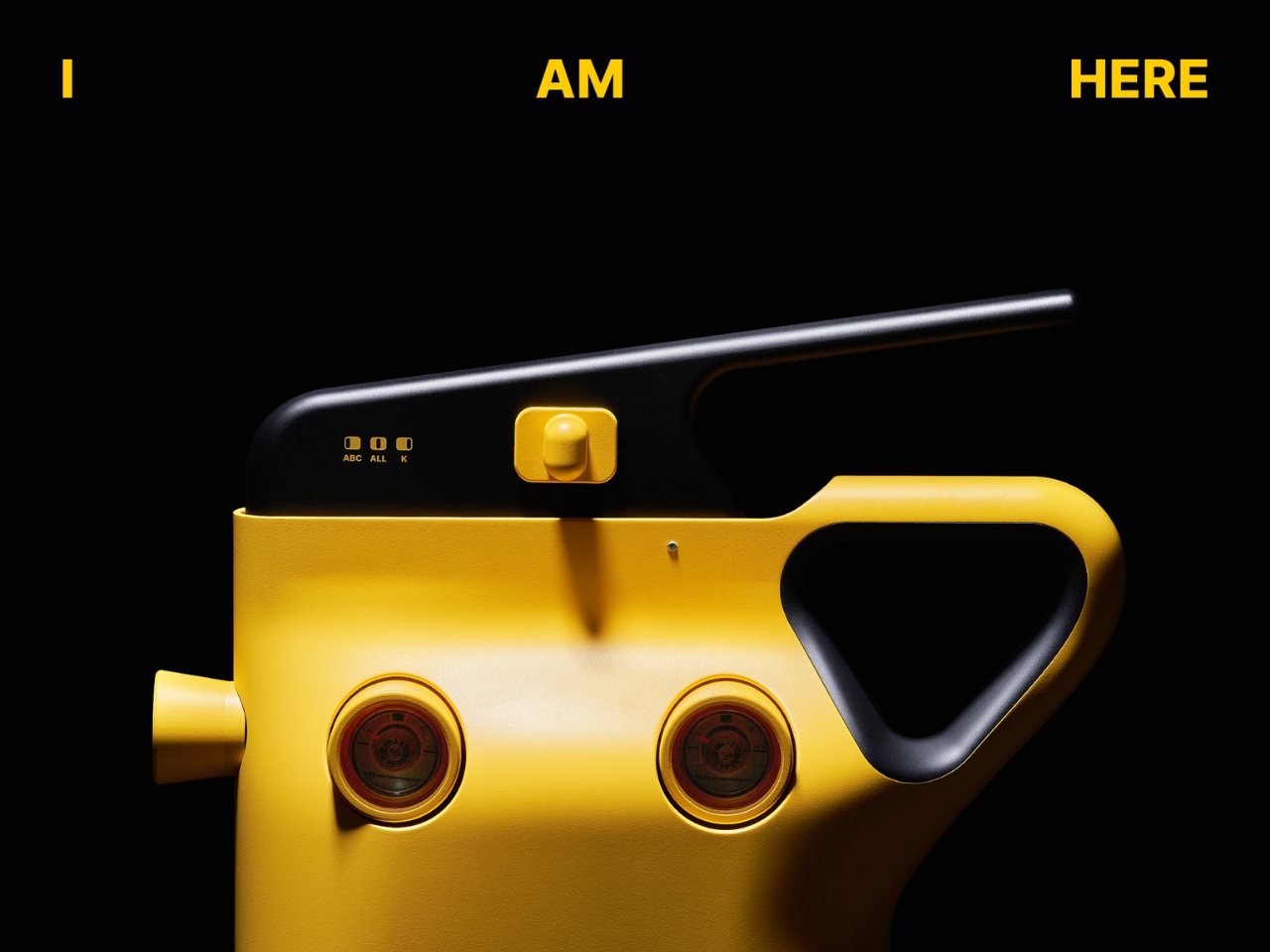
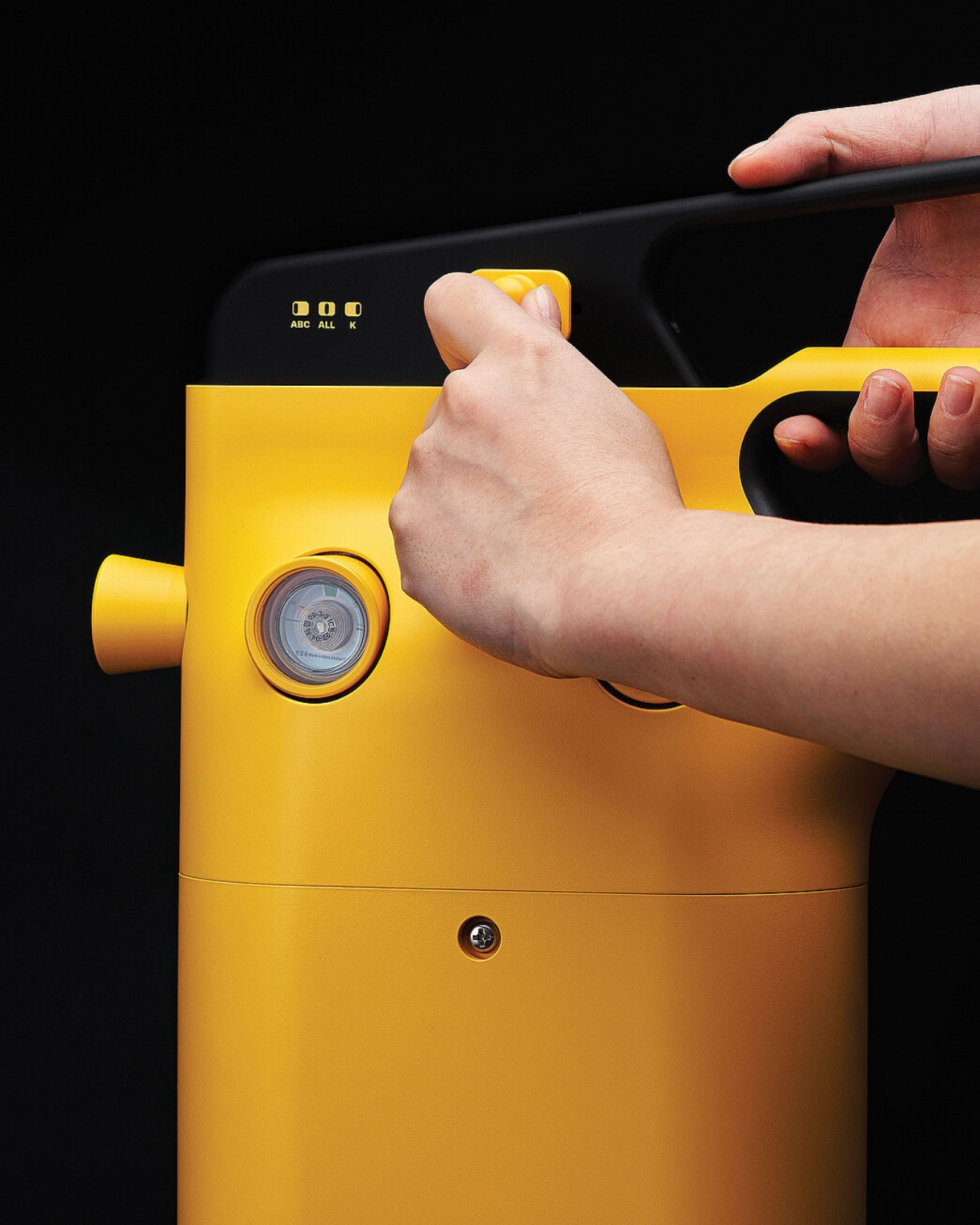
What really stands out is how intuitive the whole system is. There’s a single lever operation, but you can choose which agent to deploy or use both simultaneously. Small indicator lights labeled ABC, ALL, and K make it crystal clear which option you’re selecting. In an emergency situation, that kind of clarity matters. You’re not reading lengthy instructions or second-guessing yourself. You grab it, select what you need, and go.

But here’s where the design gets really interesting. Anyone who’s ever handled a fire extinguisher knows they’re not exactly user-friendly. They’re heavy, awkward to grip, and honestly kind of intimidating. The designers didn’t just solve the dual-agent challenge, they completely reconsidered how we interact with these devices. That distinctive triangular grip you see wrapping around the canister? That’s the result of extensive usability testing with 30 different people.

The testing revealed something important. When you’re dealing with a required minimum of 2 kilograms of extinguishing agent, the weight becomes a serious usability issue. Traditional designs put all that strain on your wrist and back. The ergonomic handle on HERE distributes the weight more naturally, making it genuinely easier for anyone to use, regardless of their size or strength. It’s the kind of thoughtful detail that separates good design from great design.

Let’s talk about the aesthetics too, because they matter more than you might think. Fire extinguishers have traditionally been designed to be noticed in emergencies, hence the bright red. But that often means they’re eyesores you want to hide. HERE takes a different approach with its vibrant yellow body and sleek, almost gadget-like appearance. It looks modern, approachable, and honestly pretty cool. The bold branding and clean lines give it a contemporary tech product vibe rather than industrial safety equipment.

Those two circular gauge windows on the front add a touch of personality while serving a practical purpose, letting you monitor the pressure levels at a glance. The overall form is surprisingly compact considering it houses two separate agent systems. It’s the kind of object you might not mind keeping visible in your kitchen or hallway. This project earned recognition at the Red Dot Design Awards, and it’s easy to see why. It represents exactly the kind of innovation we need in everyday safety products. The designers identified real pain points (multiple extinguisher types, difficult operation, poor ergonomics) and delivered solutions that make the product genuinely better without overcomplicating it.

Since we’re at the time now where we’re constantly redesigning everything from doorknobs to kitchen appliances, it’s refreshing to see safety equipment getting the same thoughtful treatment. HERE proves that even something as utilitarian as a fire extinguisher can be smarter, more beautiful, and more human-centered. It’s a reminder that good design isn’t just about aesthetics or clever features. It’s about making things work better for real people in real situations, especially when those situations might save lives.

The post This Fire Extinguisher Might Actually Make You Want One at Home first appeared on Yanko Design.
Amazon rolls out a find-a-scene Alexa+ feature for Prime Video

Amazon is rolling out a new Alexa+ feature on Fire TV that can take you to a specific moment in a given movie on Prime Video based on a natural language voice command. The company says that, when you describe a certain scene, quote or character action, Alexa+ can start playing that part of the film. The company previewed this feature at its Devices and Services event in September.

According to Amazon, you can say something like “Jump to the card scene in Love Actually" or “Jump to the Ozdust ballroom scene in Wicked with Glinda,” to quickly get to that moment. Alexa+ can apparently figure out which movie you're referring to if you don't say the title. So if you say, for instance, “Jump to the scene when John McClane says ‘come out to the coast, we’ll get together, have a few laughs,’” Prime Video will start playing that bit in Die Hard where McClane is in an air duct.

To make this work, Alexa+ uses "visual understanding" and captions to determine what's happening in each scene so it can take you to the one you're looking for. It's all processed through the X-Ray feature in Prime Video. As with Alexa+, it's built on Amazon Bedrock and it harnesses large language models such as Amazon Nova and Anthropic Claude.

Alexa+ has indexed tens of thousands of scenes across thousands of movies on Prime Video so far, including many that you can purchase or rent. Amazon plans to expand this feature to more films and scenes, as well as TV shows, in the near future. 

While this is pretty interesting from a tech perspective and how Amazon’s able to make it work, I’d be interested to know how many people actually end up using it. This isn’t how most people who genuinely love cinema watch movies — maybe just start at the beginning of a film and take it from there? Besides, if you really want to watch a specific scene, YouTube exists.

This article originally appeared on Engadget at https://www.engadget.com/ai/amazon-rolls-out-a-find-a-scene-alexa-feature-for-prime-video-150557530.html?src=rss

Samsung Galaxy S26 Ultra: Wait, That’s It? (Leaked Specs)

Samsung Galaxy S26 Ultra: Wait, That’s It? (Leaked Specs)

The Samsung Galaxy S26 series is set to continue the brand’s tradition of delivering flagship smartphones that focus on refinement and reliability. Leading the lineup is the Galaxy S26 Ultra, which builds on its predecessor with subtle yet meaningful enhancements aimed at improving the overall user experience. The latest leaks provide a glimpse into what […]

The post Samsung Galaxy S26 Ultra: Wait, That’s It? (Leaked Specs) appeared first on Geeky Gadgets.

Posted in Uncategorized

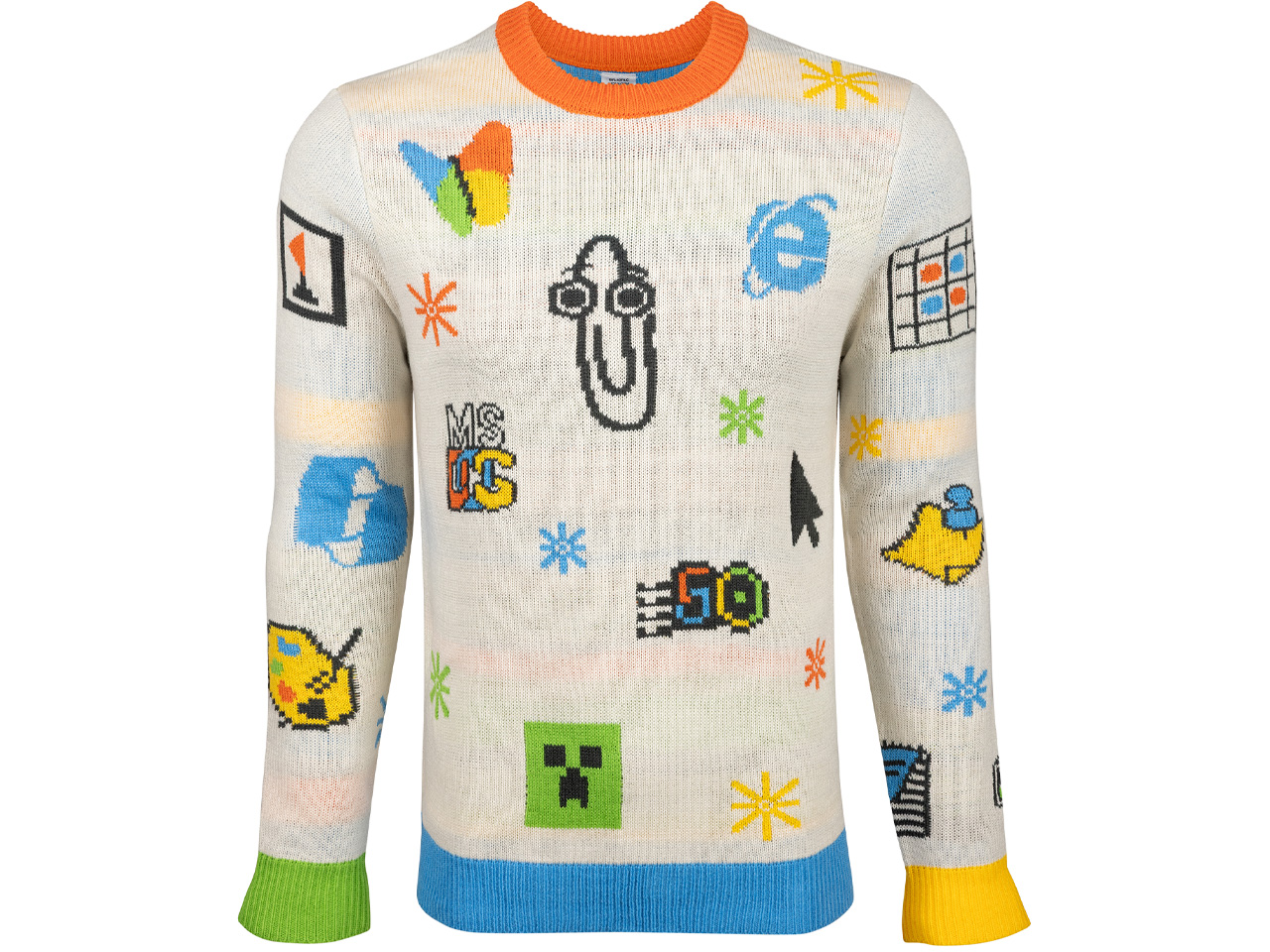
Microsoft’s ugly sweaters are back for this holiday season

Microsoft has an interesting tradition of releasing offbeat sweaters just in time for the holiday season. They call them the ugly sweaters as an ironic and humorous take on the garish holiday sweaters that were once deemed unstylish, especially in the 90s and early 2000 era. In 2002, the first ugly sweater parties were held in Vancouver to show off tacky sweaters bought from thrift stores. Over the decades, this bad fashion morphed into a collective celebration that now Microsoft also embraces.

The silicon giant released the first-ever ugly sweater limited edition collection in 2018 with the Windows 95 logo, followed by the Windows XP “Bliss” wallpaper in 2019, Minesweeper influence in 2021, Clippy vibes in 2022, and again the Biss wallpaper-themed sweater in 2023. For some reason, Microsoft didn’t release the winterwear in 2024, but this year, the ugly sweaters are making a comeback, celebrating the iconography from Windows’ glorious five-decade history, the Xbox gaming console, and the Zune logo. The release comes just in time to pair with your Xbox-themed crocs that were released a few days earlier.

Designer: Microsoft

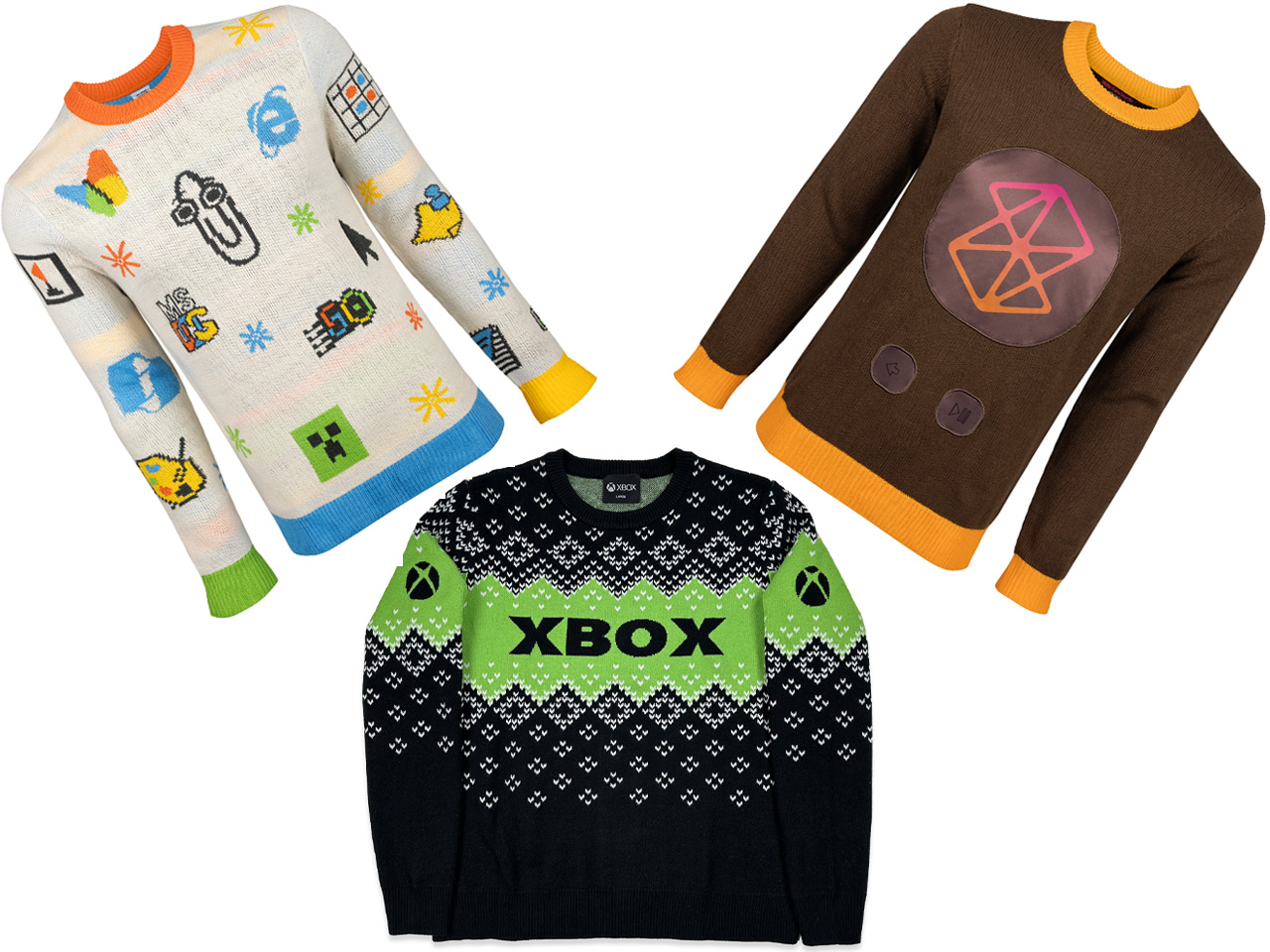
The niche merchandizes this year, celebrating the company’s 50th anniversary, lets you choose from among three ugly Christmas sweaters. I find the Zune one to be the ugliest, the iconography sweater a bit too tacky, but the Xbox sweater is interesting on a serious note.

Artifact Sweater

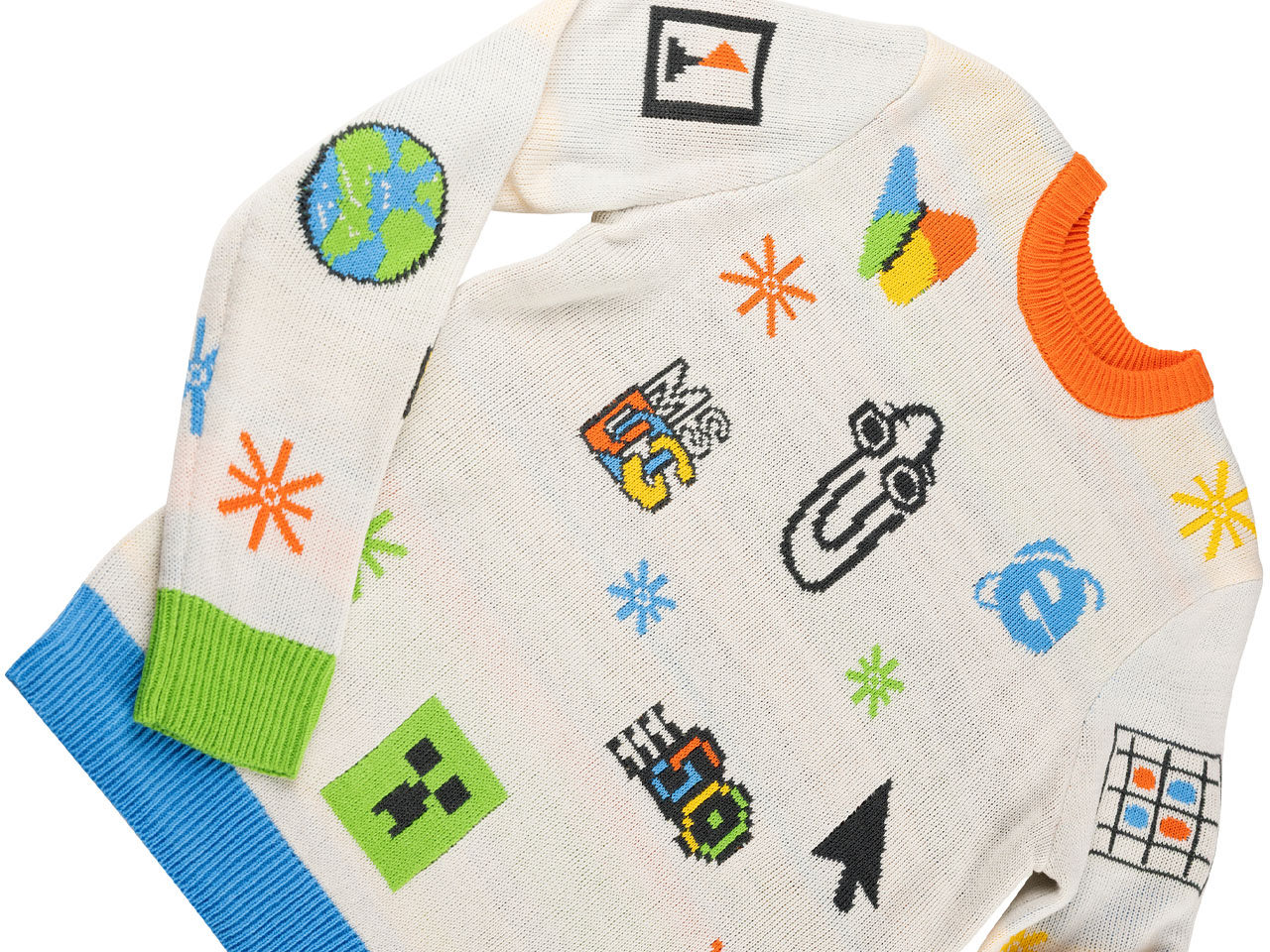
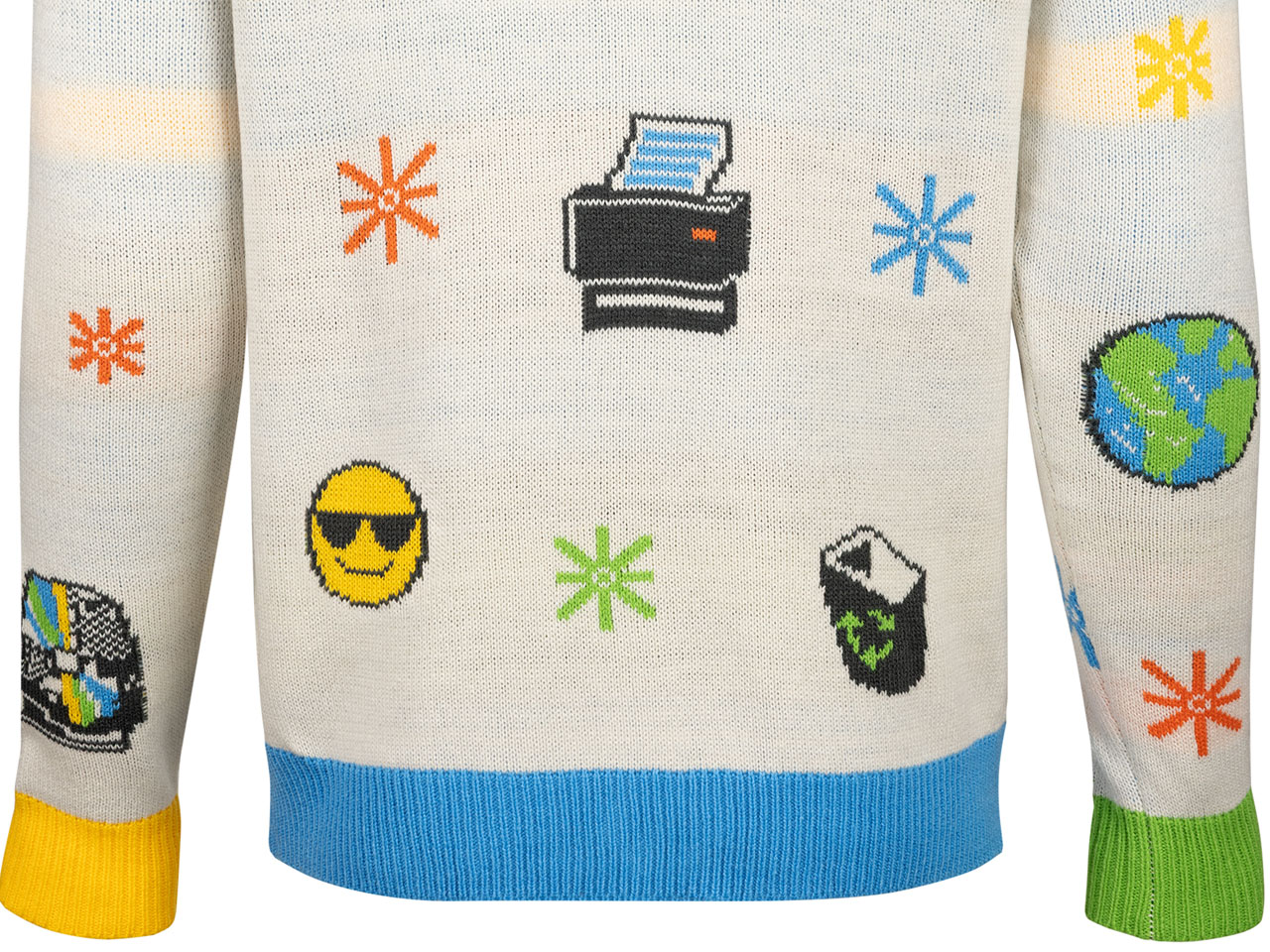
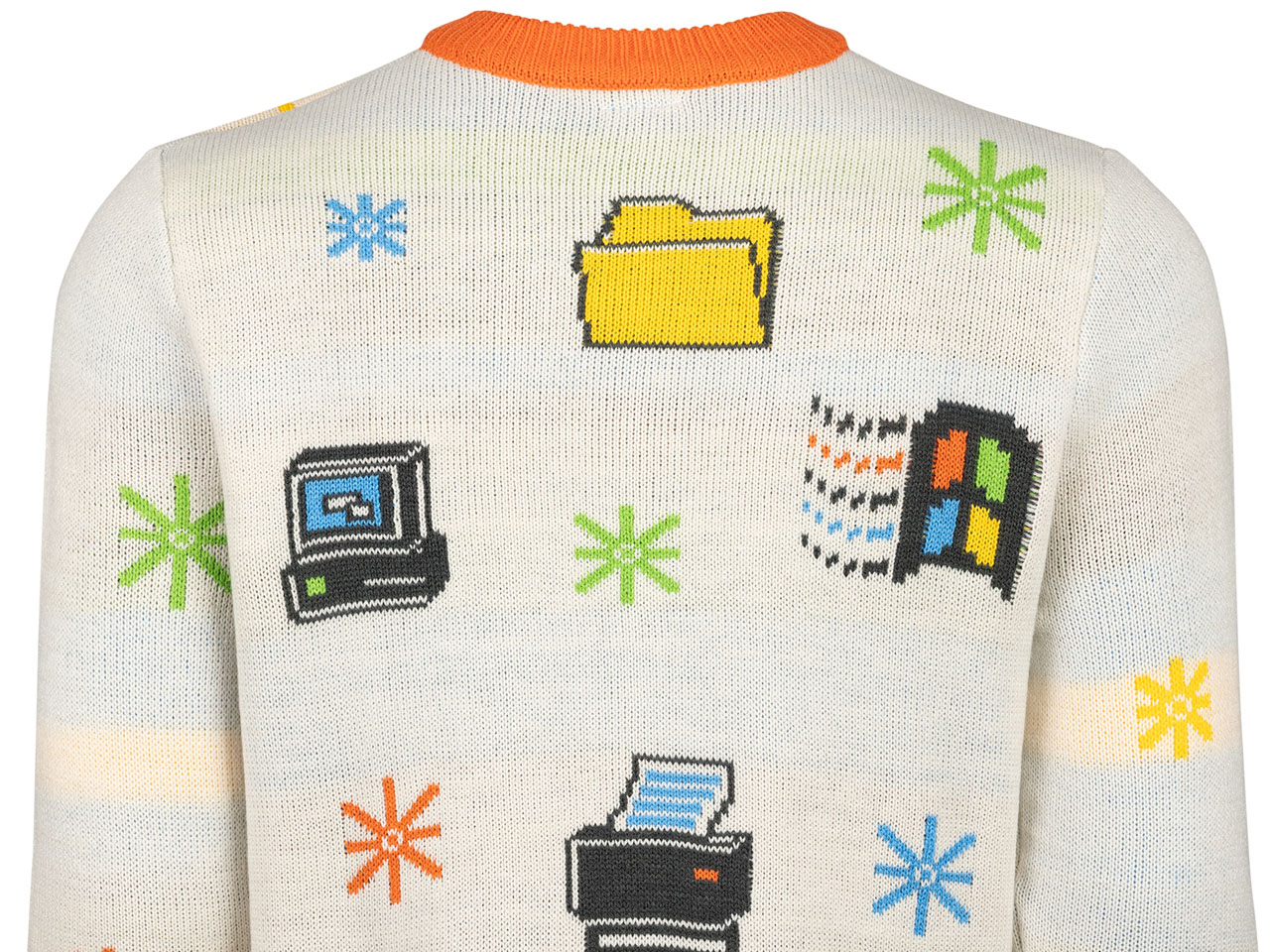
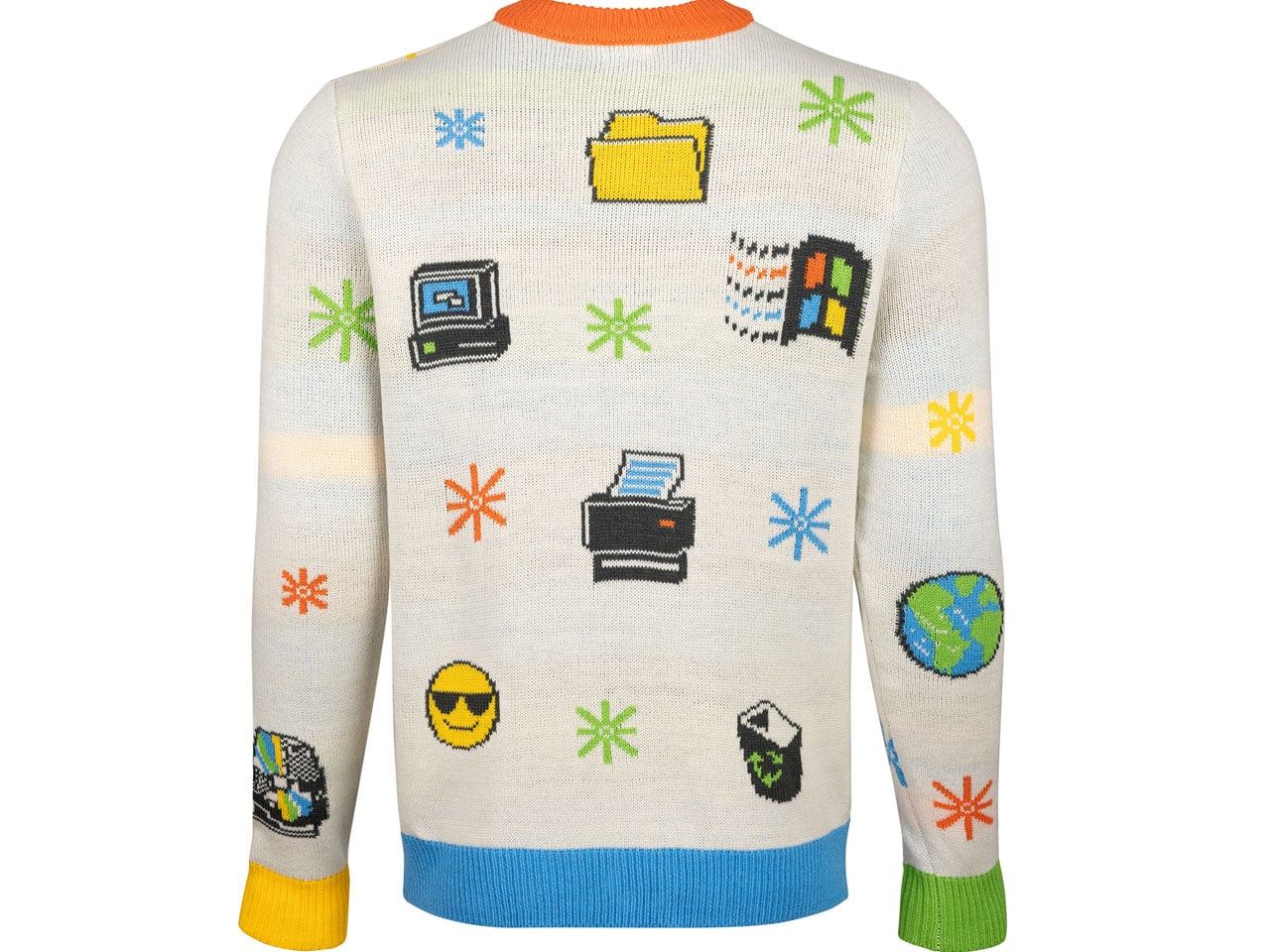
This one is an ode to Microsoft’s hot pan of software flaws and ugly content that nobody ever bothered to remember. The Clippy Assistant paperclip from the 1990s takes the limelight with other ignore-worthy icons, including the MSN butterfly logo, Minesweeper bomb, Internet Explorer icon, Paint app, and Windows OS logos dotted all over. The background is a subtle off-white hue, with the blue border and the bright orange collar adding to the tackiness.

The Artifact Sweater is woven from soft acrylic and wool combo material, in a range of the gaudiest colors you would instantly ignore. Priced at $79.95, the Clippy edition sweater is the one for your craziest holiday celebrations. The first wave of the collection has already sold, so you better pre-order it the next time this ugly one arrives.

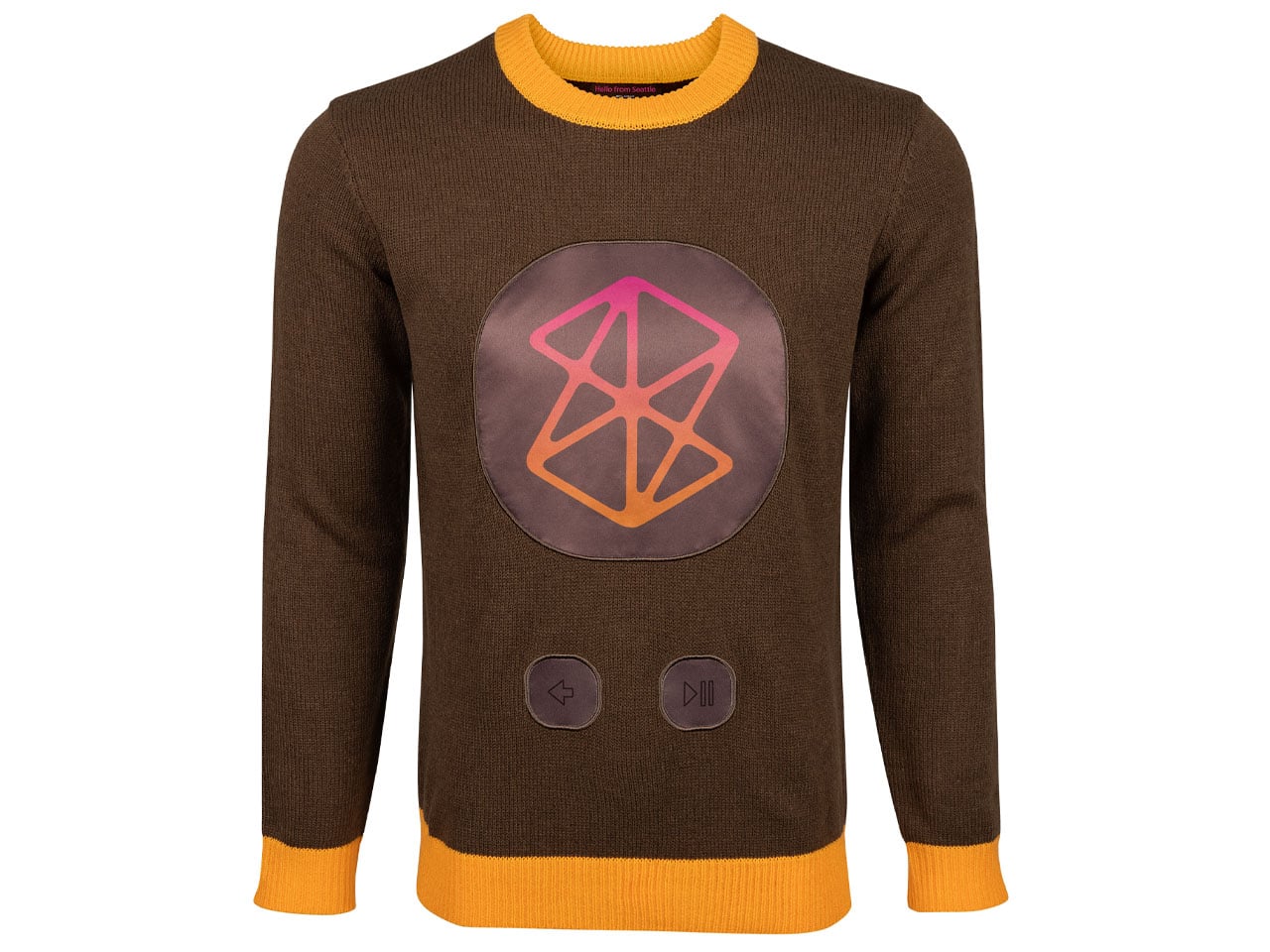
Zune Sweater

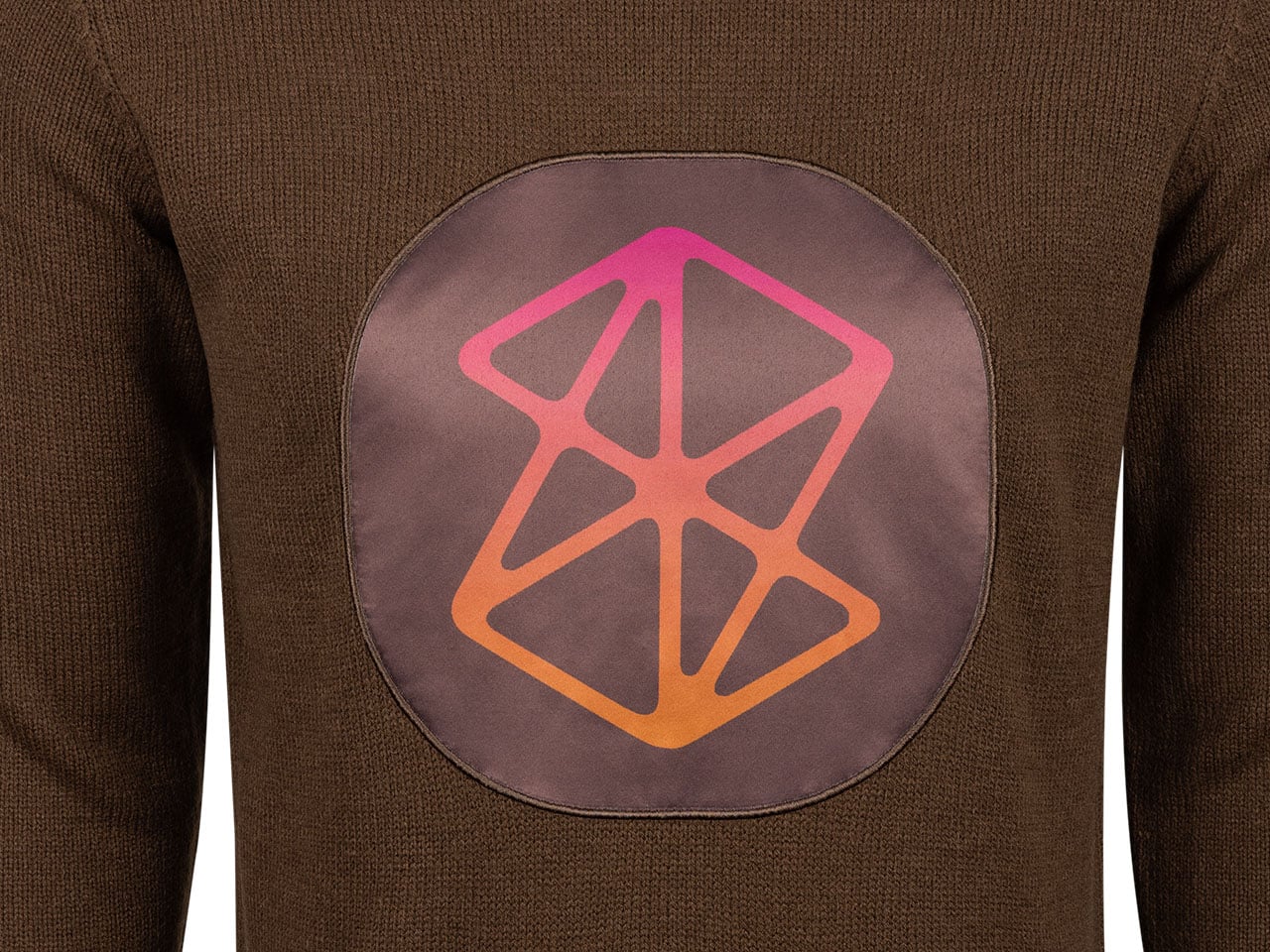
Highlighting the Zune portable music player, this sweater is giving me serious nausea owing to its color palette. The doomed music player of the music industry that couldn’t even make it past the mid-2000s will either make it to the closet of the craziest Microsoft fan or be completely ignored for its kitschy persona. Although I’m a music affectionate, and the sweater features landmark albums from OutKast and Coldplay on the inside of the cuffs, this one is not coming anywhere near me.

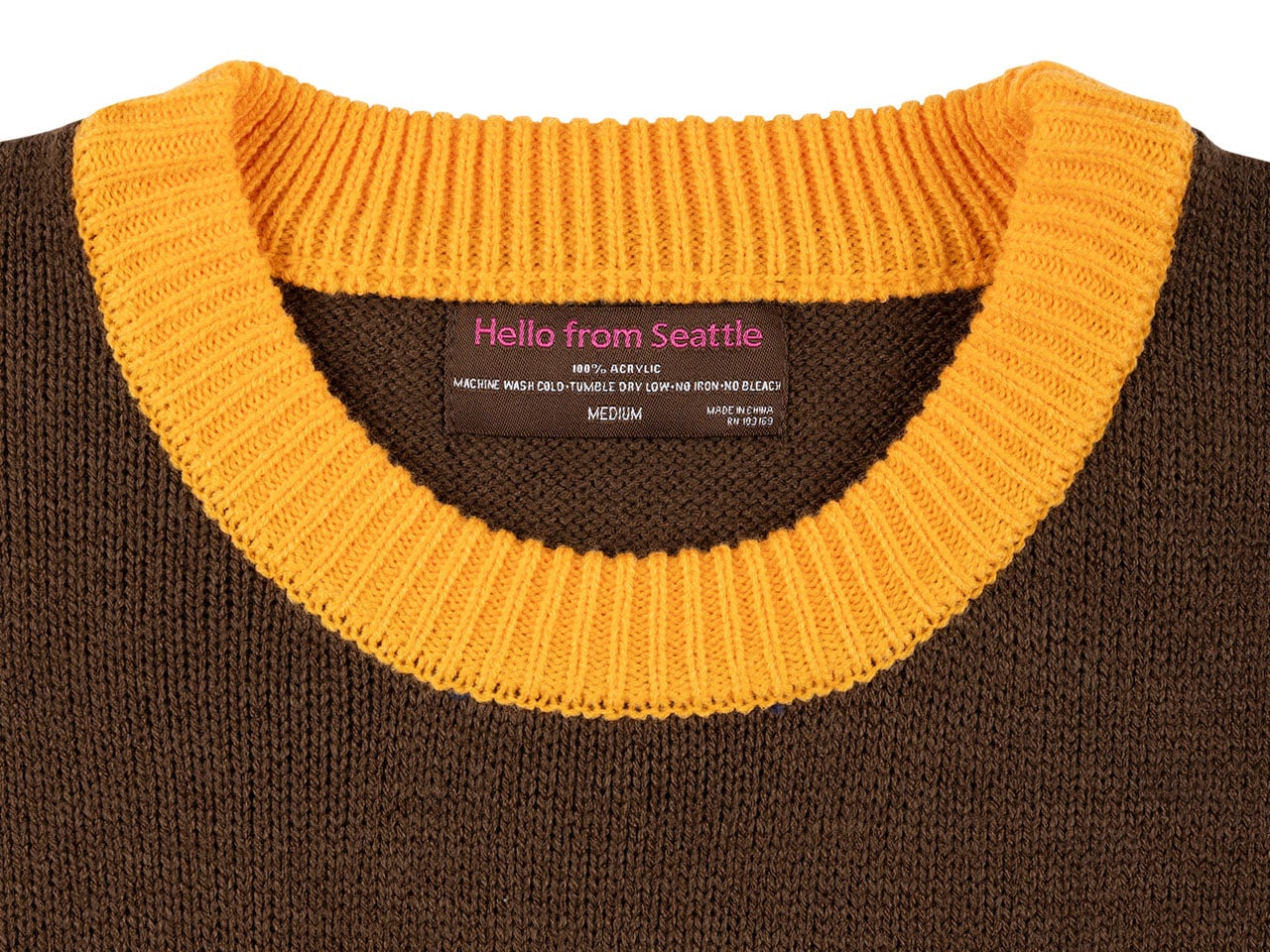
For those who might want to sport this for a Christmas party, the song names silhouetted in tiny typeface, and the headphone plug threads are appealing. There are back and play/pause buttons on the front with a big visualization adding to the gaudy effect. The material of the sweater is the same as the other one, and the brown-orange winterwear also costs $79.95.

Xbox Holiday Sweater

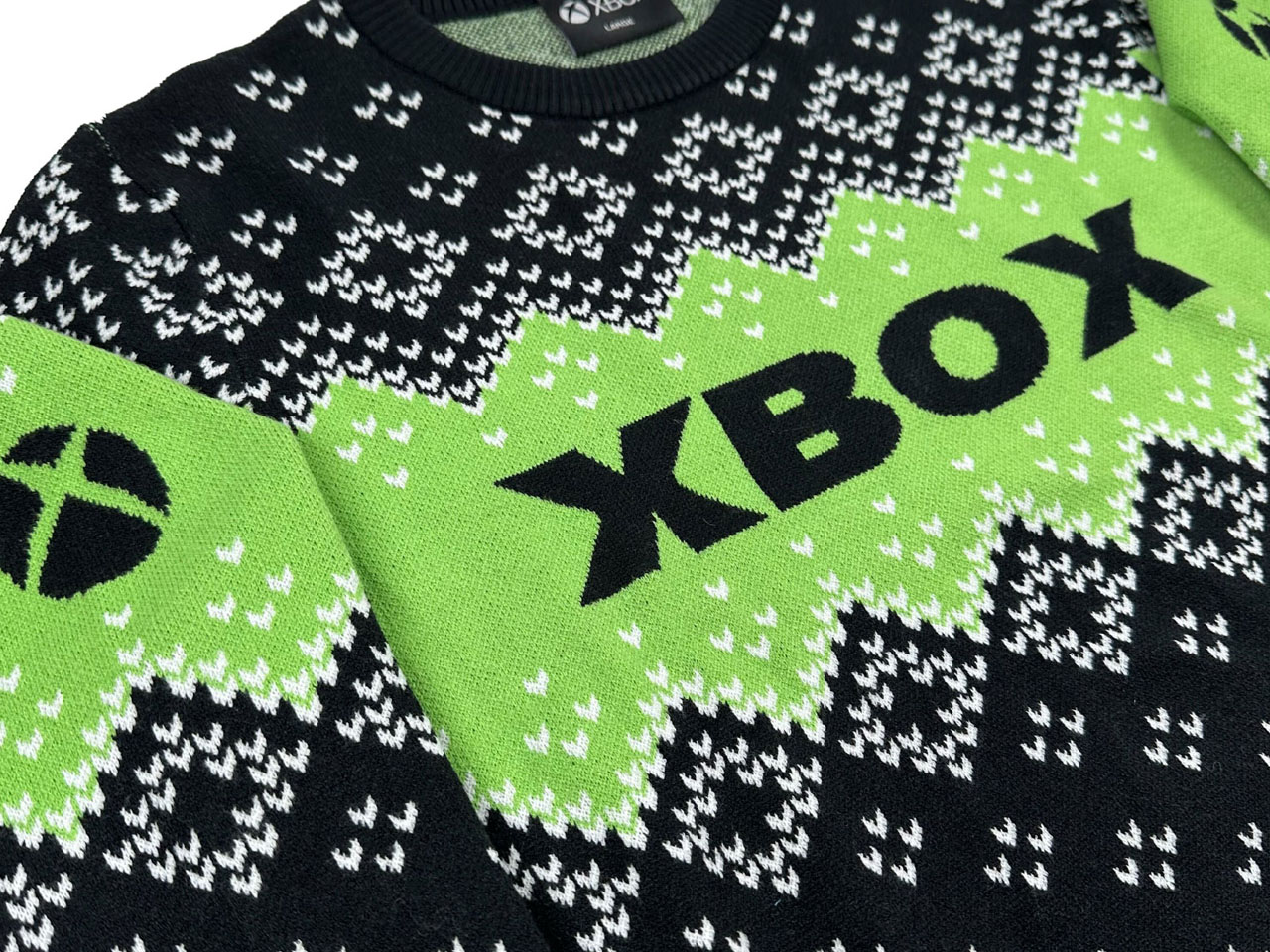
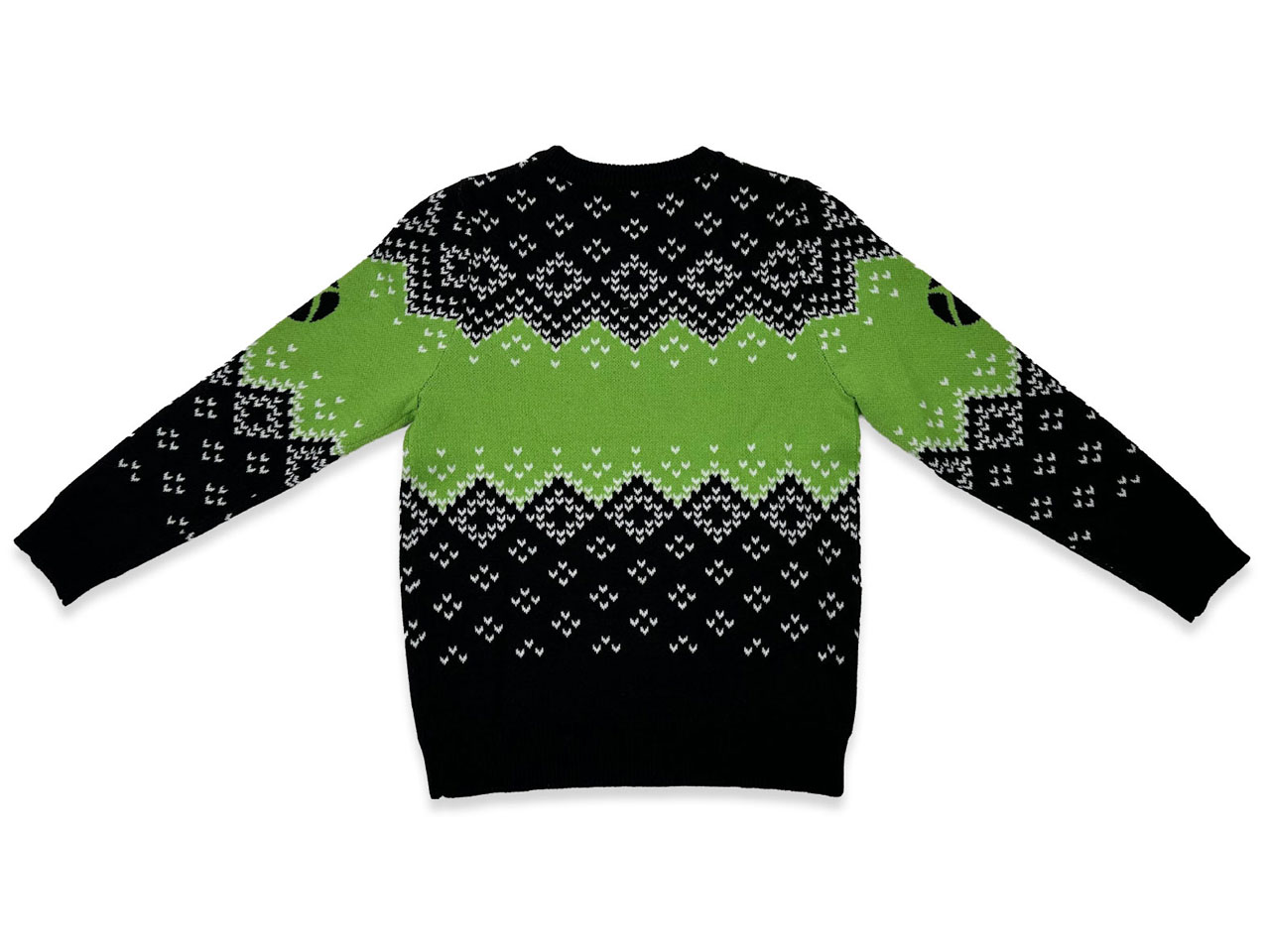
This one in the collection has my fancy as it is more subtle and cannot be deemed ugly. The color combos are more muted and basic, with black contrasting against the Xbox’s signature lime green, which looks cool. On closer look, the sweater has a controller outline, with the knit circles you can push. Also, there are the Halo rings with subtle silhouettes of the Master Chief in action. You can choose from the metallic thread material (bronze, platinum) for the achievement insignia that loops around the body.

Even better, it costs less than the two uglier options, priced at $59.99. The Xbox Holiday Sweater has a pattern that imitates falling snow. The knitted sweater is made from 100 percent polyester material; therefore, it won’t be as warm as the other two, still that isn’t a deal breaker in any way.

The post Microsoft’s ugly sweaters are back for this holiday season first appeared on Yanko Design.
Amazon halts AI anime dub ‘beta’ after widespread ridicule

Amazon appears to have quietly removed its terrible AI-generated English dubs for several anime shows currently streaming on Prime Video, following widespread ridicule from viewers and industry professionals. AI dubs were recently added to Banana Fish, No Game, No Life and Vinland Saga, where they were labeled "AI beta" in the Languages section of the app.

As shows that previously only offered English subtitles, the option of a dub for those who prefer it could have been seen as a win for Amazon. But it quickly became clear that the dubs were really quite bad, completely devoid of any emotion or convincing intonation in dramatic moments. Particularly awful clips of the AI English dub for Banana Fish soon started circulating on social media, and the National Association of Voice Actors released a statement in which it branded the dubs "AI slop."

In his own statement, voice actor Daman Mills called the AI-generated dub for Banana Fish a "massive insult to us as performers." In a post on X, which at the time of writing has been liked 14,000 times, he said: "Voice Actors deserve the same level of respect as on camera performers. Anime already pays talent very little. Dub production costs shouldn’t make a dent in these companies’ pocket books. Using AI for a dub of a show that released nearly 8 YEARS AGO AND HAD NO RUSHED SCHEDULE just spits in our faces, has infuriated the consumer, and completely destroys the art." 

Decision-makers at Amazon apparently noted the backlash, as the English dub options no longer show up, as acknowledged by Mills and others yesterday. An AI-generated Spanish dub for Vinland Saga appears to have survived the silent cull, but otherwise it’s back to Japanese language-only and subtitles for the other shows.

The company is clearly committed to introducing more AI to Prime Video — along with its various other services — despite this latest public shaming. It launched an "AI-aided" dubbing program for Prime Video earlier this year, piloting English and Latin American Spanish dubs in 12 licensed series and movies on Prime Video in March. Last month, it also introduced video recaps that summarize shows’ "most pertinent plot points" using generative AI. The feature is currently in beta for select English language Prime Original shows in the US.

This article originally appeared on Engadget at https://www.engadget.com/entertainment/amazon-halts-ai-anime-dub-beta-after-widespread-ridicule-141501051.html?src=rss

The Ultimate Guide to Backing Up Your Mac

The Ultimate Guide to Backing Up Your Mac

Backing up your Mac is an essential practice to protect your data from potential risks such as hardware failures, accidental deletions, or software issues. With macOS’s built-in Time Machine feature and an external hard drive, you can establish a reliable backup system that ensures your files remain secure and recoverable. The video below from Howfinity […]

The post The Ultimate Guide to Backing Up Your Mac appeared first on Geeky Gadgets.

Posted in Uncategorized