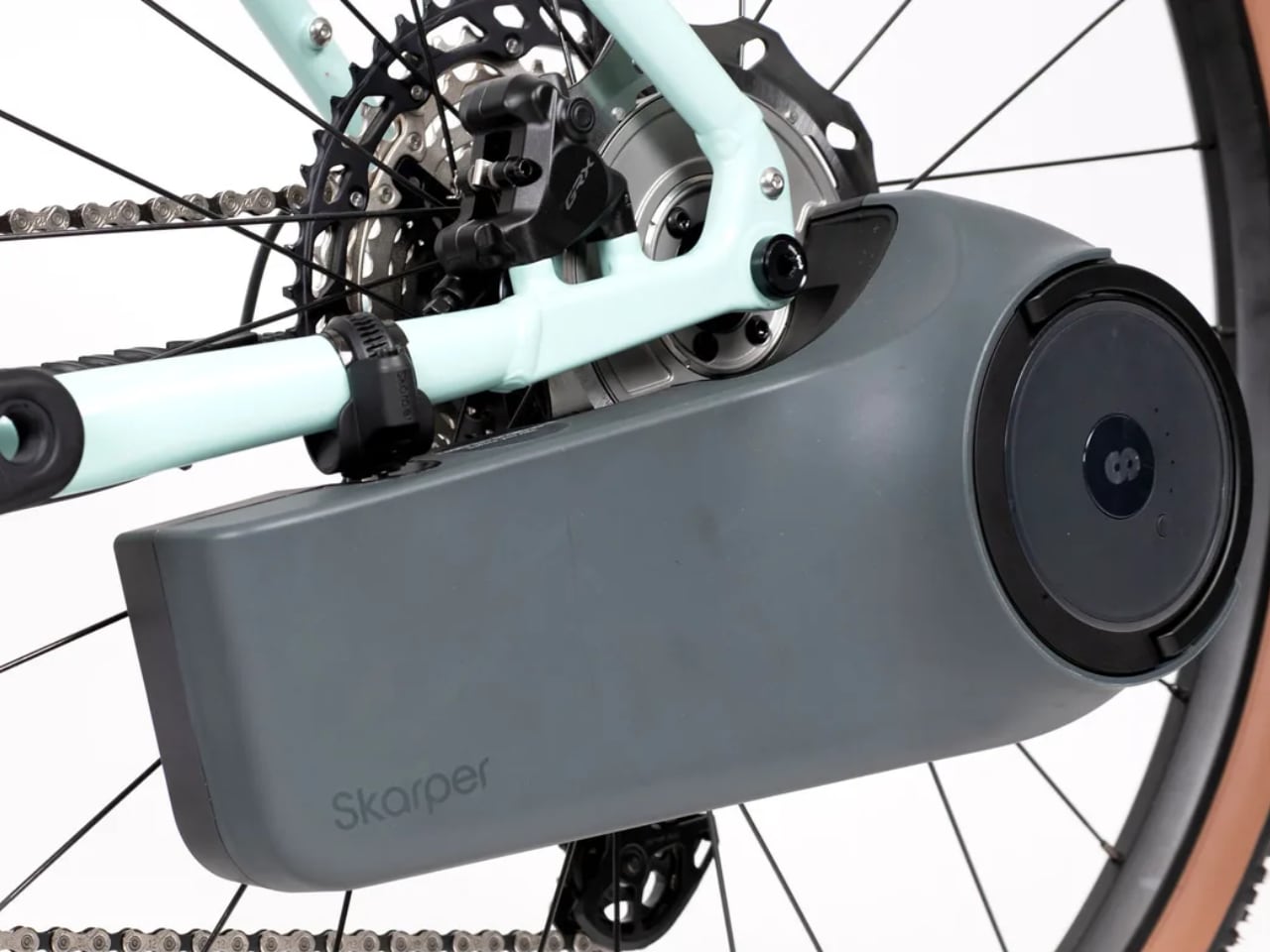
The Sonder x Skarper Camino Solves the Two-Bike Problem with a Click

Most cyclists who commute and ride recreationally face an uncomfortable choice: buy a dedicated ebike for weekday miles and a separate unassisted bike for weekend adventures, or pick one and accept its limitations. The garage fills with frames, the budget stretches thin, and neither bike does both jobs particularly well. Sonder and Skarper have looked at this problem and proposed something different.

The Sonder x Skarper Camino collaboration bundles three gravel bike configurations with the Skarper DiskDrive system pre-installed, creating what both companies call a “two bikes in one” solution. The concept is straightforward: clip on the motor for assisted commutes, unclip it for unencumbered gravel riding. What makes this interesting is not the idea itself, which conversion kits have promised for years, but the execution and the factory integration that distinguishes it from aftermarket retrofits.

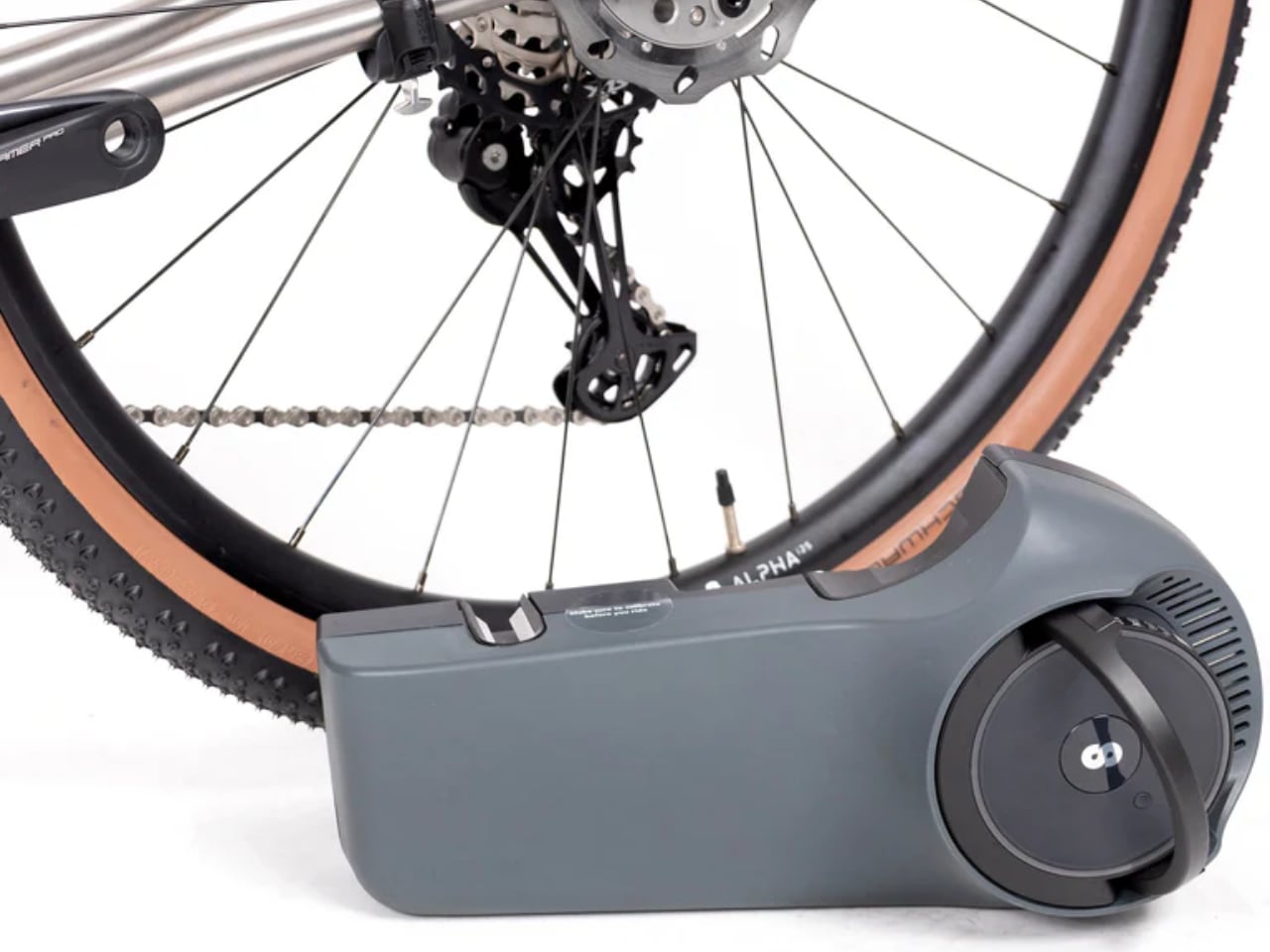
Skarper’s approach to electric assist differs fundamentally from hub motors or mid-drives. The DiskDrive unit locks onto a specially designed rear brake rotor and delivers torque through that interface rather than through the wheel axle or crankset. This rotor-drive architecture means the motor sits at the chainstay, clips on and off without tools, and leaves no permanent frame modifications when removed.

How the DiskDrive System Works

Rotor-Based Power Delivery

The Skarper unit contains a 250W motor rated at approximately 45 to 50 Nm of torque depending on generation. Rather than spinning the wheel directly or pushing through the chain, it grips the proprietary DiskDrive rotor and rotates it, which in turn rotates the wheel. This mechanically simple layout avoids the planetary gears found in hub motors and bypasses the drivetrain entirely, which may reduce wear on chains and cassettes over time.
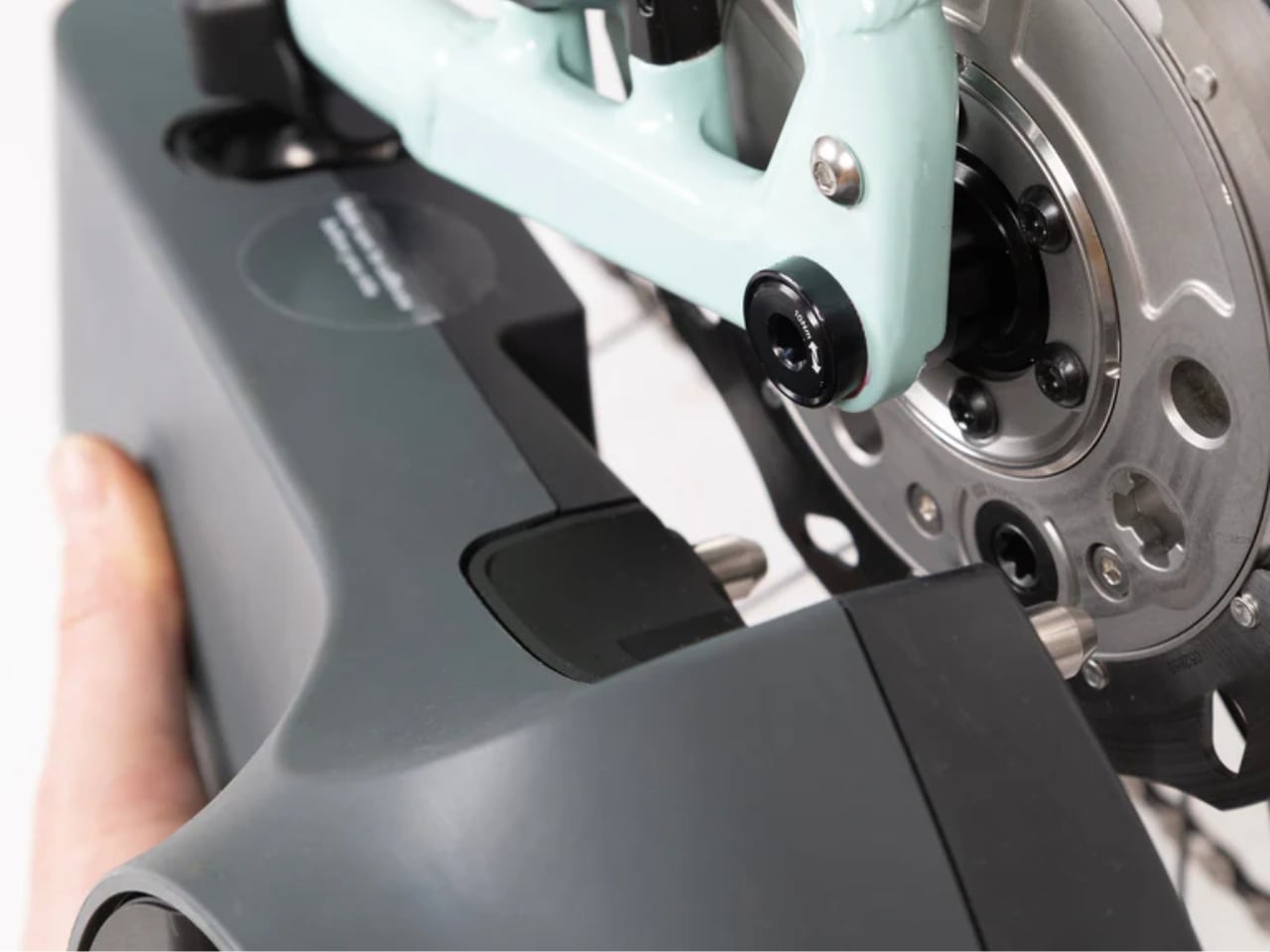
A 240 Wh internal battery provides the energy storage, with Skarper claiming a full charge time of roughly 2.5 hours. Range estimates land between 50 and 60 km in eco mode, dropping in higher power settings. These figures are modest compared to purpose-built ebikes with larger battery packs, but the trade-off is system weight: approximately 4.5 kg for the drive unit plus around 600 grams for the special rotor. Under 5.2 kg total when fitted, and zero added weight when the unit stays home.

Integration and Connectivity

The drive unit houses its control electronics alongside the motor and battery, incorporating wireless connectivity to apps and head units, including Bluetooth and, in some configurations, ANT+ and Wi-Fi. This allows communication with cycling computers and smartphone apps without requiring additional handlebar-mounted controllers or wiring runs along the frame. The interface remains clean whether the bike runs assisted or stripped down for pure pedaling.

Skarper designed the attachment mechanism for tool-free operation. The unit clicks into place on the rotor, locks securely for riding, and releases with a lever action. The transition takes seconds rather than minutes, which matters for riders who genuinely intend to use both configurations rather than leaving the motor permanently attached.

The Camino Platform

Gravel Geometry and Capability

Sonder’s Camino line has earned recognition as a capable adventure platform before this collaboration existed. The geometry emphasizes stability and confidence on mixed terrain: a slack, gravel-ready head angle in the high 60s, a long wheelbase that tracks predictably over rough surfaces, and tire clearance that accommodates rubber wide enough for bikepacking or rough bridleway exploration. Internal routing supports dropper posts for technical descents.
The frame accommodates racks and accessories through multiple mount points, positioning the Camino as much for loaded touring as for fast gravel rides. Sonder markets these bikes for everything from UK B-roads to multi-day routes, which makes the addition of removable electric assist logical: the same frame that handles loaded bikepacking benefits from power assistance when covering urban miles with gear.

Available Configurations

The collaboration launches with three builds, each pairing a different Camino specification with the Skarper system pre-installed:

The entry point is the Camino Apex 1 Flat Bar at 2,649 GBP. The flat handlebar configuration and SRAM Apex 1x drivetrain position this build for commuter-first buyers who want gravel capability without drop bar commitment. The aluminum frame keeps costs reasonable while the Skarper system adds the assisted dimension.
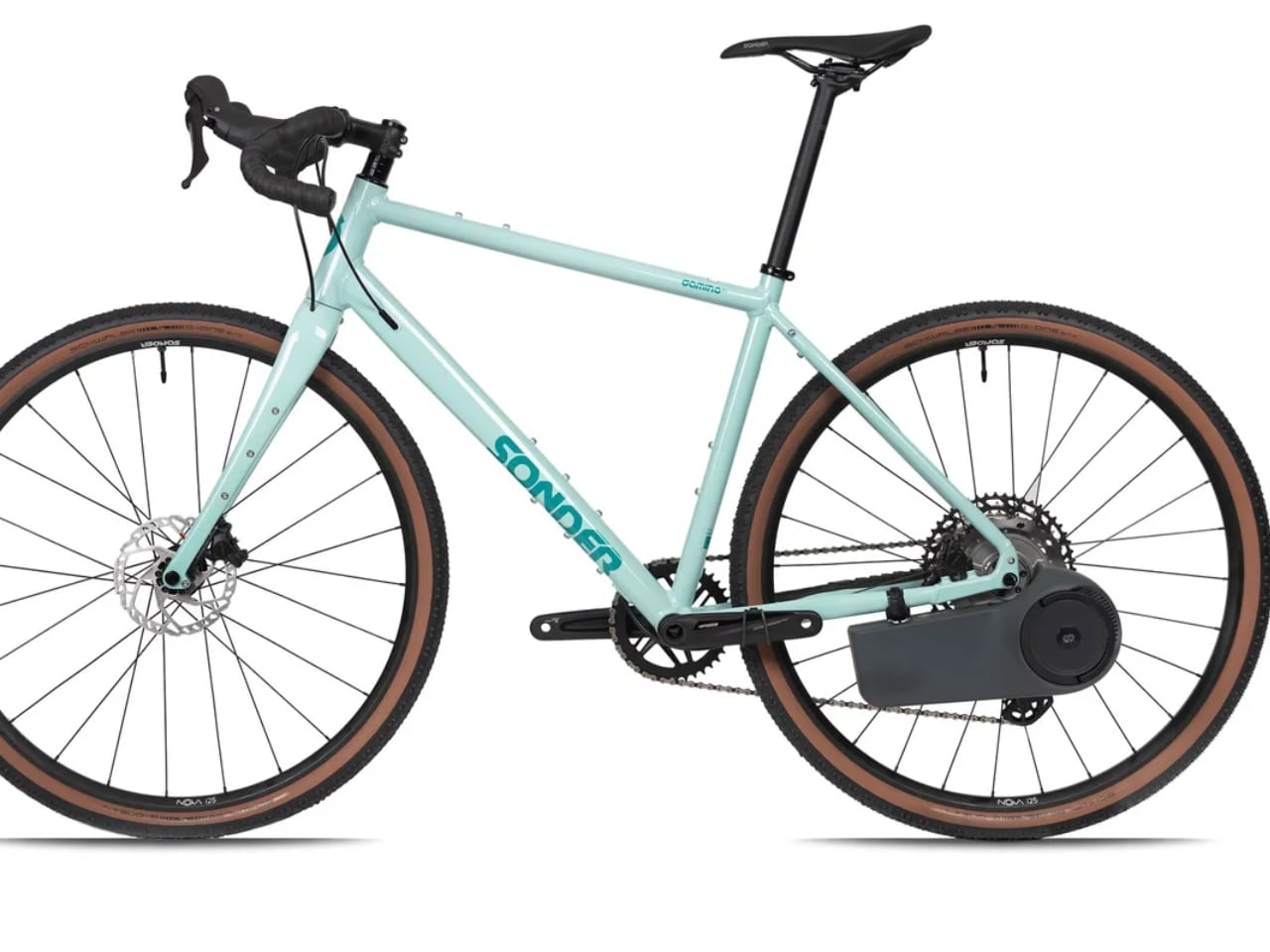
The Camino Al GRX1 at 2,999 GBP moves to drop bars and Shimano GRX 610 12-speed gearing. This build targets the rider who wants traditional gravel geometry with quality shifting and the option of motor assistance. The aluminum frame carries through from the flat bar model.

At the top sits the Camino Ti GRX1 at 4,249 GBP, pairing the titanium frame with GRX 1x and the Skarper drive. Titanium’s compliance and durability appeal to riders thinking in decades rather than seasons, and the “forever bike” logic extends to the modular motor: invest in a frame that lasts, add or remove assistance as needs change over time.

Value Proposition and Market Position

Pricing Logic

The standalone Skarper conversion kit sells for 1,495 GBP. Buying a regular Camino and adding Skarper separately would cost more than these bundled configurations, which means the partnership delivers genuine pricing advantage rather than merely convenience. Whether the discount compensates for the commitment of buying a specific bike with a specific motor system depends on individual circumstances, but the math favors the bundles.
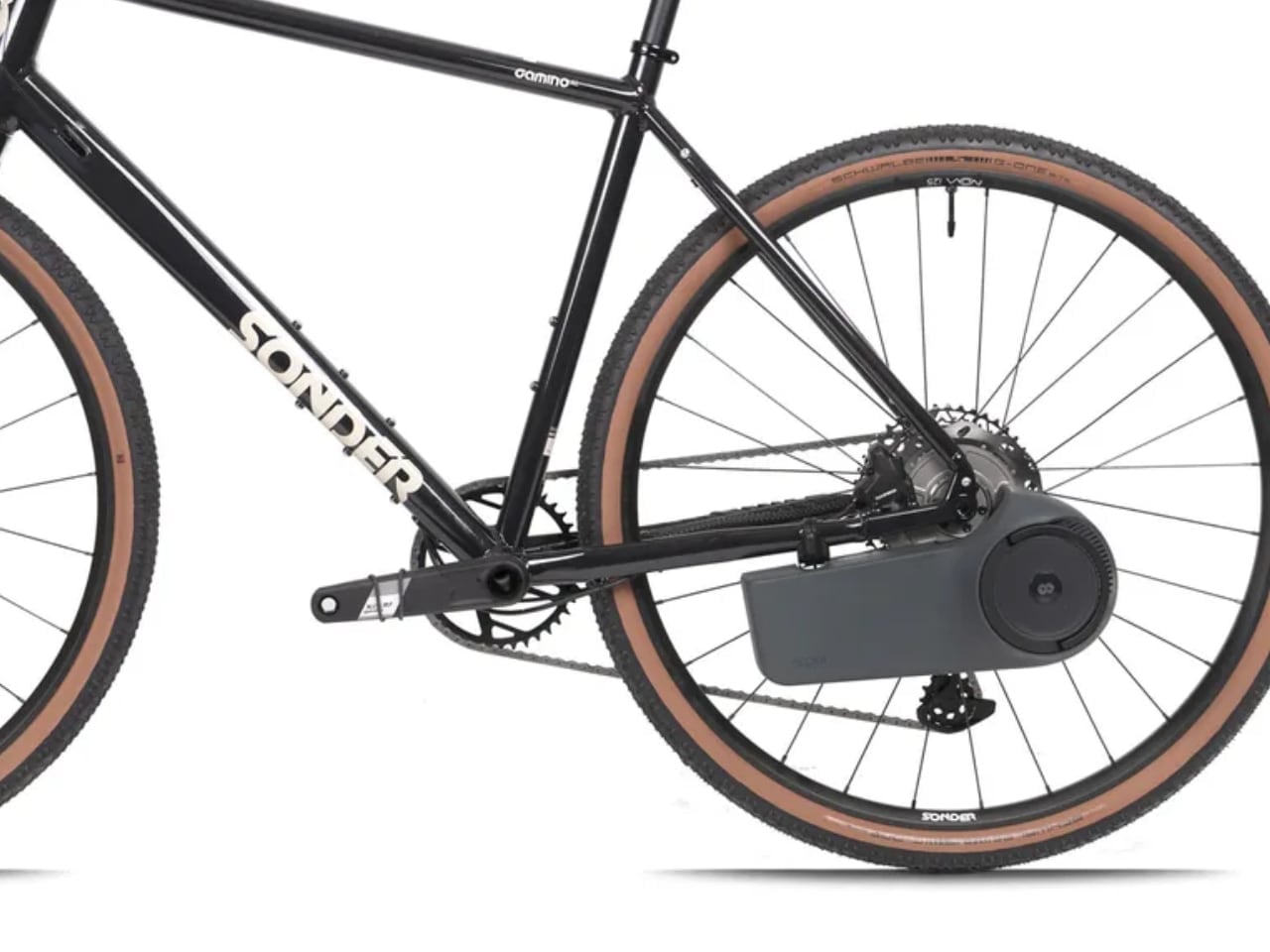
Compared to purpose-built electric gravel bikes, the starting price of 2,649 GBP positions these configurations competitively. The differentiation comes from capability: remove the Skarper unit and you have a conventional gravel bike that weighs and rides like a conventional gravel bike. Purpose-built ebikes carry their motors and batteries permanently, adding weight and changing handling characteristics regardless of whether you want assistance on any given ride.

Who This Serves

The target buyer emerges clearly from the product logic: someone who commutes by bike during the week and rides gravel on weekends, who lacks space or budget for two dedicated machines, and who wants neither a permanently heavy ebike nor a permanently unassisted bike that exhausts them before arriving at the office. The Skarper system’s quick-release nature makes the dual-use scenario practical rather than theoretical.

Neil Sutton, Sonder’s product manager, frames it around simplicity and adventure, noting that the removable drive “keeps a Sonder feeling like a Sonder” when unclipped. Ean Brown, Skarper’s CEO, emphasizes freedom and flexibility over the alternative of owning “a second heavy bike.” Both statements acknowledge the core insight: versatility matters most when it does not require permanent compromise.

Availability and Upgrade Path

The three Sonder x Skarper models are available immediately through Alpkit stores, Alpkit’s website, and Selfridges in London. The retail presence at Selfridges suggests positioning beyond core cycling audiences, reaching urban consumers who might not otherwise visit specialty bike shops.
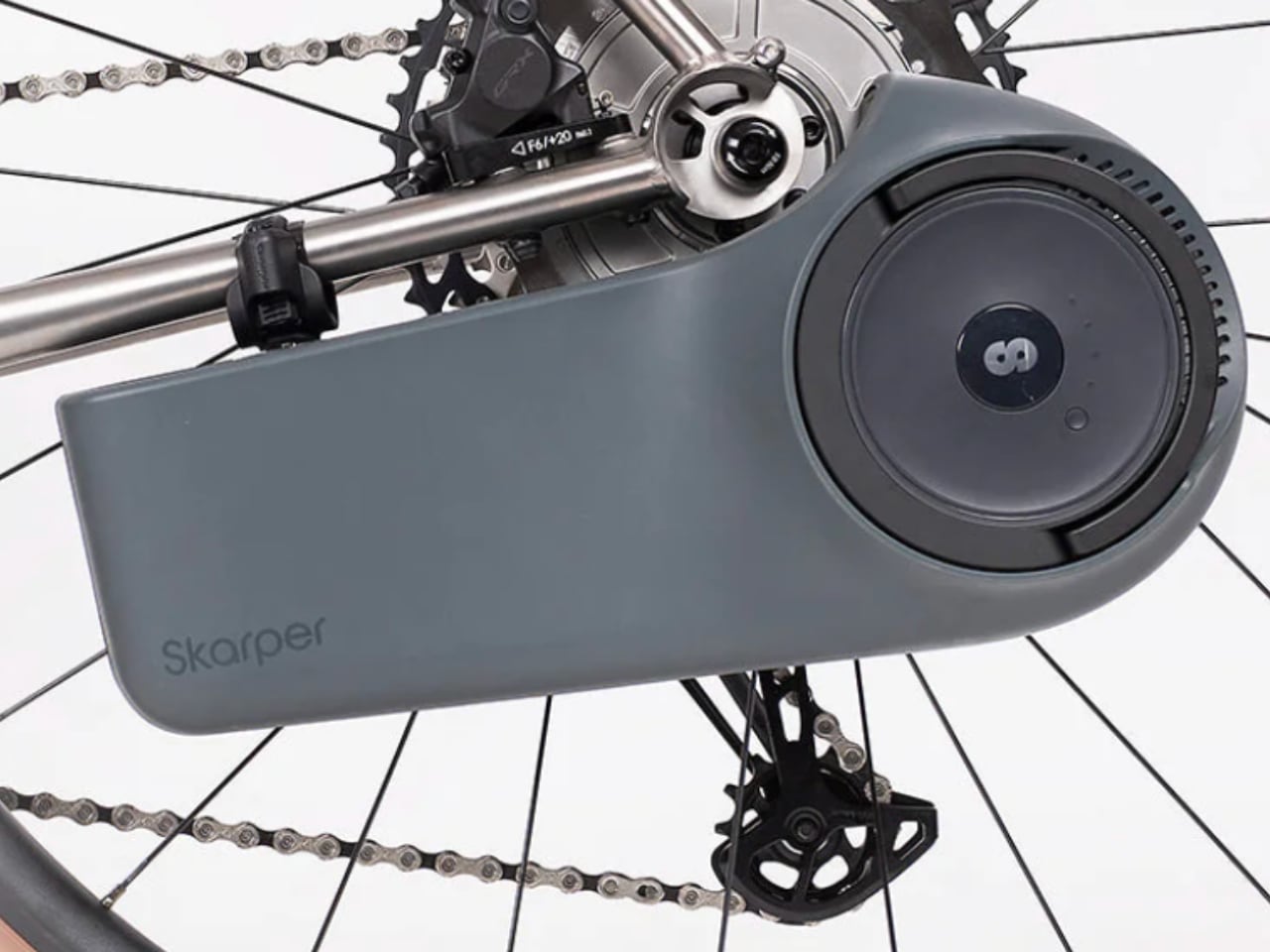
Existing Sonder owners can purchase Skarper add-on kits with free professional installation at participating Alpkit stores. This upgrade path extends the collaboration’s reach beyond new bike sales, allowing current Camino riders to convert their frames without buying a complete new build. The factory integration remains cleaner, but the option exists for those already invested in the platform.

Design Significance

The Sonder x Skarper collaboration represents something worth watching in the electric cycling space: an OEM partnership that treats removable assist as a feature category rather than an aftermarket addition. Most ebikes build their motors permanently into the frame architecture. Most conversion kits remain aftermarket products that buyers install themselves. This sits between those models, offering factory confidence with modular flexibility.

Whether the rotor-drive approach gains broader adoption depends on how well Skarper’s execution holds up to real-world use and whether other frame manufacturers follow Sonder’s lead. For now, the Camino collaboration offers one answer to the two-bike problem: a gravel bike that becomes an ebike when you want it to, and becomes a gravel bike again when you do not.

The post The Sonder x Skarper Camino Solves the Two-Bike Problem with a Click first appeared on Yanko Design.

This 9mm Wireless Charger Just Made Power Banks Obsolete

You know that moment when your phone hits 10% and you’re nowhere near an outlet? We’ve all been there, frantically searching for a charging cable while our phone gasps its last breath. Power banks were supposed to solve this problem, but let’s be honest, carrying around a chunky brick in your bag never felt like the solution we actually wanted.

Enter ALMA, the wireless charger from Addition that’s basically saying “sorry, traditional power banks, your time is up.” This isn’t just another tech accessory trying to make its way into your everyday carry. It’s a genuinely thoughtful rethink of what portable power should look and feel like in 2025.

Designer: Addition

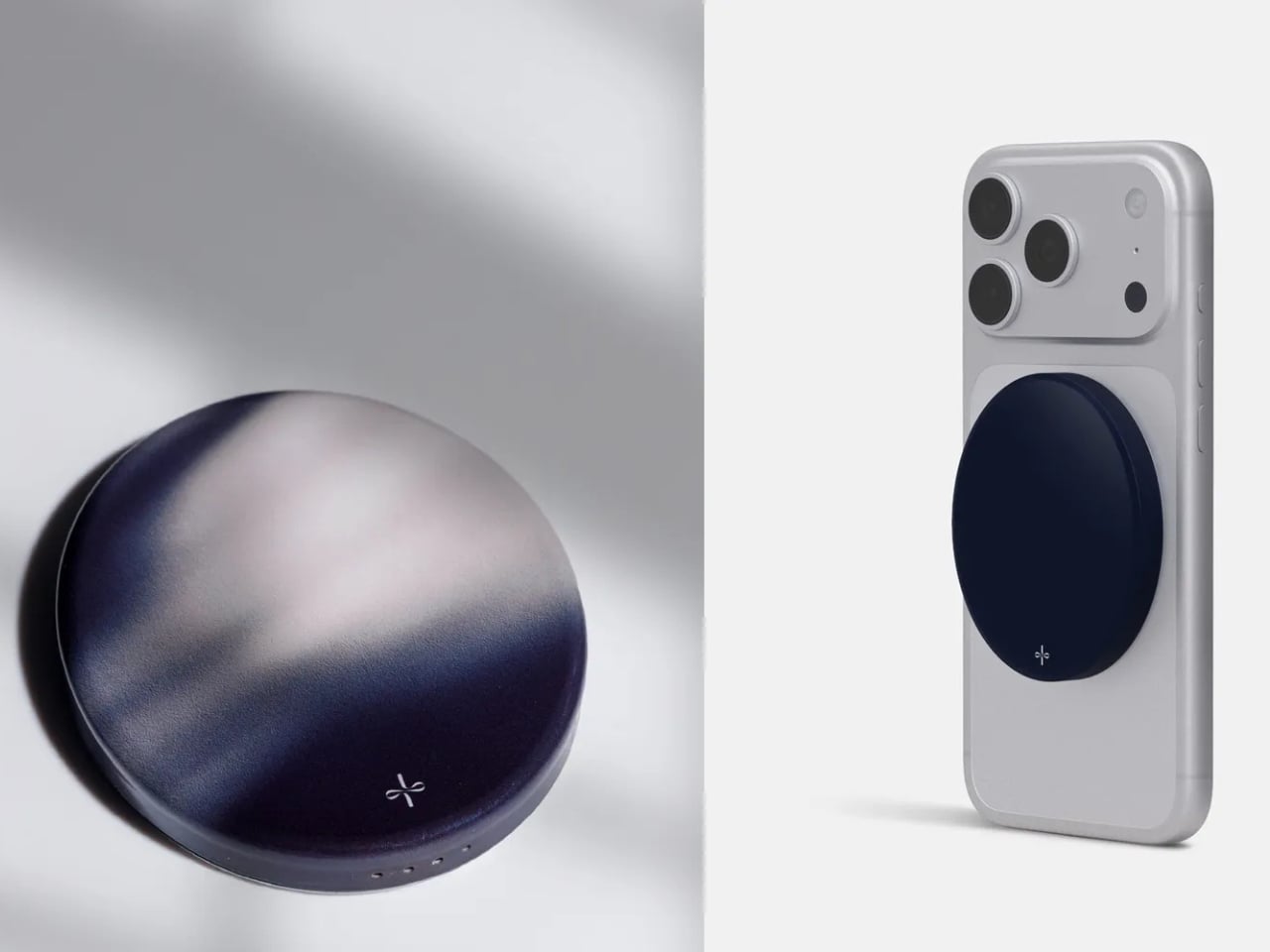
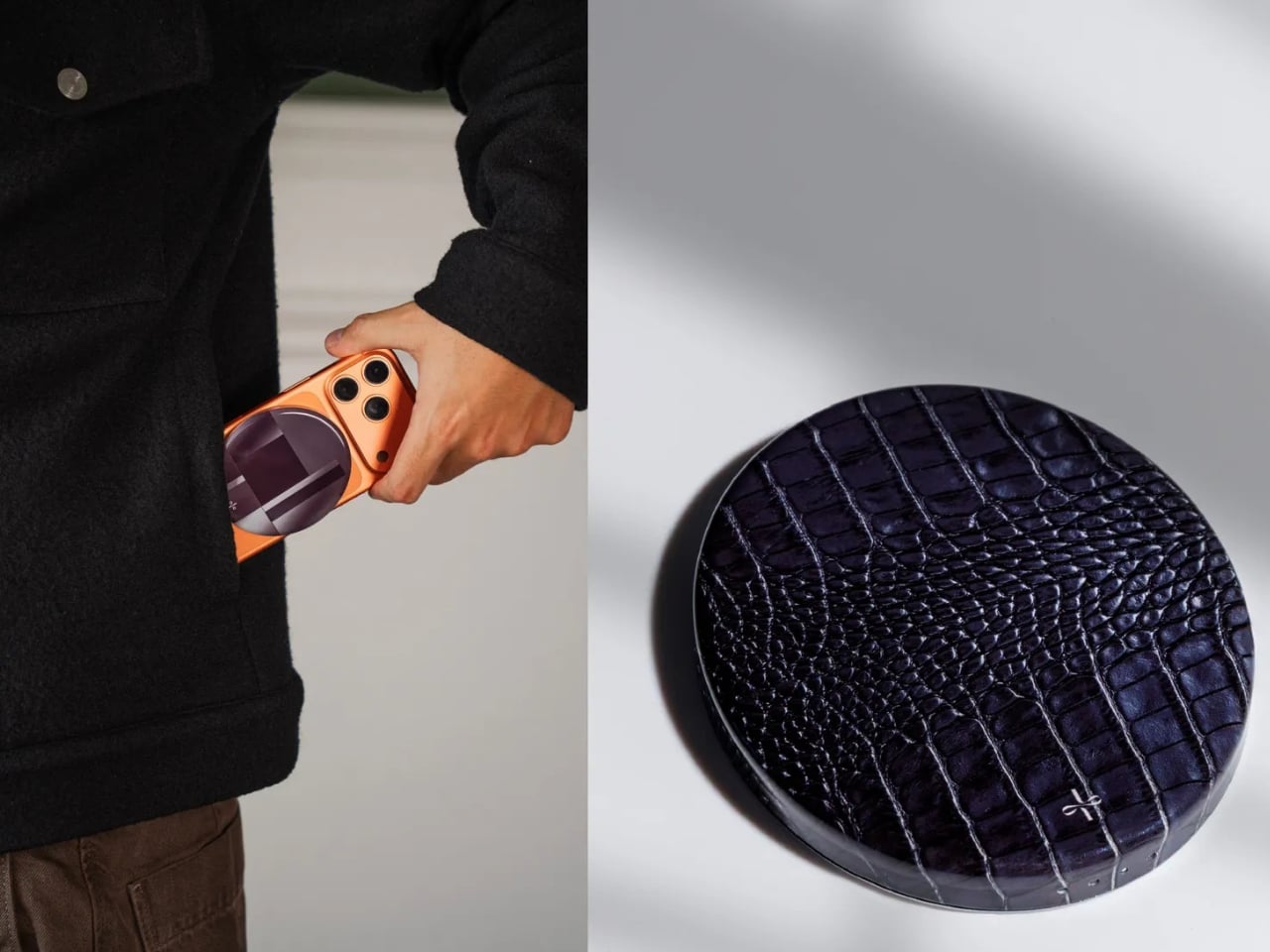
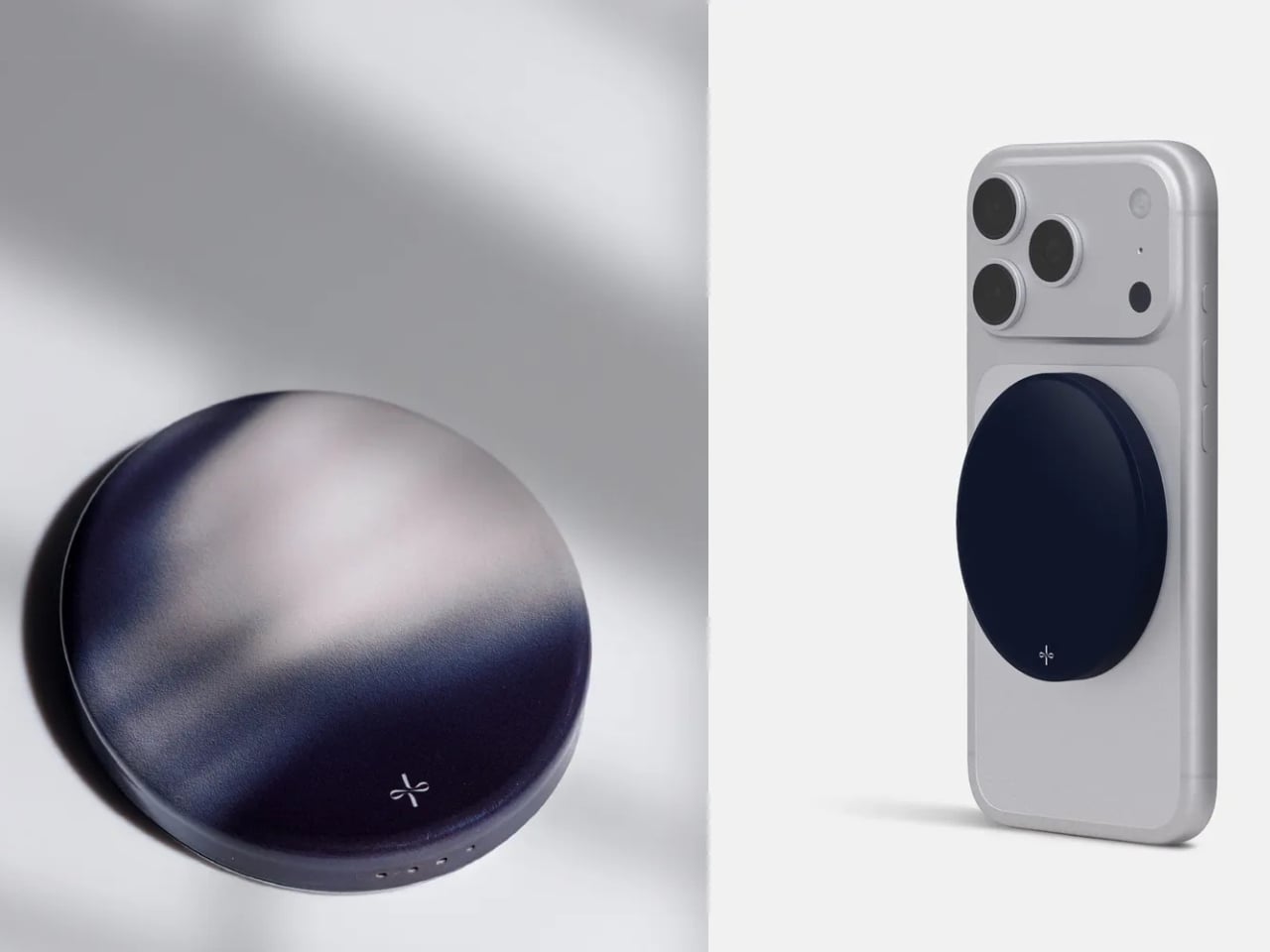
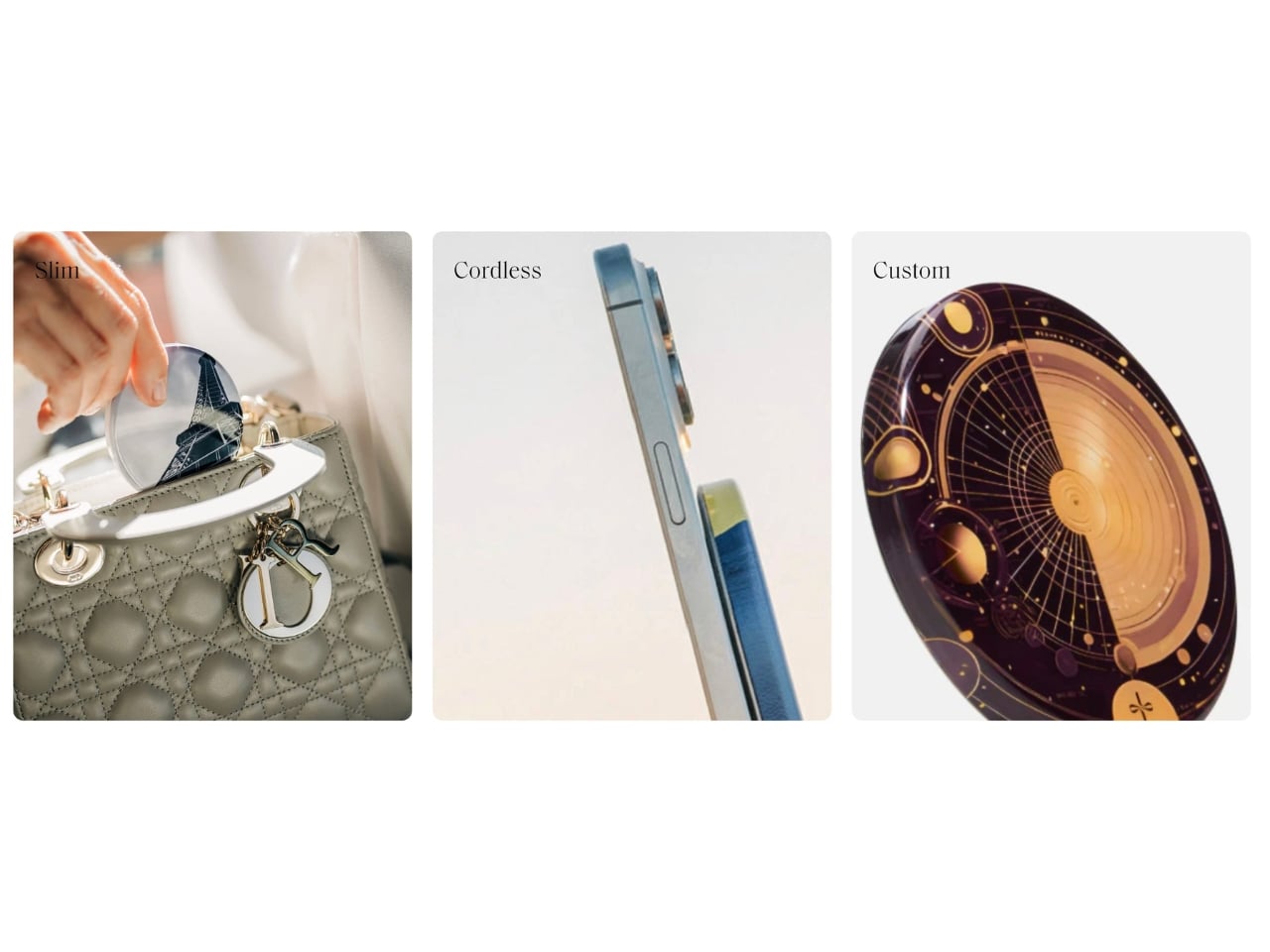
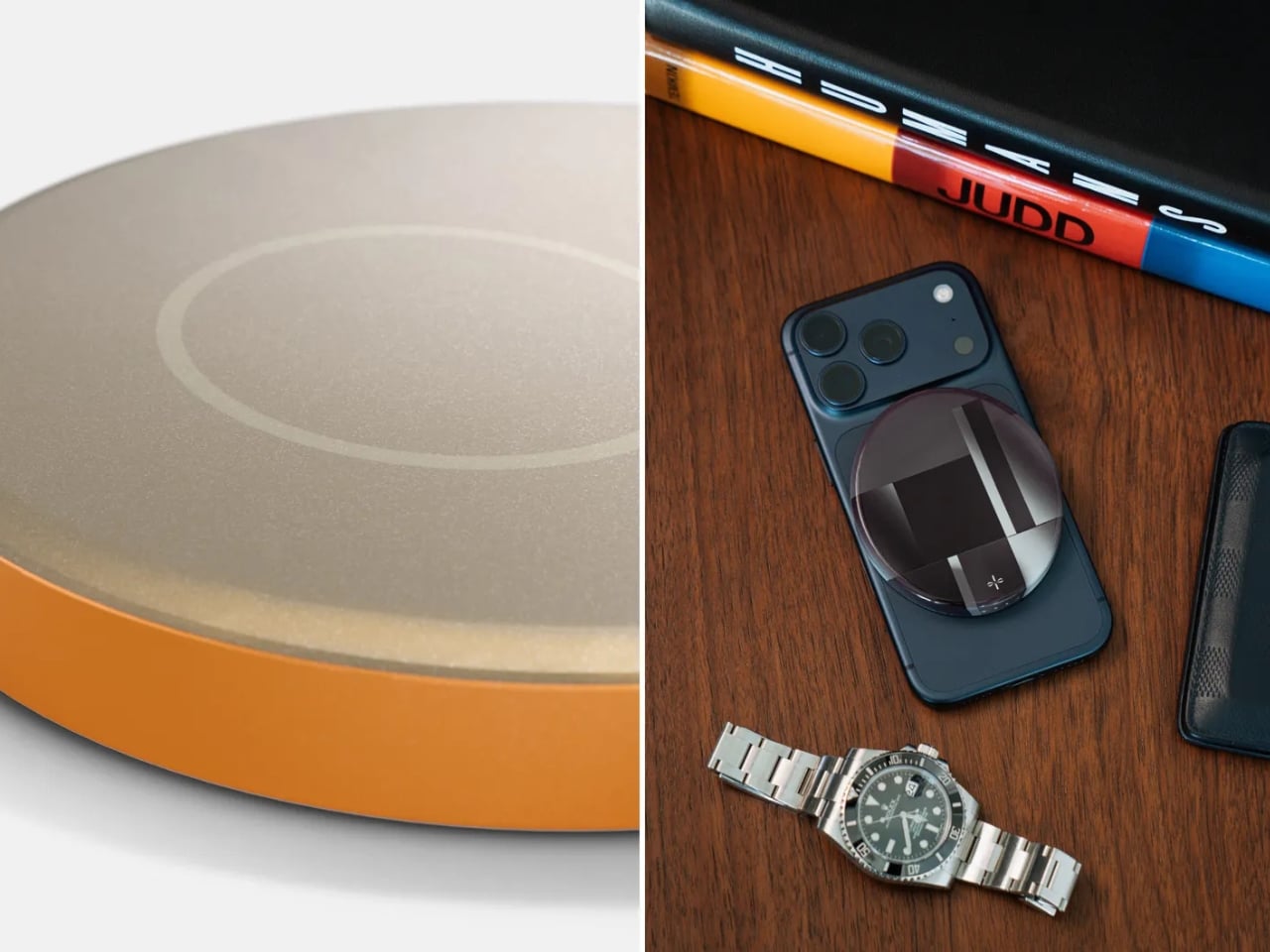
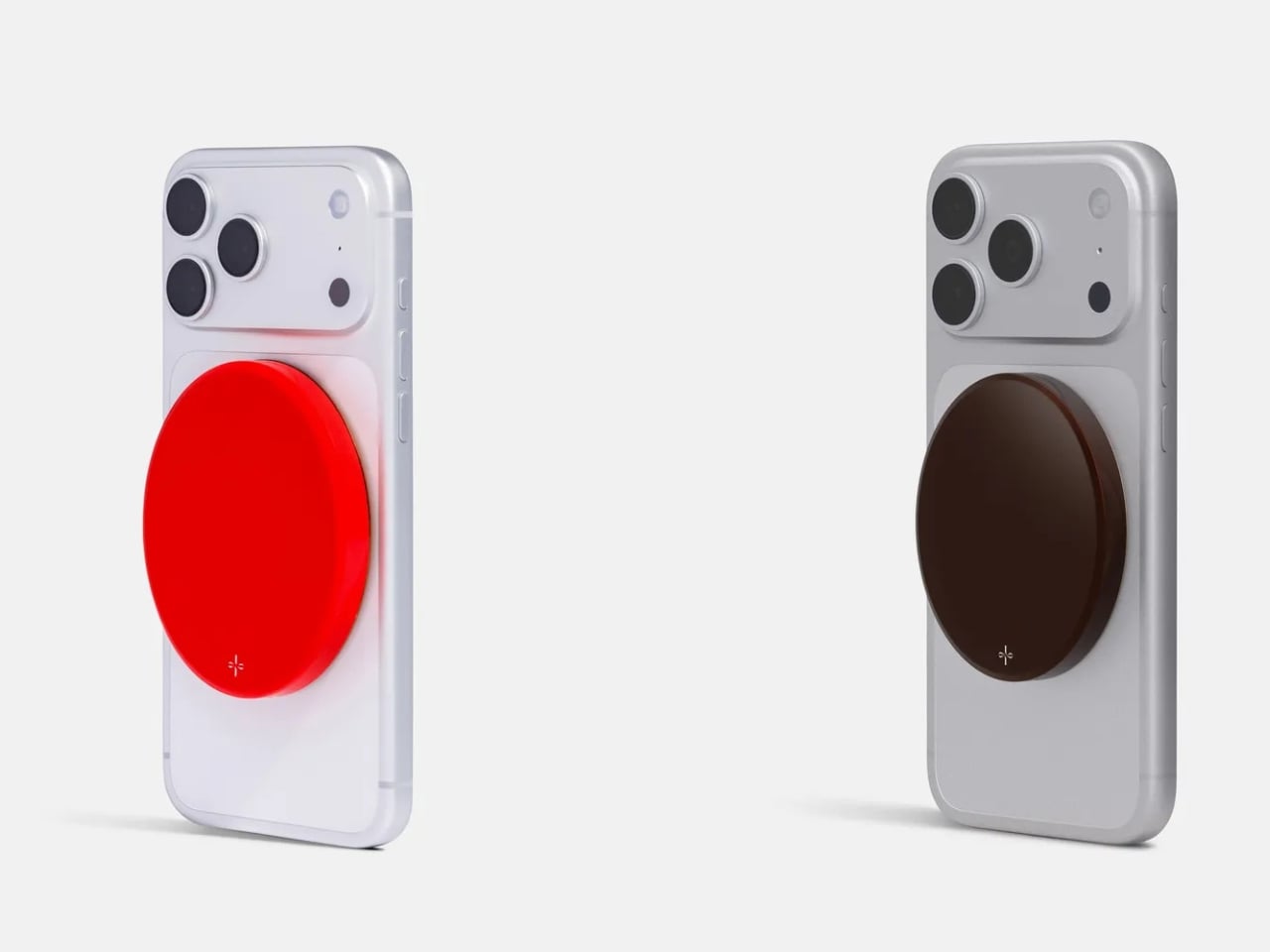
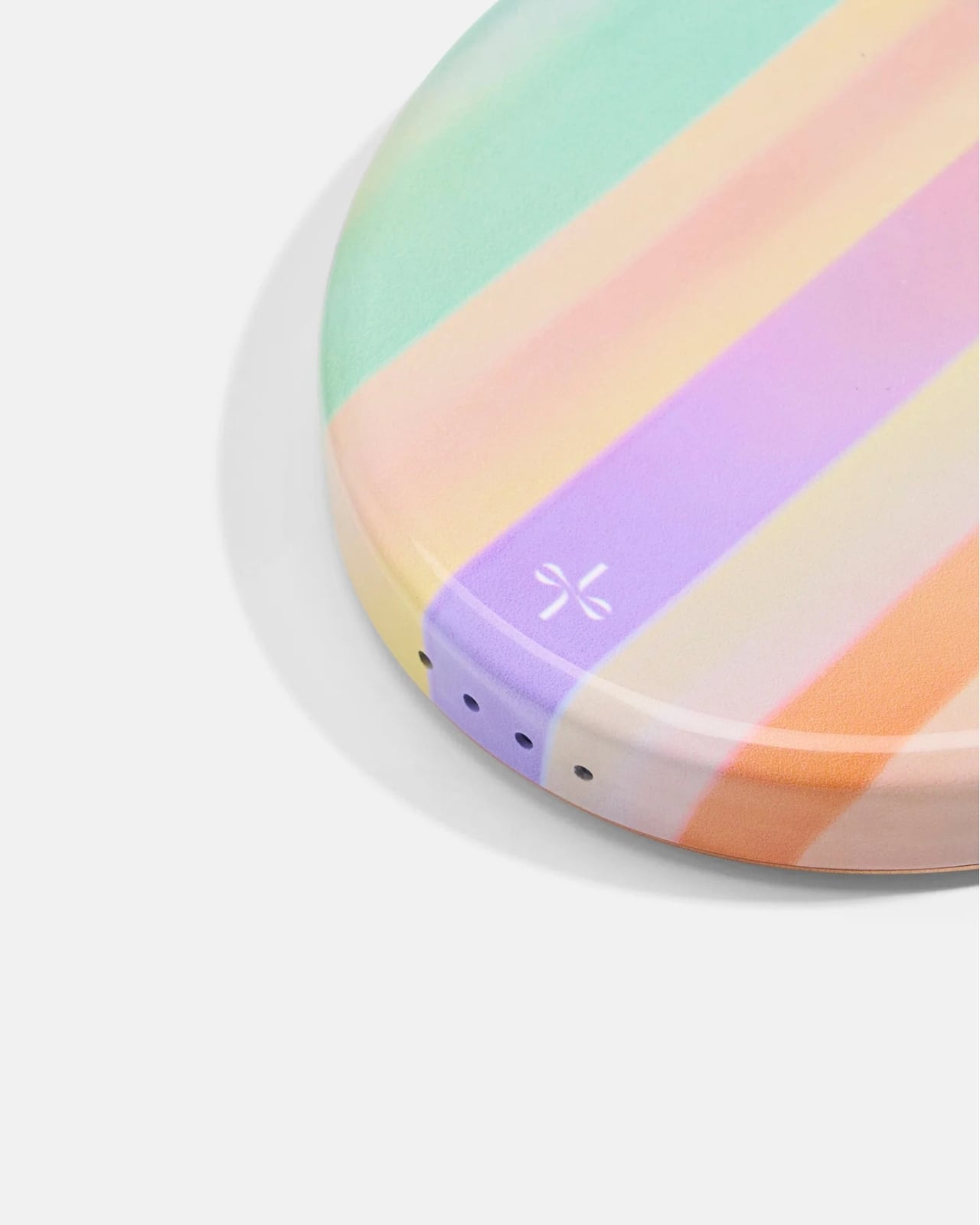
Here’s what makes ALMA different. First, it’s shaped like a slim oval that measures just 9mm thick. That means it actually slips into your jacket pocket or clutch without creating an awkward bulge. Compare that to the standard rectangular power bank that feels like you’re lugging around a paperweight, and you start to see why this matters.

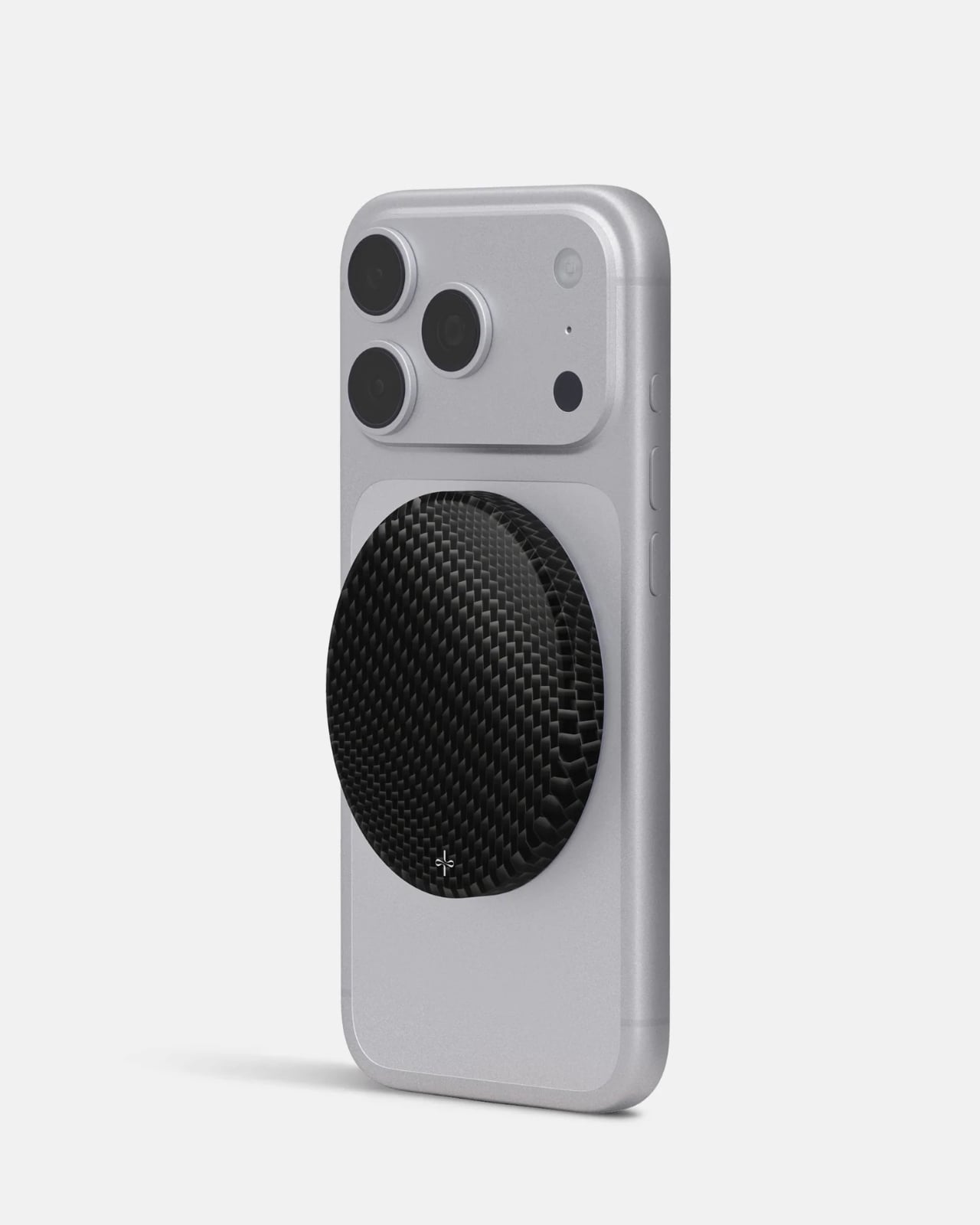
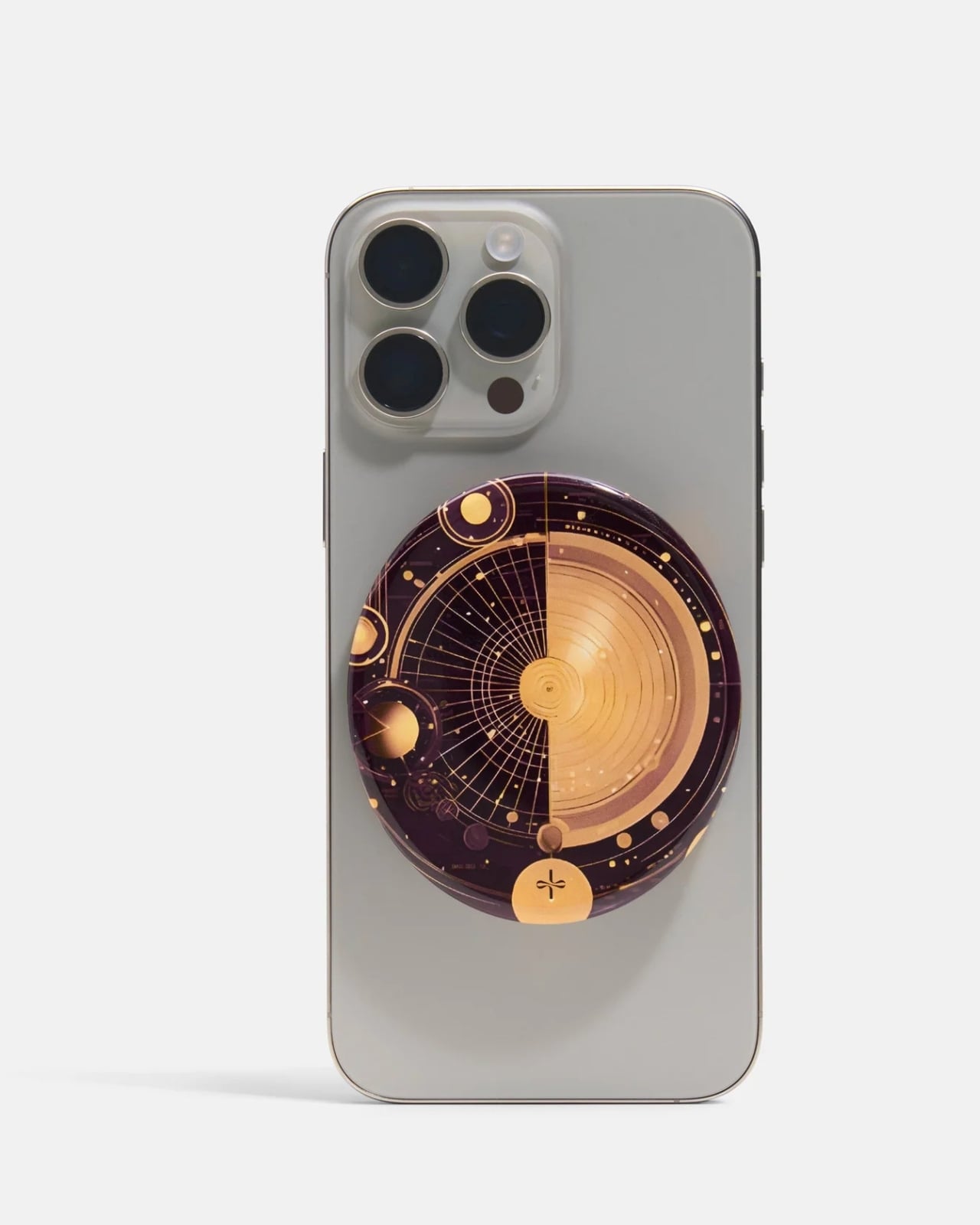
But the real magic is in how it works. ALMA charges wirelessly and gets charged wirelessly too. Think about that for a second. No more hunting for the right cable, no more tangled cords at the bottom of your bag. You just place ALMA on the back of your phone when you need juice, and when ALMA needs recharging, you drop it on any Qi-compatible charging pad. The whole experience is designed around eliminating friction, which is exactly what good design should do.

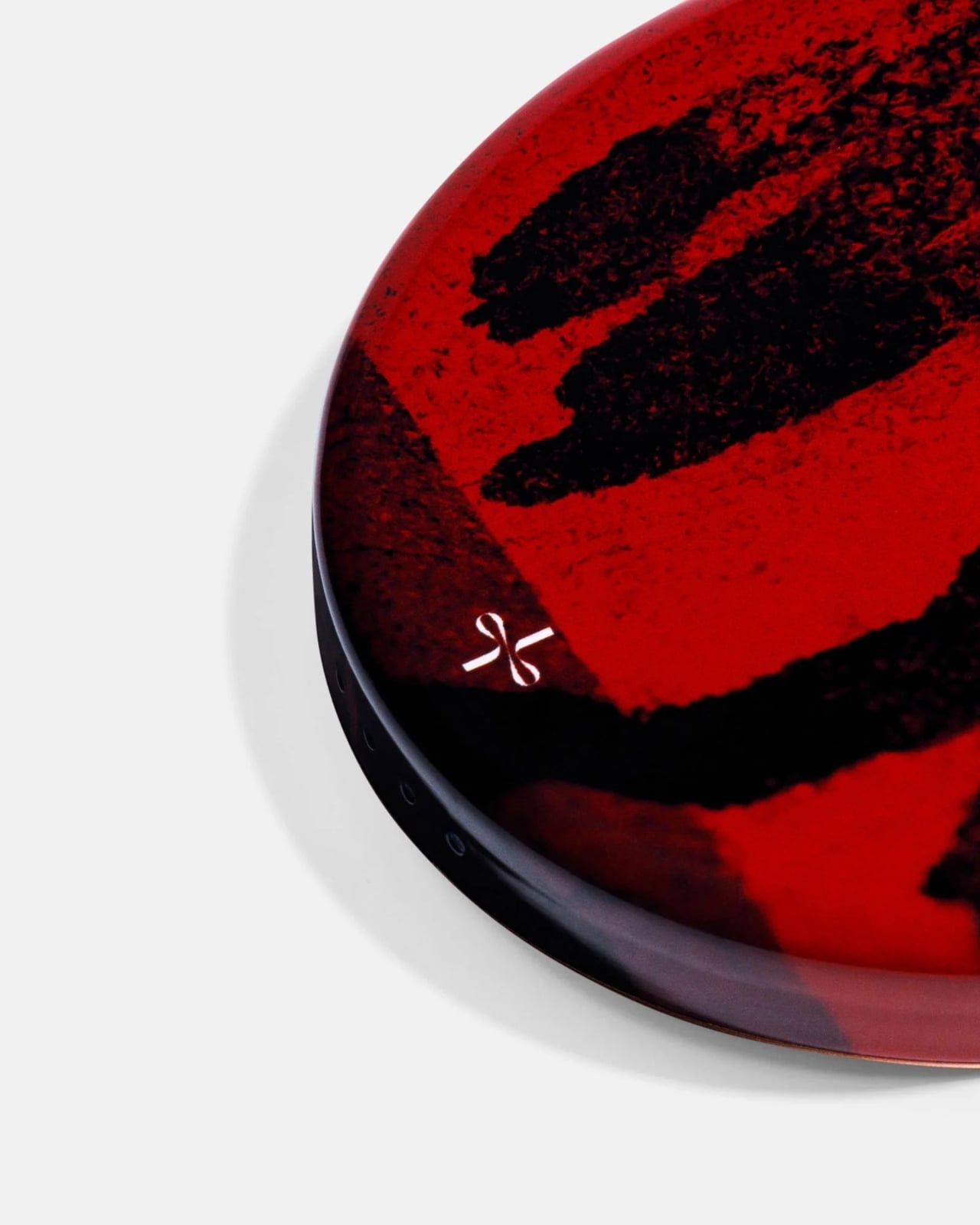
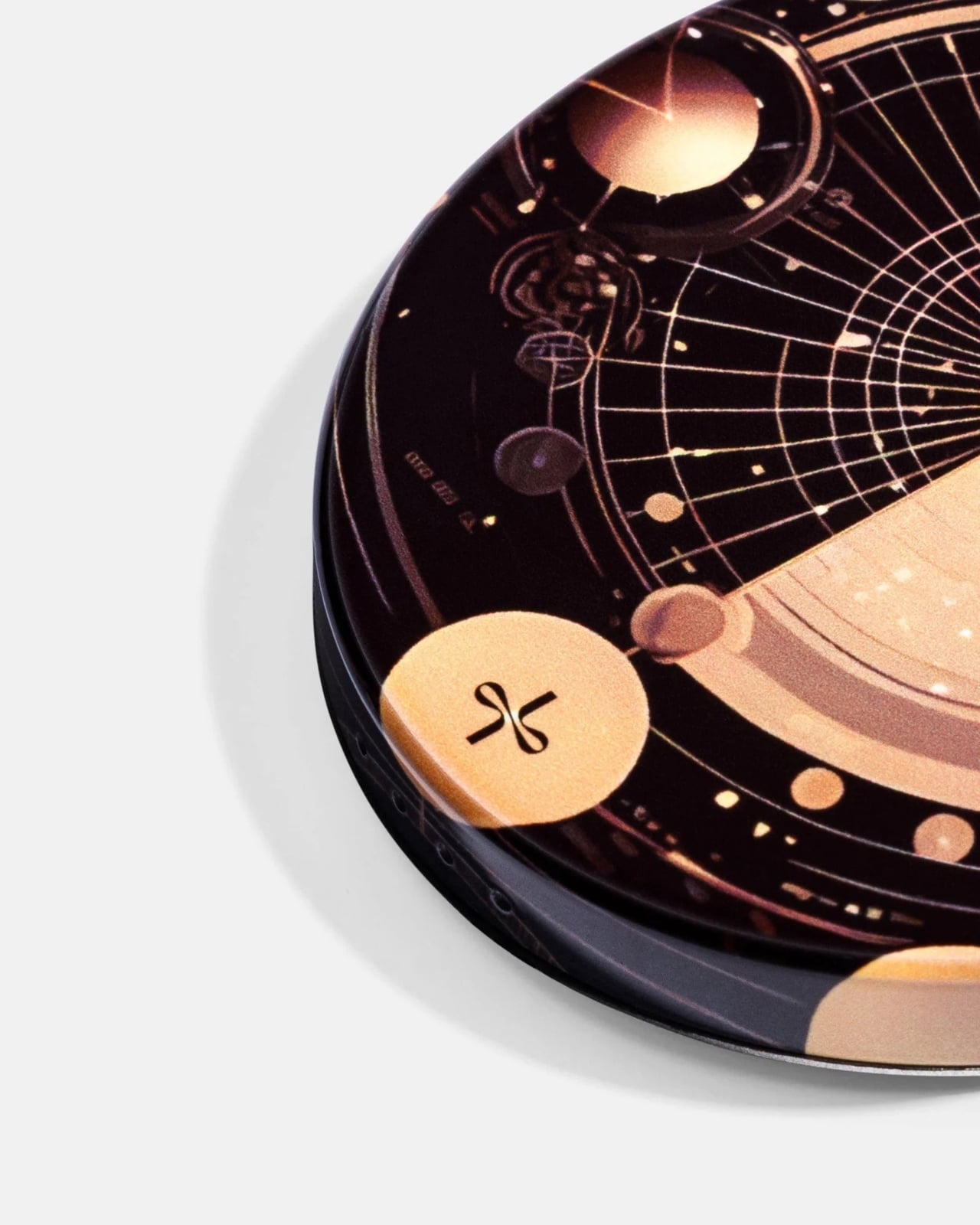
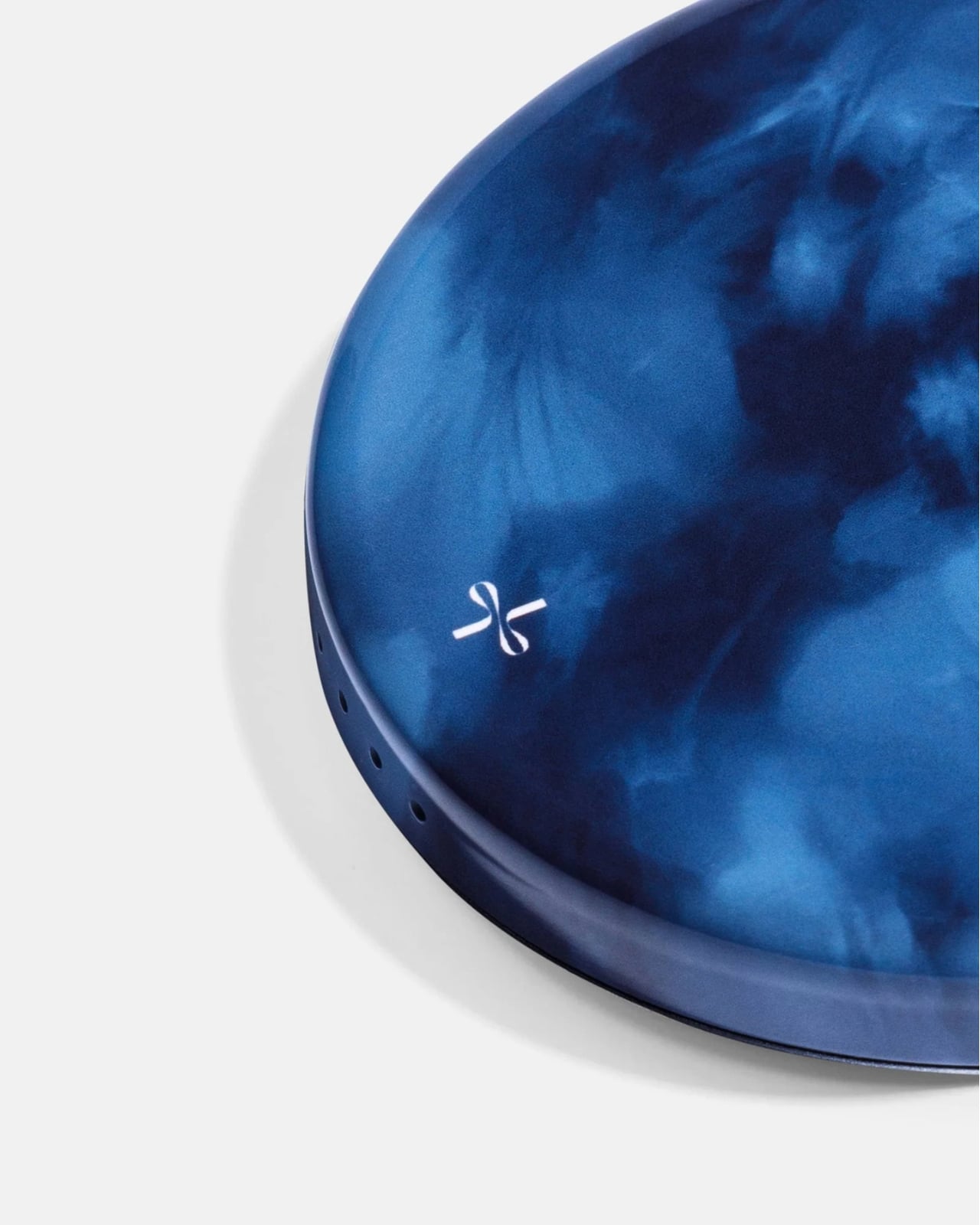
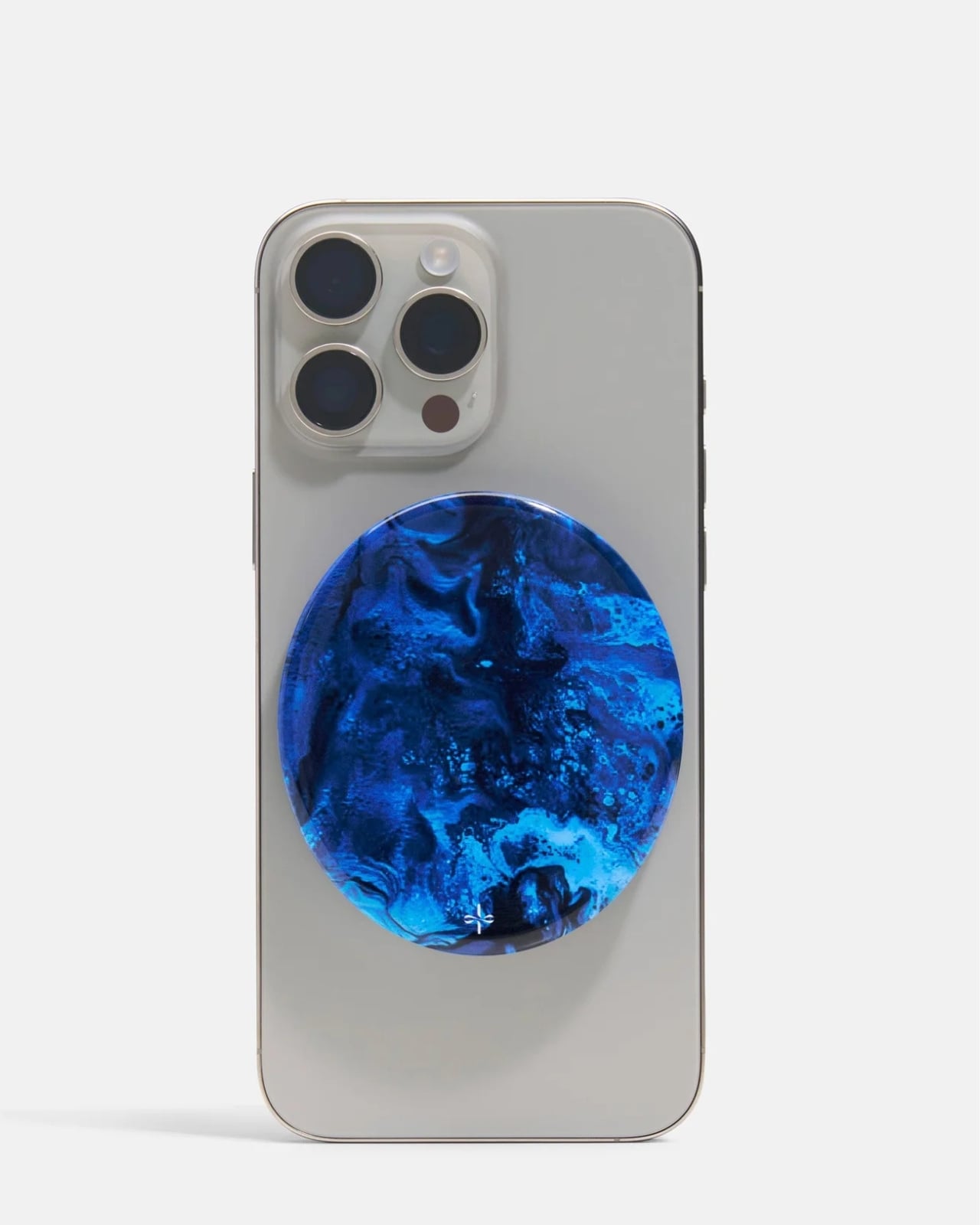
The aluminum body gives it a quality feel that separates it from the usual plastic gadgets cluttering our lives. Addition offers 17 different designs across three finishes (black, champagne, rose gold, and silver), so you can pick something that actually matches your aesthetic rather than settling for boring black box number 47. What’s really clever is the packaging. The keepsake box ALMA comes in isn’t just pretty, it doubles as a charging pad. So you’re not buying another single-purpose accessory that ends up in a drawer. The box earns its keep on your nightstand or desk as a functional part of the ecosystem.

Robert Louey, Addition’s chief design officer, said they wanted everyday tech to feel like seven-star hospitality. That might sound a bit dramatic, but when you consider how much of our interaction with technology feels clunky and frustrating, aiming for that level of seamlessness makes sense. The oval shape isn’t just for looks. It’s designed to rest naturally in your palm, creating that satisfying tactile experience that Apple perfected with their products.

Under that sleek exterior, ALMA packs some serious innovation. It uses a custom round lithium-ion battery (the first of its kind for this application) and custom internal components to achieve that impossibly thin profile. LED indicators show you the charge status at a glance: one light means 1% to 33%, two lights mean 34% to 66%, and so on up to four lights at 96% to 100%. Simple, intuitive, no guesswork.

ALMA works with any Qi-enabled device, so whether you’re team iPhone, Samsung Galaxy, Google Pixel, or even rocking wireless AirPods, you’re covered. That universality matters in a world where we’re constantly switching devices or sharing chargers with friends who have different phones. At $85 for one or $170 for a set of two, ALMA isn’t exactly impulse-purchase territory. But here’s the thing: when you factor in what you’re actually getting, a beautifully designed object that solves a daily annoyance, eliminates cable clutter, and happens to be customizable, the price starts making more sense. This is clearly positioning itself as the luxury option in a sea of generic alternatives.

Addition is a female-founded company launched by Laura Schwab, who has decades of experience with luxury brands like Jaguar Land Rover and Aston Martin Lagonda. That pedigree shows in the attention to detail and the understanding that design isn’t just about how something looks, it’s about how it makes you feel when you use it.

A lot of tech accessories now are afterthoughts, designed purely for function with zero consideration for aesthetics. But ALMA represents something refreshing. It’s technology that doesn’t apologize for wanting to be beautiful. It’s portable power that doesn’t make you feel like you’re carrying around emergency equipment. It’s the wireless charger that finally delivers on the promise of being truly wireless.

The post This 9mm Wireless Charger Just Made Power Banks Obsolete first appeared on Yanko Design.
IO Interactive’s 007 First Light reimagines James Bond as a young and reckless spy

The creators of the Hitman series have honed their style of- open-ended and spectacle-driven sandboxes across several games, and now they're taking their signature immersive gameplay to the world of James Bond. With 007 First Light, developer IO Interactive is crafting an origin story for the globetrotting British spy, showing how he undertook daring missions at the start of his career to eventually become the world's most infamous agent.

Before the reveal at The Game Awards of 007 First Light's newest villain, played by Lenny Kravitz, we had an early look at the latest bits of plot for James Bond's origin story as a superspy. We also spoke with cinematic and narrative director Martin Emborg about the main inspirations for the game, how Bond's origin taps into decades of lore, and why a good spy story is timeless.

"What I think is kind of baked into doing an origin story for a character like James Bond, is that everyone knows the character and who he's going to become," Emborg said. "But how does he become this character? I think that's an exciting challenge from a storytelling perspective."

IO Interactive's James Bond is young and inexperienced.
IO Interactive

While some Bond films and novels have touched upon the early years of the iconic character, 007 First Light will be the first attempt at an actual, modernized origin story. As a twenty-something new MI6 recruit, this James Bond, portrayed by Patrick Gibson, is inexperienced and brash, which can result in some operations going off the rails. He still possesses a certain cunning, and near-supernatural levels of charisma and resourcefulness. This presents a solid archetype for the game’s open-ended missions where players will explore tightly designed worlds with a multitude of tasks and objectives to handle – however the players see fit.

While IO Interactive's Hitman series taps into the spy experience, what really separates James Bond from Agent 47 is that he's a far more social character. The social element will play a big part in how players can find ways to distract, or even outright bluff through charisma to sneak into areas.. Emborg explained that James Bond's resourcefulness also makes him a compelling character for a video game, especially one that is all about player agency.

007 First Light will take players to several locations, including Slovakia and what appears to be Vietnam.
IO Interactive

"Bond is a competent character,” Emborg said. “We want to give the player the opportunities to have that agency to say, 'Oh, I'm gonna talk to that guy,' or, 'I'm gonna go and punch that guy,’ or, ‘I can probably crawl up into a tight space to sneak in.' Having that sense of agency is pivotal if you want to deliver a full Bond experience. Obviously, the social aspect of that is important; to embed yourself and infiltrate socially is a big part of that Bond experience." 

Emborg said the rhythm of a James Bond game is different from a Hitman title, even though espionage, infiltration and subterfuge are at the core of both. 

"We have a lot of experience with that from obviously making Hitman, but there are just many more gears to Bond,” he said. “Of course, the shape of this game is different. We have sandbox locations where you make the open-ended decisions, but we also have other levels where it is a chase or a set-piece encounter, and then it opens up again. So we kind of coined the term, having a game that breathes. It's a very different way of playing this type of game that we usually do, so we've definitely bolstered our toolbox for this game."

In many ways, 007 First Light is a story that can only be told in an interactive format. The new game will pull from numerous novels and films for its plot, and it also features a large cast of familiar characters seen throughout the franchise – such as MI6 assistant Moneypenny (performed by Kiera Lester), gadget guru and quartermaster Q (played by Alastair Mackenzie), and team leader M (Priyanga Burford). 

But like any singular Bond story, First Light features its own set of original characters. In addition to James Bond's MI6 mentor John Greenway (portrayed by Lennie James), a new core villain, black-market smuggler and warlord Bawma, will be played by Lenny Kravitz. It's a familiar setup for a Bond experience for sure, but within the context of a video game – one made by IO Interactive – it really taps looks to tap into the Bond fantasy more than other games have. 

From the gameplay demos and trailers we've seen, IO Interactive looks to be channeling the style and lore from decades of Bond with its modernized reboot of the character. From deep cuts to On Her Majesty's Secret Service – one of the great and underrated Bond movies – and You Only Live Twice, 007 First Light is keeping a keen eye on paying tribute to what came before.

"At the very beginning, it was very much like a maelstrom of [ideas], then suddenly something emerges, and you build up a story around it," Emborg said. He continued, “I love doing this stuff and with great reverence for the material. It's a privilege to work in this universe. James Bond is one of the few IPs that still hasn't been overdone, in my view. We have a space to come in with a fresh take, and he's a character who's seen a lot of versions over the years."

Confirmed MI6 gadgets include the "Q-Watch."
IO Interactive

So far, 007 First Light has the makings of not only the biggest Bond game but also the most true-to-life simulation of being a superspy. While previous Bond games like Goldeneye and Everything or Nothing are well-loved classics, they embody traditional video game shooting spectacle. 007 First Light is looking to lean into the immersive element of the Hitman games in its adaptation of James Bond, finally giving players the opportunities to explore the social aspects of spy work on a grand scale. 

007 First Light will arrive on March 27, 2026, for PC, PS5 and Xbox Series X/S.


This article originally appeared on Engadget at https://www.engadget.com/gaming/io-interactives-007-first-light-reimagines-james-bond-as-a-young-and-reckless-spy-180000758.html?src=rss

This Designer Just Built the Sleep Device Insomniacs Always Wanted

We’ve all been there. It’s 2:47 AM, and you’re staring at your ceiling, mentally calculating how many hours of sleep you’ll get if you fall asleep right now. Spoiler alert: that math never helps. Designer JeJun Park clearly understands this universal struggle, because Re:M tackles the insomnia problem from a completely fresh angle.

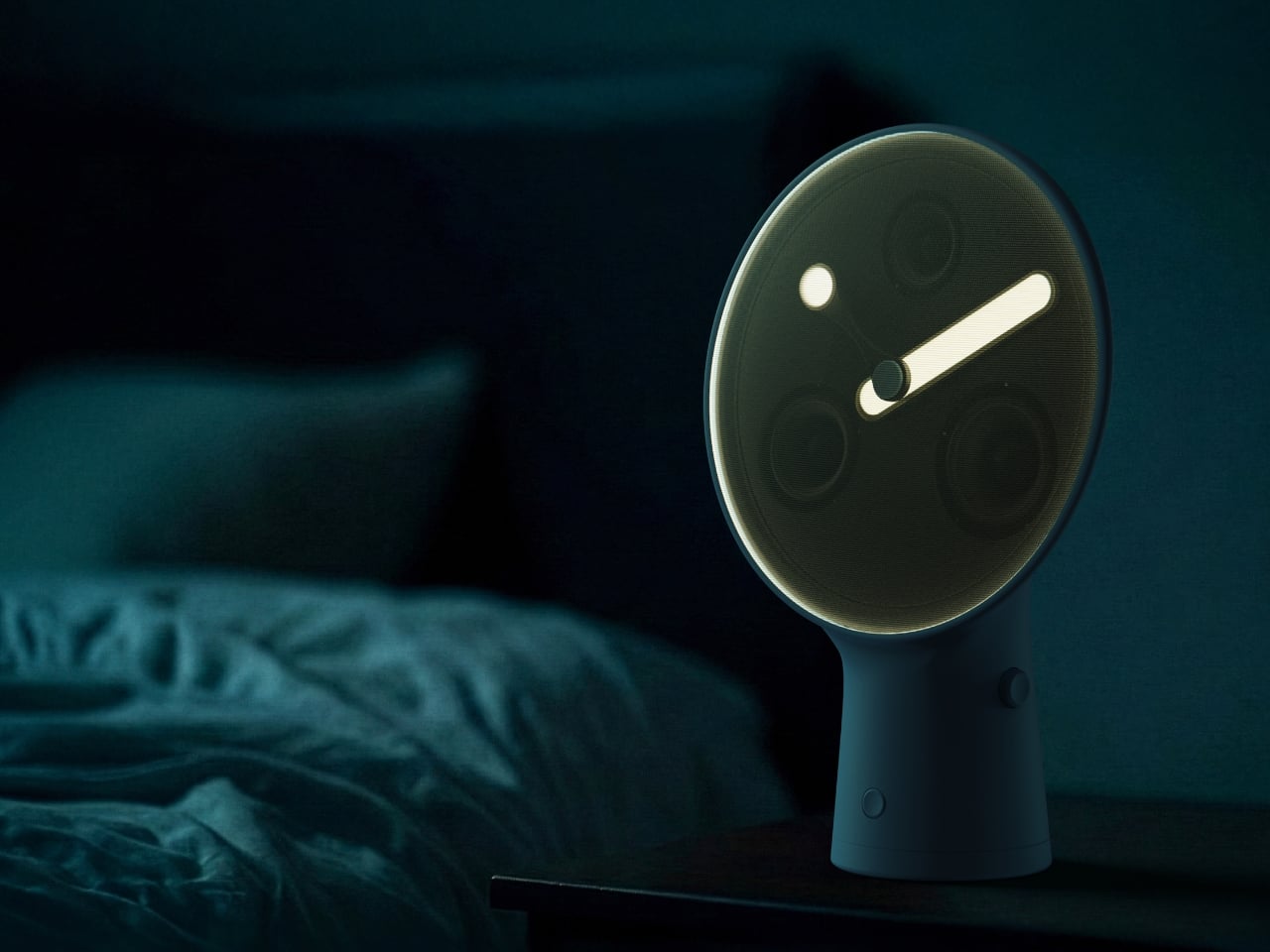
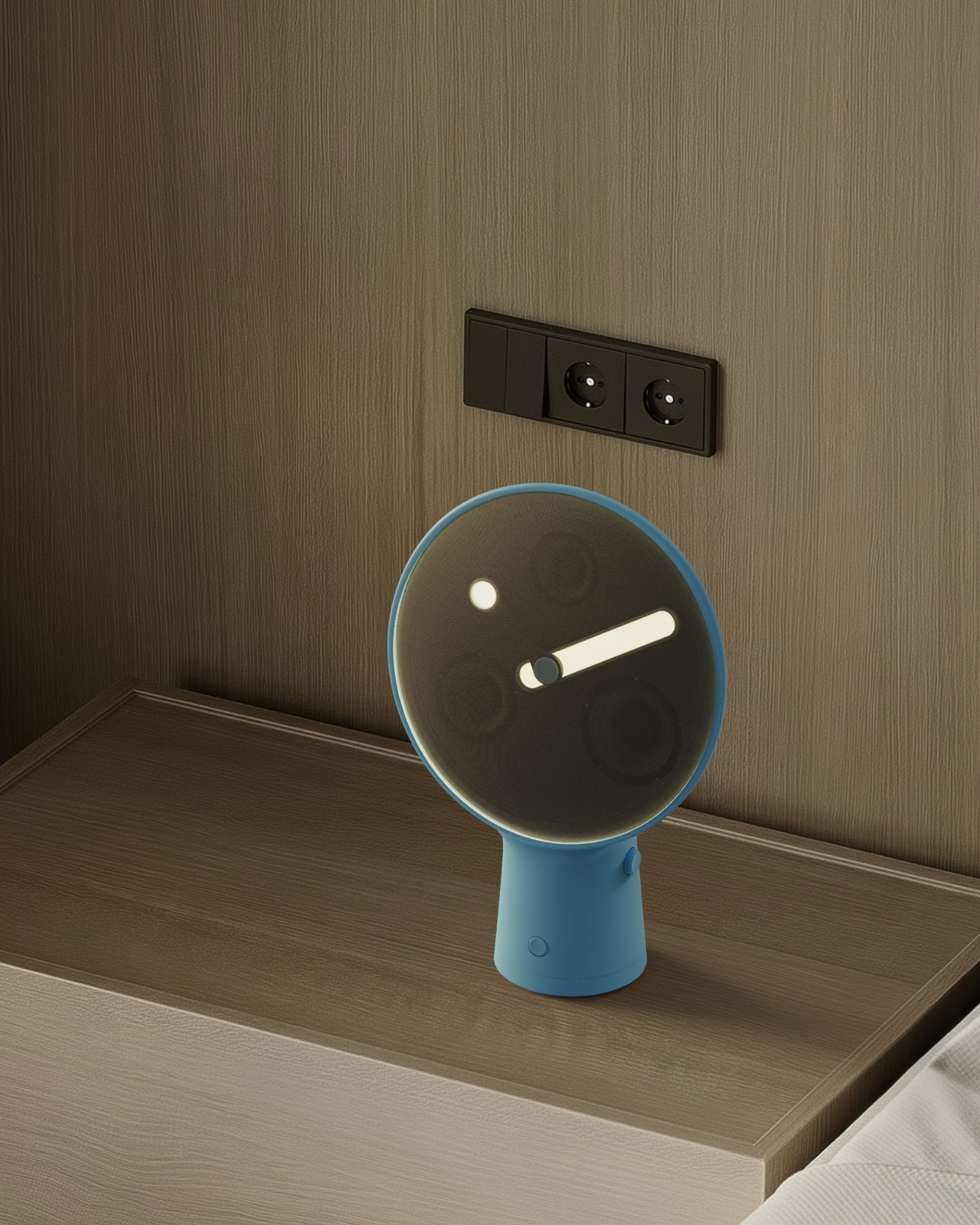
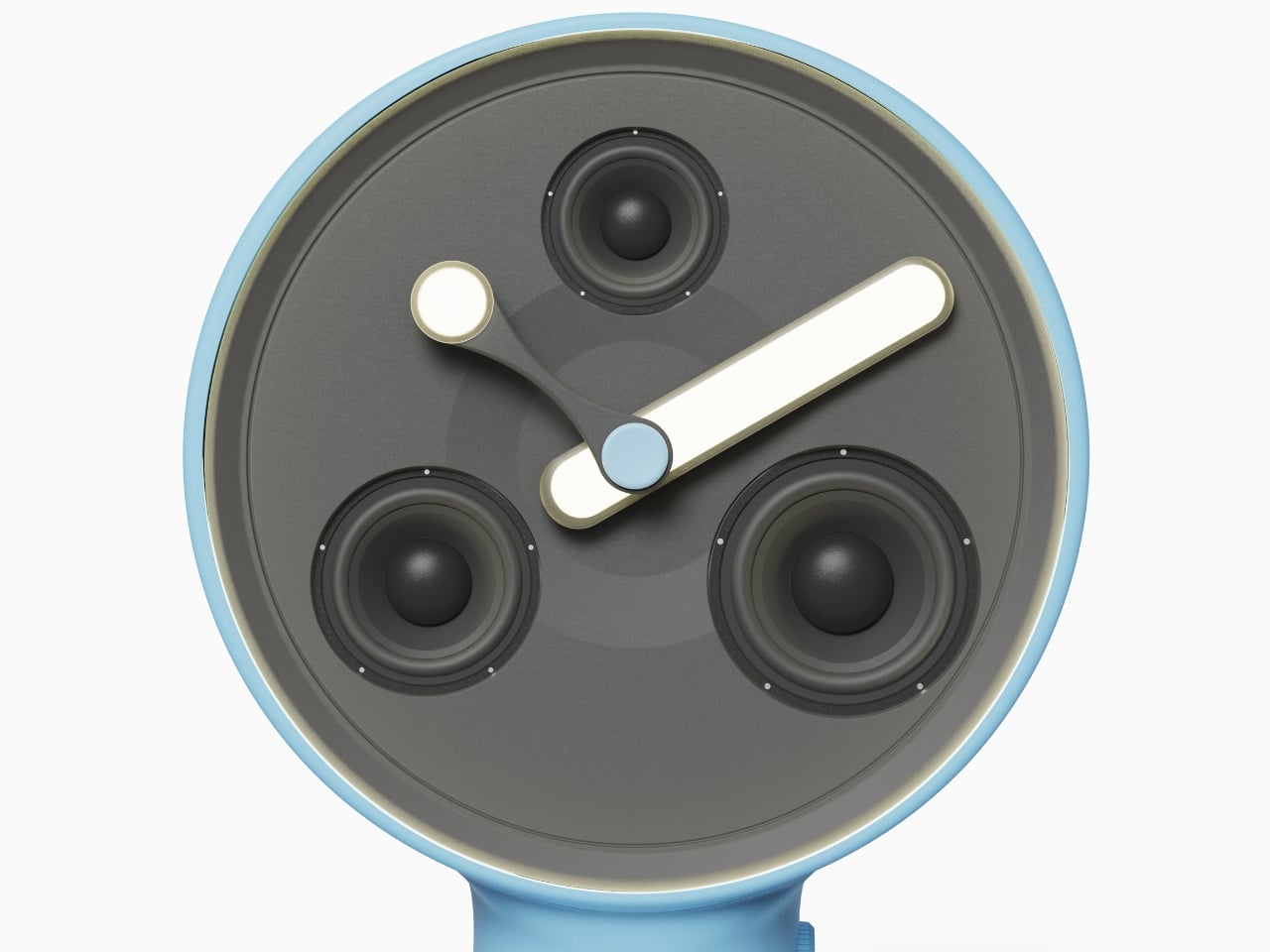
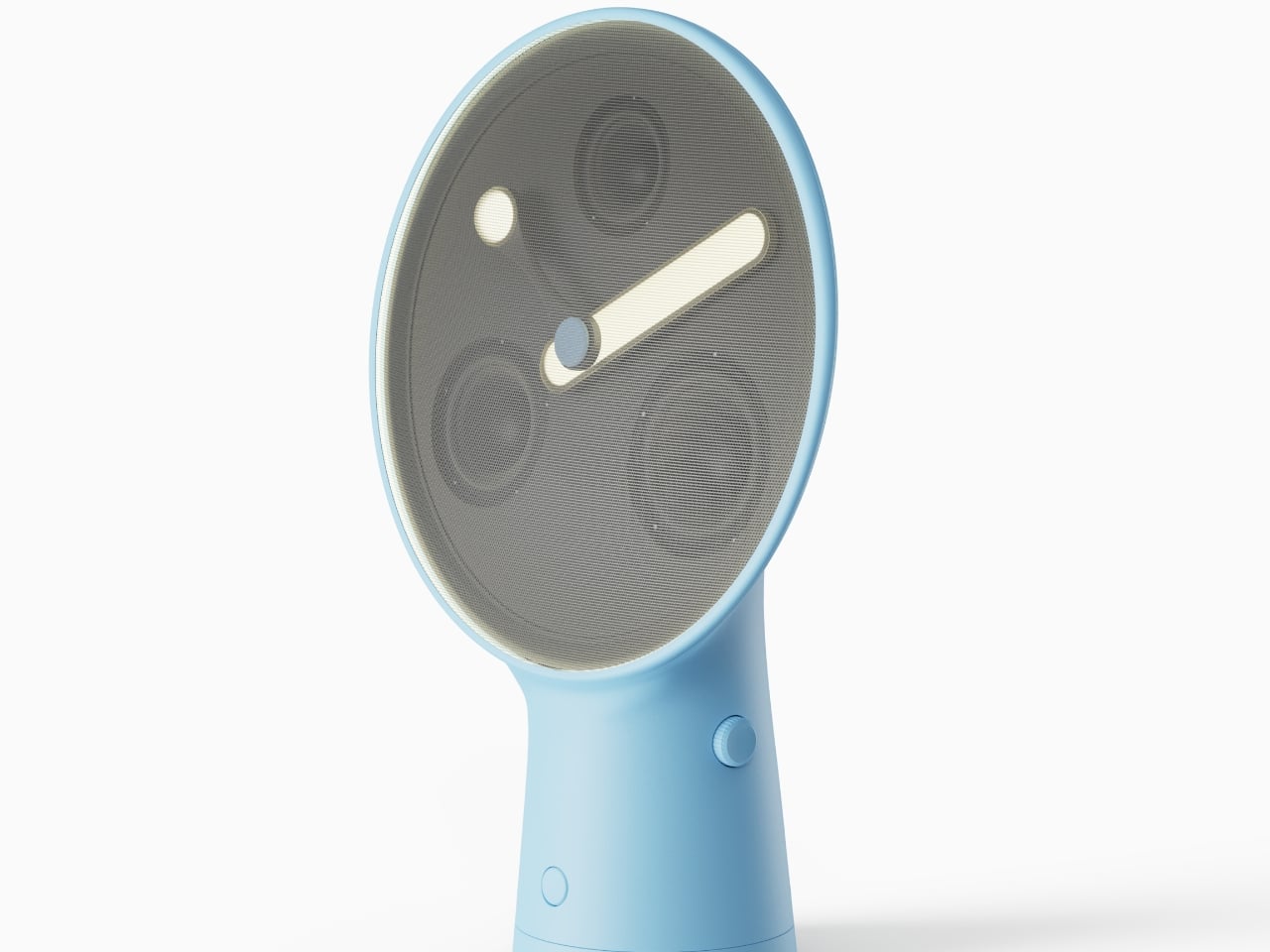
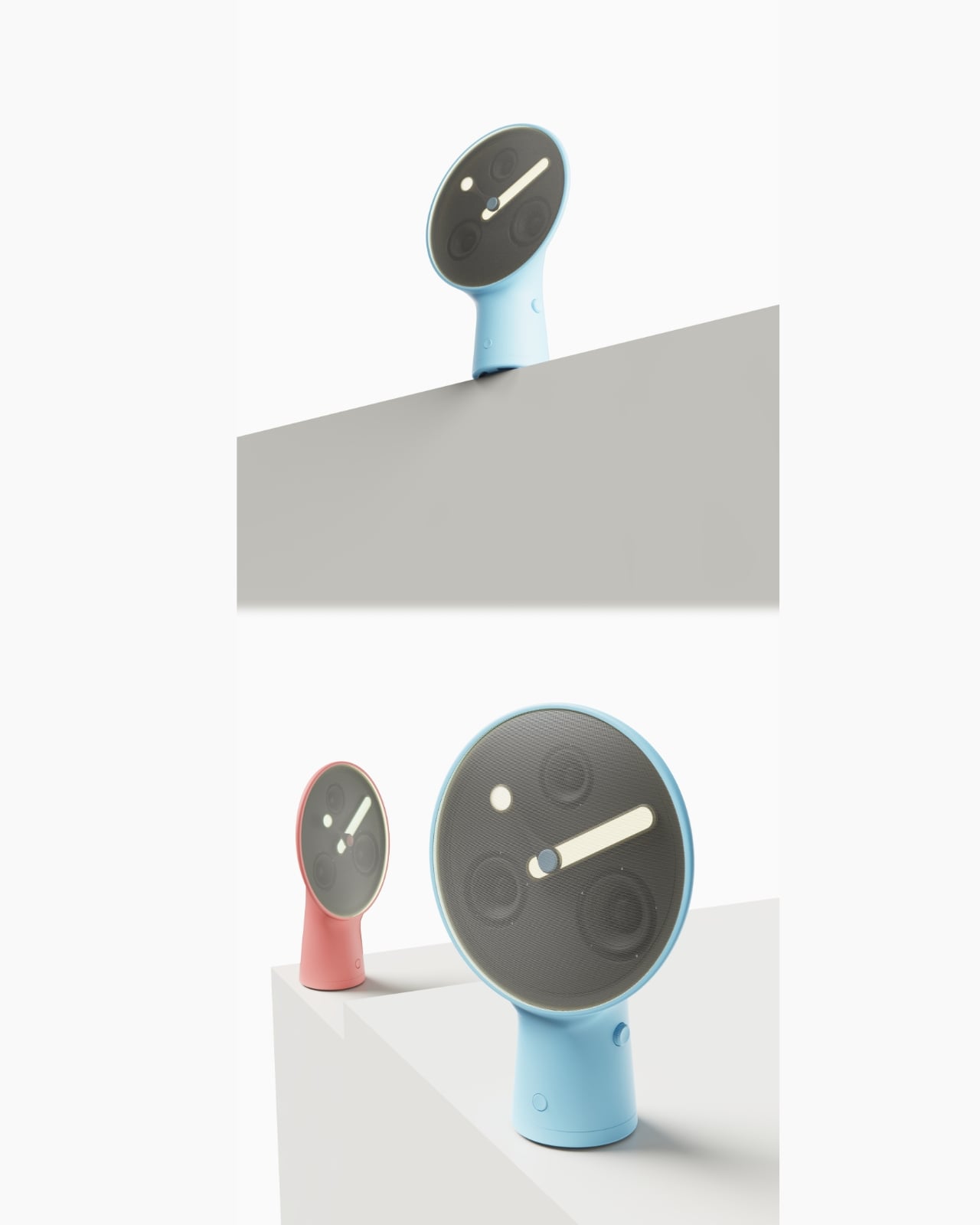
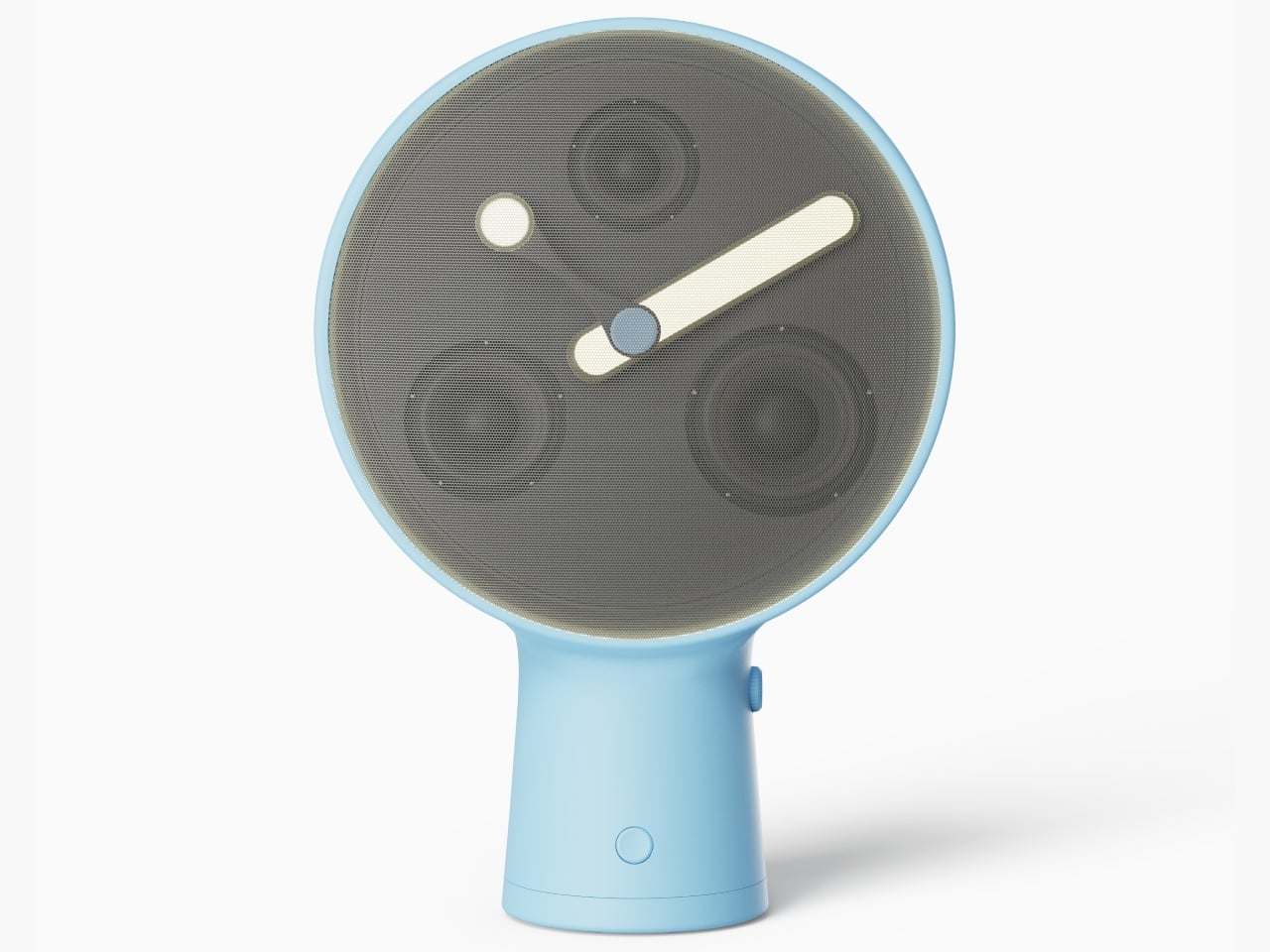
At first glance, Re:M looks like it wandered out of a minimalist’s dream. It’s got that soft baby blue finish that feels calming just to look at, and an oval speaker face that tilts upward like it’s ready to have a conversation with you. But here’s where it gets interesting. This isn’t just another white noise machine or smart alarm clock trying to do everything at once. It’s what Park calls a “sleep care object,” which is honestly a much better way to think about it.

Designer: JeJun Park

Create your own Aesthetic Render: Download KeyShot Studio Right Now!

The most brilliant design choice? Those numbers you obsessively check at 3 AM? Gone. Instead of a traditional clock face with digits taunting you about lost sleep, Re:M shows time through just a simple dot for the hour and a line for minutes. It sounds almost too minimal, but that’s exactly the point. When you’re not fixating on the exact time, you stop doing that awful mental math about your dwindling sleep window. You just… let go. The clock becomes ambient, flowing, present but not demanding your attention.

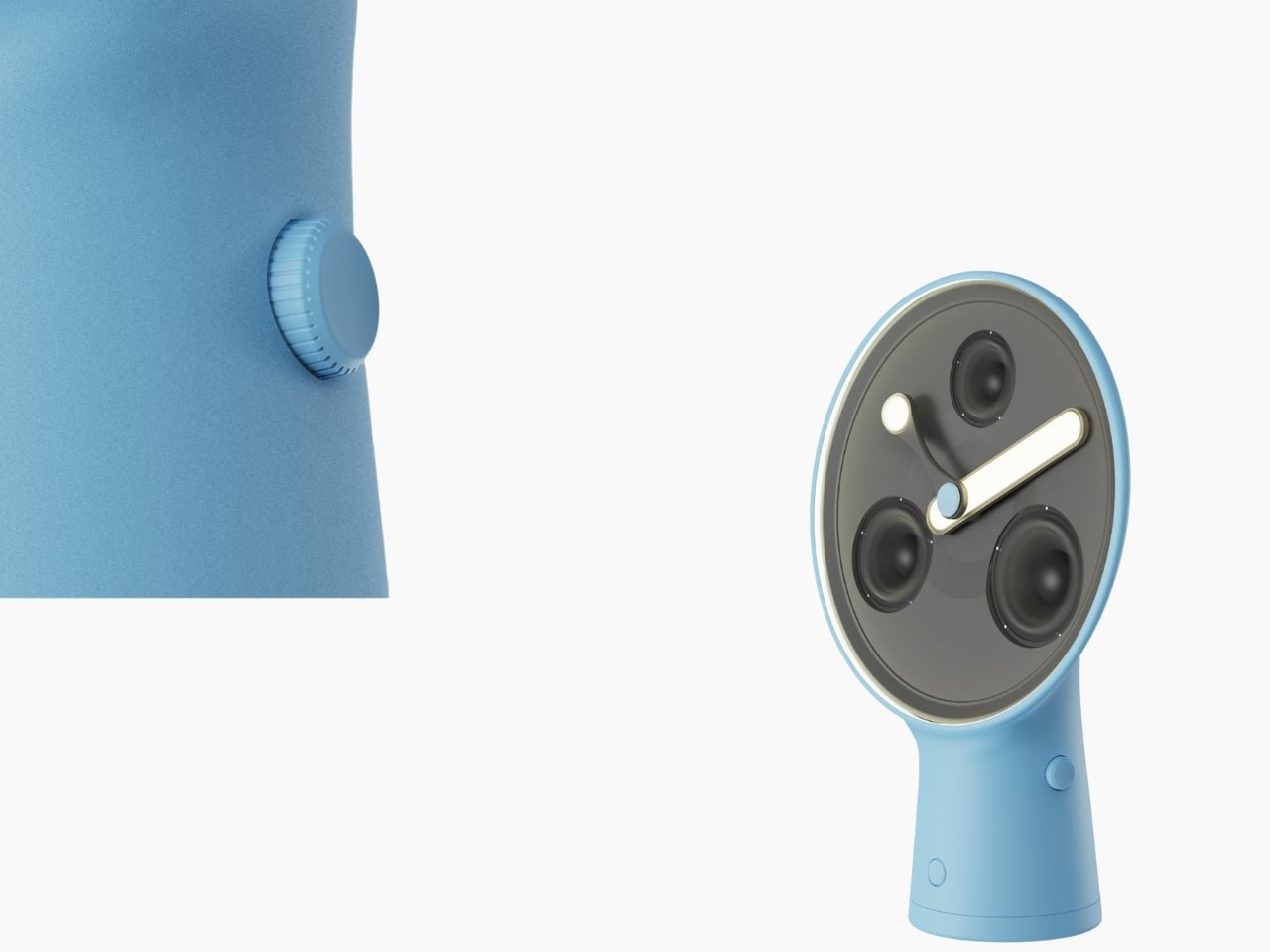
The whole device is built around this philosophy of removing anxiety triggers. Those aluminum dome speakers aren’t just there to look pretty (though they definitely do). They pump out everything from white noise to nature sounds, creating an audio cocoon that blocks out the neighbor’s dog or street traffic. You know that feeling when you’re camping and the gentle sounds of a stream or rustling leaves just knock you out? That’s what Re:M is going for, minus the mosquitoes and uncomfortable sleeping bag.

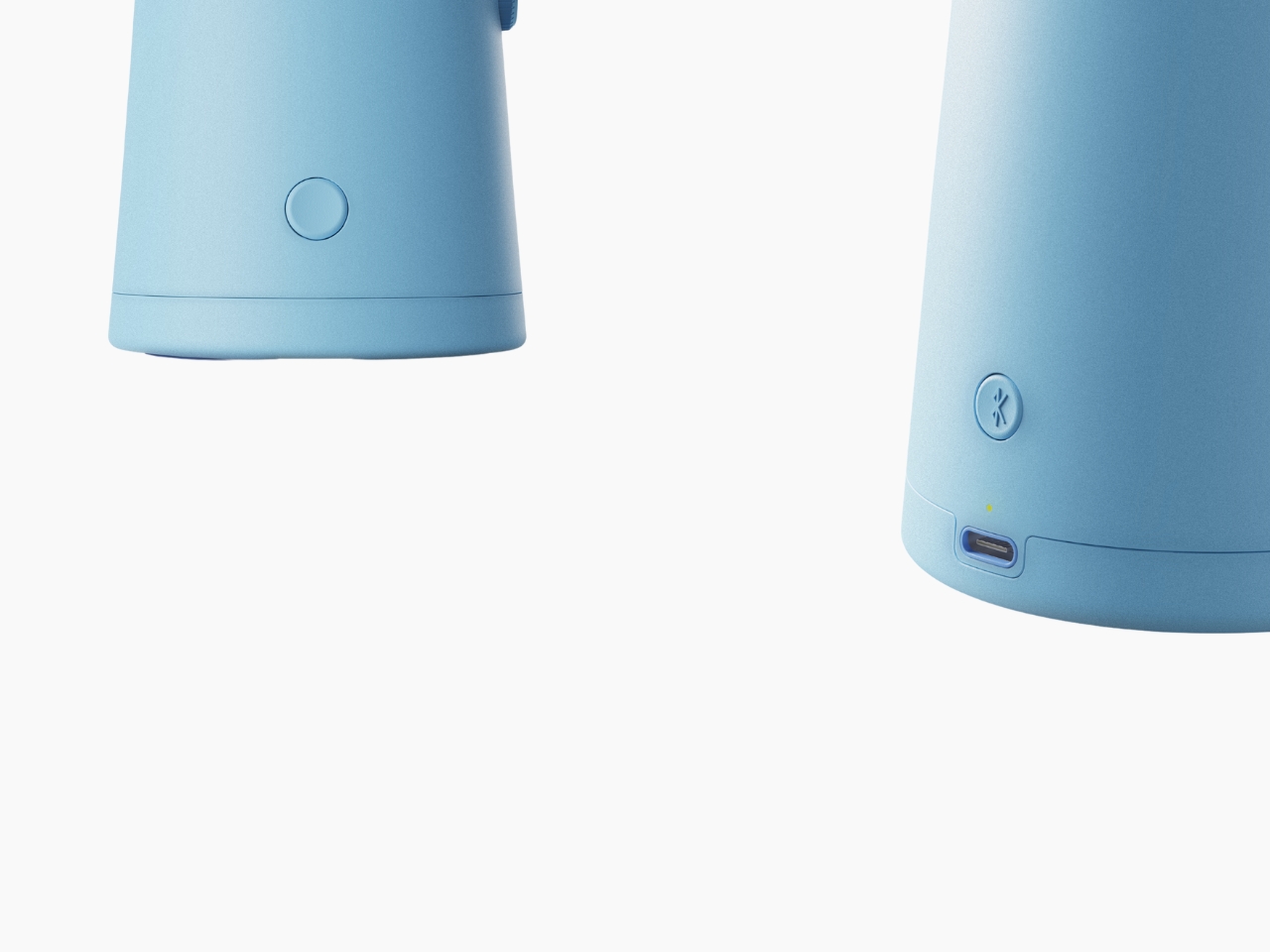
What really sets this apart from other sleep gadgets is how thoughtfully Park has considered every interaction. Notice there’s basically one button on the entire device? That’s because all the fiddly controls live in the companion app. You’re not fumbling with multiple buttons in the dark or accidentally blasting sound at full volume. The power button is tucked discreetly out of sight, and that side dial handles volume adjustments with precision that touchscreens could never match. It connects via Bluetooth, so you can fine-tune everything from your phone during the day, then just tap the device to turn it on at night.

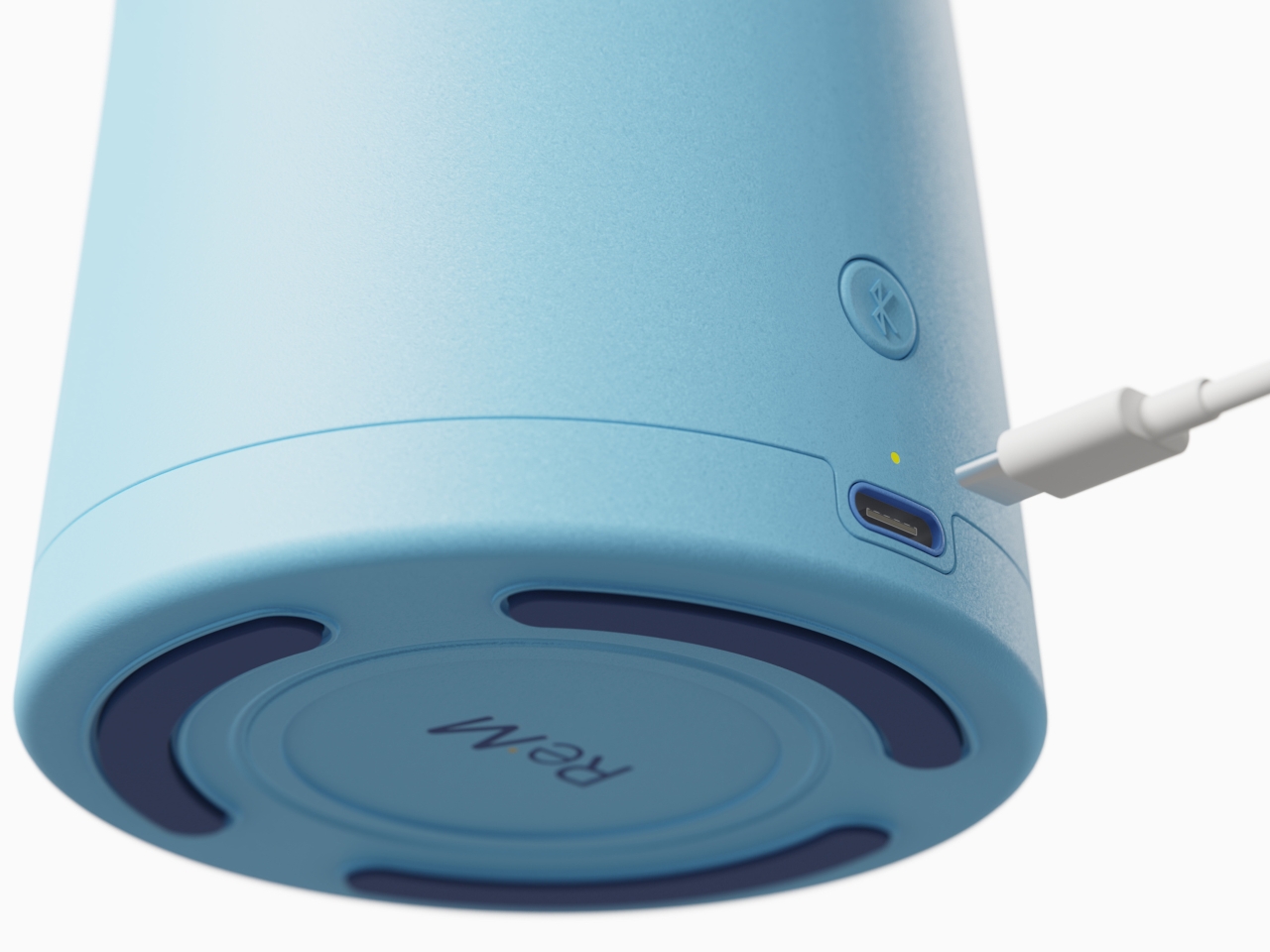
Even the wake-up experience got a redesign. Instead of a jarring alarm, Re:M gradually increases both nature sounds and a gentle brightening light. It’s like having a sunrise on your nightstand, coaxing you awake instead of startling you into consciousness. Anyone who’s ever been jolted awake by a blaring alarm knows how that sets the tone for your entire day. The practical touches are there too. USB-C charging means you can power it with the same cable as your phone or laptop, and a small LED dot tells you the charging status without being intrusive. The device stands on a stable base with subtle grip pads, so it’s not going anywhere if you reach for it groggily at night.

What I really appreciate about Re:M is that it doesn’t try to be everything to everyone. It’s not tracking your REM cycles, syncing with seventeen other devices, or promising to revolutionize your entire life. It’s simply designed to help you fall asleep more easily and wake up more gently. That singular focus feels almost revolutionary when every product seems to wants to be your all-in-one solution. Park has created something that addresses a real problem (we’re all sleeping terribly) with thoughtful design rather than more technology. Re:M proves that sometimes the best solution isn’t adding features, but carefully removing the things that stress us out. And honestly? In our overstimulated, always-on world, that might be the most innovative thing of all.

The post This Designer Just Built the Sleep Device Insomniacs Always Wanted first appeared on Yanko Design.
Uber and DoorDash challenge NYC law that encourages tipping

Uber and DoorDash are challenging a forthcoming NYC law that encourages tipping on food-delivery apps, as reported by The New York Times. The two entities have filed a joint federal lawsuit just ahead of the ruling going into effect next month.

Back in 2023, many food delivery apps in the city moved the tip suggestion box to after purchases had been completed. This is sort of how rideshare apps work. It followed NYC mandating a minimum pay rate for food delivery workers, the first in the country. The new law simply switches the tip suggestion box back to checkout, with a suggestion of ten percent. Customers are still free to set it to zero, if that's their thing.

The two companies say this law violates the First Amendment by requiring them to "speak a government-mandated message." They also say the rule would cause customers to use the app less because they were suffering from "tipping fatigue." As a customer of food delivery apps, I am not stricken with tipping fatigue. I have, however, come down with a serious case of "what are all of these mysterious fees on my bill and why is my burrito $45?" fatigue.

NYC food delivery workers have experienced a sharp decline in tips since the apps switched the suggestion field to after a purchase has been completed. It's extremely easy to ignore an app notification while in a food coma on the couch.

"Removing the tipping option is to keep workers in poverty and make them depend on taking more orders," said Ligia Guallpa, co-founder of Workers Justice Project.

Food delivery in the city is still booming. New Yorkers spent more than $265 million on restaurant deliveries in the first half of 2025, which is up from $183 million during the same period in 2022. Current estimates suggest that there are around 80,000 delivery workers in NYC.

This particular law became a small part of the city's recent mayoral campaign. Mayor-elect Zohran Mamdani said during the campaign that he supported giving customers the option to tip at checkout. DoorDash donated $1 million to his rival, former Gov. Andrew Cuomo.

This article originally appeared on Engadget at https://www.engadget.com/big-tech/uber-and-doordash-challenge-nyc-law-that-encourages-tipping-163315375.html?src=rss

Sound Maestro Splits Songs Into 4 Speakers You Conduct With a Baton

Most smart speakers are designed to disappear, cylinders and pucks that sit in a corner and wait for voice commands. That is convenient but also a bit dull; you talk, they respond, and the hardware never really asks you to engage with it. Sound Maestro is a concept that goes the other way, imagining a living room as a small orchestra pit you can actually conduct with gestures instead of just tapping a screen.

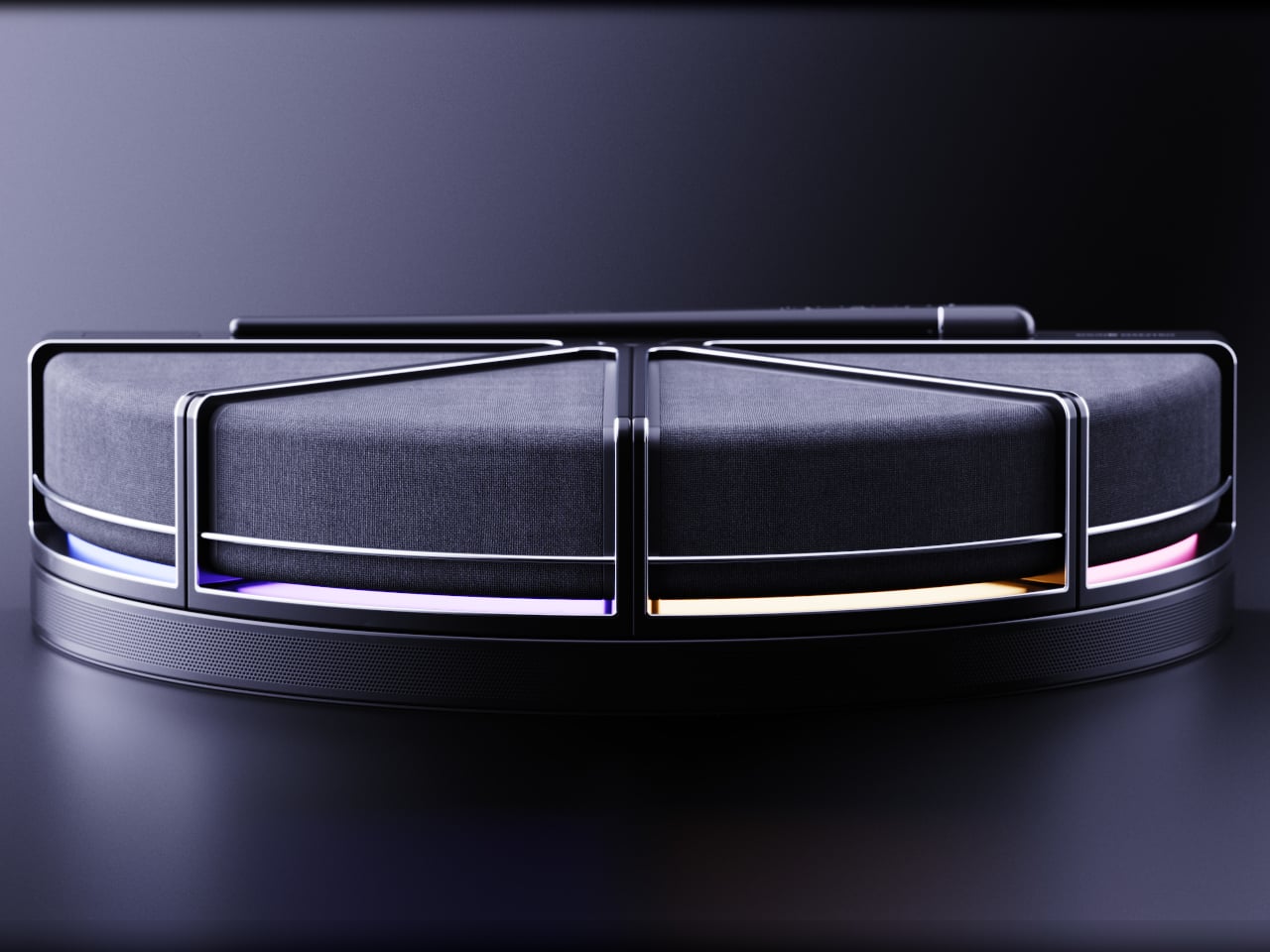
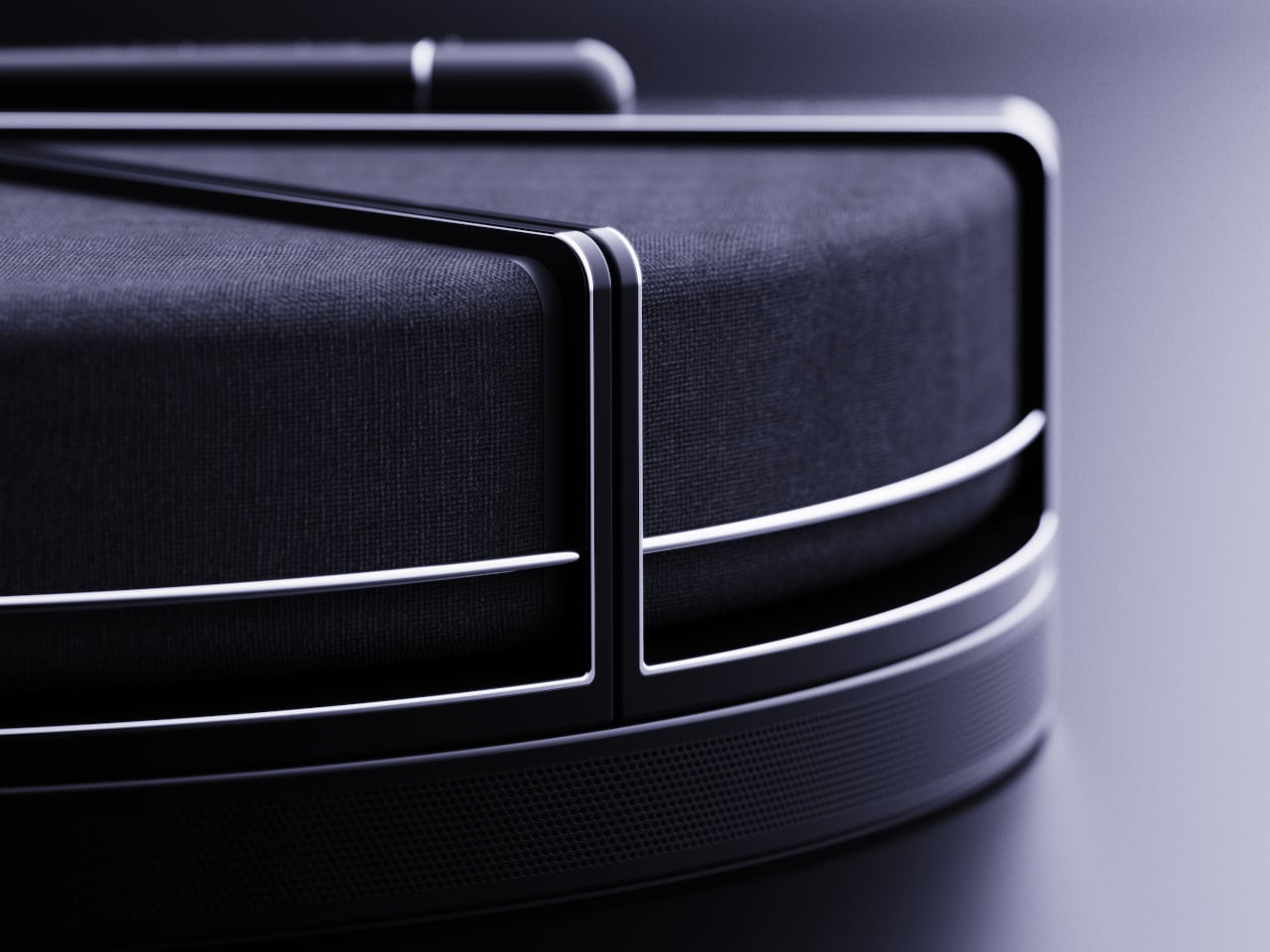
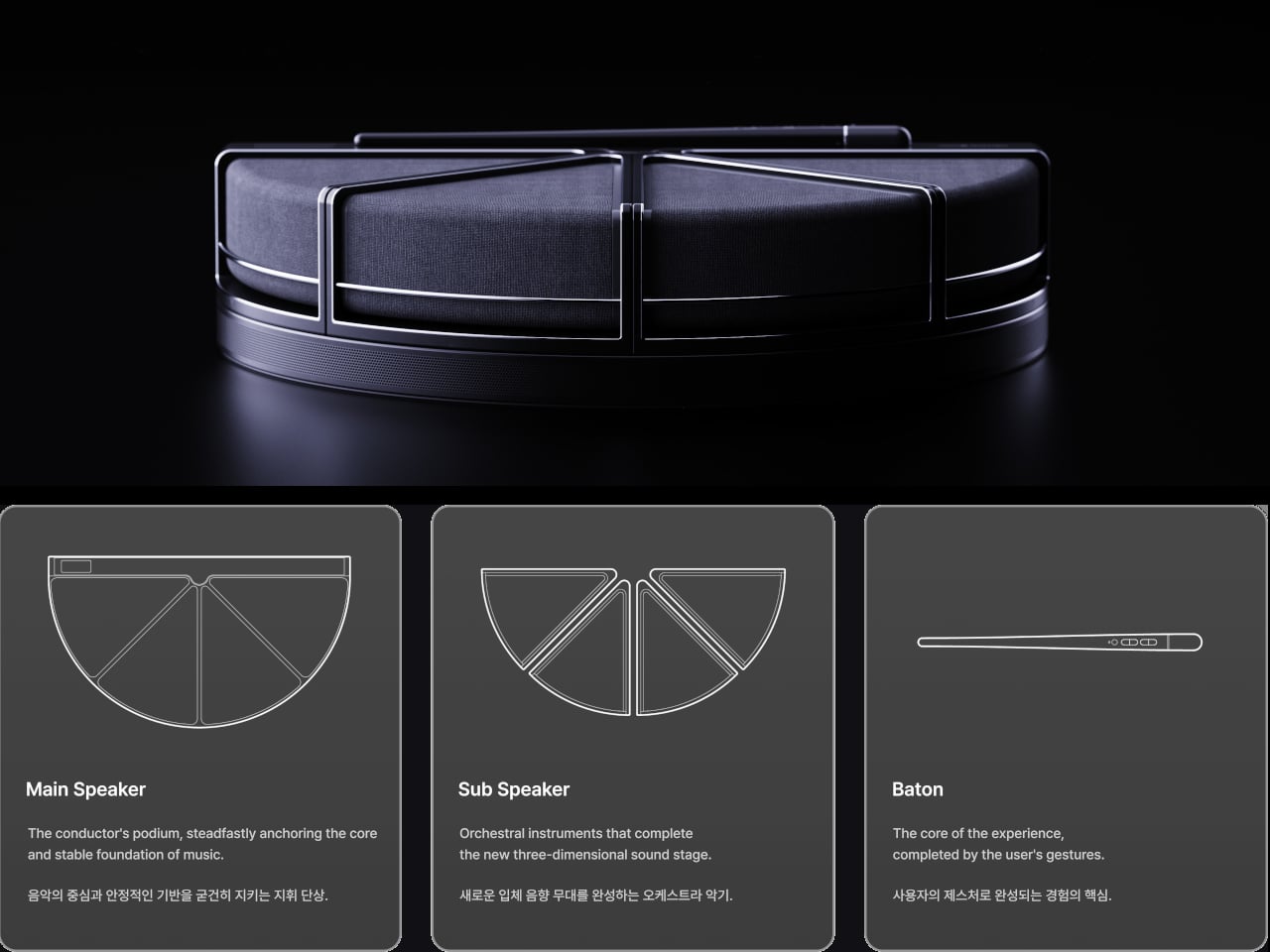
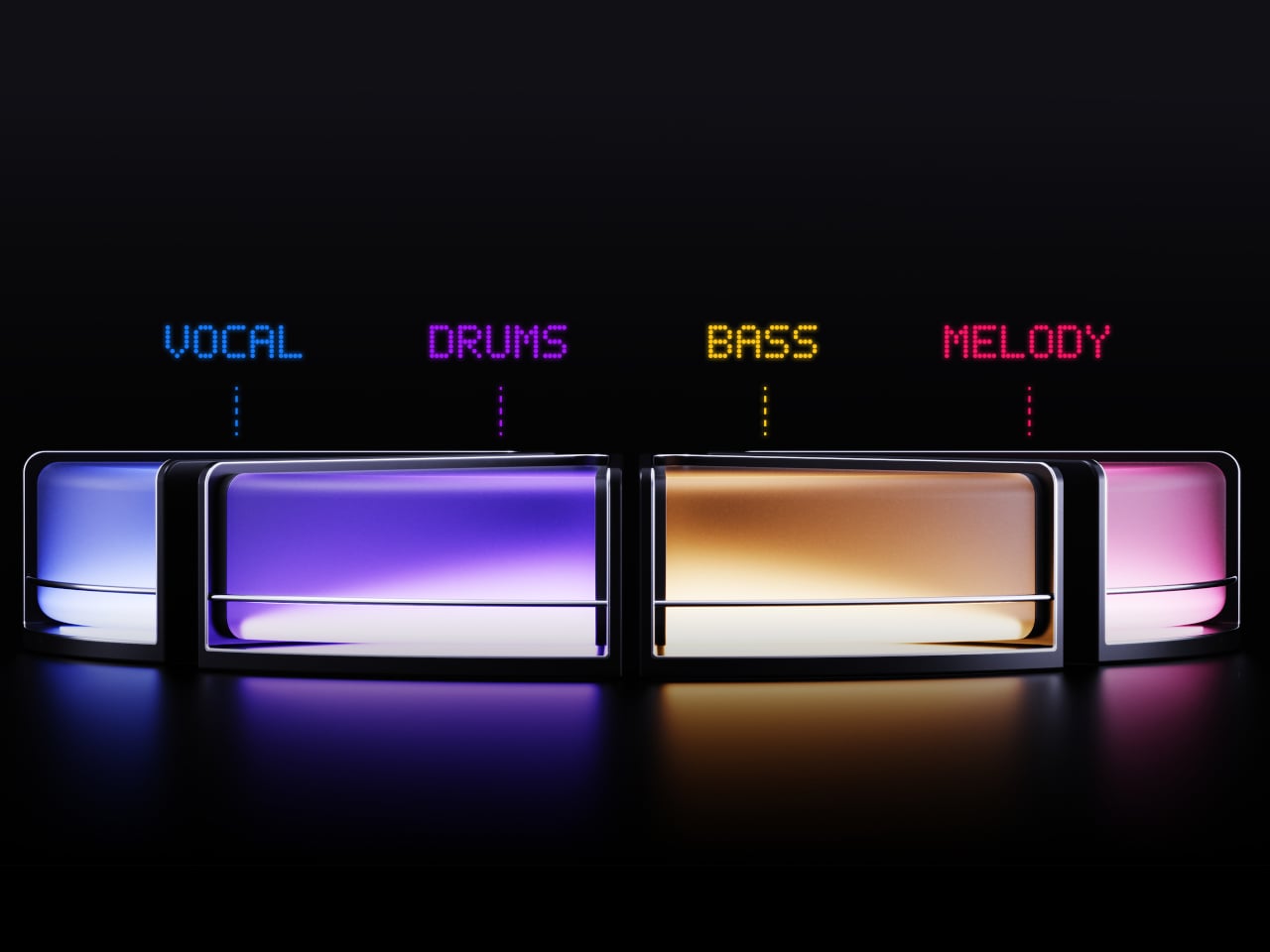
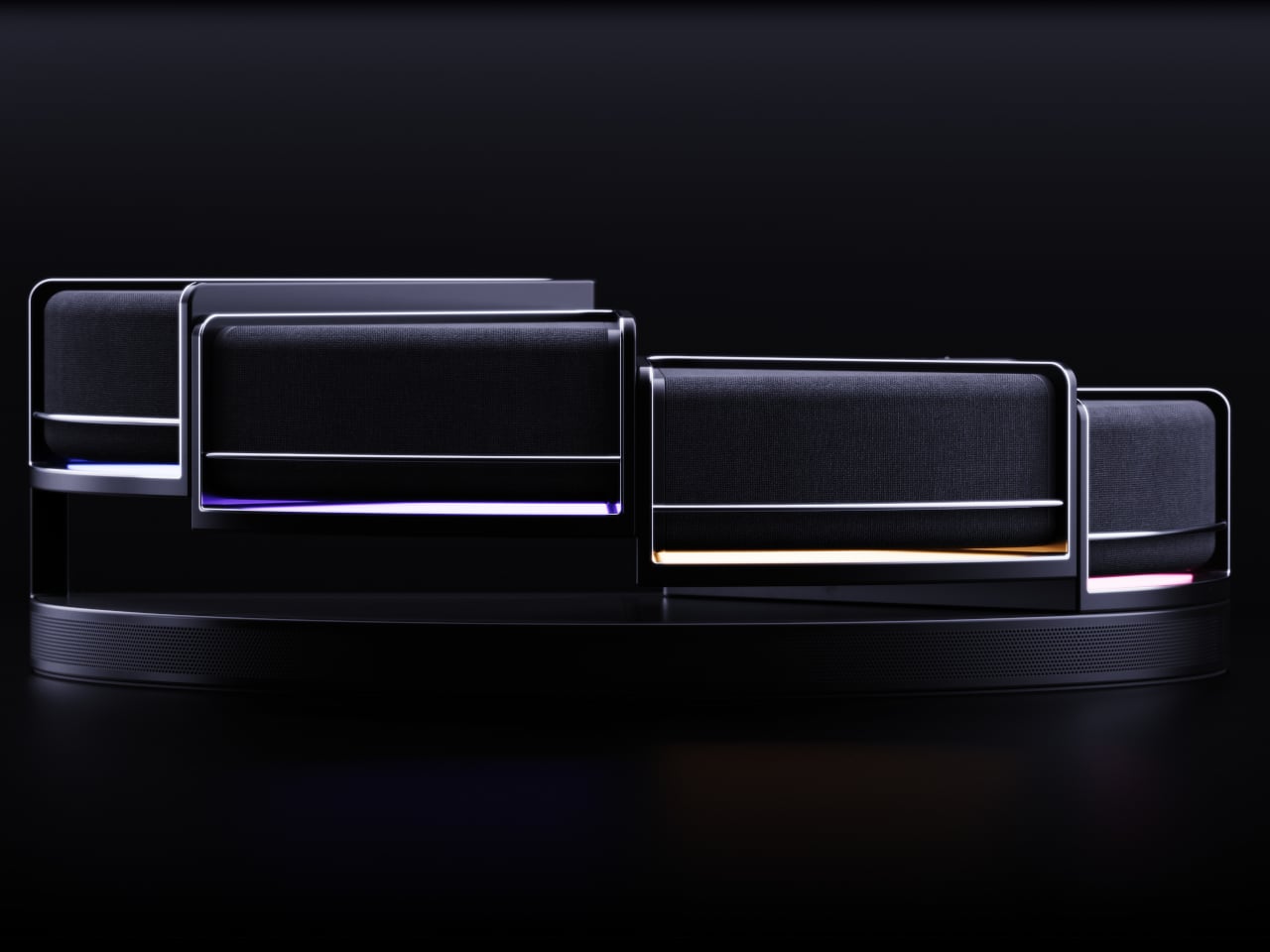
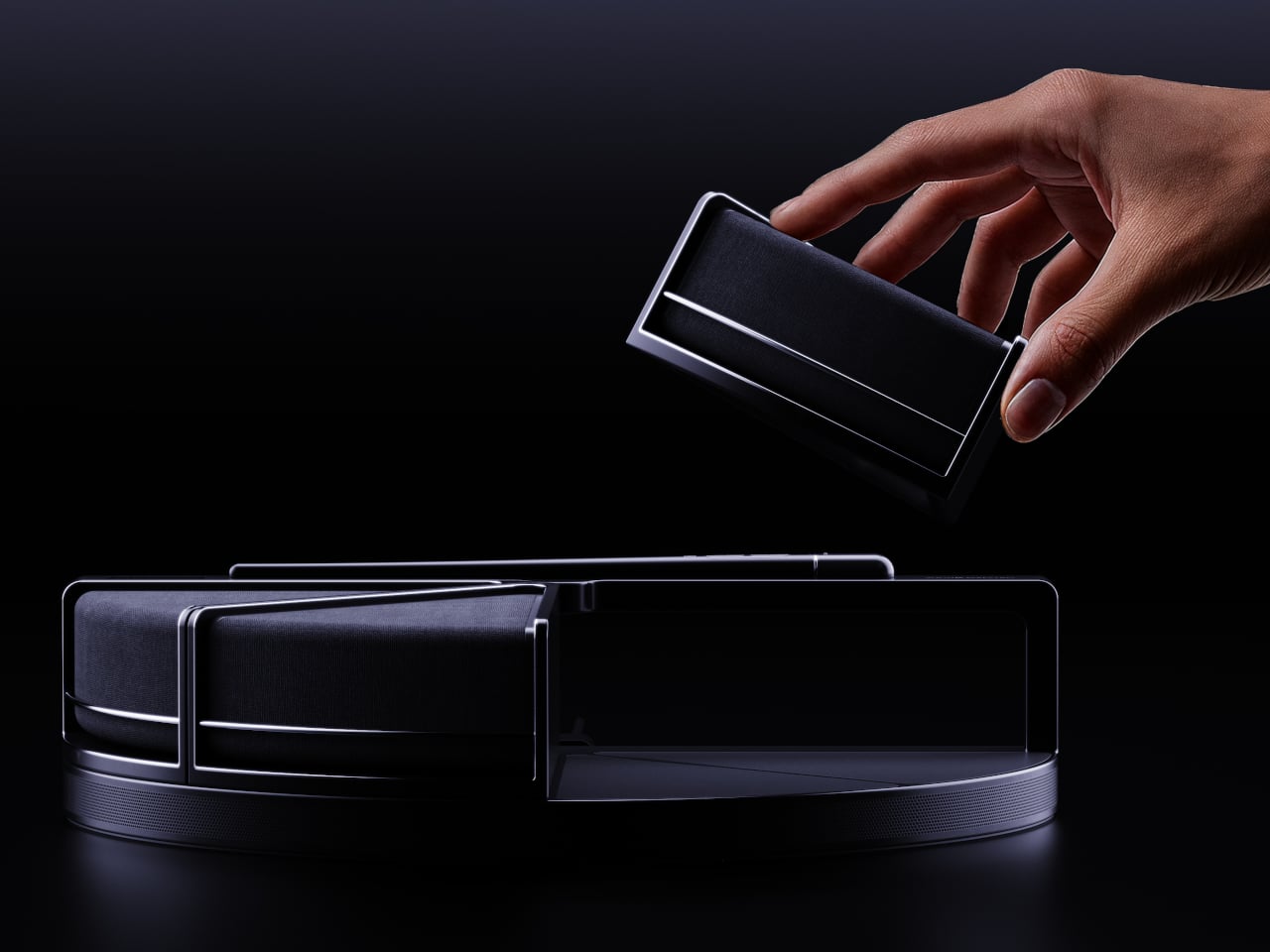
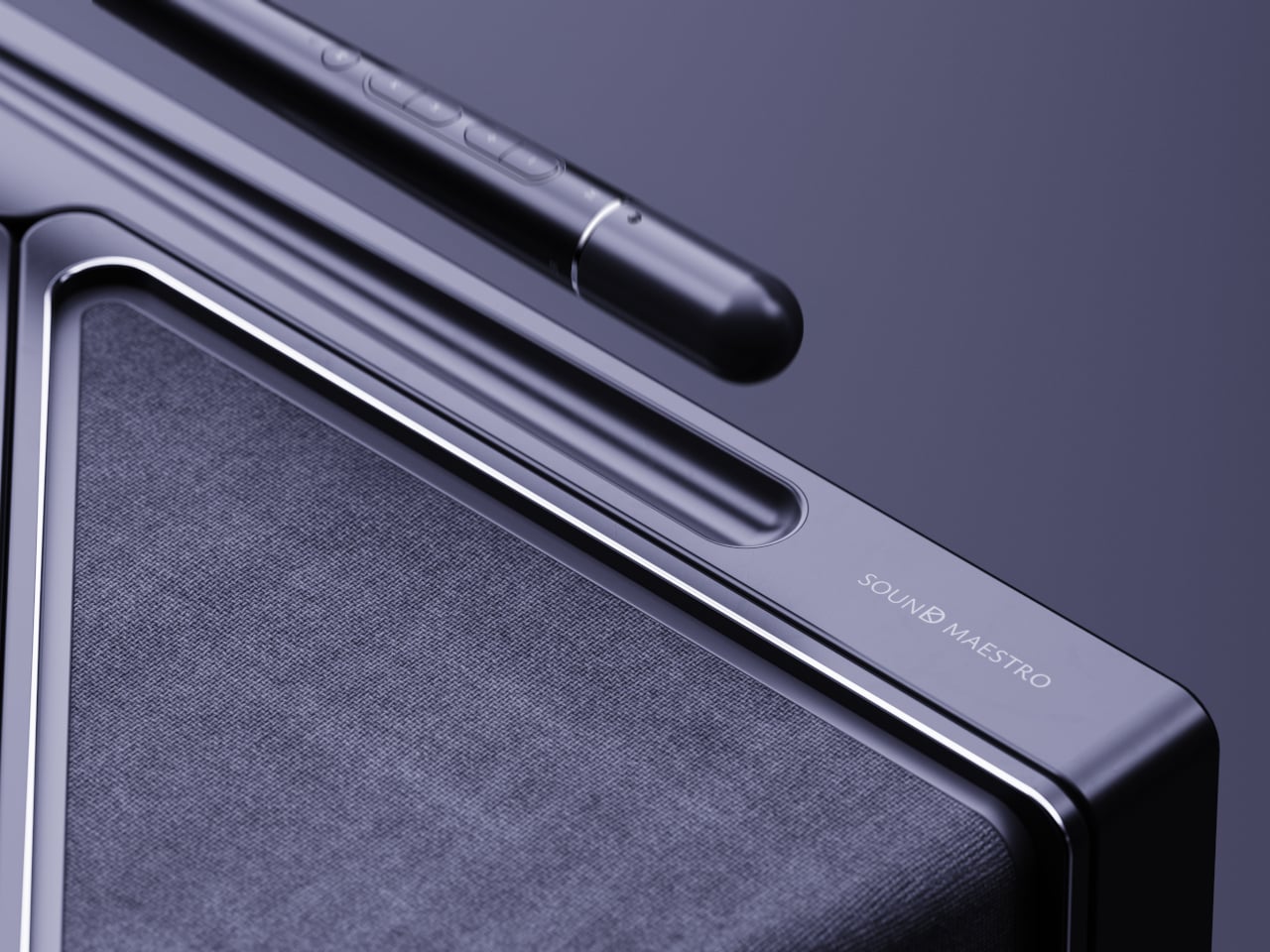
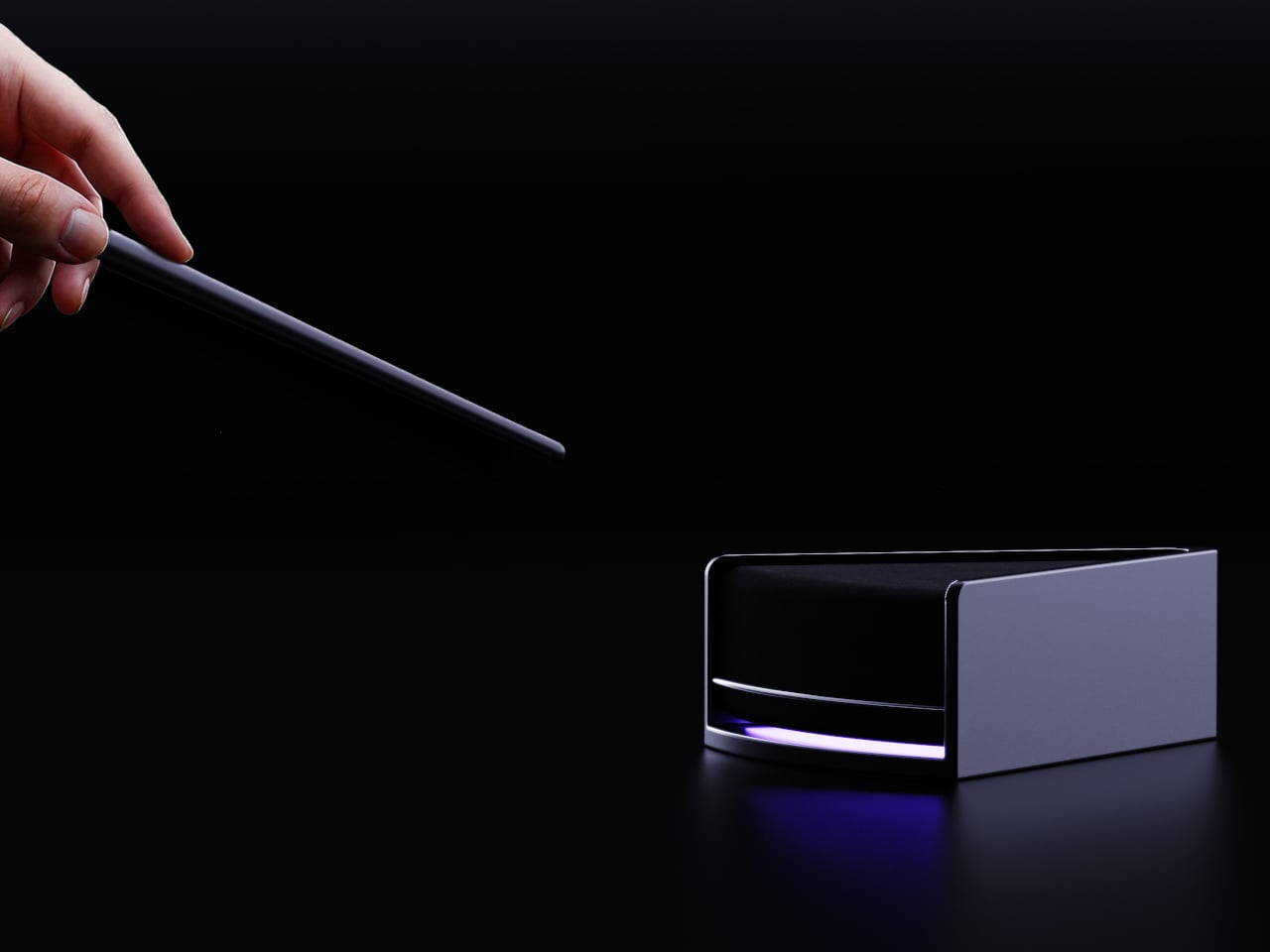
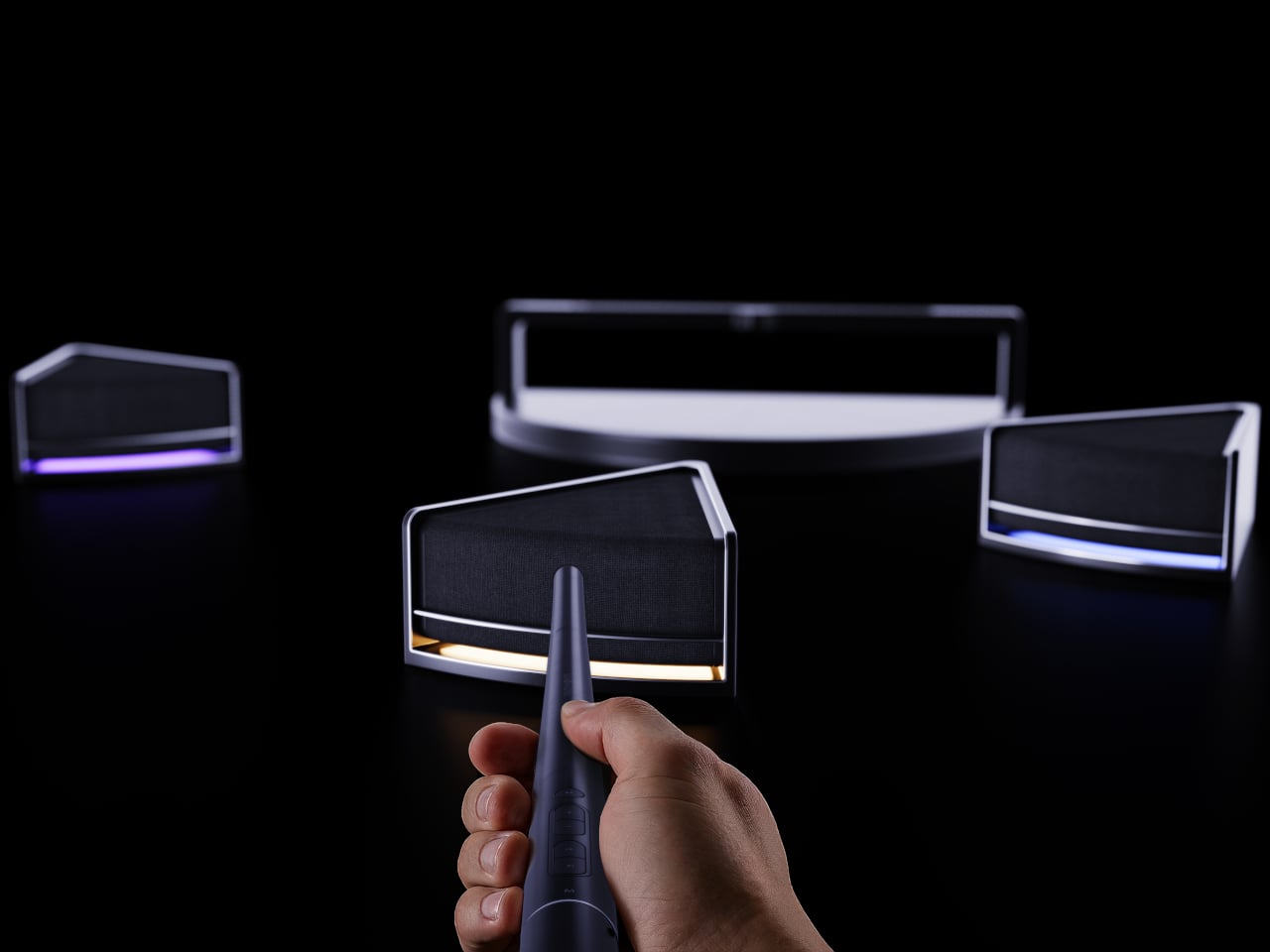
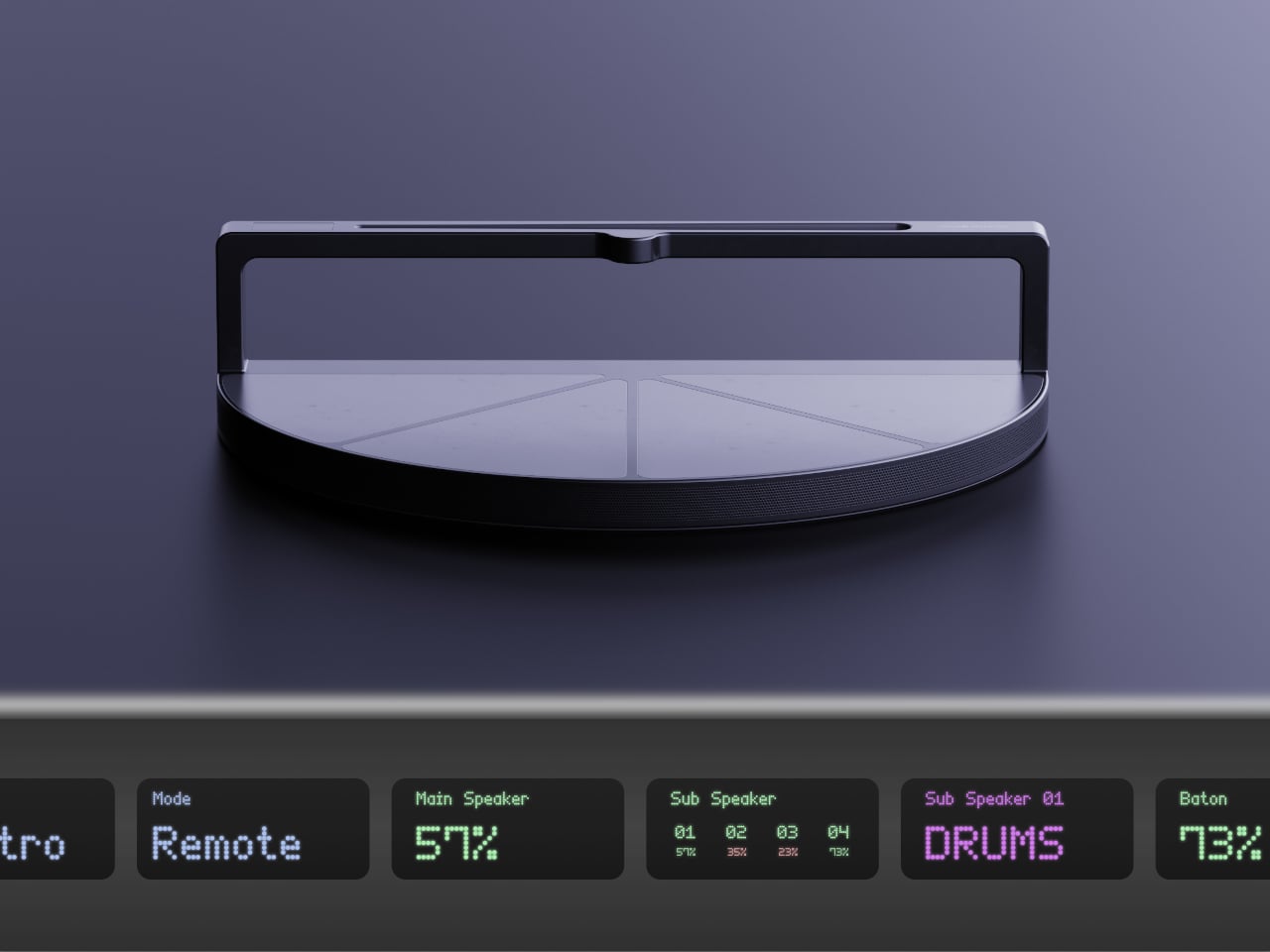
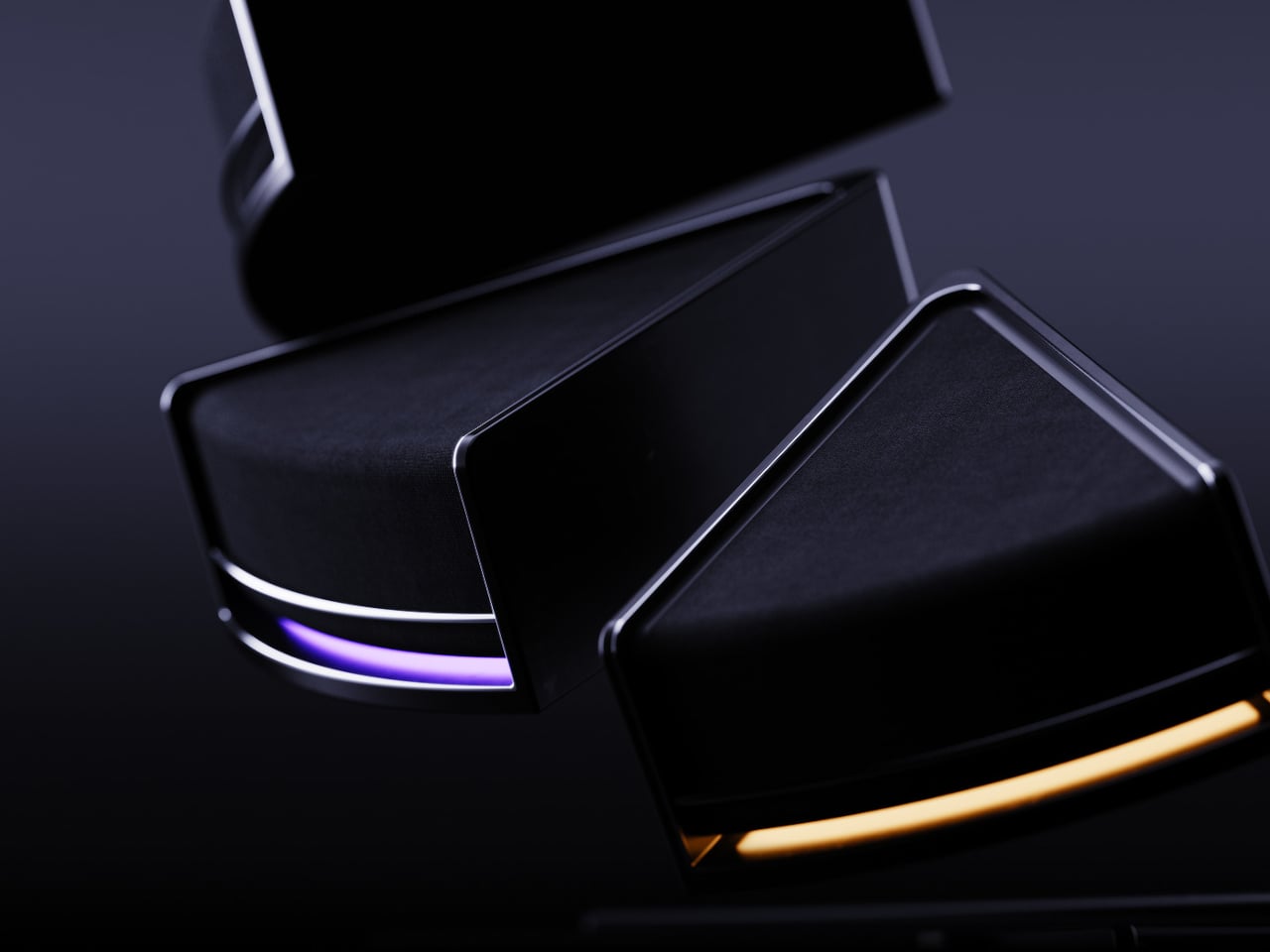
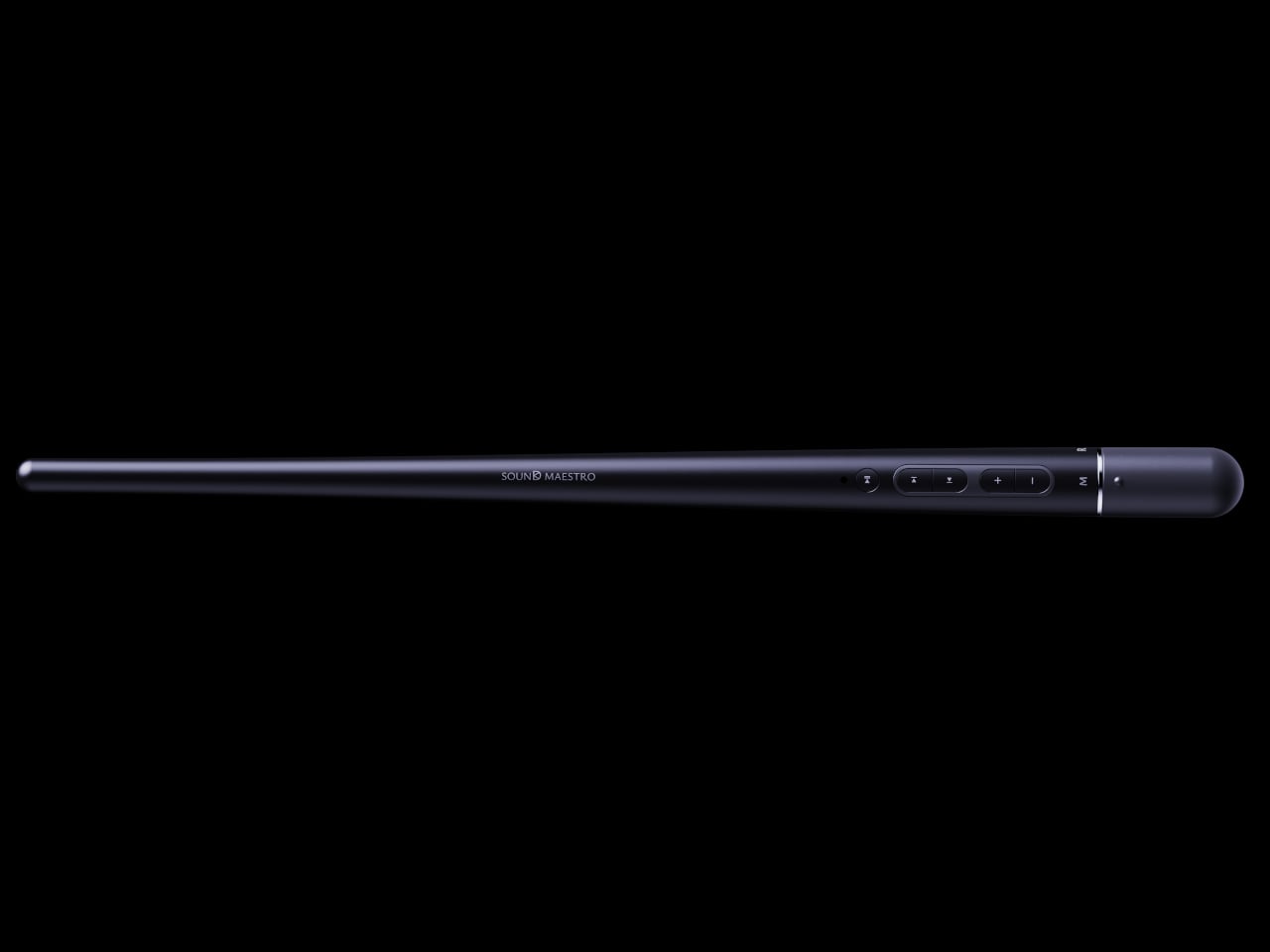
Sound Maestro is a speaker inspired by an orchestra conductor that consists of three core parts: the conductor’s podium, the instruments, and the conductor’s baton. When everything is docked together, it reads as a single object, but each of the four modular speakers can be detached and assigned a different musical part, vocals, drums, bass, and melody, each with its own LED color glowing underneath the grille.

Designer: Geonwoo Kang

The system uses AI to split a track into four stems and send each to a different speaker, so one cube carries the vocal, another the drums, another the bass, and another the melody. The LEDs on each unit glow in a unique color, making it easy to see which part is where. This spatial mapping of sound means the mix becomes something you can see and point at, not just hear as a single stereo image coming from two speakers.

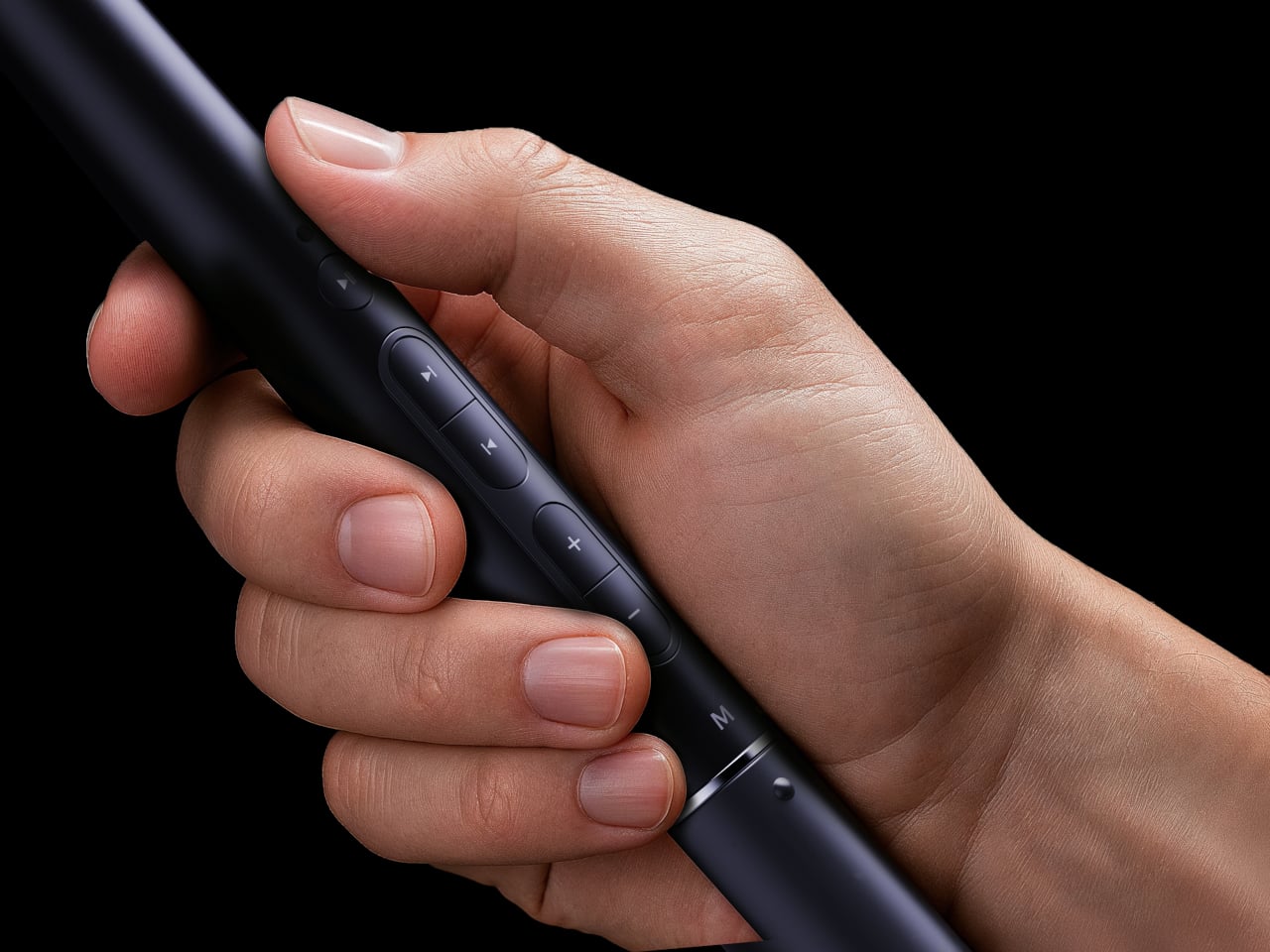
The baton-shaped controller is the main interface. In Maestro Mode, you twist a dial to enter a state where the default buttons are locked, zand you control speakers by pointing and gesturing. A quick left-right wave skips tracks, a slow up-down motion adjusts volume with LED brightness as feedback, and drawing a circle pauses or resumes playback, with all LEDs turning off or on to confirm what just happened.

Remote Control Mode lets the same baton behave more like a traditional remote. You still point it at a specific speaker, but now you press buttons instead of waving. This lets you fine-tune or mute individual units without the full theatricality of Maestro Mode. The two modes together acknowledge that sometimes you want to perform, and sometimes you just want to nudge the volume down on the drums without getting up.

The main speaker takes its form from an orchestra podium and acts as the system’s brain. It handles the main bass that anchors the center and runs the AI that assigns parts to each satellite. A small display shows the current mode, battery levels, and which part each speaker is playing, so you can glance down and see the state of your orchestra without opening an app.

1

Sound Maestro pokes at the idea that home audio can be more than invisible boxes and playlists. By giving each part of a song its own physical presence and letting you conduct with a baton instead of a touchscreen, it makes listening into a small performance. Whether or not you want to wave a stick in your living room, the idea that a speaker system could ask you to point, gesture, and conduct instead of just pressing play feels like a surprisingly theatrical take on what modular audio might become.

The post Sound Maestro Splits Songs Into 4 Speakers You Conduct With a Baton first appeared on Yanko Design.
10 Must-Try Features in iOS 26.2

10 Must-Try Features in iOS 26.2

Apple’s iOS 26.2 brings a host of new features and refinements designed to enhance usability, performance, and visual appeal. Whether you’re a casual user or a tech enthusiast, this update offers a variety of tools and improvements to elevate your experience. In the video below, iReviews delves into the top 10 features that make iOS […]

The post 10 Must-Try Features in iOS 26.2 appeared first on Geeky Gadgets.

Posted in Uncategorized

Google’s Gemini 3 Flash model outperforms GPT-5.2 in some benchmarks

Almost exactly a month after the debut of Gemini 3 Pro in November, Google has begun rolling out the more efficient Flash version of its latest AI model. According to the company, the new system offers similar "pro-grade" reasoning performance as its flagship model at a fraction of the cost, making it ideal for everyday use. 

In benchmarks, the new system performed significantly better than Google's previous generation models, including Gemini 2.5 Pro. More notably, in Google’s testing it managed to trade blows with GPT-5.2, the model OpenAI rushed out to counter Gemini 3 Pro. 

A table comparing Gemini 3 Flash's performance across a variety of AI benchmarks.
Google

For example, in the tough Humanity's Last Exam suite, Gemini 3 Flash scored less than a percentage point worse than GPT-5.2 when neither model had access to tools like web search. In a handful of other benchmarks, Google's more efficient system even managed to outperform OpenAI's latest. For instance, in MMMU-Pro, a benchmark designed to test a model's multimodal understanding and reasoning, it edged out GPT-5.2 with a result of 81.2 percent compared to 79.5 percent. Of course, benchmarks only tell a partial story; we'll have to see what people think once both systems are broadly available. Still, the fact Gemini 3 Flash is even close to GPT-5.2, and the "Extra High" reasoning mode at that, is a worrying sign for OpenAI.   

As with Gemini 3 Pro, Google is rolling out the new model to both the Gemini App and AI Mode in Search where it will be the default model for both services. "That means all of our Gemini users globally will get access to the Gemini 3 experience at no cost, giving their everyday tasks a major upgrade," Google explains. While on the subject of AI Mode, it's now possible to access Nano Banana Pro, Google's latest image generator, directly from the chatbot. Provided you live in the US, select "Thinking with 3 Pro," followed by "Create Images Pro" from the model picker.

This article originally appeared on Engadget at https://www.engadget.com/ai/googles-gemini-3-flash-model-outperforms-gpt-52-in-some-benchmarks-160000000.html?src=rss

Based on sensors in game controllers, this upper-limb wearable robot will help you with your daily chores

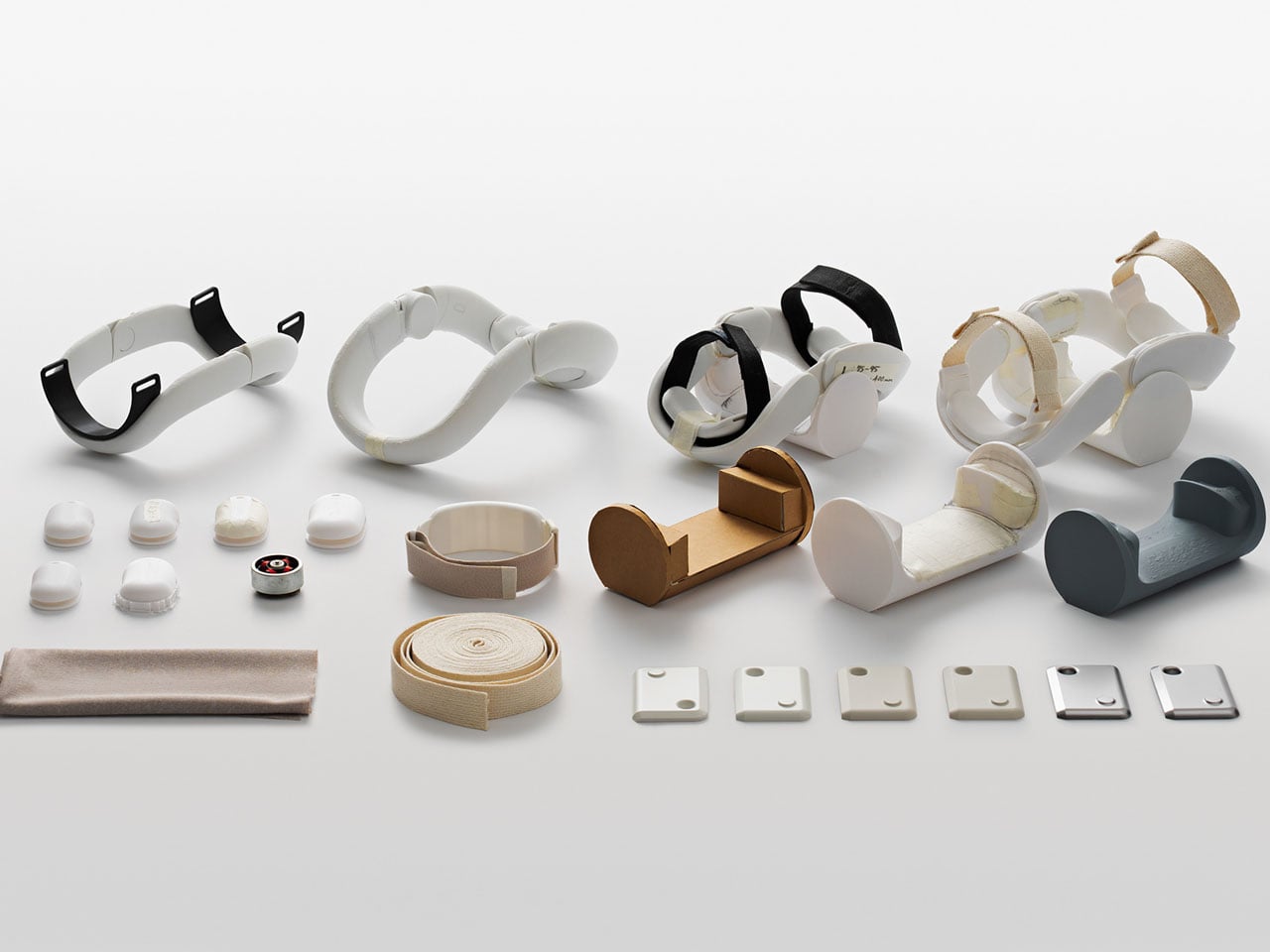
One thing exoskeletons have done right is help with motor rehabilitation. Of course, their size and weight have decreased over time, but most of those available are suitable for rehabilitation, load-bearing assistance, and similar purposes. However, they are not designed for daily wear. Not concentrating on the lower limb, which is a saturated market, a duo of budding South Korean designers has targeted the upper limb; creating a wearable robot that can be worn for daily usage.

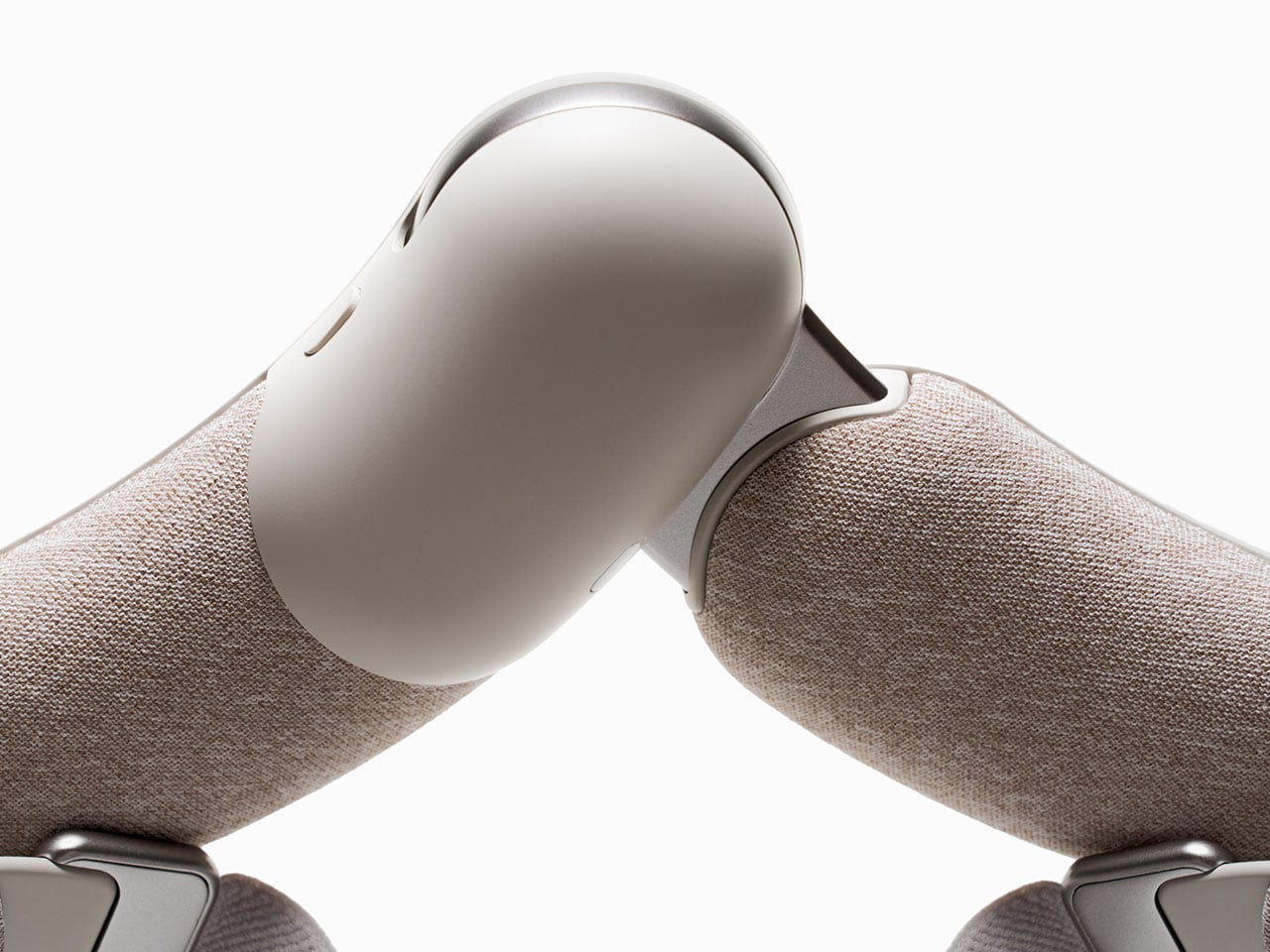
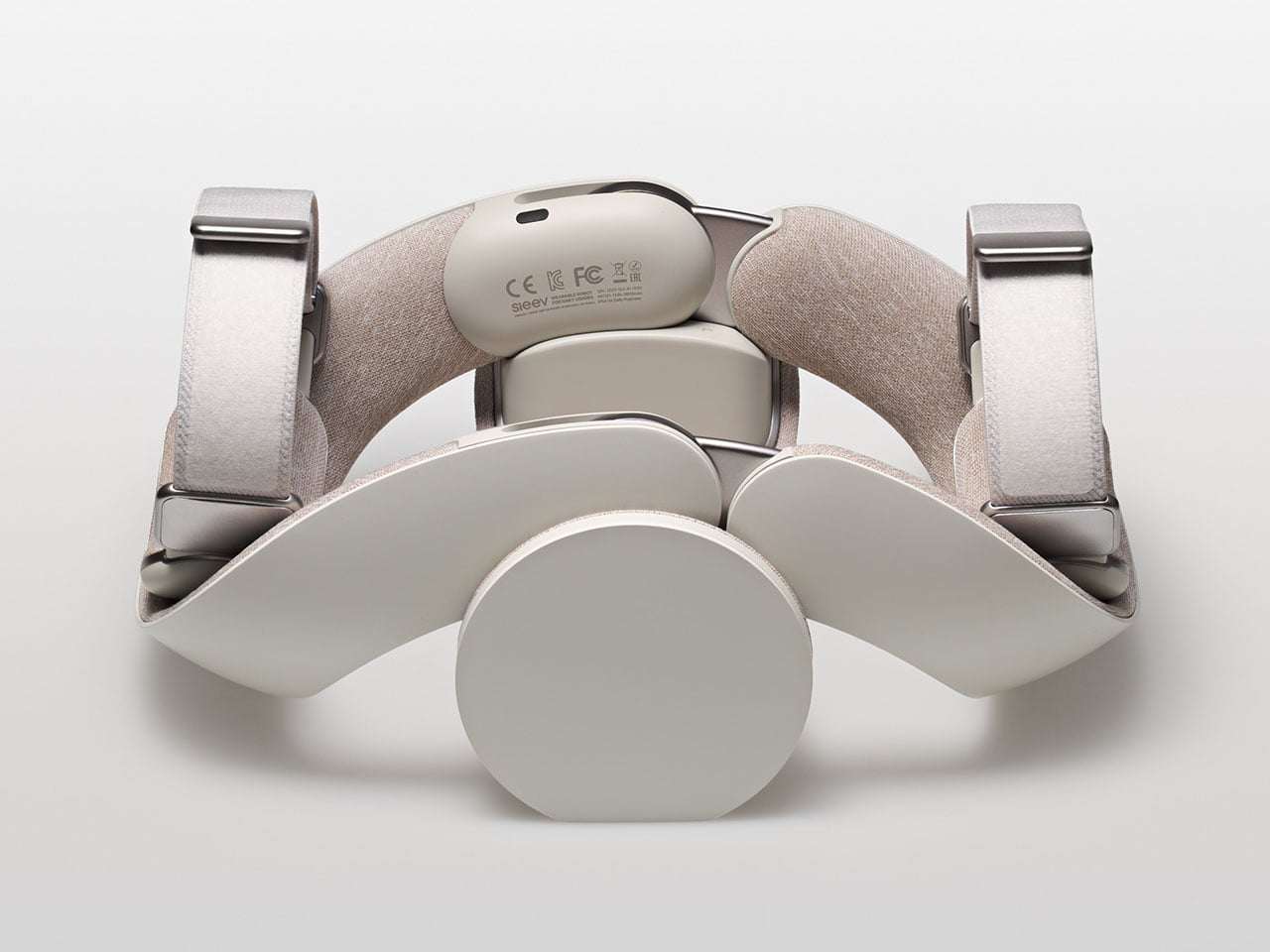
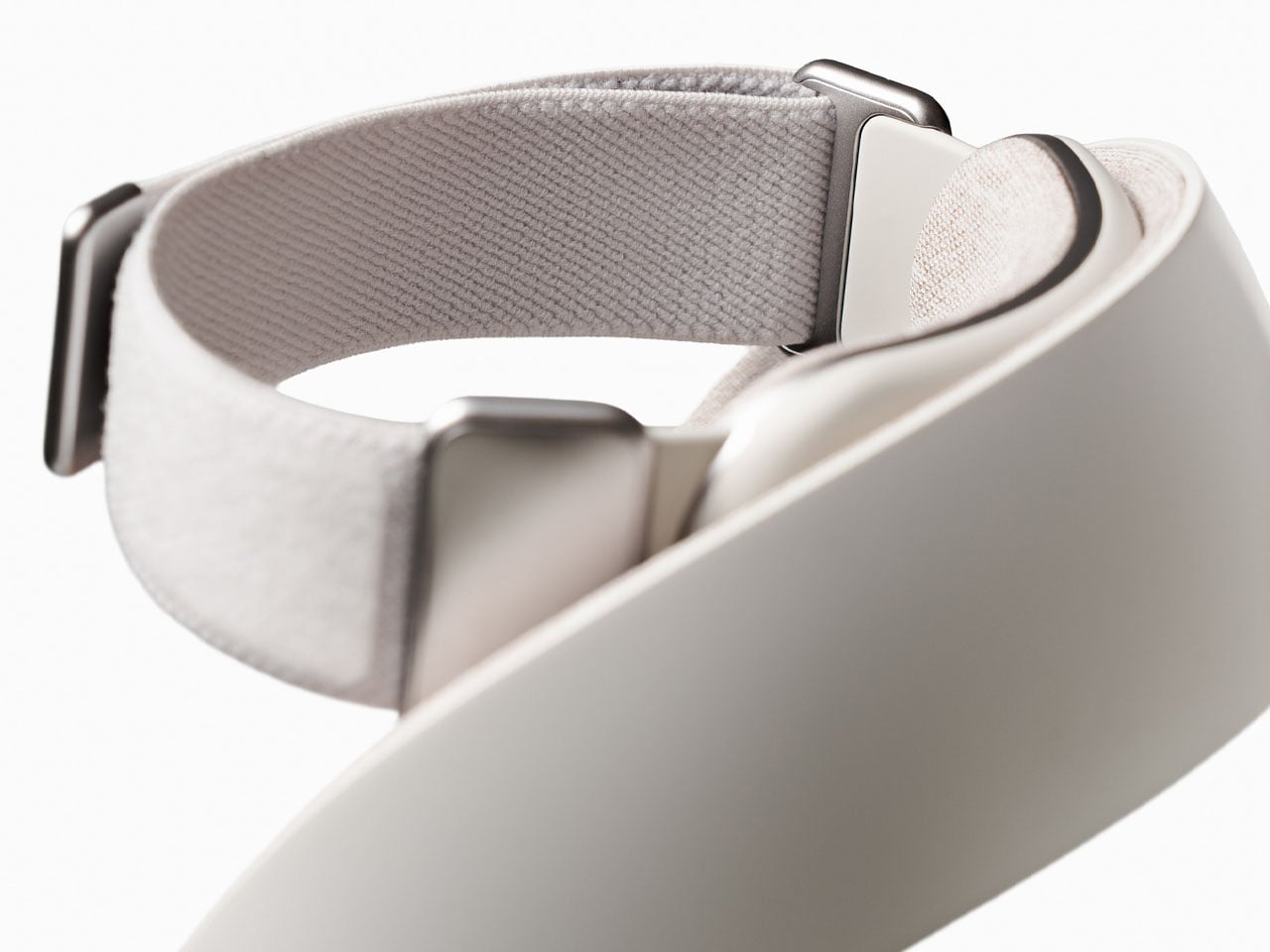
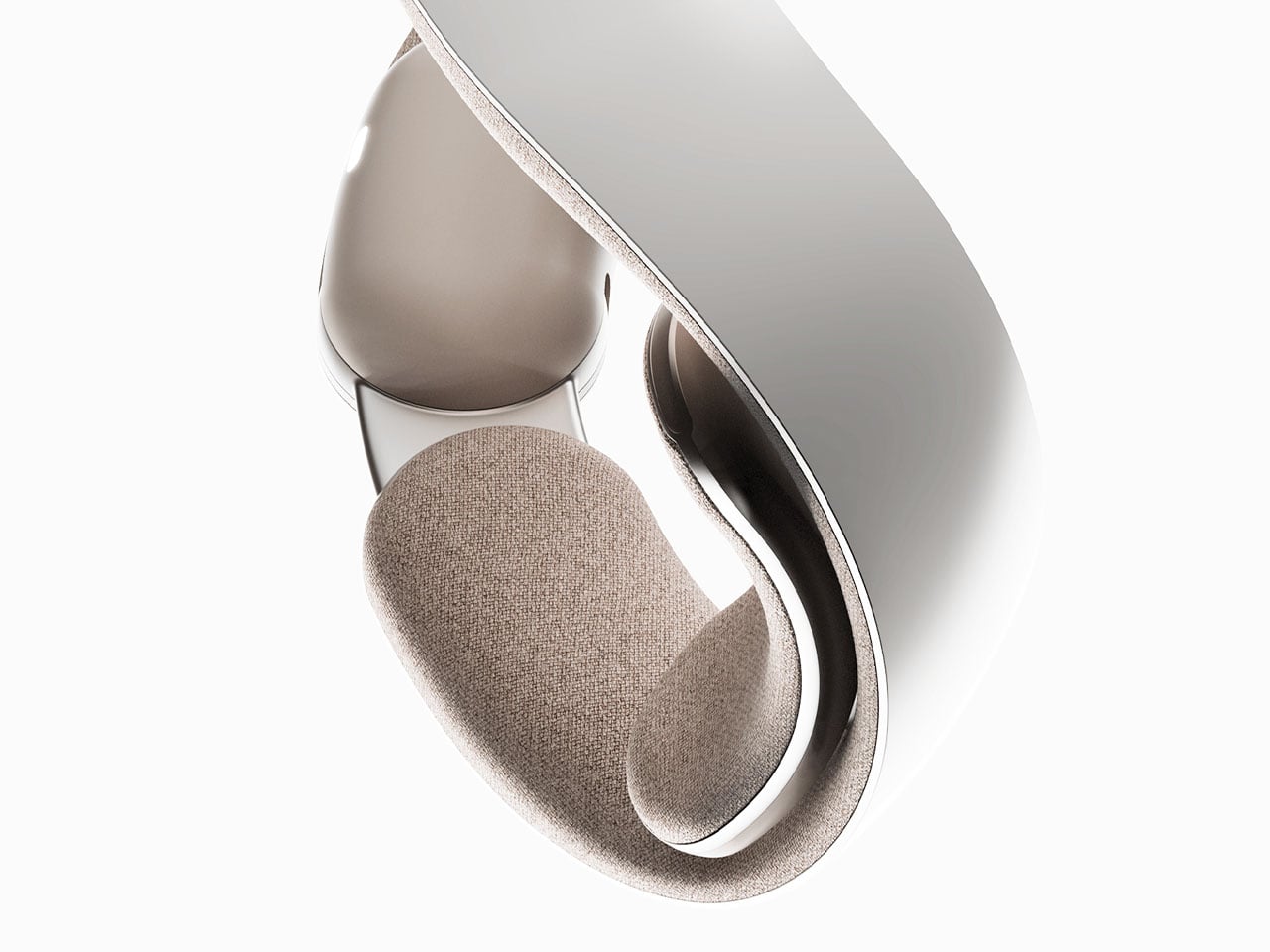
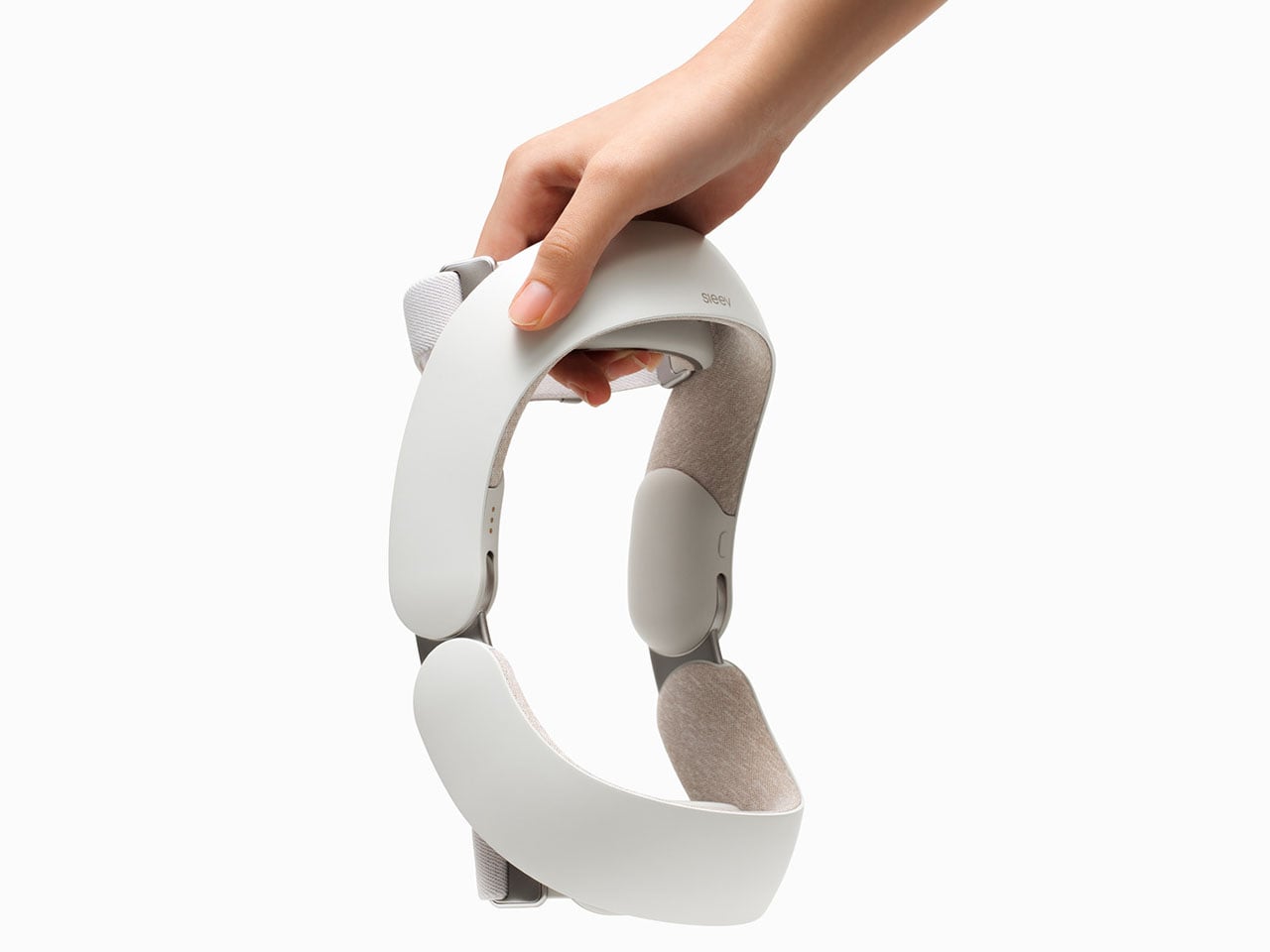
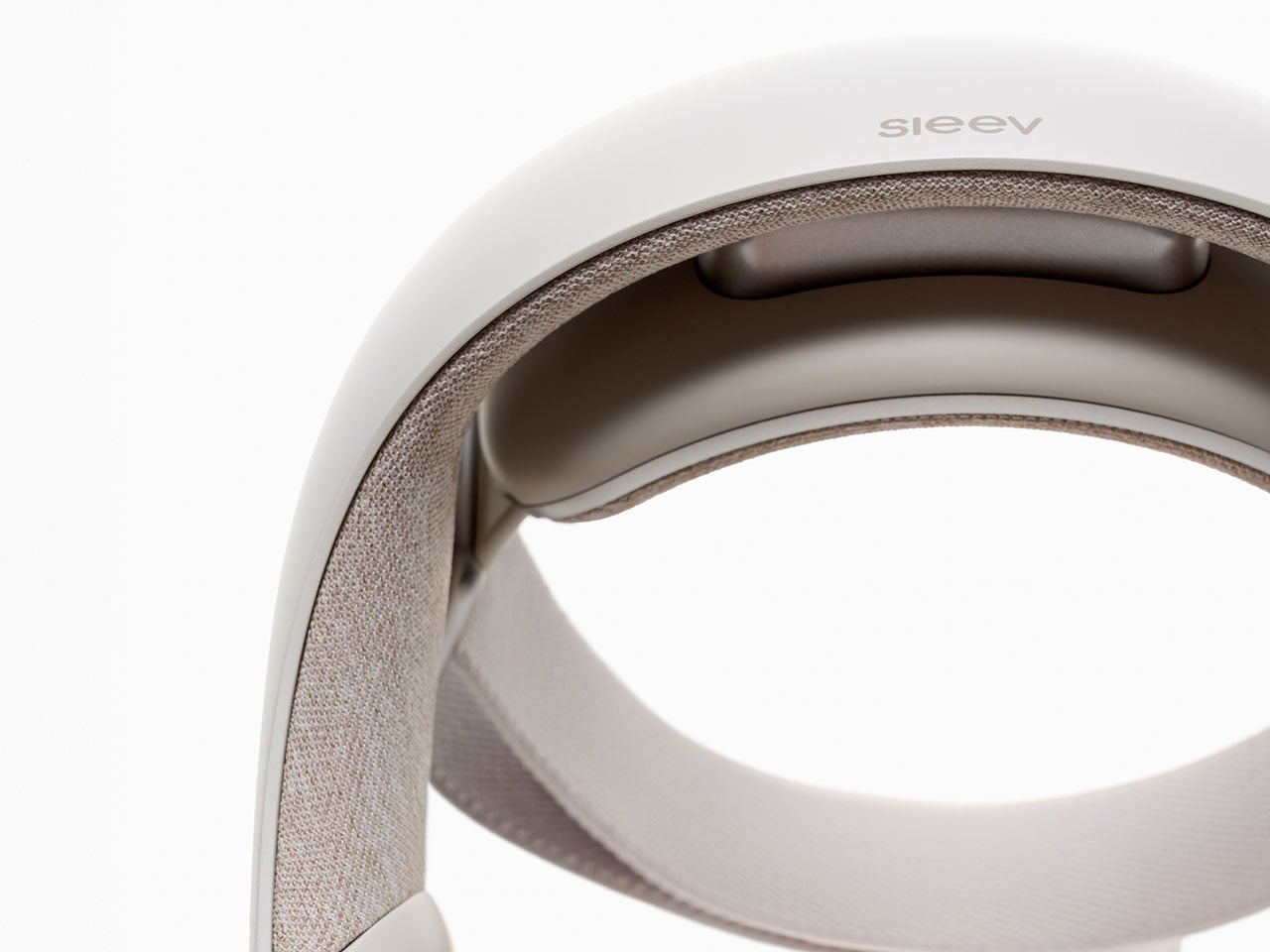
It’s called the Sleev. For now, it’s not far beyond the drawing books, but from how and what it’s projected to be built for, its God damn great solution for the purpose. Sleev is designed as a daily upper-limb exosuit (wearable robot). It supports independent arm movement and is effortless to wear and remove: just one hand, no more!

Designers: Youngha Rho and Sungchan Ko

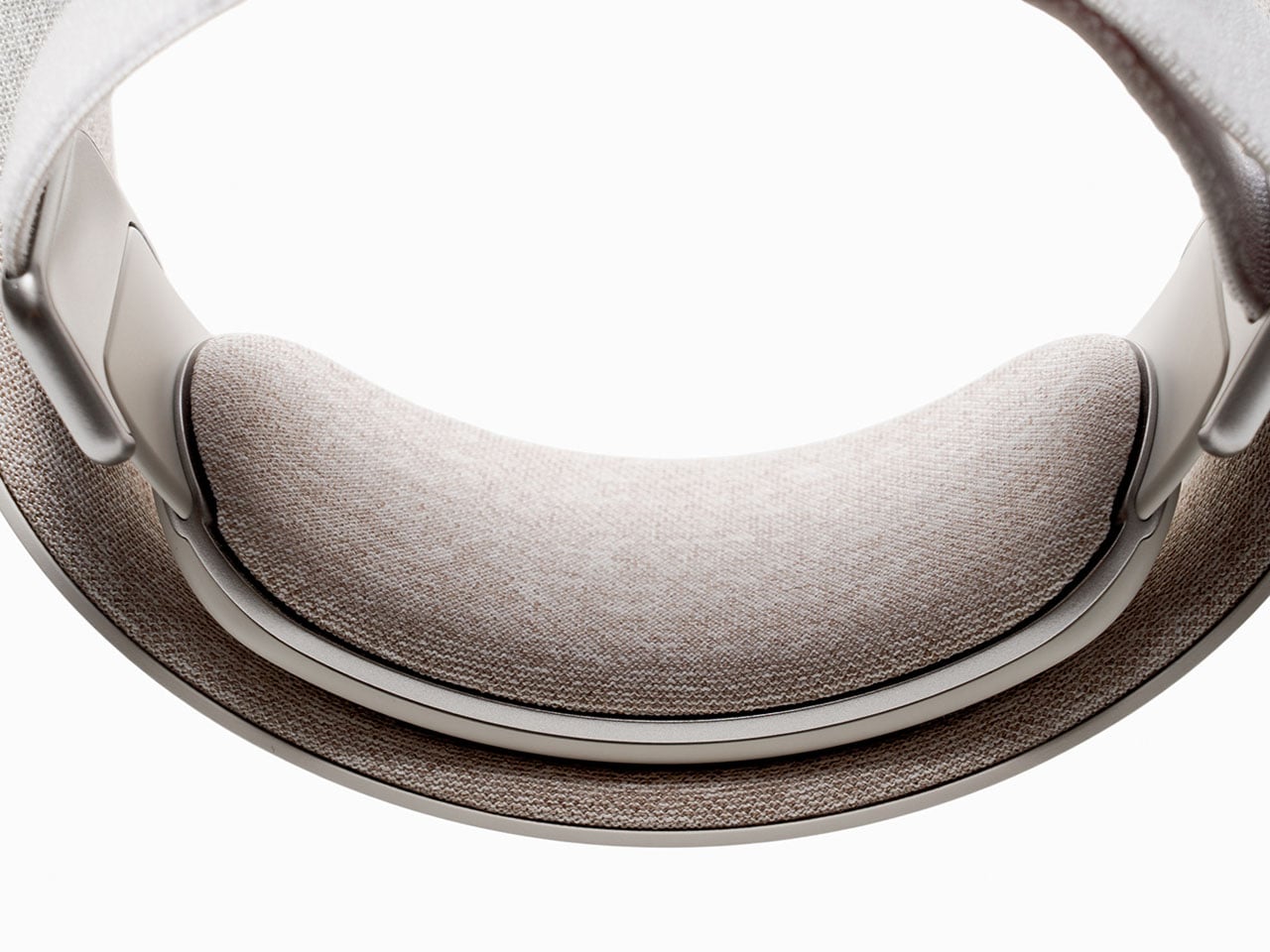
It’s not that we are seeing a robotic assistant for the arm for the first time. The market is flooded with iterations of bulky and inconvenient wearable robots that are designed with a great level of technological input and robotic sensors, but somehow make the wearer feel like a cyborg. With its sleek and lightweight limb, the Sleev is conceptualized to change that for a robotic assistant that you would like to wear. It can be strapped on like any other elbow brace to provide assistance in its movement. In addition to being a crucial option for people recovering from stroke or sports injury, the Sleev (for its design and attractive appearance) will augment daily tasks like lifting and carrying; you will like wearing it when carrying a baby for a long time or doing groceries and have a lot of packets to carry back home.

As a wearable robot conceptualized to integrate exoskeletons into our daily life, the Sleev is also strong and intelligent enough to support with rehabilitation activities. To ensure this, the design is integrated with FMG (force myography), a method that detects movement intentions through muscle pressure. The muscle pressure is different in people based on their gender, height, weight, and age. So, for the data accuracy and for the correct functioning of the wearable robot, this information about the users will be necessary. And a larger database will ensure better results, the designers believe.

Collaborating FMG with IMU sensors, the designers suggest, they can allow the algorithm to know where the user intends to move and help them with it accordingly. Both these sensors are affordable and commonly used in game controllers, so they should not be overly expensive when Sleev can find itself into mass production. Interestingly, it relates its movements based on muscle strength and intention. The Sleev doesn’t need to be worn directly on the skin; users can wear it over a thin innerwear as well and go on with it during their daily activities.

The post Based on sensors in game controllers, this upper-limb wearable robot will help you with your daily chores first appeared on Yanko Design.
Samsung Galaxy S26 Ultra Leak: The Overhaul We’ve Been Waiting For

Samsung Galaxy S26 Ultra Leak: The Overhaul We’ve Been Waiting For

The Samsung Galaxy S26 Ultra introduces a sophisticated suite of AI-powered features designed to enhance your smartphone experience. With tools that prioritize personalization, streamline daily tasks, and bolster privacy, this flagship device sets a new benchmark for modern mobile technology. By using on-device AI, the Galaxy S26 Ultra ensures optimal performance while safeguarding your data, […]
The post Samsung Galaxy S26 Ultra Leak: The Overhaul We’ve Been Waiting For appeared first on Geeky Gadgets.

Posted in Uncategorized