You can add the Switch 2 to the (long) list of platforms where you can play The Elder Scrolls V: Skyrim. The bad news: It costs $60 to play the 2011 game optimized for Nintendo's 2025 hardware. The good news: It costs less (or nothing) if you own one of the versions for the original Switch.
The (digital-only) Switch 2 port is the Anniversary Edition of Skyrim, released in 2021. That includes the base game and three expansions (Dawnguard, Dragonborn and Hearthfire). You'll also find hundreds of Creation Club items, like quests, weapons, armor, spells and dungeons. The Anniversary Edition's Zelda crossover content (Master Sword, Hylian Shield and Champion's Tunic) is also there. So, at least there's plenty of content.
The game also offers technical upgrades for the Switch 2 hardware. It has enhanced resolution, DLSS anti-aliasing, faster load times and general performance optimizations. There's also mouse support, motion controls and Amiibo support. The trailer below gives you an idea of what to expect.
In an interview with Nintendo Life, Bethesda Creative Director Matt Carofano said the Switch 2 port was "an easy development process and actually pretty quick" to make. He described the team's motivation for porting it as bringing back "one of our most beloved games to the Switch 2 and see how we can improve it and make it the best experience for that console."
Okay, cool, but I'm gonna go on a limb and say money was also a factor. That’s because, if you don't already own Skyrim for the OG Switch, you'll have to fork over a whopping $60 in the Nintendo Store for the 14-year-old game. Meanwhile, if you own the standard version of Skyrim for the original Switch, you’ll pay $20 to upgrade. Finally, if you have the Skyrim Anniversary Edition on the OG Switch, you can install the new version for free.
If you own the Switch 1 version, first install that on Switch 2 and start the game. When you see the eShop banner advertising the new version, press Y to access the store and upgrade. You can do that with both digital and physical versions of Skyrim for Switch 1.
This article originally appeared on Engadget at https://www.engadget.com/gaming/nintendo/skyrim-arrives-on-the-switch-2-175200223.html?src=rss
Microsoft Flight Simulator 2024 just got a fairly bizarre expansion inspired by the Netflix show Stranger Things. If you've ever wanted to fly over a fictional Indiana town in the 1980s, this is the update for you.
That's right. The game now lets folks fly over Hawkins, Indiana and check out more than 40 iconic locations from the series, including Starcourt Mall, the junkyard, the government lab and, of course, the upside down.
Microsoft Flight Simulator 2024 introduces Netflix’s Stranger Things expansion, out Dec 9
📡 Recreation of Hawkins with more than 40 iconic locations 🚁 Five exhilarating missions
Inexplicably, this isn't just a joyride. There's an actual game here, with five helicopter-based missions that have players arranging supply drops, rescuing characters and chasing bad guys. Murray Bauman, portrayed by Brett Gelman, is on hand to assign missions and engage in banter.
This is a free update and it's available right now, so get out there and blast that one Kate Bush song over and over (and over.) As for Stranger Things, the second part of season five drops on December 25, followed by the series finale on January 1. Microsoft Flight Simulator 2024, which first came out last year, recently launched for PS5.
This article originally appeared on Engadget at https://www.engadget.com/gaming/microsoft-flight-sim-2024-now-has-a-stranger-things-expansion-173944325.html?src=rss
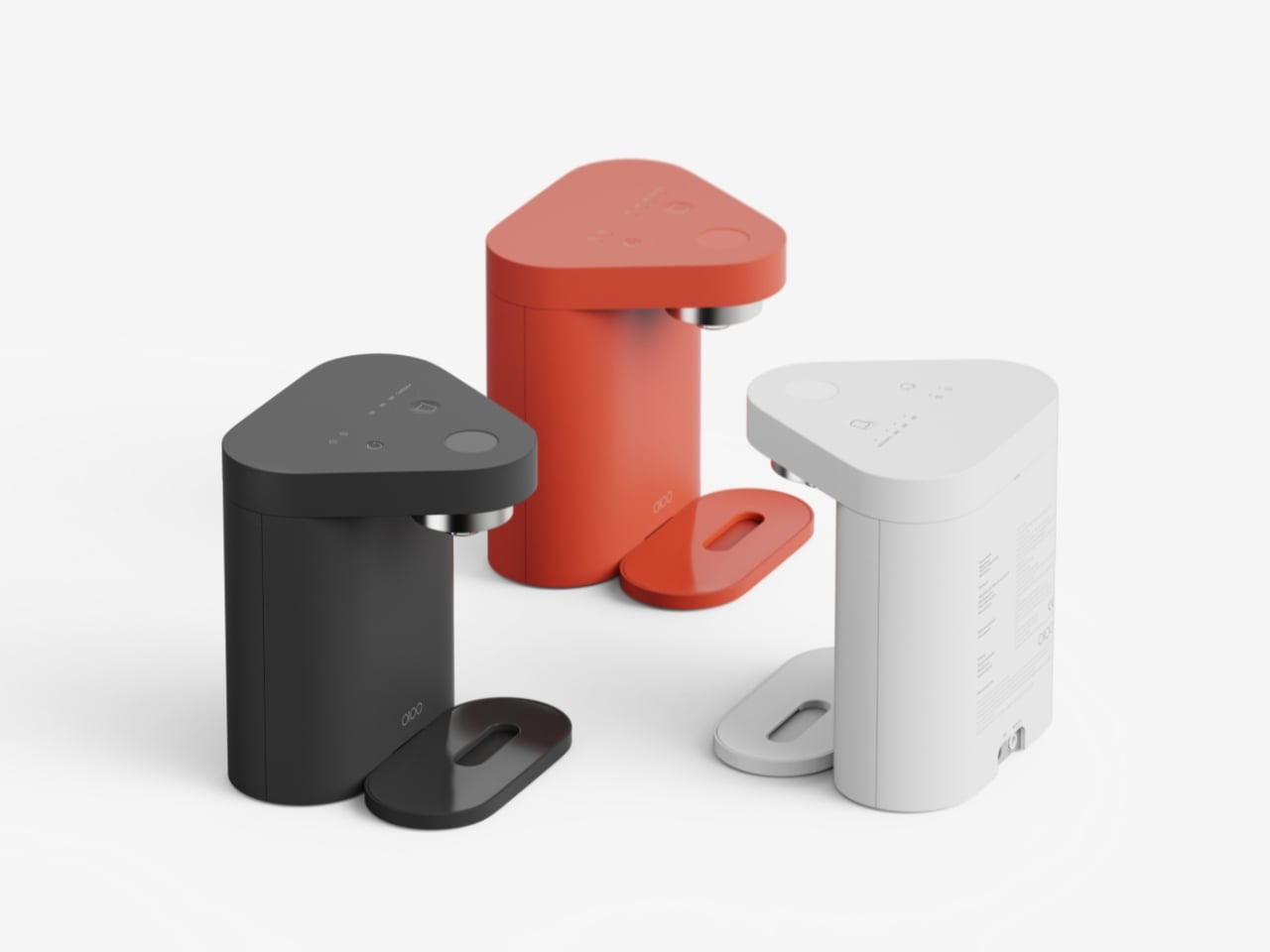
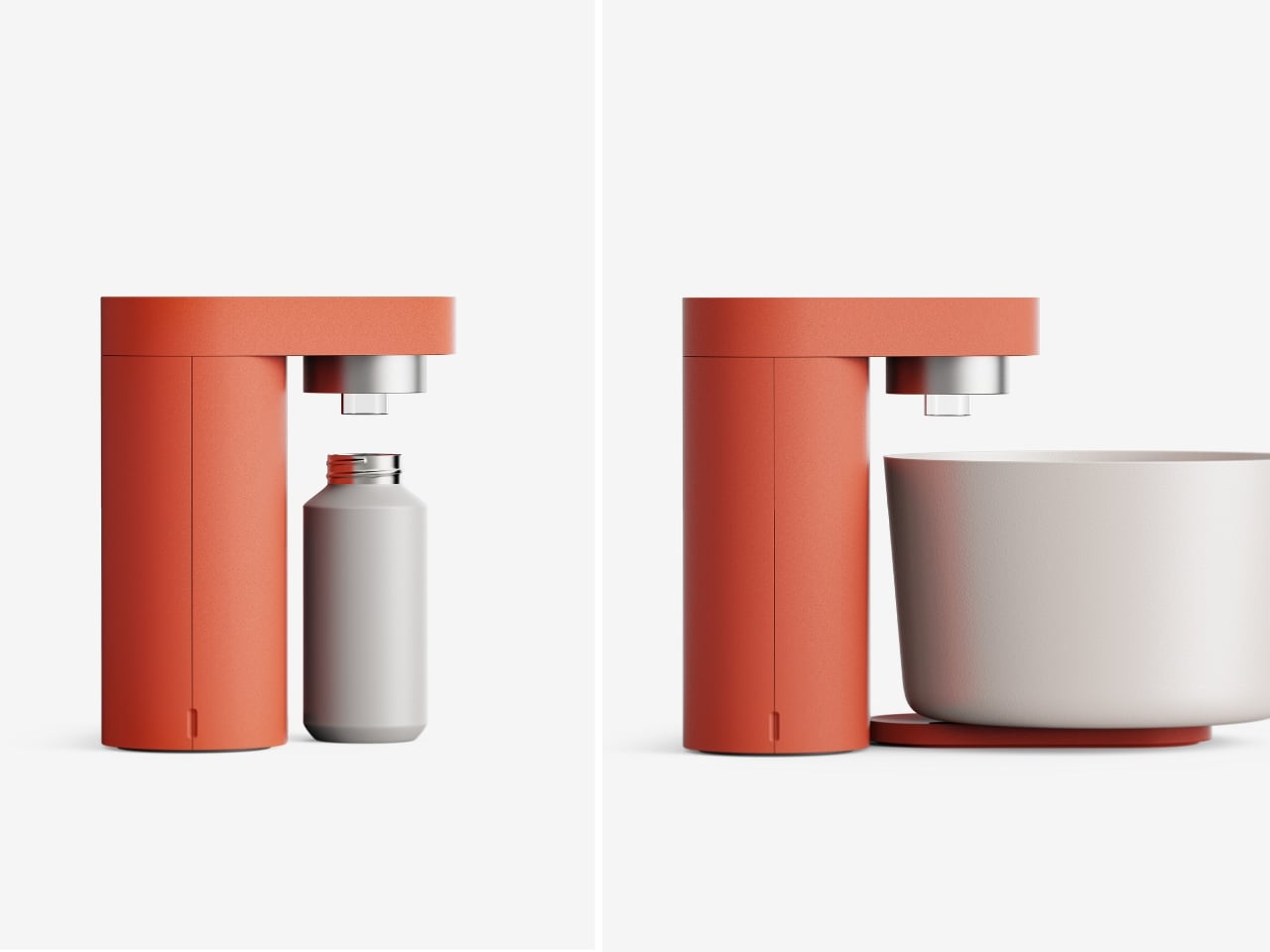
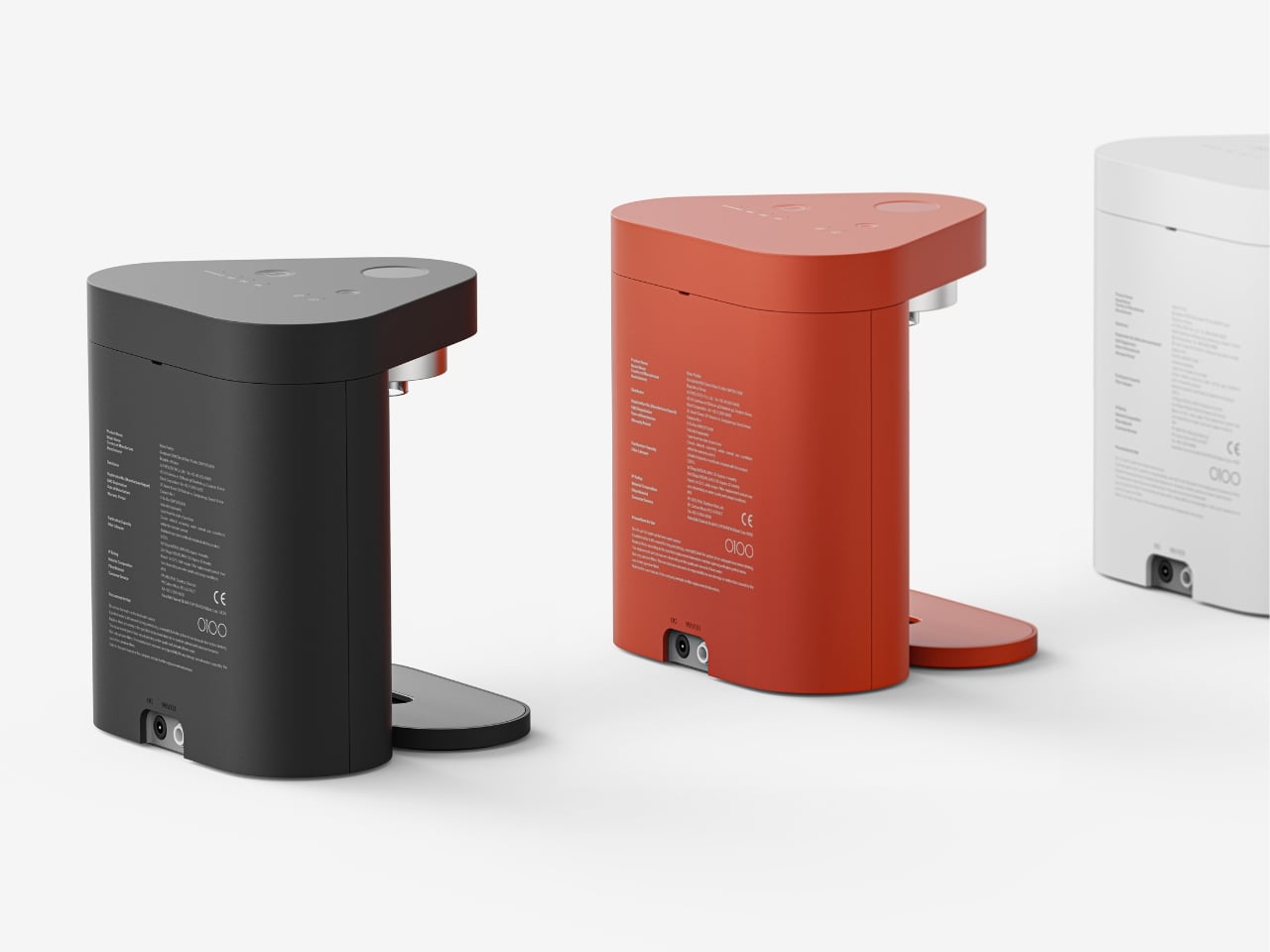
There’s something refreshing about design concepts that actually understand how we live. The SAI Lite water purifier from Superset Design is one of those rare concepts that doesn’t just look good in renderings but actually makes sense for real kitchens. Especially if that kitchen happens to be, like mine, not exactly spacious and can be cluttered at times.
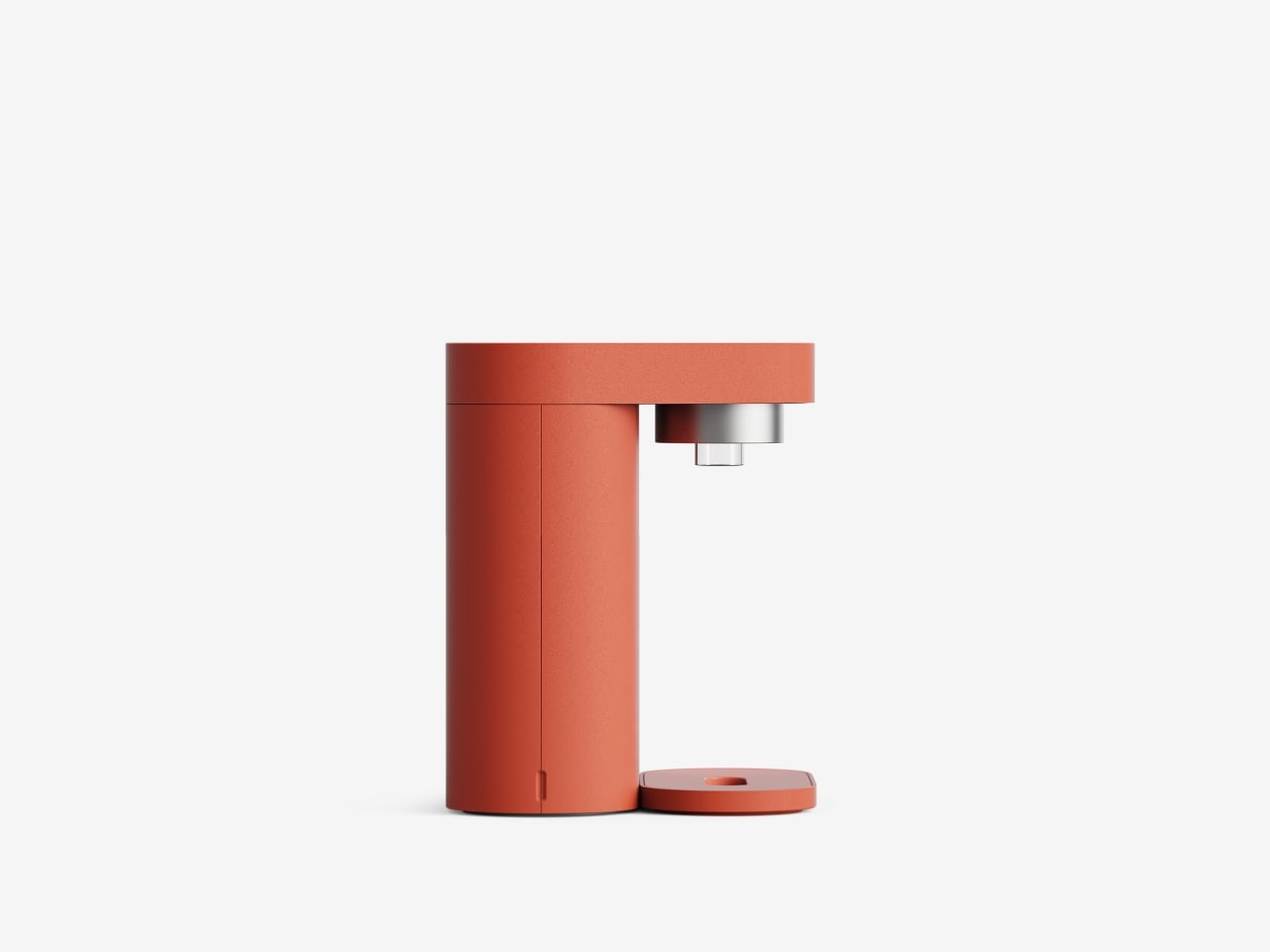
The name SAI comes from the Korean word for “narrow space,” which tells you everything you need to know about the design philosophy here. This concept is the successor to the original SAI Pro, and the team took an already compact design and stripped it down even further to its absolute essentials.
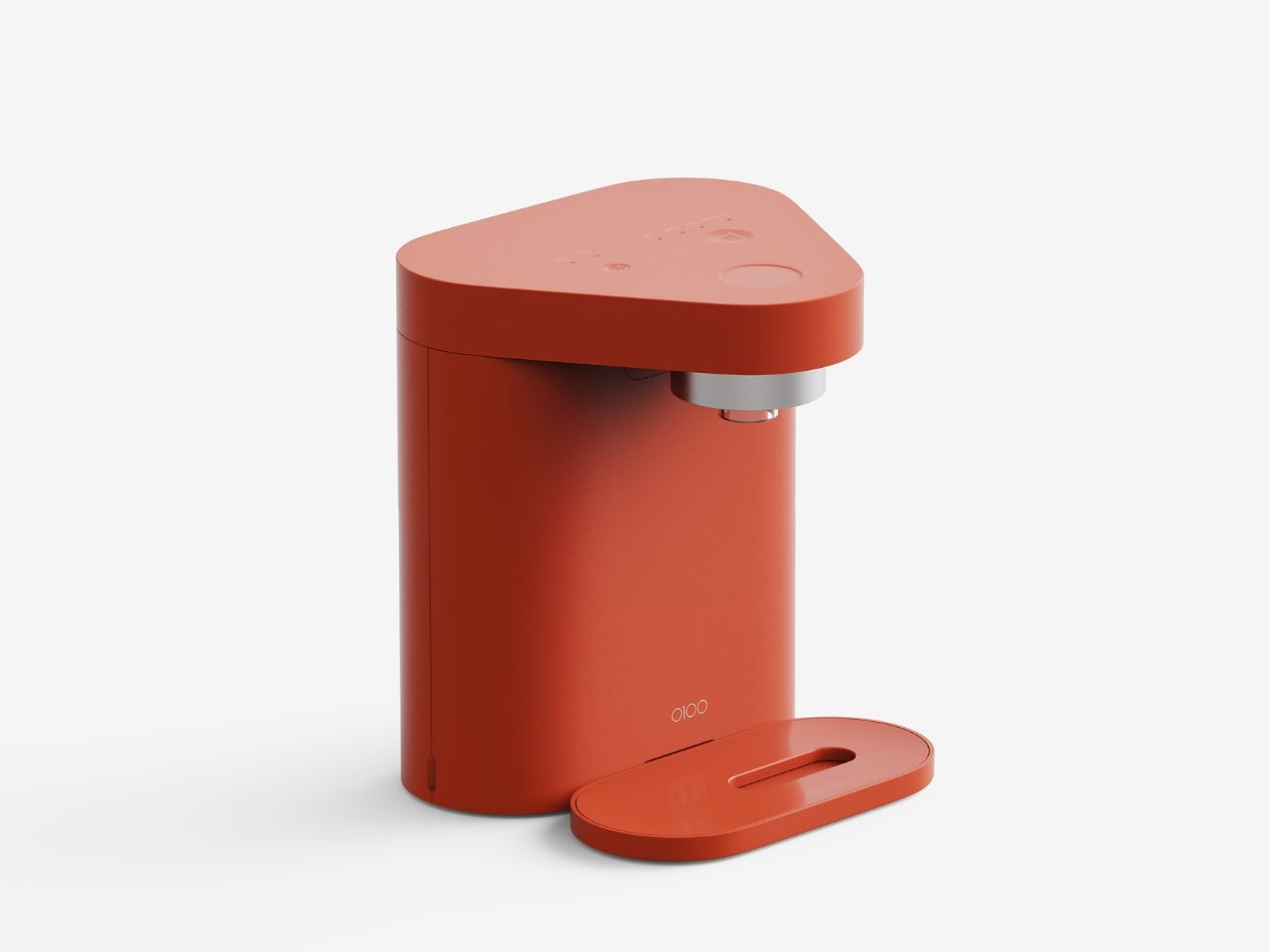
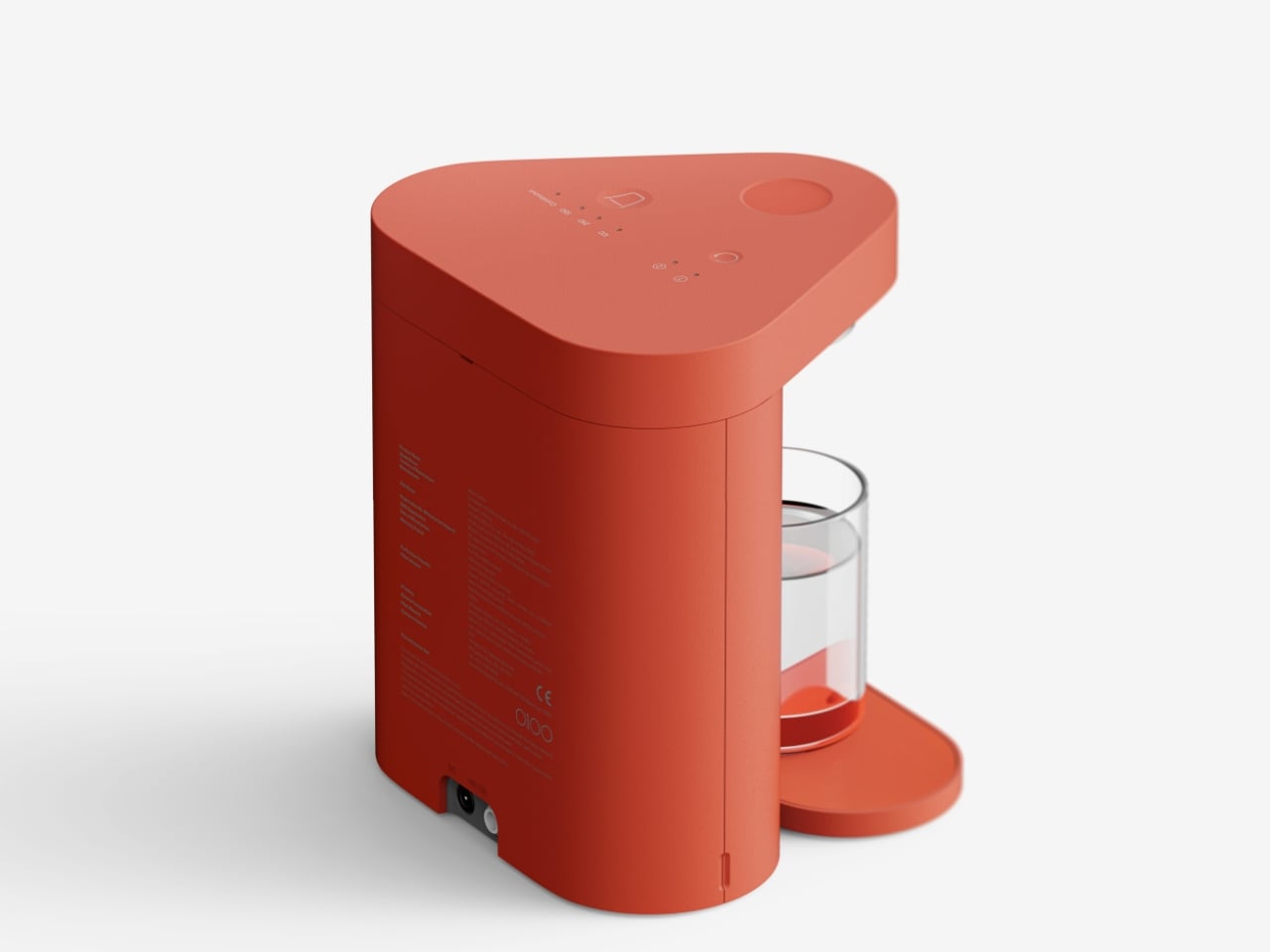
What caught my eye first is that distinctive rounded triangular shape. It’s not just designers being quirky for the sake of it. That form comes directly from the internal layout of two filters and a control module arranged in the most spatially efficient way possible. The footprint literally doesn’t get any bigger than the diameter of those two filters, which means you’re not sacrificing counter space for empty air.
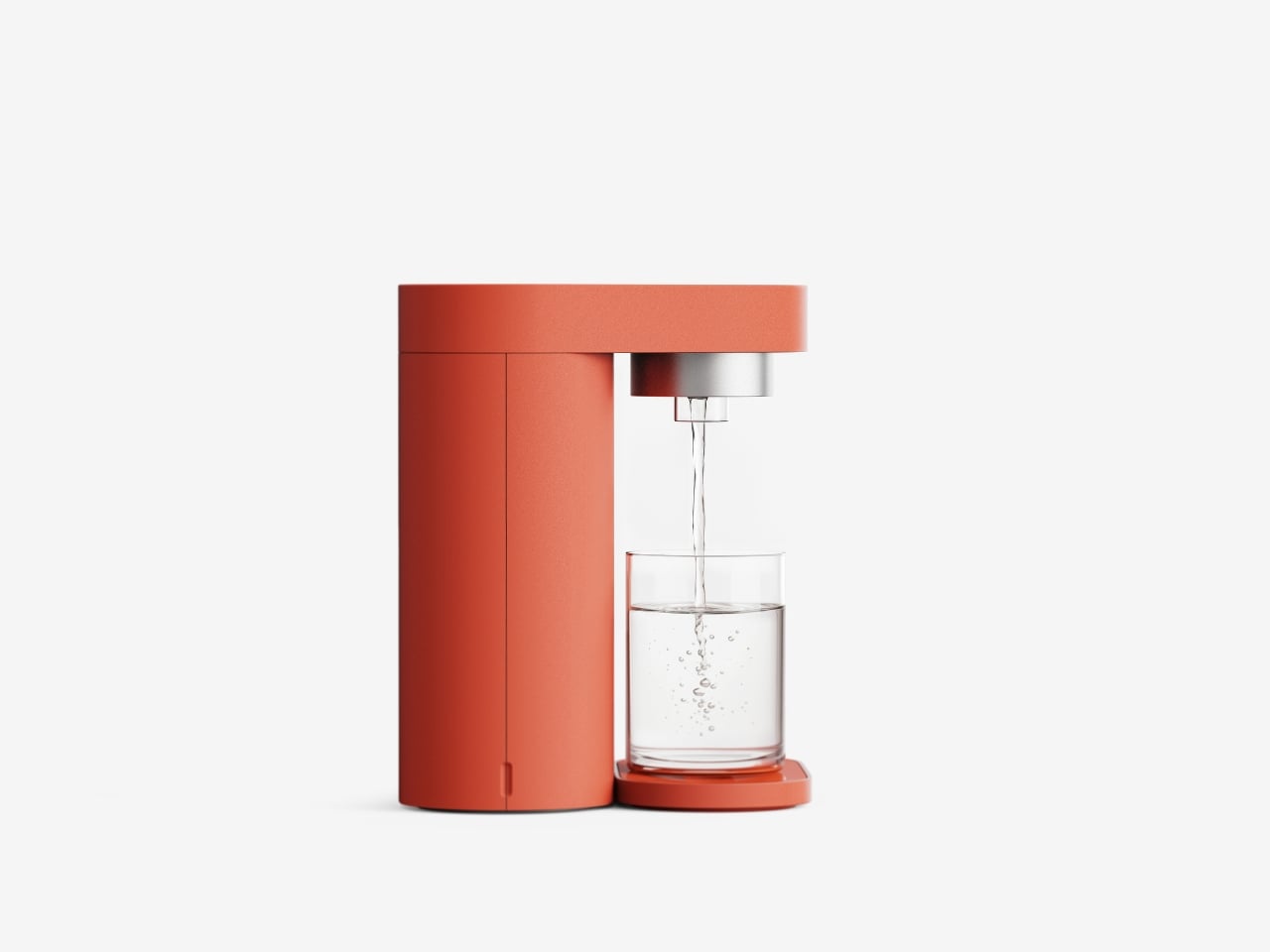
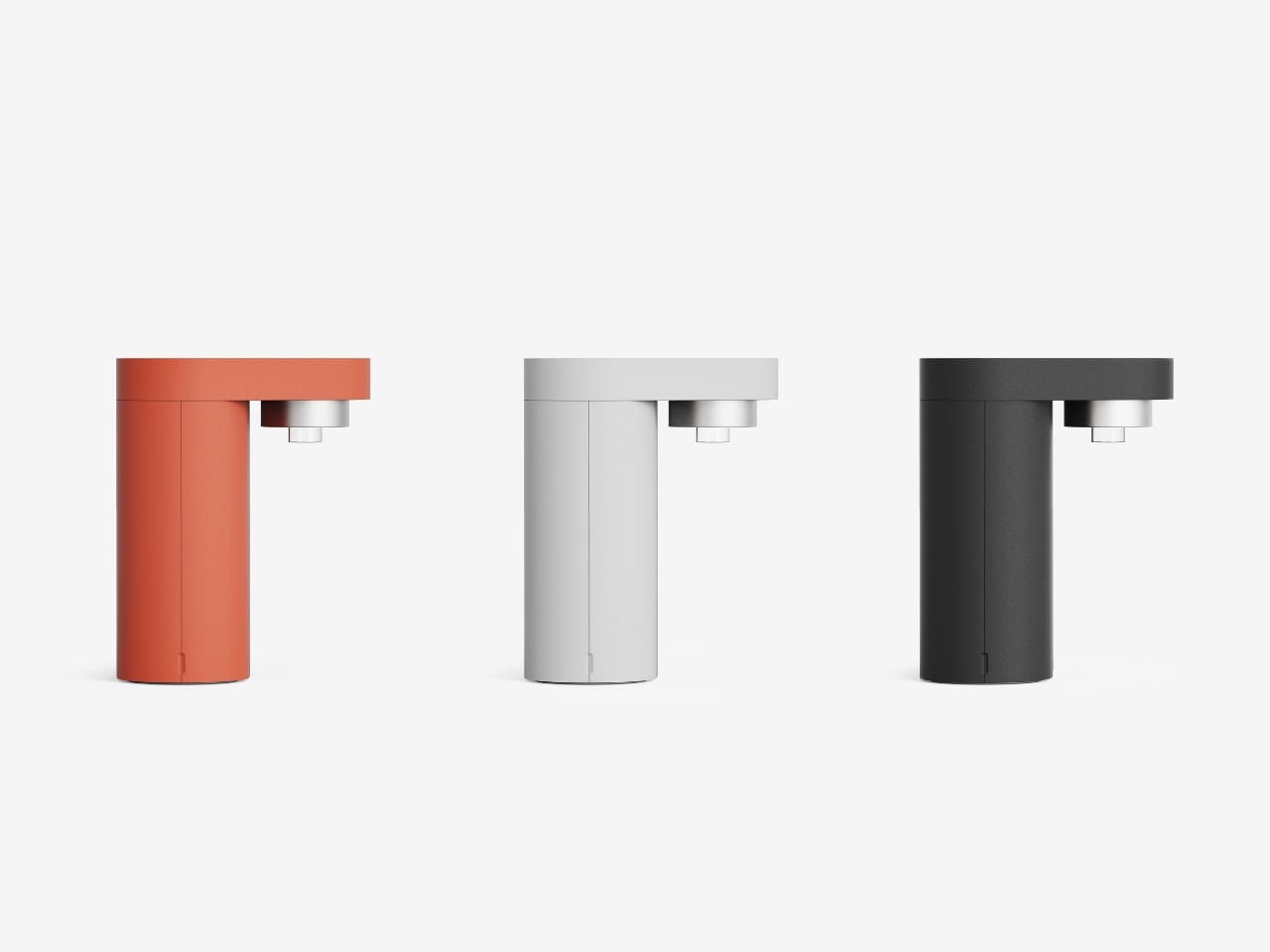
Here’s where the thinking gets really smart. Instead of designing a water purifier that can accommodate every possible container you might own, the team at Superset Design asked a better question: what do people actually use in small apartments and single-person households? Spoiler alert, it’s not giant stockpots and mixing bowls. It’s cups, tumblers, small pots, and maybe a water bottle. So that’s exactly what this concept was designed around.
This is the kind of practical thinking we need more of in product design. Too often, appliances are built for some idealized version of how we’re supposed to live rather than how we actually do. SAI Lite flips that script. The height is calibrated for the vessels you’ll realistically fill every day, creating proportions that feel balanced and purposeful rather than arbitrarily compact.
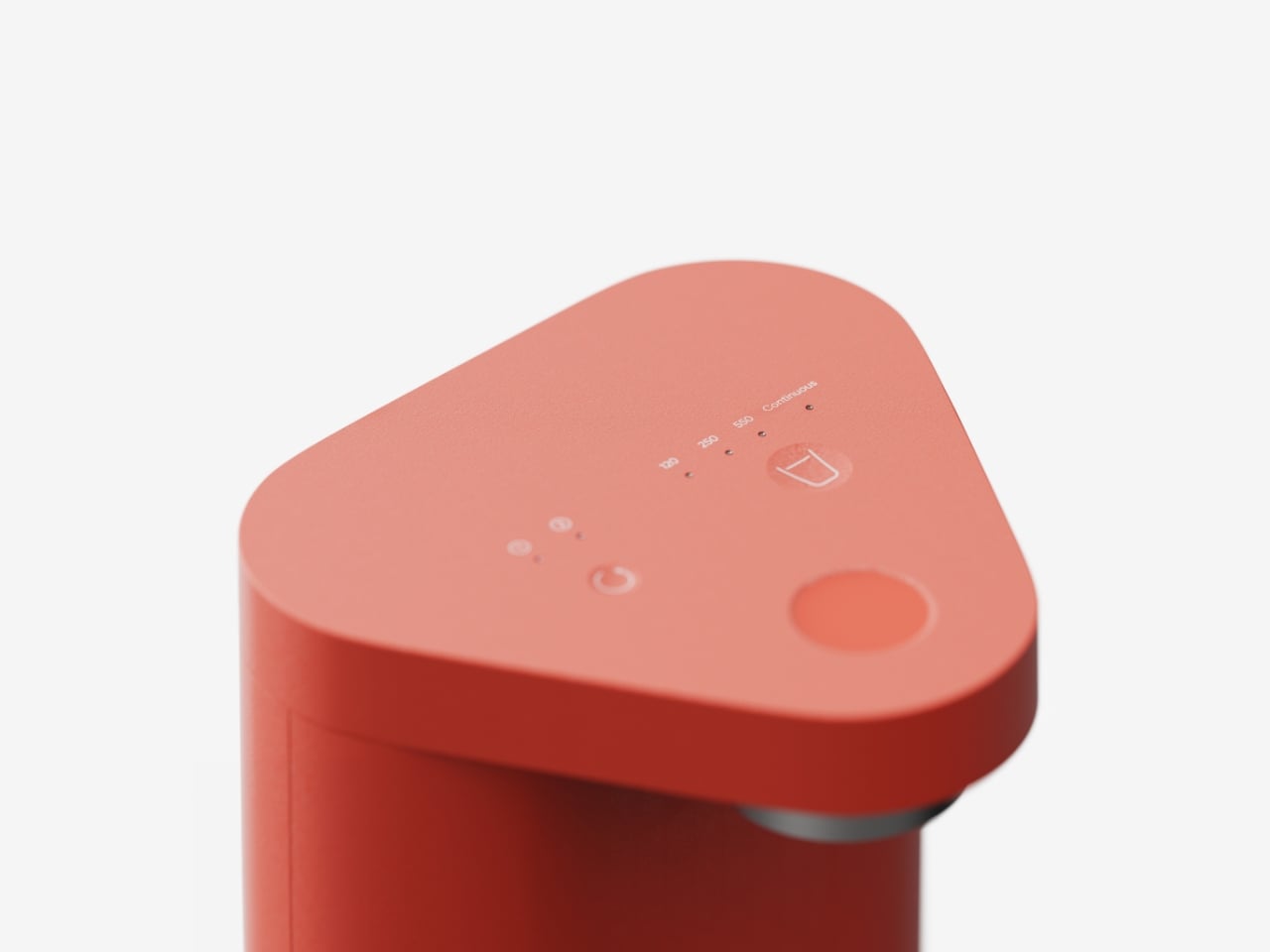
The interface concept deserves attention too. On the top surface, you’ll find three main controls: a filter replacement reset button, a water capacity control, and the dispensing button. But instead of cluttering the surface with every possible setting, the designers proposed something called Progressive Disclosure. Functions you only need during initial setup or rarely touch are tucked away behind a long press or an extra interaction layer. The result is a control surface that looks clean and feels immediately intuitive when you’re just trying to fill your morning coffee cup.
This approach to interface design is something we see in good software all the time but rarely in physical products. It respects the fact that most of the time, you want to do one simple thing: get water. Everything else can wait in the background until you actually need it. The aesthetic is minimalist without being cold. That terracotta orange finish gives it personality and warmth, and the smooth, rounded edges make it feel approachable rather than intimidating. It’s the kind of object that could sit comfortably next to your other kitchen essentials without screaming for attention, yet it’s distinctive enough that you’d probably want to keep it visible rather than hidden away.
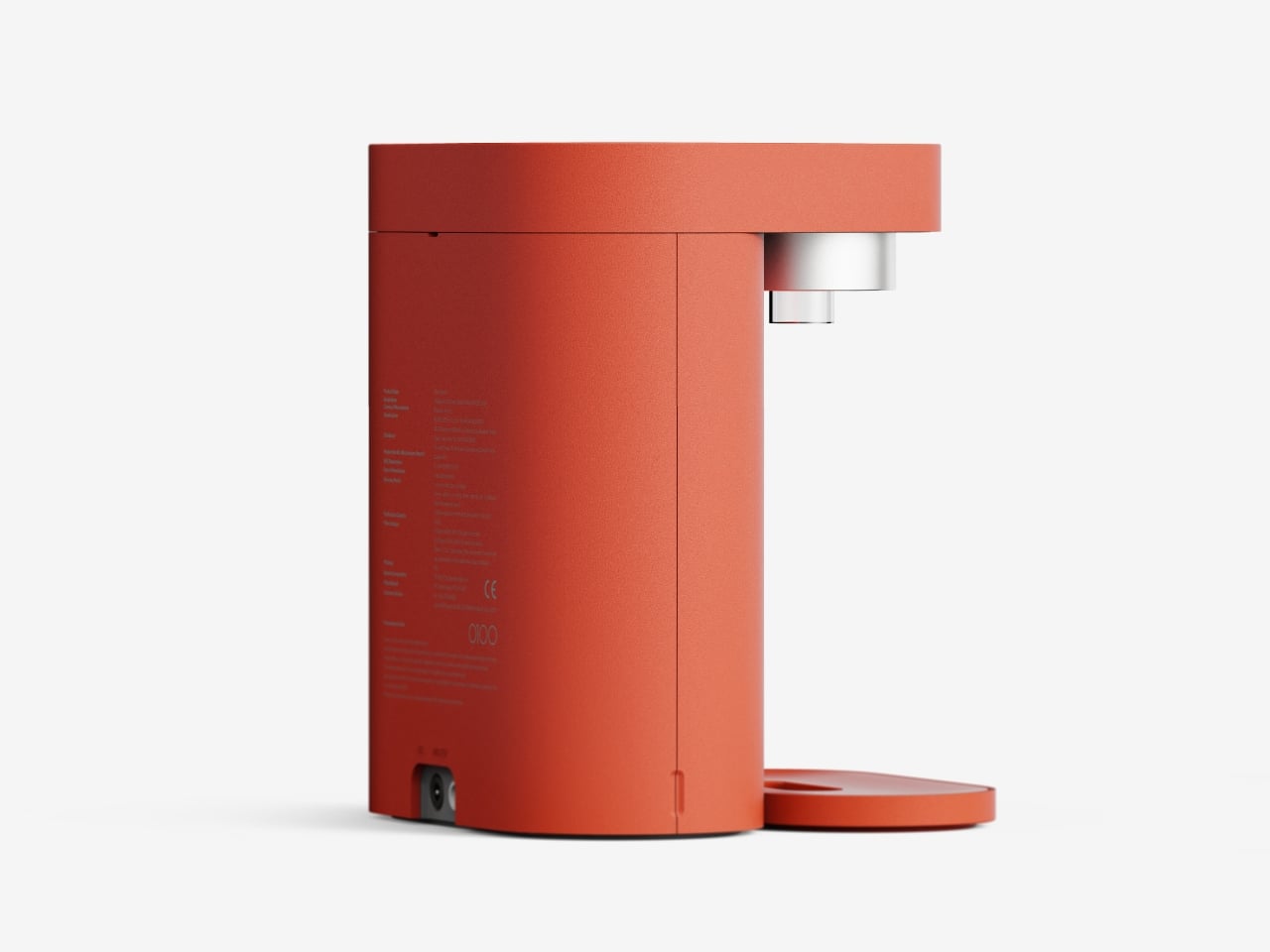
Looking at the concept renderings, you can see how efficiently everything is packed. The two cylindrical filters sit side by side with the control module, all contained within that triangular envelope. There’s no wasted space, but it also doesn’t feel cramped or difficult to access when you need to change filters. What makes SAI Lite compelling as a design concept isn’t just that it’s small. Plenty of products are small. What makes it work is that every decision, from the shape to the height to the button layout, stems from a clear understanding of the actual problem it’s solving. This is design that respects your space, your daily habits, and your time.
There’s something genuinely appealing about seeing designers propose objects that know exactly what they are and do that one thing exceptionally well. SAI Lite isn’t trying to be everything to everyone. It’s conceived for modern living spaces where every inch counts and simplicity isn’t just aesthetic, it’s essential. Whether this concept makes it to production or not, it’s the kind of thoughtful design thinking that pushes the industry forward. It challenges manufacturers to reconsider who they’re actually designing for and what those people truly need in their daily lives.
Somewhere along its never-ending quest to increase engagement, Meta realized that giving Facebook users more of what they want would make it more likely that they'll stick around. The company has announced a bunch of updates designed to help improve the feed and the broader Facebook experience by making it easier to find, create and share interesting things. (Because primarily showing updates from your friends with the occasional ad or meme post is maybe just too complicated.)
Simplification is a big focus of this overhaul. First, the Facebook feed will be a bit more streamlined. Whenever you post multiple photos, Facebook will arrange them into a standardized grid. When you click into anything on the feed, you'll be able to see it in a full screen view. And there's a very welcome change in that you'll be able to like a photo by double-tapping it. Just be careful with that when you're swiping through an ex's or a crush's photos.
Simplified Facebook feed.
Meta
Search results are now said to "show more content in a more immersive grid layout that supports all content types," according to Meta. The company is trying out a new full-screen viewer for Facebook that "lets you explore different photo and video results without losing your place in search," which it plans to expand to "more content and post types in the coming months."
In addition, the company says you’ll be able to provide feedback on a Facebook post or Reel to help make future recommendations more relevant. More ways for you to "shape your feed" and offer feedback on what the algorithm serves up are coming soon.
The Facebook feed sucks, and it's good that Meta knows it sucks. There have been numerous occasions over the last couple of years where I've had to scroll through a couple dozen uninteresting posts from pages and creators I've never heard of before seeing something from a friend. The glut of spam and AI slop isn't helping (things are pretty grim for creators who have been dealing with content thieves too).
There was a spell of several months last year when, every single time I opened Facebook, I would see an utterly garbage AI-generated image of a "tiny house," a supposedly cozy domicile where not much actually made sense (three TVs in a living room, stairs and railings that had the telltale signs of AI warping). I'd always provide feedback that I didn't want to see any posts from that page again. But the next day there'd be another rotten "tiny house" image from a different page in my feed.
Here's hoping Meta will actually take feedback related to recommendations on board and act on it. If the company does, it might actually make the feed more interesting to scroll through again.
Elsewhere, Facebook will place the most-used tab bar features — such as Reels, Friends, Marketplace and Profile — front and center on the tab bar for easier and faster access. Meta is also promising a refreshed look for the menu and "cleaner" tab notifications.
Facebook Story creation screen
Meta
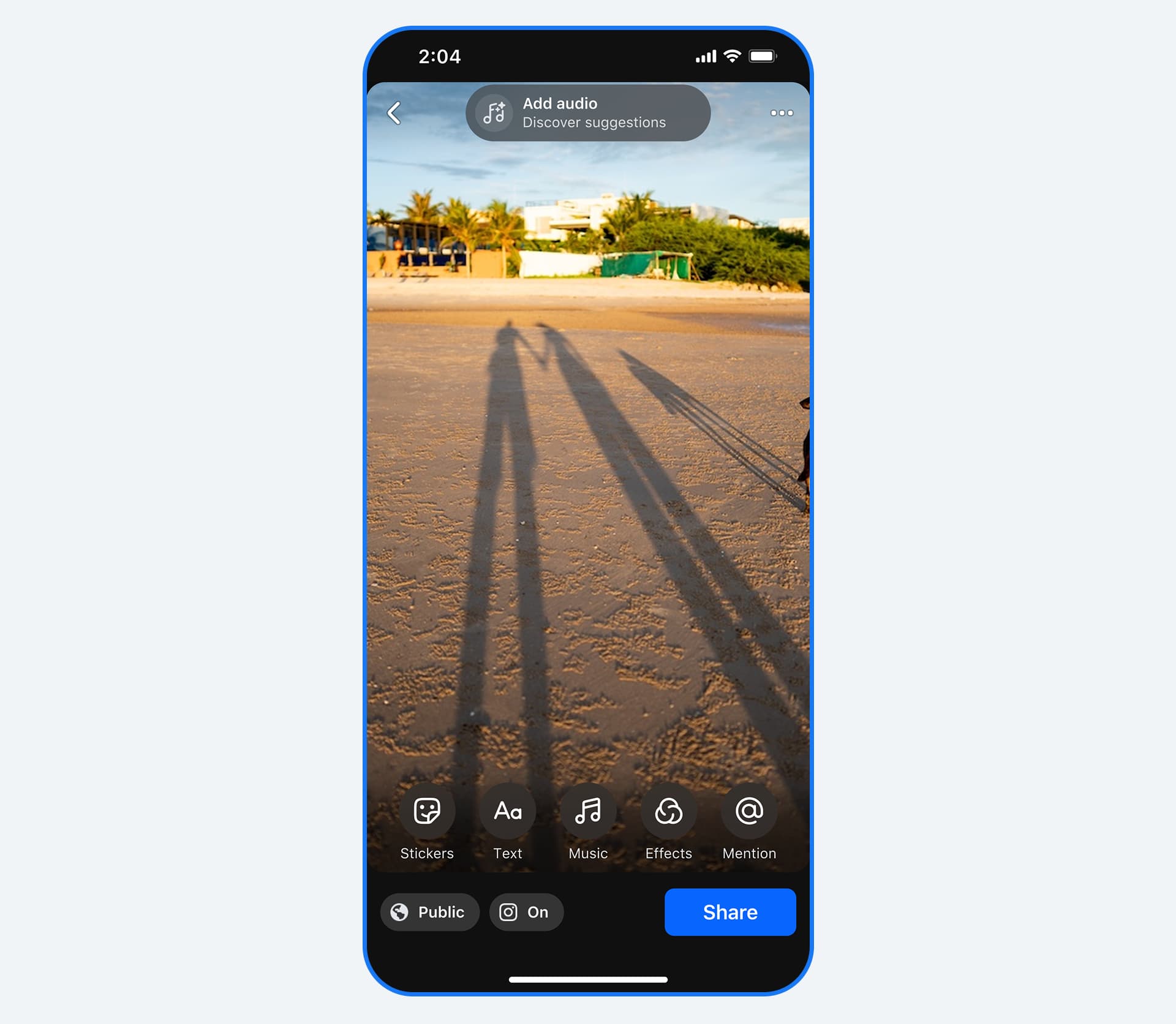
Facebook is making it easier to access more popular Story and Feed post creation tools like music and friend tagging by giving them more prominent placement. Advanced options like text background colors will be an extra tap or two away. The post and Story composer feature audience and cross-post settings prominently, so that you have ease of control over who can see what you're sharing. Meta has updated how comments work across the feed, Groups and Reels as well to make things more streamlined and easier to follow.
On top of all of that, when you make changes to your profile, you might start seeing suggestions for friends with shared interests. Meta suggested that, "if you update your profile to show you're into sourdough bread baking or planning a trip to Nashville, Facebook will show you friends who can give you sourdough starter tips or offer suggestions on the best local spots." As always, though, you can decide who sees what on your profile or simply opt to share none of this personal info with Facebook at all, especially if you feel that Meta already knows too much about you.
This article originally appeared on Engadget at https://www.engadget.com/social-media/meta-is-trying-to-make-facebook-suck-less-by-simplifying-things-a-bit-171910771.html?src=rss
It has been two months since Google released the Pixel Watch 4 and now the company is introducing new updates to the wearable. In our review, Engadget managing editor Cherlynn Low was impressed enough with the watch to give it an 86, but called out the lack of gesture-based interactions. The new one-handed gesture features, like double pinch and wrist turn, should make up for that.
In an industry that involves constant borrowing of ideas, it should come as no surprise that these features are very similar to those available on the Apple Watch. Double pinch works much the same to the Apple Watch's double tap. Pixel Watch 4 users should be able to pinch their fingers together twice on the same hand to do things like answer or end a call and pause timers. The Pixel Watch will also offer "context hints" on its screen about when a person should consider using double pinch.
Then there's wrist turn, Google's answer to Apple's wrist flick. It should allow Pixel Watch 4 users to take actions like dismissing incoming calls by turning their wrist.
Currently, users can rotate their wrist to scroll through notifications. They can also summon Gemini by bringing their wrist to their mouth, but it's a bit finicky, requiring them to start at the homepage and be extremely accurate in their movements. Google is rolling out a new step-by-step tutorial for this raise to talk feature, so hopefully it becomes a bit easier to use moving forward.
This article originally appeared on Engadget at https://www.engadget.com/wearables/google-pixel-watch-4-gets-double-pinch-and-wrist-turn-features-170024210.html?src=rss
The organizations partnered to enroll 437 shoppers in an experiment across four cities, where each shopper added the same items to their carts within Instacart from the exact same store. Almost 75 percent of grocery items were shown to shoppers at multiple price points, with as many as five different prices shown for the same item. The average difference between the highest and lowest price shown was 13 percent, while the highest delta on an individual item was a whopping 23 percent.
Engadget reached out to Instacart and received the following response. It reads in part: "Just as retailers have long tested prices in their physical stores to better understand consumer preferences, a subset of only 10 retail partners — ones that already apply markups — do the same online via Instacart. These limited, short-term, and randomized tests help retail partners learn what matters most to consumers and how to keep essential items affordable." An Instacart spokesperson added that this is not dynamic pricing (insofar as it is not based on supply and demand), that no personal demographic data is used in the process and that these experiments are random.
The bulk of the tests were conducted at Safeway and Target stores, which both yielded similar results. A Target spokesperson told the New York Times that the company "is not affiliated with Instacart and is not responsible for prices on the Instacart platform." Instacart told the Times that they were "evaluating different approaches" to cover the platform's costs at the time of the study, but have since discontinued pricing tests on Target orders.
Instacart published a blog post today attempting to explain how these tests that showed higher prices are actually meant to help retailers invest in lower prices. It also waxes poetic about Instacart's commitments to affordable groceries for consumers.
This article originally appeared on Engadget at https://www.engadget.com/big-tech/study-shows-that-instacart-was-charging-different-amounts-for-the-same-items-165108224.html?src=rss
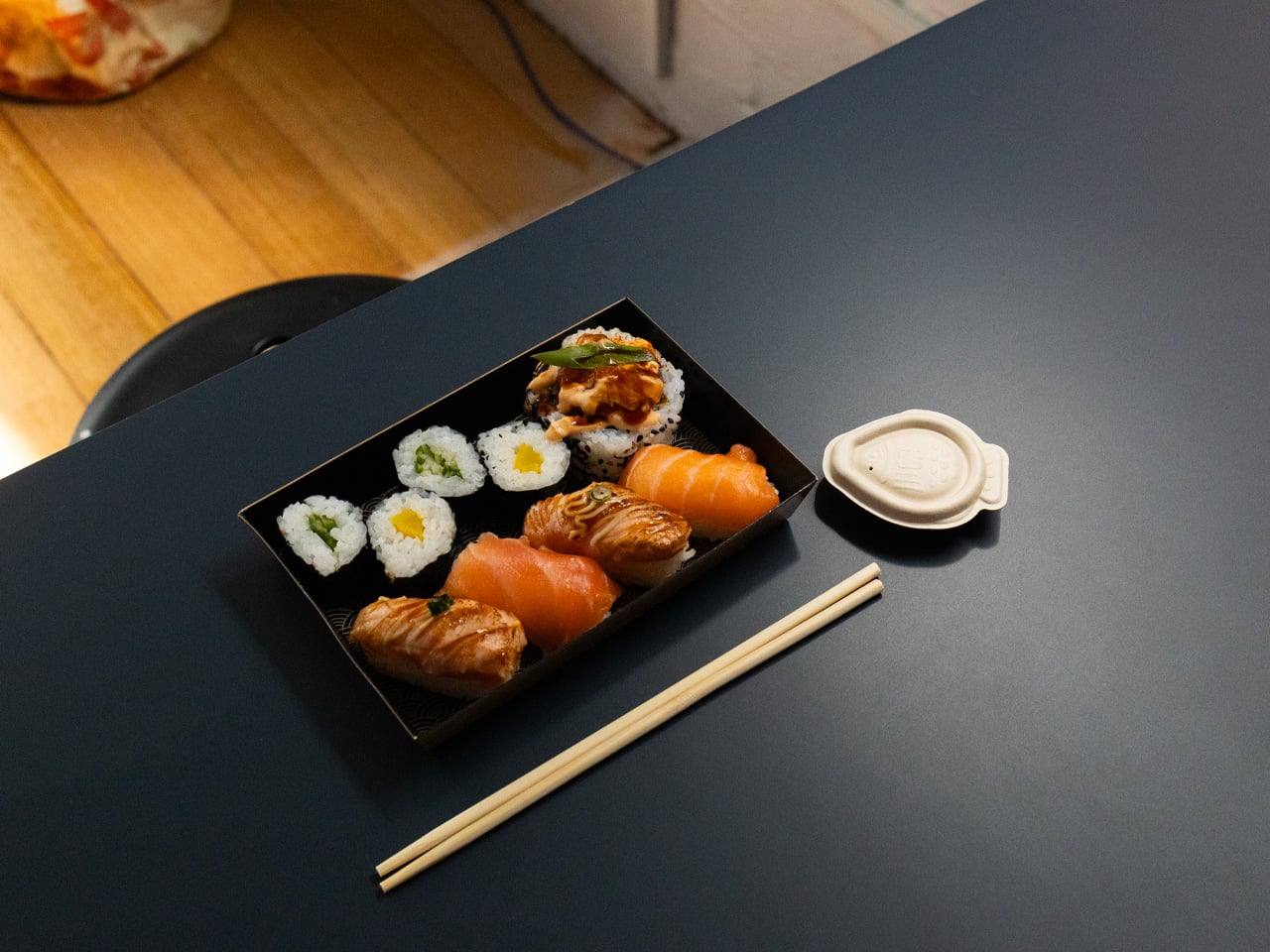
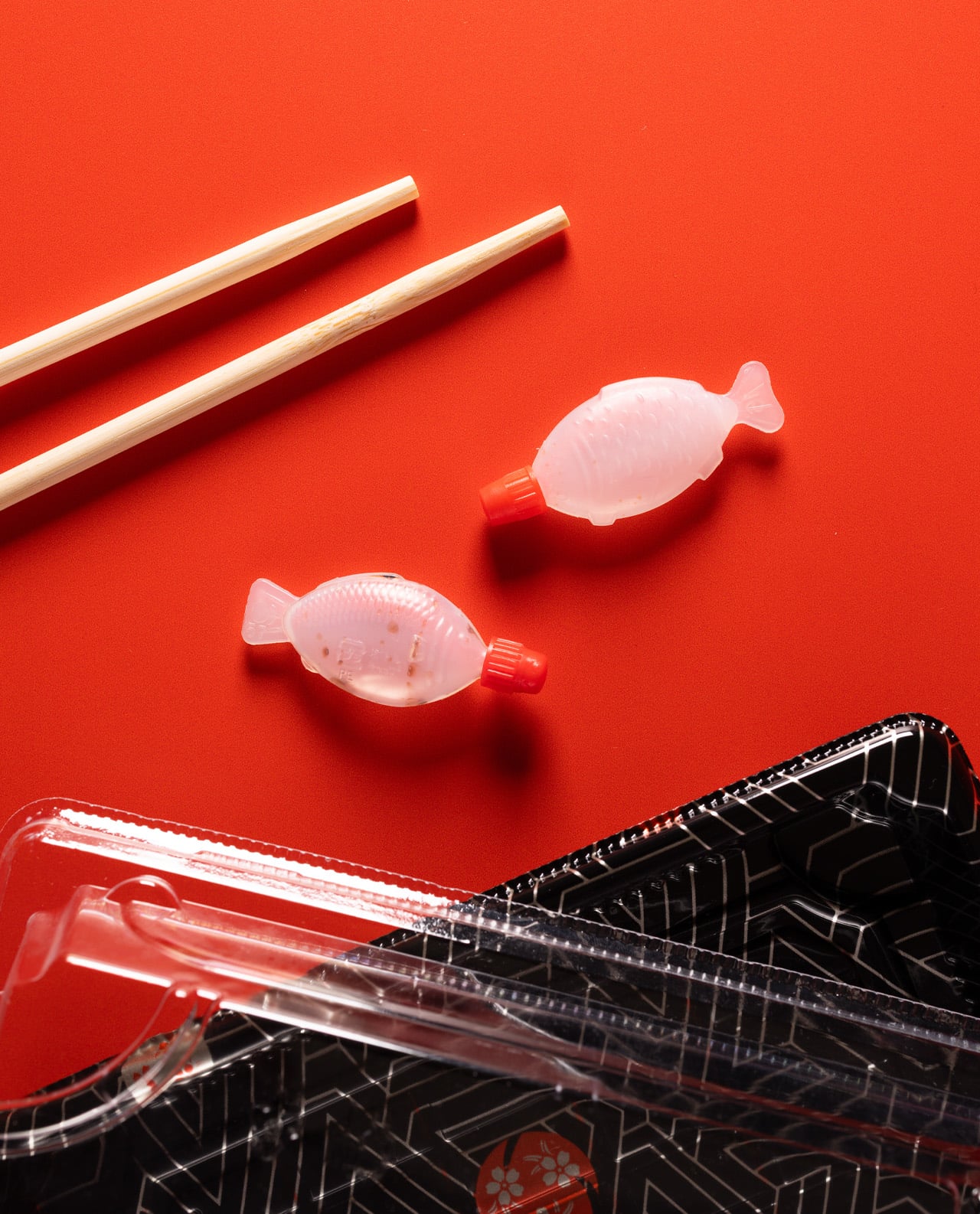
As someone who can demolish a sushi platter in minutes, I’ve always felt a pang of guilt watching those tiny plastic fish pile up on my plate. Sustainable design studio Heliograf clearly felt the same way. After five years of development, they’ve launched Holy Carp!, the world’s first home compostable soy sauce dropper that doesn’t make you choose between convenience and conscience.
The Australian team initially drew attention to this plastic problem through their brilliant Light Soy lamps made from recycled ocean-bound plastic. But they didn’t stop there. With South Australia banning those beloved little fish and other states following suit, Heliograf knew they had to create something that worked just as well. Consider this: since 1950, we’ve used between 8 and 12 billion soy fish. Each one serves us for maybe three minutes before hanging around for centuries.
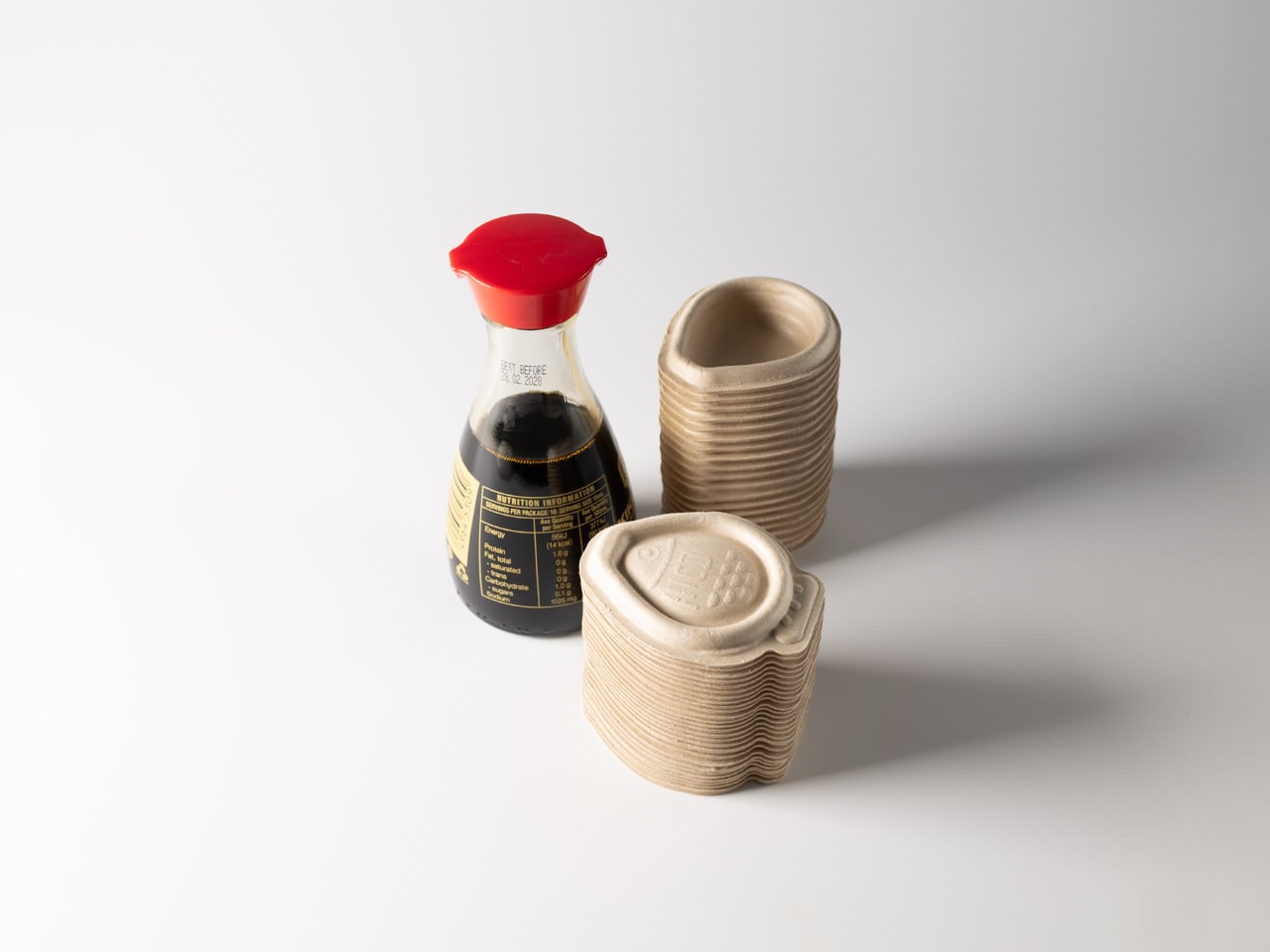
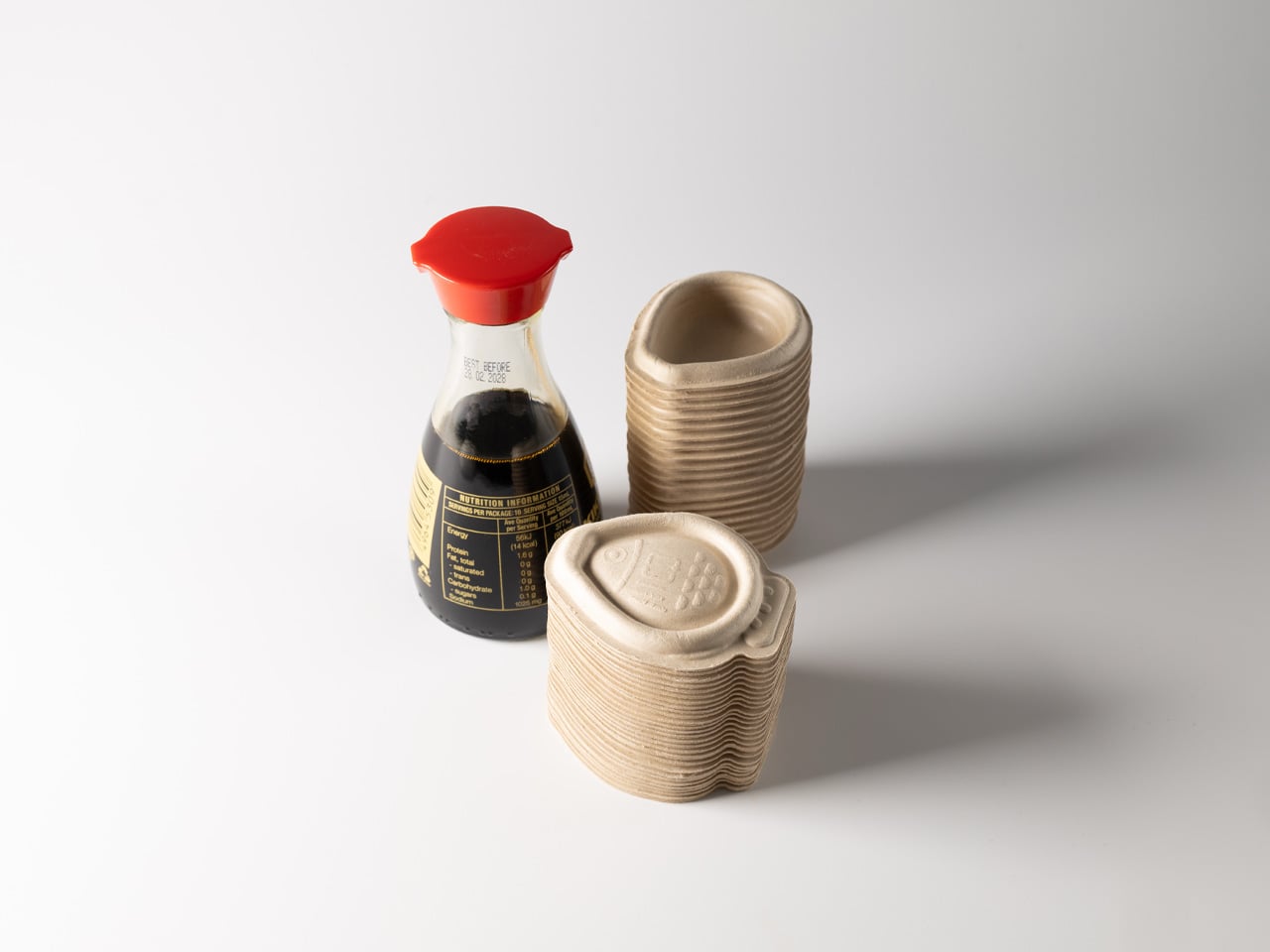
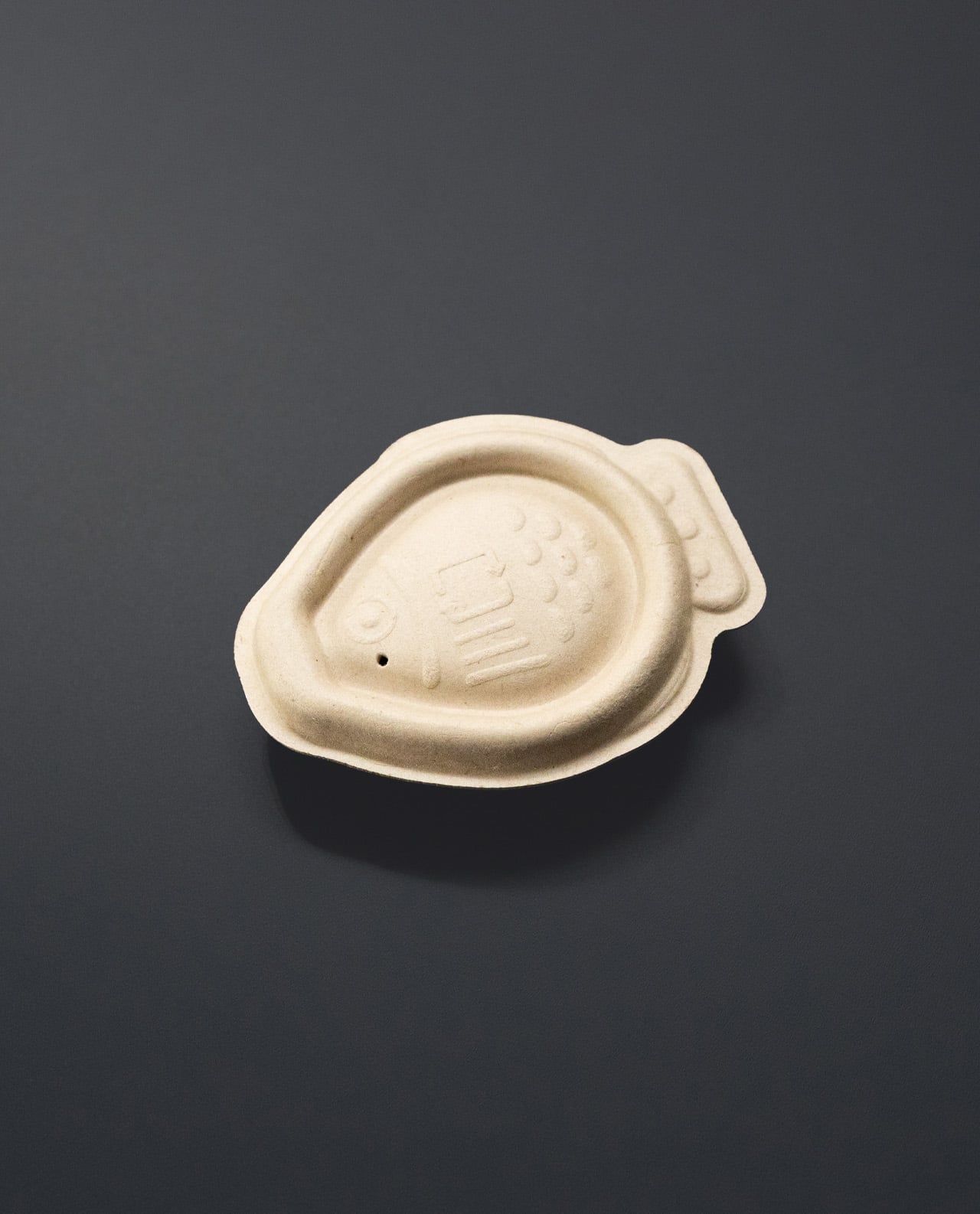
Here’s where it gets clever. Holy Carp! droppers are made from bagasse pulp—basically sugarcane waste that would otherwise be thrown away. The genius part is that these decompose in your compost bin within 4-6 weeks, not 400 years. Plus, restaurants fill them fresh instead of getting pre-filled plastic ones shipped from who-knows-where, meaning fresher soy sauce for your salmon rolls.
Working with Vert Design and actual sushi restaurants (people who understand the stakes), Heliograf kept that perfect fish shape we all love while fixing the obvious problems. The 12mL container is deliberately bigger than those frustratingly tiny plastic ones because, let’s be honest, who hasn’t grabbed three or four at once? The designers watched people do exactly that, creating even more waste.
Plant Pulp Expertise Meets Ocean Impact
What I love about this story is how Heliograf used knowledge from their existing lamp packaging to crack this problem. Sometimes the best solutions come from your own backyard—literally, in this case, since their lamps already use plastic-free packaging. The droppers hold soy sauce safely for 48 hours and won’t leak all over your takeaway bag.
“It’s a small change, but we truly believe every drop matters,” says co-founder Angus Ware. “We wanted to show that we can still create moments of joy when being sustainable.” Since 2020, their cleanup efforts have removed over 32 tonnes of plastic—equivalent to 32 million soy fish.
Available Soon for Early Adopters
The numbers are staggering: 40% of plastic waste comes from packaging, with nearly 855 billion single-use sachets used annually. For those of us who can’t imagine sushi without that perfect little fish, Holy Carp! offers guilt-free indulgence. Restaurants can register at heliograf.com/holycarp for early access. Finally, we can enjoy our California rolls without contributing to microplastic soup in our oceans.
Pebble just announced the Index 01, a smart ring for recording thoughts. It's a little ring with a built-in microphone and that's about it. The Index 01 is almost anti-tech in its simplicity. There's no needless AI component shoehorned in, aside from speech-to-text. It's a ring with a microphone that you whisper ideas into and I want one.
Here's how it works. You get an idea while walking down the street, so you quietly whisper it into the ring. The ring sends the idea to a notes app or saves it for later review. Pebble founder Eric Migicovsky calls this an "external memory" for the brain, but I call it a nice way to avoid having to dig the phone out of a pocket or bag just to utter something like "pizza, but for cats."
The ring doesn't record unless a button is pushed, so it won't be listening in on private conversations, and it doesn't require a paid subscription of any kind. It's on the smaller side, about the size of a wedding band, and is water-resistant.
The battery also lasts for "years" and never needs to be charged. The ring is designed to be worn at all times, so users develop the muscle memory of holding down the little button when they have something to share. See what I mean? I want one, and I've quite literally never worn a ring in my life.
Pebble
Migicovsky says this is an open source product and that Pebble is "leaving the side door open for folks to customize." He envisions people will integrate AI voice agents and that the ring will eventually work with stuff like ChatGPT, Beeper, Google and other services.
The Pebble Index 01 works with iPhone and Android and is available for preorder right now. It costs $75 during this preorder period, but the price jacks up to $99 when shipments start going out in March.
This article originally appeared on Engadget at https://www.engadget.com/wearables/pebble-is-making-a-weird-little-smart-ring-for-recording-thoughts-161723645.html?src=rss
The Toyota GR GT and GR GT3 represent a bold leap forward in automotive engineering, blending innovative technology with motorsport-inspired design. Developed by TOYOTA GAZOO Racing, these flagship models are built to deliver an unparalleled driving experience. The GR GT is a road-legal race car that combines a low center of gravity, lightweight construction, and […]
When someone asks me for gadget buying advice, I normally tell them to stick with their current device. In 2025, most new tech products aren't a worthwhile upgrade over even something that was released a few years ago — and with the price of everything going up, that new iPhone can wait. But things aren't normal right now.
On December 3, The Wall Street Journal reported memory manufacturer Micron would wind down Crucial, its consumer business, to focus on components for the AI industry. The PC I'm writing this article on has an SSD and RAM from Crucial. Overnight, Micron decided to end a business it spent decades building, and from a certain perspective, I guess it makes sense. In recent months, OpenAI has signed more than $1.4 trillion worth of infrastructure deals, creating unprecedented demand for server-grade solid-state storage and RAM.
To meet the moment, manufacturers have been allocating more of their production capacity and wafers to high-margin commercial customers. For consumers, the result has been skyrocketing RAM prices, with some DDR5 kits now costing as much as two or three times as much as they did a couple of months ago. Recent analysis from TrendForce shows the price of some consumer-grade SSDs increased between 20 and 60 percent in November for the same reason. Then there's LPDDR5X memory, which is used in both smartphones and NVIDIA's Grace Blackwell and Vera Rubin platforms. In 2026, it's expected to increase in price as well. The demand for AI infrastructure is such that all consumer electronics may cost more in the coming months.
That gets me to the purpose of this article. If you've been thinking about upgrading to a new graphics card, I would recommend you buy one sooner rather than later. The AI boom came for RAM first, and there are already signs it will come for GPU pricing next. A recent report suggests AMD is considering raising the MSRP of its 8GB models by $20 and 16GB models by $40 due to the price of GDDR6 memory. NVIDIA, meanwhile, is rumored to have recently told its board partners it would no longer supply them with VRAM for their cards.
Neither NVIDIA nor AMD responded to comment requests from Engadget requesting they share how they plan to work with their board partners to ensure GPU prices remain stable. NVIDIA also did not comment on reports the company will stop providing VRAM to its board partners.
Separate from the memory shortage, neither NVIDIA nor AMD are expected to release new GPUs soon. According to recent rumors, the earliest a Super refresh of the Blackwell line could arrive is sometime in the middle of 2026 — not at CES in January as the 40-series Super cards did in 2024. The memory crunch could complicate things there too, since the company has typically relied on more and faster VRAM to offer better performance on its Super cards. With 50-series Super GPUs, it might not be the case that NVIDIA announces them at the same MSRP as their non-Super predecessors, which was the case with the 40-series.
As for AMD, the company debuted its RDNA 4 cards at the start of the year. We know it's already working on RDNA 5, and if a recent chat with Sony's Mark Cerny is any indication, the new architecture will be a major step change for AMD. However, right now rumors indicate the earliest RDNA 5 could arrive is sometime in 2027.
In other words, with nothing new on the horizon and pricing of existing stock likely to increase, there might be only a short window where you can get a new GPU at a reasonable price. It's impossible to predict the future, but if you're in need of an upgrade and have the means to purchase, there might not be a better opportunity before the end of 2026.
Recommendations
The recommendations in Engadget's recent GPU guide are still as relevant today as they were a few months ago. Once again, the best advice I can give is to buy a card with at least 12GB of VRAM, and preferably 16GB if your budget allows for it. Unless you mostly plan to play older games on a 1080p monitor, it's not worth considering a model with 8GB of VRAM — it won't last you long enough to warrant the purchase price.
Our recommendations are grouped from most affordable to most expensive. Where possible, I've tried to find options from both Newegg and Amazon. You won't find any high-end picks like the RTX 5080 since if you can afford that card, this guide isn't for you.
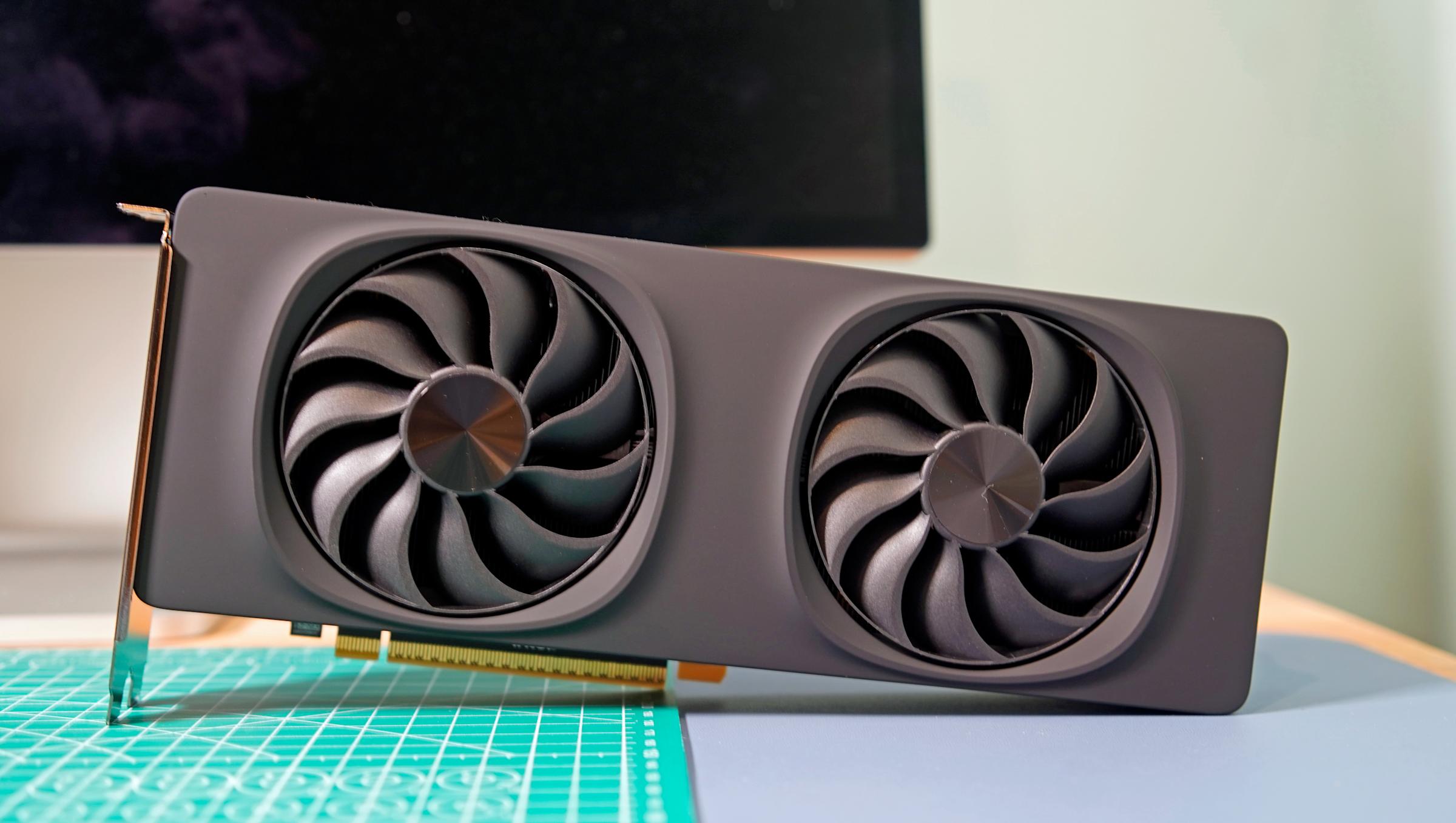
Intel Arc B580
Intel's Arc B580 is a great budget option, as long as you can put up with some driver issues.
Devindra Hardawar for Engadget
For those on a tight budget, I would start and end my search with the Intel Arc B580. Newegg has models from ASRock and Onix at or under the card's $250 MSRP. I can't speak to the quality of ONIX cards, but ASRock is well-regarded. Over on Amazon, you can find the B580 for $300. With Intel cards you sometimes need to put up with odd driver issues, but as far as budget options go, the B580 offers value that's hard to beat. The one thing about budget cards like the B580 is they’re likely to face the most pricing pressure from the memory crunch due to the smaller margins manufacturers are making on them.
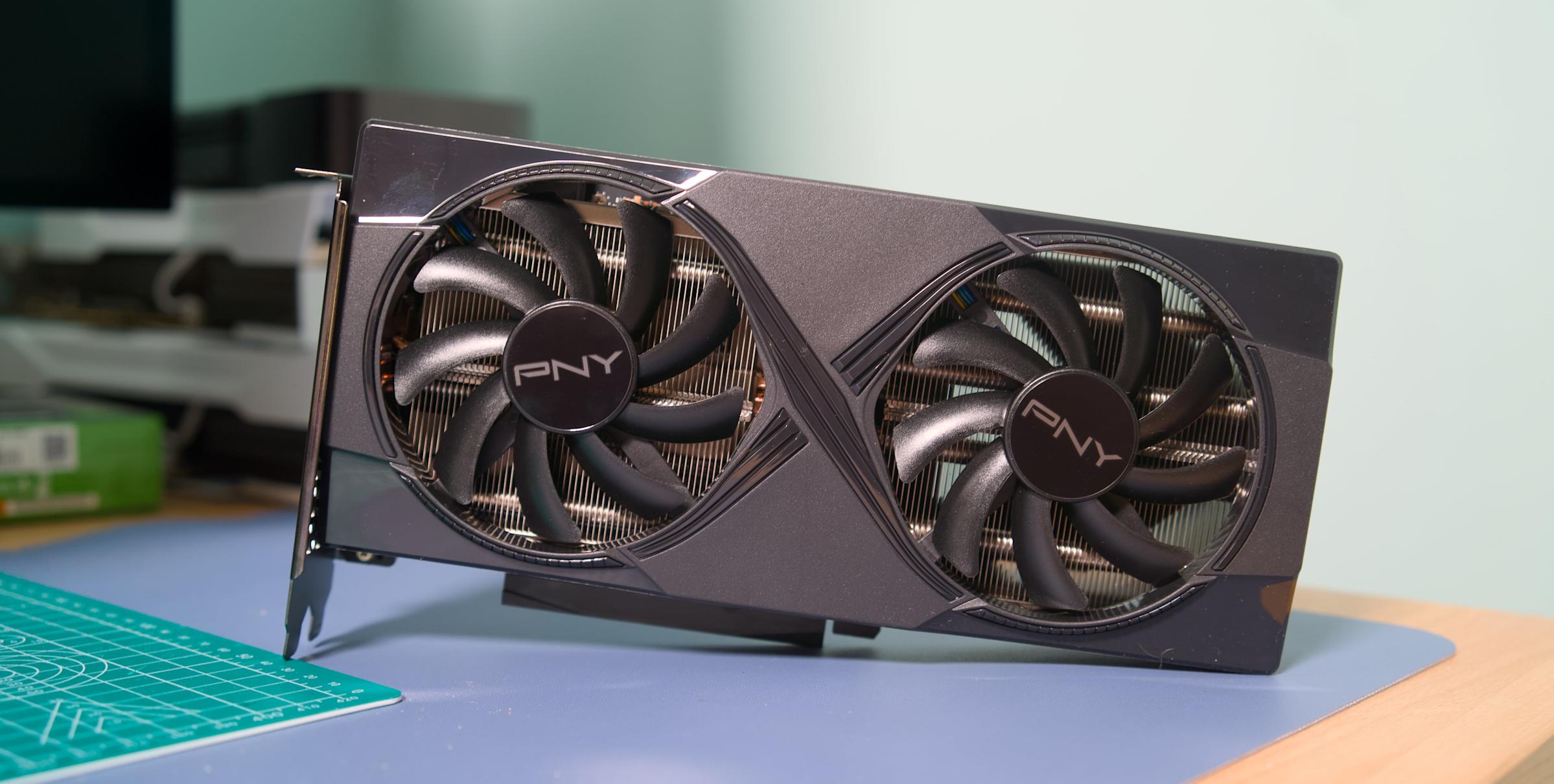
NVIDIA RTX 5060 Ti 16GB
If you decide to go with the RTX 5060 Ti, be sure to buy the 16GB model.
Devindra Hardawar for Engadget
If you have more than $250 to spend on a GPU, the RTX 5060 Ti is the GPU to buy. Avoid the 8GB model and go straight for the 16GB variant. NVIDIA announced the 5060 Ti at an MSRP of $429, and luckily as of the writing of this article, you can still find one close to that price.
Newegg, for instance, is selling the MSI Ventus Black Plus version of the card for $440. Amazon has the silver colorway of that same GPU listed for $460 currently. The retailer also has models from Gigabyte and Zotac in and around that same price.
If I had to pick between the 5060 Ti and 5070, which NVIDIA only offers with 12GB of VRAM, I would pick the former. The 5060 Ti is a safer bet, and offers nearly as much performance, particularly in games that include ray tracing as an option.
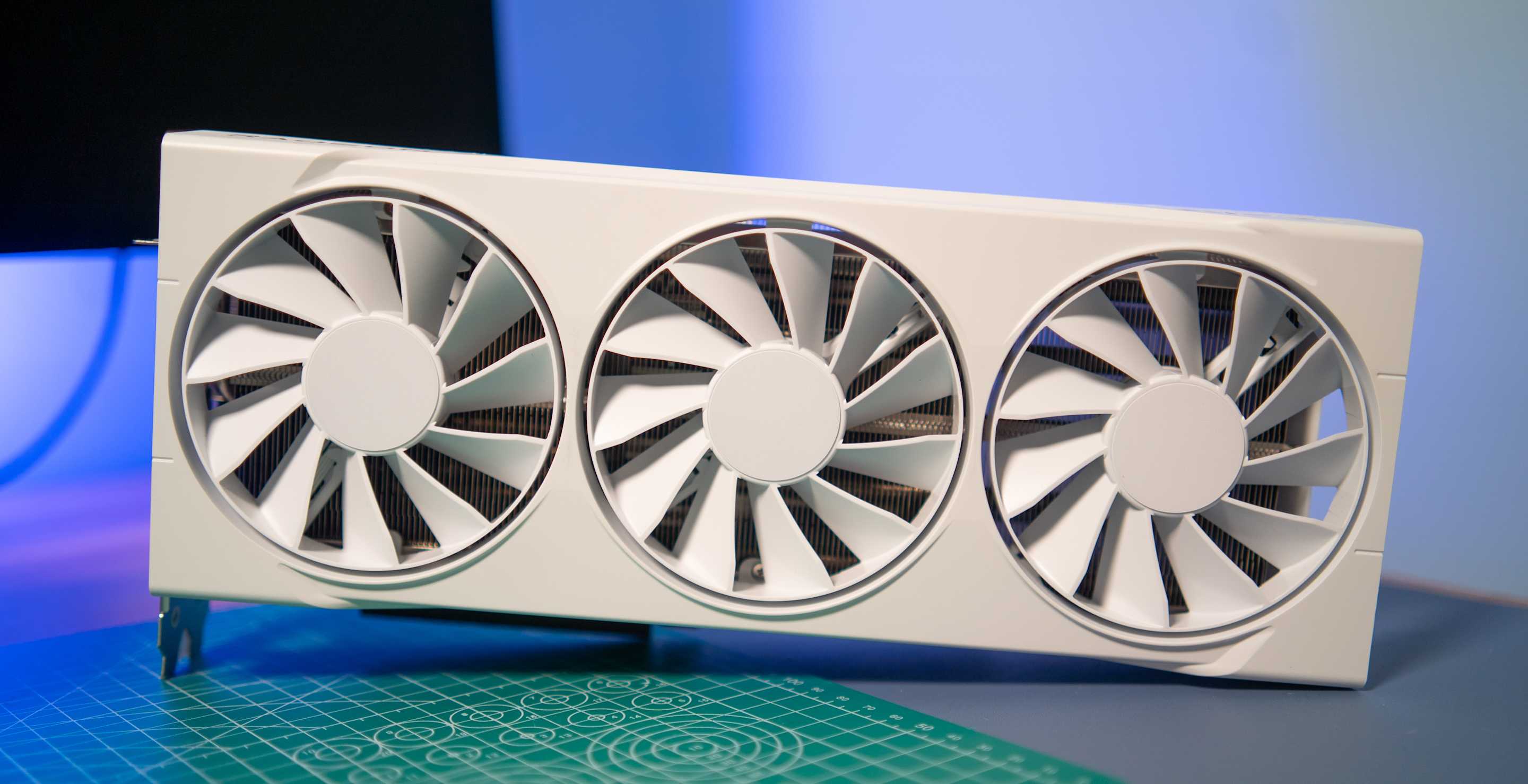
AMD Radeon RX 9070 and RX 9070 XT
If you're a fan of Team Red, the Radeon RX 9070 and 9070 XT are among the best cards of this generation.
Devindra Hardawar for Engadget
For a mid-range option, the Radeon RX 9070 and 9070 XT offer excellent value. Of the two cards, the 9070 is the better purchase for most people due to its less demanding power requirements, but if you got a PSU that can handle the 9070 XT, go for it.
Right now, Newegg has a few 9070 models from ASRock and Sapphire just under the card's $549 MSRP. My friend recently bought the Sapphire card linked above, and has had nothing but good things to say about it. You'll pay more going through Amazon, but the company has a couple of options around $600 from XFX and Gigabyte.
When it comes to the 9070 XT, Newegg has an ASRock model priced right at the card's $599 MSRP. Many of the other options from Sapphire and XFX are unfortunately priced between $650 and $700. The same is true on Amazon, where the cheapest model I could find was $630.
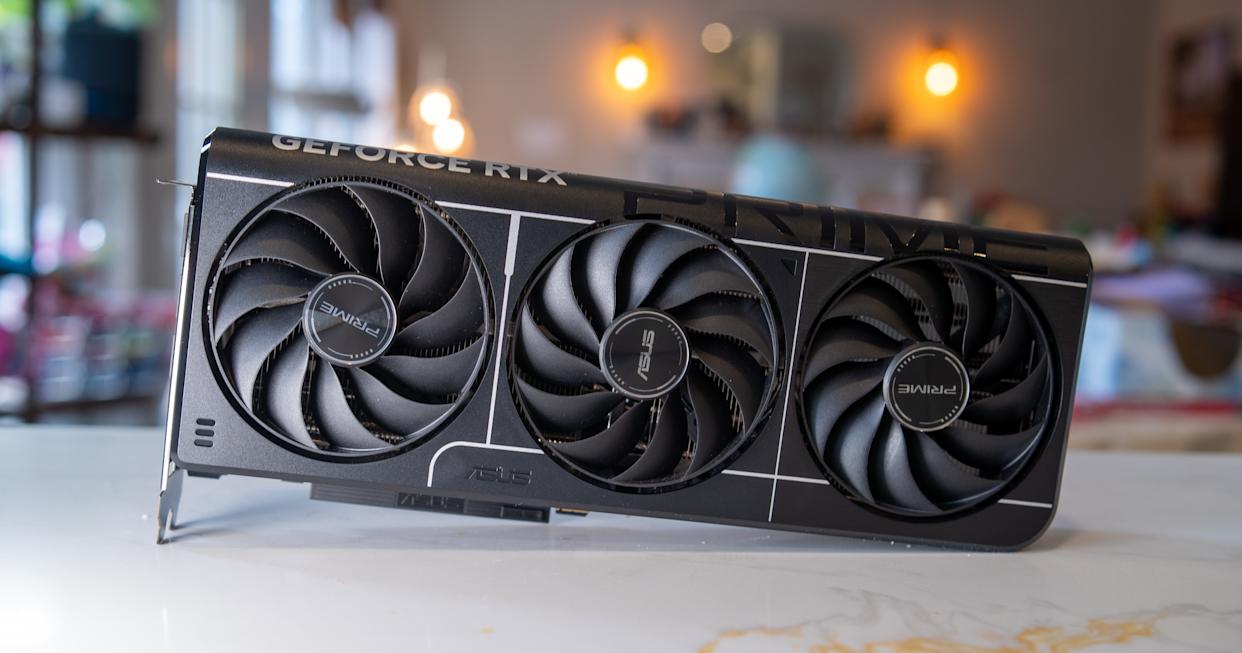
NVIDIA RTX 5070 Ti
If you have more money to spend, the RTX 5070 Ti is a performance beast.
Devindra Hardawar for Engadget
For our final recommendation, consider the RTX 5070 Ti. It's a great option if you want to play games at 4K for less than what the 5080 and 5090 cost. Newegg has MSI and Zotac models on sale for $750, the card's recommended price. There are also a handful of other options from ASUS and Gigabyte that are just over $800. Amazon, meanwhile, is selling one Gigabyte variant for $749.
This article originally appeared on Engadget at https://www.engadget.com/gaming/pc/the-ai-boom-could-soon-send-gpu-prices-soaring-so-nows-a-good-time-to-buy-one-153000063.html?src=rss