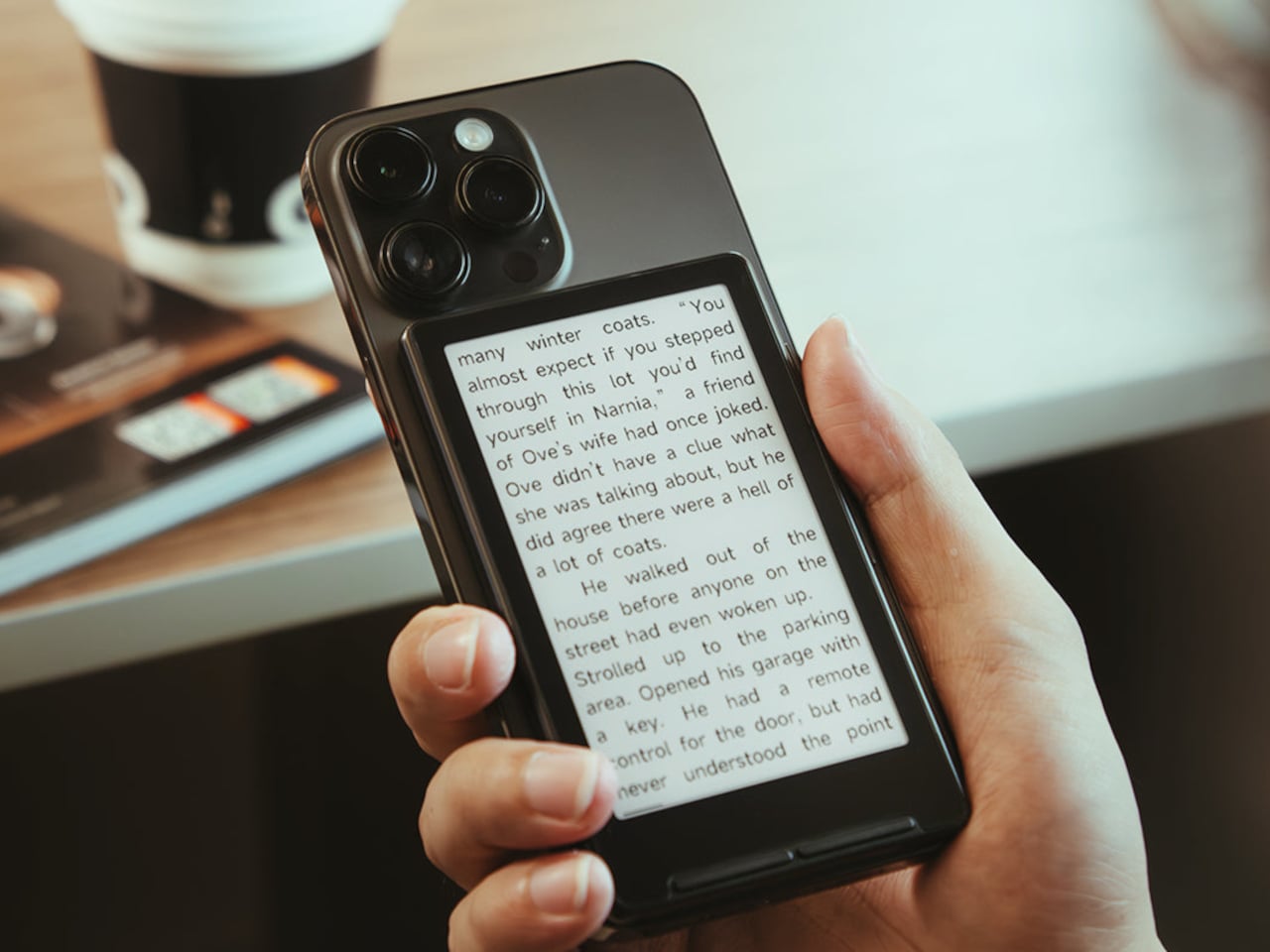
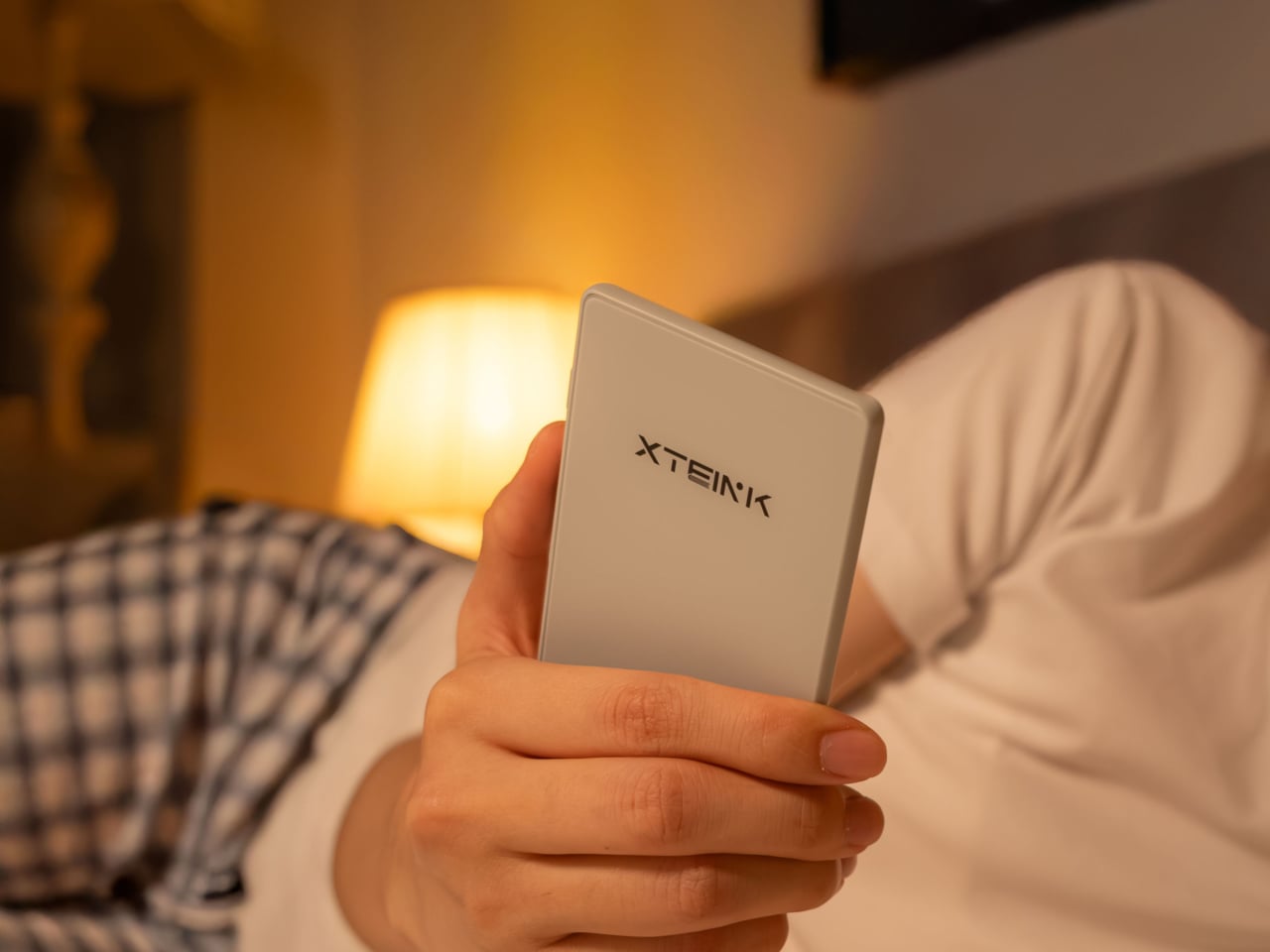
You buy a Kindle or Kobo, load it with books, then leave it on a nightstand while your phone follows you everywhere. Reading apps on phones compete with notifications and social feeds, so you end up doomscrolling instead of finishing that novel you downloaded. Xteink’s X4 tries to solve that by becoming a tiny, magnetic e‑ink sidekick that literally rides on the back of your phone, going wherever it goes.
The Xteink X4 is an ultra-thin magnetic back eReader with a 4.3-inch e‑ink screen and a footprint closer to a deck of cards than a tablet. At 114 by 69 by 5.9 millimeters and just 74 grams, it snaps onto MagSafe or Qi2 compatible phones, or onto any handset using the included adhesive magnetic ring, turning your phone into a dual-screen reading machine without much extra bulk.
The 220 ppi e‑ink display is not as sharp as a Paperwhite, but it is perfectly fine for text at this size. There is no touchscreen and no frontlight, just physical page turn buttons and a power key, so it behaves more like a tiny paperback than a gadget. You need ambient light to read, but in return, you get a very focused, distraction-free surface that does not glow or buzz at you.
The internals are minimal: an ESP32 processor, 128 megabytes of RAM, and a bundled 32GB microSD card with support up to 512GB. The 650mAh battery lasts up to fourteen days with one to three hours of reading per day. It charges over USB-C and connects via 2.4GHz Wi‑Fi and Bluetooth for file transfers, so you can grab books wirelessly or just swap the microSD card.
The X4 only supports EPUB and TXT for documents, plus JPG and BMP for images, and does not run third-party apps or connect to any bookstore. You sideload everything, either over Wi‑Fi or by copying files to the card. For people tied to Kindle or Google Play, this is a hurdle, but for readers with DRM-free libraries, it feels refreshingly simple and vendor-neutral, just you and your files.
Xteink markets it as “More Than a Reader,” suggesting you use the X4 as a digital business card, a tiny calendar, a film production workflow board, or a reference screen for notes and checklists. Because it displays static images and text, it doubles as a little always-on panel you can stick to a monitor, fridge, or phone, not just a book page. The magnetic back makes those experiments feel natural and reversible.
The X4 is really for minimalists, tinkerers, and people who like the idea of a dedicated reading screen that goes everywhere their phone does. It is quirky, with no light, no touch, and no store, but those constraints are the point. It is a tiny reminder to read instead of scroll, thin enough to forget until you need a page instead of a feed, and cheap enough at $69 that the experiment feels worth trying even if you already own a proper eReader gathering dust at home.
If you're traveling for the holidays, there are few things more useful to take with you than a portable charger. Whether you're using your phone for music and navigation on a long drive or music and logistics before, during and after a flight, you'll want it to stay alive for the entire door-to-door journey. A number of our favorites — like this Anker MagGo 10K bank — are on sale right now for record-low, or close to them, prices.
Even better, the Anker MagGo power bank is currently on sale for $60, down from $90. This 34 percent discount brings the power bank to only $5 more than its all-time low price. We're big fans of Anker's MagGo power bank — one of the first and best Qi2-certified products available. You can get about 1.7 iPhone 15 charges out of it and bring your phone from five percent to 60 percent in a little more than 45 minutes. Plus, the stand makes it easy to keep using your phone while it charges.
Two of our other picks for best MagSafe power bank are also on sale — and down to record-low prices. The Baseus Picogo 25W Power Bank is 24 percent off and down to $53 from $70. Meanwhile, the Ugreen MagFlow 10,000mAh 25W Power Bank has dropped to $60 from $90 — a 33 percent discount.
This article originally appeared on Engadget at https://www.engadget.com/deals/pick-up-our-favorite-anker-magsafe-power-bank-while-its-on-sale-for-34-percent-off-151039668.html?src=rss
Spotify is finally letting the United States join its music video party. Music Videos have started rolling out in beta today to Premium users across the US and Canada, offering not only official artist videos but also new formats like live performances and covers.
Music Videos first arrived last year in 11 countries, but the United States wasn't one of them. The reason for that was simple — Spotify simply didn't have the rights. However, last month the streaming service struck a deal with the National Music Publishers' Association (NMPA) that included new provisions for video content, paving the way for the new feature.
Here's how to access Music Videos. If you're a Premium subscriber in one of Spotify's beta markets, you can simply open a track (on TV, desktop, IOS and Android devices) and tap "Switch to video." The music video will then start playing where the song left off. To return to background listening, hit "Switch to audio." You can get a full-screen experience by turning your device to landscape mode.
When the service first launched, it was limited to "thousands" of music videos, but Spotify promised that the list would expand rapidly. In discussing the benefits to artists, the company said early this year that "users who discover a song and then watch the music video on Spotify are 34 percent more likely to stream the song again the following week." In a job listing spotted by The Verge, Spotify said it planned to build a "best-in-class video experience to rival the biggest players, like YouTube or TikTok."
This article originally appeared on Engadget at https://www.engadget.com/entertainment/music/spotify-finally-brings-music-videos-to-the-us-150037974.html?src=rss
The Samsung Galaxy S26 Ultra builds upon the foundation of its predecessor, the Galaxy S25 Ultra, by introducing a range of incremental enhancements. These updates include improvements in performance, efficiency, and design, aimed at refining the user experience. However, for current S25 Ultra owners, these changes may not provide a compelling reason to upgrade. With […]
Congrats to any budding Nostradamus out there who peered into the future to boldly predict that Amazon would bring more shopping features to Alexa+ sooner rather than later. A gold star for you. Yes, it hasn't taken too long for Amazon to weave more features into the generative AI-powered version of Alexa that are designed to get you to buy more stuff.
Shopping features were part of the original Alexa from the jump, of course, but Amazon is doing some interesting things with the latest iteration. For instance, the company is rolling out a new price tracking feature. Tell it the product you want and how much you’re willing to pay for it. As soon as the item goes on sale for below that price, Alexa+ will automatically order it for you using your default payment method and delivery address. This deal tracking feature also keeps an eye on items in your cart and wishlists. Maybe remember to turn this off when you’re going out of town for a while, though.
Another feature that Alexa+ users can start trying today is a Shopping Essentials tool on Echo Show 15 and 21. You'll be able to see real-time tracking for your orders, your recent orders, household essentials that it may be time to reorder, saved items and your shopping list. Tap the screen and you can find out more info about products, add them to your cart and complete your purchase. You'll soon be able to add a shopping widget to your Echo Show home screen, but for now you can check this out by saying "Open Shopping Essentials" or "Alexa, where's my stuff?"
Elsewhere, Alexa+ can offer personalized product recommendations after you share details about a special occasion or a person you're buying for. That could be handy if you haven't completed your gift shopping yet. There's also an option to add extra items onto a current order until just before it leaves an Amazon warehouse. Alexa+ might make some suggestions here, such as asking if you need batteries for a new gadget or toy.
Amazon was always going to be interested in tapping into Alexa+ to prompt you to buy more goods from the company, but some of these features are pretty interesting, especially for deal hawks and those who order items frequently. It makes even more sense now as to why Amazon is trying to prevent third-party AI agents (such as the one in Perplexity's Comet browser) from carrying out purchases on the platform.
This article originally appeared on Engadget at https://www.engadget.com/ai/amazon-is-rolling-out-new-shopping-features-for-alexa-because-of-course-it-is-150000355.html?src=rss
The Southern District of Texas announced the seizure of more than $50 million in NVIDIA GPUs bound for China in violation of US export laws. Authorities arrested two businessmen, one of them the owner of a Houston company, accused of smuggling the chips used to train and run AI models.
“Operation Gatekeeper has exposed a sophisticated smuggling network that threatens our Nation’s security by funneling cutting-edge AI technology to those who would use it against American interests,” said US Attorney Nicholas J. Ganjei. The investigation had been ongoing since at least last year and centers on the illicit export or attempted export of at least $160 million worth of NVIDIA H100 and H200 GPUs. The H200 chips are the very same that the Trump administration announced a revenue-sharing agreement for today, allowing NVIDIA to sell them to “approved customers” in China.
The smuggling operation used a combination of falsified paperwork, purposefully misclassified goods, straw purchasers and even removing the NVIDIA labels on GPUs to ship them to both mainland China and Hong Kong. The conspirators face between 10 and 20 years in prison if convicted.
The H200 chips in question are more powerful than the H20 chip specifically designed to comply with US export restrictions. Production of the H20, however, was reportedly halted shortly after the Trump administration struck a revenue-sharing deal with NVIDIA, after which China began heavily discouraging local companies from buying them.
Illicit sales to China are nothing new and occur against the backdrop of an AI technology race and tight export controls. NVIDIA is still prevented from selling its highest-end Blackwell chips to China, with the US hoping to keep an edge over foreign competition.
This article originally appeared on Engadget at https://www.engadget.com/big-tech/texas-authorities-have-made-multiple-arrests-in-an-nvidia-gpu-smuggling-operation-144749526.html?src=rss
Kia always likes to celebrate its milestones with concepts that pave the way for the future of automotive design and technologies on the inside. This week is the South Korean brand’s 80th anniversary, and predictably, they’ve gone to the lengths of materializing a concept that is one of the most impressive from their design studio.
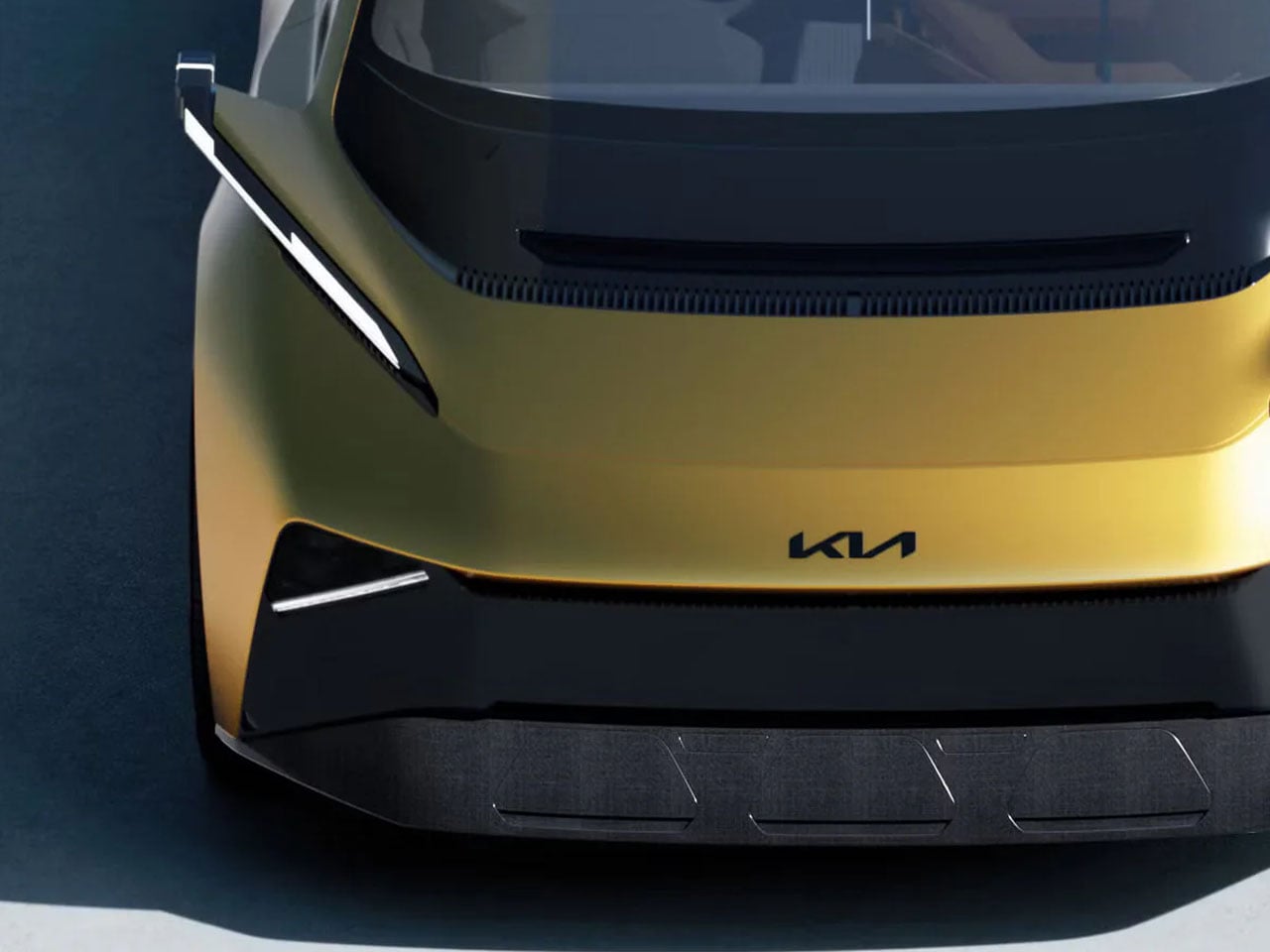
Called the Vision Meta Turismo concept, the sports sedan is not merely a design exploration; it’s their “first bold glimpse into the future of mobility.” The car was unveiled at the Kia Vision Square in Yongin, South Korea, and the future iteration of the electric vehicle (most likely it’s not going to be gasoline-powered) will be dubbed EV8. Just like the EV5 and EV6, this one is based on the Opposites United design theme, and by the look of things, is the spiritual successor to the Stinger. Vision Meta Turismo revitalizes three core experiences: performance driving, immersive driving, and spacious interiors.
Kia is categorizing the concept as a performance driving vehicle, even though they’ve not shared many technical details, we assume it is a serious contender for their premium electric lineup sometime in the future. On the outside, the car has a very sharp silhouette with soft geometric elements on the surface and natural lines. This fuses well with the aerodynamic elements like the vertical fins and embedded air channels for optimized airflow, which are inspired by the touring cars of the 1960s. A short hood is contrasted with the long, torpedo-like, elongated shape for a spacious interior that is ultra-comfy. LED strips on the front blending into the nose section edge out of the main frame, while the taillights have a more muted setup reminiscent of the current-gen electric vehicles.
On the inside, the sports sedan concept has an airy lounge-inspired cabin encapsulated in a panoramic windshield that extends to the rear like a modern fighter plane. For a dynamic look, there is a crisscross support pillar running from the A pillars that visually segments the front and the rear sections. The concept car has an upholstered driving seat, while the other seats have an upholstered off-white cloth material skin. The driver-focused interior has a matching hexagonal yoke steering wheel with gear shifters, and the dashboard is done in the same premium leather finish. The lower section of the windshield displays all the vital driver’s information in the AR Heads-Up Display (HUD). All these elements, according to Kia, “reimagine the next-generation intuitive driving interface.”
The concept has three driving modes: Speedster, Dreamer, and Gamer, which are not detailed by Kia and, in a way, are self-explanatory. Not much has been revealed by Kia, which hints that the probable EV sedan, having a long wheelbase and low profile, is going to manifest in some way as a production-ready vehicle. We are more than eager to learn more about the Vision Meta Turismo, and are sure of the fact that Kia is future-serious about this prototype.
What if you could design stunning websites and powerful apps in just minutes, without compromising on quality or creativity? It may sound like a bold claim, but the pairing of Gemini 3 Pro and Claude Opus 4.5 is making this a reality for developers everywhere. These two innovative AI models, seamlessly integrated through the Abacus […]
Apple’s AirPods lineup has evolved significantly since its introduction, offering a variety of models tailored to different preferences and lifestyles. Whether you prioritize simplicity, innovative features, or premium sound quality, understanding the unique strengths and limitations of each model is crucial. The video below from AppleDsign provides a detailed breakdown of the AirPods lineup, […]
It’s the end of another year, so it’s time for the Engadget staff to compile a list of the year’s biggest losers. We scour over articles from the previous 12 months to determine the people, companies, products and trends that made our lives worse over the course of the year. Some selections may be so pervasive they actually make our list of biggest winners. But, for the most part, we’re confident you’ll share in our collective rage over the biggest losers of 2025.
OpenAI
OpenAI CEO Sam Altman delivers a speech with video at the SK AI Summit 2025 at COEX in Seoul, South Korea on November 3, 2025
Anadolu via Getty Images
In 2025, OpenAI shed any pretense it was committed to anything more than making money. There are a few different things you could point to, including the company's successful reorganization into a more traditional profit-seeking business, but I think the most damning sign was OpenAI's response to the tragic death of Adam Raine.
In August, Raine’s parents sued OpenAI, alleging ChatGPT was aware of four suicide attempts by their son before it helped him successfully plan his death. At first, OpenAI's response appeared commensurate with the gravity of the situation. A week after news of the lawsuit broke, the company announced in early September it was working on parental controls. That same month, the company said it was working on a system that would automatically identify teen users and restrict their ChatGPT usage.
Then came the announcement of a new "wellness" advisory council. Setting aside the question of whether OpenAI would even follow the advice of the council, it was peculiar that the company chose not recruit a single expert on suicide prevention. At that point, it was still possible to give OpenAI the benefit of the doubt, but then information about the company's legal defense against the Raines started to trickle out, including the fact it had reportedly asked to see the memorial guest list for Adam Raine's funeral, a request the family's lawyers described as "intentional harassment." In late November, court documents revealed the company planned to argue Raine's "misuse" of ChatGPT was to blame for his death, not its own insufficient safety systems.
We live in a world where tech giants are rarely held accountable for the great harm they've shown themselves capable of inflicting on people. As things stand, OpenAI's handling of Adam Raine's death is further proof something must change. — Igor Bonifacic, Senior reporter
Xbox
An Xbox Ally X running the Windows full screen experience.
Sam Rutherford for Engadget
Did anything go right for Xbox this year? While price increases have also affected Sony and Nintendo, Microsoft cranked up the prices of both the Xbox Series S and X twice in the last year. It’s bad: The Series S is now $100 more than at launch, five years on.
Previously “the best deal in gaming”, the Xbox Series X/S combined with a Game Pass subscription gave you a ton of games to play, including any of Microsoft’s own titles on their launch date. However, the subscription is now $30 a month, up 50 percent. (It was previously $17 per month the year before.)
I agree with Nathan Ingraham’s take: $30 for literally hundreds of games, plus launch-day availability for major games that typically cost $70, is reasonable. But it’s still a harder sell when the price has jumped. Are you getting 50 percent more games? Not yet.
According to Bloomberg, Microsoft demanded higher profits from Xbox back in 2023. When the gaming division reached around 12 percent growth in the first nine months of 2022, that was an ambitious goal. Day One launches on Game Pass apparently dented Xbox’s ability to pull profits from its biggest titles.
Microsoft no longer shares console unit sales, but in its most recent earnings report, the company announced that hardware revenue dropped 29 percent. That’s including those price increases, meaning console sales fell even further.
Estimates over the last few years put the PS5 tens of millions of units ahead. An annual subscription to Game Pass is more than double the Sony console’s most premium plan, although it’s not an apples-to-apples comparison.
This year, Microsoft collaborated with ASUS to create Xbox-branded handheld gaming PCs. In that form-factor, I was on the precipice of grabbing Game Pass and barreling through Xbox titles I never had the chance to play. Then, I reassessed exactly what I was missing out on.
Despite its developer shopping spree, Xbox exclusives remain few, with many appearing on rival platforms. This year, Indiana Jones and even the Forza series is available to play on PlayStation. And next year? Halo.
Where are the exciting new games going to come from? In the middle of 2025, Microsoft announced major layoffs affecting over 9,000 employees across the company. with the gaming division being hit exceptionally hard. Cuts and closures across many of Microsoft’s game studios led to cancellations like a Perfect Dark reboot and Rare’s Everwild.
Xbox’s 2025 was bad on both the business and creative fronts. The decision to hike console and Game Pass prices didn’t immediately turn around revenue. At the same time, layoffs and high-profile game cancellations make Xbox a challenging pitch for anyone deciding which console or platform to invest in.
Right now, looking at Engadget’s pick of the top Xbox games, the only game I feel like I’m missing out on is Avowed. Many of our favorite games are already available on PS5 and several can be played on the Switch. The reverse, however, isn’t true. — Mat Smith, UK bureau chief
Grok
The Grokipedia page about Elon Musk
Jonathan Raa/NurPhoto via Getty Images
It's hard to even know where to begin. X users have long noticed that Grok, the site's built-in chatbot, is less filtered than other AI tools. But this year, Grok went off the rails in some truly unhinged and disturbing ways.
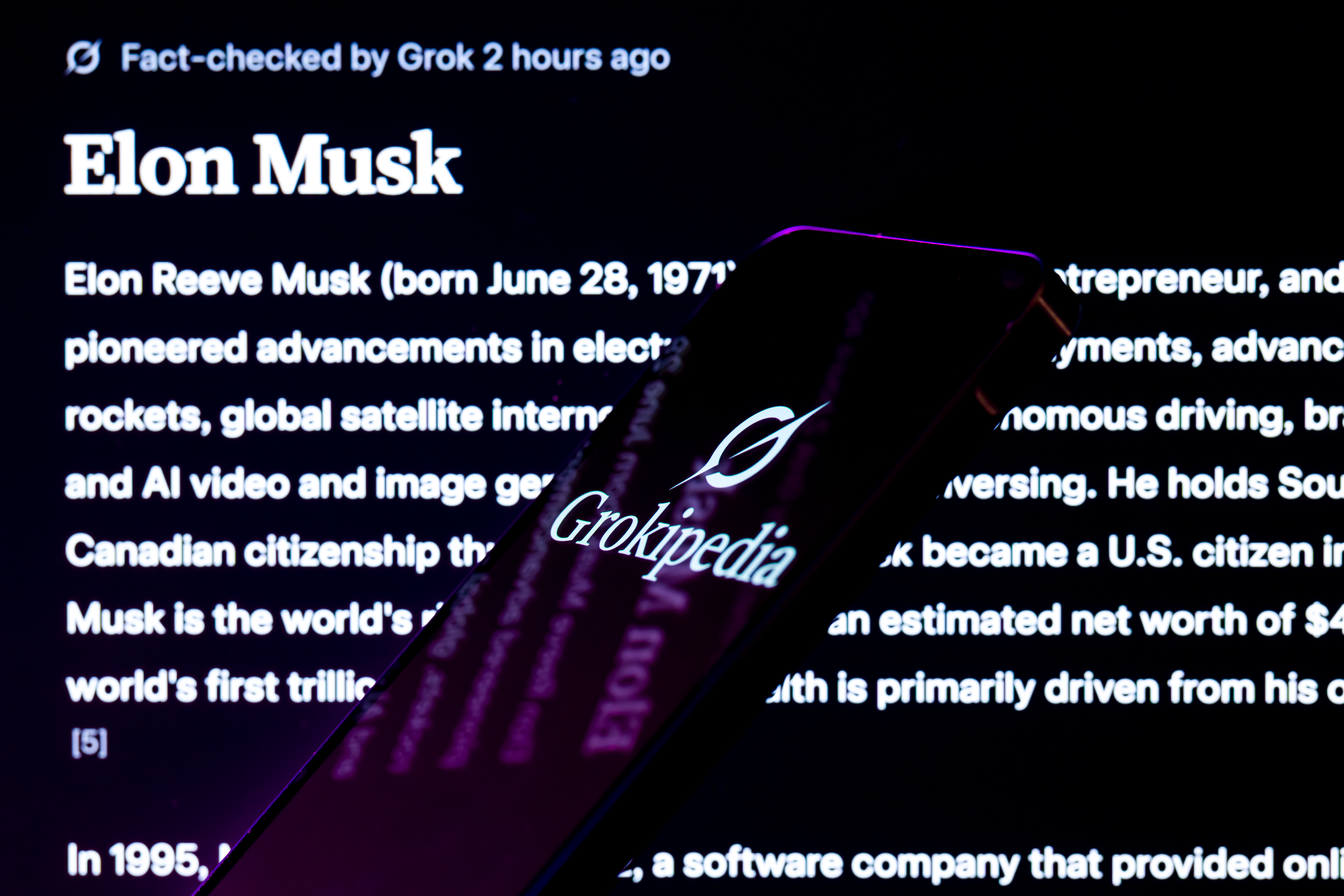
There was the time Grok randomly began talking about a nonexistent "white genocide" in South Africa in response to completely unrelated questions. There was the time it declared itself "MechaHitler," much to the delight of neo-nazi fanboys on X. There was the time it was caught posting Holocaust denial tropes, and the time researchers noted its Wikipedia knockoff that contains dozens of citations of neo-Nazi website Stormfront. There was the time it became so embarrassingly obsessed with Elon Musk it claimed he was a better basketball player than LeBron James and a better actor than Tom Cruise. It later brought both its anti-semitism and Musk sycophancy together when it stated that it would choose saving Musk's brain over saving 16 million Jews. "His potential long-term impact on billions outweighs the loss in utilitarian terms," it stated in a post that's since been deleted.
Besides the horrifying racism, what all of these incidents have in common is that xAI, Musk's AI company that acquired X earlier this year, has failed to fully explain how its chatbot went so far off the rails. The company has blamed an unnamed rogue employee, its own Nazi-loving users and "adversarial prompting" for Grok's missteps. — Karissa Bell, Senior reporter
EVs in the US
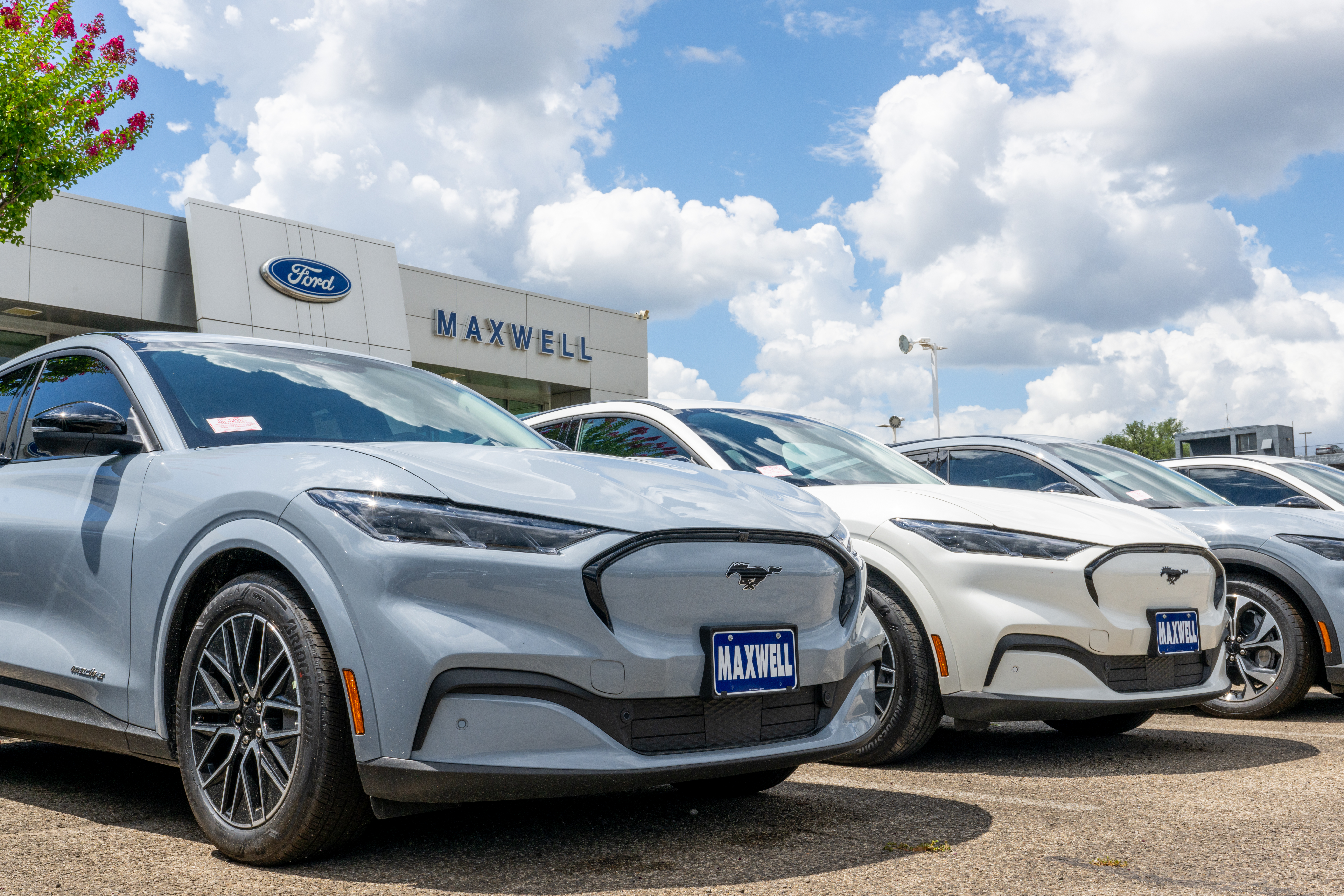
Ford Mustang Mach-E vehicles are seen for sale on a dealership lot on June 24, 2025 in Austin, Texas.
And wouldn't you know it, after a spike earlier this fall just before the credit went away, sales of EVs in the US began to slump, with some automakers like Ford seeing a drop of 60 percent year-over-year. No matter how you slice it, this is bad for any company that sells EVs in the US and particularly bad for anyone considering purchasing a new one in the foreseeable future. As an EV owner, that just bums me out. Not only does this policy change put more roadblocks in the way of making battery-powered cars more affordable, it also puts a damper on EV investment and threatens to cause US automakers to fall even further behind their rivals in China and elsewhere. Manufacturers across the Pacific are going so wild, they are making EVs that can jump like the Mach 5 from Speed Racer.
That isn't to say there aren't any promising developments on the horizon. Ford's Universal EV Platform and the arrival of the Rivian R2 sometime next year are a couple of examples. But it's clear that our politicians wanted to target EVs in the US this year and they sure made it happen. So the next time someone asks why we can't have nice things here, you know who to blame. — Sam Rutherford, Senior reporter
DJI drone customers
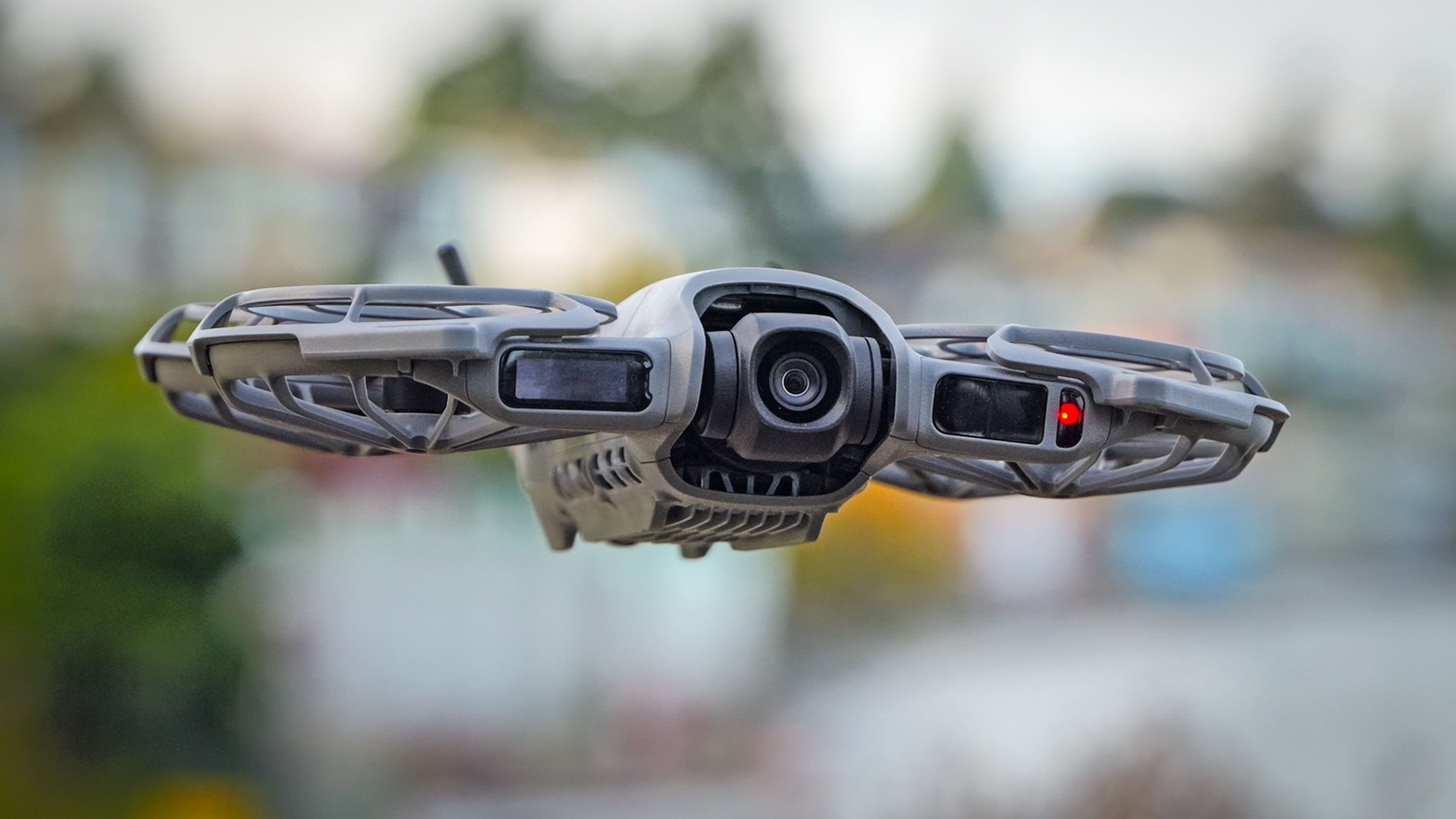
DJI Neo 2
Steve Dent for Engadget
Barring a miracle, DJI will be banned from selling any new drones in the US starting December 23rd — and buyers will feel the pain. As I wrote last month, the company has been targeted by regulators since 2017 over concerns that its products could be used to spy on sensitive US infrastructure on behalf of China.
“What’s the big deal?” you may ask. “Surely people can buy from other drone companies.” Indeed, but the problem is that DJI has such a monumental technological lead and high market share (over 75 percent) that its absence will effectively upend the industry.
Commercial buyers have checked other (approved) options from the likes of Skydio, but found them wanting. “In one year and a half, we had five failures of the manufacturers on the list. DJI, none,” Orlando police Sgt. David Cruz told the Miami Herald. “I work for a popular UAV photogrammetry company,” said a user on Reddit. “[A] ban will set back the drone industry in the US by several years. There’s no competitor to DJI right now.”
The same applies on the consumer side. DJI’s drones outperform rivals in nearly every area including range, battery life, subject tracking, obstacle detection and video quality. It’s so one-sided that when testing DJI drones, I struggle to find other options for buyers with anywhere close to the same capabilities.
The US government does have reason to be concerned about DJI’s drones. They present an obvious national security risk due to their ability to fly over sensitive areas, take photos or video and transmit them, live, to any location in the world. And being a Chinese company, they’re compelled by law to cooperate with state intelligence services.
However, the US government hasn’t attempted to work with DJI to determine whether its products pose a risk so far. DJI made a final plea for a security review recently by sending letters to five US agencies that could assess its products. If that fails, chaos among drone users is likely to ensue.
“We just want the best technology that keeps our citizens safe for the most reasonable price,” Sgt. Drew Fennelly of the Lawrence, Kansas police department told The Wall Street Journal last year. “The technology in the US-made drones has not caught up with the Chinese-manufactured drones.” — Steve Dent, Contributing reporter
TV streaming
Paramount Skydance CEO David Ellison speaks during the Bloomberg Screentime conference in Los Angeles on October 9, 2025.
PATRICK T. FALLON via Getty Images
In 2015, Sling TV arrived with ESPN, CNN, TBS, HGTV, Disney Channel and others for just $20 a month. A couple years later, YouTube TV debuted for just $35 monthly and showed local CBS, Fox, NBC and ABC stations plus dozens of other channels including ESPN, Fox Sports 1 and Bravo. Streaming TV had arrived. It was here to unfetter TV watchers from cable’s onerous contracts, high prices and carrier monopolies. Take that, Comcast! In your face, Charter! (But they’d still like to pay you for internet access, please.)
Fast forward to 2025: Streaming TV and its low-price, monopoly-free, contractless freedom is all but dead. Every major live TV service provider raisedpricesthisyear. Currently, YouTubeTV, Hulu+ Live TV, Fubo and DirecTV all go for a minimum of $83 per month. That’s before you opt for cable-inspired package upgrades and channel add-ons. Throw in perks like 4K, additional sports channels and a couple of one-off networks and you’re easily shelling out $150 every month. You’ll pay less for chopped-up live TV plans from Sling TV, but be prepared to create a spreadsheet to make sure a plan has the channels you want.
This year, consolidation came for TV streaming, giving strong Cox/Charter/Comcast monopoly vibes. Disney, which completed its buyout of Hulu in 2023, acquired Fubo this year and plans to combine the two. The combo makes Disney the second-largest live TV streaming provider behind Google. DirecTV already owns Sling TV, so that leaves just three big players in the live TV streaming arena. With Netflix's move to buy Warner Bros, the traditional streaming market is getting narrower, too. We can safely assume good ol’ market competition won’t be bringing prices down anytime soon.
But it’s not just consolidation — fragmentation also contributes to an overall crappier streaming experience. In 2025, Disney launched a standalone ESPN service (no, not that one, nor that one) for $30 per month. So far, that doesn’t mean you can’t find ESPN content through other providers. But we did see Disney flex its increasingly large TV muscles in drawn-out contract negotiations with Google. The dispute darkened ESPN, ABC and other Disney channels on YouTube TV for two weeks this fall — which, I’ll point out for the cynical crowd, was less than two months after the standalone service launched. YouTube TV subscribers got a $20 credit, but that probably didn’t placate NFL and NCAA football fans who missed out on ESPN-carried games.
Then in November, Fubo quarreled with NBCUniversal, saying the Peacock parent was “shifting content to their own streaming services” and forcing up rates. The spat turned off NBC, Bravo, USA and other channels for Fubo subscribers, no doubt infuriating both NBA and Real Housewives fans, despite a $15 credit. Of course, Fubo is Disney’s newest affiliate, so there are no non-bad guys here.
The only advantage TV streaming has in its favor is the lack of cable-style contracts and I haven’t heard any murmurs of such a thing forthcoming. We are still all free to hop around between the big three TV streamers until we give up and just go back to DVDs. — Amy Skorheim, Senior reporter
The work of DOGE
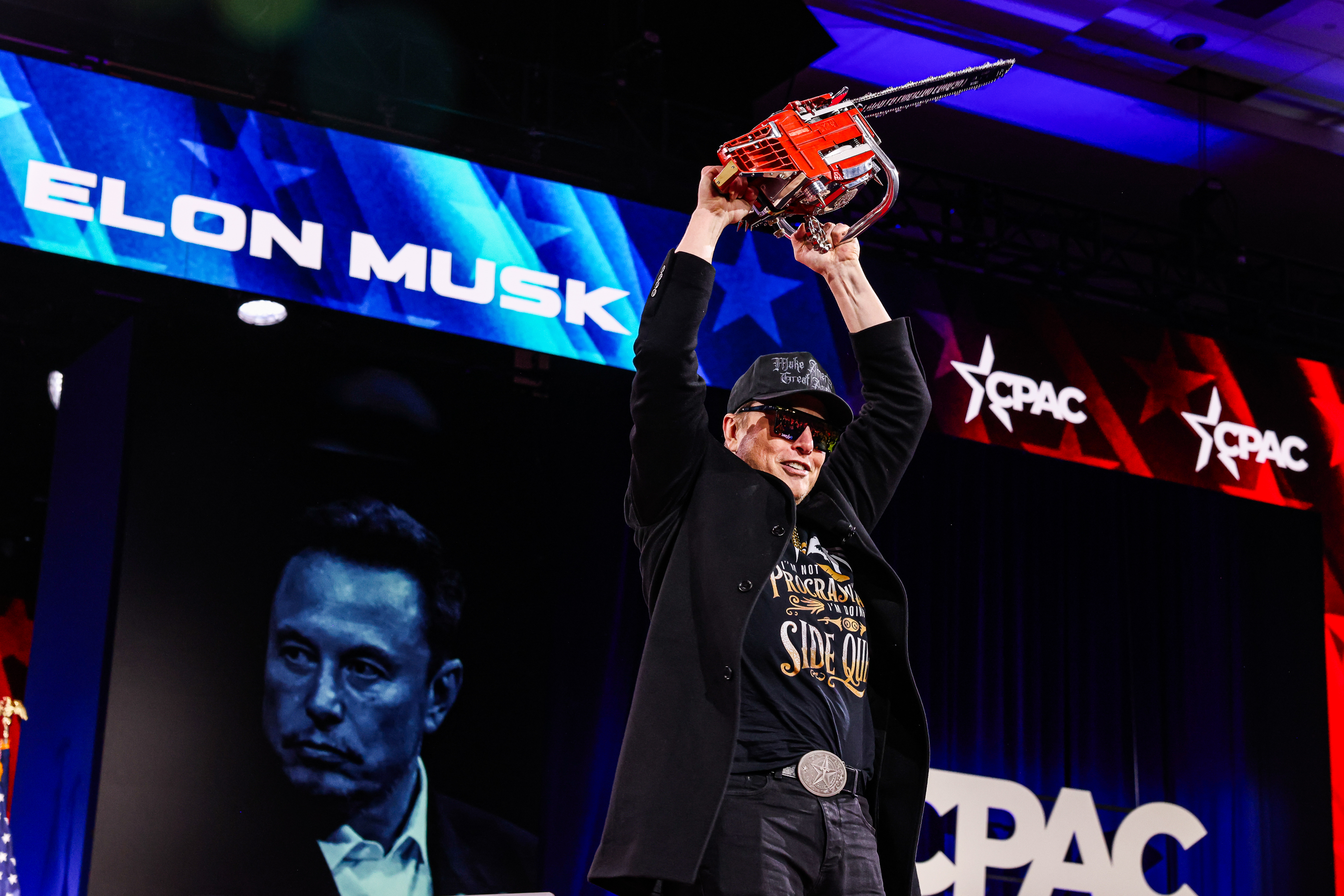
Elon Musk at the Conservative Political Action Conference (CPAC) at the National Harbor in Oxon Hill, MD on February 20, 2025.
The Washington Post via Getty Images
An Elon Musk-led attempt to rein in federal spending with the Department of Government Efficiency (DOGE) has been a failure by almost every metric. As of November, it was reported that DOGE is no more, even though the initiative ostensibly had eight months left to run. An official told Reutersthat DOGE "doesn't exist," and it never should have in the first place.
Though Musk was only at the helm of DOGE for a few months, he and his team caused chaos. Adopting the slash-and-burn tactic Musk employed when he took over Twitter, he swung a chainsaw through myriad government departments, with DOGE firing workers who were actually essential and quickly had to be hired back. By August, the government was said to have fired some 300,000 federal workers, with DOGE taking responsibility for most of those. Among other things, cuts at the National Institutes of Health resulted in the end of funding for hundreds of medical studies, which is said to have affected tens of thousands of patients. It's also estimated that the dismantling of the US Agency for International Development had resulted in more than 650,000 deaths around the world by early December, with children accounting for two-thirds of those.
DOGE workers seemed to be busy, though. They reportedly monitored government communications for criticisms of both Musk and President Donald Trump, while implementing generative AI chatbots in an attempt to automate some government tasks. But for all the blustering about making the government much more efficient, DOGE did not meet its stated goal.
Musk initially promised to reduce government spending by $2 trillion, but it didn't take long for him to reduce that pledge to $150 billion. And yet government spending has actually gone up. In October, the first month of the government's fiscal year, its total outlay was $689 billion, an increase of $105 billion (18 percent) from October 2024. Still, maybe DOGE wasn't a total disaster for its architects. It was able to gain access to sensitive and valuable government data, after all. — Kris Holt, Contributing reporter
AI video
Sora 2 app launch screen displayed on smartphone
In our post-truth world, video was one of the few remaining ways to prove something had actually happened. It had its problems of course, but the fact it was harder to fake than words and images, and anyone could record a clip with their phone, made it vital to our sense of shared reality. Think about the murder of George Floyd: The grave injustice of his death would have probably never come to light if Darnella Frazier had not filmed what happened.
With the advent of AI video, I'm not sure where we go. Both Google and OpenAI pushed the technology into the realm of uncomfortable realism this year, but it's Sora's cameo feature that has me worried. Within the first week of the app's public availability, people were using the feature, which allows users to add the likeness of other people to their videos, to generate clips of OpenAI CEO Sam Altman stealing GPUs from Target. Cameo has limitations, and users can restrict and delete videos that include their likeness, but it's just another assault on the truth. It's hard to see how making it trivial to create deepfake videos benefits anyone other than the companies offering building the tech. — I.B.
This article originally appeared on Engadget at https://www.engadget.com/techs-biggest-losers-of-2025-140000419.html?src=rss