QCY MeloBuds N20 Bring Hybrid ANC to the Budget Tier
QCY MeloBuds N20 combine hybrid ANC, a 13mm driver, and up to 40 hours of battery life, offering premium features at a highly accessible price.
Traditional construction is often marked by inefficiencies like material waste, labor intensity, and long project timelines that push up the final cost per square foot. In contrast, 3D printing, or Additive Manufacturing in Construction (AMC), introduces a fundamentally different approach, shifting from subtractive to additive building processes. Its central ambition is to make housing more accessible by lowering material and labor costs while enabling faster delivery of structurally sound, architecturally considered homes.
Yet, despite its transformative potential, 3D printing is not a universal solution. While it offers design flexibility and reduced construction waste, challenges remain around material performance, regulatory frameworks, and the impact on skilled labor. These limitations demand a measured, critical adoption rather than unqualified optimism.
A key challenge in 3D-printed construction is ensuring the reliability and durability of printable materials. Although current cement-based mixes offer rapid curing and high compressive strength, questions remain around their long-term tensile performance, response to diverse climatic conditions, and compatibility with conventional finishes such as plaster layers or vapor barriers. These factors are still under close technical evaluation.
Equally critical is the return on investment measured through longevity. Affordable housing cannot compromise on quality; printed structures must match the lifespan of reinforced concrete buildings. At the same time, reducing environmental impact calls for innovation in geopolymers and locally sourced, recyclable aggregates, redefining sustainable material development.

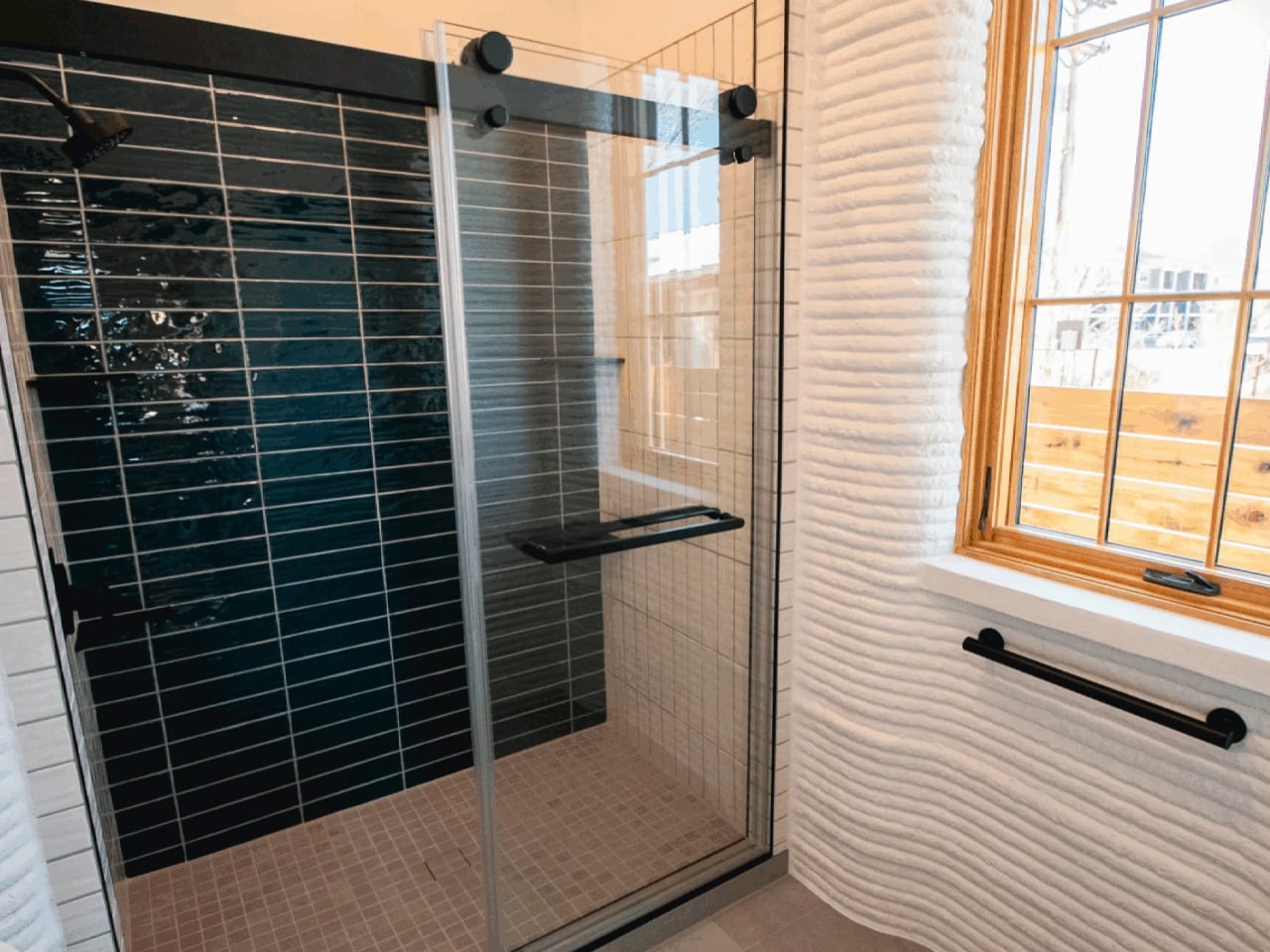
Two side-by-side concrete homes in Buena Vista, Colorado mark a major construction first for the state. Known as VeroVistas, the houses were built layer by layer using a large-scale 3D concrete printer developed by VeroTouch. One home conceals its printed structure beneath stucco, while the other showcases exposed concrete layers, proving the technology can either blend in or stand out. After extensive research and development, the second home was completed in just 16 days of active printing time using a COBOD BOD2 printer, dramatically reducing labour and construction timelines compared to conventional building methods.

Beyond speed, the homes directly address Colorado’s growing wildfire risk. Built with A1-rated concrete walls, they do not ignite or fuel flames, offering the highest level of fire resistance. Designed to be energy-efficient and mould-resistant, the homes combine durability with everyday liveability. Partnering with local developers and contractors, VeroTouch kept work within the community while introducing innovative construction.
One of the strongest opportunities offered by 3D printing is its ability to enable complex spatial sequencing and customization without escalating costs. Unlike conventional formwork, additive construction allows curvilinear walls, integrated structural elements, and optimized thermal mass to be produced seamlessly, unlocking a level of design freedom once limited to premium architecture.
This shifts housing from basic shelter to architecturally refined living. Digital fabrication helps avoid visual monotony in low-cost homes, allowing floor plans to evolve as experiential journeys. Biophilic strategies and climate-responsive design can be precisely embedded, enhancing comfort while lowering long-term energy consumption.

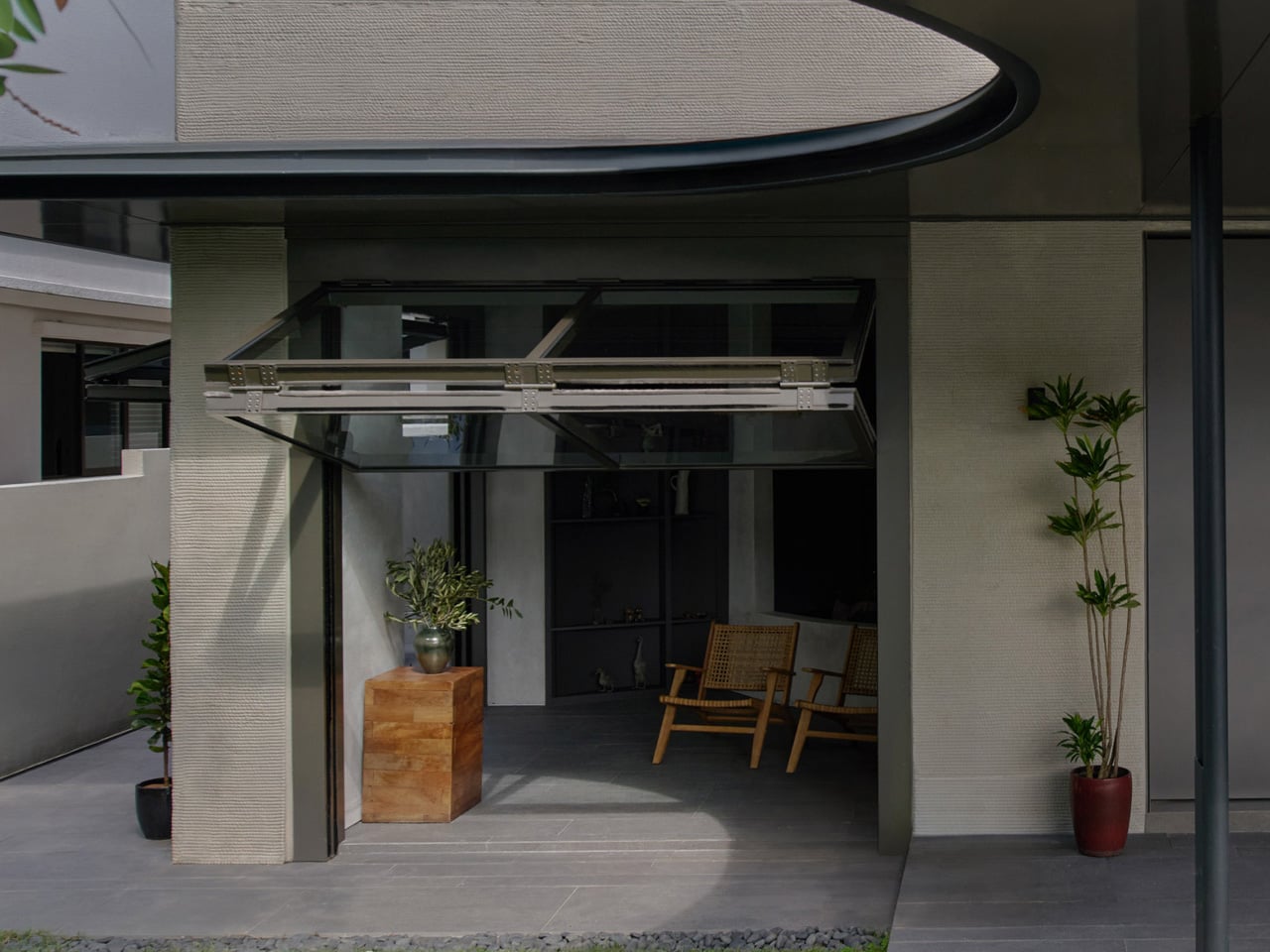
QR3D, designed by Park + Associates, is Singapore’s first multi-storey 3D-printed home and a bold statement on the future of urban living. Located in Bukit Timah, the four-storey prototype responds to land scarcity with innovation, using digital fabrication to reimagine domestic architecture. Rather than treating technology as spectacle, the house integrates it seamlessly into a familiar residential form, resulting in a structure that is expressive, functional, and suited to dense city life.

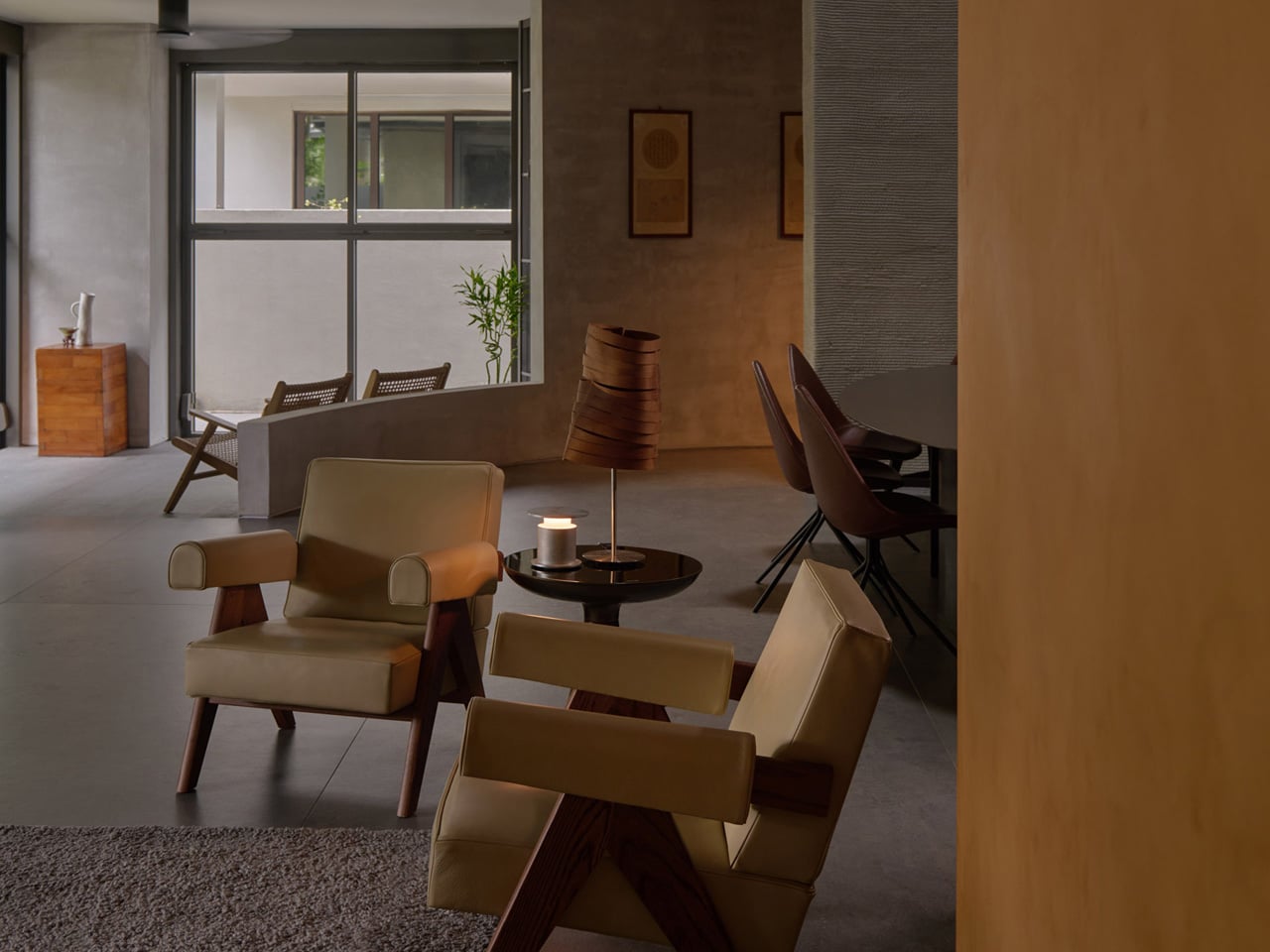
The home’s layered concrete façade openly reveals its 3D-printed construction, with most walls fabricated on site by a robotic printer. These textured lines continue indoors, creating visual continuity throughout the interiors. At the centre, a dramatic vertical void connects all four levels, drawing in daylight and enhancing ventilation while adding spatial generosity. Exposed concrete surfaces reduce the need for additional finishes, celebrating material honesty and process.
A major challenge for additive manufacturing in construction is its alignment with existing building codes. Most national and regional regulations are structured around conventional systems such as brickwork, timber framing, and reinforced concrete, leaving limited guidance for layer-by-layer printed structures—especially in areas like fire safety, insulation standards, and service integration.
To move forward, the industry must develop standardized testing and certification frameworks tailored to the tectonic logic of printed buildings. Without regulatory clarity and cross-authority consensus, large-scale adoption remains regionally limited, slowing deployment and restricting the technology’s potential to reduce construction-related carbon emissions at scale.



Tiny House Lux is Luxembourg’s first 3D-printed residential product, designed by ODA Architects as a compact, self-sufficient housing unit for challenging urban plots. Built in Niederanven using on-site 3D concrete printing and locally sourced aggregates, the home demonstrates how advanced construction technology can unlock the potential of narrow, previously unusable land. Measuring just 3.5 metres wide and 17.72 metres deep, the 47-square-metre structure is engineered for efficiency, with printed concrete walls completed in about a week and the full build finalised within four weeks. Its ribbed concrete surface functions as both structure and finish, creating a durable, low-maintenance exterior that responds to daylight.


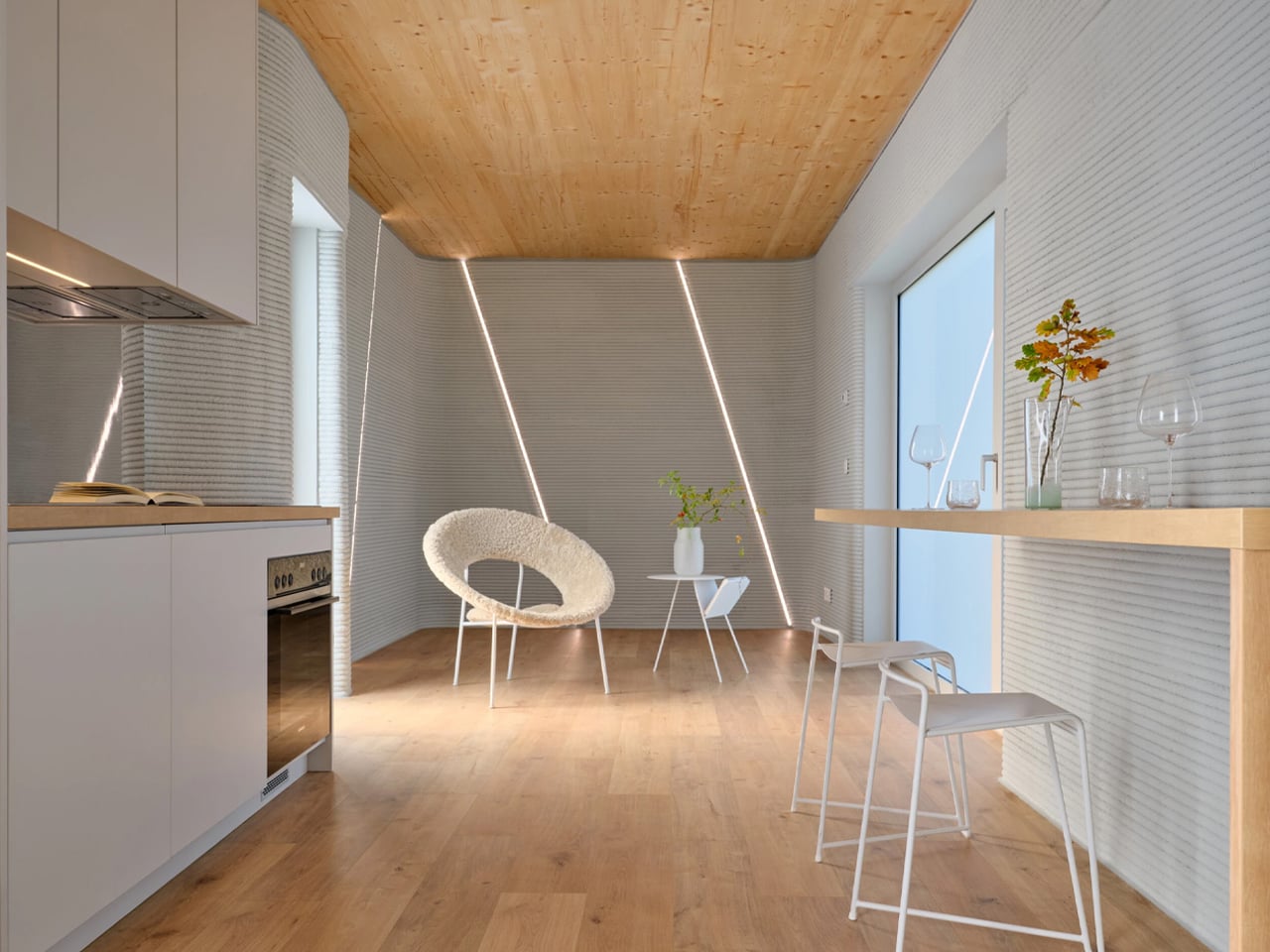
Inside, the house prioritises clarity and performance. A linear layout runs from the south-facing entrance to the rear, maximising natural light and ventilation, while services are neatly integrated along the sides. Underfloor heating powered by rooftop solar panels ensures energy autonomy and reduced operating costs. As a replicable housing solution, Tiny House Lux positions 3D printing as a viable, scalable product for municipalities seeking efficient, affordable residential options.
The most transformative opportunity of 3D printing lies in its ability to dramatically accelerate construction while reducing site waste. Core structural shells can be printed within days, shortening project timelines and lowering labor demands. This speed directly supports carbon reduction by optimizing material use and cutting down on transport and logistical emissions.
Here, the technology delivers its strongest return on investment. On-demand printing minimizes waste and compresses on-site activity, reducing environmental and neighborhood impact. These efficiencies position 3D printing as a powerful solution for rapid disaster response and scalable affordable housing development.
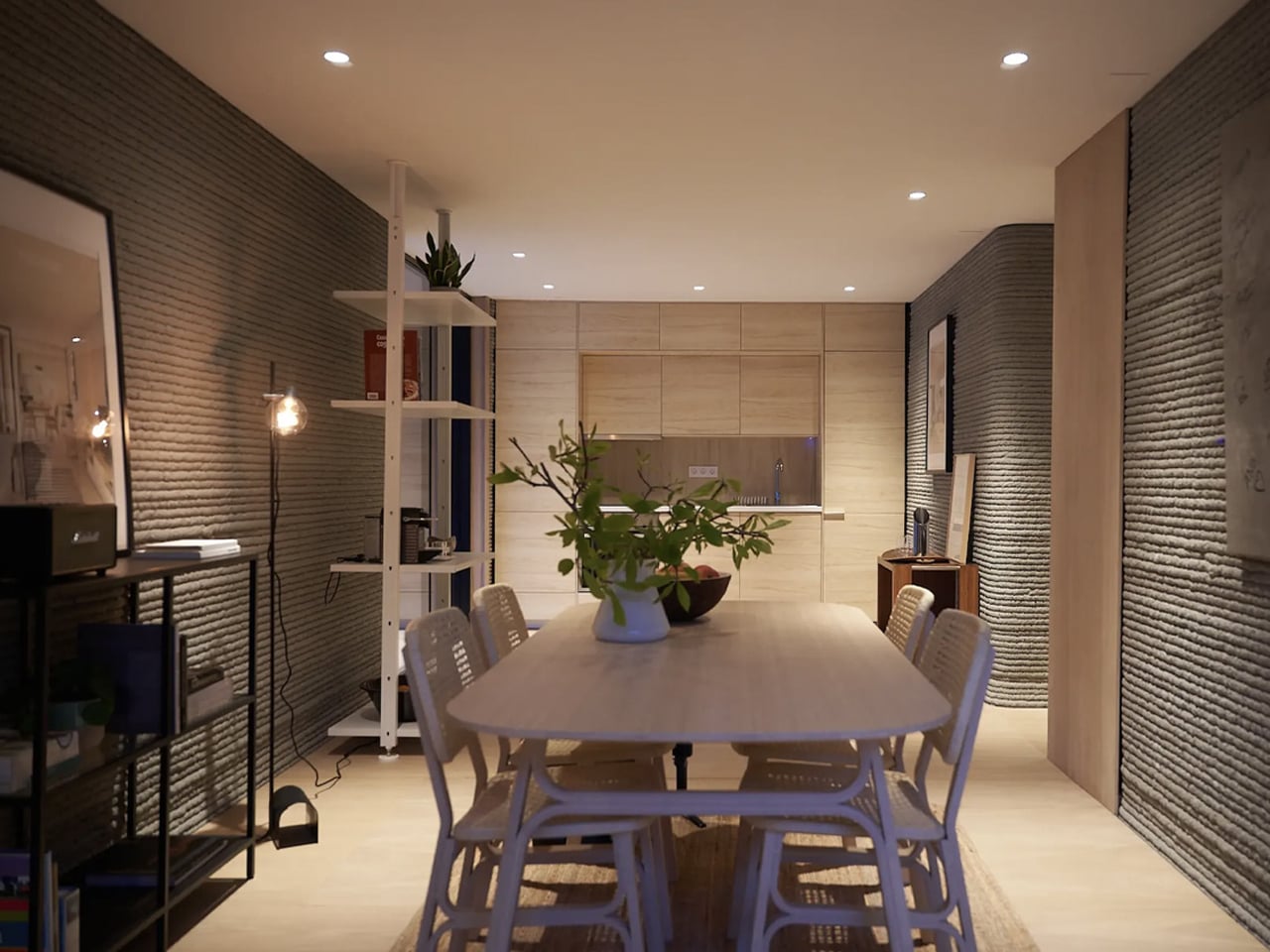
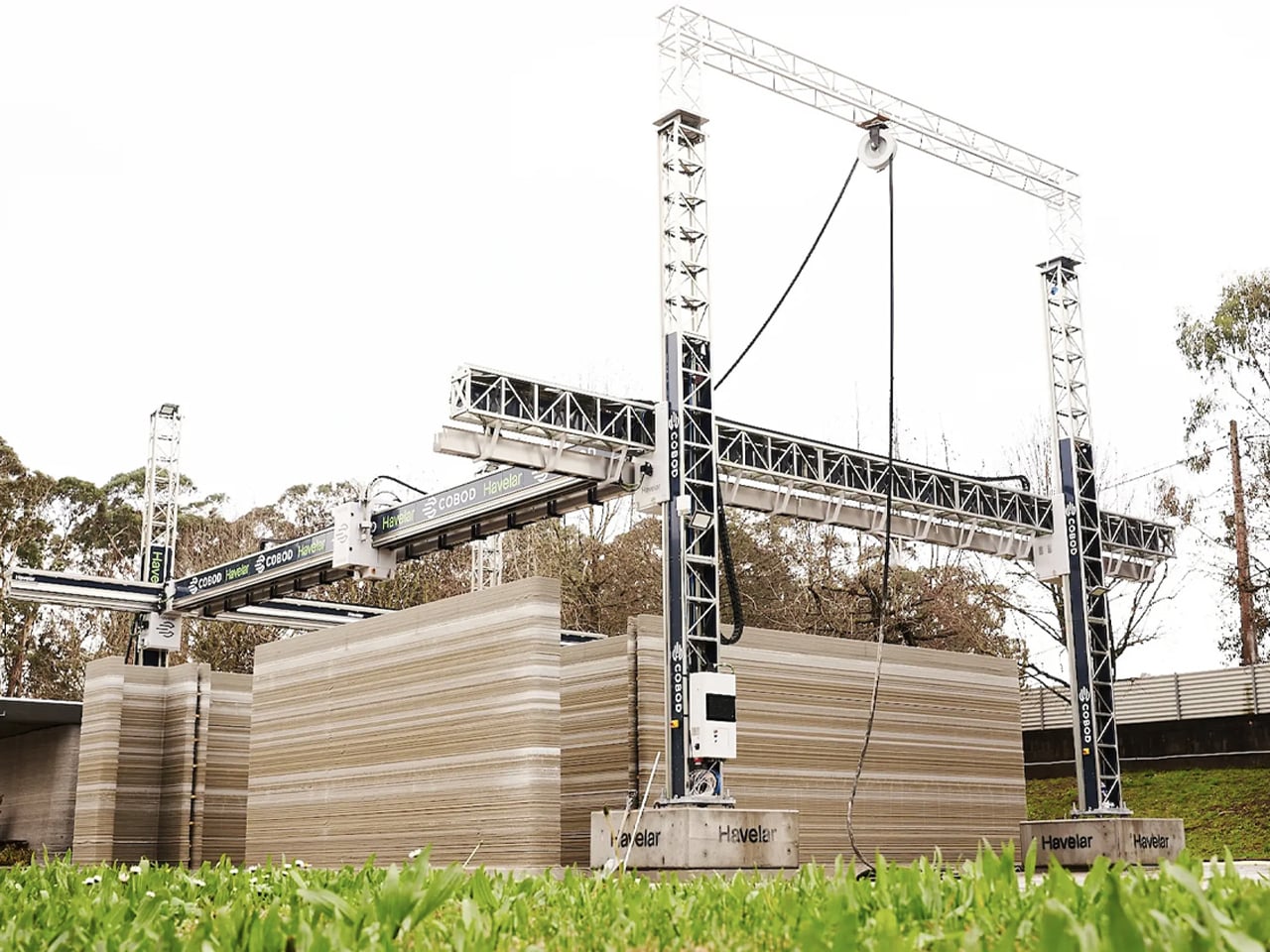
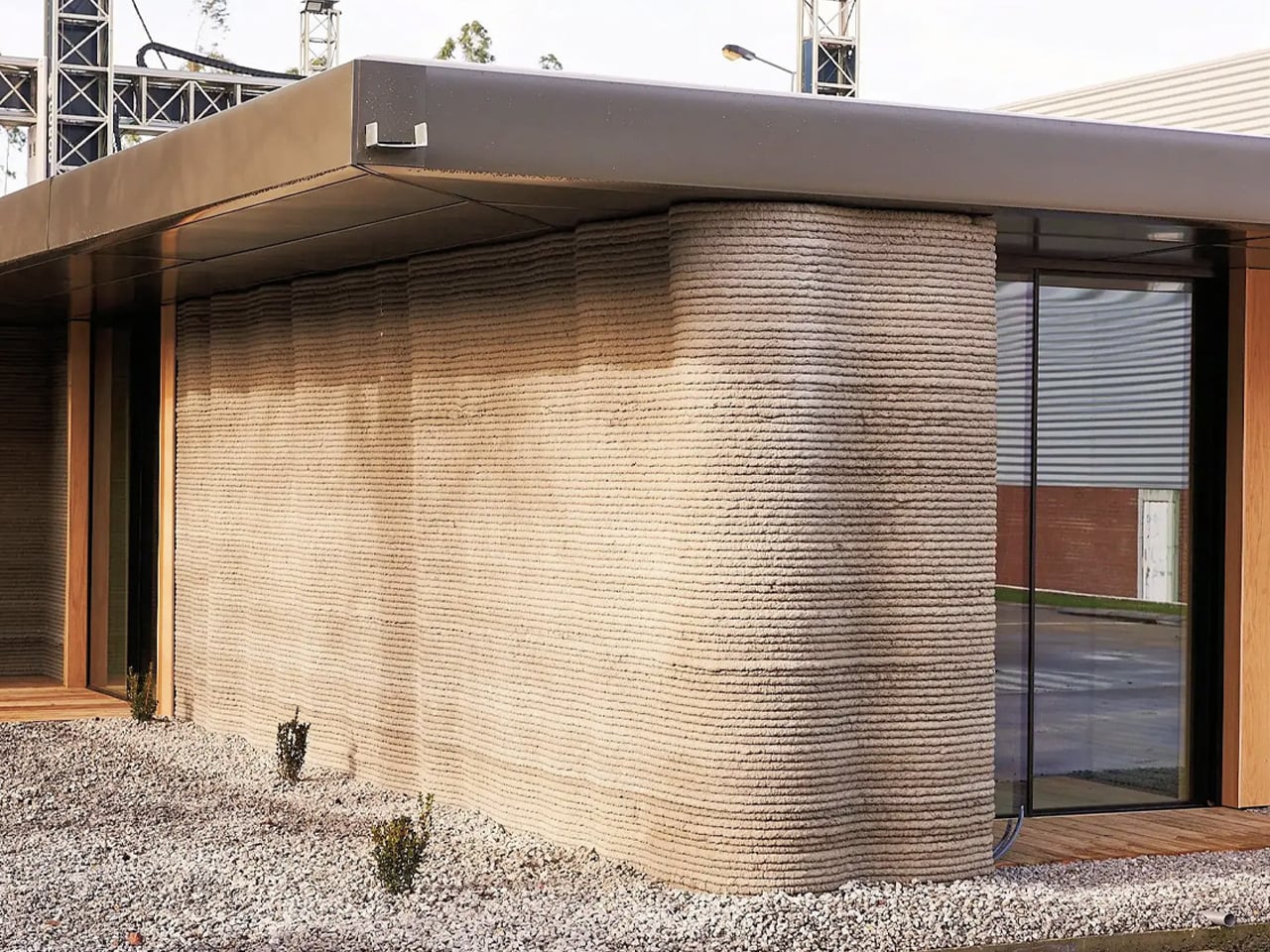
Portugal-based firm Havelar has constructed its first 3D-printed home, produced in just 18 hours using a COBOD BOD2 printer. Located in the Greater Porto area, the single-storey residence is designed as a compact two-bedroom dwelling. A robotic printer extrudes a cement-based mixture layer by layer to form the structure, significantly reducing build time and reliance on intensive labour.
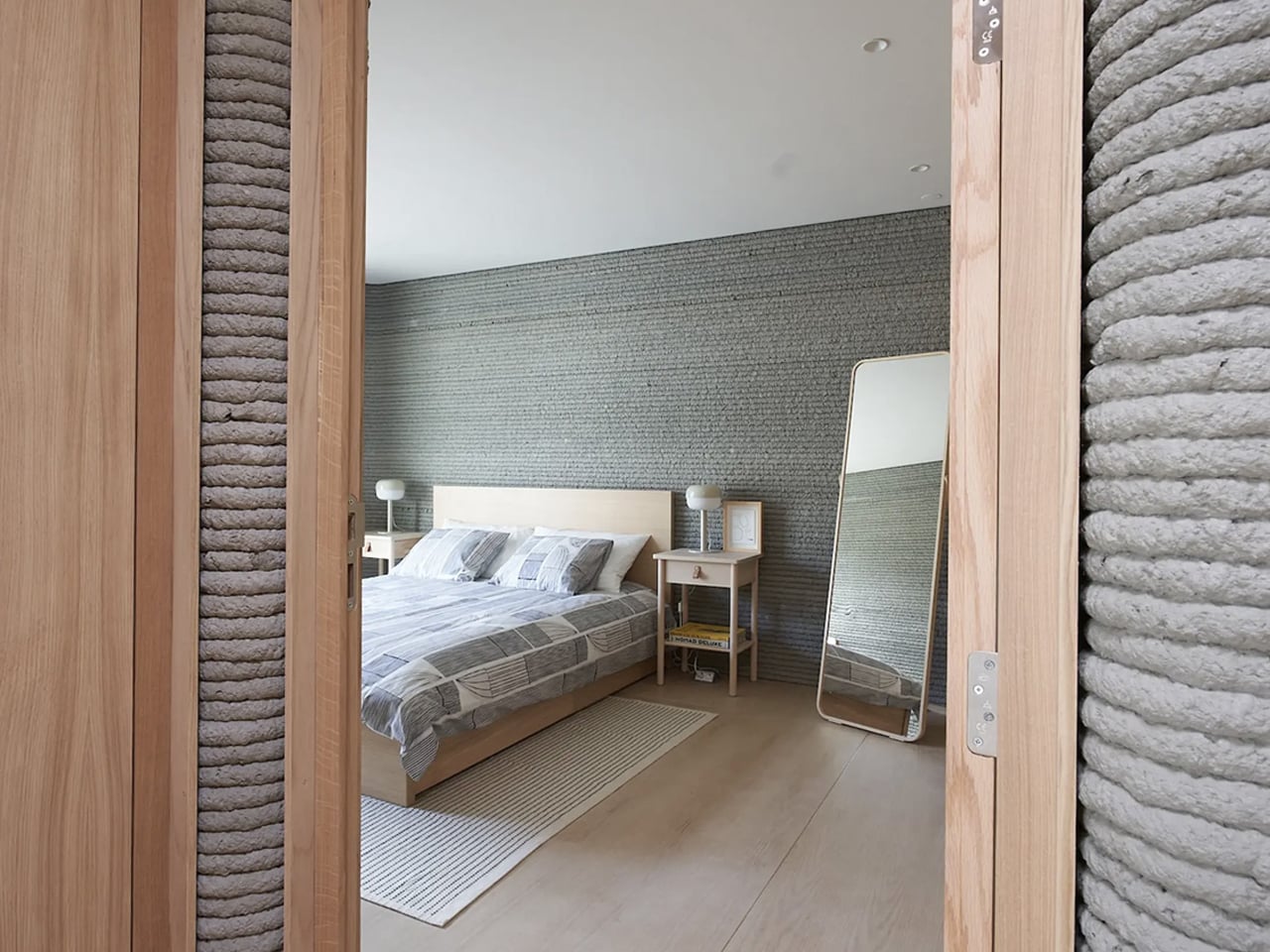
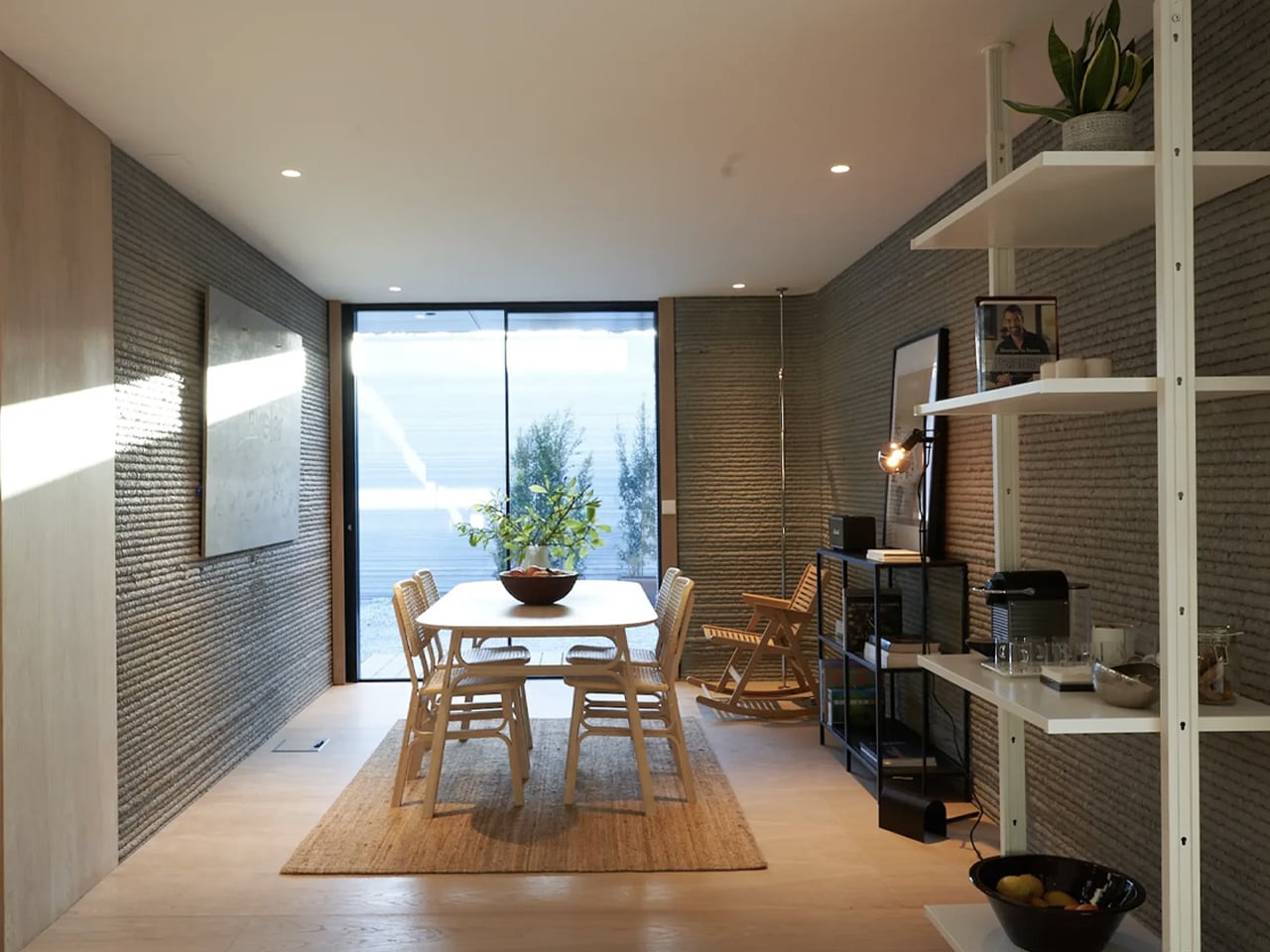
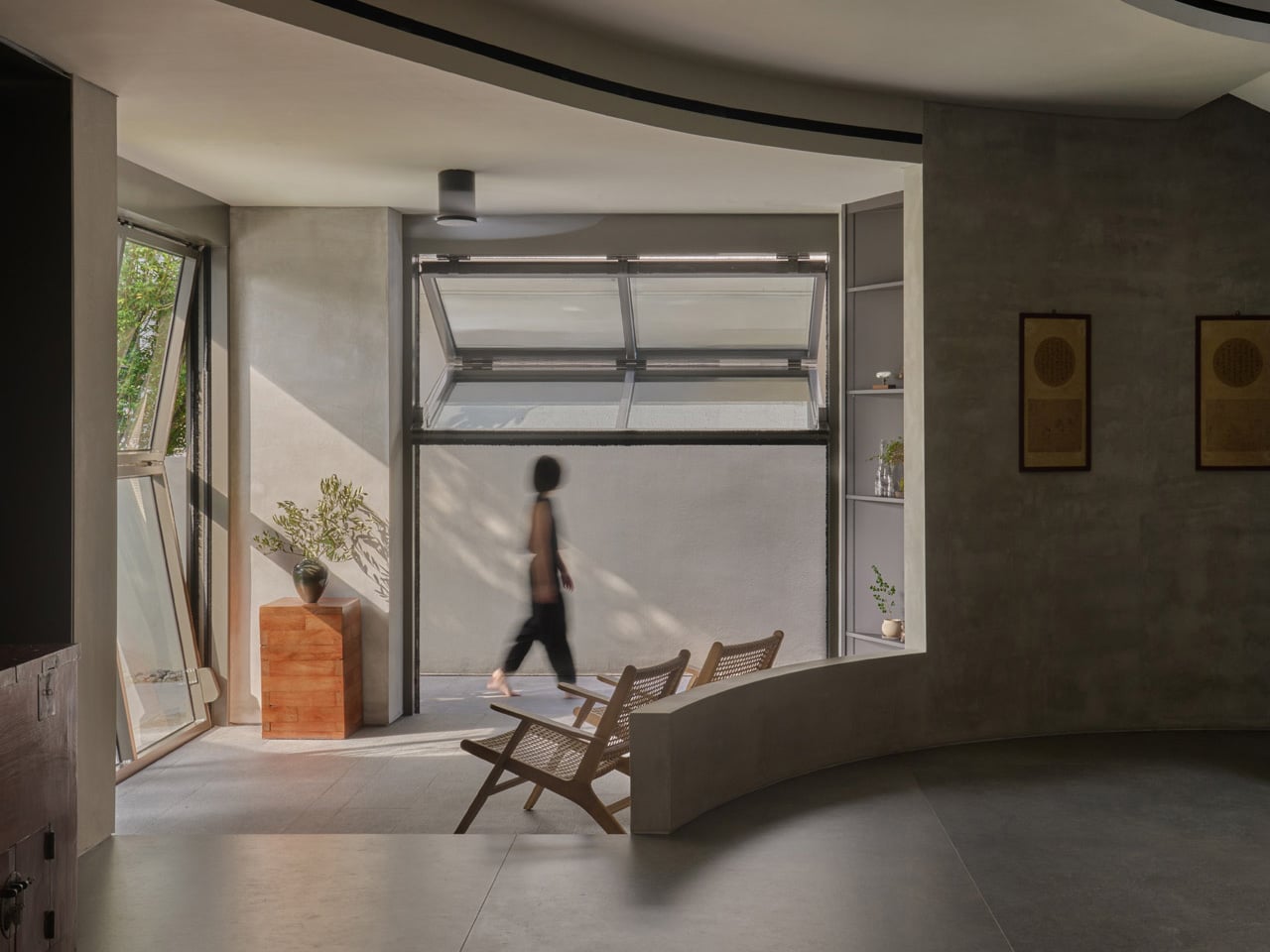
Once printing was complete, traditional construction methods were used to install the roof, windows, doors, and interior fittings, bringing the total construction timeline to under two months. The home features ribbed concrete walls that clearly express its printed origin, along with a simple, efficient layout comprising a central kitchen and dining area, living space, bathroom, and two bedrooms. While minimal in finish, the project prioritises accessibility and efficiency. Havelar sees this prototype as a foundation for scaling production and transitioning to alternative materials, with long-term ambitions of achieving carbon-neutral construction.
A major challenge in construction-scale 3D printing lies in the size and mobility of printing systems. Large gantry frames and robotic arms are costly to transport and complex to assemble, often offsetting the time saved during the printing process itself. In addition, reliable access to uniform printing materials remains limited, particularly in remote or developing regions where affordable housing demand is highest.
True scalability requires a shift toward compact, modular, and easily deployable machines. Cost evaluations must factor in equipment mobilization alongside material and print efficiency. Until printing systems become as flexible as the designs they produce, widespread economic viability remains constrained.


Designed by BM Partners and produced using a COBOD BOD2 printer, this unnamed home in Almaty, Kazakhstan, is recognised as Central Asia’s first 3D-printed residence. The project demonstrates how additive construction can meet demanding environmental and seismic conditions. Built with resilience in mind, the house is engineered to withstand extreme temperatures and earthquakes of up to magnitude 7.0. Its walls can be printed in just five days, significantly reducing construction time while offering a more economical alternative to conventional housing methods.
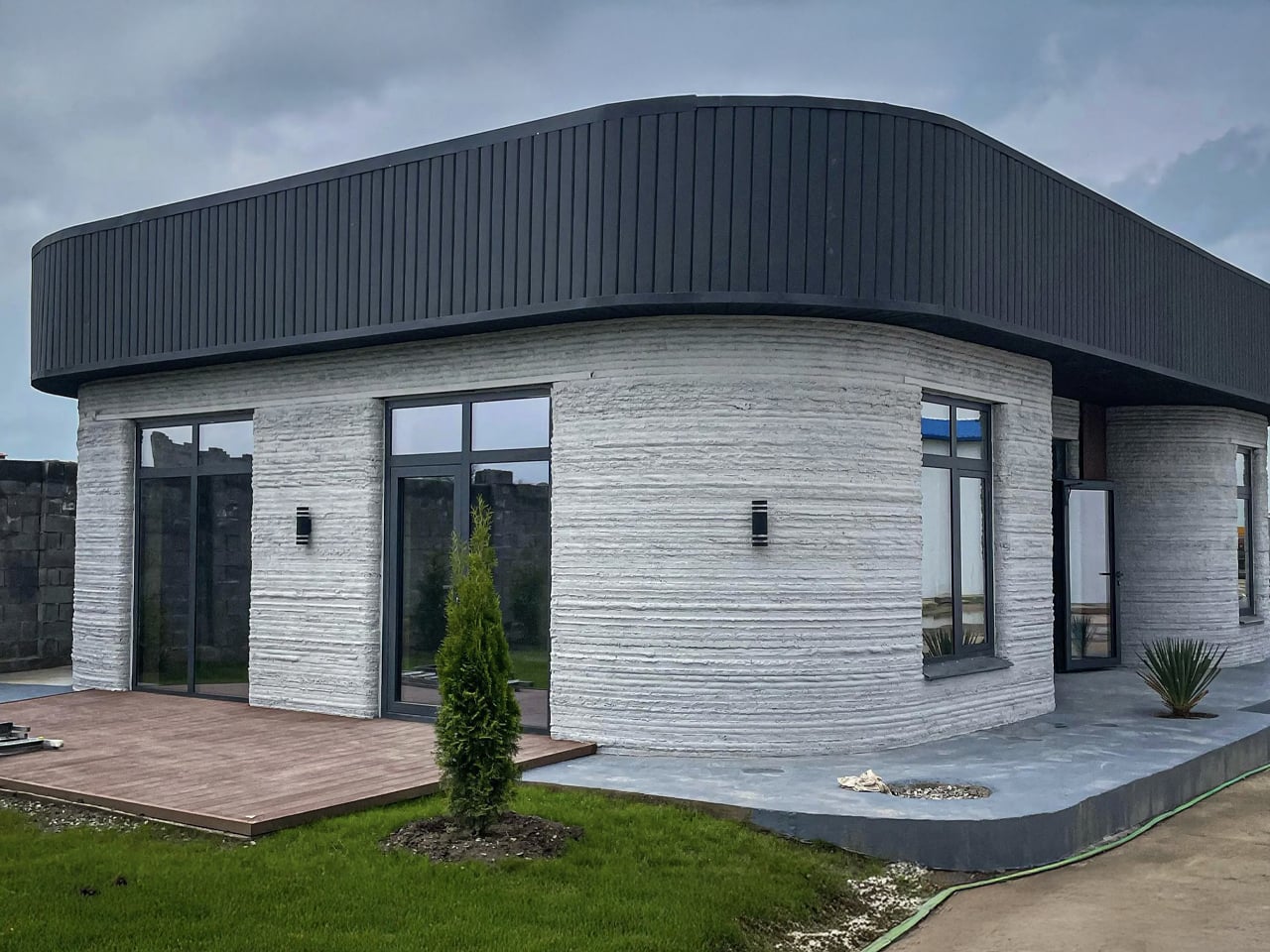
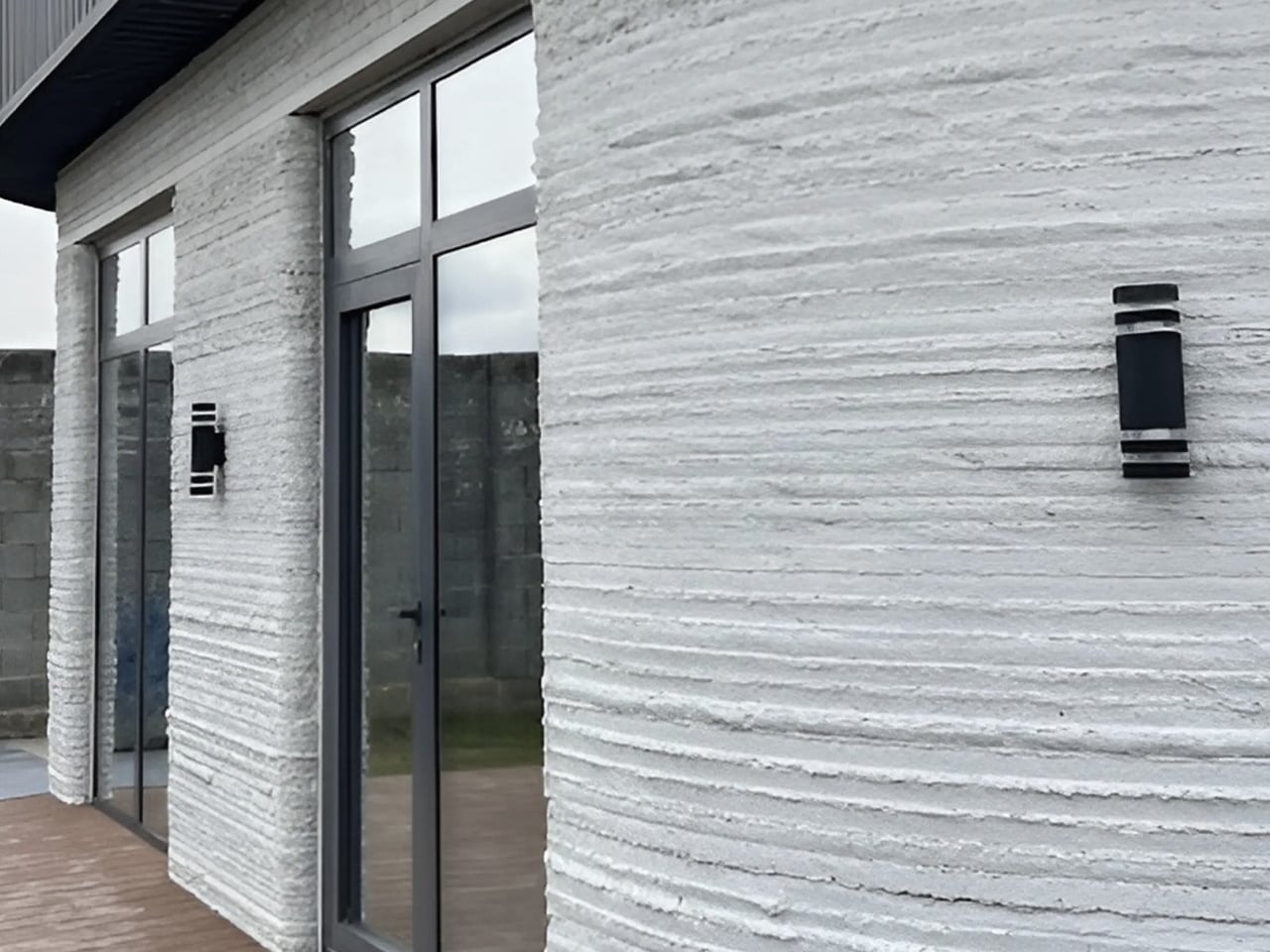
A high-strength concrete mix with a compressive strength of nearly 60 MPa was used, far exceeding typical local materials. Made from locally sourced cement, sand, and gravel and enhanced with a specialised admixture, the mix was tailored to regional conditions. Expanded polystyrene concrete offers thermal and acoustic insulation, providing comfort across a wide range of temperature variations. Once printing was complete, conventional construction teams added windows, doors, and interiors.
3D printing in construction marks a critical intersection of innovation and social responsibility. Despite challenges in materials and regulation, its advantages in design flexibility and rapid delivery make it inevitable. Treated as a new tectonic system and not merely a tool, it can redefine affordable housing by uniting efficiency, quality, and architectural value.
The post 5 Countries Just 3D-Printed Homes in Under a Week: The Future Is Here first appeared on Yanko Design.
Waymo has caught the attention of the National Transportation Safety Board as the federal agency launched an official investigation into the company for its robotaxis improperly passing school buses in Austin, Texas. The NTSB said on X that it would "examine the interaction between Waymo vehicles and school buses stopped for loading and unloading students."
The latest federal probe stems from a preliminary evaluation by the National Highway Traffic Safety Administration that looked into how Waymo reacts to stopped school buses in the Texas city. That report led to Waymo's voluntary software recall in December. However, the school district said in a memo that the robotaxis were seen repeating the same offense days after the software update.
As for the NTSB investigation, an agency spokesperson told the Austin American-Statesman that its "investigators will travel to Austin to gather information on a series of incidents in which the automated vehicles failed to stop for loading or unloading students." According to an NTSB spokesperson, a preliminary report will be out within 30 days, but the final report will take anywhere between 12 and 24 months.
In response, Mauricio Peña, chief safety officer for Waymo, said in a statement to multiple news outlets that "there have been no collisions in the events in question, and we are confident that our safety performance around school buses is superior to human drivers," adding that the investigation will be "an opportunity to provide the NTSB with transparent insights into our safety-first approach."
This article originally appeared on Engadget at https://www.engadget.com/transportation/ntsb-will-investigate-why-waymos-robotaxis-are-illegally-passing-school-buses-160943613.html?src=rssApple Notes is a versatile and powerful tool that goes far beyond basic note-taking. With its seamless integration across Apple devices and a host of advanced features, it can significantly enhance how you organize, collaborate, and manage information. However, many users fail to use its full potential, often overlooking its more sophisticated tools and updates. […]
The post Unlock the Hidden Power of Apple Notes with These Game-Changing Tips appeared first on Geeky Gadgets.
Why aren’t the world’s deserts blanketed with solar panels, transforming barren landscapes into hubs of renewable energy? Below, Just Have a Think takes you through how deserts, seemingly perfect candidates for solar farms with their endless sunlight and open spaces, present a surprising mix of opportunities and challenges. While the idea of converting these vast, […]
The post Why Aren’t All Deserts Covered in Solar Panels? Science Says Design Matters More appeared first on Geeky Gadgets.
The Samsung Galaxy S26 Ultra is poised to elevate the premium smartphone market by combining advanced technology with a strong emphasis on privacy and design. Early leaks and reports suggest that this flagship device will deliver meaningful upgrades, appealing to users who value both functionality and aesthetics. From an innovative privacy display to bold new […]
The post Samsung Galaxy S26 Ultra: Why the Privacy Display is the Only Upgrade That Matters appeared first on Geeky Gadgets.
Google has started rolling out a new feature for its Photos app that can turn your images into memes. The feature, called Me Meme, uses Google Gemini to take meme templates and recreate them with the photo you use from within the app. It’s still in its experimental stages and will only be available for users in the US in the English language. In addition, it seems to be rolling out for Android users only at the moment, and Google warns that the generated images may not match the original photo at times. If you do get access to the feature soon, check out the instructions below on how to use it.
Open your Photos app. Go to the Create tab at the bottom and find the Me Meme option. If it’s not showing up even though you’re an Android user in the US, you’ll have to wait for it as it continues rolling out. Google told TechCrunch that it will reach iOS users over the coming weeks.
You’ll see onscreen instructions the first time you use it. The next time you access the feature, you’ll go straight to the meme creation process.
You can browse and choose one of the preset templates Google provides, but you can also upload a meme or any other image as a template.
You then have to upload a photo that you want to insert into the meme. Google advises using a selfie or a photo where your face is clearly visible.
After you tap Generate, you can save the meme if you’re satisfied with the result or share it directly to social media platforms online. You can also tap Regenerate to see a different output.
Android Authority spotted the feature in October 2025 and was able to try it out before its limited release. You can see an example of Me Meme’s output below.
The "Me meme" feature which I spotted back in October 2025 is finally announced by Google.
— AssembleDebug (Shiv) (@AssembleDebug) January 23, 2026
This is an experimental feature which will be available first for users in US only 😐
Here is the announcement forum posts- https://t.co/7P2JgJhoBk https://t.co/E60prcqcie pic.twitter.com/sFICxzVIPU
What if you could master an innovative platform that transforms your AI development workflow in less time than it takes to watch an episode of your favorite show? Below Keith explores how OpenCode, a powerful task orchestration platform, can transform the way developers manage complex projects by allowing seamless integration with AI models, automating repetitive […]
The post Learn OpenCode Fast to Run AI Tasks in Parallel appeared first on Geeky Gadgets.
Apple’s iOS 26 and watchOS 26 introduced a new fitness companion called Workout Buddy. This feature uses Apple Intelligence to provide spoken feedback during workouts and give motivation based on your activity history. Workout Buddy analyzes your pace, heart rate, distance and other metrics to deliver real-time encouragement and performance insights directly through connected Bluetooth headphones. It works in conjunction with the Workout app on Apple Watch and is partially controlled through the Fitness app on iPhone. This guide walks you through everything needed to set up and use Workout Buddy effectively during workouts.
It’s important to note that Workout Buddy is not a full coaching program. Instead, it adds to your workout with spoken cues that reflect how your session is going. Workout Buddy can remind you of your weekly activity totals, alert you to personal bests or performance milestones and provide an overview when you’re finished. It is designed to feel like a supportive training partner rather than a strict coach.
The feature operates in English by default and uses a text-to-speech model trained on voices from Apple Fitness+ trainers. It is available for a subset of workout types, including running, walking, cycling, high-intensity interval training (HIIT) and strength training. It requires on-device Apple Intelligence, which means you’ll need to keep one of the latest iPhones running updated software nearby during workouts.
Supported models include iPhone 15 Pro, iPhone 15 Pro Max and any iPhone 16 model. You’ll also need an Apple Watch running watchOS 26.
Before Workout Buddy appears in your Fitness app or Workout app you must ensure a few things are in place. First, your Apple Watch must be running watchOS 26 or later and paired to an iPhone with iOS 26 installed. Second, your iPhone must be capable of on-device Apple Intelligence, meaning you must own one of the supported iPhone models we mentioned above and have Apple Intelligence enabled in the phone’s settings.
You’ll also need Bluetooth headphones paired with either your iPhone or your Apple Watch. Workout Buddy’s audio feedback cannot play through the watch speaker so headphones are essential. Lastly, your device language must be set to English, at least initially. If any of these things are missing, the option to enable Workout Buddy may not appear.
While much of the interaction with Workout Buddy happens on Apple Watch during workouts, you can enable it and choose voice options from the Fitness app on iPhone.
Open the Fitness app on your iPhone and tap the Workout tab at the bottom. Scroll through the list of workout types until you find one you plan to use with Workout Buddy. Tap the waveform bubble icon associated with that workout. This will bring up settings where you can turn on Workout Buddy. Flip the toggle to enable it and choose a voice from the available options. Once you have selected a voice, close that screen and your choice is saved. When you start this workout type on Apple Watch, Workout Buddy will activate.
Enabling Workout Buddy for a workout type on iPhone means you do not need to toggle it on separately on Apple Watch each time for that specific workout. However, you may still adjust it from the watch interface for more granular control.
To use Workout Buddy during a session, open the Workout app on your Apple Watch. Turn the Digital Crown to scroll through and select the workout you want to do, such as Outdoor Run, Outdoor Walk, Outdoor Cycle, HIIT or Strength Training. If you want to see all available workouts, tap the Add button at the bottom.
Once the workout type is selected, look for the Alerts button on screen. Tap Alerts then scroll until you see Workout Buddy. Tap Workout Buddy and flip the switch to on. You will then be asked to choose a voice if one is not already selected on your iPhone. After selecting the voice, return to the previous screen and tap Start. Workout Buddy will begin working as soon as the workout does.
Once you start an exercise on your Watch or iPhone, Workout Buddy will speak to you through your connected headphones. The feedback is designed to be encouraging and relevant to your pace, performance or milestones. It may mention your current progress toward activity goals, pace, splits, personal bests or other highlights from your fitness data. At the end of your session Workout Buddy will offer a summary of key metrics like duration distance and calorie burn.
While a workout is active, you can temporarily mute the audio if you need silence. On Apple Watch during the session, swipe right to reveal controls then tap Mute. This pauses Workout Buddy’s spoken commentary without disabling the feature entirely.
Workout Buddy is enabled on a per-workout-type basis. If you prefer voice feedback for running but silence for strength training, you can enable it for one and leave it off for the other. The Fitness app on iPhone allows you to set a default voice preference for each workout type. On Apple Watch you can quickly toggle the feature on or off before starting a session.
If Workout Buddy does not appear as an option for a particular workout type, you may need to check compatibility. Apple’s documentation indicates that only certain types* are supported initially and that the option will not appear for unsupported workouts.
*Apple Watch SE (2nd generation), Apple Watch SE 3, Apple Watch Series 6, Apple Watch Series 7, Apple Watch Series 8, Apple Watch Series 9, Apple Watch Series 10, Apple Watch Series 11, Apple Watch Ultra, Apple Watch Ultra 2, Apple Watch Ultra 3
If Workout Buddy fails to activate make sure your devices meet the requirements outlined above. Confirm that your iPhone with Apple Intelligence is nearby and that Bluetooth headphones are connected. If audio feedback is missing, ensure headphones are paired correctly and that the language is set to English. Some users have reported that if the headphones are paired only to the Watch rather than the iPhone, it can interfere with feedback. Switching to the iPhone often resolves that issue.
For workout types where Workout Buddy previously worked but suddenly does not appear, you may try toggling the feature off and on again in the Fitness app or rebooting both devices. In rare cases removing and re-adding the workout type on Apple Watch can refresh the settings.
This article originally appeared on Engadget at https://www.engadget.com/wearables/how-to-use-workout-buddy-with-apple-watch-and-ios-26-130000922.html?src=rss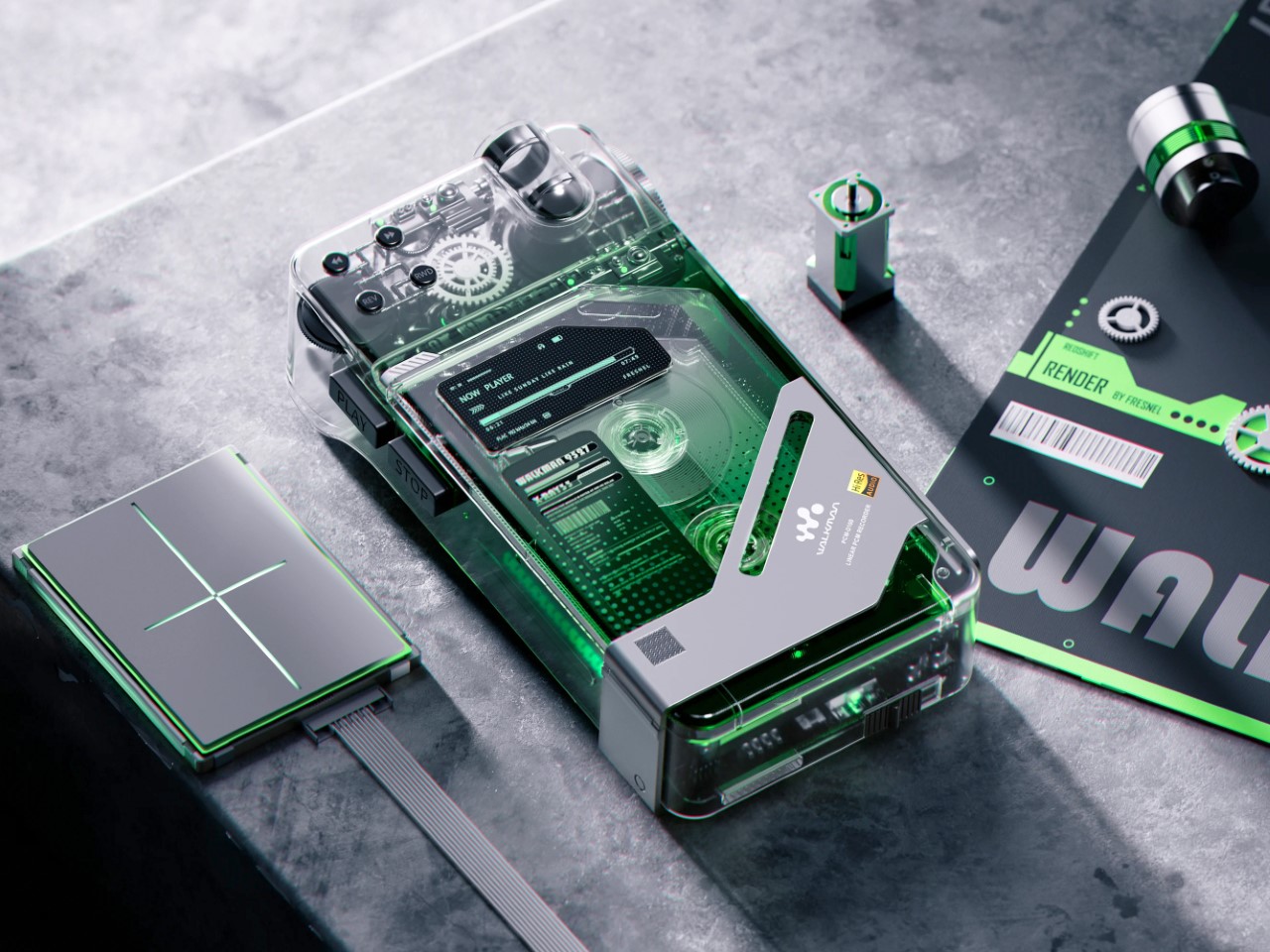
Transparent technology has moved far beyond its novelty phase to become a legitimate design movement reshaping how we interact with our devices. What started as a nostalgia trip courtesy of Nothing’s transparent phones has evolved into a full-blown aesthetic revolution where seeing the guts of your gadgets is no longer just acceptable but desirable. The best transparent designs do more than simply expose circuitry; they create visual narratives about how technology works while delivering genuine functional benefits that justify their existence beyond mere eye candy.
January 2026 has given us a particularly strong lineup of transparent tech that ranges from retro-futuristic audio devices to gaming powerhouses wrapped in see-through shells. These designs prove that transparency works across every category of consumer electronics when executed with intention and intelligence. The following five products represent the pinnacle of this movement, each bringing something unique to the table while celebrating the beauty of visible mechanics and electronic components in ways that feel fresh rather than gimmicky.


This transparent cassette recorder concept represents everything compelling about retro-futurism executed with modern design sensibilities. The device combines the tactile satisfaction of analog media with visual transparency that transforms mechanical components into the main attraction. Those exposed gears and rollers work their magic through crystal-clear housing that makes the entire mechanism visible during operation, creating a mesmerizing display of analog technology in motion. The top-mounted mechanical elements evoke luxury watch movements where visible complexity becomes the primary selling point rather than something to hide behind opaque shells.
The design succeeds because it creates genuine tension between old and new technologies rather than simply copying vintage aesthetics. A digital display nestles among analog components, suggesting computational intelligence working alongside mechanical systems. Those pixel-perfect UI elements visible through transparent housing indicate this isn’t merely a playback device but something with smart capabilities. The tiny control buttons along the top edge deliberately reference 80s Sony recorders while embracing modern miniaturization techniques. This Walkman concept could easily exist in Blade Runner’s world or on a contemporary design enthusiast’s shelf with equal credibility.
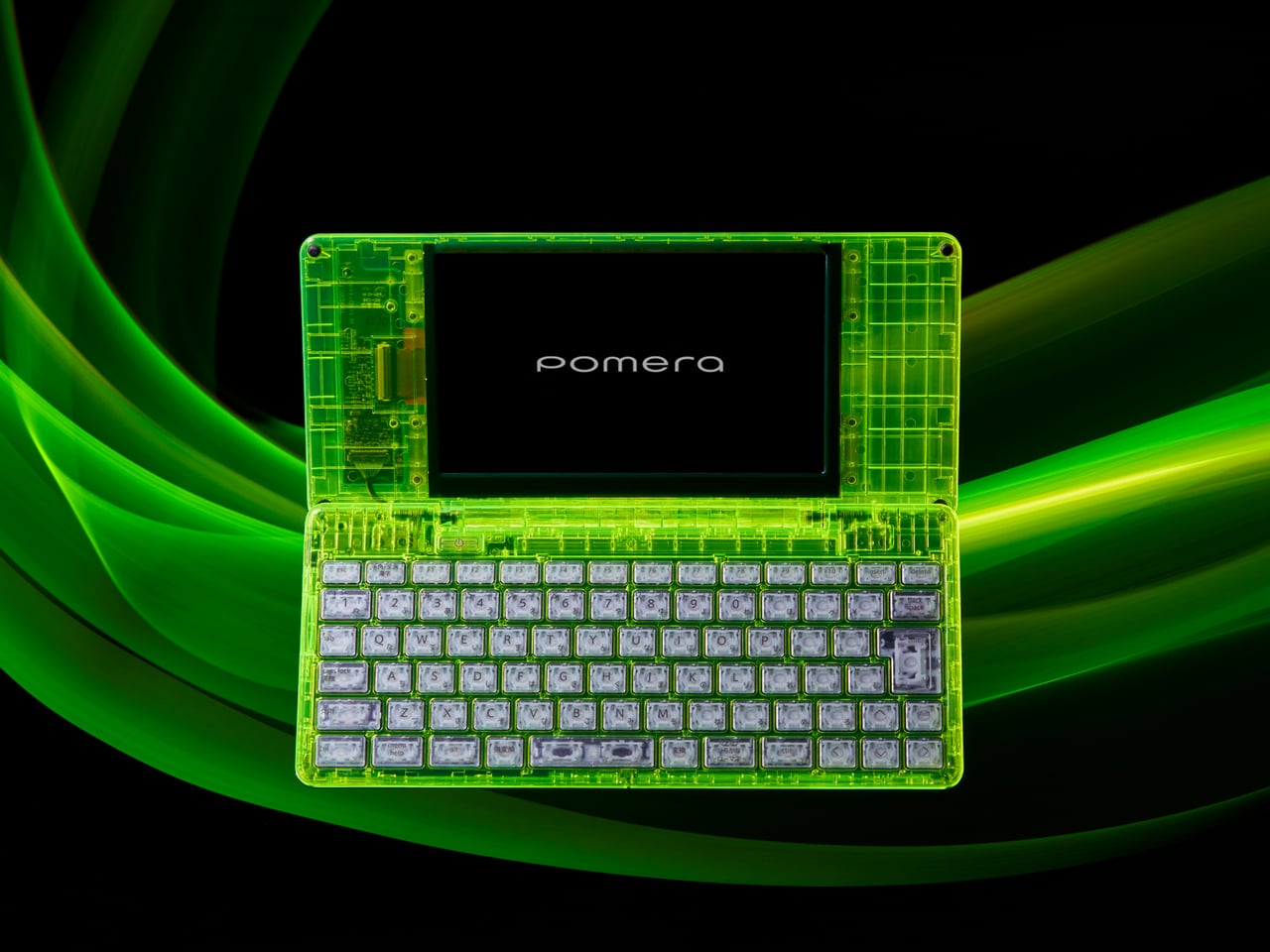
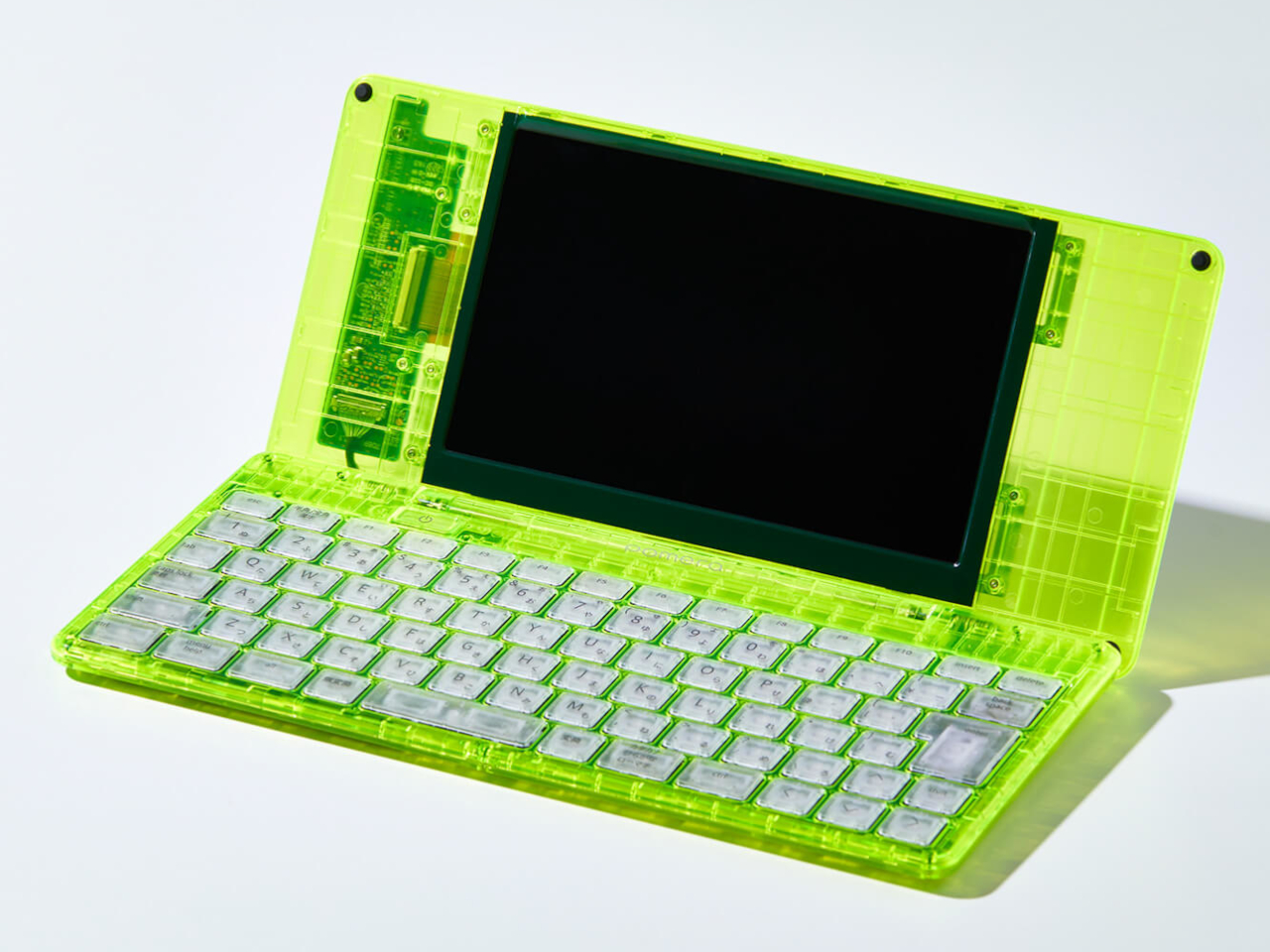
The limited-edition Pomera DM250 in Crystal Neon Yellow ditches conventional white or black finishes for a vivid, almost glowing green shell that channels cyberpunk aesthetics straight out of futuristic cinema. The transparent design feels deliberately pulled from a William Gibson novel, mixing nostalgia for vintage computing with an ultra-modern sensibility that makes the device feel both retro and cutting-edge simultaneously. This isn’t just a writing tool but a statement piece that announces your commitment to focused creativity before you type a single word.
The core philosophy here centers on unwavering dedication to one task: getting words onto the screen without distractions. The DM250 sports a compact yet full-size 80-key keyboard paired with a crisp monochrome LCD that strips away every possible distraction. The software is deliberately minimal, offering everything a writer needs for text creation while providing nothing that might derail focus or waste precious writing time. That transparent shell showcasing the device’s internal components serves as a visual reminder of its pure functionality, where every element exists to support the writing process rather than tempt you toward multitasking.
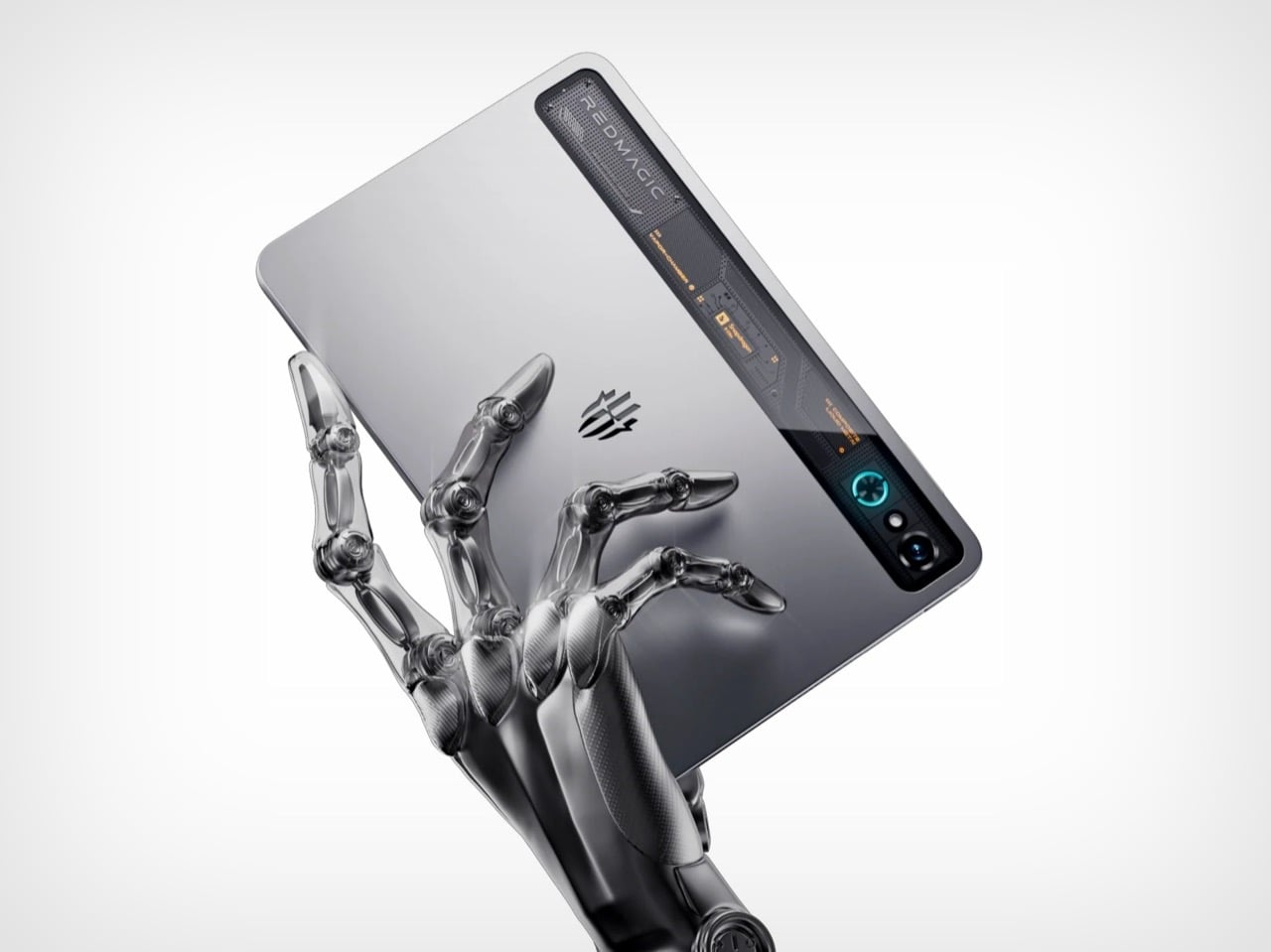
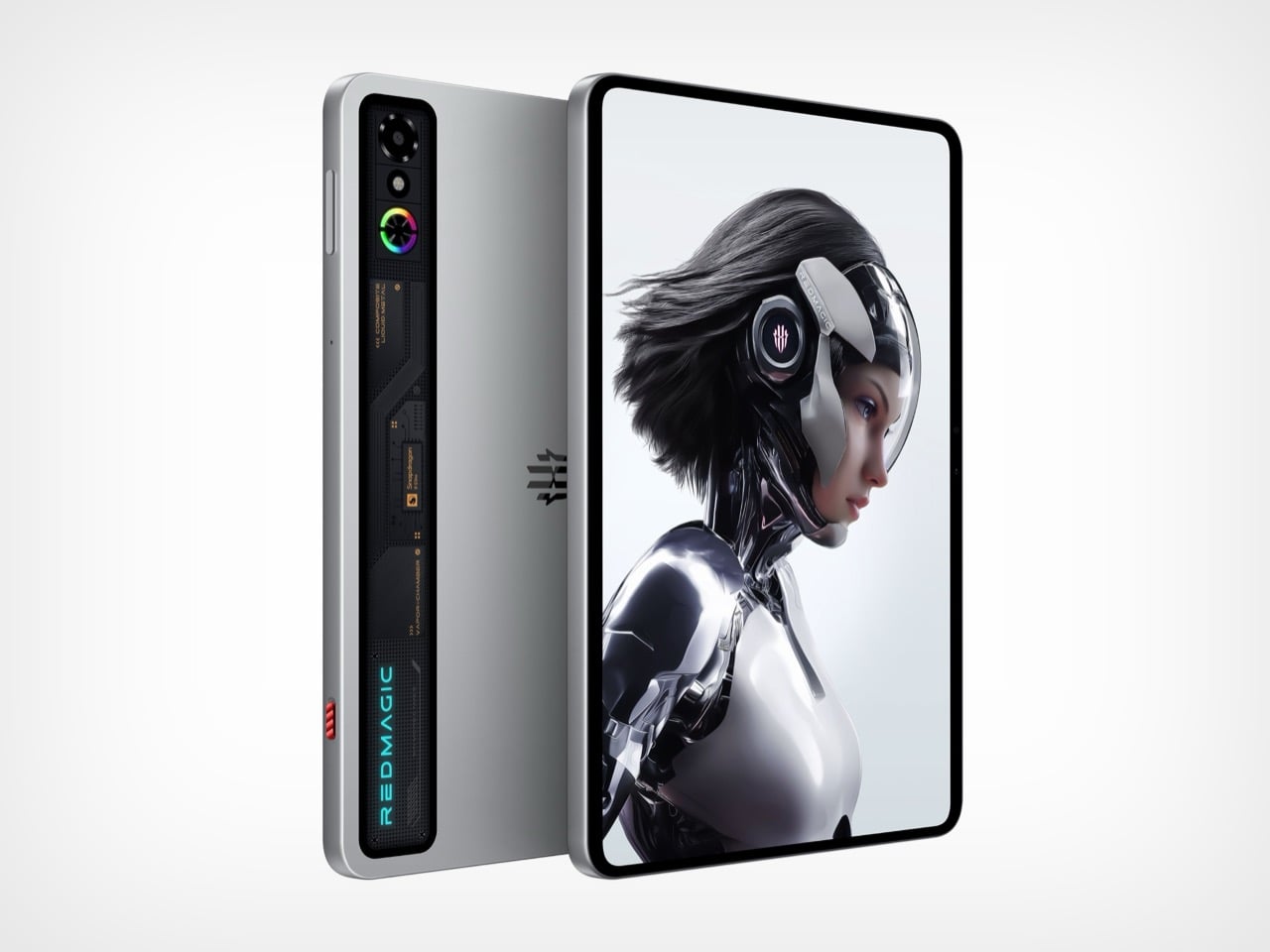
Nothing spent years teasing transparent design language, while RedMagic simply dropped the Astra with a full transparent strip down its back panel, complete with faux circuit board details that scream technological prowess. The visual trickery taps into tech enthusiast psychology that made transparent Game Boys and iMacs cultural phenomena decades ago. Those faux components create an impression of hardware sophistication perfectly aligned with gaming tablet expectations. RedMagic effectively claimed transparent tablet territory before Nothing could plant their flag, proving that execution speed sometimes matters more than brand heritage in emerging design categories.
The transparent strip serves as eye candy on what might be the most compelling compact gaming tablet available. RedMagic packed the Astra with the Snapdragon 8 Elite processor and hardware that puts most full-sized tablets to shame. The 9.06-inch form factor feels genuinely manageable for handheld gaming while maintaining enough screen real estate for immersive experiences. Aggressive pricing makes the iPad Mini look overpriced and underpowered by comparison. The Astra knows exactly what it wants to be: a gaming powerhouse that happens to work as a tablet, rather than a tablet that sorta plays games. This focused approach pays dividends across every aspect, from display technology to thermal management systems.
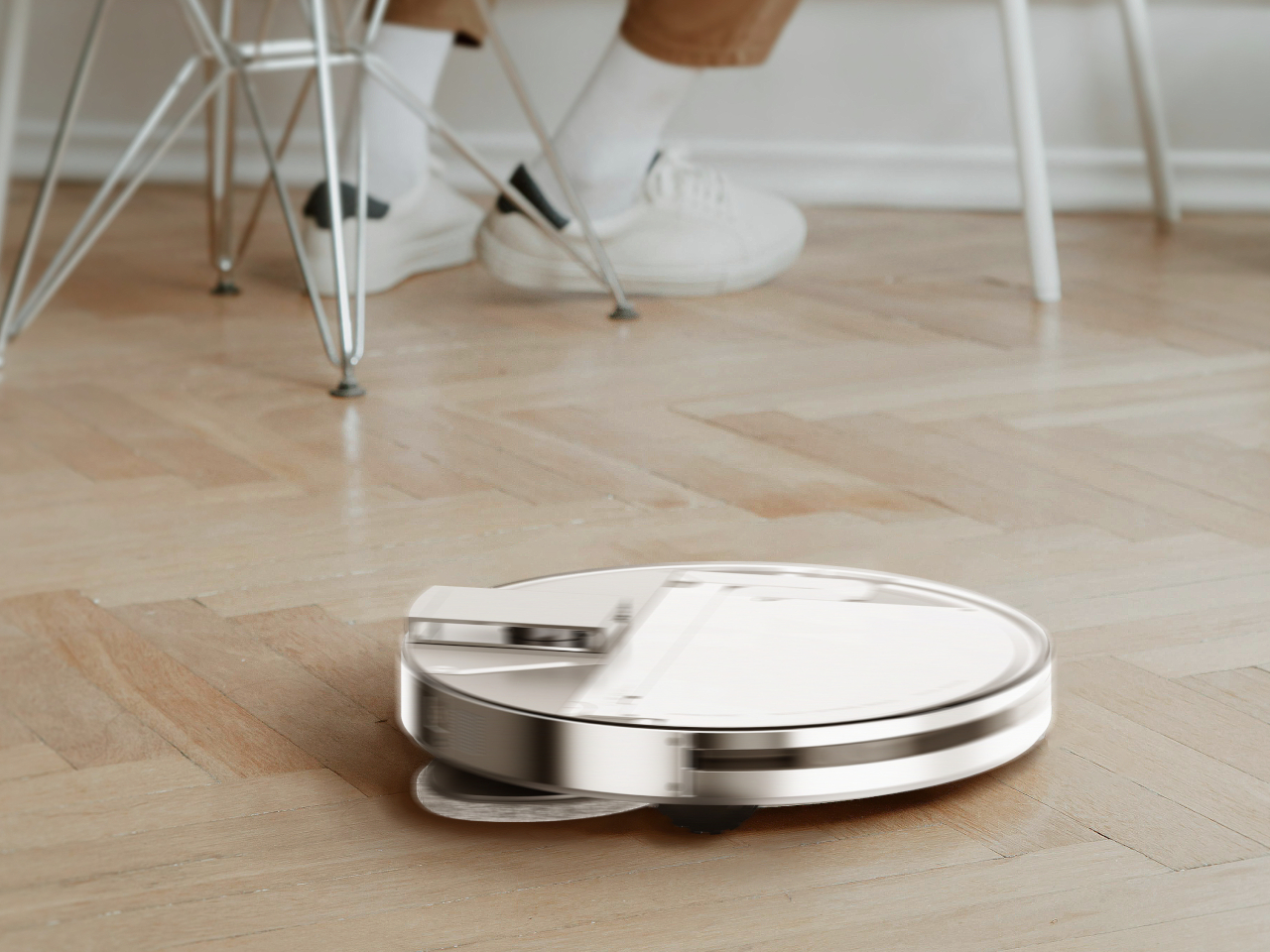
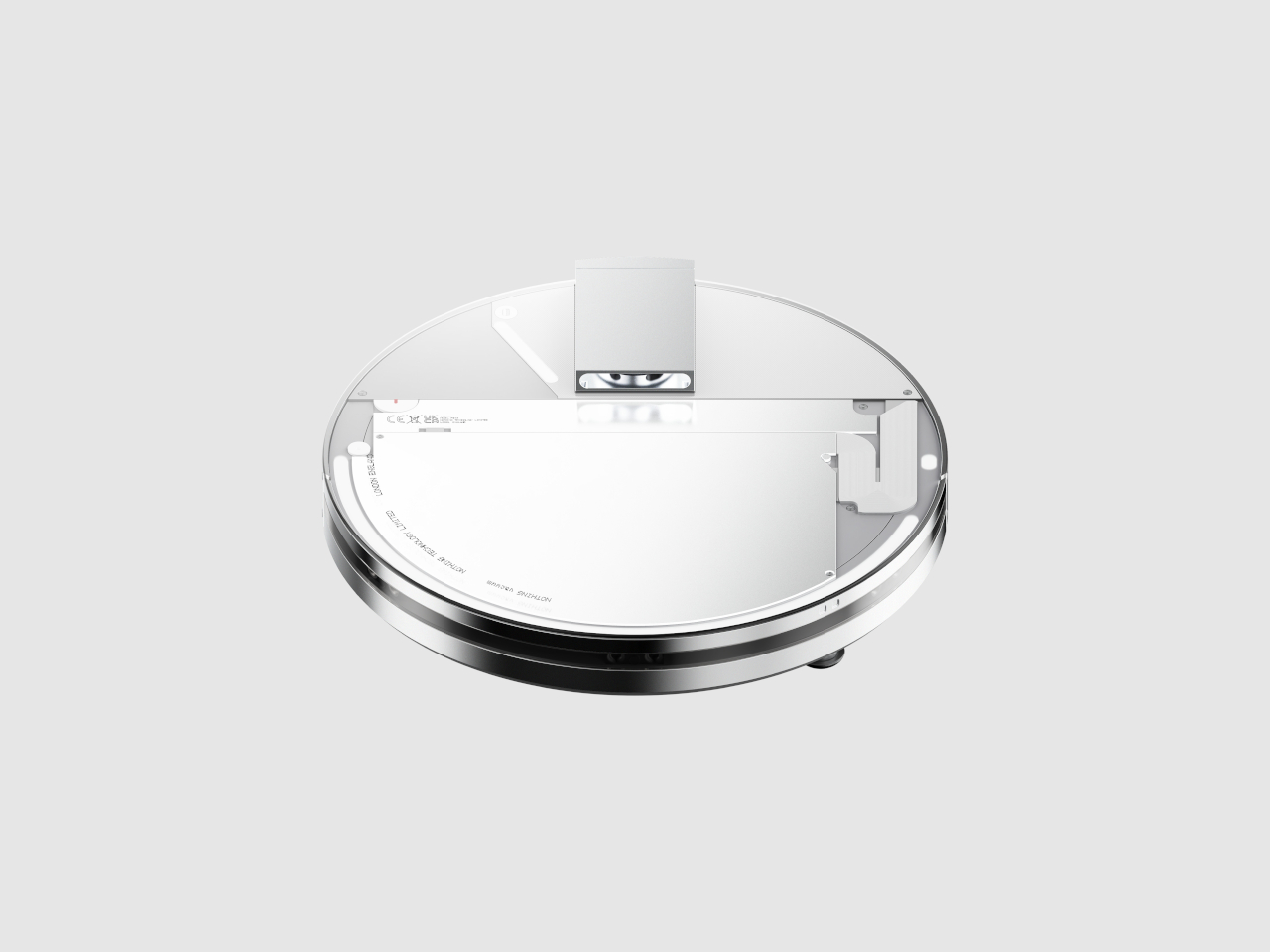
Designer Taeyeon Kim took the transparent tech aesthetic and applied it to one of the most mundane household appliances imaginable, creating an independent concept that reimagines how cleaning technology could integrate into daily life. The transparent philosophy celebrates inner workings rather than hiding them behind opaque plastic shells that make appliances invisible and forgettable. This vacuum features a completely clear shell exposing all internal components from the motor and sensors to the circuitry, making it function, transforming utilitarian hardware into something worth displaying prominently.
Most robot vacuums are designed for invisibility, tucked away in corners where they won’t interfere with carefully curated interior design schemes. Kim’s concept takes the opposite approach entirely, embracing transparency and modularity to create a cleaning system that actually wants to be seen and interacted with regularly. The exposed components serve educational purposes, helping users understand how their cleaning technology actually works while making maintenance and troubleshooting more intuitive. The modular design philosophy means components can be swapped or upgraded without replacing the entire unit, extending product lifespan while reducing electronic waste that plagues the appliance industry.
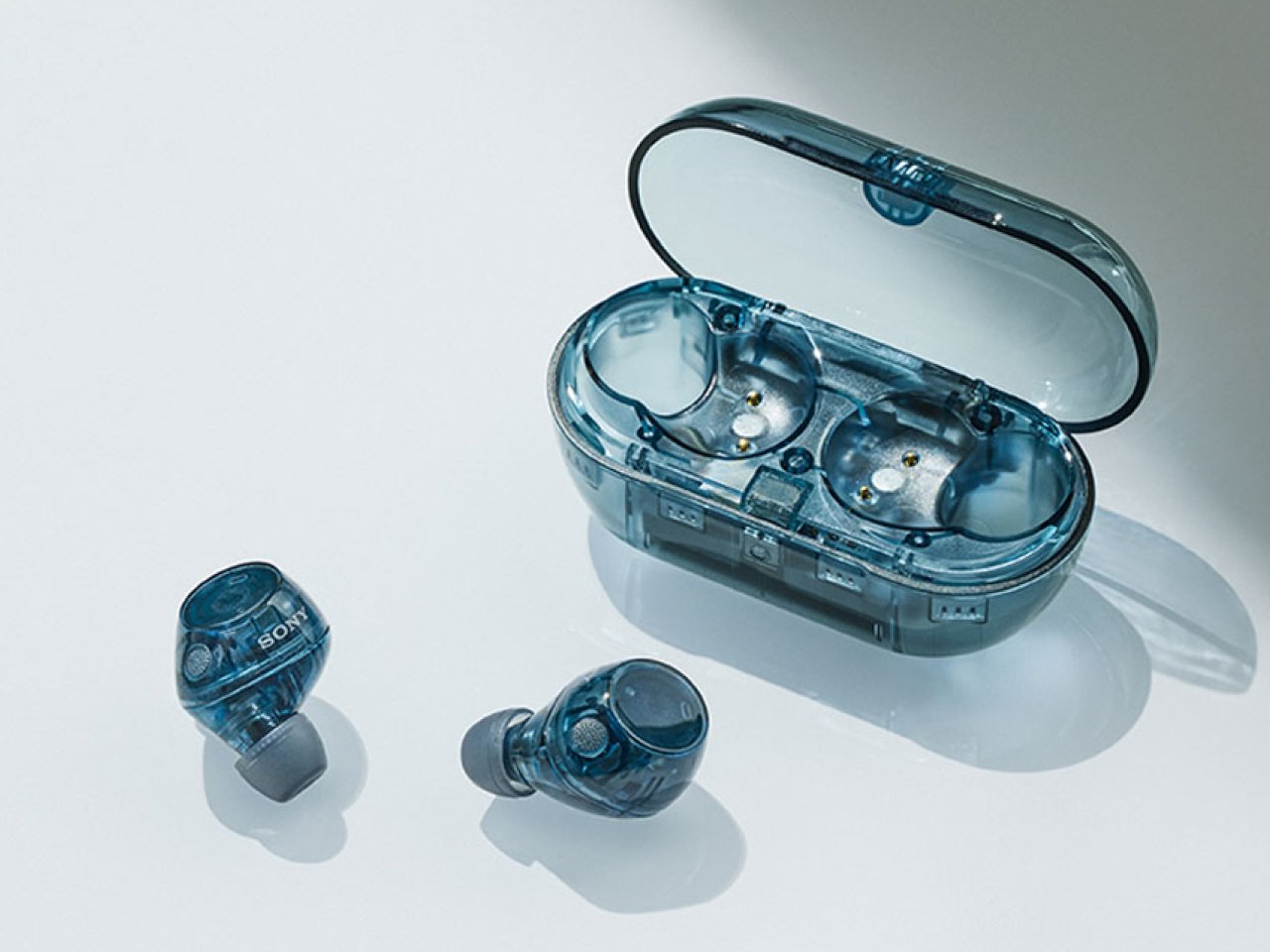
The Glass Blue variant of Sony’s WF-C710N earbuds challenges the industry’s tendency toward either clinical white or anonymous black with a design choice that celebrates rather than conceals technological sophistication. The transparent housing goes beyond mere novelty to create a visual narrative about the engineering packed into these tiny devices. Sony offers four color options, but the Glass Blue stands out by making the internal components part of the aesthetic rather than something requiring concealment. The naturally elegant, compact form factor prioritizes both aesthetics and functionality in ways that prove transparent design works even at this miniature scale.
Sound quality remains Sony’s primary focus despite attention-grabbing aesthetics that could easily overshadow performance. The unique 5mm drivers deliver powerful bass and crystal-clear vocals across all music genres, while Digital Sound Enhancement Engine processing restores high-frequency elements often lost in compressed digital audio files. This technical prowess ensures the WF-C710N earbuds sound as impressive as they look, delivering an audio experience satisfying even discerning listeners who prioritize performance over style. The noise-canceling capabilities work seamlessly with the compact design, proving that transparent housings don’t require compromises in acoustic performance or active noise management systems.
Transparent technology has matured from gimmick to genuine design movement with staying power. The five products showcased here demonstrate how exposure of internal components can serve both aesthetic and functional purposes when executed thoughtfully. Designers are moving beyond simply slapping clear cases on existing products to creating devices where transparency informs every aspect of the user experience, from interaction patterns to maintenance accessibility. The visual honesty of exposed mechanics and circuitry creates connections between users and their technology that opaque housings cannot replicate.
What makes January 2026’s transparent offerings particularly compelling is their diversity across product categories and price points. From retro-futuristic Walkman concepts to pragmatic writing tools and gaming tablets, transparent design proves its versatility. These products suggest we’re entering an era where seeing how our devices work isn’t just acceptable but expected by consumers who want deeper relationships with their technology. The transparent revolution is just beginning, and these five designs point toward a future where every electronic device might celebrate rather than hide its technological sophistication.
The post 5 Best Transparent Tech Of January 2026 That Just Beat Nothing at Its Own Game first appeared on Yanko Design.