MM8108 Wi-Fi Chip Hits up to 43 Mbps While Stretching Links for Miles

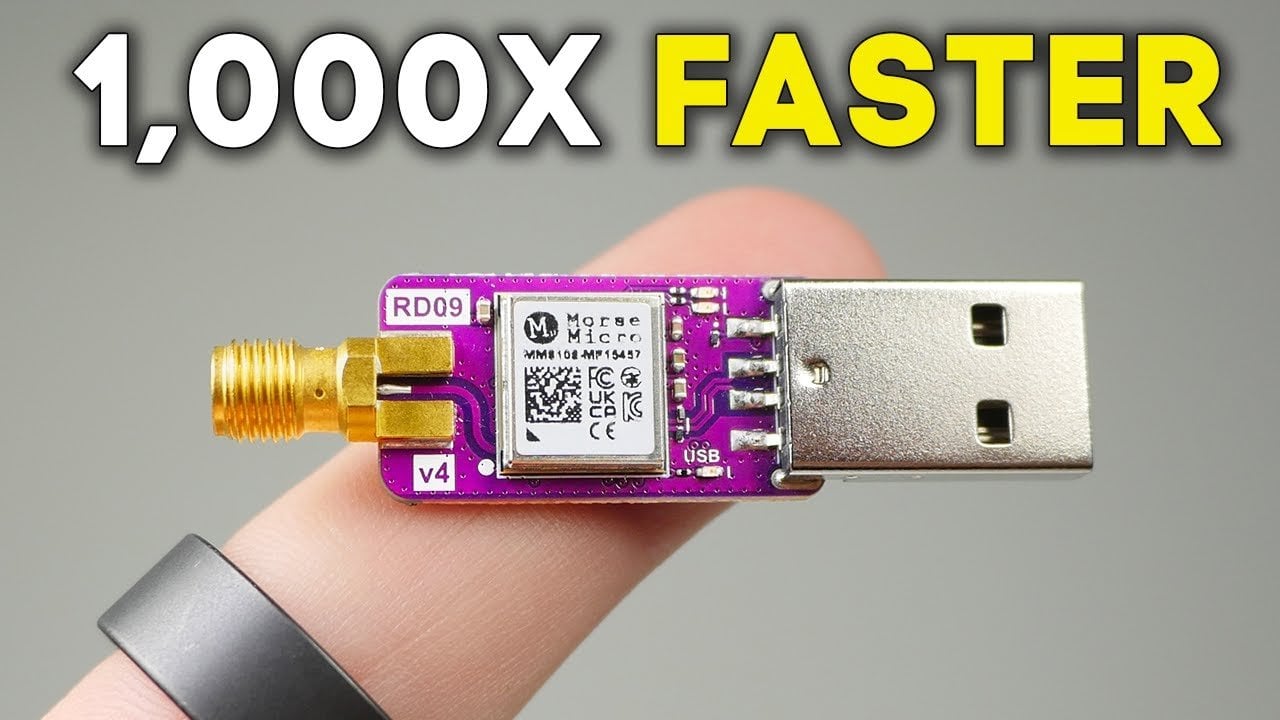
MM8108 Wi-Fi Chip Hits up to 43 Mbps While Stretching Links for Miles Close-up of an MM8108 Wi-Fi module on a small board next to antenna and power components.

The MM8108 Wi-Fi chip introduces a new approach to connectivity by focusing on extended range and practical applications. According to Data Slayer, this chip can cover distances spanning miles, far exceeding the typical range of conventional systems. For example, a single MM8108-enabled router can deliver reliable internet access to an entire rural village or a […]

The post MM8108 Wi-Fi Chip Hits up to 43 Mbps While Stretching Links for Miles appeared first on Geeky Gadgets.

Posted in Uncategorized

Xiaomi 17 Ultra Review: Lighter, Flatter, and Sharper Than Ever

PROS:


  • Excellent main and telephoto photo quality

  • Big and bright 6.9-inch LTPO AMOLED display

  • Strong performance

  • Improved ergonomic and stylish design

CONS:


  • Limiting macro use with a minimum focus distance of 30 cm

  • Noticeable warmth during camera use

RATINGS:

AESTHETICS
ERGONOMICS
PERFORMANCE
SUSTAINABILITY / REPAIRABILITY
VALUE FOR MONEY

EDITOR'S QUOTE:

The Xiaomi 17 Ultra is a camera-first flagship that finally feels balanced in the hand, and even more balanced in its image processing.

Within the renamed family, the Xiaomi 17 Ultra is the boldest expression of what Xiaomi thinks a 2026 flagship should be. It arrives globally as a big, confident phone that refuses to blend into the background. It is unapologetically camera-centric, and it is packed with specs that read like a wish list.  

On paper, Xiaomi has the ingredients to back that up. You get a 6.9-inch LTPO AMOLED display, a Leica-tuned triple camera system with a 200 MP periscope telephoto, and Qualcomm’s Snapdragon 8 Elite Gen 5. The global model carries a 6,000 mAh battery with 90W wired and 50W wireless charging, which is still a serious setup even before real-world testing.

Designer: Xiaomi
The camera hardware also shifts in meaningful ways, with the main sensor switching from Sony to OmniVision, and the zoom strategy changing from two telephoto cameras to one lens with continuous 75 mm to 100 mm optical zoom. So does the Xiaomi 17 Ultra deliver ultra-level performance where it counts. After two weeks with it, here is what I found.

Aesthetics

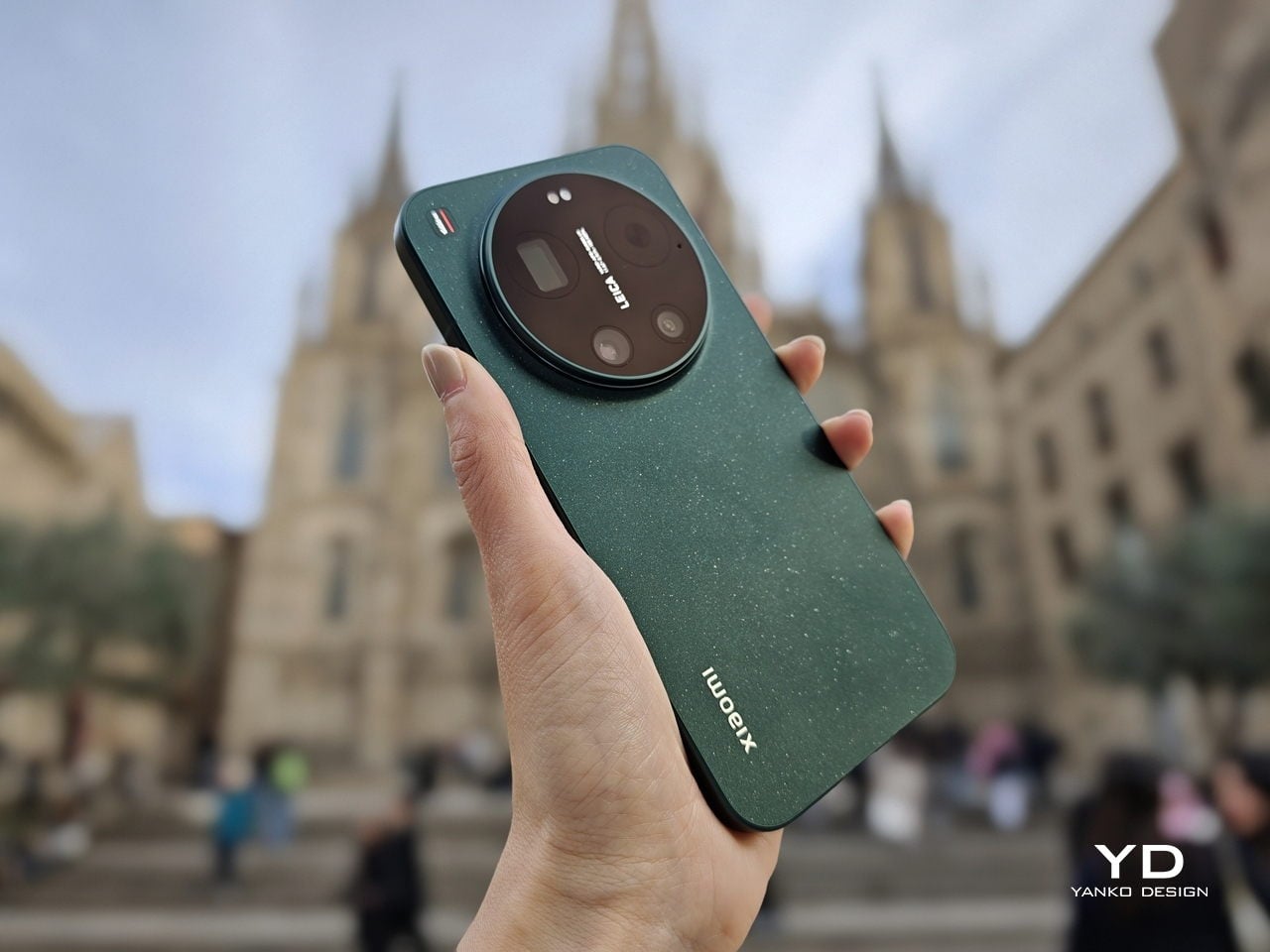
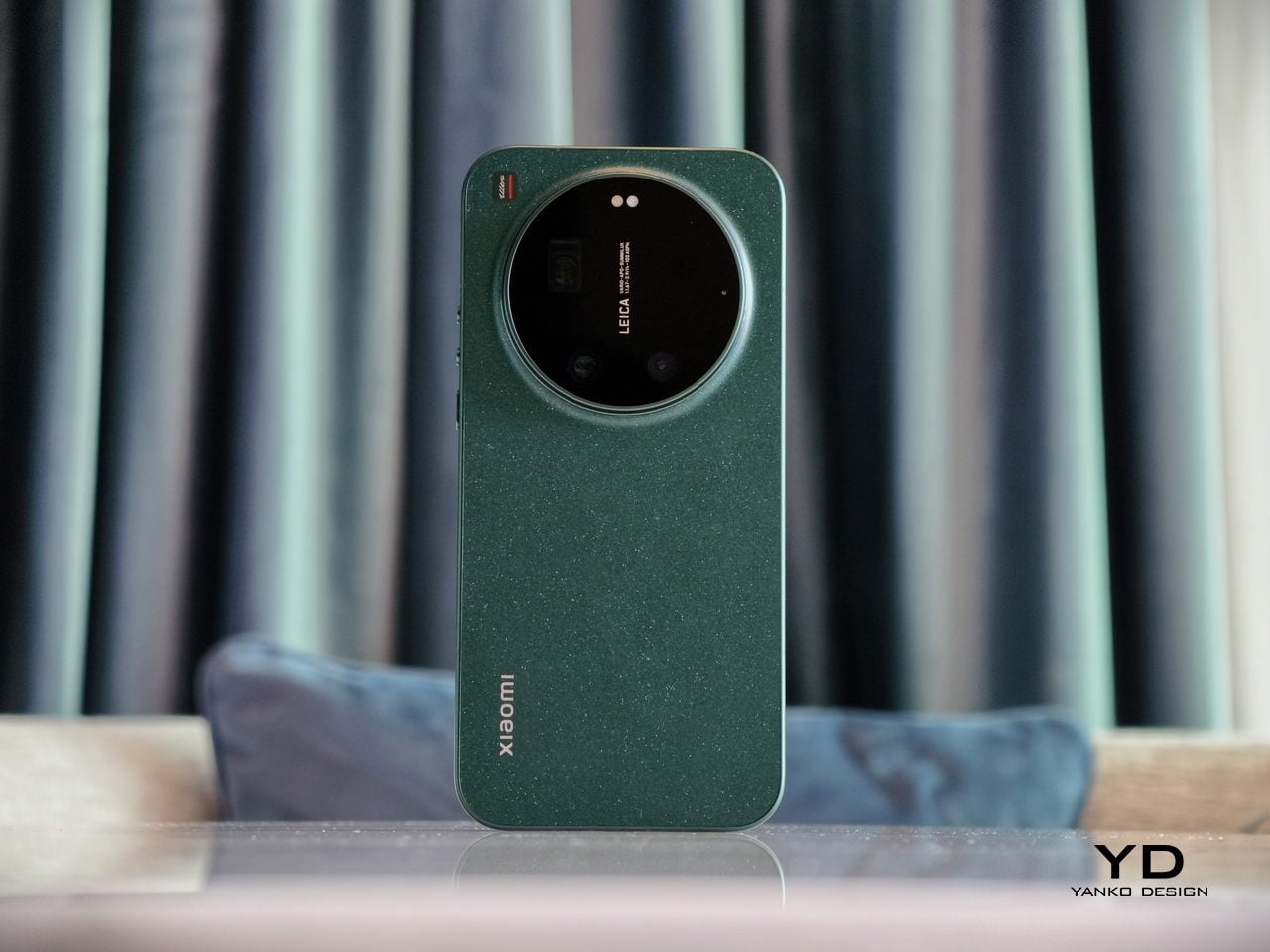
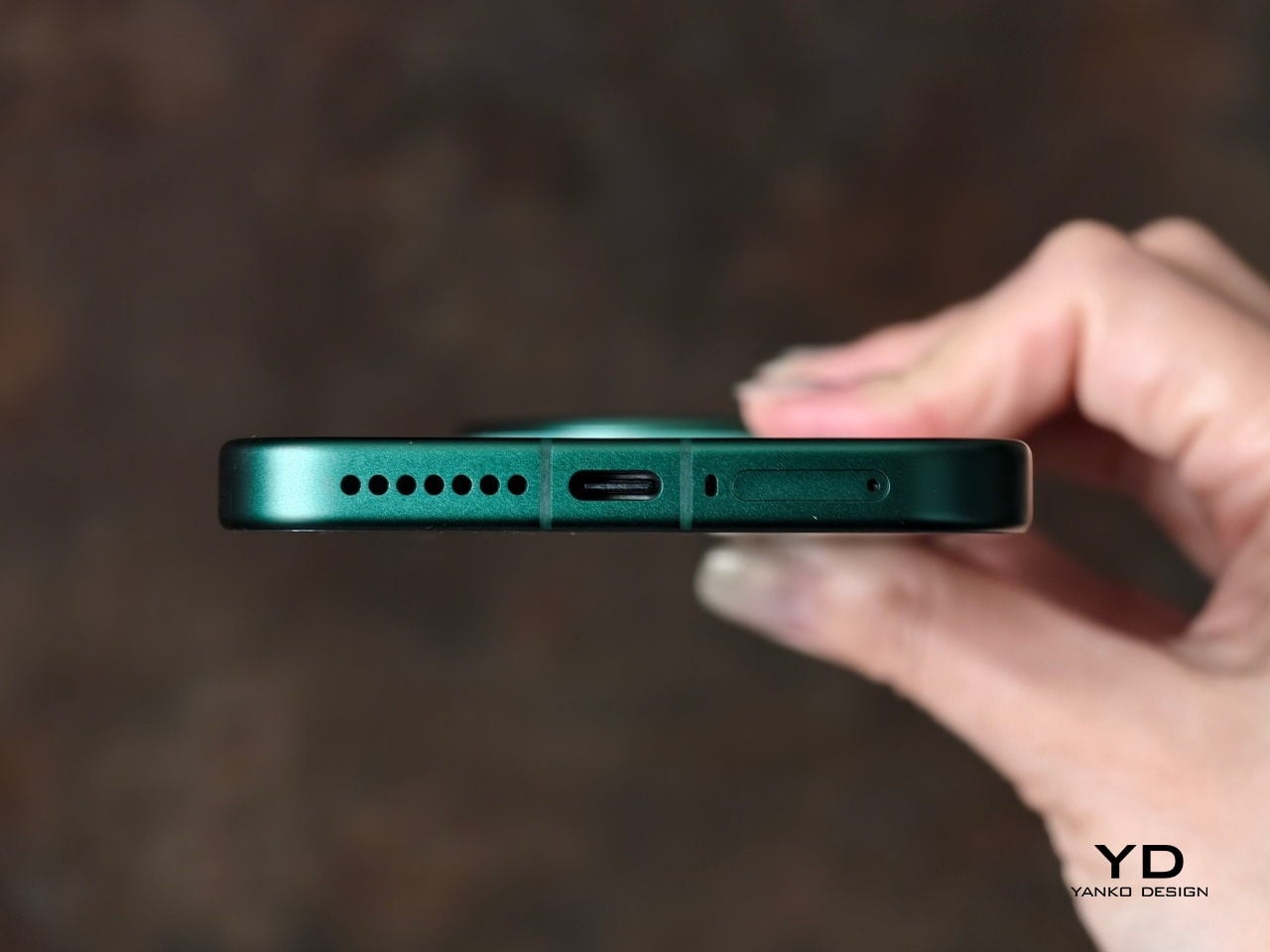
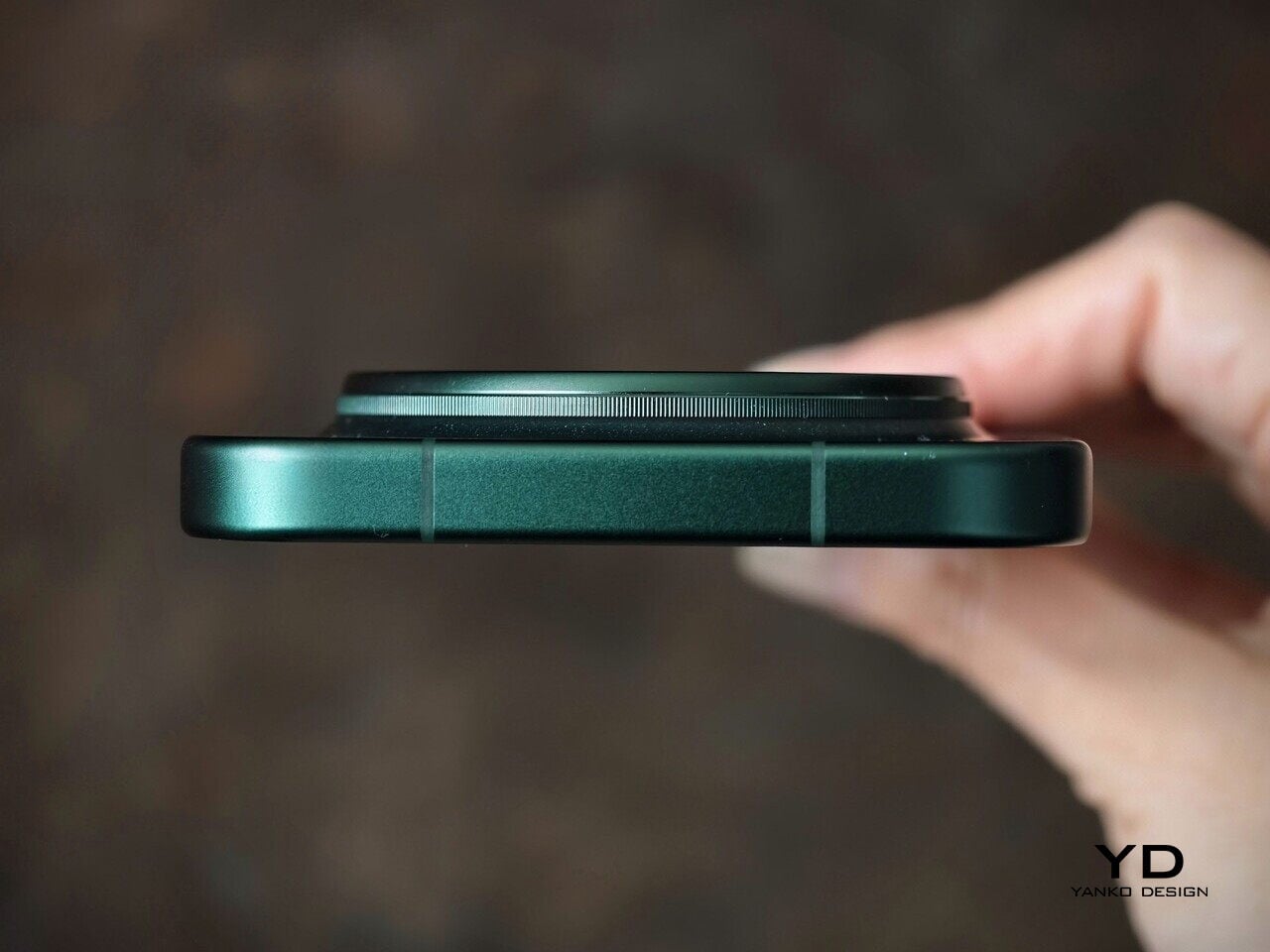
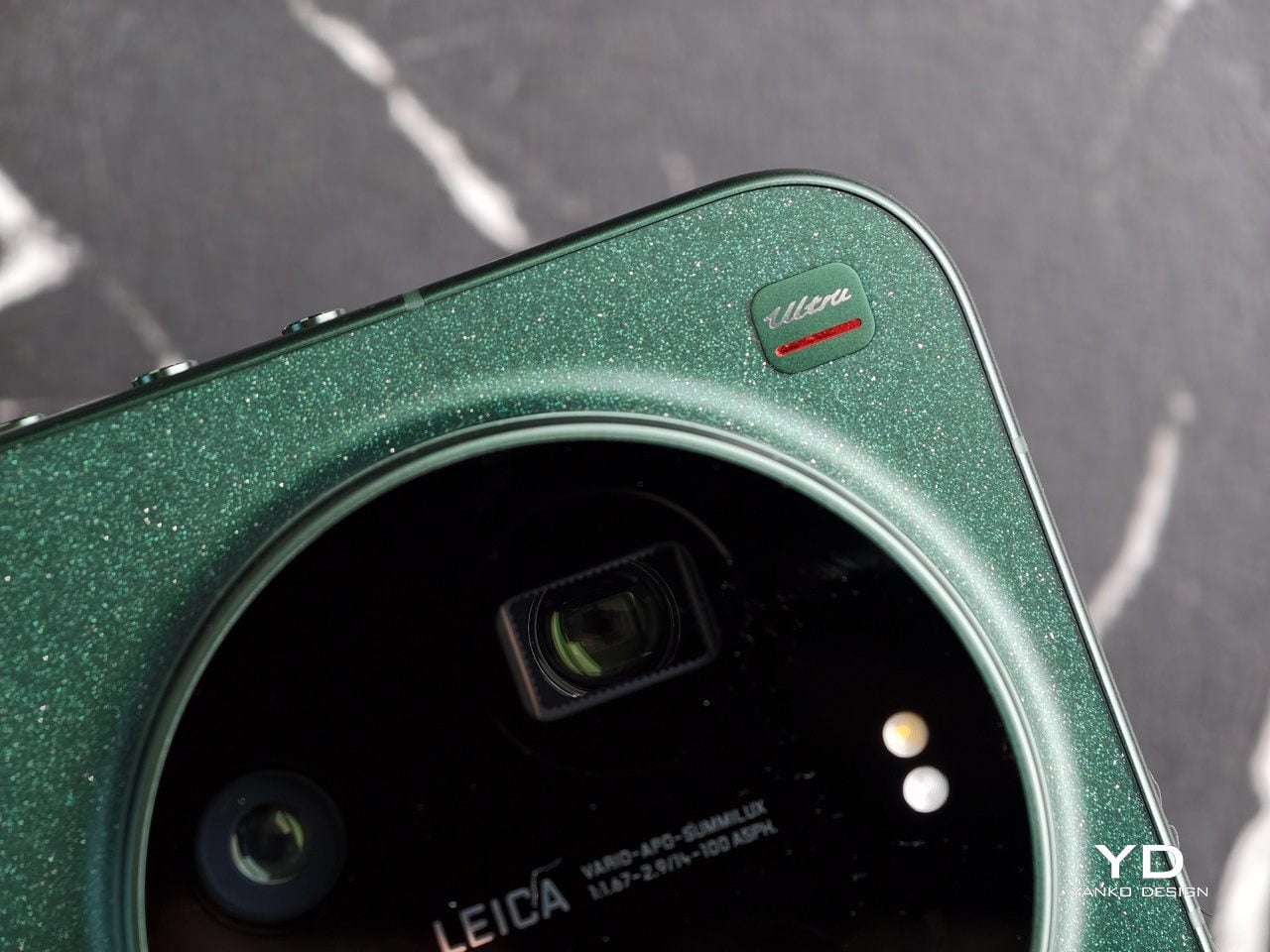
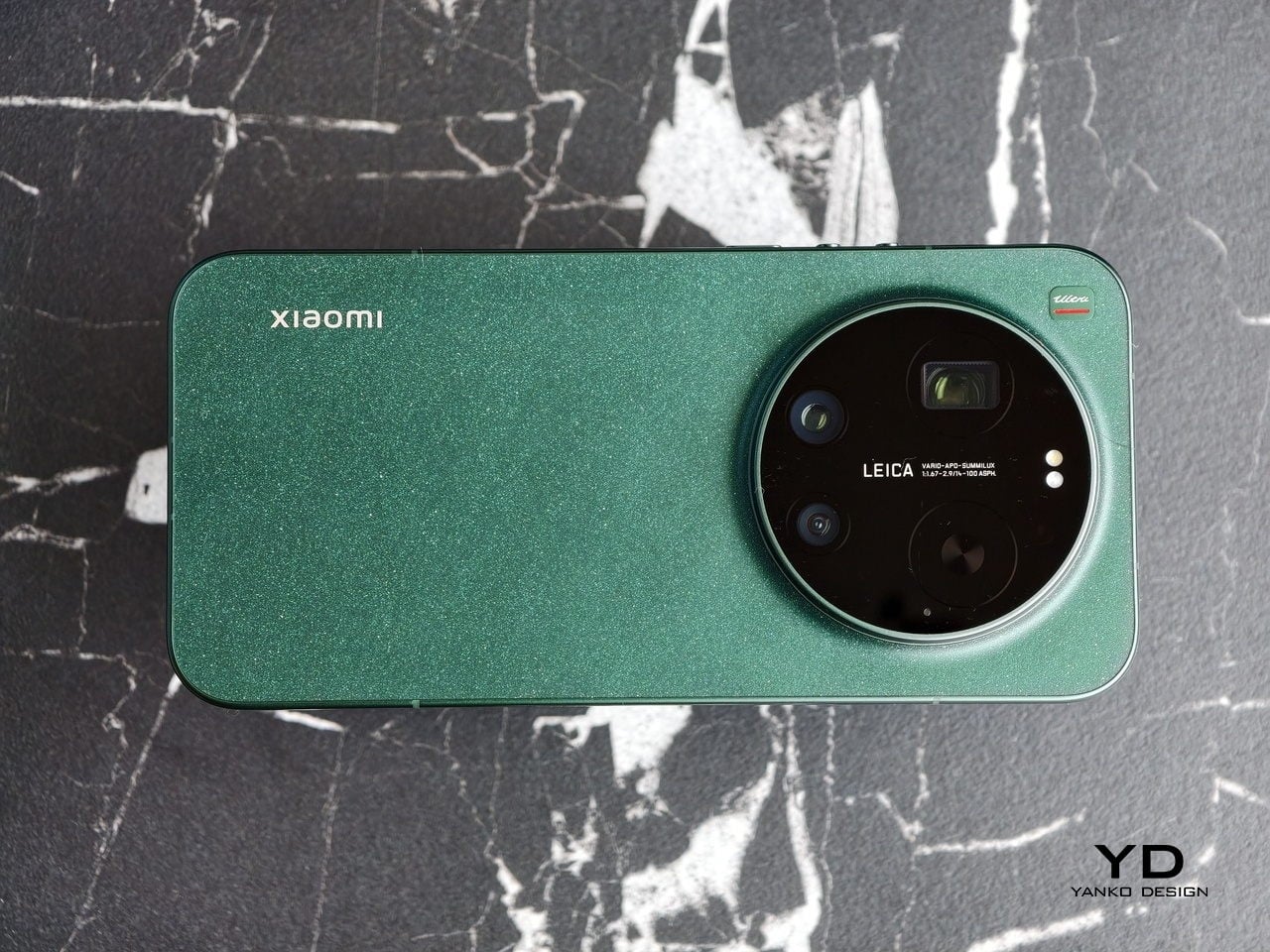
The Xiaomi 17 Ultra is not a phone that tries to disappear in your hand or your pocket. The gigantic circular Leica camera island still dominates the rear panel, just like on the previous model, but there is a subtle shift in design language. With a flatter back panel and flat side frame, the 17 Ultra leans into a cleaner, more minimal look than the Xiaomi 15 Ultra. The small Ultra logo with its red underline sitting above the camera bump adds a bit of character without turning the phone into a billboard.
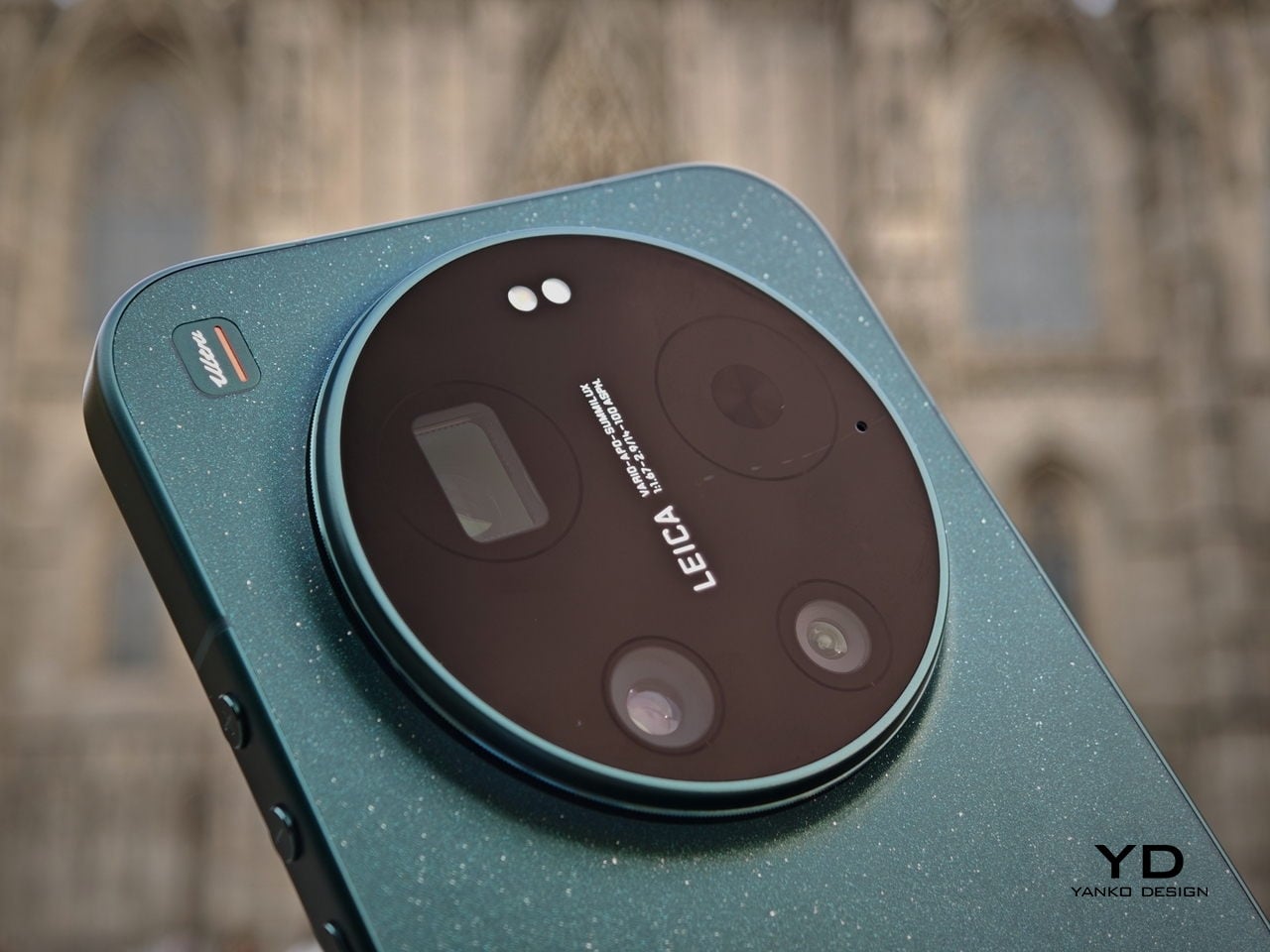
The color palette for the global model leans into classic tones. Xiaomi focuses on black, white, and green for most markets, skipping the violet shade that appears in China. The Starlit Green unit I received is the standout, with a deep moss green base and speckling that catches the light like a dusting of stars, which makes the name feel earned. The black option looks stealthy, but the red accent on the camera ring keeps it from feeling flat, while the white version goes for a high contrast look with the black camera bump and a silver ring and side frame to tie it all together. If you are coming from the Xiaomi 15 Ultra, the evolution feels more like refinement than reinvention, yet the 17 Ultra looks more cohesive and more modern from the rear.

Ergonomics

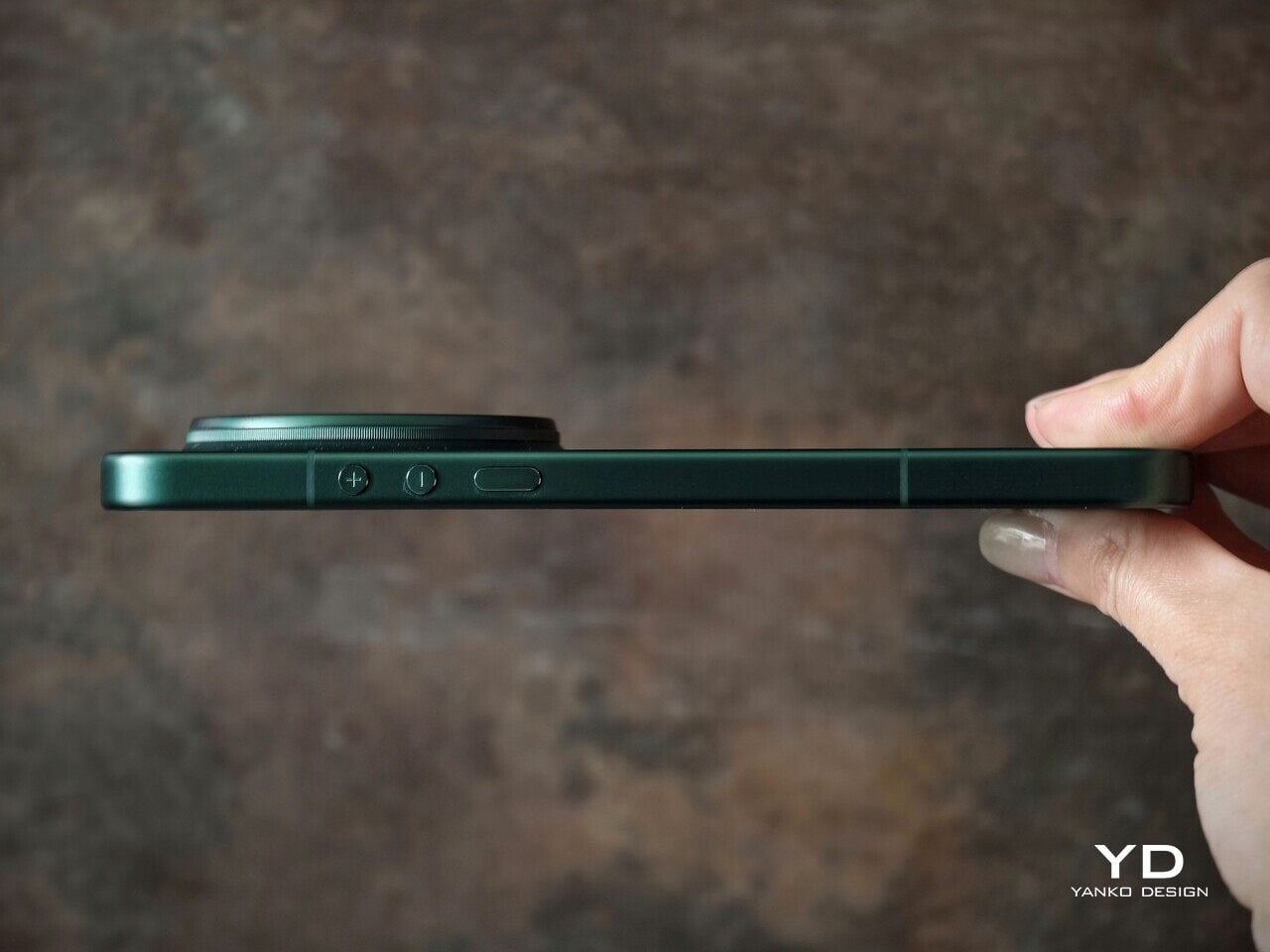
The first thing I expected to notice when I pick up the Xiaomi 17 Ultra is the weight and thickness. The phone uses a large battery, a complex camera stack, and a sturdy frame, and all of that adds up in the hand. That said, I was pleasantly surprised. At 8.29mm thickness and about 219g, Xiaomi managed to make the 17 Ultra the slimmest and lightest among its Ultra series. The device is still big and not exactly a lightweight phone, but it feels a lot more comfortable to hold than your eyes perceive.
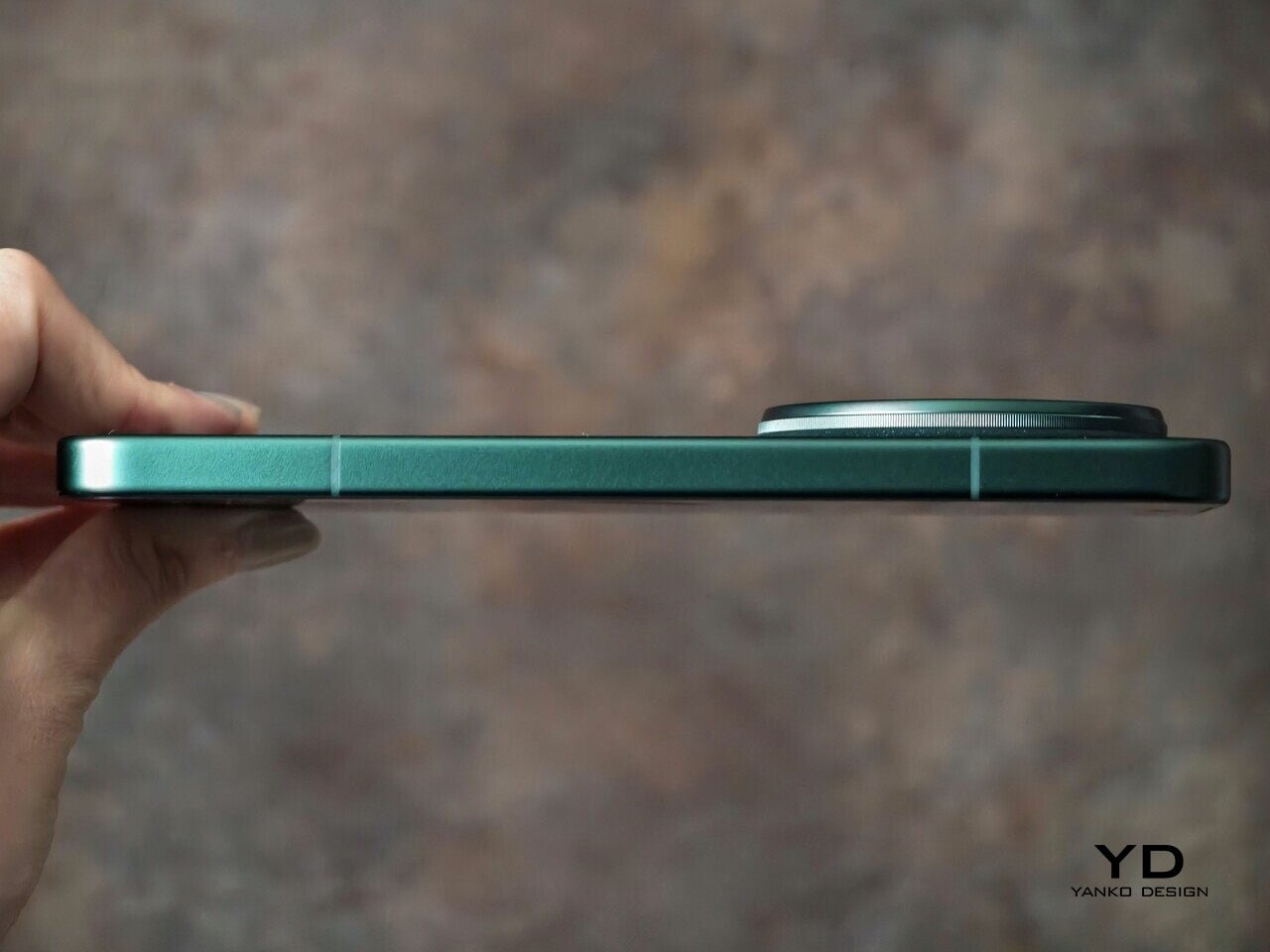
Ergonomically, the device feels well-balanced in the hand, which is a welcoming improvement from the top-heavy feel you get from holding the Xiaomi 15 Ultra. Xiaomi 17 Ultra adapts a flat display, for the first time for its Ultra line, and helps with the grip. Because it’s well-balanced, the camera bump becomes a natural resting point on the back, which can actually improve grip. At the same time, this is not a one-handed phone in any universe, and if you are coming from something smaller, you will need to adjust how you hold it, how you pocket it, and even how you reach for the top corners of the screen.
The global Xiaomi 17 Ultra uses a 6,000 mAh silicon-carbon battery instead of the 6,800 mAh cell in the China model. Even with the smaller capacity, it should still be enough for a full heavy day for most people. Charging is excellent with 90 W wired and 50 W wireless, and the 90 W wired mode supports PPS or Programmable Power Supply, so you can get true fast charging with any PPS-compatible USB-C charger, not only Xiaomi’s own adapter.

Performance

The display on the Xiaomi 17 Ultra is built to impress at first sight. It is a 6.9-inch LTPO AMOLED panel with 120 Hz refresh, a 1.5K class resolution at around 1200 x 2608 pixels, and a claimed 3500 nits peak brightness. It looks sharp and vibrant, and the huge screen makes movies, games, and photo editing feel more immersive. Xiaomi also adds TUV Rheinland certifications for low blue light, flicker-free performance, and circadian-friendly tuning, which are designed to reduce eye fatigue during long viewing sessions.
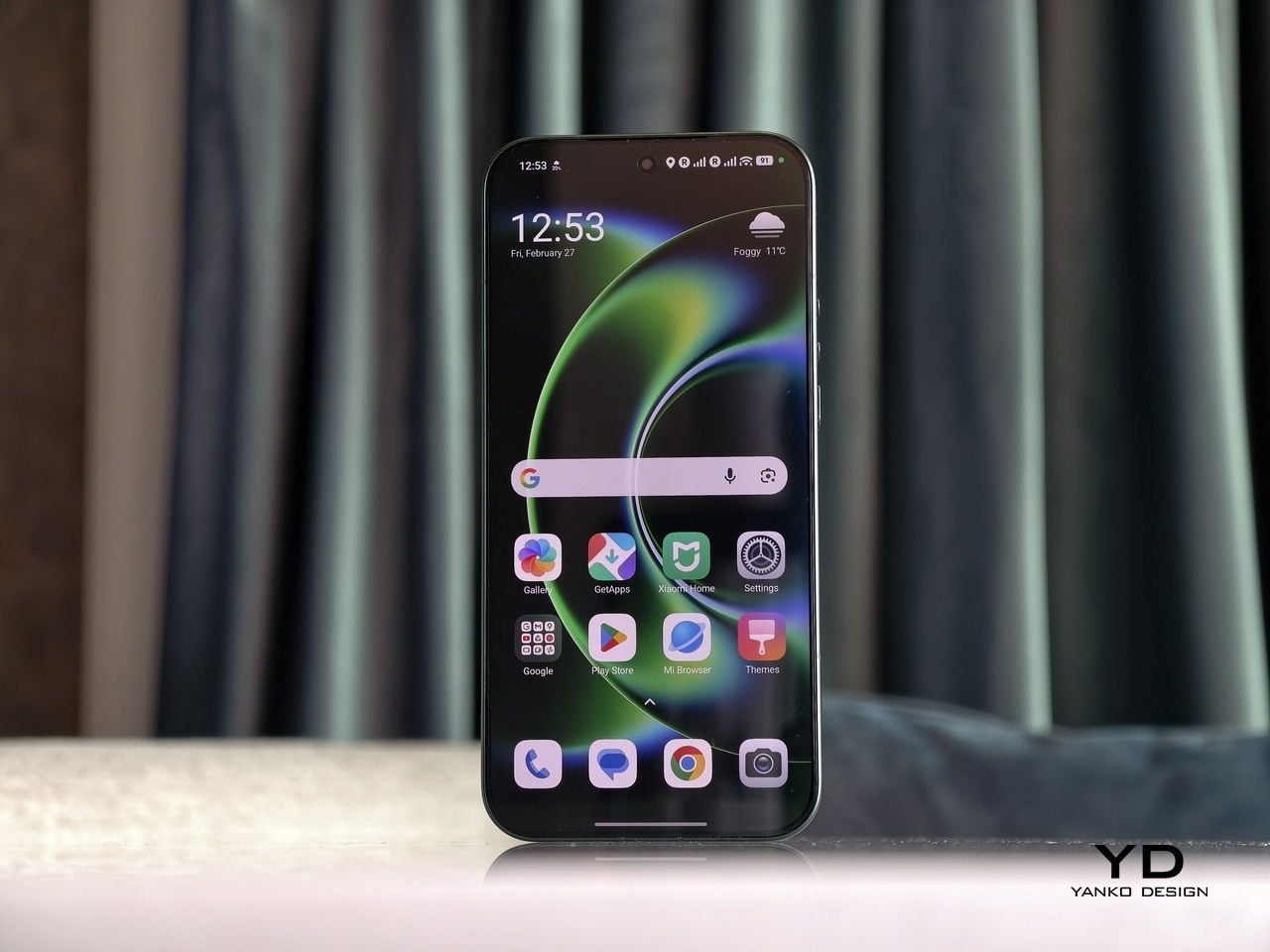
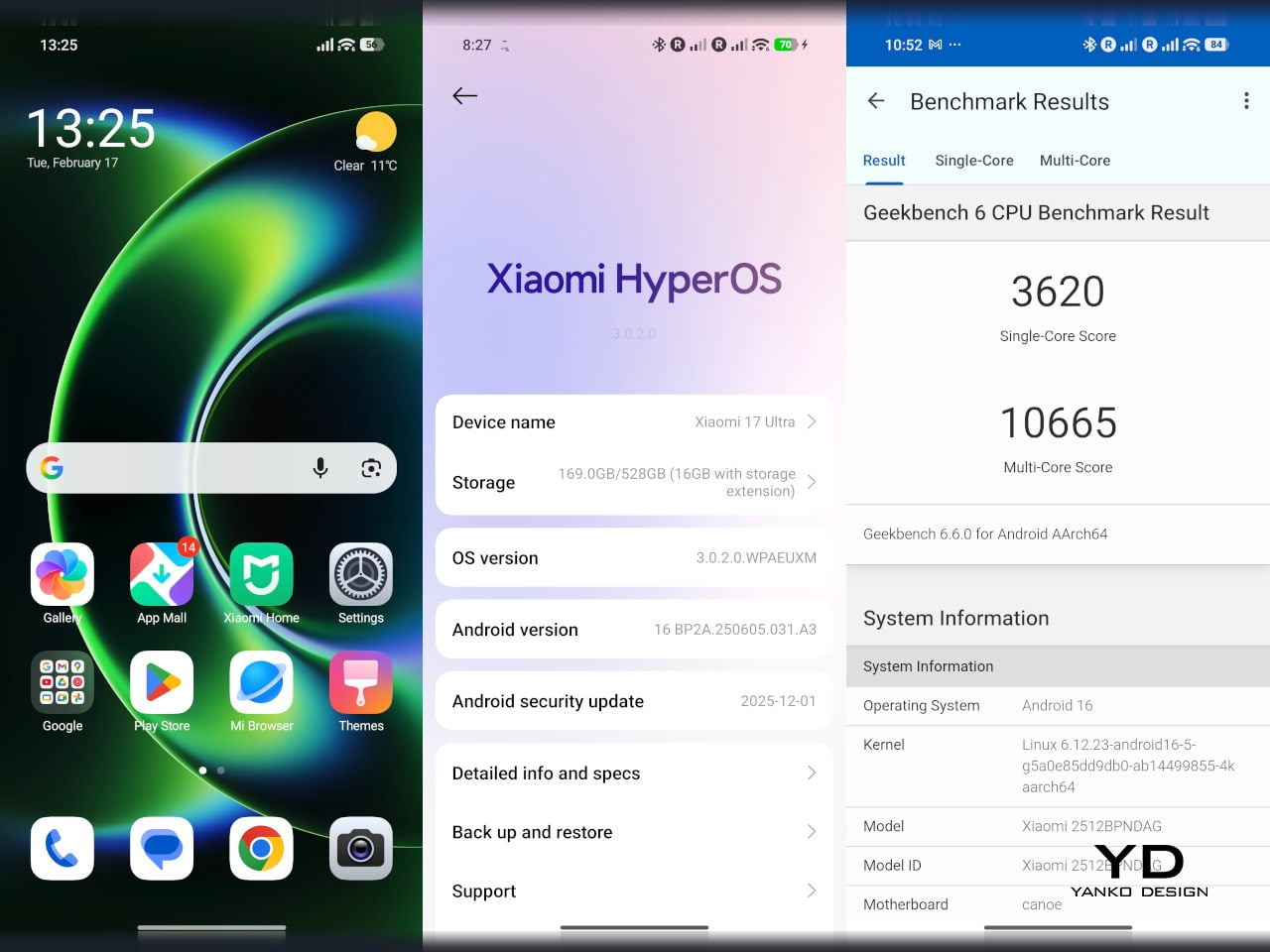
The Xiaomi 17 Ultra is powered by Qualcomm’s Snapdragon 8 Elite Gen 5 chipset, and the global configurations come with 16GB of RAM paired with either 512GB or 1TB of storage. It is genuinely nice to see a 1TB option offered globally, since that is still not something every flagship brings outside China. The phone flies through heavy multitasking, high refresh rate gaming, and demanding camera workloads without stutter. On the software side, it runs Android 16 with Xiaomi’s HyperOS 3, which is Xiaomi’s unified platform designed to feel lighter and more connected across phones, tablets, and other devices.
The camera system is where the Xiaomi 17 Ultra really tries to separate itself. Xiaomi drops the older quad camera approach and commits to a triple setup. The main camera is a 23-mm equivalent 50 MP unit with an f/1.67 aperture, OIS, and OmniVision’s Light Fusion 1050L sensor. The 75-100mm equivalent telephoto is a 200 MP periscope with OIS using Samsung’s HPE sensor, with a f/2.39-2.96 aperture. Rounding it out is a 50 MP 14-mm equivalent ultra-wide with an f/2.2 aperture using Samsung’s JN5 sensor.

23mm, Leica Authentic

75mm, Leica Vibrant

100mm, Leica Vibrant

On the main camera, Xiaomi pairs the Light Fusion 1050L sensor with LOFIC technology. LOFIC stands for Lateral Overflow Integration Capacitor, and it is designed to reduce highlight clipping by giving each pixel extra headroom before bright areas turn into flat white. In practice, it helps keep texture in skies and reflections while still holding onto shadow detail in high contrast scenes.

23mm, Leica Vibrant

200mm, Leica Authentic

Zoom is the other headline change. Instead of dual telephoto cameras, Xiaomi uses a floating lens structure to deliver continuous optical zoom from 75 mm to 100 mm, which makes it easy to pick between framing without obvious digital cropping. The limitation is that the range is fairly tight, so it is more about fine-tuning perspective than dramatically pulling faraway subjects closer. There is also a close-up trade-off, since the telephoto now focuses down to about 30 cm rather than the 10 cm I could get on the Xiaomi 15 Ultra, so it is less useful as a pseudo macro lens.

45mm, Leica Vibrant

100mm, Leica Vibrant

In real use, both the main camera and the telephoto produce excellent images with wide dynamic range, natural color, and strong detail in various lighting conditions. The images look clean rather than overprocessed or oversharpened. Portrait mode is especially flexible, offering eight focal lengths from 23 mm through 100 mm equivalents, with pleasant bokeh and strong separation, even if it can occasionally miss a fine strand of hair when I pixel peep. I also noticed the phone can get warm even after relatively short camera use, and hopefully Xiaomi can improve this with future updates.

75mm, Leica Vibrant

75mm, Leica Vibrant

100mm, Leica Vibrant

The ultrawide is solid but a step behind the main and telephoto in refinement. The upgraded 50 megapixel front camera with autofocus is a nice quality of life improvement, and it looks great in good light. In backlight or low light, selfies can come out a bit soft as the processing works harder to control noise.

The Xiaomi 17 Ultra’s triple camera system can shoot video up to 8K at 30 fps, and it also offers 4K at up to 120 fps, although the ultrawide tops out at 4K at 60 fps. The front camera can record up to 4K at 60 fps, which is plenty for vlogs and high-quality selfies. Dolby Vision is supported across the cameras, and Xiaomi also includes creator-friendly tools like LOG recording up to 4K at 120 fps with stabilization on, plus LUT import for quicker grading and a more consistent look.

100m, Leica Portrait

100mm, Leica Portrait,

100mm, Leica Portrait, B&W Hig Contrast Filter

In performance, the 17 Ultra generally produces sharp, well-exposed footage with a fairly wide dynamic range, and stabilization stays strong when I am walking or panning. Low-light video also holds up well, with impressive detail for a phone, thanks in part to the large main sensor. Autofocus is usually smooth, but it can struggle in tricky conditions like backlit scenes or low light, where it may hesitate or hunt before it locks.
The Xiaomi 17 Ultra China version gets a 6,800mAh battery, but globally, it comes with a 6,000mAh battery. It should last you a full day, even with heavy use. It supports 90W wired charge and 50W wireless charge. 90W wired charge is PPS, so you can take full advantage of fast charging with a PPS compatible charger, not just with Xiaomi’s proprietary brick.

Sustainability

Xiaomi’s sustainability story for the 17 Ultra is mostly about longevity rather than eco materials. The phone uses Xiaomi Shield Glass 3.0 on the front, and it carries an IP68 rating, which should help it survive years of drops, rain, and daily wear without needing an early replacement. That kind of durability matters because the most sustainable phone is often the one you do not have to replace early.
Software support strengthens that long-life angle. Xiaomi promises five major OS updates and six years of security updates, which is not class-leading, but it is enough to make long-term ownership feel realistic at this price. It also makes the phone a safer buy if you plan to keep it for several years or pass it on later. What Xiaomi does not really emphasize, at least from what I can find, is the use of recycled or more sustainable materials in the phone itself.

Value

For global buyers, the Xiaomi 17 Ultra starts at EUR 1,499, which is roughly $1,620 USD, for 16GB/512GB, with the 16GB plus 1TB configuration expected around EUR 1,699, roughly $1,840 USD. That puts it directly in the same bracket as the most expensive Samsung Galaxy and iPhone models. If you look at what the Xiaomi 17 Ultra offers, it is easy to see the value in hardware alone, especially in cameras, battery, and storage.
The challenge is that Xiaomi is not only competing with Samsung and Apple, but also with other camera-focused Android flagships that are expected to land this year. That means the 17 Ultra has to win on the full experience, not just its spec sheet, especially when buyers are cross-shopping within the same premium price tier. Even so, the 17 Ultra can justify its price if you care most about its Leica-tuned imaging, huge display, and fast charging rather than ecosystem lock-in.

Verdict

The Xiaomi 17 Ultra is one of the most complete camera-first flagships Xiaomi has shipped for the global market. It nails the fundamentals with a huge, bright display, top-tier performance, and charging that makes most rivals feel slow and old-fashioned. The bigger story is how coherent the imaging experience feels, since the main and telephoto cameras deliver natural color, wide dynamic range, and consistent results across lenses.
Of course, there are real trade-offs, too. The new 75 mm to 100 mm continuous zoom is great for framing, but it is not a massive jump in reach, and the longer minimum focus distance makes the telephoto less useful for pseudo macro shots than the Xiaomi 15 Ultra. The global price also puts it in direct competition with the biggest names, so this is no longer a value flagship by default.  Still, there is no doubt the 17 Ultra earns its Ultra name. It delivers a huge, gorgeous screen, genuinely fast charging, and one of the most enjoyable still photo experiences you can get on a phone, with Leica-tuned color that looks natural rather than overcooked. If those are your priorities, the Xiaomi 17 Ultra is an easy flagship to love.

The post Xiaomi 17 Ultra Review: Lighter, Flatter, and Sharper Than Ever first appeared on Yanko Design.

Xiaomi 17 Ultra hands-on: Incredible cameras, but maybe hard to get

China’s biggest phone makers continue to relentlessly forge ahead with high-spec phones that you may never see in the US. With the Xiaomi 17 Ultra this year, the company has continued its pattern from previous iterations by focusing on powerful camera sensors, huge batteries and… being selective about global availability.

Xiaomi’s 17 series is launching across multiple European territories months after its Asia debut, but at the time of writing, no word yet on US availability. Another logistical point of interest? When we last checked out Xiaomi’s devices, it was the 15 series, and the company has decided to skip 16 and leap straight to 17, conveniently matching Apple’s latest number.

Storied camera brand Leica has been involved with Xiaomi’s phones for a few years and its newest flagship doesn’t disappoint in that regard, because this is another Xiaomi device dedicated to photography.

Xiaomi 17 Ultra hands-on at MWC 2026
Image by Mat Smith for Engadget

The 17 Ultra has a huge 1-inch 50-megapixel main camera sensor with a f/1.67 lens, and a telephoto setup with a 200MP 1/1.4-inch sensor and going up to 4.3x optical zoom. Xiaomi claims it’s capable of up to 17x “optical-level zoom,” but quality doesn’t measure up to, say, the Oppo Find X9, with its dedicated telescopic lens add-on. There’s also a 50MP ultrawide camera to round things out.

The main camera is very impressive, delivering plenty of detail and performing incredibly well in low light, seemingly before any computational photography kicks in. A new Light Fusion 1050L sensor features LOFIC HDR technology, delivering stronger control over highlights and more detail in darker areas of your shots. I've been impressed by the balanced color tone and contrast, without having to edit or add one of the (many) Leica camera filters.

If anything, the slightly heavy-handed algorithms can sometimes ruin parts of a shot. For instance, by scrambling lettering or capturing blurry, AI-mutated faces where computational photography takes a swing (and a miss) at people in the distance.

Xiaomi 17 Ultra hands-on photo samples
Mat Smith for Engadget

The telephoto camera alone is also technically interesting in a few ways. It offers continual optical zoom across the 75-100mm range without in-sensor cropping. This means the lenses physically move to deliver lossless zoom across a range of distances, without jarring leaps between camera sensors and crops. This doesn’t run across the full gamut, but it does roughly cover the 3-4x optical zoom range, which is often used in portrait photography.

The APO (apochromatic) lens design on the telephoto is more immediately useful and effective. An APO lens significantly reduces chromatic aberration by focusing three wavelengths of light (red, green and blue) onto the same focal plane. This lens design means it can correct color fringing and improve image sharpness.

Xiaomi 17 Ultra hands-on photo samples
At full optical zoom, this light fitting at Soho Theatre Walthamstow doesn't bloom or fringe to the extent that most smartphone zooms suffer from.
Mat Smith for Engadget

At higher zoom levels, fringing and lighting bloom often hamper telephoto photos on smartphones, and Xiaomi’s solution has some appeal. I noticed less fringing than on other zoom-capable Android phones from Samsung, Oppo and Google. It also supports macro photography, but is hindered this time by a minimum focal distance of 30cm (11.8 inches). Most smartphone cameras’ macro modes let you get much closer.

The 17 Ultra can capture up to 8K video (at 30 fps), 4K Dolby Vision up to 120 fps, and 4K 120 fps Log video, ensuring you can make the most of that huge 1-inch sensor in video, too. That said, it seems to struggle with stabilization at times, while its low-light performance doesn’t match its prowess in still photography, lagging behind flagship phones from Apple, Google and Samsung.

There's also a special Leica edition of the 17 Ultra, which is largely the same, specification-wise, but with a manual zoom ring around the camera unit. It's a cool gimmick, but felt oddly loose on a few devices I've handled. 

Xiaomi made a few design changes to its Ultra line this year, with a new, entirely flat display, and flattened edges that look like a certain family of devices. In fairness, it’s not the only company using imitation as flattery. There’s also IP68 protection against dust and water.

While cameras may be the highlight, this is a flagship device by any specification metric. With a 6.9-inch display, this expansive OLED display has variable refresh rates (1-120Hz) and peaks at 3,500 nits of brightness.

At that size, the Xiaomi 17 Ultra is in the territory of devices like the iPhone 17 Pro Max and S26 Ultra. A phone this size isn’t for everyone, but it is the thinnest Ultra phone from Xiaomi to date, with a profile measuring 8.29mm. Xiaomi has also reduced the camera unit’s diameter and raised it on the device, making it easier to use and helping keep fingers out of your shots.

Xiaomi 17 Ultra hands-on at MWC 2026
Image by Mat Smith for Engadget

Also, I’d be remiss if I didn’t mention the huge 6,000mAh silicon-carbon battery, with support for Xiaomi’s 90W HyperCharge (if you have the right charger) and 50W wireless HyperCharge (which also requires Xiaomi’s own dock) speeds. Other phone makers: Please put a battery this huge in your flagship.

At MWC 2026, the company announced the global launch and rollout of the device across Europe, including the UK where the Ultra will start priced at £1,299 (roughly $1,750). We're still waiting to confirm US availability and pricing.

While the specs are powerful, “launching” a flagship device that’s already been in the wild for a few months — even if elsewhere in the world — reduces the spectacle.

This article originally appeared on Engadget at https://www.engadget.com/mobile/smartphones/xiaomi-17-ultra-global-launch-hands-on-leica-camera-143006810.html?src=rss

Leica’s Leitzphone by Xiaomi has a huge 1-inch camera sensor and a stylish new design

Alongside a global launch for Xiaomi's 17 Ultra (read about that right here), the company announced a further deepening of its relationship with Leica. The CEO of Leica, Matthias Harsch, took to the stage to announce a new Leitzphone, which appears to be an even deeper collaboration than 17 Ultra by Leica, which is a different phone. Confused? That's fair. 

Design-wise, Leica has shifted back to a single tone body color, which looks more "Leica" to this camera dilettante's eyes. And if you’re thinking you’ve heard of the Leitzphone before, you probably have: it was a series of phones made by Sharp that launched in Japan in 2021. They all had a 1-inch camera sensor, as does Xiaomi’s first Leitzphone. It also has a mechanical, physical ring dial around the camera unit to control settings like zoom, exposure and shutter speed.

The camera interface is also designed by Leica. It's designed to be as intuitive as possible, with an Essential mode in the camera app that strips away all those modes and labels, showcasing whatever you're looking to shoot. You can switch between a monochrome shooting mode and a more familiar punchy, contrasty Leica filter. And that's it.

Aside from that there's no major standout interface or UI changes that I could spot while trying out the Leitzphone briefly at Xiaomi's MWC keynote. However, if you're intrigued by the functionality — or the cameras — check out our hands-on coverage and sample photos of the Xiaomi 17 Ultra. The cameras are good.

Leica Leitzphone by Xiaomi hands-on at MWC 2026§
Image by Mat Smith for Engadget

All three iterations (the regular Xiaomi 17 Ultra , the "by Leica" edition and the Leitzphone) have a Snapdragon 8 Elite Gen 5 chip and a 6.9-inch 120Hz display that can reach up to 3,500 nits of peak brightness. While cameras are naturally the focus, it’s a flagship device by pretty much any metric. It also has a 6,000mAh battery for extended vacation photo shoots.

Barring some Leica-tinged wallpapers and design accents, it's a lot like the 17 Ultra by Leica, just with different messaging. This is Leica's phone, made by Xiaomi, but does a rose by any other name still have great low-light photography? Maybe increased Leica branding will be enough to coax its camera fans into making this their next smartphone, perhaps.

Leica Leitzphone by Xiaomi hands-on at MWC 2026§
Image by Mat Smith for Engadget

After years of collaboration (and cute little badges), this may be the first pure "Leica phone" manufactured by Xiaomi but sold directly by both companies. It's priced at €1,999 (roughly $2,362), but it's not known yet whether this phone will launch in the US. Welcome to MWC, everyone.

This article originally appeared on Engadget at https://www.engadget.com/mobile/smartphones/leica-leitzphone-xiaomi-mwc-2026-135744417.html?src=rss

2026 MacBook Lineup: OLED, Touchscreens, and the M6 Powerhouse

2026 MacBook Lineup: OLED, Touchscreens, and the M6 Powerhouse 2026 MacBook Lineup

Apple is set to unveil its highly anticipated 2026 MacBook lineup, offering a diverse range of models tailored to meet the needs of various users. From affordable entry-level options to high-performance machines, this year’s lineup promises advancements in chip technology, potential design refinements, and innovative display features. Whether you’re a student, casual user, or professional, […]

The post 2026 MacBook Lineup: OLED, Touchscreens, and the M6 Powerhouse appeared first on Geeky Gadgets.

Posted in Uncategorized

RaspyJack : Tiny Raspberry Pi Zero 2W Network Toolkit for Security Testing & More

RaspyJack : Tiny Raspberry Pi Zero 2W Network Toolkit for Security Testing & More TP-Link AC1300 USB Wi-Fi adapter connected for dual-band testing alongside the Raspberry Pi Zero 2W.

The RaspyJack, a compact and open source network toolkit built on the Raspberry Pi 2W, offers a practical solution for security testing, education and research. Designed with affordability and customization in mind, it provides a hands-on approach to exploring network vulnerabilities and cybersecurity techniques. Zeek’s breakdown highlights key features such as the Waveshare 1.44-inch LCD […]

The post RaspyJack : Tiny Raspberry Pi Zero 2W Network Toolkit for Security Testing & More appeared first on Geeky Gadgets.

Posted in Uncategorized

8 Best Travel Gadgets & Tools Men Who Fly Constantly Refuse to Leave Without

Frequent flyers develop rituals. Not superstitions, but systems, small corrections built over dozens of boarding passes and red-eye recoveries that separate a tolerable trip from a miserable one. The gear that survives this process tends to be invisible in the best sense: compact enough to vanish into a carry-on, functional enough to earn its pocket space, and designed with the kind of restraint that does not scream “gadget” at TSA.

We have spent a good chunk of this year tracking products that solve the specific, unglamorous problems of constant air travel. Not the flashy stuff that lives in a CES sizzle reel, but the tools that answer real questions: how do I sleep upright, stay caffeinated in a hotel with terrible coffee, or keep my workout intact when the gym is a repurposed storage closet? These eight picks are the ones that survived the edit, each one earning its spot through a combination of smart engineering and a refusal to waste space.

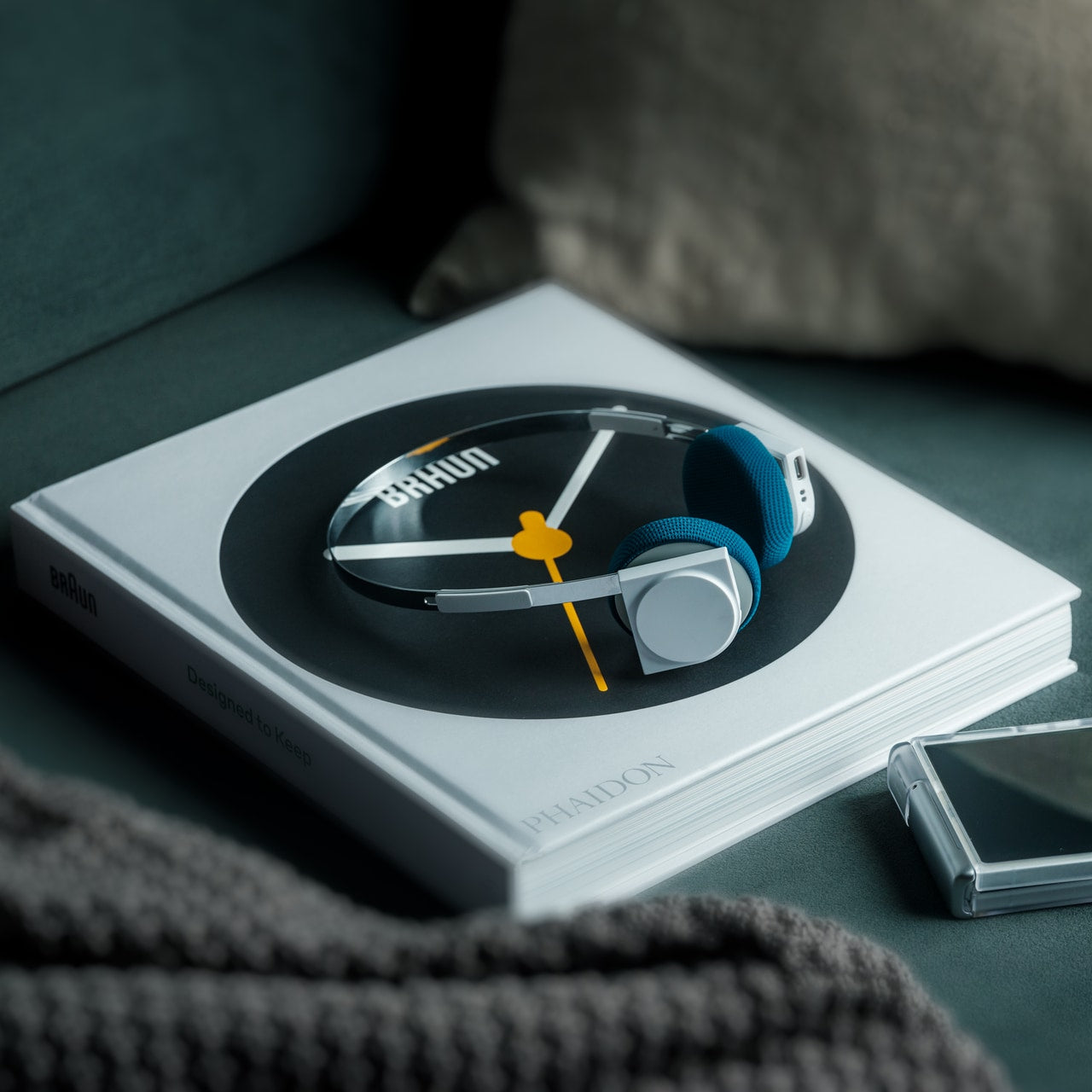
1. StillFrame Headphones – A slow, deliberate approach to travel audio.

StillFrame wireless headphones took the predictable race toward bass-heavy, noise-blasting cans and went the opposite direction. The form echoes the quiet geometry of ’80s and ’90s CDs, a deliberate reference that signals intent before a single track plays. These headphones are built around the idea that listening on a plane doesn’t have to mean sealing yourself inside a foam-padded vault.

The 40mm drivers produce a wide, open soundstage that treats quiet tracks like small environments rather than compressed streams of data. Noise cancelling kicks in when isolation is needed, and transparency mode pulls the world back in with a tap. For men who fly weekly and spend hours with headphones on, the fit matters more than the spec sheet. StillFrame sits between the suffocation of over-ears and the intrusion of in-ears, offering something lighter and more sustainable for long-haul wear. That middle ground is where most travel headphones fall short, and where these headphones excel.

Click Here to Buy Now: $245.00

What we like

  • The open soundstage brings texture to quieter music that gets lost in most closed-back travel headphones.
  • Switching between noise-cancelling and transparency mode is seamless enough to use mid-conversation with the cabin crew.

What we dislike

  • The on-ear form factor will not block as much ambient noise as a full over-ear design, which limits effectiveness on louder aircraft.
  • Battery life details remain sparse, and wireless headphones live or die by how well they survive a transatlantic route.

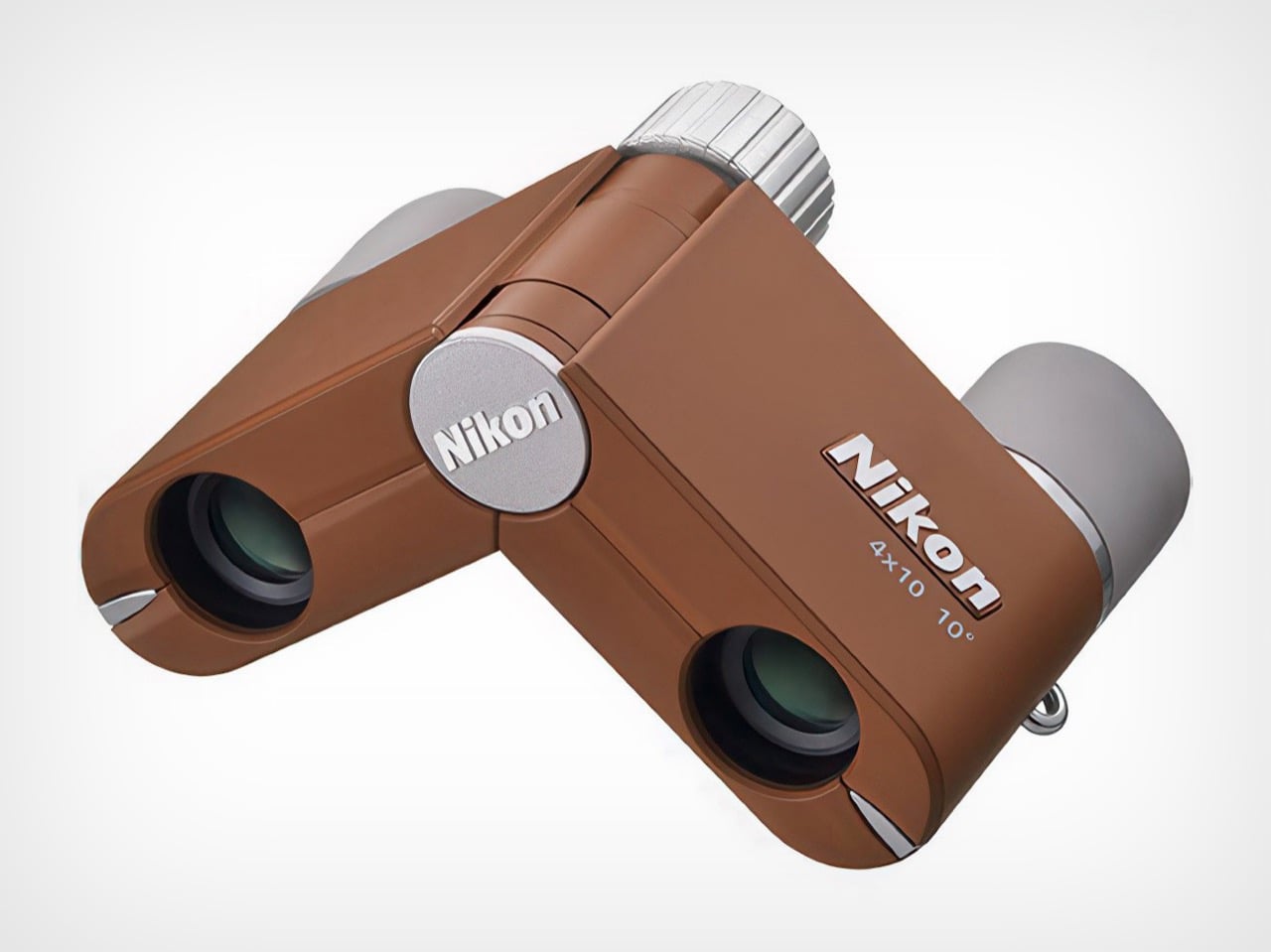
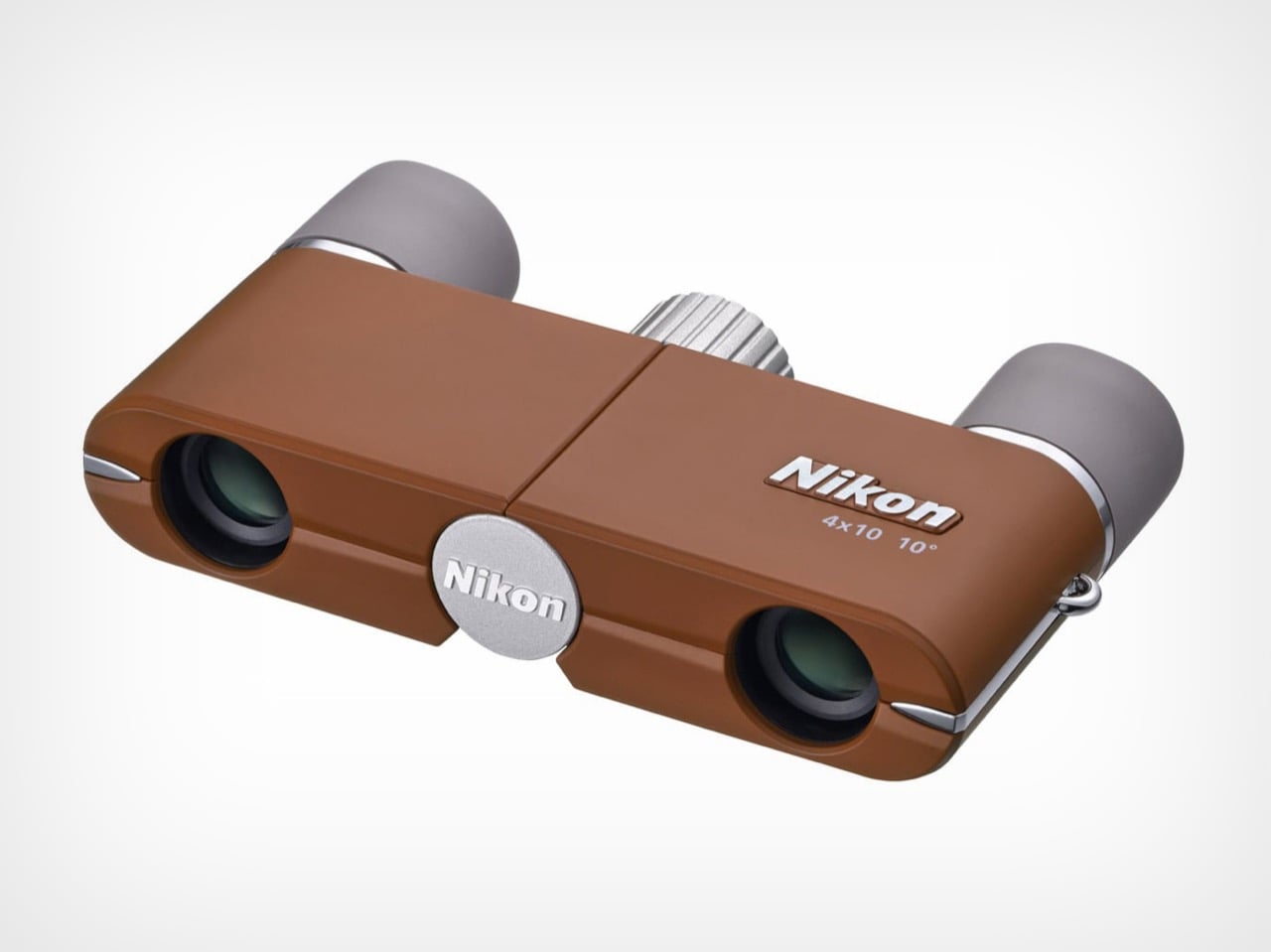
2. Nikon 4x10D CF Pocket Binoculars – Optical clarity that fits a jacket pocket.

Binoculars feel like relics from a leather-cased era. Nikon’s 4x10D CF pocket binoculars challenge that perception by shrinking the form factor down to something that slips into a blazer without creating a bulge or demanding its own case. These are not competing with a smartphone’s digital zoom. They exist in a different category, prioritizing the experience of true optical viewing over pixel counts and algorithmic processing.

The design decision that makes these work for frequent flyers is the discretion. Traditional binoculars announce themselves. These almost disappear. The optical quality stays sharp for the size, delivering a viewing experience that feels immediate and free of the digital artifacts that plague phone-based zoom. Reading a departure board from across a terminal, catching architectural details in a layover city, or scanning a landscape from an airport lounge window: the use cases are oddly specific and consistently useful for anyone whose life involves constant movement through unfamiliar places.

What we like

  • The form factor is compact enough to carry daily without dedicating bag space or adding noticeable weight.
  • Optical viewing quality avoids the processing lag and color distortion of smartphone zoom.

What we dislike

  • 4x magnification is modest, which limits usefulness for anything beyond mid-range observation.
  • The compact size means a smaller objective lens, so performance drops in low-light conditions where larger binoculars thrive.

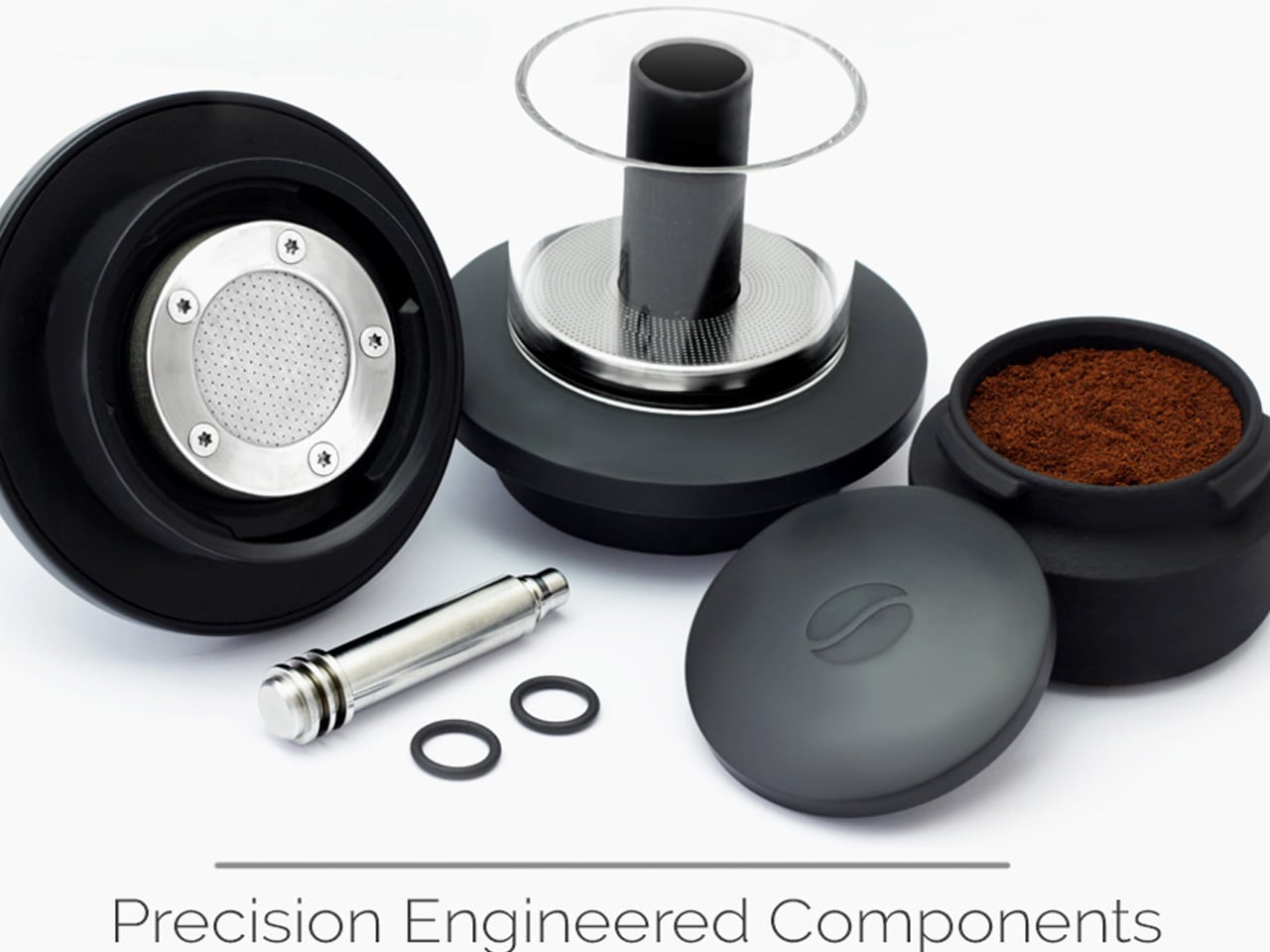
3. COFFEEJACK – Nine bars of pressure, zero dependence on hotel equipment.

Hotel coffee is a problem that frequent travelers have accepted for too long. COFFEEJACK, built by Hribarcain, was designed to make that acceptance unnecessary. This pocket-sized espresso maker generates 9 to 10 bars of pressure through a manual hydraulic pump, matching the extraction output of professional café equipment. The lower chamber holds ground coffee, a built-in tamper levels and packs the grounds automatically, and hot water goes into the upper chamber. Work the pump, and a crema-topped espresso appears in the field.

The engineering gap between this and other portable coffee options is worth understanding. A French press operates under 1 bar of pressure. An Aeropress or Moka pot peaks at roughly 3 to 4 bars. COFFEEJACK reaches 9 to 10 consistently, manually, without a power source. That difference is what separates hotel-lobby drip from the real thing. The entire device is made from 100% recycled plastic, making it a more considered alternative to the pod-based systems that generate single-use waste with every cup. For men who treat their morning coffee as non-negotiable (and after a 6 AM landing, it absolutely is), this earns permanent carry-on status.

What we like

  • 9 to 10 bars of manual pressure match professional espresso machines without electricity, pods, or proprietary cartridges.
  • The built-in tamper eliminates the need to carry a separate tool, keeping the kit self-contained.

What we dislike

  • Hot water is still a requirement, which means sourcing it from a kettle, hotel tap, or thermos before brewing.
  • The manual pump action requires a bit of effort and technique that takes a few attempts to master.

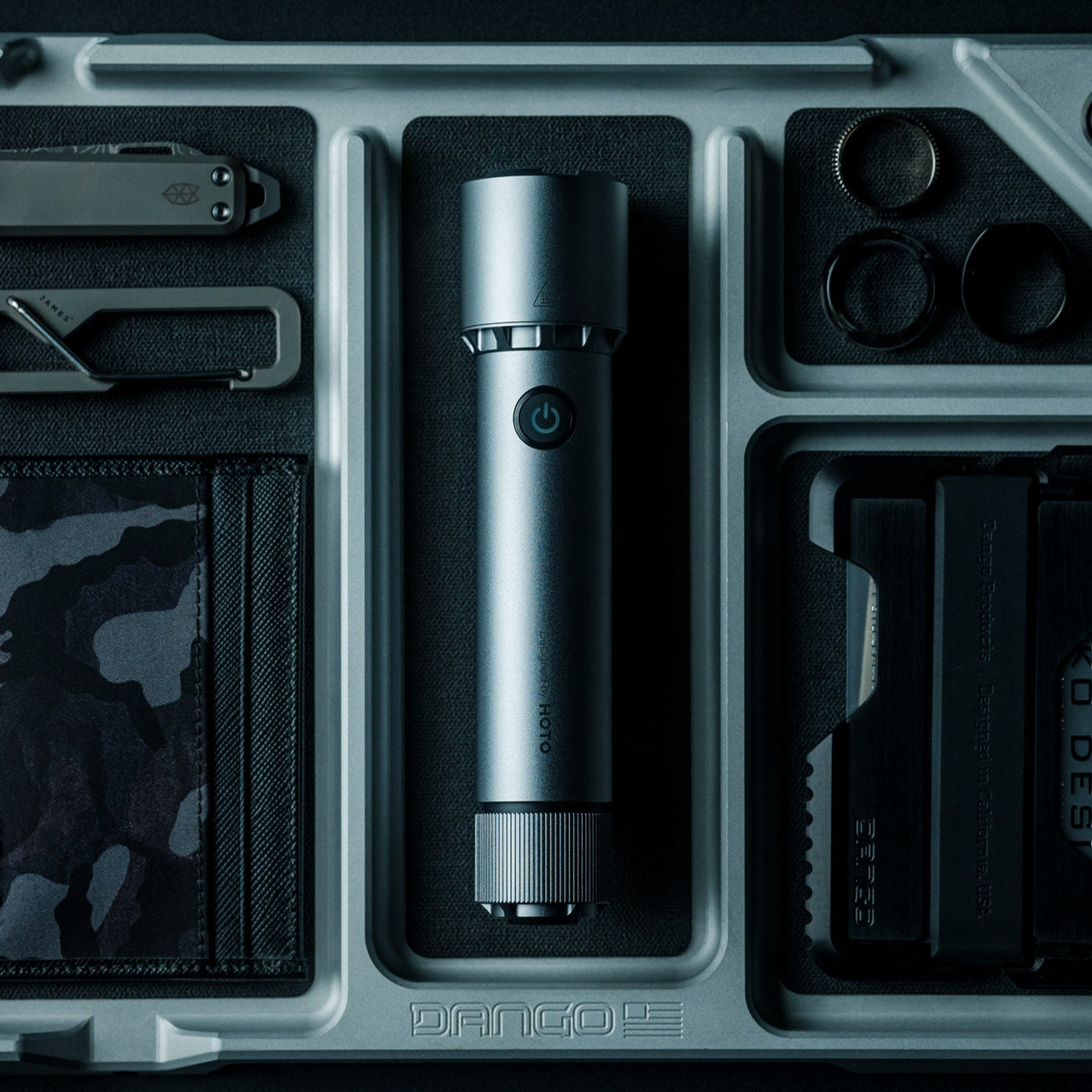
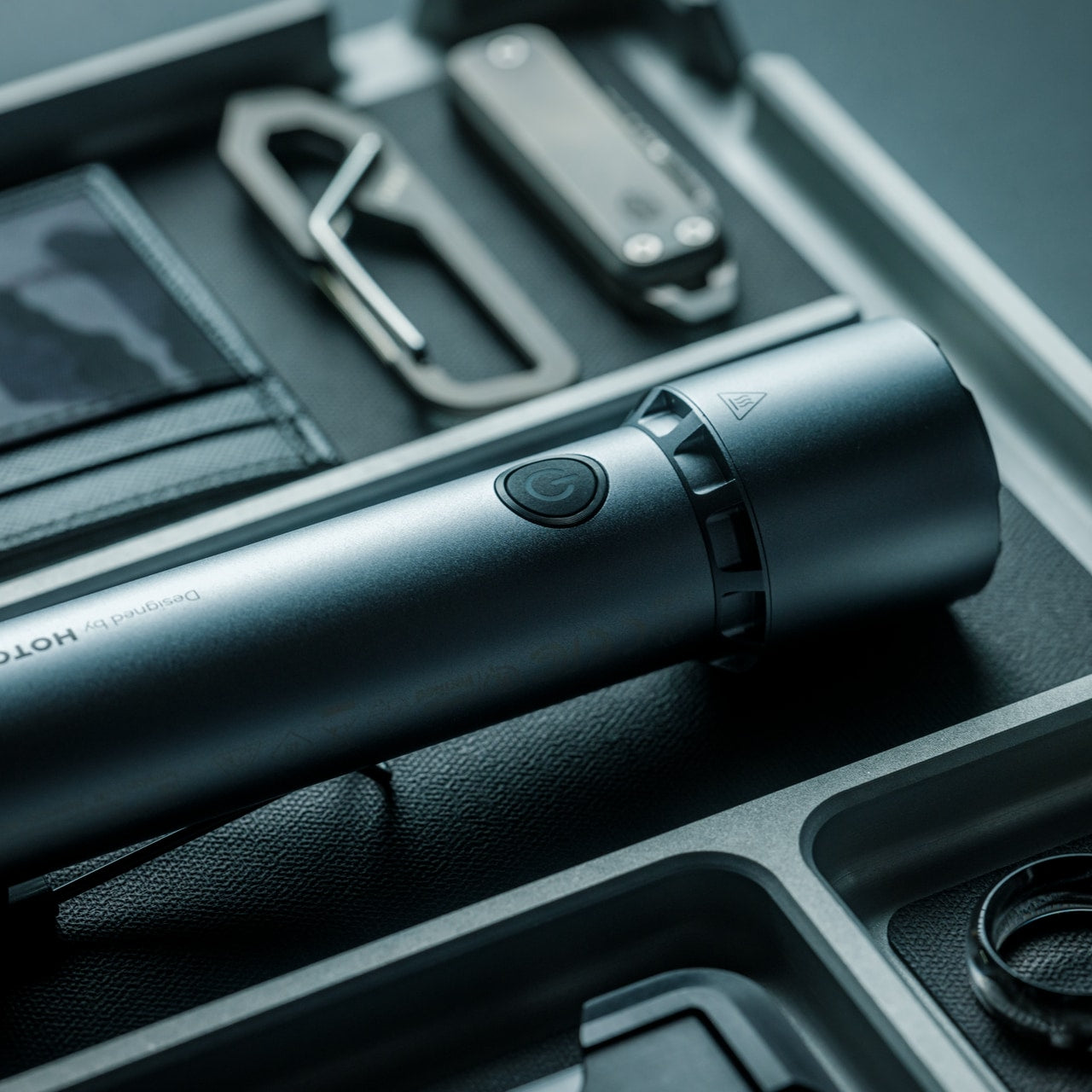
4. BlackoutBeam Tactical Flashlight – 2300 lumens in a body that fits a Dopp kit.

Most flashlights either look like they belong in a military surplus store or feel like cheap giveaways from a trade show. BlackoutBeam sits between those extremes with 2300 lumens of output, a 300-meter throw, and an industrial design that does not embarrass itself sitting next to a passport wallet. The 0.2-second response time means light arrives the moment the button is pressed, with no warm-up delay.

The travel case for a flashlight this capable is more practical than dramatic. Navigating poorly lit hotel parking garages, finding a rental car in an unlit airport lot, walking unfamiliar streets after dark. These are not survival scenarios; they are Tuesday nights on a business trip. The aluminum body carries an IP68 rating for water and dust resistance, so rain and rough handling are non-issues. What makes this particular light worth its bag space is the combination of output and size. At 2300 lumens with a 300-meter range, it outperforms most flashlights twice its size while slipping into a side pocket without protest.

Click Here to Buy Now: $89.00

What we like

  • 2300-lumen output with a 300-meter throw handles everything from close-range tasks to illuminating distant areas.
  • IP68-rated aluminum construction handles rain, drops, and the general abuse of constant travel without degradation.

What we dislike

  • A light this powerful will drain batteries faster than lower-output alternatives, meaning recharging becomes another travel task.
  • The tactical aesthetic, while restrained, could attract unwanted attention at security checkpoints in certain countries.

5. Comes AI travel companion – An AI assistant that sees what is around the corner.

Solo travel has a specific kind of friction that apps alone cannot solve. Comes is a small AI-powered companion device equipped with a high-performance camera that observes surroundings and offers assistance in real time. The design has a modular, detachable structure that adapts to different travel situations, functioning as a navigation aid, translator, and contextual guide depending on the moment.

The scenario it solves best is the one frequent travelers know well: arriving in a new city, stepping off a train or out of an airport, and facing that brief window of disorientation before the phone GPS loads and the bearings click into place. Comes fills that gap by walking through navigation in a way that feels supportive rather than screen-dependent. Voice interaction keeps hands free, and the camera-based awareness means it can interpret signs, menus, and spatial context without requiring manual input. For men who move through multiple cities in a single week, the device acts as a persistent local guide that does not need Wi-Fi to be useful in the moment it matters most.

What we like

  • The modular design adapts to different carry and mounting configurations depending on the travel context.
  • Camera-based awareness interprets real-world visual information without requiring the user to stop and type.

What we dislike

  • AI-powered devices in this category still depend heavily on software updates and server-side processing, which introduces latency in areas with weak connectivity.
  • Battery management across the camera, AI processing, and wireless communication will be a limiting factor on long travel days.

6. Pocket Monkii 2 – A full bodyweight training system that packs smaller than a book.

Gym access on the road is either a depressing hotel treadmill or a day pass at a facility that requires a 20-minute detour. Pocket Monkii 2 is a compact training system that packs cables, handles, a ladder, and an isometric tool into a kit small enough to throw into a carry-on without sacrificing space for anything else. The all-new package includes unlimited access to the Monkii app, which provides workout instructionals and progress tracking.

What makes this different from a resistance band tossed into a suitcase is the system design. The cables are built for durability across hundreds of sessions, and the combination of tools allows for a full bodyweight program rather than a handful of isolated exercises. The 21-Day Habit guide included with purchase pushes past the typical “use it twice and forget it” pattern that plagues most portable fitness equipment. For frequent flyers who refuse to lose their training momentum to a travel schedule, this is the closest thing to a portable gym that does not feel like a compromise or require anchoring to a hotel door frame that was never designed to hold body weight.

What we like

  • The compact kit fits inside a carry-on and provides enough variety for a complete bodyweight training session.
  • App integration with workout instructionals and progress tracking adds structure that standalone resistance bands lack.

What we dislike

  • Cable-based systems require an anchor point, and not every hotel room has a suitable door or fixture for secure attachment.
  • The learning curve for isometric and suspension-style exercises is steeper than traditional resistance training.

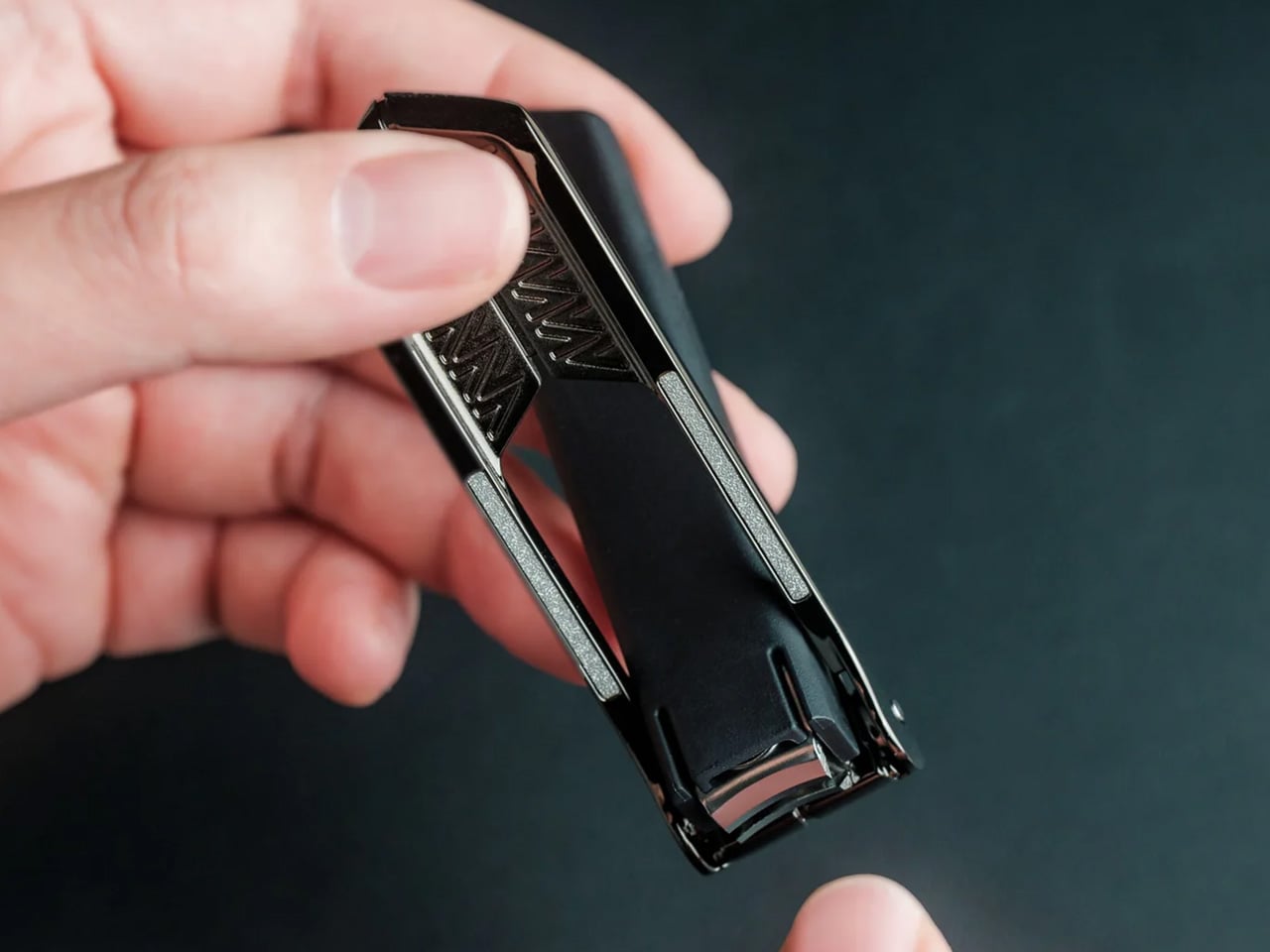
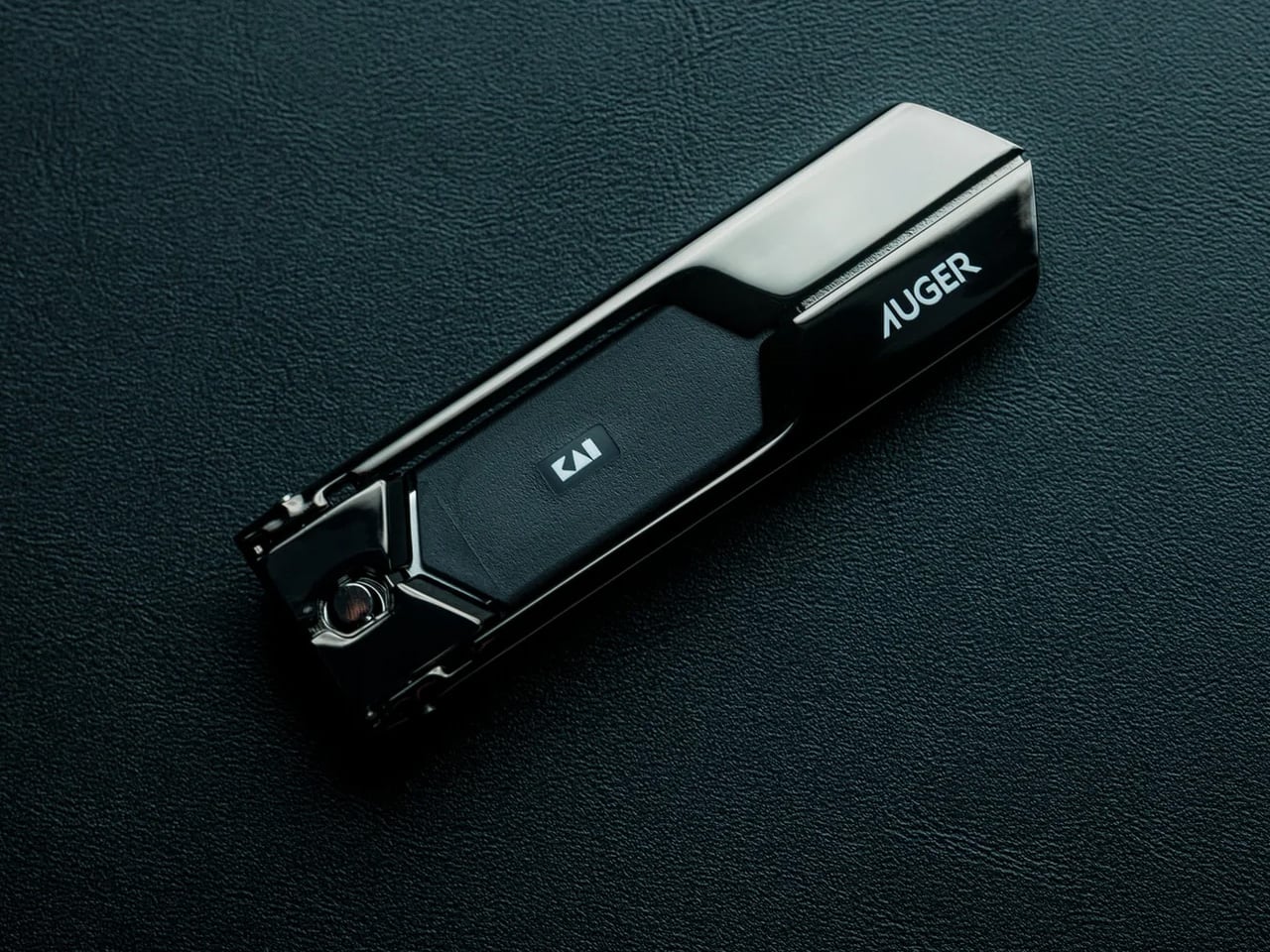
7. Auger PrecisionLever Nail Clipper – A century of Japanese blade-making in an 86mm package.

Grooming on the road tends to fall apart at the small details. Nail clippers are the item most likely to be forgotten, borrowed from a front desk, or purchased in desperation from an airport convenience store where the options are universally terrible. Kai Corporation, Japan’s blade authority since 1908, built the Auger PrecisionLever to make that entire cycle unnecessary.

The patented revolver-style lever shifts the pivot point closer to the blade, optimizing pressure with every press. That mechanical advantage means cleaner cuts on thicker nails with less effort and more control. The blades are crafted from stainless cutlery steel, cutting cleanly without tearing or splitting. At 67 grams with an 86mm footprint, the clipper has a weighted feel that is stable in hand while still slipping into a Dopp kit without claiming space. For a tool that gets used a few times a week and lives in the bottom of a toiletry bag, the difference between a precision instrument and a generic clipper is felt every single time. This one makes the case that even the smallest object in a travel kit deserves actual engineering.

Click Here to Buy Now: $49.00

What we like

  • The patented lever mechanism delivers more cutting force with less manual effort, especially on thicker nails.
  • Stainless cutlery steel blades cut cleanly without the tearing or crushing common in cheaper clippers.

What we dislike

  • Premium nail clippers occupy a price point that most people will not consider until they have suffered through enough bad ones.
  • The 67-gram weight, while satisfying in hand, adds up when every gram in a dopp kit is contested.

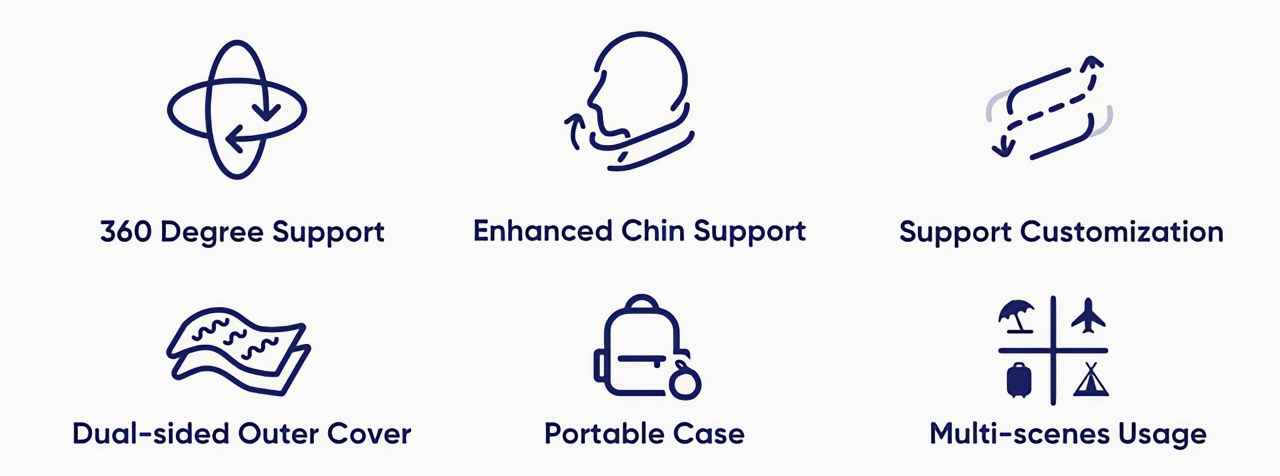
8. Loop – A neck pillow that abandoned the U-shape entirely.

The U-shaped travel pillow has been the default for decades, and it has been mediocre for every single one of those decades. The Loop Pillow rejected the template. Its infinitely adjustable loop design wraps around the neck tightly or loosely, providing lift near the shoulder to support the head at whatever angle sleep actually arrives. If the U-shape is a one-size-fits-all solution, the Loop is a continuous adjustment that conforms to the person rather than the other way around.

The construction uses thermo-sensitive memory foam that molds to neck contours over time, paired with a moisture-wicking, breathable outer cover that keeps skin dry during sleep. Two cover colors correspond to a warm side and a cool side, allowing the sleeper to choose based on cabin temperature. The pillow works whether the head rests forward, to the side, or against the back of the seat, which alone puts it ahead of every rigid U-pillow on the market. For men who fly red-eyes regularly and have accepted that airplane sleep will always be imperfect, the Loop does not promise perfection. It promises adaptability, and on a cramped overnight flight, that distinction makes all the difference.

What we like

  • The infinitely adjustable loop design works with multiple sleeping positions instead of forcing a single neck angle.
  • Thermo-sensitive memory foam and a dual-temperature cover adapt to both the body and the cabin environment.

What we dislike

  • The loop form factor looks unconventional and takes a few uses to figure out the wrapping technique that works best.
  • Memory foam retains heat over long periods, and the breathable cover can only offset so much warmth during a 10-hour flight.

Where The Suitcase Closes

These eight products share a common thread. None of them demands attention, and none of them wastes space. They are corrections to the small, recurring failures of constant travel: bad coffee, bad sleep, bad lighting, lost training days, and the slow erosion of routine that comes with living out of a carry-on. The best travel gear is the kind that disappears into the rhythm of a trip rather than creating new problems to manage.

What ties this list together is not a category or a price point but a design philosophy. Each product earned its spot by answering a specific question that frequent flyers have asked, tested, and refined through repetition. The carry-on has limited real estate. These eight justify every square inch they claim.

The post 8 Best Travel Gadgets & Tools Men Who Fly Constantly Refuse to Leave Without first appeared on Yanko Design.
Samsung Galaxy S26 Ultra vs S25 Ultra: Is the Privacy Display Worth the Upgrade?

Samsung Galaxy S26 Ultra vs S25 Ultra: Is the Privacy Display Worth the Upgrade? Samsung Galaxy S26 Ultra compared to S25 Ultra in design and features

The Samsung Galaxy S26 Ultra builds upon the foundation of its predecessor, the S25 Ultra, by introducing thoughtful refinements in design, performance, and usability. While it doesn’t transform the smartphone landscape, it offers a polished experience that caters to users seeking modern features and practical enhancements. For those already using the S25 Ultra, the changes […]

The post Samsung Galaxy S26 Ultra vs S25 Ultra: Is the Privacy Display Worth the Upgrade? appeared first on Geeky Gadgets.

Posted in Uncategorized

Samsung Galaxy S26 Ultra vs. iPhone 17 Pro Max: Which handset Is Faster?

Samsung Galaxy S26 Ultra vs. iPhone 17 Pro Max: Which handset Is Faster? Samsung Galaxy S26 Ultra

  Choosing between the Samsung Galaxy S26 Ultra and the Apple iPhone 17 Pro Max is no small task. Both devices represent the forefront of smartphone technology, offering innovative features and performance. This detailed comparison explores their performance, usability, and design, helping you identify which device aligns better with your needs. The video below from […]

The post Samsung Galaxy S26 Ultra vs. iPhone 17 Pro Max: Which handset Is Faster? appeared first on Geeky Gadgets.

Posted in Uncategorized

Steam Next Fest, a different flavor of The Witcher and other new indie games worth checking out

Welcome to our latest roundup of what's going on in the indie game space. It's Steam Next Fest week, with literally thousands of demos for upcoming games for us to dive into. I'm trying to check out as many as I can before the event wraps up on Monday. However, I made a near-critical error in my planning: I opted to try the Raccoin demo first. I could and would have happily played that all week.

This is a coin-pushing roguelike deckbuilder that adopts the format of Balatro. To progress, you need to earn a certain number of points and the target increases each round. Every three rounds there's a sort-of boss — a few coins that negatively impact your game until you can get rid of them. After every round, you’ll go to a shop to buy and sell special coins and other upgrades. As you might expect with this type of game, finding ways to boost the points you can score from each coin is how to win.

On my first successful run, I found a way to electrify the coins (which boosts their score) by charging them and use passive abilities and special coins to spread and amplify the effect. Then I was able to replicate a special coin that pulls all other nearby coins into a cyclone — having the water-based coins in there helped to spread the electrical effect between other coins. There were a few rounds in which I didn't even have to do anything. The cyclones just dumped enough coins over the edge for me. 

This was only the first way I've figured out how to break the game. Six hours in, I'm eager to find many more.

Raccoin — from Doraccoon and Balatro publisher Playstack — will hit Steam on March 31. The demo is currently still available.

I've had The Eternal Life of Goldman on my wishlist since we first learned about it a couple of years ago. I'm very glad that was one of the demos I've tried. This is an utterly gorgeous platform adventure with hand-drawn art. As Goldman, an elderly gentleman, you'll swap parts of your cane on the fly so you can hook onto floating rings or pogo off springs. 

The platforming is challenging enough that I had to focus to get through the demo, which lasts about 75-90 minutes. There's almost always something going on in the background or foreground too. This game from Weappy Studio is shaping up to be quite something. I can't wait to play the full thing when The Eternal Life of Goldman hits PC, Nintendo Switch, PS5 and Xbox Series X/S, hopefully later this year.

Of course I had to check out the Next Fest demo for Vampire Crawlers, which is also available on Xbox. The latest game from Poncle is a turn-based deckbuilder roguelite. Oh, and it's also a Vampire Survivors spin-off. Instead of passively firing your weapons at surrounding enemies, you have a bit more control here. 

It plays a bit like those first-person maze games from the '90s. You'll walk around each level with the help of a map that shows where enemies, chests and bosses are located. When you encounter enemies, you'll play cards in a certain order to deal damage or boost your stats for that particular battle. You can play all your available cards in one go, but you might want to rearrange them first so that you, for instance, use a card that boosts your damage before firing any weapons. Each card has a mana point value — you can only play a full hand if you have enough mana. And yes, there are weapon evolutions.

Turn-based games usually aren't my bag, but sometimes they just hit right. The Vampire Crawlers demo hits right. I can already tell I'm going to spend dozens of hours with the full game, which is coming to Steam, Xbox Series X/S, PS5, Nintendo Switch, iOS and Android this year. 

I tried a few other demos so far, including one for John Carpenter's Toxic Commando, a co-op shooter in the vein of Left 4 Dead. It's a little rough around the edges right now, but it seems enjoyable enough. 

There are a bunch of other Next Fest demos I'm hoping to try over the weekend, including precision platformer Croak, PvE pirate game Windrose, cyberpunk platformer Replaced, record store sim Wax Heads, match-three/tower-defense game Titanium Court and Dragon Care Tarot. I read that you can pet dragons in the latter, so I'm sold.

If you can't get enough of The Witcher and are impatiently waiting for CD Projekt Red to unleash The Witcher IV, here's one way to keep your thumbs busy in the meantime. Reigns: The Witcher is the latest installment of the Reigns series from Nerial and Devolver Digital for Steam, Android and iOS ($6). 

You still play as Geralt of Rivia. However, this is a narrative-focused game in which you make choices by swiping. It's something a little different for Witcher fans. It might just pull some long-time Reigns players into that fantasy universe for the first time too.

Bread and Fred is the cutest thing. The co-op platformer from SandCastles Studio has been available on PC (Steam, GOG and Epic Games Store) and Nintendo Switch for a while, and this week it landed on Xbox One, Xbox Series X/S, PS4 and PS5. It normally costs $15 and there's a 20 percent launch discount on those consoles. You'll need to be a PS Plus subscriber to get those savings on PlayStation, though.

You and a friend take control of a pair of adorable penguins that are tethered together. The aim is to ascend a mountain, sometimes by swinging each other to get to hard-to-reach places. But if you miss a jump, you can plummet back down and erase a chunk of your progress. There is a single-player mode in which one of the penguins is replaced by a rock. The pixel art aesthetic here is super charming.

Here's another co-op game. This one is a side‑scrolling RPG brawler. After several months in early access/game preview, the full version of Stoic's Towerborne arrived on Xbox Series X/S, Xbox on PC, Steam and PS5. It costs $25, though there's a 20 percent launch discount on Xbox. It’s on Game Pass Ultimate and Premium as well. 

After the 1.0 update, the game has a full campaign that you can play offline by yourself or online with friends. Stoic has added fresh biomes, enemies and bosses, and there are said to be hundreds of missions, side quests and bounties. I really dig the fluidity of the animations in the trailer, though the action is a bit hard to parse at first glance. Still, I'm curious enough to try out Towerborne.

I’ve been a little too occupied with other Next Fest demos (plus Overwatch challenges, I’ll admit it) to play Dice A Million yet, but this roguelike deckbuilder looks pretty interesting. The aim is to find the right combination of dice and rings (i.e. passive abilities) to roll a million points in one go. As with the likes of Balatro, it's all about figuring out powerful synergies between dice and rings to break the game and rack up ridiculous scores. I did quite enjoy a line on the Steam page that reads, "Cutting edge next-gen graphics (not really, I drew all of them on paint)."

Dice A Million — from Countlessnights and publisher 2 Left Thumbs — is also available on Itch and Xbox on PC. It's on Game Pass Ultimate and PC Game Pass. Otherwise, it costs $13, but there's a 20 percent discount on Steam until March 11. There's a demo available on Steam too.

Let's start this section with a news roundup. Mouse: P.I. for Hire continues to look rad, but unfortunately we'll have to wait a little longer to play it. Fumi Games and publisher PlaySide have delayed it by a few weeks until April 16 to polish the game up.

I do love voxel-based heist game Teardown, so I'm jazzed for the online multiplayer update. Tuxedo Labs revealed it will go live on Steam on March 12.

It will add a co-op campaign option (for up to 12 players!). There'll be hundreds of other multiplayer modes created by the studio and the community, including prop hunt, battle royale and floor-is-lava modes. There's going to be so much carnage. The PS5 and Xbox Series X/S versions of Teardown will get the multiplayer update later this year.

ConcernedApe (aka Eric Barrone) marked the 10-year anniversary of Stardew Valley by showing off some very early gameplay footage, some stories from his time of working on his all-time-great indie game and revealing the two additional characters that players will be able to marry when the 1.7 update goes live. Sandy's cool, so it'll be nice to have her as an option, but Clint? That guy sucks. Here's hoping Barrone will finally focus more of his attention on Haunted Chocolatier once this Stardew update is done and dusted.

Also as part of the 10th anniversary celebrations, it was revealed this week that an orchestra will deliver a one-night-only performance of music from Stardew Valley at the Red Rocks Amphitheatre in Colorado on October 25. I missed my chance to see the Symphony of Seasons tour in person when it stopped near me, because I don't always make the wisest decisions in life. At least we can now watch an official recording of a previous concert.

Minimap, a social platform for gamers, ran its first indie game showcase this week. Among the highlights:

  • Thrifty Business (Spellgarden Games), a cozy thrift-store management sim that's coming to Steam this year. A demo's available now.

  • Another look at Please, Watch The Artwork, an anomaly-spotting game — without jump scares or monsters — from Please, Touch The Artwork developer Thomas Waterzooi.

  • Lily’s World XD, a psychological horror game from SonderingEmily in which you'll investigate a teenage girl's laptop in the early 2000s. The trailer brings to mind screenlife films like Searching and Unfriended.

  • Coming-of-age adventure Ikuma - The Frozen Compass from Mooneye Studios. You'll play as both cabin boy Sam and husky Ellie (or have a friend take control of one of them) as you try to make your way home from the Arctic. This should hit Steam later this year. 

Tombwater was originally supposed to arrive in November, but Moth Atlas and publisher Midwest Games delayed it for further refinement. It's now set to arrive on Steam on March 31.A Next Fest demo is available now.

This is a 2D Soulslike with a Western setting and 2D pixel art that's inspired by Bloodborne and early Legend of Zelda games. You'll face off against horrific eldritch creatures as you search for a missing friend. You'll have seven playable classes to choose from and the ability to wield more than 50 firearms and melee weapons, and more than 20 spells. Tombwater is said to have around 20 hours of gameplay.

There's no release date for Solarpunk as yet, but I found this trailer quite soothing. It offers a first look at co-op gameplay for this base-building and exploration game from the two-person team at Cyberwave and publisher rokaplay. 

Up to four players will be able to explore floating islands, gather resources and build out a homestead together. As the title suggests, there's a technology-driven element to Solarpunk. You can use renewable energy sources to power tools that can automate things like resource harvesting and watering plants. The airships you use to travel between islands look cool too.

Solarpunk is set to hit Steam later this year. A demo is available now.

This article originally appeared on Engadget at https://www.engadget.com/gaming/steam-next-fest-a-different-flavor-of-the-witcher-and-other-new-indie-games-worth-checking-out-120000900.html?src=rss