The $199 VITA RING Wakes You Up Mid-Apnea Before You Ever Know It Happened Thanks To AI Health Tracking

The fact that you have to charge your Apple Watch every 48 hours means there’s a small sliver of time in the day where it isn’t capturing data. Your body uses sleep to run its most important maintenance cycles, and the biometric signals during those hours carry real diagnostic weight: heart rate variability, breathing quality, blood oxygen levels during deep rest. These are the readings that can flag early signs of atrial fibrillation, sleep apnea, or chronic stress load well before symptoms appear in your waking hours. A device sitting on your nightstand during this window captures none of it. The form factor that makes the most sense for genuine 24/7 health tracking turns out to be one that never needs to come off. Something like a ring.

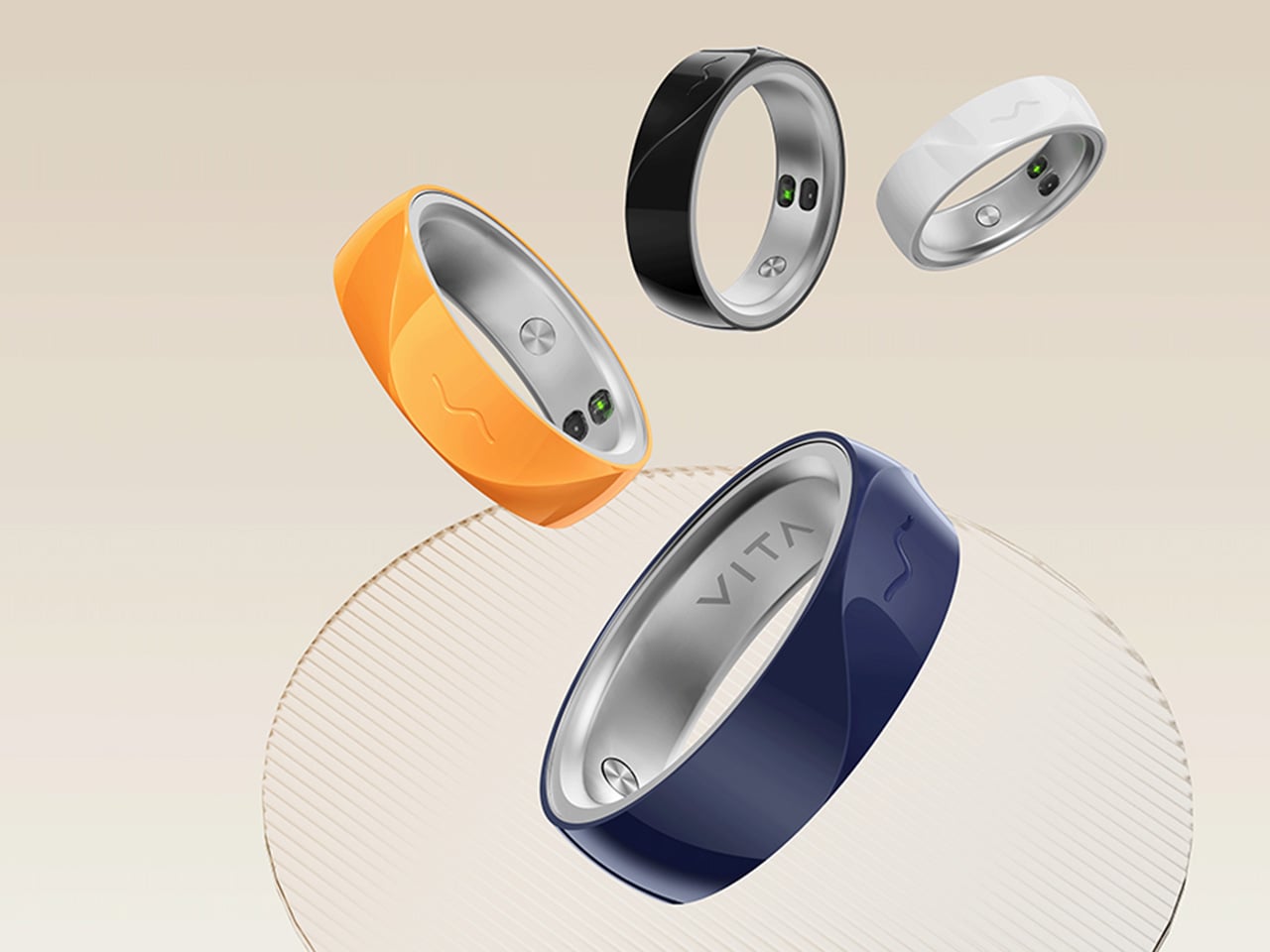
The VITA RING leans into this idea with a design that prioritizes both elegance and endurance. It uses a polished Aerospace Ceramic for its outer body, a material that feels more like a piece of refined jewelry than a piece of consumer electronics, and is 3x harder and scratch-resistant compared to titanium. This results in a device you are willing to live with twenty-four hours a day. With a battery that lasts up to a week on a single charge, it closes the data gap left by other wearables and operates silently in the background, using gentle haptic vibrations to deliver important alerts. It’s a design that ensures the ring remains forgotten until it has something important to share.

Designer: VITA TECHNOLOGY INC

Click Here to Buy Now: $199 $399 ($200 off).

VITA’s core proposition organizes around three verbs: Alert, Advise, Act. The ring’s Multi-Agent Health System tracks over 17 health metrics continuously, watching for deviations from your personal baseline rather than population-level averages. When something shifts meaningfully, a gentle haptic pulse is the only output, keeping the alert channel completely separate from the noise of your phone screen. The AI layer contextualizes what it finds, identifying patterns across sleep, stress, recovery, and activity to surface insights specific to your body. For a market that has treated data volume as a proxy for intelligence, that distinction matters.

Where VITA separates itself is in how it handles sleep. Most trackers deliver a score after the fact; VITA monitors sleep stages, breathing quality, and runs Apnea Intervention in real time. The ring detects disrupted breathing and responds with a gentle vibration prompting the user to shift position, often helping restore a more regular breathing pattern. Sleep apnea affects an estimated 936 million people globally, the majority of them undiagnosed, and real-time intervention at the consumer level addresses a clinical gap most wearables have stepped around entirely. The seven-day battery earns its keep here specifically, because consistent nightly data is how health patterns actually emerge.

“In Tune With You” is VITA’s attempt to build women’s health tracking around biology rather than calendar math, covering cycle awareness, fertility window detection, and pregnancy monitoring, all anchored in continuous biometric data. Most mainstream wearables approach this space with a period date counter and little else. Layering temperature shifts and HRV patterns onto reproductive health tracking delivers a different category of insight, capable of identifying a fertile window or flagging a physiological change earlier than any date-based system. Women’s health has been chronically under-engineered in consumer wearables, and making it a first-class feature is a deliberate product statement.

Circle of Care extends private health monitoring into a shared experience, letting users choose which wellness insights to share with trusted contacts alongside AI-guided care tips and relevant context. The Emergency SOS feature lets users send their live GPS location to those same contacts with a single tap when they cannot reach their phone. For adult children with aging parents, or anyone managing a chronic condition within a family dynamic, this broadens the ring’s utility considerably. Health monitored in isolation often goes unacknowledged, and VITA has built the architecture to change that.
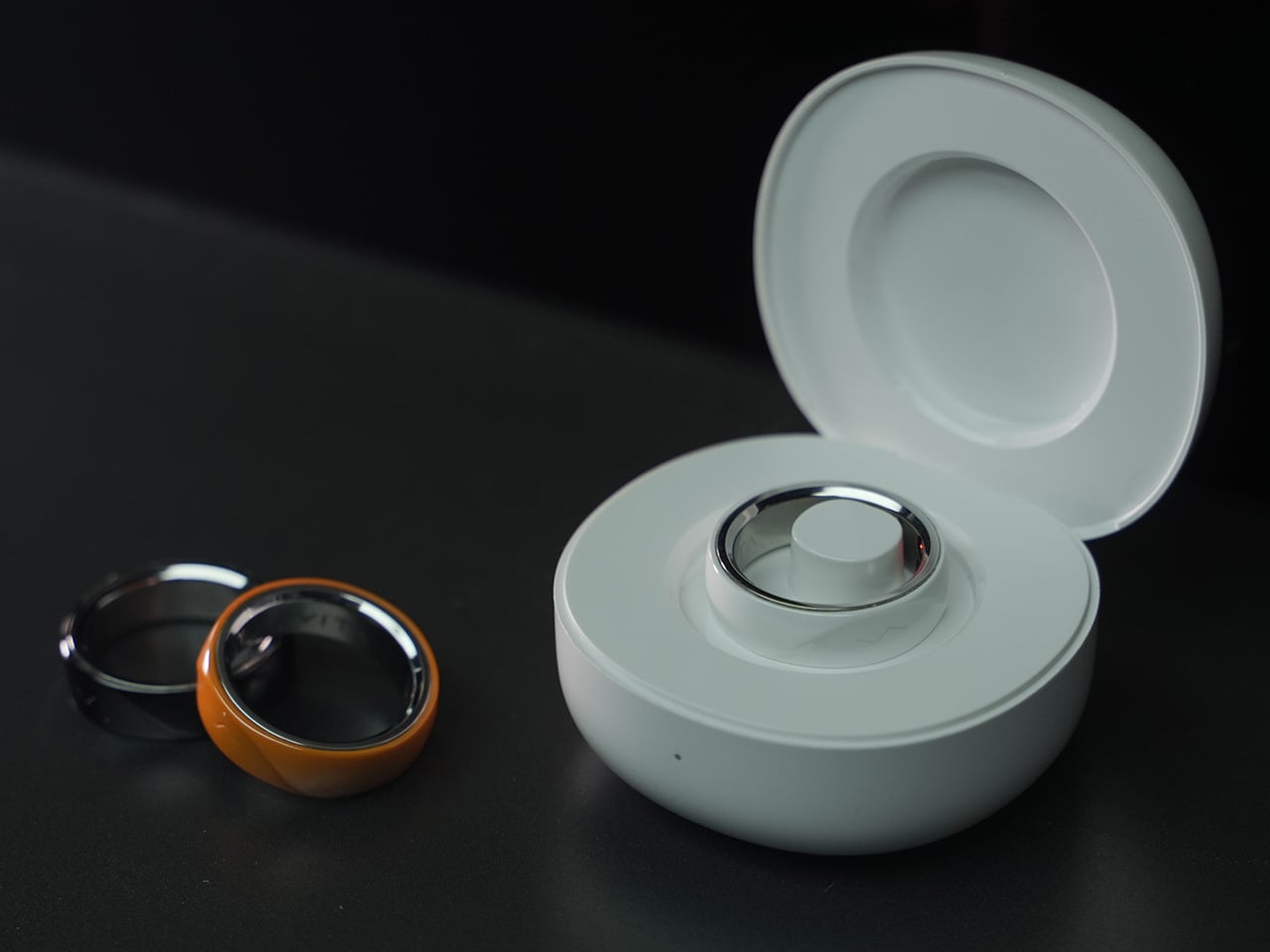
Oura Ring charges $5.99 a month for premium features on top of the hardware cost. WHOOP’s entire model is subscription-based, with users paying around $30 a month to access their own data. VITA is different: core health tracking is completely free, but AI Health features require a subscription. Kickstarter backers get 1 year of AI Health features at no extra cost. The VIP pre-launch price sits at $179, representing 53% off eventual retail, and early backers who sign up before March 17 receive a free sizing kit. The real measure of whether it all holds up comes when hardware reaches users, but the pricing structure alone will earn serious attention in a market that has normalized subscription fatigue.

Click Here to Buy Now: $199 $399 ($200 off).

The post The $199 VITA RING Wakes You Up Mid-Apnea Before You Ever Know It Happened Thanks To AI Health Tracking first appeared on Yanko Design.


These $18 Chattering Teeth Pot Holders Are Stupidly Adorable and Oven-Safe, and I Need Them Immediately

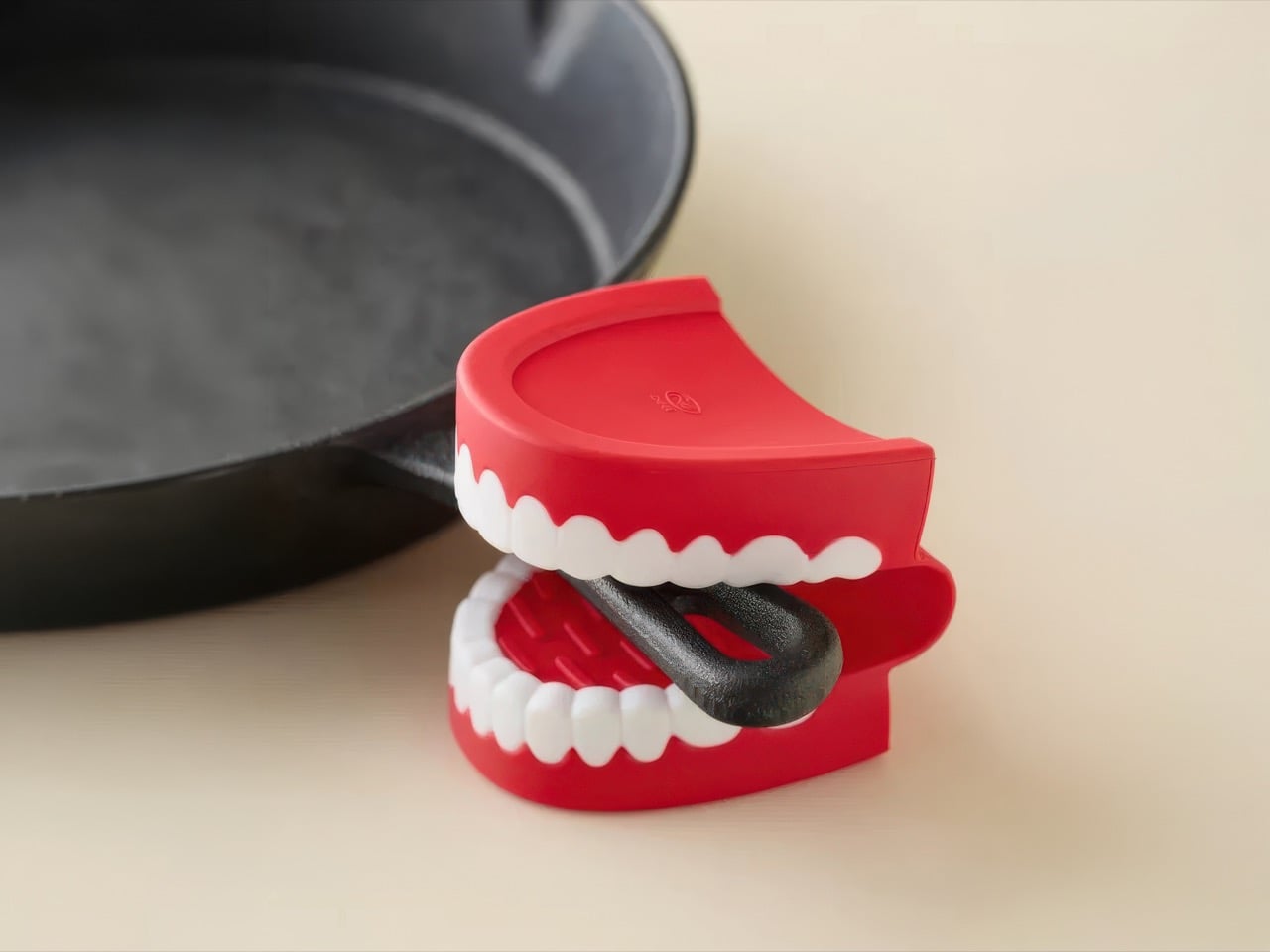
Your kitchen drawer probably has a sad, stained oven mitt that you keep meaning to replace. Chomp is the universe telling you it’s time. Fred’s newest pot holders are shaped like classic wind-up chattering teeth, molded in heat-resistant silicone, and completely aware of how ridiculous they look gripping both sides of your Sunday pot roast. You will use them once, cackle, and then refuse to use anything else for the rest of your cooking life. This is not a warning. This is a promise.

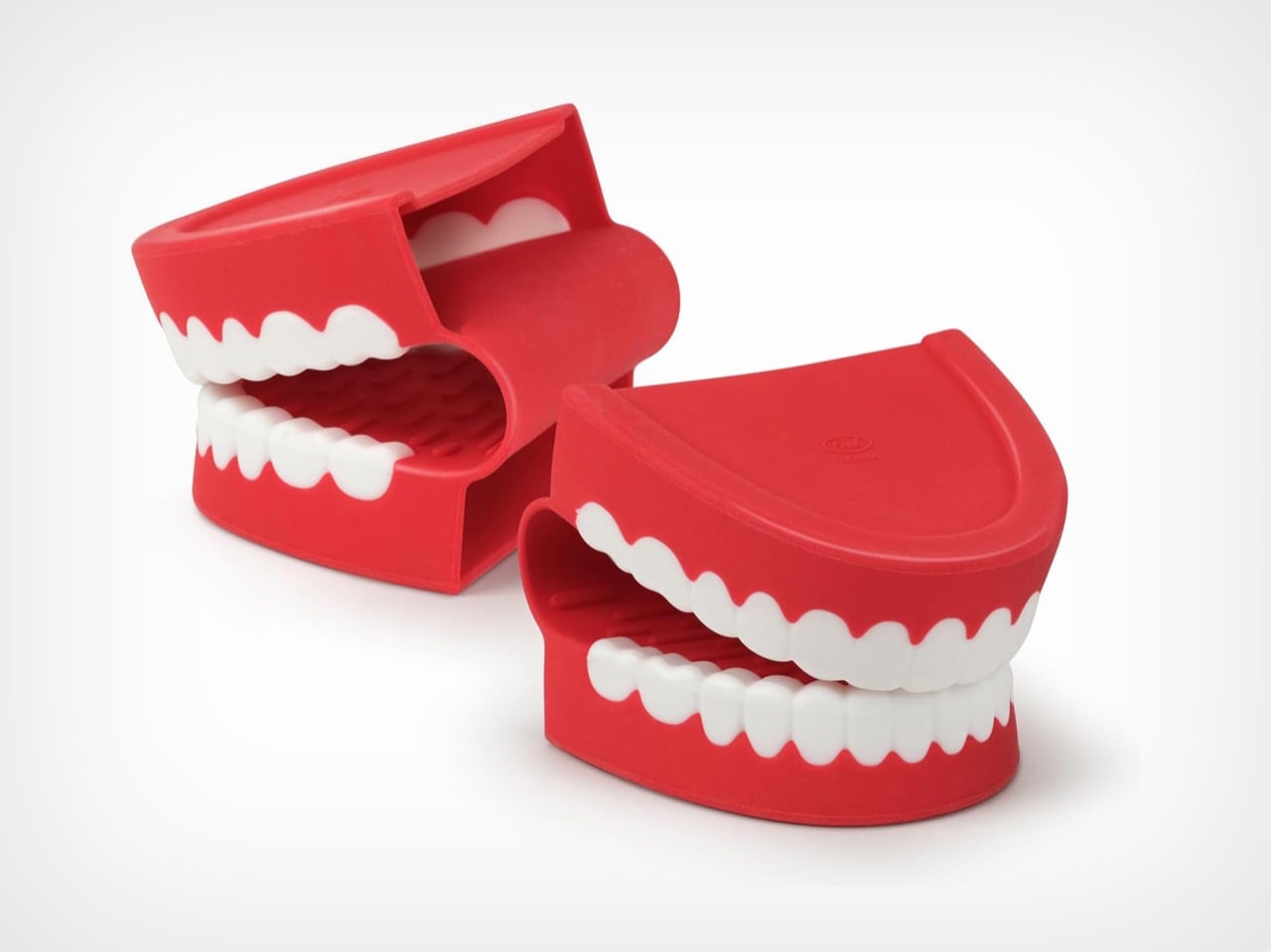
The concept is almost insultingly simple: a set of two silicone pot holders shaped like classic wind-up chattering teeth, designed to grip hot pots and handles while looking like your cookware is being accosted by novelty dentures. You slip your fingers into the top jaw, curl them around a handle, and suddenly a completely ordinary Tuesday pasta situation becomes a bit. The pot is being chomped. The pot has opinions. The pot wants to talk. Nobody at the dinner table will be able to explain why this is so funny, but everyone will agree that it is.

Designer: Jennifer Norwood (Fred Studio)

Click Here to Buy Now

Functionally, the Chomp hasn’t cut corners to serve the joke. They’re made from BPA-free, heat-resistant silicone rated up to 450 degrees Fahrenheit (230 degrees Celsius), which covers everything from stovetop handles to oven roasting pans without breaking a sweat. The inside surface is grippy, the mitts lay flat for drawer storage, and the whole set is dishwasher safe, so post-roast chicken cleanup doesn’t require any special handling of your unhinged dentistry accessories. The compact form factor is a deliberate choice too. These work as mini mitts for grabbing handles, lifting lids, and pulling racks rather than full-coverage gloves, which is honestly the more useful format for everyday cooking anyway.

Fred (a kitchen accessory company, not a person named Fred), based out of Pawtucket, Rhode Island, has always been in the business of taking functional everyday products and twisting them into something unexpected and funny. They’ve done creature-mouth oven mitts before, but Chomp hits differently because the chattering teeth aren’t just a cute mouth shape lifted from nowhere. The wind-up chattering teeth toy has been a Halloween staple, a joke shop fixture, and a universal shorthand for low-budget absurdist comedy for decades. Applying that specific cultural weight to kitchen silicone is a genuinely sharp act of object quotation, the kind that makes you wonder why nobody did it sooner.

The set was designed by Jennifer Norwood at Fred Studio, and the sculpting earns its keep. The white molded teeth have the right rounded, cartoonish geometry that reads as instantly recognizable rather than vaguely tooth-shaped, the red gum color lands vivid without tipping into garish, and the two pieces together form a perfectly matched pair. Sitting on a counter, they look like a prop from a sketch show. Clamped onto a cast iron skillet, they look like the skillet has developed a strong personality and several unresolved grievances. Both are correct. Both are good.

At $18.60 for the pair, Chomp is an easy call. It’s a justifiable impulse buy for yourself and a completely effortless gift decision for anyone who spends time in a kitchen, which is most people. The bar for a great housewarming gift is “useful and memorable,” and a pot holder that makes someone laugh out loud the first time they use it clears that bar with room to spare.

Click Here to Buy Now

The post These $18 Chattering Teeth Pot Holders Are Stupidly Adorable and Oven-Safe, and I Need Them Immediately first appeared on Yanko Design.

This Off-Grid Mobile Tiny Home Has Two Full Workspaces & A Bedroom — & You Can Tow It Anywhere

Remote work has reshaped how people think about office space, and Sol Tiny’s latest build takes that rethinking to its logical extreme. The Off-Grid Luxury Mobile Double Office is a trailer-based unit that packs two fully independent workspaces and a sleeping area into a 26-ft (7.9-m) frame, all while running entirely on solar power.

Built on a double-axle trailer, the unit spans 10 ft (3 m) wide, broader than a standard tow, which means it requires a permit for road transport. The wheels have been removed in the current listing photos, but can be reattached for relocation. On the outside, the office is clad in cedar with a standing seam metal roof, giving it a clean, modern appearance that wouldn’t look out of place next to a residential property.

Designer: Sol Tiny

Inside, the layout is split into two distinct rooms, both finished in board-and-batten paneling with generous glazing and skylights that keep the interiors bright. The larger of the two workspaces is accessed through a single door and includes a desk, bookshelves, a small wood-burning stove, and a mini-split air-conditioning system. It also features a queen-sized Murphy bed that folds down from the wall, making it possible to stay overnight after a long work session without heading back to the main house.

The smaller workspace, entered through double glass doors, mirrors much of the same setup with its own desk, bookshelves, stove, and climate control. It trades the sleeping option for a more compact footprint, and there’s even room for an optional treadmill for those who like to move while they work. Neither space includes a bathroom, so the unit is best suited for use alongside an existing home or building with access to those facilities.

Power comes from eight 420-W solar panels mounted on the roof, backed by a battery system that keeps things running off-grid. There’s also the option to plug into the electrical grid when needed. For connectivity, a Starlink system handles high-speed internet, which makes the office functional in remote locations where traditional broadband isn’t available.

The Off-Grid Luxury Mobile Double Office is currently listed for sale at $98,000, not including delivery, and is located in Nevada City, California. For anyone looking to add a dedicated work setup to their property without the commitment of a permanent structure, Sol Tiny’s dual-office concept offers a flexible alternative that can, quite literally, be moved whenever plans change.

The post This Off-Grid Mobile Tiny Home Has Two Full Workspaces & A Bedroom — & You Can Tow It Anywhere first appeared on Yanko Design.

Subnautica 2 might finally be entering early access in May

Subnautica 2 has weathered the storm and has rescheduled its early access release. IGN reported today that the sequel to the underwater survival game will begin early access on PC and Xbox in May, although a more specific date was not provided. 

The news comes a day after a judge ruled that former Unknown Worlds Entertainment CEO Ted Gill should be rehired at the game studio. That decision capped off a dramatic year for the team behind Subnautica, which was acquired by Krafton in 2021. The studio and its new owners entered a legal battle because the purchase of Unknown Worlds included a promise of an up to $250 million payout from Krafton if the team met certain performance goals by the end of 2025. In July of that year, however, Krafton fired several studio leaders and then delayed the sequel's early access launch. The court case has raised questions about which side was trying to either secure or avoid making that multi-million payment. 

With yesterday's ruling, a rep from Krafton said that "we are evaluating our options as we determine our path forward." It's unclear if that path, or the other litigation still underway over the project, will create further delays to the planned early access date.

This article originally appeared on Engadget at https://www.engadget.com/gaming/subnautica-2-might-finally-be-entering-early-access-in-may-223747369.html?src=rss

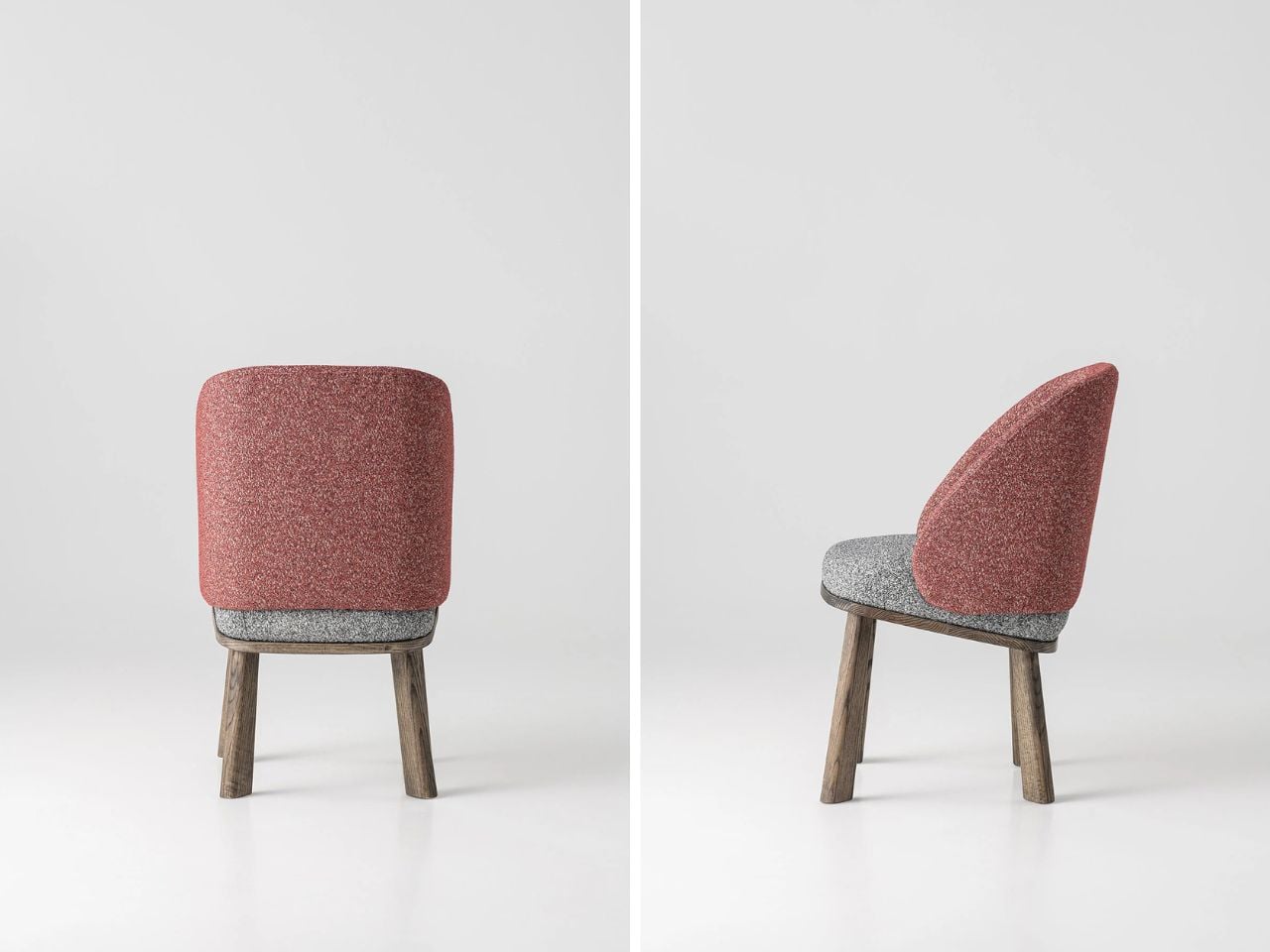
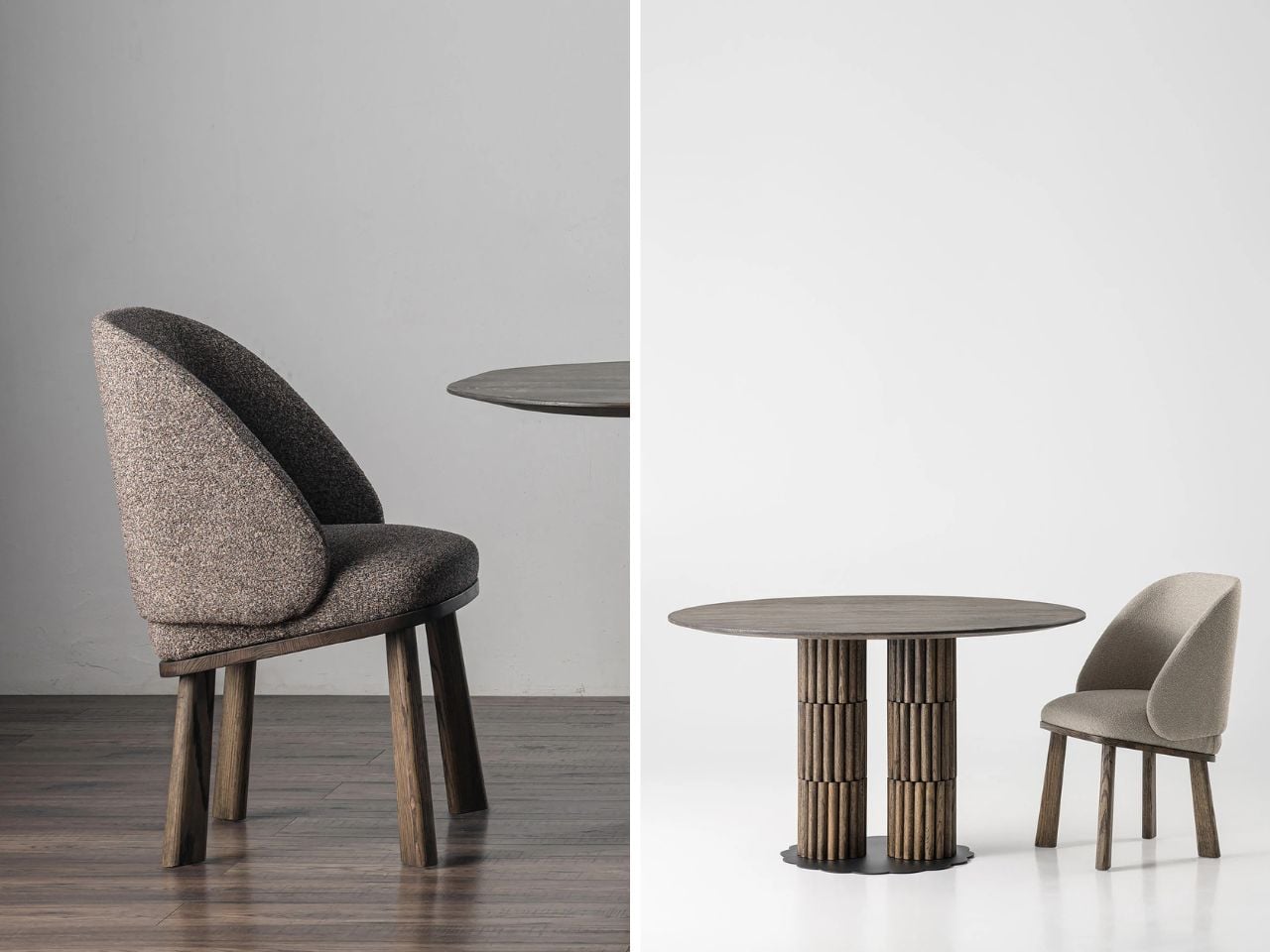
A Chair Shaped by the Soft Curves of a Classic British Scally Cap

In a market full of furniture that competes loudly for attention, the pieces that often stay with us the longest are the ones that begin with a simple idea and a strong story. The Scally Chair is a beautiful example of this kind of design thinking. Its inspiration comes from something very familiar in British culture, the classic men’s scally cap. What is fascinating is how a small everyday object, such as a cap, can inspire the form of a chair and translate into a thoughtful piece of furniture.

The starting point of the design is an image. Instead of beginning with strict structural rules or purely functional decisions, the designer began with the recognizable shape of the scally cap. These caps are known for their soft, rounded crown and their distinct front visor. They have personality and a casual confidence that people instantly recognize. The Scally Chair translates these qualities into furniture in a subtle and elegant way.

Designer: Julia Kononenko

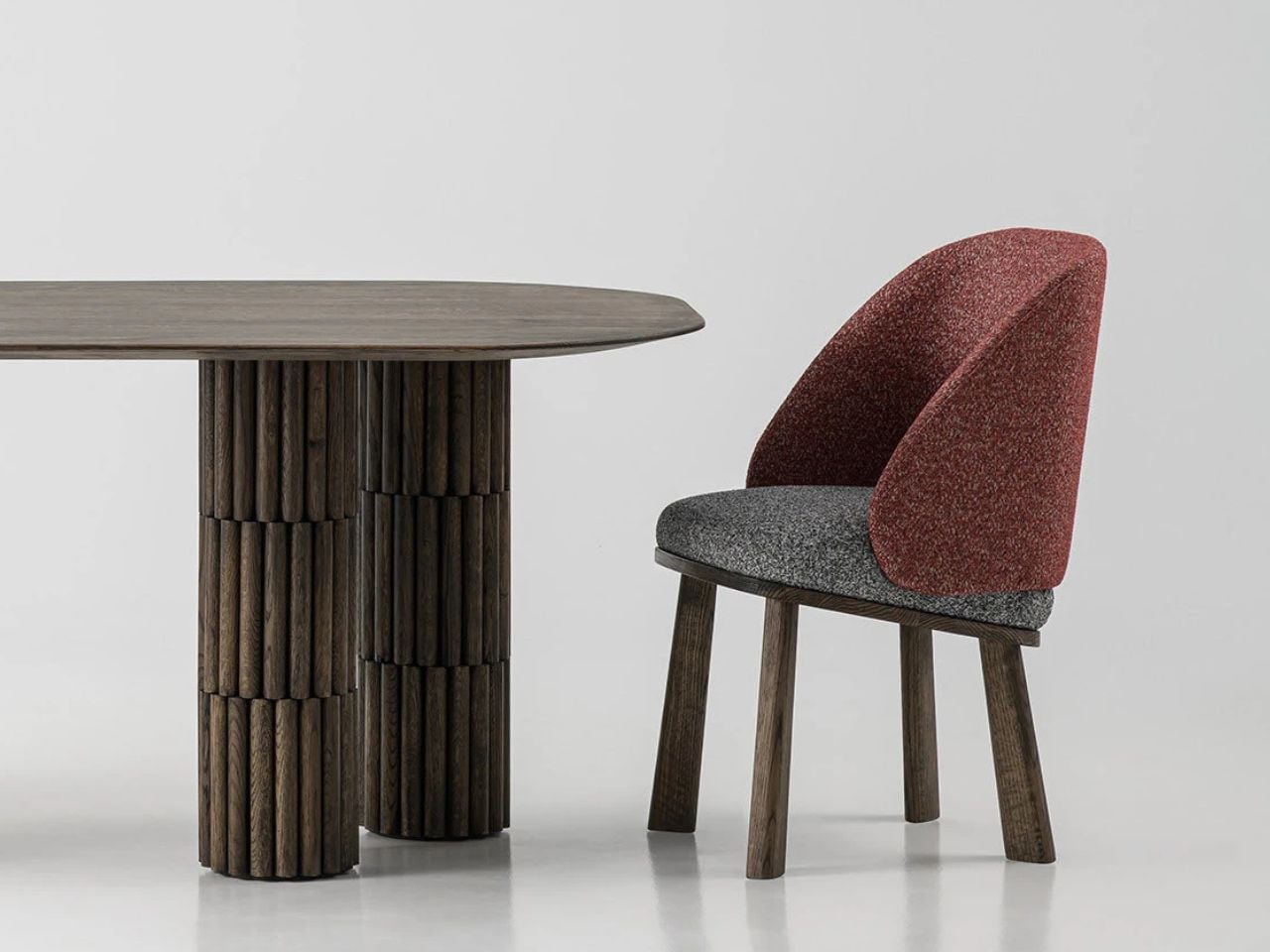
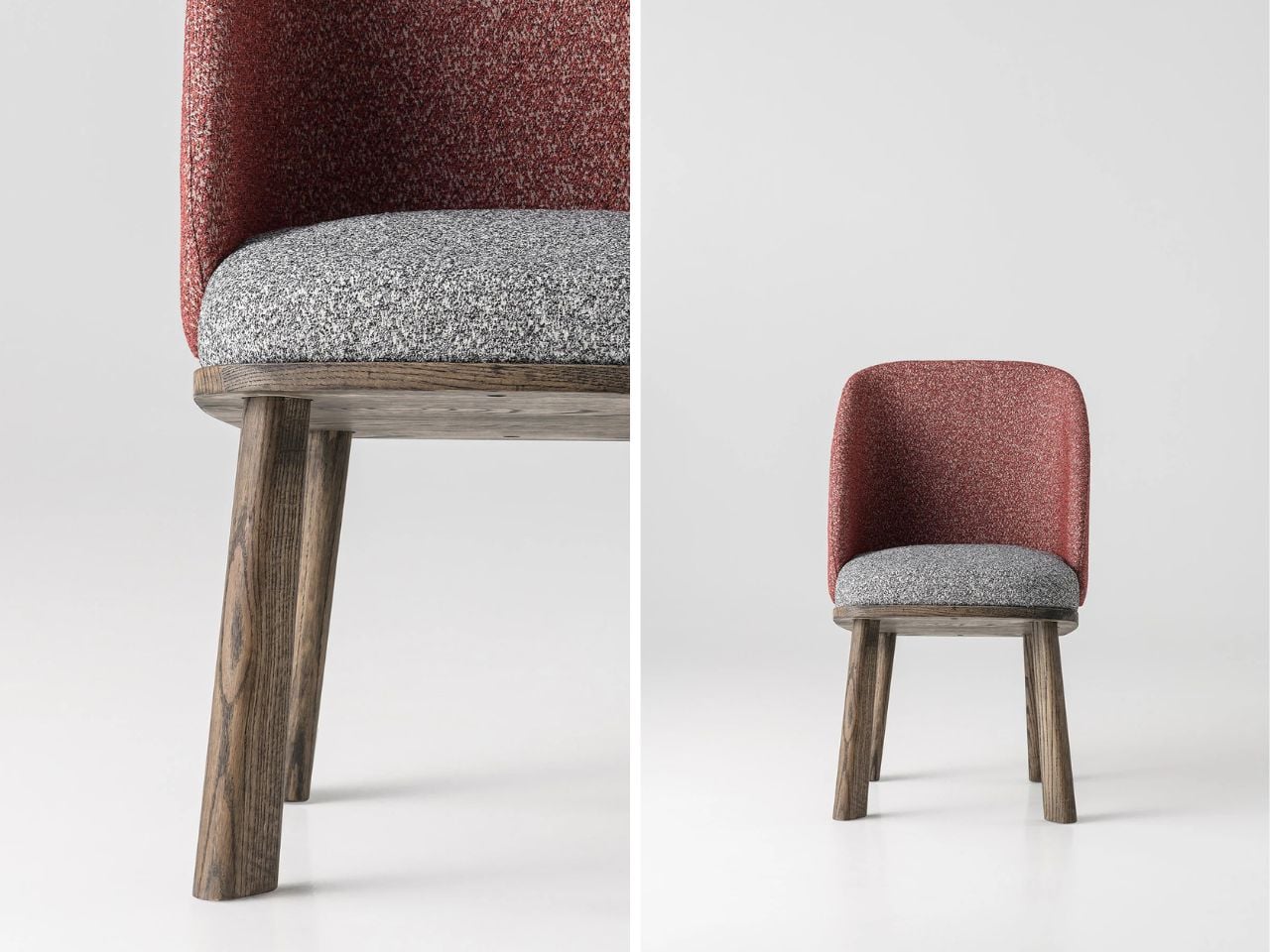
The rounded backrest is the most noticeable expression of this inspiration. It curves around the seat in a gentle way that recalls the soft crown of the cap. The form feels inviting and protective, almost as if the chair quietly embraces the person sitting in it. This small gesture adds a sense of intimacy and comfort while maintaining a clean and confident silhouette.

Another thoughtful detail appears at the front of the seat. The edge is slightly lifted in a gentle curve that echoes the visor of the cap. At first glance, the detail is subtle and easy to miss, but once you notice it the connection becomes clear. Instead of making the design too literal or predictable, this small reference adds character to the chair without overwhelming its form. It also introduces a sense of lightness and movement to the silhouette, making the chair feel more dynamic and visually balanced.

Material plays an important role in the experience of the Scally Chair. The use of wood brings warmth and authenticity to the design. Wood has a timeless quality that connects furniture to craftsmanship and longevity. It adds natural texture and depth to the chair while grounding the form in something familiar and tactile. The presence of wood also allows the chair to age gracefully over time, making it feel like a lasting object rather than a temporary trend.

The muted tones used in the chair are equally important. Instead of relying on bold colors to stand out, the design embraces restraint. These softer tones allow the chair to blend naturally into different environments. In modern and contemporary interiors, this quality becomes incredibly valuable. The chair does not try to dominate the room. Instead, it quietly complements the space around it.

Because of this, the Scally Chair works beautifully in many settings. It can sit comfortably in a minimalist living room, a warm Scandinavian-inspired interior, or even a more contemporary dining space. Its presence feels calm and balanced rather than loud. It supports the atmosphere of the room while still offering a strong sense of design.

What makes the chair particularly interesting is how the story behind it changes the way we experience it. Once you know about the scally cap inspiration, you begin to notice the details more carefully. The curve of the backrest, the slight lift of the seat, and the careful proportions suddenly feel intentional and thoughtful. The experience of the chair becomes more layered.

This is what gives the Scally Chair its quiet strength. It shows how everyday objects can inspire other everyday objects in unexpected ways. A familiar cap becomes the starting point for a piece of furniture that feels both contemporary and timeless. Through subtle form, warm materials, and restrained color, the chair proves that thoughtful design does not need to demand attention. Sometimes the most meaningful designs are the ones that simply fit into our spaces and lives with effortless ease.

The post A Chair Shaped by the Soft Curves of a Classic British Scally Cap first appeared on Yanko Design.

Meta will shut down VR Horizon Worlds access in June

Horizon Worlds, Meta's first pass at a metaverse, will be inaccessible via virtual reality headset after June 15, 2026. The company shared plans to separate Horizon Worlds from Quest VR platform and focus exclusively on the smartphone version of the app in February, and now in a new post on its community forums, Meta detailed when the VR version of Horizon Worlds will be deprecated.

By March 31, Meta says individual Horizon Worlds and Events will no longer be listed in the Quest's Store and headset owners will be unable to visit worlds like "Horizon Central, Events Arena, Kaiju and Bobber Bay." Then, after June 15, the app will be removed from Quest headsets and worlds will be completely unavailable to visit in VR. From that point on, the easiest place to visit Horizon Worlds will be in the Meta Horizon app for iOS and Android.

Additionally, Hyperscape Capture, a recently added beta feature that allows Quest headset owners to capture, share and visit each other in detailed 3D scans of real-life locations, is also being removed from Horizon Worlds. Meta says users will still be able to capture and view Hyperscapes, "but sharing, inviting, and co-experiencing Hyperscapes with others will no longer be supported."

While Meta's original blog detailing its 2026 VR strategy left open the possibility that a committed Quest owner might still be able to access some part of Meta's original VR metaverse, that apparently was never the company's plan. Meta saw enough "positive momentum" focusing on supporting the mobile version of Horizon Worlds in 2025 that it made sense to completely abandon the VR one in 2026. While that seems to run contrary to Meta’s positioning as a "metaverse company," it does reflect where the company is spending the most money and seeing the most (relative) success: AI and smart glasses.

This article originally appeared on Engadget at https://www.engadget.com/ar-vr/meta-will-shut-down-vr-horizon-worlds-access-in-june-222028919.html?src=rss

Apple releases its first Background Security Improvement for macOS, iOS and iPadOS

Apple has started providing small security updates to iOS, iPadOS and macOS devices. These are dubbed Background Security Improvements that will offer minor system updates between the larger software updates. According to the company, these are meant to "deliver lightweight security releases for components such as the Safari browser, WebKit framework stack, and other system libraries that benefit from smaller, ongoing security patches between software updates."

These updates should download in the background, as the name implies, although the device will need to be restarted to complete the process. In practice, we found that applying a Background Security Improvement was faster than a typical software update from Apple. On an iPhone, the restart was more of a power cycle taking under a minute compared with the 5 to 10 minutes a standard update takes a device out of commission. 

The inaugural Background Security Improvement was released today with a patch for WebKit. These updates will be supported and enabled on devices running iOS 26.1, iPadOS 26.1 and macOS 26.1. Details can be reviewed under the Privacy & Security section of the Settings menu.

This article originally appeared on Engadget at https://www.engadget.com/computing/apple-releases-its-first-background-security-improvement-for-macos-ios-and-ipados-214052311.html?src=rss

This LEGO Tiramisu Might Be the Most Realistic LEGO Food Set Anyone Has Ever Built

Tiramisu has a strong claim to being the world’s most universally loved dessert. It crossed out of northeastern Italy sometime in the late 1960s, hit restaurant menus across Europe and America through the 80s and 90s, and somewhere along the way became the default “fancy dessert” of the home cook who wanted to impress without turning on the oven. The name translates roughly to “pick me up,” which is exactly what a shot of espresso-soaked ladyfingers and mascarpone cream does. LEGO Ideas creator Micdud has now built one out of 1,106 bricks, nearly at 1:1 scale, and the result is the kind of MOC that makes you do a double-take.

The build is a corner slice served on a decorative round plate, complete with chocolate drizzle, cream dollops, and a fork mid-bite suspended in the air on a transparent support. The cocoa topping alone is a masterclass in using disparate brown elements to simulate an organic, dusty texture. Micdud even hid a raspberry made from a red clown hairpiece and blueberries built from purple astronaut helmets under the garnish. Food MOCs live and die by their surface detail, and this one gets every layer right.

Designer: Micdud

The corner piece allows you to see the full lady-fingers without their cross-sections. There’s just so much detail that it’s easy to get lost focusing on just one part. Although that’s exactly what makes this ‘dish’ such a winner. It triggers a primordial response of hunger the minute you see it. The colors are perfect, the cross section is gorgeous, and the details even on the plate WILL make your mouth water. Cutting two faces open lets those layers read in amber and white bricks, while the outer two faces show the savoiardi as rounded bumps with cream spilling over them. The build is doing two different surface textures at once, and pulling both off cleanly at 27 by 27 centimeters is no small thing for a 1,106-piece model.

The MOC (My Own Creation) is presented on a round plate, adding to its flair. The chocolate scroll work and cream rosettes ringing the edge give the whole scene a plated, restaurant-ready quality that keeps it from reading as a lone brick sculpture sitting on a flat disc. The suspended fork is the finishing touch, a freshly cut bite floating mid-air on a transparent support brick, the kind of detail that commits fully to the storytelling and makes the whole thing feel like a frozen moment rather than a display piece.

Unlike most LEGO Ideas submissions, this one isn’t rendered. From the looks of it, and just the imprefections in the detail, Micdud already built the design out. That’s impressive on its own, because it shows exactly what the Tiramisu would look like. For the uninitiated, LEGO Ideas is the company’s portal for fan-made submissions, allowing enthusiasts to create their own LEGO builds and vote for their favorite ones. Any MOC that crosses the 10,000 vote mark gets reviewed by LEGO’s internal team and then potentially turned into a box set. Micdud’s Tiramisu is just mere days old on the platform and it’s already amassed 240 votes (including my own). If you want to have it hit that 10k mark, head down to the LEGO Ideas forum and cast your vote (it’s free!) Let’s get this MOC produced before October this year so we can enroll it in the Tiramisu World Cum in Italy this year!

The post This LEGO Tiramisu Might Be the Most Realistic LEGO Food Set Anyone Has Ever Built first appeared on Yanko Design.

Remedy releases its final content update for FBC: Firebreak

What a short, strange journey it's been for FBC: Firebreak; Remedy announced that the final update for the online multiplayer game is available today. But while this Open House update will be the end of new content, the studio said it plans to keep the game available.

"FBC: Firebreak will stay online and continue to be playable for years to come," Remedy said. "We have done engineering work to ensure we can sustain the upkeep of the relay servers when the player volume is lower."

Remedy has won lots of fans for creating the eerie, surreal world where its hits Control and Alan Wake are set. FBC: Firebreak, which was released last year, is also based in that universe. However, this multiplayer game took a beating in reviews, largely due to its poorly received onboarding experience and Remedy shared plans to improve the first few hours of the game. Its CEO also left the company last year and sparked a shakeup in the leadership at the studio. 

The Open House update will add some new in-game content, but the more interesting changes seem aimed at making FBC: Firebreak more accessible. The base price has been dropped to $20, and the game has added a feature called Friend's Pass that will allow people who don't own the game to accept match invites from players who do own it.

This article originally appeared on Engadget at https://www.engadget.com/gaming/remedy-releases-its-final-content-update-for-fbc-firebreak-212000463.html?src=rss

Spotify rolls out ‘bit-perfect’ playback in Windows app

Spotify is introducing a way for subscribers to get bit-perfect playback of songs if they listen on Windows. The company's newly announced "Exclusive Mode" gives the music streaming app complete control of audio processing on your PC so you can listen to songs exactly as they were mastered.

"Without Exclusive Mode turned on, your computer may alter audio before it reaches your DAC by resampling it, mixing other system sounds in, and changing the volume," Spotify writes. With the mode enabled, all other sounds from your computer are disabled so Spotify can deliver the highest quality and most accurate version of a song possible. Exclusive Mode will help maintain fidelity while you’re playing a song, but to make sure you're not losing quality anywhere else in the chain, you'll still want to listen with wired headphones connected to a DAC or digital-to-analog converter, and opt to use Spotify’s lossless streaming option.

Exclusive Mode is only available on Windows for now, but Spotify says it'll come to the macOS version of the Spotify app "in a future release." Provided you're a Spotify Premium subscriber, enabling the feature is fairly simple:

  1. Open Spotify.

  2. Click on Settings.

  3. Scroll down to Playback.

  4. Toggle Exclusive Mode to "On" under the Output section.

Spotify launched its Lossless streaming option as a perk for Premium subscribers in September 2025. The company was rumored to be working on the feature as far back as 2017 and even formally announced it as Spotify HiFi in 2021, opening up the possibility it could be a more expensive add-on to a normal subscription. Now both lossless audio and “bit-perfect” playback are included as part of the same $13 per month you pay for a Premium subscription.

This article originally appeared on Engadget at https://www.engadget.com/entertainment/music/spotify-rolls-out-bit-perfect-playback-in-windows-app-211036176.html?src=rss