Starfield is coming to PS5 on April 7

Starfield is officially coming to PS5, with a launch date set for April 7. Preorders are open right now for both the digital and physical versions. It's long been rumored that Bethesda's sci-fi RPG would be going multiplatform and, well, here we are.

The PS5 version will tap into the DualSense controller's capabilities with adaptive triggers that work differently depending on the weapon you're using. The light bar will offer an indication of your character and ship health (if you ever look at it while you're playing, that is). You'll also be able to use the touchpad to switch between points of view and access your map and hand scanner.

There will be a standard edition and a premium edition, matching the versions that originally showed up on Xbox consoles. The premium edition includes the base game, the Shattered Space and Terran Armada story expansions, a skin pack, some virtual currency and a digital artbook/soundtrack. The standard edition is $50, and the premium version will run you $70. If you buy the base game and decide later that you want to upgrade to the premium version to access the DLC, there'll be a $25 upgrade available.

Other notable former Xbox exclusives have gone multiplatform, including Avowed, Forza Horizon 5, Senua's Saga: Hellblade II and Sea of Thieves. The PS5 will even be home to a Halo game in the near future.

It's been rumored that the Switch 2 would be getting its own Starfield port at some point. If Nintendo's new console can handle Indiana Jones and the Great Circle, another Bethesda release, it can likely run Starfield.

As for the Terran Armada DLC, that will be available on April 7 alongside a free update. The latter (which is dubbed Free Lanes) includes an overhaul of the space travel system. You'll be able to fly freely between planets in a star system and enable cruise mode, which enables you to chat with shipmates or decorate your ship while traveling. Points of interest will pop up while you're in cruise mode as well — you can switch your destination to one of those instead if there's something that catches your interest. 

There are more space encounters too. If you run into one of these, your ship will exit cruise mode and you'll have to deal with the situation before continuing. These encounters may or may not feature combat. In some cases, you'll have to explore ship wreckages.

The free update also introduces deeper customization for weapons, gear and ships through a collectible item called X-Tech. You'll be able to spend this (and regular credits) on re-rolls for legendary effects for your weapons. 

Elsewhere, there's a new database system; more side quests; two higher-level quality tiers (superior and exceptional) for your gear; an optimization terminal you can add to your ship to help customize and upgrade your ride; containers from which you'll be access stored gear at any of your outposts; an outpost pet; and much more. In addition, there'll be a way for you to start a New Game+ run with all of the gear you've previously acquired.

If you don't have the premium edition of Starfield, you can buy the Terran Armada DLC for $10. This includes a new story questline. You'll face the Terrans, "an advanced militant force with their own vision for the Settled Systems." One Terran robot will be available as a new companion.

The DLC introduces an Incursion system. This includes battles that form a key part of the DLC storyline. These range from "small skirmishes to large-scale infiltrations of Terran vessels where the objectives can vary," Bethesda wrote in a blog post. You'll be able to replay incursions to score extra loot. Via the gameplay options, you can limit how often non-story-required incursions pop up.

Terran Armada also adds new gear and ship parts; elite crew members; an outpost pre-build and decorations; and more.

Starfield is a huge sci-fi RPG with elements of Mass Effect and Fallout. We were blown away by its graphical beauty, but were initially underwhelmed by the generic story and gameplay. The game has, however, received a fair number of improvements since launch. It's pretty good now, and hopefully the Free Lanes update and DLC will improve things even further.

This article originally appeared on Engadget at https://www.engadget.com/gaming/playstation/starfield-is-coming-to-ps5-on-april-7-162341201.html?src=rss
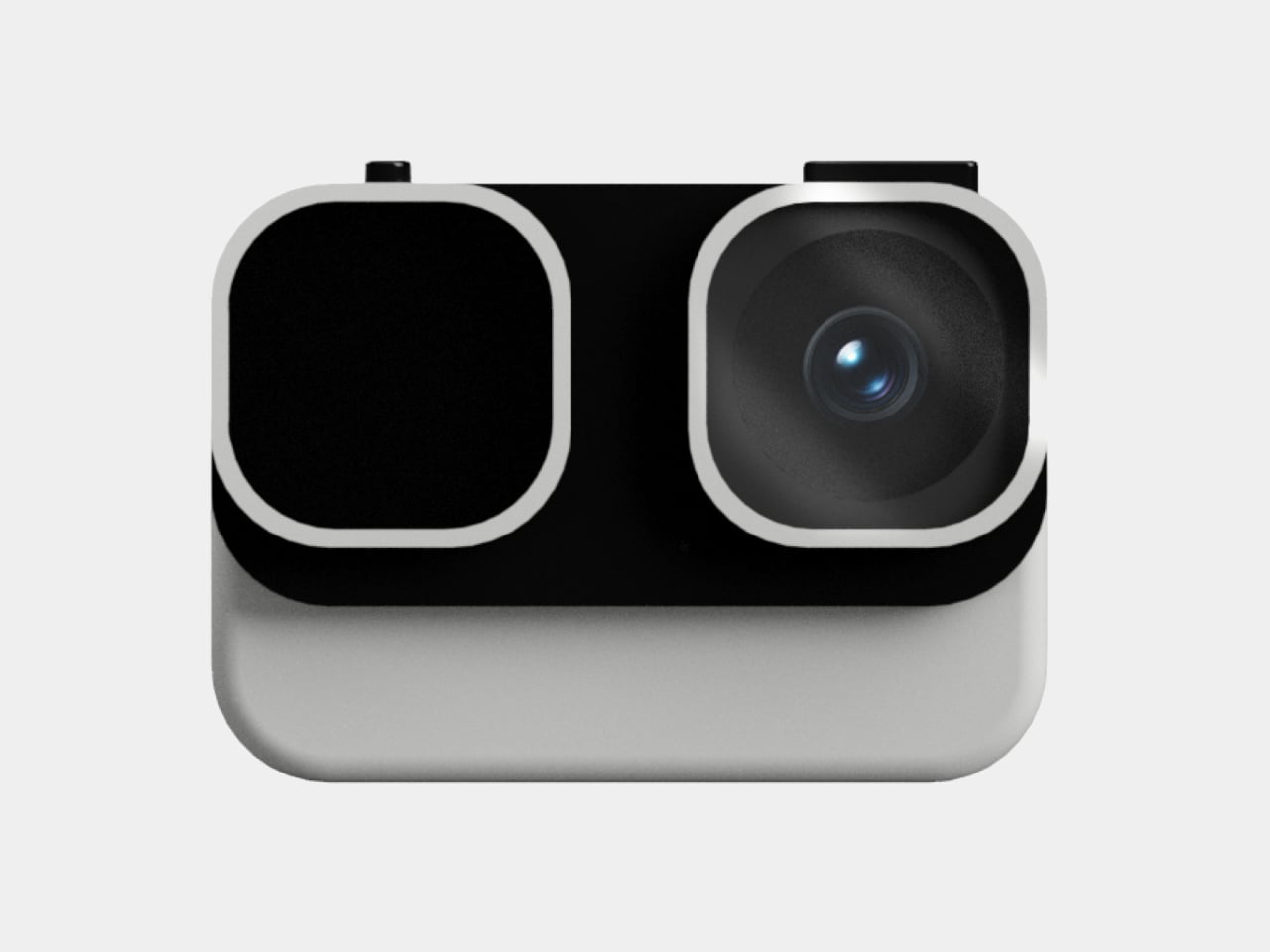
This Panda-Faced Action Camera Might Finally Get Kids Off Their Tablets

Kids are natural documentarians. Long before anyone hands them a camera, they’re narrating adventures out loud, pointing at bugs, dragging adults toward things worth seeing. The problem is that nothing currently bridges that instinct and an actual usable device. Smartphones are too distracting. Adult action cameras have interfaces that assume familiarity with exposure menus. Yashas Verma’s Cubix concept starts not with specs, but with a face.

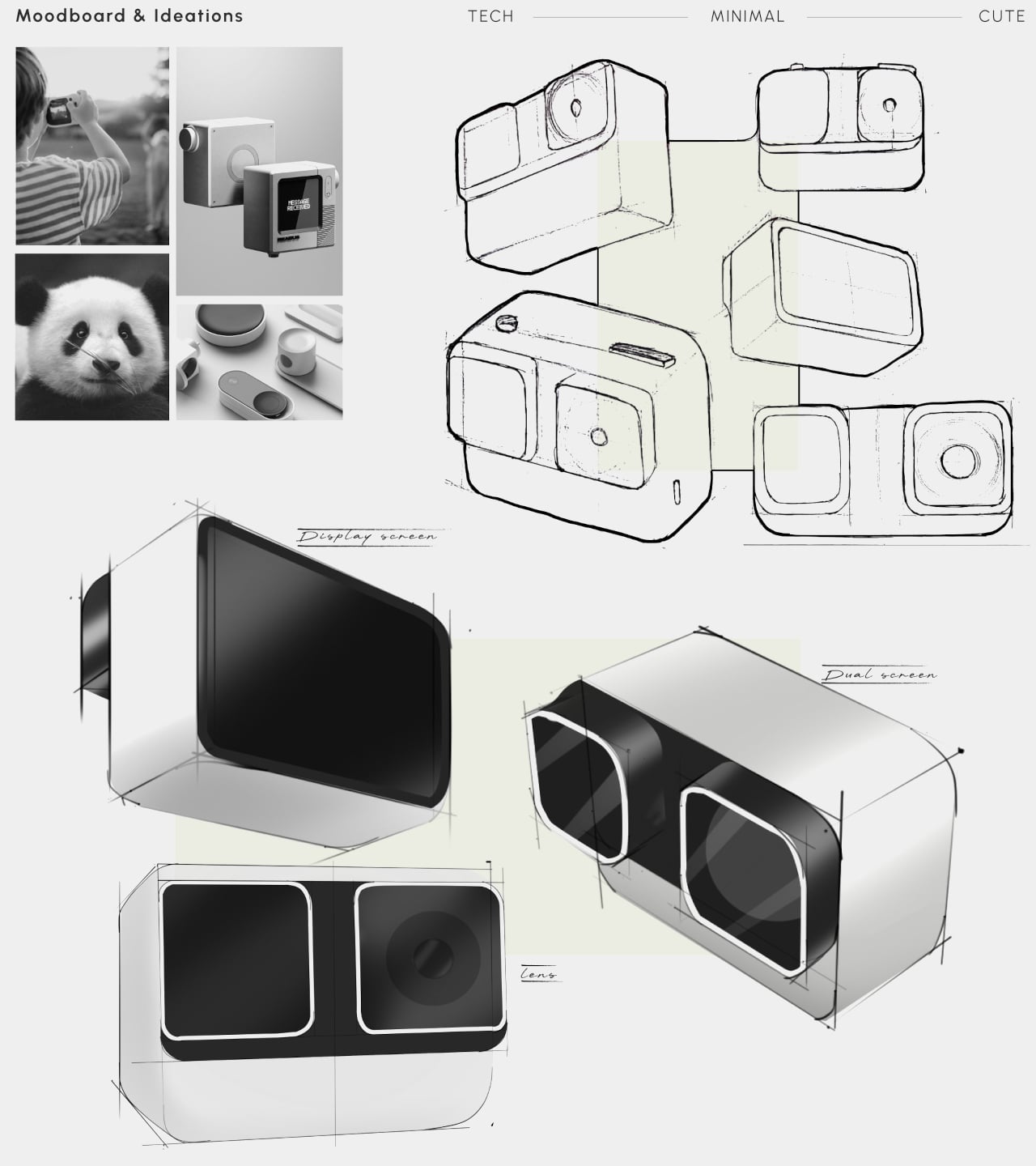
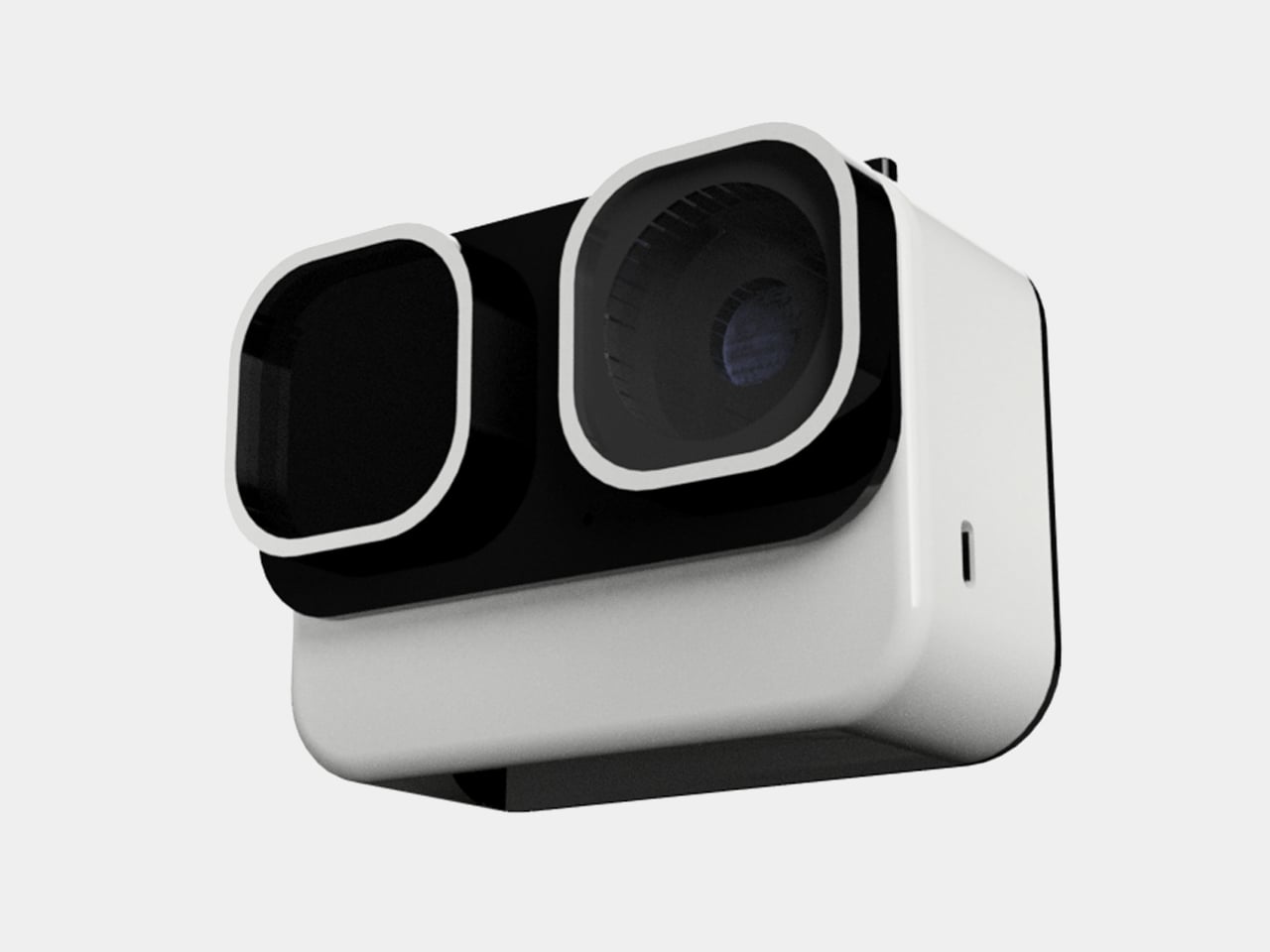
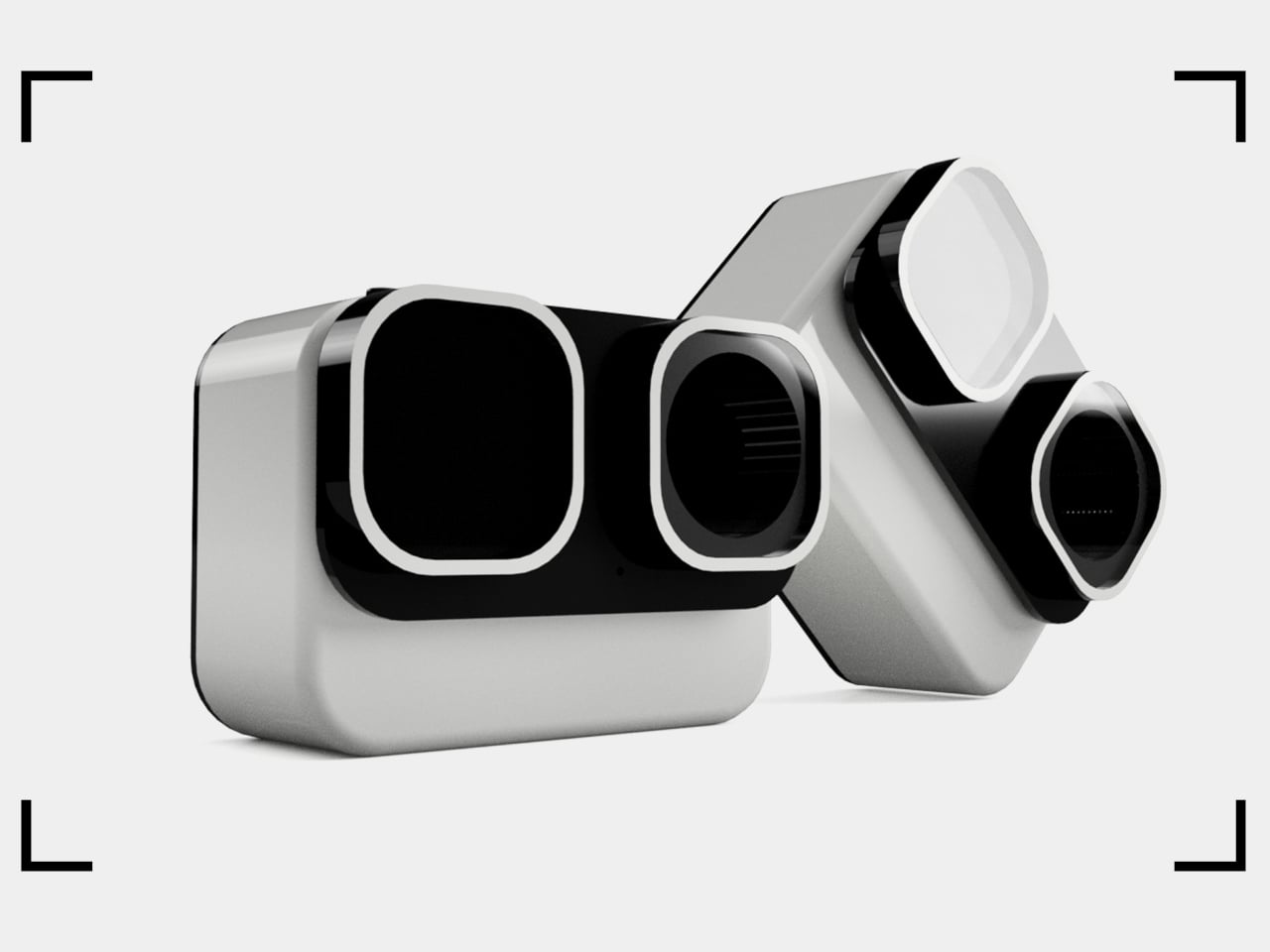
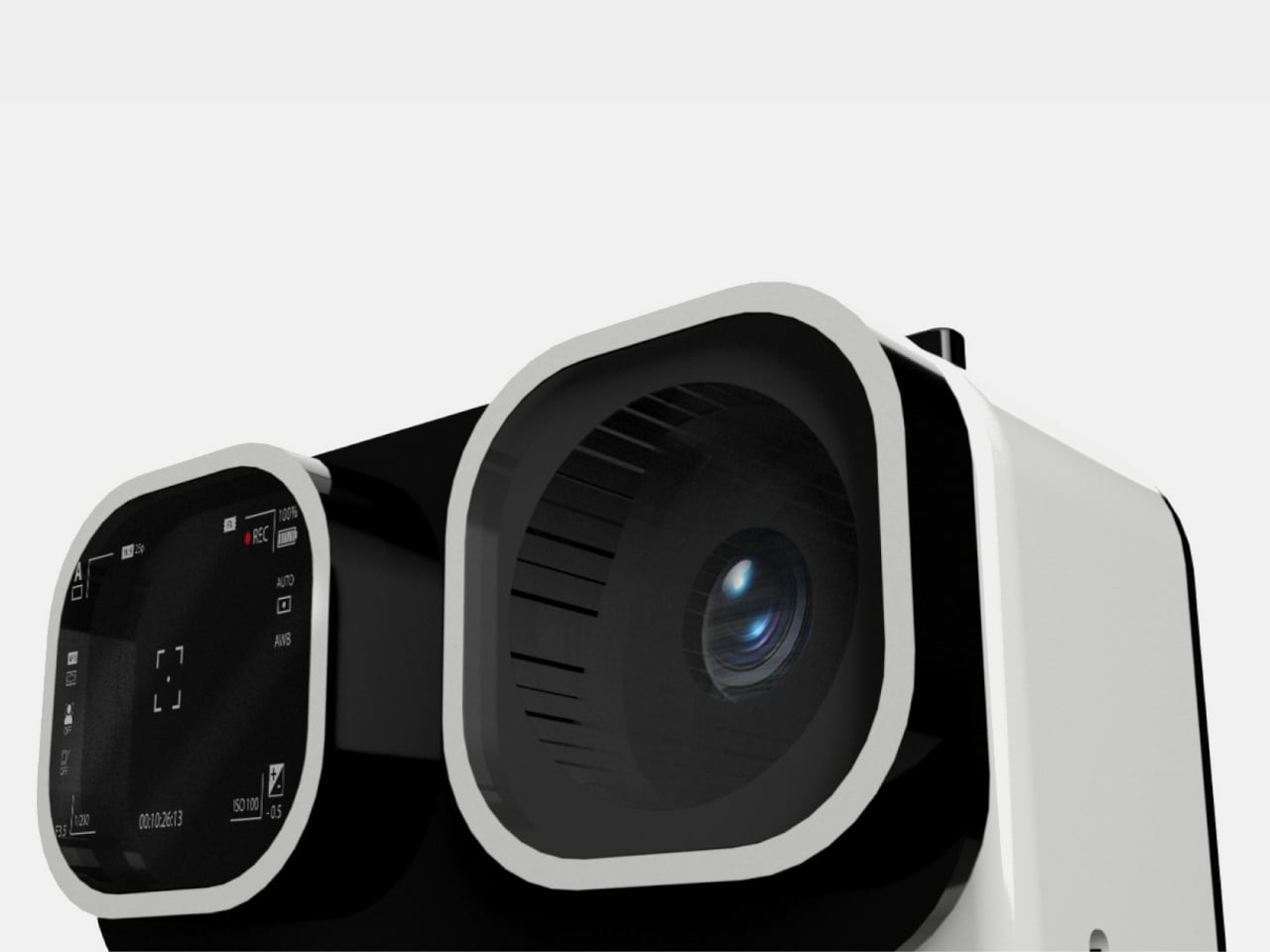
The panda reference is obvious and, more importantly, immediately likable. Two large “squircle” apertures dominate the front, one housing the lens and the other a screen, arranged side by side like a pair of wide-set eyes. The body is white with a matte finish, and the front panel is glossy black. That contrast reads less like a colorway decision and more like a character, which is entirely the point.

Designer: Yashas Verma

Verma’s design moodboard places the concept on a spectrum between “tech” and “cute,” and the finished form lands firmly in the middle. Minimal enough to avoid looking like a toy, warm enough not to feel clinical. The rounded-square geometry carries through from the front apertures to the body corners, giving the whole object a visual consistency that student concept work often skips over in favor of surface polish.

The dual-screen setup solves a genuine behavioral problem. Action cameras for adults assume a single rear screen because operators rarely need to see themselves. Kids, who tend toward vlogging more than action sports, want to check the frame constantly. The front screen handles selfie framing, the rear touch screen manages settings and playback. Removing that guesswork is the single most child-appropriate decision in the entire design.

The body is sized for smaller hands, with one-handed operation as the stated goal. That matters when the other hand is holding a bike grip, a climbing hold, or a very interesting stick. Waterproofing and durability are mentioned in the concept brief, though no specific ratings are given. A child’s definition of waterproof tends to involve full submersion and zero warning, and the gap between those expectations and a modest splash rating has disappointed parents before.

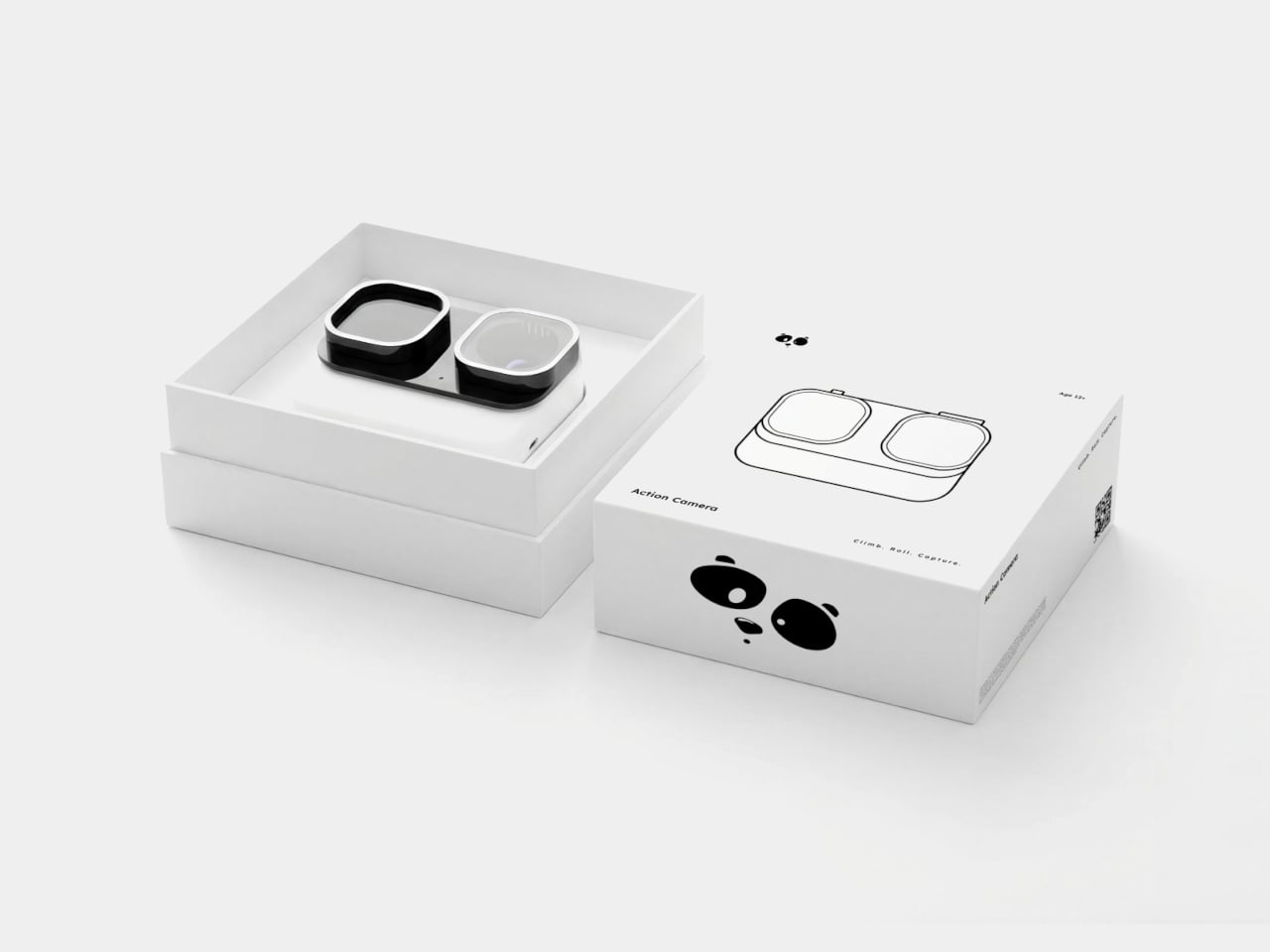
The packaging carries the panda-eye graphic, the same black-and-white palette, and the tagline “Climb. Roll. Capture.” The box also shows an age rating of 10+, which quietly shifts the target older than the concept language implies. A ten-year-old and a seven-year-old are very different grip sizes, and the design’s success depends heavily on which end of that range it was actually built for.

The post This Panda-Faced Action Camera Might Finally Get Kids Off Their Tablets first appeared on Yanko Design.

More Game Pass additions for March include Disco Elysium and Resident Evil 7

Microsoft has revealed the second wave of Game Pass additions for March. Disco Elysium and Resident Evil 7: Biohazard headline the 12-title batch, and several games previously exclusive to the Ultimate tier are also expanding to Premium.

DreamWorks Gabby's Dollhouse: Ready to Party kicks off the wave on March 17. South of Midnight, the action-adventure from Xbox studio Compulsion Games, and The Alters both arrive on March 18 on the Premium tier after being Ultimate-only. The Alters, from Frostpunk studio 11 Bit Studios, strands you on a hostile planet where your survival plan involves creating alternate versions of yourself based on different life choices and putting them to work.

Disco Elysium arrives on March 19 across all tiers. ZA/UM's detective RPG casts you as an amnesiac cop tasked with solving a murder, though the game is just as happy to let you become "an absolute disaster of a human being." Like a Dragon: Infinite Wealth, from the series formerly known as Yakuza, hits on March 24. Action packed roguelite Absolum, which we loved, follows on March 25, marking its Xbox debut.

Roman city-builder Nova Roma arrives March 26 as a day-one Game Pass release, and survival game The Long Dark joins on March 30. First-person survival epic Resident Evil 7: Biohazard arrives on March 31.

Barbie Horse Trails and 2025 Game of the Year Clair Obscur: Expedition 33 both land on April 2, with Clair Obscur coming to the Premium tier after launching as a day-one Game Pass Ultimate title. Final Fantasy IV rounds out the wave on April 7. Peppa Pig World Adventures and Mad Streets leave Game Pass on March 31.

This article originally appeared on Engadget at https://www.engadget.com/gaming/xbox/more-game-pass-additions-for-march-include-disco-elysium-and-resident-evil-7-161050028.html?src=rss

Apple iPhone Ultra (Fold) rumored to feature 4:3 display for ultimate multitasking

Apple iPhone Ultra (Fold) rumored to feature 4:3 display for ultimate multitasking iPhone Ultra Fold

Apple is poised to make a significant impact in the foldable smartphone market with the highly anticipated launch of the iPhone Fold, expected in September 2026. This device is designed to combine the functionality of an iPhone and an iPad, offering a versatile form factor that could challenge established players like Samsung and Motorola. With […]

The post Apple iPhone Ultra (Fold) rumored to feature 4:3 display for ultimate multitasking appeared first on Geeky Gadgets.

Posted in Uncategorized

Google makes Gemini personalization available to free users

At the start of the year, Google introduced Personal Intelligence, a Gemini feature that allows the chatbot to pull information from the user's other Google apps and services to generate personalized responses. After making the feature first available to Google AI Pro and Ultra subscribers, the company is expanding availability to more users in the US. 

Google is kicking off the expansion with AI Mode. Starting today, anyone in the US can enable Personal Intelligence inside of the company's dedicated search chatbot. To enable the feature, tap on your profile, select Search personalization, followed by Connected Content Apps. From there, select Connect Workspace and Google Photos.

In the coming weeks, Google will start rolling out Personal Intelligence to free users of the Gemini app in the US, with international availability to follow thereafter. The company plans to do the same with Gemini in Chrome, where personalization will first roll out to users in the US before becoming available in other countries. 

Google suggests a few different use cases for Gemini personalization inside of AI Mode, the Gemini app and Chrome. For instance, say you turn to AI mode for help with planning an upcoming trip. Instead of generating a generic itinerary, the chatbot will pull information from your apps to suggest something more tailored to your interests. It can also help you with troubleshooting in cases where you can’t remember the exact make or model of a device you’re trying to fix, as long as there are some hints to its origin contained inside of your Gmail account.

In each case, Personal Intelligence is disabled by default. Gemini will not personalize its responses unless you enable the new feature. Additionally, personalization is only available to personal accounts and not for Workspace business, enterprise and education users.  


This article originally appeared on Engadget at https://www.engadget.com/ai/google-makes-gemini-personalization-available-to-free-users-160000581.html?src=rss

March Madness 2026: How to watch the Final Four

Let’s face it: your bracket was probably busted a long time ago. The 2026 NCAA basketball tournaments, affectionately known as March Madness, is ending soon. The Final Four for both the men’s and women’s tournaments starts this weekend. Both the men’s and women’s tournaments are available to stream through various apps and services, but navigating the web of broadcasters and TV channels can be confusing. We’ve broken down when all the games are happening, where to watch and the best options for saving some cash doing so. 

The men’s NCAA Basketball Tournament Final Four begins on Saturday, April 4 with two games. The first game begins at 6:09PM ET with the second following at 8:49PM ET. The winners will then face each other for the national championship on Monday, April 6 at 8:30PM ET.

On the women’s side, everything is offset by a day. The Final Four starts Friday, April 3 at 7:00PM ET. The second game follows at 9:30PM ET. The women’s national championship will see the Final Four winners face each other on Sunday, April 5 at 3:30PM ET.

Here’s the full schedule for each tournament:

  • First Four: March 17-18

  • First round: March 19-20

  • Second round: March 21-22

  • Sweet 16: March 26-27

  • Elite Eight: March 28-29

  • Final Four: April 4

  • Championship game: April 6

  • First Four: March 18-19

  • First round: March 20-21

  • Second round: March 22-23

  • Sweet 16: March 27-28

  • Elite Eight: March 29-30

  • Final Four: April 3

  • Championship game: April 5

Jacob Kupferman via Getty Images

CBS and Warner Bros. Discovery share the broadcast rights to the men’s tournament, so TV coverage will be spread across four networks. During the course of March Madness, games will air on CBS, TNT, TBS and truTV, with the final rounds and championship game landing on TBS.

If you already have a paid TV plan (such as traditional cable), a good way to watch the men’s tournament is with the March Madness Live app or website. There's a big catch though: CBS games aren't available in the app. That means this is really only a good option through the Elite Eight. Once you log in with your TV provider credentials, you can watch games on the other networks in one spot with features like multiview (up to four games at once) and a Fast Break stream that covers all the in-progress games in one spot.

The app also offers ways to follow your bracket, if you filled it out on MarchMadness.com. And when you’re watching on desktop, the crucial Boss Button will throw up a fake work screen to keep your job safe. In addition to your laptop or phone, March Madness Live is also available on Amazon devices, Fire TV, Apple TV, iOS, macOS, Google Play, LG smart TVs, Roku and Xbox consoles.

The most affordable option to watch every game is to actually use two services. It’s not ideal, I know, but it will save you a lot of money. HBO Max’s Basic plan is $11/month and gives you access to live games from TNT, TBS and truTV with three-game multiview (46 games total). That includes the Final Four and National Championship as those three games are on TBS this year. If you splurge for a pricier plan ($23/month), you can stream games in Dolby Vision with Dolby Atmos surround sound. For the CBS games, you’ll need a Paramount+ Premium subscription that costs $14/month ($6 for two months for new users). So, with this best price scenario, streaming all of the men’s tournaments will cost $25 across two apps.

A live TV service like YouTube TV or Hulu + Live TV is over $80 more per month at full price, but they would offer you all the games in the men’s tournament in one place. YouTube TV is currently on sale for $60/month for the first two months after a free 10-day trial. Hulu + Live TV now includes Disney+ and ESPN Select, hence its higher price.

Joe Buglewicz via Getty Images

While Warner Brothers Discovery owns the rights to the men’s NCAA Tournament, ESPN has the women’s bracket locked down. Every game of the women’s tournament will be spread across ABC, ESPN, ESPN2, ESPNU and ESPNEWS, including the First Four matchups. The Final Four will be on ESPN, but the championship game will air on ABC. All three of those culminating games will stream on ESPN+ (and in the ESPN app) as MegaCast feeds.

ESPN says the MegaCasts are available in two options. First, Beyond the Rim provides an aerial camera angle with the main commentary and replays, plus the addition of enhanced stats. On the Rail shows you game action the full length of the floor. This feed will offer “natural” sound and replays. 

Since ESPN+ won’t get every game, it’s not an option if you want to watch the entire tournament. However, since last year’s March Madness, Disney debuted standalone offerings for ESPN. The most affordable option here is ESPN Select which includes women’s college basketball and costs $13/month. 

You could also opt for a live-TV streaming service like Sling, YouTube TV or Hulu + Live TV for a comprehensive experience. Sling is the cheapest of these, with the requisite Orange and Sports Extra plan costing $57 (Sling is currently offering a discount on the first month of Orange). YouTube and Hulu live TV options are both more expensive at over $80/month (YouTube TV currently discounted to $60 for the first two months), so it’s a matter of which set of content and features you like best. YouTube TV offers a handy multiview tool so you can watch up to four games at once, but Hulu + Live TV comes with Disney+ and ESPN Select for that cost.

Once you have a TV plan that includes the ESPN family of networks, the ESPN app is the best place to watch the tournament. The mix of scores and info, along with multiview streaming for up to four games at a time on Apple TV and Xbox, make the app a well-equipped conduit for the women’s tournament.

The March Madness website only shows scores and news for the women’s tournament. None of the women’s games will be available for streaming live on the website.

Michael Reaves via Getty Images

Without a TV provider login, you can watch all of the games broadcast on CBS on the March Madness website and mobile apps. Sure, it’s a small sample of the tournament, but it’s completely free and a good option for casual fans who don’t have a paid TV plan they can exploit for more of the action. It’s also a good way to watch the first round at work, if your company hasn’t blocked streaming sites, or if you can discreetly watch on your phone.

For the women’s tournament, there aren’t any games available for free. Unless you have an old-school OTA antenna, that is, in which case you can watch women’s games on ABC (and men’s games on CBS) without any kind of streaming plan. Of course, as this is a streaming guide published in 2026, I’d consider an antenna an extraordinary move.

If you were hoping to use a free trial period to watch March Madness, I’ve got bad news. None of them will last long enough to cover the entire tournament. Some services don’t offer a free trial at all, but the longest is YouTube TV at 10 days. Sadly, that won’t even get you through the second weekend.

If you’re hoping to stream all of the men’s and women’s NCAA tournaments, I hope you ordered Samsung’s eight-TV bundle. In terms of streaming services, just jump straight to a live-TV option like YouTube TV or Hulu + Live TV. I prefer the former because of its multiview feature. At times when there are multiple games that you want to watch, especially during the first two rounds, you’ll want multiview in order to keep tabs on all of the action.

This article originally appeared on Engadget at https://www.engadget.com/entertainment/streaming/march-madness-2026-how-to-watch-the-final-four-154903746.html?src=rss

Chess Hasn’t Looked Like This in a Thousand Years

Chess has been redesigned hundreds of times. Most attempts stay within the same visual vocabulary: carved figures, medieval references, stylized horses and crowns. The king still wears his crown, even when the designer strips everything else away. That iconography is stubborn. It follows the game everywhere it goes. Seoul-based designer Lee Jinwook decided not to follow it.

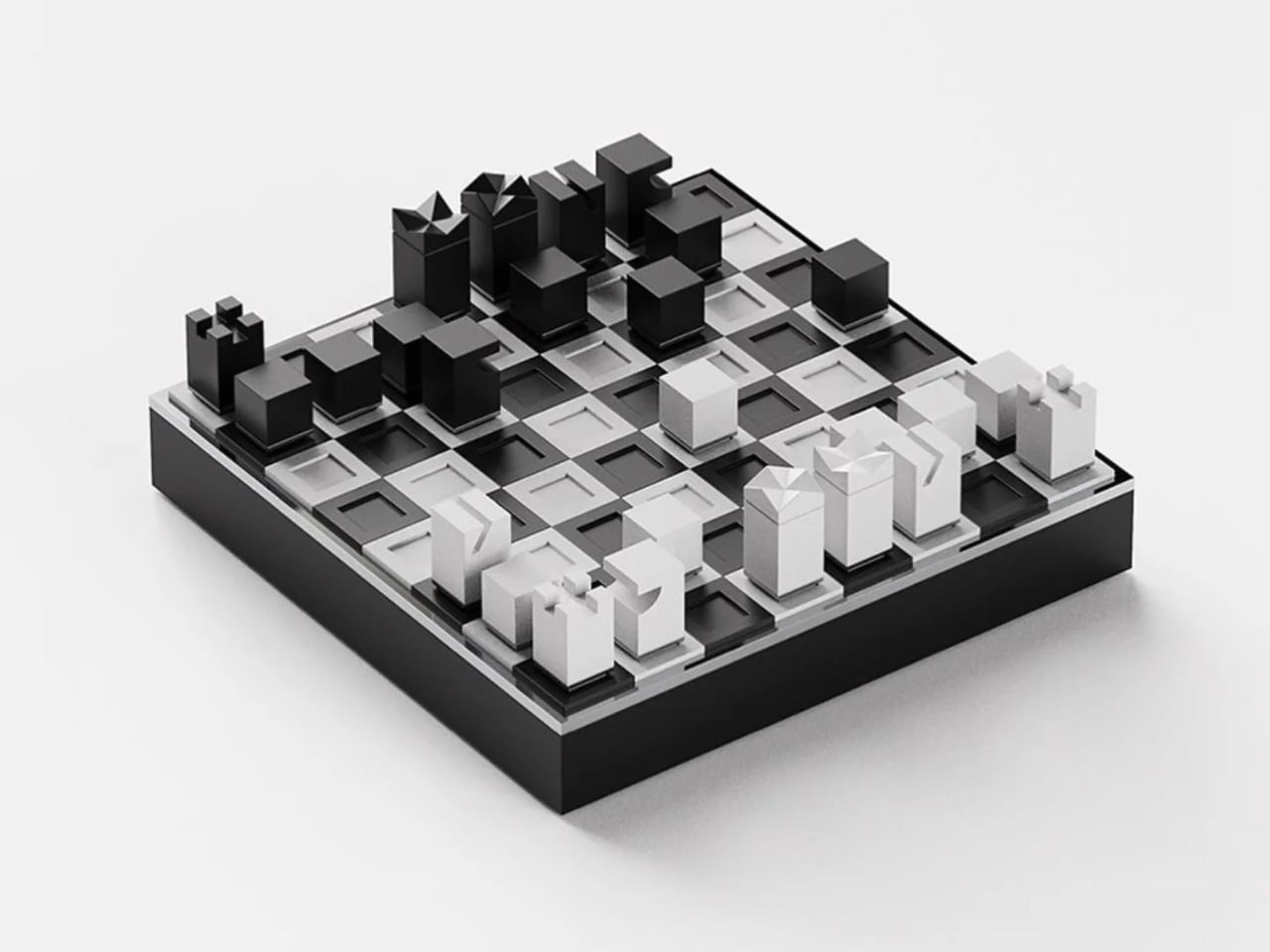
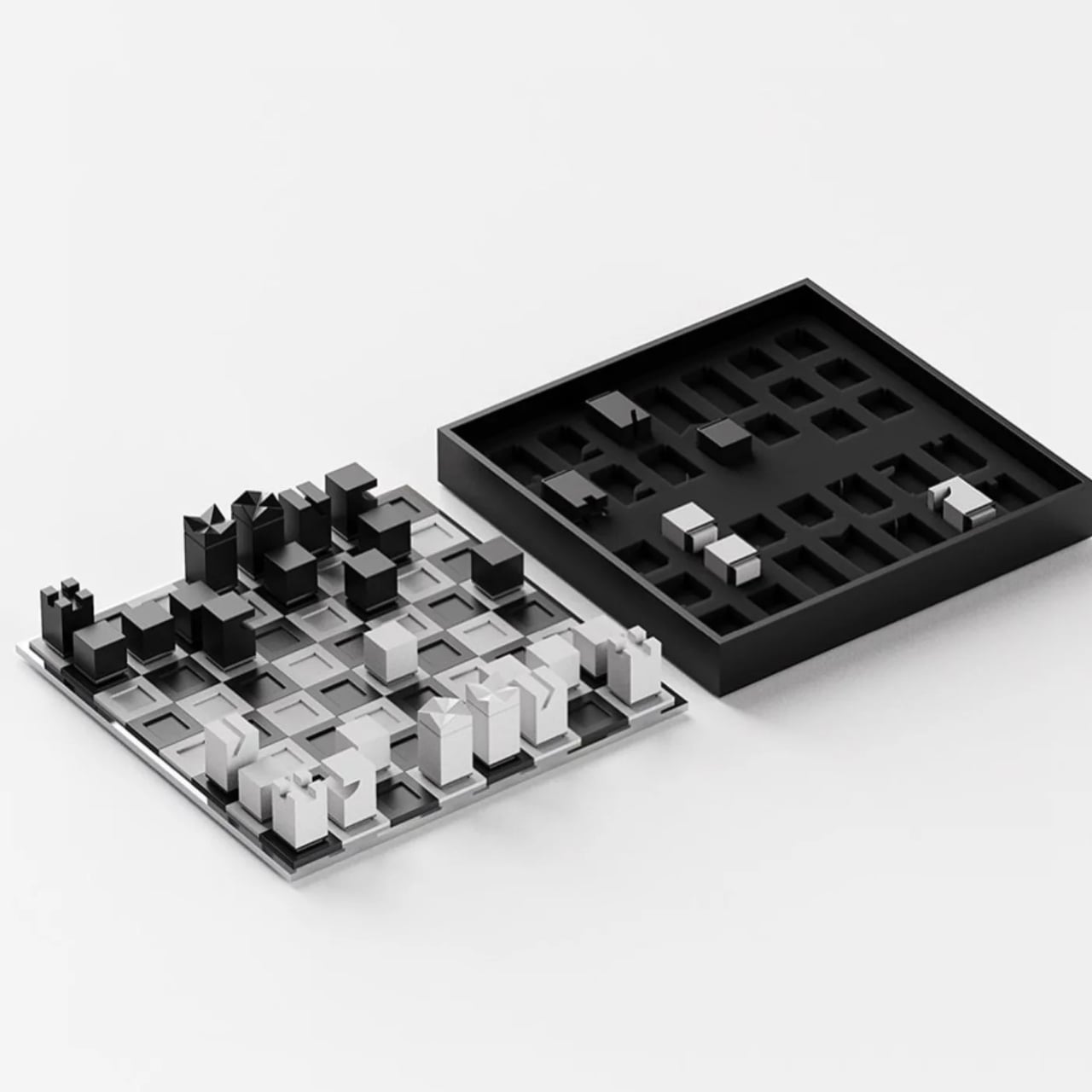
His Chess Matt Edition doesn’t borrow from that history. It doesn’t nod to it, deconstruct it, or pay ironic homage to it. Each piece is reduced to its essential geometric form, differentiated only by the minimal cuts and angles that distinguish one from another. The king wears a notched crown-like geometry, but it reads more like a Brutalist building than a monarch. The bishop has a diagonal slice through its block. The knight, traditionally the most ornamental piece on any board, is just a rectangle with a curved indent. You’d know each piece by its shape, and you’d know each shape by nothing but itself.

Designer: Lee Jinwook

That restraint is genuinely hard to achieve, and it’s rarer than it looks. Plenty of minimal chess sets still carry the weight of nostalgia by leaning on proportions that echo traditional forms. Lee’s approach feels more rigorous, like the design equivalent of starting with a blank document and refusing to import anything from a previous draft.

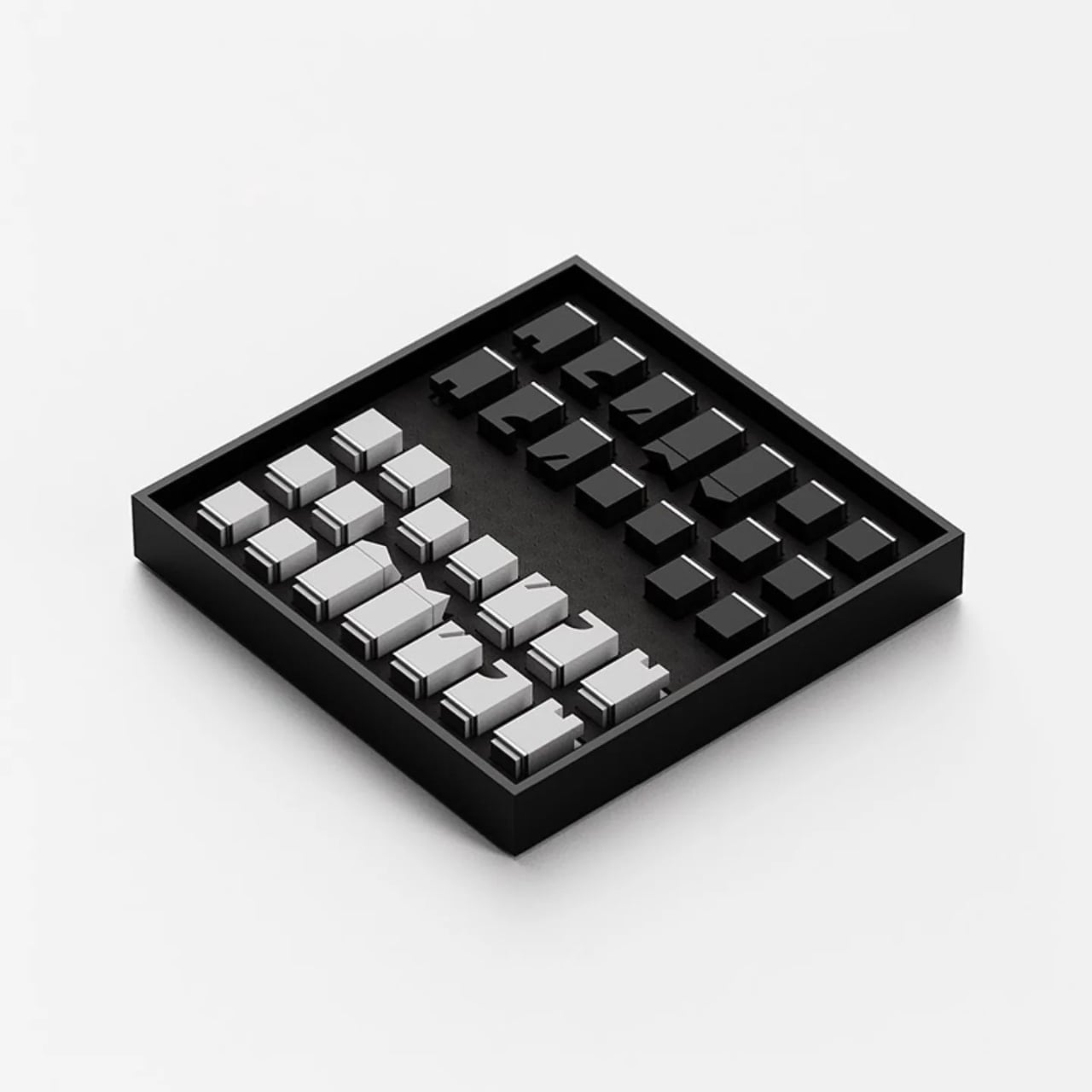
The Matt Edition is part of a series, each version produced in a different material. This one uses powder-coated pieces with brushed metal accents along the base. The contrast between the matte surface and the slim metallic band at the bottom of each piece is subtle, but it matters. It gives the set a quiet luxury without announcing it. The board itself doubles as the case cover when flipped, and the entire set packs down into a 115mm cube. That last detail sounds like a footnote but it’s actually the whole point. It means you can take it somewhere. It means the design serves life, not the other way around.

When the pieces are set up and no one is playing, the board looks like a miniature city. A grid of black and white geometric forms at different heights, each one casting its own small shadow. The intention was for the set to read as sculpture between moves, and it absolutely does. The photograph of it mid-game is more compelling than most things sold specifically as decorative objects.

I’ll admit I’m skeptical of design objects that prioritize aesthetics at the cost of function. A beautiful chair that isn’t comfortable is just a sculpture with pretensions. But this set doesn’t ask you to choose. The geometric forms are readable. The scale feels right for actual play. The packaging is considered down to the way the board flips over. The aesthetics and the utility are working in the same direction, which is what good design is supposed to do, and which a lot of objects in this category fail to deliver.

What Lee has also built, whether intentionally or not, is a quiet argument about chess itself. The game doesn’t need its medieval costume to function. Strip away the kings and queens and rooks and what remains is a grid, a set of movement rules, and the cognitive pleasure of solving something in real time. The Chess Matt Edition reminds you of that. It separates the game from its accumulated mythology and puts the focus back on the act of playing.

That’s worth paying attention to right now. The design world is saturated with products that perform a cultural identity rather than express one. This chess set doesn’t perform anything. It just is what it is: precise, considered, and fully confident in its own logic. When you see it sitting on a shelf, black pieces against a white board, matte surface catching a little natural light, it earns the space it occupies. Everything fits into a 115mm cube. The whole set sits in your hand. Not everything that fits in your hand deserves to be considered art, but this one comes close.

The post Chess Hasn’t Looked Like This in a Thousand Years first appeared on Yanko Design.

Amazon launches one- and three-hour delivery options in the US

Amazon just launched one-hour and three-hour delivery options in many cities and towns throughout the US. As a matter of fact, the company says three-hour delivery windows are already available in over 2,000 locations, while one-hour windows have launched in "hundreds" of cities. You can check to see if your area is covered by clicking right here.

Just like same-day and next-day delivery, this doesn't cover every available item. Amazon boasts that over 90,000 products are ready for "fast, reliable delivery in just a few clicks." There has been a priority placed on the kinds of items typically needed within 60 to 180 minutes. Users can order "everyday essentials like pantry items, cleaning supplies, health and beauty items and over-the-counter medications."

The new delivery options also cover some fun, but perhaps not essential, items like electronics, toys and clothing. Hey, a Nintendo Switch 2 to play Pokopia could be considered essential to many.

A phone app.
Amazon

These high-octane delivery methods don't come cheap, even for Prime members. One-hour deliveries cost $10 and three-hour deliveries cost $5. Customers without a Prime membership pay $20 for one-hour deliveries and $10 for three-hour deliveries. The same-day delivery option remains free for Prime members.

This isn't Amazon's first foray into ultra-quick delivery windows. The company has been experimenting with this kind of thing for years. It started a program called Amazon Now in the 2010s that handled that sort of thing, which eventually changed to Prime Now. It was sunsetted in 2021.

This article originally appeared on Engadget at https://www.engadget.com/apps/amazon-launches-one--and-three-hour-delivery-options-in-the-us-151536118.html?src=rss

Gamers are right to be disgusted by NVIDIA’s DLSS 5

You can sum up the gamer response to NVIDIA's DLSS 5 announcement with the ever-relevant Fallout 4 meme: "Everyone disliked that." Across social media and Reddit last night, I couldn't find anyone who's genuinely positive about the potential for DLSS 5, which uses AI to add "photorealistic" lighting and materials to in-game models and environments. Instead, it's mostly complaints about the feature being another avenue for AI slop. And you know what? I agree.

It's not unusual to see gamers being reflexively angry about new technology on the internet, especially when it's being pitched by NVIDIA as the “biggest breakthrough in computer graphics” since its RTX 20-series GPUs arrived in 2018 with real-time ray tracing. There was plenty of suspicion around DLSS's original AI upscaling model, as well as the "fake" frames generated by later iterations. But the few demos we've seen of DLSS 5 basically look like "yassified" AI filters for popular games.

Leon and Grace from Resident Evil: Requiem have more distinct facial and hair detail, but they look a bit too slick. There are more wrinkles on an old woman in Hogwarts Legacy. And the face, hair and clothing from a Starfield character gain an uncanny sheen.

None of the demos have the immediate impact of the Star Wars real-time ray tracing short ILMxLab produced with NVIDIA seven years ago. That demonstration showed us glorious reflections and lighting effects we'd never seen before in real-time. The DLSS 5 demos, on the other hand, don't look much different from the AI filters that make you look more presentable for Zoom calls. There's no genuine excitement for DLSS 5, just NVIDIA telling us that it's groundbreaking.

There's also plenty of concern about DLSS 5 straying from an artist's original intent, as well as a potential homogenization of game visuals if every developer starts using the feature. NVIDIA claims developers will have "detailed controls for intensity, color grading and masking," which will help DLSS 5 stay in line with a game's aesthetic. But we don't have any direct developer experience with the feature yet — some artists may want far more control than NVIDIA wants to give.

The difference between DLSS 5 and earlier versions NVIDIA's upscaling is like the difference between generative AI and more traditional machine learning models. NVIDIA relied on the latter to make low-resolution textures and models appear sharper, and later to insert generated frames to smooth out gameplay and raise your fps count. As Wirecutter and former Polygon editor Arthur Gies points out, you could argue those features were in service of delivering what developers originally intended. But DLSS 5's neural model applies its concept of "photorealism" on top of what games are rendering -- it's like watching a Pixar movie that let OpenAI's Sora do a final visual pass.

Part of the negative response towards DLSS 5 may stem from a widespread anti-gen AI sentiment, but that doesn’t devalue the criticisms either. Similar to AI generated text, images and video, there’s a dehumanizing aspect about DLSS 5. It can erase the work of human artists (despite how much control NVIDIA claims they have), and it also feels like a calculated attempt to appeal to gamers who just want shinier graphics. NVIDIA showed off how generative AI could be used to create dialog and voices for NPCs last year at CES, but that was also widely disliked (and I called it a genuine nightmare).

Of course, I can’t fully judge DLSS 5 until I see it in action beyond a short demo. But I think the visceral disgust is an important indicator that many gamers aren’t onboard with the AI-powered future NVIDIA is trying to sell us. And perhaps the idea of chasing “photorealism” may be a bit of a fool’s errand. It may be appropriate for some games, but as Nintendo and indie PC devs have shown, you can also make some of the best games of all time without striving for realism. Tears of the Kingdom could use a better framerate and higher resolution textures, but it certainly doesn’t need DLSS 5.

This article originally appeared on Engadget at https://www.engadget.com/gaming/pc/gamers-are-right-to-be-disgusted-by-nvidias-dlss-5-151105593.html?src=rss

Samsung’s Masterpiece: Why the Galaxy S27 Ultra is Worth the Wait

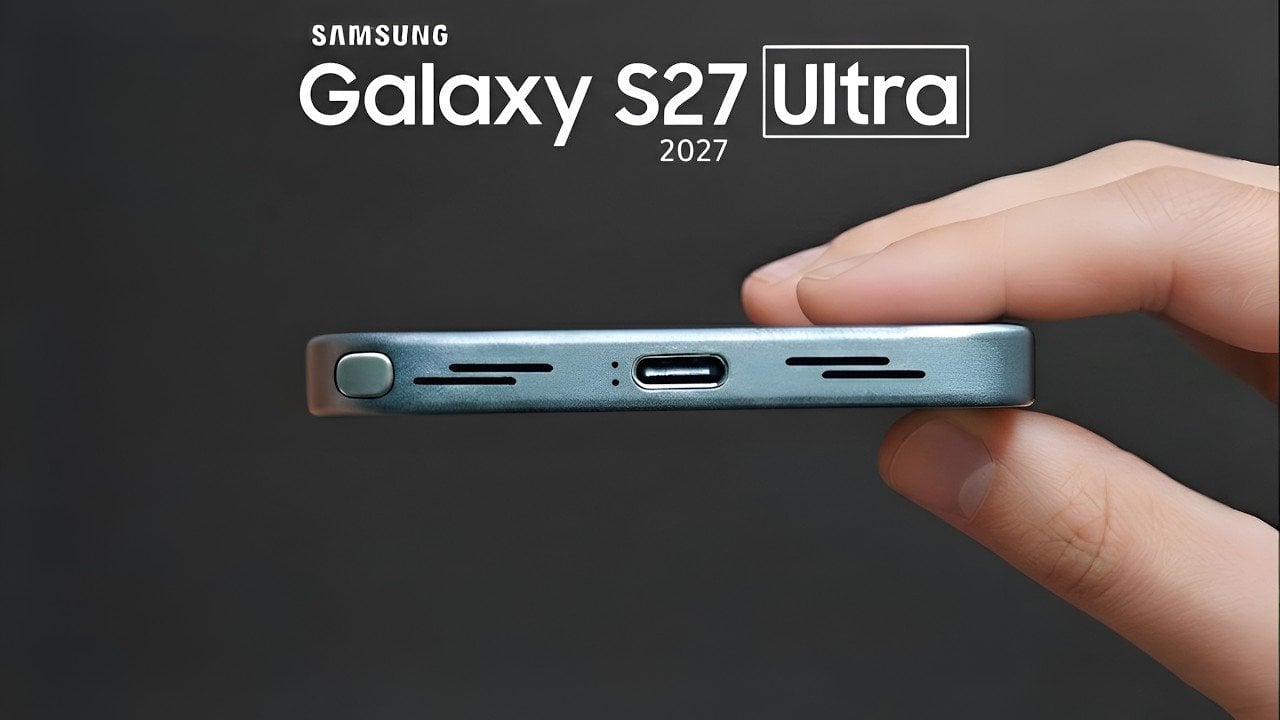
Samsung’s Masterpiece: Why the Galaxy S27 Ultra is Worth the Wait Render-style view of Galaxy S27 Ultra showing a rumored triple rear camera arrangement and simplified lens spacing.

The Samsung Galaxy S27 Ultra, anticipated for release in 2027, is poised to represent a significant shift in the evolution of flagship smartphones. Early leaks and industry speculation suggest that Samsung may pivot from a hardware-centric approach to a focus on meaningful innovations that enhance the overall user experience. This potential transformation could reshape the […]

The post Samsung’s Masterpiece: Why the Galaxy S27 Ultra is Worth the Wait appeared first on Geeky Gadgets.

Posted in Uncategorized