This ‘Immortal’ EDC Pen Spent 24 Hours Underwater, And Still Wrote Continuously For 1,500 Meters

Thomas Slim immersed their new EDC fountain pen in water for 24 hours, pulled it out, and it wrote immediately. They dropped both the fountain pen and rollerball versions fifteen times from one metre onto concrete, and aside from minor ink on the nib face, both kept writing without issue. They machined the internal grip length specifically to prevent cartridge movement under impact, added capillary channels inside the cap to manage ink overflow during sudden movement, and spec’d nitrile rings at key junctions for water resistance. None of this makes the pen indestructible, but it does make it the kind of tool you can carry without concern.

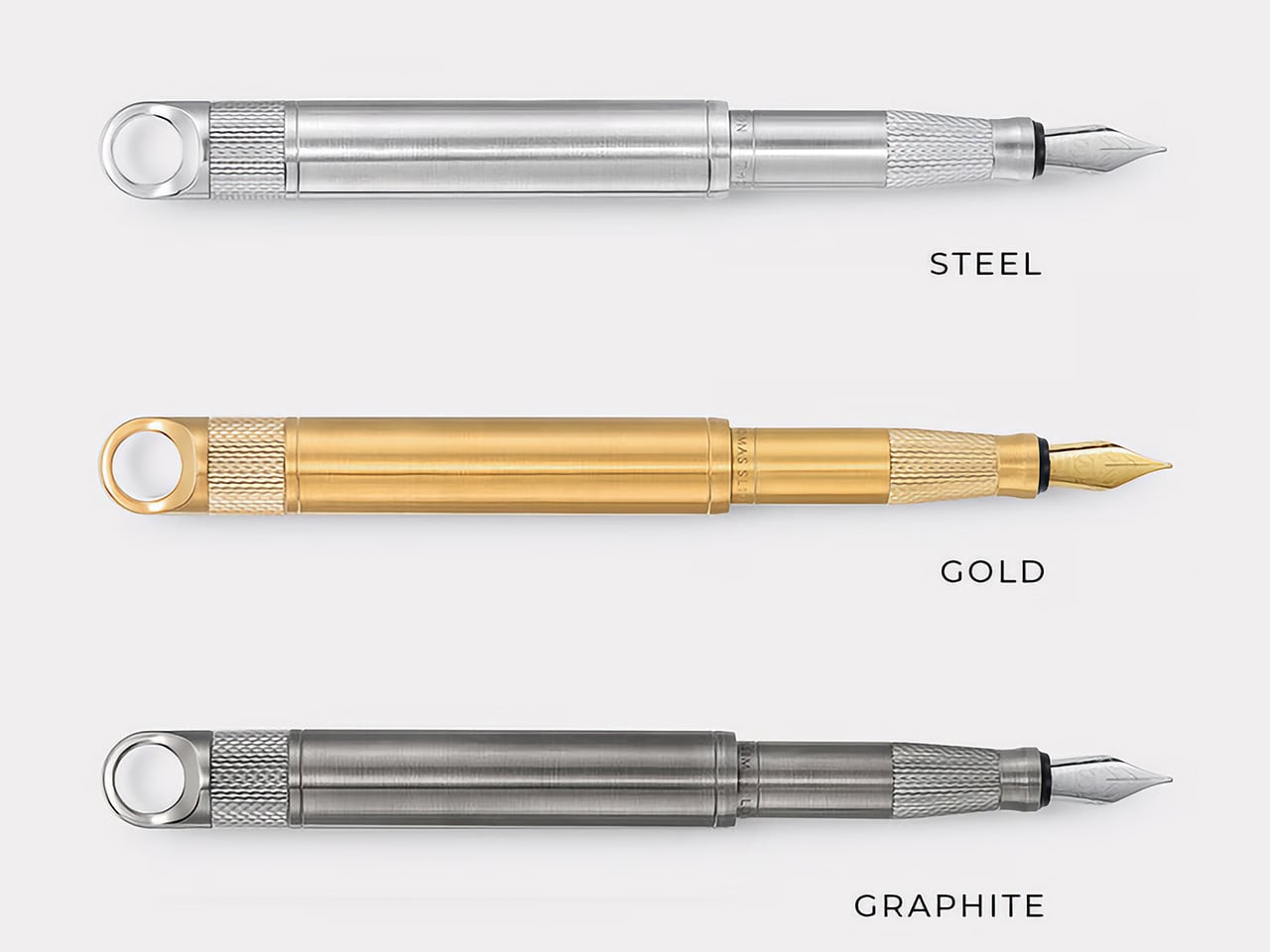
The Thomas Slim EDC Pocket Pen comes built by the eponymously named London studio with over twenty years of experience manufacturing precision accessories for European luxury houses. Machined from 304 stainless steel and IP plated for durability, it weighs 36 grams and measures 84mm capped without the optional key-loop. Available as both a fountain pen (with a polished Schmidt nib) and a rollerball (with Schmidt feed that wrote over 1,500 metres continuously in testing), both versions share the same cartridge system and the same obsessive engineering. Three finishes available: steel, gold, and dark gunmetal.

Designer: Thomas Slim

Click Here to Buy Now: $51 (Ships Internationally) Hurry! Only 29 days left. Raised $11,000 in just 3 hours
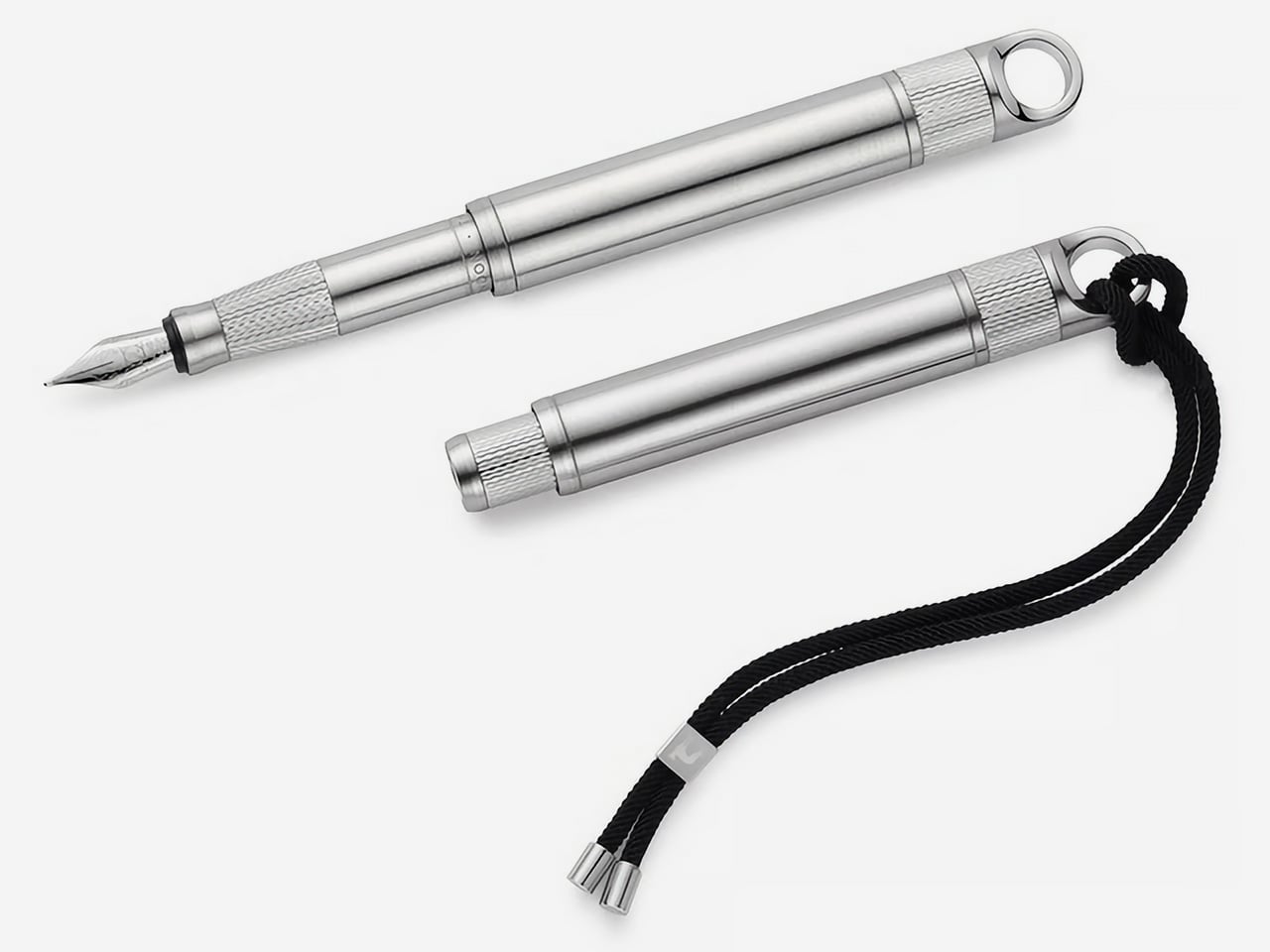
Both the fountain pen and rollerball versions use the same cartridge system, which keeps them flexible and economical to maintain over time. Thomas Slim developed an internal cap insert with capillary channels that manages excess ink during sudden movement, the kind of jostling that happens when a pen lives in a pocket or gets tossed into a bag. The grip section secures the cartridge firmly under impact, solving the problem most cartridge pens face when they hit pavement. The fountain pen uses a Schmidt nib, polished in-house for smoothness, which matters if you’re writing more than a quick note. The rollerball uses a precision Schmidt feed, and in testing it wrote over 1,500 metres continuously without interruption or feed starvation. That’s the kind of reliability you need when the pen is your daily carry and you can’t afford to have it skip mid-sentence during a meeting.

Every component is CNC machined in Thomas Slim’s workshops on sliding head lathes to highly specific tolerances. The body is 304 stainless steel, and the gold and graphite versions are IP plated for durability, giving it robust scratch resistance . Anodised aluminium sleeves support the feed, and are compatible with many European feeds, allowing you to swap the nib for your favourite one should you wish. Nylon inserts regulate thread engagement and house the internal ink-overflow system, the part that keeps ink from leaking into the cap when the pen takes a hit. Nitrile rings assist with water resistance at key junctions, which explains how the pen survived 24 hours underwater and wrote immediately after. Machined to within a tolerance of 30 microns, the pen threads engage smoothly, the cap posts securely, and nothing rattles or feels loose in hand.

Barley is a traditional engine-turned pattern long used on items to be handled often, and each small facet catches light at a slightly different angle. The pattern improves grip, especially in wet conditions, and adds a quiet tactile feel while remaining comfortable. Thomas Slim applied the barley detailing to the grip section and the cap threading, the two areas where your fingers make contact most. Three finish options are available, and the gold and graphite versions use Ionic Plating, a surface treatment that bonds to stainless steel for exceptional hardness and durability. The steel finish keeps the raw metal look, the gold adds warmth without looking gaudy, and the dark gunmetal sits somewhere between tactical and refined.

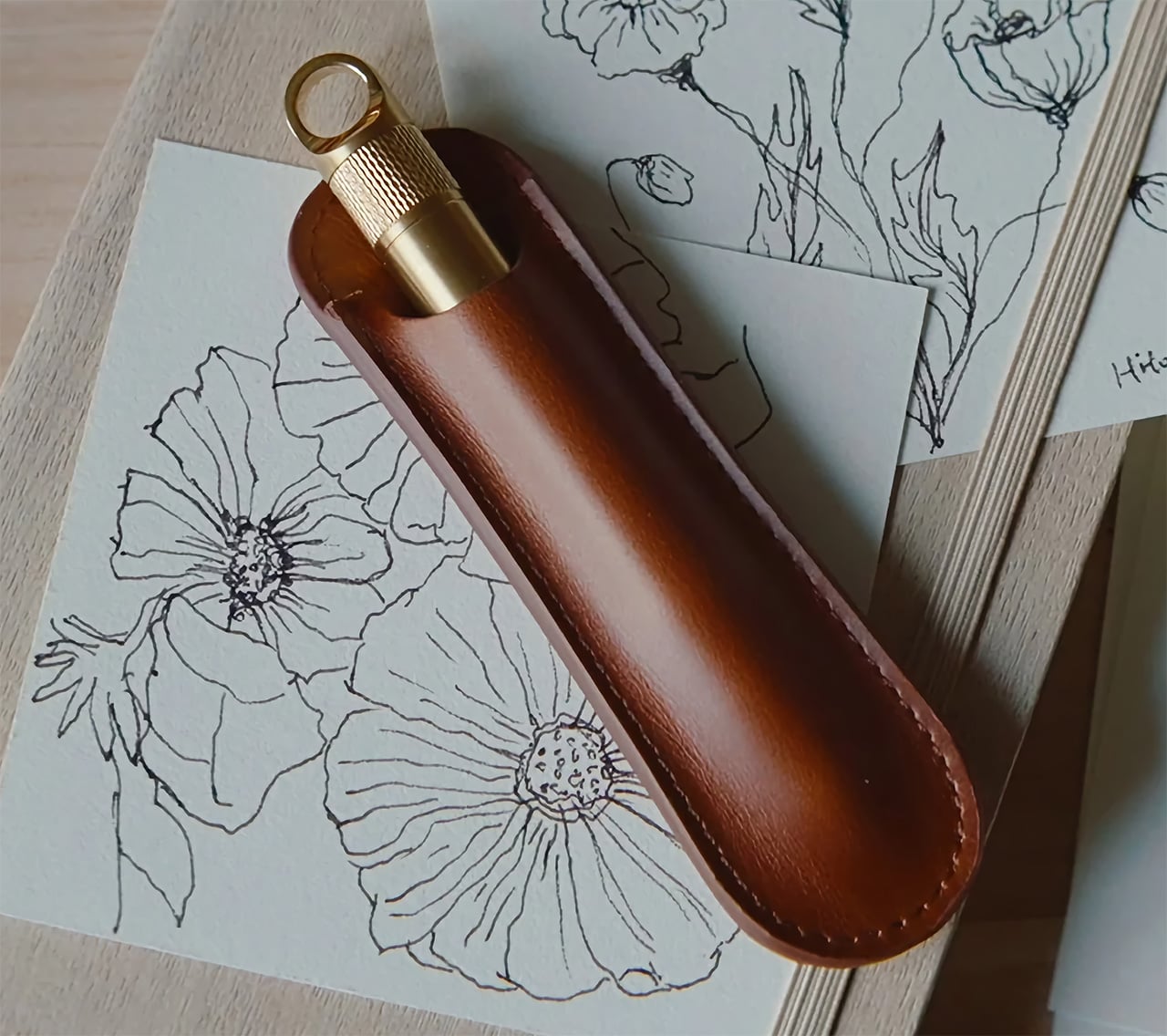
Each pen is individually numbered on the grip section thread and features a mother-of-pearl insert, which can be engraved with a personal monogram. Customers may choose the pen with or without a loop depending on intended use, and for those selecting the loop option, five cord colours are available, each finished with metallic end components to improve durability and prevent fraying. The loop turns the pen into a keychain carry, which works if you want it always accessible but don’t want it rattling loose in a pocket. For those who prefer a more understated look, a leather case is available as an accessory. Without the loop, the pen measures 84mm capped and 131mm uncapped, putting it in compact territory without feeling cramped when posted. The barrel diameter sits at 13mm, with the grip tapering to 10.5mm, a comfortable size for extended writing sessions.
The Thomas Slim EDC Pocket Pen starts at a discounted price of £37 ($48.77 USD). Three finishes will be available: steel, gold, and graphite, and buyers can configure the pen as either a fountain pen or rollerball. Additional rollerball nibs and cartridges are available as optional add-ons but also on Amazon. Thomas Slim sells directly, workshop to customer, with fully biodegradable FSC-certified packaging designed specifically for efficient small-parcel shipping. Tooling is complete, and the first production run is ready to begin in May with shipping as early as July 2026.

Click Here to Buy Now: $51 (Ships Internationally) Hurry! Only 29 days left. Raised $11,000 in just 3 hours

The post This ‘Immortal’ EDC Pen Spent 24 Hours Underwater, And Still Wrote Continuously For 1,500 Meters first appeared on Yanko Design.


This ‘Immortal’ EDC Pen Spent 24 Hours Underwater, And Still Wrote Continuously For 1,500 Meters

Thomas Slim immersed their new EDC fountain pen in water for 24 hours, pulled it out, and it wrote immediately. They dropped both the fountain pen and rollerball versions fifteen times from one metre onto concrete, and aside from minor ink on the nib face, both kept writing without issue. They machined the internal grip length specifically to prevent cartridge movement under impact, added capillary channels inside the cap to manage ink overflow during sudden movement, and spec’d nitrile rings at key junctions for water resistance. None of this makes the pen indestructible, but it does make it the kind of tool you can carry without concern.

The Thomas Slim EDC Pocket Pen comes built by the eponymously named London studio with over twenty years of experience manufacturing precision accessories for European luxury houses. Machined from 304 stainless steel and IP plated for durability, it weighs 36 grams and measures 84mm capped without the optional key-loop. Available as both a fountain pen (with a polished Schmidt nib) and a rollerball (with Schmidt feed that wrote over 1,500 metres continuously in testing), both versions share the same cartridge system and the same obsessive engineering. Three finishes available: steel, gold, and dark gunmetal.

Designer: Thomas Slim

Click Here to Buy Now: $51 (Ships Internationally) Hurry! Only 29 days left. Raised $11,000 in just 3 hours

Both the fountain pen and rollerball versions use the same cartridge system, which keeps them flexible and economical to maintain over time. Thomas Slim developed an internal cap insert with capillary channels that manages excess ink during sudden movement, the kind of jostling that happens when a pen lives in a pocket or gets tossed into a bag. The grip section secures the cartridge firmly under impact, solving the problem most cartridge pens face when they hit pavement. The fountain pen uses a Schmidt nib, polished in-house for smoothness, which matters if you’re writing more than a quick note. The rollerball uses a precision Schmidt feed, and in testing it wrote over 1,500 metres continuously without interruption or feed starvation. That’s the kind of reliability you need when the pen is your daily carry and you can’t afford to have it skip mid-sentence during a meeting.

Every component is CNC machined in Thomas Slim’s workshops on sliding head lathes to highly specific tolerances. The body is 304 stainless steel, and the gold and graphite versions are IP plated for durability, giving it robust scratch resistance . Anodised aluminium sleeves support the feed, and are compatible with many European feeds, allowing you to swap the nib for your favourite one should you wish. Nylon inserts regulate thread engagement and house the internal ink-overflow system, the part that keeps ink from leaking into the cap when the pen takes a hit. Nitrile rings assist with water resistance at key junctions, which explains how the pen survived 24 hours underwater and wrote immediately after. Machined to within a tolerance of 30 microns, the pen threads engage smoothly, the cap posts securely, and nothing rattles or feels loose in hand.

Barley is a traditional engine-turned pattern long used on items to be handled often, and each small facet catches light at a slightly different angle. The pattern improves grip, especially in wet conditions, and adds a quiet tactile feel while remaining comfortable. Thomas Slim applied the barley detailing to the grip section and the cap threading, the two areas where your fingers make contact most. Three finish options are available, and the gold and graphite versions use Ionic Plating, a surface treatment that bonds to stainless steel for exceptional hardness and durability. The steel finish keeps the raw metal look, the gold adds warmth without looking gaudy, and the dark gunmetal sits somewhere between tactical and refined.

Each pen is individually numbered on the grip section thread and features a mother-of-pearl insert, which can be engraved with a personal monogram. Customers may choose the pen with or without a loop depending on intended use, and for those selecting the loop option, five cord colours are available, each finished with metallic end components to improve durability and prevent fraying. The loop turns the pen into a keychain carry, which works if you want it always accessible but don’t want it rattling loose in a pocket. For those who prefer a more understated look, a leather case is available as an accessory. Without the loop, the pen measures 84mm capped and 131mm uncapped, putting it in compact territory without feeling cramped when posted. The barrel diameter sits at 13mm, with the grip tapering to 10.5mm, a comfortable size for extended writing sessions.

The Thomas Slim EDC Pocket Pen starts at a discounted price of £37 ($48.77 USD). Three finishes will be available: steel, gold, and graphite, and buyers can configure the pen as either a fountain pen or rollerball. Additional rollerball nibs and cartridges are available as optional add-ons but also on Amazon. Thomas Slim sells directly, workshop to customer, with fully biodegradable FSC-certified packaging designed specifically for efficient small-parcel shipping. Tooling is complete, and the first production run is ready to begin in May with shipping as early as July 2026.

Click Here to Buy Now: $51 (Ships Internationally) Hurry! Only 29 days left. Raised $11,000 in just 3 hours

The post This ‘Immortal’ EDC Pen Spent 24 Hours Underwater, And Still Wrote Continuously For 1,500 Meters first appeared on Yanko Design.
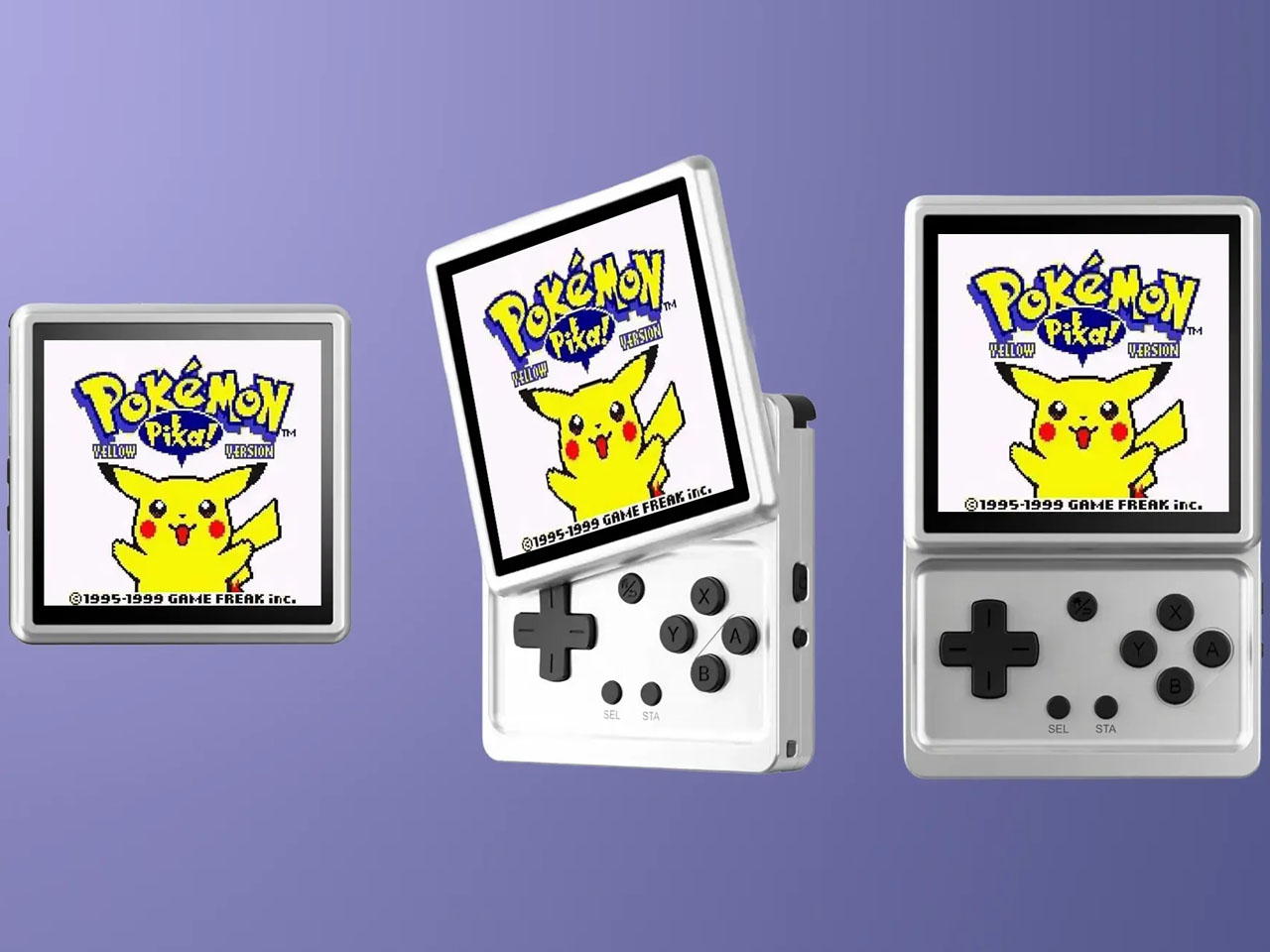
ANBERNIC RG Rotate handheld with swivelling display doubles as a music player

Handheld gaming has just exploded in the last year or so with players like Ayaneo, Analouge, ANBERNIC and Retroid catching the pulse of handheld gamers. There’s one for every type of gamer, whether someone who likes things arcade, retro modern, or a demanding nerd who wants to have a compact console to play AAA titles.

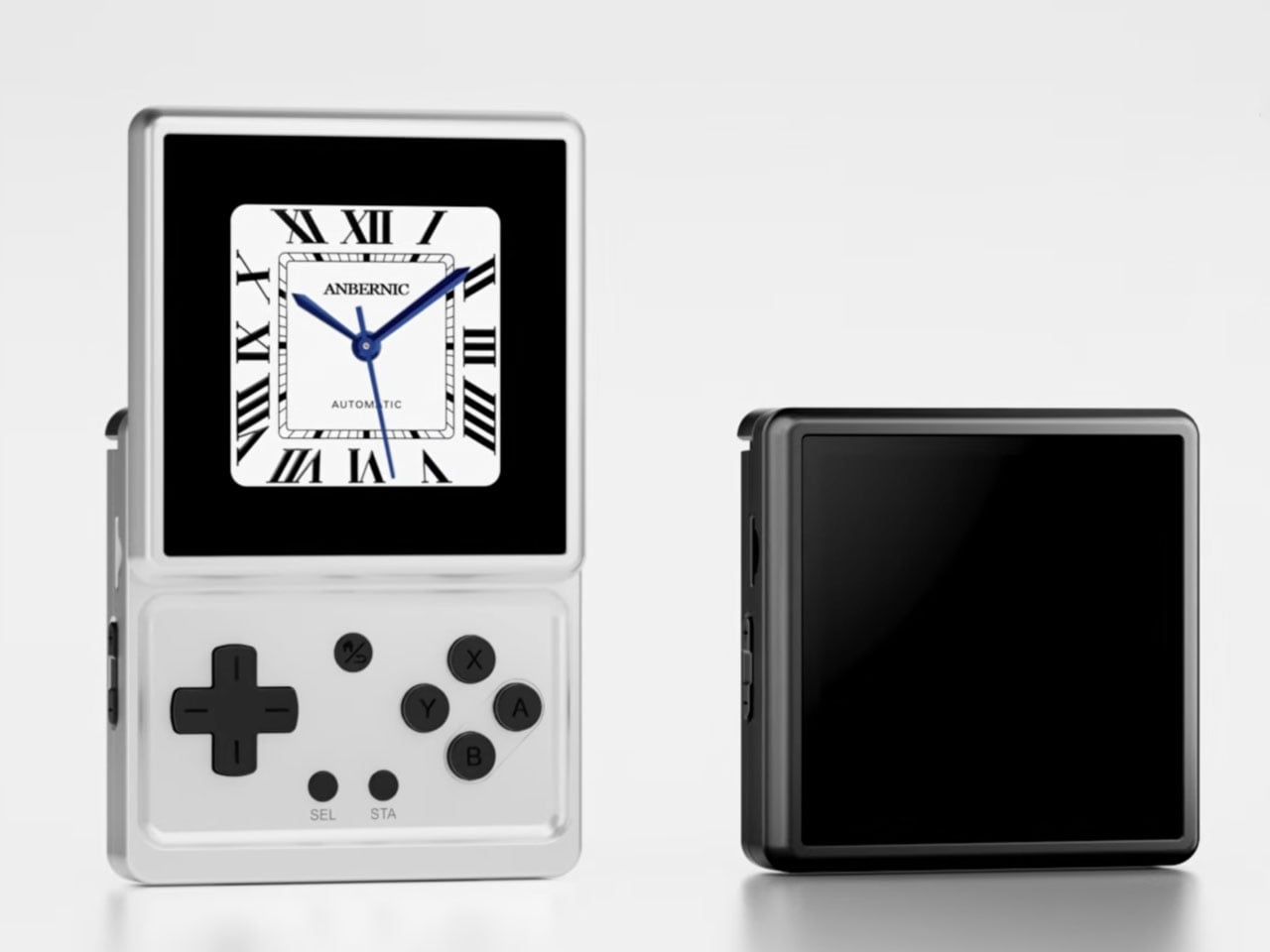
ANBERNIC has been in the news lately due to their rumoured handheld with a rotating screen, and now things are official. Their next retro gaming handheld, called RG Rotate, looks somewhat like the Motorola FlipOut phone, which was released way back in mid-2010. The idea here is to emulate classic console titles and also double as a music player since the device can play MP3 files.

Designer: ANBERNIC

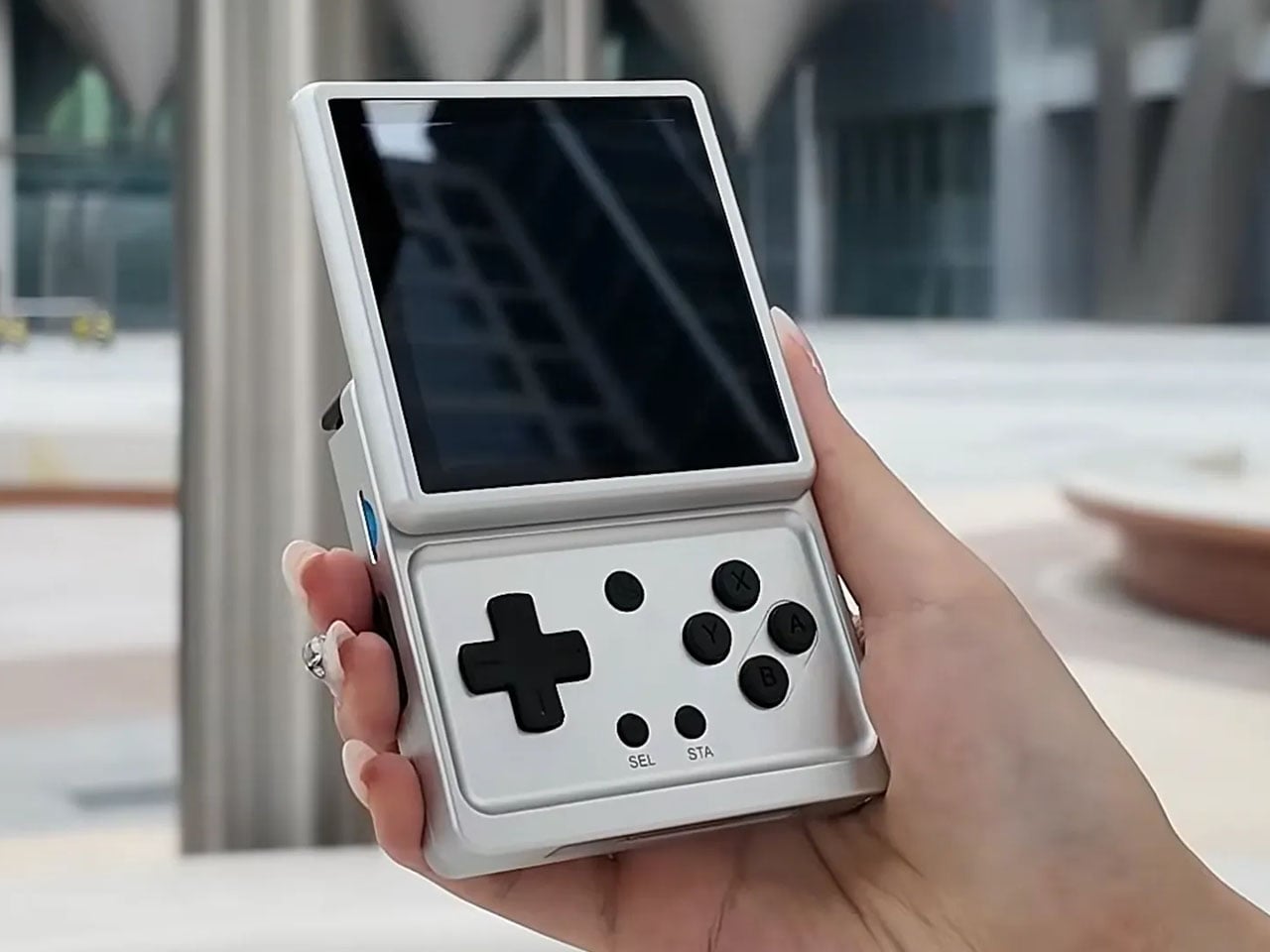
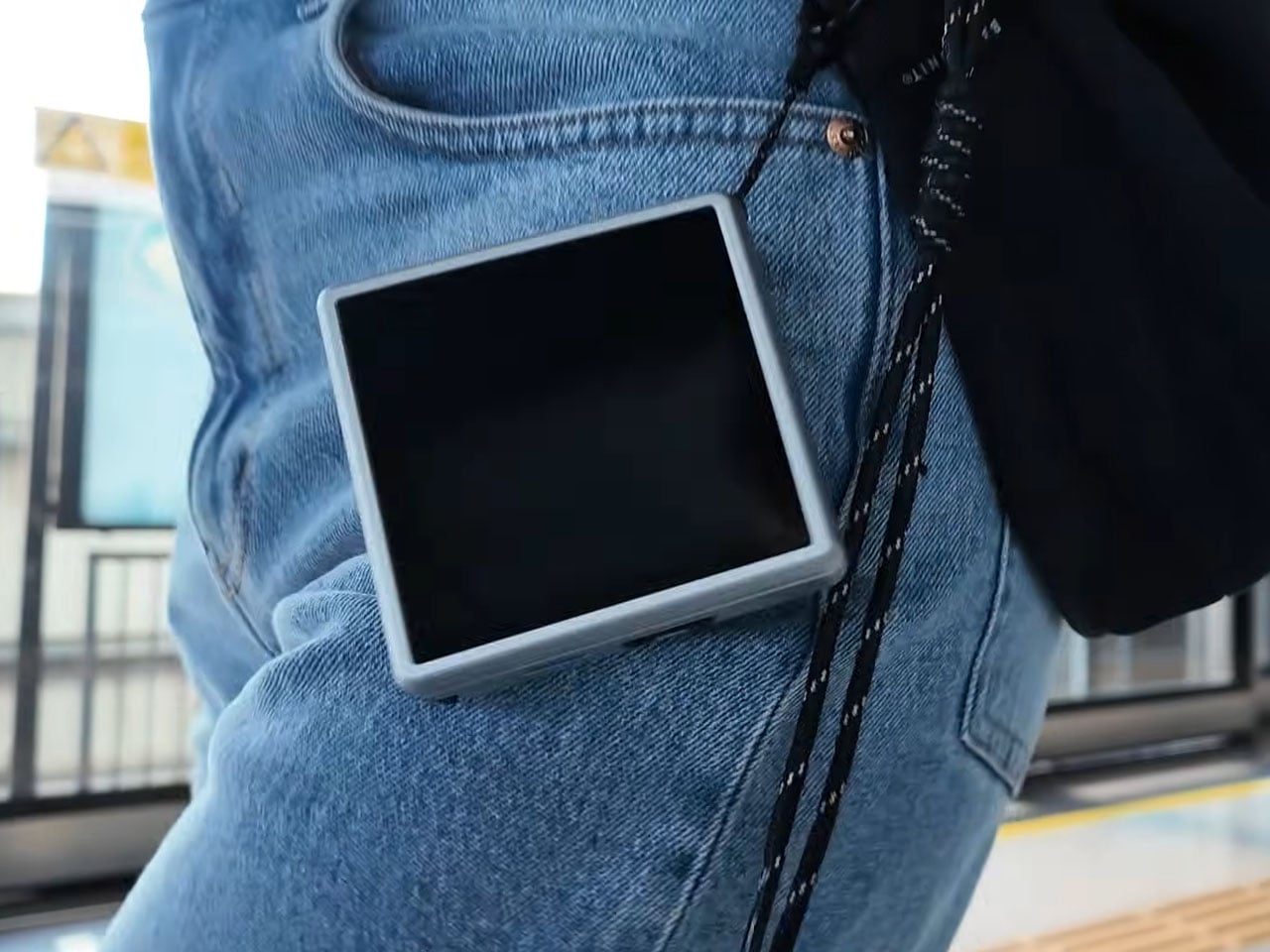
Building on the success of the RG Slide and the exciting prospect of the RG DS, the brand was confident enough to introduce a rotating-screen handheld to its gaming community. The result is an Android handheld that is compact enough to fit in a pocket yet powerful enough to play demanding arcade classics without breaking a sweat. This device has a peculiar pivoting square display that hides the D-pad and the buttons.

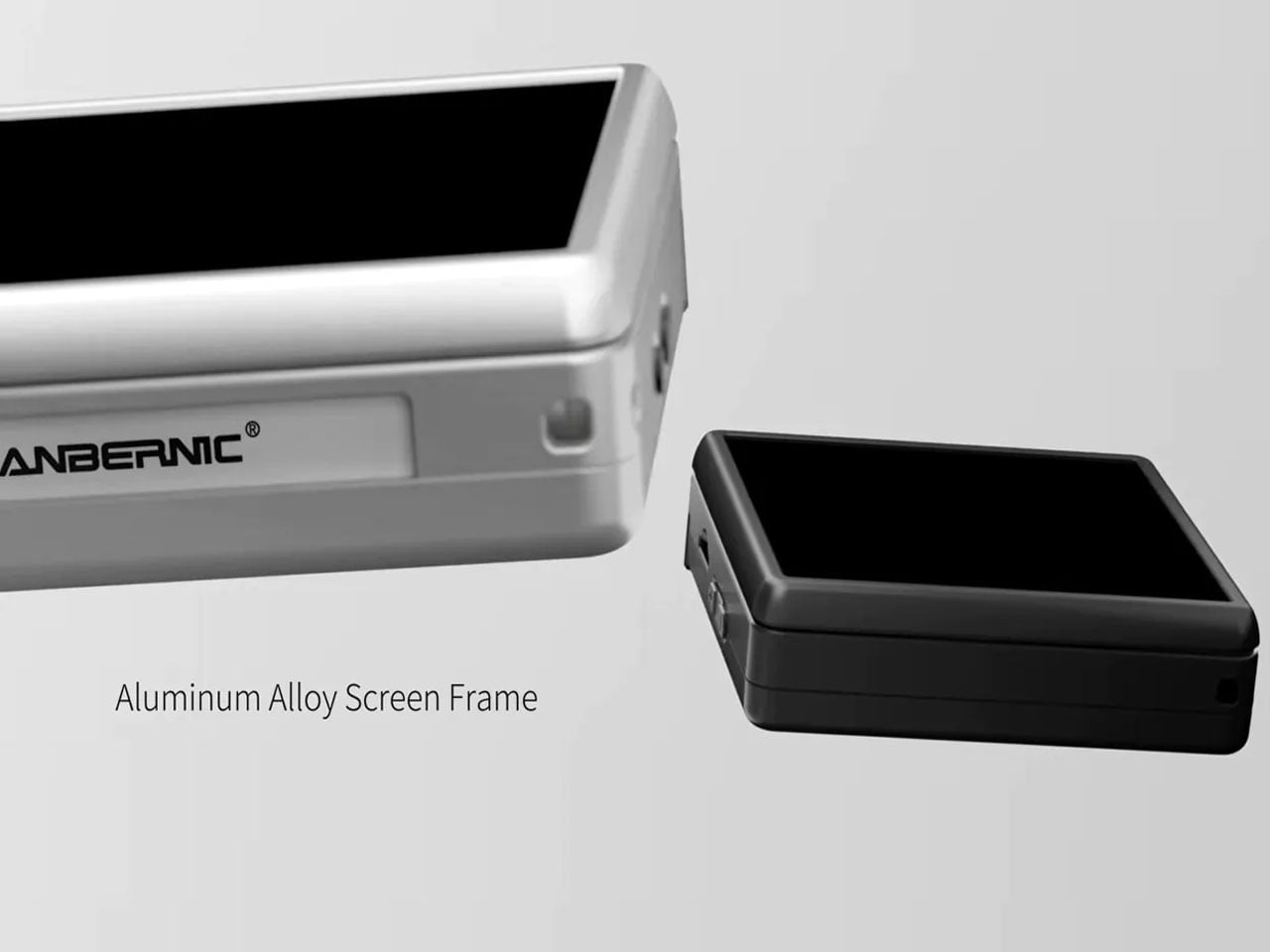
This rotating action relies on the proprietary ultra-thin alloy hinge mechanism, which should be durable enough to take on the constant movement that gamers are going to put it through. After all, it has gone through high durability testing, even though it was an engineering challenge for the brand. The confidence of a successful hinge mechanism and the constant movement on the RG DS should have brought enough input to go with this form factor.

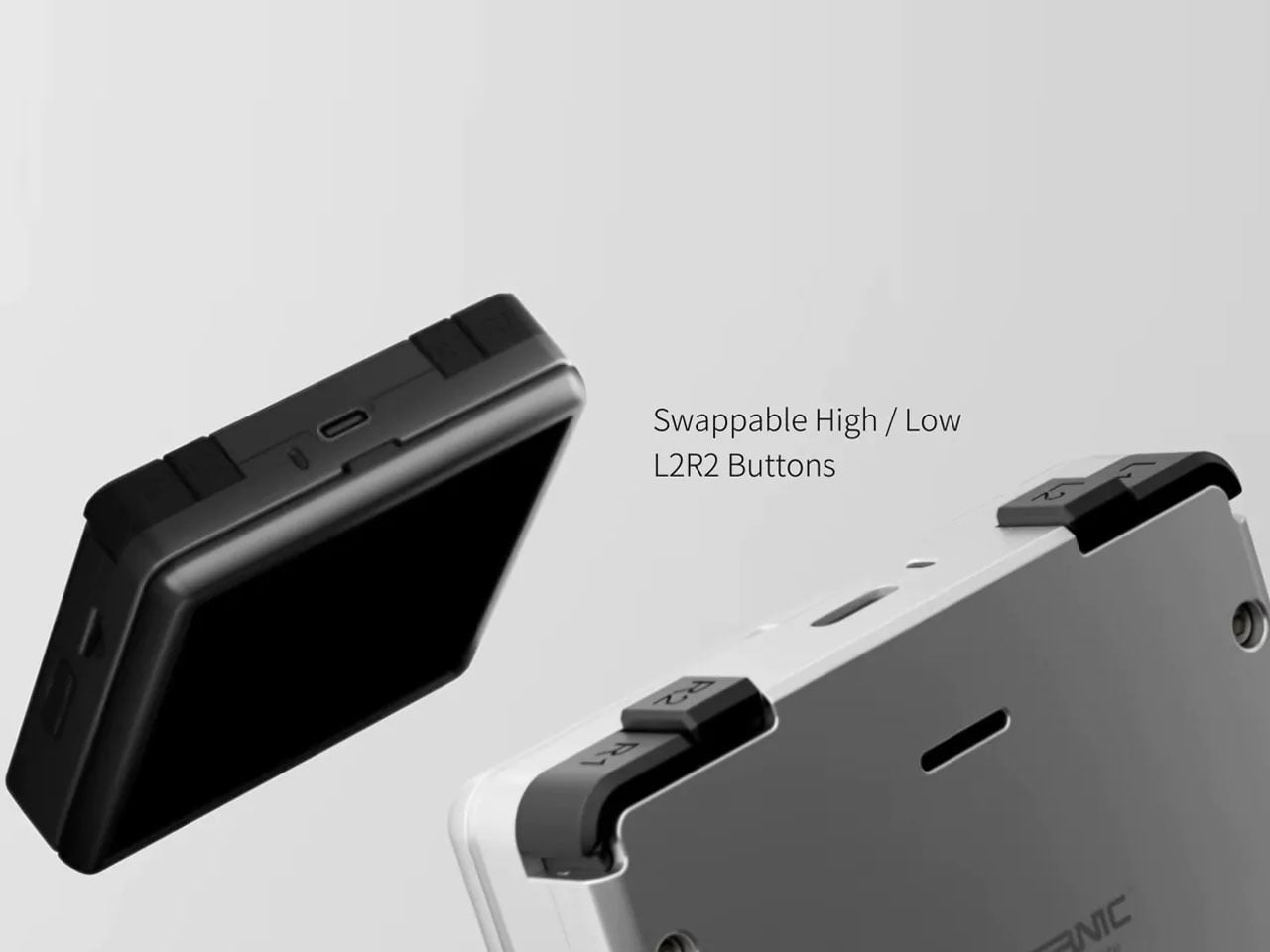
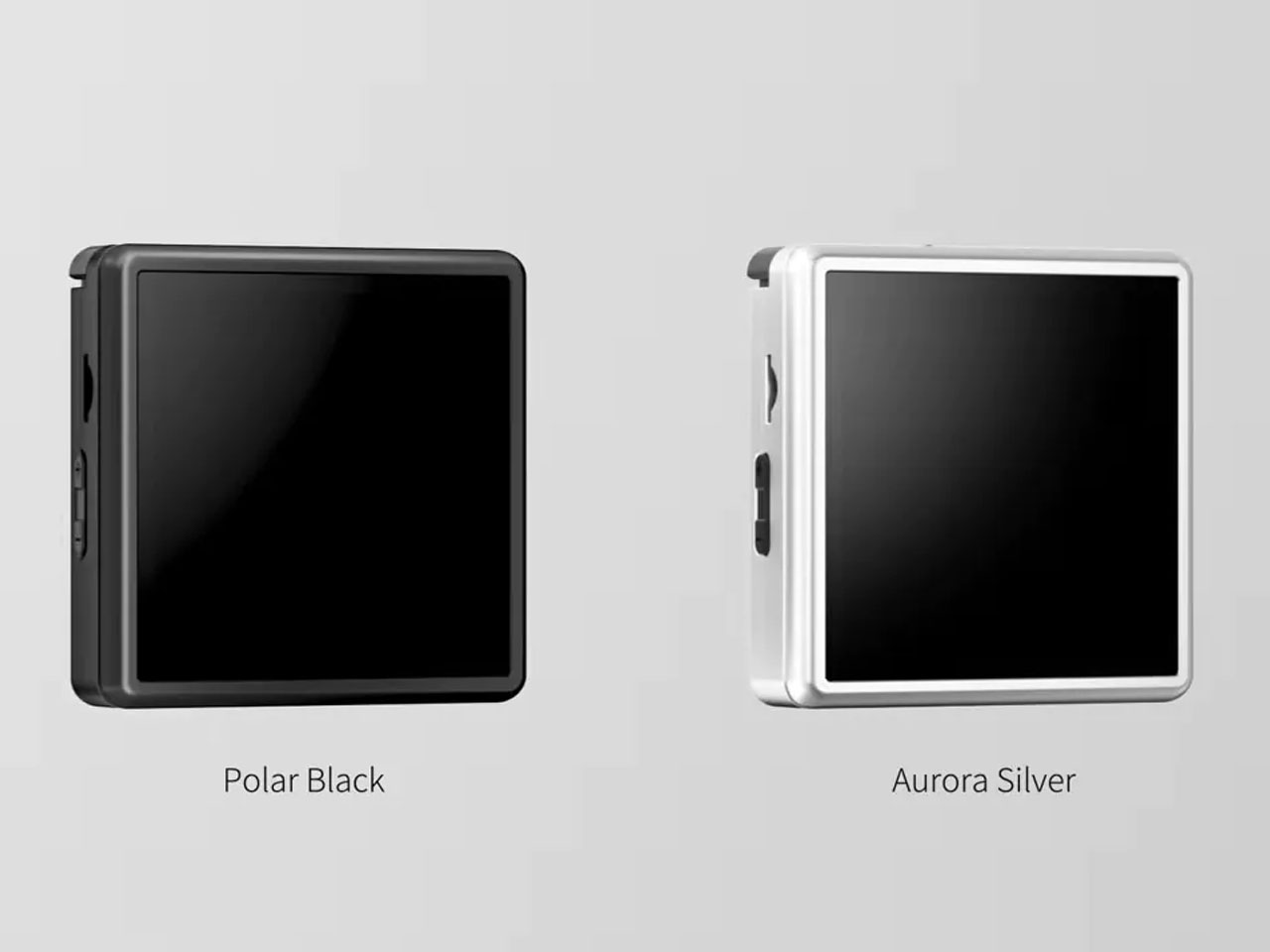
The RG Rotate comes with swappable in-line L2 and R2 buttons to toggle the height of the shoulder buttons as per liking. This handheld also comes with a single USB-C port and a microSD card, but surprisingly, it doesn’t have a 3.5mm headphone jack, given that it has built-in capability to play MP3 files. The only option left is to play music via the Type-C port. The aluminium screen frame handheld comes in two color options: Polar Black and Aurora Silver, which both have different body builds. One has an aluminum body frame, while the other has an ABS plastic body.

There is no word yet about the pricing or the availability of the rotating screen handheld. Also, there is no confirmation whether the two different body frame options will be released together or at different times.

The post ANBERNIC RG Rotate handheld with swivelling display doubles as a music player first appeared on Yanko Design.
Georgia Is Building a Chess Palace That Looks Exactly Like a Chessboard

Georgia has a claim on chess culture that goes deeper than most countries appreciate. The nation has produced grandmasters at a rate disproportionate to its size, and the game is woven into its educational and cultural identity in ways that feel genuinely foundational rather than ornamental. Given that context, the decision to build a dedicated Chess Palace in Batumi reads as overdue rather than extravagant, the kind of civic investment that a country with this relationship to the game probably should have made a generation ago.

What makes the Batumi Chess Palace architecturally compelling is that Irakli Emiridze of Alpha Architecture refused to treat chess as mere decoration. The entire building is organized around the game’s visual logic. Its form references an unfolded chessboard, its facades use perforated solar shading to animate a black and white grid pattern with real-time light and shadow, and a dramatic sculptural installation marks the entrance as both functional threshold and symbolic statement. The two-story, 60-meter-deep structure is due for completion in 2027, housing a tournament hall, chess library, hotel rooms, exhibition spaces, a gym, and study rooms.

Designer: Irakli Emiridze, Alpha Architecture

Perforated solar shades wrap all four elevations in a dense, pixelated black and white grid that shifts in depth and shadow as the sun moves across it. In still photography, the building reads as a graphic object, clean and immediate. Experienced over the course of a day, the surface behaves more like a living board mid-game, its apparent pattern changing with conditions outside any designer’s control. That quality, the way the building changes without changing, separates a strong concept from a merely clever one. The HPL panel system that underlies the shading adds durability to what could have been a purely cosmetic gesture.

Emiridze has extended the chessboard geometry across the entire site rather than limiting it to the elevations. From above, the rooftop alternates planted green squares against glazed skylights in a grid that mirrors the facade pattern. The ground plane continues in oversized alternating light and dark paving squares that push the building’s visual field outward into the surrounding landscape. Every vantage point, aerial, street level, interior looking out, returns the same binary rhythm, a level of conceptual commitment that most thematic buildings abandon the moment it becomes structurally inconvenient.

Rather than placing a literal chess piece at the entrance, Emiridze commissioned a tall, twisting corten-steel installation, two interlocking curved fins spiraling upward into a form that hovers between abstraction and figuration. It suggests a chess piece without depicting one, which is the more intelligent move. A literal rook or knight would have read as theme-park signage. This form reads as architecture, and the warm oxide tone of the corten against the monochrome facade gives the building’s street presence a focal point that earns its scale.

The program signals serious ambition for chess tourism. Beyond the tournament hall and study rooms, the building incorporates a chess library, exhibition space, conference facilities, a sports shop, a food facility, hotel rooms with two adapted for disabled visitors, and a gym. That breadth positions Batumi as a potential international destination for the chess world, a place where a grandmaster could arrive, compete, study, eat, and sleep without leaving the building. Alpha Architecture won this commission through a governmental competition, which means the Chess Palace carries public accountability alongside its conceptual ambition. The real test arrives in 2027, when Batumi either gets a landmark that genuinely serves its chess community, or a building that performed better on screen than on the ground. The bones are strong enough to be optimistic.

The post Georgia Is Building a Chess Palace That Looks Exactly Like a Chessboard first appeared on Yanko Design.

Sony is nerfing its Bravia TVs’ program guide

Sony is removing some features from its TV guide and program guide displays for channels received by an over the air TV antenna on select models of Bravia televisions from 2023-2025. Cord Cutters News reported on the changes, which will take effect in late May.

Channel logos and thumbnail images in program descriptions are going away from the built-in TV Guide for antenna TV channels. Only programs from recently watched channels will be shown in the guide, and depending on the channel, program information may not be displayed. Change is also coming for set top box users, with the dedicated Set Top Box TV menu being removed and replaced by a Control menu. This setup will also not show program thumbnail images any longer. 

This is an admittedly narrow use case in the age of both streaming and cable TV, but Sony didn't provide any reason for making the change. And for those people who are impacted, this could be an unpleasant surprise next month that makes the TV guide and program guide much less helpful.

This article originally appeared on Engadget at https://www.engadget.com/home/home-theater/sony-is-nerfing-its-bravia-tvs-program-guide-225640797.html?src=rss

FCC just handed Netgear a de facto router monopoly in the US

The Federal Communications Commission has announced that Netgear has been given conditional approval that effectively exempts it from a previous ban on foreign-made networking routers. The conditional approval gives the company a de facto — though potentially temporary — monopoly on the selling and servicing of new consumer routers in the US.

"We're pleased to share that Netgear is the first retail consumer router company to receive conditional approval from the Federal Communications Commission (FCC) as a trusted consumer router company," Netgear CEO CJ Prober said in a statement. "As a US founded and headquartered company, Netgear is aligned with the vision for a more secure digital future for our customers. For the last thirty years, we have been, and continue to be, committed to leading the consumer router category for the United States and setting the bar for quality, performance, innovation and security."

Both Netgear's lines of Nighthawk and Orbi mesh routers are covered by the approval until October 1, 2027, which appears to mean that the company can continue to offer software updates to both lines and presumably release and sell new models in the future.

The FCC dramatically expanded the Covered List, a collection of communications equipment seen as posing a risk to national security, to cover all foreign-made routers in March 2026. The decision prevents companies who make routers outside of the US from introducing new foreign-made models, and pushing certain software updates to existing models after March 1, 2027. Confusingly, though, it doesn't require anyone to replace their existing router or prevent those companies from selling routers they've already made. Receiving conditional approval is the definitive way companies can get off the list, but part of the FCC's requirements for approval is the company offering a plan to bring some or all of its manufacturing to the US — a theoretically costly decision.

Engadget has contacted Netgear for information about the US manufacturing plan it included in its application for conditional approval. We'll update this article if we hear back.

The vast majority of router companies, even ones that are headquartered in the US like Netgear, build their routers in Asia. It's not clear what makes Netgear's currently foreign-made routers safer than, say, an Amazon Eero 7 or a Google Nest WiFi Pro. Until other companies are given conditional approval, though, Netgear is in a unique position.

This article originally appeared on Engadget at https://www.engadget.com/cybersecurity/fcc-just-handed-netgear-a-de-facto-router-monopoly-in-the-us-223712324.html?src=rss

The Nova Chaise Lounge That’s More Sculpture Than Furniture

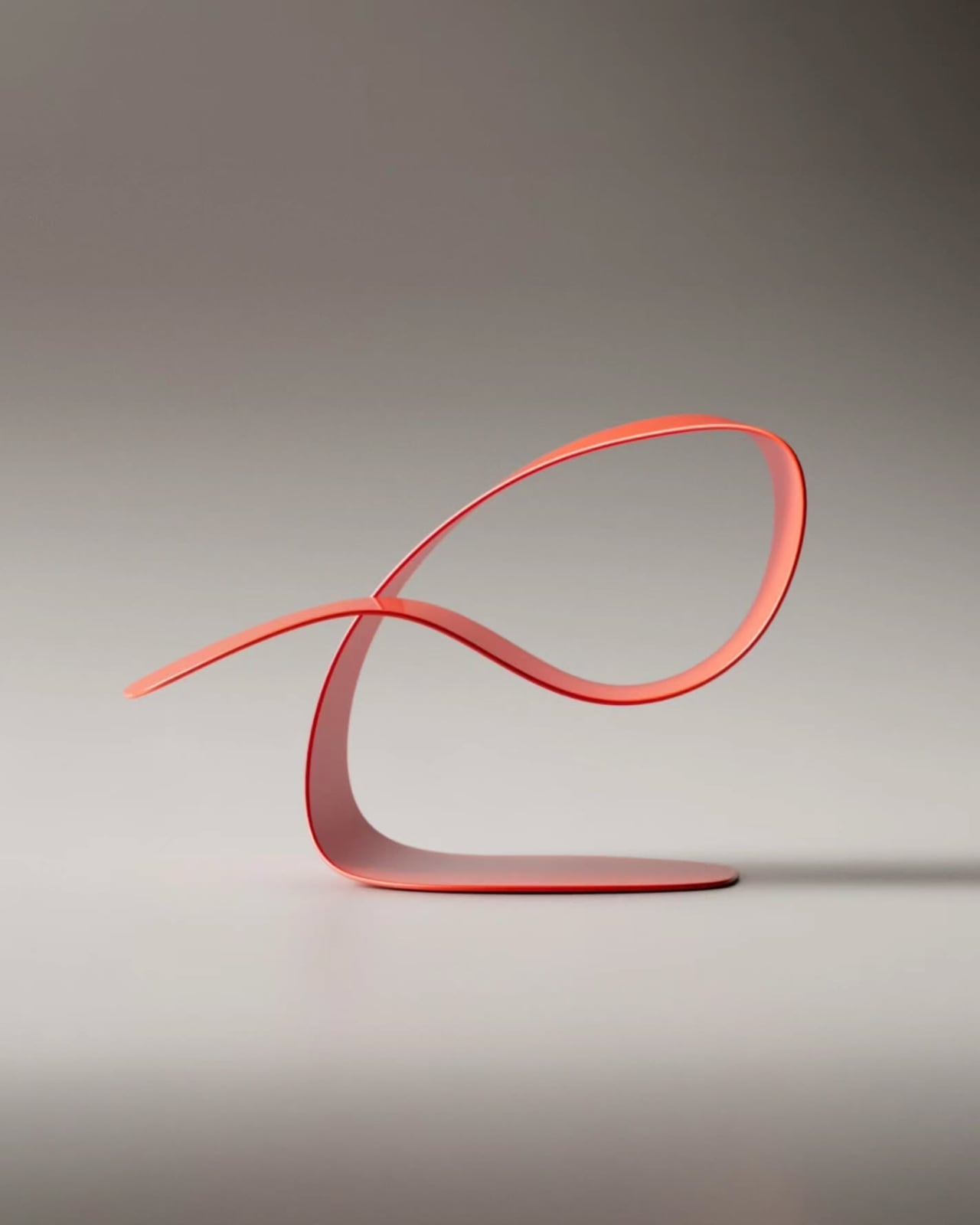
Most furniture earns its place in a room by being useful. The Nova Chaise-Lounge, designed by Stuttgart-based designer Deniz Aktay, earns it by being unforgettable. It is the kind of piece that stops a conversation the moment someone walks into the room, not because it announces itself loudly, but because it simply looks like nothing else you’ve ever seen in a living space.

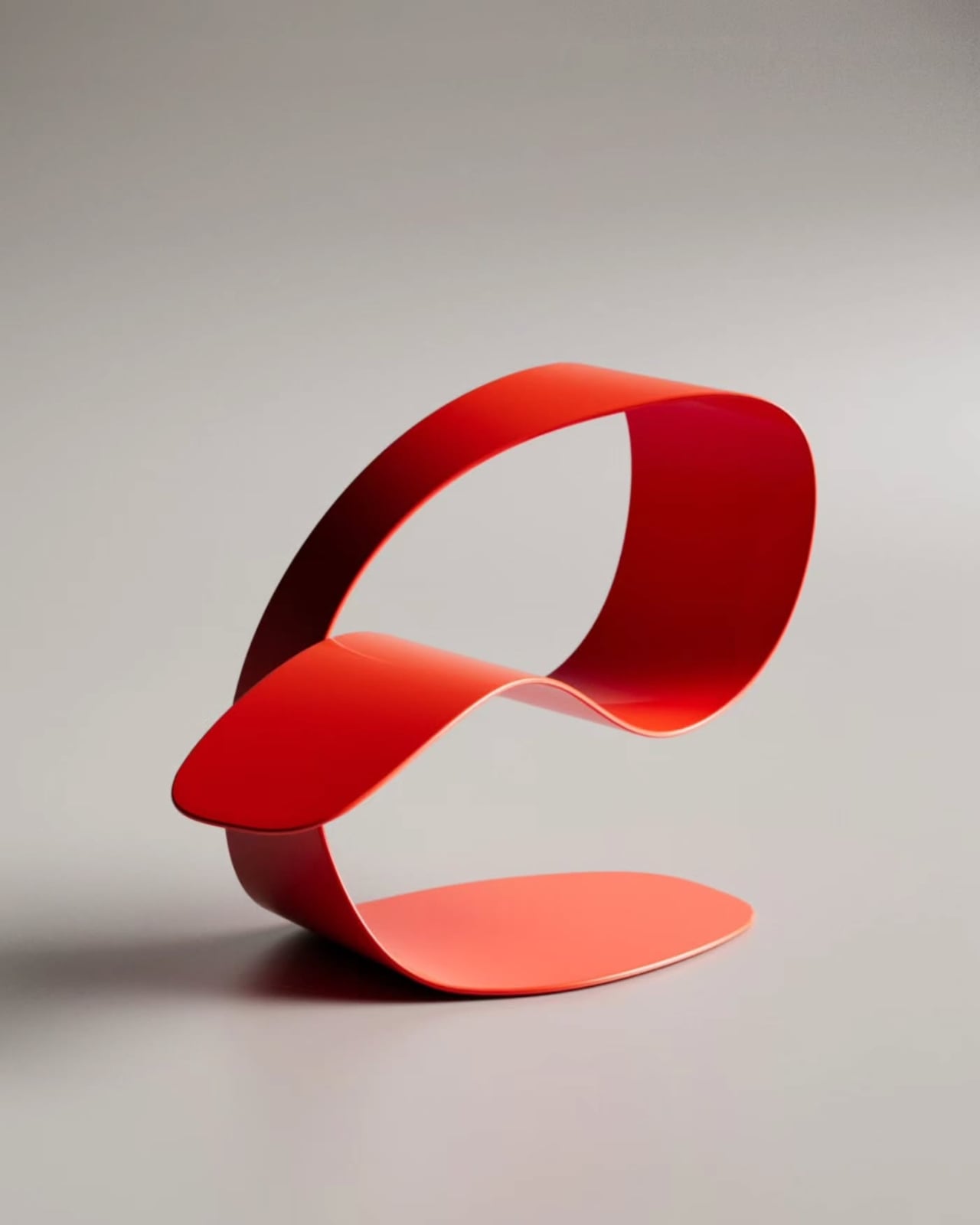
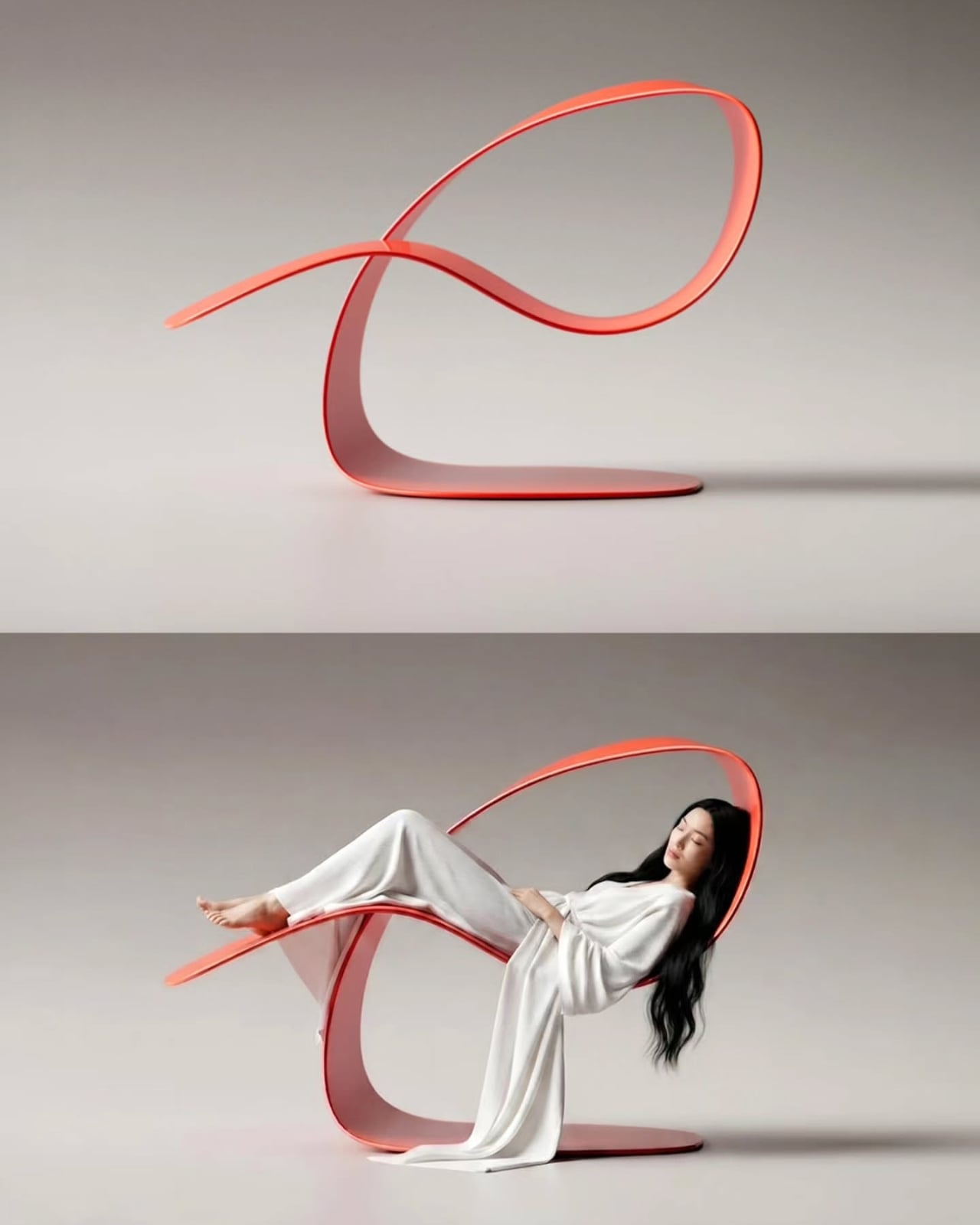
The Nova is built from a continuous ribbon of strong metal, bent and looped into a flowing form that cradles the body without a single traditional leg, joint, or rigid support system to speak of. On first glance, you might not even register it as furniture. It looks more like a sculpture someone left behind, a coral-red loop frozen mid-movement, balanced with a kind of casual confidence that only great design can pull off. That tension between lightness and stability is, to me, the most compelling thing about it. It looks like it could take off at any moment, and yet it holds.

Designer: Deniz Aktay

Aktay, who studied Architecture and Urban Planning before turning his focus to furniture and object design, approaches his work with a very particular philosophy. Nova was designed from the inside out, starting with the human posture of rest, then wrapping a continuous loop around it in the most minimal way possible. That methodology shows. The shape isn’t decorative for the sake of it. Every curve has a reason. The looping form that arches over the sitter isn’t just dramatic framing, it provides a sense of enclosure, a soft architectural shelter for the body, without any material bulk getting in the way.

Looking at the campaign images, where a figure in white draped fabric rests within the looping structure, hair falling loose, eyes closed, it becomes clear that the chair was conceived as an experience as much as an object. The whole composition reads less like product photography and more like a still from a film you wish you’d seen. That’s a deliberate quality, and it works. Nova invites you to imagine yourself in it, and that’s harder to achieve than it sounds.

The color choices across the presented versions are worth noting too. The gradient between that soft coral-pink and deeper warm red isn’t accidental. It gives the piece a kind of warmth that pure minimalism often lacks, grounding what could easily have been a cold, clinical form into something that feels alive, almost organic. The glossy finish on some versions catches light beautifully, shifting the reading of the piece depending on where you’re standing. From one angle it looks almost weightless. From another, it looks like a sea creature at rest.

Now, the honest question people ask about design like this: is it actually comfortable? Aktay says there are no heavy legs, no rigid structure, just a fluid design that supports the body, and that Nova challenges the expectation that comfort requires complexity. That’s a claim worth taking seriously, because the design logic actually supports it. The curve of the seating surface follows the natural recline of the spine. The looping back provides something to lean into without forcing the body into a fixed position. Whether the final manufactured version delivers on that promise depends entirely on the material engineering, but from a purely structural standpoint, the concept is sound.

Pieces like Nova are interesting because they sit at a crossroads that furniture rarely occupies so confidently. They are too sculptural to be purely functional, too functional to be purely art, and uninterested in resolving that tension. Instead, they let it coexist. That’s a confident position for a designer to take, and it’s one of the reasons Nova feels significant beyond its visual appeal. Whether Nova becomes a production piece or remains a concept, it belongs to a growing conversation about what furniture is allowed to be. The bar for beautiful objects has never been higher, and Deniz Aktay just raised it a little more.

The post The Nova Chaise Lounge That’s More Sculpture Than Furniture first appeared on Yanko Design.
Google’s new Windows app is yet another way to access Gemini

Google has introduced a new app for Windows desktops and, unsurprisingly, it puts AI front at center. If you aren't a big fan of Google's Gemini chatbot, then skip on past this download. For those of you who are heavy Gemini users, though, this could mean a simpler and more integrated experience on Windows machines. 

Once installed, you can pull up the app's search bar with the Alt + Space shortcut. Queries typed into this open-ended search box can hunt down information from the web like typical Google search, where AI Mode will be enabled for an extra layer of artificial intelligence for follow-up questions or a deeper dive down a rabbit hole. But the app isn't limited to web search. It can delve into your computer's files, other installed apps or Google Drive files to retrieve information. Screen sharing is also built into the app, which enables using Google Lens to conduct AI-powered searches on content displayed on your monitor. 

The app is rolling out globally today in English. Interestingly, this hasn't been gated to the most recent Windows 11, but it does require a machine running at least Windows 10.

This article originally appeared on Engadget at https://www.engadget.com/apps/googles-new-windows-app-is-yet-another-way-to-access-gemini-214000564.html?src=rss

NAACP sues xAI over data center pollution

The NAACP is suing xAI and a subsidiary called MZX Tech for allegedly operating unpermitted methane gas turbines to power its Colossus 2 data center in South Memphis. The association is asking the federal district court of the Northern District of Mississippi to declare that the company has violated the Clean Air Act, force it to stop using its unpermitted turbines and assess financial penalties against xAI for violating federal law, among other requests.

The lawsuit claims that xAI — the Elon Musk-founded AI startup now owned by SpaceX — is operating 27 gas turbines without an air permit to power Colossus 2, one of a growing number of data centers xAI has set up to train Grok, its AI assistant. Gas turbines expel pollution, hazardous chemicals and fine particulate matter that are linked to things like heart problems, respiratory diseases and even certain cancers, issues that are particularly concerning given Colossus 2's close proximity to people's homes. Operating these turbines without an air permit also violates the Clean Air Act, which requires sources of pollution to be permitted before being operated or constructed.

The NAACP is represented in the lawsuit by the Southern Environmental Law Center and Earthjustice. Before filing today's lawsuit, the NAACP sent xAI a 60-day notice of intent to sue in compliance with the Clean Air Act. xAI's failure to respond to the notice is why the lawsuit is moving forward today.

"xAI's continued operation of these turbines without a permit and without adequate pollution controls is not only illegal, it's an insult to families living nearby who for months have expressed serious concerns about how air pollution from the company's personal power plant could impact their health and well-being," Ben Grillot, a Senior Attorney for the Southern Environmental Law Center, said. "xAI must be held accountable for its reckless, unlawful actions — and that's exactly what this lawsuit aims to do."

Besides the high cost of sourcing the components that train and run AI models, AI companies often have to generate power to run the data centers where all those components are being installed. Oracle is reportedly turning to gas generators like xAI. Google, Meta and Amazon, meanwhile, have all invested in or signed deals with nuclear energy providers to power their data center efforts. Building new energy sources for data centers is one of several price-lowering methods proposed by the Ratepayer Protection Pledge, an agreement several tech companies signed to try and prevent data centers from raising the cost of the average person's energy bill.

Quickly building out new energy sources might help ease costs, but it doesn't account for the negative environmental impacts of having a new power plant in your neighborhood, something the Trump administration doesn't appear all too interested in addressing. In his latest AI framework proposal, President Donald Trump largely ignored the environmental impact of AI in favor of calling for the permitting process for things like on-site energy generators to be streamlined.

This article originally appeared on Engadget at https://www.engadget.com/ai/naacp-sues-xai-over-data-center-pollution-213511352.html?src=rss

Japan Just Redesigned the Humble Market Stall

Most market stalls are, at best, an afterthought. You’ve seen them: mismatched canopies, folding tables dragged out from a storage room, zip-tied banners flapping in the wind. The sellers are talented, the products are wonderful, and the setup looks like it was assembled in fifteen minutes by someone who barely slept the night before. Nobody ever thought to make the stall itself part of the experience. Until now, apparently.

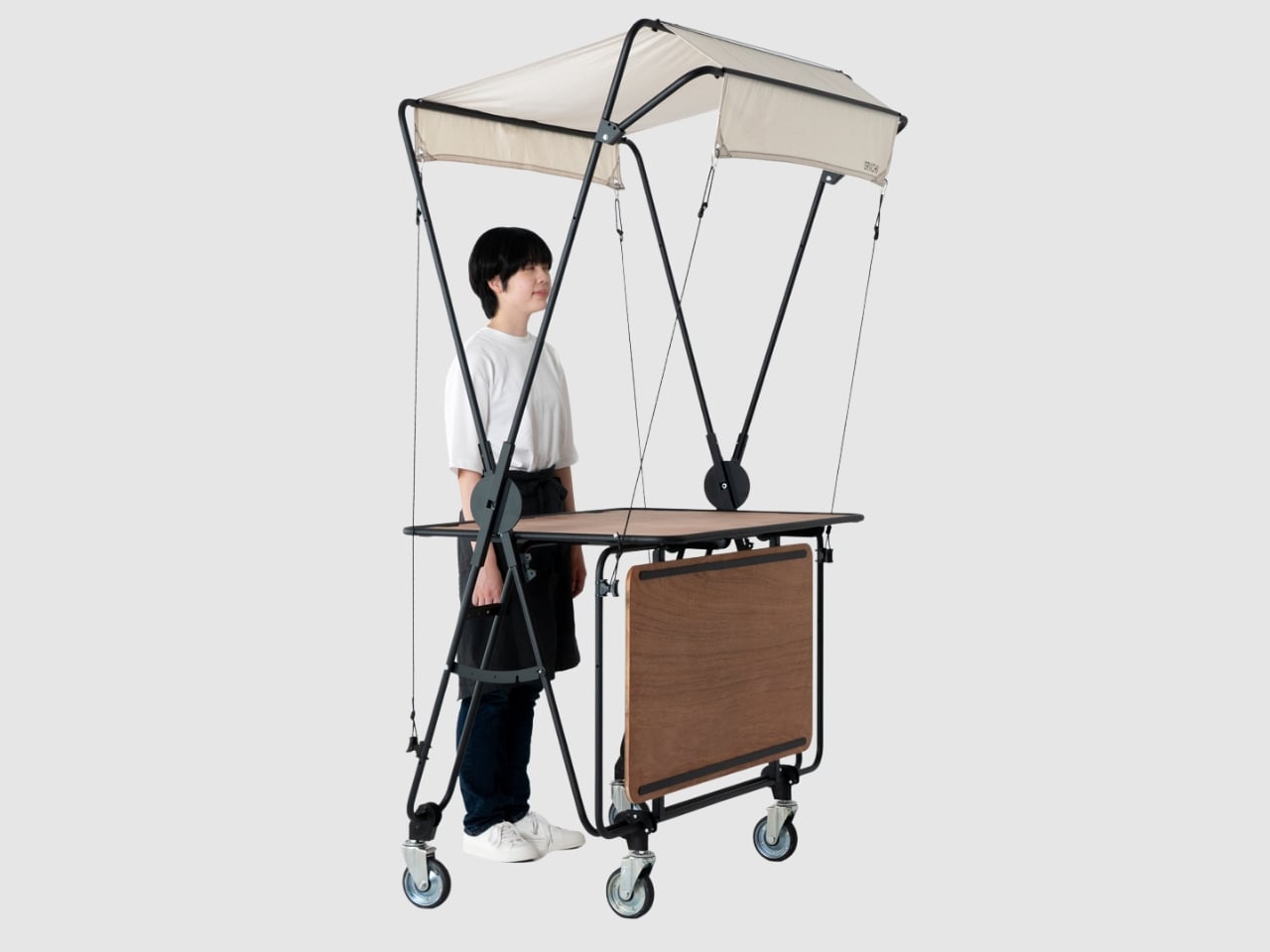
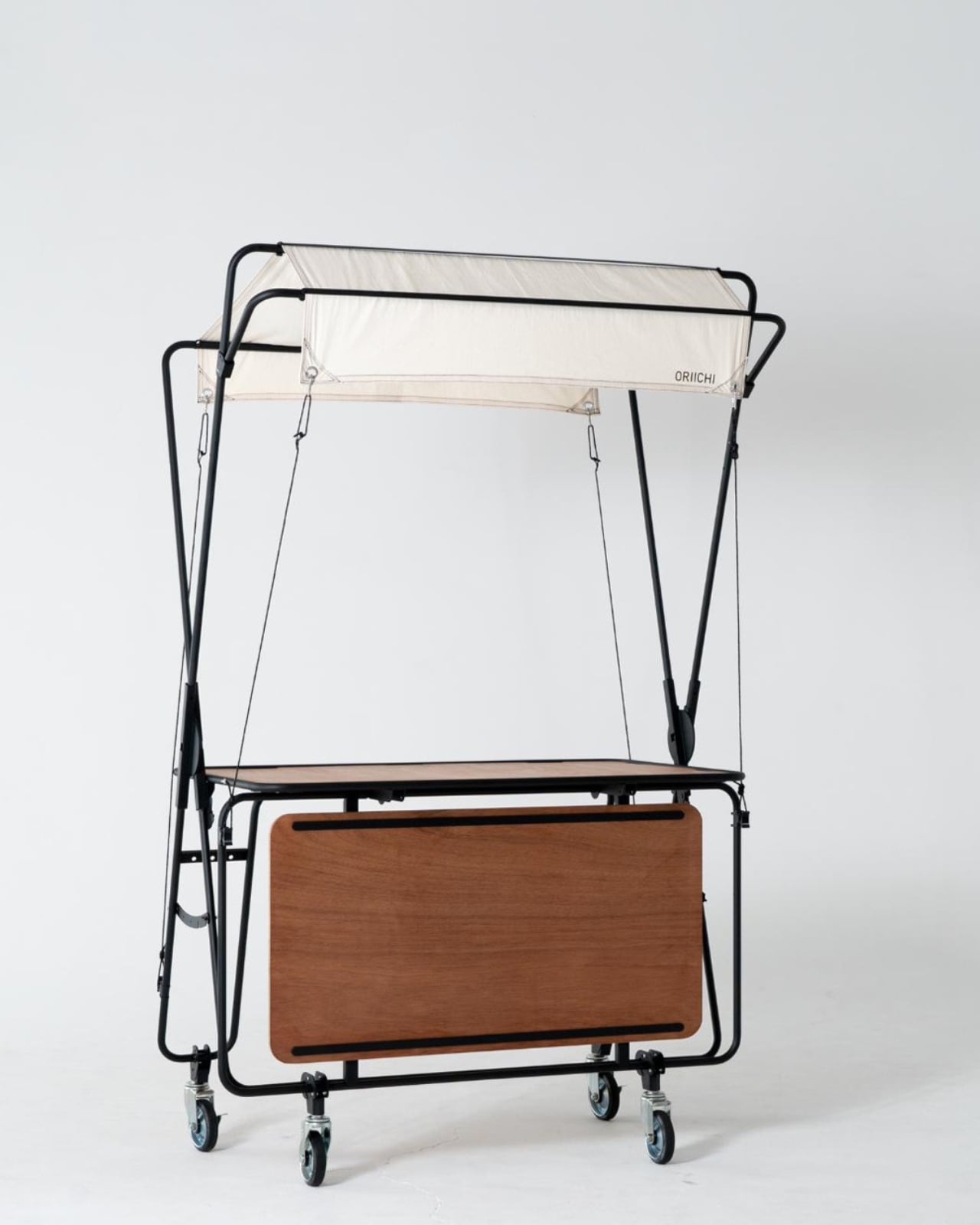
Oriichi is a foldable market stall designed by N&R Foldings Japan Co., and it recently claimed a spot among the iF Design Award 2026 winners in the Product Design and Public Design category. Looking at it, the recognition makes complete sense. This isn’t just a better version of a folding table with a canopy tacked on. It’s a considered piece of urban furniture that asks a genuinely interesting question: what if the infrastructure of a pop-up market was as carefully designed as the products being sold inside it?

Designer: N&R Foldings Japan Co

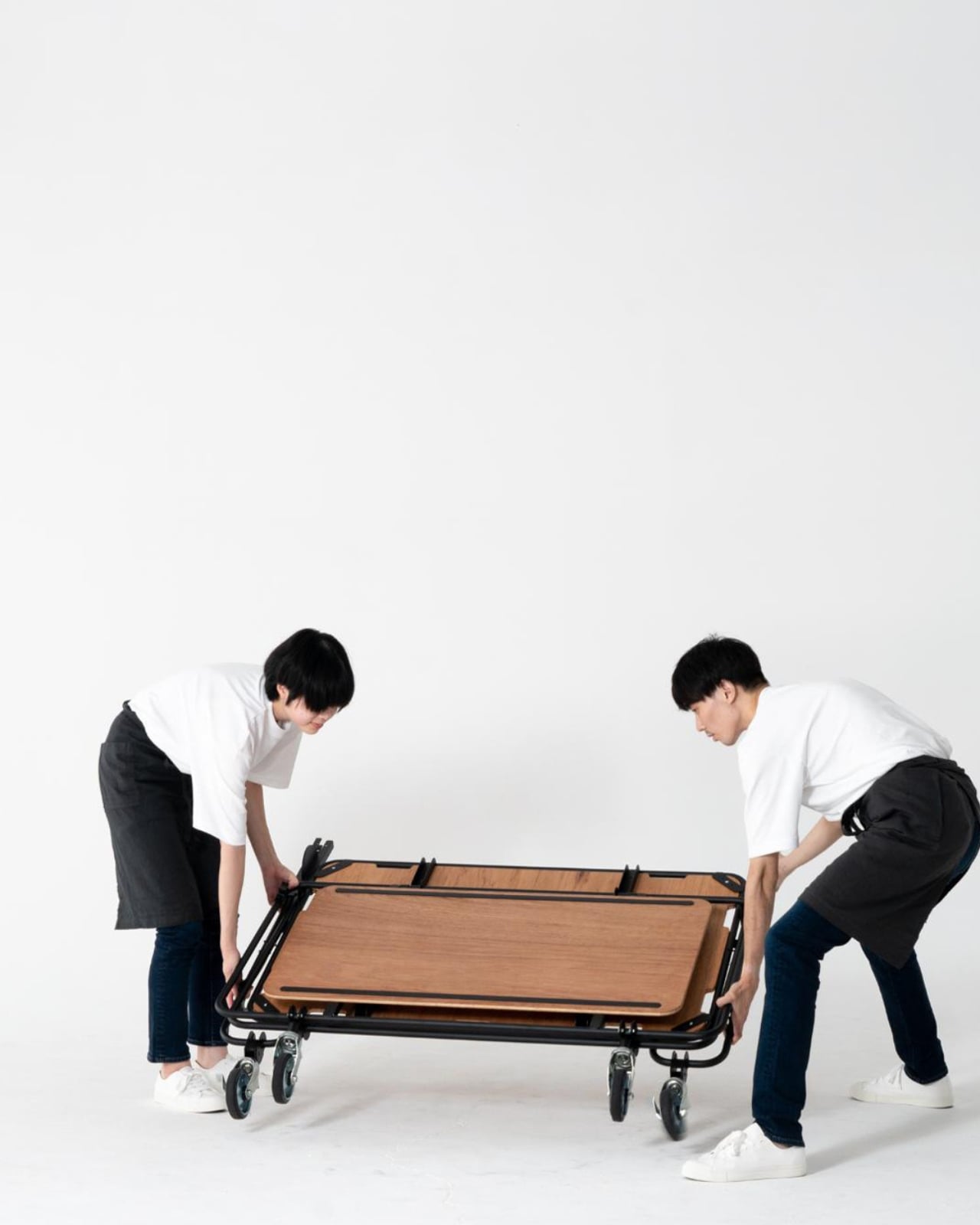
The answer, at least visually, is striking. The structure is clean and architectural, built around a matte black metal frame with crossed legs that recall both origami geometry and classic market cart silhouettes. A cream canvas canopy sits on top, and a warm wood-finished surface functions as the display counter. On casters, it rolls easily, which matters enormously for vendors who have to transport, set up, and pack down multiple times a week. The whole unit folds into four distinct configurations, making it adaptable to different venues, whether that’s a wide outdoor plaza, a narrow indoor corridor, or anything in between.

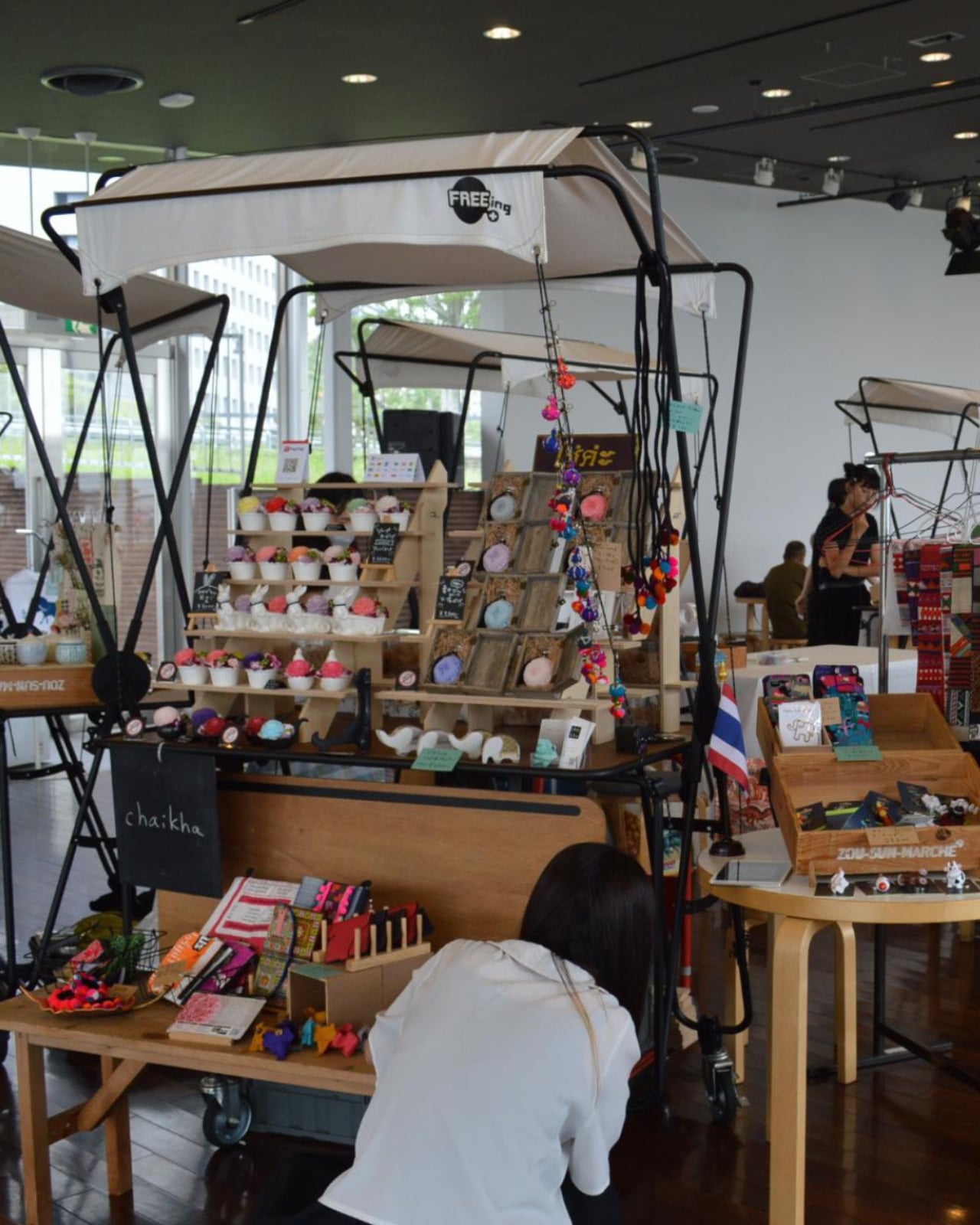
The design team clearly thought about the vendor experience first. Setup time, portability, structural stability, and visual consistency were all baked into the brief. When you see Oriichi deployed across an actual market, as the photos show, the effect is immediately readable. The stalls share a visual language without being identical, which gives the market a cohesive, curated feel without turning everyone into a clone. That balance is harder to achieve than it sounds.

From a design philosophy standpoint, this feels very Japanese. The idea of making something functional also beautiful, of applying craft thinking to infrastructure rather than just objects, runs deep in Japanese design culture. N&R Foldings Japan is making a clear bet that the temporary nature of pop-up markets doesn’t mean the design has to feel temporary. Durability and reuse are built into Oriichi’s material and structural choices, which puts it squarely in the conversation about sustainable urban design without making that the centerpiece of the pitch.

The bigger idea here is worth sitting with. Pop-up markets have become one of the most relevant commercial formats of the last decade. They’re how independent designers, food vendors, artists, and makers reach customers without committing to permanent retail space. Yet the physical infrastructure supporting these markets has largely been ignored by the design world. A tent is still a tent. A folding table is still a folding table. Oriichi treats those market vendors like they deserve better, and by extension, treats the people shopping there like they deserve better too.

It also raises an interesting point about urban space. Streets and plazas look different when the things occupying them are designed with intention. A well-designed market stall doesn’t just serve its vendor. It contributes to the visual and social texture of the street, making the space feel more alive, more human, more worth lingering in. Oriichi seems to understand that a market is never just a transaction. It’s a gathering.

Whether it becomes widely adopted depends on cost, logistics, and availability, and those details aren’t yet public. But as a design statement, it lands. It’s a rare piece that makes you wonder why nobody solved this problem sooner, and then immediately grateful that someone finally did.

The post Japan Just Redesigned the Humble Market Stall first appeared on Yanko Design.