DJI Pocket 4 vs Pocket 3 : Why the Massive Sensor Upgrade Changes Everything

DJI Pocket 4 vs Pocket 3 : Why the Massive Sensor Upgrade Changes Everything DJI Pocket 4 tracking a moving subject in 4K resolution

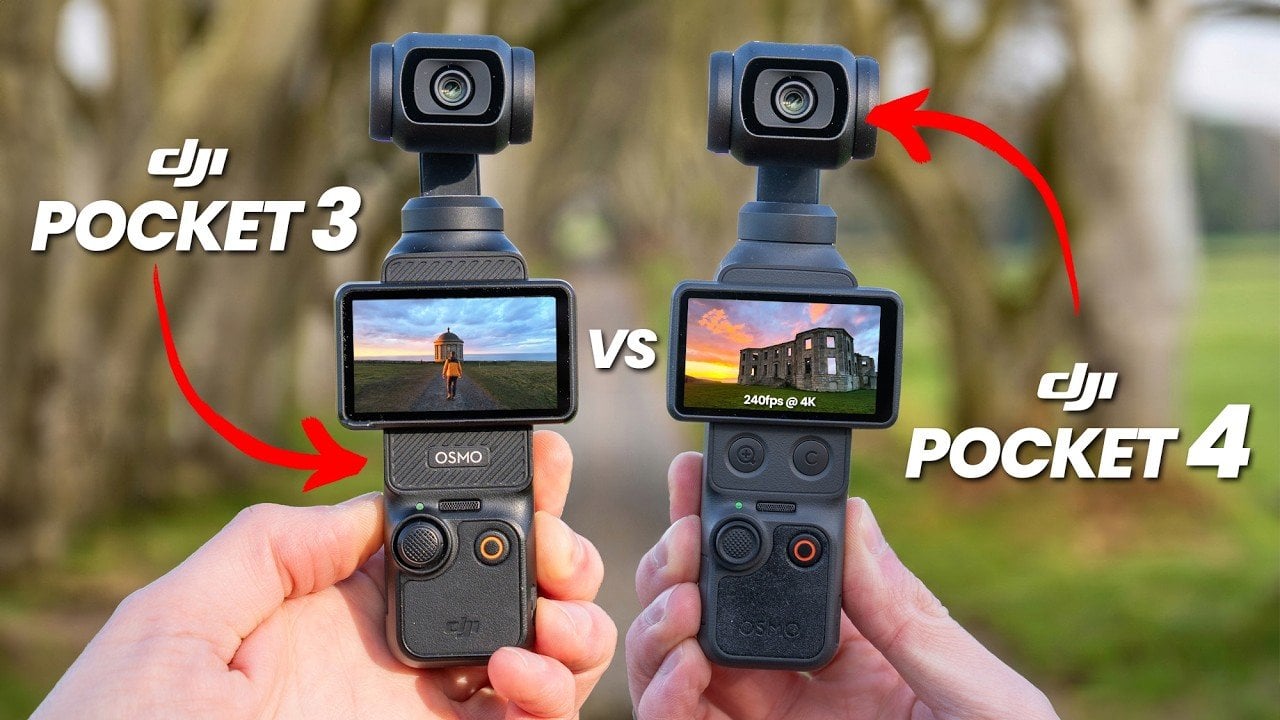
The DJI Pocket 4 represents a significant step forward from its predecessor, the Pocket 3, with a focus on enhancing image quality, usability and creative flexibility. One of the standout upgrades is the inclusion of a 1-inch camera sensor, which offers 14 stops of dynamic range, two more than the Pocket 3. This improvement allows […]

The post DJI Pocket 4 vs Pocket 3 : Why the Massive Sensor Upgrade Changes Everything appeared first on Geeky Gadgets.

Posted in Uncategorized

DJI Pocket 4 vs Pocket 3 : Why the Massive Sensor Upgrade Changes Everything

DJI Pocket 4 vs Pocket 3 : Why the Massive Sensor Upgrade Changes Everything DJI Pocket 4 tracking a moving subject in 4K resolution

The DJI Pocket 4 represents a significant step forward from its predecessor, the Pocket 3, with a focus on enhancing image quality, usability and creative flexibility. One of the standout upgrades is the inclusion of a 1-inch camera sensor, which offers 14 stops of dynamic range, two more than the Pocket 3. This improvement allows […]

The post DJI Pocket 4 vs Pocket 3 : Why the Massive Sensor Upgrade Changes Everything appeared first on Geeky Gadgets.

Posted in Uncategorized

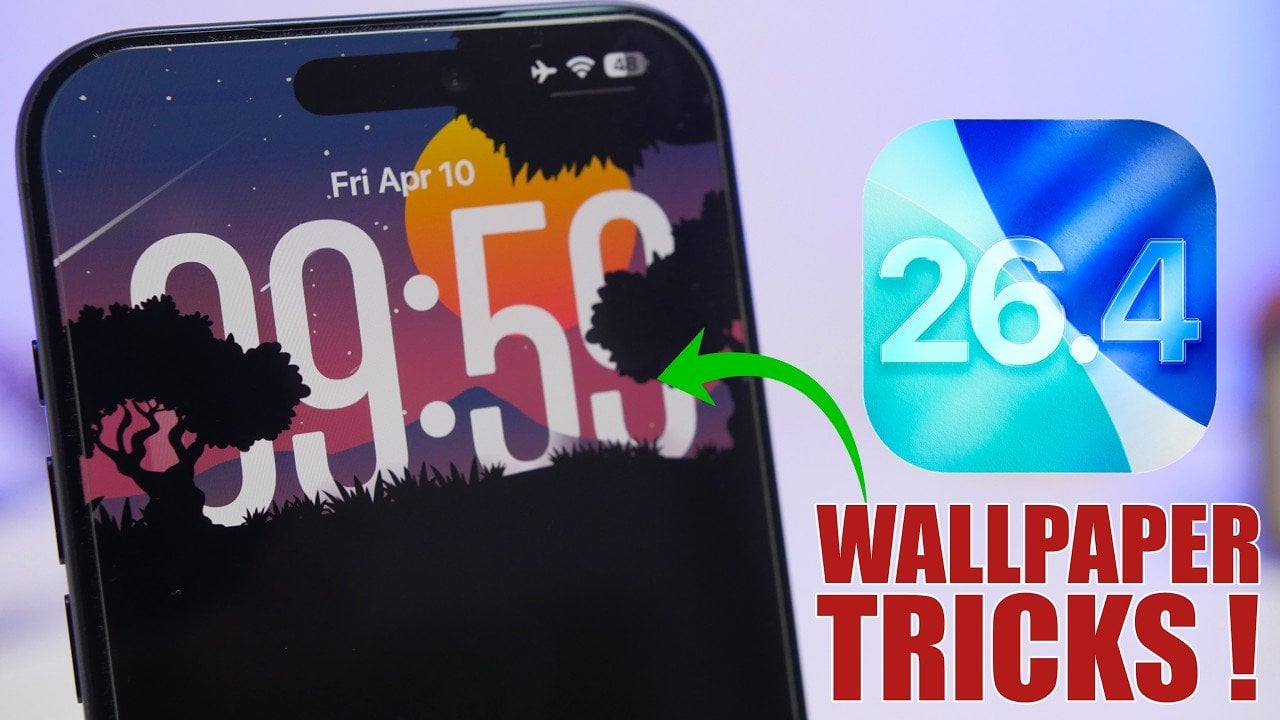
How to Master iOS 26 Wallpapers: 5 Hidden Tricks (2026)

How to Master iOS 26 Wallpapers: 5 Hidden Tricks (2026) A framed wallpaper leaves clean space around the clock and buttons on an iOS 26 Lock Screen.

Customizing your iPhone wallpaper is one of the simplest yet most effective ways to make your device feel personal and unique. With the release of iOS 26, Apple has introduced a range of advanced features and tools that allow you to create visually stunning and functional lock and home screens. Below are five creative wallpaper […]

The post How to Master iOS 26 Wallpapers: 5 Hidden Tricks (2026) appeared first on Geeky Gadgets.

Posted in Uncategorized

How to Master iOS 26 Wallpapers: 5 Hidden Tricks (2026)

How to Master iOS 26 Wallpapers: 5 Hidden Tricks (2026) A framed wallpaper leaves clean space around the clock and buttons on an iOS 26 Lock Screen.

Customizing your iPhone wallpaper is one of the simplest yet most effective ways to make your device feel personal and unique. With the release of iOS 26, Apple has introduced a range of advanced features and tools that allow you to create visually stunning and functional lock and home screens. Below are five creative wallpaper […]

The post How to Master iOS 26 Wallpapers: 5 Hidden Tricks (2026) appeared first on Geeky Gadgets.

Posted in Uncategorized

TORRAS x FPF Limited Edition Review: Portugal’s 2026 World Cup Case With a Stand

PROS:


  • Thoughtful Portugal-inspired design

  • Award-winning rotating Ostand system

  • Fully MagSafe-compatible

  • Secure textured side detailing

CONS:


  • Portugal and football connection may not resonate with everyone

  • Expressive color palette and graphics are too bold for minimalist tastes

  • Higher price point compared to other cases

RATINGS:

AESTHETICS
ERGONOMICS
PERFORMANCE
SUSTAINABILITY / REPAIRABILITY
VALUE FOR MONEY

EDITOR'S QUOTE:

The TORRAS × FPF Limited Edition earns its stripes through genuine design depth and a rotating stand that quietly changes how you use your phone every day.

The premium phone case market has refined itself to a point where technical competence is almost a given. Protection ratings, slim profiles, and magnetic compatibility have become standard expectations rather than differentiating features. That baseline has pushed the most interesting cases in this space to compete on a different level entirely, one defined by design identity, material intelligence, and a sense of purpose that goes beyond the purely utilitarian.

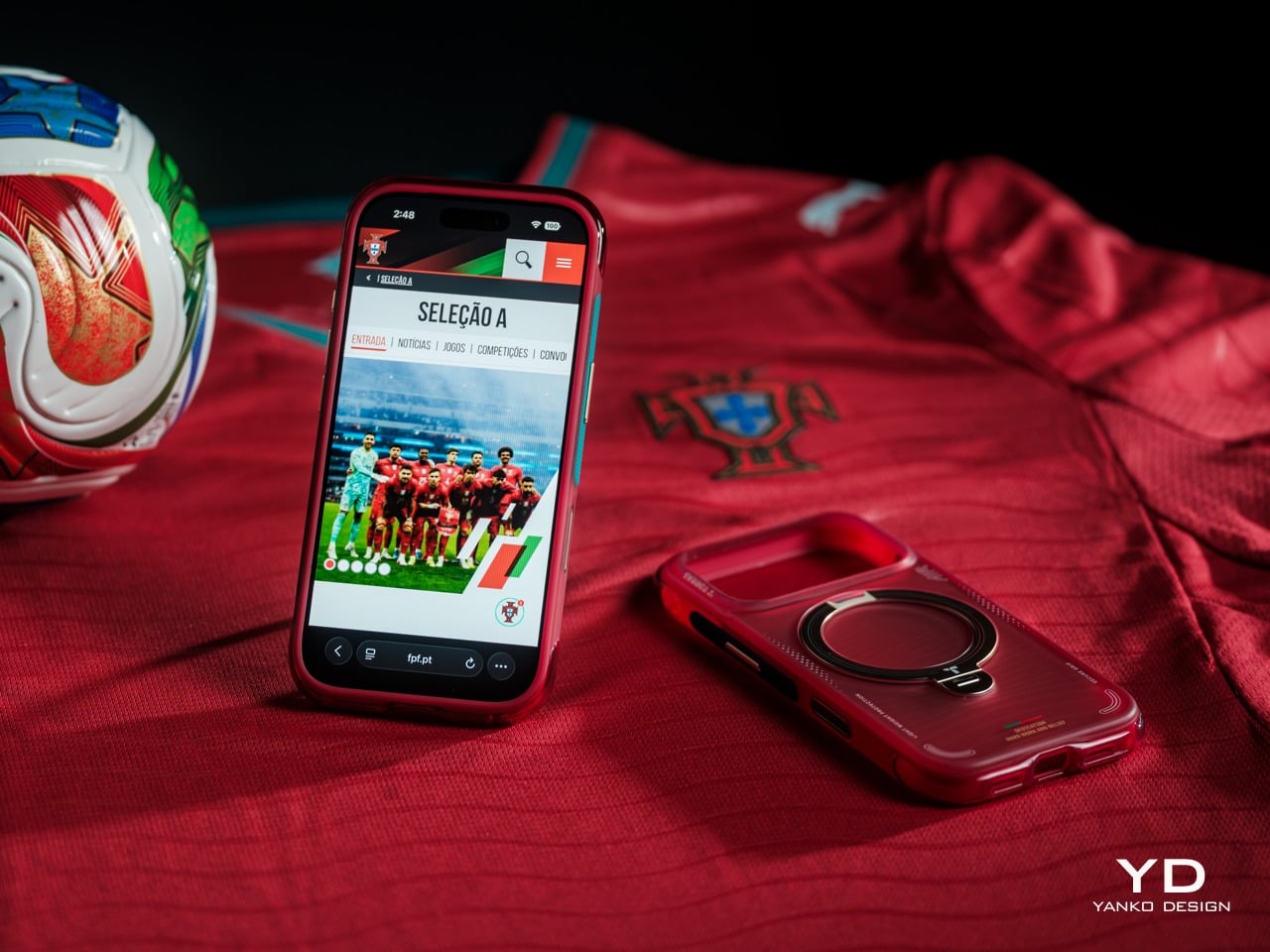
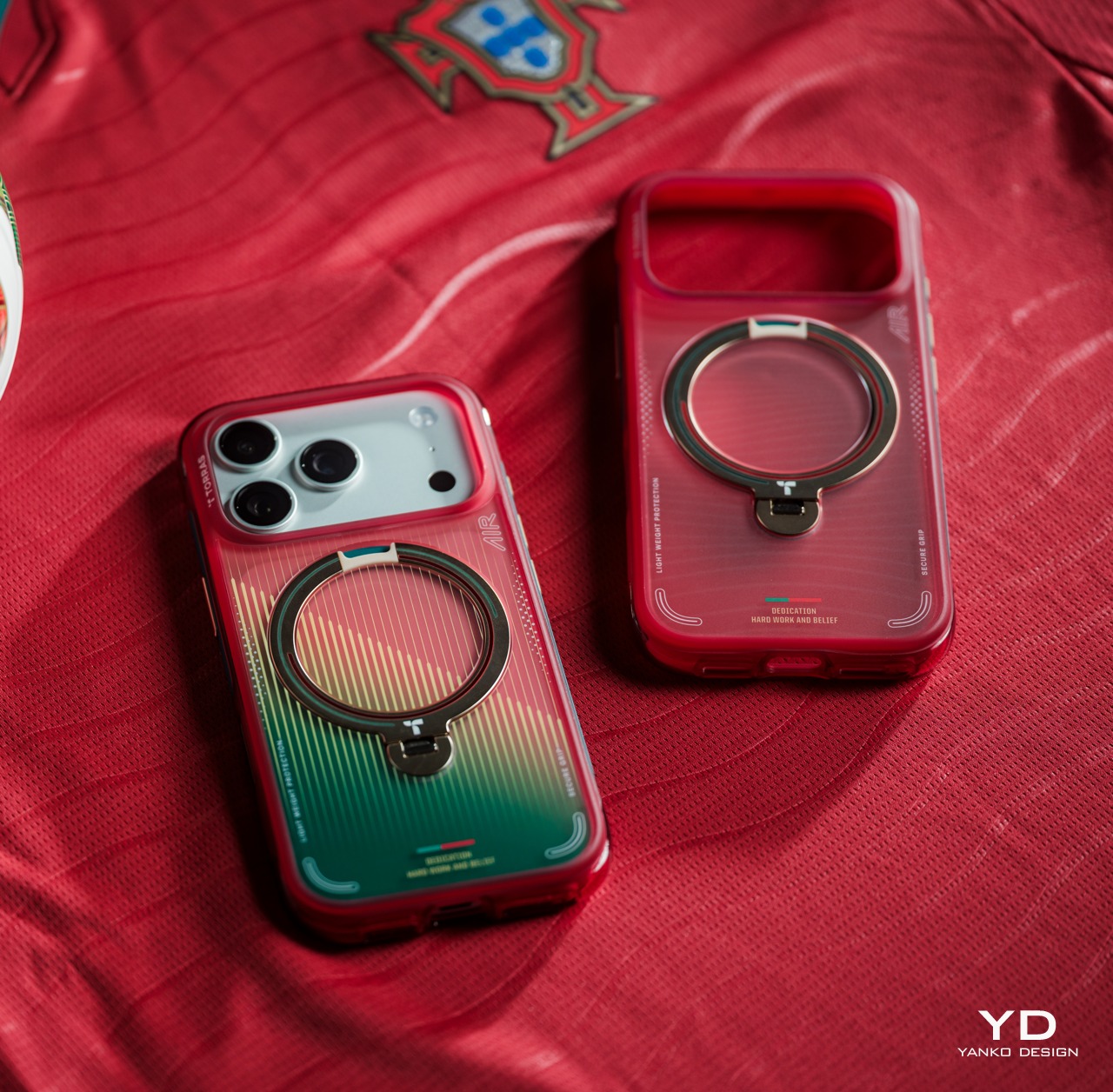
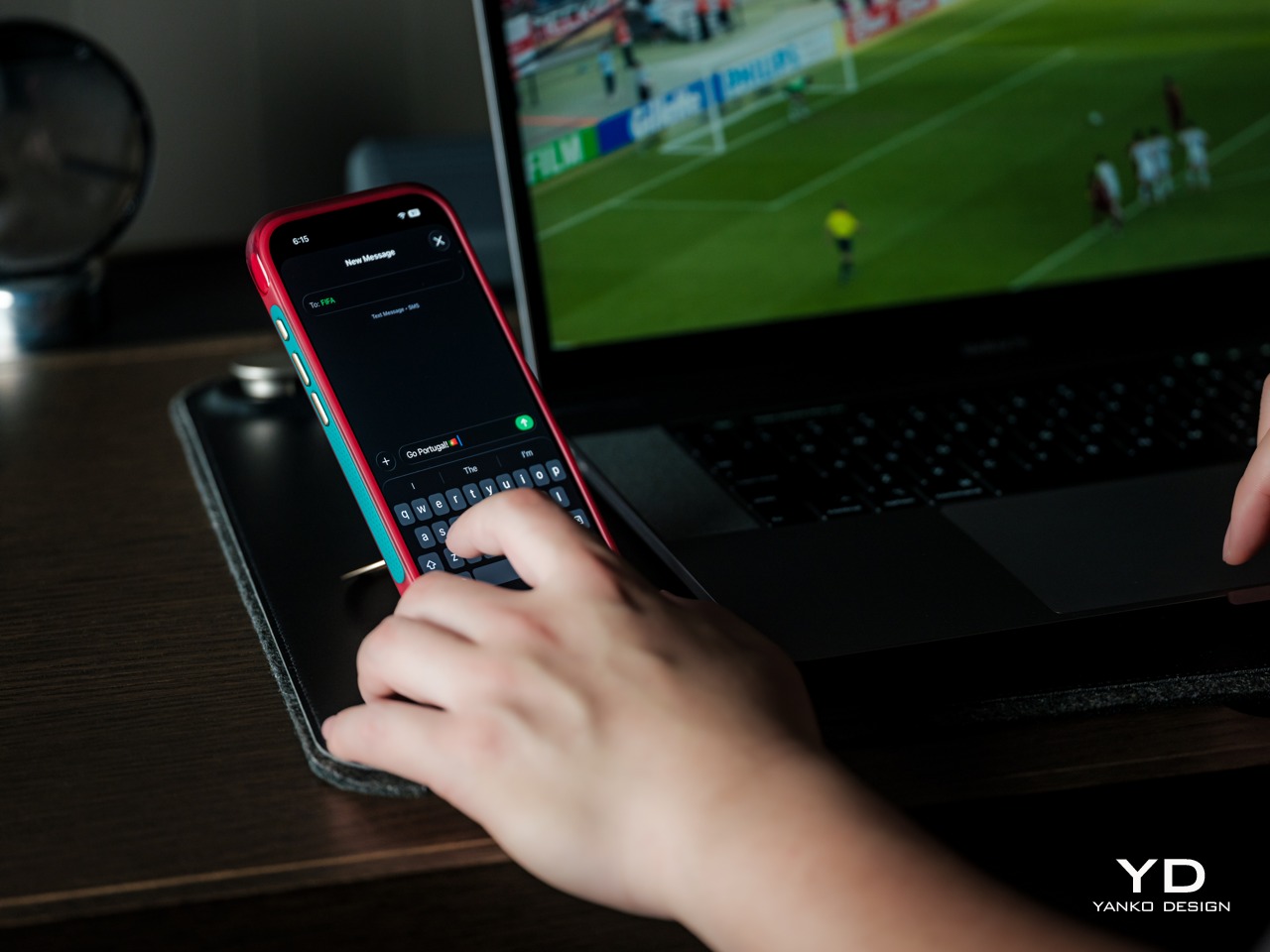
The TORRAS Q3 Air Portugal National Football Team Limited Edition for iPhone 17 Pro Max is precisely that kind of case. Built on the Q3 Air Ostand platform, it brings Portugal’s national team identity, its colors, maritime heritage, and championship legacy into a functional accessory with a rotating stand, magnetic compatibility, and solid protective architecture. It’s a combination that genuinely earns the “limited edition” label.

Designer: TORRAS

Click Here to Buy Now: $69.99 | Website Link Here.

Aesthetics

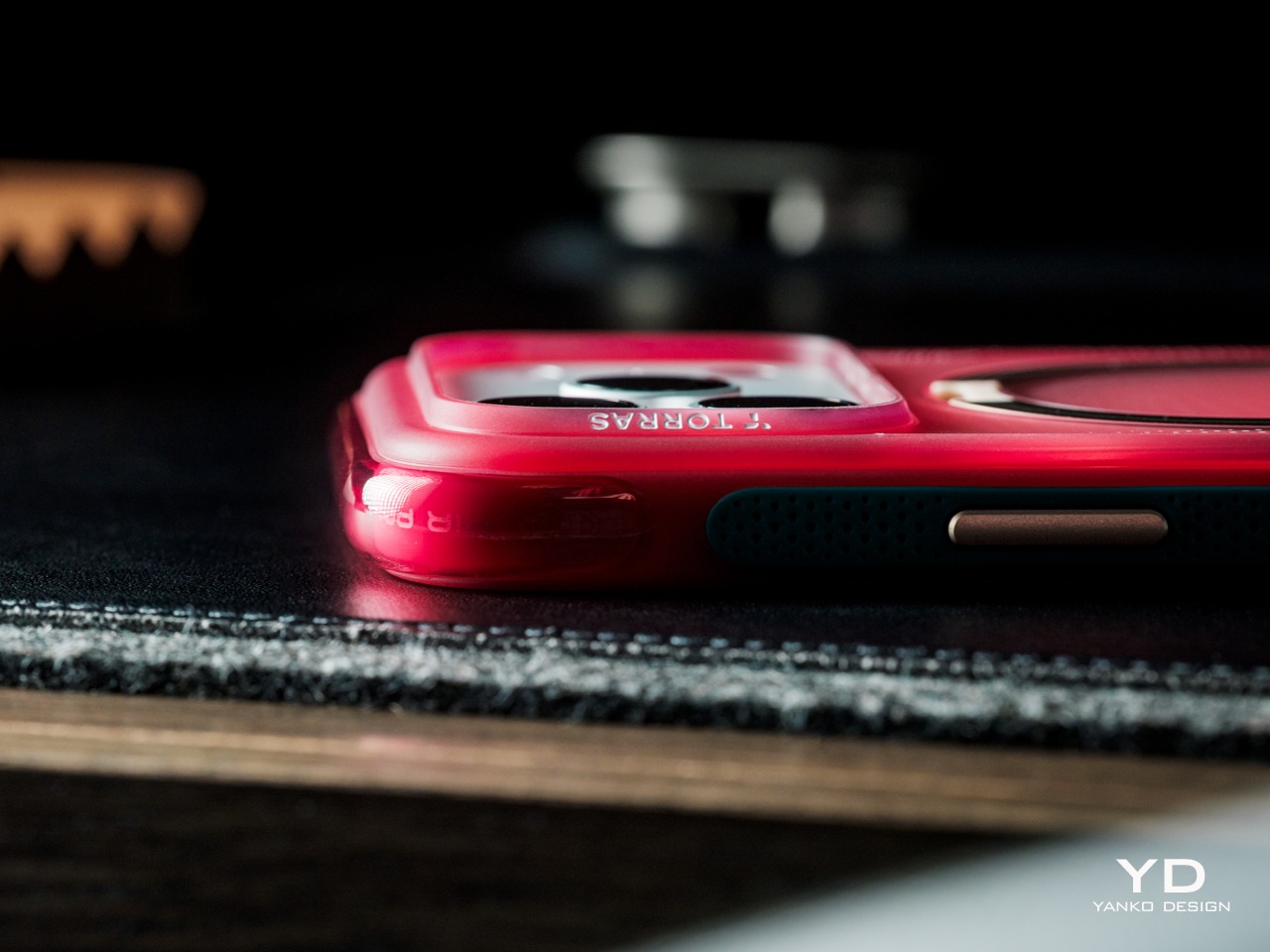
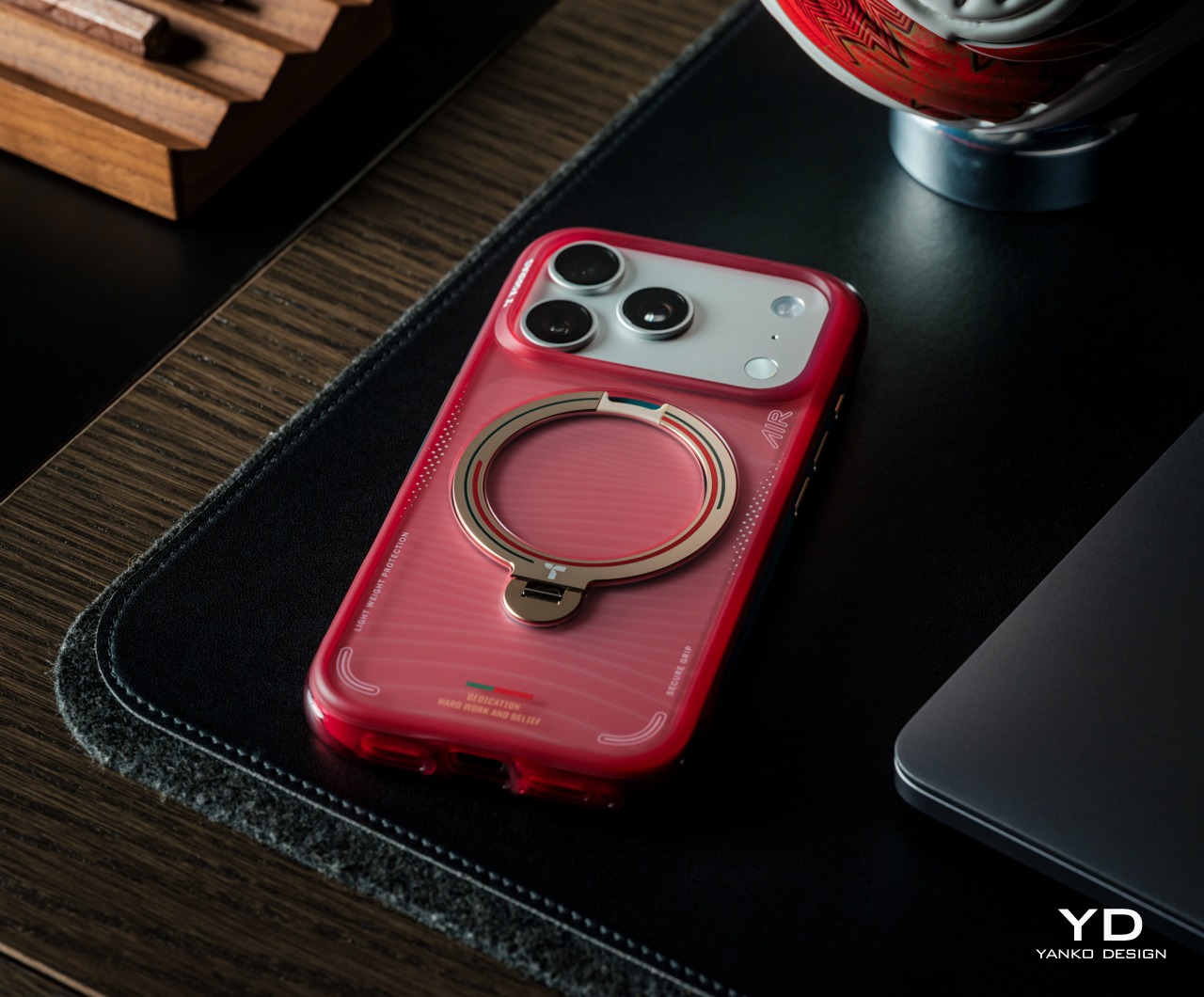
Portugal’s national colors aren’t subtle, and this case doesn’t try to temper them. The translucent crimson shell gives the design a vivid, confident presence while still letting the case’s structural layers show through, which adds depth that solid-color shells typically can’t offer. The result is visually bold in a way that feels deliberate and controlled, leaning into the energy of Portuguese football culture without tipping into anything that feels overwrought.

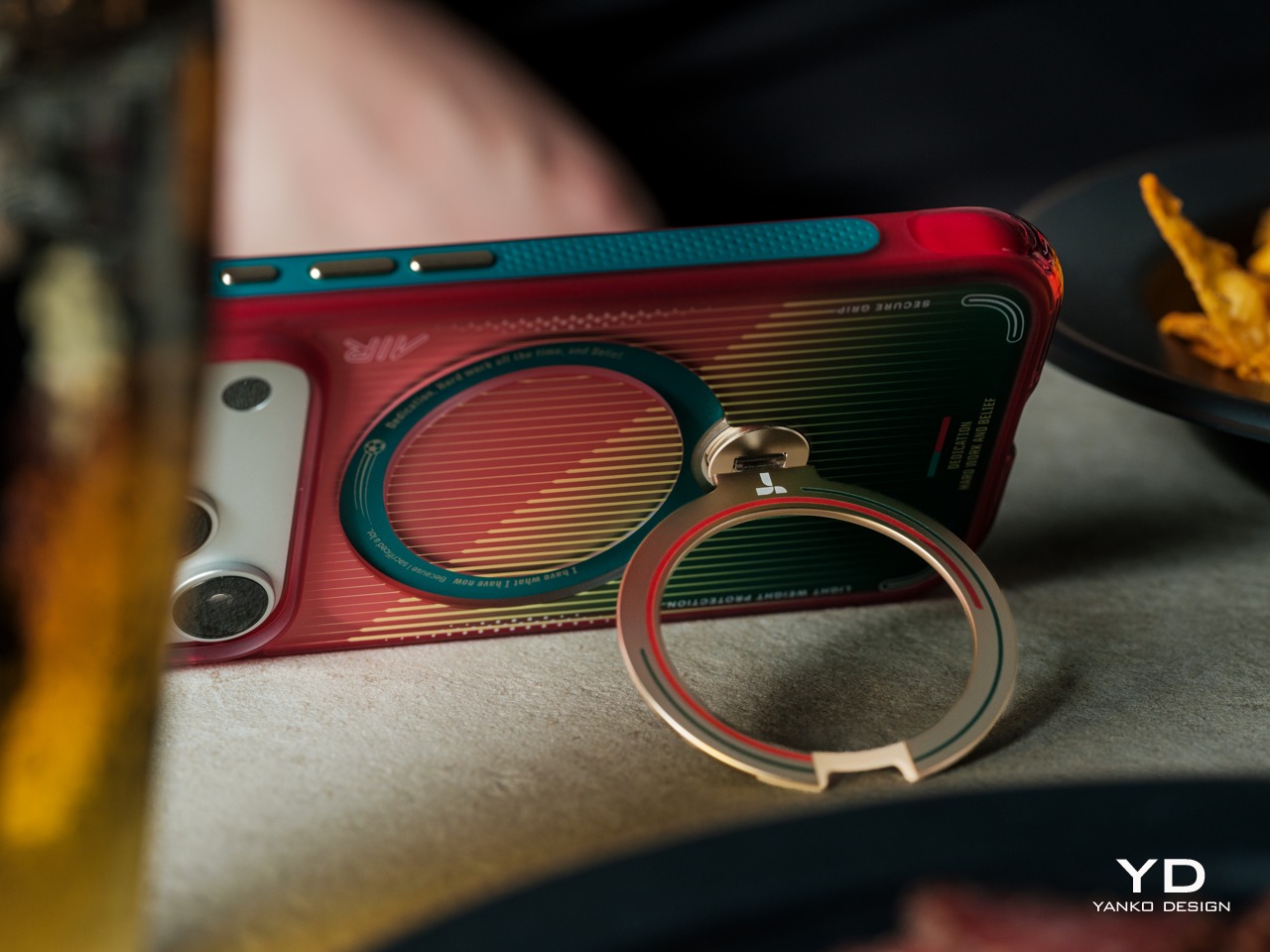
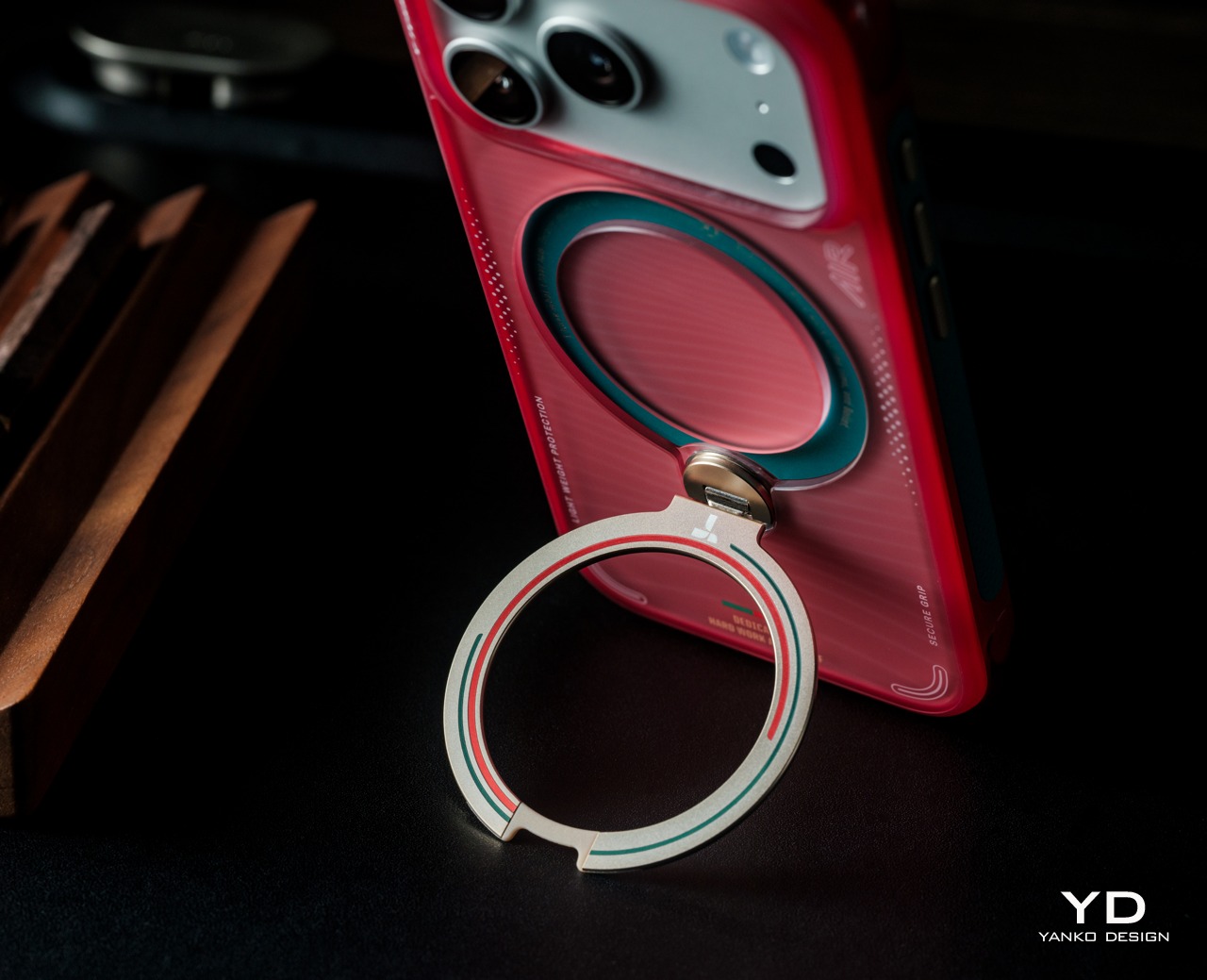
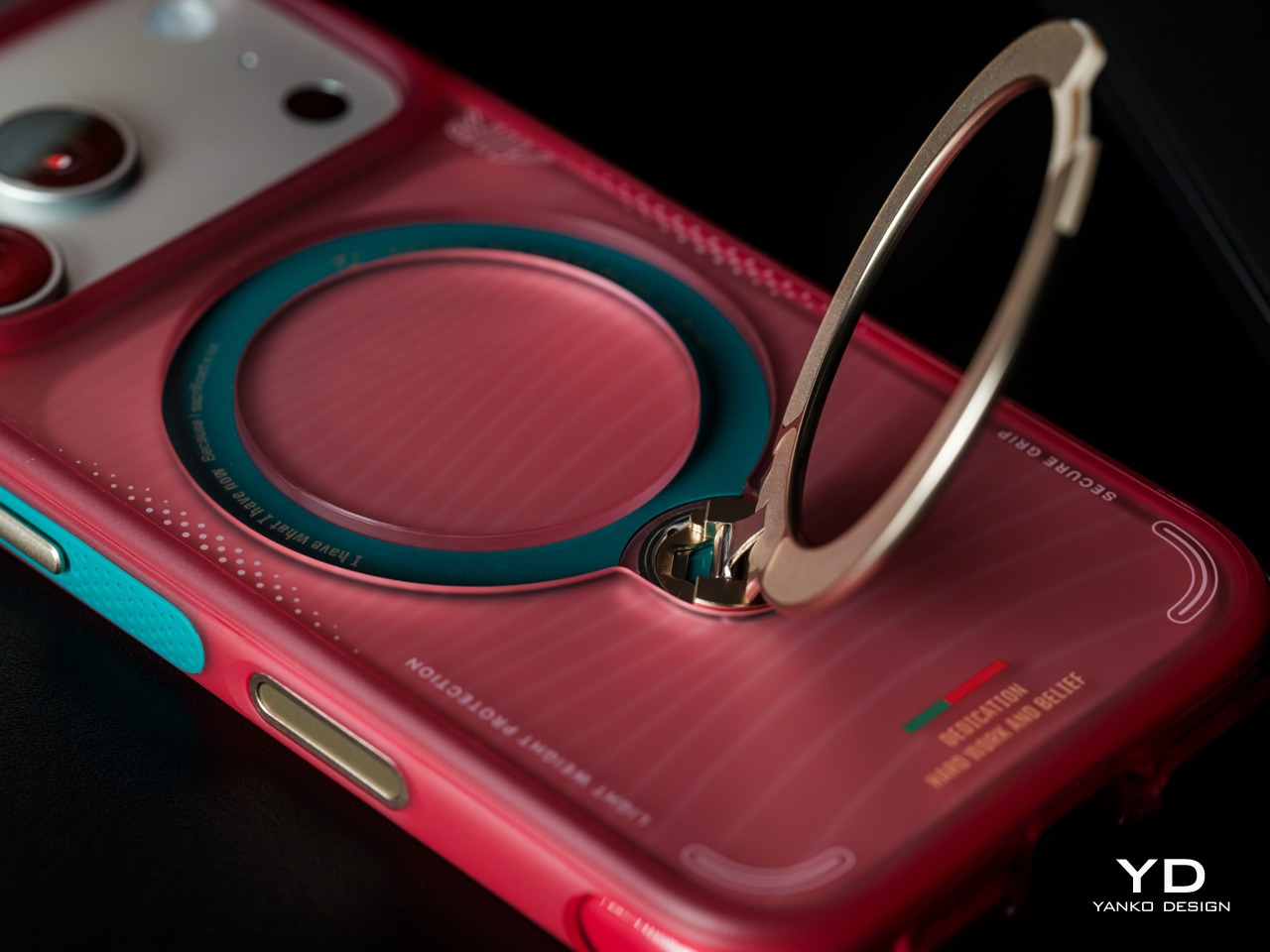
The back of the case is where the design story gets specific. Fine horizontal striping draws a clear visual reference to the texture of a football jersey, while the circular framing around the magnetic ring gives the composition a natural focal center. Gold accents on the ring stand connect to Portugal’s championship legacy, and Portugal’s Quinas emblem appears in the airbag structure as a rewarding detail on closer inspection.

What separates this collaboration from typical team merchandise is the depth of the cultural reference. The wave patterns running through the design draw from Portugal’s maritime history rather than just the football crest, and the gold elements speak to themes of honor and achievement that run through both the country’s history and its footballing legacy. These aren’t decorative choices; they’re a considered visual language built from real cultural material.

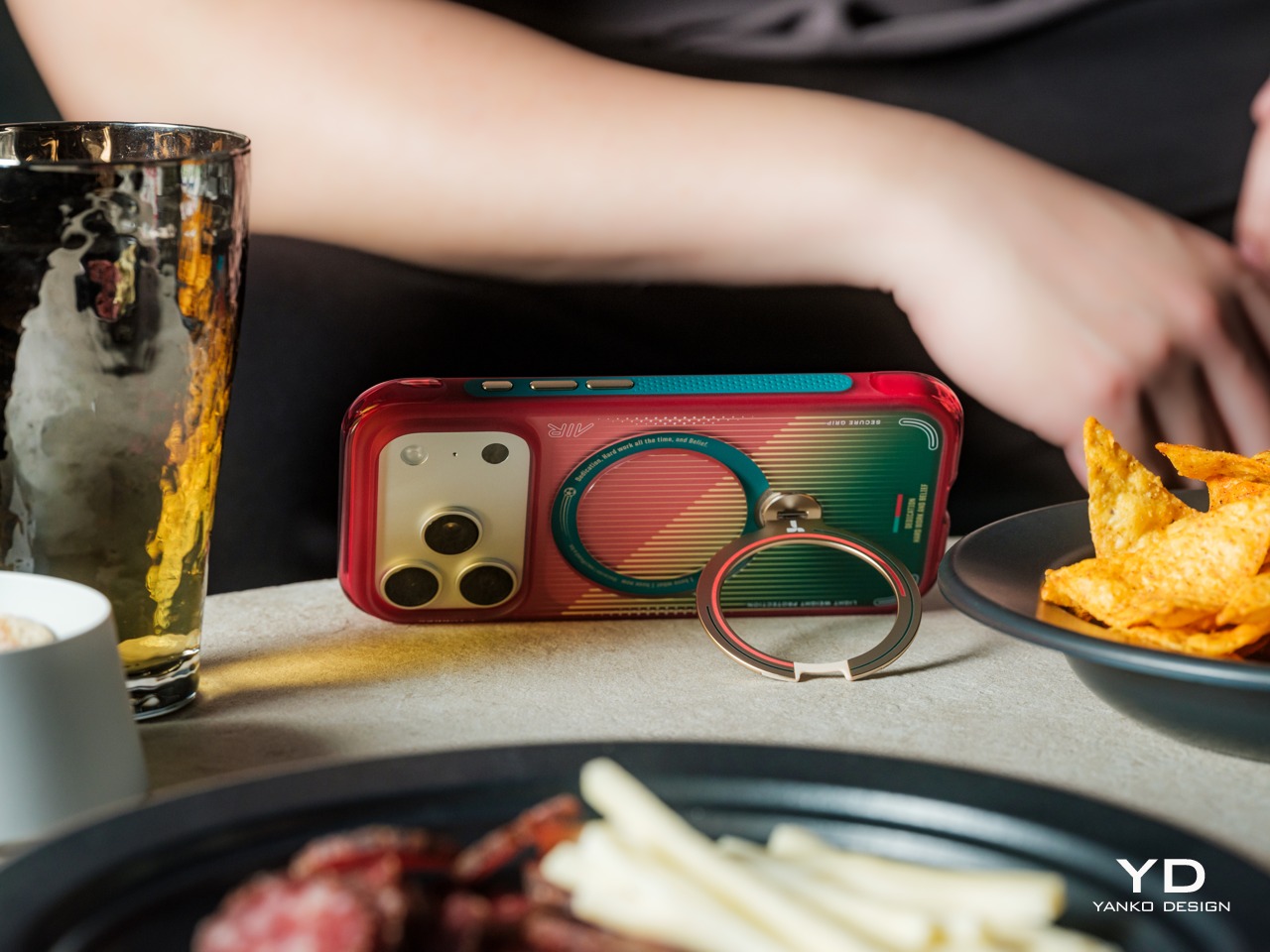
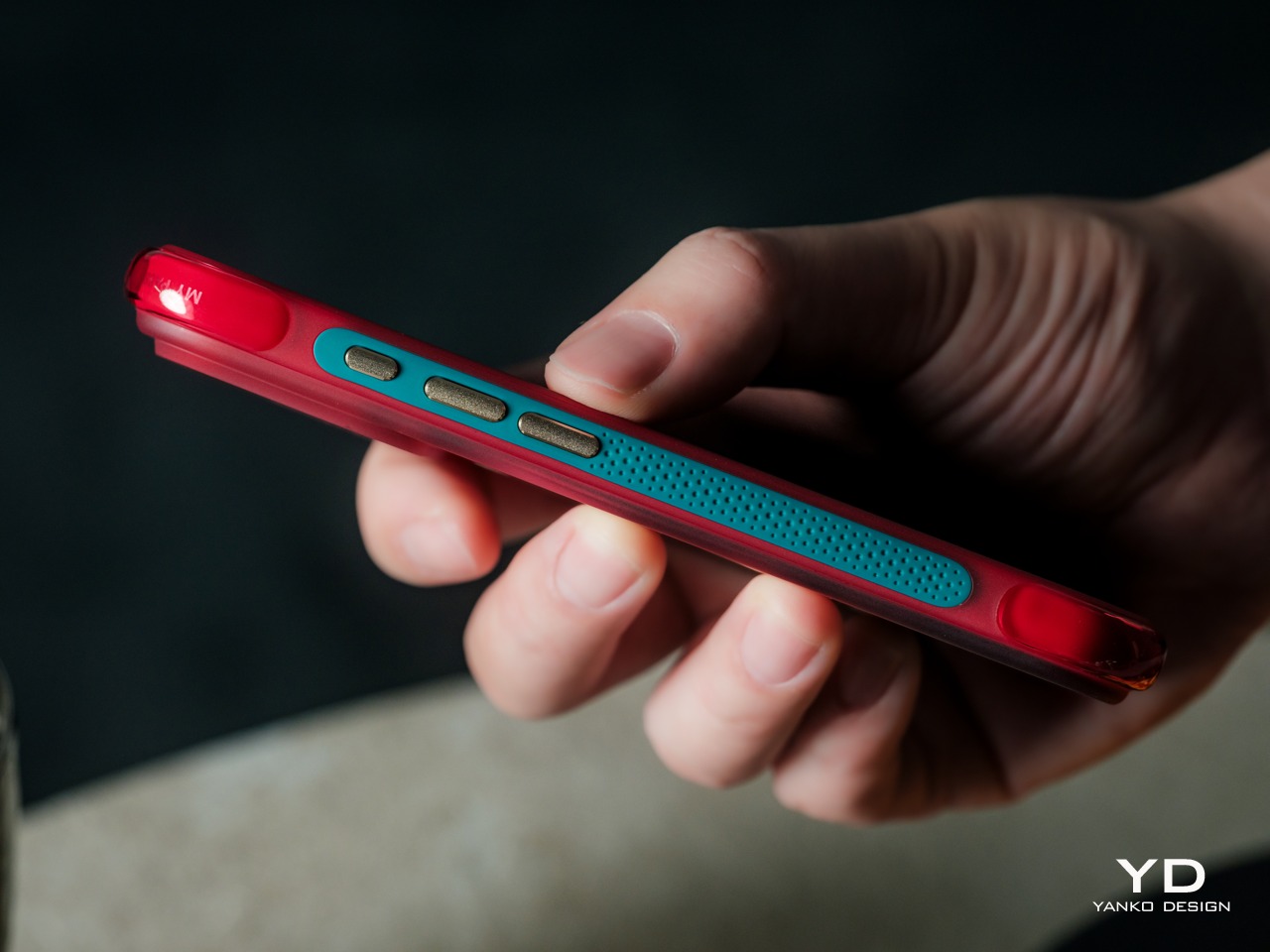
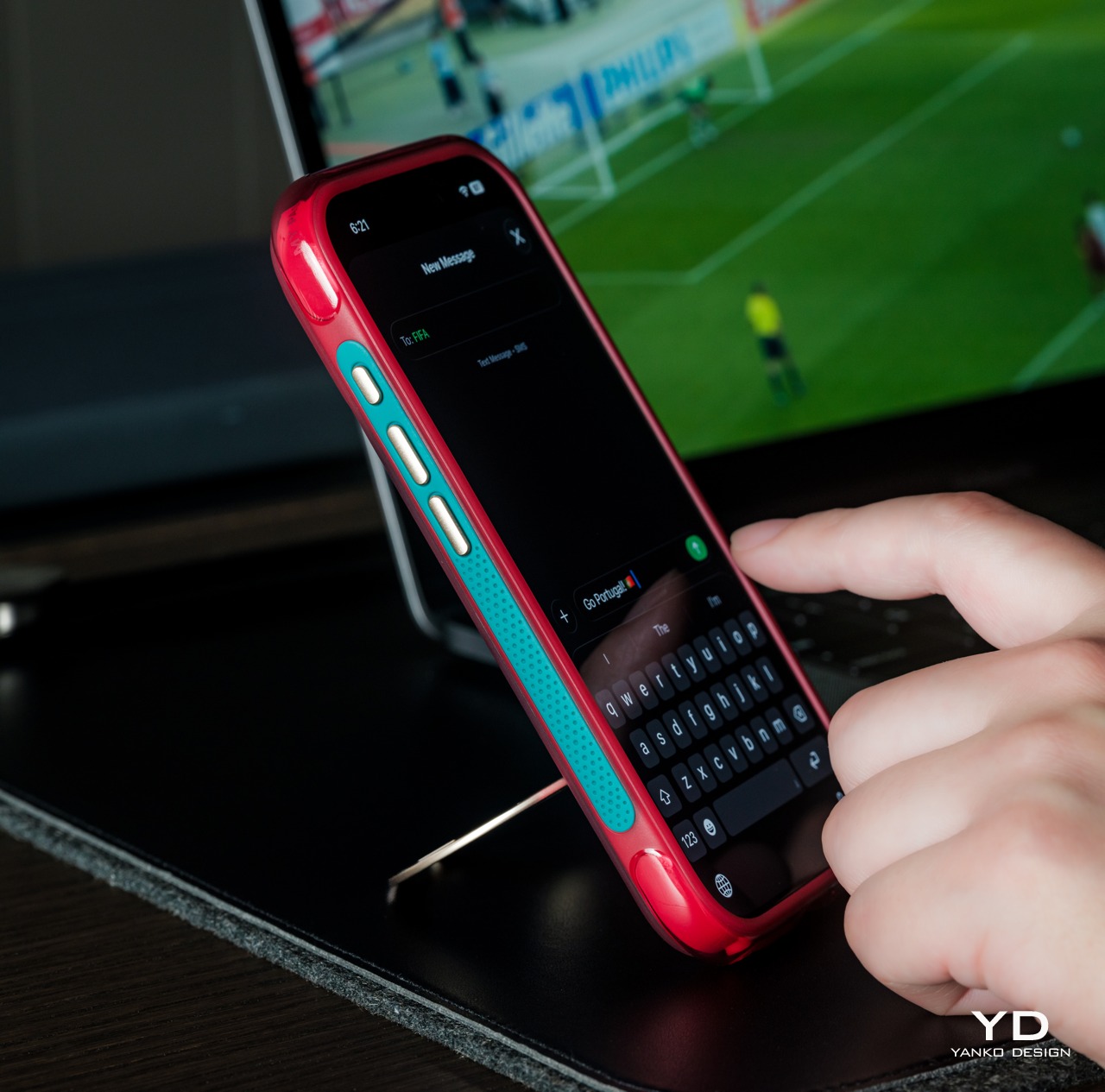
The lateral profile adds another layer to the overall composition. A teal green accent runs along the side rails, creating a sharp contrast against the red shell that reads as unmistakably Portuguese in its color pairing. The buttons carry a warm metallic finish that echoes the gold used across the design, and the tactile grip texturing on the edges reinforces that every surface of this case has been considered.

Ergonomics

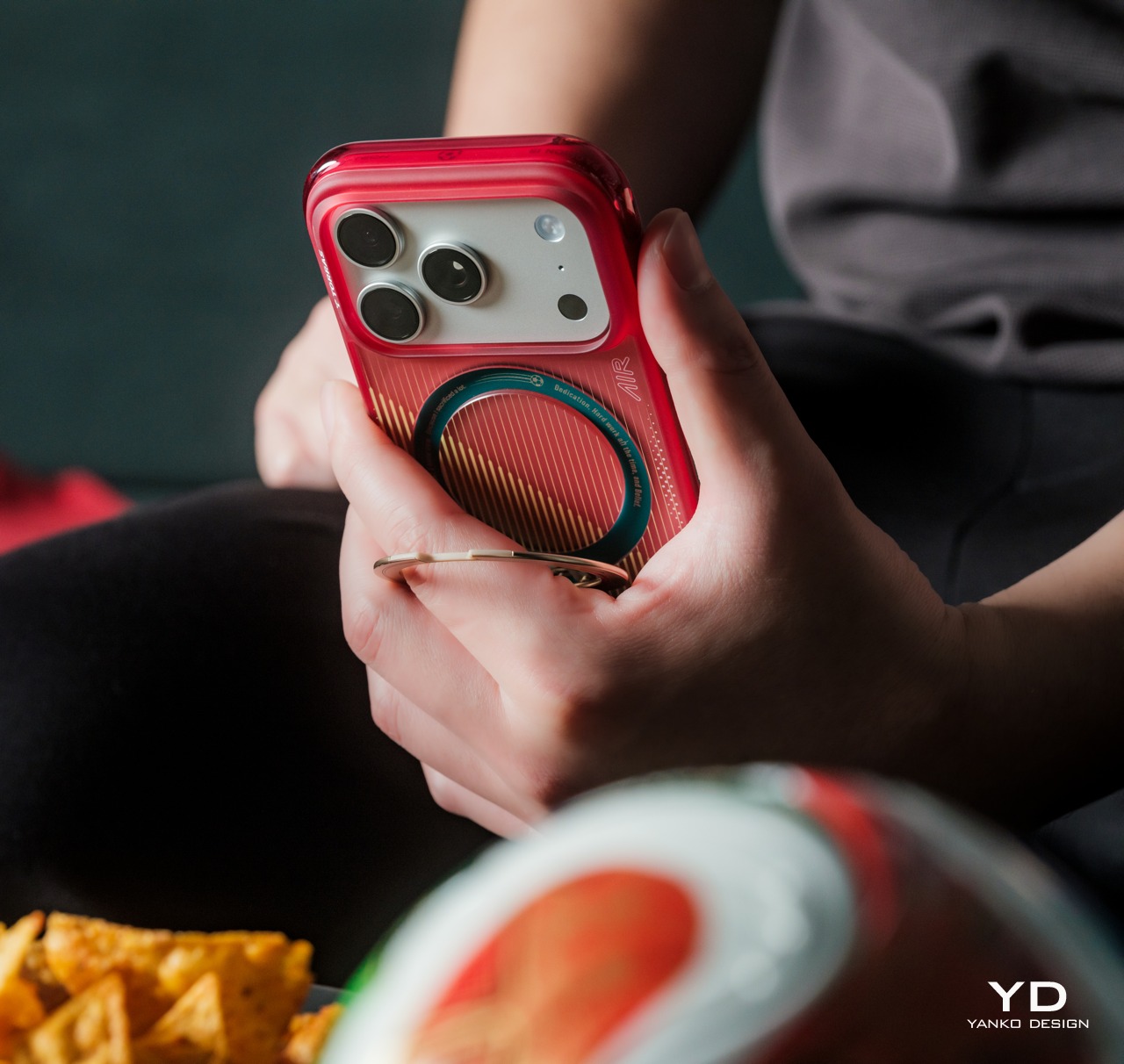
The Q3 Air Ostand platform was designed for daily carry from the ground up, and the Q3 Air Portugal Football Edition fully inherits those ergonomic priorities. The textured side rails give the phone a secure grip in hand, and the overall profile adds enough structure to feel purposeful without pushing into the territory of cumbersome bulk. It’s comfortable to hold for extended stretches and easy to manage with one hand.

The ring stand, folded flat against the back, adds a natural grip point that makes single-handed use of the iPhone 17 Pro Max genuinely more manageable. On a device this size, that matters more than it might seem on paper. When deployed, the stand clicks into place and holds whatever angle you set, making hands-free viewing a quick and reliable option rather than an occasional curiosity.

The case also carries well in a pocket, which isn’t always a given with stand-equipped accessories. The ring folds flat enough to avoid catching on fabric, and the overall thickness stays reasonable for an iPhone case with a fully integrated hardware mechanism. Moving between a bag, a desk, and a hand throughout a busy day feels natural, which is what you’d want from something worn this often.

Performance

The functional centerpiece of the Ostand series is its rotating magnetic ring stand, which supports 360-degree rotation, 180-degree flipping, and a magnetic hold that snaps securely onto metal surfaces and stays put once set. Propping the iPhone hands-free on a flat surface for a video call, a watch-party stream, or a spontaneous recording takes seconds, and the stand holds whatever angle you choose without needing adjustment.

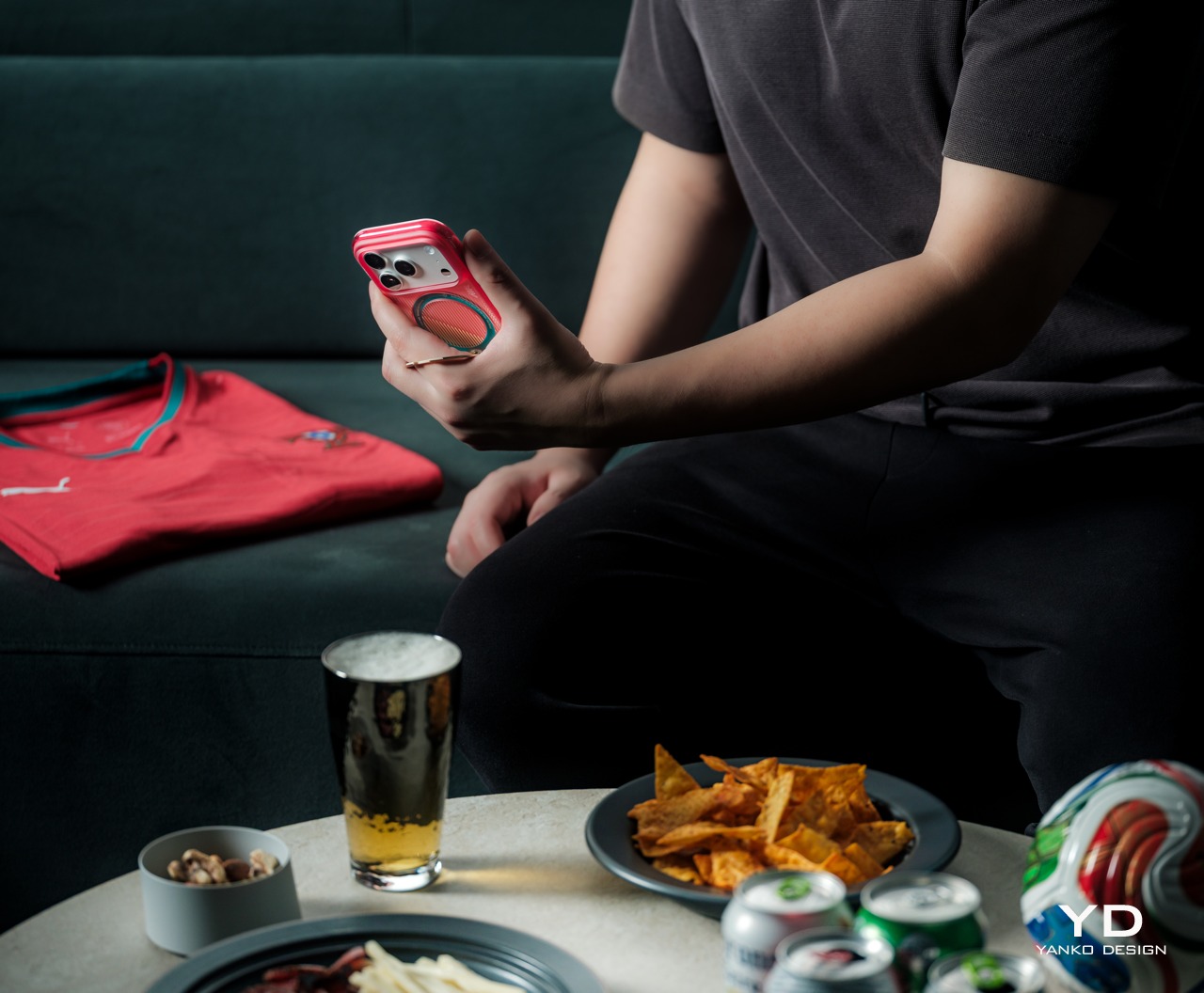
That hands-free capability sits at the heart of what TORRAS calls “Record Your Passion,” the campaign built around the idea that documenting training sessions, matchday rituals, and shared moments is part of the sporting experience itself. Setting the phone down on a gym floor, snapping it onto lockers and training equipment, or propping it on a table during a watch party transforms it from a passive device into an active participant.

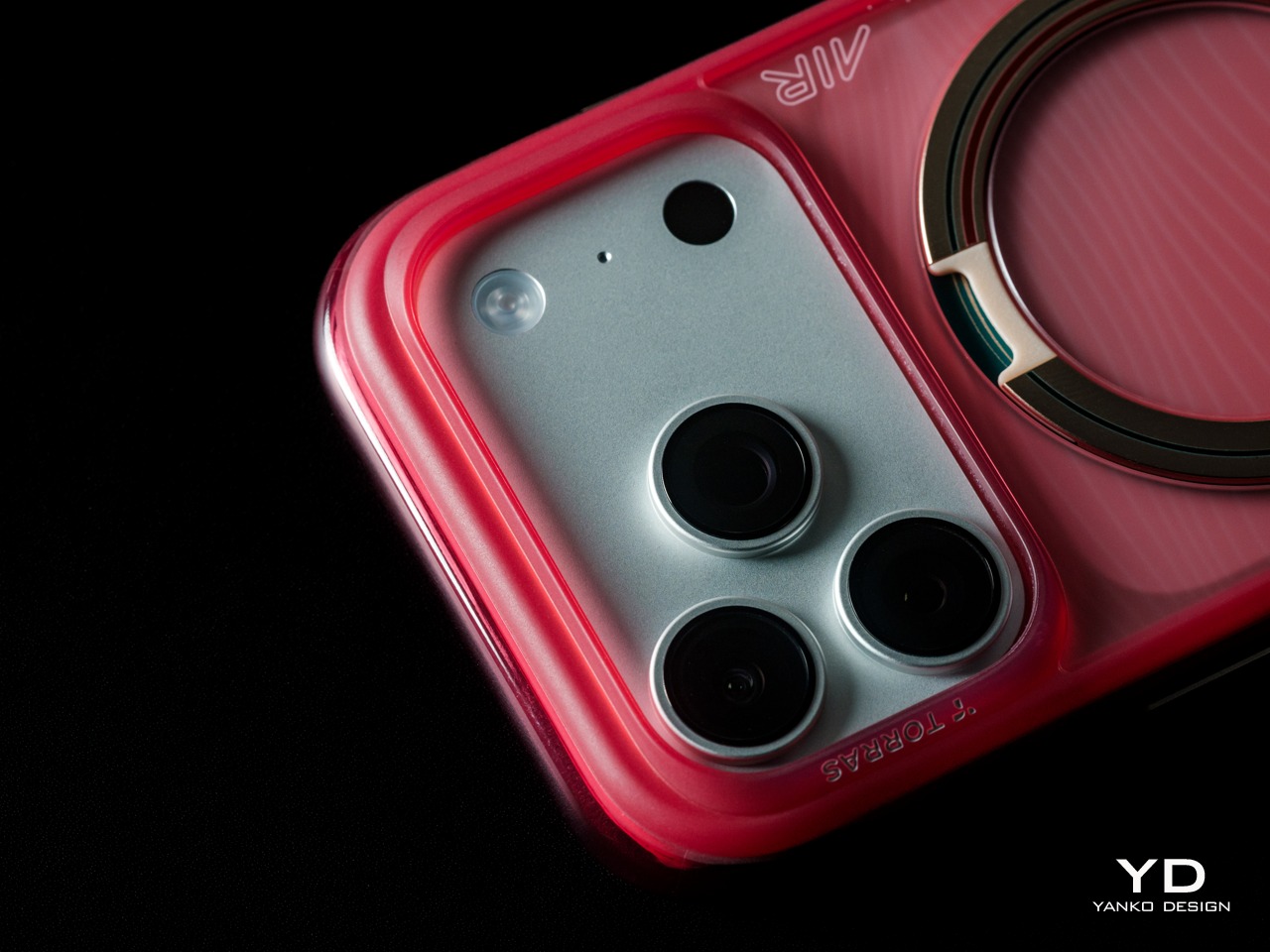
On the protective side, the case uses airbag technology that hugs the top and bottom edges and wraps around the corners. This air-cushioning structure, one of the Q3 Air’s signature innovations, protects the areas where drops tend to concentrate their force. By buffering and dispersing the force of impact, the TORRAS Q3 Air Portugal Football Limited Edition provides peace of mind for those unavoidable accidents of life.

A raised camera lip also keeps the lenses from direct contact with flat surfaces, an often unforeseen consequence in everyday use. The reinforced frame wraps the phone’s edges in a way that provides structural confidence throughout. It’s the kind of protection that works quietly in the background rather than advertising itself through unnecessary bulk.

The case is also fully MagSafe compatible, preserving the magnetic ring system so that wireless charging and MagSafe accessories work without interruption. For iPhone 17 Pro Max owners already invested in the magnetic ecosystem, that compatibility keeps everything running as expected. The full suite of MagSafe accessories, from chargers to wallets, connects and functions just as reliably as it would with any premium iPhone case.

Sustainability

The most honest form of sustainability in phone accessories comes down to longevity, even if the product itself is made of your typical synthetic materials. A case that holds its structural integrity and visual quality over years of daily use reduces the frequency of replacement, which matters more than most people consider. The Portugal Football Edition is built on a platform engineered for resilience, with reinforced corners, a durable shell, and a stand mechanism that holds up through consistent use.

The limited-edition format adds an interesting dimension to the longevity argument. Objects with cultural weight tend to stay in people’s hands rather than getting rotated out at the next refresh. A case tied to Portugal’s journey through the 2026 World Cup carries a specific cultural moment with it, giving it an emotional durability that significantly extends its useful life past what a generic alternative could claim.

Value

Limited-edition collaboration cases carry a $69.99 price premium by nature, and this one makes a clear case (pun intended) for that premium being earned rather than simply charged. The FPF edition packages the Q3 Air Ostand’s rotating stand, air-cushion protection, and full MagSafe compatibility inside a design rooted in Portuguese heritage and a genuinely considered visual system. That’s a lot of functional hardware and design thinking in one accessory.

For someone already drawn to the Ostand’s stand functionality, the Portugal Football Edition makes the value proposition even clearer. The design premium doesn’t come at any cost to the case’s functional strengths. You’re getting the same protective architecture and rotating stand mechanism, with the added dimension of a culturally layered identity that gives the accessory a meaning and visual presence that plain cases simply can’t offer.

The limited availability also factors into the value equation. This isn’t a mass-produced accessory available at any time; it’s tied to a specific cultural collaboration with a defined production run. For buyers who value their accessories carrying a genuine story rather than a borrowed aesthetic, the FPF edition offers something that feels irreplaceable in a way that standard catalog options simply aren’t positioned to match.

Verdict

The TORRAS Q3 Air Portugal Football Limited Edition for iPhone 17 Pro Max is a premium phone case that earns its place in that category through functional integrity and genuine design depth. The rotating stand is a practical differentiator that changes daily phone habits in a meaningful way, the protective architecture is solid, and the cultural design language is rich enough to hold up far beyond the initial impression.

For football fans with an eye for design, or iPhone 17 Pro Max owners who want a case that carries a real story behind its finish, the timing of this collaboration is excellent. Portugal is heading into the 2026 World Cup cycle with a clear sense of purpose, and TORRAS has built an accessory that connects to that energy in a way that’s both functional and genuinely worth holding onto.

Click Here to Buy Now: $69.99 | Website Link Here.

The post TORRAS x FPF Limited Edition Review: Portugal’s 2026 World Cup Case With a Stand first appeared on Yanko Design.

5 Homes That Prove You Don’t Need More Space to Live In Style

Architectural thinking is steadily shifting away from oversized, underused spaces toward a more intentional design philosophy. Luxury is now defined by the quality of spatial flow, thoughtful proportions, and the authenticity of materials, rather than by sheer scale.

By eliminating the unnecessary, a deeper relationship emerges between the built environment and its natural context. This process of refinement creates homes that feel calm, immersive, and closely connected to their surroundings. Such spaces deliver lasting value through clarity, comfort, and enduring design relevance. The move toward smaller, well-crafted environments reflects a conscious design approach that prioritizes meaning, performance, and long-term experiential value over excess.

1. Light as Architecture

In compact environments, light becomes a primary architectural material rather than a functional afterthought. Careful modulation of daylight and artificial illumination shapes perception, atmosphere, and movement, transforming limited space into a refined and calming sanctuary. The goal shifts from brightness to balance, where light enhances form, texture, and emotional comfort.

Vertical glazing strategies draw in changing natural light, subtly extending spatial boundaries without increasing area. At night, layered lighting is woven into the architecture through recessed coves and low-level washes. This approach softens edges, reduces visual fatigue, and creates a gentle rhythm of movement, allowing the space to unfold gradually through light.
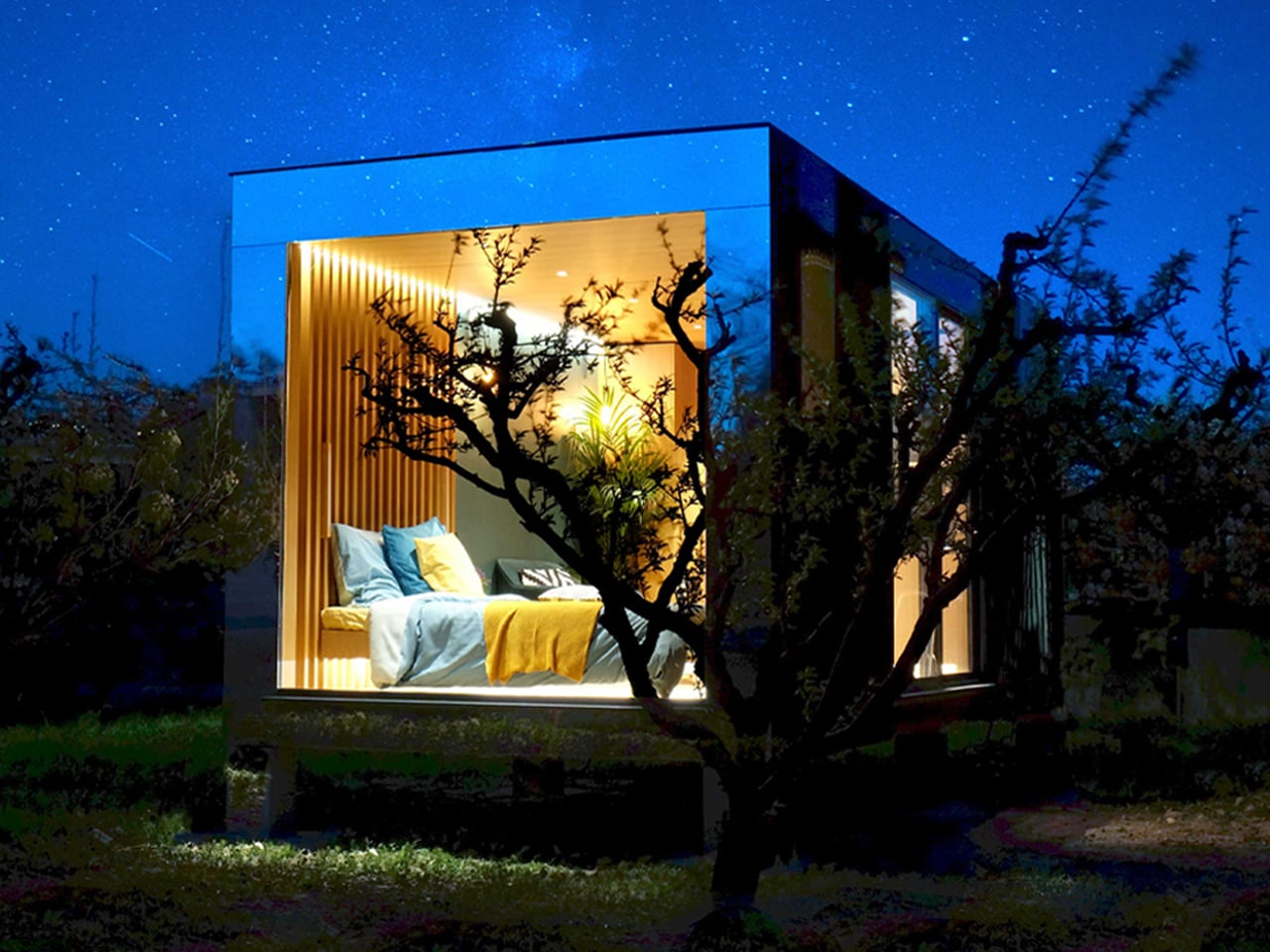
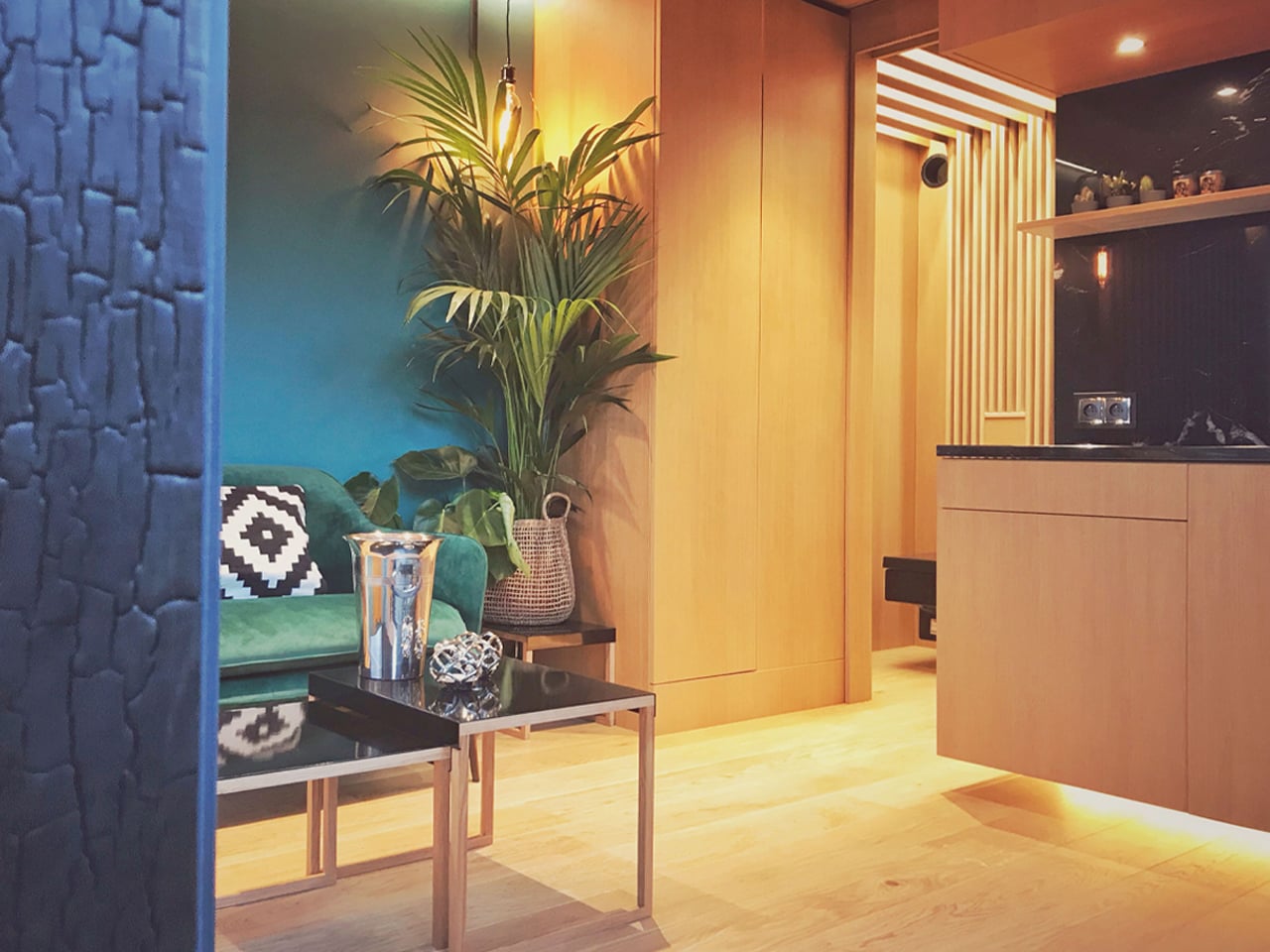
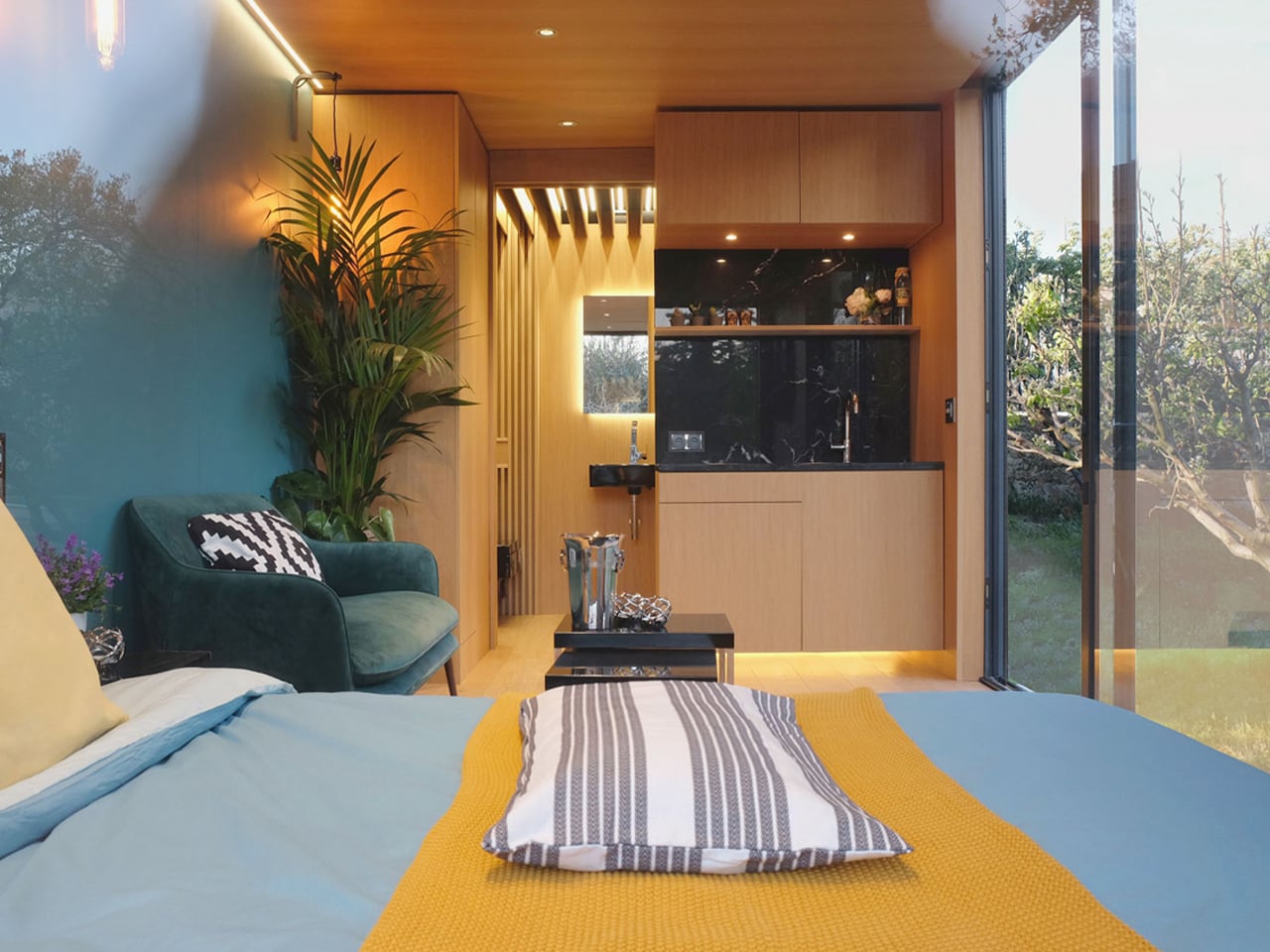
As domestic spaces increasingly accommodate multiple functions, lighting has become central to shaping comfort and usability within the home. Novablok’s Mini Blok addresses this shift through a design that prioritizes natural illumination as a defining architectural element. Fully glazed façades allow daylight to enter from multiple angles, ensuring the interior remains bright and visually open throughout the day. This generous access to light reduces reliance on artificial sources while creating an atmosphere that feels calm, expansive, and closely attuned to its surroundings. The transparency also strengthens the connection between interior and exterior, allowing changes in weather and daylight to influence the living experience subtly.
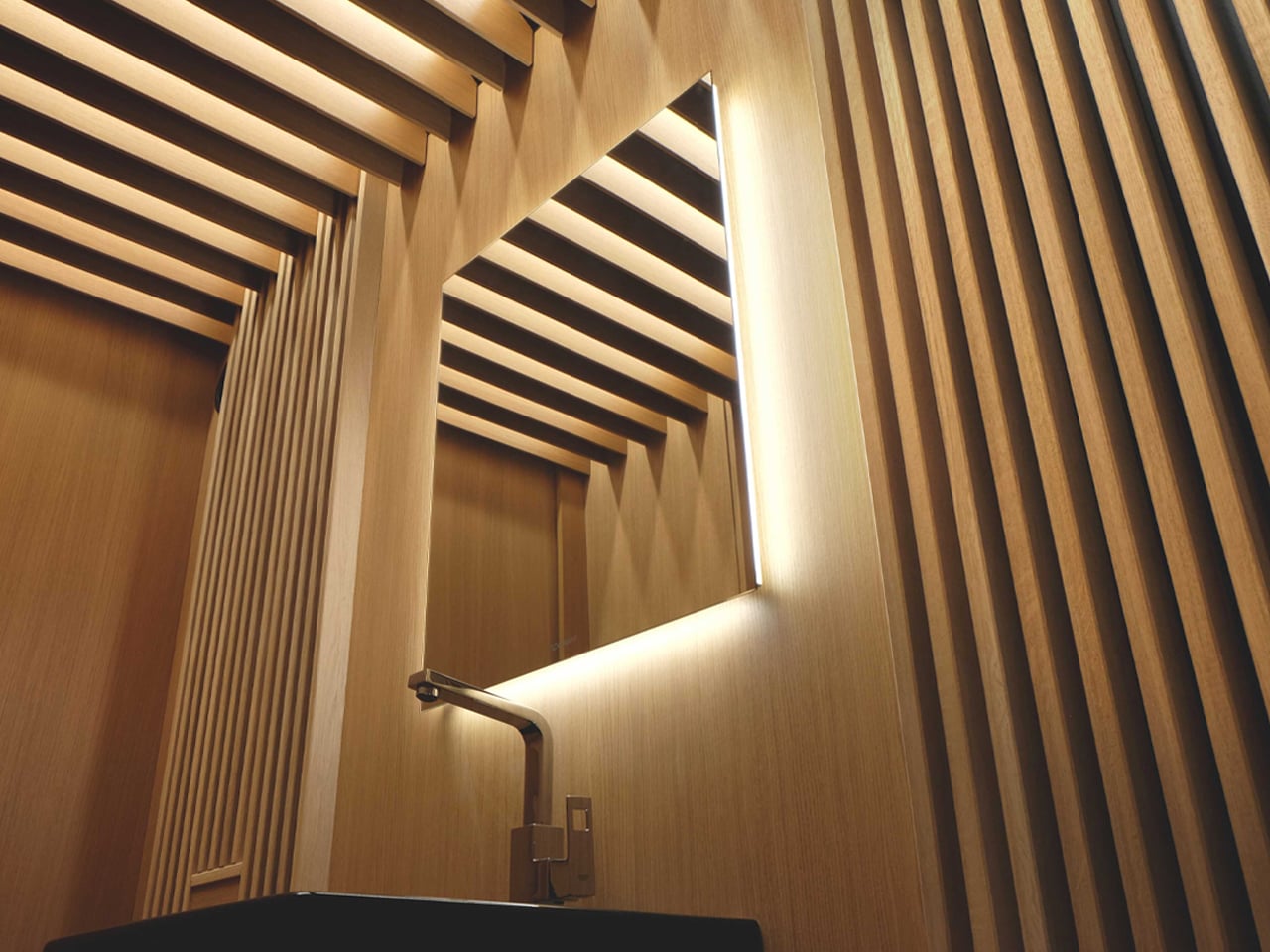
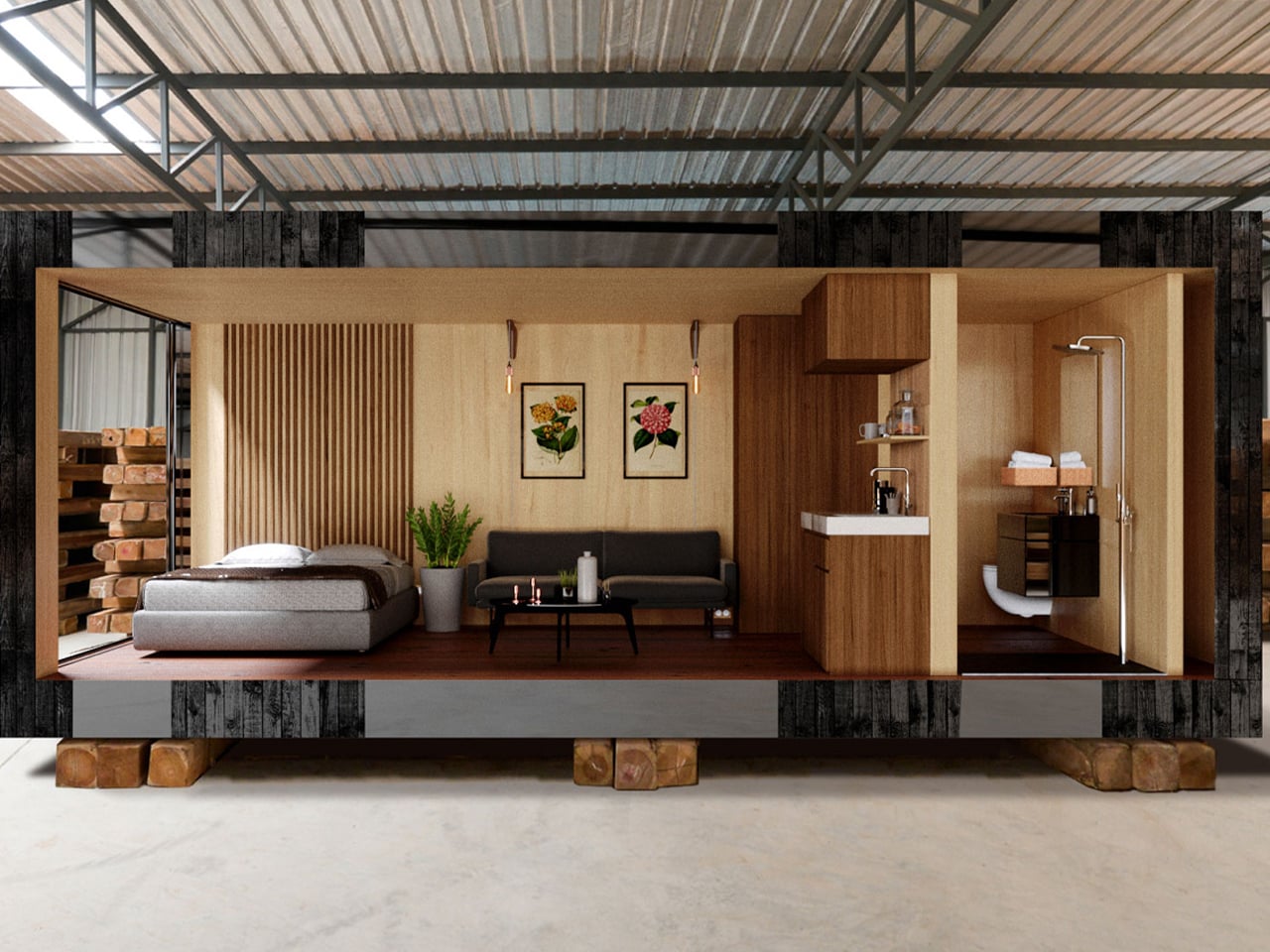
Internally, the controlled simplicity of the structure allows light to move freely across surfaces, enhancing spatial clarity despite the compact footprint. Optional interior finishes in light-toned wood further soften and diffuse daylight, preventing glare while maintaining warmth. Carefully integrated electrical lighting complements natural light after sunset, ensuring the space remains functional without disrupting its serene character. The result is a home environment where light actively shapes mood, rhythm, and everyday living.

2. Precision Over Volume

In compact spaces, every dimension carries intention, making precision the core of design value. The focus shifts from creating volume to investing in quality, where materials and details are selected for their long-term sensory and experiential impact. Thoughtful allocation of resources enhances durability, tactility, and visual depth, proving that refinement delivers greater value than scale.

Authentic materials such as natural stone and carefully finished wood replace broad applications of lesser finishes, allowing surfaces to age with character. Clean detailing, including shadow gaps and refined junctions, removes visual clutter. This disciplined approach creates architecture that feels calm, honest, and enduring, where quality itself becomes the strongest return on investment.
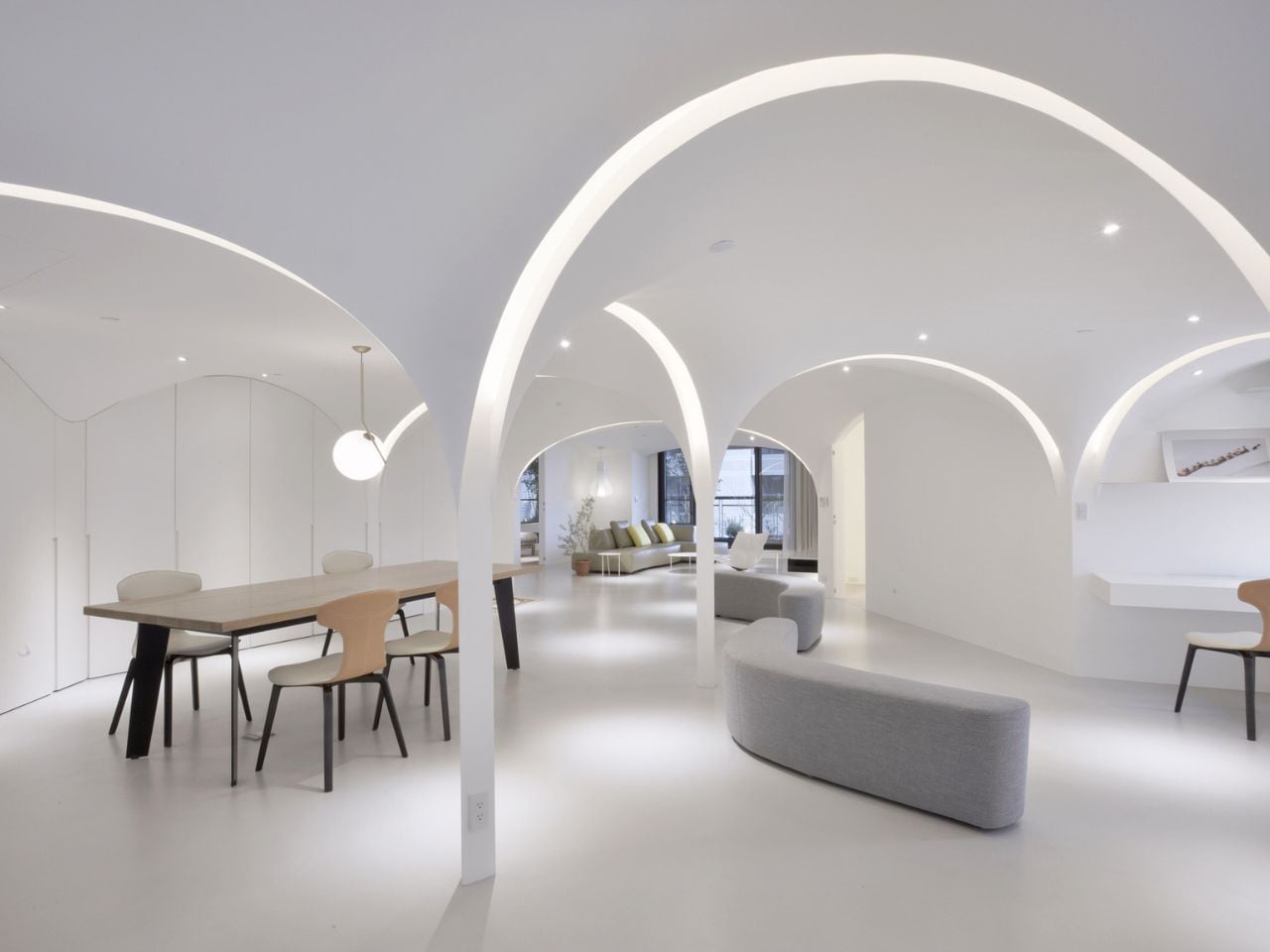
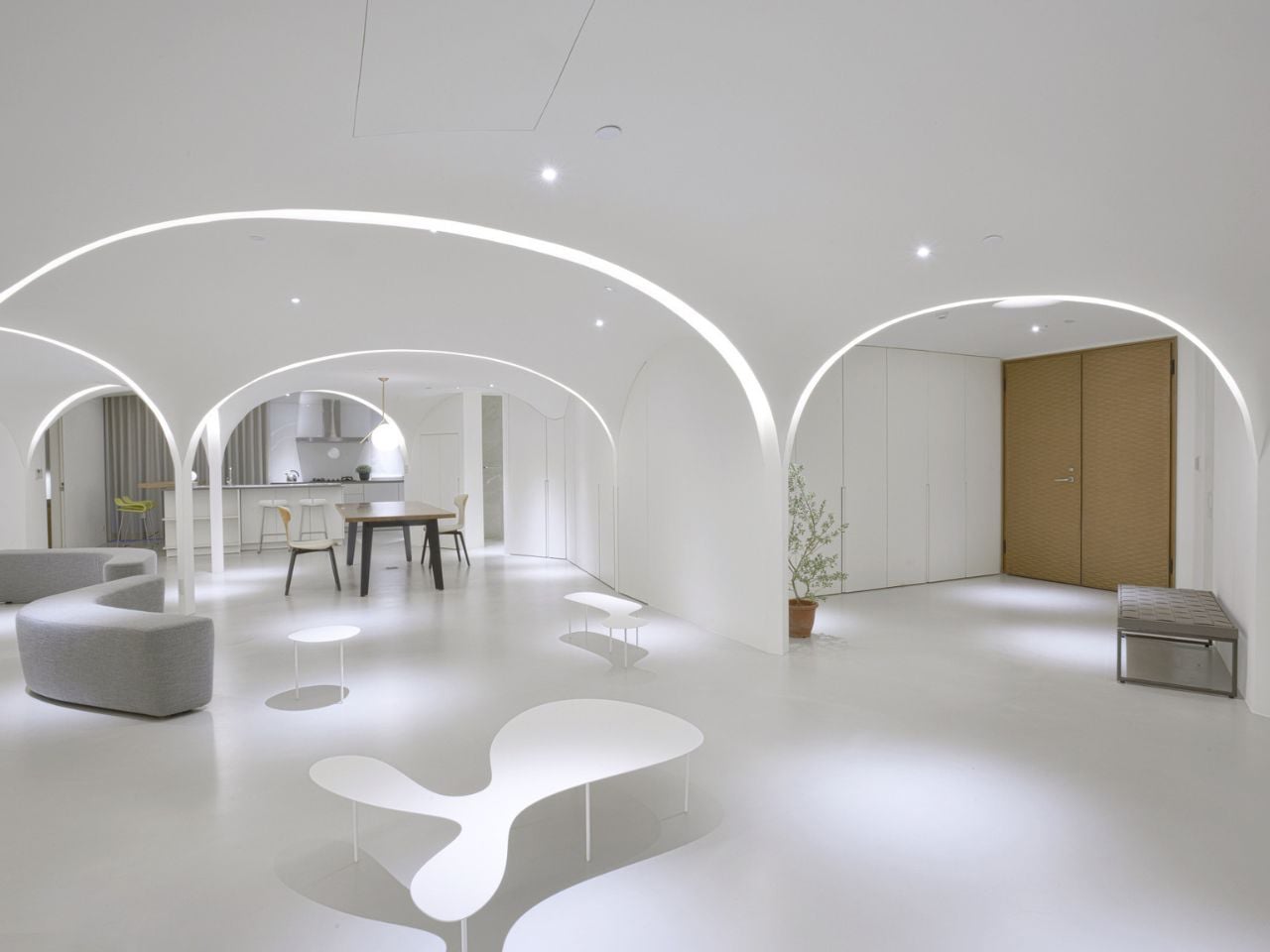
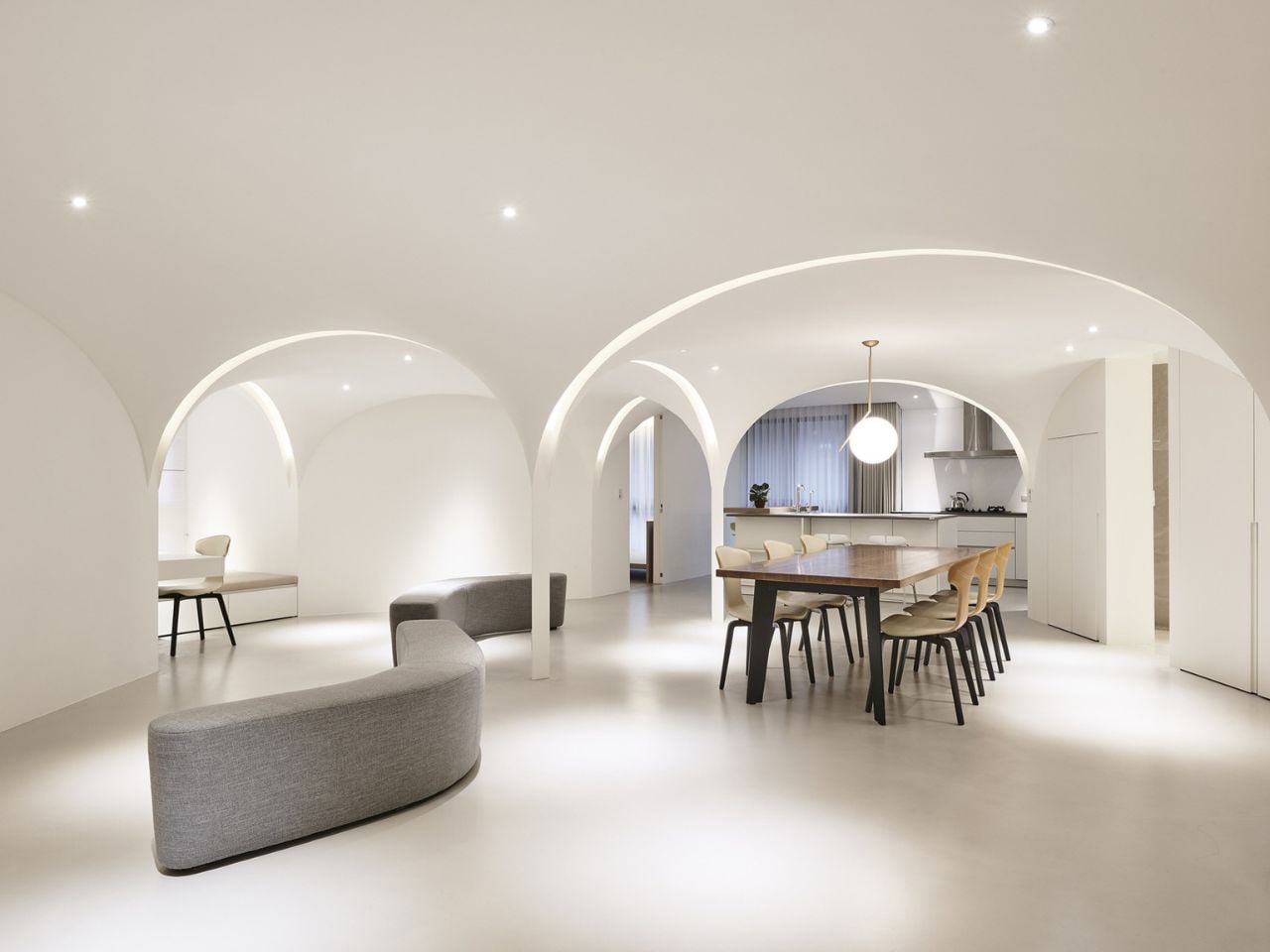
In the dense urban fabric of Taichung City, where apartment layouts often follow rigid, compartmentalized formulas, this residence has been thoughtfully reimagined by Very Studio | Che Wang Architects into a calm and uplifting retreat. The designers transformed a conventional Taiwanese unit – previously defined by interior-facing public spaces – into a light-filled environment shaped by flowing geometries and restrained materiality. Rather than pursuing dramatic visual statements, the project focuses on cultivating a gentler spatial experience, emphasizing comfort, clarity, and sensory balance as core design principles.
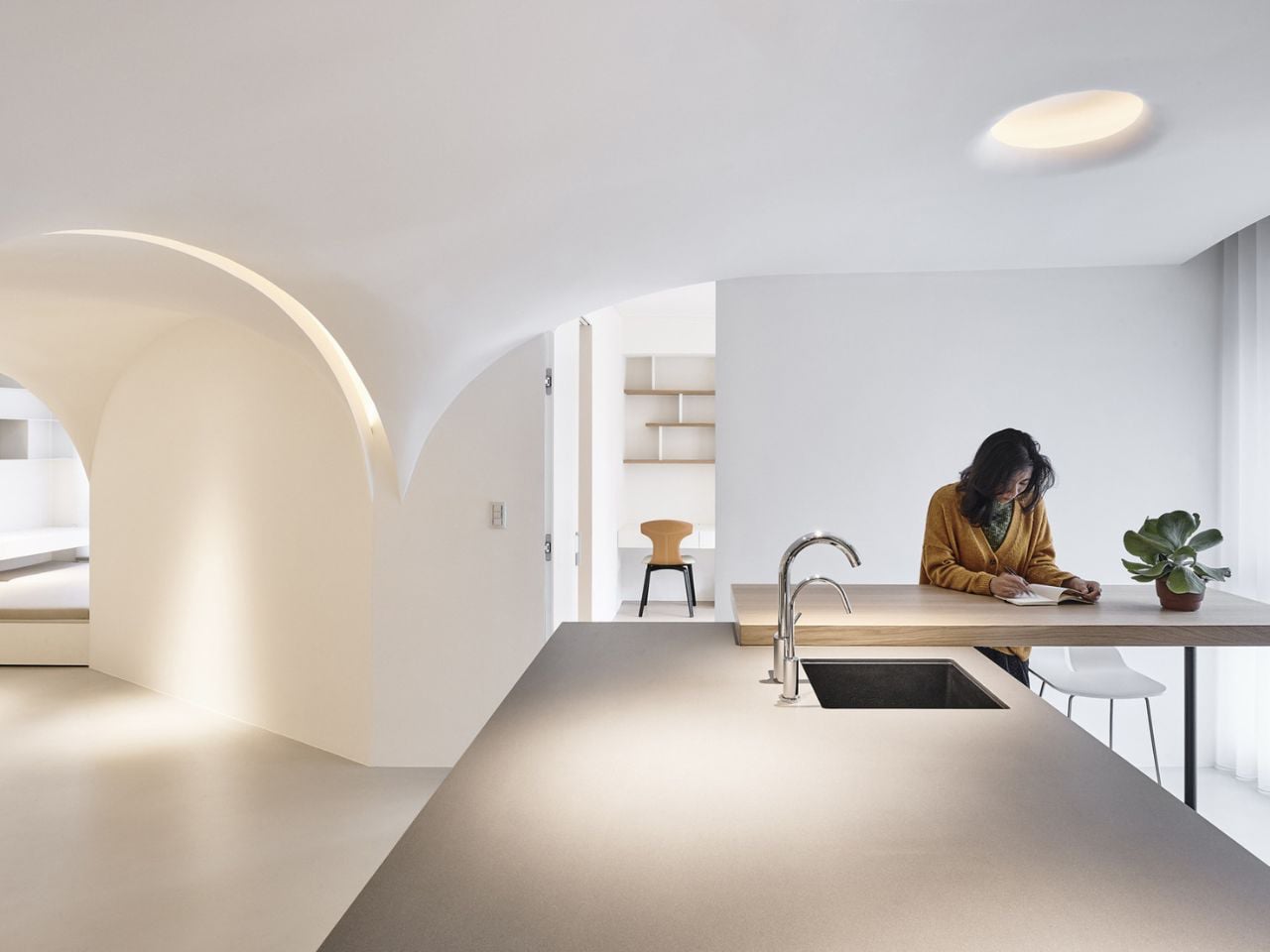
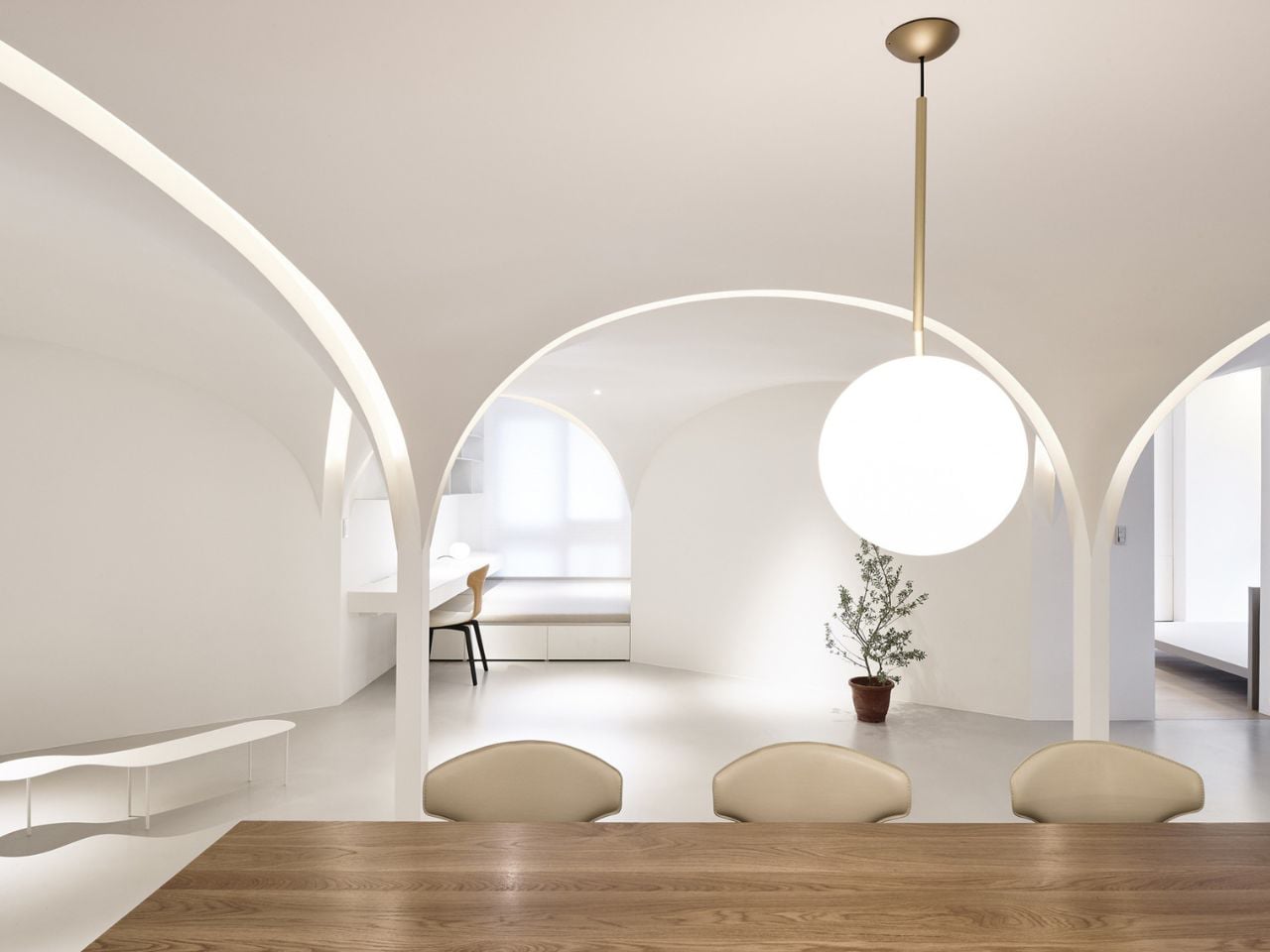
Prior to renovation, the living and dining areas were enclosed at the center of the plan, limiting daylight and ventilation to a single southern opening. The architects overturned this logic by introducing a pentagon-based spatial order that replaced rigid corners with angled walls. This new geometry extends sightlines, softens light, and encourages natural airflow. Openings on multiple sides now allow sunlight and air to circulate evenly, while subtle acoustic and lighting strategies define functional zones. The result is a minimal yet atmospheric home that prioritizes wellbeing through light, air, and thoughtful spatial organization.

3. Adaptive Spatial Flow

In refined, compact homes, flexibility becomes the foundation of spatial planning. Rather than fixed functions, spaces are designed as a sequence of experiences that respond fluidly to changing lifestyles. This “loose-fit” approach allows the home to evolve over time, supporting both privacy and openness without unnecessary expansion.

Integrated joinery is treated as architecture, not add-on furniture. Floor-to-ceiling storage defines zones, controls clutter, and enhances environmental performance. At the core, concealed sliding panels and pivoting elements enable spaces to transform effortlessly—from focused work areas to generous gathering zones. This intelligent adaptability maximizes use, reduces material excess, and aligns spatial efficiency with long-term sustainability.
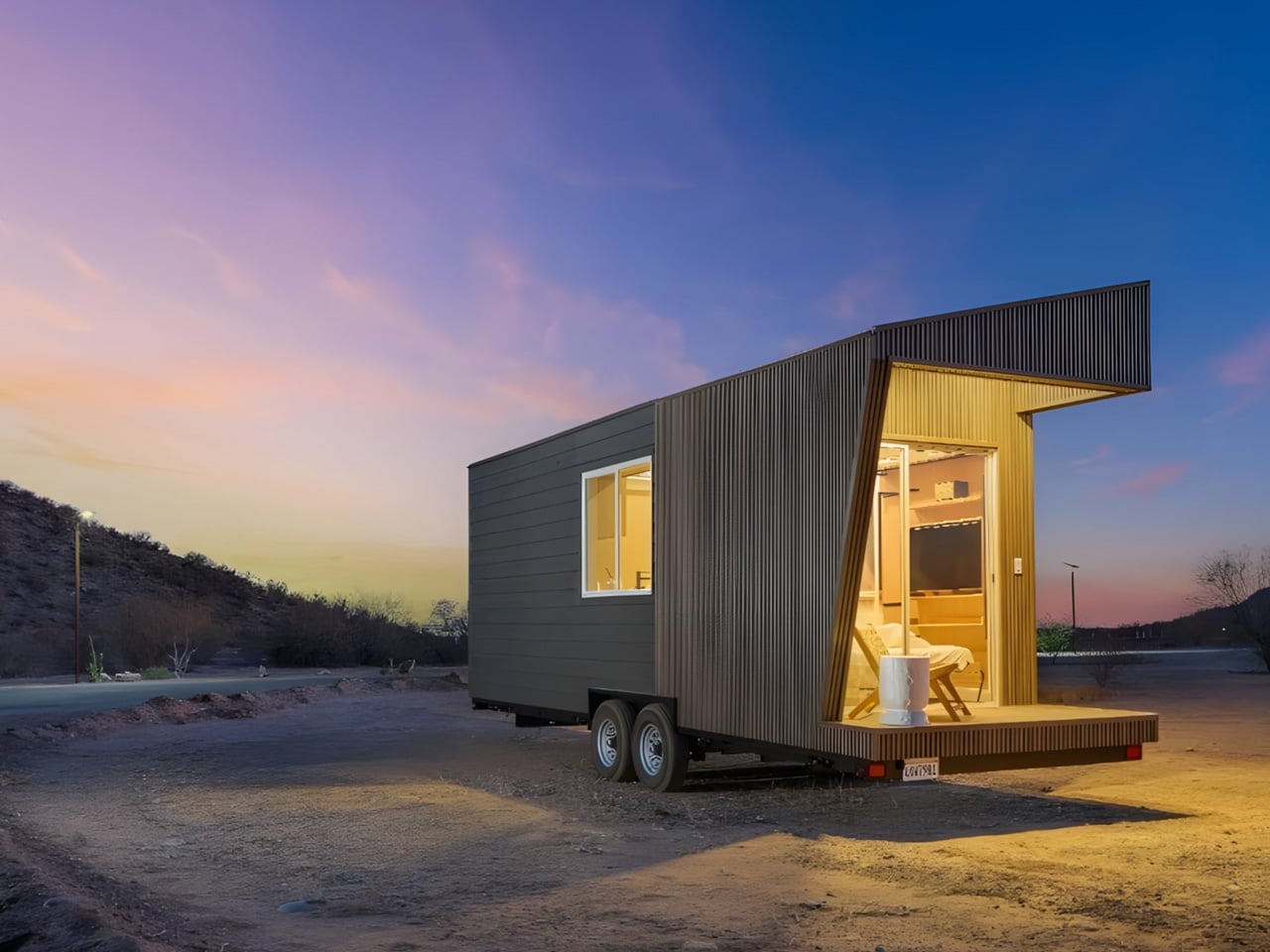
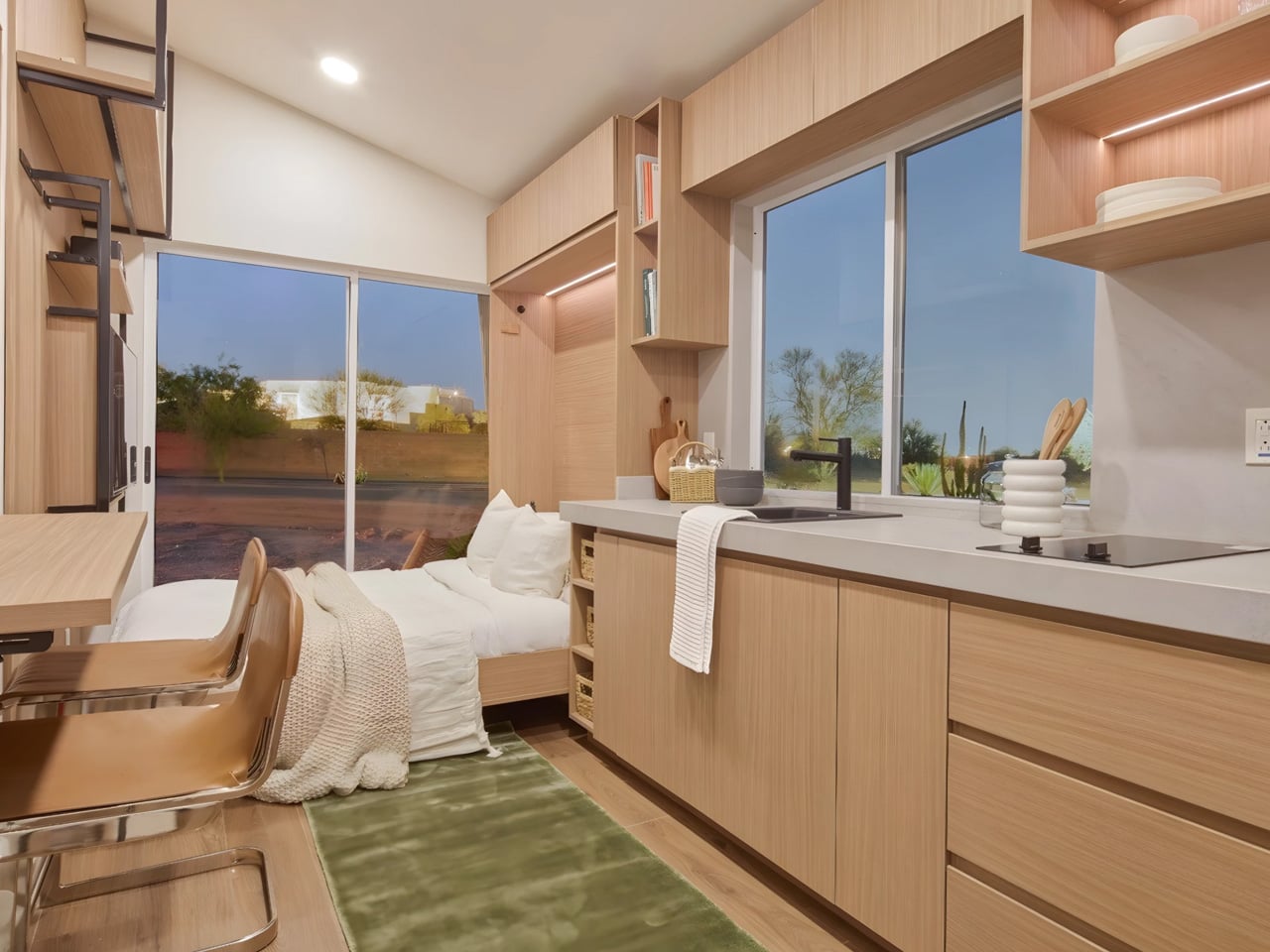
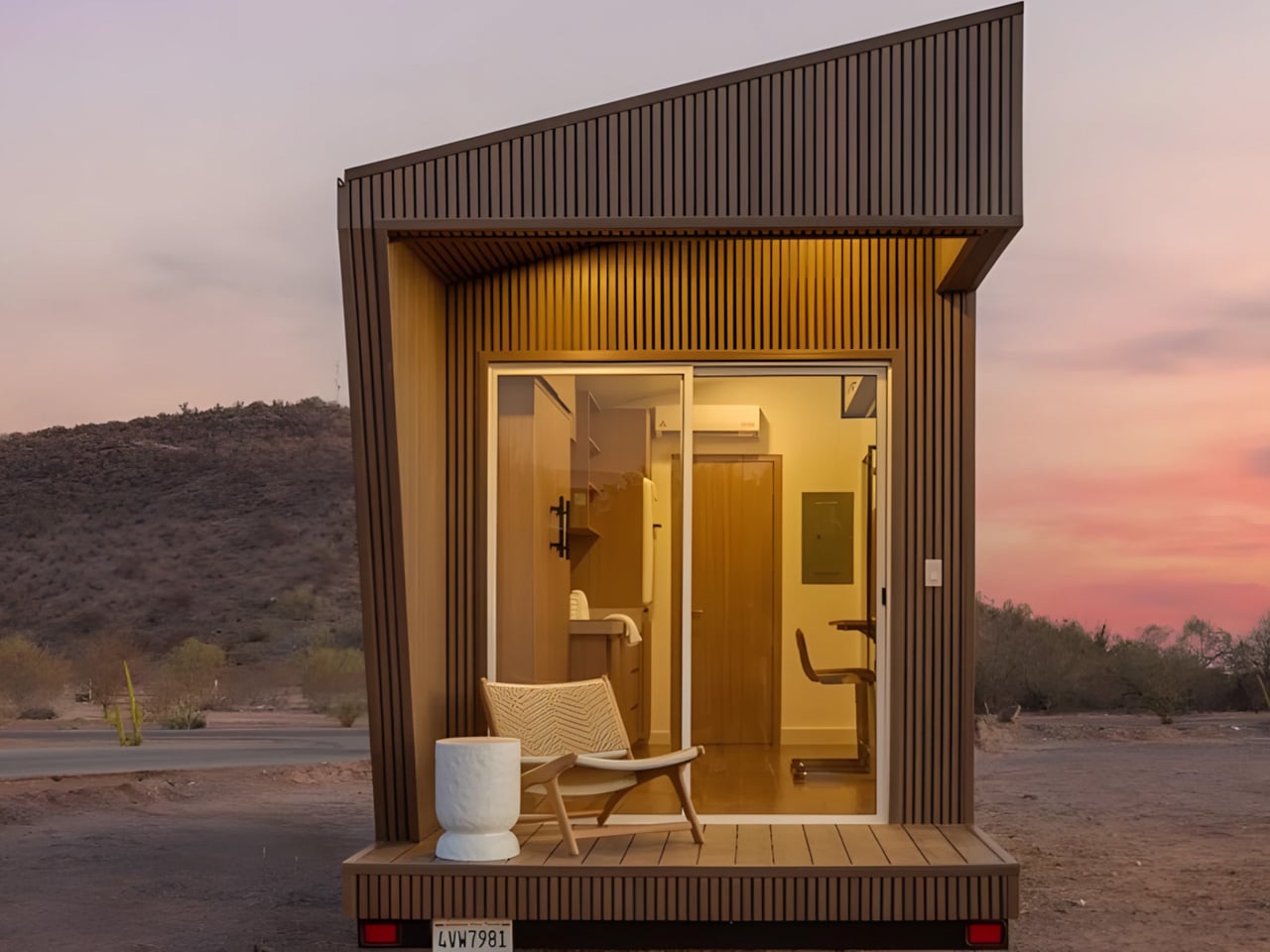
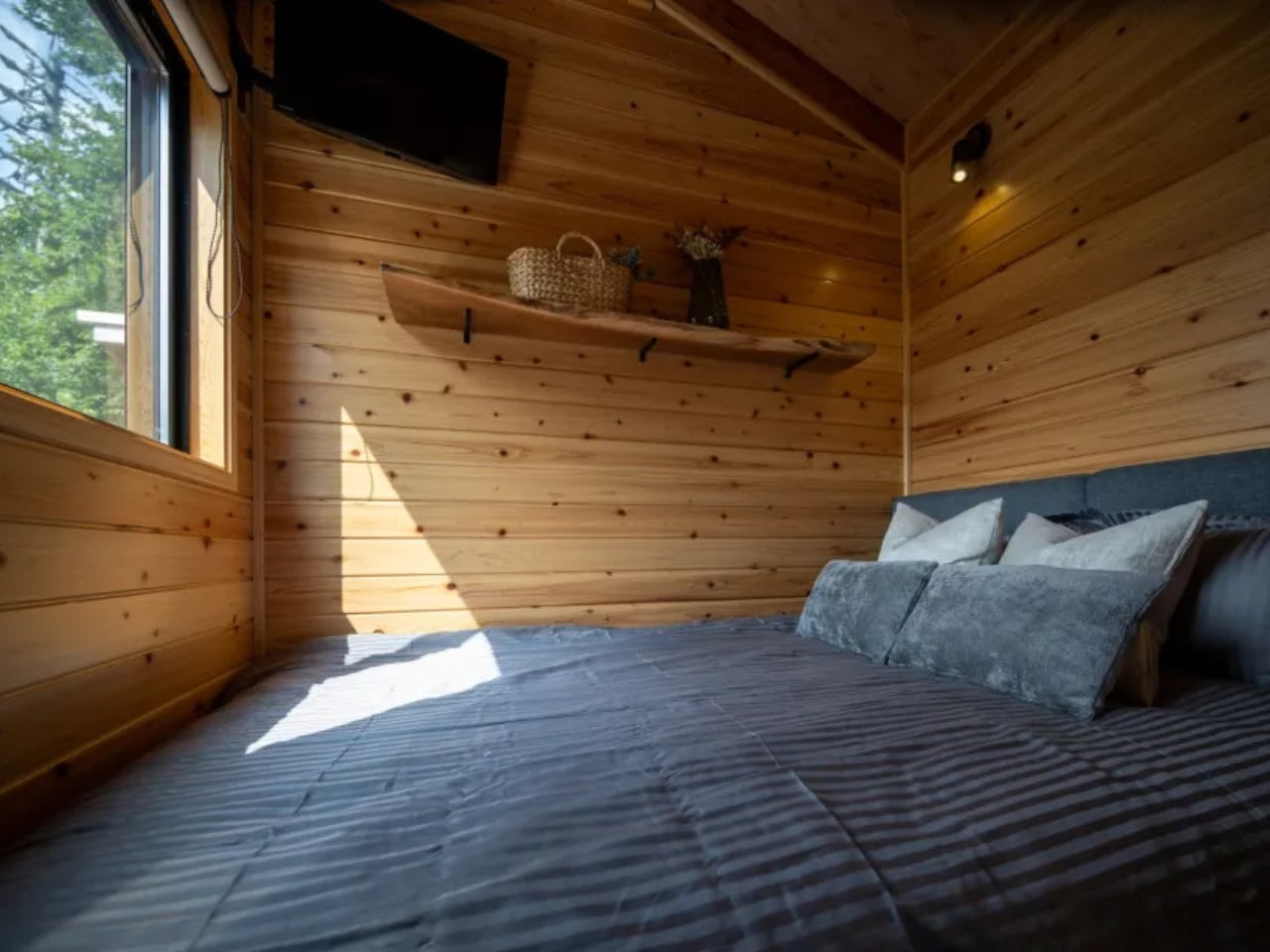
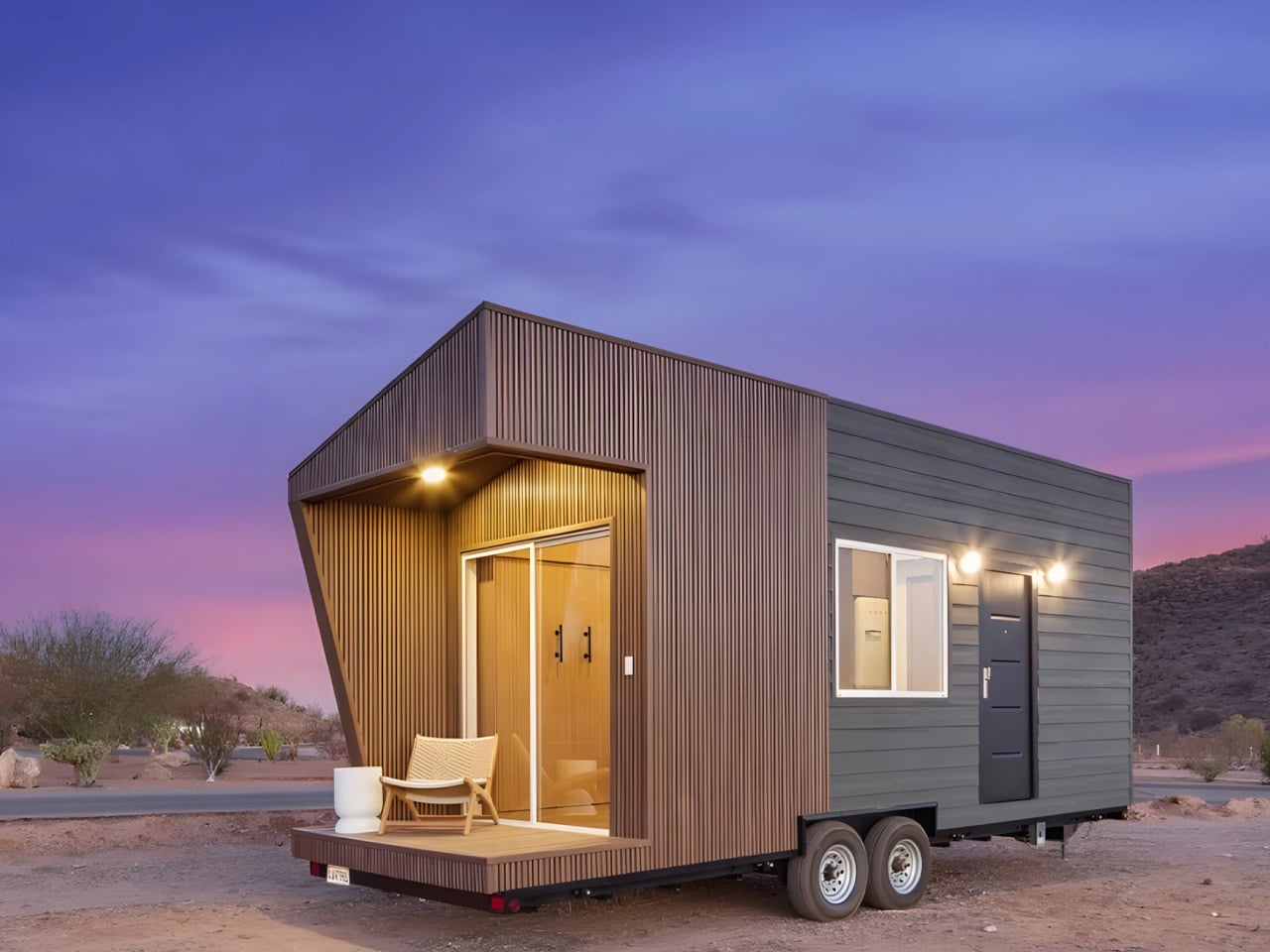
At just 26 feet in length, the Vettel Haus challenges conventional ideas of comfort and scale, yet Tamen Arq’s design for myHAUSING demonstrates how thoughtful architecture can transform extreme compactness into spatial generosity. Clad in engineered wood and built on a double-axle trailer, the home is fully mobile while maintaining a sense of permanence through careful detailing. Inside, abundant natural light enters through precisely positioned windows, dissolving any perception of constraint and allowing the interior to feel open, calm, and well-proportioned despite its modest footprint.
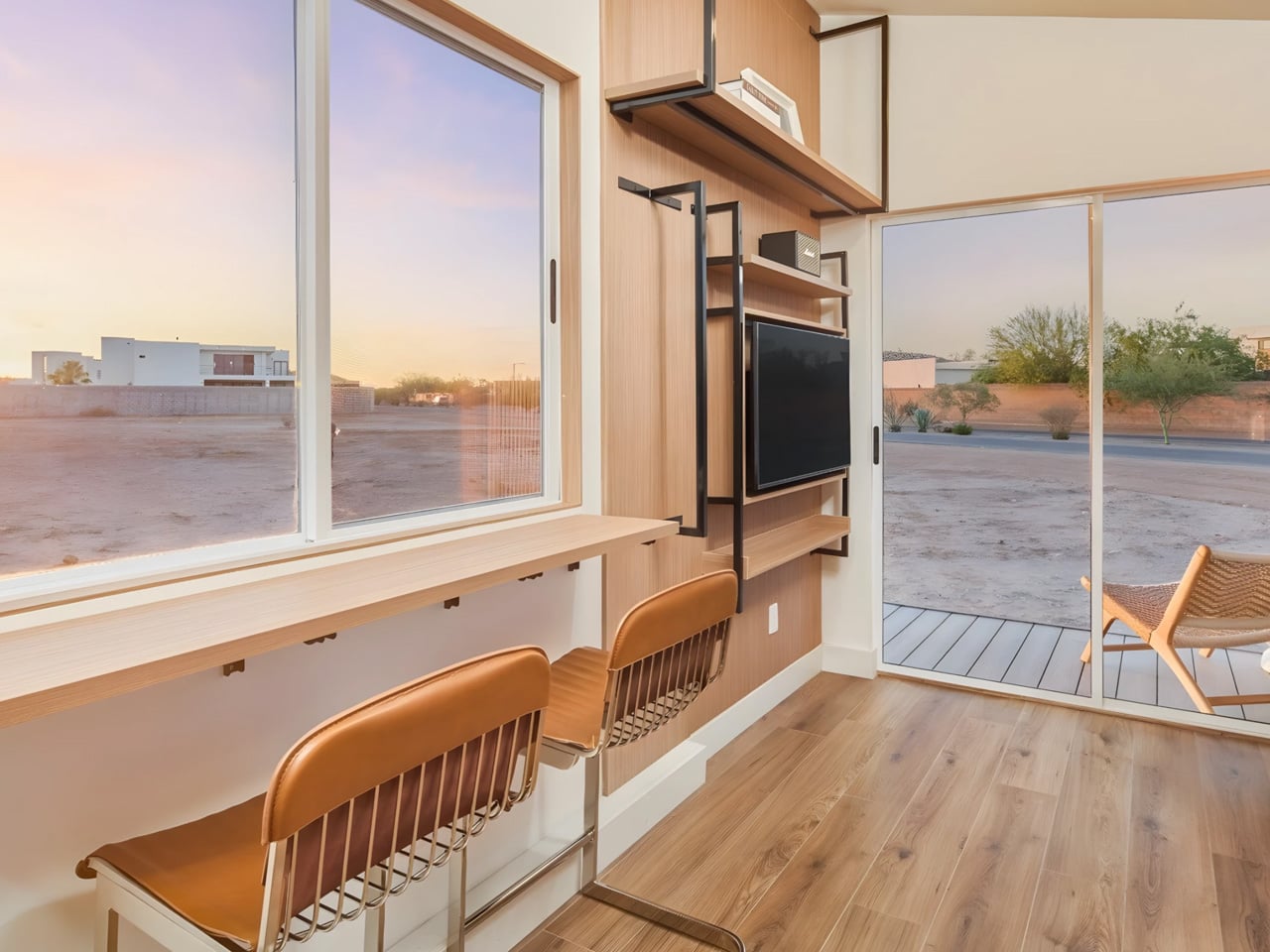
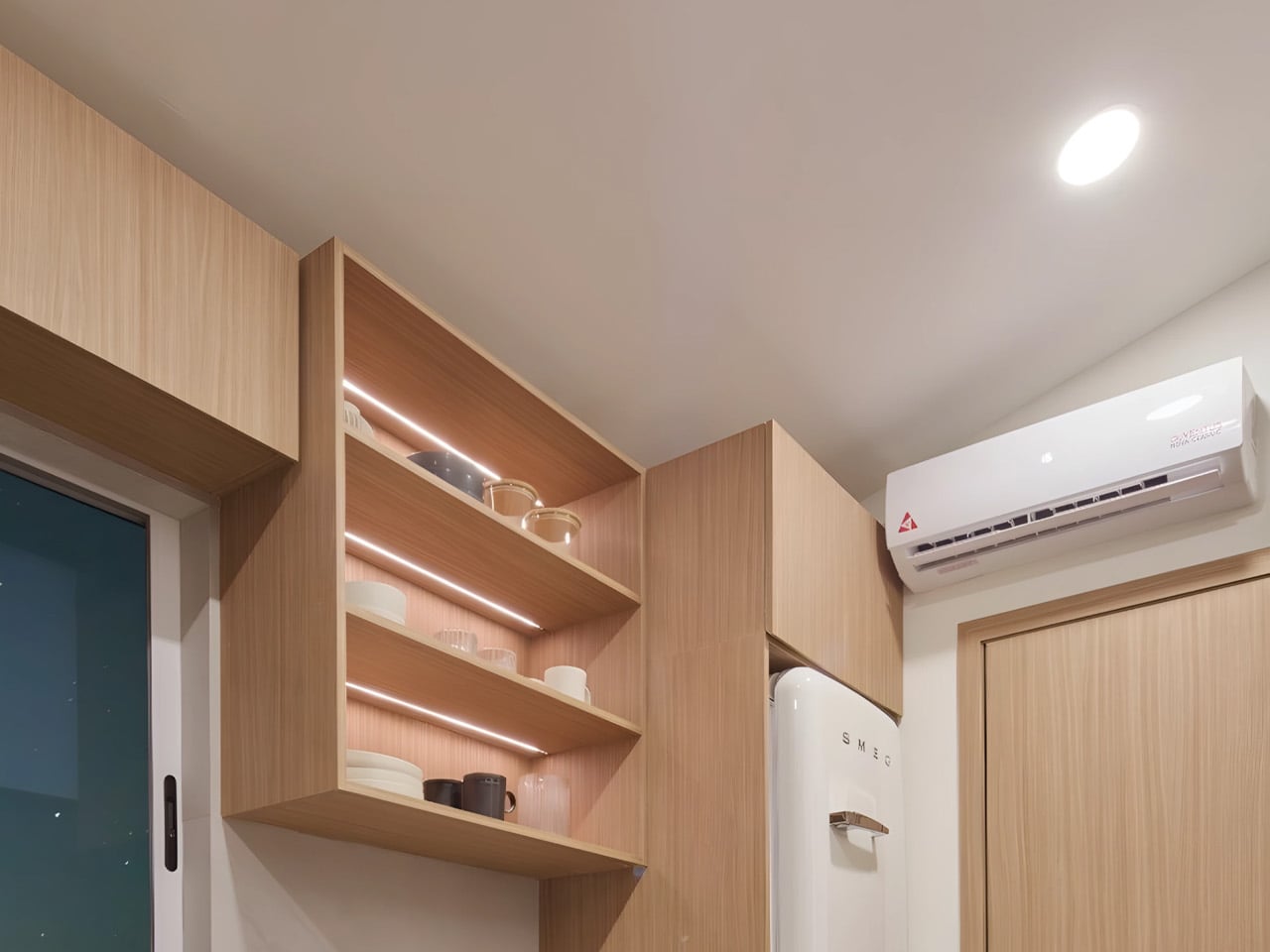
The interior layout is defined by intelligent flexibility rather than compromise. The bedroom seamlessly doubles as the living area, with a bed that functions as seating, integrated shelving that maintains visual clarity, and a discreetly placed television. Two separate entrances enhance circulation and usability, while a covered porch extends daily living outdoors. Concealed storage and custom millwork further support an uncluttered environment, proving that spatial quality is driven by design intelligence, not square footage.

4. The Biophilic Cocoon

Contemporary luxury is increasingly defined by closeness to nature rather than physical scale. More compact homes make it possible to organize living spaces around courtyards, gardens, or carefully composed views, fostering a continuous dialogue between interior and exterior. This approach creates environments that feel immersive, calm, and naturally grounded.

Openings are designed as deliberate frames, drawing the landscape inward and turning everyday views into living compositions. The home becomes an extension of its surroundings, not a disruption. With a smaller building envelope, advanced insulation and passive solar strategies can be applied more precisely, resulting in superior thermal comfort, energy efficiency, and long-term environmental performance.
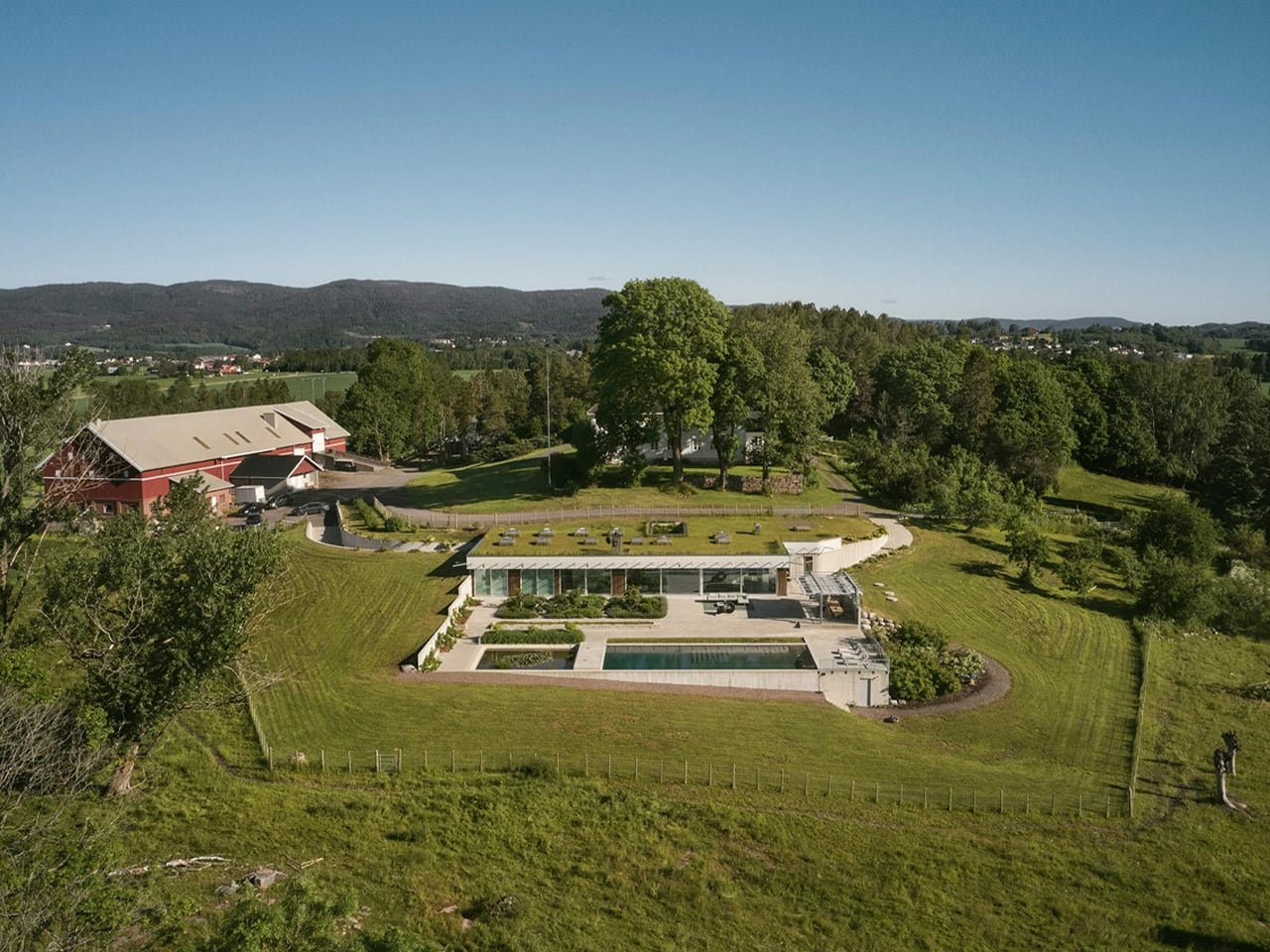
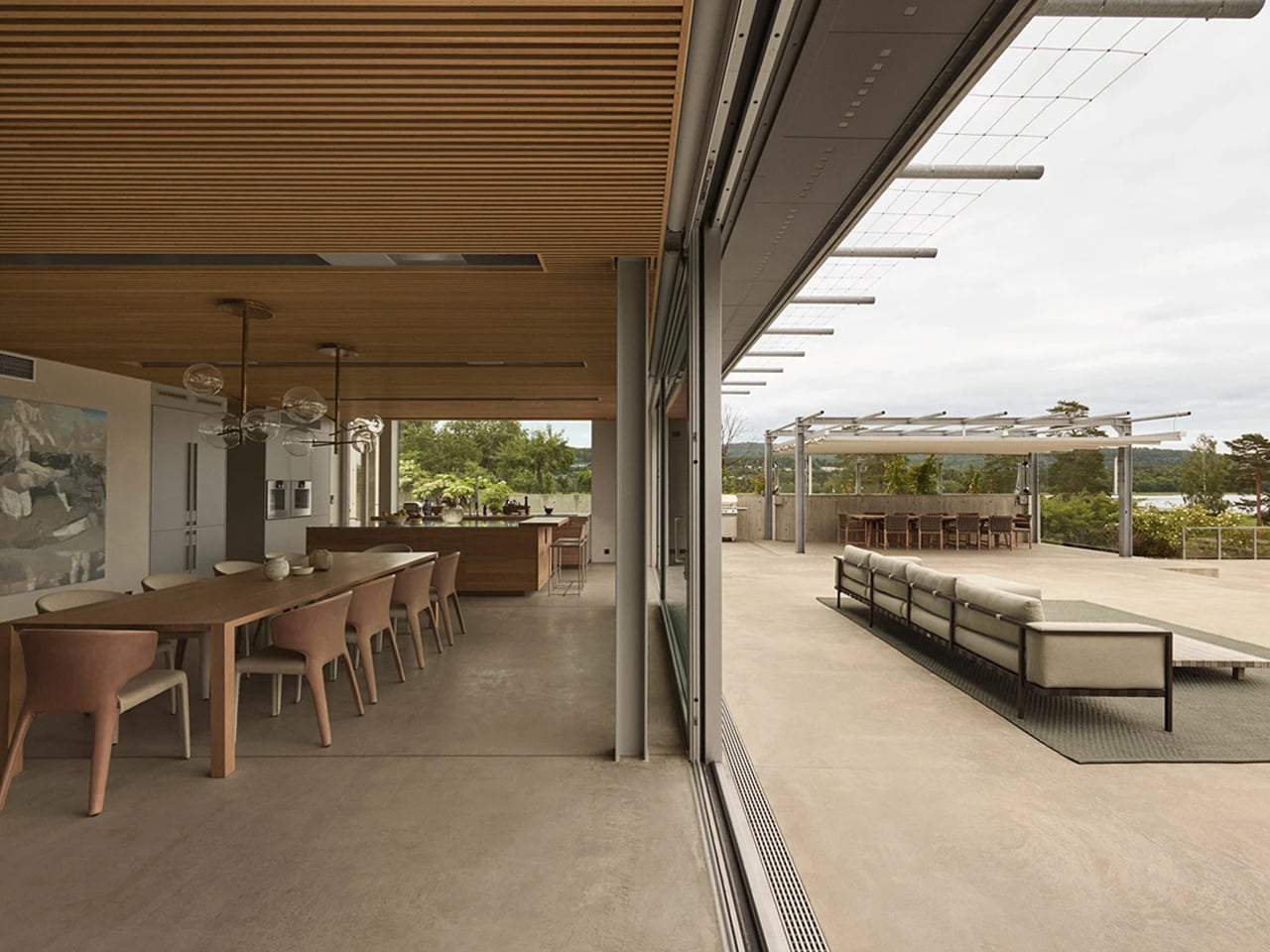
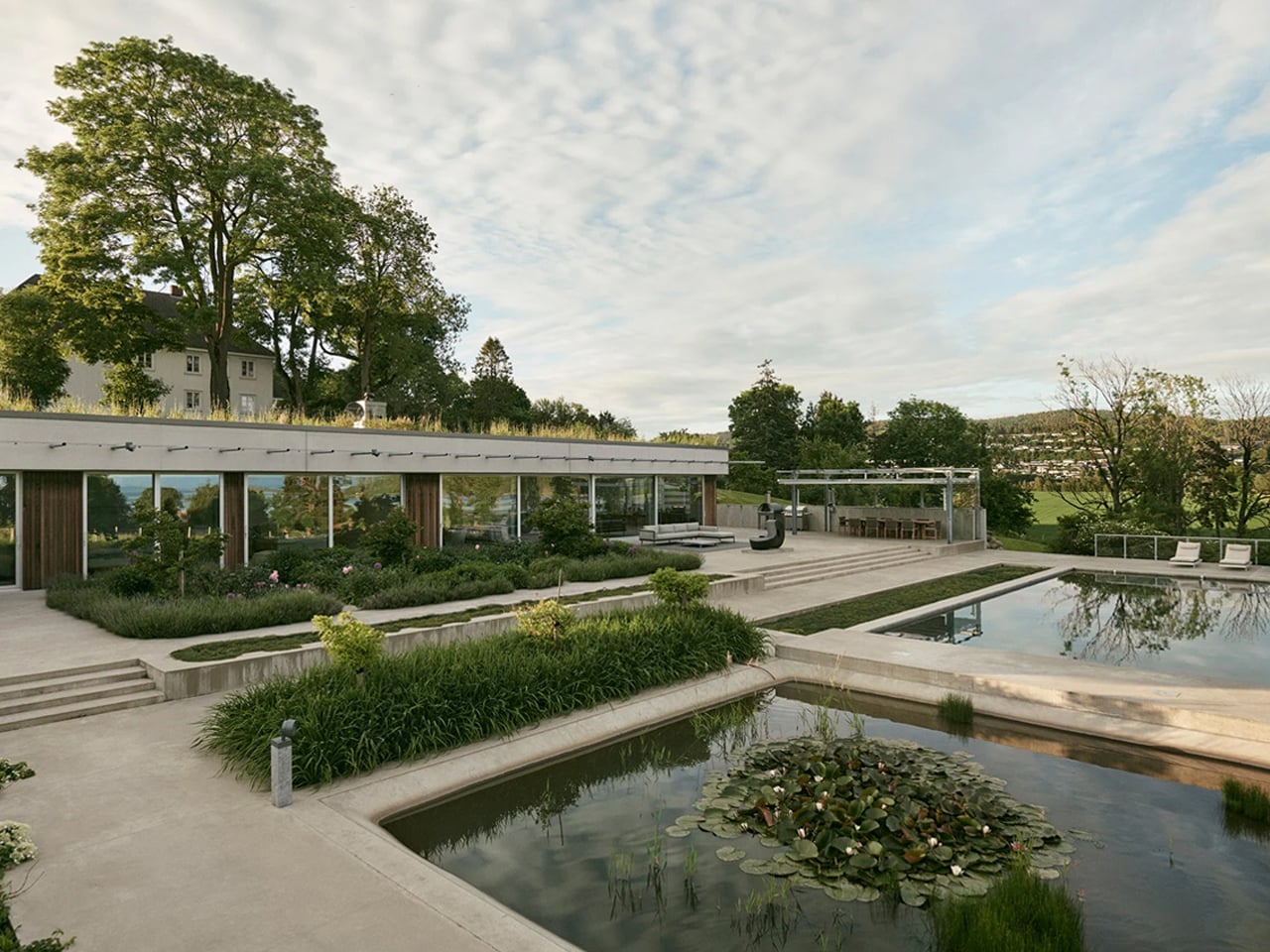
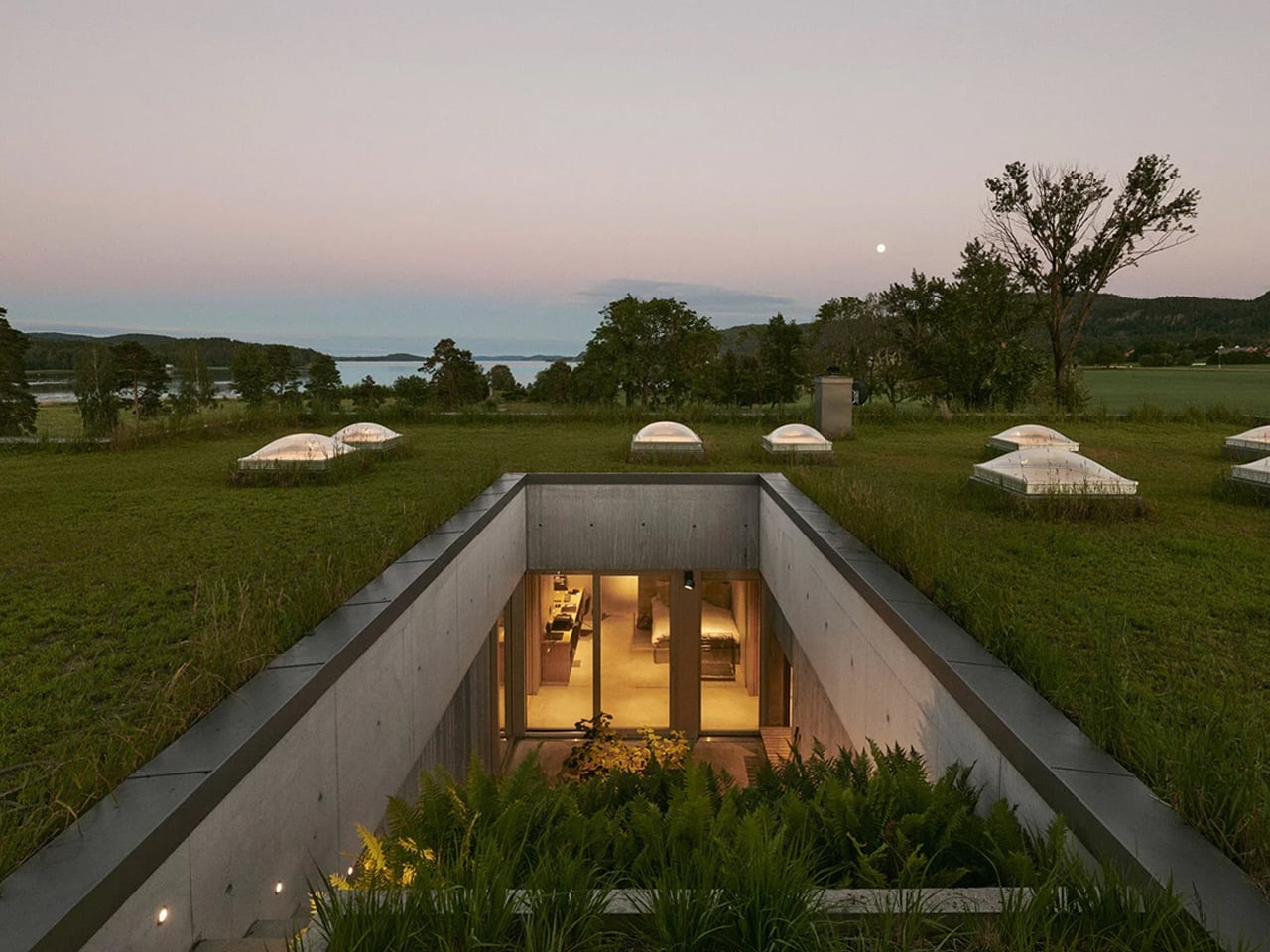
Villa Aa is a biophilic countryside residence in Norway that demonstrates how architecture can exist in quiet harmony with its natural setting. Designed by C.F. Møller, the home draws directly from the landscape, embracing the principles of organic architecture rather than imposing itself on the terrain. A green roof follows the slope of the hillside, allowing the villa to recede almost invisibly into its surroundings. Set within a protected area near the Oslo Fjord, the residence responds sensitively to environmental and regulatory constraints, ensuring the landscape remains largely undisturbed for future generations.
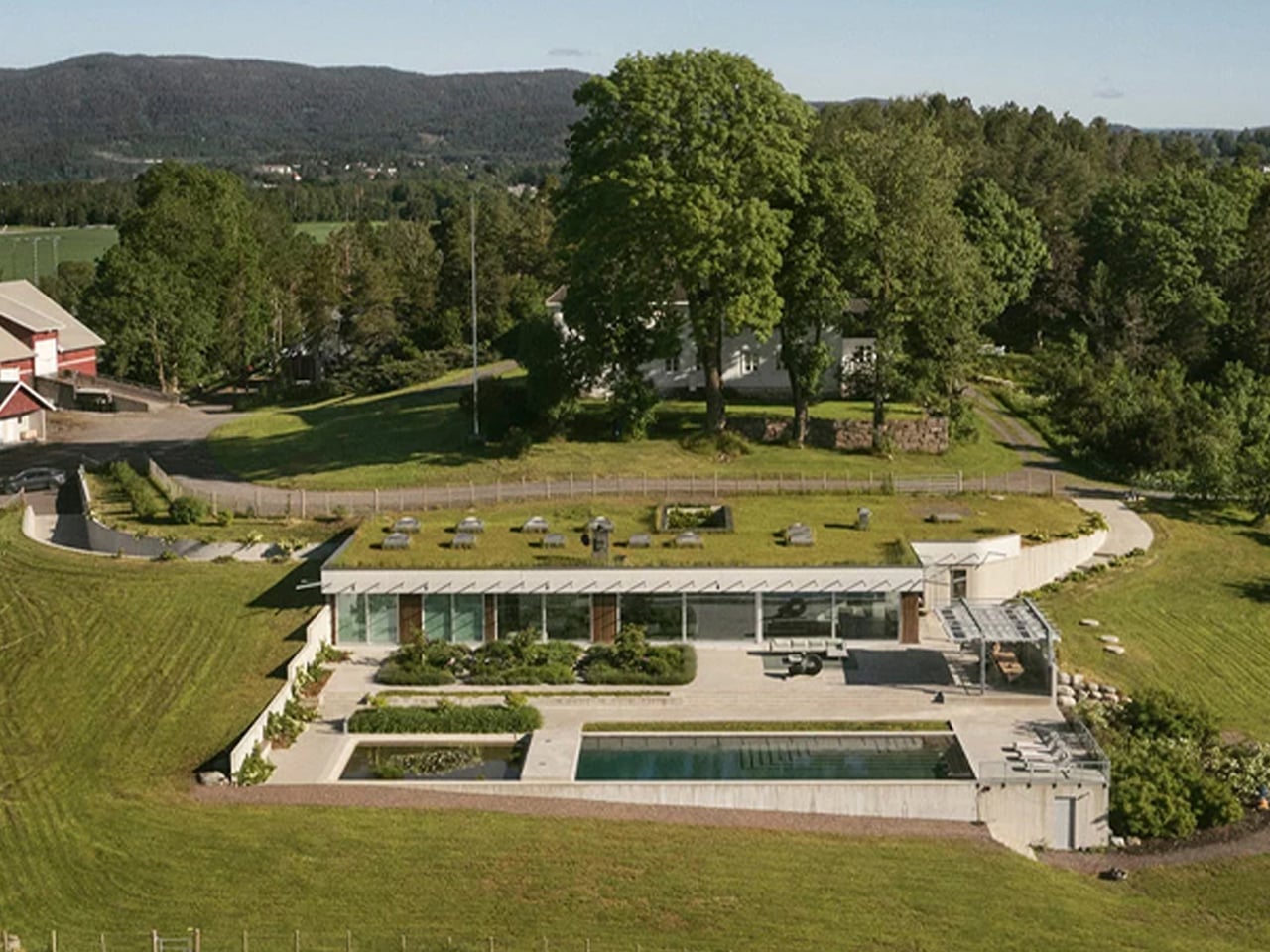
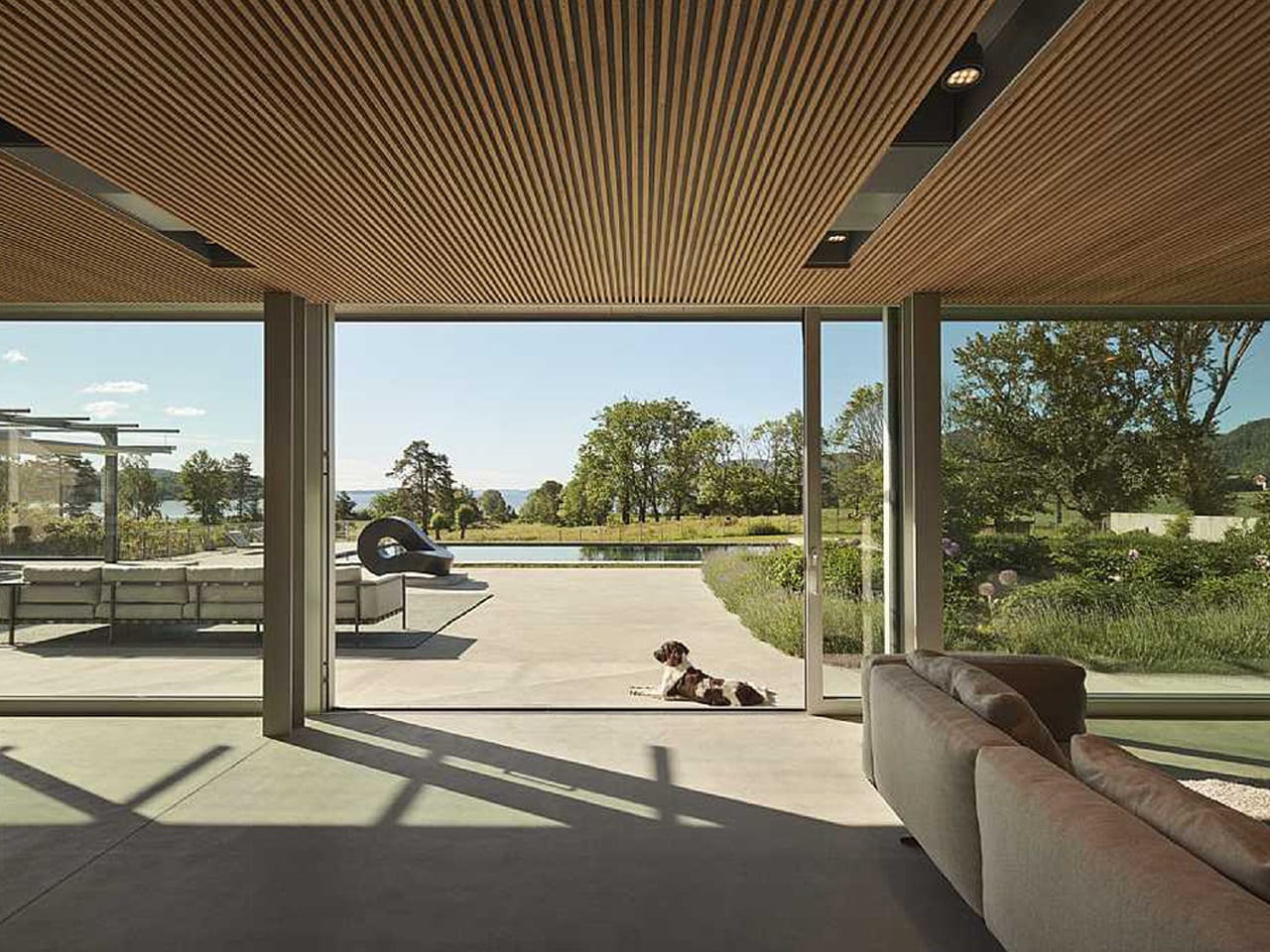
Biophilia continues throughout the interior, where spaces flow seamlessly between garden courtyards, work areas, and living zones. Expansive sliding glass façades dissolve boundaries between indoors and outdoors, framing uninterrupted views of the fjord. Skylights aligned along shared axes connect interior rooms to the planted roof above, while natural materials such as cedarwood, concrete, and steel create a tactile dialogue between the built environment and nature.

5. Minimalism with Depth

Minimalist design gains richness when informed by cultural and philosophical frameworks that value balance, rhythm, and flow. Concepts such as negative space and energetic movement introduce nuance, allowing simplicity to feel intentional rather than reductive. These references enrich the spatial experience, lending contemporary minimalism a quieter yet more resonant character.

Space is treated as an active design element, not an absence. Purposeful voids allow light, air, and life to move freely, creating moments of pause and reflection within the home. This approach supports longevity in design, where forms and materials are chosen for endurance and relevance. Downsizing becomes a thoughtful legacy that is rooted in timeless values with global, lasting appeal.
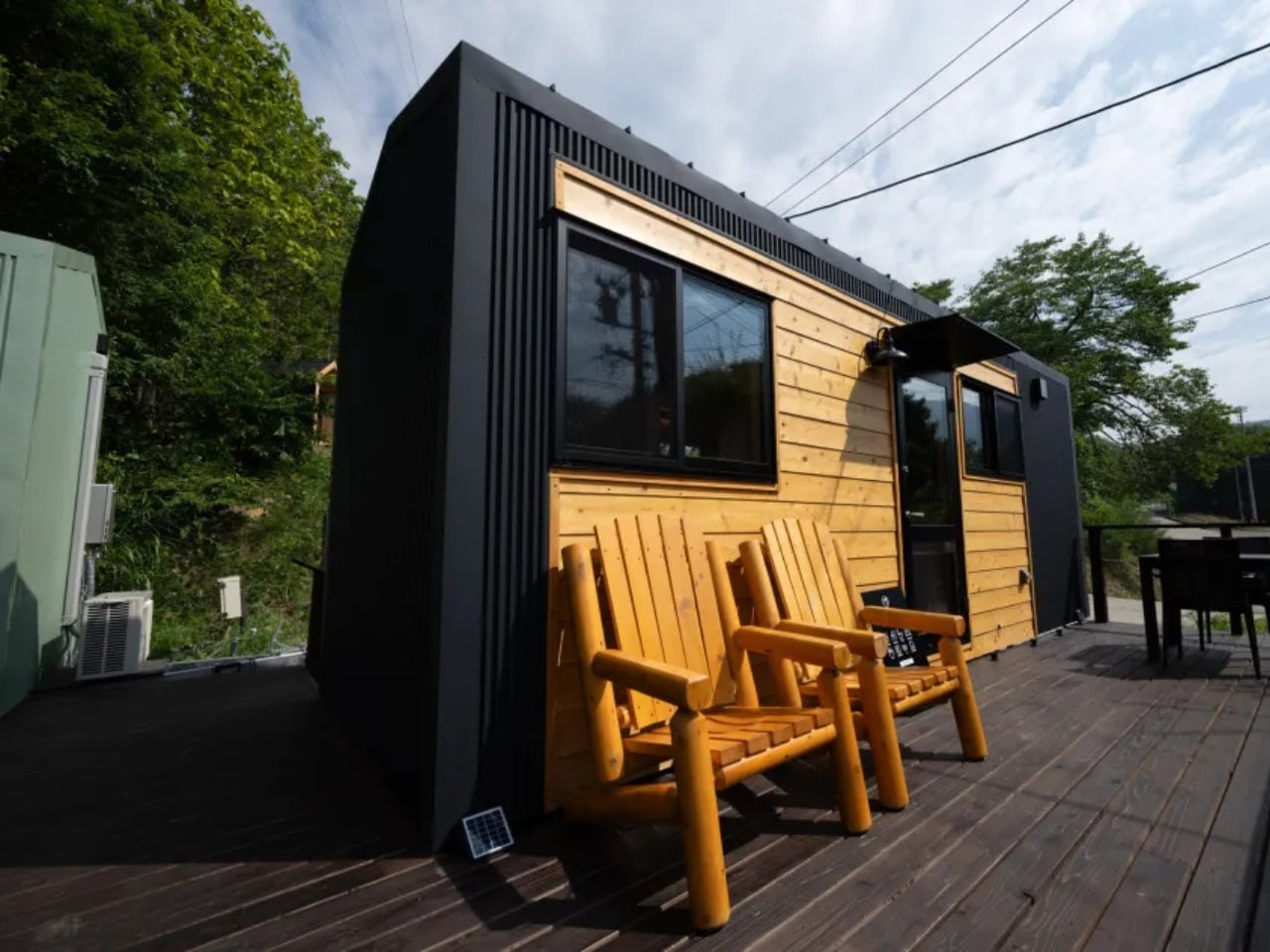
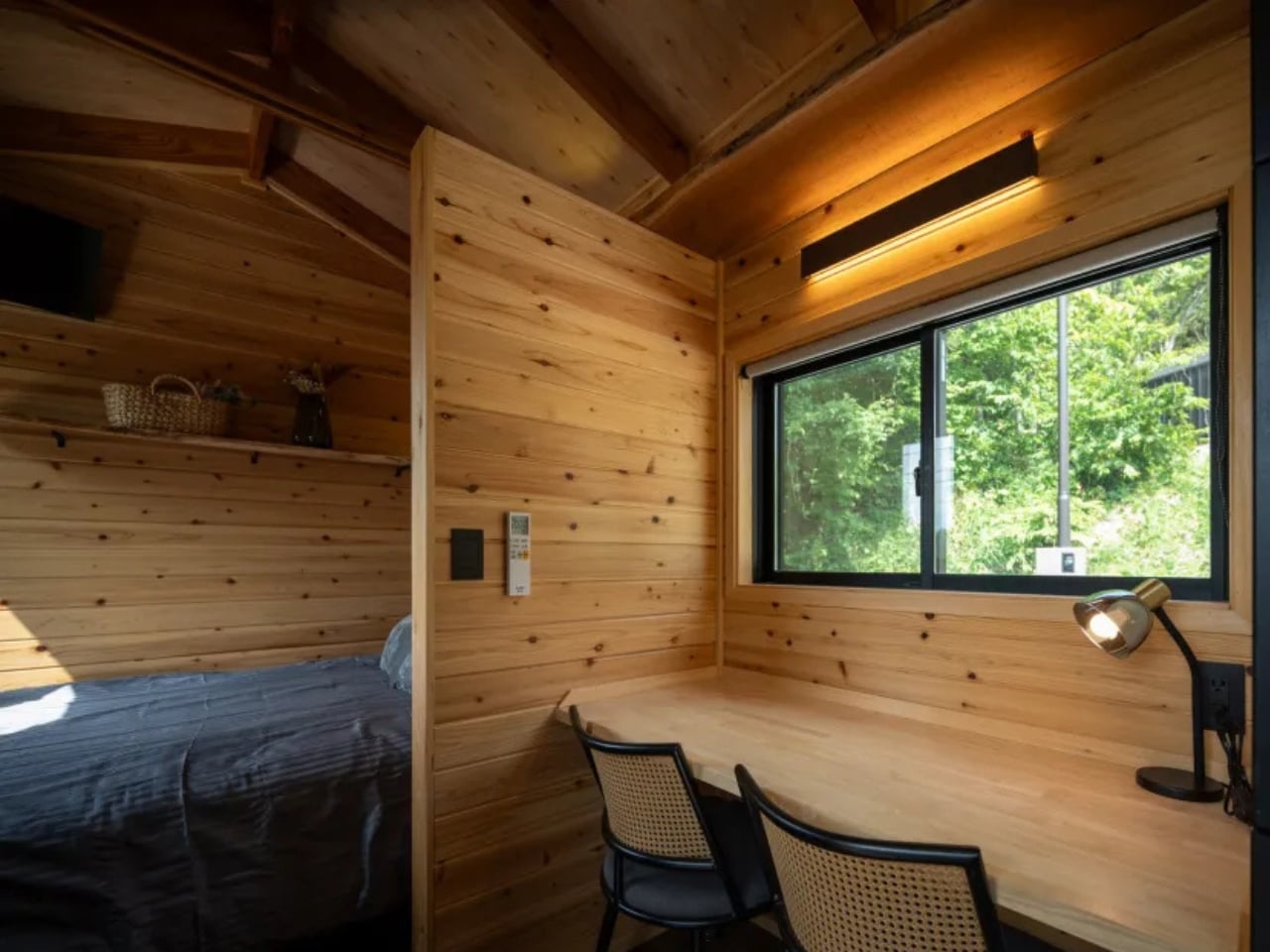
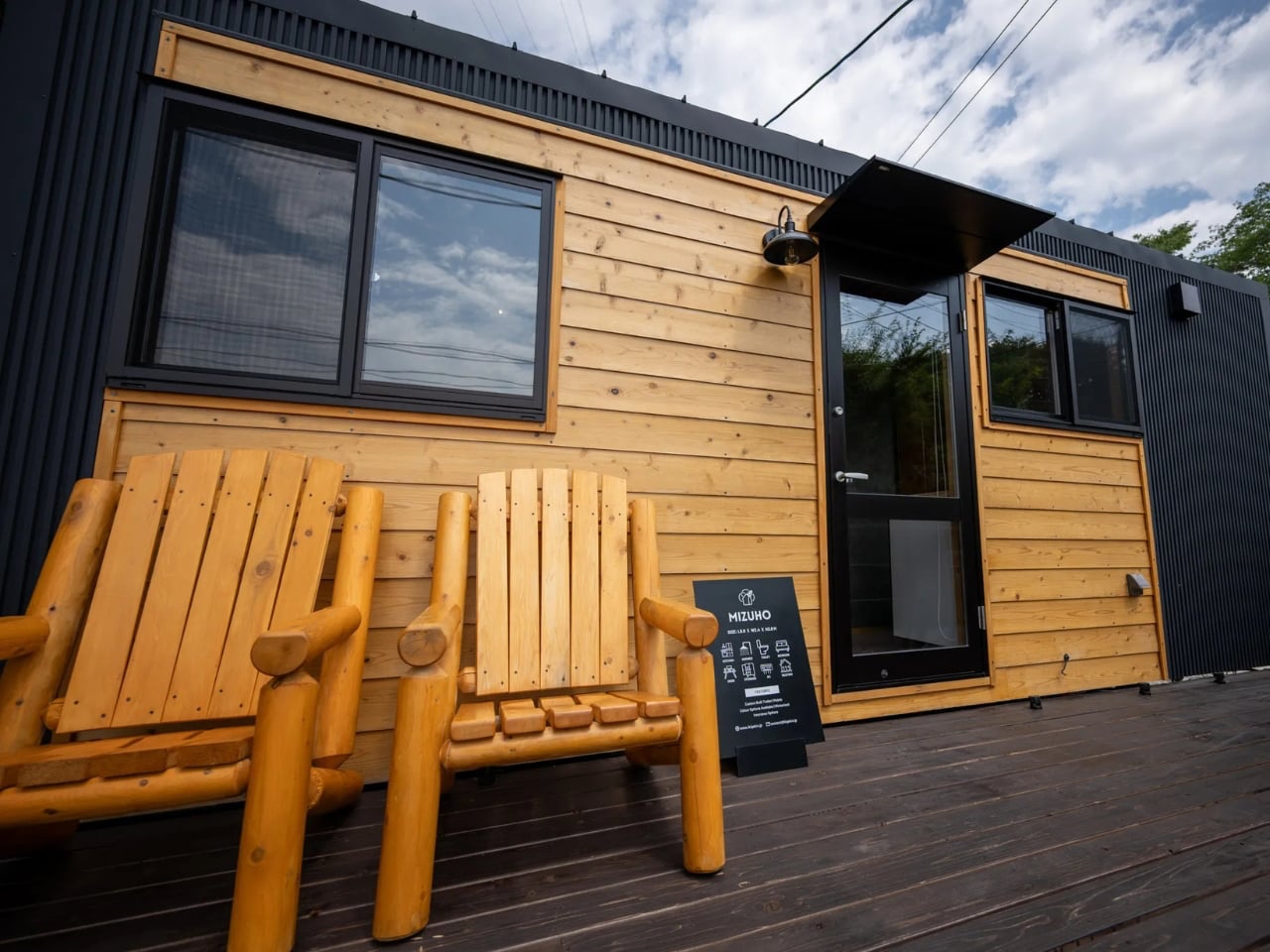
The Mizuho home by Ikigai Collective presents a refined vision of compact living rooted in Japanese minimalism and mindful design. Created as a contemporary tiny house, it blends traditional Japanese aesthetics with modern construction technologies within a carefully considered footprint. Designed for one or two occupants, the home prioritizes simplicity, calm, and efficiency, offering an environment that encourages intentional living rather than excess. Built in collaboration with local craftsmen in Nozawaonsen, the Mizuho reflects a strong commitment to quality, authenticity, and thoughtful detailing throughout.
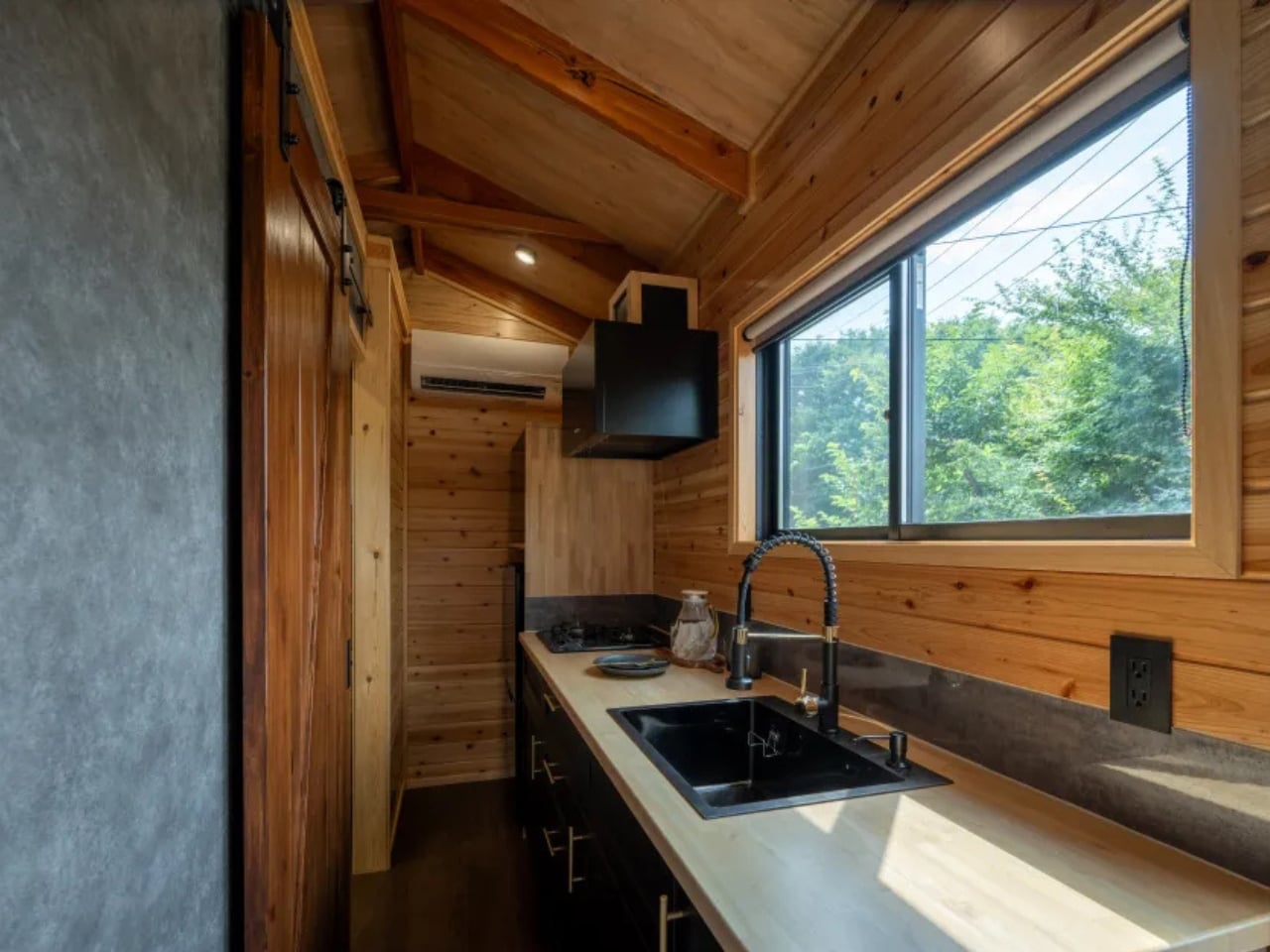
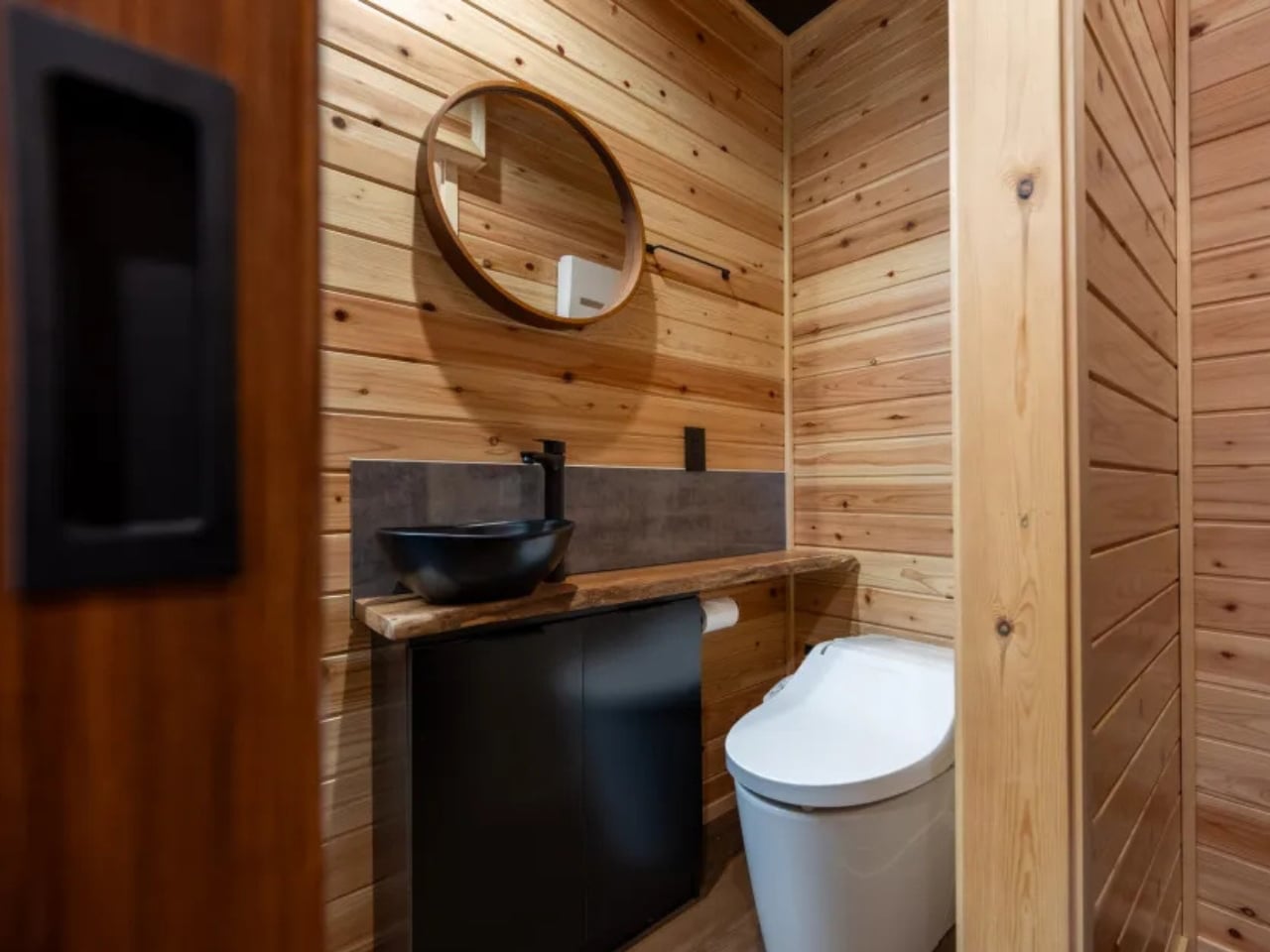
Inside, the open-plan layout allows the living, sleeping, and working areas to coexist seamlessly without feeling constrained. A flexible desk transforms into a dining surface, while integrated storage maintains visual clarity. The compact yet highly functional kitchen and serene bathroom further enhance daily comfort. Durable Galvalume steel cladding, full insulation, and customisation options ensure the home adapts easily to varied climates, making the Mizuho a quietly resilient and deeply considered place to live.

Luxury downsizing reflects architectural maturity, where value is defined by lived experience rather than scale. Through honest materials, precise detailing, and strong biophilic ties, compact homes become meaningful sanctuaries. The power of less lies in intent—creating sustainable, refined spaces that enrich daily life far beyond excess.

The post 5 Homes That Prove You Don’t Need More Space to Live In Style first appeared on Yanko Design.
Raw-Edges Just Designed a Chair That Needs Zero Fasteners

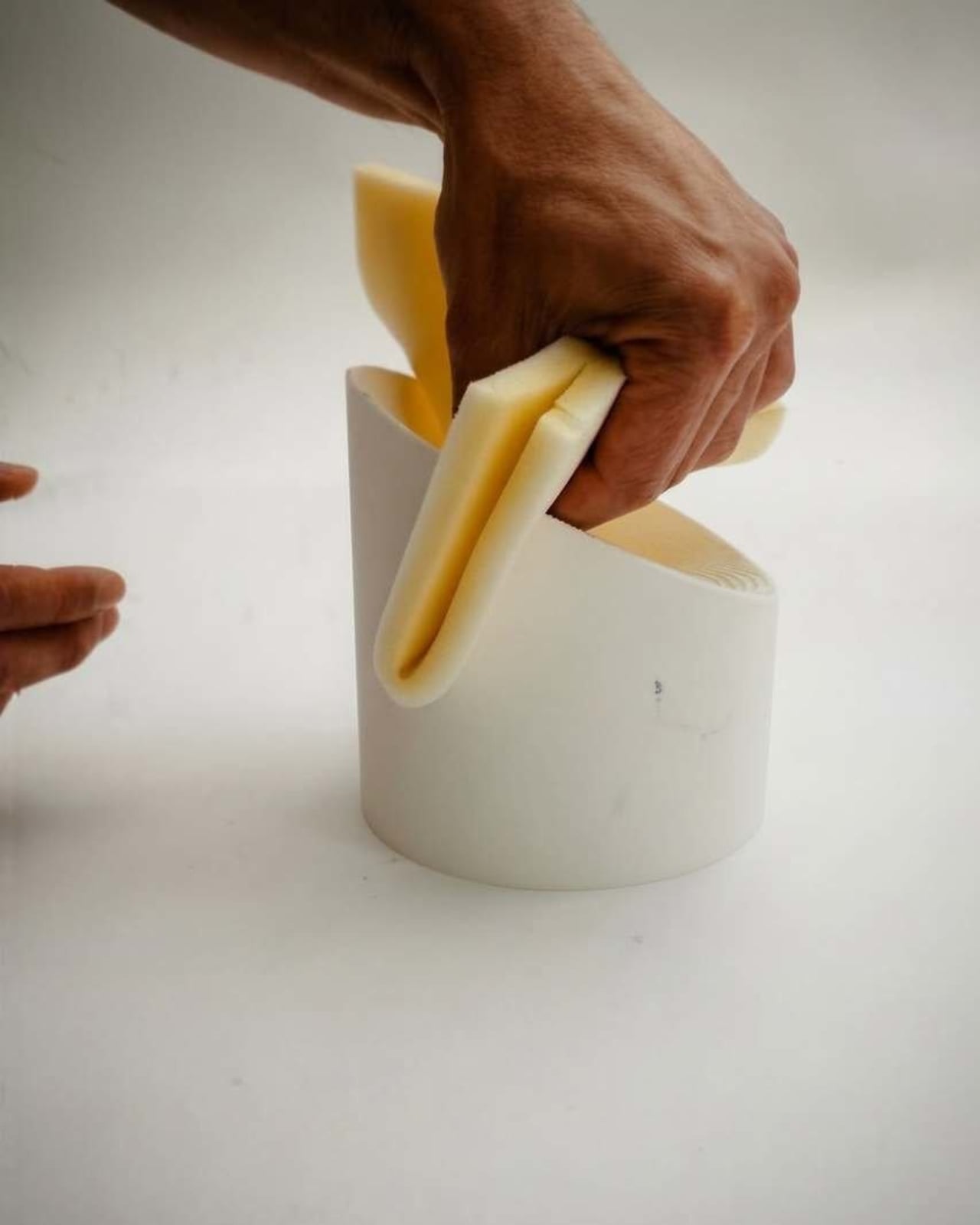
Upholstery has been done the same way for centuries. Foam gets glued, tacked, or stapled onto a frame, and that’s more or less the end of the story. It’s functional, it’s reliable, and it’s almost never questioned. London-based Raw-Edges Design Studio decided it was worth questioning.

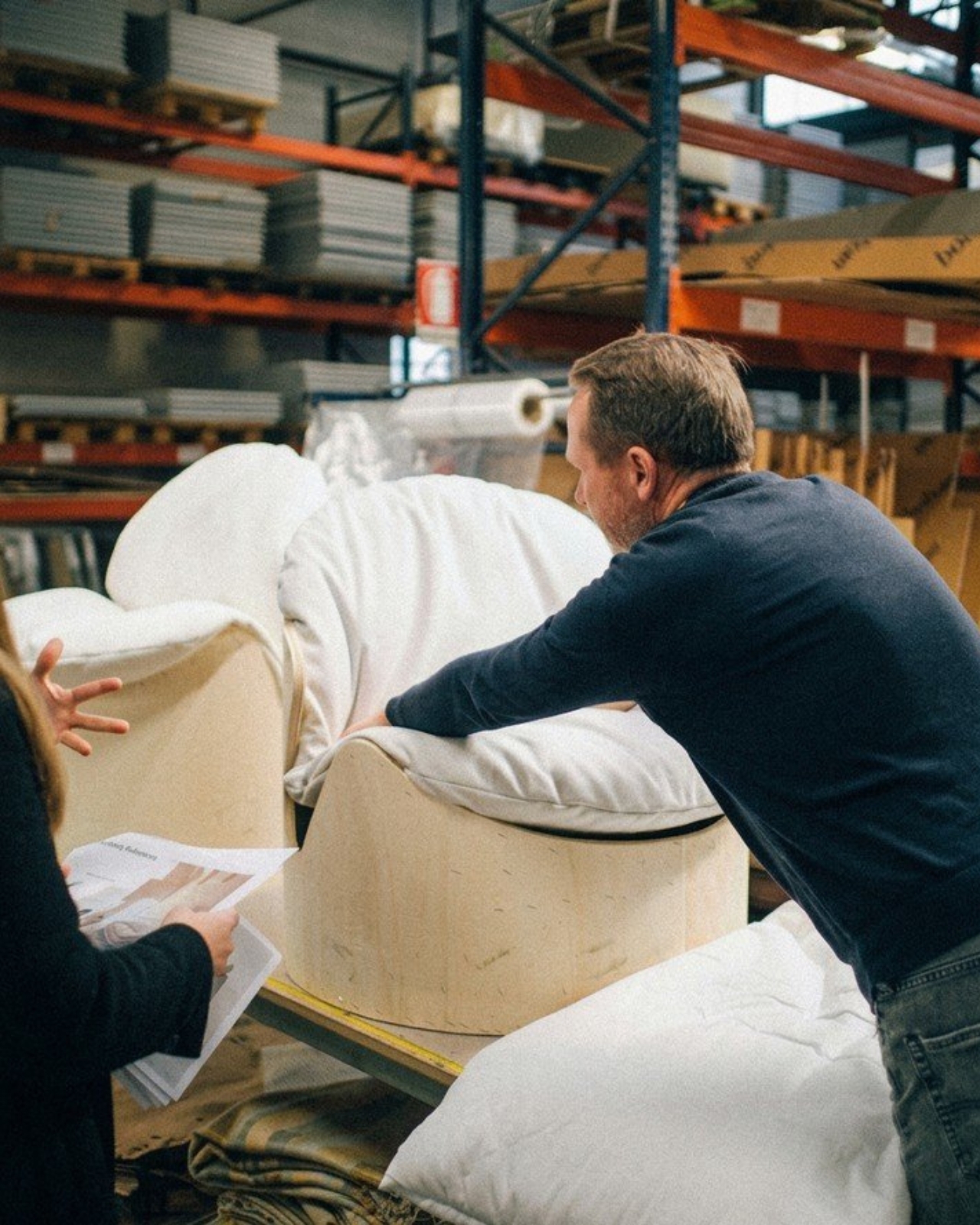
Yael Mer and Shay Alkalay, the duo behind Raw-Edges, have built their entire creative identity around exactly this kind of thinking. Founded in 2007 after the two met at the Royal College of Art, the studio has spent nearly two decades treating everyday objects as unsolved puzzles worth reopening. Their latest experimental chair design is a perfect example of how they operate: take a convention that everyone has accepted without debate, strip it down to first principles, and see if a smarter answer has been sitting there all along. The answer, in this case, is a notch.

Designer: Raw-Edges Design Studio

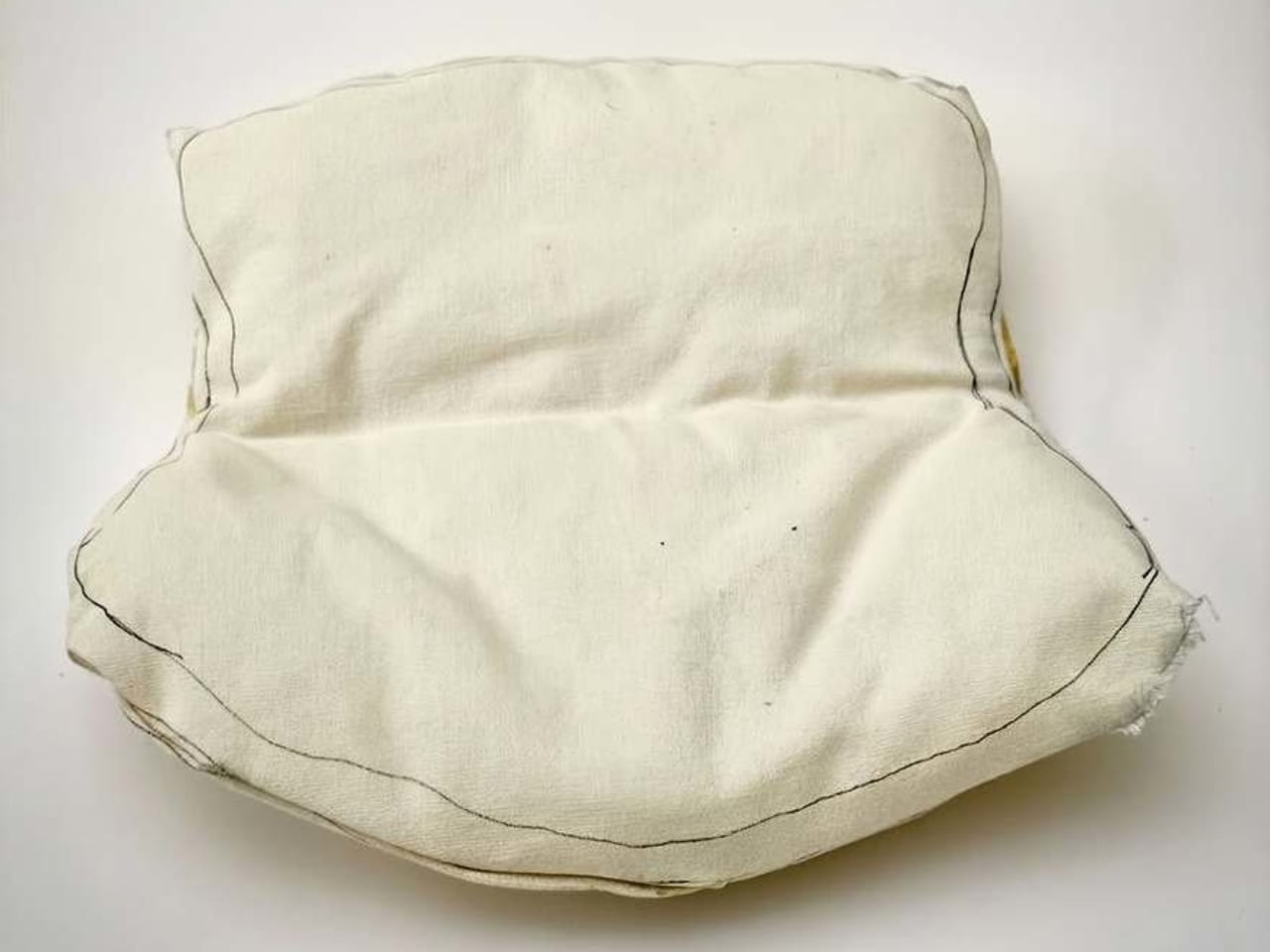
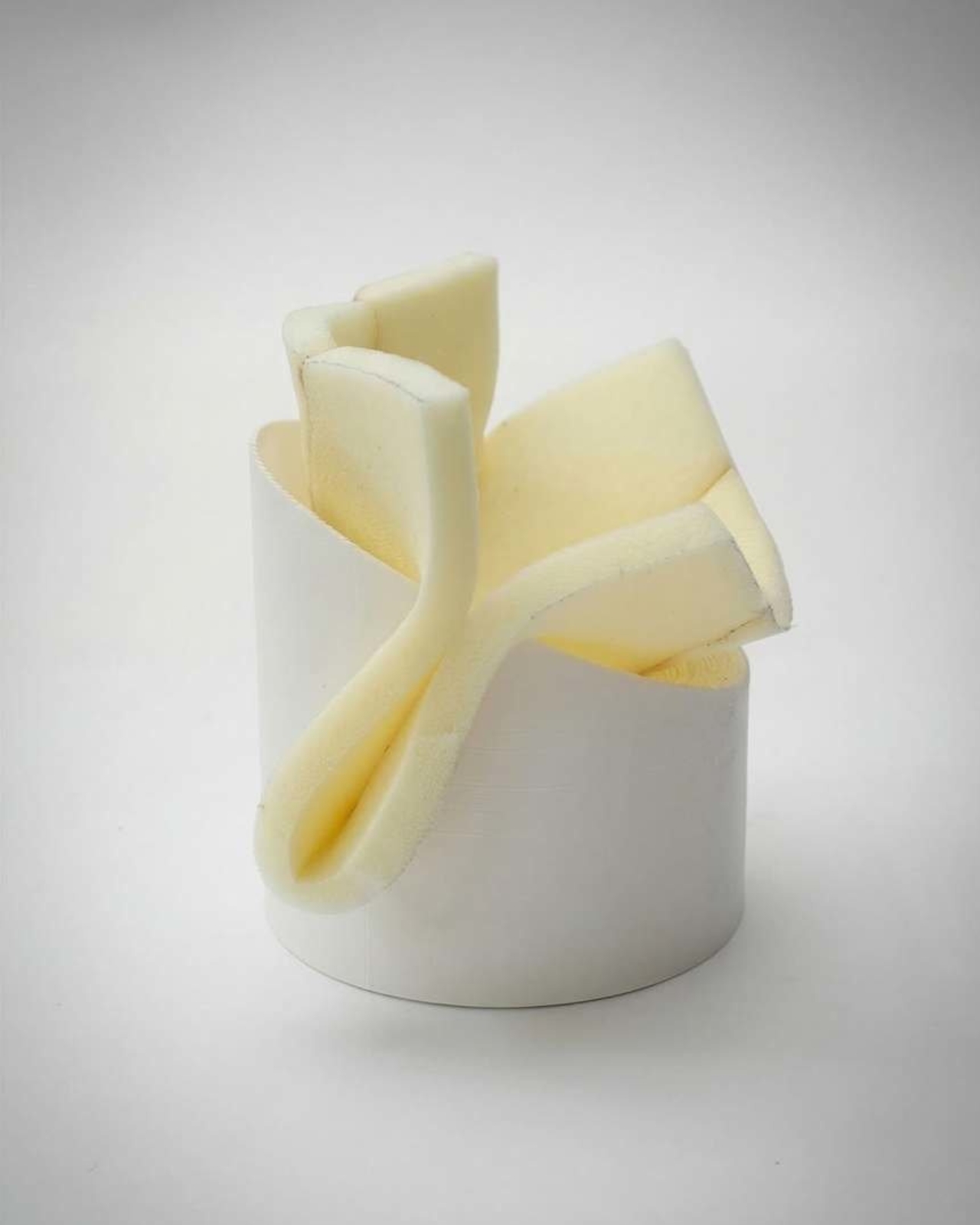
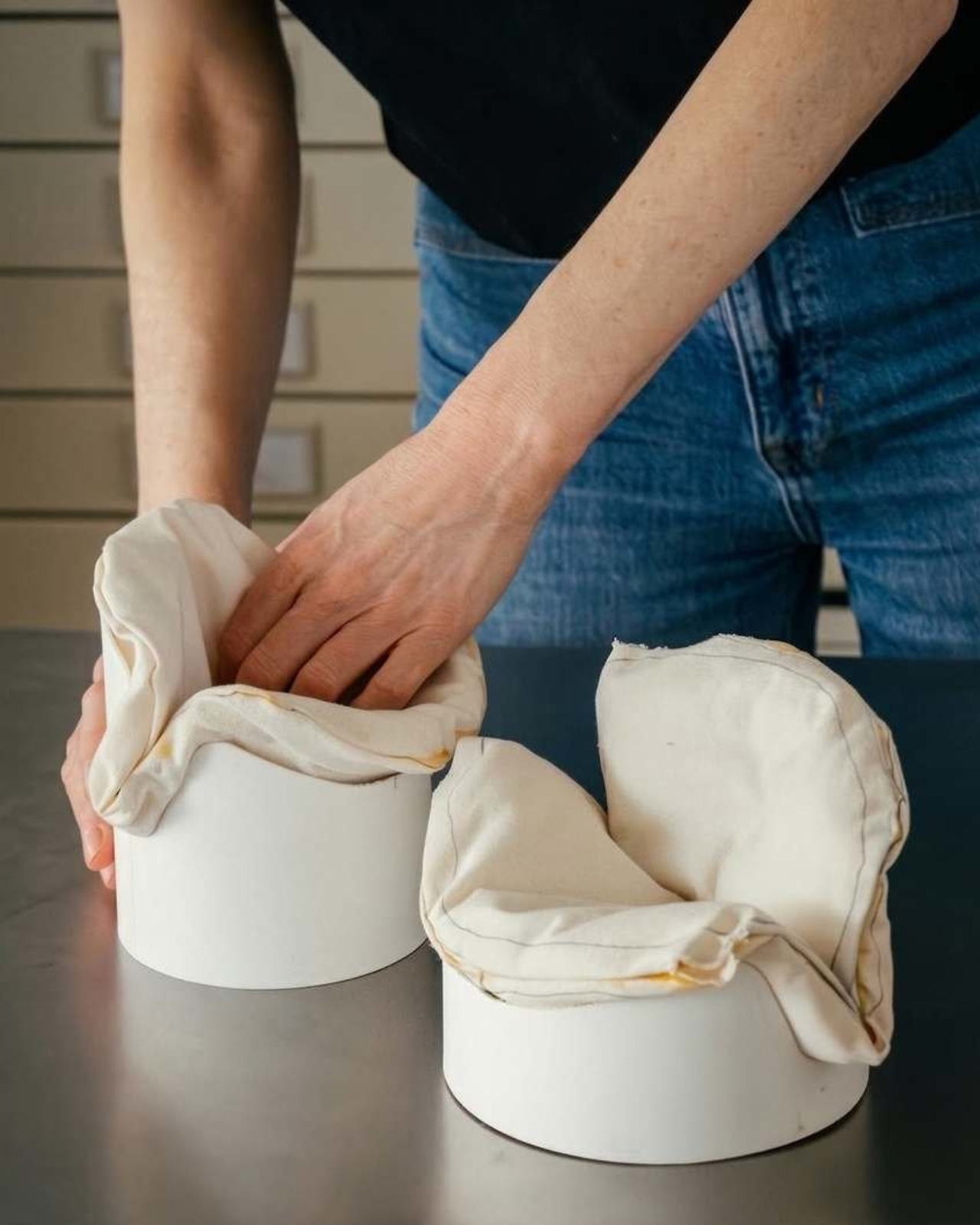
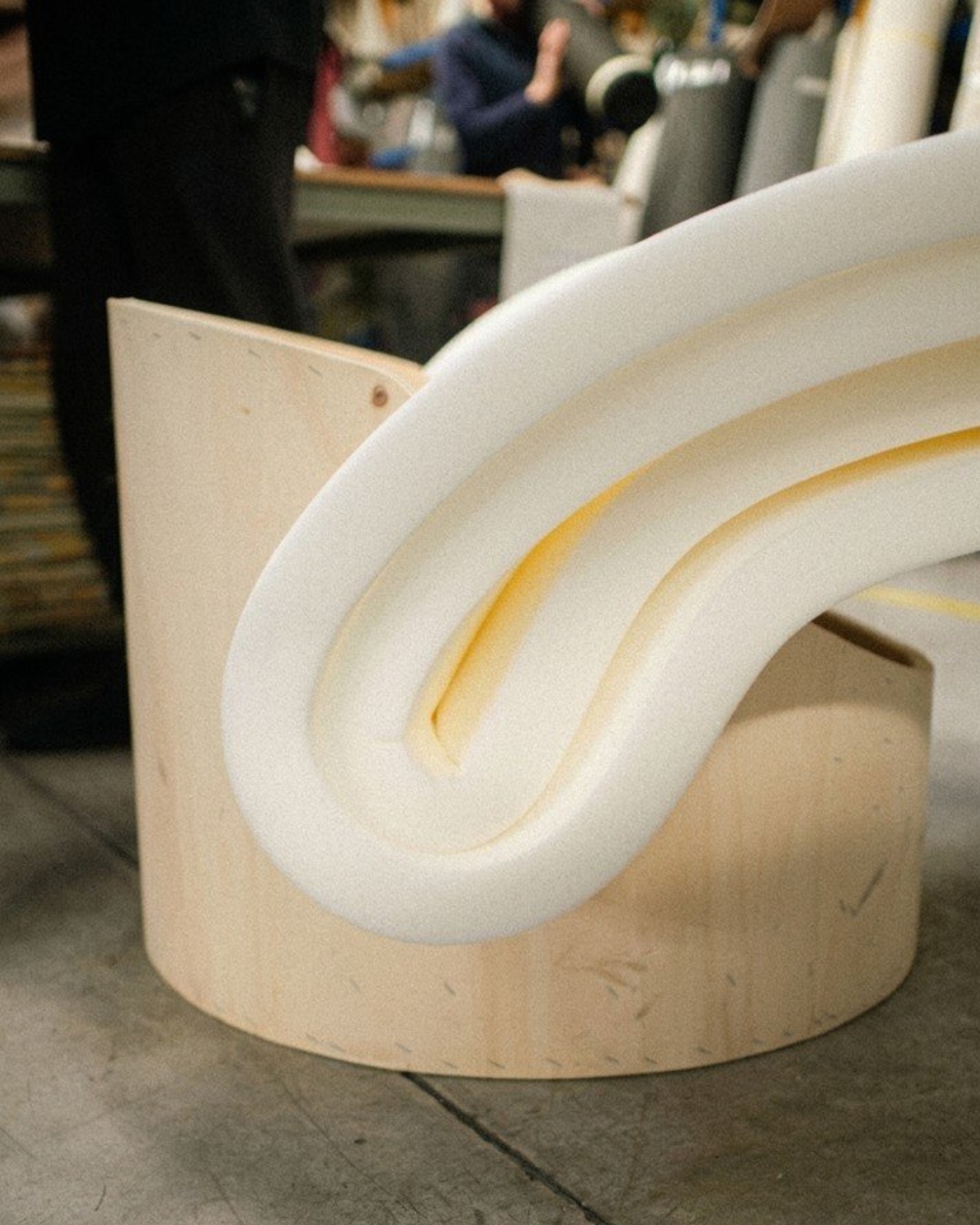
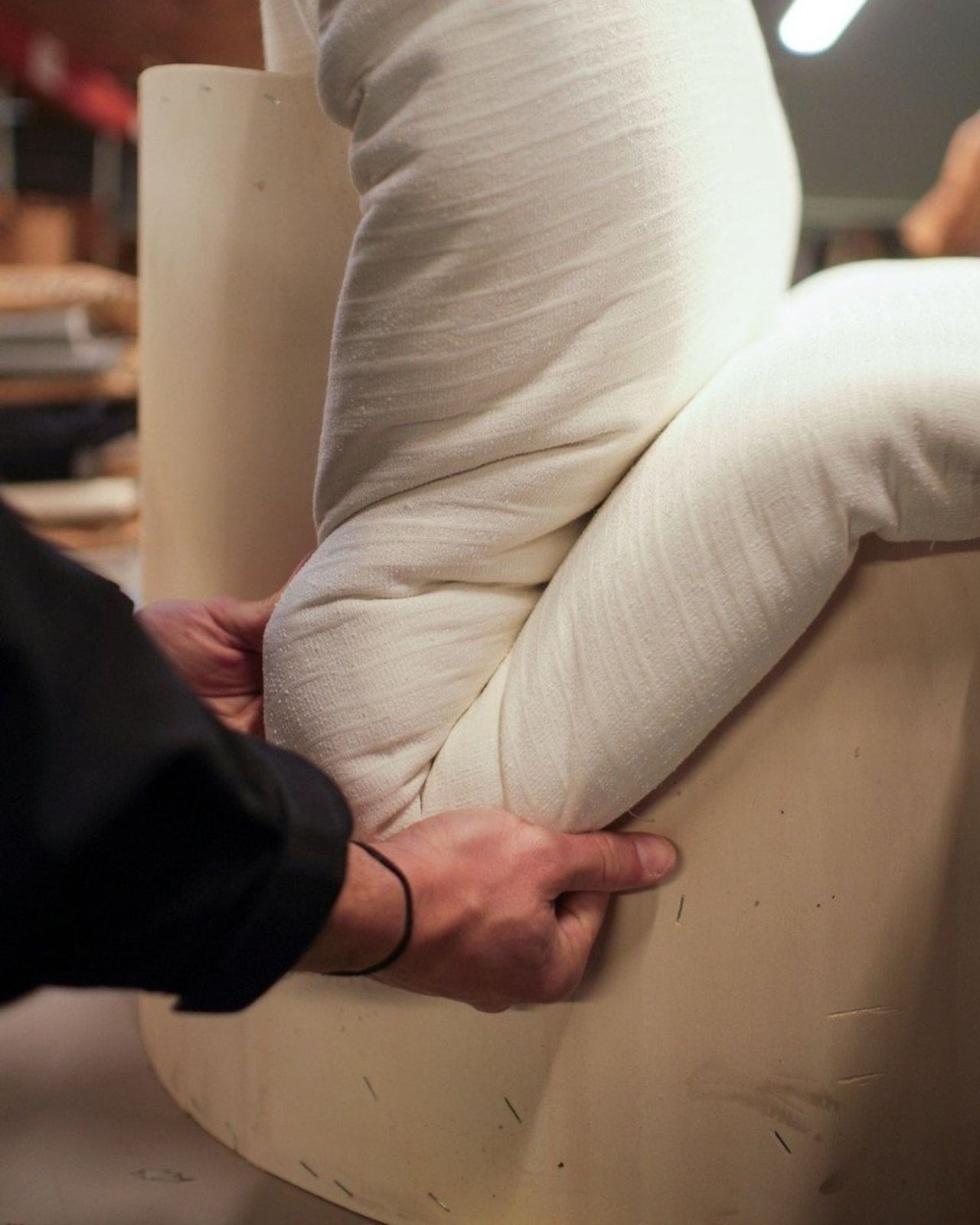
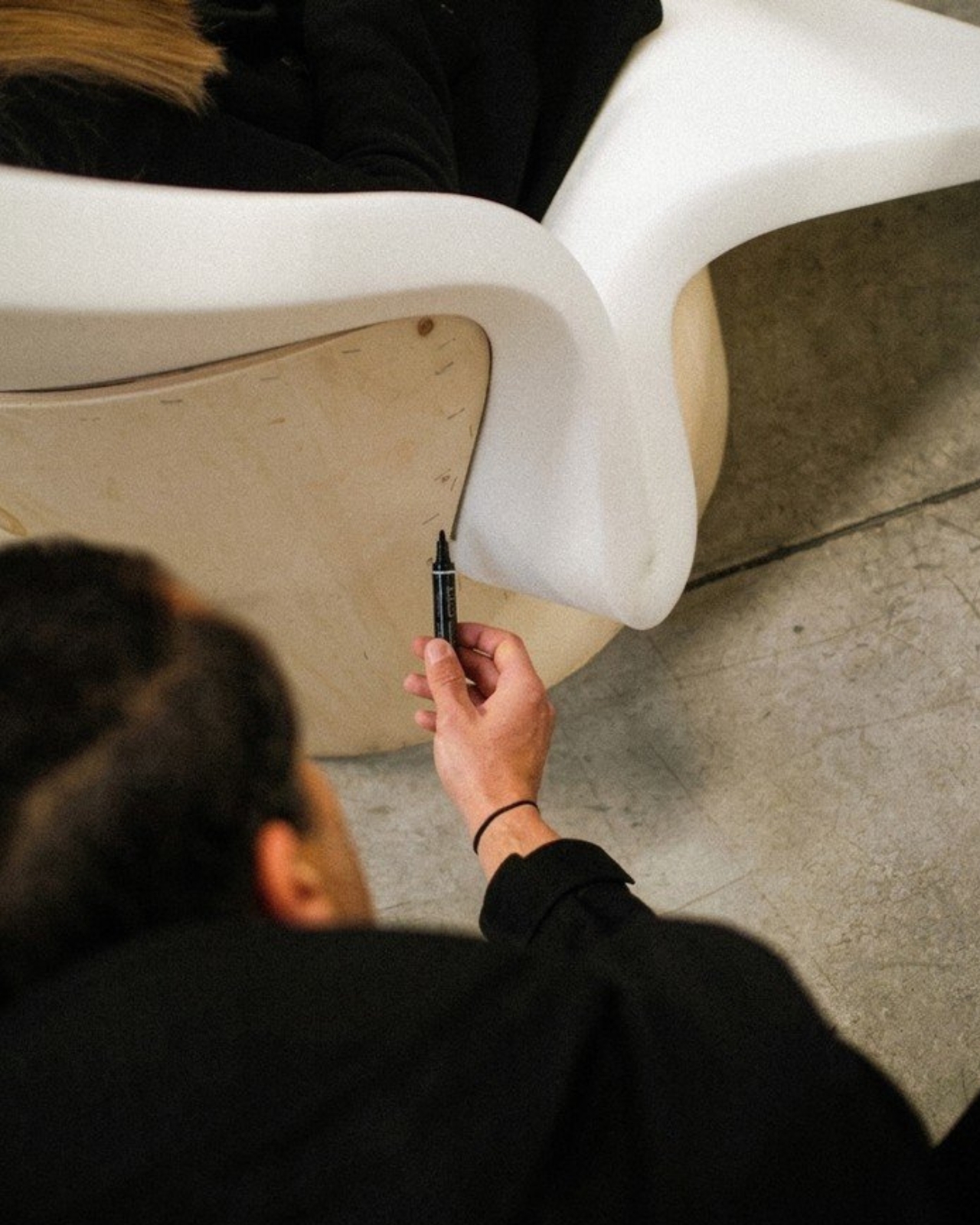
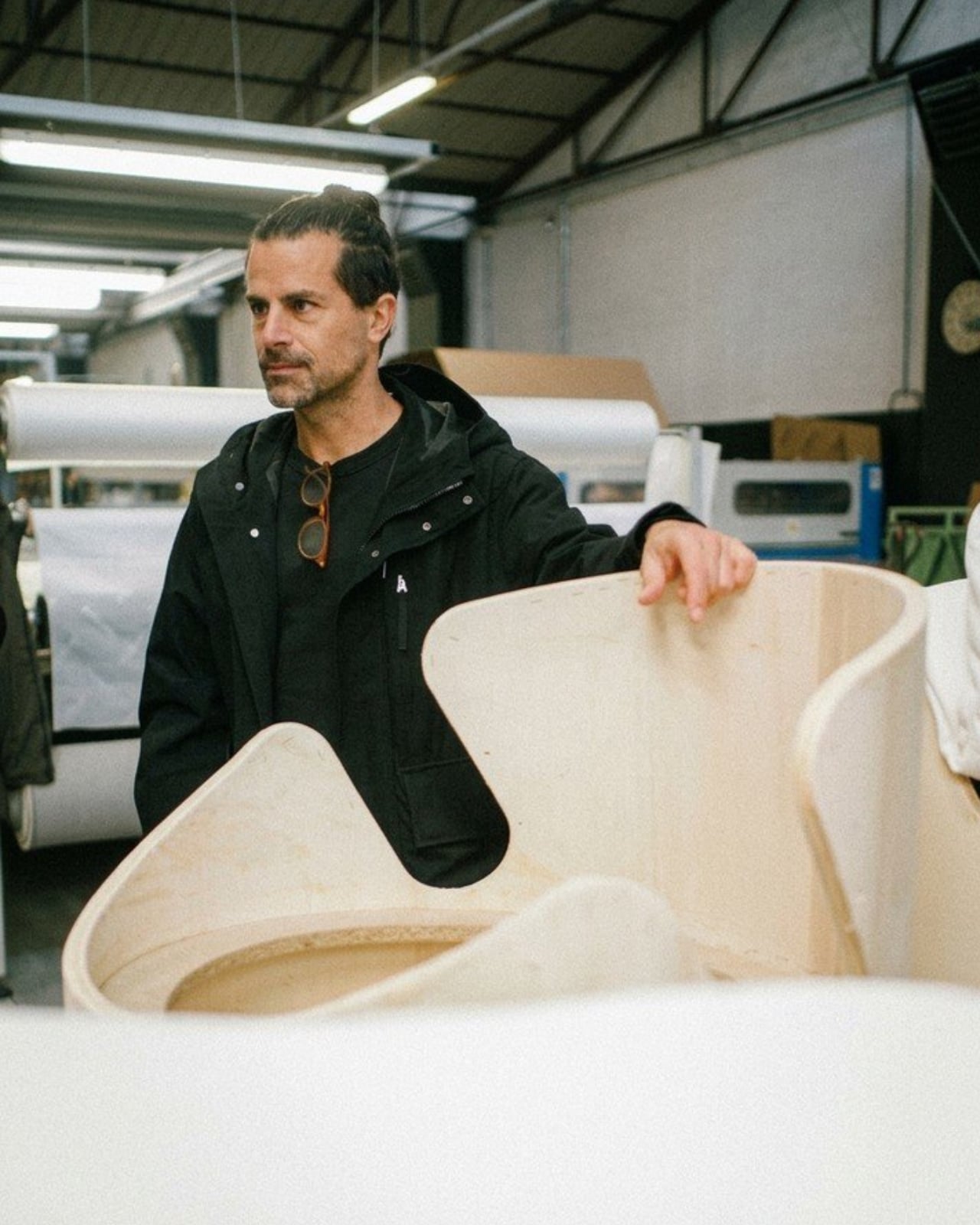
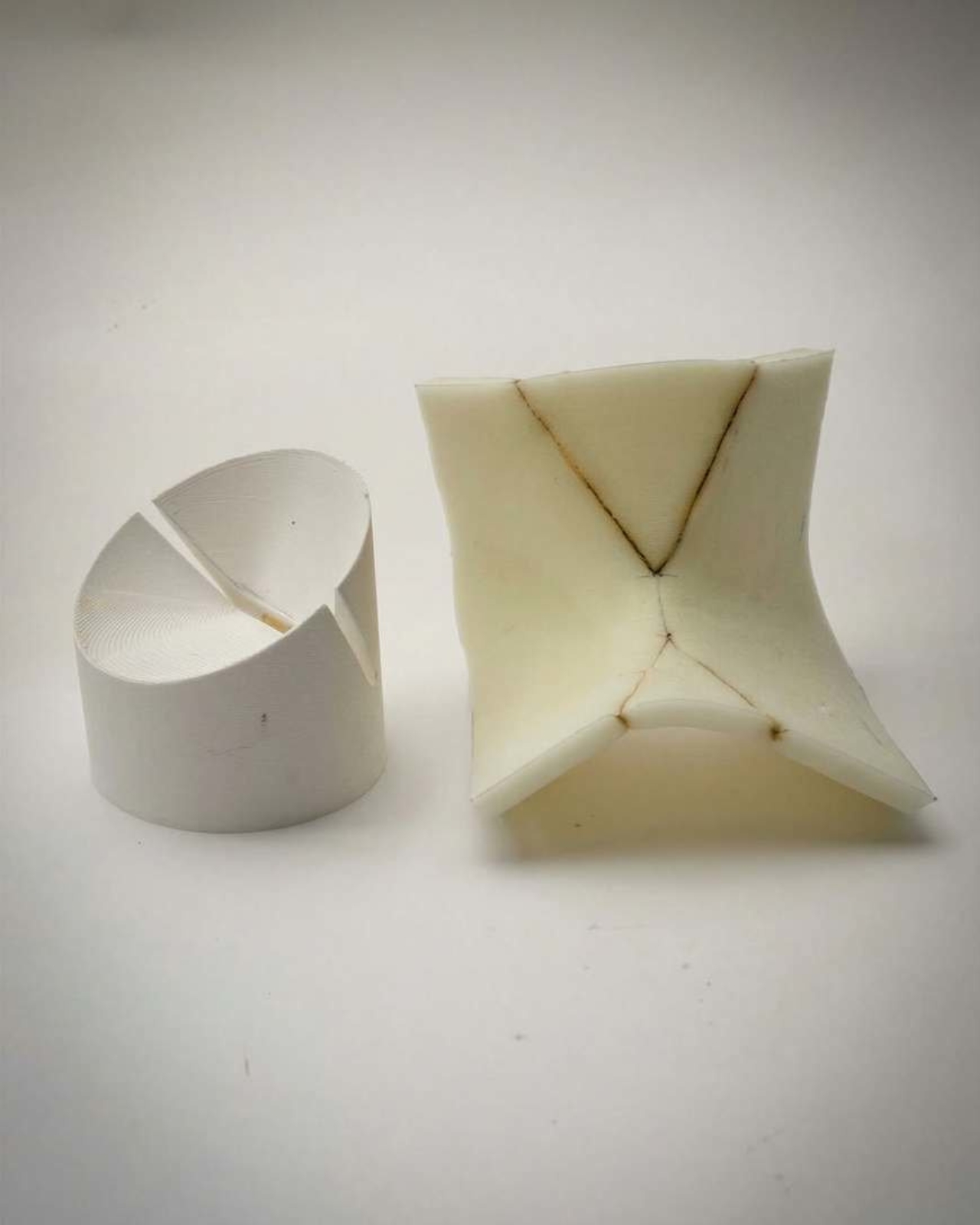
The chair, still unnamed and currently in the design phase, uses no adhesives, no tacks, no staples, none of the usual fasteners that hold most upholstered furniture together. The wooden frame is carved with a deliberate groove, and the upholstered foam cushion is simply wedged into it. Friction does the rest. The whole thing holds together through the logic of fit rather than the intervention of hardware. It sounds almost too simple, and that’s kind of the point.

I keep thinking about why this feels so satisfying to look at, and I think it comes down to the fact that we’ve been conditioned to accept over-engineering as a sign of quality. More parts, more steps, more materials, more adhesives: these feel like indicators of a serious product. Raw-Edges pushes back on that quietly. The notch solution is elegant precisely because it asks less of the chair, not more. It treats the materials as intelligent components that can work together without being forced.

This thinking is very on-brand for Raw-Edges. Their work sits comfortably in the permanent collections of MoMA, the Vitra Design Museum, and The Art Institute of Chicago, and the studio has collaborated with names like Louis Vuitton, Vitra, Stella McCartney, and Moroso. They’ve won the A&W Designers of the Year award, a Wallpaper Design Award, and were named Designers of the Future at Design Miami/Basel. None of that happened by accident. It’s the result of a studio that consistently asks questions other designers tend to skip over.

Their philosophy, as they describe it, begins with humble experimentation and a search for unconventional principles. That’s a gracious way of saying they don’t assume the current answer is the best one. The project is being developed in collaboration with Italian furniture company Bolzan, which strongly suggests this isn’t destined to stay a prototype forever. A saleable product feels like the logical next step, and that’s worth getting excited about.

The implications here also stretch beyond aesthetics. A chair held together by friction rather than glue or staples is, by nature, easier to take apart. The foam can be removed, replaced, or recycled separately from the frame. In a design culture increasingly preoccupied with repairability, longevity, and what happens to products at the end of their lives, this approach carries real practical weight. And it doesn’t feel like a sustainability talking point bolted onto a product after the fact. It feels like an idea that was right from the start.

Furniture design doesn’t often make headlines outside trade publications and design weeks, but this concept deserves a wider audience. Not because it’s flashy, and not because it’s about to show up in every furniture showroom next season, but because it demonstrates that design thinking is still genuinely capable of surprise. Sometimes the most powerful idea is a groove in a piece of wood and the confidence to trust it.

The post Raw-Edges Just Designed a Chair That Needs Zero Fasteners first appeared on Yanko Design.
SNK’s Neo Geo console remake works with original cartridges and HDMI

Not everyone had the money for the original Neo Geo Advanced Entertainment System when it released in the '90s, but there's still a chance to experience it as an adult with disposable income. SNK and Plaion Replai, who is also behind the all-black remake of the Commodore 64, announced a faithful remake of the high-end retro console, called the Neo Geo AES+.

To bring the original console into the modern day, the collaborating companies added HDMI compatibility for resolutions up to 1080p and DIP switches on the bottom of the console to allow for language selection, overclocking and switching display modes. Rounding out the upgrades, SNK and Plaion Replai included a permanent way to retain high scores on a memory card and a low-power usage mode. For the purists out there, the Neo Geo AES+ still works on those chunky CRT displays since it has the original AV output.

Preorders are currently open for two versions of the Neo Geo AES+, including an all-white 35th anniversary edition bundle that includes an Arcade Stick, a limited-edition Metal Slug game cartridge and a memory card, for $349.99. The standard edition in classic black will only come with an arcade stick, but will be available for $249.99. Coinciding with the console release, Replai Plaion will release 10 modernized game cartridges, including Metal Slug, The King of Fighters 2002 and other classics, for $89.99 each. If you think those prices are high, don't forget the original Neo Geo AES' release price was $649.99. The Neo Geo AES+ is set to start shipping on November 12.

This article originally appeared on Engadget at https://www.engadget.com/gaming/snks-neo-geo-console-remake-works-with-original-cartridges-and-hdmi-194509442.html?src=rss

Judge sides with creators of banned ICE trackers who allege DHS and DOJ violated their First Amendment rights

A judge has granted the makers of the "ICE Sightings - Chicagoland" Facebook group and the Eyes Up app a preliminary injunction to stop the Trump administration from coercing platforms to take these projects down. Judge Jorge L. Alonso of the United States District Court for the Northern District of Illinois found that the plaintiffs, Kassandra Rosado and Kreisau Group, are likely to succeed in their case, which alleges that the government suppressed protected speech under the First Amendment by strong-arming Facebook and Apple into removing ICE monitoring efforts. 

Both Eyes Up and ICE Sightings - Chicagoland use publicly available information to keep tabs on ICE activity. But after pressure from Trump officials, they were removed from Apple's App Store and Facebook, respectively. Similar apps including ICEBlock and Red Dot were also taken down from the App Store and Google Play. The lawsuit cites social media posts by former US Attorney General Pam Bondi and former Secretary of Homeland Security Kristi Noem that demanded and took credit for the removal of these apps. In a document filed on Friday, Alonso called these posts "thinly veiled threats."

The Foundation for Individual Rights and Expression (FIRE), which is defending the plaintiffs, wrote in a post on X that it is "extremely encouraged by this ruling." It continued, "Even though it’s not the end of the case, it bodes well for the future of our legal fight to ensure that the First Amendment protects the right to discuss, record, and criticize what law enforcement does in public."

This article originally appeared on Engadget at https://www.engadget.com/apps/judge-sides-with-creators-of-banned-ice-trackers-who-allege-dhs-and-doj-violated-their-first-amendment-rights-191701801.html?src=rss

Issey Miyake’s Most Beautiful Material Was Always the Scrap

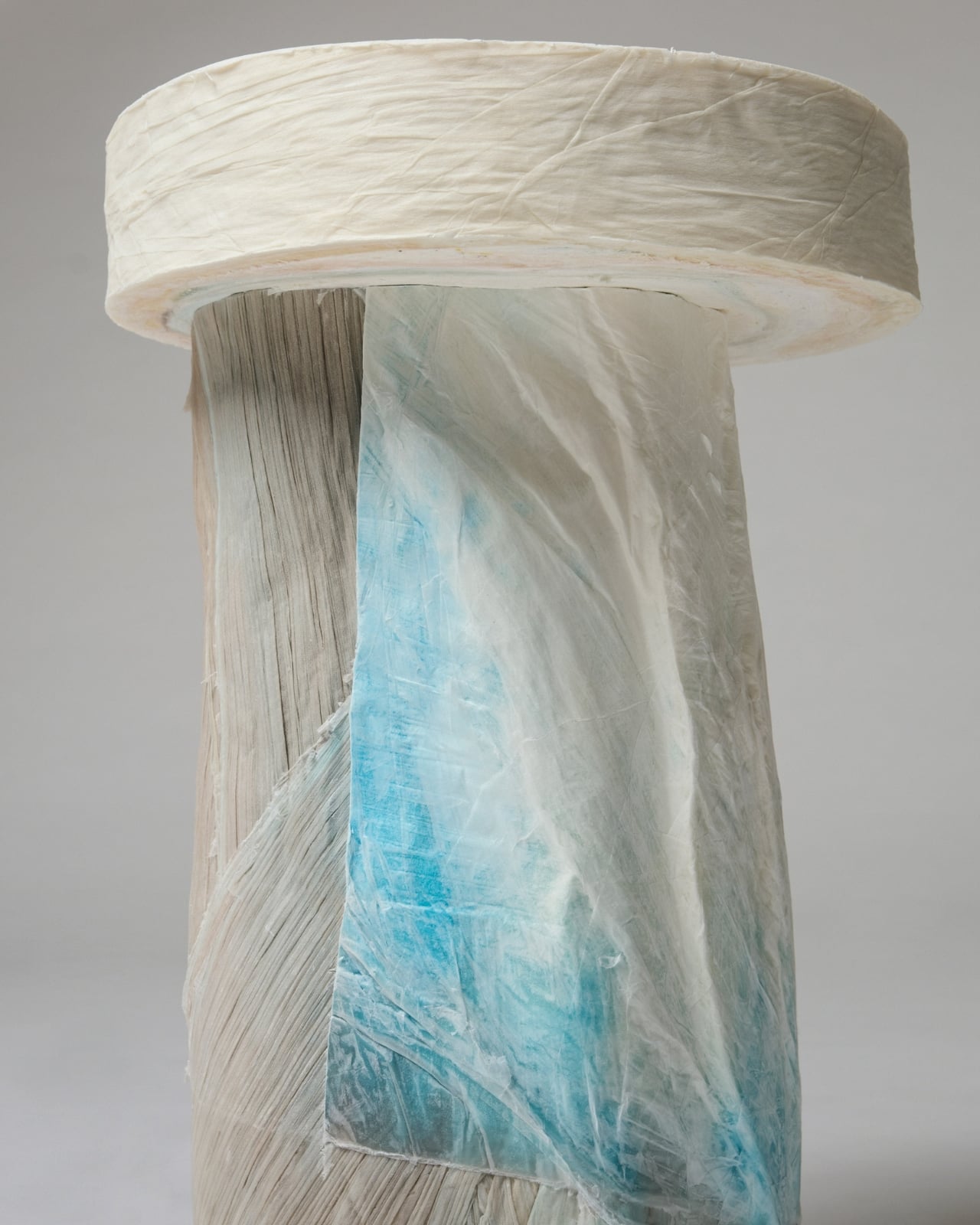
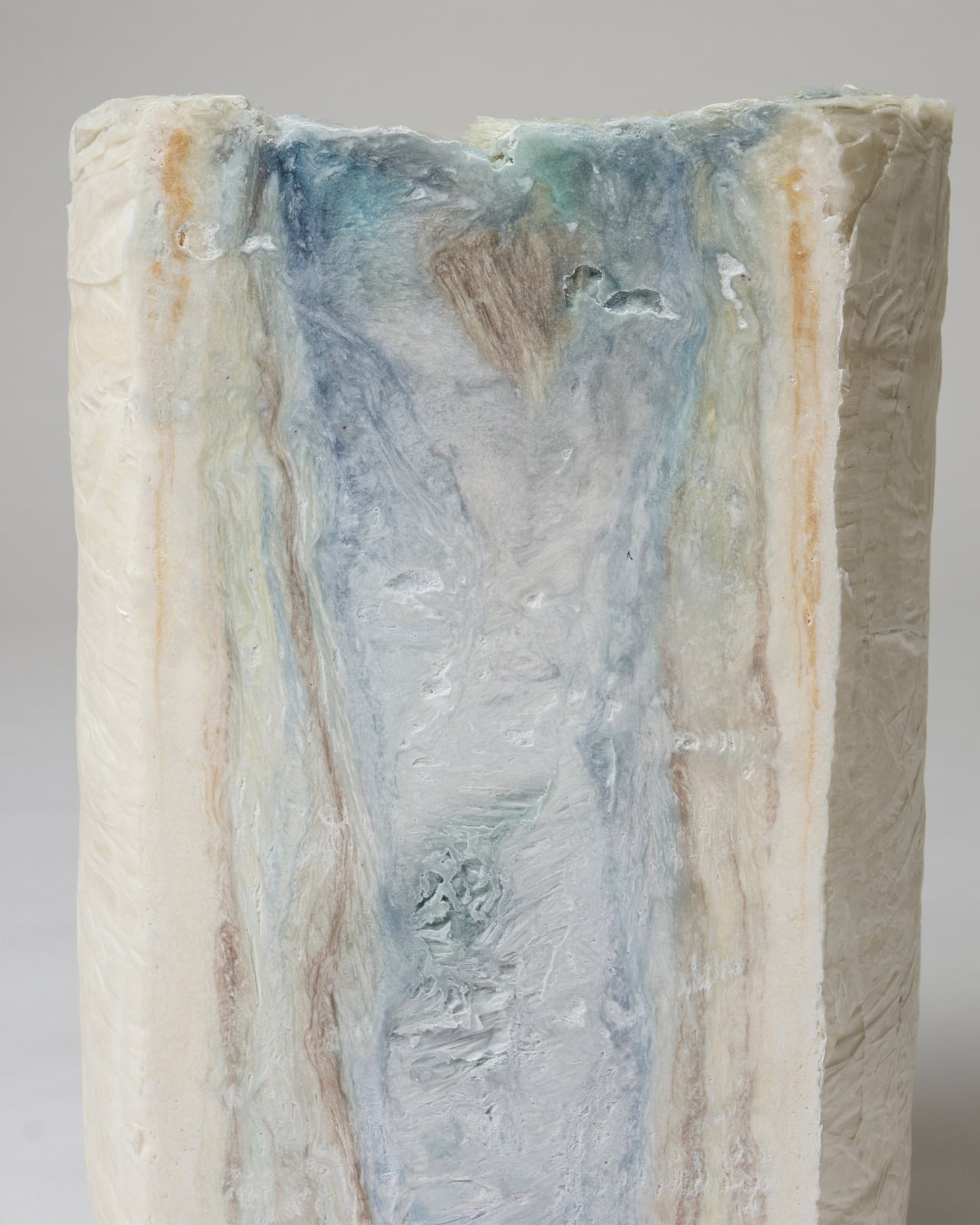
If you’ve ever watched the pleating process behind ISSEY MIYAKE’s iconic garments, you already know it’s one of the most satisfying things in fashion. The fabric goes in, it comes out textured and alive, and for decades, that has been the whole story. Satoshi Kondo, one of the design directors at MIYAKE DESIGN STUDIO, chose to flip the script. He looked not at the pleated garment coming off the machine, but at what was left behind: compressed rolls of wafer-thin paper, stacked and destined for the bin.

The result is The Paper Log: Shell and Core, a special exhibition running at the ISSEY MIYAKE Milan store this April, timed to coincide with Milan Design Week 2026. And it’s the kind of project that makes you want to rethink every process you’ve ever considered mundane.

Designer: Satoshi Kondo of MIYAKE DESIGN STUDIO

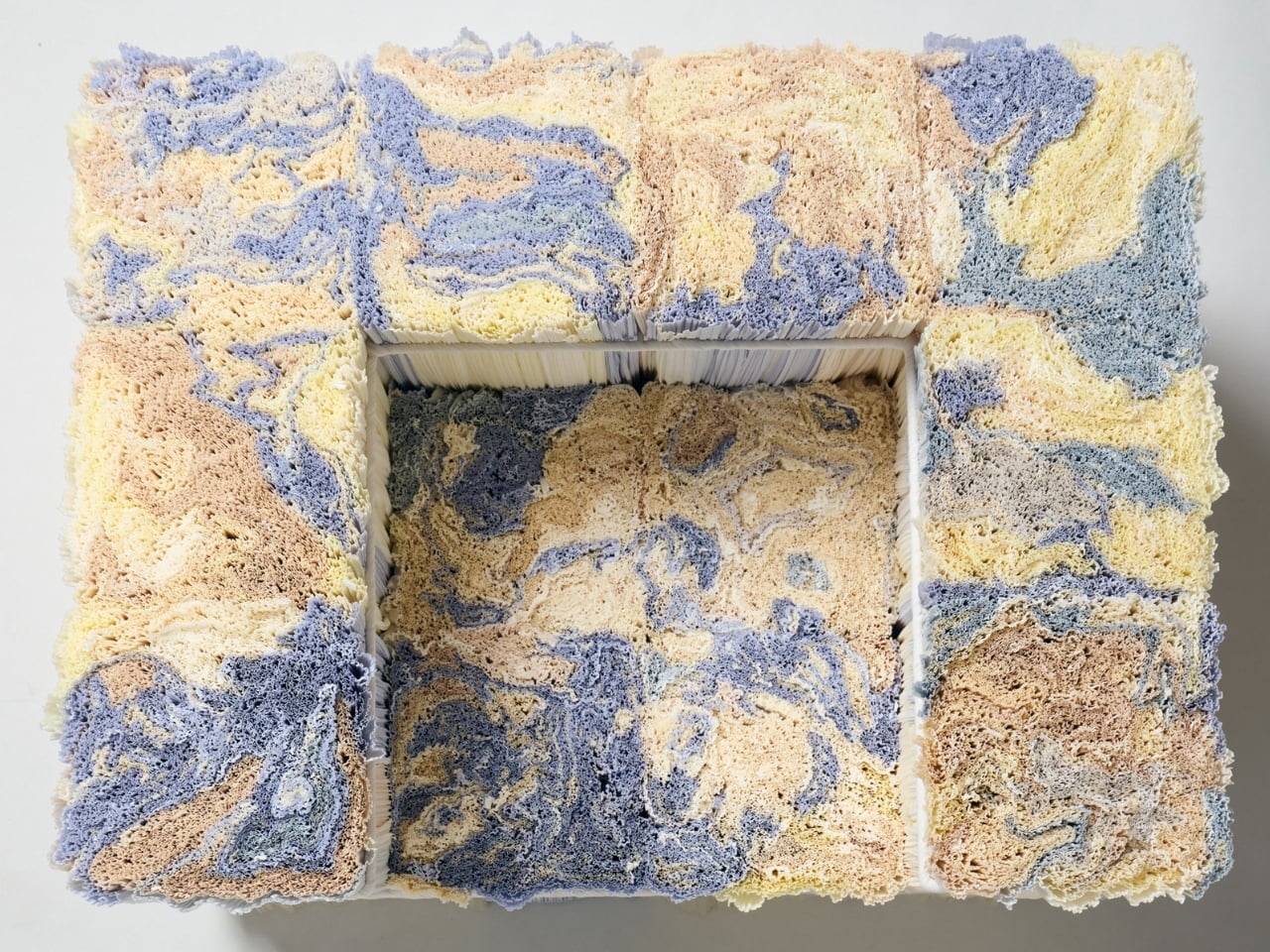
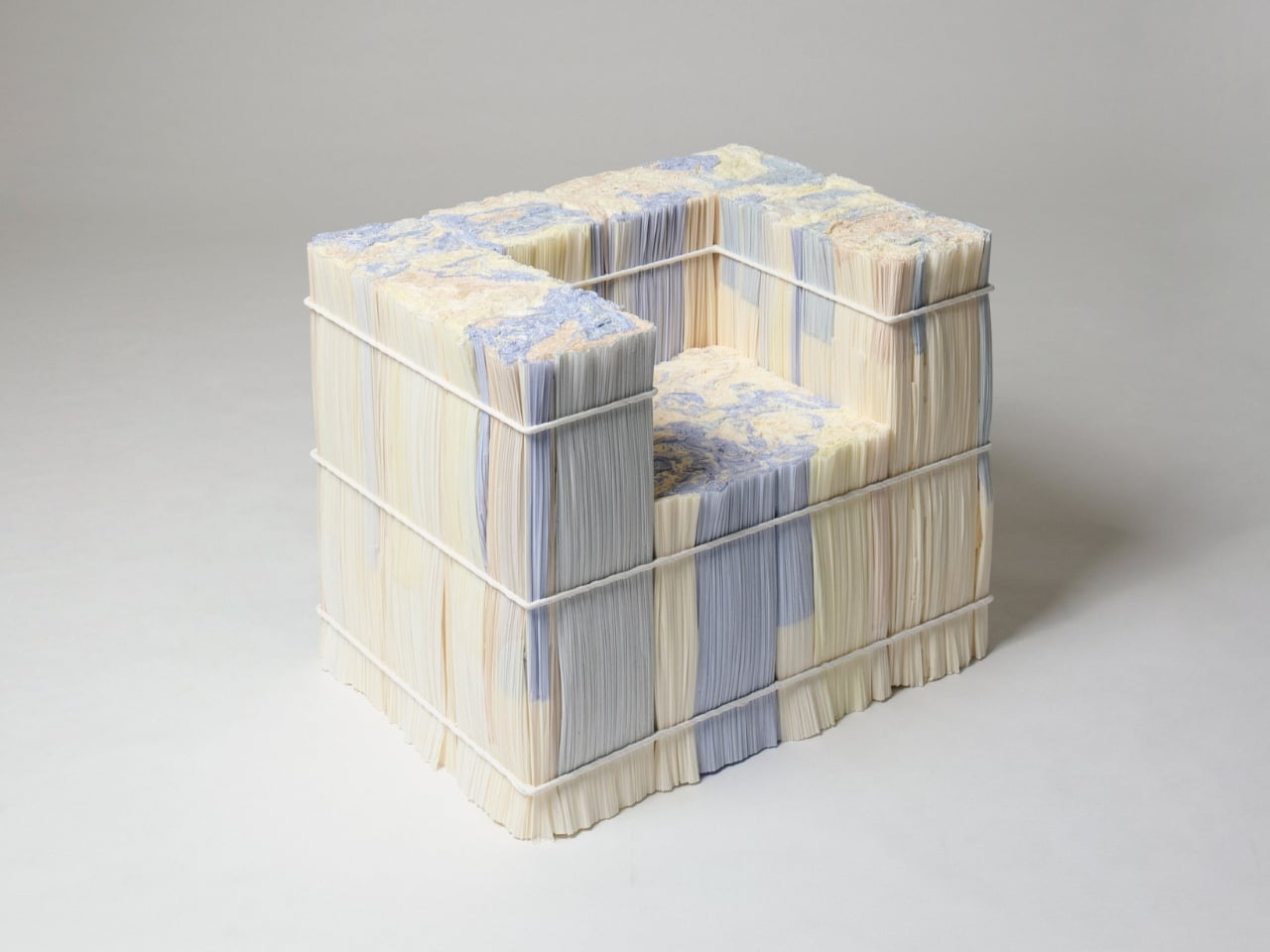
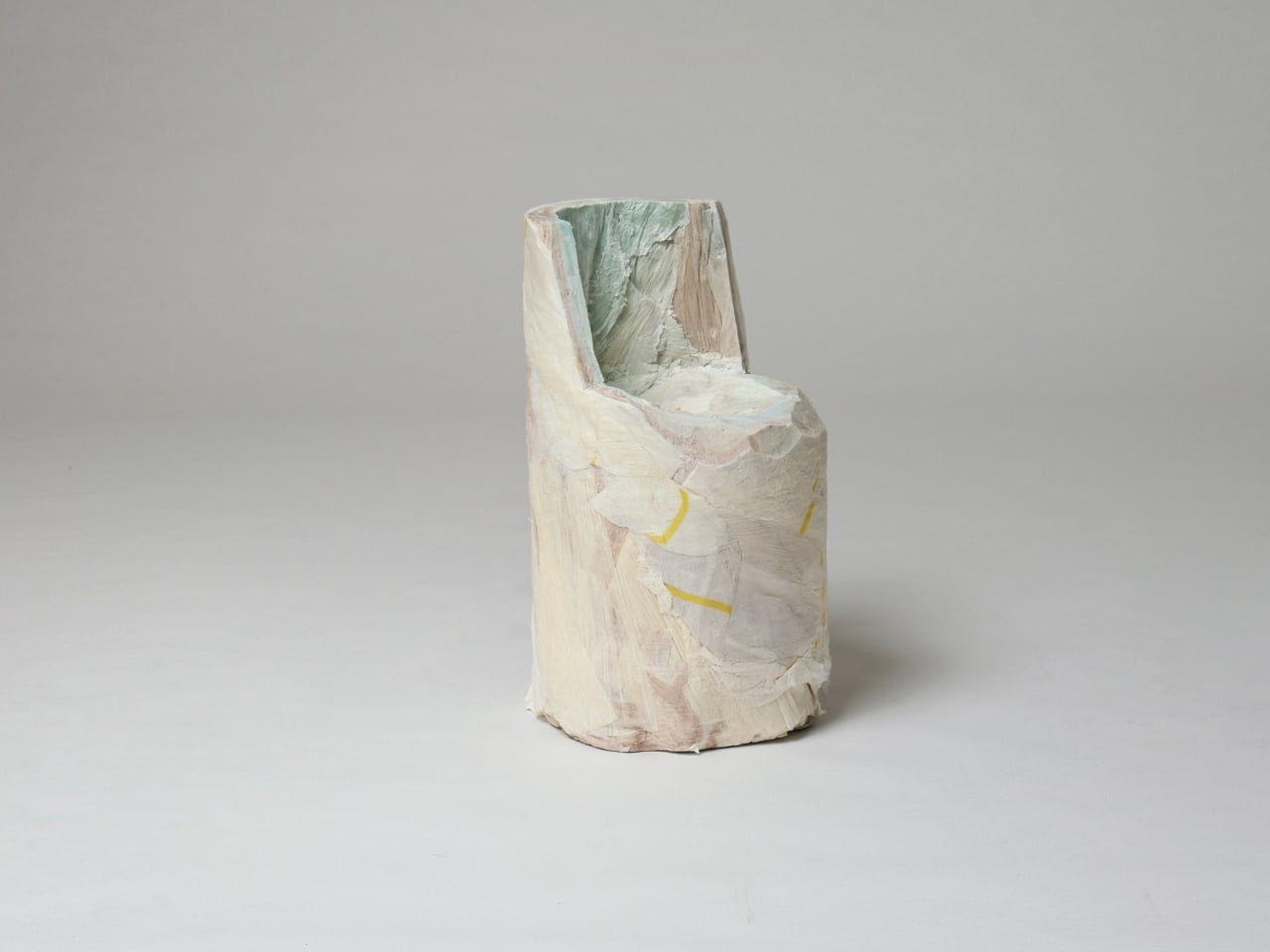
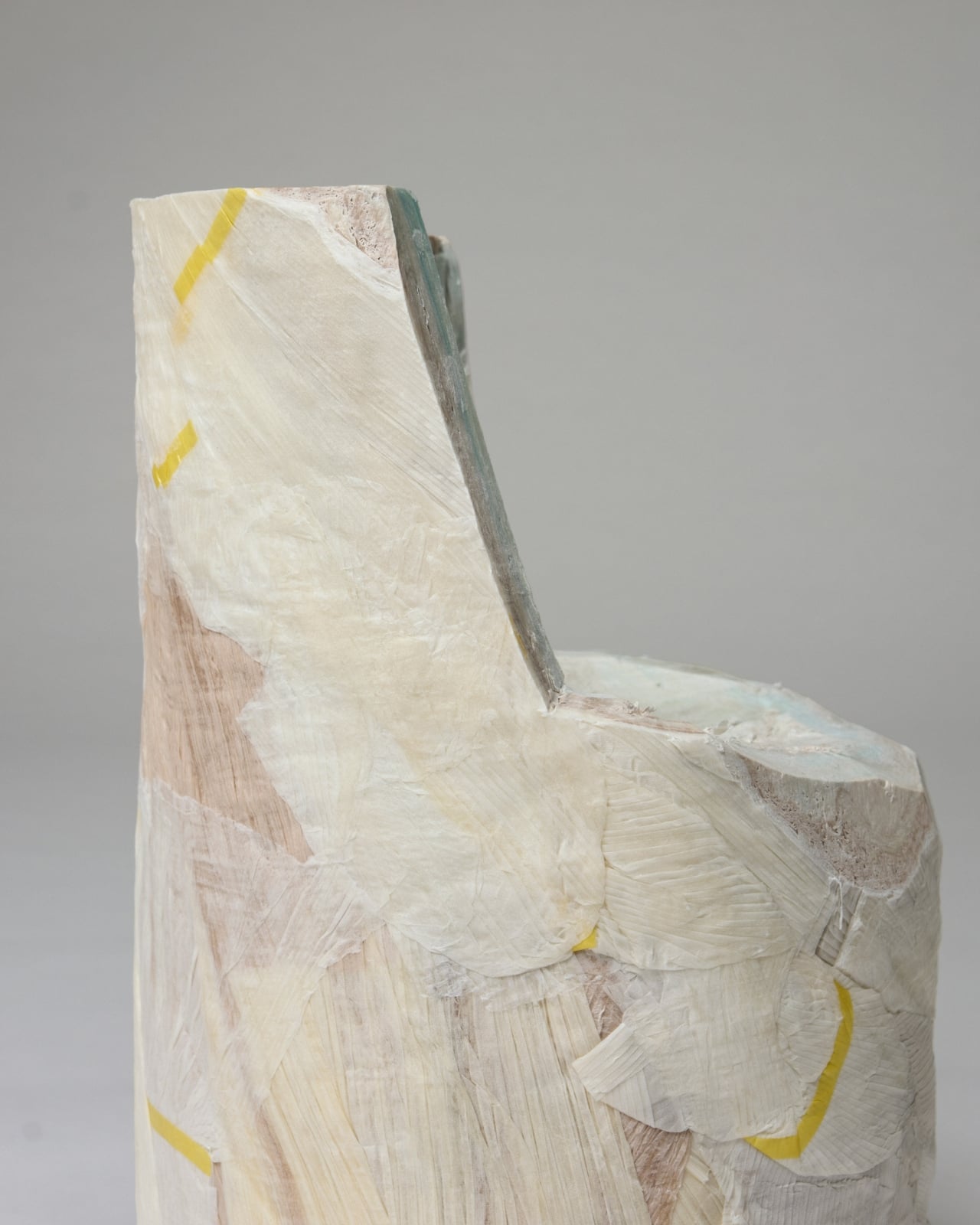
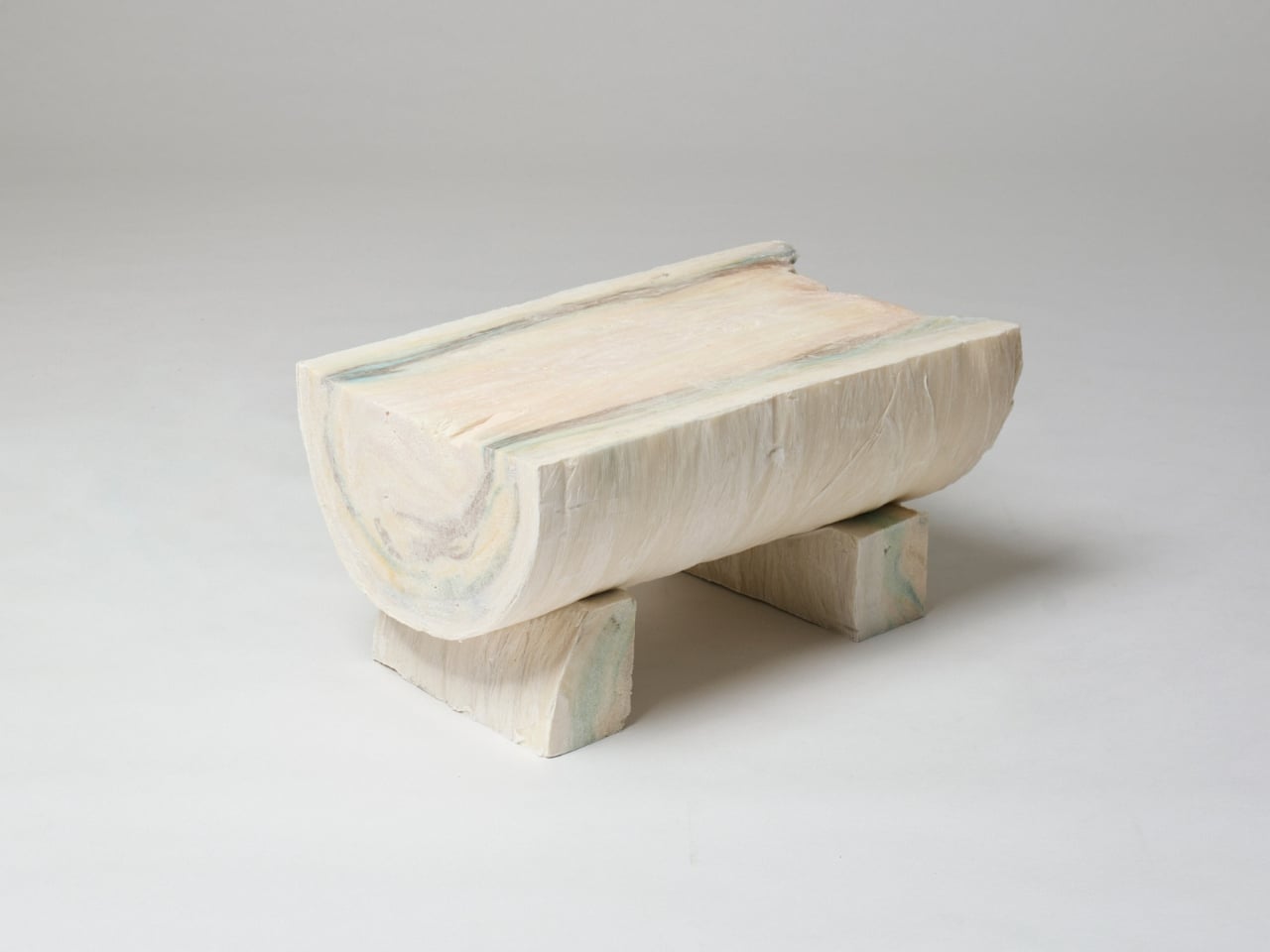
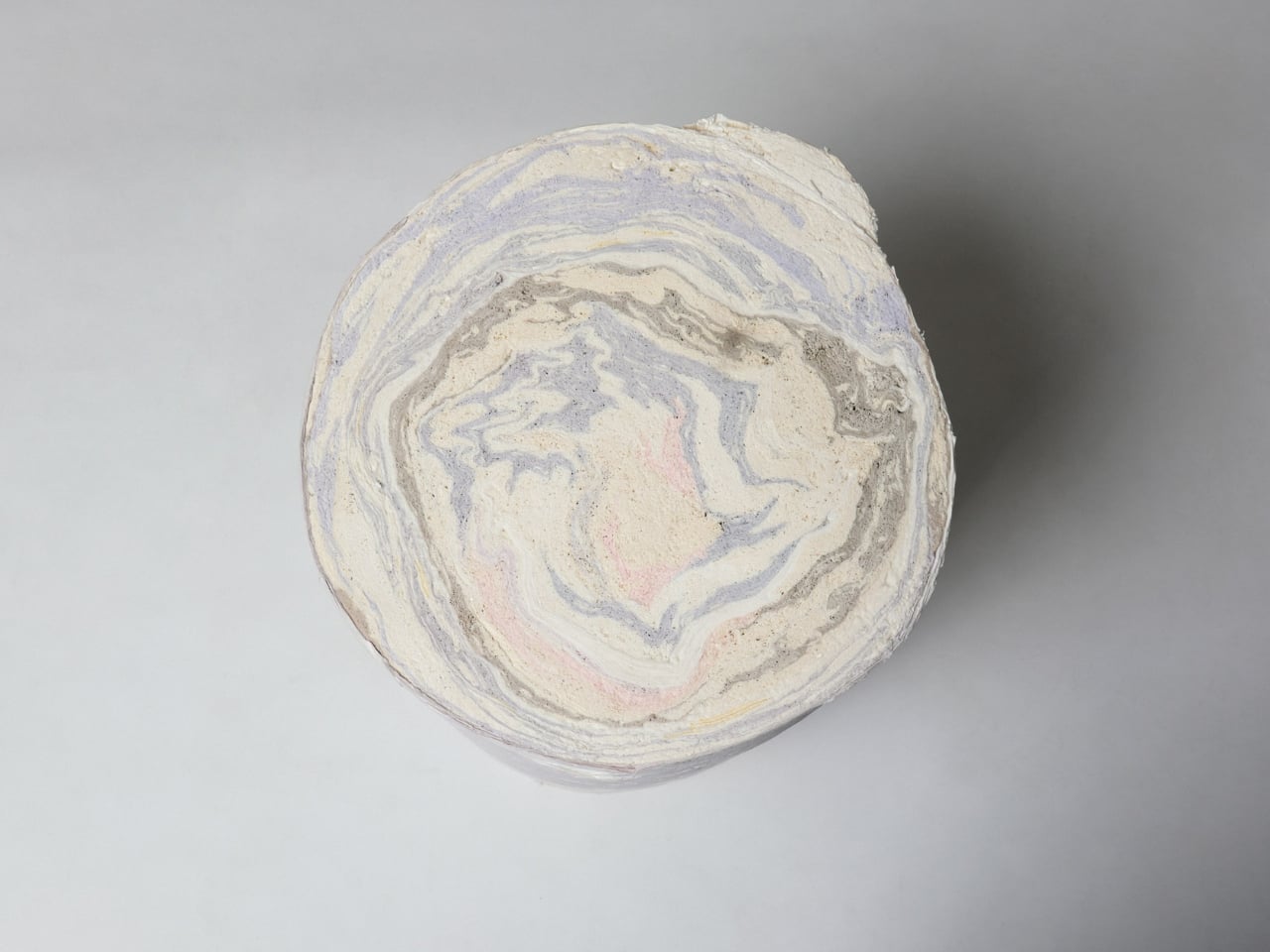
The paper in question is a production byproduct. These thin sheets are used to protect the fabric as it moves through the pleating machine, and when the garments are done, the sheets are rolled up, compressed, and typically moved off-site for recycling or disposal. What Kondo noticed during a visit to the manufacturer, though, was that these rolls look like logs. Not metaphorically, but structurally. Each compressed roll stands 80 cm tall and 40 cm wide, and when you look at the end of one, the layered paper creates a marbled, circular pattern that resembles the growth rings of a tree. Hence the name.

That visual parallel carries real weight. The Paper Log doesn’t just look like a tree trunk; it shares its logic. Growth rings mark time in a living thing, and the layers of the Paper Log carry the memory of every garment made at the house. It’s a surprisingly poetic idea from an industry that usually discards its footnotes.

For the exhibition, Kondo brought in Spanish architecture office Ensamble Studio to develop two distinct bodies of work from the same material. The first, Shell, takes the paper log apart and treats it like a sculptural material, creating crisp, delicate objects that feel frozen mid-process. They’re almost ghost-like, holding a shape the way paper holds a crease. The second body of work, Core, goes in the opposite direction. Here the paper is treated as structure, forming actual furniture prototypes including stools, chairs, and tables. Robust and handcrafted, these pieces sit in direct contrast to the fragility of Shell, and that tension is very much the point.

The installation is arranged throughout the store to play Shell and Core against each other, presenting opposing ideas side by side: ephemeral versus concrete, delicate versus robust. I find this curatorial framing genuinely effective. It’s rare to see a single waste material handled in ways that feel this philosophically distinct, and rarer still to see a fashion house direct that kind of rigorous design thinking toward something that would otherwise not exist at all.

What makes The Paper Log worth your attention beyond the visual spectacle is the quiet insistence that process deserves as much consideration as product. Issey Miyake has always been a house obsessed with how things are made. The pleating technology itself is a kind of philosophy, a belief that the mechanics of creation are as meaningful as the finished object. Applying that thinking to the waste materials of that same process feels less like an act of sustainability and more like an act of honesty.

Whether or not furniture made from fashion scraps becomes a commercial category (and it absolutely could), The Paper Log: Shell and Core operates primarily as a provocation. It asks what we overlook when we’re focused on the final product, and suggests that the answer might be the most interesting material in the room. The exhibition runs at the ISSEY MIYAKE Milan store on Via Bagutta 12, from April 21 to May 5, 2026.

The post Issey Miyake’s Most Beautiful Material Was Always the Scrap first appeared on Yanko Design.