
Pandora’s ad-free subscription is less than $10 a month in 2026: Is it worth it?
The Pandora experience is different from the Spotify one most of us are used to. Pandora Premium is worth it for some.

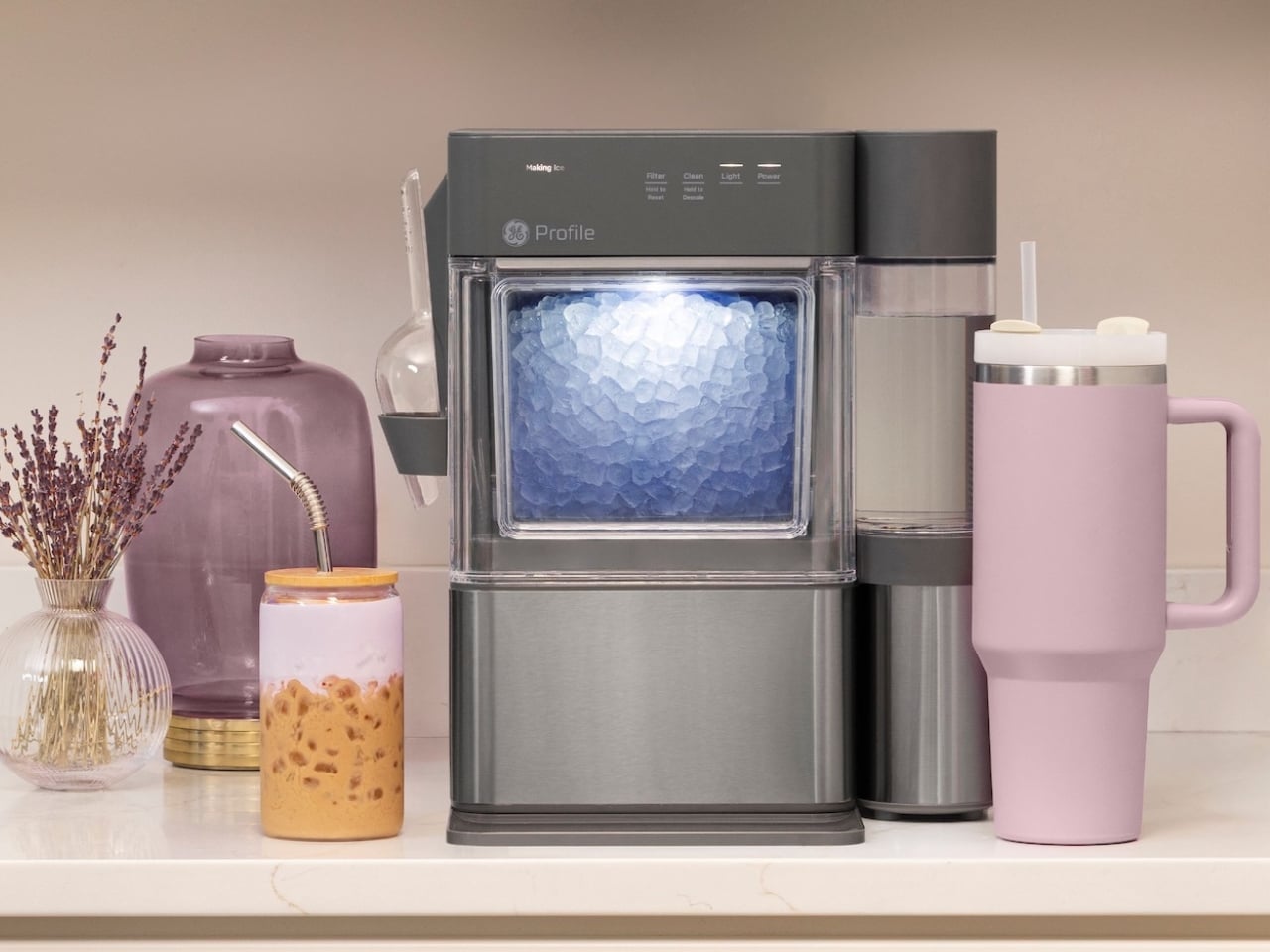
I’m one of those people who would prefer their cold drinks to have more ice even if they’re already cold, whether it’s water, soft drinks, juices, or iced coffee. But when I’m at home, I have to make do with manually filling my tumblers using just two ice trays from my refrigerator. That’s why getting an ice maker is on my list, except that most of what I see in the market are too big for my daily, personal use.
The new GE Profile Opal Mini Nugget Ice Maker is created for people like me who would prefer to have nugget ice from a more compact and counter-friendly machine. It’s a miniaturized version of their best-selling Opal Nugget Ice Maker and also has a smaller carbon footprint, if that kind of thing concerns you as well (as it should).
Designer: GE
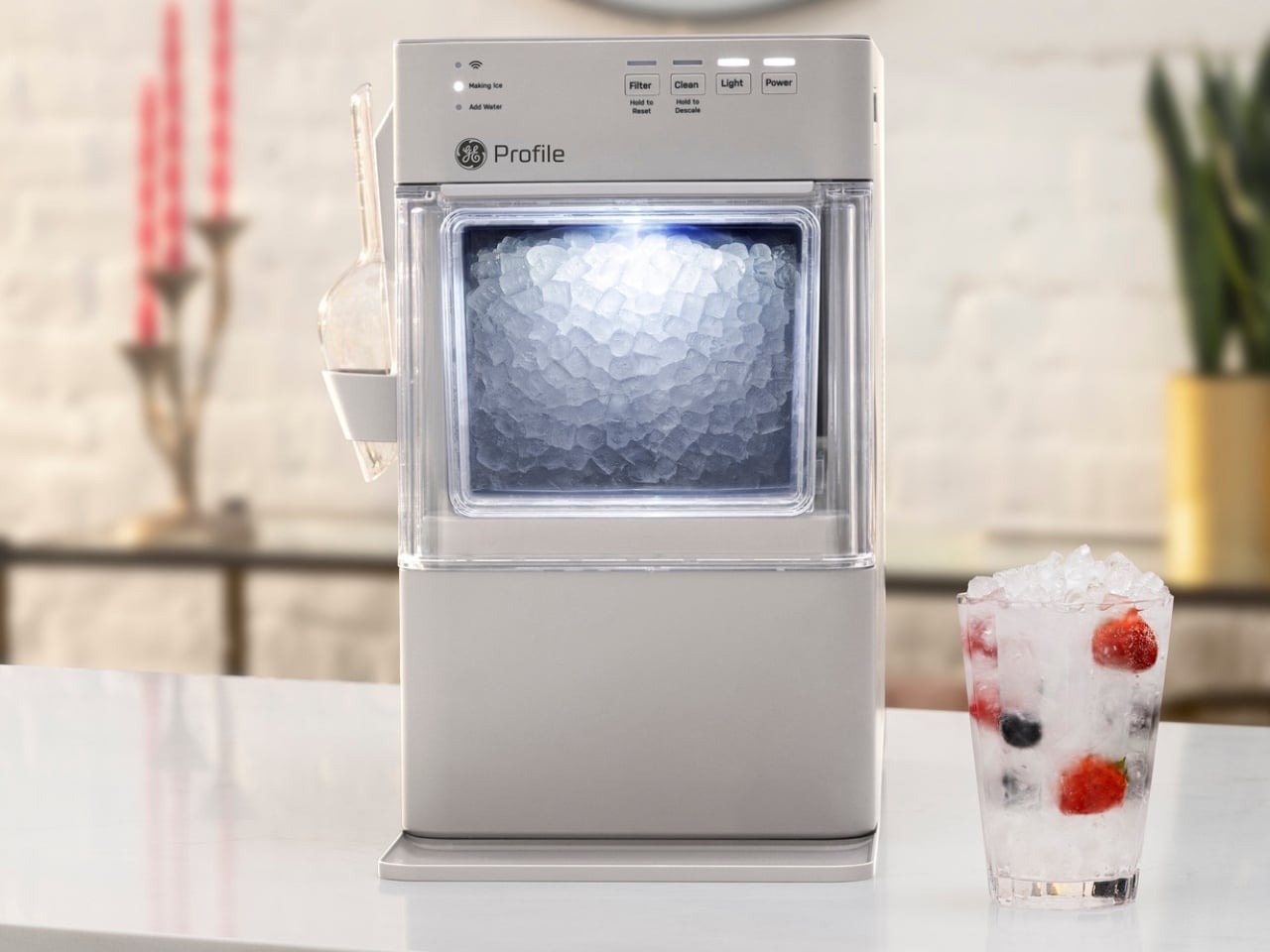
Compared to regular ice, nugget ice (also known as sonic or pellet ice) is softer, more chewable, and more importantly, it is able to absorb drink flavors. Having that kind of ice produced in a countertop machine makes it ideal for smaller spaces. It is also able to produce the first batch in just five minutes, which is way faster than traditional ice makers or waiting for your ice trays to harden.
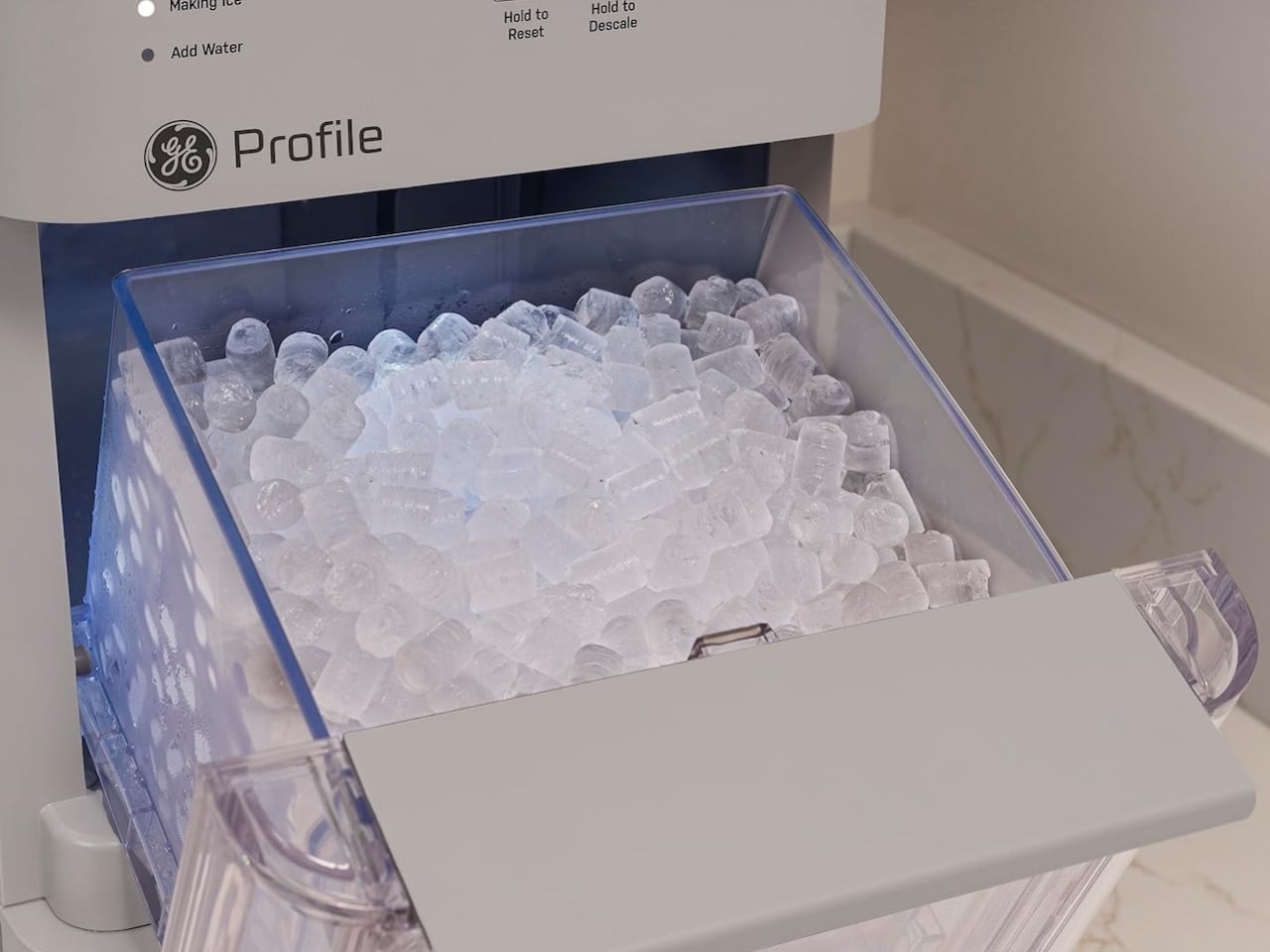
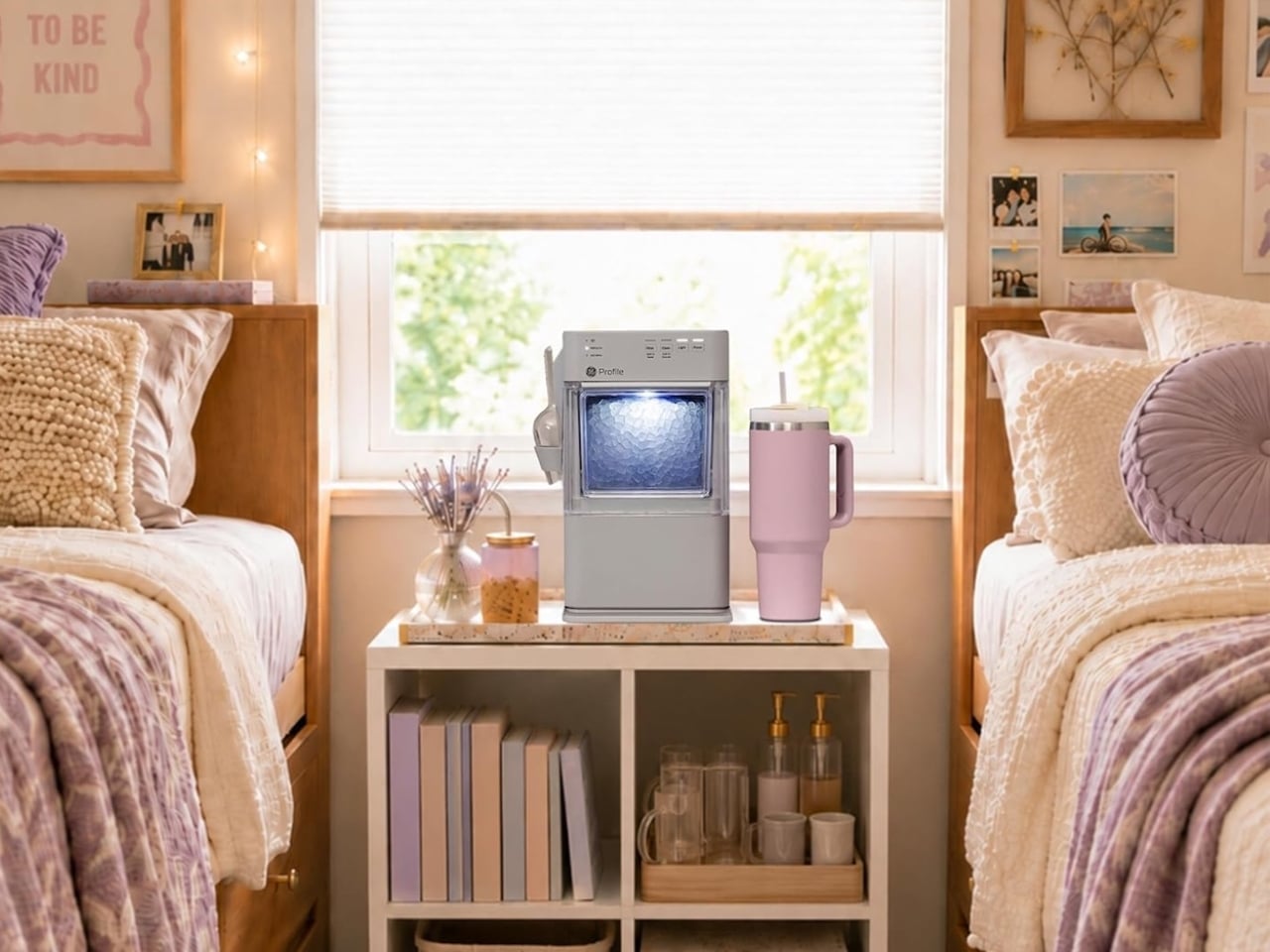
The Opal Mini is 30% smaller than the previously released Opal Nugget Ice Maker, so it can fit into smaller kitchens, or even in your living room or on your bedside table. But it doesn’t sacrifice ice output, as it can still churn out up to 36 lbs of ice per day, which should be more than enough for your own personal needs. They say that the bin can hold enough ice to fill two 40-ounce Stanley Cups. If you’re having a party or some friends over, there is an Opal Mini Pro version that has a side tank for extended water supply so it can produce more ice.
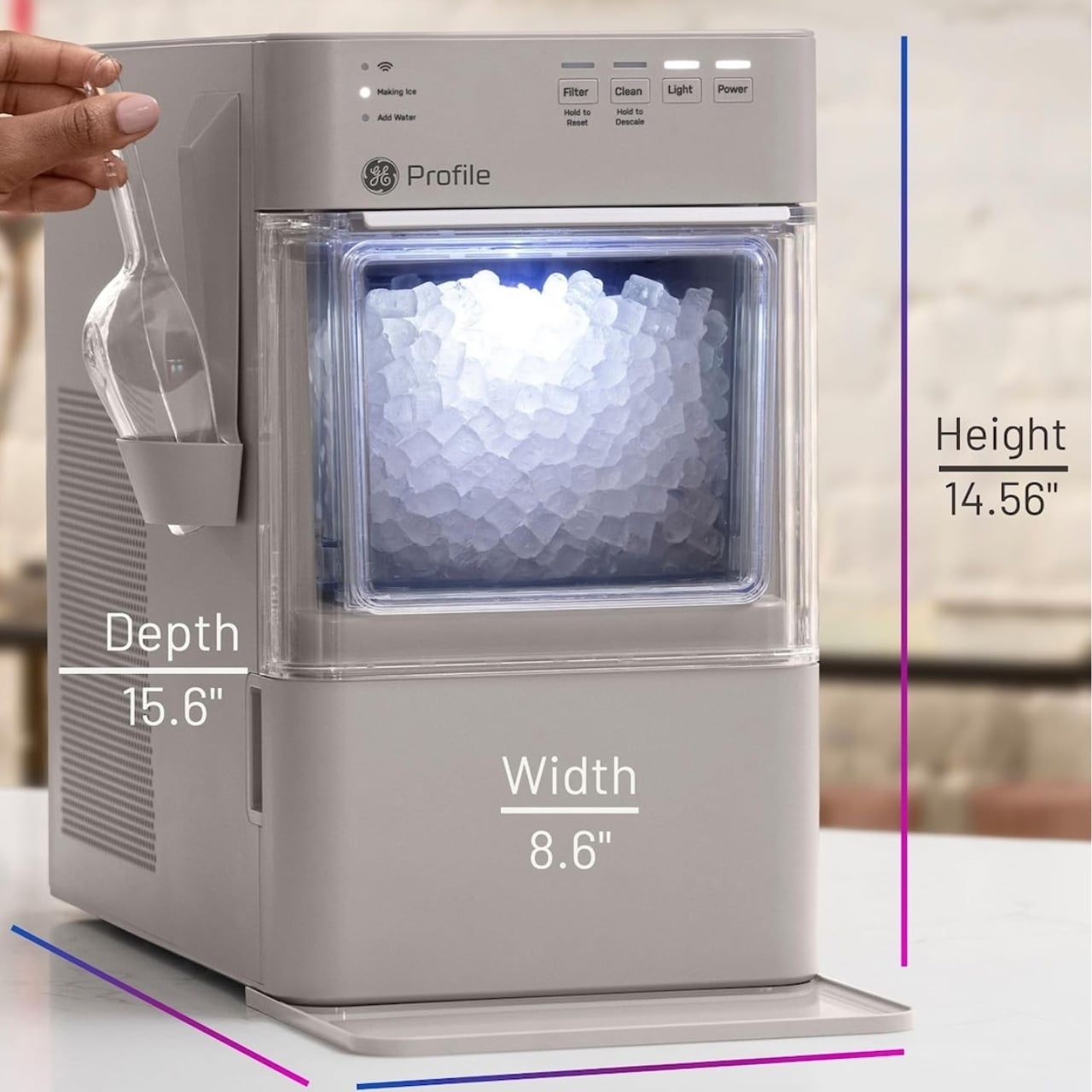
At just $299, it’s of course more affordable than the full-size version, even if it’s still more expensive than those budget ice makers you can find on shopping apps. However, this is GE we’re talking about, and GE Profile at that, so you can rest assured that the build quality and performance of this machine are on a whole different level.
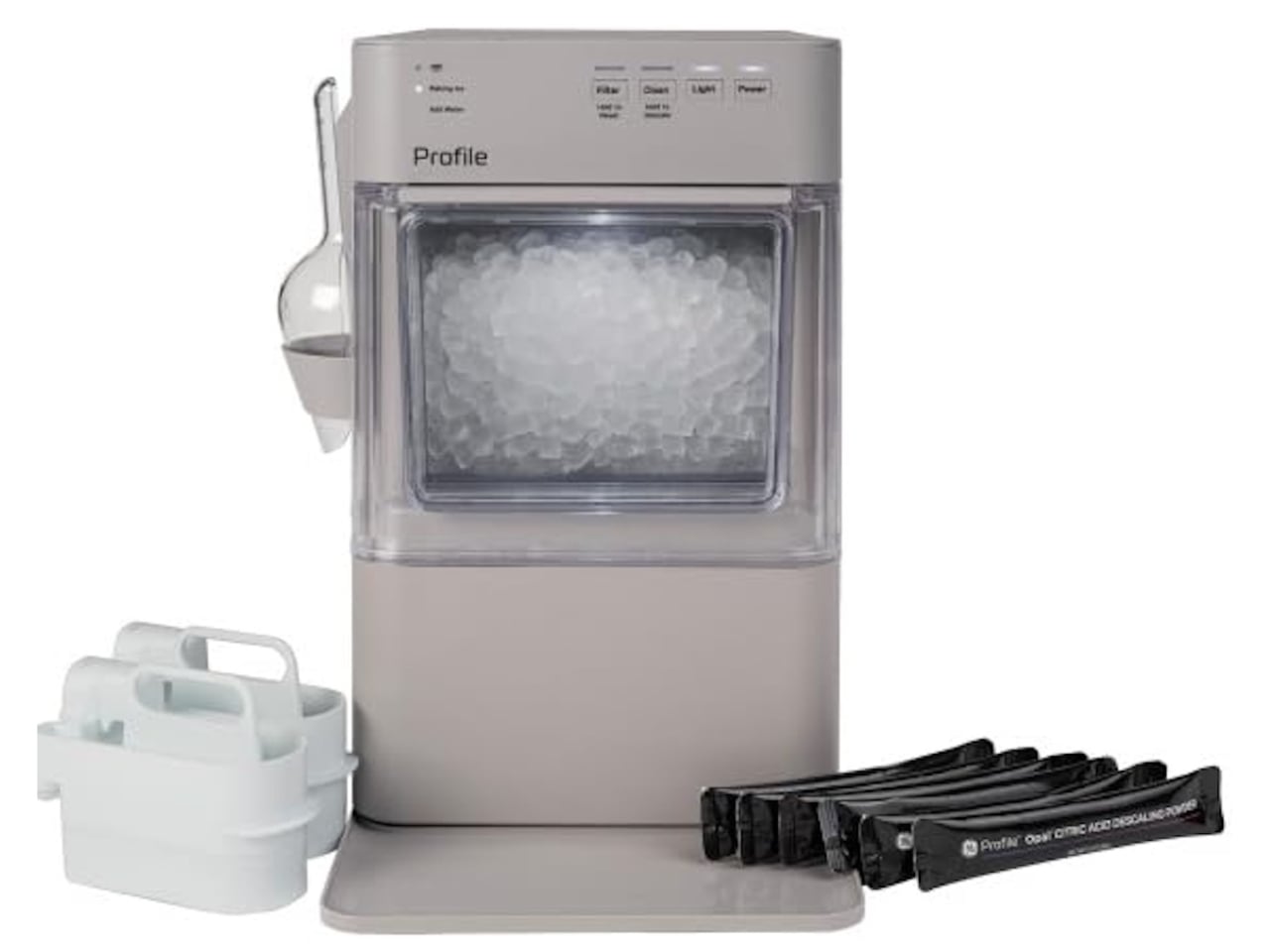
What also makes the Opal Mini easy to love is how naturally it fits into an everyday routine. Whether you’re working from home and want a steady flow of ice throughout the day, or you’re a home barista craving that perfect glass of iced coffee ready in minutes, this little machine genuinely earns its counter space. There’s something almost satisfying about pressing a button and watching a fresh batch of soft, pillowy nugget ice tumble into the bin, and having it ready in under five minutes makes it feel like a small luxury you deserve.
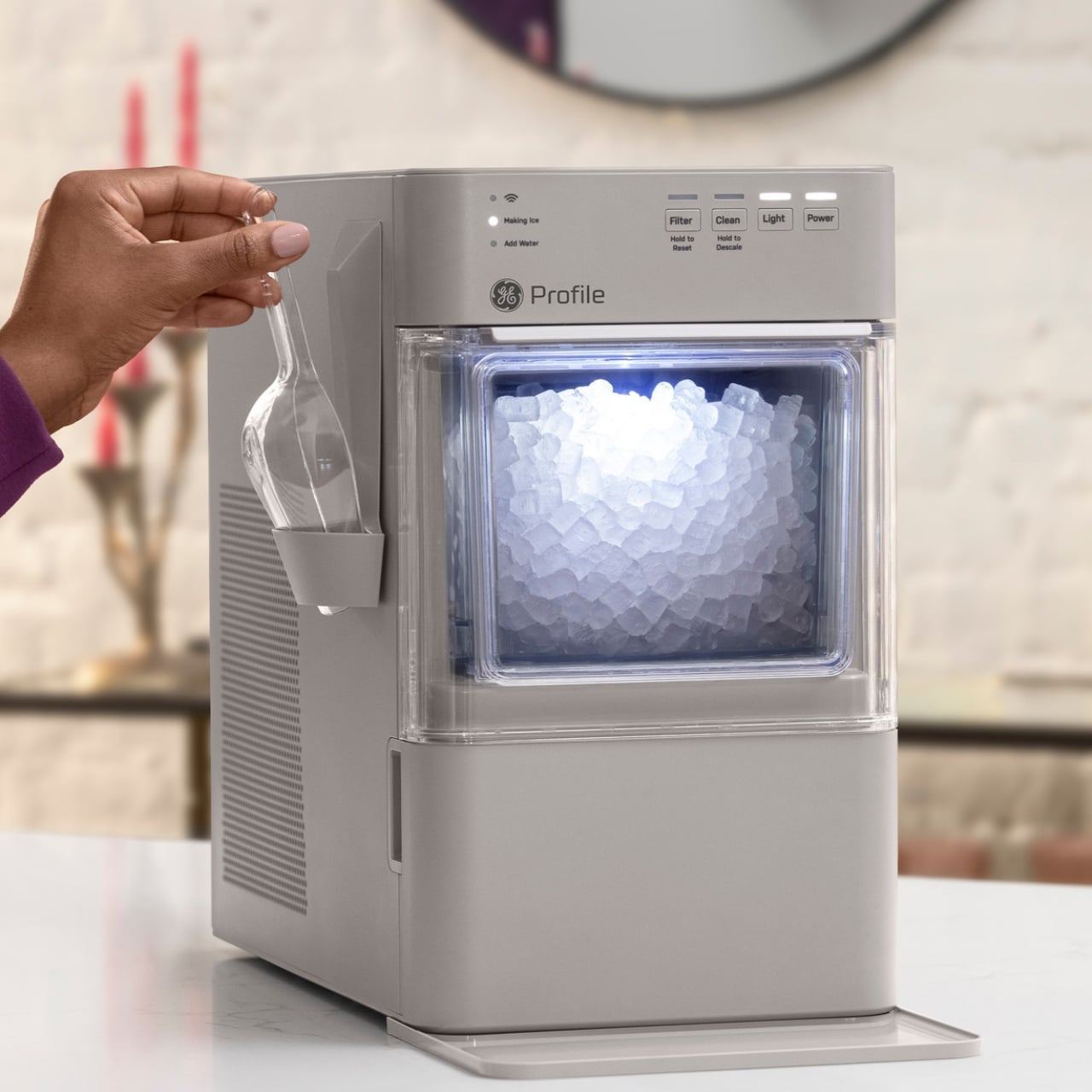
The machine also connects to the SmartHQ app via Wi-Fi, allowing you to schedule ice production remotely and even set it up to have a fresh batch ready before you wake up in the morning. It also recycles melted ice water back into production, which means less waste and more efficiency. It’s a thoughtful detail that shows GE didn’t just shrink the machine, they refined it. It’s the kind of feature you appreciate quietly, but would definitely miss if it weren’t there.
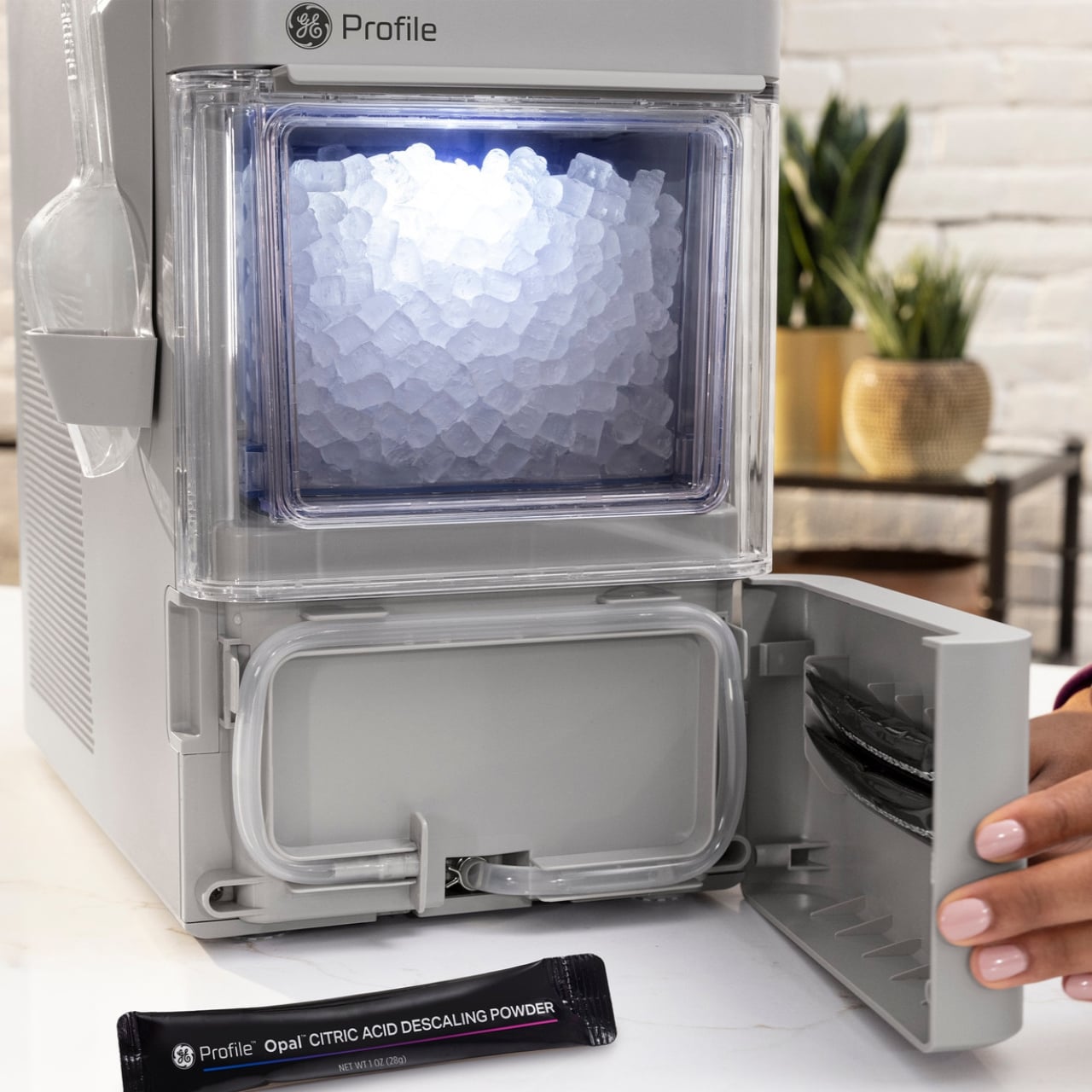
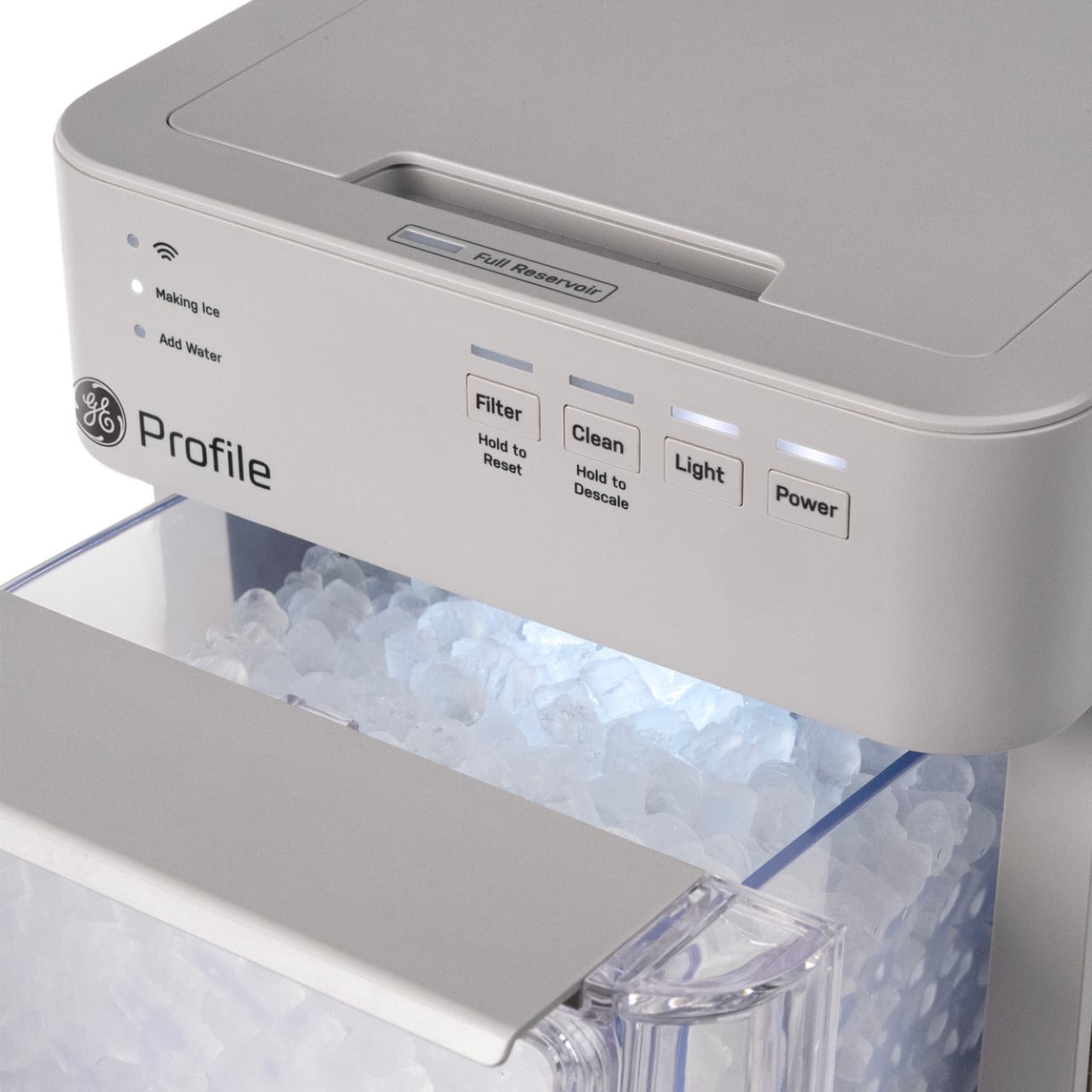
If you’ve been holding off on getting an ice maker because you thought it was too much of a splurge, or simply couldn’t justify the size of most models, the Opal Mini might just be the nudge you needed. It’s compact, fast, and makes genuinely better ice, the kind that makes every drink feel like it was made by someone who really thought about it. For anyone who has ever stood in front of their freezer, impatiently waiting for ice trays to harden, this one is for you.
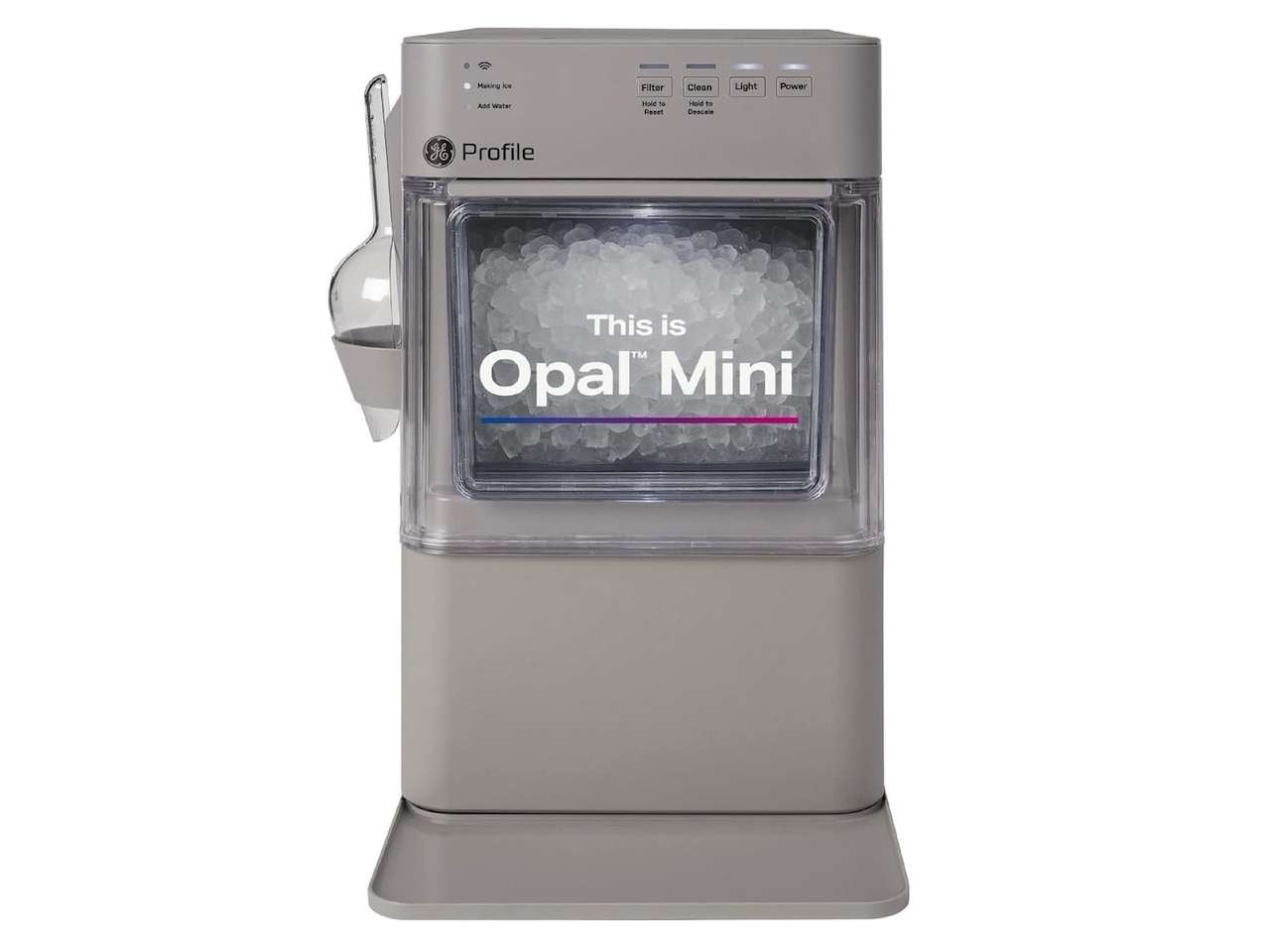
The GE Profile Opal Mini Nugget Ice Maker is available now starting at $299. The Opal Mini Pro, which includes a side tank for extended ice production, is priced at $399.
The post This $299 Nugget Ice Maker Fills 2 Stanley Cups in 5 Min first appeared on Yanko Design.


Water scarcity and urban heat are two separate crises that public infrastructure rarely addresses together. Most public spaces are designed primarily for social use, with sustainability features treated as additions bolted on during planning approvals. The result is civic furniture that looks environmentally conscious on paper but often functions in ways that keep each system largely isolated from the others.
The Solar Rain Funnels propose a different model. Each funnel-shaped structure is a prefabricated, modular unit made from galvanized steel that collects rainwater, generates solar electricity, and provides shaded public seating, all from the same form. Rather than treating harvesting and gathering as separate programs, the design bundles them into a single object that does each job without architectural compromise.
Designer: Michael Jantzen
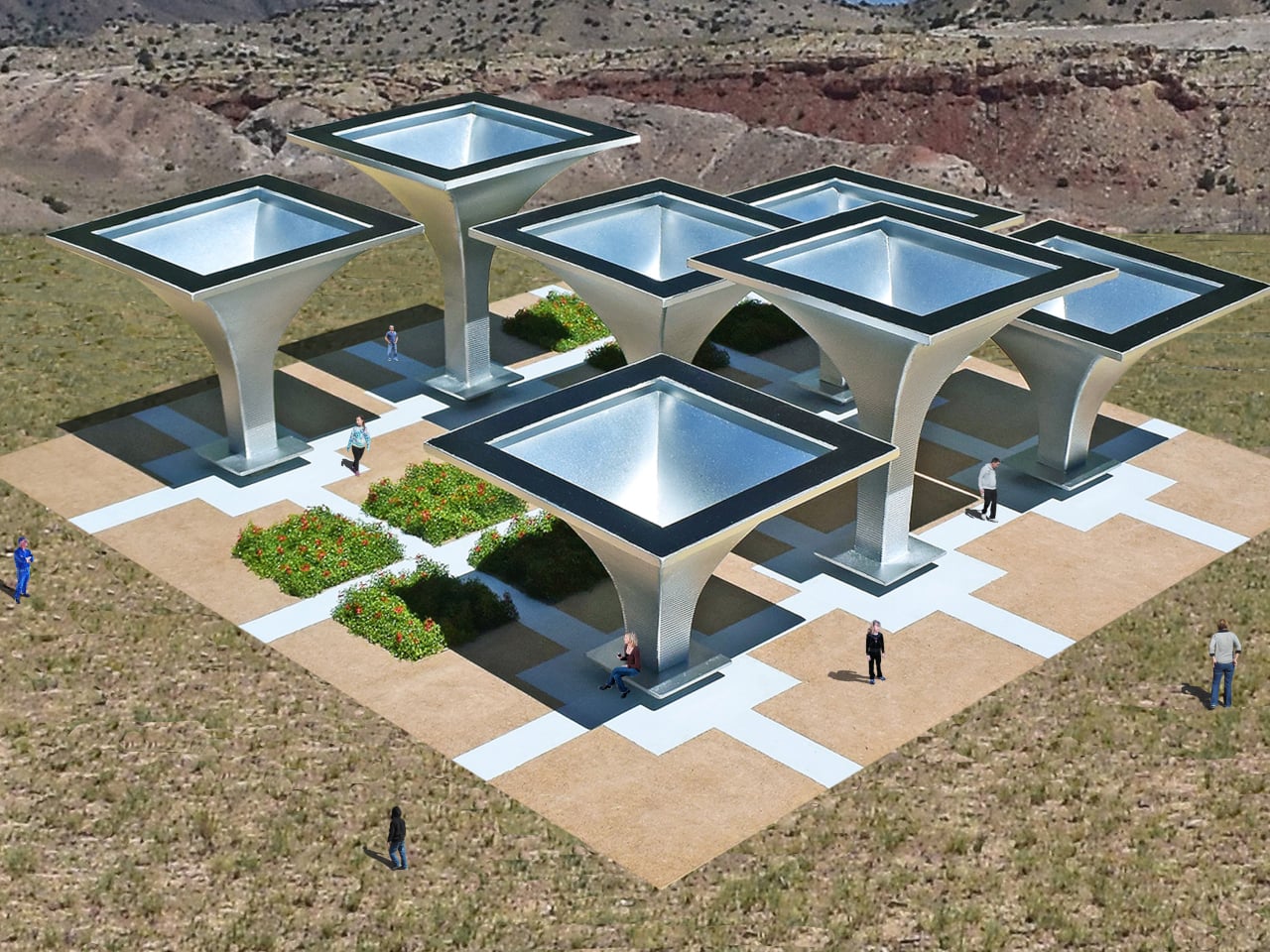
The form does most of the work. Each funnel is wide at the top and narrows toward the base, which means its surface naturally directs rainfall inward and downward into collection channels. Solar cells line the top edge, capturing sunlight from the same surface that intercepts rain. A bench is mounted around the perimeter at the base, completing the third function without requiring a separate structure.
What’s collected below the surface matters as much as what happens above it. Rainwater storage containers, or diversion channels connecting to off-site containment, are installed under the plaza to hold water for later community use. The solar electricity powers the pump that moves water from storage and lights the funnels after dark. Excess power feeds into the local grid, and on-site batteries let visitors charge devices.
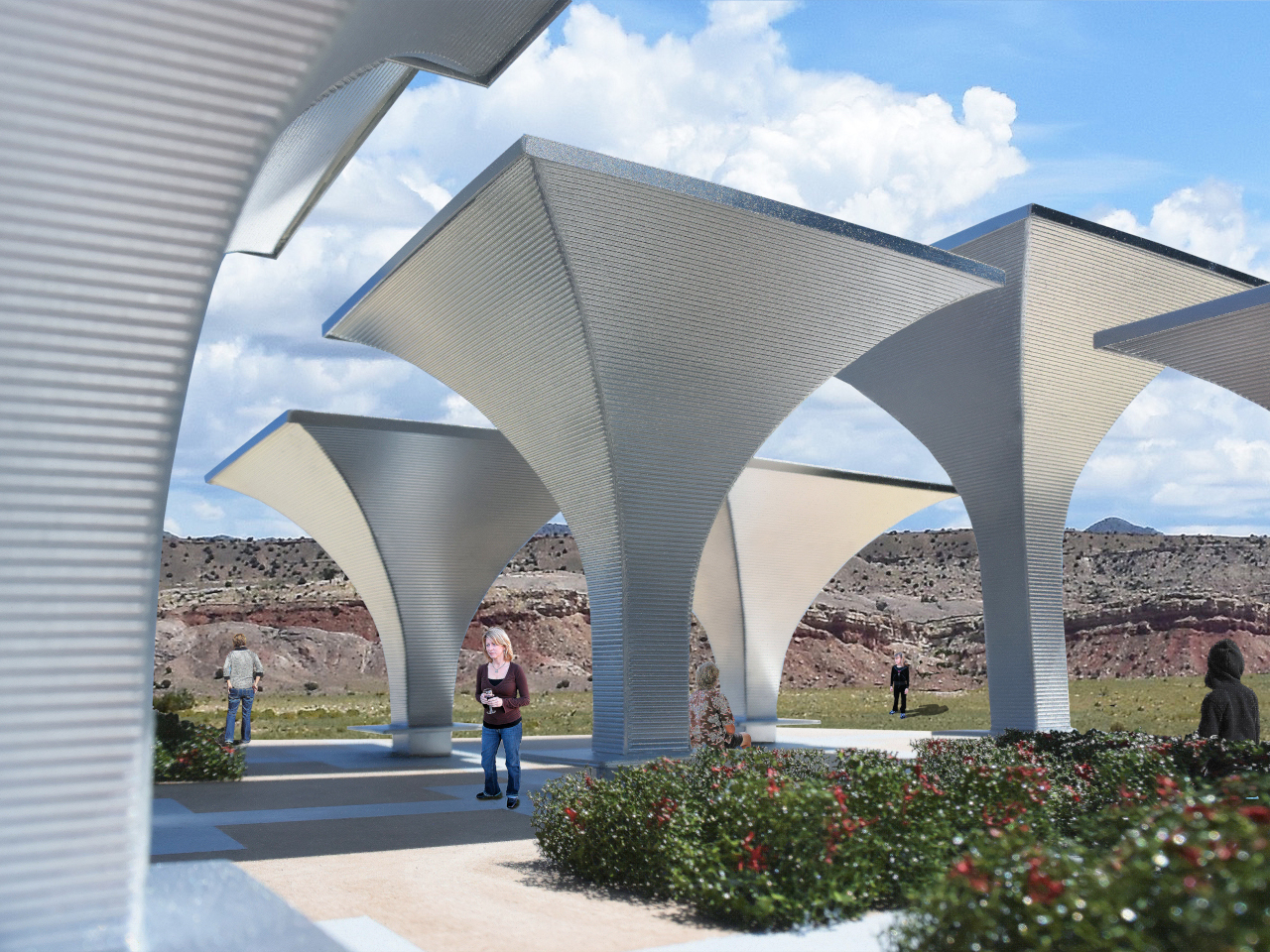
The prefabricated and modular nature of the design means installation doesn’t require building a new structure from scratch each time. Each funnel arrives at the site in pre-made sections that bolt together, and any number of units can be arranged into any configuration the site allows. In the reference proposal, seven funnels are arranged in a grid over a plaza, with drought-tolerant garden plantings filling the spaces between them.
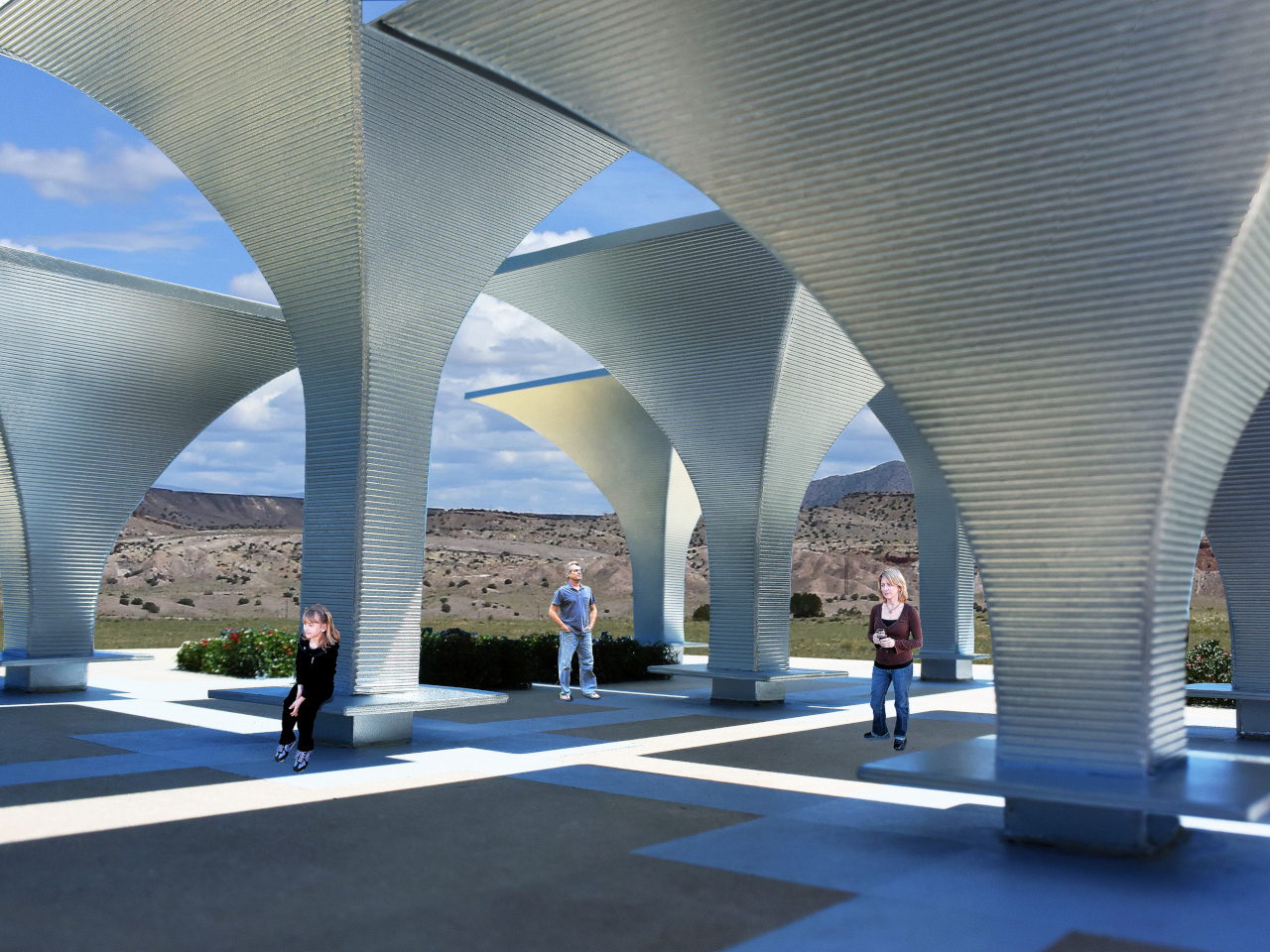
That plaza arrangement gives visitors something more useful than just shade. The overhead canopy formed by the funnel array blocks enough direct sunlight to make the space comfortable in hot, arid conditions, which is significant given that the concept is intended for communities experiencing water stress. Gardens planted with low-water-consuming species fill the gaps between funnels, making the plaza functional as a green space even in dry climates.
Size is treated as a variable rather than a fixed specification, because the concept anticipates installation across different kinds of sites. A smaller cluster of funnels might serve a neighborhood corner or transit stop, while a larger array could anchor a civic plaza or regional park. The galvanized steel construction and bolted assembly make each installation relatively straightforward to adapt, scale, and transport to wherever it’s needed most.
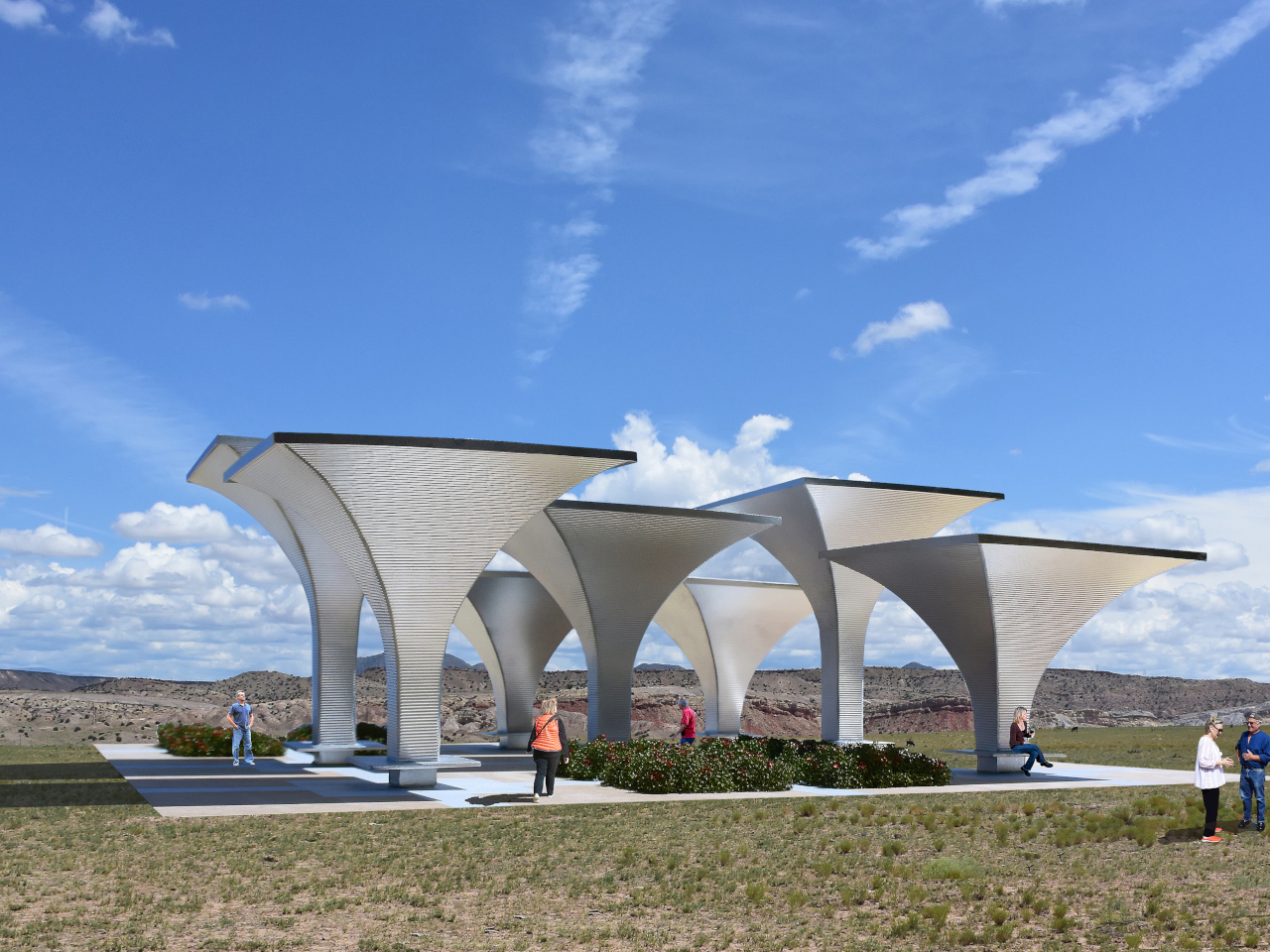
The concept is currently unbuilt, but what distinguishes it from other multi-function proposals is that each function follows directly from the form rather than being added to it. The wide, concave top collects rain. The exposed edge holds solar cells. The shaded base provides seating. Nothing requires the structure to be shaped any differently to perform those jobs, which is the kind of efficiency that makes a proposal feel plausible.
The post Funnels That Harvest Rain and Solar Power While Shading a Public Plaza first appeared on Yanko Design.


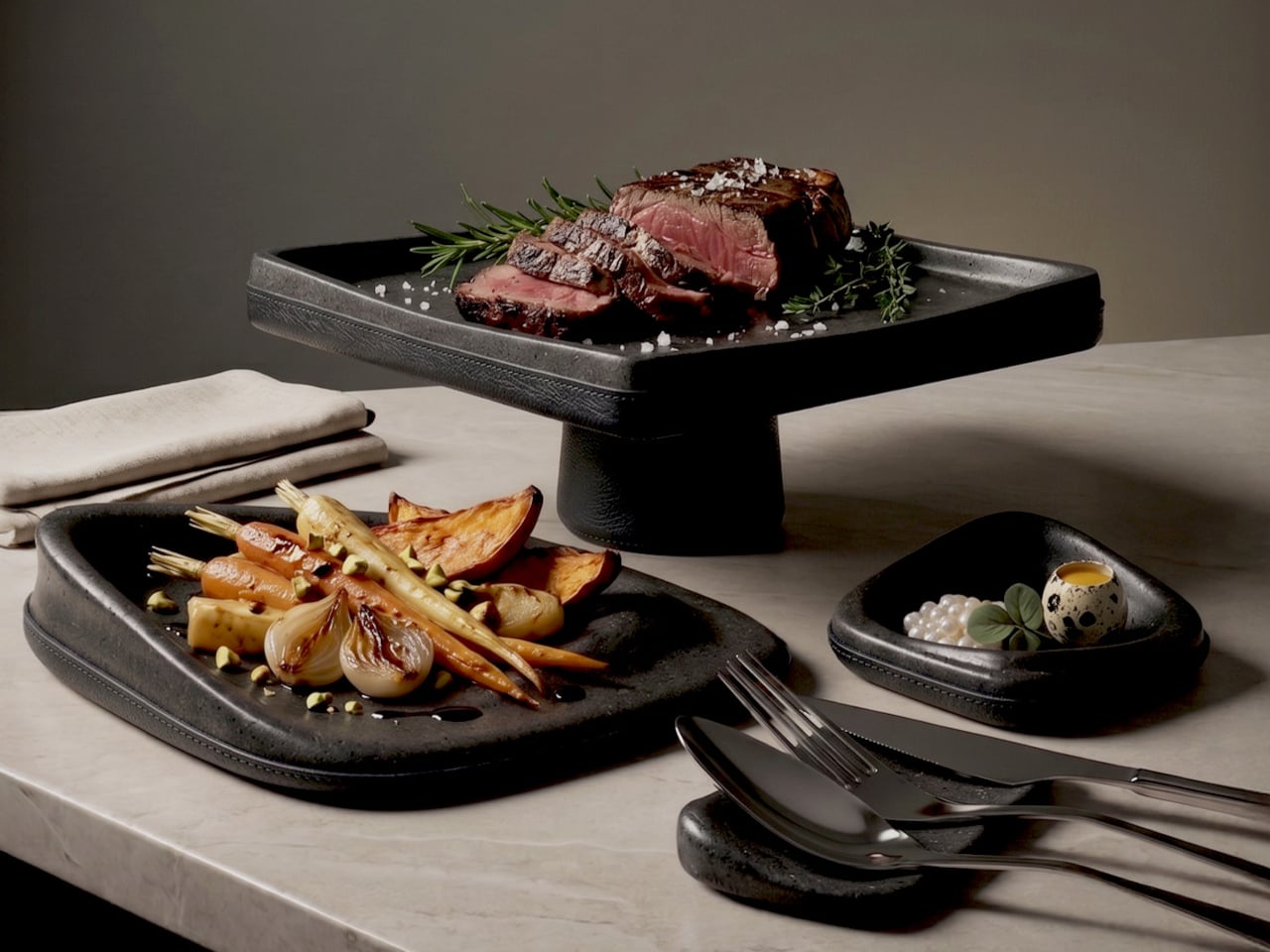
Temperature is one of the few things in fine dining that no one fully controls once a dish leaves the kitchen. A perfectly cooked piece of fish begins losing heat the moment the plate is set down, and by the time a diner has finished admiring the plating, the window for eating it at its intended temperature has already started to close. Most serving vessels are entirely passive about this.
Temper Hold is a modular serving system that addresses this through material rather than technology. Built from basalt, a volcanic stone with a high thermal mass, the system slows temperature change for both hot and cold dishes, extending the window between when food arrives and when it begins drifting from the cook’s intentions. The serving surface stops being passive and becomes part of how the meal unfolds.
Designer: Batuhan Duran
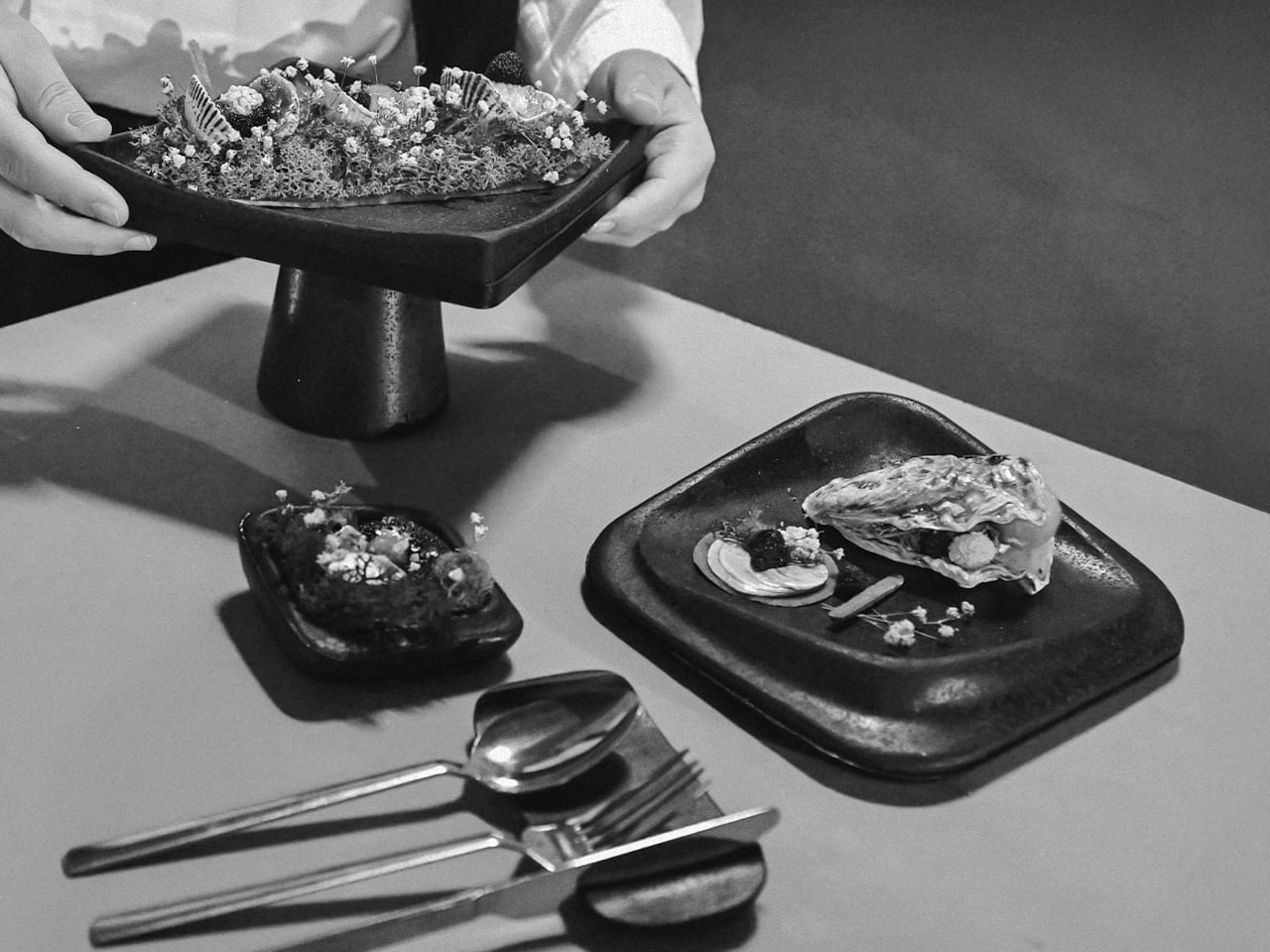
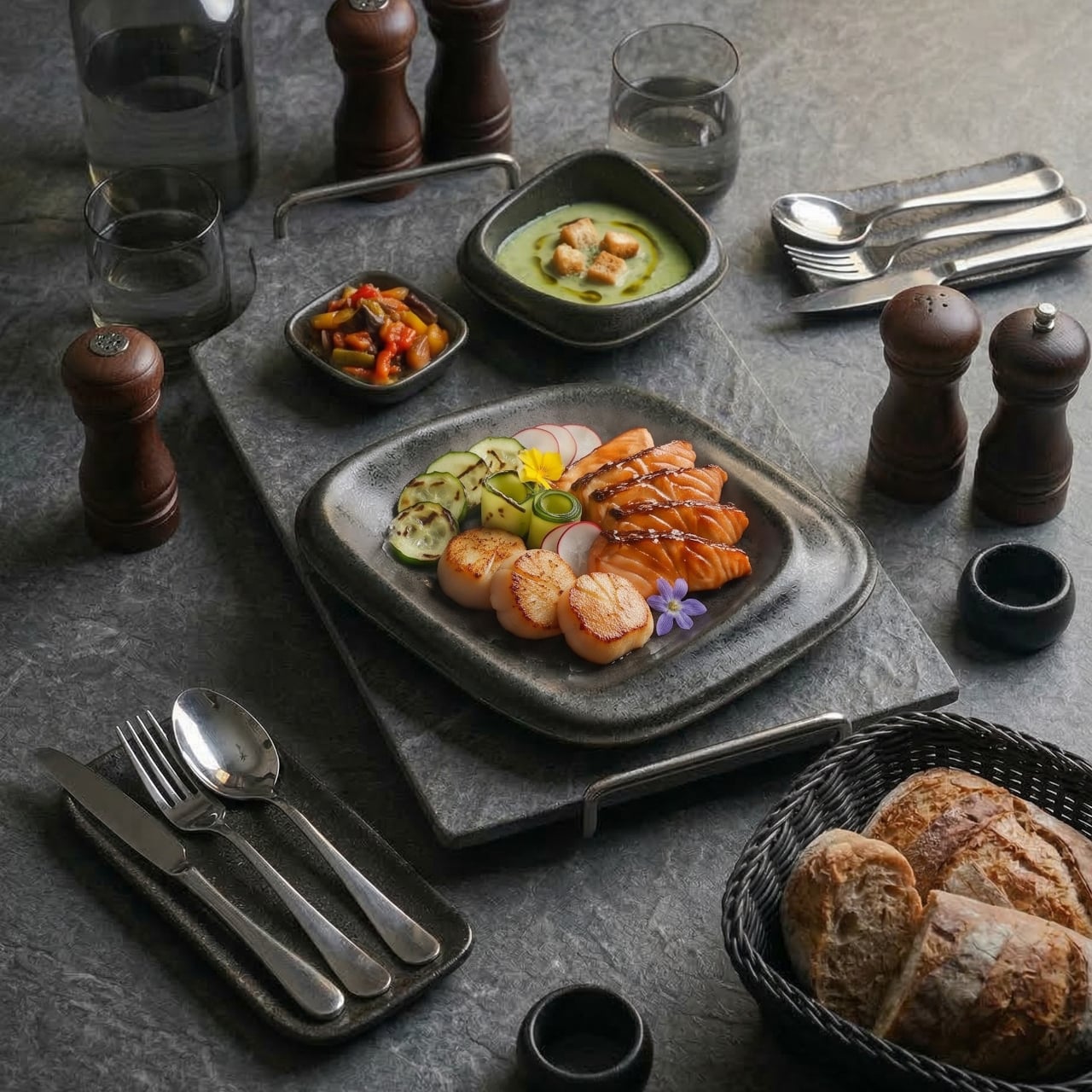
The system comprises four modules, each assigned a specific role at the table. CORE is the main presentation surface. RISE elevates a featured item on a pedestal base, adding vertical hierarchy to the setting. POUR handles sauce service in a form shaped for controlled pouring. REST organizes cutlery, keeping the table composed between courses. Together, they don’t overcrowd the table or impose formality on the setting.
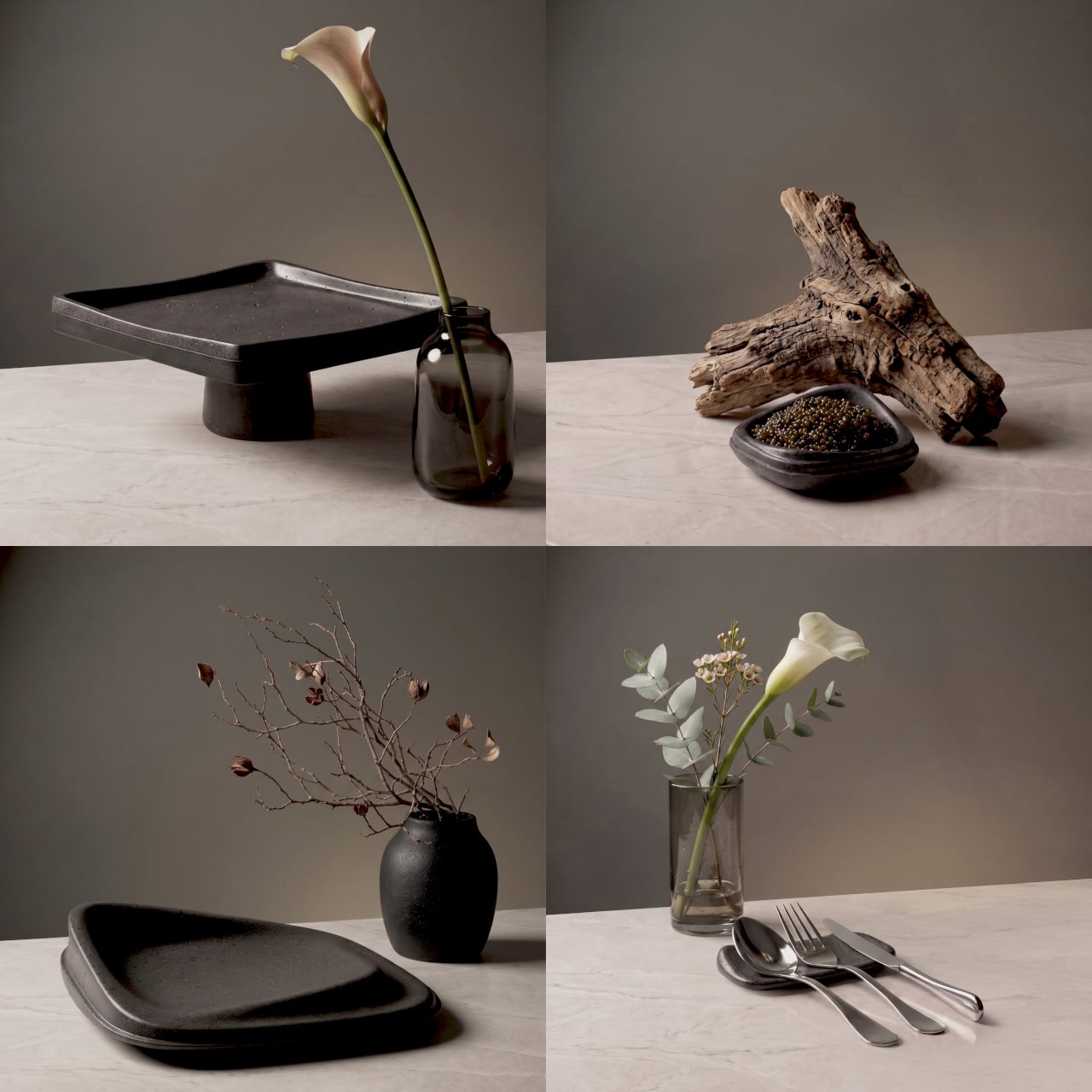
The thermal logic relies on basalt’s natural density. Stone with a high thermal mass resists temperature change, absorbing heat slowly and releasing it gradually, which is the opposite of ceramic or porcelain, which loses heat quickly once it leaves a warming rack. For cold presentations, the same principle applies in reverse; the stone stays cool longer, keeping a dish within its intended temperature range throughout the course.
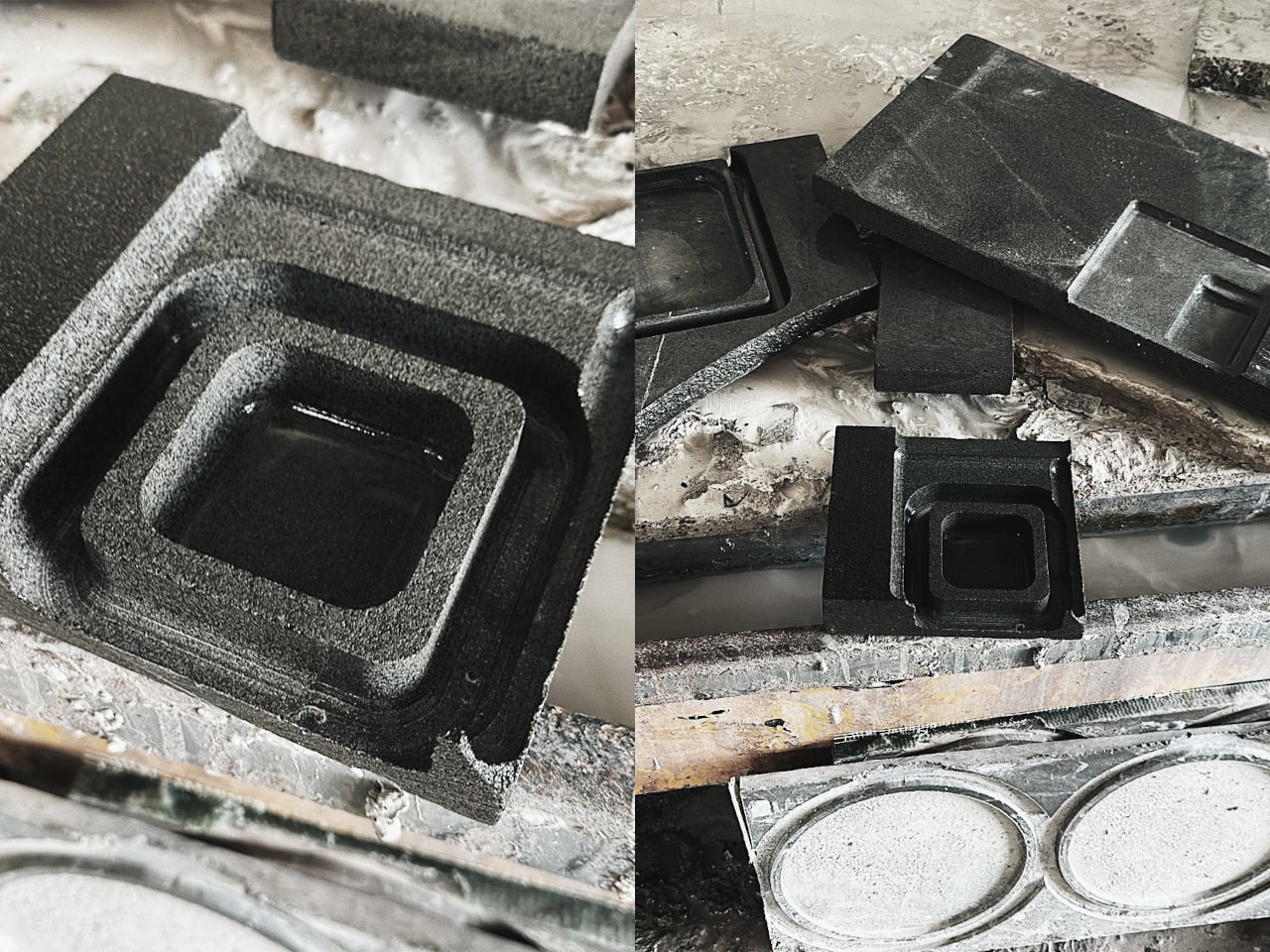
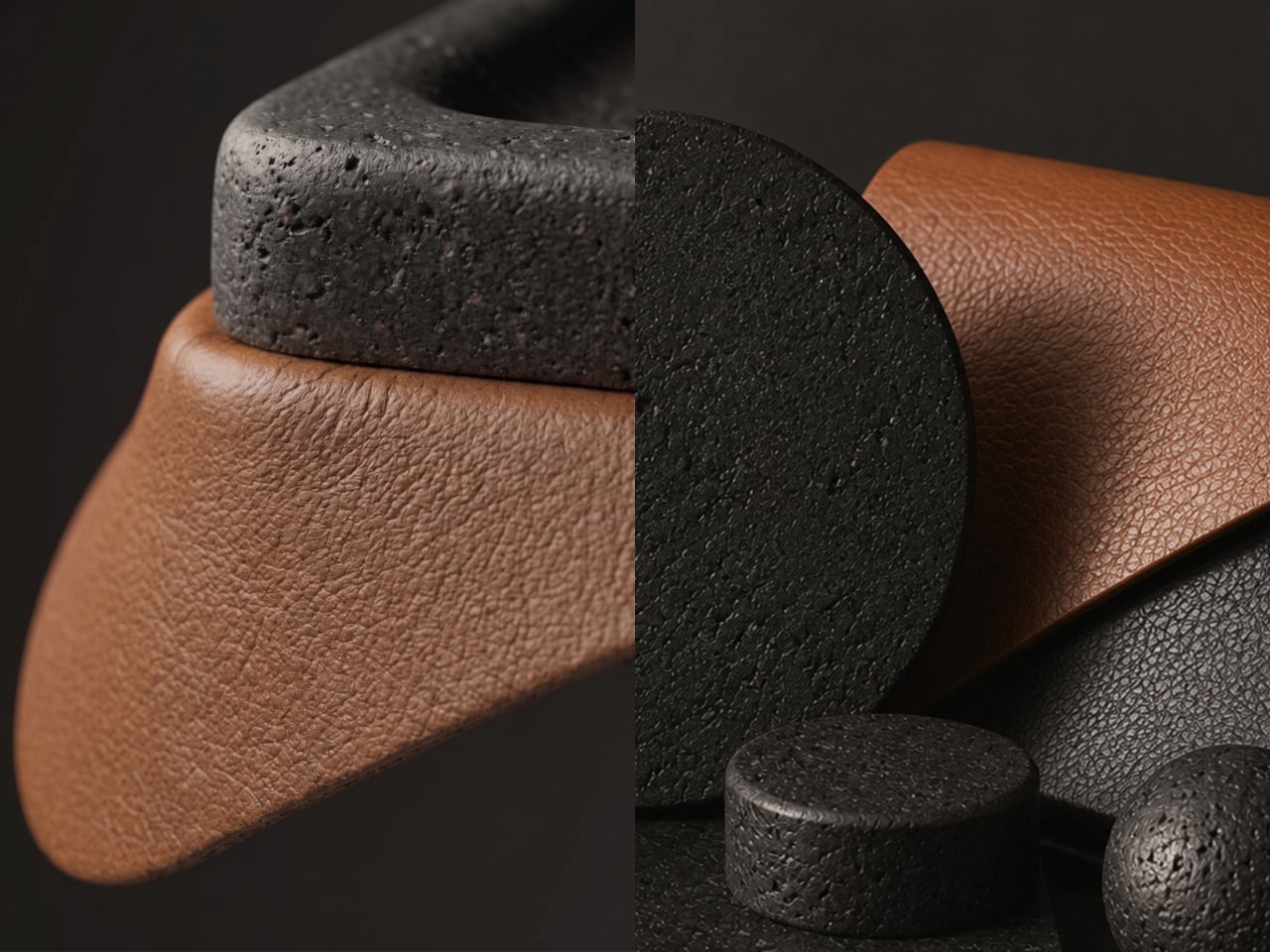
Each piece is shaped from basalt using CNC stone machining, with chamfered edges to reduce the risk of chipping during service. The exterior surface is matte-honed, preserving the volcanic texture of the stone, while the food-contact surfaces are polished to a smoother finish that’s easier to clean. The contrast between the two finishes also serves as an intuitive guide to how each piece is meant to be used.
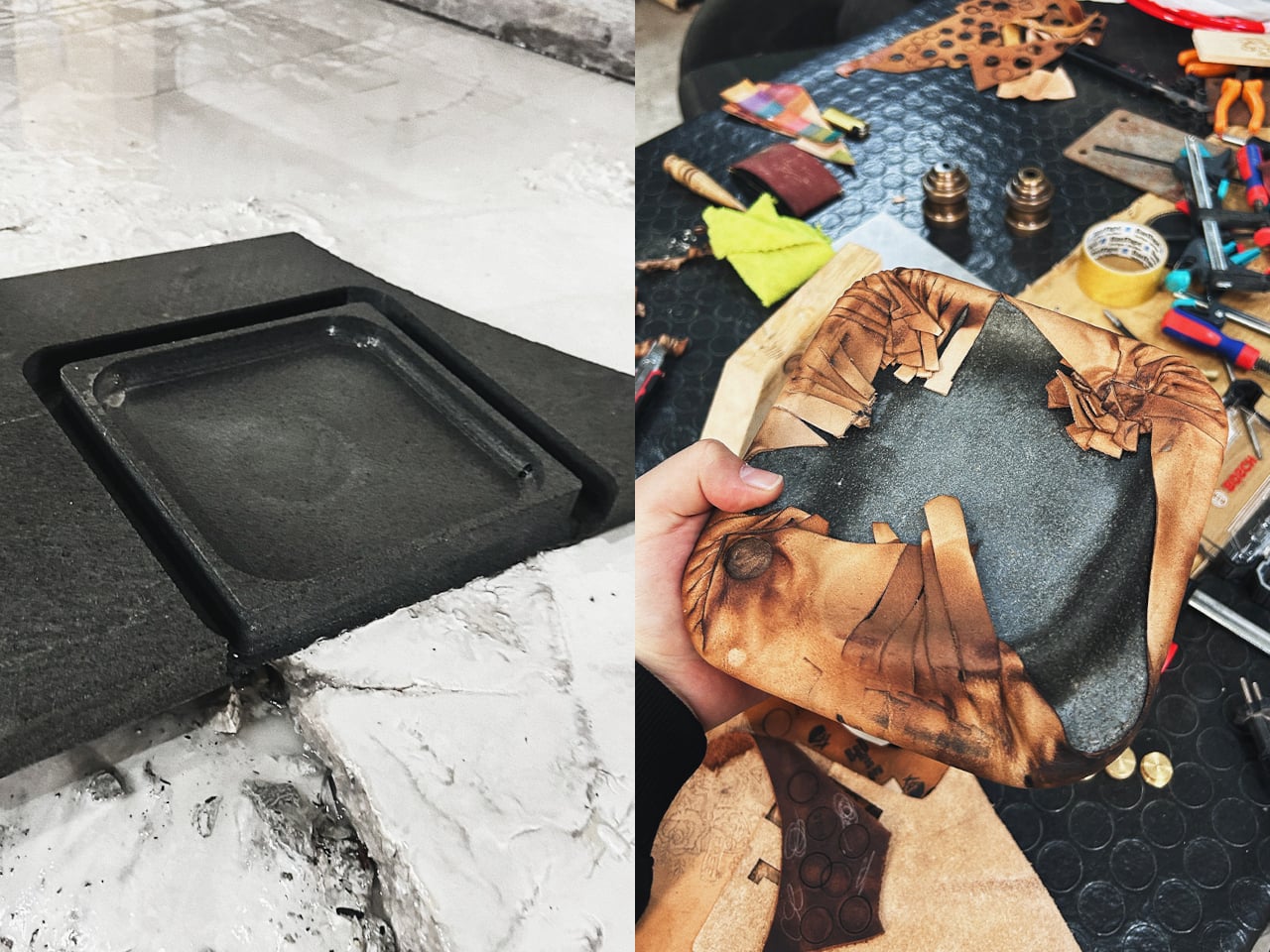
A custom-cut leather sleeve is fitted to the underside of each piece, serving two functions at once. It softens the contact between the stone and the table, protecting both surfaces from the weight and texture of raw basalt, while improving grip when lifting and moving a piece between courses. The leather also introduces a warmer visual element against the predominantly dark, volcanic character of the stone.
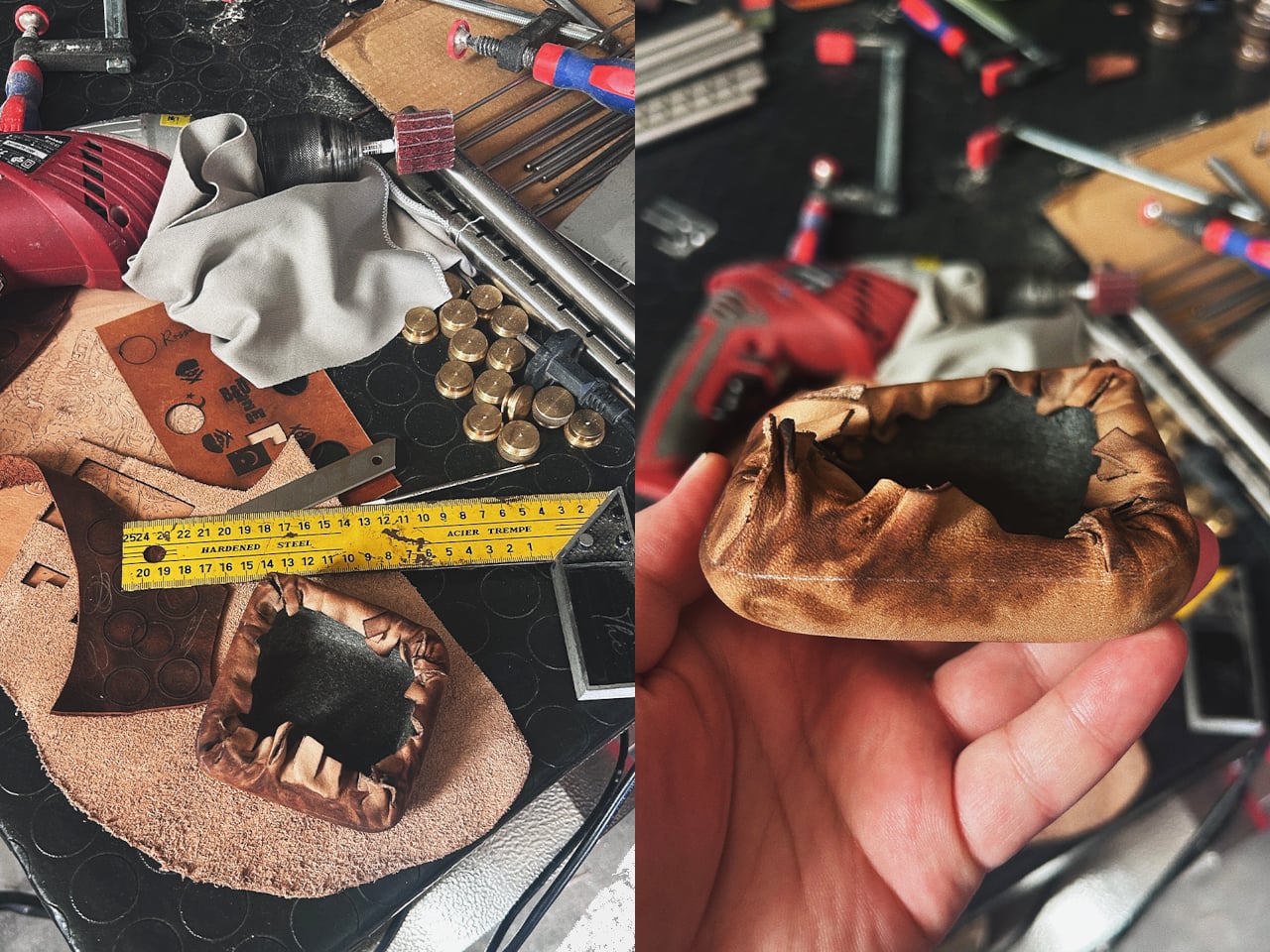
The material palette is intentionally restrained. Black basalt provides the body of each module, and the leather is available in warm brown or black, creating combinations that feel tactile and grounded rather than decorative. Volcanic stone has an inherently irregular surface texture that distinguishes it from polished marble or engineered ceramics, and the matte-honed exterior of each piece preserves that quality rather than smoothing it away entirely.
The concept behind Temper Hold is simple but genuinely underexplored in tableware design. Most dishes arrive on materials chosen for aesthetics, weight, or cost, not thermal behavior. Basalt has been used for cooking on volcanic rock for centuries, and repurposing that thermal property as a serving surface rather than a cooking one is a small but consequential shift in how a piece of tableware is asked to perform.
The post The One Thing Fine Dining Can’t Control Is Temperature, Until Now first appeared on Yanko Design.