When we think of invisibility, the idea centers around shielding the form with invisible cloaks or trying to make the object camouflage in the surroundings. Northwestern University in Illinois, however, has a very different approach. Taking advantage of the limitations of the human eye to focus on objects, the team of engineers has come up with a nifty science trick to make a drone that disappears when in flight.
The neat motion is attributed to the drone chassis spinning at 25 RPS, which tricks the human eye into perceiving the flying object as a faint smudge in the air. Dubbed the Phantom Twist, this drone was first demonstrated as a part of a Robotics: Science and Systems 2026 presentation. According to team lead Michael Rubenstein, “the idea of low visibility through persistent motion is something few people have explored.”
Designer: Northwestern University
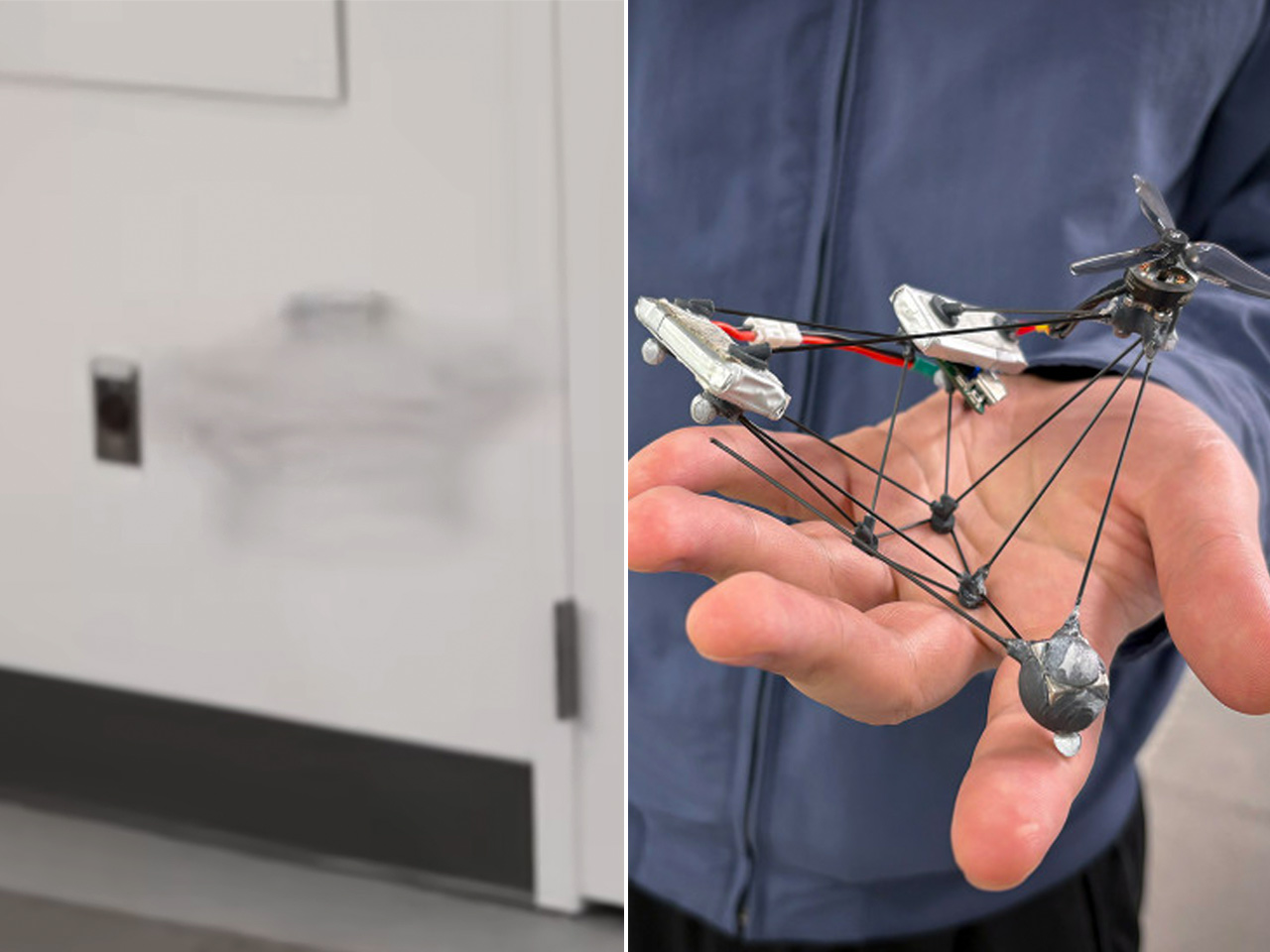
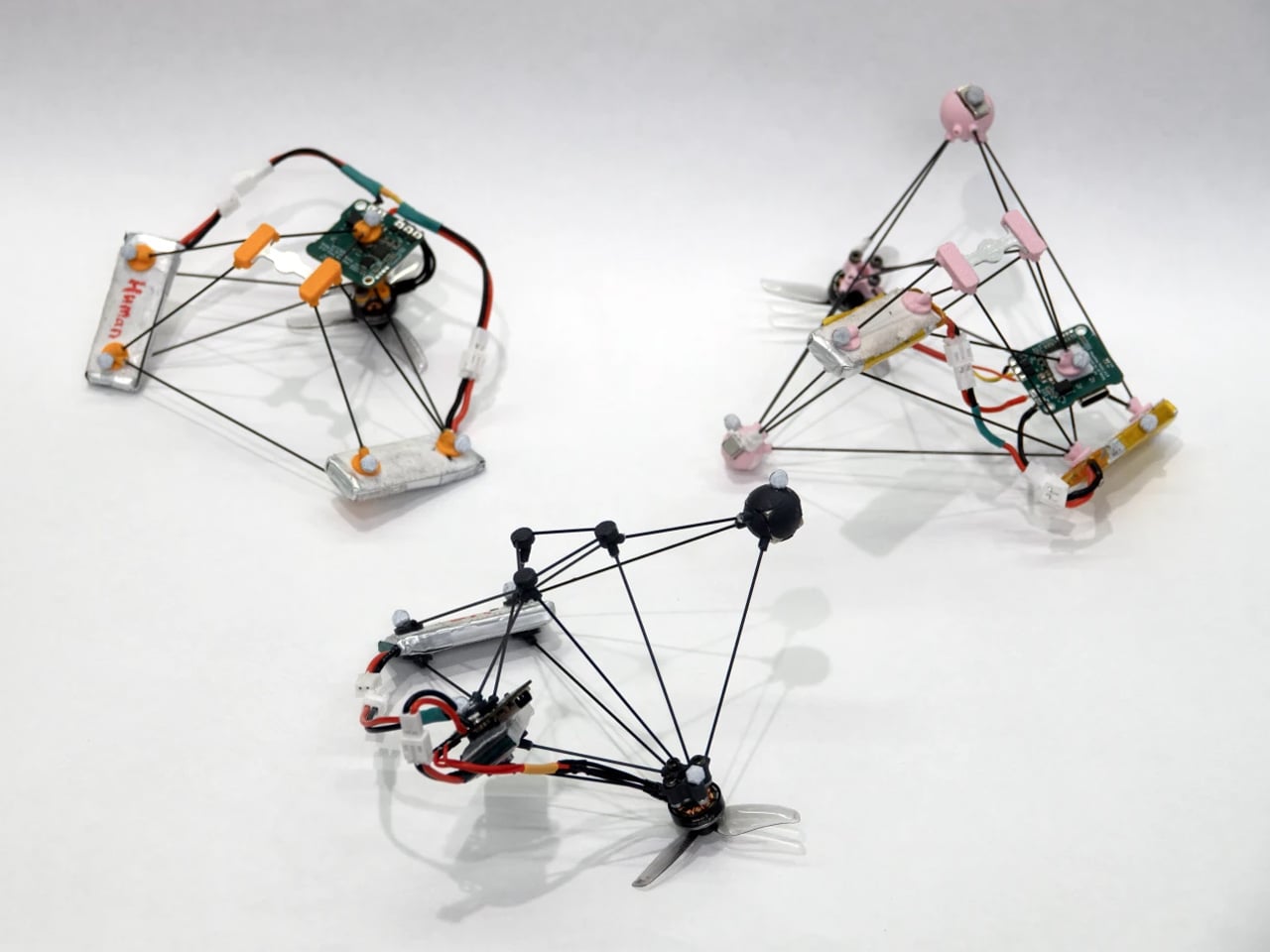
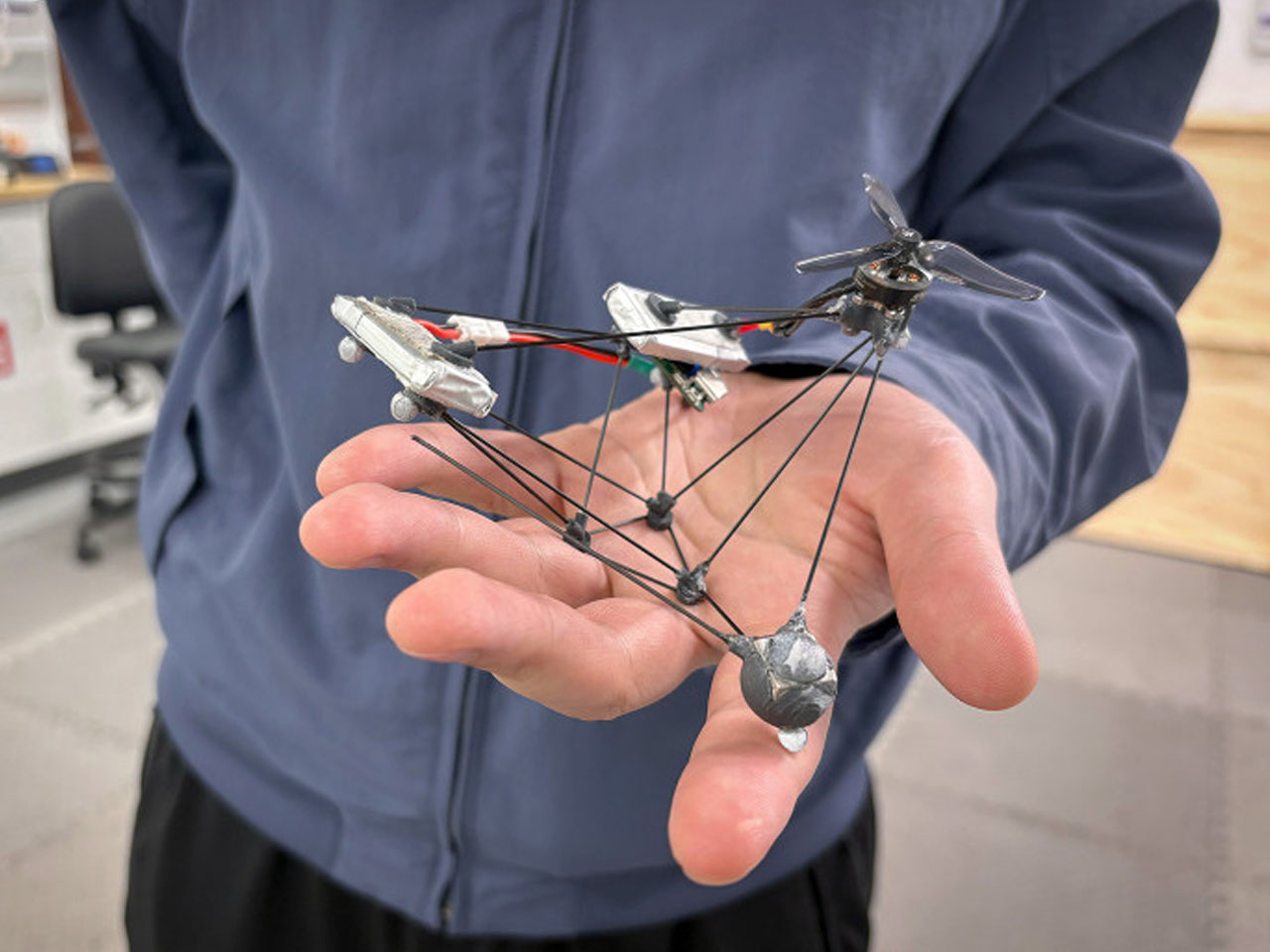
Unlike most quadcopters that have four rotors to generate lift, Phantom Twist has one motor and a propeller. The propeller spins in one direction, forcing the rest of the body to go in the other direction. The team used AI and optimization configurations to generate around 20,000 drone configurations to finally arrive at the stable flight model. Of course, they had to put together the drone’s components like the motor, circuit boards, counterweight and batteries to arrive at this odd form. Over 500 final models were run in the optimizer against the simulated spinning mid-flight and overlaid on the 100 real-world backgrounds to arrive at this final design.
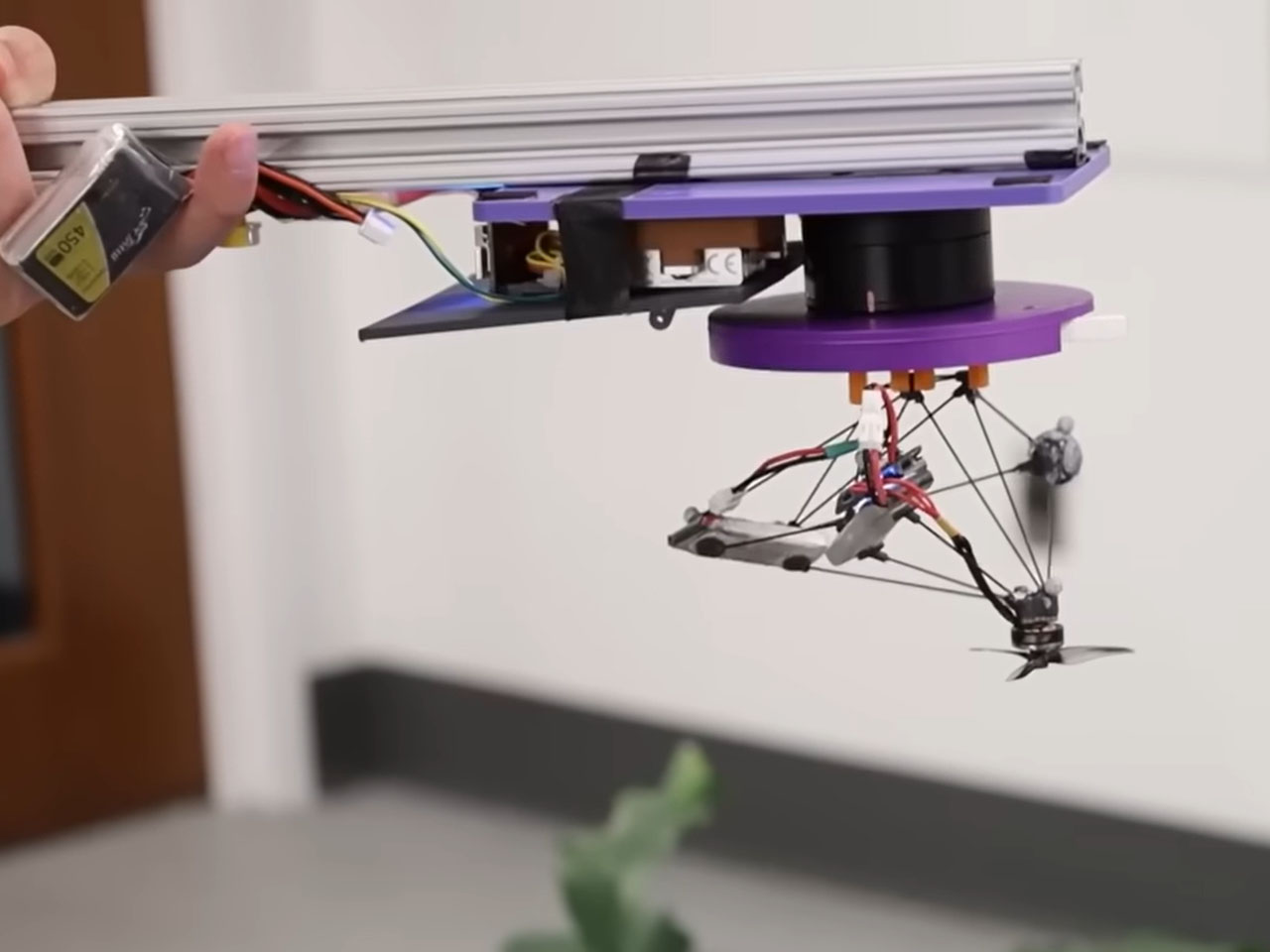
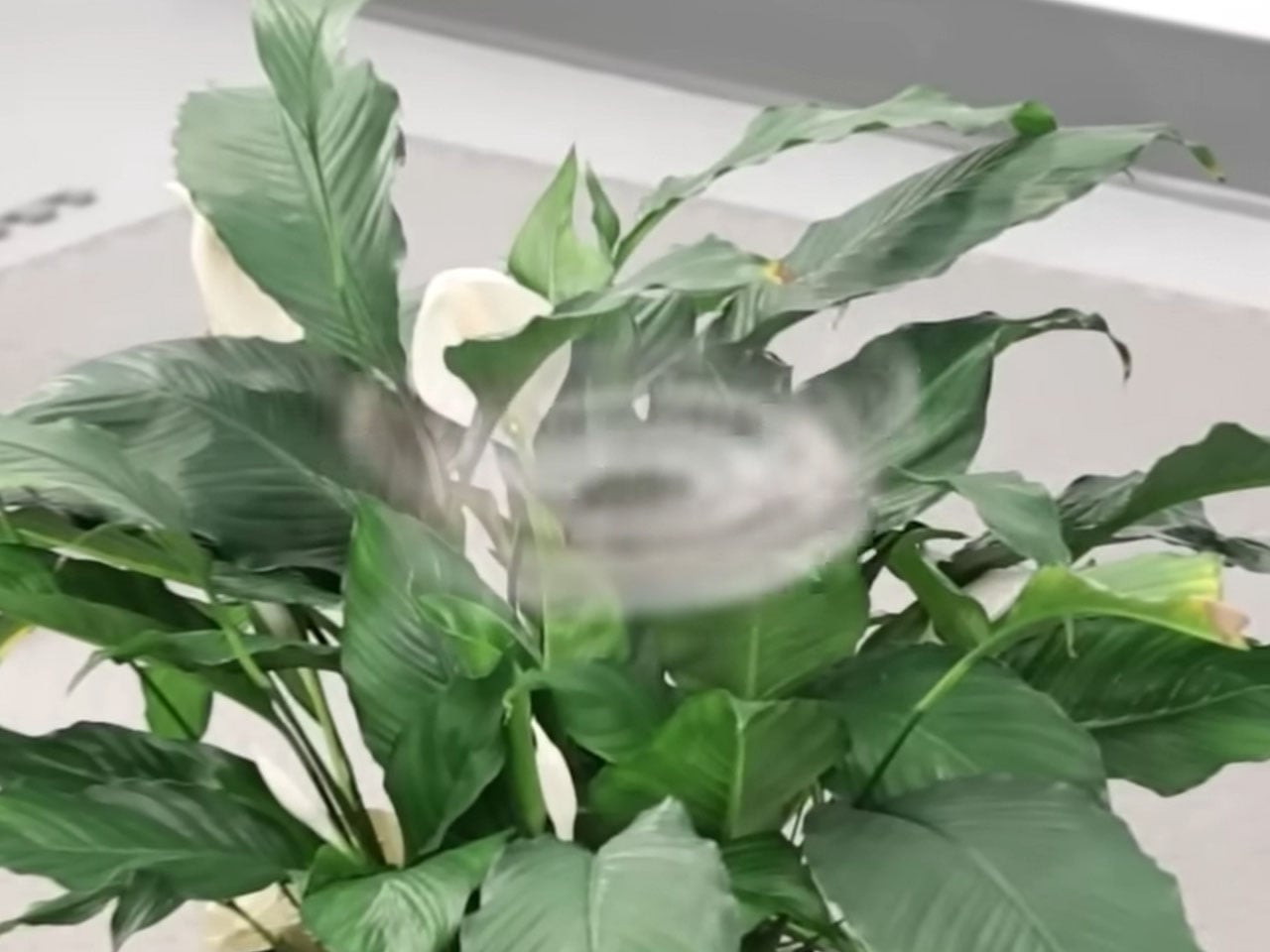
Michael added that “For a typical quadrotor drone, the propellers are spinning, but the robot is stationary. So, you still see its body. For our drone, the whole thing is rotating, so there are no stationary parts.” The human eye takes time to process the information, just like a camera exposure shot. The quick spinning drone therefore goes completely transparent as the partially opaque elements average out against the background, creating a slight haze. This makes the Phantom Twist drone 10 times more difficult to spot than a standard quadcopter.
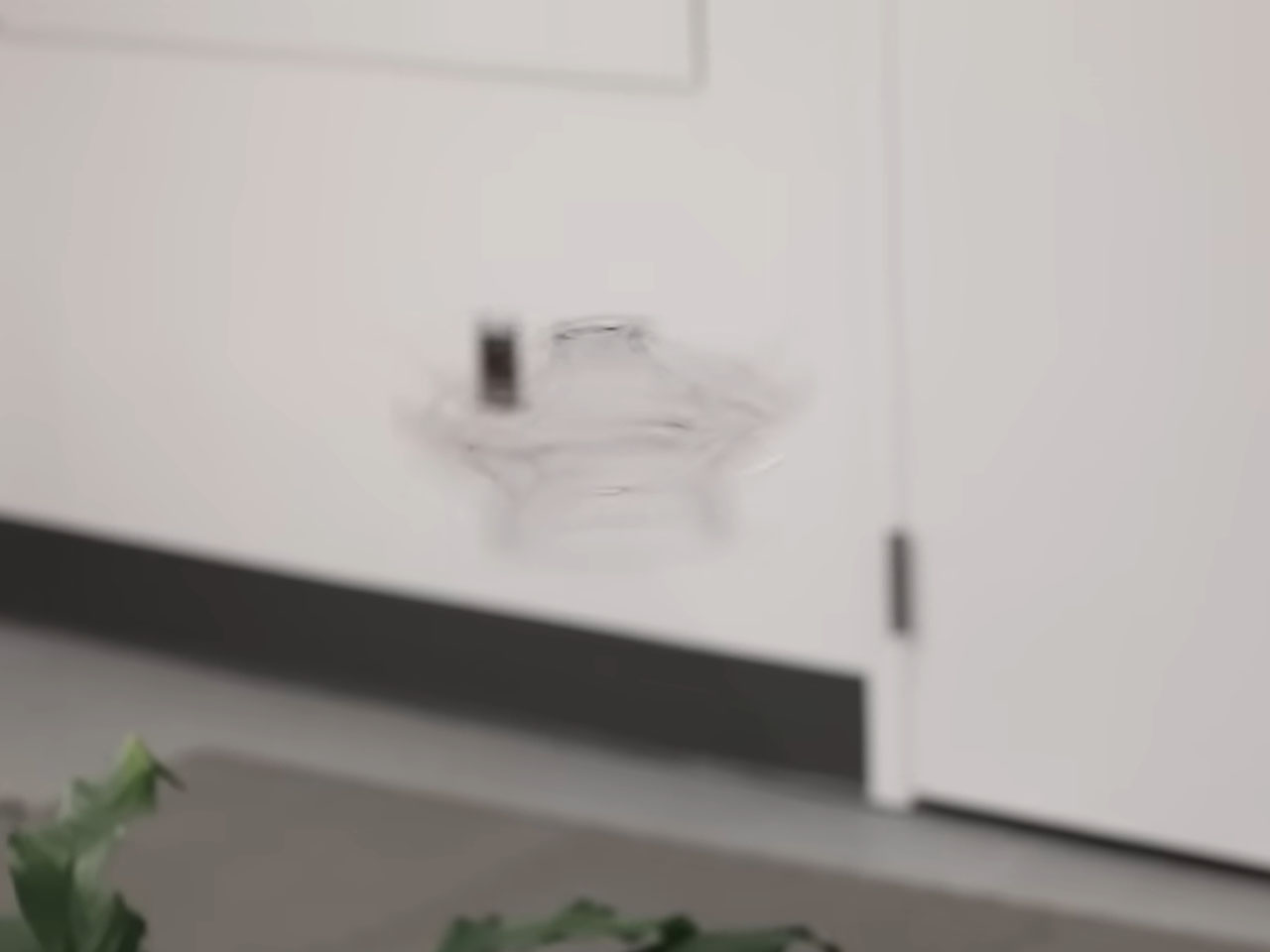
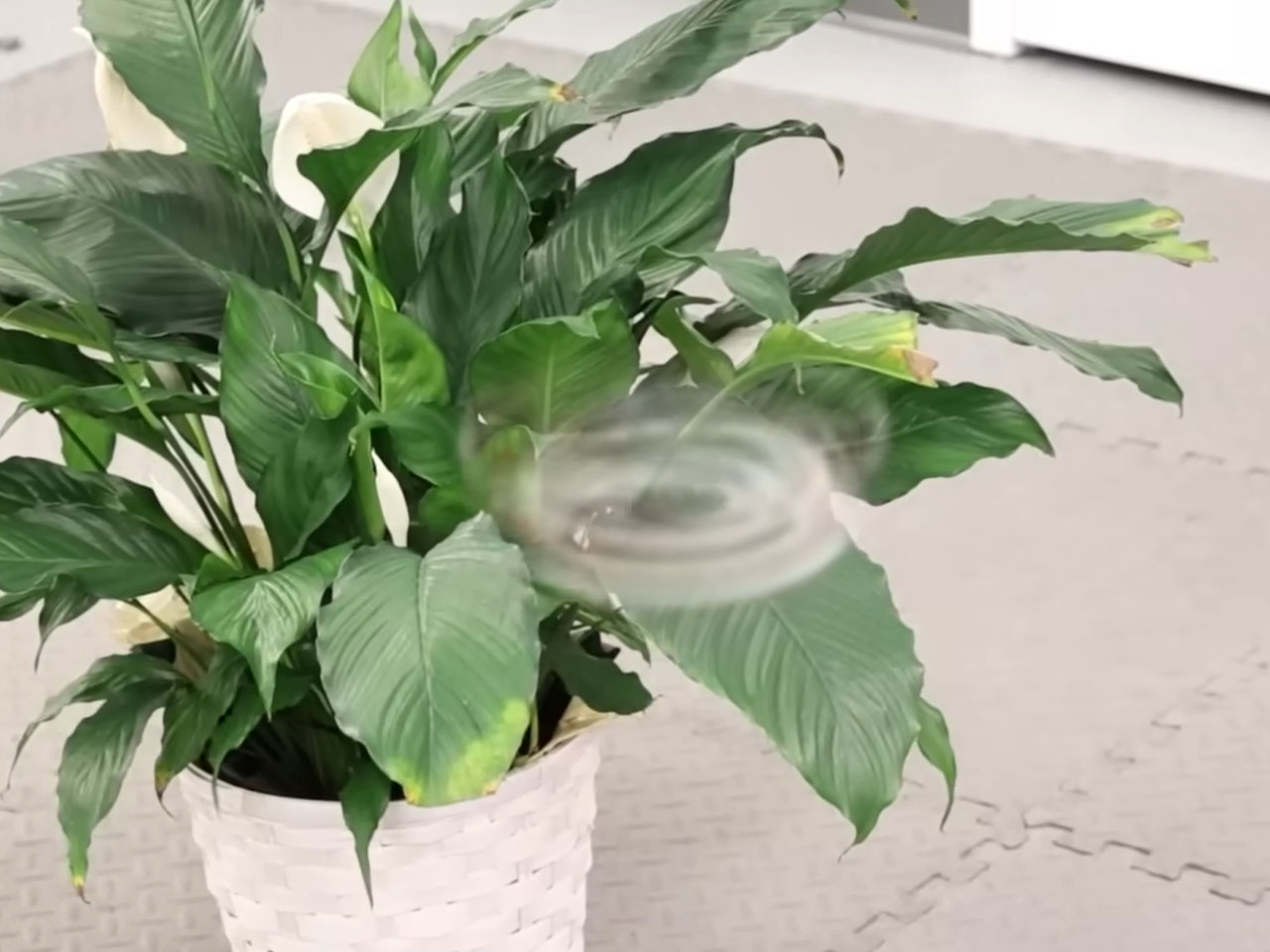
The only giveaway is the whirring sound the drone makes. Also, the support wires and the rods are partially visible, but still you can’t see this flyer from a distance. Further improvements of this unique design hint at the use of more transparent materials and a quieter propulsion system. So, we can expect to see a drone that is closer to complete invisibility in the future from the Northwestern University team. The applications are endless, including secret military missions behind enemy lines or a world where drones just operate in the background without anyone ever realizing.
The post Palm-sized drone edges one step closer to disappearing completely in flight behind enemy lines first appeared on Yanko Design.