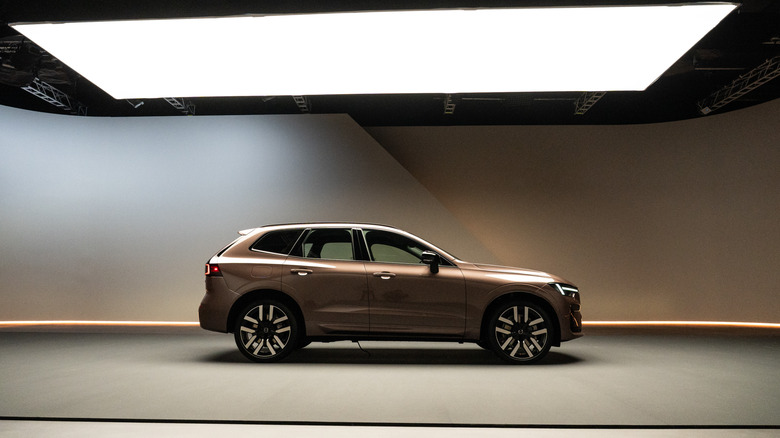
2028 Volvo XC60 and XC90 first look: Double the range and smarter safety, too
Volvo caters to EV-curious buyers with way more range in its plug-in hybrid SUVs.
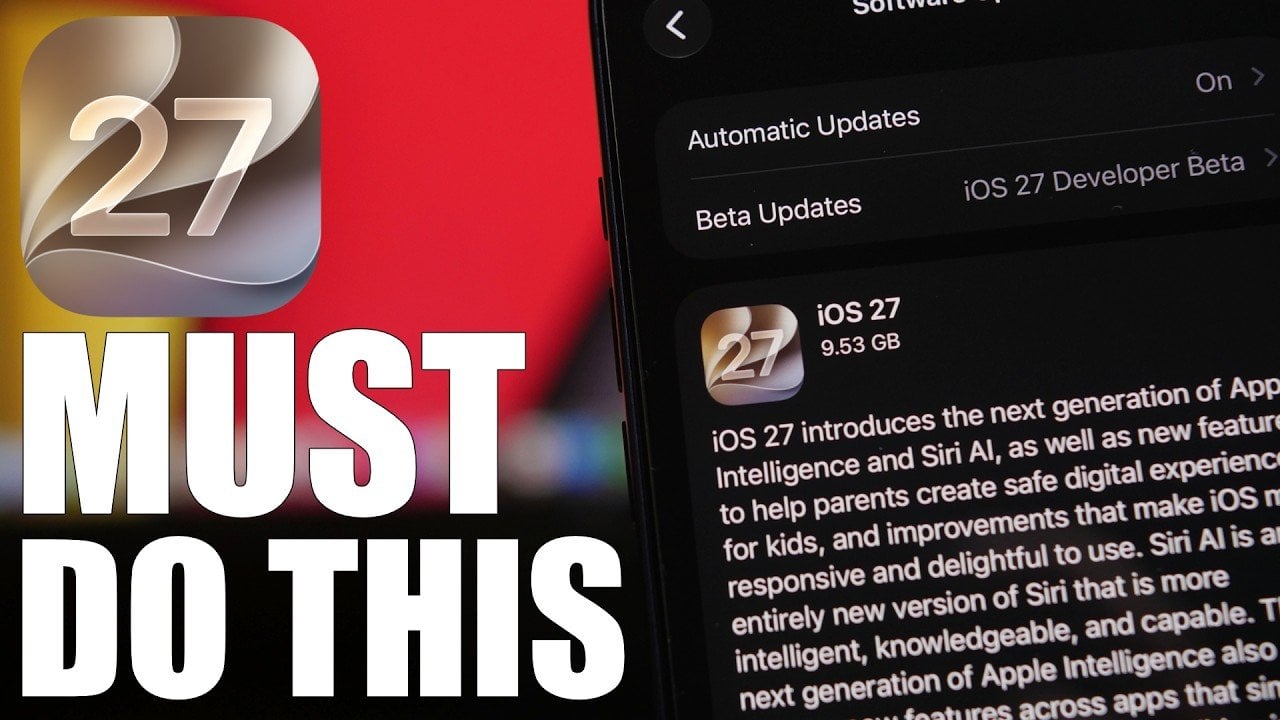
The release of iOS 27 marks a significant milestone, introducing a faster and more stable operating system alongside innovative features like enhanced liquid glass technology. While the update promises to elevate your iPhone experience, proper preparation is essential to avoid potential issues during the upgrade process. By following these key steps, you can ensure a […]
The post iOS 27 is Here: Read This Before You Hit Update appeared first on Geeky Gadgets.
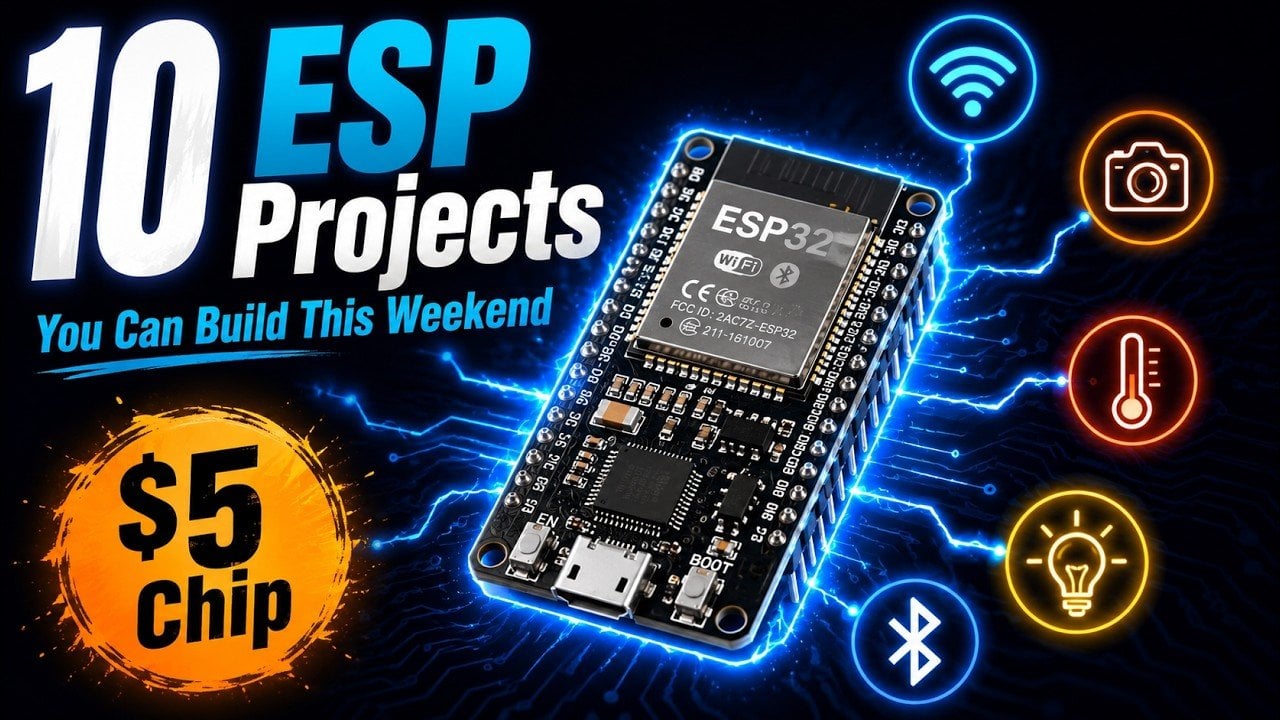
The ESP8266 and ESP32 microcontrollers have become essential components for IoT enthusiasts, offering built-in Wi-Fi, Bluetooth capabilities and a wide range of applications. In this deep dive, IoT Journal explores how these compact devices can be used to create practical and engaging projects over a single weekend. For example, a beginner-friendly project like the Wi-Fi […]
The post 10 Weekend IoT Projects to Build with ESP8266 and ESP32 appeared first on Geeky Gadgets.
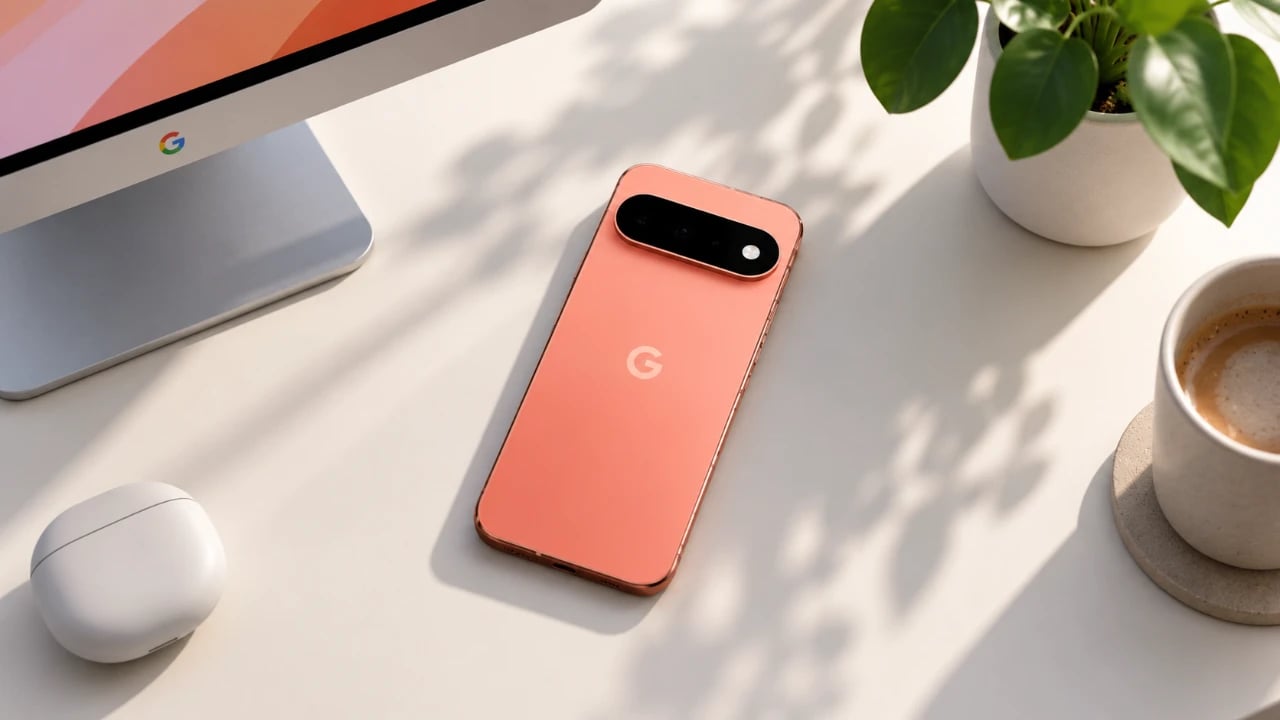
The Google Pixel 11 Pro stands out as a flagship device, combining innovative technology with user-friendly features to redefine the smartphone experience. Whether you’re a tech-savvy individual or a casual user, understanding its key settings can help you fully use its capabilities. The video below from WhatGear explores the most impactful features, from display optimization […]
The post Google Pixel 11 Pro Settings Guide with Top Tips and Tricks appeared first on Geeky Gadgets.
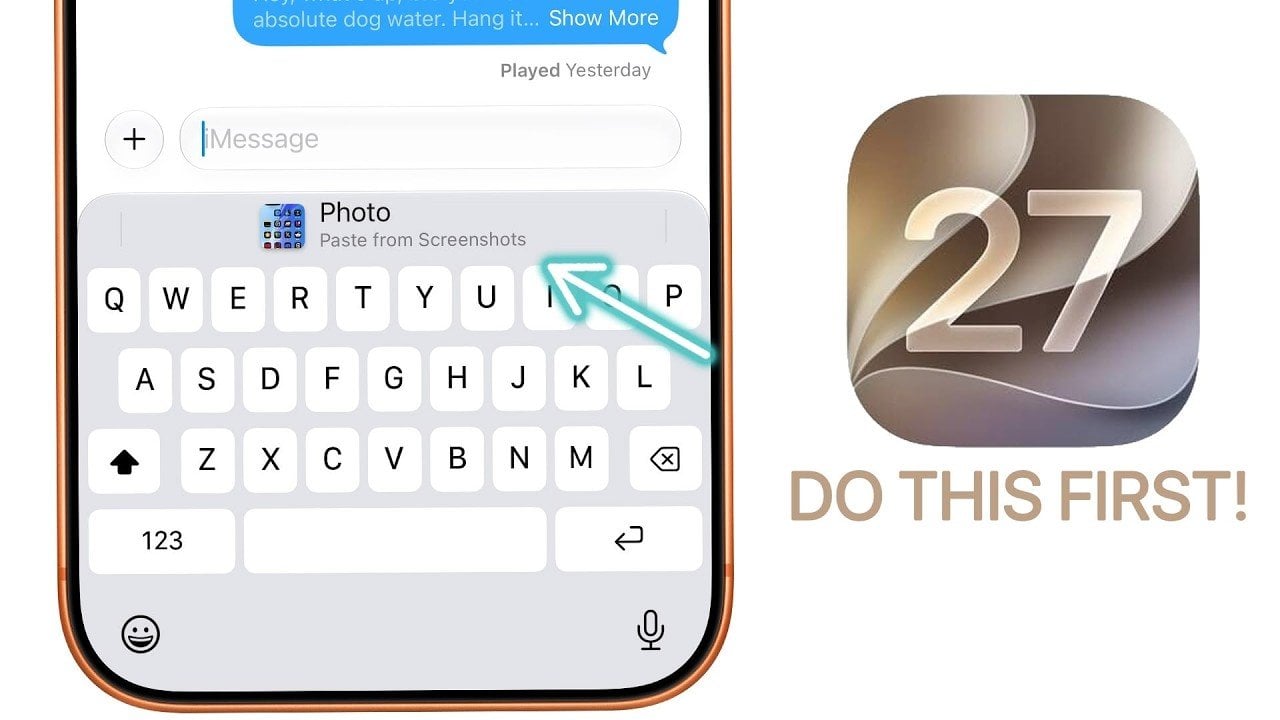
Apple’s iOS 27 has officially launched, bringing over 250 new features designed to enhance customization, improve performance, and integrate advanced AI capabilities. This update redefines the way you interact with your iPhone, offering tools that make your experience more intuitive, efficient, and personalized. Below is a detailed look at the most noteworthy features you should […]
The post First 12 Things You May Want to Do in the Expected iOS 27 appeared first on Geeky Gadgets.
Most bulbs disappear once you screw them in. The Linkind Smart Light Stick refuses to. Instead of hiding inside a shade, it turns into the centerpiece, flickering through warm oranges and reds like a small fire caught inside glass. It still handles the job any bulb needs to do, pushing out up to 850 lumens from a standard E26 socket, so the drama doesn’t come at the cost of actual light.
Linkind built its name on the idea that lighting should shape how a room feels, not just how bright it gets. The Smart Light Stick is where that philosophy gets its most theatrical outing yet, pairing animated color zones with Matter connectivity and app control through AiDot. It’s less a novelty bulb and more a small piece of moving light art that happens to also light your porch.
Designer: Linkind
Click Here to Buy Now: $32.99 $39.99 (18% off). Hurry, deal ends soon! Website Here.
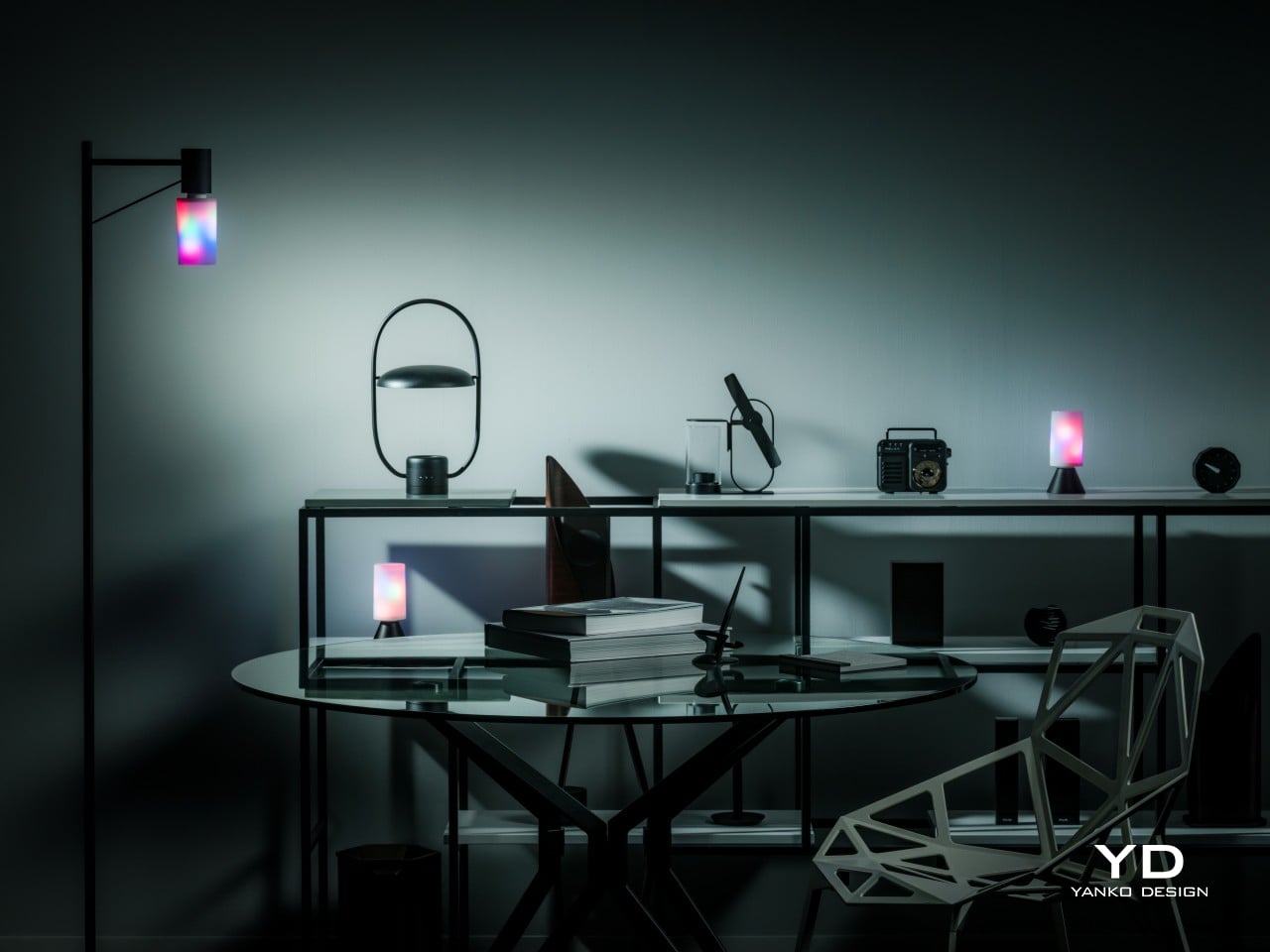
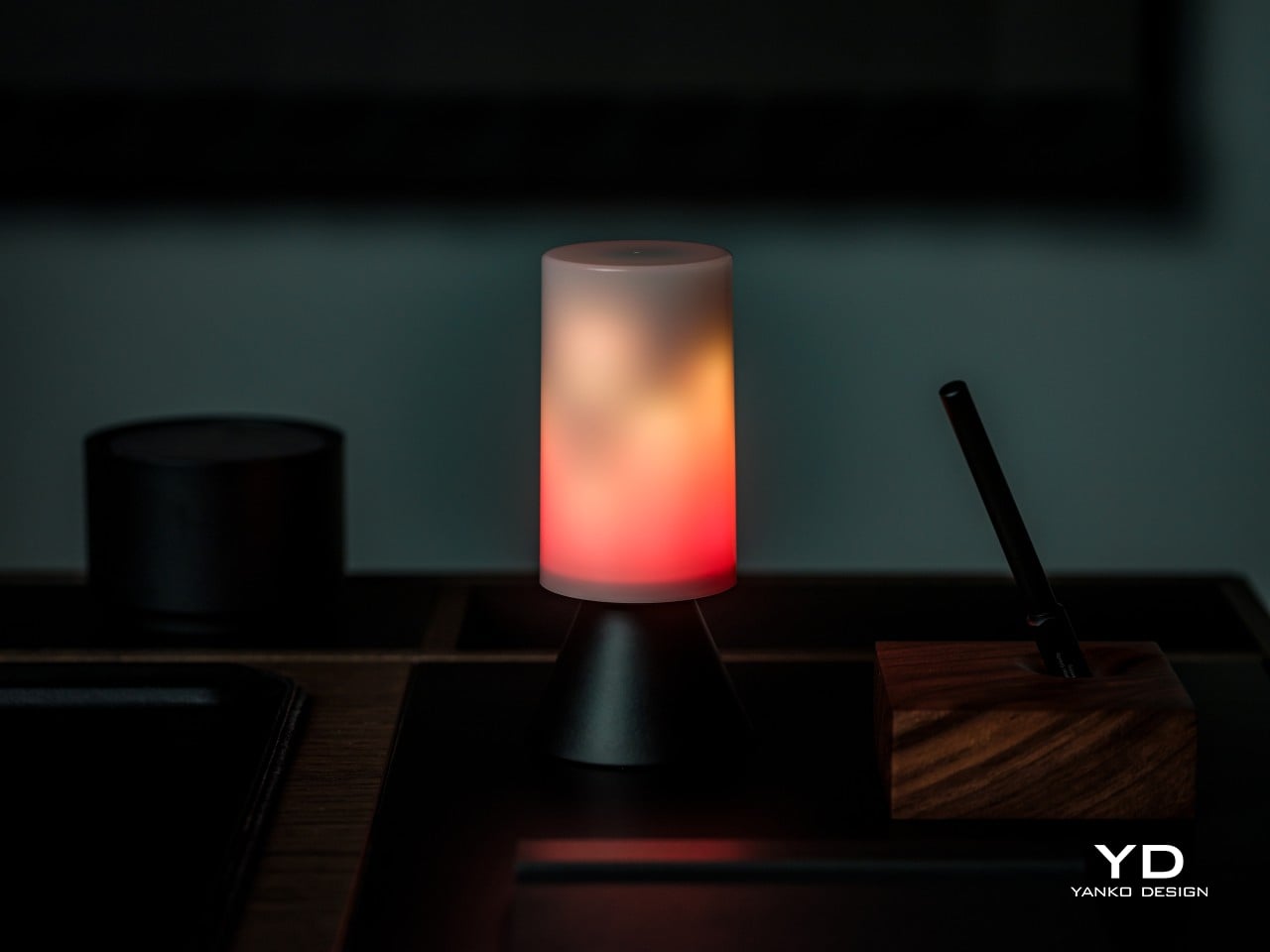
Flip the switch, and the flame mode takes over, cycling through 50 individually controlled zones that make the light climb and taper the way flickering light naturally moves. Three intensity settings, large, medium, and small, let you dial in how big that flicker looks inside whatever fixture it’s living in. It’s an animated, layered kind of glow, more theatrical suggestion of fire than anything trying to be mistaken for one.
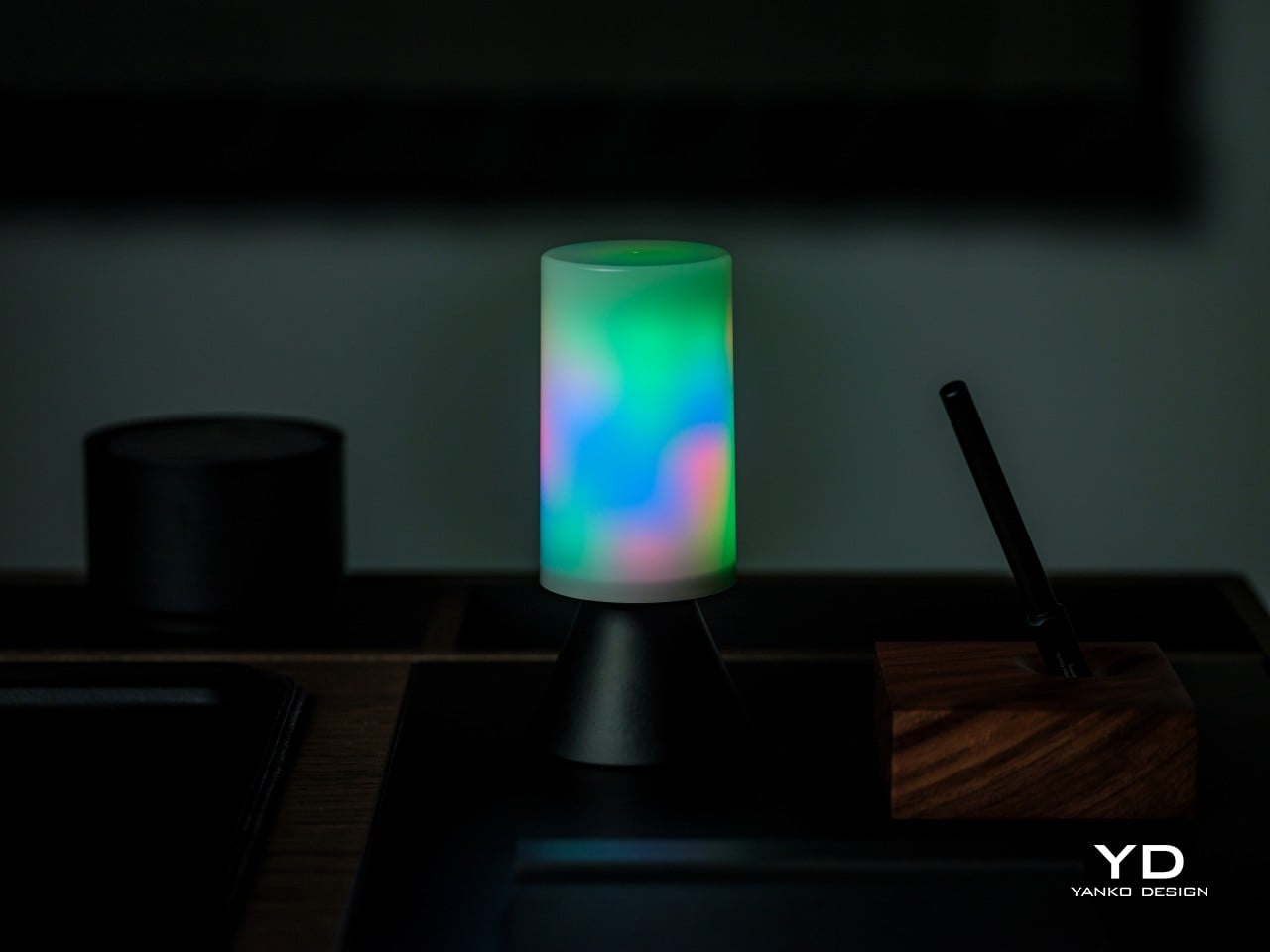
There’s also a dual-color option that layers two hues together for extra depth, plus a full palette of 16 million colors and more than 120 preset scenes for whenever you want something other than fire. Switch over to white light, and the range runs from an ember-warm 1000K up to a crisp 6500K, so the same bulb that plays campfire at night can light a workspace by day.
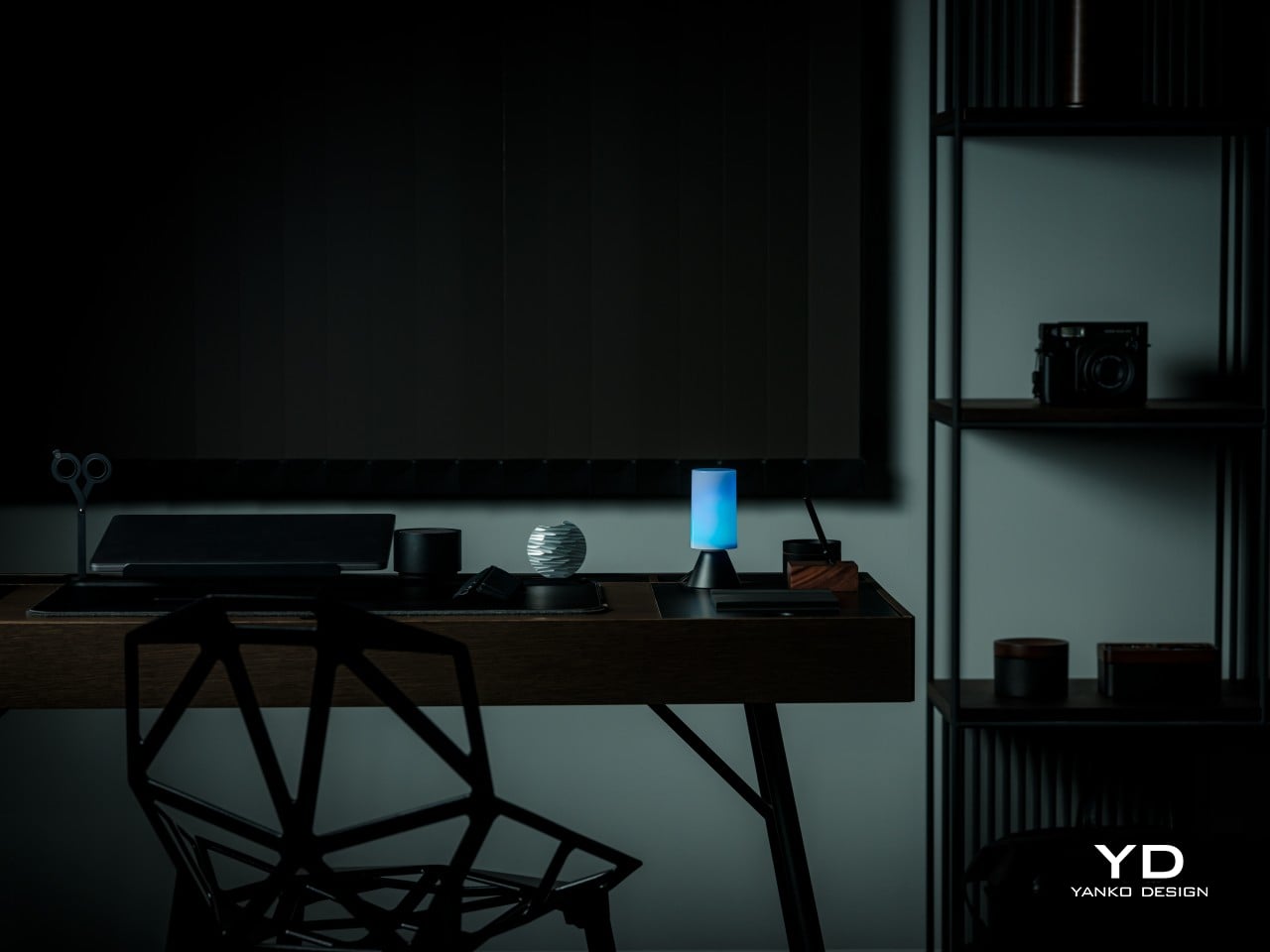
Off, the bulb itself stays quiet about all this. Its T19 shape is slim and cylindrical, finished in a neutral polycarbonate and aluminum body that slips into an open sconce, a lantern, or a clear-glass pendant without fighting the fixture’s own design. That restraint matters because the effect depends on the bulb being seen, and a busy-looking bulb would only compete with the light show it’s about to put on.
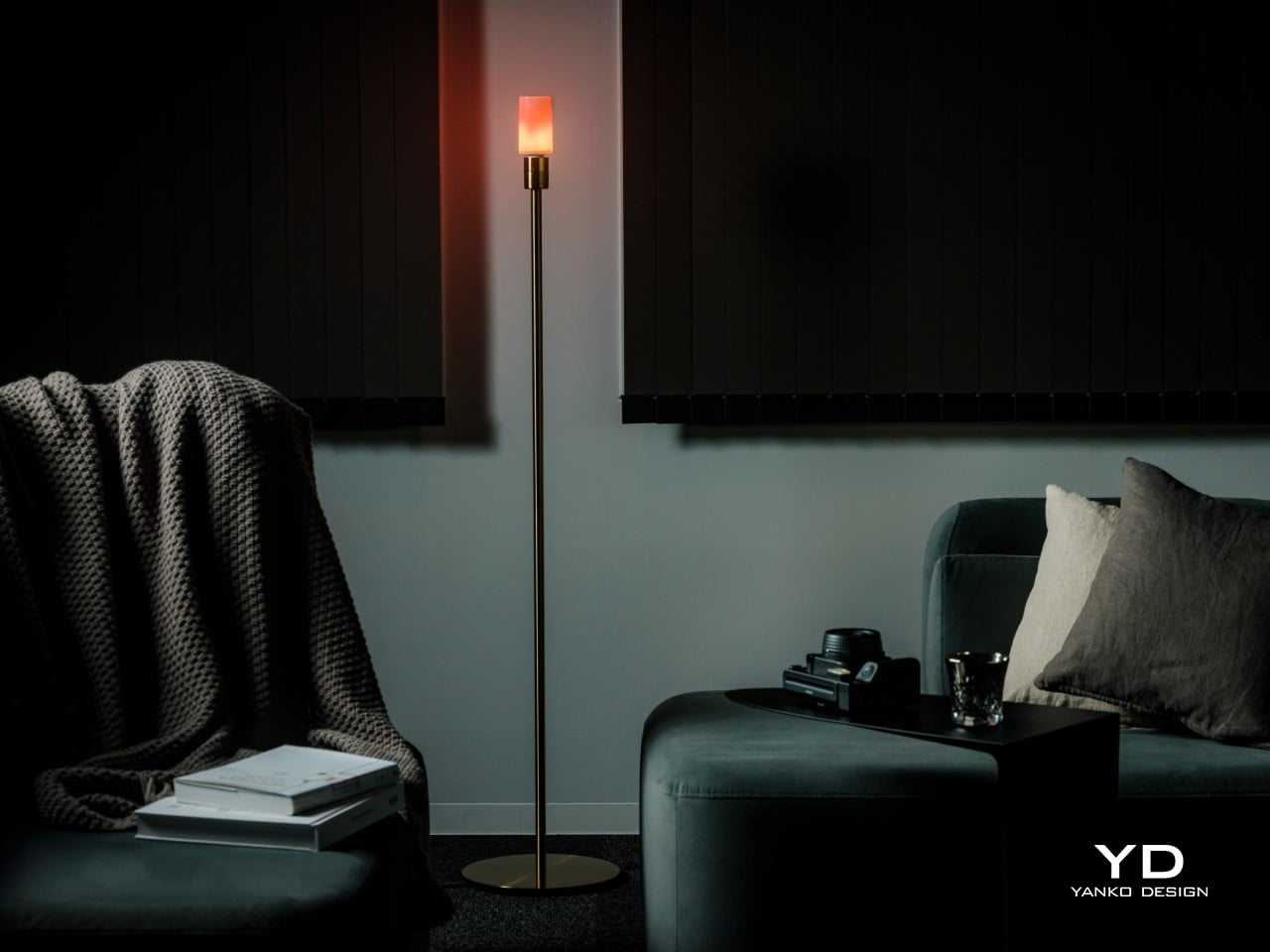
Getting one of these into a fixture takes about as long as changing a regular bulb, because that’s essentially what’s happening. The standard E26 base and compact T19 footprint mean it threads into ceiling fixtures, floor lamps, table lamps, overhead fixtures, and most decorative fixtures without extra hardware, adapters, or an electrician on speed dial. Twist it in, and the fixture is instantly running a completely different kind of light.
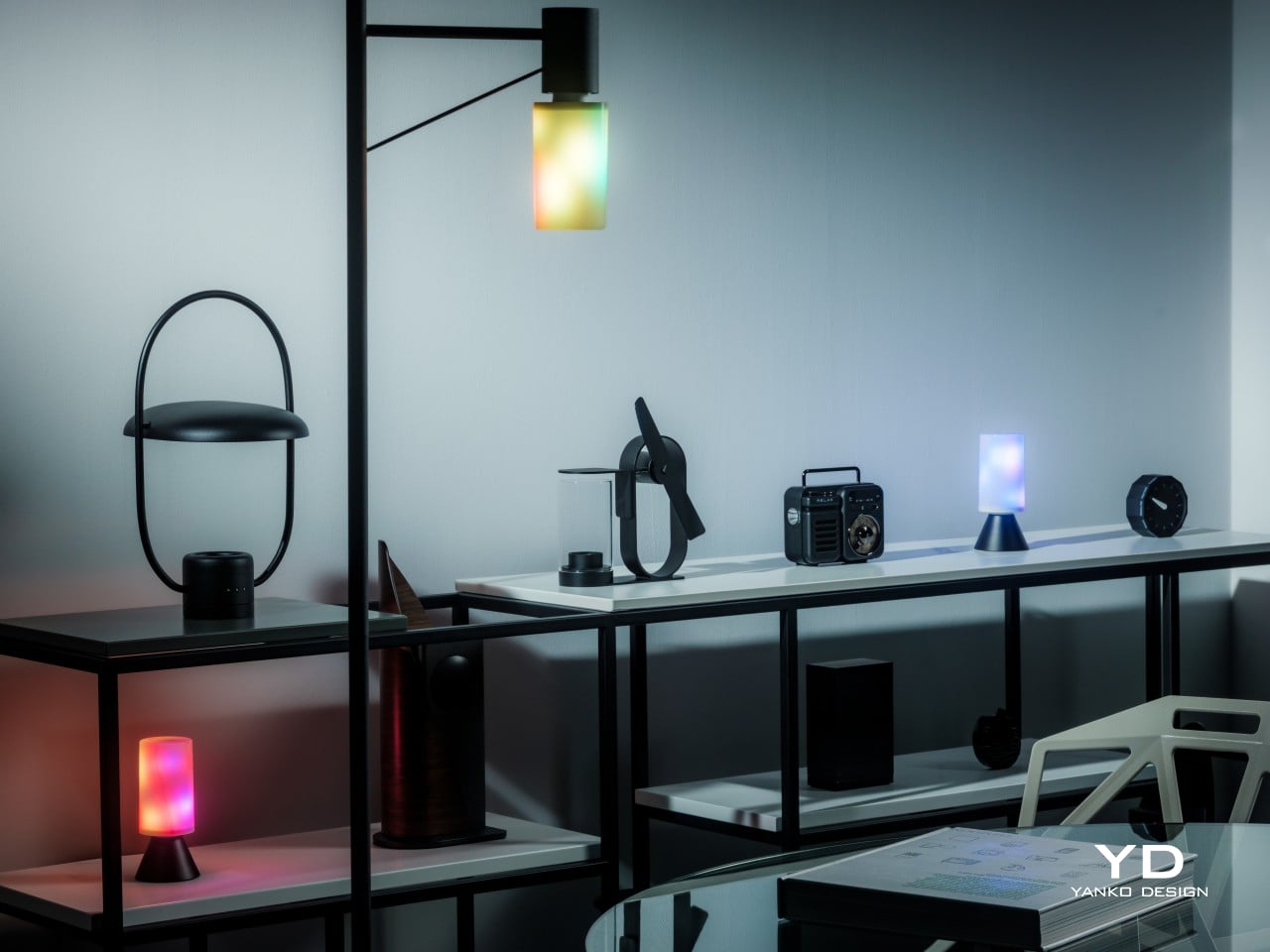
One detail solves a problem most flame bulbs never bother with: orientation. Because the flicker effect only reads correctly right side up, the bulb includes an automatic upright sensor that keeps the animation oriented no matter how the socket sits, whether that’s straight up in a table lamp or upside-down in a pendant lamp. It’s a small piece of engineering that removes the guesswork from installation entirely.
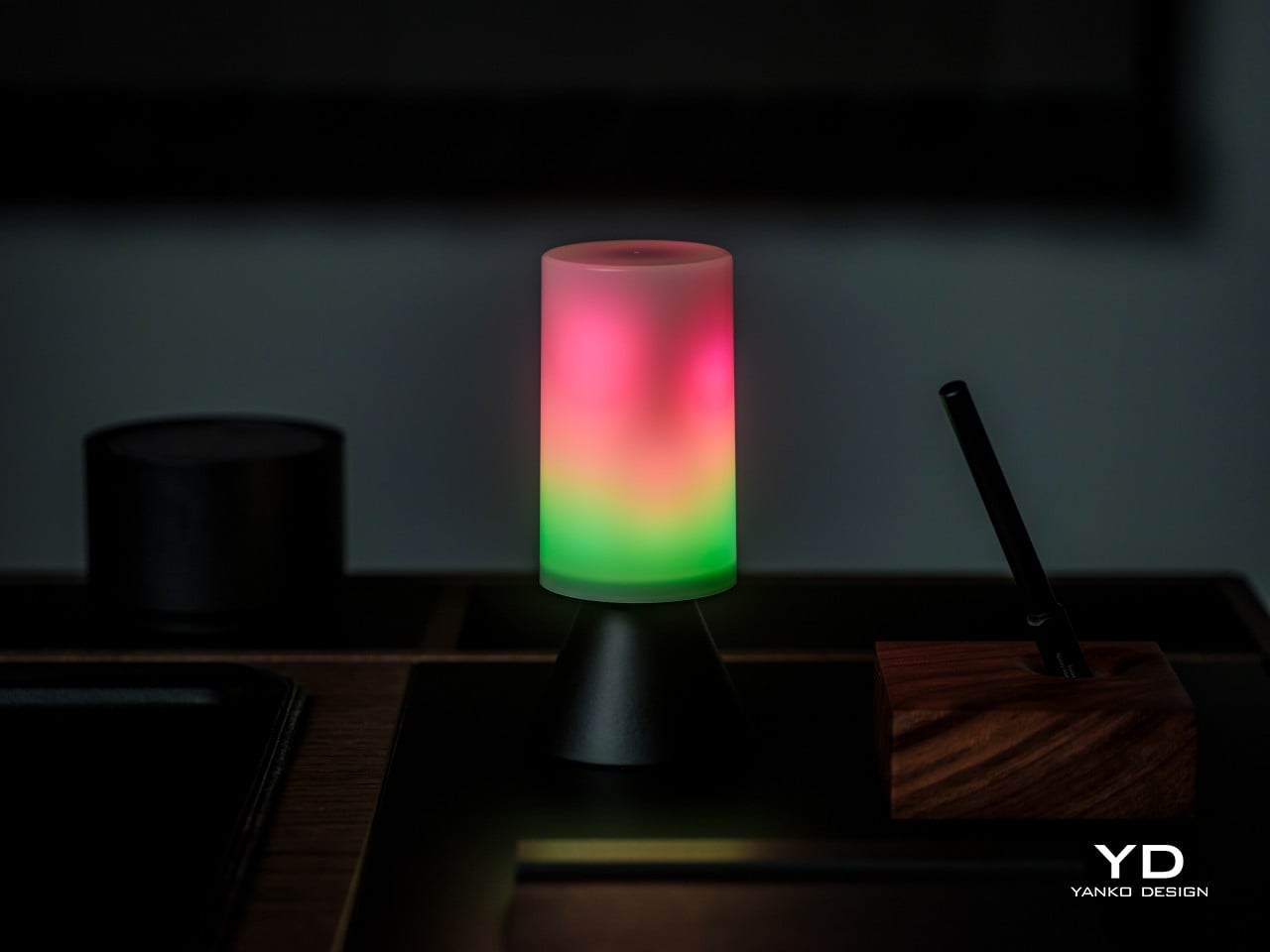
Strip away the theatrics, and this is still a genuinely bright bulb. At a maximum of 850 lumens, it puts out noticeably more usable light than typical flame-effect bulbs, which tend to trade brightness for atmosphere. Drawing only 8W to get there, it’s efficient enough to leave running in a main lamp for actual daily use, not just switched on for a few atmospheric minutes each evening.
The reason the flame animation looks fluid instead of choppy comes down to hardware most people never think about. Inside the bulb sit 160 individual LEDs arranged across 50 controllable zones, giving the light enough resolution to move in smooth gradients rather than snapping between colors. That density is really the engine behind every effect the bulb runs, flame or otherwise.
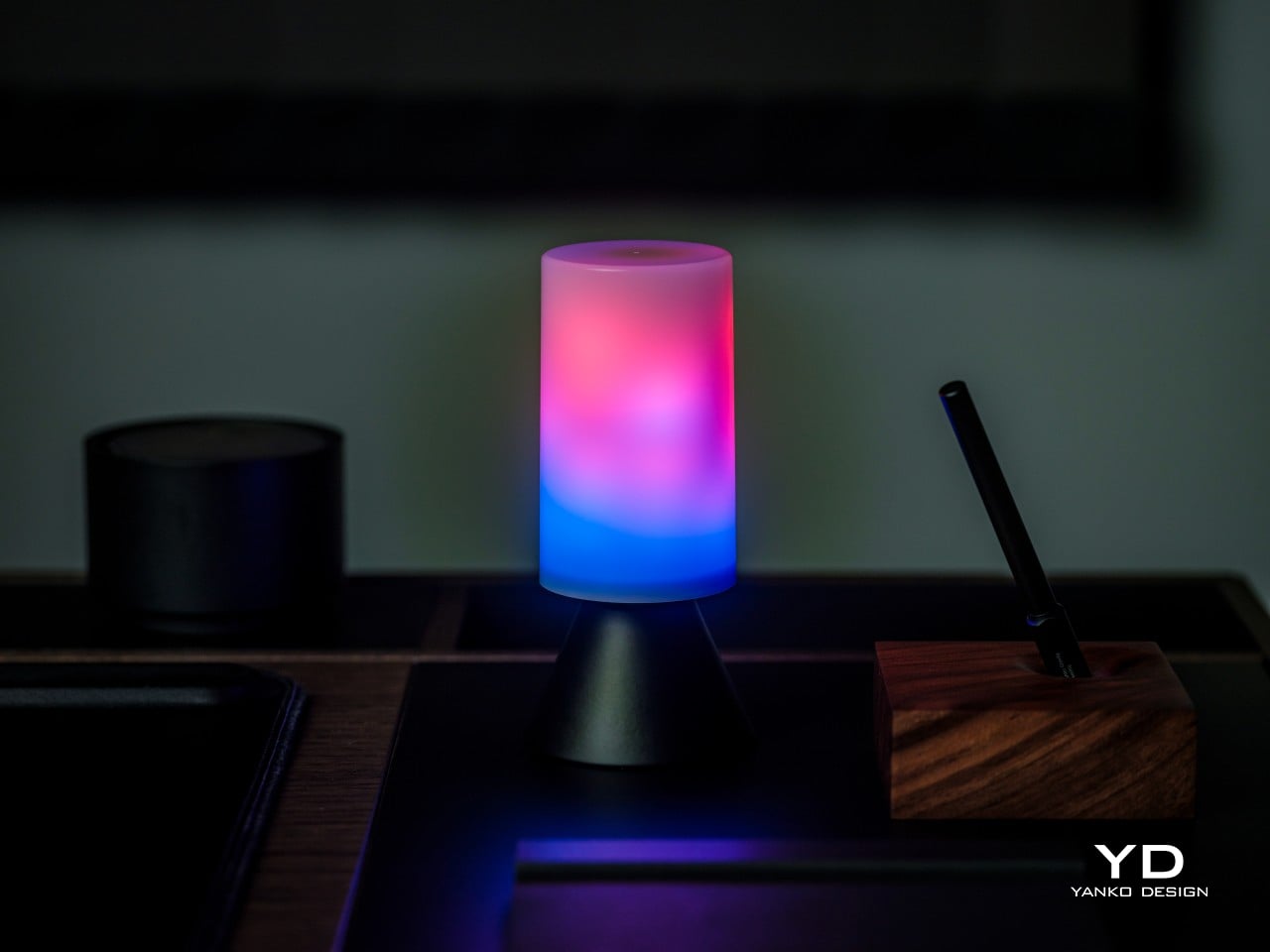
White light gets equal attention. The temperature range spans 1000K to 6500K, covering everything from a warm, almost candlelit glow to a cooler tone suited for reading or focused work. A Color Rendering Index of 80 keeps colors looking natural rather than washed out, and a built-in night light mode handles the moments when all a room needs is a soft, low-key glow.
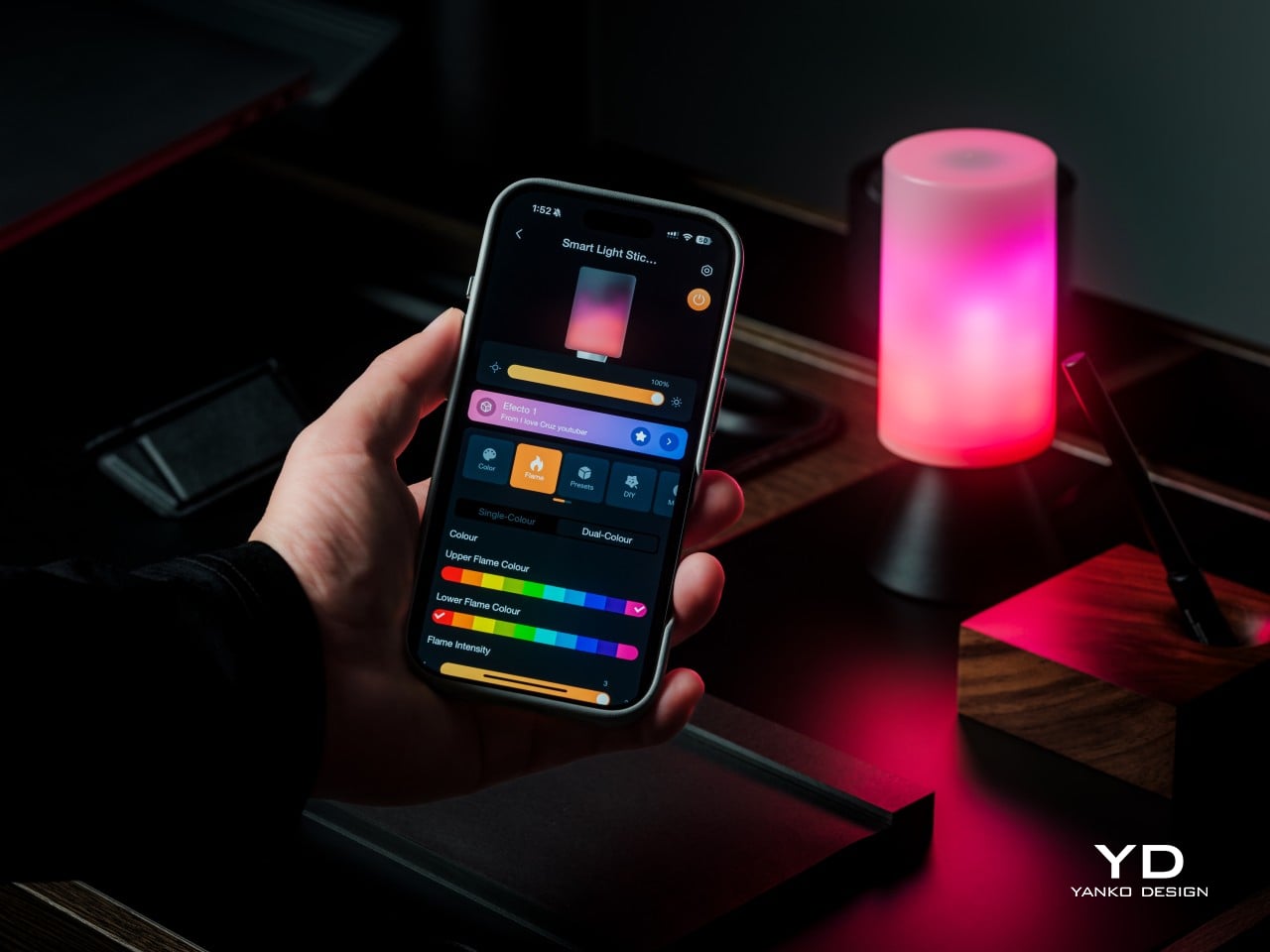
Controlling all of it happens through the AiDot app, which pairs over Wi-Fi and Bluetooth and connects to Matter-based ecosystems including Apple Home, Alexa, Google Home, and SmartThings. Group control lets up to 16 bulbs sync together, scheduling handles timing automatically, and Music Sync ties the light show to whatever’s playing, perfect for setting the mood at parties.
Build quality shows up in the materials Linkind picked for the housing. Polycarbonate handles knocks and everyday wear better than the brittle plastics found in cheaper decorative bulbs, while the aluminum components help pull heat away from the LED array. That heat management matters more than it sounds, since LEDs that run cooler tend to hold onto their brightness and color accuracy much longer.
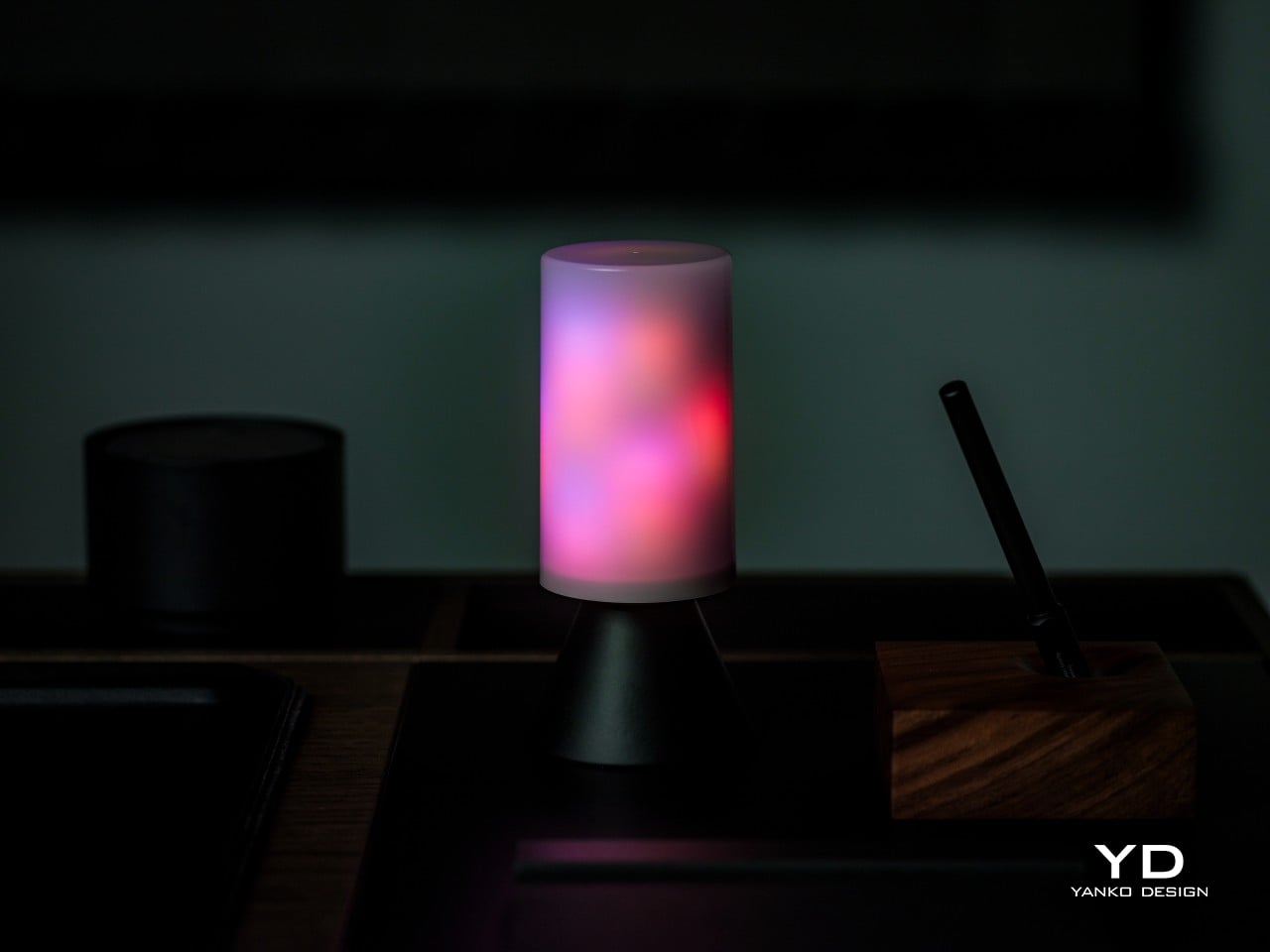
That durability carries outdoors too. The bulb is UV-resistant, meaning a porch lantern or garden fixture can keep it installed through full seasons of sun exposure without the diffuser yellowing or growing brittle the way lower-grade plastics eventually do. It’s built to become a permanent fixture upgrade rather than something that gets swapped out once the weather turns or a holiday ends.
There’s also the quieter advantage of running on LED technology in the first place. Older flame-effect novelty bulbs typically rely on incandescent or halogen sources that run hot and burn out fast. Pulling a maximum of just 8W keeps this bulb running cool by comparison, which extends the working life of both the LEDs and the polycarbonate shell surrounding them.
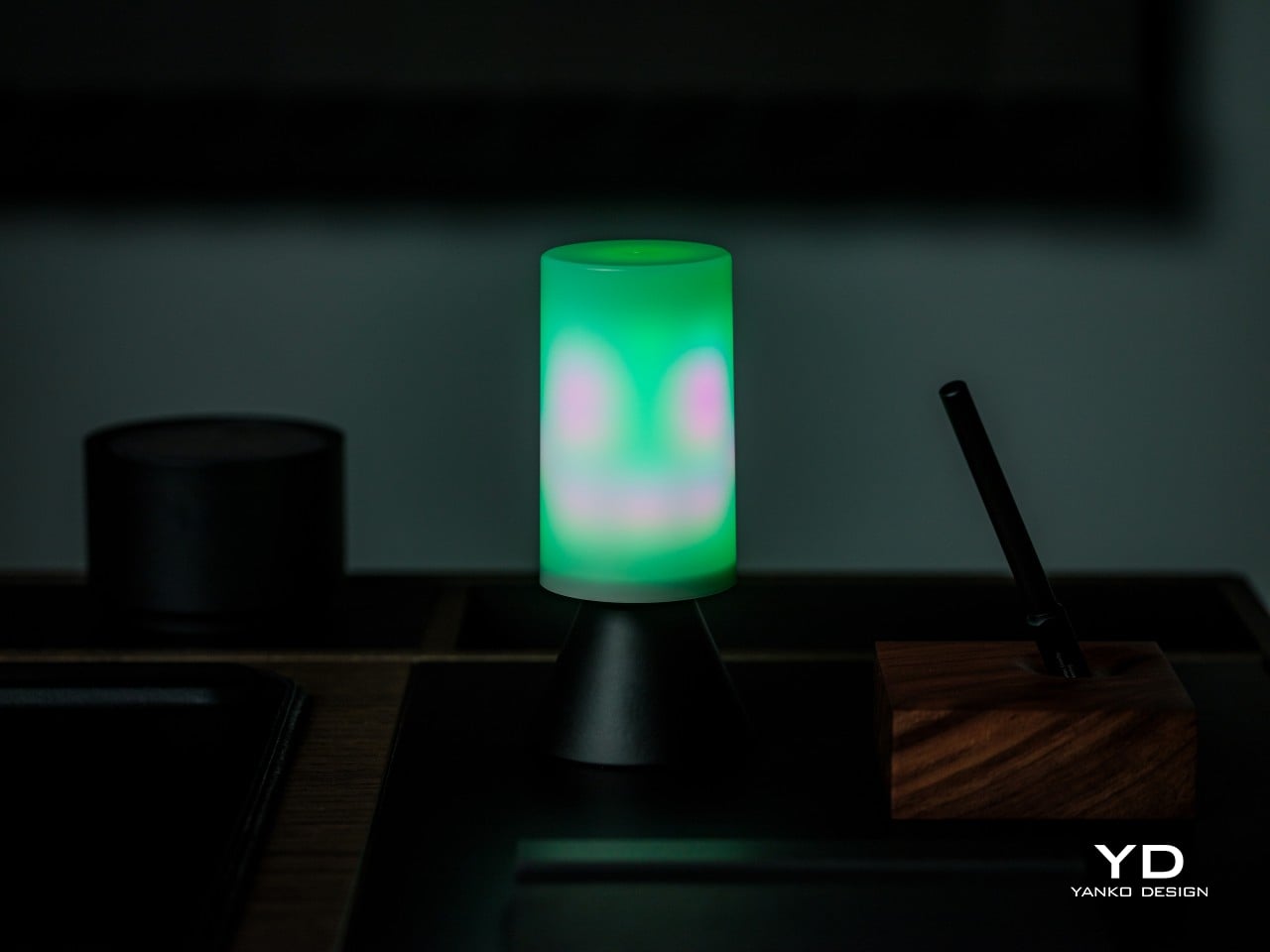
Buying a decorative flame bulb and a functional smart bulb separately usually means two purchases for two different fixtures. At $39.99, this one collapses both into a single socket, and the 850-lumen output is strong enough to actually light a room rather than just accent it. That consolidation alone makes a solid case for the price before any of the effects or app features even factor in.
Most flame-style lighting gets bought for October and boxed up by November. This one earns its socket year-round instead. Halloween and fall evenings get the flame modes, the holidays get the wider color range, everyday nights get the warm white glow, and summer entertaining gets a bulb that’s just as comfortable strung up outside as it is glowing on a nightstand.
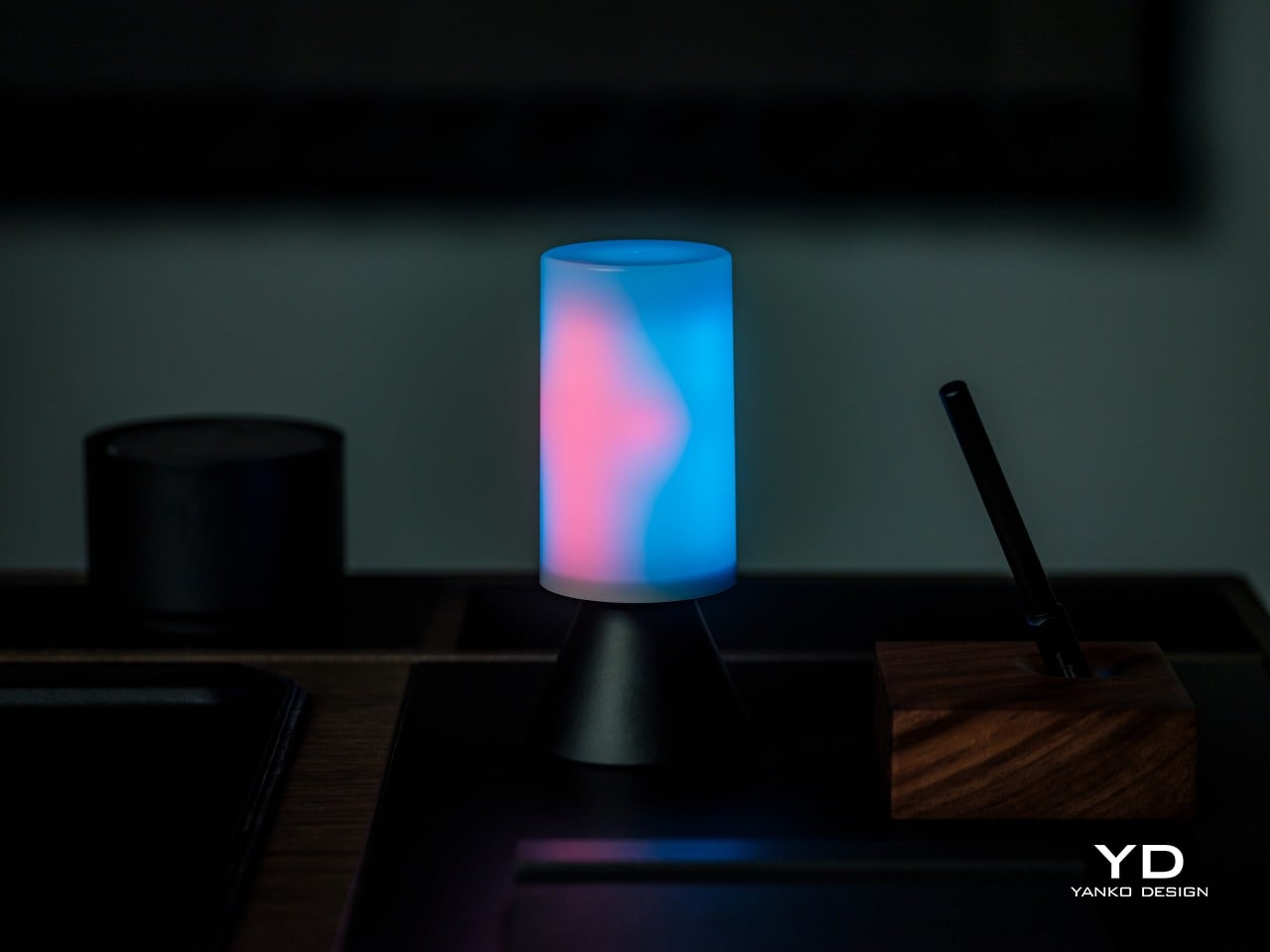
Add more than one and the value compounds further, since group control links up to 16 bulbs into a single synchronized display across a porch, hallway, or living room. That’s a level of coordinated lighting usually reserved for pricier installation-grade systems, delivered here through a bulb that screws into a socket you already own, with nothing extra to install or wire.
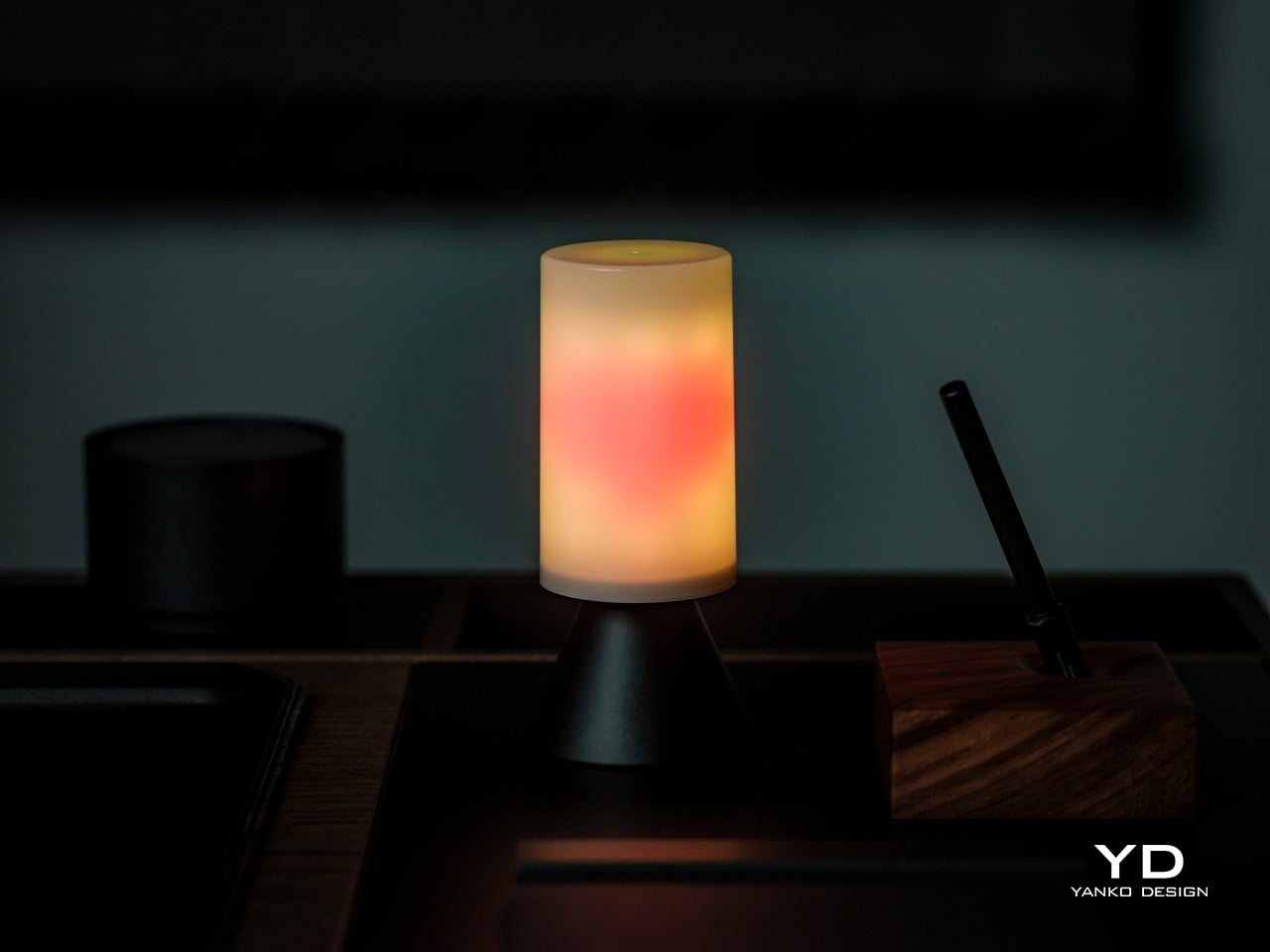
Factor in the smart home compatibility, the effects library, and the option to run the bulb as either an accent or a primary light source, and the overall package holds up well against similarly priced bulbs that typically ask you to pick one function or the other. Few competitors bundle brightness, animation, and full ecosystem support into a single screw-in bulb this convincingly.
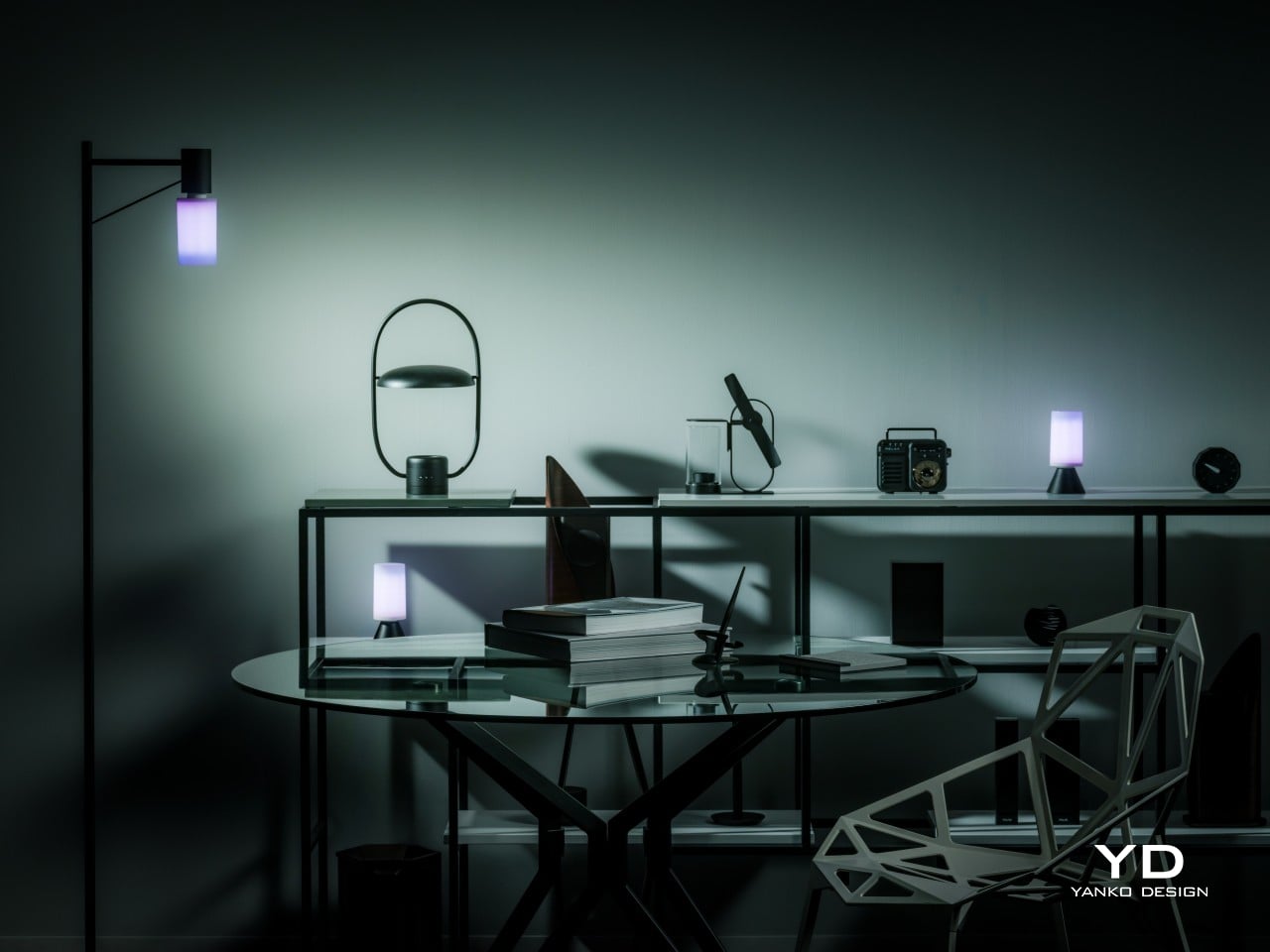
What makes the Linkind Smart Light Stick worth the attention is how little it asks you to compromise. It’s bright enough for everyday use, animated enough to change the mood of a room in seconds, tough enough to live outside, and simple enough to install in the time it takes to unscrew an old bulb. Those four things rarely show up together in one piece of lighting.
It earns its place most in fixtures where the bulb gets to be seen: open lanterns, glass pendants, and porch posts where that flicker becomes part of the room’s personality rather than something hidden behind a shade. Anyone hoping to give an old fixture new character without buying a new fixture entirely will find this bulb makes a genuinely persuasive case for itself.
Click Here to Buy Now: $32.99 $39.99 (18% off). Hurry, deal ends soon! Website Here.
The post Linkind Smart Light Stick Review: Most Bulbs Glow, This One Dazzles first appeared on Yanko Design.

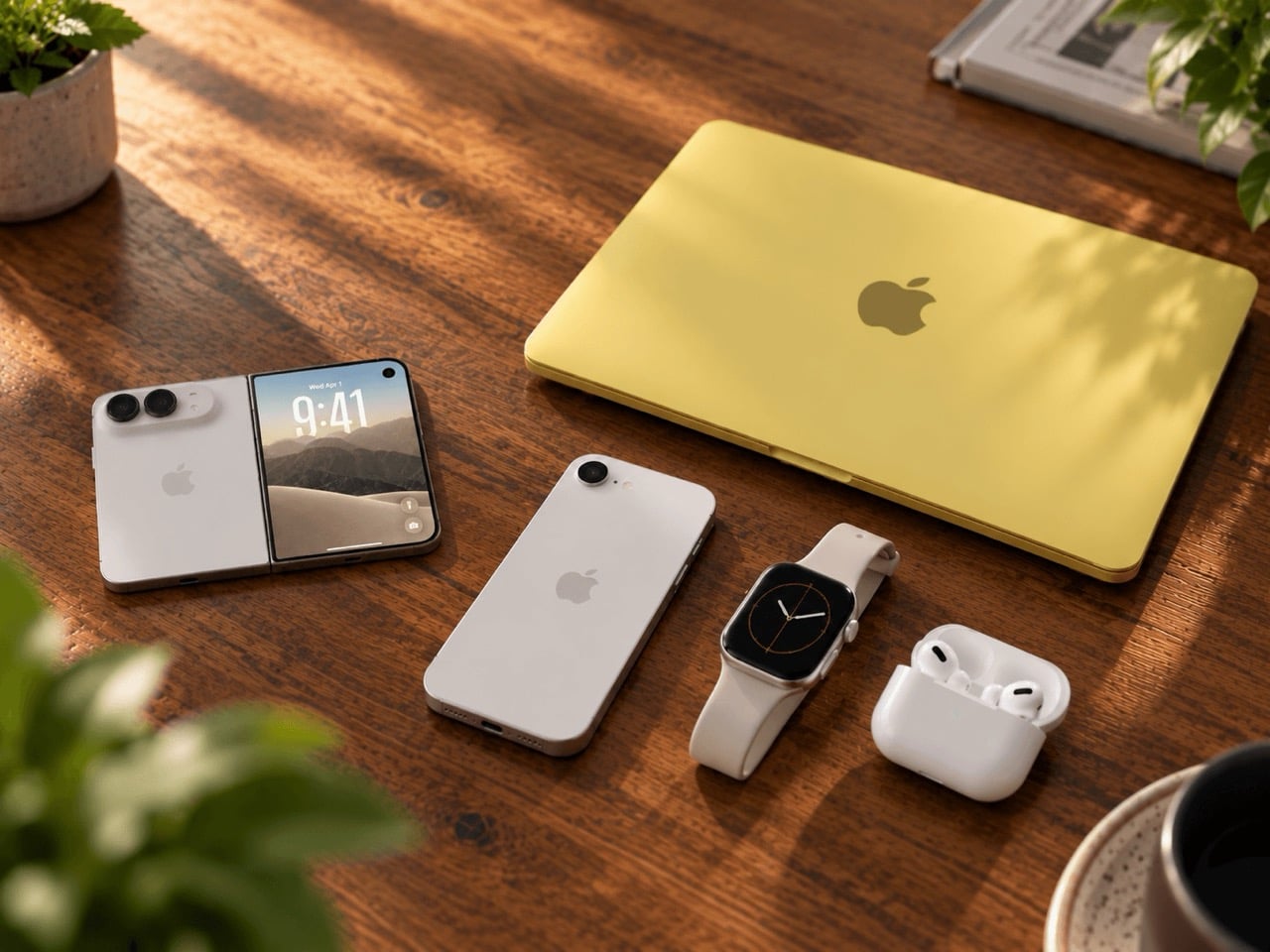
Apple’s first foldable, the iPhone Duo, costs $1,999 for 256GB. That same money also buys four other Apple products with change left over: a 512GB MacBook Neo at $799, an iPhone 17e at $699, an Apple Watch SE 3 at $249, and AirPods Pro 3 at $249. Add it up and you land on $1,996, which is three dollars short of one folding phone. I ran the numbers twice because it looked like a typo. It’s not a typo, it is Apple’s live price list as of September 2026, and the distance between the cheapest thing Apple makes and the most expensive thing Apple makes has never been this wide.
Nobody at Apple decided the phone should cost more than the computer. It happened the way most design inversions happen, one component at a time. Folding glass, a custom hinge, titanium, a second display and a 2nm A20 Pro stack up until you arrive at $1,999 and call it a flagship. Meanwhile the MacBook Neo shed Touch ID, MagSafe and a backlit keyboard to reach $599 in March, before creeping to $699 in June. One product was optimized upward until it became jewelry, the other was optimized downward until it became a school supply, and the two now sit in the same online store 1,300 dollars apart.
For most of the iPhone’s history, the price ladder ran in a predictable direction. Laptops cost more than phones, because laptops did more work and carried more metal, glass and cooling hardware. The first MacBook launched in May 2006 at $1,099, which is roughly $1,750 today after inflation, while phones were largely carrier freebies bundled into two-year contracts. That relationship held, loosely, for two decades. It just quietly broke, and the break happened inside a single product lineup rather than across the industry.
What makes the inversion worth dwelling on is that Apple built both ends of it on purpose. The MacBook Neo was engineered down to a price, stripped of the backlit keyboard, fast charging and MagSafe that would normally be standard on a $700 laptop, so that Apple could compete with Chromebooks and entry Windows machines. The iPhone Duo was engineered up to a price, layered with every expensive material Apple had available, and our own coverage of the Duo’s launch called it the biggest redesign of the iPhone since the home button disappeared in 2017. The Apple Watch SE 3, meanwhile, is the one product in this stack that got frozen in place, launched alongside the Apple Watch Series 11 and Ultra 3 last September and left untouched at this year’s keynote entirely.

Run the alternative stack and it holds together as a genuinely complete kit rather than a novelty math exercise. The 512GB MacBook Neo gives you a 13-inch Liquid Retina display, an A18 Pro chip, and up to 16 hours of battery in a recycled aluminum shell, for $799. The iPhone 17e covers the phone slot at $699, currently the cheapest new iPhone Apple sells after the rest of the lineup went up $100 on September 9. The Apple Watch SE 3 adds a wrist device with an always-on display and 18-hour battery for $249, and AirPods Pro 3 close the loop at $249 with active noise cancellation, a custom heart rate sensor, and live translation built in.
That is a laptop, a phone, a watch and a pair of earbuds, touching every screen size Apple makes, for three dollars less than one folding phone. It is worth being honest about what that stack gives up. None of those four devices fold, none of them run the A20 Pro, and the SE 3 skips the electrocardiogram and blood oxygen sensors that the pricier Apple Watch Series 12 carries. But as a snapshot of how far Apple’s floor and ceiling have drifted apart, it is hard to beat, and it is proprietary math nobody else appears to have bothered running.
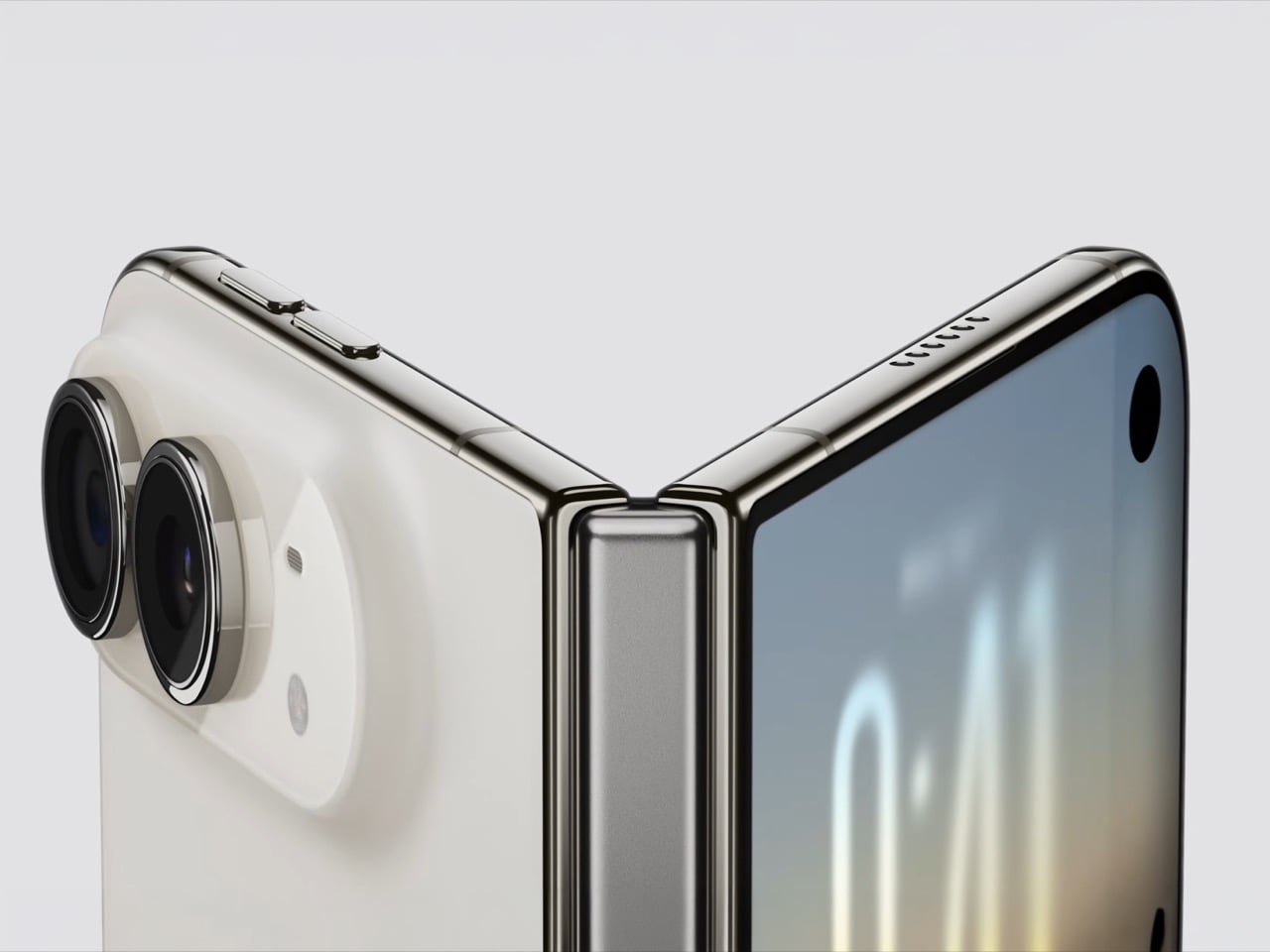
The thing actually driving the $1,999 sticker is not marketing, it is the hinge, and Apple spent real engineering years proving it. The folding display uses a scratch-resistant coating, a polymer cover layer Apple says is up to 40% stiffer than materials used for similar applications, multiple layers of high-strength glass, and a titanium plate underneath, all wrapped around a custom hinge designed to minimize the crease that plagues rival foldables. That is a lot of material science stacked into one seam, and it is the primary reason a Duo cannot be priced anywhere near a Neo.
Apple paired that hinge with an A20 Pro built on a 2-nanometer process, its first chip at that node, delivering what Apple claims is 35% higher sustained performance than the iPhone 17 Pro thanks to a new cooling system built for a thinner chassis. None of that is padding. A folding OLED stack with a titanium frame genuinely costs more to manufacture than a fixed aluminum body, and first-generation folding hardware from any brand has always carried a premium while yields improve. The fair comparison is not Duo versus cheap Apple gear, it is Duo versus other folding flagships, and our own breakdown of what the Duo got right that Samsung still hasn’t found it costing exactly $100 more than the Galaxy Z Fold8’s $1,899.
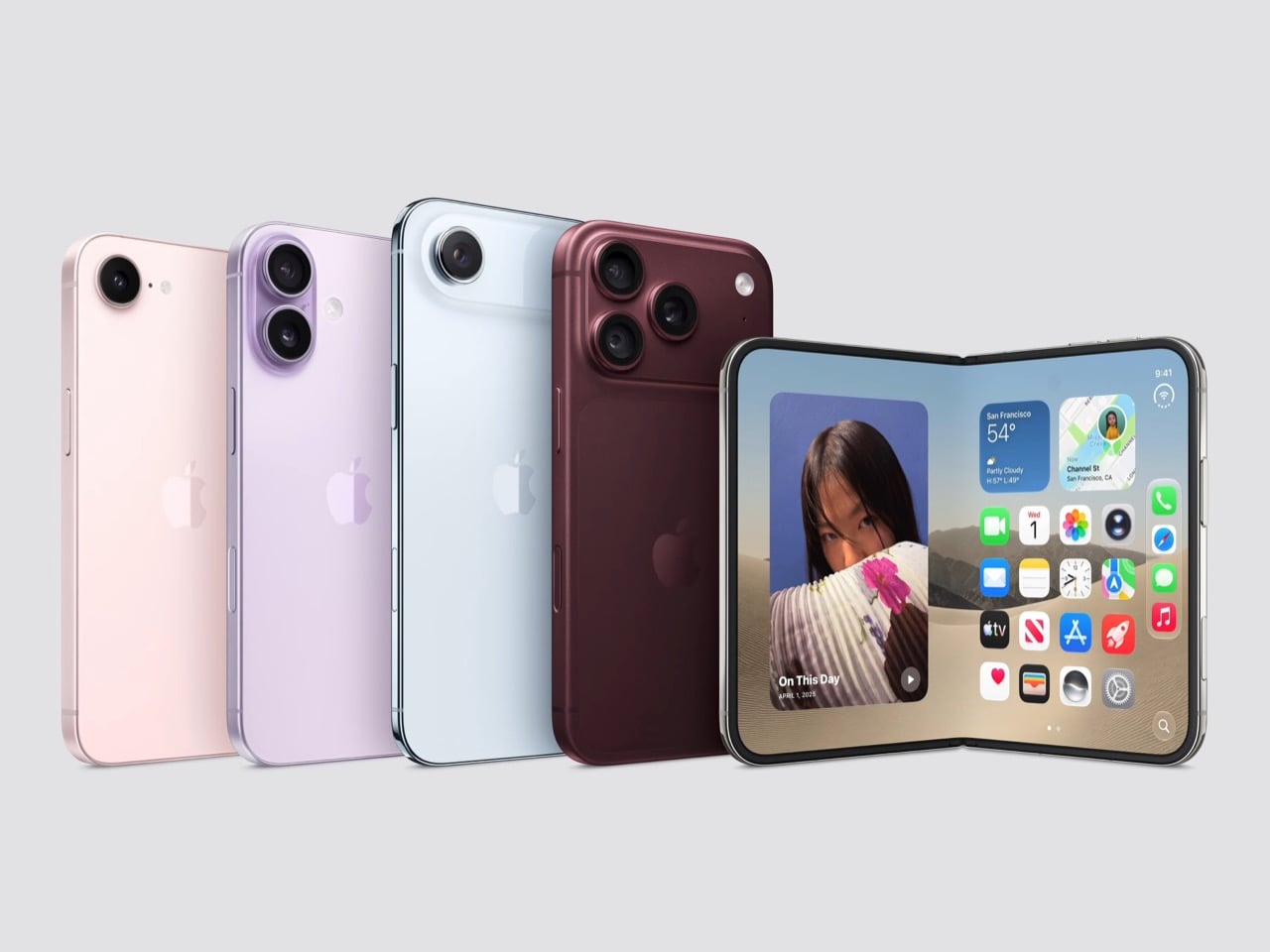
What turns this from an interesting price gap into a strange one is what Apple left out of the September 9 keynote entirely. There is no standard iPhone 18, no iPhone 18e, no iPhone Air 2, all reportedly pushed to spring 2027. Anyone who wants a new iPhone before then chooses between $1,199 for the Pro and $1,999 for the Duo, with nothing built to sit between those two numbers this year. Apple has effectively removed the middle rung of its own ladder at the exact moment the top and bottom rungs drifted furthest apart.
That gap is where the $1,996 stack might just appeal to the Apple fan who has a strict budget to work with. It fills the space Apple’s own lineup left empty, assembling a complete household of devices for less than the price of the one device Apple actually wants you looking at this fall. None of that makes the Duo a bad phone, and folding glass this durable was never going to be cheap. It does mean that for one more season, the most interesting purchase decision at Apple has nothing to do with which iPhone to buy, and everything to do with whether you buy an iPhone at all.
The post Apple’s $1,999 iPhone Duo Costs the Same as a Budget MacBook, iPhone, Watch, and AirPods Combined first appeared on Yanko Design.