
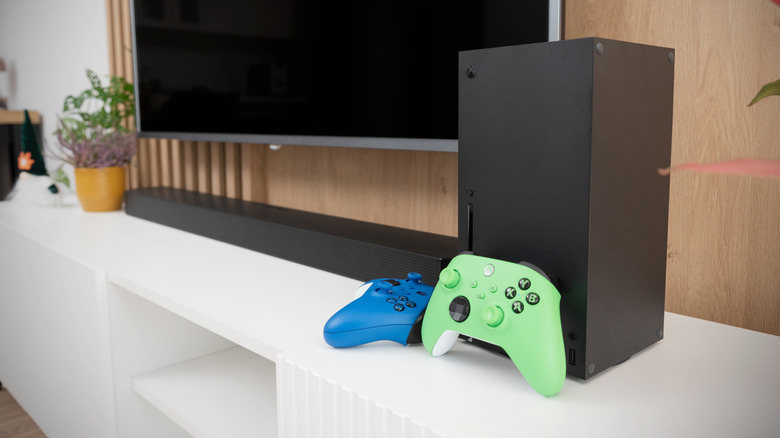
There’s a chance your Xbox Series X is plugged into the wrong HDMI port
Make sure you're getting the most out of your Xbox Series X, starting with a port check.
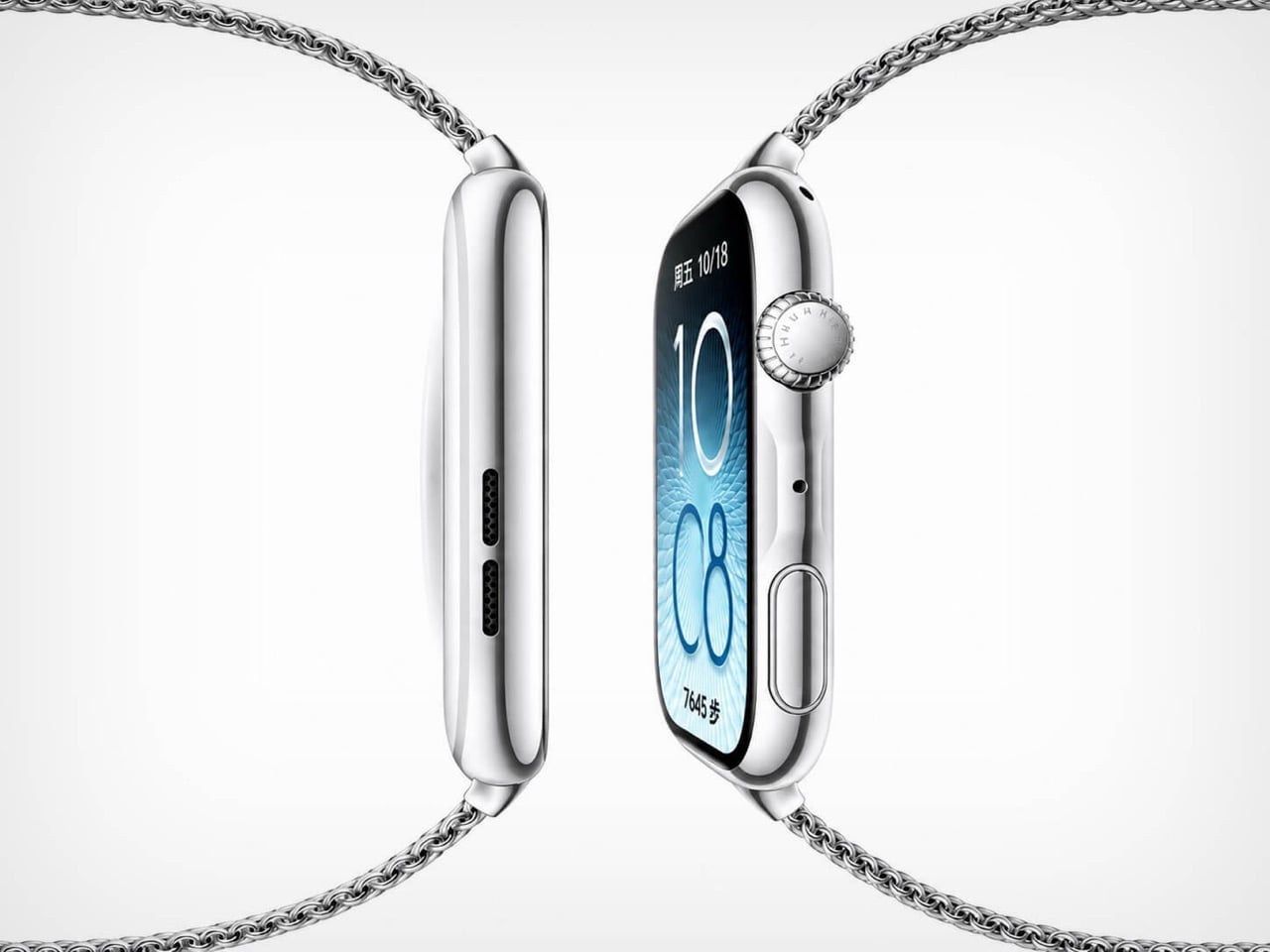
Steve Jobs pulled the first MacBook Air out of a manila envelope in 2008, and tech companies have been chasing the word “Air” ever since. Apple put it on an iPhone last year. Huawei answered a couple of months later with the 6.6mm Mate 70 Air. Now the name is heading for your wrist. A leaked poster for the Huawei Watch Air has surfaced on Weibo, showing a slim rectangular smartwatch reportedly measuring 6.9mm thick. If accurate, that would make it the thinnest smartwatch in Huawei’s lineup by a comfortable margin.
Huawei plays the Air game a little differently from Apple. The Mate 70 Air stayed slightly chunkier than the iPhone Air to accommodate a huge 6,500mAh battery, and the Watch Air seems to follow the same recipe. Tipster Fixed Focus Digital says it packs a stacked, irregularly shaped high-silicon battery good for around five days, inside a high-gloss titanium unibody in black, silver, and gold. Health and sports features reportedly come from the Watch 6 and GT 7 Pro. Thin without the usual battery guilt trip, assuming those estimates hold up.
Designer: Huawei

The poster, shared by tipster IceUniverse, shows a rounded rectangular case in mirror-polished silver, with glass that curves into the metal and bezels trimmed down to slivers. A large knurled crown sits at the top of the right edge, with a pill-shaped button below it and two slim speaker slots on the opposite side. Fixed Focus Digital describes a single high-gloss titanium unibody, reportedly a first for Huawei. That construction would keep seams and joints to a minimum, though it doesn’t tell us how rigid the thin case would be. At a reported 6.9mm, or about 0.27 inches, the silhouette borrows more from Huawei’s rectangular Watch Fit 5 than its round flagships.
Squint and the original 2015 Apple Watch stares right back. Jony Ive’s team, working with Marc Newson, gave that watch domed glass flowing into a polished case and a Milanese Loop that made a gadget feel like a bracelet. Huawei pairs its watch with a fine metal mesh band in the same spirit and sets the face to 10:08, the familiar advertising pose where watch hands frame the logo like a smile. The Watch Air shows digits instead of hands, so the smile is purely ceremonial. Apple’s Series 12, meanwhile, grew a millimeter wider this year, with chunkier bezels to match. Huawei’s rounded case and narrow borders look closer to the original Apple Watch’s jewelry ambitions.

Thin gadgets usually pay for their figure in battery life, and Huawei’s reported workaround is chemistry. Fixed Focus Digital says the Watch Air uses a stacked high-silicon battery with over 10% silicon content and roughly 6% better energy density, though the comparison baseline isn’t specified. Adding silicon to an anode can increase how much lithium it stores compared with graphite alone. The cell is reportedly irregular in shape too, potentially filling spaces around internal components rather than sitting as a tidy rectangle. The Mate 70 Air used a similar approach last year, fitting a 6,500mAh silicon-carbon battery into a 6.6mm phone.
The rumored payoff is five days between charges. Huawei’s own 42mm Watch 6 is 10.2mm thick and rated for three days of typical use, while the 46mm version stretches to 4.5 days. Five days could mean plugging in Sunday night and leaving the charger alone until Friday, although the leaked figure doesn’t establish whether those watches were measured under comparable conditions. Huawei’s published thickness measurements exclude the rear sensor bump, so the Watch Air could also sit slightly taller on the wrist than its reported 6.9mm suggests.

Health tracking is said to match the Watch 6, while sports features reportedly come from the Watch GT 7 Pro. On the Watch 6, that includes ECG readings, skin temperature sensing, and blood oxygen tracking, though which sensors would make the trip into a thinner case remains unknown. Shared software wouldn’t guarantee identical hardware or capabilities. The proposed feature mix would place the Watch Air between the affordable Watch Fit 5 and the round, premium Watch 6. Display size, processor, water resistance, and price remain unconfirmed.
Weibo leaker BaizeMountain says the Watch Air will debut alongside Huawei’s new OSTA phones, reportedly launching in China on November 20. Huawei wearables aren’t officially sold in the US, leaving American shoppers with no official local route to the watch if it launches. For comparison, the 9.7mm Apple Watch Series 12 starts at $429 for the 46mm model. The Watch Air’s price is still missing, but the leaked design suggests Huawei sees room for an Air-branded watch alongside its phone. Jobs needed a manila envelope to demonstrate the MacBook Air. A shirt cuff might do the job here.
The post Huawei’s Watch Air leak shows a 6.9mm titanium smartwatch that makes the Apple Watch look chunky first appeared on Yanko Design.

When you need to step away from the book you’re currently reading, you need a bookmark to keep your place (unless you have a very keen memory and know where you left off). Sometimes, though, you still need to keep the book open while freeing both hands, and a bookmark cannot do that job. You could always find something heavy nearby to serve as a paperweight of sorts, but that may not be its primary purpose. Depending on what you use, it could even damage your book or it may not really serve its purpose to keep the book open.
Enter the Page Keeper, a metal page weight designed to help keep your book open, whether you’re using it or just want to display a specific spread. This could be a stocking stuffer or gift for your bookworm friend (or yourself!) this holiday season who sometimes needs to free up both hands and can’t hold a book down. It’s meant for those moments when keeping a book open becomes a task of its own.
Designer: Asher Bezdek
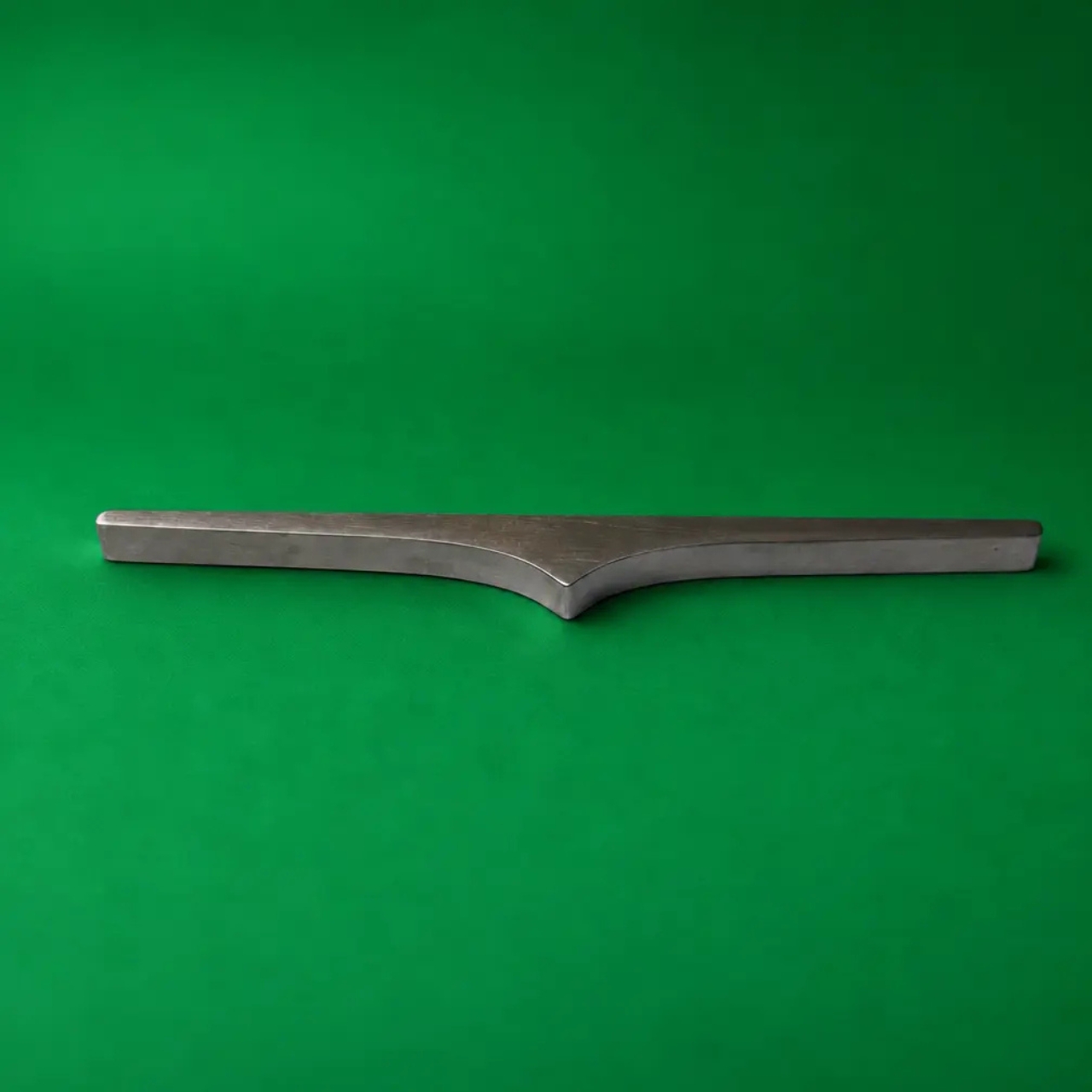
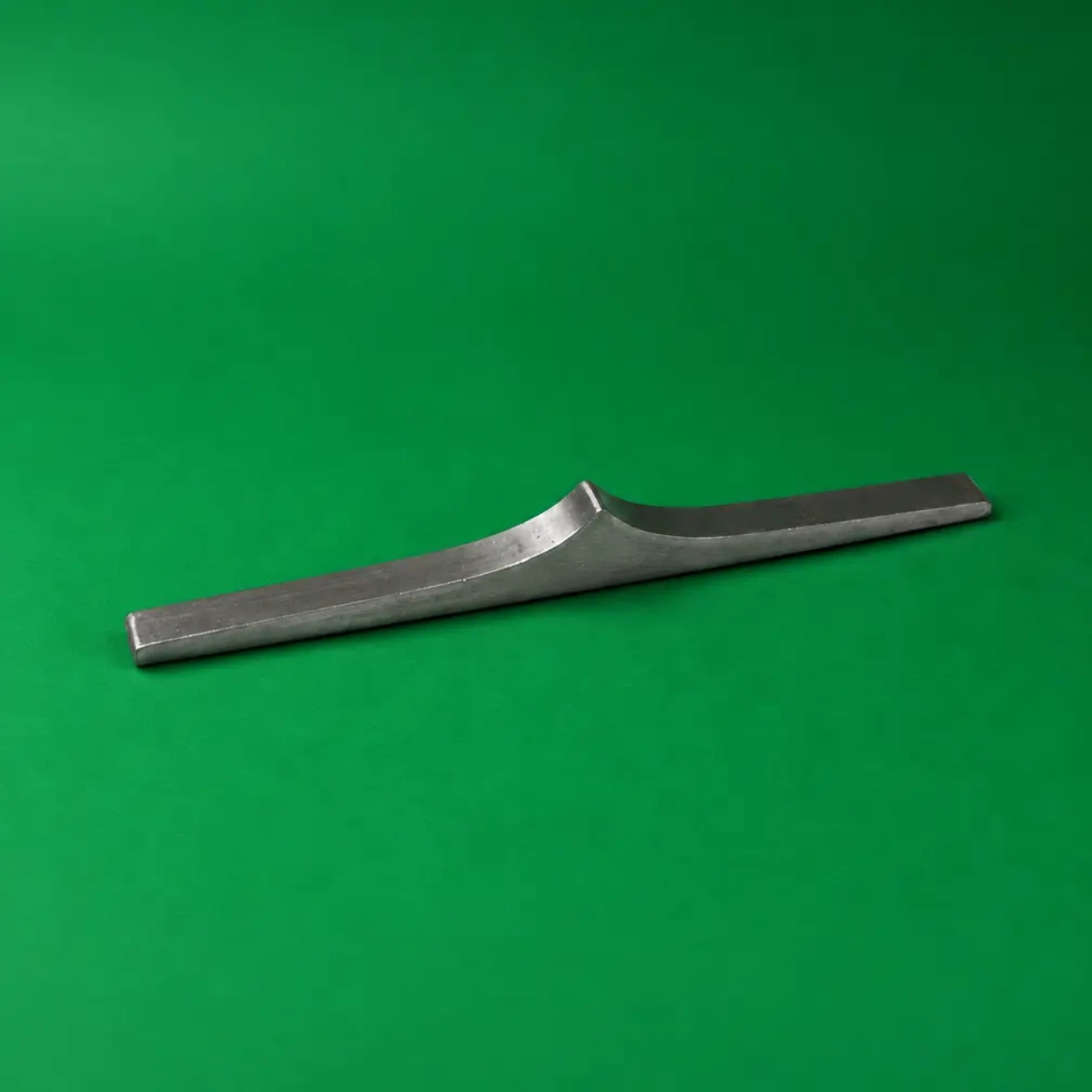
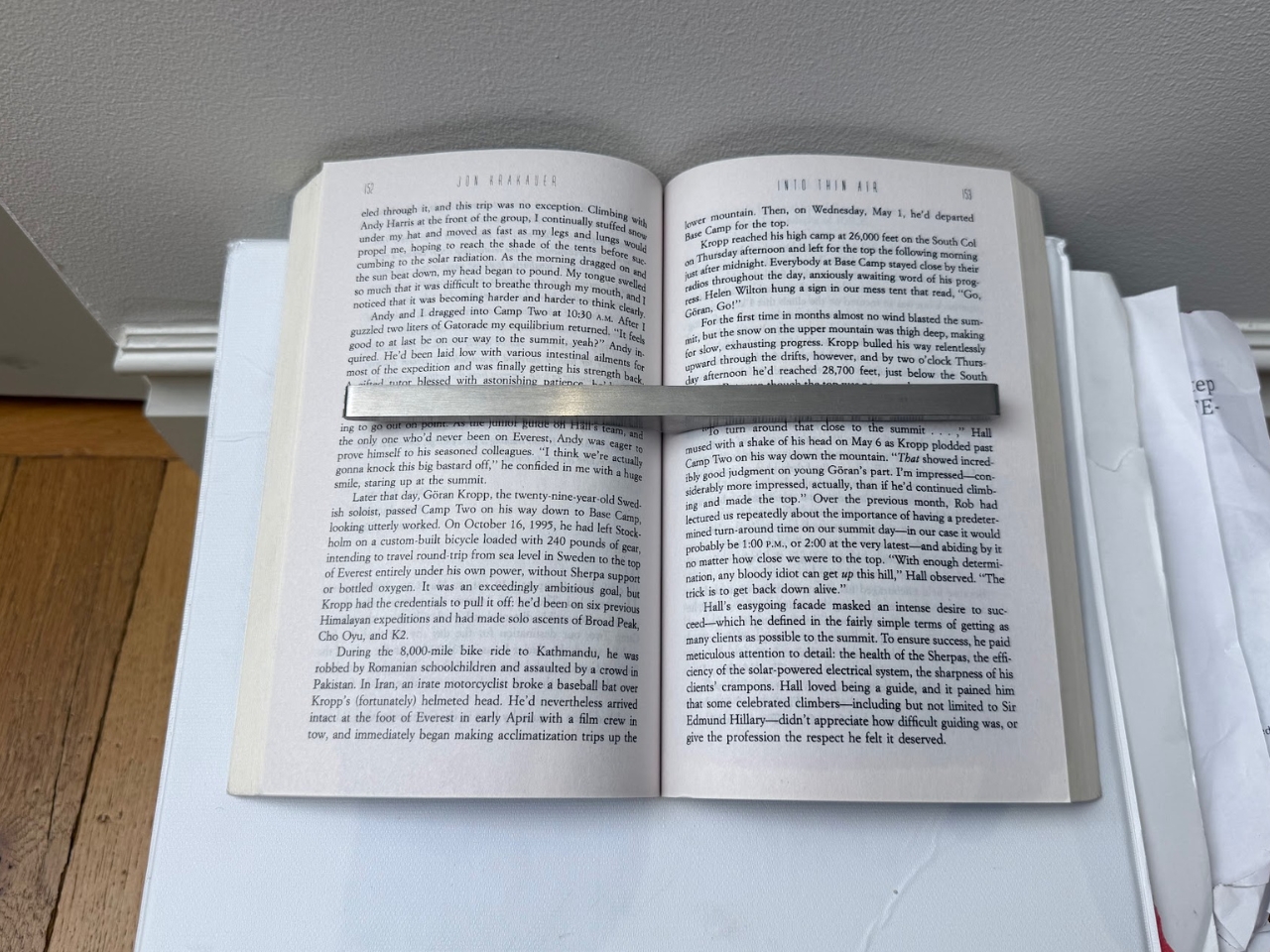
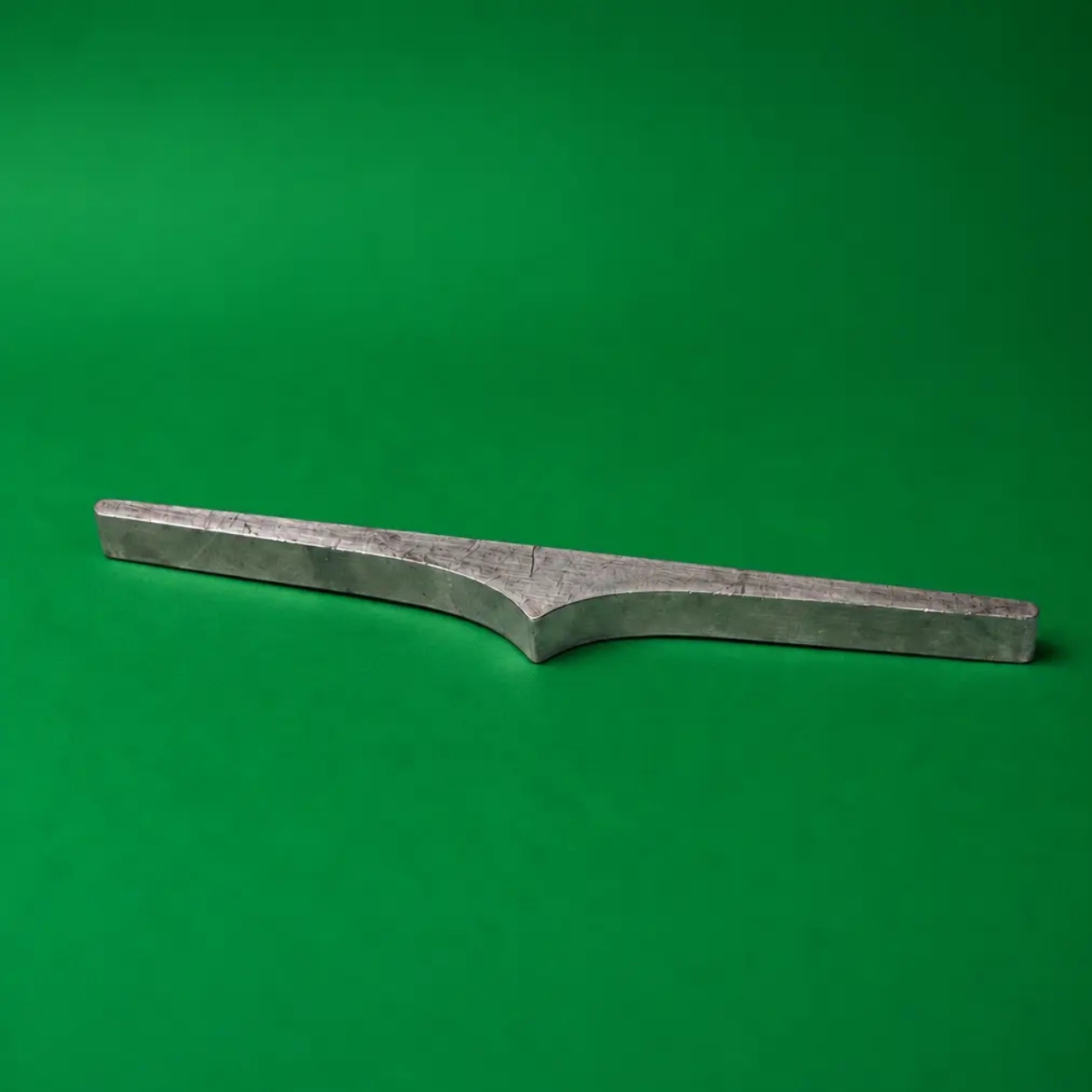
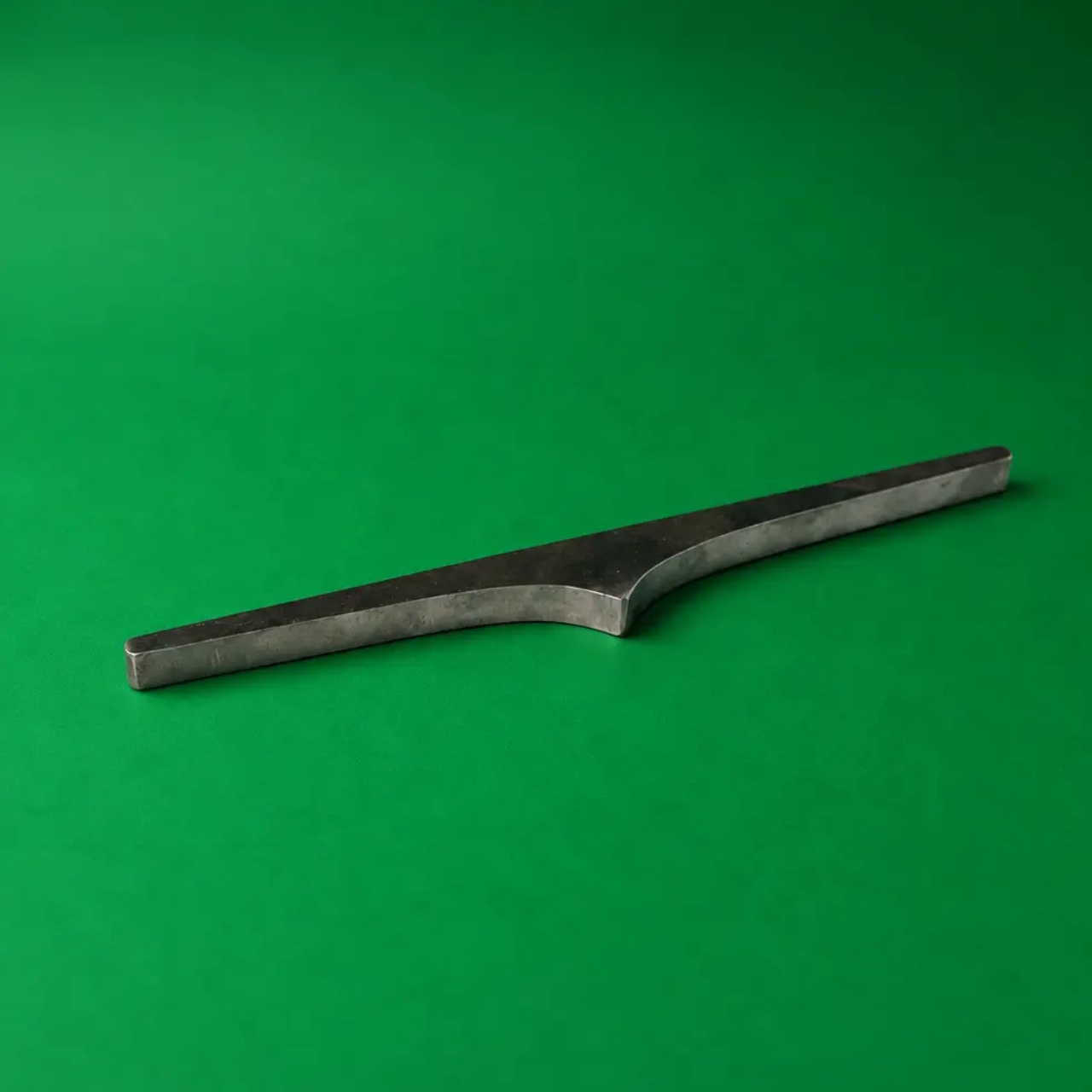
This page holder is made from a single laser-cut piece of metal, so there’s no need for clamps, springs, or adjustable arms. There’s also no complicated setup or need for an instruction manual. You place it on the book spread you need to keep open, then do your thing or leave it on display. The simplicity is part of the appeal. Instead of fastening something to the book, you’re placing a separate object on its pages when you need both of your hands for something else.
This is a useful tool for times when you’re taking notes from your textbook, using a book as a drawing reference, or following a craft guide for your art project or journaling spread. There may also be times when you don’t want or need a bookmark when stepping away and would rather leave the entire spread open. Sometimes pages can close on their own, especially near the beginning or end of a book. That’s particularly frustrating when you’re switching between a reference and whatever you’re working on, or getting up to grab something from across the room. This was one of the inspirations why Bezdek designed this.

It can also be used to keep artwork or photographs visible as part of your room’s aesthetic. That’s where the idea goes beyond simply freeing your hands. A favorite book doesn’t have to be closed and returned to the shelf as soon as you’re done with it. You could leave a selected spread open on a desk or another suitable surface. But don’t mistake this as something that can support a book in an upright position. The Page Keeper is meant to hold the pages down when a book is placed on a flat surface.
But of course if you’re actually reading the book, you would have to lift up the keeper every time you will turn the page. And since it’s a bit heavier than a paper bookmark, then it can be a bit inconvenient. Some parts of the page will also be covered so you’ll have to move it around if you’re actually reading it. It makes more sense for a spread you’ll spend some time looking at than for constant page-turning. Its effectiveness with different book sizes and bindings still needs testing.
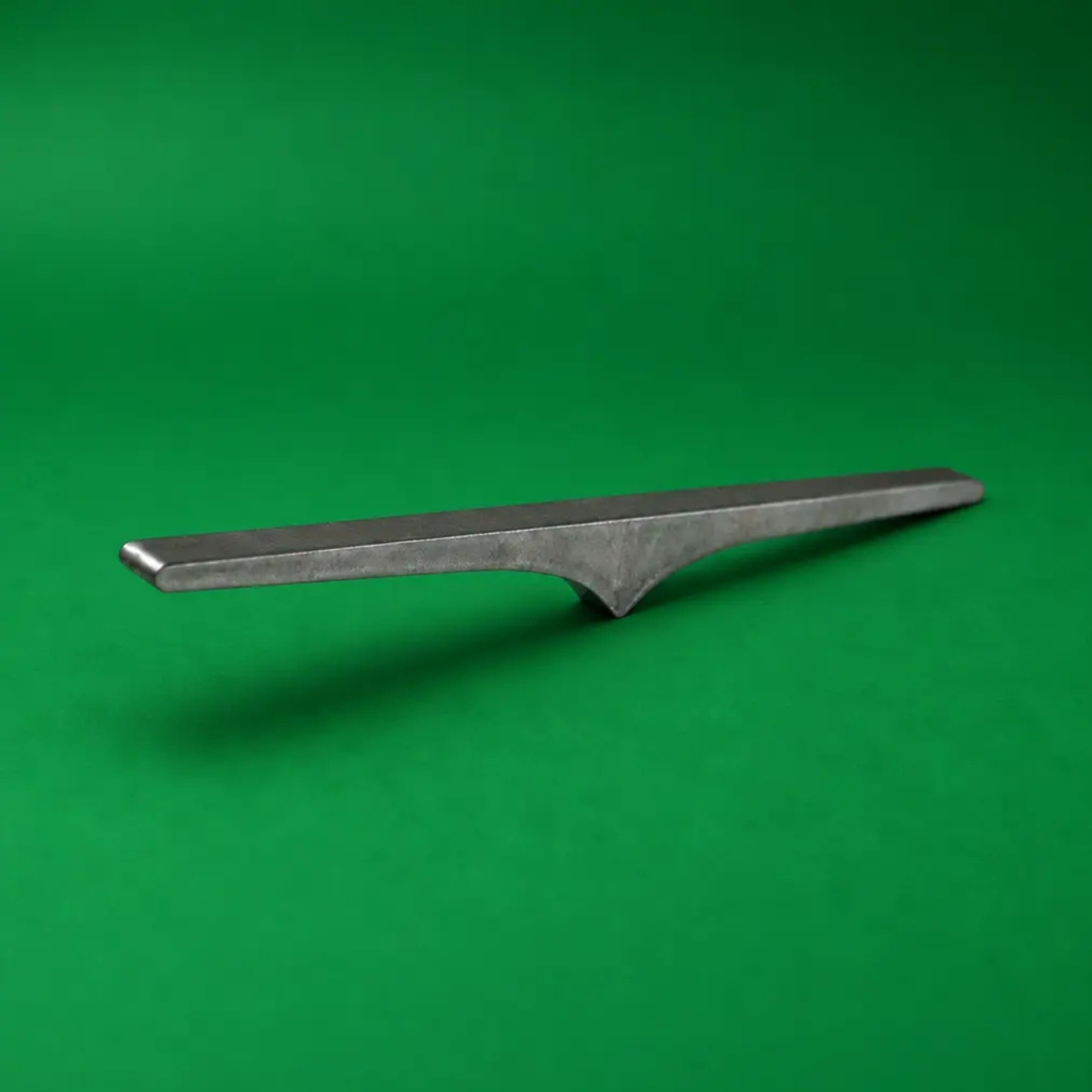
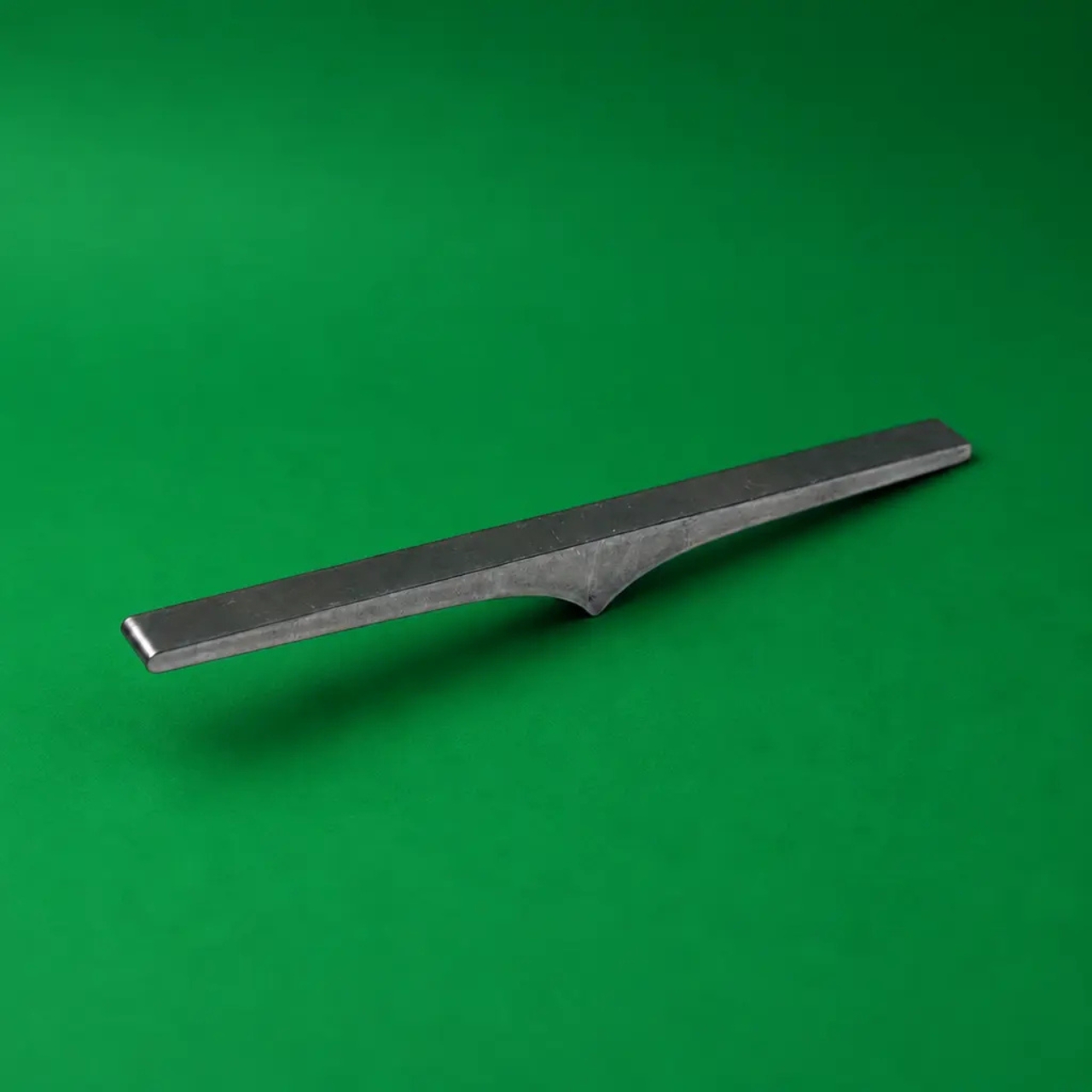
The material options give the same outline different personalities. Bezdek says he likes how its appearance changes depending on the finish and the light. That makes the choice about more than matching your desk accessories: it’s also about how noticeable you want the object to be beside the book. The Page Keeper is listed through KAMB in brushed and polished stainless steel at $30 each, while the aluminum version is less expensive at $15. These are US dollar prices; shipping costs and delivery timing should be checked before ordering, especially if you’re considering one as a holiday gift.
A bookmark tells you where to come back to. The Page Keeper is for when you don’t want to close the book in the first place. Whether you’re copying a diagram, sketching from a reference, or leaving a favorite illustration out to enjoy, this is a tool that can come in handy. It isn’t trying to replace every reading accessory you own. It’s simply an option for keeping the book open while your hands are busy doing something else.
The post Page Keeper Holds Books Open Without Tying Up Your Hands first appeared on Yanko Design.



At some point the mega rich run out of problems that money can solve, so they start inventing new ones. Do you want a yacht or a beach house? Albatross Marine Design folds both into OASIS, an electric houseboat concept stretching 66 feet, about 20 meters. The Thailand-based studio, led by naval architect Albert Nazarov, received recognition in the Watercraft category at the 2026 European Product Design Award for its floating resort suite. A private living level handles the quiet hours, while a full social deck upstairs handles everything louder. Above it sits a solar canopy that looks like it wandered off a yoga retreat.
Nazarov’s studio has spent two decades designing boats, with earlier solar work including the SY60 catamaran. OASIS takes that interest in solar power into a broad, two-level vessel organized around lounging and entertaining. As a concept, its renders offer a design statement rather than a record of life aboard. What catches my eye is the attention to proportion and texture across such a wide, rectangular footprint. A cantilevered canopy gives the silhouette a strong horizontal line, while lattice screens break up the glazing below. Those two elements give the eye something to follow beyond the considerable square footage, which can otherwise become the entire personality of a luxury houseboat.
Designer: Albert Nazarov / Albatross Marine Design

OASIS splits its spaces the way a good duplex splits its noise. The lower level carries a spacious lounge and private living quarters behind full-height glazing, while the upper deck gets handed over to lounging, cocktails, and whatever playlist shows up after sunset. The award listing calls that top deck the social heart of the boat, and the renders make its priorities clear. Trying to squeeze all those activities onto one deck would leave the afternoon nap competing directly with the Bluetooth speaker. At 66 feet long and roughly 33 feet wide, or 20 by 10 meters, OASIS has room to give each its own territory.
That separation feels appropriate for a studio whose portfolio includes interceptor boats and ambulance catamarans, where circulation and deck layouts have specific jobs to do. Here, the brief allows considerably more room for leisure. Compare it with the Arkup floating villa, whose hydraulic legs can elevate its substantial living spaces above the water. OASIS has a broad, pontoon-style stance, with an open upper deck keeping the enclosed volume concentrated downstairs. The long roof pulls those levels together without requiring another full floor of walls and windows. To my eye, that openness gives OASIS a more relaxed, boat-like character, particularly when viewed alongside Arkup’s apartment-on-water proportions.

The glass-walled lower deck could easily have become a greenhouse bobbing on a lake, an appealing photograph with some awkward questions about afternoon sunshine. Albatross wraps sections of it in perforated lattice, introducing a layer that could filter sunlight and provide some privacy. Visually, the effect is immediate: the glazing gains texture, and the long elevation breaks into smaller sections. The pattern resembles woven basketry, giving the dark framework something softer to sit against. On a vessel this wide, an uninterrupted surface can drift from sleek to shipping container surprisingly quickly. The screens interrupt that expanse without sacrificing the glimpses through to the living spaces.
The roof takes the opposite approach, using one broad, flat plane above angled black supports. Its overhang extends the shaded area and gives the upper deck a distinct outline, even with very little enclosure beneath it. Nazarov has described considering a boat through distant, close, and detailed views, a useful framework for reading OASIS. Across the water, the canopy establishes the silhouette; closer in, the lattice supplies the finer pattern. The solar array also occupies a surface the design already needs, rather than competing for space with the open deck. With the SY60 among the studio’s earlier solar projects, that roof continues an existing line of work.

OASIS has plenty of company in the floating-resort imagination, and the differences are worth looking at. Arkup takes the villa idea toward a substantial, elevated home, complete with those hydraulic legs. The Kiwa superyacht concept gives a large solar array a place within a much more sculptural yacht silhouette. The Cube Houseboat pushes toward a floating glass block, putting its enclosed living space on full display. OASIS lands between those approaches, pairing a rectangular footprint with an open social deck and a roof that visually stretches the whole composition. Its lattice adds a degree of privacy that the glass-box approach leaves exposed.
I would keep that upper deck open. Another enclosed floor might deliver more interior space, but it would also bury the relationship between the low living level and the thin canopy above it. The current arrangement gives OASIS a clear visual hierarchy without requiring swooping bodywork or a dramatically pointed bow. Weather would presumably get a vote in the party planning, which seems a reasonable trade for that much outdoor space. As a concept, its appeal is easy to picture: a crowd upstairs, somewhere quieter downstairs, and enough separation to excuse yourself when someone decides the evening needs an acoustic guitar.

The post A solar canopy turns this electric houseboat into a floating resort first appeared on Yanko Design.

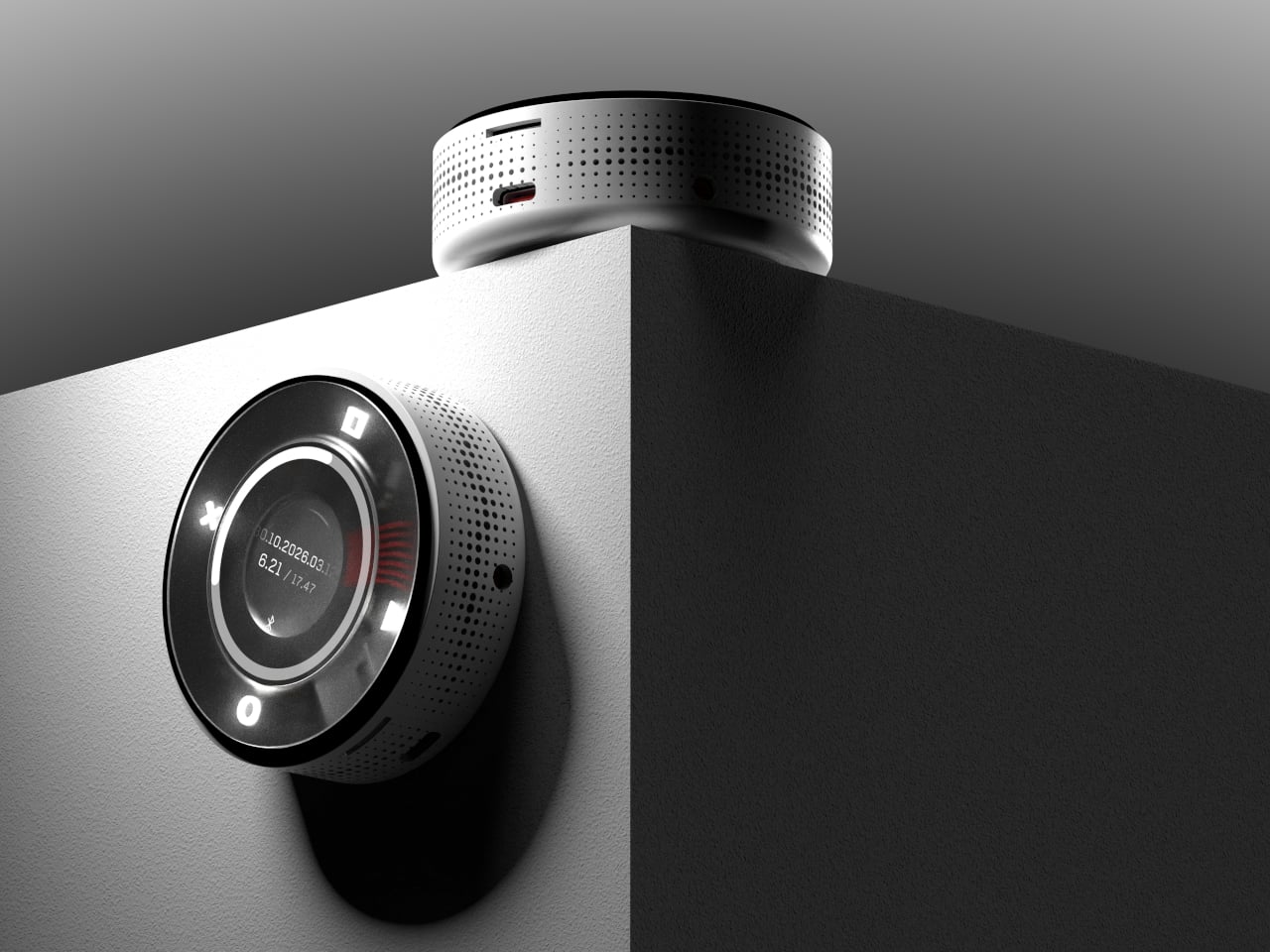
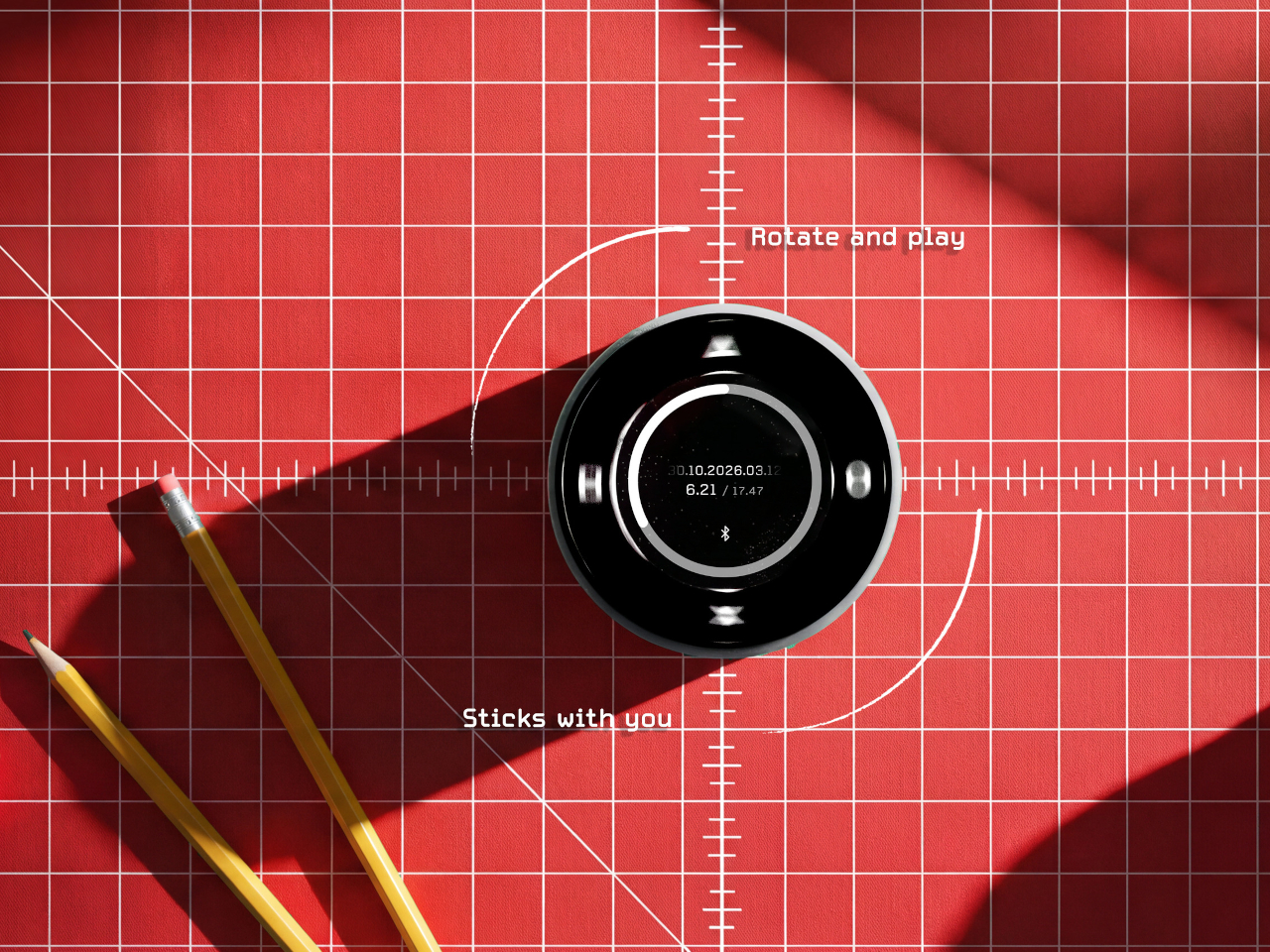
Remembering an idea shouldn’t require staring at a screen until you’ve forgotten what you wanted to say. REC DIAL proposes a more physical way to capture those passing thoughts, using a rotary disc and a central push-button display. Still a voice recorder concept, it gives your fingers something to turn and press instead of making another touchscreen the center of your attention.
The disc handles navigation through playback, volume adjustment, and recording lists, while pressing the circular display confirms a selection. That puts browsing and choosing in the same place, rather than scattering them across a tiny interface. You could work through yesterday’s voice notes with a turn and a press, keeping the screen for information instead of asking it to handle every interaction.
Designer: Vishesh Singh, Kunal Sharma
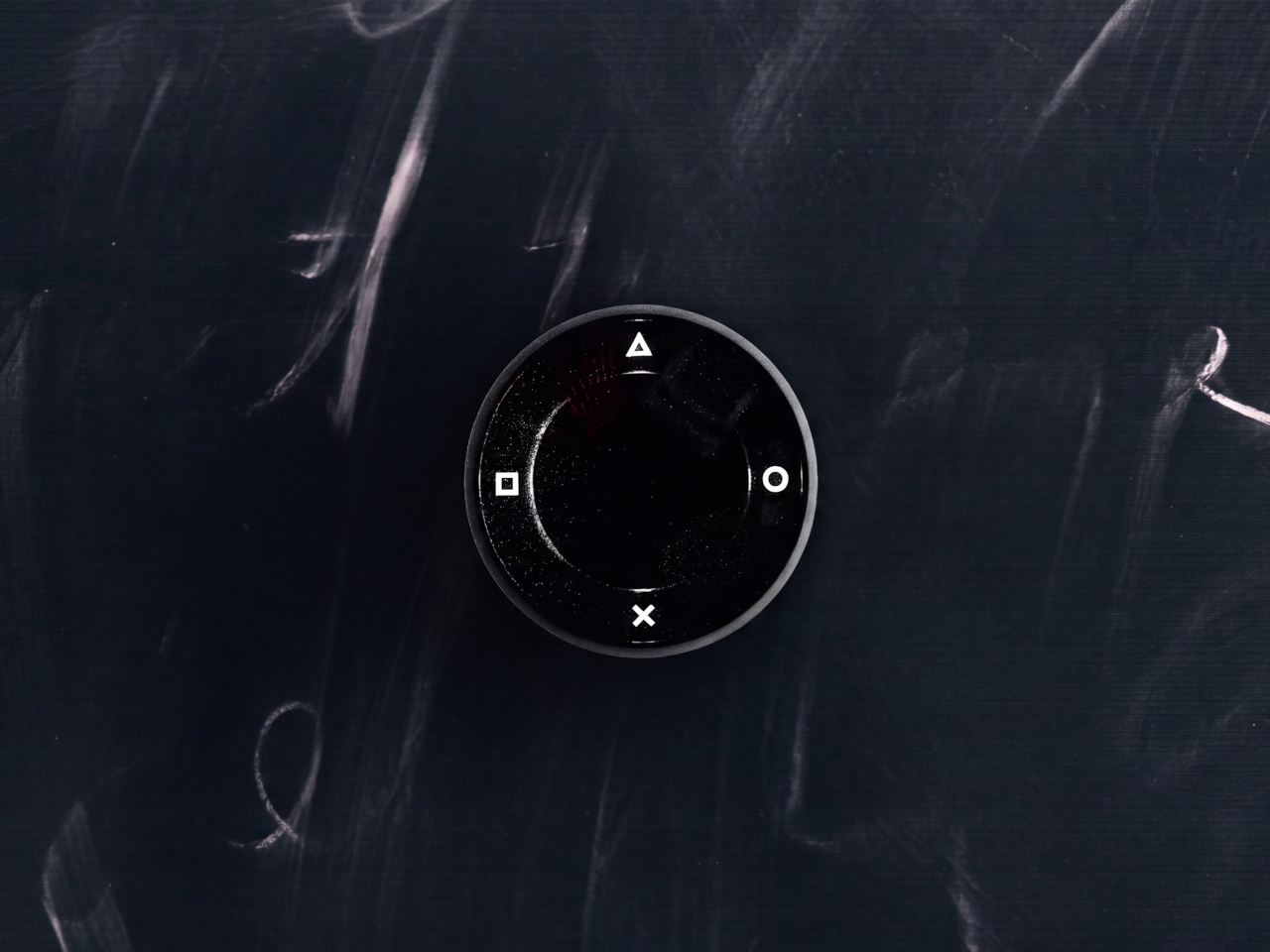
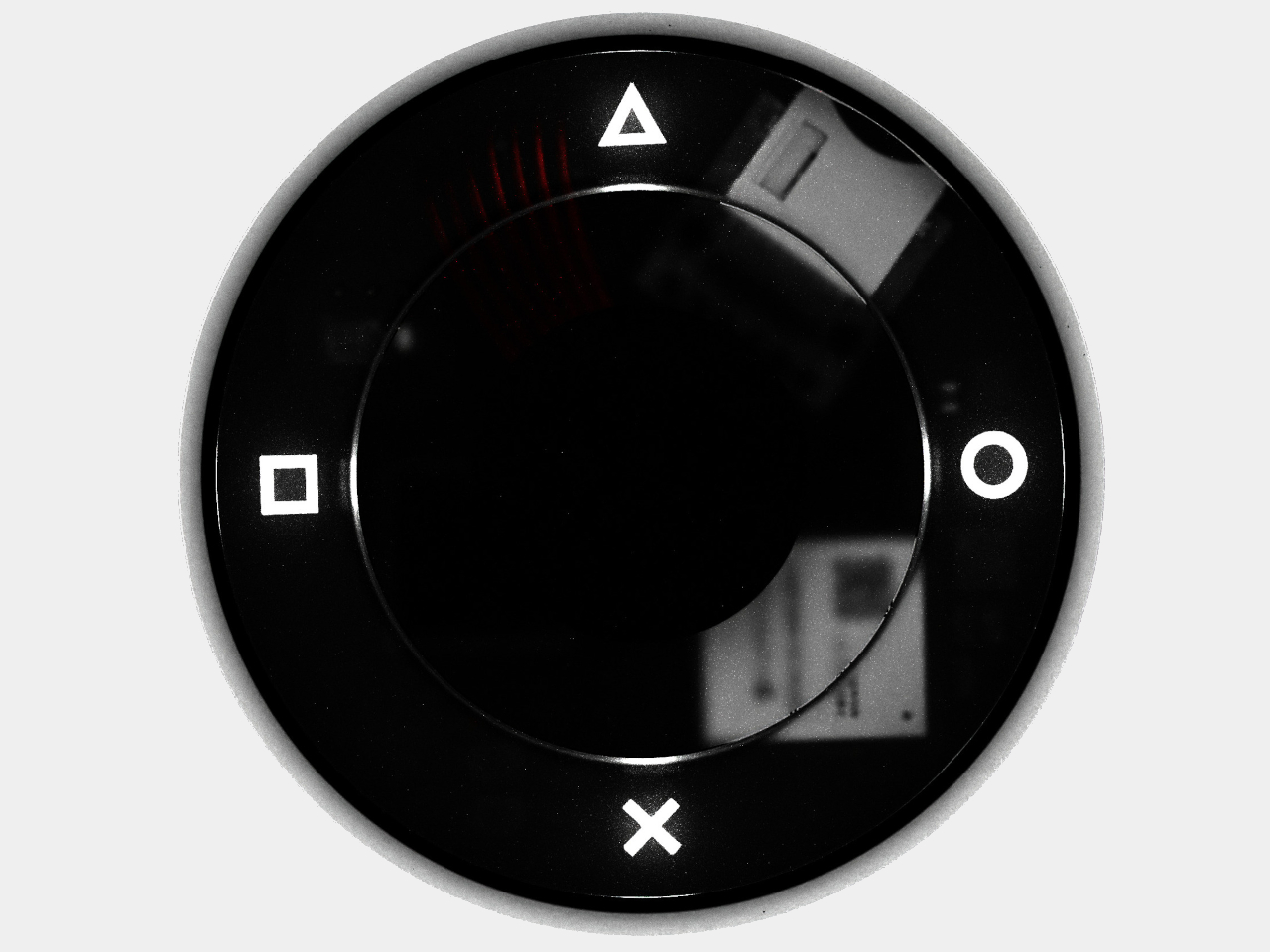
Four additional buttons keep other controls separate from that rotating interface. Their triangle, square, circle, and cross symbols give the face a faint game-controller familiarity, rather than the businesslike appearance of a traditional dictation machine. Those familiar shapes aren’t a complete instruction manual, though. The project doesn’t explain each button’s job, so calling the whole arrangement instantly intuitive would be getting ahead of ourselves.
The white outer body wraps around a black-tinted glass panel that offers glimpses of the components beneath. That translucent surface makes the electronics part of the appearance rather than simply hiding them behind a dark screen. The circular outline and rounded edges keep the contrast from feeling severe, giving the recorder a softer presence than the usual rectangular slab of office equipment.

Circular detailing across the body is intended to reflect the movement of sound, giving the recorder a visual theme beyond its black-and-white finish. Rows of perforations wrap the sides, adding texture to the short cylindrical shell. There’s a faint resemblance to a miniature speaker, which makes sense for an object designed around capturing and playing back the things you want to remember.
A magnetic rubber pad expands where the recorder could live. Attached to a compatible refrigerator door, it could hold a spoken reminder for the household; worn on clothing, it could keep the controls accessible without occupying your hands. That puts the same object somewhere between a personal notebook and a family message board, depending on where you decide to leave it afterward.

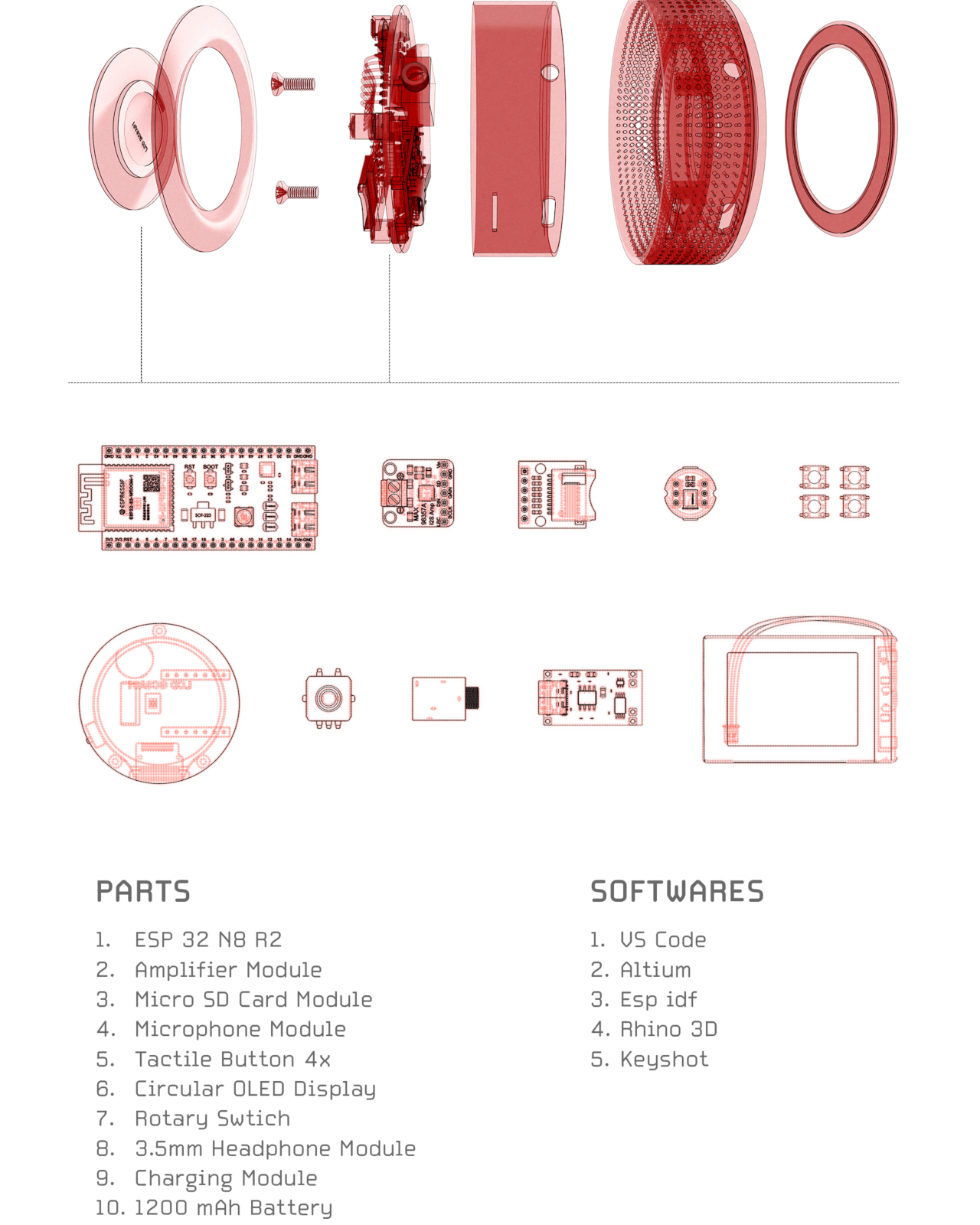
A microSD card module, a headphone connection, and a 1,200mAh battery appear in the proposed component list, keeping the basic recording hardware inside the little cylinder. That arrangement could suit someone who wants to collect voice notes separately from a phone, then listen back through wired headphones. Battery life, recording formats, and the method for transferring files haven’t been specified in the supplied material.
The real test would come when the recorder is attached to a shirt or refrigerator. Turning the dial and pressing its center shouldn’t pull the whole thing out of position. The magnetic pad and physical interface need to cooperate, rather than making one hand hold the recorder while the other operates it. Otherwise, that hands-free convenience could become an awkward juggling act.
The post REC DIAL Voice Recorder Concept Gives Voice Notes a Turn-and-Press Interface first appeared on Yanko Design.