PaXini Brings Tactile Embodied AI to CES 2026
PaXini Tech debuts at CES 2026 with high-precision tactile sensors, dexterous hands, humanoid robots, and full-stack embodied AI infrastructure.
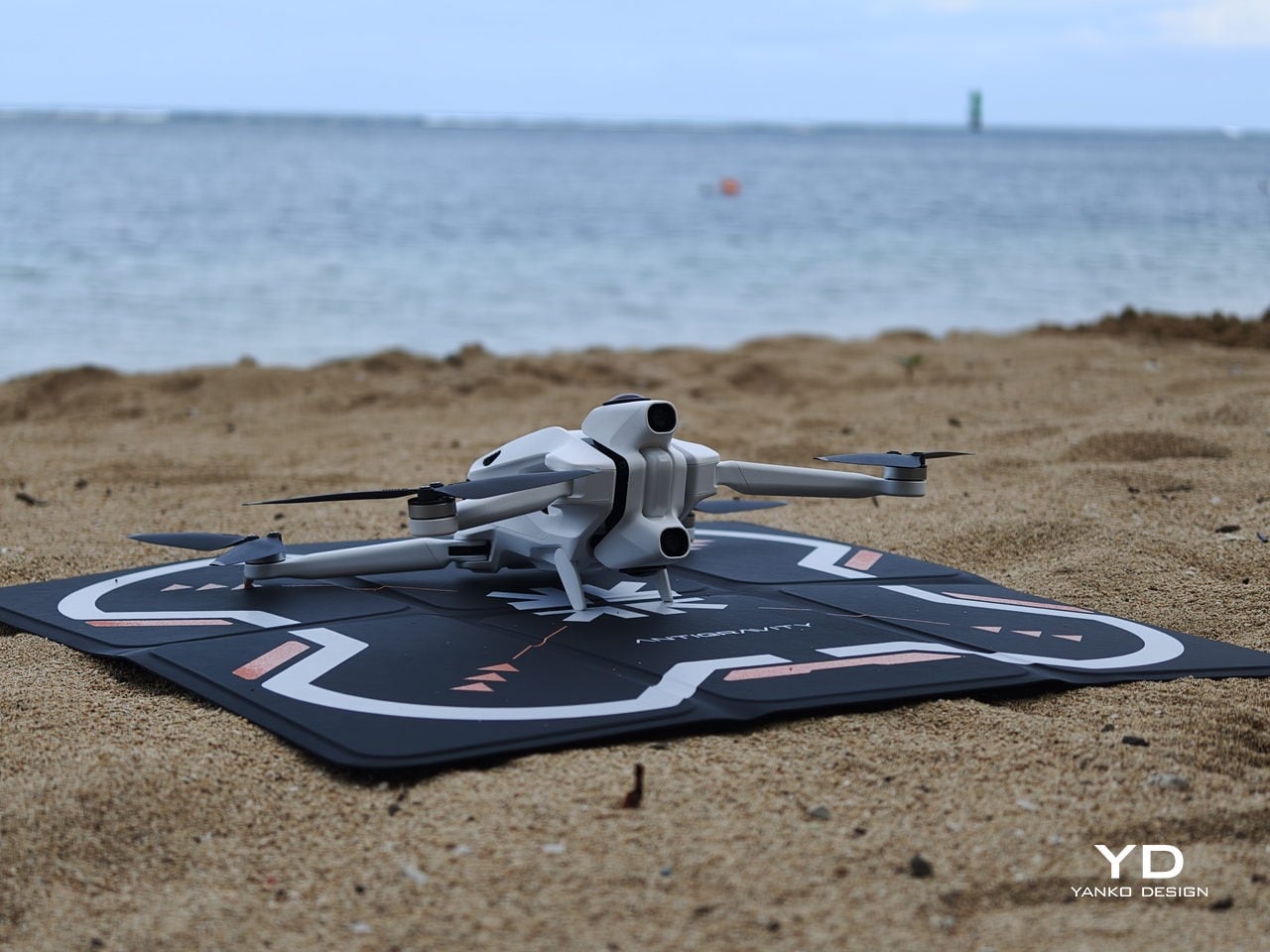
Antigravity is Insta360’s bold experiment in what happens when a 360‑camera company stops thinking only about the camera and starts redesigning the entire act of flying. It is an independent drone brand, incubated by Insta360, built on the same obsession with immersive imaging and playful storytelling, but free to rethink the aircraft, the controls, and the viewing experience as one coherent object. Instead of asking how to strap a 360 camera onto a drone, Antigravity asks how to make the whole system feel like a natural extension of your point of view.
Antigravity A1 is the first expression of that idea. It is a compact 8K 360 drone that arrives as a complete kit, with Vision goggles and a single‑hand Grip controller that you steer with subtle tilts and gestures. You do not fly it by staring at a phone and juggling twin sticks. You put on the goggles, step into a 360‑degree bubble of imagery, and guide the drone by moving your hand in the direction you want to travel. What was the experience with Antigravity A1 like? We tested it to bring you that answer.
Designer: Antigravity
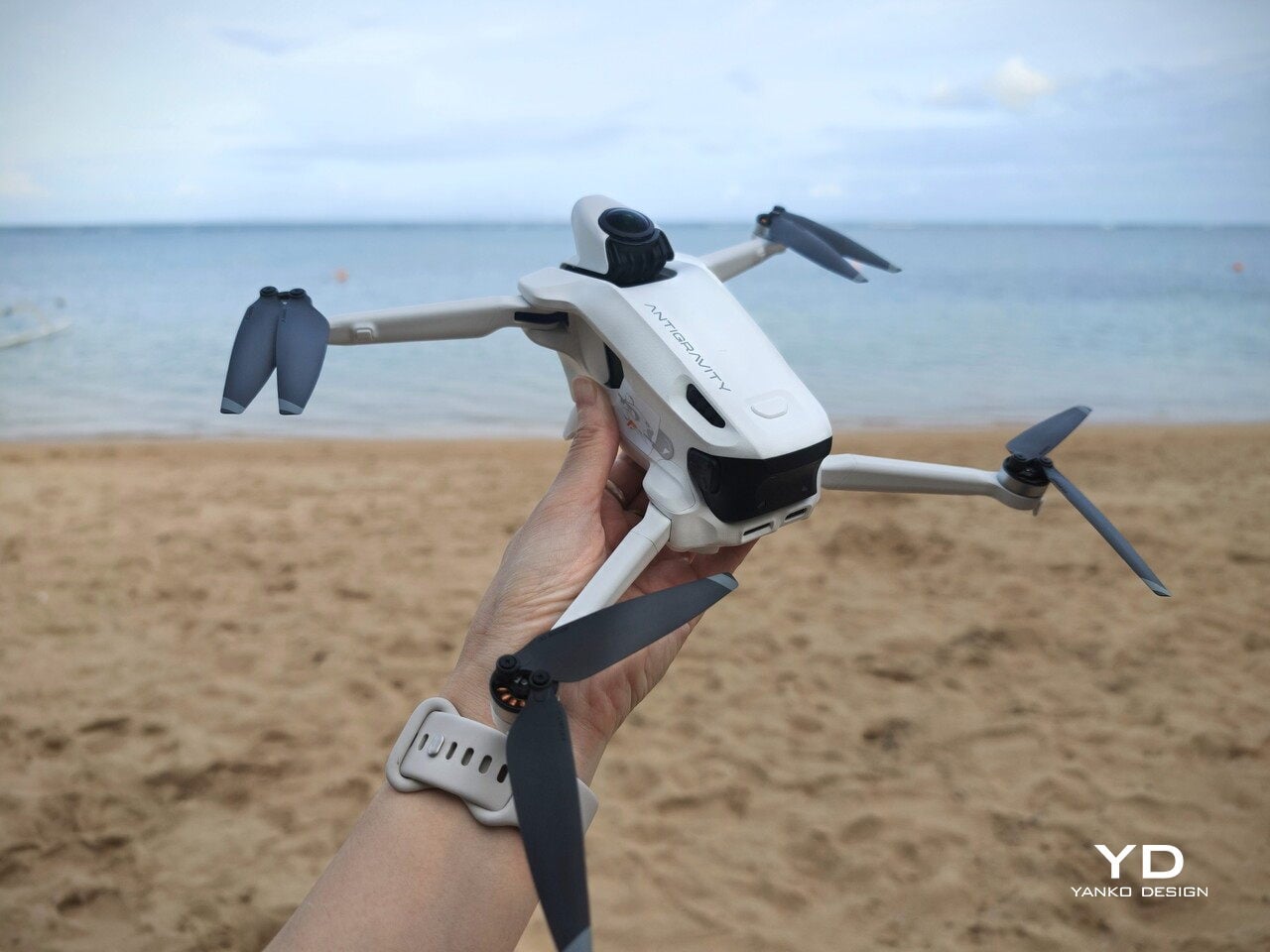
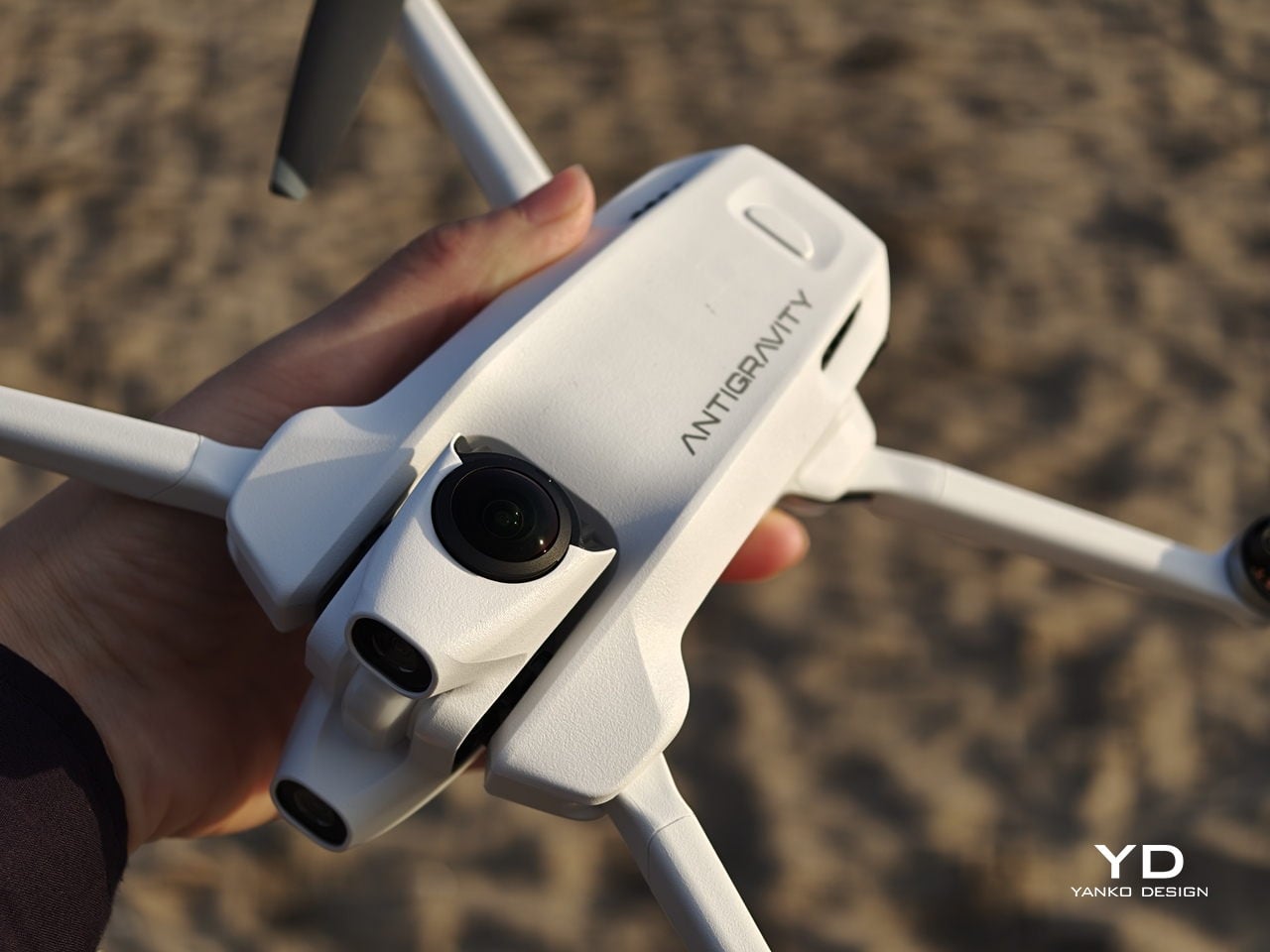
Antigravity A1 presents itself more as a system than a single object. There is the compact drone with its dual cameras, the Vision goggles, and the one‑hand Grip controller. Visually, the aircraft itself is quite understated. Aside from the two opposing lenses and the leg that shields the lower camera on the ground, it looks like a neat, functional quadcopter. The drama is reserved for what the system does, not how the airframe shouts for attention.
The Vision goggles lean into an almost character-like, even bug-like look, especially when you fold up the black antennas on each side that resemble insect feelers. The front shell is white with two large, dark circular eyes, giving the whole front a slightly cartoonish face. In between and just above those eyes sits an inverted triangle-shaped grille with a subtle Antigravity logo, adding a small technical accent without breaking the simplicity. The fabric strap and thick face padding sit behind this front mask. Wearing the goggles does look strange at first, but in a strangely cool way.

The Grip motion controller has a white plastic shell with buttons and a dial that uses color and icon cues to hint at their functions. On the back, a black trigger-style pull bar sits where your index finger naturally rests. There are additional buttons on each side. The mix of white body, black accents, and clearly marked controls makes the Grip look approachable rather than intimidating, which suits a controller that is meant to translate simple hand movements into flight.
Overall, the drone, goggles, and controller share a cohesive design language. They all use the same soft white shell, black accents, and gently rounded forms. The whole kit feels like a single, intentional system rather than three unrelated gadgets.
The Vision goggles are where comfort really matters, and Antigravity has clearly spent time on fit. The goggles weigh 340 grams, yet the padding and strap geometry distribute that weight in a way that avoids obvious pressure points, even during longer sessions. The side that meets your face feels soft and accommodating, so the hardware never feels harsh. Once the 360-degree image appears, the headset fades faster than you might expect, which is exactly what you want from an immersive device. Optional corrective inserts mean many glasses wearers can enjoy a sharp view without wrestling frames under the band, which makes the experience more inclusive and less fussy.
Power for the goggles lives in a separate battery pack that you can wear on a lanyard around your neck. At 175 grams, it is not heavy, but over time, it can feel slightly cumbersome to have it hanging there, especially when you are moving around. Antigravity sells a 1.2 metre (3.9 foot) USB-C to DC power cable that lets you route the battery to a trouser pocket or bag instead, which makes the whole setup feel less dangly and more integrated.
You adjust the head strap with velcro, which works, but it is not perfect. A small buckle or hinge mechanism would make it much easier to put the goggles on or take them off while wearing a hat, without having to readjust the strap length every time. It is a minor detail, yet it shows how close the design already is. You start wishing for refinements, not fixes.
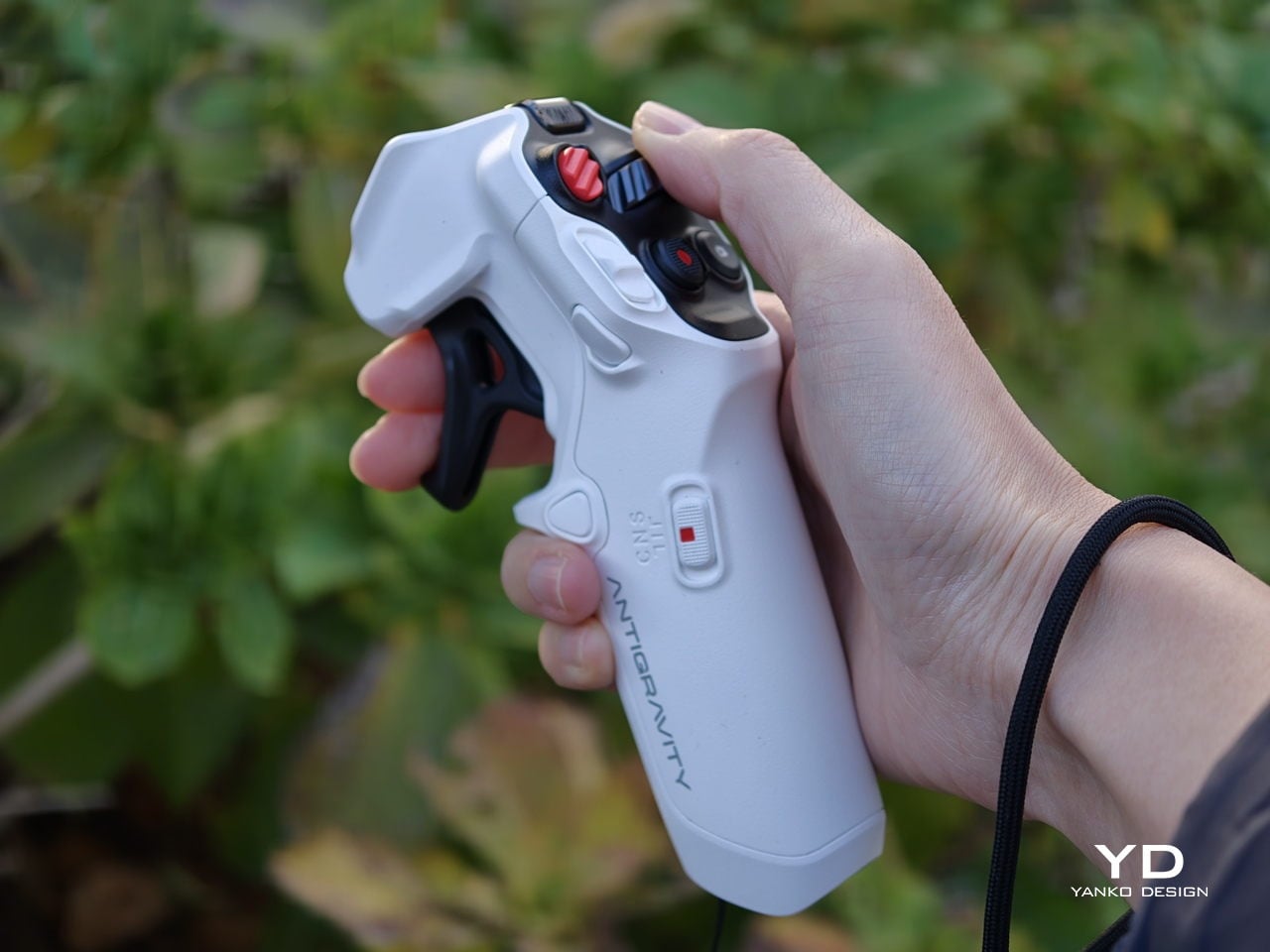
The Grip controller is where Antigravity’s ergonomic thinking really shows. It rests comfortably in one hand, with a form that supports a natural, slightly relaxed grip rather than a tense, clawed hold. For my hand, it is just a tiny bit on the large side, enough to notice but not enough to break the experience. This is very much nitpicking, and it actually underlines how well resolved the controller already is. When you are down to debating a few millimetres of girth, it means the fundamentals of comfort and control are in a very good place.
My experience with Antigravity A1 actually started at IFA in Berlin in early September. Outside the exhibition halls, I slipped on the Vision goggles while an Antigravity staff member flew the drone. As the A1 lifted and the IFA venue unfolded beneath me in every direction, my legs actually shivered a little, even though I like heights. Being wrapped in a live 360-degree view felt less like watching a screen and more like I was flying. That first taste was magical, which made me both excited and nervous to test the A1 myself later. I had almost crashed a friend’s drone years ago and had not flown since, so my piloting skills were close to none.
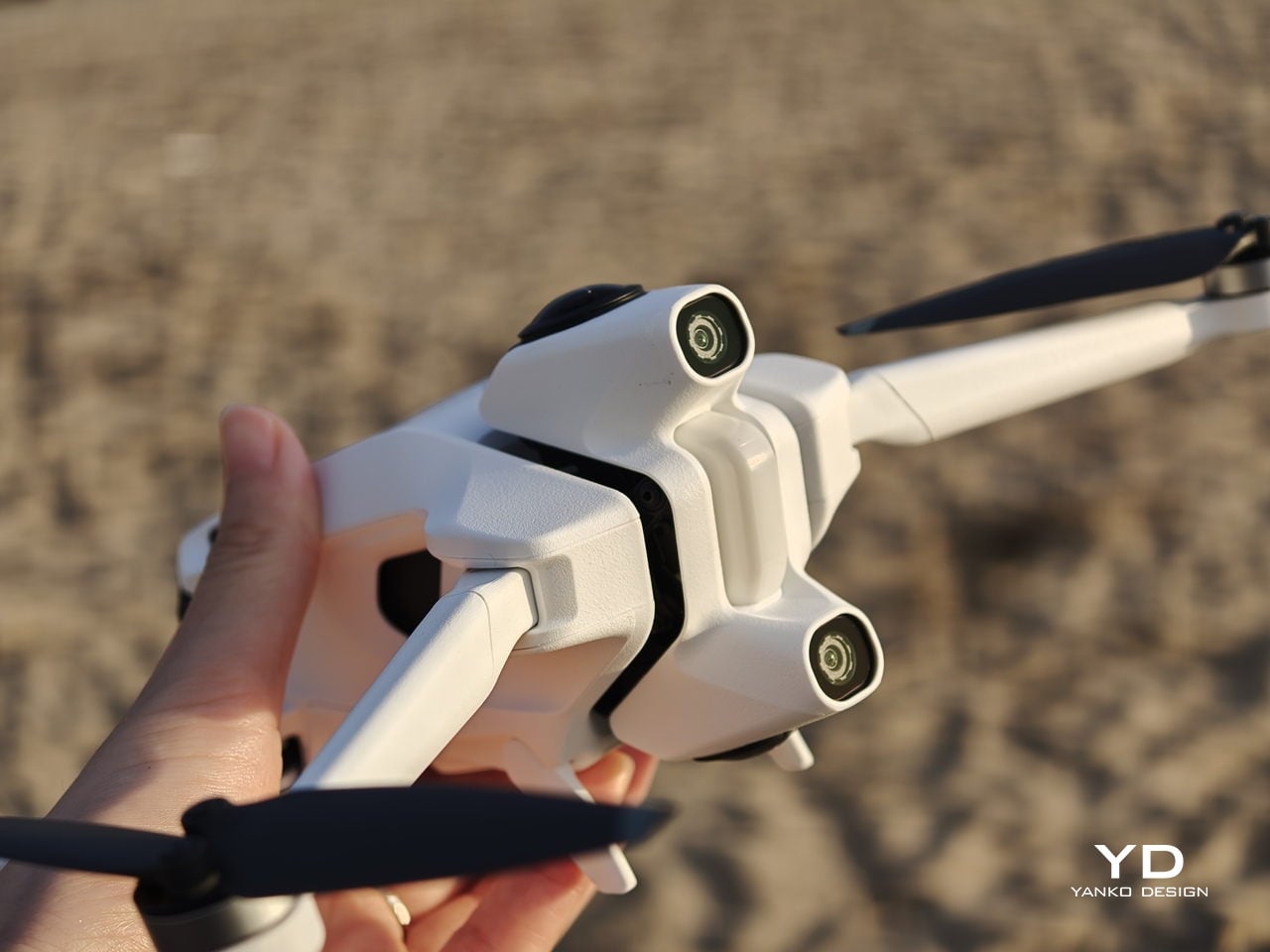
That magic comes with a setup phase that feels more like preparing a small system than turning on a single gadget. The first time you connect the drone, pair the Vision goggles, update firmware, and learn the grip controls, it can feel overwhelming. There are menus on the drone, options in the goggles, and status lights to decode, and they all compete for your attention at once. After a few sessions, it settles into a rhythm, but that initial ramp is something you feel before you ever lift off on your own.
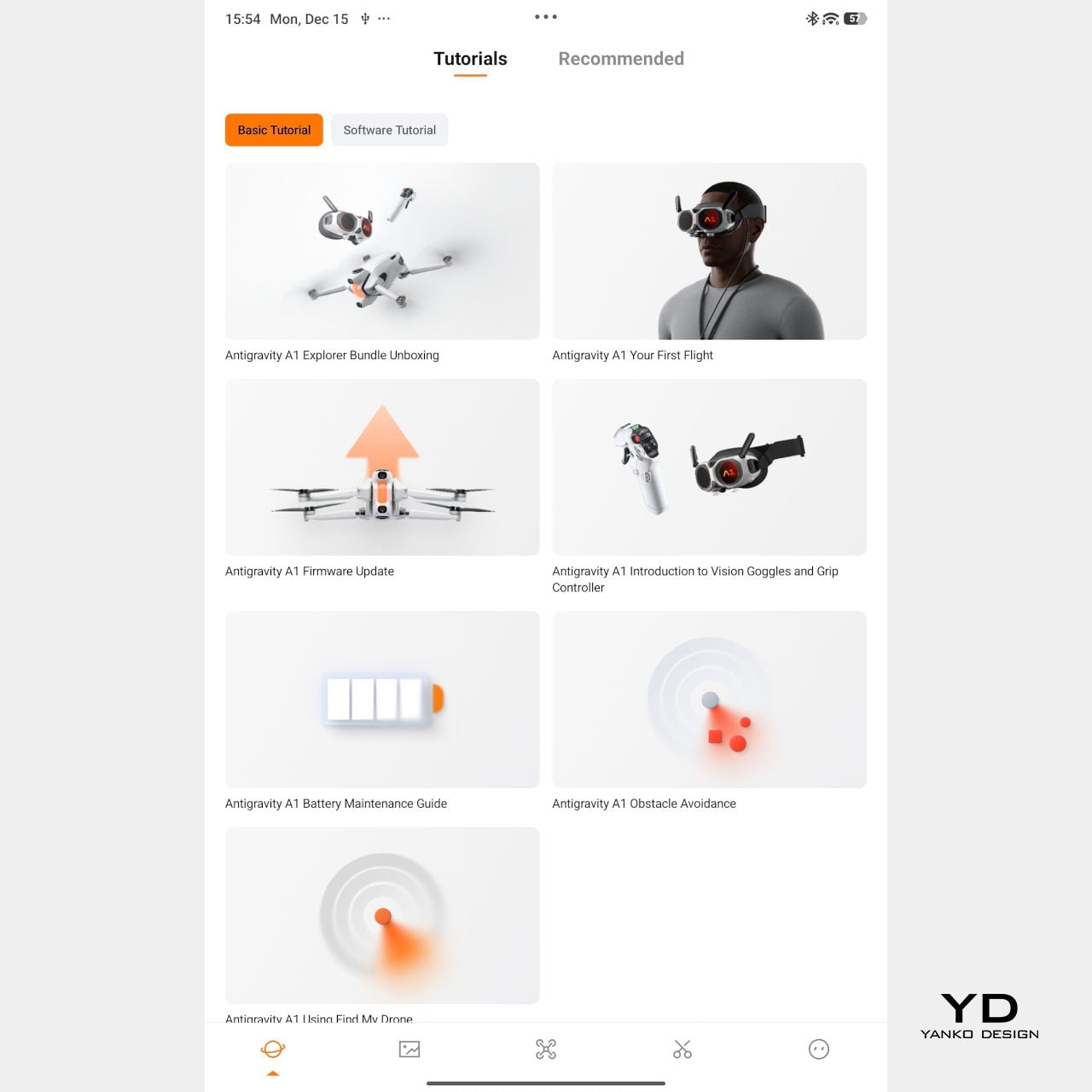
Mobile app – Tutorial
Packing the Antigravity A1 means finding room for the drone, the goggles and their separate battery, and the grip controller, often in a dedicated case or carefully arranged backpack. This nudges the whole experience away from “throw it in your bag just in case” and toward “plan a proper flying session.” The result is that the A1 feels more like a deliberate outing than a casual accessory.
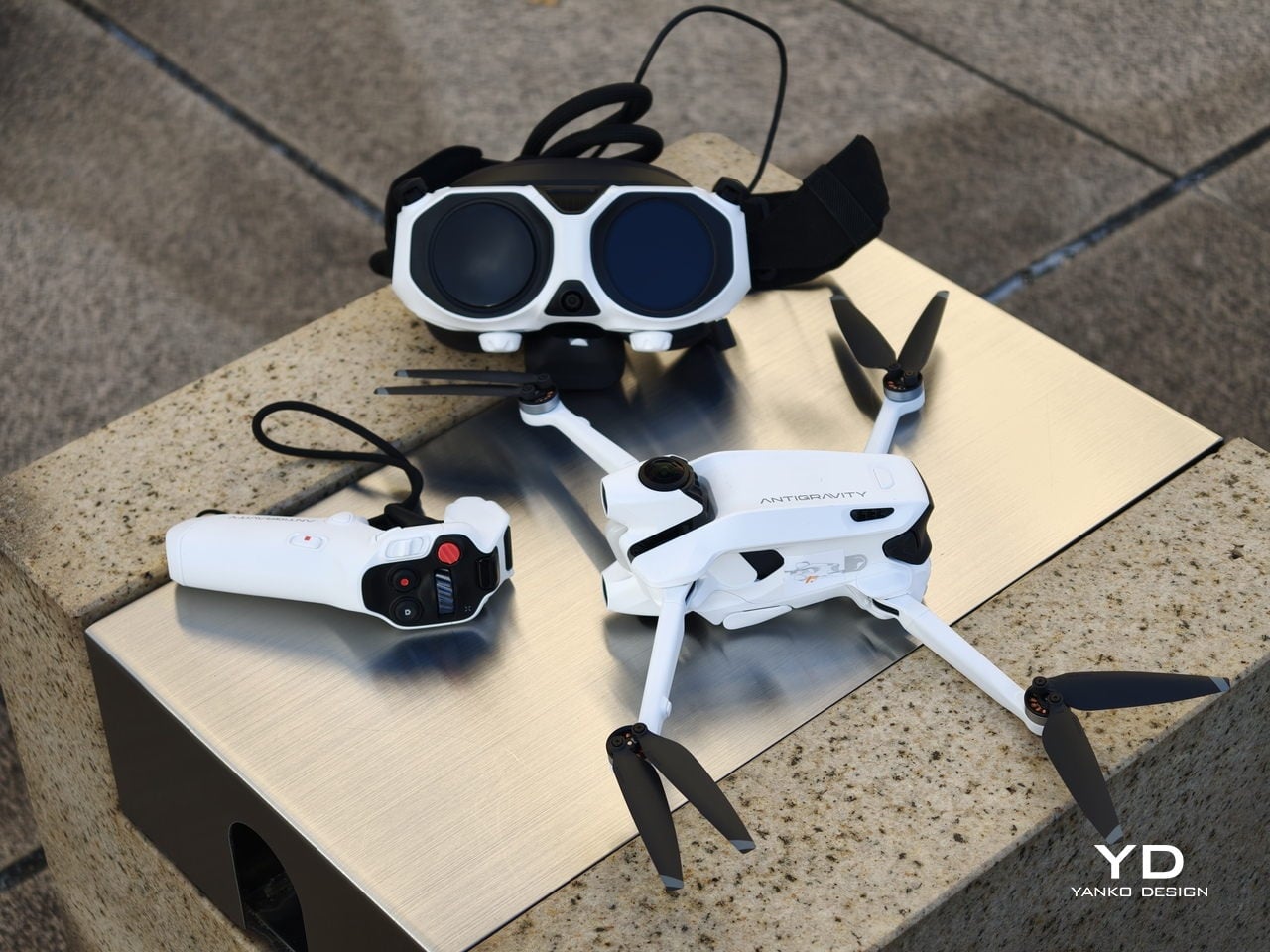
On paper, the A1 looks quite sensible. With the standard battery, it weighs 249 g, staying just under the 250 g threshold that works nicely with regulations in many places, and it offers up to about 24 minutes of flight time in ideal conditions. Pop in the high-capacity battery, and the weight goes over 250 g, but Antigravity quotes up to around 39 minutes in the air. In reality, you get a solid single session per pack and will want spares if you plan to film seriously.
Flight behaviour is also adjustable. There are three flight modes, Cinematic, Normal, and Sport, so you can match how the drone responds to the scene you are flying in. Together with Free Motion and FPV, that gives the A1 enough range to feel relaxed and floaty when you want it, or more direct and energetic when the shot calls for it.
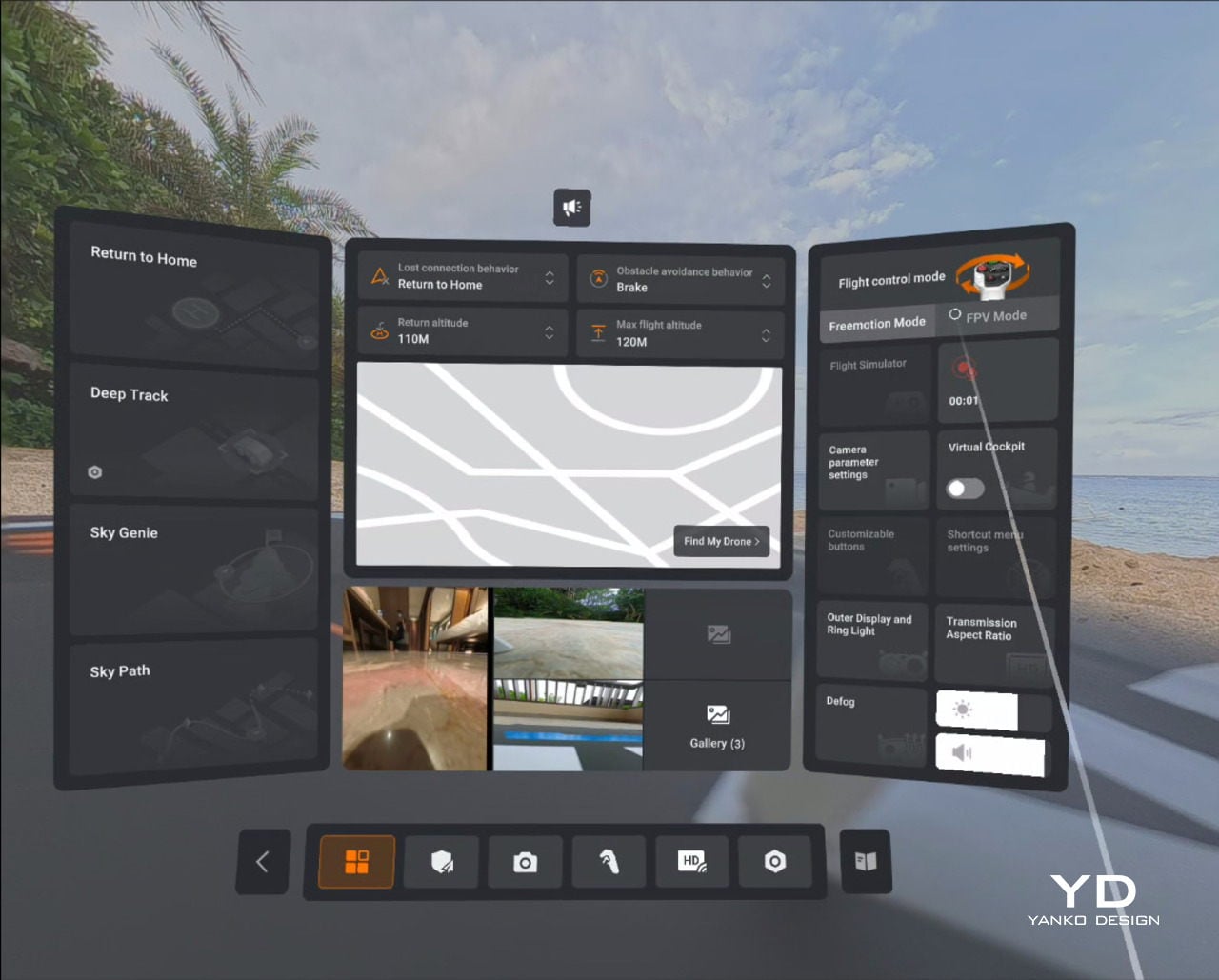
Vision goggles menu
On top of those basics, Antigravity adds automated tools like Sky Genie, Deep Track, and Sky Path. Sky Genie runs preprogrammed patterns that give you smooth, cinematic moves with minimal effort. Deep Track follows a chosen subject automatically, so you can focus more on timing than stick precision. Sky Path lets you record waypoints and have the A1 repeat the route on its own, which is handy for repeated takes or for nervous pilots.
Safety and workflow sit quietly in the background, which is exactly where they should be. Obstacle sensors on the top and bottom help protect the drone when you are close to structures or changes in elevation, and one click Return to Home acts as a psychological parachute. Knowing you can call the drone back with a single command does a lot to calm the nerves, especially if your last memory of drones involves a near crash.

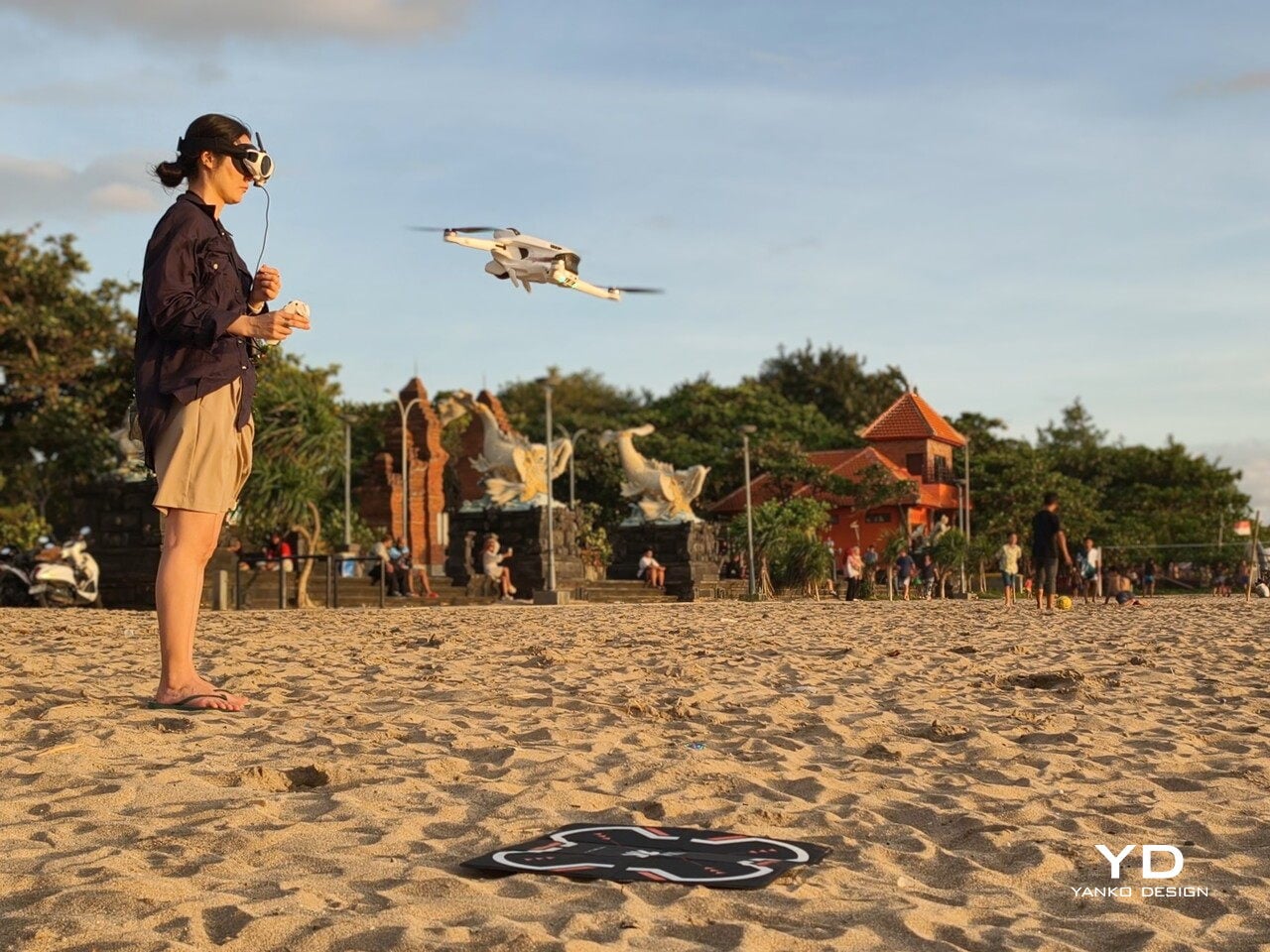
In the United States, FAA rules treat goggle-only flying as beyond visual line of sight, so you are meant to have a visual observer watching the drone while you are wearing the headset. That nudges the A1 away from solo, spur-of-the-moment flights and toward planned sessions with someone beside you acting as spotter.
On the imaging side, the A1 records up to 8K 360-degree video, with lower resolutions unlocking higher frame rates when you want smoother motion. Footage can be stored on internal memory or a microSD card, and you can offload it either by removing the card or plugging in via USB-C, so it slips neatly into most existing editing habits.
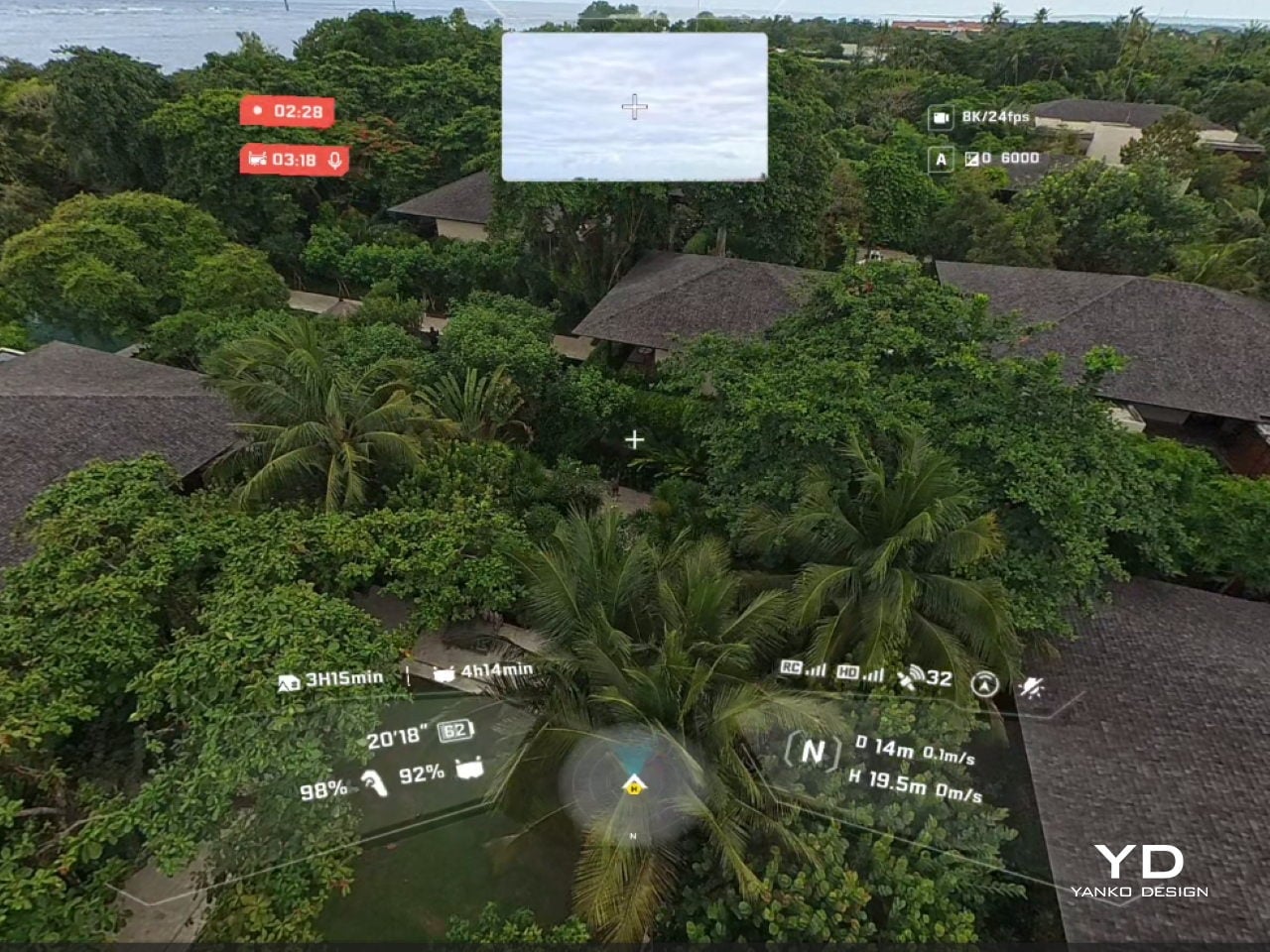
Vision goggle screen recording
The real leap, though, comes from the goggles. They are the thing that truly sets A1 apart from almost every other consumer drone. Instead of glancing down at a phone, you step into an immersive 360-degree view that tracks your head and surrounds your vision. The drone feels less like a gadget in the sky and more like the spot your eyes and body are occupying. A double-tap on the side button flips you into passthrough view, so you can check your surroundings without pulling the headset off, and a tiny outer display mirrors a miniature version of the live feed for people nearby.
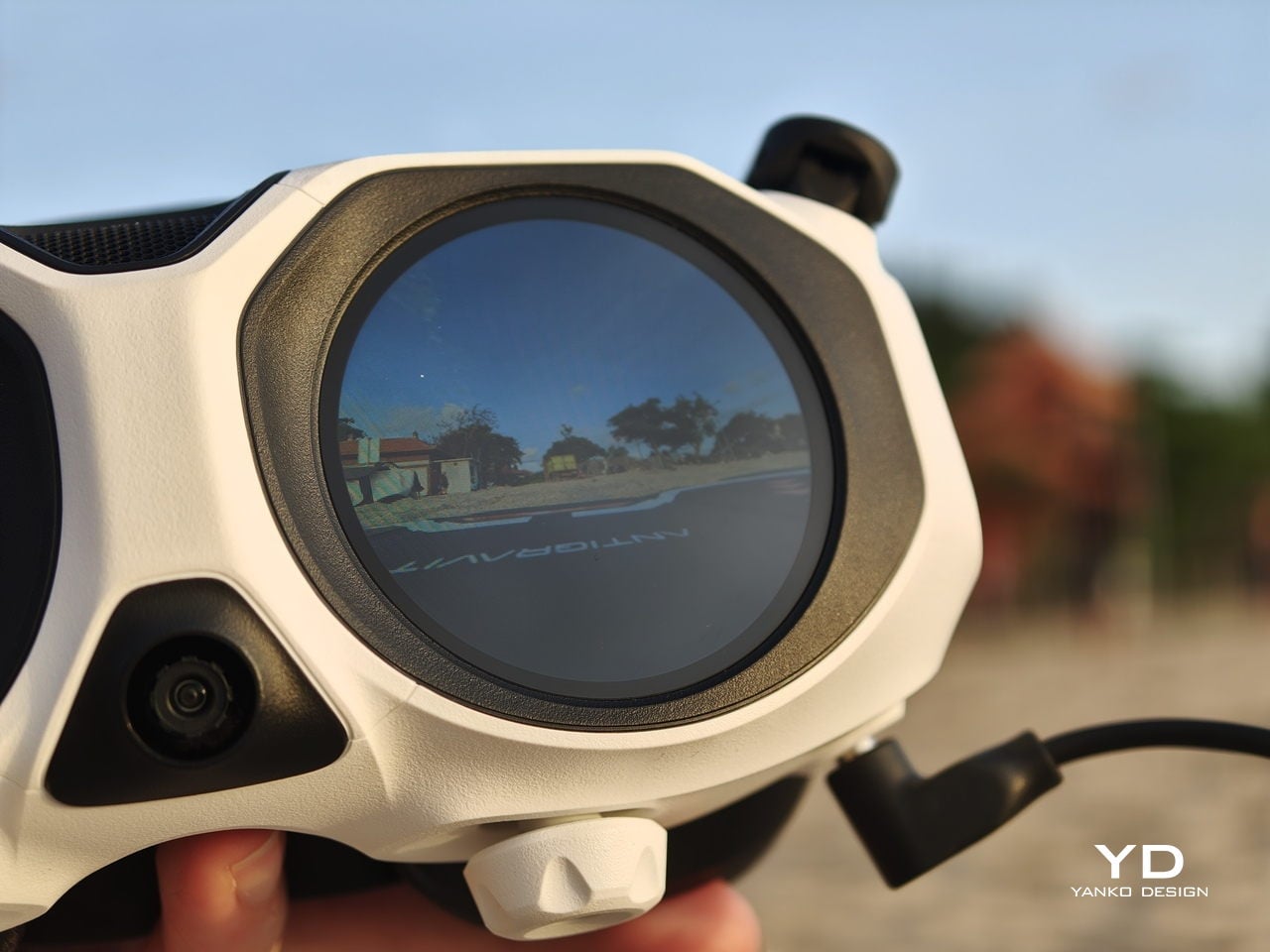
That small detail turned out to be important in Bali, where a group of local kids noticed the goggles and the moving image, wandered over, and suddenly found themselves taking turns “flying” above their own neighbourhood. Their gasps, laughter, and stunned silence were as memorable as the footage itself.
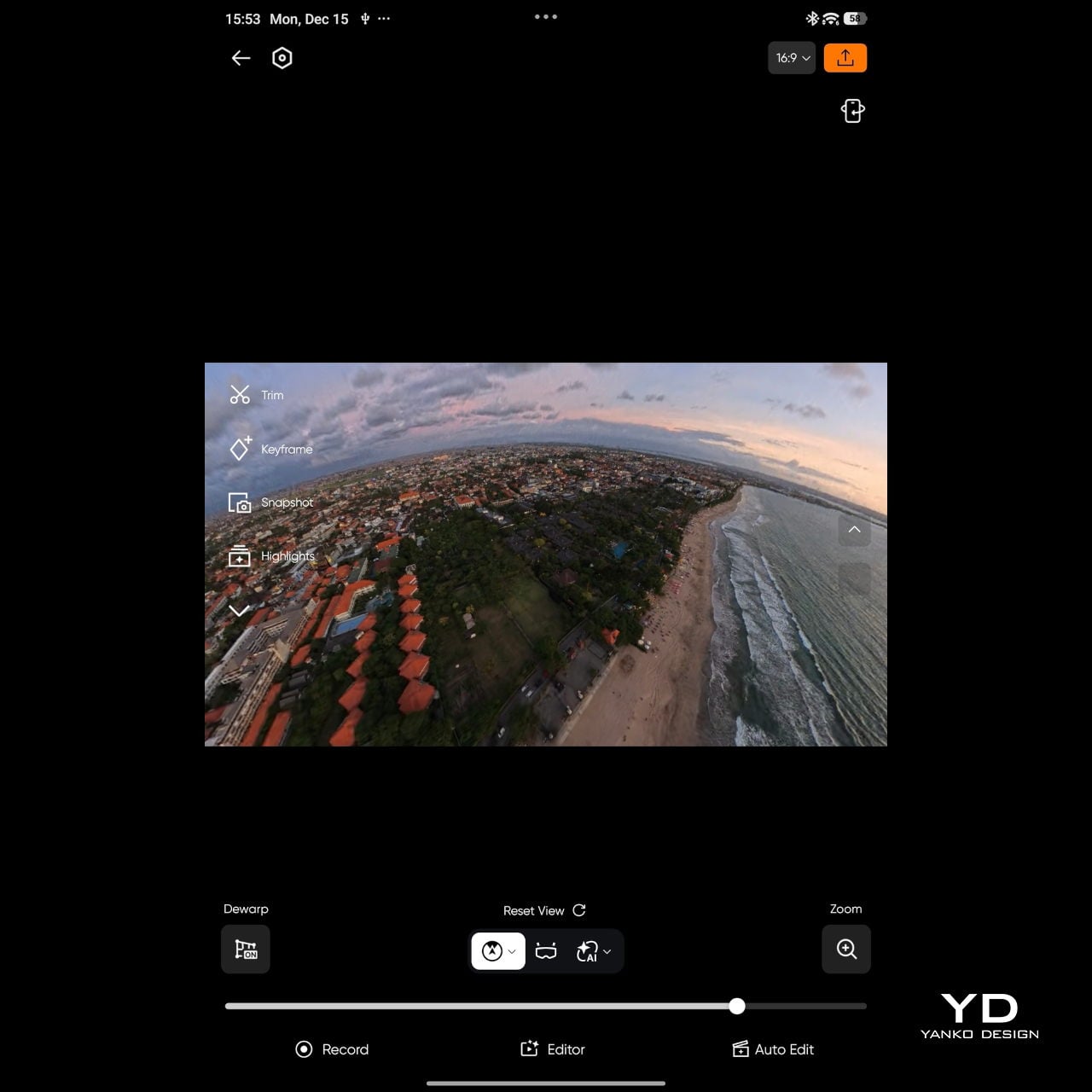
Mobile app
The magic continues even after you land. Because the A1 captures everything in 360 degrees, you can decide on your framing after the flight, which feels a bit like getting a second chance at every shot. Antigravity provides both mobile and desktop apps for this, so you can scrub through the sphere, mark angles, and carve out regular flat videos without having to nail every move in real time.
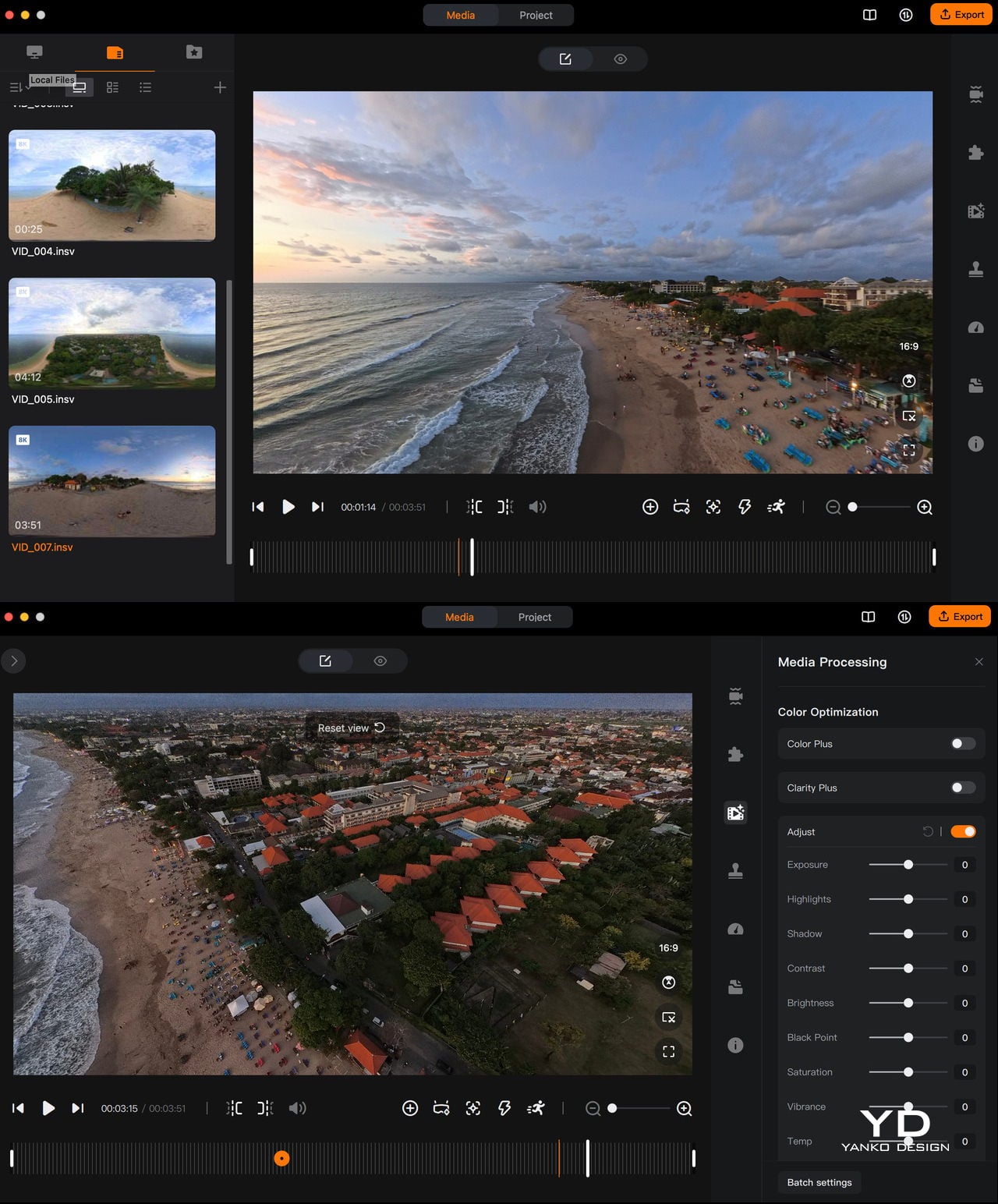
Desktop app
If you have used the Insta360 app, the Antigravity app will feel instantly familiar, with similar timelines, keyframes, and swipe-to-pan gestures. Even if you have not, it is straightforward to learn, helped by clear icons and responsive previews. There is also an AI auto-edit mode that can assemble quick cuts for you, which is handy when you just want something shareable without sinking an evening into manual reframing.


In the end, A1’s performance is not just about how long it stays in the air or how many modes it offers. Those pieces matter, and they are solid, but what you remember is the feeling of lifting off inside the goggles and the ease with which you can hand that experience to someone else. It still behaves like a well-mannered compact drone on the spec sheet, yet in use it edges closer to a shared flying machine, one that turns a patch of ground into a small, temporary viewing platform in the sky.
Antigravity does not make any big sustainability claims with the A1. There is no mention of recycled materials or lower-impact manufacturing, and the packaging and hardware feel very much in line with a typical consumer drone. This is not a product that sells itself on being green, and the company does not pretend otherwise.
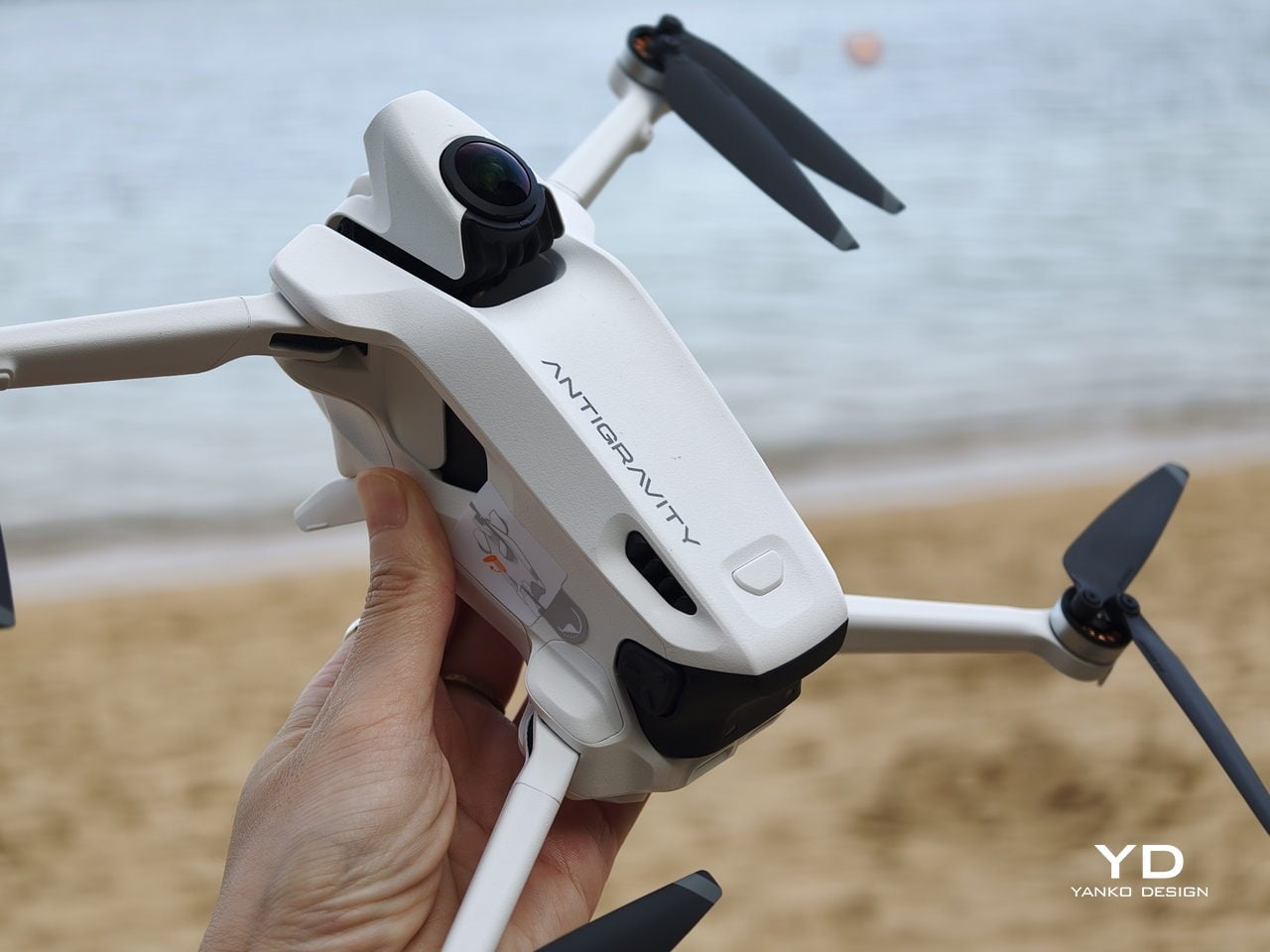
What you do get is some support for repairing rather than replacing. The A1 ships with spare propellers in the box, which encourages you to swap out damaged blades instead of treating minor knocks as the end of the drone. Antigravity also sells replacement lenses, so a scratched front element does not automatically become a total write-off. It is a small step, but it nudges the A1 slightly toward a longer, more fixable life rather than a purely disposable gadget.
The standard Antigravity A1 bundle starts at 1599 USD, with Explorer and Infinity bundles stepping up battery count and accessories for longer, more serious flying. It is undeniably an expensive system, especially compared to regular camera drones that only give you a phone view.

At the same time, what you are really paying for is the experience of being inside the flight and reframing your shots after the fact. That sense of presence and flexibility is hard to put a number on, and for me, it nudges the A1 from “costly gadget” toward something closer to a priceless experience machine, if you know you will actually use it.
Antigravity A1 is not the simplest drone in terms of equipment. You are managing goggles, a grip controller, multiple batteries, and in some places, you also need a visual observer if regulations require it. On top of that, the price sits firmly in premium territory. In return, you get a very different kind of flying. At first, setup and piloting can feel overwhelming, but it becomes natural surprisingly quickly, and there are plenty of automated features to help you keep the drone under control and capture cool shots. Combined with 360-degree capture and post-flight reframing in the Antigravity app, it feels less like operating hardware and more like stepping into a movable viewpoint.
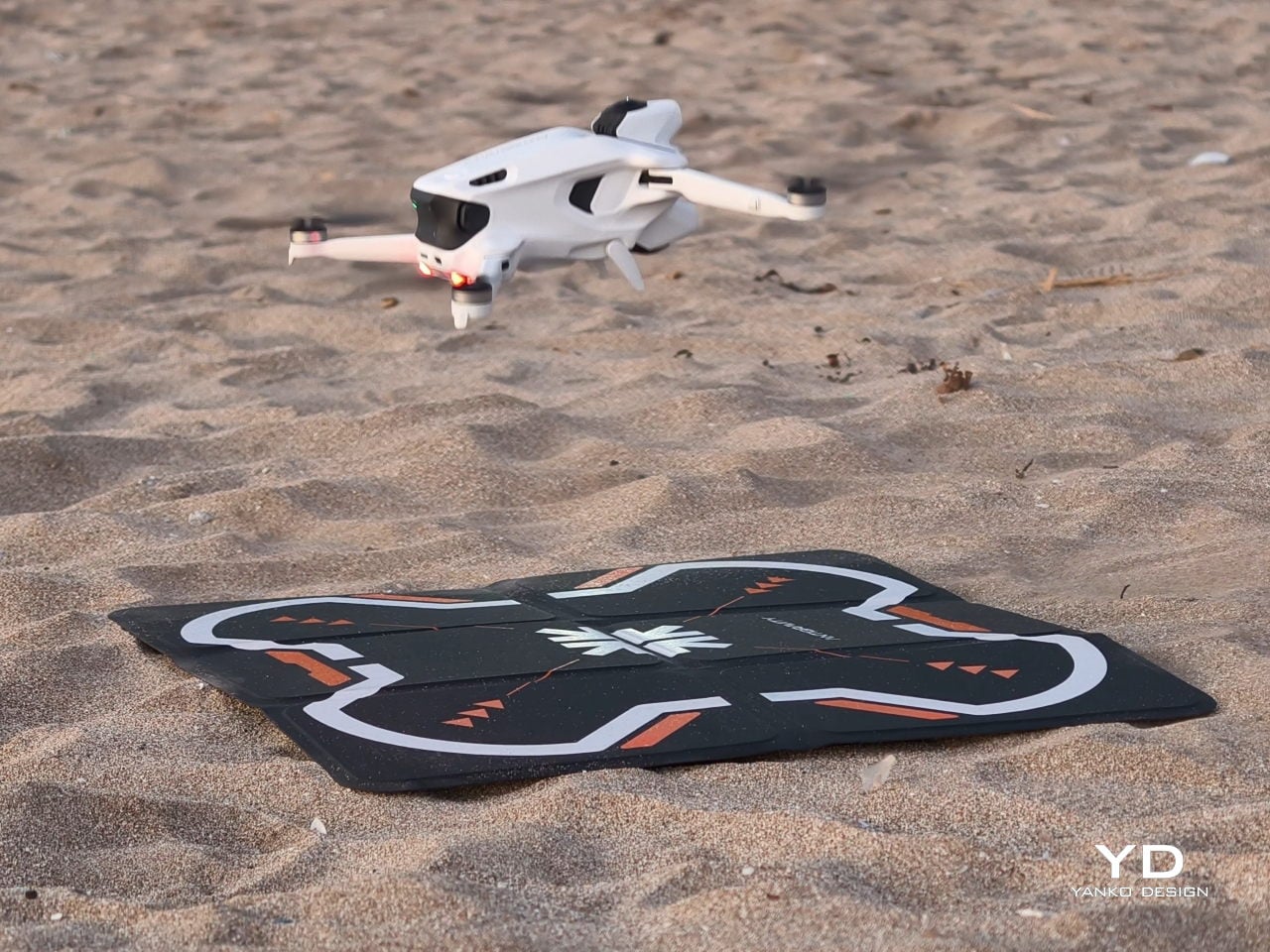
If you just want straightforward aerial clips, the A1 is probably more than you need. If you care about immersive perspective and shared experiences, the mix of kit, software, and feeling it delivers starts to justify the cost. It is fussy, ambitious, and occasionally awkward, yet when you are inside that live 360-degree view, it really does reimagine what a drone can feel like to fly.
The post Antigravity A1 Review: Reimagining What a Drone Feels Like to Fly first appeared on Yanko Design.
Imagine a robot that can transform like a high-tech LEGO set, swapping out legs for arms or wheels depending on what the day throws at it. That’s exactly what LimX Dynamics has cooked up with their latest creation, the Tron 2, and honestly, it’s making me rethink everything I thought I knew about what robots can do.
The Tron 2 isn’t your typical one-trick-pony robot. This thing is basically the Swiss Army knife of the robotics world. Chinese startup LimX Dynamics just unveiled this modular marvel that can morph between three completely different configurations: a dual-armed humanoid torso, a wheeled-leg explorer, or a bipedal walker that can actually climb stairs without making you nervous. And get this, you can switch between these forms with just a screwdriver. No fancy tools, no complicated procedures. Just some strategic unscrewing and you’ve got a whole new robot.
Designer: LimX Dynamics
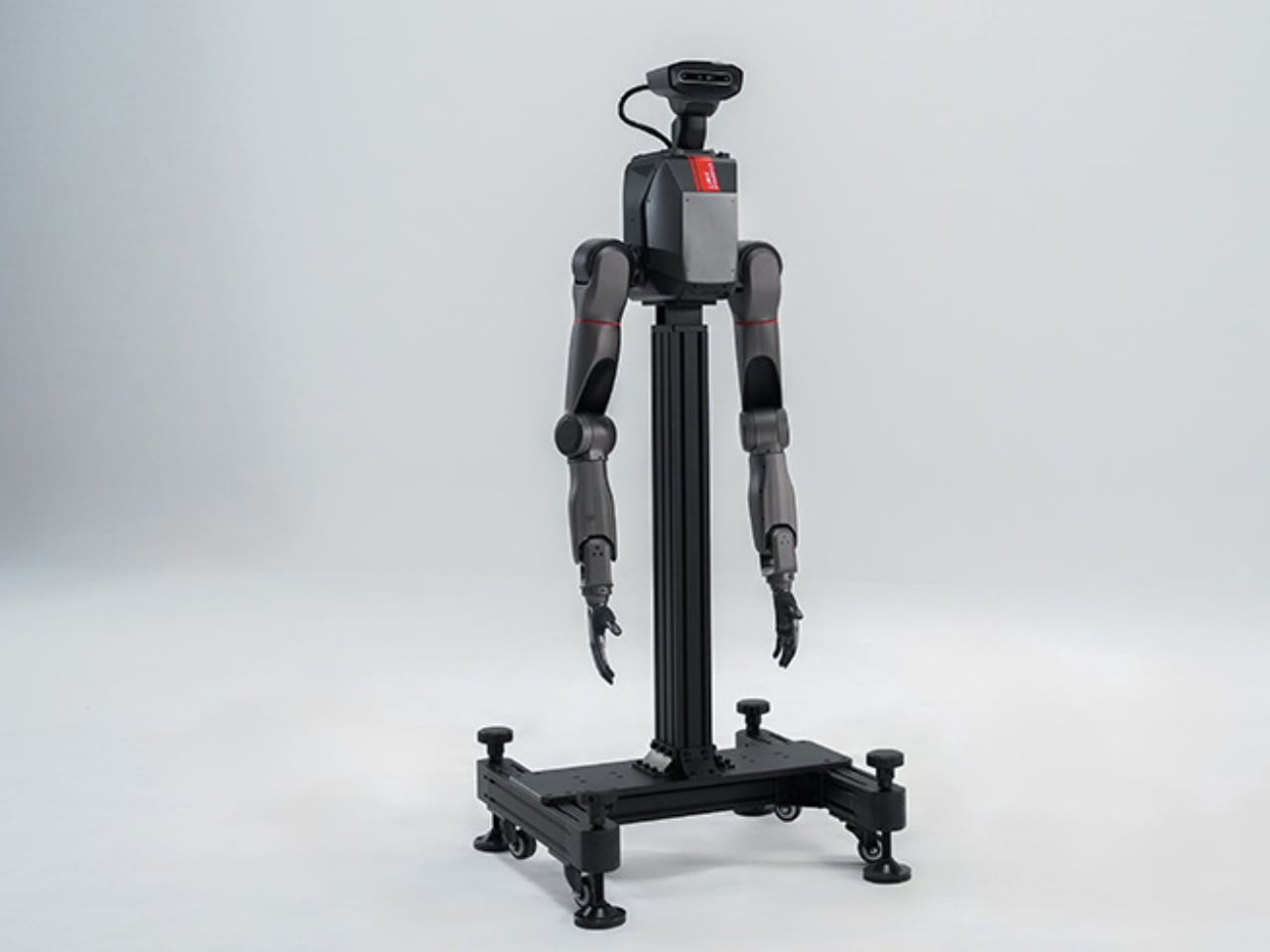
The company’s demo video starts with something delightfully surreal: just a pair of robotic legs casually strolling along, completely headless and armless. Then, like watching a transformer come to life in real time, those same leg components get repurposed into arms, complete with a head and torso. Suddenly, you’ve got a full humanoid lifting heavy water bottles and showing off its surprisingly impressive strength.
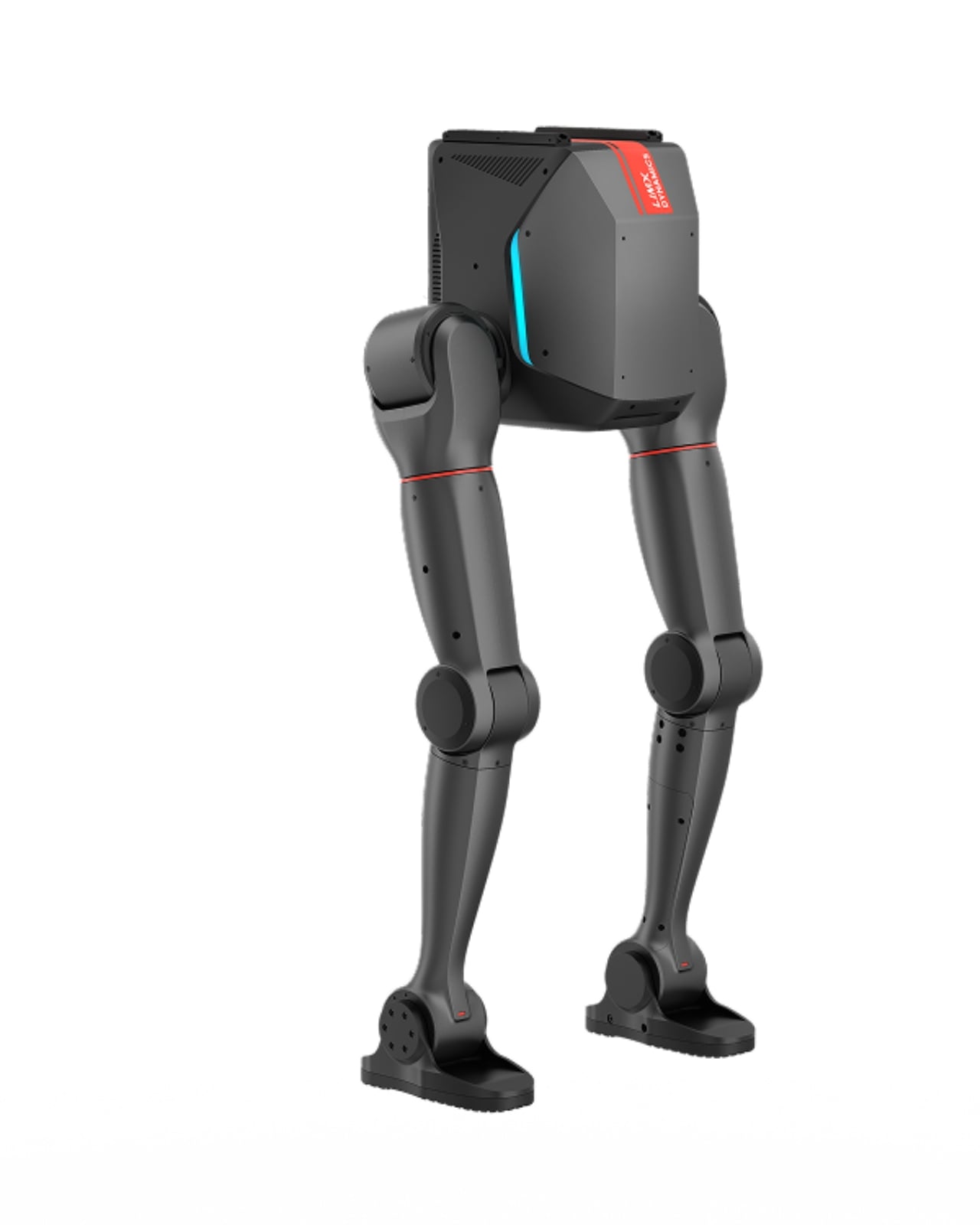
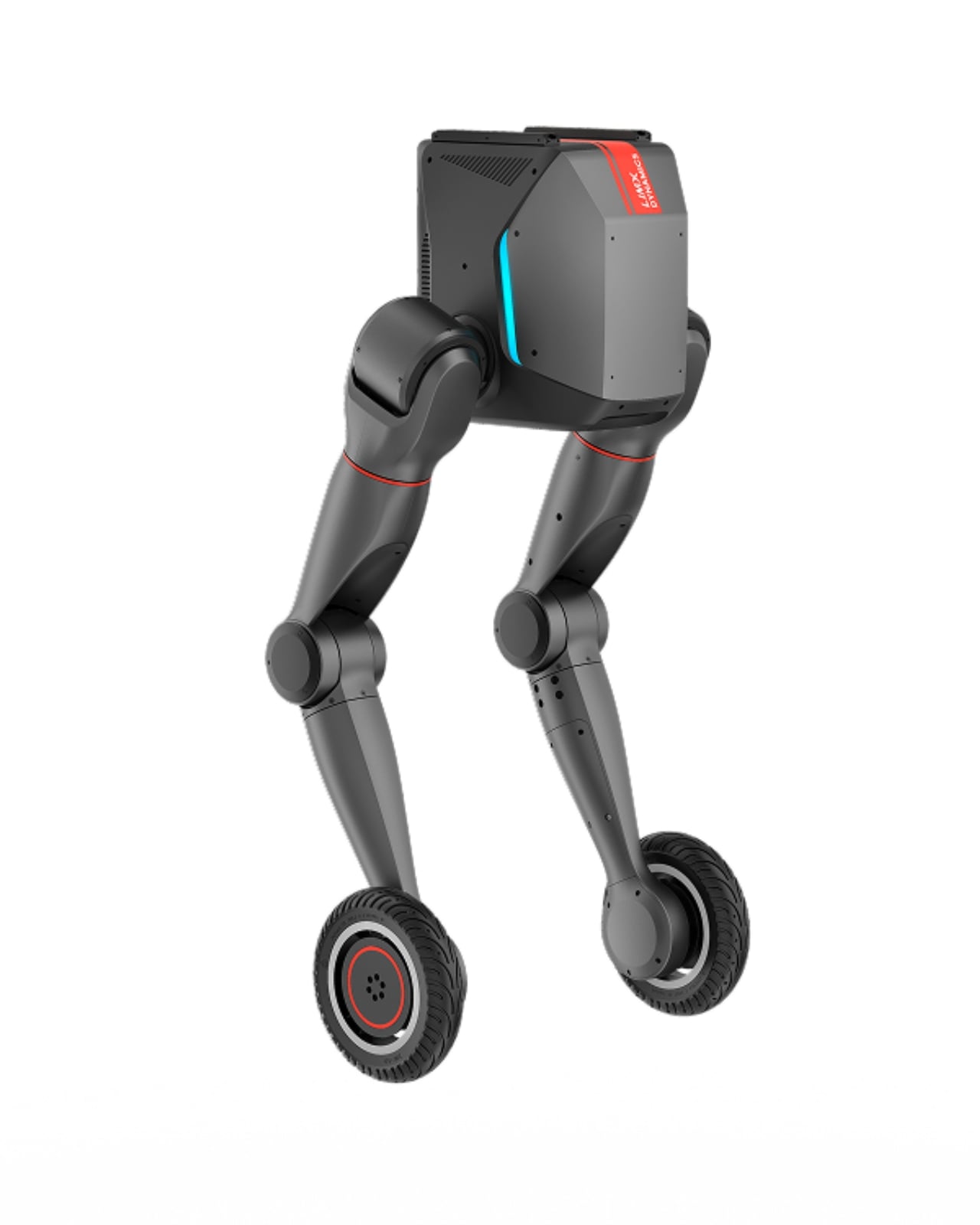
What makes the Tron 2 particularly fascinating is its intelligence layer. This isn’t just a mechanical chameleon. It’s powered by advanced AI and built on what’s called a vision-language-action platform, which essentially means it can see, understand commands, and actually do something useful with that information. The robot comes with a fully open software development kit that plays nice with both ROS1 and ROS2, making it a dream for researchers and developers who want to experiment without fighting proprietary systems.
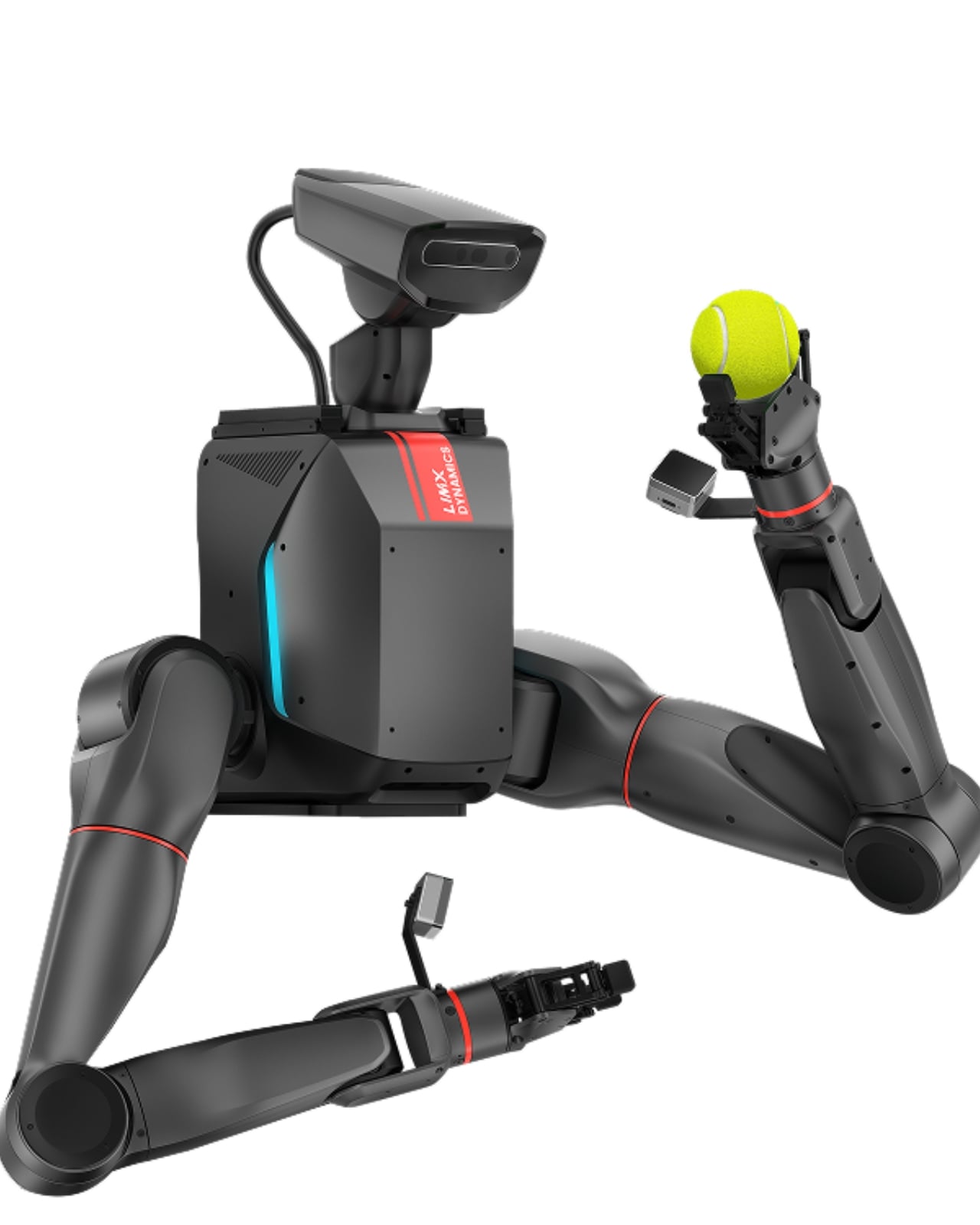
Performance-wise, the specs are genuinely impressive. Each of its dual arms features seven degrees of freedom with a reach of 70 centimeters and can handle up to 10 kilograms of payload together. The wheeled configuration offers about four hours of runtime and can haul around 30 kilograms of cargo, while the bipedal mode excels at navigating tricky terrain like staircases that would leave most wheeled robots stuck at the bottom. The demo footage shows Tron 2 doing things that feel almost show-offy: playing table tennis, performing cartwheels, rolling around smoothly on wheels, and conquering staircases with the confidence of someone who’s done it a thousand times. It’s the kind of versatility that makes you wonder why we’ve been so committed to single-purpose robots for so long.
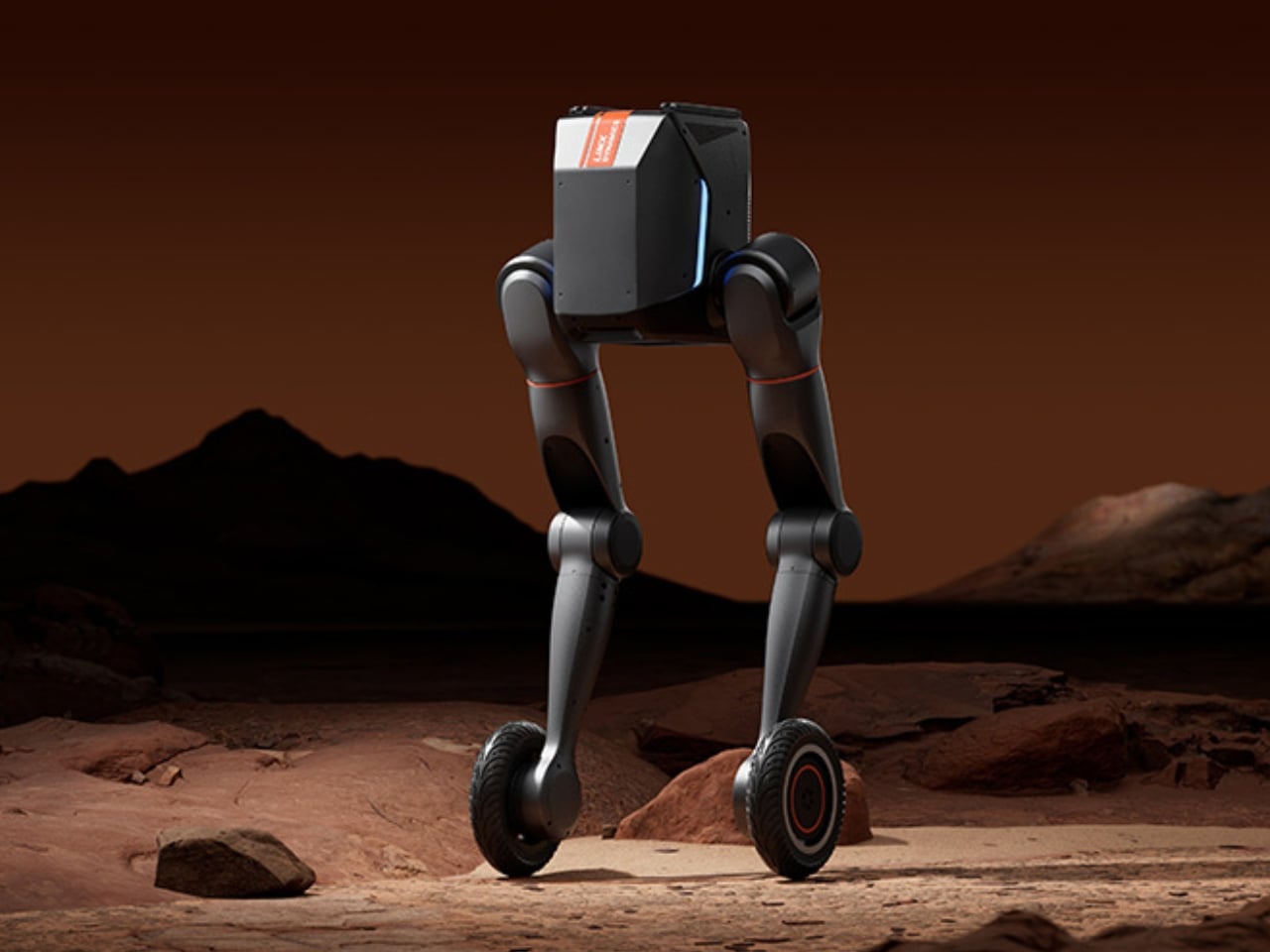
And here’s where things get really interesting. LimX is positioning the Tron 2 as ideal for future Mars missions. Think about it: on Mars, you can’t exactly call a repair truck when something breaks or send a specialized robot for every different task. You need something adaptable, something that can switch roles as mission needs evolve. The modular design means you could potentially swap out damaged components or reconfigure for different tasks without needing an entirely new robot shipped from Earth.
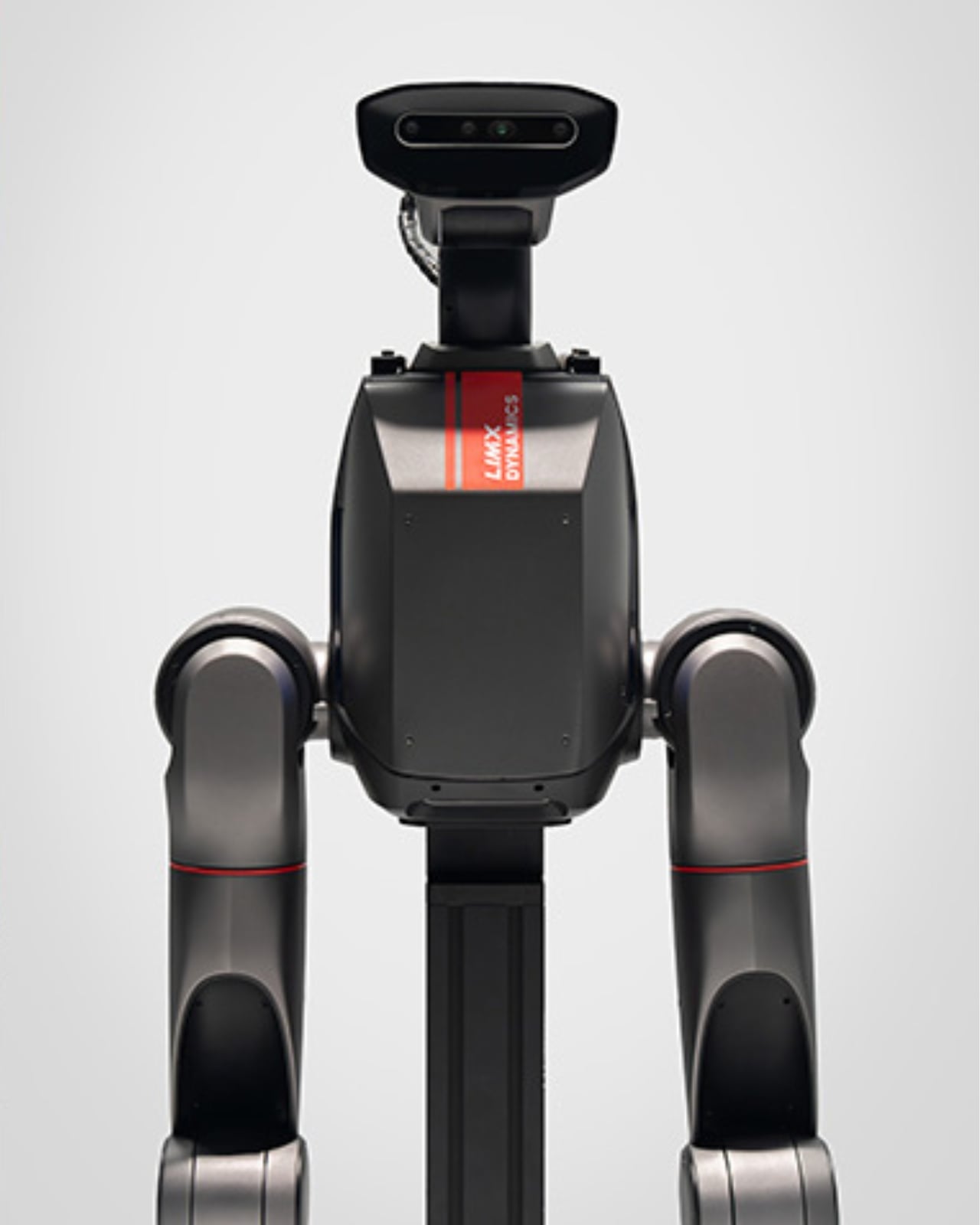
For research labs, the Tron 2 offers something that’s been surprisingly rare: a flexible test bed that can support multiple types of projects without requiring a whole fleet of different robots. Whether you’re studying manipulation, locomotion, or AI integration, you can configure the same platform to suit your specific needs. Perhaps most surprisingly, this technological marvel starts at just 49,800 Chinese yuan, which translates to around $7,000 USD. For context, that’s dramatically cheaper than many specialized robots that can only do a fraction of what the Tron 2 offers. Pre-orders are already open, though LimX hasn’t fully disclosed all the pricing details or specified exactly who their target customers are.
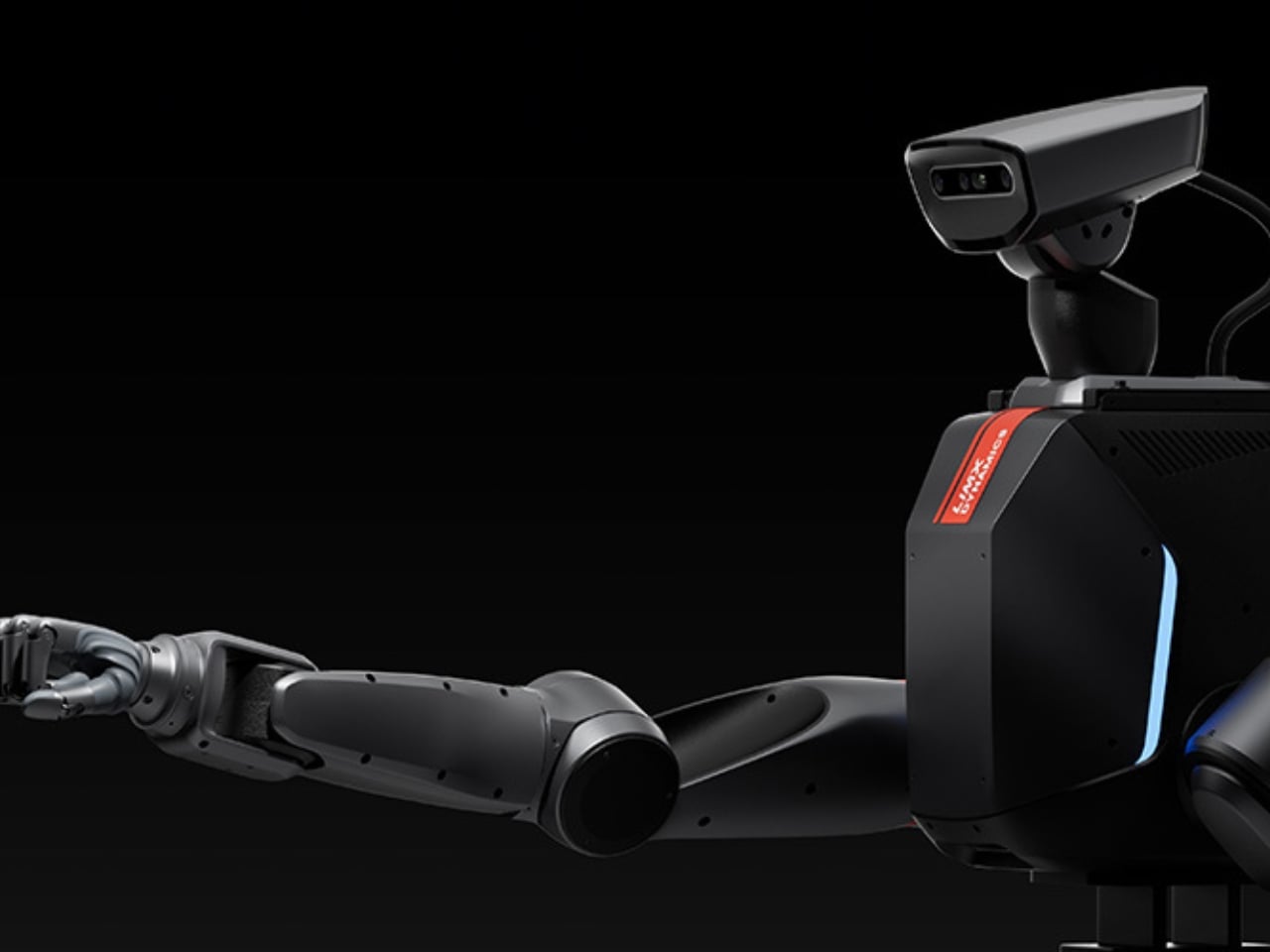
The Tron 2 represents something bigger than just another cool robot demo. It’s pointing toward a future where adaptability matters more than specialization, where one well-designed platform can handle whatever challenges come its way. Whether it ends up exploring Mars or revolutionizing warehouse operations here on Earth, this shape-shifting bot is definitely one to watch.
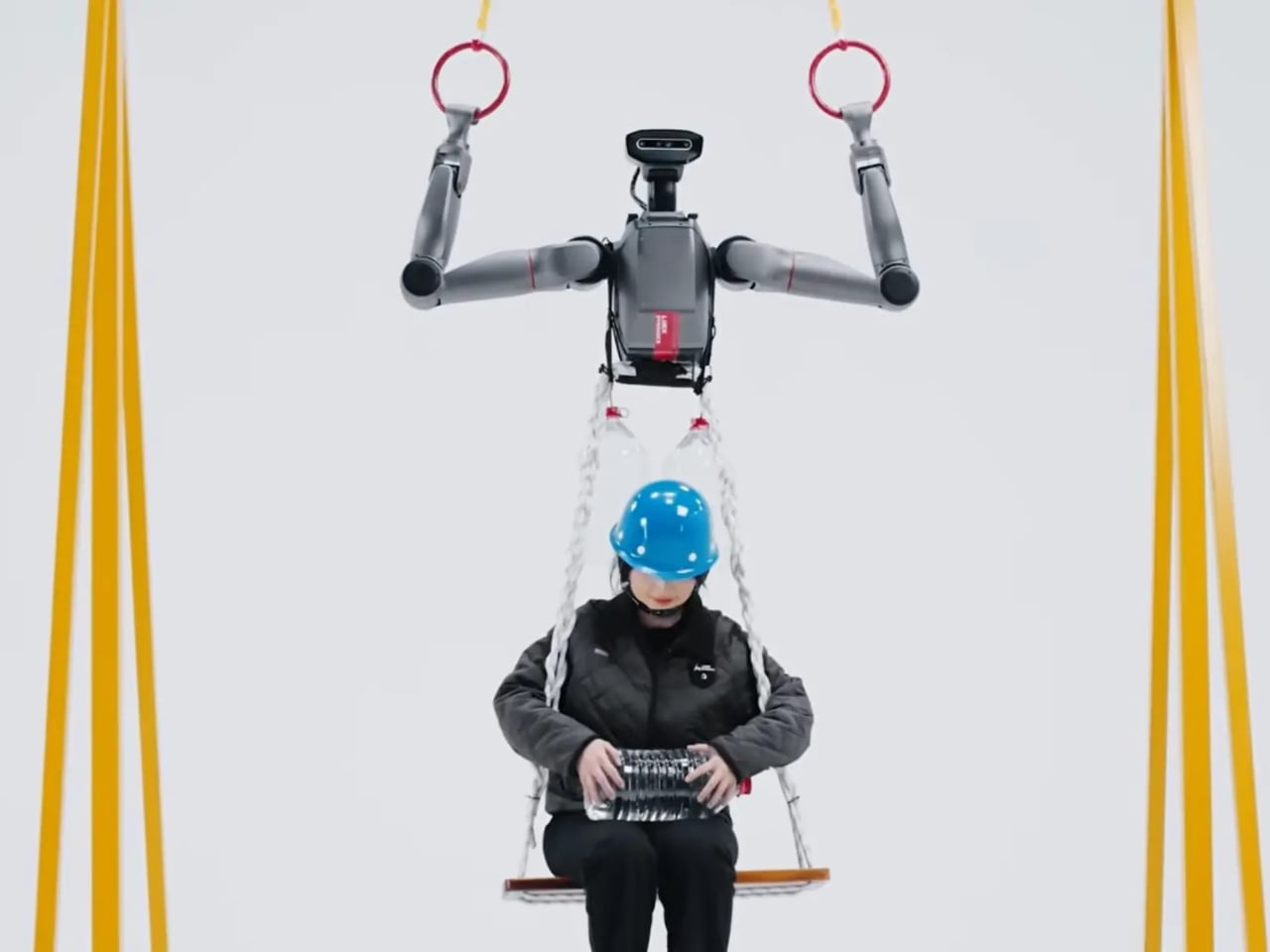
The post This $7,000 Robot Shapeshifts Into 3 Different Machines first appeared on Yanko Design.

One thing exoskeletons have done right is help with motor rehabilitation. Of course, their size and weight have decreased over time, but most of those available are suitable for rehabilitation, load-bearing assistance, and similar purposes. However, they are not designed for daily wear. Not concentrating on the lower limb, which is a saturated market, a duo of budding South Korean designers has targeted the upper limb; creating a wearable robot that can be worn for daily usage.
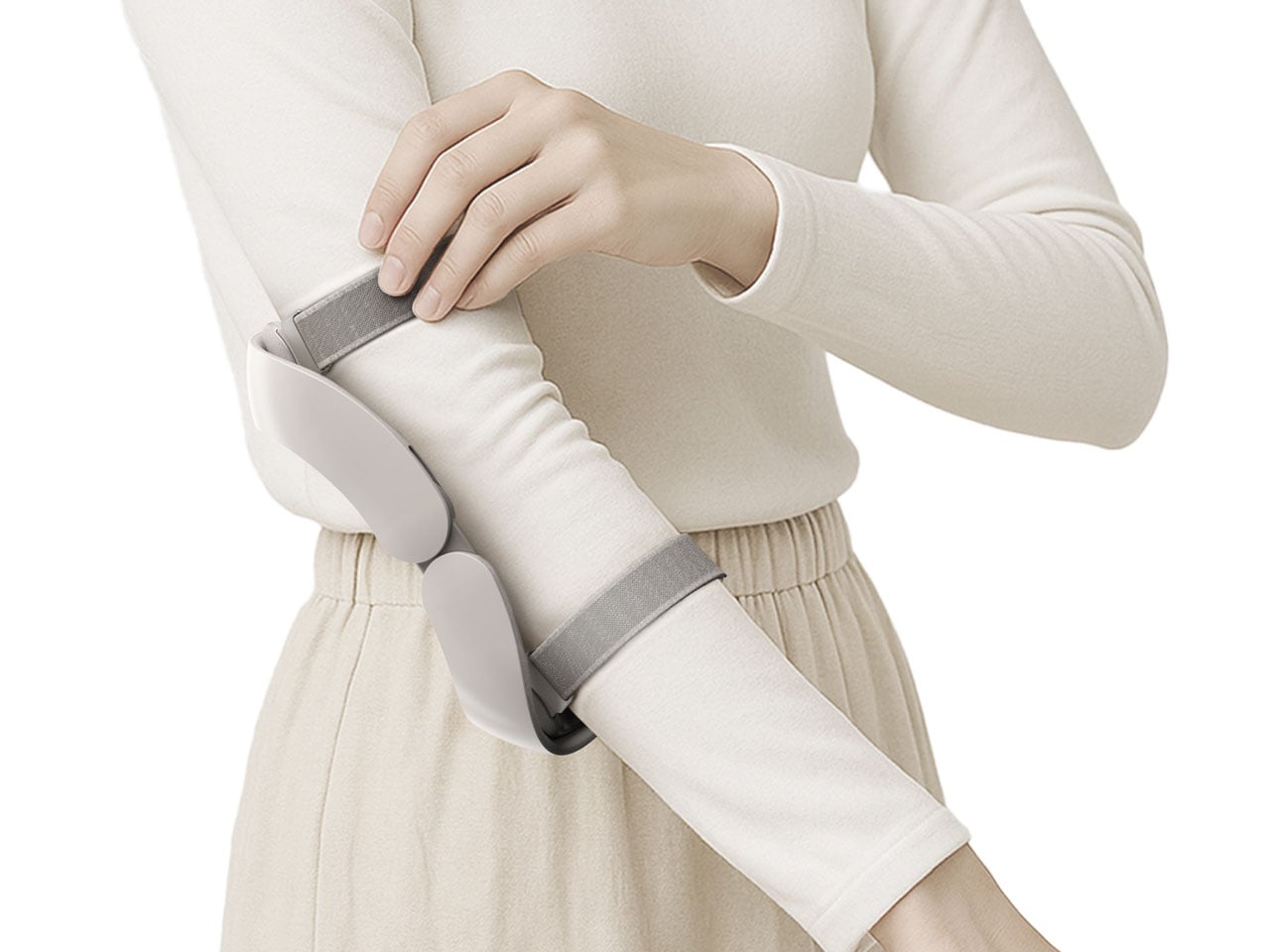
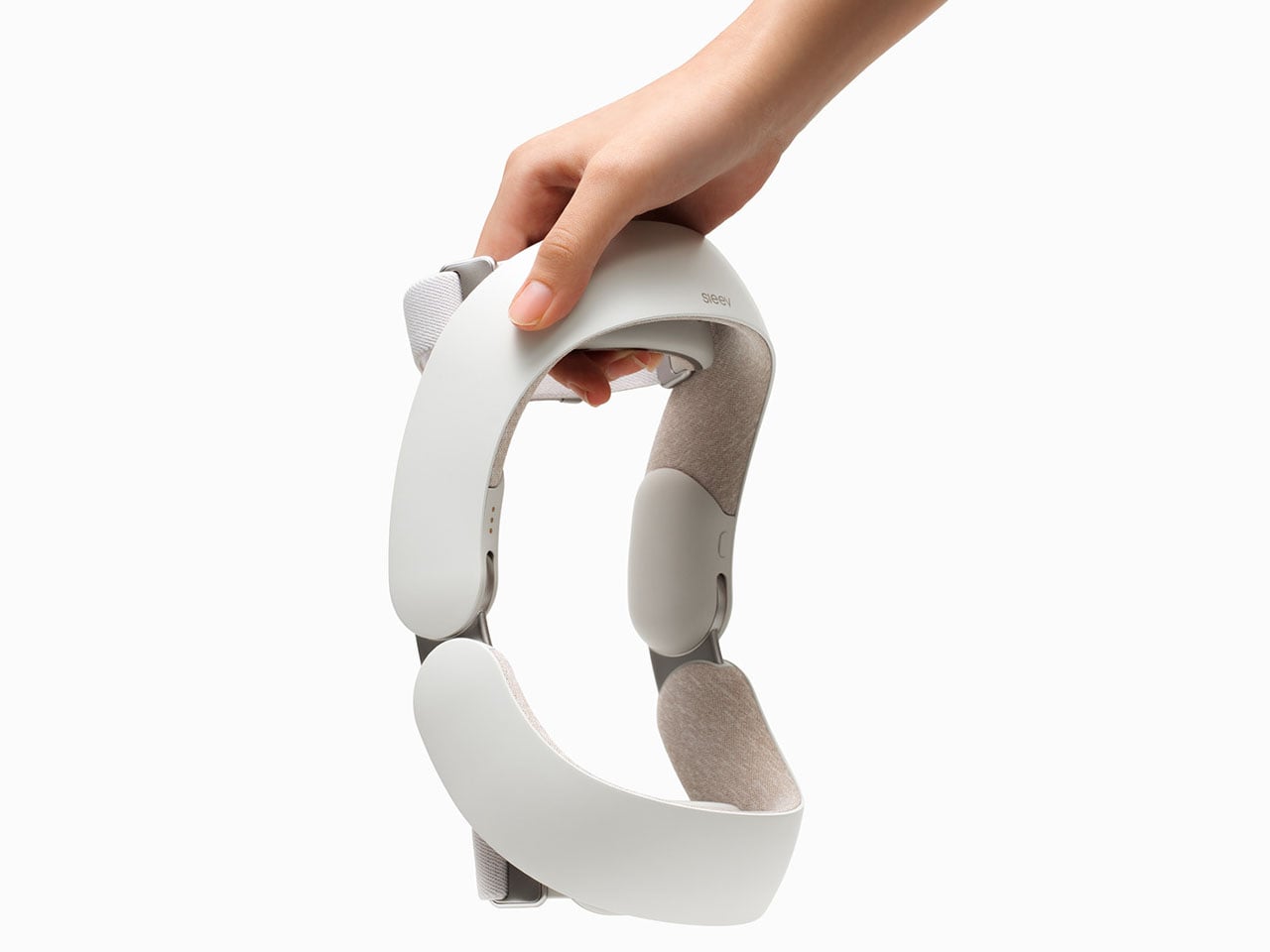
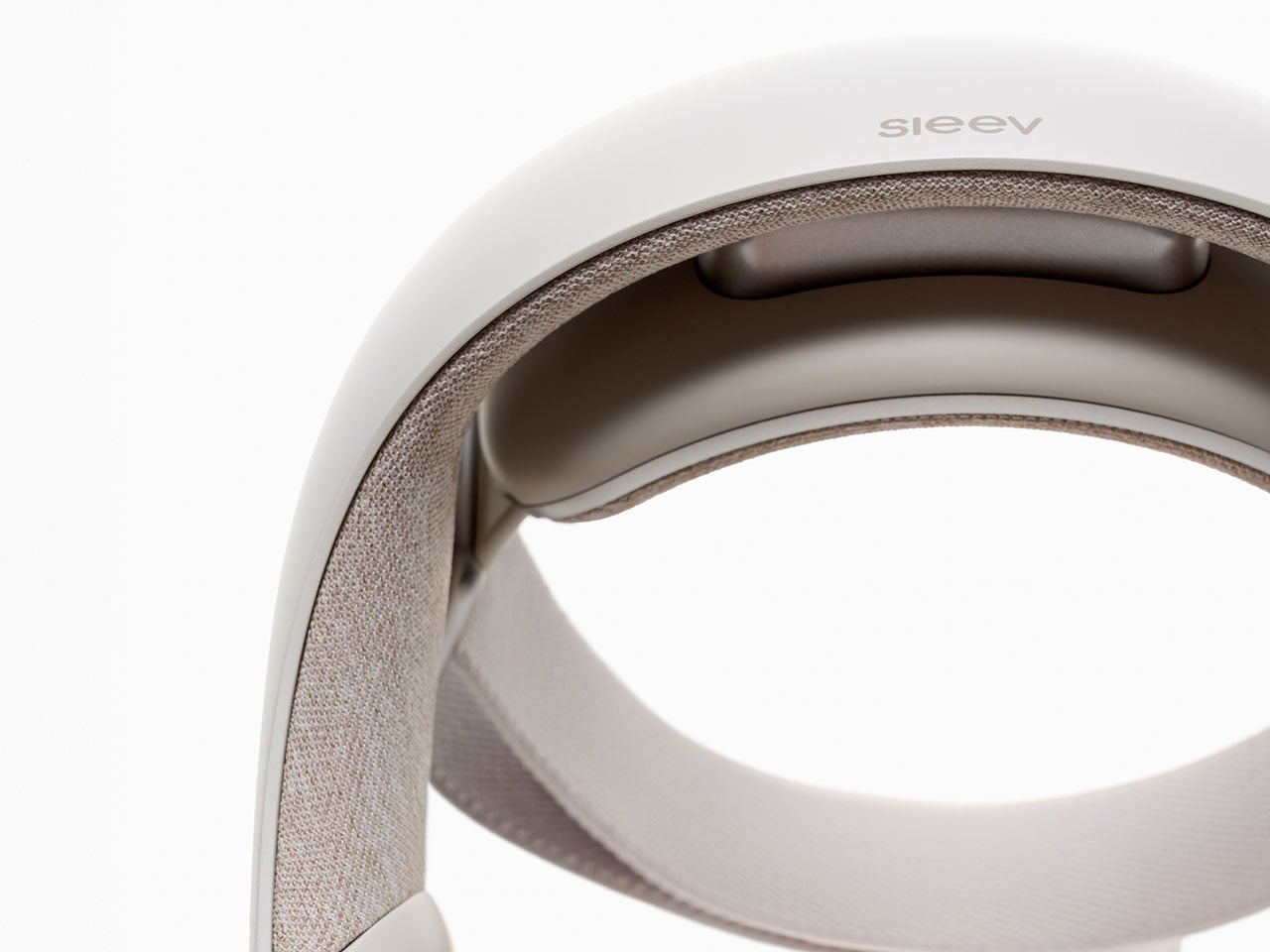
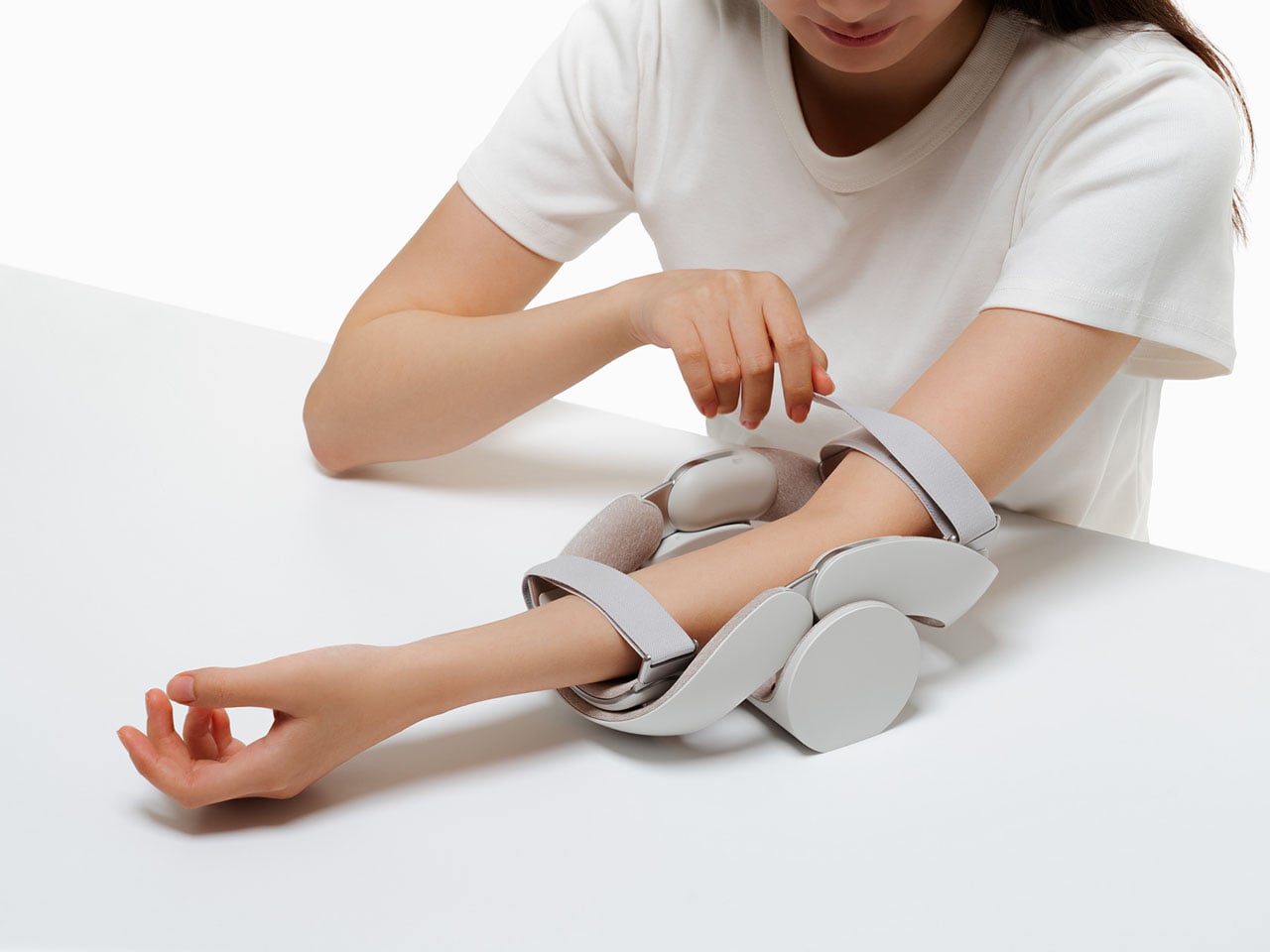
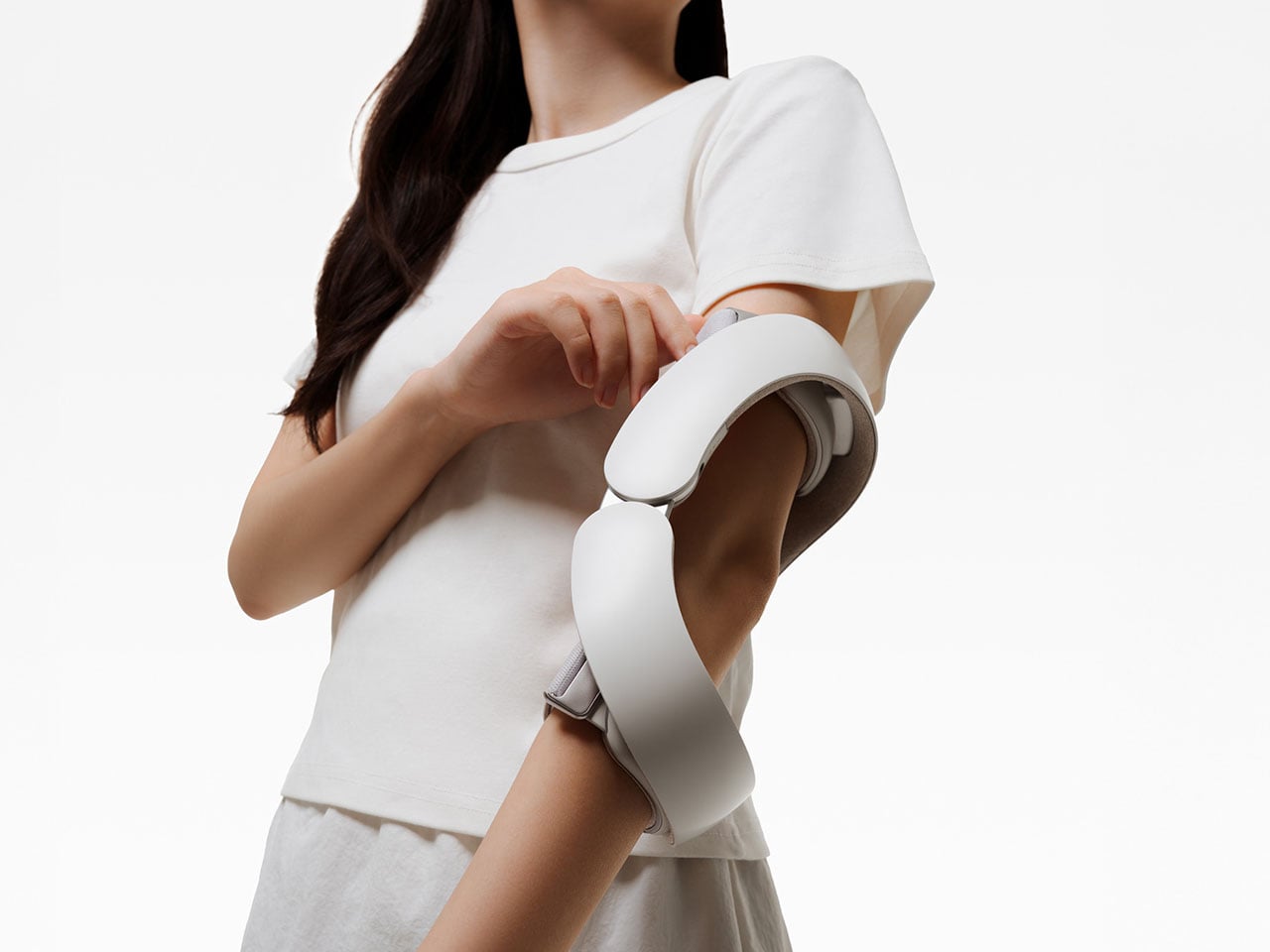
It’s called the Sleev. For now, it’s not far beyond the drawing books, but from how and what it’s projected to be built for, its God damn great solution for the purpose. Sleev is designed as a daily upper-limb exosuit (wearable robot). It supports independent arm movement and is effortless to wear and remove: just one hand, no more!
Designers: Youngha Rho and Sungchan Ko
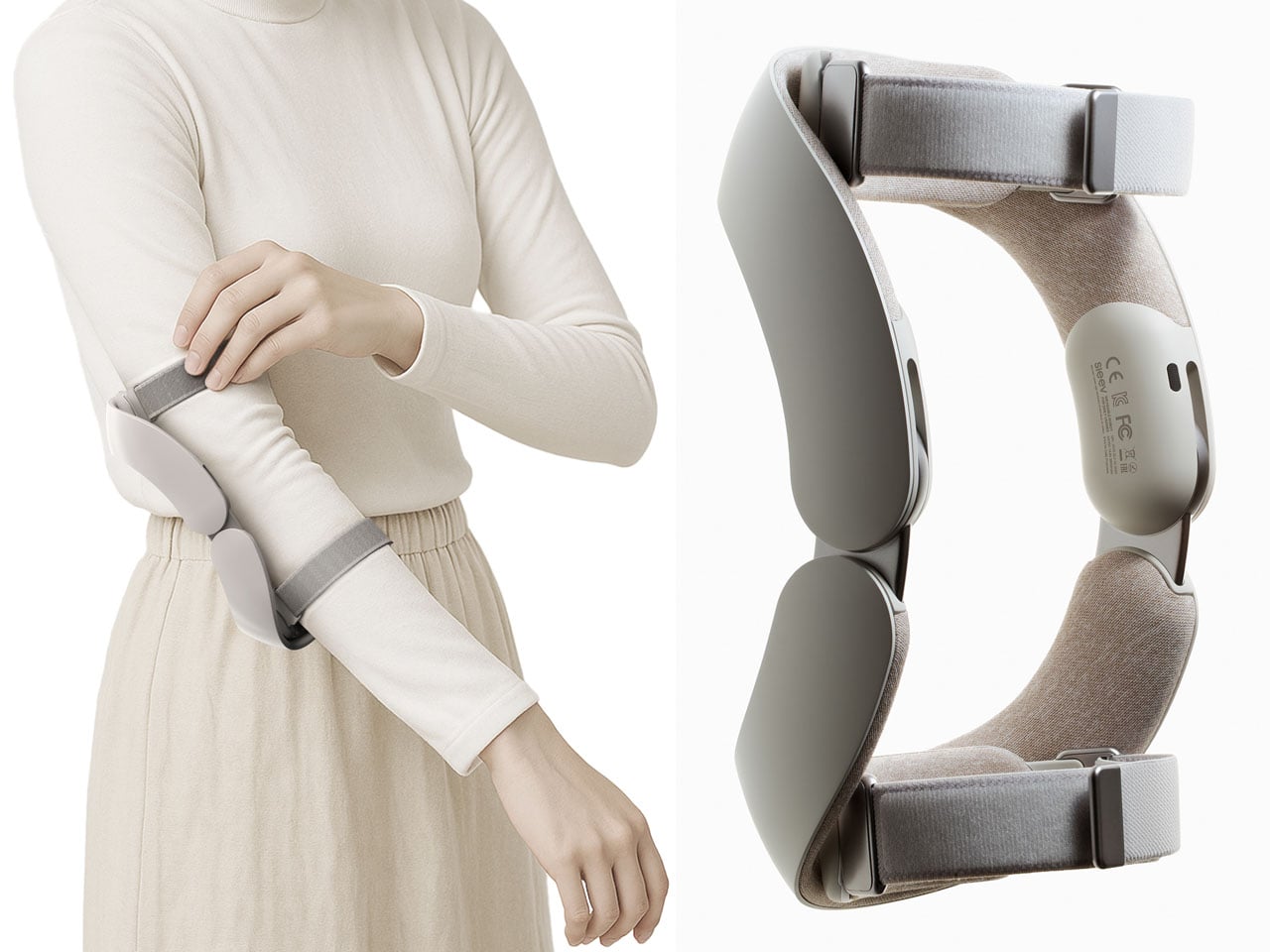

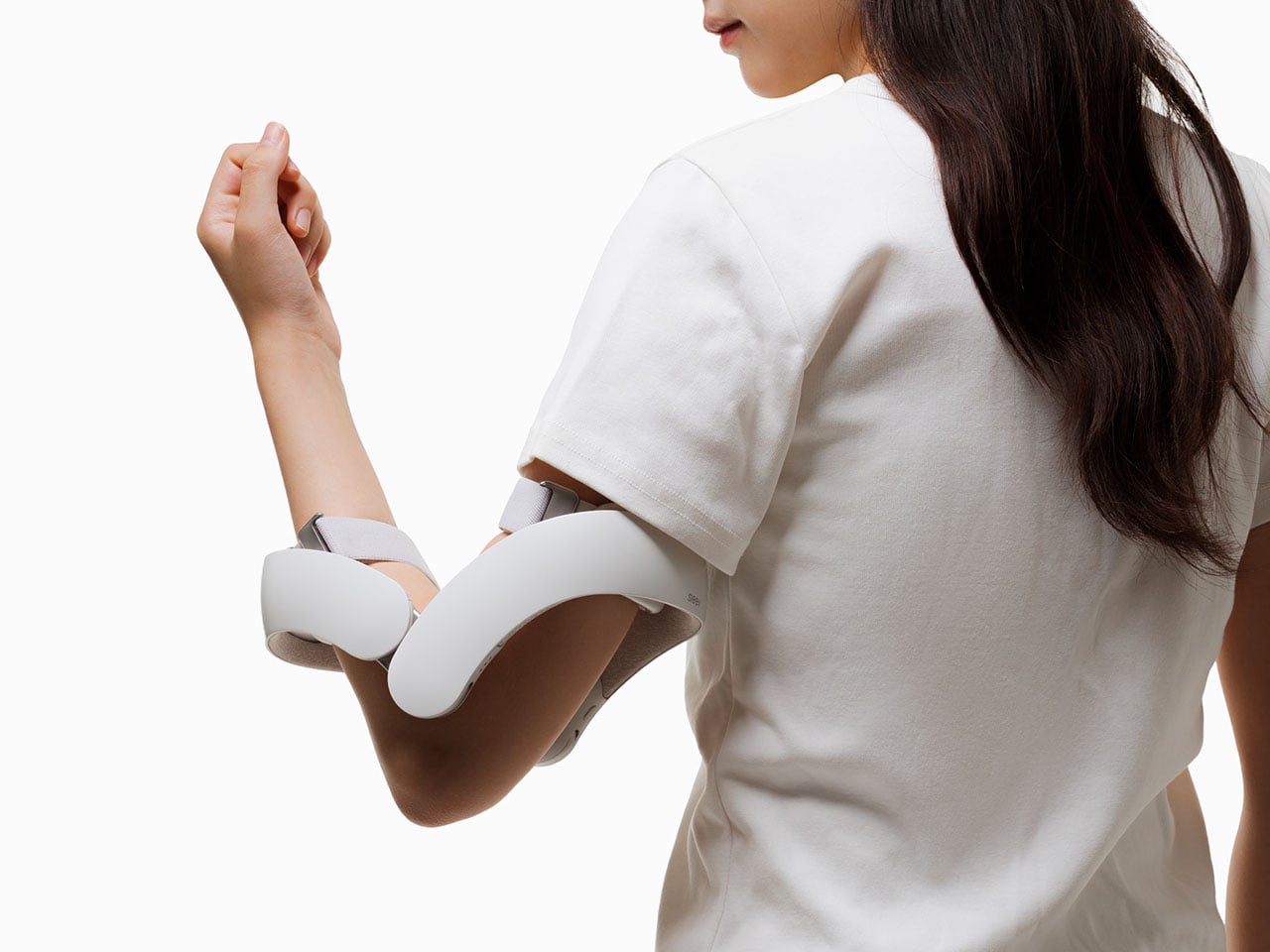
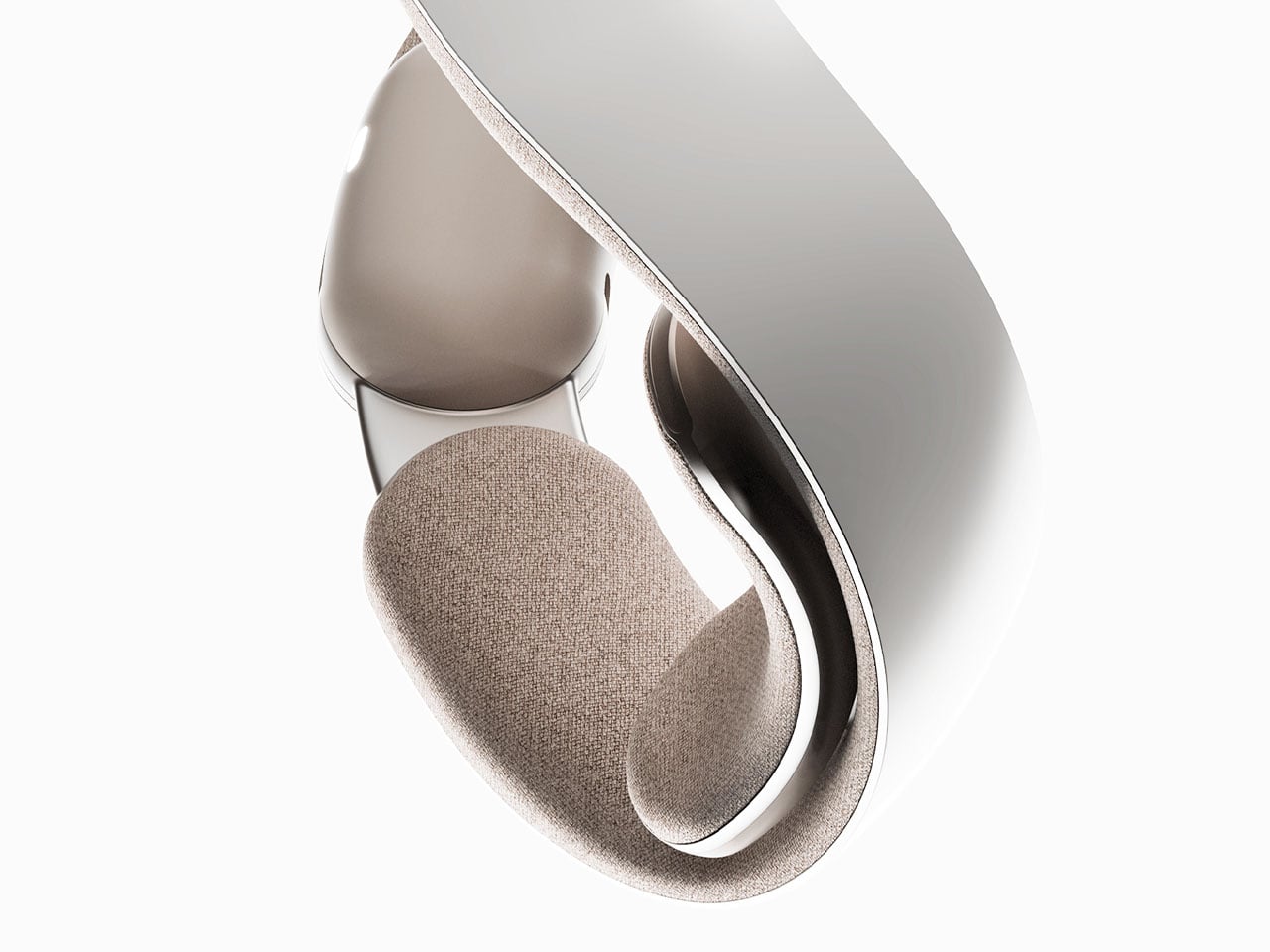
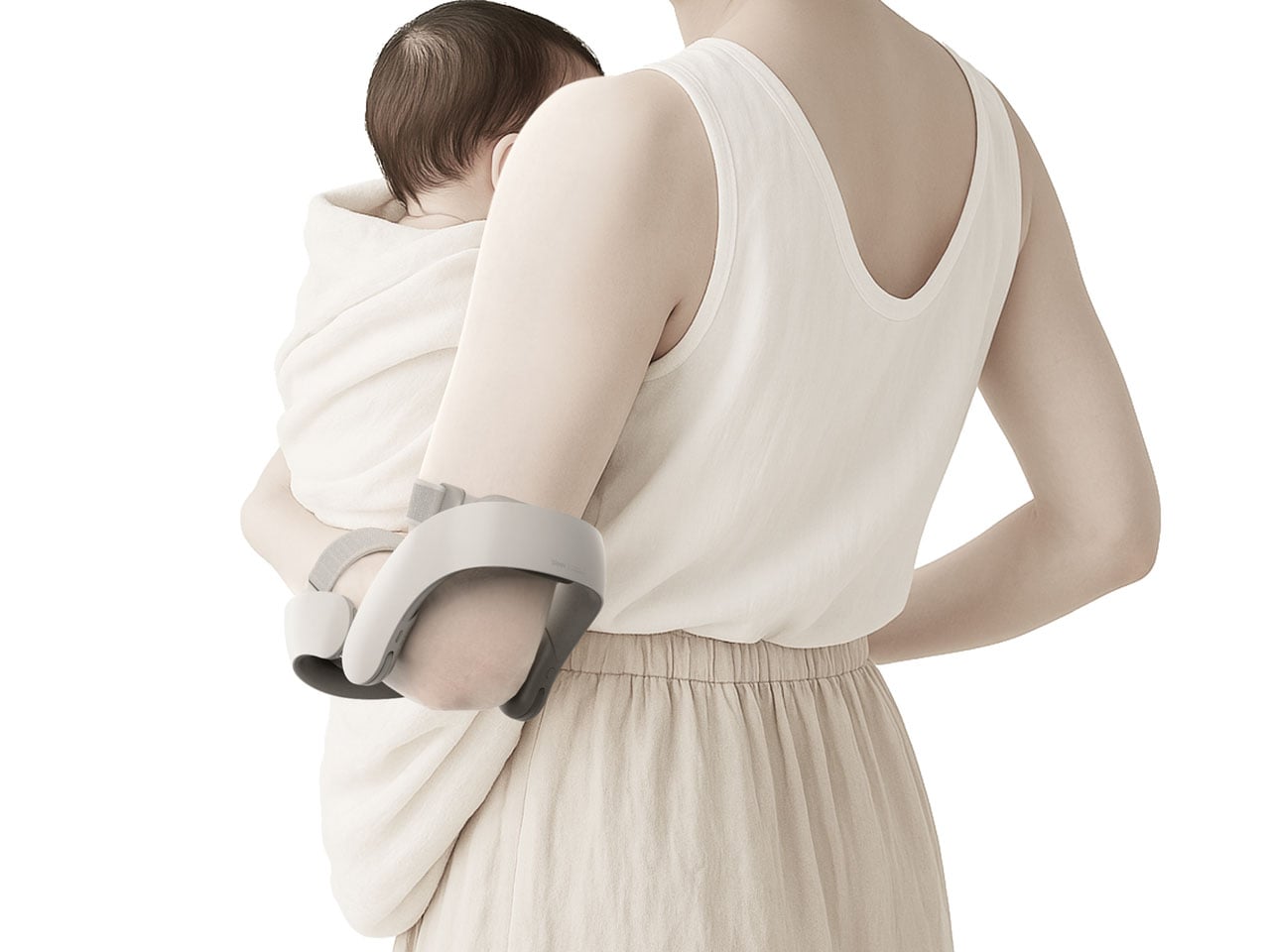
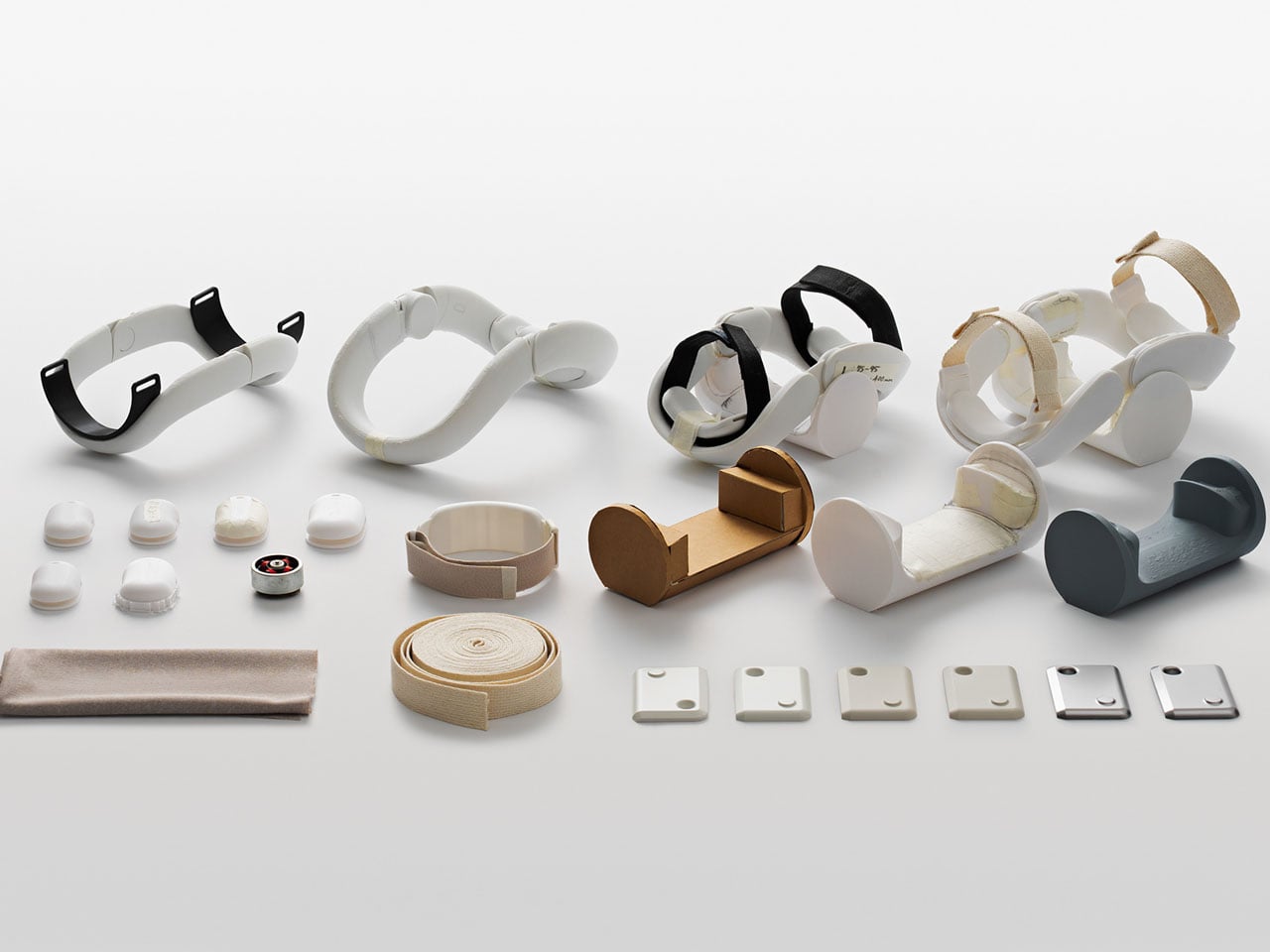
It’s not that we are seeing a robotic assistant for the arm for the first time. The market is flooded with iterations of bulky and inconvenient wearable robots that are designed with a great level of technological input and robotic sensors, but somehow make the wearer feel like a cyborg. With its sleek and lightweight limb, the Sleev is conceptualized to change that for a robotic assistant that you would like to wear. It can be strapped on like any other elbow brace to provide assistance in its movement. In addition to being a crucial option for people recovering from stroke or sports injury, the Sleev (for its design and attractive appearance) will augment daily tasks like lifting and carrying; you will like wearing it when carrying a baby for a long time or doing groceries and have a lot of packets to carry back home.
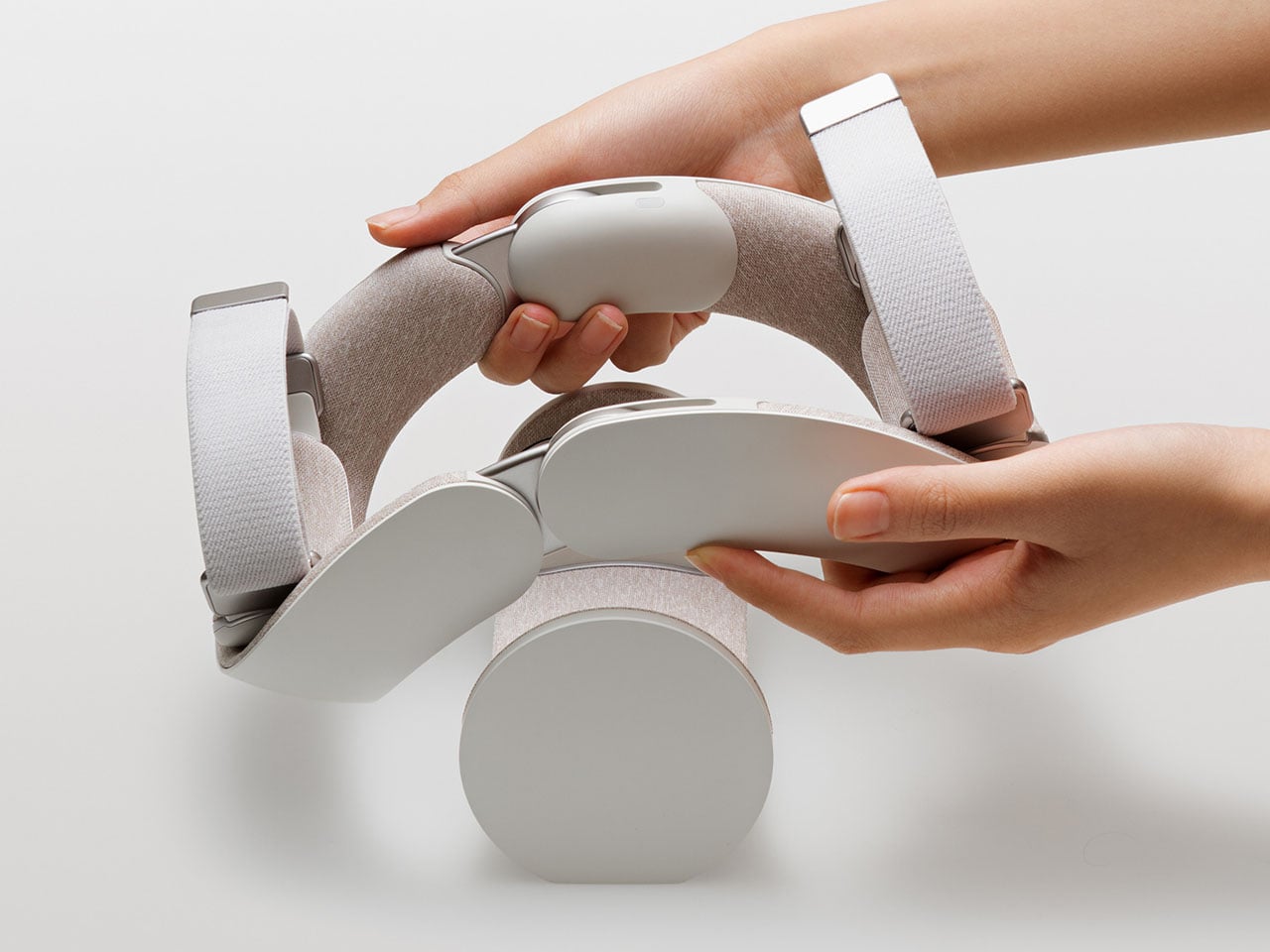

As a wearable robot conceptualized to integrate exoskeletons into our daily life, the Sleev is also strong and intelligent enough to support with rehabilitation activities. To ensure this, the design is integrated with FMG (force myography), a method that detects movement intentions through muscle pressure. The muscle pressure is different in people based on their gender, height, weight, and age. So, for the data accuracy and for the correct functioning of the wearable robot, this information about the users will be necessary. And a larger database will ensure better results, the designers believe.
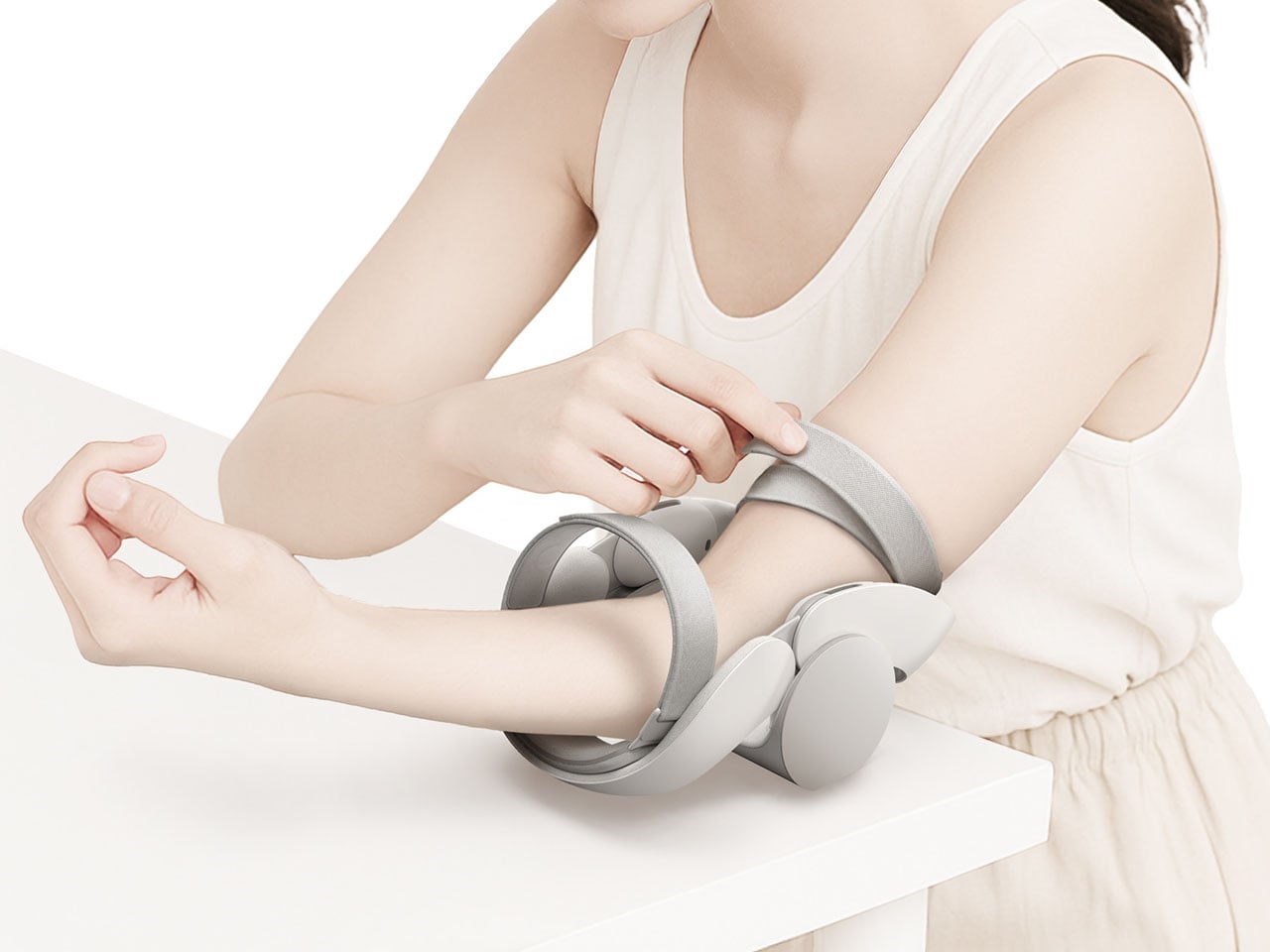
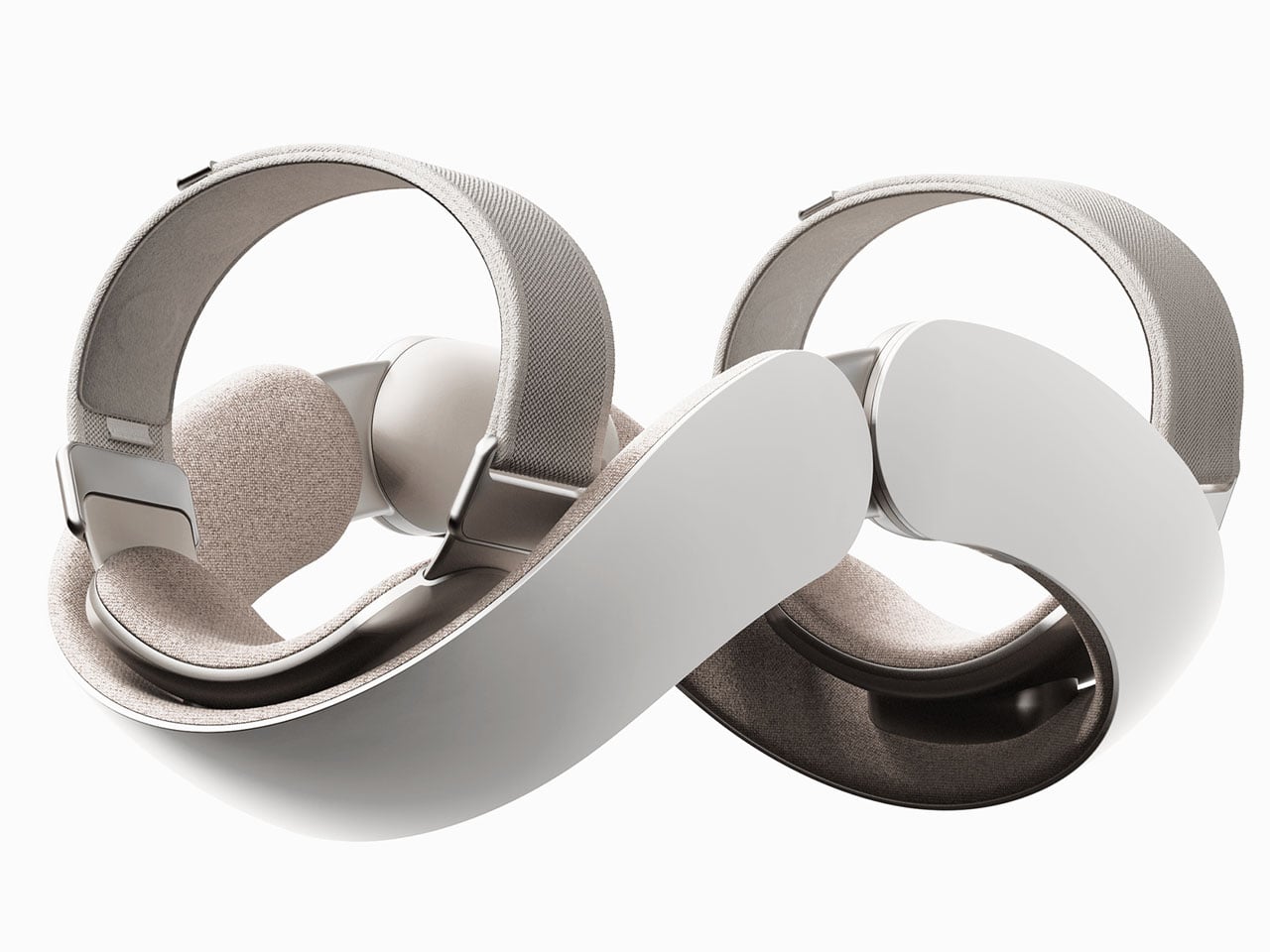
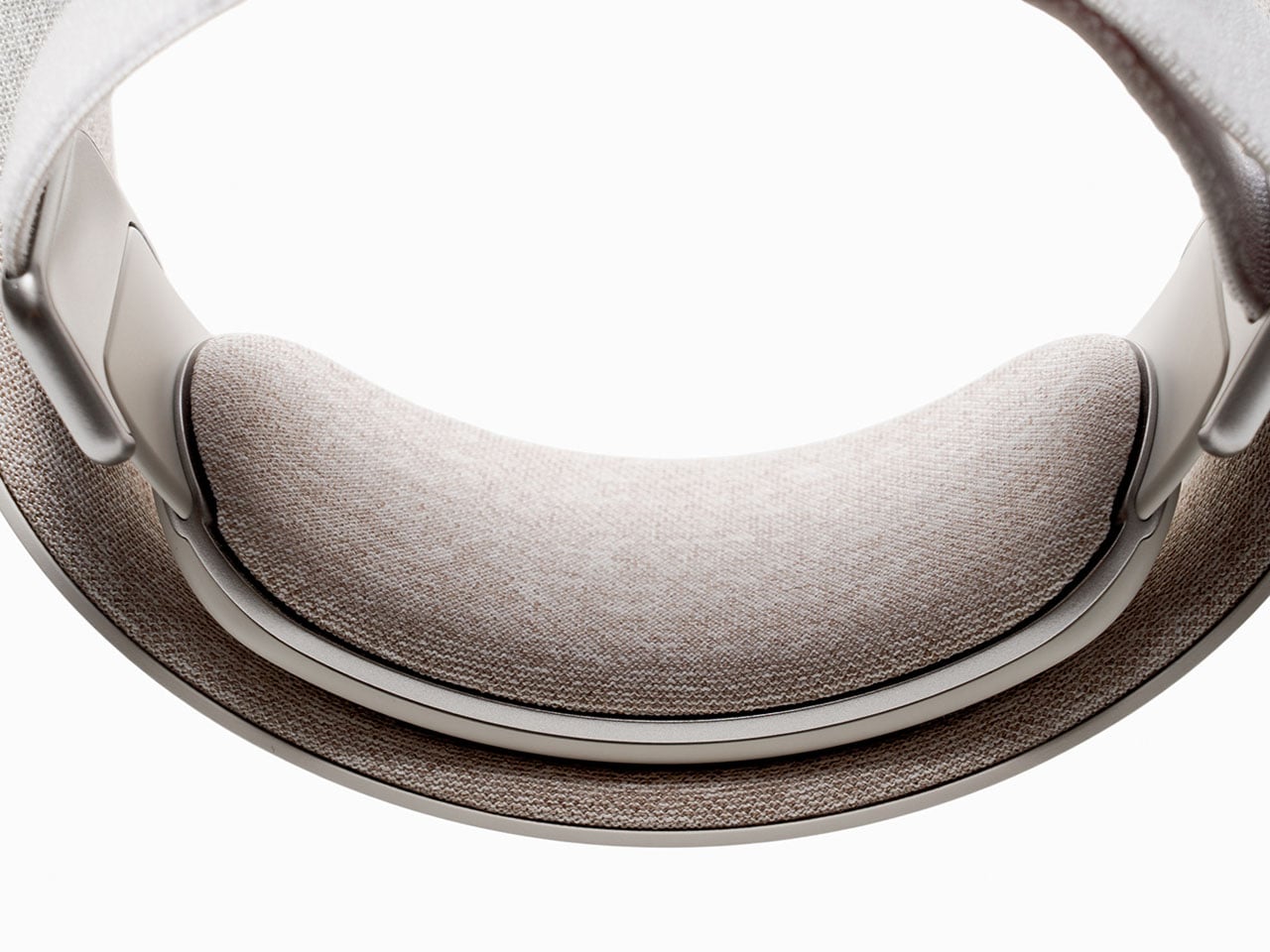
Collaborating FMG with IMU sensors, the designers suggest, they can allow the algorithm to know where the user intends to move and help them with it accordingly. Both these sensors are affordable and commonly used in game controllers, so they should not be overly expensive when Sleev can find itself into mass production. Interestingly, it relates its movements based on muscle strength and intention. The Sleev doesn’t need to be worn directly on the skin; users can wear it over a thin innerwear as well and go on with it during their daily activities.

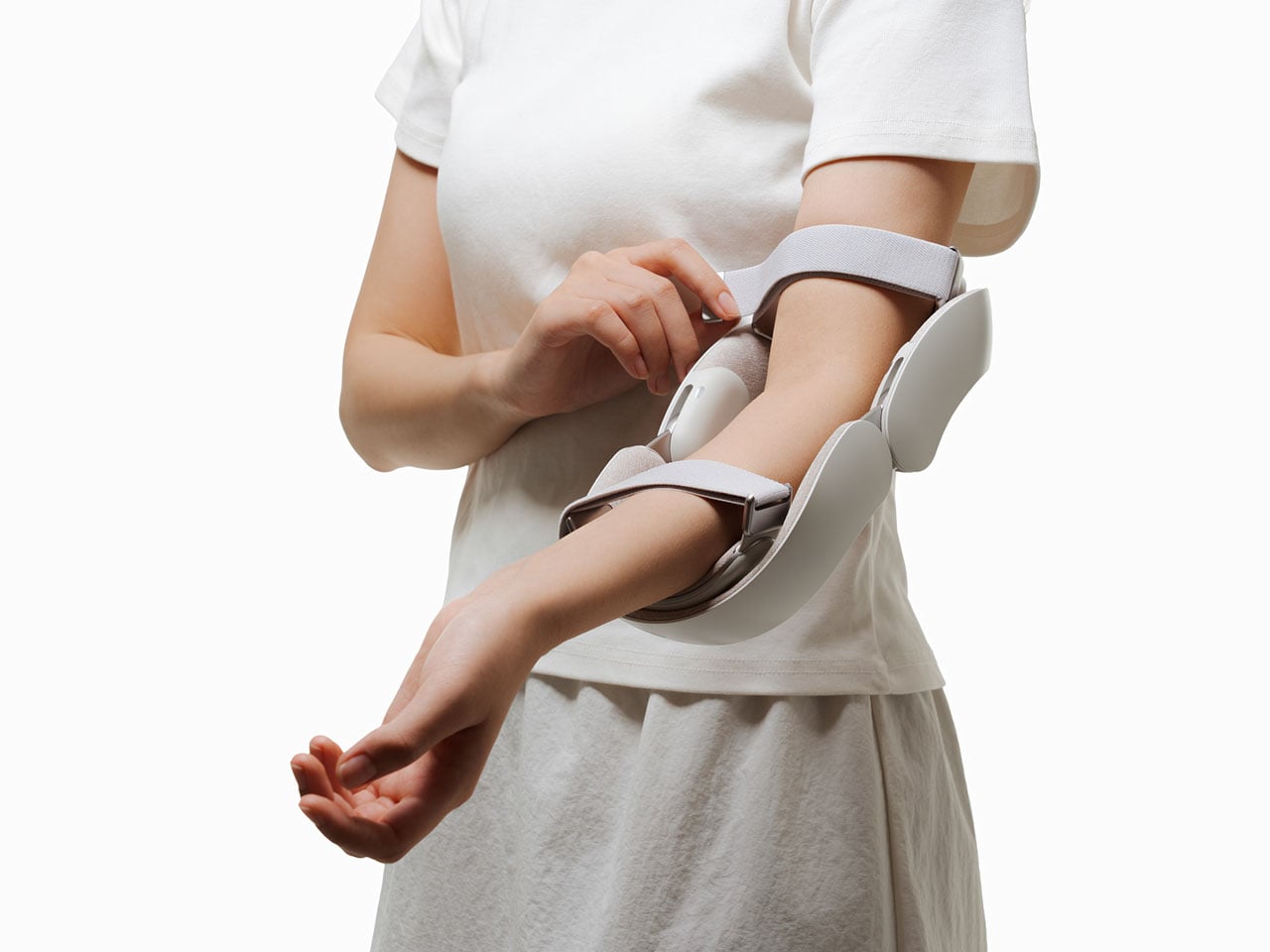
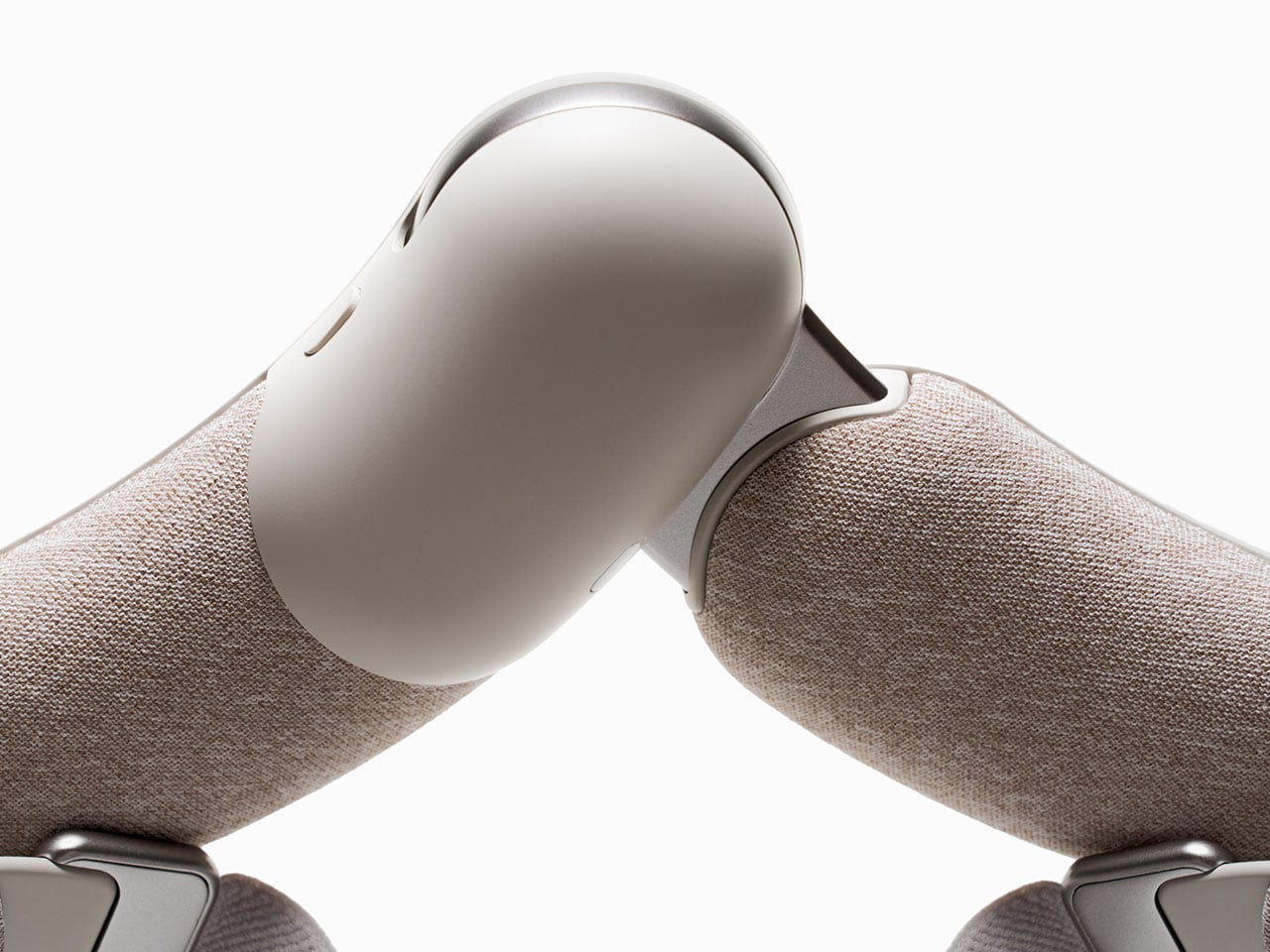
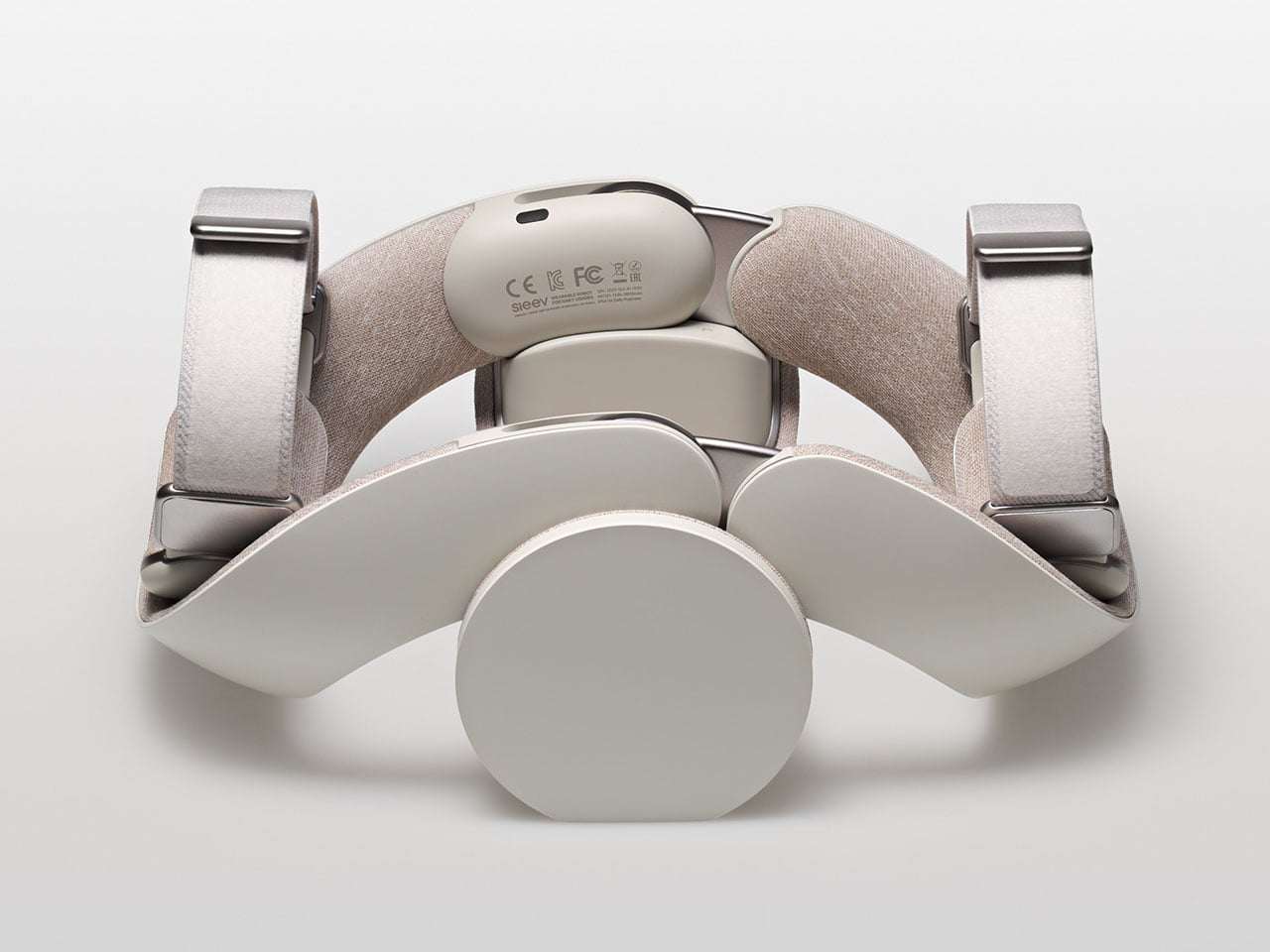
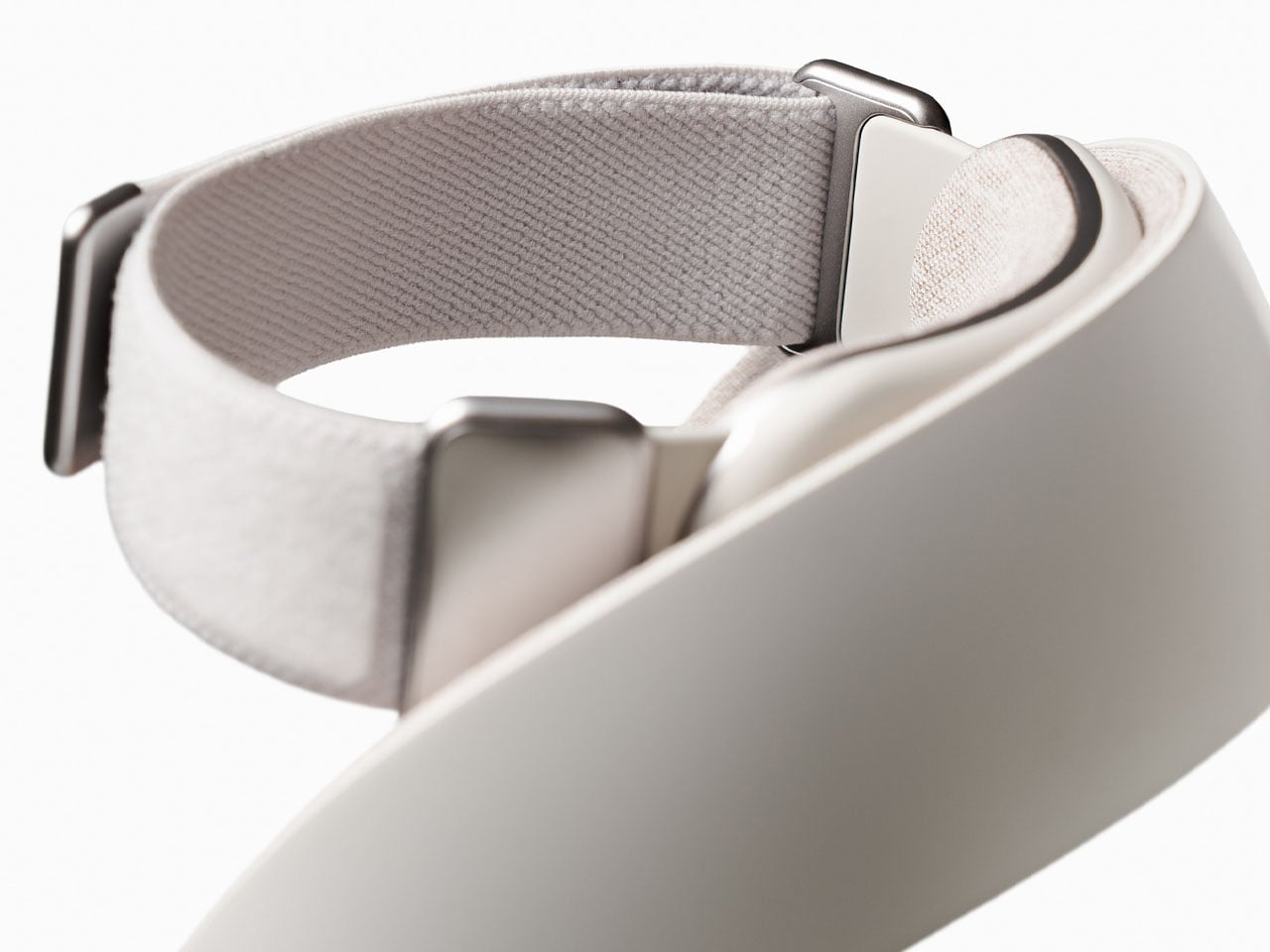
The post Based on sensors in game controllers, this upper-limb wearable robot will help you with your daily chores first appeared on Yanko Design.
iRobot, which brought robotic vacuum cleaners to the masses with its iconic Roomba models, has filed for Chapter 11 bankruptcy. The Massachusetts-based company plans to sell all assets to its primary supplier, a Chinese company known as Picea Robotics. If approved by a bankruptcy court, the move would allow iRobot to "continue operating in the ordinary course, pursue its product development roadmap, and maintain its global footprint," iRobot wrote in a press release.
The company expects the deal to close in February 2026, but says it will continue to operate "with no anticipated disruption to its app functionality, customer programs, global partners, supply chain relationships or ongoing product support." That means your Roomba should continue to clean normally and you'll be able to get consumables and replacement parts.
However, investors of common stock "will experience a total loss and not receive recovery on their investment" if the deal is approved, iRobot stated. The company didn't discuss how the move might affect its employees in the US or elsewhere.
Bankruptcy seemed a likely outcome for iRobot after Amazon dropped its $1.7 billion acquisition of the company last year following a veto threat by European regulators. The company's fortunes continued to decline and it issued a statement to investors in March 2025 that it had "substantial doubt about [its] ability to continue."
It's a sad turn of events for the company that invented the robotic vacuum niche and launched its first product, the Roomba, back in 2002. It dominated that space for more than a decade, but its market size has steadily shrunk more recently, particularly since Covid, due to competition from rivals like Roborock and Dreame.
Though iRobot retooled its product lineup earlier this year with new models like the Roomba 105 Vac Robot series and Roomba Plus 505 Combo Robot + AutoWash Dock, but they failed to move the sales needle enough. The company was reportedly hit hard by Trump's 46 percent tariff in Vietnam where it manufactures products for the US market.
If the sale is approved, iRobot says it will return in force. "Today's announcement marks a pivotal milestone in securing iRobot's long-term future," said CEO Gary Cohen. "The transaction will strengthen our financial position and will help deliver continuity for our consumers, customers, and partners."
This article originally appeared on Engadget at https://www.engadget.com/home/irobot-has-filed-for-bankruptcy-and-may-be-taken-over-by-its-primary-supplier-091602257.html?src=rss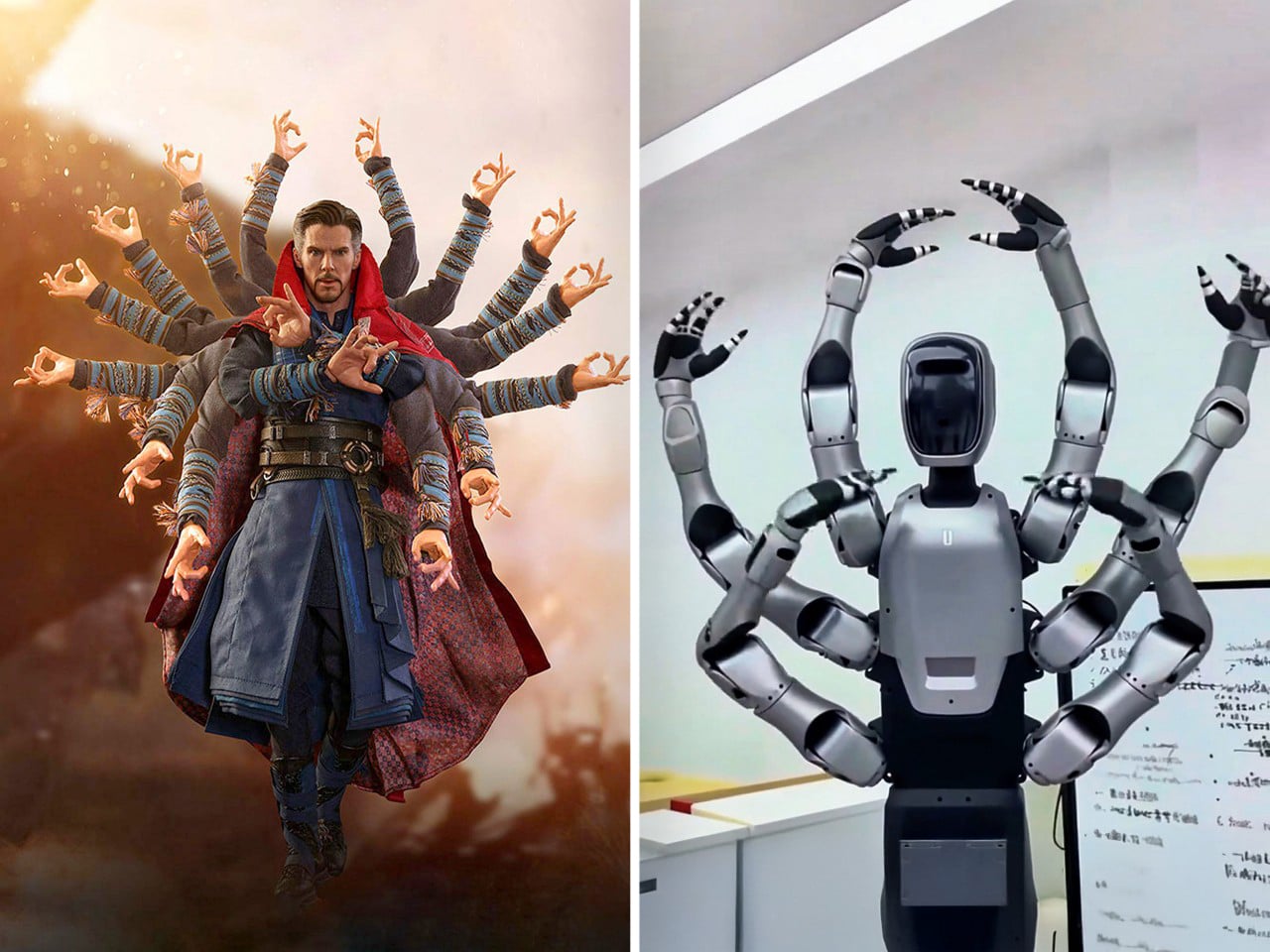
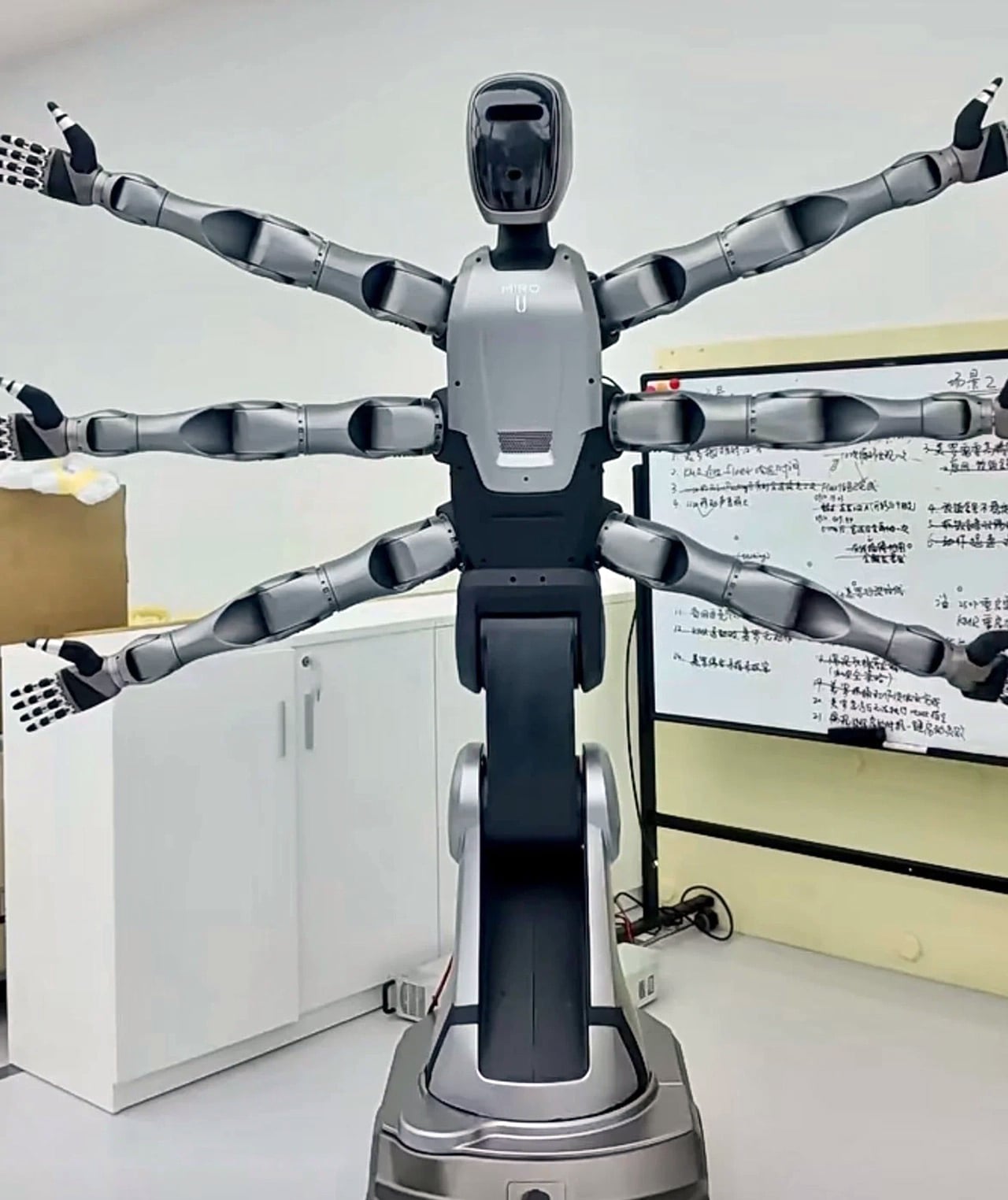
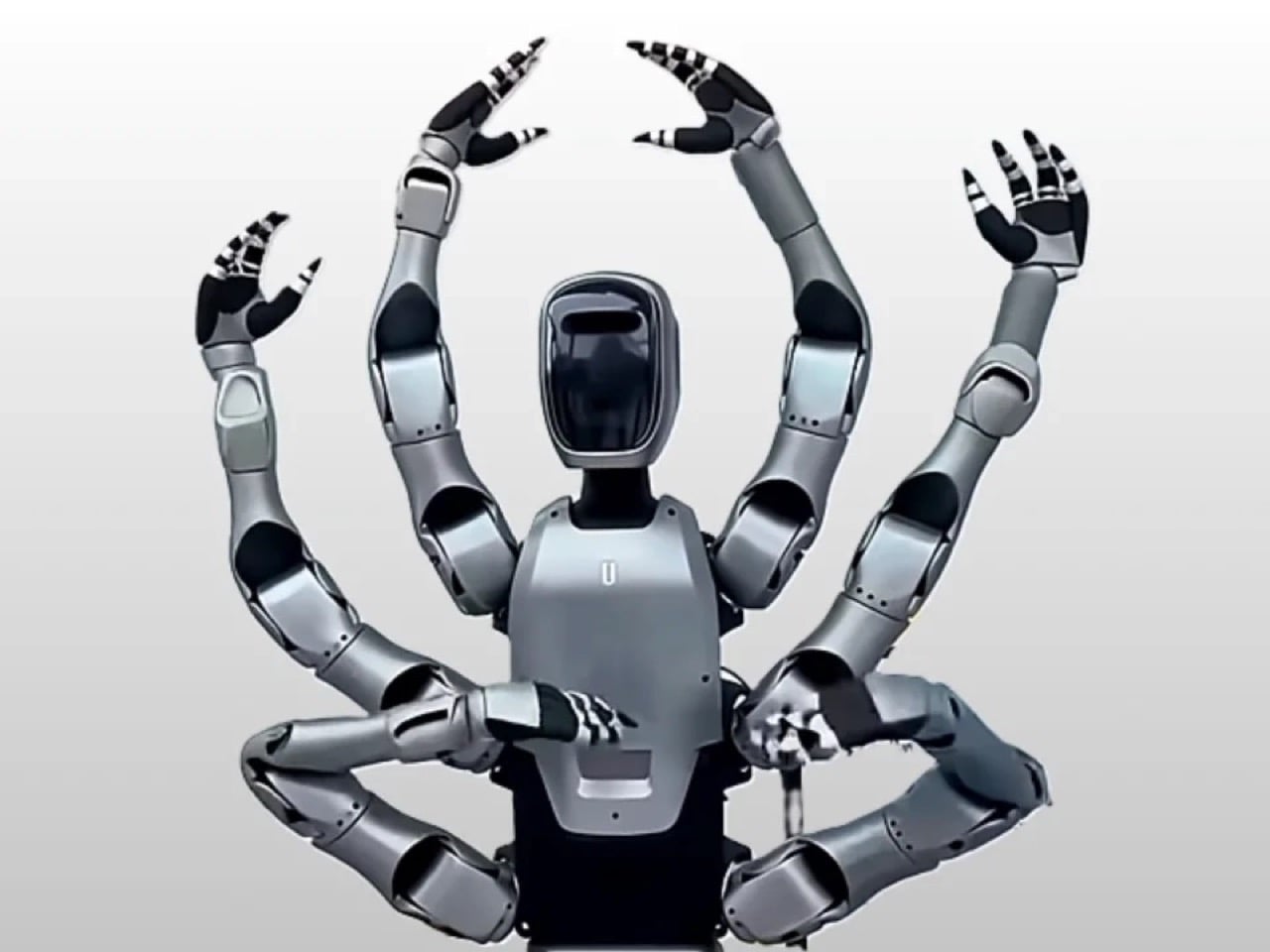
There is a moment in Infinity War where Doctor Strange fans out into a halo of spectral arms and every animator in the room probably high fived. Midea’s new Miro U looks like someone freeze framed that shot, printed it, and walked it down the hall to the robotics lab with the caption “do this, but for factories.” Six coordinated arms, a torso that feels almost cloaked, a wheeled base that spins 360 degrees in place, it reads less like industrial equipment and more like a concept sheet that escaped ArtStation. Except this thing is heading to a washing machine plant in Wuxi, with a target of boosting line changeover efficiency by about 30 percent according to Midea’s own numbers. The visual language screams sorcerer, the job description says production engineer.
You can tell a lot about a robot from what its designers chose to sacrifice. Miro U trades the prestige of bipedal walking for a wheel leg base that is brutally honest about factory floors. No stairs, no urban parkour, just flat concrete and tight aisles that reward stability and turning radius over photogenic gait. It also trades the polite two arm humanoid silhouette for six bionic arms that Midea describes as high precision and flexibly controlled, coordinated around a central spine like a mechanical mandala. That is a very specific bet on parallelism. If you care about line changeovers and modular cells, you want one body that can grab tools, fixtures, and parts at the same time without waiting for someone else to show up.
Designer: Midea

There is a design honesty here that I find refreshing. Most humanoid projects in the West are in a beauty contest with the human form. Smooth faces, leggy proportions, carefully choreographed walking demos, everything framed around the idea that “this could stand where a worker stands.” Miro U walks away from that stage and heads for the backstage rigging. Six arms mean it behaves less like a single worker and more like a compact crew. One pair can hold a housing, another can swap a jig, the remaining arms can manage cables or safety barriers. The silhouette is chaotic on purpose because the workflow is chaotic and the robot is supposed to absorb that complexity.
The numbers around it are still pretty thin, which is typical at this stage, but the broad strokes are telling. Third generation in Midea’s humanoid line, which means they have already burned through at least two iterations before this one hit the news cycle. Fully self developed tech stack, from motion control to the six arm coordination, which matters if you care about long term tuning in real factories rather than trade show floors. Scheduled deployment at the Wuxi washing machine plant this month, following an earlier wheeled humanoid that has been working in Jingzhou since August. This is not a lab mascot. This is a product being dogfooded on a line that actually has throughput targets.
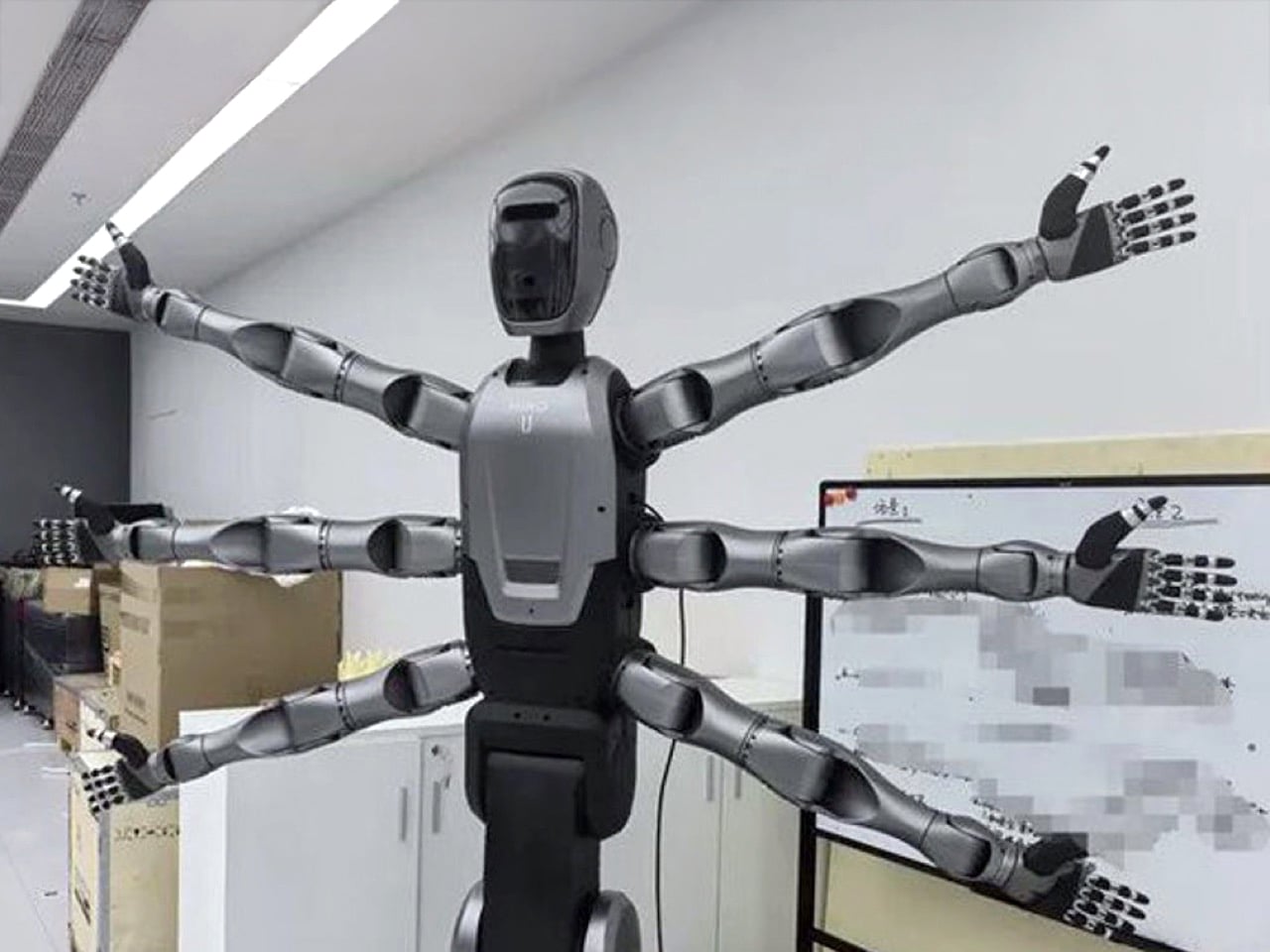
The superhero resemblance is more than a meme hook. Superhero bodies are about exaggerated affordances. Extra limbs, extra reach, extra context switching. Doctor Strange with a ring of arms is a visual metaphor for parallel spellcasting. Miro U with six arms is a visual metaphor for parallel operations on a line that refuses to sit still. Factories that build multiple SKUs on shared equipment live and die by how quickly they can tear down and rebuild a station for the next run. A robot that can reposition fixtures, pull in new tools, and handle parts without waiting for a human crew starts to look less like a novelty and more like a new species of line technician.
You can also read Miro U as a quiet critique of the “humanoid or bust” hype. The question is not whether robots can walk like us, but whether they can inhabit the work in a useful way. Midea is a manufacturer first, and that shows. They do not need a robot that can walk out of the factory and hail a cab. They need something that can survive three shifts a day, roll between modules, and treat the shop floor like a mutable level layout. The wheel base, the vertical lifting, the 360 degree in place rotation, all of that is a love letter to cramped industrial layouts rather than glossy demo stages.
There is also a cultural angle that I cannot ignore. This is a Chinese appliance giant that bought KUKA in 2017 and has been quietly building a robotics stack while the rest of the world argued about whether Tesla’s Optimus would ever fold a shirt. Now they roll out a six arm sorcerer for factories and talk openly about large scale deployment of humanoids across industrial and commercial spaces. Whether Miro U itself becomes a platform or a stepping stone, it signals an attitude. The factory is not a place where you hide robots in cages anymore. It is a stage where body plans are fair game.
Does that mean humanity is cooked. No. It means the shape of “a worker” is starting to fork more visibly. On one branch, you have the leggy, two arm humanoids chasing a one to one replacement fantasy. On another, you now have creatures like Miro U, multi arm, wheeled, unapologetically weird, tuned for specific forms of chaos. The fear response is predictable, but the more interesting reaction is curiosity. If this is what a robot body looks like when you stop caring whether it resembles us, what other silhouettes are still on the cutting room floor.
The post Midea Built A Dr. Strange-inspired Multi-Arm Robot… Humanity Is Absolutely Cooked first appeared on Yanko Design.
Hyundai Motor Group Robotics LAB has been working on wheeled autonomous robots for some years now, with a gradual development timeline. They revealed the vision of a metamobility bot at CES 2022, which would be better than Boston Dynamics’ Spot the dog robot. The idea was just in the concept stage at the time, and coming from the South Korean giant, we knew it would be substantial when it finally arrived.
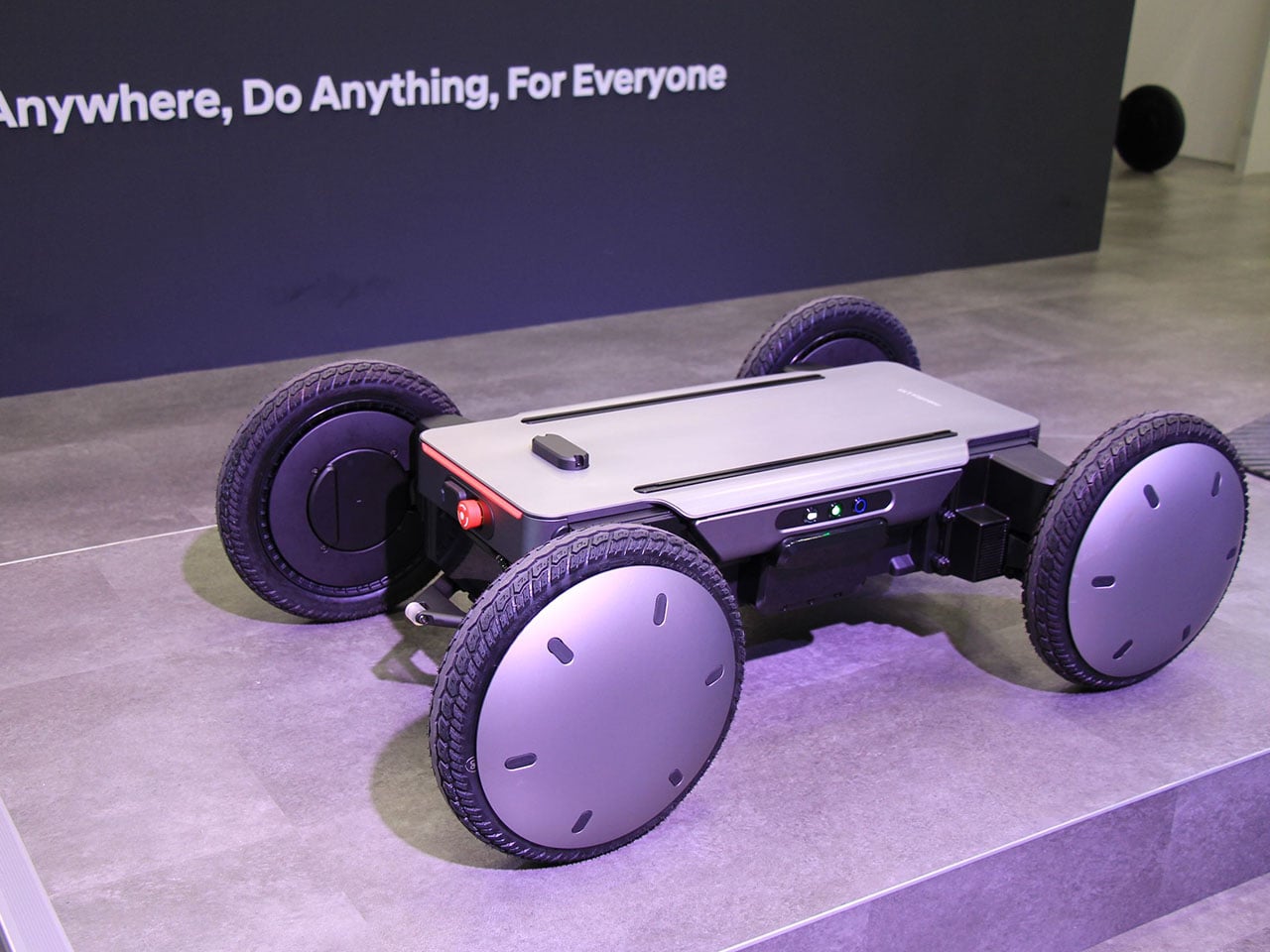
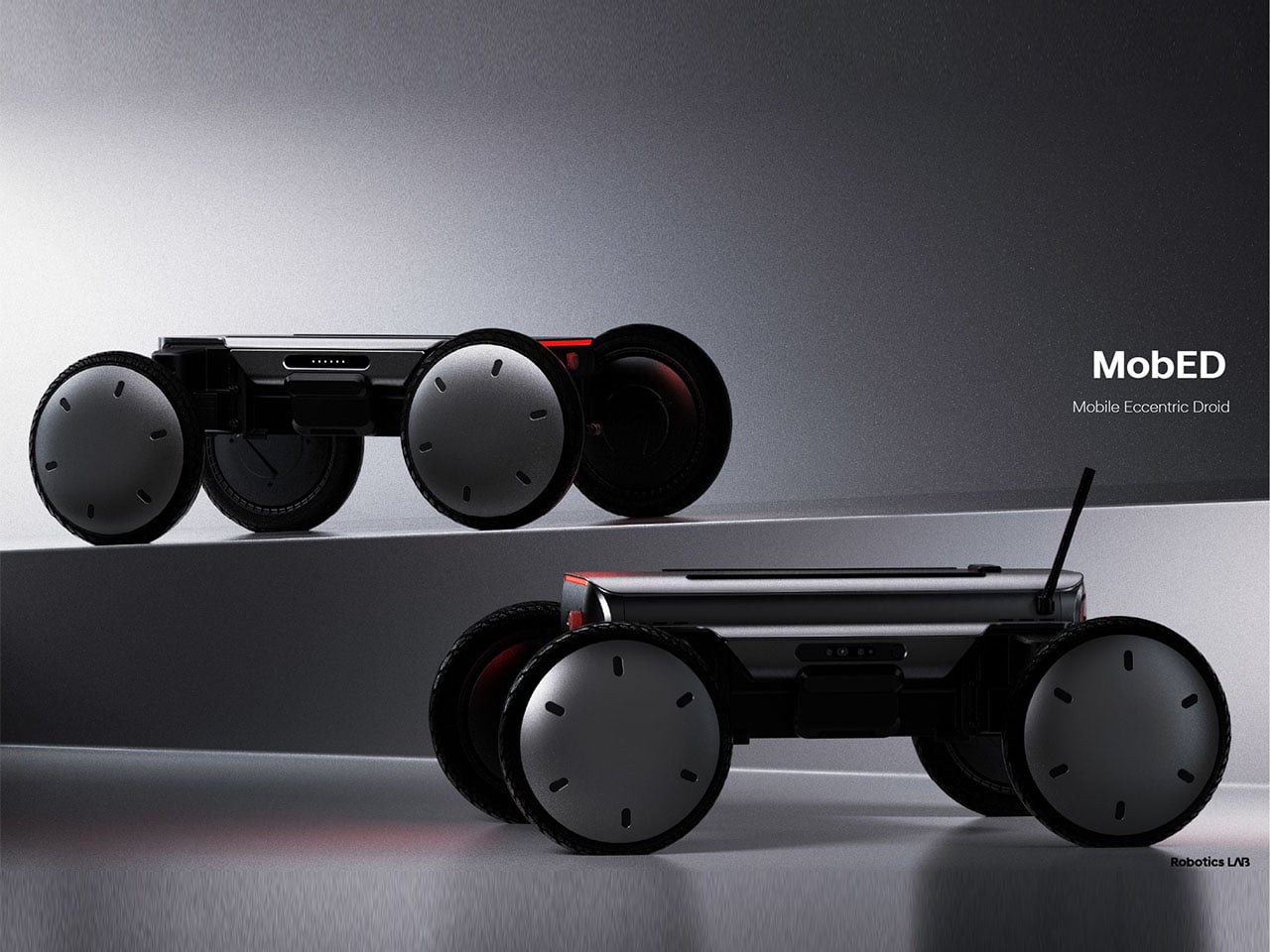
Finally, they’ve revealed the Mobile Eccentric Droid, a.k.a. MobED, a mobility robot platform tailored for a diverse range of industrial and everyday-use applications. The bot was shown off at the International Robot Exhibition 2025 (iREX 2025) in Tokyo. According to Dong Jin Hyun, Vice President and Head of Hyundai Motor Group Robotics LAB, the new robot will help “accelerate a future where humans and robots coexist.” The most exciting bit, it’ll be up for sale in the first half of 2026.
Designer: Hyundai
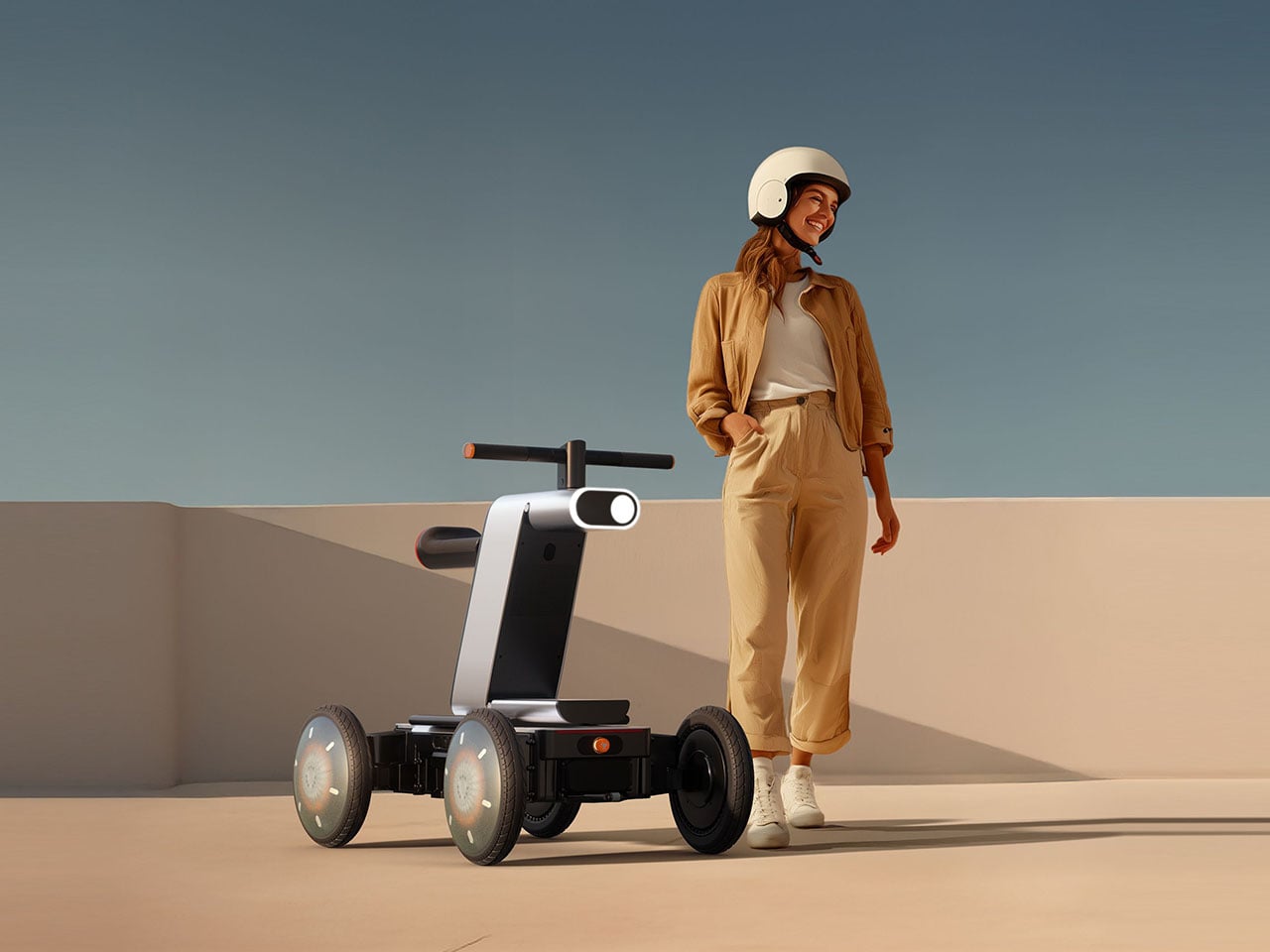
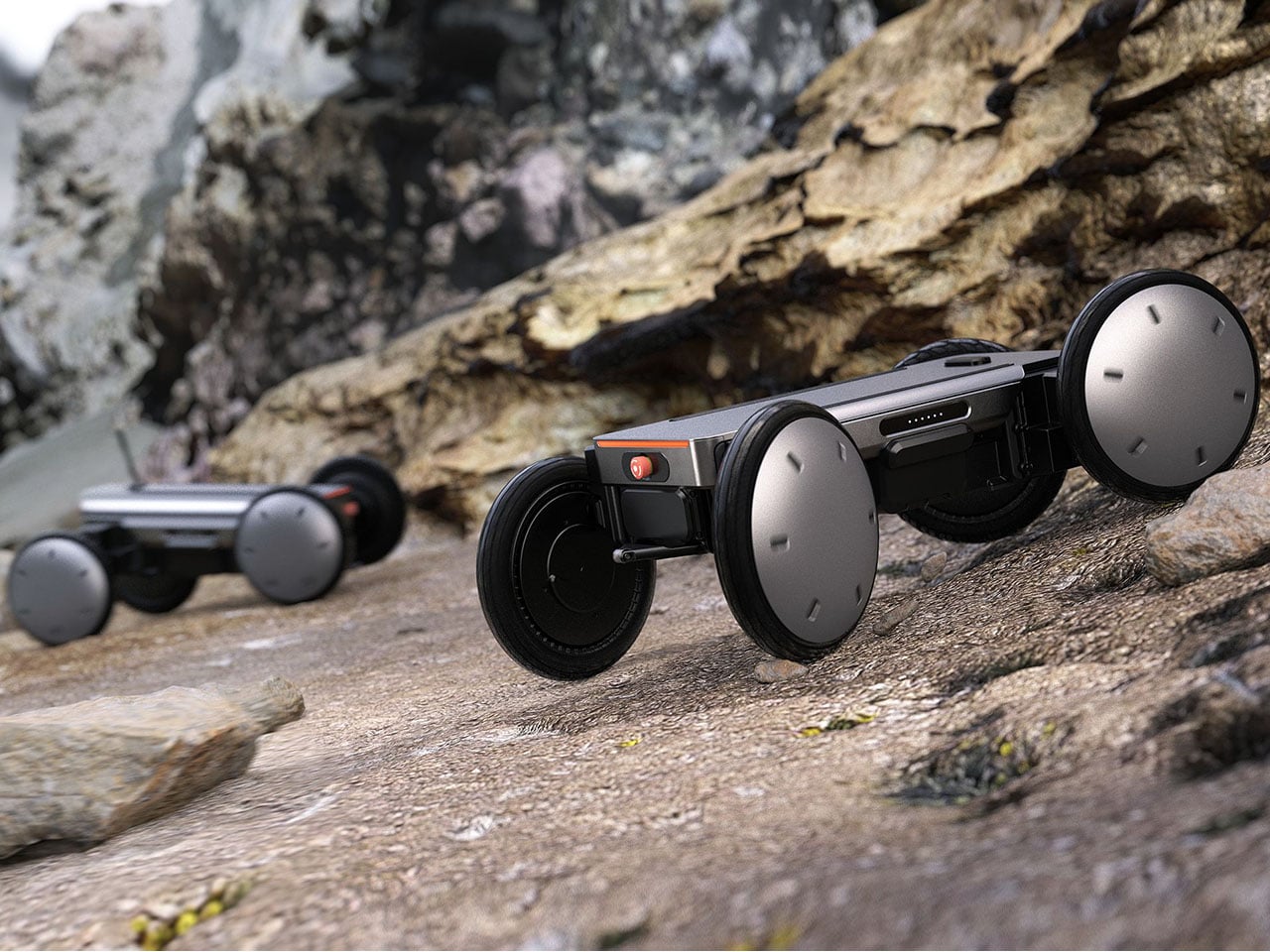
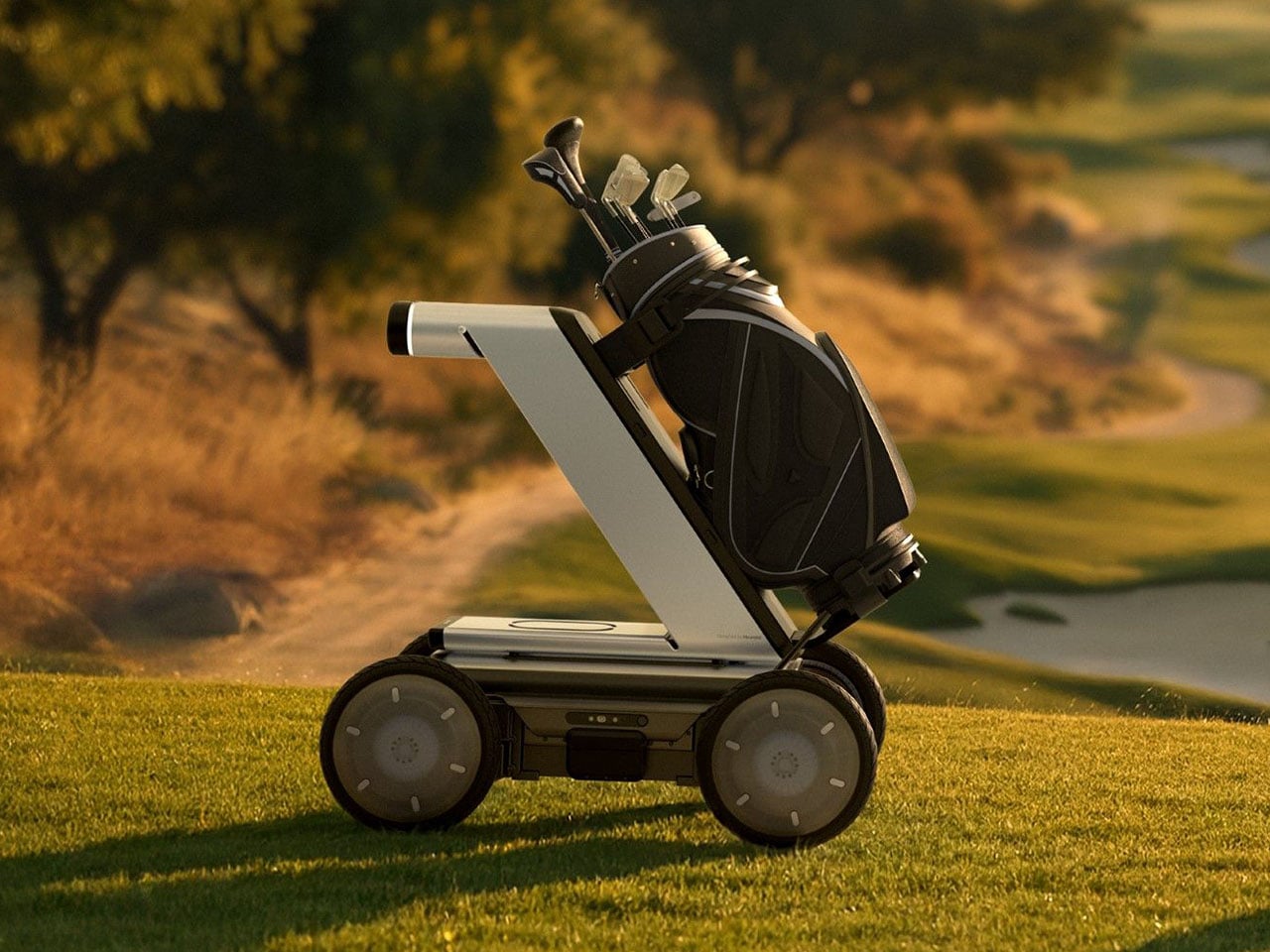
MobED thrives on three main pillars, which refresh our approach towards robotics. These are the Adaptive Mobility (hardware), Intuitive Autonomy (software), and Infinite Journey (applications). This makes the production-ready autonomous bot poised to reboot how robots move, navigate, and ultimately perform tasks in any setup, be it in an industrial location, unknown outdoor terrain, or narrow corridors of your home. Thereby making it perfect for a range of tasks, right from delivering your groceries and carrying gear up a mountain to acting as a golf caddy and being used for creative movie direction.


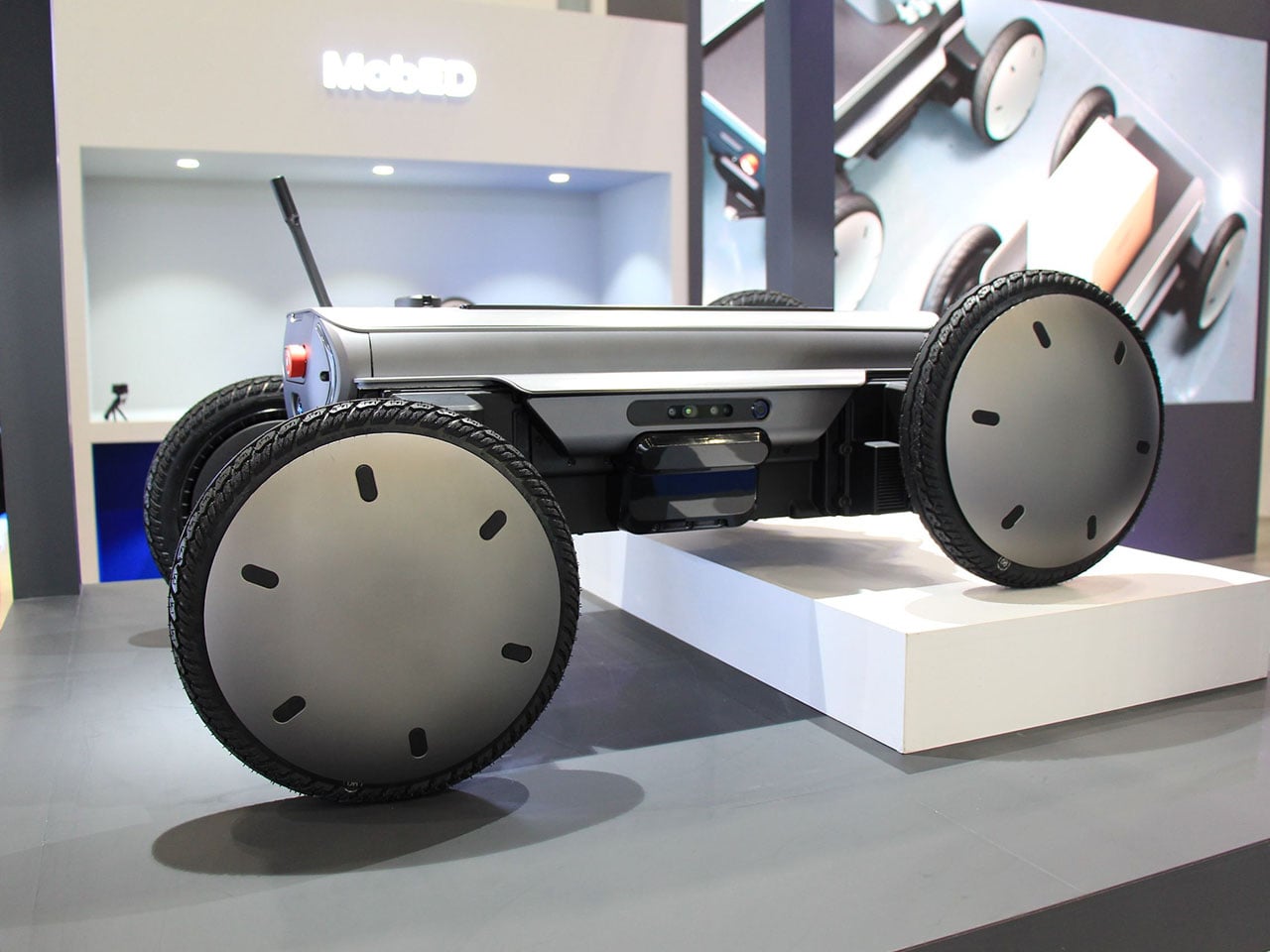
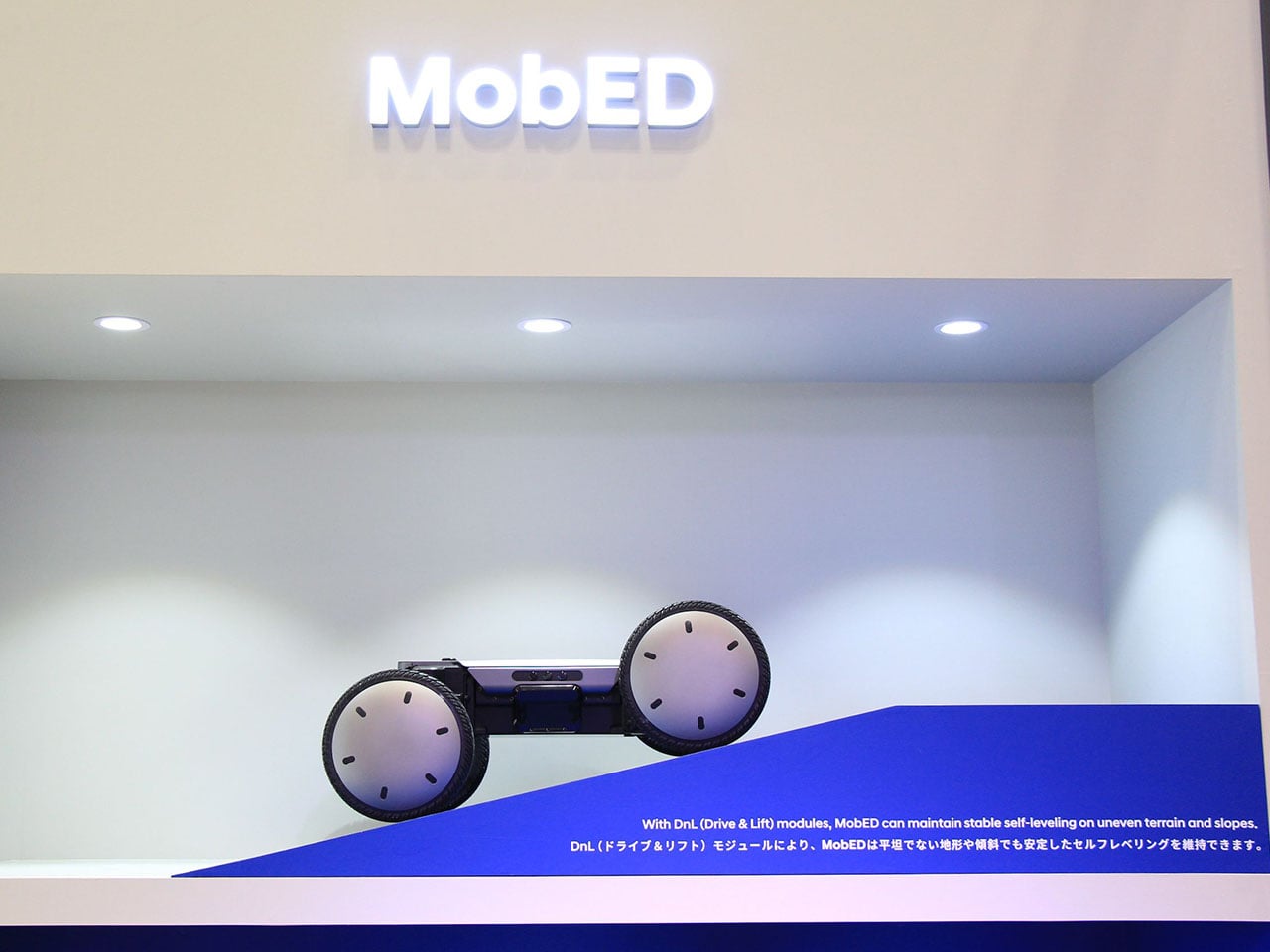
The wheeled workhorse is equipped with Hyundai’s drive-and-life (DnL) modules, which integrate steering, driving, and height adjustment into one portable unit. TI is integrated with adaptive motion technology, which eliminates any constraints that are environment-specific. All these innovations result in precise posture control to adapt to different terrains, performing difficult tasks in any kind of environment, and that too while carrying a heavy load. The modular nature of the platform makes it ultra-versatile and well worth investing in, compared to other robotics solutions that can do only a limited number of tasks owing to their form factor.
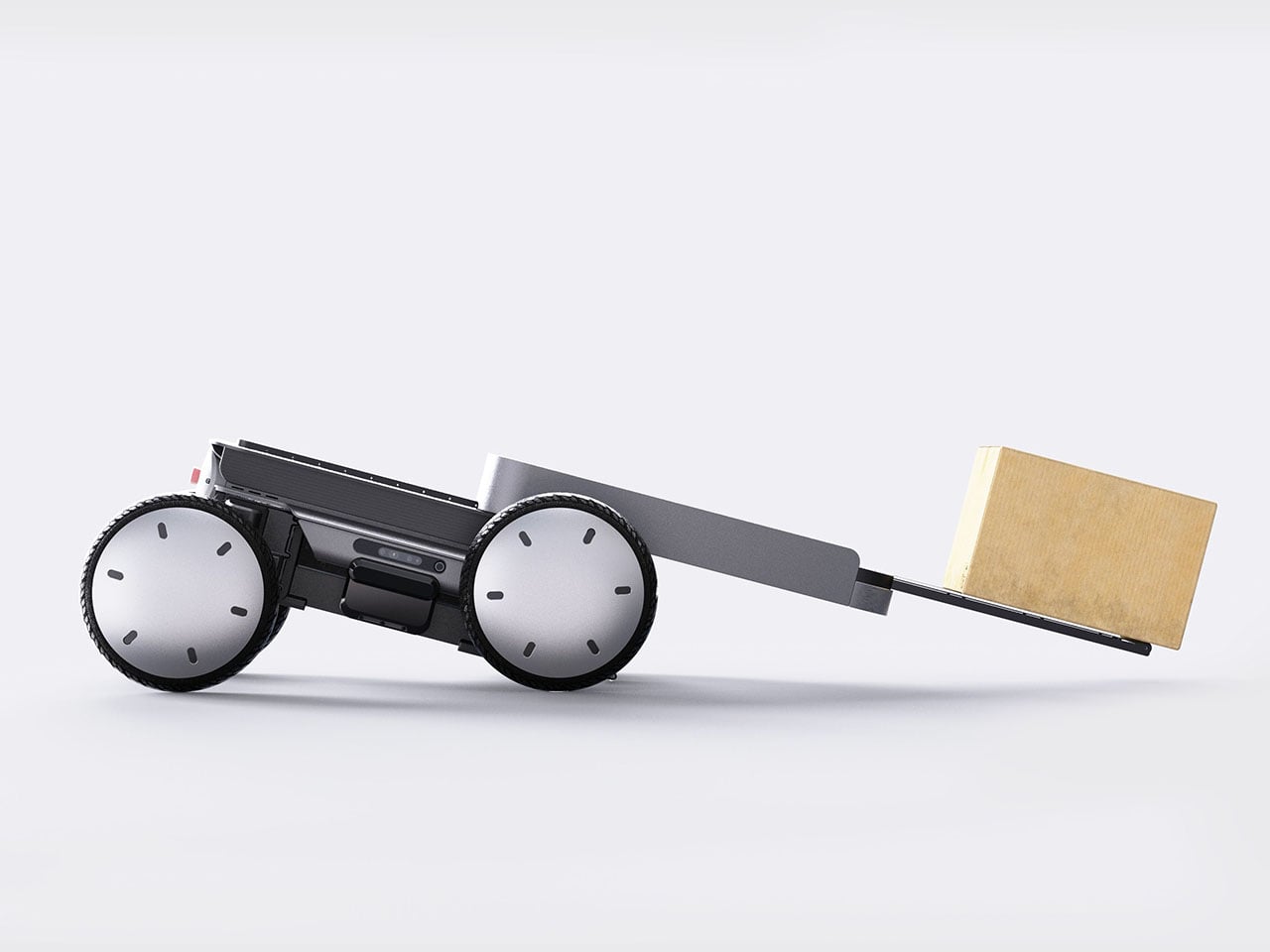
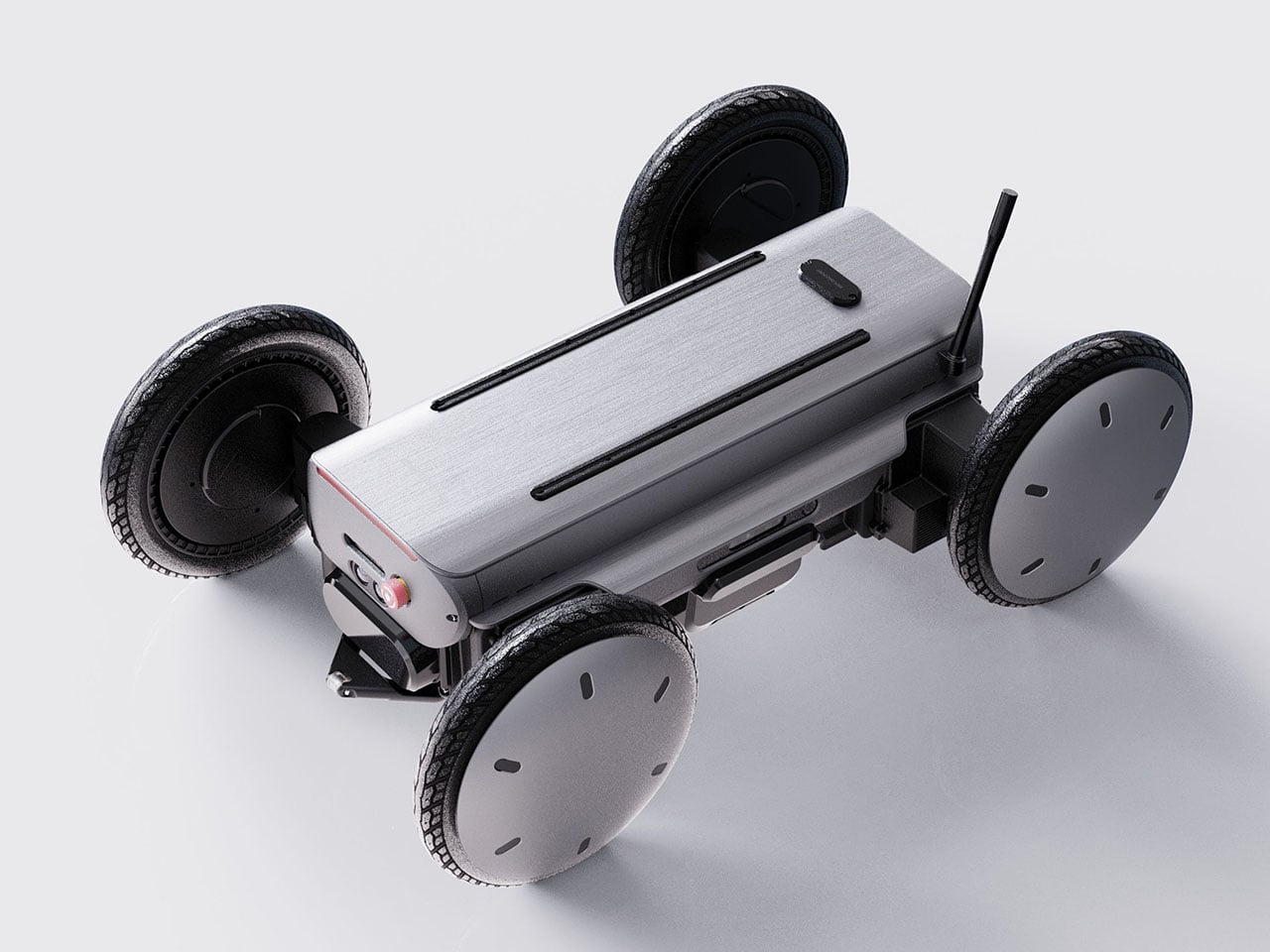
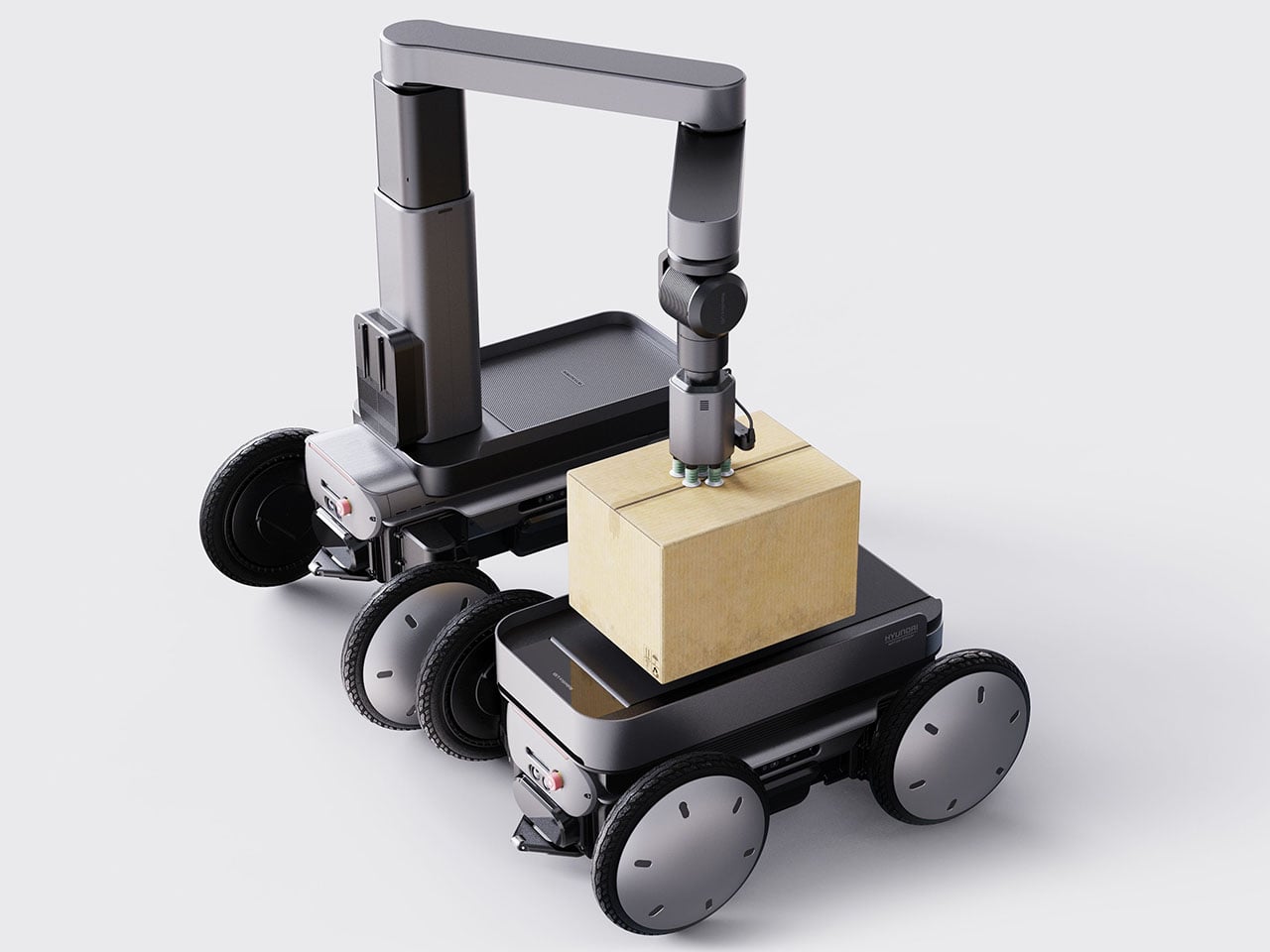
For starters, MobED will be offered in two versions: one will be a basic model that has the mobility capabilities of a current-generation bot, while the other comes with full AI autonomy and advanced navigation sensors. The latter is a pro version, and it is equipped with full AI autonomy, upgraded sensors, LiDAR, and a camera system. You’ll get a follow-me mode, so that the bot stays by your side when you are busy doing multiple tasks. Riding on four wheels doesn’t mean it is an autonomous vehicle of sorts, as it can swivel and articulate the wheels. Just like a four-legged personal bot, it can wave by cogging up its wheel. Fit on top a robotic arm, and the bot functions as warehouse personnel.
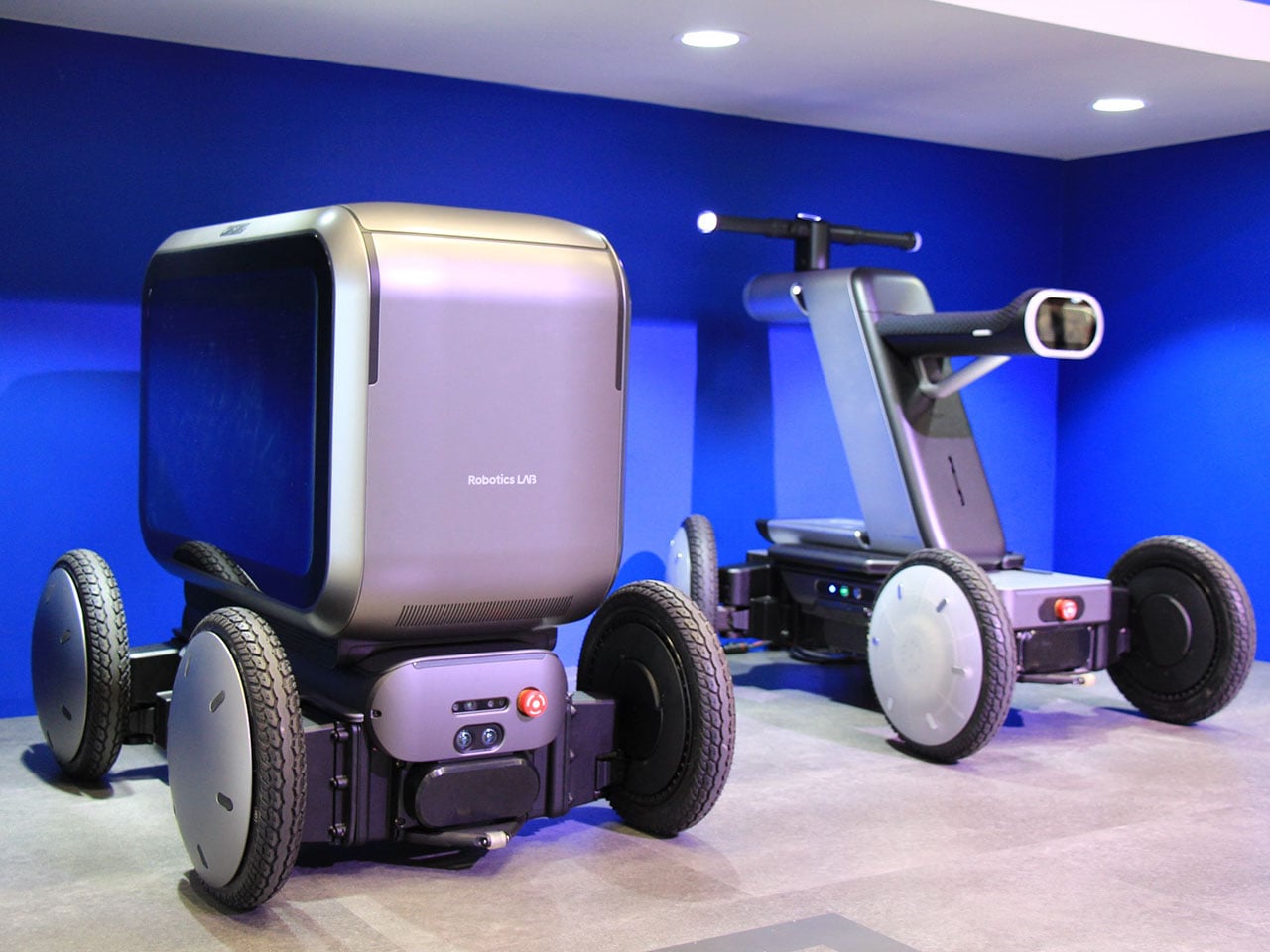
The robot is as easy to control as an RC car, since it’s equipped with a touchscreen controller. Hyundai’s robotic division has been quite serious about the future of its rolling droid development that’s been going on for quite a few years now, and the MobED Pro is now poised to change the dynamics of the robotics landscape in the near future.

The post Hyundai debuts a fully autonomous, production-ready droid engineered to tackle real-world tasks first appeared on Yanko Design.
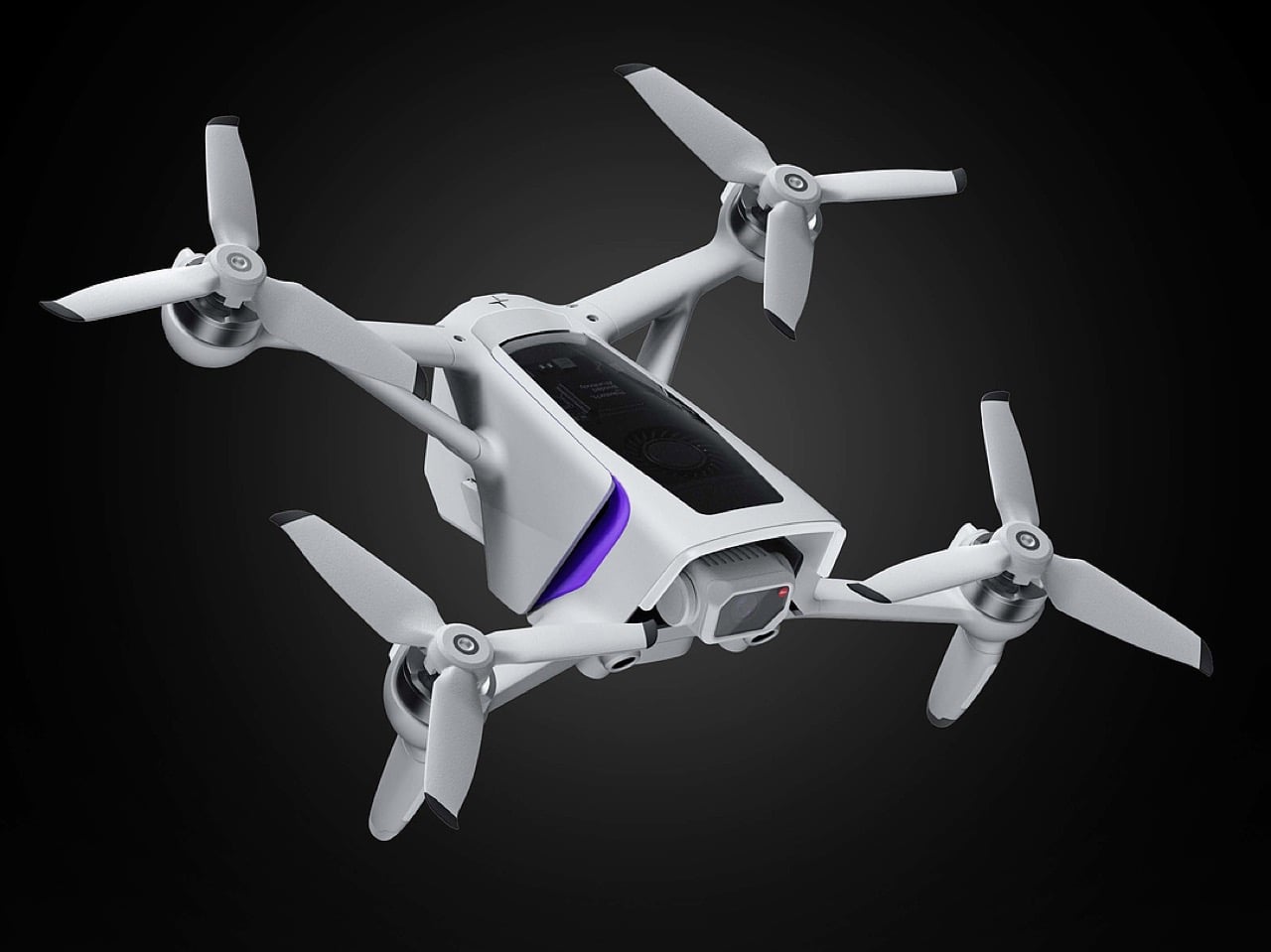
Polestar’s cool Nordic minimalism is not the first thing you expect to see in an FPV rig, yet this concept leans into that contrast and makes it feel inevitable. The drone lifts DJI’s “stacked” architecture of camera, flight controller, cooling, and battery, then wraps it in a crisp, automotive shell that would look just as natural parked beside an electric coupe as it would screaming through a canyon. Instead of the usual exposed carbon and repair-bench aesthetic, the body reads like a single sculpted volume, with the arms flowing out of a central spine and a long, glassy tech strip revealing the hardware beneath. Subtle light signatures, a clean white finish, and a battery module that wears the Polestar wordmark turn what is usually a niche racing tool into something that feels like a premium consumer product, without sanding off its performance edge.
The design’s intelligence lies in how it translates DJI’s engineering logic into a clean visual language. The concept of “structural stacking” is central here, treating each primary component as a self-contained module arranged in a neat, vertical order. The camera and gimbal sit in a dedicated nose pod, followed by the flight control unit and heat dissipation systems under the long, dark canopy, with the battery locking in as a solid block at the rear. This layered approach brings an architectural order to the drone’s anatomy, making the technology feel organized and accessible. It moves away from the traditional FPV layout, where components are often fastened to an open frame, and instead presents a unified, product-like object that feels intentional from every angle.
Designer: Ocean
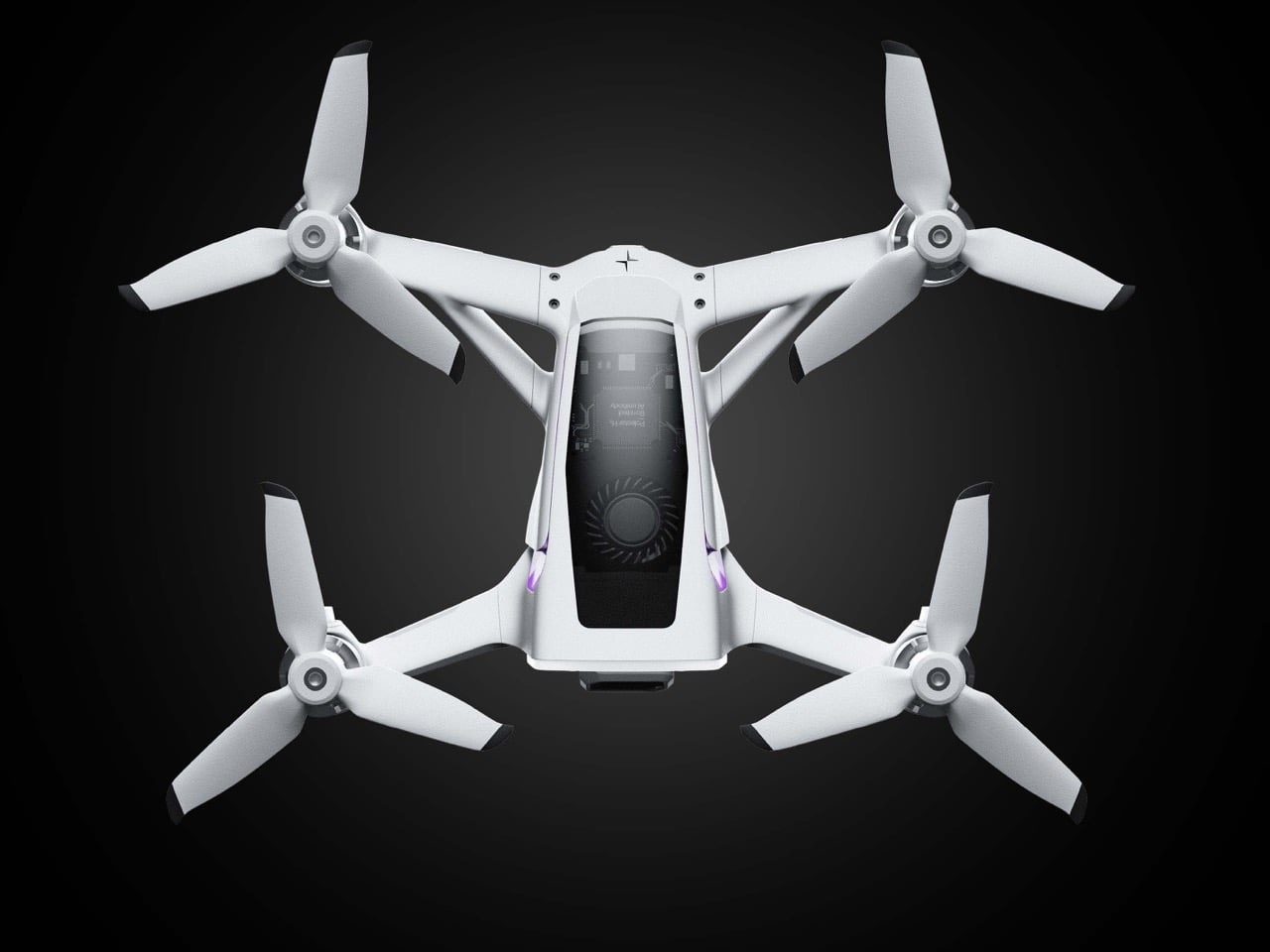
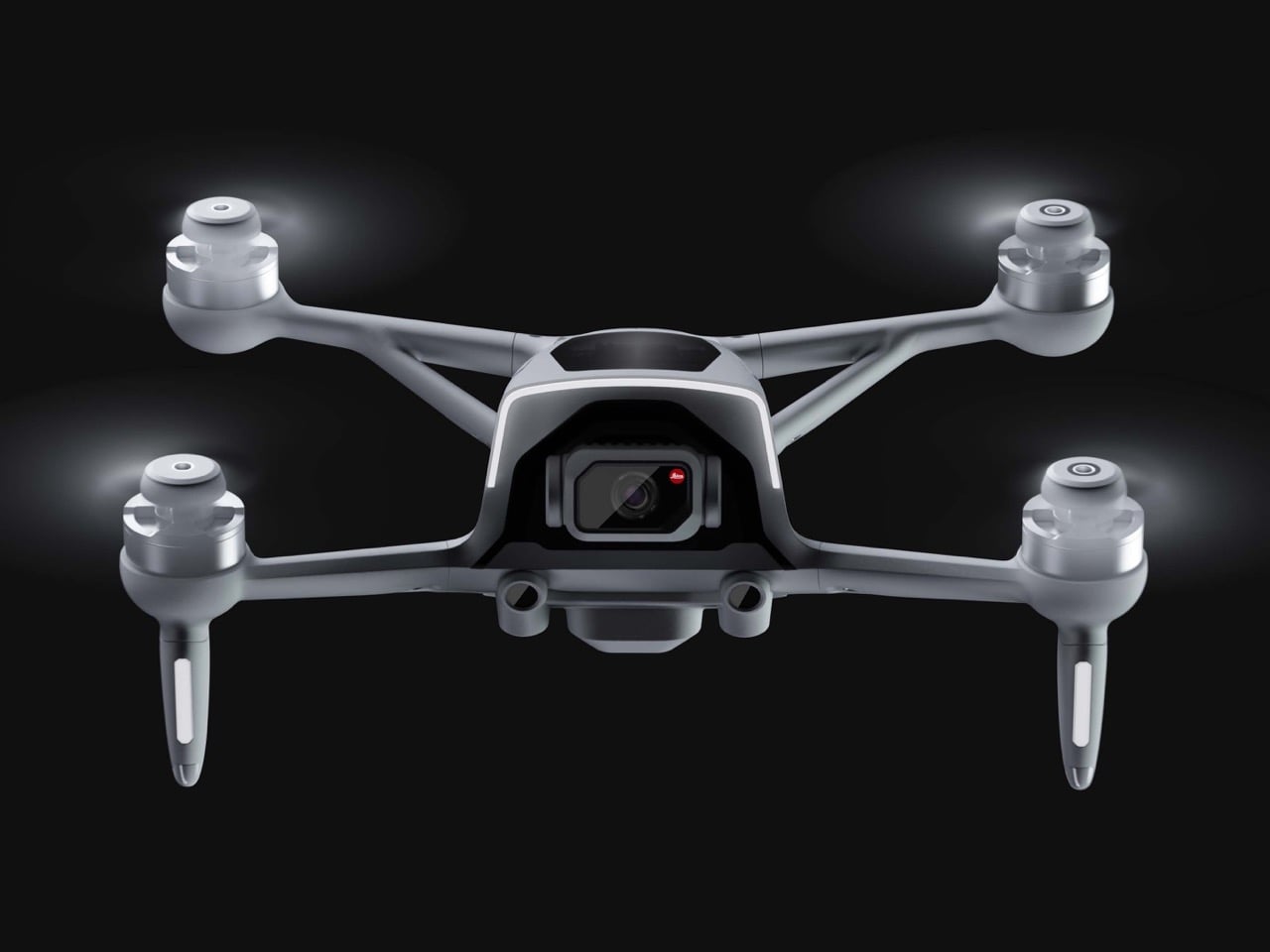
The drone’s body is finished in a matte, almost ceramic white, with surfaces that are both soft and incredibly precise, a hallmark of the EV brand’s surfacing strategy. The long, dark insert on top is more than just a cover; it’s a “tech window” that frames the internal hardware as a point of interest, much like Polestar does with its glass roofs and integrated sensor bars. Even the lighting is handled with automotive discipline. The thin purple accents feel like signature light blades, providing a controlled glow that suggests advanced technology rather than the often chaotic RGB strips found on custom FPV builds. The result is a machine that feels both high-tech and incredibly calm.
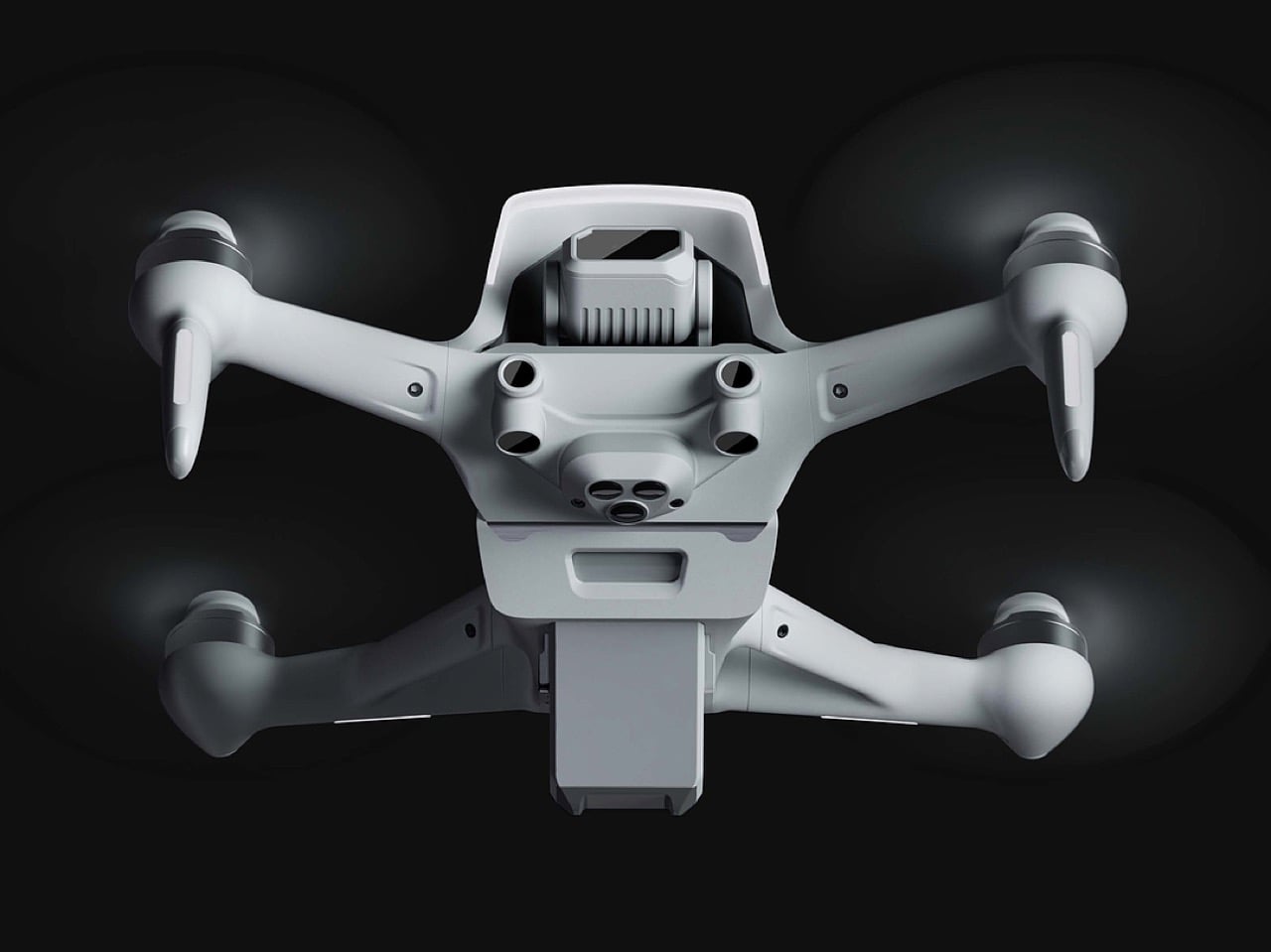
Still, this polished exterior does not compromise the drone’s aggressive spirit. The wide, planted stance and large, efficient-looking propellers signal that it is built for serious performance. A look at the underside reveals a dense cluster of sensors, cooling vents, and structural ribbing, confirming that this is a tool for demanding pilots, not a toy. The designer skillfully balances these hard-core elements with a consumer-friendly sensibility. The battery, for instance, is a perfect example. Branded with the Polestar logo and featuring clear, intuitive LED charge indicators, it feels like a piece of premium electronics, making a critical component feel safe and simple to handle for users who may not be seasoned hobbyists.
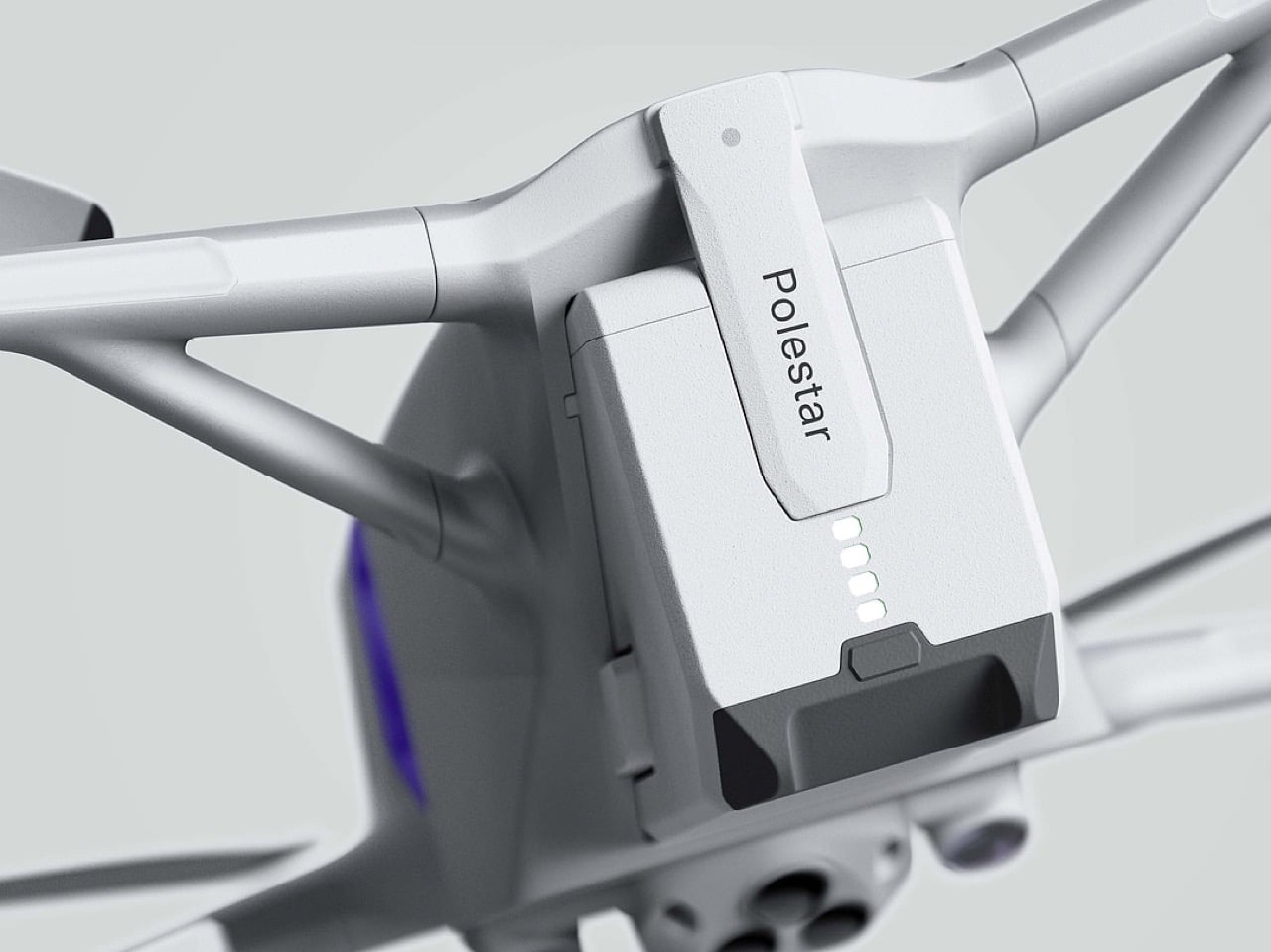
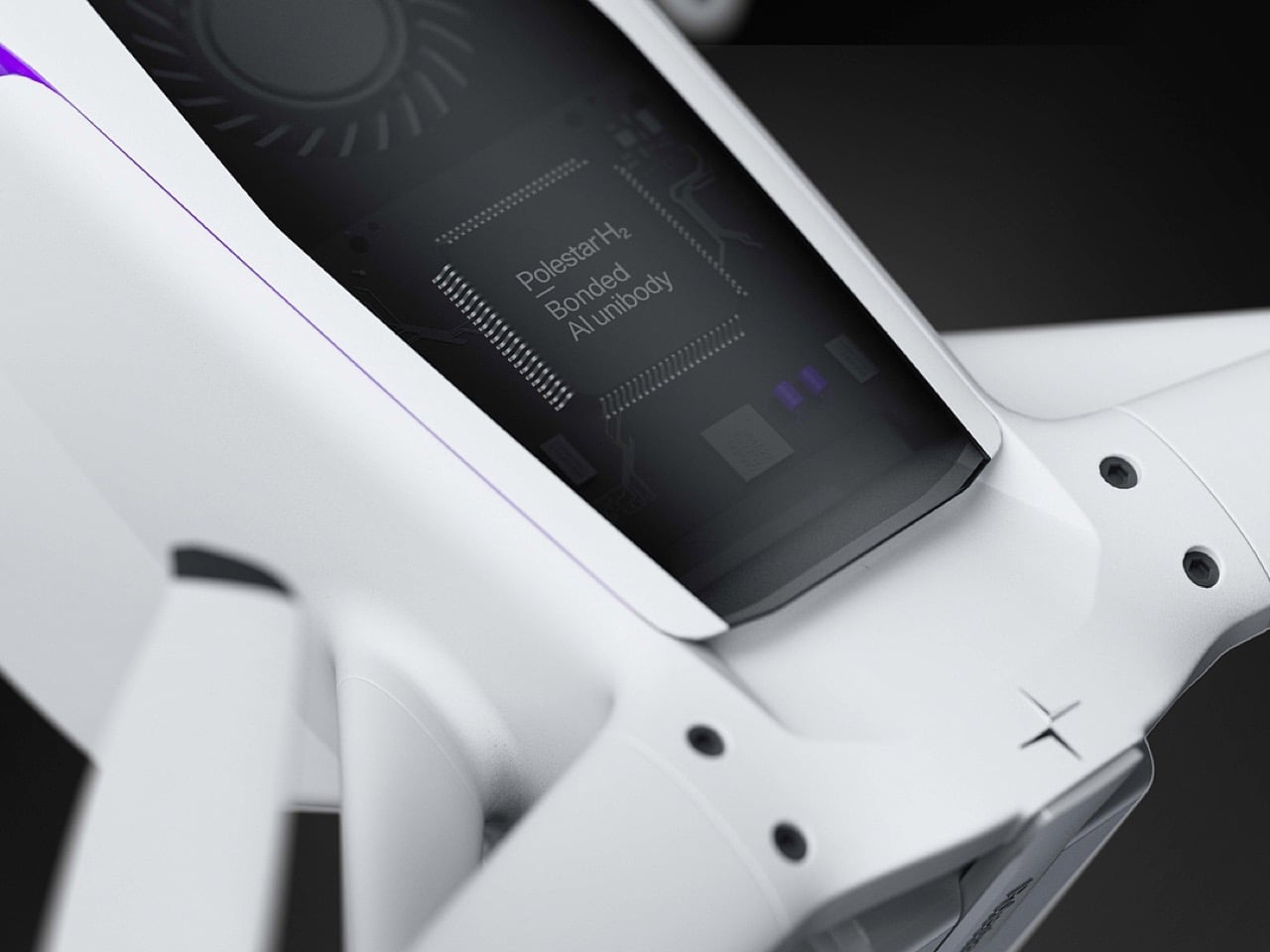
Ultimately, this concept imagines an FPV experience for the tech enthusiast who appreciates sophisticated design as much as raw performance. It is a drone for the person who owns a Polestar, not just because it is electric, but because of its commitment to a clean, forward-looking aesthetic. By merging the robust, modular architecture of a DJI product with the refined, human-centric design of a modern EV, this concept suggests that the future of high-performance drones might be less about exposed wires and carbon fiber, and more about the seamless integration of power and polish.
The post DJI Meets Polestar in This Sleek White FPV Drone Concept That Rejects the Racing Aesthetic first appeared on Yanko Design.
Sony Interactive Entertainment has signed a deal to produce and publish a game from Bad Robot, JJ Abrams’ production company. The two sides are keeping most of the details close to their chest for now, but the game is a four-player co-op shooter for PlayStation 5 and PC directed by someone who knows a thing or two about that genre: Left 4 Dead creator Mike Booth.
Bad Robot Games — which is a fully remote studio — was formed in 2018 with the help of Tencent. It has lent a hand on games including Weird West (as an investor and creative consultant) as well as interactive streaming series Silent Hill: Ascension. This new game is the first one that Bad Robot Games is developing in-house.
A few months back, Booth dropped into the Left 4 Dead subreddit to say that he was working on a new co-op game “built on the foundations of what made L4D special. If you enjoyed the teamwork, tension and replayability of my past games, you’ll probably find this one interesting. It expands on the co-op formula in ways I’ve wanted to explore for a long time.” He added that, while the game was still in early development, Bad Robot was opening up a waitlist for access to playtests.
According to a press release, “Bad Robot Games is a dedicated game studio working on new and existing transmedia franchises.” So, this project could well be part of an entirely new franchise, but the prospect of co-op shooter from the designer of Left 4 Dead that’s set in the Cloverfield universe is pretty darn intriguing.
This article originally appeared on Engadget at https://www.engadget.com/gaming/playstation/playstation-teams-up-with-bad-robot-and-the-creator-of-left-4-dead-for-a-co-op-shooter-144637802.html?src=rss