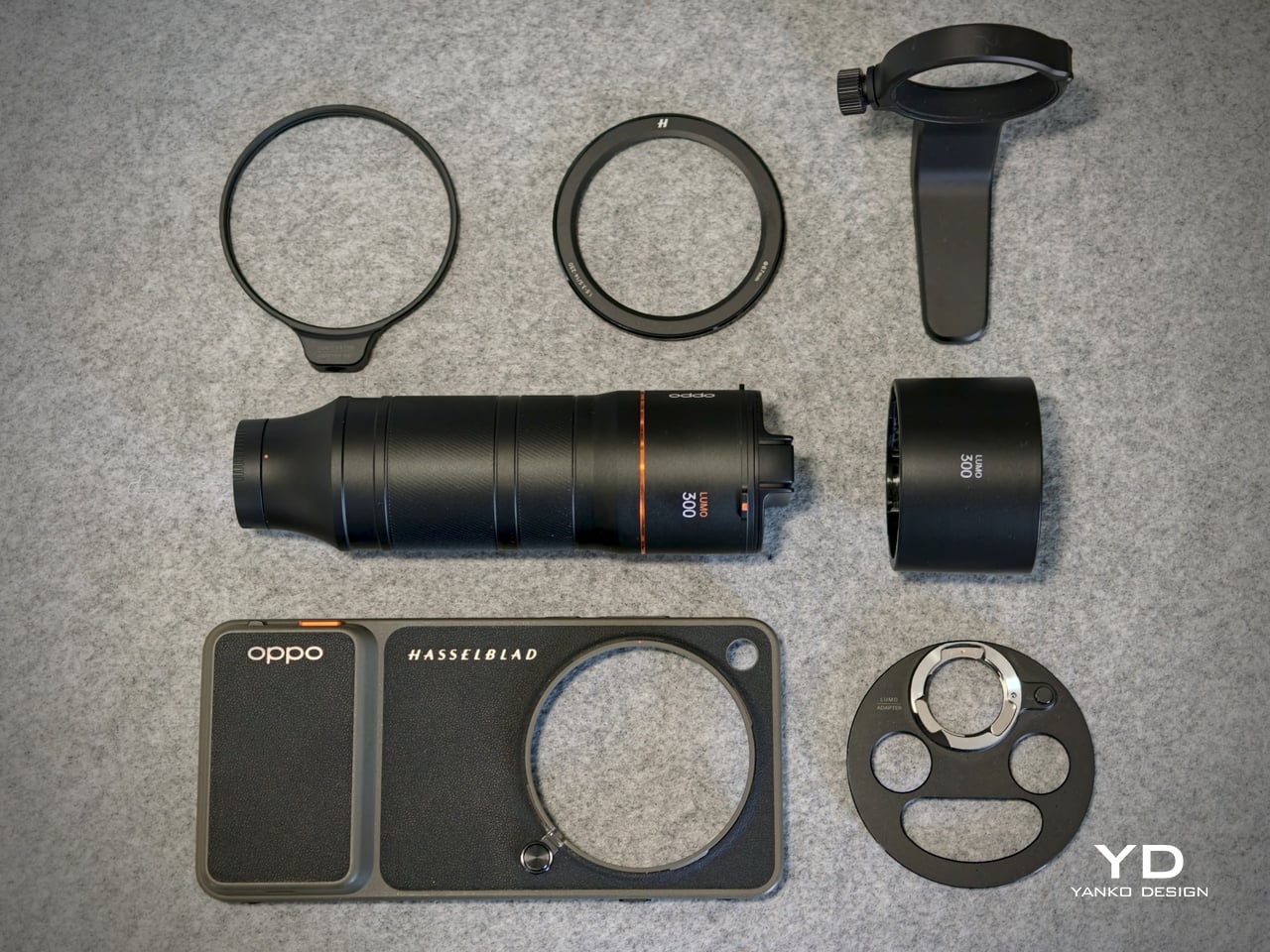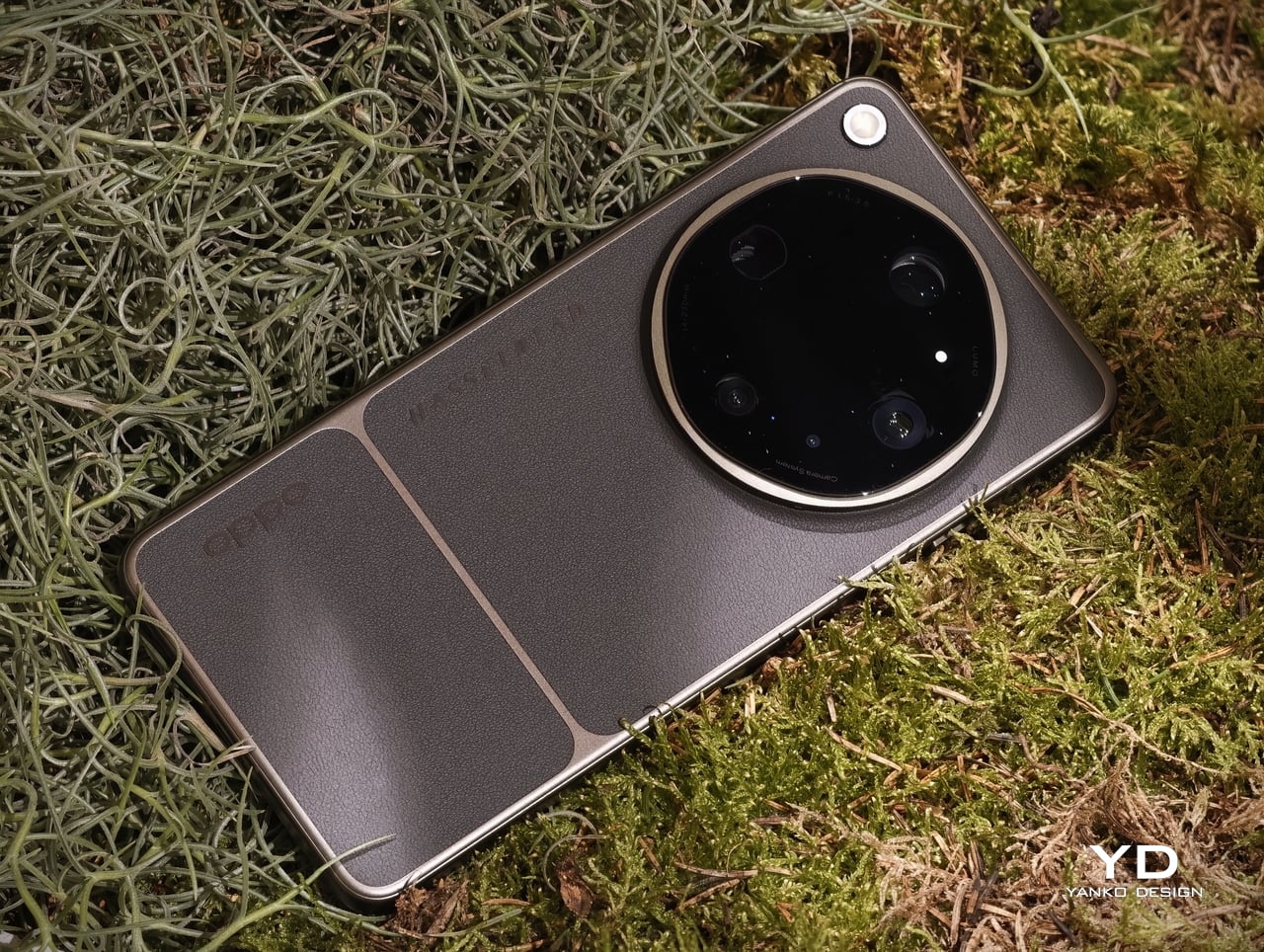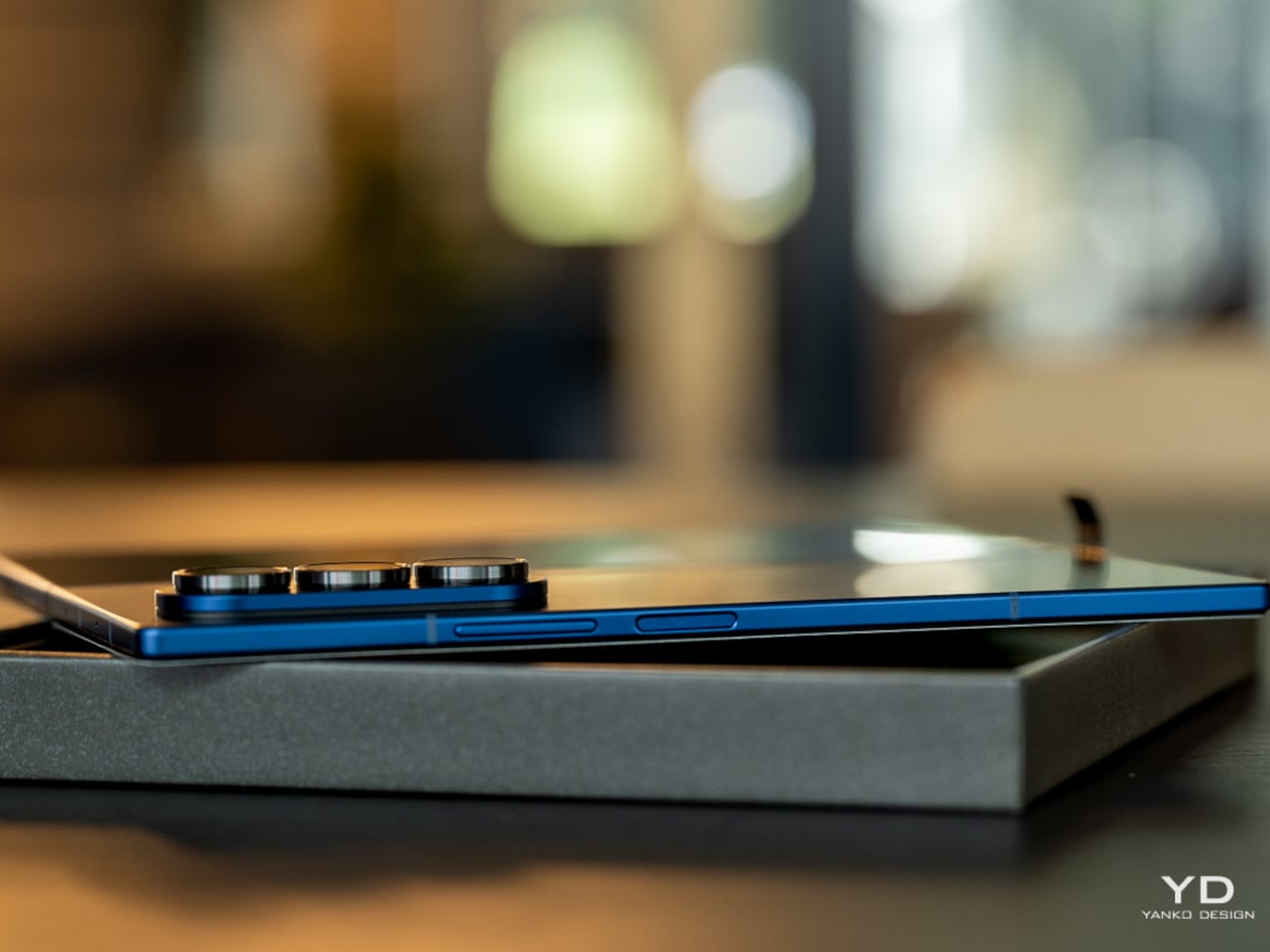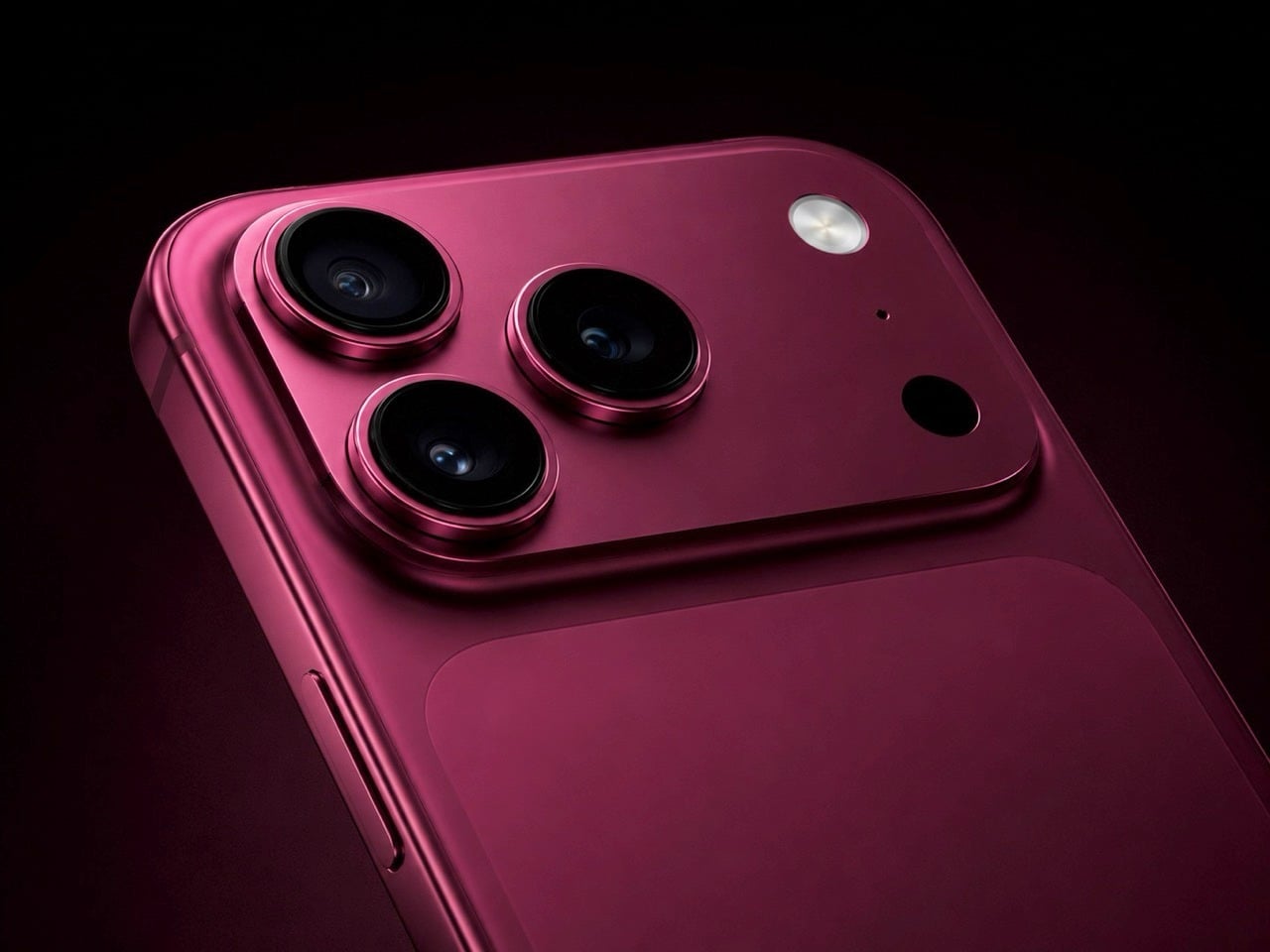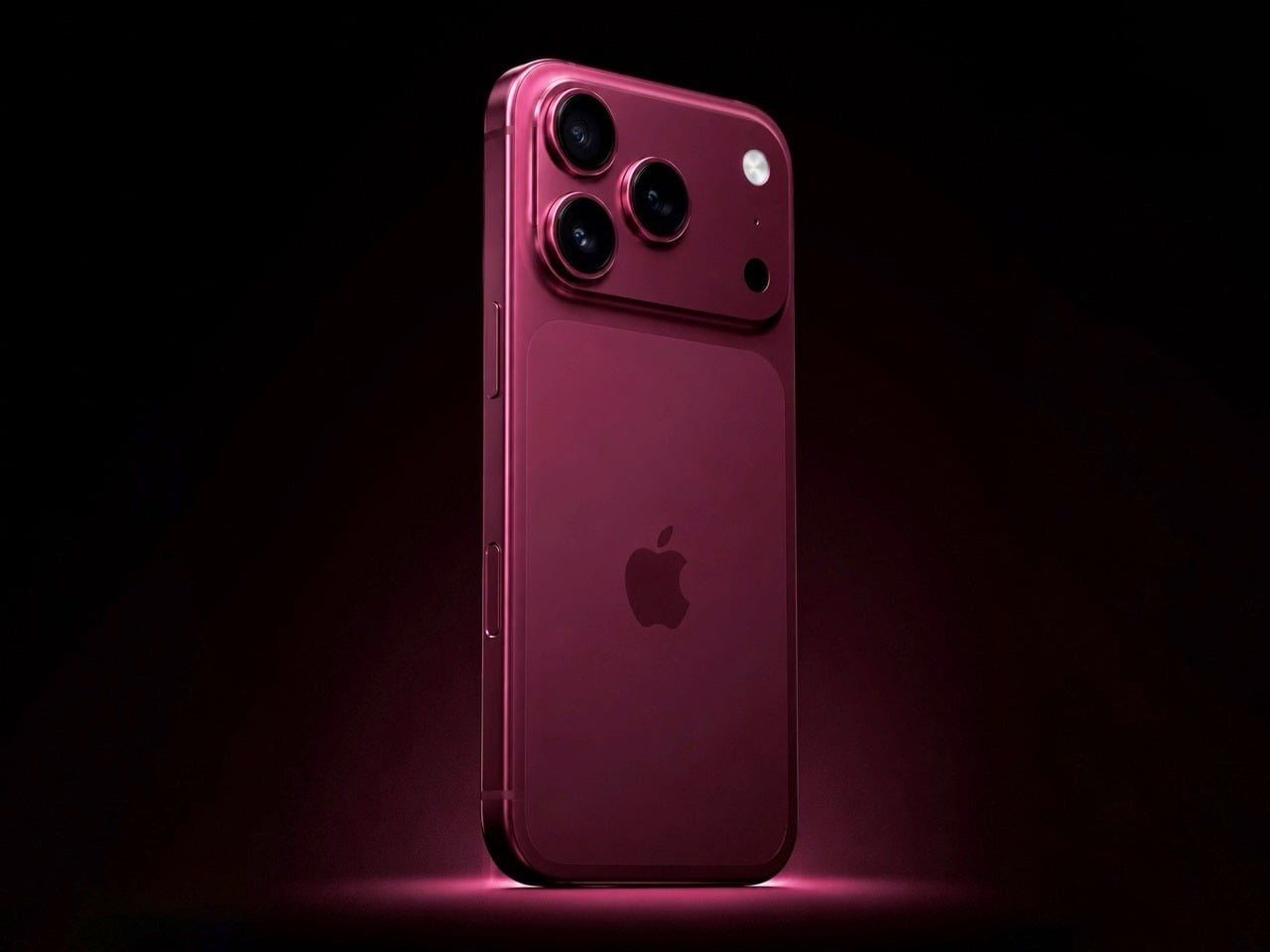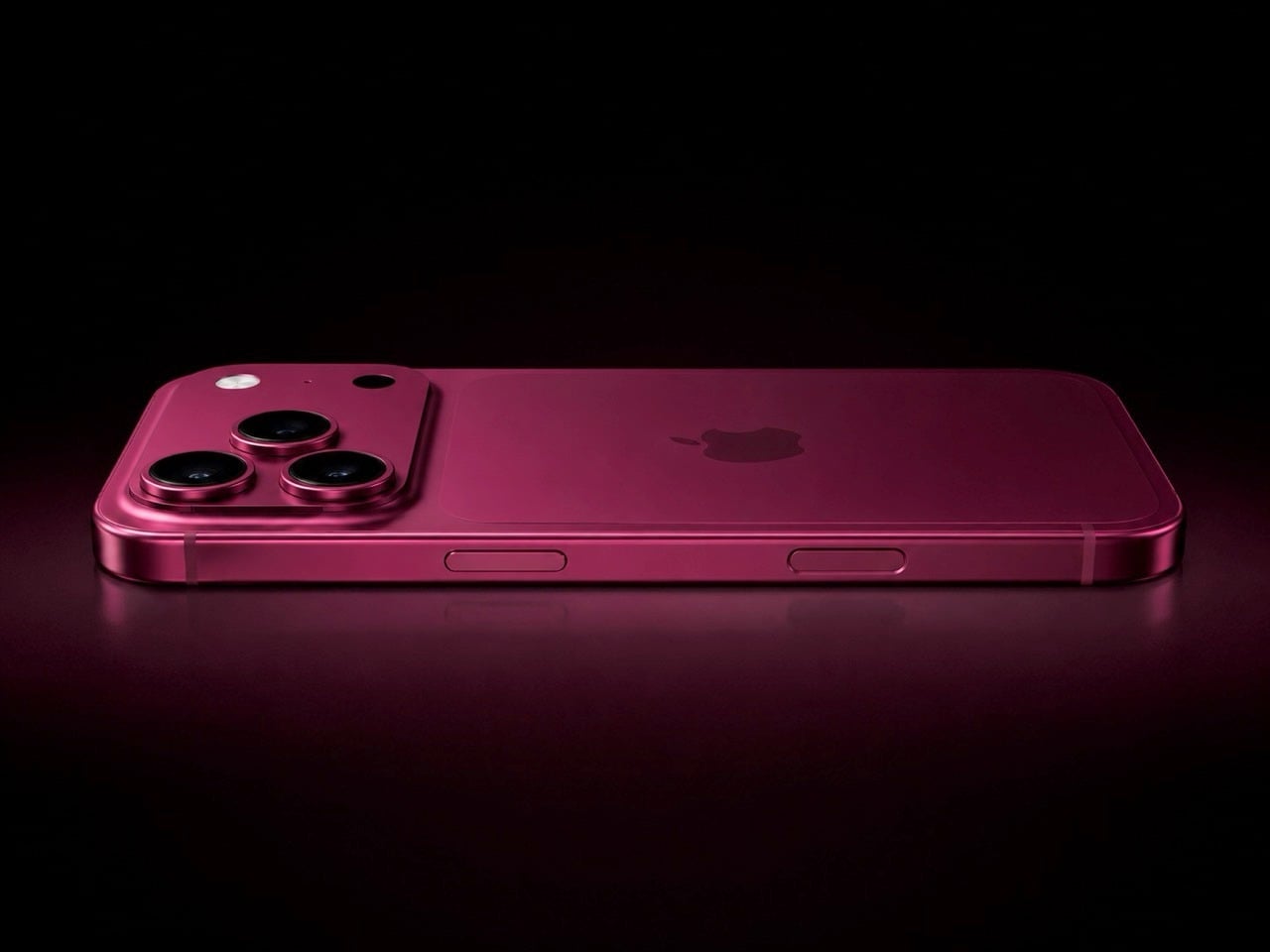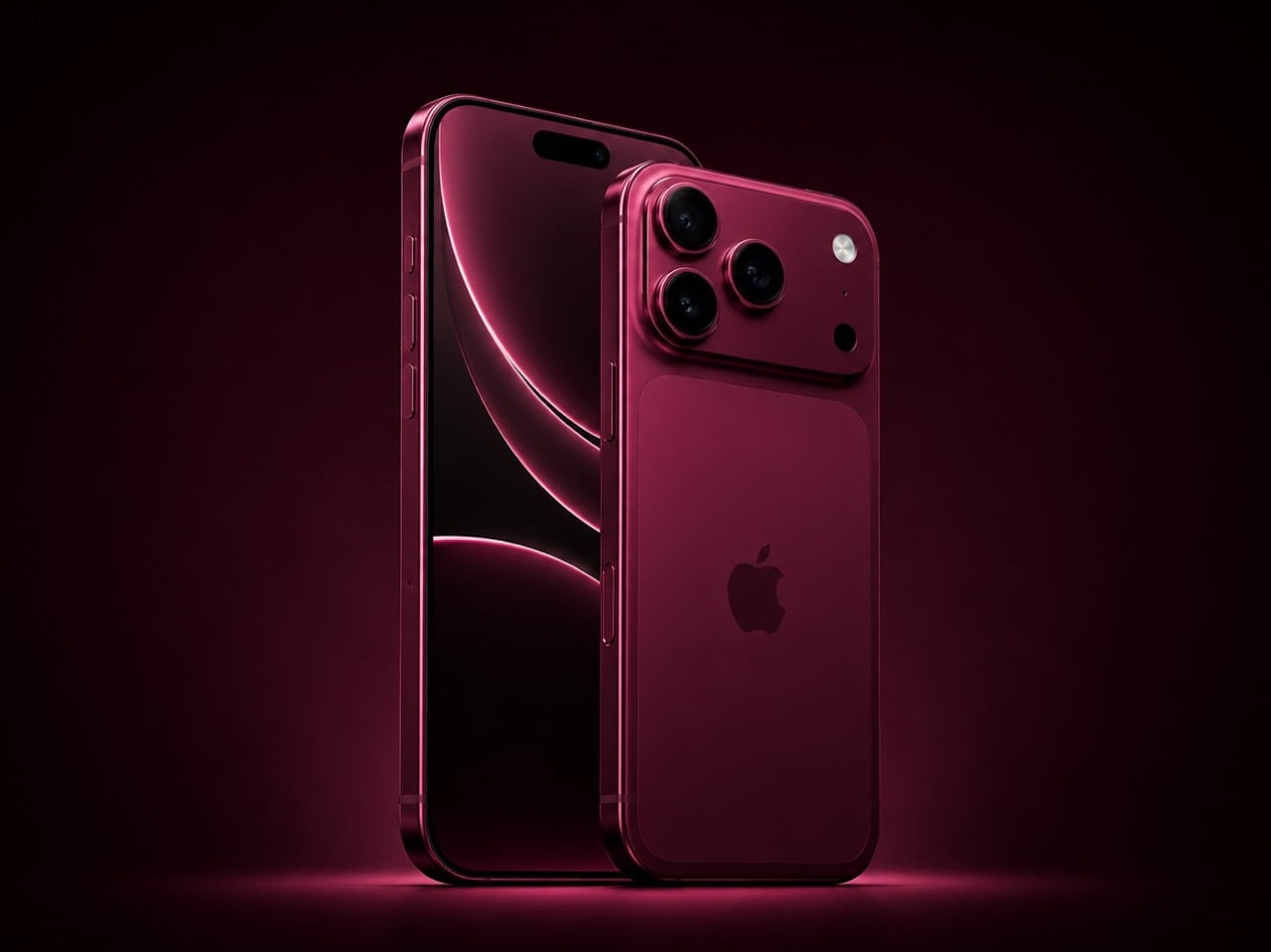
Realme GT8 Pro Review: A Flagship You Choose With Your Heart

PROS:


  • Ricoh GR partnership on the main camera

  • Distinctive design with modular camera island

  • Outstanding battery life and charging speed

CONS:


  • Ricoh GR mode is limited to the main camera

  • Ultra-wide and front cameras lack autofocus

  • Software support is good, but not class-leading for the price range


RATINGS:

AESTHETICS
ERGONOMICS
PERFORMANCE
SUSTAINABILITY / REPAIRABILITY
VALUE FOR MONEY

EDITOR'S QUOTE:

This is a phone you pick with your heart as much as your head, because you really have to want that design story and the GR experience.

The announcement of Realme’s partnership with Ricoh was a surprise, and now the highly anticipated Realme GT8 Pro is here with another twist in the form of an interchangeable camera plate on its back. This is not a subtle move, and it signals that Realme GT8 Pro is not trying to be just another sensible flagship. Instead, it arrives as a phone that wants to make a statement the moment you turn it over in your hand.

At the same time, this is still a serious piece of hardware built around the Snapdragon 8 Elite Gen 5, a huge 7000 mAh battery, and a vibrant 6.79-inch display. Realme is clearly aiming to step out of its value-focused comfort zone and into the premium flagship ring, where expectations are much higher, and mistakes are more visible. The real question is whether this bold, personality-heavy approach makes the GT8 Pro a genuinely great all-around phone, or a beautiful experiment that only a certain kind of user will truly appreciate.

Aesthetics

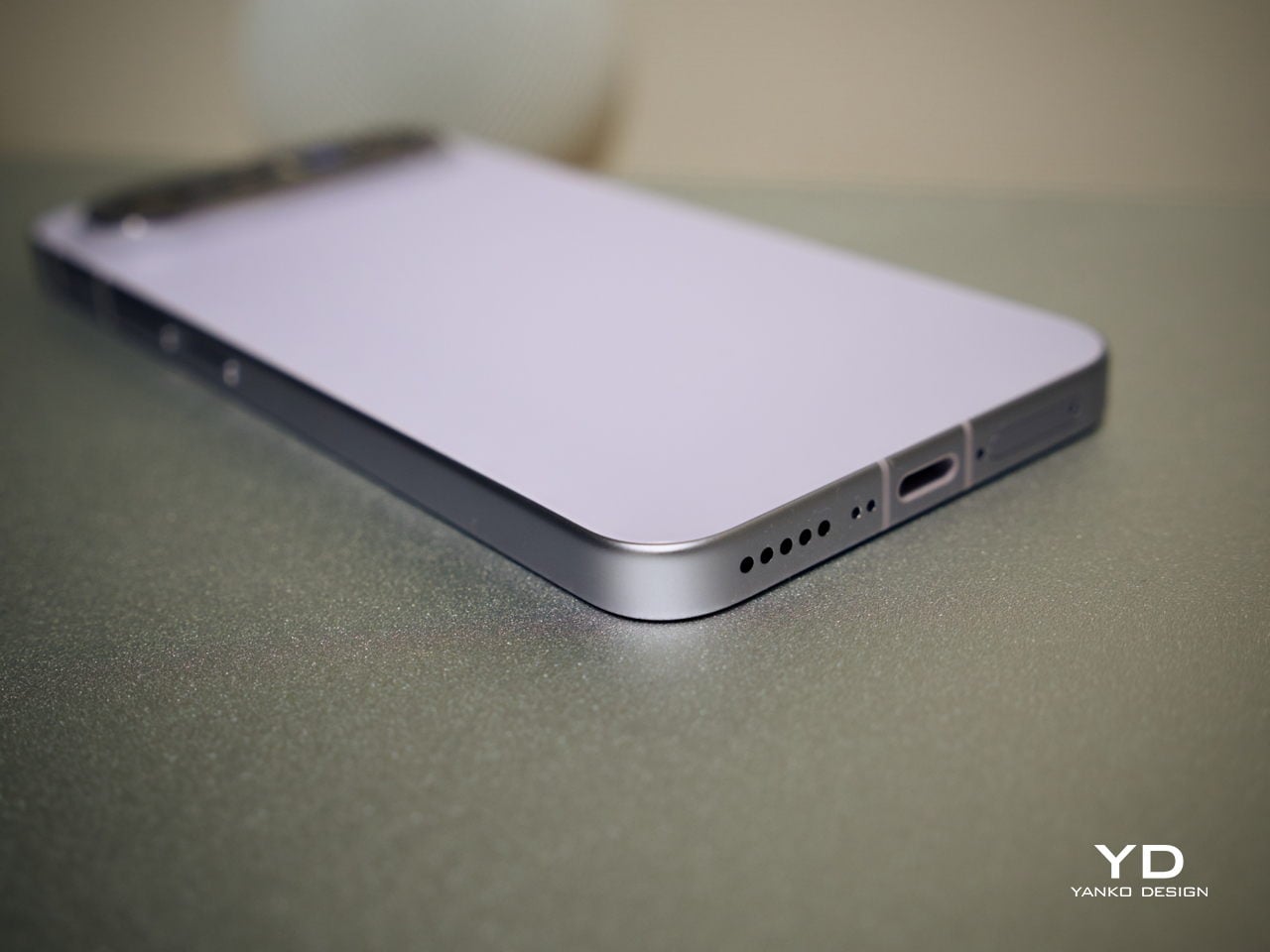
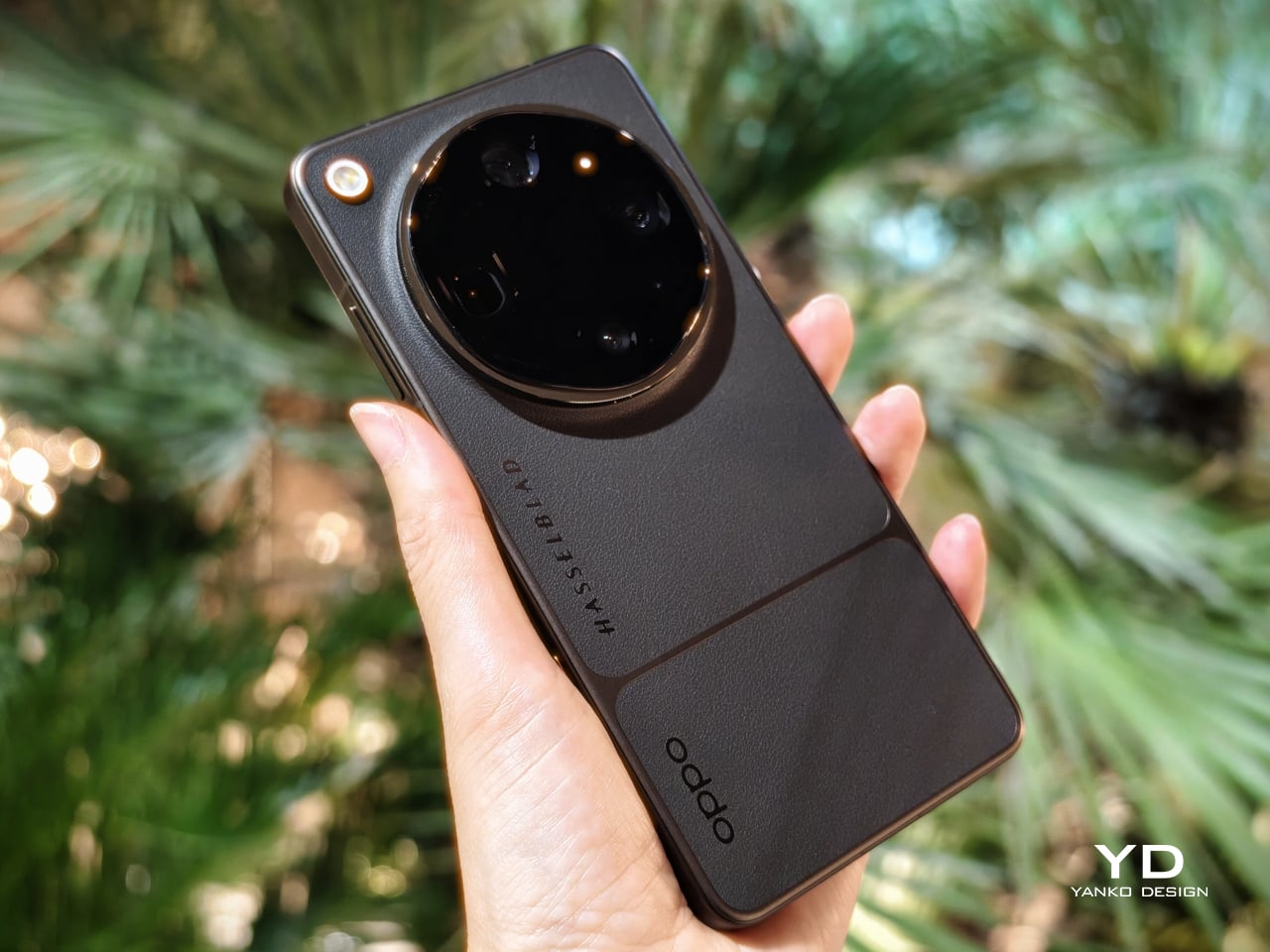
Pick up the realme GT8 Pro, and the first thing your eyes lock onto is the camera island. Realme has turned the rear camera housing into a modular design object that you can swap and restyle. Different camera decoration plates change the shape and graphic language of that camera bump, which means the back of the phone becomes a kind of customizable badge. It feels more like a piece of streetwear design than a typical rectangular slab, and it sends a clear signal that this phone sees photography and personality as central to its identity.

The plate is held in place with two tiny screws. The design that comes with the Diary White colorway we received is a round silver colored plate, and Realme also sent a separate rectangular silver colored plate. Realme has even released the 3D design file to invite people to create their own camera plate designs for the GT8 Pro. It is purely non-functional, and you could easily call it a gimmick, but it is a playful gimmick that fits the character of this phone and gives designers and tinkerers something fun to explore.

Realme keeps the core lineup tight with two main colorways. Diary White pairs the aluminum frame with a glossy glass back panel that catches reflections like a piece of polished ceramic. Urban Blue switches to a vegan leather back panel that brings a more tactile, fashion-focused vibe and feels closer to a premium accessory than a slab of tech. Both finishes are tuned to catch light and attention rather than fade into the background, which reinforces the GT8 Pro’s role as a visual statement.

On top of these two color variants, Realme offers the Dream Edition as part of its three-year partnership with the Aston Martin Formula 1 team. This special version comes dressed in Aston Martin Green with yellow accents and an aerodynamic-inspired design. The phone arrives with a round camera decoration plate featuring a carbon fiber finish, which adds a motorsport texture that feels premium.

Inside the special box, you also get the square deco plate, a SIM ejector tool shaped like a racing car, a Torx screwdriver for swapping plates, two phone cases, and a charger. The phone itself comes preloaded with custom Aston Martin Formula 1 team wallpapers and icons, so the collaboration extends into the software experience as well.

Ergonomics

This is a large phone with a 6.79-inch display and a 7000 mAh battery, so it has real presence in the hand. Both colorways share the same footprint at 161.80 x 76.87 mm, which means you are firmly in big phone territory. You feel that size immediately, yet the curved edges and carefully rounded corners do a lot of work to soften the bulk and make it feel less intimidating.

The differences appear when you look at thickness and weight. Diary White comes in at 8.20 mm thick and weighs 218 g, while Urban Blue is slightly thicker at 8.30 mm but actually lighter at 214 g. In practice, these numbers are close enough that you will not notice a dramatic contrast in day-to-day use. Diary White, with its glossy glass back, feels sleek and cool, sliding more easily against your skin and into pockets. Urban Blue with its vegan leather has a paper-like feel with tactile 3D characters, according to Realme, which gives it a more textured, design-forward personality in the hand.

The power and volume keys sit within easy reach on the right side of the frame. Their placement makes it simple to adjust volume or lock the screen without shifting your grip too much, even on this tall device. The fingerprint scanner is located at roughly one-third of the height from the bottom of the display, which makes it easy to unlock the phone and continue straight into navigation with the same thumb movement.

Performance

Inside, the GT8 Pro is powered by the latest Snapdragon flagship chipset, the Snapdragon 8 Elite Gen 5, and that choice sets the tone for the entire performance story. This chip is designed for demanding multitasking, heavy gaming, and advanced AI features, and the phone leans into that with confidence. Realme pairs the main chipset with either 12 GB or 16 GB of RAM, along with 256 GB or 512 GB of fast UFS 4.1 storage, depending on the configuration. On the software side, Android 16 with realme UI 7 sits on top, bringing a colorful, feature-rich interface that still keeps most interactions intuitive and approachable.

On the front, the GT8 Pro boasts a 6.79-inch LTPO AMOLED panel with a 1440 x 3136 px resolution and a maximum refresh rate of 144 Hz. It supports Dolby Vision, HDR10, and HDR10+, which gives you rich contrast and vivid highlights when watching compatible content. Realme claims a peak brightness of up to 7000 nits and 2000 nits in High Brightness Mode. These numbers are usually achievable only in very specific lab conditions, but in real life, the GT8 Pro display is genuinely very bright and easy to see under strong sunlight. The stereo speakers are loud and clear as well.

On the back, the Realme GT8 Pro boasts a triple camera system. The main camera is a 50 MP unit with a 1/1.56-inch Sony IMX906 sensor, an F/1.8 aperture, optical image stabilization, and electronic stabilization. The telephoto camera uses a 200 MP 1/1.56-inch Samsung HP5 sensor with an F/2.6 aperture, again with both optical and electronic stabilization. The ultra-wide camera is a 50 MP unit with a 1/2.88-inch sensor and an F/2 aperture.

The camera system is where the GT8 Pro tries to carve out a unique identity. Realme has partnered with Ricoh and borrowed the GR branding, a name that carries a lot of weight in the world of street photography. Realme says this partnership has been four years in the making, and that it goes deeper than simply slapping a GR logo on the phone. The goal is to weave Ricoh GR DNA into the GT8 Pro and bring the spirit of GR-style photography into a smartphone.

Ricoh GR mode is limited to the main camera and offers fixed focal length presets at 28 mm, 35 mm, 40 mm, and 50 mm equivalents. As someone who enjoys a good telephoto camera, I was initially disappointed that Ricoh GR mode does not extend to the GT8 Pro telephoto lens. However, the more time I spent with the phone, the more this decision started to make sense. As mentioned earlier, Realme and Ricoh are trying to bring the soul of GR photography into the GT8 Pro, and the GR series is best known as an iconic tool for documentary-style, walk-around shooting.

Ricoh GR, Standard

Within GR mode, you get a set of film-inspired looks called Standard, Positive Film, Negative Film, BW, and Hi BW. Each of these can be treated as a starting point rather than a fixed recipe. You can dive in and adjust parameters such as saturation, contrast, sharpness, and grain for each look, then save your tweaks as custom presets, up to six presets in total. It feels very much like building your own GR profiles, which is a big part of the appeal for people who love tuning their cameras and crafting a personal visual style.

Ricoh GR, Positive Film

Ricoh GR, Negative Film

Do I still wish for a Ricoh GR mode on the telephoto camera? Absolutely. At the same time, I am quite happy with the Ricoh GR mode on the main camera. The Ricoh GR mode produces photos with a less processed, more natural look, and the ability to fine-tune and save your own presets makes it feel personal rather than generic. There is also a full Pro mode on Ricoh GR mode available if you want manual control, which rounds out the experience and lets you treat the GT8 Pro more like a serious camera than a simple point-and-shoot.

Ricoh GR, B&W

Ricoh GR, High-contrast B&W

Of course, if you just want a quick snap that is ready for social media, the regular photo mode delivers sharp, vibrant images (that could be a bit too much)  with excellent dynamic range. The 200 MP 3X telephoto is excellent too, capturing plenty of detail and holding up well even when you crop in or zoom further digitally. Both the ultra-wide camera and the 32 MP front camera lack autofocus, which is a limitation, but they still produce clean, punchy images.

Video recording is equally ambitious. The main camera and the telephoto camera can both shoot 4K video at up to 120 FPS and 8K video at 30 FPS. The ultra-wide and front cameras can record up to 4K at 60 FPS. The footage looks very good, with solid dynamic range and vibrant color that holds up across different lighting conditions. You can even record Log at 4K 120 FPS, which gives you more flexibility for grading.

Battery life and charging are among the most dramatic strengths of this phone. The GT8 Pro carries a 7000 mAh battery, which translates into serious endurance in real-world use. The 120-watt wired charging, using the proprietary SuperVOOC charger that is included in the box, can refill that huge battery from empty to full in around 45 minutes, which feels almost absurd for this capacity. For the first time on a Realme global phone, you also get wireless charging at up to 50 watts. This combination of a massive battery and very fast wired and wireless charging means battery anxiety becomes a rare feeling rather than a daily concern.

Sustainability

The GT8 Pro quietly builds a solid sustainability story around its bold design. The front is protected by Corning Gorilla Glass 7i, and the body carries IP68 and IP69 ratings, which together help the phone survive drops, scratches, dust, immersion, and even high-pressure water jets. A device that can handle more abuse is a device you are less likely to replace early, which is an underrated part of sustainability.

Realme also pays attention to materials. The Urban Blue variant uses a vegan leather style back crafted from a recycled material and natural dye, which gives it both a softer environmental footprint and a more crafted feel in the hand. On the software side, Realme promises four years of Android OS updates and five years of security updates. I do wish Realme offered even longer support at this price range, especially as some rivals are pushing update timelines further. Still, it gives you a reasonable sense of confidence that the GT8 Pro will stay usable and secure for several years.

Value

Realme GT8 Pro is positioned as a proper flagship, and the pricing reflects that ambition. In China, the 12 GB and 256 GB configuration costs 3999 Chinese Yuan, which is roughly $550. In India, the same configuration is priced at 79,999 Indian Rupees, which comes much closer to around $960 at current conversion rates.

That Indian price pushes the GT8 Pro straight into ultra-premium territory. At that level, you are cross-shopping it against flagships from Apple, Google, Samsung, and established Chinese rivals. The hardware feels special, especially with the Ricoh partnership and the modular design, and it ticks most of the boxes for a modern premium flagship. Whether it feels like good value, though, depends a lot on your market and on how much you personally care about the GR experience and the design story.

Verdict

Realme GT8 Pro feels like a flagship that actually wants to be noticed, with its modular camera island and even an Aston Martin Formula 1 edition, yet it backs that flair up with serious hardware. Between the Snapdragon 8 Elite Gen 5, the 2K 144 Hz LTPO display, the Ricoh GR-tuned main camera, and that massive 7000 mAh battery, this is not a phone that cuts corners quietly. It is a device that tries to turn every surface and every spec into a talking point.

That ambition does come with trade-offs. The size and weight will not suit everyone; the GR experience is focused on the main camera rather than the full system, and the pricing in some markets pushes it into direct competition with very established premium players. Still, it feels like a very compelling, characterful choice. In the end, this is a phone you pick with your heart as much as your head, because you really have to want that design story and the GR experience.

The post Realme GT8 Pro Review: A Flagship You Choose With Your Heart first appeared on Yanko Design.
Vivo X300 Review: Compact, But No Compromise

PROS:


  • Compact, minimal design with a subtle camera module

  • Excellent ergonomics, light weight, and easy one-handed use

  • Versatile and powerful camera system

  • Large 6040mAh battery

CONS:


  • Camera system is a step down from the X300 Pro

  • Limited focus on sustainability and repairability

RATINGS:

AESTHETICS
ERGONOMICS
PERFORMANCE
SUSTAINABILITY / REPAIRABILITY
VALUE FOR MONEY

EDITOR'S QUOTE:

If you care most about a compact form factor, strong battery life, and one of the best camera setups in this size class, the Vivo X300 stands out clearly.

Vivo’s announcement of the X300 series brought a wave of excitement, especially around the powerhouse X300 Pro. Many in the tech world were eager to see how far Vivo could push flagship performance. But while the Pro model commands attention for its bleeding-edge specs, the X300 quietly carves out its own distinct appeal. 

This is not just a lesser sibling, though. The X300 emerges as a force in its own right, especially for those who appreciate a flagship phone that fits beautifully in the hand. Ergonomics meet modern design, with the X300 offering a balanced blend of style, substance, and everyday comfort. For anyone who wants top-tier features without the bulk, this device is ready to win hearts. In this review, we will see whether it truly delivers on that promise.

Aesthetics

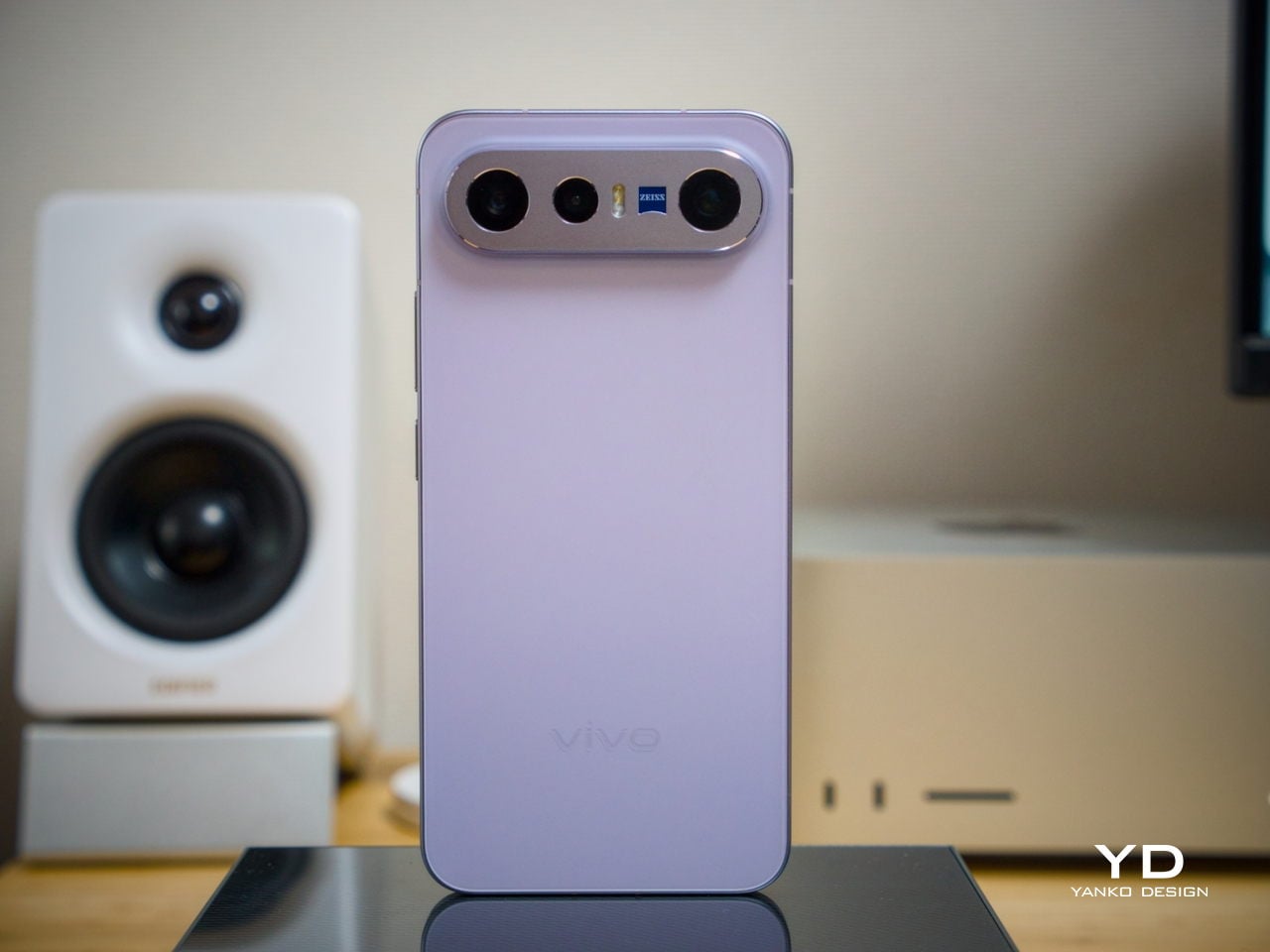
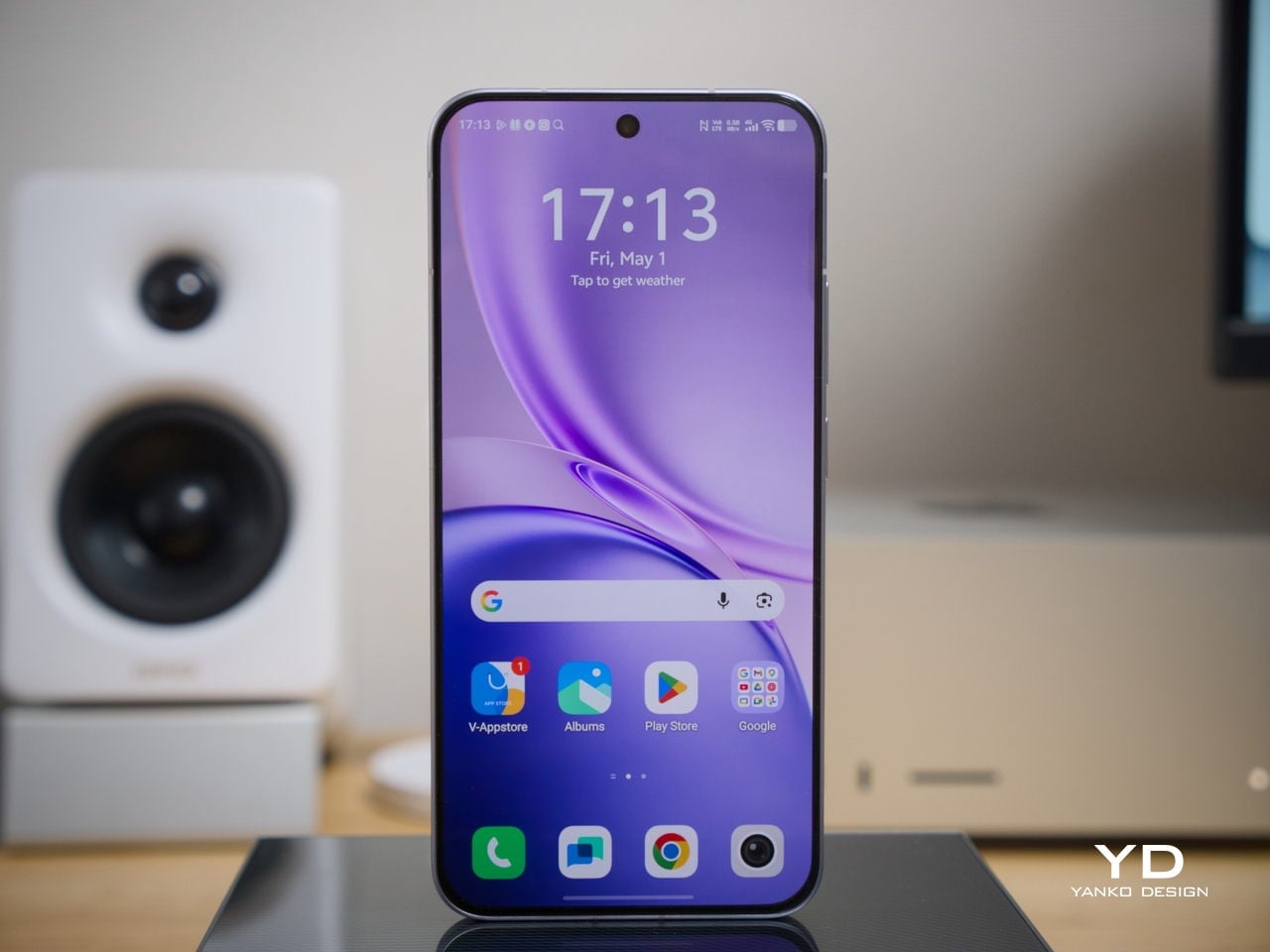
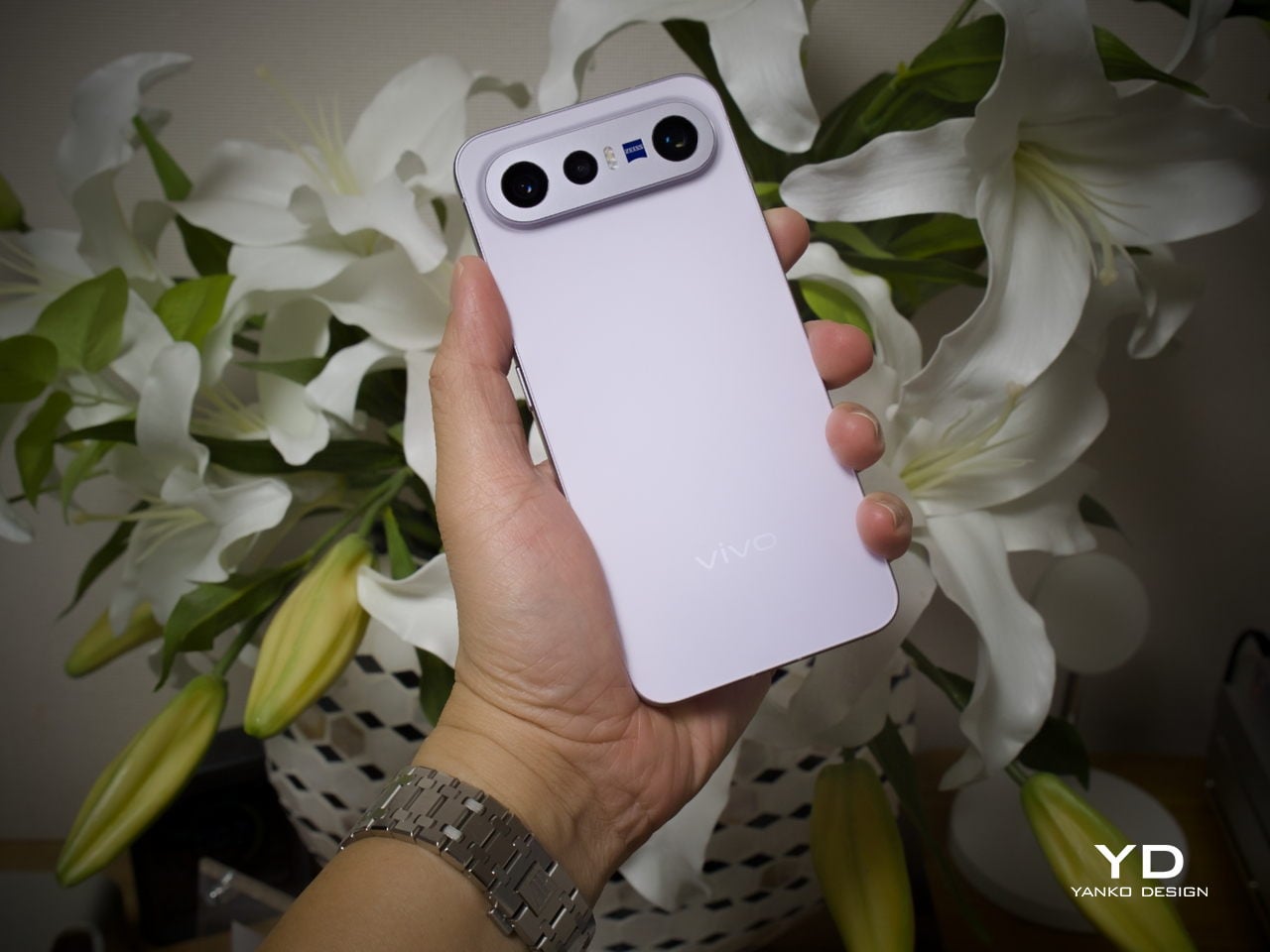
The X300 embodies minimalistic beauty in every detail. Its frosted glass back panel exudes a soft, refined sheen, instantly presenting an air of quiet elegance. The camera bump stands out as a graceful, seamless circle, subtly rising from the surface without disrupting the panel’s smooth geometry. This camera design is noticeably more understated than the X300 Pro’s bold module, enhancing the X300’s visual harmony and contributing to its overall sense of balance.

Look closer, and the smaller design decisions start to stand out. The transition between the glass back and the frame is clean and controlled, with no harsh edges or visual clutter. The circular camera island sits perfectly centered within its own visual “halo,” making the back of the phone feel almost symmetrical even though it is not. Branding is minimal and tastefully placed, allowing the materials and shapes to take the lead instead of logos or text. It is the kind of design that does not shout for attention, but rewards you the longer you look at it.

Color choices further elevate the X300’s appeal. Vivo offers this flagship in four shades: Pink, Blue, Purple, and Black. The Pink variant, which arrived for my review, is especially enchanting. Its finish dances with light, revealing subtle undertones of purple, green, blue, and yellow depending on the angle. This shifting spectrum gives the phone a dynamic personality, catching the eye without crossing into excess. The result is a device that feels both modern and timeless, effortlessly fitting into a variety of styles and settings.

Ergonomics

Ergonomics often takes a back seat to camera prowess in flagship phones, but the X300 finds a sweet spot that deserves attention. While I’m usually unfazed by larger camera bumps if they promise outstanding photography, my experience with the X300 was a reminder of the joys of a truly compact device. Its proportions invite easy one-handed use, making daily interactions feel effortless and natural. 

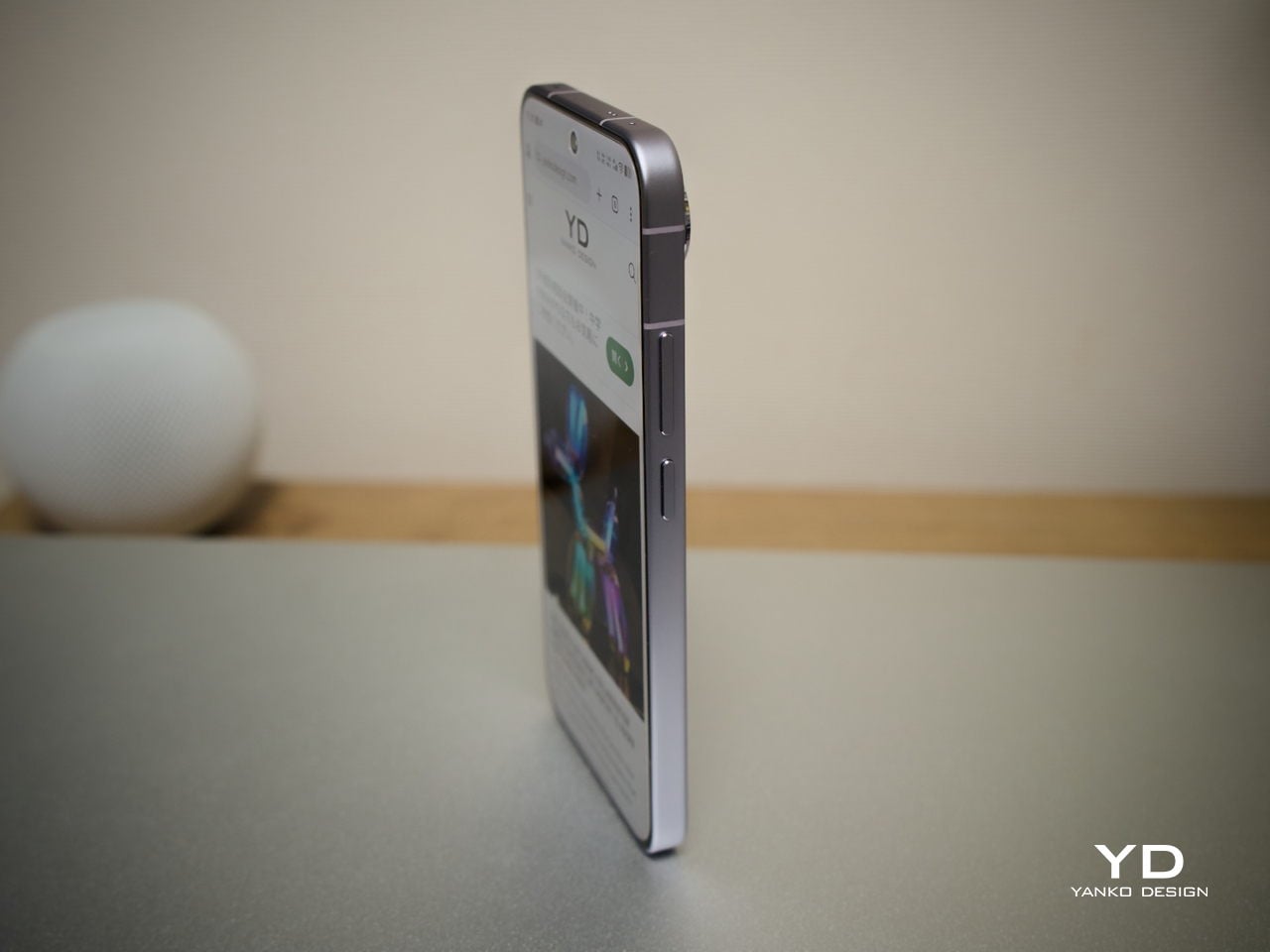
Measuring just 7.95mm thick and weighing only 190 grams, the X300 offers a lightness that’s immediately noticeable. The slim profile means slipping it into a pocket is never a struggle, and extended use won’t leave your wrist or fingers feeling fatigued. Whether you’re navigating busy city streets, snapping photos on the move, or texting with a single thumb, the X300’s thoughtful design makes comfort a priority. This is a phone that proves you can have flagship features without sacrificing ease of use.

Unlike its big sibling, the X300 skips the customizable button on the left side, resulting in a cleaner and simpler design. However, it retains the convenient placement of the ultrasonic fingerprint sensor, located about one-third of the way up from the bottom edge of the display. This thoughtful positioning makes it easy for your thumb to reach and helps ensure that unlocking the phone and jumping into your daily tasks feels quick and natural. It’s a subtle detail that quietly enhances the overall user experience.

Performance

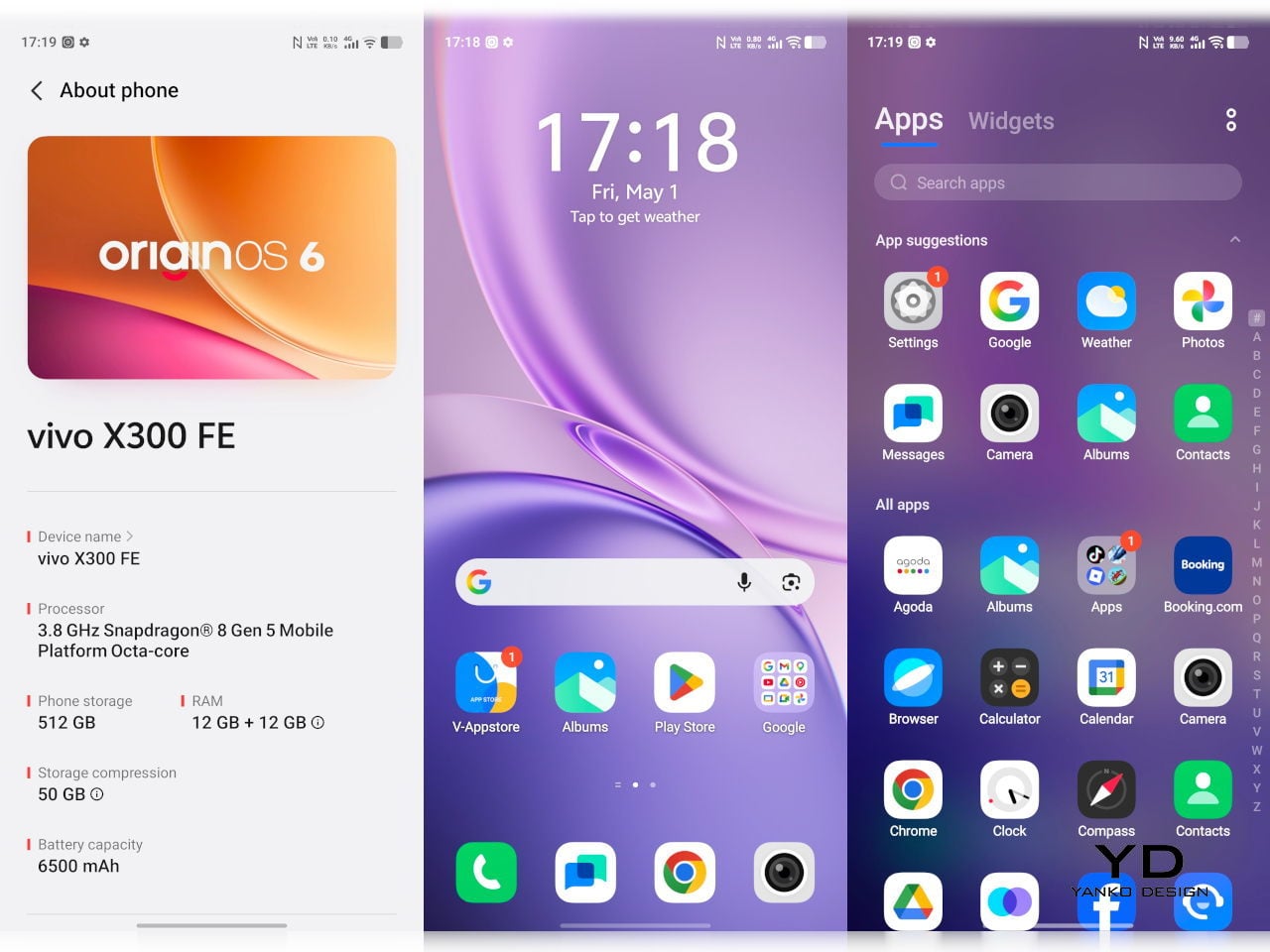
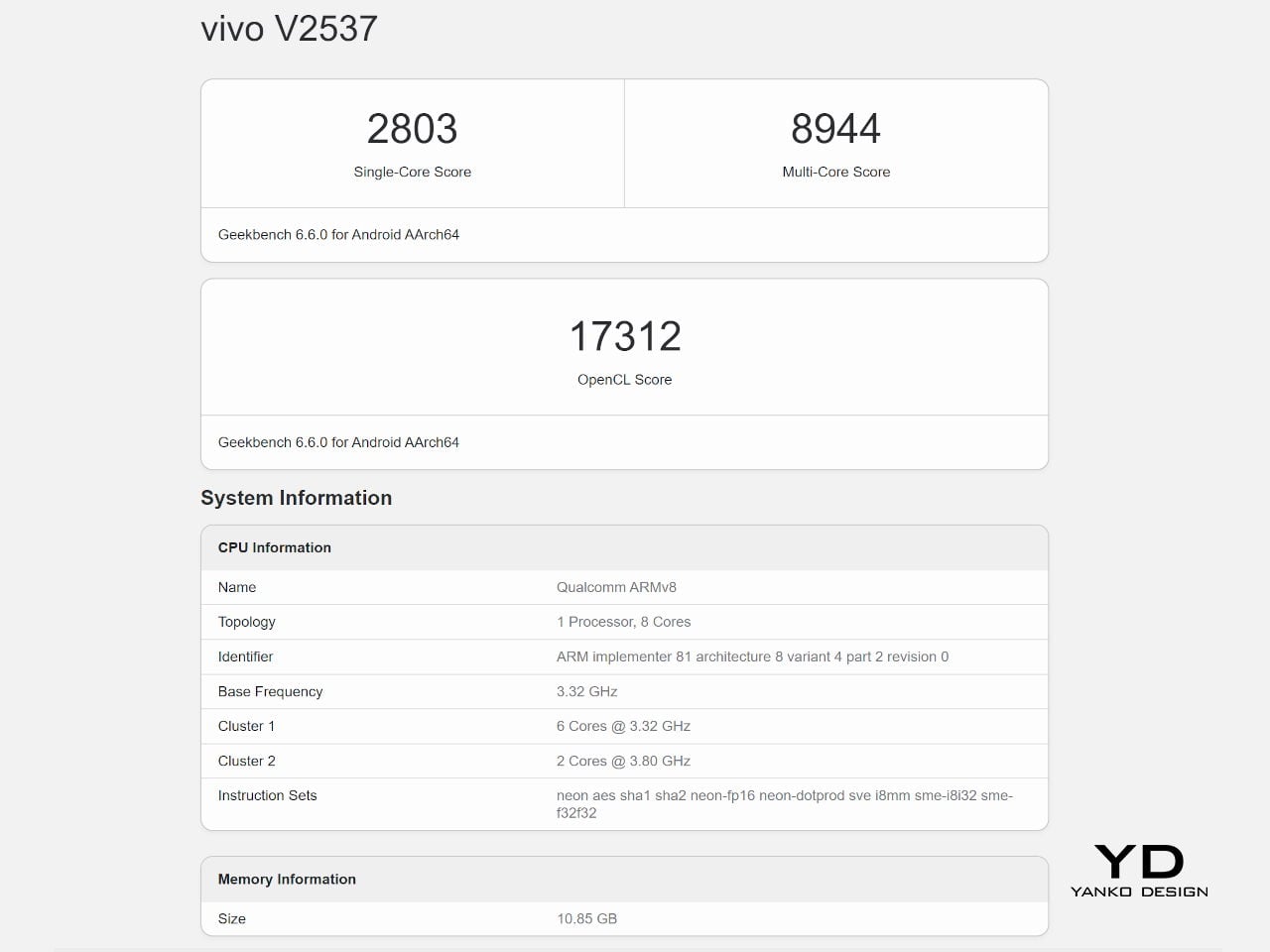
Performance on the X300 is delightfully robust, thanks to the MediaTek Dimensity 9500 chipset paired with 12GB or 16GB of RAM. Everyday tasks feel brisk and effortless, whether you’re juggling multiple apps, streaming high-definition video, or playing graphics-intensive games. The latest OriginOS 6, layered on top of Android 16, brings a modern, fluid interface with thoughtful touches that make navigation a pleasure. Animations are snappy, transitions are smooth, and the phone keeps up even when you push it hard.

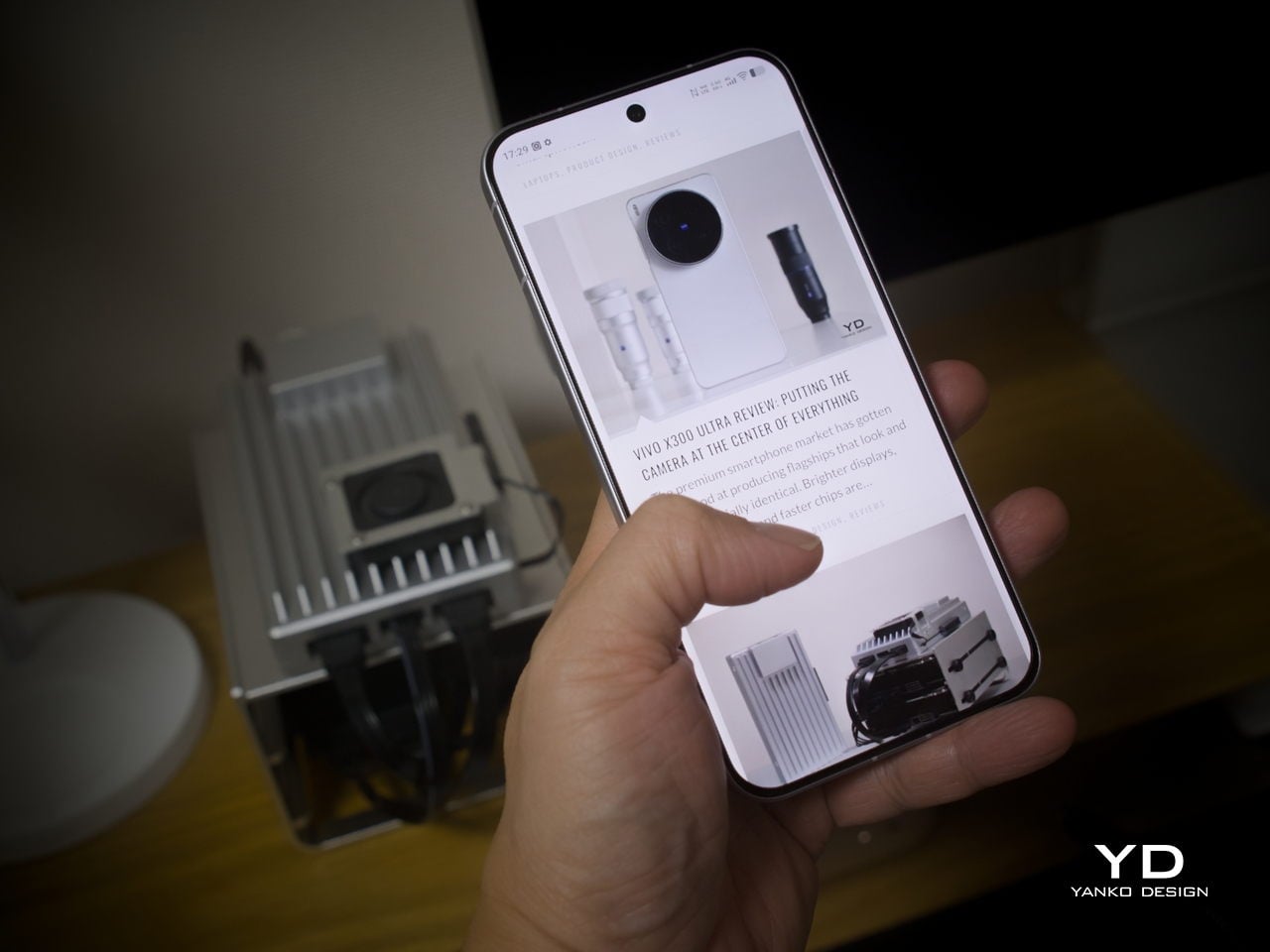
The X300 features a 6.31-inch LTPO AMOLED panel with a super-smooth 120Hz refresh rate. Every scroll and swipe feels effortless, while colors remain punchy and vivid in any setting. Thanks to the 2160Hz PWM dimming, the screen is gentle on your eyes, even during late-night reading sessions or long stretches of use.

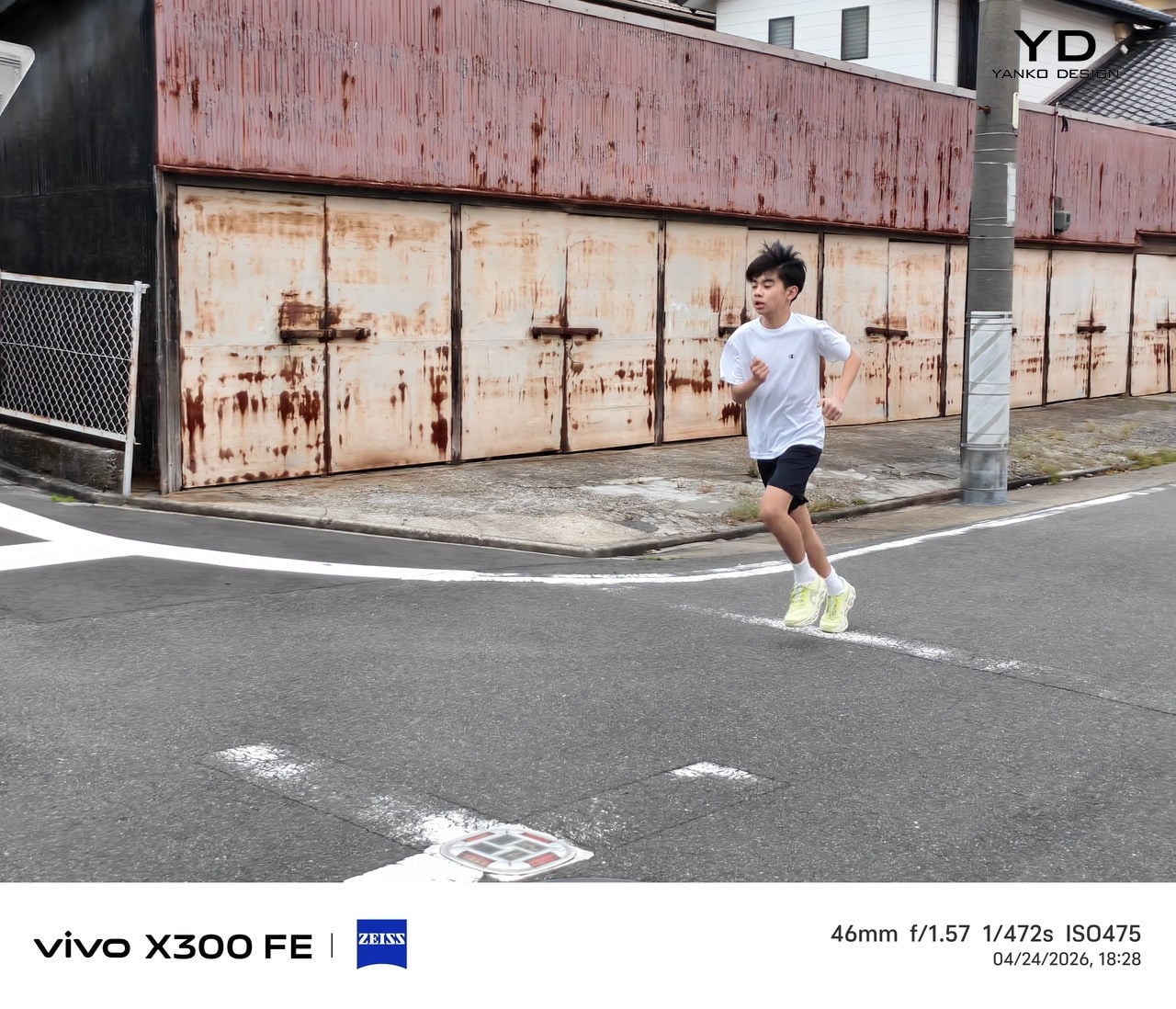
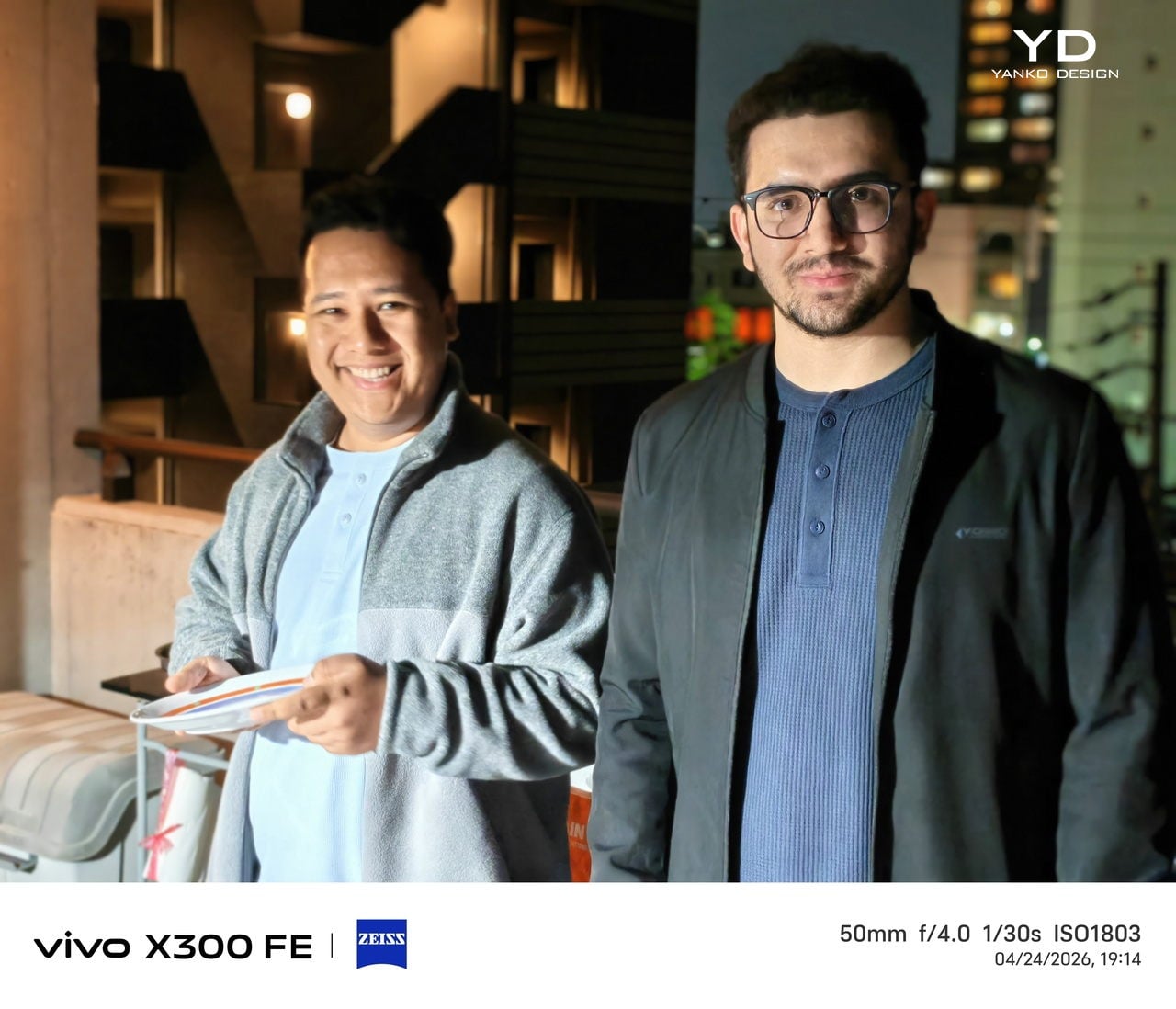
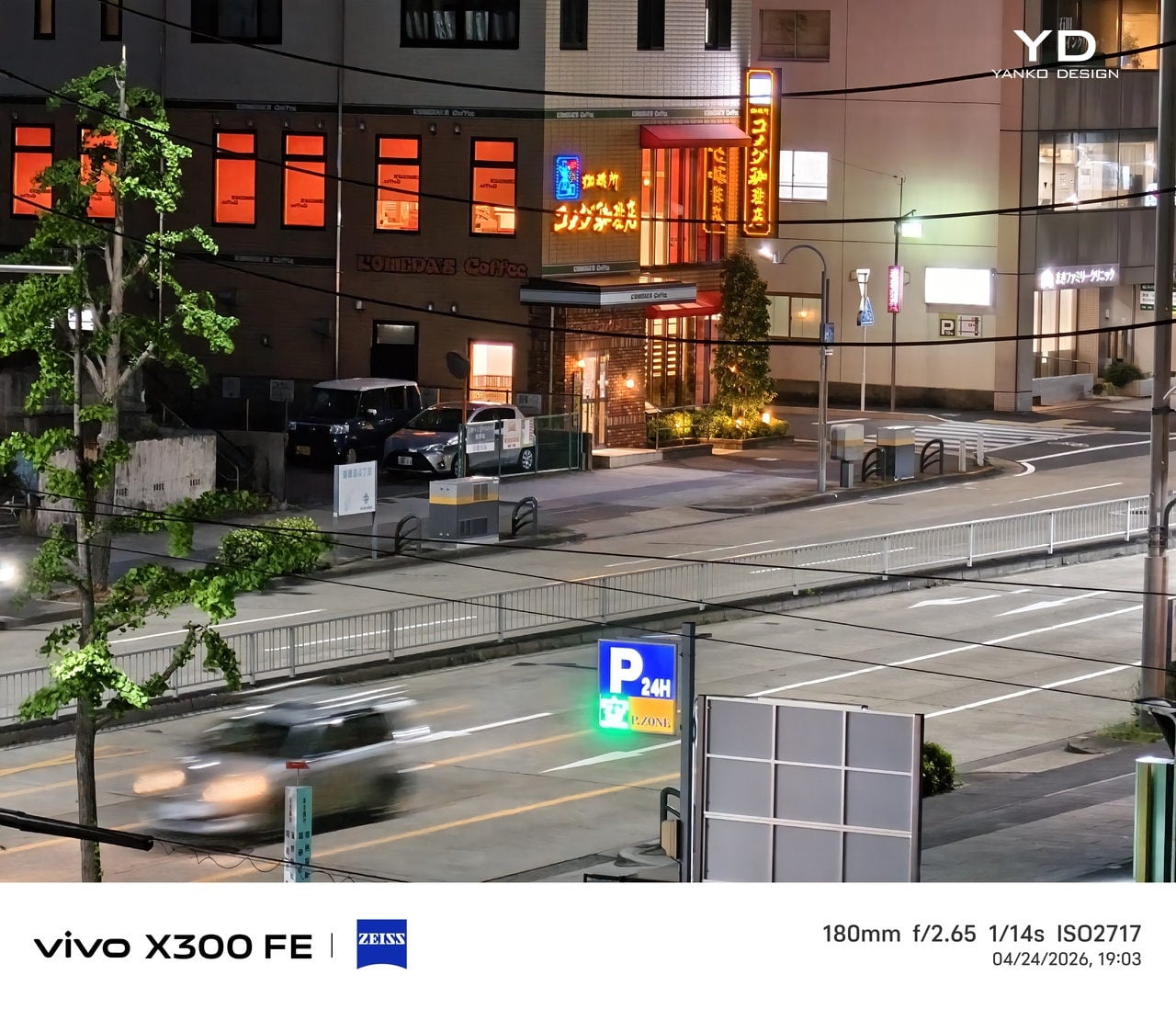
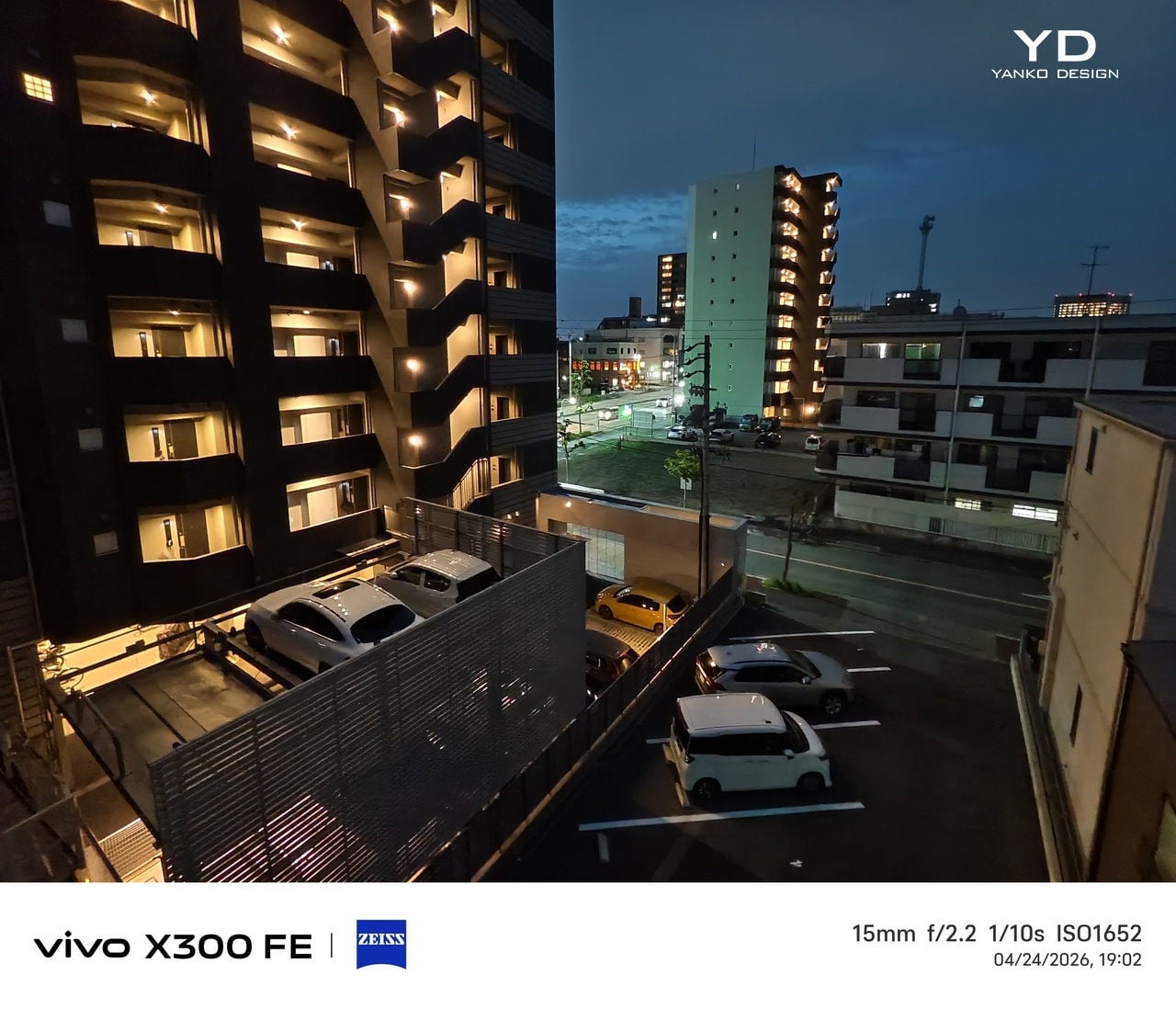
The X300’s camera system is a bit of a step down compared to the X300 Pro, but it is still very powerful. Its 200MP main camera uses a 1/1.4-inch Samsung HPB sensor with an f/1.68 aperture, the same sensor used in the X300 Pro’s telephoto, promising flagship-level clarity. Complementing this is a 50MP telephoto lens featuring a 1/1.95-inch Sony LYT-602 sensor and an f/2.57 aperture, delivering crisp zoomed images with solid detail.

Rounding out the trio, the 50MP ultra-wide camera uses a 1/2.76-inch Samsung JN1 sensor with an f/2.0 aperture. On the front, the X300 uses the same 50MP 1/2.76-inch Samsung JN1 sensor with an f/2.0 aperture. All cameras, including the front-facing camera, can record video up to 4K at 60FPS, while the main camera can go up to 4K at 120FPS.

The Vivo X300 packs a large 6040mAh battery in a compact body. It actually has a bigger battery than my region-specific European X300 Pro, which comes with 5440mAh. In real use, the battery life is strong, unlike my experience with that X300 Pro variant, and easily keeps up with a busy day and more. On top of that, 90W wired and 40W wireless charging mean you are never stuck near an outlet for long. Short top-ups quickly turn into meaningful charges.

Sustainability/Repairability

The X300 does not present itself as an eco-conscious statement piece, and Vivo’s messaging around the device leans far more toward performance and imaging than sustainability. Even so, some of its design choices naturally support longer-term use. Its IP68 and IP69 ratings for dust and water resistance give it a level of protection that many compact phones still lack. That extra durability means everyday mishaps are less likely to be fatal, which in turn can delay the need for a replacement.

From a software perspective, the X300 launches with Android 16 and OriginOS 6, backed by Vivo’s promise of up to five major Android upgrades and seven years of security patches. This is a meaningful commitment for anyone who keeps a phone for a number of years, and it helps the X300 stay secure and relevant over time. What you will not find, at least in the official materials, is much emphasis on recycled materials, modularity, or easy repair. In that sense, the X300 reflects the broader flagship market, where sustainability is still more of an added benefit than a core design driver, even when the hardware itself is built to last.

Value

Vivo X300 is available in several markets, including Europe. In Europe, the price starts at around 1050 euros (roughly $1,140) for the 12GB and 512GB configuration. Vivo hit the nail on the head with the X300, a flagship in a compact size that many people have been waiting for. Although the camera setup is a bit of a step down compared to the X300 Pro, the X300 itself does not feel like a compromise. It delivers serious imaging performance, strong battery life, and fast charging in a smaller body.

In the compact flagship space, “small” usually means sacrifice. iPhone 17, Pixel 10, and Samsung Galaxy S25 all have noticeably weaker camera systems compared to what Vivo offers here. Xiaomi 15 might be the closest rival in spirit, but even then, the X300’s combination of a 200MP main camera and a capable front-facing camera in this form factor gives it a clear edge.

Verdict

Vivo set out to build a compact flagship without obvious compromises, and the X300 comes impressively close. It combines a refined, minimal design with excellent ergonomics, a bright 120Hz LTPO display, and a camera system that is powerful even if it sits just below the X300 Pro. Add in the large 6040mAh battery, fast 90W wired and 40W wireless charging, and long-term software support, and you get a small phone that consistently behaves like a big flagship.

It is not a perfect fit for everyone, especially at a price that puts it against Apple, Samsung, and Google. You do not get the strongest ecosystem story or the longest software support. However, if you care most about a compact form factor, strong battery life, and one of the best camera setups in this size class, the X300 stands out clearly. It feels less like a cut-down Pro model and more like a confident compact flagship in its own right.

The post Vivo X300 Review: Compact, But No Compromise first appeared on Yanko Design.
iPhone ‘Lock Screen Mirror’ feature lets you quickly check your hair/teeth without opening the camera

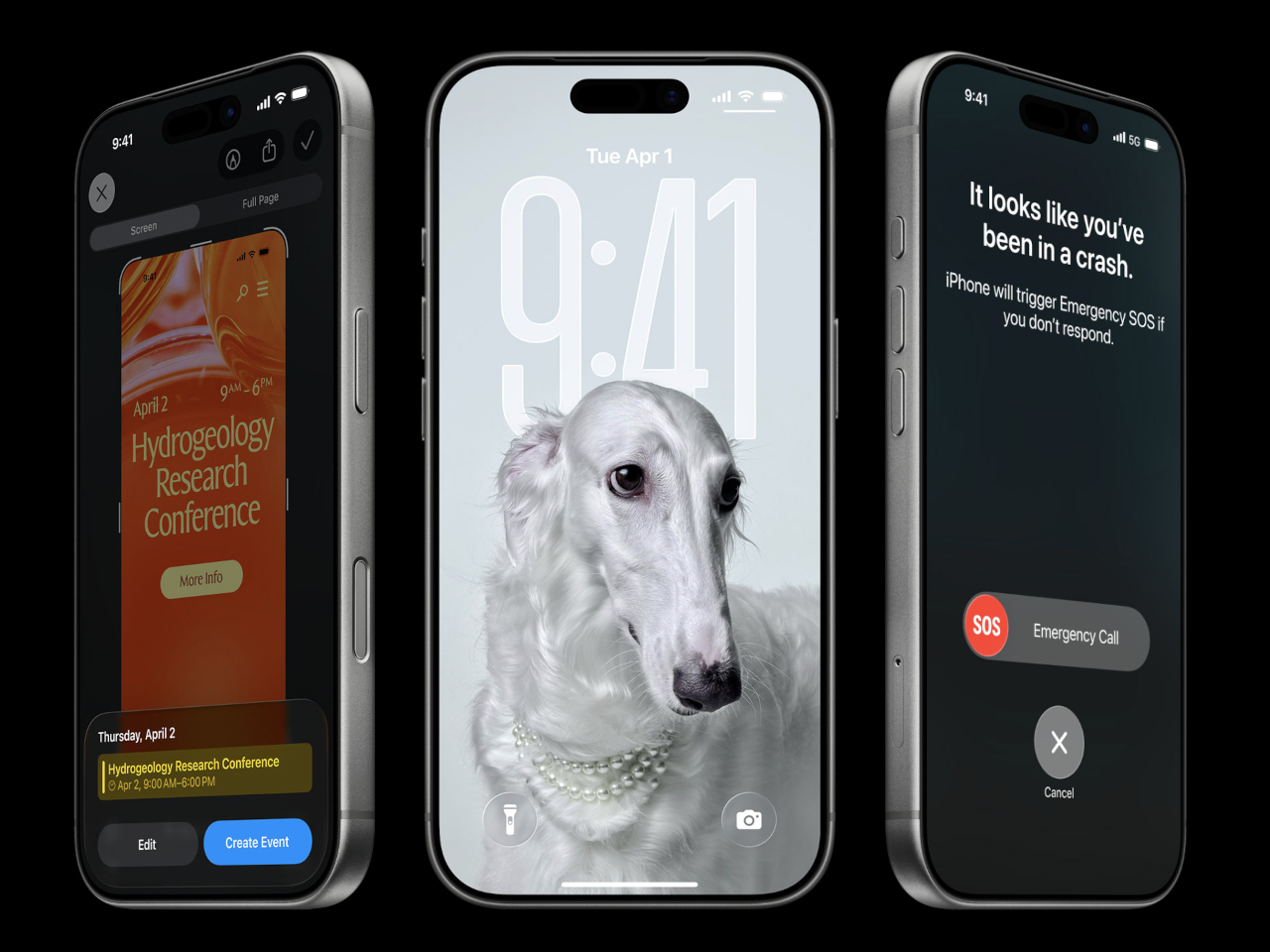
Never have I seen something so audaciously brilliant I actually summon a CEO to help make it a reality but Tim Cook… if you’re reading this, this lock-screen mirror definitely needs to ship on the next iOS build. Put together by Jakub Zegzulka, an ex-Apple, Meta, and OpenAI fellow, this tiny little feature is perhaps more important than FaceID itself!

How many times have you stepped out for a meeting with friends or for an interview, having no idea what you look like… or whether you’ve got food stuck in your teeth? You unlock your phone, open the camera app, and flip to the front-facing camera to do a quick vibe-check. It’s a 3-step process that absolutely doesn’t need to be a 3-step process. Instead, Zegzulka’s solution involves just long-pressing on the camera icon on the bottom right of your lock screen. That brings up a tiny window emerging off the dynamic island, giving you a quick preview of yourself. You can check your hair, fix your make-up, adjust your specs, run your tongue across your teeth, or just quickly check out that annoying zit that appeared at the wrong place and wrong time.

Designer: Jakub Zegzulka

Zegzulka didn’t outline much, except a quick video demo of this feature on Threads. Although that was enough to gather nearly 2K likes in just over a day. The Lock Screen Mirror isn’t an app. It’s just a quick interaction that lets you open the camera’s viewfinder right on your lock screen for checking your appearance. The tiny circular window is almost exactly the size of a make-up mirror, and the feature is legitimately handy, even for me as a guy who has fairly curly hair that needs to just be ruffled before I step out.

Heck, imagine going an entire hour on a date with spinach stuck in your teeth and them being polite enough to not point out. Instead, you just do a quick check, get that pesky piece of green stuck on your pearly whites, and you’re good to go. It’s such a tiny-yet-life-enhancing feature that Apple could totally ship with their next build. You’re NOT opening your camera app with this lock screen mirror function, just a preview. You could drag your finger up and have the app open like it traditionally does, but a feature like this would probably eliminate the need to, if all you need to do is see if you look good right before you meet your friends, your future boss, or the potential love of your life.

The post iPhone ‘Lock Screen Mirror’ feature lets you quickly check your hair/teeth without opening the camera first appeared on Yanko Design.
5 Best Tech Gadgets Of November 2025

November 2025 has delivered some truly groundbreaking tech that pushes boundaries in ways we haven’t seen before. This month isn’t about incremental updates or spec bumps. It’s about rethinking fundamental assumptions around how we interact with our devices. The gadgets making waves right now challenge the status quo of mobile computing, wearable technology, ergonomic design, portable power, and smartphone engineering.

Some are available now, others are concepts that point toward what’s coming, but all of them represent a shift in thinking about what tech can be when designers refuse to accept the limitations we’ve grown accustomed to. These five gadgets stand out not just for their innovation, but for solving real problems that have plagued users for years. They’re the kind of products that make you wonder why nobody thought of this sooner.

1. WELDER Keyboard

Mobile professionals face an impossible equation. Laptops provide adequate computing power but trap you behind a cramped single display. Portable monitors expand your workspace but clutter your bag with extra cables, stands, and fragile panels. Mechanical keyboards deliver typing satisfaction at the cost of carrying yet another device. The WELDER keyboard collapses this sprawling ecosystem into one unified tool that refuses to compromise on any front.

The centerpiece is a 12.8-inch touchscreen mounted directly above a full mechanical keyboard, both housed in precision CNC-machined aluminum. That material choice matters enormously. When the device folds at its 180-degree hinge, the metal construction prevents any flexing that would make typing unstable or damage the display. Close it up and you get a protective shell that safeguards both components during travel, transforming into a sleek aluminum block that looks more premium than most laptops. For a crowdfunded venture to achieve this level of build quality suggests serious engineering capability.

What we like

  • Eliminates the need to carry a separate keyboard and portable monitor.
  • CNC-machined aluminum construction provides exceptional build quality and durability.

What we dislike

  • Crowdfunded status means availability and long-term support remain uncertain.
  • The combined weight of screen and mechanical keyboard may be heavier than ultraportable alternatives.

2. MSI Gaming PC Watch

MSI’s wrist-mounted PC concept makes no pretense of being a conventional timepiece. Subtle hour markings exist almost as an afterthought, while the face reveals a miniaturized computer’s internal architecture. Cooling fans, graphics components, motherboard traces, and processors are fully exposed behind transparent housing. Four side pushers control various functions while the MSI badge sits where you’d normally find a watch crown. This is wearable computing stripped of any attempt at discretion.

The brand already dominates gaming hardware through laptops and desktops that push thermal management, graphics rendering, and RGB aesthetics to extremes. Translating that expertise to wrist-scale computing represents the logical, if audacious, next step. MSI has built a reputation on reliable performance under demanding conditions, which gives this concept more credibility than if a startup proposed it. The promise is immediate access to full computing capability regardless of location, though practical questions around battery life, heat generation, and actual processing power remain unanswered at this conceptual stage.

What we like

  • Showcases visible internal components for a striking aesthetic that appeals to tech enthusiasts.
  • Backed by MSI’s established reputation for durable, high-performance hardware.

What we dislike

  • Actual computing power and practical functionality remain unclear from concept alone.
  • Wrist-mounted form factor raises serious questions about heat dissipation and comfort during extended wear.

3. iRest Adjustable Ergonomic Mouse

Most mice ship with fixed dimensions that work adequately for average hands, while fitting nobody perfectly. iRest Health Science and Technology proposes something radically different with their conceptual mouse featuring app-controlled adjustability. The palm rest integrates two pneumatic cushions that inflate or deflate based on commands from your smartphone. Adjust the air volume, and the mouse physically reshapes itself to match your hand’s exact contours, creating a truly personalized ergonomic profile.

The concept brilliantly identifies a real problem, but stumbles on execution. Pneumatic adjustment requires miniature air pumps that would devastate battery life while adding mechanical complexity prone to failure. Alternative approaches exist that could deliver similar results more elegantly. Moldable silicone shells similar to custom in-ear monitors could work, though those require professional fitting. Mechanical adjustment systems comparable to ergonomic office chairs might provide the customization without electronic complexity. The core insight that ergonomic peripherals shouldn’t force users into standardized shapes remains valuable even if this particular implementation needs rethinking.

What we like

  • App-controlled customization allows precise fitting to individual hand dimensions.
  • Addresses genuine ergonomic needs for users who struggle with standard mouse shapes.

What we dislike

  • The air pump mechanism would significantly drain battery life and add mechanical complexity.
  • Still in concept phase with no clear path to production or retail availability.

4. Portable Magnetic Power Bank

Traditional power banks lock you into carrying a fixed capacity regardless of your actual needs for that day. Quick coffee run where you just need earbuds topped up? You’re hauling 20,000mAh. Week-long trip requiring multiple full phone charges? You’re stuck with whatever single capacity you bought. The Portable Magnetic power bank rejects this inflexibility with a two-piece modular design that adapts throughout your day. The main body provides high-capacity charging for phones and larger devices, while a detachable Energy Capsule handles smaller accessories like wireless earbuds and smartwatches.

Magnetic connection makes the system work. The two units snap together seamlessly when you need maximum capacity, then separate instantly when you want to travel light. No fiddly clips, no cables, no alignment struggles. The magnets ensure perfect contact every time while being strong enough to prevent accidental separation in normal use. You can leave the heavy module at your desk while pocketing just the Energy Capsule for a quick outing, then reunite them for your commute home. It’s flexible power management that finally reflects how people actually move through modern life rather than forcing compromise.

What we like

  • Modular design lets you carry only the capacity you need for different situations.
  • The magnetic connection system provides tool-free attachment without cables or complicated mechanisms.

What we dislike

  • Splitting power across two units may reduce overall efficiency compared to single-cell designs.
  • Magnetic connections could potentially separate accidentally in bags or pockets during movement.

5. Samsung “More Slim” Smartphone

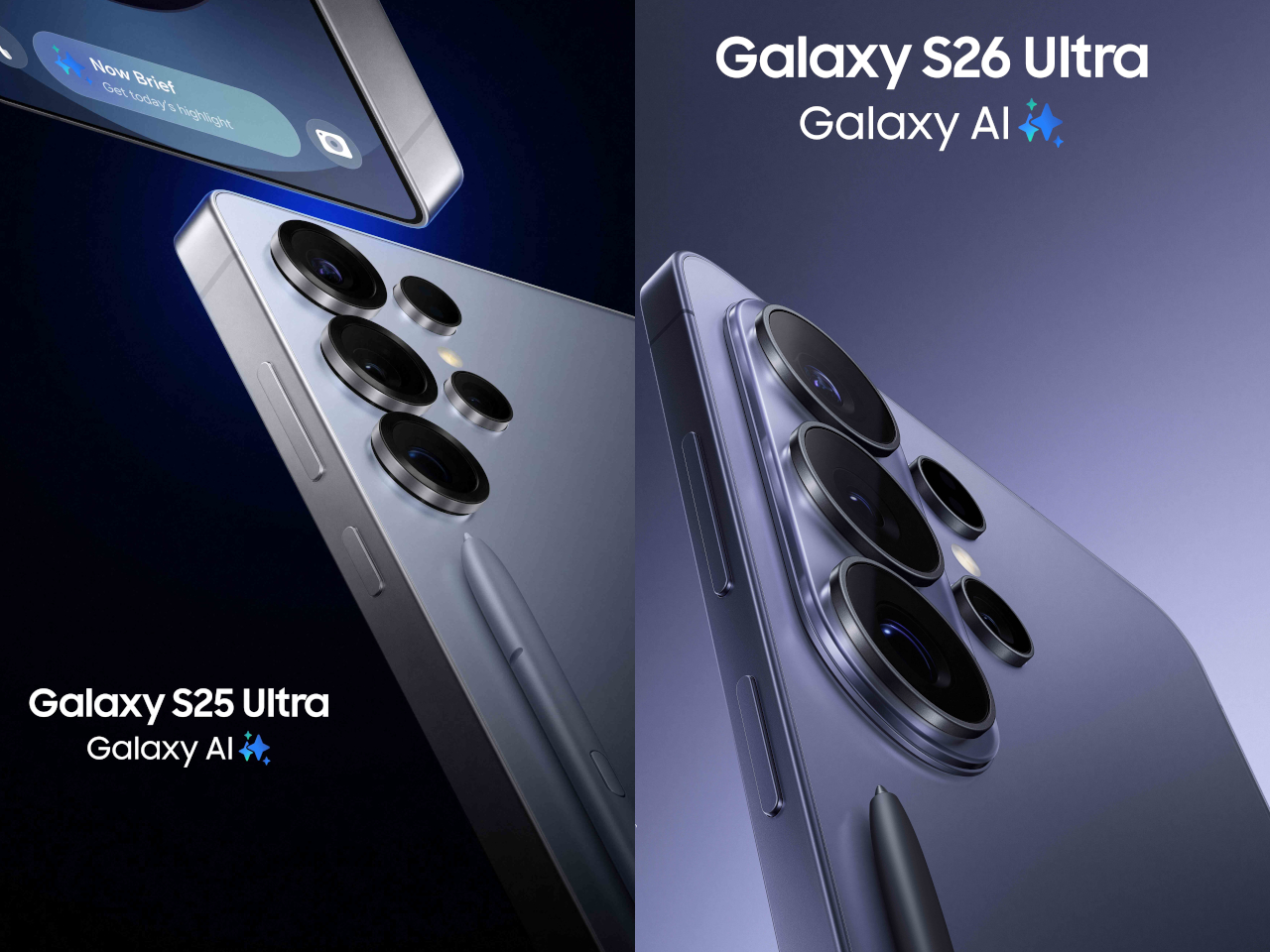
Samsung’s internal development codename reveals its direction clearly. The More Slim follows their S25 Edge, which itself carried the Slim codename during creation. Rather than retreating from ultra-thin smartphone design, Samsung appears committed to pushing dimensional boundaries even further. Engineering challenges multiply exponentially as thickness decreases. Components must be custom-designed for tighter spaces, which dramatically increases manufacturing complexity and cost. Every millimeter shaved requires fundamental rethinking of internal architecture.

The concerning precedent comes from the S25 Edge. To achieve its thin profile, Samsung accepted a dual-camera system without telephoto capabilities and crammed in just a 3,900mAh battery. Those compromises felt severe at the S25 Edge’s premium price point. Going even slimmer logically means accepting additional limitations on battery capacity and camera hardware. Physics imposes constraints that marketing ambition cannot overcome. The ultra-thin phone market certainly exists, but it serves a narrow audience willing to sacrifice functionality for aesthetic minimalism. Samsung clearly believes that the audience is worth pursuing despite the technical and economic challenges involved.

What we like

  • Ultra-slim profile appeals to users prioritizing pocketability and minimalist aesthetic.
  • Samsung’s manufacturing expertise suggests quality execution despite extreme thinness constraints.

What we dislike

  • Likely to feature reduced battery capacity and limited camera capabilities based on S25 Edge precedent.
  • Premium pricing expected despite hardware compromises required to achieve ultra-thin design.

Gadgets That Refuse to Compromise

These five gadgets represent where tech is heading as we close out 2025. What ties them together is a willingness to question established norms. The WELDER asks why keyboards and monitors must be separate. MSI questions whether a watch needs to just tell time. iRest challenges fixed ergonomics. The modular power bank rejects monolithic battery designs. Samsung pushes thinness beyond what seems reasonable.

Not all will succeed commercially. Some are concepts that may never reach production. Others face significant engineering hurdles that could limit their appeal. The value in highlighting these products isn’t predicting which will dominate the market. It’s recognizing that innovation happens when designers refuse to accept inherited constraints. November 2025 delivered gadgets that refuse to play it safe, and that’s exactly what we need.

The post 5 Best Tech Gadgets Of November 2025 first appeared on Yanko Design.
Huawei Mate 80 Series: Design Language Evolution and the 20GB RAM Flagship

Huawei just confirmed November 25 as the official launch date for its Mate 80 series, and the company isn’t holding back. Four distinct models, each with its own camera architecture and design identity. The standout? A flagship variant packing 20GB of RAM and an octagon-shaped camera module that breaks from the circular designs dominating the smartphone industry.

Designer: Huawei

This is Huawei’s play for design differentiation in a market where most flagship phones look nearly identical from the back. The Mate 80 lineup spans from the accessible base model through to the RS Ultimate Design, a halo product that signals where Huawei sees premium smartphone design heading.

Four Models, Four Design Approaches

The Mate 80 and Mate 80 Pro share a circular rear camera module housing three sensors, including a periscope telephoto lens. Both phones feature dual front cameras with 3D face unlock technology. It’s a refined, approachable design that builds on Huawei’s established camera bump aesthetic.

The Mate 80 Pro Max steps up with a quad-camera system that includes dual periscope telephoto lenses. That’s two dedicated telephoto sensors for optical zoom flexibility, a configuration that gives photographers multiple focal length options without digital cropping. Dual front cameras maintain consistency across the upper-tier models.

Then there’s the Mate 80 RS Ultimate Design. The octagon-shaped camera module is the immediate visual differentiator, a geometric departure that catches attention without feeling gimmicky. It houses four rear sensors and pairs with dual front cameras, but the design statement is what matters here. Huawei is using the RS Ultimate to establish a distinct visual identity for its most premium offering.

Color Palettes Reflect Market Positioning

Huawei assigned different color families to each tier, reinforcing the hierarchy through material and finish choices.

The Mate 80 and Mate 80 Pro come in Dawn Gold, Obsidian Black, Snowy White, and Spruce Green. These are accessible, versatile colorways that work across different user preferences without pushing too far into statement territory.

The Mate 80 Pro Max gets Polar Night Black, Polar Silver, Polar Day Gold, and Aurora Blue. The naming convention evokes extreme environments and natural phenomena, positioning this model as the performance flagship with colors that suggest technical capability.

The RS Ultimate Design narrows to three options: Dark Black, Pure White, and Hibiscus. That last color, Hibiscus, has generated notable attention in early discussions. It’s a bold, design-forward choice that signals this phone is as much about aesthetic expression as technical specifications.

RAM Leadership: 20GB in the RS Ultimate Design

The Mate 80 RS Ultimate Design ships with 20GB of RAM paired with either 512GB or 1TB of storage. That’s the highest RAM configuration in the entire lineup, positioning this model for users running multiple resource-intensive applications simultaneously or future-proofing for increasingly demanding mobile workflows.

The base Mate 80 and Mate 80 Pro offer 12GB/256GB, 12GB/512GB, and 16GB/512GB configurations, with the Pro adding a 16GB/1TB option. The Mate 80 Pro Max comes in 16GB/512GB and 16GB/1TB variants. Huawei structured the RAM progression to create clear performance tiers across the lineup.

Launch Strategy: Pre-Orders and Dual Flagship Debut

Huawei opened pre-orders through its Vmall online store ahead of the November 25 launch event. The company is simultaneously unveiling the Mate X7 foldable, positioning the launch as a comprehensive showcase of its flagship smartphone strategy rather than focusing solely on the traditional slab phone format.

The dual launch suggests Huawei sees both form factors as equally important to its premium positioning. The Mate 80 series represents refinement and camera innovation within the established smartphone template, while the Mate X7 addresses users prioritizing screen real estate and multitasking flexibility.

What This Means for the Flagship Race

The Mate 80 lineup shows Huawei using design variation to create meaningful differentiation within a single product family. Most manufacturers rely primarily on camera count and technical specifications to separate models. Huawei added visual language shifts, particularly with the RS Ultimate’s octagon module, to make the hierarchy immediately apparent.

The dual periscope telephoto system in the Pro Max addresses a real pain point for mobile photographers: the gap between primary wide and telephoto focal lengths. Two periscope lenses allow for more granular zoom options and better image quality across the telephoto range.

Whether these design choices translate into market success remains to be seen when the phones launch November 25. But Huawei is clearly betting that distinctive design, aggressive RAM configurations, and advanced camera architectures can carve out space in the competitive flagship smartphone market.

The post Huawei Mate 80 Series: Design Language Evolution and the 20GB RAM Flagship first appeared on Yanko Design.
OnePlus 15 with 7300 mAh battery and triple-chip architecture crushes other Android Devices

Oftentimes, the thought that smartphone technology is plateauing comes to mind. All that you can see companies concentrating on, of late, is artificial intelligence, and it seems nothing much is happening on other fronts. But that’s not the case with OnePlus, which has taken on the smartphone world with a different approach. The OnePlus 15, launched recently, touts a mammoth 7300 mAh battery, which early reviews suggest can go up to two days on normal usage.

The latest flagship-level phone from OnePlus is not only dependent on its battery life, in fact, it is escalating things on many other fronts. The major transition is in favour of performance, and the OEM is substantiating that with its AI capabilities, durability, and optical prowess. So, what are we getting with the new and technically most advanced smartphone on the market? Let’s figure out in a little detail below.

Designer: OnePlus

Obviously, the battery is the biggest selling point. But the phone’s processing power is something to talk about. The new OnePlus 15 features a triple-chip architecture, which is spearheaded by the Qualcomm Snapdragon 8 Elite Gen 5 chipset that powers the functions on the phone. The architecture of the phone is targeted at speed, for which it is facilitated by a touch-response chip capable of 3200 Hz instant sampling, while the connectivity for the power and speed is handled by the phone’s independent Wi-Fi chip.

The octa-core processor of the OnePlus 15 is paired with an Adreno 840 GPU, while it comes in three storage variants: 256GB with 12 or 16GB RAM, 512 GB internal storage variant with 12 or 16GB RAM, and a solitary 1TB model with 16 GB RAM. The company says, a reworked 360 Cryo-Velocity system is designed to take care of the cooling on this high-performance phone. For this, it uses aerogel insulation and white graphite that help in stabilizing temperatures during excessive gaming or on a workday that refuses to come to an end.

On the construction front, the OnePlus 15 features a smooth 1.15mm bezel and comprises a flat frame, which is rounded on the edges. The phone comes in Sand Storm, Ultra Violet, and the more recognizable Infinite Black colorway. The phone’s durability, of course, is assured by up to an IP69K rating that safeguards the handset against temperature variations, dust, and water.

OnePlus 15 is billed as the first phone to feature a 1.5K 165Hz LTPO display with retina-level clarity. The panel boasts up to 1800 nits peak brightness. Designed to run OxygenOS 16 out of the box, the device’s 7300mAh Silicon NanoStack Battery is designed for longevity (it can hold over 80 percent health even after four years of continuous usage, the company claims). The battery is charged with the 120W SUPERVOOC charger that promises to provide a full charge in around 39 minutes.

This new phone from OnePlus is a trendsetter in the optics department as well. The phone features a DetailMax Engine combined with a triple 50MP camera setup. Claimed to be the first Android smartphone capable of 4K 120fps Dolby Vision recording, it’s triple array includes a 50MP OIS main sensor, a 50MP autofocus ultra-wide camera, and a third 50MP periscope telephoto shooter. If you are thinking of upgrading to a new Android phone, there shouldn’t be a reason the OnePlus 15 is not on your list. This flagship starts at $999 and is now available in most international markets.


The post OnePlus 15 with 7300 mAh battery and triple-chip architecture crushes other Android Devices first appeared on Yanko Design.
Apple iPhone Pocket is the most absurdly Apple-ish way to carry your smartphone with you.

Years after giving Steve Jobs his iconic turtleneck, Issey Miyake returns to give the iPhones their own turtleneck too. Dubbed the iPhone Pocket, these haute handbags are designed for one thing and one thing only, your iPhone. The bags are created using a special 3D-knitted construction that’s developed by the Japanese fashion house, and come in 8 colors. They’re single-sized, which means you can pretty much fit any iPhone in, from the ultra-thin iPhone Air to the large iPhone 17 Pro Max, or even the tiny iPhone 13 Mini. Could you also put an Android smartphone in? Yes, but Steve Jobs will tut-tut at you in your dreams for the rest of your life.

Don’t expect these luxurious phone-holsters to be cheap. They’re a limited-edition item that Apple will sell at just 10 select stores across the globe, with the short-strap versions selling for $149.95 and the larger strapped variant for $229.95.

Designer: Issey Miyake

Is the iPhone Pocket practical? No. Is it classy? Yes. If you’re the kind to splurge on a $19 Apple-branded polishing cloth, or a fancy Hermes strap for your watch, then the iPhone Pocket won’t feel like such a pricey buy. The single-piece 3D-knitted ‘gizmo-garment’ is surely a marvel. It doesn’t have any parts stitched together, it’s singular from start to end, and the weave itself is something that Issey Miyake’s done extensive R&D on.

The result is a yarn that protects the iPhone with its padded weave, while letting you easily ‘wear’ your smartphone around your neck, on the side, or across your body. You could loop it around a bag too, this thing is probably one of the rare Apple products that doesn’t need a user manual… Apart from probably washing instructions. I’d probably keep it away from the rain, food, beverages, or anything too damaging. Sunlight may fade the color, so air-drying indoors is the only sensible option, if this thing gets wet. Don’t even think of chucking this thing in the washing machine, by the way. Or Issey Miyake will cry from heaven.

The iPhone Pocket’s design is sort of open to user interpretation and expression. Put any phone in and it’ll fit. Slide the phone completely if you want to conceal it, or have just the tip jutting out if you want to sneakily film people around you, or if you want to stare at the top of your screen for notifications. The expandable design also lets you add other stuff… maybe a lip balm, your AirPods, or one of these ultra-slim MagSafe power banks.

The post Apple iPhone Pocket is the most absurdly Apple-ish way to carry your smartphone with you. first appeared on Yanko Design.
Samsung Ditches Galaxy S26 Edge plans for an even slimmer handset called the ‘More Slim’

Samsung‘s flagship phone strategy has been all over the place lately, and the latest twist in this saga is honestly kind of wild. After months of rumors and contradictions about whether the Galaxy S26 Edge would exist, it turns out the answer is no, but not for the reasons you might think. Samsung apparently has something even more ambitious in the works.

The whole thing started when rumors emerged that Samsung would replace the Galaxy S26 Plus with a new Edge model. Then those plans seemed to reverse, with reports suggesting the Plus was back and the Edge was getting axed entirely. It looked like Samsung had cold feet about the whole slim phone concept. But according to a new leak from Dutch site GalaxyClub, the truth is more interesting. Samsung didn’t abandon the idea of a super-thin flagship. They’re just going bigger, or rather, thinner.

Designer: Samsung

The company is reportedly developing a new device with the internal codename “More Slim,” which has been in the works for a few months now. The name is a pretty obvious nod to the previous S25 Edge, which carried the codename “Slim” during development. It suggests Samsung isn’t backing away from thin phones at all. They’re doubling down on the concept and pushing it even further.

Here’s where things get puzzling though. The Galaxy S25 Edge, which did make it to market, had some pretty significant compromises. You got just a dual-camera setup with no telephoto zoom capability, and Samsung crammed in only a 3,900mAh battery to keep things thin. For the premium price tag attached to it, those trade-offs felt steep. Now Samsung wants to make something even slimmer? The engineering challenges alone would be intense. You need custom components that can fit into tighter spaces, which drives up manufacturing costs considerably. And the elephant in the room is how they plan to address battery life when they’re already starting from a modest capacity.

The math doesn’t immediately add up from a consumer perspective. Making a phone thinner for the sake of thinness is a questionable strategy when it means sacrificing features people actually use every day. Unless Samsung has figured out some breakthrough in battery technology or component miniaturization that we don’t know about yet, it’s hard to see how More Slim won’t face the same criticism the S25 Edge received.

Still, Samsung must have a plan. Maybe they’re betting on a specific market segment that prioritizes aesthetics and portability above all else. Maybe there’s new tech in the pipeline that makes these compromises less painful. Maybe this will help bolster the tri-fold they just recently teased. Whatever the case, we’ll probably hear more details in the coming months as development continues. For now, it’s just another chapter in Samsung’s increasingly chaotic flagship phone strategy, and one that leaves more questions than answers about where they’re really headed with their premium lineup.

The post Samsung Ditches Galaxy S26 Edge plans for an even slimmer handset called the ‘More Slim’ first appeared on Yanko Design.

This Foldable iPhone Never Actually Folds, and That’s Genius

Foldable phones promise devices that shrink for portability and expand for productivity, but they consistently run into the same problems. Hinges wear out or develop resistance over time. Screens crease visibly where they bend. The devices end up thicker than standard phones, even when folded. Most foldables also force users to accept awkward seams running through their primary displays, creating visual interruptions that never quite disappear.

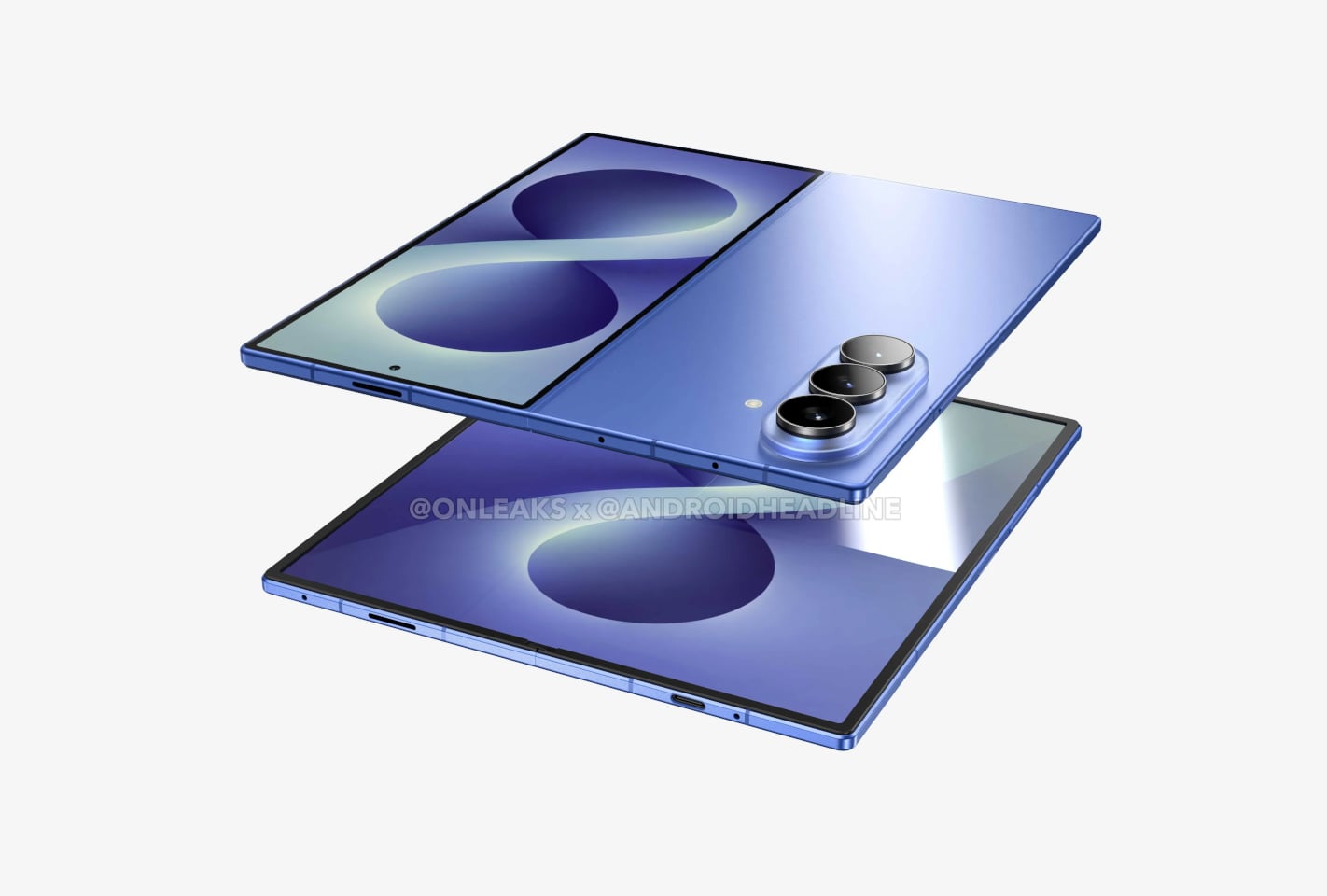
Mechanical Pixel’s iPhone Fold concept sidesteps these issues by keeping the phone itself rigid and adding a separate foldable screen to the back. The main iPhone body stays conventional, maintaining the familiar feel and dimensions people expect. A thin, flexible display sits raised on a platform above the rear panel, almost like it was stuck there as an afterthought. When needed, that screen unfolds outward to create a larger, squarish tablet surface.

Designer: Mechanical Pixel

The raised platform is visible when viewing the device from the side, creating a layered appearance that signals something unusual is happening on the back. This isn’t a flush integration where the foldable screen hides seamlessly. The screen clearly sits above the phone’s rear panel, which gives the concept an experimental, modular quality. The camera module remains in its typical position, unaffected by the additional display layer.

Unfolding the screen pulls it away from the phone’s back and opens like a book. The result resembles a small tablet with nearly square proportions rather than the typical elongated phone-to-tablet transformation most foldables offer. The phone’s primary display can continue functioning normally, while the flexible screen adds surface area when tasks require it. The main body never bends or flexes during this process.

This approach solves several foldable phone complaints. Hinge durability becomes less critical because the phone’s structural integrity doesn’t depend on a folding mechanism. Screen creasing affects only the secondary display, leaving the primary screen untouched and pristine. Daily phone use feels identical to a standard iPhone because that’s essentially what it remains when the extra screen stays folded.

New problems emerge with this design. The raised platform adds bulk to the back, making the phone thicker overall and potentially awkward to hold or pocket. Wireless charging might struggle with the raised section interfering with coil alignment. Camera usage in tablet mode is nearly impossible because the unfolded display covers the lenses.

The concept exists as speculation rather than serious product development. Naturally, Apple hasn’t officially endorsed this design, and manufacturing challenges make actual production unlikely. It addresses real durability concerns while introducing new ergonomic and practical challenges. The raised platform aesthetic makes the experimental nature visible rather than hidden, which feels honest about what this design represents as a thought experiment.

The post This Foldable iPhone Never Actually Folds, and That’s Genius first appeared on Yanko Design.
Top 10 World’s Thinnest MagSafe Power Banks That Give Your Phone Battery Without Any Bulk

The current war in the tech industry isn’t about megapixels anymore. It’s moved on from cameras to folding displays to AI… and now the battleground is slimness. Companies like Samsung, Tecno, Honor, and Apple are actively locking horns here, shaving off precious millimeters off their phones to make them slimmer and sleeker, without really any strength tradeoff. The iPhone Air is a legitimately strong phone, and took over 200 lbs of pressure to break according to JerryRigEverything’s strength test. The problem, however, with a slim phone isn’t bendability or breakability… it’s battery capacity.

These slim phones end up boasting pro-grade performance, but at the cost of battery life. To be honest, nobody ever asked for ultra-slim phones – go on the streets and ask anyone and they’ll tell you day-long battery is more important than a slick gadget. The solution exists in broad daylight too – MagSafe power banks… but slap a chunky power bank on even a regular phone and it ends up looking like you’re using a massive Nokia Communicator phone. So we sifted through the internet to find the slimmest MagSafe power banks out there. These power banks are all under 10mm, which means they should attach to your phone without adding too much visual bulk. We’ve zeroed down on 11 power banks that fit this unique problem statement… I’ve added the 11th one not just because it’s technically impressive, but also I begrudgingly had to add Apple’s MagSafe Power Bank for the iPhone Air to this list (even though it literally only works with one smartphone). Here are our picks and what we love about them.

01. SnapWireless PowerPack Slim 2 (5.8mm)

You know what, shame on me for assuming that only legacy companies like Apple, LG, Samsung, Xiaomi, and Huawei have advanced battery R&D. The thinnest power bank on the market comes from a company you’d least expect. SnapWireless is known for its smartphone accessories like cases, chargers, and MagSafe wallets, but they also hold the title for selling the world’s thinnest power bank. The SnapWireless PowerPack Slim 2 may just pack 5,000mAh, but it does so in a form factor nearly as slim as the thinnest part of the iPhone Air.

The Slim 2 comes in 5 colors that match the iPhone 17’s palette (so you can get a power bank that matches your phone), and boasts a nifty matte metallic outer body that works as a heat sink, dissipating heat while your phone charges away. Snap the power bank on and it barely adds any thickness or weight to your phone (the thing weighs just 82 grams or 2.8 oz), and it gives your iPhone (or even Qi2-ready Android phone) an extra 5,000mAh, or just enough to get through a weekend.

Why We Recommend It

At 5.8mm, this thing is as thin as 7 credit cards stacked together… Snap it onto your phone and it practically blends in, considering most camera bumps are a comfortable 4-5mm thick anyway. At $45.56 on the SnapWireless website, this power bank is dirt cheap thanks to the Black Friday promo… let’s not also forget that it literally managed to beat stalwarts like Apple, Baseus, and Anker for the title of the ‘World’s Slimmest MagSafe Power Bank’.

02. Apple iPhone Air MagSafe Battery Pack (6.5mm)

Apple had a MagSafe Battery Pack that was discontinued in 2023, just 2 years after it launched. That battery pack notoriously got the nickname of ‘Camel Hump’, because of how it added this strange malignant growth to the back of the phone. Apple, however, quietly relaunched the MagSafe Battery Pack in September, as an iPhone Air exclusive. The reason? Because the iPhone Air’s battery could only pack so much power.

That being said, this $99 Battery Pack basically doubles your iPhone Air’s extra battery. The Air has a 3,149mAh battery itself, and the MagSafe Battery Pack adds an additional 3,149mAh to the phone. It does so while being just 6.5mm thick, and iFixit managed to tear it apart to reveal that the actual battery cell inside the pack was just a mere 2.72mm. The rest of the thickness can be attributed to the insulation/cover, the wireless charging coil, the MagSafe magnets, and the microcontroller that runs the battery pack along with its charging status LED.

Why We Recommend It

We don’t. Well, unless you’re one of the rare few people who splurged on the iPhone Air (apparently the Air only accounted for 3% of iPhone sales since September), this power bank really doesn’t make sense. It’s oddly shaped (and won’t mount on any other iPhone except the Air), and it also has the lowest mAh rating of any power bank in this list, making it an extremely niche product. But despite all that, a 6.5mm-thick power bank is quite the feat.

03. KUULAA Magnetic Power Bank (6.9mm)

Here’s what I love about this list – companies that most consumers wouldn’t have heard of are genuinely pushing boundaries by building well-engineered, slim devices. KUULAA’s slimmest power bank is just 1.1mm thicker than the thinnest power bank in the world. At 6.9mm, it sits third on this list, packing 5,000mAh of battery capacity, which is enough to charge most phones from 0-100 all the way through.

This power bank sports a glass back that matches most glass-back iPhones, and offers 7.5W standard MagSafe charging, but a pretty neat 20W when plugged in using the USB-C port on the bottom. At 110 grams (3.88 ounces), this thing is lighter than Apple’s own MagSafe Power Bank mentioned above, while still having nearly an extra 2,000mAh of capacity.

Why We Recommend It

What’s not to recommend? This thing’s a full $20 cheaper than Apple’s power bank. Super-strong N52 magnets hold the power bank on securely, and the thing supports dual-charging, working simultaneously as a wireless as well as a wired charger. The power bank comes in black or white, and if you want a pop of color, there are purple and pink variations too, although I’m personally a fan of subtle classic colors.

04. KUULAA MagOn Power Bank Ultra-Thin (7.2mm)

Back again on this list, KUULAA’s MagOn Power Bank sits at 7.2mm thick, making it just a fraction of a millimeter thicker than its own sibling. The specs are exactly the same – 5,000mAh on the inside, 7.5W wireless charging, 20W wired charging, and the ability to support dual charging. The difference, apart from the thickness, is its use of materials.

While the KUULAA Magnetic Power Bank had a glass-encased design, this one boasts an aluminum outer shell with a glass panel on the back (where the wireless coil is). The aluminum shell does two things – it helps dissipate heat efficiently, keeping the MagOn power bank cool, but it simultaneously also blends well with more premium Pro-grade iPhones that have muted metallic tones. The MagOn’s Titanium and Grey finishes complement the Pro-series iPhones wonderfully, making them a great pick if design matters to you.

Why We Recommend It

It might be thicker than its sibling, but it’s somehow lighter, clocking in at 104 grams or 3.67 ounces. I personally prefer the aluminum back because it visually blends in with my 15 Pro Max wonderfully well. That 0.3mm size bump is negligible, and your eyes (or even your hands) will never be able to tell the difference. The MagOn’s also priced at $76.5, making it even more affordable than its marginally slimmer sibling.

05. Baseus Picogo Ultra-Slim (7.6mm)

We’re sort of venturing into this grey area where all the power banks begin offering the same features. The Picogo Ultra-Slim comes from Baseus, known for their chargers and dongles (I swear by mine), measuring 7.6mm, tying it in with the TORRAS MiniMag which is next on the list. The one (actually two) thing/s giving the Picogo Ultra-Slim its edge remain, firstly, the fact that it’s the lighter of the two, measuring 3.8 ounces or 107.7 grams in weight… The next pro is just pure affordability.

As of this article, the Picogo Ultra-Slim is just $34.99, making it the most budget-friendly power bank on this list. That does matter to most people, and to seal the deal, Baseus also makes some pretty wild claims, like the Picogo Ultra-Slim having its own AI chip for monitoring and managing the power bank’s temperature for ‘cooler charging’. It also helps that the Picogo Ultra-Slim has an aluminum outer shell, helping dissipate heat.

Why We Recommend It

I recommend it for the sheer price. Baseus’ Black Friday discount gives this power bank an undeniable edge (apart from the one its slim design already has). It also supports pass-through charging, and has a 2-year warranty, which feels pretty compelling considering it’s double of what most companies offer.

06. TORRAS MiniMag (7.6mm)

TORRAS is an interesting company because while they make some pretty remarkable personal cooling wearables, they’re also absolute masters at casemaking. I still have (and cherish) their Ostand cases with the built-in rotating kickstand, but that’s not what this is about. Aside from neck-based phase-changing coolers and slim creator-friendly cases (and tempered glass protectors), TORRAS also owns bragging rights to the MiniMag, a 7.6mm-thin MagSafe power bank that packs 5000mAh of power in a deceptively thin form factor.

The MiniMag is the size of a playing card, and measures 0.01 inches thinner than the iPhone 17 (which clocks in at 0.31 inches). This, along with the fact that it weighs 115 grams or 4 ounces makes it a perfectly portable pack of power, phone and pocket-worthy. The limiting factor with thin power banks is usually being capped at 5,000mAh (and the MiniMag is limited by that too), but TORRAS also sells a thin 10,000mAh MagSafe power bank that’s a mere 0.5 inches thick… although that one clearly doesn’t make this list.

Why We Recommend It

It’s small, it’s light, and as of today, it’s $43.99 on TORRAS’ website thanks to Black Friday deals going live well in advance. The thing supports super-fast wired charging, making it faster than standard power banks, and the battery’s rated to last 500+ cycles, which easily gives you years of use without any signs of slowing down.

07. SAVEWO EVA MagCell (8mm)

Here’s an unexpected one – truly, because not only have I never heard of SAVEWO as a company, their 8mm-thick power bank looks nothing like any of the ones before it. The EVA (short for Evangelion) comes with an anime-inspired aesthetic, with graphics, characters, and motifs from the anime series Neon Genesis Evangelion. That outer aesthetic adds character to the otherwise fairly template-ish internals.

5,000mAh, 15W of wireless power delivery, 20W of PD3.0 thanks to the USB-C on the bottom – there’s nothing extraordinary here if you purely look at the spec sheet, but that’s a pretty scummy way to judge a design. The design is how it looks too, and the EVA MagCell definitely gets our vote in that department.

Why We Recommend It

At $40, this one feels like a good bargain. You get a power bank that’s slim and looks good enough that it won’t get lost or mixed up with your friends’ power banks any time soon. You’ve also got multiple designs to choose from, making this the only themed product in the entire series.
08. Native Union (Re)Classic MagSafe Power Bank (8.6mm)

If the EVA was the edgy one, Native Union’s (Re)Classic power bank is the classy one, sporting not a plastic or metal outer casing, but one made from faux leather for that extra oomph. You’ve got 5 very dapper colors to choose from, all echoing very pristine leather tan hues, blending in perfectly with any leather case you may put on your phone.

At 8.6mm, this isn’t the thinnest of the bunch, but it’s certainly impressive in its sleekness, and comes with a 5,000mAh internal, along with both MagSafe and Qi2 support (so that works for newer Android phones too). Each power bank gets paired with one of Native Union’s braided USB-C cables, upping the class-factor on this gizmo.

Why We Recommend It

Why rock plastic or glass when you could rock vegan leather? And this isn’t some run-of-the-mill vegan leather – Native Union designed it to be durable, and even gave it a gorgeous diamond texture that your fingers will love. At $69.99, it’s on the pricier side, but then again, you’re paying for style and substance as well as sleekness.

09. Anker Nano MagGo Power Bank (8.6mm)

About time Anker made it to the party. The company that practically pioneered an entire industry of charging accessories, Anker’s Nano MagGo barely makes the cut, tying in with Native Union’s (Re)Classic power bank at 8.6mm in thickness. I dock points for being basic looking, given that Anker’s power bank sort of looks like a mirror image of Apple’s own MagSafe power bank.

The only difference is that the Nano MagGo comes in 4 colors as opposed to Apple’s singular white. This bad-boy packs a 5,000mAh capacity too, with 15W fast wireless charging as well as fast-recharging for the battery pack itself. Anker claims it charges an iPhone 16 to 25% in just half an hour if you plug it in (delivering 20W of power), but marginally longer if you rely on the MagSafe charging protocol.

Why We Recommend It

Is it thicker than Apple’s own power bank? Yes, but it packs more capacity, works with all iPhones, and costs $54.99, which makes it cheaper than what Apple offers. I’d pick this if the only other option was Apple’s MagSafe power bank, but if you want style and substance, or even a competitive price point, there are others on this list.

10. PITAKA Aramid Fiber Magnetic Power Bank (8.8mm)

Vegan leather is nice, but Aramid fiber is infinitely cooler. Made from the same material used to make Kevlar, PITAKA’s power bank has a reputation that precedes it. Sure, it won’t deflect bullets, but that Aramid fiber weave is genuinely one of the coolest things I’ve seen on a power bank. PITAKA’s perfected the ability to weave the fibers in different patterns, creating unique designs that truly stand out. While blending in thanks to the sleek 8.8mm profile.

Sure, 8.8mm isn’t the slimmest, but if you’re trying to find a power bank that truly is a treat for the eyes, this one’s your bet. It packs 5,000mAh on the inside (a standard at this point), has MagSafe and Qi2 support, and even packs a 4 LED battery indicator that tells you exactly how much juice you’ve got remaining on the bank.

Why We Recommend It

At $69.99, it’s not your budget option, but one look at the Aramid fiber weave and you’d never think of using the word ‘budget’. This thing looks gorgeous as heck, and pairs rather well with PITAKA’s woven Aramid fiber cases too. Here’s the best part, each case comes with a magnetic array on the inside, which means the Android cases all instantly become MagSafe compatible in seconds!

[Bonus] KU XIU 2025 Solid-State Magnetic Portable Charger (9.9mm)

This otherwise-unheard-of brand gets a special mention on this list – not for just being slim, but for pioneering a technology that no company on this list has managed to so far. This KU XIU power bank features a solid-state battery, which is significantly more advanced than any of the Li-ion batteries on the competition. Solid state batteries are pretty much the holy grail of consumer-grade battery technology at this point. They’re a lot more durable than Li-ion, and unlike the latter that tend to catch fire or explode under duress, solid state batteries can literally get crucified with a nail and a hammer and they’ll still work. Don’t do that though. Just know that your battery is ridiculously durable.

It’s going to be a while before we see this tech in phones, but the fact that you’re getting them in power banks this slim (at a respectable 9.9mm) is still impressive. Go to KU XIU’s website and you’ll see someone literally hammering the power bank’s battery cell, puncturing it with nails, even clipping the corner off with pliers. The thing still works without catching fire or heating up. I’d call that mighty impressive considering it isn’t even a decade since the Samsung Galaxy Note 7 fiasco we had in 2016.

Why We Recommend It

Three words. Solid State Batteries. One more word. $49.99. You read that right, this 5,000mAh solid state power bank is literally cheaper than most of the other contenders on this list. Is it thicker? Yes, but is it also safer, more long-lasting, and quite literally the future of battery tech? Also yes.

The post Top 10 World’s Thinnest MagSafe Power Banks That Give Your Phone Battery Without Any Bulk first appeared on Yanko Design.